EP2869834B1 - Plasminogen activator mutants as anti-fibrinolytic agents - Google Patents
Plasminogen activator mutants as anti-fibrinolytic agents Download PDFInfo
- Publication number
- EP2869834B1 EP2869834B1 EP13813541.3A EP13813541A EP2869834B1 EP 2869834 B1 EP2869834 B1 EP 2869834B1 EP 13813541 A EP13813541 A EP 13813541A EP 2869834 B1 EP2869834 B1 EP 2869834B1
- Authority
- EP
- European Patent Office
- Prior art keywords
- tpa
- mutant
- upa
- seq
- denoted
- Prior art date
- Legal status (The legal status is an assumption and is not a legal conclusion. Google has not performed a legal analysis and makes no representation as to the accuracy of the status listed.)
- Active
Links
Images




Classifications
-
- A—HUMAN NECESSITIES
- A61—MEDICAL OR VETERINARY SCIENCE; HYGIENE
- A61K—PREPARATIONS FOR MEDICAL, DENTAL OR TOILETRY PURPOSES
- A61K38/00—Medicinal preparations containing peptides
- A61K38/16—Peptides having more than 20 amino acids; Gastrins; Somatostatins; Melanotropins; Derivatives thereof
- A61K38/43—Enzymes; Proenzymes; Derivatives thereof
- A61K38/46—Hydrolases (3)
- A61K38/48—Hydrolases (3) acting on peptide bonds (3.4)
- A61K38/482—Serine endopeptidases (3.4.21)
-
- A—HUMAN NECESSITIES
- A61—MEDICAL OR VETERINARY SCIENCE; HYGIENE
- A61K—PREPARATIONS FOR MEDICAL, DENTAL OR TOILETRY PURPOSES
- A61K38/00—Medicinal preparations containing peptides
- A61K38/16—Peptides having more than 20 amino acids; Gastrins; Somatostatins; Melanotropins; Derivatives thereof
- A61K38/17—Peptides having more than 20 amino acids; Gastrins; Somatostatins; Melanotropins; Derivatives thereof from animals; from humans
- A61K38/36—Blood coagulation or fibrinolysis factors
-
- A—HUMAN NECESSITIES
- A61—MEDICAL OR VETERINARY SCIENCE; HYGIENE
- A61K—PREPARATIONS FOR MEDICAL, DENTAL OR TOILETRY PURPOSES
- A61K45/00—Medicinal preparations containing active ingredients not provided for in groups A61K31/00 - A61K41/00
- A61K45/06—Mixtures of active ingredients without chemical characterisation, e.g. antiphlogistics and cardiaca
-
- A—HUMAN NECESSITIES
- A61—MEDICAL OR VETERINARY SCIENCE; HYGIENE
- A61P—SPECIFIC THERAPEUTIC ACTIVITY OF CHEMICAL COMPOUNDS OR MEDICINAL PREPARATIONS
- A61P7/00—Drugs for disorders of the blood or the extracellular fluid
-
- C—CHEMISTRY; METALLURGY
- C12—BIOCHEMISTRY; BEER; SPIRITS; WINE; VINEGAR; MICROBIOLOGY; ENZYMOLOGY; MUTATION OR GENETIC ENGINEERING
- C12N—MICROORGANISMS OR ENZYMES; COMPOSITIONS THEREOF; PROPAGATING, PRESERVING, OR MAINTAINING MICROORGANISMS; MUTATION OR GENETIC ENGINEERING; CULTURE MEDIA
- C12N9/00—Enzymes; Proenzymes; Compositions thereof; Processes for preparing, activating, inhibiting, separating or purifying enzymes
- C12N9/14—Hydrolases (3)
- C12N9/48—Hydrolases (3) acting on peptide bonds (3.4)
- C12N9/50—Proteinases, e.g. Endopeptidases (3.4.21-3.4.25)
- C12N9/64—Proteinases, e.g. Endopeptidases (3.4.21-3.4.25) derived from animal tissue
- C12N9/6421—Proteinases, e.g. Endopeptidases (3.4.21-3.4.25) derived from animal tissue from mammals
- C12N9/6424—Serine endopeptidases (3.4.21)
- C12N9/6456—Plasminogen activators
- C12N9/6459—Plasminogen activators t-plasminogen activator (3.4.21.68), i.e. tPA
-
- C—CHEMISTRY; METALLURGY
- C12—BIOCHEMISTRY; BEER; SPIRITS; WINE; VINEGAR; MICROBIOLOGY; ENZYMOLOGY; MUTATION OR GENETIC ENGINEERING
- C12Y—ENZYMES
- C12Y304/00—Hydrolases acting on peptide bonds, i.e. peptidases (3.4)
- C12Y304/21—Serine endopeptidases (3.4.21)
- C12Y304/21068—Tissue plasminogen activator (3.4.21.68), i.e. tPA
Definitions
- the invention relates to the treatment of conditions with an increased bleeding tendency. More specifically, the invention relates to plasminogen activator mutants and anti fibrinolytic compositions thereof that inhibit the fibrinolytic activity of tPA and uPA for use in treating fibrinolysis related-disorders.
- the haemostatic system helps to maintain the circulation after severe vascular injury, whether traumatic or surgical in origin.
- Major surgery and trauma trigger similar haemostatic responses and in both situations severe blood loss presents an extreme challenge to the coagulation system.
- Part of the undesired responses to surgery and trauma is stimulation of clot breakdown (fibrinolysis), which may, in some cases, become deleterious (hyper-fibrinolysis).
- Antifibrinolytic agents reduce blood loss in patients with both normal and exaggerated fibrinolytic responses to surgery, without apparently increasing the risk of postoperative complications.
- Tranexamic acid is a synthetic derivative of the amino acid lysine that inhibits fibrinolysis by blocking the lysine binding sites on plasminogen.
- a systematic review of randomised trials of tranexamic acid in patients undergoing elective surgery identified 53 studies including 3836 participants. Tranexamic acid reduced the need for blood transfusion by a third ( Ker K. et al., BMC Emerg Med., 2012, 12:3 ).
- the fibrinolytic cascade in mammals is composed by two principal components, the pro-enzyme plasminogen and two plasminogen activators tissue-type plasminogen activator (tPA) and urokinase plasminogen activator (uPA).
- Endogenous fibrinolysis begins by the binding of plasminogen to fibrin, the principal component of blood clots, flowed by its activation by tPA or uPA to the proteolytic active enzyme plasmin.
- the newly-generated plasmin cleaves fibrin clots into soluble fibrin degradation products (SFDP) that are usually taken up by the liver.
- SFDP soluble fibrin degradation products
- tPA is a trypsin-like serine protease that consists of five domains: a fibronectin finger-like domain (F), an epidermal growth factor domain (EGF), two kringle domains (K1 and K2), and a protease domain (P).
- F fibronectin finger-like domain
- EGF epidermal growth factor domain
- K1 and K2 two kringle domains
- P protease domain
- tPA binds also to fibrin. Binding of tPA to fibrin is predominantly mediated by its finger domain and with some participation of K1 that also mediates its rapid clearance from the circulation ( Stewart R et al., J Biol Chem. (2000), 275:10112-10120 .)
- uPA is expressed as a single-chain molecule (scuPA) composed of an N-terminal fragment (ATF; amino acids 1-135) and a protease domain (amino acids 136-411), also known as low molecular weight uPA (LMW-uPA).
- ATF N-terminal fragment
- LMW-uPA low molecular weight uPA
- the amino-terminal fragment (ATF) is itself composed of 2 independent domains, the amino-terminal growth factor-like domain (GFD; amino acids 1-43), which is known to bind to the uPA receptor, and a single kringle (K; amino acids 47-135) ( Rabbani SA et al., J Biol Chem. (1992), 267(20):14151-6 ; Bdeir K. et al., Blood.
- scuPA expresses plasminogen activator activity when converted to a 2-chain molecule (tcuPA) by plasmin ( Stump DC et al., J Biol Chem. (1986), 261(36):17120-6 ) or as a single-chain molecule when bound to its receptor ( Higazi A et al., J Biol Chem. (1995), 270(29):17375-80 ).
- tPA and uPA cleave the same single peptide bond between the amino acids Arg560 and Val561 in plasminogen, the mechanism of their fibrinolytic activities is totally different.
- Fibrinolysis by tPA begins by the co-binding of tPA and plasminogen to fibrin, leading to a very high local concentrations of both agents on the clot surface and subsequent increase of the activation efficiency plasminogen by tPA by several orders of magnitude over that occurring in the absence of fibrin ( Hoylaerts M et al., J Biol Chem. (1982), 257:2912-2919 ).
- US 2011/008313 discloses a tPA mutant in the treatment of acute brain injury, stroke, and neurodegenerative disorders.
- US 2011/ 008313 relates to a Ser481 to Ala mutant of tPA that inhibits activation of the N- methyl-D-aspartate receptor (NMDA-R) by wild type tPA, and therefore the use of this mutant and compositions and combinations thereof as a neuro-protective agent applicable for the treatment of any neurological damage caused by stroke (caused either by bleeding or by thrombus), intracranial bleeding, traumatic brain injury (TBI), acute brain injury and neurodegenerative disorders. It further discloses methods and kits for the treatment of said disorders such as closed head injury (CHI) in an animal model of TBI.
- CHI closed head injury
- Inhibitors of plasminogen activators can be used in any post-trauma situation, whether it affects the head, chest abdomen or other parts of the body. They could also be used in post partum bleeding, or during any surgery that may induce bleeding. An additional use could be in hemorrhagic stroke, subarachnoid hemorrhage or other conditions with an increased bleeding tendency, such as hemophilia or disseminated intravascular coagulation (DIC) patients and as biological glue.
- DIC disseminated intravascular coagulation
- the present invention relates to a therapeutically effective amount of at least one tPA (tissue plasminogen activator) mutant or an anti-fibrinolytic composition comprising said mutant for use in a method for inhibiting the fibrinolytic activity of at least one of tPA and uPA, in a subject suffering from a disease, disorder, or condition associated with fibrinolysis, and/or for use in a method for the treatment, amelioration, inhibition or prophylaxis of said disease, disorder, or condition associated with fibrinolysis, wherein said mutant carries a point mutation in position 481 of the Wild type molecule as denoted by SEQ ID NO.
- said mutant inhibits the fibrinolytic activity of at least one of tPA and uPA (urokinase plasminogen activator), and wherein said disease, disorder, or condition is any one of coagulopathy, thrombocytopenia, noncompressible hemorrhage, gynecological hemorrhage, hemorrhage in mouth (hematemesis, hemoptysis), nose (epistaxis), anus (hematochezia), urinary tract (hematuria); internal bleedings into the spleen and liver, gastrointestinal bleeding, minor surgery or major surgery bleeding, congenital coagulopathy, hemophilia, disseminated intravascular coagulation (DIC), heparin induced thrombocytopenia (HIT) and internal bleeding induced by coumadin, Warfarin or a combination of both.
- tPA and uPA urokinase plasminogen activator
- an anti fibrinolytic composition comprising at least one tPA (tissue plasminogen activator) mutant that carries a point mutation in position 481 of the Wild type molecule as denoted by SEQ ID NO. 7, substituting Ser 481 to Ala. More specifically, the mutant used for the composition disclosed herein inhibits the fibrinolytic activity of at least one of tPA and uPA (urokinase plasminogen activator).
- the composition disclosed herein may comprise the tPA mutant provided by the disclosure that carries a point mutation in position 481 of the Wild type molecule as denoted by SEQ ID NO.
- the tPA mutant provided by the disclosure carries a point mutation in position 481 of the Wild type molecule as denoted by SEQ ID NO. 7, substituting Ser 481 to Ala and at least one further mutation that may be any one of: (a) point mutations in positions 299-302 of the Wild type molecule as denoted by SEQ ID NO. 7, substituting KHRR 299-302 to AAAA; (b) point mutations in positions 120 and 106106 of the Wild type molecule as denoted by SEQ ID NO. 7, substituting N 120 to Q and T 106106 to N; and (c) deletion of at least one of the finger and K1 domains, as denoted by SEQ ID NO. 4.
- Disclosed herein is a method for the treatment, amelioration, inhibition or prophylaxis of a disease, disorder, or condition associated with fibrinolysis in a subject in need thereof. More specifically, the method disclosed herein comprises the step of administering to said subject, a therapeutically effective amount of at least one tPA mutated molecule described by the disclosure.
- the present disclosure also provides a biological glue comprising at least one of the tPA mutated molecules disclosed herein and at least one coagulation promoting agent.
- the disclosure further provides the uses of these mutants as anti-fibrinolytic agents, as well as kits for treating fibrinolysis associated disorders.
- Platelets When tissue is first wounded, blood comes in contact with collagen, triggering blood platelets to begin secreting inflammatory factors. Platelets also express glycoproteins on their cell membranes that allow them to stick to one another and to aggregate, forming a mass.
- Fibrin and fibronectin cross-link together and form a plug that traps proteins and particles and prevents further blood loss.
- This fibrin-fibronectin plug is also the main structural support for the wound until collagen is deposited.
- Migratory cells use this plug as a matrix to crawl across, and platelets adhere to it and secrete factors. The clot is eventually lysed in a process called fibrinolysis and replaced with granulation tissue and then later with collagen.
- Fibrinolysis is a process that prevents blood clots from growing and becoming problematic. This process has two types: primary fibrinolysis and secondary fibrinolysis.
- the primary type is a normal body process, whereas secondary fibrinolysis is the breakdown of clots due to a medicine, a medical disorder, or some other cause.
- a fibrin clot the product of coagulation, is broken down. Its main enzyme, plasmin, cuts the fibrin mesh at various places, leading to the production of circulating fragments, i.e. soluble fibrin degradation products (SFDP), that are cleared by other proteases or by the kidney and liver.
- SFDP soluble fibrin degradation products
- Plasmin is produced in an inactive form (proenzyme), plasminogen, in the liver.
- the tissue plasminogen activator (tPA) and urokinase plasminogen activator (uPA) are multi functional serine proteases ( Nassar T et al, JBC 2002, 277:40499-40504 ; Nassar T et al, Blood 2004, 106:897-902 ) that, among others, cleave a single peptide bond between the amino acid residues Arg 560 -Val 561 in the pro-enzyme plasminogen thereby producing a potent proteolytic enzyme - plasmin.
- Efficient activation of plasminogen depends on its binding to fibrin, which in turn dramatically stimulates tPA and uPA activation of plasminogen.
- endogenous fibrinolysis Although endogenous fibrinolysis by uPA and tPA are each stimulated dramatically by fibrin, the mechanisms by which their activities are enhanced differ.
- fibrinolysis is initiated by binding and co-localization of tPA and the pro-enzyme plasminogen on the surface of fibrin, which increases the local concentrations of the two reactants.
- tPA cleaves the Arg 560 -Val 561 bond in plasminogen to generate plasmin, which then cleaves fibrin into diverse degradation products (SFDP), activates/inactivates and promotes the clearance of activated coagulation factors and activates platelets activation by cleaving certain glycoproteins off the surface of platelets.
- SFDP diverse degradation products
- uPA also cleaves plasminogen to plasmin on the fibrin surface but without binding to fibrin. Plasminogen binds to N-terminal lysine residues on fibrin through its lysine binding sites (LBS) found the kringles 1-3. Plasminogen undergoes a conformational change once it binds to fibrin through its LBS, which makes it a better substrate for uPA. It is will documented that the change in plasminogen conformation induced by fibrin has no effect on its activation by tPA.
- LBS lysine binding sites
- Lysine analogs such as tranexamic acid (TA) and Epsilon-amino caproic acid (EACA) have been used extensively as anti-fibrinolytics to prevent bleeding based on the assumption that tPA is the principal plasminogen activator in the circulation.
- TA tranexamic acid
- EACA Epsilon-amino caproic acid
- uPA compensates for genetic deletion of tPA and contributes to fibrinolysis in the circulation.
- binding of lysine analogs to plasminogen mimics the effect of fibrin and enhances its activation by uPA.
- lysine analogs might enhance generation of plasmin in a fibrin-independent mode. Plasmin not formed on fibrin has greater opportunities to act on coagulation factors and platelets. Furthermore, plasmin generated in presence of lysine analogs is protected from inactivation by its physiological in inhibitor ⁇ 2-antiplasmin, which would also enhance a fact that would increase potential undesired effects.
- tPA 481 A would be expected to be a more potent inhibitor tranexamic acid and Epsilon-amino caproic acid because it acts directly on the lytic step irrespective of mechanism.
- tPA is slowly released into the blood by the damaged endothelium of blood vessels, such that, after the bleeding has stopped, plasminogen entrapped within the clot is slowly activated by tPA and uPA leading to breaking down of the fibrin mesh and production of SFDP.
- Plasmin may further stimulate plasmin production as being in itself the catalizator of production of both, tPA and uPA, more active forms. Plasmin, among others, is responsible for cleavage of the single polypeptide chain form of tPA at the Arg 275 -Ile 276 residues and thereby production of the disulfide-linked two-chain form of tPA. In the same way, plasmin is also responsible for cleavage and activation of the prouPA known also as single chine uPA (scuPA) to the fully active two chain uPA (tPA).
- scuPA single chine uPA
- plasmin cleaves the two chain uPA known also as high molecular weight (HMW) uPA at the Lys 158 -Ile 159 residues to the low molecular weight (LMW) proteolytically active uPA lacking binding to the uPA receptor.
- HMW high molecular weight
- LMW low molecular weight
- PAI-1 and PAI-2 are inhibited by the endogenous plasminogen activator inhibitors 1 and 2 (PAI-1 and PAI-2).
- PAI-1 is also produced by the blood vessels endothelium and by other tissue types, such as adipose tissue.
- PAI-2 is present only at detectable quantities in blood during pregnancy, as it is produced by the placenta, which may explain the increased rate of thrombosis during pregnancy.
- Inhibition or reduction of fibrinolytic activity is particularly important during surgery and trauma in order to control excessive bleeding (i.e. hemorrhages). It is moreover imperative for patients with inherited (i.e. congenital) coagulopathies, such as von Willebrand disease (VWD), hemophilia A and B, in order to counterbalance the decrease procoagulant state.
- VWD von Willebrand disease
- TA or AMCA more potent tranexamic acid
- Use of both these products is associated with considerable gastrointestinal adverse events.
- the naturally occurring antifibrinolytic agent aprotinin was withdrawn from market after identification of major adverse effects, especially in the kidney.
- the present invention answers a pressing need for new antifybrinolytic products, especially since use of natural blood products, such as fresh or frozen plasma, is significantly jeopardized by risks of infections or anaphylactic reactions.
- the present invention is based on unexpected and important findings that certain catalytically inactive tPA variants produced by a specific point mutation or mutations are capable bind directly to plasminogen in presence of fibrin or lysine analogs and by that to inhibit tPA- and uPA mediated plasminogen activation and the subsequent fibrinolysis in vitro and in vivo.
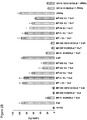
- catalytically inactive tPA variant produced by substitution of the Ser 481 residue to Ala at the catalytic site of tPA (tPA Ser481Ala ; SEQ ID NO:1) competes with the Wild type (WT) tPA and uPA in terms of affinity to plasminogen in presence of fibrin and thereby interferes with the tPA- and uPA mediated fibrinolysis.
- WT Wild type
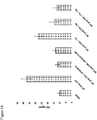
- tPA Ser481Ala inhibit the fibrinolysis induced by "reteplase", a tPA mutant having a decreased binding to fibrin, compared to WT tPA; indicating that tPA Ser481Ala inhibtes fibrinolysis by preventing the binding of the plasminogen activators to plasmin present on the fibrin surface.
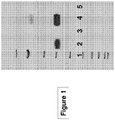
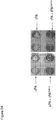
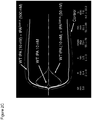
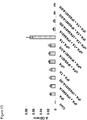
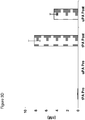
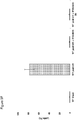
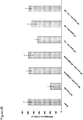
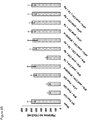
- the data presented in figure 2D show that tPA Ser481Ala inhibit plasminogen activation by tPA and uPA in absence of fibrin but in the presence of TA, supporting further our finding that tPA Ser481Ala exerts its inhibitory effect by binding to plasminogen modified by fibrin or lysine analogs.
- the said tPA variant was found to compete with uPA and thereby uPA-mediated fibrinolysis in a specific dose-dependent manner that was highly dependent on the presence of fibrin (see Example 1).
- These experimental data have led the inventors to the notion that the tPA Ser481Ala variant and possibly certain other tPA mutants may be used for targeting tPA and uPA fibrinolysis.
- the disclosure further encompasses a double mutated tPA that carry both, the S481A and the KHRR 299-302 to AAAA mutation having the amino acid sequence as denoted by SEQ ID NO. 13. It should be noted that this mutant further comprises two additional amino acid residues at the N' terminus of the molecule. These two residues, Arg and Ser (RS), were introduces only for cloning purpose. It should be noted that the 299-302 mutation used herein also refers to a mutation known in the art as KHRR to AAAA of positions 296-299 of tPA.
- TBI traumatic brain injury
- Example 2 Further experiments in vivo in the mouse model of traumatic brain injury (TBI) demonstrated potential clinical utility of the above inventive concept (Example 2).
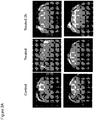
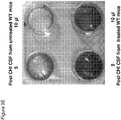
- the inventors found that administration of tPA variants immediately after, or 2 hours after head trauma leads to attenuation and significant reduction of bleeding (intracranial hemorrhage, ICH) consistent with significant reduction of fibrinolytic activity in the cerebrospinal fluid (CSF). More surprisingly, treatment with tPA variants was found to reverse secondary symptoms of TBI, such as thrombocytopenia and neurological symptoms, with no apparent side effects.
- the present disclosure relates to an anti fibrinolytic composition
- an anti fibrinolytic composition comprising at least one tPA (tissue plasminogen activator) mutant that carries a point mutation in position 481 of the Wild type molecule as denoted by SEQ ID NO. 7, substituting Ser 481 to Ala. More specifically, the mutant used for the composition of the disclosure inhibits the fibrinolytic activity of at least one of tPA and uPA (urokinase plasminogen activator).
- composition of the disclosure may further comprise at least one additional therapeutic agent.
- composition of the disclosure may further comprises at least one expectable carrier and excipient.
- the disclosure may comprise tPA variant designated tPA Ser481Ala comprising the amino acid sequence denoted by SEQ ID NO. 1, which was shown as an effective and specific inhibitor of tPA- and uPA-mediated plasminogen activation and fibrinolytic activity (Example 1).
- SEQ ID NO. 1 The mutated tPA molecule of disclosed herein may be also referred to as tPA-S 481 A.
- this mutant further comprises two additional amino acid residues at the N' terminus of the molecule. These two residues, Arg and Ser (RS), were introduces only for cloning purpose. Therefore, the tPA-S 481 A mutant disclosed herein may comprise the amino acid sequence as denoted by SEQ ID NO. 12.
- compositions comprising a mutated tPA molecule that inhibits fibrinolytic activity of both, tPA and uPA.
- tissue plasminogen activator also known as PLAT; enzyme entry EC 3.4.21.68,
- tPA tissue plasminogen activator
- PLAT enzyme entry EC 3.4.21.68
- tPA is synthesized in vascular endothelial cells as a single polypeptide chain that undergoes proteolytic cleavage by plasmin or trypsin at a centrally located arginine-isoleucine bond, resulting in a 2-chain disulfide-linked form composed of the N-terminally derived heavy chain and the C-terminal light chain.
- the tPA gene (DNA acc. NT_167187.1 mapped to chr. 8p11.21) contains 14 exons encoding the heavy chain domain including two kringle regions (K1 and K2) and regions homologous to growth factors and the light chain domain comprising the serine protease catalytic site.
- tPA linked phenotypes include familial hyperfibrinolysis (due to increased tPA release) and familial thrombophilia (due to decreased tPA release (OMIM num. 612348).
- uPA used herein for the urinary plasminogen activator (also known as PLAU; EC 3.4.21.73) relates to another enzyme that converts plasminogen to plasmin.
- uPA may occur as a single-chain form (scuPA) or as a 2-chain derivative (also called HMW uPA) generated by cleavage of the single-chain form by plasmin.
- HMW uPA can be further processed into LMW uPA which is proteolytically active but does not bind to the uPA receptor.
- the uPA gene (Gene acc. NT_030059.13 mapped to chr. 10q22.2) produces several alternatively spliced transcript variants encoding different uPA isoforms.
- uPA is involved in degradation of the extracellular matrix and angiogenesis, and possibly tumor cell migration and proliferation.
- a specific polymorphism in this gene may be associated with late-onset Alzheimer's disease (OMIM num. 104300 and Quebec-patelet disorder (OMIM num. 601709).
- the mutant of the invention inhibits fibrinolytic activity of tPA and uPA.
- fibrinolysis used herein in relation to the invention denotes a physiological process wherein blood clots are dissolved.
- the reaction in fibrinolysis is the activation of the proenzyme plasminogen to plasmin, a serine protease responsible for degradation of fibrin clots and many other biological proteins.
- Plasminogen binds to fibrin via specific lysine binding sites (LBS) at the kringle domains.
- LBS lysine binding sites
- tPA the physiological activator of plasminogen, also binds to fibrin via its finger domain and, to a lesser extent, by the second kringle domain.
- Fibrinolysis is important for maintenance of homeostasis to enable accessibility of biological factors responsible for repair and regeneration (angiogenesis) of to the damaged blood vessels. Inhibition or reduction of fibrinolysis by fibrinolytic inhibitors is important in surgery and trauma to control blood loss and even more strongly indicated for patients with bleeding disorders
- the term "inhibition/ reduction” as referred to herein, relates to retardation, attenuation, retraining or reduction of a process. More specifically, it is understood that the tPA mutants disclosed herein inhibit at least one of tPA and uPA fibrinolysis by at least 1% to 5%, 5% to 10%, 10% to 15%, 15% to 20%, 20% to 25%, 25% to 30%, 30% to 35%, 35% to 40%, 40% to 45%, 45% to 50%, 50% to 55%, 55% to 60%, 60% to 65%, 65% to 70%, 75% to 80%, 80% to 85% 85% to 90%, 90% to 95%, 95% to 99%, or 99% to 99.9%.
- the tPA mutants disclosed herein inhibit at least one of tPA- and uPA-dependent plasminogen activation by any one of 1% to 5%, 5% to 10%, 10% to 15%, 15% to 20%, 20% to 25%, 25% to 30%, 30% to 35%, 35% to 40%, 40% to 45%, 45% to 50%, 50% to 55%, 55% to 60%, 60% to 65%, 65% to 70%, 75% to 80%, 80% to 85% 85% to 90%, 90% to 95%, 95% to 99%, or 99% to 99.9%.
- mutants relates to induced genetic variations which have shown to alter function of the encoded protein product.
- Said mutations may be point mutations that are substitutions, deletions or insertions of a single nucleotide in the DNA sequence, or deletion/ insertion mutations - changes in a number of nucleotides in the DNA sequence; or duplication mutations - abnormal repetitions of a DNA sequence compared to the Wild type sequence.
- point mutations may be missense mutations or nonsense mutation or frameshift mutations.
- the mutants of the invention may carry at least one point mutation substituting or replacing a specific amino acid residue with another due to a point mutation in the codon encoding the specific amino acid residue.
- the tPA enzyme in addition to its catalytic domain that comprises serine protease, also contains the fibronectin-type 3 finger domain, epidermal growth factor-like domain and two kingle domains (K1 and K2).
- the finger domain finds fibrin and annexin II (a protein involved in diverse cellular processes such as cell matrix interactions, actin cytoskeleton interaction, cell motility, endocytosis and ion channel formation).
- the K1 and K2 domains bind to fibrin, the K2 is essential for the brain-protective activity of tPA.
- the catalytic domain in addition to mediating the proteolytic function of tPA, also binds to vascular smooth muscle cells and mediates binding inhibitors such as (PAI-1 and PAI-2).
- Mutations induced at a protein functional domain and consequent biological activity thereof is particularly relevant to the present invention, specifically in relation to the kringle, finger and other domains of the tPA enzyme. Therefore, it should be appreciated that the mutated tPA molecule disclosed herein may carry any additional point mutation in any domain of the molecule.
- the mutated tPA S481A molecule disclosed herein may carry in addition, a point mutation in the K domain (at least one of the K1 or K2).
- K kringle domain
- K relates to autonomous protein domains that fold into large loops stabilized by three disulfide linkages. K domains have been found for example in plasminogen, tPA, hepatocyte growth factors, prothrombin, and apolipoprotein(a). K domains are important in protein-protein interactions, most notably with blood coagulation factors.
- the mutated tPA S481A molecule disclosed herein may carry in addition, a point mutation in the F domain of the molecule.
- the term "finger domain” (F) as referred herein relates to small structural protein domains characterized by an amino acid motif comprising Cys 3 HisCys 4 , which binds two zinc cations that stabilize a particular finger-like folding of a protein.
- the finger domain name has now come to encompass a wide variety of differing protein structures, including the fibronectin-type 3 finger domain. Many proteins containing F domains play a key role in the ubiquitination pathway.
- the tPA Ser 481 to Ala mutant comprised in the composition of the disclosure further comprises at least one point mutation located at any position of residues Lys 296 , His 297 , Arg 298 , Arg 299 , Asp 120 , Thr 106106 , and/or a deletion of the tPA finger and K1 domains (also referred herein as double mutants).
- the disclosure also provides a tPA mutant completely deleted except for its finger domain, and optionally its K1 domain.
- the tPA Ser481Ala variant comprised within the composition disclosed herein may further comprise at least one of the following: (a) point mutations in positions 299-302 of the Wild type molecule as denoted by SEQ ID NO. 7, substituting KHRR 299-302 to AAAA; (b) point mutations in positions 120 and 106 of the Wild type molecule as denoted by SEQ ID NO. 7, substituting N 120 to Q and T 106106 to N; and (c) deletion of at least one of the finger and K1 domains, as denoted by SEQ ID NO. 4.
- tPA double mutants have been demonstrated in vitro in terms of inhibitory effects on tPA- and uPA-mediated plasminogen activation and fibrinolysis (Example 1), as well as in vivo in terms of inhibition of pathologic fibrinolysis or hyperfibrinolysis and the inhibition of glutamate-mediated neural damage or death associated with neural trauma and especially head trauma (Example 2).
- the 299-302 mutation used herein also refers to a mutation known in the art as KHRR to AAAA of positions 296-299 of Tpa, and the mutations substituting N 120 to Q and T 106 to N, is also known in the art as mutation substituting N 117 to Q and T 103 to N.
- composition comprises tPA double mutant, as tPA Ser 481 to Ala and point mutations in the tPA protease domain, for example, point mutations replacing KHRR 299-302 with AAAA.
- This particular mutant is designated tPA Ser481Ala-DS .
- mutant disclosed herein may be also referred to as tPA-S 481 A-DS.
- Such mutant may be a mutant comprising the amino acid sequence as denoted by amino acid sequence SEQ ID NO. 2.
- the inventors conceived that this tPA mutant would be lacking catalytic activity as well as ability to bind to NMDA-R, but not the ability to bind to fibrin.
- the inventors have been extensively demonstrated efficiency of said mutant in inhibition of tPA and uPA fibrinolysis in vitro (Example 1) as well as beneficial effects thereof in the in vivo model of head trauma (Example 2).
- NMDA-Rs govern a range of physiological conditions including neurological disorders caused by neuronal injury, psychiatric disorders and neuropathic pain syndromes. Over-activation of the NMDA-Rs (also known as NMDA-R-mediated excitotoxicity) has been linked to pathological conditions of acute and chronic neurodegeneration.
- tPA Ser481Ala-DS double mutant disclosed herein devoid of the serine protease activity and therefore, cannot activate NMDA-R.
- tPA binds NMDA-R through the PAI-1 docking site, the disruption of this site prevents or inhibits interaction of tPA with NMDA-R, this mutant cannot compete with the Wild type tPA and therefore cannot prevent activation of NMDA-R.
- the combination of Ser 481 and at least one of Lys 296 , His 297 , Arg 298 , Arg 299 creates a tPA mutant which inhibits or prevents fibrinolysis and does not affect NMDA-R.
- Such mutants may be favorable in cases where the treated disorder or trauma is not a brain or neural trauma, and no effect of the treatment on the nervous system is desired, or in cases where fibrinolysis is required, even in the nervous system and in particular the brain, but no effect on the NMDA-R is desired.
- the mutated tPA molecule of the disclosure carries a point mutation in Ser 481 to Ala and point mutations in KHRR 299-302 to AAAA, and comprises the amino acid sequence of SEQ ID NO. 2. It should be also noted that this mutant further comprises two additional amino acid residues at the N' terminus of the molecule. These two residues, Arg and Ser (RS), were introduces only for cloning purpose. Therefore, the tPA-S 481 A-DS mutant disclosed herein may comprise the amino acid sequence as denoted by SEQ ID NO. 13.
- the tPA Ser481Ala-DS mutant have been shown to exhibit beneficial therapeutic effects on head injury, as reflected in lower neurological severity scores (NSS).
- such reduction or decrease in neurological symptoms may be of 10 to 95%, specifically, 10%, 15%, 20%, 25%, 30%, 35%, 40%, 45%, 50%, 55%, 60%, 65%, 70%, 75%, 80%, 85%, 90%, 95% and even 99% of the NSS in a subject in need thereof.
- neural cell death following head trauma may be prevented or inhibited by administering tPA mutants disclosed herein, especially tPA Ser 481 to Ala and tPA double mutants, to subjects that had undergone such an injury, or risk such an injury.
- the decrease in neural cell death following head trauma may be of 10 to 95%, specifically, 10%, 15%, 20%, 25%, 30%, 35%, 40%, 45%, 50%, 55%, 60%, 65%, 70%, 75%, 80%, 85%, 90%, 95% and even 99% said subject. Specifically, cell death may be inhibited or prevented in the CA3 hippocampal area.
- composition disclosed herein may comprise a combination of different mutants.
- composition may comprise the tPA Ser481Ala mutant and at least one of the other tPA mutants, specifically, any one of: (a) a mutant carrying a point mutations in positions 299-302 of the Wild type molecule as denoted by SEQ ID NO. 7, substituting KHRR 299-302 to AAAA. Such mutant may be provided by SEQ ID NO. 15. (b) a mutant carrying a point mutations in positions 120 and 106106 of the Wild type molecule as denoted by SEQ ID NO. 7, substituting N 120 to Q and T 106106 to N. A specific embodiment for such mutant may be provided by SEQ ID NO. 16.
- each mutation, deletion or combination of mutations and/or deletions modifies the activity or effect of the resultant tPA mutant protein.
- mutants having significant effect on fibrinolysis but not on NMDA-R activation would be desirable for various purposes.
- N 120 to Q mutation shift the glycosylation site within K1 by 14 amino acids upstream and a T 106106 to N mutant exhibits an additional glycosylation site on K1.
- Both mutations result in a significantly longer half-life and increased affinity to fibrin compared to WT tPA.
- the combination of these mutations and the Ser 481 to Ala mutation may results in a longer-lasting and more potent fibrinolysis inhibitor.
- the mutated tPA molecule of the disclosure carries a point mutation in Ser 481 to Ala and point mutations in N 120 to Q and in T 106 to N, and comprises the amino acid sequence of SEQ ID NO. 3. It should be also noted that this mutant further comprises two additional amino acid residues at the N' terminus of the molecule. These two residues, Arg and Ser (RS), were introduces only for cloning purpose. Therefore, the tPA-S 481 A-N 120 Q-T 106 N triple mutant disclosed herein may comprise the amino acid sequence as denoted by SEQ ID NO. 14.
- the mutated tPA molecule of the disclosure carries a point mutation in Ser 481 to Ala and deletion of at least one of the finger and K1 domains, and comprises the amino acid sequence of SEQ ID NO. 4.
- a finger domain fragment of tPA alone or combined with the K1 domain may inhibit tPA mediated fibrinolysis by competing with the binding of tPA to fibrin and preventing tPA mediated fibrinolysis.
- uPA/scuPA (SEQ ID No. 5) mutants with a single mutation of Ser 356 -Ala lack a protease catalytic activity, and therefore prevent/inhibit plasminogen and NMDA-R activation.
- the invention provides a composition as described by the invention, for use in a method for the treatment, amelioration, inhibition or prophylaxis of a disease, disorder, or condition associated with fibrinolysis.
- the disclosure also provides a composition for use in a method of treatment, amelioration, inhibition or prophylaxis of diseases, disorders, or conditions that may include any one of coagulopathy, thrombocytophenia, hemorrhage, noncompressible hemorrhage, trauma induced hemorrhage, gynecological hemorrhage, minor surgery or major surgery bleeding, congenital coagulopathy, hemophilia, disseminated intravascular coagulation (DIC) and conditions related to angiogenesis.
- coagulopathy thrombocytophenia
- hemorrhage noncompressible hemorrhage
- trauma induced hemorrhage gynecological hemorrhage
- minor surgery or major surgery bleeding congenital coagulopathy
- hemophilia hemophilia
- disseminated intravascular coagulation (DIC) and conditions related to angiogenesis DIC
- coagulopathy also clotting or bleeding disorder
- hypocoagulability is an unusual susceptibility to bleeding, that is, an increased bleeding diathesis, due to an abnormality in coagulation.
- Coagulopathy may be caused by reduced levels or absence of blood clotting proteins, known as coagulation factors.
- Specific group within coagulopathies constitute congenital coagulopaties wherein the deficiency of coagulation factors is genetically determined and inherited.
- Coagulopathy may also occur as a result of dysfunction or reduced levels of platelets. Coagulopathies may severely complicate blood loss from injury, childbirth, surgery, and other conditions in which bleeding can occur.
- the most common congenital coagulopathies include: hemophilia (hemophilia A or factor VIII deficiency) an X-linked disorder characterized by spontaneous musculoskeletal bleeding; hemophilia B (or Christmas disease or factor IX deficiency) has similar symptoms but is less common and is highly dependent on vitamin K; Von Willebrand's disease (vWD) a hereditary disorder with prolonged bleeding time due to a clotting factor deficiency and impaired platelet function; hypoprothrombinemia is another congenital deficiency of clotting factors that can lead to hemorrhages; other disorders include factor XI deficiency (hemophilia C) and factor VII deficiency (also called Serum Prothrombin Conversion Accelerator (SPCA) deficiency).
- hemophilia hemophilia A or factor VIII deficiency
- vWD Von Willebrand's disease
- hypoprothrombinemia is another congenital deficiency of clotting factors that can lead to
- DIC Disseminated Intravascular Coagulation
- pathologic thrombin generation may ironically result in hemorrhage due to depletion of clotting.
- DIC etiologies include sepsis, snakebites, burns, amniotic fluid embolism, trauma, acute leukemias and other malignancies.
- the present invention is particularly relevant for the treatment and amelioration and possibly prevention of thrombocytopenia which is the most common coagulation disorder.
- thrombocytophenia is defined as a platelet count below the normal range (between 150,000 to 450,000/ ⁇ l ⁇ 2 standard deviation). Most notably, when the platelet count is below 50,000/ ⁇ l, risks for spontaneous mucocutanous bleedings (gingival bleed, epistaxis, menorrhagia, petechiae, ecchymoses) and life threatening spontaneous intracraneal hemorrhages or gastrointestinal bleeding increase rapidly.
- the diagnostic criteria for thrombocytopenia include elevated values in the D-dimer (DD) test and exclusion of artifactual or "pseudothrombocytopenia" evident in in-vitro clumping of platelets in the presence of ethylenediaminetetraacetic acid (EDTA) but when using cirated blood.
- DD D-dimer
- EDTA ethylenediaminetetraacetic acid
- Etiologies of thrombocytopenia include: immune thrombocytopenic purpura (ITP also idiopathic thrombocytopenic purpura) - an autoimmune condition caused by the presence of antiplatelet antibodies; thrombotic thrombocytopenic purpura or hemolytic uremic syndrome (TTP-HUS) a relatively uncommon life-threatening form of thrombocytopenia caused by inherited or acquired conditions; drug-induced thrombocytopenia is relatively common, specifically the chemotheraphy induced thrombocytopenia and heparin induced thrombocytopenia (HIT); sepsis/ infection induced thrombocytopenia, specifically resulting from bacterial or viral infections (e.g.
- DIC and hypersplenism may cause thrombocytopenia due to sequestration of blood elements; other causes include pregnancy induced thrombocytopenia and bone marrow transplant, blood transfusion or metastatic carcinomas induced thrombocytopenia.
- hemorrhages include: Class I - loss of up to 15% of blood volume with no change in vital signs; Class II -15-30% loss with symptoms of tachycardia, peripheral vasoconstriction and paleness of the skin; Class III - 30-40% loss with significant drop of blood pressure, increase of heart rate and peripheral hypoperfusion (shock); Class IV - >40% loss reaching the limit of the body's compensation wherein aggressive resuscitation is required to prevent death.
- the standardized grading scale to measure the severity of bleeding consists of Grade 0 - no bleeding; Grade 1 - petechial bleeding; Grade 2 - mild blood loss (clinically significant); Grade 3 - gross blood loss requiring transfusion (severe); Grade 4 - debilitating blood loss including cerebral associated with fatality.
- Hemorrhage prone sites include mouth (hematemesis, hemoptysis), nose (epistaxis); anus (hematochezia), urinary tract (hematuria), upper head (intracranial, cerebral and intracerebral hemorrhages) and subarachnoid hemorrhage (SAH) within the subarachnoid space usually resulting from some pathologic non-traumatic process, such as rupture of a berry aneurysm or arteriovenous malformation (AVM); lungs (pulmonary hemorrhage); gynecologic (vaginal bleeding, postpartum hemorrhage, breakthrough bleeding and ovarian bleeding; internal bleedings (into the spleen and liver); and gastrointestinal (upper gastrointestinal bleed).
- mouth hematemesis, hemoptysis
- nose epistaxis
- anus hematochezia
- urinary tract hematuria
- upper head intracranial, cerebral and intracerebral hemorr
- Hemorrhages may be also caused by either traumatic injury or other medical conditions (e.g. internal bleedings induced by Warfarin/ Coumadin) or a combination of both.
- noncompressible hemorrhages specifically relevant noncompressible hemorrhages to the torso (chest, abdomen, pelvis and back), in which compression cannot be applied, unlike extremity wounds that are more amenable to compression to stop bleeding.
- control of bleeding and limitation of blood loss is the only way to avoid a massive hemorrhage.
- the present composition of the disclosure when administered intravenously, provides potential treatment for truncal hemorrhages that are particularly resistant to the currently available treatments.
- hemorrhagic stroke involving bleeding within the brain including: as deep intracerebral hemorrhage in the thalamus, basal ganglia, or cerebellum; lobar intracerebral hemorrhage predominantly in the cerebrum; SAH caused by cerebral aneurysm; or hypertensive intracerebral hemorrhage due to high blood pressure.
- Pertinent to the present context are gynecological hemorrhage that include menorraghia, pregnancy or paritutrition and obstetric bleeding, postpartum hemorrhage. It should be noted that the compositions as well as any of the methods, uses and kits disclosed herein may be applicable for any of the disorders described herein.
- the invention may be also relevant for treating and preventing bleeding resulting from minor surgery, i.e. surgical procedures that do not involve anesthesia or respiratory assistance such as circumcision, dental surgery; as well as for major surgery i.e. any surgery in which a patient must undergo general anesthesia, for example orthopedic surgery, urological surgery.
- the invention may be administered in conjunction with an additional therapeutic agent.
- additional agent may be at least one coagulation promoting agent.
- coagulation promoting agent may be selected from thrombin, fibrinogen, platelet activating agent, plasma preparations and platelets reach plasma preparations and vitamin K.
- the invention can be administered with styptics that work by contracting tissue to seal injured blood vessels or other locally-acting agents that work by causing vasoconstriction or promoting platelet aggregation.
- the mutated tPA molecule disclosed herein effectively inhibit also the fibrinolytic activity of uPA.
- the involvement of uPA has been recently demonstrated in modulation of angiogenesis. More specifically, uPA has been implicated in tissue proliferation and cell adhesion, as it regulates proteolytic degradation of the extracellular matrix, liberating growth factors and matrix metalloproteases. Moreover, uPA has been shown as required for both endogenous and vascular endothelia growth factor (VEGF)-augmented angiogenesis. On the other hand, uPA has been shown as involved in the generation of angiostatin from plasminogen. It should be noted that angiostatin is an inhibitor of angiogenesis.
- VEGF vascular endothelia growth factor
- the inhibition of the activity of uPA by the mutants of disclosed herein may be therefore useful in modulating angiogenesis. It should be noted that modulation refer to either enhancing or inhibiting angiogenesis.
- the mutants disclosed herein may be used in enhancing angiogenesis in a subject in need thereof.
- the terms "enhancing” and “promoting” relate to the augmentation or amplification of an angiogenic process by any one of 1% to 5%, 5% to 10%, 10% to 15%, 15% to 20%, 20% to 25%, 25% to 30%, 30% to 35%, 35% to 40%, 40% to 45%, 45% to 50%, 50% to 55%, 55% to 60%, 60% to 65%, 65% to 70%, 75% to 80%, 80% to 85% 85% to 90%, 90% to 95%, 95% to 99%, or 99% to 99.9%.
- the mutants disclosed herein may be used in inhibiting angiogenesis in a subject in need thereof.
- the terms “inhibiting” and “reducing” relate to the elimination, reduction and attenuating an angiogenic process by any one of 1% to 5%, 5% to 10%, 10% to 15%, 15% to 20%, 20% to 25%, 25% to 30%, 30% to 35%, 35% to 40%, 40% to 45%, 45% to 50%, 50% to 55%, 55% to 60%, 60% to 65%, 65% to 70%, 75% to 80%, 80% to 85% 85% to 90%, 90% to 95%, 95% to 99%, or 99% to 99.9%.
- the present disclosure further provides the use of the composition of the disclosure in a method for modulating angiogenesis.
- Angiogenesis as referred herein related to a physiological process of formation of new blood vessels from pre-existing vessels. This is distinct from vasculogenesis, which is the de novo formation of endothelial cells from mesoderm cell precursors.
- Angiogenesis is a normal and vital process in growth and development, as well as in wound healing and in the formation of granulation tissue. It is also a fundamental step in the transition of tumors from a benign state to a malignant one, leading to the use of angiogenesis inhibitors in the treatment of cancer. Specifically relevant to this context are conditions related to insufficient angiogenesis, such as coronary artery disease, stroke, chronic wounds and during surgery.
- angiogenesis is controlled by a net balance between molecules that have positive and negative regulatory activity. This observation has led to the concept of "angiogenic switch", in which the endothelial activation status is determined by the induction of positive regulators and/or loss of negative regulators.
- angiogenic switch in which the endothelial activation status is determined by the induction of positive regulators and/or loss of negative regulators.
- VEGF vascular endothelial growth factor
- the disclosure provides the composition disclosed herein for use in a method for promoting and enhancing wound healing.
- wound healing as referred herein relates to an intricate process in which the skin or another organ-tissue repairs itself after injury.
- the epidermis (outermost layer) and dermis (inner or deeper layer) exist in steady-state equilibrium, forming a protective barrier against the external environment. Once the protective barrier is broken, the normal (physiologic) process of wound healing is immediately set in motion.
- the classic model of wound healing is divided into three or four sequential, yet overlapping, phases: (1) hemostasis (not considered a phase by some authors), (2) inflammatory, (3) proliferative and (4) remodeling.
- a set of complex biochemical events takes place in a closely orchestrated cascade to repair the damage.
- platelets thrombocytes
- aggregate at the injury site to form a fibrin clot. This clot acts to control active bleeding (hemostasis).
- bacteria and debris are phagocytosed and removed, and factors are released that cause the migration and division of cells involved in the proliferative phase.
- the proliferative phase is characterized by angiogenesis, collagen deposition, granulation tissue formation, epithelialization, and wound contraction.
- angiogenesis new blood vessels are formed by vascular endothelial cells.
- fibroblasts grow and form a new, provisional extracellular matrix (ECM) by excreting collagen and fibronectin.
- ECM extracellular matrix
- the wound In contraction, the wound is made smaller by the action of myofibroblasts, which establish a grip on the wound edges and contract themselves using a mechanism similar to that in smooth muscle cells. When the cells' roles are close to complete, unneeded cells undergo apoptosis.
- the terms "enhancing” and “promoting” relate to the augmentation or amplification of a process or quantity related to wound healing, by any one of 1% to 5%, 5% to 10%, 10% to 15%, 15% to 20%, 20% to 25%, 25% to 30%, 30% to 35%, 35% to 40%, 40% to 45%, 45% to 50%, 50% to 55%, 55% to 60%, 60% to 65%, 65% to 70%, 75% to 80%, 80% to 85% 85% to 90%, 90% to 95%, 95% to 99%, or 99% to 99.9%.
- the disclosure provides various composition as described herein for use as a biological glue.
- biological glue refers to compositions as described above that comprise as an active ingredient at least one tPA mutated molecule, which can be used for a variety of purposes, for example, as sealants, delivery agents and adhesive compounds. More particularly, the composition disclosed herein may be used as biological glue for controlling bleeding and for the tight sealing of vessels, lungs or skin incisions, but also in case of intracavitary injuries. For instance, the composition may be used for sealing or reinforcing wounds that have been sutured or stapled, with pressure over an injured area, or to reduce blood loss and post-operative bleeding. When used as biological glue, the composition is preferably eliminated after the cicatrisation of the wound, by biodegradation, absorption or by simple detachment in the form of scabs.
- the invention provides the composition of the invention for use in a method for inhibiting the fibrinolytic activity of at least one of tPA and uPA. It should be noted that such inhibitory action of the mutants of the invention may be performed either in vivo or in vitro, as shown in the following Examples.
- the pharmaceutical composition disclosed herein may comprise the active compound in free form and be administered directly to the subject to be treated. Alternatively, depending on the size of the active molecule, it may be desirable to conjugate it to a pharmaceutically acceptable carrier prior to administration.
- Therapeutic formulations may be administered in any conventional dosage formulation. Formulations typically comprise at least one active ingredient, as defined above, together with one or more pharmaceutically and physiologically acceptable carriers in the sense of being compatible with the other ingredients and not injurious to the patient.
- the pharmaceutical composition may be suitable for injection.
- the pharmaceutical forms suitable for injection use include sterile aqueous solutions or dispersions and sterile powders for the extemporaneous preparation of sterile injectable solutions or dispersions. In all cases the form must be sterile and must be fluid to the extent that easy syringeability exists. It must be stable under the conditions of manufacture and storage and must be preserved against the contaminating action of microorganisms, such as bacteria and fungi.
- the prevention of the action of microorganisms can be brought about by various antibacterial and antifungal agents, for example, parabens, chlorobutanol, phenol, sorbic acid, thimerosal, and the like.
- isotonic agents for example, sugars or sodium chloride.
- Prolonged absorption of the injectable compositions can be brought about by the use in the compositions of agents delaying absorption, for example, aluminum monostearate and gelatin.
- Sterile injectable solutions are prepared by incorporating the active compounds in the required amount in the appropriate solvent with several of the other ingredients enumerated above, as required, followed by filtered sterilization.
- dispersions are prepared by incorporating the various sterilized active ingredients into a sterile vehicle which contains the basic dispersion medium and the required other ingredients from those enumerated above.
- the preferred method of preparation are vacuum-drying and freeze drying techniques which yield a powder of the active ingredient plus any additional desired ingredient from a previously sterile-filtered solution thereof.
- compositions disclosed herein generally comprise a buffering agent, an agent who adjusts the osmolarity thereof, and optionally, one or more pharmaceutically acceptable carriers, excipients and/or additives as known in the art.
- Supplementary active ingredients can also be incorporated into the compositions.
- the carrier can be solvent or dispersion medium containing, for example, water, ethanol, polyol (for example, glycerol, propylene glycol, and liquid polyethylene glycol, and the like), suitable mixtures thereof, and vegetable oils.
- the proper fluidity can be maintained, for example, by the use of a coating, such as lecithin, by the maintenance of the required particle size in the case of dispersion and by the use of surfactants.
- pharmaceutically acceptable carrier includes any and all solvents, dispersion media, coatings, antibacterial and antifungal agents and the like.
- the use of such media and agents for pharmaceutical active substances is well known in the art. Except as any conventional media or agent is incompatible with the active ingredient, its use in the therapeutic composition is contemplated.
- compositions and formulations for oral administration include powders or granules, suspensions or solutions in water or non-aqueous media, capsules, sachets or tablets. Thickeners, flavoring agents, diluents, emulsifiers, dispersing aids or binders may be desirable.
- compositions of the present disclosure may be prepared according to conventional techniques well known in the pharmaceutical industry. Such techniques include the step of bringing into association the active ingredients with the pharmaceutical carrier(s) or excipient(s). In general formulations are prepared by uniformly and intimately bringing into association the active ingredients with liquid carriers or finely divided solid carriers or both, and then, if necessary, shaping the product.
- compositions of the present disclosed herein may be formulated into any of many possible dosage forms such as, but not limited to, tablets, capsules, liquid syrups, soft gels, suppositories, and enemas.
- the compositions may also be formulated as suspensions in aqueous, non-aqueous or mixed media.
- Aqueous suspensions may further contain substances which increase the viscosity of the suspension including, for example, sodium carboxymethylcellulose, sorbitol and/or dextran.
- the suspension may also contain stabilizers.
- the pharmaceutical compositions disclosed herein also include, but are not limited to, emulsions and liposome containing formulations.
- Formulations include those suitable for topical, oral, rectal, nasal, or parenteral (including subcutaneous, intramuscular, intraperitoneal (IP), intravenous (IV) and intradermal) administration.
- IP intramuscular, intraperitoneal
- IV intravenous
- intradermal administration of all such compounds including the effective amounts necessary to produce desirable effects in a subject.
- the preparation of pharmaceutical compositions is well known to the skilled man of the art and has been described in many articles and textbooks, see e.g., Remington's Pharmaceutical Sciences, Gennaro A. R. ed., Mack Publishing Co., Easton, PA, 1990, and especially pp. 1521-1712 therein.
- compositions disclosed herein may be applicable for topical administration or transdermal delivery.
- Such composition and formulations may include transdermal patches, ointments, lotions, creams, gels, drops, suppositories, sprays, liquids and powders.
- Conventional pharmaceutical carriers, aqueous, powder or oily bases, thickeners and the like may be necessary or desirable.
- Transdermal delivery may be accomplished in various ways.
- transdermal herein is meant the passing through the skin and into a subject's blood stream, whereby to provide a systemic effect.
- transmucosal i.e. passing through mucosal tissue so as to embrace sublingual, buccal, vaginal and rectal delivery
- transdermal delivery is affected through a subject's skin.
- references are generally made herein to skin for simplicity's sake only although it will be appreciated that the transdermal delivery described herein may also be transmucosal.
- a transdermal delivery system comprising a composition disclosed herein.
- Such compositions may be presented in a number of different ways, a typical presentation being one that permits transdermal delivery.
- the compositions may be contained within an adhesive patch designed to be affixed to the skin of a patient, or formulated into a capsule or sachet susceptible to easy rupture (e.g. by rubbing or squeezing between fingers) for release of a calculated dose of the tPA mutants formulation onto the skin into which it may be rubbed.
- Other formulations, such as topically applied gels are known to the skilled person.
- the compositions of the present disclsoure are presented as adhesive transdermal patches.
- Such patches comprising the composition disclosed herein constitute a delivery system for transdermal delivery of the composition contained within them.
- Transdermal patches comprising the compositions disclosed herein contain a quantity of tPA mutants to be delivered and an adhesive to allow contact between the patch and the skin to be maintained in absence of external pressure.
- the patches comprise a first face that contacts the skin, and a protective backing layer on a second face of the patch opposing the first face, one face of the backing layer being exposed to the environment during use and comprising a material that is impervious to the components present in the patch.
- Attached to the first face of a transdermal patch is typically a releasable protective layer that protects the patch prior to its use and which may be released from the adhesive disposed at the first face of the patch prior to the patch being affixed to the skin.
- patches herein material adapted for adhesion to a subject's skin or mucosal tissue.
- patches herein have a substantial degree of rigidity and, in use, comprise a backing layer exposed to the environment and a composition of the disclosure beneath the backing layer.
- the patches disclosed herein may also be of a non-rigid nature.
- An exemplary transdermal delivery system comprises: (a) at least one drug reservoir containing the at least one tPA mutant, or any salt, base, ester or amide, or any combination or mixture thereof and, optionally, a pharmaceutically acceptable inorganic or organic base in an amount effective to enhance the flux of the active ingredient through the body surface without causing damage thereto; (b) a means for maintaining the system in active ingredient transmitting relationship to the body surface and forming a body surface-system interface; and (c) a backing layer that serves as the outer surface of the device during use.
- the drug reservoir may comprise a polymeric matrix of a pharmaceutically acceptable adhesive material that serves to affix the system to the skin during drug delivery; typically, the adhesive material is a pressure-sensitive adhesive (PSA) that is suitable for long-term skin contact, and which should be physically and chemically compatible with the active ingredient, inorganic or organic base, and any carriers, vehicles or other additives that are present.
- PSA pressure-sensitive adhesive
- suitable adhesive materials include, but are not limited to, the following: polyethylenes; polysiloxanes; polyisobutylenes; polyacrylates; polyacrylamides; polyurethanes; plasticized ethylenevinyl acetate copolymers; and tacky rubbers such as polyisobutene, polybutadiene, polystyrene-isoprene copolymers, polystyrene-butadiene copolymers, and neoprene (polychloroprene).
- Preferred adhesives are polyisobutylenes.
- the said transdermal patches that may be used in transdermal delivery of the at least one tPA mutant or any salt, base, ester or amide, or any combination or mixture thereof comprise the backing layer, the active ingredient-containing layer and the release liner.
- the release-control membranes to control the transdermal absorption of the active ingredient or the adhesive layers to adhere to the skin can be added, if desired.
- reservoir-type patches can be adopted.
- the active ingredient-containing layer may be a matrix-type adhesive layer containing the active ingredient and an adhesive agent as a base agent.
- the adhesive agents contained in the drug-containing layers of the transdermal patches of the present disclosure are, according to the disclosure, non-aqueous adhesive agents, and are inclusive of rubber adhesive agents, acryl polymers and silicone polymers.
- the rubber adhesive agents are inclusive of one or not less than two agents selected from styrene-isoprene-styrene block copolymer, styrene-butadiene-styrene block copolymer, styrene-butadiene rubber, polyisobutylene, polybutene, butyl rubber, natural rubber and isoprene rubber and can be used in the present disclosure.
- the acryl polymers include, but is not limited to, polymers or copolymers containing at least one kind of the (meth)acrylate represented by 2-ethylhexyl acrylate, methyl acrylate, butyl acrylate, 2-hydroxyethyl acrylate, 2-ethylhexyl methacrylate and the like as a monomer unit, for example, adhesive polymers such as acrylic acid-octyl acetate copolymer, 2-ethylhexyl acrylate-N-vinyl-2-pyrrolidone-1,6-hexaneglycolyl dimethacrylate copolymer, 2-ethylhexyl acrylate-vinyl acetate copolymer, 2-ethylhexyl acrylate-vinyl acetate-acrylic acid copolymer, 2-ethylhexyl acrylate-2-ethylhexyl methacrylate-dodecyl meth
- the silicone polymers include derivatives of polysiloxane (for example, silicone polymer such as polydimethylsiloxane and amine-resistant polydimethylsiloxane). It should be noted that the matrix and film applicable for the transdermal delivery system are described herein in connection with rapid oral delivery are also relevant for the transdermal delivery.
- the disclosure also provides an isolated tPA mutated molecule, or any fragment or functional derivative thereof. More specifically, the tPA mutant provided by the disclosure carries a point mutation in position 481 of the Wild type molecule as denoted by SEQ ID NO. 7, substituting Ser 481 to Ala and at least one further mutation that may be any one of: (a) point mutations in positions 299-302 of the Wild type molecule as denoted by SEQ ID NO. 7, substituting KHRR 299-302 to AAAA; (b) point mutations in positions 120 and 106 of the Wild type molecule as denoted by SEQ ID NO. 7, substituting N 120 to Q and T 106 to N; and (c) deletion of at least one of the finger and K1 domains, as denoted by SEQ ID NO. 4.
- the disclosure further relates to an isolated tPA mutated molecule-that carries point mutations in Ser 481 to Ala and in KHRR 299-302 to AAAA.Such mutant is designated tPA Ser481Ala-DS , more specifically, such mutant may comprise the amino acid sequence as denoted by SEQ ID NO. 2.
- the mutant disclosed herein may further comprise N terminal RS residues.
- Such mutant may comprise the amino acid sequence as denoted by SEQ ID NO. 13.
- the disclosure additionally relates to a mutated tPA that carries a point mutation in Ser 481 to Ala and point mutations in positions 120 and 106 of the Wild type molecule as denoted by SEQ ID NO. 7, substituting N 120 to Q and T 106 to N.
- Such mutant may comprise the amino acid sequence of SEQ ID NO. 3.
- the mutant disclosed herein may further comprise N terminal RS residues.
- Such mutant may comprise the amino acid sequence as denoted by SEQ ID NO. 14.
- a mutated tPA molecule that carries a point mutation in Ser 481 to Ala and deletion of at least one of the finger and K1 domains. More specifically, such mutant may comprise the amino acid sequence of SEQ ID NO. 5.
- mutated tPA tPA mutant
- mtPA tPA mutated molecule
- Ser 481 -Ala tPA mutant of the invention are essentially devoid of protease or serine protease catalytic activity.
- the mutated tPA molecule disclosed herein has an impaired, decreased or reduced activity.
- a preferred mutated tPA molecule lacks any catalytic activity.
- the enzymatic activity of tPA can be measured by assessing the ability of the molecule to convert plasminogen to plasmin.
- the disclosure provides the different tPA mutants as described herein above, as well as any variants and fragments or peptides thereof.
- fragments or peptides it is meant a fraction of said mutated tPA molecule.
- a “fragment” of a molecule such as any of the amino acid sequences of the present disclosure, is meant to refer to any functional amino acid subset of the mutated tPA molecule. This may also include “variants” or “derivatives” thereof.
- a “peptide” is meant to refer to a particular amino acid subset having functional activity.
- functional is meant having the same biological function, for example, having the ability of competing with the WT tPA and inhibiting the activation of plasminogen, or having the ability of competing with the Wild type tPA and uPA or the ability of inhibiting fibrinolysis by both enzymes.
- a “variant” of such molecule is meant to refer a naturally occurring molecule substantially similar to either the entire molecule or a fragment thereof.
- derivatives as used herein mean a molecule comprising the amino acid sequence of the mutated tPA molecule, with any insertions, deletions, substitutions and modifications that do not interfere with at least one of the ability of said molecule to inhibit the fibrinolysis mediated by tPA and uPA.
- a derivative should maintain a minimal homology to said amino acid sequence, e.g. even less than 30%, preferably, 90% to 40% homology, 80% to 50% or 70% to 60%.
- insertions and “deletions” are meant any addition or reduction, respectively, of amino acid residues to the mutated tPA peptide used by the invention, between 1 to 50 amino acid residues, preferably, between 1 to 20 amino acid residues and most preferably, between 1 to 10 amino acid residues. More particularly, insertions or deletions, respectively, may include addition or reduction of 1, 2, 3, 4, 5, 6, 7, 8, 9 or 10 amino acid residues to the mutated tPA molecule of the disclosed herein.
- mutants disclosed herein are provided isolated and purified.
- isolated denotes that the peptide, protein or nucleic acid is essentially free of other cellular components with which it is associated in the natural state. It is preferably in a homogeneous state, although it can be in either a dry or aqueous solution. Purity and homogeneity are typically determined using analytical chemistry techniques such as high performance liquid chromatography or polyacrylamide gel electrophoresis. A protein, peptide or nucleic acid which is the predominant species present in a preparation is substantially purified.
- amino acid sequences for example, the amino acid sequence of the any one of the tPA mutants disclosed herein, one of skill will recognize that individual substitutions, deletions or additions to a nucleic acid, peptide, polypeptide, or protein sequence which alters, adds or deletes a single amino acid or a small percentage of amino acids in the encoded sequence is a "conservatively modified variant" where the alteration results in the substitution of an amino acid with a chemically similar amino acid. Conservative substitution tables providing functionally similar amino acids are well known in the art. Such conservatively modified variants are in addition to and do not exclude polymorphic variants, interspecies homologues, and alleles of the disclosure.
- substitutions may be made wherein an aliphatic amino acid (G, A, I, L, or V) is substituted with another member of the group, or substitution such as the substitution of one polar residue for another, such as arginine for lysine, glutamic for aspartic acid, or glutamine for asparagine.
- substitutions may be made wherein an aliphatic amino acid (G, A, I, L, or V) is substituted with another member of the group, or substitution such as the substitution of one polar residue for another, such as arginine for lysine, glutamic for aspartic acid, or glutamine for asparagine.
- substitutions may be made wherein an aliphatic amino acid (G, A, I, L, or V) is substituted with another member of the group, or substitution such as the substitution of one polar residue for another, such as arginine for lysine, glutamic for aspartic acid, or glutamine for asparagine.
- substitutions may be made wherein an
- amino acid(s) refer to all naturally occurring L-amino acids, e.g. and including D-amino acids.
- the amino acids are identified by either the well known single-letter or three-letter designations.
- the term "derivative" is used to define amino acid sequence variants, and covalent modifications of a polypeptide made use of in the present disclosure. e.g. of a specified sequence.
- the functional derivatives of a any one of the tPA mutants disclosed herein, such as, for example, the tPA Ser481Ala tPA or tPA Ser481-Ala-DS (also referred to as tPA-S 481 A-DS) mutant and its optionally further comprising other mutants as described herein, preferably have at least 65%, more preferably at least 75%, even more preferably at least 85%, most preferably at least 95% overall sequence homology, identity or similarity with the amino acid sequence of the tPA mutants polypeptides as structurally defined above.
- “Homology” with respect to a native any one of the tPA mutants polypeptides disclosed herein and their functional derivatives is defined herein as the percentage of amino acid residues in the candidate sequence that are identical or similar with the residues of a corresponding native polypeptide, after aligning the sequences and introducing gaps, if necessary, to achieve the maximum percent homology, and not considering any conservative substitutions as part of the sequence identity. Neither N-nor C-terminal extensions nor insertions or deletions shall be construed as reducing identity or homology. Methods and computer programs for the alignment are well known.
- insertions or deletions any addition or deletion, respectively, of amino acid residues to any one of the tPA mutants disclosed herein, of between 1 to 50 amino acid residues, between 20 to 1 amino acid residues and specifically, between 1 to 10 amino acid residues. More particularly, insertions or deletions may be of any one of 1, 2, 3, 4, 5, 6, 7, 8, 9, or 10 amino acids. It should be recognized that insertions or deletions may be additions or reduction of amino acid residues from the N-terminal, the C-terminal end of the molecule or within the molecule or any combinations thereof.
- nucleic acids or polypeptide sequences refer to two or more sequences or subsequences that are the same or have a specified percentage of amino acid residues or nucleotides that are the same (i.e., 60% identity, preferably 65%, 70%, 75%, 80%, 85%, 90%, 91%, 92%, 93%, 94%, 95%, 96%, 97%, 98%, 99%, or higher identity over a specified region or over the entire molecule.
- Also disclosed herein is a method for the treatment, amelioration, inhibition or prophylaxis of a disease, disorder, or condition associated with fibrinolysis in a subject in need thereof. More specifically, the method disclosed herein comprises the step of administering to said subject, a therapeutically effective amount of at least one tPA mutated molecule or any composition comprising the same.
- the tPA mutant disclosed herein carries a point mutation in position 481 of the Wild type molecule as denoted by SEQ ID NO. 7, substituting Ser 481 to Ala.
- the disclosure still further provides a method for the treatment, amelioration, inhibition or prophylaxis of a disease, disorder, or condition associated with fibrinolysis in a subject in need thereof. More specifically, such method may comprise the of administering to said subject, a therapeutically effective amount of at least one tPA mutated molecule, wherein said tPA mutant carries a point mutation in Ser 481 to Ala and comprises the amino acid sequence of SEQ ID NO. 1.
- the disclosure also relates to the tPA-S 481 A mutant having additional RS residues, as denoted by SEQ ID NO. 12.
- the method disclosed herein is directed to the treatment, amelioration, inhibition or prophylaxis of a disease, disorder, or condition that may be any one of coagulopathy, thrombocytophenia, hemorrhage injuries, non-compressing bleeding, non-compressible hemorrhage, coagulation-related disorders, postpartum bleeding, postpartum hemorrhage, hemorrhagic stroke, subarachnoid hemorrhage hemophilia, and disseminated intravascular coagulation (DIC), trauma induced hemorrhage, gynecological hemorrhage, minor surgery or major surgery bleeding, conjenital coagulopathy, hemophilia, and conditions related to angiogenesis.
- DIC disseminated intravascular coagulation
- the method of the disclosure involves the use of a tPA Ser481Ala mutated molecule that further comprises a further mutation/s that may be at least one of: (a) point mutations in positions 299-302 of the Wild type molecule as denoted by SEQ ID NO. 7, substituting KHRR 299-302 to AAAA; (b) point mutations in positions 120 and 106 of the Wild type molecule as denoted by SEQ ID NO. 7, substituting N 120 to Q and T 106 to N; and (c) deletion of at least one of the finger and K1 domains, as denoted by SEQ ID NO. 4.
- the method of the disclosure may use a tPA mutant that carries point mutations in Ser481Ala and in KHRR 299-302 to AAAA and is designated tPA Ser481Ala-DS. More specifically, such mutant may comprise the amino acid sequence as denoted by SEQ ID NO. 2. Further embodiments relate to the tPA-S 481 A-DS mutant having additional RS residues, as denoted by SEQ ID NO. 13.
- the method disclosed herein may further comprises the step of administering a therapeutically effective amount of at least one of: (a) a tPA mutant carrying point mutations in positions 299-302 of the Wild type molecule as denoted by SEQ ID NO. 7, substituting KHRR 299-302 to AAAA; (b) a tPA mutant carrying point mutations in positions 120 and 106 of the Wild type molecule as denoted by SEQ ID NO. 7, substituting N 120 to Q and T 106 to N; (c) a tPA mutant carrying deletion of at least one of the finger and K1 domains, as denoted by SEQ ID NO.
- treatment refers to an improvement of at least one undesired manifestation of the disorder, condition or disease wherein inhibition of pathologic fibrinolysis or hyper-fibrinolysis is beneficial.
- the invention may be beneficial for inhibition of fibrinolysis associated with head trauma, wherein in addition to inhibition of intracranial bleeding, neuronal cell death may be inhibited or prevented due to inhibition of NMDA-R-mediated excitotoxicity.
- the invention may also be conceived as a prophylactic treatment before the disorder, condition or disease occurs.
- amelioration as referred to herein, relates to the inhibition or reduction of at least one of pathological fibrinolysis, or hyper-fibrinolysis, and the inhibition of neural damage, specifically neural damage associated with trauma.
- prophylaxis refers to prevention or reduction the risk of occurrence of the biological or medical event that is sought to be prevented in a tissue, a system, animal or human by a researcher, veterinarian, medical doctor or other clinician.
- the term "subject in need thereof” relates to a mammalian subject, such as human, bovine, equine, murine, feline, canine or other, suffering from at least one of pathologic fibrinolysis, or hyper-fibrinolysis, and neural trauma as described, the treatment of which with any of the therapeutic tPA mutants of the disclosure, combinations and compositions thereof according to the disclosure, would ameliorate or decrease the severity of the disorder, both in intensity of the symptoms, rate of progression of the disorder, and time frame of the disorder.
- decrease relates to a decrease in value, amount, or rate.
- a decrease or a reduction as referred to herein, relate to the a reduction or lessening of a quantity or process by any one of 1% to 5%, 5% to 10%, 10% to 15%, 15% to 20%, 20% to 25%, 25% to 30%, 30% to 35%, out 35% to 40%, 40% to 45%, 45% to 50%, 50% to 55%, 55% to 60%, 60% to 65%, 65% to 70%, 75% to 80%, 80% to 85% 85% to 90%, 90% to 95%, 95% to 99%, or 99% to 99.9%.
- compositions disclosed herein further involve the use of a therapeutically effective amount of the mutants described herein.
- therapeutically effective amount means an amount of a compound or composition which is administered to a subject in need thereof, necessary to effect a beneficial change in the severity of a disease or disorder, or prevent such disease, in said subject. This amount should also be within specific pharmacological ranges, to avoid toxic effects by over-dosing.
- a therapeutically effective amount of at least one of the tPA mutants of the invention, for the treatment of hyper-fibrinolysis would be the amount of these proteins administered to a subject which would induce a beneficial change in the subject, alleviating, ameliorating, or preventing the recurrence of said hyper-fibrinolysis, without causing detrimental side effects, or causing only mild side-effects.
- the therapeutically effective amount is not an absolute term and depends on subjective circumstances, such as the subject's age, health, weight, and various other statistics, as described in the and specifically determined by the attendant physician or other person skilled in the art after an evaluation of the subject's conditions and requirements.
- mutants disclosed herein as well as any compositions thereof as described herein may be presented in unit dose forms containing a predetermined amount of each active ingredient per dose. Such a unit may be adapted to provide 0.01-100mg/Kg of body weight of the tPA mutants disclosed herein. Specifically, either 0.1-10mg/Kg, 5-15mg/Kg, 10-30mg/Kg, 25-50mg/Kg 40-80mg/Kg or 60-100mg/Kg.
- said effective dosage is 0.01 to 100 mg/Kg of the tPA mutants, 0.1 to 90 mg/Kg, 0.3 to 8 mg/Kg, 0.4 to 70 mg/Kg, 0.5 to 60 mg/Kg, 0.7 to 50 mg/Kg, 0.8 to 40 mg/Kg, 0.9 to 30 mg/Kg, 1 to 20 mg/Kg, specifically, 1 to 10 mg/Kg.
- Such doses can be provided in a single dose or as a number of discrete doses.
- a dosage unit form may comprise an amount of 0.01mg to 1000mg, that may be administered one a day, a week or a month. The ultimate dose will of course depend on the condition being treated, the route of administration and the age, weight and condition of the patient and will be at the doctor's discretion.
- said therapeutic effective amount, or dosage is dependent on severity and responsiveness of the disease state to be treated, with the course of treatment lasting from several days to several months, or until a cure is effected or a diminution of the disease state is achieved.
- Optimal dosing schedules can be calculated from measurements of drug accumulation in the body of the patient. Persons of ordinary skill can easily determine optimum dosages, dosing methodologies and repetition rates. In general, dosage is calculated according to body weight, and may be given once or more daily, weekly, monthly or yearly, or even once every 2 to 20 years.
- the mutated molecule/s disclosed herein may be effective when administered to an injured subject after 10', 20', 30', 45', 50', 60', 90', 150', 180', 4hr, 5hr, 6hr, 7hr, 8hr, 9hr, 10hr, 11hr, 12hr, 13hr, 14hr, 15hr, 16hr, 17hr, 18hr, 19hr,20hr, 21hr, 22hr, 23hr, 24hr, 2 days, 3 days 4 days, 5 days, 6 days and even 7 days or more after the occurrence of the injury.
- the method disclosed herein is applicable for inducing and promoting wound healing in a subject in need thereof.
- the method may comprise the step of applying to the wound a therapeutically effective amount of at least one tPA mutated molecule, or an anti fibrinolytic composition comprising the same, wherein said tPA mutant carries a point mutation in position 481 of the Wild type molecule as denoted by SEQ ID NO. 7, substituting Ser 481 to Ala.
- the disclosure provides a method for modulating angiogenesis in a subject in need thereof.
- the method disclosed herein comprises the step of applying to the wound a therapeutically effective amount of at least one tPA mutated molecule, or a composition comprising the same.
- a mutant useful in such methods may be a tPA mutant that carries a point mutation in position 481 of the Wild type molecule as denoted by SEQ ID NO. 7, substituting Ser 481 to Ala.
- the disclosure further provides a method for inhibiting the fibrinolytic activity of at least one of tPA and uPA in a subject in need thereof. More specifically, such method comprises the step of administering to said the subject a therapeutically effective amount of at least one tPA mutated molecule, or a composition comprising the same. It should be noted such tPA mutant may carry a point mutation in position 481 of the Wild type molecule as denoted by SEQ ID NO. 7, substituting Ser 481 to Ala.
- tPA mutant that is designated tPA Ser481Ala and comprises the amino acid sequence as denoted by SEQ ID NO. 1 or 12.
- tPA Ser481Ala may further comprises at least one of: (a) point mutations in positions 299-302 of the Wild type molecule as denoted by SEQ ID NO. 7, substituting KHRR 299-302 to AAAA; (b) point mutations in positions 120 and 106 of the Wild type molecule as denoted by SEQ ID NO. 7, substituting N 120 to Q and T 106 to N; and (c) deletion of at least one of the finger and K1 domains, as denoted by SEQ ID NO. 4.
- tPA Ser481Ala-DS may comprise the amino acid sequence as denoted by SEQ ID NO. 2 or 13.
- the above mentioned methods may further comprise the step of administering a therapeutically effective amount of at least one of: (a) a tPA mutant carrying point mutations in positions 299-302 of the Wild type molecule as denoted by SEQ ID NO. 7, substituting KHRR 299-302 to AAAA; (b) a tPA mutant carrying point mutations in positions 120 and 106 of the Wild type molecule as denoted by SEQ ID NO. 7, substituting N 120 to Q and T 106 to N; (c) a tPA mutant carrying deletion of at least one of the finger and K1 domains, as denoted by SEQ ID NO.
- Another aspect of the invention relates to the use of a therapeutically effective amount of at least one tPA mutant that carries a point mutation in position 481 of the Wild type molecule as denoted by SEQ ID NO. 7, substituting Ser 481 to Ala, in the preparation of a composition for the treatment of a disease, disorder, or condition associated with fibrinolysis.
- the present disclosure also provides a biological glue comprising at least one tPA mutated molecule and at least one coagulation promoting agent.
- the tPA mutant may carry a point mutation in position 481 of the Wild type molecule as denoted by SEQ ID NO. 7, substituting Ser 481 to Ala.
- Each of said tPA mutated molecules and each of said at least one coagulation promoting agent may be optionally comprised within separate compartments.
- the biological glue provided by the disclosure comprises a tPA mutant that carries a point mutation in Ser 481 to Ala and comprises the amino acid sequence of SEQ ID NO. 1 or 12.
- the at least one coagulation promoting agent may be at least one of thrombin, fibrinogen, platelet activating agent, plasma preparations, and platelets reach plasma preparations.
- the biological glue disclosed herein may comprise as a coagulation promoting agent thrombin.
- thrombin also known as fibrinogenase, thrombase, thrombofort, topical, thrombin-C, tropostasin, activated blood-coagulation factor II, blood-coagulation factor IIa, factor IIa, E thrombin, beta-thrombin, gamma-thrombin
- fibrinogenase also known as fibrinogenase, thrombase, thrombofort, topical, thrombin-C, tropostasin, activated blood-coagulation factor II, blood-coagulation factor IIa, factor IIa, E thrombin, beta-thrombin, gamma-thrombin
- thrombin also known as fibrinogenase, thrombase, thrombofort, topical, thrombin-C, tropostasin, activated blood-coagulation factor II, blood-coagulation factor IIa, factor II
- Thrombin is generated from a precursor prothrombin, which upon its proteolytic cleavage to active thrombin, catalyzes conversion of soluble fibrinogen into insoluble strands of fibrin, as well as many other coagulation-related reactions, ultimately resulting in reduction of blood loss.
- the biological glue disclosed herein may comprise as a coagulation promoting agent fibrinogen.
- fibrinogen factor I
- fibrinogen is a soluble plasma glycoprotein that is converted by thrombin into fibrin during blood clot formation.
- a coagulation cascade activates prothrombin by converting it into the serine protease thrombin.
- Thrombin then converts the soluble fibrinogen into insoluble fibrin strands. These strands are then cross-linked by factor XIII to form a blood clot.
- fibrin provides a negative feedback in the activation of t-PA- and uPA-mediated fibrinolysis.
- the biological glue disclosed herein may comprise as a coagulation promoting agent plasma preparations.
- Plasma preparations referred herein relates to standard plasma preparation well known in the art, generally used for replacement of coagulation factors.
- the platelet-rich plasma preparations (PRP) are preparation of blood plasma that has been enriched with platelets. Specifically, two methods of PRP preparation approved by the U.S. Food and Drug Administration (FDA).
- the biological glue disclosed herein may comprise a tPA Ser481Ala mutated molecule that further comprises at least one of: (a) point mutation in positions 299-302 of the Wild type molecule as denoted by SEQ ID NO. 7, substituting KHRR 299-302 to AAAA; (b) point mutations in positions 120 and 106 of the Wild type molecule as denoted by SEQ ID NO. 12, substituting N 120 to Q and T 106 to N; and (c) deletion of at least one of the finger and K1 domains, as denoted by SEQ ID NO. 4.
- the biological glue disclosed herein may comprise in addition to the tPA mutant which carries a point mutation in Ser 481 to Ala, at least one further mutant that may be any one of: (a) point mutations in positions 299-302 of the Wild type molecule as denoted by SEQ ID NO. 7, substituting KHRR 299-302 to AAAA. Such mutant may be provided by the mutant comprising the amino acid sequence as denoted by SEQ ID NO. 15. Such additional mutant may carry (b) point mutations in positions 120 and 106 of the Wild type molecule as denoted by SEQ ID NO. 7, substituting N 120 to Q and T 106 to N. Such mutant may be provided by SEQ ID NO. 16.
- Such mutant may be a mutant having (c) deletion of at least one of the finger and K1 domains, as denoted by SEQ ID NO. 4, specific instance is provided by the mutant having the amino acid sequence as denoted by SEQ ID NO. 17; and (d) uPA/scuPA mutated molecule carrying a point mutation in Ser 356 to Ala, as denoted by SEQ ID NO. 5.
- the disclosure also provides a kit for treating a fibrinolysis-related condition.
- the kit of the disclosure may comprise:
- the biological glue comprised within the kit of the disclosure may comprise at least one coagulation promoting agent selected from thrombin, fibrinogen, platelet activating agent, plasma preparations, and platelets reach plasma preparations.
- the biological glue of the kit may be administered in the form of a single pharmaceutical composition comprising a combination of the tPA mutant(s) and at least one coagulation promoting agent, together with a pharmaceutically acceptable carrier or diluent.
- the biological glue composition may have at least one of its components comprised in a pharmaceutical composition stored in a separate compartment.
- the kit includes container means for containing both separate compositions, such as a divided bottle or a divided foil packet.
- the separate compositions may also be contained within a single, undivided container comprising several compartments.
- the kit includes instructions for the administration of the separate components.
- the kit form is particularly advantageous when the separate components are administered in different dosage forms, at different dosage intervals, or when titration of the individual components of the combination is desired by the prescribing physician.
- the kit of the disclosure may be suitable for use as a sealant, delivery agent or adhesive, and may be used for controlling bleeding, for the tight sealing of vessels, the sealing of lungs or skin incisions, and for treating intracavitary injuries.
- the kit disclosed herein may be used for sealing or reinforcing wounds that have been sutured or stapled, over an injured area, or to reduce blood loss and post-operative bleeding.
- the biological glue of the kit is comprised of at least two dosage forms, for instance one comprising at least one tPA mutated molecule and another one comprising at least one coagulation promoting agent, both dosage forms may be administered simultaneously.
- said first dosage form and said second dosage form are administered sequentially in either order.
- administration of the mutants of the disclosure clearly reverses the anti-coagulant activity and side effects of an anti-coagulant such as coumadin (Warfarin). Therefore, a combined administration of the mutants of the disclosure with anti-coagulating agents, such as Coumadin or any heparin-like molecule, may serve as an antidote for uncontrolled bleeding caused thereby.
- anti-coagulating agents such as Coumadin or any heparin-like molecule
- Heparin administration is the standard antithrombotic therapy indicated for acute venous thrombosis, for prophylaxis of thrombosis in the post-surgical (especially orthopedic) and immobile patient, and for flushing of intravenous lines to maintain patency.
- heparin and LMWH suffer drawbacks. Uncontrolled bleeding as a result of the simple stresses of motion and accompanying contacts with physical objects or at surgical sites is the major complication.
- UHF unfractionated heparin
- HIT immune-mediated thrombocytopenia
- the mutants disclosed herein may prevent such undesired effects of these anti-coagulating agents.
- a method for inhibiting the anti-coagulating activity of an anti-coagulating agent or anti-aggregating agent in a subject in need thereof comprising the step of administering to a subject being treated with an anti-coagulating agent a therapeutically effective amount of at least one tPA mutated molecule, or a composition comprising the same, wherein said tPA mutant carries a point mutation in position 481 of the Wild type molecule as denoted by SEQ ID NO. 7, substituting Ser 481 to Ala.
- the mutant may be designated tPA Ser481Ala and comprises the amino acid sequence as denoted by SEQ ID NO. 1.
- the method disclosed herein may use a mutant that is designated tPA Ser481Ala-DS and comprises the amino acid sequence as denoted by SEQ ID NO. 2.
- the anticoagulant agent may be coumadin or heparin-like molecule.
- heparin-like molecules refers to a molecule that possesses anti-coagulant activity and chemical structure sufficiently similar to that of heparin such that said molecule is considered as a possible alternate therapy to a patient requiring heparin.
- a heparin-like molecule includes, but is not limited to, a low molecular weight heparin, a heparin analogue, and the like.
- low molecular weight heparin includes heparin molecules having a molecular weight of less than 8,000 daltons.
- heparin analogue comprises heparinoids, such as hepramine and its salts, chondroitins and their salts, and the like.
- heparin as used herein refers to standard commercially available heparin and derivatives thereof.
- standard heparin encompasses a mixture of unfractionated heparin molecules having an average molecular weight of between about 8,000 and about 30,000 daltons or any subfraction thereof.
- the term heparin as used herein encompasses biologically active heparin molecules that are isolated from a mammalian source, that are chemically modified, or that are partially or completely synthesized de novo.
- heparin derivative encompasses salts of heparin, heparin fragments and the like.
- uPA Single-chain urokinase
- Glu-plasminogen was prepared from human plasma by the method of Deutsch and Mertz ( Deutsch DG, Mertz ET. Science (1970), 170(3962): 1095-6 ).
- Human thrombin were obtained from Sigma (St Louis, MO).
- Recombinant tPA was from Genentech (South San Francisco, CA).
- Antibodies plasminogen IgG were purchased from Biotest (Kfar Saba Israel), where anti-tPA antibodies were provided by American Diagnostica. ECL -Amersham ECL Plus Western Blotting Detection System.
- mice Eight to twelve weeks old C57 mice obtained from Harlan, Israel. Mice were administered standard laboratory chow and water ad libitum, and kept in controlled temperature and light conditions. Animal experiments were carried out according to the guidelines of the Hebrew University-Institutional Committee for Care and Use of Laboratory Animals, and with the committee's approval.
- Plasminogen activator activity was determined by adding tPA (50 nM) or uPA (20 nM), to a reaction mixture containing Glu-plasminogen and the plasmin chromogenic substrate Spectrazyme PL (100 ⁇ M) in phosphate-buffered saline (PBS) at 37°C, and the light absorbance at 405 nm was measured continuously over time. The initial velocities of plasmin generation at the different conditions were calculated from the change in the A405 nm over time.
- the initial velocity of the reaction at each plasminogen concentration was obtained by calculating the change in the rate of A405 over different time intervals and the results were expressed as the change in optical density ( ⁇ OD) per minute, which represents the slope of the initial velocity of plasminogen activation ( Higazi A et al., J Biol Chem. (1995), 270(29): 17375-80 ).
- Clots were formed by placing human plasma (200 ⁇ L) in 16-mm diameter tissue culture wells flowed by adding thrombin (0.4 U/mL final concentration). Fibrinolysis was measured as described in Higazi AA et al., Blood (1998), 92(6):2075-83 ). Briefly, 10 ⁇ L tPA or uPA were placed over the plasma clots for 2 hours at 37°C, photographed and the diameter of the wholes were determined.
- Clot viscoelastic properties were assessed by thromboelastography (TEG®, Haemoscope) and rotational thromboelastometry (ROTEM®, Pentapharm). Both systems use a vertical pin within a cup that contains the WB sample. In TEG®, the cup oscillates and the pin is stationary whereas in ROTEM®, the cup is stationary while the pin oscillates. As a clot forms between the cup and the pin, the reduction in transmitted rotation from the cup to the pin (TEG®) or impedance to the oscillatory movement of the pin (ROTEM®) is detected and a trace is generated.
- TEG® thromboelastography
- ROTEM® rotational thromboelastometry
- Head trauma was induced by using a modified weight-drop device, as previously described ( Chen Y. et al. (1996) J. Neurotrauma, 13:557-568 ). Briefly, after induction of ether anesthesia, a midline longitudinal incision was made, the skin was retracted and the skull was exposed. The left anterior frontal area was identified and a Teflon tipped cone (2-mm diameter) was placed 1 mm lateral to the midline, in the midcoronal plane. The head was held in place manually and a 75-g weight was dropped on the cone from a height of 18 cm, resulting in focal injury to the left hemisphere. After trauma, the mice received supporting oxygenation with 95% O2 for no longer than 2 min and were then returned to their cages. In sham controls only anesthesia and skin incision were carried out.
- Human Ser 481 -Ala tPA and plasminogen were incubated with goat polyclonal antibody to plasminogen and incubated with Protein A agarose.
- the protein A agarose beads were separated by centrifugation, washed, and boiled for 5 min. The beads were precipitated by centrifugation and the samples were run on NuPAGE 4-12%.
- 80 ng of human Ser -Ala tPA was loaded on the gel.
- the proteins from the gel were transferred onto a PVDF membrane. The membrane was blocked in milk/PBST before incubation for 1 hr with mouse monoclonal antibody to tPA. Subsequently it was washed, incubated with goat anti-mouse IgG-HRP conjugate, washed again, and detected with ECL.
- the cDNA fragment encoding mature human tPA sequence was amplified by PCR with the primers comprising a nucleic acid sequence as denoted by SEQ ID NOs 8 and 9, designed to introduce the 5'-flanking Bgl II and 3'flanking Xho I restriction sites, respectivelly.
- the amplified fragment was digested with Bgl II and Xho I restriction enzymes, and cloned into corresponding sites of the pMT/BiP/V5-HisA plasmid (Invitrogen).
- a Ser 481 to Ala mutation in tPA sequence was obtained by PCR with the pair of anti-parallel primers comprising a nucleic acid sequence as denoted by SEQ ID NOs 10 and 11, using the QuickChange Mutagenesis kit (Stratagen). Both sequences for the wild type and mutant constructs were thoroughly sequenced to confirm lack of PCR-introduced errors. Both the recombinant wt and S 481 A mutant protein sequences contain 2 extra amino acids, RS-, at the N-terminus as the result of introduction of Bgl II cloning site into the original cDNA sequence encoding human tPA.
- tPA variants were synthesized and characterized as previously described ( Nassar T, ET AL., Am J Respir Cell Mol Biol 43: 703-711, (2010 )). cDNAs encoding mature human tPAs were cloned into the pMT/BiP/V5-HisA plasmid (Invitrogen, Carlsbad, CA). To generate catalytically inactive tPA (S481A) variant and the PAI-1 docking site (DS) variant (K296A/H297A/R298A/R299A), mutations were introduced in WT tPA by PCR using the QuickChange Mutagenesis kit (Stratagene, La Jolla, CA), and the complete sequences were verified.
- S481A catalytically inactive tPA
- DS PAI-1 docking site
- the protein contains two extra amino acids, RS-, at the NH2 terminus, resulting from introduction of the Bgl II cloning site.
- RS- The protein contains two extra amino acids, RS-, at the NH2 terminus, resulting from introduction of the Bgl II cloning site.
- Proteins were expressed in S2 Drosophila Expression System (Invitrogen) according to the manufacturer's protocol and purified by antibody affinity chromatography using anti-tPA coupled to CN-Br activated Sepharose. The final products migrated as single bands on SDS-PAGE at the expected sizes, and the plasminogen activator activity was assessed using the plasmin chromogenic substrate SpectrazymePL. Proteins were stored at - 70°C or lyophilized before use.
- Recombinant human tPA and its catalytically inactive counterpart S 481 A tPA were expressed in S2 Drosophila Expression System (Invitrogen).
- the proteins were affinity purified using American Diagnostica PAM-1 MAb to tPA (Product #371, currently discontinued) coupled to CNBr-activated Sepharose 4 Fast Flow (Amersham Biosciences).
- the proteins were eluted with 0.1M glycine-HCl buffer, pH2.8 containing 0.2M Arg.
- the eluate was collected into PBS/0.2M Arg containing 80 microliters of 1M Tris-HCl, pH 8.0 per each ml of the eluate.
- Protein concentration/buffer change for PBS/0.2M Arg was performed on Amicon 30K filtering device. 3-5 micrograms of the purified proteins appears on SDS-PAGE as a single band of expected size with no contaminants.
- the proteins were stored at -70° C or lyophilized.
- Figure 1 demonstrates that tPA-S 481 A binds to plasminogen only in the presence of fibrin (lane 2 vs. lane 5) and binding of this tPA variant is inhibited by uPA (lane 2 vs. lane 3).
- tPA-S 481 A might also inhibit proteolytic activation of plasminogen by uPA in the presence of fibrin, which induces conformational changes in uPA and thereby accelerates plasminogen activation.
- tPA-S 481 A inhibited lysis of human plasma clots by the WT-uPA as well as theWT-tPA, as assessed both macroscopically ( Fig. 2A and 2B ) and by quantifying lysis of clots formed from fresh human blood using TEG ( Figure 2C ).
- tPA-S 481 A-DS which lacks both catalytic activity and the ability to bind to NMDA-Rs ( Figures 2B and 2D ). Both tPA-S 481 A and tPA-S 481 A-DS were more potent inhibitors of fibrinolysis than TA tested at its maximal inhibitory concentration ( Figure 2B ).
- tPA-S 481 A nor tPA-S 481 A-DS inhibited plasminogen activation initiated by tPA or uPA in the absence of fibrin, as assessed by chromogenic assay using a small peptide as a plasmin substrate instead of fibrin ( Fig. 2D ).
- TA dramatically stimulated activation of plasminogen by uPA (but not tPA) in chromogenic assay ( Figure 2D ).
- plasminogen must undergo conformational changes induced by fibrin that make it more susceptible to cleavage by uPA and bind tPA-S 481 A or tPA-S 481 A-DS so that the inhibitory effect of the tPA variants is manifested.
- plasminogen activation by uPA was assessed in the presence of tPA-S 481 A or tPA-S 481 A-DS added together with TA, which mimics the effect of fibrin on plasminogen structure and activation. In the presence of TA, both tPA-S 481 A and tPA-S 481 A-DS inhibited the activation of plasminogen by uPA ( Figure 2D ).
- tPA-S 481 A or tPA-S 481 A-DS should be able to inhibit plasminogen activation by tPA by the same mechanism, even in the absence of fibrin.
- Figure 2D shows that both tPA variants inhibited the plasminogen activation induced by tPA in presence of TA. This suggests that TA mimics the stimulatory effect of fibrin on the binding of tPA variants to plasminogen (see Fig.
- tPA-S 481 A or tPA-S 481 A-DS act as direct competitive inhibitors of WT tPA and uPA.
- tPA variants are inhibitors, strongly suggesting that under in-vivo pathological conditions they may be more potent and have lower side effects.
- the inventors examined the capacity of both tPA variants to inhibit the activation of plasminogen by reteplase. Fig.
- tPA-S 481 A and tPA-S 481 A-DS inhibit the clot lysis induced by reteplase, supporting the concept that both tPA variants inhibit plasminogen activation by tPA and uPA primarily by binding to plasminogen and by inhibiting the binding of the plasminogen activators, tPA and uPA.
- TBI Stimulation of endogenous plasminogen activator activity by TBI leads to the expansion of intracerebral hemorrhage and secondary changes in coagulation parameters
- CHI close head injury
- TPA variants were more potent inhibitors of intracerebral hemorrhage than optimal concentrations of TA or aprotinin, to the extent that their effect was comparable to the inhibition induced by a combination of TA and aprotinin in optimal concentrations of ( Figure 3 B) .
- Fig. 4A and 4B show that CHI led to secondary changes in coagulation parameters, revealed in significant increase in plasma d-Dimers and a fall in platelet counts.
- tPA-S 481 A In addition to inhibiting endogenous fibrinolysis, tPA-S 481 A also inhibited activation of NMDA-Rs by WT-tPA. To isolate the contribution of these two pathways to neurological outcomes, the inventors compared the activity of the two variants, tPA-S 481 A and tPA-S 481 A-DS that both lacks the catalytic activity and has a mutated docking site that prevents its binding to NMDA-Rs. tPA-S 481 A-DS decreased ICH to the same extent as tPA-S 481 A ( Figure 3B ) and had the same effect on d-Dimers and post TBI thrombocytopenia ( Figures 4A and 4B ).
- tPA-S 481 A-DS given immediately after CHI provided less neuroprotection than tPA-S 481 A ( Figure 5 ) .
- the difference in the extent of neuroprotection strongly suggests that the tPA-S 481 A exerts neuroprotection in this model through both pathways, i.e. by decreasing expansion of intracerebral hemorrhage and by preventing the activation of NMDA-Rs by endogenous plasminogen activators.
- mice with genetic deletion of tPA tPA -/-
- uPA -/- uPA -/- mice
- WT mice uPA -/- mice
- tPA -/- mice showed better neurological outcomes than WT mice ( Fig. 5 )
- intracerebral hemorrhage is an important component based on the differential neuroprotective effect of the two TPA variants. This outcome further suggests that uPA plays an important role in post TBI intracerebral hemorrhage in this setting.
- TPA and uPA were induced concurrently in WT, tPA -/- and uPA -/- mice.
- TPA -/- and uPA -/- mice developed significantly less ICH than WT mice subjected to the same injury ( Fig. 6A ).
- the injury phenotype in both type of knock-out mice was "rescued" by injection of exogenous WT-tPA or WT-uPA (5 mg/kg each) and in both cases injection of an equimolar dose of tPA-S 481 A inhibited the expansion of the post traumatic ICH ( Fig. 6A ).
- this set of data supports the hypothesis regarding the role of uPA in the development of post TBI ICH and further support the hypothesis regarding the capacity TPA variant to inhibit fibrinolysis induced by TPA and uPA.
- tPA -/- mice developed thrombocytopenia and elevations in the plasma level of d-Dimers that were comparable to those seen in WT mice, yet were largely protected from ICH ( Fig. 6C ).
- ICH Fig. 6C
- these observations suggest that increased intracranial fibrinolytic activity, rather than the post-CHI disturbances in systemic coagulation, is the predominant cause of intracerebral and its neurological squeal.
- the inventors examined the effect of CHI on the plasma concentration of fibrinogen and the INR in a separate cohort of animals.
- mice with warfarin prior to CHI had a mean INR of 2.5 at the time of trauma. Although warfarin increased the extent of ICH in WT mice, it had no such effect in tPA -/- or uPA -/- mice ( Fig. 6C ).
Landscapes
- Health & Medical Sciences (AREA)
- Life Sciences & Earth Sciences (AREA)
- Chemical & Material Sciences (AREA)
- Engineering & Computer Science (AREA)
- Bioinformatics & Cheminformatics (AREA)
- General Health & Medical Sciences (AREA)
- Organic Chemistry (AREA)
- Medicinal Chemistry (AREA)
- Zoology (AREA)
- Veterinary Medicine (AREA)
- Wood Science & Technology (AREA)
- Pharmacology & Pharmacy (AREA)
- Genetics & Genomics (AREA)
- Animal Behavior & Ethology (AREA)
- Public Health (AREA)
- Epidemiology (AREA)
- Biomedical Technology (AREA)
- Immunology (AREA)
- Biochemistry (AREA)
- General Engineering & Computer Science (AREA)
- Proteomics, Peptides & Aminoacids (AREA)
- Gastroenterology & Hepatology (AREA)
- Hematology (AREA)
- Molecular Biology (AREA)
- Biotechnology (AREA)
- Microbiology (AREA)
- Diabetes (AREA)
- Nuclear Medicine, Radiotherapy & Molecular Imaging (AREA)
- General Chemical & Material Sciences (AREA)
- Chemical Kinetics & Catalysis (AREA)
- Medicines That Contain Protein Lipid Enzymes And Other Medicines (AREA)
- Enzymes And Modification Thereof (AREA)
Applications Claiming Priority (2)
| Application Number | Priority Date | Filing Date | Title |
|---|---|---|---|
| US201261668172P | 2012-07-05 | 2012-07-05 | |
| PCT/IL2013/050559 WO2014006613A2 (en) | 2012-07-05 | 2013-07-02 | Plasminogen activator mutants as anti-fibrinolytic agents |
Publications (3)
| Publication Number | Publication Date |
|---|---|
| EP2869834A2 EP2869834A2 (en) | 2015-05-13 |
| EP2869834A4 EP2869834A4 (en) | 2016-12-14 |
| EP2869834B1 true EP2869834B1 (en) | 2019-12-11 |
Family
ID=49882543
Family Applications (1)
| Application Number | Title | Priority Date | Filing Date |
|---|---|---|---|
| EP13813541.3A Active EP2869834B1 (en) | 2012-07-05 | 2013-07-02 | Plasminogen activator mutants as anti-fibrinolytic agents |
Country Status (5)
| Country | Link |
|---|---|
| US (1) | US10188706B2 (enExample) |
| EP (1) | EP2869834B1 (enExample) |
| CN (1) | CN104602701B (enExample) |
| IN (1) | IN2015MN00047A (enExample) |
| WO (1) | WO2014006613A2 (enExample) |
Families Citing this family (4)
| Publication number | Priority date | Publication date | Assignee | Title |
|---|---|---|---|---|
| CN107779467A (zh) * | 2016-08-26 | 2018-03-09 | 叶建明 | 一种溶血栓药物rPA新的生产方法 |
| CA3035650A1 (en) * | 2016-09-01 | 2018-03-08 | Plas-Free Ltd | Human blood-derived products having decreased fibrinolytic activity and uses thereof in hemostatic disorders |
| CN113661239A (zh) | 2018-12-28 | 2021-11-16 | 催化剂生物科学公司 | 经修饰的尿激酶型纤溶酶原激活物多肽和使用方法 |
| WO2025233946A1 (en) * | 2024-05-10 | 2025-11-13 | Hadasit Medical Research Services And Development Ltd. | Combinations of plasminogen activator mutants and lysine analogs for inhibiting coagulation and associated conditions |
Family Cites Families (5)
| Publication number | Priority date | Publication date | Assignee | Title |
|---|---|---|---|---|
| DK0786257T3 (da) * | 1992-06-03 | 2003-10-06 | Genentech Inc | Glycolyseringsvarianter af vævsplasminogenaktivator med forbedrede terapeutiske egenskaber |
| ATE226089T1 (de) * | 1995-01-27 | 2002-11-15 | Tno | Verwendung einer zubereitung enthaltend einen plasminogen-aktivator für die verbesserung der wundheilung |
| WO2009046194A2 (en) | 2007-10-05 | 2009-04-09 | The Board Of Trustees Of The University Of Illinois | Fibrin sealant |
| IL190184A0 (en) * | 2008-03-16 | 2009-02-11 | Hadasit Med Res Service | tPA MUTANT IN THE TREATMENT OF ACUTE BRAIN INJURY AND NEURODEGENERATIVE DISORDERS |
| MX2013001385A (es) * | 2010-08-05 | 2013-07-15 | Council Scient Ind Res | Construcciones de fusion de proteina que tienen propiedades tromboliticas y anticoagulantes. |
-
2013
- 2013-07-02 IN IN47MUN2015 patent/IN2015MN00047A/en unknown
- 2013-07-02 WO PCT/IL2013/050559 patent/WO2014006613A2/en not_active Ceased
- 2013-07-02 US US14/412,873 patent/US10188706B2/en active Active
- 2013-07-02 EP EP13813541.3A patent/EP2869834B1/en active Active
- 2013-07-02 CN CN201380045758.0A patent/CN104602701B/zh active Active
Non-Patent Citations (1)
| Title |
|---|
| None * |
Also Published As
| Publication number | Publication date |
|---|---|
| EP2869834A2 (en) | 2015-05-13 |
| CN104602701A (zh) | 2015-05-06 |
| US10188706B2 (en) | 2019-01-29 |
| WO2014006613A9 (en) | 2014-03-27 |
| WO2014006613A2 (en) | 2014-01-09 |
| CN104602701B (zh) | 2019-04-16 |
| IN2015MN00047A (enExample) | 2015-10-16 |
| WO2014006613A3 (en) | 2014-11-06 |
| US20150190482A1 (en) | 2015-07-09 |
| EP2869834A4 (en) | 2016-12-14 |
Similar Documents
| Publication | Publication Date | Title |
|---|---|---|
| ES2704083T3 (es) | Polipéptidos de factor x modificados y usos de los mismos | |
| DK1891091T3 (en) | Coagulation factor-X polypeptides with modified activation properties | |
| AU2005228945B2 (en) | Factor IXa for the treatment of bleeding disorders | |
| CN102481346A (zh) | 新颖的翻译后纤维蛋白原变体 | |
| US10188706B2 (en) | Plasminogen activator mutants as anti-fibrinolytic agents | |
| CA2673446A1 (en) | Synergistic therapeutic use of prothrombin complex concentrates with fviii concentrates | |
| EP2178556B1 (en) | Protein c for use in maintaining hemostasis | |
| US20240390467A1 (en) | Prohemostatic proteins for the treatment of bleeding | |
| KR101672108B1 (ko) | 패혈증의 치료 및/또는 개선을 위한 의약 | |
| JP2024056926A (ja) | 第Xa因子阻害剤に対する解毒剤 | |
| KR20080078664A (ko) | 지혈을 조절하기 위한 조성물 및 방법 | |
| US20160235824A1 (en) | Compositions and Methods for Increasing the Half-Life of Factor XA | |
| WO2025233946A1 (en) | Combinations of plasminogen activator mutants and lysine analogs for inhibiting coagulation and associated conditions | |
| JP2025515165A (ja) | 改変されたXa因子ポリペプチドおよび使用方法 | |
| WO2026006884A1 (en) | Modulators of fxii-upar | |
| JPWO2020084853A1 (ja) | 凝固異常を伴う敗血症の治療及び/又は改善のための医薬 | |
| WO2005042011A1 (en) | Pharmaceutical composition comprising a protein c polypeptide and a blood glucose regulator | |
| EA045357B1 (ru) | Прогемостатические белки для лечения кровотечений | |
| CN108463553A (zh) | 重组丝氨酸蛋白酶 |
Legal Events
| Date | Code | Title | Description |
|---|---|---|---|
| PUAI | Public reference made under article 153(3) epc to a published international application that has entered the european phase |
Free format text: ORIGINAL CODE: 0009012 |
|
| 17P | Request for examination filed |
Effective date: 20150113 |
|
| AK | Designated contracting states |
Kind code of ref document: A2 Designated state(s): AL AT BE BG CH CY CZ DE DK EE ES FI FR GB GR HR HU IE IS IT LI LT LU LV MC MK MT NL NO PL PT RO RS SE SI SK SM TR |
|
| AX | Request for extension of the european patent |
Extension state: BA ME |
|
| DAX | Request for extension of the european patent (deleted) | ||
| RIC1 | Information provided on ipc code assigned before grant |
Ipc: A61K 38/36 20060101ALI20160616BHEP Ipc: A61K 38/48 20060101AFI20160616BHEP |
|
| A4 | Supplementary search report drawn up and despatched |
Effective date: 20161116 |
|
| RIC1 | Information provided on ipc code assigned before grant |
Ipc: A61K 38/36 20060101ALI20161110BHEP Ipc: A61K 38/48 20060101AFI20161110BHEP |
|
| STAA | Information on the status of an ep patent application or granted ep patent |
Free format text: STATUS: EXAMINATION IS IN PROGRESS |
|
| 17Q | First examination report despatched |
Effective date: 20180301 |
|
| GRAP | Despatch of communication of intention to grant a patent |
Free format text: ORIGINAL CODE: EPIDOSNIGR1 |
|
| STAA | Information on the status of an ep patent application or granted ep patent |
Free format text: STATUS: GRANT OF PATENT IS INTENDED |
|
| RIC1 | Information provided on ipc code assigned before grant |
Ipc: A61K 38/48 20060101AFI20190611BHEP Ipc: A61K 38/36 20060101ALI20190611BHEP Ipc: A61P 7/00 20060101ALI20190611BHEP |
|
| INTG | Intention to grant announced |
Effective date: 20190702 |
|
| GRAS | Grant fee paid |
Free format text: ORIGINAL CODE: EPIDOSNIGR3 |
|
| GRAA | (expected) grant |
Free format text: ORIGINAL CODE: 0009210 |
|
| STAA | Information on the status of an ep patent application or granted ep patent |
Free format text: STATUS: THE PATENT HAS BEEN GRANTED |
|
| AK | Designated contracting states |
Kind code of ref document: B1 Designated state(s): AL AT BE BG CH CY CZ DE DK EE ES FI FR GB GR HR HU IE IS IT LI LT LU LV MC MK MT NL NO PL PT RO RS SE SI SK SM TR |
|
| REG | Reference to a national code |
Ref country code: GB Ref legal event code: FG4D |
|
| REG | Reference to a national code |
Ref country code: CH Ref legal event code: EP |
|
| REG | Reference to a national code |
Ref country code: AT Ref legal event code: REF Ref document number: 1211503 Country of ref document: AT Kind code of ref document: T Effective date: 20191215 |
|
| REG | Reference to a national code |
Ref country code: DE Ref legal event code: R096 Ref document number: 602013063948 Country of ref document: DE |
|
| REG | Reference to a national code |
Ref country code: IE Ref legal event code: FG4D |
|
| REG | Reference to a national code |
Ref country code: NL Ref legal event code: MP Effective date: 20191211 |
|
| REG | Reference to a national code |
Ref country code: LT Ref legal event code: MG4D |
|
| PG25 | Lapsed in a contracting state [announced via postgrant information from national office to epo] |
Ref country code: LT Free format text: LAPSE BECAUSE OF FAILURE TO SUBMIT A TRANSLATION OF THE DESCRIPTION OR TO PAY THE FEE WITHIN THE PRESCRIBED TIME-LIMIT Effective date: 20191211 Ref country code: NO Free format text: LAPSE BECAUSE OF FAILURE TO SUBMIT A TRANSLATION OF THE DESCRIPTION OR TO PAY THE FEE WITHIN THE PRESCRIBED TIME-LIMIT Effective date: 20200311 Ref country code: LV Free format text: LAPSE BECAUSE OF FAILURE TO SUBMIT A TRANSLATION OF THE DESCRIPTION OR TO PAY THE FEE WITHIN THE PRESCRIBED TIME-LIMIT Effective date: 20191211 Ref country code: SE Free format text: LAPSE BECAUSE OF FAILURE TO SUBMIT A TRANSLATION OF THE DESCRIPTION OR TO PAY THE FEE WITHIN THE PRESCRIBED TIME-LIMIT Effective date: 20191211 Ref country code: FI Free format text: LAPSE BECAUSE OF FAILURE TO SUBMIT A TRANSLATION OF THE DESCRIPTION OR TO PAY THE FEE WITHIN THE PRESCRIBED TIME-LIMIT Effective date: 20191211 Ref country code: BG Free format text: LAPSE BECAUSE OF FAILURE TO SUBMIT A TRANSLATION OF THE DESCRIPTION OR TO PAY THE FEE WITHIN THE PRESCRIBED TIME-LIMIT Effective date: 20200311 Ref country code: ES Free format text: LAPSE BECAUSE OF FAILURE TO SUBMIT A TRANSLATION OF THE DESCRIPTION OR TO PAY THE FEE WITHIN THE PRESCRIBED TIME-LIMIT Effective date: 20191211 Ref country code: GR Free format text: LAPSE BECAUSE OF FAILURE TO SUBMIT A TRANSLATION OF THE DESCRIPTION OR TO PAY THE FEE WITHIN THE PRESCRIBED TIME-LIMIT Effective date: 20200312 |
|
| PG25 | Lapsed in a contracting state [announced via postgrant information from national office to epo] |
Ref country code: HR Free format text: LAPSE BECAUSE OF FAILURE TO SUBMIT A TRANSLATION OF THE DESCRIPTION OR TO PAY THE FEE WITHIN THE PRESCRIBED TIME-LIMIT Effective date: 20191211 Ref country code: RS Free format text: LAPSE BECAUSE OF FAILURE TO SUBMIT A TRANSLATION OF THE DESCRIPTION OR TO PAY THE FEE WITHIN THE PRESCRIBED TIME-LIMIT Effective date: 20191211 |
|
| PG25 | Lapsed in a contracting state [announced via postgrant information from national office to epo] |
Ref country code: AL Free format text: LAPSE BECAUSE OF FAILURE TO SUBMIT A TRANSLATION OF THE DESCRIPTION OR TO PAY THE FEE WITHIN THE PRESCRIBED TIME-LIMIT Effective date: 20191211 |
|
| PG25 | Lapsed in a contracting state [announced via postgrant information from national office to epo] |
Ref country code: RO Free format text: LAPSE BECAUSE OF FAILURE TO SUBMIT A TRANSLATION OF THE DESCRIPTION OR TO PAY THE FEE WITHIN THE PRESCRIBED TIME-LIMIT Effective date: 20191211 Ref country code: NL Free format text: LAPSE BECAUSE OF FAILURE TO SUBMIT A TRANSLATION OF THE DESCRIPTION OR TO PAY THE FEE WITHIN THE PRESCRIBED TIME-LIMIT Effective date: 20191211 Ref country code: CZ Free format text: LAPSE BECAUSE OF FAILURE TO SUBMIT A TRANSLATION OF THE DESCRIPTION OR TO PAY THE FEE WITHIN THE PRESCRIBED TIME-LIMIT Effective date: 20191211 Ref country code: EE Free format text: LAPSE BECAUSE OF FAILURE TO SUBMIT A TRANSLATION OF THE DESCRIPTION OR TO PAY THE FEE WITHIN THE PRESCRIBED TIME-LIMIT Effective date: 20191211 Ref country code: PT Free format text: LAPSE BECAUSE OF FAILURE TO SUBMIT A TRANSLATION OF THE DESCRIPTION OR TO PAY THE FEE WITHIN THE PRESCRIBED TIME-LIMIT Effective date: 20200506 |
|
| PG25 | Lapsed in a contracting state [announced via postgrant information from national office to epo] |
Ref country code: IS Free format text: LAPSE BECAUSE OF FAILURE TO SUBMIT A TRANSLATION OF THE DESCRIPTION OR TO PAY THE FEE WITHIN THE PRESCRIBED TIME-LIMIT Effective date: 20200411 Ref country code: SM Free format text: LAPSE BECAUSE OF FAILURE TO SUBMIT A TRANSLATION OF THE DESCRIPTION OR TO PAY THE FEE WITHIN THE PRESCRIBED TIME-LIMIT Effective date: 20191211 Ref country code: SK Free format text: LAPSE BECAUSE OF FAILURE TO SUBMIT A TRANSLATION OF THE DESCRIPTION OR TO PAY THE FEE WITHIN THE PRESCRIBED TIME-LIMIT Effective date: 20191211 |
|
| REG | Reference to a national code |
Ref country code: DE Ref legal event code: R097 Ref document number: 602013063948 Country of ref document: DE |
|
| REG | Reference to a national code |
Ref country code: AT Ref legal event code: MK05 Ref document number: 1211503 Country of ref document: AT Kind code of ref document: T Effective date: 20191211 |
|
| PLBE | No opposition filed within time limit |
Free format text: ORIGINAL CODE: 0009261 |
|
| STAA | Information on the status of an ep patent application or granted ep patent |
Free format text: STATUS: NO OPPOSITION FILED WITHIN TIME LIMIT |
|
| PG25 | Lapsed in a contracting state [announced via postgrant information from national office to epo] |
Ref country code: DK Free format text: LAPSE BECAUSE OF FAILURE TO SUBMIT A TRANSLATION OF THE DESCRIPTION OR TO PAY THE FEE WITHIN THE PRESCRIBED TIME-LIMIT Effective date: 20191211 |
|
| 26N | No opposition filed |
Effective date: 20200914 |
|
| PG25 | Lapsed in a contracting state [announced via postgrant information from national office to epo] |
Ref country code: AT Free format text: LAPSE BECAUSE OF FAILURE TO SUBMIT A TRANSLATION OF THE DESCRIPTION OR TO PAY THE FEE WITHIN THE PRESCRIBED TIME-LIMIT Effective date: 20191211 Ref country code: SI Free format text: LAPSE BECAUSE OF FAILURE TO SUBMIT A TRANSLATION OF THE DESCRIPTION OR TO PAY THE FEE WITHIN THE PRESCRIBED TIME-LIMIT Effective date: 20191211 Ref country code: PL Free format text: LAPSE BECAUSE OF FAILURE TO SUBMIT A TRANSLATION OF THE DESCRIPTION OR TO PAY THE FEE WITHIN THE PRESCRIBED TIME-LIMIT Effective date: 20191211 |
|
| PG25 | Lapsed in a contracting state [announced via postgrant information from national office to epo] |
Ref country code: IT Free format text: LAPSE BECAUSE OF FAILURE TO SUBMIT A TRANSLATION OF THE DESCRIPTION OR TO PAY THE FEE WITHIN THE PRESCRIBED TIME-LIMIT Effective date: 20191211 |
|
| PG25 | Lapsed in a contracting state [announced via postgrant information from national office to epo] |
Ref country code: MC Free format text: LAPSE BECAUSE OF FAILURE TO SUBMIT A TRANSLATION OF THE DESCRIPTION OR TO PAY THE FEE WITHIN THE PRESCRIBED TIME-LIMIT Effective date: 20191211 |
|
| REG | Reference to a national code |
Ref country code: CH Ref legal event code: PL |
|
| REG | Reference to a national code |
Ref country code: BE Ref legal event code: MM Effective date: 20200731 |
|
| PG25 | Lapsed in a contracting state [announced via postgrant information from national office to epo] |
Ref country code: LI Free format text: LAPSE BECAUSE OF NON-PAYMENT OF DUE FEES Effective date: 20200731 Ref country code: IE Free format text: LAPSE BECAUSE OF NON-PAYMENT OF DUE FEES Effective date: 20200702 Ref country code: CH Free format text: LAPSE BECAUSE OF NON-PAYMENT OF DUE FEES Effective date: 20200731 Ref country code: LU Free format text: LAPSE BECAUSE OF NON-PAYMENT OF DUE FEES Effective date: 20200702 |
|
| PG25 | Lapsed in a contracting state [announced via postgrant information from national office to epo] |
Ref country code: BE Free format text: LAPSE BECAUSE OF NON-PAYMENT OF DUE FEES Effective date: 20200731 |
|
| PG25 | Lapsed in a contracting state [announced via postgrant information from national office to epo] |
Ref country code: TR Free format text: LAPSE BECAUSE OF FAILURE TO SUBMIT A TRANSLATION OF THE DESCRIPTION OR TO PAY THE FEE WITHIN THE PRESCRIBED TIME-LIMIT Effective date: 20191211 Ref country code: MT Free format text: LAPSE BECAUSE OF FAILURE TO SUBMIT A TRANSLATION OF THE DESCRIPTION OR TO PAY THE FEE WITHIN THE PRESCRIBED TIME-LIMIT Effective date: 20191211 Ref country code: CY Free format text: LAPSE BECAUSE OF FAILURE TO SUBMIT A TRANSLATION OF THE DESCRIPTION OR TO PAY THE FEE WITHIN THE PRESCRIBED TIME-LIMIT Effective date: 20191211 |
|
| PG25 | Lapsed in a contracting state [announced via postgrant information from national office to epo] |
Ref country code: MK Free format text: LAPSE BECAUSE OF FAILURE TO SUBMIT A TRANSLATION OF THE DESCRIPTION OR TO PAY THE FEE WITHIN THE PRESCRIBED TIME-LIMIT Effective date: 20191211 |
|
| PGFP | Annual fee paid to national office [announced via postgrant information from national office to epo] |
Ref country code: DE Payment date: 20250722 Year of fee payment: 13 |
|
| PGFP | Annual fee paid to national office [announced via postgrant information from national office to epo] |
Ref country code: GB Payment date: 20250722 Year of fee payment: 13 |
|
| PGFP | Annual fee paid to national office [announced via postgrant information from national office to epo] |
Ref country code: FR Payment date: 20260721 Year of fee payment: 14 |