EP2848680A2 - Hefestämme und Verfahren zur Verwendung davon - Google Patents
Hefestämme und Verfahren zur Verwendung davon Download PDFInfo
- Publication number
- EP2848680A2 EP2848680A2 EP20140193274 EP14193274A EP2848680A2 EP 2848680 A2 EP2848680 A2 EP 2848680A2 EP 20140193274 EP20140193274 EP 20140193274 EP 14193274 A EP14193274 A EP 14193274A EP 2848680 A2 EP2848680 A2 EP 2848680A2
- Authority
- EP
- European Patent Office
- Prior art keywords
- yeast
- fermentation
- ferments
- strains
- strain
- Prior art date
- Legal status (The legal status is an assumption and is not a legal conclusion. Google has not performed a legal analysis and makes no representation as to the accuracy of the status listed.)
- Withdrawn
Links
Images






Classifications
-
- C—CHEMISTRY; METALLURGY
- C12—BIOCHEMISTRY; BEER; SPIRITS; WINE; VINEGAR; MICROBIOLOGY; ENZYMOLOGY; MUTATION OR GENETIC ENGINEERING
- C12G—WINE; PREPARATION THEREOF; ALCOHOLIC BEVERAGES; PREPARATION OF ALCOHOLIC BEVERAGES NOT PROVIDED FOR IN SUBCLASSES C12C OR C12H
- C12G1/00—Preparation of wine or sparkling wine
- C12G1/02—Preparation of must from grapes; Must treatment and fermentation
- C12G1/0203—Preparation of must from grapes; Must treatment and fermentation by microbiological or enzymatic treatment
-
- C—CHEMISTRY; METALLURGY
- C12—BIOCHEMISTRY; BEER; SPIRITS; WINE; VINEGAR; MICROBIOLOGY; ENZYMOLOGY; MUTATION OR GENETIC ENGINEERING
- C12G—WINE; PREPARATION THEREOF; ALCOHOLIC BEVERAGES; PREPARATION OF ALCOHOLIC BEVERAGES NOT PROVIDED FOR IN SUBCLASSES C12C OR C12H
- C12G1/00—Preparation of wine or sparkling wine
-
- C—CHEMISTRY; METALLURGY
- C12—BIOCHEMISTRY; BEER; SPIRITS; WINE; VINEGAR; MICROBIOLOGY; ENZYMOLOGY; MUTATION OR GENETIC ENGINEERING
- C12N—MICROORGANISMS OR ENZYMES; COMPOSITIONS THEREOF; PROPAGATING, PRESERVING, OR MAINTAINING MICROORGANISMS; MUTATION OR GENETIC ENGINEERING; CULTURE MEDIA
- C12N1/00—Microorganisms; Compositions thereof; Processes of propagating, maintaining or preserving microorganisms or compositions thereof; Processes of preparing or isolating a composition containing a microorganism; Culture media therefor
- C12N1/14—Fungi; Culture media therefor
- C12N1/16—Yeasts; Culture media therefor
- C12N1/165—Yeast isolates
-
- C—CHEMISTRY; METALLURGY
- C12—BIOCHEMISTRY; BEER; SPIRITS; WINE; VINEGAR; MICROBIOLOGY; ENZYMOLOGY; MUTATION OR GENETIC ENGINEERING
- C12P—FERMENTATION OR ENZYME-USING PROCESSES TO SYNTHESISE A DESIRED CHEMICAL COMPOUND OR COMPOSITION OR TO SEPARATE OPTICAL ISOMERS FROM A RACEMIC MIXTURE
- C12P11/00—Preparation of sulfur-containing organic compounds
-
- C—CHEMISTRY; METALLURGY
- C12—BIOCHEMISTRY; BEER; SPIRITS; WINE; VINEGAR; MICROBIOLOGY; ENZYMOLOGY; MUTATION OR GENETIC ENGINEERING
- C12P—FERMENTATION OR ENZYME-USING PROCESSES TO SYNTHESISE A DESIRED CHEMICAL COMPOUND OR COMPOSITION OR TO SEPARATE OPTICAL ISOMERS FROM A RACEMIC MIXTURE
- C12P39/00—Processes involving microorganisms of different genera in the same process, simultaneously
-
- C—CHEMISTRY; METALLURGY
- C12—BIOCHEMISTRY; BEER; SPIRITS; WINE; VINEGAR; MICROBIOLOGY; ENZYMOLOGY; MUTATION OR GENETIC ENGINEERING
- C12R—INDEXING SCHEME ASSOCIATED WITH SUBCLASSES C12C - C12Q, RELATING TO MICROORGANISMS
- C12R2001/00—Microorganisms ; Processes using microorganisms
- C12R2001/645—Fungi ; Processes using fungi
- C12R2001/84—Pichia
Definitions
- the present invention relates to yeast strains and, in particular, to yeast stains for use in fermentation processes.
- the invention also relates to methods of fermentation using the yeast strains of the invention either alone or in combination with other yeast strains.
- the invention further relates to methods for the selection of yeast strains suitable for fermentation cultures by screening for various metabolic products and the use of specific nutrient sources.
- the invention has been developed primarily for use in the fermentation of grape juice and methods for producing wine, and will be described hereinafter with reference to this application. However, it will be appreciated that the invention is not limited to this particular field of use and that the invention may be useful in other fermentation processes.
- Fermentation is a process in which yeast metabolise simple sugars in fruit or vegetable matter primarily into ethyl alcohol and carbon dioxide. This process is involved in the production of a variety of comestible products such as bread, beer, wine, liquor, surface-ripened cheese and vinegar as well as in the production of biofuels, vitamins, and enzymes.
- Wine is a product which is in part produced by alcoholic fermentation of grape juice by yeast.
- the yeast strains present in the fermentation process metabolise grape juice carbohydrates into ethanol and carbon dioxide.
- these components make a relatively minor contribution to the overall wine flavour.
- the aroma and flavour characteristics of wine result from a large number of compounds, including volatile acids and carbonyl compounds, 400 of which have been identified as being produced by yeast during the fermentation process (Nylanen, 1986).
- Fermentation may proceed spontaneously, where the suite of microbes naturally present conduct the ferment; alternatively a winemaker may deliberately inoculate the grape juice with a large culture of a known commercially available wine yeast.
- the principle yeast used to inoculate grape juices are various strains of Saccharomyces cerevisiae.
- yeasts which exhibit low fermentative properties and thrive under a low alcohol milieu.
- yeasts include Hanseniaspora (Kloeckera) and Candida (eg Candida stellata, C putcherrima) (Heard and Fleet, 1986) as well as other species.
- yeasts include Hanseniaspora (Kloeckera) and Candida (eg Candida stellata, C putcherrima) (Heard and Fleet, 1986) as well as other species.
- yeasts include Hanseniaspora (Kloeckera) and Candida (eg Candida stellata, C putcherrima) (Heard and Fleet, 1986) as well as other species.
- yeast genera and species e.g Candida stellata, C putcherrima
- non-Saccharomyces yeasts The sensitivity of non-Saccharomyces yeasts to environments of over 5% ethanol means that their growth is usually limited to the first 2 to 3 days of wine fermentation, following which the ethanol-tolerant Saccharomyces yeast become dominant.
- the non-Saccharomyces strains can influence the fermentation significantly as they can reach populations of 10 6 -10 7 cells/ml (Lema et al., 1996). This influence includes the production of a wide range of volatile and non-volatile products such as organic acids, higher alcohols and esters that contribute substantially to the aroma and flavour characteristics of the wine (Rapp and Versini, 1991; Esteve-Zarzoso et al., 1998).
- flavour-active compounds including, for example, esters (Garde-Cerdan and Ancin-Azpilicueta, 2006; Rojas et al., 2003) and 2,3-butanediol (Clemente-Jiminez et al., 2004).
- Volatile thiols are a family of flavour compounds found in wine (Gachons et al., 2000). They include, for example, 4-mercapto-4-methyl-pentan-2-one (4MMP), 4-mercapto-4-methyl pentan-2-ol (4MMPOH), 3-mercaptohexan-1-ol (3MH) and 3-mercaptohexyl acetate (3MHA). Some of these thiols, eg. 3MH and 3MHA, have distinctive grapefruit- and passionfruit-like aromas and flavours (Tominaga et al., 1998a).
- 3MH and 3MHA are often found in Sauvignon Blanc (SB) wines at concentrations above the human sensory threshold.
- a cysteine-conjugated, non-volatile, flavourless precursor of 3MH, S -(3-hexan-1-ol)-cysteine is found in SB grape juice, and during fermentation this precursor is potentially cleaved to liberate 3MH, which is subsequently converted to 3MHA (Gachons et al., 2000).
- the enzymes necessary for the processing of these precursors are thought to derive from yeasts, and conversion requires active yeast growth (Tominaga et al., 1998b) .
- the enzymes involved are possibly some form of ⁇ -lyase and acetyltransferase respectively.
- Chr Hansen produce four commercially available yeast starter cultures that include mixtures of different yeast species called Harmony, Symphony, Rhythm, and Melody.
- the yeast species included in these mixes are S. cerevisiae, Torulaspora delbrueckii and Kluyveromyces thermotolerans .
- the mixes have been reported to produce wines with an altered flavour profile but there has been no suggestion that the flavour profile is related to the presence, mix or concentration of thiols.
- yeast strains have advantageous properties useful in the fermentation process.
- the yeast strains can be combined with other yeast in a fermentation process to produce a synergistic effect - namely, the production of increased thiols in the fermentation product.
- the yeasts can be used to produce increased levels of 3MH and 3MHA in wine.
- certain new strains that produce increased thiols in the fermentation process are able to access a source of nitrogen and carbon not usually accessible to yeast of their species in ferments, namely proline.
- yeast strains named PK-KR1 and PK-KR2 act synergistically with commercially available yeast strains to produce elevated levels of volatile thiols in wine fermentation cultures.
- yeast strains Within a ferment the relatively limiting amounts of nitrogen available to yeasts may critically affect the process of fermentation and the side products produced by yeasts.
- particular yeast strains are able to utilise nutrient sources unavailable to commercial S. cerevisiae preparations in a fermentation culture.
- the PK-KR1 strain has a greater propensity to utilise L-proline as a source of both nitrogen and carbon than S. cerevisiae.
- Proline is one of the most abundant amino acids in grape juice but is not utilised by S. cerevisiae.
- PK-KR1 not only unexpectedly alters the final flavour and aroma of wine but during the ferment process competition for relatively limiting nutrients (nitrogen) between PK-KR1 and commercial S. cerevisiae preparations is alleviated.
- the present invention relates to yeast strains, yeast fermentation starter cultures and methods of fermentation that allow for increased production of thiols and novel nutrient use.
- the present invention provides an isolated yeast strain as deposited at the National Measurement Institute under accession number V06/022711 or V06/022712 or a functional equivalent thereof as herein defined. These isolates were deposited under the names JT1.28 and JT3.71, respectively for PK-KR1 and PK-KR2.
- the present invention provides an isolated yeast strain comprising a nuclear ribosomal internal transcribed spacer (ITS) 1 -5.8S-ITS2 nucleotide sequence according to any one of SEQ ID NOS: 5 or 6.
- ITS nuclear ribosomal internal transcribed spacer
- the present invention provides an isolated yeast strain comprising a divergent domain 1 and 2 (D1/2) 26S rDNA nucleotide sequence according to SEQ ID NOS: 7 or 8.
- the present invention provides a method of fermentation comprising use of a yeast strain according to the first, second or third aspect.
- the yeast strains of the present invention may be used with one or more other yeast strains in a fermentation process to produce a synergistic increase in thiol production.
- the present invention provides a method of fermentation comprising use of a first yeast strain according to the first, second or third aspect and a second yeast strain wherein said method includes the step of adding said first yeast strain and said second yeast strain to a fermentation culture thereby resulting in a synergistic increase in thiol production in a fermentation product produced by the method.
- the fermentation product is an alcoholic beverage. More preferably, the alcoholic beverage is wine. Most preferably, the wine is white wine. In a particularly preferred embodiment, the white wine is produced from grapes of sauvignon blanc variety.
- one of the yeast strains is a non- Saccharomyces strain. More preferably, the non-Saccharomyces strain belongs to the Pichia genera, even more preferably the non-Saccharomyces strain is a member of the Pichia kluyveri species. In a particularly preferred embodiment the non-Saccharomyces yeast strain is the strain deposited at the National Measurement Institute under the accession number V06/022711 or V06/022712 or a functional equivalent thereof.
- one of the yeast strains is a Saccharomyces strain. More preferably, the Saccharomyces strain is a commonly available strain selected from VL3, VIN 7, X5 or 'Merit' as described herein.
- the thiol may be any thiol or any combination of thiols.
- the thiols are preferably volatile.
- the thiol is 3-mercaptohexyl acetate (3MHA) and in another preferred embodiment, the thiol is 3-mercaptohexan-1-ol (3MH).
- first and second yeast strains may be added to a ferment simultaneously or sequentially.
- the present invention provides a fermentation yeast starter culture comprising at least two yeast strains that produce a synergistic increase in thiol in a fermentation product.
- one yeast strain is a non -Saccharomyces strain.
- the non-Saccharomyces strain comprises greater than 10% of the total yeast concentration present in the starter culture.
- the total yeast concentration present in the starter culture is 2.5 x 10 6 cells ml -1 .
- the non- Saccharomyces strain comprises greater than 20% of the total yeast present in the starter culture.
- the non-Saccharomyces strain comprises greater than 30% of the total yeast present in the starter culture.
- the non-Saccharomyces strain comprises greater than 40% of the total yeast present in the starter culture.
- the non- Saccharomyces strain comprises greater than 50% of the total yeast present in the starter culture.
- the non- Saccharomyces strain comprises greater than 60% of the total yeast present in the starter culture. In another embodiment, the non-Saccharomyces strain comprises greater than 70% of the total yeast present in the starter culture. In another embodiment, the non-Saccharomyces strain comprises greater than 80% of the total yeast present in the starter culture. In a further embodiment, the non-Saccharomyces strain comprises about 90% of the total yeast present in the starter culture. In another embodiment, the non-Saccharomyces strain comprises greater than 90% of the total yeast present in the starter culture.
- the total yeast concentration present in the starter culture exceeds 2.5 x 10 6 cells ml -1 .
- the non-Saccharomyces strain is the yeast deposited at the National Measurement Institute under the accession number V06/022711 or V06/022712.
- the thiol synergistically increased in the fermentation product is 3MHA and in an alternative embodiment the thiol synergistically increased in the fermentation product is 3MH. It will be clear to the skilled addressee, of course, that there may be a synergistic increase in more than one thiol.
- the present invention provides a method of producing a fermentation product comprising use of the starter culture according to the invention wherein said method comprises the step of adding said starter culture to a fermentation culture.
- the fermentation product is an alcoholic beverage and most preferably the alcoholic beverage is wine.
- the present invention provides a beverage prepared according to the method of the invention.
- the beverage is alcoholic and more preferably it is wine.
- the wine is white wine.
- the white wine is produced from grapes of the sauvignon blanc variety.
- novel yeast isolates for example PK-KR1 are capable of utilising novel sources of nitrogen and carbon in fermentation cultures.
- the present invention provides a method of fermentation comprising use of a yeast strain wherein said method comprises the step of adding said yeast strain to a fermentation culture and said yeast strain is capable of deriving nitrogen and/or carbon from an amino acid under fermenting conditions.
- the amino acid is proline.
- the present invention provides a method of fermentation wherein said method comprises the step of adding proline to a fermentation culture wherein said proline is a source of nitrogen and/or carbon for a yeast strain in said fermentation culture.
- the present invention provides a method of fermentation comprising use of two yeast strains wherein said method comprises the step of adding said strains to a fermentation culture and each of said strains are capable of deriving nitrogen and/or carbon from different sources.
- the present invention provides a method of selecting a yeast for a fermentation culture said method comprising the step of adding a yeast strain to a fermentation culture having proline as its substantially only source of Nitrogen and isolating a yeast strain from said culture which exhibits a capacity of deriving nitrogen from proline.
- the present invention provides a method of fermentation comprising the use of a yeast strain said method comprising the step of adding a yeast strain to a fermentation culture and wherein said yeast strain does not use glucose or fructose as its sole or substantially sole carbon source.
- the present invention provides a method of enhancing flavour in a product of fermentation, said method comprising use of a yeast strain according to any of claims 1 to 3 or a yeast starter culture according to any one of claims 13 to 20 in a fermentation culture said method comprising the step of adding said yeast strain or said starter culture to a fermentation culture.
- the term “functional equivalent thereof”, insofar as it relates to the functional equivalent of a yeast strain described or defined in the present application, refers to, in one embodiment, the capacity of the yeast strain to interact with at least one other yeast strain to produce a synergistic increase in the amount of thiol in a fermentation product.
- the term “functional equivalent thereof” refers to a yeast strain with a capacity to access a source of nitrogen and/or carbon in ferment cultures not usually accessible to yeasts of their species.
- a "synergistic increase" insofar as it relates to the amount of thiol in a fermentation product means an increase in the amount of thiol in a fermentation product produced by two yeast strains, in excess of the sum of thiol produced in a fermentation product by either one of the yeast strains alone.
- the term "fermentation product” includes any product of a fermentation process including solid, liquid or gaseous products.
- strain insofar as it relates to yeast refers to a potential genetic variant or sub-type within a species; for example, an isolate of a species from a particular place in time, or an isolate which may be demonstrated to differ from other members of the same species at the nucleotide level.
- the term "fermentation” refers to a process in which yeast metabolise simple sugars in fruit or vegetable matter primarily into ethyl alcohol and carbon dioxide.
- the present invention relates to yeast strains and, in particular, to yeast stains for use in fermentation processes.
- the invention also relates to yeast strains PK-KR1 and PK-KR2 deposited under the names JT1.28 and JT 3.71 at the National Measurement Institute, 51-65 Clarke Street, South Melbourne Victoria 3205, under accession numbers V06/022711 and V06/022712 respectively.
- SB wines produced for example in the Marlborough region of the South Island in New Zealand have very distinctive flavour profiles. This distinctive style places these wines in a strong position in the international wine market. Accordingly, yeasts involved in enhancing the aroma and/or flavour of these wines are commercially valuable.
- the invention also relates to methods of fermentation using the yeast strains either alone or in combination with others.
- the invention further relates to methods for screening and isolating yeast strains suitable for fermentation cultures and in particular yeasts that enhance one or more characteristics of wine such as the flavour and/or aroma.
- the screening method comprises inoculating a ferment culture or medium or a number of ferment cultures or media with a yeast strain or number of yeast strains.
- the culture or medium contains a substantially single pre-selected carbon and/or nitrogen source.
- the source of carbon and/or nitrogen is proline.
- the method further comprises incubating the inoculated ferment or culture at a temperature suitable for growth of the yeast and monitoring yeast growth over a period of time.
- the method further comprises identification and isolation of a yeast strain or yeast strains that are capable of using the substantially single pre-selected carbon and/or nitrogen source as a nutrient source.
- Nitrogen is usually a limiting essential resource for yeasts in grape juice - the relatively low levels of nitrogen can temper yeast growth and fermentation and possibly lead to fermentation problems (stuck ferments for example) (Ribereau-Gayon et al. 2006).
- yeast utilise ammonia first, and then amino acids.
- Proline is usually one of the most abundant amino acids in grape juice (Ough and Stashak 1974; Spayd and Andersen-Bagge 1996).
- S. cerevisiae is unable to utilize proline under anaerobic conditions (the PutI enzyme in the S. cerevisiae degradation pathway requires O 2; Ingledew et al. 1987).
- the invention further relates to yeast strains capable of utilising novel sources of nitrogen and/or carbon in fermentation cultures.
- Two yeast strains designated PK-KR1 and PK-KR2, were isolated from the natural fermentation of the 2005 Chardonnay grape juice obtained from Mate's vineyard in Kumeu River Wines, West Auckland as described below.
- Figures 1 to 16 show experimental data relating to experiments carried out using these strains and reported in more detail below.
- ITS nuclear ribosomal internal transcribed spacer
- D1/D2 26S divergent domains 1 and 2
- the ITS 1-5.8SITS2 DNA sequence of yeast PK-KR1 and PK-KR2 are designated SEQ ID NO: 5 and 6 respectively.
- the 26S D1/2 DNA sequence of yeast PK-KR1 and PK-KR2 are designated SEQ ID NO:7 and 8 respectively.
- the ITS1-5.8S-ITS2 DNA and 26S domain 1 and 2 sequences from these strains were analysed using the standard BLAST search tool available at (http://www.ncbi.nlm.nih.gov/blast/ ), in accordance with Kurtzman & Fell, (2006).
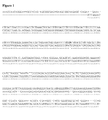
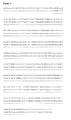
- the relevant sequence homology alignments are shown in see Figures 1 to 4 .
- the analysis indicates that the isolated yeasts are novel strains of Pichia kluyveri as detailed below.
- PK-KR1 sequences indicated above were also aligned to corresponding sequences U75727 and DQ104711of Pichia kluyveri. These alignments are shown in Figures 1 and 2 respectively.
- PK-KR2 sequences indicated above were also aligned to corresponding sequences U75727 and DQ104711of Pichia kluyveri. These alignments are shown in Figures 3 and 4
- Fermentation was carried out using the yeast isolates prepared in Example 1 and the yeast strain Zymaflore VL3 (Laffort). This is a commercially available strain of Saccharomyces cerevisiae, isolated in Bordeaux and sold specifically for wine fermentation.
- Ferments were carried out at 25°C in 250-mL Erlenmeyer flasks with an air lock. Fermentation progress was monitored by weight loss since this approximately corresponds to the degree to which the sugars in the juice have been metabolised to ethanol and CO 2 . After a seven-day ferment the contents of the flasks were centrifuged at 6000 x g for 10 min to pellet any solids. The supernatant was then transferred to 70-mL sample containers and stored at -20°C. All fermentations were performed in triplicate.
- the thiol concentration in the ferment liquid (wine) was analysed based on the method of Tominaga et al. (Tominaga et al., 1998c), requiring thiol separation from the wine by chromatography followed by analysis using gas chromatography mass spectrometry (GC-MS) according to standard procedures.
- the quantification method relies on comparison to a known amount of an internal standard added to the wine before processing.
- the samples were then passed through a Dowex resin column and any thiols present bound to the matrix in the column.
- the column was then washed with 50 mL of BHA.
- the bound thiols were then eluted with 50 mL cysteine elution buffer (0.1M Na-acetate, 0.02 mM BHA, 400mg Cysteine-HCl, adjusted to pH6).
- the thiols in the eluted solution were extracted with dichloromethane.
- the lower organic phase containing the thiols was recovered and then dried with anhydrous Na 2 SO 4 , before being filtered and concentrated under a N 2 gas flow to a final volume of approximately 25 ⁇ L.
- Quantification of the compounds was carried out by comparing the peak area of the appropriate compound with the peak area of the known concentration of the respective standard.
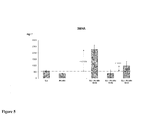
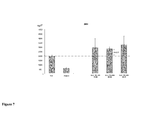
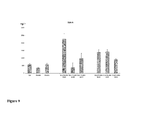
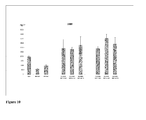
- Figures 3 to 12 show the mean, and standard error of the mean, of 3MHA and 3MH levels from the triplicate ferments conducted. All values are in ng l -1 .
- Figures 3 to 8 show the data gathered from the first set of ferments corresponding to single 100% inoculations with the indicated strains and mixed ferment yeast inoculation proportions as detailed in Table 1. These were analysed and quantified using benzenemethanthiol as the internal standard.
- Figures 3 to 6 show thiol amounts for individual species comparisons.
- Figures 7 and 8 plot all species for either 3MH or 3MHA and reproduce the data provided in Figures 3 to 6 .
- Figure 3 shows that the amount of 3MHA produced in the mixed ferment inoculated with VL3 (10%) and PK-KR1 (90%) was substantially elevated when compared to the ferments inoculated with the single species only.
- Figure 4 shows that the amount of 3MHA produced by all the mixed ferment ratios of VL3 and PK-KR2 were elevated when compared to single ferments of the two species.
- Figure 5 shows that the levels of 3MH were elevated in the mixed ferments inoculated with VL3 and PK-KR1 when compared to ferments inoculated with the single species only.
- Figure 6 shows that the amount of 3MH produced by all the mixed ferment ratios of VL3 and PK-KR2 were elevated when compared to single ferments of the two species.
- Figures 9 and 10 show the data from the second set of ferments corresponding to the inoculum sizes detailed in Table 2 and mixed ferment inoculation ratios detailed in Table 3. The amount of thiol in these experiments was determined using the deuterated standard.
- Figure 9 also shows that the levels of 3MHA were significantly elevated in ferments inoculated with both VL3 and PK-KR1 at ratios of 100:90, 50:90 and 10:90 compared with single inoculum ferments. Significant differences were determined by a t-test when compared to the amounts of 3MHA produced from ferments inoculated with either 100% VL3 or 0.1% VL3.
- mixed ferments inoculated with particularly commercially relevant inoculum sizes of VL3 and PK-KR1 demonstrate an elevated level of 3MHA compared with single species ferments. These data corroborate the results from the first set of ferments.
- Commercially relevant inoculum sizes of VL3 and PK-KR1 may apply to ferments with greater than 5% (above 0.25 ⁇ 10 6 cells ml -1 ) VL3.
- Figure 10 also shows that the levels of 3MH produced by mixed ferments inoculated with VL3 and PK-KR1 were not elevated when compared with the ferments inoculated with a single species alone.
- VL3 inoculum size is very small and probably has no overall effect on levels of 3MHA and 3MH in isolation.
- VL3 Saccharomyces cerevisiae wine strain
- Example 2 The fermentation was carried out using PK-KR1 as prepared in Example 1 and a range of commercially available wine strains (VL3, VIN7, X5, SVG, QA23 and EC118). Fermentation was carried out according to the protocol detailed in Example 2 with the variation that fermentation was conducted at 14°C rather than at 25°C. (This is within the temperature at which SB is fermented commercially). Thiol extraction and quantification was carried out according to the protocol described in Example 2.
- Figure 11a shows that mixed ferments of 10% VL3 and 90% PK-KR1, 10% VIN7and 90% PK-KR1 as well as 10%X5 and 90% PK-KR1 produced an elevation of the 3MHA compared with single species ferments. Additional experiments show that although PK-KR1 produced reasonable amounts of 3MHA alone, the sugar decrease in this ferment was minimal indicating that the product may not have a highly desirable flavour.
- Figure 11b shows that the mixed ferments of PK-KR1 with the range of commercially available wine yeast strains did not result in an elevated production of 3MH.
- YAN Yeast Available Nitrogen
- glucose and fructose 1ml samples were aseptically taken every two days of the ferment.
- Two test kits were used to determine the amount of YAN: 1° Amino Nitrogen-Bl (Unitech Scientific, California) and Ammonia (Unitech Scientific, California). The sum of both tests yields the total YAN.
- D-Glucose and Fructose were used. All test kits are based on simple enzymatic reactions that were monitored by a UV-spectrophotometer.
- proline assay a synthetic defined medium consisting of 1.7 g/l Yeast nitrogen base without nitrogen, amino acids and a carbon source (YNB), 200 g/l glucose and 0.45 g/l L-Proline ( ⁇ 99%; Sigma reagent P0380) was used - this amount of proline emulates the amounts found in a typical grape juice.
- the medium was inoculated with 2.5 ⁇ 10 6 yeast cells/ml and the samples were fermented in vessels containing air locks at 14°C with shaking at 100rpm.
- yeast cells were starved of carbon and nitrogen by placing in limiting media for 48 hours to ensure the cellular C and N stores were depleted; the excess O 2 in the flasks was purged using solid CO 2 (dry ice) which was allowed to sublime in the media; and, treatments were included where no glucose or proline were added to the YNB.
- PK-KR1 shows the same growth rate as the previous experiments in grape juice and achieves approximately similar population sizes (3.5 ⁇ 10 7 cfu/ml and 2.48 ⁇ 10 7 cfu/ml).
- VL3 shows significantly reduced population sizes across the entire ferment and is unable to even achieve two population doublings.
- proline Since there are no sources of carbon or nitrogen, as would be expected no growth of PK-KR1 occurs in the YNB alone; however, the addition of proline to the media allows the population to expand from the initial inoculums of 1.5 ⁇ 10 6 ml -1 to 2.2 ⁇ 10 7 by day four. This is approximately 14 times the population size. The inference is that increased biomass was achieved by the assimilation of proline which was used both as a source of energy to carry out catabolic activities (a carbon source) and a source of nitrogen to conduct anabolic biomass build-up.
Landscapes
- Chemical & Material Sciences (AREA)
- Organic Chemistry (AREA)
- Life Sciences & Earth Sciences (AREA)
- Engineering & Computer Science (AREA)
- Zoology (AREA)
- Wood Science & Technology (AREA)
- Health & Medical Sciences (AREA)
- Bioinformatics & Cheminformatics (AREA)
- Genetics & Genomics (AREA)
- General Health & Medical Sciences (AREA)
- Biochemistry (AREA)
- General Engineering & Computer Science (AREA)
- Biotechnology (AREA)
- Microbiology (AREA)
- General Chemical & Material Sciences (AREA)
- Chemical Kinetics & Catalysis (AREA)
- Mycology (AREA)
- Molecular Biology (AREA)
- Medicinal Chemistry (AREA)
- Botany (AREA)
- Virology (AREA)
- Tropical Medicine & Parasitology (AREA)
- Biomedical Technology (AREA)
- Micro-Organisms Or Cultivation Processes Thereof (AREA)
- Preparation Of Compounds By Using Micro-Organisms (AREA)
- Dairy Products (AREA)
- Cosmetics (AREA)
Applications Claiming Priority (2)
| Application Number | Priority Date | Filing Date | Title |
|---|---|---|---|
| NZ566518A NZ566518A (en) | 2008-03-07 | 2008-03-07 | Yeast volatile thiol production in mixed ferments |
| EP09717572.3A EP2268791B1 (de) | 2008-03-07 | 2009-03-06 | Hefestämme und verwendungsverfahren dafür |
Related Parent Applications (2)
| Application Number | Title | Priority Date | Filing Date |
|---|---|---|---|
| EP09717572.3A Division EP2268791B1 (de) | 2008-03-07 | 2009-03-06 | Hefestämme und verwendungsverfahren dafür |
| EP09717572.3A Division-Into EP2268791B1 (de) | 2008-03-07 | 2009-03-06 | Hefestämme und verwendungsverfahren dafür |
Publications (2)
| Publication Number | Publication Date |
|---|---|
| EP2848680A2 true EP2848680A2 (de) | 2015-03-18 |
| EP2848680A3 EP2848680A3 (de) | 2015-06-24 |
Family
ID=41056231
Family Applications (2)
| Application Number | Title | Priority Date | Filing Date |
|---|---|---|---|
| EP09717572.3A Active EP2268791B1 (de) | 2008-03-07 | 2009-03-06 | Hefestämme und verwendungsverfahren dafür |
| EP14193274.9A Withdrawn EP2848680A3 (de) | 2008-03-07 | 2009-03-06 | Hefestämme und Verfahren zur Verwendung davon |
Family Applications Before (1)
| Application Number | Title | Priority Date | Filing Date |
|---|---|---|---|
| EP09717572.3A Active EP2268791B1 (de) | 2008-03-07 | 2009-03-06 | Hefestämme und verwendungsverfahren dafür |
Country Status (10)
| Country | Link |
|---|---|
| US (2) | US9605237B2 (de) |
| EP (2) | EP2268791B1 (de) |
| CN (2) | CN103756921B (de) |
| AU (1) | AU2009220314B2 (de) |
| DK (1) | DK2268791T3 (de) |
| ES (1) | ES2531193T3 (de) |
| NZ (2) | NZ566518A (de) |
| PT (1) | PT2268791E (de) |
| WO (1) | WO2009110807A1 (de) |
| ZA (1) | ZA201006371B (de) |
Families Citing this family (23)
| Publication number | Priority date | Publication date | Assignee | Title |
|---|---|---|---|---|
| NZ566518A (en) | 2008-03-07 | 2011-05-27 | Matthew Robert Goddard | Yeast volatile thiol production in mixed ferments |
| EP2563169B1 (de) | 2010-04-27 | 2017-06-14 | Chr. Hansen A/S | Verfahren zur Herstellung einer fermentierten Getränk |
| ES2382843B1 (es) * | 2010-11-19 | 2013-04-02 | Grupo Hespérides Biotech, S.L. | Cepa de pichia kluyveri y sus aplicaciones. |
| EP2554650A1 (de) * | 2011-08-01 | 2013-02-06 | Pernod-Ricard | Verfahren zur Herstellung alkoholischer Getränke mit Fruchtgeschmack |
| CN103781896A (zh) | 2011-09-02 | 2014-05-07 | 科.汉森有限公司 | 通过毕赤酵母与不同的啤酒花品种的组合来提高啤酒风味 |
| AP3494A (en) | 2011-11-03 | 2015-12-31 | Chr Hansen As | Enhancement of cocoa quality and flavour by using pichia kluyveri yeast starter culture for cocoa fermentation |
| CN102604848B (zh) * | 2012-03-23 | 2013-10-02 | 天津科技大学 | 一株高产乙酸酯酿酒酵母工程菌 |
| WO2013153540A1 (pt) | 2012-04-13 | 2013-10-17 | Yeastwine - Wine Solutions, Lda. | Estirpe de saccharomyces cerevisiae |
| HK1212725A1 (zh) * | 2013-03-07 | 2016-06-17 | Chr. Hansen A/S | 使用克鲁维毕赤酵母的酵母菌株的低酒精或无酒精啤酒的生产 |
| US20160058028A1 (en) | 2013-05-03 | 2016-03-03 | Chr. Hansen A/S | Enhancement of coffee quality and flavor by using pichia kluyveri yeast starter culture for coffee fermentation |
| EP2816102A1 (de) | 2013-06-18 | 2014-12-24 | Anheuser-Busch InBev S.A. | Verfahren zur Herstellung eines vergorenen Getränks und so hergestelltes Getränk |
| FR3015985B1 (fr) * | 2013-12-30 | 2017-06-16 | Lesaffre & Cie | Souches de levures pour la production d'ethanol de premiere generation |
| EP3102662B1 (de) * | 2014-02-04 | 2021-07-28 | Chr. Hansen A/S | Herstellung von apfelwein mit pichia-kluyveri-hefe |
| FR3041363A1 (fr) * | 2015-09-21 | 2017-03-24 | Lesaffre & Cie | Souches de levure pour boissons fermentees et notamment pour le vin |
| ES2770624T3 (es) * | 2016-07-13 | 2020-07-02 | Univ Stellenbosch | Procedimiento de producción de una bebida fermentada |
| CN112638173A (zh) | 2018-08-13 | 2021-04-09 | 科·汉森有限公司 | 用克鲁维毕赤酵母生产不含酒精的发酵蔬菜汁 |
| CN109182158B (zh) * | 2018-11-30 | 2022-04-05 | 湖南鼎康酒业发展有限公司 | 一种酿酒酵母、提取方法及其应用 |
| CN109609313A (zh) * | 2019-02-14 | 2019-04-12 | 十里香股份公司 | 一种提高浓香型白酒发酵酒醅中己酸乙酯含量的方法 |
| CN115942877A (zh) | 2020-06-30 | 2023-04-07 | 科·汉森有限公司 | 使用克鲁维毕赤酵母生产乳制品和乳制品类似产品 |
| CN114874924B (zh) * | 2022-01-18 | 2023-07-18 | 吉林大学 | 一株酵母菌菌株cc-pt4及其应用 |
| US20250313783A1 (en) * | 2022-06-30 | 2025-10-09 | Chr. Hansen A/S | Inhibition of saccharomyces by pichia pluyveri |
| US20260083149A1 (en) | 2022-09-27 | 2026-03-26 | Chr. Hansen A/S | Coffee Fermentation Using Pichia Kluyveri and Lactiplantibacillus Plantarum |
| WO2025011924A1 (en) | 2023-07-07 | 2025-01-16 | Chr. Hansen A/S | Freeze-dried composition comprising non-saccharomyces yeast |
Family Cites Families (7)
| Publication number | Priority date | Publication date | Assignee | Title |
|---|---|---|---|---|
| US4368268A (en) * | 1981-05-15 | 1983-01-11 | Purdue Research Foundation | Direct fermentation of D-xylose to ethanol by a xylose-fermenting yeast mutant |
| JP2001346573A (ja) * | 2000-06-08 | 2001-12-18 | Mercian Corp | プロリン資化能を有する酵母 |
| EP1594953A1 (de) * | 2003-02-11 | 2005-11-16 | Chr. Hansen A/S | Hefe-zusammensetzungen und starterkulturen |
| JP4596827B2 (ja) * | 2004-06-22 | 2010-12-15 | サントリーホールディングス株式会社 | 安定化プロリントランスポーター |
| BRPI0711999A2 (pt) | 2006-06-16 | 2012-02-14 | Polymer Ventures Inc | método de aumento da produção de um composto orgánico e não terpeno e composição de aumento da velocidade de produção e/ou do rendimento de um composto orgánico não terpeno |
| KR100868765B1 (ko) * | 2006-09-29 | 2008-11-17 | 삼성전자주식회사 | 항생제 내성 박테리아의 표적 서열을 증폭시킬 수 있는프라이머 세트, 박테리아의 표적 서열에 특이적으로혼성화하는 프로브 세트, 상기 프로브 세트가 고정화되어있는 마이크로어레이 및 상기 프로브 세트를 이용하여박테리아의 존재를 검출하는 방법 |
| NZ566518A (en) | 2008-03-07 | 2011-05-27 | Matthew Robert Goddard | Yeast volatile thiol production in mixed ferments |
-
2008
- 2008-03-07 NZ NZ566518A patent/NZ566518A/en not_active Application Discontinuation
-
2009
- 2009-03-06 PT PT09717572T patent/PT2268791E/pt unknown
- 2009-03-06 DK DK09717572.3T patent/DK2268791T3/en active
- 2009-03-06 ES ES09717572T patent/ES2531193T3/es active Active
- 2009-03-06 NZ NZ586441A patent/NZ586441A/xx unknown
- 2009-03-06 AU AU2009220314A patent/AU2009220314B2/en active Active
- 2009-03-06 WO PCT/NZ2009/000029 patent/WO2009110807A1/en not_active Ceased
- 2009-03-06 CN CN201310499666.1A patent/CN103756921B/zh active Active
- 2009-03-06 CN CN2009801163450A patent/CN102083958B/zh active Active
- 2009-03-06 EP EP09717572.3A patent/EP2268791B1/de active Active
- 2009-03-06 EP EP14193274.9A patent/EP2848680A3/de not_active Withdrawn
- 2009-03-06 US US12/921,018 patent/US9605237B2/en active Active
-
2010
- 2010-09-06 ZA ZA2010/06371A patent/ZA201006371B/en unknown
-
2013
- 2013-03-26 US US13/850,925 patent/US9359587B2/en active Active
Non-Patent Citations (29)
| Title |
|---|
| BRANDOLINI, V.; ROMANO, P.; MAIETTI, A.; CARUSO, M.; TEDESCHI, P.; MAZZOTTA, D.: "Automated multiple development method for determination of glycerol produced by wine yeasts", WORLD JOURNAL OF MICROBIOLOGY AND BIOTECHNOLOGY, vol. 18, 2002, pages 481 - 485 |
| CLEMENTE-JIMENEZ, J. M.; L. MINGORANCE-CAZORLA; S. MARTINEZ-RODRIGUEZ; F. J. LAS HERAS-VAZQUEZ; F. RODRIGUEZ-VICO.: "Influence of sequential yeast mixtures on wine fermentation", INTERNATIONAL JOURNAL OF FOOD MICROBIOLOGY, vol. 98, 2004, pages 301 - 308, XP004736588, DOI: doi:10.1016/j.ijfoodmicro.2004.06.007 |
| ESTEVE-ZARZOSO, B.; MANZANARES P.; RAMON D; A. QUEROL.: "The role of non-Saccharomyces yeasts in industrial winemaking", INTERNATIONAL MICROBIOLOGY, vol. 1, 1998, pages 143 - 148 |
| GACHONS, C. P. D.; T. TOMINAGA; D. DUBOURDIEU: "Measuring the aromatic potential ofVitis vinifera L. Cv. Sauvignon Blanc grapes by assaying S-cysteine conjugates, precursors of the volatile thiols responsible for their varietal aroma", JOURNAL OF AGRICULTURAL AND FOOD CHEMISTRY, vol. 48, 2000, pages 3387 - 3391 |
| GARDE-CERDAN, T.; C. ANCIN-AZPILICUETA.: "Contribution of wild yeasts to the formation of volatile compounds in inoculated wine ferments", EUROPEAN FOOD RESEARCH TECHNOLOGY, vol. 222, 2006, pages 15 - 25, XP019328253, DOI: doi:10.1007/s00217-005-0029-7 |
| HEARD, G.M.; FLEET, G.H.: "Occurrence and growth of yeast species during the fermentation of some Australian wines", FOOD TECHNOLOGY IN AUSTRALIA, vol. 38, no. 1, 1986, pages 22 - 25, XP008019682 |
| HEARD, G.M.; FLEET, G.H.: "The effects of temperature and pH on the growth of yeast species during the fermentation of grape juice", JOURNAL OF APPLIED BACTERIOLOGY, vol. 65, 1988, pages 23 - 28 |
| HOUTMAN, A.C.; MARAIS, J.; DU PLESSIS, C.S.: "Factors affecting the reproducibility of fermentation of grape juice and of the aroma composition of wines: 1. Grapes maturity, sugar, inoculum concentration, aeration, juice turbidity and ergosterol", VITIS, vol. 19, 1980, pages 37 - 54 |
| HOWELL, K. S.; M. KLEIN; J. H. SWIEGERS; Y. HAYASAKA; G. M. ELSEY; G. H. FLEET; P. B. HOJ; I. S. PRETORIUS; M. A. DE BARROS LOPES: "Genetic determination of volatile-thiol release by Saccharomyces cerevisiae during wine fermentation", APPLIED AND ENVIRONMENTAL MICROBIOLOGY, vol. 71, 2005, pages 5420 - 5426, XP002428302, DOI: doi:10.1128/AEM.71.9.5420-5426.2005 |
| HOWELL, K. S.; SWIEGERS, J. H.; ELSEY, G. M.; SIEBERT, T. E.; BARTOWSKY, E. J.; FLEET, G. H.; PRETORIUS, I. S.; DE BARROS LOPES, M: "Variation in 4-mercapto-4-methyl-pentan-2-one release by Saccharomyces cerevisiae commercial wine strains", FEMS MICROBIOLOGY LETTERS, vol. 240, 2004, pages 125 - 29, XP004797114, DOI: doi:10.1016/j.femsle.2004.09.022 |
| INGLEDEW WM; MAGNUS CA; SOSULSKI FW: "Influence of Oxygen on Proline Utilization During the Wine Fermentation", AM. J. ENOL. VITIC., vol. 38, 1987, pages 246 - 248 |
| JOHNSON, L. J.; V. KOUFOPANOU; M. R. GODDARD; R. HETHERINGTON; S. M. SCHÄFER; A. BURT.: "Population genetics of the wild yeast Saccharomyces paradoxus", GENETICS, vol. 166, 2004, pages 43 - 52 |
| KURTZMAN C P.; FELL J W: "Yeast Systematics and Phylogeny - Chapter 2 Implications of Molecular Identification Methods for Studies in Ecology in Biodiversity and Ecophysiology of Yeasts Carlos Rosa", 2006, SPRINGER |
| KURTZMAN, C. P.; C. J. ROBNETT.: "Identification and phylogeny of ascomycetous yeasts from analysis of nuclear large subunit (26S) ribosomal DNA partial sequences", ANTONIE VAN LEEUWENHOEK INTERNATIONAL JOURNAL OF GENERAL AND MOLECULA MICROBIOLOGY, vol. 73, 1998, pages 331 - 371, XP002460806, DOI: doi:10.1023/A:1001761008817 |
| LAMBRECHTS, M. G.; I. S. PRETORIUS: "Yeast and its importance to wine aroma - a review", SOUTH AFRICAN JOURNAL FOR ENOLOGY AND VITICULTURE, vol. 21, 2000, pages 97 - 129 |
| LEAW, S. N.; CHANG, H. C.; SUN, H. S.; BARTON, R.; BOUCHARA, J.; CHANG, T. C.: "Identification of Medically Important Yeast Species by Sequence analysis of the Internal Transcribed Spacer Regions", JOURNAL OF CLINICAL MICROBIOLOGY, vol. 4, no. 3, 2006, pages 693 - 699 |
| LEMA, C.; GARCIA-JARES, C.; ORRIOLS, I.; ANGULO, L.: "Contribution of Saccharomyces and non-Saccharomyces populations to the production of some components of Albarin-o wine aroma", AMERICAN JOURNAL OF ENOLOGY AND VITICULTURE, vol. 47, 1996, pages 206 - 216, XP009104707 |
| NYKANEN, L.: "Formation and occurrence of flavour compounds in wine and distilled alcoholic beverages", AMERICAN JOURNAL OF ENOLOGY AND VITICULTURE, vol. 37, 1986, pages 84 - 96 |
| OUGH CS; STASHAK RM: "Further Studies on Proline Concentration in Grapes and Wines", AM. J. ENOL. VITIC., vol. 25, 1974, pages 7 - 12 |
| RAMANO, P.; C. FIORE; M. PARAGGIO; M. CARUSO; A. CAPECE: "Function of yeast species and strains in wine flavour", INTERNATIONAL JOURNAL OF FOOD MICROBIOLOGY, vol. 86, 2003, pages 169 - 180 |
| RAPP, A.; VERSINI, G.: "Proceedings of the International Symposium on Nitrogen in Grapes and Wines", 1991, AMERICAN SOCIETY FOR ENOLOGY AND VITICULTURE, article "Influence of nitrogen compounds in grapes on aroma compounds of wine", pages: 156 - 164 |
| RIBEREAU-GAYON, P.; D. DUBOURDIEU; B. DONECHE; A. LONVAUD: "Handbook of Enology", 2006, JOHN WILEY & SONS |
| ROJAS, V.; J. V. GIL; F. PINAGA; P. MANZANARES: "Acetate ester formation in wine by mixed cultures in laboratory ferments", INTERNATIONAL JOURNAL OF FOOD MICROBIOLOGY, vol. 86, 2003, pages 181 - 188 |
| SPAYD SE; ANDERSEN-BAGGE J: "Free Amino Acid Composition of Grape Juice From 12 Vitis vinifera Cultivars in Washington", AM. J. ENOL. VITIC., vol. 47, 1996, pages 389 - 402 |
| TOMINAGA, T.; A. FURRER; R. HENRY; D. DUBOURDIEU: "Identification of new volatile thiols in the aroma of Vitis vinifera L. var. Sauvignon blanc wines", FLAVOUR AND FRAGRANCE JOURNAL, vol. 13, 1998, pages 159 - 162 |
| TOMINAGA, T.; C. P. D. GACHONS; D. DUBOURDIEU: "A new type of flavour precursors in Vitis vinifera L. cv. Sauvignon blanc: S-cysteine conjugates", JOURNAL OF AGRICULTURAL AND FOOD CHEMISTRY, vol. 46, 1998, pages 5215 - 5219 |
| TOMINAGA, T.; M.-L. MURAT; D. DOBOURDIEU: "Development of a method for analyzing the voltile thiols involved in the characteristic aroma of wines made from Vitis vinifera L. Cv Sauvignon Blanc", JOURNAL OF AGRICULTURAL AND FOOD CHEMISTRY, vol. 46, 1998, pages 1044 - 1048 |
| WALSH, P.S.; METZGER, D. A.; HIGUCHI, R.: "Chelex@ 100 as a medium for simple extraction of DNA for PCR-based typing from forensic material", BIOTECHNIQUES, vol. 10, no. 4, 1991, pages 506 - 51 1 |
| WHITE, T. J.; T. BRUNS; S. LEE; J. TAYLOR: "PCR Protocols: a guide to methods and applications", 1990, ACADEMIC PRESS, article "Amplification and direct sequencing of fungal ribosomal RNA genes for phylogenetics", pages: 315 - 322 |
Also Published As
| Publication number | Publication date |
|---|---|
| NZ566518A (en) | 2011-05-27 |
| CN102083958A (zh) | 2011-06-01 |
| ZA201006371B (en) | 2011-06-29 |
| EP2268791A4 (de) | 2013-08-07 |
| US9359587B2 (en) | 2016-06-07 |
| NZ586441A (en) | 2013-02-22 |
| AU2009220314B2 (en) | 2015-01-22 |
| HK1158685A1 (en) | 2012-07-20 |
| AU2009220314A1 (en) | 2009-09-11 |
| CN103756921A (zh) | 2014-04-30 |
| CN102083958B (zh) | 2013-12-04 |
| CN103756921B (zh) | 2015-12-02 |
| EP2268791B1 (de) | 2014-12-31 |
| US9605237B2 (en) | 2017-03-28 |
| PT2268791E (pt) | 2015-03-26 |
| US20130273197A1 (en) | 2013-10-17 |
| EP2848680A3 (de) | 2015-06-24 |
| EP2268791A1 (de) | 2011-01-05 |
| ES2531193T3 (es) | 2015-03-11 |
| DK2268791T3 (en) | 2015-03-02 |
| US20110045140A1 (en) | 2011-02-24 |
| WO2009110807A1 (en) | 2009-09-11 |
Similar Documents
| Publication | Publication Date | Title |
|---|---|---|
| EP2268791B1 (de) | Hefestämme und verwendungsverfahren dafür | |
| Combina et al. | Dynamics of indigenous yeast populations during spontaneous fermentation of wines from Mendoza, Argentina | |
| Landete et al. | Biogenic amine production by lactic acid bacteria, acetic bacteria and yeast isolated from wine | |
| Redzepovic et al. | Differential malic acid degradation by selected strains of Saccharomyces during alcoholic fermentation | |
| Ciani et al. | Controlled mixed culture fermentation: a new perspective on the use of non-Saccharomyces yeasts in winemaking | |
| Ugliano et al. | Yeasts and wine flavour | |
| del Monaco et al. | Selection and characterization of a Patagonian Pichia kudriavzevii for wine deacidification | |
| Benito et al. | Selection of appropriate Schizosaccharomyces strains for winemaking | |
| Romano et al. | The species-specific ratios of 2, 3-butanediol and acetoin isomers as a tool to evaluate wine yeast performance | |
| Song et al. | Bacteria isolated from Korean black raspberry vinegar with low biogenic amine production in wine | |
| EP3622051B1 (de) | Saccharomyces-bayanus-hefestamm | |
| Lonvaud‐Funel | Lactic acid bacteria and malolactic fermentation in wine | |
| Guzzon et al. | Use of non-Saccharomyces yeasts in the prise de mousse of Lambrusco. Microbial evolution through alcoholic fermentation and effect on wine volatile profile | |
| AU2013205289A1 (en) | Yeast strains and methods of use thereof | |
| Maarman | Interaction between wine yeast and malolactic bacteria and the impact on wine aroma and flavour | |
| Lonvaud-Funel | Effects of malolactic fermentation on wine quality | |
| Phiri et al. | Microbial and chemical dynamics during Marula wine fermentation. Beverages 2022; 8: 50 | |
| Lombard | Characterisation of Wickerhamomyces anomalus and Kazachstania aerobia: Investigating fermentation kinetics and aroma production | |
| Drosou et al. | Unlocking the potential of Zygosaccharomyces bailii: A novel non-Saccharomyces yeast in brewing | |
| HK1158685B (en) | Yeast strains and methods of use thereof | |
| Jiang et al. | Potential application of indigenous Pichia kluyveri for enhanced wine aroma quality | |
| Rauhut | Effect of Sequential Inoculation with Non-Saccharomyces and Saccharomyces Yeasts on Riesling Wine Chemical Composition | |
| Wang et al. | Effect of Commercial Yeast Starter Cultures on Cabernet Sauvignon Wine Aroma Compounds and Microbiota. Foods 2022, 11, 1725 | |
| Mas et al. | Microbiological Control as a Tool to Improve Wine Aroma and Quality | |
| Wang et al. | Non-Saccharomyces yeasts from fermented grains of Baijiu for low alcholic beer brewing and their impacts on beer flavor |
Legal Events
| Date | Code | Title | Description |
|---|---|---|---|
| PUAI | Public reference made under article 153(3) epc to a published international application that has entered the european phase |
Free format text: ORIGINAL CODE: 0009012 |
|
| 17P | Request for examination filed |
Effective date: 20141114 |
|
| AC | Divisional application: reference to earlier application |
Ref document number: 2268791 Country of ref document: EP Kind code of ref document: P |
|
| AK | Designated contracting states |
Kind code of ref document: A2 Designated state(s): AT BE BG CH CY CZ DE DK EE ES FI FR GB GR HR HU IE IS IT LI LT LU LV MC MK MT NL NO PL PT RO SE SI SK TR |
|
| PUAL | Search report despatched |
Free format text: ORIGINAL CODE: 0009013 |
|
| AK | Designated contracting states |
Kind code of ref document: A3 Designated state(s): AT BE BG CH CY CZ DE DK EE ES FI FR GB GR HR HU IE IS IT LI LT LU LV MC MK MT NL NO PL PT RO SE SI SK TR |
|
| RIC1 | Information provided on ipc code assigned before grant |
Ipc: C12R 1/84 20060101ALI20150520BHEP Ipc: C12N 1/16 20060101AFI20150520BHEP Ipc: C12G 1/022 20060101ALI20150520BHEP Ipc: C12P 11/00 20060101ALI20150520BHEP |
|
| STAA | Information on the status of an ep patent application or granted ep patent |
Free format text: STATUS: THE APPLICATION IS DEEMED TO BE WITHDRAWN |
|
| 18D | Application deemed to be withdrawn |
Effective date: 20160105 |