EP2842556B1 - Alpha-derivatives of cis-monounsaturated fatty acids for use as medicines - Google Patents
Alpha-derivatives of cis-monounsaturated fatty acids for use as medicines Download PDFInfo
- Publication number
- EP2842556B1 EP2842556B1 EP14195436.2A EP14195436A EP2842556B1 EP 2842556 B1 EP2842556 B1 EP 2842556B1 EP 14195436 A EP14195436 A EP 14195436A EP 2842556 B1 EP2842556 B1 EP 2842556B1
- Authority
- EP
- European Patent Office
- Prior art keywords
- cis
- treatment
- fatty acids
- ohod
- prevention
- Prior art date
- Legal status (The legal status is an assumption and is not a legal conclusion. Google has not performed a legal analysis and makes no representation as to the accuracy of the status listed.)
- Active
Links
Images








Classifications
-
- A—HUMAN NECESSITIES
- A61—MEDICAL OR VETERINARY SCIENCE; HYGIENE
- A61K—PREPARATIONS FOR MEDICAL, DENTAL OR TOILETRY PURPOSES
- A61K31/00—Medicinal preparations containing organic active ingredients
- A61K31/185—Acids; Anhydrides, halides or salts thereof, e.g. sulfur acids, imidic, hydrazonic or hydroximic acids
- A61K31/19—Carboxylic acids, e.g. valproic acid
- A61K31/20—Carboxylic acids, e.g. valproic acid having a carboxyl group bound to a chain of seven or more carbon atoms, e.g. stearic, palmitic, arachidic acids
- A61K31/201—Carboxylic acids, e.g. valproic acid having a carboxyl group bound to a chain of seven or more carbon atoms, e.g. stearic, palmitic, arachidic acids having one or two double bonds, e.g. oleic, linoleic acids
-
- A—HUMAN NECESSITIES
- A23—FOODS OR FOODSTUFFS; TREATMENT THEREOF, NOT COVERED BY OTHER CLASSES
- A23L—FOODS, FOODSTUFFS OR NON-ALCOHOLIC BEVERAGES, NOT OTHERWISE PROVIDED FOR; PREPARATION OR TREATMENT THEREOF
- A23L33/00—Modifying nutritive qualities of foods; Dietetic products; Preparation or treatment thereof
- A23L33/10—Modifying nutritive qualities of foods; Dietetic products; Preparation or treatment thereof using additives
-
- A—HUMAN NECESSITIES
- A23—FOODS OR FOODSTUFFS; TREATMENT THEREOF, NOT COVERED BY OTHER CLASSES
- A23L—FOODS, FOODSTUFFS OR NON-ALCOHOLIC BEVERAGES, NOT OTHERWISE PROVIDED FOR; PREPARATION OR TREATMENT THEREOF
- A23L33/00—Modifying nutritive qualities of foods; Dietetic products; Preparation or treatment thereof
- A23L33/10—Modifying nutritive qualities of foods; Dietetic products; Preparation or treatment thereof using additives
- A23L33/115—Fatty acids or derivatives thereof; Fats or oils
- A23L33/12—Fatty acids or derivatives thereof
-
- A—HUMAN NECESSITIES
- A23—FOODS OR FOODSTUFFS; TREATMENT THEREOF, NOT COVERED BY OTHER CLASSES
- A23L—FOODS, FOODSTUFFS OR NON-ALCOHOLIC BEVERAGES, NOT OTHERWISE PROVIDED FOR; PREPARATION OR TREATMENT THEREOF
- A23L5/00—Preparation or treatment of foods or foodstuffs, in general; Food or foodstuffs obtained thereby; Materials therefor
-
- A—HUMAN NECESSITIES
- A61—MEDICAL OR VETERINARY SCIENCE; HYGIENE
- A61K—PREPARATIONS FOR MEDICAL, DENTAL OR TOILETRY PURPOSES
- A61K31/00—Medicinal preparations containing organic active ingredients
- A61K31/185—Acids; Anhydrides, halides or salts thereof, e.g. sulfur acids, imidic, hydrazonic or hydroximic acids
-
- A—HUMAN NECESSITIES
- A61—MEDICAL OR VETERINARY SCIENCE; HYGIENE
- A61K—PREPARATIONS FOR MEDICAL, DENTAL OR TOILETRY PURPOSES
- A61K31/00—Medicinal preparations containing organic active ingredients
- A61K31/21—Esters, e.g. nitroglycerine, selenocyanates
- A61K31/215—Esters, e.g. nitroglycerine, selenocyanates of carboxylic acids
- A61K31/22—Esters, e.g. nitroglycerine, selenocyanates of carboxylic acids of acyclic acids, e.g. pravastatin
- A61K31/23—Esters, e.g. nitroglycerine, selenocyanates of carboxylic acids of acyclic acids, e.g. pravastatin of acids having a carboxyl group bound to a chain of seven or more carbon atoms
- A61K31/231—Esters, e.g. nitroglycerine, selenocyanates of carboxylic acids of acyclic acids, e.g. pravastatin of acids having a carboxyl group bound to a chain of seven or more carbon atoms having one or two double bonds
-
- A—HUMAN NECESSITIES
- A61—MEDICAL OR VETERINARY SCIENCE; HYGIENE
- A61P—SPECIFIC THERAPEUTIC ACTIVITY OF CHEMICAL COMPOUNDS OR MEDICINAL PREPARATIONS
- A61P17/00—Drugs for dermatological disorders
-
- A—HUMAN NECESSITIES
- A61—MEDICAL OR VETERINARY SCIENCE; HYGIENE
- A61P—SPECIFIC THERAPEUTIC ACTIVITY OF CHEMICAL COMPOUNDS OR MEDICINAL PREPARATIONS
- A61P25/00—Drugs for disorders of the nervous system
-
- A—HUMAN NECESSITIES
- A61—MEDICAL OR VETERINARY SCIENCE; HYGIENE
- A61P—SPECIFIC THERAPEUTIC ACTIVITY OF CHEMICAL COMPOUNDS OR MEDICINAL PREPARATIONS
- A61P25/00—Drugs for disorders of the nervous system
- A61P25/04—Centrally acting analgesics, e.g. opioids
-
- A—HUMAN NECESSITIES
- A61—MEDICAL OR VETERINARY SCIENCE; HYGIENE
- A61P—SPECIFIC THERAPEUTIC ACTIVITY OF CHEMICAL COMPOUNDS OR MEDICINAL PREPARATIONS
- A61P25/00—Drugs for disorders of the nervous system
- A61P25/14—Drugs for disorders of the nervous system for treating abnormal movements, e.g. chorea, dyskinesia
- A61P25/16—Anti-Parkinson drugs
-
- A—HUMAN NECESSITIES
- A61—MEDICAL OR VETERINARY SCIENCE; HYGIENE
- A61P—SPECIFIC THERAPEUTIC ACTIVITY OF CHEMICAL COMPOUNDS OR MEDICINAL PREPARATIONS
- A61P25/00—Drugs for disorders of the nervous system
- A61P25/28—Drugs for disorders of the nervous system for treating neurodegenerative disorders of the central nervous system, e.g. nootropic agents, cognition enhancers, drugs for treating Alzheimer's disease or other forms of dementia
-
- A—HUMAN NECESSITIES
- A61—MEDICAL OR VETERINARY SCIENCE; HYGIENE
- A61P—SPECIFIC THERAPEUTIC ACTIVITY OF CHEMICAL COMPOUNDS OR MEDICINAL PREPARATIONS
- A61P29/00—Non-central analgesic, antipyretic or antiinflammatory agents, e.g. antirheumatic agents; Non-steroidal antiinflammatory drugs [NSAID]
-
- A—HUMAN NECESSITIES
- A61—MEDICAL OR VETERINARY SCIENCE; HYGIENE
- A61P—SPECIFIC THERAPEUTIC ACTIVITY OF CHEMICAL COMPOUNDS OR MEDICINAL PREPARATIONS
- A61P3/00—Drugs for disorders of the metabolism
-
- A—HUMAN NECESSITIES
- A61—MEDICAL OR VETERINARY SCIENCE; HYGIENE
- A61P—SPECIFIC THERAPEUTIC ACTIVITY OF CHEMICAL COMPOUNDS OR MEDICINAL PREPARATIONS
- A61P3/00—Drugs for disorders of the metabolism
- A61P3/04—Anorexiants; Antiobesity agents
-
- A—HUMAN NECESSITIES
- A61—MEDICAL OR VETERINARY SCIENCE; HYGIENE
- A61P—SPECIFIC THERAPEUTIC ACTIVITY OF CHEMICAL COMPOUNDS OR MEDICINAL PREPARATIONS
- A61P3/00—Drugs for disorders of the metabolism
- A61P3/06—Antihyperlipidemics
-
- A—HUMAN NECESSITIES
- A61—MEDICAL OR VETERINARY SCIENCE; HYGIENE
- A61P—SPECIFIC THERAPEUTIC ACTIVITY OF CHEMICAL COMPOUNDS OR MEDICINAL PREPARATIONS
- A61P3/00—Drugs for disorders of the metabolism
- A61P3/08—Drugs for disorders of the metabolism for glucose homeostasis
- A61P3/10—Drugs for disorders of the metabolism for glucose homeostasis for hyperglycaemia, e.g. antidiabetics
-
- A—HUMAN NECESSITIES
- A61—MEDICAL OR VETERINARY SCIENCE; HYGIENE
- A61P—SPECIFIC THERAPEUTIC ACTIVITY OF CHEMICAL COMPOUNDS OR MEDICINAL PREPARATIONS
- A61P31/00—Antiinfectives, i.e. antibiotics, antiseptics, chemotherapeutics
-
- A—HUMAN NECESSITIES
- A61—MEDICAL OR VETERINARY SCIENCE; HYGIENE
- A61P—SPECIFIC THERAPEUTIC ACTIVITY OF CHEMICAL COMPOUNDS OR MEDICINAL PREPARATIONS
- A61P31/00—Antiinfectives, i.e. antibiotics, antiseptics, chemotherapeutics
- A61P31/12—Antivirals
- A61P31/14—Antivirals for RNA viruses
- A61P31/18—Antivirals for RNA viruses for HIV
-
- A—HUMAN NECESSITIES
- A61—MEDICAL OR VETERINARY SCIENCE; HYGIENE
- A61P—SPECIFIC THERAPEUTIC ACTIVITY OF CHEMICAL COMPOUNDS OR MEDICINAL PREPARATIONS
- A61P33/00—Antiparasitic agents
- A61P33/02—Antiprotozoals, e.g. for leishmaniasis, trichomoniasis, toxoplasmosis
- A61P33/06—Antimalarials
-
- A—HUMAN NECESSITIES
- A61—MEDICAL OR VETERINARY SCIENCE; HYGIENE
- A61P—SPECIFIC THERAPEUTIC ACTIVITY OF CHEMICAL COMPOUNDS OR MEDICINAL PREPARATIONS
- A61P35/00—Antineoplastic agents
-
- A—HUMAN NECESSITIES
- A61—MEDICAL OR VETERINARY SCIENCE; HYGIENE
- A61P—SPECIFIC THERAPEUTIC ACTIVITY OF CHEMICAL COMPOUNDS OR MEDICINAL PREPARATIONS
- A61P43/00—Drugs for specific purposes, not provided for in groups A61P1/00-A61P41/00
-
- A—HUMAN NECESSITIES
- A61—MEDICAL OR VETERINARY SCIENCE; HYGIENE
- A61P—SPECIFIC THERAPEUTIC ACTIVITY OF CHEMICAL COMPOUNDS OR MEDICINAL PREPARATIONS
- A61P9/00—Drugs for disorders of the cardiovascular system
- A61P9/10—Drugs for disorders of the cardiovascular system for treating ischaemic or atherosclerotic diseases, e.g. antianginal drugs, coronary vasodilators, drugs for myocardial infarction, retinopathy, cerebrovascula insufficiency, renal arteriosclerosis
-
- A—HUMAN NECESSITIES
- A61—MEDICAL OR VETERINARY SCIENCE; HYGIENE
- A61P—SPECIFIC THERAPEUTIC ACTIVITY OF CHEMICAL COMPOUNDS OR MEDICINAL PREPARATIONS
- A61P9/00—Drugs for disorders of the cardiovascular system
- A61P9/12—Antihypertensives
-
- A—HUMAN NECESSITIES
- A61—MEDICAL OR VETERINARY SCIENCE; HYGIENE
- A61Q—SPECIFIC USE OF COSMETICS OR SIMILAR TOILETRY PREPARATIONS
- A61Q19/00—Preparations for care of the skin
Definitions
- the present description refers to pharmaceutically acceptable ⁇ -derivatives of cis- monounsaturated fatty acids of Formula I, their salts or derivatives (see the description), to be used as medicines, preferably in the prevention and/or treatment of diseases where the underlying aetiology is based on changes (from any cause) in the lipids of the cellular membrane such as, for example, changes in the level, composition or structure of these lipids. It also refers to their use for pathologies in which regulation of the lipid composition and structure of the membrane causes a reverse of the pathological state.
- Cellular membranes are structures that define the entity of cells and of the organelles that they contain. The majority of biological processes occur in or close to membranes and their constituent lipids not only have a structural role but also regulate the activity of important processes. Furthermore, the regulation of the lipid composition of the membranes also influences the location or function of important proteins involved in the control of cellular physiology such as protein-G and PKC (Escribá et al., 1995; 1997; Yang et al; 2005; Martinez et al., 2005). These and other studies demonstrate the importance of lipids in the control of important cellular functions.
- Lipids that are ingested in the diet regulate the lipid composition of cellular membranes (Alemany et al., 2007). Also, various physiological and pathological situations can change the lipids present in cellular membranes (Buda et al., 1994; Escribá, 2006). Changes in the lipid composition of membranes affects cellular signalling, potentially giving rise to disease development or in reversing disease progression (Escribá, 2006).
- Saturated fatty acids ingested in food have some negative effects on the composition and structure of the membrane that can give rise to various pathologies such as cancer, metabolopathies (diabetes, hypercholesterolemia, hypertriglyceridemia, etc.), obesity, heart and vascular diseases, inflammation, neurodegenerative processes, etc.
- This theory would also explain the changes caused by other fats such as denatured colza oil, which at one time caused a toxic syndrome with devastating consequences leading to permanent invalidity and death in many cases.
- those lipids with beneficial health effects are beneficial for all cells and, therefore, can act on multiple pathological processes, which implies that the fatty acids of the present description have a broad therapeutic spectrum.
- therapies involving regulation of the structure and/or function of membrane lipids can be applied to pathologies in which these lipids do not show significant changes, but as a result of interventions made on them (through pharmaceutical or nutraceutical means) cellular function is modulated, reversing the pathological process.
- saturated or trans -unsaturated fatty acids have negative effects on many physiological parameters, being implicated in lipid changes that give rise to numerous pathologies such as, for example, metabolic pathologies (hypercholesterolemia, hypertriglyceridemia, diabetes, metabolic syndrome, etc.), cancer, cardiovascular pathologies, inflammation, etc.
- cis- monounsaturated and polyunsaturated fatty acids have been related to the prevention of or recovery from these diseases. All these results clearly indicate that lipid changes can cause harmful changes to cell physiology and that regulation of the composition and lipid structure of membranes can reverse these negative changes by coordinated regulation of certain cellular functions.
- US5208260 discloses vinyl glycine derivatives for use in memory and learning enhancement or for treatment of a cognitive disorder or memory dysfunction, and states that memory dysfunction is believed to be linked to the aging process, as well as to neurodegenerative diseases such as Alzheimer's disease.
- WO01/35939A2 discloses new use of compounds, new formulations of compounds and new methods of treatment of epilepsy, and mentions that the medicament disclosed therein may also be useful in the treatment or alleviation of CNS disorders and pain.
- WO2007/021061A1 discloses a pharmaceutical composition and health care food comprising oleic acid, wherein the oleic acid has a neuroprotective effect and a recovery effect on neurological behaviour.
- the present description demonstrates new uses for the compounds revealed in patents WO2005041691 and WO2003030891 , which are: the prevention and treatment of various types of cancer, cutaneous pathologies, neurodegenerative pathologies, inflammatory processes, infectious pathologies, nerve fibre lesions and pain. Also, new derivatives and combinations of the molecules of the present description with other active ingredients and excipients have been discovered, in both cases with higher pharmaceutical effectiveness, for the treatment of some pathologies.
- the present description shows comparative examples where it is demonstrated that other compounds, similar to those used in the present description but without sharing these structural characteristics, are not as effective as the ⁇ -derivatives of cis -monounsaturated fatty acids of the description.
- the present invention refers to a compound or salts thereof, for use as medicament or nutraceutical in humans or animals, as defined in claims 1 to 9.
- the present invention also refers to a pharmaceutical or nutraceutical composition as defined in claims 10 to 13.
- Also described herein are ⁇ -derivatives of cis -monounsaturated fatty acids and their salts or pharmaceutically acceptable forms to be used as medicines, preferably in the treatment and/or prevention of diseases united by their aetiology that is related to structural or functional changes in membrane lipids.
- (a) and (b) can take any value between 0 and 14
- (X) linked to the ⁇ -carbon atom can be substituted by any atom or group of atoms with an atomic/molecular weight between 4 and 200 Da
- (R) can be substituted by any atom or group of atoms with an atomic/molecular weight between 1 and 200 Da
- both (X) and (R) selected, for example, from: alcohols, organic acids, alkyl groups, amino groups, halogens, alkyl halogens, alkyloxy groups and mercapto
- radical (X) can be substituted by a group selected from: OH, NH 2 , CH 3 , F, F 3 C, HS, O-CH 3 , PO 4 (CH 2 -CH 3 ) 2 and CH 3 COO.
- radical (R) can be substituted by: H, sodium (Na), a methyl ester (OMe), an ethyl ester (EE), ammonium (NH 3 ) and any other radical that makes a salt or pharmaceutically acceptable form of the compounds of Formula I.
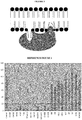
- Certain peripheral signalling proteins involved in the propagation of messages to the interior of cells can be anchored in regions where the packing of the surface is loose ( Figure 1 ).
- saturated or trans -monounsaturated fatty acids prevent the attachment of these proteins to the membranes, interfering with cell signalling.
- lipid rafts lipid rafts
- proteins with affinity for these domains may gather and can have productive interactions enabling the propagation of cellular signals. Any change in the density or structure of these domains has consequences on cellular signalling, so that pharmaceutical and nutraceutical interventions leading to regulation of membrane lipids can be more or less effective than those targeting proteins or nucleic acids directly.
- fatty acids of the description allow the general assumption that lipids with the cis -monounsaturated structure confer specific structural properties enabling proper activity of the processes carried out in and by these membranes.
- the fatty acids of the description can be effectively used for the prevention and/or treatment of any disease where the aetiology is related either to changes in the levels, composition, structure or any other type of changes to biological membrane lipids or to altered regulation of cellular signalling as a result of these changes in the lipids present in biological membranes.
- (X) is substituted by a group selected from: OH, NH 2 and CH 3
- (R) is substituted by H, in Formula I, giving rise to compounds for use in the prevention of cancer and/or in the prevention and/or treatment of cutaneous pathologies, neurodegenerative pathologies, inflammatory processes, infectious pathologies or metabolic pathologies such as hypercholesterolemia, hypertriglyceridemia, diabetes or metabolic syndrome.
- (X) is substituted by a group selected from: F, F 3 C, HS and O-CH 3 and (R) is substituted by H in Formula I, giving rise to compounds for use in the prevention and/or treatment of cancer, vascular pathologies, cutaneous pathologies, metabolic pathologies, neurodegenerative pathologies, inflammatory processes and infectious pathologies.
- (X) is substituted by a group selected from: OH, NH 2 , CH 3 , F, F 3 C, HS, O-CH 3 , PO 4 (CH 2 -CH 3 ) 2 and CH 3 COO and (R) can be substituted by sodium (Na), methyl ester (OMe), ethyl ester (EE) or ammonium (NH 3 ) in Formula I, giving rise to compounds for use in the prevention and/or treatment of cancer, vascular pathologies, cutaneous pathologies, metabolic pathologies, neurodegenerative pathologies, inflammatory processes and infectious pathologies.
- a group selected from: OH, NH 2 , CH 3 , F, F 3 C, HS, O-CH 3 , PO 4 (CH 2 -CH 3 ) 2 and CH 3 COO and (R) can be substituted by sodium (Na), methyl ester (OMe), ethyl ester (EE) or ammonium (NH 3 ) in Formula I, giving rise to compounds for use
- (X) is substituted by a group selected from: PO 4 (CH 2 -CH 3 ) 2 and CH 3 COO and (R) is substituted by H in Formula I, giving rise to compounds for use in the prevention and/or treatment of cancer, vascular pathologies, cutaneous pathologies, metabolic pathologies, neurodegenerative pathologies, inflammatory processes and infectious pathologies.
- (X) is substituted by a group selected from: OH, NH 2 , CH 3 , F, F 3 C, HS, O-CH 3 , PO 4 (CH 2 -CH 3 ) 2 and CH 3 COO and (R) is substituted by a group selected from: H, sodium (Na), methyl ester (OMe), ethyl ester (EE) or ammonium (NH 3 ) in Formula I for use in the induction of neuroregeneration, prevention and/or treatment of nerve fibre lesions and/or prevention and/or treatment of pain.
- the compounds of Formula I are: OHHD, OHOD, MOD, AOD, FOD, TFMOD, MOOD, SHOD, MOD11, OHOD11, OHEE, OHDE, Na-OHOD, OMe-OHOD, EE-OHOD, NH3-OHOD, ACOD, Na-ACOD, OMe-ACOD, EE-ACOD, Na-MOOD, OMe-MOOD, EE-MOOD, DEPOD, Na-DEPOD, OMe-DEPOD and EE-DEPOD.
- the present invention in particular, relates to a compound selected from: OHHD, OHOD, MOD, AOD, FOD, TFMOD, MOOD, SHOD, MOD11, OHOD11, OHEE and OHDE, as defined in claim 1, or salts thereof, for use, independently or in combination with at least other compound, as medicament or nutraceutical, in the induction of neuroregeneration; and/or prevention and/or treatment of nerve fibre lesions; and/or prevention and/or treatment of pain in humans or animals.
- the compounds can be used in combination with other active ingredients or excipients to give rise to pharmaceutical and/or nutraceutical compositions useful in the prevention and/or treatment of cancer, vascular pathologies, cutaneous pathologies, metabolic pathologies, neurodegenerative pathologies, inflammatory processes or infectious pathologies and/or for the induction of neuroregeneration, prevention and/or treatment of nerve fibre lesions and/or prevention and/or treatment of pain.
- the fatty acids of the description can be administered independently or formulated in pharmaceutical or nutraceutical compositions where they are combined with excipients such as, for example: binders, fillers, disintegrants, lubricants, coaters, sweeteners, flavourings, colourings, carriers, etc., and combinations thereof.
- excipients such as, for example: binders, fillers, disintegrants, lubricants, coaters, sweeteners, flavourings, colourings, carriers, etc., and combinations thereof.
- the fatty acids of the description can form part of pharmaceutical or nutraceutical compositions in combination with other active ingredients.
- nutraceutical is defined as a compound that is ingested periodically during feeding or as a food complement and that serves to prevent or reverse diseases, in this case diseases where the aetiology is linked to changes in the lipids of the cellular membrane.
- the administration of the fatty acids of the description can be performed by any route such as, for example, enteral (by the digestive tract), oral (pills, capsules, powders, emulsions, tablets or syrups), rectoral (suppositories or enemas), topical (creams or patches), inhalation, parenteral injection, intravenous injection, intramuscular injection or subcutaneous injection, in the form indicated above or in any pharmaceutically acceptable form such as, for example: methyls, ethyls, phosphates, other ester-type radicals, ethers, alkyls, etc.
- the present description also refers to a pharmaceutical and/or nutraceutical composition that comprises a compound as defined in claim 10 and, at least one second compound with therapeutic or excipient activity.
- this excipient formulated in combination with the compounds of the invention is albumin, for example: ovalbumin, lactalbumin, native or recombinant albumin of human, bovine, murine or rabbit origin, more preferably human serum albumin or bovine serum albumin.
- albumin for example: ovalbumin, lactalbumin, native or recombinant albumin of human, bovine, murine or rabbit origin, more preferably human serum albumin or bovine serum albumin.
- the composition comprising a fatty acid of the description and albumin is effective in the prevention and treatment of the indications listed above, preferably in the induction of neuroregeneration, prevention and/or treatment of nerve fibre lesions and/or prevention and/or treatment of pain.
- the composition comprises OHOD or any of its derivatives such as, for example Na-OHOD, and albumin.
- composition comprising a fatty acid of the description and another active ingredient is effective in the prevention and treatment of the indications listed above, preferably in the prevention and/or treatment of cancer when the active ingredient is an anti-cancer compound.
- the composition comprises OHOD and/or Na-OHOD and an anti-cancer compound selected, for example, from: temozolomide, erlotinib, gemcitabine and cisplatin.
- Another aspect of the present description refers to a cosmetic, not therapeutic, method for improving cutaneous appearance comprising the administration on the skin of an effective quantity of at least one pharmaceutically or cosmetically acceptable compound of Formula I and/or its salts or derivatives, where (a) and (b) can take any value between 0 and 14, (X) can be substituted by any atom or group of atoms with an atomic/molecular weight between 4 and 200 Da and (R) can be substituted by any atom or group of atoms with an atomic/molecular weight between 1 and 200 Da, selected from: alcohols, organic acids, alkyl groups, amino groups, halogens, alkyl halogens, alkyloxy groups and mercapto groups.
- the present description refers to a method for the prevention and/or therapeutic treatment of diseases in humans and animals, where the common aetiology is related to structural and/or functional changes in lipids of the cellular membrane, that comprises the administration to the patient of a therapeutically effective amount of at least one pharmaceutically acceptable compound of Formula I, independently or in combination with other compounds, of its salts or derivatives, where (a) and (b) can take any value between 0 and 14, (X) can be substituted by any atom or group of atoms with an atomic/molecular weight of between 4 and 200 Da and (R) can be substituted by any atom or group of atoms with an atomic/molecular weight between 1 and 200 Da, both (X) and (R) being selected from: alcohols, organic acids, alkyl groups, amino groups, halogens, alkyl halogens, alkyloxy groups and mercapto groups; excluding the administration of compounds of Formula I where (R) is H and (X) is substituted by OH,
- the term "therapeutically effective amount” is understood to be that amount that reverses the disease or prevents it without showing adverse secondary effects, or in the case that such effects are caused they are acceptable according to the criteria defined by the pharmaceutical regulatory agencies (basically where the benefit is higher than the harm caused; e.g. episodes of nausea being acceptable in a patient with a cancer with a serious prognosis).
- an animal cancer model was used. This model consisted of immune-deprived animals ([Crl:Nu(Ico)-Fox1] nude mice in which non-microcytic human lung cancer cells were injected (5x10 6 A549 cells per animal). The control group (infected with cancer cells but untreated) started to develop tumours that were visible after a few days. The sizes of the tumours were measured for the first time at 10 days after implanting the tumour and measurements continued for up to 31 days after the implantation with a digital calliper.
- Preventative treatments against development of the cancer were applied. To carry out these treatments, 400 mg/kg were administered per day for 2 weeks before the injection of tumour cells. This treatment was continued for one month after the implantation of the tumour cells and the volume of the tumours in the animals was measured. Each experimental group was composed of 8 animals. Oral administration of ⁇ -derivatives of cis -monounsaturated fatty acids prevented cancer development (A549 cells of human lung adenocarcinoma) ( Reference Figure 2 ).
- ⁇ -derivatives of cis -monounsaturated fatty acids are capable of inducing cadherin expression.
- Cadherin is a cellular adhesion protein. Cells expressing cadherin are often not displaced from their tissue location as they adhere to the surrounding cells. Tumour cells that lose the capacity to synthesise this protein can migrate from the tissue in which they were generated to other body tissues where they can develop a new tumour focus by the process known as metastasis.
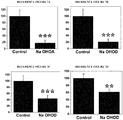
- ⁇ -derivatives of cis -monounsaturated the fatty acids a significant increase in cadherin levels was observed ( Reference Figure 4 ).
- the invasive capacity of cancer cells was also investigated in a culture plate invasion model.
- tumour anti-angiogenic agents In addition, ⁇ -derivatives of cis -monounsaturated fatty acids impeded the proliferation of vascular cells (see below), which prevents the formation of blood vessels necessary for tumour development. Therefore, these molecules can be used as tumour anti-angiogenic agents.
- Reference Figure 6A and Table 5 show the therapeutic effects of various ⁇ -derivatives of cis -monounsaturated fatty acids and their salts. In this sense, perhaps due to better absorption or distribution of these molecules, some of these compounds have significantly higher effects than those shown by the free fatty acid forms, suggesting that such forms would be preferable when preparing a medicine or designing a therapy for the treatment of this disease.
- the specificity of this effect is determined by the relation between the dose and the effect these molecules have on the volume of human tumours implanted in animals ( Reference Figure 6B ).
- Na-OHOD form sodium salt of OHOD
- its anti-tumour action was studied in immune-deprived mice following xenotransplantation of various types of human cancers: leukaemia, prostate cancer, breast cancer and colon cancer ( Reference Figure 7 ).
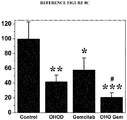
- Reference Figure 8 shows the effect of Na-OHOD alone and in combination with temozolomide, erlotinib, gemcitabine and cisplatin for the treatment of human glioma (brain cancer), human lung cancer and human pancreas cancer in immune-deprived mice models.
- Na-OHOD was observed to be more effective than the other pharmaceuticals used in humans for cancer treatment.
- ⁇ -derivatives of cis -monounsaturated fatty acids can be used in (a) prevention and (b) treatment of cancer by their direct effect on tumour cells.
- they are agents with a broad spectrum as they impede the growth of a wide range of tumour cells of very different types. Because they are not toxic they can be used in populations at high risk such as smokers, people exposed to biological or radiological risks that can cause cancer development, carriers of genetic or somatic abnormalities associated with the development of diverse types of tumours, etc. They can also be used in the prevention and treatment of metastasis and angiogenesis processes in patients in which some tumour process may have developed. These molecules can be administered orally and do not show apparent toxic effects, so they can be used as medicines or as functional foods. In addition, their use in skin tumours can be via the topical route.
- Reference Example 2 Use of the fatty acids of the description for the prevention and/or treatment of vascular cell proliferation and other pathologies of the heart and blood vessels.
- the proliferation of vascular cells lies at the base of certain pathologies such as atherosclerosis, cardiomyopathy, cardiac hyperplasia, hypertension and other cardiac and vascular pathologies as well as tumour angiogenesis.
- pathologies such as atherosclerosis, cardiomyopathy, cardiac hyperplasia, hypertension and other cardiac and vascular pathologies as well as tumour angiogenesis.
- A10 cells which are normal vascular cells of originating in the aorta
- the ⁇ -derivatives of cis- monounsaturated fatty acids showed a high potency for inhibiting the hyper-proliferation of A10 vascular cells.
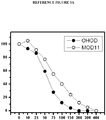
- ⁇ -derivatives of cis -monounsaturated fatty acids at a concentration of 200 ⁇ M induced a halt in cellular proliferation similar to that caused by removal of foetal bovine serum (which contains many cellular growth factors) ( Reference Figure 9 ).
- ⁇ -derivatives of cis -monounsaturated fatty acids are molecules that can be used for the prevention and treatment of atherosclerosis, cardiomyopathy, angiogenesis dependent on tumours, cardiac hyperplasia, hypertension and other related pathologies through medicines or functional foods.
- fatty acids that do not have double bonds or where the double bond has the trans configuration were not effective in reducing the proliferation of A10 aorta cells.
- fatty acids that did not have modifications on the ⁇ -carbon did not have significant effects on the proliferation of A10 cells.
- fatty acids with the double bond in the cis configuration and a modification on the ⁇ -carbon produced an effect, independently of the radical that was introduced on this carbon.
- Tumour angiogenesis is mediated by the proliferation of vascular cells around the cancerous cells. Therefore, ⁇ -derivatives of cis -monounsaturated fatty acids are potent anti-angiogenic factors that can be used to prevent the proliferation of blood vessels providing nutrients to newly formed tumours.
- SHR Hypertensive rats
- Reference Figure 10 Hypertensive rats
- SHR rats are normotensive during the first months of life until they reach maturity and acquire a hypertensive condition (between 3 and 4 months of age).
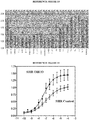
- 10-week old SHR rats were treated with various fatty acids. The animals are still normotensive at this age, having an arterial pressure of between 130 and 140 mmHg, which was measured at the start of the treatment.
- the animals were divided into experimental groups of 8 animals in such a way that the average arterial pressure was similar in all the groups (average values between 128 and 132 mmHg for all the groups at the start of the experiment).
- the study of the prevention of hypertension development was performed by administering a dose of 200 mg/kg per day to the animals for 10 weeks and measuring their arterial pressure at the end of the treatment.
- animals treated with ⁇ -derivatives of cis- monounsaturated fatty acids were observed not to have developed hypertension, whereas untreated animals or animals treated with fatty acids not having the structure shown in Formula I developed hypertension. This result is clearly different from the effect of hypertension treatment because prevention stops animals from suffering hypertension at some time in their lives.
- Atherosclerosis or arteriosclerosis is a pathology characterised by the loss of contractility of blood vessels. This loss is associated with diverse factors, among which is the formation of deposits on the vascular lumen giving rise to the proliferation of vascular cells, reduction of blood flow and vasoconstrictor and vasodilator responses to neurotransmitters (such as noradrenalin) and to hormones.
- neurotransmitters such as noradrenalin
- studies in isolated rat aorta in organ bath it was shown that the contraction power of the aortic muscle in response to noradrenalin increased very markedly after pre-treatments with OHOD acid.
- all the compounds with the structure of Formula I had similar effects on vascular muscle.
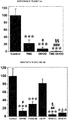
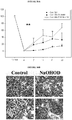
- Reference Figure 11 shows the effect of in vitro pre-treatment (organ bath) with OHOD on the contraction capacity of SHR rat aortas.
- the figure shows that the contraction capacity induced by noradrenalin (NA) was much higher in the aortas of rats pre-treated with this fatty acid.
- NA noradrenalin
- the vascular tissue flexibility increased significantly (p ⁇ 0.05) in the presence of this compound, demonstrating the utility of ⁇ -derivatives of cis -monounsaturated fatty acids in the prevention and treatment of atherosclerosis and other cardiovascular pathologies.
- the improvement of the aorta contractile response indicates that these compounds can also be used for the maintenance of vascular tissue in healthy subjects and in the treatment of damaged vessels in patients with cardiovascular pathologies.
- Reference Example 3 Use of the fatty acids of the description for the prevention and/or treatment of cutaneous pathologies and related diseases.
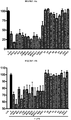
- Reference Figure 12 also shows the effect of ⁇ -derivatives of cis -monounsaturated fatty acids (100 ⁇ M, 48 hours) on the proliferation of adipocytes (3T3-L1 cells).
- the molecules that have the structure of Formula I inhibited the growth of 3T3-L1 cells, whereas molecules that do not have the structure of Formula I did not have significant effects on the proliferation of adipocytes ( Reference Figure 12 ).
- These types of adipose cells can grow anomalously or multiply anomalously in subcutaneous areas (hypertrophy or hyperplasia of the adipocytes). The abnormal growth can give rise to pathological processes of various types such as obesity and cellulitis.
- ⁇ -derivatives of cis -monounsaturated fatty acids can be used for the prevention and treatment of pathologies such as obesity, cellulitis, psoriasis, skin stains and similar. Given the special typology of skin and the layers beneath it, the treatment of some of these pathologies can be performed topically, so these molecules can be used as cosmetics. These pathologies can also be treated through pharmacological and nutraceutical preparations.
- Reference Example 4 Use of the fatty acids of the description for the prevention and/or treatment of metabolopathies (metabolic pathologies: hypercholesterolemia, hypertriglyceridemia, diabetes) and obesity.
- Metabolic diseases form a set of pathologies characterised by the accumulation or deficit of certain molecules (cholesterol, triglycerides, glucose, etc.) in the serum or tissues. These changes are the reflection of dysfunctions that are normally associated with errors in the activity of certain enzymes or in the control of these proteins.
- cholesterol elevated levels of cholesterol
- hypertriglyceridemia elevated levels of triglycerides
- diabetes elevated levels of glucose
- one of the control groups was maintained on a standard diet (lean control) and the other was fed on a cafeteria diet (obese control).
- the treated animal groups were fed on the cafeteria diet.
- Preventative pre-treatment was maintained for all the groups.
- the lean control group had increased their body weight by an average of 16 ⁇ 16 g, while the obese control group had increased their body weight by an average of 43 ⁇ 17 g (statistically significance difference, p ⁇ 0.01).
- Rats treated with ⁇ -derivatives of cis -monounsaturated fatty acids showed increases in weight similar to that of the thin control group and significantly less than that of the obese control group (p ⁇ 0.05) consuming the same diet.
- Example 5 Use of the fatty acids disclosed in the claims for the prevention and/or treatment of neurodegenerative pathologies.
- Neurodegenerative processes give rise to a series of diseases with various manifestations, but the common characteristic is degeneration of the cells of the central and/or peripheral nervous system. Some of these neurodegenerative processes such as Alzheimer's disease or senile dementia imply a significant decline in patients' cognitive capacity. Others give rise to motor changes such as Parkinson's disease and various types of sclerosis. Finally, certain neurodegenerative pathologies can result in processes causing blindness, hearing problems, disorientation, changes in affect, etc..
- An example of a well characterised neurodegenerative disorder is Alzheimer's disease in which the formation of senile plaques has been observed, formed by the remains of membrane proteins (e.g. the ⁇ -amyloid peptide) that are erroneously processed and which accumulate outside the cells and neurofilament tangles that appear inside the cells.
- membrane proteins e.g. the ⁇ -amyloid peptide
- This process has been associated with changes in cholesterol metabolism and the consequent alteration of cholesterol levels in the membranes (Raid et al., 2007).
- the development of this disease is related to other pathologies in which changes in lipid metabolism, and more specifically in cholesterol, have been described such as those of cardiovascular type.
- Sclerosis and other neurodegenerative processes are related to "demyelination", the net result of which is the loss of lipids in the neuronal axon sheath, with consequent changes in the process of propagation of electrical signals.
- Myelin is a lipid layer that surrounds axons of many neurones and is formed by a succession of spiral folds of the plasma membrane of glial cells (Schwann cells). For these reasons, it is clear that lipids play a very important role in the development of neurodegenerative pathologies.
- mice were treated for 6 months with 100 mg/kg fatty acid administered orally 5 times a week (Monday to Friday).
- a radial maze and the Miller test were used and the cognitive capacity of control animals (untreated) was defined as 100% (Wise et al., 2007; Patil et al., 2006).
- the cognitive capacity of animals treated with various types of fatty acids was expressed as percentage improvement measured in performing these tests.
- ⁇ -derivatives of cis -monounsaturated fatty acids can be used for the treatment of neurodegenerative pathologies such as Alzheimer's, various types of sclerosis, Parkinson's disease, etc., through pharmaceutical and nutraceutical preparations.
- Example 6 Use of the fatty acids disclosed in the claims for the prevention and/or treatment of nerve fibre lesions and pain.
- the central nervous system after the adipose tissue, contains the highest amount of lipids in the organism. From this it can be deduced that lipids will be very important for neurones and glial cells.
- the fatty acids disclosed in the claims can prevent and treat functional symptoms such as, for example, loss of motor function, neuropathic pain or spasticity induced by a nerve fibre lesion.
- functional symptoms such as, for example, loss of motor function, neuropathic pain or spasticity induced by a nerve fibre lesion.
- bovine serum albumin albumin-fatty acid complexes or A-AG, where AG can be OHOD
- albumin-OHOD complex at a dose of 4 mM in 10 ⁇ l given by the intrathecal route generally enhanced recovery of voluntary motor function from 4 to 28 days after nerve fibre lesion in rats compared to animals treated with saline or albumin-oleic acid complex.
- the trials performed indicate that the molecules included in the present invention can be used for the prevention of the appearance of motor paralysis and in the treatment of neuropathic pain and spasticity derived from nerve fibre lesions.
- medicines based on a A-AG complex may enable treatment of nerve fibre lesions, especially of traumatic lesions.
- the albumin is selected from native or recombinant albumin of human, bovine, murine and rabbit origin or ovalbumin and lactoalbumin, more preferably the albumin used is human serum albumin or bovine serum albumin, such as was used in the examples of this document. All these albumins have similar structures and functions. For example, a comparison of a sequence of bovine albumin and human albumin showed a correspondence in the amino acid sequence of 76%. The correspondence rises to 88% when conservative changes are taken into account.
- albumin-fatty acid complex (A-AG) was prepared in a solution of 2% (w/v) albumin and oleic acid or OHOD was added to a final concentration of 78 mM.
- the effect on central sensitivity to nocive stimuli after nerve fibre lesion can be explained by regulation of astrogliosis through the lipid membrane by inhibition of the gap junctions by oleic acid ( Lavado et al., J. Neurochem. 1997; 69(2):71-8 ) or by a reduction in the reactive morphology of astrocyte cells by albumin ( Manning and Sntheimer, Glia 1997; 20(2):163-72 ).
- Example 7 Use of the fatty acids disclosed in the claims for the prevention and/or treatment of inflammatory processes.
- Tissue and cellular inflammatory processes are characterised by the action of proinflammatory cytokines (interleukin-4, -6, -8, -10, TNF- ⁇ , etc.) released by cells of the immune system (lymphocytes, neutrophils, monocytes, macrophages, etc.) after stimulation caused by a pathogen (infection) or antigenic aggression.
- proinflammatory cytokines interleukin-4, -6, -8, -10, TNF- ⁇ , etc.
- Inflammatory processes cause a wide variety of diseases, among which are cardiovascular, systemic, locomotor apparatus, ageing and respiratory diseases such as asthma, chronic obstructive pulmonary disease (COPD) and various types of inflammations.
- COPD chronic obstructive pulmonary disease
- ⁇ -derivatives of cis -monounsaturated fatty acids can be effective for the treatment of the autoimmune inflammatory disease known as rheumatoid arthritis by inhibiting the production of proinflammatory cytokines, the levels of which increase markedly in rheumatoid arthritis patients.
- the inhibition of COX-1 and COX-2 function by these fatty acids indicates that these compounds are useful in the treatment of pain and inflammation.
- These fatty acids can be considered to be a new generation of non-steroid anti-inflammatory drugs (NSAIDs).
- NSAIDs non-steroid anti-inflammatory drugs
- the inhibition of the activity of COX-1 and COX-2 functions indicates that these fatty acids can also be used for the treatment or prevention of cardiovascular diseases and reduce the risk of ischemic events such as heart attacks.
- proinflammatory cytokines due to the important inhibition of the expression of proinflammatory cytokines by ⁇ -derivatives of cis- monounsaturated fatty acids, they can be used for the prevention and the treatment of inflammatory and derivative processes such as pain and rheumatoid arthritis, both at a systemic and a topical level, and through pharmaceutical, nutraceutical and topical/cosmetic preparations.
- Table 4 Inhibition of the release of proinflammatory cytokines by OHHD.
- Cytokine Control (pg/ml) LPS (pg/ml) LPS + OHHD (pg/ml) IL-1b 12 ⁇ 2 132 ⁇ 2 41 ⁇ 5 IL-6 24 ⁇ 3 1072 ⁇ 4 68 ⁇ 8 IL-8 345 ⁇ 7 967 ⁇ 8 529 ⁇ 7 IL-10 32 ⁇ 1 315 ⁇ 9 53 ⁇ 3 TNF- ⁇ 15 ⁇ 6 1504 ⁇ 7 65 ⁇ 9 p ⁇ 0.001. Average ⁇ standard error of 6 experiments performed in triplicate.
- Reference Example 8 Use of the fatty acids of the description for the prevention and/or treatment of infectious pathologies.
- AIDS Acquired immunodeficiency syndrome
- HAV human immunodeficiency picornavirus
- This virus has a lipid covering and the integrity of the viral covering is essential for fusion with the human cellular membrane.
- the ⁇ -derivatives of cis -monounsaturated fatty acids modify the structure of model membranes, similar to those on the AIDS virus ( Reference Figure 20 ), so that they can be used for the treatment of this disease.
- the binding between HIV and the host cells is also mediated by the CD4 receptor.
- This eukaryote cell protein is located in specific regions of the cellular membrane known as "membrane rafts".
- the ⁇ -derivatives of cis -monounsaturated fatty acids break up the structure of the "lipid rafts", so they interfere in the virus-cellular interaction necessary to cause and amplify infection ( Reference Figure 21 ). Therefore, ⁇ -derivatives of cis- monounsaturated fatty acids can be used for the prevention and treatment of AIDS.
- DHFR Dihydrofolate Reductase
- ⁇ -derivatives of cis- monounsaturated fatty acids induce a very marked reduction in this enzyme, which results in a significant fall in DHFR levels ( Reference Figure 22 ), so they may have an important activity against malaria development.
- ⁇ -derivatives of cis -monounsaturated fatty acids have two advantages. Firstly, their toxicity is lower. Secondly, the reduction in the expression of the enzyme is a much more effective mechanism than its inhibition (which results in high levels of enzyme that can be activated at the end of the treatment). Therefore, ⁇ -derivatives of cis -monounsaturated fatty acids can be effective drugs for malaria treatment.
- agents that inhibit the production of tetrahydrofolate are effective antibacterial agents. This fact, together with the evidence presented in this example on the effectiveness of ⁇ -derivatives of cis -monounsaturated fatty acids against the development of infectious processes of diverse types indicates that these molecules can be effective agents for the prevention or treatment of infectious pathologies.
- the atom or molecule that replaces the R in Formula I is sodium (with prefix “Na”), methyl ester (OMe), ethyl ester (EE), ammonium (NH 3 ) or hydrogen (no prefix).
- the parameter measured for determining the anti-tumour potency was the IC 50 (concentration that reduces the number of cells to half) in A549 and SF767 human tumour cells. The values are expressed in micromolar concentration ( ⁇ M).
- the second column shows the levels of cholesterol (CHO) and triglycerides (TG) in percent compared to untreated controls (100%). Rats received a daily dose of 600 mg/kg of substances indicated in the table (for other details on the treatment, see the text).
- the third column shows the body weight (g) of rats receiving a cafeteria diet for 2 weeks.
- Control rats which weighed 311 g at the end of the treatment (average of 6 animals), received vehicle (water), whereas treated animals received 300 mg/kg daily of the substances indicated in the table.
- PA arterial pressure (mmHg). The arterial pressure was measured in hypertensive rats after an 8-day treatment with each of the compounds indicated (400 mg/kg). As indicated in the table header, the average PA of untreated rats was 214 mmHg. In all the experimental series with animals shown in this table, the treatments were always oral.
- the description includes the following aspects:
Landscapes
- Health & Medical Sciences (AREA)
- Life Sciences & Earth Sciences (AREA)
- Chemical & Material Sciences (AREA)
- Veterinary Medicine (AREA)
- General Health & Medical Sciences (AREA)
- Public Health (AREA)
- Animal Behavior & Ethology (AREA)
- Medicinal Chemistry (AREA)
- Pharmacology & Pharmacy (AREA)
- Engineering & Computer Science (AREA)
- Nuclear Medicine, Radiotherapy & Molecular Imaging (AREA)
- Organic Chemistry (AREA)
- General Chemical & Material Sciences (AREA)
- Chemical Kinetics & Catalysis (AREA)
- Bioinformatics & Cheminformatics (AREA)
- Epidemiology (AREA)
- Biomedical Technology (AREA)
- Diabetes (AREA)
- Neurology (AREA)
- Neurosurgery (AREA)
- Nutrition Science (AREA)
- Food Science & Technology (AREA)
- Polymers & Plastics (AREA)
- Obesity (AREA)
- Hematology (AREA)
- Mycology (AREA)
- Emergency Medicine (AREA)
- Tropical Medicine & Parasitology (AREA)
- Oil, Petroleum & Natural Gas (AREA)
- Heart & Thoracic Surgery (AREA)
- Dermatology (AREA)
- Cardiology (AREA)
- Oncology (AREA)
- Pain & Pain Management (AREA)
- Communicable Diseases (AREA)
- Virology (AREA)
- Molecular Biology (AREA)
- Vascular Medicine (AREA)
- Child & Adolescent Psychology (AREA)
- Psychiatry (AREA)
Priority Applications (1)
| Application Number | Priority Date | Filing Date | Title |
|---|---|---|---|
| PL14195436T PL2842556T3 (pl) | 2008-12-09 | 2009-12-04 | Alfa-pochodne cis-jednonienasyconych kwasów tłuszczowych do stosowania jako leki |
Applications Claiming Priority (2)
| Application Number | Priority Date | Filing Date | Title |
|---|---|---|---|
| ES200803480A ES2342997B1 (es) | 2008-12-09 | 2008-12-09 | Alpha derivados de acidos grasos cis-monoinsaturados para ser usados como medicamento. |
| EP09831504.7A EP2374453B1 (en) | 2008-12-09 | 2009-12-04 | Alpha-derivatives of cis-monounsaturated fatty acids intended for use as a drug |
Related Parent Applications (2)
| Application Number | Title | Priority Date | Filing Date |
|---|---|---|---|
| EP09831504.7A Division EP2374453B1 (en) | 2008-12-09 | 2009-12-04 | Alpha-derivatives of cis-monounsaturated fatty acids intended for use as a drug |
| EP09831504.7A Division-Into EP2374453B1 (en) | 2008-12-09 | 2009-12-04 | Alpha-derivatives of cis-monounsaturated fatty acids intended for use as a drug |
Publications (3)
| Publication Number | Publication Date |
|---|---|
| EP2842556A2 EP2842556A2 (en) | 2015-03-04 |
| EP2842556A3 EP2842556A3 (en) | 2015-08-05 |
| EP2842556B1 true EP2842556B1 (en) | 2018-01-31 |
Family
ID=42242375
Family Applications (4)
| Application Number | Title | Priority Date | Filing Date |
|---|---|---|---|
| EP14195394.3A Active EP2842555B1 (en) | 2008-12-09 | 2009-12-04 | Alpha-derivatives of cis-monounsaturated fatty acids for use as medicines in the treatment of diabetes |
| EP14195436.2A Active EP2842556B1 (en) | 2008-12-09 | 2009-12-04 | Alpha-derivatives of cis-monounsaturated fatty acids for use as medicines |
| EP18164265.3A Active EP3366285B1 (en) | 2008-12-09 | 2009-12-04 | Alpha-derivatives of cis-monounsaturated fatty acids for use as medicines |
| EP09831504.7A Active EP2374453B1 (en) | 2008-12-09 | 2009-12-04 | Alpha-derivatives of cis-monounsaturated fatty acids intended for use as a drug |
Family Applications Before (1)
| Application Number | Title | Priority Date | Filing Date |
|---|---|---|---|
| EP14195394.3A Active EP2842555B1 (en) | 2008-12-09 | 2009-12-04 | Alpha-derivatives of cis-monounsaturated fatty acids for use as medicines in the treatment of diabetes |
Family Applications After (2)
| Application Number | Title | Priority Date | Filing Date |
|---|---|---|---|
| EP18164265.3A Active EP3366285B1 (en) | 2008-12-09 | 2009-12-04 | Alpha-derivatives of cis-monounsaturated fatty acids for use as medicines |
| EP09831504.7A Active EP2374453B1 (en) | 2008-12-09 | 2009-12-04 | Alpha-derivatives of cis-monounsaturated fatty acids intended for use as a drug |
Country Status (18)
| Country | Link |
|---|---|
| US (3) | US9000042B2 (OSRAM) |
| EP (4) | EP2842555B1 (OSRAM) |
| JP (2) | JP5711140B2 (OSRAM) |
| KR (1) | KR101683643B1 (OSRAM) |
| CN (1) | CN102355897B (OSRAM) |
| AU (6) | AU2009326993B2 (OSRAM) |
| BR (1) | BRPI0922870A8 (OSRAM) |
| CA (1) | CA2745052C (OSRAM) |
| DK (3) | DK3366285T3 (OSRAM) |
| ES (5) | ES2342997B1 (OSRAM) |
| HU (2) | HUE037396T2 (OSRAM) |
| IL (1) | IL213354A (OSRAM) |
| MX (1) | MX2011005978A (OSRAM) |
| PL (3) | PL3366285T3 (OSRAM) |
| PT (4) | PT2374453E (OSRAM) |
| RU (1) | RU2531353C2 (OSRAM) |
| SI (1) | SI3366285T1 (OSRAM) |
| WO (1) | WO2010066931A1 (OSRAM) |
Families Citing this family (9)
| Publication number | Priority date | Publication date | Assignee | Title |
|---|---|---|---|---|
| ES2342997B1 (es) * | 2008-12-09 | 2011-06-06 | Universitat De Les Illes Balears | Alpha derivados de acidos grasos cis-monoinsaturados para ser usados como medicamento. |
| WO2011089265A1 (en) * | 2010-01-25 | 2011-07-28 | Bridge Bioresearch Plc | Use of fatty acid compounds for lowering blood glucose levels |
| ES2401629B1 (es) * | 2011-10-07 | 2014-03-04 | Universitat De Les Illes Balears | Enantiómeros de 2-hidroxiderivados de ácidos grasos y su uso como medicamentos. |
| WO2013132092A1 (en) * | 2012-03-09 | 2013-09-12 | Pensieve International Plc | Use of monounsaturated fatty acid compounds for controlling the body weight of a dog or a cat |
| RU2679443C2 (ru) * | 2014-10-21 | 2019-02-11 | Университат Де Лес Ильес Балеарс | Способ синтеза гидрокситриглицеридов и их применение для профилактики и лечения заболеваний |
| WO2019099664A1 (en) * | 2017-11-16 | 2019-05-23 | The Research Foundation For The State University Of New York | Use of 2-hydroxyoleic acid for the treatment of systemic lupus erythematosus and other immune pathologies |
| ES2911474B2 (es) * | 2020-11-17 | 2023-02-06 | Univ Illes Balears | Profarmacos de acidos grasos monoinsaturados y sus metabolitos: usos medicos y como biomarcadores |
| AU2021212330A1 (en) * | 2020-01-29 | 2022-09-22 | Universitat De Les Illes Balears | Alpha-hydroxylated fatty-acid metabolites, medical uses of same and use as biomarkers |
| US12440467B2 (en) * | 2021-12-09 | 2025-10-14 | The Florida International University Board Of Trustees | Treatment and prevention of infections using vegetable oil-derived polyols |
Family Cites Families (35)
| Publication number | Priority date | Publication date | Assignee | Title |
|---|---|---|---|---|
| JPS4928172B1 (OSRAM) * | 1969-10-27 | 1974-07-24 | ||
| CH558321A (de) * | 1971-08-03 | 1975-01-31 | Ciba Geigy Ag | Verfahren zur herstellung von carbonsaeuren bezw. carbonsaeuresalzen. |
| US3931306A (en) * | 1973-10-23 | 1976-01-06 | International Flavors & Fragrances Inc. | Process for producing isomer mixtures containing high proportions of cis-2-methyl-3-pentenoic acid |
| DE2448339A1 (de) * | 1974-10-10 | 1976-04-22 | Basf Ag | Verfahren zur herstellung von olefinisch ungesaettigten carbonsaeureestern |
| DE2559201B2 (de) * | 1975-12-30 | 1978-06-15 | Hoechst Ag, 6000 Frankfurt | Organozinnverbindungen und ihre Verwendung als Stabilisatoren |
| US4241097A (en) * | 1979-09-13 | 1980-12-23 | International Flavors & Fragrances Inc. | Use of benzodionones in augmenting or enhancing the aroma and taste of a foodstuff |
| US4391757A (en) * | 1981-11-27 | 1983-07-05 | Carstab Corporation | Organic antimony containing stabilizer compositions for halogenated polymers |
| JPS5899432A (ja) * | 1981-12-09 | 1983-06-13 | Maruzen Sekiyu Kagaku Kk | 不飽和脂肪酸またはその塩およびそれからなる抗菌剤 |
| US4551279A (en) * | 1984-01-09 | 1985-11-05 | G. D. Searle & Co. | Protease inhibitors |
| FR2609032B1 (fr) * | 1986-12-30 | 1990-01-05 | Centre Nat Rech Scient | Epoxydes fonctionnels enantiomeriquement purs, leur procede de preparation et leur application comme synthons chiraux |
| US4808403A (en) * | 1987-03-17 | 1989-02-28 | International Flavors & Fragrances Inc. | Use of N,N-diethyl-m-toluamide and/or the ethyl ester of 2-methyl-3-pentenoic acid as insect attractants |
| US5504107A (en) * | 1990-01-12 | 1996-04-02 | The Ohio State University Research Foundation | Optically pure 4-alkenyl- or 4-alkanyl-2-hydroxytetronic acids and pharmaceutical use thereof |
| GB9003201D0 (en) * | 1990-02-13 | 1990-04-11 | Unilever Plc | Cosmetic composition |
| US5208260A (en) * | 1990-03-29 | 1993-05-04 | G. D. Searle & Co. | Vinyl Glycine derivatives for memory and learning enhancement or treatment of a cognitive disorder |
| US5198250A (en) | 1990-07-16 | 1993-03-30 | Lipotech Partners Limited Partnership | Food and pharmaceutical compositions containing short chain monounsaturated fatty acids and methods of using |
| AU1926592A (en) * | 1991-04-10 | 1992-11-17 | Eugene J. Van Scott | Compositions comprising 2-hydroxycarboxylic acids and related compounds, and methods for alleviating signs of dermatological aging |
| US6300373B1 (en) * | 1993-09-10 | 2001-10-09 | American Biogenetic Sciences, Inc. | Antiproliferative and neurotrophic molecules |
| JP3489703B2 (ja) * | 1995-10-23 | 2004-01-26 | 株式会社ノエビア | 微細エマルション組成物 |
| US5856537A (en) * | 1996-06-26 | 1999-01-05 | The Scripps Research Institute | Inhibitors of oleamide hydrolase |
| JPH10182338A (ja) * | 1996-12-20 | 1998-07-07 | Noevir Co Ltd | 水中油型乳化組成物 |
| DE69833791D1 (de) * | 1997-11-24 | 2006-05-04 | Scripps Research Inst | Hemmer der "gap junction communication" |
| GB9926833D0 (en) * | 1999-11-15 | 2000-01-12 | Univ Sunderland | Compositions |
| GB2385589A (en) * | 2000-08-07 | 2003-08-27 | Sofitech Nv | Surfactant |
| ES2186576B1 (es) | 2001-10-11 | 2004-09-16 | Universitat De Les Illes Balears | Acido 2-hidroxioleico para utilizar como medicamento. |
| US6702756B2 (en) * | 2001-12-11 | 2004-03-09 | University Technologies International Inc. | Method and apparatus for diagnosing neurological impairment |
| CN1615310A (zh) * | 2002-01-22 | 2005-05-11 | 辛根塔参与股份公司 | 可用作除草剂的苯基取代的杂环化合物 |
| US7462349B2 (en) * | 2002-10-24 | 2008-12-09 | Nurit Kalderon | Beta interferon for the treatment of chronic spinal cord injury |
| US20040214215A1 (en) | 2003-03-07 | 2004-10-28 | Yu Ruey J. | Bioavailability and improved delivery of alkaline pharmaceutical drugs |
| KR20150080004A (ko) * | 2003-05-15 | 2015-07-08 | 앰피오 파마슈티컬스 인코퍼레이티드 | T-세포 매개성 질환의 치료 방법 |
| ES2229935B1 (es) * | 2003-10-10 | 2006-10-01 | Universitat De Les Illes Balears | Utilizacion del acido hidroxioleico y compuestos analagos del mismo como aditivos alimentarios funcionales. |
| KR100756890B1 (ko) | 2005-08-19 | 2007-09-07 | 경희대학교 산학협력단 | 신경세포 보호활성을 갖는 올레산을 함유하는 조성물 |
| JP2009051732A (ja) * | 2005-12-13 | 2009-03-12 | Meiji Seika Kaisha Ltd | Pparリガンド活性を有する組成物 |
| WO2009127009A1 (en) | 2008-04-18 | 2009-10-22 | Commonwealth Scientific And Industrial Research Organisation | Condensation polymers |
| US20120252967A1 (en) | 2008-04-18 | 2012-10-04 | Grains Research And Development Corporation | Polyurethanes |
| ES2342997B1 (es) * | 2008-12-09 | 2011-06-06 | Universitat De Les Illes Balears | Alpha derivados de acidos grasos cis-monoinsaturados para ser usados como medicamento. |
-
2008
- 2008-12-09 ES ES200803480A patent/ES2342997B1/es active Active
-
2009
- 2009-12-04 ES ES18164265T patent/ES2899274T3/es active Active
- 2009-12-04 AU AU2009326993A patent/AU2009326993B2/en not_active Revoked
- 2009-12-04 ES ES09831504.7T patent/ES2535498T3/es active Active
- 2009-12-04 PT PT98315047T patent/PT2374453E/pt unknown
- 2009-12-04 PT PT18164265T patent/PT3366285T/pt unknown
- 2009-12-04 SI SI200932141T patent/SI3366285T1/sl unknown
- 2009-12-04 HU HUE14195436A patent/HUE037396T2/hu unknown
- 2009-12-04 MX MX2011005978A patent/MX2011005978A/es active IP Right Grant
- 2009-12-04 PL PL18164265T patent/PL3366285T3/pl unknown
- 2009-12-04 PL PL14195436T patent/PL2842556T3/pl unknown
- 2009-12-04 EP EP14195394.3A patent/EP2842555B1/en active Active
- 2009-12-04 US US13/132,231 patent/US9000042B2/en active Active
- 2009-12-04 EP EP14195436.2A patent/EP2842556B1/en active Active
- 2009-12-04 BR BRPI0922870A patent/BRPI0922870A8/pt not_active Application Discontinuation
- 2009-12-04 DK DK18164265.3T patent/DK3366285T3/da active
- 2009-12-04 PT PT141953943T patent/PT2842555T/pt unknown
- 2009-12-04 CA CA2745052A patent/CA2745052C/en not_active Expired - Fee Related
- 2009-12-04 EP EP18164265.3A patent/EP3366285B1/en active Active
- 2009-12-04 PT PT141954362T patent/PT2842556T/pt unknown
- 2009-12-04 CN CN200980156029.6A patent/CN102355897B/zh active Active
- 2009-12-04 PL PL09831504T patent/PL2374453T3/pl unknown
- 2009-12-04 HU HUE18164265A patent/HUE056170T2/hu unknown
- 2009-12-04 ES ES14195436.2T patent/ES2661412T3/es active Active
- 2009-12-04 WO PCT/ES2009/070561 patent/WO2010066931A1/es not_active Ceased
- 2009-12-04 EP EP09831504.7A patent/EP2374453B1/en active Active
- 2009-12-04 RU RU2011128335/04A patent/RU2531353C2/ru active
- 2009-12-04 JP JP2011539060A patent/JP5711140B2/ja active Active
- 2009-12-04 ES ES14195394.3T patent/ES2673406T3/es active Active
- 2009-12-04 DK DK14195436.2T patent/DK2842556T3/en active
- 2009-12-04 KR KR1020117014462A patent/KR101683643B1/ko not_active Expired - Fee Related
- 2009-12-04 DK DK09831504.7T patent/DK2374453T3/en active
-
2011
- 2011-06-05 IL IL213354A patent/IL213354A/en active IP Right Grant
-
2014
- 2014-11-14 JP JP2014232196A patent/JP2015061856A/ja active Pending
-
2015
- 2015-03-20 US US14/664,351 patent/US9730906B2/en active Active
-
2016
- 2016-09-13 AU AU2016228171A patent/AU2016228171A1/en not_active Abandoned
- 2016-09-13 AU AU2016228167A patent/AU2016228167A1/en not_active Abandoned
-
2017
- 2017-07-10 US US15/645,524 patent/US10588883B2/en active Active
-
2018
- 2018-09-12 AU AU2018229474A patent/AU2018229474B2/en active Active
- 2018-09-12 AU AU2018229472A patent/AU2018229472B2/en active Active
-
2019
- 2019-08-30 AU AU2019222955A patent/AU2019222955B2/en active Active
Non-Patent Citations (1)
| Title |
|---|
| None * |
Also Published As
Similar Documents
| Publication | Publication Date | Title |
|---|---|---|
| US10588883B2 (en) | Alpha-derivatives of cis-monounsaturated fatty acids for use as medicines | |
| AU2018203976B2 (en) | Use of derivatives of polyunsaturated fatty acids as medicaments |
Legal Events
| Date | Code | Title | Description |
|---|---|---|---|
| 17P | Request for examination filed |
Effective date: 20141128 |
|
| AC | Divisional application: reference to earlier application |
Ref document number: 2374453 Country of ref document: EP Kind code of ref document: P |
|
| AK | Designated contracting states |
Kind code of ref document: A2 Designated state(s): AT BE BG CH CY CZ DE DK EE ES FI FR GB GR HR HU IE IS IT LI LT LU LV MC MK MT NL NO PL PT RO SE SI SK SM TR |
|
| PUAI | Public reference made under article 153(3) epc to a published international application that has entered the european phase |
Free format text: ORIGINAL CODE: 0009012 |
|
| RIC1 | Information provided on ipc code assigned before grant |
Ipc: A61P 25/00 20060101ALI20150309BHEP Ipc: A61K 31/201 20060101AFI20150309BHEP Ipc: A61P 29/00 20060101ALI20150309BHEP Ipc: A61K 31/231 20060101ALI20150309BHEP Ipc: A23L 1/30 20060101ALI20150309BHEP Ipc: A61P 25/28 20060101ALI20150309BHEP |
|
| PUAL | Search report despatched |
Free format text: ORIGINAL CODE: 0009013 |
|
| AK | Designated contracting states |
Kind code of ref document: A3 Designated state(s): AT BE BG CH CY CZ DE DK EE ES FI FR GB GR HR HU IE IS IT LI LT LU LV MC MK MT NL NO PL PT RO SE SI SK SM TR |
|
| RIC1 | Information provided on ipc code assigned before grant |
Ipc: A61P 29/00 20060101ALI20150630BHEP Ipc: A61K 31/231 20060101ALI20150630BHEP Ipc: A61P 25/00 20060101ALI20150630BHEP Ipc: A23L 1/30 20060101ALI20150630BHEP Ipc: A61P 25/28 20060101ALI20150630BHEP Ipc: A61K 31/201 20060101AFI20150630BHEP |
|
| R17P | Request for examination filed (corrected) |
Effective date: 20160205 |
|
| RBV | Designated contracting states (corrected) |
Designated state(s): AT BE BG CH CY CZ DE DK EE ES FI FR GB GR HR HU IE IS IT LI LT LU LV MC MK MT NL NO PL PT RO SE SI SK SM TR |
|
| GRAP | Despatch of communication of intention to grant a patent |
Free format text: ORIGINAL CODE: EPIDOSNIGR1 |
|
| STAA | Information on the status of an ep patent application or granted ep patent |
Free format text: STATUS: GRANT OF PATENT IS INTENDED |
|
| RIC1 | Information provided on ipc code assigned before grant |
Ipc: A61K 31/201 20060101AFI20170315BHEP Ipc: A61K 31/231 20060101ALI20170315BHEP Ipc: A61P 29/00 20060101ALI20170315BHEP Ipc: A61P 25/00 20060101ALI20170315BHEP Ipc: A61P 25/28 20060101ALI20170315BHEP Ipc: A23L 33/12 20160101ALI20170315BHEP |
|
| INTG | Intention to grant announced |
Effective date: 20170406 |
|
| GRAJ | Information related to disapproval of communication of intention to grant by the applicant or resumption of examination proceedings by the epo deleted |
Free format text: ORIGINAL CODE: EPIDOSDIGR1 |
|
| STAA | Information on the status of an ep patent application or granted ep patent |
Free format text: STATUS: REQUEST FOR EXAMINATION WAS MADE |
|
| GRAP | Despatch of communication of intention to grant a patent |
Free format text: ORIGINAL CODE: EPIDOSNIGR1 |
|
| STAA | Information on the status of an ep patent application or granted ep patent |
Free format text: STATUS: GRANT OF PATENT IS INTENDED |
|
| INTC | Intention to grant announced (deleted) | ||
| INTG | Intention to grant announced |
Effective date: 20170914 |
|
| GRAS | Grant fee paid |
Free format text: ORIGINAL CODE: EPIDOSNIGR3 |
|
| GRAA | (expected) grant |
Free format text: ORIGINAL CODE: 0009210 |
|
| STAA | Information on the status of an ep patent application or granted ep patent |
Free format text: STATUS: THE PATENT HAS BEEN GRANTED |
|
| AC | Divisional application: reference to earlier application |
Ref document number: 2374453 Country of ref document: EP Kind code of ref document: P |
|
| AK | Designated contracting states |
Kind code of ref document: B1 Designated state(s): AT BE BG CH CY CZ DE DK EE ES FI FR GB GR HR HU IE IS IT LI LT LU LV MC MK MT NL NO PL PT RO SE SI SK SM TR |
|
| REG | Reference to a national code |
Ref country code: GB Ref legal event code: FG4D Ref country code: CH Ref legal event code: EP |
|
| REG | Reference to a national code |
Ref country code: AT Ref legal event code: REF Ref document number: 966735 Country of ref document: AT Kind code of ref document: T Effective date: 20180215 |
|
| REG | Reference to a national code |
Ref country code: IE Ref legal event code: FG4D |
|
| REG | Reference to a national code |
Ref country code: DE Ref legal event code: R096 Ref document number: 602009050661 Country of ref document: DE |
|
| REG | Reference to a national code |
Ref country code: PT Ref legal event code: SC4A Ref document number: 2842556 Country of ref document: PT Date of ref document: 20180319 Kind code of ref document: T Free format text: AVAILABILITY OF NATIONAL TRANSLATION Effective date: 20180309 |
|
| REG | Reference to a national code |
Ref country code: DK Ref legal event code: T3 Effective date: 20180319 |
|
| REG | Reference to a national code |
Ref country code: ES Ref legal event code: FG2A Ref document number: 2661412 Country of ref document: ES Kind code of ref document: T3 Effective date: 20180328 |
|
| REG | Reference to a national code |
Ref country code: NL Ref legal event code: FP |
|
| REG | Reference to a national code |
Ref country code: SE Ref legal event code: TRGR |
|
| REG | Reference to a national code |
Ref country code: LT Ref legal event code: MG4D |
|
| PG25 | Lapsed in a contracting state [announced via postgrant information from national office to epo] |
Ref country code: HR Free format text: LAPSE BECAUSE OF FAILURE TO SUBMIT A TRANSLATION OF THE DESCRIPTION OR TO PAY THE FEE WITHIN THE PRESCRIBED TIME-LIMIT Effective date: 20180131 Ref country code: FI Free format text: LAPSE BECAUSE OF FAILURE TO SUBMIT A TRANSLATION OF THE DESCRIPTION OR TO PAY THE FEE WITHIN THE PRESCRIBED TIME-LIMIT Effective date: 20180131 Ref country code: NO Free format text: LAPSE BECAUSE OF FAILURE TO SUBMIT A TRANSLATION OF THE DESCRIPTION OR TO PAY THE FEE WITHIN THE PRESCRIBED TIME-LIMIT Effective date: 20180430 Ref country code: LT Free format text: LAPSE BECAUSE OF FAILURE TO SUBMIT A TRANSLATION OF THE DESCRIPTION OR TO PAY THE FEE WITHIN THE PRESCRIBED TIME-LIMIT Effective date: 20180131 |
|
| REG | Reference to a national code |
Ref country code: HU Ref legal event code: AG4A Ref document number: E037396 Country of ref document: HU |
|
| PG25 | Lapsed in a contracting state [announced via postgrant information from national office to epo] |
Ref country code: GR Free format text: LAPSE BECAUSE OF FAILURE TO SUBMIT A TRANSLATION OF THE DESCRIPTION OR TO PAY THE FEE WITHIN THE PRESCRIBED TIME-LIMIT Effective date: 20180501 Ref country code: LV Free format text: LAPSE BECAUSE OF FAILURE TO SUBMIT A TRANSLATION OF THE DESCRIPTION OR TO PAY THE FEE WITHIN THE PRESCRIBED TIME-LIMIT Effective date: 20180131 Ref country code: IS Free format text: LAPSE BECAUSE OF FAILURE TO SUBMIT A TRANSLATION OF THE DESCRIPTION OR TO PAY THE FEE WITHIN THE PRESCRIBED TIME-LIMIT Effective date: 20180531 Ref country code: BG Free format text: LAPSE BECAUSE OF FAILURE TO SUBMIT A TRANSLATION OF THE DESCRIPTION OR TO PAY THE FEE WITHIN THE PRESCRIBED TIME-LIMIT Effective date: 20180430 |
|
| PG25 | Lapsed in a contracting state [announced via postgrant information from national office to epo] |
Ref country code: EE Free format text: LAPSE BECAUSE OF FAILURE TO SUBMIT A TRANSLATION OF THE DESCRIPTION OR TO PAY THE FEE WITHIN THE PRESCRIBED TIME-LIMIT Effective date: 20180131 Ref country code: RO Free format text: LAPSE BECAUSE OF FAILURE TO SUBMIT A TRANSLATION OF THE DESCRIPTION OR TO PAY THE FEE WITHIN THE PRESCRIBED TIME-LIMIT Effective date: 20180131 |
|
| REG | Reference to a national code |
Ref country code: DE Ref legal event code: R097 Ref document number: 602009050661 Country of ref document: DE |
|
| PG25 | Lapsed in a contracting state [announced via postgrant information from national office to epo] |
Ref country code: SK Free format text: LAPSE BECAUSE OF FAILURE TO SUBMIT A TRANSLATION OF THE DESCRIPTION OR TO PAY THE FEE WITHIN THE PRESCRIBED TIME-LIMIT Effective date: 20180131 Ref country code: CZ Free format text: LAPSE BECAUSE OF FAILURE TO SUBMIT A TRANSLATION OF THE DESCRIPTION OR TO PAY THE FEE WITHIN THE PRESCRIBED TIME-LIMIT Effective date: 20180131 Ref country code: SM Free format text: LAPSE BECAUSE OF FAILURE TO SUBMIT A TRANSLATION OF THE DESCRIPTION OR TO PAY THE FEE WITHIN THE PRESCRIBED TIME-LIMIT Effective date: 20180131 |
|
| PLBE | No opposition filed within time limit |
Free format text: ORIGINAL CODE: 0009261 |
|
| STAA | Information on the status of an ep patent application or granted ep patent |
Free format text: STATUS: NO OPPOSITION FILED WITHIN TIME LIMIT |
|
| 26N | No opposition filed |
Effective date: 20181102 |
|
| PG25 | Lapsed in a contracting state [announced via postgrant information from national office to epo] |
Ref country code: SI Free format text: LAPSE BECAUSE OF FAILURE TO SUBMIT A TRANSLATION OF THE DESCRIPTION OR TO PAY THE FEE WITHIN THE PRESCRIBED TIME-LIMIT Effective date: 20180131 |
|
| PG25 | Lapsed in a contracting state [announced via postgrant information from national office to epo] |
Ref country code: LU Free format text: LAPSE BECAUSE OF NON-PAYMENT OF DUE FEES Effective date: 20181204 Ref country code: MC Free format text: LAPSE BECAUSE OF FAILURE TO SUBMIT A TRANSLATION OF THE DESCRIPTION OR TO PAY THE FEE WITHIN THE PRESCRIBED TIME-LIMIT Effective date: 20180131 |
|
| PG25 | Lapsed in a contracting state [announced via postgrant information from national office to epo] |
Ref country code: MT Free format text: LAPSE BECAUSE OF NON-PAYMENT OF DUE FEES Effective date: 20181204 |
|
| PG25 | Lapsed in a contracting state [announced via postgrant information from national office to epo] |
Ref country code: MK Free format text: LAPSE BECAUSE OF NON-PAYMENT OF DUE FEES Effective date: 20180131 Ref country code: CY Free format text: LAPSE BECAUSE OF FAILURE TO SUBMIT A TRANSLATION OF THE DESCRIPTION OR TO PAY THE FEE WITHIN THE PRESCRIBED TIME-LIMIT Effective date: 20180131 |
|
| PGFP | Annual fee paid to national office [announced via postgrant information from national office to epo] |
Ref country code: PL Payment date: 20201118 Year of fee payment: 12 |
|
| REG | Reference to a national code |
Ref country code: AT Ref legal event code: UEP Ref document number: 966735 Country of ref document: AT Kind code of ref document: T Effective date: 20180131 |
|
| PG25 | Lapsed in a contracting state [announced via postgrant information from national office to epo] |
Ref country code: PT Free format text: LAPSE BECAUSE OF NON-PAYMENT OF DUE FEES Effective date: 20220606 |
|
| PG25 | Lapsed in a contracting state [announced via postgrant information from national office to epo] |
Ref country code: PT Free format text: LAPSE BECAUSE OF NON-PAYMENT OF DUE FEES Effective date: 20220606 |
|
| PGRI | Patent reinstated in contracting state [announced from national office to epo] |
Ref country code: PT Effective date: 20220819 |
|
| PG25 | Lapsed in a contracting state [announced via postgrant information from national office to epo] |
Ref country code: PL Free format text: LAPSE BECAUSE OF NON-PAYMENT OF DUE FEES Effective date: 20211204 |
|
| P01 | Opt-out of the competence of the unified patent court (upc) registered |
Effective date: 20230704 |
|
| PGFP | Annual fee paid to national office [announced via postgrant information from national office to epo] |
Ref country code: DK Payment date: 20241226 Year of fee payment: 16 |
|
| PGFP | Annual fee paid to national office [announced via postgrant information from national office to epo] |
Ref country code: NL Payment date: 20241226 Year of fee payment: 16 Ref country code: BE Payment date: 20241227 Year of fee payment: 16 |
|
| PGFP | Annual fee paid to national office [announced via postgrant information from national office to epo] |
Ref country code: GB Payment date: 20241227 Year of fee payment: 16 |
|
| PGFP | Annual fee paid to national office [announced via postgrant information from national office to epo] |
Ref country code: FR Payment date: 20241226 Year of fee payment: 16 |
|
| PGFP | Annual fee paid to national office [announced via postgrant information from national office to epo] |
Ref country code: HU Payment date: 20241121 Year of fee payment: 16 Ref country code: AT Payment date: 20241120 Year of fee payment: 16 |
|
| PGFP | Annual fee paid to national office [announced via postgrant information from national office to epo] |
Ref country code: IE Payment date: 20241227 Year of fee payment: 16 |
|
| PGFP | Annual fee paid to national office [announced via postgrant information from national office to epo] |
Ref country code: IT Payment date: 20241218 Year of fee payment: 16 Ref country code: ES Payment date: 20251231 Year of fee payment: 17 |
|
| PGFP | Annual fee paid to national office [announced via postgrant information from national office to epo] |
Ref country code: SE Payment date: 20241227 Year of fee payment: 16 |
|
| PGFP | Annual fee paid to national office [announced via postgrant information from national office to epo] |
Ref country code: TR Payment date: 20241129 Year of fee payment: 16 |
|
| PGFP | Annual fee paid to national office [announced via postgrant information from national office to epo] |
Ref country code: DE Payment date: 20241227 Year of fee payment: 16 |
|
| PGFP | Annual fee paid to national office [announced via postgrant information from national office to epo] |
Ref country code: CH Payment date: 20250108 Year of fee payment: 16 |
|
| PGFP | Annual fee paid to national office [announced via postgrant information from national office to epo] |
Ref country code: PT Payment date: 20251124 Year of fee payment: 17 |