EP2829284A1 - Cancer therapy with a parvovirus combined with a Bcl-2 inhibitor - Google Patents
Cancer therapy with a parvovirus combined with a Bcl-2 inhibitor Download PDFInfo
- Publication number
- EP2829284A1 EP2829284A1 EP20130003664 EP13003664A EP2829284A1 EP 2829284 A1 EP2829284 A1 EP 2829284A1 EP 20130003664 EP20130003664 EP 20130003664 EP 13003664 A EP13003664 A EP 13003664A EP 2829284 A1 EP2829284 A1 EP 2829284A1
- Authority
- EP
- European Patent Office
- Prior art keywords
- parvovirus
- bcl
- abt
- inhibitor
- cells
- Prior art date
- Legal status (The legal status is an assumption and is not a legal conclusion. Google has not performed a legal analysis and makes no representation as to the accuracy of the status listed.)
- Withdrawn
Links
Images











Classifications
-
- A—HUMAN NECESSITIES
- A61—MEDICAL OR VETERINARY SCIENCE; HYGIENE
- A61K—PREPARATIONS FOR MEDICAL, DENTAL OR TOILETRY PURPOSES
- A61K35/00—Medicinal preparations containing materials or reaction products thereof with undetermined constitution
- A61K35/66—Microorganisms or materials therefrom
- A61K35/76—Viruses; Subviral particles; Bacteriophages
- A61K35/768—Oncolytic viruses not provided for in groups A61K35/761 - A61K35/766
-
- A—HUMAN NECESSITIES
- A61—MEDICAL OR VETERINARY SCIENCE; HYGIENE
- A61K—PREPARATIONS FOR MEDICAL, DENTAL OR TOILETRY PURPOSES
- A61K31/00—Medicinal preparations containing organic active ingredients
- A61K31/33—Heterocyclic compounds
- A61K31/395—Heterocyclic compounds having nitrogen as a ring hetero atom, e.g. guanethidine or rifamycins
- A61K31/495—Heterocyclic compounds having nitrogen as a ring hetero atom, e.g. guanethidine or rifamycins having six-membered rings with two or more nitrogen atoms as the only ring heteroatoms, e.g. piperazine or tetrazines
-
- A—HUMAN NECESSITIES
- A61—MEDICAL OR VETERINARY SCIENCE; HYGIENE
- A61K—PREPARATIONS FOR MEDICAL, DENTAL OR TOILETRY PURPOSES
- A61K31/00—Medicinal preparations containing organic active ingredients
- A61K31/33—Heterocyclic compounds
- A61K31/395—Heterocyclic compounds having nitrogen as a ring hetero atom, e.g. guanethidine or rifamycins
- A61K31/535—Heterocyclic compounds having nitrogen as a ring hetero atom, e.g. guanethidine or rifamycins having six-membered rings with at least one nitrogen and one oxygen as the ring hetero atoms, e.g. 1,2-oxazines
- A61K31/5375—1,4-Oxazines, e.g. morpholine
- A61K31/5377—1,4-Oxazines, e.g. morpholine not condensed and containing further heterocyclic rings, e.g. timolol
-
- A—HUMAN NECESSITIES
- A61—MEDICAL OR VETERINARY SCIENCE; HYGIENE
- A61K—PREPARATIONS FOR MEDICAL, DENTAL OR TOILETRY PURPOSES
- A61K31/00—Medicinal preparations containing organic active ingredients
- A61K31/63—Compounds containing para-N-benzenesulfonyl-N-groups, e.g. sulfanilamide, p-nitrobenzenesulfonyl hydrazide
-
- A—HUMAN NECESSITIES
- A61—MEDICAL OR VETERINARY SCIENCE; HYGIENE
- A61K—PREPARATIONS FOR MEDICAL, DENTAL OR TOILETRY PURPOSES
- A61K31/00—Medicinal preparations containing organic active ingredients
- A61K31/63—Compounds containing para-N-benzenesulfonyl-N-groups, e.g. sulfanilamide, p-nitrobenzenesulfonyl hydrazide
- A61K31/635—Compounds containing para-N-benzenesulfonyl-N-groups, e.g. sulfanilamide, p-nitrobenzenesulfonyl hydrazide having a heterocyclic ring, e.g. sulfadiazine
-
- A—HUMAN NECESSITIES
- A61—MEDICAL OR VETERINARY SCIENCE; HYGIENE
- A61K—PREPARATIONS FOR MEDICAL, DENTAL OR TOILETRY PURPOSES
- A61K45/00—Medicinal preparations containing active ingredients not provided for in groups A61K31/00 - A61K41/00
- A61K45/06—Mixtures of active ingredients without chemical characterisation, e.g. antiphlogistics and cardiaca
-
- A—HUMAN NECESSITIES
- A61—MEDICAL OR VETERINARY SCIENCE; HYGIENE
- A61P—SPECIFIC THERAPEUTIC ACTIVITY OF CHEMICAL COMPOUNDS OR MEDICINAL PREPARATIONS
- A61P35/00—Antineoplastic agents
-
- A—HUMAN NECESSITIES
- A61—MEDICAL OR VETERINARY SCIENCE; HYGIENE
- A61P—SPECIFIC THERAPEUTIC ACTIVITY OF CHEMICAL COMPOUNDS OR MEDICINAL PREPARATIONS
- A61P43/00—Drugs for specific purposes, not provided for in groups A61P1/00-A61P41/00
-
- C—CHEMISTRY; METALLURGY
- C12—BIOCHEMISTRY; BEER; SPIRITS; WINE; VINEGAR; MICROBIOLOGY; ENZYMOLOGY; MUTATION OR GENETIC ENGINEERING
- C12N—MICROORGANISMS OR ENZYMES; COMPOSITIONS THEREOF; PROPAGATING, PRESERVING, OR MAINTAINING MICROORGANISMS; MUTATION OR GENETIC ENGINEERING; CULTURE MEDIA
- C12N2750/00—MICROORGANISMS OR ENZYMES; COMPOSITIONS THEREOF; PROPAGATING, PRESERVING, OR MAINTAINING MICROORGANISMS; MUTATION OR GENETIC ENGINEERING; CULTURE MEDIA ssDNA viruses
- C12N2750/00011—Details
- C12N2750/14011—Parvoviridae
- C12N2750/14311—Parvovirus, e.g. minute virus of mice
- C12N2750/14332—Use of virus as therapeutic agent, other than vaccine, e.g. as cytolytic agent
Definitions
- the present invention relates to a pharmaceutical composition
- a pharmaceutical composition comprising (a) a parvovirus and (b) a Bcl-2 inhibitor and the use of said composition for treatment of cancer, e.g., a solid tumor.
- Cancer is the second leading cause of death worldwide. It has been estimated that half of men and one third of women will be diagnosed with some form of cancer during their lifespan. Moreover, because cancer is predominantly a disease of aging, the number of cancer deaths worldwide is predicted to increase about 45% from 2007 to 2030 (from 7.9 million to 11.5 million deaths) due to the increase proportion of elderly people (WHO estimates, 2008). Cancer is also the most costly disease. The latest estimates from the National Cancer Institute showed that the overall economic cost of cancer in the U.S. in 2007 was $226.8 billion and unless more successful preventive interventions, early detection and more efficient treatments will be developed, this already huge economic burden is expected to further grow during the next two decades.
- tumour types such as pancreatic, liver, lung, brain remain orphan of effective treatments calling for the development of new therapeutic options.
- Oncolytic viruses which exploit cancer-specific vulnerabilities to kill cancer cells while sparing normal cells are fast emerging as promising tools for fighting cancer (Breitbach et al, 2011; Russell et al, 2012). No less than twelve different oncolytic viruses are currently undergoing phase I-III clinical trials against various malignancies (Russell et al, 2012) used alone or in combination with other anticancer agents.
- the oncolytic rat parvovirus H-1PV is currently evaluated for safety and first signs of efficacy in a phase I/IIa clinical trial in patients having recurrent glioblastoma multiforme (GBM) (Geletneky et al, 2012).
- H-1PV is a small ( ⁇ 25 nm in diameter), non-enveloped icosahedral particle containing a 5.1 kb long single-stranded DNA genome (Cotmore & Tattersall, 2007).
- the genomic organization of H-1PV consists of two transcriptional units under the control of two promoters, the P4 early promoter and P38 late promoter.
- P4 regulates the expression of the gene encoding for the non-structural (NS) proteins (NS1 and NS2) and the P38 the one encoding for the capsid (VP) proteins (VP1, VP2, VP3) (Cotmore & Tattersall, 2007).
- the virus multiplies preferentially in fast dividing cancer cells.
- cancer cells overexpress factors such as cyclin A, E2F, or CREB/ATF required for virus DNA replication. Furthermore, cancer cells are often defective in their ability to mount an efficient antiviral immune response favouring viral multiplication (Nuesch et al, 2012). The virus is known to activate multiple cell death pathways.
- H-1PV may induce apoptosis (Hristov et al, 2010; Ohshima et al, 1998; Rayet et al, 1998; Ueno et al, 2001), necrosis (Ran et al, 1999), or cathepsin B-dependent cell death (Di Piazza et al, 2007).
- the virus was able to induce oncolysis even in cancer cells resistant to TRAIL (Tumor Necrosis Factor Related Apoptosis Inducing Ligand), cisplatin and even when Bcl-2 was overexpressed (di Piazza et al., 2007). The latter results suggest that Bcl-2 is not a negative modulator of parvovirus cytotoxicity.
- the major non-structural protein NS1 is the master regulator of virus DNA replication, viral gene expression and cytotoxicity.
- the sole expression of NS1 similarly to the entire virus, is sufficient to induce cell cycle arrest, apoptosis and cell lysis via accumulation of reactive oxygen species and DNA damage (Hristov et al, 2010).
- the virus As results of its oncolytic activities, the virus has been shown to possess oncosuppressive properties demonstrated in a number of animal models which lay the basis for the launch of the clinical trial against GBM (Geletneky et al, 2012).
- MMP mitochondrial membrane permilization
- Apoptosis occurs through the activation of two different, yet cross-talking, pathways: the extrinsic pathway, initiated by pro-apoptotic ligands such as Apo2/TRAIL, which activate cell surface death receptors, and the intrinsic pathway, which is triggered by intracellular stress signals and results in mitochondrial outer membrane permeabilization (MMP) followed by release of cytochrome C from the mitochondria to the cytosol and finally activation of caspases.
- MMP mitochondrial outer membrane permeabilization
- Bcl-2 The B-cell lymphoma 2 (Bcl-2) family members play a central role in the regulation of apoptosis controlling the integrity of the outer mitochondrial membrane (Youle & Strasser, 2008). Twenty-five members of the Bcl-2 protein family have been identified so far.
- Bcl-2 Depending on their effect on the apoptotic pathway and the number of Bcl-2 homology domains, they are subdivided into anti-apoptotic proteins (Bcl-2, Bcl-X L , Bcl-w, Mcl-1, Bfl-1), pro-apoptotic BH3-only proteins (Bim, Bad, Bid, Bik etc.) and Bax-like pro-apoptotic proteins (Bax, Bak and Bok) (Bajwa et al, 2012). The balance between pro-apoptotic and anti-apoptotic proteins determines the fate of a cell.
- Anti-apoptotic Bcl-2 proteins are often overexpressed in a variety of cancer types, including lymphoma, lung, liver, colorectal, ovarian, prostate, brain and breast cancers (Andersen et al, 2005) and are frequently associated with tumour initiation, progression and resistance to conventional chemotherapeutic drugs (Bajwa et al, 2012). Therefore, many efforts have been directed in trying to antagonize the activity of these anti-apoptotic proteins.
- One of these strategies is the use of small selective molecules such as the BH3 mimetics ABT-737 and ABT-199.
- BH3 mimetics inhibit anti-apoptotic Bcl-2 family members by binding to their hydrophobic groove (Cragg et al, 2009). Liberation of activating BH3-only proteins induces activation of Bax and Bak and triggers apoptosis.
- the BH3 mimetic ABT-737 was discovered by Oltersdorf and colleagues. It binds with high affinity (Ki ⁇ 1 nM) to Bcl-2, Bcl-X L and Bcl-w (Oltersdorf et al, 2005) and displaces BH3-only protein like BIM from Bcl-2 (Del Gaizo Moore et al, 2007).
- ABT-737 was shown to synergistically enhance cytotoxicity of the anticancer drug paclitaxel in non-small cell lung carcinoma (Oltersdorf et al, 2005) as well as of vincristine and etoposide in glioblastoma cells (Tagscherer et al, 2008).
- Non malignant peripheral blood mononuclear cells are not sensitive to ABT-737 as the half maximal effective concentration (EC50) was determined to be higher than 1000 nM (Del Gaizo Moore et al, 2007).
- ABT-263 an orally available derivative of ABT-737 is tested in phase II clinical trials against lymphoid malignancies, non-Hodgkin's lymphoma, chronic lymphoid leukemia, follicular lymphoma, mantle cell lymphoma and peripheral T-cell lymphoma (ClinicalTrials.gov).
- concern about thrombocytopenia has limited the introduction of ABT-737 and ABT-263 into clinical trials of acute leukemias, despite their strong anticancer activity.
- the present invention provides a pharmaceutical composition containing (a) a parvovirus and (b) a Bcl-2 inhibitor.
- the parvovirus and the Bcl-2 inhibitor are present in an effective dose and combined with a pharmaceutically acceptable carrier.
- a pharmaceutically acceptable carrier is meant to encompass any carrier, which does not interfere with the effectiveness of the biological activity of the active ingredients and that is not toxic to the patient to whom it is administered.
- suitable pharmaceutical carriers include phosphate buffered saline solutions, water, emulsions, such as oil/water emulsions, various types of wetting agents, sterile solutions etc..
- Such carriers can be formulated by conventional methods and can be administered to the subject at an effective dose.
- parvovirus as used herein comprises wild-type or modified replication-competent derivatives thereof, as well as related viruses or vectors based on such viruses or derivatives. Suitable parvoviruses, derivatives, etc. as well as cells which can be used for actively producing said parvoviruses and which are useful for therapy, are readily determinable within the skill of the art based on the disclosure herein, without undue empirical effort.
- an “effective dose” refers to amounts of the active ingredients that are sufficient to affect the course and the severity of the disease, leading to the reduction or remission of such pathology.
- An “effective dose” useful for treating and/or preventing these diseases or disorders may be determined using methods known to one skilled in the art.
- Additional pharmaceutically compatible carriers can include gels, bioasorbable matrix materials, implantation elements containing the therapeutic agent, or any other suitable vehicle, delivery or dispensing means or material(s).
- Administration of the compounds may be effected by different ways, e.g. by intravenous, intraperetoneal, subcutaneous, intramuscular, topical, intratumoral or intradermal administration.
- the route of administration depends on the kind of therapy and the kind of compounds contained in the pharmaceutical composition.
- the dosage regimen of the parvovirus and the Bcl-2 inhibitor is readily determinable within the skill of the art, by the attending physician based an patient data, observations and other clinical factors, including for example the patient's size, body surface area, age, sex, the particular parvovirus, the particular inhibitor etc. to be administered, the time and route of administration, the tumor type and characteristics, general health of the patient, and other drug therapies to which the patient is being subjected.
- parvovirus in the combination with Bcl-2 inhibitors according to the invention comprises infectious virus particles with the ability to penetrate through the blood-brain barrier
- treatment can be performed or at least initiated by intravenous injection of the virus.
- a preferred route of administration is intratumoral administration.
- intravenous viral administration can be adopted after an initial regimen intravenous viral administration, or such different administration techniques, e.g., intracranial or intratumoral virus administration, can be alternatively used throughout the entire course of parvoviral treatment.
- the parvovirus (virus, vector and/or cell agent) can be administered to the patient from a source implanted in the patient.
- a catheter e.g., of silicone or other biocompatible material
- a small subcutaneous reservoir Rostham reservoir
- the parvovirus or derived vectors can also be injected into the tumor by stereotactic surgical techniques or by neuronavigation targeting techniques.
- Administration of the parvovirus can also be performed by continuous infusion of viral particles or fluids containing viral particles through implanted catheters at low flow rates using suitable pump systems, e.g., peristaltic infusion pumps or convection enhanced delivery (CED) pumps.
- suitable pump systems e.g., peristaltic infusion pumps or convection enhanced delivery (CED) pumps.
- a yet another method of administration of the parvovirus composition is from an implanted article constructed and arranged to dispense the parvovirus to the desired cancer tissue.
- wafers can be employed that have been impregnated with the parvovirus, e.g., parvovirus H-1, wherein the wafer is attached to the edges of the resection cavity at the conclusion of surgical tumor removal. Multiple wafers can be employed in such therapeutic intervention.
- Cells that actively produce the parvovirus e.g., parvovirus H-1, or H-1 based vectors, can be injected into the tumor or into the tumoral cavity after tumor removal.
- the combined therapy according to the invention is useful for the therapeutic treatment of cancer, in particular (but not exclusively) brain tumor, pancreatic carcinoma, cervical carcinoma, lung cancer, head and neck cancer, breast cancer or colon cancer and can significantly improve the prognosis of said diseases. It can also allow the clinical use of the virus and/or bcl-2 inhibitor(s) at lower therapeutic doses preserving or even enhancing anticancer efficacy while increasing safety and reducing and/or avoiding side effects. In view of the strong synergistic effect between the parvovirus and the Bcl-2 inhibitor it is possible to foresee the reduction of the therapeutic doses, e.g. half or a third of the previously used single component doses are preserving the desired therapeutic effect. In view of the reduced doses (severe) side effects may be reduced or even avoided.
- Parvovirus infection effects killing of tumor cells but does not harm normal cells and such infection can, for example, be carried out by intracerebral use of a suitable parvovirus, e.g., parvovirus H-1, or a related virus or vectors based on such viruses, to effect tumor-specific therapy without adverse neurological or other side effects.
- a suitable parvovirus e.g., parvovirus H-1, or a related virus or vectors based on such viruses
- the present invention also relates to the use of (a) a parvovirus and (b) a Bcl-2 inhibitor for the preparation of (a) pharmaceutical composition(s) for the treatment of cancer.
- the mode of administration of (a) and (b) may be simultaneously or sequentially, wherein, preferably, (a) and (b) are sequentially (or separately) administered.
- This means that (a) and (b) may be provided in a single unit dosage form for being taken together or as separate entities (e.g. in separate containers) to be administered simultaneously or with a certain time difference. This time difference may be between 1 hour and 1 week, preferably between 12 hours and 3 days.
- the parvovirus is administered intratumoraly and the Bcl-2 inhibitor intravenously or orally.
- the combination of agents is utilized in the treatment of solid tumours.
- solid tumours are brain tumour, pancreatic carcinoma, cervical carcinoma, lung cancer, head and neck cancer, breast cancer or colon cancer.
- these tumours are resistant to parvovirus toxicity.
- a particular advantage of the pharmaceutical composition of the present invention is that even cancer initiating stem cells can be successfully treated.
- the parvovirus of the composition includes parvovirus H-1 (H-1PV) or a related parvovirus such as LuIII, Mouse minute virus (MMV), Mouse parvovirus (MPV), Rat minute virus (RMV), Rat parvovirus (RPV) or Rat virus (RV).
- H-1PV parvovirus H-1
- MMV Mouse minute virus
- MPV Mouse parvovirus
- RMV Rat minute virus
- RV Rat parvovirus
- RV Rat virus
- Patients treatable by the combination of agents according to the invention include humans as well as non-human animals. Examples of the latter include, without limitation, animals such as cows, sheep, pigs, horses, dogs, and cats.
- Bcl-2 inhibitors useful for the purposes of the present invention include all compounds that (a) increase the anticancer potential of parvovirus, preferably without side-effects for normal cells, and (b) inhibit anti-apoptotic proteins like Bcl-2, Bcl-X L , Bcl-w, Mcl-1, Bfl-1 pBcl-2 and/or are mimetics of the pro-apoptotic BH3-only proteins (bim, Bad, Bid, Bik, etc.) or Bax-like pro-apoptotic proteins (Bax, Bak, Bok).
- the administration of a Bcl-2 inhibitor can be accomplished in a variety of ways (see above) including systemically by the parenteral and enteral routes.
- the parvovirus and the Bcl-2 inhibitor are administered as separate compounds. Concomitant treatment with the two agents is also possible.
- Bcl-2 inhibitors suitable for the combined therapy include ABT-263, Obatoclax mesylate (GX15070), TW-37, HA14-1, Apogossypolone (ApoG2), BAM7, Sabutoclax, AT101 and BM-1074.
- ABT-263 Obatoclax mesylate (GX15070), TW-37, HA14-1, Apogossypolone (ApoG2), BAM7, Sabutoclax, AT101 and BM-1074.
- ABT-737 available from Selleck Chemicals LLC, Houston, TX
- ABT-199 available from Active Biochemicals, Maplewood, NJ.
- the human glioblastoma-derived cell lines U373, U251, T98G, A172 and U87 were a kind gift of Dr. Iris Augustin (DKFZ, Heidelberg, Germany).
- U138 and U343 were provided by Tumorbank (DKFZ, Heidelberg, Germany).
- the glioblastoma-derived cell lines NCH89, NCH82, NCH125 and the gliosarcoma-derived cell line NCH37 were prepared and characterized at the Department of Neurosurgery (Heidelberg, Germany).
- the HeLa and SiHa cervical carcinoma (CC) cell lines were kindly provided by Prof. Dr. Angel Alonso (DKFZ, Heidelberg, Germany).
- the CC-derived cell line CaSki and the pancreatic ductal adenocarcinoma (PDAC)-derived cell lines MIA PaCa-2, T3M-4 and AsPC-1 were purchased from ATCC (LGC Standards GmBH, Wesel, Germany).
- the head and neck squamous cell carcinoma (HNSCC) cell lines HNC97, Cal27, 211MC and human primary oral fibroblasts (POF) and human foreskin fibroblasts (HFF) were a kind gift of Dr. Massimo Tommasino (IARC, Lyon, France).
- the lung cancer (LC) cell lines EKVX, Hop92, H322M, the colon colorectal carcinoma cell line HCT-116 and the breast cancer cell line Hs578T were purchased from the National Cancer Institute (NCI) (Bethesda, MD).
- NCI National Cancer Institute
- the glioma-derived cell lines LN229, LN308 and the glioma-initiating cell (GIC) lines T269, S24 and T325 were kindly provided by Prof. W. Wick (Department of Neurooncology, University of Heidelberg, Germany).
- GIC glioma-initiating cell
- Spheroids were generated from the HeLa cell line according to the method described by Chen and colleagues (Chen et al, 2011). Human melanocytes were purchased from Invitrogen (Carlsbad, CA) and astrocytes from ScienCell Research Laboratories (San Diego, CA).
- the glioma-derived cell lines were cultured in Dulbecco's modified Eagle's medium (DMEM) with high glucose concentration (Gibco, Life Technologies, Darmstadt, Germany).
- DMEM Dulbecco's modified Eagle's medium
- the HeLa, CaSki, SiHa, AsPC-1, HNC-97, 211MC, Ca127 and HFF cell lines were grown in DMEM (SIGMA-Aldrich, Kunststoff, Germany).
- T3M-4, MIA PaCa-2, H322M, HOP-92, EKVX, HCT-116 and Hs578T were cultured in Roswell Park Memorial Institute medium 1640 (RPMI, Invitrogen, Düsseldorf, Germany).
- All media were supplemented with 10% heat-inactivated fetal bovine serum (FBS, PAA, Cölbe, Germany) and 2 mM L-glutamine (Gibco). Except for glioma cells, the media additionally contained 100 U/ml of penicillin (Gibco) and 100 ⁇ g/ml of streptomycin (Gibco).
- the glioma-derived cancer stem cell (CSC) cultures T269, S24, T325 and U87 were grown in DMEM/F-12 (Gibco), supplemented with 20% BIT-100 (Provitro, Berlin, Germany), 100 U/ml penicillin and 100 ⁇ g/ml streptomycin (Gibco) and 20 ng/ml human fibroblast growth factor (FGF-2) and 20 ng/ml epidermal growth factor (EGF) (Biochrom AG, Berlin, Germany).
- Spheroid HeLa cells were cultured in serum-free Quantum 263 medium (Biochrom AG), supplemented with 10 ng/ml FGF-2 and 10 ng/ml EGF.
- HMGS Human Melanocyte Growth Supplement
- Wild-type H-1PV was produced in NB324K cells by Barbara Leuchs and purified in iodixanol gradients as previously described (Wrzesinski et al, 2003). Virus titers were determined by plaque assays (Daeffler et al, 2003). H-1PV was UV-treated with a total dose of 50 ml/cm 2 as described by Morita and colleagues (Morita et al, 2003).
- H-1PV cytotoxicity was evaluated by quantification of the enzyme lactate dehydrogenase (LDH), which is released from cells due to loss of membrane integrity (lysis).
- LDH lactate dehydrogenase
- the assay was performed using the CytoTox 96® Non-Radioactive Cytotoxicity Assay Kit according to the manufacturer's instructions (Promega, Heidelberg, Germany).
- Cells were seeded into 96-well plates usually at the density of 4,000 cells/well in 50 ⁇ l of their respective culture media supplemented with 10% FBS. Taking into account the different growth rates of some cell lines, 2,000 cells were seeded for T3M-4 and HeLa cells and 10,000 cells for the cancer stem cell cultures. After 24 hours, 50 ⁇ l of FBS-free medium with or without H-1PV and/or ABT-737 (Selleck Chemicals LLC, Houston, TX) were added to the cells at the concentrations indicated in Table 1.
- Table 1 Cell lines and treatment conditions Tumor origin Cell lines H-1PV (MOI) ABT-737 ( ⁇ M) Brain Glioblastoma U373 25, 50, 75, 100 2.5 LN308 1, 2.5, 10, 25 0.1 U251 5, 10, 25, 50 2.5 T98G 1, 5, 10, 25 1 U138 1, 2.5, 5, 10 0.5 U343 1, 2.5, 5, 10 2.5 A172 2.5, 5, 10, 20 1.25 LN229 1, 2.5, 10, 25 0.1 U87 1, 2.5, 5, 10 5 NCH125 1, 2.5, 5, 10 1 Gliosarcoma NCH37 1, 2.5, 5, 10 1 Glioma-initiating stem cells T269 1, 2.5, 5, 10 0.1 S24 1, 5, 10, 25 0.1 T325 1, 2.5, 5, 10 0.1 U87 1, 2.5, 5, 10 1 (stem) Pancreas MIA PaCa-2 0.5, 1, 5, 10 2.5 T3M-4 5, 10, 25, 50 0.625 AsPC-I 25, 50, 200 0.625 Cervix HeLa 0.1, 0.5, 0.75, 1 1
- H-1PV high multiplicity of infection
- MOI plaque forming unit (pfu) per cell
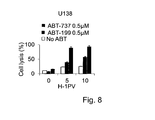
- the glioblastoma cell line U138 was infected with H-1PV at a MOI of 5 and 10 pfu/cell and treated or not with 0.5 ⁇ M ABT-737 or ABT-199 (Active Biochemicals, Maplewood, NJ).
- 10 ⁇ l of 10x lysis buffer [9% (v/v) Triton X-100 (AppliChem, Darmstadt, Germany) in phosphate buffered saline (PBS)] were added per well in three lines of the plate, which served as 100% cell lysis control. 10 ⁇ l of PBS were added to the other lines.
- PBS phosphate buffered saline
- 30 ⁇ l of the supernatant of each well were transferred to a fresh 96-well plate.
- 30 ⁇ l of the substrate mix provided by the kit was added to each well. The plate was protected from light and incubated at room temperature for 30 min before reaction was stopped by adding 30 ⁇ l of the stop solution provided by the kit.
- the absorbance was measured at a wavelength of 492 nm using the Multiscan ELISA Reader.
- the amount of color that is formed by conversion of the tetrazolium salt into a red formazan product is proportional to the number of lysed cells.
- For each condition we calculated the average of the three wells incubated (A) or not (B) with lysis buffer. The average value measured in the wells without cells (background) was subtracted from the values obtained in the wells with the cells.
- Propidium iodide staining was performed, in order to detect apoptotic cells after treatment.
- the dye intercalates in the DNA, where it can be measured by flow cytometry.
- the fluorescence emission is proportional to the DNA content in the cells. Apoptotic cells are characterized by nuclear DNA fragmentation and can be identified by lower fluorescence emission (sub-G1 apoptotic cell population) (Riccardi & Nicoletti, 2006).
- Glioma cells (U373, U251, U138, U343, A172, NCH37, U87, NCH125) were seeded in 6-well plates at the density of 2.5 ⁇ 10 5 cells/well in 3 ml of cultural medium with the exception of NCH37 and NCH125 cells that were seeded at the density of 6.25 ⁇ 10 4 cells/well. 24 hours after seeding, the cells were infected or not with H-1PV at a MOI of 0.5 - 7.5 pfu/cell and/or treated with 0.25 - 5 ⁇ M ABT-737. H-1PV and ABT-737 were diluted in DMEM with 10% FBS and a final volume of 200 ⁇ l was added to the wells. All conditions were tested in triplicates.
- the fluorescent dye MitoTracker® Red CMXRos (Molecular Probes, Invitrogen, Darmstadt, Germany) that stains mitochondria in live cells was used to measure the change in MMP. Due to the formation of pores in the mitochondrial membrane, apoptotic cells cannot retain the dye and show a lower fluorescent signal in flow cytometry analysis.
- Glioma cells were seeded in 6-well plates at the density of 2.5 ⁇ 10 5 cells/well in 3 ml of cultural medium with the exception of NCH125 cells that were seeded at the density of 6.25 ⁇ 10 4 cells/well. After 24 hours, cells were infected or not with H-1PV at a MOI of 2.5 pfu/cell (U343 and NCH125) or 5 pfu/cell (U373) or 7.5 pfu/cell (U138) and treated or not with ABT-737 at a concentration of 0.5 ⁇ M (U373, U138, U343) or 1 ⁇ M (NCH125) or co-treated with both agents.
- caspase-3/7 (a hallmark of apoptosis) after treatment with H-1PV and ABT-737 was analyzed by using the CellEvent® Caspase-3/7 Green Detection Reagent (Invitrogen, Darmstadt, Germany). Activation of caspase 3 or 7 in apoptotic cells leads to cleavage of a peptide sequence from the reagent, which releases a nucleic acid binding dye. When the dye binds to DNA, it produces a green fluorescence signal that can be detected by fluorescence microscopy.
- Cells were seeded at the density of 4,000 cells/well on 10-well microscope slides. After 24 hours, cells were infected with H-1PV at a MOI of 1 pfu/cell (NCH37 and NCH125) or 5 pfu/cell (U373, U251, U138, A172, U87) or 10 pfu/cell (U343) in the presence or absence of 0.25 ⁇ M ABT-737 (U373) or 1 ⁇ M (NCH37, NCH125) or 1.25 ⁇ M (A172) or 2.5 ⁇ M (U251, U138, U343, U87). Untreated cells were used as a control.
- ABT-737 potentiates the oncolytic activity of H-1PV in a synergistic manner
- H-1PV can infect human cancer cell lines from different tissues and exerts cytotoxic activities.
- the cancer cell often features defects in cell death pathways, e.g.
- H-1PV/ABT-737 co-treatment against human gliomas was evaluated.
- a panel of eleven human cancer cell lines ten isolated from patients with GBM (U373, LN308, U251, T98G, U138, U343, A172, LN229, U87, NCH125), and one from a patient with gliosarcoma (NCH37) was used.
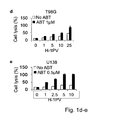
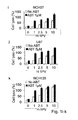
- Cells were grown in 96-well plates and H-1PV induced cell lysis in the presence or absence of ABT-737 was analyzed by LDH assays (for experimental conditions see Table 1 and Example 1). A virus-dose dependent cell killing was observed in all cell lines tested.
- Importantly even less sensitive cell lines such as U343 (4.7-fold increase in H-1PV induced cell killing when cells were infected with H-1PV at MOI 10 in presence of ABT-737), U138 (3.5-fold increase) and LN308 (3.2-fold increase) became susceptible to virus cytotoxic effects and efficiently killed in the presence of ABT-737 ( Fig. 1 ).
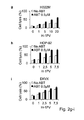
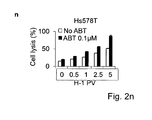
- H-1PV/ABT-737 co-treatment was also efficient in killing cancer cells from other tumour entities.
- the following 14 human cancer cell lines were chosen for the LDH assays: pancreatic ductal adenocarcinoma (PDAC), MIA PaCa-2, T3M-4 and AsPC-1, cervical carcinoma (CC) HeLa, CaSki and SiHa, lung carcinoma (LC) H322M, HOP92 and EKVX, head and neck cutaneous squamous cell carcinoma (HNSCC), HNC97, 211MC and Cal27, colon colorectal carcinoma HCT-116 and breast cancer Hs578T cell lines.
- PDAC pancreatic ductal adenocarcinoma
- MIA PaCa-2 cervical carcinoma
- CaSki and SiHa lung carcinoma
- LC lung carcinoma
- HOP92 and EKVX head and neck cutaneous squamous cell carcinoma
- HNSCC head and neck cutaneous squamous cell carcinoma
- HNC97 colon colorec
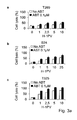
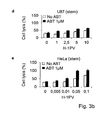
- Cancer stem cells most likely are responsible for tumour maintenance, aggressiveness and recurrence. Therefore, in a third step the capacity of the H-1PV/ABT-737 co-treatment in lysing CSC isolated from fresh tumours (GBM T269, S24 and T325) and from cancer cell lines derived from patient with GBM (U87) and CC (HeLa) was evaluated. CSCs were propagated as tumour spheres before to be infected with H-1PV in combination or not with ABT-737. H-1PV was able to infect efficiently the different CSC cultures (data not shown). Also in this case, ABT-737 increased H-1PV cytotoxicity ( Fig. 3 ).
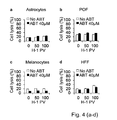
- H-1PV/ABT-737 co-treatment was safe for normal human primary cells.
- Normal primary fibroblasts oral and foreskin
- melanocytes and astrocytes were infected with H-1PV in combination or not with ABT-737 and then subjected to MTT (cell viability) assays (data not shown) and LDH (cell lysis) assays.
- MTT cell viability
- LDH cell lysis
- H-1PV/ABT-737 co-treatment induces apoptosis via mitochondrial membrane permeabilization and activation of caspases
- ABT-737 blocks the activity of anti-apoptotic Bcl-2 molecules restoring apoptosis in cancer cells (Cragg et al, 2009). However, to exert cytopathic effects the drug must be used at higher concentrations than those ones used in earlier experiments (Tagscherer et al, 2008). On the other hand it is known that H-1PV may induce multiple cell death programs ranging from apoptosis to necrosis to cathepsin mediated cell death (Nuesch et al, 2012).
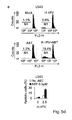
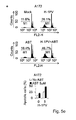
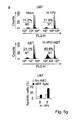
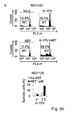
- H-1PV ability of H-1PV to induce apoptosis in the presence or absence of ABT-737 was checked in a selection of eight glioma cell lines (U373, U251, U138, U343, A172, NCH37, U87, NCH125) by assessing the occurrence of DNA fragmentation by flow cytometric analysis (detection of the sub-G1 cell population). Untreated or ABT-737 treated cells infected or not with H-1PV were harvested and stained with propidium iodide. At the concentrations used in the experiments, ABT-737 and H-1PV single treatments were unable to induce apoptosis efficiently.
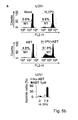
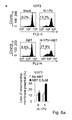
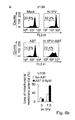
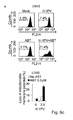
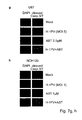
- Mitochondria play a central role in the intrinsic apoptotic pathway and mitochondrial membrane permeabilization (MMP) is a hallmark of apoptosis. MMP is mainly controlled by Bcl-2 family members. The question was addressed whether H-1PV/ABT-737-induced apoptosis involves activation of the mitochondrial apoptotic pathway. U373, U138, U343 and NCH125 glioma cell lines were infected or not with H-1PV in the presence or absence of ABT-737. After 48-96 hours, cells were stained with MitoTracker Red and analyzed by flow cytometry for MMP ( Fig. 6 ).
- H-1PV/ABT-737 co-treatment dramatically enhanced MMP (2-fold increase in U373, 2.1-fold in U138, 3.6-fold increase in U343 and 3.4-fold in NCH125 when H-1PV single treatment was compared with H-1PV/ABT-737 combination), indicating involvement of the mitochondria in the co-treatment-induced apoptosis.
- ABT-199 enhances the oncolytic activity of H-1PV although less efficiently than ABT-737
- ABT-199 is a more specific, and potent inhibitor than ABT-737 against Bcl-2 but in contrast to ABT-737 is unable to target Bcl- X L and Bcl-w (Souers et al, 2013).
- ABT-199 was also able to enhance the oncolytic activity of H-1PV.
- the LDH experiment was performed using the human glioblastoma cell line U138. Cells were infected or not with H-1PV and grown in the presence or absence of ABT-737 or ABT-199. As previously found, ABT-737 enhanced H-1PV cytotoxicity in a synergistic manner with a 3.8-fold increase in comparison to virus alone (at MOI 5) treatment.
- ABT-199 was also able to increase the cytotoxic activity of the virus although to a less extent than ABT-737 (1.7-fold increase) ( Fig. 8 ).
- This difference in boosting H-1PV cytotoxicity may be due to the fact that U138 cells in addition to Bcl-2 also express high levels of the antiapoptotic Bcl-X L and Bcl-w which are also targets of ABT-737 but not ABT-199.
- the use of ABT-199 in combination with the virus may be considered valuable in view of a superior safety profile, especially in cancers which express low levels of Bcl-X L and Bcl-w.
Landscapes
- Health & Medical Sciences (AREA)
- Life Sciences & Earth Sciences (AREA)
- Pharmacology & Pharmacy (AREA)
- Veterinary Medicine (AREA)
- Chemical & Material Sciences (AREA)
- Public Health (AREA)
- General Health & Medical Sciences (AREA)
- Medicinal Chemistry (AREA)
- Animal Behavior & Ethology (AREA)
- Epidemiology (AREA)
- Virology (AREA)
- Mycology (AREA)
- Oncology (AREA)
- Microbiology (AREA)
- General Chemical & Material Sciences (AREA)
- Chemical Kinetics & Catalysis (AREA)
- Nuclear Medicine, Radiotherapy & Molecular Imaging (AREA)
- Organic Chemistry (AREA)
- Bioinformatics & Cheminformatics (AREA)
- Engineering & Computer Science (AREA)
- Pharmaceuticals Containing Other Organic And Inorganic Compounds (AREA)
- Medicines That Contain Protein Lipid Enzymes And Other Medicines (AREA)
- Medicines Containing Material From Animals Or Micro-Organisms (AREA)
Priority Applications (11)
| Application Number | Priority Date | Filing Date | Title |
|---|---|---|---|
| EP20130003664 EP2829284A1 (en) | 2013-07-22 | 2013-07-22 | Cancer therapy with a parvovirus combined with a Bcl-2 inhibitor |
| PCT/EP2014/002001 WO2015010782A1 (en) | 2013-07-22 | 2014-07-22 | Cancer therapy with a parvovirus combined with a bcl-2 inhibitor |
| JP2016528375A JP6195988B2 (ja) | 2013-07-22 | 2014-07-22 | パルボウイルスにBcl−2阻害剤を併用する癌療法 |
| EP14752272.6A EP3024491B1 (en) | 2013-07-22 | 2014-07-22 | Cancer therapy with a parvovirus combined with a bcl-2 inhibitor |
| ES14752272.6T ES2636768T3 (es) | 2013-07-22 | 2014-07-22 | Terapia contra un cáncer con un parvovirus en combinación con un inhibidor de Bcl-2 |
| DK14752272.6T DK3024491T3 (en) | 2013-07-22 | 2014-07-22 | CANCER THERAPY WITH A PARVOVIRUS COMBINED WITH A BCL-2 INHIBITOR |
| AU2014295442A AU2014295442B2 (en) | 2013-07-22 | 2014-07-22 | Cancer therapy with a parvovirus combined with a Bcl-2 inhibitor |
| CA2914420A CA2914420C (en) | 2013-07-22 | 2014-07-22 | Cancer therapy with a parvovirus combined with a bcl-2 inhibitor |
| US14/960,608 US9889169B2 (en) | 2013-07-22 | 2015-12-07 | Cancer therapy with a parvovirus combined with a Bcl-2 inhibitor |
| JP2017116440A JP2017155057A (ja) | 2013-07-22 | 2017-06-14 | パルボウイルスおよびBcl−2阻害剤を含有する医薬組成物 |
| US15/856,241 US10406185B2 (en) | 2013-07-22 | 2017-12-28 | Cancer therapy with a parvovirus combined with a BCL-2 inhibitor |
Applications Claiming Priority (1)
| Application Number | Priority Date | Filing Date | Title |
|---|---|---|---|
| EP20130003664 EP2829284A1 (en) | 2013-07-22 | 2013-07-22 | Cancer therapy with a parvovirus combined with a Bcl-2 inhibitor |
Publications (1)
| Publication Number | Publication Date |
|---|---|
| EP2829284A1 true EP2829284A1 (en) | 2015-01-28 |
Family
ID=48856486
Family Applications (2)
| Application Number | Title | Priority Date | Filing Date |
|---|---|---|---|
| EP20130003664 Withdrawn EP2829284A1 (en) | 2013-07-22 | 2013-07-22 | Cancer therapy with a parvovirus combined with a Bcl-2 inhibitor |
| EP14752272.6A Active EP3024491B1 (en) | 2013-07-22 | 2014-07-22 | Cancer therapy with a parvovirus combined with a bcl-2 inhibitor |
Family Applications After (1)
| Application Number | Title | Priority Date | Filing Date |
|---|---|---|---|
| EP14752272.6A Active EP3024491B1 (en) | 2013-07-22 | 2014-07-22 | Cancer therapy with a parvovirus combined with a bcl-2 inhibitor |
Country Status (8)
| Country | Link |
|---|---|
| US (2) | US9889169B2 (enExample) |
| EP (2) | EP2829284A1 (enExample) |
| JP (2) | JP6195988B2 (enExample) |
| AU (1) | AU2014295442B2 (enExample) |
| CA (1) | CA2914420C (enExample) |
| DK (1) | DK3024491T3 (enExample) |
| ES (1) | ES2636768T3 (enExample) |
| WO (1) | WO2015010782A1 (enExample) |
Families Citing this family (8)
| Publication number | Priority date | Publication date | Assignee | Title |
|---|---|---|---|---|
| EP3069724A1 (en) * | 2015-03-19 | 2016-09-21 | Deutsches Krebsforschungszentrum | Lung cancer therapy with a rodent parvovirus |
| CN120661674A (zh) * | 2016-03-15 | 2025-09-19 | 奥莱松基因组股份有限公司 | 用于治疗实体瘤的lsd1抑制剂的组合 |
| AU2016397532A1 (en) * | 2016-03-17 | 2018-08-23 | Deutsches Krebsforschungszentrum | Lung cancer therapy with a parvovirus |
| EP3225253A1 (en) * | 2016-04-01 | 2017-10-04 | Deutsches Krebsforschungszentrum Stiftung des Öffentlichen Rechts | Cancer therapy with an oncolytic virus combined with a checkpoint inhibitor |
| CN106177955B (zh) | 2016-08-18 | 2018-03-16 | 广州威溶特医药科技有限公司 | Bcl‑xL抑制剂和溶瘤病毒在制备抗肿瘤药物中的应用 |
| AU2018270515A1 (en) * | 2017-05-19 | 2019-12-05 | The Regents Of The University Of California | Antibody chemically induced dimerizer (abCID) as molecular switches for regulating cellular therapies |
| EP3657172A1 (en) | 2018-11-22 | 2020-05-27 | Deutsches Krebsforschungszentrum, Stiftung des öffentlichen Rechts | Method for predicting the clinical response of oncolytic parvovirus h1 (h-1pv) treatment in a patient suspected of suffering from cancer by measuring the expression levels of laminins and/or galectins as biomarkers in a patient´s sample |
| EP4262793B1 (en) | 2020-12-21 | 2025-02-05 | Antonio Marchini | Pharmaceutical combination product comprising a protoparvovirus and an antiviral benzimidazole and uses thereof for treating cancer |
Citations (2)
| Publication number | Priority date | Publication date | Assignee | Title |
|---|---|---|---|---|
| WO2009083232A1 (en) * | 2007-12-28 | 2009-07-09 | Deutsches Krebsforschungszentrum | Parvovirus cancer therapy and combination with chemotherapy |
| WO2011113600A1 (en) * | 2010-03-17 | 2011-09-22 | Deutsches Krebsforschungszentrum | Cancer therapy with a parvovirus combined with an hdac inhibitor |
-
2013
- 2013-07-22 EP EP20130003664 patent/EP2829284A1/en not_active Withdrawn
-
2014
- 2014-07-22 WO PCT/EP2014/002001 patent/WO2015010782A1/en not_active Ceased
- 2014-07-22 EP EP14752272.6A patent/EP3024491B1/en active Active
- 2014-07-22 ES ES14752272.6T patent/ES2636768T3/es active Active
- 2014-07-22 CA CA2914420A patent/CA2914420C/en active Active
- 2014-07-22 JP JP2016528375A patent/JP6195988B2/ja active Active
- 2014-07-22 AU AU2014295442A patent/AU2014295442B2/en active Active
- 2014-07-22 DK DK14752272.6T patent/DK3024491T3/en active
-
2015
- 2015-12-07 US US14/960,608 patent/US9889169B2/en active Active
-
2017
- 2017-06-14 JP JP2017116440A patent/JP2017155057A/ja active Pending
- 2017-12-28 US US15/856,241 patent/US10406185B2/en active Active
Patent Citations (2)
| Publication number | Priority date | Publication date | Assignee | Title |
|---|---|---|---|---|
| WO2009083232A1 (en) * | 2007-12-28 | 2009-07-09 | Deutsches Krebsforschungszentrum | Parvovirus cancer therapy and combination with chemotherapy |
| WO2011113600A1 (en) * | 2010-03-17 | 2011-09-22 | Deutsches Krebsforschungszentrum | Cancer therapy with a parvovirus combined with an hdac inhibitor |
Non-Patent Citations (34)
| Title |
|---|
| ANDERSEN MH; SVANE IM; KVISTBORG P; NIELSEN OJ; BALSLEV E; REKER S; BECKER JC; STRATEN PT: "Immunogenicity of Bcl-2 in patients with cancer", BLOOD, vol. 105, 2005, pages 728 - 734, XP002321651, DOI: doi:10.1182/blood-2004-07-2548 |
| BAJWA N ET AL: "Inhibitors of the anti-apoptotic Bcl-2 proteins: A patent review", EXPERT OPINION ON THERAPEUTIC PATENTS, INFORMA HEALTHCARE, GB, vol. 22, no. 1, January 2012 (2012-01-01), pages 37 - 55, XP009172096, ISSN: 1354-3776, DOI: 10.1517/13543776.2012.644274 * |
| BAJWA N; LIAO C; NIKOLOVSKA-COLESKA Z: "Inhibitors of the anti- apoptotic Bcl-2 proteins: a patent review", EXPERT OPINION ON THERAPEUTIC PATENTS, vol. 22, 2012, pages 37 - 55, XP009172096, DOI: doi:10.1517/13543776.2012.644274 |
| BREITBACH CJ; BURKE J; JONKER D; STEPHENSON J; HAAS AR; CHOW LQ; NIEVA J; HWANG TH; MOON A; PATT R ET AL.: "Intravenous delivery of a multi- mechanistic cancer-targeted oncolytic poxvirus in humans", NATURE, vol. 477, 2011, pages 99 - 102 |
| CHEN C; WEI Y; HUMMEL M; HOFFMANN TK; GROSS M; KAUFMANN AM; ALBERS AE: "Evidence for Epithelial-Mesenchymal Transition in Cancer Stem Cells of Head and Neck Squamous Cell Carcinoma", PLOS ONE, vol. 6, 2011, pages E16466 |
| COTMORE SF; TATTERSALL P: "Parvoviral host range and cell entry mechanisms.", ADV VIRUS RES, vol. 70, 2007, pages 183 - 232 |
| CRAGG MS; HARRIS C; STRASSER A; SCOTT CL: "Unleashing the power of inhibitors of oncogenic kinases through BH3 mimetics", NAT REV CANCER, vol. 9, 2009, pages 321 - 326 |
| DAEFFLER L; HORLEIN R; ROMMELAERE J; NUESCH JPF: "Modulation of Minute Virus of Mice Cytotoxic Activities through Site-Directed Mutagenesis within the NS Coding Region", JOURNAL OF VIROLOGY, vol. 77, 2003, pages 12466 - 12478, XP002599551, DOI: doi:10.1128/JVI.77.23.12466-12478.2003 |
| DAVIDS MS; LETAI A: "Targeting the B-cell lymphoma/leukemia 2 family in cancer.", J CLIN ONCOL, vol. 30, 2012, pages 3127 - 3135, XP002715369, DOI: doi:10.1200/JCO.2011.37.0981 |
| DEL GAIZO MOORE V; BROWN JR; CERTO M; LOVE TM; NOVINA CD; LETAI A: "Chronic lymphocytic leukemia requires BCL2 to sequester prodeath BIM, explaining sensitivity to BCL2 antagonist ABT-737", THE JOURNAL OF CLINICAL INVESTIGATION, vol. 117, 2007, pages 112 - 121, XP055044156, DOI: doi:10.1172/JCI28281 |
| DI PIAZZA M; MADER C; GELETNEKY K; HERRERO Y CALLE M; WEBER E; SCHLEHOFER J; DELEU L; ROMMELAERE J: "Cytosolic Activation of Cathepsins Mediates Parvovirus H-1-Induced Killing of Cisplatin and TRAIL-Resistant Glioma Cells", JOURNAL OF VIROLOGY, vol. 81, 2007, pages 4186 - 4198, XP002483096, DOI: doi:10.1128/JVI.02601-06 |
| DI PIAZZA MATTEO ET AL: "Cytosolic activation of cathepsins mediates parvovirus H-1-induced killing of cisplatin and TRAIL-resistant glioma cells", JOURNAL OF VIROLOGY, THE AMERICAN SOCIETY FOR MICROBIOLOGY, US, vol. 81, no. 8, April 2007 (2007-04-01), pages 4186 - 4198, XP002483096, ISSN: 0022-538X, DOI: 10.1128/JVI.02601-06 * |
| EL-ANDALOUSSI N; BONIFATI S; KAUFMANN JK; MAILLY L; DAEFFLER L; DERYCKERE F; NETTELBECK DM; ROMMELAERE J; MARCHINI A: "Generation of an adenovirus-parvovirus chimera with enhanced oncolytic potential", J VIROL, vol. 86, 2012, pages 10418 - 10431, XP009166082, DOI: doi:10.1128/JVI.00848-12 |
| GELETNEKY K; HUESING J; ROMMELAERE J; SCHLEHOFER JR; LEUCHS B; DAHM M; KREBS 0; VON KNEBEL DOEBERITZ M; HUBER B; HAJDA J: "Phase I/IIa study of intratumoral/intracerebral or intravenous/intracerebral administration of Parvovirus H-1 (ParvOryx) in patients with progressive primary or recurrent glioblastoma multiforme: ParvOryxOl protocol.", BMC CANCER, vol. 12, 2012, pages 99, XP021132689, DOI: doi:10.1186/1471-2407-12-99 |
| HANAHAN D; WEINBERG RA: "Hallmarks of cancer: the next generation", CELL, vol. 144, 2011, pages 646 - 674, XP028185429, DOI: doi:10.1016/j.cell.2011.02.013 |
| HRISTOV G; KRAMER M; LI J; EL-ANDALOUSSI N; MORA R; DAEFFLER L; ZENTGRAF H; ROMMELAERE J; MARCHINI A: "Through Its Nonstructural Protein NS1, Parvovirus H-1 Induces Apoptosis via Accumulation of Reactive Oxygen Species.", J VIROL, vol. 84, 2010, pages 5909 - 5922 |
| MORITA E; NAKASHIMA A; ASAO H; SATO H; SUGAMURA K: "Human Parvovirus B19 Nonstructural Protein (NS1) Induces Cell Cycle Arrest at Gl Phase", JOURNAL OF VIROLOGY, vol. 77, 2003, pages 2915 - 2921 |
| NUESCH JP; LACROIX J; MARCHINI A; ROMMELAERE J: "Molecular pathways: rodent parvoviruses--mechanisms of oncolysis and prospects for clinical cancer treatment", CLIN CANCER RES, vol. 18, 2012, pages 3516 - 3523 |
| OHSHIMA T; IWAMA M; UENO Y; SUGIYAMA F; NAKAJIMA T; FUKAMIZU A; YAGAMI K: "Induction of apoptosis in vitro and in vivo by H-1 parvovirus infection.", THE JOURNAL OF GENERAL VIROLOGY, vol. 79, 1998, pages 3067 - 3071 |
| OLTERSDORF T; ELMORE SW; SHOEMAKER AR; ARMSTRONG RC; AUGERI DJ; BELLI BA; BRUNCKO M; DECKWERTH TL; DINGES J; HAJDUK PJ ET AL.: "An inhibitor of Bcl-2 family proteins induces regression of solid tumours", NATURE, vol. 435, 2005, pages 677 - 681, XP002491257, DOI: doi:10.1038/nature03579 |
| RAN Z; RAYET B; ROMMELAERE J; FAISST S: "Parvovirus H-1-induced cell death: influence of intracellular NAD consumption on the regulation of necrosis and apoptosis.", VIRUS RES, vol. 65, 1999, pages 161 - 174 |
| RAYET B; LOPEZ-GUERRERO JA; ROMMELAERE J; DINSART C: "Induction of programmed cell death by parvovirus H-1 in U937 cells: connection with the tumor necrosis factor alpha signalling pathway", J VIROL, vol. 72, 1998, pages 8893 - 8903 |
| RICCARDI C; NICOLETTI I: "Analysis of apoptosis by propidium iodide staining and flow cytometry", NAT PROTOC, vol. 1, 2006, pages 1458 - 1461, XP055130538, DOI: doi:10.1038/nprot.2006.238 |
| RUSSELL SJ; PENG KW; BELL JC: "Oncolytic virotherapy", NAT BIOTECHNOL, vol. 30, 2012, pages 658 - 670 |
| SAMUEL S; BELJANSKI V; VAN GREVENYNGHE J; RICHARDS S; BEN YEBDRI F; HE Z; NICHOLS C; BELGNAOUI SM; STEEL C; GOULET ML ET AL.: "BCL-2 Inhibitors Sensitize Therapy-resistant Chronic Lymphocytic Leukemia Cells to VSV Oncolysis", MOL THER, vol. 21, 2013, pages 1413 - 1423 |
| SAMUEL S; TUMILASCI V.; OLIERE S.; NGUYEN T.; SHAMY A.; BELL J.; HISCOTT J.: "VSV Oncolysis in Combination with the BCL-2 Inhibitor Obatoclax overcomes Apoptosis Resistance in Chronic Lymphatic Leukemia", MOL. THER., vol. 18, 2010, pages 2094 - 2103 |
| SOUERS AJ; LEVERSON JD; BOGHAERT ER; ACKLER SL; CATRON ND; CHEN J; DAYTON BD; DING H; ENSCHEDE SH; FAIRBROTHER WJ ET AL.: "ABT-199, a potent and selective BCL-2 inhibitor, achieves antitumor activity while sparing platelets", NAT MED, vol. 19, 2013, pages 202 - 208 |
| TAGSCHERER KE; FASSL A; CAMPOS B; FARHADI M; KRAEMER A; BOCK BC; MACHER- GOEPPINGER S; RADLWIMMER B; WIESTLER OD; HEROLD-MENDE C E: "Apoptosis-based treatment of glioblastomas with ABT-737, a novel small molecule inhibitor of Bcl-2 family proteins", ONCOGENE, vol. 27, 2008, pages 6646 - 6656 |
| UENO Y; HARADA T; ISEKI H; OHSHIMA T; SUGIYAMA F; YAGAMI K: "Propagation of rat parvovirus in thymic lymphoma cell line C58(NT)d and subsequent appearance of a resistant cell clone after lytic infection", J VIROL, vol. 75, 2001, pages 3965 - 3970 |
| VICTORIA DEL GAIZO MOORE ET AL: "Chronic lymphocytic leukemia requires BCL2 to sequester prodeath BIM, explaining sensitivity to BCL2 antagonist ABT-737", JOURNAL OF CLINICAL INVESTIGATION, vol. 117, no. 1, 2 January 2007 (2007-01-02), pages 112 - 121, XP055044156, ISSN: 0021-9738, DOI: 10.1172/JCI28281 * |
| VOGLER M; WEBER K; DINSDALE D; SCHMITZ I; SCHULZE-OSTHOFF K; DYER MJS; COHEN GM: "Different forms of cell death induced by putative BCL2 inhibitors", CELL DEATH DIFFER, vol. 16, 2009, pages 1030 - 1039 |
| WRZESINSKI C; TESFAY L; SALOME N; JAUNIAUX J-C; ROMMELAERE J; CORNELIS J; DINSART C: "Chimeric and Pseudotyped Parvoviruses Minimize the Contamination of Recombinant Stocks with Replication-Competent Viruses and Identify a DNA Sequence That Restricts Parvovirus H-1 in Mouse Cells", JOURNAL OF VIROLOGY, vol. 77, 2003, pages 3851 - 3858 |
| YOULE RJ; STRASSER A: "The BCL-2 protein family: opposing activities that mediate cell death", NAT REV MOL CELL BIOL, vol. 9, 2008, pages 47 - 59, XP009166365, DOI: doi:10.1038/nrm2308 |
| YU S-C; PING Y-F; YI L; ZHOU Z-H; CHEN J-H; YAO X-H; GAO L; WANG JM; BIAN X-W: "Isolation and characterization of cancer stem cells from a human glioblastoma cell line U87", CANCER LETTERS, vol. 265, 2008, pages 124 - 134, XP022667060, DOI: doi:10.1016/j.canlet.2008.02.010 |
Also Published As
| Publication number | Publication date |
|---|---|
| WO2015010782A8 (en) | 2016-01-14 |
| EP3024491A1 (en) | 2016-06-01 |
| AU2014295442B2 (en) | 2017-06-15 |
| US10406185B2 (en) | 2019-09-10 |
| WO2015010782A1 (en) | 2015-01-29 |
| US20180117104A1 (en) | 2018-05-03 |
| JP6195988B2 (ja) | 2017-09-13 |
| JP2016525131A (ja) | 2016-08-22 |
| US20160082056A1 (en) | 2016-03-24 |
| CA2914420C (en) | 2019-04-16 |
| AU2014295442A1 (en) | 2015-12-24 |
| US9889169B2 (en) | 2018-02-13 |
| EP3024491B1 (en) | 2017-05-10 |
| ES2636768T3 (es) | 2017-10-09 |
| JP2017155057A (ja) | 2017-09-07 |
| DK3024491T3 (en) | 2017-07-31 |
| CA2914420A1 (en) | 2015-01-29 |
Similar Documents
| Publication | Publication Date | Title |
|---|---|---|
| US10406185B2 (en) | Cancer therapy with a parvovirus combined with a BCL-2 inhibitor | |
| EP2431045B1 (en) | Pancreatic cancer therapy with a parvovirus | |
| US20170266244A1 (en) | USE OF PARVOVIRUS FOR ELIMINATING CANCER STEM CELLS (CSCs) | |
| JP2019203027A (ja) | パルボウイルスを用いたベバシズマブを併用するがん治療 | |
| US9333225B2 (en) | Oncolytic virotherapy for the therapy of ewing'S sarcoma | |
| EP3069724A1 (en) | Lung cancer therapy with a rodent parvovirus |
Legal Events
| Date | Code | Title | Description |
|---|---|---|---|
| 17P | Request for examination filed |
Effective date: 20130722 |
|
| AK | Designated contracting states |
Kind code of ref document: A1 Designated state(s): AL AT BE BG CH CY CZ DE DK EE ES FI FR GB GR HR HU IE IS IT LI LT LU LV MC MK MT NL NO PL PT RO RS SE SI SK SM TR |
|
| AX | Request for extension of the european patent |
Extension state: BA ME |
|
| PUAI | Public reference made under article 153(3) epc to a published international application that has entered the european phase |
Free format text: ORIGINAL CODE: 0009012 |
|
| STAA | Information on the status of an ep patent application or granted ep patent |
Free format text: STATUS: THE APPLICATION IS DEEMED TO BE WITHDRAWN |
|
| 18D | Application deemed to be withdrawn |
Effective date: 20150729 |