EP2807191B1 - Verfahren zur behandlung von schmerzen mittels hemmung der vgf-aktivität - Google Patents
Verfahren zur behandlung von schmerzen mittels hemmung der vgf-aktivität Download PDFInfo
- Publication number
- EP2807191B1 EP2807191B1 EP13702262.0A EP13702262A EP2807191B1 EP 2807191 B1 EP2807191 B1 EP 2807191B1 EP 13702262 A EP13702262 A EP 13702262A EP 2807191 B1 EP2807191 B1 EP 2807191B1
- Authority
- EP
- European Patent Office
- Prior art keywords
- neuropathic pain
- vgf
- inhibitor
- tlqp
- gc1qr
- Prior art date
- Legal status (The legal status is an assumption and is not a legal conclusion. Google has not performed a legal analysis and makes no representation as to the accuracy of the status listed.)
- Active
Links
Images



Classifications
-
- C—CHEMISTRY; METALLURGY
- C07—ORGANIC CHEMISTRY
- C07K—PEPTIDES
- C07K16/00—Immunoglobulins [IGs], e.g. monoclonal or polyclonal antibodies
- C07K16/18—Immunoglobulins [IGs], e.g. monoclonal or polyclonal antibodies against material from animals or humans
-
- C—CHEMISTRY; METALLURGY
- C07—ORGANIC CHEMISTRY
- C07K—PEPTIDES
- C07K16/00—Immunoglobulins [IGs], e.g. monoclonal or polyclonal antibodies
- C07K16/18—Immunoglobulins [IGs], e.g. monoclonal or polyclonal antibodies against material from animals or humans
- C07K16/28—Immunoglobulins [IGs], e.g. monoclonal or polyclonal antibodies against material from animals or humans against receptors, cell surface antigens or cell surface determinants
- C07K16/286—Immunoglobulins [IGs], e.g. monoclonal or polyclonal antibodies against material from animals or humans against receptors, cell surface antigens or cell surface determinants against neuromediator receptors, e.g. serotonin receptor, dopamine receptor
-
- G—PHYSICS
- G01—MEASURING; TESTING
- G01N—INVESTIGATING OR ANALYSING MATERIALS BY DETERMINING THEIR CHEMICAL OR PHYSICAL PROPERTIES
- G01N33/00—Investigating or analysing materials by specific methods not covered by groups G01N1/00 - G01N31/00
- G01N33/48—Biological material, e.g. blood, urine; Haemocytometers
- G01N33/50—Chemical analysis of biological material, e.g. blood, urine; Testing involving biospecific ligand binding methods; Immunological testing
- G01N33/53—Immunoassay; Biospecific binding assay; Materials therefor
- G01N33/566—Immunoassay; Biospecific binding assay; Materials therefor using specific carrier or receptor proteins as ligand binding reagents where possible specific carrier or receptor proteins are classified with their target compounds
-
- A—HUMAN NECESSITIES
- A61—MEDICAL OR VETERINARY SCIENCE; HYGIENE
- A61K—PREPARATIONS FOR MEDICAL, DENTAL OR TOILETRY PURPOSES
- A61K39/00—Medicinal preparations containing antigens or antibodies
- A61K2039/505—Medicinal preparations containing antigens or antibodies comprising antibodies
-
- C—CHEMISTRY; METALLURGY
- C07—ORGANIC CHEMISTRY
- C07K—PEPTIDES
- C07K2317/00—Immunoglobulins specific features
- C07K2317/70—Immunoglobulins specific features characterized by effect upon binding to a cell or to an antigen
- C07K2317/76—Antagonist effect on antigen, e.g. neutralization or inhibition of binding
Definitions
- the present disclosure relates to methods of treating neuropathic pain comprising administering an inhibitor of VGF activity, in particular inhibiting or blocking activity in the form of signalling resulting from the binding of VGF or a peptide thereof and the receptor gC1qR, and methods of screening for said inhibitors.
- Neuropathic pain describes a chronic, usually disabling, type of pain which is generally refractive to treatment.
- the prevalence of some of the major diseases which result in the development of neuropathic pain conditions is increasing and the individual and societal costs resulting from the incidence of neuropathic pain conditions is very substantial.
- about 10-20% of acute herpes zoster patients progress to the serious complication of postherpetic neuralgia, a neuropathic pain condition 1,2 .
- a neuropathic pain condition 1,2 a neuropathic pain condition 1,2 .
- about 40% of ambulatory HIV patients suffer from neuropathic pain conditions, which remain undiminished by the existing drug therapy for this disease 3 .
- Treatment options for neuropathic pain conditions are limited and have a poor success rate 4,5 .
- a major reason for the failure to develop effective drug therapy for neuropathic pain has been the difficulty of distinguishing targets which are causative in the development or maintenance of neuropathic pain from those which are merely associated with related nerve injury and regeneration.
- the present inventors have searched for similarities in gene expression between aetiologically disparate models of neuropathic pain 6 . They have compared dorsal root ganglion (DRG) gene expression profiles in rat models of traumatic nerve injury, and HIV-related, peripheral neuropathic pain conditions, respectively 6 . Although about 2700 genes were found to be dysregulated in each of the individual models, they found that only 14 and 25 genes or expressed sequence tags (ESTs) were commonly up-regulated and down-regulated, respectively, in both models. Further comparison with unpublished microarray data from a model of varicella zoster infection revealed that only three up-regulated genes are common to all three neuropathic pain models. While two of these genes were ESTs, the third was vgf, which was confirmed by qRT-PCR.
- DDG dorsal root ganglion
- VGF neuropeptide
- VGF is an ideal target of the treatment of neuropathic pain, regardless of the underlying source of the pain. It appears that VGF is a multifunctional a pivotal molecule in the sensory nervous system in the generation and maintenance of neuropathic pain.
- the present inventors have established a novel pain signalling pathway from the binding of VGF or a peptide thereof of the type TLQP-21 with the receptor gClqR, which is specifically implicated in a neuropathic pain signalling pathway.
- Targeting this pathway with an inhibitor in a specific manner may be advantageous in that it may minimise off target effects.
- the present disclosure provides a method of treating a patient with neuropathic pain by administering a therapeutically effective amount of an inhibitor of VGF activity.
- VGF activity associated with neuropathic pain may be mediated by binding of peptides of VGF to a receptor gC1qR. This is important because it provides a mechanism for therapeutic intervention and a new therapeutic target for neuropathic pain namely gC1qR.
- an inhibitor of VGF activity resulting from binding of VGF or TLQP-21 to the receptor gC1qR for use in treating neuropathic pain wherein the inhibitor is specific to the receptor gC1qR and blocks binding of VGF or TLQP-21 to gC1qR and wherein the inhibitor is an anti-gC1qR antibody or binding fragment thereof.
- the gC1qR receptor is on the surface of macrophages, such as microglia.
- an inhibitor specific to the receptor gC1qR which inhibits binding of the receptor to VGF or TLQP-21 and/or inhibits the biological signal generated by said binding, for use in the treatment of neuropathic pain.
- an inhibitor specific to the receptor gC1qR which inhibits binding of the receptor to VGF or TLQP-21 and/or inhibits the biological signal generated by said binding, for the manufacture of a medicament for the treatment of neuropathic pain.
- an inhibitor specific to VGF or a peptide thereof for example of the type TLQP-21 which inhibits binding of the receptor gC1qR to VGF or a peptide of the type TLQP-21 and/or inhibits the biological signally generated by said binding, for use in treatment, in particular in the treatment of pain, particularly neuropathic pain.
- assays for identifying a suitable inhibitor wherein the assay is based on blocking the binding and/or signalling between VGF or a peptide thereof of the type TLQP-21 and the receptor gC1qR.
- inhibitors identified or obtainable from said method are also provided.
- gC1q-R refers to the receptor with the UniProt number Q9NPY3.
- VGF neurotrophin receptors 16 .
- small diameter neurons of DRG 17 and fibres in the superficial spinal dorsal horn and spinal lamina X 18 express VGF, which predicts that these neurons are NGF sensitive and of a nociceptor phenotype 17,18 .
- Human VGF is registered in UniProt under the reference 015240.
- the signal peptide is amino acids 1-22.
- the neurosecretory protein VGF is amino acids 23-615.
- Neuroendocrine regulatory peptide-1 is amino acids 281-306 and neuroendocrine regulatory peptide-2 (NERP-2) is amino acids 310-347.
- VGF undergoes endoproteolytic cleavage and the products are released from secretory granules in dense core vesicles on depolarisation 21 .
- VGF-derived peptides have been identified, which are named by the first 4 amino acids and their overall length 14 .
- VGF-derived peptides are involved in a number of processes, including enhancement of synaptic activity and plasticity 7,22 .
- VGF-derived peptides Functional roles in VGF-derived peptides in pain pathways have also been identified.
- Intrathecal application of TLQP-62 (SEQ ID NO: 1) to rats results in a long-lasting mechanical and cold behavioural allodynia 19 .
- Application of the same peptide to spinal cord slices also leads to an increase in the frequency of spontaneous excitatory post synaptic currents 19 .
- LQEQ-19 (SEQ ID NO: 2) induces p38 MAP kinase phosphorylation in spinal microglia and in the BV-2 microglial cell line 20 .
- VGF as employed herein is intended to include the full length secreted protein and active fragments thereof, including peptide TLQP-62 (SEQ ID NO: 1), LQEQ-19 (SEQ ID NO: 2) and TLQP-21 (SEQ ID NO: 3) which is amino acids 556-576 of the precursor molecule, NERP-1 and NERP-2.
- VGF activity as employed herein is the biological activity of the protein or an active fragment thereof, in particular the VGF activity associated with pain mechanisms in vivo, and especially the activity associated with the signalling pathways involved in neuropathic pain, and especially as mediated through the receptor gC1Qr.
- Inhibition of VGF activity as employed herein includes inhibition of expression of the protein, for example using an oligonucleotide such as RNAi technology or other routine techniques employed for reducing gene expression.
- an oligonucleotide such as RNAi technology or other routine techniques employed for reducing gene expression.
- oligonucleotides can be used to reduce expression of a target endogenous gene, see for example US2008/050342 .
- Inhibition of VGF activity also includes the use of antibodies or binding fragments thereof, for example neutralising antibodies directed to the protein or active fragments thereof.
- Neutralising antibody as employed herein is one that reduces or eliminates a targeted biological activity by any relevant mechanism including blocking, agonising or anta-antagonising.
- VGF activity also extends to inhibition of VGF activity by interfering with a signally pathway involved in the activation of or sustaining VGF activity.
- MEK was known be involved in VGF survival in vivo.
- inhibition of VGF activity refers to the activity of VGF associated with stimulating pain signalling pathways, in particular neuropathic pain signalling pathways, such as the activity resulting from binding of VGF or TLQP-21 to the receptor gC1qR.
- This activity can be inhibited by targeting VGF or a relevant peptide thereof or by targeting the receptor gC1qR.
- TLQP-21 binds to the receptor gC1qR.
- the VGF activity specifically refers to inhibiting or blocking signalling resulting from this interaction or a corresponding interaction.
- a corresponding interaction as employed herein refers to VGF or a peptide binding to the receptor gC1qR in the same way as TLQP-21, in particular a binding contact that engages some or all of the same amino acid residues on gC1qR as TLQP-21 binding.
- a peptide of the TLQP-21 type as employed herein is a one which has a corresponding interaction with the receptor gC1qR.
- the inhibitor is an antibody.
- An anti-VGF antibody as employed herein is intended to refer to an antibody that is specific to VGF or an active/binding fragment thereof, in particular specific to TLQP-21.
- the inhibitor is an anti-gC1qR antibody.
- An anti-gC1qR antibody as employed herein is intended to refer to an antibody that is specific to gC1qR or an active/binding fragment thereof.
- an antibody or binding fragment thereof targets an epitope on gC1qR that physically prevents the binding or the interaction of VGF or TLQP-21 with the receptor gC1qR.
- an antibody or binding fragment thereof targets an epitope on gC1qR that causes a conformational change in the protein and prevents the binding and/or signally generated by VGF or TLQP-21 with the receptor gC1qR.
- Antibodies generated against polypeptides may be obtained, where immunisation of an animal is necessary, by administering the polypeptides to an animal, in particular a non-human animal, using well-known and routine protocols, see for example Handbook of Experimental Immunology, D. M. Weir (ed.), Vol 4, Blackwell Scientific Publishers, Oxford, England, 1986 ). Many warm-blooded animals, such as camelids, rabbits, mice, rats, sheep, cows or pigs may be immunized. However, mice, rabbits, pigs and rats are generally employed.
- Antibodies for use in the present invention include whole antibodies and functionally active fragments or derivatives thereof and may be, but are not limited to, polyclonal, monoclonal, multi-valent, multi-specific such as bispecific, humanized or chimeric antibodies, single chain antibodies, Fab fragments, Fab' and F(ab')2 fragments, fragments produced by a Fab expression library, antiidiotypic (anti-Id) antibodies, and epitope-binding fragments of any of the above including nanobodies and diabodies.
- Particular antibody fragments also include those described in WO 2005/003169 , WO 2005/003170 and WO 2005/003171 .
- Antibody fragments and methods of producing them are well known in the art, see for example Verma et al., 1998, Journal of Immunological Methods, 216, 165- 181 .
- Antibodies for use in the present invention include immunoglobulin molecules and immunologically active portions of immunoglobulin molecules, i.e. molecules that contain an antigen binding site that specifically binds an antigen.
- the immunoglobulin molecules of the invention can be of any class (e.g. IgG, IgE, IgM, IgD and IgA) or subclass of immunoglobulin molecule.
- the constant region domains of the antibody molecule of the present invention may be selected having regard to the proposed function of the antibody molecule, and in particular the effector functions which may be required.
- the constant region domains may be human IgA, IgD, IgE, IgG or IgM domains.
- human IgG constant region domains may be used, especially of the IgGI and IgG3 isotypes when the antibody molecule is intended for therapeutic uses and antibody effector functions are required.
- IgG2 and IgG4 isotypes may be used when the antibody molecule is intended for therapeutic purposes and antibody effector functions are not required.
- Variants of these constant region domains may also be used.
- Particularly suitable is the IgG4 constant domain comprising this change.
- Monoclonal antibodies may be prepared by any method known in the art such as the hybridoma technique ( Kohler & Milstein, 1975, Nature, 256:495-497 ), the trioma technique, the human B-cell hybridoma technique ( Kozbor et al, 1983, Immunology Today, 4:72 ) and the EBV-hybridoma technique ( Cole et al, Monoclonal Antibodies and Cancer Therapy, pp77-96, Alan R Liss, Inc., 1985 ).
- Antibodies for use in the invention may also be generated using single lymphocyte antibody methods by cloning and expressing immunoglobulin variable region cDNAs generated from single lymphocytes selected for the production of specific antibodies by for example the methods described by Babcook, J. et al, 1996, Proc. Natl. Acad. Sci. USA 93(15):7843-78481 ; WO 92/02551 ; WO 2004/051268 and WO 2004/106377 .
- Humanized antibodies are antibody molecules from non-human species having one or more complementary determining regions (CDRs) from the non-human species and a framework region from a human immunoglobulin molecule (see, e.g. US 5,585,089 ; WO 91/09967 ).
- CDRs complementary determining regions
- Chimeric antibodies are those antibodies encoded by immunoglobulin genes that have been genetically engineered so that the light and heavy chain genes are composed of immunoglobulin gene segments belonging to different species. These chimeric antibodies are likely to be less antigenic.
- Bivalent antibodies may be made by methods known in the art ( Milstein et al., 1983, Nature 305:537-539 ; WO 93/08829 , Traunecker et al, 1991, EMBO J. 10:3655-3659 ).
- Multi-valent antibodies may comprise multiple specificities or may be monospecific (see for example WO 92/22853 ).
- the antibodies for use in the present invention can also be generated using various phage display methods known in the art and include those disclosed by Brinkman et al. (in J. Immunol. Methods, 1995, 182: 41-50 ), Ames et al. (J. Immunol. Methods, 1995, 184:177- 186 ), Kettleborough et al (Eur. J. Immunol.
- a polyclonal anti-VGF antibody is available from Abcam under the number ab69989 and from Novus under the number NBP1-01050.
- An anti-VGF antibody is available from Sigma-Aldrich under the number PRS4611.
- An anti-VGF antibody is available from antibodies online under the number ABIN460896.
- the present disclosure relates to use of a known anti-VGF antibody in the treatment of neuropathic pain.
- Antibodies to gClqR include rabbit and mouse antibodies from LifeSpan BioSciences Inc LS-B3069, LS-B7064, LS-7311, LS-C154592, LS-C154702, LS-C97452, LS-C79452, LS-C97453, LS-C139946, LS-C34554 and LS-C34555. Antibodies such as these can be employed to prepare chimeric or humanised antibodies.
- the inhibitor is a peptide that binds to the target, for example gClqR or VGF (or an active fragment thereof which binds the receptor gClqR). However, after the binding the peptide inhibitor fails to generate a relevant biological signal and due to the competitive nature of the binding kinetic minimises the opportunity for genuine binding of the VGF and the receptor.
- the peptide inhibitor has a similar or identical to a portion of the receptor gClqR.
- the peptide inhibitor is a mutated from of VGF or a fragment such as TLQP-21 wherein the mutation enables the peptide to bind but not to induce biological signalling.
- a MEK inhibitor is employed in the methods of the present disclosure.
- MEK inhibitors are disclosed in WO2011/156588 , WO2010/121646 , WO2010/179124 , WO2009/093013 , WO2009/093009 , WO2009/264411 , WO2007/044084 , WO2003/077914 and US2010/197676 .
- the MEK inhibitor is PD 98059:
- an inhibitor according to the present disclosure for use in the manufacture of a medicament for treatment of neuropathic pain, particularly as described herein.
- an inhibitor according to the present disclosure for use in treatment of neuropathic pain.
- Neuropathic pain as employed herein is intended to refer to central or peripheral neuropathic pain, which includes neuropathic pain selected from the group comprising neuropathic pain associated with nerve injury or damage, prostherpetic neuropathy, neuropathic pain associated with HIV/AIDS, neuropathic pain associated with diabetic neuropathy, neuropathic pain associated with fibromyalgia, neuropathic pain associated with alcohol neuropathy, neuropathic pain associated with an amputation, neuropathic pain associated with facial nerve problems such as Bell's Palsy, neuropathic pain associated with cancer including chemotherapy and neuropathic pain associated with multiple sclerosis.
- neuropathic pain selected from the group comprising neuropathic pain associated with nerve injury or damage, prostherpetic neuropathy, neuropathic pain associated with HIV/AIDS, neuropathic pain associated with diabetic neuropathy, neuropathic pain associated with fibromyalgia, neuropathic pain associated with alcohol neuropathy, neuropathic pain associated with an amputation, neuropathic
- the neuropathic pain is associated with nerve injury or damage, prostherpetic neuropathy (such as following varicella zoster infection) and neuropathic pain associated with HIV/AIDS.
- chemokine or drug induced neuropathy including for example chemotherapy; radiation injury; surgery; cancer for example from compression of a nerve by a tumor; diabetes; certain strokes; and excessive inflammatory responses, for example that result in tissue damage.
- Chronic pain may also be associated with syndromes such as post-traumatic stress syndrome.
- the neuropathic pain is nociceptive pain, that is pain which is often described as aching. In one embodiment the neuropathic pain is produced by stimuli which are normally considered non-painful (allodynia). In one embodiment the neuropathic pain is continuous. In one embodiment the neuropathic pain in episodic. In one embodiment the neuropathic pain is peripheral. In one embodiment the neuropathic pain is central. In one embodiment the patient is a human.
- the entity employed in the method of the present disclosure is a direct VGF inhibitor.
- a direct VGF inhibitor as employed herein is intended to refer to a compound, molecule, protein, antibody or similar that works directly on VGF protein or an active fragment thereof, or the gene encoding VGF or a gene transcript such as mRNA. This would not include indirect inhibition, for example employing a MEK inhibitor.
- the present disclosure relates to an inhibitor of VGF activity, as described herein in therapy, for example for the treatment of pain, such as neuropathic pain, such as described above.
- the entity employed in the method of the present disclosure is a direct gClqR inhibitor.
- a direct gC1qR inhibitor as employed herein is intended to refer to a compound, molecule, protein, antibody or similar that works directly on gC1qR protein or an active fragment thereof, or the gene encoding the receptor or a gene transcript such as mRNA.
- Fibromyalgia is a complicated and little understood illness with a variety of symptoms in addition to neuropathic pain. These symptoms may include fatigue, difficulty with cognitive functions (including ADHD), modulation of appetite which may be associated with weight gain etc.
- the treatment of the present disclosure may be useful in ameliorating or eliminating one or more of these symptoms.
- the inhibitor employed in the present disclosure may be employed with other active agents, for example an analgesic, steroid, anti-epileptic such as pre-gablin and gabapentin, a beta-blocker such as S-pindolol or similar.
- an analgesic steroid
- anti-epileptic such as pre-gablin and gabapentin
- beta-blocker such as S-pindolol or similar.
- the inhibitor employed in the methods of the present disclosure may be administered in any suitable form, for example topical including by inhalation therapy, oral and parentheral, as appropriate to the selected inhibitor.
- Suitable formulations may be best used in the form of a sterile aqueous solution which may contain other substances, for example enough salts or saccharides, in particular a monosaccharide, to make the solution isotonic with blood.
- parenteral administration include one or more of: intravenously, intraarterially, intraperitoneally, intrathecally, intraventricularly, intraurethrally, intrasternally, intracranially, intramuscularly or subcutaneously administering the agent, and/or by using infusion techniques.
- the formulation is adapted for delivery by infusion or slow injection.
- the formulation is adapted for delivery by bolus injection.
- Preservatives and/or stabilisers may be provided in the pharmaceutical composition.
- preservatives include sodium benzoate, sorbic acid and esters of p-hydroxybenzoic acid.
- Antioxidants and suspending agents may be also used.
- the agents employed in the method the disclosure may also be used in combination with a cyclodextrin.
- Cyclodextrins are known to form inclusion and non-inclusion complexes with drug molecules. Formation of a drug-cyclodextrin complex may modify the solubility, dissolution rate, bioavailability and/or stability property of a drug molecule. Drug-cyclodextrin complexes are generally useful for most dosage forms and administration routes.
- the cyclodextrin may be used as an auxiliary additive, e. g. as a carrier, diluent or solubiliser.
- Alpha-, beta- and gamma-cyclodextrins are most commonly used and suitable examples are described in WO 91/11172 , WO 94/02518 and WO 98/55148 .
- Compounds, such as MEK inhibitors employed in the methods of the present disclosure may be amenable to oral administration including buccal administration, for example in the form of solutions, gels, syrups, mouth washes or suspensions, or a dry powder for constitution with water or other suitable vehicle before use, optionally with flavouring and colouring agents.
- Solid compositions such as tablets, capsules, lozenges, pastilles, pills, boluses, powder, pastes, granules, bullets or premix preparations may also be used.
- Solid and liquid compositions for oral use may be prepared according to methods well known in the art. Such compositions may also contain one or more pharmaceutically acceptable carriers and excipients which may be in solid or liquid form.
- the tablets may contain excipients such as microcrystalline cellulose, lactose, sodium citrate, calcium carbonate, calcium sulphate, dibasic calcium phosphate and glycine, mannitol, pregelatinised starch, corn starch, potato starch, disintegrants such as sodium starch glycollate, croscarmellose sodium and certain complex silicates, and granulation binders such as polyvinylpyrrolidone, hydroxypropylmethylcellulose (HPMC), hydroxypropylcellulose (HPC), sucrose, gelatin and acacia.
- excipients such as microcrystalline cellulose, lactose, sodium citrate, calcium carbonate, calcium sulphate, dibasic calcium phosphate and glycine, mannitol, pregelatinised starch, corn starch, potato starch, disintegrants such as sodium starch glycollate, croscarmellose sodium and certain complex silicates, and granulation binders such as polyvinylpyrrolidon
- lubricating agents such as magnesium stearate, stearic acid, glyceryl behenate and talc may be included.
- Solid compositions of a similar type may also be employed as fillers in gelatin or HPMC (hydroxypropyl methylcellulose) capsules.
- Preferred excipients in this regard include microcrystalline cellulose, lactose, calcium carbonate, calcium sulphate, dibasic calcium phosphate and, mannitol, pregelatinised starch, corn starch, potato starch or high molecular weight polyethylene glycols.
- the agent may be combined with various sweetening or flavouring agents, colouring matter or dyes, with emulsifying and/or suspending agents and with diluents such as water, ethanol, propylene glycol and glycerin, and combinations thereof.
- Capsules may be filled with a powder (of medicament alone or as blend with selected filler(s)) or alternatively a liquid, each comprising one or more inhibitors according the present disclosure and a carrier. Where the capsule is filled with a powder the inhibitor and/or the carrier may be milled or micronised to provide material with an appropriate particle size.
- Formulations employed in the present disclosure may be coated, for example with as an enteric coating when administered orally as a tablet or capsule.
- the tablet or capsule may, for example be coated by a thin film such as a EUDRAGIT® film available from Rohm Pharma Polymers, which allows controlled dissolution in the gastrointestinal tract.
- the films are available as cationic polymers such as EUDRAGIT® E 100 (aminoalkyl methacylate copolymers) or as anionic acrylic polymers such as EUDRAGIT® L (methacrylic acid copolymers) and EUDRAGIT S.
- Permeable acrylic polymers such as EUDRAGIT® RL (amino methacrylate copolymer) and EUDRAGIT® RS are also available.
- a physician will determine the actual dosage which will be most suitable for an individual subject.
- the specific dose level and frequency of dosage for any particular individual may be varied and will depend upon a variety of factors including the activity of the specific salt employed, the metabolic stability and length of action of that salt, the age, body weight, general health, sex, diet, mode and time of administration, rate of excretion, drug combination, the severity of the particular condition, and the individual undergoing therapy.
- the daily dosage level of the agent may be in single or divided doses.
- the daily dose as employed for adult human treatment it will range from 0.1-100mg/Kg body weight, such as 5-60mg/Kg body weight, which may be administered in 1 to 4 daily doses, for example, depending on the route of administration and the condition of the patient.
- each unit will preferably contain 100mg to 1g of active ingredient. The duration of treatment will be dictated by the rate of response rather than by arbitrary numbers of days.
- the treatment regime is continued for 1, 2, 3, 4, 5, 6, 7, 8, 9, 10, 11, 12, 13, 14, 15, 16, 17, 18, 19, 20, 21 or more days.
- an inhibitor of VGF activity mediated through the gC1q-R for use in treatment of neuropathic pain in particular wherein the neuropathic pain is selected from the group comprising neuropathic pain associated with nerve injury or damage, postherpetic neuropathy, neuropathic pain associated with HIV/AIDS, neuropathic pain associated with diabetic neuropathy, neuropathic pain associated with fibromyalgia, neuropathic pain associated with alcohol neuropathy, neuropathic pain associated with an amputation, neuropathic pain associated with facial nerve problems such as Bell's Palsy, neuropathic pain associated with cancer and neuropathic pain associated with multiple sclerosis.
- inhibitors of VGF activity include wherein the inhibitor is an antibody or fragments thereof specific to VGF or specific to the receptor gC1qR.
- an anti-gClq-R antibody in the manufacture of a medicament for use in the treatment of neuropathic pain in particular as defined herein.
- an anti-body specific to SEQ ID NO: 3 for use in treatment, preferably in the treatment of pain, such as neuropathic pain in particular as described herein, for example wherein the antibody in neutralising, such as inhibiting binding of the peptide to gC1qR and/or inhibits signally of the induced by binding of the peptide to gC1qR.
- TLQP-21 in screening for an inhibitor of VGF activity.
- VGF peptide such as TLQP-21 and the receptor gC1q-R or a functionally active fragment thereof in screening for an inhibitor of VGF activity.
- an inhibitor identified or obtainable from the screening method described herein is provided.
- kits comprising the components required for an assay described herein, for example purified gC1qR or an active fragment thereof and/or VGF or a peptide of the type TLQP-21, and optionally comprising an reporter system.
- VGF varicella zoster
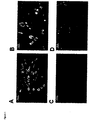
- Fig. 1A small diameter DRG neurons from rats following varicella zoster (VZV) infection
- Fig. 1B L5 spinal nerve transection
- Fig. 1C ,D corresponding controls
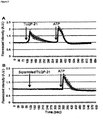
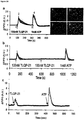
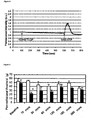
- TLQP-21 caused transient increase in intracellular Ca2+ levels in bone marrow-derived macrophages even at a concentration of 100 nM ( Fig. 2A ).
- This increase in intracellular Ca2+ levels elicited by TLQP-21 seems to be due to release of Ca2+ from their intracellular Ca2+ stores such as endoplasmic reticulum (ER) or mitochondria, because the Ca2+ increase is still observed when extracellular Ca2+ is depleted.
- ER endoplasmic reticulum
- a scrambled TLQP-21 did not induce an increase in intracellular Ca2+ levels in these cells (supplementary figure).
- TLQP-21 induced de-sensitisation to subsequent TLQP-21 treatments, but not to ATP treatments.
- a possible explanation for the absence of a Ca2+ response from a second application of TLQP-21 is that there is a biological de-sensitisation occurring such as phosphorylation of the receptor. It is also possible that this could be due to depletion of Ca2+ in internal stores such as ER, however, this is less likely because the de-sensitisation occurs even with sufficient time (2 hours) to recover and replenish the Ca2+, and ATP treatment gave an increase in intracellular Ca2+ levels.
- TLQP-21 de-sensitisation by TLQP-21 has also been observed in cerebellar granule cells. These observations suggest that the effect of TLQP-21 on macrophages and microglia cells is a specific biological response, and indicate presence of specific receptor for TLQP-21 in those cells. We also observed that brain microglia responded to TLQP-21 similarly to macrophages ( Fig. 2C ).
- chemokine Ccl11 is 2.78-fold upregulated in microglia upon TLQP-21 stimulation, whereas another chemokine Cxcl9 is 2.28-fold downregulated.
- Ccl11 has been linked to inflammation 23
- Cxcl9 is known as a natural antagonist to Ccl11 receptor CCR3 24 .
- Sulfo-EMCS-conjugated TLQP-21 was used to purify and identify receptor(s) for TLQP-21.
- Whole brain tissue from post-natal day 4 rats was used, as this was the same tissue used to extract microglia for use in Ca 2+ imaging.
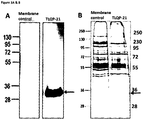
- the membrane fractions of rat brain was incubated with the crosslinker-conjugated TLQP-21, and analysed by Tricine-PAGE and Western blotting using Streptavidin-HRP for the biotin tag on TLQP-21.
- a ⁇ 30 kDa band appeared when the conjugated TLQP-21 was applied to the membrane preparation ( Fig.3A ) , but not in the membrane control (with Sulfo-EMCS crosslinker in the absence of TLQP-21).
- the membrane fraction of rat brain was applied to a TLQP-21 attached column, and the elutions were analysed on SDS-PAGE and silver staining for direct comparison to the negative control (without TLQP-21).
- a ⁇ 30 kDa band ( Fig.3B , arrow ) was also apparent with TLQP-21 attached to the column, but not in the corresponding negative control.
- the ⁇ 30 kDa bands from both gels were cut out, trypsinised and analysed using LC-MS/MS Orbitrap.
- a same protein was identified in the two distinct experiments with good peptide coverages, the receptor of the globular part of the complement protein C1q, designated gC1q-R.
- gC1q-R is an ubiquitous multiligand-binding protein involved in multiple cellular functions including inflammation and infection.
- gC1q-R is highly expressed in microglia and macrophage, and co-purified with TLQP-21.
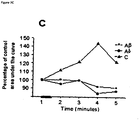
- Pre-incubation of macrophage with 3 ⁇ g/ml of the neutralising gC1q-R monoclonal antibody for 15 minutes resulted in unresponsiveness to TLQP-21
- TLQP-21 To identify the receptor for TLQP-21, in addition to chemical cross-linking we employed mass spectrometry.
- the modified TLQP-21 was used with a biotin covalently attached via the amide bond at the N-terminus, and an extra cysteine residue was included at the C-terminus.
- Sulfo-EMCS cross-linker was conjugated to the modified TLQP-21 via the sulphydryl group of cysteine at the C-terminus.
- This cross-linker-conjugated TLQP-21 was able to induce an increase in intracellular Ca2+ 14levels similar to the wild type TLQP-21 (data not shown).
- gC1qR The complement-binding protein, gC1qR is a highly acidic ⁇ 30 kDa protein, ubiquitously expressed and binds to the globular heads of C1q, the first subcomponent of the classical pathway for complement activation. It has been observed that gC1qR is a multi-functional protein (Ghebrehiwet and Peerschke, 2004).
- gC1q-R is the receptor for TLQP-21, suggesting TLQP-21 acts on microglia and macrophage through gC1q-R and causes hyperactivity of DRG and/or spinal cord neurons.
- VGF-derived peptide LQEQ-19 seems to have a direct role on DRG neurons.
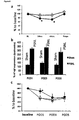
- Intraplantar injection of LQEQ-19 in rats is associated with a hypersensitivity to mechanical stimuli ( Fig.5 ) , and that application of LQEQ-19 to DRG significantly increases both the amplitude and the area under the curve of the C-fibre component of compound action potentials in dorsal roots ( Fig.6 ), suggesting that LQEQ-19 may act as an autocrine factor for nociceptive primary sensory neurons.
- VGF peptides involved in pain pathways i.e., TLQP-62, TLQP-21 and LQEQ-19
- four types of cells namely, spinal microglia, macrophage, nociceptive DRG neurons, and dorsal horn neurons, which respond to these peptides.
- spinal microglia i.e., TLQP-62, TLQP-21 and LQEQ-19
- spinal microglia i.e., TLQP-62, TLQP-21 and LQEQ-19
- spinal microglia namely, macrophage, nociceptive DRG neurons, and dorsal horn neurons, which respond to these peptides.
- VGF peptides the putative role of VGF peptides in regulating the activity/excitability of DRG neurons and the novel VGF-induced signalling pathway in microglia/macrophage.
- VGF peptides Useful data have been obtained concerning the physiological functions of VGF peptides from mice subjected to targeted deletion of the VGF gene 19,25,26 .
- VGF vascular endothelial growth factor
- traumatic neuropathy L5 spinal nerve transection 27,28
- VZV-associated pain where rats are inoculated with VZV 11,29,30
- a model of HIV neuropathy where rats are treated with a combination of perineural HIV GP120 and systemic treatment with the antiretroviral drug Zalcitabine 6,10 .
- Animals were behaviourally characterised and only those showing a decrease in baseline hind limb withdrawal threshold to a mechanical stimulus >30% from baseline were used.
- tissue taken from VZV infected animals additional co-localisation studies of VGF and the viral protein IE6211 may be performed in order to determine the cellular relationship between VZV infection and VGF immunoreactivity.
- VGF gene responsible for activation triggered by nerve damage was performed.
- Our preliminary experiment identified that the 853 bp upstream sequence of VGF gene possesses functional promoter region.
- a series of VGF promoter-Luciferase constructs containing different length of the VGF promoter region were MicroPorated into cultured DRG neurons.
- the promoter activity in response to various noxious stimuli such as NGF and gp120 was studied and the essential promoter element(s) was identified.
- HSV vectors show high transduction efficiency in DRG neurons in vivo 32 .
- a GFP expression vector was co-injected to monitor transduction efficiency.
- the rats were subjected to three neuropathic pain models mentioned above, and the Luciferase activity of each VGF promoter constructs in DRG neurons will be analysed by luminometer after extracting the DRGs from rats.
- VGF-derived peptides have been identified. Although our preliminary data demonstrated that LQEQ-19 sensitises nociceptors in vitro and causes a mechanical hypersensitivity in vivo, and TLQP-21 causes Ca 2+ increase in microglia/macrophage leading to transcriptional regulations of chemokines, there may be other VGF peptides with more potent effect on sensory thresholds. A longer VGF peptide (TLQP-62) induces pain behaviour (cold and mechanical hypersensitivity) when administered intrathecally in nanomolar concentrations 19 .
- TLQP-62 and AQEE-30 were found to increase synaptic activity in the hippocampal neurons 22 , while QAEA-38 (also known as NERP-2) is involved in physiological regulation of water homeostasis 36 . Furthermore, LQEQ-19 causes P38 MAP kinase phosphorylation in microglia 20 and enhances pain behaviour in the formalin test 17 and also biological activity in other physiological systems 37-39 .
- VGF-derived peptides were either commercially sourced or provided by Neusentis/Pfizer.
- the effects of VGF peptides on sensory neurons was analysed using whole-cell current-clamp recordings on cultured DRG neurons. Responses of cells to depolarising current pulses will be analysed before and after superfusion of peptides and their efficacy and potency established.
- the nociceptive phenotype of the cells was confirmed by superfusing capsaicin to the cells at the end of the recordings, and analysing the action potential and current threshold of the cells.
- VGF peptides in vitro (above), we investigated their properties in vivo, using 2 strategies.
- Acute experiments Initially, we administered the peptides by intraplantar and intrathecal injection to male Wistar rats and determine the effect of the peptide on mechanical, cold and thermal sensory thresholds for limb withdrawal and spontaneous foot lifting/licking, over two hours 19 . Three point dose response curves was constructed and a vehicle control group included.
- VGF is significantly upregulated in our PSNL model ( Figure 3b ). This data strongly support the previous observations VGF is a commonly upregulated molecule in chronic pain models.
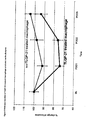
- the gC1qR antibody was applied to the site next to nerve ligation, in a cellulose membrane soaked form. After 24 hours of PSNL, vehicle and control IgG treated rats showed dramatic reduction of mechanical threshold measured by Von Frey mechanical stimulation. In contrast, application of the gC1qR antibody substantially attenuated the hypersensitivity caused by PSNL.
- gC1qR was originally identified as a protein with high affinity for the globular heads of the complement component C1q. It is, however, now known to be able to interact with a large variety of ligands.
- gC1qR is a 33 kDa, highly acidic, and ubiquitously expressed protein. It has a doughnut-shaped trimer structure, and can form a disulfide bond between monomers of different gC1qR trimers, resulting in a hexameric structure (Jiang et al. 1999).
- gC1qR can bind both high molecular weight kininogen (HK) and factor XII , and more recently it was observed that the HK-gC1qR interaction plays an important role in bradykinin generation in macrophages (Barbasz et al. 2008).
- the gC1qR protein particularly when on the cell surface, can bind plasma proteins such as C1q and HK, which in turn generates an inflammatory response from both the complement and kinin/kallikrein systems and initiates a plethora of biological responses.
- Macrophages secrete diverse signalling molecules such as cytokines, chemokines, and growth factors, which can sensitise sensory neurons. It would be interesting to see if any particular cytokines are dysregulated in macrophages upon TLQP-21 stimulation, and such cytokines may have direct effects on hypersensitivity of sensory neurons. It is also important to study how TLQP-21-mediated activation of microglia relates to P2X- mediated mechanical allodynia.
- VGF-derived peptides activate various intracellular signalling molecules, including the extracellular signal-regulated kinase 1/2 (ERK1/2) and protein kinase B (PKB/Akt) in neurons 39 .
- ERK1/2 and PKB/Akt have been shown to modify the activity of membrane molecules in neurons including the delayed rectifier K + channel and the noxious heat transducer TRPV1, which result in increased activity of the cells 41-43 .
- TRPV1 noxious heat transducer
- VGF-derived peptide-induced increase in the activity of DRG neurons we studied the activation of primary sensory neurons by recording whole-cell currents and identifying the membrane and intracellular signalling molecules involved in the VGF-derived peptide-induced increase in the activity of DRG neurons.
- Initial assessment of voltage-gated channels affected by VGF-derived peptide(s) was performed by activating the channels by a simple voltage protocol.
- the effect of VGF-derived peptide(s) will be studied on Na + , K + and Ca 2+ currents isolated by ionic substitution, biophysical methods and/or pharmacology.
- the nociceptive phenotype of the cells was confirmed by applying capsaicin at the end of the recordings.
- DRGs from VGF peptide-treated animals we will perform immunohistochemistry for markers known to be dysregulated in neuropathy including markers of neuronal stress and regeneration, apoptosis and drug targets (e.g. ATF3, GAP43, caspase-3, c-Jun, galanin, neuropeptide Y, selected Na + channels, ⁇ 2 ⁇ 1 Ca 2+ channel subunits).
- markers of neuronal stress and regeneration e.g. ATF3, GAP43, caspase-3, c-Jun, galanin, neuropeptide Y, selected Na + channels, ⁇ 2 ⁇ 1 Ca 2+ channel subunits.
- To determine the phenotype of cells expressing these markers we performed a cell size analysis combined with co-localisation studies using established markers of DRG cell phenotype (e.g. NeuN, peripherin, NF-200, TRPV1, IB4, CGRP and non-neuronal cells GFAP and lba-1) using antibodies we have successfully used in
- TRPV1 and TRPA1 Two transducer molecules, TRPV1 and the cold-sensitive TRPA1 have been implicated 46,47 in the development of nerve injury-associated pain. Therefore, here we also assessed the effect of VGF-derived peptide(s) on the excitability of TRPV1 and TRPA1 using whole-cell voltage-clamp recordings from cultured primary sensory neurons and by activating these receptors by their specific and selective activators, capsaicin (100 nM) and cinnamaldehyde (100 ⁇ M), respectively. Studies on signalling molecules involved in VGF peptide-induced changes will involve measuring the activity of membrane molecules which are affected by the peptide(s).
- MEK e.g.
- PD 98059 phosphatidylinositol 3-kinase (e.g. LY294002), and p38 MAPK (e.g. SB202190) inhibitors will be used to elucidate whether PKB/Akt, ERK1/2, and/or p38 MAPK are involved in the effect.
- the VGF peptides identified in Aim 1 was be applied at 75% of the EC50 determined during the current-clamp recordings for 1 minute in all experiments.
- TLQP-21 increases Ca 2+ release from endoplasmic reticulum in microglia and macrophage ( Fig.2 ).
- PLC phospholipase C
- the downstream signalling of the Ca 2+ release was studied by analysing expression levels of multiple markers for microglia/macrophage activation such as P2X4, P2X7, P2Y6, Kv1.3, BDNF and chemokines by qRT-PCR.
- multiple markers for microglia/macrophage activation such as P2X4, P2X7, P2Y6, Kv1.3, BDNF and chemokines by qRT-PCR.
- the authenticity of gClq-R as a TLQP-21 receptor was further investigated by gC1q-R siRNA electroporation into cultured microglia and macrophage.
Landscapes
- Health & Medical Sciences (AREA)
- Chemical & Material Sciences (AREA)
- Immunology (AREA)
- Life Sciences & Earth Sciences (AREA)
- Organic Chemistry (AREA)
- Molecular Biology (AREA)
- Engineering & Computer Science (AREA)
- Biochemistry (AREA)
- Medicinal Chemistry (AREA)
- General Health & Medical Sciences (AREA)
- Biomedical Technology (AREA)
- Genetics & Genomics (AREA)
- Proteomics, Peptides & Aminoacids (AREA)
- Biophysics (AREA)
- Urology & Nephrology (AREA)
- Hematology (AREA)
- Neurology (AREA)
- Biotechnology (AREA)
- Microbiology (AREA)
- Food Science & Technology (AREA)
- Physics & Mathematics (AREA)
- Analytical Chemistry (AREA)
- General Physics & Mathematics (AREA)
- Pathology (AREA)
- Cell Biology (AREA)
- Medicines That Contain Protein Lipid Enzymes And Other Medicines (AREA)
- Medicines Containing Antibodies Or Antigens For Use As Internal Diagnostic Agents (AREA)
- Investigating Or Analysing Biological Materials (AREA)
Claims (12)
- Inhibitor der VGF-Aktivität, der sich aus der Bindung von VGF oder TLQP-21 an den Rezeptor gC1qR zur Behandlung von neuropathischen Schmerzen ergibt, wobei der Inhibitor spezifisch für den Rezeptor gC1qR ist und die Bindung von VGF oder TLQP-21 an gC1qR blockiert und wobei der Inhibitor ein anti-gC1qR-Antikörper oder ein Bindungsfragment davon ist.
- Inhibitor zur Verwendung nach Anspruch 1, wobei der neuropathische Schmerz aus der Gruppe ausgewählt ist, die Folgendes umfasst: Neuropathische Schmerzen im Zusammenhang mit einer Nervenverletzung oder -schädigung, postherpetische Neuropathie, neuropathische Schmerzen im Zusammenhang mit HIV/AIDS, neuropathische Schmerzen im Zusammenhang mit diabetischer Neuropathie, neuropathische Schmerzen im Zusammenhang mit Fibromyalgie, neuropathische Schmerzen im Zusammenhang mit Alkoholneuropathie, neuropathische Schmerzen im Zusammenhang mit einer Amputation, neuropathische Schmerzen im Zusammenhang mit Gesichtsnervenproblemen wie Idiopathische Fazialisparese, neuropathische Schmerzen im Zusammenhang mit Krebs, neuropathische Schmerzen im Zusammenhang mit Multipler Sklerose, Kompression eines Nervs durch einen Tumor; neuropathische Schmerzen im Zusammenhang mit Diabetes, neuropathische Schmerzen im Zusammenhang mit Schlaganfällen und neuropathische Schmerzen im Zusammenhang mit übermäßig entzündlichen Reaktionen, die beispielsweise zu Gewebeschäden führen.
- Inhibitor zur Verwendung nach Anspruch 1 oder 2, wobei der neuropathische Schmerzen ein nozizeptiver Schmerz ist.
- Inhibitor zur Verwendung nach Anspruch 1 oder 2, wobei der neuropathische Schmerz Allodynie ist.
- Inhibitor zur Verwendung nach einem der Ansprüche 1 bis 4, wobei der neuropathische Schmerz kontinuierlich ist.
- Inhibitor zur Verwendung nach einem der Ansprüche 1 bis 4, wobei der neuropathische Schmerz episodisch ist.
- Inhibitor zur Verwendung nach einem der Ansprüche 1 bis 6, wobei der neuropathische Schmerz peripher ist.
- Inhibitor zur Verwendung nach einem der Ansprüche 1 bis 6, wobei der neuropathische Schmerz zentral ist.
- Inhibitor zur Verwendung nach einem der Ansprüche 1 bis 8, wobei der Inhibitor die Signalisierung nach der Bindung von VGF oder TLQP-21 an den Rezeptor gC1qR blockiert.
- Pharmazeutische Rezeptur zur Behandlung von neuropathischen Schmerzen, die einen Inhibitor nach einem der vorhergehenden Ansprüche und einen oder mehrere pharmazeutisch akzeptable Träger- und Hilfsstoffe umfasst.
- Rezeptur zur Verwendung nach Anspruch 10, die ferner einen oder mehrere Wirkstoffe enthält, zum Beispiel ein Analgetikum, ein Steroid, ein Antiepileptikum wie Pre-Gablin und Gabapentin oder einen Beta-Blocker wie S-Pindolol oder ähnliches.
- In-vitro-Verfahren zum Screenen nach einem Inhibitor der VGF-vermittelten Aktivität zur Behandlung von Schmerzen, insbesondere neuropathischen Schmerzen, wobei der Inhibitor spezifisch für den Rezeptor gC1qR ist und die Bindung von VGF oder TLQP-21 an gC1qR blockiert, welches die Messung der Bindung eines Testmittels an den Rezeptor gC1qR umfasst.
Applications Claiming Priority (2)
| Application Number | Priority Date | Filing Date | Title |
|---|---|---|---|
| GBGB1201332.2A GB201201332D0 (en) | 2012-01-26 | 2012-01-26 | Method |
| PCT/GB2013/050162 WO2013110945A1 (en) | 2012-01-26 | 2013-01-25 | Methods of treating pain by inhibition of vgf activity |
Publications (4)
| Publication Number | Publication Date |
|---|---|
| EP2807191A1 EP2807191A1 (de) | 2014-12-03 |
| EP2807191B1 true EP2807191B1 (de) | 2019-07-10 |
| EP2807191B8 EP2807191B8 (de) | 2019-10-16 |
| EP2807191B2 EP2807191B2 (de) | 2025-01-15 |
Family
ID=45876134
Family Applications (1)
| Application Number | Title | Priority Date | Filing Date |
|---|---|---|---|
| EP13702262.0A Active EP2807191B2 (de) | 2012-01-26 | 2013-01-25 | Verfahren zur behandlung von schmerzen mittels hemmung der vgf-aktivität |
Country Status (5)
| Country | Link |
|---|---|
| US (1) | US9718879B2 (de) |
| EP (1) | EP2807191B2 (de) |
| GB (1) | GB201201332D0 (de) |
| IN (1) | IN2014DN07109A (de) |
| WO (1) | WO2013110945A1 (de) |
Families Citing this family (2)
| Publication number | Priority date | Publication date | Assignee | Title |
|---|---|---|---|---|
| US20180100153A1 (en) * | 2016-10-07 | 2018-04-12 | Truebio LLC | Method and kit for use in inhiiting tumor progression, predicting or determining tumor progression state in VGF expressing cancers |
| JP7748866B2 (ja) * | 2021-12-13 | 2025-10-03 | 花王株式会社 | 痒みの検出方法 |
Citations (3)
| Publication number | Priority date | Publication date | Assignee | Title |
|---|---|---|---|---|
| WO2001007074A1 (en) * | 1999-07-21 | 2001-02-01 | Amgen, Inc. | Vgf selective binding agents and methods of treating vgf-related disorders |
| WO2008100328A2 (en) | 2006-07-13 | 2008-08-21 | Burnham Institute For Medical Research | METHODS AND COMPOSITIONS FOR TARGETING gC1qR/p32 |
| WO2010111702A1 (en) | 2009-03-27 | 2010-09-30 | The Research Foundation Of State University Of New York | Methods for preventing and treating angioedema |
Family Cites Families (40)
| Publication number | Priority date | Publication date | Assignee | Title |
|---|---|---|---|---|
| US4946778A (en) | 1987-09-21 | 1990-08-07 | Genex Corporation | Single polypeptide chain binding molecules |
| ATE151110T1 (de) | 1988-09-02 | 1997-04-15 | Protein Eng Corp | Herstellung und auswahl von rekombinantproteinen mit verschiedenen bindestellen |
| US5223409A (en) | 1988-09-02 | 1993-06-29 | Protein Engineering Corp. | Directed evolution of novel binding proteins |
| US5530101A (en) | 1988-12-28 | 1996-06-25 | Protein Design Labs, Inc. | Humanized immunoglobulins |
| GB8928874D0 (en) | 1989-12-21 | 1990-02-28 | Celltech Ltd | Humanised antibodies |
| US5780225A (en) | 1990-01-12 | 1998-07-14 | Stratagene | Method for generating libaries of antibody genes comprising amplification of diverse antibody DNAs and methods for using these libraries for the production of diverse antigen combining molecules |
| AU7247191A (en) | 1990-01-11 | 1991-08-05 | Molecular Affinities Corporation | Production of antibodies using gene libraries |
| US5376645A (en) | 1990-01-23 | 1994-12-27 | University Of Kansas | Derivatives of cyclodextrins exhibiting enhanced aqueous solubility and the use thereof |
| KR0166088B1 (ko) | 1990-01-23 | 1999-01-15 | . | 수용해도가 증가된 시클로덱스트린 유도체 및 이의 용도 |
| US5427908A (en) | 1990-05-01 | 1995-06-27 | Affymax Technologies N.V. | Recombinant library screening methods |
| GB9015198D0 (en) | 1990-07-10 | 1990-08-29 | Brien Caroline J O | Binding substance |
| EP0542810A1 (de) | 1990-08-02 | 1993-05-26 | B.R. Centre Limited | Verfahren zur herstellung von proteinen mit einer gewünschten funktion |
| US5698426A (en) | 1990-09-28 | 1997-12-16 | Ixsys, Incorporated | Surface expression libraries of heteromeric receptors |
| EP0564531B1 (de) | 1990-12-03 | 1998-03-25 | Genentech, Inc. | Verfahren zur anreicherung von proteinvarianten mit geänderten bindungseigenschaften |
| DK1471142T3 (da) | 1991-04-10 | 2009-03-09 | Scripps Research Inst | Heterodimere receptor-biblioteker under anvendelse af fagemider |
| GB9113120D0 (en) | 1991-06-18 | 1991-08-07 | Kodak Ltd | Photographic processing apparatus |
| WO1993008829A1 (en) | 1991-11-04 | 1993-05-13 | The Regents Of The University Of California | Compositions that mediate killing of hiv-infected cells |
| ATE408012T1 (de) | 1991-12-02 | 2008-09-15 | Medical Res Council | Herstellung von autoantikörpern auf phagenoberflächen ausgehend von antikörpersegmentbibliotheken |
| US5733743A (en) | 1992-03-24 | 1998-03-31 | Cambridge Antibody Technology Limited | Methods for producing members of specific binding pairs |
| WO1995015982A2 (en) | 1993-12-08 | 1995-06-15 | Genzyme Corporation | Process for generating specific antibodies |
| EP1231268B1 (de) | 1994-01-31 | 2005-07-27 | Trustees Of Boston University | Bibliotheken aus Polyklonalen Antikörpern |
| US5516637A (en) | 1994-06-10 | 1996-05-14 | Dade International Inc. | Method involving display of protein binding pairs on the surface of bacterial pili and bacteriophage |
| JP2978435B2 (ja) | 1996-01-24 | 1999-11-15 | チッソ株式会社 | アクリロキシプロピルシランの製造方法 |
| GB9711643D0 (en) | 1997-06-05 | 1997-07-30 | Janssen Pharmaceutica Nv | Glass thermoplastic systems |
| US6506559B1 (en) | 1997-12-23 | 2003-01-14 | Carnegie Institute Of Washington | Genetic inhibition by double-stranded RNA |
| CA2457819A1 (en) | 2001-08-14 | 2003-02-27 | The General Hospital Corporation | Nucleic acid and amino acid sequences involved in pain |
| DE60330227D1 (de) | 2002-03-13 | 2010-01-07 | Array Biopharma Inc | N3-alkylierte benzimidazol-derivate als mek-hemmer |
| WO2004051268A1 (en) | 2002-12-03 | 2004-06-17 | Celltech R & D Limited | Assay for identifying antibody producing cells |
| GB0312481D0 (en) | 2003-05-30 | 2003-07-09 | Celltech R&D Ltd | Antibodies |
| GB0315457D0 (en) | 2003-07-01 | 2003-08-06 | Celltech R&D Ltd | Biological products |
| CA2527020A1 (en) | 2003-07-01 | 2005-01-13 | Celltech R & D Limited | Modified antibody fab fragments |
| GB0315450D0 (en) | 2003-07-01 | 2003-08-06 | Celltech R&D Ltd | Biological products |
| TWI361066B (en) | 2004-07-26 | 2012-04-01 | Chugai Pharmaceutical Co Ltd | 5-substituted-2-phenylamino benzamides as mek inhibitors |
| CN102321030A (zh) | 2005-05-18 | 2012-01-18 | 阵列生物制药公司 | Mek的杂环抑制剂及其使用方法 |
| GB0616214D0 (en) | 2006-08-15 | 2006-09-27 | Ucb Sa | Therapeutic Agents |
| GB0714384D0 (en) | 2007-07-23 | 2007-09-05 | Ucb Pharma Sa | theraputic agents |
| GB0801081D0 (en) | 2008-01-21 | 2008-02-27 | Ucb Pharma Sa | Therapeutic agents |
| GB0801080D0 (en) | 2008-01-21 | 2008-02-27 | Ucb Pharma Sa | Therapeutic agents |
| EA201101533A1 (ru) | 2009-04-21 | 2012-05-30 | Новартис Аг | Гетероциклические соединения в качестве ингибиторов mek |
| JP5908466B2 (ja) | 2010-06-09 | 2016-04-26 | デイナ ファーバー キャンサー インスティチュート,インコーポレイテッド | Raf及びmek阻害剤に対する耐性を与えるmek1変異 |
-
2012
- 2012-01-26 GB GBGB1201332.2A patent/GB201201332D0/en not_active Ceased
-
2013
- 2013-01-25 WO PCT/GB2013/050162 patent/WO2013110945A1/en not_active Ceased
- 2013-01-25 US US14/374,732 patent/US9718879B2/en not_active Expired - Fee Related
- 2013-01-25 IN IN7109DEN2014 patent/IN2014DN07109A/en unknown
- 2013-01-25 EP EP13702262.0A patent/EP2807191B2/de active Active
Patent Citations (3)
| Publication number | Priority date | Publication date | Assignee | Title |
|---|---|---|---|---|
| WO2001007074A1 (en) * | 1999-07-21 | 2001-02-01 | Amgen, Inc. | Vgf selective binding agents and methods of treating vgf-related disorders |
| WO2008100328A2 (en) | 2006-07-13 | 2008-08-21 | Burnham Institute For Medical Research | METHODS AND COMPOSITIONS FOR TARGETING gC1qR/p32 |
| WO2010111702A1 (en) | 2009-03-27 | 2010-09-30 | The Research Foundation Of State University Of New York | Methods for preventing and treating angioedema |
Non-Patent Citations (39)
| Title |
|---|
| A BARTOLOMUCCI, ET AL: "Chronic intracerebroventricular injection of TLQP-21 prevents high fat diet induced weight gain in fast weight-gaining mice", GENES NUTR4, vol. 4, 1 January 2009 (2009-01-01), pages 49 - 57, XP055731915 |
| ADRIANA DEL REY; HAU-JIE YAU; ANKE RANDOLF; MARIA V. CENTENO; JOHANNES WILDMANN; MARCO MARTINA; HUGO O. BESEDOVSKY; A. VANIA APKAR: "Chronic neuropathic pain-like behavior correlates with IL-1 expression and disrupts cytokine interactions in the hippocampus", PAIN, ELSEVIER SCIENCE PUBLISHERS, AMSTERDAM., NL, vol. 152, no. 12, 15 September 2011 (2011-09-15), NL, pages 2827 - 2835, XP028109061, ISSN: 0304-3959, DOI: 10.1016/j.pain.2011.09.013 |
| ALICE MEUNIER, JOAO BRAZ, FRAN�OIS CESSELIN, MICHEL HAMON, MICHEL POHL: "Inflammation et douleur : th�rapie g�nique exp�rimentale", M�DECINE/SCIENCES, vol. 20, no. 3, 1 March 2004 (2004-03-01), pages 325 - 330, XP055096298, ISSN: 07670974, DOI: 10.1051/medsci/2004203325 |
| BARTOLOMUCCI A, ET AL: "TLQP-21, a VGF-derived peptide, increases energy expenditure and prevents the early phase of diet-induced obesity", PROCEEDINGS OF THE NATIONAL ACADEMY OF SCIENCES, NATIONAL ACADEMY OF SCIENCES, vol. 103, no. 39, 26 September 2006 (2006-09-26), pages 14584 - 14589, XP002577374, ISSN: 0027-8424, DOI: 10.1073/PNAS.0606102103 |
| BERHANE GHEBREHIWET, ET AL: "Structure-function studies usning deletion mutants identify domains of gC1qR/p33 potential therapeutic targets for vascular permeability and inflammation", FRONTIERS IN IMMUNOLOGY, vol. 2, no. 58, 1 January 2011 (2011-01-01), pages 1 - 9, XP055724865 |
| BOYI LIU, ET AL: "The acute nociceptive signals induced by bradykinin in rat sensory neurons are mediated by inhibition of M-type K+ channels and activation of Ca2+-activated CI- channels", THE JOURNAL OF CLINICAL INVESTIGATION, vol. 120, no. 4, 1 April 2010 (2010-04-01), pages 1240 - 1252, XP055732048 |
| CAIO MARCIO BARROS DE OLIVEIRA, ET AL: "Cytokines and Pain", REV BRAS ANESTESIOL, vol. 61, no. 2, 1 January 2011 (2011-01-01), pages 255 - 265, XP055724886 |
| FLETCHER A. WHITE, ET AL: "Chemokines: Integrators of Pain and Inflamation", NAT. REV. DRUG. DISCOV., vol. 4, no. 10, 1 October 2005 (2005-10-01), pages 834 - 844, XP055731986, DOI: 10.1038/nrd1852 |
| FLEUR BOSSI; ELLINOR I. PEERSCHKE; BERHANE GHEBREHIWET; FRANCESCO TEDESCO;: "Cross-talk between the complement and the kinin system in vascular permeability", IMMUNOLOGY LETTERS., ELSEVIER BV, NL, vol. 140, no. 1, 23 June 2011 (2011-06-23), NL, pages 7 - 13, XP028268231, ISSN: 0165-2478, DOI: 10.1016/j.imlet.2011.06.006 |
| FOO WAH FOONG, ET AL: "The periaqueductal gray is the site of the antinociceptive action of carbamazepine as related to bradykinin-induced trigeminal pain", BR. J. PHARMAC., vol. 83, 1 January 1984 (1984-01-01), pages 493 - 497, XP055724874 |
| GAO, Y.J. ; JI, R.R.: "Targeting Astrocyte Signaling for Chronic Pain", NEUROTHERAPEUTICS, ELSEVIER INC., US, vol. 7, no. 4, 1 October 2010 (2010-10-01), US, pages 482 - 493, XP027350969, ISSN: 1933-7213 |
| GEBER, C. ; BAUMGARTNER, U. ; SCHWAB, R. ; MULLER, H. ; STOETER, P. ; DIETERICH, M. ; SOMMER, C. ; BIRKLEIN, F. ; TREEDE, R.D.: "Revised Definition of Neuropathic Pain and Its Grading System: An Open Case Series Illustrating Its Use in Clinical Practice", AMERICAN JOURNAL OF MEDICINE., EXCERPTA MEDICA, INC., UNITED STATES, vol. 122, no. 10, 1 October 2009 (2009-10-01), United States, pages S3 - S12, XP026669923, ISSN: 0002-9343, DOI: 10.1016/j.amjmed.2009.04.005 |
| J. W. BRYANT, SHARIAT MADAR: "Human plasma kallikrein-kinin system: Physiological and biochemical parameters", CARDIOVASC HEMATOL AGENTS MED CHEM, vol. 7, no. 3, 13 June 2016 (2016-06-13), pages 234 - 250, XP055724962 |
| JANET ALDER, ET AL: "Brain-derived Neurotrophic Factor-Induced Gene Expression Reveals Novel Actions of VGF in Hippocampal Synaptic Plasticity", THE JOURNAL OF NEUROSCIENCE, vol. 23, no. 34, 26 November 2003 (2003-11-26), pages 10800 - 10808, XP055732055 |
| JO LEWIS, BRAMELD, JOHN AND JETHWA, PREETI: "Neuroendocrine role for VGF", FRONTIERS IN ENDOCRINOLOGY, vol. 6, no. 3, 2 February 2015 (2015-02-02), pages 1 - 8, XP055732046 |
| JÖRN LÖTSCH, GEISSLINGER, GERD: "Pharmacogenetics of new analgesics", BRITISH JOURNAL OF PHARMACOLOGY, vol. 163, 1 January 2011 (2011-01-01), pages 447 - 460, XP055724956 |
| KATRIN FÄRBER, ET AL: "C1q, the recognition subcomponent of the classical pathway of complement, drives microglial activation", vol. 87, no. 3, 15 February 2009 (2009-02-15), pages 644 - 652, XP055724902 |
| KINGA K HOSSZU, ET AL: "Evidence that a C1q/C1qR system regulates monocyte-derived dendritic cell differentiation at the interface of innate and acquired immunity", INNATE IMMUN, vol. 16, no. 2, 1 January 2010 (2010-01-01), pages 115 - 127, XP055732033 |
| KOJI TOSHINAI, ET AL: "Neuroendocrine regulatory peptide-2 regulates feeding behavior via the orexin system in the hypothalamus", AM J PHYSIOL ENDOCRINOL METAB, 15 June 2010 (2010-06-15), pages E394 - E401, XP055732040 |
| KOJI TOSHINAI, ET AL: "Neuroendocrine regulatory peptide-2 regulates feeding behavior via the orexin system in the hypothalamus", AM J PHYSIOL ENDOCRINOL METAB, vol. 299, 15 June 2010 (2010-06-15), pages E394 - E401, XP055732049 |
| LARRY R STERANKA, ET AL: "Bradykinin as a pain mediator: Receptors are localized to sensory neurons, and antagonists have analgesic actions", PROC.NATL.ACAD.SCI., vol. 85, 1 May 1988 (1988-05-01), pages 3245 - 3249, XP055724870 |
| LEUNG LAWRENCE; CAHILL CATHERINE M: "TNF-α and neuropathic pain - a review", JOURNAL OF NEUROINFLAMMATION, BIOMED CENTRAL LTD., LONDON, GB, vol. 7, no. 1, 16 April 2010 (2010-04-16), GB, pages 27, XP021079504, ISSN: 1742-2094, DOI: 10.1186/1742-2094-7-27 |
| M. M. KHAN, HARLAN N BRADFORD, IRMA ISORDIA-SALAS, YUCHUAN LIU, YI WU, RICARDO G ESPINOLA, BERHANE GHEBREHIWET, ROBERT W COLMAN: "High-Molecular-Weight Kininogen Fragments Stimulate the Secretion of Cytokines and Chemokines Through uPAR, Mac-1, and gC1qR in Monocytes", ARTERIOSCLEROSIS, THROMBOSIS, AND VASCULAR BIOLOGY, LIPPINCOTT, WILLIAMS & WILKINS, vol. 26, no. 10, 1 October 2006 (2006-10-01), pages 2260 - 2266, XP055343572, ISSN: 1079-5642, DOI: 10.1161/01.ATV.0000240290.70852.c0 |
| MAUREEN S RIEDL, ET AL: "Proteomic Analysis Uncovers Novel Actions of the Neurosecretory Protein VGF in Nociceptive Processing", THE JOURNAL OF NEUROSCIENCE, 21 October 2009 (2009-10-21), pages 13377 - 13388, XP055732009 |
| MIKA JOANNA: "Modulation of microglia can attenuate neuropathic pain symptoms and enhance morphine effectiveness", PHARMACOLOGICAL REPORTS, POLSKA AKADEMIA NAUK, INSTYTUT FARMAKOLOGII, KRAKOW, PL, vol. 60, no. 3, 1 May 2008 (2008-05-01), PL, pages 297 - 307, XP002576970, ISSN: 1734-1140 |
| MOSS ET AL., MOLECULAR PAIN, vol. 4, 2008, pages 62, XP002695039 |
| PEERSCHKE, E.I.B. GHEBREHIWET, B.: "The contribution of gC1qR/p33 in infection and inflammation", IMMUNOBIOLOGY, URBAN UND FISCHER VERLAG, DE, vol. 212, no. 4-5, 31 May 2007 (2007-05-31), DE, pages 333 - 342, XP022099022, ISSN: 0171-2985, DOI: 10.1016/j.imbio.2006.11.011 |
| R. POSSENTI, ET AL: "A protein induced by NGF in PC12 cells is stored in secretory vesicles and released through the regulated pathway", THE EMBO JOURNAL, vol. 8, no. 8, 1 January 1989 (1989-01-01), pages 2217 - 2223, XP055724954 |
| RICHARD J. MILLER, ET AL: "Cytokine and Chemokine Regulation of Sensory Neuron Function", HANDB. EXP. PHARMACOL, 1 January 2009 (2009-01-01), pages 417 - 449, XP055731978, DOI: 10.1007/978-3-540-79090-7_12 |
| SWEITZER S, MARTIN D, DELEO J A: "INTRATHECAL INTERLEUKIN-1 RECEPTOR ANTAGONIST IN COMBINATION WITH SOLUBLE TUMOR NECROSIS RECEPTOR EXHIBITS AN ANTI-ALLODYNIC ACTION IN A RAT MODEL OF NEUROPATHIC PAIN", NEUROSCIENCE, NEW YORK, NY, US, vol. 103, no. 02, 1 March 2001 (2001-03-01), US, pages 529 - 539, XP001036875, ISSN: 0306-4522, DOI: 10.1016/S0306-4522(00)00574-1 |
| TALBOT SÉBASTIEN; CHAHMI EMNA; DIAS JENNY PENA; COUTURE RÉJEAN: "Key role for spinal dorsal horn microglial kinin B1 receptor in early diabetic pain neuropathy", JOURNAL OF NEUROINFLAMMATION, BIOMED CENTRAL LTD., LONDON, GB, vol. 7, no. 1, 29 June 2010 (2010-06-29), GB, pages 36, XP021079512, ISSN: 1742-2094, DOI: 10.1186/1742-2094-7-36 |
| THAKKER-VARIA, S. ; ALDER, J.: "Neuropeptides in depression: Role of VGF", BEHAVIOURAL BRAIN RESEARCH., ELSEVIER, AMSTERDAM., NL, vol. 197, no. 2, 11 February 2009 (2009-02-11), NL, pages 262 - 278, XP025770968, ISSN: 0166-4328, DOI: 10.1016/j.bbr.2008.10.006 |
| TRANI ET AL., JOURNAL OF NEUROCHEMISTRY, vol. 81, 2002, pages 565 - 574 |
| WHITE, F.A. ; MILLER, R.J.: "Insights into the regulation of chemokine receptors by molecular signaling pathways: Functional roles in neuropathic pain", BRAIN, BEHAVIOR AND IMMUNITY., ACADEMIC PRESS, SAN DIEGO, CA, US, vol. 24, no. 6, 1 August 2010 (2010-08-01), US, pages 859 - 865, XP027118300, ISSN: 0889-1591 |
| YA CHUN CHEN, ET AL: "Identification of a Receptor for Neuropeptide VGF and its Role in Neuropathic Pain", JOURNAL OF BIOLOGICAL CHEMISTRY, vol. 288, no. 48, 29 November 2013 (2013-11-29), pages 34638 - 34646, XP055724906 |
| YAMAGUCHI HIDEKI, ET AL: "Peptidomic identification and biological validation of neuroendocrine regulatory peptide-1 and-2", JOURNAL OF BIOLOGICAL CHEMISTRY, AMERICAN SOCIETY FOR BIOCHEMISTRY AND MOLECULAR BIOLOGY, US, vol. 282, no. 36, 1 September 2007 (2007-09-01), US, pages 26354 - 26360, XP002538510, ISSN: 0021-9258, DOI: 10.1074/JBC.M701665200 |
| YASUHIKO KAWASAKI, ZHEN-ZHONG XU, XIAOYING WANG, JONG YEON PARK, ZHI-YE ZHUANG, PING-HENG TAN, YONG-JING GAO, KRISTINE ROY, GABRIE: "Distinct roles of matrix metalloproteases in the early- and late-phase development of neuropathic pain", NATURE MEDICINE, NATURE PUB. CO., NEW YORK, vol. 14, no. 3, 1 March 2008 (2008-03-01), New York, pages 331 - 336, XP055231613, ISSN: 1078-8956, DOI: 10.1038/nm1723 |
| YEONG RAY WEN, ET AL: "Role of microglia in neuropathic pain, postoperative pain, and morphine tolerance", J FORMOS MED ASSOC, vol. 110, no. 8, 1 August 2011 (2011-08-01), pages 487 - 494, XP055724882, DOI: 10.1016/S0929-6646(11)60074-0 |
| ZHANG, R.X. ; LIU, B. ; LI, A. ; WANG, L. ; REN, K. ; QIAO, J.T. ; BERMAN, B.M. ; LAO, L.: "Interleukin 1@b facilitates bone cancer pain in rats by enhancing NMDA receptor NR-1 subunit phosphorylation", NEUROSCIENCE, NEW YORK, NY, US, vol. 154, no. 4, 17 July 2008 (2008-07-17), US, pages 1533 - 1538, XP022797087, ISSN: 0306-4522, DOI: 10.1016/j.neuroscience.2008.04.072 |
Also Published As
| Publication number | Publication date |
|---|---|
| GB201201332D0 (en) | 2012-03-14 |
| EP2807191B2 (de) | 2025-01-15 |
| EP2807191A1 (de) | 2014-12-03 |
| IN2014DN07109A (de) | 2015-04-24 |
| WO2013110945A1 (en) | 2013-08-01 |
| US20140370024A1 (en) | 2014-12-18 |
| US9718879B2 (en) | 2017-08-01 |
| EP2807191B8 (de) | 2019-10-16 |
Similar Documents
| Publication | Publication Date | Title |
|---|---|---|
| Zeng et al. | Lentivirus-mediated downregulation of α-synuclein reduces neuroinflammation and promotes functional recovery in rats with spinal cord injury | |
| Borkham-Kamphorst et al. | Dominant-negative soluble PDGF-β receptor inhibits hepatic stellate cell activation and attenuates liver fibrosis | |
| Chen et al. | Identification of a receptor for neuropeptide VGF and its role in neuropathic pain | |
| US12031137B2 (en) | Compositions comprising SASP modulators and senescence attenuators and uses thereof for modulating cellular senescence | |
| KR101080716B1 (ko) | 신경성장인자 길항제를 투여함에 의한 수술-후 통증의치료방법 및 그를 함유하는 조성물 | |
| Zhang et al. | WNT signaling underlies the pathogenesis of neuropathic pain in rodents | |
| KR102826089B1 (ko) | 활성 알파 시누클레인에 결합하는 항체 | |
| JP2006504744A5 (de) | ||
| EP2836232A2 (de) | Behandlung ischämischer retinopathie | |
| Lu et al. | P2X7 signaling promotes microsphere embolism-triggered microglia activation by maintaining elevation of Fas ligand | |
| US11136383B2 (en) | Methods and compositions for modulaton of transforming growth factor beta-regulated functions | |
| CN107921112A (zh) | 调节lgals3bp以治疗系统性红斑狼疮的方法 | |
| JP2024079697A (ja) | 骨の疾患の治療に用いるためのトランスフェリン受容体2のアンタゴニスト及びアゴニスト | |
| KR20110128273A (ko) | 골관절염 치료 | |
| TWI878289B (zh) | 抗cd38抗體和調配物 | |
| EP2807191B1 (de) | Verfahren zur behandlung von schmerzen mittels hemmung der vgf-aktivität | |
| WO2017143036A1 (en) | Modulators of ms4a activity | |
| WO2017149306A1 (en) | Combination therapy | |
| KR101646726B1 (ko) | 환형 폴리 ftp 및 이의 용도 | |
| AU2005325227A1 (en) | Compositions and methods for the treatment and prevention of hyperproliferative diseases | |
| WO2019046903A1 (en) | THERAPEUTIC METHOD FOR INCREASING MUSCLE MASS IN A SUBJECT | |
| CN119816524A (zh) | 多结构域融合蛋白的用途 | |
| CN115279393A (zh) | 以介白素24或介白素20拮抗剂治疗组织纤维化和/或损伤和/或器官衰竭 | |
| EA023383B1 (ru) | Способ подавления роста опухоли и лечения заболеваний путем избирательного ингибирования участков рецепторов с тирозинкиназной активностью |
Legal Events
| Date | Code | Title | Description |
|---|---|---|---|
| PUAI | Public reference made under article 153(3) epc to a published international application that has entered the european phase |
Free format text: ORIGINAL CODE: 0009012 |
|
| 17P | Request for examination filed |
Effective date: 20140826 |
|
| AK | Designated contracting states |
Kind code of ref document: A1 Designated state(s): AL AT BE BG CH CY CZ DE DK EE ES FI FR GB GR HR HU IE IS IT LI LT LU LV MC MK MT NL NO PL PT RO RS SE SI SK SM TR |
|
| RIN1 | Information on inventor provided before grant (corrected) |
Inventor name: OKUSE, KENJI Inventor name: PRISTERA, ALESSANDRO |
|
| DAX | Request for extension of the european patent (deleted) | ||
| RIN1 | Information on inventor provided before grant (corrected) |
Inventor name: RICE, ANDREW Inventor name: OKUSE, KENJI Inventor name: PRISTERA, ALESSANDRO |
|
| 17Q | First examination report despatched |
Effective date: 20160623 |
|
| STAA | Information on the status of an ep patent application or granted ep patent |
Free format text: STATUS: EXAMINATION IS IN PROGRESS |
|
| GRAP | Despatch of communication of intention to grant a patent |
Free format text: ORIGINAL CODE: EPIDOSNIGR1 |
|
| STAA | Information on the status of an ep patent application or granted ep patent |
Free format text: STATUS: GRANT OF PATENT IS INTENDED |
|
| INTG | Intention to grant announced |
Effective date: 20190117 |
|
| GRAS | Grant fee paid |
Free format text: ORIGINAL CODE: EPIDOSNIGR3 |
|
| GRAA | (expected) grant |
Free format text: ORIGINAL CODE: 0009210 |
|
| STAA | Information on the status of an ep patent application or granted ep patent |
Free format text: STATUS: THE PATENT HAS BEEN GRANTED |
|
| AK | Designated contracting states |
Kind code of ref document: B1 Designated state(s): AL AT BE BG CH CY CZ DE DK EE ES FI FR GB GR HR HU IE IS IT LI LT LU LV MC MK MT NL NO PL PT RO RS SE SI SK SM TR |
|
| REG | Reference to a national code |
Ref country code: GB Ref legal event code: FG4D |
|
| REG | Reference to a national code |
Ref country code: CH Ref legal event code: EP Ref country code: AT Ref legal event code: REF Ref document number: 1153482 Country of ref document: AT Kind code of ref document: T Effective date: 20190715 |
|
| REG | Reference to a national code |
Ref country code: DE Ref legal event code: R096 Ref document number: 602013057604 Country of ref document: DE |
|
| REG | Reference to a national code |
Ref country code: IE Ref legal event code: FG4D |
|
| REG | Reference to a national code |
Ref country code: CH Ref legal event code: PK Free format text: BERICHTIGUNG B8 |
|
| RAP2 | Party data changed (patent owner data changed or rights of a patent transferred) |
Owner name: IMPERIAL WHITE CITY INCUBATOR LIMITED |
|
| RAP2 | Party data changed (patent owner data changed or rights of a patent transferred) |
Owner name: IMPERIAL COLLEGE INNOVATIONS LIMITED |
|
| REG | Reference to a national code |
Ref country code: NL Ref legal event code: MP Effective date: 20190710 |
|
| REG | Reference to a national code |
Ref country code: LT Ref legal event code: MG4D |
|
| REG | Reference to a national code |
Ref country code: AT Ref legal event code: MK05 Ref document number: 1153482 Country of ref document: AT Kind code of ref document: T Effective date: 20190710 |
|
| PG25 | Lapsed in a contracting state [announced via postgrant information from national office to epo] |
Ref country code: FI Free format text: LAPSE BECAUSE OF FAILURE TO SUBMIT A TRANSLATION OF THE DESCRIPTION OR TO PAY THE FEE WITHIN THE PRESCRIBED TIME-LIMIT Effective date: 20190710 Ref country code: HR Free format text: LAPSE BECAUSE OF FAILURE TO SUBMIT A TRANSLATION OF THE DESCRIPTION OR TO PAY THE FEE WITHIN THE PRESCRIBED TIME-LIMIT Effective date: 20190710 Ref country code: LT Free format text: LAPSE BECAUSE OF FAILURE TO SUBMIT A TRANSLATION OF THE DESCRIPTION OR TO PAY THE FEE WITHIN THE PRESCRIBED TIME-LIMIT Effective date: 20190710 Ref country code: NO Free format text: LAPSE BECAUSE OF FAILURE TO SUBMIT A TRANSLATION OF THE DESCRIPTION OR TO PAY THE FEE WITHIN THE PRESCRIBED TIME-LIMIT Effective date: 20191010 Ref country code: BG Free format text: LAPSE BECAUSE OF FAILURE TO SUBMIT A TRANSLATION OF THE DESCRIPTION OR TO PAY THE FEE WITHIN THE PRESCRIBED TIME-LIMIT Effective date: 20191010 Ref country code: SE Free format text: LAPSE BECAUSE OF FAILURE TO SUBMIT A TRANSLATION OF THE DESCRIPTION OR TO PAY THE FEE WITHIN THE PRESCRIBED TIME-LIMIT Effective date: 20190710 Ref country code: PT Free format text: LAPSE BECAUSE OF FAILURE TO SUBMIT A TRANSLATION OF THE DESCRIPTION OR TO PAY THE FEE WITHIN THE PRESCRIBED TIME-LIMIT Effective date: 20191111 Ref country code: NL Free format text: LAPSE BECAUSE OF FAILURE TO SUBMIT A TRANSLATION OF THE DESCRIPTION OR TO PAY THE FEE WITHIN THE PRESCRIBED TIME-LIMIT Effective date: 20190710 Ref country code: AT Free format text: LAPSE BECAUSE OF FAILURE TO SUBMIT A TRANSLATION OF THE DESCRIPTION OR TO PAY THE FEE WITHIN THE PRESCRIBED TIME-LIMIT Effective date: 20190710 |
|
| PG25 | Lapsed in a contracting state [announced via postgrant information from national office to epo] |
Ref country code: ES Free format text: LAPSE BECAUSE OF FAILURE TO SUBMIT A TRANSLATION OF THE DESCRIPTION OR TO PAY THE FEE WITHIN THE PRESCRIBED TIME-LIMIT Effective date: 20190710 Ref country code: AL Free format text: LAPSE BECAUSE OF FAILURE TO SUBMIT A TRANSLATION OF THE DESCRIPTION OR TO PAY THE FEE WITHIN THE PRESCRIBED TIME-LIMIT Effective date: 20190710 Ref country code: LV Free format text: LAPSE BECAUSE OF FAILURE TO SUBMIT A TRANSLATION OF THE DESCRIPTION OR TO PAY THE FEE WITHIN THE PRESCRIBED TIME-LIMIT Effective date: 20190710 Ref country code: RS Free format text: LAPSE BECAUSE OF FAILURE TO SUBMIT A TRANSLATION OF THE DESCRIPTION OR TO PAY THE FEE WITHIN THE PRESCRIBED TIME-LIMIT Effective date: 20190710 Ref country code: IS Free format text: LAPSE BECAUSE OF FAILURE TO SUBMIT A TRANSLATION OF THE DESCRIPTION OR TO PAY THE FEE WITHIN THE PRESCRIBED TIME-LIMIT Effective date: 20191110 Ref country code: GR Free format text: LAPSE BECAUSE OF FAILURE TO SUBMIT A TRANSLATION OF THE DESCRIPTION OR TO PAY THE FEE WITHIN THE PRESCRIBED TIME-LIMIT Effective date: 20191011 |
|
| PG25 | Lapsed in a contracting state [announced via postgrant information from national office to epo] |
Ref country code: TR Free format text: LAPSE BECAUSE OF FAILURE TO SUBMIT A TRANSLATION OF THE DESCRIPTION OR TO PAY THE FEE WITHIN THE PRESCRIBED TIME-LIMIT Effective date: 20190710 |
|
| REG | Reference to a national code |
Ref country code: DE Ref legal event code: R026 Ref document number: 602013057604 Country of ref document: DE |
|
| PLBI | Opposition filed |
Free format text: ORIGINAL CODE: 0009260 |
|
| PG25 | Lapsed in a contracting state [announced via postgrant information from national office to epo] |
Ref country code: EE Free format text: LAPSE BECAUSE OF FAILURE TO SUBMIT A TRANSLATION OF THE DESCRIPTION OR TO PAY THE FEE WITHIN THE PRESCRIBED TIME-LIMIT Effective date: 20190710 Ref country code: DK Free format text: LAPSE BECAUSE OF FAILURE TO SUBMIT A TRANSLATION OF THE DESCRIPTION OR TO PAY THE FEE WITHIN THE PRESCRIBED TIME-LIMIT Effective date: 20190710 Ref country code: PL Free format text: LAPSE BECAUSE OF FAILURE TO SUBMIT A TRANSLATION OF THE DESCRIPTION OR TO PAY THE FEE WITHIN THE PRESCRIBED TIME-LIMIT Effective date: 20190710 Ref country code: RO Free format text: LAPSE BECAUSE OF FAILURE TO SUBMIT A TRANSLATION OF THE DESCRIPTION OR TO PAY THE FEE WITHIN THE PRESCRIBED TIME-LIMIT Effective date: 20190710 Ref country code: IT Free format text: LAPSE BECAUSE OF FAILURE TO SUBMIT A TRANSLATION OF THE DESCRIPTION OR TO PAY THE FEE WITHIN THE PRESCRIBED TIME-LIMIT Effective date: 20190710 |
|
| 26 | Opposition filed |
Opponent name: ZACCO DENMARK A/S Effective date: 20200408 |
|
| PG25 | Lapsed in a contracting state [announced via postgrant information from national office to epo] |
Ref country code: SK Free format text: LAPSE BECAUSE OF FAILURE TO SUBMIT A TRANSLATION OF THE DESCRIPTION OR TO PAY THE FEE WITHIN THE PRESCRIBED TIME-LIMIT Effective date: 20190710 Ref country code: SM Free format text: LAPSE BECAUSE OF FAILURE TO SUBMIT A TRANSLATION OF THE DESCRIPTION OR TO PAY THE FEE WITHIN THE PRESCRIBED TIME-LIMIT Effective date: 20190710 Ref country code: IS Free format text: LAPSE BECAUSE OF FAILURE TO SUBMIT A TRANSLATION OF THE DESCRIPTION OR TO PAY THE FEE WITHIN THE PRESCRIBED TIME-LIMIT Effective date: 20200224 Ref country code: CZ Free format text: LAPSE BECAUSE OF FAILURE TO SUBMIT A TRANSLATION OF THE DESCRIPTION OR TO PAY THE FEE WITHIN THE PRESCRIBED TIME-LIMIT Effective date: 20190710 |
|
| PLAX | Notice of opposition and request to file observation + time limit sent |
Free format text: ORIGINAL CODE: EPIDOSNOBS2 |
|
| PG2D | Information on lapse in contracting state deleted |
Ref country code: IS |
|
| PG25 | Lapsed in a contracting state [announced via postgrant information from national office to epo] |
Ref country code: SI Free format text: LAPSE BECAUSE OF FAILURE TO SUBMIT A TRANSLATION OF THE DESCRIPTION OR TO PAY THE FEE WITHIN THE PRESCRIBED TIME-LIMIT Effective date: 20190710 Ref country code: MC Free format text: LAPSE BECAUSE OF FAILURE TO SUBMIT A TRANSLATION OF THE DESCRIPTION OR TO PAY THE FEE WITHIN THE PRESCRIBED TIME-LIMIT Effective date: 20190710 |
|
| REG | Reference to a national code |
Ref country code: CH Ref legal event code: PL |
|
| REG | Reference to a national code |
Ref country code: BE Ref legal event code: MM Effective date: 20200131 |
|
| PG25 | Lapsed in a contracting state [announced via postgrant information from national office to epo] |
Ref country code: LU Free format text: LAPSE BECAUSE OF NON-PAYMENT OF DUE FEES Effective date: 20200125 |
|
| PG25 | Lapsed in a contracting state [announced via postgrant information from national office to epo] |
Ref country code: BE Free format text: LAPSE BECAUSE OF NON-PAYMENT OF DUE FEES Effective date: 20200131 Ref country code: CH Free format text: LAPSE BECAUSE OF NON-PAYMENT OF DUE FEES Effective date: 20200131 Ref country code: LI Free format text: LAPSE BECAUSE OF NON-PAYMENT OF DUE FEES Effective date: 20200131 |
|
| PG25 | Lapsed in a contracting state [announced via postgrant information from national office to epo] |
Ref country code: IE Free format text: LAPSE BECAUSE OF NON-PAYMENT OF DUE FEES Effective date: 20200125 |
|
| PG25 | Lapsed in a contracting state [announced via postgrant information from national office to epo] |
Ref country code: MT Free format text: LAPSE BECAUSE OF FAILURE TO SUBMIT A TRANSLATION OF THE DESCRIPTION OR TO PAY THE FEE WITHIN THE PRESCRIBED TIME-LIMIT Effective date: 20190710 Ref country code: CY Free format text: LAPSE BECAUSE OF FAILURE TO SUBMIT A TRANSLATION OF THE DESCRIPTION OR TO PAY THE FEE WITHIN THE PRESCRIBED TIME-LIMIT Effective date: 20190710 |
|
| PG25 | Lapsed in a contracting state [announced via postgrant information from national office to epo] |
Ref country code: MK Free format text: LAPSE BECAUSE OF FAILURE TO SUBMIT A TRANSLATION OF THE DESCRIPTION OR TO PAY THE FEE WITHIN THE PRESCRIBED TIME-LIMIT Effective date: 20190710 |
|
| P01 | Opt-out of the competence of the unified patent court (upc) registered |
Effective date: 20230530 |
|
| PGFP | Annual fee paid to national office [announced via postgrant information from national office to epo] |
Ref country code: DE Payment date: 20240119 Year of fee payment: 12 Ref country code: GB Payment date: 20240116 Year of fee payment: 12 |
|
| PGFP | Annual fee paid to national office [announced via postgrant information from national office to epo] |
Ref country code: FR Payment date: 20240123 Year of fee payment: 12 |
|
| PUAH | Patent maintained in amended form |
Free format text: ORIGINAL CODE: 0009272 |
|
| STAA | Information on the status of an ep patent application or granted ep patent |
Free format text: STATUS: PATENT MAINTAINED AS AMENDED |
|
| 27A | Patent maintained in amended form |
Effective date: 20250115 |
|
| AK | Designated contracting states |
Kind code of ref document: B2 Designated state(s): AL AT BE BG CH CY CZ DE DK EE ES FI FR GB GR HR HU IE IS IT LI LT LU LV MC MK MT NL NO PL PT RO RS SE SI SK SM TR |
|
| REG | Reference to a national code |
Ref country code: DE Ref legal event code: R102 Ref document number: 602013057604 Country of ref document: DE |
|
| REG | Reference to a national code |
Ref country code: DE Ref legal event code: R119 Ref document number: 602013057604 Country of ref document: DE |
|
| GBPC | Gb: european patent ceased through non-payment of renewal fee |
Effective date: 20250125 |
|
| PG25 | Lapsed in a contracting state [announced via postgrant information from national office to epo] |
Ref country code: DE Free format text: LAPSE BECAUSE OF NON-PAYMENT OF DUE FEES Effective date: 20250801 |
|
| PG25 | Lapsed in a contracting state [announced via postgrant information from national office to epo] |
Ref country code: GB Free format text: LAPSE BECAUSE OF NON-PAYMENT OF DUE FEES Effective date: 20250125 |
|
| PG25 | Lapsed in a contracting state [announced via postgrant information from national office to epo] |
Ref country code: FR Free format text: LAPSE BECAUSE OF NON-PAYMENT OF DUE FEES Effective date: 20250131 |