EP2804634B1 - Chromatographic media for storage and delivery of therapeutic biologics and small molecules - Google Patents
Chromatographic media for storage and delivery of therapeutic biologics and small molecules Download PDFInfo
- Publication number
- EP2804634B1 EP2804634B1 EP13739077.9A EP13739077A EP2804634B1 EP 2804634 B1 EP2804634 B1 EP 2804634B1 EP 13739077 A EP13739077 A EP 13739077A EP 2804634 B1 EP2804634 B1 EP 2804634B1
- Authority
- EP
- European Patent Office
- Prior art keywords
- certain embodiments
- membrane
- composite materials
- protein
- composite material
- Prior art date
- Legal status (The legal status is an assumption and is not a legal conclusion. Google has not performed a legal analysis and makes no representation as to the accuracy of the status listed.)
- Active
Links
Images




Classifications
-
- A—HUMAN NECESSITIES
- A61—MEDICAL OR VETERINARY SCIENCE; HYGIENE
- A61K—PREPARATIONS FOR MEDICAL, DENTAL OR TOILETRY PURPOSES
- A61K47/00—Medicinal preparations characterised by the non-active ingredients used, e.g. carriers or inert additives; Targeting or modifying agents chemically bound to the active ingredient
- A61K47/50—Medicinal preparations characterised by the non-active ingredients used, e.g. carriers or inert additives; Targeting or modifying agents chemically bound to the active ingredient the non-active ingredient being chemically bound to the active ingredient, e.g. polymer-drug conjugates
-
- A—HUMAN NECESSITIES
- A61—MEDICAL OR VETERINARY SCIENCE; HYGIENE
- A61K—PREPARATIONS FOR MEDICAL, DENTAL OR TOILETRY PURPOSES
- A61K9/00—Medicinal preparations characterised by special physical form
- A61K9/70—Web, sheet or filament bases ; Films; Fibres of the matrix type containing drug
- A61K9/7007—Drug-containing films, membranes or sheets
-
- A—HUMAN NECESSITIES
- A61—MEDICAL OR VETERINARY SCIENCE; HYGIENE
- A61K—PREPARATIONS FOR MEDICAL, DENTAL OR TOILETRY PURPOSES
- A61K39/00—Medicinal preparations containing antigens or antibodies
- A61K39/395—Antibodies; Immunoglobulins; Immune serum, e.g. antilymphocytic serum
-
- A—HUMAN NECESSITIES
- A61—MEDICAL OR VETERINARY SCIENCE; HYGIENE
- A61K—PREPARATIONS FOR MEDICAL, DENTAL OR TOILETRY PURPOSES
- A61K47/00—Medicinal preparations characterised by the non-active ingredients used, e.g. carriers or inert additives; Targeting or modifying agents chemically bound to the active ingredient
- A61K47/30—Macromolecular organic or inorganic compounds, e.g. inorganic polyphosphates
-
- A—HUMAN NECESSITIES
- A61—MEDICAL OR VETERINARY SCIENCE; HYGIENE
- A61K—PREPARATIONS FOR MEDICAL, DENTAL OR TOILETRY PURPOSES
- A61K9/00—Medicinal preparations characterised by special physical form
- A61K9/06—Ointments; Bases therefor; Other semi-solid forms, e.g. creams, sticks, gels
-
- A—HUMAN NECESSITIES
- A61—MEDICAL OR VETERINARY SCIENCE; HYGIENE
- A61K—PREPARATIONS FOR MEDICAL, DENTAL OR TOILETRY PURPOSES
- A61K9/00—Medicinal preparations characterised by special physical form
- A61K9/14—Particulate form, e.g. powders, Processes for size reducing of pure drugs or the resulting products, Pure drug nanoparticles
- A61K9/16—Agglomerates; Granulates; Microbeadlets ; Microspheres; Pellets; Solid products obtained by spray drying, spray freeze drying, spray congealing,(multiple) emulsion solvent evaporation or extraction
-
- A—HUMAN NECESSITIES
- A61—MEDICAL OR VETERINARY SCIENCE; HYGIENE
- A61P—SPECIFIC THERAPEUTIC ACTIVITY OF CHEMICAL COMPOUNDS OR MEDICINAL PREPARATIONS
- A61P37/00—Drugs for immunological or allergic disorders
- A61P37/02—Immunomodulators
- A61P37/04—Immunostimulants
-
- G—PHYSICS
- G01—MEASURING; TESTING
- G01N—INVESTIGATING OR ANALYSING MATERIALS BY DETERMINING THEIR CHEMICAL OR PHYSICAL PROPERTIES
- G01N33/00—Investigating or analysing materials by specific methods not covered by groups G01N1/00 - G01N31/00
- G01N33/48—Biological material, e.g. blood, urine; Haemocytometers
- G01N33/50—Chemical analysis of biological material, e.g. blood, urine; Testing involving biospecific ligand binding methods; Immunological testing
- G01N33/53—Immunoassay; Biospecific binding assay; Materials therefor
- G01N33/543—Immunoassay; Biospecific binding assay; Materials therefor with an insoluble carrier for immobilising immunochemicals
- G01N33/544—Immunoassay; Biospecific binding assay; Materials therefor with an insoluble carrier for immobilising immunochemicals the carrier being organic
Definitions
- bio-molecules, small molecules, drugs, and other therapeutic agents are unstable and require expensive isolation procedures, such as lyophilisation, to achieve adequate shelf life. Formulating pre-measured dosage forms of these agents is also a challenge. Moreover, even once isolated correctly, delivery of the therapeutic agent to a patient still requires formulation or re-constitution to create a bio-available material.
- Chromatographic media can be used to capture and purify small molecules, vaccines, and biological species, for example. Many types of chromatographic media can be used in a positive capture mode.
- US2010178210 discloses compositions and methods for storage of biomolecules, wherein the biomolecules are stored via absorption to a substrate. Absorbed biomolecules can be eluted or recovered from the substrate at a future time, and optionally be subjected to a subsequent analysis or application.
- US2009029438 discloses a composite material that comprises a support member that has a plurality of pores extending through the support member and, located in the pores of the support member, and filling the pores of the support member, a macroporous cross-linked gel.
- a dried, stabilised composite material comprising:
- the invention relates to any one of the aforementioned composite materials, wherein the composite material further comprises a therapeutic agent.
- the invention relates to any one of the aforementioned composite materials, wherein the therapeutic agent is unstable. In certain embodiments, the invention relates to any one of the aforementioned composite materials, wherein the therapeutic agent is thermally unstable.
- the invention relates to any one of the aforementioned composite materials, wherein the therapeutic agent is an antibody, a protein, or a virus. In certain embodiments, the invention relates to any one of the aforementioned composite materials, wherein the therapeutic agent is an antibody. In certain embodiments, the invention relates to any one of the aforementioned composite materials, wherein the therapeutic agent is a virus. In certain embodiments, the invention relates to any one of the aforementioned composite materials, wherein the therapeutic agent is a live virus. In certain embodiments, the invention relates to any one of the aforementioned composite materials, wherein the therapeutic agent is an oncolytic virus.
- the invention relates to any one of the aforementioned composite materials, wherein the therapeutic agent is IgG.
- the invention relates to any one of the aforementioned composite materials, wherein the therapeutic agent is 0547659 (Pfizer), agalsidase beta, alemtuzumab, alglucosidase alfa, alteplase, ALXN6000 (Dyax), AMG 386 (Dyax), AMG 479 (Dyax), AMG 780 (Dyax), AMG 888 (Daiikio Sankyo), anrukinzumab, anthrax vaccine, anti-CD19 MAb, anti-HB-EGF antibody, antihemophilic factor, anti-HER3 antibody, ASG-5ME (Seattle Genetics), ASG-22ME (Seattle Genetics), AV-203 (Aveo), bapineuzumab, BAY 94-9343 (Immunogen), bevacizumab, BI-204 (Dyax), BI-505 (Dyax), BIIB 033 (Dyax
- the invention relates to any one of the aforementioned composite materials, wherein the therapeutic agent is a small molecule.
- the invention relates to any one of the aforementioned composite materials, wherein the therapeutic agent is ceftriaxone, clonazepam, diazepam, fludarabine, flumazenil, naproxen, orlistat, oseltamivir phosphate, saquinavir mesylate, or valganciclovir.
- the invention relates to any one of the aforementioned composite materials, wherein the therapeutic agent is covalently bonded to the macroporous cross-linked gel. In certain embodiments, the invention relates to any one of the aforementioned composite materials, wherein the therapeutic agent is adsorbed to or absorbed on the macroporous cross-linked gel. In certain embodiments, the invention relates to any one of the aforementioned composite materials, wherein the therapeutic agent is reversibly adsorbed to or reversibly adsorbed on the macroporous cross-linked gel.
- the invention relates to any one of the aforementioned composite materials, wherein the composite material is substantially free of water.
- the invention relates to any one of the aforementioned composite materials, wherein the composite material comprises a stabilizing agent comprising polyethylene glycol, glucose, glycerol or sucrose.
- the invention relates to any one of the aforementioned composite materials, wherein the stabilizing agent comprises polyethylene glycol, glucose, glycerol or sucrose.
- the invention relates to any one of the aforementioned composite materials, wherein the stabilizing agent is polyethylene glycol. In certain embodiments, the invention relates to any one of the aforementioned composite materials, wherein the stabilizing agent is poly(ethylene glycol). In certain embodiments, the invention relates to any one of the aforementioned composite materials, wherein the stabilizing agent is polyethylene glycol; and the number average molecular weight (M n ) polyethylene glycol is from about 300 to about 40,000. In certain embodiments, the invention relates to any one of the aforementioned composite materials, wherein the stabilizing agent is polyethylene glycol; and the number average molecular weight (M n ) of the polyethylene glycol is about 1000.
- the invention relates to any one of the aforementioned composite materials, wherein the stabilizing agent is a monofunctional polyethylene glycol.
- the invention relates to any one of the aforementioned composite materials, wherein the stabilizing agent is poly(ethylene glycol) methyl ether, polyethylene glycol mono methyl ether mesylate, methoxypolyethylene glycol amine, methoxypolyethylene glycol propionic acid, O-methyl-O'-succinylpolyethylene glycol, or tetraglycol.
- the stabilizing agent is poly(ethylene glycol) methyl ether, polyethylene glycol mono methyl ether mesylate, methoxypolyethylene glycol amine, methoxypolyethylene glycol propionic acid, O-methyl-O'-succinylpolyethylene glycol, or tetraglycol.
- the invention relates to any one of the aforementioned composite materials, wherein the stabilizing agent is a difunctional polyethylene glycol. In certain embodiments, the invention relates to any one of the aforementioned composite materials, wherein the stabilizing agent is O-(2-carboxyethyl)polyethylene glycol, O-(2-aminoethyl)polyethylene glycol, poly(ethylene glycol) dimethyl ether, poly(ethylene glycol) distearate, poly(ethylene glycol) bis(amine), ⁇ , ⁇ -bis ⁇ 2-[(3-carboxy-1-oxopropyl)amino]ethyl ⁇ polyethylene glycol, poly(ethylene glycol) bis(carboxymethyl) ether, poly(ethylene glycol) butyl ether, poly(ethylene glycol) tetrahydrofurfuryl ether, poly(ethylene glycol) bis(carboxymethyl) ether, poly(ethylene glycol) sorbitol hexaoleate, poly(ethylene
- the invention relates to any one of the aforementioned composite materials, wherein the stabilizing agent is a multi-arm polyethylene glycol. In certain embodiments, the invention relates to any one of the aforementioned composite materials, wherein the stabilizing agent is glycerol ethoxylate, 4-arm amine-terminated poly(ethylene oxide), or 4-arm hydoxy-terminated poly(ethylene oxide).
- the invention relates to any one of the aforementioned composite materials, wherein the stabilizing agent is a polyethylene glycol co-polymer. In certain embodiments, the invention relates to any one of the aforementioned composite materials, wherein the stabilizing agent is poly(ethylene glycol)-block-poly(propylene glycol)-block-poly(ethylene glycol), poly(ethylene glycol-ran-propylene glycol), poly(propylene glycol)-block-poly(ethylene glycol)-block-poly(propylene glycol) bis(2-aminopropyl ether), poly(ethylene glycol)-block-poly(propylene glycol)-block-poly(ethylene glycol), poly(ethylene glycol)-block-poly( ⁇ -caprolactone) methyl ether, poly(ethylene glycol)-block-polylactide methyl ether, or poly(ethylene glycol) 4-nonylphenyl 3-sulfopropyl ether potassium salt.
- a method of delivering a therapeutic agent to a subject in need thereof comprising the step of:
- membrane separation processes are well-suited for large-scale applications because they combine the following attractive features: low-energy consumption, large processing capacity, low cost, high efficiency, simplicity, continuous operation mode, easy adaptation to a range of production-relevant process configurations, convenient up-scaling, high flux, and, in most cases, processing at ambient temperature.
- the invention relates to a composite material comprising a macroporous gel within a porous support member.
- the composite materials are suited for the storage of unstable solutes, such as small molecules or biologics.
- the invention relates to a method of reversible adsorption of a substance on a macroporous gel of a composite material.
- an adsorbed substance may be released by allowing liquid to flow through the macroporous gel of the composite material.
- the uptake and release of substances may be controlled by variations in the composition of the macroporous cross-linked gel.
- the macroporous gels may be formed through the in situ reaction of one or more polymerizable monomers with one or more cross-linkers. In certain embodiments, the macroporous gels may be formed through the reaction of one or more cross-linkable polymers with one or more cross-linkers. In certain embodiments, a cross-linked gel having macropores of a suitable size may be formed.
- suitable polymerizable monomers include monomers containing vinyl or acryl groups.
- a polymerizable monomer is selected from the group consisting of acrylamide, N-acryloxysuccinimide, butyl acrylate and methacrylate, N,N-diethylacrylamide, N,N-dimethylacrylamide, 2-(N,N-dimethylamino)ethyl acrylate and methacrylate, N-[3-(N,N-dimethylamino)propyl]methacrylamide, N,N-dimethylacrylamide, n-dodecyl acrylate, n-dodecyl methacrylate, phenyl acrylate and methacrylate, dodecyl methacrylamide, ethyl acrylate and methacrylate, 2-ethylhexyl methacrylate, hydroxypropyl methacrylate, glycidyl acrylate and methacrylate
- the polymerizable monomers may comprise butyl, hexyl, phenyl, ether, or poly(propylene glycol) side chains.
- various other vinyl or acryl monomers comprising a reactive functional group may be used; these reactive monomers may be subsequently functionalized.
- the monomer may comprise a reactive functional group.
- the reactive functional group of the monomer may be reacted with any of a variety of specific ligands. In certain embodiments, this technique allows for partial or complete control of ligand density or pore size.
- the reactive functional group of the monomer may be functionalized prior to the gel-forming reaction. In certain embodiments, the reactive functional group of the monomer may be functionalized subsequent to the gel-forming reaction.
- monomers such as glycidyl methacrylate, acrylamidoxime, acrylic anhydride, azelaic anhydride, maleic anhydride, hydrazide, acryloyl chloride, 2-bromoethyl methacrylate, or vinyl methyl ketone, may be further functionalized.
- the cross-linking agent may be a compound containing at least two vinyl or acryl groups.
- the cross-linking agent is selected from the group consisting of bisacrylamidoacetic acid, 2,2-bis[4-(2-acryloxyethoxy)phenyl]propane, 2,2-bis(4-methacryloxyphenyl)propane, butanediol diacrylate and dimethacrylate, 1,4-butanediol divinyl ether, 1,4-cyclohexanediol diacrylate and dimethacrylate, 1,10-dodecanediol diacrylate and dimethacrylate, 1,4-diacryloylpiperazine, diallylphthalate, 2,2-dimethylpropanediol diacrylate and dimethacrylate, dipentaerythritol pentaacrylate, dipropylene glycol diacrylate and dimethacrylate, N,N-dodecamethylenebis
- the size of the macropores in the resulting gel increases as the concentration of cross-linking agent is increased.
- the mole percent (mol%) of cross-linking agent to monomer(s) may be about 10%, about 11%, about 12%, about 13%, about 14%, about 15%, about 16%, about 17%, about 18%, about 19%, about 20%, about 21%, about 22%, about 23%, about 24%, about 25%, about 26%, about 27%, about 28%, about 29%, about 30%, about 31%, about 32%, about 33%, about 34%, about 35%, about 36%, about 37%, about 38%, about 39%, about 40%, about 41%, about 42%, about 43%, about 44%, about 45%, about 46%, about 47%, about 48%, about 49%, about 50%, about 51%, about 52%, about 53%, about 54%, about 55%, about 56%, about 57%, about 58%, about 59%, or about 60%.
- the properties of the composite materials may be tuned by adjusting the average pore diameter of the macroporous gel.
- the size of the macropores is generally dependent on the nature and concentration of the cross-linking agent, the nature of the solvent or solvents in which the gel is formed, the amount of any polymerization initiator or catalyst and, if present, the nature and concentration of porogen.
- the composite material may have a narrow pore-size distribution.
- the porous support member is made of polymeric material and contains pores of average size between about 0.1 and about 25 ⁇ m, and a volume porosity between about 40% and about 90%.
- Many porous substrates or membranes can be used as the support member but the support may be a polymeric material.
- the support may be a polyolefin, which is available at low cost.
- the polyolefin may be poly(ethylene), poly(propylene), or poly(vinylidene difluoride).
- Extended polyolefin membranes made by thermally induced phase separation (TIPS) or non-solvent induced phase separation are mentioned.
- the support member may be made from natural polymers, such as cellulose or its derivatives.
- suitable supports include polyethersulfone membranes, poly(tetrafluoroethylene) membranes, nylon membranes, cellulose ester membranes, or filter papers.
- the porous support is composed of woven or non-woven fibrous material, for example, a polyolefin, such as polypropylene.
- a polyolefin such as polypropylene.
- Such fibrous woven or non-woven support members can have pore sizes larger than the TIPS support members, in some instances up to about 75 ⁇ m.
- the larger pores in the support member permit formation of composite materials having larger macropores in the macroporous gel.
- Non-polymeric support members can also be used, such as ceramic-based supports.
- the support member is fiberglass.
- the porous support member can take various shapes and sizes.
- the support member is in the form of a membrane that has a thickness from about 10 to about 2000 ⁇ m, from about 10 to about 1000 ⁇ m, or from about 10 to about 500 ⁇ m.
- multiple porous support units can be combined, for example, by stacking.
- a stack of porous support membranes for example, from 2 to 10 membranes, can be assembled before the macroporous gel is formed within the void of the porous support.
- single support member units are used to form composite material membranes, which are then stacked before use.
- the macroporous gel may be anchored within the support member.
- the term "anchored” is intended to mean that the gel is held within the pores of the support member, but the term is not necessarily restricted to mean that the gel is chemically bound to the pores of the support member.
- the gel can be held by the physical constraint imposed upon it by enmeshing and intertwining with structural elements of the support member, without actually being chemically grafted to the support member, although in some embodiments, the macroporous gel may be grafted to the surface of the pores of the support member.
- the macropores of the gel must be smaller than the pores of the support member. Consequently, the flow characteristics and separation characteristics of the composite material are dependent on the characteristics of the macroporous gel, but are largely independent of the characteristics of the porous support member, with the proviso that the size of the pores present in the support member is greater than the size of the macropores of the gel.
- the porosity of the composite material can be tailored by filling the support member with a gel whose porosity is partially or completely dictated by the nature and amounts of monomer or polymer, cross-linking agent, reaction solvent, and any porogen, if used.
- the invention provides control over macropore size, permeability and surface area of the composite materials.
- the number of macropores in the composite material is not dictated by the number of pores in the support material.
- the number of macropores in the composite material can be much greater than the number of pores in the support member because the macropores are smaller than the pores in the support member.
- the effect of the pore-size of the support material on the pore-size of the macroporous gel is generally negligible. An exception is found in those cases where the support member has a large difference in pore-size and pore-size distribution, and where a macroporous gel having very small pore-sizes and a narrow range in pore-size distribution is sought. In these cases, large variations in the pore-size distribution of the support member are weakly reflected in the pore-size distribution of the macroporous gel. In certain embodiments, a support member with a somewhat narrow pore-size range may be used in these situations.
- the composite materials of the invention may be prepared by single-step methods. In certain embodiments, these methods may use water or other environmentally benign solvents as the reaction solvent. In certain embodiments, the methods may be rapid and, therefore, may lead to easier manufacturing processes. In certain embodiments, preparation of the composite materials may be inexpensive.
- the composite materials of the invention may be prepared by mixing one or more monomers, one or more cross-linking agents, one or more initiators, and optionally one or more porogens, in one or more suitable solvents.
- the resulting mixture may be homogeneous.
- the mixture may be heterogeneous.
- the mixture may then be introduced into a suitable porous support, where a gel forming reaction may take place.
- suitable solvents for the gel-forming reaction include 1,3-butanediol, di(propylene glycol) propyl ether, N,N-dimethylacetamide, di(propylene glycol) methyl ether acetate (DPMA), water, dioxane, dimethylsulfoxide (DMSO), dimethylformamide (DMF), acetone, ethanol, N-methylpyrrolidone (NMP), tetrahydrofuran (THF), ethyl acetate, acetonitrile, toluene, xylenes, hexane, N-methylacetamide, propanol, methanol, or mixtures thereof.
- solvents that have a higher boiling point may be used, as these solvents reduce flammability and facilitate manufacture.
- solvents that have a low toxicity may be used, so they may be discarded, reused or recycled readily after use.
- An example of such a solvent is dipropyleneglycol monomethyl ether (DPM).
- a porogen may be added to the reactant mixture, wherein porogens may be broadly described as pore-generating additives.
- the porogen is selected from the group consisting of poor solvents and extractable polymers, for example, poly(ethyleneglycol), surfactants, and salts.
- components of the gel forming reaction react spontaneously at room temperature to form the macroporous gel.
- the gel forming reaction must be initiated.
- the gel forming reaction may be initiated by any known method, for example, through thermal activation or UV radiation.
- the reaction may be initiated by UV radiation in the presence of a photoinitiator.
- the photoinitiator is selected from the group consisting of 2-hydroxy-1-[4-2(hydroxyethoxy)phenyl]-2-methyl-1-propanone (Irgacure 2959), 2,2-dimethoxy-2-phenylacetophenone (DMPA), benzophenone, benzoin and benzoin ethers, such as benzoin ethyl ether and benzoin methyl ether, dialkoxyacetophenones, hydroxyalkylphenones, and ⁇ -hydroxymethyl benzoin sulfonic esters.
- Thermal activation may require the addition of a thermal initiator.
- the thermal initiator is selected from the group consisting of 1,1'-azobis(cyclohexanecarbonitrile) (VAZO® catalyst 88), azobis(isobutyronitrile) (AIBN), potassium persulfate, ammonium persulfate, and benzoyl peroxide.
- the gel-forming reaction may be initiated by UV radiation.
- a photoinitiator may be added to the reactants of the gel forming reaction, and the support member containing the mixture of monomer, cross-linking agent, and photoinitiator may be exposed to UV radiation at wavelengths from about 250 nm to about 400 nm for a period of a few seconds to a few hours.
- the support member containing the mixture of monomer, cross-linking agent, and photoinitiator may be exposed to UV radiation at about 350 nm for a period of a few seconds to a few hours.
- the support member containing the mixture of monomer, cross-linking agent, and photoinitiator may be exposed to UV radiation at about 350 nm for about 10 minutes.
- visible wavelength light may be used to initiate the polymerization.
- the support member must have a low absorbance at the wavelength used so that the energy may be transmitted through the support member.
- the rate at which polymerization is carried out may have an effect on the size of the macropores obtained in the macroporous gel.
- the concentration of cross-linker in a gel when the concentration of cross-linker in a gel is increased to sufficient concentration, the constituents of the gel begin to aggregate to produce regions of high polymer density and regions with little or no polymer, which latter regions are referred to as "macropores" in the present specification. This mechanism is affected by the rate of polymerization.
- the polymerization may be carried out slowly, such as when a low light intensity in the photopolymerization is used. In this instance, the aggregation of the gel constituents has more time to take place, which leads to larger pores in the gel.
- the polymerization may be carried out at a high rate, such as when a high intensity light source is used. In this instance, there may be less time available for aggregation and smaller pores are produced.
- solvents suitable for washing the composite material include water, acetone, methanol, ethanol, N,N-dimethylacetamide, pyridine, and DMF.
- the average diameter of the macropores in the macroporous cross-linked gel may be estimated by one of many methods.
- One method that may be employed is scanning electron microscopy (SEM).
- SEM is a well-established method for determining pore sizes and porosities in general, and for characterizing membranes in particular. Reference is made to the book Basic Principles of Membrane Technology by Marcel Mulder ( ⁇ 1996) ("Mulder"), especially Chapter IV.
- Mulder provides an overview of methods for characterizing membranes.
- the first method mentioned is electron microscopy.
- SEM is a very simple and useful technique for characterising microfiltration membranes. A clear and concise picture of the membrane can be obtained in terms of the top layer, cross-section and bottom layer.
- the porosity and pore size distribution can be estimated from the photographs.
- Environmental SEM is a technique that allows for the non-destructive imaging of specimens that are wet, by allowing for a gaseous environment in the specimen chamber.
- the environmental secondary detector requires a gas background to function and operates at from about 3 torr to about 20 torr. These pressure restraints limit the ability to vary humidity in the sample chamber. For example, at 10 torr, the relative humidity at a specific temperature is as follows: Relative Humidity at 10 torr (%) T (°C) About 80 About 16 About 70 About 18 About 60 About 20 About 40 About 24 About 20 About 40 About 10 About 50 About 2 About 70 About 1 About 100 This is a useful guide to relative humidity in the sample chamber at different temperatures.
- the relative humidity in the sample chamber during imaging is from about 1% to about 99%. In certain embodiments, the relative humidity in the sample chamber during imaging is about 1%, about 2%, about 3%, about 4%, about 5%, about 6%, about 7%, about 8%, about 9%, about 10%, about 15%, about 20%, about 25%, about 30%, about 35%, about 40%, about 45%, about 50%, about 55%, about 60%, about 65%, about 70%, about 75%, about 80%, about 85%, about 90%, about 95%, or about 99%. In certain embodiments, the relative humidity in the sample chamber during imaging is about 45 %
- the microscope has nanometer resolution and up to about 100,000X magnification.
- the temperature in the sample chamber during imaging is from about 1 °C to about 95 °C. In certain embodiments, the temperature in the sample chamber during imaging is about 2 °C, about 3 °C, about 4 °C, about 5 °C, about 6 °C, about 7 °C, about 8 °C, about 9 °C, about 10 °C, about 12 °C, about 14 °C, about 16 °C, about 18 °C, about 20 °C, about 25 °C, about 30 °C, about 35 °C, about 40 °C, about 45 °C, about 50 °C, about 55 °C, about 60 °C, about 65 °C, about 70 °C, about 75 °C, about 80 °C, or about 85 °C. In certain embodiments, the temperature in the sample chamber during imaging is about 5 °C
- the pressure in the sample chamber during imaging is from about 0.5 torr to about 20 torr. In certain embodiments, the pressure in the sample chamber during imaging is about 4 torr, about 6 torr, about 8 torr, about 10 torr, about 12 torr, about 14 torr, about 16 torr, about 18 torr, or about 20 torr. In certain embodiments, the pressure in the sample chamber during imaging is about 3 torr.
- the working distance from the source of the electron beam to the sample is from about 6 mm to about 15 mm. In certain embodiments, the working distance from the source of the electron beam to the sample is about 6 mm, about 7 mm, about 8 mm, about 9 mm, about 10 mm, about 11 mm, about 12 mm, about 13 mm, about 14 mm, or about 15 mm. In certain embodiments, the working distance from the source of the electron beam to the sample is about 10 mm.
- the voltage is from about 1 kV to about 30 kV. In certain embodiments, the voltage is about 2 kV, about 4 kV, about 6 kV, about 8 kV, about 10 kV, about 12 kV, about 14 kV, about 16 kV, about 18 kV, about 20 kV, about 22 kV, about 24 kV, about 26 kV, about 28 kV, or about 30 kV. In certain embodiments, the voltage is about 20 kV.
- the average pore diameter may be measured by estimating the pore diameters in a representative sample of images from the top or bottom of a composite material.
- One of ordinary skill in the art will recognize and acknowledge various experimental variables associated with obtaining an ESEM image of a wetted membrane, and will be able to design an experiment accordingly.
- Capillary flow porometry is an analytical technique used to measure the pore size(s) of porous materials.
- a wetting liquid is used to fill the pores of a test sample and the pressure of a non-reacting gas is used to displace the liquid from the pores.
- the gas pressure and flow rate through the sample is accurately measured and the pore diameters are determined using the following equation:
- Capillary flow porometry detects the presence of a pore when gas starts flowing through that pore. This occurs only when the gas pressure is high enough to displace the liquid from the most constricted part of the pore. Therefore, the pore diameter calculated using this method is the diameter of the pore at the most constricted part and each pore is detected as a single pore of this constricted diameter. The largest pore diameter (called the bubble point) is determined by the lowest gas pressure needed to initiate flow through a wet sample and a mean pore diameter is calculated from the mean flow pressure. In addition, both the constricted pore diameter range and pore size distribution may be determined using this technique.
- This method may be performed on small membrane samples ( ⁇ e.g., about 2.5 cm diameter) that are immersed in a test fluid (e.g. water, buffer, alcohol).
- a test fluid e.g. water, buffer, alcohol.
- the range of gas pressure applied can be selected from about 0 to about 500 psi.
- Mulder describes other methods of characterizing the average pore size of a porous membrane, including atomic force microscopy (AFM) (page 164), permeability calculations (page 169), gas adsorption-desorption (page 173), thermoporometry (page 176), permporometry (page 179), and liquid displacement (page 181).
- AFM atomic force microscopy
- permeability calculations page 169
- gas adsorption-desorption page 173
- thermoporometry page 176
- permporometry page 179
- liquid displacement page 181.
- composite materials have been previously described, for example, in U.S. Patent No. 7,316,919 , and U.S. Patent Application Publication Nos. 2008/0314831 , 2008/0312416 , 2009/0029438 , 2009/0032463 , 2009/0008328 , 2009/0035552 , 2010/0047551 , 2010/0044316 , 2008/0017578 , and 2011/0253616 .
- the invention relates to a dried, stabilised composite material, comprising:
- the invention relates to any one of the aforementioned composite materials, wherein the composite material further comprises a therapeutic agent.
- the invention relates to any one of the aforementioned composite materials, wherein the therapeutic agent is unstable. In certain embodiments, the invention relates to any one of the aforementioned composite materials, wherein the therapeutic agent is thermally unstable.
- the invention relates to any one of the aforementioned composite materials, wherein the therapeutic agent is an antibody, a protein, or a virus. In certain embodiments, the invention relates to any one of the aforementioned composite materials, wherein the therapeutic agent is an antibody. In certain embodiments, the invention relates to any one of the aforementioned composite materials, wherein the therapeutic agent is a virus. In certain embodiments, the invention relates to any one of the aforementioned composite materials, wherein the therapeutic agent is a live virus. In certain embodiments, the invention relates to any one of the aforementioned composite materials, wherein the therapeutic agent is an oncolytic virus.
- the invention relates to any one of the aforementioned composite materials, wherein the therapeutic agent is IgG.
- the invention relates to any one of the aforementioned composite materials, wherein the therapeutic agent is 0547659 (Pfizer), agalsidase beta, alemtuzumab, alglucosidase alfa, alteplase, ALXN6000 (Dyax), AMG 386 (Dyax), AMG 479 (Dyax), AMG 780 (Dyax), AMG 888 (Daiikio Sankyo), anrukinzumab, anthrax vaccine, anti-CD19 MAb, anti-HB-EGF antibody, antihemophilic factor, anti-HER3 antibody, ASG-5ME (Seattle Genetics), ASG-22ME (Seattle Genetics), AV-203 (Aveo), bapineuzumab, BAY 94-9343 (Immunogen), bevacizumab, BI-204 (Dyax), BI-505 (Dyax), BIIB 033 (Dyax
- the invention relates to any one of the aforementioned composite materials, wherein the therapeutic agent is a small molecule.
- the invention relates to any one of the aforementioned composite materials, wherein the therapeutic agent is ceftriaxone, clonazepam, diazepam, fludarabine, flumazenil, naproxen, orlistat, oseltamivir phosphate, saquinavir mesylate, or valganciclovir.
- the invention relates to any one of the aforementioned composite materials, wherein the therapeutic agent is covalently bonded to the macroporous cross-linked gel. In certain embodiments, the invention relates to any one of the aforementioned composite materials, wherein the therapeutic agent is adsorbed to or absorbed on the macroporous cross-linked gel. In certain embodiments, the invention relates to any one of the aforementioned composite materials, wherein the therapeutic agent is reversibly adsorbed to or reversibly adsorbed on the macroporous cross-linked gel.
- the invention relates to any one of the aforementioned composite materials, wherein the composite material is substantially free of water.
- the invention relates to any one of the aforementioned composite materials, wherein the composite material comprises a stabilizing agent comprising polyethylene glycol, glucose, glycerol or sucrose.
- the stabilizing agent comprises polyethylene glycol, glucose, glycerol or sucrose.
- the invention relates to any one of the aforementioned composite materials, wherein the stabilizing agent is polyethylene glycol. In certain embodiments, the invention relates to any one of the aforementioned composite materials, wherein the stabilizing agent is poly(ethylene glycol). In certain embodiments, the invention relates to any one of the aforementioned composite materials, wherein the stabilizing agent is polyethylene glycol; and the number average molecular weight (M n ) of the polyethylene glycol is from about 300 to about 40,000. In certain embodiments, the invention relates to any one of the aforementioned composite materials, wherein the stabilizing agent is polyethylene glycol; and the number average molecular weight (M n ) of the polyethylene glycol is about 1000.
- the invention relates to any one of the aforementioned composite materials, wherein the stabilizing agent is a monofunctional polyethylene glycol.
- the invention relates to any one of the aforementioned composite materials, wherein the stabilizing agent is poly(ethylene glycol) methyl ether, polyethylene glycol mono methyl ether mesylate, methoxypolyethylene glycol amine, methoxypolyethylene glycol propionic acid, O-methyl-O'-succinylpolyethylene glycol, or tetraglycol.
- the stabilizing agent is poly(ethylene glycol) methyl ether, polyethylene glycol mono methyl ether mesylate, methoxypolyethylene glycol amine, methoxypolyethylene glycol propionic acid, O-methyl-O'-succinylpolyethylene glycol, or tetraglycol.
- the invention relates to any one of the aforementioned composite materials, wherein the stabilizing agent is a difunctional polyethylene glycol. In certain embodiments, the invention relates to any one of the aforementioned composite materials, wherein the stabilizing agent is O-(2-carboxyethyl)polyethylene glycol, O-(2-aminoethyl)polyethylene glycol, poly(ethylene glycol) dimethyl ether, poly(ethylene glycol) distearate, poly(ethylene glycol) bis(amine), ⁇ , ⁇ -bis ⁇ 2-[(3-carboxy-1-oxopropyl)amino]ethyl ⁇ polyethylene glycol, poly(ethylene glycol) bis(carboxymethyl) ether, poly(ethylene glycol) butyl ether, poly(ethylene glycol) tetrahydrofurfuryl ether, poly(ethylene glycol) bis(carboxymethyl) ether, poly(ethylene glycol) sorbitol hexaoleate, poly(ethylene
- the invention relates to any one of the aforementioned composite materials, wherein the stabilizing agent is a multi-arm polyethylene glycol. In certain embodiments, the invention relates to any one of the aforementioned composite materials, wherein the stabilizing agent is glycerol ethoxylate, 4-arm amine-terminated poly(ethylene oxide), or 4-arm hydoxy-terminated poly(ethylene oxide).
- the invention relates to any one of the aforementioned composite materials, wherein the stabilizing agent is a polyethylene glycol co-polymer. In certain embodiments, the invention relates to any one of the aforementioned composite materials, wherein the stabilizing agent is poly(ethylene glycol)-block-poly(propylene glycol)-block-poly(ethylene glycol), poly(ethylene glycol-ran-propylene glycol), poly(propylene glycol)-block-poly(ethylene glycol)-block-poly(propylene glycol) bis(2-aminopropyl ether), poly(ethylene glycol)-block-poly(propylene glycol)-block-poly(ethylene glycol), poly(ethylene glycol)-block-poly( ⁇ -caprolactone) methyl ether, poly(ethylene glycol)-block-polylactide methyl ether, or poly(ethylene glycol) 4-nonylphenyl 3-sulfopropyl ether potassium salt.
- the invention relates to any one of the aforementioned composite materials, wherein the stabilizing agent is poly(ethylene succinate), poly(ethylene adipate), or poly(ethylene-co-vinyl acetate).
- the invention relates to any one of the aforementioned composite materials, wherein the composite material further comprises a salt.
- the invention relates to any one of the aforementioned composite materials, wherein the salt is a phosphate salt. In certain embodiments, the invention relates to any one of the aforementioned composite materials, wherein the salt is ammonium acetate, ammonium formate, ammonium nitrate, ammonium phosphate, ammonium tartrate, potassium acetate, potassium citrate, potassium formate, potassium phosphate, sodium acetate, sodium formate, sodium phosphate, or sodium tartrate.
- the invention relates to any one of the aforementioned composite materials, wherein the composite material is substantially stable at about 20 °C, about 25 °C, about 30 °C, about 35 °C, about 40 °C, about 45 °C, about 50 °C, about 55 °C, or about 60 °C.
- the invention relates to any one of the aforementioned composite materials, wherein the composite material is substantially stable for about 7 d, about 14 d, about 21 d, about 28 d, about 35 d, about 42 d, about 49 d, about 75 d, about 100 d, about 125 d, about 150 d, about 175 d, about 200 d, about 225 d, about 250 d, about 275 d, about 300 d, about 325 d, about 400 d, about 425 d, about 450 d, about 475 d, about 500 d, about 525 d, about 550 d, about 575 d, about 600 d, about 625 d, about 650 d, about 675 d, about 700 d, about 725 d, about 750 d, about 775 d, or about 800 d.
- the invention relates to any one of the aforementioned composite materials, wherein the composite material is substantially stable at about 50 °C for about 7 d, about 14 d, about 21 d, about 28 d, about 35 d, about 42 d, about 49 d, about 75 d, about 100 d, about 125 d, about 150 d, about 175 d, about 200 d, about 225 d, about 250 d, about 275 d, about 300 d, about 325 d, about 400 d, about 425 d, about 450 d, about 475 d, about 500 d, about 525 d, about 550 d, about 575 d, about 600 d, about 625 d, about 650 d, about 675 d, about 700 d, about 725 d, about 750 d, about 775 d, or about 800 d.
- the invention relates to any one of the aforementioned composite materials, wherein "substantially stable” refers to a loss of binding capacity of less than about 40%, less than about 35%, less than about 30%, less than about 25%, less than about 20%, less than about 15%, or less than about 10% from the binding capacity at baseline (day zero).
- the invention relates to any one of the aforementioned composite materials, wherein the mass ratio of the stabilizing agent to the therapeutic agent is about 10:1, about 9:1, about 8:1, about 7:1, about 6:1, about 5:1, about 4:1, about 3:1, about 2:1, about 1:1, about 1:2, or about 1:4.
- the invention relates to any one of the aforementioned composite materials, wherein the quantity of therapeutic agent on the composite material represents a known quantity.
- the invention relates to any one of the aforementioned composite materials, wherein the macroporous cross-linked gel comprises a polymer derived from acrylamide, N-acryloxysuccinimide, butyl acrylate or methacrylate, N,N-diethylacrylamide, N,N-dimethylacrylamide, 2-(N,N-dimethylamino)ethyl acrylate or methacrylate, 2-(N,N-diethylamino)ethyl acrylate or methacrylate N-[3-(N,N-dimethylamino)propyl]methacrylamide, N,N-dimethylacrylamide, n-dodecyl acrylate, n-dodecyl methacrylate, phenyl acrylate or methacrylate, dodecyl methacrylamide, ethyl acrylate or methacrylate, 2-ethylhexyl acrylate or methacrylate,
- the invention relates to any one of the aforementioned composite materials, wherein the macroporous cross-linked gel comprises a polymer derived from acrylamide, butyl acrylate or methacrylate, ethyl acrylate or methacrylate, 2-ethylhexyl methacrylate, hydroxypropyl acrylate or methacrylate, hydroxyethyl acrylate or methacrylate, hydroxymethyl acrylate or methacrylate, glycidyl acrylate or methacrylate, propyl acrylate or methacrylate, or N-vinyl-2-pyrrolidinone (VP).
- VP N-vinyl-2-pyrrolidinone
- the invention relates to any one of the aforementioned composite materials, wherein the macroporous cross-linked gel has a volume porosity from about 30% to about 80%; and the macropores have an average pore diameter from about 10 nm to about 3000 nm.
- the invention relates to any one of the aforementioned composite materials, wherein the macroporous cross-linked gel has a volume porosity from about 40% to about 70%. In certain embodiments, the invention relates to any one of the aforementioned composite materials, wherein the macroporous cross-linked gel has a volume porosity of about 40%, about 45%, about 50%, about 55%, about 60%, about 65%, or about 70%.
- the invention relates to any one of the aforementioned composite materials, wherein the average pore diameter of the macropores is about 25 nm to about 1000 nm.
- the invention relates to any one of the aforementioned composite materials, wherein the average pore diameter of the macropores is about 50 nm to about 500 nm. In certain embodiments, the invention relates to any one of the aforementioned composite materials, wherein the average pore diameter of the macropores is about 50 nm, about 100 nm, about 150 nm, about 200 nm, about 250 nm, about 300 nm, about 350 nm, about 400 nm, about 450 nm, or about 500 nm.
- the invention relates to any one of the aforementioned composite materials, wherein the average pore diameter of the macropores is from about 200 nm to about 300 nm. In certain embodiments, the invention relates to any one of the aforementioned composite materials, wherein the average pore diameter of the macropores is from about 75 nm to about 150 nm.
- the invention relates to any one of the aforementioned composite materials, wherein the composite material is a membrane.
- the invention relates to any one of the aforementioned composite materials, wherein the support member has a void volume; and the void volume of the support member is substantially filled with the macroporous cross-linked gel.
- the invention relates to any one of the aforementioned composite materials, wherein the support member comprises a polymer; the support member is about 10 ⁇ m to about 5000 ⁇ m thick; the pores of the support member have an average pore diameter from about 0.1 ⁇ m to about 25 ⁇ m; and the support member has a volume porosity from about 40% to about 90%.
- the invention relates to any one of the aforementioned composite materials, wherein the support member is about 10 ⁇ m to about 500 ⁇ m thick. In certain embodiments, the invention relates to any one of the aforementioned composite materials, wherein the support member is about 30 ⁇ m to about 300 ⁇ m thick. In certain embodiments, the invention relates to any one of the aforementioned composite materials, wherein the support member is about 30 ⁇ m, about 50 ⁇ m, about 100 ⁇ m, about 150 ⁇ m, about 200 ⁇ m, about 250 ⁇ m, or about 300 ⁇ m thick. In certain embodiments, the invention relates to any one of the aforementioned composite materials, wherein a plurality of support members from about 10 ⁇ m to about 500 ⁇ m thick may be stacked to form a support member up to about 5000 ⁇ m thick.
- the invention relates to any one of the aforementioned composite materials, wherein the pores of the support member have an average pore diameter from about 0.1 ⁇ m to about 25 ⁇ m. In certain embodiments, the invention relates to any one of the aforementioned composite materials, wherein the pores of the support member have an average pore diameter from about 0.5 ⁇ m to about 15 ⁇ m.
- the invention relates to any one of the aforementioned composite materials, wherein the pores of the support member have an average pore diameter of about 0.5 ⁇ m, about 1 ⁇ m, about 2 ⁇ m, about 3 ⁇ m, about 4 ⁇ m, about 5 ⁇ m, about 6 ⁇ m, about 7 ⁇ m, about 8 ⁇ m, about 9 ⁇ m, about 10 ⁇ m, about 11 ⁇ m, about 12 ⁇ m, about 13 ⁇ m, about 14 ⁇ m, or about 15 ⁇ m.
- the invention relates to any one of the aforementioned composite materials, wherein the support member has a volume porosity from about 40% to about 90%. In certain embodiments, the invention relates to any one of the aforementioned composite materials, wherein the support member has a volume porosity from about 50% to about 80%. In certain embodiments, the invention relates to any one of the aforementioned composite materials, wherein the support member has a volume porosity of about 50%, about 60%, about 70%, or about 80%.
- the invention relates to any one of the aforementioned composite materials, wherein the support member comprises a polyolefin.
- the invention relates to any one of the aforementioned composite materials, wherein the support member comprises a polymeric material selected from the group consisting of polysulfones, polyethersulfones, polyphenyleneoxides, polycarbonates, polyesters, cellulose and cellulose derivatives.
- the support member comprises a polymeric material selected from the group consisting of polysulfones, polyethersulfones, polyphenyleneoxides, polycarbonates, polyesters, cellulose and cellulose derivatives.
- the invention relates to any one of the aforementioned composite materials, wherein the support member comprises a non-woven fiberglass.
- the invention relates to any one of the aforementioned composite materials, wherein the support member comprises a fibrous woven or non-woven fabric comprising a polymer; the support member is from about 10 ⁇ m to about 2000 ⁇ m thick; the pores of the support member have an average pore diameter of from about 0.1 ⁇ m to about 25 ⁇ m; and the support member has a volume porosity from about 40% to about 90%.
- the invention relates to any one of the aforementioned composite materials, wherein the support member comprises a non-woven material comprising fiberglass; the support member is from about 10 ⁇ m to about 5000 ⁇ m thick; the pores of the support member have an average pore diameter of from about 0.1 ⁇ m to about 50 ⁇ m; and the support member has a volume porosity from about 40% to about 90%.
- the disclosure relates to any one of the aforementioned methods, wherein the therapeutic agent is contacted with the composite material in the presence of a buffer salt.
- the disclosure relates to any one of the aforementioned methods, wherein the buffer salt comprises an acetate.
- the disclosure relates to any one of the aforementioned methods, wherein the buffer salt comprises sodium acetate.
- the disclosure relates to any one of the aforementioned methods, wherein the buffer salt is sodium acetate.
- the disclosure relates to any one of the aforementioned methods, further comprising the step of washing the composite material after it has been contacted with the therapeutic agent.
- the disclosure relates to any one of the aforementioned methods, wherein the composite material is washed with a buffer.
- the disclosure relates to any one of the aforementioned methods, wherein the buffer comprises an acetate.
- the disclosure relates to any one of the aforementioned methods, wherein the buffer comprises sodium acetate.
- the buffer is sodium acetate.
- the disclosure relates to any one of the aforementioned methods, wherein the first solution further comprises a buffer salt.
- the buffer salt comprises a phosphate or an acetate.
- the buffer salt comprises an acetate.
- the buffer salt comprises sodium acetate.
- the buffer salt is sodium acetate.
- the buffer salt is sodium acetate at about pH 5.
- the disclosure relates to any one of the aforementioned methods, wherein the concentration of the stabilizing agent in the first solution is about 5 wt%, about 10 wt%, about 15 wt%, about 20 wt%, about 30 wt%, about 40 wt%, or about 50 wt%.
- the disclosure relates to any one of the aforementioned methods, wherein the concentration of the buffer salt in the first solution is about 20 mM, about 30 mM, about 40 mM, about 50 mM, about 60 mM, about 70 mM, about 80 mM, about 90 mM, about 100 mM, about 110 mM, about 120 mM, about 130 mM, about 140 mM, about 150 mM, about 160 mM, about 170 mM, about 180 mM, about 190 mM, about 200 mM, about 210 mM, about 220 mM, about 230 mM, about 240 mM, or about 250 mM.
- the disclosure relates to any one of the aforementioned methods, wherein the concentration of the buffer salt in the first solution is about 85 mM.
- the disclosure relates to any one of the aforementioned methods, wherein the pH of the first solution is about 4, about 4.5, about 5, about 5.5, about 6, about 6.5, about 7, about 7.5, or about 8.
- the disclosure relates to any one of the aforementioned methods, wherein the pH of the first solution is about 5.
- the disclosure relates to any one of the aforementioned methods, wherein the composite material with the associated therapeutic agent is soaked in the first solution.
- the disclosure relates to any one of the aforementioned methods, wherein the composite material with the associated therapeutic agent is contacted with the first solution for about 1 min., about 2 min., about 3 min., about 4 min., about 5 min., about 10 min., about 20 min., about 30 min., about 40 min., about 50 min., about 60 min., about 70 min, about 80 min., about 90 min., about 100 min., about 110 min., about 120 min., about 130 min., or about 140 min.
- the disclosure relates to any one of the aforementioned methods, wherein the stabilized composite material is substantially dried for about 5 min., about 10 min., about 20 min., about 30 min., about 40 min., about 50 min., about 60 min., about 70 min., about 80 min., about 90 min., about 100 min., about 110 min., about 120 min., about 130 min., or about 140 min.
- the disclosure relates to any one of the aforementioned methods, wherein the stabilized composite material is substantially dried at a temperature of about 20 °C, about 25 °C, about 30 °C, about 35 °C, about 40 °C, about 45 °C, about 50 °C, about 55 °C, or about 60 °C.
- the disclosure relates to any one of the aforementioned methods, wherein the macroporous gel displays a selective interaction for the therapeutic agent.
- the disclosure relates to any one of the aforementioned methods, wherein the macroporous gel displays a specific interaction for the therapeutic agent.
- a method of delivering a therapeutic agent to a subject in need thereof comprising the step of:
- the disclosure relates to any one of the aforementioned methods, wherein the second solution comprises a salt.
- the disclosure relates to any one of the aforementioned methods, wherein the second solution comprises a sodium salt.
- the disclosure relates to any one of the aforementioned methods, wherein the second solution comprises sodium chloride.
- the disclosure relates to any one of the aforementioned methods, wherein the concentration of the salt in the second solution is about 20 mM, about 30 mM, about 40 mM, about 50 mM, about 60 mM, about 70 mM, about 80 mM, about 90 mM, about 100 mM, about 110 mM, about 120 mM, about 130 mM, about 140 mM, about 150 mM, about 160 mM, about 170 mM, about 180 mM, about 190 mM, about 200 mM, about 210 mM, about 220 mM, about 230 mM, about 240 mM, about 250 mM, about 500 mM, about 750 mM, about 1 M, about 1.25 M, about 1.5 M, about 2 M, about 2.25 M, or about 2.5 M.
- the disclosure relates to any one of the aforementioned methods, wherein the concentration of the salt in the second solution is about 1 M.
- the disclosure relates to any one of the aforementioned methods, wherein the second solution comprises a buffer salt.
- the disclosure relates to any one of the aforementioned methods, wherein the second solution comprises a phosphate.
- the disclosure relates to any one of the aforementioned methods, wherein the second solution comprises sodium phosphate.
- the disclosure relates to any one of the aforementioned methods, wherein the concentration of the buffer salt in the second solution is about 20 mM, about 30 mM, about 40 mM, about 50 mM, about 60 mM, about 70 mM, about 80 mM, about 90 mM, about 100 mM, about 110 mM, about 120 mM, about 130 mM, about 140 mM, about 150 mM, about 160 mM, about 170 mM, about 180 mM, about 190 mM, about 200 mM, about 210 mM, about 220 mM, about 230 mM, about 240 mM, or about 250 mM.
- the disclosure relates to any one of the aforementioned methods, wherein the concentration of the buffer salt in the second solution is about 100 mM.
- the disclosure relates to any one of the aforementioned methods, wherein the pH of the first solution is about 4, about 4.5, about 5, about 5.5, about 6, about 6.5, about 6.6, about 6.7, about 6.8, about 6.9, about 7, about 7.1, about 7.2, about 7.3, about 7.4, about 7.5, or about 8.
- the disclosure relates to any one of the aforementioned methods, wherein the pH of the first solution is about 7.2.
- the disclosure relates to any one of the aforementioned methods, wherein the composite material is configured in a syringe.
- the disclosure relates to any one of the aforementioned methods, wherein the composite material is configured in an intravenous line.
- the disclosure relates to any one of the aforementioned methods, wherein the composite material is configured in a vial.
- the disclosure relates to any one of the aforementioned methods, wherein the third solution is delivered to the subject intravenously.
- the protein To improve protein A stability after being immobilized onto the aldehyde membrane, the protein must be dried in the presence of "drying agent" that is capable of preserving the selectivity and activity of the protein A grafted molecule. Three options were considered and examined for drying protein A membrane as shown below.
- Polyethylene glycols which are known as protein friendly macromolecules, have been used widely to preserve immobilized molecules on surfaces and inside polymers.
- Sugars on the other hand, are well known for their positive impact as drying agent for lyophilized and immobilized proteins.
- Early work on drying ProA membrane showed that a mixture of PEG (10 wt%, avg. Mwt 2000 Da) and glucose (10 wt%) in 50 mM phosphate buffer maintained ⁇ 80% of protein A activity after drying for 2 hours in oven.
- glycerol is easier to wash off the membrane compared to PEG.
- Trehalose is a disaccharide and has been used to stabilize protein structure. Exploratory work showed that a ProA membrane dried with a mixture of glycerol (50 wt%) and trehalose (10 wt%) was capable of preserving immobilized protein A; the binding capacity of the "dried" membrane was ⁇ 95% of the wet membrane.
- Trehalose a disaccharide
- trehalose is a protein-friendly molecule that can serve as drying agent for membranes. Drying a ProA membrane using trehalose proved to be successful, as the dried membrane exhibited binding capacity that ranged from 90-85% of the wet membrane binding capacity. Because of it is hydrophilic nature and small molecule size, it can be washed easily off the membrane, so it won't affect the IgG binding step.
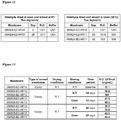
- ProA membrane was soaked for 2 h in 10 wt% trehalose in 0.1 M phosphate buffer at pH 7. Then, the membrane was dried in the oven (50 °C) for another 2 hours. This procedure was studied in some detail to determine the variability of the process and the factors that affect the efficiency of preserving protein A activity.
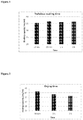
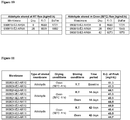
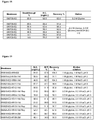
- Shorter soaking time is advantageous in any manufacturing process. Examining soaking time of ProA membrane in trehalose solution prior to drying showed that it was possible to adopt soaking time as short as 10 minutes while preserving the binding activity of the membrane. [Membrane 090824-E2-AR9]. See Figure 1 .
- Drying time can be critical in terms of manufacturing stable membranes that perform consistently. Long drying times put stress on the protein A moieties and may result in structural damages. Although short drying times are desired, incomplete drying (i.e. incomplete removal of water) can damage the membrane in the long run as the residual water molecules allow slow changes in protein structure and possibly result in denaturation. Therefore, any drying process should ensure adequate and efficient removal of water without overstressing the immobilized protein A.
- Trehalose concentration is a critical factor in the drying process, as it controls how much disaccharide can be picked up by the membrane and accordingly dictate the stability of the immobilized protein A.
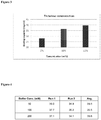
- Three concentrations of trehalose were examined under regular conditions and, as expected, the process that employed higher concentration (15 wt%) resulted in the best results. [Membrane 090824-E2-AR9]. See Figure 3 .
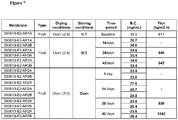
- the membrane showed stable flux whether stored at room temperature or in the oven (50 °C).
- examining the buffer flux through ProA membrane showed that the membrane was insensitive to salt presence in the solution (data not shown).
- the first set includes aldehyde membranes that were dried at room temperature then coupled with protein A.
- the second set includes aldehyde membranes that were dried in the oven (1 hour) at 50 °C and subsequently used for coupling. The stability/validity of the membranes was judged by both binding capacity and flux.
- ProA membranes are designed to selectively capture IgG. It is imperative to ensure selective binding and high recovery of IgG; therefore, work on optimizing the binding and elution conditions was carried out to determine the best conditions and the boundaries of parameters such as pH, flow rate, etc.
- Flow rate controls the amount of time that IgG molecules spend in contact with the membrane surface and, therefore, the binding efficiency. Low flow rates are not desirable for competition reasons and high flow rates can decrease the binding capacity.
- binding was effective over the pH range 6.5 to 8.0. On the other hand, binding was lower at pH 8.0, whether at 10% breakthrough or at saturation.
- Acidic conditions can be detrimental for IgG. Since the elution step is typically carried out at low pH (2.5-3), it is useful to explore higher pHs that allow efficient recovery from a ProA membrane and can be gentler on the eluted IgG.
- a piece of ProA membrane was rolled around a cylindrical body (1.35 cm in diameter) on one face. The membrane was then unwrapped and rolled around the cylinder on its opposite face.
- Immobilization step IgG lyophilized powder (Equitech Inc.) was used to made a solution of 0.5 mg/mL IgG in binding buffer (85 mM sodium acetate, pH 5). 30 mL of that solution was passed at 2 mL/min flow rate through a 25-mm disc of membrane, which was mounted on 25-mm holder. Subsequently, in order to wash unbound protein, 14 mL of binding buffer was passed through the membrane at 1 mL/min flow rate. The effluent solutions from the two steps (30 mL + 14 mL, binding and washing) were collected, and the absorbance at 280 nm was measured to determine the amount of protein present in the solutions. From the absorbance, the amount of protein captured on the membrane was calculated.
- binding buffer 85 mM sodium acetate, pH 5
- a stabilizer solution was made by dissolving 10 wt% of stabilizer in binding buffer (85 mM sodium acetate, pH 5), and 6 mL of that solution was passed through the membrane at 0.5 mL/min flow rate. The flow was stopped and the membrane was allowed to soak for 5 min in the stabilizer solution, after which another 6 mL of the stabilizer solution was passed through the membrane at 1 mL/min flow rate. The total passed solution (6 mL + 6 mL) was collected and UV absorbance (280 nm) was measured to determine any protein leached during this step.
- binding buffer 85 mM sodium acetate, pH 5
- the holder cell was taken apart and membrane disc was removed and mounted on stand, then dried at room temperature with the aid of air flow drier (10-15 min).
- Elution and activity assessment The dry membrane disc was placed onto the holder cell and wetted with few drops of binding solution (85 mM sodium acetate, pH 5) to ensure the proper placement of membrane was achieved. The holder was re-assembled and 12 mL of binding solution was passed through the cell to ensure complete removal of air bubbles. This solution was collected to determine whether any protein was leached during the washing step. Then, a quantity of 12-14 mL of elution solution (0.1 M sodium phosphate, 1 M NaCl, pH 7.2) was passed through the cell and this solution was collected. UV absorbance (280 nm) was measured in order to determine the concentration of protein, the total amount of the eluted protein, and recovery %.
- binding solution 85 mM sodium acetate, pH 5
- the IgG protein concentration in the elution solution was determined.
- the standard was lyophilized IgG powder in solution.
- the ratio of IgG concentration that was determined by activity assay, to the concentration based on UV absorbance represents the active ratio of the IgG protein in the elution solution.
- an IgG powder was dissolved in buffer solution (0.1 M sodium phosphate, 0.15 M NaCl, pH 7.2), then dried over a glass Petri dish at room temperature with the aid of flowing air, and then dissolved again in buffer. Activity was then assessed.
- buffer solution 0.1 M sodium phosphate, 0.15 M NaCl, pH 7.2
- the stabilizer solutions that had been passed through the membrane showed no protein leaching. This shows that it is possible to apply the stabilizer solution without displacing the adsorbed protein from the membrane.
- the pH of the elution solution should be within the range of 6.5-7.5. At such pH, the elution is expected to be easier because both the protein molecules and the membrane will be more negatively charged.
- the concentration of active protein molecules was determined.
- the ratio of this active protein to the total amount of protein can indicate the ratio of activity of the eluted protein.
- the IgG lyophilized powder was used as standard material from which a calibration curve was constructed.
- a control sample was made by drying an IgG solution over a glass Petri-dish at room temperature, with the aid of flowing air. The dried sample was reconstituted in buffer and the activity was determined similar to other samples.
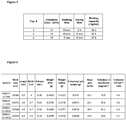
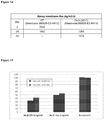
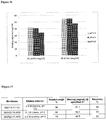
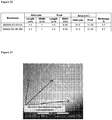
- IgG can be physically immobilized on a membrane and remain biologically active, especially when a stabilizer (such as trehalose or polyethylene glycol) is included in the drying process. See Figure 27 .
- a stabilizer such as trehalose or polyethylene glycol
- IgG protein can be captured and immobilized on a membrane and kept in dry conditions without major loss in protein activity.
- the presence of hydrophilic stabilizers during the drying process can preserve the protein stability.
- the stabilizing agent does not interfere with the physical embodiment of the protein. It is possible to use elution conditions at a pH different than the one used in the binding processes without affecting recovery of the protein.
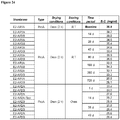
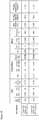
- Figure 28 depicts IgG assay calibration curve. Additional and detailed results for elution using pH 7.2 buffer solution are shown in Figure 29 .
Landscapes
- Health & Medical Sciences (AREA)
- Chemical & Material Sciences (AREA)
- Bioinformatics & Cheminformatics (AREA)
- Engineering & Computer Science (AREA)
- Medicinal Chemistry (AREA)
- Life Sciences & Earth Sciences (AREA)
- General Health & Medical Sciences (AREA)
- Veterinary Medicine (AREA)
- Public Health (AREA)
- Pharmacology & Pharmacy (AREA)
- Animal Behavior & Ethology (AREA)
- Epidemiology (AREA)
- Immunology (AREA)
- General Chemical & Material Sciences (AREA)
- Organic Chemistry (AREA)
- Nuclear Medicine, Radiotherapy & Molecular Imaging (AREA)
- Chemical Kinetics & Catalysis (AREA)
- Microbiology (AREA)
- Mycology (AREA)
- Inorganic Chemistry (AREA)
- Medicinal Preparation (AREA)
- Medicines That Contain Protein Lipid Enzymes And Other Medicines (AREA)
- Medicines Containing Antibodies Or Antigens For Use As Internal Diagnostic Agents (AREA)
- Pharmaceuticals Containing Other Organic And Inorganic Compounds (AREA)
Applications Claiming Priority (2)
| Application Number | Priority Date | Filing Date | Title |
|---|---|---|---|
| US201261588312P | 2012-01-19 | 2012-01-19 | |
| PCT/US2013/022057 WO2013109825A1 (en) | 2012-01-19 | 2013-01-18 | Chromatographic media for storage and delivery of therapeutic biologics and small molecules |
Publications (3)
| Publication Number | Publication Date |
|---|---|
| EP2804634A1 EP2804634A1 (en) | 2014-11-26 |
| EP2804634A4 EP2804634A4 (en) | 2015-07-22 |
| EP2804634B1 true EP2804634B1 (en) | 2019-08-28 |
Family
ID=48797397
Family Applications (1)
| Application Number | Title | Priority Date | Filing Date |
|---|---|---|---|
| EP13739077.9A Active EP2804634B1 (en) | 2012-01-19 | 2013-01-18 | Chromatographic media for storage and delivery of therapeutic biologics and small molecules |
Country Status (10)
| Country | Link |
|---|---|
| US (2) | US20130189322A1 (enExample) |
| EP (1) | EP2804634B1 (enExample) |
| JP (2) | JP6552822B2 (enExample) |
| KR (1) | KR102113296B1 (enExample) |
| AU (1) | AU2013209620B2 (enExample) |
| CA (2) | CA3124806C (enExample) |
| DK (1) | DK2804634T3 (enExample) |
| ES (1) | ES2750211T3 (enExample) |
| IN (1) | IN2014DN06817A (enExample) |
| WO (1) | WO2013109825A1 (enExample) |
Families Citing this family (8)
| Publication number | Priority date | Publication date | Assignee | Title |
|---|---|---|---|---|
| MY178616A (en) | 2012-09-17 | 2020-10-19 | Grace W R & Co | Chromatography media and devices |
| US9738683B2 (en) | 2013-07-25 | 2017-08-22 | Bio-Rad Laboratories, Inc. | Enhanced functionality and delivery of a protein from a porous substrate |
| FR3012978A1 (fr) * | 2013-11-12 | 2015-05-15 | Biocarecell | Filtre biocompatible et procede de fabrication d'un filtre biocompatible. |
| JP6853670B2 (ja) | 2014-01-16 | 2021-04-07 | ダブリュー・アール・グレース・アンド・カンパニー−コーンW R Grace & Co−Conn | 親和性クロマトグラフィー媒体及びクロマトグラフィーデバイス |
| JP6914189B2 (ja) | 2014-05-02 | 2021-08-04 | ダブリュー・アール・グレース・アンド・カンパニー−コーンW R Grace & Co−Conn | 官能化担体材料並びに官能化担体材料を作製及び使用する方法 |
| IS3008B (is) * | 2014-05-14 | 2018-12-15 | Calor ehf | Stöðgandi lausnir fyrir prótín og peptíð |
| CN107921407B (zh) | 2015-06-05 | 2022-07-05 | 格雷斯公司 | 生物处理吸附澄清剂及其制备和使用方法 |
| CA3097058A1 (en) * | 2018-04-16 | 2019-10-24 | Merck Patent Gmbh | Additives for protein formulations to improve thermal stability |
Family Cites Families (16)
| Publication number | Priority date | Publication date | Assignee | Title |
|---|---|---|---|---|
| US5059654A (en) * | 1983-02-14 | 1991-10-22 | Cuno Inc. | Affinity matrices of modified polysaccharide supports |
| JPH0779694B2 (ja) * | 1985-07-09 | 1995-08-30 | カドラント バイオリソ−シズ リミテツド | 蛋白質および同類品の保護 |
| CA2073511A1 (en) * | 1990-11-14 | 1992-05-29 | Matthew R. Callstrom | Conjugates of poly(vinylsaccharide) with proteins for the stabilization of proteins |
| US5159049A (en) * | 1991-04-22 | 1992-10-27 | Allen Robert C | Method for stabilizing polyacrylamide gels |
| US5583162A (en) * | 1994-06-06 | 1996-12-10 | Biopore Corporation | Polymeric microbeads and method of preparation |
| US6284282B1 (en) * | 1998-04-29 | 2001-09-04 | Genentech, Inc. | Method of spray freeze drying proteins for pharmaceutical administration |
| SE9904475D0 (sv) * | 1999-12-08 | 1999-12-08 | Artursson | Nucleic acid delivery system |
| US6896894B2 (en) * | 2001-10-30 | 2005-05-24 | Battelle Memorial Institute | Proteins stabilized with polysaccharide gums |
| NZ535008A (en) * | 2002-02-08 | 2005-09-30 | Alkermes Inc | Polymer-based compositions for sustained release |
| US20040137004A1 (en) * | 2002-03-19 | 2004-07-15 | Glenn Gregory M | Patch for transcutaneous immunization |
| US6666281B2 (en) | 2002-03-19 | 2003-12-23 | Deere & Company | Bearing guard for a ground-working implement |
| EP2143482A1 (en) * | 2003-02-19 | 2010-01-13 | Natrix Separations Inc. | Composite materials comprising supported porous gels |
| US7785769B2 (en) * | 2003-07-25 | 2010-08-31 | The United States of America as reprsented by the Secretary of the Navy | Immobilization of oligonucleotides and proteins in sugar-containing hydrogels |
| EP1758671B9 (en) | 2004-04-08 | 2014-02-19 | Natrix Separations Inc. | Membrane stacks |
| EP2168975A3 (en) * | 2004-05-24 | 2012-01-11 | Genvault Corporation | Method of stably storing biomolecules in recoverable form |
| JP4806401B2 (ja) * | 2004-06-07 | 2011-11-02 | ナトリックス セパレイションズ インコーポレーテッド | 支持型多孔質ゲルを含む安定な複合材料 |
-
2013
- 2013-01-18 WO PCT/US2013/022057 patent/WO2013109825A1/en not_active Ceased
- 2013-01-18 CA CA3124806A patent/CA3124806C/en active Active
- 2013-01-18 JP JP2014553432A patent/JP6552822B2/ja active Active
- 2013-01-18 ES ES13739077T patent/ES2750211T3/es active Active
- 2013-01-18 EP EP13739077.9A patent/EP2804634B1/en active Active
- 2013-01-18 US US13/744,583 patent/US20130189322A1/en not_active Abandoned
- 2013-01-18 DK DK13739077T patent/DK2804634T3/da active
- 2013-01-18 AU AU2013209620A patent/AU2013209620B2/en active Active
- 2013-01-18 KR KR1020147022518A patent/KR102113296B1/ko active Active
- 2013-01-18 CA CA2861932A patent/CA2861932C/en active Active
- 2013-01-18 IN IN6817DEN2014 patent/IN2014DN06817A/en unknown
-
2018
- 2018-09-20 JP JP2018175774A patent/JP2019011341A/ja active Pending
-
2019
- 2019-09-04 US US16/560,370 patent/US20200069602A1/en not_active Abandoned
Non-Patent Citations (1)
| Title |
|---|
| None * |
Also Published As
| Publication number | Publication date |
|---|---|
| IN2014DN06817A (enExample) | 2015-05-22 |
| DK2804634T3 (da) | 2019-11-04 |
| JP2019011341A (ja) | 2019-01-24 |
| WO2013109825A1 (en) | 2013-07-25 |
| US20130189322A1 (en) | 2013-07-25 |
| AU2013209620B2 (en) | 2017-06-15 |
| JP2015504092A (ja) | 2015-02-05 |
| US20200069602A1 (en) | 2020-03-05 |
| EP2804634A1 (en) | 2014-11-26 |
| CA3124806A1 (en) | 2013-07-27 |
| KR20140117529A (ko) | 2014-10-07 |
| AU2013209620A1 (en) | 2014-08-28 |
| KR102113296B1 (ko) | 2020-06-02 |
| ES2750211T3 (es) | 2020-03-25 |
| EP2804634A4 (en) | 2015-07-22 |
| CA3124806C (en) | 2023-09-26 |
| JP6552822B2 (ja) | 2019-07-31 |
| CA2861932A1 (en) | 2013-07-27 |
| CA2861932C (en) | 2021-09-14 |
Similar Documents
| Publication | Publication Date | Title |
|---|---|---|
| US20200069602A1 (en) | Chromatographic media for storage and delivery of therapeutic biologics and small molecules | |
| EP1617936B1 (en) | Composite materials comprising supported porous gels | |
| AU2010317563B2 (en) | Hydrophobic interaction chromatography membranes, and methods of use thereof | |
| KR20200130387A (ko) | 마크로보이드들을 갖는 이소포러스 메조포러스 비대칭 블록 코폴리머 재료들 및 이의 제조 방법 | |
| JP2009057578A (ja) | ポリマーマイクロビーズ及びその製造方法 | |
| US20140273158A1 (en) | Chromatography Membranes Stable Under Caustic Conditions | |
| Fernandes et al. | Biobased monoliths for adenovirus purification | |
| EP4028704B1 (en) | Supercritical drying of chromatographic media | |
| EP2646146A1 (en) | Buffering compositions enclosed in a size exclusion matrix |
Legal Events
| Date | Code | Title | Description |
|---|---|---|---|
| PUAI | Public reference made under article 153(3) epc to a published international application that has entered the european phase |
Free format text: ORIGINAL CODE: 0009012 |
|
| 17P | Request for examination filed |
Effective date: 20140812 |
|
| AK | Designated contracting states |
Kind code of ref document: A1 Designated state(s): AL AT BE BG CH CY CZ DE DK EE ES FI FR GB GR HR HU IE IS IT LI LT LU LV MC MK MT NL NO PL PT RO RS SE SI SK SM TR |
|
| DAX | Request for extension of the european patent (deleted) | ||
| RA4 | Supplementary search report drawn up and despatched (corrected) |
Effective date: 20150618 |
|
| RIC1 | Information provided on ipc code assigned before grant |
Ipc: G01N 33/544 20060101ALI20150612BHEP Ipc: A61K 39/395 20060101ALI20150612BHEP Ipc: A61K 9/08 20060101ALI20150612BHEP Ipc: A61K 47/30 20060101AFI20150612BHEP Ipc: A61K 9/16 20060101ALI20150612BHEP |
|
| STAA | Information on the status of an ep patent application or granted ep patent |
Free format text: STATUS: EXAMINATION IS IN PROGRESS |
|
| 17Q | First examination report despatched |
Effective date: 20170508 |
|
| GRAP | Despatch of communication of intention to grant a patent |
Free format text: ORIGINAL CODE: EPIDOSNIGR1 |
|
| STAA | Information on the status of an ep patent application or granted ep patent |
Free format text: STATUS: GRANT OF PATENT IS INTENDED |
|
| INTG | Intention to grant announced |
Effective date: 20190426 |
|
| GRAS | Grant fee paid |
Free format text: ORIGINAL CODE: EPIDOSNIGR3 |
|
| GRAA | (expected) grant |
Free format text: ORIGINAL CODE: 0009210 |
|
| STAA | Information on the status of an ep patent application or granted ep patent |
Free format text: STATUS: THE PATENT HAS BEEN GRANTED |
|
| AK | Designated contracting states |
Kind code of ref document: B1 Designated state(s): AL AT BE BG CH CY CZ DE DK EE ES FI FR GB GR HR HU IE IS IT LI LT LU LV MC MK MT NL NO PL PT RO RS SE SI SK SM TR |
|
| REG | Reference to a national code |
Ref country code: GB Ref legal event code: FG4D |
|
| REG | Reference to a national code |
Ref country code: CH Ref legal event code: EP |
|
| REG | Reference to a national code |
Ref country code: AT Ref legal event code: REF Ref document number: 1171547 Country of ref document: AT Kind code of ref document: T Effective date: 20190915 |
|
| REG | Reference to a national code |
Ref country code: IE Ref legal event code: FG4D |
|
| REG | Reference to a national code |
Ref country code: DE Ref legal event code: R096 Ref document number: 602013059731 Country of ref document: DE |
|
| REG | Reference to a national code |
Ref country code: DE Ref legal event code: R081 Ref document number: 602013059731 Country of ref document: DE Owner name: MERCK MILLIPORE LTD., CARRIGTWOHILL, IE Free format text: FORMER OWNER: NATRIX SEPARATIONS INC., BURLINGTON, ONTARIO, CA |
|
| REG | Reference to a national code |
Ref country code: DK Ref legal event code: T3 Effective date: 20191029 |
|
| RAP2 | Party data changed (patent owner data changed or rights of a patent transferred) |
Owner name: MERCK MILLIPORE LTD. |
|
| REG | Reference to a national code |
Ref country code: SE Ref legal event code: TRGR |
|
| REG | Reference to a national code |
Ref country code: NL Ref legal event code: FP Ref country code: NL Ref legal event code: PD Owner name: MERCK MILLIPORE LTD.; IE Free format text: DETAILS ASSIGNMENT: CHANGE OF OWNER(S), ASSIGNMENT; FORMER OWNER NAME: NATRIX SEPARATIONS INC. Effective date: 20191025 |
|
| REG | Reference to a national code |
Ref country code: CH Ref legal event code: NV Representative=s name: MICHELI AND CIE SA, CH |
|
| REG | Reference to a national code |
Ref country code: BE Ref legal event code: PD Owner name: MERCK MILLIPORE LTD.; IE Free format text: DETAILS ASSIGNMENT: CHANGE OF OWNER(S), CESSION; FORMER OWNER NAME: NATRIX SEPARATIONS INC. Effective date: 20191120 |
|
| REG | Reference to a national code |
Ref country code: LT Ref legal event code: MG4D |
|
| REG | Reference to a national code |
Ref country code: GB Ref legal event code: 732E Free format text: REGISTERED BETWEEN 20191219 AND 20191224 Ref country code: AT Ref legal event code: PC Ref document number: 1171547 Country of ref document: AT Kind code of ref document: T Owner name: MERCK MILLIPORE LTD., IE Effective date: 20191127 |
|
| PG25 | Lapsed in a contracting state [announced via postgrant information from national office to epo] |
Ref country code: NO Free format text: LAPSE BECAUSE OF FAILURE TO SUBMIT A TRANSLATION OF THE DESCRIPTION OR TO PAY THE FEE WITHIN THE PRESCRIBED TIME-LIMIT Effective date: 20191128 Ref country code: BG Free format text: LAPSE BECAUSE OF FAILURE TO SUBMIT A TRANSLATION OF THE DESCRIPTION OR TO PAY THE FEE WITHIN THE PRESCRIBED TIME-LIMIT Effective date: 20191128 Ref country code: HR Free format text: LAPSE BECAUSE OF FAILURE TO SUBMIT A TRANSLATION OF THE DESCRIPTION OR TO PAY THE FEE WITHIN THE PRESCRIBED TIME-LIMIT Effective date: 20190828 Ref country code: FI Free format text: LAPSE BECAUSE OF FAILURE TO SUBMIT A TRANSLATION OF THE DESCRIPTION OR TO PAY THE FEE WITHIN THE PRESCRIBED TIME-LIMIT Effective date: 20190828 Ref country code: LT Free format text: LAPSE BECAUSE OF FAILURE TO SUBMIT A TRANSLATION OF THE DESCRIPTION OR TO PAY THE FEE WITHIN THE PRESCRIBED TIME-LIMIT Effective date: 20190828 Ref country code: PT Free format text: LAPSE BECAUSE OF FAILURE TO SUBMIT A TRANSLATION OF THE DESCRIPTION OR TO PAY THE FEE WITHIN THE PRESCRIBED TIME-LIMIT Effective date: 20191230 |
|
| PG25 | Lapsed in a contracting state [announced via postgrant information from national office to epo] |
Ref country code: AL Free format text: LAPSE BECAUSE OF FAILURE TO SUBMIT A TRANSLATION OF THE DESCRIPTION OR TO PAY THE FEE WITHIN THE PRESCRIBED TIME-LIMIT Effective date: 20190828 Ref country code: LV Free format text: LAPSE BECAUSE OF FAILURE TO SUBMIT A TRANSLATION OF THE DESCRIPTION OR TO PAY THE FEE WITHIN THE PRESCRIBED TIME-LIMIT Effective date: 20190828 Ref country code: IS Free format text: LAPSE BECAUSE OF FAILURE TO SUBMIT A TRANSLATION OF THE DESCRIPTION OR TO PAY THE FEE WITHIN THE PRESCRIBED TIME-LIMIT Effective date: 20191228 Ref country code: RS Free format text: LAPSE BECAUSE OF FAILURE TO SUBMIT A TRANSLATION OF THE DESCRIPTION OR TO PAY THE FEE WITHIN THE PRESCRIBED TIME-LIMIT Effective date: 20190828 Ref country code: GR Free format text: LAPSE BECAUSE OF FAILURE TO SUBMIT A TRANSLATION OF THE DESCRIPTION OR TO PAY THE FEE WITHIN THE PRESCRIBED TIME-LIMIT Effective date: 20191129 |
|
| REG | Reference to a national code |
Ref country code: ES Ref legal event code: FG2A Ref document number: 2750211 Country of ref document: ES Kind code of ref document: T3 Effective date: 20200325 |
|
| PG25 | Lapsed in a contracting state [announced via postgrant information from national office to epo] |
Ref country code: TR Free format text: LAPSE BECAUSE OF FAILURE TO SUBMIT A TRANSLATION OF THE DESCRIPTION OR TO PAY THE FEE WITHIN THE PRESCRIBED TIME-LIMIT Effective date: 20190828 |
|
| PG25 | Lapsed in a contracting state [announced via postgrant information from national office to epo] |
Ref country code: RO Free format text: LAPSE BECAUSE OF FAILURE TO SUBMIT A TRANSLATION OF THE DESCRIPTION OR TO PAY THE FEE WITHIN THE PRESCRIBED TIME-LIMIT Effective date: 20190828 Ref country code: PL Free format text: LAPSE BECAUSE OF FAILURE TO SUBMIT A TRANSLATION OF THE DESCRIPTION OR TO PAY THE FEE WITHIN THE PRESCRIBED TIME-LIMIT Effective date: 20190828 Ref country code: EE Free format text: LAPSE BECAUSE OF FAILURE TO SUBMIT A TRANSLATION OF THE DESCRIPTION OR TO PAY THE FEE WITHIN THE PRESCRIBED TIME-LIMIT Effective date: 20190828 |
|
| PG25 | Lapsed in a contracting state [announced via postgrant information from national office to epo] |
Ref country code: IS Free format text: LAPSE BECAUSE OF FAILURE TO SUBMIT A TRANSLATION OF THE DESCRIPTION OR TO PAY THE FEE WITHIN THE PRESCRIBED TIME-LIMIT Effective date: 20200224 Ref country code: SM Free format text: LAPSE BECAUSE OF FAILURE TO SUBMIT A TRANSLATION OF THE DESCRIPTION OR TO PAY THE FEE WITHIN THE PRESCRIBED TIME-LIMIT Effective date: 20190828 Ref country code: SK Free format text: LAPSE BECAUSE OF FAILURE TO SUBMIT A TRANSLATION OF THE DESCRIPTION OR TO PAY THE FEE WITHIN THE PRESCRIBED TIME-LIMIT Effective date: 20190828 Ref country code: CZ Free format text: LAPSE BECAUSE OF FAILURE TO SUBMIT A TRANSLATION OF THE DESCRIPTION OR TO PAY THE FEE WITHIN THE PRESCRIBED TIME-LIMIT Effective date: 20190828 |
|
| REG | Reference to a national code |
Ref country code: DE Ref legal event code: R097 Ref document number: 602013059731 Country of ref document: DE |
|
| PLBE | No opposition filed within time limit |
Free format text: ORIGINAL CODE: 0009261 |
|
| STAA | Information on the status of an ep patent application or granted ep patent |
Free format text: STATUS: NO OPPOSITION FILED WITHIN TIME LIMIT |
|
| PG2D | Information on lapse in contracting state deleted |
Ref country code: IS |
|
| 26N | No opposition filed |
Effective date: 20200603 |
|
| PG25 | Lapsed in a contracting state [announced via postgrant information from national office to epo] |
Ref country code: MC Free format text: LAPSE BECAUSE OF FAILURE TO SUBMIT A TRANSLATION OF THE DESCRIPTION OR TO PAY THE FEE WITHIN THE PRESCRIBED TIME-LIMIT Effective date: 20190828 Ref country code: SI Free format text: LAPSE BECAUSE OF FAILURE TO SUBMIT A TRANSLATION OF THE DESCRIPTION OR TO PAY THE FEE WITHIN THE PRESCRIBED TIME-LIMIT Effective date: 20190828 |
|
| PG25 | Lapsed in a contracting state [announced via postgrant information from national office to epo] |
Ref country code: LU Free format text: LAPSE BECAUSE OF NON-PAYMENT OF DUE FEES Effective date: 20200118 |
|
| PG25 | Lapsed in a contracting state [announced via postgrant information from national office to epo] |
Ref country code: MT Free format text: LAPSE BECAUSE OF FAILURE TO SUBMIT A TRANSLATION OF THE DESCRIPTION OR TO PAY THE FEE WITHIN THE PRESCRIBED TIME-LIMIT Effective date: 20190828 Ref country code: CY Free format text: LAPSE BECAUSE OF FAILURE TO SUBMIT A TRANSLATION OF THE DESCRIPTION OR TO PAY THE FEE WITHIN THE PRESCRIBED TIME-LIMIT Effective date: 20190828 |
|
| PG25 | Lapsed in a contracting state [announced via postgrant information from national office to epo] |
Ref country code: MK Free format text: LAPSE BECAUSE OF FAILURE TO SUBMIT A TRANSLATION OF THE DESCRIPTION OR TO PAY THE FEE WITHIN THE PRESCRIBED TIME-LIMIT Effective date: 20190828 |
|
| REG | Reference to a national code |
Ref country code: AT Ref legal event code: UEP Ref document number: 1171547 Country of ref document: AT Kind code of ref document: T Effective date: 20190828 |
|
| P01 | Opt-out of the competence of the unified patent court (upc) registered |
Effective date: 20230602 |
|
| PGFP | Annual fee paid to national office [announced via postgrant information from national office to epo] |
Ref country code: GB Payment date: 20251219 Year of fee payment: 14 |
|
| PGFP | Annual fee paid to national office [announced via postgrant information from national office to epo] |
Ref country code: DK Payment date: 20251217 Year of fee payment: 14 |
|
| PGFP | Annual fee paid to national office [announced via postgrant information from national office to epo] |
Ref country code: NL Payment date: 20251217 Year of fee payment: 14 Ref country code: FR Payment date: 20251217 Year of fee payment: 14 |
|
| PGFP | Annual fee paid to national office [announced via postgrant information from national office to epo] |
Ref country code: BE Payment date: 20251217 Year of fee payment: 14 |
|
| PGFP | Annual fee paid to national office [announced via postgrant information from national office to epo] |
Ref country code: SE Payment date: 20251217 Year of fee payment: 14 |
|
| PGFP | Annual fee paid to national office [announced via postgrant information from national office to epo] |
Ref country code: IE Payment date: 20251218 Year of fee payment: 14 |
|
| REG | Reference to a national code |
Ref country code: CH Ref legal event code: U11 Free format text: ST27 STATUS EVENT CODE: U-0-0-U10-U11 (AS PROVIDED BY THE NATIONAL OFFICE) Effective date: 20260201 |
|
| PGFP | Annual fee paid to national office [announced via postgrant information from national office to epo] |
Ref country code: ES Payment date: 20260202 Year of fee payment: 14 |
|
| PGFP | Annual fee paid to national office [announced via postgrant information from national office to epo] |
Ref country code: DE Payment date: 20251217 Year of fee payment: 14 |
|
| PGFP | Annual fee paid to national office [announced via postgrant information from national office to epo] |
Ref country code: AT Payment date: 20251218 Year of fee payment: 14 |
|
| PGFP | Annual fee paid to national office [announced via postgrant information from national office to epo] |
Ref country code: IT Payment date: 20260107 Year of fee payment: 14 |
|
| PGFP | Annual fee paid to national office [announced via postgrant information from national office to epo] |
Ref country code: CH Payment date: 20260201 Year of fee payment: 14 |