EP2803175B1 - Dateneinheitsformat für einzelbenutzerstrahlformung in drahtlosen lokalen netzwerken mit grosser reichweite (wlans) - Google Patents
Dateneinheitsformat für einzelbenutzerstrahlformung in drahtlosen lokalen netzwerken mit grosser reichweite (wlans) Download PDFInfo
- Publication number
- EP2803175B1 EP2803175B1 EP13722047.1A EP13722047A EP2803175B1 EP 2803175 B1 EP2803175 B1 EP 2803175B1 EP 13722047 A EP13722047 A EP 13722047A EP 2803175 B1 EP2803175 B1 EP 2803175B1
- Authority
- EP
- European Patent Office
- Prior art keywords
- data unit
- preamble
- field
- preamble portion
- sig field
- Prior art date
- Legal status (The legal status is an assumption and is not a legal conclusion. Google has not performed a legal analysis and makes no representation as to the accuracy of the status listed.)
- Active
Links
Images


Classifications
-
- H—ELECTRICITY
- H04—ELECTRIC COMMUNICATION TECHNIQUE
- H04L—TRANSMISSION OF DIGITAL INFORMATION, e.g. TELEGRAPHIC COMMUNICATION
- H04L5/00—Arrangements affording multiple use of the transmission path
- H04L5/0001—Arrangements for dividing the transmission path
- H04L5/0014—Three-dimensional division
- H04L5/0023—Time-frequency-space
-
- H—ELECTRICITY
- H04—ELECTRIC COMMUNICATION TECHNIQUE
- H04L—TRANSMISSION OF DIGITAL INFORMATION, e.g. TELEGRAPHIC COMMUNICATION
- H04L27/00—Modulated-carrier systems
- H04L27/26—Systems using multi-frequency codes
- H04L27/2601—Multicarrier modulation systems
- H04L27/2602—Signal structure
- H04L27/2603—Signal structure ensuring backward compatibility with legacy system
-
- H—ELECTRICITY
- H04—ELECTRIC COMMUNICATION TECHNIQUE
- H04L—TRANSMISSION OF DIGITAL INFORMATION, e.g. TELEGRAPHIC COMMUNICATION
- H04L27/00—Modulated-carrier systems
- H04L27/26—Systems using multi-frequency codes
- H04L27/2601—Multicarrier modulation systems
- H04L27/2602—Signal structure
- H04L27/261—Details of reference signals
- H04L27/2613—Structure of the reference signals
-
- H—ELECTRICITY
- H04—ELECTRIC COMMUNICATION TECHNIQUE
- H04L—TRANSMISSION OF DIGITAL INFORMATION, e.g. TELEGRAPHIC COMMUNICATION
- H04L65/00—Network arrangements, protocols or services for supporting real-time applications in data packet communication
-
- H—ELECTRICITY
- H04—ELECTRIC COMMUNICATION TECHNIQUE
- H04W—WIRELESS COMMUNICATION NETWORKS
- H04W84/00—Network topologies
- H04W84/02—Hierarchically pre-organised networks, e.g. paging networks, cellular networks, WLAN [Wireless Local Area Network] or WLL [Wireless Local Loop]
- H04W84/10—Small scale networks; Flat hierarchical networks
- H04W84/12—WLAN [Wireless Local Area Networks]
Definitions
- the present disclosure relates generally to communication networks and, more particularly, to long-range wireless local area networks.
- WLANs When operating in an infrastructure mode, wireless local area networks (WLANs) typically include an access point (AP) and one or more client stations. WLANs have evolved rapidly over the past decade. Development of WLAN standards such as the Institute for Electrical and Electronics Engineers (IEEE) 802.11a, 802.11b, 802.11g, and 802.11n Standards has improved single-user peak data throughput.
- IEEE Institute for Electrical and Electronics Engineers
- the IEEE 802.11b Standard specifies a single-user peak throughput of 11 megabits per second (Mbps)
- the IEEE 802.11a and 802.11g Standards specify a single-user peak throughput of 54 Mbps
- the IEEE 802.11n Standard specifies a single-user peak throughput of 600 Mbps
- the IEEE 802.11ac Standard specifies a single-user peak throughput in the gigabits per second (Gbps) range.
- IEEE 802.11ah will specify wireless network operation in sub-1GHz frequencies.
- Low frequency communication channels are generally characterized by better propagation qualities and extended propagation ranges compared to transmission at higher frequencies.
- sub-1 GHz ranges have not been utilized for wireless communication networks because such frequencies were reserved for other applications (e.g., licensed TV frequency bands, radio frequency band, etc.).
- the IEEE 802.11ah Standard will specify wireless operation in available unlicensed sub-1GHz frequency bands.
- US 2010/0260159 A1 relates to wireless local area networks that utilize orthogonal frequency division multiplexing.
- a preamble of the data unit is generated.
- the preamble includes a first field having information that indicates a duration of the data unit, the first field being formatted such that the first field is decodable by a receiver device that conforms to a second communication protocol but does not conform to the first communication protocol to determine the duration of the data unit based on the first field.
- the preamble is formatted such that a portion of the preamble is decodable by a receiver device that conforms to a third communication protocol but does not conform to the first communication protocol. Also, the preamble is formatted such that a receiver device that conforms to the first communication protocol can determine that the data unit conforms to the first communication protocol. A data portion of the data unit that conforms to the first communications protocol and does not conform to either (i) the second communication protocol or (ii) the third communication protocol is generated.
- a wireless network device such as an access point (AP) of a wireless local area network (WLAN) transmits data streams to one or more client stations.
- the AP is configured to operate with client stations according to a communication protocol.
- the communication protocol defines operation in a sub-1 GHz frequency range, and is typically used for applications requiring long range wireless communication with relatively low data rates (e.g., IEEE 802.11ah).
- Example formats of physical layer (PHY) data units of such a protocol are described in U.S. Patent Application No. 13/359,336 , "Physical Layer Frame Format For Long Range WLAN.”
- the communication protocol specifies both a first PHY mode (referred to herein as a "normal mode”) for larger data rates, and a second PHY mode (referred to herein as a "low rate mode”) for lower data rates.
- a lower data rate mode may be used to further extend the communication range, for example, and generally improves receiver sensitivity (or sensitivity gain).
- the low rate mode utilizes not only a lower data rate, but also a lower channel bandwidth, as compared to the normal mode.
- low bandwidth mode data units are generated using a 32-point inverse discrete Fourier transform (IDFT) for transmission over a 1 MHz bandwidth
- normal mode data units are generated using a 64-point or larger IDFT for transmission over a 2 MHz or greater bandwidth, where both low bandwidth mode and normal mode data units are generated using the same clock rate.
- Example formats of low rate mode data units (including low bandwidth mode data units), and the generation of such data units, according to various embodiments, are described in U.S. Patent Application No. 13/366,064 , "Control Mode PHY for WLAN," and U.S. Patent Application No. 13/494,505 , "Low Bandwidth PHY for WLAN.”
- Low bandwidth mode communications are generally more robust than normal mode communications, having a sensitivity gain that supports extended range communications.
- a transmitting device such as an AP or client station is capable of beamforming transmitted data units.
- beamforming and “beamformed” generally refer to transmit-side beamforming (i.e., applying a beamforming steering matrix at the transmitting device) rather than receive-side beamforming.
- the transmitting device supports both single-user (SU) operation and multi-user, multiple-input multiple-output (MU-MIMO) operation, similar to the SU and MU-MIMO operation as defined under IEEE 802.11ac.
- SU single-user
- MU-MIMO multi-user, multiple-input multiple-output
- MU-MIMO operation is referred to herein simply as MU operation.
- SU data units While MU operation inherently utilizes beamforming, SU data units generally may be either beamformed (SU-BF data units) or non-beamformed (i.e., "open loop," or SU-OL data units).
- the transmitting device is capable of generating both SU-BF data units and MU data units when in normal mode.
- the transmitting device For MU data units, the transmitting device utilizes a preamble format that includes a first, non-beamformed portion intended for all of the multiple users (generally referred to herein as an "omni" portion, although the portion may be transmitted via a directional antenna or antenna array), and a second portion with various fields (e.g., long training fields) that are beamformed using a different beamforming steering matrix for each user.
- the transmitting device utilizes a different, shorter preamble format to transmit SU-BF data units, where the omni portion of the preamble is omitted and an entirety of the preamble is beamformed.
- a receiving device can properly set an automatic gain control (AGC) level based on the first received field of the preamble, for example.
- AGC automatic gain control
- Beamforming the entire SU-BF data unit can cause other devices (e.g., devices located in a direction orthogonal to the beamformed transmission) to fail to detect and/or decode any portion of the SU-BF data unit. This can result in the classic "hidden node" problem, in which multiple devices (e.g., client stations) attempt to communicate with another device (e.g., an AP) at the same time, causing interference.
- the transmitting device instead generates SU-BF data units utilizing a longer preamble format with both non-beamformed (omni) and beamformed portions, similar to the MU data unit preamble format.
- the omni portion allows devices other than the intended recipient of the data unit to detect the SU-BF data unit, and/or to decode information in the SU-BF data unit preamble that indicates a duration of a data portion of the SU-BF data unit, for example.
- one or more orthogonal frequency division multiplexing (OFDM) symbols of the preamble of each data unit is/are modulated using a symbol constellation rotation that indicates whether the longer preamble format (with both omni and beamformed portions) or the shorter preamble format is used for the data unit.
- the omni portion of the preamble includes a field with information that indicates to a receiving device whether the data unit is an MU data unit or an SU-BF data unit.
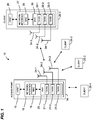
- Fig. 1 is a block diagram of an example WLAN 10 including an AP 14, according to an embodiment.
- the AP 14 includes a host processor 15 coupled to a network interface 16.
- the network interface 16 includes a medium access control (MAC) processing unit 18 and a physical layer (PHY) processing unit 20.
- the PHY processing unit 20 includes a plurality of transceivers 21, and the transceivers 21 are coupled to a plurality of antennas 24. Although three transceivers 21 and three antennas 24 are illustrated in Fig. 1 , the AP 14 can include different numbers (e.g., one, two, four, five, etc.) of transceivers 21 and antennas 24 in other embodiments.
- the WLAN 10 further includes a plurality of client stations 25. Although four client stations 25 are illustrated in Fig. 1 , the WLAN 10 can include different numbers (e.g., one, two, three, five, six, etc.) of client stations 25 in various scenarios and embodiments.
- Each of the client stations 25-1 through 25-4 is configured to operate at least according to a long range communication protocol. In some embodiments, one or more the client stations 25-1 through 25-4 is also configured to operate according to one or more of short range communication protocols.
- the client station 25-1 includes a host processor 26 coupled to a network interface 27.
- the network interface 27 includes a MAC processing unit 28 and a PHY processing unit 29.
- the PHY processing unit 29 includes a plurality of transceivers 30, and the transceivers 30 are coupled to a plurality of antennas 34.
- the client station 25-1 can include different numbers (e.g., one, two, four, five, etc.) of transceivers 30 and antennas 34 in other embodiments.
- one, some, or all of the client stations 25-2, 25-3, and 25-4 has/have a structure the same as or similar to the client station 25-1.
- the client stations 25 that are structured the same as or similar to the client station 25-1 have the same or a different number of transceivers and antennas.
- the client station 25-2 has only two transceivers and two antennas (not shown in Fig. 1 ), according to an embodiment.
- the PHY processing unit 20 of the AP 14 is configured to generate data units that conform to a long range communication protocol. More specifically, in some embodiments, the PHY processing unit 20 is configured to selectively generate both normal mode and low bandwidth mode data units that conform to the long range communication protocol.
- the PHY processing unit 20 is further configured to support both SU and MU operation that is similar to the SU and MU operation defined under the IEEE 802.11ac standard, in an embodiment.
- the PHY processing unit 20 is configured to selectively generate both SU data units intended for a single user (e.g., only client station 25-1), and MU data units intended for multiple users (e.g., two or more of client stations 25-1 through 25-4).
- MU transmissions use a "Group ID" to indicate which client stations are associated with a particular MU data unit sent by the AP 14, with Group IDs being assigned during group formation.
- the PHY processing unit 20 is configured to generate SU data units when in either normal mode or low bandwidth mode, but can only generate MU data units when in normal mode. In other embodiments, the PHY processing unit 20 is configured to generate SU data units and MU data units both when in normal mode and when in low bandwidth mode. Further, in an embodiment, the PHY processing unit 20 is configured to generate both SU-BF data units and SU-OL data units. In some embodiments, the PHY processing unit 20 is configured to generate SU-OL data units when in either normal mode or low bandwidth mode, but can only generate SU-BF data units when in normal mode. In other embodiments, the PHY processing unit 20 is configured to generate SU-OL and SU-BF data units both when in normal mode and when in low bandwidth mode.
- the transceiver(s) 21 of the AP 14 is/are configured to transmit the generated data units via the antenna(s) 24.
- the transceiver(s) 21 is/are also configured to receive data units via the antenna(s) 24, and the PHY processing unit 20 of the AP 14 is further configured to process received data units conforming to the long range communication protocol.
- the PHY processing unit 29 of the client station 25-1 is also configured to generate data units, and/or process received data units, conforming to the long range communication protocol. In some embodiments, however, the PHY processing unit 29 is not configured to generate MU data units, and/or is not configured to generate SU-BF data units.
- the transceiver(s) 30 is/are configured to transmit the generated data units via the antenna(s) 34, and/or receive data units via the antenna(s) 34.
- a transmitting device such as the AP 14 may send a "sounding" packet to a receiving device such as the client station 25-1, and the receiving device may process the sounding packet in order to derive channel information. Coefficients for the steering matrix may then be calculated at the receiving device based on that channel information, and sent back to the transmitting device.
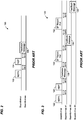
- Figs. 2 and 3 shows prior art sounding techniques defined by the IEEE 802.11ac standard, which in some embodiments are also utilized by the WLAN 10 of Fig. 1 to support beamforming under the long range communication protocol.
- the "Beamformer" of Figs. 2 and 3 is the AP 14 of Fig. 1
- the "Beamformee” of Fig. 2 is the client station 25-1 of Fig. 1
- "Beamformees #1-#3" of Fig. 3 are the client stations 25-1 through 25-3, respectively, of Fig. 1 .
- Fig. 2 shows a prior art sounding technique 100 for SU beamforming.
- the beamformer sends a "null data packet announcement" (NDPA) packet 102 to a beamformee (i.e., to an intended recipient of a beamformed transmission).
- NDPA "null data packet announcement”
- the beamformer sends a "null data packet” (NDP) 104, which serves as a sounding packet, to the beamformee.
- NDP "null data packet”
- the beamformee processes the NDP 104 to calculate beamforming coefficients, and sends the coefficients back to the beamformer within feedback message 106.
- the beamformer then computes a steering vector to be used for beamformed transmissions to the beamformee.
- Fig. 3 shows a prior art sounding technique 120 for MU beamforming.
- the beamformer sends an NDPA packet 122 to all beamformees (#1-#3, in the example scenario of Fig. 3 ).
- the NDPA packet 122 includes a station (STA) information field, and is followed within a SIFS by an NDP packet 124.
- STA station
- NDP packet 124 The beamformee whose association identifier (AID) is included in the STA field of the NDPA packet 122 (i.e., "Beamformee #1" in the example scenario of Fig. 3 ) calculates beamforming coefficients based on the received NDP 124, and responds within a SIFS with a feedback message 126 that includes the calculated coefficients.
- AID association identifier
- the beamformer then polls subsequent stations (i.e., "Beamformee #2” then “Beamformee #3,” in the example scenario of Fig. 3 ) with poll signals 130 and 132, and the beamformees respond with feedback messages 134 and 136, respectively, that include the calculated beamforming coefficients.
- the beamformer uses the fed-back beamforming coefficients from all of the beamformees to compute a steering vector that is optimized to improve the reception of the MU data unit by all beamformees.
- the WLAN 10 of Fig. 1 uses another suitable technique, other than the example sounding techniques 100 and 120 of Figs. 2 and 3 , to obtain feedback information to be used for beamforming.
- Figs. 4-8 show example preamble formats used for different types of SU and MU data units, in either normal mode or low bandwidth mode, according to an embodiment.
- the PHY processing unit 20 of AP 14, and/or the PHY processing unit 29 of client station 25-1 is/are configured to generate data units with preambles that conform to the example formats of Figs. 4-8 .
- each of the preamble formats of Figs. 4-8 is described with reference to an embodiment and scenario in which the AP 14 transmits a data unit that uses the respective preamble format to the client station 25-1 (for an SU data unit), or to two or more of the client stations 25-1 through 25-4 (for an MU data unit).
- a sounding technique such as the example technique 100 or 120 of Fig. 2 or 3 is used to beamform SU-BF and/or MU data units that use the preamble formats of Figs. 4-8 .
- a sounding technique such as the example technique 100 or 120 of Fig. 2 or 3 is used to beamform SU-BF and/or MU data units that use the preamble formats of Figs. 4-8 .
- particular numbers of OFDM symbols are shown for the various fields in the preambles of Figs. 4-8 , other embodiments include different numbers of OFDM symbols in some or all of the fields.
- all "normal mode" preamble formats of Figs. 4-8 correspond to data units transmitted over a 2 MHz or greater bandwidth
- all "low bandwidth mode" preamble formats in Figs. 4-8 correspond to data units transmitted over a 1 MHz bandwidth.
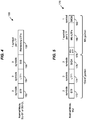
- the AP 14 uses the example preamble format 150 to generate a normal mode data unit, both for SU-BF data units and for non-beamformed, SU-OL data units, in an embodiment.
- the AP 14 uses the example preamble format 150 to generate normal mode, SU-OL data units, but not SU-BF data units.
- the preamble format 150 includes a short training field (STF) 152, a first long training field (LTF1) 154 after the STF 152, a signal (SIG) field 156 after the LTF1 154, and any remaining LTFs 158 after the SIG field 156.
- STF short training field
- LTF1 first long training field
- SIG signal
- SU data units using the preamble format 150 also include a data portion (not shown) immediately following the remaining LTFs 158.
- the client station 25-1 detects a data unit utilizing the preamble format 150 during reception of the STF 152.
- the client station 25-1 sets an AGC level based on the STF 152, uses the LTF1 154 and any remaining LTF(s) 158 for channel estimation (e.g., one LTF per spatial stream, such that LTFs 158 are omitted for the case of one spatial stream), and uses information bits in the SIG field 156 to determine certain PHY parameters associated with the data unit that utilizes the preamble format 150 (e.g., a modulation and coding scheme used in a data portion of the data unit, a length or duration of the data portion, etc.).
- channel estimation e.g., one LTF per spatial stream, such that LTFs 158 are omitted for the case of one spatial stream
- information bits in the SIG field 156 uses information bits in the SIG field 156 to determine certain PHY parameters associated with the data unit that utilizes the preamble format 150 (e.g., a modulation and coding scheme used in a data portion of the data unit, a length or duration of the data portion, etc.).
- the entire preamble 150 is beamformed, in addition to any data portion following the preamble 150. That is, a beamforming steering matrix is applied to the entire data unit, starting with the beginning of the STF 152.
- a beamforming steering matrix is applied to the entire data unit, starting with the beginning of the STF 152.
- the client station 25-1 would likely estimate channel parameters that only poorly reflect the channel corresponding to the beamformed portion of the data unit.
- applying beamforming to the entire data unit can lead to a "hidden node" problem.
- devices within range of the AP 14 that happen to be at a location that is largely orthogonal to the direction of the beamformed transmission e.g., any or all of client stations 25-2 through 25-4 may fail to decode information in the SIG field 156 that is indicative of the length or duration of the SU-BF data unit sent from the AP 14 to the client station 25-1.
- one or more other client stations may attempt to communicate with AP 14 while AP 14 is still transmitting to client station 25-1.
- the AP 14 uses the example preamble format 170 of Fig. 5 to generate a normal mode, MU data unit, in an embodiment.
- the preamble format 170 includes an "omni" portion that is not beamformed, and an "MU portion” that is beamformed.
- the omni portion of the preamble format 170 includes an STF 172, an LTF1 174 after the STF 172, and a first SIG (SIGA) field 176 after the LTF1 174.
- the MU portion of the preamble format 170 includes a multi-user STF (MU-STF) 178, multi-user LTFs (MU-LTFs) 180 for channel estimation for all users, and a second SIG (SIGB) field 182 containing user-specific SIG field information.
- MU-STF multi-user STF
- MU-LTFs multi-user LTFs
- SIGB second SIG
- normal mode, MU data units that use the preamble format 170 also include a data portion (not shown), carrying data for all users, that immediately follows the SIGB field 182. Because the omni portion of the preamble 170 is not beamformed, each of the multiple users (e.g., any of client stations 25-1 through 25-4) can detect the data unit based on the STF 172, decode PHY information such as group identifier in the SIGA field 176, etc.
- the MU preamble format 170 is relatively long.
- preamble formats that do not include both omni and beamformed portions e.g., preamble format 150
- preamble formats that do include both omni and beamformed portions e.g., preamble format 170
- long preamble formats e.g., preamble format 170
- a "long preamble" format similar to the preamble format 170 for normal mode, MU data units, is also used for normal mode, SU-BF data units.
- the long preamble format 200 includes an omni portion that is not beamformed, and an "SU-BF portion" that is beamformed.
- the omni portion of the preamble format 200 includes an STF 202, an LTF1 204 after the STF 202, and a first SIG (SIGA) field 206 after the LTF1 204.
- the SU-BF portion of the preamble format 200 includes a beamformed STF (SUBF-STF) 208, beamformed LTFs (SUBF-LTFs) 210 for channel estimation for each spatial stream, and a beamformed second SIG (SIGB) field 212.
- the SUBF-LTFs 210 include N LTFs, with a first of the N LTFs being repeated the same (or a similar) number of times as the LTF1 204 in the omni portion.
- the first LTF of the SUBF-LTFs of an SU-BF data unit is the same as the first LTF (LTF1) of an MU data unit.
- the first of the N LTFs in SUBF-LTFs 210 is only one OFDM symbol in length, and the field 212 is a duplicate of the first of the N LTFs, rather than a SIGB field as shown in Fig. 6 (so long as the SIGB field 212 is not needed to deliver information during SU-BF operation).
- the first LTF By repeating the first LTF, channel estimation reliability may be increased.
- normal mode, SU-BF data units that use the long preamble format 200 also include a beamformed data portion that immediately follows the SIGB (or LTF) field 212.
- the omni portion of the preamble 200 is not beamformed, other devices within range that are not intended recipients of the data unit using the long preamble format 200 can detect the data unit based on the STF 202, decode PHY information such as a length or duration of a data portion of the data unit in the SIGA field 206, etc. Therefore, communications using normal mode, SU-BF data units having the long preamble format 200 may suffer less from the hidden node problem than communications using normal mode, SU-BF data units having the short preamble format 150 of Fig. 4 , for example.
- a transmitting device such as the AP 14 of Fig. 1 is configured to selectively generate both normal mode, SU-BF data units having the short preamble format 150 and normal mode, SU-BF data units having the long preamble format 200.
- a transmitting device such as the AP 14 of Fig. 1 is configured to generate normal mode, SU-BF data units only using the long preamble format 200.
- the transmitting device is configured to generate normal mode, SU-OL data units using the short preamble format 150, and normal mode, SU-BF data units using the long preamble format 200.
- At least one device e.g., client station 25-1 is configured to generate normal mode, SU data units only using the short preamble format 150, and at least one other device (e.g., client station 25-2) in the same communication system (e.g., also in WLAN 10) is configured to generate normal mode, SU data units only using the long preamble format 200.
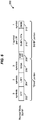
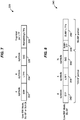
- Figs. 7 and 8 show example short and long preamble formats for low bandwidth mode data units, according to an embodiment.
- the AP 14 uses the example short preamble format 220 of Fig. 7 to generate low bandwidth mode data units, both for SU-BF and for SU-OL operation, in an embodiment.
- the AP 14 uses the short preamble format 220 to generate low bandwidth mode, SU-OL data units, but not low bandwidth mode, SU-BF data units.
- the short preamble format 220 includes an STF 222, an LTF1 224 after the STF 222, a SIG field 226 after the LTF1 224, and any remaining LTFs 228 after the SIG field 226.
- low bandwidth mode, SU data units using the short preamble format 220 also include a data portion (not shown) immediately following the remaining LTFs 228.
- the preamble is beamformed, in addition to any data portion following the preamble. That is, a beamforming steering matrix is applied to the entire data unit, starting with the beginning of the STF 222, in a manner similar to that described above with reference to the short preamble format 150 of Fig. 4 .
- a long preamble format is used for low bandwidth mode, SU-BF data units.
- Fig. 8 is a diagram of one such long preamble format 240. Similar to the long preamble format 200 of Fig. 6 , the long preamble format 240 includes an omni portion that is not beamformed, and an "SU-BF portion" that is beamformed. The omni portion of the long preamble format 240 includes an STF 242, an LTF1 244 after the STF 242, and a SIG field 246 after the LTF1 244.
- the SU-BF portion of the long preamble format 240 includes a beamformed STF (SUBF-STF) 248, and beamformed LTFs (SUBF-LTFs) 250 for channel estimation for each spatial stream.
- SUBF-STF beamformed STF
- SUBF-LTFs beamformed LTFs
- the SUBF-LTFs 250 include N LTFs, with each of the N LTFs having one, two, or four symbol repetitions. Because the omni portion of the long preamble format 240 is not beamformed, other devices within range that are not intended recipients of the data unit using the long preamble format 240 can detect the data unit based on the STF 242, decode PHY information such as a length of duration of a data portion in the SIG field 246, etc. Therefore, communications using low bandwidth mode, SU-BF data units that use the long preamble format 240 may suffer less from the hidden node problem than communications using low bandwidth mode, SU-BF data units that use the short preamble format 220 of Fig. 7 , for example.
- a transmitting device such as the AP 14 of Fig. 1 is configured to selectively generate both low bandwidth mode, SU-BF data units that use the short preamble format 220 and low bandwidth mode, SU-BF data units that use the long preamble format 240.
- a transmitting device such as the AP 14 of Fig. 1 is configured to generate low bandwidth mode, SU-BF data units only using the long preamble format 240.
- the transmitting device is configured to generate low bandwidth mode, SU-OL data units using the short preamble format 220, and low bandwidth mode, SU-BF data units using the long preamble format 240.
- At least one device e.g., client station 25-1 is configured to generate low bandwidth mode, SU-BF data units only using the short preamble format 220, and at least one other device (e.g., client station 25-2) is configured to generate low bandwidth mode, SU-BF data units only using the long preamble format 240.
- devices within a single communication system can generate data units according to some or all of the various long and short, SU and MU preamble formats shown in Figs. 4-8
- devices receiving a data unit are configured to detect the preamble format utilized by the data unit.
- a preamble “format” can refer to the arrangement and/or types of fields within the preamble (e.g., the arrangement of any STF(s), LTF(s), SIG field(s), etc.), and/or to the arrangement and types of subfields within one or more particular preamble fields (e.g., which PHY parameters are specified within a SIG field of the preamble, the location of the subfields corresponding to those PHY parameters, etc.).
- Fig. 9 illustrates an example technique for auto-detecting whether a data unit includes a short preamble format (e.g., similar to short preamble format 150 of Fig. 4 ) or a long preamble format (e.g., similar to long preamble format 170 of Fig. 5 or long preamble format 200 of Fig. 6 ), according to an embodiment.
- Fig. 9 can also be used to auto-detect whether the data unit is a low bandwidth mode data unit or a normal mode data unit, which in some embodiments can also determine the preamble format (e.g., in embodiments where low bandwidth mode data units utilize only a short preamble format, and/or in embodiments where low bandwidth mode data units have a different number of OFDM symbols in certain fields as compared to normal mode data units, etc.).
- various preamble portions are shown starting from the beginning of the first LTF of the preamble. The beginning of the first LTF (after the STF) marks the first point at which the receiving device can achieve time alignment with respect the received data unit, in an embodiment.
- a first preamble portion 300 corresponds to a short preamble of a normal mode, SU (i.e., SU-OL or SU-BF) data unit, and includes a double guard interval (DGI) 302, a first OFDM symbol 304 of an LTF, a second OFDM symbol 306 of the LTF, a guard interval (GI) 310, a first OFDM symbol 312 of a SIG field, another GI 314, and a second OFDM symbol 316 of the SIG field, in an embodiment.
- DGI double guard interval
- GI guard interval
- a second preamble portion 320 corresponds to a long preamble of a normal mode, MU or SU-BF data unit, and includes a DGI 322, a first OFDM symbol 324 of an LTF, a second OFDM symbol 326 of the LTF, a GI 330, a first OFDM symbol 332 of a SIG field, another GI 334, and a second OFDM symbol 336 of the SIG field, in an embodiment.
- a third preamble portion 340 corresponds to a either a short or long preamble of a normal mode, SU (i.e., SU-BF or SU-OL) data unit, and includes a DGI 342, a first OFDM symbol 344 of an LTF, a second OFDM symbol 346 of the LTF, a GI 350, a third OFDM symbol 352 of the LTF, another GI 354, and a fourth OFDM symbol 356 of the LTF, in an embodiment.
- the preamble portion 300 corresponds to the LTF1 154 and SIG field 156 of the short preamble format 150 of Fig.
- the preamble portion 320 corresponds either to the LTF1 174 and SIGA field 176 of the long preamble format 170 of Fig. 5 (for an MU data unit), or to the LTF1 204 and SIGA field 206 of the long preamble format 200 of Fig. 6 (for an SU-BF data unit), and the preamble portion 340 corresponds either to the LTF1 224 and SIG field 226 of the short preamble format 220 of Fig. 7 , or to the LTF1 244 and SIG field 246 of the long preamble format 240 of Fig. 8 .
- a data unit is a normal mode data unit or a low bandwidth mode data unit is indicated by the modulation type used for the third OFDM symbol from the start of the LTF.
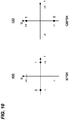
- the OFDM symbol 312 (first SIG field symbol) of preamble portion 300, and the OFDM symbol 332 (first SIGA field symbol) of preamble portion 320 are modulated using quaternary binary phase shift key (QBPSK) modulation to indicate a normal mode data unit rather than a low bandwidth mode data unit.
- QBPSK quaternary binary phase shift key
- the OFDM symbol 352 (third LTF symbol) of preamble portion 340 is modulated using binary phase shift key (BPSK) modulation to indicate a low bandwidth mode data unit rather than a normal mode data unit.
- BPSK binary phase shift key
- a receiver detects whether a received data unit is a normal mode data unit or low bandwidth mode data unit by detecting the rotation of the symbol constellation in the third OFDM symbol after the end of the STF.
- BPSK instead indicates normal mode and QBPSK instead indicates low bandwidth mode
- the modulation of a different OFDM symbol is used to indicate normal mode or low bandwidth mode
- a different symbol constellation e.g., QPSK, 16-QAM, etc.
- a normal mode data unit utilizes a short preamble format (e.g., similar to short preamble format 150 of Fig. 4 ) or a long preamble format (e.g., similar to long preamble format 170 of Fig. 5 or long preamble format 200 of Fig. 6 ) is indicated by the modulation type used for the fourth OFDM symbol from the start of the LTF.
- the OFDM symbol 316 (second SIG field symbol) of preamble portion 300 is modulated using QBPSK modulation to indicate a short preamble format rather than a long preamble format.
- the OFDM symbol 336 (second SIGA symbol) of preamble portion 320 is modulated using BPSK modulation to indicate a long preamble format rather than a short preamble format.
- a receiver detects whether a received data unit utilizes a short or a long preamble format by detecting the rotation of the symbol constellation in the fourth OFDM symbol after the end of the STF.
- BPSK instead indicates a short preamble format and QBPSK instead indicates a long preamble format
- the modulation of a different OFDM symbol (other than the fourth OFDM symbol following the STF) is used to indicate whether a longer or shorter preamble format is used, and/or a different symbol constellation (e.g., QPSK, 16-QAM, etc.) is rotated to indicate whether a long or a short preamble format is used.
- a different symbol constellation e.g., QPSK, 16-QAM, etc.
- low bandwidth mode data units may use either a short preamble format (e.g., similar to preamble format 220 of Fig. 7 ) or a long preamble format (e.g., similar to preamble format 240 of Fig. 7 ), symbol constellation rotations of OFDM symbols are also used by a receiver to detect whether a low bandwidth mode data unit uses the short or the long preamble format.
- a short preamble format e.g., similar to preamble format 220 of Fig. 7
- a long preamble format e.g., similar to preamble format 240 of Fig. 7
- the receiver determines that the data unit uses a short preamble format, while QBPSK modulation instead indicates a long preamble format (or vice versa).
- determining whether a short or long preamble format is used by a low bandwidth mode data unit is equivalent to determining whether the data unit is an SU-OL data unit or an SU-BF data unit.
- Fig. 9 shows an example technique for auto-detecting whether a short or a long preamble format is used (in addition to auto-detecting whether the preamble belongs to a low bandwidth mode or a normal mode data unit), another mechanism is needed to allow a receiver to determine whether a data unit with a long preamble format is an SU-BF data unit or an MU data unit, in some embodiments.
- the auto-detections of Fig. 9 based on symbol constellation rotations do not sufficiently distinguish SU-BF data units from MU data units.
- a receiver may still need to determine whether a data unit is an SU-BF data unit or an MU data unit in order to determine the types of subfields, and/or the number of bits per subfield, in a SIG field of the long preamble.
- a SIG field in the omni portion of each preamble that conforms to the long preamble format indicates whether the data unit is an SU-BF data unit or an MU data unit by way of a Group ID (GID) subfield in the SIG field.
- GID Group ID
- a SIG field with a GID value in a particular subset of one or more GID values indicates that the data unit is an SU-BF data unit, while all other GID values (e.g., 1 through 62) indicate that the data unit is an MU data unit, in an embodiment.
- the GID subfield retains its "normal" function of indicating which stations are associated with the MU data unit, in an embodiment.
- Table 1 shows an example arrangement/format of subfields and bits in a first SIG field of the preamble (e.g., SIG field 156 of short preamble format 150 in Fig. 4 , SIGA field 176 of long preamble format 170 in Fig. 5 , or SIGA field 206 of long preamble format 200 in Fig.
- SIG field 156 of short preamble format 150 in Fig. 4 SIGA field 176 of long preamble format 170 in Fig. 5
- SIGA field 206 of long preamble format 200 in Fig.
- the coding subfield for SU-BF data units with the long preamble format use one bit as the LDPC additional bit and one bit as the LDPC/BCC indicator of the single user.
- the Nsts portion that would normally (for an MU data unit) correspond to a first of multiple users has a non-zero value, while the remaining Nsts values are all zero.
- some of the "reserved" bits for the SU-BF, longer preamble format case are instead used for a PAID subfield.
- the MCS for an SU-BF data unit using the long preamble format is signaled in a later SIG field, such as the SIGB field 212 of the long preamble format 200 in Fig. 6 .
- the subfields and bits of the first SIG field e.g., SIG field 156 of short preamble format 150 in Fig. 4 , SIGA field 176 of long preamble format 170 in Fig. 5 , or SIGA field 206 of long preamble format 200 in Fig.
- Table 2 Subfield SU with short preamble format e.g., bits in SIG field 156)
- MU with long preamble format e.g., bits in SIGA field 176)
- SU-BF with long preamble format e.g., bits in SIGA field 206)
- Length/Duration 9 9 9 MCS 4 0 4 BW 2 2 Aggregation 1 0 1 (or 0 if always aggregated)
- STBC 1 1 1 Coding 2 5 2 SGI 1 1 1 1 GID 0 6 6 e.g., set to 0 or 63
- Nsts 2 8 2 PAID 9 0 N e.g., 0 to 9)
- Reserved 7 6 Depends on number of bits in PAID and aggregation fields
- the various SIG subfields shown in Table 2 are the same or similar to the like-named
- the coding and Nsts subfields are shortened for the SU-BF, long preamble format in order to avoid wasting the excess bits.
- the SU-BF, long preamble format defines an MCS subfield for the first SIG field.
- any later SIG fields e.g., SIGB field 212 in Fig. 6
- the SU-BF data units using the long preamble format therefore do not include a second SIG field (e.g., SIGB field 212 is replaced with an LTF, or omitted, etc., in various embodiments).
- a SIG field in the omni portion of each preamble conforming to the long preamble format includes an "MU/SU" bit that indicates whether the data is an SU-BF data unit or an MU data unit, rather than indicating SU or MU operation with a GID subfield.
- the GID field is omitted from the SIG field of SU-BF data units that use the long preamble format (e.g., SIGA field 206 of long preamble format 200 in Fig.
- the SIG field format for SU-BF data units having the long preamble format is very similar to that in Table 2 (e.g., an MCS subfield is included).
- an MU/SU subfield is added to distinguish MU and SU-BF operation in data units having the long preamble format, and the GID subfield is omitted (in the SU-BF case) because it is no longer used to distinguish MU and SU-BF operation, and serves no other purpose for SU-BF operation.
- any later SIG fields in an SU-BF data unit using the long preamble format e.g., the SIGB field 212 in Fig. 6
- the SU-BF data units using the long preamble format therefore do not include a second SIG field (e.g., SIGB field 212 is replaced with an LTF, or omitted, etc., in various embodiments).
- SU-BF operation when using a long preamble format, is merely a subset of MU operation, for the special case in which only one user has data to be transmitted (i.e., where a non-zero number of space-time streams correspond to the single user, while no space-time streams correspond to any other users).
- no "special" GID values are reserved to signify SU-BF operation. Rather, the single user is mapped to a GID just as any other users would be mapped to a GID in standard MU operation.
- Table 4 shows an example arrangement/format of subfields and bits in a first SIG field of a preamble (e.g., SIG field 156 of short preamble format 150 in Fig.
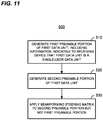
- Fig. 11 is a flow diagram of an example method 500 for generating a data unit, according to one embodiment and scenario.
- the method 500 is implemented by the network interface 16 of AP 14 of Fig. 1 , in one embodiment and scenario.
- a preamble of a first data unit is generated according to a first format (e.g., a long preamble format). More specifically, a first preamble portion of the first data unit is generated at block 510, and a second preamble portion of the first data unit is generated at block 520.
- the first preamble portion generated at block 510 includes information indicating to a receiving device that the first data unit is an SU data unit.
- the second preamble portion generated at block 520 follows the first preamble portion generated at block 510.
- generating the first preamble portion at block 510 includes generating a SIG field that indicates PHY parameters associated with the first data unit to a receiving device.
- the generated SIG field includes the information (referenced above) that indicates to the receiving device that the first data unit is an SU data unit. For example, a bit in an MU/SU subfield of the SIG field indicates that the first data unit is an SU data unit, in one embodiment and scenario. In another example embodiment and scenario, a certain value or range of values in a Group ID (GID) subfield of the SIG field indicates that the first data unit is an SU data unit.
- the SIG field also includes information indicating other PHY parameters of the first data unit, such as a modulation and coding scheme of a data portion of the first data unit.
- generating the first preamble portion at block 510 includes generating an STF, an LTF and a first SIG field similar to STF 202, LTF1 204, and SIGA field 206 of Fig. 6 , respectively, and/or generating the second preamble portion at block 520 includes generating an STF, one or more additional LTFs, and a second SIG field similar to SUBF-STF 208, SUBF-LTFs 210, and SIGB field 212, respectively.
- a beamforming steering matrix is applied to the second preamble portion of the first data unit.
- the beamforming steering matrix is not applied, however, to the first preamble portion of the first data unit.
- the first preamble portion serves as an "omni" portion, which may be more easily detected by devices other than the intended recipient of the first data unit.
- the method 500 includes other blocks not seen in Fig. 11 .
- the method 500 includes a first additional block in which a data portion of the first data unit is generated, where the data portion follows the second preamble portion generated at block 520, and a second additional block in which the beamforming steering matrix is also applied to the data portion of the first data unit.
- the method 500 includes additional blocks in which a preamble of a second data unit is generated according to a second format (e.g., short preamble format) different than the first format of the first data unit preamble.
- Generating the preamble of the second data unit according to the second format includes generating a first preamble portion of the second data unit and a second preamble portion of the data unit, in an embodiment.
- the first preamble portion of the second data unit includes information indicating to a receiving device that the second data unit is an MU data unit, and the second preamble portion of the second data unit follows the first preamble portion of the second data unit.
- one or more beamforming steering matrices are applied to the second preamble portion of the second data unit, but not to the first preamble portion of the second data unit.
- the first preamble portion of the first data unit includes a SIG field containing information indicating to a receiving device that the first data unit is an SU data unit
- the first preamble portion of the second data unit includes a SIG field containing information indicating to a receiving device that the second data unit is an MU data unit (e.g., an MU/SU bit, or a GID subfield, as described above).
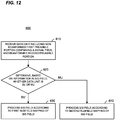
- Fig. 12 is a flow diagram of an example method 600 for receiving and processing a data unit, according to an embodiment.
- the method 600 is implemented by the network interface 27 of client station 25-1, in one embodiment and scenario.
- the method 600 is used when receiving a data unit generated using the method 500 of Fig. 11 .
- the method 600 is used when receiving a data unit having a preamble format similar to any of the long preamble format 170 of Fig. 5 , the long preamble format 200 of Fig. 6 , or the long preamble format 240 of Fig. 8 .
- a data unit is received.
- the data unit includes a preamble having a first preamble portion that is not beamformed, and a second preamble portion that is beamformed.
- the first preamble portion includes a SIG field indicating a plurality of PHY parameters associated with the received data unit.
- determining whether the data unit is an SU data unit or an MU data unit is equivalent to determining whether the data unit is an SU-BF data unit or an MU data unit.
- the SIG field of the data unit is processed according to a first subfield mapping of the SIG field.
- the first subfield mapping is the mapping shown in the "SU-BF with long preamble format" column of Table 1, Table 2, or Table 3, above.
- the processing at block 630 includes determining a modulation and coding scheme (MCS) of the received data unit based on one or more information bits in an MCS subfield of the SIG field.
- MCS modulation and coding scheme
- the processing at block 630 includes determining a partial association identifier (PAID) associated with the received data unit based on one or more information bits in a PAID subfield of the SIG field.
- PAID partial association identifier
- the SIG field of the data unit is processed according to a second subfield mapping of the SIG field, different than the first subfield mapping.
- the second subfield mapping is the mapping shown in the "MU with long preamble format" column of Table 1, Table 2, or Table 3, above.
- the processing at block 640 includes determining a group identifier (GID) of the received data unit based on one or more information bits in a GID subfield of the SIG field.
- GID group identifier
- the method 600 includes other blocks not seen in Fig. 11 .
- the method 600 includes an additional block in which a data portion of the data unit received at block 610 is processed, based on one or more PHY parameters indicated in one or more subfields of the SIG field.
- the method 600 is repeated for each data unit of a plurality of received data units.
- Fig. 13 is a flow diagram of another example method 700 for receiving and processing a data unit, according to an embodiment.
- the method 700 is implemented by the network interface 27 of client station 25-1, in one embodiment and scenario.
- the method 700 is used when receiving a data unit having a preamble format similar to any of the short preamble format 150 of Fig. 4 , the long preamble format 170 of Fig. 5 , the long preamble format 200 of Fig. 6 , or the long preamble format 240 of Fig. 8 .
- a data unit is received.
- the data unit includes a preamble having a first preamble portion, and a second preamble portion following the first preamble portion.
- the first preamble portion includes a SIG field indicating a plurality of PHY parameters associated with the received data unit.
- a symbol constellation rotation of one or more OFDM symbols in the first preamble portion is detected.
- BPSK or QBPSK is utilized for a particular OFDM symbol (or set of symbols) in the first preamble portion, for example, the 0 degree or 90 degree rotation of the modulation is detected at block 720.
- the OFDM symbol(s) for which the constellation rotation is detected is/are located in a SIG field of the first preamble portion.
- the preamble of the data unit received at block 710 conforms to a first format (e.g., a short preamble format).
- a first format e.g., a short preamble format.
- the preamble conforms to the first format if BPSK is utilized, and that the preamble does not conform to the first format if QBPSK is utilized, or vice versa.
- the first format is a particular arrangement of fields within the preamble, such as the example preamble format 150 of Fig. 4 .
- the second preamble portion of the data unit received at block 710 is processed according to the first format.
- the first format is known to include at least one LTF at the beginning of the second preamble portion.
- the processing at block 740 includes utilizing an LTF, located at a beginning of the second preamble portion of the data unit received at block 710, to estimate a channel response.
- block 750 it is determined whether one or more information bits in the first preamble portion of the data unit received at block 710 indicate an SU data unit or an MU data unit. In an embodiment where SU-OL data units do not employ a long preamble format having an omni portion, determining whether the information bit(s) indicate an SU data unit or an MU data unit is equivalent to determining whether the information bit(s) indicate an SU-BF data unit or an MU data unit. In an embodiment, the information bit(s) used to make the determination at block 730 is/are included in a SIG field of the first preamble portion.
- the second preamble portion of the data unit received at block 710 is processed according to a second format different than the first format.
- the second format is known to be a preamble format used for SU, but not MU, data units (e.g., an SU-BF long preamble format).
- the second format corresponds to a particular arrangement of fields within the preamble, such as the arrangement within the example long preamble format 200 of Fig. 6 , for example.
- the processing at block 760 includes both utilizing an STF at a beginning of the second preamble portion to set an AGC level of a receiver device implementing the method 700, and utilizing one or more LTFs of the second preamble portion to estimate one or more channel responses corresponding to one or more respective spatial streams associated with a single user (i.e., the user corresponding to the device implementing the method 700).
- the second format is also known, by the receiving device, to include in the second preamble portion a duplicate of the first LTF of the second preamble portion.
- the SIGB field 212 is instead a duplicate of the first LTF of SUBF-LTFs 210.
- the processing at block 760 also includes utilizing the additional, duplicate LTF to help estimate the channel response of the spatial stream corresponding to the first LTF of the second preamble portion.
- the processing at block 760 is also based on a knowledge of the subfield types and locations in a SIG field of the first preamble portion, as specified by the second format.
- the second format specifies an arrangement of the SIG field of the first preamble portion as shown in the "SU-BF with long preamble format" column of Table 1, Table 2, or Table 3, above.
- the second preamble portion of the data unit received at block 710 is processed according to a third format different than both the first format and the second format.
- the third format is known to be a preamble format used for MU, but not SU, data units (e.g., an MU long preamble format).
- the third format corresponds to a particular arrangement of fields within the preamble, such as the arrangement of the example long preamble format 170 of Fig. 5 , for example.
- the processing at block 770 includes both utilizing an STF at a beginning of the second preamble portion to set an AGC level of a receiver device implementing the method 700, and utilizing one or more LTFs of the second preamble portion to estimate one or more channel responses associated with a single user (i.e., the user corresponding to the device implementing the method 700).
- the MU processing at block 770 is performed with knowledge that the LTFs in the second preamble portion include LTFs associated with multiple users (i.e., only a subset of the LTFs in the second preamble portion should be used for channel estimation by the receiving device).
- the third format also includes a SIG field in the second preamble portion, which follows the LTFs of the second preamble portion and contains information bits that indicate one or more PHY parameters associated with the received data unit and the multiple users.
- the processing at block 770 further includes decoding information bits in the SIG field of the second preamble portion.
- the processing at block 770 is also based on a knowledge of the subfield types and locations in a SIG field of the first preamble portion, as specified by the third format.
- the third format specifies an arrangement of the SIG field of the first preamble portion as shown in the "MU with long preamble format" column of Table 1, Table 2, or Table 3, above.
- the method 700 includes other blocks not seen in Fig. 13 .
- the method 700 includes a first additional block in which a symbol constellation rotation of one or more additional OFDM symbols in the first preamble portion is detected, and a second additional block in which it is determined, based on the detected symbol constellation rotation of the additional OFDM symbol(s), whether the data unit corresponds to a first channel bandwidth (e.g., whether the data unit is a low bandwidth mode data unit).
- the symbol constellation rotation of a first OFDM symbol of a SIG field of the first preamble portion is detected at block 720, and the symbol constellation rotation of a second OFDM symbol of the SIG field of the first preamble portion is detected in an additional block, in an embodiment (e.g., as shown in the example preamble portions 300 and 320 of Fig. 9 ).
- the method 700 is repeated for each data unit of a plurality of received data units.
- the various blocks, operations, and techniques described above may be implemented utilizing hardware, a processor executing firmware instructions, a processor executing software instructions, or any combination thereof.
- the software or firmware instructions may be stored in any computer readable memory such as on a magnetic disk, an optical disk, or other storage medium, in a RAM or ROM or flash memory, processor, hard disk drive, optical disk drive, tape drive, etc.
- the software or firmware instructions may be delivered to a user or a system via any known or desired delivery method including, for example, on a computer readable disk or other transportable computer storage mechanism or via communication media.
- Communication media typically embodies computer readable instructions, data structures, program modules or other data in a modulated data signal such as a carrier wave or other transport mechanism.
- modulated data signal means a signal that has one or more of its characteristics set or changed in such a manner as to encode information in the signal.
- communication media includes wired media such as a wired network or direct-wired connection, and wireless media such as acoustic, radio frequency, infrared and other wireless media.
- the software or firmware instructions may be delivered to a user or a system via a communication channel such as a telephone line, a DSL line, a cable television line, a fiber optics line, a wireless communication channel, the Internet, etc. (which are viewed as being the same as or interchangeable with providing such software via a transportable storage medium).
- the software or firmware instructions may include machine readable instructions that, when executed by the processor, cause the processor to perform various acts.
- the hardware may comprise one or more of discrete components, an integrated circuit, an application-specific integrated circuit (ASIC), etc.
- ASIC application-specific integrated circuit
Landscapes
- Engineering & Computer Science (AREA)
- Signal Processing (AREA)
- Computer Networks & Wireless Communication (AREA)
- Multimedia (AREA)
- Mobile Radio Communication Systems (AREA)
- Radio Transmission System (AREA)
Claims (15)
- Verfahren (500), das umfasst:Erzeugen einer Präambel (170) einer ersten Dateneinheit entsprechend einem ersten Format, wobei das Erzeugen der Präambel der ersten Dateneinheit(i) das Erzeugen eines ersten Präambelteils (172, 174, 176) der ersten Dateneinheit, wobei der erste Präambelteil der ersten Dateneinheit Informationen aufweist, die einer Empfangsvorrichtung (25) anzeigen, dass die erste Dateneinheit eine Mehrbenutzer-Dateneinheit ist, und wobei der erste Präambelteil der ersten Dateneinheit ein erstes Dateneinheitssignalfeld SIG (176) aufweist, das i) Parameter einer der ersten Dateneinheit zugeordneten physikalischen Schicht PHY einer Empfangsvorrichtung (25) anzeigt, ii) ein Gruppenkennungsfeld GID aufweist und iii) kein Modulations- und Codierungsschemenfeld MCS aufweist, und(ii) das Erzeugen eines zweiten Präambelteils (178, 180, 182) der ersten Dateneinheit, wobei der zweite Präambelteil der ersten Dateneinheit dem ersten Präambelteil der ersten Dateneinheit folgt;das Anwenden einer oder mehrerer strahlformender Steuerungsmatrizen auf den zweiten Präambelteil der ersten Dateneinheit, aber nicht auf den ersten Präambelteil der ersten Dateneinheit;das Erzeugen einer Präambel (200) einer zweiten Dateneinheit entsprechend einem zweiten Format aufweist, das sich von dem ersten Format unterscheidet, wobei das Erzeugen der Präambel der zweiten Dateneinheit(i) das Erzeugen eines ersten Präambelteils (202, 204, 206) der zweiten Dateneinheit, wobei der erste Präambelteil der zweiten Dateneinheit Informationen aufweist, die einer Empfangsvorrichtung (25) anzeigen, dass die zweite Dateneinheit eine Einzelbenutzer-Dateneinheit ist, und wobei der erste Präambelteil der zweiten Dateneinheit ein zweites Dateneinheitsfeld SIG (206) aufweist, das i) der zweiten Dateneinheit zugeordnete PHY Parameter einer Empfangsvorrichtung (25) anzeigt, ii) ein MCS Feld aufweist und iii) kein GID Feld aufweist, und(ii) das Erzeugen eines zweiten Präambelteils (208, 210, 212) der zweiten Dateneinheit, wobei der zweite Präambelteil der zweiten Dateneinheit dem ersten Präambelteil der zweiten Dateneinheit folgt; unddas Anwenden einer strahlformenden Steuerungsmatrix auf den zweiten Präambelteil der zweiten Dateneinheit, aber nicht auf den ersten Präambelteil der zweiten Dateneinheit aufweist.
- Verfahren nach Anspruch 1, wobei das erste Dateneinheitsfeld SIG die Informationen aufweist, die einer Empfangsvorrichtung anzeigen, dass die erste Dateneinheit eine Mehrbenutzer-Dateneinheit ist.
- Verfahren nach Anspruch 2, wobei:das Erzeugen des ersten Präambelteils der ersten Dateneinheit des Weiterendas Erzeugen eines ersten langen Trainingsfeldes, (Long Training Field) LTF (174) vor dem ersten Dateneinheitsfeld SIG unddas Erzeugen eines ersten kurzen Trainingsfeldes (Short Training Field) STF (172) vor dem ersten LTF aufweist unddas Erzeugen des zweiten Präambelteils der ersten Dateneinheit das Erzeugen eines zweiten STF (178) und eines zweiten LTF (180) nach dem zweiten STF aufweist.
- Verfahren entsprechend Anspruch 2 oder 3, das des Weiteren umfasst:Erzeugen eines Datenteils der ersten Dateneinheit, wobei der Datenteil der ersten Dateneinheit dem zweiten Präambelteil der ersten Dateneinheit folgt; undAnwenden der einen oder mehreren strahlformenden Steuerungsmatrizen auf den Datenteil der ersten Dateneinheit.
- Verfahren nach einem der Ansprüche 1 bis 4, wobei das zweite Dateneinheitsfeld SIG die Informationen aufweist, die einer Empfangsvorrichtung anzeigen, dass die zweite Dateneinheit eine Einzelbenutzer-Dateneinheit ist.
- Verfahren nach Anspruch 1, das des Weiteren das Erzeugen einer Präambel (340) einer dritten Dateneinheit entsprechend einem dritten Format umfasst, das sich von dem ersten und dem zweiten Format unterscheidet, wobei das Erzeugen der Präambel (340) der dritten Dateneinheit entsprechend dem dritten Format das Erzeugen eines ersten Präambelteils der dritten Dateneinheit aufweist, wobei der erste Präambelteil der dritten Dateneinheit ein erstes Feld (352) aufweist, das Informationen enthält, die einer Empfangsvorrichtung (25) anzeigen, dass die dritte Dateneinheit einem Format entspricht, das sich von dem ersten und dem zweiten Format unterscheidet, und wobei die erste und die zweite Dateneinheit an einer entsprechenden Stelle Felder (312, 332) haben, die Informationen enthalten, die für das erste und das zweite Format identisch sind, die einer Empfangsvorrichtung (25) anzeigen, dass die jeweilige Dateneinheit einem Format entspricht, das sich von dem dritten Format unterscheidet.
- Vorrichtung (14), die umfasst:eine Netzwerkschnittstelle (16), die konfiguriert ist zumErzeugen (500) einer Präambel (170) einer ersten Dateneinheit entsprechend einem ersten Format, wobei die Netzwerkschnittstelle konfiguriert ist, um die Präambel der ersten Dateneinheit wenigstens teilweise zu erzeugen durch(i) Erzeugen eines ersten Präambelteils (172, 174, 176) der ersten Dateneinheit, wobei der erste Präambelteil der ersten Dateneinheit Informationen aufweist, die einer Empfangsvorrichtung (25) anzeigen, dass die erste Dateneinheit eine Mehrbenutzer-Dateneinheit ist, und wobei der erste Präambelteil der ersten Dateneinheit ein erstes Dateneinheitssignalfeld SIG (176) aufweist, das i) Parameter einer der ersten Dateneinheit zugeordneten physikalischen Schicht PHY einer Empfangsvorrichtung (25) anzeigt, ii) ein Gruppenkennungsfeld GID aufweist und iii) kein Modulations- und Codierungsschemenfeld MCS aufweist, und(ii) Erzeugen eines zweiten Präambelteils (178, 180, 182) der ersten Dateneinheit, wobei der zweite Präambelteil der ersten Dateneinheit dem ersten Präambelteil der ersten Dateneinheit folgt;Anwenden einer oder mehrerer strahlformender Steuerungsmatrizen auf den zweiten Präambelteil (178, 180, 182) der ersten Dateneinheit, aber nicht auf den ersten Präambelteil der ersten Dateneinheit,Erzeugen einer Präambel (200) einer zweiten Dateneinheit entsprechend einem zweiten Format, das sich von dem ersten Format wenigstens teilweise unterscheidet durch(i) Erzeugen eines ersten Präambelteils (202, 204, 206) der zweiten Dateneinheit, wobei der erste Präambelteil der zweiten Dateneinheit Informationen aufweist, die einer Empfangsvorrichtung (25) anzeigen, dass die zweite Dateneinheit eine Einzelbenutzereinheit ist, und wobei der erste Präambelteil der zweiten Dateneinheit ein zweites Dateneinheitsfeld SIG (206) aufweist, das i) einer Empfangsvorrichtung (25) der zweiten Dateneinheit zugeordnete PHY Parameter anzeigt, ii) ein MCS Feld aufweist und iii) kein GID Feld aufweist, und(ii) Erzeugen eines zweiten Präambelteils (208, 210, 212) der zweiten Dateneinheit, wobei der zweite Präambelteil der zweiten Dateneinheit dem ersten Präambelteil (300) der zweiten Dateneinheit folgt; undAnwenden einer strahlformenden Steuerungsmatrix auf den zweiten Präambelteil der zweiten Dateneinheit, aber nicht auf den ersten Präambelteil der zweiten Dateneinheit.
- Vorrichtung nach Anspruch 7, wobei das erste Dateneinheitsfeld SIG die Informationen aufweist, die einer Empfangsvorrichtung anzeigen, dass die erste Dateneinheit eine Mehrbenutzer-Dateneinheit ist.
- Vorrichtung nach Anspruch 7 oder 8, wobei die Netzwerkschnittstelle (16) des Weiteren konfiguriert ist zum:Erzeugen eines Datenteils der ersten Dateneinheit, wobei der Datenteil der ersten Dateneinheit dem zweiten Präambelteil (178, 180, 182) der ersten Dateneinheit folgt; undAnwenden der einen oder mehreren strahlformenden Steuerungsmatrizen auf den Datenteil der ersten Dateneinheit.
- Vorrichtung nach einem der Ansprüche 7 bis 9, wobei die Netzwerkschnittstelle (16) des Weiteren konfiguriert ist, um eine Präambel (340) einer dritten Dateneinheit entsprechend einem dritten Format zu erzeugen, das sich von dem ersten und dem zweiten Format unterscheidet, wobei das Erzeugen der Präambel (340) der dritten Dateneinheit entsprechend dem dritten Format das Erzeugen eines ersten Präambelteils der dritten Dateneinheit aufweist, wobei der erste Präambelteil der dritten Dateneinheit ein erstes Feld (352) aufweist, das Informationen enthält, die einer Empfangsvorrichtung (25) anzeigen, dass die dritte Dateneinheit einem Format entspricht, das sich von dem ersten und dem zweiten Format unterscheidet, und wobei die erste und die zweite Dateneinheit an einer entsprechenden Stelle Felder (312, 332) haben, die Informationen enthalten, die für das erste und das zweite Format identisch sind, die einer Empfangsvorrichtung (25) anzeigen, dass die jeweilige Dateneinheit einem Format entspricht, das sich von dem dritten Format unterscheidet.
- Verfahren, das umfasst:Empfangen (610, 710) einer Vielzahl von Dateneinheiten, wobei jede Dateneinheit aus der Vielzahl von Dateneinheiten eine Präambel (170, 200) mit einem ersten Präambelteil, der nicht strahlgeformt ist, und einen zweiten Präambelteil aufweist, der strahlgeformt ist, und wobei der erste Präambelteil von jeder Dateneinheit ein Signalfeld SIG (176, 206) aufweist, das eine Vielzahl von der jeweiligen Dateneinheit zugeordneten Parametern der physikalischen Schicht PHY anzeigt;Bestimmen (620, 730, 750) auf der Basis von Informationen im SIG Feld (206, 176) des ersten Präambelteils von jeder Dateneinheit, ob die jeweilige Dateneinheit eine Einzelbenutzer-Dateneinheit oder eine Mehrbenutzer-Dateneinheit ist; undVerarbeiten (630, 640, 760, 770) des SIG Feldes der jeweiligen Dateneinheit;gekennzeichnet durch, beim Bestimmen (620, 730, 750), dass die jeweilige Dateneinheit eine Einzelbenutzer-Dateneinheit ist, Verarbeiten (630, 760) des SIG Feldes (206) der jeweiligen Dateneinheit entsprechend einer ersten Teilfeldzuordnung des SIG Feldes, wobei das SIG Feld entsprechend der ersten Teilfeldzuordnung ein Modulations- und Codierungsschemenfeld MCS aufweist und kein Gruppenkennungsfeld GID aufweist; undbeim Bestimmen (620, 730, 750), dass die jeweilige Dateneinheit eine Mehrbenutzer-Dateneinheit ist, Verarbeiten (640, 740, 740, 770) des SIG Feldes (176) der jeweiligen Dateneinheit entsprechend einer zweiten Teilfeldzuordnung des SIG Feldes, wobei sich die zweite Teilfeldzuordnung von der ersten Teilfeldzuordnung unterscheidet und wobei das SIG Feld entsprechend der zweiten Teilfeldzuordnung ein GID Feld aufweist und kein MCS Feld aufweist.
- Verfahren nach Anspruch 11, wobei das Verarbeiten (630, 760) des SIG Feldes (206) der jeweiligen Dateneinheit entsprechend der ersten Teilfeldzuordnung des SIG Feldes aufweist:
Bestimmen eines Modulations- und Codierungsschemas der jeweiligen Dateneinheit auf der Basis eines oder mehrerer Informationsbits im MCS Feld des SIG Feldes (206) der jeweiligen Dateneinheit. - Verfahren nach Anspruch 11 oder 12, wobei das Verarbeiten (630, 760) des SIG Feldes (206) der jeweiligen Dateneinheit entsprechend der ersten Teilfeldzuordnung des SIG Feldes aufweist:Bestimmen einer partiellen Zuordnungskennung (Partial Association Identifier) PAID, die der jeweiligen Dateneinheit zugeordnet ist, auf der Basis von einem oder mehreren Informationsbits in einem SIG Teilfeld des SIG Feldes (206) der jeweiligen Dateneinheit; oderwobei das Verarbeiten (640, 740, 740, 770) des SIG Feldes (176) der jeweiligen Dateneinheit entsprechend der zweiten Teilfeldzuordnung des SIG Feldes aufweist:
Bestimmen einer Gruppenkennung GID der jeweiligen Dateneinheit auf der Basis von einem oder mehreren Informationsbits im Gruppenkennungsfeld des SIG Feldes der jeweiligen Dateneinheit. - Vorrichtung (25), die umfasst:eine Netzwerkschnittstelle (27), die konfiguriert ist zumEmpfangen (610, 710) einer Vielzahl von Dateneinheiten, wobei jede Dateneinheit aus der Vielzahl von Dateneinheiten eine Präambel (170, 200) mit einem ersten Präambelteil, der nicht strahlgeformt ist, und einen zweiten Präambelteil aufweist, der strahlgeformt ist, und wobei der erste Präambelteil jeder Dateneinheit ein Signalfeld SIG (206, 176) aufweist, das eine Vielzahl von Parametern einer physikalischen Schicht PHY anzeigt, die der jeweiligen Dateneinheit zugeordnet sind,Bestimmen (620, 730, 750) auf der Basis von Informationen im SIG Feld des ersten Präambelteils jeder Dateneinheit, ob die jeweilige Dateneinheit eine Einzelbenutzer-Dateneinheit oder eine Mehrbenutzer-Dateneinheit ist, undVerarbeiten (630, 640, 740, 740, 760, 770) des SIG Feldes der jeweiligen Dateneinheit;dadurch gekennzeichnet, dass die Netzwerkschnittstelle (27) konfiguriert ist, um beim Bestimmen (620, 730, 750), dass die jeweilige Dateneinheit eine Einzelbenutzer-Dateneinheit ist, das SIG Feld (206) der jeweiligen Dateneinheit entsprechend einer ersten Teilfeldzuordnung des SIG Feldes zu verarbeiten (630, 760), wobei das SIG Feld entsprechend der ersten Teilfeldzuordnung ein Modulations- und Codierungsschemenfeld MCS aufweist und kein Gruppenkennungsfeld GID aufweist; undum beim Bestimmen (620, 730, 750), dass die jeweilige Dateneinheit eine Mehrbenutzer-Dateneinheit ist, das SIG Feld (176) der jeweiligen Dateneinheit entsprechend einer zweiten Teilfeldzuordnung des SIG Feldes zu verarbeiten (640, 740, 740, 770), wobei sich die zweite Teilfeldzuordnung von der ersten Teilfeldzuordnung unterscheidet und wobei das SIG Feld entsprechend der zweiten Teilfeldzuordnung ein GID Feld aufweist und kein MCS Feld aufweist.
- Vorrichtung nach Anspruch 14, wobei die Netzwerkschnittstelle (27) konfiguriert ist, um das SIG Feld der jeweiligen Dateneinheit entsprechend der ersten Teilfeldzuordnung des SIG Feldes wenigstens teilweise zu verarbeiten (630, 760) durch:Bestimmen eines Modulations- und Codierungsschemas der jeweiligen Dateneinheit auf der Basis von einem oder mehreren Informationsbits im MCS Feld des SIG Feldes der jeweiligen Dateneinheit; oderwobei die Netzwerkschnittstelle (27) konfiguriert ist, um das SIG Feld der jeweiligen Dateneinheit entsprechend der ersten Teilfeldzuordnung des SIG Feldes wenigstens teilweise zu verarbeiten (630, 760) durch:Bestimmen einer partiellen Zuordnungskennung PAID, die der jeweiligen Dateneinheit zugeordnet ist, auf der Basis von einem oder mehreren Informationsbits in einem SIG Teilfeld des SIG Feldes der jeweiligen Dateneinheit; oderwobei die Netzwerkschnittstelle (27) konfiguriert ist, um das SIG Feld der jeweiligen Dateneinheit entsprechend der zweiten Teilfeldzuordnung des SIG Feldes wenigstens teilweise zu verarbeiten (640, 770) durch:
Bestimmen einer Gruppenkennung GID der jeweiligen Dateneinheit auf der Basis von einem oder mehreren Informationsbits im Gruppenkennungsfeld des SIG Feldes der jeweiligen Dateneinheit.
Priority Applications (1)
| Application Number | Priority Date | Filing Date | Title |
|---|---|---|---|
| EP19169589.9A EP3557830A1 (de) | 2012-01-13 | 2013-01-14 | Dateneinheitsformat für einzelbenutzerstrahlformung in drahtlosen lokalen netzwerken mit grosser reichweite (wlans) |
Applications Claiming Priority (6)
| Application Number | Priority Date | Filing Date | Title |
|---|---|---|---|
| US201261586565P | 2012-01-13 | 2012-01-13 | |
| US201261587386P | 2012-01-17 | 2012-01-17 | |
| US201261591718P | 2012-01-27 | 2012-01-27 | |
| US201261610725P | 2012-03-14 | 2012-03-14 | |
| US201261674724P | 2012-07-23 | 2012-07-23 | |
| PCT/IB2013/000577 WO2013104999A2 (en) | 2012-01-13 | 2013-01-14 | Data unit format for single user beamforming in long-range wireless local area networks (wlans) |
Related Child Applications (2)
| Application Number | Title | Priority Date | Filing Date |
|---|---|---|---|
| EP19169589.9A Division EP3557830A1 (de) | 2012-01-13 | 2013-01-14 | Dateneinheitsformat für einzelbenutzerstrahlformung in drahtlosen lokalen netzwerken mit grosser reichweite (wlans) |
| EP19169589.9A Division-Into EP3557830A1 (de) | 2012-01-13 | 2013-01-14 | Dateneinheitsformat für einzelbenutzerstrahlformung in drahtlosen lokalen netzwerken mit grosser reichweite (wlans) |
Publications (2)
| Publication Number | Publication Date |
|---|---|
| EP2803175A2 EP2803175A2 (de) | 2014-11-19 |
| EP2803175B1 true EP2803175B1 (de) | 2019-06-05 |
Family
ID=47628454
Family Applications (2)
| Application Number | Title | Priority Date | Filing Date |
|---|---|---|---|
| EP19169589.9A Withdrawn EP3557830A1 (de) | 2012-01-13 | 2013-01-14 | Dateneinheitsformat für einzelbenutzerstrahlformung in drahtlosen lokalen netzwerken mit grosser reichweite (wlans) |
| EP13722047.1A Active EP2803175B1 (de) | 2012-01-13 | 2013-01-14 | Dateneinheitsformat für einzelbenutzerstrahlformung in drahtlosen lokalen netzwerken mit grosser reichweite (wlans) |
Family Applications Before (1)
| Application Number | Title | Priority Date | Filing Date |
|---|---|---|---|
| EP19169589.9A Withdrawn EP3557830A1 (de) | 2012-01-13 | 2013-01-14 | Dateneinheitsformat für einzelbenutzerstrahlformung in drahtlosen lokalen netzwerken mit grosser reichweite (wlans) |
Country Status (6)
| Country | Link |
|---|---|
| US (3) | US9246738B2 (de) |
| EP (2) | EP3557830A1 (de) |
| JP (1) | JP6189330B2 (de) |
| KR (1) | KR102066647B1 (de) |
| CN (1) | CN104521207B (de) |
| WO (1) | WO2013104999A2 (de) |
Families Citing this family (29)
| Publication number | Priority date | Publication date | Assignee | Title |
|---|---|---|---|---|
| US9655002B2 (en) * | 2009-04-13 | 2017-05-16 | Marvell World Trade Ltd. | Physical layer frame format for WLAN |
| US9130727B2 (en) | 2011-02-04 | 2015-09-08 | Marvell World Trade Ltd. | Control mode PHY for WLAN |
| JP6169581B2 (ja) | 2011-10-19 | 2017-07-26 | マーベル ワールド トレード リミテッド | 2つまたは2つを超えるアンテナを有する装置で受信した信号における干渉を抑制するシステムおよび方法 |
| WO2013059566A1 (en) | 2011-10-20 | 2013-04-25 | Marvell World Trade Ltd. | Systems and methods for suppressing interference in a wireless communication system |
| CN104521207B (zh) | 2012-01-13 | 2017-12-29 | 马维尔国际贸易有限公司 | 一种用于生成用于经由1GHz以下的通信信道传输的数据单元的方法和装置 |
| US8750215B2 (en) * | 2012-03-06 | 2014-06-10 | Intel Corporation | Method and apparatus for a 1 MHz long training field design |
| US9055468B2 (en) * | 2012-04-02 | 2015-06-09 | Qualcomm Incorporated | Frame formats and timing parameters in sub-1 GHz networks |
| US9100947B2 (en) * | 2012-04-02 | 2015-08-04 | Qualcomm Incorporated | Modulation and coding schemes in sub-1 GHz networks |
| KR102318345B1 (ko) * | 2013-01-25 | 2021-10-28 | 삼성전자주식회사 | 빔 포밍 방식을 지원하는 통신 시스템에서 이득 제어 방법 및 장치 |
| US9071474B1 (en) | 2013-07-25 | 2015-06-30 | Marvell International Ltd. | Systems and methods for suppressing interference in a wireless communication system |
| US10194006B2 (en) | 2013-10-25 | 2019-01-29 | Marvell World Trade Ltd. | Physical layer frame format for WLAN |
| US10218822B2 (en) | 2013-10-25 | 2019-02-26 | Marvell World Trade Ltd. | Physical layer frame format for WLAN |
| CN105830410B (zh) * | 2013-10-25 | 2020-07-03 | 马维尔亚洲私人有限公司 | 一种用于生成用于经由通信信道传输的物理层数据单元的方法和装置 |
| US20150117428A1 (en) * | 2013-10-28 | 2015-04-30 | Electronics And Telecommunications Research Institute | Multi-mode wireless transmission method and apparatus |
| US10194388B2 (en) * | 2014-03-31 | 2019-01-29 | Samsung Electronics Co., Ltd. | Method and apparatus to enable low power synchronization for large bandwidth wireless LAN systems |
| EP3162015B1 (de) | 2014-06-27 | 2021-08-11 | Techflux Inc. | Verfahren und vorrichtung zur übertragung einer dateneinheit |
| CN107079485B (zh) | 2014-06-27 | 2020-10-30 | 泰科弗勒克斯公司 | 用于发送数据的方法和装置 |
| EP3161990A4 (de) | 2014-06-27 | 2018-03-14 | Techflux Ltd. | Bandbreitensignalisierung |
| CN106664276B (zh) | 2014-06-27 | 2020-04-03 | 泰科弗勒克斯有限责任公司 | 用于发送数据的方法和装置 |
| US9893784B2 (en) * | 2014-10-28 | 2018-02-13 | Newracom, Inc. | LTF design for WLAN system |
| US10165470B2 (en) * | 2014-11-05 | 2018-12-25 | Intel IP Corporation | High-efficiency (HE) station and method for configuring HE packets with long and short preamble formats |
| CN108028691A (zh) * | 2015-09-10 | 2018-05-11 | 马维尔国际贸易有限公司 | 用于在无线局域网(wlan)内传输前导码的系统和方法 |
| EP3442142B1 (de) * | 2016-04-07 | 2021-01-06 | Sony Corporation | Kommunikationssteuerungsvorrichtung, endgerätevorrichtung, verfahren und programm |
| US10785682B2 (en) * | 2017-12-06 | 2020-09-22 | Mediatek Inc. | Data unit processing method and communication device applying the data unit processing method |
| US11032118B2 (en) | 2017-12-06 | 2021-06-08 | Marvell Asia Pte, Ltd. | Methods and apparatus for generation of physical layer protocol data units for vehicular environments |
| WO2019207425A1 (en) | 2018-04-26 | 2019-10-31 | Marvell World Trade Ltd. | Pilots for wireless access in vehicular environments |
| CN111225438B (zh) * | 2019-03-26 | 2021-02-02 | 西安电子科技大学 | 随机接入前导检测方法、装置、计算机设备及存储介质 |
| WO2020210546A1 (en) | 2019-04-09 | 2020-10-15 | Marvell Asia Pte, Ltd. | Generation and transmission of physical layer data units in a composite communication channel in a vehicular communication network |
| CN116471608B (zh) * | 2023-04-07 | 2025-09-05 | 北京邮电大学 | 一种感知辅助的多用户波束管理方法及装置 |
Citations (1)
| Publication number | Priority date | Publication date | Assignee | Title |
|---|---|---|---|---|
| WO2012177993A1 (en) * | 2011-06-24 | 2012-12-27 | Interdigital Patent Holdings, Inc. | Method and apparatus for receiving a preamble in a wireless communication system |
Family Cites Families (45)
| Publication number | Priority date | Publication date | Assignee | Title |
|---|---|---|---|---|
| US7428273B2 (en) * | 2003-09-18 | 2008-09-23 | Promptu Systems Corporation | Method and apparatus for efficient preamble detection in digital data receivers |
| ES2623882T3 (es) | 2004-05-27 | 2017-07-12 | Qualcomm Incorporated | Estructura de preámbulo modificado para ampliaciones del IEEE802.11A para permitir la coexistencia e interoperabilidad entre dispositivos 802.11A y dispositivos con mayor tasa de transmisión de datos, MIMO o con otro tipo de ampliaciones |
| US8619907B2 (en) | 2004-06-10 | 2013-12-31 | Agere Systems, LLC | Method and apparatus for preamble training in a multiple antenna communication system |
| CN101253720B (zh) * | 2005-02-08 | 2011-10-05 | 高通股份有限公司 | 允许波束形成和旧式设备共存的无线消息前同步码 |
| US7742390B2 (en) | 2005-08-23 | 2010-06-22 | Agere Systems Inc. | Method and apparatus for improved long preamble formats in a multiple antenna communication system |
| US7711061B2 (en) * | 2005-08-24 | 2010-05-04 | Broadcom Corporation | Preamble formats supporting high-throughput MIMO WLAN and auto-detection |
| US8910027B2 (en) | 2005-11-16 | 2014-12-09 | Qualcomm Incorporated | Golay-code generation |
| EP1895703A1 (de) | 2006-07-05 | 2008-03-05 | Koninklijke Philips Electronics N.V. | Kommunikationssystem mit asymmetrischer Bandbreite und basierend auf OFDM und TDMA |
| US8332732B2 (en) | 2006-11-30 | 2012-12-11 | Qualcomm Incorporated | Common air interface supporting single carrier and OFDM |
| EP2171879B1 (de) | 2007-07-18 | 2019-06-19 | Marvell World Trade Ltd. | Zugangspunkt mit simultaner downlink-übertragung unabhängiger daten für mehrere client-stationen |
| US20090109955A1 (en) | 2007-10-31 | 2009-04-30 | Qualcomm Incorporated | Method and apparatus for improved frame synchronization in a wireless communication network |
| US8175118B2 (en) | 2008-05-15 | 2012-05-08 | Marvell World Trade Ltd. | Efficient physical layer preamble format |
| KR101452504B1 (ko) * | 2008-06-18 | 2014-10-23 | 엘지전자 주식회사 | Vht 무선랜 시스템에서의 채널 접속 방법 및 이를지원하는 스테이션 |
| US8982889B2 (en) | 2008-07-18 | 2015-03-17 | Marvell World Trade Ltd. | Preamble designs for sub-1GHz frequency bands |
| US8155138B2 (en) | 2008-08-19 | 2012-04-10 | Qualcomm Incorporated | Training sequences for very high throughput wireless communication |
| US20100290449A1 (en) | 2008-08-20 | 2010-11-18 | Qualcomm Incorporated | Preamble extensions |
| US20100046656A1 (en) * | 2008-08-20 | 2010-02-25 | Qualcomm Incorporated | Preamble extensions |
| WO2010027864A2 (en) * | 2008-08-26 | 2010-03-11 | Marvell World Trade Ltd. | Physical layer data unit format |
| JP2010093704A (ja) | 2008-10-10 | 2010-04-22 | Sony Corp | 無線通信システム、無線通信装置及び無線通信方法、並びにコンピューター・プログラム |
| US9655002B2 (en) * | 2009-04-13 | 2017-05-16 | Marvell World Trade Ltd. | Physical layer frame format for WLAN |
| US8526351B2 (en) | 2009-06-05 | 2013-09-03 | Broadcom Corporation | Channel characterization and training within multiple user, multiple access, and/or MIMO wireless communications |
| US9197298B2 (en) | 2009-06-05 | 2015-11-24 | Broadcom Corporation | Group identification and definition within multiple user, multiple access, and/or MIMO wireless communications |
| EP2460298A2 (de) | 2009-07-29 | 2012-06-06 | Marvell World Trade Ltd. | Verfahren und vorrichtung für wlan-übertragung |
| US8599804B2 (en) | 2009-08-07 | 2013-12-03 | Broadcom Corporation | Distributed signal field for communications within multiple user, multiple access, and/or MIMO wireless communications |
| KR20110027533A (ko) | 2009-09-09 | 2011-03-16 | 엘지전자 주식회사 | 다중 안테나 시스템에서 제어정보 전송 방법 및 장치 |
| EP2491663B1 (de) * | 2009-10-23 | 2015-07-29 | Marvell World Trade Ltd. | Signalisierung von WLAN-Trainingssequenzen |
| JP5718350B2 (ja) * | 2009-11-03 | 2015-05-13 | マーベル ワールド トレード リミテッド | 通信デバイスでの省電力 |
| US9025428B2 (en) | 2010-04-14 | 2015-05-05 | Qualcomm Incorporated | Allocating and receiving tones for a frame |
| US8582551B2 (en) * | 2010-05-26 | 2013-11-12 | Intel Corporation | Device, system and method of wireless communication over non-contiguous channels |
| KR101551919B1 (ko) | 2010-10-22 | 2015-09-09 | 한국전자통신연구원 | 무선 통신 시스템에서 데이터 블록 전송 방법 및 전송기 |
| CN103563283B (zh) | 2011-01-28 | 2016-08-31 | 马维尔国际贸易有限公司 | 用于远程wlan的物理层帧格式 |
| US9130727B2 (en) | 2011-02-04 | 2015-09-08 | Marvell World Trade Ltd. | Control mode PHY for WLAN |
| US8625690B2 (en) | 2011-03-04 | 2014-01-07 | Qualcomm Incorporated | Systems and methods for wireless communication in sub gigahertz bands |
| US9184969B2 (en) * | 2011-04-24 | 2015-11-10 | Broadcom Corporation | Preamble for use within single user, multiple user, multiple access, and/or MIMO wireless communications |
| US8879472B2 (en) * | 2011-04-24 | 2014-11-04 | Broadcom Corporation | Long training field (LTF) for use within single user, multiple user, multiple access, and/or MIMO wireless communications |
| US8934413B2 (en) * | 2011-05-13 | 2015-01-13 | Qualcomm Incorporated | Systems and methods for wireless communication of packets having a plurality of formats |
| US9385911B2 (en) * | 2011-05-13 | 2016-07-05 | Sameer Vermani | Systems and methods for wireless communication of packets having a plurality of formats |
| EP2715965B1 (de) | 2011-05-26 | 2017-10-18 | Marvell World Trade Ltd. | Sondierungspaketformat für wlan mit grosser reichweite |
| US8995367B2 (en) * | 2011-06-08 | 2015-03-31 | Marvell World Trade Ltd. | Efficient transmission for low data rate WLAN |
| WO2012173975A2 (en) | 2011-06-15 | 2012-12-20 | Marvell World Trade Ltd. | Low bandwidth phy for wlan |
| EP2772034B1 (de) | 2011-10-27 | 2017-05-24 | Marvell World Trade Ltd. | Signalisierung von dateneinheitsformat für drahtlose lokale netzwerke (wlan) |
| US9042288B2 (en) * | 2011-12-02 | 2015-05-26 | Futurewei Technologies, Inc. | System and method for traffic signaling and control in a wireless network |
| US9750018B2 (en) | 2011-12-16 | 2017-08-29 | Futurewei Technologies, Inc. | System and method for multiple channel bandwidth modes coexistence |
| CN104521207B (zh) | 2012-01-13 | 2017-12-29 | 马维尔国际贸易有限公司 | 一种用于生成用于经由1GHz以下的通信信道传输的数据单元的方法和装置 |
| EP2813042B1 (de) | 2012-02-07 | 2021-04-07 | Marvell Asia Pte, Ltd. | Pilotsequenzentwurf für ein wlan mit hoher reichweite |
-
2013
- 2013-01-14 CN CN201380010106.3A patent/CN104521207B/zh active Active
- 2013-01-14 US US13/741,094 patent/US9246738B2/en active Active
- 2013-01-14 KR KR1020147021838A patent/KR102066647B1/ko not_active Expired - Fee Related
- 2013-01-14 JP JP2014551693A patent/JP6189330B2/ja not_active Expired - Fee Related
- 2013-01-14 EP EP19169589.9A patent/EP3557830A1/de not_active Withdrawn
- 2013-01-14 EP EP13722047.1A patent/EP2803175B1/de active Active
- 2013-01-14 WO PCT/IB2013/000577 patent/WO2013104999A2/en not_active Ceased
- 2013-01-14 US US13/741,077 patent/US9203683B2/en active Active
-
2015
- 2015-11-30 US US14/954,373 patent/US9667462B2/en active Active
Patent Citations (1)
| Publication number | Priority date | Publication date | Assignee | Title |
|---|---|---|---|---|
| WO2012177993A1 (en) * | 2011-06-24 | 2012-12-27 | Interdigital Patent Holdings, Inc. | Method and apparatus for receiving a preamble in a wireless communication system |
Also Published As
| Publication number | Publication date |
|---|---|
| US9203683B2 (en) | 2015-12-01 |
| CN104521207A (zh) | 2015-04-15 |
| KR102066647B1 (ko) | 2020-02-11 |
| US9667462B2 (en) | 2017-05-30 |
| US20160080188A1 (en) | 2016-03-17 |
| KR20140123515A (ko) | 2014-10-22 |
| JP2015505443A (ja) | 2015-02-19 |
| US20130182662A1 (en) | 2013-07-18 |
| WO2013104999A3 (en) | 2013-09-19 |
| EP2803175A2 (de) | 2014-11-19 |
| EP3557830A1 (de) | 2019-10-23 |
| CN104521207B (zh) | 2017-12-29 |
| JP6189330B2 (ja) | 2017-08-30 |
| US20130182593A1 (en) | 2013-07-18 |
| WO2013104999A2 (en) | 2013-07-18 |
| US9246738B2 (en) | 2016-01-26 |
Similar Documents
| Publication | Publication Date | Title |
|---|---|---|
| EP2803175B1 (de) | Dateneinheitsformat für einzelbenutzerstrahlformung in drahtlosen lokalen netzwerken mit grosser reichweite (wlans) | |
| US12237920B2 (en) | Physical layer frame format for WLAN | |
| US10057036B2 (en) | Method for channel sounding in wireless local area network and apparatus for the same | |
| AU2011271829B2 (en) | Method and apparatus for transceiving a MIMO packet in a wireless LAN system | |
| CA2817956C (en) | Method and apparatus for determining modulation and coding scheme feedback in wireless local area network system | |
| US9281877B2 (en) | Training sequence indication for WLAN | |
| US8526892B2 (en) | Sounding and steering protocols for wireless communications | |
| EP2661939B1 (de) | Kanalpeilverfahren in einem wlan-system und vorrichtung dafür | |
| WO2012074316A2 (en) | Method and apparatus of link adaptation in wireless local area network |
Legal Events
| Date | Code | Title | Description |
|---|---|---|---|
| PUAI | Public reference made under article 153(3) epc to a published international application that has entered the european phase |
Free format text: ORIGINAL CODE: 0009012 |
|
| 17P | Request for examination filed |
Effective date: 20140711 |
|
| AK | Designated contracting states |
Kind code of ref document: A2 Designated state(s): AL AT BE BG CH CY CZ DE DK EE ES FI FR GB GR HR HU IE IS IT LI LT LU LV MC MK MT NL NO PL PT RO RS SE SI SK SM TR |
|
| DAX | Request for extension of the european patent (deleted) | ||
| STAA | Information on the status of an ep patent application or granted ep patent |
Free format text: STATUS: EXAMINATION IS IN PROGRESS |
|
| 17Q | First examination report despatched |
Effective date: 20171117 |
|
| GRAP | Despatch of communication of intention to grant a patent |
Free format text: ORIGINAL CODE: EPIDOSNIGR1 |
|
| STAA | Information on the status of an ep patent application or granted ep patent |
Free format text: STATUS: GRANT OF PATENT IS INTENDED |
|
| RIC1 | Information provided on ipc code assigned before grant |
Ipc: H04L 27/26 20060101AFI20181205BHEP Ipc: H04L 5/00 20060101ALI20181205BHEP Ipc: H04W 84/12 20090101ALI20181205BHEP Ipc: H04L 29/02 20060101ALI20181205BHEP |
|
| INTG | Intention to grant announced |
Effective date: 20190108 |
|
| GRAS | Grant fee paid |
Free format text: ORIGINAL CODE: EPIDOSNIGR3 |
|
| GRAA | (expected) grant |
Free format text: ORIGINAL CODE: 0009210 |
|
| STAA | Information on the status of an ep patent application or granted ep patent |
Free format text: STATUS: THE PATENT HAS BEEN GRANTED |
|
| AK | Designated contracting states |
Kind code of ref document: B1 Designated state(s): AL AT BE BG CH CY CZ DE DK EE ES FI FR GB GR HR HU IE IS IT LI LT LU LV MC MK MT NL NO PL PT RO RS SE SI SK SM TR |
|
| REG | Reference to a national code |
Ref country code: GB Ref legal event code: FG4D |
|
| REG | Reference to a national code |
Ref country code: CH Ref legal event code: EP |
|
| REG | Reference to a national code |
Ref country code: AT Ref legal event code: REF Ref document number: 1141120 Country of ref document: AT Kind code of ref document: T Effective date: 20190615 |
|
| REG | Reference to a national code |
Ref country code: IE Ref legal event code: FG4D |
|
| REG | Reference to a national code |
Ref country code: DE Ref legal event code: R096 Ref document number: 602013056186 Country of ref document: DE |
|
| REG | Reference to a national code |
Ref country code: NL Ref legal event code: MP Effective date: 20190605 |
|
| REG | Reference to a national code |
Ref country code: LT Ref legal event code: MG4D |
|
| PG25 | Lapsed in a contracting state [announced via postgrant information from national office to epo] |
Ref country code: LT Free format text: LAPSE BECAUSE OF FAILURE TO SUBMIT A TRANSLATION OF THE DESCRIPTION OR TO PAY THE FEE WITHIN THE PRESCRIBED TIME-LIMIT Effective date: 20190605 Ref country code: HR Free format text: LAPSE BECAUSE OF FAILURE TO SUBMIT A TRANSLATION OF THE DESCRIPTION OR TO PAY THE FEE WITHIN THE PRESCRIBED TIME-LIMIT Effective date: 20190605 Ref country code: NO Free format text: LAPSE BECAUSE OF FAILURE TO SUBMIT A TRANSLATION OF THE DESCRIPTION OR TO PAY THE FEE WITHIN THE PRESCRIBED TIME-LIMIT Effective date: 20190905 Ref country code: FI Free format text: LAPSE BECAUSE OF FAILURE TO SUBMIT A TRANSLATION OF THE DESCRIPTION OR TO PAY THE FEE WITHIN THE PRESCRIBED TIME-LIMIT Effective date: 20190605 Ref country code: AL Free format text: LAPSE BECAUSE OF FAILURE TO SUBMIT A TRANSLATION OF THE DESCRIPTION OR TO PAY THE FEE WITHIN THE PRESCRIBED TIME-LIMIT Effective date: 20190605 Ref country code: SE Free format text: LAPSE BECAUSE OF FAILURE TO SUBMIT A TRANSLATION OF THE DESCRIPTION OR TO PAY THE FEE WITHIN THE PRESCRIBED TIME-LIMIT Effective date: 20190605 |
|
| PG25 | Lapsed in a contracting state [announced via postgrant information from national office to epo] |
Ref country code: BG Free format text: LAPSE BECAUSE OF FAILURE TO SUBMIT A TRANSLATION OF THE DESCRIPTION OR TO PAY THE FEE WITHIN THE PRESCRIBED TIME-LIMIT Effective date: 20190905 Ref country code: LV Free format text: LAPSE BECAUSE OF FAILURE TO SUBMIT A TRANSLATION OF THE DESCRIPTION OR TO PAY THE FEE WITHIN THE PRESCRIBED TIME-LIMIT Effective date: 20190605 Ref country code: GR Free format text: LAPSE BECAUSE OF FAILURE TO SUBMIT A TRANSLATION OF THE DESCRIPTION OR TO PAY THE FEE WITHIN THE PRESCRIBED TIME-LIMIT Effective date: 20190906 Ref country code: RS Free format text: LAPSE BECAUSE OF FAILURE TO SUBMIT A TRANSLATION OF THE DESCRIPTION OR TO PAY THE FEE WITHIN THE PRESCRIBED TIME-LIMIT Effective date: 20190605 |
|
| REG | Reference to a national code |
Ref country code: AT Ref legal event code: MK05 Ref document number: 1141120 Country of ref document: AT Kind code of ref document: T Effective date: 20190605 |
|
| REG | Reference to a national code |
Ref country code: DE Ref legal event code: R082 Ref document number: 602013056186 Country of ref document: DE Representative=s name: GRUENECKER PATENT- UND RECHTSANWAELTE PARTG MB, DE Ref country code: DE Ref legal event code: R081 Ref document number: 602013056186 Country of ref document: DE Owner name: NXP USA, INC., AUSTIN, US Free format text: FORMER OWNER: MARVELL WORLD TRADE LTD., ST. MICHAEL, BB Ref country code: DE Ref legal event code: R081 Ref document number: 602013056186 Country of ref document: DE Owner name: MARVELL INTERNATIONAL LTD., BM Free format text: FORMER OWNER: MARVELL WORLD TRADE LTD., ST. MICHAEL, BB |
|
| PG25 | Lapsed in a contracting state [announced via postgrant information from national office to epo] |
Ref country code: SK Free format text: LAPSE BECAUSE OF FAILURE TO SUBMIT A TRANSLATION OF THE DESCRIPTION OR TO PAY THE FEE WITHIN THE PRESCRIBED TIME-LIMIT Effective date: 20190605 Ref country code: PT Free format text: LAPSE BECAUSE OF FAILURE TO SUBMIT A TRANSLATION OF THE DESCRIPTION OR TO PAY THE FEE WITHIN THE PRESCRIBED TIME-LIMIT Effective date: 20191007 Ref country code: CZ Free format text: LAPSE BECAUSE OF FAILURE TO SUBMIT A TRANSLATION OF THE DESCRIPTION OR TO PAY THE FEE WITHIN THE PRESCRIBED TIME-LIMIT Effective date: 20190605 Ref country code: RO Free format text: LAPSE BECAUSE OF FAILURE TO SUBMIT A TRANSLATION OF THE DESCRIPTION OR TO PAY THE FEE WITHIN THE PRESCRIBED TIME-LIMIT Effective date: 20190605 Ref country code: EE Free format text: LAPSE BECAUSE OF FAILURE TO SUBMIT A TRANSLATION OF THE DESCRIPTION OR TO PAY THE FEE WITHIN THE PRESCRIBED TIME-LIMIT Effective date: 20190605 Ref country code: NL Free format text: LAPSE BECAUSE OF FAILURE TO SUBMIT A TRANSLATION OF THE DESCRIPTION OR TO PAY THE FEE WITHIN THE PRESCRIBED TIME-LIMIT Effective date: 20190605 Ref country code: AT Free format text: LAPSE BECAUSE OF FAILURE TO SUBMIT A TRANSLATION OF THE DESCRIPTION OR TO PAY THE FEE WITHIN THE PRESCRIBED TIME-LIMIT Effective date: 20190605 |
|
| REG | Reference to a national code |
Ref country code: GB Ref legal event code: 732E Free format text: REGISTERED BETWEEN 20200109 AND 20200115 |
|
| PG25 | Lapsed in a contracting state [announced via postgrant information from national office to epo] |
Ref country code: IT Free format text: LAPSE BECAUSE OF FAILURE TO SUBMIT A TRANSLATION OF THE DESCRIPTION OR TO PAY THE FEE WITHIN THE PRESCRIBED TIME-LIMIT Effective date: 20190605 Ref country code: IS Free format text: LAPSE BECAUSE OF FAILURE TO SUBMIT A TRANSLATION OF THE DESCRIPTION OR TO PAY THE FEE WITHIN THE PRESCRIBED TIME-LIMIT Effective date: 20191005 Ref country code: SM Free format text: LAPSE BECAUSE OF FAILURE TO SUBMIT A TRANSLATION OF THE DESCRIPTION OR TO PAY THE FEE WITHIN THE PRESCRIBED TIME-LIMIT Effective date: 20190605 |
|
| REG | Reference to a national code |
Ref country code: DE Ref legal event code: R097 Ref document number: 602013056186 Country of ref document: DE |
|
| PG25 | Lapsed in a contracting state [announced via postgrant information from national office to epo] |
Ref country code: TR Free format text: LAPSE BECAUSE OF FAILURE TO SUBMIT A TRANSLATION OF THE DESCRIPTION OR TO PAY THE FEE WITHIN THE PRESCRIBED TIME-LIMIT Effective date: 20190605 |
|
| PLBE | No opposition filed within time limit |
Free format text: ORIGINAL CODE: 0009261 |
|
| STAA | Information on the status of an ep patent application or granted ep patent |
Free format text: STATUS: NO OPPOSITION FILED WITHIN TIME LIMIT |
|
| PG25 | Lapsed in a contracting state [announced via postgrant information from national office to epo] |
Ref country code: PL Free format text: LAPSE BECAUSE OF FAILURE TO SUBMIT A TRANSLATION OF THE DESCRIPTION OR TO PAY THE FEE WITHIN THE PRESCRIBED TIME-LIMIT Effective date: 20190605 Ref country code: DK Free format text: LAPSE BECAUSE OF FAILURE TO SUBMIT A TRANSLATION OF THE DESCRIPTION OR TO PAY THE FEE WITHIN THE PRESCRIBED TIME-LIMIT Effective date: 20190605 |
|
| PGFP | Annual fee paid to national office [announced via postgrant information from national office to epo] |
Ref country code: GB Payment date: 20200116 Year of fee payment: 8 |
|
| 26N | No opposition filed |
Effective date: 20200306 |
|
| PG25 | Lapsed in a contracting state [announced via postgrant information from national office to epo] |
Ref country code: SI Free format text: LAPSE BECAUSE OF FAILURE TO SUBMIT A TRANSLATION OF THE DESCRIPTION OR TO PAY THE FEE WITHIN THE PRESCRIBED TIME-LIMIT Effective date: 20190605 |
|
| PGFP | Annual fee paid to national office [announced via postgrant information from national office to epo] |
Ref country code: FR Payment date: 20200115 Year of fee payment: 8 |
|
| REG | Reference to a national code |
Ref country code: DE Ref legal event code: R082 Ref document number: 602013056186 Country of ref document: DE Representative=s name: GRUENECKER PATENT- UND RECHTSANWAELTE PARTG MB, DE Ref country code: DE Ref legal event code: R082 Ref document number: 602013056186 Country of ref document: DE Ref country code: DE Ref legal event code: R081 Ref document number: 602013056186 Country of ref document: DE Owner name: NXP USA, INC., AUSTIN, US Free format text: FORMER OWNER: MARVELL INTERNATIONAL LTD., HAMILTON, BM |
|
| PG25 | Lapsed in a contracting state [announced via postgrant information from national office to epo] |
Ref country code: MC Free format text: LAPSE BECAUSE OF FAILURE TO SUBMIT A TRANSLATION OF THE DESCRIPTION OR TO PAY THE FEE WITHIN THE PRESCRIBED TIME-LIMIT Effective date: 20190605 |
|
| REG | Reference to a national code |
Ref country code: CH Ref legal event code: PL |
|
| REG | Reference to a national code |
Ref country code: BE Ref legal event code: MM Effective date: 20200131 |
|
| PG25 | Lapsed in a contracting state [announced via postgrant information from national office to epo] |
Ref country code: LU Free format text: LAPSE BECAUSE OF NON-PAYMENT OF DUE FEES Effective date: 20200114 Ref country code: ES Free format text: LAPSE BECAUSE OF FAILURE TO SUBMIT A TRANSLATION OF THE DESCRIPTION OR TO PAY THE FEE WITHIN THE PRESCRIBED TIME-LIMIT Effective date: 20190605 |
|
| PG25 | Lapsed in a contracting state [announced via postgrant information from national office to epo] |
Ref country code: CH Free format text: LAPSE BECAUSE OF NON-PAYMENT OF DUE FEES Effective date: 20200131 Ref country code: BE Free format text: LAPSE BECAUSE OF NON-PAYMENT OF DUE FEES Effective date: 20200131 Ref country code: LI Free format text: LAPSE BECAUSE OF NON-PAYMENT OF DUE FEES Effective date: 20200131 |
|
| PG25 | Lapsed in a contracting state [announced via postgrant information from national office to epo] |
Ref country code: IE Free format text: LAPSE BECAUSE OF NON-PAYMENT OF DUE FEES Effective date: 20200114 |
|
| REG | Reference to a national code |
Ref country code: DE Ref legal event code: R082 Ref document number: 602013056186 Country of ref document: DE |
|
| REG | Reference to a national code |
Ref country code: DE Ref legal event code: R082 Ref document number: 602013056186 Country of ref document: DE |
|
| GBPC | Gb: european patent ceased through non-payment of renewal fee |
Effective date: 20210114 |
|
| PG25 | Lapsed in a contracting state [announced via postgrant information from national office to epo] |
Ref country code: FR Free format text: LAPSE BECAUSE OF NON-PAYMENT OF DUE FEES Effective date: 20210131 |
|
| PG25 | Lapsed in a contracting state [announced via postgrant information from national office to epo] |
Ref country code: GB Free format text: LAPSE BECAUSE OF NON-PAYMENT OF DUE FEES Effective date: 20210114 |
|
| PG25 | Lapsed in a contracting state [announced via postgrant information from national office to epo] |
Ref country code: MT Free format text: LAPSE BECAUSE OF FAILURE TO SUBMIT A TRANSLATION OF THE DESCRIPTION OR TO PAY THE FEE WITHIN THE PRESCRIBED TIME-LIMIT Effective date: 20190605 Ref country code: CY Free format text: LAPSE BECAUSE OF FAILURE TO SUBMIT A TRANSLATION OF THE DESCRIPTION OR TO PAY THE FEE WITHIN THE PRESCRIBED TIME-LIMIT Effective date: 20190605 |
|
| PG25 | Lapsed in a contracting state [announced via postgrant information from national office to epo] |
Ref country code: MK Free format text: LAPSE BECAUSE OF FAILURE TO SUBMIT A TRANSLATION OF THE DESCRIPTION OR TO PAY THE FEE WITHIN THE PRESCRIBED TIME-LIMIT Effective date: 20190605 |
|
| P01 | Opt-out of the competence of the unified patent court (upc) registered |
Effective date: 20230725 |
|
| PGFP | Annual fee paid to national office [announced via postgrant information from national office to epo] |
Ref country code: DE Payment date: 20241218 Year of fee payment: 13 |