EP2709671B1 - Verfahren - Google Patents
Verfahren Download PDFInfo
- Publication number
- EP2709671B1 EP2709671B1 EP12722487.1A EP12722487A EP2709671B1 EP 2709671 B1 EP2709671 B1 EP 2709671B1 EP 12722487 A EP12722487 A EP 12722487A EP 2709671 B1 EP2709671 B1 EP 2709671B1
- Authority
- EP
- European Patent Office
- Prior art keywords
- tcr
- cells
- cell
- antibody
- affinity
- Prior art date
- Legal status (The legal status is an assumption and is not a legal conclusion. Google has not performed a legal analysis and makes no representation as to the accuracy of the status listed.)
- Not-in-force
Links
Images



Classifications
-
- C—CHEMISTRY; METALLURGY
- C07—ORGANIC CHEMISTRY
- C07K—PEPTIDES
- C07K16/00—Immunoglobulins [IG], e.g. monoclonal or polyclonal antibodies
- C07K16/46—Hybrid immunoglobulins
-
- C—CHEMISTRY; METALLURGY
- C07—ORGANIC CHEMISTRY
- C07K—PEPTIDES
- C07K14/00—Peptides having more than 20 amino acids; Gastrins; Somatostatins; Melanotropins; Derivatives thereof
- C07K14/435—Peptides having more than 20 amino acids; Gastrins; Somatostatins; Melanotropins; Derivatives thereof from animals; from humans
- C07K14/705—Receptors; Cell surface antigens; Cell surface determinants
- C07K14/70503—Immunoglobulin superfamily
- C07K14/7051—T-cell receptor (TcR)-CD3 complex
-
- A—HUMAN NECESSITIES
- A61—MEDICAL OR VETERINARY SCIENCE; HYGIENE
- A61K—PREPARATIONS FOR MEDICAL, DENTAL OR TOILETRY PURPOSES
- A61K40/00—Cellular immunotherapy
- A61K40/10—Cellular immunotherapy characterised by the cell type used
- A61K40/11—T-cells, e.g. tumour infiltrating lymphocytes [TIL] or regulatory T [Treg] cells; Lymphokine-activated killer [LAK] cells
-
- A—HUMAN NECESSITIES
- A61—MEDICAL OR VETERINARY SCIENCE; HYGIENE
- A61K—PREPARATIONS FOR MEDICAL, DENTAL OR TOILETRY PURPOSES
- A61K40/00—Cellular immunotherapy
- A61K40/30—Cellular immunotherapy characterised by the recombinant expression of specific molecules in the cells of the immune system
- A61K40/32—T-cell receptors [TCR]
-
- A—HUMAN NECESSITIES
- A61—MEDICAL OR VETERINARY SCIENCE; HYGIENE
- A61K—PREPARATIONS FOR MEDICAL, DENTAL OR TOILETRY PURPOSES
- A61K40/00—Cellular immunotherapy
- A61K40/40—Cellular immunotherapy characterised by antigens that are targeted or presented by cells of the immune system
- A61K40/46—Viral antigens
-
- C—CHEMISTRY; METALLURGY
- C07—ORGANIC CHEMISTRY
- C07K—PEPTIDES
- C07K14/00—Peptides having more than 20 amino acids; Gastrins; Somatostatins; Melanotropins; Derivatives thereof
- C07K14/435—Peptides having more than 20 amino acids; Gastrins; Somatostatins; Melanotropins; Derivatives thereof from animals; from humans
- C07K14/705—Receptors; Cell surface antigens; Cell surface determinants
- C07K14/70596—Molecules with a "CD"-designation not provided for elsewhere
-
- C—CHEMISTRY; METALLURGY
- C12—BIOCHEMISTRY; BEER; SPIRITS; WINE; VINEGAR; MICROBIOLOGY; ENZYMOLOGY; MUTATION OR GENETIC ENGINEERING
- C12N—MICROORGANISMS OR ENZYMES; COMPOSITIONS THEREOF; PROPAGATING, PRESERVING, OR MAINTAINING MICROORGANISMS; MUTATION OR GENETIC ENGINEERING; CULTURE MEDIA
- C12N5/00—Undifferentiated human, animal or plant cells, e.g. cell lines; Tissues; Cultivation or maintenance thereof; Culture media therefor
- C12N5/06—Animal cells or tissues; Human cells or tissues
- C12N5/0602—Vertebrate cells
- C12N5/0634—Cells from the blood or the immune system
- C12N5/0636—T lymphocytes
-
- C—CHEMISTRY; METALLURGY
- C12—BIOCHEMISTRY; BEER; SPIRITS; WINE; VINEGAR; MICROBIOLOGY; ENZYMOLOGY; MUTATION OR GENETIC ENGINEERING
- C12N—MICROORGANISMS OR ENZYMES; COMPOSITIONS THEREOF; PROPAGATING, PRESERVING, OR MAINTAINING MICROORGANISMS; MUTATION OR GENETIC ENGINEERING; CULTURE MEDIA
- C12N2502/00—Coculture with; Conditioned medium produced by
- C12N2502/99—Coculture with; Conditioned medium produced by genetically modified cells
-
- C—CHEMISTRY; METALLURGY
- C12—BIOCHEMISTRY; BEER; SPIRITS; WINE; VINEGAR; MICROBIOLOGY; ENZYMOLOGY; MUTATION OR GENETIC ENGINEERING
- C12N—MICROORGANISMS OR ENZYMES; COMPOSITIONS THEREOF; PROPAGATING, PRESERVING, OR MAINTAINING MICROORGANISMS; MUTATION OR GENETIC ENGINEERING; CULTURE MEDIA
- C12N2740/00—Reverse transcribing RNA viruses
- C12N2740/00011—Details
- C12N2740/10011—Retroviridae
- C12N2740/14011—Deltaretrovirus, e.g. bovine leukeamia virus
- C12N2740/14034—Use of virus or viral component as vaccine, e.g. live-attenuated or inactivated virus, VLP, viral protein
Definitions
- the present invention relates to a method for increasing the sensitivity of a T cell expressing a cell-surface antibody. It relates to a method for increasing the ability of such a T cell to recognise low concentrations of target antigen.
- the antibody may be part of a chimeric antigen receptor (CAR), comprising an extracellular antibody-domain and a cytoplasmic signalling domain.
- CAR chimeric antigen receptor
- T-cell-based cancer immunotherapy approaches are commonly based on the capacity of CD8 + cytotoxic T cells (CTLs) to recognize and destroy malignant cells.
- Cancer cells present peptides derived from tumor-associated antigens (TAAs) at their cell surface in conjunction with major histocompatibility complex (MHC) class I molecules.
- TAAs tumor-associated antigens
- MHC major histocompatibility complex
- CD4 + T cells also play an important role in antitumor immunity.
- CD4 + T cells improve the capacity of dendritic cells (DCs) to induce CTLs by the interaction between CD40 on DCs and CD40 ligand on activated CD4 + T cells.
- CD4 + T cells provide help for the maintenance and expansion of CTLs by secreting cytokines such as interleukin-(IL-) 2.
- a gene-therapeutic strategy has been developed that allows redirecting T cells to defined tumour cell surface antigens.
- This strategy uses both the cellular and humoral arm of the immune response by assembling an antigen-binding moiety, most commonly a single chain variable fragment (scFv); together with a lymphocyte-activating signalling chain, such as the CD3 chain.
- an antigen-binding moiety most commonly a single chain variable fragment (scFv)
- scFv single chain variable fragment
- a lymphocyte-activating signalling chain such as the CD3 chain.
- CARs to redirect T cells specifically against TAA-expressing tumor cells has a number of theoretical advantages over classical T-cell-based immunotherapies.
- genetic modification of polyclonal T-cell populations allows TAA-specific T cells to be generated in one to two weeks.
- Engraftment with CARs enables T cells to MHC-independent antigen recognition; thus major immune escape mechanisms of tumors such as downregulation of MHC molecules are efficiently bypassed.
- proliferation and survival of modified T cells can be improved by the implementation of a multitude of signaling domains from different immune receptors in a single CAR.
- T cells can be rendered more resistant against the immunosuppressive milieu in tumor tissue.
- CAR-modified lymphocytes have been successfully applied for the treatment of virus infections, and more recently, first experimental studies have been published using CARs engrafted on regulatory T cells (Tregs) for the treatment of autoimmune diseases.
- CAR technology shows initial promise, improvements are desirable in order to maximise the therapeutic potential of CAR-expressing T cells.
- improvements are desirable in order to maximise the therapeutic potential of CAR-expressing T cells.
- the natural affinity range of antibodies is 1,000-100,000 times higher than the natural affinity of T cell receptors (TCR).
- TCR T cell receptors
- T-cell targeting with antibody constructs, such as chimeric antigen receptors (CARs).
- CARs chimeric antigen receptors
- the natural affinity of antibodies needs to be lowered, for example into the natural affinity range of TCRs.
- the present invention provides a method for increasing the sensitivity of a T cell expressing a cell-surface antibody to a target antigen, which comprises the step of lowering the affinity of the antibody to the target antigen by at least 100-fold, wherein the affinity of the antibody is lowered by mutagenesis of the antibody, followed by in vitro selection for low affinity variants.
- the affinity of the antibody to the target antigen may be lowered by at least 1000-fold.
- the affinity of the antibody for the target antigen, following lowering, (i.e. the affinity for the variant antibody) may be in the range of 100 - 1 ⁇ M.
- the variant antibody following affinity lowering, may have a dissociation half time from the target antigen in the range of 5 - 60 seconds.
- the antibody may be part of a chimeric antigen receptor (CAR) comprising:
- Described herein is a T cell made by a method according to the first aspect of the invention.
- the T cell may express a variant cell surface antibody derived from a starting antibody, wherein the variant cell surface antibody has an affinity for its target antigen which is at least 100-fold less than that of the starting antibody.
- the T cell may express a cell-surface antibody having an affinity for the target antigen in the range of 100 - 1 ⁇ M.
- the T cell may express a cell-surface antibody having a dissociation half-time from the target antigen which is in the range of 5 - 60 seconds.
- a chimeric antigen receptor (CAR) for expression in a T cell comprising an antibody domain and a signalling domain, in which the antibody domain has an affinity for a target antigen in the range of 100 -1 ⁇ M.
- CAR chimeric antigen receptor
- a chimeric antigen receptor (CAR) for expression in a T cell comprising an antibody domain and a signalling domain, in which the antibody domain binds to a target antigen with a dissociation half time in the range of 5 - 60 seconds.
- CAR chimeric antigen receptor
- nucleic acid sequence encoding a cell-surface antibody as described above.
- the nucleic acid sequence may, for example, encode a CAR according to the present description.
- Described herein is a vector comprising a nucleic acid sequence according to the present description, which is capable of expressing a CAR in a T cell.
- T cell which expresses a CAR according to the present description.
- a vector according to the present description or a T cell according to the present description for use in the treatment of a disease.
- Also described herein is a method for treating a disease in a subject, which comprises the step of administering a vector according to the present description, or a T cell according to the present description to the subject.
- Also described herein is the use of a vector according to the present description, or a T cell according to the present description in the manufacture of a medicament for use in the treatment of a disease.
- the disease may be cancer, viral infection or autoimmunity.
- the present invention relates to a method for increasing the sensitivity of a T cell.
- it relates to a method for increasing the ability of a T cell expressing a cell-surface antibody to recognise low concentrations of target antigen.
- Antigen recognition may be monitored by looking at T cell activation. So a T cell with increased sensitivity will be activated by a lower concentration of antigen.
- T cell activation may be monitored by looking at one of the signalling events in T cell activation, such as ERK phosphorylation. Alternatively one may look at an antigen-specific effector function, such as CD107 upregulation, cytokine production or cytotoxicity.
- the method of the present invention increases the sensitivity of a T cell expressing a cell-surface antibody, by lowering the affinity of the antibody to the target antigen.
- An increase in sensitivity may be determined by comparing the concentration of antigen necessary for T cell activation with the starting high-affinity antibody, with the concentration of antigen necessary for T cell activation with the affinity-lowered antibody.
- an increase in sensitivity may be determined by comparing the level of T cell activation achieved at a given (low) antigen concentration a) with the starting high-affinity antibody, and b) with the affinity-lowered antibody.
- the sensitivity of a T cell expressing an affinity-lowered antibody may, for example, be 10, 50 or 100-fold higher than the sensitivity of a T cell expressing the equivalent natural affinity antibody.
- T cells expressing lower-affinity antibodies have higher sensitivity because they are better suited to T cell activation by serial triggering than T cells expressing high affinity antibodies.
- one cell-surface antibody sequentially interacts with target antigen a plurality of times, leading to a plurality of triggering events.
- dissociation of the antibody from the antigen is an essential step.
- Antibodies with low affinity and short dissociation half lives (t 1/2 ) will therefore be better suited to serial triggering than antibodies with high affinity and long t 1/2 .
- the present description relates to a T cell.
- the T cell is engineered to express a cell-surface antibody.
- the T cell may, for example, be a cytotoxic T cell (CD8+), a helper T cell (CD4+), a regulatory T cell, or a Th17 T cell.
- the T cell may be from a T cell line or a primary T cell.
- Primary T cells are thought to have increased peptide sensitivity compared to hybridoma cells expressing the same TCR.
- antibody includes a whole immunoglobulin molecule or a part thereof, or a bioisostere, mimetic or derivative thereof.
- antibody fragments include: Fab, F(ab)' 2 , and Fv.
- a bioisostere include single chain Fv (ScFv) fragments, chimeric antibodies, bifunctional antibodies.
- antibody also includes monobodies, diabodies and triabodies, minibodies and single domain antibodies.
- the starting antibody may be an antibody which has previously been expressed at the cell-surface of a T cell, for example as part of a chimeric antigen receptor (CAR - see below).
- CAR chimeric antigen receptor
- the antibody is expressed at the surface of a T cell, so may be associated with a domain that enables this expression, such as a transmembrane domain.
- the antibody may be expressed as a fusion protein with a transmembrane domain, such that it is expressed at the T cell surface.
- Chimeric antigen receptors comprise an extracellular binding domain, transmembrane domain and a cytoplasmic signalling domain. They may also comprise an extracellular hinge and spacer element.
- the binding domain may comprise or consist of an antibody, such as an scFv.
- An scFv commonly comprises the light (VL) and heavy (VH) variable regions of an antibody joined by a flexible linker.
- TAAs tumour associated antigens
- a major advantage of endowing T cells with non-MHC-restricted, antibody-derived specificity is that the potential target structures are no longer restricted to protein-derived peptides, but rather comprise every surface molecule on tumour cells including proteins with varying glycosylation patterns and non-protein structures such as gangliosides or carbohydrate antigens.
- the panel of potential tumor-specific targets is enlarged.
- binding moieties than scFvs have also been introduced into CARs and successfully used for predefined targeting of lymphocytes.
- chimeric receptors incorporating receptor ligands like a vascular endothelial growth factor polypeptide, an integrin-binding peptide, heregulin, or an IL-13 mutein have been explored and tumor regression was demonstrated in mouse models.
- Another group has successfully retargeted murine and human lymphocytes against hematopoetic tumors using a chimeric NKG2D receptor fused to the CD3 chain.
- CARs comprise a hinge region between the binding and the transmembrane domain.
- the rationale for including a spacer region is to provide more flexibility and accessibility for the binding moiety, which might be otherwise buried by the dense glycocalyx shell covering T cells.
- extracellular spacer regions include immunoglobulin domains like the Fc regions of antibodies or immunoglobulin-like domains derived from the extracellular portions of CD8 ⁇ , CD28, TCR ⁇ chain, or NKG2D.
- the transmembrane region of CARs may be derived from homo- or heterodimeric type I membrane proteins like CD4, CD8, CD28, CD3, or Fc gamma.
- CM I costimulatory domain
- CM II second costimulatory molecule
- the method of the present invention involves lowering the affinity of an antibody for its target antigen.
- the mutation step may be random, or targeted to specific residues in the antigen binding pocket.
- the process may involve successive rounds of mutagenesis and screening, for example as part of an in vitro evolution process.
- antigen in terms of target antigen means an entity which is recognised (i.e. binds specifically) to the antibody expressed at the T cell surface.
- an “epitope” is the portion of a molecule which is recognised by antibody.
- an antigen is or comprises at least one epitope.
- An antigen may be a complete molecule, or a fragment thereof.
- the antigen may be or be derivable from a naturally occurring molecule.
- the antigen may be or be derivable from, for example, a protein, glycoprotein, glycolipid, or carbohydrate.
- the antibody may recognise an antigen that is or is part of a tumour associated antigen (TAA).
- TAA tumour associated antigen
- the T cell described herein may express a cell-surface antibody which recognises an epitope from an antigen listed in Table 1.
- the antibody may recognise an antigen that is or is part of a virus associated antigen.
- the antibody may recognise a tissue-specific antigen that is expressed in the tissue affected by autoimmunity.
- Table 1 Antigen category Antigen name Tumour types Haematopoietic CD5 T-cell leukaemia/lymphoma differentiation CD19, CD20, CD21, CD25, CD37 B-cell lymphoma antigens CD30 Hodgkin lymphoma CD33, CD45 Acute myeloblastic leukaemia CAMPATH-1 (CDw52) Lymphoid malignancies HLA-DR Epithelial tumours (breast, colon, lung) Anti-idiotype Epithelial tumours (breast, colon, lung) Glycoproteins Carinoembryonic antigen (CEA) Ovarian tumours TAG-72, Ep-CAM, MUC1 Colorectal carcinoma Folate-binding protein Renal carcinoma A33 Prostate carcinoma G250 Prostate-specific membrane antigen (PSMA), Pro
- PSMA Prostate-specific membrane antigen
- GD2, GD3, GM2 Neuroectodermal tumors, some epithelial tumours Carbohydrates Le y Epithelial tumours (breast, colon, lung, prostate) CA-125 CA19-9 Ovarian carcinoma Growth factor Epidermal growth factor receptor (EGFR) Epithelial tumours receptors p185 HER2 Lung, glioma, breast, head and neck tumours IL-2 receptor Breast, ovarian tumours Mutated gene De2-7 EGFR T- and B-cell neoplasms products Glioblastoma multiforme, breast, lung cancer Stromal or vascular Fibroblast activation protein (FAP) Epithelial tumours (colon, breast, lung, head and neck) antigens Tenascin, metalloproteinases Glioblastoma multiforme, epithelial tumours Endosialin, Vascular endothelial growth factor (VEGF), ⁇ v ⁇ 3 Tumour vasculature
- Affinity may be expressed in terms of the dissociation constant (K D ).
- TCR MCH/peptide interactions are commonly in the range 100 - 1 ⁇ M (10 -4 - 10 -6 M).
- the affinity of the antibody may be lowered at least 100-fold, at least 1000-fold or at least 10,000-fold.
- the affinity of the antibody may be lowered such that it has an affinity for antigen which is similar to the affinity a TCR has for a MHC/peptide complex.
- the T cell described herein may comprise an antibody or antibody domain having an affinity for target antigen in the range 100nm - 1 ⁇ M.
- Affinity may alternatively be expressed in terms of the dissociation half time (t 1/2 ).
- the present inventors have shown that increasing the half time from 9.3 seconds to 348, 1320 and 3120 seconds resulted in a loss of sensitivity.
- the dissociation half time of the antibody described herein may be less than 100 seconds, or less than a minute. It may be in the range 5 to 60 seconds. It may be in the range 10-30 seconds.
- the present description relates to a nucleic acid sequence encoding a cell-surface antibody as described above.
- the nucleic acid sequence may be an RNA or DNA sequence or a variant thereof.
- the nucleic acid sequence may encode a CAR according to the present description.
- the nucleic acid sequence may comprise a sequence encoding an antibody domain operably linked to a sequence encoding a signalling domain.
- the nucleic acid sequence may also comprise a nucleic acid sequence encoding a hinge region; a nucleic acid sequence encoding a spacer; and/or a nucleic acid sequence encoding a transmembrane region.
- nucleic acid sequence encodes a plurality of distinct sequences, such as VL and VH antibody domains, or cytoplasmic signalling domains; the nucleic acid sequence may comprise a plurality of separate sequences; a single sequence capable of producing more than one product (e.g. joined by an IRES); or a single sequence capable of producing a fused product (e.g. an scFv).
- the present description relates to a vector.
- the vector may comprise the nucleic acid sequence of the present description.
- the vector may be capable of expressing an antibody as defined herein in a T cell.
- the vector may express the antibody at the cell-surface of the T cell.
- the vector may comprise a nucleic acid sequence encoding the antibody and a transmembrane region.
- the vector may be capable of expressing a chimeric antigen receptor, which comprises an antibody domain which is expressed at the T cell surface and a cytoplasmic signalling domain.
- the vector may be any agent capable of delivering or maintaining nucleic acid in a host cell, and includes viral vectors, plasmids, naked nucleic acids, nucleic acids complexed with polypeptide or other molecules and nucleic acids immobilised onto solid phase particles.
- the antibody is "expressed" in the host T cell by being produced as a result of translation, and optionally transcription, of the nucleic acid.
- the antibody is produced in situ in the cell prior to display at the cell surface.
- Non-viral vectors may be introduced into T cells using a variety of non-viral techniques known in the art, such as transfection, transformation, electroporation and biolistic transformation.
- the vector may be introduced into a T cell using a viral method, for example infection with a recombinant viral vector such as one derived from a retrovirus, lentivirus, herpes simplex virus or adenovirus.
- a viral method for example infection with a recombinant viral vector such as one derived from a retrovirus, lentivirus, herpes simplex virus or adenovirus.
- Retroviral vectors and plasmids have both previously been used to express CARs in T cells.
- T cells may be transfected or transformed with vector in vitro, ex vivo or in vivo.
- the vectors and/or antibody-expressing T cells described herein may be used to treat and/or prevent a disease.
- To “treat” means to administer the vector/cell to a subject having an existing disease in order to lessen, reduce or improve at least one symptom associated with the disease and/or to slow down, reduce or block the progression of the disease.
- To “prevent” means to administer the vector/cell to a subject who has not yet contracted the disease and/or who is not showing any symptoms of the disease to prevent or impair the cause of the disease (e.g. infection) or to reduce or prevent development of at least one symptom associated with the disease.
- the vector/T cell described herein may be used to treat and/or prevent cancer, an infectious disease or an autoimmune disease in a subject.
- the vector may be administered directly to the subject, or may be administered in vitro to T cells.
- T cells may be isolated from the subject, treated with vector such that they express low-affinity antibody, and then returned to the subject.
- T cells expressing antibodies against TAAs can recognize tumor cells by binding of the CAR to a TAA.
- T cells are activated and can eliminate tumor cells by the secretion of perforin and granzymes as well as the expression of FasL and tumor necrosis factor-related apoptosis inducing ligand (TRAIL).
- TRAIL tumor necrosis factor-related apoptosis inducing ligand
- other tumor-infiltrating immune cells can be activated by the secretion of various cytokines.
- Example 1 Human T cells expressing affinity matured TCR fail to recognise Low density of MHC/peptide antigen
- TCR T cell receptor
- the present inventors explored in detail how TCR/antigen affinities spanning the natural range and extending 700-fold into the supra-physiologic range affected the kinetic and the sensitivity of primary human CD8+ T cell responses. They used variants of an HLA-A0201-restricted TCR specific for a peptide derived from the Tax antigen of Human T Lymphotopic virus I (HTLV1). The affinity matured variants were generated by phage display and they retained peptide-specificity when introduced into primary CD8+ T cells. The functional analysis of transduced T cells revealed that although affinity matured TCR mediated faster responses than wild type TCR, this, paradoxically, led to an inability to recognise low concentration of antigen. The data strongly suggest that affinity maturation beyond the physiologic range accelerates human CD8+ T cell responses but disrupts the serial TCR triggering that is required to maximise recognition of low density peptide ligands.
- the HLA-A0201-restricted TCR specific for a peptide (pTax) derived from the Tax protein of HTLV-1 was used in this study.
- phage display technology was employed to isolate affinity-matured versions of the Tax-TCR.
- Soluble TCR molecules and HLA/peptide complexes were analysed in the surface plasmon resonance system to measure the dissociation constant K D of the TCR-HLA/peptide binding and the half-life t 1/2 of the interaction.
- the binding of the wild type Tax-TCR to HLA/pTax had a K D of 1.8 ⁇ M and a t 1/2 of 9.3 seconds.
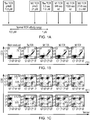
- the t 1/2 of the three affinity matured versions M1-TCR, M2-TCR and M3-TCR increased to 348 sec, 1320 sec and 3120 sec, respectively, with a K D for the M3-TCR of 2.5 nM ( Fig. 1A ).
- the binding of the M3-TCR to HLA/pTax was approximately 700-fold stronger and 300-fold longer than the binding of the Tax-TCR.
- Both the M3-TCR and the Tax-TCR bind the modified peptide pHuD with a K D of 21 ⁇ M and 123 ⁇ M, respectively.
- the TCR molecules interacting with pTax and pHuD covered the physiologic affinity range used by naturally selected TCR, and also extended into the supra-physiologic range of affinity matured TCR ( Fig. 1A ).
- Human Jurkat cells and primary peripheral blood T cells were transduced with retroviral constructs encoding the Tax-TCR or the affinity matured M1, M2 and M3-TCR.
- Jurkat cells were stained with anti-CD3 and V ⁇ 13 (the beta variable region segment which is used by the Tax-TCR) Abs, whilst T cells were stained with anti-CD3 and anti-CD8 and either anti-V ⁇ 13 or HLA-A2/pTax tetramer.
- TCR constructs were readily expressed in human Jurkat cells ( Fig. 1B ).
- Mock-transduced T cells showed background levels of endogenous V ⁇ 13 expression, but did not stain with HLA-A2/pTax tetramer ( Fig. 1C ).
- T cells transduced with the Tax-TCR and affinity matured TCR showed comparable percentages of CD8+ T cells and CD8- T cells expressing the V ⁇ 13 TCR chain and capable of binding to the HLA-A2/Tax tetramer ( Fig. 1C ). These results indicate that affinity maturation of the TCR did not affect the transduction efficiencies or the binding of the V ⁇ 13 antibodies and tetramer to the expressed TCR molecules.
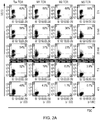
- the level of peptide-driven reduction of TCR expression seen with the M1 and M2 TCR was between the slow reduction of the Tax-TCR and the fast reduction of the M3-TCR.
- the Tax-TCR and the M1, M2 and M3-TCR showed similar differences in the kinetic of downmodulation when the analysis was performed with transduced Jurkat cells or primary human T cells (compare Fig. 2B and C ).
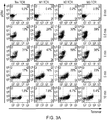
- CD107 a molecule that is exposed on the surface of T cells releasing effector molecules such as perforin and cytokines from intracellular granules.
- effector molecules such as perforin and cytokines from intracellular granules.
- Primary T cells expressing similar levels of the Tax-TCR or the affinity matured variants were stimulated with antigen-presenting T2 cells loaded with saturating concentrations of pTax peptide. Over a two-hour stimulation period, all TCR transduced populations showed an increase in the percentage of CD107 positive cells ( Fig. 4A ).
- the CD107 upregulation for the Tax-TCR was substantially slower than upregulation observed for the M3-TCR.
- the number of CD107 positive cells expressing the Tax-TCR was similar to the number seen for the M3-TCR at 0.5 hours.
- the speed of CD107 upregulation for the M1 and M2-TCR was between the Tax-TCR and M3-TCR, indicating a correlation between increasing half-life of TCR-antigen binding and accelerated kinetic of CD107 upregulation.
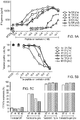
- Affinity matured TCR fail to respond to low concentration of antigen The present inventors next explored whether the accelerated response displayed by affinity matured TCR correlated with improved performance at low concentrations of peptide antigen. To explore this, transduced T cells were stimulated with decreasing peptide concentrations for 18 hours, a time period sufficient to initiate responses irrespective of the kinetic of the individual TCR/antigen combinations.
- the peptide sensitivity of the CD107 response was assessed using transduced T cells expressing similar levels of the Tax-TCR or the affinity matured versions.
- the T cells were stimulated with T2 cells loaded with decreasing concentrations of the pTax or pHuD peptide.
- the low affinity Tax-TCR/pHuD combination required approximately 10-fold more peptide to trigger a CD107 response than the medium affinity M3-TCR/pHuD combination ( Fig. 4C ).
- the best peptide sensitivity was achieved by the Tax-TCR/pTax combination with a K D at the upper end of the natural affinity range.
- the present inventors used IFN ⁇ production to explore if the unexpected loss in T cell sensitivity was peculiar to CD107 upregulation or also affected other T cells effector functions.
- T cells expressing the Tax-TCR produced IFN ⁇ at lower concentrations of pTax peptide than T cells expressing the affinity matured TCR ( Fig. 5A ).
- the M3-TCR displayed lower sensitivity than the M1 and M2-TCR.
- the poor performance of the M3-TCR compared to the Tax-TCR was reversed when T cells were stimulated with the low affinity pHuD ligand. In this situation the M3-TCR performed approximately 10-fold better than the Tax-TCR ( Fig. 5A ), indicating that poor recognition of low density antigen was linked to the high affinity M3-TCR/pTax combinations and was not an inherent feature of the affinity matured M3-TCR.
- the present inventors determined the peptide concentrations required to mediate TCR down-regulation. Although the speed of down-regulation was much faster for the affinity matured TCR (see Fig. 2 ), peptide titration clearly revealed that down-regulation of the Tax-TCR required less peptide than down-regulation of the M1, M2 and M3-TCR ( Fig. 5B ). Consistent with the results of the IFN ⁇ and CD107 response, 100-fold more peptide was required for down-regulation of the M3-TCR compared to the Tax-TCR. Together, this indicates that the improved speed of affinity matured TCR was linked to a failure to recognise low concentrations of antigen.
- HLA-A2 positive HeLa cells were transfected with a plasmid vector encoding full length Tax protein and GFP as marker, or with a control vector encoding GFP only.
- the transfected HeLa cells were used to stimulate T cells expressing the Tax-TCR or affinity matured TCR followed by measurement of Tax-specific CD107 induction.
- a robust CD107 up-regulation was seen when T cells expressing the Tax-TCR and the M1-TCR were stimulated with the Tax-expressing HeLa cells ( Fig 5C ).
- the presented data support the serial triggering model of T cell activation, which predicts that one MHC/peptide complex can sequentially engage several TCR molecules to achieve a critical threshold of approximately 200 triggered TCR that is required to achieve T cell activation.
- the dissociation of the TCR is an essential step, which is progressively impaired with increasing the K D and half-live of the TCR-MHC/peptide complex.
- the experimental data presented here are fully compatible with the serial triggering model and provide an explanation for the relative low affinity and short t 1/2 of the natural TCR repertoire. Our data show that affinity matured TCR do not improve the ability of T cells to recognise small numbers of MHC presented peptide epitopes, an essential function of high avidity T cells.
- T cells T cells to recognise low concentration of peptide was found to correlate with an improved ability to control the growth of tumor cells and the spread of virus infection in vivo, supporting the biological importance of high T cell avidity ( Alexander-Miller et al (1996) Proc Natl Acad Sci USA. 93:4102-4107 ; Zeh et al (1999) J Immunol. 162:989-994 ).
- the present inventors recently demonstrated a correlation between the functional avidity of Tax-specific CTL, assayed directly ex vivo, and the efficiency of control of HTLV-1 replication in vivo ( Kattan et al (2009) J Immunol. 182:5723-5729 ).
- HLA-A2 positive T2 cell line that is deficient in TAP (transporter associated with antigen processing) and can be efficiently loaded with exogenous peptides and HeLa cells previously stably transduced to express HLA-A2.
- HLA-A2 positive peripheral blood mononuclear cells PBMCs were obtained from volunteer donors from the National Blood Service, Collindale, London, UK.
- Flow cytometry antibodies were anti-human PE CD107a, PerCP CD3 and APC CD8 (BD Biosciences, UK), PE V ⁇ 13.1 (Immunotech, UK), phosphor-p44/42 MAPK (ERK1/2) (Thr202/Tyr204) (197G2) rabbit mAb (Cell Signaling Technology, UK) and Alexa Fluor 488 F(ab)2 fragment of goat anti-rabbit IgG (Invitrogen, UK).
- PE-labelled HLA-A2/Tax tetramers were obtained from Beckman Coulter.
- the peptides used in this study were the HLA-A2 binding peptides pTax (LLFGYPVYV), pHuD (LGYGFVNYI) and pWT235 (CMTWNQMNL) and were synthesised by ProImmune (Oxford, UK).
- the TCR alpha and beta chain constructs were cloned together into retroviral pMP71 vectors and were linked via a viral p2A sequence.
- the alpha and beta TCRs contained an additional inter-chain disulphide bound in the constant domains. This was achieved by replacing residue 48 of the alpha chain from a threonine to a cysteine and residue 57 of the beta chain from a serine to a cysteine as previously described (REF).
- the TCR construct was codon optimised.
- phoenix amphotropic packaging cells were cultured in 10 cm culture plates for 24 h at 37 °C, 5% CO 2 in DMEM media supplemented with 10% heat-inactivated FCS, 1% penicillin / streptomycin and 1% L-glutamine.
- the phoenix amphotropic packaging cells were cultured in fresh DMEM media and transfected with 16 ⁇ g of the vector constructs using calcium phosphate precipitation (Invitrogen). 24 h after transfection the media was replaced with RPMI culture media and incubated for a further 24 h. The viral supernate was then harvested.
- Jurkat cells were split 24 h prior to retroviral transduction and PBMNs were activated for 48 h using the anti-CD3 antibody OKT3 at 30 ng/ml and interleukin (IL)-2 at 600 U/ml (Chiron, CA).
- Retroviral transductions were conducted on retronectin (Takara, Japan) coated 24 well plates. 1 ml of virus supernate was added per well and the plates was spun at 2,000g, 32°C, 2 h. Wells were washed twice with PBS and cells were seeded at 5 x 10 5 per well in 2 ml of culture media. PBMC were transduced in the presence of IL-2 at 600 U/ml. After 24 h of incubation, the media was replaced with fresh culture media. Transduction efficiency was determined by flow cytometry analysis, conducted on a LSR II flow cytometer after a further 48 h culture period. FACS data was analysed using FACSdiva.
- TCR transduced primary T cells were stimulated and expanded every 7 - 10 days.
- the stimulations were conducted in 24 well plates in 2 ml culture media containing 10 % non-heat inactivated FCS and 10 U/ml IL-2 (Roche, UK), at 37 °C, 5 % CO 2 .
- Each well contained, 5 x 10 5 transduced cells, 2 x 10 5 irradiated T2 cells loaded for 2 h with 100 ⁇ M of the peptide pTax and 2 x 10 6 irradiated autologous PBMCs as feeder cells.
- 2 x 10 5 TCR transduced T cells or Jurkat cells were co-cultured with 2 x 10 5 T2 cells pre-loaded with peptide in round-bottom 96 well plates in 200 ⁇ l culture media. After each co-culturing time point the reaction was immediately stopped by washing in ice-cold PBS. Jurkat cells were stained with anti-V ⁇ 13.1 Abs and T cells were stained with anti-CD8 Abs and tetramer and FACs analysed.
- TCR transduced T cells were cultured with 1 in 500 dilution of tetramer in 100 ⁇ l of culture media for the stated times. After each time point the reaction was immediately stopped by adding 2% paraformaldehyde for 10 min at 37°C. Cells were washed, permeabilised with 90% methanol (ice, 30 min) and then stained with anti-phosphor-p44/42 MAPK, followed by Alexa Fluor 488 F(ab)2 fragment of goat anti-rabbit IgG for FACs analysis.
- T2 cells For assays using T2 cells as stimulator cells, 2 x 10 5 T2 cells were pre-loaded with peptide.
- HLA-A2 positive HeLa cells the HeLa cells were transfected with either a pGFPC1 plasmid (Clontech) or a full length Tax gene encoded within the pGFPC1 plasmid 30 .
- Cells were transfected using 8 ⁇ g plasmid DNA and 24 ⁇ l Fugene (Roche, UK). 24 h after transfection the GFP expression was determined and was typically 20 - 25%.
- the ratio of TCR-positive T cells to GFP positive HeLa cells was 1:1.
- TCR-positive T cells were stimulated with transfected HeLa cells loaded with saturating concentration of pTax peptide (100 ⁇ M) at a ratio of 1:1.
- T2 cells or HeLa cells were co-cultured with 2 x 10 5 TCR transduced T cells in round-bottom 96 well plates in 250 ⁇ l culture media containing 1 ⁇ g/ml brefeldin A (Sigma, UK), 0.7 ⁇ g/ml BD GolgiStop (BD Bioscience Pharmingen, UK) and 2 ⁇ l of CD107a PE. After each co-culturing time point the reaction was immediately stopped by washing in ice-cold PBS. T cells were stained with anti-CD8 and FACS analysed.
- cytokine secretion assays 1 x 10 5 TCR transduced T cells were stimulated with 1 x 10 5 irradiated T2 cells loaded for 2 h with peptide. Assays were conducted in triplicates in round-bottom 96 well plates in 250 ⁇ l culture media. After 18 h incubation at 37 °C, 5 % CO 2 , supernatant was harvested and tested for secreted IFN ⁇ using a human enzyme linked immunosorbent assay (ELISA) kit (BD Biosciences) as per the manufacturer's instructions. The data was analysed using excel software.
- ELISA human enzyme linked immunosorbent assay
Landscapes
- Health & Medical Sciences (AREA)
- Life Sciences & Earth Sciences (AREA)
- Chemical & Material Sciences (AREA)
- Immunology (AREA)
- Organic Chemistry (AREA)
- General Health & Medical Sciences (AREA)
- Genetics & Genomics (AREA)
- Engineering & Computer Science (AREA)
- Zoology (AREA)
- Biochemistry (AREA)
- Biomedical Technology (AREA)
- Cell Biology (AREA)
- Epidemiology (AREA)
- Veterinary Medicine (AREA)
- Public Health (AREA)
- Animal Behavior & Ethology (AREA)
- Molecular Biology (AREA)
- Biophysics (AREA)
- Proteomics, Peptides & Aminoacids (AREA)
- Medicinal Chemistry (AREA)
- Wood Science & Technology (AREA)
- Gastroenterology & Hepatology (AREA)
- Biotechnology (AREA)
- Bioinformatics & Cheminformatics (AREA)
- Toxicology (AREA)
- Hematology (AREA)
- Microbiology (AREA)
- General Engineering & Computer Science (AREA)
- Peptides Or Proteins (AREA)
- Micro-Organisms Or Cultivation Processes Thereof (AREA)
Claims (5)
- Verfahren zur Steigerung der Empfindlichkeit einer einen Zelloberflächenantikörper gegen ein Zielantigen exprimierenden T-Zelle, das den Schritt der Verringerung der Affinität des Antikörpers für das Zielantigen um wenigstens das 100-Fache, wobei die Affinität des Antikörpers durch Mutagenese des Antikörpers verringert wird, gefolgt von einer Invitro-Selektion auf niedrigaffine Varianten umfasst.
- Verfahren nach Anspruch 1, wobei die Affinität des Antikörpers für das Zielantigen um wenigstens das 1000-Fache verringert wird.
- Verfahren nach einem vorhergehenden Anspruch, wobei die Affinität des Antikörpers für das Zielantigen nach dem Verringern im Bereich von 100 - 1 µM liegt.
- Verfahren nach einem vorhergehenden Anspruch, wobei der Antikörper nach Affinitätsverringerung eine Dissoziationshalbwertszeit vom Zielantigen im Bereich von 5 - 60 Sekunden aufweist.
- Verfahren nach einem vorhergehenden Anspruch, wobei der Antikörper Teil eines chimären Antigen-Rezeptors (CAR), der(i) eine Antikörperdomäne, exprimiert an der T-Zelloberfläche; und(ii) eine cytoplasmatische Signalgebungsdomäne umfasst, ist.
Applications Claiming Priority (2)
| Application Number | Priority Date | Filing Date | Title |
|---|---|---|---|
| GBGB1108236.9A GB201108236D0 (en) | 2011-05-17 | 2011-05-17 | Method |
| PCT/GB2012/051113 WO2012156747A1 (en) | 2011-05-17 | 2012-05-17 | Method |
Publications (2)
| Publication Number | Publication Date |
|---|---|
| EP2709671A1 EP2709671A1 (de) | 2014-03-26 |
| EP2709671B1 true EP2709671B1 (de) | 2017-11-29 |
Family
ID=44260649
Family Applications (1)
| Application Number | Title | Priority Date | Filing Date |
|---|---|---|---|
| EP12722487.1A Not-in-force EP2709671B1 (de) | 2011-05-17 | 2012-05-17 | Verfahren |
Country Status (4)
| Country | Link |
|---|---|
| US (2) | US20140134720A1 (de) |
| EP (1) | EP2709671B1 (de) |
| GB (1) | GB201108236D0 (de) |
| WO (1) | WO2012156747A1 (de) |
Families Citing this family (29)
| Publication number | Priority date | Publication date | Assignee | Title |
|---|---|---|---|---|
| WO2014055442A2 (en) | 2012-10-01 | 2014-04-10 | The Trustees Of The University Of Pennsylvania | Compositions and methods for targeting stromal cells for the treatment of cancer |
| RU2729401C2 (ru) * | 2012-10-02 | 2020-08-06 | Мемориал Слоан-Кеттеринг Кэнсер Сентер | Композиции и способы для иммунотерапии |
| EP2934532B1 (de) | 2012-12-20 | 2019-10-23 | Purdue Research Foundation | Chimären antigenrezeptor exprimierende t-zellen als antikrebsmittel |
| CN104140974B (zh) * | 2013-05-08 | 2017-09-29 | 科济生物医药(上海)有限公司 | 编码gpc‑3嵌合抗原受体蛋白的核酸及表达gpc‑3嵌合抗原受体蛋白的t淋巴细胞 |
| JP6831777B2 (ja) | 2014-07-21 | 2021-02-17 | ノバルティス アーゲー | Cd33キメラ抗原受容体を使用する癌の処置 |
| US11111288B2 (en) | 2014-08-28 | 2021-09-07 | Bioatla, Inc. | Conditionally active chimeric antigen receptors for modified t-cells |
| DK3186284T3 (da) * | 2014-08-28 | 2022-05-09 | Bioatla Inc | Betinget aktive kimæriske antigenreceptorer til modificerede t-celler |
| US20190031759A1 (en) * | 2015-04-30 | 2019-01-31 | Technion Research & Development Foundation Limited | Chimeric antigen receptors and methods of their use |
| CA3172801A1 (en) | 2015-06-12 | 2016-12-15 | Lentigen Technology, Inc. | Method to treat cancer with engineered t-cells |
| ES2778651T3 (es) * | 2015-10-09 | 2020-08-11 | Miltenyi Biotec Technology Inc | Receptores de antígeno quimérico y métodos de uso |
| CA3019835A1 (en) | 2016-04-08 | 2017-10-12 | Purdue Research Foundation | Methods and compositions for car t cell therapy |
| CN109414512A (zh) | 2016-04-22 | 2019-03-01 | 科济生物医药(上海)有限公司 | 用于细胞免疫疗法的组合物和方法 |
| EP4122958A1 (de) | 2016-05-13 | 2023-01-25 | BioAtla, Inc. | Anti-ror2-antikörper, antikörperfragmente, deren immunkonjugate und verwendungen davon |
| AU2018219226B2 (en) | 2017-02-07 | 2024-12-19 | Seattle Children's Hospital (dba Seattle Children's Research Institute) | Phospholipid ether (PLE) CAR T cell tumor targeting (CTCT) agents |
| CN110582288B (zh) | 2017-02-28 | 2024-09-20 | 恩多塞特公司 | 用于car t细胞疗法的组合物和方法 |
| CA3076337A1 (en) | 2017-09-19 | 2019-03-28 | Massachusetts Institute Of Technology | Compositions for chimeric antigen receptor t cell therapy and uses thereof |
| WO2019144095A1 (en) | 2018-01-22 | 2019-07-25 | Seattle Children's Hospital (dba Seattle Children's Research Institute) | Methods of use for car t cells |
| AU2019218729B2 (en) | 2018-02-06 | 2025-12-04 | Seattle Children's Hospital (dba Seattle Children's Research Institute) | Fluorescein-specific CARs exhibiting optimal T cell function against FL-PLE labelled tumors |
| JP7568224B2 (ja) | 2018-02-23 | 2024-10-16 | エンドサイト・インコーポレイテッド | Car t細胞療法のための配列決定法 |
| SG11202100935TA (en) | 2018-09-28 | 2021-02-25 | Massachusetts Inst Technology | Collagen-localized immunomodulatory molecules and methods thereof |
| JP2022538974A (ja) | 2019-06-26 | 2022-09-07 | マサチューセッツ インスチテュート オブ テクノロジー | 免疫調節融合タンパク質-金属水酸化物錯体およびその方法 |
| GB201912515D0 (en) * | 2019-08-30 | 2019-10-16 | King S College London | Engineered regulatory T cell |
| WO2021061648A1 (en) | 2019-09-23 | 2021-04-01 | Massachusetts Institute Of Technology | Methods and compositions for stimulation of endogenous t cell responses |
| IL295063A (en) | 2020-02-04 | 2022-09-01 | Seattle Childrens Hospital Dba Seattle Childrens Res Inst | Chimeric antigen receptors (car) against dinitrophenol |
| US11896619B2 (en) | 2020-03-10 | 2024-02-13 | Massachusetts Institute Of Technology | Compositions and methods for immunotherapy of NPM1c-positive cancer |
| IL296242A (en) | 2020-03-10 | 2022-11-01 | Massachusetts Inst Technology | Methods for generating engineered memory-like nk cells and compositions thereof |
| US20210340524A1 (en) | 2020-05-01 | 2021-11-04 | Massachusetts Institute Of Technology | Methods for identifying chimeric antigen receptor-targeting ligands and uses thereof |
| US12433954B2 (en) | 2020-05-01 | 2025-10-07 | Massachusetts Institute Of Technology | Methods of activating anti-CD19 chimeric antigen receptor (CAR) T cells using amphiphilic ligand conjugates comprising CAR-targeting protein sequence motifs |
| US20260083848A1 (en) | 2021-11-03 | 2026-03-26 | Viracta Therapeutics, Inc. | Combination of car t-cell therapy with btk inhibitors and methods of use thereof |
Family Cites Families (2)
| Publication number | Priority date | Publication date | Assignee | Title |
|---|---|---|---|---|
| WO2009091826A2 (en) * | 2008-01-14 | 2009-07-23 | The Board Of Regents Of The University Of Texas System | Compositions and methods related to a human cd19-specific chimeric antigen receptor (h-car) |
| CA2735456C (en) * | 2008-08-26 | 2021-11-16 | City Of Hope | Method and compositions for enhanced anti-tumor effector functioning of t cells |
-
2011
- 2011-05-17 GB GBGB1108236.9A patent/GB201108236D0/en not_active Ceased
-
2012
- 2012-05-17 US US14/117,947 patent/US20140134720A1/en not_active Abandoned
- 2012-05-17 EP EP12722487.1A patent/EP2709671B1/de not_active Not-in-force
- 2012-05-17 WO PCT/GB2012/051113 patent/WO2012156747A1/en not_active Ceased
-
2017
- 2017-05-26 US US15/606,789 patent/US20170327596A1/en not_active Abandoned
Also Published As
| Publication number | Publication date |
|---|---|
| WO2012156747A1 (en) | 2012-11-22 |
| GB201108236D0 (en) | 2011-06-29 |
| US20140134720A1 (en) | 2014-05-15 |
| US20170327596A1 (en) | 2017-11-16 |
| EP2709671A1 (de) | 2014-03-26 |
Similar Documents
| Publication | Publication Date | Title |
|---|---|---|
| US20170327596A1 (en) | Method | |
| US10906984B2 (en) | CAR expression vector and CAR-expressing T cells | |
| JP7202512B2 (ja) | Mage-a4由来ペプチドを認識する抗原結合性タンパク質 | |
| KR102905343B1 (ko) | Axl 또는 ror2에 대한 키메라 항원 수용체 및 이의 사용 방법 | |
| JP7770188B2 (ja) | 養子細胞療法のための標的共刺激を提供する受容体 | |
| EP3115373B1 (de) | Chimäre antigenrezeptoren mit optimierter gelenkregion | |
| KR102387243B1 (ko) | 트랜스진 유전자 태그 및 사용 방법 | |
| JP2021536266A (ja) | 固形癌のためのキメラ抗原受容体及びキメラ抗原受容体が発現されたt細胞 | |
| CN110062768A (zh) | 表达抗原结合受体和嵌合共刺激受体的免疫细胞 | |
| CN110872577A (zh) | 修饰的免疫细胞及其应用 | |
| CN113801238A (zh) | 表达nk抑制性分子的工程化免疫细胞及其用途 | |
| JP7645500B2 (ja) | 改善されたt細胞受容体共刺激分子キメラ | |
| JP2017522859A (ja) | グリピカン3に特異的なt細胞受容体、及び肝細胞癌の免疫療法のためのその使用 | |
| KR20140023931A (ko) | 세포 면역요법용 방법 및 조성물 | |
| KR102842684B1 (ko) | 향상된 t-세포 수용체 star 및 이의 적용 | |
| WO2023212507A1 (en) | Compositions and methods for cellular immunotherapy | |
| WO2021027758A1 (en) | Genetically engineered cells and uses thereof | |
| CA3171344C (en) | Engineered immune cell expressing nk inhibitory molecule and use thereof | |
| GB2569692A (en) | T cell antigen receptor chimera | |
| CN120548323A (zh) | 利用ctla-4变体及嵌合抗原受体的双基因转导免疫细胞及其用途 | |
| US20230019849A1 (en) | Method for Preparing CD7-Negative, CD3-Positive T Cells | |
| HK40066141A (en) | Genetically engineered cells and uses thereof | |
| HK40066141B (en) | Genetically engineered cells and uses thereof | |
| KIRITSIS | Cancer Immunotherapy with Vegfr-3 Targeted Car T-Cells | |
| HK40065284B (en) | Receptors providing targeted costimulation for adoptive cell therapy |
Legal Events
| Date | Code | Title | Description |
|---|---|---|---|
| PUAI | Public reference made under article 153(3) epc to a published international application that has entered the european phase |
Free format text: ORIGINAL CODE: 0009012 |
|
| 17P | Request for examination filed |
Effective date: 20131125 |
|
| AK | Designated contracting states |
Kind code of ref document: A1 Designated state(s): AL AT BE BG CH CY CZ DE DK EE ES FI FR GB GR HR HU IE IS IT LI LT LU LV MC MK MT NL NO PL PT RO RS SE SI SK SM TR |
|
| DAX | Request for extension of the european patent (deleted) | ||
| 17Q | First examination report despatched |
Effective date: 20150303 |
|
| STAA | Information on the status of an ep patent application or granted ep patent |
Free format text: STATUS: EXAMINATION IS IN PROGRESS |
|
| REG | Reference to a national code |
Ref country code: DE Ref legal event code: R079 Ref document number: 602012040315 Country of ref document: DE Free format text: PREVIOUS MAIN CLASS: A61K0048000000 Ipc: C07K0016460000 |
|
| GRAP | Despatch of communication of intention to grant a patent |
Free format text: ORIGINAL CODE: EPIDOSNIGR1 |
|
| STAA | Information on the status of an ep patent application or granted ep patent |
Free format text: STATUS: GRANT OF PATENT IS INTENDED |
|
| RIC1 | Information provided on ipc code assigned before grant |
Ipc: C07K 14/725 20060101ALI20170530BHEP Ipc: C07K 16/46 20060101AFI20170530BHEP Ipc: C12N 5/0783 20100101ALI20170530BHEP Ipc: C07K 14/705 20060101ALI20170530BHEP |
|
| INTG | Intention to grant announced |
Effective date: 20170619 |
|
| GRAS | Grant fee paid |
Free format text: ORIGINAL CODE: EPIDOSNIGR3 |
|
| GRAA | (expected) grant |
Free format text: ORIGINAL CODE: 0009210 |
|
| STAA | Information on the status of an ep patent application or granted ep patent |
Free format text: STATUS: THE PATENT HAS BEEN GRANTED |
|
| AK | Designated contracting states |
Kind code of ref document: B1 Designated state(s): AL AT BE BG CH CY CZ DE DK EE ES FI FR GB GR HR HU IE IS IT LI LT LU LV MC MK MT NL NO PL PT RO RS SE SI SK SM TR |
|
| REG | Reference to a national code |
Ref country code: CH Ref legal event code: EP |
|
| REG | Reference to a national code |
Ref country code: AT Ref legal event code: REF Ref document number: 950306 Country of ref document: AT Kind code of ref document: T Effective date: 20171215 |
|
| REG | Reference to a national code |
Ref country code: IE Ref legal event code: FG4D |
|
| REG | Reference to a national code |
Ref country code: DE Ref legal event code: R096 Ref document number: 602012040315 Country of ref document: DE |
|
| REG | Reference to a national code |
Ref country code: NL Ref legal event code: MP Effective date: 20171129 |
|
| REG | Reference to a national code |
Ref country code: LT Ref legal event code: MG4D |
|
| REG | Reference to a national code |
Ref country code: AT Ref legal event code: MK05 Ref document number: 950306 Country of ref document: AT Kind code of ref document: T Effective date: 20171129 |
|
| PG25 | Lapsed in a contracting state [announced via postgrant information from national office to epo] |
Ref country code: ES Free format text: LAPSE BECAUSE OF FAILURE TO SUBMIT A TRANSLATION OF THE DESCRIPTION OR TO PAY THE FEE WITHIN THE PRESCRIBED TIME-LIMIT Effective date: 20171129 Ref country code: LT Free format text: LAPSE BECAUSE OF FAILURE TO SUBMIT A TRANSLATION OF THE DESCRIPTION OR TO PAY THE FEE WITHIN THE PRESCRIBED TIME-LIMIT Effective date: 20171129 Ref country code: SE Free format text: LAPSE BECAUSE OF FAILURE TO SUBMIT A TRANSLATION OF THE DESCRIPTION OR TO PAY THE FEE WITHIN THE PRESCRIBED TIME-LIMIT Effective date: 20171129 Ref country code: NO Free format text: LAPSE BECAUSE OF FAILURE TO SUBMIT A TRANSLATION OF THE DESCRIPTION OR TO PAY THE FEE WITHIN THE PRESCRIBED TIME-LIMIT Effective date: 20180228 Ref country code: FI Free format text: LAPSE BECAUSE OF FAILURE TO SUBMIT A TRANSLATION OF THE DESCRIPTION OR TO PAY THE FEE WITHIN THE PRESCRIBED TIME-LIMIT Effective date: 20171129 |
|
| PG25 | Lapsed in a contracting state [announced via postgrant information from national office to epo] |
Ref country code: AT Free format text: LAPSE BECAUSE OF FAILURE TO SUBMIT A TRANSLATION OF THE DESCRIPTION OR TO PAY THE FEE WITHIN THE PRESCRIBED TIME-LIMIT Effective date: 20171129 Ref country code: HR Free format text: LAPSE BECAUSE OF FAILURE TO SUBMIT A TRANSLATION OF THE DESCRIPTION OR TO PAY THE FEE WITHIN THE PRESCRIBED TIME-LIMIT Effective date: 20171129 Ref country code: BG Free format text: LAPSE BECAUSE OF FAILURE TO SUBMIT A TRANSLATION OF THE DESCRIPTION OR TO PAY THE FEE WITHIN THE PRESCRIBED TIME-LIMIT Effective date: 20180228 Ref country code: RS Free format text: LAPSE BECAUSE OF FAILURE TO SUBMIT A TRANSLATION OF THE DESCRIPTION OR TO PAY THE FEE WITHIN THE PRESCRIBED TIME-LIMIT Effective date: 20171129 Ref country code: LV Free format text: LAPSE BECAUSE OF FAILURE TO SUBMIT A TRANSLATION OF THE DESCRIPTION OR TO PAY THE FEE WITHIN THE PRESCRIBED TIME-LIMIT Effective date: 20171129 Ref country code: GR Free format text: LAPSE BECAUSE OF FAILURE TO SUBMIT A TRANSLATION OF THE DESCRIPTION OR TO PAY THE FEE WITHIN THE PRESCRIBED TIME-LIMIT Effective date: 20180301 |
|
| PG25 | Lapsed in a contracting state [announced via postgrant information from national office to epo] |
Ref country code: NL Free format text: LAPSE BECAUSE OF FAILURE TO SUBMIT A TRANSLATION OF THE DESCRIPTION OR TO PAY THE FEE WITHIN THE PRESCRIBED TIME-LIMIT Effective date: 20171129 |
|
| PG25 | Lapsed in a contracting state [announced via postgrant information from national office to epo] |
Ref country code: SK Free format text: LAPSE BECAUSE OF FAILURE TO SUBMIT A TRANSLATION OF THE DESCRIPTION OR TO PAY THE FEE WITHIN THE PRESCRIBED TIME-LIMIT Effective date: 20171129 Ref country code: EE Free format text: LAPSE BECAUSE OF FAILURE TO SUBMIT A TRANSLATION OF THE DESCRIPTION OR TO PAY THE FEE WITHIN THE PRESCRIBED TIME-LIMIT Effective date: 20171129 Ref country code: CY Free format text: LAPSE BECAUSE OF FAILURE TO SUBMIT A TRANSLATION OF THE DESCRIPTION OR TO PAY THE FEE WITHIN THE PRESCRIBED TIME-LIMIT Effective date: 20171129 Ref country code: CZ Free format text: LAPSE BECAUSE OF FAILURE TO SUBMIT A TRANSLATION OF THE DESCRIPTION OR TO PAY THE FEE WITHIN THE PRESCRIBED TIME-LIMIT Effective date: 20171129 Ref country code: DK Free format text: LAPSE BECAUSE OF FAILURE TO SUBMIT A TRANSLATION OF THE DESCRIPTION OR TO PAY THE FEE WITHIN THE PRESCRIBED TIME-LIMIT Effective date: 20171129 |
|
| REG | Reference to a national code |
Ref country code: DE Ref legal event code: R097 Ref document number: 602012040315 Country of ref document: DE |
|
| PG25 | Lapsed in a contracting state [announced via postgrant information from national office to epo] |
Ref country code: IT Free format text: LAPSE BECAUSE OF FAILURE TO SUBMIT A TRANSLATION OF THE DESCRIPTION OR TO PAY THE FEE WITHIN THE PRESCRIBED TIME-LIMIT Effective date: 20171129 Ref country code: SM Free format text: LAPSE BECAUSE OF FAILURE TO SUBMIT A TRANSLATION OF THE DESCRIPTION OR TO PAY THE FEE WITHIN THE PRESCRIBED TIME-LIMIT Effective date: 20171129 Ref country code: PL Free format text: LAPSE BECAUSE OF FAILURE TO SUBMIT A TRANSLATION OF THE DESCRIPTION OR TO PAY THE FEE WITHIN THE PRESCRIBED TIME-LIMIT Effective date: 20171129 Ref country code: RO Free format text: LAPSE BECAUSE OF FAILURE TO SUBMIT A TRANSLATION OF THE DESCRIPTION OR TO PAY THE FEE WITHIN THE PRESCRIBED TIME-LIMIT Effective date: 20171129 |
|
| PLBE | No opposition filed within time limit |
Free format text: ORIGINAL CODE: 0009261 |
|
| STAA | Information on the status of an ep patent application or granted ep patent |
Free format text: STATUS: NO OPPOSITION FILED WITHIN TIME LIMIT |
|
| 26N | No opposition filed |
Effective date: 20180830 |
|
| PG25 | Lapsed in a contracting state [announced via postgrant information from national office to epo] |
Ref country code: SI Free format text: LAPSE BECAUSE OF FAILURE TO SUBMIT A TRANSLATION OF THE DESCRIPTION OR TO PAY THE FEE WITHIN THE PRESCRIBED TIME-LIMIT Effective date: 20171129 |
|
| REG | Reference to a national code |
Ref country code: DE Ref legal event code: R119 Ref document number: 602012040315 Country of ref document: DE |
|
| REG | Reference to a national code |
Ref country code: CH Ref legal event code: PL |
|
| GBPC | Gb: european patent ceased through non-payment of renewal fee |
Effective date: 20180517 |
|
| REG | Reference to a national code |
Ref country code: BE Ref legal event code: MM Effective date: 20180531 |
|
| PG25 | Lapsed in a contracting state [announced via postgrant information from national office to epo] |
Ref country code: MC Free format text: LAPSE BECAUSE OF FAILURE TO SUBMIT A TRANSLATION OF THE DESCRIPTION OR TO PAY THE FEE WITHIN THE PRESCRIBED TIME-LIMIT Effective date: 20171129 |
|
| REG | Reference to a national code |
Ref country code: IE Ref legal event code: MM4A |
|
| PG25 | Lapsed in a contracting state [announced via postgrant information from national office to epo] |
Ref country code: CH Free format text: LAPSE BECAUSE OF NON-PAYMENT OF DUE FEES Effective date: 20180531 Ref country code: LI Free format text: LAPSE BECAUSE OF NON-PAYMENT OF DUE FEES Effective date: 20180531 |
|
| PG25 | Lapsed in a contracting state [announced via postgrant information from national office to epo] |
Ref country code: LU Free format text: LAPSE BECAUSE OF NON-PAYMENT OF DUE FEES Effective date: 20180517 |
|
| PG25 | Lapsed in a contracting state [announced via postgrant information from national office to epo] |
Ref country code: DE Free format text: LAPSE BECAUSE OF NON-PAYMENT OF DUE FEES Effective date: 20181201 Ref country code: IE Free format text: LAPSE BECAUSE OF NON-PAYMENT OF DUE FEES Effective date: 20180517 Ref country code: FR Free format text: LAPSE BECAUSE OF NON-PAYMENT OF DUE FEES Effective date: 20180531 Ref country code: GB Free format text: LAPSE BECAUSE OF NON-PAYMENT OF DUE FEES Effective date: 20180517 |
|
| PG25 | Lapsed in a contracting state [announced via postgrant information from national office to epo] |
Ref country code: BE Free format text: LAPSE BECAUSE OF NON-PAYMENT OF DUE FEES Effective date: 20180531 |
|
| PG25 | Lapsed in a contracting state [announced via postgrant information from national office to epo] |
Ref country code: MT Free format text: LAPSE BECAUSE OF NON-PAYMENT OF DUE FEES Effective date: 20180517 |
|
| PG25 | Lapsed in a contracting state [announced via postgrant information from national office to epo] |
Ref country code: TR Free format text: LAPSE BECAUSE OF FAILURE TO SUBMIT A TRANSLATION OF THE DESCRIPTION OR TO PAY THE FEE WITHIN THE PRESCRIBED TIME-LIMIT Effective date: 20171129 |
|
| PG25 | Lapsed in a contracting state [announced via postgrant information from national office to epo] |
Ref country code: PT Free format text: LAPSE BECAUSE OF FAILURE TO SUBMIT A TRANSLATION OF THE DESCRIPTION OR TO PAY THE FEE WITHIN THE PRESCRIBED TIME-LIMIT Effective date: 20171129 Ref country code: HU Free format text: LAPSE BECAUSE OF FAILURE TO SUBMIT A TRANSLATION OF THE DESCRIPTION OR TO PAY THE FEE WITHIN THE PRESCRIBED TIME-LIMIT; INVALID AB INITIO Effective date: 20120517 |
|
| PG25 | Lapsed in a contracting state [announced via postgrant information from national office to epo] |
Ref country code: MK Free format text: LAPSE BECAUSE OF NON-PAYMENT OF DUE FEES Effective date: 20171129 |
|
| PG25 | Lapsed in a contracting state [announced via postgrant information from national office to epo] |
Ref country code: AL Free format text: LAPSE BECAUSE OF FAILURE TO SUBMIT A TRANSLATION OF THE DESCRIPTION OR TO PAY THE FEE WITHIN THE PRESCRIBED TIME-LIMIT Effective date: 20171129 Ref country code: IS Free format text: LAPSE BECAUSE OF FAILURE TO SUBMIT A TRANSLATION OF THE DESCRIPTION OR TO PAY THE FEE WITHIN THE PRESCRIBED TIME-LIMIT Effective date: 20180329 |