EP2702151B1 - Ustilaginaceae-lipasevarianten - Google Patents
Ustilaginaceae-lipasevarianten Download PDFInfo
- Publication number
- EP2702151B1 EP2702151B1 EP12718740.9A EP12718740A EP2702151B1 EP 2702151 B1 EP2702151 B1 EP 2702151B1 EP 12718740 A EP12718740 A EP 12718740A EP 2702151 B1 EP2702151 B1 EP 2702151B1
- Authority
- EP
- European Patent Office
- Prior art keywords
- lipase
- amino acid
- variant
- substitution
- trans
- Prior art date
- Legal status (The legal status is an assumption and is not a legal conclusion. Google has not performed a legal analysis and makes no representation as to the accuracy of the status listed.)
- Not-in-force
Links
- 108090001060 Lipase Proteins 0.000 title claims description 313
- 102000004882 Lipase Human genes 0.000 title claims description 312
- 239000004367 Lipase Substances 0.000 title claims description 306
- 235000019421 lipase Nutrition 0.000 title claims description 306
- 241000221563 Ustilaginaceae Species 0.000 title 1
- 238000006467 substitution reaction Methods 0.000 claims description 188
- 125000003275 alpha amino acid group Chemical group 0.000 claims description 150
- 108090000765 processed proteins & peptides Proteins 0.000 claims description 118
- 102000004196 processed proteins & peptides Human genes 0.000 claims description 113
- 229920001184 polypeptide Polymers 0.000 claims description 104
- 210000004027 cell Anatomy 0.000 claims description 95
- 229940024606 amino acid Drugs 0.000 claims description 92
- 239000000758 substrate Substances 0.000 claims description 89
- 150000001413 amino acids Chemical class 0.000 claims description 83
- 238000000034 method Methods 0.000 claims description 75
- 150000004665 fatty acids Chemical class 0.000 claims description 71
- 125000000539 amino acid group Chemical group 0.000 claims description 65
- 239000000194 fatty acid Substances 0.000 claims description 62
- 239000000203 mixture Substances 0.000 claims description 50
- 235000014113 dietary fatty acids Nutrition 0.000 claims description 49
- 229930195729 fatty acid Natural products 0.000 claims description 49
- 230000000694 effects Effects 0.000 claims description 40
- 102000004190 Enzymes Human genes 0.000 claims description 39
- 108090000790 Enzymes Proteins 0.000 claims description 39
- 150000007523 nucleic acids Chemical group 0.000 claims description 39
- 241000588724 Escherichia coli Species 0.000 claims description 33
- 241000235058 Komagataella pastoris Species 0.000 claims description 30
- 230000003301 hydrolyzing effect Effects 0.000 claims description 29
- 239000003921 oil Substances 0.000 claims description 28
- 150000002632 lipids Chemical class 0.000 claims description 26
- 230000014509 gene expression Effects 0.000 claims description 25
- 230000002366 lipolytic effect Effects 0.000 claims description 24
- 102000040430 polynucleotide Human genes 0.000 claims description 22
- 108091033319 polynucleotide Proteins 0.000 claims description 22
- 239000002157 polynucleotide Substances 0.000 claims description 22
- 108091028043 Nucleic acid sequence Proteins 0.000 claims description 20
- OKTJSMMVPCPJKN-UHFFFAOYSA-N Carbon Chemical group [C] OKTJSMMVPCPJKN-UHFFFAOYSA-N 0.000 claims description 19
- 239000013604 expression vector Substances 0.000 claims description 19
- 229960001230 asparagine Drugs 0.000 claims description 18
- 235000015919 Ustilago maydis Nutrition 0.000 claims description 17
- 244000301083 Ustilago maydis Species 0.000 claims description 17
- 239000002609 medium Substances 0.000 claims description 17
- 150000001732 carboxylic acid derivatives Chemical class 0.000 claims description 13
- 150000004668 long chain fatty acids Chemical group 0.000 claims description 13
- 230000000813 microbial effect Effects 0.000 claims description 13
- 230000001580 bacterial effect Effects 0.000 claims description 10
- 238000006555 catalytic reaction Methods 0.000 claims description 10
- 239000000872 buffer Substances 0.000 claims description 9
- 238000012258 culturing Methods 0.000 claims description 9
- 150000002148 esters Chemical class 0.000 claims description 9
- 229960000310 isoleucine Drugs 0.000 claims description 9
- 238000004519 manufacturing process Methods 0.000 claims description 9
- 230000002829 reductive effect Effects 0.000 claims description 9
- 210000005253 yeast cell Anatomy 0.000 claims description 7
- 229930182558 Sterol Natural products 0.000 claims description 6
- 235000003702 sterols Nutrition 0.000 claims description 6
- UFTFJSFQGQCHQW-UHFFFAOYSA-N triformin Chemical compound O=COCC(OC=O)COC=O UFTFJSFQGQCHQW-UHFFFAOYSA-N 0.000 claims description 6
- 108091005804 Peptidases Proteins 0.000 claims description 5
- 102000035195 Peptidases Human genes 0.000 claims description 5
- 235000019833 protease Nutrition 0.000 claims description 5
- 150000003432 sterols Chemical class 0.000 claims description 5
- 108090000371 Esterases Proteins 0.000 claims description 3
- 239000008157 edible vegetable oil Substances 0.000 claims description 3
- 239000011159 matrix material Substances 0.000 claims description 3
- 150000004667 medium chain fatty acids Chemical class 0.000 claims description 3
- 108010079522 solysime Proteins 0.000 claims description 3
- 108020005199 Dehydrogenases Proteins 0.000 claims description 2
- 108090000856 Lyases Proteins 0.000 claims description 2
- 102000004317 Lyases Human genes 0.000 claims description 2
- 102000004316 Oxidoreductases Human genes 0.000 claims description 2
- 108090000854 Oxidoreductases Proteins 0.000 claims description 2
- 108700019535 Phosphoprotein Phosphatases Proteins 0.000 claims description 2
- 102000045595 Phosphoprotein Phosphatases Human genes 0.000 claims description 2
- 108060008539 Transglutaminase Proteins 0.000 claims description 2
- 239000011324 bead Substances 0.000 claims description 2
- 239000000835 fiber Substances 0.000 claims description 2
- 239000011347 resin Substances 0.000 claims description 2
- 229920005989 resin Polymers 0.000 claims description 2
- 150000004666 short chain fatty acids Chemical group 0.000 claims description 2
- 230000001131 transforming effect Effects 0.000 claims description 2
- 102000003601 transglutaminase Human genes 0.000 claims description 2
- 210000004748 cultured cell Anatomy 0.000 claims 2
- 239000001963 growth medium Substances 0.000 claims 2
- 239000003085 diluting agent Substances 0.000 claims 1
- 238000012216 screening Methods 0.000 claims 1
- 235000001014 amino acid Nutrition 0.000 description 140
- 108090000623 proteins and genes Proteins 0.000 description 72
- 102000004169 proteins and genes Human genes 0.000 description 60
- 235000018102 proteins Nutrition 0.000 description 56
- 101100494530 Brassica oleracea var. botrytis CAL-A gene Proteins 0.000 description 44
- 239000000047 product Substances 0.000 description 30
- 239000003925 fat Substances 0.000 description 28
- 235000019197 fats Nutrition 0.000 description 28
- ZHCAAFJSYLFLPX-UHFFFAOYSA-N nitrocyclohexatriene Chemical group [O-][N+](=O)C1=CC=C=C[CH]1 ZHCAAFJSYLFLPX-UHFFFAOYSA-N 0.000 description 27
- 235000019198 oils Nutrition 0.000 description 27
- 239000000243 solution Substances 0.000 description 27
- 235000010692 trans-unsaturated fatty acids Nutrition 0.000 description 25
- 230000007062 hydrolysis Effects 0.000 description 21
- 238000006460 hydrolysis reaction Methods 0.000 description 21
- 238000006243 chemical reaction Methods 0.000 description 20
- 125000003729 nucleotide group Chemical group 0.000 description 20
- 230000035772 mutation Effects 0.000 description 19
- 239000002773 nucleotide Substances 0.000 description 19
- OKKJLVBELUTLKV-UHFFFAOYSA-N Methanol Chemical compound OC OKKJLVBELUTLKV-UHFFFAOYSA-N 0.000 description 18
- 102000039446 nucleic acids Human genes 0.000 description 17
- 108020004707 nucleic acids Proteins 0.000 description 17
- -1 sterol lipids Chemical class 0.000 description 17
- PEDCQBHIVMGVHV-UHFFFAOYSA-N Glycerine Chemical compound OCC(O)CO PEDCQBHIVMGVHV-UHFFFAOYSA-N 0.000 description 15
- 238000000746 purification Methods 0.000 description 15
- 230000000295 complement effect Effects 0.000 description 14
- 239000000499 gel Substances 0.000 description 14
- 102000053602 DNA Human genes 0.000 description 13
- 108020004414 DNA Proteins 0.000 description 13
- ZQPPMHVWECSIRJ-UHFFFAOYSA-N Oleic acid Natural products CCCCCCCCC=CCCCCCCCC(O)=O ZQPPMHVWECSIRJ-UHFFFAOYSA-N 0.000 description 13
- 238000012217 deletion Methods 0.000 description 13
- 230000037430 deletion Effects 0.000 description 13
- ZQPPMHVWECSIRJ-MDZDMXLPSA-N elaidic acid Chemical compound CCCCCCCC\C=C\CCCCCCCC(O)=O ZQPPMHVWECSIRJ-MDZDMXLPSA-N 0.000 description 13
- QXJSBBXBKPUZAA-UHFFFAOYSA-N isooleic acid Natural products CCCCCCCC=CCCCCCCCCC(O)=O QXJSBBXBKPUZAA-UHFFFAOYSA-N 0.000 description 13
- 238000003752 polymerase chain reaction Methods 0.000 description 13
- HEMHJVSKTPXQMS-UHFFFAOYSA-M Sodium hydroxide Chemical compound [OH-].[Na+] HEMHJVSKTPXQMS-UHFFFAOYSA-M 0.000 description 12
- 238000003556 assay Methods 0.000 description 12
- 230000015572 biosynthetic process Effects 0.000 description 12
- 238000010932 ethanolysis reaction Methods 0.000 description 12
- 235000013305 food Nutrition 0.000 description 12
- 238000004817 gas chromatography Methods 0.000 description 11
- 239000012528 membrane Substances 0.000 description 11
- 230000004048 modification Effects 0.000 description 11
- 238000012986 modification Methods 0.000 description 11
- 239000000523 sample Substances 0.000 description 11
- 210000004899 c-terminal region Anatomy 0.000 description 10
- 238000003776 cleavage reaction Methods 0.000 description 10
- 239000000287 crude extract Substances 0.000 description 10
- 235000019626 lipase activity Nutrition 0.000 description 10
- VLKZOEOYAKHREP-UHFFFAOYSA-N n-Hexane Chemical compound CCCCCC VLKZOEOYAKHREP-UHFFFAOYSA-N 0.000 description 10
- XLYOFNOQVPJJNP-UHFFFAOYSA-N water Substances O XLYOFNOQVPJJNP-UHFFFAOYSA-N 0.000 description 10
- RAXXELZNTBOGNW-UHFFFAOYSA-N imidazole Natural products C1=CNC=N1 RAXXELZNTBOGNW-UHFFFAOYSA-N 0.000 description 9
- 239000012064 sodium phosphate buffer Substances 0.000 description 9
- 239000013598 vector Substances 0.000 description 9
- WRIDQFICGBMAFQ-UHFFFAOYSA-N (E)-8-Octadecenoic acid Natural products CCCCCCCCCC=CCCCCCCC(O)=O WRIDQFICGBMAFQ-UHFFFAOYSA-N 0.000 description 8
- LQJBNNIYVWPHFW-UHFFFAOYSA-N 20:1omega9c fatty acid Natural products CCCCCCCCCCC=CCCCCCCCC(O)=O LQJBNNIYVWPHFW-UHFFFAOYSA-N 0.000 description 8
- QSBYPNXLFMSGKH-UHFFFAOYSA-N 9-Heptadecensaeure Natural products CCCCCCCC=CCCCCCCCC(O)=O QSBYPNXLFMSGKH-UHFFFAOYSA-N 0.000 description 8
- IJGRMHOSHXDMSA-UHFFFAOYSA-N Atomic nitrogen Chemical compound N#N IJGRMHOSHXDMSA-UHFFFAOYSA-N 0.000 description 8
- 108020004705 Codon Proteins 0.000 description 8
- 239000005642 Oleic acid Substances 0.000 description 8
- 108010076504 Protein Sorting Signals Proteins 0.000 description 8
- 238000001514 detection method Methods 0.000 description 8
- 230000006870 function Effects 0.000 description 8
- 235000021313 oleic acid Nutrition 0.000 description 8
- 239000013612 plasmid Substances 0.000 description 8
- 230000007017 scission Effects 0.000 description 8
- 238000002415 sodium dodecyl sulfate polyacrylamide gel electrophoresis Methods 0.000 description 8
- TUNFSRHWOTWDNC-UHFFFAOYSA-N tetradecanoic acid Chemical compound CCCCCCCCCCCCCC(O)=O TUNFSRHWOTWDNC-UHFFFAOYSA-N 0.000 description 8
- 239000002033 PVDF binder Substances 0.000 description 7
- 238000004458 analytical method Methods 0.000 description 7
- 125000004432 carbon atom Chemical group C* 0.000 description 7
- 238000010367 cloning Methods 0.000 description 7
- 230000002255 enzymatic effect Effects 0.000 description 7
- 238000005755 formation reaction Methods 0.000 description 7
- 125000005456 glyceride group Chemical group 0.000 description 7
- 229920002981 polyvinylidene fluoride Polymers 0.000 description 7
- 239000011541 reaction mixture Substances 0.000 description 7
- 239000006228 supernatant Substances 0.000 description 7
- DCXXMTOCNZCJGO-UHFFFAOYSA-N tristearoylglycerol Chemical compound CCCCCCCCCCCCCCCCCC(=O)OCC(OC(=O)CCCCCCCCCCCCCCCCC)COC(=O)CCCCCCCCCCCCCCCCC DCXXMTOCNZCJGO-UHFFFAOYSA-N 0.000 description 7
- CSCPPACGZOOCGX-UHFFFAOYSA-N Acetone Chemical compound CC(C)=O CSCPPACGZOOCGX-UHFFFAOYSA-N 0.000 description 6
- LFQSCWFLJHTTHZ-UHFFFAOYSA-N Ethanol Chemical compound CCO LFQSCWFLJHTTHZ-UHFFFAOYSA-N 0.000 description 6
- WQDUMFSSJAZKTM-UHFFFAOYSA-N Sodium methoxide Chemical compound [Na+].[O-]C WQDUMFSSJAZKTM-UHFFFAOYSA-N 0.000 description 6
- UYXTWWCETRIEDR-UHFFFAOYSA-N Tributyrin Chemical compound CCCC(=O)OCC(OC(=O)CCC)COC(=O)CCC UYXTWWCETRIEDR-UHFFFAOYSA-N 0.000 description 6
- 238000006136 alcoholysis reaction Methods 0.000 description 6
- DTOSIQBPPRVQHS-PDBXOOCHSA-N alpha-linolenic acid Chemical compound CC\C=C/C\C=C/C\C=C/CCCCCCCC(O)=O DTOSIQBPPRVQHS-PDBXOOCHSA-N 0.000 description 6
- 239000000839 emulsion Substances 0.000 description 6
- 239000000284 extract Substances 0.000 description 6
- 239000012634 fragment Substances 0.000 description 6
- 239000004615 ingredient Substances 0.000 description 6
- 239000003550 marker Substances 0.000 description 6
- 108020004999 messenger RNA Proteins 0.000 description 6
- 229940105132 myristate Drugs 0.000 description 6
- 238000012545 processing Methods 0.000 description 6
- 239000007787 solid Substances 0.000 description 6
- 239000000126 substance Substances 0.000 description 6
- 238000003786 synthesis reaction Methods 0.000 description 6
- 108091026890 Coding region Proteins 0.000 description 5
- RTZKZFJDLAIYFH-UHFFFAOYSA-N Diethyl ether Chemical compound CCOCC RTZKZFJDLAIYFH-UHFFFAOYSA-N 0.000 description 5
- 241000626621 Geobacillus Species 0.000 description 5
- WQZGKKKJIJFFOK-GASJEMHNSA-N Glucose Natural products OC[C@H]1OC(O)[C@H](O)[C@@H](O)[C@@H]1O WQZGKKKJIJFFOK-GASJEMHNSA-N 0.000 description 5
- 235000010469 Glycine max Nutrition 0.000 description 5
- 108700026244 Open Reading Frames Proteins 0.000 description 5
- 235000021322 Vaccenic acid Nutrition 0.000 description 5
- UWHZIFQPPBDJPM-FPLPWBNLSA-M Vaccenic acid Natural products CCCCCC\C=C/CCCCCCCCCC([O-])=O UWHZIFQPPBDJPM-FPLPWBNLSA-M 0.000 description 5
- 235000014121 butter Nutrition 0.000 description 5
- 150000001875 compounds Chemical class 0.000 description 5
- 108020001507 fusion proteins Proteins 0.000 description 5
- 102000037865 fusion proteins Human genes 0.000 description 5
- 239000008103 glucose Substances 0.000 description 5
- 238000005259 measurement Methods 0.000 description 5
- 229930182817 methionine Natural products 0.000 description 5
- 229920002477 rna polymer Polymers 0.000 description 5
- 150000004671 saturated fatty acids Chemical class 0.000 description 5
- 238000002741 site-directed mutagenesis Methods 0.000 description 5
- UWHZIFQPPBDJPM-BQYQJAHWSA-N vaccenic acid group Chemical group C(CCCCCCCCC\C=C\CCCCCC)(=O)O UWHZIFQPPBDJPM-BQYQJAHWSA-N 0.000 description 5
- 244000215068 Acacia senegal Species 0.000 description 4
- HEDRZPFGACZZDS-UHFFFAOYSA-N Chloroform Chemical compound ClC(Cl)Cl HEDRZPFGACZZDS-UHFFFAOYSA-N 0.000 description 4
- 229920000084 Gum arabic Polymers 0.000 description 4
- 101710098556 Lipase A Proteins 0.000 description 4
- 239000006391 Luria-Bertani Medium Substances 0.000 description 4
- 101710099648 Lysosomal acid lipase/cholesteryl ester hydrolase Proteins 0.000 description 4
- 102100026001 Lysosomal acid lipase/cholesteryl ester hydrolase Human genes 0.000 description 4
- 108091034117 Oligonucleotide Proteins 0.000 description 4
- 240000004808 Saccharomyces cerevisiae Species 0.000 description 4
- 235000014680 Saccharomyces cerevisiae Nutrition 0.000 description 4
- PMZURENOXWZQFD-UHFFFAOYSA-L Sodium Sulfate Chemical compound [Na+].[Na+].[O-]S([O-])(=O)=O PMZURENOXWZQFD-UHFFFAOYSA-L 0.000 description 4
- UIIMBOGNXHQVGW-UHFFFAOYSA-M Sodium bicarbonate Chemical compound [Na+].OC([O-])=O UIIMBOGNXHQVGW-UHFFFAOYSA-M 0.000 description 4
- FAPWRFPIFSIZLT-UHFFFAOYSA-M Sodium chloride Chemical compound [Na+].[Cl-] FAPWRFPIFSIZLT-UHFFFAOYSA-M 0.000 description 4
- HEDRZPFGACZZDS-MICDWDOJSA-N Trichloro(2H)methane Chemical compound [2H]C(Cl)(Cl)Cl HEDRZPFGACZZDS-MICDWDOJSA-N 0.000 description 4
- IXKSXJFAGXLQOQ-XISFHERQSA-N WHWLQLKPGQPMY Chemical compound C([C@@H](C(=O)N[C@@H](CC=1C2=CC=CC=C2NC=1)C(=O)N[C@@H](CC(C)C)C(=O)N[C@@H](CCC(N)=O)C(=O)N[C@@H](CC(C)C)C(=O)N1CCC[C@H]1C(=O)NCC(=O)N[C@@H](CCC(N)=O)C(=O)N[C@@H](CC(O)=O)C(=O)N1CCC[C@H]1C(=O)N[C@@H](CCSC)C(=O)N[C@@H](CC=1C=CC(O)=CC=1)C(O)=O)NC(=O)[C@@H](N)CC=1C2=CC=CC=C2NC=1)C1=CNC=N1 IXKSXJFAGXLQOQ-XISFHERQSA-N 0.000 description 4
- 239000000205 acacia gum Substances 0.000 description 4
- 235000010489 acacia gum Nutrition 0.000 description 4
- 235000020661 alpha-linolenic acid Nutrition 0.000 description 4
- CKLJMWTZIZZHCS-REOHCLBHSA-N aspartic acid group Chemical group N[C@@H](CC(=O)O)C(=O)O CKLJMWTZIZZHCS-REOHCLBHSA-N 0.000 description 4
- 238000005119 centrifugation Methods 0.000 description 4
- 238000004587 chromatography analysis Methods 0.000 description 4
- 230000002860 competitive effect Effects 0.000 description 4
- 238000011161 development Methods 0.000 description 4
- 238000001962 electrophoresis Methods 0.000 description 4
- 235000019387 fatty acid methyl ester Nutrition 0.000 description 4
- 230000002068 genetic effect Effects 0.000 description 4
- 239000011521 glass Substances 0.000 description 4
- IPCSVZSSVZVIGE-UHFFFAOYSA-N hexadecanoic acid Chemical compound CCCCCCCCCCCCCCCC(O)=O IPCSVZSSVZVIGE-UHFFFAOYSA-N 0.000 description 4
- 230000010354 integration Effects 0.000 description 4
- 229960004488 linolenic acid Drugs 0.000 description 4
- 239000007788 liquid Substances 0.000 description 4
- 238000003760 magnetic stirring Methods 0.000 description 4
- 239000000463 material Substances 0.000 description 4
- 238000002844 melting Methods 0.000 description 4
- 230000008018 melting Effects 0.000 description 4
- 125000001360 methionine group Chemical group N[C@@H](CCSC)C(=O)* 0.000 description 4
- 238000000329 molecular dynamics simulation Methods 0.000 description 4
- 229910052757 nitrogen Inorganic materials 0.000 description 4
- QIQXTHQIDYTFRH-UHFFFAOYSA-N octadecanoic acid Chemical compound CCCCCCCCCCCCCCCCCC(O)=O QIQXTHQIDYTFRH-UHFFFAOYSA-N 0.000 description 4
- 239000003760 tallow Substances 0.000 description 4
- 150000003626 triacylglycerols Chemical class 0.000 description 4
- YNJBWRMUSHSURL-UHFFFAOYSA-N trichloroacetic acid Chemical compound OC(=O)C(Cl)(Cl)Cl YNJBWRMUSHSURL-UHFFFAOYSA-N 0.000 description 4
- 239000001993 wax Substances 0.000 description 4
- JIAARYAFYJHUJI-UHFFFAOYSA-L zinc dichloride Chemical compound [Cl-].[Cl-].[Zn+2] JIAARYAFYJHUJI-UHFFFAOYSA-L 0.000 description 4
- QRXMUCSWCMTJGU-UHFFFAOYSA-L (5-bromo-4-chloro-1h-indol-3-yl) phosphate Chemical compound C1=C(Br)C(Cl)=C2C(OP([O-])(=O)[O-])=CNC2=C1 QRXMUCSWCMTJGU-UHFFFAOYSA-L 0.000 description 3
- HBAQYPYDRFILMT-UHFFFAOYSA-N 8-[3-(1-cyclopropylpyrazol-4-yl)-1H-pyrazolo[4,3-d]pyrimidin-5-yl]-3-methyl-3,8-diazabicyclo[3.2.1]octan-2-one Chemical class C1(CC1)N1N=CC(=C1)C1=NNC2=C1N=C(N=C2)N1C2C(N(CC1CC2)C)=O HBAQYPYDRFILMT-UHFFFAOYSA-N 0.000 description 3
- 208000016444 Benign adult familial myoclonic epilepsy Diseases 0.000 description 3
- 108091003079 Bovine Serum Albumin Proteins 0.000 description 3
- FERIUCNNQQJTOY-UHFFFAOYSA-N Butyric acid Chemical compound CCCC(O)=O FERIUCNNQQJTOY-UHFFFAOYSA-N 0.000 description 3
- 241000222120 Candida <Saccharomycetales> Species 0.000 description 3
- YMWUJEATGCHHMB-UHFFFAOYSA-N Dichloromethane Chemical compound ClCCl YMWUJEATGCHHMB-UHFFFAOYSA-N 0.000 description 3
- DHMQDGOQFOQNFH-UHFFFAOYSA-N Glycine Chemical compound NCC(O)=O DHMQDGOQFOQNFH-UHFFFAOYSA-N 0.000 description 3
- 102000004157 Hydrolases Human genes 0.000 description 3
- 108090000604 Hydrolases Proteins 0.000 description 3
- 239000007832 Na2SO4 Substances 0.000 description 3
- 235000019482 Palm oil Nutrition 0.000 description 3
- 241000235648 Pichia Species 0.000 description 3
- 102000007056 Recombinant Fusion Proteins Human genes 0.000 description 3
- 108010008281 Recombinant Fusion Proteins Proteins 0.000 description 3
- 235000019774 Rice Bran oil Nutrition 0.000 description 3
- YXFVVABEGXRONW-UHFFFAOYSA-N Toluene Chemical compound CC1=CC=CC=C1 YXFVVABEGXRONW-UHFFFAOYSA-N 0.000 description 3
- KZSNJWFQEVHDMF-UHFFFAOYSA-N Valine Natural products CC(C)C(N)C(O)=O KZSNJWFQEVHDMF-UHFFFAOYSA-N 0.000 description 3
- 230000004913 activation Effects 0.000 description 3
- 230000004071 biological effect Effects 0.000 description 3
- BJQHLKABXJIVAM-UHFFFAOYSA-N bis(2-ethylhexyl) phthalate Chemical compound CCCCC(CC)COC(=O)C1=CC=CC=C1C(=O)OCC(CC)CCCC BJQHLKABXJIVAM-UHFFFAOYSA-N 0.000 description 3
- 229940098773 bovine serum albumin Drugs 0.000 description 3
- 238000004364 calculation method Methods 0.000 description 3
- 229940041514 candida albicans extract Drugs 0.000 description 3
- 235000019519 canola oil Nutrition 0.000 description 3
- 239000000828 canola oil Substances 0.000 description 3
- 229910052799 carbon Inorganic materials 0.000 description 3
- 239000003054 catalyst Substances 0.000 description 3
- 230000003197 catalytic effect Effects 0.000 description 3
- 239000003153 chemical reaction reagent Substances 0.000 description 3
- 239000003795 chemical substances by application Substances 0.000 description 3
- 239000002131 composite material Substances 0.000 description 3
- 238000010411 cooking Methods 0.000 description 3
- 235000005687 corn oil Nutrition 0.000 description 3
- 239000002285 corn oil Substances 0.000 description 3
- 230000003247 decreasing effect Effects 0.000 description 3
- 230000001419 dependent effect Effects 0.000 description 3
- POULHZVOKOAJMA-UHFFFAOYSA-N dodecanoic acid Chemical compound CCCCCCCCCCCC(O)=O POULHZVOKOAJMA-UHFFFAOYSA-N 0.000 description 3
- 230000008030 elimination Effects 0.000 description 3
- 238000003379 elimination reaction Methods 0.000 description 3
- 239000003623 enhancer Substances 0.000 description 3
- 125000004494 ethyl ester group Chemical group 0.000 description 3
- 238000000605 extraction Methods 0.000 description 3
- 208000016427 familial adult myoclonic epilepsy Diseases 0.000 description 3
- ZGNITFSDLCMLGI-UHFFFAOYSA-N flubendiamide Chemical compound CC1=CC(C(F)(C(F)(F)F)C(F)(F)F)=CC=C1NC(=O)C1=CC=CC(I)=C1C(=O)NC(C)(C)CS(C)(=O)=O ZGNITFSDLCMLGI-UHFFFAOYSA-N 0.000 description 3
- 230000002538 fungal effect Effects 0.000 description 3
- 238000003306 harvesting Methods 0.000 description 3
- HNDVDQJCIGZPNO-UHFFFAOYSA-N histidine Natural products OC(=O)C(N)CC1=CN=CN1 HNDVDQJCIGZPNO-UHFFFAOYSA-N 0.000 description 3
- 239000001257 hydrogen Substances 0.000 description 3
- 229910052739 hydrogen Inorganic materials 0.000 description 3
- 230000002209 hydrophobic effect Effects 0.000 description 3
- 238000003780 insertion Methods 0.000 description 3
- 230000037431 insertion Effects 0.000 description 3
- KQQKGWQCNNTQJW-UHFFFAOYSA-N linolenic acid Natural products CC=CCCC=CCC=CCCCCCCCC(O)=O KQQKGWQCNNTQJW-UHFFFAOYSA-N 0.000 description 3
- 235000021388 linseed oil Nutrition 0.000 description 3
- 239000000944 linseed oil Substances 0.000 description 3
- 150000002646 long chain fatty acid esters Chemical class 0.000 description 3
- 235000013310 margarine Nutrition 0.000 description 3
- 239000003264 margarine Substances 0.000 description 3
- 238000002156 mixing Methods 0.000 description 3
- 239000013642 negative control Substances 0.000 description 3
- FSVCQIDHPKZJSO-UHFFFAOYSA-L nitro blue tetrazolium dichloride Chemical compound [Cl-].[Cl-].COC1=CC(C=2C=C(OC)C(=CC=2)[N+]=2N(N=C(N=2)C=2C=CC=CC=2)C=2C=CC(=CC=2)[N+]([O-])=O)=CC=C1[N+]1=NC(C=2C=CC=CC=2)=NN1C1=CC=C([N+]([O-])=O)C=C1 FSVCQIDHPKZJSO-UHFFFAOYSA-L 0.000 description 3
- 239000012038 nucleophile Substances 0.000 description 3
- 229940049964 oleate Drugs 0.000 description 3
- ZQPPMHVWECSIRJ-KTKRTIGZSA-N oleic acid Chemical compound CCCCCCCC\C=C/CCCCCCCC(O)=O ZQPPMHVWECSIRJ-KTKRTIGZSA-N 0.000 description 3
- 235000008390 olive oil Nutrition 0.000 description 3
- 239000004006 olive oil Substances 0.000 description 3
- 239000012044 organic layer Substances 0.000 description 3
- 239000002540 palm oil Substances 0.000 description 3
- 239000008188 pellet Substances 0.000 description 3
- COLNVLDHVKWLRT-QMMMGPOBSA-N phenylalanine group Chemical class N[C@@H](CC1=CC=CC=C1)C(=O)O COLNVLDHVKWLRT-QMMMGPOBSA-N 0.000 description 3
- 235000020777 polyunsaturated fatty acids Nutrition 0.000 description 3
- 125000002924 primary amino group Chemical group [H]N([H])* 0.000 description 3
- 230000008569 process Effects 0.000 description 3
- 239000008165 rice bran oil Substances 0.000 description 3
- 235000005713 safflower oil Nutrition 0.000 description 3
- 239000003813 safflower oil Substances 0.000 description 3
- 238000000926 separation method Methods 0.000 description 3
- 229910052938 sodium sulfate Inorganic materials 0.000 description 3
- RWVGQQGBQSJDQV-UHFFFAOYSA-M sodium;3-[[4-[(e)-[4-(4-ethoxyanilino)phenyl]-[4-[ethyl-[(3-sulfonatophenyl)methyl]azaniumylidene]-2-methylcyclohexa-2,5-dien-1-ylidene]methyl]-n-ethyl-3-methylanilino]methyl]benzenesulfonate Chemical compound [Na+].C1=CC(OCC)=CC=C1NC1=CC=C(C(=C2C(=CC(C=C2)=[N+](CC)CC=2C=C(C=CC=2)S([O-])(=O)=O)C)C=2C(=CC(=CC=2)N(CC)CC=2C=C(C=CC=2)S([O-])(=O)=O)C)C=C1 RWVGQQGBQSJDQV-UHFFFAOYSA-M 0.000 description 3
- 235000012424 soybean oil Nutrition 0.000 description 3
- 239000003549 soybean oil Substances 0.000 description 3
- 238000010561 standard procedure Methods 0.000 description 3
- 238000004809 thin layer chromatography Methods 0.000 description 3
- 238000013519 translation Methods 0.000 description 3
- PHYFQTYBJUILEZ-IUPFWZBJSA-N triolein Chemical compound CCCCCCCC\C=C/CCCCCCCC(=O)OCC(OC(=O)CCCCCCC\C=C/CCCCCCCC)COC(=O)CCCCCCC\C=C/CCCCCCCC PHYFQTYBJUILEZ-IUPFWZBJSA-N 0.000 description 3
- 235000021122 unsaturated fatty acids Nutrition 0.000 description 3
- 238000005406 washing Methods 0.000 description 3
- 239000012138 yeast extract Substances 0.000 description 3
- YBJHBAHKTGYVGT-ZKWXMUAHSA-N (+)-Biotin Chemical compound N1C(=O)N[C@@H]2[C@H](CCCCC(=O)O)SC[C@@H]21 YBJHBAHKTGYVGT-ZKWXMUAHSA-N 0.000 description 2
- OYHQOLUKZRVURQ-NTGFUMLPSA-N (9Z,12Z)-9,10,12,13-tetratritiooctadeca-9,12-dienoic acid Chemical compound C(CCCCCCC\C(=C(/C\C(=C(/CCCCC)\[3H])\[3H])\[3H])\[3H])(=O)O OYHQOLUKZRVURQ-NTGFUMLPSA-N 0.000 description 2
- 238000005160 1H NMR spectroscopy Methods 0.000 description 2
- QTBSBXVTEAMEQO-UHFFFAOYSA-N Acetic acid Chemical compound CC(O)=O QTBSBXVTEAMEQO-UHFFFAOYSA-N 0.000 description 2
- 208000024827 Alzheimer disease Diseases 0.000 description 2
- 241000894006 Bacteria Species 0.000 description 2
- 101100273064 Brassica oleracea var. botrytis CAL-B gene Proteins 0.000 description 2
- 238000001712 DNA sequencing Methods 0.000 description 2
- 108010016626 Dipeptides Proteins 0.000 description 2
- WHUUTDBJXJRKMK-UHFFFAOYSA-N Glutamic acid Natural products OC(=O)C(N)CCC(O)=O WHUUTDBJXJRKMK-UHFFFAOYSA-N 0.000 description 2
- 102100036263 Glutamyl-tRNA(Gln) amidotransferase subunit C, mitochondrial Human genes 0.000 description 2
- 101001001786 Homo sapiens Glutamyl-tRNA(Gln) amidotransferase subunit C, mitochondrial Proteins 0.000 description 2
- 108091092195 Intron Proteins 0.000 description 2
- KFZMGEQAYNKOFK-UHFFFAOYSA-N Isopropanol Chemical compound CC(C)O KFZMGEQAYNKOFK-UHFFFAOYSA-N 0.000 description 2
- DCXYFEDJOCDNAF-REOHCLBHSA-N L-asparagine Chemical compound OC(=O)[C@@H](N)CC(N)=O DCXYFEDJOCDNAF-REOHCLBHSA-N 0.000 description 2
- AGPKZVBTJJNPAG-WHFBIAKZSA-N L-isoleucine Chemical compound CC[C@H](C)[C@H](N)C(O)=O AGPKZVBTJJNPAG-WHFBIAKZSA-N 0.000 description 2
- ROHFNLRQFUQHCH-YFKPBYRVSA-N L-leucine Chemical compound CC(C)C[C@H](N)C(O)=O ROHFNLRQFUQHCH-YFKPBYRVSA-N 0.000 description 2
- FFEARJCKVFRZRR-BYPYZUCNSA-N L-methionine Chemical compound CSCC[C@H](N)C(O)=O FFEARJCKVFRZRR-BYPYZUCNSA-N 0.000 description 2
- OUYCCCASQSFEME-QMMMGPOBSA-N L-tyrosine Chemical compound OC(=O)[C@@H](N)CC1=CC=C(O)C=C1 OUYCCCASQSFEME-QMMMGPOBSA-N 0.000 description 2
- KZSNJWFQEVHDMF-BYPYZUCNSA-N L-valine Chemical compound CC(C)[C@H](N)C(O)=O KZSNJWFQEVHDMF-BYPYZUCNSA-N 0.000 description 2
- KDXKERNSBIXSRK-UHFFFAOYSA-N Lysine Natural products NCCCCC(N)C(O)=O KDXKERNSBIXSRK-UHFFFAOYSA-N 0.000 description 2
- 208000001145 Metabolic Syndrome Diseases 0.000 description 2
- 241001661345 Moesziomyces antarcticus Species 0.000 description 2
- 235000021360 Myristic acid Nutrition 0.000 description 2
- 206010028980 Neoplasm Diseases 0.000 description 2
- 208000008589 Obesity Diseases 0.000 description 2
- 229910019142 PO4 Inorganic materials 0.000 description 2
- 235000021314 Palmitic acid Nutrition 0.000 description 2
- 235000019483 Peanut oil Nutrition 0.000 description 2
- 239000001888 Peptone Substances 0.000 description 2
- 108010080698 Peptones Proteins 0.000 description 2
- 241000893045 Pseudozyma Species 0.000 description 2
- 235000019485 Safflower oil Nutrition 0.000 description 2
- 238000012300 Sequence Analysis Methods 0.000 description 2
- 235000021355 Stearic acid Nutrition 0.000 description 2
- 235000019486 Sunflower oil Nutrition 0.000 description 2
- 241000221566 Ustilago Species 0.000 description 2
- JLCPHMBAVCMARE-UHFFFAOYSA-N [3-[[3-[[3-[[3-[[3-[[3-[[3-[[3-[[3-[[3-[[3-[[5-(2-amino-6-oxo-1H-purin-9-yl)-3-[[3-[[3-[[3-[[3-[[3-[[5-(2-amino-6-oxo-1H-purin-9-yl)-3-[[5-(2-amino-6-oxo-1H-purin-9-yl)-3-hydroxyoxolan-2-yl]methoxy-hydroxyphosphoryl]oxyoxolan-2-yl]methoxy-hydroxyphosphoryl]oxy-5-(5-methyl-2,4-dioxopyrimidin-1-yl)oxolan-2-yl]methoxy-hydroxyphosphoryl]oxy-5-(6-aminopurin-9-yl)oxolan-2-yl]methoxy-hydroxyphosphoryl]oxy-5-(6-aminopurin-9-yl)oxolan-2-yl]methoxy-hydroxyphosphoryl]oxy-5-(6-aminopurin-9-yl)oxolan-2-yl]methoxy-hydroxyphosphoryl]oxy-5-(6-aminopurin-9-yl)oxolan-2-yl]methoxy-hydroxyphosphoryl]oxyoxolan-2-yl]methoxy-hydroxyphosphoryl]oxy-5-(5-methyl-2,4-dioxopyrimidin-1-yl)oxolan-2-yl]methoxy-hydroxyphosphoryl]oxy-5-(4-amino-2-oxopyrimidin-1-yl)oxolan-2-yl]methoxy-hydroxyphosphoryl]oxy-5-(5-methyl-2,4-dioxopyrimidin-1-yl)oxolan-2-yl]methoxy-hydroxyphosphoryl]oxy-5-(5-methyl-2,4-dioxopyrimidin-1-yl)oxolan-2-yl]methoxy-hydroxyphosphoryl]oxy-5-(6-aminopurin-9-yl)oxolan-2-yl]methoxy-hydroxyphosphoryl]oxy-5-(6-aminopurin-9-yl)oxolan-2-yl]methoxy-hydroxyphosphoryl]oxy-5-(4-amino-2-oxopyrimidin-1-yl)oxolan-2-yl]methoxy-hydroxyphosphoryl]oxy-5-(4-amino-2-oxopyrimidin-1-yl)oxolan-2-yl]methoxy-hydroxyphosphoryl]oxy-5-(4-amino-2-oxopyrimidin-1-yl)oxolan-2-yl]methoxy-hydroxyphosphoryl]oxy-5-(6-aminopurin-9-yl)oxolan-2-yl]methoxy-hydroxyphosphoryl]oxy-5-(4-amino-2-oxopyrimidin-1-yl)oxolan-2-yl]methyl [5-(6-aminopurin-9-yl)-2-(hydroxymethyl)oxolan-3-yl] hydrogen phosphate Polymers Cc1cn(C2CC(OP(O)(=O)OCC3OC(CC3OP(O)(=O)OCC3OC(CC3O)n3cnc4c3nc(N)[nH]c4=O)n3cnc4c3nc(N)[nH]c4=O)C(COP(O)(=O)OC3CC(OC3COP(O)(=O)OC3CC(OC3COP(O)(=O)OC3CC(OC3COP(O)(=O)OC3CC(OC3COP(O)(=O)OC3CC(OC3COP(O)(=O)OC3CC(OC3COP(O)(=O)OC3CC(OC3COP(O)(=O)OC3CC(OC3COP(O)(=O)OC3CC(OC3COP(O)(=O)OC3CC(OC3COP(O)(=O)OC3CC(OC3COP(O)(=O)OC3CC(OC3COP(O)(=O)OC3CC(OC3COP(O)(=O)OC3CC(OC3COP(O)(=O)OC3CC(OC3COP(O)(=O)OC3CC(OC3COP(O)(=O)OC3CC(OC3CO)n3cnc4c(N)ncnc34)n3ccc(N)nc3=O)n3cnc4c(N)ncnc34)n3ccc(N)nc3=O)n3ccc(N)nc3=O)n3ccc(N)nc3=O)n3cnc4c(N)ncnc34)n3cnc4c(N)ncnc34)n3cc(C)c(=O)[nH]c3=O)n3cc(C)c(=O)[nH]c3=O)n3ccc(N)nc3=O)n3cc(C)c(=O)[nH]c3=O)n3cnc4c3nc(N)[nH]c4=O)n3cnc4c(N)ncnc34)n3cnc4c(N)ncnc34)n3cnc4c(N)ncnc34)n3cnc4c(N)ncnc34)O2)c(=O)[nH]c1=O JLCPHMBAVCMARE-UHFFFAOYSA-N 0.000 description 2
- 201000000690 abdominal obesity-metabolic syndrome Diseases 0.000 description 2
- 230000021736 acetylation Effects 0.000 description 2
- 238000006640 acetylation reaction Methods 0.000 description 2
- 230000009471 action Effects 0.000 description 2
- 150000001298 alcohols Chemical class 0.000 description 2
- 125000001931 aliphatic group Chemical group 0.000 description 2
- JAZBEHYOTPTENJ-JLNKQSITSA-N all-cis-5,8,11,14,17-icosapentaenoic acid Chemical compound CC\C=C/C\C=C/C\C=C/C\C=C/C\C=C/CCCC(O)=O JAZBEHYOTPTENJ-JLNKQSITSA-N 0.000 description 2
- 230000004075 alteration Effects 0.000 description 2
- 230000009435 amidation Effects 0.000 description 2
- 238000007112 amidation reaction Methods 0.000 description 2
- 150000001408 amides Chemical class 0.000 description 2
- 150000001412 amines Chemical class 0.000 description 2
- YZXBAPSDXZZRGB-DOFZRALJSA-N arachidonic acid Chemical compound CCCCC\C=C/C\C=C/C\C=C/C\C=C/CCCC(O)=O YZXBAPSDXZZRGB-DOFZRALJSA-N 0.000 description 2
- 235000003704 aspartic acid Nutrition 0.000 description 2
- 230000008901 benefit Effects 0.000 description 2
- OQFSQFPPLPISGP-UHFFFAOYSA-N beta-carboxyaspartic acid Natural products OC(=O)C(N)C(C(O)=O)C(O)=O OQFSQFPPLPISGP-UHFFFAOYSA-N 0.000 description 2
- AFYNADDZULBEJA-UHFFFAOYSA-N bicinchoninic acid Chemical compound C1=CC=CC2=NC(C=3C=C(C4=CC=CC=C4N=3)C(=O)O)=CC(C(O)=O)=C21 AFYNADDZULBEJA-UHFFFAOYSA-N 0.000 description 2
- 230000000903 blocking effect Effects 0.000 description 2
- 238000004422 calculation algorithm Methods 0.000 description 2
- 201000011510 cancer Diseases 0.000 description 2
- 238000012512 characterization method Methods 0.000 description 2
- 235000019879 cocoa butter substitute Nutrition 0.000 description 2
- 235000019864 coconut oil Nutrition 0.000 description 2
- 239000003240 coconut oil Substances 0.000 description 2
- 239000002299 complementary DNA Substances 0.000 description 2
- 239000008162 cooking oil Substances 0.000 description 2
- 238000012937 correction Methods 0.000 description 2
- 235000012343 cottonseed oil Nutrition 0.000 description 2
- 239000002385 cottonseed oil Substances 0.000 description 2
- 238000002425 crystallisation Methods 0.000 description 2
- 230000008025 crystallization Effects 0.000 description 2
- 235000018417 cysteine Nutrition 0.000 description 2
- XUJNEKJLAYXESH-UHFFFAOYSA-N cysteine Natural products SCC(N)C(O)=O XUJNEKJLAYXESH-UHFFFAOYSA-N 0.000 description 2
- GHVNFZFCNZKVNT-UHFFFAOYSA-N decanoic acid Chemical compound CCCCCCCCCC(O)=O GHVNFZFCNZKVNT-UHFFFAOYSA-N 0.000 description 2
- 238000001212 derivatisation Methods 0.000 description 2
- 206010012601 diabetes mellitus Diseases 0.000 description 2
- 235000005911 diet Nutrition 0.000 description 2
- 230000000378 dietary effect Effects 0.000 description 2
- 238000004821 distillation Methods 0.000 description 2
- UKMSUNONTOPOIO-UHFFFAOYSA-N docosanoic acid Chemical compound CCCCCCCCCCCCCCCCCCCCCC(O)=O UKMSUNONTOPOIO-UHFFFAOYSA-N 0.000 description 2
- POULHZVOKOAJMA-UHFFFAOYSA-M dodecanoate Chemical compound CCCCCCCCCCCC([O-])=O POULHZVOKOAJMA-UHFFFAOYSA-M 0.000 description 2
- 239000003814 drug Substances 0.000 description 2
- 235000020673 eicosapentaenoic acid Nutrition 0.000 description 2
- 229960005135 eicosapentaenoic acid Drugs 0.000 description 2
- JAZBEHYOTPTENJ-UHFFFAOYSA-N eicosapentaenoic acid Natural products CCC=CCC=CCC=CCC=CCC=CCCCC(O)=O JAZBEHYOTPTENJ-UHFFFAOYSA-N 0.000 description 2
- 210000003527 eukaryotic cell Anatomy 0.000 description 2
- 238000002474 experimental method Methods 0.000 description 2
- 238000001914 filtration Methods 0.000 description 2
- 238000005194 fractionation Methods 0.000 description 2
- 235000021588 free fatty acids Nutrition 0.000 description 2
- 230000004927 fusion Effects 0.000 description 2
- VZCCETWTMQHEPK-UHFFFAOYSA-N gamma-Linolensaeure Natural products CCCCCC=CCC=CCC=CCCCCC(O)=O VZCCETWTMQHEPK-UHFFFAOYSA-N 0.000 description 2
- VZCCETWTMQHEPK-QNEBEIHSSA-N gamma-linolenic acid Chemical compound CCCCC\C=C/C\C=C/C\C=C/CCCCC(O)=O VZCCETWTMQHEPK-QNEBEIHSSA-N 0.000 description 2
- 235000020664 gamma-linolenic acid Nutrition 0.000 description 2
- 229960002733 gamolenic acid Drugs 0.000 description 2
- ZDXPYRJPNDTMRX-UHFFFAOYSA-N glutamine Natural products OC(=O)C(N)CCC(N)=O ZDXPYRJPNDTMRX-UHFFFAOYSA-N 0.000 description 2
- 230000013595 glycosylation Effects 0.000 description 2
- 238000006206 glycosylation reaction Methods 0.000 description 2
- 239000008169 grapeseed oil Substances 0.000 description 2
- 208000019622 heart disease Diseases 0.000 description 2
- 239000010460 hemp oil Substances 0.000 description 2
- FUZZWVXGSFPDMH-UHFFFAOYSA-N hexanoic acid Chemical compound CCCCCC(O)=O FUZZWVXGSFPDMH-UHFFFAOYSA-N 0.000 description 2
- 238000009396 hybridization Methods 0.000 description 2
- 238000001597 immobilized metal affinity chromatography Methods 0.000 description 2
- 230000000415 inactivating effect Effects 0.000 description 2
- 208000000509 infertility Diseases 0.000 description 2
- 230000036512 infertility Effects 0.000 description 2
- 231100000535 infertility Toxicity 0.000 description 2
- 230000000977 initiatory effect Effects 0.000 description 2
- BPHPUYQFMNQIOC-NXRLNHOXSA-N isopropyl beta-D-thiogalactopyranoside Chemical compound CC(C)S[C@@H]1O[C@H](CO)[C@H](O)[C@H](O)[C@H]1O BPHPUYQFMNQIOC-NXRLNHOXSA-N 0.000 description 2
- 229940070765 laurate Drugs 0.000 description 2
- 208000019423 liver disease Diseases 0.000 description 2
- 230000005976 liver dysfunction Effects 0.000 description 2
- 230000033001 locomotion Effects 0.000 description 2
- 238000004949 mass spectrometry Methods 0.000 description 2
- 230000007246 mechanism Effects 0.000 description 2
- 230000001404 mediated effect Effects 0.000 description 2
- 244000005700 microbiome Species 0.000 description 2
- 235000021281 monounsaturated fatty acids Nutrition 0.000 description 2
- 238000002703 mutagenesis Methods 0.000 description 2
- 231100000350 mutagenesis Toxicity 0.000 description 2
- WQEPLUUGTLDZJY-UHFFFAOYSA-N n-Pentadecanoic acid Natural products CCCCCCCCCCCCCCC(O)=O WQEPLUUGTLDZJY-UHFFFAOYSA-N 0.000 description 2
- 235000020824 obesity Nutrition 0.000 description 2
- OQCDKBAXFALNLD-UHFFFAOYSA-N octadecanoic acid Natural products CCCCCCCC(C)CCCCCCCCC(O)=O OQCDKBAXFALNLD-UHFFFAOYSA-N 0.000 description 2
- WWZKQHOCKIZLMA-UHFFFAOYSA-N octanoic acid Chemical compound CCCCCCCC(O)=O WWZKQHOCKIZLMA-UHFFFAOYSA-N 0.000 description 2
- 238000007254 oxidation reaction Methods 0.000 description 2
- SECPZKHBENQXJG-FPLPWBNLSA-N palmitoleic acid Chemical compound CCCCCC\C=C/CCCCCCCC(O)=O SECPZKHBENQXJG-FPLPWBNLSA-N 0.000 description 2
- 230000036961 partial effect Effects 0.000 description 2
- 239000000312 peanut oil Substances 0.000 description 2
- 235000019319 peptone Nutrition 0.000 description 2
- COLNVLDHVKWLRT-UHFFFAOYSA-N phenylalanine Natural products OC(=O)C(N)CC1=CC=CC=C1 COLNVLDHVKWLRT-UHFFFAOYSA-N 0.000 description 2
- NBIIXXVUZAFLBC-UHFFFAOYSA-K phosphate Chemical compound [O-]P([O-])([O-])=O NBIIXXVUZAFLBC-UHFFFAOYSA-K 0.000 description 2
- 239000010452 phosphate Substances 0.000 description 2
- 239000008363 phosphate buffer Substances 0.000 description 2
- 230000026731 phosphorylation Effects 0.000 description 2
- 238000006366 phosphorylation reaction Methods 0.000 description 2
- 229920000136 polysorbate Polymers 0.000 description 2
- 230000004481 post-translational protein modification Effects 0.000 description 2
- 230000001323 posttranslational effect Effects 0.000 description 2
- 238000001556 precipitation Methods 0.000 description 2
- 230000020978 protein processing Effects 0.000 description 2
- 239000008171 pumpkin seed oil Substances 0.000 description 2
- 230000002285 radioactive effect Effects 0.000 description 2
- 230000009467 reduction Effects 0.000 description 2
- 230000001105 regulatory effect Effects 0.000 description 2
- 238000009877 rendering Methods 0.000 description 2
- 238000011160 research Methods 0.000 description 2
- 108091008146 restriction endonucleases Proteins 0.000 description 2
- 229920006395 saturated elastomer Polymers 0.000 description 2
- 235000003441 saturated fatty acids Nutrition 0.000 description 2
- 230000003248 secreting effect Effects 0.000 description 2
- 230000028327 secretion Effects 0.000 description 2
- 230000035945 sensitivity Effects 0.000 description 2
- 238000002864 sequence alignment Methods 0.000 description 2
- 238000012163 sequencing technique Methods 0.000 description 2
- 235000011803 sesame oil Nutrition 0.000 description 2
- 239000008159 sesame oil Substances 0.000 description 2
- 229910000030 sodium bicarbonate Inorganic materials 0.000 description 2
- 239000011780 sodium chloride Substances 0.000 description 2
- 239000002904 solvent Substances 0.000 description 2
- 238000002798 spectrophotometry method Methods 0.000 description 2
- 239000008117 stearic acid Substances 0.000 description 2
- 239000002600 sunflower oil Substances 0.000 description 2
- TUNFSRHWOTWDNC-HKGQFRNVSA-N tetradecanoic acid Chemical compound CCCCCCCCCCCCC[14C](O)=O TUNFSRHWOTWDNC-HKGQFRNVSA-N 0.000 description 2
- 238000004448 titration Methods 0.000 description 2
- 235000008371 tortilla/corn chips Nutrition 0.000 description 2
- 238000013518 transcription Methods 0.000 description 2
- 230000035897 transcription Effects 0.000 description 2
- 230000014616 translation Effects 0.000 description 2
- 108010087967 type I signal peptidase Proteins 0.000 description 2
- 150000004670 unsaturated fatty acids Chemical class 0.000 description 2
- 238000011144 upstream manufacturing Methods 0.000 description 2
- 238000005292 vacuum distillation Methods 0.000 description 2
- 239000004474 valine Substances 0.000 description 2
- 239000011782 vitamin Substances 0.000 description 2
- 235000013343 vitamin Nutrition 0.000 description 2
- 229940088594 vitamin Drugs 0.000 description 2
- 229930003231 vitamin Natural products 0.000 description 2
- 238000001262 western blot Methods 0.000 description 2
- 239000007220 yepg medium Substances 0.000 description 2
- 239000011592 zinc chloride Substances 0.000 description 2
- DNIAPMSPPWPWGF-VKHMYHEASA-N (+)-propylene glycol Chemical class C[C@H](O)CO DNIAPMSPPWPWGF-VKHMYHEASA-N 0.000 description 1
- DVSZKTAMJJTWFG-SKCDLICFSA-N (2e,4e,6e,8e,10e,12e)-docosa-2,4,6,8,10,12-hexaenoic acid Chemical compound CCCCCCCCC\C=C\C=C\C=C\C=C\C=C\C=C\C(O)=O DVSZKTAMJJTWFG-SKCDLICFSA-N 0.000 description 1
- DNIAPMSPPWPWGF-GSVOUGTGSA-N (R)-(-)-Propylene glycol Chemical class C[C@@H](O)CO DNIAPMSPPWPWGF-GSVOUGTGSA-N 0.000 description 1
- DYLIWHYUXAJDOJ-OWOJBTEDSA-N (e)-4-(6-aminopurin-9-yl)but-2-en-1-ol Chemical compound NC1=NC=NC2=C1N=CN2C\C=C\CO DYLIWHYUXAJDOJ-OWOJBTEDSA-N 0.000 description 1
- MLQBTMWHIOYKKC-MDZDMXLPSA-N (e)-octadec-9-enoyl chloride Chemical compound CCCCCCCC\C=C\CCCCCCCC(Cl)=O MLQBTMWHIOYKKC-MDZDMXLPSA-N 0.000 description 1
- MLQBTMWHIOYKKC-KTKRTIGZSA-N (z)-octadec-9-enoyl chloride Chemical compound CCCCCCCC\C=C/CCCCCCCC(Cl)=O MLQBTMWHIOYKKC-KTKRTIGZSA-N 0.000 description 1
- LDVVTQMJQSCDMK-UHFFFAOYSA-N 1,3-dihydroxypropan-2-yl formate Chemical compound OCC(CO)OC=O LDVVTQMJQSCDMK-UHFFFAOYSA-N 0.000 description 1
- PRPINYUDVPFIRX-UHFFFAOYSA-M 1-naphthaleneacetate Chemical compound C1=CC=C2C(CC(=O)[O-])=CC=CC2=C1 PRPINYUDVPFIRX-UHFFFAOYSA-M 0.000 description 1
- ALKYHXVLJMQRLQ-UHFFFAOYSA-N 3-Hydroxy-2-naphthoate Chemical compound C1=CC=C2C=C(O)C(C(=O)O)=CC2=C1 ALKYHXVLJMQRLQ-UHFFFAOYSA-N 0.000 description 1
- VGKZBAMIYUHSMU-UHFFFAOYSA-N 4-[[2-chloroethyl(nitroso)carbamoyl]amino]cyclohexane-1-carboxylic acid Chemical compound OC(=O)C1CCC(NC(=O)N(CCCl)N=O)CC1 VGKZBAMIYUHSMU-UHFFFAOYSA-N 0.000 description 1
- AJGKQVJZDWHQHJ-UHFFFAOYSA-N 4-chloro-2-methylbenzenediazonium Chemical compound CC1=CC(Cl)=CC=C1[N+]#N AJGKQVJZDWHQHJ-UHFFFAOYSA-N 0.000 description 1
- BTJIUGUIPKRLHP-UHFFFAOYSA-N 4-nitrophenol Chemical compound OC1=CC=C([N+]([O-])=O)C=C1 BTJIUGUIPKRLHP-UHFFFAOYSA-N 0.000 description 1
- UHPMCKVQTMMPCG-UHFFFAOYSA-N 5,8-dihydroxy-2-methoxy-6-methyl-7-(2-oxopropyl)naphthalene-1,4-dione Chemical compound CC1=C(CC(C)=O)C(O)=C2C(=O)C(OC)=CC(=O)C2=C1O UHPMCKVQTMMPCG-UHFFFAOYSA-N 0.000 description 1
- FPAQLJHSZVFKES-UHFFFAOYSA-N 5-Eicosenoic acid Natural products CCCCCCCCCCCCCCC=CCCCC(O)=O FPAQLJHSZVFKES-UHFFFAOYSA-N 0.000 description 1
- ODHCTXKNWHHXJC-VKHMYHEASA-N 5-oxo-L-proline Chemical compound OC(=O)[C@@H]1CCC(=O)N1 ODHCTXKNWHHXJC-VKHMYHEASA-N 0.000 description 1
- FPAQLJHSZVFKES-FOCLMDBBSA-N 5E-eicosenoic acid Chemical compound CCCCCCCCCCCCCC\C=C\CCCC(O)=O FPAQLJHSZVFKES-FOCLMDBBSA-N 0.000 description 1
- GZJLLYHBALOKEX-UHFFFAOYSA-N 6-Ketone, O18-Me-Ussuriedine Natural products CC=CCC=CCC=CCC=CCC=CCC=CCCCC(O)=O GZJLLYHBALOKEX-UHFFFAOYSA-N 0.000 description 1
- JBYXPOFIGCOSSB-GOJKSUSPSA-N 9-cis,11-trans-octadecadienoic acid Chemical compound CCCCCC\C=C\C=C/CCCCCCCC(O)=O JBYXPOFIGCOSSB-GOJKSUSPSA-N 0.000 description 1
- 230000005730 ADP ribosylation Effects 0.000 description 1
- 101150061183 AOX1 gene Proteins 0.000 description 1
- QTBSBXVTEAMEQO-UHFFFAOYSA-M Acetate Chemical compound CC([O-])=O QTBSBXVTEAMEQO-UHFFFAOYSA-M 0.000 description 1
- 241001019659 Acremonium <Plectosphaerellaceae> Species 0.000 description 1
- 108020004774 Alkaline Phosphatase Proteins 0.000 description 1
- 102000002260 Alkaline Phosphatase Human genes 0.000 description 1
- 235000019489 Almond oil Nutrition 0.000 description 1
- 235000019737 Animal fat Nutrition 0.000 description 1
- 239000004475 Arginine Substances 0.000 description 1
- DCXYFEDJOCDNAF-UHFFFAOYSA-N Asparagine Natural products OC(=O)C(N)CC(N)=O DCXYFEDJOCDNAF-UHFFFAOYSA-N 0.000 description 1
- 241000228212 Aspergillus Species 0.000 description 1
- 241000223651 Aureobasidium Species 0.000 description 1
- 108090001008 Avidin Proteins 0.000 description 1
- 235000021357 Behenic acid Nutrition 0.000 description 1
- DPUOLQHDNGRHBS-UHFFFAOYSA-N Brassidinsaeure Natural products CCCCCCCCC=CCCCCCCCCCCCC(O)=O DPUOLQHDNGRHBS-UHFFFAOYSA-N 0.000 description 1
- 241000273930 Brevoortia tyrannus Species 0.000 description 1
- SGHZXLIDFTYFHQ-UHFFFAOYSA-L Brilliant Blue Chemical compound [Na+].[Na+].C=1C=C(C(=C2C=CC(C=C2)=[N+](CC)CC=2C=C(C=CC=2)S([O-])(=O)=O)C=2C(=CC=CC=2)S([O-])(=O)=O)C=CC=1N(CC)CC1=CC=CC(S([O-])(=O)=O)=C1 SGHZXLIDFTYFHQ-UHFFFAOYSA-L 0.000 description 1
- 235000004936 Bromus mango Nutrition 0.000 description 1
- FERIUCNNQQJTOY-UHFFFAOYSA-M Butyrate Chemical compound CCCC([O-])=O FERIUCNNQQJTOY-UHFFFAOYSA-M 0.000 description 1
- 101150006771 CAL-A gene Proteins 0.000 description 1
- 239000005632 Capric acid (CAS 334-48-5) Substances 0.000 description 1
- 239000005635 Caprylic acid (CAS 124-07-2) Substances 0.000 description 1
- 241000283153 Cetacea Species 0.000 description 1
- 241000252203 Clupea harengus Species 0.000 description 1
- 241001337994 Cryptococcus <scale insect> Species 0.000 description 1
- 230000006820 DNA synthesis Effects 0.000 description 1
- 102000016928 DNA-directed DNA polymerase Human genes 0.000 description 1
- 108010014303 DNA-directed DNA polymerase Proteins 0.000 description 1
- 239000004803 Di-2ethylhexylphthalate Substances 0.000 description 1
- 241000631153 Diploknema butyracea Species 0.000 description 1
- 241000222175 Diutina rugosa Species 0.000 description 1
- URXZXNYJPAJJOQ-UHFFFAOYSA-N Erucic acid Natural products CCCCCCC=CCCCCCCCCCCCC(O)=O URXZXNYJPAJJOQ-UHFFFAOYSA-N 0.000 description 1
- 241001198387 Escherichia coli BL21(DE3) Species 0.000 description 1
- 241000644323 Escherichia coli C Species 0.000 description 1
- LYCAIKOWRPUZTN-UHFFFAOYSA-N Ethylene glycol Chemical class OCCO LYCAIKOWRPUZTN-UHFFFAOYSA-N 0.000 description 1
- 241000206602 Eukaryota Species 0.000 description 1
- 241000282326 Felis catus Species 0.000 description 1
- 241000221207 Filobasidium Species 0.000 description 1
- 241000233866 Fungi Species 0.000 description 1
- 241000223218 Fusarium Species 0.000 description 1
- 230000005526 G1 to G0 transition Effects 0.000 description 1
- 108700028146 Genetic Enhancer Elements Proteins 0.000 description 1
- 241000827781 Geobacillus sp. Species 0.000 description 1
- 239000004471 Glycine Substances 0.000 description 1
- 244000068988 Glycine max Species 0.000 description 1
- 235000019487 Hazelnut oil Nutrition 0.000 description 1
- 241000384508 Hoplostethus atlanticus Species 0.000 description 1
- 235000003332 Ilex aquifolium Nutrition 0.000 description 1
- 241000209027 Ilex aquifolium Species 0.000 description 1
- 206010061218 Inflammation Diseases 0.000 description 1
- 241000235649 Kluyveromyces Species 0.000 description 1
- 241000222661 Kurtzmanomyces Species 0.000 description 1
- QNAYBMKLOCPYGJ-REOHCLBHSA-N L-alanine Chemical compound C[C@H](N)C(O)=O QNAYBMKLOCPYGJ-REOHCLBHSA-N 0.000 description 1
- 150000008575 L-amino acids Chemical group 0.000 description 1
- QIVBCDIJIAJPQS-VIFPVBQESA-N L-tryptophane Chemical compound C1=CC=C2C(C[C@H](N)C(O)=O)=CNC2=C1 QIVBCDIJIAJPQS-VIFPVBQESA-N 0.000 description 1
- 239000004166 Lanolin Substances 0.000 description 1
- 239000005639 Lauric acid Substances 0.000 description 1
- ROHFNLRQFUQHCH-UHFFFAOYSA-N Leucine Natural products CC(C)CC(N)C(O)=O ROHFNLRQFUQHCH-UHFFFAOYSA-N 0.000 description 1
- 241001072282 Limnanthes Species 0.000 description 1
- 101710098554 Lipase B Proteins 0.000 description 1
- 108090001030 Lipoproteins Proteins 0.000 description 1
- 102000004895 Lipoproteins Human genes 0.000 description 1
- 239000004472 Lysine Substances 0.000 description 1
- 235000019493 Macadamia oil Nutrition 0.000 description 1
- 241001344133 Magnaporthe Species 0.000 description 1
- 235000014826 Mangifera indica Nutrition 0.000 description 1
- 240000007228 Mangifera indica Species 0.000 description 1
- 241001465754 Metazoa Species 0.000 description 1
- 241000235395 Mucor Species 0.000 description 1
- 241000226677 Myceliophthora Species 0.000 description 1
- 241000233892 Neocallimastix Species 0.000 description 1
- 241000221960 Neurospora Species 0.000 description 1
- 108010038807 Oligopeptides Proteins 0.000 description 1
- 102000015636 Oligopeptides Human genes 0.000 description 1
- 238000010222 PCR analysis Methods 0.000 description 1
- 241001236817 Paecilomyces <Clavicipitaceae> Species 0.000 description 1
- 235000021319 Palmitoleic acid Nutrition 0.000 description 1
- 241000228143 Penicillium Species 0.000 description 1
- 102000003992 Peroxidases Human genes 0.000 description 1
- 241000235379 Piromyces Species 0.000 description 1
- 229920001213 Polysorbate 20 Polymers 0.000 description 1
- ONIBWKKTOPOVIA-UHFFFAOYSA-N Proline Natural products OC(=O)C1CCCN1 ONIBWKKTOPOVIA-UHFFFAOYSA-N 0.000 description 1
- DNIAPMSPPWPWGF-UHFFFAOYSA-N Propylene glycol Chemical class CC(O)CO DNIAPMSPPWPWGF-UHFFFAOYSA-N 0.000 description 1
- 108010026552 Proteome Proteins 0.000 description 1
- 101710134436 Putative uncharacterized protein Proteins 0.000 description 1
- 235000019484 Rapeseed oil Nutrition 0.000 description 1
- 108020004511 Recombinant DNA Proteins 0.000 description 1
- 241000135252 Rhizomucor sp. Species 0.000 description 1
- 240000005384 Rhizopus oryzae Species 0.000 description 1
- 235000013752 Rhizopus oryzae Nutrition 0.000 description 1
- AUNGANRZJHBGPY-SCRDCRAPSA-N Riboflavin Chemical compound OC[C@@H](O)[C@@H](O)[C@@H](O)CN1C=2C=C(C)C(C)=CC=2N=C2C1=NC(=O)NC2=O AUNGANRZJHBGPY-SCRDCRAPSA-N 0.000 description 1
- 241000235070 Saccharomyces Species 0.000 description 1
- 241001125046 Sardina pilchardus Species 0.000 description 1
- 241000222480 Schizophyllum Species 0.000 description 1
- 241000235346 Schizosaccharomyces Species 0.000 description 1
- 239000012507 Sephadex™ Substances 0.000 description 1
- 229920002684 Sepharose Polymers 0.000 description 1
- MTCFGRXMJLQNBG-UHFFFAOYSA-N Serine Natural products OCC(N)C(O)=O MTCFGRXMJLQNBG-UHFFFAOYSA-N 0.000 description 1
- 108010022999 Serine Proteases Proteins 0.000 description 1
- 102000012479 Serine Proteases Human genes 0.000 description 1
- FOIXSVOLVBLSDH-UHFFFAOYSA-N Silver ion Chemical compound [Ag+] FOIXSVOLVBLSDH-UHFFFAOYSA-N 0.000 description 1
- 235000009184 Spondias indica Nutrition 0.000 description 1
- 241000893100 Sporisorium Species 0.000 description 1
- 241000187747 Streptomyces Species 0.000 description 1
- 241000228341 Talaromyces Species 0.000 description 1
- 241000228178 Thermoascus Species 0.000 description 1
- 241001494489 Thielavia Species 0.000 description 1
- AYFVYJQAPQTCCC-UHFFFAOYSA-N Threonine Natural products CC(O)C(N)C(O)=O AYFVYJQAPQTCCC-UHFFFAOYSA-N 0.000 description 1
- 239000004473 Threonine Substances 0.000 description 1
- 241000223259 Trichoderma Species 0.000 description 1
- BAECOWNUKCLBPZ-HIUWNOOHSA-N Triolein Natural products O([C@H](OCC(=O)CCCCCCC/C=C\CCCCCCCC)COC(=O)CCCCCCC/C=C\CCCCCCCC)C(=O)CCCCCCC/C=C\CCCCCCCC BAECOWNUKCLBPZ-HIUWNOOHSA-N 0.000 description 1
- PHYFQTYBJUILEZ-UHFFFAOYSA-N Trioleoylglycerol Natural products CCCCCCCCC=CCCCCCCCC(=O)OCC(OC(=O)CCCCCCCC=CCCCCCCCC)COC(=O)CCCCCCCC=CCCCCCCCC PHYFQTYBJUILEZ-UHFFFAOYSA-N 0.000 description 1
- QIVBCDIJIAJPQS-UHFFFAOYSA-N Tryptophan Natural products C1=CC=C2C(CC(N)C(O)=O)=CNC2=C1 QIVBCDIJIAJPQS-UHFFFAOYSA-N 0.000 description 1
- 108010046334 Urease Proteins 0.000 description 1
- 241001516476 Vanda Species 0.000 description 1
- 235000018936 Vitellaria paradoxa Nutrition 0.000 description 1
- 235000019498 Walnut oil Nutrition 0.000 description 1
- 239000004164 Wax ester Substances 0.000 description 1
- 208000027418 Wounds and injury Diseases 0.000 description 1
- 241000235013 Yarrowia Species 0.000 description 1
- 240000008042 Zea mays Species 0.000 description 1
- 235000002017 Zea mays subsp mays Nutrition 0.000 description 1
- 241000482268 Zea mays subsp. mays Species 0.000 description 1
- 238000002835 absorbance Methods 0.000 description 1
- 238000010521 absorption reaction Methods 0.000 description 1
- 125000002252 acyl group Chemical group 0.000 description 1
- 230000010933 acylation Effects 0.000 description 1
- 238000005917 acylation reaction Methods 0.000 description 1
- 230000002730 additional effect Effects 0.000 description 1
- 235000004279 alanine Nutrition 0.000 description 1
- 125000003295 alanine group Chemical group N[C@@H](C)C(=O)* 0.000 description 1
- 125000005907 alkyl ester group Chemical group 0.000 description 1
- ZOJBYZNEUISWFT-UHFFFAOYSA-N allyl isothiocyanate Chemical compound C=CCN=C=S ZOJBYZNEUISWFT-UHFFFAOYSA-N 0.000 description 1
- 239000008168 almond oil Substances 0.000 description 1
- WLDHEUZGFKACJH-UHFFFAOYSA-K amaranth Chemical compound [Na+].[Na+].[Na+].C12=CC=C(S([O-])(=O)=O)C=C2C=C(S([O-])(=O)=O)C(O)=C1N=NC1=CC=C(S([O-])(=O)=O)C2=CC=CC=C12 WLDHEUZGFKACJH-UHFFFAOYSA-K 0.000 description 1
- AVKUERGKIZMTKX-NJBDSQKTSA-N ampicillin Chemical compound C1([C@@H](N)C(=O)N[C@H]2[C@H]3SC([C@@H](N3C2=O)C(O)=O)(C)C)=CC=CC=C1 AVKUERGKIZMTKX-NJBDSQKTSA-N 0.000 description 1
- 229960000723 ampicillin Drugs 0.000 description 1
- 230000003321 amplification Effects 0.000 description 1
- 238000012801 analytical assay Methods 0.000 description 1
- 239000012736 aqueous medium Substances 0.000 description 1
- 239000008346 aqueous phase Substances 0.000 description 1
- 239000003125 aqueous solvent Substances 0.000 description 1
- 235000021342 arachidonic acid Nutrition 0.000 description 1
- 229940114079 arachidonic acid Drugs 0.000 description 1
- 239000010478 argan oil Substances 0.000 description 1
- ODKSFYDXXFIFQN-UHFFFAOYSA-N arginine Natural products OC(=O)C(N)CCCNC(N)=N ODKSFYDXXFIFQN-UHFFFAOYSA-N 0.000 description 1
- 108010068380 arginylarginine Proteins 0.000 description 1
- 230000010516 arginylation Effects 0.000 description 1
- 150000007860 aryl ester derivatives Chemical class 0.000 description 1
- 235000009582 asparagine Nutrition 0.000 description 1
- 229940009098 aspartate Drugs 0.000 description 1
- 238000003149 assay kit Methods 0.000 description 1
- 238000011914 asymmetric synthesis Methods 0.000 description 1
- 239000012298 atmosphere Substances 0.000 description 1
- QVGXLLKOCUKJST-UHFFFAOYSA-N atomic oxygen Chemical compound [O] QVGXLLKOCUKJST-UHFFFAOYSA-N 0.000 description 1
- 235000021302 avocado oil Nutrition 0.000 description 1
- 239000008163 avocado oil Substances 0.000 description 1
- 238000012365 batch cultivation Methods 0.000 description 1
- OGBUMNBNEWYMNJ-UHFFFAOYSA-N batilol Chemical class CCCCCCCCCCCCCCCCCCOCC(O)CO OGBUMNBNEWYMNJ-UHFFFAOYSA-N 0.000 description 1
- 235000015278 beef Nutrition 0.000 description 1
- 229940116226 behenic acid Drugs 0.000 description 1
- 239000011942 biocatalyst Substances 0.000 description 1
- 239000012620 biological material Substances 0.000 description 1
- 229960000074 biopharmaceutical Drugs 0.000 description 1
- 229960002685 biotin Drugs 0.000 description 1
- 235000020958 biotin Nutrition 0.000 description 1
- 239000011616 biotin Substances 0.000 description 1
- 238000006664 bond formation reaction Methods 0.000 description 1
- 239000010495 camellia oil Substances 0.000 description 1
- 125000003178 carboxy group Chemical group [H]OC(*)=O 0.000 description 1
- 150000001733 carboxylic acid esters Chemical class 0.000 description 1
- 239000012876 carrier material Substances 0.000 description 1
- 239000004359 castor oil Substances 0.000 description 1
- 235000019438 castor oil Nutrition 0.000 description 1
- 230000015556 catabolic process Effects 0.000 description 1
- 238000004113 cell culture Methods 0.000 description 1
- 230000008859 change Effects 0.000 description 1
- 235000013351 cheese Nutrition 0.000 description 1
- 238000001311 chemical methods and process Methods 0.000 description 1
- 238000007385 chemical modification Methods 0.000 description 1
- SECPZKHBENQXJG-UHFFFAOYSA-N cis-palmitoleic acid Natural products CCCCCCC=CCCCCCCCC(O)=O SECPZKHBENQXJG-UHFFFAOYSA-N 0.000 description 1
- 229940110456 cocoa butter Drugs 0.000 description 1
- 235000019868 cocoa butter Nutrition 0.000 description 1
- 235000012716 cod liver oil Nutrition 0.000 description 1
- 239000003026 cod liver oil Substances 0.000 description 1
- 239000000084 colloidal system Substances 0.000 description 1
- 238000004737 colorimetric analysis Methods 0.000 description 1
- 239000012230 colorless oil Substances 0.000 description 1
- 229940108924 conjugated linoleic acid Drugs 0.000 description 1
- 238000011109 contamination Methods 0.000 description 1
- 238000007796 conventional method Methods 0.000 description 1
- 239000010636 coriander oil Substances 0.000 description 1
- 235000012495 crackers Nutrition 0.000 description 1
- 238000004132 cross linking Methods 0.000 description 1
- 239000013078 crystal Substances 0.000 description 1
- 239000012228 culture supernatant Substances 0.000 description 1
- 230000006378 damage Effects 0.000 description 1
- GHVNFZFCNZKVNT-UHFFFAOYSA-M decanoate Chemical compound CCCCCCCCCC([O-])=O GHVNFZFCNZKVNT-UHFFFAOYSA-M 0.000 description 1
- 230000017858 demethylation Effects 0.000 description 1
- 238000010520 demethylation reaction Methods 0.000 description 1
- 230000003297 denaturating effect Effects 0.000 description 1
- 238000011033 desalting Methods 0.000 description 1
- 238000013461 design Methods 0.000 description 1
- 238000003795 desorption Methods 0.000 description 1
- 150000001982 diacylglycerols Chemical class 0.000 description 1
- VILAVOFMIJHSJA-UHFFFAOYSA-N dicarbon monoxide Chemical compound [C]=C=O VILAVOFMIJHSJA-UHFFFAOYSA-N 0.000 description 1
- 235000013367 dietary fats Nutrition 0.000 description 1
- 235000018823 dietary intake Nutrition 0.000 description 1
- 235000021004 dietary regimen Nutrition 0.000 description 1
- 238000002050 diffraction method Methods 0.000 description 1
- 230000029087 digestion Effects 0.000 description 1
- 201000010099 disease Diseases 0.000 description 1
- 208000037265 diseases, disorders, signs and symptoms Diseases 0.000 description 1
- 238000006073 displacement reaction Methods 0.000 description 1
- 239000012153 distilled water Substances 0.000 description 1
- 238000009826 distribution Methods 0.000 description 1
- 230000006334 disulfide bridging Effects 0.000 description 1
- 235000020669 docosahexaenoic acid Nutrition 0.000 description 1
- KAUVQQXNCKESLC-UHFFFAOYSA-N docosahexaenoic acid (DHA) Natural products COC(=O)C(C)NOCC1=CC=CC=C1 KAUVQQXNCKESLC-UHFFFAOYSA-N 0.000 description 1
- 229940079593 drug Drugs 0.000 description 1
- 239000000428 dust Substances 0.000 description 1
- ZQPPMHVWECSIRJ-MDZDMXLPSA-M elaidate Chemical compound CCCCCCCC\C=C\CCCCCCCC([O-])=O ZQPPMHVWECSIRJ-MDZDMXLPSA-M 0.000 description 1
- 238000002330 electrospray ionisation mass spectrometry Methods 0.000 description 1
- 238000005516 engineering process Methods 0.000 description 1
- DPUOLQHDNGRHBS-KTKRTIGZSA-N erucic acid Chemical compound CCCCCCCC\C=C/CCCCCCCCCCCC(O)=O DPUOLQHDNGRHBS-KTKRTIGZSA-N 0.000 description 1
- 230000007717 exclusion Effects 0.000 description 1
- 230000029142 excretion Effects 0.000 description 1
- 150000002190 fatty acyls Chemical class 0.000 description 1
- 150000002194 fatty esters Chemical class 0.000 description 1
- 238000000855 fermentation Methods 0.000 description 1
- 230000004151 fermentation Effects 0.000 description 1
- 239000000706 filtrate Substances 0.000 description 1
- 238000003818 flash chromatography Methods 0.000 description 1
- 239000000796 flavoring agent Substances 0.000 description 1
- 235000019634 flavors Nutrition 0.000 description 1
- 239000007850 fluorescent dye Substances 0.000 description 1
- 238000005558 fluorometry Methods 0.000 description 1
- 238000011010 flushing procedure Methods 0.000 description 1
- 238000009472 formulation Methods 0.000 description 1
- 230000022244 formylation Effects 0.000 description 1
- 238000006170 formylation reaction Methods 0.000 description 1
- 238000004108 freeze drying Methods 0.000 description 1
- 230000006251 gamma-carboxylation Effects 0.000 description 1
- 238000002523 gelfiltration Methods 0.000 description 1
- 239000010520 ghee Substances 0.000 description 1
- 235000013922 glutamic acid Nutrition 0.000 description 1
- 239000004220 glutamic acid Substances 0.000 description 1
- 125000000291 glutamic acid group Chemical group N[C@@H](CCC(O)=O)C(=O)* 0.000 description 1
- 125000000404 glutamine group Chemical group N[C@@H](CCC(N)=O)C(=O)* 0.000 description 1
- ZEMPKEQAKRGZGQ-XOQCFJPHSA-N glycerol triricinoleate Natural products CCCCCC[C@@H](O)CC=CCCCCCCCC(=O)OC[C@@H](COC(=O)CCCCCCCC=CC[C@@H](O)CCCCCC)OC(=O)CCCCCCCC=CC[C@H](O)CCCCCC ZEMPKEQAKRGZGQ-XOQCFJPHSA-N 0.000 description 1
- 150000002313 glycerolipids Chemical class 0.000 description 1
- 150000002327 glycerophospholipids Chemical class 0.000 description 1
- 239000008187 granular material Substances 0.000 description 1
- 230000012010 growth Effects 0.000 description 1
- 150000003278 haem Chemical group 0.000 description 1
- 239000010468 hazelnut oil Substances 0.000 description 1
- IXCSERBJSXMMFS-UHFFFAOYSA-N hcl hcl Chemical compound Cl.Cl IXCSERBJSXMMFS-UHFFFAOYSA-N 0.000 description 1
- 230000036541 health Effects 0.000 description 1
- 244000144980 herd Species 0.000 description 1
- 235000019514 herring Nutrition 0.000 description 1
- IPCSVZSSVZVIGE-UHFFFAOYSA-M hexadecanoate Chemical compound CCCCCCCCCCCCCCCC([O-])=O IPCSVZSSVZVIGE-UHFFFAOYSA-M 0.000 description 1
- FUZZWVXGSFPDMH-UHFFFAOYSA-M hexanoate Chemical compound CCCCCC([O-])=O FUZZWVXGSFPDMH-UHFFFAOYSA-M 0.000 description 1
- 238000004128 high performance liquid chromatography Methods 0.000 description 1
- 125000000487 histidyl group Chemical group [H]N([H])C(C(=O)O*)C([H])([H])C1=C([H])N([H])C([H])=N1 0.000 description 1
- 238000000265 homogenisation Methods 0.000 description 1
- 125000004435 hydrogen atom Chemical class [H]* 0.000 description 1
- 238000005984 hydrogenation reaction Methods 0.000 description 1
- 230000033444 hydroxylation Effects 0.000 description 1
- 238000005805 hydroxylation reaction Methods 0.000 description 1
- 125000004029 hydroxymethyl group Chemical group [H]OC([H])([H])* 0.000 description 1
- 238000007654 immersion Methods 0.000 description 1
- 230000003100 immobilizing effect Effects 0.000 description 1
- 229940127121 immunoconjugate Drugs 0.000 description 1
- 230000002163 immunogen Effects 0.000 description 1
- 230000006872 improvement Effects 0.000 description 1
- 238000012405 in silico analysis Methods 0.000 description 1
- 238000000338 in vitro Methods 0.000 description 1
- 238000001727 in vivo Methods 0.000 description 1
- 238000011065 in-situ storage Methods 0.000 description 1
- 210000003000 inclusion body Anatomy 0.000 description 1
- 230000006698 induction Effects 0.000 description 1
- 230000004054 inflammatory process Effects 0.000 description 1
- 208000014674 injury Diseases 0.000 description 1
- 230000003993 interaction Effects 0.000 description 1
- 230000026045 iodination Effects 0.000 description 1
- 238000006192 iodination reaction Methods 0.000 description 1
- 238000004255 ion exchange chromatography Methods 0.000 description 1
- AGPKZVBTJJNPAG-UHFFFAOYSA-N isoleucine Natural products CCC(C)C(N)C(O)=O AGPKZVBTJJNPAG-UHFFFAOYSA-N 0.000 description 1
- 125000001449 isopropyl group Chemical group [H]C([H])([H])C([H])(*)C([H])([H])[H] 0.000 description 1
- 235000019388 lanolin Nutrition 0.000 description 1
- 229940039717 lanolin Drugs 0.000 description 1
- 238000004900 laundering Methods 0.000 description 1
- 239000003446 ligand Substances 0.000 description 1
- OYHQOLUKZRVURQ-IXWMQOLASA-N linoleic acid Natural products CCCCC\C=C/C\C=C\CCCCCCCC(O)=O OYHQOLUKZRVURQ-IXWMQOLASA-N 0.000 description 1
- 229940040452 linolenate Drugs 0.000 description 1
- DTOSIQBPPRVQHS-PDBXOOCHSA-M linolenate Chemical compound CC\C=C/C\C=C/C\C=C/CCCCCCCC([O-])=O DTOSIQBPPRVQHS-PDBXOOCHSA-M 0.000 description 1
- 230000037356 lipid metabolism Effects 0.000 description 1
- 239000010469 macadamia oil Substances 0.000 description 1
- 238000000074 matrix-assisted laser desorption--ionisation tandem time-of-flight detection Methods 0.000 description 1
- 238000001840 matrix-assisted laser desorption--ionisation time-of-flight mass spectrometry Methods 0.000 description 1
- 230000004060 metabolic process Effects 0.000 description 1
- 229910052751 metal Inorganic materials 0.000 description 1
- 239000002184 metal Substances 0.000 description 1
- 150000004702 methyl esters Chemical class 0.000 description 1
- 230000011987 methylation Effects 0.000 description 1
- 238000007069 methylation reaction Methods 0.000 description 1
- 235000021243 milk fat Nutrition 0.000 description 1
- 238000000302 molecular modelling Methods 0.000 description 1
- 235000021084 monounsaturated fats Nutrition 0.000 description 1
- 239000008164 mustard oil Substances 0.000 description 1
- 231100000219 mutagenic Toxicity 0.000 description 1
- 230000003505 mutagenic effect Effects 0.000 description 1
- 230000000869 mutational effect Effects 0.000 description 1
- 230000007498 myristoylation Effects 0.000 description 1
- 238000003199 nucleic acid amplification method Methods 0.000 description 1
- 230000000269 nucleophilic effect Effects 0.000 description 1
- 235000019488 nut oil Nutrition 0.000 description 1
- 239000010466 nut oil Substances 0.000 description 1
- WWZKQHOCKIZLMA-UHFFFAOYSA-M octanoate Chemical compound CCCCCCCC([O-])=O WWZKQHOCKIZLMA-UHFFFAOYSA-M 0.000 description 1
- 229960002446 octanoic acid Drugs 0.000 description 1
- 229960002969 oleic acid Drugs 0.000 description 1
- 230000003287 optical effect Effects 0.000 description 1
- 239000003960 organic solvent Substances 0.000 description 1
- 230000003647 oxidation Effects 0.000 description 1
- 239000001301 oxygen Substances 0.000 description 1
- 229910052760 oxygen Inorganic materials 0.000 description 1
- 239000003346 palm kernel oil Substances 0.000 description 1
- 235000019865 palm kernel oil Nutrition 0.000 description 1
- 230000037361 pathway Effects 0.000 description 1
- 239000000813 peptide hormone Substances 0.000 description 1
- 210000001322 periplasm Anatomy 0.000 description 1
- 108040007629 peroxidase activity proteins Proteins 0.000 description 1
- 239000012071 phase Substances 0.000 description 1
- 150000003905 phosphatidylinositols Chemical class 0.000 description 1
- 150000003904 phospholipids Chemical class 0.000 description 1
- 239000013600 plasmid vector Substances 0.000 description 1
- 229920003023 plastic Polymers 0.000 description 1
- 239000004033 plastic Substances 0.000 description 1
- 239000004014 plasticizer Substances 0.000 description 1
- 238000002264 polyacrylamide gel electrophoresis Methods 0.000 description 1
- 229920002704 polyhistidine Polymers 0.000 description 1
- 229930001119 polyketide Natural products 0.000 description 1
- 125000000830 polyketide group Chemical group 0.000 description 1
- 229920000642 polymer Polymers 0.000 description 1
- 239000000256 polyoxyethylene sorbitan monolaurate Substances 0.000 description 1
- 235000010486 polyoxyethylene sorbitan monolaurate Nutrition 0.000 description 1
- 239000003910 polypeptide antibiotic agent Substances 0.000 description 1
- 229940068977 polysorbate 20 Drugs 0.000 description 1
- 235000021085 polyunsaturated fats Nutrition 0.000 description 1
- 235000013606 potato chips Nutrition 0.000 description 1
- 239000000843 powder Substances 0.000 description 1
- 239000002244 precipitate Substances 0.000 description 1
- 150000003135 prenol lipids Chemical class 0.000 description 1
- 230000013823 prenylation Effects 0.000 description 1
- 230000012846 protein folding Effects 0.000 description 1
- 230000026447 protein localization Effects 0.000 description 1
- 230000005892 protein maturation Effects 0.000 description 1
- 238000000734 protein sequencing Methods 0.000 description 1
- 238000001243 protein synthesis Methods 0.000 description 1
- 230000017854 proteolysis Effects 0.000 description 1
- 230000002797 proteolythic effect Effects 0.000 description 1
- 230000006337 proteolytic cleavage Effects 0.000 description 1
- 229940043131 pyroglutamate Drugs 0.000 description 1
- 238000011002 quantification Methods 0.000 description 1
- 230000006340 racemization Effects 0.000 description 1
- 238000003259 recombinant expression Methods 0.000 description 1
- 230000006798 recombination Effects 0.000 description 1
- 238000005215 recombination Methods 0.000 description 1
- 230000022532 regulation of transcription, DNA-dependent Effects 0.000 description 1
- 230000009711 regulatory function Effects 0.000 description 1
- 238000004153 renaturation Methods 0.000 description 1
- 230000010076 replication Effects 0.000 description 1
- 230000000717 retained effect Effects 0.000 description 1
- 230000002441 reversible effect Effects 0.000 description 1
- 238000007363 ring formation reaction Methods 0.000 description 1
- 102200068156 rs121909498 Human genes 0.000 description 1
- 102200145334 rs2274084 Human genes 0.000 description 1
- 150000003313 saccharo lipids Chemical class 0.000 description 1
- 239000012723 sample buffer Substances 0.000 description 1
- 238000005070 sampling Methods 0.000 description 1
- 235000019512 sardine Nutrition 0.000 description 1
- 238000004062 sedimentation Methods 0.000 description 1
- 125000003607 serino group Chemical group [H]N([H])[C@]([H])(C(=O)[*])C(O[H])([H])[H] 0.000 description 1
- 210000002966 serum Anatomy 0.000 description 1
- 230000035939 shock Effects 0.000 description 1
- 238000004904 shortening Methods 0.000 description 1
- 238000004088 simulation Methods 0.000 description 1
- 235000020183 skimmed milk Nutrition 0.000 description 1
- 239000002002 slurry Substances 0.000 description 1
- 235000011888 snacks Nutrition 0.000 description 1
- 239000000344 soap Substances 0.000 description 1
- 235000017557 sodium bicarbonate Nutrition 0.000 description 1
- 235000002316 solid fats Nutrition 0.000 description 1
- 238000000527 sonication Methods 0.000 description 1
- 241000894007 species Species 0.000 description 1
- 230000003595 spectral effect Effects 0.000 description 1
- 150000003408 sphingolipids Chemical class 0.000 description 1
- 239000007921 spray Substances 0.000 description 1
- 239000003381 stabilizer Substances 0.000 description 1
- 239000012192 staining solution Substances 0.000 description 1
- 125000004079 stearyl group Chemical group [H]C([*])([H])C([H])([H])C([H])([H])C([H])([H])C([H])([H])C([H])([H])C([H])([H])C([H])([H])C([H])([H])C([H])([H])C([H])([H])C([H])([H])C([H])([H])C([H])([H])C([H])([H])C([H])([H])C([H])([H])C([H])([H])[H] 0.000 description 1
- 230000019635 sulfation Effects 0.000 description 1
- 238000005670 sulfation reaction Methods 0.000 description 1
- 235000020238 sunflower seed Nutrition 0.000 description 1
- 239000000725 suspension Substances 0.000 description 1
- 239000003784 tall oil Substances 0.000 description 1
- 238000001966 tensiometry Methods 0.000 description 1
- 238000012360 testing method Methods 0.000 description 1
- 150000007970 thio esters Chemical class 0.000 description 1
- 150000003573 thiols Chemical class 0.000 description 1
- 235000020982 trans-saturated fatty acids Nutrition 0.000 description 1
- 230000009466 transformation Effects 0.000 description 1
- 230000032258 transport Effects 0.000 description 1
- 229940117972 triolein Drugs 0.000 description 1
- 239000012137 tryptone Substances 0.000 description 1
- 238000007817 turbidimetric assay Methods 0.000 description 1
- 230000007306 turnover Effects 0.000 description 1
- OUYCCCASQSFEME-UHFFFAOYSA-N tyrosine Natural products OC(=O)C(N)CC1=CC=C(O)C=C1 OUYCCCASQSFEME-UHFFFAOYSA-N 0.000 description 1
- 230000034512 ubiquitination Effects 0.000 description 1
- 238000010798 ubiquitination Methods 0.000 description 1
- MYPYJXKWCTUITO-LYRMYLQWSA-N vancomycin Chemical compound O([C@@H]1[C@@H](O)[C@H](O)[C@@H](CO)O[C@H]1OC1=C2C=C3C=C1OC1=CC=C(C=C1Cl)[C@@H](O)[C@H](C(N[C@@H](CC(N)=O)C(=O)N[C@H]3C(=O)N[C@H]1C(=O)N[C@H](C(N[C@@H](C3=CC(O)=CC(O)=C3C=3C(O)=CC=C1C=3)C(O)=O)=O)[C@H](O)C1=CC=C(C(=C1)Cl)O2)=O)NC(=O)[C@@H](CC(C)C)NC)[C@H]1C[C@](C)(N)[C@H](O)[C@H](C)O1 MYPYJXKWCTUITO-LYRMYLQWSA-N 0.000 description 1
- 235000015112 vegetable and seed oil Nutrition 0.000 description 1
- 239000008158 vegetable oil Substances 0.000 description 1
- 235000013311 vegetables Nutrition 0.000 description 1
- 230000035899 viability Effects 0.000 description 1
- 238000012800 visualization Methods 0.000 description 1
- 150000003722 vitamin derivatives Chemical class 0.000 description 1
- 239000008170 walnut oil Substances 0.000 description 1
- 235000019386 wax ester Nutrition 0.000 description 1
- 238000005303 weighing Methods 0.000 description 1
- 239000002023 wood Substances 0.000 description 1
- 238000010626 work up procedure Methods 0.000 description 1
- 235000005074 zinc chloride Nutrition 0.000 description 1
Images


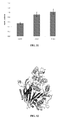
Classifications
-
- C—CHEMISTRY; METALLURGY
- C12—BIOCHEMISTRY; BEER; SPIRITS; WINE; VINEGAR; MICROBIOLOGY; ENZYMOLOGY; MUTATION OR GENETIC ENGINEERING
- C12N—MICROORGANISMS OR ENZYMES; COMPOSITIONS THEREOF; PROPAGATING, PRESERVING, OR MAINTAINING MICROORGANISMS; MUTATION OR GENETIC ENGINEERING; CULTURE MEDIA
- C12N9/00—Enzymes; Proenzymes; Compositions thereof; Processes for preparing, activating, inhibiting, separating or purifying enzymes
- C12N9/14—Hydrolases (3)
- C12N9/16—Hydrolases (3) acting on ester bonds (3.1)
- C12N9/18—Carboxylic ester hydrolases (3.1.1)
- C12N9/20—Triglyceride splitting, e.g. by means of lipase
-
- A—HUMAN NECESSITIES
- A23—FOODS OR FOODSTUFFS; TREATMENT THEREOF, NOT COVERED BY OTHER CLASSES
- A23D—EDIBLE OILS OR FATS, e.g. MARGARINES, SHORTENINGS OR COOKING OILS
- A23D9/00—Other edible oils or fats, e.g. shortenings or cooking oils
- A23D9/02—Other edible oils or fats, e.g. shortenings or cooking oils characterised by the production or working-up
- A23D9/04—Working-up
-
- C—CHEMISTRY; METALLURGY
- C12—BIOCHEMISTRY; BEER; SPIRITS; WINE; VINEGAR; MICROBIOLOGY; ENZYMOLOGY; MUTATION OR GENETIC ENGINEERING
- C12P—FERMENTATION OR ENZYME-USING PROCESSES TO SYNTHESISE A DESIRED CHEMICAL COMPOUND OR COMPOSITION OR TO SEPARATE OPTICAL ISOMERS FROM A RACEMIC MIXTURE
- C12P7/00—Preparation of oxygen-containing organic compounds
- C12P7/64—Fats; Fatty oils; Ester-type waxes; Higher fatty acids, i.e. having at least seven carbon atoms in an unbroken chain bound to a carboxyl group; Oxidised oils or fats
- C12P7/6436—Fatty acid esters
- C12P7/6445—Glycerides
- C12P7/6454—Glycerides by esterification
Definitions
- the present invention relates generally to the generation and production of novel lipase variants. More particularly, it concerns lipase compositions, genetic constructs that encode one or more lipase compositions, cells capable of expressing the variant polypeptides from such genetic constructs, and methods of making such compositions. Also disclosed are methods for using the compositions of the present invention in utilizing long-chain fatty acids as substrates, and increasing the trans -selectivity of a lipolytic enzyme. In particular embodiments, the present invention also facilitates recombinant expression of lipase variants of the Ustilago maydis lipase in bacterial and fungal host cells and production strains. In exemplary embodiments, the invention also provides methods for the production of variant lipase enzymes, which are useful as catalysts for reducing or eliminating trans-fatty acids from lipids and lipid compositions.
- Lipases consist of a genetically diverse and distinctive grouping of water-soluble hydrolytic enzymes that typically act on the ester bonds of lipid substrates.
- Lipids can include fats, waxes, sterols, fat-soluble vitamins, monoglycerides, diglycerides, fatty acyls, polyketides, and fatty acids, and exist as a number of variations containing different additional chemical structures such as phospholipids, glycerolipids, glycerophospholipids, sphingolipids, sterol lipids, prenol lipids, saccharolipids, etc.
- Lipases have been used in ester and amide synthesis, kinetic resolutions or asymmetric synthesis to obtain optically pure compounds, and lipid modifications (Bornscheuer and Kazlauskas, 2005). Lipases play an essential role in: (1) the metabolism of dietary lipids, (2) injury and inflammation, (3) cell biology, (4) fermentation, (5) biocatalysis, (6) vitamin absorption, (7) laundering, (8) synthesis of pharmaceuticals and many other biological and chemical processes. Such wide and varying roles have been attributed to lipase stability in organic solvents, high specificity, high enantio-selectivity and regio-selectivity, and a general lack of a need of cofactors for their action. Genes encoding lipases have been found in most, if not all, types of organisms.
- the tertiary structure of lipases includes the alpha/beta ( ⁇ / ⁇ ) hydrolase fold pattern (Ollis et al., 1992), also common in peptidases and esterases (Holmquist, 2000), and can be composed of a core of up to eight beta strands, connected and surrounded by alpha helices.
- the active sites of lipases are usually formed by at least a catalytic triad consisting of a serine residue as the nucleophile, a histidine residue, and an aspartic or glutamic acid residue.
- the active site residues are located in a hydrophobic pocket that is covered by a flap or lid structure, usually composed of amphiphilic ⁇ helices (Anthonsen et al., 1995).
- Lipases typically act at the interface generated by a hydrophobic lipid substrate in a hydrophilic aqueous medium. There are typically four basic steps in lipase hydrolysis and/or alcoholysis (i.e., ethanolysis), which involves a conformational change of the lipase itself. First, the lipase is adsorbed and activated by the opening of the hydrophobic pocket by displacement of the lid structure, by the so-called interfacial activation. Once the pocket is opened, the ester bond of the lipid substrate is able to reach and bind to the lipase active site.
- alcoholysis i.e., ethanolysis
- the nucleophilic oxygen of the serine side chain binds the carbonyl carbon of the ester bond, forming a tetrahedral intermediate, stabilized by hydrogen bonding with amide nitrogen atoms of the amino acid residues nearby.
- the ester bond is cleaved, which frees an alcohol and produces an acyl-enzyme complex.
- the acyl-enzyme is hydrolyzed upon entry of a water molecule or alcohol into the active site. This frees the fatty acid (in case of water as nucleophile) or ester (in case of an alcohol as nucleophile) and the lipase is regenerated.
- lipases Due, in part, to their diverse functioning and structure, as revealed by sequence analysis and crystallography, lipases belong to different enzyme subclasses or families.
- Pseudozyma (formerly Candida ) antarctica, is a basidiomycetous yeast strain isolated from Lake Vanda in Antarctica that produces two differently functioning lipases: lipase A (CAL-A) and lipase B (CAL-B) (Ericsson et al., 2008). These two lipases have been previously characterized and the amino acid and DNA sequences encoding these lipases have been determined (Novo Nordisk A/S, by Hoegh et al., 1995).
- CAL-B is a widely used enzyme in organic synthesis on both the laboratory and commercial scale, especially in the resolution of racemic mixtures.
- CAL-A is one representative of a new class of lipases and, due to its properties, including thermostability, has been used as a catalyst in the paper, wax, food, flavor, and biopharmaceutical industries.
- CAL-A has an unusual lid structure and a C-terminal flap, which can accept very bulky substrates like highly-branched acyl groups and sterically-hindered alcohols and amines (Kirk and Christensen, 2002; Krishna et al., 2002; Schmidt et al., 2005).
- CAL-A also demonstrates higher degree of homology to peptidases than to typical lipases (Ericsson et al., 2008).
- Trans fats Mono- or poly-unsaturated fats with trans-isomer fatty acid(s) are commonly called "trans fats.”
- Trans-isomers contain chains where the carbon atoms next to the double bond are located geometrically opposite, whereas in cis -isomers the carbon atoms next to the double bond are geometrically on the same side.
- the naturally-occurring unsaturated fatty acids have lower melting points than those of saturated fatty acids, and thus exist at ambient temperatures in liquid form.
- trans-fatty acids are found in food products as a result of a partial hydrogenation process.
- Trans-fatty acids have higher melting points than those of the cis -unsaturated fatty acids, and are less susceptible to auto-oxidation. As such, they exist as stable solid or semi-solid fats at ambient temperatures.
- Lipases have gained significant commercial importance in the past twenty years. The expression level of most lipases in native organisms, however, is too low to meet their increased use in the food industry. Therefore, numerous attempts have been made to optimize the activity, selectivity, sensitivity and stability of lipases. These include immobilizing the lipase on solid supports and using non-aqueous solvents as well as recombinant DNA techniques and protein engineering. Understanding the mechanisms underlying gene expression, protein folding and excretion of lipases enables higher-level production of these biocatalysts (Napolitano and Giuffrida, 2009).
- lipase assay methods have been used to determine lipase activity, including, but not limited to, spectroscopic or fluorimetric detection of chromogenic or fluorescent substrates, chromatographic techniques [including, without limitation, high-performance liquid chromatography (HPLC), silver ion chromatography, gas chromatography and thin layer chromatography], titration of fatty acids released from the substrate, mass spectrometry, and controlled-surface pressure or oil-drop tensiometry.
- HPLC high-performance liquid chromatography
- titration of fatty acids released from the substrate mass spectrometry
- mass spectrometry mass spectrometry
- controlled-surface pressure or oil-drop tensiometry controlled-surface pressure or oil-drop tensiometry.
- lipase function Due to the central importance of lipase function in lipid metabolism and transport, and its implication in serious diseases and conditions such as heart disease, diabetes, obesity, metabolic syndrome, Alzheimer's disease, cancer, liver dysfunction and infertility, there exists a need in the art to improve the activity, selectivity, sensitivity and/or stability of lipases, and to develop new and useful compositions comprising them for exploitation by both the commercial food industry, and the medical sciences.
- compositions, and methods employing them for producing novel lipase variants that demonstrate increased affinity and/or selectivity for one or more long- and/or medium-length fatty acid chains, increasing the range and number of fatty acid chains that a lipase is able to catalyze, and imparting an enhancement, a reduction, or the elimination of trans -selectivity of particular lipase variants, or for altering the level of particular trans- fatty acids in selected lipid substrates.
- the development of such compositions and methods find particular utility in a variety of analytical assays, food science production methods, and improvement of dietary regimens.
- Wood, R. et al discloses in the Journal of Lipid Research, vol. 34, no. 1, 1 January 1993, p. 1-11, the "Effect of butter, mono- and polyunsaturated fatty acid enriched butter, trans fatty acid margarine and zero trans fatty acid margarine on serum lipids and lipoproteins in healthy men ".
- Dominguez de Maria P. et al disclose in the Journal of Molecular Catalysis B, Enzymatic, vol. 37, no. 1-6, 1 December 2005, p. 36-46, "Biotechnological applications of Candida antarctica lipase A: State-of-the-art ".
- the present invention seeks to overcome these and other inherent limitations in the prior art by providing new, non-obvious, and useful compositions, as well as methods of making and employing them, that may advantageously modulate, alter, ameliorate or reduce the amount of trans-fatty acid moieties and/or long chain fatty acid moieties in a substrate or composition containing them.
- the invention encompasses lipase polypeptides, and variants thereof, that have increased specificity for one or more trans -fatty acid moieties and/or one or more long-chain fatty acid moieties as compared to the unmodified, or "parent” lipases from which the polypeptides and variants were obtained.
- Lipase variant(s),” or simply “variant(s)” are lypolytic enzymes that contain at least one amino acid residue that has been substituted, added, or deleted from the polypeptide sequence of the corresponding parent lipase.
- Trans-fatty acid moieties are those fats or lipids that contain one or more trans -isomer (E-isomer) fatty acids.
- Trans -fatty acid moieties may include monounsaturated or polyunsaturated fatty acids that contain one or more double bonds within the molecule. Lipases, or variants thereof, that act preferentially on trans -fatty acid moieties, rather than cis -fatty acid moieties and/or or saturated fatty acid moieties are said to be " trans- selective.” Long-chain fatty acid moieties are or contain fatty acids with aliphatic tails of 12 carbons or longer. Lipase variants of the invention preferentially catalyze long chain fatty acid moieties.
- an isolated lipase, or variant thereof that includes an amino acid sequence that is at least about 80%, at least about 85%, at least about 90%, at least about 95%, at least about 98%, or at least about 99% identical to the amino acid sequence of SEQ ID NO:1, SEQ ID NO:4, or SEQ ID NO:6.
- the present invention relates to an isolated lipase, or variant thereof, that includes an amino acid sequence that is at least about 80% identical to the amino acid sequence of SEQ ID NO:1 or SEQ ID NO:4.
- SEQ ID NO:1 encodes for a parent lipase, the sequence of which is altered, modified or mutated to create lipase variants.
- SEQ ID NO:4 and SEQ ID NO:6 are lipase variants of SEQ ID NO:1, but their sequences be altered, modified or mutated to create additional lipase variants.
- the amino acid sequences shown in SEQ ID NO:4 and SEQ ID NO:6 are truncated forms of the amino acid sequence of SEQ ID NO:1 wherein portions of the N-terminus of SEQ ID NO:1 are removed.
- an isolated lipase, or variant thereof that includes at least a first amino acid substitution in one or more of the amino acid residues of SEQ ID NO:1, SEQ ID NO:4, or SEQ ID NO:6 that confers trans -selective lipolytic activity or a preference for catalyzing long chain fatty acid moieties to the lipase, or variant thereof.
- Some embodiments may include two, three, four, five, six, seven, eight, nine, or even ten or more amino acid substitutions within one or more contiguous amino acid sequences from SEQ ID NO:1 or SEQ ID NO:4. In some embodiments, these substitutions may be made at, near or facing the binding tunnel or the active site of the lipase or a variant thereof.
- these substitutions may be made in the lid structure or C-terminal flap of the lipase or a variant thereof.
- An embodiment provides for an isolated lipase, or variant thereof, wherein the one or more amino acid substitutions is a phenylalanine-to-aspartic acid substitution, an alanine-to-asparagine substitution, a threonine-to-histidine substitution, a phenylalanine-to-serine substitution, a glycine-to-alanine substitution, a glycine-to-tyrosine substitution, a glycine-to-leucine substitution, a valine-to-histidine substitution, a valine-to-isoleucine substitution, or a leucine-to-asparagine substitution, or any combination thereof.
- Conservative amino acid substitutions is a phenylalanine-to-aspartic acid substitution, an alanine-to-asparagine substitution, a th
- the present invention provides for an isolated lipase, or variant thereof, in accordance with claim 1, that comprises:
- the present invention also provides a composition according to claim 7, an isolated polynucleotide according to claim 10, an expression vector according to claim 11, a microbial host cell according to claim 13, a method according to claim 14 for providing a lipase variant, a method according to claim 15 of obtaining an isolated lipase variant, and a method according to claim 16 of reducing or eliminating one or more trans-unsaturated fatty acid compounds or one or more long-chain ( ⁇ C12) fatty acid moieties from a substrate.
- Preferred features are defined in the dependent claims.
- the substitution at amino acid residue 290 is a phenylalanine-to-aspartic acid substitution
- the substitution at amino acid residue 359 is an alanine-to-asparagine substitution
- the substitution at amino acid residue 362 is a threonine-to-histidine substitution
- the substitution at amino acid residue 363 is a phenylalanine-to-serine substitution
- the substitution at amino acid 378 is a glycine-to-alanine, glycine-to-tyrosine, or glycine-to-leucine substitution
- the substitution at amino acid 389 is a valine to methionine substitution
- the substitution at amino acid residue 442 is a valine-to-histidine substitution or a valine-to-isoleucine substitution
- the substitution at amino acid residue 446 is a leucine-to-asparagine substitution, wherein each amino acid position is numbered by correspondence to a position in the amino acid sequence of the lipa
- the substitution at amino acid residue 166 is a phenylalanine-to-aspartic acid substitution
- the substitution at amino acid residue 235 is an alanine-to-asparagine substitution
- the substitution at amino acid residue 238 is a threonine-to-histidine substitution
- the substitution at amino acid residue 239 is a phenylalanine-to-serine substitution
- the substitution at amino acid 254 is a glycine-to-alanine, glycine-to-tyrosine, or glycine-to-leucine substitution
- the substitution at amino acid 265 is a valine-to-methionine substitution
- the substitution at amino acid residue 318 is a valine-to-histidine substitution or a valine-to-isoleucine substitution
- the substitution at amino acid residue 322 is a leucine-to-asparagine substitution, wherein each amino acid position is numbered by correspondence to a position in the amino acid sequence of the
- the substitution at amino acid residue 124 may be a phenylalanine-to-aspartic acid substitution
- the substitution at amino acid residue 193 may be an alanine-to-asparagine substitution
- the substitution at amino acid residue 196 may be a threonine-to-histidine substitution
- the substitution at amino acid residue 197 may be a phenylalanine-to-serine substitution
- the substitution at amino acid 212 may be a glycine-to-alanine, glycine-to-tyrosine, or glycine-to-leucine substitution
- the substitution at amino acid residue 223 may be a valine-to-methionine substitution
- the substitution at amino acid residue 276 may be a valine-to-histidine substitution or a valine-to-isoleucine substitution
- the substitution at amino acid residue 280 may be a leucine-to-asparagine substitution, wherein each amino acid position is numbered by correspondence to
- the isolated lipase variant has an increased preference or specificity for catalyzing trans -fatty acid moieties when compared to a non-selective or un-substituted lipase.
- Non-selective lipases are those lipases that do not preferentially catalyze a particular lipid substrate, such as a trans-, cis-, or saturated fatty acid moiety.
- Un-substituted lipases are those lipases which do not contain any amino acid substitutions.
- the sequences of SEQ ID NO:1, SEQ ID NO:4, and SEQ ID NO:6 do not contain any amino acid substitutions.
- Exemplary non-selective lipases include, but are not limited to lipases from Geobacillus sp., Rhizomucor sp., Candida rugosa, and the like.
- the at least a first amino acid substitution confers to the lipase variant polypeptide an increased hydrolytic or alcoholytic, for example, ethanolytic, activity in the presence of trans-fatty acid moieties when compared to a non-selective lipase when both the variant and the non-selective lipase are exposed to the same fatty acid composition.
- This increased hydrolytic or ethanolytic activity is an indication of preference for the catalysis of a particular substrate.
- lipases catalyze the hydrolysis of ester chemical bonds in lipid substrates. They can also catalyze the alcoholysis of the ester bonds in the lipid substrates.
- the at least a first amino acid substitution confers to the polypeptide an about 1.0-fold, an about 1.5-fold, an about 2-fold, or an about 2.5-fold increase in hydrolytic or ethanolytic activity in the presence of at least a first trans -fatty acid moiety, when compared to a non-selective or un-substituted lipase.
- the at least a first amino acid substitution confers to the lipase variant polypeptide an increased preference for catalyzing fatty acid moieties having a carbon chain length greater than or equal to twelve ( ⁇ C 12 ), greater than or equal to fourteen ( ⁇ C 14 ), or greater than or equal to sixteen ( ⁇ C 16 ) when compared to the wild-type or parent lipase.
- the at least a first amino acid substitution confers to the lipase variant polypeptide an increased preference for catalyzing fatty acid moieties having a carbon chain length greater than or equal to twelve ( ⁇ C 12 ), and an about 1.5-fold increase in hydrolytic or ethanolytic activity in the presence of at least a first trans -fatty acid moiety, when compared to the wild-type or parent lipase.
- the at least a first amino acid substitution confers to the lipase variant polypeptide an increased preference for catalyzing fatty acid moieties having a carbon chain length greater than or equal to fourteen ( ⁇ C 14 ), and an about 1.5-fold increase in hydrolytic or ethanolytic activity in the presence of at least a first trans -fatty acid moiety, when compared to the wild-type or parent lipase.
- the at least a first amino acid substitution confers to the lipase variant polypeptide an increased preference for catalyzing fatty acid moieties having a carbon chain length greater than or equal to sixteen ( ⁇ C 16 ), and an about 1.5-fold increase in hydrolytic or ethanolytic activity in the presence of at least a first trans -fatty acid moiety, when compared to the wild-type or parent lipase.
- the at least a first amino acid substitution confers to the lipase variant polypeptide an increased preference for catalyzing fatty acid moieties having a carbon chain length greater than or equal to fourteen ( ⁇ C 14 ), and an about 2.0-fold increase in hydrolytic or ethanolytic activity in the presence of at least a first trans-fatty acid moiety, when compared to the wild-type or parent lipase.
- the at least a first amino acid substitution confers to the lipase variant polypeptide an increased preference for catalyzing fatty acid moieties having a carbon chain length greater than or equal to fourteen ( ⁇ C 14 ), and an about 2.5-fold increase in hydrolytic or ethanolytic activity in the presence of at least a first trans-fatty acid moiety, when compared to the wild-type or parent lipase.
- the at least a first amino acid substitution confers to the lipase variant polypeptide an increased preference for catalyzing fatty acid moieties having a carbon chain length greater than or equal to sixteen ( ⁇ C 16 ), and an about 2.0-fold increase in hydrolytic or ethanolytic activity in the presence of at least a first trans -fatty acid moiety, when compared to the wild-type or parent lipase.
- the at least a first amino acid substitution confers to the lipase variant polypeptide an increased preference for catalyzing fatty acid moieties having a carbon chain length greater than or equal to sixteen ( ⁇ C 16 ), and an about 2.5-fold increase in hydrolytic or ethanolytic activity in the presence of at least a first trans -fatty acid moiety, when compared to the wild-type or parent lipase.
- the isolated lipase includes: (a) an amino acid sequence that is at least about 95% identical to the amino acid sequence of any one of SEQ ID NO:1 or SEQ ID NO:4, or to a complement thereof; and (b) one or more amino acid substitutions corresponding to residues 290, 359, 362, 363, 389, 378, 442, or 446, wherein each amino acid position is numbered by correspondence to a position in the amino acid sequence of the lipase as set forth in SEQ ID NO:1; and further wherein the one or more amino acid substitutions confers to the polypeptide an increased preference for catalyzing fatty acid moieties having a carbon chain length greater than or equal to twelve ( ⁇ C 12 ), or an about 1.5-fold increase in hydrolytic or ethanolytic activity in the presence of at least a first trans- f a tty acid moiety, when compared to the wild-type or
- the isolated lipase, or variant thereof is about 400 to about 500 amino acids in length, about 410 to about 490 amino acids in length, about 420 to about 480 amino acids in length, about 425 to about 470 amino acids in length, about 430 to about 460 amino acids in length, or about 425 to about 450 amino acids in length.
- the isolated lipase, or variant thereof is about 425 to about 470 amino acids in length; is at least about 95% identical to the amino acid sequence of SEQ ID NO:4, or to a complement thereof; and includes one or more amino acid substitutions corresponding to residues 290, 359, 362, 363, 378, 389, 442, or 446, wherein each amino acid position is numbered by correspondence to a position in the amino acid sequence of the lipase as set forth in SEQ ID NO:1, and further wherein the one or more amino acid substitutions confers to the polypeptide an increased preference for catalysis of long-chain fatty acids, or an increased trans -selective lipolytic activity, or a combination thereof.
- the isolated lipase, or variant thereof is about 430 to about 460 amino acids in length; and is at least about 98% identical to the amino acid sequence of SEQ ID NO:4, , or to a complement thereof.
- the isolated lipase, or variant thereof is about 425 to about 470 amino acids in length; is at least about 95% identical to the amino acid sequence of SEQ ID NO:4, or to a complement thereof; includes one or more amino acid substitutions corresponding to residues 290, 359, 362, 363, 378, 389, 442, or 446, wherein each amino acid position is numbered by correspondence to a position in the amino acid sequence of the lipase as set forth in SEQ ID NO:1, and has an about 1.5-fold increase in hydrolytic or ethanolytic activity in the presence of at least a first trans -fatty acid moiety, or an increased preference for catalyzing fatty acid moieties having a carbon chain length greater than or equal to twelve ( ⁇ C 12 ), when compared
- Some embodiments include a composition that includes the isolated lipase, or variant thereof of the present invention, as described above.
- the composition further includes a lipid, a fatty acid, a sterol, a wax, an oil, a triglyceride, an ester, or a carboxylic acid moiety.
- Further embodiments include a binding medium to which the lipase, or variant thereof, binds or cross-links.
- the lipase, or variant thereof is substantially bound or substantially chemically cross-linked to a matrix, a column, a fiber, a filter, a resin, a gel, a bead, or any combination thereof. In this manner, the composition may act as a filter through which compositions containing substrates can pass, thereby allowing the lipase, or variant thereof, to act upon the substrate, yet remain bound to a removable substance.
- the composition further includes one or more additional enzymes. These enzymes may aid in the process of creating or manufacturing a low or no trans-fatty acid composition and/or may act as co-factors for the lipase, or variant thereof. Additionally, the one or more additional enzymes may include a second, distinct, lipase, or a variant thereof. The one or more additional enzymes may also include one or more lipases, esterases, lyases, deproteinases, phosphatases, dehydrogenases, transglutaminases, oxidases, or any combination thereof
- Some embodiments include an isolated polynucleotide that encodes the lipase, or the variant thereof, of the present invention.
- an expression vector including an isolated polynucleotide that encodes the lipase, or variant thereof.
- the expression vector includes an isolated polynucleotide that is codon-optimized for expression in a bacterial or non-basidiomyceteous yeast cell.
- the bacterial cell is E. coli or the non-basidiomycetous yeast cell is P. pastoris.
- the expression vector is defined as pET22-lipUMsophis, or pET22-lipUMfophis.
- Further embodiments include a microbial host cell transformed with the isolated polynucleotide, or the expression vector. In some embodiments, the microbial host cell is an E. coli or a P.
- the expression vector is transformed into a non-Ustilago maydis microbial host cell.
- the microbial host cell is a Pischia pastoris host cell deposited with the Deutsche Sammlung von Mikroorganismen und Zellkulturen GmbH (DSMZ) under the accession number 24702.
- Some embodiments include a variant of a parent lipolytic enzyme, which includes: (a) one or more amino acid substitutions corresponding to residues 290, 359, 362, 363, 378, 389, 442, or 446; wherein each amino acid position is numbered by correspondence to a position in the amino acid sequence of the lipase as set forth in SEQ ID NO:1, or (b) one or more amino acid substitutions corresponding to residues 166, 235, 238, 239, 254, 265, 318, or 322; wherein each amino acid position is numbered by correspondence to a position in the amino acid sequence of the lipase as set forth in SEQ ID NO:4; wherein the one or more amino acid substitutions confer to the polypeptide an increased lipolytic activity toward trans -fatty acid moieties, or a preference for catalysis of one or more long-chain fatty acids.
- no more than about 10, no more than about 8, no more than about 7, no more than about 6, no more than about 5, no more than about 4, no more than about 3, no more than about 2, or no more than about 1 amino acid substitution(s) are made within the variant.
- the parent lipolytic enzyme is a Ustilago maydis lipase.
- the variant includes a phenylalanine-to-aspartic acid substitution, an alanine-to-asparagine substitution, a threonine-to-histidine substitution, a phenylalanine-to-serine substitution, a glycine-to-alanine substitution, a glycine-to-tyrosine substitution, a glycine-to-leucine substitution, a valine-to-histidine substitution, a valine-to-isoleucine substitution, or a leucine-to-asparagine substitution, or any combination thereof.
- the variant includes a phenylalanine-to-aspartic acid substitution at amino acid residue 166 (F166D); an alanine-to-asparagine substitution at amino acid residue 235 (A235N); a threonine-to-histidine substitution at amino acid residue 238 (T238H); a phenylalanine-to-serine substitution at amino acid residue 239 (F239S); a glycine-to-alanine (G254A), a glycine-to-tyrosine (G254Y), or a glycine-to-leucine (G254L) substitution at amino acid residue 254; a valine-to-methionine (V265M) substitution at amino acid residue 265, a valine-to-histidine (V318H) or a valine-to-isoleucine (V318I) substitution at amino acid residue 318; or a leucine-to-a
- Some embodiments include a method of obtaining an isolated Ustilago maydis lipase variant, including: mutagenizing a polynucleotide that encodes the polypeptide of SEQ ID NO:1 or SEQ ID NO:4, under conditions effective to generate at least a first lipase variant that comprises an amino acid substitution in at least a first amino acid residue therein that confers to the polypeptide an increased trans -selectivity, or an increased preference for catalyzing long-chain fatty acid moieties ( ⁇ C 12 ) over that of medium or short-chain fatty acid moieties ( ⁇ C 12 ); transforming a suitable microbial host cell with the mutagenized polynucleotide; culturing the microbial host cell under conditions effective to express the first lipase variant; and recovering the first expressed lipase variant from the culture.
- Further embodiments of the present invention include methods for altering, reducing, and/or eliminating one or more trans -unsaturated fatty acid compounds or one or more long-chain ( ⁇ C 12 ) fatty acid moieties from a substrate.
- these methods include at least the steps of a) contacting the substrate with an effective amount of a lipase- or lipase variant-containing composition for a time that is sufficient to hydrolyze or esterify at least a portion of the substrate, and thereby altering, reducing and/or eliminating one or more trans -unsaturated fatty acids or one or more long-chain ( ⁇ C 12 ) fatty acid moieties from the substrate.
- the methods may further optionally include the step of removing the lipase, or variant thereof, from the composition after the one or more trans -unsaturated fatty acid compounds or the one or more long-chain ( ⁇ C 12 ) fatty acid moieties has been substantially altered, reduced, and/or eliminated from the substrate.
- the substrate includes an edible lipid, an edible fat, an edible fatty acid, an edible sterol, an edible wax, an edible oil, or an edible triglyceride, or any combination thereof.
- Further embodiments include a fat-containing product having reduced trans -fatty acid moieties, or essentially no trans-fatty acid moieties, produced by this method.
- the fat-containing product is suitable for human consumption.
- the fat-containing product includes oils, shortenings, fats, or mixtures thereof.
- the fat-containing product is characterized as a cooking ingredient, or a frying oil.
- the fat-containing product is a cooking oil such as almond oil, avocado oil, butter, ghee, canola oil, coconut oil, rice bran oil, corn oil, cottonseed oil, grape seed oil, hemp oil, lard, margarine, mustard oil, macadamia oil, diacylglycerol oil, olive oil, palm oil, peanut oil, pumpkin seed oil, safflower oil, sesame oil, soybean oil, sunflower oil, tea seed oil, walnut oil.
- further food products can be made from the fat-containing product having reduced (or no) trans -fatty acids.
- Some embodiments of the present invention include methods of making a fat-containing product having reduced trans -fat levels.
- these methods include at least the steps of a) providing one or more ingredients to form a fat-containing product; b) adding to the one or more ingredients a lipase-variant containing composition under conditions and for a time sufficient to catalyze at least a portion of the trans-fat present in the fat-containing product, thereby decreasing the amount of trans-fat present in the fat-containing product.
- the method further includes removing the lipase-variant, potentially for reuse.
- the method further includes distributing the fat-containing product or a food product containing a portion of the fat containing product for use in cooking, consumption, or a combination thereof.
- Some embodiments of the present invention include methods for lowering the trans-fatty acid content of a food product.
- these methods include at least the steps of a) providing one or more ingredients to form a fat-containing product; b) adding to the one or more ingredients a lipase-variant containing composition under conditions and for a time sufficient to catalyze at least a portion of the trans-fat present in the fat-containing product, thereby decreasing the amount of trans -fat present in the fat-containing product, and c) contacting the fat-containing product with decreased trans-fat with at least one other ingredient to form a food product with reduced trans -fat content.
- the food product is a snack food such as potato chips, cheese curls/puffs, corn/Tortilla chips, crackers, popcorn, etc.
- An embodiment provides for an isolated polypeptide including a lipase variant that includes a modified Ustilago maydis parent lipase amino acid sequence, wherein the lipase variant has lipolytic activity.
- Another embodiment provides an isolated polypeptide including a modified Ustilago maydis protein segment that has lipolytic activity, wherein the protein segment reduces the amount of trans-fatty acid moieties present in a composition containing them by about 20%.
- the protein segment is selective for fatty acid moieties having a chain length of about 14 carbon atoms or more.
- the isolated polypeptide includes: (a) a polypeptide region of from about 386 to about 592 amino acids in length that includes an amino acid sequence that is at least 80% identical to a first sequence in accordance with any one of SEQ ID NO:1 or SEQ ID NO:4, or (b) a polypeptide region that consists of the amino acid sequence of SEQ ID NO:4, wherein the region has lipolytic activity when in contact with a lipid substrate, preferably a trans -fatty acid or long chain fatty acid substrate.
- the polypeptide is from about 386 to about 592 amino acids in length and consists of an amino acid sequence that is at least about 90% identical to the sequence of any one of SEQ ID NO:1 or SEQ ID NO:4 or any variant thereof.
- the polypeptide region is from about 386 to about 592 amino acids in length and consists of an amino acid sequence that is at least about 95% identical, in other embodiments about 98% identical, to the sequence of any one of SEQ ID NO:1 or SEQ ID NO:4, or any variant thereof.
- the substitution is selected from the group consisting of a substitution of a non-native amino acid at position 166 in SEQ ID NO:4, or a similarly situated amino acid in SEQ ID NO:1; a substitution of a non-native amino acid at position 235 in SEQ ID NO:4, or a similarly situated amino acid in SEQ ID NO:1 or a substitution of a non-native amino acid at position 238 in SEQ ID NO:4, or a similarly situated amino acid in SEQ ID NO:1 a substitution of a non-native amino acid at position 239 in SEQ ID NO:4, or a similarly situated amino acid in SEQ ID NO:1; a substitution of a non-native amino acid at position 265 in SEQ ID NO:4, or a similarly situated amino acid in SEQ ID NO:1; a substitution of a non-native amino acid at position 318 in SEQ ID NO:4, or a similarly situated amino acid in SEQ ID NO:1; a substitution of a non-native amino acid at position 166 in
- Similarly situated means an amino acid within the same surrounding sequence.
- the substitution is respectively selected from the group consisting of: F166D, or a similarly situated amino acid in SEQ ID NO:1; A235N, or a similarly situated amino acid in SEQ ID NO:1; T238H, or a similarly situated amino acid in SEQ ID NO:1; F239S, or a similarly situated amino acid in SEQ ID NO:1; V265M or a similarly situated amino acid in SEQ ID NO:1; V318H or V318I, or a similarly situated amino acid in SEQ ID NO:1; L322N, or a similarly situated amino acid in SEQ ID NO:1; G254A, G254Y, G254L, or a similarly situated amino acid in SEQ ID NO:1; and any combination of these substitutions.
- the C-terminal flap portion of the lipolytic enzyme of the isolated polypeptide is removed or rendered non-functional.
- the composition includes at least a first polypeptide according to any of the above-mentioned embodiments and a binding medium to which the polypeptide binds or cross-links to act as a filter. Some embodiments further include at least a second distinct polypeptide according to any of the above-mentioned embodiments.
- the composition can include from about 1% to about 99% by weight of the polypeptide.
- the composition is formulated as a powder, dust, pellet, granule, spray, emulsion, colloid, or solution, or any combination thereof.
- the lipase variants of these formulations may be immobilized on a solid carrier material or in cells.
- the composition is prepared by desiccation, lyophilization, homogenization, extraction, filtration, centrifugation, sedimentation, or a concentration of a culture of E. coli or P. pastoris cells.
- nucleic acid molecule having a nucleotide sequence selected from the group consisting of: a nucleotide sequence, or the complement thereof, consisting essentially of an at least 300 continuous nucleotide segment from any one of SEQ ID NO:2, SEQ ID NO:5, SEQ ID NO:10, SEQ ID NO:11, SEQ ID NO:12, or SEQ ID NO:13; a nucleotide sequence, or the complement thereof, encoding at least a 396 contiguous amino acid segment of any one of the amino acid sequences shown in SEQ ID NO:1, SEQ ID NO:4, or SEQ ID NO:6, wherein said segment has lipolytic activity; and a nucleotide sequence, or the complement thereof, encoding at least a 417 contiguous amino acid segment of any one of the amino acid sequences shown in SEQ ID NO:1, SEQ ID NO:4, or SEQ ID NO:6 and includes any one of the mutations as stated above, wherein the segment has lipolytic activity
- One embodiment is directed to host organisms that contain nucleic acids of the invention.
- Another embodiment includes a recombinant nucleic acid vector including at least a first sequence region that encodes any of the above-mentioned isolated polypeptides or the isolated nucleic acids.
- the nucleic acid vector is further defined as a plasmid vector.
- Yet another embodiment encompasses a transformed non-human host cell including a nucleic acid segment that encodes any of the above-mentioned isolated polypeptides.
- the transformed non-human host cell is further defined as a bacterial cell or a yeast cell.
- the transformed non-human host cell is further defined as an E. coli bacterial cell or P. pastoris yeast cell.
- Also described herein are methods for producing recombinant proteins with lipolytic activity including an amino acid sequence selected from the group consisting of: the amino acid sequence shown in SEQ ID NO:1, the amino acid sequence shown in SEQ ID NO:4, the amino acid sequence shown in SEQ ID NO:6, and including introducing a nucleotide sequence encoding the polypeptide into a host cell, culturing the host cell under conditions in which the polypeptide is expressed, and recovering, isolating and/or purifying the polypeptide from the culture.
- Also described herein are methods for obtaining a modified Ustilago maydis protein with lipolytic activity having increased trans -selectivity including: providing a polynucleotide encoding the polypeptide sequence of any one or more of SEQ ID NO:1, SEQ ID NO:4, or SEQ ID NO:6; altering the nucleic acid sequence encoding for any non-native amino acid at, near or facing a proposed three-dimensional binding, active site or tunnel of the polypeptide or removing or rendering non-functional the C terminal flap of the polypeptide; introducing the altered nucleotide sequence encoding the polypeptide into a host cell; culturing the host cell under conditions in which the polypeptide is expressed; and recovering the polypeptide from the culture.
- Further embodiments include methods to reduce or eliminate the content of trans- unsaturated fatty acid compounds from a substrate including: providing a solution including a stable substrate containing trans -unsaturated fatty acid moieties; and contacting any of the above-mentioned compositions with the solution including a stable substrate for a sufficient amount of time to hydrolyze or esterify at least a portion of the trans- unsaturated fatty acid moieties.
- the method further includes exposing the recovered polypeptide to a substrate containing trans -unsaturated fatty acid compounds.
- the stable structure in the method is stable liquid frying oil.
- the method further includes removing or inactivating at least a portion of the composition after contacting the solution including a stable substrate.
- Another embodiment encompasses a fat-containing product having reduced trans- fatty acid moieties or no trans -fatty acid moieties as produced from the above-described method.
- Also described herein are methods of producing a low trans-fatty acid composition including: providing a polynucleotide encoding at least a functional lipase variant polypeptide that comprses, consists essentially of, or alternatively, consists of the amino acid sequence of any one or more of SEQ ID NO:1, SEQ ID NO:4, or SEQ ID NO:6; altering the nucleic acid sequence encoding for any non-native amino acid at, near or facing a proposed three-dimensional binding, active site or tunnel of the polypeptide or removing or rendering non-functional the C-terminal flap of the polypeptide; introducing the altered nucleotide sequence encoding the polypeptide into a host cell; culturing the host cell under conditions in which the polypeptide is expressed; recovering the polypeptide from the culture; providing a solution including a stable substrate containing trans -unsaturated fatty acid moieties; and contacting a composition containing the recovered polypeptide with the solution including a stable substrate for a sufficient amount
- substantially any suitable "parent" polypeptide having lipolytic enzymatic activity may be used as a starting molecule for the creation of one or more lipase variant polypeptides.
- such parent lipases may include one or more microbial lipases (and preferably one or more bacterial or fungal polypeptides that express a lipolytic enzymatic activity).
- such parent lipases may originate from yeast (including, for example, but not limited to, one or more species of a genera such as Acremonium , Aspergillus, Aureobasidium , Candida, Cryptococcus , Filobasidium , Fusarium , Humicole, Kluyveromyces, Kurtzmanomyces , Magnaporthe, Mucor, Myceliophthora, Neocallimastix, Neurospora, Paecilomyces, Penicillium, Pichia, Piromyces, Saccharomyces, Schizophyllum, Schizosaccharomyces, Sporisorium, Talaromyces, Thermoascus , Thielavia, Tolypoceladium, Trichoderma, Ustilago, or Yarrowia).
- yeast including, for example, but not limited to, one or more species of a genera such as Acremonium , Aspergillus, Aureobasidium , Candida,
- the parent lipase has a sequence essentially as set forth in SEQ ID NO:1, or a lipase variant thereof as defined herein, which contains the following sequence (hereinafter referred to as the amino acid sequence or sequence of "LipUM” or “LipUMf”) (Uniprot Q4P903):
- Lipases and lipase variants are those enzymes that catalyze the cleavage of lipids. Lipase variants are typically prepared by specific modification of parent lipases.
- the parent lipase may be a lipase with an amino acid sequence having at least about 60% to about 99.9% homology to the sequence of the lipase shown in SEQ ID NO:1.
- nucleic acid sequences such as deoxyribonucleic acid (DNA) and ribonucleic acid (RNA), either synthetically or naturally occurring, that encodes the lipase, or variant thereof, of the present invention are also within the scope of the present invention.
- DNA deoxyribonucleic acid
- RNA ribonucleic acid
- Lipase polynucleotides can include nucleic acids including RNA, such as mRNA, DNA, including cDNA and genomic DNA, and can be either single or double stranded.
- the lipase polynucleotides include, but are not limited to, the sequence encoding the mature parent polypeptides alone, or variants thereof, including fragments, the sequence encoding the mature polypeptide, or variants thereof, including additional coding sequences, such as a leader or secretory sequence (e.g., a pre-pro or pro-protein sequence), the sequence encoding the mature parent polypeptide, or variants thereof, with or without additional coding sequences, with additional non-coding sequences (e.g., introns, transcribed but not translated sequences, mRNA processing sequences, ribosome binding sequences and stability sequences for mRNA).
- additional non-coding sequences e.g., introns, transcribed but not translated sequences, mRNA processing sequences,
- nucleotide sequence may be fused to a marker sequence.
- the lipase nucleic acids include only the coding regions.
- the nucleotide sequence may encompass fragments of the entire sequence of the respective variant lipases and the sequence may differ than those described due to degeneracy of the genetic code.
- a parent lipase polynucleotide includes the following DNA sequence, which encodes for the amino acid sequence of SEQ ID NO:1:
- the wild-type lipase A derived from Candida antarctica i.e. CAL-A (Protein Data Bank (pdb) 3guu) has the following amino acid sequence: is used as a reference but is not defined as a parent lipase.
- the expression, sequence and cloning methods as per this sequence have previously been described (Hoegh et al., 1995).
- a lipase variant can differ in amino acid sequence from its parent lipase by one or more substitutions, deletions, insertions, inversions, fusions, mutations, and truncations, or a combination of any of these. These lipase variants are therefore "modified" proteins or polypeptides. Additional modifications may include post-translational changes. Variant lipases can be fully functional, can lack function in one or more activities or can exhibit one or more additional activities.
- the lipase variants increase the trans -selectivity of the parent lipase.
- the lipase variants act on or show a preference for trans -fatty acid esters or carboxylic acid moieties.
- the lipase variants demonstrate a preference for long chain fatty acid esters or carboxylic acid moieties with a chain length greater than C 12 , wherein C indicates carbon and the number indicates the number of carbons within the fatty acid esters or carboxylic acid moieties.
- the term "long chain fatty acid” refers to a saturated or unsaturated fatty acid containing 12 or more carbon atoms, unless otherwise specified.
- long chain fatty acid examples include myristic acid, palmitic acid, stearic acid, palmitoleic acid, oleic acid, linoleic acid, ⁇ -linolenic acid, ⁇ -linolenic acid, and the like.
- the lipase variants have both, act on or show a preference for trans-fatty acid esters or carboxylic acid moieties and act on or show a preference for long chain fatty acid esters or carboxylic acid moieties.
- N 1 single-letter abbreviation of original amino acid
- ### amino acid position
- N 2 single-letter abbreviation of the substituted amino acid.
- F166D substitution of phenylalanine for aspartic acid in position 166
- substitution of at least a portion of the amino acid sequence of the lipUMf may occur so as to increase the trans -selectivity of the lipase encoded by the lipUMf sequence and/or act on or show a preference for long chain fatty acid esters or carboxylic acid moieties.
- the amino acid sequence of a lipUMf polypeptide may be altered or mutated to increase access of a substrate to the active site or binding tunnel of the lipase.
- these alterations or mutations occur in either the predicted lid structure and/or C-terminal flap of the lipUMf polypeptide.
- amino acid residues at about position 441 through about position 449 may be substituted with the amino acid residues at about position 300 through about position 308 in SEQ ID NO:3, i.e., substitution of the amino acid sequence PVASTLKSE (SEQ ID NO:32) in SEQ ID NO:1 for the amino acid sequence LTYPFLNVF (SEQ ID NO:33).
- the C-terminal flap portion of the lipUMf sequence may be cleaved, truncated, mutated or altered. More specifically, any amino acid residue at about position 541 to about position 582 in SEQ ID NO:1 can be substituted with a STOP codon (denoted by '*').
- possible mutations can include a truncation of the sequence at amino acid 541 with a STOP codon (S541*), V542*, M543*, G544*, A545*, S546*, G547*, P548*, P549*, A550*, Q551*, D552*, V553*, L554*, G555*, A556*, D557*, L558*, A559*, S560*, Q561*, L562*, R563*, S564*, L565*, Q566*, G567*, K568*, P569*, S570*, A571*, F572*, G573*, N574*, K575*, P576*, F577*, G578*, S579*, I580*, S581* and/or P582*.
- STOP codon S541*
- the lipase variant includes one or more deletions of the N-terminus of the Ustilago maydis lipase.
- the N-terminus deletion of the lipase sequence maintains and/or increases the lipolytic activity of the lipase when compared to lipUMf.
- the N-terminus deletion of the lipase sequence increases the ability of the resultant recombinant protein to be secreted from a host system. For example, in some embodiments, removal of the N-terminus increases the movement of the lipase variant into the periplasmic space of an organism such as bacteria or yeast. In other embodiments, removal of the N-terminus increases the movement of the lipase variant outside of the host organism itself.
- the N-terminus accounts for about 0.01% to about 30% of the full length amino acid sequence, about 5% to about 25% of the full length amino acid sequence, or about 10% to about 20% of the full length amino acid sequence.
- the N-terminus can account for up to about the first 175 amino acid residues of SEQ ID NO:1, up to about the first 146 amino acid residues of SEQ ID NO:1, or up to about the first 117 amino acid residues of SEQ ID NO:1.
- Deletions can be of any length and can take place at any point along the N-terminus of the amino acid sequence of SEQ ID NO:1, and new translation starting or initiation sites can be added to the resulting or remaining sequence as necessary.
- the amino acids at about position M1 to about position A34 are removed from the parent lipase of SEQ ID NO:1 (i.e., a M1_A34del mutant).
- the amino acids at about position M1 to about position Q124 are removed from the parent lipase of SEQ ID NO:1 (i.e., a M1_Q124del mutant).
- the lipase variant's sequence is essentially as set forth in SEQ ID NO:4 (hereinafter referred to as the amino acid sequence or sequence of "LipUMs”) :
- LipUMs sequence or a lipase variant thereof defined herein, i.e., further modifications, for example, point mutations, may be made to LipUMs sequence and the resulting amino acid sequence or protein is also a lipase variant.
- a lipUMs DNA polynucleotide sequence encompasses the following sequence:
- the deletion of the N-terminus can start anywhere from about position M1 to about A34 and end around Q124.
- the deletion of the N-terminus of SEQ ID NO:1 can start at about position M1 and end around position A145 (i.e., a M1_A145del mutant).
- the variant lipase's sequence is essentially as set forth in SEQ ID NO:6: or lipase variant thereof defined herein i.e., further modifications, for example, point mutations, may be made to SEQ ID NO:6 and the resulting amino acid sequence or protein is also a lipase variant.
- a starting sequence i.e., methionine
- lipase variants In describing some lipase variants, the following nomenclature is used for ease of reference: multiple mutations are separated by plus signs, i.e., F145D+T217H, representing a double mutation that includes a phenylalanine-to-aspartate substitution at amino acid residue 145, and a threonine-to-histidine substitution at amino acid residue 214.
- the lipase variants include at least one or more deletions of the N-terminus of the Ustilago maydis lipase (i.e., lipUMf) and at least one amino acid substitution along the sequence length of the remaining portion of the lipase.
- lipUMf lipase
- the lipase variant containing the amino acid sequence in SEQ ID NO:4 is further modified by a substitution of at least one amino acid along the length of SEQ ID NO:4. The additional substitution occurs at, near or facing the three-dimensional binding, active site or tunnel of the lipase, as described herein.
- substitution(s) may be within about 15 ⁇ of amino acid position A168 in the primary amino acid sequence of the lipUMs polypeptide, i.e., SEQ ID NO:4, for example at any of amino acid positions 156 through 186, 232 through 281 and 311 through 361.
- the substitution(s) may widen the access of the substrate to the binding, active site or tunnel of the lipase.
- substitutions may be located at one or more particular amino acid positions such as 166, 167, 232, 235, 238, 239, 254, 318, 322, 353 and 354 and/or any of positions 234 through 325 in the lipUMs primary amino acid sequence.
- substitutions within the lipUMs sequence are, for example, F166D, A235N, T238H, F239S, V318H, L322N, G254A, G254Y, G254L and V318I.
- substitutions using similar amino acid properties will yield similar results.
- T238H and T238R both result in a substitution of a polar amino acid for a positively charged amino acid and so similar results are contemplated and within the scope of this invention.
- the lipase variant may optionally include substitutions of one or more additional amino acids. Such substitutions may be according to principles known to those of ordinary skill in the art.
- Table 1 illustrates exemplary mutations that have a deletion at the N-terminus of lipUMf, i.e., M1_Q124del, which results in the lipUMs sequence, and also has one or more specific substitutions along the lipUMs sequence i.e., F166D, A235N, etc.
- Table 1 Exemplary Lipase Variant Polypeptides of the Invention Sequence Variation No. 1 for LipUMf Sequence Variation No. 2 in resulting LipUMs Sequence Variation No. 3 in resulting LipUMs Sequence Variation No. 4 in resulting LipUMs Sequence Variation No.
- Table 1 presents some exemplary embodiments of double, triple, quadruple, quintuple, etc. mutants.
- line 3 of Table 1 lists a M1_Q124del + F166D + A235N + T238H mutant that contains the following mutations: (1) the truncation of the N-terminus of the lipUMf sequence (M1_Q124del), which results in the amino acid sequence of lipUMs, (2) the phenylalanine-to-aspartic acid substitution at amino acid residue 166 in the resulting lipUMs sequence (F166D), (3) the alanine-to-asparagine substitution at amino acid residue 235 in the resulting lipUMs sequence (A235N), and (4) the threonine-to-histidine substitution at amino acid residue 238 in the resulting lipUMs sequence (T238H). If all of these mutations were stated in reference to the lipUMf sequence, the following notation would result: M1_Q124del + F290D + A359N +
- Similar mutants can be made when the N-terminus as encompassed in a M1_A145del mutant is removed, a starting sequence is added (i.e. such as a sequence as set forth in SEQ ID NO:6) and point mutations are made in similar locations in the sequence.
- substitutions to SEQ ID NO:6 can include positions 2, 67, 70, 73, 74, 79, 153, 157, 188 and 189 and/or any of amino acid positions 69 through 160.
- Some particular point mutations can include A70N, T73H, F74S, V153H, L157N, G79A, G79Y, G79L and V153I. These exemplary mutations occur in any variation possible and encompass up to about eight sequence variations.
- Lipase variants may include at least one or more deletions of the N-terminus of the Ustilago maydis lipase and removal, mutation or cleavage of the C-terminus sequence, which substantially comprises the flap structure of the lipase. This includes substitutions or frame insertions of a stop codon anywhere between about position 395 to about position 408 in the lipUMs sequence and/or between about position 251 to about position 264 in SEQ ID NO:6. Yet another embodiment encompasses these two sequence removals, plus any other mutation mentioned, including, but not limited to, the point mutations mentioned above, such as those listed in Table 1.
- the truncated versions of the lipase variant are at least about 50% substantially the full length of the parent lipase sequence, i.e. SEQ ID NO:1. In some embodiments, the truncated versions of the lipase variant are at least about 60%, at least about 70% at least about 80%, or at least about 90%, at least about 95%, at least about 98% substantially the full length of the parent lipase sequence, i.e. SEQ ID NO:1. Truncation may occur at either the N-terminus or C-terminus, or both. Substantial homology or similarity can also be to the entire nucleic acid or amino acid sequence of the parent lipase or to fragments of these sequences.
- Certain embodiments thus also encompass polypeptide fragments of the variant lipases. Certain embodiments also encompass polypeptides having a lower degree of homology but having sufficient similarity so as to perform one or more of the same functions performed by the lipase parent, or variant thereof.
- Fragments can retain one or more of the biological activities of the lipase or lipase variant protein and can comprise a domain or motif such as a catalytic site, active site, transmembrane domain, etc. Fragments can also be fused to create chimeric or fusion proteins. These can include a lipase sequence operably linked to another sequence not substantially homologous to the lipase. Such fusion proteins, for example, can facilitate the purification of a recombinant lipase protein or can enable secretion from certain host cells. Additionally, chimeric lipase proteins can be produced where one or more functional sites is derived from a different lipase member.
- the entire proposed sequence of the lipUMs that correlates to a proposed A10 helix structure, corresponding to essentially amino acid position 296 to about position 304, is substituted for the helix of another lipase, for example the A10 helix of CAL-A.
- the same helix exchange can occur in the sequence encompassed by SEQ ID NO:6, in that amino acids at essentially positions 152 through 160 can be substituted for the A10 helix of CAL-A.
- the lipase variant may include additional substitutions as listed above, such as those in Table 1, that are not present in the A10 helix of the lipUMs or SEQ ID NO:6 sequence as listed.
- nucleic acid sequences encoding the variant lipases of other embodiments expression vectors harboring the nucleic acid sequences and transformed host cells containing the nucleic acid sequences and/or the expression vectors.
- the sequences of the parent lipase or lipase variants can be aligned with heterologous sequences, such as promoters, enhancers, transcriptional control elements, etc. in order to amplify or diminish their expression, as well as the expression of any co-factors.
- Nucleic acid sequences such as DNA, RNA, or cDNA, encoding the parent or variant lipases as defined herein may be isolated from any cell or organism producing them, by methods well known to those of ordinary skill in the art. Suitable nucleic acid sequences can be obtained by back-translation of the polypeptide sequence according to the genetic code. The codons used are preferably those frequently used in accordance with the usage within the specific organism, for example, E. coli or P. pastoris. Nucleic acid constructs containing the nucleic acid(s) of the present invention are also within the scope of the invention. These nucleic acid constructs will also contain regulatory sequences for expression, replication and/or recombination, in addition to the nucleic acid sequences encoding the parent or variant lipases.
- Lipase variants can be naturally-occurring, made by recombinant means, or chemically synthesized (either in whole or in part) to provide the lipase polypeptide with useful characteristics.
- Useful variations can include, but are not limited to, increased hydrolysis or alcoholysis (i.e., ethanolysis), when in contact with a substrate, increased binding to a substrate, altered affinity for other molecules such as co-factors, recognition of a fatty acid moiety that is normally not recognized by the enzyme, increased preference for trans -fatty acids, increased preference for fatty acid substrates having fatty acid chain lengths greater than C 14 , greater than about C 16 , greater than about C 18 , greater than C 20 , greater than C 22 , greater than C 24 , greater than C 26 , etc.
- Host organisms that can be transformed by using the nucleic acid(s) of the present invention are also within the scope of the invention.
- Host organisms include, but are not limited to, unicellular or multicellular organisms, and preferably microorganisms.
- Cloning of the DNA sequence encoding the parent or variant lipase can involve inserting genomic DNA into an expression vector, such as a plasmid, in order to transform lipase-negative host cells.
- Expression vectors can express a portion of, or all of, the lipase polypeptides described herein.
- host cells are eukaryotic cells.
- host cells are prokaryotic.
- host cells are bacteria or yeast cells.
- the bacterial host cells are E.
- coli cells and the yeast host cells are P. pastoris cells.
- the expression vector may be introduced into any host cell so that the protein, or portion thereof, can be expressed by the host cell.
- the protein can then be isolated from the cells by an appropriate purification method that is well known to one of ordinary skill in the art.
- Modifications can include, but are not limited to, acetylation, acylation, ADP-ribosylation, amidation, covalent attachment of flavin, covalent attachment of a heme group, covalent attachment of a nucleotide or nucleotide derivative, covalent attachment of a lipid or lipid derivative, covalent attachment of phosphatidylinositol, cross-linking, cyclization, disulfide bond formation, demethylation, formation of covalent cross-links, formation of cysteine, formation of pyroglutamate, formylation, gamma carboxylation, glycosylation, GPI anchor formation, hydroxylation, iodination, methylation, myristoylation, oxidation, proteolytic processing, phosphorylation, prenylation, racemization, selenoylation,
- Saturation mutagenesis and/or site-specific mutagenesis may be used to create the lipase variants as known to one of ordinary skill in the art (Zheng et al., 2004).
- Yet another embodiment provides for a method of producing lipase variants by culturing the transformed host cells and recovering the lipase from the resulting culture or broth.
- the entire transformed organism may be used, in others the lipase may be removed from the culture and purified before use.
- the lipase may be synthesized using known protein synthesis methods.
- Still other embodiments provide for a method to increase the trans -selectivity of a lipase.
- the nucleic acid sequence encoding for the parent lipase is altered so that the encoded amino acid located at, near or facing a three-dimensional binding, active site or tunnel of the polypeptide is changed. This may result in increased relative accessibility of the substrate to the active site or increased difference in the activation energy needed for enzymatic turnover.
- the altered nucleic acid sequence is then introduced into a host cell, as described above. The host cell is then cultured under conditions to express the polypeptide variant lipase and the variant lipase is recovered from the culture.
- the activated catalyst composition containing at least one of the lipase variants described above is then contacted with a trans-fatty acid moiety containing substrate, such as, but not limited to, glycerides including butterfat, cocoa butter, cocoa butter substitutes, illipe fat, kokum butter, milk fat, mowrah fat, phulwara butter, sal fat, shea fat, borneo tallow, lard, lanolin, beef tallow, mutton tallow, tallow or other animal fat, canola oil, castor oil, coconut oil, coriander oil, corn oil, cottonseed oil, hazlenut oil, hempseed oil, linseed oil, mango kernel oil, meadowfoam oil, neat's foot oil, olive oil, palm oil, palm kernel oil, peanut oil, rapeseed oil, rice bran oil, safflower oil, sasanqua oil, soybean oil, sunflower seed oil, tall oil, tsubaki oil, vegetable
- the one or more fatty acids comprise carbon chains from 4 to 22 carbons long.
- the fatty acids are selected from the group consisting of palmitic acid, stearic acid, oleic acid, linoleic acid, linolenic acid, arachidonic acid, erucic acid, caproic acid, caprylic acid, capric acid, lauric acid, myristic acid, eicosapentaenoic acid (EPA), docosahexaenoic acid (DHA), 5-eicosenoic acid, butyric acid, ⁇ -linolenic acid and conjugated linoleic acid.
- substrates include edible oil compositions including, but not limited to vegetable, cooking or frying oil, such as corn oil, grape seed oil, nut oil such as hazelnut oil, linseed oil, safflower oil, sesame oil, olive oil, palm oil, soybean oil, canola oil, pumpkin seed oil, flax seed oil, sunflower oil, argan oil, rice bran oil, and the like, so as to hydrolyze the trans -fatty acid and/or long chain fatty acid moieties.
- vegetable, cooking or frying oil such as corn oil, grape seed oil, nut oil such as hazelnut oil, linseed oil, safflower oil, sesame oil, olive oil, palm oil, soybean oil, canola oil, pumpkin seed oil, flax seed oil, sunflower oil, argan oil, rice bran oil, and the like, so as to hydrolyze the trans -fatty acid and/or long chain fatty acid moieties.
- the activity can be measured by conventional procedures well known to those of ordinary skill in the art, such as hydrolysis and alcoholysis (i.e ., ethanolysis), assays, turbidimetric assays, alkalimetric methods, colorimetric methods, and the like.
- hydrolysis and alcoholysis i.e ., ethanolysis
- assays turbidimetric assays
- alkalimetric methods colorimetric methods, and the like.
- the inventors employed the modified method of hydrolysis and ethanolysis as set for in Examples 4 and 5.
- Certain embodiments relate to the selective elimination or reduction of trans- unsaturated fatty acid compounds from a substrate containing such compounds by interaction of the above-mentioned variant lipases with the substrate so as to catalyze the breakdown of the trans-fatty acid moieties.
- Particular embodiments relate to the elimination of trans -unsaturated fatty acid moieties in triglycerides from edible liquid oils and are therefore related to the food technology industry. For example, these embodiments can eliminate or reduce the amount of trans -unsaturated fatty acid moieties in triglycerides from frying oils and frying oil systems.
- the enzyme may be bound to a stable chemical surface away from the active site so as to create an enzyme bound filter through which the stable substrate is placed and filtered. Additionally, the enzyme may be immobilized in cells.
- Another embodiment provides a method using the above-mentioned variant lipases for hydrolysis.
- One method of hydrolysis includes, but is not limited to, preparing the glyceride substrate as an emulsion in water or buffer (phosphate, 50 mM, pH 7.5) using gum arabic and shear mixed at 24000 rpm for 2 min (Ultra-Turrax® T-25 basic, IKA Labortechnik, Staufen, Germany). The substrate emulsion is then exposed to, by mixing or otherwise coming into contact with, at least one of the above-mentioned variant lipases, during which time the glyceride component is hydrolyzed to the free fatty acid component, until the desired percentage of hydrolysis has been achieved.
- the trans-rich free fatty acid component is then separated from the remaining glyceride component using conventional methods of separation such as washing or aqueous extraction, soap precipitation, crystallization, distillation, vacuum distillation or chromatography.
- the invention further relates to a method of reducing, or eliminating, trans -fatty acids from liquid oil stable enough for frying systems.
- Another embodiment provides a method of using the above-mentioned variant lipases for alcoholysis, and preferably, for ethanolysis.
- Methods of ethanolysis include, but are not limited to, preparing the glyceride substrate as an emulsion in a mixture of ethanol and water (e.g., in a 1:1 ratio) using any conventional magnetic stirring equipment for a period of about 10 minutes.
- the substrate emulsion is then exposed to at least one of the above-mentioned variant lipases, during which time the glyceride component is ethanolysed to the ethyl ester component, until the desired percentage ethanolysis has been achieved.
- the trans -rich ethyl ester component is then separated from the remaining glyceride component using one or more conventional separation methods, including, without limitation, crystallization, distillation, vacuum distillation, chromatography, or any combination thereof.
- the P. pastoris X-33 pPICZ(B)_lipUMs culture (designated herein as "lipUMs") has been deposited under conditions that assure that access to the culture will be available during the pendency of this patent application to one determined by the Commissioner of Patents and Trademarks to be entitled thereto under 37 C.F.R. ⁇ 1.14 and 35 U.S.C. ⁇ 122.
- the deposit is available as required by foreign patent laws in countries wherein counterparts of the subject application, or its progeny, are filed. However, it should be understood that the availability of a deposit does not constitute a license to practice the subject invention in derogation of patent rights granted by governmental action.
- the subject culture deposit will be stored and made available to the public in accord with the provisions of the Budapest Treaty for the Deposit of Microorganisms, i.e., it will be stored with all the care necessary to keep it viable and uncontaminated for a period of at least five years after the most recent request for the finishing of a sample of the deposit, and in any case, for a period of at least 30 (thirty) years after the date of deposit or for the enforceable life of any patent which may issue disclosing the deposited culture.
- the depositor acknowledges the duty to replace the deposit should the depository be unable to furnish a sample when requested, due to the condition of the deposit. All restrictions on the availability to the public of the subject culture deposit will be irrevocably removed upon the granting of a patent disclosing it.
- lipase(s) means a hydrolytic enzyme that acts to break down lipid substrates such as bacterial or fungal hydrolases and/or triacylglycerol hydrolases.
- carboxylic acid moiety means a fatty acid having a carboxyl group with an aliphatic tail or chain length of 2 or more carbons, which may be abbreviated herein as “Cn” or “C n ", wherein the number of carbon atoms is represented by n.
- oleic acid is a carboxylic acid moiety having a chain length of 18 carbon atoms, which may be abbreviated as a chain length of C18:1 ⁇ 9, in which the 1 ⁇ 9 represents the presence of one double bond at the ninth carbon (C9).
- the term “homology” is an indicator of the degree of identical elements between biological sequences, for example, the percent of identical amino acids between two aligned protein sequences. Gaps can be introduced into one or both of a first and a second amino acid or nucleic acid sequence for optimal alignment and non-homologous sequences may be disregarded for comparison purposes.
- the term “similarity” is an indicator of the degree of similarity between biological sequences, for example, the percent of similar amino acids with similar functions and/or structures at similar positions between two aligned protein sequences.
- the term "variant" means a lipase derived from a Ustilago maydis lipase, or a naturally occurring variant. Typically, the variant differs from the native Ustilago maydis lipase by one or more amino acid residues, which may have been added, deleted or inserted at one or more sites within the amino acid sequence of the Ustilago maydis lipase, or substituted at one or more amino acid residues by another non-native amino acid residue.
- the terms "active,” “biologically active,” and “activity” mean biological activity associated with a particular protein or amino acid sequence and are used interchangeably herein.
- the enzymatic activity associated with a lipase is hydrolysis and/or alcoholysis, i.e., ethanolysis, so as to hydrolyze or esterify at least a portion of a trans -fatty acid or carboxylic acid moiety.
- Lipase activity is measured as the ability to hydrolyze and/or esterify at least a portion of a trans-fatty acid or carboxylic acid moiety.
- nucleic acid sequences that are “complementary” are those that are capable of base pairing according to the standard Watson-Crick complementarity rules.
- complementary sequences means nucleic acid sequences that are substantially complementary, as may be assessed by the same nucleotide comparison set forth above, or are defined as being capable of hybridizing to one or more of the specific nucleic acid segments disclosed herein under relatively stringent conditions such as those described immediately above.
- sequence essentially as set forth in SEQ ID NO:X means that the sequence substantially corresponds to at least a first portion of SEQ ID NO:X and has relatively few nucleotides that are not identical to, or a biologically functional equivalent of, the nucleotides of SEQ ID NO:X. Accordingly, sequences that have about 85% to about 90%; about 91% to about 95%; or about 96% to about 99% of nucleotides that are identical or functionally equivalent to one or more of the nucleotide sequences provided herein are particularly contemplated to be useful in the practice of the invention.
- a sequence essentially as set forth in SEQ ID NO:X means that the sequence substantially corresponds to at least a first portion of SEQ ID NO:X and has relatively few amino acid residues that are not identical to, or a biologically functional equivalent of, the amino acid residues of SEQ ID NO:X.
- biologically functional equivalent is well understood by one of ordinary skill in the art, and is further defined in detail herein.
- peptide, polypeptide, or protein sequences that have about 85% to about 90%; about 91% to about 95%; or about 96% to about 99% of the amino acids that are identical or functionally equivalent to one or more of the amino acid sequences provided herein are particularly contemplated to be useful in the practice of the invention.
- primer refers to a single-stranded oligonucleotide that acts as a point of initiation of template-directed DNA synthesis using well-known methods (e.g. PCR) including, but not limited to those described herein.
- PCR e.g. PCR
- the appropriate length of a primer depends on its particular use, but typically ranges from about 15 to about 30 nucleotides.
- the term "expression” means the biological production of a product encoded by a coding sequence.
- a polynucleotide (i.e., DNA) sequence including the coding sequence, is transcribed to form a messenger-RNA (mRNA).
- mRNA messenger-RNA
- the messenger-RNA is then translated to form a polypeptide product that has a relevant biological activity.
- the process of expression may involve further processing steps to the RNA product of transcription, such as splicing to remove introns, and/or post-translational processing of a polypeptide product.
- heterologous is used in relation to a predetermined referenced gene sequence.
- a heterologous promoter is defined as a promoter that does not naturally occur adjacent to the referenced structural gene, but which is positioned by laboratory manipulation.
- a heterologous gene or nucleic acid segment or sequence is defined as a gene or segment that does not naturally occur adjacent to the referenced promoter and/or enhancer elements.
- the term “heterologous” is also used in relation to a predetermined amino acid sequence.
- a heterologous protein tag such as a polyhistidine tag
- a heterologous amino acid segment or sequence is defined as a segment or sequence that does not naturally occur adjacent to the referenced tag.
- a heterologous protein refers to a protein that is not natively produced by or found within a particular organism. This can occur, for example, by the cloning and expression of a non-native lipase gene in a host organism such as E. coli.
- operably linked means a linkage of two or more polynucleotides or two or more nucleic acid sequences in a functional relationship.
- a nucleic acid is “operably linked” when it is placed into a functional relationship with another nucleic acid sequence.
- a promoter or enhancer is operably linked to a coding sequence if it affects the transcription of the coding sequence.
- “Operably linked” means that the nucleic acid sequences being linked are typically contiguous, or substantially contiguous, and, where necessary to join two protein coding regions, contiguous and within a reading frame. Since enhancers generally function when separated from the promoter by several kilobases and intronic sequences may be of variable lengths; however, some polynucleotide elements may be operably linked but not contiguous.
- isolated or “biologically pure” means material that is substantially, or essentially, free from components that normally accompany the material as it is found in its native state.
- isolated peptides do not contain materials normally associated with the peptides in their in situ environment.
- Link or “join” means any method well known by those of ordinary skill in the art for functionally connecting two or more molecules, including, without limitation, recombinant fusion, covalent bonding, disulfide bonding, ionic bonding, hydrogen bonding, electrostatic bonding, and such like.
- polypeptide means a singular “polypeptide” as well as plural “polypeptides,” and includes any chain or chains of two or more amino acids.
- terms including, but not limited to “peptide,” “dipeptide,” “tripeptide,” “protein,” “enzyme,” “amino acid chain,” and “contiguous amino acid sequence” are all encompassed within the definition of a “polypeptide,” and the term “polypeptide” can be used instead of, or interchangeably with, any of these terms.
- polypeptides that have undergone one or more post-translational modification(s), including, without limitation, glycosylation, acetylation, phosphorylation, amidation, derivatization, proteolytic cleavage, post-translation processing, or modification by inclusion of one or more non-naturally occurring amino acids.
- post-translational modification(s) including, without limitation, glycosylation, acetylation, phosphorylation, amidation, derivatization, proteolytic cleavage, post-translation processing, or modification by inclusion of one or more non-naturally occurring amino acids.
- Amino acid residues described herein are preferred to be in the "L” isomeric form. However, residues in the "D” isomeric form may be substituted for any L-amino acid residue provided the desired properties of the polypeptide are retained. All amino-acid residue sequences represented herein conform to the conventional left-to-right amino-terminus to carboxy-terminus orientation.
- protein is used herein interchangeably with “peptide” and “polypeptide,” and includes both peptides and polypeptides produced synthetically, recombinantly, or in vitro and peptides and polypeptides expressed in vivo after nucleic acid sequences are administered into a host animal or human subject.
- polypeptide is intended to refer to any amino acid chain length, including those of short peptides from about 2 to about 20 amino acid residues in length, oligopeptides from about 10 to about 100 amino acid residues in length, and longer polypeptides including from about 100 amino acid residues or more in length.
- polypeptides and proteins of the present invention also include polypeptides and proteins that are or have been post-translationally modified, and include any sugar or other derivative(s) or conjugate(s) added to the backbone amino acid chain.
- the term “substantially free” or “essentially free” in connection with the amount of a component means a composition that contains less than about 10 weight percent, less than about 5 weight percent, and less than about 1 weight percent of a compound. In an embodiment, these terms refer to less than about 0.5 weight percent, less than about 0.1 weight percent, or less than about 0.01 weight percent.
- substantially homologous encompasses sequences that are similar to the identified sequences, such that antibodies raised against peptides having the identified sequences will specifically bind to (e.g., cross-react with) peptides having the substantially homologous sequences.
- the amount of detectable antibodies induced by the homologous sequence is identical to the amount of detectable antibodies induced by the identified sequence. In other variations, the amounts of detectable antibodies induced are substantially similar, thereby providing immunogenic properties.
- homologous can refer to at least about 75%, at least about 80% identical and "substantially homologous” can refer to at least about 85% or at least about 90% identity, at least about 95%, at least about 97% identical, at least about 98% identical, at least about 99% identical, and at least substantially or entirely 100% identical ( i.e., "invariant").
- substantially homologous can refer to at least about 85% or at least about 90% identity, at least about 95%, at least about 97% identical, at least about 98% identical, at least about 99% identical, and at least substantially or entirely 100% identical ( i.e., "invariant").
- two or more peptides may have substantially similar activity and therefore be considered homologous or substantially homologous.
- substrate means a chemical compound that can be catalyzed by lipases.
- alcohols, amines, amino esters, amides, carboxylic acid esters, thioesters, thiols, cyanohydrins, cyanohydrin esters, and meso-diols and their sterioisomers may be substrates.
- Table 2 shows a comparison of the size, length, and homology of the full sequence of lipUM (hereinafter “lipUMf”) and the shortened sequence of lipUM (hereinafter “lipUMs”) with the N-terminus of lipUMf removed.
- lipUMf full sequence of lipUM
- lipUMs shortened sequence of lipUM
- Table 2 Comparison of Size, Length and Homology of Exemplary LipUMf and LipUMs Lipase Number of amino acids Sequence homology to CAL-A [%] Probability of presence of a N-terminal signal sequence (Target P1.1) Probability for certain signal sequence cleavage site (SignalP 3.0) Prediction of possible transmembrane segments (TMS) within the sequence (TMHMM 2.0) lipUMf 582 69 0.6 GIA-RS (88%) 2 TMS possible lipUMs 458 69 0.9 SLA-VP (100%) 0
- GIA-RS refers to amino acid positions 32 through 36 of the lipUMf sequence, where potential cleavage by the signal peptidase may occur during protein processing.
- SLA-VP refers to amino acid positions 19 through 23 of the lipUMs sequence, where potential cleavage by the signal peptidase may occur during protein processing. The hyphen in each case indicates the position where the cleavage would likely occur, according to the software.
- Arg-Arg dipeptide was found within the lipUM sequence.
- a possible alternative signal sequence can be placed about 40 amino acids upstream of this dipeptide.
- the alternative signal sequence of lipUM has all the characteristics of a sec-dependent signal sequence (von Heijne, 1985).
- FIG. 1 is a schematic representation of the structures of the two lipUM variants: the full-length sequence, i.e., lipUMf, and the short form of lipUMf, i.e., lipUMs.
- LipUMs contains a signal peptidase-cleavage site, and a Kex2-cleavage site.
- Kexin-like proteinases are a subfamily of the subtilisin-like serine proteinases with multiple regulatory functions in eukaryotes and catalyze or cleave proteins at the Kex2 cleavage site. Site-specific proteolysis is a feature in protein maturation and plays a crucial role in activation of many enzymes (and in the generation of peptide hormones). In the late secretory pathway of eukaryotic cells, this mechanism is mainly mediated by kexin-like proteinases. LipUMs is shown with its pre-pro leader sequence.
- FIG. 12 is a homology model made with the Swissmodel online suite, accessible via the ExPASy web server (Swiss Institute of Bioinformatics, Lausanne, Switzerland). The model was based on the target-template alignment of CAL-A (pdb 3guu) and the full-length sequence of lipUMf (UniProt Accession Q4P903; Kemper et al., 2006). 430 amino acids of the 582 amino acids of lipUMf could be aligned to the CAL-A amino acid sequence found in the pdb-file 3guu chain B (2.10 ⁇ ). The identity between these two sequences (CAL-A (pdb 3guu) and lipUMf was 69%.
- CAL-A, lipUMf and lipUMs, and variants thereof were cloned and functionally expressed in E. coli cells. Synthetic DNA sequences of each of the enzymes were codon-optimized for expression and subcloned into pET-22b(+) expression vectors (Novagen®, EMD4Biosciences, Gibbstown, NJ, USA).
- CAL-A and lipUMs, and variants thereof were also cloned and functionally expressed in P. pastoris cells.
- This plasmid was used as the template in a polymerase chain reaction (PCR) for subcloning the CAL-A gene into the pET-22b(+) expression vector (Novagen®).
- PCR polymerase chain reaction
- the codon-optimized CAL-A contained a histidine (His) tag for detection and purification purposes, the sequence of which is shown in SEQ ID NO:7:
- the PCR product was cut with the restriction enzymes, Nde I and Not I (Fermentas® St. Leon-Rot, Germany), and ligated into the correspondingly-digested pET22b(+) vector using standard methods.
- lipUMs and lipUMf were performed using GENEART® software analysis.
- the genes of lipUMs and lipUMf were codon optimized for E. coli, newly synthesized, and subcloned into the pET22b(+) vector via Nde I and Not I restriction sites, respectively.
- a composite plasmid, termed pET22-lipUMsophis carried the codon-optimized lipUMs sequence.
- a composite plasmid, termed pET22-lipUMfophis carried the codon-optimized lipUMf sequence.
- plasmids were used as the templates in PCR for subcloning both the lipUMs and lipUMf gene into the pET-22b(+) expression vector (Novagen®), which contained a P T7 promoter and histidine (His) tag for detection and purification purposes.
- the codon-optimized DNA sequence encoding the lipUMf polypeptide used for cloning into E. coli included the following sequence:
- the codon-optimized DNA sequence encoding the lipUMs polypeptide used for cloning into E. coli included the following sequence:
- the open reading frames (ORF) encoding lipUMs and lipUMf were also codon-optimized by GENEART® for subcloning into P. pastoris.
- the P. pastoris codon-optimized lipUMs and lipUMf nucleotide sequences were inserted into the pPICZ B vector (Invitrogen®) and included a His tag for detection and purification purposes when performing PCR.
- the codon-optimized DNA sequence encoding the lipUMf polypeptide used for cloning into P. pastoris included the following sequence:
- the codon-optimized DNA sequence encoding the lipUMs polypeptide used for cloning into P. pastoris included the following sequence:
- the probes and primers of the present embodiments may be of any suitable length, and are about 60% to about 99% similar to the primers in SEQ ID NO:8 and SEQ ID NO:9, about 75% to about 95% similar to the primers in SEQ ID NO:8 and SEQ ID NO:9, or about 80% to about 90% similar to the primers in SEQ ID NO:8 and SEQ ID NO:9.
- an algorithm defining all primers is defined: n to n + y
- n is an integer from 1 to the last number of the sequence and y is the length of the primer minus one, where n + y does not exceed the last number of the sequence.
- the probes correspond to bases 1 to 25, 2 to 26, 3 to 27 ... and so on.
- the probes correspond to bases 1 to 45, 2 to 46, 3 to 47 ... and so on.
- the probes correspond to bases 1 to 60, 2 to 61, 3 to 62 ... and so on.
- nucleic acid sequences of the present embodiments in combination with an appropriate detectable marker (i . e ., a "label,") for determining hybridization.
- an appropriate detectable marker i . e ., a "label,"
- appropriate indicator compounds and compositions are known in the art, including, without limitation, fluorescent, radioactive, enzymatic or other ligands, such as avidin/biotin, etc., which are capable of being detected.
- colorimetric, chromogenic, or fluorogenic indicator substrates are known that can be employed to provide a method for detecting the sample that is visible to the human eye, or by analytical methods such as scintigraphy, fluorometry, spectrophotometry, and the like, to identify specific hybridization with samples containing one or more complementary or substantially complementary nucleic acid sequences. Constructs and lipase variants were then sequenced.
- lipUMf, lipUMs and variants thereof- E. coli BL21(DE3) (Studier and Moffatt, 1986), C41(DE3), or C43(DE3) (Miroux and Walker, 1996) cells were transformed with pET-22b(+) or derivatives thereof, i.e., pET-22b vectors containing the codon-optimized lipUMf, lipUMs or CAL-A sequences, or variants thereof, using standard procedures known to one of ordinary skill in the art (see e.g., Hanahan, 1983).
- Complex media used during cultivation of the cells included LB-medium (1% NaCl, 0.5% yeast extract and 1% tryptone), YEPD-medium (1% yeast extract, 2% peptone, 2% glucose), or YEPG-medium (1% yeast extract, 2% peptone, 1% glycerol).
- E. coli cells were grown in 20, 200, or 400 mL complex media (LB, YEPD or YEPG medium) containing ampicillin (final concentration 100 ⁇ g/mL) up to an optical density, OD 600 , of 1.0 at 180 rpm and 37°C (measurements performed on Fuostar Optima, BMG Labteach GmbH, Offenburg, Germany).
- FIG. 2 illustrates that when lipUMf was expressed in E. coli (DE3) strains, strong inclusion body formation was observed in the insoluble fraction of the crude cell extract. This indicates that lipUMf was in fact expressed in E. coli.
- FIG. 3 illustrates the hydrolytic activity of crude extracts from two E. coli strains, C41(DE3) and C43(DE3) expressing lipUMs or CAL-A. The activity was measured photometrically with p -NP laurate (C 12 ) as a substrate. There was about a one-fold increase when lipUMs is expressed in C41 cells vs . C43 cells.
- P. pastoris X-33 cells (Invitrogen®) were transformed with the following vectors: empty pPICZ(B), pPICZ(B) that contained the CAL-A sequence, pPICZ(B) that contained the lipUMf sequence and pPICZ(B) that contained the lipUMs sequence, using standard procedures (see, e.g., EasySelectTM Pichia Expression Kit, Invitrogen®). Successful integration of the lines were confirmed by PCR as described in the EasySelectTM manual, and batch cultivations were performed as described for the secreted Mut + type of P. pastoris integrants.
- FIG. 3 shows the PCR analysis of the integration of CAL-A, lipUMs and lipUMf sequences into the genome of P. pastoris X-33. Both CAL-A and lipUMs integrated into the genome of P. pastoris while lipUMf did not, suggesting that the N-terminal domain of lipUMf that was removed from lipUMf to produce the lipUMs, interacts with a target sequence, and may therefore be part of a regulatory subunit.
- E. coli cells were centrifuged at 4,500 ⁇ g for 20 min at 4°C. Cells were washed once with 50 mM sodium phosphate buffer that was kept on ice at pH 7.5. For disruption of cells cultured in a volume ⁇ 200 mL, a French pressure cell (Thermo Scientific®, Waltham, MA, USA) was used. Cell pellets were resuspended in 30 mL of 50 mM sodium phosphate buffer that was kept on ice at a pH 7.5 containing 60 ⁇ L DNAseI (10 mg/mL). The cell slurry was passed through the French pressure cell twice at 10.324 MPa.
- a French pressure cell Thermo Scientific®, Waltham, MA, USA
- Insoluble cell debris was removed by centrifugation at 11,000 ⁇ g for 30 min at 4°C.
- the supernatant contained the soluble protein fraction.
- a sonicator (BransonUltrasonics Corp, Danbury, CT, USA) was used.
- the cell pellet was resuspended in 50 mM sodium phosphate buffer that was kept on ice in a volume 1/10 of the original cell culture.
- the suspension was sonicated at 0°C and interval-pulsed at alternating cycles (Bransonsonicator: 30% power and 50% pulse). Sonication was continued up to 20 min depending on the culture volume.
- Insoluble cell debris was removed by centrifugation at 11,000 ⁇ g, for 30 min at 4°C.
- the supernatant contained the soluble protein fraction.
- Table 3 shows the results of a fractionation study in which LipUMs and LipUMf were expressed in P. pastoris X-33 in the presence of different substrates, i.e., p -NP-C 16 , p -NP-C 14 , p -NP-C18:1 ⁇ 9 cis, p -NP-C18-1 ⁇ 9 trans and p -NP-C18:1 ⁇ 11 cis .
- pPICZB and pPICZalphaB denoting P. pastoris cells transformed with empty vectors, served as controls.
- lipUMf was not expressed in, and/or secreted from, P. pastoris , or, if present, did not act on the substrates present.
- BCA-Assay- Protein determination by BCA-Assay- To quantitate the protein content of the crude cell extracts, soluble and insoluble fractions, or the purified enzyme itself, the BCA-assay system was used.
- the gel was stained for at least 1 hour in staining solution and then destained with destaining solution until clear blue protein bands became visible.
- the SDS gel was stained for at least 3 hrs in a solution containing CoomassieTM Brilliant Blue G-250, and then destained until clear, and blue protein bands became visible in the gel.
- the gel was blotted on a PVDF membrane and immersed in 100 mL renaturation solution for 1 hr.
- the Western Blot method For specific determination of protein bands in an SDS gel by antibodies or antibody conjugates, the Western Blot method is used.
- the "semi-dry” method was applied using the HEP-3 PantherTM system (Owl SemiDry Electroblotting System; Thermo Scientific, Portsmouth, NH, USA) according to the manufacturer's instructions. The blotting was performed at 15V with 0.8 mA/cm 2 PVDF membrane for 1.5 hrs.
- the membrane was incubated in skim milk solution or 5% bovine serum albumin (BSA) solution for 1 hr at room temperature.
- BSA bovine serum albumin
- the membrane was incubated for 1 hr in 1/1000 diluted Ni-NTA-conjugate solution. To remove unbound conjugate, the membrane was washed again three times in TBS-Tween® (polysorbate 20) buffer. For detection of specific protein bands, the PVDF membrane was incubated with 33 ⁇ L of 5-bromo-4-chloro-3-indolyl phosphate (BCIP) solution and 66 ⁇ L of nitro-blue tetrazolium chloride (NBT) solution in 10 mL detection buffer for 2 to 5 min. The color reaction was stopped by addition of 3% TCA.
- BCIP 5-bromo-4-chloro-3-indolyl phosphate
- NBT nitro-blue tetrazolium chloride
- the soluble protein fraction was applied to a chelating Sepharose column (Ni-SepharoseTM 6 Fast Flow; GE Healthcare) preloaded with Ni 2+ (HisTrapTM FF crude, 5 mL, GE Healthcare, Uppsala, Sweden), equilibrated with 50 mM sodium phosphate buffer containing 300 mM NaCl and 30 mM imidazole, (pH 7.0).
- the column was washed with equilibrating buffer at a flow rate of 3 to 5 mL/min in order to remove the unbound material.
- the bound protein was eluted with equilibrating buffer supplemented with 300 mM imidazole.
- MALDI-TOF Matrix-Assisted Laser Desorption/Ionization/Time-of-Flight
- the assay solution contained the p-NP ester concentration (1 mM) in sodium phosphate buffer (50 mM, pH 7.0).
- the reaction was initiated by addition of 30 ⁇ L enzyme solution to a 270- ⁇ L assay solution; absorbance was then followed for 5 min.
- One unit of lipase activity was defined as the amount of enzyme releasing 1 ⁇ moL p -NP per min. All measurements were performed in triplicate.
- Protein concentration was determined by the bicinchoninic acid (BCA) assay (Uptima, Montlucon, France) with bovine serum albumin as the standard. Expression of the recombinant lipases was also verified by Western blot analysis using a Ni-NTA® conjugate (Qiagen, Corp., Hilden, Germany). Samples were separated by SDS-PAGE according to the method of Laemmli (1970).
- Protein samples were loaded on a 10.0% SDS-gel together with a prestained molecular weight marker (Thermo-Scientific/Fermentas AB, Vilnius, Lithuania).
- a mini-SDS-PAGE system (Mini-Protean®II, Bio-Rad, Corp., Kunststoff, Germany) was used for electrophoresis.
- the proteins were blotted onto PVDF membranes (Carl Roth GmbH) by the semi-dry method (HEP-3 PantherTM System, Thermo Scientific). After blocking and washing the membrane, the Ni-NTATM conjugate was used to detect the C-terminal 6X His-tag.
- the complex was visualized by enzymatic color formation upon the addition of the BCIP/NBT substrate (Sigma-Aldrich, St. Louis, MO, USA).
- FIG. 4 is a graph that compares the relative hydrolytic activity of E . coli C41 and C43 cells. As shown, LipUMs had higher hydrolytic activities when expressed in C41 cells than when expressed in C43 cells.
- FIG. 5 is a graph that compares the hydrolytic activities of E. coli C41 cells on three different cultivation media: standard Luria-Bertani medium (LB), glycerol-enriched cultivation medium (YEPG), and glucose-enriched complex medium (YEPD), at 20°C and 180 rpm.
- the photometric assay was performed with p-NP laureate (C 12 ) as a substrate.
- the hydrolytic activity of crude extracts of CAL-A was increased by about two-fold by cultivation on glucose-enriched medium, the activity of lipUMs increased up to fourteen times when used in glucose enriched medium. LipUMs demonstrates increased activity as compared to CAL-A when the transformed C41 cells were placed on YEPD medium.
- FIG. 6 shows that when the soluble fraction was analyzed, significant activity was detected with the p -NP-C 14 substrate for lipUMs, as well as the p -NP-C 16 and p -NP-C 180 substrates.
- This graph also indicated that a lipUMf polypeptide was functionally expressed in E. coli (DE3) strains; however, its activity was only 5% for the p -NP-C 14 substrate as compared to that of lipUMs expressed under the same conditions. Comparatively, in P. pastoris, only lipUMs polypeptide (and not lipUMf polypeptide) could be detected as a secreted protein.
- FIG. 7 shows the results of optimized photometric assay conditions for the expression of lipUMs.
- p -NP myristate (C 14 ) was used as a substrate at a temperature of 45°C. This temperature is near optimal for expression of lipUM and lipUMs.
- E. coli C41 (DE3) cells were transformed with nucleic acid segments encoding either lipUMf or lipUMs, and then cultured in a 20-mL volume at 20°C and 200 rpm. Again, lipUMf polypeptide was expressed at only 5% of that of lipUMs polypeptide under these conditions. LipUms polypeptide demonstrated marked increased activity compared to both CAL-A- and lipUMf-transformed cells.
- Table 4 shows a summary of the purification results of the lipase lipUMs and CAL-A.
- the lipases were expressed in the E. coli C41 (DE3) strain at 20°C and 180 rpm. Purification was performed by His-tag chromatography followed by gel filtration. p-NP myristate (C 14 ) was used as a substrate.
- FIG. 8 shows a CoomassieTM Brilliant Blue 250-reagent-stained 10% SDS-PAGE gel, which identified the different forms of CAL-A and lipUMs, as purified by the His-tag method.
- MALDI-TOF analysis further confirmed that the purified protein product in this study was that of lipUMs.
- Sequencing- DNA and protein sequencing can be performed by any method known to one of ordinary skill in the art.
- DNA sequencing was performed by GATC Biotech AG (Konstanz, Germany).
- Site-directed mutagenesis- Site-directed mutagenesis was used to generate substitutions at targeted codons of the gene of interest. Therefore, a modified site-directed mutagenesis protocol was applied, which was based on a commercial site-directed mutagenesis kit (QuikChange®, Stratagene, Corp., La Jolla, CA, USA).
- mutagenic primers between 22 and 30 bases in length were designed to contain the desired DNA codon that would result in the targeted amino acid substitution.
- the PrimerXTM program (Lapid and Gao, BioInformatics.org, 2003) was used as available online.
- the pair of amplification primers includes a first and second oligonucleotide primer of less than about 50, less than about 40, and less than about 30 nucleotides each in length that includes the nucleic acid sequence as identified by the above-noted process.
- Table 5 shows illustrative primers used to create particularly desirable point mutations in the lipUMs mutant polypeptides: Table 5 Primers Point Mutation 5'-GCTCAAGCGACATTGCAGGCTAT-3' (SEQ ID NO:14) F166D 5'-GGGAGCGAGTTCGCTGTAACGTC-3' (SEQ ID NO:15) 5'-CAGCAAGTAACCGTGATACCTTTAA-3' (SEQ ID NO:16) A235N 5'-AGACGGTCGTTCATTGGCACTATG-3' (SEQ ID NO:17) 5'-GCGTGATCATTTTAACTTCTTGAA-3' (SEQ ID NO:18) T238H 5'-GTTCACGCGCACTAGTAAAATTGAAG-3' (SEQ ID NO:19) 5'-GATACCTCGAACTTCTTGAACAA-3' (SEQ ID NO:20) F239S 5'-CGCGCACTATGGAGCTTGAAG-3' (SEQ ID NO:21) 5'-GAGCC
- the 50- ⁇ L reaction mixture contained each 2.5 ng/ ⁇ L of upstream and downstream primers, 1 ng/ ⁇ L of template plasmid, 200 ⁇ M of dNTP-Mix (Carl Roth GmbH), and 0.05 U PfuTurbo® DNA polymerase (Roboklon, Berlin, Germany).
- the recommended PCR buffer for the polymerase was used, and PCR was performed using the TouchgeneTM Gradient TPersonal PCR-machine (Techne, Cambridge, UK).
- the following PCR program was used: 1X (1 min @ 95°C), 18X (1 min @ 95°C, 1 min at melting temperature (T m ) of primer with the lowest melting temperature, and 12 min at 72°C).
- the DNA was digested with the restriction endonuclease, Dpn I (Thermo-Scientific/Fermentas AB) to degrade non-mutagenized parental DNA.
- Dpn I Thermo-Scientific/Fermentas AB
- the PCR products were transformed into chemo-competent E. coli cells (NEB 5- ⁇ F'I q® , New England Biolabs, Frankfurt, Germany).
- the Dpn I digestion was performed according to manufacturer's protocols.
- Fatty acid or carboxylic acid moiety chain-length profiles of lipUMs and CAL-A were determined.
- p-NP esters of different chain lengths (C 2 to C 18 ) were used.
- the temperature and pH optima for lipUMs were determined as well as quantification of trans- preference.
- Spectrophotometric determination of lipase activity by p-NP esters- Hydrolytic activity of culture supernatants or crude extracts were measured according to the method described by Winkler and Stuckmann (1979).
- the p -NP esters of different fatty acids were dissolved in 10 mL isopropanol and mixed with 90 mL of sodium phosphate buffer (50 mM, pH 7.5), supplemented with gum arabic (100 mg). The final concentration of the substrates was 1 mM.
- the reaction was initiated by addition of 20 ⁇ L enzyme solution to 180 ⁇ L of assay solution (solution C), and adsorbance was followed for 5 min.
- One unit of lipase activity was defined as the amount of enzyme releasing 1 ⁇ mol p -NP per minute. All measurements were performed in triplicate.
- pH-stat assay- Lipase activities were determined with the triacylglyceride substrate, tributyrin, by automated titration with 10 mM sodium hydroxide (NaOH) of fatty acids released using the pH-stat TitroLine® alpha (Schott AG, Mainz, Germany).
- Tributyrin 5% vol./vol. was emulsified in 20 mL distilled water containing 5% (wt./vol.) gum arabic as a stabilizer using a homogenizer for 7 min at maximum speed (Ultraturax, IKA Labortechnik, Staufen, Germany). Twenty milliliters of the substrate emulsion were heated to 45°C, and the pH was adjusted according to the desired value.
- the reactions were performed in triplicate, using three separate reaction vessels.
- the reaction mixture was prepared by weighing partially-hydrogenated soybean (soy) oil (PHSO) [1000 mg; 1.13 mmol of triacylglycerol (TAG) or 3.39 mmol of cleavable esters] into a tube and flushing with nitrogen.
- PHSO partially-hydrogenated soybean
- TAG triacylglycerol
- cleavable esters 3.39 mmol of cleavable esters
- TLC-FID - One ⁇ L of extract was applied to each of three chromarods, and developed in 67:3:0.5 toluene:hexane:AcOH to the top of the chromarod.
- the chromarods were dried under a stream of nitrogen. Scanning was performed (160 mL/min hydrogen, 2 Lmin air, 40-sec scan rate) and recorded on a chart printer. Integration of the peaks was performed by scanning the image into a computer, and manually integrating using ImageJ (National Institutes of Health, Bethesda, MD). Appropriate correction factors were applied, and the results of the three scans averaged and standard deviation error calculated.
- FIG. 9 shows a comparison of chain length preference of lipUMs. LipUMs showed a distinct preference for long-chain fatty esters, as p -NP myristate (C 14 ) was the best substrate.
- FIG. 10A shows the temperature optimum for lipUMs to be about 55°C.
- FIG. 10B shows the pH optimum to be between a pH of about 6.5 and 7.
- fatty acid profiles were determined as described above with p -NP esters of acetate (C 2 ), butyrate (C 4 ), caproate (C 6 ), caprylate (C 8 ), caprate (C 10 ), laurate (C 12 ), myristate (C 14 ), palmitate (C 16 ), stearate (C 18 ), and linolenate (C18:3 ⁇ 9 ⁇ 12 ⁇ 15, all cis ) obtained from Sigma-Aldrich.
- the trans -selectivity of the lipases was determined using p-NP elaidate (C18:1 ⁇ 9 trans ) or p -NP oleate (C18:1 ⁇ 9 cis ), both chemically synthesized as described above.
- Table 6 shows the normalized activity of lipUMs for various p -NP esters of different carbon chain lengths.
- the hydrolytic activities of lipUMs were normalized to p-NP-C14 (myristic acid ester) and compared to p -NP esters with various carbon chain lengths (C 2 through C 18 ). Measurements were performed six times, averaged and normalized.
- the lipUMs lipase variant demonstrates a preference for long chain fatty acids, namely those including more than 12 carbon atoms. It also shows a preference for trans-fatty acids, namely elaidic acid and vaccenic acid, compared to cis -fatty acids, such as oleic acid and linolenic acid.
- FIG. 11 demonstrates the preference of lipUMs for p -NP-esters with trans -fatty acids.
- Three different C 18 fatty acid chains, i.e., vaccenic acid, elaidic acid, and oleic acid were used as substrates. LipUMs preferentially acted on the trans- substrates, i.e., vaccenic acid and elaidic acid, rather than the cis- substrate, oleic acid.
- Variants of lipUMs were cloned and functionally expressed in P. pastoris cells to evaluate the variants for improved trans -selectivity over lipUMs, as described above.
- ⁇ -factors for trans-fatty acid-selectivity in PHSO - Competitive factors were used to describe the selectivity of an enzyme for different substrates, e.g., selectivity for substrate A vs . substrate B.
- Fatty acid selectivity was determined as relative competitive factors ( ⁇ -values), which were proportional to the specificity constants, V max /K M , for each fatty acid as described previously (Chen et al., 1982; Deleuze et al., 1987; Rangheard et al., 1989; and Borgdorf and Warwel, 1999).
- ⁇ -values specificity constants
- the enzyme selectivity/specificity was a function of both substrates' binding and catalytic rate and hence, was determined by the ratio of the specificity constants ( k cat / K M ). Therefore the competitive factor, ⁇ , is defined as the ratio of different specificity constants.
- Rangheard et al. (1989) defined the ⁇ -factor for the fatty acid selectivity of an enzyme as follows:
- the %trans from the GC correlates into numbers that directly scale with actual concentration. For example, at 30% conversion, there would be a total of 30% free fraction. The percentages for trans and non- trans for the free fraction summed to 100%. For this testing, they must sum to 30%, which was accomplished by multiplying by c (conversion rate):
- This E-value equation will give positive values, where the rational log function employed by Rangheard et al. (1989) and Borgdorf and Warwel (1999) will give negative values. Therefore, the negative numbers calculated by the modified Rangheard equation could be converted to high positive numbers using the modified equation from Chen et al. (1982) for calculating E-values. In kinetic resolution, E-values >100 indicate excellent selectivites but cannot be calculated precisely.
- Table 7 summarizes the ⁇ -value data for UMs and variants thereof, when expressed in P. pastoris.
- Table 7 ⁇ -Factors for Variants of lipUMs and UMs Enzyme Experiment Multiplate ⁇ Trans/(Cis+Sat) ⁇ (Trans +Sat)(Cis) None Hydrolysis 1 No detection - None Ethanolysis 1 4 days ⁇ 1% conv - Geobacillus Hydrolysis 3 0.72 ⁇ 0.09 - LipUMs Hydrolysis 3 2.04 ⁇ 0.56 5.84 ⁇ 0.88 LipUMs Ethanolysis 3 2.28 ⁇ 0.08 - L301N variant of LipUMs Hydrolysis 3 2.11 ⁇ 0.12 4.17 ⁇ 0.62 T217H variant of LipUMs Hydrolysis 3 1.42 ⁇ 0.66 2.70 ⁇ 0.88 V297H variant of LipUMs Hydrolysis 3 1 day ⁇ 1% conv - V297H variant of LipUMs Ethanolysis 3 1 day ⁇ 1% conv - (-) indicates that the study was not performed
- the L301N lipUMs variant had the most-improved trans- selectivity as compared to lipUMs.
- a lipase from Geobacillus was included to show the ⁇ -factor for a non-selective lipase (i. e., a lipase that does not preferentially bind either a cis- or a trans -substrate).
- lipUMs, and all of the lipUMs variants shown indicated an increased trans -selectivity, as per their ⁇ -factors.
- LipUMs demonstrated a 183% increase in hydrolytic activity when compared to the lipase from Geobacillus
- the L301N variant demonstrated a 193% increase in hydrolytic activity when compared to that of the Geobacillus lipase.
- compositions and methods disclosed and claimed herein can be made and executed without undue experimentation in light of the present disclosure. While the compositions and methods of this invention have been described in terms of exemplary embodiments, it will be apparent to those of ordinary skill in the art that variations may be applied to the composition, methods and in the steps or in the sequence of steps of the method described herein without departing from the concept, and scope of the invention. More specifically, it will be apparent that certain agents that are both chemically- and physiologically-related may be substituted for the agents described herein while the same or similar results would be achieved. All such similar substitutes and modifications apparent to those of ordinary skill in the art are deemed to be within the scope and concept of the invention as defined by the appended claims. Accordingly, the exclusive rights sought to be patented are as described in the claims below.
Landscapes
- Chemical & Material Sciences (AREA)
- Life Sciences & Earth Sciences (AREA)
- Organic Chemistry (AREA)
- Engineering & Computer Science (AREA)
- Health & Medical Sciences (AREA)
- Zoology (AREA)
- Wood Science & Technology (AREA)
- Genetics & Genomics (AREA)
- Bioinformatics & Cheminformatics (AREA)
- Microbiology (AREA)
- Biotechnology (AREA)
- General Health & Medical Sciences (AREA)
- General Engineering & Computer Science (AREA)
- Biochemistry (AREA)
- Oil, Petroleum & Natural Gas (AREA)
- Molecular Biology (AREA)
- Medicinal Chemistry (AREA)
- Biomedical Technology (AREA)
- Chemical Kinetics & Catalysis (AREA)
- General Chemical & Material Sciences (AREA)
- Food Science & Technology (AREA)
- Polymers & Plastics (AREA)
- Enzymes And Modification Thereof (AREA)
- Micro-Organisms Or Cultivation Processes Thereof (AREA)
Claims (17)
- Isolierte Lipase oder Variante davon, die eine Aminosäuresequenz beinhaltet, die zu mindestens etwa 80 % identisch mit der Aminosäuresequenz von SEQ ID Nr. 1 oder SEQ ID Nr. 4 ist und Folgendes umfasst:(a) eine Aminosäuresequenz, die eine oder mehrere Aminosäuresubstitutionen umfasst, die einem oder mehreren der Aminosäurereste 166, 235, 238, 239, 254, 265, 318 oder 322 entspricht bzw. entsprechen, wobei jede Aminosäure anhand der Entsprechung zu einer Position in der wie in SEQ ID Nr. 4 dargestellten Aminosäuresequenz der Lipase nummeriert ist, wobei die mindestens eine erste Substitution der Lipase oder Variante davon im Vergleich zu einer unsubstituierten oder Wildtyp-Lipase i) eine gesteigerte Präferenz für die Katalyse von langkettigen (≥ C12) Fettsäuren, ii) eine erhöhte trans-selektive lipolytische Aktivität oder iii) eine Kombination davon verleiht; oder(b) eine Aminosäuresequenz, die eine oder mehrere Aminosäuresubstitutionen umfasst, die einem oder mehreren der Aminosäurereste 290, 359, 362, 363, 378, 389, 442 oder 446 entspricht bzw. entsprechen, wobei jede Aminosäureposition anhand der Entsprechung zu einer Position in der wie in SEQ ID Nr. 1 dargestellten Aminosäuresequenz der Lipase nummeriert ist, wobei die eine oder die mehreren Aminosäuresubstitutionen der Lipase oder Variante davon im Vergleich zu einer unsubstituierten oder Wildtyp-Lipase i) eine gesteigerte Präferenz für die Katalyse von langkettigen (≥ C12) Fettsäuren, ii) eine erhöhte trans-selektive lipolytische Aktivität oder iii) eine Kombination davon verleiht bzw. verleihen;wobei die mikrobielle Ausgangslipase von Ustilago maydis erhalten wird.
- Isolierte Lipase oder Variante davon nach einem vorhergehenden Anspruch, wobei (a) die mindestens eine erste Substitution eines oder mehrerer Aminosäurereste der Lipase oder Variante davon eine etwa 1,5-fache Erhöhung oder eine etwa 2,5-fache Erhöhung der hydrolytischen oder ethanolytischen Aktivität in Gegenwart mindestens einer ersten trans-Fettsäure-Einheit im Vergleich zu einer unsubstituierten oder Wildtyp-Lipase verleiht.
- Isolierte Lipase oder Variante davon nach einem vorhergehenden Anspruch, wobei (a) die mindestens eine erste Substitution eines oder mehrerer Aminosäurereste der Lipase oder Variante davon eine gesteigerte Präferenz für das Katalysieren von Fettsäure-Einheiten mit einer Kohlenstoffkettenlänge größer gleich zwölf (≥ C12) im Vergleich zu der unsubstituierten Stammlipase verleiht.
- Isolierte Lipase oder Variante davon nach einem vorhergehenden Anspruch, wobei (a) die mindestens eine erste Substitution eines oder mehrerer Aminosäurereste der Lipase oder Variante davon eine gesteigerte Präferenz für das Katalysieren von Fettsäure-Einheiten mit einer Kohlenstoffkettenlänge größer gleich zwölf (≥ C12) und eine etwa 1,5-fache Erhöhung der hydrolytischen oder ethanolytischen Aktivität in Gegenwart mindestens einer ersten trans-Fettsäure-Einheit im Vergleich zu der Wildtyp- oder Stammlipase verleiht.
- Isolierte Lipase oder Variante davon nach einem vorhergehenden Anspruch, wobei (b) die eine oder die mehreren Aminosäuresubstitutionen eine Phenylalaninzu-Asparaginsäure-Substitution, eine Alanin-zu-Asparagin-Substitution, eine Threonin-zu-Histidin-Substitution, eine Phenylalanin-zu-Serin-Substitution, eine Glycin-zu-Alanin-Substitution, eine Glycin-zu-Tyrosin-Substitution, eine Glycin-zu-Leucin-Substitution, eine Valin-zu-Histidin-Substitution, eine Valin-zu-Isoleucin-Substitution, eine Leucin-zu-Asparagin-Substitution oder eine Valin-zu-Methionin-Substitution oder eine beliebige Kombination davon beinhaltet bzw. beinhalten;
gegebenenfalls wobei (b) die eine oder die mehreren Aminosäuresubstitutionen eine Phenylalaninzu-Asparaginsäure-Substitution an Rest 290 (F290D), eine Alanin-zu-Asparagin-Substitution an Rest 359 (A359N), eine Threonin-zu-Histidin-Substitution an Rest 362 (T362H), eine Phenylalanin-zu-Serin-Substitution an Rest 363 (F363S), eine Glycin-zu-Alanin- (G378A), eine Glycin-zu-Tyrosin- (G378Y) oder eine Glycin-zu-Leucin-Substitution (G378L) an Rest 378, eine Valin-zu-Histidin- (V442H) oder eine Valin-zu-Isoleucin-Substitution (V442I) an Rest 442, eine Leucin-zu-Asparagin-Substitution an Aminosäurerest 446 (L446N) oder eine Valin-zu-Methionin-Substitution an Aminosäurerest 389 (V389M) oder eine beliebige Kombination davon beinhaltet bzw. beinhalten. - Isolierte Lipase oder Variante davon nach Anspruch 1, die eine Aminosäuresequenz umfasst, die mindestens eine erste Substitution eines oder mehrerer Aminosäurereste einer Peptidsequenz gemäß SEQ ID Nr. 4 enthält, wobei die mindestens eine erste Substitution F166D, A235N, T238H, F239S, V318H, L322N, G254A, G254Y, G254L und V318I ist.
- Zusammensetzung, die die isolierte Lipase oder Variante davon nach einem vorhergehenden Anspruch und einen Puffer oder ein Verdünnungsmittel umfasst;
die gegebenenfalls weiterhin ein Lipid, eine Fettsäure, ein Sterol, ein Wachs, ein Öl, ein Triglycerid, einen Ester oder eine Carbonsäure umfasst. - Zusammensetzung nach Anspruch 7,
die weiterhin a) ein Bindemedium, an das die Lipase oder Variante davon bindet oder mit der die Lipase oder Variante davon vernetzt, oder b) eine Matrix, eine Säule, eine Faser, einen Filter, ein Harz, ein Gel, ein Kügelchen oder eine beliebige Kombination davon umfasst. - Zusammensetzung nach einem der Ansprüche 7 oder 8,
die weiterhin ein oder mehrere zusätzliche Enzyme umfasst, das bzw. die aus der Gruppe bestehend aus einer oder mehreren Lipasen, einer oder mehreren Esterasen, einer oder mehreren Lyasen, einer oder mehreren Proteinasen, einer oder mehreren Phosphatasen, einer oder mehreren Dehydrogenasen, einer oder mehreren Transglutaminasen, einer oder mehreren Oxidasen oder einer beliebigen Kombination davon ausgewählt ist bzw. sind. - Isoliertes Polynukleotid, das die Lipase oder die Variante davon nach einem der Ansprüche 1 bis 6 kodiert.
- Expressionsvektor, der ein isoliertes Polynukleotid umfasst, das die Lipase oder Variante davon nach einem der Ansprüche 1 bis 6 kodiert.
- Expressionsvektor nach Anspruch 11, der ein isoliertes Polynukleotid umfasst, das zur Expression in einer Bakterienzelle oder Nicht-Basidiomyceten-Hefezelle kodonoptimiert ist;
gegebenenfalls wobei die Bakterienzelle E. coli ist oder die Nicht-Basidiomyceten-Hefezelle P. pastoris ist. - Mikrobielle Wirtszelle, die mit einem isolierten Polynukleotid transformiert wurde, das die Lipase oder die Variante davon nach einem der Ansprüche 1 bis 6 kodiert,
gegebenenfalls wobei die mikrobielle Wirtszelle als eine Pichia-pastoris-Wirtszelle identifiziert ist, die bei der Deutschen Sammlung von Mikroorganismen und Zellkulturen GmbH (DSMZ) unter der Zugangsnummer 24702 hinterlegt ist. - Verfahren zum Produzieren einer Lipasevariante, das (a) das Kultivieren einer Population von mikrobiellen Wirtszellen, die eine Nukleinsäuresequenz umfassen, die die Lipase oder Variante davon nach einem der Ansprüche 1 bis 6 kodiert, unter Bedingungen, die zum Exprimieren der Lipase oder der Variante davon wirksam sind, und (b) Gewinnen der exprimierten Lipase oder Variante davon aus den kultivierten Zellen oder dem Kulturmedium.
- Verfahren zum Erhalten einer isolierten Lipasevariante, das Folgendes umfasst:(a) Mutagenisieren eines Polynukleotids, das das Polypeptid von SEQ ID Nr. 1 oder SEQ ID Nr. 4 kodiert, unter Bedingungen, die zum Erzeugen mindestens einer ersten Lipasevariante wirksam sind, die eine Aminosäuresubstitution in mindestens einem ersten Aminosäurerest darin umfasst, die der Lipasevariante im Vergleich zu der entsprechenden unsubstituierten oder Wildtyp-Lipase i) eine erhöhte trans-Selektivität, (ii) eine gesteigerte Präferenz für das Katalysieren von langkettigen Fettsäure-Einheiten (≥ C12) gegenüber dem von mittel- oder kurzkettigen Fettsäure-Einheiten (≤ C12) oder iii) eine Kombination davon verleiht;(b) Screenen des mutagenisierten Polynukleotids, um eine isolierte Lipase oder Variante davon zu identifizieren, die Folgendes umfasst:(a) eine Aminosäuresequenz, die eine oder mehrere Aminosäuresubstitutionen umfasst, die einem oder mehreren der Aminosäurereste 166, 235, 238, 239, 254, 265, 318 oder 322 entspricht bzw. entsprechen, wobei jede Aminosäure anhand der Entsprechung zu einer Position in der wie in SEQ ID Nr. 4 dargestellten Aminosäuresequenz der Lipase nummeriert ist, wobei die mindestens eine erste Substitution der Lipase oder Variante davon im Vergleich zu einer unsubstituierten oder Wildtyp-Lipase i) eine gesteigerte Präferenz für die Katalyse von langkettigen (≥ C12) Fettsäuren, ii) eine erhöhte trans-selektive lipolytische Aktivität oder iii) eine Kombination davon verleiht; oder(b) eine Aminosäuresequenz, die eine oder mehrere Aminosäuresubstitutionen umfasst, die einem oder mehreren der Aminosäurereste 290, 359, 362, 363, 378, 389, 442 oder 446 entspricht bzw. entsprechen, wobei jede Aminosäureposition anhand der Entsprechung zu einer Position in der wie in SEQ ID Nr. 1 dargestellten Aminosäuresequenz der Lipase nummeriert ist, wobei die eine oder die mehreren Aminosäuresubstitutionen der Lipase oder Variante davon im Vergleich zu einer unsubstituierten oder Wildtyp-Lipase i) eine gesteigerte Präferenz für die Katalyse von langkettigen (≥ C12) Fettsäuren, ii) eine erhöhte trans-selektive lipolytische Aktivität oder iii) eine Kombination davon verleiht bzw. verleihen;(c) Transformieren einer geeigneten mikrobiellen Wirtszelle mit dem mutagenisierten Polynukleotid;(d) Kultivieren der mikrobiellen Wirtszelle unter Bedingungen, die zum Exprimieren der ersten Lipasevariante wirksam sind; und(e) Gewinnen der ersten exprimierten Lipasevariante aus den kultivierten Zellen oder dem Kulturmedium.
- Verfahren zum Verringern oder Eliminieren einer oder mehrerer trans-ungesättigter Fettsäureverbindungen oder einer oder mehrerer langkettiger (≥ C12) Fettsäure-Einheiten aus einem Substrat, wobei das Verfahren das Inkontaktbringen des Substrats mit einer wirksamen Menge einer Zusammensetzung, die die Lipase oder Variante davon nach einem der Ansprüche 1 bis 6 umfasst, für eine Zeit, die ausreicht, um mindestens einen Teil des Substrats zu hydrolysieren oder zu verestern, umfasst, wodurch die eine oder die mehreren trans-ungesättigten Fettsäureverbindungen oder die eine oder die mehreren langkettigen (≥ C12) Fettsäure-Einheiten aus dem Substrat verringert oder eliminiert werden;
wobei das Verfahren gegebenenfalls weiterhin das Entfernen der Lipase oder Variante davon aus der Zusammensetzung umfasst, nachdem die eine oder die mehreren trans-ungesättigten Fettsäureverbindungen oder die eine oder die mehreren langkettigen (≥ C12) Fettsäure-Einheiten aus dem Substrat wesentlich verringert oder eliminiert wurden. - Verfahren nach Anspruch 16, wobei das Substrat ein verzehrbares Lipid, ein verzehrbares Fett, eine verzehrbare Fettsäure, ein verzehrbares Sterol, ein verzehrbares Wachs, ein verzehrbares Öl oder ein verzehrbares Triglycerid oder eine beliebige Kombination davon umfasst.
Applications Claiming Priority (2)
| Application Number | Priority Date | Filing Date | Title |
|---|---|---|---|
| US13/098,124 US20120276247A1 (en) | 2011-04-29 | 2011-04-29 | Lipase Variants |
| PCT/GB2012/050938 WO2012146937A1 (en) | 2011-04-29 | 2012-04-27 | Lipase variants of ustilaginaceae |
Publications (2)
| Publication Number | Publication Date |
|---|---|
| EP2702151A1 EP2702151A1 (de) | 2014-03-05 |
| EP2702151B1 true EP2702151B1 (de) | 2016-10-26 |
Family
ID=46026862
Family Applications (1)
| Application Number | Title | Priority Date | Filing Date |
|---|---|---|---|
| EP12718740.9A Not-in-force EP2702151B1 (de) | 2011-04-29 | 2012-04-27 | Ustilaginaceae-lipasevarianten |
Country Status (3)
| Country | Link |
|---|---|
| US (3) | US20120276247A1 (de) |
| EP (1) | EP2702151B1 (de) |
| WO (1) | WO2012146937A1 (de) |
Families Citing this family (5)
| Publication number | Priority date | Publication date | Assignee | Title |
|---|---|---|---|---|
| WO2021010264A1 (ja) | 2019-07-18 | 2021-01-21 | 国立研究開発法人産業技術総合研究所 | バイオサーファクタント産生組換え微生物 |
| WO2021039686A1 (ja) | 2019-08-26 | 2021-03-04 | 国立研究開発法人産業技術総合研究所 | モノアシル型melの製造 |
| CN114645034B (zh) * | 2020-12-18 | 2024-02-09 | 江苏禾丰粮油工业有限公司 | 一种合成高纯度甘油二酯的酶及其制备方法与应用 |
| WO2023209070A1 (en) * | 2022-04-29 | 2023-11-02 | Novozymes A/S | Production of fatty acid alkyl esters |
| CN116024196B (zh) * | 2022-11-25 | 2024-06-14 | 广西科学院 | 一种脂肪酶突变体及其应用 |
Family Cites Families (1)
| Publication number | Priority date | Publication date | Assignee | Title |
|---|---|---|---|---|
| JP4638418B2 (ja) * | 2003-03-31 | 2011-02-23 | ノボザイムス,インコーポレイティド | アスペルギラス・ニガーの酵素−欠失変異体における生物学的物質の生成方法 |
-
2011
- 2011-04-29 US US13/098,124 patent/US20120276247A1/en not_active Abandoned
-
2012
- 2012-04-27 WO PCT/GB2012/050938 patent/WO2012146937A1/en not_active Ceased
- 2012-04-27 EP EP12718740.9A patent/EP2702151B1/de not_active Not-in-force
-
2013
- 2013-03-11 US US13/794,173 patent/US8975055B2/en not_active Expired - Fee Related
- 2013-03-11 US US13/794,094 patent/US20130196411A1/en not_active Abandoned
Non-Patent Citations (1)
| Title |
|---|
| DATABASE GENESEQ [online] 17 February 2011 (2011-02-17), "Candida antarctica Lipase B protein, SEQ ID: 28.", retrieved from EBI accession no. GSP:AYN19028 Database accession no. AYN19028 * |
Also Published As
| Publication number | Publication date |
|---|---|
| EP2702151A1 (de) | 2014-03-05 |
| US20120276247A1 (en) | 2012-11-01 |
| US8975055B2 (en) | 2015-03-10 |
| US20130171321A1 (en) | 2013-07-04 |
| US20130196411A1 (en) | 2013-08-01 |
| WO2012146937A1 (en) | 2012-11-01 |
Similar Documents
| Publication | Publication Date | Title |
|---|---|---|
| López-Fernández et al. | Rhizopus oryzae lipase, a promising industrial enzyme: biochemical characteristics, production and biocatalytic applications | |
| Pérez et al. | A novel halophilic lipase, LipBL, showing high efficiency in the production of eicosapentaenoic acid (EPA) | |
| Chang et al. | Codon optimization of Candida rugosa lip 1 gene for improving expression in Pichia pastoris and biochemical characterization of the purified recombinant LIP1 lipase | |
| Brault et al. | Short-chain flavor ester synthesis in organic media by an E. coli whole-cell biocatalyst expressing a newly characterized heterologous lipase | |
| Valero | Heterologous expression systems for lipases: a review | |
| Duan et al. | Biochemical characterization of a novel lipase from Malbranchea cinnamomea suitable for production of lipolyzed milkfat flavor and biodegradation of phthalate esters | |
| US8975055B2 (en) | Reduced-fat foodstuffs and cooking oils, and methods for making same | |
| Moharana et al. | Substrate structure and computation guided engineering of a lipase for omega-3 fatty acid selectivity | |
| Hu et al. | Characterization of a new thermostable and organic solution-tolerant lipase from Pseudomonas fluorescens and its application in the enrichment of polyunsaturated fatty acids | |
| Lee et al. | Engineering of a microbial cell factory for the extracellular production of catalytically active phospholipase A2 of Streptomyces violaceoruber | |
| WO2019155789A1 (ja) | ランダムエステル交換リパーゼ | |
| Kim et al. | Discovery and Molecular Characterization of a Novel 9 S-Lipoxygenase from Enhygromyxa salina for Fatty Acid Biotransformations | |
| Jonzo et al. | Concentrates of DHA from fish oil by selective esterification of cholesterol by immobilized isoforms of lipase from Candida rugosa | |
| EP2702150B1 (de) | Lipasevarianten mit erhöhter enzymspezifität oder verbesserter transselektivität und verwendungsverfahren | |
| US11549130B2 (en) | Random interesterification lipase | |
| JP2022180554A (ja) | 新規リパーゼ及びその用途 | |
| Jolivet et al. | Analysis of Yarrowia lipolytica extracellular lipase Lip2p glycosylation | |
| KR20210013585A (ko) | 돌연변이체 리파아제 및 이의 용도 | |
| JP2025100716A (ja) | トランス脂肪酸含有エステル体を分解する新規エステラーゼ | |
| US20210071102A1 (en) | Phospholipase C and Encoding Gene Thereof | |
| WO2023032952A1 (ja) | リパーゼを有効成分として含有するエステル交換用酵素剤 | |
| JP2022043976A (ja) | ホスファチジルグリセロール特異的な新規酵素 | |
| Kerviel et al. | Cloning and expression of a gene from Isochrysis galbana modifying fatty acid profiles in Escherichia coli | |
| 박준영 | Catalytic Investigation of a Cytochrome c-Type Cis/Trans Fatty Acid Isomerase from Pseudomonas putida KT2440 | |
| KR20210013097A (ko) | 돌연변이체 리파아제 및 이의 용도 |
Legal Events
| Date | Code | Title | Description |
|---|---|---|---|
| PUAI | Public reference made under article 153(3) epc to a published international application that has entered the european phase |
Free format text: ORIGINAL CODE: 0009012 |
|
| 17P | Request for examination filed |
Effective date: 20131128 |
|
| AK | Designated contracting states |
Kind code of ref document: A1 Designated state(s): AL AT BE BG CH CY CZ DE DK EE ES FI FR GB GR HR HU IE IS IT LI LT LU LV MC MK MT NL NO PL PT RO RS SE SI SK SM TR |
|
| DAX | Request for extension of the european patent (deleted) | ||
| 17Q | First examination report despatched |
Effective date: 20141126 |
|
| GRAP | Despatch of communication of intention to grant a patent |
Free format text: ORIGINAL CODE: EPIDOSNIGR1 |
|
| RIC1 | Information provided on ipc code assigned before grant |
Ipc: C12N 1/21 20060101ALI20160314BHEP Ipc: A23D 9/04 20060101ALI20160314BHEP Ipc: C12P 7/64 20060101ALI20160314BHEP Ipc: C12N 1/15 20060101ALI20160314BHEP Ipc: C12N 9/20 20060101AFI20160314BHEP |
|
| INTG | Intention to grant announced |
Effective date: 20160411 |
|
| GRAJ | Information related to disapproval of communication of intention to grant by the applicant or resumption of examination proceedings by the epo deleted |
Free format text: ORIGINAL CODE: EPIDOSDIGR1 |
|
| INTC | Intention to grant announced (deleted) | ||
| GRAR | Information related to intention to grant a patent recorded |
Free format text: ORIGINAL CODE: EPIDOSNIGR71 |
|
| GRAS | Grant fee paid |
Free format text: ORIGINAL CODE: EPIDOSNIGR3 |
|
| GRAA | (expected) grant |
Free format text: ORIGINAL CODE: 0009210 |
|
| INTG | Intention to grant announced |
Effective date: 20160913 |
|
| AK | Designated contracting states |
Kind code of ref document: B1 Designated state(s): AL AT BE BG CH CY CZ DE DK EE ES FI FR GB GR HR HU IE IS IT LI LT LU LV MC MK MT NL NO PL PT RO RS SE SI SK SM TR |
|
| REG | Reference to a national code |
Ref country code: GB Ref legal event code: FG4D |
|
| REG | Reference to a national code |
Ref country code: CH Ref legal event code: EP |
|
| REG | Reference to a national code |
Ref country code: AT Ref legal event code: REF Ref document number: 840062 Country of ref document: AT Kind code of ref document: T Effective date: 20161115 |
|
| REG | Reference to a national code |
Ref country code: IE Ref legal event code: FG4D |
|
| REG | Reference to a national code |
Ref country code: DE Ref legal event code: R096 Ref document number: 602012024566 Country of ref document: DE |
|
| REG | Reference to a national code |
Ref country code: LT Ref legal event code: MG4D |
|
| PG25 | Lapsed in a contracting state [announced via postgrant information from national office to epo] |
Ref country code: LV Free format text: LAPSE BECAUSE OF FAILURE TO SUBMIT A TRANSLATION OF THE DESCRIPTION OR TO PAY THE FEE WITHIN THE PRESCRIBED TIME-LIMIT Effective date: 20161026 |
|
| REG | Reference to a national code |
Ref country code: NL Ref legal event code: MP Effective date: 20161026 |
|
| REG | Reference to a national code |
Ref country code: AT Ref legal event code: MK05 Ref document number: 840062 Country of ref document: AT Kind code of ref document: T Effective date: 20161026 |
|
| PG25 | Lapsed in a contracting state [announced via postgrant information from national office to epo] |
Ref country code: NO Free format text: LAPSE BECAUSE OF FAILURE TO SUBMIT A TRANSLATION OF THE DESCRIPTION OR TO PAY THE FEE WITHIN THE PRESCRIBED TIME-LIMIT Effective date: 20170126 Ref country code: LT Free format text: LAPSE BECAUSE OF FAILURE TO SUBMIT A TRANSLATION OF THE DESCRIPTION OR TO PAY THE FEE WITHIN THE PRESCRIBED TIME-LIMIT Effective date: 20161026 Ref country code: SE Free format text: LAPSE BECAUSE OF FAILURE TO SUBMIT A TRANSLATION OF THE DESCRIPTION OR TO PAY THE FEE WITHIN THE PRESCRIBED TIME-LIMIT Effective date: 20161026 Ref country code: GR Free format text: LAPSE BECAUSE OF FAILURE TO SUBMIT A TRANSLATION OF THE DESCRIPTION OR TO PAY THE FEE WITHIN THE PRESCRIBED TIME-LIMIT Effective date: 20170127 |
|
| PG25 | Lapsed in a contracting state [announced via postgrant information from national office to epo] |
Ref country code: FI Free format text: LAPSE BECAUSE OF FAILURE TO SUBMIT A TRANSLATION OF THE DESCRIPTION OR TO PAY THE FEE WITHIN THE PRESCRIBED TIME-LIMIT Effective date: 20161026 Ref country code: RS Free format text: LAPSE BECAUSE OF FAILURE TO SUBMIT A TRANSLATION OF THE DESCRIPTION OR TO PAY THE FEE WITHIN THE PRESCRIBED TIME-LIMIT Effective date: 20161026 Ref country code: NL Free format text: LAPSE BECAUSE OF FAILURE TO SUBMIT A TRANSLATION OF THE DESCRIPTION OR TO PAY THE FEE WITHIN THE PRESCRIBED TIME-LIMIT Effective date: 20161026 Ref country code: ES Free format text: LAPSE BECAUSE OF FAILURE TO SUBMIT A TRANSLATION OF THE DESCRIPTION OR TO PAY THE FEE WITHIN THE PRESCRIBED TIME-LIMIT Effective date: 20161026 Ref country code: BE Free format text: LAPSE BECAUSE OF FAILURE TO SUBMIT A TRANSLATION OF THE DESCRIPTION OR TO PAY THE FEE WITHIN THE PRESCRIBED TIME-LIMIT Effective date: 20161026 Ref country code: IS Free format text: LAPSE BECAUSE OF FAILURE TO SUBMIT A TRANSLATION OF THE DESCRIPTION OR TO PAY THE FEE WITHIN THE PRESCRIBED TIME-LIMIT Effective date: 20170226 Ref country code: HR Free format text: LAPSE BECAUSE OF FAILURE TO SUBMIT A TRANSLATION OF THE DESCRIPTION OR TO PAY THE FEE WITHIN THE PRESCRIBED TIME-LIMIT Effective date: 20161026 Ref country code: AT Free format text: LAPSE BECAUSE OF FAILURE TO SUBMIT A TRANSLATION OF THE DESCRIPTION OR TO PAY THE FEE WITHIN THE PRESCRIBED TIME-LIMIT Effective date: 20161026 Ref country code: PL Free format text: LAPSE BECAUSE OF FAILURE TO SUBMIT A TRANSLATION OF THE DESCRIPTION OR TO PAY THE FEE WITHIN THE PRESCRIBED TIME-LIMIT Effective date: 20161026 Ref country code: PT Free format text: LAPSE BECAUSE OF FAILURE TO SUBMIT A TRANSLATION OF THE DESCRIPTION OR TO PAY THE FEE WITHIN THE PRESCRIBED TIME-LIMIT Effective date: 20170227 |
|
| REG | Reference to a national code |
Ref country code: DE Ref legal event code: R097 Ref document number: 602012024566 Country of ref document: DE |
|
| PG25 | Lapsed in a contracting state [announced via postgrant information from national office to epo] |
Ref country code: CZ Free format text: LAPSE BECAUSE OF FAILURE TO SUBMIT A TRANSLATION OF THE DESCRIPTION OR TO PAY THE FEE WITHIN THE PRESCRIBED TIME-LIMIT Effective date: 20161026 Ref country code: RO Free format text: LAPSE BECAUSE OF FAILURE TO SUBMIT A TRANSLATION OF THE DESCRIPTION OR TO PAY THE FEE WITHIN THE PRESCRIBED TIME-LIMIT Effective date: 20161026 Ref country code: EE Free format text: LAPSE BECAUSE OF FAILURE TO SUBMIT A TRANSLATION OF THE DESCRIPTION OR TO PAY THE FEE WITHIN THE PRESCRIBED TIME-LIMIT Effective date: 20161026 Ref country code: SK Free format text: LAPSE BECAUSE OF FAILURE TO SUBMIT A TRANSLATION OF THE DESCRIPTION OR TO PAY THE FEE WITHIN THE PRESCRIBED TIME-LIMIT Effective date: 20161026 Ref country code: DK Free format text: LAPSE BECAUSE OF FAILURE TO SUBMIT A TRANSLATION OF THE DESCRIPTION OR TO PAY THE FEE WITHIN THE PRESCRIBED TIME-LIMIT Effective date: 20161026 |
|
| PGFP | Annual fee paid to national office [announced via postgrant information from national office to epo] |
Ref country code: DE Payment date: 20170427 Year of fee payment: 6 Ref country code: GB Payment date: 20170427 Year of fee payment: 6 |
|
| PG25 | Lapsed in a contracting state [announced via postgrant information from national office to epo] |
Ref country code: SM Free format text: LAPSE BECAUSE OF FAILURE TO SUBMIT A TRANSLATION OF THE DESCRIPTION OR TO PAY THE FEE WITHIN THE PRESCRIBED TIME-LIMIT Effective date: 20161026 Ref country code: BG Free format text: LAPSE BECAUSE OF FAILURE TO SUBMIT A TRANSLATION OF THE DESCRIPTION OR TO PAY THE FEE WITHIN THE PRESCRIBED TIME-LIMIT Effective date: 20170126 Ref country code: IT Free format text: LAPSE BECAUSE OF FAILURE TO SUBMIT A TRANSLATION OF THE DESCRIPTION OR TO PAY THE FEE WITHIN THE PRESCRIBED TIME-LIMIT Effective date: 20161026 |
|
| PLBE | No opposition filed within time limit |
Free format text: ORIGINAL CODE: 0009261 |
|
| STAA | Information on the status of an ep patent application or granted ep patent |
Free format text: STATUS: NO OPPOSITION FILED WITHIN TIME LIMIT |
|
| 26N | No opposition filed |
Effective date: 20170727 |
|
| PG25 | Lapsed in a contracting state [announced via postgrant information from national office to epo] |
Ref country code: SI Free format text: LAPSE BECAUSE OF FAILURE TO SUBMIT A TRANSLATION OF THE DESCRIPTION OR TO PAY THE FEE WITHIN THE PRESCRIBED TIME-LIMIT Effective date: 20161026 |
|
| REG | Reference to a national code |
Ref country code: CH Ref legal event code: PL |
|
| REG | Reference to a national code |
Ref country code: IE Ref legal event code: MM4A |
|
| REG | Reference to a national code |
Ref country code: FR Ref legal event code: ST Effective date: 20171229 |
|
| PG25 | Lapsed in a contracting state [announced via postgrant information from national office to epo] |
Ref country code: MC Free format text: LAPSE BECAUSE OF FAILURE TO SUBMIT A TRANSLATION OF THE DESCRIPTION OR TO PAY THE FEE WITHIN THE PRESCRIBED TIME-LIMIT Effective date: 20161026 Ref country code: FR Free format text: LAPSE BECAUSE OF NON-PAYMENT OF DUE FEES Effective date: 20170502 |
|
| PG25 | Lapsed in a contracting state [announced via postgrant information from national office to epo] |
Ref country code: LU Free format text: LAPSE BECAUSE OF NON-PAYMENT OF DUE FEES Effective date: 20170427 Ref country code: CH Free format text: LAPSE BECAUSE OF NON-PAYMENT OF DUE FEES Effective date: 20170430 Ref country code: LI Free format text: LAPSE BECAUSE OF NON-PAYMENT OF DUE FEES Effective date: 20170430 |
|
| PG25 | Lapsed in a contracting state [announced via postgrant information from national office to epo] |
Ref country code: IE Free format text: LAPSE BECAUSE OF NON-PAYMENT OF DUE FEES Effective date: 20170427 |
|
| PG25 | Lapsed in a contracting state [announced via postgrant information from national office to epo] |
Ref country code: MT Free format text: LAPSE BECAUSE OF NON-PAYMENT OF DUE FEES Effective date: 20170427 |
|
| REG | Reference to a national code |
Ref country code: DE Ref legal event code: R119 Ref document number: 602012024566 Country of ref document: DE |
|
| GBPC | Gb: european patent ceased through non-payment of renewal fee |
Effective date: 20180427 |
|
| PG25 | Lapsed in a contracting state [announced via postgrant information from national office to epo] |
Ref country code: DE Free format text: LAPSE BECAUSE OF NON-PAYMENT OF DUE FEES Effective date: 20181101 |
|
| PG25 | Lapsed in a contracting state [announced via postgrant information from national office to epo] |
Ref country code: GB Free format text: LAPSE BECAUSE OF NON-PAYMENT OF DUE FEES Effective date: 20180427 |
|
| PG25 | Lapsed in a contracting state [announced via postgrant information from national office to epo] |
Ref country code: HU Free format text: LAPSE BECAUSE OF FAILURE TO SUBMIT A TRANSLATION OF THE DESCRIPTION OR TO PAY THE FEE WITHIN THE PRESCRIBED TIME-LIMIT; INVALID AB INITIO Effective date: 20120427 |
|
| PG25 | Lapsed in a contracting state [announced via postgrant information from national office to epo] |
Ref country code: CY Free format text: LAPSE BECAUSE OF NON-PAYMENT OF DUE FEES Effective date: 20161026 |
|
| PG25 | Lapsed in a contracting state [announced via postgrant information from national office to epo] |
Ref country code: MK Free format text: LAPSE BECAUSE OF FAILURE TO SUBMIT A TRANSLATION OF THE DESCRIPTION OR TO PAY THE FEE WITHIN THE PRESCRIBED TIME-LIMIT Effective date: 20161026 |
|
| PG25 | Lapsed in a contracting state [announced via postgrant information from national office to epo] |
Ref country code: TR Free format text: LAPSE BECAUSE OF FAILURE TO SUBMIT A TRANSLATION OF THE DESCRIPTION OR TO PAY THE FEE WITHIN THE PRESCRIBED TIME-LIMIT Effective date: 20161026 |
|
| PG25 | Lapsed in a contracting state [announced via postgrant information from national office to epo] |
Ref country code: AL Free format text: LAPSE BECAUSE OF FAILURE TO SUBMIT A TRANSLATION OF THE DESCRIPTION OR TO PAY THE FEE WITHIN THE PRESCRIBED TIME-LIMIT Effective date: 20161026 |
|
| P01 | Opt-out of the competence of the unified patent court (upc) registered |
Effective date: 20230518 |