EP2668262B1 - Erweiterte nützlichkeit von aus erythrozyten stammenden mikropartikeln (rmp) zur behandlung von blutungen - Google Patents
Erweiterte nützlichkeit von aus erythrozyten stammenden mikropartikeln (rmp) zur behandlung von blutungen Download PDFInfo
- Publication number
- EP2668262B1 EP2668262B1 EP12739559.8A EP12739559A EP2668262B1 EP 2668262 B1 EP2668262 B1 EP 2668262B1 EP 12739559 A EP12739559 A EP 12739559A EP 2668262 B1 EP2668262 B1 EP 2668262B1
- Authority
- EP
- European Patent Office
- Prior art keywords
- rmp
- bleeding
- blood
- platelet
- suspension
- Prior art date
- Legal status (The legal status is an assumption and is not a legal conclusion. Google has not performed a legal analysis and makes no representation as to the accuracy of the status listed.)
- Active
Links
Images



Classifications
-
- A—HUMAN NECESSITIES
- A61—MEDICAL OR VETERINARY SCIENCE; HYGIENE
- A61K—PREPARATIONS FOR MEDICAL, DENTAL OR TOILETRY PURPOSES
- A61K35/00—Medicinal preparations containing materials or reaction products thereof with undetermined constitution
- A61K35/12—Materials from mammals; Compositions comprising non-specified tissues or cells; Compositions comprising non-embryonic stem cells; Genetically modified cells
- A61K35/14—Blood; Artificial blood
- A61K35/18—Erythrocytes
-
- A—HUMAN NECESSITIES
- A61—MEDICAL OR VETERINARY SCIENCE; HYGIENE
- A61P—SPECIFIC THERAPEUTIC ACTIVITY OF CHEMICAL COMPOUNDS OR MEDICINAL PREPARATIONS
- A61P43/00—Drugs for specific purposes, not provided for in groups A61P1/00-A61P41/00
-
- A—HUMAN NECESSITIES
- A61—MEDICAL OR VETERINARY SCIENCE; HYGIENE
- A61P—SPECIFIC THERAPEUTIC ACTIVITY OF CHEMICAL COMPOUNDS OR MEDICINAL PREPARATIONS
- A61P7/00—Drugs for disorders of the blood or the extracellular fluid
-
- A—HUMAN NECESSITIES
- A61—MEDICAL OR VETERINARY SCIENCE; HYGIENE
- A61P—SPECIFIC THERAPEUTIC ACTIVITY OF CHEMICAL COMPOUNDS OR MEDICINAL PREPARATIONS
- A61P7/00—Drugs for disorders of the blood or the extracellular fluid
- A61P7/04—Antihaemorrhagics; Procoagulants; Haemostatic agents; Antifibrinolytic agents
Definitions
- the present invention is in the area of hematology and more specifically in the area of novel treatment for bleeding.
- the invention relates to improved compositions comprising red cell membrane-derived microparticles (RMP) that enhance blood coagulation, platelet activity, and promote blood clot formation and to a method for treating excessive bleeding including but not limited to those due to disorders of platelets and blood coagulation and to methods for manufacturing such compositions.
- RMP red cell membrane-derived microparticles
- the inventive compositions are useful in minimizing blood loss in a mammal, in particular in patients undergoing surgical or medical invasive procedures and those with trauma where blood loss can be substantial.
- RMP correct hemostatic abnormalities arising from blood clotting factor deficiencies, as well as from deficiency in platelet numbers (thrombocytopenia) and/or function (platelet dysfunction).
- Timing is critical in bleeding patients. Prompt intervention is essential to patient management, but often many hours are required to type, cross-match, and deliver blood from the blood bank to the patient. Therefore, blood transfusion as presently employed often fails to save the lives of many bleeding victims. Furthermore, since blood products must often be given before the cause of bleeding is identified, transfusion may fail to arrest bleeding and merely replaces lost blood while the bleeding continues. Days or weeks of investigation may be required to find the underlying cause of excessive bleeding.
- Treatments for bleeding differ depending on etiology of the bleeding. For example, (1) when excessive bleeding develops due to low platelet counts (thrombocytopenia) platelet transfusion or other measures to raise platelet counts must be used to arrest bleeding. In the case of impaired platelet function (dysfunction) treatment to improve platelet function or platelet transfusion are employed. (2) In the case of coagulation disorders, in which one or more of 13 clotting factors are low in level or are defective or inhibited, missing clotting factors must be supplied to arrest bleeding. In hemophilia A, factor VIII must be administered whereas in hemophilia B factor IX must be administered. Without these specific therapies to correct underlying etiology, bleeding will not stop and patients will be exposed to endless transfusions.
- RMP product meets all requirements of safety and efficacy required of a cost effective universal hemostatic agent. RMP can be infused at a moment's notice and is effective in the treatment of most bleeding conditions. It is also expected to be less costly and safer compared to other products intended for this purpose.
- the former includes Coumadin, Heparin, LMWH (low molecular weight Heparin), fondaparinux (Arixtra) and a new generation of oral thrombin or FXa inhibitors such a as dabigatran (Pradaxa) and rivaroxaban (Xarelto).
- the later include aspirin, Plavix (clopidogrel) a nd other antiplatelet drugs. All these new anticoagulants a nd antiplatelet medications have serious side effects of promoting bleeding and, thus, increase bleeding complication and, hence, the demand for more transfusions.
- Some of the older drugs such as Coumadin and Heparin have antidotes. Therefore, bleeding from overdose of Coumadin can be treated with vitamin K, and Heparin can be neutralized by an antidote, such as protamine, to thereby limit bleeding.
- an antidote such as protamine
- new anticoagulants such as low molecular weight heparin, e.g., Lovenox (enoxaparin) (which can be partially reversed by protamine) and Fragmin (dalteparin), Arixtra (fondaparinux), Pradaxa (dabigatran) and Xarelto (rivaroxaban) and for most antiplatelet drugs (e.g., aspirin, Plavix and their analogs).
- Platelet MP and lyophilized whole platelets [4] have also been proposed for treatment of bleeding. Lyophilized platelets (LyoPLT) are under current study but may be impractical compared to RMP due to (i) the high costs of scarce platelets, (ii) risk of thrombogenesis, and (iii) immuno-reactivity.
- the total volume of circulating platelets in blood is only 20 ml, about 1/250 that of red cells, so starting material is costly and scarce. Platelets are highly immunogenic due to HLA, ABO, Rh, and platelet-specific antigens, which are impractical to cross match, hence adverse reactions are frequent.
- platelets are known to carry tissue factor (TF) which is thrombogenic. In contrast, RMP have none of these disadvantages.
- RMP shows significant advantages over existing treatment options.
- RMP have indefinite shelf-life with room temperature storage and does not need to be stored in blood banks;
- RMP produced from type O Rh negative red cells can be administered immediately without cross-matching; and
- RMP can often substitute for blood-bank products.
- use of autologous RMP made from patient's own blood, can be used to eliminate major risks of transfusion complications.
- RMP have many advantages as hemostatic agents, inter alia:
- RMP produced by the methods described herein can be used fresh or stored.
- Fresh RMP can be made in local blood banks or laboratories and distributed to operating rooms, clinics, hospitals and other medical settings.
- RMP can be stocked almost anywhere including in pharmacies, ambulances, operating rooms, clinics and hospitals.
- Initial work on RMP produced the product by various types of red cell membrane disruption such as sonication and treatment with ionophores. However, these methods were cumbersome, difficult to scale up and might produce RMP that were suboptimal.
- a supplier of RMP (such as a pharmaceutical company) can produce a large quantity of universal RMP or blood type specific RMP, lyophilize them and market them as hemostatic agents.
- RMP can be used for first-responder management of battlefield wounds.
- RMP can be used to treat and manage sport induced trauma or injury, and for injuries in natural disasters such as earthquakes or hurricanes etc.
- RMP will reduce the strain on limited supplies at blood banks.
- RMP produced from expired blood have been found to be as effective as RMP from very fresh blood, their production will not place added burden on supplies. It is anticipated that RMP will replace the need for transfusion in many situations. Since RMP have unlimited shelf-life, and can be produced economically, their use is expected to be at least cost-competitive with currently used blood products, resulting in an overall substantial saving in health care costs.
- compositions and methods are provided for treating coagulopathy induced by anticoagulant drugs or systemic disease or clotting factor deficiency. These and other disorders that result in bleeding are treated by the administration of an effective amount of high-pressure shear RMP to a patient in need of treatment.
- Effective dosages of RMP can be determined without undue experimentation by those of skill in the art and are generally expected to be between 10 6 and 10 12 particles/kg of body weight, more usually between 10 8 and 10 10 particles/kg.
- RMP may be administered in any suitable pharmaceutical composition according to the pharmaceutical arts, including normal saline or other physiologically acceptable buffers known to those of skill in the art, and optionally with additional therapeutic compounds, excipients and carriers as may be considered advantageous.
- the pH of the suspending buffer should generally be equal to or below 7.4.
- RMP may be administered by any convenient and effective means known to those of skill in the art, particularly intravenously, or by direct application (e.g. topically, or by local injection) to a site where hemostasis is needed or desired. Such means will be known and/or easily determined without undue experimentation.
- An improved method of RMP production employs shear induced by high pressure extrusion to enable economically feasible, large-scale RMP production without the use of additives and includes a method of long-term RMP storage.
- RMP production by high shear principle we used a French Press, but we also tested RMP produced by other instruments employing the same principle, such as those from Avestin and Constant Systems in vitro. These high pressure extrusion induced shear devices all generate RMP with similar procoagulant properties in vivo as shown in FIG. 3B .
- Table 1 compares the flow cytometric markers measured on RMP produced by the French Press with RMP produced by either a Constant System device or by an Avestin device.
- the resulting effluent was centrifuged at low speed (750 x g) to remove the small number of unbroken cells, and the supernatant was then centrifuged at 18,000 x g for 45 min. to sediment the RMP.
- the RMP were then washed at the same speed in isotonic saline (no EDTA) and refrigerated overnight prior to lyophilization. This procedure is >99% efficient in the sense that the starting red cells are almost entirely converted to uniform RMP of suitable size range.
- the process is controlled by setting a target pressure on the hydraulic ram and controlling the needle valve to achieve a given flow rate.
- a drawback to the French Press is that the volume processed is limited by the size of the pressure cell (typically 100 mL) and the need to manipulate the needle valve accurately.
- Extensive study of French Press-treated membranes has demonstrated that the system generally produces inside out membrane vesicle.
- a number of related high-pressure shear systems obviate some of the disadvantages of the French Press.
- Pumped fluid homogenizers pressurize a larger volume of fluid and force it through a spring loaded valve into a region of atmospheric pressure. The effect is the same as the French Press except that the valve spring can be more reproducibly preset.
- pumped fluid homogenizers dispense with any type of valve and simply extrude the cell suspension (at a selected pressure) through a narrow channel or a fixed orifice into a region of atmospheric pressure. Both the pressure setting and the orifice diameter or channel diameter/length can be selected to achieve the desired results. Pumping in such systems can be achieved by reciprocating piston systems so that the device is essentially a self-filling French Press. Alternatively, the effluent stream from the high pressure extrusion system can be directed to impinge on a surface (e.g., a metal plate) to enhance the disruption of RBC.
- a surface e.g., a metal plate
- One of ordinary skill in the art can readily adjust the target pressure and the valve/channel openings of such devices to achieve production of high quality RMP.
- Segment 2 Temperature is slowly increased (at 0.04 °C/min) to -25 °C, and held for 2-hr.
- Segment 3 Temperature is ramped to -15 °C at 0.04 °C/min, and held for 12-hr.
- Final Step Vials are sealed in vacuum; rubber stoppers were pre-placed on the vials and pressed on to seal by pressure plate. After removing vials, aluminum tab seals are crimped on; vials are stored at room temp. Activity recovered is equal or superior to freezing at -70°C for at least 90 days, with no decline observed. Of course, the material can be stored at low temperature to ensure long-term activity, but our tests indicate that even a protracted period of storage at room temperature does not destroy activity.
- RMP lyophilized in this manner show excellent efficacy in vitro an d in animal models, as compared with fresh RMP (prior to freezing or lyophilizing).
- Persons of ordinary skill in the art will appreciate that some variation in the procedural parameters will produce an equally superior product and that further improvement in properties of the RMP product may be made by routine adjustments of the procedural parameters.
- the lyophilized RMP show no decline of activity for at least 90 days at room temperature.
- This assay was based on the method and software of Hemker et al. [6], termed "Calibrated Automated Thrombin” (CAT) generation assay [7], adapted by the inventors to measure activity of microparticles [8].
- the method measures a change in signal when a fluorescent substrate for thrombin is cleaved.
- PMP platelet microparticles
- EMP endothelial microparticles
- TNF- ⁇ tumor necrosis factor
- RMP generate equally strong amplitude once coagulation is initiated.
- the mode of thrombin generation differed among EMP, PMP and RMP. Accordingly, combined use of EMP and PMP along with RMP could be of benefit in certain clinical settings.
- MP types with distinct hemostatic property can be combined to exert optimal hemostatic efficacy in reducing bleeding. This is an important rational for supporting MP combination therapy.
- Example 5 Absence of TF Expression on RMP ( FIG. 2 ).
- the method used was flow cytometric detection of TF antigen using PE/Cy5-labeled anti-TF (American Diagnostica).
- PMP, EMP and RMP were prepared as described in the previous section.
- LMP leukocyte microparticles
- LPS lipopolysaccharide
- the neutrophils were isolated by standard procedures (Ficol-Hypaque density centrifugation). All microparticles were adjusted to equal concentration (1 x 10 8 /mL).
- TF was measured in flow cytometry by double-staining (anti-TF and FITC-Ulex lectin) prior to aspiration into the flow cytometer. Event detection was triggered by the green fluorescent signal. Results are given as percentage of microparticle-positive events that were also positive for TF. It is apparent that TF expression on microparticles would promote systemic thrombosis. However, TF can benefit local hemostasis at the site of injury. Accordingly proper combination of RMP and tissue factor expressing microparticles will have therapeutic advantage of certain bleeding condition as described above.
- TF is not detected on RMP but is easily detected on other cell-derived microparticles: those from platelet (PMP), endothelia (EMP) and leukocytes (LMP).
- PMP platelet
- EMP endothelia
- LMP leukocytes
- FIG. 5 demonstrates that combination of RMP with PMP exhibit synergistic effect in hemostasis when examined by TEG.
- FIG. 3 shows that platelet dysfunction induced by Plavix increased bleeding time and blood loss by at least 5-fold compared to controls, and some animals did not stop bleeding at all and expired.
- RMP dose of 2.0x10 9 /kg
- the experiments were conducted in Sprague-Dawley rats. The procedure was begun by weighing the animal (range 250-350 g) and anesthetizing them by adding 1-2 mL of Isoflurane to a sealed container in which the rat was placed. Once sedated, the rat was placed on a special platform that allows a technician to intubate it. The animal constantly received oxygen and Isoflurane from a respirator to maintain anesthesia. The animal was then affixed to a surgical board and a rectal thermometer is used to monitor body temperature. A heating pad was placed under the board to maintain body temperature. When stable, the neck of the animal was shaved and a small incision was made to find the jugular vein and the carotid artery.
- Example 7 Clinical Study of RMP on various bleeding disorders by means of TEG.
- TEG thromboelastograph
- TEG Protocol Blood samples were drawn in citrated vacutainers from patients with various bleeding disorders. Blood samples were pipetted (330 ⁇ L) into the cup of the "TEG Haemoscope" (Haemonetics Co.), then 10 ⁇ L of saline (control, without RMP). RMP produced through high-pressure extrusion was added to each well at the dose of 6.8 x 10 7 particles to bring the final RMP concentration to 2 x 10 8 /mL. The reaction was initiated by adding 10 ⁇ L of CaCl 2 . TEG tracings were obtained without and with RMP, and alteration of TEG parameters by addition of RMP was evaluated. The quantity of RMP added was calculated from the therapeutic dose determined in animal experiments.
- FIGs. 4 A- G are examples of clinical studies to evaluate hemostatic property of RMP. It should be noted that TEG tracings without RMP are shown in unbolded solid lines and tracing after addition of RMP are shown in bolded broken lines. In each figure, changes in R, A and MA are compared in the boxes next to figures. These findings indicate potential value of RMP to treat various bleeding disorders. The applicants found that TEG gave results which corresponded closely to in vivo (animal) studies, in particular, results with Plavix, building confidence that TEG is a good surrogate for in vivo studies. This confirms literature that TEG correlates closely with bleeding time in vivo (human). TEG is also more reproducible, faster, and supplies additional important measurement parameters [9-11].
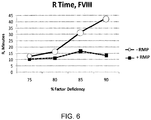
- TEG measures the delay of initiation of clotting ( R ), the rate of clot formation ( a , angular rise rate), and maximum amplitude ( MA ). A high risk of bleeding is detected as a high R with a low a , or low MA measure value.
- FIG. 4A bone marrow fails to produce sufficient red cells, white cells and platelets; this patient had fewer than 1% of normal platelets (1,000/ ⁇ L vs. normal value of 250,000/ ⁇ L).
- ITP Idiopathic Thrombocytopenic Purpura
- platelet dysfunction was due to aspirin, which inhibits platelet function and can result in serious bleeding, especially in combination with other disorders or medications. Note the elimination of the prolonged lag time (R) by RMP.
- FIG. 4D platelet dysfunction was due to therapy with Plavix (clopidogrel), which inhibits platelet function as does aspirin but by a different mechanism (blockade of ADP receptors). Despite a different mechanism of platelet dysfunction, RMP corrected the prolonged lag time.
- Coumadin (a.k.a. Warfarin) is most widely used "blood thinners" prescribed for prevention and treatment of thrombosis. It acts by preventing effective production of the several clotting factors that require vitamin K. Overdose of Coumadin, which happens commonly, can lead to serious bleeding. In this patient ( FIG. 4E ), notice that RMP fully corrected the prolonged lag time (R) and slow rate (a). Platelet counts were normal in this patient.
- Vitamin K antagonists such as Coumadin
- Heparin and low molecular weight heparin 3) inhibitors of thrombin (anti-factor IIa) such as dabigatran
- inhibitors of prothrombinase complex anti-factor Xa
- fondaparinux and rivaroxaban The new anticoagulants are increasingly employed.
- Low molecular Heparin (LMWH) and especially enoxaparin (Lovenox) and dalteparin (Fragmin) are now widely used.
- FIG. 4F s hows that RMP correct coagulation abnormality induced by Lovenox. Similar correction by RMP was seen in other LMWH such as dalteparin (Fragmin) a nd fondaparinux (Arixtra) as well as d abigatran (Pradaxa), a new oral thrombin inhibitor ( FIG. 4 G) which is more convenient and practical to use than existing anticoagulants. RMP corrects clotting abnormalities induced by anticoagulants from any of the four groups. Therefore, RMP should be effective against bleeding resulting from any new drugs belonging to one of these groups.
- Hemophilia A is an inherited disorder marked by ready bleeding due to low levels of functional factor VIII (FVIII). Painful and debilitating bleeding in the joints and mucous membranes are common, and brain hemorrhage can be fatal. Treatment is infusion of FVIII concentrates but this treatment is often ineffective due to formation of inhibitors of the FVIII administered.
- This patient ( FIG. 4H ) had congenital Hemophilia A and developed mild inhibitor. The figure shows that RMP corrected prolonged lag (R) and normalized rate (a) of clotting.
- RMP was observed to correct the abnormality in the following cases judged by TEG: ( i ) Patients with mild inhibitors to Factor IX, XI; ( ii ) patients treated with heparin, low molecular weight heparin (Lovenox, Fragmin) and Arixtra; ( iii ) patients with DIC; ( iv ) chronic liver disease; ( v ) thrombocytopenia from bone marrow failure such as aplastic anemia, myelodysplastic syndrome, leukemias.(data not shown).
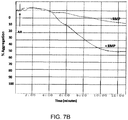
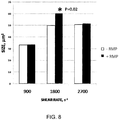
- FIGs. 7A and 7B show the effect of RMP on platelet aggregation and adhesion.
- RMP enhanced platelet aggregation measured by Chrono-Log aggregometry.
Landscapes
- Health & Medical Sciences (AREA)
- Life Sciences & Earth Sciences (AREA)
- Chemical & Material Sciences (AREA)
- Engineering & Computer Science (AREA)
- General Health & Medical Sciences (AREA)
- Animal Behavior & Ethology (AREA)
- Public Health (AREA)
- Pharmacology & Pharmacy (AREA)
- Medicinal Chemistry (AREA)
- Veterinary Medicine (AREA)
- Hematology (AREA)
- Organic Chemistry (AREA)
- Bioinformatics & Cheminformatics (AREA)
- Chemical Kinetics & Catalysis (AREA)
- General Chemical & Material Sciences (AREA)
- Nuclear Medicine, Radiotherapy & Molecular Imaging (AREA)
- Developmental Biology & Embryology (AREA)
- Epidemiology (AREA)
- Zoology (AREA)
- Virology (AREA)
- Immunology (AREA)
- Cell Biology (AREA)
- Biotechnology (AREA)
- Biomedical Technology (AREA)
- Diabetes (AREA)
- Medicines Containing Material From Animals Or Micro-Organisms (AREA)
- Medicines That Contain Protein Lipid Enzymes And Other Medicines (AREA)
- Medicinal Preparation (AREA)
Claims (5)
- Verfahren zur Herstellung von Mikropartikeln (RMP), abgeleitet von roten Blutkörperchen, umfassend die Schritte:Suspendieren roter Blutzellen in einem wässrigen Verdünnungsmittel, um eine Zellsuspension zu bilden;unter Druck setzen der Zellsuspension;Extrudieren der unter Druck gesetzten Zellsuspension in einem Bereich mit niedrigerem Druck, um Scherkräfte an den suspendierten roten Blutkörperchen zu erzeugen, wodurch die suspendierten Zellen in eine rohe RMP-Suspension umgewandelt werden; undEntfernen von ganzen roten Blutkörperchen aus der rohen RMP-Suspension, um eine endgültige RMP-Suspension herzustellen,
- Verfahren nach Anspruch 1, wobei eine sog. French Press verwendet wird, um die Zellsuspension zu extrudieren.
- Verfahren nach Anspruch 1, weiter umfassend einen Schritt des Lyophilisierens der endgültigen RMP-Suspension.
- Verfahren nach Anspruch 1, wobei die roten Blutzellen von einem autologen Spender stammen.
- Mikropartikel (RMP) von roten Blutkörperchen abgeleitet und nach dem Verfahren gemäß Anspruch 1 hergestellt, zur Verwendung beim Behandeln und Vorbeugen von übermäßiger Blutung bei Säugetieren, verursacht durch Traumata, Operationen, invasive Verfahren oder aufgrund von Blutungszuständen, einschließlich Blutplättchen- oder Gerinnungsstörungen, wobei die Blutplättchenstörung insbesondere entweder Thrombozytopenie oder Blutplättchenfunktionsstörung ist.
Priority Applications (2)
| Application Number | Priority Date | Filing Date | Title |
|---|---|---|---|
| PL12739559T PL2668262T3 (pl) | 2011-01-28 | 2012-01-27 | Rozszerzone wykorzystanie mikrocząstek pochodzących z czerwonych krwinek (RMP) do leczenia krwawienia |
| SI201231207T SI2668262T1 (en) | 2011-01-28 | 2012-01-27 | Extended use of microparticles derived from red blood cells (RMP) for the treatment of bleeding |
Applications Claiming Priority (2)
| Application Number | Priority Date | Filing Date | Title |
|---|---|---|---|
| US201161457203P | 2011-01-28 | 2011-01-28 | |
| PCT/US2012/023020 WO2012103512A2 (en) | 2011-01-28 | 2012-01-27 | Expanded utility of red cell-derived microparticles (rmp) for treatment of bleeding |
Publications (3)
| Publication Number | Publication Date |
|---|---|
| EP2668262A2 EP2668262A2 (de) | 2013-12-04 |
| EP2668262A4 EP2668262A4 (de) | 2014-06-25 |
| EP2668262B1 true EP2668262B1 (de) | 2017-11-29 |
Family
ID=46581438
Family Applications (1)
| Application Number | Title | Priority Date | Filing Date |
|---|---|---|---|
| EP12739559.8A Active EP2668262B1 (de) | 2011-01-28 | 2012-01-27 | Erweiterte nützlichkeit von aus erythrozyten stammenden mikropartikeln (rmp) zur behandlung von blutungen |
Country Status (11)
| Country | Link |
|---|---|
| US (1) | US20130316011A1 (de) |
| EP (1) | EP2668262B1 (de) |
| JP (2) | JP5819444B2 (de) |
| DK (1) | DK2668262T3 (de) |
| ES (1) | ES2657901T3 (de) |
| HU (1) | HUE038138T2 (de) |
| NO (1) | NO2668262T3 (de) |
| PL (1) | PL2668262T3 (de) |
| PT (1) | PT2668262T (de) |
| SI (1) | SI2668262T1 (de) |
| WO (1) | WO2012103512A2 (de) |
Families Citing this family (6)
| Publication number | Priority date | Publication date | Assignee | Title |
|---|---|---|---|---|
| WO2015069897A1 (en) * | 2013-11-07 | 2015-05-14 | University Of Pittsburgh-Of The Commonwealth System Of Higher Education | Red blood cell membrane-derived microparticles and their use for the treatment of lung disease |
| CN110799199B (zh) * | 2016-11-30 | 2024-01-30 | 迈阿密大学 | Rmp组合物及使用方法 |
| JP7110360B2 (ja) | 2017-10-09 | 2022-08-01 | テルモ ビーシーティー バイオテクノロジーズ,エルエルシー | 凍結乾燥方法 |
| CN113597532B (zh) | 2019-03-14 | 2023-02-17 | 泰尔茂比司特生物技术有限公司 | 冻干容器填充固定装置、系统及使用方法 |
| US11074796B2 (en) | 2019-04-01 | 2021-07-27 | Carrier Corporation | Photoelectric smoke detectors |
| CN110068682A (zh) * | 2019-04-19 | 2019-07-30 | 深圳市汇松科技发展有限公司 | 血小板微颗粒在细胞组织因子表达升高中的用途 |
Family Cites Families (4)
| Publication number | Priority date | Publication date | Assignee | Title |
|---|---|---|---|---|
| US7811558B2 (en) * | 2004-08-12 | 2010-10-12 | Cellphire, Inc. | Use of stabilized platelets as hemostatic agent |
| PT1819230E (pt) * | 2004-12-07 | 2012-08-07 | Univ Miami | Micropartículas derivadas de células vermelhas como agentes hemostáticos para o controlo da hemorragia e para o tratamento de patologias hemorrágicas |
| US9155764B1 (en) * | 2004-12-07 | 2015-10-13 | University Of Miami | Expanded utility of red-cell derived microparticles (RMP) for treatment of bleeding |
| US20080057505A1 (en) * | 2006-07-14 | 2008-03-06 | Ping Lin | Methods and compositions for detecting rare cells from a biological sample |
-
2012
- 2012-01-27 US US13/982,224 patent/US20130316011A1/en not_active Abandoned
- 2012-01-27 SI SI201231207T patent/SI2668262T1/en unknown
- 2012-01-27 PT PT127395598T patent/PT2668262T/pt unknown
- 2012-01-27 NO NO12739559A patent/NO2668262T3/no unknown
- 2012-01-27 EP EP12739559.8A patent/EP2668262B1/de active Active
- 2012-01-27 DK DK12739559.8T patent/DK2668262T3/en active
- 2012-01-27 WO PCT/US2012/023020 patent/WO2012103512A2/en not_active Ceased
- 2012-01-27 HU HUE12739559A patent/HUE038138T2/hu unknown
- 2012-01-27 PL PL12739559T patent/PL2668262T3/pl unknown
- 2012-01-27 JP JP2013551393A patent/JP5819444B2/ja not_active Expired - Fee Related
- 2012-01-27 ES ES12739559.8T patent/ES2657901T3/es active Active
-
2015
- 2015-03-31 JP JP2015072421A patent/JP6113776B2/ja not_active Expired - Fee Related
Non-Patent Citations (1)
| Title |
|---|
| None * |
Also Published As
| Publication number | Publication date |
|---|---|
| PT2668262T (pt) | 2018-03-05 |
| EP2668262A2 (de) | 2013-12-04 |
| JP2015166348A (ja) | 2015-09-24 |
| JP6113776B2 (ja) | 2017-04-12 |
| DK2668262T3 (en) | 2018-02-05 |
| US20130316011A1 (en) | 2013-11-28 |
| WO2012103512A2 (en) | 2012-08-02 |
| ES2657901T3 (es) | 2018-03-07 |
| HUE038138T2 (hu) | 2018-09-28 |
| SI2668262T1 (en) | 2018-03-30 |
| JP5819444B2 (ja) | 2015-11-24 |
| JP2014506569A (ja) | 2014-03-17 |
| NO2668262T3 (de) | 2018-04-28 |
| PL2668262T3 (pl) | 2018-04-30 |
| EP2668262A4 (de) | 2014-06-25 |
| WO2012103512A3 (en) | 2012-10-18 |
Similar Documents
| Publication | Publication Date | Title |
|---|---|---|
| EP2668262B1 (de) | Erweiterte nützlichkeit von aus erythrozyten stammenden mikropartikeln (rmp) zur behandlung von blutungen | |
| Emara et al. | Topical versus intravenous tranexamic acid as a blood conservation intervention for reduction of post-operative bleeding in hemiarthroplasty | |
| US20170080027A1 (en) | Expanded utility of red-cell derived microparticles (rmp) for treatment of bleeding | |
| CN107405391B (zh) | 治疗外伤患者中的出血的血小板微粒的全身和局部应用 | |
| JP5653916B2 (ja) | 血小板のインヒビターにより誘発される凝固障害を治療するためのフォン・ヴィレブランド因子または第viii因子およびフォン・ヴィレブランド因子 | |
| US20100279939A1 (en) | Recombinant human fibrinogen for treatment of bleeding in trauma and platelet disorders | |
| CN102438635B (zh) | 活化的白细胞组合物 | |
| US20180369346A1 (en) | Methods, compositions and kits for reducing tissue adhesions | |
| WO2024233577A1 (en) | Platelet-rich plasma compositions, preparation, and uses thereof | |
| Ahmad et al. | Effects of bolus dose and continuous infusion of tranexamic acid on blood loss after coronary artery bypass grafting | |
| JP2023017857A (ja) | Rmp組成物および使用方法 | |
| CA3045144C (en) | Rmp composition and methods of use | |
| Pamnani et al. | Neuraxial anesthesia for labor and cesarean delivery in a parturient with hereditary antithrombin deficiency on recombinant human antithrombin infusion therapy | |
| HK40014174A (en) | Rmp composition and methods of use | |
| HK40014174B (en) | Rmp composition and methods of use | |
| Roushan et al. | The Effect of Desmopressin on the Amount of Bleeding in Patients Undergoing Coronary Artery Bypass Graft Surgery with a Cardiopulmonary Bypass Pump After Taking Anti-Platelet Medicine | |
| Xie et al. | All-trans-retinoic acid-induced rhabdomyolysis: a case report | |
| Coughlan | Bleeding disorders | |
| BY-PASS | EM Sloand¹, CM Kessler², J. Sloand³, and K. Prodouz'National Heart, Lung, and Blood Institute |
Legal Events
| Date | Code | Title | Description |
|---|---|---|---|
| PUAI | Public reference made under article 153(3) epc to a published international application that has entered the european phase |
Free format text: ORIGINAL CODE: 0009012 |
|
| 17P | Request for examination filed |
Effective date: 20130823 |
|
| AK | Designated contracting states |
Kind code of ref document: A2 Designated state(s): AL AT BE BG CH CY CZ DE DK EE ES FI FR GB GR HR HU IE IS IT LI LT LU LV MC MK MT NL NO PL PT RO RS SE SI SK SM TR |
|
| DAX | Request for extension of the european patent (deleted) | ||
| REG | Reference to a national code |
Ref country code: DE Ref legal event code: R079 Ref document number: 602012040338 Country of ref document: DE Free format text: PREVIOUS MAIN CLASS: C12N0005078000 Ipc: A61K0035180000 |
|
| A4 | Supplementary search report drawn up and despatched |
Effective date: 20140527 |
|
| RIC1 | Information provided on ipc code assigned before grant |
Ipc: A61P 7/04 20060101ALI20140521BHEP Ipc: A61K 35/18 20060101AFI20140521BHEP |
|
| 17Q | First examination report despatched |
Effective date: 20150617 |
|
| RAP1 | Party data changed (applicant data changed or rights of an application transferred) |
Owner name: UNIVERSITY OF MIAMI |
|
| GRAP | Despatch of communication of intention to grant a patent |
Free format text: ORIGINAL CODE: EPIDOSNIGR1 |
|
| INTG | Intention to grant announced |
Effective date: 20170608 |
|
| GRAS | Grant fee paid |
Free format text: ORIGINAL CODE: EPIDOSNIGR3 |
|
| GRAA | (expected) grant |
Free format text: ORIGINAL CODE: 0009210 |
|
| AK | Designated contracting states |
Kind code of ref document: B1 Designated state(s): AL AT BE BG CH CY CZ DE DK EE ES FI FR GB GR HR HU IE IS IT LI LT LU LV MC MK MT NL NO PL PT RO RS SE SI SK SM TR |
|
| REG | Reference to a national code |
Ref country code: CH Ref legal event code: EP |
|
| REG | Reference to a national code |
Ref country code: AT Ref legal event code: REF Ref document number: 949772 Country of ref document: AT Kind code of ref document: T Effective date: 20171215 |
|
| REG | Reference to a national code |
Ref country code: IE Ref legal event code: FG4D |
|
| REG | Reference to a national code |
Ref country code: DE Ref legal event code: R096 Ref document number: 602012040338 Country of ref document: DE |
|
| REG | Reference to a national code |
Ref country code: DK Ref legal event code: T3 Effective date: 20180131 |
|
| REG | Reference to a national code |
Ref country code: NL Ref legal event code: FP |
|
| REG | Reference to a national code |
Ref country code: CH Ref legal event code: NV Representative=s name: RENTSCH PARTNER AG, CH Ref country code: CH Ref legal event code: PCOW Free format text: NEW ADDRESS: 1951 NW 7TH AVENUE SUITE 310, MIAMI, FL 33136 (US) |
|
| REG | Reference to a national code |
Ref country code: SE Ref legal event code: TRGR |
|
| REG | Reference to a national code |
Ref country code: PT Ref legal event code: SC4A Ref document number: 2668262 Country of ref document: PT Date of ref document: 20180305 Kind code of ref document: T Free format text: AVAILABILITY OF NATIONAL TRANSLATION Effective date: 20180227 |
|
| RAP2 | Party data changed (patent owner data changed or rights of a patent transferred) |
Owner name: UNIVERSITY OF MIAMI |
|
| REG | Reference to a national code |
Ref country code: ES Ref legal event code: FG2A Ref document number: 2657901 Country of ref document: ES Kind code of ref document: T3 Effective date: 20180307 |
|
| REG | Reference to a national code |
Ref country code: FR Ref legal event code: PLFP Year of fee payment: 7 |
|
| REG | Reference to a national code |
Ref country code: LT Ref legal event code: MG4D |
|
| PG25 | Lapsed in a contracting state [announced via postgrant information from national office to epo] |
Ref country code: LT Free format text: LAPSE BECAUSE OF FAILURE TO SUBMIT A TRANSLATION OF THE DESCRIPTION OR TO PAY THE FEE WITHIN THE PRESCRIBED TIME-LIMIT Effective date: 20171129 |
|
| REG | Reference to a national code |
Ref country code: NO Ref legal event code: T2 Effective date: 20171129 |
|
| PG25 | Lapsed in a contracting state [announced via postgrant information from national office to epo] |
Ref country code: HR Free format text: LAPSE BECAUSE OF FAILURE TO SUBMIT A TRANSLATION OF THE DESCRIPTION OR TO PAY THE FEE WITHIN THE PRESCRIBED TIME-LIMIT Effective date: 20171129 Ref country code: BG Free format text: LAPSE BECAUSE OF FAILURE TO SUBMIT A TRANSLATION OF THE DESCRIPTION OR TO PAY THE FEE WITHIN THE PRESCRIBED TIME-LIMIT Effective date: 20180228 Ref country code: LV Free format text: LAPSE BECAUSE OF FAILURE TO SUBMIT A TRANSLATION OF THE DESCRIPTION OR TO PAY THE FEE WITHIN THE PRESCRIBED TIME-LIMIT Effective date: 20171129 Ref country code: RS Free format text: LAPSE BECAUSE OF FAILURE TO SUBMIT A TRANSLATION OF THE DESCRIPTION OR TO PAY THE FEE WITHIN THE PRESCRIBED TIME-LIMIT Effective date: 20171129 |
|
| REG | Reference to a national code |
Ref country code: GR Ref legal event code: EP Ref document number: 20180400585 Country of ref document: GR Effective date: 20180627 |
|
| PG25 | Lapsed in a contracting state [announced via postgrant information from national office to epo] |
Ref country code: EE Free format text: LAPSE BECAUSE OF FAILURE TO SUBMIT A TRANSLATION OF THE DESCRIPTION OR TO PAY THE FEE WITHIN THE PRESCRIBED TIME-LIMIT Effective date: 20171129 Ref country code: CY Free format text: LAPSE BECAUSE OF FAILURE TO SUBMIT A TRANSLATION OF THE DESCRIPTION OR TO PAY THE FEE WITHIN THE PRESCRIBED TIME-LIMIT Effective date: 20171129 |
|
| REG | Reference to a national code |
Ref country code: DE Ref legal event code: R097 Ref document number: 602012040338 Country of ref document: DE |
|
| PG25 | Lapsed in a contracting state [announced via postgrant information from national office to epo] |
Ref country code: RO Free format text: LAPSE BECAUSE OF FAILURE TO SUBMIT A TRANSLATION OF THE DESCRIPTION OR TO PAY THE FEE WITHIN THE PRESCRIBED TIME-LIMIT Effective date: 20171129 Ref country code: SM Free format text: LAPSE BECAUSE OF FAILURE TO SUBMIT A TRANSLATION OF THE DESCRIPTION OR TO PAY THE FEE WITHIN THE PRESCRIBED TIME-LIMIT Effective date: 20171129 |
|
| REG | Reference to a national code |
Ref country code: HU Ref legal event code: AG4A Ref document number: E038138 Country of ref document: HU |
|
| PLBE | No opposition filed within time limit |
Free format text: ORIGINAL CODE: 0009261 |
|
| STAA | Information on the status of an ep patent application or granted ep patent |
Free format text: STATUS: NO OPPOSITION FILED WITHIN TIME LIMIT |
|
| 26N | No opposition filed |
Effective date: 20180830 |
|
| REG | Reference to a national code |
Ref country code: SK Ref legal event code: T3 Ref document number: E 28797 Country of ref document: SK |
|
| REG | Reference to a national code |
Ref country code: AT Ref legal event code: UEP Ref document number: 949772 Country of ref document: AT Kind code of ref document: T Effective date: 20171129 |
|
| PG25 | Lapsed in a contracting state [announced via postgrant information from national office to epo] |
Ref country code: MT Free format text: LAPSE BECAUSE OF NON-PAYMENT OF DUE FEES Effective date: 20180127 |
|
| PG25 | Lapsed in a contracting state [announced via postgrant information from national office to epo] |
Ref country code: MK Free format text: LAPSE BECAUSE OF NON-PAYMENT OF DUE FEES Effective date: 20171129 |
|
| PG25 | Lapsed in a contracting state [announced via postgrant information from national office to epo] |
Ref country code: AL Free format text: LAPSE BECAUSE OF FAILURE TO SUBMIT A TRANSLATION OF THE DESCRIPTION OR TO PAY THE FEE WITHIN THE PRESCRIBED TIME-LIMIT Effective date: 20171129 Ref country code: IS Free format text: LAPSE BECAUSE OF FAILURE TO SUBMIT A TRANSLATION OF THE DESCRIPTION OR TO PAY THE FEE WITHIN THE PRESCRIBED TIME-LIMIT Effective date: 20180329 |
|
| PGFP | Annual fee paid to national office [announced via postgrant information from national office to epo] |
Ref country code: SI Payment date: 20251230 Year of fee payment: 15 |
|
| REG | Reference to a national code |
Ref country code: CH Ref legal event code: U11 Free format text: ST27 STATUS EVENT CODE: U-0-0-U10-U11 (AS PROVIDED BY THE NATIONAL OFFICE) Effective date: 20260201 |
|
| PGFP | Annual fee paid to national office [announced via postgrant information from national office to epo] |
Ref country code: LU Payment date: 20260127 Year of fee payment: 15 Ref country code: NL Payment date: 20260126 Year of fee payment: 15 |
|
| PGFP | Annual fee paid to national office [announced via postgrant information from national office to epo] |
Ref country code: HU Payment date: 20260109 Year of fee payment: 15 |
|
| PGFP | Annual fee paid to national office [announced via postgrant information from national office to epo] |
Ref country code: SE Payment date: 20260127 Year of fee payment: 15 |
|
| PGFP | Annual fee paid to national office [announced via postgrant information from national office to epo] |
Ref country code: GB Payment date: 20260127 Year of fee payment: 15 |
|
| PGFP | Annual fee paid to national office [announced via postgrant information from national office to epo] |
Ref country code: ES Payment date: 20260202 Year of fee payment: 15 Ref country code: MC Payment date: 20260105 Year of fee payment: 15 |
|
| PGFP | Annual fee paid to national office [announced via postgrant information from national office to epo] |
Ref country code: NO Payment date: 20260128 Year of fee payment: 15 Ref country code: DK Payment date: 20260126 Year of fee payment: 15 Ref country code: IE Payment date: 20260127 Year of fee payment: 15 Ref country code: DE Payment date: 20260128 Year of fee payment: 15 |
|
| PGFP | Annual fee paid to national office [announced via postgrant information from national office to epo] |
Ref country code: AT Payment date: 20260128 Year of fee payment: 15 |
|
| PGFP | Annual fee paid to national office [announced via postgrant information from national office to epo] |
Ref country code: BE Payment date: 20260127 Year of fee payment: 15 Ref country code: FI Payment date: 20260126 Year of fee payment: 15 Ref country code: IT Payment date: 20260121 Year of fee payment: 15 |
|
| PGFP | Annual fee paid to national office [announced via postgrant information from national office to epo] |
Ref country code: FR Payment date: 20260126 Year of fee payment: 15 |
|
| PGFP | Annual fee paid to national office [announced via postgrant information from national office to epo] |
Ref country code: TR Payment date: 20260116 Year of fee payment: 15 |
|
| PGFP | Annual fee paid to national office [announced via postgrant information from national office to epo] |
Ref country code: CH Payment date: 20260201 Year of fee payment: 15 Ref country code: PT Payment date: 20260112 Year of fee payment: 15 Ref country code: CZ Payment date: 20260108 Year of fee payment: 15 |
|
| PGFP | Annual fee paid to national office [announced via postgrant information from national office to epo] |
Ref country code: GR Payment date: 20260127 Year of fee payment: 15 Ref country code: PL Payment date: 20260108 Year of fee payment: 15 |
|
| PGFP | Annual fee paid to national office [announced via postgrant information from national office to epo] |
Ref country code: SK Payment date: 20260102 Year of fee payment: 15 |