EP2654899B1 - Decorin for use in treating traumatic neurological conditions via intrathecal administration - Google Patents
Decorin for use in treating traumatic neurological conditions via intrathecal administration Download PDFInfo
- Publication number
- EP2654899B1 EP2654899B1 EP11852038.6A EP11852038A EP2654899B1 EP 2654899 B1 EP2654899 B1 EP 2654899B1 EP 11852038 A EP11852038 A EP 11852038A EP 2654899 B1 EP2654899 B1 EP 2654899B1
- Authority
- EP
- European Patent Office
- Prior art keywords
- decorin
- functional fragment
- injury
- spinal cord
- use according
- Prior art date
- Legal status (The legal status is an assumption and is not a legal conclusion. Google has not performed a legal analysis and makes no representation as to the accuracy of the status listed.)
- Active
Links
Images





Classifications
-
- A—HUMAN NECESSITIES
- A61—MEDICAL OR VETERINARY SCIENCE; HYGIENE
- A61K—PREPARATIONS FOR MEDICAL, DENTAL OR TOILETRY PURPOSES
- A61K38/00—Medicinal preparations containing peptides
- A61K38/16—Peptides having more than 20 amino acids; Gastrins; Somatostatins; Melanotropins; Derivatives thereof
- A61K38/17—Peptides having more than 20 amino acids; Gastrins; Somatostatins; Melanotropins; Derivatives thereof from animals; from humans
- A61K38/39—Connective tissue peptides, e.g. collagen, elastin, laminin, fibronectin, vitronectin, cold insoluble globulin [CIG]
-
- A—HUMAN NECESSITIES
- A61—MEDICAL OR VETERINARY SCIENCE; HYGIENE
- A61K—PREPARATIONS FOR MEDICAL, DENTAL OR TOILETRY PURPOSES
- A61K31/00—Medicinal preparations containing organic active ingredients
- A61K31/70—Carbohydrates; Sugars; Derivatives thereof
- A61K31/715—Polysaccharides, i.e. having more than five saccharide radicals attached to each other by glycosidic linkages; Derivatives thereof, e.g. ethers, esters
- A61K31/737—Sulfated polysaccharides, e.g. chondroitin sulfate, dermatan sulfate
-
- A—HUMAN NECESSITIES
- A61—MEDICAL OR VETERINARY SCIENCE; HYGIENE
- A61K—PREPARATIONS FOR MEDICAL, DENTAL OR TOILETRY PURPOSES
- A61K38/00—Medicinal preparations containing peptides
- A61K38/16—Peptides having more than 20 amino acids; Gastrins; Somatostatins; Melanotropins; Derivatives thereof
- A61K38/17—Peptides having more than 20 amino acids; Gastrins; Somatostatins; Melanotropins; Derivatives thereof from animals; from humans
- A61K38/1703—Peptides having more than 20 amino acids; Gastrins; Somatostatins; Melanotropins; Derivatives thereof from animals; from humans from vertebrates
- A61K38/1709—Peptides having more than 20 amino acids; Gastrins; Somatostatins; Melanotropins; Derivatives thereof from animals; from humans from vertebrates from mammals
-
- A—HUMAN NECESSITIES
- A61—MEDICAL OR VETERINARY SCIENCE; HYGIENE
- A61K—PREPARATIONS FOR MEDICAL, DENTAL OR TOILETRY PURPOSES
- A61K45/00—Medicinal preparations containing active ingredients not provided for in groups A61K31/00 - A61K41/00
- A61K45/06—Mixtures of active ingredients without chemical characterisation, e.g. antiphlogistics and cardiaca
-
- A—HUMAN NECESSITIES
- A61—MEDICAL OR VETERINARY SCIENCE; HYGIENE
- A61K—PREPARATIONS FOR MEDICAL, DENTAL OR TOILETRY PURPOSES
- A61K9/00—Medicinal preparations characterised by special physical form
- A61K9/0012—Galenical forms characterised by the site of application
- A61K9/0085—Brain, e.g. brain implants; Spinal cord
-
- A—HUMAN NECESSITIES
- A61—MEDICAL OR VETERINARY SCIENCE; HYGIENE
- A61P—SPECIFIC THERAPEUTIC ACTIVITY OF CHEMICAL COMPOUNDS OR MEDICINAL PREPARATIONS
- A61P21/00—Drugs for disorders of the muscular or neuromuscular system
- A61P21/02—Muscle relaxants, e.g. for tetanus or cramps
-
- A—HUMAN NECESSITIES
- A61—MEDICAL OR VETERINARY SCIENCE; HYGIENE
- A61P—SPECIFIC THERAPEUTIC ACTIVITY OF CHEMICAL COMPOUNDS OR MEDICINAL PREPARATIONS
- A61P25/00—Drugs for disorders of the nervous system
-
- A—HUMAN NECESSITIES
- A61—MEDICAL OR VETERINARY SCIENCE; HYGIENE
- A61P—SPECIFIC THERAPEUTIC ACTIVITY OF CHEMICAL COMPOUNDS OR MEDICINAL PREPARATIONS
- A61P25/00—Drugs for disorders of the nervous system
- A61P25/02—Drugs for disorders of the nervous system for peripheral neuropathies
-
- A—HUMAN NECESSITIES
- A61—MEDICAL OR VETERINARY SCIENCE; HYGIENE
- A61P—SPECIFIC THERAPEUTIC ACTIVITY OF CHEMICAL COMPOUNDS OR MEDICINAL PREPARATIONS
- A61P25/00—Drugs for disorders of the nervous system
- A61P25/14—Drugs for disorders of the nervous system for treating abnormal movements, e.g. chorea, dyskinesia
- A61P25/16—Anti-Parkinson drugs
-
- A—HUMAN NECESSITIES
- A61—MEDICAL OR VETERINARY SCIENCE; HYGIENE
- A61P—SPECIFIC THERAPEUTIC ACTIVITY OF CHEMICAL COMPOUNDS OR MEDICINAL PREPARATIONS
- A61P25/00—Drugs for disorders of the nervous system
- A61P25/28—Drugs for disorders of the nervous system for treating neurodegenerative disorders of the central nervous system, e.g. nootropic agents, cognition enhancers, drugs for treating Alzheimer's disease or other forms of dementia
-
- A—HUMAN NECESSITIES
- A61—MEDICAL OR VETERINARY SCIENCE; HYGIENE
- A61P—SPECIFIC THERAPEUTIC ACTIVITY OF CHEMICAL COMPOUNDS OR MEDICINAL PREPARATIONS
- A61P29/00—Non-central analgesic, antipyretic or antiinflammatory agents, e.g. antirheumatic agents; Non-steroidal antiinflammatory drugs [NSAID]
-
- A—HUMAN NECESSITIES
- A61—MEDICAL OR VETERINARY SCIENCE; HYGIENE
- A61P—SPECIFIC THERAPEUTIC ACTIVITY OF CHEMICAL COMPOUNDS OR MEDICINAL PREPARATIONS
- A61P43/00—Drugs for specific purposes, not provided for in groups A61P1/00-A61P41/00
Definitions
- the present invention generally relates to compositions use in the treatment and promotion of neurological functional recovery from neurological conditions including central nervous system injuries and/or diseases.
- Neurological conditions are disorders of the body's nervous system. Structural, biochemical or electrical abnormalities in the brain, spinal cord, or in the nerves leading to or from them, can result in symptoms such as paralysis, muscle weakness, lack of coordination, loss of sensation, as well as pain. Interventions include preventative measures, lifestyle changes, physiotherapy or other therapy, neuro-rehabilitation, pain management, medication, or operations performed by neurosurgeons ( WHO Neurological Disorders: Public Health Challenges, 2006 ). These conditions or disorders can be categorized according to the primary location affected, the primary type of dysfunction involved, or the primary type of cause. The broadest division is between central nervous system (CNS) disorders and peripheral nervous system (PNS) disorders ( Merck Manual: Brain, Spinal Cord and Nerve Disorders, 2010-2011 ).
- CNS central nervous system
- PNS peripheral nervous system
- Restoration of neurological function after severe injury requires regenerative growth of severed motor and sensory axons through the provision of growth factors, appropriate substrates and/or overriding of a variety of inhibitors that prevent axon regeneration.
- CSPGs such as neurocan, NG2, brevican and phosphacan
- neurocan NG2, brevican and phosphacan
- axon growth inhibitors such as semaphorin 3A have also been shown to be upregulated within scar tissue at sites of brain and spinal cord injury ( Pasterkamp R.J. et al.
- inhibitory CSPGs and semaphorin 3A are also known to be present at high levels with normal spinal cord gray matter and after CNS injury ( Pasterkamp R.J. et al. Expression of the gene encoding the chemorepellent semaphorin III is induced in the fibroblast component of neural scar tissue formed following injuries of adult but not neonatal CNS, Mol. Cell Neurosci 13: 143-166(1999 ); Pasterkamp R.J. and.Kolodkin A.L, Semaphorin junction: making tracks toward neural connectivity, Curr. Opin. Neurobiol.
- myelin sheaths around axons with adult CNS white matter also presents a variety of axon growth inhibitory molecules such as NOGO (Neurite outgrowth inhibitor), myelin associated glycoprotein (MAG) and oligodendrocyte myelin glycoprotein (OMgp: reviewed in Yiu G. and He Z. Glial inhibition of CNS axon regeneration, Nat. Rev. Neurosci. 7: 617-627 (2006 ).).
- NOGO Neurorite outgrowth inhibitor
- MAG myelin associated glycoprotein
- OMgp oligodendrocyte myelin glycoprotein
- Small leucine rich proteoglycans (SLRP) of the extracellular matrix (EM) comprise an expanding family of proteoglycans and glycoproteins that now encompass five distinct groups ( Hocking, A.M., et al. Leucine-rich repeat glycoproteins of the extracellular matrix. Matrix Biol. 17, 1-19 (1998 ); Lozzo RV. The biology of the small leucine-rich proteoglycans Functional network of interactive proteins. J. Biol. Chem 274, 18843-18846 (1999 )).
- the SLRP family comprises about 17 genes that share structural homologies, such as cysteine residues, leucine rich repeats and at least one glycosaminoglycan side chain.
- Decorin and biglycan belong to class I, presenting similarities in their amino acid sequence, in the chondroitin or dermatan sulfate side chains and a typical cluster of cysteine residues at the N-terminus that form two disulfide bonds.
- Fibromodulin and lumican belong to class II, both presenting keratin sulfate and polyactosamines side chains, as well as clusters of tyrosine-sulfate residues at their N-terminal ( Schaefer, L., et al. Biological functions of small leucine-rich proteoglycans: from genetics to signal transduction. J. Biol. Chem 283(31), 21305-21309, (2008 )).
- SLRPs act as a growth factor reservoir in the extracellular matrix, modulating biological processes, such as cell proliferation and differentiations ( Hocking, A.M., et al. Leucine-rich repeat glycoproteins of the extracellular matrix. Matrix Biol. 17, 1-19 (1998 ); Vogel, K.G., et al. Specific inhibition of type I and type II collagen fibrilogenesis by the small proteoglycan of tendon. Biochem J, 222, 587-597 (1984 )). They are capable of inducing signaling cascades through tyrosine kinase, toll-like and TGF- ⁇ /BMP receptors ( Schaefer, L., et al. Biological functions of small leucine-rich proteoglycans: from genetics to signal transduction. J. Biol. Chem 283(31), 21305-21309, (2008 )).
- Decorin is a naturally occurring SLRP that is found in the extracellular matrix (EM) of many tissue types in mammals, is a naturally occurring antagonist of scar formation (reviewed by Hocking, A.M., et al. Leucine-rich repeat glycoproteins of the extracellular matrix. Matrix Biol. 17, 1-19 (1998 ), and is known to inhibit the activity of at least three isoforms of TGF- ⁇ ( Yamaguchi, Y., et al. Negative regulation of transforming growth factor-beta by the proteoglycan decorin. Nature 346, 281-284 (1990 )).
- Decorin is also an antagonist of the epidermal growth factor (EGF) receptor tyrosine kinase ( Santra, M., et al.
- Decorin binds to a narrow region of the epidermal growth factor (EGF) receptor, partially overlapping but distinct from the EGF-binding epitope. J. Biol. Chem. 277, 35671-35681 (2002 )) and is known to have both anti-inflammatory and anti-fibrotic properties.
- EGF epidermal growth factor
- decorin is synthesized by astrocytes in the damaged CNS neuropil ( Stichel, C.C., et al. Differential expression of the small chondroitin/dermatan sulfate proteoglycans decorin and biglycan after injury of the adult rat brain. Brain Res 704(2), 263-274 (1995 )) and thus may represent an endogenous attempt to down-regulate cytokine activity and promote plasticity of neural circuits within the injured mammalian CNS.
- the invention relates to the treatment of a neurological condition in a patient by administering a small leucine-rich proteoglycan (SLRP) to the intrathecal cavity of the patient.
- the step of administering is conducted without direct administration of the SLRP to central nervous system tissues.
- the step of administering includes administering the SLRP to a portion of the intrathecal cavity selected from the cisterna cerebellomedullaris (cisterna magna), the intrathecal cavity at the cervical, thoracic, lumbar and sacral spinal cord levels, and infusion to the cerebral spinal fluid (CSF) surrounding the corda equina.
- CSF cerebral spinal fluid
- the SLRP is decorin.
- the decorin can be chemically modified.
- the neurological condition in the patient being treated is a traumatic neurological condition.
- the neurological condition is a traumatic neurological condition selected from traumatic brain injury, traumatic spinal cord injury, stroke, tethered spinal cord syndrome, and global hypoxic ischemia.
- the step of administering the SLRP can be at various time points after the occurrence of a traumatic neurological condition.
- the step of administering can be conducted shortly after the traumatic neurological condition, such as within about 24 hours.
- the step of administering the SLRP can be administered at longer times after traumatic neurological condition and still be effective.
- the administration can be initiated after about 1 month after the occurrence of the traumatic neurological condition.
- the present use further includes an additional treatment for a traumatic neurological condition.
- the additional treatment for traumatic neurological condition can be administering anti-inflammatory agents, temperature reducing agents, immobilization, cell transplantation based therapies, cell infusion based therapies, implantation of biomaterials, intrathecal infusion of SLRP releasing nano-particles, exercise therapies, functional electrical stimulation based rehabilitative therapies, surgical interventions, clinically induced hypothermia based CNS therapies or gene therapy based interventions.
- the traumatic neurological condition in the patient is stabilized at the time of administration.
- the step of administering a SLRP can include administering a bolus of the SLRP to the patient.
- the step of administering can include continuous delivery of the SLRP to the patient.
- the method results in an indication, compared to a control, wherein the indication is an increase in axon extension and branching, an increase in neuronal dendrite extension, branching and spine formation, promotion of synaptogenesis within the injured or diseased central nervous system, upregulation of plasminogen protein levels, upregulation of plasmin protein levels, suppression of the axon growth inhibitory actions of glial scar, suppression of the synthesis of glial scar associated axon growth inhibitors, myelin and gray matter associated axon growth inhibitors, suppression of inflammation, suppression of astrogliosis, suppression of aberrant synthesis of multiple axon growth inhibitory chondroitin sulfate proteoglycans, suppression of fibrotic scar formation, suppression of glycosaminoglycan side chains (GAGs)/core protein levels of multiple axon growth inhibitor chondroitin sulfate proteoglycans (CS
- the patient in the invention can include any mammal, including human and non-human mammals.
- the invention discloses a kit for treating a neurological condition, that includes (a) a means for administering a SLRP to the intrathecal cavity of a patient; and (b) a SLRP.
- the means for administering can be an intrathecal pump, a catheter, tubing, cerebrospinal fluid-diverting shunt, a CSF reservoir-on/off valve-ventriculoperitoneal shunt (RO-VPS), nano-particles or combinations thereof.
- the SLRP is decorin.
- the invention relates to composition that includes a first small leucine-rich proteoglycan (SLRP) and a second therapeutic compound for treating a neurological condition.
- the second therapeutic compound can be selected from a second SLRP that is different from the first SLRP, anti-inflammatory agents, temperature reducing agents, chondroitnases, lithium, hydrogels, neurotrophic growth factors designed to promote axon growth or remyelination of axons, anti-apoptotic agents to promote survival of CNS neurons and glia and combinations thereof.
- the first SLRP is decorin.
- a further embodiment of the invention is suppressing semaphorin 3A expression in injured central nervous system tissue, comprising administering to a patient a pharmaceutical composition to the intrathecal cavity of a patient, wherein the pharmaceutical composition comprises a SLRP and wherein semaphorin 3A expression is inhibited.
- the step of administering includes administering the SLRP to a portion of the intrathecal cavity selected from the cisterna cerebellomedullaris (cistern magna), the intrathecal cavity at the cervical, thoracic, lumbar and sacral spinal cord levels, and infusion to the cerebral spinal fluid (CSF) surrounding the corda equina.
- the step of administering is conducted with direct administration of the SLRP to central nervous system tissues.
- the SLRP is decorin.
- the present invention is directed toward uses to treat neurological conditions in a patient.
- the invention includes administering a small leucine-rich proteoglycan (SLRP) to the intrathecal cavity (i.e. intrathecal space) of the patient.
- SLRP small leucine-rich proteoglycan
- a neurological condition generally refers to a disorder of the nervous system. Accordingly, these conditions include but are not limited to disorders involving muscles, structural disorders of the brain and spinal cord, structural disorders of the nerves in the face, trunk and limbs, as well as conditions which are not caused by structural disease such as many varieties of headaches and conditions such as epilepsy, fainting and dizziness.
- the neurological condition is traumatic neurological condition.
- a traumatic neurological condition is a serious injury or shock to the body.
- the traumatic neurological condition includes but is not limited to traumatic brain injury, traumatic spinal cord injury, stroke, tethered spinal cord injury syndrome and global hypoxic ischemia.
- practice of the present invention will effectively treat traumatic neurological condition, wherein the present invention can stabilize a patient, alone or in combination with other treatments.
- a traumatic neurological condition is stabilized when the condition no longer poses an immediate danger of death or harm to the patient and the patient's vital signs are stable (within normal limits).
- the present invention maybe used to treat a variety of different patients.
- the patients can include all vertebrates.
- the vertebrates are preferably mammals.
- patients include but are not limited to, mammals such as non-human mammals and humans.
- the non-human mammals include but are not limited to dogs and cats.
- the patients can have neurological conditions, such as acute neurological conditions, chronic neurological conditions or traumatic neurological conditions.
- Uses of the present invention used to treat neurological conditions in a patient include a step of intrathecally administering a SLRP to the patient, which is conducted without direct administration of the SLRP to the central nervous system tissues of the patient.
- nervous system tissue is the main component of the nervous system (brain, spinal cord and nerves which regulate and control body function).
- the central nervous system tissues can comprise the spinal cord, brain, cerebral cortex, cerebellar cortex, the meninges, glial cells, and choroid plexus.
- the step of administering can be administering the SLRP to a portion of the intrathecal cavity selected from the group consisting of cisterna cerebellomedullaris (cisterna magna), the intrathecal cavity at the cervical, thoracic, lumbar and sacral spinal cord levels, and infusion to the cerebral spinal fluid (CSF) surrounding the corda equina.
- the SLRP is administered to the intrathecal cavity and to the cisterna cerebellomedullaris.
- the intrathecal cavity generally refers to the space under the arachnoid membrane which covers the brain and spinal cord of the patient.
- the arachonoid membrane is on the three meninges, the membranes that cover the brain and spinal cord. Cerebrospinal fluid flows under this membrane in the subarachnoid space.
- the SLRP can be administered to the intrathecal cavity according to the present invention, by a variety of means.
- a source of the SLRP can be contacted with the intrathecal cavity by means of a shunt or catheter to allow for delivery of the SLRP to the intrathecal cavity.
- the step of administering is conducted after the occurrence of a traumatic neurological condition.
- the step of administering is conducted as shortly after the incident causing the traumatic neurological condition as possible.
- the step of administering can be conducted within about 1 hour, 2 hours, 3 hours, 4 hours, 5 hours, 6 hours, 9 hours, 12 hours, 18 hours or 24 hours after the incident.
- the step of administering is conducted at longer times after the incident causing the traumatic neurological condition, and the method is still effective.
- the administration can be initiated after about 1 day, 2 days, 3 days, 4 days, 5 days, 6 days, 7 days, 8 days, 9 days, 10 days, 20 days or 30 days and at more extended sub-acute (1 month) and long term chronic time points after the occurrence of the traumatic neurological condition.
- the administration is initiated at significantly longer times after the occurrence of a traumatic neurological condition.
- the administration can be initiated after about 1 month, 3 months, 6 months, 1 year, 3 years, 5 years, 7 years, or 9 years after the occurrence of the traumatic neurological condition.
- the step of administering may be conducted by administering a bolus of SLRP to the patient and/or continuous delivery of the SLRP to the patient over a period of time, such as over about 1 hour, about 2 hours, about 3 hours, about 4 hours, about 5 hours, about 6 hours, about 9 hours, about 12 hours, about 15 hours, about 18 hours, about 21 hours, about 24 hours or over a period of 8 days.
- Decorin suppresses neurocan, brevican, phosphacan and NG2 expression and promotes axon growth across adult rat spinal cord injuries. Eur. J Neurosci. 19, 1226-1242 (2004 ); Logan,A., et al. Decorin attenuates gliotic scar formation in the rat cerebral hemisphere. Exp. Neurol. 159, 504-510 (1999 )). Importantly, these methods of administering decorin were not shown to result in recovery of neurological function ( Davies, J.E., et al. Decorin Promotes Plasminogen/Plasmin Expression within Acute Spinal Cord Injuries and by Adult Microglia In Vitro.
- methods of the present invention comprise administering SLRPs to the intrathecal cavity of the patient, preferably to the cisterna cerebellomedullaris which provides a means of simultaneously distributing a SLRP to the CSF of both the brain and spinal cord.
- SLRPs are a proteoglycan family made up of several members which guide matrix assembly and organization through protein:protein and/or protein:carbohydrate interactions. The family is categorized by the presence of several conserved regions found within their core proteins. These conserved regions include a central leucine rich repeat domain, four cysteine residues within the amino-terminus and 2 cysteine residues within the carboxy-terminus. ( Johnson, J.M., et al.
- SLRPs Small leucine rich repeat proteoglycans in the human sclera: Identification of abundant level of PRELP Mol. Vis. 12, 1057-1066 (2006 ))
- SLRPs are tissue organizers by orienting and ordering various collagenous matrices during ontogeny, wound repair, and cancer and interact with a number of surface receptors and growth factors, thereby regulating cell behavior ( Lozzo RV. The biology of the small leucine-rich proteoglycans Functional network of interactive proteins. J. Biol. Chem 274, 18843-18846 (1999 )).
- the SLRP is decorin.
- a preferred form of decorin is GALACORINTM (Catalent Pharma Solutions, Somerset, NJ) which is a form of decorin core-protein that lacks a chondroitin or dermatan sulfate glycosaminoglycan (GAG) side chain.
- GALACORINTM Catalent Pharma Solutions, Somerset, NJ
- SLRPs used in the present invention can be chemically modified to alter the chemical nature of the SLRP.
- a small peptide derived from the core protein of a SLRP that retains a specific beneficial bioactivity specific to the SLRP from which is was derived can be derived.
- a SLRP can be PEGylated (covalent attachment of polyethylene glycol polymer chains to prolong its circulatory time and aid uptake into tissues).
- SLRPs can be PEGylated by methods known to those of skill in the art. Examples include but are not limited to the selective PEGylation at a unique glycosylation site of the target protein as well as the selective PEGylation of a non-natural amino acid that has been engineered into the target proteins.
- Decorin is expressed in many tissue types and has been shown to suppress fibrotic scarring in several tissue disorders including brain and spinal cord injuries. Decorin is capable of inhibiting transforming growth factor-beta activity and modulating the activity of downstream signaling pathways linked to several erythroblastic leukaemia viral oncogene homologue (ErbB) receptor family members. Infusion of human recombinant decorin core protein into acute spinal cord injury in adult rats can suppress the levels of multiple axon growth inhibitory chondroitin sulfate proteoglycans (CSPGs) and render injury sites permissive for axon growth.
- CSPGs chondroitin sulfate proteoglycans
- the use comprises use of a fusion protein comprising a SLRP and another functional protein.
- a SLRP can be fused with a Coxsackie virus and adenovirus receptor (CAR) ( Jarvinen T.A. and Ruoslahti E. Target-seeking antifibrotic compound enhances wound healing and suppresses scar formation in mice, Proc. Natl. Acad. Sci. U. S.
- CAR Coxsackie virus and adenovirus receptor
- a 107: 21671-21676 (2010 )) a vascular targeting peptide designed to promote the uptake of SLRPs such as decorin or small bioactive peptides derived from SLRP core proteins into the injured CNS parenchyma, meninges or dorsal and ventral peripheral nervous system roots.
- SLRPs such as decorin or small bioactive peptides derived from SLRP core proteins
- Some aspects of the use to treat neurological conditions in a patient by administering a SLRP to the intrathecal cavity of the patient include increasing the density of cortical spinal tract (CST) axons in the patient.
- CST cortical spinal tract
- the effect of increasing the density of supraspinal projecting axons (from brain to spinal cord) such as CST axons can occur within the brain and spinal cord above, adjacent to and below the injury site.
- Other aspects of the use to treat neurological conditions in a patient by administering a SLRP to the intrathecal cavity of the patient include increasing the density of synapsin-1 in the patient.
- Sema3A semaphorin 3A
- Other uses of the present invention are directed toward a method for suppressing semaphorin 3A (Sema3A) expression in injured central nervous system tissue comprising administering a pharmaceutical composition comprising a SLRP to the intrathecal cavity of a patient.
- the Sema3A expression is inhibited.
- Sema3A is the member of the secreted class 3 semaphorins which are known to comprise a large family of secreted and membrane bound glycoproteins that function in axon guidance, fasciculation and synapse formation.
- Sema3A is expressed during develop and in adulthood and can function as a potent chemorepellent for select neuronal populations in the central and peripheral nervous system.
- Sema3A has been shown to be unregulated at sites of traumatic central nervous system injury where it is thought to act as an inhibitor of axonal regeneration by promoting growth cone collapse (( Pasterkamp R.J. et al. Expression of the gene encoding the chemorepellent semaphorin III is induced in the fibroblast component of neural scar tissue formed following injuries of adult but not neonatal CNS, Mol. Cell Neurosci 13: 143-166(1999 ); Pasterkamp R.J. and.Kolodkin A.L, Semaphorin junction: making tracks toward neural connectivity, Curr. Opin. Neurobiol. 13:79-89 (2003 ); Andrews E.M. et al.
- inventions of the present invention comprise treating a neurological condition by administering a SLRP to the intrathecal cavity of the patient in combination with an additional treatment for a traumatic neurological condition.
- the additional treatment for treating a traumatic neurological condition comprises administering anti-inflammatory agents, temperature reducing agents, immobilization, cell transplantation based therapies, cell infusion based therapies, implantation of biomaterials, intrathecal infusion of SLRP releasing nanoparticles, exercise and functional electrical stimulation based rehabilitative therapies, surgical interventions, clinically induced hypothermia based CNS therapies and gene therapy based interventions.
- Anti-inflammatory agents include but are not limited to non-steroidal anti-inflammatory drugs (NSAIDS) such as aspirin, ibuprofen and naproxen, and analgesics such as acetaminophen.
- NSAIDS non-steroidal anti-inflammatory drugs
- ibuprofen and naproxen analgesics
- analgesics such as acetaminophen.
- Temperature reducing agents are also well known in the art and may include ibuprofen and acetaminophen.
- treating a neurological condition can include, in addition to the administration of a SLRP, administration of a second therapeutic compound for treating a neurological condition.
- a second therapeutic compound for treating a neurological condition can be a second SLRP that is different from the first SLRP, anti-inflammatory agents, temperature reducing agents, chondroitinase enzymes, neurotrophic growth factors designed to promote axon growth or remyelination of axons, and anti-apoptotic agents to promote survival of CNS neurons and glia and combinations thereof.
- a further embodiment of the present invention is administration of a SLRP to the intrathecal cavity wherein the SLRP is attached to a self assembling peptide scaffold or matrix (SAP) ( Cigognini D., et al. Evaluation of early and late effects into the acute spinal cord injury of an injectable functionalized self-assembling scaffold PLoS ONE 6:e19782 (2011 )).
- SAPs are a category of peptides which undergo spontaneous assemble into ordered nanostructures. The SAPs provide a scaffold for the SLPRs and presents an active molecule with improved biological activity.
- the SLRP-SAP complex is infused into the intrathecal cavity.
- the SLRP-SAP is a decorin-SAP complex.
- the present uses can result in recovery of neurological function in the patient.
- the uses can result in one or more of the following indications, compared to a control, an increase in axon extension and branching, upregulation of plasminogen protein levels, upregulation of plasmin protein levels, suppression of the synthesis of glial scar associated axon growth inhibitors, suppression of the axon growth inhibitory actions of glial scar, myelin and gray matter associated axon growth inhibitory molecules, suppression of inflammation, suppression of astrogliosis, suppression of aberrant expression of multiple axon growth inhibitory chondroitin sulfate proteoglycans, suppression of fibrotic scar formation and suppression of glycosaminoglycan side chains (GAGs)/core protein levels of multiple axon growth inhibitor chondroitin sulfate proteoglycans (CSPGs), and de-sensitization of neurons to the influence of axon growth inhibitory
- GAGs glycosaminog
- the present invention also discloses a kit for treating a neurological condition.
- the kit comprises a means for administering a SLRP to the intrathecal cavity of a patient.
- the means for administering comprises an intrathecal pump.
- the means for administering comprises a catheter.
- the means for administering a SLRP comprises a cerebrospinal fluid-diverting shunt.
- the means for administering a SLRP comprises a CSF reservoir-on/off valve-ventriculoperitoneal shunt (RO-VPS).
- the means for administering comprises tubing.
- the means of administering the SLRP comprises release by nano-particles injected or infused into the intrathecal cavity of the CNS.
- the SLRP administered by the kit is decorin.
- the present invention also discloses a composition comprising decorin and an additional or second therapeutic compound for use in treating neurological conditions.
- additional compounds can include, but are not limited to a second SLRP that is different from the first SLRP, anti-inflammatory agents, temperature reducing agents, neurotrophic growth factors designed to promoted axon growth and remyelination of axons, anti-apoptotic agents to promote survival of CNS gila, artificial cerebrospinal fluid, chondroitinases, lithium hydrogels and combinations thereof.
- Chondroitinases are enzymes that catalyze the elimination of glucuronate residues from chondroitin A, B, and C and is a treatment of chondroitin sulfate proteoglycans (proteins in the extracellular matrix among cells where they affect neural activity) that have been used for treatment of pre-clinical experimental spinal injuries in animals. Lithium can enhance neuronal regeneration and differentiation ( Wong et al., Spinal Cord; 49 2011 ). Hydrogels can improve healing when injected into a spinal cord injury site ( Chen, B.K. et al. Comparison of polymer scaffolds in rat spinal cord: a step toward quantitative assessment of combinatorial approaches to spinal cord repair, Biomaterials 32:8077-8086 (2011 )).
- the SLRP is selected from the group consisting of decorin, a modified form of decorin, a chemically modified form of decorin.
- SLRPs Active molecules of the present invention
- Decorin suppresses neurocan, brevican, phosphacan and NG2 expression and promotes axon growth across adult rat spinal cord injuries. Eur. J. Neurosci. 19, 1226-1242 (2204 )). More importantly direct infusion of decorin to the spinal cord permitted the rapid growth of axons across sites of injury in just 4 days ( Davies, J.E., et al.
- Decorin suppresses neurocan, brevican, phosphacan and NG2 expression and promotes axon growth across adult rat spinal cord injuries. Eur. J. Neurosci. 19, 1226-1242 (2004 )).
- the ability of decorin to inhibit both transforming growth factor betas Yamaguchi, Y., et al. Negative regulation of transforming growth factor-beta by the proteoglycan decorin. Nature 346, 281-284 (1990 )
- epidermal growth factor receptor signaling Csordas, G., et al. Sustained down-regulation of the epidermal growth factor receptor by decorin. A mechanism for controlling tumor growth in vivo. J. Biol. Chem.
- decorin can suppress the expression of semaphorin 3A ( Minor, K.H., et al. Decorin, erythroblastic leukaemia viral oncogene homologue B4 and signal transducer and activator of transcription 3 regulation of semaphorin 3A in central nervous system scar tissue, Brain (2010 ), another important scar associated inhibitory molecule expressed by invading fibroblasts within the center of brain and spinal scar tissue ( R.J.Pasterkamp, A.L.Kolodkin, Semaphorin junction: making tracks toward neural connectivity, Curr. Opin. Neurobiol. 13 (2003) 79-89 ; F.De Winter, F. De., et al.
- Plasmin is an enzyme that is known to have the ability to breakdown inhibitory CSPGs ( Wu, Y.P., et al.
- Plasmin can also activate several matrix metalloproteinases (MMPs) ( Murphy, G., et al. The role of plasminogen activators in the regulation of connective tissue metalloproteinases, Ann. N. Y. Acad. Sci.
- Neurotrophins also promote axon growth in vitro in the presence of myelin and myelin associated glycoprotein (MAG) ( Cai, D., et al. Prior exposure to neurotrophins blocks inhibition of axonal regeneration by MAG and myelin via a cAMP-dependent mechanism, Neuron 22 (1999) 89-101 ). Mature, axon growth promoting neurotrophins are derived from proneurotrophins by post-translational enzymatic cleavage ( Edwards, R. H., et al. Processing of the native nerve growth factor precursor to form biologically active nerve growth factor, J Biol. Chem. 263 (1988) 6810-6815 ).
- MAG myelin and myelin associated glycoprotein
- proNGF pro-peptide of human Nerve Growth Factor
- proBDNF precursor to Brain-Derived Neurotrophic factor
- MMPs plasmin and selective matrix metalloproteinases
- Decorin can have a direct effect on neurons and effectively de-sensitize them to the axon growth inhibitory effects of multiple CSPGs and myelin associated inhibitors ( Minor, K., et al. Decorin promotes robust axon growth on inhibitory CSPGs and myelin via a direct effect on neurons, Neurobiol. Dis. 32 (2008) 88-95 ). Robust increases in axon growth of 14.5 fold and 4.8 fold were observed for decorin treated adult sensory neurons grown on axon growth inhibitory scar CSPGs and myelin respectively ( Minor, K., et al. Decorin promotes robust axon growth on inhibitory CSPGs and myelin via a direct effect on neurons, Neurobiol.
- the ability of intrathecal infusion of human decorin to promote functional recovery in a clinically-relevant rodent cervical spinal cord contusion injury model was tested.
- the human recombinant decorin core protein was intrathecally administered to separate sets of spinal cord injured rats commencing immediately after injury, 12 days post spinal cord injury and 1 month after injury.
- axon growth inhibitory central nervous system scar tissue is already well-established and the opportunity to promoting significant neuroprotection of injured neurons is greatly reduced.
- the ability of decorin to promote recovery via mechanisms that involve promotion of plasticity of connection of surviving neural circuits was evaluated.
- decorin to promote plasticity of important motor control circuits, such as the corticospinal tract and the density of active synapses on spinal motor neurons, extends the therapeutic window for decorin intrathecal infusion in promoting functional recovery to sub-acute and chronic central nervous system injuries.
- This example demonstrates the effect of treatment with decorin in accordance with the present invention on the ability of rats with cervical spine injuries to cross a Grid-walk / Horizontal Ladder compared to untreated rats.
- GALACORINTM Human decorin core protein, GALACORINTM was tested in a delayed (sub-acute) treatment protocol for adult rats with cervical spinal cord injuries.
- Experimental spinal cord injuries were conducted using a computer controlled Infinite Horizon (IH) Impactor device (Precision Systems and Instrumentation, LLC) to generate a moderately severe unilateral contusion injury at the cervical (vertebral levels C4-C5; right sided unilateral contusion; tip diameter of 1.7mm; 75 kdyne force; Displacement 1.1mm) level of the spinal cord in adult Sprague Dawley rats (three-month old females).
- IH Infinite Horizon
- CSF cerebral spinal fluid
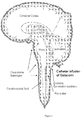
- a small diameter cannula was surgically implanted into the cisterna magna of rats via a small burr hole drilled into the occipital bone of the skull ( Figures 1 and 2 ).
- PBS phosphate buffered saline
- GALACORINTM concentration of 5 mg/ml
- Cannulae were then anchored to the skull using dental cement and attached to Alzet osmotic pumps preloaded with saline containing GALACORINTM at a concentration of 5 mg/ml for continuous intrathecal delivery at a rate of 0.1mg GALACORINTM per day for 8 days.
- a total of 1.43 mg of GALACORINTM was therefore administered over the 8 day period of infusion.
- Grid-walk or horizontal ladder test is a widely recognized stringent test of volitional paw placement locomotor recovery in spinal cord injured rodents where the average numbers of mistakes (falls) made by the rats making three passes of a meter long ladder is recorded.
- Grid walk neurological functional recovery outcomes ( Figure 3 and Table 1) clearly demonstrate a robust reduction in the numbers of missteps (mistakes) over time made by GALACORINTM-treated animals compared to either groups of control untreated spinal cord injured animals.
- GALACORINTM-treated rats showed a robust 61 % reduction in numbers of mistakes compared to scores achieved by untreated control spinal cord injured rats that received a cannula alone to the cisterna magna (control group 1) or those infused in an identical manner with PBS vehicle alone (control group 2).
- This example is a CatWalk analysis of locomotor recovery of decorin treated spinal cord injured rats compared to non decorin treated (control) spinal cord injured rats. Comparison of treated and untreated animals with biotinylated dextran amine (BDA) labeling of spinal cord tissues was also conducted. Automated quantitative gait analysis was performed for all experimental groups using the CatWalk XT system (Version 8.1, Noldus Information Technology, Leesburg, VA, USA). The CatWalk system has been previously described in extensive detail ( F.P. Hamers, et al. CatWalk-assisted gait analysis in the assessment of spinal cord injury. J. Neurotrauma 23, 537-548 (2006 )).
- the system hardware consists of a translucent illuminated glass walkway under which a video camera (Fujinon Corporation, Japan) records the rats' paw prints as they cross the walkway.
- CatWalk data acquisition and analyses were carried out by individuals that were blinded with respect to treatment groups. Three runs that were deemed compliant were collected for each animal at each time point and the average for each parameter determined. Compliancy was determined based on total time used to cross the walkway and variance in speed of walking. The minimum run length was 2 seconds; the maximum length was 12 seconds, and the maximum variance in speed of walking 60%.
- the camera was positioned such that the length of the walkway measured 70 cm. Animals from all groups were tested immediately prior to injury, immediately prior to treatment at 12 days post-injury, and at 5 weeks post-injury.
- Pawprint images at maximum contact were generated using the 3D footprint visualization feature of Catwalk XT 8.1. Digit prints for each pawprint image were then counted in a blinded fashion. Measurements of static and dynamic parameters of pawprints and gaits were then exported into Microsoft Excel and statistical analysis conducted using SigmaStat software.
- BDA biotinylated dextran amine
- Injections were made through a finely-pulled glass capillary that remained in position for 2 min following delivery. Following BDA injections, animals were sutured and allowed to recover. Visualization of BDA labeled axons within histological cross sections of spinal cord tissues was conducted with standard immuno-histochemistry procedures (see Davies J.E., et al. Astrocytes derived from glial restricted precursors promote spinal cord repair Journal of Biology 5:7 (2006 ). Spinal cord sections were viewed and imaged on a Zeiss Observer Z1 micro-scope using AxioVision software.
- ImageJ software was used to threshold and to measure the densities of BDA-labelled CST axons and synapsin-1.
- CST densities were measured in the dorsal horn gray matter at the C5 spinal level. Every sixth section in a series was measured through approximately 400 ⁇ m of tissue.
- Synapsin-1 densities were measured in a similar manner below the injury cavity (C6) in the ventral horns around neuron pools of lamina IX.
- CatWalk analysis shows intrathecal infusion of decorin promotes robust recovery of locomotor functional and digit use after traumatic spinal cord injury.
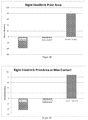
- Print area is defined as the surface area of a complete paw print over the entire time the paw was in contact with the glass plate, comparable to ink pad method of determining print area ( F.P. Hamers, et al. CatWalk-assisted gait analysis in the assessment of spinal cord injury. J. Neurotrauma 23, 537-548 (2006 )). Analysis of paw print areas for all experimental animals revealed comparable pre-injury baseline values for mean print areas for right (ipsilateral) forelimbs and hindlimbs for all individual rats prior to injury and prior to treatment. Unilateral contusion injuries at the C4/C5 spinal level resulted in significantly reduced mean print areas for fore and hindlimbs ipsilateral to sites of injury for all experimental rats.
- Percentage increases in recovery of mean paw print area were determined by subtracting pre-treatment mean print area values from baseline pre-injury values and expressing increases as a percentage of the difference.
- decorin treated SCI rats showed a 37.36% recovery in right forelimb mean print area ( Fig. 4B ) and a 79.23% recovery in the right hindlimb mean print area ( Fig. 4E ) i.e. a near return to baseline pre-injury levels.
- Animals treated with saline showed a relatively modest 26.08% recovery in forelimb mean print area but a further 13.3% loss in hindlimb mean print area at five weeks post injury ( Figs. 4B and 4E ) compared to pre-treatment values.
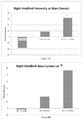
- each paw During locomotion, each paw generates a paw print area of maximum contact that occurs when the braking phase progresses into the propulsion phase of the paw's contact with the glass runway (Noldus Catwalk XT 8.1 users manual: ( F.P. Hamers, et al. CatWalk-assisted gait analysis in the assessment of spinal cord injury. J. Neurotrauma 23, 537-548 (2006 ))).
- Each treatment group had pre-injury baseline values for print area at max contact for both ipsilateral fore and hindlimbs that were not statistically different from each other.
- Untreated control SCI animals showed an even smaller 14.34% recovery in the right forelimb mean max contact area compared to saline treated rats, and an even greater 43.35% loss of mean max contact area compared to pre-treatment values at 5 weeks post injury / 3 weeks post-treatment ( Figs. 4C and 4F ).
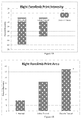
- Print intensity values are directly proportional to the pressure a paw exerts when it is in contact with the glass plate ( F.P. Hamers, et al. CatWalk-assisted gait analysis in the assessment of spinal cord injury. J. Neurotrauma 23, 537-548 (2006 )). SCI resulted in significant, consistent deficits in the mean intensity of the prints of the right forelimbs and hindlimbs across treatment groups. At 5 weeks post injury decorin treated animals exhibited a statistically significant 10.84% recovery in the mean print intensity values of the right forelimb, and an 89.28% recovery in the mean print intensity of the right hindlimb.
- This parameter as defined herein is being the period of time during which the paw is in contact with the glass runway (referred to as the "stance") at the point of maximum contact that divides the braking phase from the propulsion phase (otherwise known as max contact at %: Noldus manual). While each paw is used for both braking and propulsion, forepaws and hindpaws are utilized differently during each stance. Forelimbs are predominantly used for braking, while hindlimbs are mainly used for propulsion ( Webb, A.A., et al. Compensatory locomotor adjustments of rats with cervical or thoracic spinal cord hemisections, J. Neurotrauma 19, 239-256 (2002 ); Webb, A.A., et al.
- the maximum intensity at the point of max contact is a measure of pressure and weight support exerted on the glass plate during the boundary of the braking and propulsion phases (Noldus Catwalk manual: ( F.P. Hamers, et al. CatWalk-assisted gait analysis in the assessment of spinal cord injury. J. Neurotrauma 23, 537-548 (2006 ))).
- Our cervical contusion injury model caused a statistically significant reduction in this parameter compared to baseline values, indicative of dysfunction during the transition between the braking and propulsion phases.
- the performance scores shown in Figure 5 represent the performance scores (mis-steps) at 8 weeks post-injury for cervical contusion spinal cord injured rats treated with intrathecal decorin infusion commencing at: Acute (immediately after injury), 12 days (12d) and 1 month (1 mo) chronic time points after injury.
- This example illustrates the effect of decorin treatment on increases in CST collateral density within gray matter adjacent to and below sites of injury.
- biotinylated dextran amine (BDA) was injected into the forelimb area of the left hemisphere sensorimotor cortex to trace the axons and collaterals of layer V upper motor neurons within the right side CST of the cervical spinal cord.
- BDA biotinylated dextran amine
- This example illustrates the ability of intrathecal infusion of decorin to promote synaptic plasticity within ventral gray matter motor neuron pools.
- synapsin-1 a pre-synaptic protein found within active synapses and known to play roles in synaptic maturation and long-term synaptic maintenance and transmission
- Lu B. Expression of synapsin I correlates with maturation of the neuromuscular synapse, Neuroscience 74, 1087-1097 (1996 ); Thiel, G. Synapsin I, synapsin II, and synaptophysin: marker proteins of synaptic vesicles, Brain Pathol. 3, 87-95 (1993 ); Gulino, R., et al.
- Synaptic plasticity modulates the spontaneous recovery of locomotion after spinal cord hemisection, Neurosci. Res. 57, 148-156 (2007 ); Koelsch, A., et al. Transgene-mediated GDNF expression enhances synaptic connectivity and GABA transmission to improve functional outcome after spinal cord contusion, J Neurochem. 113, 143-152 (2010 ); Mundy, W.R., et al. Protein biomarkers associated with growth and synaptogenesis in a cell culture model of neuronal development, Toxicology 249, 220-229 (2008 ); De, C.P., et al. Synapsin I (Protein I), a nerve terminal-specific phosphoprotein. II.
Landscapes
- Health & Medical Sciences (AREA)
- Life Sciences & Earth Sciences (AREA)
- Medicinal Chemistry (AREA)
- Chemical & Material Sciences (AREA)
- Pharmacology & Pharmacy (AREA)
- Animal Behavior & Ethology (AREA)
- General Health & Medical Sciences (AREA)
- Public Health (AREA)
- Veterinary Medicine (AREA)
- Engineering & Computer Science (AREA)
- Bioinformatics & Cheminformatics (AREA)
- Epidemiology (AREA)
- Biomedical Technology (AREA)
- Neurology (AREA)
- Neurosurgery (AREA)
- Organic Chemistry (AREA)
- Chemical Kinetics & Catalysis (AREA)
- General Chemical & Material Sciences (AREA)
- Nuclear Medicine, Radiotherapy & Molecular Imaging (AREA)
- Immunology (AREA)
- Gastroenterology & Hepatology (AREA)
- Zoology (AREA)
- Proteomics, Peptides & Aminoacids (AREA)
- Dermatology (AREA)
- Orthopedic Medicine & Surgery (AREA)
- Molecular Biology (AREA)
- Psychology (AREA)
- Marine Sciences & Fisheries (AREA)
- Pain & Pain Management (AREA)
- Psychiatry (AREA)
- Physical Education & Sports Medicine (AREA)
- Rheumatology (AREA)
- Hospice & Palliative Care (AREA)
- Medicines That Contain Protein Lipid Enzymes And Other Medicines (AREA)
- Pharmaceuticals Containing Other Organic And Inorganic Compounds (AREA)
Applications Claiming Priority (2)
| Application Number | Priority Date | Filing Date | Title |
|---|---|---|---|
| US201061424769P | 2010-12-20 | 2010-12-20 | |
| PCT/US2011/066199 WO2012088133A1 (en) | 2010-12-20 | 2011-12-20 | Methods for treating neurological conditions and compositions and materials therefor |
Publications (3)
| Publication Number | Publication Date |
|---|---|
| EP2654899A1 EP2654899A1 (en) | 2013-10-30 |
| EP2654899A4 EP2654899A4 (en) | 2014-08-20 |
| EP2654899B1 true EP2654899B1 (en) | 2016-05-25 |
Family
ID=46235329
Family Applications (1)
| Application Number | Title | Priority Date | Filing Date |
|---|---|---|---|
| EP11852038.6A Active EP2654899B1 (en) | 2010-12-20 | 2011-12-20 | Decorin for use in treating traumatic neurological conditions via intrathecal administration |
Country Status (6)
| Country | Link |
|---|---|
| US (3) | US9061047B2 (cg-RX-API-DMAC10.html) |
| EP (1) | EP2654899B1 (cg-RX-API-DMAC10.html) |
| JP (1) | JP5883027B2 (cg-RX-API-DMAC10.html) |
| AU (1) | AU2011349256B2 (cg-RX-API-DMAC10.html) |
| ES (1) | ES2582605T3 (cg-RX-API-DMAC10.html) |
| WO (1) | WO2012088133A1 (cg-RX-API-DMAC10.html) |
Families Citing this family (4)
| Publication number | Priority date | Publication date | Assignee | Title |
|---|---|---|---|---|
| AU2011349256B2 (en) | 2010-12-20 | 2017-01-05 | Scidec Therapeutics, Inc. | Methods for treating neurological conditions and compositions and materials therefor |
| WO2015089443A2 (en) * | 2013-12-12 | 2015-06-18 | The Brigham And Women's Hospital, Inc. | Treating neurodegenerative disease |
| CN104173938B (zh) * | 2014-08-29 | 2017-03-01 | 李从达 | 一种治疗脊髓栓系综合征的中药制剂 |
| GB202314158D0 (en) * | 2023-09-15 | 2023-11-01 | Senorei Ltd | Inhibition of vascular leakage |
Family Cites Families (5)
| Publication number | Priority date | Publication date | Assignee | Title |
|---|---|---|---|---|
| US7612038B2 (en) | 1999-11-18 | 2009-11-03 | Brown University | Biglycan and related therapeutics and methods of use |
| US8419710B2 (en) | 2006-12-06 | 2013-04-16 | Medtronic, Inc. | Methods for infusing fluids via an implantable infusion system |
| JP2010047533A (ja) * | 2008-08-22 | 2010-03-04 | Mitsubishi Gas Chemical Co Inc | 脊髄損傷改善剤 |
| WO2010065917A1 (en) * | 2008-12-05 | 2010-06-10 | The Regents Of The University Of California | Methods of treating neurological disorders |
| AU2011349256B2 (en) * | 2010-12-20 | 2017-01-05 | Scidec Therapeutics, Inc. | Methods for treating neurological conditions and compositions and materials therefor |
-
2011
- 2011-12-20 AU AU2011349256A patent/AU2011349256B2/en active Active
- 2011-12-20 ES ES11852038.6T patent/ES2582605T3/es active Active
- 2011-12-20 JP JP2013546331A patent/JP5883027B2/ja active Active
- 2011-12-20 EP EP11852038.6A patent/EP2654899B1/en active Active
- 2011-12-20 US US13/331,933 patent/US9061047B2/en active Active
- 2011-12-20 WO PCT/US2011/066199 patent/WO2012088133A1/en not_active Ceased
-
2015
- 2015-05-18 US US14/714,626 patent/US9592276B2/en active Active
-
2017
- 2017-01-30 US US15/419,116 patent/US10258670B2/en active Active
Also Published As
| Publication number | Publication date |
|---|---|
| EP2654899A4 (en) | 2014-08-20 |
| ES2582605T3 (es) | 2016-09-14 |
| EP2654899A1 (en) | 2013-10-30 |
| US20170136098A1 (en) | 2017-05-18 |
| JP2014500327A (ja) | 2014-01-09 |
| US20150250859A1 (en) | 2015-09-10 |
| US20120157976A1 (en) | 2012-06-21 |
| US9061047B2 (en) | 2015-06-23 |
| US9592276B2 (en) | 2017-03-14 |
| US10258670B2 (en) | 2019-04-16 |
| AU2011349256B2 (en) | 2017-01-05 |
| WO2012088133A1 (en) | 2012-06-28 |
| HK1190652A1 (zh) | 2014-07-11 |
| JP5883027B2 (ja) | 2016-03-09 |
Similar Documents
| Publication | Publication Date | Title |
|---|---|---|
| Cooke et al. | Controlled epi-cortical delivery of epidermal growth factor for the stimulation of endogenous neural stem cell proliferation in stroke-injured brain | |
| Alves-Sampaio et al. | Biofunctionalized PEDOT-coated microfibers for the treatment of spinal cord injury | |
| US10258670B2 (en) | Methods for treating neurological conditions and compositions and materials therefor | |
| AU2011349256A1 (en) | Methods for treating neurological conditions and compositions and materials therefor | |
| JP2006521405A (ja) | 発作回復におけるエリトロポイエチンの使用 | |
| KR102379876B1 (ko) | 말초 신경 손상을 치료하기 위한 뉴레귤린의 용도 | |
| US20070275926A1 (en) | Treatment of disorders of the peripheral nervous system | |
| HK1190652B (en) | Decorin for use in treating traumatic neurological conditions via intrathecal administration | |
| US10160791B2 (en) | Protamine in treatment of neuronal injuries | |
| US20210128701A1 (en) | Compositions comprising adamts13 for use in methods for the recanalization of occluded blood vessels in an infarction | |
| Milton | Chronic Systemic Manipulation of Axonal Inhibitory Perineuronal Net and rPTPσ Promotes Forelimb Recovery and Neuroplasticity | |
| Gunay et al. | The effectiveness of tetanus toxin on sciatic nerve regeneration: a preliminary experimental study in rats | |
| Lopes‐Azevedo et al. | Cardiovascular effects of the microinjection of L‐proline into the third ventricle or the paraventricular nucleus of the hypothalamus in unanesthetized rats | |
| Shanmugalingam | Exploring novel molecular approaches to promote repair of the damaged nervous system: A role for Neuronal Pentraxin 2 | |
| Balch | Acute Mechanisms of Skeletal Muscle Decline and Rehabilitative Recovery Following Ischemic Stroke | |
| Lipponen | The Effect of Intrathecally Administered HB-GAM (Pleiotrophin) in the Cervical Hemisection and Cervical Hemicontusion Mouse Models of Spinal Cord Injury | |
| CN120392996A (zh) | Cd22抗体在制备治疗脊髓损伤相关疾病的药物中的应用 | |
| Urban | Targeted Restoration of Respiratory Neural Circuitry following Cervical Spinal Cord Injury | |
| CN117042773A (zh) | Chk2抑制剂的用途 | |
| NZ537103A (en) | Metallothionein based neuronal therapeutic and therapeutic methods | |
| Veronesi | Improving Axonal Regeneration: Side-to-Side Bridges Coupled with Local Delivery of Glial Cell Line-Derived Neurotrophic Factor (GDNF) | |
| Campana | Erythropoietin and neuroprotection in the peripheral nervous system: in vivo studies | |
| Hossain-Ibrahim | Studies on axonal regeneration in the CNS and peripheral nerves | |
| WO2014202833A1 (en) | Treatment of neuronal injuries | |
| Marescaux et al. | PROTECTIVE EFFECTS OF BRAIN-DERIVED NEUROTROPHIC FACTOR IN HIPPOCAMPAL KINDLING |
Legal Events
| Date | Code | Title | Description |
|---|---|---|---|
| PUAI | Public reference made under article 153(3) epc to a published international application that has entered the european phase |
Free format text: ORIGINAL CODE: 0009012 |
|
| 17P | Request for examination filed |
Effective date: 20130718 |
|
| AK | Designated contracting states |
Kind code of ref document: A1 Designated state(s): AL AT BE BG CH CY CZ DE DK EE ES FI FR GB GR HR HU IE IS IT LI LT LU LV MC MK MT NL NO PL PT RO RS SE SI SK SM TR |
|
| DAX | Request for extension of the european patent (deleted) | ||
| REG | Reference to a national code |
Ref country code: HK Ref legal event code: DE Ref document number: 1190652 Country of ref document: HK |
|
| RIC1 | Information provided on ipc code assigned before grant |
Ipc: A61K 31/737 20060101ALI20140709BHEP Ipc: A61P 25/28 20060101AFI20140709BHEP Ipc: A61K 45/06 20060101ALI20140709BHEP |
|
| A4 | Supplementary search report drawn up and despatched |
Effective date: 20140721 |
|
| REG | Reference to a national code |
Ref country code: DE Ref legal event code: R079 Ref document number: 602011027002 Country of ref document: DE Free format text: PREVIOUS MAIN CLASS: A61P0025280000 Ipc: A61K0038170000 |
|
| RIC1 | Information provided on ipc code assigned before grant |
Ipc: A61K 45/06 20060101ALI20150928BHEP Ipc: A61K 9/00 20060101ALI20150928BHEP Ipc: A61P 25/28 20060101ALI20150928BHEP Ipc: A61K 31/737 20060101ALI20150928BHEP Ipc: A61K 38/17 20060101AFI20150928BHEP |
|
| GRAP | Despatch of communication of intention to grant a patent |
Free format text: ORIGINAL CODE: EPIDOSNIGR1 |
|
| INTG | Intention to grant announced |
Effective date: 20151216 |
|
| GRAS | Grant fee paid |
Free format text: ORIGINAL CODE: EPIDOSNIGR3 |
|
| GRAA | (expected) grant |
Free format text: ORIGINAL CODE: 0009210 |
|
| AK | Designated contracting states |
Kind code of ref document: B1 Designated state(s): AL AT BE BG CH CY CZ DE DK EE ES FI FR GB GR HR HU IE IS IT LI LT LU LV MC MK MT NL NO PL PT RO RS SE SI SK SM TR |
|
| RAP1 | Party data changed (applicant data changed or rights of an application transferred) |
Owner name: SCIDEC THERAPEUTICS, INC. |
|
| REG | Reference to a national code |
Ref country code: GB Ref legal event code: FG4D |
|
| REG | Reference to a national code |
Ref country code: CH Ref legal event code: EP |
|
| REG | Reference to a national code |
Ref country code: IE Ref legal event code: FG4D Ref country code: AT Ref legal event code: REF Ref document number: 801690 Country of ref document: AT Kind code of ref document: T Effective date: 20160615 |
|
| REG | Reference to a national code |
Ref country code: DE Ref legal event code: R096 Ref document number: 602011027002 Country of ref document: DE |
|
| REG | Reference to a national code |
Ref country code: ES Ref legal event code: FG2A Ref document number: 2582605 Country of ref document: ES Kind code of ref document: T3 Effective date: 20160914 |
|
| REG | Reference to a national code |
Ref country code: LT Ref legal event code: MG4D |
|
| REG | Reference to a national code |
Ref country code: NL Ref legal event code: MP Effective date: 20160525 |
|
| PG25 | Lapsed in a contracting state [announced via postgrant information from national office to epo] |
Ref country code: LT Free format text: LAPSE BECAUSE OF FAILURE TO SUBMIT A TRANSLATION OF THE DESCRIPTION OR TO PAY THE FEE WITHIN THE PRESCRIBED TIME-LIMIT Effective date: 20160525 Ref country code: NO Free format text: LAPSE BECAUSE OF FAILURE TO SUBMIT A TRANSLATION OF THE DESCRIPTION OR TO PAY THE FEE WITHIN THE PRESCRIBED TIME-LIMIT Effective date: 20160825 Ref country code: FI Free format text: LAPSE BECAUSE OF FAILURE TO SUBMIT A TRANSLATION OF THE DESCRIPTION OR TO PAY THE FEE WITHIN THE PRESCRIBED TIME-LIMIT Effective date: 20160525 Ref country code: NL Free format text: LAPSE BECAUSE OF FAILURE TO SUBMIT A TRANSLATION OF THE DESCRIPTION OR TO PAY THE FEE WITHIN THE PRESCRIBED TIME-LIMIT Effective date: 20160525 |
|
| REG | Reference to a national code |
Ref country code: AT Ref legal event code: MK05 Ref document number: 801690 Country of ref document: AT Kind code of ref document: T Effective date: 20160525 |
|
| PG25 | Lapsed in a contracting state [announced via postgrant information from national office to epo] |
Ref country code: SE Free format text: LAPSE BECAUSE OF FAILURE TO SUBMIT A TRANSLATION OF THE DESCRIPTION OR TO PAY THE FEE WITHIN THE PRESCRIBED TIME-LIMIT Effective date: 20160525 Ref country code: RS Free format text: LAPSE BECAUSE OF FAILURE TO SUBMIT A TRANSLATION OF THE DESCRIPTION OR TO PAY THE FEE WITHIN THE PRESCRIBED TIME-LIMIT Effective date: 20160525 Ref country code: PT Free format text: LAPSE BECAUSE OF FAILURE TO SUBMIT A TRANSLATION OF THE DESCRIPTION OR TO PAY THE FEE WITHIN THE PRESCRIBED TIME-LIMIT Effective date: 20160926 Ref country code: GR Free format text: LAPSE BECAUSE OF FAILURE TO SUBMIT A TRANSLATION OF THE DESCRIPTION OR TO PAY THE FEE WITHIN THE PRESCRIBED TIME-LIMIT Effective date: 20160826 Ref country code: LV Free format text: LAPSE BECAUSE OF FAILURE TO SUBMIT A TRANSLATION OF THE DESCRIPTION OR TO PAY THE FEE WITHIN THE PRESCRIBED TIME-LIMIT Effective date: 20160525 |
|
| REG | Reference to a national code |
Ref country code: FR Ref legal event code: PLFP Year of fee payment: 6 |
|
| PG25 | Lapsed in a contracting state [announced via postgrant information from national office to epo] |
Ref country code: RO Free format text: LAPSE BECAUSE OF FAILURE TO SUBMIT A TRANSLATION OF THE DESCRIPTION OR TO PAY THE FEE WITHIN THE PRESCRIBED TIME-LIMIT Effective date: 20160525 Ref country code: CZ Free format text: LAPSE BECAUSE OF FAILURE TO SUBMIT A TRANSLATION OF THE DESCRIPTION OR TO PAY THE FEE WITHIN THE PRESCRIBED TIME-LIMIT Effective date: 20160525 Ref country code: EE Free format text: LAPSE BECAUSE OF FAILURE TO SUBMIT A TRANSLATION OF THE DESCRIPTION OR TO PAY THE FEE WITHIN THE PRESCRIBED TIME-LIMIT Effective date: 20160525 Ref country code: SK Free format text: LAPSE BECAUSE OF FAILURE TO SUBMIT A TRANSLATION OF THE DESCRIPTION OR TO PAY THE FEE WITHIN THE PRESCRIBED TIME-LIMIT Effective date: 20160525 Ref country code: DK Free format text: LAPSE BECAUSE OF FAILURE TO SUBMIT A TRANSLATION OF THE DESCRIPTION OR TO PAY THE FEE WITHIN THE PRESCRIBED TIME-LIMIT Effective date: 20160525 |
|
| PG25 | Lapsed in a contracting state [announced via postgrant information from national office to epo] |
Ref country code: PL Free format text: LAPSE BECAUSE OF FAILURE TO SUBMIT A TRANSLATION OF THE DESCRIPTION OR TO PAY THE FEE WITHIN THE PRESCRIBED TIME-LIMIT Effective date: 20160525 Ref country code: AT Free format text: LAPSE BECAUSE OF FAILURE TO SUBMIT A TRANSLATION OF THE DESCRIPTION OR TO PAY THE FEE WITHIN THE PRESCRIBED TIME-LIMIT Effective date: 20160525 Ref country code: SM Free format text: LAPSE BECAUSE OF FAILURE TO SUBMIT A TRANSLATION OF THE DESCRIPTION OR TO PAY THE FEE WITHIN THE PRESCRIBED TIME-LIMIT Effective date: 20160525 Ref country code: BE Free format text: LAPSE BECAUSE OF FAILURE TO SUBMIT A TRANSLATION OF THE DESCRIPTION OR TO PAY THE FEE WITHIN THE PRESCRIBED TIME-LIMIT Effective date: 20160525 |
|
| REG | Reference to a national code |
Ref country code: DE Ref legal event code: R097 Ref document number: 602011027002 Country of ref document: DE |
|
| PLBE | No opposition filed within time limit |
Free format text: ORIGINAL CODE: 0009261 |
|
| STAA | Information on the status of an ep patent application or granted ep patent |
Free format text: STATUS: NO OPPOSITION FILED WITHIN TIME LIMIT |
|
| 26N | No opposition filed |
Effective date: 20170228 |
|
| PG25 | Lapsed in a contracting state [announced via postgrant information from national office to epo] |
Ref country code: SI Free format text: LAPSE BECAUSE OF FAILURE TO SUBMIT A TRANSLATION OF THE DESCRIPTION OR TO PAY THE FEE WITHIN THE PRESCRIBED TIME-LIMIT Effective date: 20160525 |
|
| REG | Reference to a national code |
Ref country code: HK Ref legal event code: GR Ref document number: 1190652 Country of ref document: HK |
|
| REG | Reference to a national code |
Ref country code: CH Ref legal event code: PL |
|
| PG25 | Lapsed in a contracting state [announced via postgrant information from national office to epo] |
Ref country code: MC Free format text: LAPSE BECAUSE OF FAILURE TO SUBMIT A TRANSLATION OF THE DESCRIPTION OR TO PAY THE FEE WITHIN THE PRESCRIBED TIME-LIMIT Effective date: 20160525 |
|
| PG25 | Lapsed in a contracting state [announced via postgrant information from national office to epo] |
Ref country code: LU Free format text: LAPSE BECAUSE OF NON-PAYMENT OF DUE FEES Effective date: 20161220 Ref country code: LI Free format text: LAPSE BECAUSE OF NON-PAYMENT OF DUE FEES Effective date: 20161231 Ref country code: CH Free format text: LAPSE BECAUSE OF NON-PAYMENT OF DUE FEES Effective date: 20161231 |
|
| REG | Reference to a national code |
Ref country code: FR Ref legal event code: PLFP Year of fee payment: 7 |
|
| PG25 | Lapsed in a contracting state [announced via postgrant information from national office to epo] |
Ref country code: HU Free format text: LAPSE BECAUSE OF FAILURE TO SUBMIT A TRANSLATION OF THE DESCRIPTION OR TO PAY THE FEE WITHIN THE PRESCRIBED TIME-LIMIT; INVALID AB INITIO Effective date: 20111220 Ref country code: CY Free format text: LAPSE BECAUSE OF FAILURE TO SUBMIT A TRANSLATION OF THE DESCRIPTION OR TO PAY THE FEE WITHIN THE PRESCRIBED TIME-LIMIT Effective date: 20160525 |
|
| PG25 | Lapsed in a contracting state [announced via postgrant information from national office to epo] |
Ref country code: IS Free format text: LAPSE BECAUSE OF FAILURE TO SUBMIT A TRANSLATION OF THE DESCRIPTION OR TO PAY THE FEE WITHIN THE PRESCRIBED TIME-LIMIT Effective date: 20160525 Ref country code: HR Free format text: LAPSE BECAUSE OF FAILURE TO SUBMIT A TRANSLATION OF THE DESCRIPTION OR TO PAY THE FEE WITHIN THE PRESCRIBED TIME-LIMIT Effective date: 20160525 Ref country code: MK Free format text: LAPSE BECAUSE OF FAILURE TO SUBMIT A TRANSLATION OF THE DESCRIPTION OR TO PAY THE FEE WITHIN THE PRESCRIBED TIME-LIMIT Effective date: 20160525 |
|
| PG25 | Lapsed in a contracting state [announced via postgrant information from national office to epo] |
Ref country code: BG Free format text: LAPSE BECAUSE OF FAILURE TO SUBMIT A TRANSLATION OF THE DESCRIPTION OR TO PAY THE FEE WITHIN THE PRESCRIBED TIME-LIMIT Effective date: 20160525 |
|
| PG25 | Lapsed in a contracting state [announced via postgrant information from national office to epo] |
Ref country code: MT Free format text: LAPSE BECAUSE OF NON-PAYMENT OF DUE FEES Effective date: 20161220 |
|
| PG25 | Lapsed in a contracting state [announced via postgrant information from national office to epo] |
Ref country code: TR Free format text: LAPSE BECAUSE OF FAILURE TO SUBMIT A TRANSLATION OF THE DESCRIPTION OR TO PAY THE FEE WITHIN THE PRESCRIBED TIME-LIMIT Effective date: 20160525 Ref country code: AL Free format text: LAPSE BECAUSE OF FAILURE TO SUBMIT A TRANSLATION OF THE DESCRIPTION OR TO PAY THE FEE WITHIN THE PRESCRIBED TIME-LIMIT Effective date: 20160525 |
|
| P01 | Opt-out of the competence of the unified patent court (upc) registered |
Effective date: 20230530 |
|
| PGFP | Annual fee paid to national office [announced via postgrant information from national office to epo] |
Ref country code: GB Payment date: 20251230 Year of fee payment: 15 |
|
| PGFP | Annual fee paid to national office [announced via postgrant information from national office to epo] |
Ref country code: FR Payment date: 20251230 Year of fee payment: 15 |
|
| PGFP | Annual fee paid to national office [announced via postgrant information from national office to epo] |
Ref country code: IE Payment date: 20251229 Year of fee payment: 15 |
|
| PGFP | Annual fee paid to national office [announced via postgrant information from national office to epo] |
Ref country code: ES Payment date: 20260115 Year of fee payment: 15 |
|
| PGFP | Annual fee paid to national office [announced via postgrant information from national office to epo] |
Ref country code: DE Payment date: 20251230 Year of fee payment: 15 |
|
| PGFP | Annual fee paid to national office [announced via postgrant information from national office to epo] |
Ref country code: IT Payment date: 20251229 Year of fee payment: 15 |