EP2600147A2 - Screening-verfahren für diabetesmittel - Google Patents
Screening-verfahren für diabetesmittel Download PDFInfo
- Publication number
- EP2600147A2 EP2600147A2 EP11812778.6A EP11812778A EP2600147A2 EP 2600147 A2 EP2600147 A2 EP 2600147A2 EP 11812778 A EP11812778 A EP 11812778A EP 2600147 A2 EP2600147 A2 EP 2600147A2
- Authority
- EP
- European Patent Office
- Prior art keywords
- insulin
- integer
- alkyl
- nbdg
- cells
- Prior art date
- Legal status (The legal status is an assumption and is not a legal conclusion. Google has not performed a legal analysis and makes no representation as to the accuracy of the status listed.)
- Granted
Links
Images









Classifications
-
- A—HUMAN NECESSITIES
- A61—MEDICAL OR VETERINARY SCIENCE; HYGIENE
- A61K—PREPARATIONS FOR MEDICAL, DENTAL OR TOILETRY PURPOSES
- A61K31/00—Medicinal preparations containing organic active ingredients
- A61K31/33—Heterocyclic compounds
- A61K31/395—Heterocyclic compounds having nitrogen as a ring hetero atom, e.g. guanethidine or rifamycins
- A61K31/53—Heterocyclic compounds having nitrogen as a ring hetero atom, e.g. guanethidine or rifamycins having six-membered rings with three nitrogens as the only ring hetero atoms, e.g. chlorazanil, melamine
-
- G—PHYSICS
- G01—MEASURING; TESTING
- G01N—INVESTIGATING OR ANALYSING MATERIALS BY DETERMINING THEIR CHEMICAL OR PHYSICAL PROPERTIES
- G01N33/00—Investigating or analysing materials by specific methods not covered by groups G01N1/00 - G01N31/00
- G01N33/48—Biological material, e.g. blood, urine; Haemocytometers
- G01N33/50—Chemical analysis of biological material, e.g. blood, urine; Testing involving biospecific ligand binding methods; Immunological testing
- G01N33/5005—Chemical analysis of biological material, e.g. blood, urine; Testing involving biospecific ligand binding methods; Immunological testing involving human or animal cells
- G01N33/5008—Chemical analysis of biological material, e.g. blood, urine; Testing involving biospecific ligand binding methods; Immunological testing involving human or animal cells for testing or evaluating the effect of chemical or biological compounds, e.g. drugs, cosmetics
-
- G—PHYSICS
- G01—MEASURING; TESTING
- G01N—INVESTIGATING OR ANALYSING MATERIALS BY DETERMINING THEIR CHEMICAL OR PHYSICAL PROPERTIES
- G01N2800/00—Detection or diagnosis of diseases
- G01N2800/04—Endocrine or metabolic disorders
- G01N2800/042—Disorders of carbohydrate metabolism, e.g. diabetes, glucose metabolism
Definitions
- the present invention relates to a method for screening a diabetes treating agent.
- Insulin is the only agent developed for the treatment of either type 1 diabetes or severe type 2 diabetes. 1,2
- many natural products such as antibiotics (e.g. anisomycin), fungal metabolites (e.g. L-783,281), plant extracts (e.g. leaf alcoholic extract from the tropical herbaceous perennial Catharanthus roseus) and animal constituents (e.g. dried chrysalis of the silkworm Bombyx Batryticatus ) also promote glucose uptake in cells.
- antibiotics e.g. anisomycin
- fungal metabolites e.g. L-783,281
- plant extracts e.g. leaf alcoholic extract from the tropical herbaceous perennial Catharanthus roseus
- animal constituents e.g. dried chrysalis of the silkworm Bombyx Batryticatus
- 6-(N-(7-nitrobenz-2-oxa-1,3- diazol-4-yl)amino)-6-deoxyglucose (6-NBDG) was developed in 1985 for studying glucose transporter 1 (GLUT 1). 7 2-NBDG was developed in 1996 for studying glucose uptake in bacteria. 8 The fate of 2- and 6-NBDG differ upon cellular uptake. 2-NBDG enters the glycolytic pathway; being phosphorylated by hexokinase and rapidly degraded to non-fluorescent products. 8 In contrast, 6-NBDG cannot be phosphorylated by hexokinase and accumulates in the cytoplasm in its fluorescent form.
- the present inventors have made intensive studies to develop a novel drug for mimicking the activity of insulin (insulin mimetics). As a result, the present inventors have constructed a novel NBDG screening system which can screen compounds promoting glucose uptake in adipocytes with a high-throughput screening method, and they have found that triazin-based compounds for effective in diabetes were screened using the screening system of the present invention from a chemical library of 576 tagged traizine-based small molecules and verified experimentally insulin mimetics thereof.
- a method for screening an agent for treatment of diabetes comprising: (a) preparing cells in a culture medium; (b) contacting a test substance to the culture medium; (c) contacting the resultant of the step (b) to a non-metabolizable glucose analogue; and (d) measuring the glucose analogue uptaken into the cells, wherein where the test substance is measured to promote uptake of the glucose analogue in the cells, the test substance is determined to be the agent for treatment of diabetes.
- the present inventors have made intensive studies to develop a novel drug for mimicking the activity of insulin (insulin mimetics). As a result, the present inventors have constructed a novel NBDG screening system which can screen compounds promoting glucose uptake in adipocytes with a high-throughput screening method, and they have found that triazin-based compounds for effective in diabetes were screened using the screening system of the present invention from a chemical library of 576 tagged traizine-based small molecules and verified experimentally insulin mimetics thereof.
- the present invention provides a method for screening a compound for preventing or treating diabetes with measuring cellular glucose uptake using glucose analogue, more preferably non-metabolizable glucose analogue.
- cells are first prepared in a culture medium.
- Cells used in the present invention include, but not limited to, more preferably hepatocytes, skeletal muscle cells or adipocytes, still more preferably hepatocytes, myoblasts or pre-adipocytes and most preferably adipocytes.
- Pre-adipocytes used in the present invention are 3T3-L1 murine embryonic fibroblasts.
- the cells are insulin-resistant by treatment with insulin.
- the method of the present invention may further comprise the step (pre-a) of differentiating cells to adipocytes before the step (a).
- the cells as mentioned above are induced to differentiate into adipocytes by treatment with insulin. Then, the cells are further cultured under treatment with insulin.
- 3T3-L1 adipocytes are used for experiments 8 days after the induction of differentiation.
- test substance used herein in conjunction with the present screening method refers to a material tested in the present method for analyzing the influence on the glucose uptake of cells used in the present invention.
- the test substance includes a chemical library, a natural product library, nucleotides, antisense-RNA and siRNA (small interference RNA), but not limited to. More preferably, the test substance of the present invention includes a chemical library and most preferably a chemical library of tagged traizine-based small molecules.
- test substance used in the present invention is a chemical library of 576 tagged traizine-based small molecules.
- the resultant is contacted with a glucose analogue in the culture medium and the cells are cultured.
- the glucose analogue is a non-metabolizable glucose analogue and most preferably 6-(N-(7-nitrobenz-2-oxa-1,3-diazol-4-yl)amino)-6-deoxyglucose (6-NBDG).
- 6-NBDG is a fluorescent glucose analogue available for monitoring glucose uptake and movement in live cell and cannot be hydrolyzed in cells. It has the molecular formula of C 12 H 14 N 4 O 8 and the structure represented by the following chemical formula:
- 6-NBDG is sensitive to the environment, it appear its typical excitation/emission spectra at approximately 465/540 nm. Therefore, it can be visualized under a microscope using appropriate optical filters.
- the glucose analogue is detected in the cells as mentioned above.
- the detection of the glucose analogue may be easily and simply carried out by fluorescence measurement.
- the test substance is determined to be the agent for treatment of diabetes.
- promotion refers to an increase of the fluorescence detection signal detected in cell lysates, more preferably an increase of the fluorescence signal emitted from the glucose analogue which is uptaken into cells by the treatment of the test substance.
- the agent for treatment of diabetes to be screened includes an agent for treatment of type 2 diabetes caused by insulin resistance, but not limited to.
- the triazine-based compound used in the present invention comprises compounds represented by the following Formula I: wherein, R 1 is H, or straight or branched C 1 -C 5 alkyl; R 2 is H, straight or branched C 1 -C 5 alkyl, straight or branched C 1 -C 5 alkyl alcohol, -[(CH 2 ) m -O] n -(CH 2 ) p -NH 2 (each of m, n and p is an integer of 1 to 10, respectively), -[(CH 2 ) m -O] n -CH 3 (each of m and n is an integer of 1 to 10, respectively), -[(CH 2 ) m -O] n -(CH 2 ) p -CH 3 (each of m, n and p is an integer of 1 to 10, respectively), -(CH 2 ) q -(CONH)-C 1-5 straight or branched alkyl (
- the triazine-based compound as an active ingredient of the present invention is identified as insulin mimetics using the screening system of the present invention from a chemical library of 576 tagged traizine-based small molecules which is constructed by the inventors.
- the details of synthesis methods and its uses for the chemical library of triazine-based compound used in the present invention can be found in international publication number WO 03/032903 and WO 03/050237 , the teachings of which are incorporated herein by reference in its entity.
- C 1 -C 10 alkylamine in the Formula I of the present invention refers to an amine having an alkyl group of a straight chain or a branched chain containing methylamine, ethylamine, n-propylamine, isopropylamine, n-butylamine, sec-butylamine, tert-butylamine, n-amyl and tert-amyl.
- C 1 -C 10 alkyl of a straight chain or a branched chain refers to an alkyl group of a straight chain or a branched chain containing methylamine, ethylamine, n-propylamine, isopropylamine, n-butylamine, sec-butylamine, tert-butylamine, n-amyl, tert-amyl or hexyl.
- alkyl alcohol in the Formula I of the present invention includes methanol, ethanol, propanol, butanol, benzyl alcohol, phenethyl alcohol and its analogues, but not limited to.
- aryl refers to a substituted or unsubstituted, monocyclic or polycyclic carbon ring which is entirely or partially unsaturated.
- the aryl may be monoaryl or biaryl.
- Aryl group includes phenyl group, substituted phenyl group, naphthyl group and substituted naphthyl group, but not limited to.
- the aryl group substituent as mentioned above includes a small number of alkyl or halogen.
- aryl group substituent includes alkyl, cycloalkyl, aryl, cycloaryl and heteroaryl. Alternatively, it includes at least one substituent selected from the group consisting of halo, haloalkyl, alkyl, arylalkyl, heteroarylalkyl, alkenyl having 1-2 double bond, alkynyl having 1-2 triple bond, hydroxy and polyhaloalkyl, preferably 1-3 substituent. More preferably, aryl group substituent includes C 1 -C 5 alkyl, C 1 -C 5 alkoxy or halogen.
- C 1 -C 5 alkoxy for example, includes methoxy, ethoxy or propoxy, but not limited to.
- C 7 -C 16 aralkyl refers to a C 1 -C 10 alkyl substituted with one, or two or more phenyl rings in a random position, and for example, includes benzyl, 2-phenylethyl, 3-phenyl(n-prop-1-yl), 4-phenyl (hex-1-yl), 3-phenyl(n-am-2-yl) or 3,3-diphenylpropyl, but not limited to.
- C 3 -C 15 cycloalkyl refers to a saturated hydrocarbon with a mono- or multi-ring structure consisting of 3 to 15 carbon atoms, more preferably 3 to 10 carbon atoms.
- C 3 -C 15 cycloalkyl includes, but not limited to, cyclopropyl ring, cyclobutyl ring, cyclohexyl ring or cycloheptyl ring.
- C 4 -C 20 alkylcycloalkyl refers to an alkyl consisting of 4 to 20 carbon atoms, which is substituted with an alkyl in the above-described cycloalkyl.
- halogen includes F, Cl, Br and I.
- R 1 includes H or C 1 -C 2 alkyl and more preferably H.
- R 2 includes H, straight or branched C 1 -C 5 alkyl, straight or branched C 1 -C 5 alkyl alcohol, -[(CH 2 ) m -O] n -(CH 2 ) p -NH 2 (each of m, n and p is an integer of 1 to 10, respectively), - [(CH 2 ) m -O] n -CH 3 (each of m and n is an integer of 1 to 10, respectively), -[(CH 2 ) m -O] n -(CH 2 ) p -CH 3 (each of m, n and p is an integer of 1 to 10, respectively), -(CH 2 ) q -(CONH)-C 1-5 straight or branched alkyl (q is an integer of 0 to 5), -(CH 2 ) q -(CONH)-C 1-5 straight or branched alkyl alcohol
- R 3 and R 4 include independently H, straight or branched C 1 -C 10 alkyl, straight or branched C 1 -C 10 alkyl alcohol, C 6 -C 10 aryl, C 7 -C 16 aralkyl, C 7 -C 16 alkaryl, C 3 -C 15 cycloalkyl, C 4 -C 20 alkyl cycloalkyl; aryl group of the aralkyl may be substituted with C 1 -C 5 alkyl, C 1 -C 5 alkoxy or halogen; a ring carbon of the alkyl cycloalkyl may be substituted with straight or branched C 1 -C 5 alkyl; and R 3 and R 4 or R 5 and R 6 may be linked to each other to form C 3 -C 10 cyclic alkyl in which C 3 -C 10 cyclic alkyl may comprise oxygen or nitrogen as a heteroatom; and the heteroatom may be
- the triazine-based compound represented by the following Formula I which is identified by the method of the present invention includes compounds represented by the following Formulae 1-12: wherein, R 1 is H, or straight or branched C 1 -C 5 alkyl; R 2 is H, straight or branched C 1 -C 5 alkyl, straight or branched C 1 -C 5 alkyl alcohol, -[(CH 2 ) m -O] n -(CH 2 ) p -NH 2 (each of m, n and p is an integer of 1 to 10, respectively), -[(CH 2 ) m -O] n -CH 3 (each of m and n is an integer of 1 to 10, respectively), -[(CH 2 ) m -O] n -(CH 2 ) p -CH 3 (each of m, n and p is an integer of 1 to 10, respectively), -(CH 2 ) q -(CONH)
- the triazine-based compound represented by the following Formulae 1-12 which is identified by the method of the present invention includes compounds represented by the following Formulae 13-24:
- the triazine-based compound represented by the following Formulae 1-12 which is identified by the method of the present invention includes compounds represented by the following Formulae 13 or 14:
- the triazine-based compound represented by the following Formula I which is identified by the method of the present invention promotes insulin mimetics, i. e., glucose uptake in the cells.
- the triazine-based compound represented by the following Formula I does not induce apoptosis to cause cytotoxicity in cells such that it has an anti-inflammatory activity.
- 2-(N-(7-nitrobenz-2-oxa-1,3-diazol-4-yl)amino)-2-deoxyglucose (2-NBDG) and the nonmetabolizable 6-(N-(7-nitrobenz-2-oxa-1,3-diazol-4-yl)amino)-6-deoxyglucose (6-NBDG) were purchased from Invitrogen (OR, USA). Insulin from bovine pancreas, zinc sulfate, 4,6-ethylidine-D-glucose (4,6-EDG), cytochalasin B, epinephrine and staurosporine were purchased from Sigma-Aldrich (SL, USA).
- Rosiglitazine was purchased from Cayman Chemicals (MI, USA).
- Human tumor necrosis factor-alpha (TNF- ⁇ ) was a gift from Professor Joo Young Lee, School of Life Sciences, Gwangju Institute of Science and Technology.
- An antibody against glyceraldehyde 3 phosphate dehydrogenase (GAPDH; antibody code 6C5) was purchased from Abcam (MA, USA).
- An antibody against vascular cell adhesion molecule-1 (VCAM-1; antibody code sc-13160) was a gift from professor Chang-Duk Jun, School of Life Sciences, Gwangju Institute of Science and Technology.
- C2C12 murine skeletal muscle precursor cells myoblasts
- 3T3-L1 murine embryonic fibroblasts Huh7 human hepatocellular carcinoma
- Myoblasts were maintained in proliferation media, consisting of Dulbecco's Modified Eagle's Medium (DMEM) supplemented with 10% fetal bovine serum (FBS), 50 units/mL penicillin and 50 ⁇ g/mL streptomycin.
- DMEM Dulbecco's Modified Eagle's Medium
- FBS fetal bovine serum
- Myoblasts were induced to differentiate into skeletal muscle myotubes by culture for 8 days in differentiation media, consisting of Dulbecco's Modified Eagle's Medium (DMEM) supplemented with 5% horse serum, 50 units/mL penicillin and 50 ⁇ g/mL streptomycin. Differentiation media was replenished every 48 h.
- differentiation media consisting of Dulbecco's Modified Eagle's Medium (DMEM) supplemented with 5% horse serum, 50 units/mL penicillin and 50 ⁇ g/mL streptomycin. Differentiation media was replenished every 48 h.
- DMEM Dulbecco's Modified Eagle's Medium
- 3T3-L1 murine fibroblasts were maintained in proliferation media, consisting of DMEM supplemented with 10% FBS, 50 units/mL penicillin and 50 ⁇ g/mL streptomycin.
- 3T3-L1 fibroblasts were induced to differentiate into adipocytes as follows: 48 h postconfluent cells (designated day 0) were cultured in DMEM supplemented 10% FBS, 0.5 mM 3-isobutyl-1-methyl-xanthine, 2 ⁇ g/ml dexamethasone, 1 ⁇ g/ml insulin, 50 units/mL penicillin and 50 ⁇ g/mL streptomycin for 2 days. Every 2 days thereafter, the cells were incubated with fresh DMEM supplemented with 10% FBS and 1 ⁇ g/ml insulin. 3T3-L1 adipocytes were used for experiments 8 days after the induction of differentiation.
- Huh7 human heptocytes were maintained in proliferation media, consisting of DMEM supplemented with 10% FBS, 50 units/mL penicillin and 50 ⁇ g/mL streptomycin.
- THP-1 human monocytes were maintained in proliferation media, consisting of RPMI-1640 medium supplemented with 0.05 nM 2-mercaptoethanol, 10% FBS, 50 units/mL penicillin and 50 ⁇ g/mL streptomycin.
- Human aortic endothelial cells were supplied by Cambrex (NJ, USA) and cultured in EBM-2 growth media supplemented with the EGM-2 bullet kit.
- THP-1 human monocytic cells were cultured in RPMI-1640 medium supplemented with 0.05 nM 2-mercaptoethanol, 10% fetal bovine serum and antibiotics. Cells were cultured in growth media containing 5 mM glucose for the normoglycemia condition or 30 mM glucose for the hyperglycemia condition.
- NBDG insulin-stimulated glucose uptake in a 96 well plate culture format, which is more suitable for cell-based screening to identify novel insulin mimetic compounds.
- the cell lines chosen were Huh7 hepatocytes, C2C12 myoblasts and 3T3-L1 pre-adipocytes, which represent the major body tissue types that are sensitive to the action of insulin (liver, muscle and fat). 10 4 cells/well were seeded in a black, 96 well tissue culture plate (BD Falcon, NJ, USA).
- C2C12 myoblasts and 3T3-L1 adipocytes were induced to undergo differentiation into myotubes and adipocytes, respectively, to compare the NDBG signal in proliferating and differentiated cells.
- NBDG uptake was measured following treatment with 10 nM or 100 nM insulin, and 1 ⁇ M or 10 ⁇ M rosiglitazone (an insulin-sensitizing agent), using a fluorescent microplate reader (SpectraMAX GeminiXS and SoftMax Pro V5 software, Molecular Devices, CA, USA). Cells were cultured in serum-free low glucose culture media for 3 h before the addition of insulin.
- this protocol was then modified to establish a screening protocol using a 96-well culture plate format, differentiated 3T3-L1 adipocytes and 20 ⁇ M 6-NBDG treatment (described schematically in Results section figure 2a ); making it more cost effective and amenable to high-throughput screening applications.
- a combinatorial chemical library of 576 triazine-based small molecules was screened at a concentration of 5 ⁇ M.
- the combinatorial library was provided by Professor Young-Tae Chang, Department of Chemistry, National University of Singapore.
- 3T3-L1 pre-adipocytes were cultured to confluence in 24-well plates and induced to differentiate into adipocytes.
- the induction of apoptosis was detected using the Apo-TRACETM Apoptotic Cell Staining Kit (Sigma-Aldrich, SL, USA), which employs a fluorescent compound that responds to alterations in plasma membrane potential and phospholipid scrambling, which are hallmarks of apoptotic cells.
- Apoptotic cells were visualized by microscopy under UV illumination (Olympus IX81, Japan) equipped with MetaMorph 7.5 image capture software (Molecular Devices, CA, USA)). Images were processed with Photoshop CS4 software (Adobe Systems Incorporated, CA, USA). Apoptosis was quantified by fluorescent microplate reader analysis of cell lysate.
- 3T3-L1 adipocytes were cultured to confluence in 6-well plates and treated with drug. Adipocytes were then harvested by trpsinization and resuspended in 1 mL PBS. A 50 ⁇ L aliquot was taken and stained with an equal volume of 0.4 % trypan blue solution (Sigma, SL, USA). Cells that could not exclude dye were classified as necrotic and quantified using a hemocytometer.
- Epinephrine-stimulated free fatty acid (FFA) release from adipocytes was measured using the Free Fatty Acid Quantification Kit (Biovision, CA, USA), following the method previously described 13 .
- Confluent 3T3-L1 adipocytes in a 24 well plate were cultured for 3 h in serum-free culture media. Adipocytes were then treated with 10 ⁇ M epinephrine dissolved in saline to induce FFA addition of release. Drug of interest was added 10 min before the addition of epinephrine. Cell lysate was collected and 50 ⁇ L of the organic phase was used for assay. Palmitic acid was used to generate the standard curve.
- adipocytes were seeded at 5 x 10 4 cells/well in a 96-well culture plate. 24 h later, culture media was changed and adipocytes were cultured in serum-free low glucose DMEM for 3 h prior to drug treatment. Cells were lysed with 100 ⁇ L Cell Lytic M (Sigma-Aldrich, SL, USA) and 50 ⁇ L lysate was used for assay.
- IP mouse inflammatory peritoneal
- the unbound cells were washed three times with serum-free RPMI-1640 medium, and the total number of adherent cells was counted in four randomly selected optical fields per well (100 X magnification; Olympus microscope CKX41, Japan; microscopic images were captured with a DigiEye 330 digital camera (Dewinter, India) and Biowizard 4.3 software (Dewinter, India)). Images were processed with Photoshop CS4 software (Adobe Systems Incorporated, CA, USA).
- Proteins were separated by 10% SDS-PAGE and transferred onto 0.2 ⁇ M nitrocellulose (Bio-Rad, CA, USA). Densitometry was carried out using TINA 2.10e software (Catholic University Medical College (GmBH), Germany).
- NBDG can be used to detect insulin-stimulated glucose uptake, insulin sensitizing compounds and glucose transporter type 4 inhibitors in adipocytes
- NBDG insulin-stimulated glucose uptake
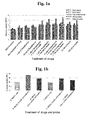
- Figure 1a The effect of an insulin-sensitizing compound, rosiglitazone, was also tested.
- Three cell lines were chosen for this test (Huh7 hepatocytes, C2C12 myoblasts and 3T3-L1 pre-adipocytes), which represent the major body tissue types that are sensitive to the action of insulin (liver, muscle and fat).
- 3T3-L1 adipocytes showed the largest increase in 2-NBDG uptake after insulin treatment, which was significantly greater than 2-NBDG uptake in Huh7 hepatocytes, C2C12 myoblasts, C2C12 myotubes and 3T3-L1 pre-adipocytes.
- Treatment with rosiglitazone for 24 h increased the degree of insulin-stimulated 2-NBDG uptake in 3T3-L1 adipocytes.
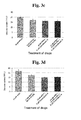
- 6-NBDG is a non-metabolizable analogue of 2-NBDG. Therefore, the inventors compared insulin-stimulated uptake of these analogues in 3T3-L1 adipocytes ( Figure 1b ). It was found that 6-NBDG produced a greater fluorescent signal than 2-NBDG. A similar result was obtained using the insulin mimic, zinc sulfate. Therefore, 6-NBDG was used for further studies. 6-NBDG uptake was also sensitive to the insulin-sensitizing compound, rosiglitazone, similar to the result obtained using 2-NBDG ( Figure 1c ).
- Glucose transporter type 4 is the insulin-regulated glucose transporter in adipose tissue and striated muscle. 15 To further ensure that 6-NBDG uptake is due to insulin-stimulated activation of GLUT4, we tested the effect of two inhibitors of GLUT4, cytochalasin B and 4,6-ethylidine-D-glucose (4,6-EDG). Both inhibitors of GLUT 4 reduced insulin-stimulated uptake of 6-NBDG ( Figures 1d-1e ).
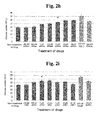
- triazolopyrimidines (8-azapurines) have applications in cancer and viral chemotherapy. 16 Five 'hit' compounds were found to induce a significant increase in 6-NBDG uptake ( ⁇ 25% increase compared to untreated adipocytes). In addition, two compounds were found to cause a significant decrease in the basal level of 6-NBDG uptake in untreated adipocytes ( ⁇ 25% decrease).
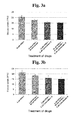
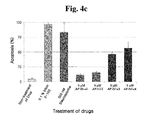
- Novel NBDG-based screening system for discovering insulin mimetic agents in the present invention identified four compounds from a combinatorial chemical library of 576 triazine-based small molecules ( Figure 2 ). However, a number of cellular mechanisms can induce glucose uptake independently of insulin, such as cell stress and apoptosis. 17 Therefore, we assessed cytotoxicty in adipocytes after treatment with these four 'hit' compounds, AP-III-a4, AP-IV-e3, AP-IV-e4 and AP-I-h7. It was found that two of the hit compounds, AP-IV-e3 and AP-IV-e4, induced apoptosis in adipocytes ( Figures 4a and 4b ).
- a classic test for validating candidate insulin mimetic compounds is the prevention of epinephrine-stimulated free fatty acid release from adipocytes. 2, 18
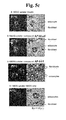
- the candidate insulin mimetic compounds AP-III-a4 and AP-I-h7 could inhibit epinephrine-stimulated free fatty acid release from 3T3-L1 adipocytes ( Figure 5a ), confirming that these two triazine-based small molecules represent a new chemical class of insulin mimetics.
- An interesting further test of these novel insulin mimetics is their sensitivity to insulin resistance in adipocytes, such as in a recent study of the aqueous extract from the Mediterranean coastal herb Teucrium cubense Jacq.
- Adipocytes that were rendered insulin resistant by long-term culture in the presence of TNF- ⁇ , 20 it was shown that NBDG uptake induced by compounds AP-III-a4 and AP-I-h7 was sensitive to insulin resistance ( Figure 5b ). This result also confirmed that compounds AP-III-a4 and AP-I-h7 are novel insulin mimetics.
- Adipocytes are sensitive to insulin-stimulated glucose uptake because they increase expression of GLUT4 during differentiation from pre-adipocytes.
- Vascular cell adhesion molecule-1 (VCAM-1) is a key intracellular receptor mediating monocyte-endothelial adhesion 25
- Insulin mimetic compounds AP-III-a4 and AP-I-h7 decreased VCAM-1 upregulation in human aortic endothelial cells cultured in hyperglycemic conditions ( Figure 8c ). Insulin has been shown not to inhibit adhesion molecule expression in endothelial cells.
- the inhibitory effect of compounds AP-III-a4 and AP-I-h7 on VCAM-1 expression compared favorably with the natural product magnesium lithospermate B (MLB), an anti-diabetic agent with known beneficial secondary effects. 23
- MLB magnesium lithospermate B
- NBDG can be used to rapidly identify new candidate insulin mimetic compounds using cell-based screening. Previous studies that attempted to use NBDG in this manner have produced conflicting results 10-12 and there is no published report describing the use of NBDG to discover novel insulin mimetics.
- Our novel screening system based on NBDG is based on 3T3-L1 adipocytes, which we have shown are more sensitive to insulin-sensitive NBDG uptake than hepatocytes or differentiated muscle syncytia, even though liver and skeletal muscle are the main targets of insulin in the body ( Figure 1a ).
- 6-NBDG non-metabolizable feature of 6-NBDG also allowed us to reduce the concentration required for screening, from 100 ⁇ M (the typically used concentration) down to 20 ⁇ M, increasing the cost-effectiveness of our screening assay. Also, our novel NBDG-based assay was also sensitive to commonly prescribed insulin sensitizing drugs, such as rosiglitazone, and known inhibitors of GLUT4, such as cytochalasin B and 4,6-EDG ( Figures 1c and 1d ), validating our screening assay as a tool to detect novel insulin mimetics.
- insulin sensitizing drugs such as rosiglitazone
- known inhibitors of GLUT4 such as cytochalasin B and 4,6-EDG ( Figures 1c and 1d )
- a potential problem with any screening system to identify novel insulin mimetics is the influence of additional cellular mechanisms that could induce glucose uptake independently of insulin, such as cell stress and apoptosis 17 . Therefore, we carried out additional tests to check that the hit compounds did not induce apoptosis or necrosis. Two of the four confirmed hit compounds were shown to induce apoptosis and discounted from further study. Thus we recommend that cytotoxicty should be checked as a first step in the analysis of the hit compounds. Testing for cytotoxicty would also be beneficial for determining if the candidate insulin mimetic compounds possess therapeutic potential.
- the present invention are favourable because the concentrations of AP-III-a4 and AP-I-h7 required to produce insulin mimetic activity in adipocytes is markedly lower than the widely studied synthetic insulin mimetics, zinc(II) complexes and vanadium compounds (5 ⁇ M compared to 250 pM - 500 ⁇ M) 2, 18 .
- current research into potential new drugs for treating diabetes has shifted focus to the identification of agents that produce beneficial, secondary effects in cells sensitive to hyperglycemia, such as activation of cellular antioxidant response pathways or anti-inflammatory effects 23, 32 .
- novel insulin mimetic compounds AP-III-a4 and AP-I-h7 also possess anti-inflammatory activity, as evidenced by their inhibition of monocyte adhesion to endothelial cells in hyperglycemic conditions and the inhibition of hyperglycemia-stimulated upregulation of VCAM-1 expression in endothelial cells ( Figure 8 ). Increased monocyte-endothelial adhesion and VCAM-1 upregulation are important precursors of diabetes-associated atheroscierosis 24, 25 . Previously, insulin treatment has been shown to have no inhibitory effect on monocyte-endothelial adhesion 26 . Therefore, novel insulin mimetic compounds AP-III-a4 and AP-I-h7 are attractive candidate compounds for further study as agents that can directly treat the insulin deficiency in diabetes as well as reducing the progression of debilitating diabetes-associated complications.
Landscapes
- Health & Medical Sciences (AREA)
- Life Sciences & Earth Sciences (AREA)
- Engineering & Computer Science (AREA)
- Chemical & Material Sciences (AREA)
- Biomedical Technology (AREA)
- Immunology (AREA)
- Medicinal Chemistry (AREA)
- Urology & Nephrology (AREA)
- General Health & Medical Sciences (AREA)
- Molecular Biology (AREA)
- Hematology (AREA)
- Physics & Mathematics (AREA)
- Biotechnology (AREA)
- Microbiology (AREA)
- Bioinformatics & Cheminformatics (AREA)
- Food Science & Technology (AREA)
- Tropical Medicine & Parasitology (AREA)
- Cell Biology (AREA)
- Pathology (AREA)
- Biochemistry (AREA)
- Toxicology (AREA)
- General Physics & Mathematics (AREA)
- Analytical Chemistry (AREA)
- Pharmacology & Pharmacy (AREA)
- Epidemiology (AREA)
- Animal Behavior & Ethology (AREA)
- Public Health (AREA)
- Veterinary Medicine (AREA)
- Pharmaceuticals Containing Other Organic And Inorganic Compounds (AREA)
- Measuring Or Testing Involving Enzymes Or Micro-Organisms (AREA)
Applications Claiming Priority (2)
| Application Number | Priority Date | Filing Date | Title |
|---|---|---|---|
| KR1020100073670A KR20120011667A (ko) | 2010-07-29 | 2010-07-29 | 당뇨병 치료제의 스크리닝 방법 |
| PCT/KR2011/005553 WO2012015249A2 (ko) | 2010-07-29 | 2011-07-28 | 당뇨병 치료제의 스크리닝 방법 |
Publications (3)
| Publication Number | Publication Date |
|---|---|
| EP2600147A2 true EP2600147A2 (de) | 2013-06-05 |
| EP2600147A4 EP2600147A4 (de) | 2014-01-15 |
| EP2600147B1 EP2600147B1 (de) | 2017-01-25 |
Family
ID=45530614
Family Applications (1)
| Application Number | Title | Priority Date | Filing Date |
|---|---|---|---|
| EP11812778.6A Not-in-force EP2600147B1 (de) | 2010-07-29 | 2011-07-28 | Screening-verfahren für diabetesmittel |
Country Status (4)
| Country | Link |
|---|---|
| US (1) | US9254290B2 (de) |
| EP (1) | EP2600147B1 (de) |
| KR (1) | KR20120011667A (de) |
| WO (1) | WO2012015249A2 (de) |
Families Citing this family (5)
| Publication number | Priority date | Publication date | Assignee | Title |
|---|---|---|---|---|
| KR101472083B1 (ko) | 2012-10-22 | 2014-12-16 | 광주과학기술원 | ENOblock을 유효성분으로 포함하는 암 예방 또는 치료용 약제학적 조성물 |
| KR101472085B1 (ko) | 2013-05-20 | 2014-12-16 | 광주과학기술원 | 당뇨병 치료제의 제브라피시-기반된 스크리닝 방법 |
| JP2016041029A (ja) * | 2014-08-15 | 2016-03-31 | 美佳子 斉藤 | 多層化筋管を用いた物質の取り込みを刺激する候補物質のスクリーニング方法 |
| KR102059649B1 (ko) * | 2017-02-07 | 2019-12-27 | 광주과학기술원 | ENOblock을 유효성분으로 포함하는 비만 예방 또는 치료용 약학 조성물 |
| CN115364096B (zh) * | 2021-05-19 | 2024-04-05 | 同济大学 | 一种改善Wolfram综合征中胰岛β细胞凋亡情况的药物 |
Family Cites Families (10)
| Publication number | Priority date | Publication date | Assignee | Title |
|---|---|---|---|---|
| AU631112B2 (en) * | 1988-01-11 | 1992-11-19 | Amylin Corporation | Treatment of type 2 diabetes mellitus |
| US5266561A (en) | 1988-01-11 | 1993-11-30 | Amylin Pharmaceuticals, Inc. | Treatment of type 2 diabetes mellitus |
| US7173032B2 (en) * | 2001-09-21 | 2007-02-06 | Reddy Us Therapeutics, Inc. | Methods and compositions of novel triazine compounds |
| AU2002342018A1 (en) | 2001-10-12 | 2003-04-28 | New York University | Trisubstituted triazines compounds with antitubulin activity |
| AU2002340125A1 (en) | 2001-12-12 | 2003-06-23 | New York University | Triazine library with linkers |
| JP2005312364A (ja) | 2004-04-28 | 2005-11-10 | Mitsuo Itakura | 糖尿病治療剤スクリーニング方法 |
| US7592451B2 (en) * | 2005-06-23 | 2009-09-22 | New York University | Treatment for diabetes and obesity as well as method of screening compounds useful for such treatments |
| FR2896159B1 (fr) | 2006-01-13 | 2008-09-12 | Merck Sante Soc Par Actions Si | Combinaison de derives de triazine et d'agents sensibilisateurs a l'insuline. |
| KR100874761B1 (ko) * | 2007-03-26 | 2008-12-19 | 재단법인서울대학교산학협력재단 | 형광염료로 표지된 글루코스 유사체, 이의 합성방법 및 그 용도 |
| US8722674B2 (en) | 2007-08-31 | 2014-05-13 | Hanall Biopharma Co., Ltd. | 1,3,5-triazine-2,4,6-triamine compound or pharmaceutical acceptable salt thereof, and pharmaceutical composition comprising the same |
-
2010
- 2010-07-29 KR KR1020100073670A patent/KR20120011667A/ko not_active Ceased
-
2011
- 2011-07-28 EP EP11812778.6A patent/EP2600147B1/de not_active Not-in-force
- 2011-07-28 WO PCT/KR2011/005553 patent/WO2012015249A2/ko not_active Ceased
- 2011-07-28 US US13/702,170 patent/US9254290B2/en not_active Expired - Fee Related
Also Published As
| Publication number | Publication date |
|---|---|
| WO2012015249A3 (ko) | 2012-05-10 |
| US9254290B2 (en) | 2016-02-09 |
| KR20120011667A (ko) | 2012-02-08 |
| WO2012015249A2 (ko) | 2012-02-02 |
| EP2600147B1 (de) | 2017-01-25 |
| EP2600147A4 (de) | 2014-01-15 |
| US20130115642A1 (en) | 2013-05-09 |
Similar Documents
| Publication | Publication Date | Title |
|---|---|---|
| Jung et al. | Novel use of fluorescent glucose analogues to identify a new class of triazine-based insulin mimetics possessing useful secondary effects | |
| Pi et al. | Detection of lipopolysaccharide induced inflammatory responses in RAW264. 7 macrophages using atomic force microscope | |
| EP2600147B1 (de) | Screening-verfahren für diabetesmittel | |
| Bhute et al. | Metabolomics identifies metabolic markers of maturation in human pluripotent stem cell-derived cardiomyocytes | |
| Xu et al. | Metabolomic profiles delineate the potential role of glycine in gold nanorod-induced disruption of mitochondria and blood–testis barrier factors in TM-4 cells | |
| Xu et al. | Alizarin, a nature compound, inhibits the growth of pancreatic cancer cells by abrogating NF-κB activation | |
| US9606106B2 (en) | NMR-based metabolite screening platform | |
| KR101314869B1 (ko) | 트리아진계 화합물을 유효성분으로 포함하는 당뇨병 예방 또는 치료용 약제학적 조성물 | |
| JP5555248B2 (ja) | 電位感受性蛍光色素の蛍光強度測定方法 | |
| Paciaroni et al. | Re-engineering of yohimbine’s biological activity through ring distortion: identification and structure–activity relationships of a new class of antiplasmodial agents | |
| Condello et al. | Voacamine modulates the sensitivity to doxorubicin of resistant osteosarcoma and melanoma cells and does not induce toxicity in normal fibroblasts | |
| Pietrangelo et al. | Extracellular guanosine 5′-triphosphate induces human muscle satellite cells to release exosomes stuffed with guanosine | |
| Zhang et al. | Electromechanical integrated recording of single cardiomyocyte in situ by multimodal microelectrode biosensing system | |
| Nguyen-Thi et al. | Anti-cancer effect of Xao Tam Phan Paramignya trimera methanol root extract on human breast cancer cell line MCF-7 in 3D model | |
| Sun et al. | Cell based-green fluorescent biosensor using cytotoxic pathway for bacterial lipopolysaccharide recognition | |
| Zhu et al. | High throughput screening for bioactive components from traditional Chinese medicine | |
| Correia et al. | Enhancing maturation and translatability of human pluripotent stem cell-derived cardiomyocytes through a novel medium containing acetyl-coa carboxylase 2 inhibitor | |
| Muchiri et al. | Advances in magnetic microbead affinity selection screening: Discovery of natural ligands to the SARS-CoV-2 spike protein | |
| KR101271218B1 (ko) | 당뇨병 치료제의 스크리닝 방법 | |
| Yeyeodu et al. | A rapid, inexpensive high throughput screen method for neurite outgrowth | |
| Kiyomi et al. | Potent antitumor activity of cepharanthine against triple-negative breast cancer spheroids compared with tetrandrine | |
| Al-Sandaqchi et al. | Structural, functional, and metabolic alterations in human cerebrovascular endothelial cells during Toxoplasma gondii infection and amelioration by verapamil in vitro | |
| Iyer et al. | EDMD-causing emerin mutant myogenic progenitors exhibit impaired differentiation using similar mechanisms | |
| Yang et al. | High throughput-screening of native herbal compounds identifies taccaoside A as a cytotoxic compound that mediates RAS signaling in cancer stem cells | |
| Fang et al. | Characterization of a near-infrared fluorescent DCPO-tagged glucose analogue for cancer cell imaging |
Legal Events
| Date | Code | Title | Description |
|---|---|---|---|
| PUAI | Public reference made under article 153(3) epc to a published international application that has entered the european phase |
Free format text: ORIGINAL CODE: 0009012 |
|
| 17P | Request for examination filed |
Effective date: 20121205 |
|
| AK | Designated contracting states |
Kind code of ref document: A2 Designated state(s): AL AT BE BG CH CY CZ DE DK EE ES FI FR GB GR HR HU IE IS IT LI LT LU LV MC MK MT NL NO PL PT RO RS SE SI SK SM TR |
|
| DAX | Request for extension of the european patent (deleted) | ||
| A4 | Supplementary search report drawn up and despatched |
Effective date: 20131217 |
|
| RIC1 | Information provided on ipc code assigned before grant |
Ipc: G01N 33/50 20060101ALI20131206BHEP Ipc: C12Q 1/54 20060101ALI20131206BHEP Ipc: A61K 31/53 20060101ALI20131206BHEP Ipc: C40B 30/06 20060101ALI20131206BHEP Ipc: G01N 33/15 20060101AFI20131206BHEP |
|
| 17Q | First examination report despatched |
Effective date: 20151019 |
|
| GRAP | Despatch of communication of intention to grant a patent |
Free format text: ORIGINAL CODE: EPIDOSNIGR1 |
|
| INTG | Intention to grant announced |
Effective date: 20160816 |
|
| GRAS | Grant fee paid |
Free format text: ORIGINAL CODE: EPIDOSNIGR3 |
|
| GRAA | (expected) grant |
Free format text: ORIGINAL CODE: 0009210 |
|
| AK | Designated contracting states |
Kind code of ref document: B1 Designated state(s): AL AT BE BG CH CY CZ DE DK EE ES FI FR GB GR HR HU IE IS IT LI LT LU LV MC MK MT NL NO PL PT RO RS SE SI SK SM TR |
|
| REG | Reference to a national code |
Ref country code: GB Ref legal event code: FG4D |
|
| REG | Reference to a national code |
Ref country code: CH Ref legal event code: EP |
|
| REG | Reference to a national code |
Ref country code: AT Ref legal event code: REF Ref document number: 864432 Country of ref document: AT Kind code of ref document: T Effective date: 20170215 |
|
| REG | Reference to a national code |
Ref country code: IE Ref legal event code: FG4D |
|
| REG | Reference to a national code |
Ref country code: DE Ref legal event code: R096 Ref document number: 602011034745 Country of ref document: DE |
|
| REG | Reference to a national code |
Ref country code: LT Ref legal event code: MG4D |
|
| REG | Reference to a national code |
Ref country code: NL Ref legal event code: MP Effective date: 20170125 |
|
| REG | Reference to a national code |
Ref country code: AT Ref legal event code: MK05 Ref document number: 864432 Country of ref document: AT Kind code of ref document: T Effective date: 20170125 |
|
| PG25 | Lapsed in a contracting state [announced via postgrant information from national office to epo] |
Ref country code: NL Free format text: LAPSE BECAUSE OF FAILURE TO SUBMIT A TRANSLATION OF THE DESCRIPTION OR TO PAY THE FEE WITHIN THE PRESCRIBED TIME-LIMIT Effective date: 20170125 |
|
| PG25 | Lapsed in a contracting state [announced via postgrant information from national office to epo] |
Ref country code: LT Free format text: LAPSE BECAUSE OF FAILURE TO SUBMIT A TRANSLATION OF THE DESCRIPTION OR TO PAY THE FEE WITHIN THE PRESCRIBED TIME-LIMIT Effective date: 20170125 Ref country code: IS Free format text: LAPSE BECAUSE OF FAILURE TO SUBMIT A TRANSLATION OF THE DESCRIPTION OR TO PAY THE FEE WITHIN THE PRESCRIBED TIME-LIMIT Effective date: 20170525 Ref country code: HR Free format text: LAPSE BECAUSE OF FAILURE TO SUBMIT A TRANSLATION OF THE DESCRIPTION OR TO PAY THE FEE WITHIN THE PRESCRIBED TIME-LIMIT Effective date: 20170125 Ref country code: FI Free format text: LAPSE BECAUSE OF FAILURE TO SUBMIT A TRANSLATION OF THE DESCRIPTION OR TO PAY THE FEE WITHIN THE PRESCRIBED TIME-LIMIT Effective date: 20170125 Ref country code: NO Free format text: LAPSE BECAUSE OF FAILURE TO SUBMIT A TRANSLATION OF THE DESCRIPTION OR TO PAY THE FEE WITHIN THE PRESCRIBED TIME-LIMIT Effective date: 20170425 Ref country code: GR Free format text: LAPSE BECAUSE OF FAILURE TO SUBMIT A TRANSLATION OF THE DESCRIPTION OR TO PAY THE FEE WITHIN THE PRESCRIBED TIME-LIMIT Effective date: 20170426 |
|
| PG25 | Lapsed in a contracting state [announced via postgrant information from national office to epo] |
Ref country code: AT Free format text: LAPSE BECAUSE OF FAILURE TO SUBMIT A TRANSLATION OF THE DESCRIPTION OR TO PAY THE FEE WITHIN THE PRESCRIBED TIME-LIMIT Effective date: 20170125 Ref country code: PL Free format text: LAPSE BECAUSE OF FAILURE TO SUBMIT A TRANSLATION OF THE DESCRIPTION OR TO PAY THE FEE WITHIN THE PRESCRIBED TIME-LIMIT Effective date: 20170125 Ref country code: RS Free format text: LAPSE BECAUSE OF FAILURE TO SUBMIT A TRANSLATION OF THE DESCRIPTION OR TO PAY THE FEE WITHIN THE PRESCRIBED TIME-LIMIT Effective date: 20170125 Ref country code: ES Free format text: LAPSE BECAUSE OF FAILURE TO SUBMIT A TRANSLATION OF THE DESCRIPTION OR TO PAY THE FEE WITHIN THE PRESCRIBED TIME-LIMIT Effective date: 20170125 Ref country code: SE Free format text: LAPSE BECAUSE OF FAILURE TO SUBMIT A TRANSLATION OF THE DESCRIPTION OR TO PAY THE FEE WITHIN THE PRESCRIBED TIME-LIMIT Effective date: 20170125 Ref country code: BG Free format text: LAPSE BECAUSE OF FAILURE TO SUBMIT A TRANSLATION OF THE DESCRIPTION OR TO PAY THE FEE WITHIN THE PRESCRIBED TIME-LIMIT Effective date: 20170425 Ref country code: PT Free format text: LAPSE BECAUSE OF FAILURE TO SUBMIT A TRANSLATION OF THE DESCRIPTION OR TO PAY THE FEE WITHIN THE PRESCRIBED TIME-LIMIT Effective date: 20170525 Ref country code: LV Free format text: LAPSE BECAUSE OF FAILURE TO SUBMIT A TRANSLATION OF THE DESCRIPTION OR TO PAY THE FEE WITHIN THE PRESCRIBED TIME-LIMIT Effective date: 20170125 |
|
| REG | Reference to a national code |
Ref country code: DE Ref legal event code: R097 Ref document number: 602011034745 Country of ref document: DE |
|
| PG25 | Lapsed in a contracting state [announced via postgrant information from national office to epo] |
Ref country code: IT Free format text: LAPSE BECAUSE OF FAILURE TO SUBMIT A TRANSLATION OF THE DESCRIPTION OR TO PAY THE FEE WITHIN THE PRESCRIBED TIME-LIMIT Effective date: 20170125 Ref country code: EE Free format text: LAPSE BECAUSE OF FAILURE TO SUBMIT A TRANSLATION OF THE DESCRIPTION OR TO PAY THE FEE WITHIN THE PRESCRIBED TIME-LIMIT Effective date: 20170125 Ref country code: SK Free format text: LAPSE BECAUSE OF FAILURE TO SUBMIT A TRANSLATION OF THE DESCRIPTION OR TO PAY THE FEE WITHIN THE PRESCRIBED TIME-LIMIT Effective date: 20170125 Ref country code: CZ Free format text: LAPSE BECAUSE OF FAILURE TO SUBMIT A TRANSLATION OF THE DESCRIPTION OR TO PAY THE FEE WITHIN THE PRESCRIBED TIME-LIMIT Effective date: 20170125 Ref country code: RO Free format text: LAPSE BECAUSE OF FAILURE TO SUBMIT A TRANSLATION OF THE DESCRIPTION OR TO PAY THE FEE WITHIN THE PRESCRIBED TIME-LIMIT Effective date: 20170125 |
|
| PG25 | Lapsed in a contracting state [announced via postgrant information from national office to epo] |
Ref country code: SM Free format text: LAPSE BECAUSE OF FAILURE TO SUBMIT A TRANSLATION OF THE DESCRIPTION OR TO PAY THE FEE WITHIN THE PRESCRIBED TIME-LIMIT Effective date: 20170125 Ref country code: DK Free format text: LAPSE BECAUSE OF FAILURE TO SUBMIT A TRANSLATION OF THE DESCRIPTION OR TO PAY THE FEE WITHIN THE PRESCRIBED TIME-LIMIT Effective date: 20170125 |
|
| PLBE | No opposition filed within time limit |
Free format text: ORIGINAL CODE: 0009261 |
|
| STAA | Information on the status of an ep patent application or granted ep patent |
Free format text: STATUS: NO OPPOSITION FILED WITHIN TIME LIMIT |
|
| 26N | No opposition filed |
Effective date: 20171026 |
|
| PG25 | Lapsed in a contracting state [announced via postgrant information from national office to epo] |
Ref country code: SI Free format text: LAPSE BECAUSE OF FAILURE TO SUBMIT A TRANSLATION OF THE DESCRIPTION OR TO PAY THE FEE WITHIN THE PRESCRIBED TIME-LIMIT Effective date: 20170125 |
|
| REG | Reference to a national code |
Ref country code: CH Ref legal event code: PL |
|
| REG | Reference to a national code |
Ref country code: IE Ref legal event code: MM4A |
|
| REG | Reference to a national code |
Ref country code: FR Ref legal event code: ST Effective date: 20180330 |
|
| PG25 | Lapsed in a contracting state [announced via postgrant information from national office to epo] |
Ref country code: IE Free format text: LAPSE BECAUSE OF NON-PAYMENT OF DUE FEES Effective date: 20170728 Ref country code: CH Free format text: LAPSE BECAUSE OF NON-PAYMENT OF DUE FEES Effective date: 20170731 Ref country code: LI Free format text: LAPSE BECAUSE OF NON-PAYMENT OF DUE FEES Effective date: 20170731 |
|
| PG25 | Lapsed in a contracting state [announced via postgrant information from national office to epo] |
Ref country code: FR Free format text: LAPSE BECAUSE OF NON-PAYMENT OF DUE FEES Effective date: 20170731 |
|
| REG | Reference to a national code |
Ref country code: BE Ref legal event code: MM Effective date: 20170731 |
|
| PG25 | Lapsed in a contracting state [announced via postgrant information from national office to epo] |
Ref country code: LU Free format text: LAPSE BECAUSE OF NON-PAYMENT OF DUE FEES Effective date: 20170728 |
|
| PG25 | Lapsed in a contracting state [announced via postgrant information from national office to epo] |
Ref country code: BE Free format text: LAPSE BECAUSE OF NON-PAYMENT OF DUE FEES Effective date: 20170731 |
|
| PG25 | Lapsed in a contracting state [announced via postgrant information from national office to epo] |
Ref country code: MT Free format text: LAPSE BECAUSE OF NON-PAYMENT OF DUE FEES Effective date: 20170728 |
|
| PG25 | Lapsed in a contracting state [announced via postgrant information from national office to epo] |
Ref country code: MC Free format text: LAPSE BECAUSE OF FAILURE TO SUBMIT A TRANSLATION OF THE DESCRIPTION OR TO PAY THE FEE WITHIN THE PRESCRIBED TIME-LIMIT Effective date: 20170125 Ref country code: HU Free format text: LAPSE BECAUSE OF FAILURE TO SUBMIT A TRANSLATION OF THE DESCRIPTION OR TO PAY THE FEE WITHIN THE PRESCRIBED TIME-LIMIT; INVALID AB INITIO Effective date: 20110728 |
|
| PG25 | Lapsed in a contracting state [announced via postgrant information from national office to epo] |
Ref country code: CY Free format text: LAPSE BECAUSE OF NON-PAYMENT OF DUE FEES Effective date: 20170125 |
|
| PG25 | Lapsed in a contracting state [announced via postgrant information from national office to epo] |
Ref country code: MK Free format text: LAPSE BECAUSE OF FAILURE TO SUBMIT A TRANSLATION OF THE DESCRIPTION OR TO PAY THE FEE WITHIN THE PRESCRIBED TIME-LIMIT Effective date: 20170125 |
|
| PG25 | Lapsed in a contracting state [announced via postgrant information from national office to epo] |
Ref country code: TR Free format text: LAPSE BECAUSE OF FAILURE TO SUBMIT A TRANSLATION OF THE DESCRIPTION OR TO PAY THE FEE WITHIN THE PRESCRIBED TIME-LIMIT Effective date: 20170125 |
|
| PG25 | Lapsed in a contracting state [announced via postgrant information from national office to epo] |
Ref country code: AL Free format text: LAPSE BECAUSE OF FAILURE TO SUBMIT A TRANSLATION OF THE DESCRIPTION OR TO PAY THE FEE WITHIN THE PRESCRIBED TIME-LIMIT Effective date: 20170125 |
|
| PGFP | Annual fee paid to national office [announced via postgrant information from national office to epo] |
Ref country code: GB Payment date: 20210726 Year of fee payment: 11 Ref country code: DE Payment date: 20210720 Year of fee payment: 11 |
|
| REG | Reference to a national code |
Ref country code: DE Ref legal event code: R119 Ref document number: 602011034745 Country of ref document: DE |
|
| GBPC | Gb: european patent ceased through non-payment of renewal fee |
Effective date: 20220728 |
|
| PG25 | Lapsed in a contracting state [announced via postgrant information from national office to epo] |
Ref country code: GB Free format text: LAPSE BECAUSE OF NON-PAYMENT OF DUE FEES Effective date: 20220728 Ref country code: DE Free format text: LAPSE BECAUSE OF NON-PAYMENT OF DUE FEES Effective date: 20230201 |