EP2499238B1 - Methods and compositions for expanding, identifying, characterizing and enhancing potency of mammalian-derived glial restricted progenitor cells - Google Patents
Methods and compositions for expanding, identifying, characterizing and enhancing potency of mammalian-derived glial restricted progenitor cells Download PDFInfo
- Publication number
- EP2499238B1 EP2499238B1 EP10830580.6A EP10830580A EP2499238B1 EP 2499238 B1 EP2499238 B1 EP 2499238B1 EP 10830580 A EP10830580 A EP 10830580A EP 2499238 B1 EP2499238 B1 EP 2499238B1
- Authority
- EP
- European Patent Office
- Prior art keywords
- cells
- div
- mammalian
- vitro
- grp
- Prior art date
- Legal status (The legal status is an assumption and is not a legal conclusion. Google has not performed a legal analysis and makes no representation as to the accuracy of the status listed.)
- Active
Links
Images

Classifications
-
- C—CHEMISTRY; METALLURGY
- C12—BIOCHEMISTRY; BEER; SPIRITS; WINE; VINEGAR; MICROBIOLOGY; ENZYMOLOGY; MUTATION OR GENETIC ENGINEERING
- C12N—MICROORGANISMS OR ENZYMES; COMPOSITIONS THEREOF; PROPAGATING, PRESERVING, OR MAINTAINING MICROORGANISMS; MUTATION OR GENETIC ENGINEERING; CULTURE MEDIA
- C12N5/00—Undifferentiated human, animal or plant cells, e.g. cell lines; Tissues; Cultivation or maintenance thereof; Culture media therefor
- C12N5/06—Animal cells or tissues; Human cells or tissues
- C12N5/0602—Vertebrate cells
-
- C—CHEMISTRY; METALLURGY
- C12—BIOCHEMISTRY; BEER; SPIRITS; WINE; VINEGAR; MICROBIOLOGY; ENZYMOLOGY; MUTATION OR GENETIC ENGINEERING
- C12N—MICROORGANISMS OR ENZYMES; COMPOSITIONS THEREOF; PROPAGATING, PRESERVING, OR MAINTAINING MICROORGANISMS; MUTATION OR GENETIC ENGINEERING; CULTURE MEDIA
- C12N5/00—Undifferentiated human, animal or plant cells, e.g. cell lines; Tissues; Cultivation or maintenance thereof; Culture media therefor
- C12N5/06—Animal cells or tissues; Human cells or tissues
- C12N5/0602—Vertebrate cells
- C12N5/0618—Cells of the nervous system
- C12N5/0622—Glial cells, e.g. astrocytes, oligodendrocytes; Schwann cells
-
- A—HUMAN NECESSITIES
- A61—MEDICAL OR VETERINARY SCIENCE; HYGIENE
- A61K—PREPARATIONS FOR MEDICAL, DENTAL OR TOILETRY PURPOSES
- A61K35/00—Medicinal preparations containing materials or reaction products thereof with undetermined constitution
- A61K35/12—Materials from mammals; Compositions comprising non-specified tissues or cells; Compositions comprising non-embryonic stem cells; Genetically modified cells
- A61K35/30—Nerves; Brain; Eyes; Corneal cells; Cerebrospinal fluid; Neuronal stem cells; Neuronal precursor cells; Glial cells; Oligodendrocytes; Schwann cells; Astroglia; Astrocytes; Choroid plexus; Spinal cord tissue
-
- A—HUMAN NECESSITIES
- A61—MEDICAL OR VETERINARY SCIENCE; HYGIENE
- A61P—SPECIFIC THERAPEUTIC ACTIVITY OF CHEMICAL COMPOUNDS OR MEDICINAL PREPARATIONS
- A61P25/00—Drugs for disorders of the nervous system
-
- A—HUMAN NECESSITIES
- A61—MEDICAL OR VETERINARY SCIENCE; HYGIENE
- A61P—SPECIFIC THERAPEUTIC ACTIVITY OF CHEMICAL COMPOUNDS OR MEDICINAL PREPARATIONS
- A61P25/00—Drugs for disorders of the nervous system
- A61P25/28—Drugs for disorders of the nervous system for treating neurodegenerative disorders of the central nervous system, e.g. nootropic agents, cognition enhancers, drugs for treating Alzheimer's disease or other forms of dementia
-
- A—HUMAN NECESSITIES
- A61—MEDICAL OR VETERINARY SCIENCE; HYGIENE
- A61P—SPECIFIC THERAPEUTIC ACTIVITY OF CHEMICAL COMPOUNDS OR MEDICINAL PREPARATIONS
- A61P43/00—Drugs for specific purposes, not provided for in groups A61P1/00-A61P41/00
-
- C—CHEMISTRY; METALLURGY
- C07—ORGANIC CHEMISTRY
- C07K—PEPTIDES
- C07K16/00—Immunoglobulins [IGs], e.g. monoclonal or polyclonal antibodies
- C07K16/18—Immunoglobulins [IGs], e.g. monoclonal or polyclonal antibodies against material from animals or humans
-
- C—CHEMISTRY; METALLURGY
- C12—BIOCHEMISTRY; BEER; SPIRITS; WINE; VINEGAR; MICROBIOLOGY; ENZYMOLOGY; MUTATION OR GENETIC ENGINEERING
- C12N—MICROORGANISMS OR ENZYMES; COMPOSITIONS THEREOF; PROPAGATING, PRESERVING, OR MAINTAINING MICROORGANISMS; MUTATION OR GENETIC ENGINEERING; CULTURE MEDIA
- C12N5/00—Undifferentiated human, animal or plant cells, e.g. cell lines; Tissues; Cultivation or maintenance thereof; Culture media therefor
- C12N5/0081—Purging biological preparations of unwanted cells
-
- C—CHEMISTRY; METALLURGY
- C12—BIOCHEMISTRY; BEER; SPIRITS; WINE; VINEGAR; MICROBIOLOGY; ENZYMOLOGY; MUTATION OR GENETIC ENGINEERING
- C12N—MICROORGANISMS OR ENZYMES; COMPOSITIONS THEREOF; PROPAGATING, PRESERVING, OR MAINTAINING MICROORGANISMS; MUTATION OR GENETIC ENGINEERING; CULTURE MEDIA
- C12N5/00—Undifferentiated human, animal or plant cells, e.g. cell lines; Tissues; Cultivation or maintenance thereof; Culture media therefor
- C12N5/06—Animal cells or tissues; Human cells or tissues
- C12N5/0602—Vertebrate cells
- C12N5/0618—Cells of the nervous system
-
- C—CHEMISTRY; METALLURGY
- C12—BIOCHEMISTRY; BEER; SPIRITS; WINE; VINEGAR; MICROBIOLOGY; ENZYMOLOGY; MUTATION OR GENETIC ENGINEERING
- C12N—MICROORGANISMS OR ENZYMES; COMPOSITIONS THEREOF; PROPAGATING, PRESERVING, OR MAINTAINING MICROORGANISMS; MUTATION OR GENETIC ENGINEERING; CULTURE MEDIA
- C12N5/00—Undifferentiated human, animal or plant cells, e.g. cell lines; Tissues; Cultivation or maintenance thereof; Culture media therefor
- C12N5/06—Animal cells or tissues; Human cells or tissues
- C12N5/0602—Vertebrate cells
- C12N5/0618—Cells of the nervous system
- C12N5/0623—Stem cells
-
- G—PHYSICS
- G01—MEASURING; TESTING
- G01N—INVESTIGATING OR ANALYSING MATERIALS BY DETERMINING THEIR CHEMICAL OR PHYSICAL PROPERTIES
- G01N33/00—Investigating or analysing materials by specific methods not covered by groups G01N1/00 - G01N31/00
- G01N33/48—Biological material, e.g. blood, urine; Haemocytometers
- G01N33/50—Chemical analysis of biological material, e.g. blood, urine; Testing involving biospecific ligand binding methods; Immunological testing
- G01N33/53—Immunoassay; Biospecific binding assay; Materials therefor
- G01N33/569—Immunoassay; Biospecific binding assay; Materials therefor for microorganisms, e.g. protozoa, bacteria, viruses
- G01N33/56966—Animal cells
Definitions
- the present invention provides manufacturing methods for a population of mammalian-derived glial restricted progenitor cells (GRPs) with decreased potentially unintended cellular phenotypes and/or decreased standard deviation in the cells of the population as well as methods for use of these cells. Also provided in the present invention is an antibody panel to characterize GRPs and a method for its use in characterizing GRP cells.
- GRPs mammalian-derived glial restricted progenitor cells
- Glial restricted progenitor cells are defined by their reactivity with antibody A2B5, which recognizes a subset of c-series gangliosides ( Dietrich et al., Glia 2002 40:65-77 ; Rao and Mayer-Proschel, Dev. Biol. 1997 188:48-63 ; Saito et al., J. Neurochem. 2001 78:64-74 ; Windrem et al., Nat. Med. 2004 10:93-97 ).
- GRPs include moderate expression of the astrocytic marker glial fibrillary acidic protein (GFAP) and low expression of the neuronal markers E-CAM (polysialated N-CAM, or PSA-NCAM) and ⁇ -III tubulin (TuJ1) Dietrich et al., Glia 2002 40:65-77 ; Rao and Mayer-Proschel, Dev. Biol. 1997 188:48-63 ).
- GFAP astrocytic marker glial fibrillary acidic protein
- E-CAM polysialated N-CAM, or PSA-NCAM
- TuJ1 ⁇ -III tubulin
- GRPs At the time the GRPs are isolated they have already differentiated endogenously beyond neural stem cells into committed lineage-restricted cells. GRPs have not been observed to induce or produce teratomas.
- a very important category of neuron in the brain and spinal cord comprises those whose axons are ensheathed in myelin. When this myelin sheath is damaged, oligodendrocytes, whose living processes constitute the insulating myelin layer around neuronal axons, are destroyed. Demyelinated neurons cannot properly conduct signals and eventually will die.
- the shiverer mouse which exhibits defects in production of normal myelin due to a mutation in the gene encoding myelin basic protein, is a model to study the effect of exogenous cell transplants on myelin production. Demonstration of myelin production by cellular transplants into shiverer is relevant for many demyelinating diseases, including TM and MS, as well as those of dysmyelination. Human GRPs have been shown to be capable of widespread and high-efficiency myelination of the shiverer mouse brain after perinatal xenograft ( Windrem et al., Nat. Med. 2004 10:93-97 ).
- An aspect of the present invention relates to methods for manufacturing mammalian glial restricted progenitor (GRP) cells, as recited in the claims appended hereto.
- GRP mammalian glial restricted progenitor
- Another aspect of the present invention relates to a method for decreasing unintended cellular phenotypes in a GRP cell population and/or decreasing standard deviations in cells of the GRP cell population, as recited in the claims appended hereto.
- the present application discloses an antibody panel for characterizing GRP cells comprising antibodies to c-series gangliosides (using A2B5 antibody), GFAP, and one or more antibodies selected from the group consisting of Olig1, Olig2, O1, PDGFR- ⁇ , nestin, NG2, PSA-NCAM, TuJ1, Ki-67 and NeuN, and methods for characterizing cells as GRP cells with this panel of antibodies.
- the present application also discloses gene expression profiles useful in characterizing GRP cells.
- the present invention also discloses a method for manufacturing mammalian neural cells depleted of A2B5-positive cells.
- Another aspect of the present invention relates to methods for generating astrocyte precursor cells, astrocytes, oligodendrocyte precursor cells and/or oligodendrocytes, as recited in the claims appended hereto.
- the present application discloses methods for use of these manufactured mammalian GRP cells to increasing re-myelination of neurons in a mammal suffering from a disease, disorder, injury or damage associated with demyelination of neurons.
- the present application discloses methods for use of these manufactured mammalian GRP cells to reducing glial scar formation.
- the present application discloses methods for use of these manufactured mammalian GRP cells in the treatment of neurodegenerative diseases or disorders or damage or injury to the nervous system or a portion thereof in mammals.
- the present invention provides methods for manufacturing mammalian glial progenitor cells (GRPs).
- GRPs are also referred to as glial restricted precursor cells or glial progenitor cells in the literature.
- Mammalian GRP cells of the present invention can be derived from any mammalian tissue source capable of generating A2B5 positive cells.
- mammalian tissue sources include, without limitation, embryonic/fetal, and adult (inclusive of all ages after birth) sources, all from tissues including, but not limited to neural, brain, spinal cord, optic nerve, olfactory epithelium, endocrine, skin, muscle, fat, connective, placental, cord blood, blood, bone marrow, bone, embryonic stem cells, and induced pluripotent cells.
- A2B5 positive cells By capable of generating A2B5 positive cells it is meant to include mammalian tissue sources differentiated into A2B5 positive cells, mammalian tissue sources de-differentiated into A2B5 positive cells, as well as mammalian tissue sources de-differentiated and then differentiated into A2B5 positive cells.
- Mammalian glial restricted progenitor (GRP) cells are manufactured in accordance with the present invention by in vitro sorting A2B5 reactive cells from a mammalian tissue source capable of generating A2B5 positive cells.
- the A2B5-positive cells are then cultured for at least 10 days in vitro (DIV) on a substrate.
- DIV in vitro
- the method comprises dissociating mammalian neural tissue such as, but not limited to, fetal cadaver forebrain tissue, fetal cadaver spinal cord tissue, mammalian biopsy brain or spinal cord tissue, or the like into a cell suspension.
- mammalian neural tissue is obtained after neural tube closure.
- neural tissue obtained after neural tube closure at, for example about 14 to about 24 gestational week tissues as been demonstrated to yield consistent product.
- Dissociation is performed either enzymatically, mechanically, or both enzymatically and mechanically in accordance with known methods.
- A2B5 antibody-reactive cells can be isolated be various means known to those of skill in the art.
- the A2B5 antibody-reactive cells are isolated using magnetic activated cell sorting.
- cells can be passed over a column after a single A2B5 antibody labeling using Miltenyi magnetic bead technology or Dynal Magnetic bead technology or other known suitable antibody separation technologies.
- antibody positive cells can be captured using fluorescence activated cell sorting or immunopanning via standard methods.
- the column or FACS or immunopanning dishes
- the A2B5-positive population is then cultured for at least 10 days in vitro (DIV), for example approximately 10-20-DIV, 15-20 DIV, at least 20 DIV and/or up to 100 DIV or greater, or at least two passages and the cultured cells are harvested and frozen.
- DIV days in vitro
- This manufacturing process differs from previously described manufacturing processes in that a method of sorting desired cells with a single antibody is used and the growth is extended from 6-DIV with no passaging to growth for up to two passages or greater than 6-DIV, for example approximately 10-20-DIV, 15-20 DIV, at least 20 DIV, or up to 100 DIV or greater. Further, cells are grown not in suspension but rather on a substrate for adherence of cells.
- substrates include, but are not limited to, poly-L-ornithine, poly-L-lysine and recombinant or natural extracellular matrix molecules or fragments thereof, such as, but not limited to laminin, fibronectin and CELLstart TM (xeno-free substrate for attachment and expansion of human embryonic, mesenchymal, and neural stem cells, Invitrogen Corporation, Carlsbad, CA).
- Growth curves, yields, and immunologically defined phenotypes of cells manufactured in accordance with the method of the present invention exhibit tightened variability and decreased unintended cellular phenotypes without altering their therapeutic ability.
- Phase contrast microscopy revealed a stable morphological phenotype prior to the first passage (6-DIV) at the end of the second passage (20-DIV; harvest) and up to 100 days in vitro. This bi- to multi-polar morphology is consistent across preparations with three independent cell preparations.
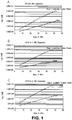
- Pilot scale growth curves of cells manufactured in accordance with the present invention are depicted in Figure 1A through 1C .
- Three independent cell preparations are shown in Figures 1A, 1B and 1C , respectively, as is a comparison of growth on untreated plastic ("suspension") and growth on poly-L-ornithine treated tissue culture plastic.
- Cell preparations grown on substrate-coated flasks exhibited increased slope and increased plating efficiency.
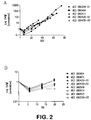
- Production-scale growth curves are depicted in Figures 2A and 2B . These curves are similar to the pilot scale and demonstrate the cells harvested at 20-DIV are not nearing senescence.
- Cells manufactured in accordance with the present invention were immunophenotyped using a panel of antibodies which recognize desired phenotypes (glial restricted progenitors and their progeny) as well as potential contaminating unintended cellular phenotypes (neuronal progenitors, neurons, microglia and endothelial cells).
- Antibodies in this panel are chosen from A2B5, GFAP, PDGFR- ⁇ , Olig1, Olig2, O1, nestin, NG2, PSA-NCAM, TuJ1, Ki-67 and/or NeuN.
- Immunophenotyping with this unique panel of antibodies showed a decrease in potentially unintended cellular phenotypes (PSA-NCAM and TuJ1) at greater than 6-DIV versus 6-DIV, as well as a decrease in the standard deviations in cells produced in accordance with the method of the present invention.
- another aspect of the present invention relates to a method for decreasing potentially unintended cellular phenotypes in a GRP cell population and/or decreasing standard deviations in cells of the GRP cell population which comprises harvesting cells for at least 10 DIV.
- the decrease in potentially unintended cellular phenotypes and/or decrease in standard deviations in cells is determined by comparison to cells harvested at 6-DIV.
- the present invention discloses a method for decreasing potentially unintended cellular phenotypes in a GRP cell population which comprises freezing and thawing the GRP cell population.
- the GRP cell population is manufactured in accordance with the present invention and further frozen and thawed after harvesting.
- the GRP cell population is manufactured by a method wherein A2B5-positive cells are cultured for 6 DIV or less. The cultured cells are then harvested and frozen. After thawing, the cells can be cultured for 3 or more additional days in vitro (DIV) to increase cell number.
- DIV in vitro
- this antibody panel for characterizing GRP cells comprising A2B5, GFAP, and one or more antibodies selected from the group consisting of Olig1, Olig2, O1, PDGFR- ⁇ , nestin, NG2, PSA-NCAM, TuJ1, Ki-67 and NeuN and methods for characterizing cells as GRP cells and/or documenting the purity of the cell population with this panel of antibodies.
- cells are characterized using the antibody panel by first plating the cells according to standard protocols on coverslips or in multichamber slides or the like, allowed to grow overnight under standard tissue culture conditions, and then fixed and stained according to standard procedures.
- Immunopositive cells are identified using standard microscopy methods, and the percentages of cells positive for each antibody are defined relative to the total number of cells (as defined by a pan nuclei stain: DAPI or the like).
- the following immunophenotype using this antibody panel is indicative of a population of mammalian cells being GRPs: a majority of cells are positive for A2B5 and one or more of GFAP, nestin, NG2, PDGFR- ⁇ , Olig1, Olig2 and O1 and a majority of cells are negative for one or more of PSA-NCAM, TUJ1, PECAM, CD68, and NeuN.
- major as used herein it is meant that greater than 50% of the cells are positive or negative for the selected antibody.
- gene targets whose expression correlates with the different types of cells that may be found in the cell isolates have been identified.
- Gene expression data were collected from unpurified cells, GRP cells harvested at 6-DIV originating from 15 brain tissues and GRP cells produced in accordance with the method of the present invention. Approximately 375 genes showed at least 5-fold changes in expression level (increasing and decreasing levels) with a P value of ⁇ 0.01 between GRP cells harvested at 6-DIV and unpurified cells.
- gene expression profiles may be generated and evaluated via techniques such as chip/array analysis, multiplex RT-PCR and qPCR as a means for identifying cell populations.
- A2B5 antibody-reactive cells are isolated from a mammalian tissue source capable of generating A2B5 positive cells. Cells that remain after removing the A2B5 antibody-reactive cells are then collected. In one embodiment of this method, the cells are cultured for one or more days in vitro (DIV) on a substrate. In this method, the collected cells may optionally be further depleted of certain cell types by freezing and thawing the cell population.
- DIV days in vitro
- Another aspect of the present invention relates to method for generating astrocyte precursor cells, astrocytes, oligodendrocyte precursor cells and/or oligodendrocytes from the GRPs manufactured in accordance with the present invention.
- the GRP cells manufactured in accordance with the present invention are cultured under conditions which promote differentiation to astrocytes and/or oligodendrocytes.
- the GRP cells are cultured under conditions which promote differentiation to astrocytes.
- Two nonlimiting examples of media formulations that promote astrocyte differentiation include: 1) growth of GRPs in DMEM/F12, N1 or N2 supplement, basic FGF, BMP4 with these growth factors present in the ng/mL range or the 10-100 ng/mL range; and 2) DMEM/F12, N1 or N2 supplement, 1-10% FBS, and basic FGF in the ng/mL range or the 10-100 ng/mL range.
- the GRP cells are cultured under conditions which promote differentiation to oligodendroctyes.
- Two nonlimiting examples of media formulations and conditions that promote oligodendrocyte differentiation include: 1) growth of GRPs in DMEM/F12 medium lacking growth factors for two days, and transfer of cells to a DMEM/F12 medium supplemented with N2, PDGF-AA present in the ng/mL range or the 10-100 ng/mL range, and T3 in the 1-100 nM range; and 2) growth of GRPs in DMEM/F12 medium supplemented with N2, T3 in the 100's of nM range, N-acetyl cysteine in the tens of ⁇ g/mL range, and PDGF-AA and CNTF in the ng/mL range or the 10-100 ng/mL range.
- GRPs prepared in accordance with the method of the present invention exhibit defined and reproducible expression parameters of selected antigens, and are consistent in their ability to differentiate into astrocytes and oligodendrocytes, but not neurons, in an in vivo setting as well. Further, experiments showed that these GRPs exhibited characteristics of cell survival, migration and differentiation into myelin-producing oligodendrocytes as well as astrocytes in animal models. Together, these studies demonstrate that GRPs manufactured in accordance with the method of the present invention, successfully integrate, differentiate into oligodendrocytes and astrocytes, and remyelinate axons in demyelinated neural tissue of the brain and spinal cord.
- the present application also discloses methods for using GRP cells manufactured in accordance with the present invention to produce astrocytes and oligodendrocytes in vivo in mammals and to increase re-myelination of neurons in a mammal suffering from a disease, disorder, injury or damage associated with demyelination of neurons.
- GRP cells manufactured in accordance with the present invention to produce astrocytes and oligodendrocytes in vivo in mammals and to increase re-myelination of neurons in a mammal suffering from a disease, disorder, injury or damage associated with demyelination of neurons.
- Between 0.01 and 100 million cells can be administered by direct parenchymal transplantation using catheters or needles familiar to neurosurgeons skilled in the art, involving one or more injections. These transplantations can be performed after accessing the neural tissue directly by the use of a burr hole or laminectomy.
- the transplants can be performed into the spinal cord by CT-guided percutaneous delivery without the need for direct visual access of the neural target tissue by an interventional radiologist skilled in the art.
- cells can be administered to the cerebrospinal fluid (CSF) such as via lumbar puncture or other suitable methods rather than directly into the parenchyma.
- CSF cerebrospinal fluid
- Cells can also be administered by intravenous administration for certain diseases.
- CSF cerebrospinal fluid
- several clinical trials with other neural cell types are currently being conducted for these diseases. Similar protocols and procedures used in these clinical trials with other neural cells can be adapted routinely by those of skill in the art for use with the GRPs manufactured in accordance with the present invention.
- shiverer mouse strain that also carries an autosomal recessive mutation in the Rag2 gene which encodes a protein essential to the generation of mature B and T lymphocytes and therefore displays cell-mediated immune deficiencies was developed ( Shinkai et al. Cell 1992 68:855-867 ).
- Newborn double-homozygous shiverer / rag2 immuno-deficient mice were implanted with 100,000 human GRPs at a single site targeting the subventricular zone. Eight or 12 weeks after implantation animals were sacrificed and the survival and distribution of human GRPs and their progeny was assessed immunocytochemically.
- the widespread distribution of human cells documents the ability of the human GRPs to survive and migrate in this genetically immune compromised model. Similar results of the in vivo survival, migration and differentiation in shiverer / rag2 have been observed with both 6 DIV and 20 DIV GRPs.
- mice The differentiation potential of human GRPs in vivo was assessed immunocytochemically in brain sections from these mice.
- One group of mice was sacrificed at eight weeks post-implantation while another group was sacrificed for humane reasons at a time when neurological deterioration resulted in markedly impaired ambulation and frequent episodes of sustained seizures (typically 12- to 18-weeks postnatal).
- Brain sections were stained with anti-myelin basic protein (MBP; expression of intact MBP recognized by this antibody is not observed in shiverer mice, thus, expression of MBP is solely from implanted human GRPs) and anti-human GFAP antibodies (which does not recognize murine GFAP).
- MBP myelin basic protein
- Laminectomies were performed at the thoracic level (T8-T9) and each animal received a single injection of approximately 150,000 human GRPs in 2- ⁇ L of saline into the dorsal column. Animals were implanted with human GRPs at two or seven days post-disease symptoms. Animals were sacrificed at one week, two weeks, and four weeks post-implantation. Engrafted human GRP cells were detected using HuNA antibody in 40- ⁇ m transverse sections of spinal cord near the implant site. OX42 antibody was used to detect CD11b on the surface of host activated microglia which are present during an inflammatory response. Hematoxylin and eosin (H&E) staining was used to determine macrophage and microglia infiltration.
- HuNA antibody HuNA antibody
- OX42 antibody was used to detect CD11b on the surface of host activated microglia which are present during an inflammatory response.
- Hematoxylin and eosin (H&E) staining was used to determine macro
- HuNA staining closely localized to immunostaining with OX42 one week post-transplantation. Pronounced H&E staining around the injection site is also indicative of host infiltration of macrophage and microglia. By two weeks post-transplantation, HuNA co-localization with OX42 immunostaining was no longer observed, while H&E staining was still observed, although less pronounced.
- Transplanted human GRPs were able to survive in the DA/EAE rat spinal cord up to twelve weeks, the longest time point assessed, following injection at both two days and seven days post-disease initiation. Thus, human GRPs are able to survive under conditions that mimic those found in inflammatory lesions of human multiple sclerosis.
- GRP cells manufactured in accordance with the present invention in multiple animal models for glial cell-related neurodegenerative diseases or disorders is indicative of their utility in treating or alleviating symptoms of these neurodegenerative diseases or disorders.
- Glial cells have been shown to play important roles in the pathogenesis of the neurodegenerative disease Amyotrophic Lateral Sclerosis (ALS) ( Howland et al. PNAS 99, 1105, 1995 ; Clement et al. Science 302, 113, 2003 ; Rothstein et al. Ann. Neurol. 38, 73, 1995 ).
- Astrocytes play many important functions in the CNS, including cerebrovascular regulation, modulation of synaptic transmission (e.g.
- Glial cells may also reduce or prevent formation of reactive astrocytes, which cause deleterious effects in many neurodegenerative diseases, and glial cells may reduce levels of glial scarring such as occurs in spinal cord injury and several neurodegenerative diseases. Furthermore, transplantation of normal glial cells, which subsequently differentiated into astrocytes, into a rat model of ALS has been demonstrated to be neuroprotective in this model ( Lepore et al. Nature Med. 11, 1294, 2008 ).
- glial progenitor cell therapy will be of benefit in other neurodegenerative diseases or disorders including but not limited to Parkinson's, Alzheimer's, Huntington's, and Alexander diseases (Maragakis and Rothstein Nature Clinical Practice Neurology 2, 679, 2006), multiple sclerosis ( Windrem et.al. Cell Stem Cell. 2008 Jun 5;2(6):553-65 , Hardison et.al Exp Neurol. 2006 Feb;197(2):420-9 ), other demyelinating diseases ( Duncan, J Inherit Metab Dis. 2005;28(3):357-68 ) and spinal cord injury ( Keirstead et.al. J Neurosci. 2005 May 11;25(19):4694-705 , Mitsui et.al. J Neurosci. 2005 Oct 19;25(42):9624-36 .
- the present application discloses methods for use of mammalian GRP cells manufactured in accordance with the present invention in the treatment of glial cell related neurodegenerative diseases or disorders in mammals as well as injuries or damage to the nervous system or a portion thereof.
- injury or damage it is meant to include damage or injury induced by any cause including, but not limited to, trauma, drugs, radiation, and immune-mediated damage or injury.
- cells of the present invention will be useful in treating neurodegenerative diseases or disorders as well as injuries to the nervous system in mammals not specifically glial cell related.
- the cells manufactured in accordance with the present invention can be administered by direct parenchymal transplantation using catheters or needles familiar to neurosurgeons skilled in the art. These transplantations can be performed after accessing the neural tissue directly by the use of a burr hole or laminectomy. Alternatively, the transplants can be performed into the spinal cord by CT-guided percutaneous deliver without the need for direct visual access of the neural target tissue by an interventional radiologist skilled in the art. Additionally, cells can be administered to the CSF via lumbar puncture rather than directly into the parenchyma. Finally, several clinical trials with other neural cell types are currently being conducted for these diseases. Similar protocols and procedures used in these clinical trials with other neural cells can be adapted routinely by those of skill in the art for use with the GRPs manufactured in accordance with the present invention.
Landscapes
- Health & Medical Sciences (AREA)
- Engineering & Computer Science (AREA)
- Life Sciences & Earth Sciences (AREA)
- Biomedical Technology (AREA)
- Chemical & Material Sciences (AREA)
- Organic Chemistry (AREA)
- Bioinformatics & Cheminformatics (AREA)
- Zoology (AREA)
- Biotechnology (AREA)
- Genetics & Genomics (AREA)
- Wood Science & Technology (AREA)
- General Health & Medical Sciences (AREA)
- Cell Biology (AREA)
- Biochemistry (AREA)
- Neurology (AREA)
- Neurosurgery (AREA)
- Microbiology (AREA)
- General Engineering & Computer Science (AREA)
- Medicinal Chemistry (AREA)
- Immunology (AREA)
- Animal Behavior & Ethology (AREA)
- Veterinary Medicine (AREA)
- Public Health (AREA)
- Pharmacology & Pharmacy (AREA)
- Molecular Biology (AREA)
- Nuclear Medicine, Radiotherapy & Molecular Imaging (AREA)
- General Chemical & Material Sciences (AREA)
- Developmental Biology & Embryology (AREA)
- Chemical Kinetics & Catalysis (AREA)
- Urology & Nephrology (AREA)
- Virology (AREA)
- Hematology (AREA)
- Analytical Chemistry (AREA)
- Psychiatry (AREA)
- Physics & Mathematics (AREA)
- Tropical Medicine & Parasitology (AREA)
- General Physics & Mathematics (AREA)
- Pathology (AREA)
- Biophysics (AREA)
- Proteomics, Peptides & Aminoacids (AREA)
Priority Applications (2)
| Application Number | Priority Date | Filing Date | Title |
|---|---|---|---|
| EP17188092.5A EP3269803A3 (en) | 2009-11-12 | 2010-11-09 | Methods and compositions for expanding, identifying, characterizing and enhancing potency of mammalian-derived glial restricted progenitor cells |
| PL10830580T PL2499238T3 (pl) | 2009-11-12 | 2010-11-09 | Sposoby i kompozycje do namnażania, identyfikowania, charakteryzowania i wzmocnienia skuteczności działania ssaczych komórek progenitorowych ograniczonych glejowo |
Applications Claiming Priority (3)
| Application Number | Priority Date | Filing Date | Title |
|---|---|---|---|
| US26044109P | 2009-11-12 | 2009-11-12 | |
| US32679910P | 2010-04-22 | 2010-04-22 | |
| PCT/US2010/055956 WO2011059952A1 (en) | 2009-11-12 | 2010-11-09 | Methods and compositions for expanding, identifying, characterizing and enhancing potency of mammalian-derived glial restricted progenitor cells |
Related Child Applications (1)
| Application Number | Title | Priority Date | Filing Date |
|---|---|---|---|
| EP17188092.5A Division EP3269803A3 (en) | 2009-11-12 | 2010-11-09 | Methods and compositions for expanding, identifying, characterizing and enhancing potency of mammalian-derived glial restricted progenitor cells |
Publications (3)
| Publication Number | Publication Date |
|---|---|
| EP2499238A1 EP2499238A1 (en) | 2012-09-19 |
| EP2499238A4 EP2499238A4 (en) | 2013-10-02 |
| EP2499238B1 true EP2499238B1 (en) | 2017-08-30 |
Family
ID=43991980
Family Applications (2)
| Application Number | Title | Priority Date | Filing Date |
|---|---|---|---|
| EP17188092.5A Withdrawn EP3269803A3 (en) | 2009-11-12 | 2010-11-09 | Methods and compositions for expanding, identifying, characterizing and enhancing potency of mammalian-derived glial restricted progenitor cells |
| EP10830580.6A Active EP2499238B1 (en) | 2009-11-12 | 2010-11-09 | Methods and compositions for expanding, identifying, characterizing and enhancing potency of mammalian-derived glial restricted progenitor cells |
Family Applications Before (1)
| Application Number | Title | Priority Date | Filing Date |
|---|---|---|---|
| EP17188092.5A Withdrawn EP3269803A3 (en) | 2009-11-12 | 2010-11-09 | Methods and compositions for expanding, identifying, characterizing and enhancing potency of mammalian-derived glial restricted progenitor cells |
Country Status (11)
| Country | Link |
|---|---|
| US (2) | US10351823B2 (OSRAM) |
| EP (2) | EP3269803A3 (OSRAM) |
| JP (2) | JP5952737B2 (OSRAM) |
| CN (2) | CN105602889A (OSRAM) |
| AU (1) | AU2010319680B2 (OSRAM) |
| CA (1) | CA2780541C (OSRAM) |
| DK (1) | DK2499238T3 (OSRAM) |
| ES (1) | ES2649396T3 (OSRAM) |
| NO (1) | NO2499238T3 (OSRAM) |
| PL (1) | PL2499238T3 (OSRAM) |
| WO (1) | WO2011059952A1 (OSRAM) |
Cited By (5)
| Publication number | Priority date | Publication date | Assignee | Title |
|---|---|---|---|---|
| US10190095B2 (en) | 2002-02-15 | 2019-01-29 | Cornell Research Foundation, Inc. | Myelination of congenitally dysmyelinated forebrains using oligodendrocyte progenitor cells |
| US10279051B2 (en) | 2015-04-30 | 2019-05-07 | University Of Rochester | Non-human mammal model of human degenerative disorder, uses thereof, and method of treating human degenerative disorder |
| US10450546B2 (en) | 2013-02-06 | 2019-10-22 | University Of Rochester | Induced pluripotent cell-derived oligodendrocyte progenitor cells for the treatment of myelin disorders |
| US11344582B2 (en) | 2008-05-08 | 2022-05-31 | University Of Rochester | Treating myelin diseases with optimized cell preparations |
| US11690876B2 (en) | 2017-05-10 | 2023-07-04 | University Of Rochester | Methods of treating neuropsychiatric disorders |
Families Citing this family (5)
| Publication number | Priority date | Publication date | Assignee | Title |
|---|---|---|---|---|
| US20160092661A1 (en) * | 2014-09-26 | 2016-03-31 | The Procter & Gamble Company | Method of making perfumed goods |
| CN108624560B (zh) * | 2018-06-01 | 2022-04-08 | 南京艾尔普再生医学科技有限公司 | 一种分化培养基及少突胶质前体细胞的制备方法 |
| EP3737751A1 (en) | 2019-03-21 | 2020-11-18 | Fornia BioSolutions, Inc. | Additional phytase variants and methods |
| KR102322635B1 (ko) * | 2021-06-11 | 2021-11-05 | 인제대학교 산학협력단 | 말초신경양 미세조직 제조방법 및 이의 용도 |
| WO2023278783A1 (en) * | 2021-06-30 | 2023-01-05 | The Regents Of The University Of California | Methods to generate glial restricted neural progenitor cells and uses thereof |
Family Cites Families (6)
| Publication number | Priority date | Publication date | Assignee | Title |
|---|---|---|---|---|
| US6235527B1 (en) * | 1997-11-29 | 2001-05-22 | University Of Utah Research Foundation | Lineage restricted glial precursors from the central nervous system |
| CA2295197A1 (en) | 1999-09-08 | 2001-03-08 | Appleton Papers Inc. | Thermally-responsive record material |
| US6878543B1 (en) * | 1999-10-25 | 2005-04-12 | Nsgene Sa | Cultures of GFAP+ nestin+ cells that differentiate to neurons |
| AR046076A1 (es) * | 2003-07-18 | 2005-11-23 | Otsuka Pharma Co Ltd | Procedimiento para obtener una poblacion homogenea de celulas precursoras de oligodendrocitos y poblacion obtenida |
| US20050272149A1 (en) * | 2004-06-02 | 2005-12-08 | Life & Brain Gmbh | Therapeutic delivery of adenosine into a tissue |
| EP2190981A4 (en) * | 2007-08-14 | 2010-09-01 | Univ Johns Hopkins | CELL BASED COMPOSITIONS AND METHOD FOR TREATING SUFFERING NERVOUS SYSTEM SUFFERING |
-
2010
- 2010-11-09 WO PCT/US2010/055956 patent/WO2011059952A1/en not_active Ceased
- 2010-11-09 CA CA2780541A patent/CA2780541C/en active Active
- 2010-11-09 CN CN201610055313.6A patent/CN105602889A/zh active Pending
- 2010-11-09 EP EP17188092.5A patent/EP3269803A3/en not_active Withdrawn
- 2010-11-09 ES ES10830580.6T patent/ES2649396T3/es active Active
- 2010-11-09 NO NO10830580A patent/NO2499238T3/no unknown
- 2010-11-09 US US13/508,803 patent/US10351823B2/en active Active
- 2010-11-09 PL PL10830580T patent/PL2499238T3/pl unknown
- 2010-11-09 AU AU2010319680A patent/AU2010319680B2/en active Active
- 2010-11-09 JP JP2012538881A patent/JP5952737B2/ja active Active
- 2010-11-09 CN CN201080051269.2A patent/CN102686721B/zh active Active
- 2010-11-09 EP EP10830580.6A patent/EP2499238B1/en active Active
- 2010-11-09 DK DK10830580.6T patent/DK2499238T3/en active
-
2016
- 2016-02-15 JP JP2016026441A patent/JP6346629B2/ja active Active
-
2018
- 2018-09-19 US US16/135,626 patent/US20190032010A1/en not_active Abandoned
Non-Patent Citations (1)
| Title |
|---|
| None * |
Cited By (10)
| Publication number | Priority date | Publication date | Assignee | Title |
|---|---|---|---|---|
| US10190095B2 (en) | 2002-02-15 | 2019-01-29 | Cornell Research Foundation, Inc. | Myelination of congenitally dysmyelinated forebrains using oligodendrocyte progenitor cells |
| US11344582B2 (en) | 2008-05-08 | 2022-05-31 | University Of Rochester | Treating myelin diseases with optimized cell preparations |
| US12178834B2 (en) | 2008-05-08 | 2024-12-31 | University Of Rochester | Treating myelin diseases with optimized cell preparations |
| US10450546B2 (en) | 2013-02-06 | 2019-10-22 | University Of Rochester | Induced pluripotent cell-derived oligodendrocyte progenitor cells for the treatment of myelin disorders |
| US10626369B2 (en) | 2013-02-06 | 2020-04-21 | University Of Rochester | Induced pluripotent cell-derived oligodendrocyte progenitor cells for the treatment of myelin disorders |
| US12129484B2 (en) | 2013-02-06 | 2024-10-29 | University Of Rochester | Induced pluripotent cell-derived oligodendrocyte progenitor cells for the treatment of myelin disorders |
| US12305195B2 (en) | 2013-02-06 | 2025-05-20 | University Of Rochester | Induced pluripotent cell-derived oligodendrocyte progenitor cells for the treatment of myelin disorders |
| US10279051B2 (en) | 2015-04-30 | 2019-05-07 | University Of Rochester | Non-human mammal model of human degenerative disorder, uses thereof, and method of treating human degenerative disorder |
| US11596700B2 (en) | 2015-04-30 | 2023-03-07 | University Of Rochester | Non-human mammal model of human degenerative disorder, uses thereof, and method of treating human degenerative disorder |
| US11690876B2 (en) | 2017-05-10 | 2023-07-04 | University Of Rochester | Methods of treating neuropsychiatric disorders |
Also Published As
| Publication number | Publication date |
|---|---|
| US20190032010A1 (en) | 2019-01-31 |
| EP3269803A2 (en) | 2018-01-17 |
| AU2010319680A1 (en) | 2012-07-05 |
| AU2010319680B2 (en) | 2014-05-29 |
| CN105602889A (zh) | 2016-05-25 |
| HK1174953A1 (zh) | 2013-06-21 |
| EP3269803A3 (en) | 2018-04-25 |
| US20120230963A1 (en) | 2012-09-13 |
| ES2649396T3 (es) | 2018-01-11 |
| JP2013510570A (ja) | 2013-03-28 |
| CA2780541C (en) | 2015-07-14 |
| CN102686721A (zh) | 2012-09-19 |
| DK2499238T3 (en) | 2017-12-04 |
| EP2499238A1 (en) | 2012-09-19 |
| CN102686721B (zh) | 2016-02-10 |
| JP5952737B2 (ja) | 2016-07-13 |
| JP2016146831A (ja) | 2016-08-18 |
| EP2499238A4 (en) | 2013-10-02 |
| WO2011059952A1 (en) | 2011-05-19 |
| US10351823B2 (en) | 2019-07-16 |
| JP6346629B2 (ja) | 2018-06-20 |
| PL2499238T3 (pl) | 2018-04-30 |
| CA2780541A1 (en) | 2011-05-19 |
| NO2499238T3 (OSRAM) | 2018-01-27 |
Similar Documents
| Publication | Publication Date | Title |
|---|---|---|
| EP2499238B1 (en) | Methods and compositions for expanding, identifying, characterizing and enhancing potency of mammalian-derived glial restricted progenitor cells | |
| Faulkner et al. | Human embryonic stem cell-derived oligodendrocyte progenitors for the treatment of spinal cord injury | |
| EP2954046B1 (en) | Induced pluripotent cell-derived oligodendrocyte progenitor cells for the treatment of myelin disorders | |
| Lang et al. | Astrocytes in injured adult rat spinal cord may acquire the potential of neural stem cells | |
| JP4823689B2 (ja) | 再ミエリン化および脊髄損傷の治療のためのヒト胚性幹細胞に由来するオリゴデンドロサイト | |
| JP5816644B2 (ja) | ヒト胚性幹細胞から、高収率で、神経前駆細胞、神経細胞及び機能性ドーパミン神経細胞を生成する方法 | |
| TWI586805B (zh) | 獲得及維持在體外易於分化為寡樹突細胞-族系細胞之哺乳類神經幹細胞及/或神經祖源細胞的純或增富族群之培養方法 | |
| US7838292B1 (en) | Methods for obtaining adult human olfactory progenitor cells | |
| KR20130092634A (ko) | 신경퇴행성 증상의 치료를 위한 인간 신경 세포의 이식 | |
| Wang et al. | Neurogenic potential of progenitor cells isolated from postmortem human Parkinsonian brains | |
| KR20230165846A (ko) | 도파민성 전구세포 및 사용 방법 | |
| Liu et al. | Characterization and therapeutic evaluation of a Nestin+ CNP+ NG2+ cell population on mouse spinal cord injury | |
| HK1174953B (en) | Methods and compositions for expanding, identifying, characterizing and enhancing potency of mammalian-derived glial restricted progenitor cells | |
| Khanna et al. | Generation and transplantation of dopaminergic neurons derived from embryonic stem cells | |
| CN1458273A (zh) | 人胎儿背根神经节干细胞的分离、制备及应用 | |
| HK40045021A (en) | Induced pluripotent cell-derived oligodendrocyte progenitor cells for the treatment of myelin disorders | |
| Canzi | Human stem cells for the treatment of motorneuron diseases: regenerative potential, translatability and development of new biotechnologies. Cellule staminali umane per la cura delle malattie degenerative del motoneurone | |
| Mead | Mesenchymal stem cell therapy for traumatic and degenerative eye disease | |
| HK1093219B (en) | Oligodendrocytes derived from human embryonic stem cells for remyelination and treatment of spinal cord injury |
Legal Events
| Date | Code | Title | Description |
|---|---|---|---|
| PUAI | Public reference made under article 153(3) epc to a published international application that has entered the european phase |
Free format text: ORIGINAL CODE: 0009012 |
|
| 17P | Request for examination filed |
Effective date: 20120612 |
|
| AK | Designated contracting states |
Kind code of ref document: A1 Designated state(s): AL AT BE BG CH CY CZ DE DK EE ES FI FR GB GR HR HU IE IS IT LI LT LU LV MC MK MT NL NO PL PT RO RS SE SI SK SM TR |
|
| DAX | Request for extension of the european patent (deleted) | ||
| A4 | Supplementary search report drawn up and despatched |
Effective date: 20130829 |
|
| RIC1 | Information provided on ipc code assigned before grant |
Ipc: C12N 13/00 20060101ALI20130823BHEP Ipc: C12N 5/071 20100101AFI20130823BHEP |
|
| 17Q | First examination report despatched |
Effective date: 20140617 |
|
| GRAP | Despatch of communication of intention to grant a patent |
Free format text: ORIGINAL CODE: EPIDOSNIGR1 |
|
| STAA | Information on the status of an ep patent application or granted ep patent |
Free format text: STATUS: GRANT OF PATENT IS INTENDED |
|
| INTG | Intention to grant announced |
Effective date: 20161103 |
|
| GRAJ | Information related to disapproval of communication of intention to grant by the applicant or resumption of examination proceedings by the epo deleted |
Free format text: ORIGINAL CODE: EPIDOSDIGR1 |
|
| STAA | Information on the status of an ep patent application or granted ep patent |
Free format text: STATUS: EXAMINATION IS IN PROGRESS |
|
| GRAS | Grant fee paid |
Free format text: ORIGINAL CODE: EPIDOSNIGR3 |
|
| STAA | Information on the status of an ep patent application or granted ep patent |
Free format text: STATUS: GRANT OF PATENT IS INTENDED |
|
| GRAP | Despatch of communication of intention to grant a patent |
Free format text: ORIGINAL CODE: EPIDOSNIGR1 |
|
| INTC | Intention to grant announced (deleted) | ||
| INTG | Intention to grant announced |
Effective date: 20170419 |
|
| GRAA | (expected) grant |
Free format text: ORIGINAL CODE: 0009210 |
|
| STAA | Information on the status of an ep patent application or granted ep patent |
Free format text: STATUS: THE PATENT HAS BEEN GRANTED |
|
| AK | Designated contracting states |
Kind code of ref document: B1 Designated state(s): AL AT BE BG CH CY CZ DE DK EE ES FI FR GB GR HR HU IE IS IT LI LT LU LV MC MK MT NL NO PL PT RO RS SE SI SK SM TR |
|
| REG | Reference to a national code |
Ref country code: GB Ref legal event code: FG4D |
|
| REG | Reference to a national code |
Ref country code: CH Ref legal event code: EP |
|
| REG | Reference to a national code |
Ref country code: AT Ref legal event code: REF Ref document number: 923589 Country of ref document: AT Kind code of ref document: T Effective date: 20170915 |
|
| REG | Reference to a national code |
Ref country code: IE Ref legal event code: FG4D |
|
| REG | Reference to a national code |
Ref country code: DE Ref legal event code: R096 Ref document number: 602010044906 Country of ref document: DE |
|
| REG | Reference to a national code |
Ref country code: FR Ref legal event code: PLFP Year of fee payment: 8 |
|
| REG | Reference to a national code |
Ref country code: DK Ref legal event code: T3 Effective date: 20171128 |
|
| REG | Reference to a national code |
Ref country code: CH Ref legal event code: NV Representative=s name: RENTSCH PARTNER AG, CH |
|
| REG | Reference to a national code |
Ref country code: SE Ref legal event code: TRGR |
|
| REG | Reference to a national code |
Ref country code: NL Ref legal event code: FP |
|
| REG | Reference to a national code |
Ref country code: LT Ref legal event code: MG4D |
|
| REG | Reference to a national code |
Ref country code: ES Ref legal event code: FG2A Ref document number: 2649396 Country of ref document: ES Kind code of ref document: T3 Effective date: 20180111 |
|
| REG | Reference to a national code |
Ref country code: AT Ref legal event code: MK05 Ref document number: 923589 Country of ref document: AT Kind code of ref document: T Effective date: 20170830 |
|
| PG25 | Lapsed in a contracting state [announced via postgrant information from national office to epo] |
Ref country code: FI Free format text: LAPSE BECAUSE OF FAILURE TO SUBMIT A TRANSLATION OF THE DESCRIPTION OR TO PAY THE FEE WITHIN THE PRESCRIBED TIME-LIMIT Effective date: 20170830 Ref country code: LT Free format text: LAPSE BECAUSE OF FAILURE TO SUBMIT A TRANSLATION OF THE DESCRIPTION OR TO PAY THE FEE WITHIN THE PRESCRIBED TIME-LIMIT Effective date: 20170830 Ref country code: AT Free format text: LAPSE BECAUSE OF FAILURE TO SUBMIT A TRANSLATION OF THE DESCRIPTION OR TO PAY THE FEE WITHIN THE PRESCRIBED TIME-LIMIT Effective date: 20170830 Ref country code: HR Free format text: LAPSE BECAUSE OF FAILURE TO SUBMIT A TRANSLATION OF THE DESCRIPTION OR TO PAY THE FEE WITHIN THE PRESCRIBED TIME-LIMIT Effective date: 20170830 |
|
| REG | Reference to a national code |
Ref country code: NO Ref legal event code: T2 Effective date: 20170830 |
|
| PG25 | Lapsed in a contracting state [announced via postgrant information from national office to epo] |
Ref country code: BG Free format text: LAPSE BECAUSE OF FAILURE TO SUBMIT A TRANSLATION OF THE DESCRIPTION OR TO PAY THE FEE WITHIN THE PRESCRIBED TIME-LIMIT Effective date: 20171130 Ref country code: LV Free format text: LAPSE BECAUSE OF FAILURE TO SUBMIT A TRANSLATION OF THE DESCRIPTION OR TO PAY THE FEE WITHIN THE PRESCRIBED TIME-LIMIT Effective date: 20170830 Ref country code: IS Free format text: LAPSE BECAUSE OF FAILURE TO SUBMIT A TRANSLATION OF THE DESCRIPTION OR TO PAY THE FEE WITHIN THE PRESCRIBED TIME-LIMIT Effective date: 20171230 Ref country code: RS Free format text: LAPSE BECAUSE OF FAILURE TO SUBMIT A TRANSLATION OF THE DESCRIPTION OR TO PAY THE FEE WITHIN THE PRESCRIBED TIME-LIMIT Effective date: 20170830 Ref country code: GR Free format text: LAPSE BECAUSE OF FAILURE TO SUBMIT A TRANSLATION OF THE DESCRIPTION OR TO PAY THE FEE WITHIN THE PRESCRIBED TIME-LIMIT Effective date: 20171201 |
|
| PG25 | Lapsed in a contracting state [announced via postgrant information from national office to epo] |
Ref country code: RO Free format text: LAPSE BECAUSE OF FAILURE TO SUBMIT A TRANSLATION OF THE DESCRIPTION OR TO PAY THE FEE WITHIN THE PRESCRIBED TIME-LIMIT Effective date: 20170830 Ref country code: CZ Free format text: LAPSE BECAUSE OF FAILURE TO SUBMIT A TRANSLATION OF THE DESCRIPTION OR TO PAY THE FEE WITHIN THE PRESCRIBED TIME-LIMIT Effective date: 20170830 |
|
| PG25 | Lapsed in a contracting state [announced via postgrant information from national office to epo] |
Ref country code: EE Free format text: LAPSE BECAUSE OF FAILURE TO SUBMIT A TRANSLATION OF THE DESCRIPTION OR TO PAY THE FEE WITHIN THE PRESCRIBED TIME-LIMIT Effective date: 20170830 Ref country code: SM Free format text: LAPSE BECAUSE OF FAILURE TO SUBMIT A TRANSLATION OF THE DESCRIPTION OR TO PAY THE FEE WITHIN THE PRESCRIBED TIME-LIMIT Effective date: 20170830 Ref country code: SK Free format text: LAPSE BECAUSE OF FAILURE TO SUBMIT A TRANSLATION OF THE DESCRIPTION OR TO PAY THE FEE WITHIN THE PRESCRIBED TIME-LIMIT Effective date: 20170830 |
|
| REG | Reference to a national code |
Ref country code: DE Ref legal event code: R097 Ref document number: 602010044906 Country of ref document: DE |
|
| PG25 | Lapsed in a contracting state [announced via postgrant information from national office to epo] |
Ref country code: MC Free format text: LAPSE BECAUSE OF FAILURE TO SUBMIT A TRANSLATION OF THE DESCRIPTION OR TO PAY THE FEE WITHIN THE PRESCRIBED TIME-LIMIT Effective date: 20170830 |
|
| PLBE | No opposition filed within time limit |
Free format text: ORIGINAL CODE: 0009261 |
|
| STAA | Information on the status of an ep patent application or granted ep patent |
Free format text: STATUS: NO OPPOSITION FILED WITHIN TIME LIMIT |
|
| 26N | No opposition filed |
Effective date: 20180531 |
|
| PG25 | Lapsed in a contracting state [announced via postgrant information from national office to epo] |
Ref country code: SI Free format text: LAPSE BECAUSE OF FAILURE TO SUBMIT A TRANSLATION OF THE DESCRIPTION OR TO PAY THE FEE WITHIN THE PRESCRIBED TIME-LIMIT Effective date: 20170830 Ref country code: LU Free format text: LAPSE BECAUSE OF NON-PAYMENT OF DUE FEES Effective date: 20171109 |
|
| PG25 | Lapsed in a contracting state [announced via postgrant information from national office to epo] |
Ref country code: MT Free format text: LAPSE BECAUSE OF NON-PAYMENT OF DUE FEES Effective date: 20171109 |
|
| REG | Reference to a national code |
Ref country code: FR Ref legal event code: PLFP Year of fee payment: 9 |
|
| PGFP | Annual fee paid to national office [announced via postgrant information from national office to epo] |
Ref country code: NL Payment date: 20181114 Year of fee payment: 9 |
|
| PGFP | Annual fee paid to national office [announced via postgrant information from national office to epo] |
Ref country code: SE Payment date: 20181120 Year of fee payment: 9 Ref country code: SE Payment date: 20181113 Year of fee payment: 9 Ref country code: PL Payment date: 20181023 Year of fee payment: 9 |
|
| PGFP | Annual fee paid to national office [announced via postgrant information from national office to epo] |
Ref country code: ES Payment date: 20181203 Year of fee payment: 9 |
|
| PG25 | Lapsed in a contracting state [announced via postgrant information from national office to epo] |
Ref country code: HU Free format text: LAPSE BECAUSE OF FAILURE TO SUBMIT A TRANSLATION OF THE DESCRIPTION OR TO PAY THE FEE WITHIN THE PRESCRIBED TIME-LIMIT; INVALID AB INITIO Effective date: 20101109 |
|
| PG25 | Lapsed in a contracting state [announced via postgrant information from national office to epo] |
Ref country code: CY Free format text: LAPSE BECAUSE OF NON-PAYMENT OF DUE FEES Effective date: 20170830 |
|
| PG25 | Lapsed in a contracting state [announced via postgrant information from national office to epo] |
Ref country code: MK Free format text: LAPSE BECAUSE OF FAILURE TO SUBMIT A TRANSLATION OF THE DESCRIPTION OR TO PAY THE FEE WITHIN THE PRESCRIBED TIME-LIMIT Effective date: 20170830 |
|
| PG25 | Lapsed in a contracting state [announced via postgrant information from national office to epo] |
Ref country code: TR Free format text: LAPSE BECAUSE OF FAILURE TO SUBMIT A TRANSLATION OF THE DESCRIPTION OR TO PAY THE FEE WITHIN THE PRESCRIBED TIME-LIMIT Effective date: 20170830 |
|
| PG25 | Lapsed in a contracting state [announced via postgrant information from national office to epo] |
Ref country code: PT Free format text: LAPSE BECAUSE OF FAILURE TO SUBMIT A TRANSLATION OF THE DESCRIPTION OR TO PAY THE FEE WITHIN THE PRESCRIBED TIME-LIMIT Effective date: 20170830 |
|
| REG | Reference to a national code |
Ref country code: NO Ref legal event code: MMEP |
|
| REG | Reference to a national code |
Ref country code: SE Ref legal event code: EUG |
|
| REG | Reference to a national code |
Ref country code: NL Ref legal event code: MM Effective date: 20191201 |
|
| PG25 | Lapsed in a contracting state [announced via postgrant information from national office to epo] |
Ref country code: AL Free format text: LAPSE BECAUSE OF FAILURE TO SUBMIT A TRANSLATION OF THE DESCRIPTION OR TO PAY THE FEE WITHIN THE PRESCRIBED TIME-LIMIT Effective date: 20170830 Ref country code: NO Free format text: LAPSE BECAUSE OF NON-PAYMENT OF DUE FEES Effective date: 20191130 |
|
| PG25 | Lapsed in a contracting state [announced via postgrant information from national office to epo] |
Ref country code: SE Free format text: LAPSE BECAUSE OF NON-PAYMENT OF DUE FEES Effective date: 20191110 |
|
| PG25 | Lapsed in a contracting state [announced via postgrant information from national office to epo] |
Ref country code: NL Free format text: LAPSE BECAUSE OF NON-PAYMENT OF DUE FEES Effective date: 20191201 |
|
| PG25 | Lapsed in a contracting state [announced via postgrant information from national office to epo] |
Ref country code: IT Free format text: LAPSE BECAUSE OF NON-PAYMENT OF DUE FEES Effective date: 20191109 |
|
| REG | Reference to a national code |
Ref country code: ES Ref legal event code: FD2A Effective date: 20210528 |
|
| PG25 | Lapsed in a contracting state [announced via postgrant information from national office to epo] |
Ref country code: ES Free format text: LAPSE BECAUSE OF NON-PAYMENT OF DUE FEES Effective date: 20191110 |
|
| PG25 | Lapsed in a contracting state [announced via postgrant information from national office to epo] |
Ref country code: PL Free format text: LAPSE BECAUSE OF NON-PAYMENT OF DUE FEES Effective date: 20191109 |
|
| PGFP | Annual fee paid to national office [announced via postgrant information from national office to epo] |
Ref country code: DE Payment date: 20241105 Year of fee payment: 15 |
|
| PGFP | Annual fee paid to national office [announced via postgrant information from national office to epo] |
Ref country code: DK Payment date: 20241118 Year of fee payment: 15 |
|
| PGFP | Annual fee paid to national office [announced via postgrant information from national office to epo] |
Ref country code: BE Payment date: 20241120 Year of fee payment: 15 |
|
| PGFP | Annual fee paid to national office [announced via postgrant information from national office to epo] |
Ref country code: GB Payment date: 20241107 Year of fee payment: 15 |
|
| PGFP | Annual fee paid to national office [announced via postgrant information from national office to epo] |
Ref country code: FR Payment date: 20241111 Year of fee payment: 15 |
|
| PGFP | Annual fee paid to national office [announced via postgrant information from national office to epo] |
Ref country code: IE Payment date: 20241112 Year of fee payment: 15 |
|
| PGFP | Annual fee paid to national office [announced via postgrant information from national office to epo] |
Ref country code: CH Payment date: 20241201 Year of fee payment: 15 |
|
| REG | Reference to a national code |
Ref country code: CH Ref legal event code: U11 Free format text: ST27 STATUS EVENT CODE: U-0-0-U10-U11 (AS PROVIDED BY THE NATIONAL OFFICE) Effective date: 20251201 |