EP2498528A1 - Funkbasisstation, kommunikationssystem und kommunikationssteuerungsverfahren - Google Patents
Funkbasisstation, kommunikationssystem und kommunikationssteuerungsverfahren Download PDFInfo
- Publication number
- EP2498528A1 EP2498528A1 EP09851097A EP09851097A EP2498528A1 EP 2498528 A1 EP2498528 A1 EP 2498528A1 EP 09851097 A EP09851097 A EP 09851097A EP 09851097 A EP09851097 A EP 09851097A EP 2498528 A1 EP2498528 A1 EP 2498528A1
- Authority
- EP
- European Patent Office
- Prior art keywords
- base station
- mobile station
- wireless terminal
- behavior
- femto base
- Prior art date
- Legal status (The legal status is an assumption and is not a legal conclusion. Google has not performed a legal analysis and makes no representation as to the accuracy of the status listed.)
- Withdrawn
Links
Images











Classifications
-
- H—ELECTRICITY
- H04—ELECTRIC COMMUNICATION TECHNIQUE
- H04W—WIRELESS COMMUNICATION NETWORKS
- H04W8/00—Network data management
- H04W8/22—Processing or transfer of terminal data, e.g. status or physical capabilities
-
- H—ELECTRICITY
- H04—ELECTRIC COMMUNICATION TECHNIQUE
- H04W—WIRELESS COMMUNICATION NETWORKS
- H04W12/00—Security arrangements; Authentication; Protecting privacy or anonymity
- H04W12/06—Authentication
- H04W12/065—Continuous authentication
Definitions
- the present invention relates to a wireless base station, and a method of controlling communication.
- the present invention may be used in a communication system including smaller wireless base stations, also known as femto base stations, for example.
- femto base stations also referred to as ultra-small base stations
- Femto base stations have smaller cover areas and sizes as compared to existing wireless base stations (also known as macro base stations).
- One of the purposes of installing femto base stations, in addition to macro base stations, is elimination of blind zones. For example, by installing femto base stations to locations outside of the reach of radio waves, such as houses and offices, user equipment (UE), e.g., mobile terminals (hereinafter also referred to as mobile stations or wireless terminals) in such an environment can receive mobile communication services.
- UE user equipment
- femto base stations can also connect the carrier network through public IP networks, e.g., fiber to the home (FTTH) and asymmetric digital subscriber lines (ADSL). Since femto base stations have features that are distinct from those of macro base stations as ser forth above, a variety of their new applications have been contrived.
- public IP networks e.g., fiber to the home (FTTH) and asymmetric digital subscriber lines (ADSL). Since femto base stations have features that are distinct from those of macro base stations as ser forth above, a variety of their new applications have been contrived.
- a cover area of a femto base station is smaller than that of a macro base station and since an individual or particular use can exclusively use a femto base station, new services have been devised which could not be serviced by macro base stations which are accessible from a large number of unspecified individuals.
- the wireless resources possessed by a femto base station are used only by a limited number of users, which helps to improve the ratio of occupancy by the respective users for the wireless resources. Consequently, a communication system including femto base stations can achieve an environment where uses can relish high-speed wireless communications.
- one object of the present invention is to provide user behavioral assistance by a wireless base station.
- a first aspect is a wireless base station capable of communicating with a wireless terminal, the wireless base station comprising: an analyzer that analyzes a pattern of a status of the wireless terminal; and a controller that provides the wireless terminal with information or a function based on the pattern.
- a fourth aspect is a method of controlling a communication in a communication system comprising a wireless terminal and a wireless base station capable of communicating with the wireless terminal, the method comprising: analyzing, by the wireless base station, a pattern of a status of the wireless terminal; collecting, by the wireless base station, a service or information to which the wireless terminal accesses, based on the analyzed pattern of the status, and delivering the service or the information to the wireless terminal; and receiving, by the wireless base station, the service or the information from the wireless base station.
- a fifth aspect is a method of controlling a communication in a communication system comprising a wireless terminal and a wireless base station capable of communicating with the wireless terminal, the method comprising: analyzing, by the wireless base station, a pattern of a status of the wireless terminal; requesting, by the wireless base station, authentication processing to the wireless terminal, based on a comparison of a latest status of the wireless terminal with the analyzed pattern; performing, by the wireless terminal, the authentication processing in response to the request; and sending, by the wireless terminal, a result of the authentication processing to the wireless base station.
- a wireless base station can assist behaviors of a user.
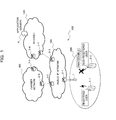
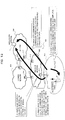
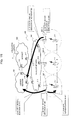
- a communication system 100 depicted in FIG. 1 includes, a femto base station 1, mobile stations (e.g., wireless terminals) 2-1 and 2-2, a public IP network 300, a carrier network 400, and the Internet 500, for example.
- the mobile stations 2-1 and 2-2 may be simply referred to by the "mobile station 2" if no distinction is made among them.
- the number of femto base station 1 and mobile stations 2 are not limited to the particular example depicted in FIG. 1 , and the configuration of the communication system 100 is not intended to be limited to the particular example depicted in FIG. 1 .
- the femto base station 1 may be a small wireless base station that allows accesses of the mobile stations 2, the users of which have been registered in advance to the femto base station 1 or the carrier (hereinafter, such uses are referred to as "registered user").
- this user registration may be done by a user when the user requests the femto base station 1 or the carrier network 400 to register and maintain the user's mobile station 2 to a predetermined database, for example.
- a mobile station 2-1 of a registered user can communicate with the femto base station 1, whereas a mobile station 2-2 of a non-registered user cannot communicate with the femto base station 1. Accesses by the mobile station 2-2 of the non-registered user can be blocked, for example, by checking the terminal identifier included in an access request from the mobile station 2-2 of the non-registered user, for example.
- the femto base station 1 provides a cover area 200 smaller than cover areas (e.g., wireless zones, such as cells and sectors) serviced by macro base stations located in the carrier network 400.
- cover areas e.g., wireless zones, such as cells and sectors
- a mobile station 2 present in a cover area 200 serviced by a certain femto base station 1 may be referred to that the mobile station 2 is "visiting", whereas a mobile station 2 is not present in the cover area 200 may be referred that the mobile station 2 is "absent”. Further, information related to the state of visiting or absence of the mobile station 2 may be referred to as the "visiting state”.
- the mobile stations 2 are wireless terminals that communicate with other communication devices via the femto base station 1 or a macro base station.
- the user-registered mobile station 2-1 is managed by the carrier. In other words, connection and communication of the user-registered mobile station 2-1 are controlled by the carrier, via the carrier network 400, the femto base station 1, or a macro base station.
- the gateway apparatuses 3 allow the networks 300, 400, and 500 of different protocols to be connected to each other. It is noted that relay apparatuses, e.g., routers, bridges, repeaters, and brouters, may be used in place of the gateway apparatuses 3, when connecting networks of the same protocol.
- relay apparatuses e.g., routers, bridges, repeaters, and brouters
- the gateway apparatuses 3 may be used in place of the gateway apparatuses 3, when connecting networks of the same protocol.
- the user-registered mobile station 2-1 can enjoy (or, send and receive) various services/information, from the carrier network 400 and the application server group 4 via the femto base station 1.
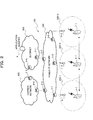
- the femto base stations 1-1 to 1-3 service the cover areas 200-1 to 200-3, respectively.
- the gateway apparatuses 3-8 and 3-9 connect the public IP network 300, and the femto base stations 1-2 and 1-3, respectively, and other elements are similar to the corresponding elements set forth above.
- the femto base stations 1 collect information related to the visiting states, the communication statuses, and the like, of the mobile stations 2, and analyze the collected information. Based on the result of the analysis, the femto base stations 1 autonomously deliver services/information to mobile stations 2, even when there is no such request from the mobile station 2, and prevent illegitimate use of the mobile stations 2.
- the visiting state and the communication status of the mobile station 2 may be referred to as the behavior of the mobile station 2 or pattern of behaviors of the mobile stations 2, or the state of the mobile stations 2 or the pattern of statuses of the mobile stations 2.
- each femto base station 1 analyzes the behavior of a mobile station 2 of a registered user, autonomously selects a service/information which the user probably wishes, based on the result of the analysis, and delivers the service/information to the mobile station 2, in the following steps (a1) to (e1). Further, the femto base station 1 also provides an enhanced security by detecting illegitimate use of the mobile station 2, based on the result of the analysis.
- steps (a1) to (e1) may be performed by selectively using or appropriately combining the steps. Further, for better understanding of the present embodiment, an overview of each step will be described, and the details will be provided later in the steps (a2) to (e2) described later.
- Each femto base station 1 collects and analyzes visiting states of user-registered mobile stations 2 in the cover area 200 serviced by the femto base station.
- the visiting states of the mobile stations 2 may be collected, by using call (paging) signals, which will be described later, for example.
- Each femto base station 1 collects the visiting state (visiting or absence) of each mobile station 2 in each time period in a certain time duration, and analyzes the visiting states of that mobile station 2.
- each femto base station 1 if a mobile station 2 of a registered use is receiving a service/information from the application server group 4 or the like via the local station 1, monitors the content of data sent and received between the mobile station 2 and the application server group 4 or the like.
- the femto base station 1 analyzes the service/information received by the mobile station 2 by collecting and accumulating the content of the data (such as address information included in the data) in each time period in a certain time duration.
- Each femto base station 1 manages the results of each analysis obtained in the above-described steps (a1) and (b1).
- the femto base station 1 classifies, for example, a behavior of a mobile station 2 that matches the result of the analysis as an "usual behavior" which is an legitimate and routine (usual) behavior of the mobile station 2, and other behaviors as "unusual behaviors" of the mobile station 2 which are illegitimate uses or irregular (unusual) uses of the mobile station 2.
- Each femto base station based on the result of the analysis of the communication status of a mobile station 2, autonomously collects and buffers services/information to be delivered to that mobile station 2.
- the femto base stations 1 then delivers the buffered services/information to that mobile station 2, in accordance with a schedule that is compliant with the result of the analysis on the communication statuses of the mobile station 2. For example, the femto base station 1 collects and buffers services/information routinely received by the mobile stations 2 in each time period from the application server group 4, prior to an access by the mobile station 2, and delivers the services/information to the mobile station 2 in the time period.
- the femto base station 1 can autonomously deliver a service/information requested by the mobile station 2 before the mobile station 2 request a delivery.
- Each femto base station 1 monitors a latest behavior of each mobile station 2, and determines whether or not the latest behavior (e.g., the visiting state and the communication status) of the mobile station 2 matches the usual behavior defined from the result of the analysis, based on the result of the analysis obtained in the above-described steps (a1) and (b1). It is noted that a behavior of the mobile station 2 includes the visiting state and the communication status of the mobile station 2, for example.
- the femto base station 1 monitors the behavior of each mobile station 2 in each time period, and determines whether or not that behavior is a behavior deviating from the result of the analysis, in other words, whether or not that behavior is an unusual behavior. If it is determined that the behavior of the mobile station 2 is an unusual behavior, the femto base station 1 then requests a user authentication, e.g., password authentication and biological authentication, to the mobile station 2. The femto base station 1 then determines whether or not the behavior is a legitimate behavior, based on the result of the user authentication.
- a user authentication e.g., password authentication and biological authentication
- each femto base station 1 can autonomously select and deliver information which the user probably wishes, using the above-described steps (a1) to (e1). Further, each femto base station 1 can autonomously detect and block illegitimate use of mobile terminals.
- the femto base stations 1 and the mobile stations 2 in this example may include the following configurations, for example.
- FIG. 3 is a diagram illustrating an example of the configuration of a femto base station 1 in accordance with an embodiment.
- the femto base station 1 depicted in FIG. 3 includes, a network interface 5, a location information manager 6, a service processor 7, a call processor 8, a femto location information transmitter 9, a data analyzer 10, and a data collector 11, for example.
- the femto base station 1 also includes the femto base stations 1 includes, a controller 12, a protocol processor 13, a protocol identifying unit 14, and a wireless interface 15, for example.
- the network interface 5 includes Layer 1 and Layer 2 communication interface functions for sending and receiving data between the femto base station 1 and the public IP network 300.
- the network interface 5 in this example is connected via a wire or wirelessly to the gateway apparatuses 3 provided in the public IP network 300, for example.
- the wireless interface 15 includes Layer 1 and Layer 2 communication interface functions for sending and receiving data between the femto base station 1 and mobile stations 2.
- the wireless interface 15 in this example is wirelessly connected to a wireless interface 16 of a mobile station 2 (refers to reference symbol 16 in FIG. 4 , for example).
- the femto location information transmitter 9 notifies the carrier network 400 of location information of the femto base station 1.
- the location information is sent to a radio network controller (RNC) in the carrier network 400, for example.
- RNC radio network controller
- the carrier can know location information of each femto base station 1. Since the carrier knows the location and the like of each femto base station 1, from the location information, the carrier can provide services/information to each femto base station 1 in a reliable manner.
- the location information manager 6 collects and manages information related to visiting states, based on the location information of mobile stations 2 of registered users. For example, when a mobile station 2 tries to commence a communication from a cover area 200 serviced by a femto base station 1, that mobile station 2 makes a location registration request to the femto base station 1 servicing the cover area 200.
- the location registration request is sent to the carrier, via the wireless interface 15, the location information manager 6, the network interface 5, and the public IP network 300.
- the location information manager 6 extracts identification information of the mobile station 2 included in that location registration request, and detects presence of the mobile station 2 corresponding to the identification information, for example. This can be done by femto base stations 1, by storing the identification information while relating it to the mobile station 2, upon user registration by the femto base station 1 or the carrier, for example.
- the location information manager 6 upon receiving the location registration request, sends a call signal to that mobile station 2 via the call processor 8, at regular or irregular intervals.
- the call signal may be a paging signal, for example.
- the location information manager 6 can detect and collect the visiting state of the mobile station 2 by determining whether a response signal to that call signal is received within a certain time period.
- the call processor 8 sends a call signal to a mobile station 2 of a registered user.
- a call signal is sent to the mobile station 2 in response to an instruction, using a control signal from the carrier network 400, or an instruction from the location information manager 6, for example. It is noted that each femto base station 1 does not have to know visiting states of mobile stations 2 in cover areas 200 serviced by other femto base stations 1.
- femto base station 1-1 depicted in FIG. 2 detects absence of any mobile stations 2 in the cover area of the femto base station 1-1, femto base station 1-1 does not have to be aware of whether mobile stations 2 are visiting in the cover area of the femto base station 1-2 or the femto base station 1-3. This applies to other femto base stations 1-2 and 1-3. It is noted that each femto base station 1 may be aware of the behaviors of mobile stations 2 by sharing information related to the visiting states of the mobile stations 2 via the carrier network 400 or the like.
- the protocol identifying unit 14 identifies the protocol type of data sent and received between a mobile station 2 and the application server group 4.
- the protocol type is identified based on the header section in the data, for example. If the protocol identifying unit 14 in this example determines that the protocol type of data is the Hypertext Transfer Protocol (HTTP) based on the header section in the data and the like, the protocol identifying unit 14 may copy that data and pass the copy to the protocol processor 13.
- HTTP Hypertext Transfer Protocol
- the protocol identifying unit 14 in this example may simply pass the data to the network interface 5 or the wireless interface 15.
- the protocol processor 13 encodes the content of data in the HTTP protocol sent and received between the mobile station 2 and the application server group 4.
- the protocol processor 13 then obtains address information (uniform resource locator: URL) of the application server group 4 being accessed by the mobile station 2.
- the protocol processor 13 sends the address information to the data collector 11, together with the time period when the address information is obtained.
- the protocol identifying unit 14 and the protocol processor 13 may extract the sender address information of data of a non-HTTP protocol, e.g., the File Transfer Protocol (FTP), for example.
- FTP File Transfer Protocol
- each femto base station 1 can analyze services/information received by the mobile stations 2 and perform an autonomous delivery control on the services/information.
- the data collector 11 collects information related to behaviors of the mobile stations 2. For example, the data collector 11 collects the visiting state of each mobile station 2 collected by the location information manager 6 and the communication status of each mobile station 2 collected by the protocol processor 13.
- the "communication status" includes the address information of the connection destination and the time period when the communication is carried out, for example.
- the collected information is stored in a database that is accessible from the data collector 11. It is noted that that database may be provided in the data collector 11, or may be provided inside or outside of each femto base station 1. Alternatively, the database may be shared by multiple femto base stations 1.
- the data collector 11 may update the records in the database when new information is collected, or the data collector 11 may delete (clear) the records in the database at regular or irregular intervals.
- the data analyzer 10 analyzes a pattern of behaviors (usual pattern of behavior) of each mobile station 2 (user), based on information collected by the data collector 11, e.g., the visiting state and the communication status. The results of the analyses are kept in a table maintained for each mobile station 2, for example.
- the data analyzer 10 in this example generates a behavior management table, which will be described later (refer to FIGS. 6 , 7 , and 11 , for example), based on the visiting states of the mobile station 2, for example.
- the data analyzer 10 in this example generates a service detail management table, which will be described later (refer to FIGS. 9 , 10 , and 12 , for example), based on the communication statuses of the mobile station 2, for example.
- the above-described tables are employed by the femto base stations 1 for behavioral assistance for users.
- the "behavioral assistance” refers to an autonomous and preemptive delivery of a service/information and an autonomous enhancement of security against illegitimate use of mobile stations 2, for example.
- the location information manager 6 has a function to determine whether the visiting state of the mobile station 2 is a usual behavior, based on the behavior management table generated by the data analyzer 10. For example, if the visiting state of the mobile station 2 detected by the location information manager 6 does not match records in the behavior management table, the location information manager 6 determines that the behavior is an unusual behavior, and notifies the controller 12 that the behavior of the mobile station 2 is an unusual behavior. If the visiting state of the mobile station 2 detected by the location information manager 6 matches a record in the behavior management table, the location information manager 6 determines that the behavior is an unusual behavior and may not notify the controller 12.
- the protocol processor 13 has a function to determine whether or not the communication status of the mobile station 2 is an usual behavior, based on the service content management table generated by the data analyzer 10. For example, if address information detected by the protocol processor 13 or the time period of the access does not match any of records in the service content management table, the protocol processor 13 determines that the behavior is an unusual behavior, and notifies the controller 12 that the behavior of the mobile station 2 is an unusual behavior. If connection destination address information of the mobile station 2 and the time period of that detected by the access the protocol processor 13 match records in the service content management table, the protocol processor 13 determines that the behavior is an usual behavior and may not notify the controller 12.
- the service processor 7 autonomously collects services/information to be accessed by a mobile station 2, based on the result of the analysis at the data analyzer 10, and delivers the services/information to the mobile station 2. For example, the service processor 7 autonomously obtains services/information to be delivered to the mobile stations 2 from the application server group 4 or the like, based on the records in the service content management table generated by the data analyzer 10.
- the service processor 7 then sends the obtained services/information to the mobile stations 2, in line with the schedule in accordance with the service content management table, for example.
- the controller 12 requests a user authentication to a mobile station 2, based on a notification as described above, from the location information manager 6 and/or protocol processor 13. For example, it is determined by the location information manager 6 and/or protocol processor 13 that mobile stations 2 made an unusual behavior, the controller 12 receives a notification that the behavior of the mobile station 2 is an unusual behavior. The controller 12 then requests a user authentication to the mobile station 2, or reports (notifies) the carrier network 400 that the behavior of the mobile station 2 is an unusual behavior, in case of misplacement or theft of that mobile stations 2. Alternatively, the carrier network 400, in response to receiving a notification that the behavior of the mobile station 2 is an unusual behavior, may request a user authentication to the mobile station 2.
- the controller 12 may restrict or prohibit use of the mobile station 2, or notify the carrier of the illegitimate use, for requesting the carrier to restrict or prohibit use of the mobile station 2, for example. Otherwise, if it is determined that the behavior of the mobile stations 2 was made by a legitimate user from the result of the user authentication, the controller 12 notifies the data analyzer 10 that the behavior of the mobile stations 2 is an usual behavior, for example. Thereby, the data analyzer 10 can reflect that behavior to the table record to update the information, thereby improving the accuracy of subsequent determinations.
- the femto base stations 1 in this example can request a user authentication to a mobile station 2 if the mobile station 2 makes a behavior deviate from the usual pattern of behaviors, thereby improving the security.
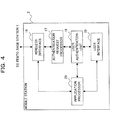
- the mobile stations 2 depicted in FIG. 4 includes, for example, a wireless interface 16, an authentication request processor 17, a user authentication unit 18, a user interface 19, and an application processor 20.
- the wireless interface 16 includes a communication interface function for sending and receiving data between the mobile station 2 and femto base stations 1.
- the wireless interface 16 in this example is wirelessly connected to a wireless interface 15 in a femto base station 1, for example.
- the user interface 19 includes an input interface function for receiving an input from the user and passing the input to the processors 18 and 20.
- Various types of input interfaces such as a sound input interface, a key input interface, and an image/video input interface, for example, may be used as the user interface 19 in this example.
- the application processor 20 executes a variety of application processing when the mobile station 2 makes a voice call or a data (e.g., packet) communication.
- the application processing is provided by application programs and the operating system (OS) installed in the mobile station 2, for example. It is noted that the application processor 20 in this example may include a user authentication function.
- OS operating system
- the wireless interface 16 and the application processor 20 in this example function as an example of a receiver that receives a service/information delivered from a femto base station 1.
- the authentication request processor 17 receives a user authentication request from a femto base station 1 or the carrier network 400, and requests user authentication processing to the user authentication unit 18. Further, the authentication request processor 17, when receiving a result of the user authentication from the user authentication unit 18, sends the result to the femto base stations 1 or the carrier network 400.
- the authentication request processor 17 in this example functions as an example of a transmitter that sends the result of the authentication at user authentication unit to the femto base station 1.
- the user authentication unit 18 performs user authentication processing, based on the user authentication processing request from the authentication request processor 17.
- a password authentication or a biological authentication may be performed as the user authentication processing, as discussed above.
- the user authentication unit 18 in response to receiving a user authentication request from the authentication request processor 17, prompts a user to supply a password or biological information via the user interface 19, and performs user authentication processing based on the supplied input.
- the user authentication function may be provided by the user authentication unit 18 or the application processor 20.
- the femto base station 1 can restrict or prohibit use of the mobile station 2 based on the determination. This can lead to prevention of illegitimate use of the mobile station 2, and enhancement of the security in the communication system 100. Next, an example the operation of the communication system 100 in this example will be described.
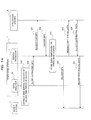
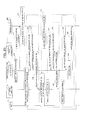
- a femto base station 1 analyzes the visiting state of each mobile station 2 by collecting the visiting state (visiting or absence) of the mobile station 2 in each time period in a certain time duration by using a call signal, for example.
- Step S1 the location information manager 6 obtains the terminal identifier of the mobile station 2 included in that location registration request (Step S2). The location information manager 6 then confirms presence of the mobile station 2 corresponding to the obtained the terminal identifier (Step S3), and notifies the data collector 11 of a visiting state indicating that the mobile station 2 is visiting in the cover area of the femto base station 1 (Step S4).
- the visiting state may also include information related to the time period when the mobile station 2 is visiting, for example.
- the data collector 11 then stores the visiting state sent from the location information manager 6 in a database, thereby updating the records in the database (Step S5). Further, the location information manager 6 makes a location registration request for the mobile stations 2 to the carrier network 400, based on the location registration request from the mobile station 2 (Step S6). This can enable the carrier network 400 to start managing and controlling the mobile station 2, and delivery of services/information to that mobile station 2.
- Step S7 a series of location registration processing is performed among the mobile station 2, the femto base station 1, and the carrier network 400 (Step S7), the details of which are omitted here.
- the location information manager 6 makes a call request to the call processor 8 at regular or irregular intervals (Step S8).
- the call processor 8 In response to receiving the call request, the call processor 8 sends a call (paging) signal to the mobile station 2 (Step S9). If the mobile station 2 is visiting in the cover area of the femto base station 1 in the time period when the call processor 8 makes the call signal, the mobile station 2 can receive that call signal. In response to receiving call signal, the mobile station 2 sends a response signal (paging response) for the call signal, to the call processor 8 (Step S10).
- the call processor 8 Upon receiving the response signal from the mobile station 2, the call processor 8 notifies the location information manager 6 of visiting of the mobile station 2 (Step S11). Otherwise, if the mobile station 2 is absent in the cover area of the femto base station 1 in the time period when the call processor 8 makes the call signal, the mobile station 2 cannot receive that call signal. For that reason, the mobile station 2 does not send a response signal even after a certain time duration elapses.
- the call processor 8 determines that the mobile station 2 did not respond (Step S10). The call processor 8 then determines that the mobile station 2 is absent based on absence of response from the mobile station 2, and notifies the location information manager 6 of absence of the mobile station 2 (Step S11).
- the location information manager 6 notifies the data collector 11 of the visiting state (visiting or absence) of the mobile station 2 in the time period when the call signal was sent, based on the notification of visiting or absence sent from the call processor 8 (Step S12).
- the data collector 11 stores, in a database, information related to the visiting state of the mobile station 2, based on the visiting state (visiting or absence) sent from the location information manager 6, to update the database (Step S13).
- Step S8 to S13 by repeating the above-described Steps S8 to S13 by the femto base station 1 and the mobile station 2, it is possible to collect the pattern of behaviors (visiting states) of the mobile station 2 in a certain time period (e.g., a day, a week, a month, a year). It is noted that the certain time period may be set by the carrier network 400, or may be set to the femto base stations 1 by an administrator, for example.
- a certain time period e.g., a day, a week, a month, a year.
- the data collector 11 then notifies the data analyzer 10 of the visiting state collected from the location information manager 6 (Step S14).
- the data collector 11 may collectively notify the data analyzer 10 of the collected visiting states in a batch, after certain time duration, or a visiting state of the mobile station 2 may be notified every time that visiting state is collected.
- the data analyzer 10 analyzes a pattern of a behavior (visiting or absence) of the mobile station 2 (usual pattern of behavior) based on the visiting state notified from the data collector 11, in accordance with a predetermined rule, and generates a behavior management table from the result of the analysis (Step S15).
- the behavior management table is a table indicating the visiting states of the mobile station 2 in each time period in certain time duration. As set forth above, a behavior of a mobile station 2 that matches a record in the behavior management table is classified as an usual behavior, while other behaviors are classified as unusual behaviors.
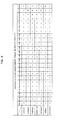
- FIG. 6 an example of the behavior management table is depicted in FIG. 6 .
- the visiting states of the mobile station 2-1 in each time period in a week are maintained. That is, in the example depicted in FIG. 6 , the femto base station 1 collects and analyzes the visiting state of the mobile station 2-1 by sending a call signal to the mobile station 2-1 every hour.
- This behavior management table illustrated in FIG. 6 indicates that the mobile station 2-1 was absent from 8 : 00 to 18: 59 from Monday through Thursday, from 8:00 to 22:59 on Friday, and from 13:00 to 23:59 on Saturday.
- the behavior management table also indicates that the mobile station 2-1 was visiting in the cover area 200 serviced by the femto base station 1 in the other time periods.
- the femto base station 1 may also have similar behavior management tables for the other mobile stations 2-2 and 2-3, for example. Further, the behavior management table depicted in FIG. 6 is merely exemplary, and the certain time period and the timing when to send call signals described above may be modified where appropriate. Alternatively, the femto base stations 1 may use a behavior management table as depicted in FIG. 7 .
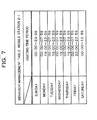
- This behavior management table illustrated in FIG. 7 records time periods when the mobile station 2-1 was visiting on each day of a week. It is noted that the behavior management table depicted in FIG. 7 is merely exemplary, and time periods when the mobile station 2 is absent may be recorded, for example. The size of data stored in the femto base stations 1 can be reduced by designing an efficient behavior management table.
- the femto base stations 1 monitor data sent and received between the mobile stations 2 and the application server group 4, collect address information included in the data and the time period when the data is exchanged, and analyze details of services/information provided to the mobile stations 2. Firstly, once a series of processing related to the above-described location registration request completes, as illustrated in FIG. 8 , the mobile station 2 is connected to the carrier network 400 via the femto base station 1, which enables the mobile station 2 to perform a data communication with the application server group 4 (Step S40).
- the protocol identifying unit 14 identifies the protocol type of data sent or received by the mobile station 2 (Step S41). It is noted that the protocol type may be identified, based on information (e.g., protocol header) included in the header section in the data, for example. If the protocol type of the data sent or received by the mobile station 2 is identified as the HTTP, the protocol identifying unit 14 copies the data and passed the copied data to the protocol processor 13 (Step S42).
- the protocol identifying unit 14 copies the data and passed the copied data to the protocol processor 13 (Step S42).
- the protocol processor 13 In response to receiving the data from the protocol identifying unit 14, the protocol processor 13 encodes the content of the data to obtain the sender (or destination) address information in the data (Step S43). Thereby, the femto base station 1 can obtain the address of the application server to which the mobile station 2 connects, or the URL of the services/information received by the mobile station 2, for example.
- the protocol processor 13 then notifies the data collector 11 of the obtained address information, together with the obtained time period (Step S44). Otherwise, if the protocol type of the data sent or received by the mobile station 2 is a non-HTTP protocol, the protocol identifying unit 14 passes the data to the mobile station 2 or the application server group 4, via the interface 5 or 15, respectively (Step S45).
- the data collector 11 can collect, analyze, and maintain the communication status of the mobile station 2 in each time period in a certain time duration.
- the processing in the above-described Steps S41 to S45 may be repeated at regular or irregular intervals, while the mobile station 2 and the application server group 4 communicate with each other (Step S46).
- the protocol processor 13 determines that the communication has ended (Step S47).
- the protocol processor 13 notifies the data collector 11 of the completion of the communication (Step S48).
- the data collector 11 In response to being notified of the completion of the communication, the data collector 11 notifies the data analyzer 10 of the address information and the information related to the time period collected from the protocol processor 13.
- the data collector 11 may collectively notify the data analyzer 10 of the corrected address information and information related to the time periods in a batch, after completion of the communication, or the address information and information related to the time period may be notified every time the information is collected.
- the data analyzer 10 analyzes a pattern of details of services and information (e.g., the connection destination address and the connection time period) provided to the mobile station 2, based on the address information and the information related to the time period notified from the data collector 11. The data analyzer 10 then generates a service content management table based on the result of the analysis. As set forth above, a behavior of a mobile station 2 that matches a record in the service content management table is classified as an usual behavior, while other behaviors are classified as unusual behaviors. It is noted that behaviors of the mobile station 2 as used herein mean the communication status of the mobile station 2, for example.
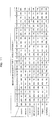
- FIG. 9 an example of the service content management table is depicted in FIG. 9 .
- the communication statuses of the mobile station 2-1 in each time period in a week are recorded.
- This service content management table illustrated in FIG. 9 indicates that the mobile station 2-1 receives a particular service (Web Service A) from 7:00 to 7: 59 on Monday through Friday, and from 20:00 to 21:59 on Monday through Thursday.
- the service content management table illustrated in FIG. 9 also indicates that the mobile station 2-1 receives another service (Web Service C) from 19:00 to 19:59 on Monday through Thursday.
- the table also indicates that the mobile station 2-1 receives a further service (Web Service B) from 22:00 to 22:59 on Monday through Thursday, and from 23:00 to 23:59 on Fridays.
- the types of the web services listed in the above tables may be classified based on the URLs, or based on the service types.
- the femto base station 1 may also have similar service content management tables for the other mobile stations 2-2 and 2-3, for example. It is noted that the service content management table depicted in FIG. 9 is merely exemplary, and the time duration and the time period for monitoring the communication status of the mobile station 2 may be modified where appropriate.
- the femto base stations 1 may have a service content management table as depicted in FIG. 10 .
- the "xxx.xxx.xxx.xxx” in the web server address information indicates the URL of the application server providing the Web Service A.
- the "yyy.yyy.yyy.yyyyyyy” indicates the URL of the application server providing the Web Service B
- the "zzz.zzz.zzz.zzz” indicates the URL of the application server providing the Web Service C.
- the size of data stored in the femto base stations 1 can be reduced by designing an efficient service content management table.
- the femto base stations 1 maintain behavior management tables and/or service content management tables as described above, and autonomously deliver services/information to the mobile stations 2 or enhance the security by detecting illegitimate use of the mobile stations 2, based on the records in the tables.
- the femto base stations 1 may perform the above-described processing using the obtained tables without modifying the tables, or after modifying the tables. Variations of tables are illustrated in FIGS. 11 and 12 .
- FIG. 11 is an example of a behavior management table that records the probabilities of visiting of a mobile station 2 in each time period in certain time duration.
- the femto base station 1 can collect the visiting states of the mobile station 2 for a middle to longer term, for example, and calculate the probability of visiting of the mobile station 2 in each time period in a certain time duration through a statistical analysis. Thereby, the femto base station 1 can predict that the mobile station 2 is visiting in a time period if the probability of visiting is equal to or greater than a predetermined threshold, while predict that the mobile station 2 is not visiting in a time period if the probability of visiting is smaller than the predetermined threshold.
- the femto base station 1 may update the records in the tables based on information related to visiting states collected by the data collector 11. This can help to improve the precision of prediction of the visiting state of the mobile station 2.
- the femto base station 1 may maintain the probability (or ratio) of usage of services/information by the mobile station 2 in each time period in a certain time duration, in the service content management table.
- the example depicted in FIG. 12 illustrates the probability (or ratio) of usage of the Web Service A by the mobile station 2-1 in each time period in a certain time duration.
- the femto base station 1 can calculate the probability (ratio) of the services by the mobile station 2 in each time period through a statistical analysis. Thereby, the femto base station 1 can determine that the probability that the mobile station 2 uses a particular service (e.g., Service A) is high when the probability of usage of that service is equal to or greater than a predetermined threshold, and collect data related to that service, preemptively to a request from the mobile station 2.
- a particular service e.g., Service A
- the femto base station 1 may also collect data related to that service. Further, the femto base station 1 may maintain a service content management table for each service as illustrated in FIG. 12 , for other mobile stations 2.
- FIGS. 11 and 12 may be modified as depicted in FIGS. 7 and 10 , respectively.
- the femto base station 1 autonomously collects services/information to be delivered to the mobile station 2 based on the record in the service content management table, for example, and delivers the collected services/information preemptively to an access request from the mobile station 2.
- the femto base station 1 collects the communication status of the mobile station 2 (e.g., address information and the access time), as described in the above step (b2). The femto base station 1 then records and maintains the communication status of the mobile station 2 (usage state of the services/information) in a service content management table, as described in the above step (c2). Next, the femto base station 1 autonomously collects services/information to be delivered to the mobile station 2 from the application server group 4 or the like, based on the usual pattern of behaviors of the mobile station 2 recorded in the service content management table.
- the communication status of the mobile station 2 e.g., address information and the access time
- the femto base station 1 records and maintains the communication status of the mobile station 2 (usage state of the services/information) in a service content management table, as described in the above step (c2).
- the femto base station 1 autonomously collects services/information to be delivered to the mobile station 2 from the application server group 4 or the like,
- the data analyzer 10 extracts the web service accessed by the mobile station 2 and the time period of the access based on the service content management table (Step S49), and notifies the service processor 7 of the extracted information (Step S50).
- the service processor 7 requests the application server group 4 for information for the web service, via the network interface 5 (Step S51).
- the application server group 4 sends the requested information to the service processor 7 (Step S52).
- the femto base station 1 buffers data autonomously collected from the application server group 4 or the like, and delivers the data to the mobile station 2 in a time period when the data is to be delivered, based on the service content management table. Specifically, as illustrated in FIG. 14 , the femto base station 1 temporarily stores the information collected by the service processor 7 from the application server group 4, into the buffer provided in that femto base station 1 (Step S53).
- the service processor 7 finds the particular time period when the information is to be delivered, from a record in the service content management table, and delivers the information to the mobile station 2 in that specific time period, via the wireless interface 15 (Step S54). Further, once the data communication with the user is commenced, the femto base station 1 accesses the application server group 4 and determines whether or not the data has been updated. If it is determined that the data has been updated, the femto base station 1 may obtain a difference from the data collected by the femto base station 1 and data updated in the application server group 4 and deliver the difference to the mobile station 2.
- the service processor 7 requests difference data from the collected information, to the application server group 4 (Step S55).
- the application server group 4 delivers the difference data to the service processor 7 (Step S56).
- the service processor 7 delivers, to the mobile station 2, the difference data delivered from the application server group 4 (Step S57).
- the femto base station 1 may inquire the mobile station 2 as to whether to deliver the collected information. In response to the inquiry from the femto base station 1, the mobile station 2 may respond as to whether to receive the information corrected by the femto base station 1. As described above, in this example, since the femto base station 1 autonomously collects and deliver services/information based on a usual pattern of behaviors of the mobile station 2, the user do not have to do any operations or procedures to receive the services/information.
- the femto base station 1 can collect the information in a time period when the network is not congested or collect some parts of information in multiple time periods. This can help to reduce the network traffic.
- each femto base station 1 determines whether or not a behavior of a mobile station 2 (e.g., visiting state and communication status) is a usual behavior based on each result of the analysis managed in, step (c1).
- a behavior of a mobile station 2 e.g., visiting state and communication status
- the femto base station 1 determines that the behavior of the mobile stations 2 is not a usual behavior (i.e., is an unusual behavior)
- the femto base station 1 requests a user authentication to the mobile station 2 to check whether that behavior is done by an legitimate user (registered user) (whether or not the behavior is legitimate).
- the femto base station 1 determine whether or not behavior of the mobile stations 2 (latest measurement result) is an unusual behavior, based on records in the management table and the service content management table, the scenarios as depicted in FIG. 15 are possible.
- the visiting state of a mobile station 2 determined by a call signal is visiting in the time period when the record in the behavior management table is "visiting"
- the femto base station 1 can determine that the visiting state of the mobile station 2 is a usual behavior. Therefore, the femto base station 1 then determines whether or not the behavior of the mobile station 2 is an unusual behavior, based on the record in the service content management table.
- the femto base station 1 can determine that the mobile station 2 is not illegitimately used and the behavior of the mobile station 2 is a usual behavior (Scenario 1). For example, even when the femto base station 1 detects data being sent or received by the mobile station 2, if the content of the data matches a record in the service content management table, the femto base station 1 can conclude that the mobile station 2 is not illegitimately used and the behavior of the mobile station 2 is a usual behavior (Scenario 2).
- the femto base station 1 determines that the behavior is a usual behavior. Otherwise, if the content of data being sent or received by the mobile station 2 does not match any of records in the service content management table, the femto base station 1 can conclude that the mobile station 2 is illegitimately used and the behavior of the mobile station 3 is an unusual behavior (Scenario 3).
- the femto base station 1 determines that the behavior is an unusual behavior. Further, as in Scenario 4 in FIG. 15 , the visiting state of a mobile station 2 determined by a call signal is absent in the time period when the record in the behavior management table is "visiting", the femto base station 1 can determine that the behavior (visiting state) of the mobile station 2 is an unusual behavior.
- the visiting state of a mobile station 2 determined by a call signal is visiting in the time period when the record in the behavior management table is "absent", the femto base station 1 can determine that the behavior (visiting state) of the mobile station 2 is an unusual behavior. That is, in the above-described Scenarios 5 to 7, the femto base station 1 can determine that the behavior of the mobile station 2 is an unusual behavior, irrespective of the communication status of the mobile station 2.
- the visiting state of a mobile station 2 determined by a call signal is absent in the time period when the record in the behavior management table is "absent", the femto base station 1 can determine that the behavior (visiting state) of the mobile station 2 is a usual behavior. Since the mobile station 2 is absent in this case, the femto base station 1 cannot detect communication data of that mobile station 2 as a matter of course.
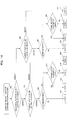
- the femto base station 1 determines whether the usual pattern of behaviors (visiting state) of the mobile station 2 in the present time period is visiting or absent, based on the behavior management table (Step S58).
- the femto base station 1 determines the actual visiting state of the mobile station 2 by sending a call signal and responding a response, for example (Step S59). If the actual visiting state of the mobile station 2 is determined as absent in this step (the "absent" route in Step S59), the femto base station 1 determines that the actual behavior of the mobile station 2 is an unusual behavior (Scenario 4) since this determination does not match records in the behavior management table (Step S65).
- the femto base station 1 determines whether or not the mobile station 2 is communicating (Step S60). If it is determined that the mobile stations 2 is not communicating (the NO route in Step S60), the femto base station 1 determines that the actual behavior of the mobile station 2 is a usual behavior (Scenario 1) (Step S61).
- the femto base stations 1 determines whether or not the content of that communication matches a record in the service content management table (usual pattern of behavior) (Step S62). If it is determined that the content of the communication by the mobile station 2 matches a record in the service content management table (usual pattern of behavior) (the YES route in Step S62), the femto base station 1 determines that the actual behavior of the mobile station 2 is a usual behavior (Scenario 2) (Step S63).
- the femto base station 1 determines that the actual behavior of the mobile station 2 is an unusual behavior (Scenario 3) (Step S64). Further, if it is determined that the visiting state of the mobile station 2 in that time period is absent in Step S58 (the "absent" route in Step S58), the femto base station 1 determines the actual visiting state of the mobile station 2 to determine whether the mobile station 2 is visiting or absent (Step S66).
- the femto base station 1 determines that the actual behavior of the mobile station 2 is a usual behavior (Scenario 8) since this determination matches a record in the behavior management table (Step S72). Otherwise, if the actual visiting state of the mobile station 2 is determined as visiting (the "visiting" route in Step S66), the femto base station 1 then determines whether or not the mobile station 2 is communicating (Step S67).
- Step S67 If it is determined that the mobile station 2 is not communicating (the NO route in Step S67), the femto base station 1 determines that the actual behavior of the mobile station 2 is an unusual behavior (Scenario 5) (Step S68). Further, if it is determined that the mobile station 2 is communicating (the YES route in Step S67), the femto base station 1 then determines whether or not the content of that communication matches a record in the service content management table (usual pattern of behavior) (Step S69).
- the femto base station 1 determines that the actual behavior of the mobile station 2 is an unusual behavior (Scenario 6) (Step S70). Otherwise, if it is determined that the content of the communication by the mobile station 2 does not match any of records in the service content management table (usual pattern of behavior) (the NO route in Step S69), the femto base station 1 determines that the actual behavior of the mobile station 2 is an unusual behavior (Scenario 7) (Step S71).
- Step S65 the processing in Steps S66 to S70 may be omitted. Further, since the behavior management table and the service content management table are not available until a certain time period elapses, the femto base station 1 cannot determine whether or not the behavior of the mobile stations 2 is a usual behavior until the time period elapses.
- the femto base station 1 may determine all behaviors of the mobile stations 2 as unusual behaviors before the certain time period elapses and request a user authentication. Further, for example, the femto base station 1 may determine all behaviors of the mobile stations 2 as usual behaviors before the certain time period elapses, and the femto base station 1 may not request a user authentication.
- the visiting state is determined in the above-described determination processing will be described with reference to FIGS. 17 and 18 .
- the example depicted in FIG. 17 is the case where a record in the behavior management table (usual behavior) is visiting in a certain time period. Firstly, as depicted in FIG. 17 , the location information manager 6 requests the data analyzer 10 for results of the analysis (details of behavior) on the behavior of a mobile station 2 in the present time period (Step S16), for example.
- the data analyzer 10 extracts the visiting state of the mobile station 2 in the time period corresponding to the behavior detail request from the behavior management table (Step S17), and notifies the location information manager 6 of the visiting state (e. g. , visiting) (Step S18).
- the location information manager 6 sends a call request to the call processor 8 (Step S19) .
- the call processor 8 sends a call signal to the mobile station 2 (Step S20).
- the mobile station 2 if the mobile station 2 is visiting in the cover area of the femto base station 1 when the call signal is sent, the mobile station 2 sends a response signal to the call processor 8 (Step S21). Upon receiving the response signal from the mobile station 2, the call processor 8 notifies the location information manager 6 of the visiting state (visiting) (Step S22).
- the location information manager 6 confirms visiting of the mobile station 2 in that time period, determines that the record in the behavior management table is correct, and does not update the visiting state (Step S23). Otherwise, if the mobile station 2 is not visiting the cover area of the femto base station 1 when the call signal is sent, the mobile station 2 cannot send a response signal to the call processor 8.
- the call processor 8 determines that the mobile station 2 did not respond. In other words, the call processor 8 determines that the mobile stations 2 has moved out of the cover area 200 of the femto base station 1 Then upon determining that the mobile station 2 did not respond, the call processor 8 notifies the location information manager 6 of the visiting state (absent) (Step S25). It is noted that the visiting state (absence) may include the time period when it is determined that the mobile station 2 is absent, for example.
- the location information manager 6 detects the absence of the mobile station 2 in that time period (Step S26). Since the detail of behavior of the mobile station 2 does not match records in the behavior management table, the location information manager 6 determines that the behavior is an unusual behavior and notifies the controller 12 that the behavior of the mobile station 2 is an unusual behavior (Step S27). The controller 12 determines legitimacy of the unusual behavior, as will be described later.
- the example depicted in FIG. 18 is the case where a record in the behavior management table (usual behavior) is absent in a certain time period.
- the location information manager 6 requests the data analyzer 10 for results of the analysis (details of behavior) of the behavior of a mobile station 2 in the present time period (Step S28), for example.
- the data analyzer 10 extracts the visiting state of the mobile station 2 in the time period corresponding to the behavior detail request from the behavior management table (Step S29), and notifies the location information manager 6 of the visiting state (e.g., absent) (Step S30).
- the location information manager 6 sends a call request to the call processor 8 (Step S31)
- the call processor 8 sends a call signal to the mobile station 2 (Step S32).
- the mobile station 2 if the mobile station 2 is visiting in the cover area of the femto base station 1 when the call signal is sent, the mobile station 2 sends a response signal to the call processor 8 (Step S33).
- the call processor 8 Upon receiving the response signal from the mobile station 2, the call processor 8 notifies the location information manager 6 of the visiting state (visiting) (Step S34). Thereby, the location information manager 6 detects the visiting of the mobile station 2 in that time period (Step S35). Since the detail of behavior of the mobile station 2 does not match records in the behavior management table, the location information manager 6 determines that the behavior is an unusual behavior and notifies the controller 12 that the behavior of the mobile station 2 is an unusual behavior (Step S36).
- the call processor 8 determines that the mobile station 2 did not respond. In other words, the call processor 8 determines that the mobile station 2 is outside the cover area 200 of the femto base station 1. Then upon determining that the mobile station 2 did not respond, the call processor 8 notifies the location information manager 6 of the visiting state (absent) (Step S38). It is noted that the visiting state (absence) may include the time period when it is determined that the mobile station 2 is absent, for example.
- the location information manager 6 confirms absence of the mobile station 2 in that time period, determines that the record in the behavior management table is correct, and does not update the visiting state (Step S39). It is noted that the femto base station 1 can identify the communication status of the mobile station 2 (the details of the services/information received by the mobile station 2) by executing processing similar to the processing illustrated in FIGS. 17 and 18 .
- the record in the behavior management table (usual pattern of behavior) is visiting and the actual visiting state of a mobile station 2 is also visiting, but the communication status of the mobile station 2 does not match any of records in the service content management table.
- the possible behaviors of the mobile station 2 are: (i) a new behavior different from any of usual patterns of behaviors, or (ii) illegitimate use of the mobile station 2.
- the femto base station 1 requests a user authentication to the mobile station 2, for example. If the user authentication indicates that the user is legitimate, the femto base station 1 determines that the unusual behavior of the mobile station 2 is a new usual behavior and updates the usual pattern of behavior to reflect the detail of the new usual behavior, for example. Otherwise, if the user authentication indicates that the user is illegitimate, the femto base station 1 determines that the mobile station 2 is illegitimately used, limits or prohibits use of the mobile station 2, or notifies the carrier network 400 of the detection of the unusual behavior of the mobile station 2, for example.
- each femto base station 1 can detect illegitimate use of the mobile station 2 by checking whether a notification has been made from any of the femto base stations 1 to the carrier network 400.
- the possible behaviors of the mobile station 2 are: (i) a new behavior different from any of usual patterns of behaviors, or (ii) theft of the mobile station 2. Therefore, the femto base station 1 requests a user authentication to the mobile station 2, for example. If the user authentication indicates that the user is legitimate, the femto base station 1 determines that the unusual behavior of the mobile station 2 is a new usual behavior and updates the usual pattern of behavior to reflect the detail of the new usual behavior, for example.
- the femto base station 1 determines that the mobile station 2 has been stolen, limits or prohibits use of the mobile station 2, or notifies the carrier network 400 of the detection of the unusual behavior of the mobile station 2, for example. Thereby, each femto base station 1 can detect illegitimate use or theft of the mobile station 2 by checking whether a notification has been made from any of the femto base stations 1 to the carrier network 400.
- the record in the behavior management table (usual pattern of behavior) is absent and the actual visiting state of the mobile station 2 is visiting.
- the possible behaviors of the mobile station 2 are: (i) a new behavior different from any of usual patterns of behaviors, or (ii) misplacement of the mobile station 2 by a user.
- the femto base station 1 sends a response request to the mobile station 2, prompting the user to respond, for example. If the femto base station 1 receives a response from the mobile station 2, the femto base station 1 can determine that the unusual behavior of the mobile station 2 is a new usual behavior and updates the usual pattern of behavior in each table to reflect that new usual behavior.
- the femto base station 1 determines that the mobile station 2 is possibly misplaced and notifies the carrier network 400 of the detection of the unusual behavior of the mobile station 2, for example. If another mobile station 2 receives a call from the misplaced mobile station 2, the carrier network 400 can notify that mobile station 2 of the detection of the unusual behavior of the mobile station 2. It is noted that the notification may be made by femto base stations 1.
- the record in the behavior management table (usual pattern of behavior) is absent and the actual visiting state of the mobile station 2 is visiting, and the communication status of the mobile station 2 matches a record in the service content management table (the behavior is a usual behavior).
- the possible behavior of the mobile station 2 in this case is: (i) a new behavior different from any of usual patterns of behaviors.
- the femto base station 1 requests a user authentication to the mobile station 2, for example. If the user authentication indicates that the user is legitimate, the femto base station 1 determines that the unusual behavior of the mobile station 2 is a new usual behavior and updates the usual pattern of behavior to reflect the detail of the new usual behavior, for example. Otherwise, if the user authentication indicates that the user is illegitimate, the femto base station 1 determines that the mobile station 2 is illegitimately used, limits or prohibits use of the mobile station 2, or notifies the carrier network 400 of the detection of the unusual behavior of the mobile station 2, for example.
- each femto base station 1 can detect illegitimate use of the mobile station 2 by checking whether a notification has been made from any of the femto base stations 1 to the carrier network 400.
- the record in the behavior management table (usual pattern of behavior) is absent and the actual visiting state of the mobile station 2 is visiting, and the communication status of the mobile station 2 does not match any of records in the service content management table (the behavior is an unusual behavior).
- the possible behaviors of the mobile station 2 are: (i) a new behavior different from any of usual patterns of behaviors, or (ii) theft/illegitimate use of the mobile station 2. Therefore, the femto base station 1 requests a user authentication to the mobile station 2, for example. If the user authentication indicates that the user is legitimate, the femto base station 1 determines that the unusual behavior of the mobile station 2 is a new usual behavior and updates the usual pattern of behavior to reflect the detail of the new usual behavior, for example.
- the femto base station 1 determines that the mobile station 2 has been stolen or illegitimately used, limits or prohibits use of the mobile station 2, or notifies the carrier network 400 of the detection of the unusual behavior of the mobile station 2, for example. Thereby, each femto base station 1 can detect theft/illegitimate use of the mobile station 2 by checking whether a notification has been made from any of the femto base stations 1 to the carrier network 400.
- a femto base station 1 detects an unusual behavior of a mobile station 2, based on contents in each table and the actual behavior of the mobile station 2.
- the femto base station 1 requests a user authentication to the mobile station 2. If it is concluded that the behavior of the mobile stations 2 is an unusual behavior (e.g., illegitimate use) in the user authentication, the femto base station 1 notifies the carrier network 400 of the detection of the unusual behavior.
- femto base station 1 detects an unusual behavior of the mobile station 2, based on contents in each table and the actual behavior of the mobile station 2, that femto base station 1 checks whether the above-described notification has been made to the carrier network 400 from any of from the femto base stations 1. Since that femto base station 1 can determine theft /illegitimate use of the mobile station 2 without requiring a user authentication to the mobile stations 2, the efficiency of the processing can be enhanced.
- a controller 12 detects an unusual behavior of a mobile station 2 (e.g., a new behavior or illegitimate use) (Step S73). The controller 12 then inquires the carrier network 400 whether a notification of that unusual behavior of the mobile station 2 has been made from any of the other femto base stations 1 (Step S74). In response to the inquiry request from the controller 12, the carrier network 400 checks whether a notification (report) has been made from any of the other femto base stations 1 of the unusual behavior of the mobile station 2 (Step S75).
- an unusual behavior of a mobile station 2 e.g., a new behavior or illegitimate use
- the carrier network 400 notifies the controller 12 (Step S76) of the legitimacy of the behavior.
- the controller 12 determines that the behavior of the mobile station 2 is a new behavior by a legitimate user, and notifies the data collector 11 of the detail of behavior (e.g., visiting state, and details of services/information) (Step S77).
- the data collector 11 Upon notified the detail of behavior from the controller 12, the data collector 11 notifies the data analyzer 10 of the detail of behavior and updates the usual pattern of behavior of the mobile station 2 (records in each table) (Step S78). Otherwise, if no notification (report) has been made from any of the other femto base stations 1 of the unusual behavior of the mobile station 2, the carrier network 400 requests a user authentication to the mobile station 2 (Step S79). It is noted that this user authentication request may be made by the femto base station 1 which is notified that no report has been made.
- the carrier network 400 notifies the controller 12 that the behavior of the mobile station 2 detected by the controller 12 is legitimate (Step S80).
- the controller 12 determines that the behavior of the mobile station 2 is a new behavior by a legitimate user, and notifies the data collector 11 of the detail of behavior (e.g., visiting state, and details of services/information) (Step S81).
- the data collector 11 Upon notified the detail of behavior from the controller 12, the data collector 11 notifies the data analyzer 10 of the detail of behavior and updates usual pattern of behaviors of the mobile station 2 (records in each table) (Step S82). Otherwise, if it is determined that the behavior of the mobile station 2 detected by the controller 12 is illegitimate in the user authentication, the carrier network 400 notifies the controller 12 that the behavior of the mobile station 2 detected by the controller 12 is not legitimate (Step S83).
- the controller 12 then limits use of the mobile station 2 (for example, by blocking any access from the mobile station 2), or prohibits use of the mobile station 2 (Step S84). It is noted that the limitation and prohibition may be done by the carrier network 400. Subsequently, the controller 12 notifies the carrier network 400 that the behavior of the mobile station 2 is an unusual behavior (Step S85). It is noted that this notification may be done by the controller 12 when the controller 12 detects the unusual behavior of the mobile station 2.
- Step S86 when the controller 12 detects an unusual behavior of the mobile station 2 (e.g., misplacement) (Step S86), the mobile station 2 is notified of the detection of the unusual behavior (Step S87) and is requested to respond (Step S87). In this case, if the mobile station 2 responds during a certain time period (Step S88), the controller 12 determines that the behavior of the mobile station 2 is a new behavior by a legitimate user and notifies the data collector 11 of the detail of behavior (visiting state) (Step S89).
- the data collector 11 Upon notified the detail of behavior from the controller 12, the data collector 11 notifies the data analyzer 10 of the detail of behavior and updates usual pattern of behaviors of the mobile station 2 (records in the behavior management table) (Step S90). The controller 12 may further notify the carrier network that the unusual behavior is legitimate (Step S91).
- Step S92 determines that the mobile station 2 has been misplaced by the user (Step S93) and notifies the carrier network 400 of the possible misplacement of the mobile station 2 (Step S94). If another mobile station 2 receives a call from the misplaced mobile station 2, the carrier network 400 can notify that mobile station 2 of the possible misplacement of the calling mobile station 2.
- the carrier network 400 in this example includes a database (unusual behavior management table) that stores information on unusual behaviors reported from multiple femto base stations 1.
- a database unusual behavior management table
- FIG. 22 an example of the unusual behavior management table is depicted in FIG. 22 .
- the unusual behavior management table illustrated in FIG. 22 stores the terminal identifier of a mobile station 2 that makes an unusual behavior, the time when each femto base station 1 detects that unusual behavior, and legitimacy of that unusual behavior which is determined based on a user authentication or the like, each item being related to each other.
- the carrier network 400 can notify the result of the determination as to legitimacy of an unusual behavior of the mobile station 2 reported from another femto base station 1, in response to a request from a femto base station 1.
- the femto base station 1 can determine legitimacy of the behavior of the mobile station 2, based on the result of the determination as to legitimacy of the unusual behavior of the mobile station 2 reported from another femto base station 1, without requesting a user authentication to that mobile station 2. This helps to further simplify operations and procedures by the users.
- femto base stations 1, mobile stations 2, the carrier network 400, and the like which have been described may be omitted or may be combined as appropriate if necessary.
- the above-described embodiment has been described using the example where the present invention is applied to femto base stations, the present invention may be applied to other wireless base stations, including macro base stations.
- a wireless base station can manage called parties routinely called by a mobile station as a usual pattern of behaviors, by collecting and managing the telephone numbers of the called parties of a mobile station.
- wireless base stations collects information related to visiting states and communication statuses of mobile stations, pattern of statuses of mobile stations may be set in wireless base stations.
- wireless base stations maintain details of usual behaviors of mobile stations, and detect services/information delivery and illegitimate use of the mobile stations. Since this technique can help to improve the usability of the mobile stations, the technique is quite useful in the technical field of wireless communication.
Landscapes
- Engineering & Computer Science (AREA)
- Computer Networks & Wireless Communication (AREA)
- Signal Processing (AREA)
- Databases & Information Systems (AREA)
- Computer Security & Cryptography (AREA)
- Mobile Radio Communication Systems (AREA)
Applications Claiming Priority (1)
| Application Number | Priority Date | Filing Date | Title |
|---|---|---|---|
| PCT/JP2009/068969 WO2011055445A1 (ja) | 2009-11-06 | 2009-11-06 | 無線基地局、通信システム及び通信制御方法 |
Publications (1)
| Publication Number | Publication Date |
|---|---|
| EP2498528A1 true EP2498528A1 (de) | 2012-09-12 |
Family
ID=43969688
Family Applications (1)
| Application Number | Title | Priority Date | Filing Date |
|---|---|---|---|
| EP09851097A Withdrawn EP2498528A1 (de) | 2009-11-06 | 2009-11-06 | Funkbasisstation, kommunikationssystem und kommunikationssteuerungsverfahren |
Country Status (4)
| Country | Link |
|---|---|
| US (1) | US20120243477A1 (de) |
| EP (1) | EP2498528A1 (de) |
| JP (1) | JPWO2011055445A1 (de) |
| WO (1) | WO2011055445A1 (de) |
Families Citing this family (9)
| Publication number | Priority date | Publication date | Assignee | Title |
|---|---|---|---|---|
| US8428616B2 (en) * | 2010-09-29 | 2013-04-23 | At&T Intellectual Property I, L.P. | Notifications based on device presence |
| JP2014007590A (ja) * | 2012-06-25 | 2014-01-16 | Fujitsu Ltd | 無線通信システム、無線端末装置、基地局装置および通信制御方法 |
| CN105027526B (zh) * | 2012-12-10 | 2018-09-14 | 皇家Kpn公司 | 用以保护移动网络的系统 |
| JP2014241586A (ja) * | 2013-06-21 | 2014-12-25 | 利仁 曽根 | クラスタ通信方法 |
| JP6178175B2 (ja) * | 2013-08-30 | 2017-08-09 | 株式会社Nttドコモ | 無線通信システムおよび情報処理方法 |
| US20160057614A1 (en) * | 2014-08-19 | 2016-02-25 | Qualcomm Incorporated | Method and an apparatus to identify a device |
| US9906973B2 (en) | 2014-11-28 | 2018-02-27 | Industrial Technology Research Institute | Evolved NodeB and traffic dispatch method thereof |
| US10805801B1 (en) * | 2019-10-02 | 2020-10-13 | International Business Machines Corporation | Automatic mobile device usage restriction |
| CN111885608B (zh) * | 2020-06-16 | 2023-05-23 | 中国人民解放军战略支援部队信息工程大学 | 基于空中接口的移动终端管控系统及方法 |
Family Cites Families (11)
| Publication number | Priority date | Publication date | Assignee | Title |
|---|---|---|---|---|
| JP3556419B2 (ja) * | 1996-12-09 | 2004-08-18 | 株式会社東芝 | 携帯無線電話機 |
| JPH11103490A (ja) * | 1997-09-26 | 1999-04-13 | Toshiba Corp | 移動通信システムとその基地局装置 |
| DE60002983T2 (de) * | 2000-04-28 | 2003-12-04 | Alcatel, Paris | Verfahren, mobiles Endgerät und Basisstation zur Zuteilung von Betriebsmitteln in einem geteilten Kanal |
| JP4899274B2 (ja) * | 2001-08-30 | 2012-03-21 | 富士通株式会社 | 携帯型端末及び機能抑制方法 |
| US7623497B2 (en) * | 2002-04-15 | 2009-11-24 | Qualcomm, Incorporated | Methods and apparatus for extending mobile IP |
| US7773974B1 (en) * | 2004-11-18 | 2010-08-10 | Verizon Services Corp. | Presence lite |
| EP1854318B1 (de) * | 2005-02-03 | 2015-07-01 | Tekelec, Inc. | Dynamische identitätsassoziation in einem drahtlosen netzwerk |
| JP4476878B2 (ja) * | 2005-06-16 | 2010-06-09 | 株式会社エヌ・ティ・ティ・ドコモ | セキュリティ自動制御システム、及び、セキュリティ自動制御方法 |
| JP5012069B2 (ja) * | 2007-02-13 | 2012-08-29 | 日本電気株式会社 | 情報提供サーバ、情報提供システム、情報提供方法、プログラム |
| JP2008283648A (ja) | 2007-05-14 | 2008-11-20 | Hitachi Kokusai Electric Inc | 屋内機器制御システム |
| US20100159871A1 (en) * | 2008-12-22 | 2010-06-24 | Nortel Networks Limited | Predictive notification system for emergency services |
-
2009
- 2009-11-06 WO PCT/JP2009/068969 patent/WO2011055445A1/ja not_active Ceased
- 2009-11-06 JP JP2011539230A patent/JPWO2011055445A1/ja active Pending
- 2009-11-06 EP EP09851097A patent/EP2498528A1/de not_active Withdrawn
-
2012
- 2012-03-30 US US13/435,174 patent/US20120243477A1/en not_active Abandoned
Non-Patent Citations (1)
| Title |
|---|
| See references of WO2011055445A1 * |
Also Published As
| Publication number | Publication date |
|---|---|
| JPWO2011055445A1 (ja) | 2013-03-21 |
| US20120243477A1 (en) | 2012-09-27 |
| WO2011055445A1 (ja) | 2011-05-12 |
Similar Documents
| Publication | Publication Date | Title |
|---|---|---|
| US20120243477A1 (en) | Wireless base station, communication system, and method of controlling communication | |
| JP4290684B2 (ja) | 私設無線通信システムにおける呼処理装置及び呼処理方法 | |
| JP4764108B2 (ja) | 無線端末、管理装置、無線lanの制御方法、無線lanシステム | |
| CN113206814A (zh) | 一种网络事件处理方法、装置及可读存储介质 | |
| KR20070055525A (ko) | 코어 기반 노드를 사용하여 상태를 전송하기 위한 향상된기술들 | |
| US9270702B2 (en) | Method of securing a mobile terminal | |
| US7974602B2 (en) | Fraud detection techniques for wireless network operators | |
| EP1379097A1 (de) | Verfahren zur Bereitstellung von Benutzerinformation einer illegalen Mobilstation | |
| EP2929670B1 (de) | Schutzsystem für ein mobiles netzwerk | |
| JP2016511451A (ja) | ネットワーク機能を開くためのシステムおよび方法、ならびに関連するネットワーク要素 | |
| CN114375013B (zh) | 定制网络的信令分拣方法、装置、服务器和存储介质 | |
| JP6065916B2 (ja) | 通信挙動の解析が可能な情報処理装置、移動端末制御方法、およびコンピュータ・プログラム | |
| CN113228776B (zh) | 用于不受管理的通信链接的资源分配 | |
| CN109428870B (zh) | 基于物联网的网络攻击处理方法、装置及系统 | |
| KR101160903B1 (ko) | 네트워크 식별자 분류 시스템 및 그 방법 | |
| EP2721859B1 (de) | Handhabung von betreiberverbindungsangeboten in einem kommunikationsnetz | |
| CN115665822B (zh) | 流量异常处理方法、装置、用户面功能实体及存储介质 | |
| EP4047885B1 (de) | Verfahren und system zur verarbeitung eines netzwerkdienstes und gateway | |
| KR20150014348A (ko) | 개인 device의 사용정보를 이용한 맞춤형 M2M 서비스 제공 방법 및 시스템 | |
| EP3061042B1 (de) | Verfahren, benutzergerät und system zur umsatzmaximierung in einem kommunikationsnetzwerk | |
| EP3902303A1 (de) | Verfahren zur ermöglichung von berührungslosem konnektivitätszugriff in einem kommunikationssystem | |
| CN101868037A (zh) | 对分组数据传输的优化 | |
| JP2018097821A (ja) | 制御装置および通信制御方法 | |
| KR101698136B1 (ko) | 출입 통제의 외부 시스템에 연동되는 사내 lte apn 설정 장치, 사내 lte apn 설정 시스템 및 사내 lte apn 설정 방법 | |
| CN119052002B (zh) | 一种安全网关及终端网络流量控制方法 |
Legal Events
| Date | Code | Title | Description |
|---|---|---|---|
| PUAI | Public reference made under article 153(3) epc to a published international application that has entered the european phase |
Free format text: ORIGINAL CODE: 0009012 |
|
| 17P | Request for examination filed |
Effective date: 20120531 |
|
| AK | Designated contracting states |
Kind code of ref document: A1 Designated state(s): AT BE BG CH CY CZ DE DK EE ES FI FR GB GR HR HU IE IS IT LI LT LU LV MC MK MT NL NO PL PT RO SE SI SK SM TR |
|
| DAX | Request for extension of the european patent (deleted) | ||
| STAA | Information on the status of an ep patent application or granted ep patent |
Free format text: STATUS: THE APPLICATION HAS BEEN WITHDRAWN |
|
| 18W | Application withdrawn |
Effective date: 20140807 |