EP2436756A2 - Auf selektives gebrochenes gewebe abzielende bakterien und verwendung davon - Google Patents
Auf selektives gebrochenes gewebe abzielende bakterien und verwendung davon Download PDFInfo
- Publication number
- EP2436756A2 EP2436756A2 EP10780811A EP10780811A EP2436756A2 EP 2436756 A2 EP2436756 A2 EP 2436756A2 EP 10780811 A EP10780811 A EP 10780811A EP 10780811 A EP10780811 A EP 10780811A EP 2436756 A2 EP2436756 A2 EP 2436756A2
- Authority
- EP
- European Patent Office
- Prior art keywords
- bacterium
- drug delivery
- delivery system
- infarcted
- salmonella
- Prior art date
- Legal status (The legal status is an assumption and is not a legal conclusion. Google has not performed a legal analysis and makes no representation as to the accuracy of the status listed.)
- Granted
Links
Images










Classifications
-
- A—HUMAN NECESSITIES
- A61—MEDICAL OR VETERINARY SCIENCE; HYGIENE
- A61K—PREPARATIONS FOR MEDICAL, DENTAL OR TOILETRY PURPOSES
- A61K48/00—Medicinal preparations containing genetic material which is inserted into cells of the living body to treat genetic diseases; Gene therapy
- A61K48/0008—Medicinal preparations containing genetic material which is inserted into cells of the living body to treat genetic diseases; Gene therapy characterised by an aspect of the 'non-active' part of the composition delivered, e.g. wherein such 'non-active' part is not delivered simultaneously with the 'active' part of the composition
- A61K48/0025—Medicinal preparations containing genetic material which is inserted into cells of the living body to treat genetic diseases; Gene therapy characterised by an aspect of the 'non-active' part of the composition delivered, e.g. wherein such 'non-active' part is not delivered simultaneously with the 'active' part of the composition wherein the non-active part clearly interacts with the delivered nucleic acid
- A61K48/0033—Medicinal preparations containing genetic material which is inserted into cells of the living body to treat genetic diseases; Gene therapy characterised by an aspect of the 'non-active' part of the composition delivered, e.g. wherein such 'non-active' part is not delivered simultaneously with the 'active' part of the composition wherein the non-active part clearly interacts with the delivered nucleic acid the non-active part being non-polymeric
-
- A—HUMAN NECESSITIES
- A01—AGRICULTURE; FORESTRY; ANIMAL HUSBANDRY; HUNTING; TRAPPING; FISHING
- A01K—ANIMAL HUSBANDRY; AVICULTURE; APICULTURE; PISCICULTURE; FISHING; REARING OR BREEDING ANIMALS, NOT OTHERWISE PROVIDED FOR; NEW BREEDS OF ANIMALS
- A01K67/00—Rearing or breeding animals, not otherwise provided for; New or modified breeds of animals
- A01K67/027—New or modified breeds of vertebrates
-
- A—HUMAN NECESSITIES
- A61—MEDICAL OR VETERINARY SCIENCE; HYGIENE
- A61P—SPECIFIC THERAPEUTIC ACTIVITY OF CHEMICAL COMPOUNDS OR MEDICINAL PREPARATIONS
- A61P25/00—Drugs for disorders of the nervous system
-
- A—HUMAN NECESSITIES
- A61—MEDICAL OR VETERINARY SCIENCE; HYGIENE
- A61P—SPECIFIC THERAPEUTIC ACTIVITY OF CHEMICAL COMPOUNDS OR MEDICINAL PREPARATIONS
- A61P9/00—Drugs for disorders of the cardiovascular system
-
- C—CHEMISTRY; METALLURGY
- C07—ORGANIC CHEMISTRY
- C07K—PEPTIDES
- C07K14/00—Peptides having more than 20 amino acids; Gastrins; Somatostatins; Melanotropins; Derivatives thereof
- C07K14/195—Peptides having more than 20 amino acids; Gastrins; Somatostatins; Melanotropins; Derivatives thereof from bacteria
- C07K14/24—Peptides having more than 20 amino acids; Gastrins; Somatostatins; Melanotropins; Derivatives thereof from bacteria from Enterobacteriaceae (F), e.g. Citrobacter, Serratia, Proteus, Providencia, Morganella, Yersinia
- C07K14/255—Salmonella (G)
-
- A—HUMAN NECESSITIES
- A01—AGRICULTURE; FORESTRY; ANIMAL HUSBANDRY; HUNTING; TRAPPING; FISHING
- A01K—ANIMAL HUSBANDRY; AVICULTURE; APICULTURE; PISCICULTURE; FISHING; REARING OR BREEDING ANIMALS, NOT OTHERWISE PROVIDED FOR; NEW BREEDS OF ANIMALS
- A01K2207/00—Modified animals
- A01K2207/12—Animals modified by administration of exogenous cells
-
- A—HUMAN NECESSITIES
- A01—AGRICULTURE; FORESTRY; ANIMAL HUSBANDRY; HUNTING; TRAPPING; FISHING
- A01K—ANIMAL HUSBANDRY; AVICULTURE; APICULTURE; PISCICULTURE; FISHING; REARING OR BREEDING ANIMALS, NOT OTHERWISE PROVIDED FOR; NEW BREEDS OF ANIMALS
- A01K2227/00—Animals characterised by species
- A01K2227/10—Mammal
- A01K2227/105—Murine
-
- A—HUMAN NECESSITIES
- A01—AGRICULTURE; FORESTRY; ANIMAL HUSBANDRY; HUNTING; TRAPPING; FISHING
- A01K—ANIMAL HUSBANDRY; AVICULTURE; APICULTURE; PISCICULTURE; FISHING; REARING OR BREEDING ANIMALS, NOT OTHERWISE PROVIDED FOR; NEW BREEDS OF ANIMALS
- A01K2267/00—Animals characterised by purpose
- A01K2267/03—Animal model, e.g. for test or diseases
- A01K2267/035—Animal model for multifactorial diseases
- A01K2267/0375—Animal model for cardiovascular diseases
-
- A—HUMAN NECESSITIES
- A61—MEDICAL OR VETERINARY SCIENCE; HYGIENE
- A61K—PREPARATIONS FOR MEDICAL, DENTAL OR TOILETRY PURPOSES
- A61K35/00—Medicinal preparations containing materials or reaction products thereof with undetermined constitution
- A61K2035/11—Medicinal preparations comprising living procariotic cells
-
- C—CHEMISTRY; METALLURGY
- C12—BIOCHEMISTRY; BEER; SPIRITS; WINE; VINEGAR; MICROBIOLOGY; ENZYMOLOGY; MUTATION OR GENETIC ENGINEERING
- C12N—MICROORGANISMS OR ENZYMES; COMPOSITIONS THEREOF; PROPAGATING, PRESERVING, OR MAINTAINING MICROORGANISMS; MUTATION OR GENETIC ENGINEERING; CULTURE MEDIA
- C12N2830/00—Vector systems having a special element relevant for transcription
- C12N2830/001—Vector systems having a special element relevant for transcription controllable enhancer/promoter combination
Definitions
- the present invention is drawn to bacteria capable of targeting infarcted tissues and use thereof.
- Some bacteria such as Escherichia coli 1-3 , Salmonella 3-9 , Clostridum 10-12 and Bifidobacterium 13,14 are known to colonize and grow in tumor. In addition, recent studies showed that bacteria target primary tumors and metastasized tumors 1-3 . This feature has been used for vectors for tumor specific gene delivery 15-18 . Bacteria transformed with bioluminescent 1-3 or fluorescent 4,5 reporter gene were produced in order to monitor bacteria in vivo and the bacteria were used for tracking the movement thereof in model animals. As a result, the fates of the luminescent or fluorescent bacteria can be tracked non-invasively and reproducibly.
- coli expressing lux operon (pLux) and Salmonella typhimurium having deficiency of ppGpp producing ( ⁇ ppGpp strain) target various solid tumor and the bacteria located preferentially in boundary region between peripheral proliferating region and central necrotic region 2 .
- the lux operon of Photobacterium leognathi encodes all proteins required to produce bioluminescence.
- the present inventors made an effort to discover bacteria capable targeting infarcted tissues, especially infarcted myocardium and infarcted brain. As a result, the present inventors completed the present invention finding that obligatory or facultative anaerobic bacteria specifically target infarcted tissues and grow therein and confirming that it is possible to deliver pharmaceutical agents for treating or imaging myocardial infarction or brain infarction selectively to the infarcted tissues using the bacteria.
- the purpose of the present invention is to provide a drug delivery system for targeting infarcted tissues.
- Another purpose of the present invention is to provide a method of delivering pharmaceutical agent to infarcted tissues.
- Another purpose of the present invention is to provide a pharmaceutical composition for treating infarcted tissues.
- Another purpose of the present invention is to provide a pharmaceutical composition for imaging infarcted tissues.
- Another purpose of the present invention is to provide a method of treating infarcted tissues.
- Another purpose of the present invention is to provide a method of imaging infarcted tissues.
- Another purpose of the present invention is to provide a pharmaceutical composition for inducing angiogenesis.
- Another purpose of the present invention is to provide a method of inducing angiogenesis.
- Another purpose of the present invention is to provide a drug delivery system for penetrating blood-brain barrier (BBB).
- BBB blood-brain barrier
- Another purpose of the present invention is to provide a method of delivering a pharmaceutical agent penetrating blood-brain barrier (BBB).
- BBB blood-brain barrier
- a drug delivery system for delivering a pharmaceutical agent for the treatment of infarction to an infarcted tissue comprising an obligatory anaerobic bacterium or a facultative anaerobic bacterium is provided.
- a method of delivering a pharmaceutical agent for the treatment of infarction to an infarcted tissue comprising administering the drug delivery system and the pharmaceutical agent to a subject is provided.
- the present inventors made an effort to discover bacteria targeting infarcted tissues, especially infarcted myocardium and infarcted brain. As a result, the present inventors completed the present invention finding that obligatory or facultative anaerobic bacteria preferentially target infarcted tissues and grow preferentially in the tissues and confirming that it is possible to deliver pharmaceutical agents for treating or imaging myocardial infarction or brain infarction selectively to the infarcted tissues using the bacteria.
- the drug delivery system for delivering a pharmaceutical agent for the treatment of infarction to an infarcted tissue as referred to herein may be alternatively represented as an infarcted tissue-targeting bacterium.
- the infarcted tissue-targeting bacterium may be an obligatory anaerobic bacterium or a facultative anaerobic bacterium.
- the infarcted tissue-targeting bacterium may be Salmonella, Clostridium, Bifidobacterium, E. coli, Yersinia enterocohtica, Listeria monocytogenies, Mycoplasma hominis or Streptococcus.
- the infarcted tissue-targeting bacterium may be Salmonella, and more preferred Salmonella may be Salmonella typhimurium, Salmonella choleraesuis or Salmonella enteriditis, and the most preferred may Salmonella typhimurium.
- the infarcted tissue-targeting bacterium may be a mutant defective in ppGpp synthesis.
- a major protein for producing ppGpp is ppGpp synthetase and genes encoding the same include relA gene and spoT gene.
- the mutant defective in ppGpp synthesis may comprise inactivated relA or spoT gene encoding ppGpp synthetase for synthesizing ppGpp. More preferred embodiment, the mutant defective in ppGpp synthesis may comprise inactivated relA and spoT gene.
- inactivation means any genetic modifications of a gene resulting in the impairment of transcription or translation of the gene or activity of the gene product. These genetic modifications may include the inactivation of promoter of the gene as well as the inactivation of coding sequence (CDS). It is possible to inactivate a targeted gene in a bacterial genome by substitution, insertion, deletion or combination of thereof in all or partial regions of the gene. For example, the deletion of a gene and the insertion of heterologous sequence into the gene may result in truncation, nonsense mutation, frameshift mutation and missense mutation of the gene, etc. These gene-specific inactivations may be performed by methods established in the art.
- deletion of a gene may be performed by various mutagenesis methods known in the art.
- a deletion of relA gene or spoT gene may be performed by PCR mutagenesis method or cassette mutagenesis method ( Sambrook, J. et al., Molecular Cloning. A Laboratory Manual, 3rd ed. Cold Spring Harbor Press (2001 )).
- Defectiveness in ppGpp synthesis contributes to targeting activity of bacteria to infarcted tissues.
- the infarcted tissue-targeting bacterium may be an attenuated bacterium.
- attenuated means to modify a microbe to become less pathogenic. Administration of the attenuated microbes to patients is performed in order to reduce toxicity and other side effects.
- the attenuated bacterium may be produced by various methods known in the art.
- the attenuation may be performed by deletion or disruption of virulence factors essential for the survival of bacteria in host cells.
- the deletion and disruption may be performed by various methods known in the art, such as homologous recombination, chemical mutagenesis, UV-inducted mutagenesis or transposon-induced mutagenesis.
- virulence factors of Salmonella capable of attenuating if being deleted are as follows:
- the attenuation of a bacterium may be accomplished by modifying bacterial component responsible for toxicity of the bacterium.
- LPS lipopolysaccharide
- endotoxin are major pathogens of bacterial septicemia and attenuated bacteria may be produced by removing lipid A from LPS.
- the infarcted tissue of the present invention may be an infarcted myocardium, an infarcted brain, a pulmonary embolism tissue or an infarcted spleen.
- the infarcted tissue may be an infarcted myocardium.
- the infarction is mainly classified to white infarction and red infarction and the infarcted tissue-targeting bacterium is suitable for targeting the white infarction.
- the pharmaceutical agent delivered by the infarcted tissue-targeting bacterium of the present invention may be a chemical compound, a peptide, a polypeptide, a nucleic acid, a carbohydrate or a lipid, but not limited thereto.
- the infarcted tissue-targeting bacterium of the present invention selectively targets infarcted tissues and selectively grows therein. Therefore, it is possible to deliver pharmaceutical agents useful for treating infarction, diseases resulted from the infarction or disease inducing the infarction or imaging the infarction to the infarcted tissues, using the infarcted tissue-targeting bacterium of the present invention.
- the disease may be cardial infarction, brain infarction, heart failure, lung failure, stroke, cardiovascular diseases, cardiac insufficiency, coronary arteriosclerosis, peripheral arterial diseases and arteriosclerosis, and so on, but not limited thereto.
- the pharmaceutical agent delivered by the infarcted tissue-targeting bacterium may be chemotherapeutic agents, and the bacterium may be genetically modified to produce the chemotherapeutic agents. It is preferred that the bacterium is modified to produce the chemotherapeutic agents metabolically rather than contains the chemotherapeutic agent internally.
- the "infarcted tissue-targeting bacterium delivers a pharmaceutical agent” means that the infarcted tissue-targeting bacterium may have genes for producing the pharmaceutical agent, as well as the bacterium may contain the pharmaceutical agent internally.
- Exemplifying pharmaceutical agents for treating myocardial infarction are as follows:
- nitrodilators e.g.: isosorbide dinitrate, isosorbide mononitrate, nitroglycerin, erythrityl tetranitrate, pentaerythritol tetranitrate and sodium nitroprusside
- angiotensin converting enzyme inhibitors e.g.: benazepril, captopril, enalapril, fosinopril, lisinopril, moexipril, quinapril and ramipril
- angiotensin receptor blockers e.g.: candersartan, eprosartan, irbesartan, losartan, olmesartan, telmisartan and valsartan
- beta blockers e.g.: carteolol, carvedilol, labetalol, nadolol, penbutolol, pindolol, propranolol, sotalol, timolol, acebutolol, atenolol, betaxolol, bisoprolol, esmolol and metoprolol
- beta blockers e.g.: carteolol, carvedilol, labetalol, nadolol, penbutolol, pindolol, propranolol, sotalol, timolol, acebutolol, atenolol, betaxolol, bisoprolol, esmolol and metoprolol
- the infarcted tissue-targeting bacterium of the present invention may deliver peptides, polypeptides or nucleic acids to infarcted tissues.
- the "infarcted tissue-targeting bacterium delivers peptides, polypeptides or nucleic acids" means that the infarcted tissue-targeting bacterium may have genes for producing the peptides, polypeptides or nucleic acids, and/or the bacterium may contain the peptides, polypeptides or nucleic acids internally.
- the infarcted tissue-targeting bacterium of the present invention may contain a heterologous gene encoding a protein useful for treating infarction or siRNA or shRNA.
- the infarcted tissue-targeting bacterium plays a role as a gene therapeutic agent.
- the pharmaceutical agent is a therapeutic protein selected from a group consisting of VEGF (vascular endothelial growth factor), PIGF (placenta growth factor), myogenic protein, angiogenic cytokine (e.g., interleukin-8, TNF- ⁇ ), SIKVAV peptide and neuropeptide Y or a polynucleotide encoding the therapeutic protein.
- VEGF vascular endothelial growth factor
- PIGF placenta growth factor
- myogenic protein e.g., interleukin-8, TNF- ⁇
- SIKVAV peptide e.g., interleukin-8, TNF- ⁇
- neuropeptide Y a polynucleotide encoding the therapeutic protein.
- siRNAs or shRNAs inhibiting genes related to the degeneration of hypoxia inducible factor-1 e.g., prolyl hydroxylase-2, PH2
- the sequence of the delivered heterologous nucleic acid molecule may be obtained
- the delivered heterologous nucleic acid molecule may be operably linked to a promoter capable of operating in the infarcted tissue-targeting bacterium.
- operably linked to means a functional linkage between nucleic acid expression regulatory sequences (e.g.: promoter, signal sequence or array of transcription factor binding sites) and other nucleotide sequences and thus the nucleic acid expression regulatory sequences may regulate the transcription and/or the translation of the other nucleotide sequences.
- the delivered heterologous nucleic acid molecule may be delivered by being constructed as a vector system.
- the vector system may be constructed by various methods known in the art and particular methods are disclosed in Sambrook et al., Molecular Cloning, A Laboratory Manual, Cold Spring Harbor Laboratory Press (2001 ). The above document is herein entirely incorporated by reference.
- the vector system contains a promoter capable of transcribing the delivered heterologous nucleic acid molecule (e.g., tac promoter, lac promoter, lacUV5 promoter, Ipp promoter, pL ⁇ promoter, pR ⁇ promoter, rac5 promoter, amp promoter, recA promoter, SP6 promoter, trp promoter, T7 promoter, pBAD promoter, Tet promoter, trc promoter, pepT promoter, sulA promoter, pol 11 ( dinA ) promoter, ruv promoter, uvrA promoter, uvrB promoter, uvrD promoter, umuDC promoter, lexA promoter, cea promoter, caa promoter
- promoters operating in infarcted tissues may be included (e.g., hip promoter, ansB promoter, pflE promoter).
- a vector used for the present invention may be constructed by modifying a plasmid vector used in the art (e.g., pSC101, pGV1106, pACYC177, ColE1, pKT230, pME290, pBR322, pUC8/9, pUC6, pBD9, pHC79, pIJ61, pLAFR1, pHV14, pGEX series, pET series and pUC19, etc.), a phage vector (e.g., Agt4 ⁇ B, A-Charon, ⁇ z1 and M13, etc.) or viral vector (e.g., SV40, etc.).
- a plasmid vector used in the art
- a phage vector e.g., Agt4 ⁇ B, A-Charon, ⁇ z1 and M13, etc
- the delivered heterologous nucleic acid molecule may contain a leader sequence (or signal sequence) in order to promote the extracellular secretion of heterologous proteins expressed by the delivered heterologous nucleic acid molecule.
- the leader sequence may comprise a leader sequence of pelB, gene III, ompA, ompB, ompC, ompD, ompE, ompF, ompT, phoA and phoE, and so on, but not limited thereto.
- the infarcted tissue-specific expression of a heterologous protein may be remote-controlled using the infarcted tissue-targeting bacterium.
- the promoter operably linked to the heterologous nucleic acid molecule may be inducible promoter, and a preferred promoter may be lac, lacUV5, trp, tac, trc, rac, phoA, mgl, ⁇ -P1, ⁇ -Pr, T5, T7, tet, pBAD or SP6 promoter.
- the expression of a heterologous protein may be induced by administering L-arabinose, when pBAD promoter is operably linked to a polynucleotide encoding the heterologous protein.
- the heterologous nucleic acid molecule delivered by the infarcted tissue-targeting bacterium of the present invention may be delivered by transposon-mediated chromosomal integration.
- a transposon plasmid may be used and the plasmid comprises a transposon in which a heterologous nucleic acid molecule is inserted, and then the transposon is integrated into bacterial chromosome.
- Exemplary transposons suitable for this purpose may include TO, Tn9, Tn10 and Tn5, but not limited thereto.
- the imaging agent delivered by the infarcted tissue-targeting bacterium may be a marker or a polynucleotide encoding the marker, when the marker is a protein.
- the marker may be a luminescent protein or a fluorescent protein, a marker protein for positron emission tomography (PET), a streptavidin or a receptor protein.
- PET positron emission tomography
- streptavidin or a receptor protein.
- the marker may be a luminescent protein, a fluorescent protein or a marker for nuclear medicine imaging or MRI (magnetic resonance imaging).
- the marker may be luciferase, green fluorescent protein (GFP), blue fluorescent protein (BFP), red fluorescent protein (RFP) or yellow fluorescent protein (YFP), herpes simplex virus thymidine kinase, dopamine receptor, somatostatin receptor, sodium-iodide transporter, transferrin receptor, ferritin or magA.
- GFP green fluorescent protein
- BFP blue fluorescent protein
- RFP red fluorescent protein
- YFP yellow fluorescent protein
- herpes simplex virus thymidine kinase dopamine receptor
- somatostatin receptor sodium-iodide transporter
- transferrin receptor ferritin or magA.
- a pharmaceutical composition for treating infarction comprising (a) a therapeutically effective amount of the drug delivery system of the present invention described above; and (b) at least one or more pharmaceutically acceptable carriers, wherein the drug delivery system comprises a pharmaceutical agent for treating infarction is provided.
- a method for treating infarction comprising administering the drug delivery system described above and a pharmaceutical agent for treating infarction delivered thereby to a subject.
- An angiogenic factor used herein comprises all known angiogenic factors in the art, preferably may be VEGF (vascular endothelial growth factor), FGF (fibroblast growth factor), EGF (epithelial growth factor), angiogenin, angiotrophin, placenta growth factor, myogenic protein, angiogenic cytokine (e.g., interleukin-8, TNF- ⁇ ), SIKVAV peptide and neuropeptide Y.
- siRNAs or shRNAs inhibiting genes related to the degeneration of hypoxia inducible factor-1 e.g., prolyl hydroxylase-2, PH2
- the sequence of the delivered heterologous nucleic acid molecule may be obtained from GenBank and EMBL.
- Expression construct comprising nucleotides sequence encoding the angiogenic factor may be explained by referring to the described above.
- promoters and vectors used for the expression construct may be explained by referring to the sentences related to the infarcted tissue-targeting drug delivery system described above.
- composition of the present invention uses the drug delivery system of the present invention as effective ingredients, common explanations between the two are omitted in order to avoid excessive duplication.
- the pharmaceutically acceptable carriers included in the pharmaceutical composition of the present invention are ones commonly used for drug formulation in the art, and comprise carbohydrate compounds (e.g., lactose, amylase, dextrose, sucrose, sorbitol, mannitol, starch and cellulose, etc.), Acacia gum, calcium phosphate, alginate, gelatin, calcium silicate, microcrystalline cellulose, polyvinyl pyrrolidone, cellulose, water, syrup, salt solution, alcohol, arabia gum, vegetable oil (e.g., corn oil, cotton seed oil, soy bean oil, olive oil, coconut oil, etc.), polyethylene glycol, methyl cellulose, methylhydroxy benzoate, propylhydroxy benzoate, talc, magnesium stearate and mineral oil, and so on, but not limited thereto.
- carbohydrate compounds e.g., lactose, amylase, dextrose, sucrose, sorbitol, mannitol, starch and cellulose, etc.
- the pharmaceutical composition may further comprise a lubricant, a humectant, a sweetener, an emulsifier, a suspender, a preservative, etc.
- a lubricant e.g., a stearate, a stearate, a stearate, a stearate, a stearate, a stearate, a stearate, a stevia, etc.
- the pharmaceutical composition of the present invention is preferably administered parenterally.
- a parenteral administration comprises intravenous (i.p.) injection, hydrodermic injection, intramuscular injection, intraperitoneal injection, etc.
- Proper dose of the pharmaceutical composition of the present invention may vary according to various factors such as methods of formulating, administration methods, ages, weights, pathological states of patients, foods, administration time, administration routes, excretion rates, reaction sensitivities, etc and a skilled physician may determine and prescribe therapeutically effective dose for the required treatment or prophylaxis easily.
- proper daily dose may be 0.0001 - 100 mg/kg (weight).
- the daily dose may be administered once a day or divided in several times.
- the pharmaceutical composition may be manufactured in a single-dose formulation or enclosed in a multiple-dose vial by formulating using pharmaceutically acceptable carriers and/or excipients according to methods known in the art.
- the formulation may be a solution, a suspension or an emulsion in oily or aqueous media or may be extracts, powders, granules, tablets or capsules, and may further comprise a dispersion agent or a stabilizer.
- the exemplary antibiotics may be ciprofloxacin, ampicillin, gentamicin, carbenicillin, chloramphenicol, streptomycin, kanamycin, geneticin, neomycin or tetracycline, but not limited thereto.
- composition for imaging an infarcted tissue comprising (a) the above-described drug delivery system comprising an imaging agent; and (b) a pharmaceutically acceptable carrier is provided.
- a method of imaging an infarcted tissue comprising administering the above-described drug delivery system and an imaging agent delivered thereby to a subject.
- composition for imaging an infarcted tissue of the present invention uses the above-described drug delivery system, common explanations between the two are omitted in order to avoid excessive duplication.
- the infarcted tissue-specific bacterium itself may be used for imaging an infarcted tissue. For example, if the infarcted tissue-specific bacterium is injected to a subject and then antibodies binding specifically the bacterium (preferentially labeled antibodies) are injected to the subject, the infarcted tissue may be imaged.
- the imaging agent delivered by the infarcted tissue-targeting bacterium may be a marker or a polynucleotide encoding the marker, when the marker is a protein.
- the marker may be a luminescent protein or a fluorescent protein, a marker protein for positron emission tomography (PET), a streptavidin or a receptor protein.
- PET positron emission tomography
- streptavidin or a receptor protein.
- the marker may be a luminescent protein, a fluorescent protein or a marker for nuclide imaging or MRI (magnetic resonance imaging).
- the marker may be luciferase, green fluorescent protein (GFP), blue fluorescent protein (BFP), red fluorescent protein (RFP) or yellow fluorescent protein (YFP), herpes simplex virus thymidine kinase, dopamine receptor, somatostatin receptor, sodium-iodide transporter, transferrin receptor, ferritin or magA.
- GFP green fluorescent protein
- BFP blue fluorescent protein
- RFP red fluorescent protein
- YFP yellow fluorescent protein
- herpes simplex virus thymidine kinase dopamine receptor
- somatostatin receptor sodium-iodide transporter
- transferrin receptor ferritin or magA.
- composition for imaging an infarcted tissue of the present invention may further comprise a marker-binding moiety which binds to the marker protein.
- the marker-binding moiety will be biotin
- the marker protein is a receptor
- the marker-binding moiety will be a ligand binding to the receptor specifically.
- antibodies against the marker protein may be used as the marker-binding moiety.
- the method of imaging an infarcted tissue will be varied according to the marker.
- MRI magnetic resonance imaging
- SPECT single photon emission computed tomography
- PET positron emission tomography
- PET imaging methods and apparatuses are disclosed in US Patent No. 6,151,377 , US Patent No. 6,072,177 , US Patent No. 5,900,636 , US Patent No. 5,608,221 , US Patent No. 5,532,489 , US Patent No. 5,272,343 , and US Patent No. 5,103,098 .
- SPECT imaging methods and apparatuses are disclosed in US Patent No. 6,115,446 , US Patent No. 6,072,177 , US Patent No. 5,608,221 , US Patent No. 5,600,145 , US Patent No. 5,210,421 , and US Patent No. 5,103,098 .
- the marker is a luminescent, a fluorescent or a chemiluminescent molecule, optical imaging methods or spectroscopies may be used. These imaging methods are disclosed in US patent No. 5,650,135 .
- the marker is one bound to barium sulfate or iodine which is X-ray imaging agents or a microbubble, radiography or ultrasonography may be used, respectively.
- an angiogenic composition comprising (a) therapeutically effective amount of the drug delivery system described above; and (b) a pharmaceutically acceptable carrier, wherein the drug delivery system comprises at least one angiogenic factor or a polynucleotide encoding the angiogenic factor.
- a method of inducing angiogenesis in a subject comprising administering the drug delivery system described above and at least one angiogenic factor or a polynucleotide encoding the angiogenic factor delivered thereby to the subject.
- the present invention includes all angiogenic factors known in the art.
- the exemplary angiogenic factor may be VEGF (vascular endothelial growth factor), aFGF (acidic fibroblast growth factor), bFGF (basic fibroblast growth factor), angiogenin, angiotrophin, EGF (epithelial growth factor) or IL-8.
- Constitutions of expression constructs comprising the polynucleotide encoding the angiogenic factor may be explained by referring to the explanation described above.
- promoters and vectors used for the expression constructs may be explained by referring to the explanation of the drug delivery system of the present invention.
- Diseases or conditions capable of being treated by the angiogenic composition of the present invention may be coronary artery occlusive disease, carotid artery occlusive disease, artery occlusive disease, peripheral artery disease, atherosclerosis; vascular hypertrophy (e.g., resulted from vascular surgery, balloon angioplasty or vascular stenting), thromboangitis obliterans, thrombotic disease, vasculitis, myocardial infarction, ischemic heart failure, cardioplegia or ischemic disease (e.g., ischemic heart disease, ischemic myocardial infarction, ischemic heart failure, ischemic gastroenteritis, ischemic ocular disease, ischemic retinopathy, ischemic glaucoma, ischemic kidney failure, ischemic boldness, ischemic stroke or ischemic limb disease).
- vascular hypertrophy e.g., resulted from vascular surgery, balloon angioplasty or vascular
- the angiogenic composition may be expressed as a pharmaceutical composition for treating the above-described diseases or conditions.
- a drug delivery system for penetrating blood-brain barrier (BBB) comprising obligatory anaerobic or facultative anaerobic bacterium is provided.
- a method of delivering a pharmaceutical agent to a subject's brain through BBB comprising administering a drug delivery system comprising an obligatory anaerobic bacterium or a facultative anaerobic bacterium and the pharmaceutical agent delivered thereby to the subject.
- the DDS for penetrating BBB of the present invention uses the same bacterium as the DDS for delivering a pharmaceutical agent to an infarcted tissue, common explanations between the two are omitted in order to avoid excessive duplication.
- the DDS of the present invention injected intravenously passes through BBB surprisingly and migrates to the brain, especially infracted brain.
- BBB blood-brain barrier
- the present invention provides a new approach capable of delivering drugs into the brain, preferentially an infarcted brain tissue.
- the present invention provides an infarcted tissue-targeting bacterium in the first instance.
- the present invention is applied to deliver a pharmaceutical agent selectively to an infarcted tissue or image selectively the infarcted tissue.
- the present invention is considerably advantageous compared with gene therapies using recombinant virus because treatments using the infarcted tissue-targeting bacterium of the present invention can be terminated by antibiotics.
- infarcted tissue-targeting bacterium of the present invention has high affinity and specificity toward myocardial infarction and brain infarction, undesirable transfection in other organs other than infarcted heart and brain would be diminished.
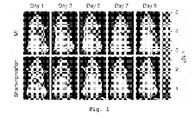
- Fig. 1 is a series of bioluminescent imaging results in sham operated and MI rats.
- S. typhimurium ( ⁇ ppGpp) strain (S.t.+pLux) expressing lux (2 x 10 8 CFU) was injected through the tail-vein into Sprague-Dawley rats with or without MI. Imaging signals were quantified in units of maximum photons (photons s -l cm -2 Sr -1 )
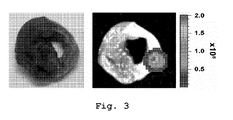
- Fig. 3 is a cross-sectional image of a heart from MI rats at 5 days post inoculation (dpi) of Salmonellae injection. Bioluminescence imaging was performed for 30 seconds using cooled CCD camera (left panel). Thin slice (4 ⁇ m) cross-sections were prepared and then subjected to Masson's trichrome staining (right panel).
- Fig. 4 is a photograph showing immunofluorostaining results in infarcted myocardium after injection of S. typhimurium (AppGpp) strains (S.t.+pGFP, 2 x 10 8 CFU) through tail-vein. Cardiac cross-sections of an MI rat were prepared at 5 dpi. The bacteria were stained in green color.
- S. typhimurium AppGpp
- S.t.+pGFP S.t.+pGFP, 2 x 10 8 CFU
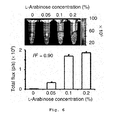
- Fig. 5 is a plasmid map of a bacterial expression plasmid comprising a Renilla luciferase variant (Rluc8).
- S. typhimurium ( ⁇ ppGpp) strains were transformed with pBP-Ruc8 (S.t.+pBP-RIuc8).
- Fig. 7 is a photograph of western blotting analysis showing expression and secretion of Rluc8 protein (36.9 kDa) using anti-Rluc antibody.
- Bacterial pellets and culture medium were collected at the indicated times from 2 to 8 hours after treatment with or without 0.2% L-arabinose.
- the first lane represents S. typhimurium ( ⁇ ppGpp) carrying no plasmid (4 hours after fresh culture).
- Fig. 8 is a series of in vivo bioluminescent images of MI rats after tail-vein injection of S. typhimurium ( ⁇ ppGpp) strain (S.t.+pBP-RLuc8, 2 x 10 8 CFU) into MI rats.
- the first image was obtained at 3 dpi, immediately before injection of L-arabinose.
- the other images were taken after 4 hours injection of L-arabinose (1.2 g).
- For imaging 0.7 mg/kg body weight of coelenterazine (Biotiu, CA) was injected through tail vein into rats. Imaging signals were quantified in units of maximum photons (photons s -1 cm -2 sr -1 ).
- Fig. 9 is a series of bright field images and bioluminescence images of whole excised heart (top panel) and cross-sections thereof (bottom panel). Infarcted hearts were excised at 5 dpi. The hearts were subjected to triphenyltetrazolium chloride (TTC) staining (left panel) and bioluminescece imaging (right panel). Bright field images and bioluminescence images of whole excised hearts (top panel) and cross-sections thereof (bottom panel) are shown.
- TTC triphenyltetrazolium chloride
- Fig. 10 is a graph representing biolum inescence in infarcted myocardium, noninfarcted myocardium, liver, and spleen, measured using a luminometer (Berthold) at 5 dpi.
- the Y-axis indicates relative light units (RLU) representing luciferase activity normalized to total protein concentration in tissue homogenates.
- Fig. 11 is a series of immunofluorescence staining of infarcted hearts using anti-Salmonella antibody (top panel) and anti-Rluc antibody (bottom panel). The infarcted hearts were excised at 5 dpi.
- Top panel cross-sectioned samples were reacted with primary antibody specific to S. typhimurium, and then the samples were reacted with FITC-conjugated secondary antibody. The samples were subjected to DAPI and Texas-Red counter-staining. Length of bars represent 100 ⁇ m.
- Bottom panel cross-sectioned samples were reacted with anti-Rluc antibody (Chemicon) and then the samples were reacted with fluorescein isocyanate-conjugated secondary IgG antibody. Length of bars represent 100 ⁇ m.
- Fig. 12 is a photograph of western blotting analysis using anti-Rluc antibody in infracted myocardium (MI), contralateral normal myocardium (Non-MI) and S. typhimurium expressing Rluc8 (positive control). The expression of Rluc8 (36.9 kDa) was measured.
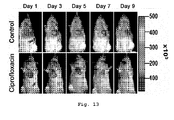
- Figs. 13 and 14 are results of clearance of bacterial infection by antibiotics.
- Ciprofloxacin Sigma, 30 mg/kg/day
- the treatment was started at 3 dpi.
- Antibacterial activity was investigated by measuring bioluminescence in the rats.
- Fig. 15 is a series of images showing infarction-specific targeting by S.t.+pLux in MI rats.
- the rats were intraperitoneally injected with L-arabinose (1.2 g) at 3 dpi after tail-vein injection of S.t.+pBP-RIuc8 (2 x 10 8 CFU).
- L-arabinose 1.2 g
- rats were sacrificed and bioluminescence was imaged in whole bodies and isolated organs.
- rats were injected with 0.7 mg/kg body weight of coelenterazine (Biotium, CA) through tail vein. Imaging signals were quantified in units of maximum photons (photons s -1 cm -2 sr -1 )
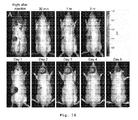
- Fig. 16 is a series of images showing distributions of Salmonellae in rat models at the indicated times by acquiring gross necropsy images using cooled CCD camera (IVS-100, Xenogen-Caliper).
- Fig. 17 is a photograph of an excised brain at 3 dpi from a model rat for observing more precise location of Salmonellae.
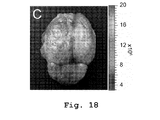
- Fig. 18 is a photograph of a model rat brain using cooled CCD camera.
- Fig. 19 is a T2-weighted MR image or a model rat brain.
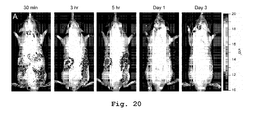
- Fig. 20 is a photograph showing location of Salmonellae injected into an ICH (intracranial hemorrhage) rat model. The distribution of Salmonellae was determined by acquiring gross necropsy images at the indicated times using cooled CCD camera.
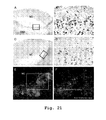
- Fig. 21 is a series of images showing histological analysis of infarcted region of brain cross-sections of rats having cerebral ischemic infarction at 3 dpi.
- H&E staining accumulation of inflammatory cells due to infiltration of basophiles at the boundary of infracted region (between necrotic core (NC) and normal brain tissue) was shown and this was observed as dark bands (dark arrows in A and C) when injected with Salmonellae (A and B) or not (C and D).
- Panels E and F represent confocal microscopic images of excised brain after injection of Salmonellae expressing GFP (green fluorescent protein) through tail vein.
- Panels B, D and F represent magnified images of boxes of A, C and E, respectively.
- Fig. 22 represents targeting of ppGpp mutant (Sal-ppGpp) or wild-type S. typhimurium to cerebral ischemic region of rats.
- Salmonellae (5 x 10 8 CFU) expressing lux were intravenously injected.
- images were acquired using a cooled CCD camera (right panel). Bioluminescence at 2 and 3 dpi emitted from bacteria were compared (left graph).
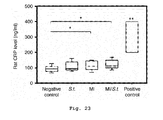
- Fig. 23 is a graph showing toxicological analysis of attenuated S. typhimurium in rats.
- CRP level was measured in order to investigate systemic or topical inflammation after intravenous injection of attenuated S. typhimurium ( ⁇ ppGpp).
- LPS lipopolysaccharide
- Negative control indicates sham operated rats; S.t., sham operated rats with bacterial injection; MI, MI rats without bacterial injection; MI/ S.t ., MI rats with bacterial injection; positive control, LPS injected rats.
- the closest borders of boxes to 0 represent the 25 th percentile; lines in boxes represent averages; the farthest borders of boxes from 0 represent the 75 th percentile. Error bars over or below boxes represent the 10 th and 90 th percentiles.
- * P 0.035; ** P ⁇ 0.01.
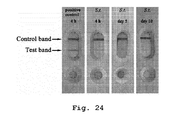
- Fig. 24 is an immunochromatogram showing systemic toxicological analysis regarding injection of S. typhimurim ( ⁇ ppGpp).
- PCT levels in rat plasmas at 4, 5 and 10 dpi after infection of bacteria (2 x 10 8 CFU) were analyzed using immunochromatography.
- Fig. 25 is a photograph showing topical toxicological analysis according to injection of S. typhimurium (AppGpp).
- pBAD-pelB-RLuc8 (pBP-Rluc8) has been previously described 23 . More particularly, Rluc8, particular variant of Renilla luciferase was constructed among 8 preferential combinations and was inserted into pBAD/Myc-His A plasmid (Invitrogen, Carlsbad, CA). And then final plasmid constructed by linking polynucleotides corresponding to pelB leader sequence and N-terminal of luciferase.
- S. typhimurium strain ( ⁇ ppGpp) SHJ2037 ( relA::cat, spoT::kan ) has been previously described by the present inventorS 30 .
- S. typhimurium strain ( ⁇ ppGpp) SHJ2037 having deficiency in ppGpp production due to deletions of relA and spoT gene was deposited in the Korean Collection for Type Culture in Korea Research Institute of Bioscience and Biotechnology, which is an International Depository Authority under accession number of KCTC 10787BP.
- Salmonellae were grown in Luria-Bertani broth (LB) medium (Difco Laboratories) containing 50 ⁇ g/ml of kanamycin with vigorous aeration at 37°C.
- the bacterial luciferase gene ( lux ) from S. typhimurium-Xen26 (Xenogen-Caliper) was transduced into strain SHJ2037 by P22HT by transduction 31 .
- the strain was cultivated in LB medium containing 50 ⁇ g/ml of kanamycin.
- the SH2037 strain was transformed with pBAD-pelB-Rluc8 using electroporation. And then colonies growing on LB agar plates containing 50 ⁇ g/ml of ampicillin.
- Left thoractomy was performed at the 4 th intercostal space and the pericardium was opened. Left coronary artery was occluded for 30 min within myocardium between left arterial appendage and right ventricular outflow tract using curved needle and 5-0 silk and then the occlusion was relieved.
- MI rats were injected through the lateral tail-vein with a fresh culture of Salmonellae (2 x10 8 CFU) resuspended in 100 ⁇ l of PBS after being anesthetized in an isofluorane chamber. Also sham-operated rats were injected with the bacteria at the same dose.
- rats were euthanized and placed in 70% ethanol for 3 minutes. Organs such as heart, liver, and spleen were removed, and placed individually into sterile tubes containing PBS at 4°C, and weighed. Samples were transferred to sterile homogenization tubes, homogenized, and returned to the original tubes for the preparation of serial dilutions with PBS. Agar plates containing kanamycin (50 ⁇ g/ml) were inoculated with the homogenate, and the plates were incubated overnight at 37°C. Colonies were counted and bacterial load was expressed as CFU/g tissue.
- kanamycin 50 ⁇ g/ml
- anesthetized live rats were placed in light-blocking chamber of IVIS 100 (Xenogen-Caliper) equipped with cooled CCD camera. Photons emitted from luciferase-expressing bacteria were collected and integrated for 1 min. Pseudo color images representing counted photons were overlaid on bright optical images of rats using living image software version 2.25 (Xenogen-Caliper, Hopkinto, MA). Region of interest (ROI) was selected based on signal intensity. Imaging signals were quantified in units of maximum photons per second per centimeter square per steradian (ps -1 cm -2 sr -1 ) within the region of interest (ROI) maintaining the ROI uniformly.
- rat organs spleen, liver, and heart
- lysis buffer 4 ml/g; Promega, Madison, WI
- the supernatants were assayed for Renilla luciferase activity.
- 20 ⁇ l of sample were mixed with 100 ⁇ l of 1X Renilla luciferase assay reagent (Promega) in a 96-well plate (Nunc), and luciferase activity was quantitated immediately using a luminometer (Microlumat Plus LB96V, Berthold, Wildbad, Germany). Light intensity was represented as relative light unit and normalized to protein concentration as Bradford assay.
- Equal quantities of bacterial cells were collected after addition of 0% or 0.2% L-arabinose.
- Bacterial cell extracts (40 ?) were analyzed by electrophoresis and blotted, as previously described 30,32 . Blots were reacted with a mouse anti-RLuc monoclonal antibody (1:5,000 dilution, Chemicon, Temecula, CA), HRP-conjugated goat anti-mouse IgG (1:80,000 dilution, Santa Cruz, CA) and luminol reagent (Santa Cruz).
- Rats were sacrificed and hearts were isolated therefrom and then washed with 1x PBS several times. Cross-sections (0.5 mm thickness) were embedded in 0.4% of 2,3,5-triphenyltetrazolium chloride (TTC, Fluka, Sigma, India) solution for 20 min at 37°C.
- TTC 2,3,5-triphenyltetrazolium chloride
- S. typhimurium strain( ⁇ ppGpp) were determined by measuring the levels of CRP in rat plasma, using a rat CRP enzyme-linked immunosorbent assay kit (Life Diagnostics, West Chester, PA) and PCT (Brahms PCT-Q; Hennigsdorg, Germany).
- ciprofloxacin (30 mg/kg/day) was injected i.p. twice a day.
- the injection of ciprofloxacin was started at 3 dpi after injection of S.t.+pLux (2 x 10 8 CFU) through tail vein.
- Final concentration of ciprofloxacin solution was 1.6 mg/ml.
- MI model was prepared by surgical occlusion of left coronary artery.
- An attenuated strain of S. typhimurium deficient in the production of ppGpp was used: LD50 of this attenuated strain is 10 5 fold higher than that of wild-type strain 21 .
- Bioluminescent signal was detected in the heart of MI rats at 1 day post inoculums ( Fig. 1 , top panel). Three days after injection, bioluminescence persisted in the heart but was no longer detected in spleen. Serial monitoring of the rats revealed an initial increase in cardiac bioluminescence up to 5 dpi, followed by a progressive decline in signal intensity. This decline likely reflected a decrease in the number of bacteria in the heart, presumably due to host immune response. In sham operated rats, bioluminescence was detected only in the spleen and liver at 1 and 3 dpi ( Fig. 1 , bottom panel), reflecting the reticuloendothelial nature of these organs.
- CFUs bacterial load in the organs of MI rats
- bacterial load was found primarily in the spleen (3.5 x 10 5 CFU/g) and liver (4.6 x 10 5 CFU/g), but bacteria existing in the heart (3.6 x 10 4 CFU/g) were at low level ( Fig. 2 ).
- a bacterial expression plasmid containing Renilla luciferase variant (Rluc8) 22,23 was constructed to direct protein secretion into the bacterial periplasm.
- pelB leader sequence 24 was fused to N-terminus of the luciferase and a 6x His tag was fused to C-terminus thereof.
- the pelB leader sequence consisting of the first 22 codons of the gene for pectate lyase B from Ervvinia cartovora directs protein secretion into the bacterial periplasm before being cleaved to mature protein.
- pBAD promoter from E. coli arabinose operon ( Fig. 15 ) was used.
- L-arabinose was administered on 3 dpi to induce RLuc8 expression because previous results of imaging and bacterial counting showed that the number of bacteria declined in the liver and spleen significantly, while reaching a maximum in infarcted myocardium at 3 dpi ( Fig. 1 and Table 1).
- the expression of RLuc8 was monitored using cooled CCD camera (IVIS-100, Xenogen-Caliper) after i.p. injection of L-arabinose and the luciferase substrate coelenterazine (after 3 dpi).
- light signal from the cardiac region was observed only after the injection of I-arabinose, and no bioluminescence was detected in the spleen or any other organs.
- CCD images of gross necropsy and isolated organs Fig. 15 ). It is supposed that Salmonellae may be eliminated from organs other than the heart easily by host immune system when the Rluc8 expression is in induced.
- Table 1 represents the quantification of S. typhimurium ( ⁇ ppGpp) strain in organs after i.v. injection in rat myocardial infarction model. Numbers of Table 1 represent colony forming units in 1 g of tissue (CFU/g tissue).
- MI rats infected by Salmonella (2 x 10 8 CFU) were injected with ciprofloxacin (30 mg/kg/day, Sigma) twice a day after acquiring bioluminescence images at 3 dpi. Bioluminescence signal from the heart decreased and was eliminated after 5 dpi, suggesting that bacteria were killed by antibiotics ( Fig. 4 ).
- the therapeutic administration of live bacteria often raises concerns of potential toxicity.
- CRP plasma C-reactive protein
- PCT procalcitonin
- the CRP is an acute phase protein that is elevated in plasma and serum as a result of injury, infection, or disease.
- the PCT is a sensitive and specific marker for bacterial infection, particularly sepsis.
- the present inventors demonstrated for the first time that attenuated S. typhimurium ( ⁇ ppGpp) strain exhibits a specific tropism for infarcted myocardial tissue and can be engineered to secrete a target protein into the infarcted myocardium.
- ⁇ ppGpp attenuated S. typhimurium
- typhimurium used in the present invention exhibited several useful features: i) an intrinsic tropism for infarcted myocardium, as demonstrated by bioluminescence imaging of reporter gene expression; ii) inducible gene expression and secretion of proteins into the infarcted myocardium; and (iii) confined gene expression in infarcted myocardium without spillover to noncardiac tissue.
- the present inventors proved that bacteria localized in the infarcted myocardium did not recolonized in other organs such as the liver and spleen evading from the original location ( Fig. 1 and Fig. 2 ). It is very advantageous that gene expression is induced preferentially in targeted tissues. This tissue-specific expression is maximized with remote control of gene expression.
- gene expression using pBAD system of the present invention was turned on by injection of L-arabinose ( Fig. 2 and Fig. 3 ).
- Attenuated S. typhimurium has been known to have acceptable safe profile 17-19 .
- VNP20009 attenuated Salmonella
- TPAT-CD VNP20009 strain expressing cytosine deaminase
- MI targeting bacteria can potentially deliver therapeutic proteins to salvageable myocardium.
- MI-targeting bacteria opens many new avenues for molecular imaging and therapy, including tissue-specific targeting with signal amplification based on bacterial proliferation, in vivo tissue-specific drug delivery, and the design of imageable therapeutic probes.
- Rat's skull fixed on a stereotaxic frame was exposed and a cold white light source (Olympus, Japan) with 6 mm diameter was positioned on the skull at 1 mm anterior to the bregma on right anterial cortex and 3 mm lateral to midline ( Paxinos G, Waston CR , Emson PC. AchE- stained horizontal sections of the rat brain in stereotaxic coordinates. (1980) J. Neurosci. Methods, 3: 129-149 ). Rosebengal(20 mg/kg, Sigma, Steinheim, Germany), a photochemical dye was injected into a saphena through a microinjection pump and 2 minute after the injection light was illuminated to the skull for 20 min.
- a photochemical dye was injected into a saphena through a microinjection pump and 2 minute after the injection light was illuminated to the skull for 20 min.
- ICH Intercranial hemorrhage
- a 30-gage needle was inserted into striatum (0.1 mm posterior, 4.0 mm abdominal, and 2.0 mm lateral to the bregma, respectively) through the burrhole. Then ICH was induced by injecting type IV collagenase (1 saline solution-containing 0.078 U, Sigma) for 5 min. The needle was removed smoothly after 3 min of incubation. During the experiment, body temperature was maintained at 37 ⁇ 0.5°C by monitoring rectal temperature.
- Rats were i.v. injected with S. typhimurium (AppGpp) strain (5 x 10 8 CFU in PBS), the same strain used in the above experiments for myocardial infarction through tail vein using 1-cc insulin syringes at 2 days after the induction of brain infarction. Wild-type rats were equally operated.
- 200 ⁇ l of bioluminescent E. coli strain (1 x 10 9 CFU, 1 x 10 10 CFU and 5 x 10 10 CFU) was injected with the same method.
- coli strain which is a variant strain (MG1655) transduced with an asd gene delivery plasmid comprising a lux operon and asd complement gene was constructed by a known method previously ( Silhavy TJ et al., (1984) Experiments with gene fusions. New York: Cold Spring Harbor Laboratory Press ; Min JJ et al., (2008) Nat. Protoc., 3: 629-636 ).
- rats were anesthetized with isoflurane and perfused with 100 mL of saline solution and 100 mL of 4% paraformaldehyde through the heart. Then rats were decapitated and brains were excised. The brains were fixed with 4% paraformaldehyde for 24 h and kept in a freezer with 30% sucrose solution for 24 h. The frozen brains were sectioned into 10 ⁇ m-thick sections using a cryostat. Adjacent consecutive coronal sections were treated for H&E (hematoxylin and eosin) staining. Then, the location of bacteria in the brain was identified using anti-Salmonella antibody (1:300, Santa Cruz Biotech, St. Louis, MO, USA).
- the brains sections were reacted with the primary anti- Salmonella antibody at 4°C overnight and reacted with Alexa Flour 488-conjugated anti-mouse IgG (1:400, Molecular Probes) at room temperature for 1 h. Nonspecific binding sites were blocked by incubating the sections with PBS containing 10% normal goat serum for 30 min. The tissues were mounted using SlowfadeTM Antifade kit (Molecular Probes) and observed with an epifuorescent microscope (Olympus, Japan).
- the present inventors investigated whether Salmonellae target brain infarction as well as myocardial infarction.
- Two brain infarction rat models were used: an ischemic stroke model and a hemorrhage stroke model.
- the present inventors produced a photochemically-inducted cerebral ischemic stroke model rats by illuminating light to the cerebral cortex of rats treated with rosebengal.
- the lux operon encodes all proteins essential for bioluminescence including bacterial luciferase, substrates and substrate-regenerating enzyme.
- the lux operon encodes all proteins essential for bioluminescence including bacterial luciferase, substrates and substrate-regenerating enzyme.
- whole body images were acquired using cooled CCD camera (IVIS-100, Xenogen-Caliper) ( Fig. 20 ).
- bioluminescent signals emitted from Salmonellae were detected all over the whole body early (30 min post inoculation) and then in the internal organs (3 hours and 5 hours post inoculation).
- bioluminescent signals in brain were detected from 1 dpi and the signals increased at 2 and 3 dpi, whereas bioluminescent signals in other internal organs were reduced.
- S. typhimurium injected intravenously can colonize selectively at the infarcted brain.
- Salmonellae suggests that the bacteria may be used as a drug delivery vector for treating brain infarction.
- hVEGF165 and hFGF1a were amplified using pBLAST49-hVEGF and pBLAST2-hFGF (Invivogene), respectively.
- the vectors were diluted to the concentration of 1 ⁇ g/pl.
- Rluc8 gene from pelB-Rluc8 vector was substituted with hVEDG165 or hFGF1a (acidic FGF, isoform 1).
- the nucleotide sequence and amino acid sequence of VEGF165 are disclosed in SEQ ID NO: 1 and 2, respectively and the nucleotide sequence and amino acid sequence of hFGF1a are disclosed in SEQ ID NO: 3 and 4, respectively.
- the substituted gene is located downstream of pelB leader sequence.
- pelB leader sequence consisting of the first 22 codons of pectate lyase B gene of Erwinia carotovora directs the translocation of a protein into bacterial periplasm and then produces a final mature form of the protein by being deleted.
- Fusion constructs pelB-hVEFG165 or hFGF1a are controlled by an inducible pBAD promoter.
- PCR primers were designed and synthesized using BioEdit software (Bionics). Sequences of the synthesized primers are as follows:
- PCR reactions were carried out using PCR reaction mixtures comprising a vector 1 ⁇ l, dNTP 2 ⁇ l, i-Taq DNA polymerase (2.5 U/ ⁇ l) 1 ⁇ l, 10X PCR buffer 5 ⁇ l, sense and antisense primers 1 ⁇ l, respectively and ddH 2 O 39 ⁇ l in the condition of total 40 cycles: 94°C for 1 min, 56°C for 1 min, and 72°C for 30 sec.
- PCR products were identified using Seakem agarose gel electrophoresis and hVEFG165 ( ⁇ 600 bp) and hFGF1a ( ⁇ 500 bp) fragments were extracted from the gel and purified using WizardTM SV Gel and PCR Clean-Up system (Promega).
- hVEGF165 and hFGF1a gene were ligated into a target vector
- the purified PCR products and pBAD-peIB-Rluc8 vector were cleaved with restriction enzymes ( Sfi I and Sal I).
- Sfi I cleavage was carried out in a reaction mixture of 30 ⁇ l comprising DNA 1 ⁇ g, the enzyme (2 Unit, BioLabs), 1X NEB4 buffer, 1X BSA and ddH 2 O at 50°C for 2 h and the reaction was heat-inactivated at 65°C for 20 min.
- Genes to be inserted and a vector fragment (3:1 ratio) were ligated using T4 DNA ligase (NEB) and the resultant recombinant plasmids were transformed into E. coli DH5 ⁇ .
- NEB T4 DNA ligase
- Recombinant pBAD-pelB-hVEGF165 (pBp-hVEGF165) or pBAD-peIB-hFGF1 a (pBp-hFGF1 a) were introduced into Salmonella typhimurium ( ⁇ ppGpp) strain, SHJ2037 (relA::cat, spoT::kn) by electroporation. The electroporation was performed by applying electrical shock of 1.8 kV for 1 sec and incubating at 37°C for 1 h.
- colonies having pBAD-pelB-hVEGF165 (pBp-hVEGF165) or pBAD-pelB-hFGF1a (pBp-hFGF1a) were obtained by plating and culturing transformed bacterial cells on LB agar plates containing 100 ⁇ g/ml.
- pBp-hVEGF165 or pBp-hFGF1a were transformed into attenuated strain having bioluminescent reporter gene lux ( Salmonella typhimurium ⁇ ppGpp/lux).
- hVEGF165 fragment ⁇ 600 bp
- hFGF1a fragment ⁇ 500
- Salmonella typhimurium ( ⁇ ppGpp) strain (S.t. ppGpp) and Salmonella typhimurium ( ⁇ ppGpp/lux) strain (S.t. ppGpp/lux) were cultured at 37°C overnight in 10 ml of LB broth/ampicillin media. Bacterial suspensions were inoculated at the ratio of 1:100 in 10 ml of LB/ampicillin and incubated when OD 600 of the culture reaches to 0.5. Gene expression from pBAD promoter was induced by adding 0.2% L-arabinose to culture media.
- TTC triphenyltetrazolium chloride
- S. typhimurium ( ⁇ ppGpp) strain may be used for treating infarction by delivering a therapeutic heterologous protein selectively to the infarcted myocardium and expressing the protein therein.
Landscapes
- Life Sciences & Earth Sciences (AREA)
- Health & Medical Sciences (AREA)
- Chemical & Material Sciences (AREA)
- General Health & Medical Sciences (AREA)
- Medicinal Chemistry (AREA)
- Animal Behavior & Ethology (AREA)
- Organic Chemistry (AREA)
- Environmental Sciences (AREA)
- Molecular Biology (AREA)
- Genetics & Genomics (AREA)
- Biochemistry (AREA)
- Veterinary Medicine (AREA)
- Public Health (AREA)
- Pharmacology & Pharmacy (AREA)
- Engineering & Computer Science (AREA)
- Biophysics (AREA)
- Proteomics, Peptides & Aminoacids (AREA)
- Gastroenterology & Hepatology (AREA)
- Biotechnology (AREA)
- Biodiversity & Conservation Biology (AREA)
- Animal Husbandry (AREA)
- Epidemiology (AREA)
- Zoology (AREA)
- Bioinformatics & Cheminformatics (AREA)
- General Chemical & Material Sciences (AREA)
- Nuclear Medicine, Radiotherapy & Molecular Imaging (AREA)
- Chemical Kinetics & Catalysis (AREA)
- Cardiology (AREA)
- Heart & Thoracic Surgery (AREA)
- Biomedical Technology (AREA)
- Neurology (AREA)
- Neurosurgery (AREA)
- Medicines That Contain Protein Lipid Enzymes And Other Medicines (AREA)
- Medicines Containing Material From Animals Or Micro-Organisms (AREA)
- Medicines Containing Antibodies Or Antigens For Use As Internal Diagnostic Agents (AREA)
Applications Claiming Priority (2)
| Application Number | Priority Date | Filing Date | Title |
|---|---|---|---|
| KR20090046459 | 2009-05-27 | ||
| PCT/KR2010/003385 WO2010137900A2 (ko) | 2009-05-27 | 2010-05-27 | 선택적 경색 조직 타겟팅 박테리아 및 그의 용도 |
Publications (3)
| Publication Number | Publication Date |
|---|---|
| EP2436756A2 true EP2436756A2 (de) | 2012-04-04 |
| EP2436756A4 EP2436756A4 (de) | 2012-12-26 |
| EP2436756B1 EP2436756B1 (de) | 2016-08-17 |
Family
ID=43223264
Family Applications (1)
| Application Number | Title | Priority Date | Filing Date |
|---|---|---|---|
| EP10780811.5A Active EP2436756B1 (de) | 2009-05-27 | 2010-05-27 | Auf selektives gebrochenes gewebe abzielende bakterien und verwendung davon |
Country Status (4)
| Country | Link |
|---|---|
| US (1) | US9339018B2 (de) |
| EP (1) | EP2436756B1 (de) |
| KR (1) | KR101711399B1 (de) |
| WO (1) | WO2010137900A2 (de) |
Families Citing this family (10)
| Publication number | Priority date | Publication date | Assignee | Title |
|---|---|---|---|---|
| KR101421575B1 (ko) | 2012-03-07 | 2014-07-30 | 전남대학교산학협력단 | 개선된 유전자 발현 유도능을 갖는 살모넬라 및 그의 용도 |
| US9616114B1 (en) | 2014-09-18 | 2017-04-11 | David Gordon Bermudes | Modified bacteria having improved pharmacokinetics and tumor colonization enhancing antitumor activity |
| US10676723B2 (en) | 2015-05-11 | 2020-06-09 | David Gordon Bermudes | Chimeric protein toxins for expression by therapeutic bacteria |
| US11180535B1 (en) | 2016-12-07 | 2021-11-23 | David Gordon Bermudes | Saccharide binding, tumor penetration, and cytotoxic antitumor chimeric peptides from therapeutic bacteria |
| US11129906B1 (en) | 2016-12-07 | 2021-09-28 | David Gordon Bermudes | Chimeric protein toxins for expression by therapeutic bacteria |
| US10521911B2 (en) * | 2017-12-05 | 2019-12-31 | Siemens Healtchare GmbH | Identification of defects in imaging scans |
| US11471497B1 (en) | 2019-03-13 | 2022-10-18 | David Gordon Bermudes | Copper chelation therapeutics |
| US20240108664A1 (en) * | 2019-10-31 | 2024-04-04 | Industry Foundation Of Chonnam National University | Tumor-targeting salmonella gallinarum strain and use thereof |
| US10973908B1 (en) | 2020-05-14 | 2021-04-13 | David Gordon Bermudes | Expression of SARS-CoV-2 spike protein receptor binding domain in attenuated salmonella as a vaccine |
| US12537071B1 (en) | 2020-07-22 | 2026-01-27 | David Gordon Bermudes | Bacteria having boolean control pathways expressing therapeutic proteins including immunotherapeutic cytotoxins |
Family Cites Families (22)
| Publication number | Priority date | Publication date | Assignee | Title |
|---|---|---|---|---|
| US5103098A (en) | 1989-11-09 | 1992-04-07 | Board Of Regents, The University Of Texas System | High resolution gamma ray detectors for positron emission tomography (pet) and single photon emission computed tomography (spect) |
| US5210421A (en) | 1991-06-10 | 1993-05-11 | Picker International, Inc. | Simultaneous transmission and emission converging tomography |
| US5272343A (en) | 1992-07-27 | 1993-12-21 | General Electric Company | Sorter for coincidence timing calibration in a PET scanner |
| JPH06347555A (ja) | 1993-06-10 | 1994-12-22 | Hamamatsu Photonics Kk | ポジトロンイメージング装置 |
| US5650135A (en) | 1994-07-01 | 1997-07-22 | The Board Of Trustees Of The Leland Stanford Junior University | Non-invasive localization of a light-emitting conjugate in a mammal |
| US5600145A (en) | 1995-01-19 | 1997-02-04 | Picker International, Inc. | Emission/transmission device for use with a dual head nuclear medicine gamma camera with the transmission source located behind the emission collimator |
| US6190657B1 (en) | 1995-06-07 | 2001-02-20 | Yale University | Vectors for the diagnosis and treatment of solid tumors including melanoma |
| US5608221A (en) | 1995-06-09 | 1997-03-04 | Adac Laboratories | Multi-head nuclear medicine camera for dual SPECT and PET imaging with monuniform attenuation correction |
| US5602891A (en) | 1995-11-13 | 1997-02-11 | Beth Israel | Imaging apparatus and method with compensation for object motion |
| SE9602594D0 (sv) | 1996-07-01 | 1996-07-01 | Stefan Nilsson | Förfarande och anordning vid datortomografi |
| JP3384944B2 (ja) | 1996-07-11 | 2003-03-10 | ジーイー横河メディカルシステム株式会社 | Mri装置 |
| GB2319844A (en) | 1996-11-28 | 1998-06-03 | Marconi Gec Ltd | Prepolarising MRI magnet with powdered iron poles |
| US5841140A (en) | 1997-01-08 | 1998-11-24 | Smv America, Inc. | Gamma camera for pet and spect studies |
| JP3679892B2 (ja) | 1997-04-10 | 2005-08-03 | 株式会社東芝 | 磁気共鳴イメージング装置 |
| ATE419789T1 (de) | 1997-05-23 | 2009-01-15 | Prorhythm Inc | Wegwerfbarer fokussierender ultraschallapplikator hoher intensität |
| US5900636A (en) | 1997-05-30 | 1999-05-04 | Adac Laboratories | Dual-mode gamma camera system utilizing single-photon transmission scanning for attenuation correction of PET data |
| US6119032A (en) | 1997-12-31 | 2000-09-12 | U.S. Philips Corporation | Method and system for positioning an invasive device by magnetic resonance (MR) imaging of an MR visible device |
| US6121775A (en) | 1998-06-16 | 2000-09-19 | Beth Israel Deaconess Medical Center, Inc. | MRI imaging method and apparatus |
| US6115446A (en) | 1999-04-09 | 2000-09-05 | Arch Development Corp. | Fast reconstruction of fan-beam CT and SPECT |
| BR0317879A (pt) * | 2003-01-10 | 2005-12-06 | Ct Investig Y Estudios Del Ipn | Usos da proteìna vp4 de rotavìrus e de anticorpos monoclonais ou policlonais, composição farmacêutica, agente terapêutico, medicamentos, métodos para tratar diabete e câncer, para reduzir a adesão celular não desejada que pode ocorrer entre células de tumor ou células normais e para determinar as regiões ou os peptìdios derivados de proteìnas vp4, vp8, e, peptìdeo |
| US20040248796A1 (en) * | 2003-02-04 | 2004-12-09 | Kari Alitalo | VEGF-B and PDGF modulation of stem cells |
| US8703153B2 (en) * | 2008-06-16 | 2014-04-22 | Prokarium Ltd. | Salmonella vectored vaccines against Chlamydia and methods of use |
-
2010
- 2010-05-27 WO PCT/KR2010/003385 patent/WO2010137900A2/ko not_active Ceased
- 2010-05-27 KR KR1020117028233A patent/KR101711399B1/ko active Active
- 2010-05-27 US US13/322,637 patent/US9339018B2/en active Active
- 2010-05-27 EP EP10780811.5A patent/EP2436756B1/de active Active
Also Published As
| Publication number | Publication date |
|---|---|
| US9339018B2 (en) | 2016-05-17 |
| KR20120030391A (ko) | 2012-03-28 |
| WO2010137900A9 (ko) | 2011-05-12 |
| KR101711399B1 (ko) | 2017-03-03 |
| EP2436756B1 (de) | 2016-08-17 |
| US20120128594A1 (en) | 2012-05-24 |
| WO2010137900A3 (ko) | 2011-06-30 |
| EP2436756A4 (de) | 2012-12-26 |
| WO2010137900A2 (ko) | 2010-12-02 |
Similar Documents
| Publication | Publication Date | Title |
|---|---|---|
| EP2436756B1 (de) | Auf selektives gebrochenes gewebe abzielende bakterien und verwendung davon | |
| Morrissey et al. | Tumour targeting with systemically administered bacteria | |
| Min et al. | Noninvasive real-time imaging of tumors and metastases using tumor-targeting light-emitting Escherichia coli | |
| CN101010002B (zh) | 癌症选择性营养缺陷型 | |
| EP2844736A1 (de) | Modifizierte bakterien und verwendungen davon zur behandlung von karzinomen oder tumoren | |
| KR101434879B1 (ko) | 암 조직 타겟팅 박테리아 기반의 마이크로로봇 및 그의 용도 | |
| EP3981880A1 (de) | Dna-konstrukt zur diagnose und behandlung von krebs | |
| JP7774263B2 (ja) | 浸潤し、かつ自律的に溶解するように設計された治療用タンパク質の細胞内送達のための細菌細胞 | |
| CN114736860B (zh) | 一种装载减毒沙门氏菌的单核细胞或巨噬细胞及其制备方法和应用 | |
| KR20110095528A (ko) | 살모넬라 균주를 포함하는 종양 특이적 치료영상제 | |
| KR20250124794A (ko) | mvIIA의 분비를 위한 재조합 발현 벡터 및 이로 형질전환된 약독화 살모넬라 균주 | |
| KR101685034B1 (ko) | 고형암 조직 타겟팅 박테리아 및 그의 용도 | |
| EP4242314A1 (de) | Salmonellastamm zur prävention und behandlung von krebs und verwendung davon | |
| JP2025098064A (ja) | 癌の診断および治療用dnaコンストラクト | |
| KR101421575B1 (ko) | 개선된 유전자 발현 유도능을 갖는 살모넬라 및 그의 용도 | |
| KR20150082827A (ko) | glmS 기반의 숙주 벡터 시스템 | |
| US20240108664A1 (en) | Tumor-targeting salmonella gallinarum strain and use thereof | |
| JP7701745B2 (ja) | 癌の治療用サルモネラ菌株およびその用途 | |
| US20240218318A1 (en) | Attenuated salmonella gallinarum strain and use thereof | |
| JP4634710B2 (ja) | 腫瘍の診断および治療のための微生物および細胞 | |
| KR20250069452A (ko) | 암 치료용 신호물질 발현용 dna 컨스트럭트, 및 이를 이용한 암 치료 방법 | |
| KR20250158936A (ko) | 바이오틴과 결합능을 가진 스트랩타비딘-융합단백질을 분비하는 균주 및 이를 함유하는 종양 영상화 어쥬번트 | |
| Kumar et al. | Recent progress in bacterial-mediated cancer therapy |
Legal Events
| Date | Code | Title | Description |
|---|---|---|---|
| PUAI | Public reference made under article 153(3) epc to a published international application that has entered the european phase |
Free format text: ORIGINAL CODE: 0009012 |
|
| 17P | Request for examination filed |
Effective date: 20111216 |
|
| AK | Designated contracting states |
Kind code of ref document: A2 Designated state(s): AL AT BE BG CH CY CZ DE DK EE ES FI FR GB GR HR HU IE IS IT LI LT LU LV MC MK MT NL NO PL PT RO SE SI SK SM TR |
|
| DAX | Request for extension of the european patent (deleted) | ||
| A4 | Supplementary search report drawn up and despatched |
Effective date: 20121126 |
|
| RIC1 | Information provided on ipc code assigned before grant |
Ipc: A01K 67/027 20060101ALI20121120BHEP Ipc: A61K 48/00 20060101ALI20121120BHEP Ipc: C12N 1/21 20060101AFI20121120BHEP Ipc: C12N 15/52 20060101ALI20121120BHEP |
|
| 17Q | First examination report despatched |
Effective date: 20140327 |
|
| REG | Reference to a national code |
Ref country code: DE Ref legal event code: R079 Ref document number: 602010035652 Country of ref document: DE Free format text: PREVIOUS MAIN CLASS: C12N0001210000 Ipc: A01K0067027000 |
|
| GRAP | Despatch of communication of intention to grant a patent |
Free format text: ORIGINAL CODE: EPIDOSNIGR1 |
|
| RIC1 | Information provided on ipc code assigned before grant |
Ipc: A01K 67/027 20060101AFI20160129BHEP Ipc: A61K 48/00 20060101ALI20160129BHEP Ipc: A61K 35/00 20060101ALI20160129BHEP Ipc: C07K 14/255 20060101ALI20160129BHEP Ipc: C12N 1/21 20060101ALI20160129BHEP Ipc: C12N 15/52 20060101ALI20160129BHEP |
|
| INTG | Intention to grant announced |
Effective date: 20160223 |
|
| GRAS | Grant fee paid |
Free format text: ORIGINAL CODE: EPIDOSNIGR3 |
|
| GRAA | (expected) grant |
Free format text: ORIGINAL CODE: 0009210 |
|
| AK | Designated contracting states |
Kind code of ref document: B1 Designated state(s): AL AT BE BG CH CY CZ DE DK EE ES FI FR GB GR HR HU IE IS IT LI LT LU LV MC MK MT NL NO PL PT RO SE SI SK SM TR |
|
| REG | Reference to a national code |
Ref country code: GB Ref legal event code: FG4D |
|
| REG | Reference to a national code |
Ref country code: CH Ref legal event code: EP |
|
| REG | Reference to a national code |
Ref country code: IE Ref legal event code: FG4D |
|
| REG | Reference to a national code |
Ref country code: AT Ref legal event code: REF Ref document number: 820120 Country of ref document: AT Kind code of ref document: T Effective date: 20160915 |
|
| REG | Reference to a national code |
Ref country code: DE Ref legal event code: R096 Ref document number: 602010035652 Country of ref document: DE |
|
| REG | Reference to a national code |
Ref country code: NL Ref legal event code: MP Effective date: 20160817 |
|
| REG | Reference to a national code |
Ref country code: LT Ref legal event code: MG4D |
|
| REG | Reference to a national code |
Ref country code: AT Ref legal event code: MK05 Ref document number: 820120 Country of ref document: AT Kind code of ref document: T Effective date: 20160817 |
|
| PG25 | Lapsed in a contracting state [announced via postgrant information from national office to epo] |
Ref country code: FI Free format text: LAPSE BECAUSE OF FAILURE TO SUBMIT A TRANSLATION OF THE DESCRIPTION OR TO PAY THE FEE WITHIN THE PRESCRIBED TIME-LIMIT Effective date: 20160817 Ref country code: IT Free format text: LAPSE BECAUSE OF FAILURE TO SUBMIT A TRANSLATION OF THE DESCRIPTION OR TO PAY THE FEE WITHIN THE PRESCRIBED TIME-LIMIT Effective date: 20160817 Ref country code: LT Free format text: LAPSE BECAUSE OF FAILURE TO SUBMIT A TRANSLATION OF THE DESCRIPTION OR TO PAY THE FEE WITHIN THE PRESCRIBED TIME-LIMIT Effective date: 20160817 Ref country code: HR Free format text: LAPSE BECAUSE OF FAILURE TO SUBMIT A TRANSLATION OF THE DESCRIPTION OR TO PAY THE FEE WITHIN THE PRESCRIBED TIME-LIMIT Effective date: 20160817 Ref country code: NL Free format text: LAPSE BECAUSE OF FAILURE TO SUBMIT A TRANSLATION OF THE DESCRIPTION OR TO PAY THE FEE WITHIN THE PRESCRIBED TIME-LIMIT Effective date: 20160817 Ref country code: NO Free format text: LAPSE BECAUSE OF FAILURE TO SUBMIT A TRANSLATION OF THE DESCRIPTION OR TO PAY THE FEE WITHIN THE PRESCRIBED TIME-LIMIT Effective date: 20161117 |
|
| PG25 | Lapsed in a contracting state [announced via postgrant information from national office to epo] |
Ref country code: PL Free format text: LAPSE BECAUSE OF FAILURE TO SUBMIT A TRANSLATION OF THE DESCRIPTION OR TO PAY THE FEE WITHIN THE PRESCRIBED TIME-LIMIT Effective date: 20160817 Ref country code: LV Free format text: LAPSE BECAUSE OF FAILURE TO SUBMIT A TRANSLATION OF THE DESCRIPTION OR TO PAY THE FEE WITHIN THE PRESCRIBED TIME-LIMIT Effective date: 20160817 Ref country code: SE Free format text: LAPSE BECAUSE OF FAILURE TO SUBMIT A TRANSLATION OF THE DESCRIPTION OR TO PAY THE FEE WITHIN THE PRESCRIBED TIME-LIMIT Effective date: 20160817 Ref country code: AT Free format text: LAPSE BECAUSE OF FAILURE TO SUBMIT A TRANSLATION OF THE DESCRIPTION OR TO PAY THE FEE WITHIN THE PRESCRIBED TIME-LIMIT Effective date: 20160817 Ref country code: GR Free format text: LAPSE BECAUSE OF FAILURE TO SUBMIT A TRANSLATION OF THE DESCRIPTION OR TO PAY THE FEE WITHIN THE PRESCRIBED TIME-LIMIT Effective date: 20161118 Ref country code: ES Free format text: LAPSE BECAUSE OF FAILURE TO SUBMIT A TRANSLATION OF THE DESCRIPTION OR TO PAY THE FEE WITHIN THE PRESCRIBED TIME-LIMIT Effective date: 20160817 Ref country code: PT Free format text: LAPSE BECAUSE OF FAILURE TO SUBMIT A TRANSLATION OF THE DESCRIPTION OR TO PAY THE FEE WITHIN THE PRESCRIBED TIME-LIMIT Effective date: 20161219 |
|
| PG25 | Lapsed in a contracting state [announced via postgrant information from national office to epo] |
Ref country code: EE Free format text: LAPSE BECAUSE OF FAILURE TO SUBMIT A TRANSLATION OF THE DESCRIPTION OR TO PAY THE FEE WITHIN THE PRESCRIBED TIME-LIMIT Effective date: 20160817 Ref country code: RO Free format text: LAPSE BECAUSE OF FAILURE TO SUBMIT A TRANSLATION OF THE DESCRIPTION OR TO PAY THE FEE WITHIN THE PRESCRIBED TIME-LIMIT Effective date: 20160817 |
|
| REG | Reference to a national code |
Ref country code: DE Ref legal event code: R097 Ref document number: 602010035652 Country of ref document: DE |
|
| PG25 | Lapsed in a contracting state [announced via postgrant information from national office to epo] |
Ref country code: BG Free format text: LAPSE BECAUSE OF FAILURE TO SUBMIT A TRANSLATION OF THE DESCRIPTION OR TO PAY THE FEE WITHIN THE PRESCRIBED TIME-LIMIT Effective date: 20161117 Ref country code: SK Free format text: LAPSE BECAUSE OF FAILURE TO SUBMIT A TRANSLATION OF THE DESCRIPTION OR TO PAY THE FEE WITHIN THE PRESCRIBED TIME-LIMIT Effective date: 20160817 Ref country code: CZ Free format text: LAPSE BECAUSE OF FAILURE TO SUBMIT A TRANSLATION OF THE DESCRIPTION OR TO PAY THE FEE WITHIN THE PRESCRIBED TIME-LIMIT Effective date: 20160817 Ref country code: SM Free format text: LAPSE BECAUSE OF FAILURE TO SUBMIT A TRANSLATION OF THE DESCRIPTION OR TO PAY THE FEE WITHIN THE PRESCRIBED TIME-LIMIT Effective date: 20160817 Ref country code: BE Free format text: LAPSE BECAUSE OF FAILURE TO SUBMIT A TRANSLATION OF THE DESCRIPTION OR TO PAY THE FEE WITHIN THE PRESCRIBED TIME-LIMIT Effective date: 20160817 Ref country code: DK Free format text: LAPSE BECAUSE OF FAILURE TO SUBMIT A TRANSLATION OF THE DESCRIPTION OR TO PAY THE FEE WITHIN THE PRESCRIBED TIME-LIMIT Effective date: 20160817 |
|
| PLBE | No opposition filed within time limit |
Free format text: ORIGINAL CODE: 0009261 |
|
| STAA | Information on the status of an ep patent application or granted ep patent |
Free format text: STATUS: NO OPPOSITION FILED WITHIN TIME LIMIT |
|
| 26N | No opposition filed |
Effective date: 20170518 |
|
| PG25 | Lapsed in a contracting state [announced via postgrant information from national office to epo] |
Ref country code: SI Free format text: LAPSE BECAUSE OF FAILURE TO SUBMIT A TRANSLATION OF THE DESCRIPTION OR TO PAY THE FEE WITHIN THE PRESCRIBED TIME-LIMIT Effective date: 20160817 Ref country code: LU Free format text: LAPSE BECAUSE OF NON-PAYMENT OF DUE FEES Effective date: 20170531 |
|
| PG25 | Lapsed in a contracting state [announced via postgrant information from national office to epo] |
Ref country code: MC Free format text: LAPSE BECAUSE OF FAILURE TO SUBMIT A TRANSLATION OF THE DESCRIPTION OR TO PAY THE FEE WITHIN THE PRESCRIBED TIME-LIMIT Effective date: 20160817 |
|
| REG | Reference to a national code |
Ref country code: IE Ref legal event code: MM4A |
|
| REG | Reference to a national code |
Ref country code: FR Ref legal event code: ST Effective date: 20180131 |
|
| PG25 | Lapsed in a contracting state [announced via postgrant information from national office to epo] |
Ref country code: LU Free format text: LAPSE BECAUSE OF NON-PAYMENT OF DUE FEES Effective date: 20170527 |
|
| PG25 | Lapsed in a contracting state [announced via postgrant information from national office to epo] |
Ref country code: IE Free format text: LAPSE BECAUSE OF NON-PAYMENT OF DUE FEES Effective date: 20170527 |
|
| PG25 | Lapsed in a contracting state [announced via postgrant information from national office to epo] |
Ref country code: FR Free format text: LAPSE BECAUSE OF NON-PAYMENT OF DUE FEES Effective date: 20170531 |
|
| PG25 | Lapsed in a contracting state [announced via postgrant information from national office to epo] |
Ref country code: MT Free format text: LAPSE BECAUSE OF NON-PAYMENT OF DUE FEES Effective date: 20170527 |
|
| PG25 | Lapsed in a contracting state [announced via postgrant information from national office to epo] |
Ref country code: AL Free format text: LAPSE BECAUSE OF FAILURE TO SUBMIT A TRANSLATION OF THE DESCRIPTION OR TO PAY THE FEE WITHIN THE PRESCRIBED TIME-LIMIT Effective date: 20160817 |
|
| PG25 | Lapsed in a contracting state [announced via postgrant information from national office to epo] |
Ref country code: HU Free format text: LAPSE BECAUSE OF FAILURE TO SUBMIT A TRANSLATION OF THE DESCRIPTION OR TO PAY THE FEE WITHIN THE PRESCRIBED TIME-LIMIT; INVALID AB INITIO Effective date: 20100527 |
|
| PG25 | Lapsed in a contracting state [announced via postgrant information from national office to epo] |
Ref country code: CY Free format text: LAPSE BECAUSE OF NON-PAYMENT OF DUE FEES Effective date: 20160817 |
|
| PG25 | Lapsed in a contracting state [announced via postgrant information from national office to epo] |
Ref country code: MK Free format text: LAPSE BECAUSE OF FAILURE TO SUBMIT A TRANSLATION OF THE DESCRIPTION OR TO PAY THE FEE WITHIN THE PRESCRIBED TIME-LIMIT Effective date: 20160817 |
|
| PG25 | Lapsed in a contracting state [announced via postgrant information from national office to epo] |
Ref country code: TR Free format text: LAPSE BECAUSE OF FAILURE TO SUBMIT A TRANSLATION OF THE DESCRIPTION OR TO PAY THE FEE WITHIN THE PRESCRIBED TIME-LIMIT Effective date: 20160817 |
|
| PG25 | Lapsed in a contracting state [announced via postgrant information from national office to epo] |
Ref country code: IS Free format text: LAPSE BECAUSE OF FAILURE TO SUBMIT A TRANSLATION OF THE DESCRIPTION OR TO PAY THE FEE WITHIN THE PRESCRIBED TIME-LIMIT Effective date: 20161217 |
|
| REG | Reference to a national code |
Ref country code: DE Ref legal event code: R082 Ref document number: 602010035652 Country of ref document: DE |
|
| PGFP | Annual fee paid to national office [announced via postgrant information from national office to epo] |
Ref country code: DE Payment date: 20250521 Year of fee payment: 16 |
|
| PGFP | Annual fee paid to national office [announced via postgrant information from national office to epo] |
Ref country code: GB Payment date: 20250522 Year of fee payment: 16 |
|
| PGFP | Annual fee paid to national office [announced via postgrant information from national office to epo] |
Ref country code: CH Payment date: 20250601 Year of fee payment: 16 |