EP2421282A2 - Hörhilfe- und/oder Tinnitus-Therapie-Gerät - Google Patents
Hörhilfe- und/oder Tinnitus-Therapie-Gerät Download PDFInfo
- Publication number
- EP2421282A2 EP2421282A2 EP11176905A EP11176905A EP2421282A2 EP 2421282 A2 EP2421282 A2 EP 2421282A2 EP 11176905 A EP11176905 A EP 11176905A EP 11176905 A EP11176905 A EP 11176905A EP 2421282 A2 EP2421282 A2 EP 2421282A2
- Authority
- EP
- European Patent Office
- Prior art keywords
- tinnitus
- hearing aid
- signal
- therapy device
- output signal
- Prior art date
- Legal status (The legal status is an assumption and is not a legal conclusion. Google has not performed a legal analysis and makes no representation as to the accuracy of the status listed.)
- Granted
Links
Images

Classifications
-
- H—ELECTRICITY
- H04—ELECTRIC COMMUNICATION TECHNIQUE
- H04R—LOUDSPEAKERS, MICROPHONES, GRAMOPHONE PICK-UPS OR LIKE ACOUSTIC ELECTROMECHANICAL TRANSDUCERS; ELECTRIC HEARING AIDS; PUBLIC ADDRESS SYSTEMS
- H04R25/00—Electric hearing aids
- H04R25/50—Customised settings for obtaining desired overall acoustical characteristics
- H04R25/505—Customised settings for obtaining desired overall acoustical characteristics using digital signal processing
-
- H—ELECTRICITY
- H04—ELECTRIC COMMUNICATION TECHNIQUE
- H04R—LOUDSPEAKERS, MICROPHONES, GRAMOPHONE PICK-UPS OR LIKE ACOUSTIC ELECTROMECHANICAL TRANSDUCERS; ELECTRIC HEARING AIDS; PUBLIC ADDRESS SYSTEMS
- H04R25/00—Electric hearing aids
- H04R25/75—Electric tinnitus maskers providing an auditory perception
-
- H—ELECTRICITY
- H04—ELECTRIC COMMUNICATION TECHNIQUE
- H04R—LOUDSPEAKERS, MICROPHONES, GRAMOPHONE PICK-UPS OR LIKE ACOUSTIC ELECTROMECHANICAL TRANSDUCERS; ELECTRIC HEARING AIDS; PUBLIC ADDRESS SYSTEMS
- H04R2225/00—Details of deaf aids covered by H04R25/00, not provided for in any of its subgroups
- H04R2225/43—Signal processing in hearing aids to enhance the speech intelligibility
Definitions
- the invention relates to a method for operating a hearing aid and / or tinnitus therapy device, wherein at least one tinnitus frequency and / or a tinnitus frequency spectrum of a user is detected and depending on the tinnitus frequency and / or the tinnitus frequency spectrum the user an audible output signal is generated.
- the invention relates to a hearing aid and / or tinnitus therapy device for performing the method.
- tinnitus causes serious psychological problems, influences professional and social life, interferes with concentration, causes cognitive and emotional distress, and often leads to falling asleep.
- chronic tinnitus is associated with severe hearing loss. Severe hearing loss is also often the cause of a neuroplastic reorganization of the central auditory system and therefore often the trigger and the actual cause of tinnitus.
- tinnitus maskers which generate an acoustic signal whose frequency corresponds approximately to the tinnitus frequency and thus cover the tinnitus by a sound of the victim from the outside supplied acoustic signal ("mask”) should.
- EP 0 820 211 A1 is a programmable hearing aid known that can also be used for tinnitus and retraining therapy.
- the digital hearing aid has a signal processor that includes signal generation means. whose signals can be combined with a digitized useful signal.
- Object of the present invention is to provide a method for operating a hearing aid and / or tinnitus therapy device and a hearing aid and / or tinnitus therapy device, can be achieved by long-term elimination of tinnitus.
- At least one tinnitus frequency and / or a tinnitus frequency spectrum of a user are first detected. It is determined at which frequency or which frequencies the person concerned hears acoustic signals that do not originate in have from the outside in the ear reaching acoustic signals. This can be done by a doctor or hearing care professional.
- the hearing aid and / or tinnitus therapy device for the care of the person concerned is then adjusted so that an acoustic output signal is generated in which the tinnitus frequency and / or the tinnitus frequency spectrum are suppressed.
- the tinnitus frequency or the tinnitus frequency range is thus suppressed here. This makes possible a neuroplastic reorganization of the affected person's central auditory system, which reverses the tinitus-causing maladaptive neuroplastic reorganization of the affected person's central auditory system.
- the hearing aid and / or tinnitus therapy device used is designed for a closed supply, in which either the device itself or an associated otoplasty closes the ear canal of the person affected when wearing the device as well as possible, so that the hearing of the person concerned at least essentially only the acoustic output signal generated by the device is supplied.
- the inventive masking can also be very effective for open fitting.
- the signal is generated such that the tinnitus frequency and / or the tinnitus frequency spectrum in that of the hearing aid - and / or tinnitus therapy device emitted tinnitus masking signal are suppressed.
- This can be achieved, for example, by the fact that a signal generator present for signal generation does not even generate the relevant frequencies or frequency ranges in the masking signal, or that the relevant tinnitus frequency or the relevant tinnitus frequency spectrum is subsequently filtered out of the originally generated masking signal (suppressed) ) become.
- Notch filters or bandpass filters can be used as filter means be used.
- not only the tinnitus frequency or the tinnitus frequency spectrum are thereby suppressed, but also a certain bandwidth around the tinnitus frequency or the tinnitus frequency spectrum.
- this bandwidth is adjustable by programming the relevant hearing aid and / or tinnitus therapy device.
- a device preferably serves both for tinnitus therapy and to compensate for the hearing loss.
- an acoustic input signal is recorded in the hearing aid and tinnitus therapy device and processed therein and in particular frequency-dependent amplified for the individual compensation of the hearing loss of the user.
- the acoustic output signal thus comprises a signal emerging from the acoustic input signal.
- the acoustic output signal may also include a masking signal generated in the hearing aid and tinnitus therapy device. According to the invention, the tinnitus frequency and / or the tinnitus frequency spectrum are suppressed even in the combined hearing aid and tinnitus therapy device in the generated acoustic output signal.
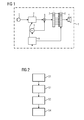
- the combined hearing aid and tinnitus therapy device 1 comprises an input transducer, in particular a microphone 2, for receiving an acoustic input signal and conversion to an electrical input signal.
- the electrical input signal is supplied for further processing, in particular for frequency-dependent amplification to compensate for the individual hearing loss of the user, a signal processing unit 3 for generating an electrical output signal.
- the electrical output signal of the signal processing unit 3 is finally - optionally after further processing - an electro-acoustic output transducer, here in the form of a receiver 4, supplied to convert the electrical output signal into an acoustic output signal.
- a signal processor in addition to the signal processing unit 3 further comprises, for tinnitus therapy, a signal generator 5, which in particular has an individual, i. generates a customizable tinnitus sound of a user customizable masking signal. This is added in a summer 6 to the output by the signal processing unit 3 electrical output signal.
- the hearing aid and tinnitus therapy device 1 further comprises, as filter means, a filter bank 7, in which the electrical output signal output by the summer 6 is split into a multiplicity of frequency bands. Subsequently, the frequency bands are combined in a synthesis unit 8 again to an electrical output signal, in particular added, and converted by the handset 4 into an acoustic signal and fed to the user's hearing.
- the hearing aid and tinnitus therapy device 1 furthermore comprises a control and storage unit 9, which essentially suppresses the tinnitus frequency and / or the tinnitus frequency spectrum in the hearing aid and tinnitus therapy device 1 Output signal controls.
- the control and storage unit 9 is for this purpose connected to an external programming device (not shown).
- the setting of the signal processing unit 3 for individual adjustment of Signal processing to the hearing loss of the user.
- the adjustment of the signal generator 5 and, in particular, the adjustment of the generated signal frequencies and signal levels of the masking signal are carried out.
- control and storage unit 9 determines which frequency bands are allowed to pass through the synthesis unit 8 (unhindered) and which frequency bands are suppressed (disabled).
- a large variety (eg, greater than 100) of frequency bands in the filter bank 7 (multi-channel filter bank) and the synthesis unit 8 allows a more accurate adaptation of the acoustic output signal to the individual tinnitus noise. It is also possible to convert the signal processing from the time domain to the frequency domain, which corresponds to the use of a large number of frequency bands in digital signal processing.
- the filter bank 7 can also be arranged between the microphone 2 and the signal processing unit 3 (not shown), so that the signal processing in the signal processing unit 3 takes place in a multiplicity of frequency bands.
- An exemplary, inventive method for operating a hearing aid and tinnitus therapy device comprises - as in FIG. 2 again illustrates - the following steps: Step S1: detecting at least one tinnitus frequency and / or a tinnitus frequency spectrum of a user; Step S2: Setting filter means; Step S3: recording an acoustic input signal in the hearing aid and tinnitus therapy device and processing the recorded input signal; Step S4: Generate an acoustic output signal in which the tinnitus frequency and / or the tinnitus frequency spectrum are suppressed.
- FIG. 3 Another embodiment of a hearing aid and tinnitus therapy device is shown in FIG. 3 shown.
- the hearing aid and tinnitus therapy device 11 comprises an input transducer, in particular a microphone 12, for receiving an acoustic input signal and conversion into an electrical input signal.
- the electrical input signal is supplied for further processing, in particular for frequency-dependent amplification and to compensate for the individual hearing loss of the user, a signal processing unit 13 for generating an electrical output signal.
- the electrical output signal of the signal processing unit 13 is ultimately, optionally after further processing, an electro-acoustic output transducer, here a handset 14, for converting the electrical output signal into an acoustic output signal supplied.
- the hearing aid and tinnitus therapy device 11 and in particular the signal processing unit 13 comprises filter means 15 by which at least one tinnitus frequency and / or at least one tinnitus frequency spectrum in the output signal generated by the signal processing unit 13 are suppressed ,
- filter means 15 by which at least one tinnitus frequency and / or at least one tinnitus frequency spectrum in the output signal generated by the signal processing unit 13 are suppressed
- a control and storage unit 19 is present, which is connectable to an external programming device (not shown) and via which the transfer function of the filter means 15 is adjustable.
- the hearing aid and tinnitus therapy device 11 makes it possible to suppress existing frequencies or frequency ranges in the acoustic input signal recorded by the microphone 12, so that these are no longer present in the acoustic output signal generated by the listener 14. For many users, this causes an initial tinnitus to recede over time.
- the hearing aid device 11 is designed for a closed supply, in which the hearing of the user at least substantially only the acoustic signal generated by the listener 14 is supplied.
Landscapes
- Health & Medical Sciences (AREA)
- General Health & Medical Sciences (AREA)
- Neurosurgery (AREA)
- Otolaryngology (AREA)
- Physics & Mathematics (AREA)
- Engineering & Computer Science (AREA)
- Acoustics & Sound (AREA)
- Signal Processing (AREA)
- Soundproofing, Sound Blocking, And Sound Damping (AREA)
- Percussion Or Vibration Massage (AREA)
Abstract
Description
- Die Erfindung betrifft ein Verfahren zum Betrieb eines Hörhilfe- und/oder Tinnitus-Therapie-Gerätes, wobei wenigstens eine Tinnitus-Frequenz und/oder ein Tinnitus-Frequenzspektrum eines Benutzers erfasst wird und in Abhängigkeit der Tinnitus-Frequenz und/oder des Tinnitus-Frequenzspektrums des Benutzers ein akustisches Ausgangssignal erzeugt wird.
- Ferner betrifft die Erfindung ein Hörhilfe- und/oder Tinnitus-Therapie-Gerät zur Durchführung des Verfahrens.
- Das Problem eines chronischen Tinnitus betrifft ca. 10-15% der westlichen Bevölkerung. In 1-2% der Bevölkerung führt der Tinnitus zu schweren psychologischen Problemen, beeinflusst das berufliche und soziale Leben, stört die Konzentration, verursacht kognitive und emotionale Leiden und führt häufig zu Einschlafproblemen.
- In vielen Fällen geht der chronische Tinnitus mit einem schweren Hörverlust einher. Ein schwerer Hörverlust ist auch häufig Auslöser für eine neuroplastische Reorganisation des zentralen auditorischen Systems und daher häufig der Auslöser und die eigentliche Ursache des Tinnitus.
- Es sind elektronische Hilfsmittel, sog. Tinnitus-Masker, bekannt, die ein akustisches Signal erzeugen, dessen Frequenz in etwa der Tinnitus-Frequenz entspricht und die damit durch ein dem Gehör eines Betroffenen von außen zugeführtes akustisches Signal den Tinnitus überdecken ("maskieren") sollen.
- Aus der Druckschrift
EP 0 820 211 A1 ist ein programmierbares Hörgerät bekannt, das auch zur Tinnitus- sowie zur Retrainings-Therapie einsetzbar ist. Das digitale Hörgerät hat einen Signalprozessor, der Mittel zur Signalerzeugung umfasst, deren Signale mit einem digitalisierten Nutzsignal kombinierbar sind. - Aus der Veröffentlichung von Hidehiko Okamotoa, Henning Strackea, Wolfgang Sollb, Christo Panteva: Listening to tailormade notched music reduces tinnitus loudness and tinnitusrelated auditory cortex activity. In PNAS, vol 107, no. 3, 19 Januar 2010, S. 1207-1210, ist ein Verfahren zur Tinnitus-Therapie bekannt, bei dem einem Benutzer eines Gerätes ein akustisches Signal, z.B. Musik, dargeboten wird, in der Weise, dass in dem akustischen Signal wenigstens eine Tinnitus-Frequenz oder ein Tinnitus-Frequenzspektrum unterdrückt sind.
- Nachteilig bei den bekannten, beim Vorhandensein eines Tinnitus-Geräusches (Tinnitus) anwendbaren Geräten ist, dass diese nur während ihrer Verwendung den Tinnitus erträglicher machen, jedoch nicht zu einer nachhaltigen Beseitigung des Problems beitragen.
- Aufgabe der vorliegenden Erfindung ist es, ein Verfahren zum Betrieb eines Hörhilfe- und/oder Tinnitus-Therapie-Gerätes sowie ein Hörhilfe- und/oder Tinnitus-Therapie-Gerät anzugeben, durch die langfristig eine Beseitigung des Tinnitus erreicht werden kann.
- Diese Aufgabe wird gelöst durch ein Verfahren zum Betrieb eines Hörhilfe- und/oder Tinnitus-Therapie-Gerätes mit den Verfahrensschritten gemäß Anspruch 1. Ferner wird die Aufgabe gelöst durch ein Hörhilfe- und/oder Tinnitus-Therapie-Gerät mit den Merkmalen gemäß Anspruch 5. Vorteilhafte Ausführungsformen sind in den Unteransprüchen angegeben.
- Bei dem erfindungsgemäßen Verfahren zum Betrieb eines Hörhilfe- und/oder Tinnitus-Therapie-Gerätes werden zunächst wenigstens eine Tinnitus-Frequenz und/oder ein Tinnitus-Frequenzspektrum eines Benutzers erfasst. Es wird festgestellt, bei welcher Frequenz bzw. welchen Frequenzen der Betroffene akustische Signale hört, die ihre Ursache nicht in von außen in das Ohr gelangende akustische Signale haben. Dies kann bei einem Arzt oder Hörgeräteakustiker erfolgen. Das Hörhilfe- und/oder Tinnitus-Therapie-Gerät zur Versorgung des Betroffenen wird dann so eingestellt, dass ein akustisches Ausgangssignal erzeugt wird, in dem die Tinnitus-Frequenz und/oder das Tinnitus-Frequenzspektrum unterdrückt sind. Anders als bei bekannten, bei Tinnitus eingesetzten Geräten wird hier also die Tinnitus-Frequenz bzw. der Tinnitus-Frequenzbereich unterdrückt. Dadurch wird eine neuroplastische Reorganisation des zentralen auditorischen Systems eines Betroffenen ermöglicht, welche die tinitusverursachende maladaptive neuroplastische Reorganisation des zentralen auditorischen Systems eines Betroffenen wieder rückgängig macht.
- Vorteilhaft ist das verwendete Hörhilfe- und/oder Tinnitus-Therapie-Gerät für eine geschlossene Versorgung ausgebildet, bei der entweder das Gerät selbst oder eine damit verbundene Otoplastik den Gehörgang des Betroffenen beim Tragen des Gerätes möglichst gut verschließt, so dass dem Gehör des Betroffenen wenigstens im Wesentlichen nur das von dem Gerät erzeugte akustische Ausgangssignal zugeführt wird. Jedoch kann die erfindungsgemäße Maskierung auch für eine offenen Anpassung sehr wirkungsvoll sein.
- Bei einer Ausführungsform der Erfindung, bei der von dem Hörhilfe- und/oder Tinnitus-Therapie-Gerät aktiv ein Tinnitus-Maskierungssignal generiert wird, erfolgt die Signalerzeugung derart, dass die Tinnitus-Frequenz und/oder das Tinnitus-Frequenzspektrum in dem von dem Hörhilfe- und/oder Tinnitus-Therapie-Gerät abgegebenen Tinnitus-Maskierungssignal unterdrückt sind. Dies kann beispielsweise dadurch erreicht werden, dass ein zur Signalerzeugung vorhandener Signalgenerator die betreffenden Frequenzen bzw. Frequenzbereiche in dem Maskierungssignal erst gar nicht erzeugt, oder dass die betreffende Tinnitus-Frequenz bzw. das betreffende Tinnitus-Frequenzspektrum aus dem ursprünglich erzeugten Maskierungssignal nachträglich herausgefiltert (unterdrückt) werden. Als Filtermittel können dabei Notch-Filter oder Bandpassfilter verwendet werden. Vorzugsweise werden dadurch nicht nur die Tinnitus-Frequenz bzw. das Tinnitus-Frequenzspektrum unterdrückt, sondern auch eine bestimmte Bandbreite um die Tinnitus-Frequenz bzw. das Tinnitus-Frequenzspektrum herum. Vorzugsweise ist neben der eigentlichen Filterfrequenz bzw. dem eigentlichen Filterfrequenzband auch diese Bandbreite durch Programmieren des betreffenden Hörhilfe- und/oder Tinnitus-Therapie-Gerätes einstellbar.
- Da ein Tinnitus häufig mit einem Hörverlust des Betroffenen einhergeht, dient ein erfindungsgemäßes Gerät vorzugsweise sowohl zur Tinnitus-Therapie als auch zum Ausgleich des Hörverlustes. Hierzu wird ein akustisches Eingangssignal in das Hörhilfe- und Tinnitus-Therapie-Gerät aufgenommen und darin verarbeitet und insbesondere frequenzabhängig verstärkt zum individuellen Ausgleich des Hörverlustes des Benutzers. Das akustische Ausgangssignal umfasst somit ein aus dem akustischen Eingangssignal hervorgehendes Signal. Zusätzlich kann das akustische Ausgangssignal jedoch auch ein im Hörhilfeund Tinnitus-Therapie-Gerät generiertes Maskierungssignal umfassen. Gemäß der Erfindung sind auch bei dem kombinierten Hörhilfe- und Tinnitus-Therapie-Gerät in dem erzeugten akustischen Ausgangssignal die Tinnitus-Frequenz und/oder das Tinnitus-Frequenzspektrum unterdrückt.
- Die Erfindung wird nachfolgend anhand von Ausführungsbeispielen näher erläutert. Dabei zeigen:
- FIG 1
- ein erfindungsgemäßes Hörhilfe- und Tinnitus-Therapie-Gerät im Blockschaltbild und
- FIG 2
- ein Ablaufdiagramm zur Durchführung eines erfin-dungsgemäßen Verfahrens,
- FIG 3
- ein weiteres Hörhilfe- und Tinnitus-Therapie-Gerät im Blockschaltbild.
- Das kombinierte Hörhilfe- und Tinnitus-Therapie-Gerät 1 gemäß der Erfindung umfasst einen Eingangswandler, insbesondere ein Mikrofon 2, zur Aufnahme eines akustischen Eingangssignals und Wandlung in ein elektrisches Eingangssignal. Das elektrische Eingangssignal ist zur Weiterverarbeitung, insbesondere zur frequenzabhängigen Verstärkung zum Ausgleich des individuellen Hörverlustes des Benutzers, einer Signalverarbeitungseinheit 3 zum Erzeugen eines elektrischen Ausgangssignals zugeführt. Das elektrische Ausgangssignal der Signalverarbeitungseinheit 3 wird letztlich - ggf. nach einer Weiterverarbeitung - einem elektroakustischen Ausgangswandler, hier in Form eines Hörers 4, zur Wandlung des elektrischen Ausgangssignals in ein akustisches Ausgangssignal zugeführt.
- Bei dem Hörhilfe- und Tinnitus-Therapie-Gerät 1 gemäß dem Ausführungsbeispiel umfasst ein Signalprozessor neben der Signalverarbeitungseinheit 3 ferner zur Tinnitus-Therapie einen Signalgenerator 5, der insbesondere ein individuelles, d.h. an das individuelle Tinnitus-Geräusch eines Benutzers anpassbares Maskierungssignal erzeugt. Dieses wird in einem Summierer 6 zu dem von der Signalverarbeitungseinheit 3 abgegebenen elektrischen Ausgangssignal addiert.
- Das erfindungsgemäße Hörhilfe- und Tinnitus-Therapie-Gerät 1 umfasst ferner als Filtermittel eine Filterbank 7, in der das von dem Summierer 6 abgegebene elektrische Ausgangssignal in eine Vielzahl an Frequenzbändern aufgespaltet wird. Anschließend werden die Frequenzbänder in einer Syntheseeinheit 8 wieder zu einem elektrischen Ausgangssignal zusammengeführt, insbesondere addiert, und durch den Hörer 4 in ein akustisches Signal gewandelt und dem Gehör des Benutzers zugeführt.
- Das erfindungsgemäße Hörhilfe- und Tinnitus-Therapie-Gerät 1 umfasst weiterhin eine Steuer- und Speichereinheit 9, die im Wesentlichen die Unterdrückung der Tinnitus-Frequenz und/oder des Tinnitus-Frequenzspektrums in dem von dem Hörhilfe- und Tinnitus-Therapie-Gerät 1 abgegebenen Ausgangssignal steuert. Die Steuer- und Speichereinheit 9 ist hierzu mit einem externen Programmiergerät (nicht dargestellt) verbindbar. Über die Steuer- und Speichereinheit 9 erfolgt die Einstellung der Signalverarbeitungseinheit 3 zur individuellen Anpassung der Signalverarbeitung an den Hörverlust des Benutzers. Weiterhin erfolgt darüber die Einstellung des Signalgenerators 5 und diesbezüglich insbesondere die Einstellung der generierten Signalfrequenzen und Signalpegel des Maskierungssignals. Weiterhin bestimmt die Steuer- und Speichereinheit 9 welche Frequenzbänder von der Syntheseeinheit 8 (ungehindert) hindurchgelassen und welche Frequenzbänder unterdrückt (gesperrt) werden. Eine große Vielzahl (z.B. größer 100) an Frequenzbändern in der Filterbank 7 (Multikanal-Filterbank) und der Syntheseeinheit 8 ermöglicht eine umso genauere Anpassung des akustischen Ausgangssignal an das individuelle Tinnitus-Geräusch. Auch eine Überführung der Signalverarbeitung vom Zeitbereich in den Frequenzbereich kommt in Betracht, was bei einer digitalen Signalverarbeitung der Verwendung einer großen Anzahl an Frequenzbändern entspricht.
- Anders als in dem gezeigten Ausführungsbeispiel kann die Filterbank 7 auch zwischen dem Mikrofon 2 und der Signalverarbeitungseinheit 3 angeordnet sein (nicht dargestellt), so dass auch die Signalverarbeitung in der Signalverarbeitungseinheit 3 in einer Vielzahl an Frequenzbändern erfolgt.
- Ein beispielhaftes, erfindungsgemäßes Verfahren zum Betrieb eines Hörhilfe- und Tinnitus-Therapie-Gerätes umfasst - wie in
FIG 2 nochmals veranschaulicht - folgende Schritte: Schritt S1: Erfassen wenigstens einer Tinnitus-Frequenz und/oder eines Tinnitus-Frequenzspektrums eines Benutzers; Schritt S2: Einstellen von Filtermitteln; Schritt S3: Aufnehmen eines akustischen Eingangssignals in das Hörhilfe- und Tinnitus-Therapie-Gerät und Verarbeiten des aufgenommenen Eingangssignals; Schritt S4: Erzeugen eines akustischen Ausgangssignals, in dem die Tinnitus-Frequenz und/oder das Tinnitus-Frequenzspektrum unterdrückt sind. - Ein weiteres Ausführungsbeispiel eines Hörhilfe- und Tinnitus-Therapie-Geräts ist in
FIG 3 dargestellt. Das Hörhilfeund Tinnitus-Therapie-Gerät 11 umfasst einen Eingangswandler, insbesondere ein Mikrophon 12, zur Aufnahme eines akustischen Eingangssignals und Wandlung in ein elektrisches Eingangssignal. Das elektrische Eingangssignal ist zur Weiterverarbeitung, insbesondere zur frequenzabhängigen Verstärkung und zum Ausgleich des individuellen Hörverlustes des Benutzers, einer Signalverarbeitungseinheit 13 zum Erzeugen eines elektrischen Ausgangssignals zugeführt. Das elektrische Ausgangssignal der Signalverarbeitungseinheit 13 wird letztlich, gegebenenfalls nach einer Weiterverarbeitung, einem elektroakustischen Ausgangswandler, hier einem Hörer 14, zur Wandlung des elektrischen Ausgangssignals in ein akustisches Ausgangssignal, zugeführt. - Zur Durchführung einer Tinnitus-Therapie umfasst das Hörhilfe- und Tinnitus-Therapie-Gerät 11 und insbesondere die Signalverarbeitungseinheit 13 Filtermittel 15, durch die wenigstens eine Tinnitus-Frequenz und/oder wenigstens ein Tinnitus-Frequenzspektrum in dem von der Signalverarbeitungseinheit 13 erzeugten Ausgangssignal unterdrückt werden. Zur Einstellung wenigstens einer Tinnitus-Frequenz und/oder wenigstens eines Tinnitus-Frequenzspektrums ist eine Steuer- und Speichereinheit 19 vorhanden, die mit einem externen Programmiergerät (nicht dargestellt) verbindbar ist und über die die Übertragungsfunktion des Filtermittels 15 einstellbar ist.
- Das erfindungsgemäße Hörhilfe- und Tinnitus-Therapie-Gerät 11 ermöglicht es, in dem von dem Mikrophon 12 aufgenommenen akustischen Eingangssignal vorhandene Frequenzen oder Frequenzbereiche zu unterdrücken, so dass diese in dem von dem Hörer 14 erzeugten akustischen Ausgangssignal nicht mehr vorhanden sind. Bei vielen Benutzern bildet sich dadurch ein zunächst vorhandener Tinnitus mit der Zeit zurück. Besonders vorteilhaft ist das Hörhilfegerät 11 für eine geschlossene Versorgung ausgebildet, bei dem der Gehör des Benutzers wenigstens im Wesentlichen nur das von dem Hörer 14 erzeugte akustische Signal zugeführt wird.
Claims (9)
- Verfahren zum Betrieb eines Hörhilfe- und/oder Tinnitus-Therapie-Gerätes (1,11) mit folgenden Schritten:- Erfassen wenigstens einer Tinnitus-Frequenz und/oder eines Tinnitus-Frequenzspektrums eines Benutzers,- Erzeugen eines akustischen Ausgangssignals, in dem die Tinnitus-Frequenz und/oder das Tinnitus-Frequenzspektrum unterdrückt sind.
- Verfahren nach Anspruch 1, wobei ein Tinnitus-Maskierungssignal generiert wird, derart, dass die Tinnitus-Frequenz und/oder das Tinnitus-Frequenzspektrum in dem Tinnitus-Maskierungssignal unterdrückt sind.
- Verfahren nach Anspruch 1, wobei ein akustisches Eingangssignal in das Hörhilfe- und/oder Tinnitus-Therapie-Gerät (1,11) aufgenommen wird, wobei das akustische Eingangssignal in dem Hörhilfe- und/oder Tinnitus-Therapie-Gerät (1,11) verarbeitet wird, wobei das akustische Ausgangssignal in Abhängigkeit des akustischen Eingangssignals erzeugt wird und wobei Signalanteile des akustischen Eingangssignals bei der Tinnitus-Frequenz und/oder dem Tinnitus-Frequenzspektrum in dem akustischen Ausgangssignal unterdrückt werden.
- Verfahren nach einem der Ansprüche 1 bis 3, wobei Filtermittel derart eingestellt werden, dass die Tinnitus-Frequenz und/oder das Tinnitus-Frequenzspektrum in dem akustischen Ausgangssignal unterdrückt werden.
- Hörhilfe- und/oder Tinnitus-Therapie-Gerät (1,11) zur Durchführung eines Verfahrens nach einem der Ansprüche 1 bis 4, mit wenigstens einem Signalprozessor zum Erzeugen eines elektrischen Ausgangssignals und einem elektroakustischen Ausgangswandler zur Wandlung des elektrischen Ausgangssignals in ein akustisches Ausgangssignal sowie mit Mitteln zum Unterdrücken der Tinnitus-Frequenz und/oder des Tinnitus-Frequenzspektrums in dem akustischen Ausgangssignal.
- Hörhilfe- und/oder Tinnitus-Therapie-Gerät (1,11) nach Anspruch 5 mit Filtermitteln zum Unterdrücken der Tinnitus-Frequenz und/oder des Tinnitus-Frequenzspektrums in dem akustischen Ausgangssignal.
- Hörhilfe- und/oder Tinnitus-Therapie-Gerät (1,11) nach Anspruch 6, wobei die Filtermittel durch Programmierung des Hörhilfe- und/oder Tinnitus-Therapie-Gerätes (1) einstellbar sind.
- Hörhilfe- und/oder Tinnitus-Therapie-Gerät (1,11) nach Anspruch 6 oder 7, wobei die Filtermittel eine Multikanal-Filterbank (7) umfassen.
- Hörhilfe- und/oder Tinnitus-Therapie-Gerät (1,11), ausgebildet für eine geschlossene Versorgung.
Applications Claiming Priority (1)
| Application Number | Priority Date | Filing Date | Title |
|---|---|---|---|
| DE102010039589A DE102010039589A1 (de) | 2010-08-20 | 2010-08-20 | Hörhilfe- und/oder Tinnitus-Therapie-Gerät |
Publications (3)
| Publication Number | Publication Date |
|---|---|
| EP2421282A2 true EP2421282A2 (de) | 2012-02-22 |
| EP2421282A3 EP2421282A3 (de) | 2013-03-06 |
| EP2421282B1 EP2421282B1 (de) | 2016-10-12 |
Family
ID=44719238
Family Applications (1)
| Application Number | Title | Priority Date | Filing Date |
|---|---|---|---|
| EP11176905.5A Revoked EP2421282B1 (de) | 2010-08-20 | 2011-08-09 | Hörhilfe- und/oder Tinnitus-Therapie-Gerät |
Country Status (4)
| Country | Link |
|---|---|
| US (1) | US20120046713A1 (de) |
| EP (1) | EP2421282B1 (de) |
| DE (1) | DE102010039589A1 (de) |
| DK (1) | DK2421282T3 (de) |
Cited By (1)
| Publication number | Priority date | Publication date | Assignee | Title |
|---|---|---|---|---|
| EP3136755B1 (de) | 2011-07-28 | 2021-04-21 | My Tinnitus Has Gone AG | Erzeugung einer angepassten audiodatei |
Families Citing this family (10)
| Publication number | Priority date | Publication date | Assignee | Title |
|---|---|---|---|---|
| EP2936833B1 (de) * | 2012-12-21 | 2016-10-26 | Widex A/S | Ein hörgerätesystem zur bereitstellung eines verbesserten klangs und ein verfahren zur erzeugung eines verbesserten klangs |
| WO2014181785A1 (en) * | 2013-05-09 | 2014-11-13 | Semiconductor Energy Laboratory Co., Ltd. | Semiconductor device and manufacturing method thereof |
| DK3014899T3 (da) | 2013-06-25 | 2019-11-04 | Sonova Ag | En metode til anvendelse af et høreapparat samt et høreapparat |
| MX2016000173A (es) | 2013-06-28 | 2016-08-08 | Otoharmonics Corp | Sistemas y metodos para seguimiento y presentacion de datos de terapia para acufenos. |
| DE102015102875A1 (de) | 2015-02-27 | 2016-09-01 | Resaphene Suisse Ag | Vorrichtung zur Ermittlung einer persönlichen Tinnitus-Frequenz |
| US10225671B2 (en) * | 2016-05-27 | 2019-03-05 | Cochlear Limited | Tinnitus masking in hearing prostheses |
| US10821027B2 (en) | 2017-02-08 | 2020-11-03 | Intermountain Intellectual Asset Management, Llc | Devices for filtering sound and related methods |
| DE102017203947A1 (de) | 2017-03-09 | 2018-09-13 | Sivantos Pte. Ltd. | Verfahren zum Betreiben einer Hörhilfevorrichtung sowie Hörhilfevorrichtung |
| WO2020128053A2 (en) | 2018-12-21 | 2020-06-25 | My Tinnitus Has Gone Ag | Device for providing an audio signal |
| CN113242501B (zh) * | 2021-04-22 | 2023-07-07 | 陶源 | 多频率耳鸣匹配及掩蔽方法、设备、介质及程序产品 |
Citations (1)
| Publication number | Priority date | Publication date | Assignee | Title |
|---|---|---|---|---|
| EP0820211A1 (de) | 1996-07-09 | 1998-01-21 | Siemens Audiologische Technik GmbH | Programmierbares Hörgerät |
Family Cites Families (8)
| Publication number | Priority date | Publication date | Assignee | Title |
|---|---|---|---|---|
| US5024612A (en) * | 1988-12-19 | 1991-06-18 | Minnesota Mining And Manufacturing Company | External ear canal pressure regulating device and tinnitus suppression device |
| DE4014872A1 (de) * | 1990-05-09 | 1991-11-14 | Toepholm & Westermann | Tinnitus-maskiergeraet |
| US6236731B1 (en) * | 1997-04-16 | 2001-05-22 | Dspfactory Ltd. | Filterbank structure and method for filtering and separating an information signal into different bands, particularly for audio signal in hearing aids |
| EP0985328B1 (de) | 1997-04-16 | 2006-03-08 | Emma Mixed Signal C.V. | Filterbankanordnung und verfahren zur filterung und trennung eines informationssignal in unterschiedlichen frequenzbändern, insbesondere für audiosignale in hörhilfegeräten |
| KR100647310B1 (ko) * | 2005-01-26 | 2006-11-23 | 삼성전자주식회사 | 인간의 청각특성에 따른 주파수 특성을 갖는 신호 출력 방법 및 이를 이용한 이명 치료 장치 |
| ITUD20070009A1 (it) * | 2007-01-18 | 2008-07-19 | Univ Parma | Dispositivo per il trattamento dell'acufene |
| DE102008024534A1 (de) | 2008-05-21 | 2009-12-03 | Siemens Medical Instruments Pte. Ltd. | Hörvorrichtung mit einem Entzerrungsfilter im Filterbank-System |
| SG184880A1 (en) * | 2010-04-16 | 2012-11-29 | Widex As | A hearing aid and a method for alleviating tinnitus |
-
2010
- 2010-08-20 DE DE102010039589A patent/DE102010039589A1/de active Pending
-
2011
- 2011-08-09 EP EP11176905.5A patent/EP2421282B1/de not_active Revoked
- 2011-08-09 DK DK11176905.5T patent/DK2421282T3/da active
- 2011-08-22 US US13/214,448 patent/US20120046713A1/en not_active Abandoned
Patent Citations (1)
| Publication number | Priority date | Publication date | Assignee | Title |
|---|---|---|---|---|
| EP0820211A1 (de) | 1996-07-09 | 1998-01-21 | Siemens Audiologische Technik GmbH | Programmierbares Hörgerät |
Non-Patent Citations (1)
| Title |
|---|
| PNAS, vol. 107, no. 3, 19 January 2010 (2010-01-19), pages 1207 - 1210 |
Cited By (2)
| Publication number | Priority date | Publication date | Assignee | Title |
|---|---|---|---|---|
| EP3136755B1 (de) | 2011-07-28 | 2021-04-21 | My Tinnitus Has Gone AG | Erzeugung einer angepassten audiodatei |
| EP3136755B2 (de) † | 2011-07-28 | 2024-04-17 | My Tinnitus Has Gone AG | Erzeugung einer angepassten audiodatei |
Also Published As
| Publication number | Publication date |
|---|---|
| DK2421282T3 (da) | 2017-01-30 |
| EP2421282A3 (de) | 2013-03-06 |
| EP2421282B1 (de) | 2016-10-12 |
| US20120046713A1 (en) | 2012-02-23 |
| DE102010039589A1 (de) | 2012-02-23 |
Similar Documents
| Publication | Publication Date | Title |
|---|---|---|
| EP2421282B1 (de) | Hörhilfe- und/oder Tinnitus-Therapie-Gerät | |
| DE69933141T2 (de) | Tonprozessor zur adaptiven dynamikbereichsverbesserung | |
| EP2229010B1 (de) | Hörgerät und Verfahren zur Störschallkompensation bei einem Hörgerät | |
| EP0071845A2 (de) | Gerät zur Kompensation von Gehörschäden | |
| EP2919652B1 (de) | Bearbeiten von audiosignalen für eine tinnitustherapie | |
| DE60204902T2 (de) | Verfahren zum programmieren einer kommunikationseinrichtung und programmierbare kommunikationseinrichtung | |
| EP3197181B1 (de) | Verfahren zur reduktion der latenzzeit einer filterbank zur filterung eines audiosignals sowie verfahren zum latenzarmen betrieb eines hörsystems | |
| EP0661905A2 (de) | Verfahren zur Anpassung eines Hörgerätes, Vorrichtung hierzu und Hörgerät | |
| DE112015006800T5 (de) | Verfahren und Kopfhörersatz zur Verbesserung einer Tonqualität | |
| DE60016144T2 (de) | Hörhilfegerät | |
| EP3373600B1 (de) | Hörhilfevorrichtung zur kompensation von tinnitus | |
| DE102021205251B4 (de) | Verfahren und Vorrichtung zur frequenzselektiven Verarbeitung eines Audiosignals mit geringer Latenz | |
| EP1351550B1 (de) | Verfahren zur Anpassung einer Signalverstärkung in einem Hörgerät sowie ein Hörgerät | |
| EP3834723A1 (de) | Verfahren zur ermittlung der hörschwelle einer testperson | |
| EP3448063B1 (de) | Verfahren zum anpassen einer hörvorrichtung | |
| EP2584795A2 (de) | Verfahren zum Ermitteln einer Kompressionskennlinie | |
| EP3793217A1 (de) | Hörgerät mit aktiver geräuschunterdrückung und verfahren zum betrieb desselben | |
| EP2394271B1 (de) | Methode zur trennung von signalpfaden und anwendung auf die verbesserung von sprache mit elektro-larynx | |
| EP3403260B1 (de) | Verfahren und vorrichtung zur aufbereitung eines verlustbehaftet komprimierten audiosignals | |
| DE102011006472B4 (de) | Verfahren zur Verbesserung der Sprachverständlichkeit mit einem Hörhilfegerät sowie Hörhilfegerät | |
| DE102024205064B4 (de) | Verfahren zum Betreiben eines Hörgeräts | |
| DE102024205358B4 (de) | Verfahren zur Rauschunterdrückung in einem Hörinstrument | |
| EP3048813B1 (de) | Verfahren und vorrichtung zur rauschunterdrückung basierend auf inter-subband-korrelation | |
| WO2008092663A1 (de) | Hörgerät, insbesondere zur tinnitusbehandlung, verwendung und verfahren hierfür | |
| DE102023205436A1 (de) | Verfahren zum Betrieb eines Hörgeräts und Hörgerät |
Legal Events
| Date | Code | Title | Description |
|---|---|---|---|
| AK | Designated contracting states |
Kind code of ref document: A2 Designated state(s): AL AT BE BG CH CY CZ DE DK EE ES FI FR GB GR HR HU IE IS IT LI LT LU LV MC MK MT NL NO PL PT RO RS SE SI SK SM TR |
|
| AX | Request for extension of the european patent |
Extension state: BA ME |
|
| PUAI | Public reference made under article 153(3) epc to a published international application that has entered the european phase |
Free format text: ORIGINAL CODE: 0009012 |
|
| RIN1 | Information on inventor provided before grant (corrected) |
Inventor name: ZIEGLER, MARTINA Inventor name: SEUBERT, NADINE Inventor name: HANNEMANN, RONNY, DR. Inventor name: SCHLEE, WINFRIED, DR. |
|
| RIN1 | Information on inventor provided before grant (corrected) |
Inventor name: HANNEMANN, RONNY, DR. Inventor name: SCHLEE, WINFRIED, DR. Inventor name: SEUBERT, NADINE Inventor name: ZIEGLER, MARTINA |
|
| PUAL | Search report despatched |
Free format text: ORIGINAL CODE: 0009013 |
|
| AK | Designated contracting states |
Kind code of ref document: A3 Designated state(s): AL AT BE BG CH CY CZ DE DK EE ES FI FR GB GR HR HU IE IS IT LI LT LU LV MC MK MT NL NO PL PT RO RS SE SI SK SM TR |
|
| AX | Request for extension of the european patent |
Extension state: BA ME |
|
| RIC1 | Information provided on ipc code assigned before grant |
Ipc: H04R 25/00 20060101AFI20130128BHEP |
|
| 17P | Request for examination filed |
Effective date: 20130819 |
|
| RBV | Designated contracting states (corrected) |
Designated state(s): AL AT BE BG CH CY CZ DE DK EE ES FI FR GB GR HR HU IE IS IT LI LT LU LV MC MK MT NL NO PL PT RO RS SE SI SK SM TR |
|
| 17Q | First examination report despatched |
Effective date: 20150311 |
|
| RAP1 | Party data changed (applicant data changed or rights of an application transferred) |
Owner name: SIVANTOS PTE. LTD. |
|
| GRAP | Despatch of communication of intention to grant a patent |
Free format text: ORIGINAL CODE: EPIDOSNIGR1 |
|
| INTG | Intention to grant announced |
Effective date: 20160215 |
|
| RIN1 | Information on inventor provided before grant (corrected) |
Inventor name: SEUBERT, NADINE Inventor name: ZIEGLER, MARTINA Inventor name: SCHLEE, WINFRIED Inventor name: HANNEMANN, RONNY |
|
| GRAS | Grant fee paid |
Free format text: ORIGINAL CODE: EPIDOSNIGR3 |
|
| GRAP | Despatch of communication of intention to grant a patent |
Free format text: ORIGINAL CODE: EPIDOSNIGR1 |
|
| INTG | Intention to grant announced |
Effective date: 20160713 |
|
| GRAA | (expected) grant |
Free format text: ORIGINAL CODE: 0009210 |
|
| AK | Designated contracting states |
Kind code of ref document: B1 Designated state(s): AL AT BE BG CH CY CZ DE DK EE ES FI FR GB GR HR HU IE IS IT LI LT LU LV MC MK MT NL NO PL PT RO RS SE SI SK SM TR |
|
| REG | Reference to a national code |
Ref country code: GB Ref legal event code: FG4D Free format text: NOT ENGLISH |
|
| REG | Reference to a national code |
Ref country code: CH Ref legal event code: EP |
|
| REG | Reference to a national code |
Ref country code: AT Ref legal event code: REF Ref document number: 837424 Country of ref document: AT Kind code of ref document: T Effective date: 20161015 |
|
| REG | Reference to a national code |
Ref country code: IE Ref legal event code: FG4D Free format text: LANGUAGE OF EP DOCUMENT: GERMAN |
|
| REG | Reference to a national code |
Ref country code: DE Ref legal event code: R096 Ref document number: 502011010891 Country of ref document: DE |
|
| REG | Reference to a national code |
Ref country code: CH Ref legal event code: NV Representative=s name: E. BLUM AND CO. AG PATENT- UND MARKENANWAELTE , CH |
|
| REG | Reference to a national code |
Ref country code: DK Ref legal event code: T3 Effective date: 20170126 |
|
| REG | Reference to a national code |
Ref country code: LT Ref legal event code: MG4D |
|
| REG | Reference to a national code |
Ref country code: NL Ref legal event code: MP Effective date: 20161012 |
|
| PG25 | Lapsed in a contracting state [announced via postgrant information from national office to epo] |
Ref country code: LV Free format text: LAPSE BECAUSE OF FAILURE TO SUBMIT A TRANSLATION OF THE DESCRIPTION OR TO PAY THE FEE WITHIN THE PRESCRIBED TIME-LIMIT Effective date: 20161012 |
|
| PG25 | Lapsed in a contracting state [announced via postgrant information from national office to epo] |
Ref country code: NO Free format text: LAPSE BECAUSE OF FAILURE TO SUBMIT A TRANSLATION OF THE DESCRIPTION OR TO PAY THE FEE WITHIN THE PRESCRIBED TIME-LIMIT Effective date: 20170112 Ref country code: LT Free format text: LAPSE BECAUSE OF FAILURE TO SUBMIT A TRANSLATION OF THE DESCRIPTION OR TO PAY THE FEE WITHIN THE PRESCRIBED TIME-LIMIT Effective date: 20161012 Ref country code: GR Free format text: LAPSE BECAUSE OF FAILURE TO SUBMIT A TRANSLATION OF THE DESCRIPTION OR TO PAY THE FEE WITHIN THE PRESCRIBED TIME-LIMIT Effective date: 20170113 Ref country code: SE Free format text: LAPSE BECAUSE OF FAILURE TO SUBMIT A TRANSLATION OF THE DESCRIPTION OR TO PAY THE FEE WITHIN THE PRESCRIBED TIME-LIMIT Effective date: 20161012 |
|
| PG25 | Lapsed in a contracting state [announced via postgrant information from national office to epo] |
Ref country code: FI Free format text: LAPSE BECAUSE OF FAILURE TO SUBMIT A TRANSLATION OF THE DESCRIPTION OR TO PAY THE FEE WITHIN THE PRESCRIBED TIME-LIMIT Effective date: 20161012 Ref country code: HR Free format text: LAPSE BECAUSE OF FAILURE TO SUBMIT A TRANSLATION OF THE DESCRIPTION OR TO PAY THE FEE WITHIN THE PRESCRIBED TIME-LIMIT Effective date: 20161012 Ref country code: ES Free format text: LAPSE BECAUSE OF FAILURE TO SUBMIT A TRANSLATION OF THE DESCRIPTION OR TO PAY THE FEE WITHIN THE PRESCRIBED TIME-LIMIT Effective date: 20161012 Ref country code: RS Free format text: LAPSE BECAUSE OF FAILURE TO SUBMIT A TRANSLATION OF THE DESCRIPTION OR TO PAY THE FEE WITHIN THE PRESCRIBED TIME-LIMIT Effective date: 20161012 Ref country code: NL Free format text: LAPSE BECAUSE OF FAILURE TO SUBMIT A TRANSLATION OF THE DESCRIPTION OR TO PAY THE FEE WITHIN THE PRESCRIBED TIME-LIMIT Effective date: 20161012 Ref country code: PT Free format text: LAPSE BECAUSE OF FAILURE TO SUBMIT A TRANSLATION OF THE DESCRIPTION OR TO PAY THE FEE WITHIN THE PRESCRIBED TIME-LIMIT Effective date: 20170213 Ref country code: PL Free format text: LAPSE BECAUSE OF FAILURE TO SUBMIT A TRANSLATION OF THE DESCRIPTION OR TO PAY THE FEE WITHIN THE PRESCRIBED TIME-LIMIT Effective date: 20161012 Ref country code: IS Free format text: LAPSE BECAUSE OF FAILURE TO SUBMIT A TRANSLATION OF THE DESCRIPTION OR TO PAY THE FEE WITHIN THE PRESCRIBED TIME-LIMIT Effective date: 20170212 |
|
| REG | Reference to a national code |
Ref country code: DE Ref legal event code: R026 Ref document number: 502011010891 Country of ref document: DE |
|
| PLBI | Opposition filed |
Free format text: ORIGINAL CODE: 0009260 |
|
| PG25 | Lapsed in a contracting state [announced via postgrant information from national office to epo] |
Ref country code: CZ Free format text: LAPSE BECAUSE OF FAILURE TO SUBMIT A TRANSLATION OF THE DESCRIPTION OR TO PAY THE FEE WITHIN THE PRESCRIBED TIME-LIMIT Effective date: 20161012 Ref country code: EE Free format text: LAPSE BECAUSE OF FAILURE TO SUBMIT A TRANSLATION OF THE DESCRIPTION OR TO PAY THE FEE WITHIN THE PRESCRIBED TIME-LIMIT Effective date: 20161012 Ref country code: SK Free format text: LAPSE BECAUSE OF FAILURE TO SUBMIT A TRANSLATION OF THE DESCRIPTION OR TO PAY THE FEE WITHIN THE PRESCRIBED TIME-LIMIT Effective date: 20161012 Ref country code: RO Free format text: LAPSE BECAUSE OF FAILURE TO SUBMIT A TRANSLATION OF THE DESCRIPTION OR TO PAY THE FEE WITHIN THE PRESCRIBED TIME-LIMIT Effective date: 20161012 |
|
| 26 | Opposition filed |
Opponent name: OTICON A/S / WIDEX A/S / GN HEARING A/S Effective date: 20170712 |
|
| PLAX | Notice of opposition and request to file observation + time limit sent |
Free format text: ORIGINAL CODE: EPIDOSNOBS2 |
|
| REG | Reference to a national code |
Ref country code: FR Ref legal event code: PLFP Year of fee payment: 7 |
|
| PG25 | Lapsed in a contracting state [announced via postgrant information from national office to epo] |
Ref country code: SM Free format text: LAPSE BECAUSE OF FAILURE TO SUBMIT A TRANSLATION OF THE DESCRIPTION OR TO PAY THE FEE WITHIN THE PRESCRIBED TIME-LIMIT Effective date: 20161012 Ref country code: BG Free format text: LAPSE BECAUSE OF FAILURE TO SUBMIT A TRANSLATION OF THE DESCRIPTION OR TO PAY THE FEE WITHIN THE PRESCRIBED TIME-LIMIT Effective date: 20170112 Ref country code: IT Free format text: LAPSE BECAUSE OF FAILURE TO SUBMIT A TRANSLATION OF THE DESCRIPTION OR TO PAY THE FEE WITHIN THE PRESCRIBED TIME-LIMIT Effective date: 20161012 |
|
| PG25 | Lapsed in a contracting state [announced via postgrant information from national office to epo] |
Ref country code: SI Free format text: LAPSE BECAUSE OF FAILURE TO SUBMIT A TRANSLATION OF THE DESCRIPTION OR TO PAY THE FEE WITHIN THE PRESCRIBED TIME-LIMIT Effective date: 20161012 |
|
| PLBB | Reply of patent proprietor to notice(s) of opposition received |
Free format text: ORIGINAL CODE: EPIDOSNOBS3 |
|
| RAP2 | Party data changed (patent owner data changed or rights of a patent transferred) |
Owner name: SIVANTOS PTE. LTD. |
|
| PG25 | Lapsed in a contracting state [announced via postgrant information from national office to epo] |
Ref country code: MC Free format text: LAPSE BECAUSE OF FAILURE TO SUBMIT A TRANSLATION OF THE DESCRIPTION OR TO PAY THE FEE WITHIN THE PRESCRIBED TIME-LIMIT Effective date: 20161012 |
|
| REG | Reference to a national code |
Ref country code: IE Ref legal event code: MM4A |
|
| REG | Reference to a national code |
Ref country code: BE Ref legal event code: MM Effective date: 20170831 |
|
| PG25 | Lapsed in a contracting state [announced via postgrant information from national office to epo] |
Ref country code: LU Free format text: LAPSE BECAUSE OF NON-PAYMENT OF DUE FEES Effective date: 20170809 |
|
| PLAB | Opposition data, opponent's data or that of the opponent's representative modified |
Free format text: ORIGINAL CODE: 0009299OPPO |
|
| PG25 | Lapsed in a contracting state [announced via postgrant information from national office to epo] |
Ref country code: IE Free format text: LAPSE BECAUSE OF NON-PAYMENT OF DUE FEES Effective date: 20170809 |
|
| R26 | Opposition filed (corrected) |
Opponent name: OTICON A/S / WIDEX A/S / GN HEARING A/S Effective date: 20170712 |
|
| REG | Reference to a national code |
Ref country code: FR Ref legal event code: PLFP Year of fee payment: 8 |
|
| PG25 | Lapsed in a contracting state [announced via postgrant information from national office to epo] |
Ref country code: BE Free format text: LAPSE BECAUSE OF NON-PAYMENT OF DUE FEES Effective date: 20170831 |
|
| PG25 | Lapsed in a contracting state [announced via postgrant information from national office to epo] |
Ref country code: MT Free format text: LAPSE BECAUSE OF FAILURE TO SUBMIT A TRANSLATION OF THE DESCRIPTION OR TO PAY THE FEE WITHIN THE PRESCRIBED TIME-LIMIT Effective date: 20161012 |
|
| REG | Reference to a national code |
Ref country code: AT Ref legal event code: MM01 Ref document number: 837424 Country of ref document: AT Kind code of ref document: T Effective date: 20170809 |
|
| PG25 | Lapsed in a contracting state [announced via postgrant information from national office to epo] |
Ref country code: AT Free format text: LAPSE BECAUSE OF NON-PAYMENT OF DUE FEES Effective date: 20170809 |
|
| RDAF | Communication despatched that patent is revoked |
Free format text: ORIGINAL CODE: EPIDOSNREV1 |
|
| STAA | Information on the status of an ep patent application or granted ep patent |
Free format text: STATUS: THE PATENT HAS BEEN GRANTED |
|
| APBM | Appeal reference recorded |
Free format text: ORIGINAL CODE: EPIDOSNREFNO |
|
| APBP | Date of receipt of notice of appeal recorded |
Free format text: ORIGINAL CODE: EPIDOSNNOA2O |
|
| APAH | Appeal reference modified |
Free format text: ORIGINAL CODE: EPIDOSCREFNO |
|
| PLAB | Opposition data, opponent's data or that of the opponent's representative modified |
Free format text: ORIGINAL CODE: 0009299OPPO |
|
| APBQ | Date of receipt of statement of grounds of appeal recorded |
Free format text: ORIGINAL CODE: EPIDOSNNOA3O |
|
| R26 | Opposition filed (corrected) |
Opponent name: OTICON A/S / GN HEARING A/S Effective date: 20170712 |
|
| PG25 | Lapsed in a contracting state [announced via postgrant information from national office to epo] |
Ref country code: HU Free format text: LAPSE BECAUSE OF FAILURE TO SUBMIT A TRANSLATION OF THE DESCRIPTION OR TO PAY THE FEE WITHIN THE PRESCRIBED TIME-LIMIT; INVALID AB INITIO Effective date: 20110809 |
|
| PG25 | Lapsed in a contracting state [announced via postgrant information from national office to epo] |
Ref country code: CY Free format text: LAPSE BECAUSE OF NON-PAYMENT OF DUE FEES Effective date: 20161012 |
|
| PG25 | Lapsed in a contracting state [announced via postgrant information from national office to epo] |
Ref country code: MK Free format text: LAPSE BECAUSE OF FAILURE TO SUBMIT A TRANSLATION OF THE DESCRIPTION OR TO PAY THE FEE WITHIN THE PRESCRIBED TIME-LIMIT Effective date: 20161012 |
|
| PG25 | Lapsed in a contracting state [announced via postgrant information from national office to epo] |
Ref country code: TR Free format text: LAPSE BECAUSE OF FAILURE TO SUBMIT A TRANSLATION OF THE DESCRIPTION OR TO PAY THE FEE WITHIN THE PRESCRIBED TIME-LIMIT Effective date: 20161012 |
|
| PG25 | Lapsed in a contracting state [announced via postgrant information from national office to epo] |
Ref country code: AL Free format text: LAPSE BECAUSE OF FAILURE TO SUBMIT A TRANSLATION OF THE DESCRIPTION OR TO PAY THE FEE WITHIN THE PRESCRIBED TIME-LIMIT Effective date: 20161012 |
|
| PLAB | Opposition data, opponent's data or that of the opponent's representative modified |
Free format text: ORIGINAL CODE: 0009299OPPO |
|
| R26 | Opposition filed (corrected) |
Opponent name: OTICON A/S / GN HEARING A/S Effective date: 20170712 |
|
| PGFP | Annual fee paid to national office [announced via postgrant information from national office to epo] |
Ref country code: GB Payment date: 20200825 Year of fee payment: 10 Ref country code: FR Payment date: 20200820 Year of fee payment: 10 Ref country code: DE Payment date: 20200824 Year of fee payment: 10 |
|
| PGFP | Annual fee paid to national office [announced via postgrant information from national office to epo] |
Ref country code: CH Payment date: 20200825 Year of fee payment: 10 |
|
| REG | Reference to a national code |
Ref country code: DE Ref legal event code: R064 Ref document number: 502011010891 Country of ref document: DE Ref country code: DE Ref legal event code: R103 Ref document number: 502011010891 Country of ref document: DE |
|
| APBU | Appeal procedure closed |
Free format text: ORIGINAL CODE: EPIDOSNNOA9O |
|
| RDAG | Patent revoked |
Free format text: ORIGINAL CODE: 0009271 |
|
| STAA | Information on the status of an ep patent application or granted ep patent |
Free format text: STATUS: PATENT REVOKED |
|
| REG | Reference to a national code |
Ref country code: CH Ref legal event code: PL |
|
| REG | Reference to a national code |
Ref country code: FI Ref legal event code: MGE |
|
| 27W | Patent revoked |
Effective date: 20210518 |
|
| GBPR | Gb: patent revoked under art. 102 of the ep convention designating the uk as contracting state |
Effective date: 20210518 |
|
| PGFP | Annual fee paid to national office [announced via postgrant information from national office to epo] |
Ref country code: DK Payment date: 20210820 Year of fee payment: 11 |
|
| REG | Reference to a national code |
Ref country code: AT Ref legal event code: MA03 Ref document number: 837424 Country of ref document: AT Kind code of ref document: T Effective date: 20210518 |