EP2420844A1 - Analytical method of hemoglobin - Google Patents
Analytical method of hemoglobin Download PDFInfo
- Publication number
- EP2420844A1 EP2420844A1 EP20110177541 EP11177541A EP2420844A1 EP 2420844 A1 EP2420844 A1 EP 2420844A1 EP 20110177541 EP20110177541 EP 20110177541 EP 11177541 A EP11177541 A EP 11177541A EP 2420844 A1 EP2420844 A1 EP 2420844A1
- Authority
- EP
- European Patent Office
- Prior art keywords
- hemoglobin
- analytical method
- acid compound
- sample
- electrophoresis
- Prior art date
- Legal status (The legal status is an assumption and is not a legal conclusion. Google has not performed a legal analysis and makes no representation as to the accuracy of the status listed.)
- Granted
Links
Images
Classifications
-
- G—PHYSICS
- G01—MEASURING; TESTING
- G01N—INVESTIGATING OR ANALYSING MATERIALS BY DETERMINING THEIR CHEMICAL OR PHYSICAL PROPERTIES
- G01N33/00—Investigating or analysing materials by specific methods not covered by groups G01N1/00 - G01N31/00
- G01N33/48—Biological material, e.g. blood, urine; Haemocytometers
- G01N33/50—Chemical analysis of biological material, e.g. blood, urine; Testing involving biospecific ligand binding methods; Immunological testing
- G01N33/72—Chemical analysis of biological material, e.g. blood, urine; Testing involving biospecific ligand binding methods; Immunological testing involving blood pigments, e.g. haemoglobin, bilirubin or other porphyrins; involving occult blood
- G01N33/721—Haemoglobin
-
- G—PHYSICS
- G01—MEASURING; TESTING
- G01N—INVESTIGATING OR ANALYSING MATERIALS BY DETERMINING THEIR CHEMICAL OR PHYSICAL PROPERTIES
- G01N2800/00—Detection or diagnosis of diseases
- G01N2800/04—Endocrine or metabolic disorders
- G01N2800/042—Disorders of carbohydrate metabolism, e.g. diabetes, glucose metabolism
-
- Y—GENERAL TAGGING OF NEW TECHNOLOGICAL DEVELOPMENTS; GENERAL TAGGING OF CROSS-SECTIONAL TECHNOLOGIES SPANNING OVER SEVERAL SECTIONS OF THE IPC; TECHNICAL SUBJECTS COVERED BY FORMER USPC CROSS-REFERENCE ART COLLECTIONS [XRACs] AND DIGESTS
- Y10—TECHNICAL SUBJECTS COVERED BY FORMER USPC
- Y10T—TECHNICAL SUBJECTS COVERED BY FORMER US CLASSIFICATION
- Y10T436/00—Chemistry: analytical and immunological testing
- Y10T436/18—Sulfur containing
-
- Y—GENERAL TAGGING OF NEW TECHNOLOGICAL DEVELOPMENTS; GENERAL TAGGING OF CROSS-SECTIONAL TECHNOLOGIES SPANNING OVER SEVERAL SECTIONS OF THE IPC; TECHNICAL SUBJECTS COVERED BY FORMER USPC CROSS-REFERENCE ART COLLECTIONS [XRACs] AND DIGESTS
- Y10—TECHNICAL SUBJECTS COVERED BY FORMER USPC
- Y10T—TECHNICAL SUBJECTS COVERED BY FORMER US CLASSIFICATION
- Y10T436/00—Chemistry: analytical and immunological testing
- Y10T436/25—Chemistry: analytical and immunological testing including sample preparation
-
- Y—GENERAL TAGGING OF NEW TECHNOLOGICAL DEVELOPMENTS; GENERAL TAGGING OF CROSS-SECTIONAL TECHNOLOGIES SPANNING OVER SEVERAL SECTIONS OF THE IPC; TECHNICAL SUBJECTS COVERED BY FORMER USPC CROSS-REFERENCE ART COLLECTIONS [XRACs] AND DIGESTS
- Y10—TECHNICAL SUBJECTS COVERED BY FORMER USPC
- Y10T—TECHNICAL SUBJECTS COVERED BY FORMER US CLASSIFICATION
- Y10T436/00—Chemistry: analytical and immunological testing
- Y10T436/25—Chemistry: analytical and immunological testing including sample preparation
- Y10T436/25375—Liberation or purification of sample or separation of material from a sample [e.g., filtering, centrifuging, etc.]
Definitions
- the present invention relates to an analytical method of hemoglobin and a kit for analysis.
- Hemoglobin A1c is a glycated hemoglobin, and is used as an index of a level of blood glucose for checking lifestyle diseases including diabetes and metabolic syndrome and managing blood sugar. It is expected to become one of important indexes in the future.
- the amount of stable hemoglobin A1c is a particularly important index, and there is a desire for a technology capable of measuring the amount of stable hemoglobin A1c more precisely.
- Stable hemoglobin A1c can be analyzed by separation analysis techniques such as electrophoresis or HPLC.
- Electrophoresis includes various methods depending upon the presence/absence of a support, the kind of support, etc., and examples of the electrophoresis include polyacrylamide electrophoresis, agarose gel electrophoresis, starch gel electrophoresis, paper electrophoresis, cellulose acetate membrane electrophoresis, electrochromatography, free flow electrophorese, and capillary electrophoresis.
- an analytical method using agarose gel electrophoresis for example, a method for separating glycated hemoglobin using agarose gel with sulfonated polysaccharides such as chondroitin sulfate added thereto is proposed.
- an analytical method using capillary electrophoresis for example, a method for analyzing a sample within a short period of time by using electrodynamic chromatography with an running buffer containing a polyanion and a polycation of chondroitin sulfate or the like, ( JP 09(1997)-105739 A ), a method for forming a microchip of an electrophoresis apparatus to miniaturize an analytical apparatus ( JP 2009-186445 A and JP 2009-109230 A ), and the like are proposed.
- hemoglobin In the case of analyzing hemoglobin by separation analysis such as electrophoresis or HPLC, there is a problem that the hemoglobin is denatured and an error is likely to be caused in a measured value.
- electrophoresis hemoglobin is oxidized (to met hemoglobin) along with an increase in temperature of a running buffer.
- HPLC hemoglobin also may be oxidized (to met hemoglobin) with the passage of a time.
- the present invention provides an analytical method capable of suppressing the denaturation of hemoglobin in separation analysis.
- the present invention relates to an analytical method for analyzing hemoglobin in a sample by separation analysis, which includes separating hemoglobin in the presence of at least one of a sulfurous acid compound and a dithionous acid compound.
- the present invention relates to a kit for analysis using the above-mentioned analytical method, including a composition containing a sulfurous acid compound or a dithionous acid compound, used as a sample preparation buffer, a running buffer, or a mobile phase, and an instruction manual describing the analytical method.
- hemoglobin can be subjected to separation analysis while the denaturation of the hemoglobin is suppressed.
- hemoglobin can be analyzed precisely by suppressing the denaturation of the hemoglobin.
- the present invention is based on the finding that, in separation analysis of hemoglobin, hemoglobin is oxidized (to met hemoglobin) with the passage of time and/or as the analysis condition becomes acid, and the absorption characteristics of hemoglobin change (maximum wavelength: 415 nm ⁇ 405 nm), which may cause an error in a measured value.
- the present invention is also based on the finding that the denaturation of hemoglobin in separation analysis can be suppressed by the use of at least one of a sulfurous acid compound and a dithionous acid compound.
- the present invention relates to an analytical method (hereinafter, also referred to as "analytical method of the present invention") for analyzing hemoglobin in a sample by separation analysis, including separating hemoglobin in the presence of at least one of a sulfurous acid compound and a dithionous acid compound.
- the present invention exhibits, for example, that separation analysis of hemoglobin can be performed while the denaturation of the hemoglobin is suppressed.
- the present invention preferably exhibits that hemoglobin can be analyzed precisely by suppressing the denaturation of the hemoglobin.
- separation analysis refers to an analytical method using electrophoresis, chromatography, etc., including separating, detecting, and measuring a substance to be analyzed.
- electrophoresis refers to a method for separating a substance, using the difference in a mobility in an electric field caused by the difference in a size, charge, etc.
- the analytical method of the present invention can be used for analysis using various electrophoresis techniques such as polyacrylamide electrophoresis, agarose gel electrophoresis, starch gel electrophoresis, paper electrophoresis, cellulose acetate membrane electrophoresis, electrochromatography, free flow electrophorese, and capillary electrophoresis.
- the analytical method of the present invention is suitable for capillary electrophoresis, preferably electrochromatography, and particularly capillary electrophoresis using an electrophoresis microchip.
- hemoglobin as used herein includes hemoglobin in a plurality of forms in blood, and examples thereof include normal hemoglobin, glycated hemoglobin, mutant hemoglobin, and modified hemoglobin. More specific examples thereof include hemoglobin AO (HbAO), hemoglobin A1c (HbA1c), hemoglobin A2 (HbA2), hemoglobin S (HbS, sickle cell hemoglobin), hemoglobin (HbF, fetal hemoglobin), hemoglobin M (HbM), hemoglobin C (HbC), methohemoglobin, carbamylated hemoglobin, and acetylated hemoglobin.
- HbAO hemoglobin AO
- HbA1c hemoglobin A2
- HbS hemoglobin S
- HbF sickle cell hemoglobin
- HbF fetal hemoglobin
- HbM hemoglobin M
- HbC hemoglobin C
- methohemoglobin carbamylated hemoglobin
- HbA1c examples include stable HbA1c and unstable HbA1c.
- analysis of hemoglobin includes separating hemoglobin into stable HbA1c, and unstable HbA1c and HbAO, and detecting and/or measuring the stable HbA1c and/or unstable HbA1c.
- Hemoglobin is classified depending upon the state of oxidation and the presence/absence of a bond to oxygen. Hemoglobin bonded to oxygen is called oxyhemoglobin or oxygenated hemoglobin. Further, hemoglobin that is not bonded to oxygen is called deoxyhemoglobin or reduced hemoglobin. Further, hemoglobin in which iron (Fe) atoms in a heme portion become trivalent and oxygen bonding strength is lost is called met hemoglobin or oxidized hemoglobin.
- the term "denatured hemoglobin" as used herein includes met hemoglobin.
- sulfurous acid compound includes sulfurous acid, sulfite, hydrogen sulfite, and disulfite, and the form of a salt thereof includes, but is not limited to, a sodium salt, an ammonium salt, and a potassium salt.
- Specific examples of the sulfurous acid compound include sodium sulfite (Na 2 SO 3 ), sodium hydrogen sulfite (NaHSO 3 ), and disodium disulfite (sodium pyrosulfite, Na 2 S 2 O 5 ).
- dithionous acid compound as used herein includes dithionous acid and dithionite, and the form of a salt includes, but is not limited to, a sodium salt, an ammonium salt, and a potassium salt.
- a specific example of the dithionous acid compound is sodium dithionite (Na 2 S 2 O 4 ).
- sample refers to a sample prepared from a sample material.
- sample material there is a biological sample, preferably a sample containing hemoglobin.
- biological sample include, but are not limited to, blood, a substance derived from blood containing a red blood cell component, saliva, and cerebrospinal fluid.
- blood there is blood collected from a living body, preferably blood of an animal, more preferably blood of mammals, still more preferably blood of a human.
- the substance derived from blood containing a red blood cell component there is a substance containing a red blood cell component, which is separated or prepared from blood, and examples thereof include, but are not limited to, a blood cell fraction with blood plasma removed therefrom, a blood cell concentrate, a frozen dry substance of blood or a blood cell, a hemolytic sample obtained by hemolyzing whole blood, centrifuged blood, and naturally precipitated blood.
- the "sample preparation buffer (sample diluent)" as used herein is used for being mixed with a sample material to prepare a sample, and includes, for example, a liquid for diluting a sample material.
- the concentration (content) of a sample material in a sample is preferably 1 to 30% by weight from the viewpoint of suppressing the denaturation of hemoglobin.
- running buffer refers to a liquid that fills or permeates a channel, a carrier, a space for separating a sample in electrophoresis, etc.
- mobile phase refers to a mobile phase used in liquid chromatography.
- a sample, a running buffer, and a mobile phase used in the present invention contain a buffer from the viewpoint of the stabilization of the sample and the suppression of change in pH.
- the sample, the running buffer, and the mobile phase may contain one kind or a plurality of kinds of buffers.
- a known solution having a buffer function can be used, and examples thereof include, but are not limited to, organic acids such as citric acid, succinic acid, tartaric acid, and malic acid, and salts thereof; amino acids such as glycin, taurine, and arginine; and inorganic acids such as hydrochloric acid, nitric acid, sulfuric acid, phosphoric acid, boric acid, and acetic acid, and salts thereof.
- the analytical method of the present invention relates to a method for analyzing hemoglobin in a sample by separation analysis, including separating hemoglobin in the presence of at least one of a sulfurous acid compound and a dithionous acid compound.
- One embodiment of "separating hemoglobin in the presence of at least one of a sulfurous acid compound and a dithionous acid compound” is separating hemoglobin in electrophoresis or liquid chromatography, using a running buffer or a mobile phase containing at least one of a sulfurous acid compound and a dithionous acid compound.
- the ambient temperature of hemoglobin reaches 30°C or higher or 40°C or more, in some cases, 50°C or higher in the process of separating hemoglobin, under which condition hemoglobin is highly likely to be oxidized (to met hemoglobin).
- hemoglobin may be oxidized (to met hemoglobin) in the presence of dissolved oxygen or an oxidized substance.
- the analytical method of the present invention is capable of suppressing such denaturation of hemoglobin.
- the pH of a running buffer and a mobile phase in separation of hemoglobin is preferably 6 or less, more preferably 5.5 or less, still more preferably 5 or less from the viewpoint of the stability of a sulfurous acid compound and a dithionous acid compound. Further, the pH is preferably 3 or more, more preferably 3.5 or more, and still more preferably 4 or more from the viewpoint of suppressing the denaturation of hemoglobin. From the similar viewpoint, the pH of a sample and a sample preparation buffer is preferably in the similar range.
- the concentration of a sulfurous acid compound and a dithionous acid compound in the separation of hemoglobin is preferably 0.001 mM or more, more preferably 0.01 mM or more, and still more preferably 0.1 mM or more from the viewpoint of suppressing the denaturation of hemoglobin.
- the concentration of sodium hydrogen sulfite, sodium sulfite, and sodium disulfite is preferably 0.5 mM or more, more preferably 1 mM or more; and the concentration of sodium dithionite is 0.25 mM or more, more preferably 0.5 mM or more.
- the concentration of a sulfurous acid compound or a dithionous acid compound is preferably 20 mM or less, more preferably 10 mM or less.
- the concentration is preferably 20 mM or less, more preferably 15 mM or less, and still more preferably 10 mM or less.
- the concentration is preferably 10 mM or less, more preferably 5 mM or less, and still more preferably 2 mM or less from the similar viewpoint.
- the concentration is preferably about 10 mM or less, more preferably 5 mM or less, and still more preferably 2 mM or less from the similar viewpoint.
- the concentration of a sulfurous acid compound or a dithionous acid compound in a running buffer and a mobile phase is also set to be in the above-mentioned range.
- a sample preparation buffer sample diluent
- concentration of a sulfurous acid compound or a dithionous acid compound it is preferred to use a sample preparation buffer (sample diluent) allowing the concentration of a sulfurous acid compound or a dithionous acid compound to be set in the above-mentioned range even in the case of preparing a sample.
- hemoglobin is measured preferably in either a deoxy Hb or oxy Hb state, more preferably in the oxy Hb state, from the viewpoint of suppressing a measurement error.
- the analytical method of the present invention it is preferred to detect and measure hemoglobin by measuring an absorbance with a spectrophotometer from the viewpoint of the ease of detection of hemoglobin.
- the wavelength of light radiated from a light source of the spectrophotometer is about 300 nm or more from the viewpoint of suppressing the decomposition of a sulfurous acid compound and a dithionous acid compound.
- kits for analysis using the analytical method according to claim 1 comprising a composition containing a sulfurous acid compound or a dithionous acid compound, used as a sample preparation buffer, a running buffer, or a mobile phase, and an instruction manual describing the analytical method.
- the kit for analysis of the present invention may include the case where the instruction manual is provided on the Web without being packaged in the kit for analysis of the present invention.
- the kit for analysis of the present invention preferably further includes an electrophoresis chip.
- the electrophoresis chip includes a sample storage tank, a running buffer storage tank, and a passage, and the sample storage tank is communicated with the running buffer storage tank through the passage. Further, the passage of the electrophoresis chip may be filled with the above-mentioned running buffer.
- the electrophoresis chip there is an electrophoresis chip described in International Publication No. WO2008/136465 .
- a sample was prepared from a sample material (whole blood) as described below, and the presence/absence of Hb denaturation was determined by the following Hb denaturation detection method.
- sodium hydrogen sulfite NaHSO 3 , Nacalai Tesque Inc.
- sodium sulfite Na 2 SO 3 , Nacalai Tesque Inc.
- disodium disulfite sodium pyrosulfite, Na 2 S 2 O 5 , Nacalai Tesque Inc.
- sodium dithionite Na 2 S 2 O 4 , Nacalai Tesque Inc.
- benzyltrimethylammonium Wako Pure Chemical Industries, Ltd.
- reduced glutathione Nacalai Tesque Inc.
- TAPS-sulphonate C 7 H 18 BrNo 2 S 2 , Wako Pure Chemical Industries, Ltd.
- Example 1 Sodium hydrogen sulfite NaHSO 3 5mM 0.57 0.57 0.00 Remain unchanged (oxv Hb)
- Example 2 Sodium sulfite Na 2 SO 3 5mM 0.54 0.54 0.00 Remain unchanged (oxv Hb)
- Example 3 Disodium disulfite Na 2 S 2 O 5 (sodium pyrosulfite) 2 mM 0.52 0.52 0.00 Remain unchanged (oxv Hb)
- Example 4 Sodium dithionite Na 2 S 2 O 4 2mM 0.56 0.56 0.00 Remain unchanged (oxv Hb)
- Example 5 Sodium hydrogen sulfite NaHSO 3 20 mM 0.58 0.51 -0.07 Deoxylated
- Example 6 Sodium sulfite Na 2 SO 3 20 mM 0.51 0.46 -0.05 Deoxylated
- Example 7 Disodium disulfite Na 2 S 2 O 5 (
- Example 1 to 8 were electrophoresed, using the following microchip and conditions, and HbAO, unstable HbA1c, and stable HbA1c in the sample were detected.
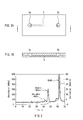
- An electrophoresis chip (made of polymethacrylate, length: 70mm, width: 30 mm) having a structure illustrated in FIG. 1 was used.
- the electrophoresis chip had a rectangular passage 3, and a sample storage tank 2a (capacity: 0.05 mL) and a running buffer storage tank 2b (capacity: 0.05 mL) were formed at both ends of the passage 3.
- the length of the passage 3 was set to be 40 mm, and the width and depth of the passage 3 were respectively set to be 40 ⁇ m (inner diameter of the passage: 40 ⁇ m). Further, the distance between the center of the sample storage tank 2a and the center of the running buffer storage tank 2b was set to be 46 mm.
- the running buffer was adjusted to pH 5.0 with L-arginine.
- a running buffer was introduced into the running buffer storage tank 2b of the electrophoresis chip, and the passage 3 was filled with the running buffer by a capillary action. Then, a sample was introduced into the sample storage tank 2a. Electrodes were inserted into the sample storage tank 2a and the running buffer storage tank 2b, respectively, and a voltage of 1,400 V was applied to the inserted electrodes to perform electrophoresis. An absorbance at 400 nm was measured at a position of 20 mm from the end of the passage 3 on the sample storage tank 2a side.
- FIG. 2 illustrates an example (results corresponding to Example 1) of the obtained electroferrogram. Further, the analysis results using the samples of Examples 2 to 8 were similar to those in FIG. 2 .
- FIG. 2 illustrates the actually obtained electroferrogram, and a change in the absorbance obtained by processing the electroferrogram.
- the X-axis represents an electrophoresis time (seconds).
- the Y-axis (left side) represents an actually measured absorbance (mAbs).
- the Y-axis (right side) represents an absorbance per unit time obtained by processing the actually measured absorbance (mAbs/sec).
- unstable A1c, stable A1c, and HbA0 represent peaks of unstable HbA1c, stable HbA1c, and HbA0. As illustrated in FIG.
- HbA1c and HbA0 were separated clearly from the sample of Example 1, and further, HbA1c was separated clearly into unstable HbA1c and stable HbA1c. More specifically, it was shown that the presence of a sulfurous acid compound or a dithionous acid compound in a sample or a running buffer does not have an adverse effect on the detection method using a microchip.
- sodium hydrogen sulfite NaHSO 3 , Nacalai Tesque Inc.
- sodium sulfite Na 2 SO 3 , Nacalai Tesque Inc.
- disodium disulfite sodium pyrosulfite Na 2 S 2 O 4 , Nacalai Tesque Inc.
- sodium dithionite Na 2 S 2 O 4 , Nacalai Tesque Inc.
- Dissolved oxygen was measured using a blood gas analysis apparatus (trade name: ABL5, Tadiometer Co., Ltd.). Table 2 shows the results. Table 2 Additive Concentration Amount of dissolved oxygen (mg/L) Discharge amount 30°C-50°C 30°C 50°C Reference Example 1 Sodium hydrogen sulfite NaHSO 3 5mM 4.06 3.20 0.86 Reference Example 2 Sodium sulfite Na 2 SO 3 5mM 4.13 3.14 0.99 Reference Example 3 Disodium disulfite Na 2 S 2 O 5 (sodium pyrodithionite) 5mM 3.77 2.94 0.83 Reference Example 4 Sodium dithionite Na 2 S 2 O 4 5mM 0.00 0.00 0.00 Reference Example 5 - (None) - 4.20 3.49 0.71
- the sulfurous acid compound and the dithionous acid compound respectively set the change in absorbance to be zero, that is, they suppressed the denaturation of hemoglobin.
- the analytical method of the present invention is useful in various fields such as medical care, clinical examination, and the treatment/prevention of diabetes.
Landscapes
- Health & Medical Sciences (AREA)
- Life Sciences & Earth Sciences (AREA)
- Hematology (AREA)
- Engineering & Computer Science (AREA)
- Molecular Biology (AREA)
- Biomedical Technology (AREA)
- Chemical & Material Sciences (AREA)
- Immunology (AREA)
- Urology & Nephrology (AREA)
- Biotechnology (AREA)
- Microbiology (AREA)
- Cell Biology (AREA)
- Food Science & Technology (AREA)
- Medicinal Chemistry (AREA)
- Physics & Mathematics (AREA)
- Analytical Chemistry (AREA)
- Biochemistry (AREA)
- General Health & Medical Sciences (AREA)
- General Physics & Mathematics (AREA)
- Pathology (AREA)
- Investigating Or Analysing Biological Materials (AREA)
Abstract
Description
- The present invention relates to an analytical method of hemoglobin and a kit for analysis.
- Hemoglobin A1c is a glycated hemoglobin, and is used as an index of a level of blood glucose for checking lifestyle diseases including diabetes and metabolic syndrome and managing blood sugar. It is expected to become one of important indexes in the future. The amount of stable hemoglobin A1c is a particularly important index, and there is a desire for a technology capable of measuring the amount of stable hemoglobin A1c more precisely. Stable hemoglobin A1c can be analyzed by separation analysis techniques such as electrophoresis or HPLC.
- Electrophoresis includes various methods depending upon the presence/absence of a support, the kind of support, etc., and examples of the electrophoresis include polyacrylamide electrophoresis, agarose gel electrophoresis, starch gel electrophoresis, paper electrophoresis, cellulose acetate membrane electrophoresis, electrochromatography, free flow electrophorese, and capillary electrophoresis. As an analytical method using agarose gel electrophoresis, for example, a method for separating glycated hemoglobin using agarose gel with sulfonated polysaccharides such as chondroitin sulfate added thereto is proposed. As an analytical method using capillary electrophoresis, for example, a method for analyzing a sample within a short period of time by using electrodynamic chromatography with an running buffer containing a polyanion and a polycation of chondroitin sulfate or the like, (
JP 09(1997)-105739 A JP 2009-186445 A JP 2009-109230 A - In the case of analyzing hemoglobin by separation analysis such as electrophoresis or HPLC, there is a problem that the hemoglobin is denatured and an error is likely to be caused in a measured value. For example, in the case of electrophoresis, hemoglobin is oxidized (to met hemoglobin) along with an increase in temperature of a running buffer. Even in the case of HPLC, hemoglobin also may be oxidized (to met hemoglobin) with the passage of a time. The present invention provides an analytical method capable of suppressing the denaturation of hemoglobin in separation analysis.
- The present invention relates to an analytical method for analyzing hemoglobin in a sample by separation analysis, which includes separating hemoglobin in the presence of at least one of a sulfurous acid compound and a dithionous acid compound.
- In another aspect, the present invention relates to a kit for analysis using the above-mentioned analytical method, including a composition containing a sulfurous acid compound or a dithionous acid compound, used as a sample preparation buffer, a running buffer, or a mobile phase, and an instruction manual describing the analytical method.
- According to the present invention, for example, hemoglobin can be subjected to separation analysis while the denaturation of the hemoglobin is suppressed. Preferably, according to the present invention, hemoglobin can be analyzed precisely by suppressing the denaturation of the hemoglobin.
-
-
FIG. 1A is a conceptual view illustrating an exemplary configuration of an electrophoresis chip that can be used in a method of the present invention, andFIG. 1B is a cross-sectional view taken along a line I-I of the electrophoresis chip illustrated inFIG. 1A . -
FIG. 2 is a graph illustrating exemplary results of Example 1. -
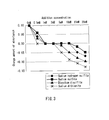
FIG. 3 is a graph showing an exemplary relationship between the concentrations of a sulfurous acid compound and a dithionous acid compound and the change in absorbance of light. - The present invention is based on the finding that, in separation analysis of hemoglobin, hemoglobin is oxidized (to met hemoglobin) with the passage of time and/or as the analysis condition becomes acid, and the absorption characteristics of hemoglobin change (maximum wavelength: 415 nm → 405 nm), which may cause an error in a measured value. The present invention is also based on the finding that the denaturation of hemoglobin in separation analysis can be suppressed by the use of at least one of a sulfurous acid compound and a dithionous acid compound. That is, the present invention relates to an analytical method (hereinafter, also referred to as "analytical method of the present invention") for analyzing hemoglobin in a sample by separation analysis, including separating hemoglobin in the presence of at least one of a sulfurous acid compound and a dithionous acid compound. The present invention exhibits, for example, that separation analysis of hemoglobin can be performed while the denaturation of the hemoglobin is suppressed. The present invention preferably exhibits that hemoglobin can be analyzed precisely by suppressing the denaturation of the hemoglobin.
- Although the details of a mechanism in which the denaturation of hemoglobin is suppressed in the presence of at least one of a sulfurous acid compound and a dithionous acid compound is not clear, it is conjectured that the sulfurous acid compound and the dithionous acid compound are oxidized in place of hemoglobin with respect to the oxidation caused in the course of analysis and function as a sacrificial reagent that prevents the oxidation of hemoglobin. It should be noted that the present invention need not be limited to the above-mentioned mechanism.
- The term "separation analysis" as used herein refers to an analytical method using electrophoresis, chromatography, etc., including separating, detecting, and measuring a substance to be analyzed. The term "electrophoresis" as used herein refers to a method for separating a substance, using the difference in a mobility in an electric field caused by the difference in a size, charge, etc. The analytical method of the present invention can be used for analysis using various electrophoresis techniques such as polyacrylamide electrophoresis, agarose gel electrophoresis, starch gel electrophoresis, paper electrophoresis, cellulose acetate membrane electrophoresis, electrochromatography, free flow electrophorese, and capillary electrophoresis. Of those, the analytical method of the present invention is suitable for capillary electrophoresis, preferably electrochromatography, and particularly capillary electrophoresis using an electrophoresis microchip.
- The term "hemoglobin" as used herein includes hemoglobin in a plurality of forms in blood, and examples thereof include normal hemoglobin, glycated hemoglobin, mutant hemoglobin, and modified hemoglobin. More specific examples thereof include hemoglobin AO (HbAO), hemoglobin A1c (HbA1c), hemoglobin A2 (HbA2), hemoglobin S (HbS, sickle cell hemoglobin), hemoglobin (HbF, fetal hemoglobin), hemoglobin M (HbM), hemoglobin C (HbC), methohemoglobin, carbamylated hemoglobin, and acetylated hemoglobin. Examples of the HbA1c include stable HbA1c and unstable HbA1c. The term "analysis of hemoglobin" as used herein includes separating hemoglobin into stable HbA1c, and unstable HbA1c and HbAO, and detecting and/or measuring the stable HbA1c and/or unstable HbA1c.
- Hemoglobin is classified depending upon the state of oxidation and the presence/absence of a bond to oxygen. Hemoglobin bonded to oxygen is called oxyhemoglobin or oxygenated hemoglobin. Further, hemoglobin that is not bonded to oxygen is called deoxyhemoglobin or reduced hemoglobin. Further, hemoglobin in which iron (Fe) atoms in a heme portion become trivalent and oxygen bonding strength is lost is called met hemoglobin or oxidized hemoglobin. The term "denatured hemoglobin" as used herein includes met hemoglobin.
- The term "sulfurous acid compound" as used herein includes sulfurous acid, sulfite, hydrogen sulfite, and disulfite, and the form of a salt thereof includes, but is not limited to, a sodium salt, an ammonium salt, and a potassium salt. Specific examples of the sulfurous acid compound include sodium sulfite (Na2SO3), sodium hydrogen sulfite (NaHSO3), and disodium disulfite (sodium pyrosulfite, Na2S2O5). The term "dithionous acid compound" as used herein includes dithionous acid and dithionite, and the form of a salt includes, but is not limited to, a sodium salt, an ammonium salt, and a potassium salt. A specific example of the dithionous acid compound is sodium dithionite (Na2S2O4).
- The "sample" as used herein refers to a sample prepared from a sample material. As an example of the sample material, there is a biological sample, preferably a sample containing hemoglobin. Examples of the biological sample include, but are not limited to, blood, a substance derived from blood containing a red blood cell component, saliva, and cerebrospinal fluid. As an example of the blood, there is blood collected from a living body, preferably blood of an animal, more preferably blood of mammals, still more preferably blood of a human. As an example of the substance derived from blood containing a red blood cell component, there is a substance containing a red blood cell component, which is separated or prepared from blood, and examples thereof include, but are not limited to, a blood cell fraction with blood plasma removed therefrom, a blood cell concentrate, a frozen dry substance of blood or a blood cell, a hemolytic sample obtained by hemolyzing whole blood, centrifuged blood, and naturally precipitated blood. The "sample preparation buffer (sample diluent)" as used herein is used for being mixed with a sample material to prepare a sample, and includes, for example, a liquid for diluting a sample material. The concentration (content) of a sample material in a sample is preferably 1 to 30% by weight from the viewpoint of suppressing the denaturation of hemoglobin.
- The term "running buffer" as used herein refers to a liquid that fills or permeates a channel, a carrier, a space for separating a sample in electrophoresis, etc. The term "mobile phase" as used herein refers to a mobile phase used in liquid chromatography.
- It is preferred that a sample, a running buffer, and a mobile phase used in the present invention contain a buffer from the viewpoint of the stabilization of the sample and the suppression of change in pH. The sample, the running buffer, and the mobile phase may contain one kind or a plurality of kinds of buffers. As the buffer, a known solution having a buffer function can be used, and examples thereof include, but are not limited to, organic acids such as citric acid, succinic acid, tartaric acid, and malic acid, and salts thereof; amino acids such as glycin, taurine, and arginine; and inorganic acids such as hydrochloric acid, nitric acid, sulfuric acid, phosphoric acid, boric acid, and acetic acid, and salts thereof.
- As described above, the analytical method of the present invention relates to a method for analyzing hemoglobin in a sample by separation analysis, including separating hemoglobin in the presence of at least one of a sulfurous acid compound and a dithionous acid compound. One embodiment of "separating hemoglobin in the presence of at least one of a sulfurous acid compound and a dithionous acid compound" is separating hemoglobin in electrophoresis or liquid chromatography, using a running buffer or a mobile phase containing at least one of a sulfurous acid compound and a dithionous acid compound.
- For example, in electrophoresis using an electrophoresis microchip or the like, the ambient temperature of hemoglobin reaches 30°C or higher or 40°C or more, in some cases, 50°C or higher in the process of separating hemoglobin, under which condition hemoglobin is highly likely to be oxidized (to met hemoglobin). Further, even at room temperature or low temperature, there is a possibility that hemoglobin may be oxidized (to met hemoglobin) in the presence of dissolved oxygen or an oxidized substance. The analytical method of the present invention is capable of suppressing such denaturation of hemoglobin.
- The pH of a running buffer and a mobile phase in separation of hemoglobin is preferably 6 or less, more preferably 5.5 or less, still more preferably 5 or less from the viewpoint of the stability of a sulfurous acid compound and a dithionous acid compound. Further, the pH is preferably 3 or more, more preferably 3.5 or more, and still more preferably 4 or more from the viewpoint of suppressing the denaturation of hemoglobin. From the similar viewpoint, the pH of a sample and a sample preparation buffer is preferably in the similar range.
- The concentration of a sulfurous acid compound and a dithionous acid compound in the separation of hemoglobin is preferably 0.001 mM or more, more preferably 0.01 mM or more, and still more preferably 0.1 mM or more from the viewpoint of suppressing the denaturation of hemoglobin. Above all, from the viewpoint of preventing hemoglobin from being oxidized to met hemoglobin, the concentration of sodium hydrogen sulfite, sodium sulfite, and sodium disulfite is preferably 0.5 mM or more, more preferably 1 mM or more; and the concentration of sodium dithionite is 0.25 mM or more, more preferably 0.5 mM or more.
- Further, from the viewpoint of measuring hemoglobin while keeping the state of oxy Hb without deoxylating (reducing) hemoglobin, the concentration of a sulfurous acid compound or a dithionous acid compound is preferably 20 mM or less, more preferably 10 mM or less. Specifically, in the case of using a sulfurous acid compound (sodium hydrogen sulfite, sodium sulfite), from the viewpoint of measuring hemoglobin while keeping the state of oxy Hb without deoxylating (reducing) hemoglobin, the concentration is preferably 20 mM or less, more preferably 15 mM or less, and still more preferably 10 mM or less. In the case of using sodium disulfite, the concentration is preferably 10 mM or less, more preferably 5 mM or less, and still more preferably 2 mM or less from the similar viewpoint. Further, in the case of using a dithionous acid compound (sodium dithionite), the concentration is preferably about 10 mM or less, more preferably 5 mM or less, and still more preferably 2 mM or less from the similar viewpoint.
- It is preferred that the concentration of a sulfurous acid compound or a dithionous acid compound in a running buffer and a mobile phase is also set to be in the above-mentioned range. Thus, it is preferred to use a sample preparation buffer (sample diluent) allowing the concentration of a sulfurous acid compound or a dithionous acid compound to be set in the above-mentioned range even in the case of preparing a sample.
- In the analytical method of the present invention, hemoglobin is measured preferably in either a deoxy Hb or oxy Hb state, more preferably in the oxy Hb state, from the viewpoint of suppressing a measurement error.
- In the analytical method of the present invention, it is preferred to detect and measure hemoglobin by measuring an absorbance with a spectrophotometer from the viewpoint of the ease of detection of hemoglobin. In this case, it is preferred that the wavelength of light radiated from a light source of the spectrophotometer is about 300 nm or more from the viewpoint of suppressing the decomposition of a sulfurous acid compound and a dithionous acid compound.
- Another aspect of the present invention relates to a kit for analysis using the analytical method according to
claim 1, comprising a composition containing a sulfurous acid compound or a dithionous acid compound, used as a sample preparation buffer, a running buffer, or a mobile phase, and an instruction manual describing the analytical method. The kit for analysis of the present invention may include the case where the instruction manual is provided on the Web without being packaged in the kit for analysis of the present invention. - In the kit for analysis of the present invention, a sample preparation buffer, a running buffer, or a mobile phase is as described above. Further, as one embodiment, the kit for analysis of the present invention preferably further includes an electrophoresis chip. It is preferred that the electrophoresis chip includes a sample storage tank, a running buffer storage tank, and a passage, and the sample storage tank is communicated with the running buffer storage tank through the passage. Further, the passage of the electrophoresis chip may be filled with the above-mentioned running buffer. As an example of the electrophoresis chip, there is an electrophoresis chip described in International Publication No.
WO2008/136465 . - Hereinafter, the present invention will be described further by way of examples and comparative examples. It should be noted that the present invention should not be interpreted as being limited to the following examples.
- A sample was prepared from a sample material (whole blood) as described below, and the presence/absence of Hb denaturation was determined by the following Hb denaturation detection method.
- To 1.5 mL of a 100 mM malic acid-arginine buffer solution (pH 5.0), an additive was added so as to obtain a final concentration in the following Table 1 to prepare a sample preparation buffer. Then, 0.01 mL of whole blood as a sample material was added and mixed to 1.49 mL of the sample preparation buffer to prepare a sample (Examples 1 to 8, Comparative Examples 1 to 7). As the additive, sodium hydrogen sulfite (NaHSO3, Nacalai Tesque Inc.) was used in Examples 1 and 5; sodium sulfite (Na2SO3, Nacalai Tesque Inc.) was used in Examples 2 and 6; disodium disulfite (sodium pyrosulfite, Na2S2O5, Nacalai Tesque Inc.) was used in Examples 3, 7, and 8; sodium dithionite (Na2S2O4, Nacalai Tesque Inc.) was used in Example 4; benzyltrimethylammonium (Wako Pure Chemical Industries, Ltd.) was used in Comparative Example 2; reduced glutathione (Nacalai Tesque Inc.) was used in Comparative Example 3; TAPS-sulphonate (C7H18BrNo2S2, Wako Pure Chemical Industries, Ltd.) was used in Comparative Example 4; ascorbic acid (Wako Pure Chemical Industries, Ltd.) was used in Comparative Example 5; and hydroxylamine sulfate (Nacalai Tesque Inc.) was used in Comparative Example 6; and nitrous acid (Wako Pure Chemical Industries, Ltd.) was used in Comparative Example 7. No additive was added in Comparative Example 1.
- The samples in Examples 1 to 8 and Comparative Examples 1 to 7 prepared as described above were incubated at 50°C for 60 seconds, and an absorbance at 400 nm was measured before and after the incubation, whereby a change amount (absorbance after 60 seconds - initial absorbance) was obtained. Table 1 shows the results. An absorbance was measured with a spectrophotometer (trade name: UV-2400PC, Shimazu Corporation).
Table 1 Additive Concentration Absorbance at 400 nm (abs) Change amount (60s-0s) State of Hb Initial value After 60 seconds Example 1 Sodium hydrogen sulfite NaHSO3 5mM 0.57 0.57 0.00 Remain unchanged (oxv Hb) Example 2 Sodium sulfite Na2SO3 5mM 0.54 0.54 0.00 Remain unchanged (oxv Hb) Example 3 Disodium disulfite Na2S2O5 (sodium pyrosulfite) 2 mM 0.52 0.52 0.00 Remain unchanged (oxv Hb) Example 4 Sodium dithionite Na2S2O4 2mM 0.56 0.56 0.00 Remain unchanged (oxv Hb) Example 5 Sodium hydrogen sulfite NaHSO3 20 mM 0.58 0.51 -0.07 Deoxylated Example 6 Sodium sulfite Na2SO3 20 mM 0.51 0.46 -0.05 Deoxylated Example 7 Disodium disulfite Na2S2O5 (sodium pyrosulfite) 20 mM 0.57 0.47 -0.10 Deoxylated Example 8 Disodium disulfite Na2S2O5 (sodium pyrosulfite) 5 mM 0.54 0.53 -0.01 Deoxylated Comparative Example 1 - (None) - 0.53 0.63 0.10 Oxidized to met hemoglobin/ precipitated Comparative Example 2 Benzyltrimethyl ammonium 20 mM 0.47 0.53 0.06 Oxidized to met hemoglobin/ precipitated Comparative Example 3 Reduced glutathione 20 mM 0.46 0.56 0.10 Oxidized to met hemoglobin/ precipitated Comparative Example 4 TAPS-sulphonate 20 mM 0.57 0.82 0.25 Oxidized to met hemoglobin/ precipitated Comparative Example 5 Ascorbic acid 20 mM 0.53 0.83 0.30 Oxidized to met hemoglobin/ precipitated Comparative Example 6 Hydroxyamine sulfate 20 mM 0.50 0.84 0.34 Oxidized to met hemoglobin/ precipitated Comparative Example 7 Nitrous acid 20 mM 0.42 0.50 0.08 Oxidized to met hemoglobin/ precipitated - As shown in Table 1, in the samples of Examples 1 to 4, the absorbance did not change even after incubation at 50°C for 60 seconds, and the state of oxyhemoglobin was kept with the denaturation of hemoglobin suppressed. On the other hand, in Examples 5 to 8, the absorbance at 50°C after 60 seconds decreased, and hemoglobin became deoxyhemoglobin (reduced hemoglobin). Although the state of deoxyhemoglobin is different from the original state of hemoglobin in blood, deoxyhemoglobin is stable, and hence, hemoglobin can be analyzed even in this state. On the other hand, in Comparative Examples 1 to 7, the absorbance at 50°C after 60 seconds increased, hemoglobin was denatured, that is, oxidized to met hemoglobin, and precipitation of the met hemoglobin was partially observed.
- The samples of Examples 1 to 8 were electrophoresed, using the following microchip and conditions, and HbAO, unstable HbA1c, and stable HbA1c in the sample were detected.
- An electrophoresis chip (made of polymethacrylate, length: 70mm, width: 30 mm) having a structure illustrated in
FIG. 1 was used. The electrophoresis chip had arectangular passage 3, and asample storage tank 2a (capacity: 0.05 mL) and a runningbuffer storage tank 2b (capacity: 0.05 mL) were formed at both ends of thepassage 3. The length of thepassage 3 was set to be 40 mm, and the width and depth of thepassage 3 were respectively set to be 40 µm (inner diameter of the passage: 40 µm). Further, the distance between the center of thesample storage tank 2a and the center of the runningbuffer storage tank 2b was set to be 46 mm. - A running buffer containing 1.0% by weight of chondroitin sulfuric acid C sodium salt (Seikagaku Corporation), 1 mM NaN3, 100 mM malic acid-arginine buffer solution (pH 5.0), 2 mM sodium propionate, and 2 mM CyDTA, and further containing the same sulfurous acid compound or dithionous acid compound as that of each sample of Examples 1 to 8 in the same concentration as that of each sample of Examples 1 to 8 was used. The running buffer was adjusted to pH 5.0 with L-arginine.
- A running buffer was introduced into the running
buffer storage tank 2b of the electrophoresis chip, and thepassage 3 was filled with the running buffer by a capillary action. Then, a sample was introduced into thesample storage tank 2a. Electrodes were inserted into thesample storage tank 2a and the runningbuffer storage tank 2b, respectively, and a voltage of 1,400 V was applied to the inserted electrodes to perform electrophoresis. An absorbance at 400 nm was measured at a position of 20 mm from the end of thepassage 3 on thesample storage tank 2a side.FIG. 2 illustrates an example (results corresponding to Example 1) of the obtained electroferrogram. Further, the analysis results using the samples of Examples 2 to 8 were similar to those inFIG. 2 . -
FIG. 2 illustrates the actually obtained electroferrogram, and a change in the absorbance obtained by processing the electroferrogram. The X-axis represents an electrophoresis time (seconds). The Y-axis (left side) represents an actually measured absorbance (mAbs). The Y-axis (right side) represents an absorbance per unit time obtained by processing the actually measured absorbance (mAbs/sec). Further, inFIG. 2 , unstable A1c, stable A1c, and HbA0 represent peaks of unstable HbA1c, stable HbA1c, and HbA0. As illustrated inFIG. 2 , HbA1c and HbA0 were separated clearly from the sample of Example 1, and further, HbA1c was separated clearly into unstable HbA1c and stable HbA1c. More specifically, it was shown that the presence of a sulfurous acid compound or a dithionous acid compound in a sample or a running buffer does not have an adverse effect on the detection method using a microchip. - To 10 mL of a 100 mM malic acid-arginine buffer solution (pH 5.0), an additive was added so as to obtain a final concentration in the following Table 2 to prepare solutions (Reference Examples 1 to 5), and dissolved oxygen at 30°C and 50°C was measured under the following conditions. As the additive, sodium hydrogen sulfite (NaHSO3, Nacalai Tesque Inc.) was used in Reference Example 1; sodium sulfite (Na2SO3, Nacalai Tesque Inc.) was used in Reference Example 2; disodium disulfite (sodium pyrosulfite Na2S2O4, Nacalai Tesque Inc.) was used in Reference Example 3; and sodium dithionite (Na2S2O4, Nacalai Tesque Inc.) was used in Reference Example 4. No additive was added in Reference Example 5.
- Dissolved oxygen was measured using a blood gas analysis apparatus (trade name: ABL5, Tadiometer Co., Ltd.). Table 2 shows the results.
Table 2 Additive Concentration Amount of dissolved oxygen (mg/L) Discharge amount 30°C-50° C 30° C 50°C Reference Example 1 Sodium hydrogen sulfite NaHSO3 5mM 4.06 3.20 0.86 Reference Example 2 Sodium sulfite Na2SO3 5mM 4.13 3.14 0.99 Reference Example 3 Disodium disulfite Na2S2O5 (sodium pyrodithionite) 5mM 3.77 2.94 0.83 Reference Example 4 Sodium dithionite Na2S2O4 5mM 0.00 0.00 0.00 Reference Example 5 - (None) - 4.20 3.49 0.71 - As shown in Table 2, in the case of the sulfurous acid compound, a dissolved oxygen removing effect was exhibited in a heated state. Further, it is understood that, since the reaction does not proceed without being heated, a running buffer and the like containing a sulfurous acid compound can be stored. On the other hand, the dithionous acid compound reacts rapidly to remove dissolved oxygen immediately. However, the reactivity of the dithionous acid compound is high, and hence, it is understood that the sulfurous acid compound is preferred when applied to a solution to be stored.
- The change in absorbance after incubation at 50°C for 60 seconds was measured under conditions similar to those for the measurement of a change in absorption in Table 1, except for changing the addition concentration of a sulfurous acid compound and a dithionous acid compound to those in Table 3. Table 3 and
FIG. 3 show the results.Table 3 Addition concentration Change in absorbance (400 nm/60 sec) Sodium hydrogen sulfite Sodium sulfite Disodium disulfite Sodium dithionite 0 mM 0.10 0.10 0.10 0.10 0.5 mM 0.04 0.06 0.03 0.00 1mM 0.00 0.00 0.00 0.00 2 mM 0.00 0.00 0.00 0.00 5 mM 0.00 0.00 -0.01 -0.05 10 mM 0.00 0.00 -0.05 -0.09 15 mM -0.05 -0.02 -0.08 -0.11 20 mM -0.07 -0.05 -0.10 -0.13 - As shown in Table 3 and
FIG. 3 , the sulfurous acid compound and the dithionous acid compound respectively set the change in absorbance to be zero, that is, they suppressed the denaturation of hemoglobin. The concentration of sodium hydrogen sulfite and sodium sulfite, at which the change in absorbance was zero, was 1 to 10 mM; that of sodium disulfite was 1 to 2 mM; and that of sodium dithionite was 0.5 to 2 mM. - The analytical method of the present invention is useful in various fields such as medical care, clinical examination, and the treatment/prevention of diabetes.
Claims (15)
- An analytical method for analyzing hemoglobin in a sample by separation analysis, said method comprising separating hemoglobin in the presence of at least one of a sulfurous acid compound and a dithionous acid compound.
- The analytical method according to claim 1, wherein the separation analysis is selected from electrophoresis and liquid chromatography.
- The analytical method according to claim 1, wherein the separation analysis is selected from polyacrylamide electrophoresis, agarose gel electrophoresis, starch gel electrophoresis, paper electrophoresis, cellulose acetate membrane electrophoresis, electrochromatography, free flow electrophorese, capillary electrophoresis and HPLC.
- The analytical method according to claim 2 or claim 3, wherein the electrophoresis involves the use of a running buffer and the liquid chromatography involves the use of a mobile phase.
- The analytical method according to any one of claims 1 to 4, wherein the pH of the sample for separation analysis, the running buffer, or the mobile phase is about 3 to about 6.
- The analytical method according to any one of claims 1 to 5, wherein the concentration of the sulfurous acid compound or the dithionous acid compound in the sample, the running buffer, or the mobile phase is about 10 mM or less.
- The analytical method according to any preceding claim, wherein the sulfurous acid compound is sulfurous acid, a sulfite, a hydrogen sulfite or a disulfite, preferably provided in the form of a sodium salt, an ammonium salt or a potassium salt, e.g. sodium sulfite (Na2SO3), sodium hydrogen sulfite (NaHSO3) or disodium disulfite (Na2S2O5), and wherein the dithionous acid compound is dithionous acid or a dithionite, preferably provided in the form of a sodium salt, an ammonium salt or a potassium salt, e.g. sodium dithionite (Na2S2O4).
- The analytical method according to any preceding claim, wherein the sample comprises a sample material and a sample preparation buffer.
- The analytical method according to claim 8, wherein the sample material is a biological material, preferably blood, a substance derived from blood containing a red blood cell component, saliva or cerebrospinal fluid.
- The analytical method according to any preceding claim, comprising detecting or measuring hemoglobin with a spectrophotometer.
- The analytical method according to claim 10, wherein the wavelength of light radiating from a light source of the spectrophotometer is 300 nm or more.
- The analytical method according to any preceding claim, wherein the ambient temperature of hemoglobin during separation is 30°C or higher.
- The analytical method according to any preceding claim, wherein the hemoglobin is HbA1c.
- A kit for use in the analytical method according to any one of claims 1 to 13, comprising a composition containing a sulfurous acid compound or a dithionous acid compound for use as the sample preparation buffer, the running buffer, or the mobile phase, and an instruction manual describing the analytical method.
- A method of diagnosing diabetes or metabolic syndrome, said method comprising the analytical method of any one of claims 1 to 13.
Applications Claiming Priority (1)
| Application Number | Priority Date | Filing Date | Title |
|---|---|---|---|
| JP2010181842 | 2010-08-16 |
Publications (2)
| Publication Number | Publication Date |
|---|---|
| EP2420844A1 true EP2420844A1 (en) | 2012-02-22 |
| EP2420844B1 EP2420844B1 (en) | 2015-10-14 |
Family
ID=44651126
Family Applications (1)
| Application Number | Title | Priority Date | Filing Date |
|---|---|---|---|
| EP11177541.7A Active EP2420844B1 (en) | 2010-08-16 | 2011-08-15 | Analytical method of hemoglobin |
Country Status (4)
| Country | Link |
|---|---|
| US (1) | US8420399B2 (en) |
| EP (1) | EP2420844B1 (en) |
| JP (1) | JP5462841B2 (en) |
| CN (1) | CN102375067B (en) |
Cited By (2)
| Publication number | Priority date | Publication date | Assignee | Title |
|---|---|---|---|---|
| CN104897589A (en) * | 2015-06-02 | 2015-09-09 | 中国农业科学院兰州畜牧与兽药研究所 | Method for quantitatively evaluating hemolytic index of medicine |
| EP2966439A1 (en) * | 2014-07-09 | 2016-01-13 | ARKRAY, Inc. | Buffer composition |
Families Citing this family (5)
| Publication number | Priority date | Publication date | Assignee | Title |
|---|---|---|---|---|
| WO2015054378A1 (en) * | 2013-10-08 | 2015-04-16 | Drexel University | Novel microfluidic devices for diagnosing red blood cells abnormalities, and methods using same |
| EP2944955A1 (en) * | 2014-05-13 | 2015-11-18 | Max-Planck-Gesellschaft zur Förderung der Wissenschaften e.V. | Benchmark for LC-MS systems |
| CN106168554B (en) * | 2016-02-29 | 2019-10-18 | 迈克生物股份有限公司 | Reagent for blood cell analyzer |
| CN107478825B (en) * | 2017-08-04 | 2019-04-05 | 贵州博凯隆生物科技有限公司 | A kind of method that ex vivo whole blood colored component is removed |
| CN113009026B (en) * | 2018-12-29 | 2023-05-23 | 江山德瑞医疗科技有限公司 | Elution gradient method for measuring glycosylated hemoglobin in whole blood |
Citations (6)
| Publication number | Priority date | Publication date | Assignee | Title |
|---|---|---|---|---|
| EP0142642A1 (en) * | 1983-08-25 | 1985-05-29 | Barnes-Hind, Inc. | Process and kit for sodium sulfite neutralization of H2O2 in contact lenses |
| JPH09105739A (en) | 1995-03-22 | 1997-04-22 | Analis Sa | Capillary electrophoresis detection and / or analysis method and unit |
| WO2008136465A1 (en) | 2007-04-27 | 2008-11-13 | National Institute Of Advanced Industrial Science And Technology | Electrophoresis chip, electrophoresis device, and sample analyzing method by capillary electrophoresis method |
| JP2009109230A (en) | 2007-10-26 | 2009-05-21 | Sekisui Chem Co Ltd | Method for measuring hemoglobins |
| JP2009186445A (en) | 2008-02-08 | 2009-08-20 | Arkray Inc | Method of analyzing hemoglobin by capillary electrophoresis, and reagent used for it |
| EP2144055A1 (en) * | 2007-04-27 | 2010-01-13 | Arkray, Inc. | Method of analyzing hemoglobin by capillary electrophoresis and additive to be used therein |
Family Cites Families (11)
| Publication number | Priority date | Publication date | Assignee | Title |
|---|---|---|---|---|
| EP0206448B1 (en) * | 1985-06-19 | 1990-11-14 | Ajinomoto Co., Inc. | Hemoglobin combined with a poly(alkylene oxide) |
| US5952464A (en) * | 1994-02-18 | 1999-09-14 | Mallinckrodt Inc. | Labelled peptide compounds |
| JP3925665B2 (en) * | 1994-06-15 | 2007-06-06 | テルモ株式会社 | Hemoglobin-containing liposome |
| US5814487A (en) * | 1996-06-03 | 1998-09-29 | Promega Corporation | Use of agarase enzyme to isolate nucleic acids |
| JP4261665B2 (en) * | 1999-03-05 | 2009-04-30 | アルフレッサファーマ株式会社 | Method for stabilizing human hemoglobin in solution and stabilizing solution |
| JP4183116B2 (en) * | 2002-06-18 | 2008-11-19 | 旭化成ファーマ株式会社 | Calibration material for glycated protein measurement and standard measurement method |
| CN1391106A (en) * | 2002-06-25 | 2003-01-15 | 上海晶泰生物技术有限公司 | Pre-prepared colloid |
| JP4926391B2 (en) * | 2004-09-30 | 2012-05-09 | テルモ株式会社 | Method for producing hemoglobin-containing liposome and package |
| JP4854525B2 (en) * | 2007-01-12 | 2012-01-18 | 積水化学工業株式会社 | Method for measuring hemoglobins |
| US9017536B2 (en) | 2006-12-26 | 2015-04-28 | Sekisui Chemical Co., Ltd. | Hemoglobin measurement method and electrophoresis apparatus |
| JP5395076B2 (en) * | 2008-07-22 | 2014-01-22 | アークレイ株式会社 | Analysis apparatus and analysis method by capillary electrophoresis |
-
2011
- 2011-07-11 JP JP2011152875A patent/JP5462841B2/en active Active
- 2011-08-15 EP EP11177541.7A patent/EP2420844B1/en active Active
- 2011-08-16 US US13/210,835 patent/US8420399B2/en active Active
- 2011-08-16 CN CN201110235167.2A patent/CN102375067B/en active Active
Patent Citations (6)
| Publication number | Priority date | Publication date | Assignee | Title |
|---|---|---|---|---|
| EP0142642A1 (en) * | 1983-08-25 | 1985-05-29 | Barnes-Hind, Inc. | Process and kit for sodium sulfite neutralization of H2O2 in contact lenses |
| JPH09105739A (en) | 1995-03-22 | 1997-04-22 | Analis Sa | Capillary electrophoresis detection and / or analysis method and unit |
| WO2008136465A1 (en) | 2007-04-27 | 2008-11-13 | National Institute Of Advanced Industrial Science And Technology | Electrophoresis chip, electrophoresis device, and sample analyzing method by capillary electrophoresis method |
| EP2144055A1 (en) * | 2007-04-27 | 2010-01-13 | Arkray, Inc. | Method of analyzing hemoglobin by capillary electrophoresis and additive to be used therein |
| JP2009109230A (en) | 2007-10-26 | 2009-05-21 | Sekisui Chem Co Ltd | Method for measuring hemoglobins |
| JP2009186445A (en) | 2008-02-08 | 2009-08-20 | Arkray Inc | Method of analyzing hemoglobin by capillary electrophoresis, and reagent used for it |
Non-Patent Citations (3)
| Title |
|---|
| DATABASE MEDLINE [online] US NATIONAL LIBRARY OF MEDICINE (NLM), BETHESDA, MD, US; January 2004 (2004-01-01), LEWIS RUSSELL J ET AL: "An accurate method for the determination of carboxyhemoglobin in postmortem blood using GC-TCD.", XP009153178, Database accession no. NLM14987426 * |
| JOURNAL OF ANALYTICAL TOXICOLOGY 2004 JAN-FEB LNKD- PUBMED:14987426, vol. 28, no. 1, January 2004 (2004-01-01), pages 59 - 62, ISSN: 0146-4760 * |
| LAPOLLA A ET AL: "Direct evaluation of glycated and glyco-oxidized globins by matrix-assisted laser desorption/ionization mass spectrometry", RAPID COMMUNICATIONS IN MASS SPECTROMETRY, HEYDEN, LONDON, GB, vol. 13, no. 1, 1 January 1999 (1999-01-01), pages 8 - 14, XP009153189, ISSN: 0951-4198 * |
Cited By (3)
| Publication number | Priority date | Publication date | Assignee | Title |
|---|---|---|---|---|
| EP2966439A1 (en) * | 2014-07-09 | 2016-01-13 | ARKRAY, Inc. | Buffer composition |
| US9528963B2 (en) | 2014-07-09 | 2016-12-27 | Arkray, Inc. | Buffer composition |
| CN104897589A (en) * | 2015-06-02 | 2015-09-09 | 中国农业科学院兰州畜牧与兽药研究所 | Method for quantitatively evaluating hemolytic index of medicine |
Also Published As
| Publication number | Publication date |
|---|---|
| JP2012063348A (en) | 2012-03-29 |
| CN102375067A (en) | 2012-03-14 |
| EP2420844B1 (en) | 2015-10-14 |
| US8420399B2 (en) | 2013-04-16 |
| JP5462841B2 (en) | 2014-04-02 |
| CN102375067B (en) | 2016-08-10 |
| US20120040466A1 (en) | 2012-02-16 |
Similar Documents
| Publication | Publication Date | Title |
|---|---|---|
| EP2420844B1 (en) | Analytical method of hemoglobin | |
| Rifkind | Copper and the autoxidation of hemoglobin | |
| JP5568636B2 (en) | Analysis and assay of glycated hemoglobin by capillary electrophoresis, buffer composition and kit for capillary electrophoresis | |
| EP2960648B1 (en) | Measurement method, measurement apparatus, and eluent for the analysis of hemoglobins | |
| EP2352020A2 (en) | Method for analyzing sample by electrophoresis and use of the same | |
| EP3483603B1 (en) | Hemoglobin liquid preparation and liquid chromatography method for measuring hemoglobin component | |
| Yao et al. | Simultaneous determination of aminothiols, ascorbic acid and uric acid in biological samples by capillary electrophoresis with electrochemical detection | |
| Takayama et al. | Glutathionyl hemoglobin in uremic patients undergoing hemodialysis and continuous ambulatory peritoneal dialysis | |
| JPWO2011125484A1 (en) | Analysis method of hemoglobins | |
| EP3783359B1 (en) | Haemoglobin analysis method | |
| HU188211B (en) | Process and reagent for determining glycolyzed hemoglobine | |
| CA1210694A (en) | Process for the preparation of a glucose-free hemoglobin standard | |
| US20250138030A1 (en) | Method for stabilizing hemoglobin a2 and hemoglobin f, method of producing hemoglobin solution, and hemoglobin solution | |
| JP4404429B2 (en) | Method for measuring hemoglobins | |
| EP2533043B1 (en) | Hemoglobin s analysis method | |
| JPH06308120A (en) | Controlled substance for glycated hemoglobin measurement and its manufacturing method | |
| SAKURAI et al. | Glycation of erythrocyte superoxide dismutase reduces its activity | |
| JP4183197B2 (en) | Method for measuring glycated albumin | |
| JPH1017597A (en) | Hemoglobin A1c composition | |
| JP2000146941A (en) | Method for measuring hemoglobins | |
| JP3664278B2 (en) | Method for preparing plasma or serum sample | |
| Sundström | Blood carboxyhemoglobin: Results with conventional standards compared with those with a submicroliter reference of gaseous CO | |
| van Kempen et al. | The carbamate equilibrium of bovine hemoglobin at 37° C | |
| Zander | Calculation of O2 concentration | |
| JPH02259467A (en) | Unstable type saccharified hemoglobin dissociation agent |
Legal Events
| Date | Code | Title | Description |
|---|---|---|---|
| AK | Designated contracting states |
Kind code of ref document: A1 Designated state(s): AL AT BE BG CH CY CZ DE DK EE ES FI FR GB GR HR HU IE IS IT LI LT LU LV MC MK MT NL NO PL PT RO RS SE SI SK SM TR |
|
| AX | Request for extension of the european patent |
Extension state: BA ME |
|
| PUAI | Public reference made under article 153(3) epc to a published international application that has entered the european phase |
Free format text: ORIGINAL CODE: 0009012 |
|
| 17P | Request for examination filed |
Effective date: 20120821 |
|
| 17Q | First examination report despatched |
Effective date: 20141104 |
|
| GRAP | Despatch of communication of intention to grant a patent |
Free format text: ORIGINAL CODE: EPIDOSNIGR1 |
|
| INTG | Intention to grant announced |
Effective date: 20150520 |
|
| RAP1 | Party data changed (applicant data changed or rights of an application transferred) |
Owner name: ARKRAY, INC. |
|
| GRAS | Grant fee paid |
Free format text: ORIGINAL CODE: EPIDOSNIGR3 |
|
| GRAA | (expected) grant |
Free format text: ORIGINAL CODE: 0009210 |
|
| AK | Designated contracting states |
Kind code of ref document: B1 Designated state(s): AL AT BE BG CH CY CZ DE DK EE ES FI FR GB GR HR HU IE IS IT LI LT LU LV MC MK MT NL NO PL PT RO RS SE SI SK SM TR |
|
| REG | Reference to a national code |
Ref country code: GB Ref legal event code: FG4D |
|
| REG | Reference to a national code |
Ref country code: AT Ref legal event code: REF Ref document number: 755534 Country of ref document: AT Kind code of ref document: T Effective date: 20151015 Ref country code: CH Ref legal event code: EP |
|
| REG | Reference to a national code |
Ref country code: IE Ref legal event code: FG4D |
|
| REG | Reference to a national code |
Ref country code: DE Ref legal event code: R096 Ref document number: 602011020529 Country of ref document: DE |
|
| REG | Reference to a national code |
Ref country code: DE Ref legal event code: R081 Ref document number: 602011020529 Country of ref document: DE Owner name: ARKRAY, INC., JP Free format text: FORMER OWNER: ARKRAY, INC., KYOTO-SHI, JP Ref country code: DE Ref legal event code: R082 Ref document number: 602011020529 Country of ref document: DE Representative=s name: DEHNS, GB |
|
| REG | Reference to a national code |
Ref country code: NL Ref legal event code: MP Effective date: 20151014 |
|
| REG | Reference to a national code |
Ref country code: LT Ref legal event code: MG4D |
|
| REG | Reference to a national code |
Ref country code: AT Ref legal event code: MK05 Ref document number: 755534 Country of ref document: AT Kind code of ref document: T Effective date: 20151014 |
|
| PG25 | Lapsed in a contracting state [announced via postgrant information from national office to epo] |
Ref country code: ES Free format text: LAPSE BECAUSE OF FAILURE TO SUBMIT A TRANSLATION OF THE DESCRIPTION OR TO PAY THE FEE WITHIN THE PRESCRIBED TIME-LIMIT Effective date: 20151014 Ref country code: NO Free format text: LAPSE BECAUSE OF FAILURE TO SUBMIT A TRANSLATION OF THE DESCRIPTION OR TO PAY THE FEE WITHIN THE PRESCRIBED TIME-LIMIT Effective date: 20160114 Ref country code: NL Free format text: LAPSE BECAUSE OF FAILURE TO SUBMIT A TRANSLATION OF THE DESCRIPTION OR TO PAY THE FEE WITHIN THE PRESCRIBED TIME-LIMIT Effective date: 20151014 Ref country code: LT Free format text: LAPSE BECAUSE OF FAILURE TO SUBMIT A TRANSLATION OF THE DESCRIPTION OR TO PAY THE FEE WITHIN THE PRESCRIBED TIME-LIMIT Effective date: 20151014 Ref country code: HR Free format text: LAPSE BECAUSE OF FAILURE TO SUBMIT A TRANSLATION OF THE DESCRIPTION OR TO PAY THE FEE WITHIN THE PRESCRIBED TIME-LIMIT Effective date: 20151014 Ref country code: IS Free format text: LAPSE BECAUSE OF FAILURE TO SUBMIT A TRANSLATION OF THE DESCRIPTION OR TO PAY THE FEE WITHIN THE PRESCRIBED TIME-LIMIT Effective date: 20160214 |
|
| PG25 | Lapsed in a contracting state [announced via postgrant information from national office to epo] |
Ref country code: PT Free format text: LAPSE BECAUSE OF FAILURE TO SUBMIT A TRANSLATION OF THE DESCRIPTION OR TO PAY THE FEE WITHIN THE PRESCRIBED TIME-LIMIT Effective date: 20160215 Ref country code: FI Free format text: LAPSE BECAUSE OF FAILURE TO SUBMIT A TRANSLATION OF THE DESCRIPTION OR TO PAY THE FEE WITHIN THE PRESCRIBED TIME-LIMIT Effective date: 20151014 Ref country code: PL Free format text: LAPSE BECAUSE OF FAILURE TO SUBMIT A TRANSLATION OF THE DESCRIPTION OR TO PAY THE FEE WITHIN THE PRESCRIBED TIME-LIMIT Effective date: 20151014 Ref country code: SE Free format text: LAPSE BECAUSE OF FAILURE TO SUBMIT A TRANSLATION OF THE DESCRIPTION OR TO PAY THE FEE WITHIN THE PRESCRIBED TIME-LIMIT Effective date: 20151014 Ref country code: RS Free format text: LAPSE BECAUSE OF FAILURE TO SUBMIT A TRANSLATION OF THE DESCRIPTION OR TO PAY THE FEE WITHIN THE PRESCRIBED TIME-LIMIT Effective date: 20151014 Ref country code: GR Free format text: LAPSE BECAUSE OF FAILURE TO SUBMIT A TRANSLATION OF THE DESCRIPTION OR TO PAY THE FEE WITHIN THE PRESCRIBED TIME-LIMIT Effective date: 20160115 Ref country code: LV Free format text: LAPSE BECAUSE OF FAILURE TO SUBMIT A TRANSLATION OF THE DESCRIPTION OR TO PAY THE FEE WITHIN THE PRESCRIBED TIME-LIMIT Effective date: 20151014 Ref country code: AT Free format text: LAPSE BECAUSE OF FAILURE TO SUBMIT A TRANSLATION OF THE DESCRIPTION OR TO PAY THE FEE WITHIN THE PRESCRIBED TIME-LIMIT Effective date: 20151014 |
|
| REG | Reference to a national code |
Ref country code: DE Ref legal event code: R097 Ref document number: 602011020529 Country of ref document: DE |
|
| PG25 | Lapsed in a contracting state [announced via postgrant information from national office to epo] |
Ref country code: CZ Free format text: LAPSE BECAUSE OF FAILURE TO SUBMIT A TRANSLATION OF THE DESCRIPTION OR TO PAY THE FEE WITHIN THE PRESCRIBED TIME-LIMIT Effective date: 20151014 |
|
| PLBE | No opposition filed within time limit |
Free format text: ORIGINAL CODE: 0009261 |
|
| STAA | Information on the status of an ep patent application or granted ep patent |
Free format text: STATUS: NO OPPOSITION FILED WITHIN TIME LIMIT |
|
| REG | Reference to a national code |
Ref country code: FR Ref legal event code: PLFP Year of fee payment: 6 |
|
| PG25 | Lapsed in a contracting state [announced via postgrant information from national office to epo] |
Ref country code: DK Free format text: LAPSE BECAUSE OF FAILURE TO SUBMIT A TRANSLATION OF THE DESCRIPTION OR TO PAY THE FEE WITHIN THE PRESCRIBED TIME-LIMIT Effective date: 20151014 Ref country code: SK Free format text: LAPSE BECAUSE OF FAILURE TO SUBMIT A TRANSLATION OF THE DESCRIPTION OR TO PAY THE FEE WITHIN THE PRESCRIBED TIME-LIMIT Effective date: 20151014 Ref country code: RO Free format text: LAPSE BECAUSE OF FAILURE TO SUBMIT A TRANSLATION OF THE DESCRIPTION OR TO PAY THE FEE WITHIN THE PRESCRIBED TIME-LIMIT Effective date: 20151014 Ref country code: EE Free format text: LAPSE BECAUSE OF FAILURE TO SUBMIT A TRANSLATION OF THE DESCRIPTION OR TO PAY THE FEE WITHIN THE PRESCRIBED TIME-LIMIT Effective date: 20151014 Ref country code: SM Free format text: LAPSE BECAUSE OF FAILURE TO SUBMIT A TRANSLATION OF THE DESCRIPTION OR TO PAY THE FEE WITHIN THE PRESCRIBED TIME-LIMIT Effective date: 20151014 |
|
| 26N | No opposition filed |
Effective date: 20160715 |
|
| PG25 | Lapsed in a contracting state [announced via postgrant information from national office to epo] |
Ref country code: SI Free format text: LAPSE BECAUSE OF FAILURE TO SUBMIT A TRANSLATION OF THE DESCRIPTION OR TO PAY THE FEE WITHIN THE PRESCRIBED TIME-LIMIT Effective date: 20151014 |
|
| PG25 | Lapsed in a contracting state [announced via postgrant information from national office to epo] |
Ref country code: BE Free format text: LAPSE BECAUSE OF FAILURE TO SUBMIT A TRANSLATION OF THE DESCRIPTION OR TO PAY THE FEE WITHIN THE PRESCRIBED TIME-LIMIT Effective date: 20151014 |
|
| PG25 | Lapsed in a contracting state [announced via postgrant information from national office to epo] |
Ref country code: MC Free format text: LAPSE BECAUSE OF FAILURE TO SUBMIT A TRANSLATION OF THE DESCRIPTION OR TO PAY THE FEE WITHIN THE PRESCRIBED TIME-LIMIT Effective date: 20151014 |
|
| REG | Reference to a national code |
Ref country code: CH Ref legal event code: PL |
|
| PG25 | Lapsed in a contracting state [announced via postgrant information from national office to epo] |
Ref country code: CH Free format text: LAPSE BECAUSE OF NON-PAYMENT OF DUE FEES Effective date: 20160831 Ref country code: LI Free format text: LAPSE BECAUSE OF NON-PAYMENT OF DUE FEES Effective date: 20160831 |
|
| REG | Reference to a national code |
Ref country code: IE Ref legal event code: MM4A |
|
| PG25 | Lapsed in a contracting state [announced via postgrant information from national office to epo] |
Ref country code: IE Free format text: LAPSE BECAUSE OF NON-PAYMENT OF DUE FEES Effective date: 20160815 |
|
| REG | Reference to a national code |
Ref country code: FR Ref legal event code: PLFP Year of fee payment: 7 |
|
| PG25 | Lapsed in a contracting state [announced via postgrant information from national office to epo] |
Ref country code: LU Free format text: LAPSE BECAUSE OF NON-PAYMENT OF DUE FEES Effective date: 20160815 |
|
| PG25 | Lapsed in a contracting state [announced via postgrant information from national office to epo] |
Ref country code: CY Free format text: LAPSE BECAUSE OF FAILURE TO SUBMIT A TRANSLATION OF THE DESCRIPTION OR TO PAY THE FEE WITHIN THE PRESCRIBED TIME-LIMIT Effective date: 20151014 Ref country code: HU Free format text: LAPSE BECAUSE OF FAILURE TO SUBMIT A TRANSLATION OF THE DESCRIPTION OR TO PAY THE FEE WITHIN THE PRESCRIBED TIME-LIMIT; INVALID AB INITIO Effective date: 20110815 |
|
| PG25 | Lapsed in a contracting state [announced via postgrant information from national office to epo] |
Ref country code: TR Free format text: LAPSE BECAUSE OF FAILURE TO SUBMIT A TRANSLATION OF THE DESCRIPTION OR TO PAY THE FEE WITHIN THE PRESCRIBED TIME-LIMIT Effective date: 20151014 Ref country code: MT Free format text: LAPSE BECAUSE OF NON-PAYMENT OF DUE FEES Effective date: 20160831 Ref country code: MK Free format text: LAPSE BECAUSE OF FAILURE TO SUBMIT A TRANSLATION OF THE DESCRIPTION OR TO PAY THE FEE WITHIN THE PRESCRIBED TIME-LIMIT Effective date: 20151014 |
|
| PG25 | Lapsed in a contracting state [announced via postgrant information from national office to epo] |
Ref country code: BG Free format text: LAPSE BECAUSE OF FAILURE TO SUBMIT A TRANSLATION OF THE DESCRIPTION OR TO PAY THE FEE WITHIN THE PRESCRIBED TIME-LIMIT Effective date: 20151014 |
|
| REG | Reference to a national code |
Ref country code: FR Ref legal event code: PLFP Year of fee payment: 8 |
|
| PG25 | Lapsed in a contracting state [announced via postgrant information from national office to epo] |
Ref country code: AL Free format text: LAPSE BECAUSE OF FAILURE TO SUBMIT A TRANSLATION OF THE DESCRIPTION OR TO PAY THE FEE WITHIN THE PRESCRIBED TIME-LIMIT Effective date: 20151014 |
|
| REG | Reference to a national code |
Ref country code: DE Ref legal event code: R082 Ref document number: 602011020529 Country of ref document: DE |
|
| PGFP | Annual fee paid to national office [announced via postgrant information from national office to epo] |
Ref country code: DE Payment date: 20250820 Year of fee payment: 15 |
|
| PGFP | Annual fee paid to national office [announced via postgrant information from national office to epo] |
Ref country code: IT Payment date: 20250825 Year of fee payment: 15 |
|
| PGFP | Annual fee paid to national office [announced via postgrant information from national office to epo] |
Ref country code: GB Payment date: 20250820 Year of fee payment: 15 |
|
| PGFP | Annual fee paid to national office [announced via postgrant information from national office to epo] |
Ref country code: FR Payment date: 20250829 Year of fee payment: 15 |