EP2387581B1 - Identification de nouvelles toxines antagonistes de canaux calciques type-t a visee analgesique - Google Patents
Identification de nouvelles toxines antagonistes de canaux calciques type-t a visee analgesique Download PDFInfo
- Publication number
- EP2387581B1 EP2387581B1 EP10703318.5A EP10703318A EP2387581B1 EP 2387581 B1 EP2387581 B1 EP 2387581B1 EP 10703318 A EP10703318 A EP 10703318A EP 2387581 B1 EP2387581 B1 EP 2387581B1
- Authority
- EP
- European Patent Office
- Prior art keywords
- peptide
- channel
- ref
- sequence
- seq
- Prior art date
- Legal status (The legal status is an assumption and is not a legal conclusion. Google has not performed a legal analysis and makes no representation as to the accuracy of the status listed.)
- Not-in-force
Links
Images


Classifications
-
- C—CHEMISTRY; METALLURGY
- C07—ORGANIC CHEMISTRY
- C07K—PEPTIDES
- C07K14/00—Peptides having more than 20 amino acids; Gastrins; Somatostatins; Melanotropins; Derivatives thereof
- C07K14/435—Peptides having more than 20 amino acids; Gastrins; Somatostatins; Melanotropins; Derivatives thereof from animals; from humans
- C07K14/705—Receptors; Cell surface antigens; Cell surface determinants
-
- A—HUMAN NECESSITIES
- A61—MEDICAL OR VETERINARY SCIENCE; HYGIENE
- A61K—PREPARATIONS FOR MEDICAL, DENTAL OR TOILETRY PURPOSES
- A61K38/00—Medicinal preparations containing peptides
- A61K38/16—Peptides having more than 20 amino acids; Gastrins; Somatostatins; Melanotropins; Derivatives thereof
- A61K38/17—Peptides having more than 20 amino acids; Gastrins; Somatostatins; Melanotropins; Derivatives thereof from animals; from humans
-
- A—HUMAN NECESSITIES
- A61—MEDICAL OR VETERINARY SCIENCE; HYGIENE
- A61P—SPECIFIC THERAPEUTIC ACTIVITY OF CHEMICAL COMPOUNDS OR MEDICINAL PREPARATIONS
- A61P15/00—Drugs for genital or sexual disorders; Contraceptives
- A61P15/10—Drugs for genital or sexual disorders; Contraceptives for impotence
-
- A—HUMAN NECESSITIES
- A61—MEDICAL OR VETERINARY SCIENCE; HYGIENE
- A61P—SPECIFIC THERAPEUTIC ACTIVITY OF CHEMICAL COMPOUNDS OR MEDICINAL PREPARATIONS
- A61P25/00—Drugs for disorders of the nervous system
- A61P25/04—Centrally acting analgesics, e.g. opioids
-
- A—HUMAN NECESSITIES
- A61—MEDICAL OR VETERINARY SCIENCE; HYGIENE
- A61P—SPECIFIC THERAPEUTIC ACTIVITY OF CHEMICAL COMPOUNDS OR MEDICINAL PREPARATIONS
- A61P25/00—Drugs for disorders of the nervous system
- A61P25/06—Antimigraine agents
-
- A—HUMAN NECESSITIES
- A61—MEDICAL OR VETERINARY SCIENCE; HYGIENE
- A61P—SPECIFIC THERAPEUTIC ACTIVITY OF CHEMICAL COMPOUNDS OR MEDICINAL PREPARATIONS
- A61P25/00—Drugs for disorders of the nervous system
- A61P25/08—Antiepileptics; Anticonvulsants
-
- A—HUMAN NECESSITIES
- A61—MEDICAL OR VETERINARY SCIENCE; HYGIENE
- A61P—SPECIFIC THERAPEUTIC ACTIVITY OF CHEMICAL COMPOUNDS OR MEDICINAL PREPARATIONS
- A61P25/00—Drugs for disorders of the nervous system
- A61P25/14—Drugs for disorders of the nervous system for treating abnormal movements, e.g. chorea, dyskinesia
- A61P25/16—Anti-Parkinson drugs
-
- A—HUMAN NECESSITIES
- A61—MEDICAL OR VETERINARY SCIENCE; HYGIENE
- A61P—SPECIFIC THERAPEUTIC ACTIVITY OF CHEMICAL COMPOUNDS OR MEDICINAL PREPARATIONS
- A61P25/00—Drugs for disorders of the nervous system
- A61P25/20—Hypnotics; Sedatives
-
- A—HUMAN NECESSITIES
- A61—MEDICAL OR VETERINARY SCIENCE; HYGIENE
- A61P—SPECIFIC THERAPEUTIC ACTIVITY OF CHEMICAL COMPOUNDS OR MEDICINAL PREPARATIONS
- A61P27/00—Drugs for disorders of the senses
- A61P27/02—Ophthalmic agents
-
- A—HUMAN NECESSITIES
- A61—MEDICAL OR VETERINARY SCIENCE; HYGIENE
- A61P—SPECIFIC THERAPEUTIC ACTIVITY OF CHEMICAL COMPOUNDS OR MEDICINAL PREPARATIONS
- A61P29/00—Non-central analgesic, antipyretic or antiinflammatory agents, e.g. antirheumatic agents; Non-steroidal antiinflammatory drugs [NSAID]
- A61P29/02—Non-central analgesic, antipyretic or antiinflammatory agents, e.g. antirheumatic agents; Non-steroidal antiinflammatory drugs [NSAID] without antiinflammatory effect
-
- A—HUMAN NECESSITIES
- A61—MEDICAL OR VETERINARY SCIENCE; HYGIENE
- A61P—SPECIFIC THERAPEUTIC ACTIVITY OF CHEMICAL COMPOUNDS OR MEDICINAL PREPARATIONS
- A61P35/00—Antineoplastic agents
-
- A—HUMAN NECESSITIES
- A61—MEDICAL OR VETERINARY SCIENCE; HYGIENE
- A61P—SPECIFIC THERAPEUTIC ACTIVITY OF CHEMICAL COMPOUNDS OR MEDICINAL PREPARATIONS
- A61P43/00—Drugs for specific purposes, not provided for in groups A61P1/00-A61P41/00
-
- A—HUMAN NECESSITIES
- A61—MEDICAL OR VETERINARY SCIENCE; HYGIENE
- A61P—SPECIFIC THERAPEUTIC ACTIVITY OF CHEMICAL COMPOUNDS OR MEDICINAL PREPARATIONS
- A61P9/00—Drugs for disorders of the cardiovascular system
-
- A—HUMAN NECESSITIES
- A61—MEDICAL OR VETERINARY SCIENCE; HYGIENE
- A61P—SPECIFIC THERAPEUTIC ACTIVITY OF CHEMICAL COMPOUNDS OR MEDICINAL PREPARATIONS
- A61P9/00—Drugs for disorders of the cardiovascular system
- A61P9/12—Antihypertensives
-
- C—CHEMISTRY; METALLURGY
- C07—ORGANIC CHEMISTRY
- C07K—PEPTIDES
- C07K14/00—Peptides having more than 20 amino acids; Gastrins; Somatostatins; Melanotropins; Derivatives thereof
- C07K14/435—Peptides having more than 20 amino acids; Gastrins; Somatostatins; Melanotropins; Derivatives thereof from animals; from humans
- C07K14/43504—Peptides having more than 20 amino acids; Gastrins; Somatostatins; Melanotropins; Derivatives thereof from animals; from humans from invertebrates
- C07K14/43513—Peptides having more than 20 amino acids; Gastrins; Somatostatins; Melanotropins; Derivatives thereof from animals; from humans from invertebrates from arachnidae
-
- A—HUMAN NECESSITIES
- A61—MEDICAL OR VETERINARY SCIENCE; HYGIENE
- A61K—PREPARATIONS FOR MEDICAL, DENTAL OR TOILETRY PURPOSES
- A61K38/00—Medicinal preparations containing peptides
Definitions
- the present invention relates to a calcium channel antagonist toxin type T ("T type channels").
- T type channels a calcium channel antagonist toxin type T
- a peptide comprising a peptide, to the nucleic acids encoding this peptide, and to the use of said peptide as antagonist and / or inverse agonist of T-type calcium channels.
- the present invention also relates to the use of this peptide for the manufacture of a medicament.
- Acute pain is rapid, brief, time-limited pain, as opposed to chronic pain, which is persistent pain and may be related to, for example, hyperalgesia.
- the transmission of the pain signal by the nervous system involves neuronal receptors that transform the pain stimulus into an electrical signal. It will then be transmitted to the central nervous system by the nerves, involving specific molecular receptors.
- nociceptor neurons that specifically react to painful stimuli.
- nociceptor neurons Because of their specificity, nociceptor neurons have a unique repertoire of ion channels that are proteins responsible for cellular excitability and represent a major class of drug targets. Thus the ion channels specifically expressed in nociceptor neurons represent as many targets for the discovery of new analgesics.
- Pain-inhibiting molecules have been known for a very long time.
- the class of opiates which act on the signaling of the pain signal and stimulate the nerve pathways that inhibit pain.
- Other molecules are used to treat chronic pain. These are, for example, molecules acting on GABA receptors such as badofen, diazepan, tizanidine and dartrolene.
- opioid derivatives can cause hallucinatory phenomena and cardio-respiratory depression. They are also a source of addictions, such as morphine addiction, methadone, etc. Finally, opioid treatment is associated with side effects such as severe constipation.
- the inventors have shown by experiments of inhibition of the expression of the Cacna1h gene coding for the calcium channel of T type Ca v 3.2 present in the nociceptors that said channel is involved in the perception of pain.
- Cav3.2 channels are part of the "low threshold” or "T-type” calcium channel family and are expressed in nociceptor neurons
- T-type calcium channels represent a potential target for the development of novel therapeutic approaches to the treatment of hypertension and cancers, for example cancers associated with an uncontrolled proliferation of cancer cells.
- the invention responds precisely to the need to find new analgesic or analgesic molecules by providing a new molecule capable in particular of inhibiting a pain signal, more particularly a molecule capable of inhibiting the receptors responsible for this signal.
- This molecule is a peptide of sequence: YCQKFLWTCDSERPCCEGLVCRLWCKIN (SEQ ID NO 1).
- derivative is meant those “fragments” or “derivatives” are such as to retain the properties of the peptide of the present invention.
- the derivatives or fragment can also be considered as analogs of the peptide of the present invention.
- These derivatives may comprise natural amino acids, modified amino acids, for example selenocysteines, non-natural amino acids, and / or modifications of peptide structure such as cyclizations.
- the derivatives may, for example, also comprise peptides modified for labeling with agents such as biotin, fluorophore groups or a radioactive isotope.
- the modifications of the N or C termini may be for example isoprenylation, glypiation, myristoylation, or palmitoylation.
- the C-terminus may also be modified, for example by amidation, leading to the formation of an amide function at the C-terminus.
- Examples of post-translational modifications found in peptides are presented in Han KK, Martinage A (1992) Post-translational chemical modification (s) of proteins. Int J Biochem. 24 (1): 19-28 . ; Walsh G, Jefferis R (2006) Post-translational modifications in the context of therapeutic proteins Nature Biotechnology - 24, 1241 - 1252 ( Ref 17 )). These modifications are modifications that can be encountered in insect toxins (see for example Escoubas P. (2006) Molecular diversification in spider venoms: a web of combinatorial peptide libraries. Mol Divers. 10 (4): 545-54 ( Ref 18 )).
- peptide sequence ID NO 1 is the peptide sequence ID NO 1 or a sequence derived therefrom.
- the invention also meets the need to find new antihypertensive molecules by providing a new molecule capable in particular of lowering blood pressure.
- the invention also responds to the need to find new molecules for the treatment of cancer by providing a new molecule capable in particular of inhibiting cell proliferation.
- the new molecule of the present invention is a peptide.
- This peptide was isolated for the first time by the inventors from the venom of a spider of the genus Paraphysa (Psp3) (Araneae: Theraphosidae).
- the present invention also relates to any nucleic acid sequence encoding the YCQKFLWTCDSERPCCEGLVCRLWCKIN sequence peptide (SEQ ID NO: 1).
- the nucleic acid of the present invention may be any sequence coding for the peptide of sequence SEQ ID NO 1 taking into account the degeneracy of the genetic code.
- it may be the following sequence nucleic acids: in which A is adenosine, C is cytidine, G is guanosine T is thymidine and H is A or C or T, M is A or C, N is A or C or G or T, R is A or G, S is C or G, W is A or T and Y is C or T:
- the invention also relates to an expression system comprising a plasmid and / or an expression vector encoding the peptide SEQ ID NO 1.
- the expression system may comprise at least one nucleic acid sequence encoding the sequence peptide YCQKFLWTCDSERPCCEGLVCRLWCKIN (SEQ ID NO: 1).
- expression vector herein is meant a nucleic acid sequence in which it is possible to insert one or more nucleic acid fragments that are desired to express in a host.
- the expression vector may comprise the elements allowing the expression of the nucleic acid sequence in the host.
- the vector may comprise a promoter sequence, a sequence encoding a signal peptide.
- the vectors may be any vector known to those skilled in the art.
- the expression vectors may be selected from the group consisting of plasmids, viruses, bacterial vectors, artificial yeast chromosomes (YAC) and artificial chromosomes of bacteria (BAC).
- the expression vectors may also be vectors for overexpressing recombinant proteins, with or without fusion to a soluble protein such as, for example, GST, or thioredoxin or any other fusion protein known to those skilled in the art.
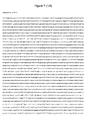
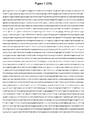
- vectors that may be used in the present invention may be chosen in particular from the group comprising the plasmid pT7-7 (SEQ ID No. 4, Figure 5 ), a plasmid of the pGEX series (SEQ ID NO 5, Figure 6 ), sold for example by the company Pharmacia, or a plasmid of the pET32 series (SEQ ID No. 6, Figure 7 ), marketed for example by the company Novagen.
- a host comprising an expression vector of the YCQKFLWTCDSERPCCEGLVCRLWCKIN sequence peptide (SEQ ID NO1) is described.
- “Host” herein refers to any cell that can be transformed with an expression vector or engineered to produce the peptide of the invention.
- the transformation of said "host” can be carried out, for example by electroporation or by any other method known to those skilled in the art.
- the sequence coding for the peptide of sequence ID NO 1 used during the transformation may be free or incorporated into one of the abovementioned vectors.
- said nucleic acid sequence can be incorporated into the genome of the host by genetic recombination, remain in free form in the host and / or remain in the vector, said nucleic acid sequence is then recognized by the proteins and / or enzymes of the host and expressed thereby.
- the host may be selected from the group consisting of eukaryotic or prokaryotic cells, for example bacteria such as Escherichia coli, yeasts such as Pichia pastoris, insect cells such as Drosophila or Spodoptera cells, mammalian cells, and the like.
- bacteria such as Escherichia coli
- yeasts such as Pichia pastoris
- insect cells such as Drosophila or Spodoptera cells
- mammalian cells and the like.
- another cell known to those skilled in the art that allows the production of peptides and / or proteins from expression vectors for example bacteria such as Escherichia coli, yeasts such as Pichia pastoris, insect cells such as Drosophila or Spodoptera cells, mammalian cells, and the like.
- another cell known to those skilled in the art that allows the production of peptides and / or proteins from expression vectors.
- Prokaryotic or eukaryotic cells may preferably allow overexpression of the peptide for which the vector is encoded.
- any host cell capable of expressing an expression vector for the peptide of the invention is usable, for example Escherichia coli.
- the eukaryotic or prokaryotic cells chosen are those which allow the overexpression of the peptide of the invention.
- these are Spodoptera Sf9 cells , Drosophila S2 cells, Pichia pastoris yeasts or Escherichia coli bacteria .
- the inventors show in the examples below that the peptide of sequence SEQ ID NO 1 is a partial antagonist and / or antagonist of the T-type channels.
- the present invention also relates to the sequence peptide YCQKFLWTCDSERPCCEGLVCRLWCKIN (SEQ ID NO: 1) as a T-type calcium channel antagonist.
- the present invention also relates to the antagonist peptide of a T-channel calcium channel of amino acid sequence: YCQKFLWTCDSERPCCEGLVCRLWCKIN (SEQ ID NO: 1).
- antagonist is meant an agent, for example a chemical molecule, a protein, a peptide etc. which interacts with a receiving site on the channel and prevents said channel from operating.
- the antagonist may also decrease the pharmacological effect of the agonist, it is then a "partial antagonist".
- inverse agonist is meant an agent, for example a molecule. chemical, protein etc. which interacts with the same receptor as an agonist of this receptor but produces the opposite pharmacological effect.
- the antagonist, partial antagonist or inverse agonist may be a substance that binds to the same cellular receptors at identical or different sites of a reference substance, preventing it from producing all or part of its usual effects or producing the opposite effect.
- T-type calcium channels means calcium channels with a low activation threshold, that is to say having an activation potential of between -80 and -20 mV, preferably between -70 and -50 mV
- T-type calcium channels may be the calcium channels generated by the subunits Ca v 3.1, Ca v 3.2, Ca v 3.3 and all their splice variants in association with their regulatory subunits or not.
- the peptide is used as antagonist and / or inverse agonist of T-type calcium channels.
- the peptide is an antagonist and / or inverse agonist of calcium channel Ca v 3.2 and / or calcium channels Ca v 3.1 and / or Ca v 3.3.
- the present invention also relates to the amino acid sequence T-type calcium channel antagonist peptide: YCQKFLWTCDSERPCCEGLVCRLWCKIN (SEQ ID NO: 1), said channel being a channel selected from the group consisting of Cav3.2 channel and channel Cav3.1.
- the invention also relates to the use of the sequence peptide YCQKFLWTCDSERPCCEGLVCRLWCKIN (SEQ ID No. 1) and / or a nucleic acid encoding the sequence peptide YCQKFLWTCDSERPCCEGLVCRLWCKIN (SEQ ID NO: 1) for the manufacture of a medicament.
- This medicine may be for human or veterinary use.
- the peptide may be combined with any pharmacologically acceptable carrier to, for example, improve its bioavailability, solubility, solution stability, and / or drug manufacture.
- the present invention also relates to the amino acid sequence peptide: YCQKFLWTCDSERPCCEGLVCRLWCKIN (SEQ ID NO: 1) for use as a medicament.
- the present invention also relates to the amino acid sequence peptide: YCQKFLWTCDSERPCCEGLVCRLWCKIN (SEQ ID NO: 1), for its use in the treatment of pain.
- the present invention also relates to the amino acid sequence peptide: YCQKFLWTCDSERPCCEGLVCRLWCKIN (SEQ ID NO: 1), for use as an analgesic drug.
- pharmaceutically acceptable carrier means any compound known to those skilled in the art for use in drugs. It can act, for example compounds cited in the book Galenic pharmacy of A. LEHIR (Ed Masson, 1992 (6th editi on)) ( Ref 7 ).
- ком ⁇ онент means a covalent bond with the carrier, ionic interaction binding, the presence in a solution of the carrier and the peptide of the invention.
- the medicament comprising the peptide of sequence SEQ ID No. 1 may be formulated in any form allowing its administration to a patient or an animal. It may be, for example, a formulation allowing oral, intravenous, epidural, cutaneous, or transdermal administration.
- formulation means an injectable formulation (for example as for the octaplex (registered trademark) or the synergon (registered trademark)), an oral formulation for example a syrup, a powder (for example as for the octaplex (registered trademark)), granules, a tablet (as for example for the estima (registered trademark), a film-coated tablet (as for example for the provame (registered trademark)), a capsule, a spray, a local formulation as for example a cream (as for example for the trophicrème cream (registered trademark)), a lotion, a gel, an ocular formulation for example an eye drop, a formulation for intravenous injection, a formulation for injection by pen-type self injection devices insulin, transdermal patch, oral tablets, sublingual ingestion formulation, or epidural injection formulation.
- an injectable formulation for example as for the octaplex (registered trademark) or the synergon (registered trademark)
- the drug may be, for example, administered in the form of capsules, tablets, patches, injectable solutions, suppositories and / or powders.
- the concentration of the peptide of the invention in the drug and / or the veterinary product may be any pharmaceutically effective and acceptable concentration for the patient or treated animal of for example between 1 nM and 1000 nM.
- the medicament comprising the peptide of the invention is preferably administered in order to obtain an intravenous concentration allowing a biological effect.
- This effective plasma concentration can also be determined, for example by following the half-life time of the peptide of the invention after its intravenous injection into a mammal and measuring its concentration by mass spectrometry.
- the half-life time corresponds to the time required for the concentration of said drug to be equal to half of the initial concentration.
- the medicament and / or the veterinary product comprising the peptide of sequence SEQ ID NO 1 may be packaged for once-daily administration, twice daily, three times daily, every other day, every third day, once per week.
- the mode of administration and the quantity administered can be adapted to each individual and can be determined by the practitioner in particular according to the physiological characteristics of the individual treated.
- the drug may be a product for the treatment of pain, migraine, epilepsy, Parkinson's disease, thalamic dysrhythmias, sleep disorders and alertness, bipolar disorders, cardiovascular pathologies (cardiac hypertrophy, hypertension), pathologies related to the release of aldosterone, erectile dysfunctions, and cancerous pathologies
- the drug of the present invention is a product for the treatment of pain, for example an analgesic, an analgesic, an antiallodynic.
- the drug and / or the veterinary product of the present invention is an analgesic.
- the subject of the present invention is also a process for the synthesis of the sequence peptide YCQKFLWTCDSERPCCEGLVCRLWCKIN (SEQ ID No. 1) comprising a step of solid support chemical synthesis or recombinant genetic synthesis.
- the synthesis method in the present invention is a method of solid support chemical synthesis or recombinant genetic synthesis.
- the method of genetic recombination synthesis can use an expression system or a vector as defined above.
- transformation, culture and peptide isolation steps can be carried out by the usual techniques of genetic recombination, for example techniques described in the document Sambrook, Fritsch and Maniatis, "Molecular Cloning, A Laboratory Manual,” second edition, Cold Spring Harbor Laboratory Press, 1989 ( Ref 3 ).
- sequence peptide of SEQ ID NO 1 can be prepared by standard techniques of chemical phase synthesis solid, for example according to the Fmoc solid support peptide synthesis methodology ( "Fmoc Solid Phase Peptide Synthesis, a Practical Approach", published by WC Chan and PDWhite, Oxford University Press, 2000 ( Ref 4 )).
- the venom of PARAPHYSA SP3 was diluted to the 1000th in the extracellular solution used for patch clamp analysis.
- This solution has the following composition (in mM): NaCl 135, TEACI 20, HEPES 10, CaCl 2 2, MgCl 2 1 (pH 7.3 with TEAOH).
- HEK293 cells were transfected with a pcDNA3 expression plasmid containing the human Cav3.2 calcium channel-complementary DNA and a reporter gene (CD8) using the jetPEI TM reagent (distributed by Q-biogen). After 48 hours of expression, the transfected cells were dispersed with trypsin and then seeded at low density on culture dishes for patch clamp analysis.
- the positively transfected cells were identified using magnetic beads coated with an anti-CD8 antibody (Dynal) as described previously in Jimenez, C., Bourinet, E., Leuranguer, V., Richard, S., Snutch, TP and Nargeot, J. (2000) "Determinants of voltage-dependent inactivation affect Mibefradil block of calcium channels.” Neuropharmacology, 39, 1-10 ( Ref 2 ).
- the electrophysiological recordings are made by the "patch clamp” technique in "whole cell” configuration using an Axopatch200B amplifier controlled by a Digidata interface and the pClamp9 software (Molecular Devices).
- the extracellular recording solution containing 2mM calcium is described above.
- the intrapipette solution used for the recordings has the following composition: 130 mM CsCl, 10 mM HEPES, 10 mM EGTA, 2 mM CaCl 2, 1 mM MgCl 2 , 4 mM MgATP, 0.3 mM TrisGTP (pH 7.3 with NaOH ).
- the results are analyzed using Clampfit (trademark), Excel (trademark) and GraphPad Prism (trademark) software.
- the devices used in this example for electrophysiological recordings are the Axopatch200B (Molecular Device) Amplifier, Digidata 1300 (Molecular Device), the pClamp9 (Molecular Devices) software, the GeneClamp500 (Molecular Device) amplifier, the Olympus IX70 inverted microscope ( Olympus France), the Sutter micromanipulator (Sutter Instruments).
- the compounds, reagents, and cells used came from the Sigma-Aldrich France chemicals, the cells used were the HEK293 (ATCC) cells, the Dynal anti-CD8 beads from the company Invitrogen France, the jetPEI reagent (brand of commerce) of Q-biogen France, the microorganism Xenopus Laevis (CRBM - CNRS Montpellier France)
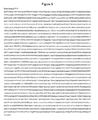
- the Stimulation protocol with following is used: from a resting potential of -100mV, a depolarization of 100 ms at a potential of -30 mV is applied every 10 seconds. The amplitude of the current generated by this stimulation is measured in the control condition and then during the application of the PARAPHYSA SP3 venom. To do this, the venom of PARAPHYSA SP3 is sucked into a pipette identical to the recording pipette. This pipette containing the venom is connected to a pneumatic pressure system allowing to apply 1 to 2 microliters of venom close to the recorded cell.
- CDNA coding for human Cav3.2 is injected into Xenopus oocytes (Xenopus laevis) as described in Altier, C., Dubel, SJ, Barrere, C., Jarvis, SE, Stotz, SC, Spaetgens, RL, Scott, JD, Cornet, V., Waard, M., Zamponi, GW, Nargeot, J. and Bourinet, E. (2002) "Trafficking of L-type calcium channels mediated by the postsynaptic scaffolding protein AKAP79. J. Biol.
- the different chromatographic fractions obtained from the venom are dissolved in the extracellular solution containing (in mM): BaOH 2 , TEAOH, NaOH, 2 CsOH, NMDG, HEPES (pH 7.3 with methanesulfonic acid) .
- the recordings are made in a microcuvette of 15 ⁇ l.
- the fractions (10 ⁇ l) are applied manually, directly to the oocyte recorded using a pipette.
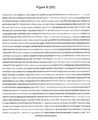
- the application of the extract causes a displacement of about 20mV towards the positive potentials of the current-potential relationship.
- This displacement is a characteristic of the toxins causing an inhibition of the "voltage sensor" of the ion channels.
- This classic effect of spider toxins is described in Winterfield JR, Swartz KJ. (2000) A hot spot for the interaction of gating to modify toxins with voltage-dependent ion channels. J Gen Physiol, 116 (5): 637-44 .) ( Ref 10 ).
- This is a blocking of the part of the channel that detects the voltage variation. The consequence is that the opening of the channel is made more difficult and requires a greater depolarization. Thus the potential current relationship is shifted to more positive potentials.
- the extract contains a T-type channel antagonist. This molecule is therefore a new molecule making it possible to inhibit the pain signal.
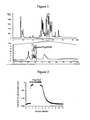
- the venom fractions inhibiting the activity of the calcium channels as presented in the previous example were isolated and the search for the component responsible for this inhibition was carried out by successive steps of activity tests coupled with the fractionation steps.
- the venom of PARAPHYSA SP was obtained by electrical stimulation of cheliceres of adult females. The venom was collected in microtubes, and freeze-dried
- the preparation of the venom for the activity analyzes and for the chromatographic separation consisted of a dissolution of the lyophilisate in ultrapure water at a 10-fold dilution of that of the initial venom volume, centrifugation (14,000 rpm, 20 min) and 0.45 ⁇ m membrane filtration (Millipore SJHVL04NS (Trademark)). )).
- a 100 ⁇ l aliquot of the venom dilution (10 ⁇ l equivalents of crude venom) is fractionated by high performance reverse phase liquid chromatography (RP-HPLC) on a semi-preparative column C8 (5C8MS, 10x250 mm, Waters).
- the gradient used is composed of water + 0.1% trifluoroacetic acid (A) / acetonitrile + 0.1% trifluoroacetic acid (B).
- the gradient is programmed as follows: 0% B for 5 min, 0 to 60% B in 60 min, 60 to 90% B in 10 min, flow rate 2 mL / min.
- the fractions are collected manually at the column outlet, monitoring the variation of the UV absorbance at 215 nm. These fractions are then lyophilized and then their activity is tested on the T-type calcium channel as described above.
- a second purification step is carried out as follows, on the active RP-HPLC fractions: these fractions are analyzed in a second cation exchange chromatography step, on a Tosoh SP5PW (trademark) column (4.6 ⁇ 70 mm) (Tosoh), with a linear gradient of ammonium acetate in water (from 20 mM to 1 M in 50 min) with a flow rate of 0.5 mL / min. The fractions collected are lyophillized and then their activity is tested on the T-type calcium channel as described above.
- the purity and the molecular weight of the peptide constituting the active fraction are determined by MALDI-TOF mass spectrometry (Matrix-Assisted Laser Desorption / lonization Time-Of-Flight).
- Mass spectrometry measurements were made by MALDI-TOF mass spectrometry on a Voyager DE-Pro (trademark) mass spectrometer (Applied Biosystems (registered trademark)) in reflector mode.
- the peptides are mixed with the ⁇ -cyano-4-hydroxycinnamic acid matrix ( ⁇ -CHCA, Sigma (registered trademark), 5 mg / mL in 50: 50: 0.1 water: acetonitrile: TFA) and analyzed.
- the mass spectra are calibrated with internal standards and analyzed in the Data Explorer software.
- the sequence of the purified peptide is determined by automatic sequencing using a gas phase sequencer (Applied Biosystems Procise) by Edman degradation.
- the disulfide bridges of the purified peptide are reduced with DTT (10 mM Dithiothreitol, 55 ° C., 45 min) and alkylated with IAA (lodoacetic acid, 50 mM, at 20 ° C., 30 min) according to a protocol. known to those skilled in the art (see John M. Walker. The Protein Protocols Handbook, Humana Press 1996 (ISBN 0-89603-339-2 ) ( Ref 14 ).
- the reduced / alkylated peptide is desalted by RP-HPLC C18 chromatography on a Merck Chromolith Speed-Rod (Trade Mark) column (0.46x50 mm).
- the reduced / alkylated peptide sequence is then determined by automatic N-terminal gas phase sequencing on an Applied Biosystems Model 477A Applied Peptide Sequencer (Applied Biosystems TM).
- the peptide sequence obtained is YCQKFLWTCDSERPCCEGLVCRLWCKIN (SEQ ID NO 1)
- T-type channel antagonist molecule is the peptide of sequence ID No. 1.
- This peptide therefore represents a new molecule capable of inhibiting the pain signal.
- the company Altergen (registered trademark) chemically synthesizes the peptide of the invention according to the following protocol: solid phase synthesis according to the Merifield technique, Fmoc strategy.
- the inhibitory activity of the peptide identified in Example 2 is tested in vitro on different T-type calcium channels (results not provided).
- the company Synprosis (registered trademark) folded the linear peptide produced by Genepep according to the following protocol: incubation of 10 .mu.M of the linear peptide Psp3-Tx1 in a buffer containing 1mM reduced glutathione (GSH), 1mM glutathione oxidized (GSSG), 100mM trishydroxymethylaminomethane (TRIS) pH9, 25% glycerol. The incubation was carried out for 24 hours with gentle stirring at room temperature.
- GSH reduced glutathione
- GSSG 1mM glutathione oxidized
- TMS trishydroxymethylaminomethane
- the purification of the synthetic Psp3-Tx1 toxin was carried out by reverse phase HPLC chromatography on an RP-C18 Chromolith (registered mark) column using a gradient of 10 to 50% acetonitrile (ACN) in a solution at 0, 1% trifluoroacetate (TFA).
- Verification of the mass of the folded synthetic peptide was carried out by mass spectrometry giving a value of 3398.0 daltons (Da) in agreement with the formation of the 3 disulfide bridges between the 6 cysteines.
- the inhibitory activity of the synthetic peptide of Example 4 was tested in vitro on the Ca v 3.2 channel.
- a comparison of the inhibition with the natural peptide (Psp3-Tx1) was carried out under the same conditions.
- the synthetic peptide and the natural peptide (natural toxin) were diluted to a stock concentration of 10 -3 molar in distilled water. From this stock concentration, the peptides were diluted in a solution corresponding to the extracellular solution used for the patch clamp analysis. This solution has the following composition (in mM): NaCl 135, TEACI 20, HEPES 10, CaCl 2 2, MgCl 2 1 (pH 7.3 with TEAOH).
- concentrations tested were as follows: for the synthetic peptide: 10 -8 , 10 -7 and 10 -6 molar; for the natural peptide: 10 -9 , 10 -8 , 3.10 -8 , 10 -7 , 3.10 -7 , and 10 -6 molar.
- HEK293 (ATCC) cells stably expressing the complementary DNA sequence of the human Cav3.2 calcium channel were used. At each passage of the cell line, cells were seeded at low density on culture dishes for patch clamp analysis (molecular electrophysiology).
- the positively transfected cells were identified using magnetic beads coated with an anti-CD8 antibody (Dynal) as described previously in Jimenez, C., Bourinet, E., Leuranguer, V., Richard, S., Snutch, TP and Nargeot, J. (2000) "Determinants of voltage-dependent inactivation affect Mibefradil block of calcium channels.” Neuropharmacology, 39, 1-10 ( Ref 2 ).
- the electrophysiological recordings are made by the "patch clamp” technique in “whole cell” configuration using an Axopatch200B amplifier controlled by a Digidata interface and the pClamp10 software (Molecular Devices).
- the extracellular recording solution containing 2mM calcium is described above.
- the intrapipette solution used for the recordings has the following composition: 130 mM CsCl, 10 mM HEPES, 10 mM EGTA, 2 mM CaCl 2, 1 mM MgCl 2 , 4 mM MgATP, 0.3 mM TrisGTP (pH 7.3 with NaOH ).
- the analysis of the results is carried out using Clampfit software (brand of commerce), Excel (trademark) and GraphPad Prism (trademark).
- the devices used in this example for electrophysiological recordings are the Axopatch200B (Molecular Device) Amplifier, Digidata 1440 (Molecular Device), the pClamp10 (Molecular Devices) software, the GeneClamp500 (Molecular Device) amplifier, the Olympus IX70 inverted microscope ( Olympus France), the Sutter micromanipulator (Sutter Instruments).
- the compounds, reagents, and cells used came from the Sigma-Aldrich France chemicals, the cells used were the HEK293 (ATCC) cells, the Dynal anti-CD8 beads from the company Invitrogen France, the jetPEI reagent (brand of trade) of Q-biogen France.
- the following stimulation protocol is used: from a resting potential of -100mV, a depolarization of 100 ms to one potential of -30 mV is applied every 10 seconds.
- the amplitude of the current generated by this stimulation is measured in control condition and then during the application of increasing concentration of the synthetic peptide of Example 4, or increasing concentrations of the native Psp3-Tx1 toxin.
- the solutions containing the different concentrations of the synthetic peptide or the Psp3-Tx1 toxin are distributed in infusion tubes connected to a collector for applying these different solutions in the vicinity of the recorded cell.
- inhibitory activity of each concentration of the synthetic peptide or of the native toxin is thus apprehended by measuring the amplitude of the CaV3.2 current of the cell recorded at the plateau of the effect.
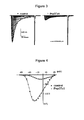
- the figure 8 represents the dose-response curves for the natural peptide (Psp3Tx1) (curve with solid black circles) and the synthetic peptide (curve with hollow black circles).
- the EC50 for the natural toxin is 1.1 .mu.M with a Hill number of 0.87 (number of cells analyzed is 6), and the EC50 for the synthetic peptide is 2.01 .mu.M with a Hill number of 0.89 (number of analyzed cells equal to 20).
- mice are used to observe the analgesic effect of the peptide of the invention against pain induced by thermal stimuli.
- mice are wild-type C57BL / 6J mice and C57BL / 6J CaV3.2 - / - mice.
- the total number of mice is 10 wild and 10 CaV3.2 - / -.
- mice Two groups of mice (C57BL / 6J) were used, a group in which a physiological solution comprising the peptide of the invention at a concentration of 10 and 100 nM was injected intrathecally and a second group (control group) receiving than intrathecal injection of the physiological solution alone.
- the mice are then subjected to the tail immersion test in a water bath at 46 ° C.
- This experiment aims to determine the time at which the mice react to the hot pain, thus showing the threshold of appearance of the pain signal related to the perception of heat.
- the same experiment is carried out in parallel on two other groups of C57BL / 6J mice lacking the gene coding for the type-T calcium channel encoded by the CaV3.2 subunit. This experiment aims to show the selectivity of the peptide of the invention.
- the results show a significant difference in heat reaction time between the group of mice in which the peptide was injected and the group of control mice.
- the heat reaction time being significantly longer in the mice which receive the peptide of SEQ ID NO 1 sequence.
- mice are used to observe the analgesic effect of the peptide of the invention against mechanical stimuli.
- mice are wild-type C57BL / 6J mice and C57BL / 6J CaV3.2 - / - mice.
- the total number of mice is 10 wild and 10 CaV3.2 - / -.
- mice Two groups of mice (C57BL / 6J) were used, a group in which a physiological solution comprising the peptide of the invention at a concentration of 10 and 100 nM was injected intrathecally and a second group (control group) receiving than intrathecal injection of the physiological solution alone.
- the mice are then subjected to the mechanical stimulation experiment with Von Frey bristles.
- the purpose of this experiment is to determine the reaction threshold for a mechanical stimulus of increasing intensity applied on the arch.
- the reaction threshold of the animals is correlated with the appearance of the pain signal related to the perception of the mechanical pressure.
- the same experiment is carried out in parallel on two other groups of C57BL / 6J mice lacking the gene coding for the type-T calcium channel encoded by the CaV3.2 subunit. This experiment aims to show the selectivity of the peptide of the invention.
- the results show a significant difference in perception threshold at the mechanical pressure between the group of mice in which the peptide was injected and the group of control mice.
- the pressure threshold being significantly higher in the mice that receive the peptide of SEQ ID NO 1 sequence.
- the peptide of the invention therefore has an expected analgesic effect vis-à-vis painful thermal and mechanical stimuli.
- mice and the experimental protocol used in the present example are identical to those described in Example 4.
- mice used in the present example are identical to those described in Example 4.
- mice are used to observe the antihypertensive effect of the peptide of the invention.
- Two groups of mice (C57BL / 6J) are used, a group in which a physiological solution comprising the peptide of the invention at a concentration of 10 and 100 nM is injected intravenously and a second group (control group) receiving only intravenous injection of the physiological solution alone.
- the measurement of the arterial pressure is carried out by the principle of the method of the caudal sleeve ( Plehm, R., Barbosa, ME and Bader, M. (2006) Animal models for hypertension / blood pressure recording. Methods Mol Med, 129 , ( Ref 15 )).
- LNCAP prostate cancer cells are used to observe the antiproliferative effect of the peptide of the invention.
- the culture medium used is the RPMI 1640 (BioWhittaker SA, Verviers, Belgium), supplemented with 5 mM L-glutamine (Sigma-Aldrich, L'Isle d'Abeau, France) and 10% FBS (Applera France SA, Courtaboeuf, France) as indicated in the document Gackière F, Bidaux G, Delcourt P, Van Coppenolle F, Katsogiannou M, Dewailly E, Bavencoffe A, Van Chuo ⁇ -Mariot MT, Mauroy B, Prevarskaya N, Mariot P. (2008) CaV3.2 T-type calcium channels are involved in calcium-dependent secretion of neuroendocrine prostate cancer cells. J Biol Chem, 283 (15): 10162-73 . ( Ref 16 )
- the measurement of cell proliferation is performed by the CellTrace (trademark) method CFSE (Invitrogen (registered trademark)) based on the incorporation of the fluorescent tracer CFSE by the cultured cells and a flow cytometer measurement of labeled cells
Landscapes
- Health & Medical Sciences (AREA)
- Life Sciences & Earth Sciences (AREA)
- Chemical & Material Sciences (AREA)
- Organic Chemistry (AREA)
- Medicinal Chemistry (AREA)
- General Health & Medical Sciences (AREA)
- Pharmacology & Pharmacy (AREA)
- Animal Behavior & Ethology (AREA)
- Public Health (AREA)
- Veterinary Medicine (AREA)
- General Chemical & Material Sciences (AREA)
- Engineering & Computer Science (AREA)
- Nuclear Medicine, Radiotherapy & Molecular Imaging (AREA)
- Chemical Kinetics & Catalysis (AREA)
- Bioinformatics & Cheminformatics (AREA)
- Neurosurgery (AREA)
- Biomedical Technology (AREA)
- Neurology (AREA)
- Proteomics, Peptides & Aminoacids (AREA)
- Gastroenterology & Hepatology (AREA)
- Zoology (AREA)
- Pain & Pain Management (AREA)
- Molecular Biology (AREA)
- Genetics & Genomics (AREA)
- Biophysics (AREA)
- Biochemistry (AREA)
- Toxicology (AREA)
- Immunology (AREA)
- Cell Biology (AREA)
- Cardiology (AREA)
- Tropical Medicine & Parasitology (AREA)
- Insects & Arthropods (AREA)
- Heart & Thoracic Surgery (AREA)
- Gynecology & Obstetrics (AREA)
- Psychology (AREA)
- Rheumatology (AREA)
- Ophthalmology & Optometry (AREA)
- Anesthesiology (AREA)
- Endocrinology (AREA)
- Reproductive Health (AREA)
Applications Claiming Priority (2)
| Application Number | Priority Date | Filing Date | Title |
|---|---|---|---|
| FR0900174A FR2940973B1 (fr) | 2009-01-15 | 2009-01-15 | Identification de nouvelles toxines antagonistes de canaux calcique type-t a visee analgesique |
| PCT/FR2010/000037 WO2010081971A1 (fr) | 2009-01-15 | 2010-01-15 | Identification de nouvelles toxines antagonistes de canaux calciques type-t a visee analgesique |
Publications (2)
| Publication Number | Publication Date |
|---|---|
| EP2387581A1 EP2387581A1 (fr) | 2011-11-23 |
| EP2387581B1 true EP2387581B1 (fr) | 2014-10-08 |
Family
ID=40834515
Family Applications (1)
| Application Number | Title | Priority Date | Filing Date |
|---|---|---|---|
| EP10703318.5A Not-in-force EP2387581B1 (fr) | 2009-01-15 | 2010-01-15 | Identification de nouvelles toxines antagonistes de canaux calciques type-t a visee analgesique |
Country Status (7)
| Country | Link |
|---|---|
| US (1) | US8664179B2 (enExample) |
| EP (1) | EP2387581B1 (enExample) |
| JP (1) | JP5519702B2 (enExample) |
| CA (1) | CA2749824C (enExample) |
| ES (1) | ES2524564T3 (enExample) |
| FR (1) | FR2940973B1 (enExample) |
| WO (1) | WO2010081971A1 (enExample) |
Families Citing this family (3)
| Publication number | Priority date | Publication date | Assignee | Title |
|---|---|---|---|---|
| WO2014045126A2 (en) * | 2012-09-18 | 2014-03-27 | Uti Limited Partnership | Treatment of pain by inhibition of usp5 de-ubiquitinase |
| US20220089663A1 (en) * | 2019-01-18 | 2022-03-24 | Memorial Sloan Kettering Cancer Center | PROTEINS AND FLUOROPHORE-CONTAINING COMPOUNDS SELECTIVE FOR NaV1.7 |
| US20230241259A1 (en) * | 2020-06-10 | 2023-08-03 | Memorial Sloan Kettering Cancer Center | IMAGING COMPOUNDS SELECTIVE FOR NaV1.7 |
Family Cites Families (3)
| Publication number | Priority date | Publication date | Assignee | Title |
|---|---|---|---|---|
| US5776896A (en) * | 1996-01-03 | 1998-07-07 | Zeneca Limited | Analgesic peptides from venom of grammostola spatulata and use thereof |
| US5756663A (en) * | 1996-01-03 | 1998-05-26 | Zeneca Limited | Antiarrhythmic peptide from venom of spider Grammostola spatulata |
| AU6109698A (en) | 1998-02-20 | 1999-09-06 | Zeneca Limited | Analgesic peptides from venom of (grammostola spatulata) and use thereof |
-
2009
- 2009-01-15 FR FR0900174A patent/FR2940973B1/fr not_active Expired - Fee Related
-
2010
- 2010-01-15 ES ES10703318.5T patent/ES2524564T3/es active Active
- 2010-01-15 CA CA2749824A patent/CA2749824C/fr not_active Expired - Fee Related
- 2010-01-15 WO PCT/FR2010/000037 patent/WO2010081971A1/fr not_active Ceased
- 2010-01-15 JP JP2011545778A patent/JP5519702B2/ja active Active
- 2010-01-15 US US13/144,734 patent/US8664179B2/en not_active Expired - Fee Related
- 2010-01-15 EP EP10703318.5A patent/EP2387581B1/fr not_active Not-in-force
Also Published As
| Publication number | Publication date |
|---|---|
| JP5519702B2 (ja) | 2014-06-11 |
| WO2010081971A1 (fr) | 2010-07-22 |
| JP2012514992A (ja) | 2012-07-05 |
| EP2387581A1 (fr) | 2011-11-23 |
| CA2749824A1 (fr) | 2010-07-22 |
| FR2940973A1 (fr) | 2010-07-16 |
| FR2940973B1 (fr) | 2013-05-24 |
| US8664179B2 (en) | 2014-03-04 |
| ES2524564T3 (es) | 2014-12-10 |
| US20120040909A1 (en) | 2012-02-16 |
| CA2749824C (fr) | 2017-05-02 |
Similar Documents
| Publication | Publication Date | Title |
|---|---|---|
| Hui et al. | Neuronal calcium sensor-1 modulation of optimal calcium level for neurite outgrowth | |
| CN102977201B (zh) | 少棘蜈蚣多肽毒素mu-SLPTX-Ssm6a及其基因和应用 | |
| WO2014023129A1 (zh) | α-芋螺毒素肽、其药物组合物及用途 | |
| CA2749824C (fr) | Identification de nouvelles toxines antagonistes de canaux calciques type-t a visee analgesique | |
| EP2598523B1 (fr) | Nouveaux peptides avec des effets analgesiques et inhibant les canaux asic | |
| WO1998035034A1 (fr) | Canal cationique neuronal de mammifere sensible a l'acidite, son clonage et ses applications | |
| US10179802B2 (en) | Conotoxin peptide κ-CPTX-BTL04, preparation method therefor, and uses thereof | |
| AU2021238781A1 (en) | Cyclotides in combination with kappa opioid receptor ligands for MS therapy | |
| CN102993289B (zh) | 少棘蜈蚣多肽毒素kappa-SLPTX-Ssm4a及其基因和应用 | |
| FR2653445A1 (fr) | Fragment d'adnc codant pour le gene du recepteur de l'interferon alpha et procede de preparation d'une proteine correspondante. | |
| EP0850302A1 (fr) | Sequences nucleiques codant pour des recepteurs de la melatonine et leurs applications | |
| US10246490B2 (en) | Conotoxin peptide κ-CPTX-BTL02, preparation method therefor, and uses thereof | |
| AU2018274569B2 (en) | Voltage-Gated Calcium Channel auxilliary subunit alpha 2 delta and uses thereof | |
| FR2697850A1 (fr) | Nouveaux polypeptides ayant une activité de récepteur opioïde, acides nucléiques codant pour ces polypeptides et utilisations. | |
| Grimmelikhuijzen et al. | The peptidergic nervous system of coelenterates | |
| RU2521657C1 (ru) | Анальгетический пептид из морской анемоны urticina grebelnyi | |
| FR2701265A1 (fr) | Nouveaux polypeptides ayant une activité de récepteur sérotoninergique, acides nucléiques codant pour ces polypeptides et utilisations. | |
| Giribaldi | Synthesis of bioactive peptides inspired by venoms | |
| Coombs et al. | Glutamate Receptor Auxiliary Subunits and Interacting Protein Partners in the Cerebellum | |
| CA2310541A1 (fr) | Variants d'epissage du recepteur serotoninergique 5-ht4 humain et leurs applications, notamment pour le criblage | |
| MCFARLANE | CJP GRIMMELIKHUIJZEN1, D. GRAFF1, A. GROEGER1 | |
| THIROUIN et al. | BDNF AND SUMO PATHWAY MODULATE GEPHYRIN SCAFFOLD TO DOWNREGULATE GABAERGIC TRANSMISSION AFTER ISCHEMIA | |
| FR2682875A1 (fr) | Utilisation de l'acide polysialique alpha2-8 pour la regulation de l'action des peptides homeoboites. | |
| Flynn et al. | Wednesday, February 24, 2010 693a | |
| WO2001068670A2 (fr) | Famille de canaux potassium humains mecanosensibles et actives par les acides gras polyinsatures et leur utilisation |
Legal Events
| Date | Code | Title | Description |
|---|---|---|---|
| PUAI | Public reference made under article 153(3) epc to a published international application that has entered the european phase |
Free format text: ORIGINAL CODE: 0009012 |
|
| 17P | Request for examination filed |
Effective date: 20110812 |
|
| AK | Designated contracting states |
Kind code of ref document: A1 Designated state(s): AT BE BG CH CY CZ DE DK EE ES FI FR GB GR HR HU IE IS IT LI LT LU LV MC MK MT NL NO PL PT RO SE SI SK SM TR |
|
| DAX | Request for extension of the european patent (deleted) | ||
| 17Q | First examination report despatched |
Effective date: 20140206 |
|
| GRAP | Despatch of communication of intention to grant a patent |
Free format text: ORIGINAL CODE: EPIDOSNIGR1 |
|
| INTG | Intention to grant announced |
Effective date: 20140623 |
|
| GRAS | Grant fee paid |
Free format text: ORIGINAL CODE: EPIDOSNIGR3 |
|
| GRAA | (expected) grant |
Free format text: ORIGINAL CODE: 0009210 |
|
| AK | Designated contracting states |
Kind code of ref document: B1 Designated state(s): AT BE BG CH CY CZ DE DK EE ES FI FR GB GR HR HU IE IS IT LI LT LU LV MC MK MT NL NO PL PT RO SE SI SK SM TR |
|
| REG | Reference to a national code |
Ref country code: GB Ref legal event code: FG4D Free format text: NOT ENGLISH |
|
| REG | Reference to a national code |
Ref country code: AT Ref legal event code: REF Ref document number: 690534 Country of ref document: AT Kind code of ref document: T Effective date: 20141015 Ref country code: CH Ref legal event code: EP |
|
| REG | Reference to a national code |
Ref country code: IE Ref legal event code: FG4D Free format text: LANGUAGE OF EP DOCUMENT: FRENCH |
|
| REG | Reference to a national code |
Ref country code: DE Ref legal event code: R096 Ref document number: 602010019366 Country of ref document: DE Effective date: 20141120 |
|
| REG | Reference to a national code |
Ref country code: CH Ref legal event code: NV Representative=s name: NOVAGRAAF INTERNATIONAL SA, CH |
|
| REG | Reference to a national code |
Ref country code: ES Ref legal event code: FG2A Ref document number: 2524564 Country of ref document: ES Kind code of ref document: T3 Effective date: 20141210 |
|
| REG | Reference to a national code |
Ref country code: NL Ref legal event code: T3 |
|
| REG | Reference to a national code |
Ref country code: AT Ref legal event code: MK05 Ref document number: 690534 Country of ref document: AT Kind code of ref document: T Effective date: 20141008 |
|
| REG | Reference to a national code |
Ref country code: LT Ref legal event code: MG4D |
|
| PG25 | Lapsed in a contracting state [announced via postgrant information from national office to epo] |
Ref country code: NO Free format text: LAPSE BECAUSE OF FAILURE TO SUBMIT A TRANSLATION OF THE DESCRIPTION OR TO PAY THE FEE WITHIN THE PRESCRIBED TIME-LIMIT Effective date: 20150108 Ref country code: IS Free format text: LAPSE BECAUSE OF FAILURE TO SUBMIT A TRANSLATION OF THE DESCRIPTION OR TO PAY THE FEE WITHIN THE PRESCRIBED TIME-LIMIT Effective date: 20150208 Ref country code: LT Free format text: LAPSE BECAUSE OF FAILURE TO SUBMIT A TRANSLATION OF THE DESCRIPTION OR TO PAY THE FEE WITHIN THE PRESCRIBED TIME-LIMIT Effective date: 20141008 Ref country code: PT Free format text: LAPSE BECAUSE OF FAILURE TO SUBMIT A TRANSLATION OF THE DESCRIPTION OR TO PAY THE FEE WITHIN THE PRESCRIBED TIME-LIMIT Effective date: 20150209 Ref country code: FI Free format text: LAPSE BECAUSE OF FAILURE TO SUBMIT A TRANSLATION OF THE DESCRIPTION OR TO PAY THE FEE WITHIN THE PRESCRIBED TIME-LIMIT Effective date: 20141008 |
|
| PG25 | Lapsed in a contracting state [announced via postgrant information from national office to epo] |
Ref country code: GR Free format text: LAPSE BECAUSE OF FAILURE TO SUBMIT A TRANSLATION OF THE DESCRIPTION OR TO PAY THE FEE WITHIN THE PRESCRIBED TIME-LIMIT Effective date: 20150109 Ref country code: LV Free format text: LAPSE BECAUSE OF FAILURE TO SUBMIT A TRANSLATION OF THE DESCRIPTION OR TO PAY THE FEE WITHIN THE PRESCRIBED TIME-LIMIT Effective date: 20141008 Ref country code: SE Free format text: LAPSE BECAUSE OF FAILURE TO SUBMIT A TRANSLATION OF THE DESCRIPTION OR TO PAY THE FEE WITHIN THE PRESCRIBED TIME-LIMIT Effective date: 20141008 Ref country code: HR Free format text: LAPSE BECAUSE OF FAILURE TO SUBMIT A TRANSLATION OF THE DESCRIPTION OR TO PAY THE FEE WITHIN THE PRESCRIBED TIME-LIMIT Effective date: 20141008 Ref country code: PL Free format text: LAPSE BECAUSE OF FAILURE TO SUBMIT A TRANSLATION OF THE DESCRIPTION OR TO PAY THE FEE WITHIN THE PRESCRIBED TIME-LIMIT Effective date: 20141008 Ref country code: AT Free format text: LAPSE BECAUSE OF FAILURE TO SUBMIT A TRANSLATION OF THE DESCRIPTION OR TO PAY THE FEE WITHIN THE PRESCRIBED TIME-LIMIT Effective date: 20141008 Ref country code: CY Free format text: LAPSE BECAUSE OF FAILURE TO SUBMIT A TRANSLATION OF THE DESCRIPTION OR TO PAY THE FEE WITHIN THE PRESCRIBED TIME-LIMIT Effective date: 20141008 |
|
| REG | Reference to a national code |
Ref country code: DE Ref legal event code: R097 Ref document number: 602010019366 Country of ref document: DE |
|
| PG25 | Lapsed in a contracting state [announced via postgrant information from national office to epo] |
Ref country code: CZ Free format text: LAPSE BECAUSE OF FAILURE TO SUBMIT A TRANSLATION OF THE DESCRIPTION OR TO PAY THE FEE WITHIN THE PRESCRIBED TIME-LIMIT Effective date: 20141008 Ref country code: DK Free format text: LAPSE BECAUSE OF FAILURE TO SUBMIT A TRANSLATION OF THE DESCRIPTION OR TO PAY THE FEE WITHIN THE PRESCRIBED TIME-LIMIT Effective date: 20141008 Ref country code: RO Free format text: LAPSE BECAUSE OF FAILURE TO SUBMIT A TRANSLATION OF THE DESCRIPTION OR TO PAY THE FEE WITHIN THE PRESCRIBED TIME-LIMIT Effective date: 20141008 Ref country code: EE Free format text: LAPSE BECAUSE OF FAILURE TO SUBMIT A TRANSLATION OF THE DESCRIPTION OR TO PAY THE FEE WITHIN THE PRESCRIBED TIME-LIMIT Effective date: 20141008 Ref country code: SK Free format text: LAPSE BECAUSE OF FAILURE TO SUBMIT A TRANSLATION OF THE DESCRIPTION OR TO PAY THE FEE WITHIN THE PRESCRIBED TIME-LIMIT Effective date: 20141008 |
|
| PLBE | No opposition filed within time limit |
Free format text: ORIGINAL CODE: 0009261 |
|
| STAA | Information on the status of an ep patent application or granted ep patent |
Free format text: STATUS: NO OPPOSITION FILED WITHIN TIME LIMIT |
|
| PG25 | Lapsed in a contracting state [announced via postgrant information from national office to epo] |
Ref country code: LU Free format text: LAPSE BECAUSE OF FAILURE TO SUBMIT A TRANSLATION OF THE DESCRIPTION OR TO PAY THE FEE WITHIN THE PRESCRIBED TIME-LIMIT Effective date: 20150115 |
|
| 26N | No opposition filed |
Effective date: 20150709 |
|
| PG25 | Lapsed in a contracting state [announced via postgrant information from national office to epo] |
Ref country code: MC Free format text: LAPSE BECAUSE OF FAILURE TO SUBMIT A TRANSLATION OF THE DESCRIPTION OR TO PAY THE FEE WITHIN THE PRESCRIBED TIME-LIMIT Effective date: 20141008 |
|
| REG | Reference to a national code |
Ref country code: IE Ref legal event code: MM4A |
|
| REG | Reference to a national code |
Ref country code: FR Ref legal event code: PLFP Year of fee payment: 7 |
|
| PG25 | Lapsed in a contracting state [announced via postgrant information from national office to epo] |
Ref country code: IE Free format text: LAPSE BECAUSE OF NON-PAYMENT OF DUE FEES Effective date: 20150115 |
|
| PG25 | Lapsed in a contracting state [announced via postgrant information from national office to epo] |
Ref country code: SI Free format text: LAPSE BECAUSE OF FAILURE TO SUBMIT A TRANSLATION OF THE DESCRIPTION OR TO PAY THE FEE WITHIN THE PRESCRIBED TIME-LIMIT Effective date: 20141008 |
|
| REG | Reference to a national code |
Ref country code: FR Ref legal event code: PLFP Year of fee payment: 8 |
|
| PG25 | Lapsed in a contracting state [announced via postgrant information from national office to epo] |
Ref country code: MT Free format text: LAPSE BECAUSE OF FAILURE TO SUBMIT A TRANSLATION OF THE DESCRIPTION OR TO PAY THE FEE WITHIN THE PRESCRIBED TIME-LIMIT Effective date: 20141008 |
|
| PG25 | Lapsed in a contracting state [announced via postgrant information from national office to epo] |
Ref country code: SM Free format text: LAPSE BECAUSE OF FAILURE TO SUBMIT A TRANSLATION OF THE DESCRIPTION OR TO PAY THE FEE WITHIN THE PRESCRIBED TIME-LIMIT Effective date: 20141008 Ref country code: BG Free format text: LAPSE BECAUSE OF FAILURE TO SUBMIT A TRANSLATION OF THE DESCRIPTION OR TO PAY THE FEE WITHIN THE PRESCRIBED TIME-LIMIT Effective date: 20141008 Ref country code: HU Free format text: LAPSE BECAUSE OF FAILURE TO SUBMIT A TRANSLATION OF THE DESCRIPTION OR TO PAY THE FEE WITHIN THE PRESCRIBED TIME-LIMIT; INVALID AB INITIO Effective date: 20100115 |
|
| PG25 | Lapsed in a contracting state [announced via postgrant information from national office to epo] |
Ref country code: TR Free format text: LAPSE BECAUSE OF FAILURE TO SUBMIT A TRANSLATION OF THE DESCRIPTION OR TO PAY THE FEE WITHIN THE PRESCRIBED TIME-LIMIT Effective date: 20141008 |
|
| REG | Reference to a national code |
Ref country code: FR Ref legal event code: PLFP Year of fee payment: 9 |
|
| PG25 | Lapsed in a contracting state [announced via postgrant information from national office to epo] |
Ref country code: MK Free format text: LAPSE BECAUSE OF FAILURE TO SUBMIT A TRANSLATION OF THE DESCRIPTION OR TO PAY THE FEE WITHIN THE PRESCRIBED TIME-LIMIT Effective date: 20141008 |
|
| PGFP | Annual fee paid to national office [announced via postgrant information from national office to epo] |
Ref country code: NL Payment date: 20191217 Year of fee payment: 11 |
|
| PGFP | Annual fee paid to national office [announced via postgrant information from national office to epo] |
Ref country code: GB Payment date: 20200131 Year of fee payment: 11 Ref country code: ES Payment date: 20200227 Year of fee payment: 11 Ref country code: IT Payment date: 20200114 Year of fee payment: 11 Ref country code: DE Payment date: 20200113 Year of fee payment: 11 |
|
| PGFP | Annual fee paid to national office [announced via postgrant information from national office to epo] |
Ref country code: CH Payment date: 20200124 Year of fee payment: 11 Ref country code: BE Payment date: 20200127 Year of fee payment: 11 |
|
| PGFP | Annual fee paid to national office [announced via postgrant information from national office to epo] |
Ref country code: FR Payment date: 20200130 Year of fee payment: 11 |
|
| REG | Reference to a national code |
Ref country code: DE Ref legal event code: R119 Ref document number: 602010019366 Country of ref document: DE |
|
| REG | Reference to a national code |
Ref country code: CH Ref legal event code: PL |
|
| REG | Reference to a national code |
Ref country code: NL Ref legal event code: MM Effective date: 20210201 |
|
| GBPC | Gb: european patent ceased through non-payment of renewal fee |
Effective date: 20210115 |
|
| REG | Reference to a national code |
Ref country code: BE Ref legal event code: MM Effective date: 20210131 |
|
| PG25 | Lapsed in a contracting state [announced via postgrant information from national office to epo] |
Ref country code: FR Free format text: LAPSE BECAUSE OF NON-PAYMENT OF DUE FEES Effective date: 20210131 Ref country code: NL Free format text: LAPSE BECAUSE OF NON-PAYMENT OF DUE FEES Effective date: 20210201 |
|
| PG25 | Lapsed in a contracting state [announced via postgrant information from national office to epo] |
Ref country code: LI Free format text: LAPSE BECAUSE OF NON-PAYMENT OF DUE FEES Effective date: 20210131 Ref country code: CH Free format text: LAPSE BECAUSE OF NON-PAYMENT OF DUE FEES Effective date: 20210131 Ref country code: DE Free format text: LAPSE BECAUSE OF NON-PAYMENT OF DUE FEES Effective date: 20210803 Ref country code: GB Free format text: LAPSE BECAUSE OF NON-PAYMENT OF DUE FEES Effective date: 20210115 |
|
| REG | Reference to a national code |
Ref country code: ES Ref legal event code: FD2A Effective date: 20220426 |
|
| PG25 | Lapsed in a contracting state [announced via postgrant information from national office to epo] |
Ref country code: IT Free format text: LAPSE BECAUSE OF NON-PAYMENT OF DUE FEES Effective date: 20210115 |
|
| PG25 | Lapsed in a contracting state [announced via postgrant information from national office to epo] |
Ref country code: ES Free format text: LAPSE BECAUSE OF NON-PAYMENT OF DUE FEES Effective date: 20210116 Ref country code: BE Free format text: LAPSE BECAUSE OF NON-PAYMENT OF DUE FEES Effective date: 20210131 |