EP2353344B1 - Providing selected data through a locked display - Google Patents
Providing selected data through a locked display Download PDFInfo
- Publication number
- EP2353344B1 EP2353344B1 EP09831125.1A EP09831125A EP2353344B1 EP 2353344 B1 EP2353344 B1 EP 2353344B1 EP 09831125 A EP09831125 A EP 09831125A EP 2353344 B1 EP2353344 B1 EP 2353344B1
- Authority
- EP
- European Patent Office
- Prior art keywords
- content items
- computing device
- locked
- user
- configuration data
- Prior art date
- Legal status (The legal status is an assumption and is not a legal conclusion. Google has not performed a legal analysis and makes no representation as to the accuracy of the status listed.)
- Active
Links
Images
Classifications
-
- H—ELECTRICITY
- H04—ELECTRIC COMMUNICATION TECHNIQUE
- H04M—TELEPHONIC COMMUNICATION
- H04M1/00—Substation equipment, e.g. for use by subscribers
- H04M1/66—Substation equipment, e.g. for use by subscribers with means for preventing unauthorised or fraudulent calling
- H04M1/667—Preventing unauthorised calls from a telephone set
- H04M1/67—Preventing unauthorised calls from a telephone set by electronic means
- H04M1/673—Preventing unauthorised calls from a telephone set by electronic means the user being required to key in a code
-
- G—PHYSICS
- G06—COMPUTING OR CALCULATING; COUNTING
- G06F—ELECTRIC DIGITAL DATA PROCESSING
- G06F3/00—Input arrangements for transferring data to be processed into a form capable of being handled by the computer; Output arrangements for transferring data from processing unit to output unit, e.g. interface arrangements
- G06F3/14—Digital output to display device ; Cooperation and interconnection of the display device with other functional units
- G06F3/147—Digital output to display device ; Cooperation and interconnection of the display device with other functional units using display panels
-
- G—PHYSICS
- G06—COMPUTING OR CALCULATING; COUNTING
- G06F—ELECTRIC DIGITAL DATA PROCESSING
- G06F9/00—Arrangements for program control, e.g. control units
- G06F9/06—Arrangements for program control, e.g. control units using stored programs, i.e. using an internal store of processing equipment to receive or retain programs
- G06F9/44—Arrangements for executing specific programs
- G06F9/451—Execution arrangements for user interfaces
-
- H—ELECTRICITY
- H04—ELECTRIC COMMUNICATION TECHNIQUE
- H04M—TELEPHONIC COMMUNICATION
- H04M1/00—Substation equipment, e.g. for use by subscribers
- H04M1/72—Mobile telephones; Cordless telephones, i.e. devices for establishing wireless links to base stations without route selection
- H04M1/724—User interfaces specially adapted for cordless or mobile telephones
- H04M1/72469—User interfaces specially adapted for cordless or mobile telephones for operating the device by selecting functions from two or more displayed items, e.g. menus or icons
- H04M1/72472—User interfaces specially adapted for cordless or mobile telephones for operating the device by selecting functions from two or more displayed items, e.g. menus or icons wherein the items are sorted according to specific criteria, e.g. frequency of use
-
- H—ELECTRICITY
- H04—ELECTRIC COMMUNICATION TECHNIQUE
- H04W—WIRELESS COMMUNICATION NETWORKS
- H04W88/00—Devices specially adapted for wireless communication networks, e.g. terminals, base stations or access point devices
- H04W88/02—Terminal devices
-
- G—PHYSICS
- G06—COMPUTING OR CALCULATING; COUNTING
- G06F—ELECTRIC DIGITAL DATA PROCESSING
- G06F3/00—Input arrangements for transferring data to be processed into a form capable of being handled by the computer; Output arrangements for transferring data from processing unit to output unit, e.g. interface arrangements
- G06F3/01—Input arrangements or combined input and output arrangements for interaction between user and computer
- G06F3/048—Interaction techniques based on graphical user interfaces [GUI]
- G06F3/0481—Interaction techniques based on graphical user interfaces [GUI] based on specific properties of the displayed interaction object or a metaphor-based environment, e.g. interaction with desktop elements like windows or icons, or assisted by a cursor's changing behaviour or appearance
-
- H—ELECTRICITY
- H04—ELECTRIC COMMUNICATION TECHNIQUE
- H04M—TELEPHONIC COMMUNICATION
- H04M2250/00—Details of telephonic subscriber devices
- H04M2250/22—Details of telephonic subscriber devices including a touch pad, a touch sensor or a touch detector
Definitions
- touch screens are available on most electronic devices, including mobile telephones with integrated personal digital assistant (PDA) features.
- PDA personal digital assistant
- the touch screens display graphics and text and enter commands to control the devices or to perform various other functions to execute operations on the device.
- Many screens, whether touch sensitive or not, automatically lock to prevent unintentional data entry.
- the locked device prevents user interaction with the notifications until the user unlocks the device (e.g., after entering an unlock code).
- the user is unable to view, let alone interact with, the notifications with the device locked.
- Document US2008220752 discloses a portable multi-function device with a display that receives communication via a plurality of communication modalities while the device is in a locked state.
- Document US2004121823 discloses a screen saver for a wireless terminal adapted to show information from the wireless terminal applications during the idle state of the terminal.
- Embodiments of the invention enable user interaction with content and/or functionality through a locked user interface of a computing device.
- Configuration data describing content to present to a user through a display of a locked computing device is defined.
- the computing device receives one or more content items while the computing device is locked. Based on the configuration data, the received content items are transformed. The transformed content items are provided to the user through the display of the locked computing device.
- embodiments of the disclosure enable, at least, content and functionality to be selectively surfaced through a display 108 of a locked computing device 102 to improve the user experience with the computing device 102.
- the content includes data for consumption by a user 104 as well as data corresponding to functionality available to the user 104 while the computing device 102 is locked.
- the user 104 is able to view streams of notifications 114 and other content items 112 at a glance.
- Configuration data 116 specifies the content and functionality to be available through the display 108 of the locked computing device 102.
- an exemplary block diagram illustrates the computing device 102 delivering customized or otherwise modified content from content providers 128 to the user 104.
- the computing device 102 includes at least a memory area 110, the display 108, and a processor 106.
- the memory area 110 stores one or more of the content items 112.
- the content items 112 are received by the computing device 102 while the computing device 102 is locked.
- the content items 112 include any data received by the computing device 102 from, for example, content providers 128.
- the content items 112 include notifications 114 relating to one or more of the following: an electronic mail message, a voice mail message, a text message, and a missed telephone call.
- the content items 112 include news alerts, weather alerts, sports score updates, stock price alerts, transportation schedules (e.g., airline delays or train schedules), instant or chat messages, social networking updates, and the like.
- the memory area 110 further stores the configuration data 116.
- the configuration data 116 describes the content items 112 and/or functionality to present to the user 104 when the computing device 102 is locked.
- the configuration data 116 includes, for example, a file or metadata describing a characteristic, type, category, classification, or other descriptor of the content items 112 that are to be presented to the user 104 through the display 108 of the locked computing device 102.
- the configuration data 116 may also identify particular applications or functions (e.g., within applications) that are available for execution by the user 104 through the display 108 of the locked computing device 102.
- the functionality available through the display 108 of the locked computing device 102 is a subset of the functionality available to the user 104 after the computing device 102 has been unlocked.
- the configuration data 116 may be stored in one or more data structures of any form.
- the configuration data 116 may be plain text, encrypted, binary, or any other form. Additionally, the configuration data 116 may be organized into a hierarchy, with some criteria applying to one or more of the content items 112, or to one or more of the application programs 118 available to the computing device 102.
- the configuration data 116 may be defined by the user 104.
- the user 104 identifies the particular functionality desired to be available through the display 108 of the locked computing device 102. For example, the user 104 may drag-and-drop applications into a particular region of the display 108 to select those applications to be available when the computing device 102 is locked. The selected applications may act as a toolbar on the display 108 of the locked computing device 102.
- the configuration data 116 may also be defined by application developers 126.
- the application developer 126 of each application identifies the functionality that remains available to the user 104 when the computing device 102 becomes locked.
- the configuration data 116 in this example accompanies the installation or downloading of the application to the computing device 102.
- the identified functionality may represent a default setting, and may be overridden by the user 104 in some embodiments.
- the memory area 110 further stores computer-executable components for implementing aspects of the disclosure.
- Exemplary components include a profile component 120, an interface component 122, and a filter component 124. These components are described below with reference to FIG. 3 .
- the memory area 110 is associated with the computing device 102.
- the memory area 110 is within the computing device 102.
- the memory area 110 or any of the data stored thereon may be associated with any server or other computer, local or remote from the computing device 102 (e.g., accessible via a network).
- the display 108 includes any component for providing information to the user 104.
- the display 108 includes any capacitive display capable of sensing touch input from the user 104 or another object such as a stylus. While aspects of the invention are described with reference to the display 108 being a touch sensitive or touch screen display, embodiments of the invention are operable with any display. For example, aspects of the invention are operable with non-touch sensitive displays such as found on devices that have a full or partial keyboard available for data entry. In such examples, the computing device 102 locks by disabling the keyboard from being used as a user input selection device for the computing device 102.
- the processor 106 includes any quantity of processing units, and is programmed to execute computer-executable instructions for implementing aspects of the disclosure.
- the instructions may be performed by the processor 106 or by multiple processors executing within the computing device 102, or performed by a processor external to the computing device 102 (e.g., by a cloud service 202 such as in FIG. 2 ).
- the processor 106 is programmed to execute instructions such as those illustrated in the figures (e.g., FIG. 3 ).
- aspects of the invention are described with reference to the computing device 102 being a mobile computing device 402 such as a mobile telephone, embodiments of the invention are operable with any computing device.
- aspects of the invention are operable with devices such as digital cameras, digital video cameras, laptop computers, gaming consoles (including handheld gaming consoles), portable music players, a personal digital assistant, an information appliance, and a personal communicator.
- Some embodiments include the computing device 102 disconnected from a network.
- the content items 112 may include notifications 114 such as calendar or alarm alerts originating from the computing device 102 (e.g., not received from the network).
- Other embodiments contemplate the computing device 102 being connected to a network or cloud service 202, whether the connection is continuous or sporadic (e.g., as available), such as illustrated in FIG. 2 .
- an exemplary block diagram illustrates the cloud service 202 providing modified content from content providers 128 to the computing device 102 of the user 104.
- some of the operations performed by the computing device 102 in FIG. 1 are instead performed by the cloud service 202.
- the cloud service 202 defines the configuration data 116, receives the content items 112 (e.g., from the content providers 128), and filters the content items 112.
- the cloud service 202 outputs the content items 112, after processing, to the computing device 102 for presentation to the user 104.
- Such an embodiment offloads the processing from the computing device 102 to the cloud service 202 to enable the computing device 102 to reduce the computational burden on the computing device 102 (e.g., improve response time, reduce power consumption, reduce heat generation) or reduce the hardware needs of the computing device 102 (e.g., less processing capability, less memory space, etc.).
- an exemplary flow chart illustrates the modification of the content based on configuration data 116 associated with an application program 118.
- the configuration data 116 is defined at 302.
- the configuration data 116 describes content to present to the user 104 through the display 108 of the locked computing device 102.
- the configuration data 116 is received from the user 104 or from the application developers 126.
- the configuration data 116 includes, for example, identification of one or more of the following: the application program 118 associated with the content items 112, a type of notification 114 associated with the content items 112, a category of notification 114 associated with the content items 112, and a keyword associated with the content items 112.
- One or more of the content items 112 are received or accessed at 304 while the computing device 102 is locked.
- the computing device 102 is locked such that full access to the capabilities of the computing device 102 is unavailable, user entry is disabled, or interaction by the user 104 with the computing device 102 is otherwise limited.
- the locked computing device 102 may be unlocked through entry of one or more of the following: a code, a gesture, and a button press.
- the received content items 112 are analyzed by transforming, altering, filtering, modifying, or the like at 306 based on the defined configuration data 116. For example, if the received content items 112 have one or more data fields associated therewith, transforming the received content items 112 includes selecting one or more of the data fields for presentation based on the defined configuration data 116. The selected data fields are then presented to the user 104. Alternatively, the data within one or more of the data fields may be selected or modified for presentation to the user 104.
- the transformed content items 112 are provided to the user 104 through the display 108 of the locked computing device 102 at 308.
- a subset of the content items 112 are selected for presentation such as when the transforming operation includes filtering the content items 112, only the filtered content items 112 are presented to the user 104.
- the content items 112 are associated with one or more application programs 118.
- the content items 112 may be provided using the associated application program 118.
- the computing device 102 may unlock and automatically execute the application program 118 associated with the selected content items 112.
- the computing device 102 may also display representations of the application programs 118 associated with the received content items 112 as a toolbar or other grouping.
- the representations include, for example, text or images (e.g., icons) corresponding to the application programs 118.
- the computing device 102 may enable a subset of functionality of each of the application programs 118 associated with the presented content items 112, as defined by the configuration data 116.
- the subset of functionality is enabled through the display 108 of the locked computing device 102.
- the user 104 interacts with the application programs 118 via the presented content items 112 in accordance with the enabled subset of functionality.
- the transformation at 306 may include selecting a sender field and a time stamp field to present to the user 104.
- the user 104 is then able to view the name or address of the person that sent the message, along with the time the message was sent.
- the configuration data 116 specifies that limited functionality of a mail application is available, the user 104 may be able to view the subject field of the message without unlocking the computing device 102.
- the user 104 selects an icon on the display 108 corresponding to the mail application. Responsive to the selection, the computing device 102 is unlocked and the mail application is executed to present the body of the message to the user 104 (or present a list of the messages received by the mail application).
- the operations identified in FIG. 3 are embodied as computer-executable components or modules.
- the components include the profile component 120, the interface component 122, and the filter component 124.
- the profile component 120 receives the configuration data 116 and stores the configuration data 116 in a data structure associated with the application program 118.
- the configuration data 116 describes content and functionality to present to the user 104 through the display 108 of the locked computing device 102.
- the interface component 122 receives the content items 112 while the computing device 102 is locked.
- the filter component 124 modifies the content items 112 received by the interface component 122 based on the configuration data 116 received by the profile component 120.
- the filter component 124 identifies one or more of the content items 112 associated with a particular category, as specified by the configuration data 116.
- Example categories include electronic mail messages, voice mail messages, text messages, or any other type or kind of notification 114 or data received by the computing device 102.
- the filter component 124 may also select the content items 112 having criteria specified by the configuration data 116.
- the criteria may specify that only content items 112 originating from a particular content provider 128 (e.g., a particular friend of the user 104) be displayed through the display 108 of the locked computing device 102.
- a parent in a business meeting defines, in the configuration data 116, that only content items 112 (e.g., calls, messages, etc.) from a child of the parent are to be displayed when the computing device 102 is locked.
- the interface component 122 provides the modified content items 112 to the user 104 through the display 108 of the locked computing device 102.
- the filter component 124 enables the user 104 to interact with the provided content items 112 according to the functionality described by the configuration data 116.
- an exemplary block diagram illustrates the mobile computing device 402 identifying a quantity of received notifications 114 to the user 104.
- the mobile computing device 402 includes a touch sensitive display, and the mobile computing device 402 has been locked.
- the mobile computing device 402 may be locked, for example, after an explicit command from the user 104 or after expiration of a predefined period of time.
- the interface in FIG. 4 is displayed.
- a lock symbol indicates that data entry or other interaction with the mobile computing device 402 is limited.
- the value "6" displayed near the lock symbol indicates that the user 104 has received six new notifications 114 or other content items 112.
- the display 108 also presents other data such as the date, time, signal strength, battery indicator, etc.
- an exemplary block diagram illustrates the mobile computing device 402 displaying icons corresponding to application programs 118 having notifications 114.
- the user 104 desires to view information about the six new content items 112 received.
- the user 104 taps, for example, with a finger or stylus on the touch sensitive display, the lock symbol or anywhere else on the display 108.
- Several icons are then displayed, each corresponding to the application program 118 that has received a new content item 112. If there are more icons to display than can be displayed in the available display area, the user 104 can scroll through the list of icons.
- a quantity of the new content items 112 for each of the application programs 118 is displayed near each icon.
- the first application program 118 has three new content items 112, while the other three application programs 118 each have one new content item 112.
- the mobile computing device 402 in FIG. 5 is still locked.
- the user 104 reviews the icons indicating new incoming content items 112 (e.g., notifications 114) in different categories such as messaging, missed calls, voice mail, texts and third party services.
- the user 104 may tap (e.g., double-tap, slide left, slide right, flick the icon, or perform another input gesture) on one of the icons to unlock the mobile computing device 402 and be taken to the application program 118 corresponding to the selected icon.
- full interaction with the application program 118 is enabled.
- the user 104 does not explicitly unlock the mobile computing device 402, but rather the unlock operation and the execution of the application program 118 occur responsive to the gesture or command from the user 104.
- the user 104 is directed to an unlock screen (e.g., PIN input screen) responsive to the input gesture from the user 104 to receive the unlock PIN from the user 104 before allowing the user 104 to fully access the application program 118.
- an unlock screen e.g., PIN input screen
- the user 104 may be able to interact in a limited way with the displayed icons.
- the available limited interaction is defined in the configuration data 116.
- the user 104 may obtain additional information about some of the content items 112 as described next with reference to FIG. 6 .
- an exemplary block diagram illustrates the mobile computing device 402 displaying the icons corresponding to application programs 118 along with a brief summary of the notifications 114 associated with one of the application programs 118.
- the mobile computing device 402 is still locked.
- the user 104 has tapped or otherwise selected the first icon.
- the user 104 may flick the icon in a particular direction.
- additional information about the three new content items 112 is displayed.
- the sender and date/time of each of the content items 112 is displayed.
- different or additional information may be displayed responsive to the selection by the user 104.
- the mobile computing device 402 may display the subject line of each message, or only display the content items 112 that match the criteria defined by the configuration data 116 (e.g., only display messages received within the last ten minutes, or only display messages from a particular sender).
- the icons or other representations of the content items 112 have slider functionality.
- the user 104 touches one of the icons, and drags the icon to the left or right (or up or down) to perform an operation (e.g., reveal additional information, as specified by the configuration data 116).
- some of the content items 112 are displayed as full-screen notifications 114 rather than smaller icons.
- content items 112 such as incoming calls or calendar appointment reminders are displayed full-screen.
- Such content items 112 may, however, offer user interaction similar to that of other, smaller icons.
- the full-screen notifications 114 may be sliders that the user 104 can drag to reveal additional information. In the alarm example, one slider allows the user 104 to "snooze," while another slider allows the user 104 to "ignore" the alarm.
- the user 104, the application developers 126, or other entities may customize various aspects of the presentation of the content items 112 to the user 104.
- Such customization may be stored in, for example, the configuration data 116.
- the customization includes, but is not limited to, one or more of the following: clock features, text font, text size, contrast, shadows, other artwork on the display 108, input keypad, or other dialogs.
- the icons may be displayed as fish, rocks, or other objects, and there may be different layouts for portrait and landscape orientation of the mobile computing device 402.
- the content items 112 are received by the computing device 102.
- the content items 112 are routed internally in the computing device 102 to a router for handling incoming content items 112.
- a database or other data structure is updated with information describing the receipt of the content items 112.
- a service listens for updates to the database.
- a device registry is updated.
- a component implementing the lock screen listens for the updates to the device registry.
- the component updates the display of the locked computing device 102 with the received content items 112.
- Computer readable media comprise computer storage media and communication media.
- Computer storage media store information such as computer readable instructions, data structures, program modules or other data.
- Communication media typically embody computer readable instructions, data structures, program modules, or other data in a modulated data signal such as a carrier wave or other transport mechanism and include any information delivery media. Combinations of any of the above are also included within the scope of computer readable media.
- embodiments of the invention are operational with numerous other general purpose or special purpose computing system environments or configurations.
- Examples of well known computing systems, environments, and/or configurations that may be suitable for use with aspects of the invention include, but are not limited to, mobile computing devices, personal computers, server computers, hand-held or laptop devices, multiprocessor systems, gaming consoles, microprocessor-based systems, set top boxes, programmable consumer electronics, mobile telephones, network PCs, minicomputers, mainframe computers, distributed computing environments that include any of the above systems or devices, and the like.
- Embodiments of the invention may be described in the general context of computer-executable instructions, such as program modules, executed by one or more computers or other devices.
- the computer-executable instructions may be organized into one or more computer-executable components or modules.
- program modules include, but are not limited to, routines, programs, objects, components, and data structures that perform particular tasks or implement particular abstract data types.
- aspects of the invention may be implemented with any number and organization of such components or modules. For example, aspects of the invention are not limited to the specific computer-executable instructions or the specific components or modules illustrated in the figures and described herein. Other embodiments of the invention may include different computer-executable instructions or components having more or less functionality than illustrated and described herein.
- aspects of the invention transform a general-purpose computer into a special-purpose computing device when configured to execute the instructions described herein.
- inventions illustrated and described herein as well as embodiments not specifically described herein but within the scope of aspects of the invention constitute exemplary means for selectively presenting content to the user 104 through the locked display of the mobile computing device 402, and exemplary means for customizing, per application program 118, the presentation of content to the user 104 through the locked display of the mobile computing device 402.
Landscapes
- Engineering & Computer Science (AREA)
- Human Computer Interaction (AREA)
- Theoretical Computer Science (AREA)
- Computer Security & Cryptography (AREA)
- Signal Processing (AREA)
- General Engineering & Computer Science (AREA)
- Physics & Mathematics (AREA)
- General Physics & Mathematics (AREA)
- Computer Networks & Wireless Communication (AREA)
- Software Systems (AREA)
- User Interface Of Digital Computer (AREA)
- Telephone Function (AREA)
- Information Transfer Between Computers (AREA)
- Mobile Radio Communication Systems (AREA)
Description
- Visual interfaces such as touch screens are available on most electronic devices, including mobile telephones with integrated personal digital assistant (PDA) features. The touch screens display graphics and text and enter commands to control the devices or to perform various other functions to execute operations on the device. Many screens, whether touch sensitive or not, automatically lock to prevent unintentional data entry.
- However, when notifications about electronic mail messages or text messages are received by the device, the locked device prevents user interaction with the notifications until the user unlocks the device (e.g., after entering an unlock code). With existing systems, the user is unable to view, let alone interact with, the notifications with the device locked.
- Document
US2008220752 discloses a portable multi-function device with a display that receives communication via a plurality of communication modalities while the device is in a locked state. - Document
US2004121823 discloses a screen saver for a wireless terminal adapted to show information from the wireless terminal applications during the idle state of the terminal. - The invention is set out in the appended set of claims.
- The embodiments and/or examples of the following description which are not covered by the appended claims are considered as not being part of the present invention.
- Embodiments of the invention enable user interaction with content and/or functionality through a locked user interface of a computing device. Configuration data describing content to present to a user through a display of a locked computing device is defined. The computing device receives one or more content items while the computing device is locked. Based on the configuration data, the received content items are transformed. The transformed content items are provided to the user through the display of the locked computing device.
- This Summary is provided to introduce a selection of concepts in a simplified form that are further described below in the Detailed Description. This Summary is not intended to identify key features or essential features of the claimed subject matter, nor is it intended to be used as an aid in determining the scope of the claimed subject matter.
-
-
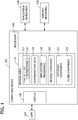
FIG. 1 is an exemplary block diagram illustrating a computing device delivering modified content from content providers to a user. -
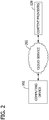
FIG. 2 is an exemplary block diagram illustrating a cloud service providing modified content from content providers to the computing device of the user. -
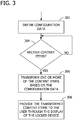
FIG. 3 is an exemplary flow chart illustrating the modification of the content based on configuration data associated with an application program. -
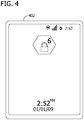
FIG. 4 is an exemplary block diagram illustrating a mobile computing device identifying a quantity of received notifications to the user. -
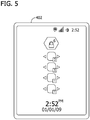
FIG. 5 is an exemplary block diagram illustrating the mobile computing device displaying icons corresponding to application programs having notifications. -
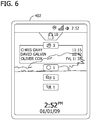
FIG. 6 is an exemplary block diagram illustrating the mobile computing device displaying the icons corresponding to application programs along with a brief summary of the notifications associated with one of the application programs. - Corresponding reference characters indicate corresponding parts throughout the drawings.
- Referring to the figures, embodiments of the disclosure enable, at least, content and functionality to be selectively surfaced through a
display 108 of a lockedcomputing device 102 to improve the user experience with thecomputing device 102. The content includes data for consumption by auser 104 as well as data corresponding to functionality available to theuser 104 while thecomputing device 102 is locked. By selectively displaying information through thedisplay 108 of the lockedcomputing device 102, theuser 104 is able to view streams ofnotifications 114 andother content items 112 at a glance. By enabling selected functionality, theuser 104 is able to interact with the lockedcomputing device 102 without having to unlock thecomputing device 102 to manipulate thecontent items 112 or obtain additional information.Configuration data 116 specifies the content and functionality to be available through thedisplay 108 of the lockedcomputing device 102. - Referring again to
FIG. 1 , an exemplary block diagram illustrates thecomputing device 102 delivering customized or otherwise modified content fromcontent providers 128 to theuser 104. Thecomputing device 102 includes at least amemory area 110, thedisplay 108, and aprocessor 106. Thememory area 110, or other computer-readable media, stores one or more of thecontent items 112. Thecontent items 112 are received by thecomputing device 102 while thecomputing device 102 is locked. Thecontent items 112 include any data received by thecomputing device 102 from, for example,content providers 128. In some embodiments, thecontent items 112 includenotifications 114 relating to one or more of the following: an electronic mail message, a voice mail message, a text message, and a missed telephone call. In other embodiments, thecontent items 112 include news alerts, weather alerts, sports score updates, stock price alerts, transportation schedules (e.g., airline delays or train schedules), instant or chat messages, social networking updates, and the like. - The
memory area 110 further stores theconfiguration data 116. Theconfiguration data 116 describes thecontent items 112 and/or functionality to present to theuser 104 when thecomputing device 102 is locked. Theconfiguration data 116 includes, for example, a file or metadata describing a characteristic, type, category, classification, or other descriptor of thecontent items 112 that are to be presented to theuser 104 through thedisplay 108 of the lockedcomputing device 102. Theconfiguration data 116 may also identify particular applications or functions (e.g., within applications) that are available for execution by theuser 104 through thedisplay 108 of the lockedcomputing device 102. In general, the functionality available through thedisplay 108 of the lockedcomputing device 102 is a subset of the functionality available to theuser 104 after thecomputing device 102 has been unlocked. - The
configuration data 116 may be stored in one or more data structures of any form. Theconfiguration data 116 may be plain text, encrypted, binary, or any other form. Additionally, theconfiguration data 116 may be organized into a hierarchy, with some criteria applying to one or more of thecontent items 112, or to one or more of theapplication programs 118 available to thecomputing device 102. - The
configuration data 116 may be defined by theuser 104. In such embodiments, theuser 104 identifies the particular functionality desired to be available through thedisplay 108 of the lockedcomputing device 102. For example, theuser 104 may drag-and-drop applications into a particular region of thedisplay 108 to select those applications to be available when thecomputing device 102 is locked. The selected applications may act as a toolbar on thedisplay 108 of the lockedcomputing device 102. - The
configuration data 116 may also be defined byapplication developers 126. In such embodiments, theapplication developer 126 of each application identifies the functionality that remains available to theuser 104 when thecomputing device 102 becomes locked. Theconfiguration data 116 in this example accompanies the installation or downloading of the application to thecomputing device 102. The identified functionality may represent a default setting, and may be overridden by theuser 104 in some embodiments. - The
memory area 110, or one or more computer-readable media, further stores computer-executable components for implementing aspects of the disclosure. Exemplary components include aprofile component 120, aninterface component 122, and afilter component 124. These components are described below with reference toFIG. 3 . - In general, the
memory area 110 is associated with thecomputing device 102. For example, inFIG. 1 , thememory area 110 is within thecomputing device 102. However, thememory area 110 or any of the data stored thereon may be associated with any server or other computer, local or remote from the computing device 102 (e.g., accessible via a network). - The
display 108 includes any component for providing information to theuser 104. For example, thedisplay 108 includes any capacitive display capable of sensing touch input from theuser 104 or another object such as a stylus. While aspects of the invention are described with reference to thedisplay 108 being a touch sensitive or touch screen display, embodiments of the invention are operable with any display. For example, aspects of the invention are operable with non-touch sensitive displays such as found on devices that have a full or partial keyboard available for data entry. In such examples, thecomputing device 102 locks by disabling the keyboard from being used as a user input selection device for thecomputing device 102. - The
processor 106 includes any quantity of processing units, and is programmed to execute computer-executable instructions for implementing aspects of the disclosure. The instructions may be performed by theprocessor 106 or by multiple processors executing within thecomputing device 102, or performed by a processor external to the computing device 102 (e.g., by acloud service 202 such as inFIG. 2 ). In some embodiments, theprocessor 106 is programmed to execute instructions such as those illustrated in the figures (e.g.,FIG. 3 ). - While aspects of the invention are described with reference to the
computing device 102 being amobile computing device 402 such as a mobile telephone, embodiments of the invention are operable with any computing device. For example, aspects of the invention are operable with devices such as digital cameras, digital video cameras, laptop computers, gaming consoles (including handheld gaming consoles), portable music players, a personal digital assistant, an information appliance, and a personal communicator. - Some embodiments include the
computing device 102 disconnected from a network. In such an embodiment, thecontent items 112 may includenotifications 114 such as calendar or alarm alerts originating from the computing device 102 (e.g., not received from the network). Other embodiments contemplate thecomputing device 102 being connected to a network orcloud service 202, whether the connection is continuous or sporadic (e.g., as available), such as illustrated inFIG. 2 . - Referring next to
FIG. 2 , an exemplary block diagram illustrates thecloud service 202 providing modified content fromcontent providers 128 to thecomputing device 102 of theuser 104. In the embodiment ofFIG. 2 , some of the operations performed by thecomputing device 102 inFIG. 1 are instead performed by thecloud service 202. For example, thecloud service 202 defines theconfiguration data 116, receives the content items 112 (e.g., from the content providers 128), and filters thecontent items 112. Thecloud service 202 outputs thecontent items 112, after processing, to thecomputing device 102 for presentation to theuser 104. Such an embodiment offloads the processing from thecomputing device 102 to thecloud service 202 to enable thecomputing device 102 to reduce the computational burden on the computing device 102 (e.g., improve response time, reduce power consumption, reduce heat generation) or reduce the hardware needs of the computing device 102 (e.g., less processing capability, less memory space, etc.). - Referring next to
FIG. 3 , an exemplary flow chart illustrates the modification of the content based onconfiguration data 116 associated with anapplication program 118. Theconfiguration data 116 is defined at 302. Theconfiguration data 116 describes content to present to theuser 104 through thedisplay 108 of the lockedcomputing device 102. Alternatively or in addition, theconfiguration data 116 is received from theuser 104 or from theapplication developers 126. Theconfiguration data 116 includes, for example, identification of one or more of the following: theapplication program 118 associated with thecontent items 112, a type ofnotification 114 associated with thecontent items 112, a category ofnotification 114 associated with thecontent items 112, and a keyword associated with thecontent items 112. - One or more of the
content items 112 are received or accessed at 304 while thecomputing device 102 is locked. Thecomputing device 102 is locked such that full access to the capabilities of thecomputing device 102 is unavailable, user entry is disabled, or interaction by theuser 104 with thecomputing device 102 is otherwise limited. In some embodiments, the lockedcomputing device 102 may be unlocked through entry of one or more of the following: a code, a gesture, and a button press. - The received
content items 112 are analyzed by transforming, altering, filtering, modifying, or the like at 306 based on the definedconfiguration data 116. For example, if the receivedcontent items 112 have one or more data fields associated therewith, transforming the receivedcontent items 112 includes selecting one or more of the data fields for presentation based on the definedconfiguration data 116. The selected data fields are then presented to theuser 104. Alternatively, the data within one or more of the data fields may be selected or modified for presentation to theuser 104. - The transformed
content items 112 are provided to theuser 104 through thedisplay 108 of the lockedcomputing device 102 at 308. In embodiments in which a subset of thecontent items 112 are selected for presentation such as when the transforming operation includes filtering thecontent items 112, only the filteredcontent items 112 are presented to theuser 104. - In some embodiments, the
content items 112 are associated with one ormore application programs 118. When provided to theuser 104 at 308, thecontent items 112 may be provided using the associatedapplication program 118. Similarly, when theuser 104 interacts with the provided content items 112 (e.g., selects one or more of the content items 112), thecomputing device 102 may unlock and automatically execute theapplication program 118 associated with the selectedcontent items 112. - The
computing device 102 may also display representations of theapplication programs 118 associated with the receivedcontent items 112 as a toolbar or other grouping. The representations include, for example, text or images (e.g., icons) corresponding to theapplication programs 118. - Further, the
computing device 102 may enable a subset of functionality of each of theapplication programs 118 associated with the presentedcontent items 112, as defined by theconfiguration data 116. The subset of functionality is enabled through thedisplay 108 of the lockedcomputing device 102. Theuser 104 interacts with theapplication programs 118 via the presentedcontent items 112 in accordance with the enabled subset of functionality. - For example, if an electronic mail message is received (e.g., the content item 112), the transformation at 306 may include selecting a sender field and a time stamp field to present to the
user 104. Theuser 104 is then able to view the name or address of the person that sent the message, along with the time the message was sent. If theconfiguration data 116 specifies that limited functionality of a mail application is available, theuser 104 may be able to view the subject field of the message without unlocking thecomputing device 102. However, in this example, if theuser 104 wants to view the body of the message, theuser 104 selects an icon on thedisplay 108 corresponding to the mail application. Responsive to the selection, thecomputing device 102 is unlocked and the mail application is executed to present the body of the message to the user 104 (or present a list of the messages received by the mail application). - In some embodiments, the operations identified in
FIG. 3 are embodied as computer-executable components or modules. In the example ofFIG. 2 , the components include theprofile component 120, theinterface component 122, and thefilter component 124. Theprofile component 120 receives theconfiguration data 116 and stores theconfiguration data 116 in a data structure associated with theapplication program 118. Theconfiguration data 116 describes content and functionality to present to theuser 104 through thedisplay 108 of the lockedcomputing device 102. Theinterface component 122 receives thecontent items 112 while thecomputing device 102 is locked. Thefilter component 124 modifies thecontent items 112 received by theinterface component 122 based on theconfiguration data 116 received by theprofile component 120. In some embodiments, thefilter component 124 identifies one or more of thecontent items 112 associated with a particular category, as specified by theconfiguration data 116. Example categories include electronic mail messages, voice mail messages, text messages, or any other type or kind ofnotification 114 or data received by thecomputing device 102. - The
filter component 124 may also select thecontent items 112 having criteria specified by theconfiguration data 116. For example, the criteria may specify thatonly content items 112 originating from a particular content provider 128 (e.g., a particular friend of the user 104) be displayed through thedisplay 108 of the lockedcomputing device 102. In such an example, a parent in a business meeting defines, in theconfiguration data 116, that only content items 112 (e.g., calls, messages, etc.) from a child of the parent are to be displayed when thecomputing device 102 is locked. - The
interface component 122 provides the modifiedcontent items 112 to theuser 104 through thedisplay 108 of the lockedcomputing device 102. Thefilter component 124 enables theuser 104 to interact with the providedcontent items 112 according to the functionality described by theconfiguration data 116. - Referring next to
FIG. 4 , an exemplary block diagram illustrates themobile computing device 402 identifying a quantity of receivednotifications 114 to theuser 104. In the exemplary user interface ofFIG. 4 , themobile computing device 402 includes a touch sensitive display, and themobile computing device 402 has been locked. For example, themobile computing device 402 may be locked, for example, after an explicit command from theuser 104 or after expiration of a predefined period of time. - When the
user 104 presses the power button or performs another input to wake up themobile computing device 402, the interface inFIG. 4 is displayed. A lock symbol indicates that data entry or other interaction with themobile computing device 402 is limited. However, the value "6" displayed near the lock symbol indicates that theuser 104 has received sixnew notifications 114 orother content items 112. Thedisplay 108 also presents other data such as the date, time, signal strength, battery indicator, etc. - Referring next to
FIG. 5 , an exemplary block diagram illustrates themobile computing device 402 displaying icons corresponding toapplication programs 118 havingnotifications 114. Continuing with the example ofFIG. 4 , theuser 104 desires to view information about the sixnew content items 112 received. Theuser 104 taps, for example, with a finger or stylus on the touch sensitive display, the lock symbol or anywhere else on thedisplay 108. Several icons are then displayed, each corresponding to theapplication program 118 that has received anew content item 112. If there are more icons to display than can be displayed in the available display area, theuser 104 can scroll through the list of icons. A quantity of thenew content items 112 for each of theapplication programs 118 is displayed near each icon. In this example, thefirst application program 118 has threenew content items 112, while the other threeapplication programs 118 each have onenew content item 112. - The
mobile computing device 402 inFIG. 5 is still locked. Theuser 104 reviews the icons indicating new incoming content items 112 (e.g., notifications 114) in different categories such as messaging, missed calls, voice mail, texts and third party services. However, theuser 104 may tap (e.g., double-tap, slide left, slide right, flick the icon, or perform another input gesture) on one of the icons to unlock themobile computing device 402 and be taken to theapplication program 118 corresponding to the selected icon. At this point, full interaction with theapplication program 118 is enabled. In such embodiments, theuser 104 does not explicitly unlock themobile computing device 402, but rather the unlock operation and the execution of theapplication program 118 occur responsive to the gesture or command from theuser 104. In other embodiments, theuser 104 is directed to an unlock screen (e.g., PIN input screen) responsive to the input gesture from theuser 104 to receive the unlock PIN from theuser 104 before allowing theuser 104 to fully access theapplication program 118. - Without fully unlocking the
mobile computing device 402, however, theuser 104 may be able to interact in a limited way with the displayed icons. The available limited interaction is defined in theconfiguration data 116. For example, while themobile computing device 402 is still locked in the example ofFIG. 5 , theuser 104 may obtain additional information about some of thecontent items 112 as described next with reference toFIG. 6 . - Referring next to
FIG. 6 , an exemplary block diagram illustrates themobile computing device 402 displaying the icons corresponding toapplication programs 118 along with a brief summary of thenotifications 114 associated with one of theapplication programs 118. In the example ofFIG. 6 , themobile computing device 402 is still locked. However, theuser 104 has tapped or otherwise selected the first icon. For example, theuser 104 may flick the icon in a particular direction. In response, additional information about the threenew content items 112 is displayed. In this example, the sender and date/time of each of thecontent items 112 is displayed. However, in other embodiments, different or additional information may be displayed responsive to the selection by theuser 104. For example, themobile computing device 402 may display the subject line of each message, or only display thecontent items 112 that match the criteria defined by the configuration data 116 (e.g., only display messages received within the last ten minutes, or only display messages from a particular sender). - In the examples of
FIG. 5 ,FIG. 6 , and FIG. 7, the icons or other representations of thecontent items 112 have slider functionality. In the touch sensitive display embodiment, theuser 104 touches one of the icons, and drags the icon to the left or right (or up or down) to perform an operation (e.g., reveal additional information, as specified by the configuration data 116). - In some embodiments, some of the
content items 112 are displayed as full-screen notifications 114 rather than smaller icons. For example,content items 112 such as incoming calls or calendar appointment reminders are displayed full-screen.Such content items 112 may, however, offer user interaction similar to that of other, smaller icons. For example, the full-screen notifications 114 may be sliders that theuser 104 can drag to reveal additional information. In the alarm example, one slider allows theuser 104 to "snooze," while another slider allows theuser 104 to "ignore" the alarm. - The
user 104, theapplication developers 126, or other entities may customize various aspects of the presentation of thecontent items 112 to theuser 104. Such customization may be stored in, for example, theconfiguration data 116. The customization includes, but is not limited to, one or more of the following: clock features, text font, text size, contrast, shadows, other artwork on thedisplay 108, input keypad, or other dialogs. For example, the icons may be displayed as fish, rocks, or other objects, and there may be different layouts for portrait and landscape orientation of themobile computing device 402. - In some embodiments, the
content items 112 are received by thecomputing device 102. Thecontent items 112 are routed internally in thecomputing device 102 to a router for handlingincoming content items 112. A database or other data structure is updated with information describing the receipt of thecontent items 112. A service listens for updates to the database. Upon detection of thecontent items 112, a device registry is updated. A component implementing the lock screen listens for the updates to the device registry. Upon detection of an update to the device registry, the component updates the display of the lockedcomputing device 102 with the receivedcontent items 112. - By way of example and not limitation, computer readable media comprise computer storage media and communication media. Computer storage media store information such as computer readable instructions, data structures, program modules or other data. Communication media typically embody computer readable instructions, data structures, program modules, or other data in a modulated data signal such as a carrier wave or other transport mechanism and include any information delivery media. Combinations of any of the above are also included within the scope of computer readable media.
- Although described in connection with an exemplary computing system environment, embodiments of the invention are operational with numerous other general purpose or special purpose computing system environments or configurations. Examples of well known computing systems, environments, and/or configurations that may be suitable for use with aspects of the invention include, but are not limited to, mobile computing devices, personal computers, server computers, hand-held or laptop devices, multiprocessor systems, gaming consoles, microprocessor-based systems, set top boxes, programmable consumer electronics, mobile telephones, network PCs, minicomputers, mainframe computers, distributed computing environments that include any of the above systems or devices, and the like.
- Embodiments of the invention may be described in the general context of computer-executable instructions, such as program modules, executed by one or more computers or other devices. The computer-executable instructions may be organized into one or more computer-executable components or modules. Generally, program modules include, but are not limited to, routines, programs, objects, components, and data structures that perform particular tasks or implement particular abstract data types. Aspects of the invention may be implemented with any number and organization of such components or modules. For example, aspects of the invention are not limited to the specific computer-executable instructions or the specific components or modules illustrated in the figures and described herein. Other embodiments of the invention may include different computer-executable instructions or components having more or less functionality than illustrated and described herein.
- Aspects of the invention transform a general-purpose computer into a special-purpose computing device when configured to execute the instructions described herein.
- The embodiments illustrated and described herein as well as embodiments not specifically described herein but within the scope of aspects of the invention constitute exemplary means for selectively presenting content to the
user 104 through the locked display of themobile computing device 402, and exemplary means for customizing, perapplication program 118, the presentation of content to theuser 104 through the locked display of themobile computing device 402. - The order of execution or performance of the operations in embodiments of the invention illustrated and described herein is not essential, unless otherwise specified. That is, the operations may be performed in any order, unless otherwise specified, and embodiments of the invention may include additional or fewer operations than those disclosed herein. For example, it is contemplated that executing or performing a particular operation before, contemporaneously with, or after another operation is within the scope of aspects of the invention.
- When introducing elements of aspects of the invention or the embodiments thereof, the articles "a," "an," "the," and "said" are intended to mean that there are one or more of the elements. The terms "comprising," "including," and "having" are intended to be inclusive and mean that there may be additional elements other than the listed elements.
- Having described aspects of the invention in detail, it will be apparent that modifications and variations are possible without departing from the scope of aspects of the invention as defined in the appended claims. As various changes could be made in the above constructions, products, and methods without departing from the scope of aspects of the invention, it is intended that all matter contained in the above description and shown in the accompanying drawings shall be interpreted as illustrative and not in a limiting sense.
Claims (14)
- A system for customizing content items (112) available through a display (108) of a locked mobile computing device (402), said system comprising:a memory area (110) for storing one or more content items (112) received by a mobile computing device (402) while the mobile computing device (402) is locked, said memory area (110) further storing configuration data (116), said configuration data (116) describing the one or more content items (112) to present to a user (104) through a display (108) of the locked mobile computing device (402);a processor (106) programmed to:receive the configuration data (116) from the user (104) of the mobile computing device (402);access one or more of the content items (112) stored in the memory area (110);transform one or more of the accessed content items (112) based on the configuration data (116) stored in the memory area (110); andpresent the transformed content items (112) to the user (104) through the display (108) of the locked mobile computing device (402), wherein one or more of the presented content items (112) are associated with an application program executing on the mobile computing device (402),characterized in thatthe configuration data (116) further defines a subset of a functionality of the application program, andthe processor is further programmed to enable the subset of the functionality through the display while the mobile computing device is locked, whereby the user interacts with the application program via said one or more of the presented content items (112) in accordance with the enabled subset of the functionality while the mobile computing device is locked.
- The system of claim 1, wherein the configuration data (116) describes characteristics of the content items (112).
- The system of claim 1, wherein the content items (112) relate to one or more of the following: an electronic mail message, a voice mail message, a text message, and a missed telephone call.
- The system of claim 1, wherein the processor (106) is programmed to:analyze each of the accessed content items (112) by filtering the accessed content items (112) based on the configuration data; andpresent said one or more of the accessed content items (112) by presenting only the filtered content items (112).
- The system of claim 1, further comprising:means for selectively presenting content to the user through the display (108) of the locked mobile computing device; andmeans for customizing, per application program, the presentation of content to the user through the display (108) of the locked mobile computing device.
- A method comprising:defining configuration data (116) describing content to present to a user (104) through a display (108) of a locked computing device (102), the configuration data further defining a subset of a functionality of the application program;receiving, by the computing device (102), one or more content items (112) while the computing device (102) is locked;transforming one or more of the received content items (112) based on the defined configuration data (116);providing the transformed content items for presentation to the user (104) through the display (108) of the locked computing device (102); andenabling the subset of the functionality through the display while the mobile computing device is locked, whereby the user interacts with the application program via said one or more of the presented content items (112) in accordance with the enabled subset of the functionality while the mobile computing device is locked.
- The method of claim 6, wherein the provided content items are associated with one or more application programs, and further comprising:receiving from the user a selection of one of the provided content items; and unlocking the locked computing device and executing the application program associated with the selected one of the content items.
- The method of claim 7, further comprising receiving a command from the user to unlock the locked computing device.
- The method of claim 6, further comprising providing, through the display of the locked computing device, representations of one or more application programs available on the computing device, wherein the representations are provided as a toolbar.
- The method of claim 9, further comprising:receiving a selection from the user of one of the provided representations; andunlocking the locked computing device and executing the application program associated with the selected one of the content items.
- The method of claim 6, wherein defining the configuration data comprises identifying one or more of the following: an application associated with the content items, a type of notification associated with the content items, a category of notification associated with the content items, and a keyword associated with the content items.
- The method of claim 6, wherein said defining, said receiving, said transforming, and said providing are performed by a cloud service, and wherein providing the transformed content items comprises transmitting the filtered content items from the cloud service to the computing device for display to the user.
- The method of claim 6, wherein the received content items have one or more data fields associated therewith, and wherein transforming the received content items comprises selecting one or more of the data fields based on the defined configuration data, and wherein providing the transformed content items comprises providing the selected data fields.
- Computer-readable media having computer-executable components, said components comprising:a profile component (120) for receiving configuration data (116) describing content and functionality to present to a user (104) through a display (108) of a locked computing device (102), said content and functionality being associated with an application program executing on the computing device, wherein the profile component stores the received configuration data in a data structure associated with the application program;an interface component (122) for receiving one or more content items (112) while the computing device is locked; anda filter component (124) for modifying the content items (112) received by the interface component (122) based on the configuration data (116) received by the profile component (120) and stored in the data structure, wherein the interface component (122) provides the modified content items to the user through the display of the locked computing device, and wherein the filter component enables the user to interact with the provided content items according to the functionality described by the configuration data while the computing device is locked.
Applications Claiming Priority (3)
| Application Number | Priority Date | Filing Date | Title |
|---|---|---|---|
| US11981008P | 2008-12-04 | 2008-12-04 | |
| US12/421,646 US9197738B2 (en) | 2008-12-04 | 2009-04-10 | Providing selected data through a locked display |
| PCT/US2009/066601 WO2010065752A2 (en) | 2008-12-04 | 2009-12-03 | Providing selected data through a locked display |
Publications (3)
| Publication Number | Publication Date |
|---|---|
| EP2353344A2 EP2353344A2 (en) | 2011-08-10 |
| EP2353344A4 EP2353344A4 (en) | 2014-04-30 |
| EP2353344B1 true EP2353344B1 (en) | 2018-10-24 |
Family
ID=42232446
Family Applications (1)
| Application Number | Title | Priority Date | Filing Date |
|---|---|---|---|
| EP09831125.1A Active EP2353344B1 (en) | 2008-12-04 | 2009-12-03 | Providing selected data through a locked display |
Country Status (11)
| Country | Link |
|---|---|
| US (1) | US9197738B2 (en) |
| EP (1) | EP2353344B1 (en) |
| JP (1) | JP5602755B2 (en) |
| KR (1) | KR101634834B1 (en) |
| CN (1) | CN102239740B (en) |
| AU (1) | AU2009322286B2 (en) |
| BR (1) | BRPI0921671B1 (en) |
| CA (1) | CA2742125C (en) |
| IL (1) | IL212301A (en) |
| RU (1) | RU2535582C2 (en) |
| WO (1) | WO2010065752A2 (en) |
Families Citing this family (247)
| Publication number | Priority date | Publication date | Assignee | Title |
|---|---|---|---|---|
| US8225231B2 (en) | 2005-08-30 | 2012-07-17 | Microsoft Corporation | Aggregation of PC settings |
| US8943580B2 (en) | 2007-09-24 | 2015-01-27 | Apple Inc. | Embedded authentication systems in an electronic device |
| US7996045B1 (en) | 2007-11-09 | 2011-08-09 | Google Inc. | Providing interactive alert information |
| US8600120B2 (en) | 2008-01-03 | 2013-12-03 | Apple Inc. | Personal computing device control using face detection and recognition |
| EP2243326B1 (en) * | 2008-01-30 | 2018-10-24 | Google LLC | Notification of mobile device events |
| US10095375B2 (en) | 2008-07-09 | 2018-10-09 | Apple Inc. | Adding a contact to a home screen |
| US20100146437A1 (en) * | 2008-12-04 | 2010-06-10 | Microsoft Corporation | Glanceable animated notifications on a locked device |
| US9197738B2 (en) | 2008-12-04 | 2015-11-24 | Microsoft Technology Licensing, Llc | Providing selected data through a locked display |
| US8539382B2 (en) * | 2009-04-03 | 2013-09-17 | Palm, Inc. | Preventing unintentional activation and/or input in an electronic device |
| JP5132629B2 (en) * | 2009-05-11 | 2013-01-30 | ソニーモバイルコミュニケーションズ, エービー | Information terminal, information presentation method of information terminal, and information presentation program |
| US8434153B2 (en) * | 2009-08-24 | 2013-04-30 | Microsoft Corporation | Application display on a locked device |
| US20110283241A1 (en) | 2010-05-14 | 2011-11-17 | Google Inc. | Touch Gesture Actions From A Device's Lock Screen |
| KR101673925B1 (en) | 2010-05-26 | 2016-11-09 | 삼성전자주식회사 | Portable Device having the touch lock status and Operation system thereof |
| US8811948B2 (en) | 2010-07-09 | 2014-08-19 | Microsoft Corporation | Above-lock camera access |
| US9110589B1 (en) * | 2010-07-21 | 2015-08-18 | Google Inc. | Tab bar control for mobile devices |
| KR101685349B1 (en) * | 2010-07-27 | 2016-12-12 | 엘지전자 주식회사 | Mobile terminal and operation method thereof |
| US8402533B2 (en) | 2010-08-06 | 2013-03-19 | Google Inc. | Input to locked computing device |
| KR101669967B1 (en) * | 2010-08-23 | 2016-10-27 | 엘지전자 주식회사 | Mobile terminal and method for controlling the same |
| JP5757705B2 (en) | 2010-08-24 | 2015-07-29 | 京セラ株式会社 | Mobile terminal, unlock program, and unlock method |
| JP2012049872A (en) * | 2010-08-27 | 2012-03-08 | Kyocera Corp | Portable terminal, lock release program and lock release method |
| JP5587733B2 (en) * | 2010-10-27 | 2014-09-10 | 京セラ株式会社 | Portable terminal, lock state control program, and lock state control method |
| KR20120020070A (en) | 2010-08-27 | 2012-03-07 | 교세라 가부시키가이샤 | Mobile terminal, computer-readable storage medium storing lock status control program and lock status control method |
| US9164669B1 (en) * | 2010-08-31 | 2015-10-20 | Google Inc. | Dial control for mobile devices |
| US20120060123A1 (en) * | 2010-09-03 | 2012-03-08 | Hugh Smith | Systems and methods for deterministic control of instant-on mobile devices with touch screens |
| KR101685991B1 (en) * | 2010-09-30 | 2016-12-13 | 엘지전자 주식회사 | Mobile terminal and control method for mobile terminal |
| KR101780499B1 (en) * | 2010-11-23 | 2017-09-21 | 삼성전자 주식회사 | Apparatus and method for controlling operation of mobile terminal |
| US11314344B2 (en) * | 2010-12-03 | 2022-04-26 | Razer (Asia-Pacific) Pte. Ltd. | Haptic ecosystem |
| KR20120089782A (en) | 2010-12-15 | 2012-08-13 | 삼성전자주식회사 | An Interface Method For Managing Messages Of A Mobile Device |
| US20120159395A1 (en) | 2010-12-20 | 2012-06-21 | Microsoft Corporation | Application-launching interface for multiple modes |
| US8689123B2 (en) | 2010-12-23 | 2014-04-01 | Microsoft Corporation | Application reporting in an application-selectable user interface |
| US8612874B2 (en) | 2010-12-23 | 2013-12-17 | Microsoft Corporation | Presenting an application change through a tile |
| US9423951B2 (en) | 2010-12-31 | 2016-08-23 | Microsoft Technology Licensing, Llc | Content-based snap point |
| TWI546700B (en) * | 2011-01-13 | 2016-08-21 | 宏達國際電子股份有限公司 | Portable electronic device, and control method and computer program product of the same |
| US20120184247A1 (en) * | 2011-01-19 | 2012-07-19 | Lg Electronics Inc. | Electronic device and method of controlling the same |
| CN102111503A (en) * | 2011-02-18 | 2011-06-29 | 宇龙计算机通信科技(深圳)有限公司 | Quick operation method and mobile terminal |
| JP5885185B2 (en) * | 2011-03-07 | 2016-03-15 | 京セラ株式会社 | Mobile terminal device |
| EP2686747B1 (en) * | 2011-03-16 | 2018-08-29 | Sony Mobile Communications Inc. | System and method for providing direct access to an application when unlocking a consumer electronic device |
| CN102130999A (en) * | 2011-03-16 | 2011-07-20 | 宇龙计算机通信科技(深圳)有限公司 | To-be-processed information prompting method and terminal |
| CN102223437A (en) * | 2011-03-25 | 2011-10-19 | 苏州瀚瑞微电子有限公司 | Method for touch screen mobile phone to directly enter function interface |
| US9383917B2 (en) | 2011-03-28 | 2016-07-05 | Microsoft Technology Licensing, Llc | Predictive tiling |
| US9377928B2 (en) * | 2011-04-19 | 2016-06-28 | Sony Corporation | Location and time based unlocked action |
| US9606643B2 (en) | 2011-05-02 | 2017-03-28 | Microsoft Technology Licensing, Llc | Extended above the lock-screen experience |
| US10222974B2 (en) * | 2011-05-03 | 2019-03-05 | Nokia Technologies Oy | Method and apparatus for providing quick access to device functionality |
| US9658766B2 (en) | 2011-05-27 | 2017-05-23 | Microsoft Technology Licensing, Llc | Edge gesture |
| US10078755B2 (en) | 2011-05-27 | 2018-09-18 | Apple Inc. | Private and public applications |
| US20120304132A1 (en) | 2011-05-27 | 2012-11-29 | Chaitanya Dev Sareen | Switching back to a previously-interacted-with application |
| US8893033B2 (en) * | 2011-05-27 | 2014-11-18 | Microsoft Corporation | Application notifications |
| US9158445B2 (en) | 2011-05-27 | 2015-10-13 | Microsoft Technology Licensing, Llc | Managing an immersive interface in a multi-application immersive environment |
| US9104440B2 (en) | 2011-05-27 | 2015-08-11 | Microsoft Technology Licensing, Llc | Multi-application environment |
| US9104307B2 (en) | 2011-05-27 | 2015-08-11 | Microsoft Technology Licensing, Llc | Multi-application environment |
| JP2012248090A (en) * | 2011-05-30 | 2012-12-13 | Toshiba Corp | Information processing unit, information processing method and program |
| EP2712441B1 (en) * | 2011-06-05 | 2020-09-23 | Apple Inc. | Systems and methods for displaying notifications received from multiple applications |
| US8638385B2 (en) * | 2011-06-05 | 2014-01-28 | Apple Inc. | Device, method, and graphical user interface for accessing an application in a locked device |
| KR20130008424A (en) * | 2011-07-12 | 2013-01-22 | 삼성전자주식회사 | Apparatus and method for executing a shortcut function in a portable terminal |
| JP5799628B2 (en) | 2011-07-15 | 2015-10-28 | ソニー株式会社 | Information processing apparatus, information processing method, and program |
| US20130057587A1 (en) | 2011-09-01 | 2013-03-07 | Microsoft Corporation | Arranging tiles |
| US10353566B2 (en) | 2011-09-09 | 2019-07-16 | Microsoft Technology Licensing, Llc | Semantic zoom animations |
| US8922575B2 (en) | 2011-09-09 | 2014-12-30 | Microsoft Corporation | Tile cache |
| US9557909B2 (en) | 2011-09-09 | 2017-01-31 | Microsoft Technology Licensing, Llc | Semantic zoom linguistic helpers |
| KR101563150B1 (en) * | 2011-09-09 | 2015-10-28 | 주식회사 팬택 | Method for providing shortcut in lock screen and portable device employing the same |
| US9244802B2 (en) | 2011-09-10 | 2016-01-26 | Microsoft Technology Licensing, Llc | Resource user interface |
| US9146670B2 (en) | 2011-09-10 | 2015-09-29 | Microsoft Technology Licensing, Llc | Progressively indicating new content in an application-selectable user interface |
| US20130069893A1 (en) * | 2011-09-15 | 2013-03-21 | Htc Corporation | Electronic device, controlling method thereof and computer program product |
| US9002322B2 (en) | 2011-09-29 | 2015-04-07 | Apple Inc. | Authentication with secondary approver |
| US8769624B2 (en) | 2011-09-29 | 2014-07-01 | Apple Inc. | Access control utilizing indirect authentication |
| JP6194162B2 (en) * | 2011-10-03 | 2017-09-06 | 京セラ株式会社 | Apparatus, method, and program |
| JP5771585B2 (en) * | 2011-10-03 | 2015-09-02 | 京セラ株式会社 | Apparatus, method, and program |
| KR20130039586A (en) * | 2011-10-12 | 2013-04-22 | 삼성전자주식회사 | Method and apparatus for providing lock function of touch device |
| US8863004B2 (en) | 2011-10-28 | 2014-10-14 | Navteq B.V. | Method and apparatus for increasing the functionality of a user device in a locked state |
| KR101590341B1 (en) * | 2011-10-31 | 2016-02-19 | 삼성전자주식회사 | Method and apparatus controlling interrupt in portable terminal |
| US9063629B2 (en) | 2011-10-31 | 2015-06-23 | Nokia Technologies Oy | Responding to a received message in a locked user interaction mode |
| US20130111579A1 (en) | 2011-10-31 | 2013-05-02 | Nokia Corporation | Electronic device mode, associated apparatus and methods |
| US20130111345A1 (en) * | 2011-10-31 | 2013-05-02 | Nokia Corporation | Portable electronic device, associated apparatus and methods |
| US20130111378A1 (en) * | 2011-10-31 | 2013-05-02 | Nokia Corporation | Portable electronic device, associated apparatus and methods |
| US9536224B2 (en) | 2011-11-03 | 2017-01-03 | Htc Corporation | Method, apparatus and recording medium for displaying tasks |
| CN103135967B (en) * | 2011-11-25 | 2017-07-21 | 腾讯科技(深圳)有限公司 | Show the method and system of unread message |
| KR101873745B1 (en) * | 2011-12-02 | 2018-07-03 | 엘지전자 주식회사 | Mobile terminal and method for controlling thereof |
| EP2608504B1 (en) * | 2011-12-19 | 2018-07-18 | Orange | Method for notification of events on a device running multiple user identities |
| US9223472B2 (en) | 2011-12-22 | 2015-12-29 | Microsoft Technology Licensing, Llc | Closing applications |
| KR20130093721A (en) * | 2011-12-23 | 2013-08-23 | 삼성전자주식회사 | Display apparatus for releasing lock status and method thereof |
| US20130305354A1 (en) * | 2011-12-23 | 2013-11-14 | Microsoft Corporation | Restricted execution modes |
| US8874162B2 (en) | 2011-12-23 | 2014-10-28 | Microsoft Corporation | Mobile device safe driving |
| KR20130093719A (en) * | 2011-12-23 | 2013-08-23 | 삼성전자주식회사 | Display apparatus for releasing lock status and method thereof |
| US9363250B2 (en) | 2011-12-23 | 2016-06-07 | Microsoft Technology Licensing, Llc | Hub coordination service |
| JP5775445B2 (en) * | 2011-12-27 | 2015-09-09 | 京セラ株式会社 | Apparatus, method, and program |
| US9164997B2 (en) * | 2012-01-19 | 2015-10-20 | Microsoft Technology Licensing, Llc | Recognizing cloud content |
| US9372978B2 (en) * | 2012-01-20 | 2016-06-21 | Apple Inc. | Device, method, and graphical user interface for accessing an application in a locked device |
| US9448680B2 (en) * | 2012-02-16 | 2016-09-20 | Microsoft Technology Licensing, Llc | Power efficient application notification system |
| KR101928915B1 (en) * | 2012-02-24 | 2019-03-12 | 삼성전자 주식회사 | Apparatus and method for processing a data of mobile terminal |
| CN103297932A (en) * | 2012-02-27 | 2013-09-11 | 联想(北京)有限公司 | Mobile terminal and method for processing notification message thereof |
| US20150160788A1 (en) * | 2012-02-27 | 2015-06-11 | Nokia Corporaiton | Apparatus and associated methods |
| JP5983726B2 (en) * | 2012-03-02 | 2016-09-06 | 日本電気株式会社 | Apparatus capable of presenting startup UI, presenting method thereof, and presenting program |
| US8504842B1 (en) * | 2012-03-23 | 2013-08-06 | Google Inc. | Alternative unlocking patterns |
| JP5891083B2 (en) * | 2012-03-26 | 2016-03-22 | 京セラ株式会社 | Apparatus, method, and program |
| US10327032B2 (en) * | 2012-03-29 | 2019-06-18 | Sony Interactive Entertainment LLC | Extracting media content from social networking services |
| CN103369125A (en) * | 2012-04-10 | 2013-10-23 | 腾讯科技(深圳)有限公司 | Speed-dial method and device for touch-screen mobile phone |
| US20130283199A1 (en) * | 2012-04-24 | 2013-10-24 | Microsoft Corporation | Access to an Application Directly from a Lock Screen |
| JP5851326B2 (en) * | 2012-04-26 | 2016-02-03 | 京セラ株式会社 | Apparatus, method, and program |
| AU2013205613B2 (en) * | 2012-05-04 | 2017-12-21 | Samsung Electronics Co., Ltd. | Terminal and method for controlling the same based on spatial interaction |
| US9448813B2 (en) * | 2012-05-24 | 2016-09-20 | Microsoft Technology Licensing, Llc | Entry points to image-related applications in a mobile device |
| KR20130134508A (en) * | 2012-05-31 | 2013-12-10 | 삼성전기주식회사 | Unlocking method using touch-screen and electric device thereof |
| CN102750087A (en) * | 2012-05-31 | 2012-10-24 | 华为终端有限公司 | Method, device and terminal device for controlling speech recognition function |
| US9009630B2 (en) * | 2012-06-05 | 2015-04-14 | Microsoft Corporation | Above-lock notes |
| US9230556B2 (en) * | 2012-06-05 | 2016-01-05 | Apple Inc. | Voice instructions during navigation |
| US10354004B2 (en) * | 2012-06-07 | 2019-07-16 | Apple Inc. | Intelligent presentation of documents |
| KR101977074B1 (en) * | 2012-06-26 | 2019-05-10 | 엘지전자 주식회사 | Mobile terminal and control method for the mobile terminal |
| CN103543903B (en) * | 2012-07-11 | 2018-07-17 | 腾讯科技(深圳)有限公司 | shortcut operation method, device and mobile terminal |
| US9736265B2 (en) * | 2012-08-09 | 2017-08-15 | Facebook, Inc. | Handling notifications |
| CN104321731B (en) * | 2012-08-09 | 2018-03-16 | 东莞宇龙通信科技有限公司 | Terminals and Terminal Unlocking Methods |
| CA3202407A1 (en) * | 2012-08-24 | 2014-02-27 | Samsung Electronics Co., Ltd. | Apparatus and method for providing interaction information by using image on device display |
| KR20140044962A (en) * | 2012-09-06 | 2014-04-16 | 삼성전자주식회사 | Lock releasing method of electronic device, apparatus thereof, and medium storing program source thereof |
| KR102017845B1 (en) * | 2012-09-20 | 2019-09-03 | 삼성전자주식회사 | Method and apparatus for displaying missed calls on mobile terminal |
| KR102001913B1 (en) * | 2012-09-27 | 2019-07-19 | 엘지전자 주식회사 | Mobile Terminal and Operating Method for the Same |
| KR101449681B1 (en) * | 2012-10-04 | 2014-10-13 | 크루셜텍 (주) | Method, user device and computer-readable storage for displaying message using fingerprint |
| CN103729116A (en) * | 2012-10-12 | 2014-04-16 | 纬创资通股份有限公司 | Screen-lockable computer device, screen-locking method, and storage medium |
| CN102945134B (en) * | 2012-10-19 | 2016-08-24 | 东莞宇龙通信科技有限公司 | Quick reply method and device |
| US9152211B2 (en) * | 2012-10-30 | 2015-10-06 | Google Technology Holdings LLC | Electronic device with enhanced notifications |
| US9098177B2 (en) * | 2012-12-13 | 2015-08-04 | Google Technology Holdings LLC | Apparatus and methods for facilitating context handoff between devices in a cloud based wireless personal area network |
| EP2937769A4 (en) * | 2012-12-20 | 2016-08-31 | Nec Corp | Terminal device, information processing method and program |
| CN103037104B (en) * | 2012-12-24 | 2015-11-18 | 广东欧珀移动通信有限公司 | A kind of method and system of information of mobile terminal display |
| JP6063734B2 (en) * | 2012-12-25 | 2017-01-18 | 京セラ株式会社 | Mobile terminal device, unlocking method and program |
| US10249007B2 (en) * | 2012-12-28 | 2019-04-02 | Facebook, Inc. | Social cover feed interface |
| US10649607B2 (en) | 2012-12-28 | 2020-05-12 | Facebook, Inc. | Re-ranking story content |
| US9781223B2 (en) | 2012-12-28 | 2017-10-03 | Facebook, Inc. | Conserving battery and data usage |
| US10761672B2 (en) * | 2012-12-28 | 2020-09-01 | Facebook, Inc. | Socialized dash |
| US9658742B2 (en) * | 2012-12-28 | 2017-05-23 | Intel Corporation | Generating and displaying supplemental information and user interactions on interface tiles of a user interface |
| GB201300031D0 (en) | 2013-01-02 | 2013-02-13 | Canonical Ltd | Ubuntu UX innovations |
| US9124545B2 (en) * | 2013-02-14 | 2015-09-01 | Facebook, Inc. | Lock screen with socialized applications |
| JP5618262B2 (en) * | 2013-03-08 | 2014-11-05 | カシオ計算機株式会社 | Display device, display method, and program |
| KR20140112918A (en) | 2013-03-14 | 2014-09-24 | 삼성전자주식회사 | Method and apparatus for controlling screen display using temperature and humidity |
| US9225677B2 (en) * | 2013-03-15 | 2015-12-29 | Facebook, Inc. | Systems and methods for displaying a digest of messages or notifications without launching applications associated with the messages or notifications |
| US9606719B2 (en) * | 2013-04-02 | 2017-03-28 | Facebook, Inc. | Interactive elements in a user interface |
| CN103309561B (en) * | 2013-06-09 | 2017-02-01 | 华为技术有限公司 | Method and device for processing information |
| CN103345696B (en) * | 2013-06-28 | 2017-06-06 | 广东欧珀移动通信有限公司 | Push information display method and device and mobile terminal |
| CN104281357A (en) * | 2013-07-08 | 2015-01-14 | 宏碁股份有限公司 | Electronic device and method for controlling electronic device |
| KR20150014256A (en) * | 2013-07-29 | 2015-02-06 | 주식회사 엔비티파트너스 | Recording medium and method for providng search function on lock screen |
| CN104423856A (en) * | 2013-08-26 | 2015-03-18 | 联想(北京)有限公司 | Information classification display method and electronic device |
| US9898642B2 (en) | 2013-09-09 | 2018-02-20 | Apple Inc. | Device, method, and graphical user interface for manipulating user interfaces based on fingerprint sensor inputs |
| US20150082255A1 (en) * | 2013-09-16 | 2015-03-19 | Motorola Mobility Llc | Methods and apparatus for displaying notification information |
| US9959431B2 (en) | 2013-09-16 | 2018-05-01 | Google Technology Holdings LLC | Method and apparatus for displaying potentially private information |
| JP2015088180A (en) * | 2013-09-25 | 2015-05-07 | アークレイ株式会社 | Electronic apparatus, control method thereof, and control program |
| JP6216205B2 (en) * | 2013-10-10 | 2017-10-18 | 株式会社ミクシィ | Portable device, method for controlling portable device, and control program |
| KR102193704B1 (en) * | 2013-11-01 | 2020-12-21 | 삼성전자주식회사 | Lock screen display method of electronic apparatus and electronic appparatus thereof |
| CN104639721B (en) * | 2013-11-06 | 2018-11-27 | 阿里巴巴集团控股有限公司 | The method and device of application information is provided in mobile terminal device |
| CN103645825B (en) * | 2013-11-22 | 2017-03-29 | 华为终端有限公司 | Message processing method and device |
| CN103729122B (en) * | 2013-12-05 | 2017-05-10 | 百度在线网络技术(北京)有限公司 | Method and device for unlocking mobile terminal |
| US9367208B2 (en) * | 2013-12-31 | 2016-06-14 | Barnes & Noble College Booksellers, Llc | Move icon to reveal textual information |
| USD752640S1 (en) * | 2014-01-03 | 2016-03-29 | Samsung Electronics Co., Ltd. | Display screen with graphical user interface |
| KR102298602B1 (en) | 2014-04-04 | 2021-09-03 | 마이크로소프트 테크놀로지 라이센싱, 엘엘씨 | Expandable application representation |
| EP3435307A1 (en) * | 2014-04-25 | 2019-01-30 | Samsung Electronics Co., Ltd. | User terminal and method of displaying lock screen thereof |
| US10638452B2 (en) | 2014-05-23 | 2020-04-28 | Samsung Electronics Co., Ltd. | Method and apparatus for providing notification |
| US9622214B2 (en) | 2014-05-23 | 2017-04-11 | Samsung Electronics Co., Ltd. | Method and apparatus for providing notification |
| CN106465458B (en) | 2014-05-23 | 2019-12-13 | 三星电子株式会社 | Method and apparatus for providing notifications |
| US9324067B2 (en) | 2014-05-29 | 2016-04-26 | Apple Inc. | User interface for payments |
| US11343335B2 (en) | 2014-05-29 | 2022-05-24 | Apple Inc. | Message processing by subscriber app prior to message forwarding |
| EP3654163B1 (en) | 2014-05-30 | 2023-12-13 | Apple Inc. | Transition from use of one device to another |
| US10789642B2 (en) | 2014-05-30 | 2020-09-29 | Apple Inc. | Family accounts for an online content storage sharing service |
| KR20160009915A (en) * | 2014-07-17 | 2016-01-27 | 삼성전자주식회사 | Method for processing data and electronic device thereof |
| EP4160376A1 (en) | 2014-08-02 | 2023-04-05 | Apple Inc. | Method of editing a watch face user interface at a watch with a touch-sensitive display |
| US10452253B2 (en) | 2014-08-15 | 2019-10-22 | Apple Inc. | Weather user interface |
| KR20160032565A (en) | 2014-09-16 | 2016-03-24 | 엘지전자 주식회사 | Mobile terminal and control method for the mobile terminal |
| US20160085980A1 (en) * | 2014-09-22 | 2016-03-24 | Canon Kabushiki Kaisha | Information processing apparatus, imaging device, data management method and control program of photographed image |
| CN104318137A (en) * | 2014-09-29 | 2015-01-28 | 东莞宇龙通信科技有限公司 | Operating system and/or application program start or switch method, device and terminal |
| KR101640754B1 (en) * | 2014-10-20 | 2016-07-19 | 경북대학교 산학협력단 | Method for data communication management of Smart Device |
| US20160128647A1 (en) * | 2014-11-07 | 2016-05-12 | Welch Allyn, Inc. | Medical Device With Enhanced Viewing Mode |
| CN104503736B (en) * | 2014-11-19 | 2017-08-29 | 广东欧珀移动通信有限公司 | A kind of information cuing method and device |
| US20160196419A1 (en) * | 2015-01-06 | 2016-07-07 | Google Inc. | Multi-action lock screen |
| US20160209986A1 (en) * | 2015-01-21 | 2016-07-21 | Microsoft Technology Licensing, Llc | Notifications display in electronic devices |
| US9875346B2 (en) | 2015-02-06 | 2018-01-23 | Apple Inc. | Setting and terminating restricted mode operation on electronic devices |
| US10254911B2 (en) | 2015-03-08 | 2019-04-09 | Apple Inc. | Device configuration user interface |
| WO2016144385A1 (en) | 2015-03-08 | 2016-09-15 | Apple Inc. | Sharing user-configurable graphical constructs |
| CN108196770A (en) * | 2015-03-10 | 2018-06-22 | 吴昊 | The method that smart mobile phone, intelligent wearable device obtain calendar event |
| CN106155539A (en) | 2015-03-27 | 2016-11-23 | 阿里巴巴集团控股有限公司 | For the alarm clock setting method of smart machine, device and electronic equipment |
| CN104899056A (en) * | 2015-05-11 | 2015-09-09 | 广东美晨通讯有限公司 | Mobile terminal of entering and restrictedly using application in screen locked state and method |
| DK179328B1 (en) * | 2015-06-07 | 2018-05-07 | Apple Inc | DEVICES, METHODS AND GRAPHICAL USER INTERFACES FOR PROVIDING AND INTERACTING WITH NOTIFICATIONS |
| JP6153563B2 (en) * | 2015-06-10 | 2017-06-28 | 京セラ株式会社 | Mobile terminal device |
| US20160364574A1 (en) * | 2015-06-11 | 2016-12-15 | Microsoft Technology Licensing, Llc | Content projection over device lock screen |
| CN104967748B (en) * | 2015-07-13 | 2018-10-23 | 宁波萨瑞通讯有限公司 | A kind of method of safety operation application service |
| JP6090389B2 (en) * | 2015-08-14 | 2017-03-08 | ソニー株式会社 | Information processing apparatus, information processing method, and program |
| US10304347B2 (en) | 2015-08-20 | 2019-05-28 | Apple Inc. | Exercised-based watch face and complications |
| USD791185S1 (en) * | 2015-10-02 | 2017-07-04 | Samsung Electronics Co., Ltd. | Display screen or portion thereof with icon |
| CN105389487B (en) * | 2015-11-11 | 2018-02-16 | 北京麒麟合盛网络技术有限公司 | A kind of method and device of third party's screen lock application message displaying |
| CN105487747A (en) * | 2015-11-20 | 2016-04-13 | 北京金山安全软件有限公司 | Information display method and device and electronic equipment |
| CN105488374B (en) * | 2015-11-28 | 2018-06-12 | 小米科技有限责任公司 | unlocking method and device |
| CN105611070A (en) * | 2016-02-18 | 2016-05-25 | 吴伟东 | Method and system for updating weather information of mobile phone |
| DK179186B1 (en) | 2016-05-19 | 2018-01-15 | Apple Inc | REMOTE AUTHORIZATION TO CONTINUE WITH AN ACTION |
| US12175065B2 (en) | 2016-06-10 | 2024-12-24 | Apple Inc. | Context-specific user interfaces for relocating one or more complications in a watch or clock interface |
| CN109643206B (en) * | 2016-06-28 | 2023-05-02 | 株式会社尼康 | Control device, display device, program, and detection method |
| KR102534547B1 (en) | 2016-09-07 | 2023-05-19 | 삼성전자주식회사 | Electronic apparatus and operating method thereof |
| DK179978B1 (en) | 2016-09-23 | 2019-11-27 | Apple Inc. | IMAGE DATA FOR ENHANCED USER INTERACTIONS |
| KR20230038303A (en) | 2016-09-23 | 2023-03-17 | 애플 인크. | Watch theater mode |
| US10346223B1 (en) | 2016-11-23 | 2019-07-09 | Google Llc | Selective obfuscation of notifications |
| CN108475096A (en) * | 2016-12-23 | 2018-08-31 | 北京金山安全软件有限公司 | Information display method and device and terminal equipment |
| CN108521819B (en) * | 2016-12-23 | 2022-06-21 | 北京金山安全软件有限公司 | Information display method and device and terminal equipment |
| US9959010B1 (en) * | 2016-12-23 | 2018-05-01 | Beijing Kingsoft Internet Security Software Co., Ltd. | Method for displaying information, and terminal equipment |
| JP6260723B2 (en) * | 2017-01-20 | 2018-01-17 | ソニー株式会社 | Information processing apparatus, information processing method, portable terminal, and program |
| US20180239885A1 (en) * | 2017-02-21 | 2018-08-23 | Qualcomm Incorporated | User equipment with smart biometric unlock |
| DK179412B1 (en) | 2017-05-12 | 2018-06-06 | Apple Inc | Context-Specific User Interfaces |
| DK179555B1 (en) | 2017-05-16 | 2019-02-13 | Apple Inc. | User interface for a flashlight mode on an electronic device |
| CN107438811B (en) | 2017-05-22 | 2021-01-01 | 北京小米移动软件有限公司 | A kind of screen display method and device |
| US11222076B2 (en) * | 2017-05-31 | 2022-01-11 | Microsoft Technology Licensing, Llc | Data set state visualization comparison lock |
| US20190073347A1 (en) * | 2017-09-01 | 2019-03-07 | Google Inc. | Lockscreen note-taking |
| KR102185854B1 (en) | 2017-09-09 | 2020-12-02 | 애플 인크. | Implementation of biometric authentication |
| KR102143148B1 (en) | 2017-09-09 | 2020-08-10 | 애플 인크. | Implementation of biometric authentication |
| TWI662452B (en) * | 2018-03-23 | 2019-06-11 | 群邁通訊股份有限公司 | Portable electronic device and unlocking method |
| US11327650B2 (en) | 2018-05-07 | 2022-05-10 | Apple Inc. | User interfaces having a collection of complications |
| DK201870364A1 (en) | 2018-05-07 | 2019-12-03 | Apple Inc. | MULTI-PARTICIPANT LIVE COMMUNICATION USER INTERFACE |
| US10872024B2 (en) | 2018-05-08 | 2020-12-22 | Apple Inc. | User interfaces for controlling or presenting device usage on an electronic device |
| JP6844904B2 (en) * | 2018-05-08 | 2021-03-17 | アップル インコーポレイテッドApple Inc. | User interface for controlling or presenting device usage on electronic devices |
| US11170085B2 (en) | 2018-06-03 | 2021-11-09 | Apple Inc. | Implementation of biometric authentication |
| US11100349B2 (en) | 2018-09-28 | 2021-08-24 | Apple Inc. | Audio assisted enrollment |
| US10860096B2 (en) | 2018-09-28 | 2020-12-08 | Apple Inc. | Device control using gaze information |
| US10972563B2 (en) * | 2018-12-31 | 2021-04-06 | Microsoft Technology Licensing, Llc | Out-of-network notifications of network-transmitted content items |
| USD941351S1 (en) * | 2019-04-29 | 2022-01-18 | Samsung Electronics Co., Ltd. | Display screen or portion thereof with animated graphical user interface |
| JP6921338B2 (en) | 2019-05-06 | 2021-08-18 | アップル インコーポレイテッドApple Inc. | Limited operation of electronic devices |
| US11960701B2 (en) | 2019-05-06 | 2024-04-16 | Apple Inc. | Using an illustration to show the passing of time |
| US11131967B2 (en) | 2019-05-06 | 2021-09-28 | Apple Inc. | Clock faces for an electronic device |
| US11363137B2 (en) | 2019-06-01 | 2022-06-14 | Apple Inc. | User interfaces for managing contacts on another electronic device |
| US11481094B2 (en) | 2019-06-01 | 2022-10-25 | Apple Inc. | User interfaces for location-related communications |
| US11477609B2 (en) | 2019-06-01 | 2022-10-18 | Apple Inc. | User interfaces for location-related communications |
| TWD205558S (en) * | 2019-06-10 | 2020-07-01 | 台灣福興工業股份有限公司 | Graphical user interface for display screen |
| TWD205781S (en) * | 2019-06-13 | 2020-07-11 | 台灣福興工業股份有限公司 | Graphical user interface |
| CN112114721A (en) * | 2019-06-21 | 2020-12-22 | 北京小米移动软件有限公司 | Application method, device and equipment of information screen interface and readable storage medium |
| US10878782B1 (en) | 2019-09-09 | 2020-12-29 | Apple Inc. | Techniques for managing display usage |
| DK202070624A1 (en) | 2020-05-11 | 2022-01-04 | Apple Inc | User interfaces related to time |
| CN115552375A (en) | 2020-05-11 | 2022-12-30 | 苹果公司 | User interface for managing user interface sharing |
| US11372659B2 (en) | 2020-05-11 | 2022-06-28 | Apple Inc. | User interfaces for managing user interface sharing |
| US12405717B2 (en) | 2020-10-26 | 2025-09-02 | Apple Inc. | Methods and user interfaces for handling user requests |
| CN112363648A (en) * | 2020-11-10 | 2021-02-12 | 深圳传音控股股份有限公司 | Shortcut display method, terminal and computer storage medium |
| US11694590B2 (en) | 2020-12-21 | 2023-07-04 | Apple Inc. | Dynamic user interface with time indicator |
| US11720239B2 (en) | 2021-01-07 | 2023-08-08 | Apple Inc. | Techniques for user interfaces related to an event |
| EP4675470A3 (en) | 2021-01-25 | 2026-02-25 | Apple Inc. | Implementation of biometric authentication |
| US12210603B2 (en) | 2021-03-04 | 2025-01-28 | Apple Inc. | User interface for enrolling a biometric feature |
| CN113721826B (en) | 2021-03-26 | 2024-04-16 | 荣耀终端有限公司 | Screen-off display method and electronic device |
| US12182373B2 (en) | 2021-04-27 | 2024-12-31 | Apple Inc. | Techniques for managing display usage |
| US12216754B2 (en) | 2021-05-10 | 2025-02-04 | Apple Inc. | User interfaces for authenticating to perform secure operations |
| US11921992B2 (en) | 2021-05-14 | 2024-03-05 | Apple Inc. | User interfaces related to time |
| US12449961B2 (en) | 2021-05-18 | 2025-10-21 | Apple Inc. | Adaptive video conference user interfaces |
| US11960615B2 (en) | 2021-06-06 | 2024-04-16 | Apple Inc. | Methods and user interfaces for voice-based user profile management |
| US12493267B2 (en) | 2022-01-24 | 2025-12-09 | Apple Inc. | User interfaces for indicating time |
| US12563299B2 (en) | 2022-04-04 | 2026-02-24 | Apple Inc. | User interfaces for camera sharing |
| US12461758B2 (en) * | 2022-06-03 | 2025-11-04 | Apple Inc. | Rendering user interfaces using templates |
| US12615491B2 (en) | 2022-09-06 | 2026-04-28 | Apple Inc. | Interfaces for device interactions |
| US12620155B2 (en) | 2022-09-23 | 2026-05-05 | Apple Inc. | Representations of participants in real-time communication sessions |
| US12578837B2 (en) | 2022-09-23 | 2026-03-17 | Apple Inc. | User interfaces for managing sharing of content in three-dimensional environments |
| US12517995B2 (en) | 2023-05-05 | 2026-01-06 | Apple Inc. | Devices, methods, and graphical user interfaces for transitioning between multiple modes of operation |
| US12470925B2 (en) * | 2024-02-07 | 2025-11-11 | T-Mobile Usa, Inc. | Multi-layered authentication notification system for mobile devices |
Family Cites Families (66)
| Publication number | Priority date | Publication date | Assignee | Title |
|---|---|---|---|---|
| WO1993022738A1 (en) * | 1992-04-30 | 1993-11-11 | Apple Computer, Inc. | Method and apparatus for organizing information in a computer system |
| EP0944003A1 (en) * | 1998-03-18 | 1999-09-22 | SONY EUROPE GmbH | Notification subsystem |
| US7209955B1 (en) * | 1998-05-29 | 2007-04-24 | Research In Motion Limited | Notification system and method for a mobile data communication device |
| US7120865B1 (en) * | 1999-07-30 | 2006-10-10 | Microsoft Corporation | Methods for display, notification, and interaction with prioritized messages |
| US6574484B1 (en) * | 1999-12-02 | 2003-06-03 | Worldcom, Inc. | Method for emergency service access using a mobile phone |
| US7688306B2 (en) * | 2000-10-02 | 2010-03-30 | Apple Inc. | Methods and apparatuses for operating a portable device based on an accelerometer |
| US7827228B2 (en) * | 2002-03-29 | 2010-11-02 | Oracle International Corporation | Methods and systems for non-interrupting notifications |
| US20040204000A1 (en) | 2002-05-30 | 2004-10-14 | Aaron Dietrich | Mobile communication device including an array sensor |
| FI20021655A7 (en) * | 2002-06-19 | 2003-12-20 | Nokia Corp | Method for unlocking and portable electronic device |
| FI20021682L (en) * | 2002-09-20 | 2004-03-21 | Nokia Corp | Method for unlocking a device and an electronic device |
| US7113809B2 (en) * | 2002-12-19 | 2006-09-26 | Nokia Corporation | Apparatus and a method for providing information to a user |
| US7181701B2 (en) * | 2003-01-03 | 2007-02-20 | Microsoft Corporation | Glanceable information system and method |
| US7660864B2 (en) * | 2003-05-27 | 2010-02-09 | Nokia Corporation | System and method for user notification |
| US7231231B2 (en) * | 2003-10-14 | 2007-06-12 | Nokia Corporation | Method and apparatus for locking a mobile telephone touch screen |
| EP1569064B1 (en) | 2004-02-26 | 2007-04-04 | Research In Motion Limited | Computing device with environment aware features |
| US7657846B2 (en) * | 2004-04-23 | 2010-02-02 | Microsoft Corporation | System and method for displaying stack icons |
| US7343150B2 (en) * | 2004-06-30 | 2008-03-11 | Avaya Technology Corp. | Log-based ringtones |
| KR20060016426A (en) | 2004-08-17 | 2006-02-22 | 삼성전자주식회사 | Message management method of mobile communication terminal |
| KR100595704B1 (en) | 2004-11-15 | 2006-07-03 | 엘지전자 주식회사 | Resource Management Method in Mobile Terminal |
| US8458619B2 (en) * | 2004-12-14 | 2013-06-04 | International Business Machines Corporation | Method, system and program product for screensaver breakthrough of prioritized messages |
| US7392358B2 (en) * | 2005-01-14 | 2008-06-24 | Sandisk Corporation | Delivery of a message to a user of a portable data storage device as a condition of its use |
| US7532890B2 (en) * | 2005-04-01 | 2009-05-12 | Rockliffe Systems | Content-based notification and user-transparent pull operation for simulated push transmission of wireless email |
| KR100673163B1 (en) | 2005-06-29 | 2007-01-22 | 에스케이 텔레콤주식회사 | Message security method and mobile communication terminal |
| US7881283B2 (en) * | 2005-07-13 | 2011-02-01 | Research In Motion Limited | Customizability of event notification on telephony-enabled devices |
| US20070028176A1 (en) * | 2005-07-26 | 2007-02-01 | Perdomo Jorge L | Method and system for providing limited access to a locked computing device |
| KR100722278B1 (en) | 2005-08-26 | 2007-05-28 | 엘지전자 주식회사 | Mobile communication terminal with touch screen and its operation method |
| US20070145680A1 (en) * | 2005-12-15 | 2007-06-28 | Outland Research, Llc | Shake Responsive Portable Computing Device for Simulating a Randomization Object Used In a Game Of Chance |
| US7657849B2 (en) * | 2005-12-23 | 2010-02-02 | Apple Inc. | Unlocking a device by performing gestures on an unlock image |
| WO2007095505A2 (en) * | 2006-02-10 | 2007-08-23 | Access Systems Americas, Inc. | Method and apparatus for displaying notifications |
| JP2007235844A (en) | 2006-03-03 | 2007-09-13 | Nec Corp | Mobile phone and security setting method |
| US20070207782A1 (en) * | 2006-03-06 | 2007-09-06 | Tran Bao Q | Multimedia telephone |
| JP2007274240A (en) | 2006-03-30 | 2007-10-18 | Nec Corp | Mobile terminal |
| US9195428B2 (en) | 2006-04-05 | 2015-11-24 | Nvidia Corporation | Method and system for displaying data from auxiliary display subsystem of a notebook on a main display of the notebook |
| JP4375353B2 (en) | 2006-04-24 | 2009-12-02 | 日本電気株式会社 | Mobile communication terminal, mail transmission / reception function control method, program, and recording medium |
| US8863309B2 (en) * | 2006-04-27 | 2014-10-14 | Hewlett-Packard Development Company, L.P. | Selectively unlocking a core root of trust for measurement (CRTM) |
| US7516884B2 (en) * | 2006-05-03 | 2009-04-14 | International Business Machines Corporation | Method and system for private information exchange in smart card commerce |
| DE102006024449A1 (en) * | 2006-05-24 | 2007-11-29 | Combots Product Gmbh & Co. Kg | Transmission of messages using animated communication elements |
| US20070280458A1 (en) * | 2006-06-02 | 2007-12-06 | Aberethy Michael N | Caller directed voicemail response |
| US8126443B2 (en) * | 2006-06-13 | 2012-02-28 | Microsoft Corporation | Auxiliary output device |
| US20080020803A1 (en) * | 2006-07-18 | 2008-01-24 | Motorola, Inc. | Methods and devices for restricting access to mobile communication device functionality |
| JP2008053988A (en) | 2006-08-24 | 2008-03-06 | Funai Electric Co Ltd | Mobile phone terminal device |
| US7843427B2 (en) * | 2006-09-06 | 2010-11-30 | Apple Inc. | Methods for determining a cursor position from a finger contact with a touch screen display |
| US20080086387A1 (en) * | 2006-10-04 | 2008-04-10 | The Regents Of The University Of California | Information-delivery system and method and applications employing same |
| JP4148528B2 (en) * | 2006-10-31 | 2008-09-10 | インターナショナル・ビジネス・マシーンズ・コーポレーション | Technology to make exclusive control more efficient |
| US9049302B2 (en) * | 2007-01-07 | 2015-06-02 | Apple Inc. | Portable multifunction device, method, and graphical user interface for managing communications received while in a locked state |
| EP1953663A1 (en) | 2007-01-26 | 2008-08-06 | Research In Motion Limited | Touch entry of password on a mobile device |
| US7853240B2 (en) * | 2007-02-15 | 2010-12-14 | Research In Motion Limited | Emergency number selection for mobile communications device |
| JP2008236184A (en) | 2007-03-19 | 2008-10-02 | Mitsubishi Electric Corp | COMMUNICATION TERMINAL DEVICE, INFORMATION DISPLAY METHOD, AND PROGRAM |
| JP4389966B2 (en) | 2007-05-18 | 2009-12-24 | 株式会社カシオ日立モバイルコミュニケーションズ | Electronic device and program |
| US20090137284A1 (en) * | 2007-11-28 | 2009-05-28 | Vipula Liyanaarachchi | Method and System for Enabling a Toy Mode on a Telephone |
| US8364181B2 (en) * | 2007-12-10 | 2013-01-29 | Seven Networks, Inc. | Electronic-mail filtering for mobile devices |
| WO2009079737A1 (en) * | 2007-12-24 | 2009-07-02 | Bce Inc. | Visualization method for messages stored in an inbox |
| JP4564073B2 (en) | 2008-02-04 | 2010-10-20 | 株式会社エヌ・ティ・ティ・ドコモ | Communication terminal and communication method |
| US20090271731A1 (en) * | 2008-04-27 | 2009-10-29 | Htc Corporation | Electronic device and user interface display method thereof |
| US8839431B2 (en) * | 2008-05-12 | 2014-09-16 | Enpulz, L.L.C. | Network browser based virus detection |
| US20090282130A1 (en) * | 2008-05-12 | 2009-11-12 | Nokia Corporation | Resource sharing via close-proximity wireless communication |
| US8174503B2 (en) * | 2008-05-17 | 2012-05-08 | David H. Cain | Touch-based authentication of a mobile device through user generated pattern creation |
| EP2329636A1 (en) * | 2008-07-15 | 2011-06-08 | Immersion Corporation | Systems and methods for haptic message transmission |
| US8341557B2 (en) * | 2008-09-05 | 2012-12-25 | Apple Inc. | Portable touch screen device, method, and graphical user interface for providing workout support |
| US20100079380A1 (en) * | 2008-09-30 | 2010-04-01 | Nokia Corporation | Intelligent input device lock |
| US20100081414A1 (en) * | 2008-09-30 | 2010-04-01 | David Poisner | Backup pin entry using camera and ocr |
| US8584031B2 (en) * | 2008-11-19 | 2013-11-12 | Apple Inc. | Portable touch screen device, method, and graphical user interface for using emoji characters |
| US20100146437A1 (en) * | 2008-12-04 | 2010-06-10 | Microsoft Corporation | Glanceable animated notifications on a locked device |
| US9197738B2 (en) | 2008-12-04 | 2015-11-24 | Microsoft Technology Licensing, Llc | Providing selected data through a locked display |
| US8331992B2 (en) * | 2008-12-19 | 2012-12-11 | Verizon Patent And Licensing Inc. | Interactive locked state mobile communication device |
| US20110004845A1 (en) * | 2009-05-19 | 2011-01-06 | Intelliborn Corporation | Method and System For Notifying A User of An Event Or Information Using Motion And Transparency On A Small Screen Display |
-
2009
- 2009-04-10 US US12/421,646 patent/US9197738B2/en active Active
- 2009-12-03 JP JP2011539701A patent/JP5602755B2/en active Active
- 2009-12-03 AU AU2009322286A patent/AU2009322286B2/en not_active Ceased
- 2009-12-03 EP EP09831125.1A patent/EP2353344B1/en active Active
- 2009-12-03 RU RU2011122602/07A patent/RU2535582C2/en active
- 2009-12-03 CA CA2742125A patent/CA2742125C/en active Active
- 2009-12-03 CN CN2009801490611A patent/CN102239740B/en active Active
- 2009-12-03 WO PCT/US2009/066601 patent/WO2010065752A2/en not_active Ceased
- 2009-12-03 BR BRPI0921671-5A patent/BRPI0921671B1/en not_active IP Right Cessation
- 2009-12-03 KR KR1020117012558A patent/KR101634834B1/en active Active
-
2011
- 2011-04-13 IL IL212301A patent/IL212301A/en active IP Right Grant
Non-Patent Citations (1)
| Title |
|---|
| None * |
Also Published As
| Publication number | Publication date |
|---|---|
| CN102239740A (en) | 2011-11-09 |
| BRPI0921671A2 (en) | 2018-03-20 |
| EP2353344A2 (en) | 2011-08-10 |
| KR101634834B1 (en) | 2016-07-08 |
| JP5602755B2 (en) | 2014-10-08 |
| JP2012511282A (en) | 2012-05-17 |
| KR20110102880A (en) | 2011-09-19 |
| IL212301A0 (en) | 2011-06-30 |
| CA2742125A1 (en) | 2010-06-10 |
| EP2353344A4 (en) | 2014-04-30 |
| CN102239740B (en) | 2013-05-01 |
| US20100146384A1 (en) | 2010-06-10 |
| AU2009322286B2 (en) | 2014-08-07 |
| US9197738B2 (en) | 2015-11-24 |
| RU2535582C2 (en) | 2014-12-20 |
| WO2010065752A3 (en) | 2010-09-10 |
| CA2742125C (en) | 2016-11-08 |
| WO2010065752A2 (en) | 2010-06-10 |
| BRPI0921671B1 (en) | 2020-12-29 |
| AU2009322286A1 (en) | 2010-06-10 |
| RU2011122602A (en) | 2012-12-10 |
| IL212301A (en) | 2016-02-29 |
Similar Documents
| Publication | Publication Date | Title |
|---|---|---|
| US9197738B2 (en) | Providing selected data through a locked display | |
| CA2742110C (en) | Isolating received information on a locked device | |
| EP2774019B1 (en) | Electronic device mode, associated apparatus and methods | |
| US10949065B2 (en) | Desktop launcher | |
| US9628608B2 (en) | Mobile device having a touch-lock state and method for operating the mobile device | |
| US9904437B2 (en) | Dynamic minimized navigation bar for expanded communication service | |
| US20030013483A1 (en) | User interface for handheld communication device | |
| US20130152007A1 (en) | Docking and undocking dynamic navigation bar for expanded communication service | |
| US20130152015A1 (en) | Dynamic navigation bar for expanded communication service | |
| US20240163358A1 (en) | User interfaces for presenting indications of incoming calls | |
| CN113282359A (en) | Application reminding method and device and electronic equipment | |
| CN113032163A (en) | Resource collection method and device, electronic equipment and medium | |
| CN114567694A (en) | Alarm clock reminding method and device |
Legal Events
| Date | Code | Title | Description |
|---|---|---|---|
| PUAI | Public reference made under article 153(3) epc to a published international application that has entered the european phase |
Free format text: ORIGINAL CODE: 0009012 |
|
| 17P | Request for examination filed |
Effective date: 20110412 |
|
| AK | Designated contracting states |
Kind code of ref document: A2 Designated state(s): AT BE BG CH CY CZ DE DK EE ES FI FR GB GR HR HU IE IS IT LI LT LU LV MC MK MT NL NO PL PT RO SE SI SK SM TR |
|
| DAX | Request for extension of the european patent (deleted) | ||
| A4 | Supplementary search report drawn up and despatched |
Effective date: 20140401 |
|
| RIC1 | Information provided on ipc code assigned before grant |
Ipc: H04M 1/725 20060101ALI20140326BHEP Ipc: H04M 1/673 20060101ALI20140326BHEP Ipc: H04W 4/12 20090101ALI20140326BHEP Ipc: H04W 88/02 20090101AFI20140326BHEP |
|
| RAP1 | Party data changed (applicant data changed or rights of an application transferred) |
Owner name: MICROSOFT TECHNOLOGY LICENSING, LLC |
|
| REG | Reference to a national code |
Ref country code: DE Ref legal event code: R079 Ref document number: 602009055290 Country of ref document: DE Free format text: PREVIOUS MAIN CLASS: H04W0088020000 Ipc: G06F0003048100 |
|
| GRAP | Despatch of communication of intention to grant a patent |
Free format text: ORIGINAL CODE: EPIDOSNIGR1 |
|
| RIC1 | Information provided on ipc code assigned before grant |
Ipc: H04M 1/673 20060101ALI20180412BHEP Ipc: H04W 4/12 20090101ALI20180412BHEP Ipc: H04M 1/725 20060101ALI20180412BHEP Ipc: G06F 3/0481 20130101AFI20180412BHEP |
|
| INTG | Intention to grant announced |
Effective date: 20180514 |
|
| GRAS | Grant fee paid |
Free format text: ORIGINAL CODE: EPIDOSNIGR3 |
|
| GRAA | (expected) grant |
Free format text: ORIGINAL CODE: 0009210 |
|
| AK | Designated contracting states |
Kind code of ref document: B1 Designated state(s): AT BE BG CH CY CZ DE DK EE ES FI FR GB GR HR HU IE IS IT LI LT LU LV MC MK MT NL NO PL PT RO SE SI SK SM TR |
|
| REG | Reference to a national code |
Ref country code: GB Ref legal event code: FG4D |
|
| REG | Reference to a national code |
Ref country code: CH Ref legal event code: EP |
|
| REG | Reference to a national code |
Ref country code: IE Ref legal event code: FG4D |
|
| REG | Reference to a national code |
Ref country code: AT Ref legal event code: REF Ref document number: 1057450 Country of ref document: AT Kind code of ref document: T Effective date: 20181115 |
|
| REG | Reference to a national code |
Ref country code: DE Ref legal event code: R096 Ref document number: 602009055290 Country of ref document: DE |
|
| REG | Reference to a national code |
Ref country code: NL Ref legal event code: FP |
|
| REG | Reference to a national code |
Ref country code: LT Ref legal event code: MG4D |
|
| REG | Reference to a national code |
Ref country code: AT Ref legal event code: MK05 Ref document number: 1057450 Country of ref document: AT Kind code of ref document: T Effective date: 20181024 |
|
| PG25 | Lapsed in a contracting state [announced via postgrant information from national office to epo] |
Ref country code: PL Free format text: LAPSE BECAUSE OF FAILURE TO SUBMIT A TRANSLATION OF THE DESCRIPTION OR TO PAY THE FEE WITHIN THE PRESCRIBED TIME-LIMIT Effective date: 20181024 Ref country code: LT Free format text: LAPSE BECAUSE OF FAILURE TO SUBMIT A TRANSLATION OF THE DESCRIPTION OR TO PAY THE FEE WITHIN THE PRESCRIBED TIME-LIMIT Effective date: 20181024 Ref country code: HR Free format text: LAPSE BECAUSE OF FAILURE TO SUBMIT A TRANSLATION OF THE DESCRIPTION OR TO PAY THE FEE WITHIN THE PRESCRIBED TIME-LIMIT Effective date: 20181024 Ref country code: AT Free format text: LAPSE BECAUSE OF FAILURE TO SUBMIT A TRANSLATION OF THE DESCRIPTION OR TO PAY THE FEE WITHIN THE PRESCRIBED TIME-LIMIT Effective date: 20181024 Ref country code: BG Free format text: LAPSE BECAUSE OF FAILURE TO SUBMIT A TRANSLATION OF THE DESCRIPTION OR TO PAY THE FEE WITHIN THE PRESCRIBED TIME-LIMIT Effective date: 20190124 Ref country code: IS Free format text: LAPSE BECAUSE OF FAILURE TO SUBMIT A TRANSLATION OF THE DESCRIPTION OR TO PAY THE FEE WITHIN THE PRESCRIBED TIME-LIMIT Effective date: 20190224 Ref country code: ES Free format text: LAPSE BECAUSE OF FAILURE TO SUBMIT A TRANSLATION OF THE DESCRIPTION OR TO PAY THE FEE WITHIN THE PRESCRIBED TIME-LIMIT Effective date: 20181024 Ref country code: NO Free format text: LAPSE BECAUSE OF FAILURE TO SUBMIT A TRANSLATION OF THE DESCRIPTION OR TO PAY THE FEE WITHIN THE PRESCRIBED TIME-LIMIT Effective date: 20190124 Ref country code: FI Free format text: LAPSE BECAUSE OF FAILURE TO SUBMIT A TRANSLATION OF THE DESCRIPTION OR TO PAY THE FEE WITHIN THE PRESCRIBED TIME-LIMIT Effective date: 20181024 Ref country code: LV Free format text: LAPSE BECAUSE OF FAILURE TO SUBMIT A TRANSLATION OF THE DESCRIPTION OR TO PAY THE FEE WITHIN THE PRESCRIBED TIME-LIMIT Effective date: 20181024 |
|
| PG25 | Lapsed in a contracting state [announced via postgrant information from national office to epo] |
Ref country code: SE Free format text: LAPSE BECAUSE OF FAILURE TO SUBMIT A TRANSLATION OF THE DESCRIPTION OR TO PAY THE FEE WITHIN THE PRESCRIBED TIME-LIMIT Effective date: 20181024 Ref country code: PT Free format text: LAPSE BECAUSE OF FAILURE TO SUBMIT A TRANSLATION OF THE DESCRIPTION OR TO PAY THE FEE WITHIN THE PRESCRIBED TIME-LIMIT Effective date: 20190224 Ref country code: GR Free format text: LAPSE BECAUSE OF FAILURE TO SUBMIT A TRANSLATION OF THE DESCRIPTION OR TO PAY THE FEE WITHIN THE PRESCRIBED TIME-LIMIT Effective date: 20190125 |
|
| REG | Reference to a national code |
Ref country code: DE Ref legal event code: R097 Ref document number: 602009055290 Country of ref document: DE |
|
| PG25 | Lapsed in a contracting state [announced via postgrant information from national office to epo] |
Ref country code: DK Free format text: LAPSE BECAUSE OF FAILURE TO SUBMIT A TRANSLATION OF THE DESCRIPTION OR TO PAY THE FEE WITHIN THE PRESCRIBED TIME-LIMIT Effective date: 20181024 Ref country code: IT Free format text: LAPSE BECAUSE OF FAILURE TO SUBMIT A TRANSLATION OF THE DESCRIPTION OR TO PAY THE FEE WITHIN THE PRESCRIBED TIME-LIMIT Effective date: 20181024 Ref country code: CZ Free format text: LAPSE BECAUSE OF FAILURE TO SUBMIT A TRANSLATION OF THE DESCRIPTION OR TO PAY THE FEE WITHIN THE PRESCRIBED TIME-LIMIT Effective date: 20181024 |
|
| REG | Reference to a national code |
Ref country code: CH Ref legal event code: PL |
|
| PG25 | Lapsed in a contracting state [announced via postgrant information from national office to epo] |
Ref country code: MC Free format text: LAPSE BECAUSE OF FAILURE TO SUBMIT A TRANSLATION OF THE DESCRIPTION OR TO PAY THE FEE WITHIN THE PRESCRIBED TIME-LIMIT Effective date: 20181024 Ref country code: LU Free format text: LAPSE BECAUSE OF NON-PAYMENT OF DUE FEES Effective date: 20181203 Ref country code: RO Free format text: LAPSE BECAUSE OF FAILURE TO SUBMIT A TRANSLATION OF THE DESCRIPTION OR TO PAY THE FEE WITHIN THE PRESCRIBED TIME-LIMIT Effective date: 20181024 Ref country code: SM Free format text: LAPSE BECAUSE OF FAILURE TO SUBMIT A TRANSLATION OF THE DESCRIPTION OR TO PAY THE FEE WITHIN THE PRESCRIBED TIME-LIMIT Effective date: 20181024 Ref country code: EE Free format text: LAPSE BECAUSE OF FAILURE TO SUBMIT A TRANSLATION OF THE DESCRIPTION OR TO PAY THE FEE WITHIN THE PRESCRIBED TIME-LIMIT Effective date: 20181024 Ref country code: SK Free format text: LAPSE BECAUSE OF FAILURE TO SUBMIT A TRANSLATION OF THE DESCRIPTION OR TO PAY THE FEE WITHIN THE PRESCRIBED TIME-LIMIT Effective date: 20181024 |
|
| PLBE | No opposition filed within time limit |
Free format text: ORIGINAL CODE: 0009261 |
|
| STAA | Information on the status of an ep patent application or granted ep patent |
Free format text: STATUS: NO OPPOSITION FILED WITHIN TIME LIMIT |
|
| REG | Reference to a national code |
Ref country code: IE Ref legal event code: MM4A |
|
| 26N | No opposition filed |
Effective date: 20190725 |
|
| REG | Reference to a national code |
Ref country code: BE Ref legal event code: MM Effective date: 20181231 |
|
| PG25 | Lapsed in a contracting state [announced via postgrant information from national office to epo] |
Ref country code: SI Free format text: LAPSE BECAUSE OF FAILURE TO SUBMIT A TRANSLATION OF THE DESCRIPTION OR TO PAY THE FEE WITHIN THE PRESCRIBED TIME-LIMIT Effective date: 20181024 Ref country code: IE Free format text: LAPSE BECAUSE OF NON-PAYMENT OF DUE FEES Effective date: 20181203 |
|
| PG25 | Lapsed in a contracting state [announced via postgrant information from national office to epo] |
Ref country code: BE Free format text: LAPSE BECAUSE OF NON-PAYMENT OF DUE FEES Effective date: 20181231 |
|
| PG25 | Lapsed in a contracting state [announced via postgrant information from national office to epo] |
Ref country code: LI Free format text: LAPSE BECAUSE OF NON-PAYMENT OF DUE FEES Effective date: 20181231 Ref country code: CH Free format text: LAPSE BECAUSE OF NON-PAYMENT OF DUE FEES Effective date: 20181231 |
|
| PG25 | Lapsed in a contracting state [announced via postgrant information from national office to epo] |
Ref country code: MT Free format text: LAPSE BECAUSE OF NON-PAYMENT OF DUE FEES Effective date: 20181203 |
|
| PG25 | Lapsed in a contracting state [announced via postgrant information from national office to epo] |
Ref country code: TR Free format text: LAPSE BECAUSE OF FAILURE TO SUBMIT A TRANSLATION OF THE DESCRIPTION OR TO PAY THE FEE WITHIN THE PRESCRIBED TIME-LIMIT Effective date: 20181024 |
|
| PG25 | Lapsed in a contracting state [announced via postgrant information from national office to epo] |
Ref country code: CY Free format text: LAPSE BECAUSE OF FAILURE TO SUBMIT A TRANSLATION OF THE DESCRIPTION OR TO PAY THE FEE WITHIN THE PRESCRIBED TIME-LIMIT Effective date: 20181024 Ref country code: MK Free format text: LAPSE BECAUSE OF NON-PAYMENT OF DUE FEES Effective date: 20181024 Ref country code: HU Free format text: LAPSE BECAUSE OF FAILURE TO SUBMIT A TRANSLATION OF THE DESCRIPTION OR TO PAY THE FEE WITHIN THE PRESCRIBED TIME-LIMIT; INVALID AB INITIO Effective date: 20091203 |
|
| P01 | Opt-out of the competence of the unified patent court (upc) registered |
Effective date: 20230512 |
|
| PGFP | Annual fee paid to national office [announced via postgrant information from national office to epo] |
Ref country code: NL Payment date: 20231121 Year of fee payment: 15 |
|
| PGFP | Annual fee paid to national office [announced via postgrant information from national office to epo] |
Ref country code: FR Payment date: 20231122 Year of fee payment: 15 |
|
| REG | Reference to a national code |
Ref country code: NL Ref legal event code: MM Effective date: 20250101 |
|
| PG25 | Lapsed in a contracting state [announced via postgrant information from national office to epo] |
Ref country code: NL Free format text: LAPSE BECAUSE OF NON-PAYMENT OF DUE FEES Effective date: 20250101 |
|
| PG25 | Lapsed in a contracting state [announced via postgrant information from national office to epo] |
Ref country code: FR Free format text: LAPSE BECAUSE OF NON-PAYMENT OF DUE FEES Effective date: 20241231 |
|
| PGFP | Annual fee paid to national office [announced via postgrant information from national office to epo] |
Ref country code: DE Payment date: 20251126 Year of fee payment: 17 |
|
| PGFP | Annual fee paid to national office [announced via postgrant information from national office to epo] |
Ref country code: GB Payment date: 20251119 Year of fee payment: 17 |