EP2317857B1 - Use of tetrakis(n-alkylpyridinium)-porphyrin derivatives for killing microbes or preventing their growth - Google Patents
Use of tetrakis(n-alkylpyridinium)-porphyrin derivatives for killing microbes or preventing their growth Download PDFInfo
- Publication number
- EP2317857B1 EP2317857B1 EP09790946.9A EP09790946A EP2317857B1 EP 2317857 B1 EP2317857 B1 EP 2317857B1 EP 09790946 A EP09790946 A EP 09790946A EP 2317857 B1 EP2317857 B1 EP 2317857B1
- Authority
- EP
- European Patent Office
- Prior art keywords
- topical composition
- candida
- use according
- porphyrin
- microbe
- Prior art date
- Legal status (The legal status is an assumption and is not a legal conclusion. Google has not performed a legal analysis and makes no representation as to the accuracy of the status listed.)
- Not-in-force
Links
Images

Classifications
-
- A—HUMAN NECESSITIES
- A01—AGRICULTURE; FORESTRY; ANIMAL HUSBANDRY; HUNTING; TRAPPING; FISHING
- A01N—PRESERVATION OF BODIES OF HUMANS OR ANIMALS OR PLANTS OR PARTS THEREOF; BIOCIDES, e.g. AS DISINFECTANTS, AS PESTICIDES OR AS HERBICIDES; PEST REPELLANTS OR ATTRACTANTS; PLANT GROWTH REGULATORS
- A01N43/00—Biocides, pest repellants or attractants, or plant growth regulators containing heterocyclic compounds
- A01N43/90—Biocides, pest repellants or attractants, or plant growth regulators containing heterocyclic compounds having two or more relevant hetero rings, condensed among themselves or with a common carbocyclic ring system
-
- A—HUMAN NECESSITIES
- A61—MEDICAL OR VETERINARY SCIENCE; HYGIENE
- A61K—PREPARATIONS FOR MEDICAL, DENTAL OR TOILETRY PURPOSES
- A61K41/00—Medicinal preparations obtained by treating materials with wave energy or particle radiation ; Therapies using these preparations
- A61K41/0057—Photodynamic therapy with a photosensitizer, i.e. agent able to produce reactive oxygen species upon exposure to light or radiation, e.g. UV or visible light; photocleavage of nucleic acids with an agent
- A61K41/0071—PDT with porphyrins having exactly 20 ring atoms, i.e. based on the non-expanded tetrapyrrolic ring system, e.g. bacteriochlorin, chlorin-e6, or phthalocyanines
-
- A—HUMAN NECESSITIES
- A61—MEDICAL OR VETERINARY SCIENCE; HYGIENE
- A61P—SPECIFIC THERAPEUTIC ACTIVITY OF CHEMICAL COMPOUNDS OR MEDICINAL PREPARATIONS
- A61P3/00—Drugs for disorders of the metabolism
-
- A—HUMAN NECESSITIES
- A61—MEDICAL OR VETERINARY SCIENCE; HYGIENE
- A61P—SPECIFIC THERAPEUTIC ACTIVITY OF CHEMICAL COMPOUNDS OR MEDICINAL PREPARATIONS
- A61P31/00—Antiinfectives, i.e. antibiotics, antiseptics, chemotherapeutics
-
- A—HUMAN NECESSITIES
- A61—MEDICAL OR VETERINARY SCIENCE; HYGIENE
- A61P—SPECIFIC THERAPEUTIC ACTIVITY OF CHEMICAL COMPOUNDS OR MEDICINAL PREPARATIONS
- A61P31/00—Antiinfectives, i.e. antibiotics, antiseptics, chemotherapeutics
- A61P31/04—Antibacterial agents
-
- A—HUMAN NECESSITIES
- A61—MEDICAL OR VETERINARY SCIENCE; HYGIENE
- A61P—SPECIFIC THERAPEUTIC ACTIVITY OF CHEMICAL COMPOUNDS OR MEDICINAL PREPARATIONS
- A61P31/00—Antiinfectives, i.e. antibiotics, antiseptics, chemotherapeutics
- A61P31/10—Antimycotics
-
- A—HUMAN NECESSITIES
- A61—MEDICAL OR VETERINARY SCIENCE; HYGIENE
- A61P—SPECIFIC THERAPEUTIC ACTIVITY OF CHEMICAL COMPOUNDS OR MEDICINAL PREPARATIONS
- A61P31/00—Antiinfectives, i.e. antibiotics, antiseptics, chemotherapeutics
- A61P31/12—Antivirals
-
- A—HUMAN NECESSITIES
- A61—MEDICAL OR VETERINARY SCIENCE; HYGIENE
- A61P—SPECIFIC THERAPEUTIC ACTIVITY OF CHEMICAL COMPOUNDS OR MEDICINAL PREPARATIONS
- A61P33/00—Antiparasitic agents
-
- A—HUMAN NECESSITIES
- A61—MEDICAL OR VETERINARY SCIENCE; HYGIENE
- A61P—SPECIFIC THERAPEUTIC ACTIVITY OF CHEMICAL COMPOUNDS OR MEDICINAL PREPARATIONS
- A61P35/00—Antineoplastic agents
Definitions
- antimicrobial agents to kill or prevent the growth of undesirable organisms has been studied extensively.
- antimicrobial agents such as fungicides, antiviral, and antibacterial compounds have been examined.
- fungicides such as fungicides, antiviral, and antibacterial compounds have been examined.
- antimicrobial agents are effective, they have drawbacks. For example, they can be very toxic and difficult to handle and not environmentally friendly, which limits their use.
- an antimicrobial agent that can be used in a number of different applications such as, for example, aquatic applications, crop protection, and the treatment or prevention of certain diseases caused by microbes. Described herein are methods and compositions that address the shortcomings of current antimicrobial agents.
- porphyrin derivatives which are useful against gram-positive and gram-negative bacteria after photoactivation (see for example US 2003/050296 and WO 03/026646 ), in the dark (see for example WO 01/47932 ) and, also, in the dark and after irradiation (see for example Kassab, K. et al Photochemical and Photobiological Sciencies, Royal Society of Chemistry Cambridge 2002, 1, 560-564 ).
- porphyrin derivatives as insecticidal agents in the presence and absence of light (see for example WO 2004/080174 ).
- Described herein are articles, compositions, and methods for killing or preventing the growth of microbes. It has been discovered that a class of porphyrins can kill or prevent the growth of microbes. The porphyrins can be used in a number of different applications where microbes grow.
- the advantages of the invention will be set forth in part in the description which follows, and in part will be obvious from the description, or may be learned by practice of the aspects described below. The advantages described below will be realized and attained by means of the elements and combinations particularly pointed out in the appended claims. It is to be understood that both the foregoing general description and the following detailed description are exemplary and explanatory only and are not restrictive.
- X and Y are present at a weight ratio of 2:5, and are present in such ratio regardless of whether additional components are contained in the compound.
- a weight percent of a component is based on the total weight of the formulation or composition in which the component is included.
- alkyl group as used herein is a branched or unbranched saturated hydrocarbon group having 1 to 14 carbon atoms. Described herein is a topical composition comprising the porphyrin of the formula I:
- the porphyrins having the formula I can be prepared using techniques known in the art.
- U.S. Patent No. 6,573,258 discloses techniques for preparing the porphyrins described herein, which are incorporated by reference.
- R 1 in formula I is a C 12 , straight chain branched or straight alkyl group. As shown below in the Examples, the length of the alkyl group can affect the ability of the porphyrin to kill or prevent the growth of microbes.
- X is a halide, sulfate, acetate, lactate, nitrate, phosphate, carbonate, bicarbonate, or tosylate. The identity of the counterion can vary depending upon how the porphyrin was synthesized.
- the counterion would be iodide. It is also possible using techniques known in the art to exchange the counterion of the porphyrin with other counterions. For example, ion exchange resins can be used to replace one counterion for another in the porphyrin.
- the porphyrins herein can kill up to 100% of the microbe. In other aspects, the porphyrins herein can prevent the growth of the microbe.
- the term "prevent” as used herein includes complete cessation of growth or a reduction with the rate of growth. In general, the porphyrins described herein can kill or prevent the growth of a microbe in any environment where the organisms can exist.
- the porphyrins can kill or prevent the growth of a variety of different microbes.
- the microbes can be pathogenic and cause debilitating diseases to humans, livestock, and crops.
- the microbes can produce unpleasant odors.
- the articles, compositions, and methods described herein can be used as deodorants as well.
- the articles and compositions can kill or prevent the growth of bacterium such as, for example corynebacteria and micrococci , bacteria that cause unpleasant odors.
- the articles and compositions can kill or prevent the growth of bacterium such as, for example, gram positive bacteria, gram negative bacteria, or a combination thereof.
- the bacteria is from the genus Pseudomonas, Klebsiella, Aerobacter, Burkholderia, Enterococcus, Staphylococcus, Acinetobacter, Flavimonas, Enterobacter, Candida, Bacillus, Streptococcus, Yersinia, Escherichia, Salmonella, Francisella , Haemophilus, Stenotrophomonas, Citrobacter, Proteus, Moraxella, Serratia, Neisseria, Brucella , Clostridium, Chlamydia or any combination thereof.
- bacteria examples include, but are not limited to, Staphylococcus aureus, oxacillin-resistant Staphylococcus aureus, methicillin-resistant Staphylococcus aureus, Burkholderia cepacia, Burkholderia mallei, Burkholderia pseudomallei, Acinetobacter baumannii, Pseudomonas, aeruginosa, Pseudomonas fluorescens, Flavimonas, Klebsiella pneumoniae, Enterobacter cloacae, Candida albicans, Enterococcus faecalis, vancomycin-resistant Enterococcus, Streptococcus pneumoniae, Yersinia pestis, Escherichia coli, Salmonella typhi, Salmonella typhimurium, Francisella tularensis, Haemophilus influenzae, Stenotrophomonas maltophilia, Citrobacter freundii,
- the microbe is a fungus from the genus Candida, Aspergillus, Cryptococcus, Histoplasma, Pneumocystis , genus Stachybotrys.
- fungi include, but are not limited to, Candida albicans, Candida ascalaphidarum, Candida. amphixiae, Candida antarctica, Candida atlantica, Candida atmosphaerica, Candida blattae, Candida carpophila, Candida cerambycidarum, Candida chauliodes, Candida corydalis, Candida dosseyi, Candida dubliniensis, Candida ergatensis, Candida fructus, Candida.
- Candida fermentati Candida guilliermondii, Candida haemulonii, Candida insectamens, Candida insectorum, Candida intermedia, Candida jeffresii, Candida kefyr, Candida krusei, Candida lusitaniae, Candida lyxosophila, Candida maltosa, Candida membranifaciens, Candida milleri, Candida oleophila, Candida oregonensis, Candida parapsilosis, Candida quercitrusa, Candida sake, Candida shehatea, Candida temnochilae, Candida tenuis, Candida tropicalis, Candida tsuchiyae, Candida sinolaborantium, Candida sojae, Candida viswanathii, Candida utilis, Aspergillus fumigatus, Aspergillus flavus., Aspergillus clavatus, Cryptococcus neoformans, Cryptococcus neoformans, Cryptococcus gattii, Histoplasma capsul
- microbes can produce a variety of different symptoms and diseases including, but not limited to, numerous types of infections, aspergillosis (fever, cough, chest pain or breathlessness), meningitis and meningo-encephalitis, histoplasmosis, pneumonia, respiratory damage, and headaches.
- aspergillosis fever, cough, chest pain or breathlessness
- meningitis and meningo-encephalitis meningitis and meningo-encephalitis
- histoplasmosis pneumonia, respiratory damage, and headaches.
- the microbe is an aquatic fungus.
- the aquatic fungus can be present in water systems where water can be consumed or come into contact with humans or animals.
- aquatic fungi include, but are no limited to, Absidia corymbifera, Absidia ramosa (synonym for Absidia corymbifera), Acremonium falciforme, Acremonium kiliense, Acremonium recifei, Ajellomyces capsulatus (sexual form of Histoplasma ), Ajellomyces dermatitidis (sexual form of Blastomyces dermatitidis), Arthrographis cuboidea, Arthrographis kalrae, Aspergillus clavatus, Aspergillus flavus, Aspergillus fumigatus, Aspergillus glaucus group, Aspergillus nidulans, Aspergillus niger, Aspergillus oryzae, Aspergillus
- the microbe is a pathogen to marine life (e.g., mammal, reptile, amphibian, fish, cephalopod, bivalve, monovalve, crustacean, or fish eggs).
- Examples include Pfiesteria piscicida, Aphanomyces invadans, Ichthyophonus hoferi (results in icthyophonus), or Saprolegnia parasitica (results in saprolegniasis), Branchiomyces sanguinis (results in bracnchiomycosis), or Branchiomyces demigrans (results in bracnchiomycosis).
- the microbe can be a spore.
- spores include, but are not limited to, endospores, sporangiospores, zygospores, ascospores, basidiospores, aeciospores, urediospores: teliospores, oospores, carpospores, and tetraspores.
- the microbe can be a collection of aggregated organisms in a biofilm.
- Biofilms typically form on living or non-living substrates. Biofilms are particularly relevant in hospitals and other biomedical applications, where certain biofilms can cause very debilitating diseases that are difficult to treat.
- porphyrins described herein are applied directly to a mammal. In general, animals are vulnerable to a variety of microbes that produce debilitating diseases.
- the porphyrins described herein have a number of veterinary applications.
- the porphyrins can be applied to the hoof of an ungulate such as an equine, ovine, bovine, or porcine to treat infections.
- the porphyrins can be used in biomedical applications.
- the substrate can be the skin of a subject. Infections caused by the introduction of bacteria and other microbes present on skin into the subject are a common and potentially serious problem. This is especially true in hospitals and other healthcare facilities. For example, when a patient is administered an IV, bacteria present on the skin are introduced into the patient. This is referred to as a line site infection. Although some disinfectants are effective, many have drawbacks. For example, numerous antibacterials have been either overused or misused, which leads to bacterial resistance against those particular antibacterials. This resistance has proven especially problematic in hospitals where numerous strains of multidrug resistant bacteria have been discovered over the past two decades.
- the porphyrins having the formula I can be applied to or incorporated in a number of different articles that will ultimately come into contact with the skin.
- the article can be a washcloth, bandage, medical tape, antiseptic wipe, handwipe, or sponge that has been contacted with the porphyrin.
- the washcloths described herein are single use disposable items. In other aspects, the washcloths are reusable. In certain aspects, the washcloths described herein are similar to disposable alcohol or betadine containing swabs or wipes.
- the washcloth can be made of natural or artificial materials.
- the wash cloth can be cotton. In another aspect, the wash cloth can be made of polyester.
- the porphyrins can be applied to the articles using a variety of techniques.
- the articles can be sprayed with a solution of the porphyrin, while in other aspects, the articles can be dipped into a solution of the porphyrin.
- the bandage or medical tape can be composed of a material that permits light to pass through the bandage or medical tape and contact the skin. As will be discussed below, light can pass though the material and activate the porphyrin.
- the porphyrin can be applied to an article that is intended to be injected into the skin.
- needles and lancets used in venipunctures, IV lines, and picc lines can be coated or impregnated with the porphyrin prior to injection so that upon penetration of the skin, microbial agents present on the skin are killed and are not incorporated in the skin.
- porphyrins described herein can be used in topical compositions.
- Formulations for topical administration may include ointments, lotions, creams, gels, drops, suppositories, sprays, liquids and powders.
- Conventional pharmaceutical carriers, aqueous, powder or oily bases, thickeners and the like may be necessary or desirable.
- the actual preferred amounts of porphyrin present on the articles or in the compositions described herein can vary according to the specific porphyrin being utilized, the particular articles or compositions used, the mode of application, and the particular region of the subject being treated.
- the articles and compositions described herein can be used in combination with additional disinfectants.
- the articles and compositions can include a second disinfectant such as, for example, chlorhexidine, betadine (povidone-iodine), benzoin, isopropyl alcohol, ethyl alcohol, or any combination thereof.
- the articles, compositions, and methods described herein can be used to prevent a skin infection from developing or treat an existing skin infection.
- the term "prevent” as used in this aspect ranges from a reduction in the growth rate of a microbe to the complete cessation of the microbe that can cause an infection.
- the articles and compositions described herein can kill up to 100% of the microbes. If a skin infection is already present, the articles and compositions described herein can reduce the spread and symptoms of the infection (i.e., treat the infection) by killing the microbes responsible for the infection.
- the term "disinfect" as used herein with respect to skin applications includes the prevention and/or treatment of a skin infection.
- Microbes such as bacterium and fungi can produce a variety of different symptoms and diseases.
- numerous types of skin infections including line site infections, aspergillosis (fever, cough, chest pain or breathlessness), meningitis and meningo-encephalitis, histoplasmosis, pneumonia, respiratory damage, and headaches can be treated or prevented by the articles, compositions, and methods described herein.
- the articles, compositions, and methods described herein can kill or prevent the growth of these organisms.
- the articles and compositions can be applied to any exposed surface of skin.
- skin includes any exposed surface on the subject that may be susceptible to infection caused by the microbes.
- exposed mucosal membranes such as, for example, the vagina, the rectum, and the inter-lining of the nose can be contacted with the articles and compositions described herein.
- the articles and compositions described herein can be applied to the arms, legs, hands, feet, torso, or the head in order to disinfect this region of the subject.
- the articles or compositions can be applied to the skin of a subject before and/or after the skin has been punctured (e.g., IV, picc line, lancet, etc.).
- the articles and compositions described herein are useful in the prevention or treatment of line site infections.
- the articles and compositions described herein can prevent or treat an infection of a wound present on the skin of a subject.
- a wipe or bandage can be applied to an open wound (e.g., a cut or laceration on the skin) in order to disinfect the wound.
- a method for killing or preventing the growth of a microbe using (a) contacting the microbe with a porphyrin having the structure I, wherein R 1 is a C 12 alkyl group and R 2 -R 4 are methyl, and X - is an anion, and (b) exposing the porphyrin to light.
- the porphyrin can be stable in the dark. Upon exposure to light, they are photosensitizers. In the presence of oxygen, the porphyrin upon exposure to light produces singlet oxygen that can react with an electron-rich substrate. Thus, when the porphyrin comes into contact with the microbe followed by exposure to light, the microbe is rendered inactive by singlet oxygen.
- the intensity and duration of the light can vary depending upon the amount of porphyrin used and the type of microbe that is targeted.
- the light when the light is derived from an artificial light source, the light has an intensity of at least 5 mW/cm 2 , or from 5 mW/cm 2 to 500 mW/cm 2 .
- the duration of light exposure is from 1 second to 2 hours.
- the light source can be sunlight.
- the porphyrins described herein can absorb all visible wavelengths of sunlight, with the strongest absorption in the blue region. In other aspects, the porphyrins can be activated in the absence of light.
- porphyrins described herein are formulated into topical compositions that can be easily applied to a body part of the subject (human or animal).
- the porphyrin can be formulated into solutions (e.g., aqueous based) that can be readily sprayed onto a substrate.
- compositions and methods can be easily compared to the specific examples and embodiments disclosed herein, including the non- polysaccharide based reagents discussed in the Examples. By performing such a comparison, the relative efficacy of each particular embodiment can be easily determined.
- Particularly preferred compositions and methods are disclosed in the Examples herein, and it is understood that these compositions and methods, while not necessarily limiting, can be performed with any of the compositions and methods disclosed herein.
- reaction conditions e.g., component concentrations, desired solvents, solvent mixtures, temperatures, pressures and other reaction ranges and conditions that can be used to optimize the product purity and yield obtained from the described process. Only reasonable and routine experimentation will be required to optimize such process conditions.
- HTKn Human neonatal epidermal keratinocytes (HEKn) were obtained from Invitrogen (Madison, WI).
- HEKn cells of type 100,000 were seeded in 6-well plastic plates with 2 ml of complete medium for each cell type. After 24 h, the medium was replaced with increasing concentration of porphyrins (0- 300 ⁇ M) and incubated for another 24 h (2). At the end of the incubation period the cells were washed with PBS, removed from the dishes by exposure to trypsin and stained with trypan blue for determination of cell survival. The survival of cells was normalized to percentage of viable cells of control samples (untreated).
- HEKn cells were prepared as described above for the dark cytotoxicity assay with the same porphyrins treatment. Immediately after the exposure to the porphyrins, the cells were exposed for 2 h to ambient fluorescent room light, and then returned to the incubator. After 24 h the trypan blue exclusion test was applied and the survival of the irradiated cells was evaluated relative to cell samples that were neither incubated with porphyrin nor irradiated.
- mice Lauryl methyl pyrifrin and TMP, two synthesized meso-substituted cationic porphyrins, were tested in vivo to determine the dermal irritation potential to the skin of the mice.
- Balb/c mice which had not been used in previous experiments and were observed to be free from any skin irritation, trauma, or adverse clinical signs prior to initiation of the studies, were randomized and grouped for designed test conditions. The back of the animals were clipped free of fur with an electric clipper at least 4 hours before application of the sample.
- each mouse Prior to the application of test agents, each mouse received four parallel epidermal abrasions with a strile needle at one side of the test area while the skin at the opposite side remained intact. Under anesthesia condition, a 0.5 ml sample of the test article was then applied to each mouse by introduction under a double gauze layer to an area of skin approximately 1" x 1" (2.54 x 2.54 cm) square. The patches were backed with plastic, covered with a non reactive tape and the entire test site wrapped with a binder. Animals will be returned to their cages. After a 24 hr exposure, the binders were removed and the skin wiped to remove any test substance still remaining.
- P.I.I. Primary Irritation Index (sum of the scored reactions divided by 24 (two scoring intervals multiplied by two test parameters multiplied by six mice)) of the test article was calculated following test completion.
- a material producing a P.I.I. score of greater than or equal to 5.00 would be considered positive; the material would be considered a primary irritant to the skin (Table 2).
- Edema Formation (Most severely affected area graded): No edema 0 Very slight edema (barely perceptible) 1 Slight edema (edges of area well defined by definite raising) 2 Moderate edema (raising approximately 1 millimeter) 3 Severe edema (raised more than 1 mm and extending beyond the area of exposure) 4 1 Draize, J.H. 1959. Dermal Toxicity. Pages 46-59 in Appraisal of the Safety of Chemicals in Food, Drugs and Cosmetics . The Association of Food and Drug Officials of the United States, Bureau of Food and Drugs, Austin, TX.
- the primary irritation index of 3 ⁇ M lauryl methyl pyrifrin was calculated to be 0.00, 0.175 for 30 ⁇ M lauryl methyl pyrifrin, 1.4 for 300 ⁇ M lauryl methyl pyrifrin, 0.6 for 3 ⁇ M TMP, 1.1 for 30 ⁇ M TMP, and 2.9 for 300 ⁇ M TMP. Therefore, 3 ⁇ M lauryl methyl pyrifrin has no irritation effect on skin at all; 30 ⁇ M lauryl methyl pyrifrin and 3 ⁇ M TMP have irritation barely perceptible; 300 ⁇ M lauryl methyl pyrifrin and 30 ⁇ M TMP have slight irritation; 300 ⁇ M TMP can be considered to have mild irritation.
Landscapes
- Health & Medical Sciences (AREA)
- Life Sciences & Earth Sciences (AREA)
- General Health & Medical Sciences (AREA)
- Chemical & Material Sciences (AREA)
- Veterinary Medicine (AREA)
- Pharmacology & Pharmacy (AREA)
- Medicinal Chemistry (AREA)
- Public Health (AREA)
- Animal Behavior & Ethology (AREA)
- Chemical Kinetics & Catalysis (AREA)
- General Chemical & Material Sciences (AREA)
- Nuclear Medicine, Radiotherapy & Molecular Imaging (AREA)
- Organic Chemistry (AREA)
- Communicable Diseases (AREA)
- Oncology (AREA)
- Engineering & Computer Science (AREA)
- Agronomy & Crop Science (AREA)
- Biochemistry (AREA)
- Epidemiology (AREA)
- Pest Control & Pesticides (AREA)
- Plant Pathology (AREA)
- Dentistry (AREA)
- Wood Science & Technology (AREA)
- Zoology (AREA)
- Environmental Sciences (AREA)
- Molecular Biology (AREA)
- Bioinformatics & Cheminformatics (AREA)
- Obesity (AREA)
- Diabetes (AREA)
- Hematology (AREA)
- Tropical Medicine & Parasitology (AREA)
- Virology (AREA)
- Pharmaceuticals Containing Other Organic And Inorganic Compounds (AREA)
- Agricultural Chemicals And Associated Chemicals (AREA)
- Medicinal Preparation (AREA)
- Nitrogen Condensed Heterocyclic Rings (AREA)
- Cosmetics (AREA)
Description
- This application claims priority upon
U.S. provisional application Serial No. 61/084,403, filed July 29, 2008 - The use of antimicrobial agents to kill or prevent the growth of undesirable organisms has been studied extensively. In particular, antimicrobial agents such as fungicides, antiviral, and antibacterial compounds have been examined. Although a number of antimicrobial agents are effective, they have drawbacks. For example, they can be very toxic and difficult to handle and not environmentally friendly, which limits their use. Thus, it would be desirable to have an antimicrobial agent that can be used in a number of different applications such as, for example, aquatic applications, crop protection, and the treatment or prevention of certain diseases caused by microbes. Described herein are methods and compositions that address the shortcomings of current antimicrobial agents.
- It has been disclosed porphyrin derivatives which are useful against gram-positive and gram-negative bacteria after photoactivation (see for example
US 2003/050296 andWO 03/026646 WO 01/47932 - It has been also disclosed the use of porphyrin derivatives as insecticidal agents in the presence and absence of light (see for example
WO 2004/080174 ). - Described herein are articles, compositions, and methods for killing or preventing the growth of microbes. It has been discovered that a class of porphyrins can kill or prevent the growth of microbes. The porphyrins can be used in a number of different applications where microbes grow. The advantages of the invention will be set forth in part in the description which follows, and in part will be obvious from the description, or may be learned by practice of the aspects described below. The advantages described below will be realized and attained by means of the elements and combinations particularly pointed out in the appended claims. It is to be understood that both the foregoing general description and the following detailed description are exemplary and explanatory only and are not restrictive.
- The accompanying drawings, which are incorporated in and constitute a part of this specification, illustrate several aspects described below.
-
Figure 1 shows gross pictures of mice treated with different concentrations of lauryl methyl pyrifrin (LMP) and TMP. -
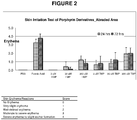
Figure 2 shows erythema scoring of lauryl methyl pyrifrin (LMP) and TMP porphyrin in an abraded area of mice. -
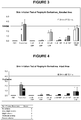
Figure 3 shows erythema scoring of lauryl methyl pyrifrin (LMP) and TMP porphyrin in an intact area of mice. -
Figure 4 shows edema scoring of lauryl methyl pyrifrin (LMP) and TMP porphyrin in an abraded area of mice. -
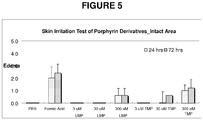
Figure 5 shows edema scoring of lauryl methyl pyrifrin (LMP) and TMP porphyrin in an intact area of mice. - In this specification and in the claims that follow, reference will be made to a number of terms that shall be defined to have the following meanings:
- It must be noted that, as used in the specification and the appended claims, the singular forms "a," "an" and "the" include plural referents unless the context clearly dictates otherwise. Thus, for example, reference to "a microbe" includes mixtures of two or more such organisms, and the like.
- "Optional" or "optionally" means that the subsequently described event or circumstance can or cannot occur, and that the description includes instances where the event or circumstance occurs and instances where it does not. For example, the phrase "optionally second disinfectant" means that the second disinfectant may or may not be present.
- References in the specification and concluding claims to parts by weight, of a particular element or component in a composition or article, denotes the weight relationship between the element or component and any other elements or components in the composition or article for which a part by weight is expressed. Thus, in a compound containing 2 parts by weight of component X and 5 parts by weight component Y, X and Y are present at a weight ratio of 2:5, and are present in such ratio regardless of whether additional components are contained in the compound.
- A weight percent of a component, unless specifically stated to the contrary, is based on the total weight of the formulation or composition in which the component is included.
- Variables such as R1-R4 and X used throughout the application are the same variables as previously defined unless stated to the contrary.
- The term "alkyl group" as used herein is a branched or unbranched saturated hydrocarbon group having 1 to 14 carbon atoms.
Described herein is a topical composition comprising the porphyrin of the formula I:
- wherein R1 is a C12 alkyl group, and R2-R4are methyl; and
- X- is an anion;
- The porphyrins having the formula I can be prepared using techniques known in the art. For example,
U.S. Patent No. 6,573,258 discloses techniques for preparing the porphyrins described herein, which are incorporated by reference. In one aspect, R1 in formula I is a C12, straight chain branched or straight alkyl group. As shown below in the Examples, the length of the alkyl group can affect the ability of the porphyrin to kill or prevent the growth of microbes. In one aspect, X is a halide, sulfate, acetate, lactate, nitrate, phosphate, carbonate, bicarbonate, or tosylate. The identity of the counterion can vary depending upon how the porphyrin was synthesized. For example, if the porphyrin was alkylated with methyl iodide, the counterion would be iodide. It is also possible using techniques known in the art to exchange the counterion of the porphyrin with other counterions. For example, ion exchange resins can be used to replace one counterion for another in the porphyrin. - In certain aspects, the porphyrins herein can kill up to 100% of the microbe. In other aspects, the porphyrins herein can prevent the growth of the microbe. The term "prevent" as used herein includes complete cessation of growth or a reduction with the rate of growth. In general, the porphyrins described herein can kill or prevent the growth of a microbe in any environment where the organisms can exist.
- The porphyrins can kill or prevent the growth of a variety of different microbes. In certain aspects, the microbes can be pathogenic and cause debilitating diseases to humans, livestock, and crops. In other aspects, the microbes can produce unpleasant odors. Thus, the articles, compositions, and methods described herein can be used as deodorants as well. For example, the articles and compositions can kill or prevent the growth of bacterium such as, for example corynebacteria and micrococci, bacteria that cause unpleasant odors.
- In one aspect, the articles and compositions can kill or prevent the growth of bacterium such as, for example, gram positive bacteria, gram negative bacteria, or a combination thereof. In one aspect, the bacteria is from the genus Pseudomonas, Klebsiella, Aerobacter, Burkholderia, Enterococcus, Staphylococcus, Acinetobacter, Flavimonas, Enterobacter, Candida, Bacillus, Streptococcus, Yersinia, Escherichia, Salmonella, Francisella, Haemophilus, Stenotrophomonas, Citrobacter, Proteus, Moraxella, Serratia, Neisseria, Brucella, Clostridium, Chlamydia or any combination thereof. Examples of such bacteria include, but are not limited to, Staphylococcus aureus, oxacillin-resistant Staphylococcus aureus, methicillin-resistant Staphylococcus aureus, Burkholderia cepacia, Burkholderia mallei, Burkholderia pseudomallei, Acinetobacter baumannii, Pseudomonas, aeruginosa, Pseudomonas fluorescens, Flavimonas, Klebsiella pneumoniae, Enterobacter cloacae, Candida albicans, Enterococcus faecalis, vancomycin-resistant Enterococcus, Streptococcus pneumoniae, Yersinia pestis, Escherichia coli, Salmonella typhi, Salmonella typhimurium, Francisella tularensis, Haemophilus influenzae, Stenotrophomonas maltophilia, Citrobacter freundii, Proteus mirabilis, Moraxella catarrhalis, Serratia marcescens, Neisseria meningitides, Neisseria gonorrhoeae, Brucella suis, Clostridium difficile, Clostridium botulinum, Chlamydia trachomatis, or any combination thereof.
- In one aspect, the microbe is a fungus from the genus Candida, Aspergillus, Cryptococcus, Histoplasma, Pneumocystis, genus Stachybotrys. Examples of such fungi include, but are not limited to, Candida albicans, Candida ascalaphidarum, Candida. amphixiae, Candida antarctica, Candida atlantica, Candida atmosphaerica, Candida blattae, Candida carpophila, Candida cerambycidarum, Candida chauliodes, Candida corydalis, Candida dosseyi, Candida dubliniensis, Candida ergatensis, Candida fructus, Candida. glabrata, Candida fermentati, Candida guilliermondii, Candida haemulonii, Candida insectamens, Candida insectorum, Candida intermedia, Candida jeffresii, Candida kefyr, Candida krusei, Candida lusitaniae, Candida lyxosophila, Candida maltosa, Candida membranifaciens, Candida milleri, Candida oleophila, Candida oregonensis, Candida parapsilosis, Candida quercitrusa, Candida sake, Candida shehatea, Candida temnochilae, Candida tenuis, Candida tropicalis, Candida tsuchiyae, Candida sinolaborantium, Candida sojae, Candida viswanathii, Candida utilis, Aspergillus fumigatus, Aspergillus flavus., Aspergillus clavatus, Cryptococcus neoformans, Cryptococcus neoformans, Cryptococcus gattii, Histoplasma capsulatum, Pneumocystis jirovecii, Stachybotrys chartarum. These microbes can produce a variety of different symptoms and diseases including, but not limited to, numerous types of infections, aspergillosis (fever, cough, chest pain or breathlessness), meningitis and meningo-encephalitis, histoplasmosis, pneumonia, respiratory damage, and headaches.
- In other aspects, the microbe is an aquatic fungus. In these aspects, the aquatic fungus can be present in water systems where water can be consumed or come into contact with humans or animals. Examples of aquatic fungi include, but are no limited to, Absidia corymbifera, Absidia ramosa (synonym for Absidia corymbifera), Acremonium falciforme, Acremonium kiliense, Acremonium recifei, Ajellomyces capsulatus (sexual form of Histoplasma), Ajellomyces dermatitidis (sexual form of Blastomyces dermatitidis), Arthrographis cuboidea, Arthrographis kalrae, Aspergillus clavatus, Aspergillus flavus, Aspergillus fumigatus, Aspergillus glaucus group, Aspergillus nidulans, Aspergillus niger, Aspergillus oryzae, Aspergillus terreus group, Aspergillus ustus, Basidiobolus ranarum, Bipolaris, Blastomyces dermatitidis, Blastoschizomyces capitatus, Blastoschizomyces pseudotrichosporon (synonym for Blastoschizomyces capitatus), Candida albicans, Candida dubliniensis, Candida glabrata, Candida krusei, Candida lipolytica, Candida lusitaniae, Candida parapsilosis, Candida tropicalis, Cladophialophora bantiana, Cladophialophora carrionii, Coccidioides immitis, Conidiobolus coronatus, Coniothyrium fuckelii, Cryptococcus norformans, Curvularia, Epidermophyton floccosum, Exophiala castellanii, Exophiala dopicola, Exophiala jeanselmei, Exophila pisciphila, Exophiala salmonis, Exophiala spinifera, Exserohilum, Filobasidiella neoformans (sexual form of Cryptococcus norformans), Fonsecaea compacta, Fonsecaea pedrosoi, Fusarium oxysporum, Fusarium solani, Geotrichum candidum, Geotrichum capitatum (synonym for Blastoschizomyces capitatus), Geotrichum penicillatum, Histoplasma capsulatum var. capsulatum, Histoplasma capsulatum var. duboisii, Hortaea werneckii, Lacazia loboi, Lasiodiplodia theobromae, Leptosphaeria senegalensis, Madurella grisea, Madurella mycetomatis, Malassezia furfur, Microsporum audouinii, Microsporum canis, Microsporum distortum, Microsporum gallinae, Microsporum gypseum, Microsporum nanum, Mucor corymbifer (synonym for Absidia corymbifera), Nattrassia mangiferae, Neotestudina rosatii, Ochroconis gallopava, Onychocola Canadensis, Paracoccidioides brasiliensis, Phialophora parasitica, Phialophora repens, Phialophora verrucosa, Piedraia hortae, Pneumocystis carinii, Pseudallesheria boydii, Pyrenochaeta romeroi, Rhinocladiella aquaspersa, Rhinosporidium seeberi, Rhizomucor pusillus, Rhizopus arrhizus, Rhizopus oryzae, Rhodotorula glutinis, Rhodotorula minuta, Rhodotorula mucilaginosa, Saprolegnia parasitica, Scedosporium apiospermum, Scedosporium prolificans, Scopulariopsis brevicaulis, Scopulariopsis brumptii, Scopulariopsis candida, Scytalidium dimidiatum, Sporothrix schenckii, Trichophyton megninii, Trichophyton mentagrophytes, Trichophyton rubrum, Trichophyton schoenleinii, Trichophyton tonsurans, Trichophyton verrucosum, Trichosporon beigelii, Trichosporon capitatum (synonym for Blastoschizomyces capitatus), or Wangiella dermatitidis.
- In one aspect, the microbe is a pathogen to marine life (e.g., mammal, reptile, amphibian, fish, cephalopod, bivalve, monovalve, crustacean, or fish eggs). Examples include Pfiesteria piscicida, Aphanomyces invadans, Ichthyophonus hoferi (results in icthyophonus), or Saprolegnia parasitica (results in saprolegniasis), Branchiomyces sanguinis (results in bracnchiomycosis), or Branchiomyces demigrans (results in bracnchiomycosis).
- In other aspects, the microbe can be a spore. Examples of such spores include, but are not limited to, endospores, sporangiospores, zygospores, ascospores, basidiospores, aeciospores, urediospores: teliospores, oospores, carpospores, and tetraspores.
- In another aspect, the microbe can be a collection of aggregated organisms in a biofilm. Biofilms typically form on living or non-living substrates. Biofilms are particularly relevant in hospitals and other biomedical applications, where certain biofilms can cause very debilitating diseases that are difficult to treat.
- The porphyrins described herein are applied directly to a mammal. In general, animals are vulnerable to a variety of microbes that produce debilitating diseases. The porphyrins described herein have a number of veterinary applications. For example, the porphyrins can be applied to the hoof of an ungulate such as an equine, ovine, bovine, or porcine to treat infections.
- In one aspect, the porphyrins can be used in biomedical applications. For example, the substrate can be the skin of a subject. Infections caused by the introduction of bacteria and other microbes present on skin into the subject are a common and potentially serious problem. This is especially true in hospitals and other healthcare facilities. For example, when a patient is administered an IV, bacteria present on the skin are introduced into the patient. This is referred to as a line site infection. Although some disinfectants are effective, many have drawbacks. For example, numerous antibacterials have been either overused or misused, which leads to bacterial resistance against those particular antibacterials. This resistance has proven especially problematic in hospitals where numerous strains of multidrug resistant bacteria have been discovered over the past two decades.
- The porphyrins having the formula I can be applied to or incorporated in a number of different articles that will ultimately come into contact with the skin. For example, the article can be a washcloth, bandage, medical tape, antiseptic wipe, handwipe, or sponge that has been contacted with the porphyrin. In certain aspects, the washcloths described herein are single use disposable items. In other aspects, the washcloths are reusable. In certain aspects, the washcloths described herein are similar to disposable alcohol or betadine containing swabs or wipes. In this aspect, the washcloth can be made of natural or artificial materials. For example, in one aspect, the wash cloth can be cotton. In another aspect, the wash cloth can be made of polyester.
- The porphyrins can be applied to the articles using a variety of techniques. In one aspect, the articles can be sprayed with a solution of the porphyrin, while in other aspects, the articles can be dipped into a solution of the porphyrin. In certain aspects, when the article is a bandage or medical tape, the bandage or medical tape can be composed of a material that permits light to pass through the bandage or medical tape and contact the skin. As will be discussed below, light can pass though the material and activate the porphyrin.
- In other aspects, the porphyrin can be applied to an article that is intended to be injected into the skin. For example, needles and lancets used in venipunctures, IV lines, and picc lines can be coated or impregnated with the porphyrin prior to injection so that upon penetration of the skin, microbial agents present on the skin are killed and are not incorporated in the skin.
- In other aspects, the porphyrins described herein can be used in topical compositions. Formulations for topical administration may include ointments, lotions, creams, gels, drops, suppositories, sprays, liquids and powders. Conventional pharmaceutical carriers, aqueous, powder or oily bases, thickeners and the like may be necessary or desirable.
- It will be appreciated that the actual preferred amounts of porphyrin present on the articles or in the compositions described herein can vary according to the specific porphyrin being utilized, the particular articles or compositions used, the mode of application, and the particular region of the subject being treated. The articles and compositions described herein can be used in combination with additional disinfectants. For example, the articles and compositions can include a second disinfectant such as, for example, chlorhexidine, betadine (povidone-iodine), benzoin, isopropyl alcohol, ethyl alcohol, or any combination thereof.
- The articles, compositions, and methods described herein can be used to prevent a skin infection from developing or treat an existing skin infection. The term "prevent" as used in this aspect ranges from a reduction in the growth rate of a microbe to the complete cessation of the microbe that can cause an infection. In certain aspects, the articles and compositions described herein can kill up to 100% of the microbes. If a skin infection is already present, the articles and compositions described herein can reduce the spread and symptoms of the infection (i.e., treat the infection) by killing the microbes responsible for the infection. The term "disinfect" as used herein with respect to skin applications includes the prevention and/or treatment of a skin infection.
- Microbes such as bacterium and fungi can produce a variety of different symptoms and diseases. For example, numerous types of skin infections including line site infections, aspergillosis (fever, cough, chest pain or breathlessness), meningitis and meningo-encephalitis, histoplasmosis, pneumonia, respiratory damage, and headaches can be treated or prevented by the articles, compositions, and methods described herein. The articles, compositions, and methods described herein can kill or prevent the growth of these organisms.
- The articles and compositions can be applied to any exposed surface of skin. The term "skin" includes any exposed surface on the subject that may be susceptible to infection caused by the microbes. For example, exposed mucosal membranes such as, for example, the vagina, the rectum, and the inter-lining of the nose can be contacted with the articles and compositions described herein. In one aspect, the articles and compositions described herein can be applied to the arms, legs, hands, feet, torso, or the head in order to disinfect this region of the subject. For example, the articles or compositions can be applied to the skin of a subject before and/or after the skin has been punctured (e.g., IV, picc line, lancet, etc.). Thus, the articles and compositions described herein are useful in the prevention or treatment of line site infections. In other aspects, the articles and compositions described herein can prevent or treat an infection of a wound present on the skin of a subject. For example, a wipe or bandage can be applied to an open wound (e.g., a cut or laceration on the skin) in order to disinfect the wound.
- In another aspect, a method for killing or preventing the growth of a microbe using (a) contacting the microbe with a porphyrin having the structure I, wherein R1 is a C12 alkyl group and R2-R4 are methyl, and X- is an anion, and (b) exposing the porphyrin to light. In certain aspects, the porphyrin can be stable in the dark. Upon exposure to light, they are photosensitizers. In the presence of oxygen, the porphyrin upon exposure to light produces singlet oxygen that can react with an electron-rich substrate. Thus, when the porphyrin comes into contact with the microbe followed by exposure to light, the microbe is rendered inactive by singlet oxygen. The intensity and duration of the light can vary depending upon the amount of porphyrin used and the type of microbe that is targeted. For example, when the light is derived from an artificial light source, the light has an intensity of at least 5 mW/cm2, or from 5 mW/cm2 to 500 mW/cm2. In this aspect, the duration of light exposure is from 1 second to 2 hours. Alternatively, the light source can be sunlight. The porphyrins described herein can absorb all visible wavelengths of sunlight, with the strongest absorption in the blue region. In other aspects, the porphyrins can be activated in the absence of light.
- The porphyrins described herein are formulated into topical compositions that can be easily applied to a body part of the subject (human or animal). Alternatively, the porphyrin can be formulated into solutions (e.g., aqueous based) that can be readily sprayed onto a substrate.
- It is understood that any given particular aspect of the disclosed compositions and methods can be easily compared to the specific examples and embodiments disclosed herein, including the non- polysaccharide based reagents discussed in the Examples. By performing such a comparison, the relative efficacy of each particular embodiment can be easily determined. Particularly preferred compositions and methods are disclosed in the Examples herein, and it is understood that these compositions and methods, while not necessarily limiting, can be performed with any of the compositions and methods disclosed herein.
- The following examples are put forth so as to provide those of ordinary skill in the art with a complete disclosure and description of how the compounds, compositions, and methods described and claimed herein are made and evaluated, and are intended to be purely exemplary and are not intended to limit the scope of what the inventors regard as their invention. Efforts have been made to ensure accuracy with respect to numbers (e.g., amounts, temperature, etc.) but some errors and deviations should be accounted for. Unless indicated otherwise, parts are parts by weight, temperature is in °C or is at ambient temperature, and pressure is at or near atmospheric. There are numerous variations and combinations of reaction conditions, e.g., component concentrations, desired solvents, solvent mixtures, temperatures, pressures and other reaction ranges and conditions that can be used to optimize the product purity and yield obtained from the described process. Only reasonable and routine experimentation will be required to optimize such process conditions.
- Chemicals. TMP (R1- R4 = Me; X = tosylate) and lauryl methyl pyrifrin (LMP), R1 = C12 linear alkyl; R2- R4 = Me; X = tosylate) were obtained from Frontier Scientific, Inc. (Logan, UT); Medium (DMEM with L-Glu, FBS, Pen/Strep, EMEM w/Earl's salts, and Basal medium in Earle's BSS) were bought from American Type Culture Collection (ATCC). EpiLife medium was purchased from Invitrogen (Madison, WI).
- Cells. Human neonatal epidermal keratinocytes (HEKn) were obtained from Invitrogen (Madison, WI).
- Dark cytotoxicity. HEKn cells of type (100,000) were seeded in 6-well plastic plates with 2 ml of complete medium for each cell type. After 24 h, the medium was replaced with increasing concentration of porphyrins (0- 300 □M) and incubated for another 24 h (2). At the end of the incubation period the cells were washed with PBS, removed from the dishes by exposure to trypsin and stained with trypan blue for determination of cell survival. The survival of cells was normalized to percentage of viable cells of control samples (untreated).
- Phototoxicity. HEKn cells were prepared as described above for the dark cytotoxicity assay with the same porphyrins treatment. Immediately after the exposure to the porphyrins, the cells were exposed for 2 h to ambient fluorescent room light, and then returned to the incubator. After 24 h the trypan blue exclusion test was applied and the survival of the irradiated cells was evaluated relative to cell samples that were neither incubated with porphyrin nor irradiated.
- Skin irritation test in mice. Lauryl methyl pyrifrin and TMP, two synthesized meso-substituted cationic porphyrins, were tested in vivo to determine the dermal irritation potential to the skin of the mice. The two test agents were prepared with three different concentrations individually, 3 µM, 30 µM, and 300 µM. 10% formic acid and PBS were used as positive and negative control respectively (n=6). Balb/c mice, which had not been used in previous experiments and were observed to be free from any skin irritation, trauma, or adverse clinical signs prior to initiation of the studies, were randomized and grouped for designed test conditions. The back of the animals were clipped free of fur with an electric clipper at least 4 hours before application of the sample. Prior to the application of test agents, each mouse received four parallel epidermal abrasions with a strile needle at one side of the test area while the skin at the opposite side remained intact. Under anesthesia condition, a 0.5 ml sample of the test article was then applied to each mouse by introduction under a double gauze layer to an area of skin approximately 1" x 1" (2.54 x 2.54 cm) square. The patches were backed with plastic, covered with a non reactive tape and the entire test site wrapped with a binder. Animals will be returned to their cages. After a 24 hr exposure, the binders were removed and the skin wiped to remove any test substance still remaining. Animals were observed for signs of erythema and edema at 24 and 72 hours after test substance application and scored according to the FHSA-recommended Draize Scoring Criteria Table 1). The Primary Irritation Index (P.I.I.) (sum of the scored reactions divided by 24 (two scoring intervals multiplied by two test parameters multiplied by six mice)) of the test article was calculated following test completion. A material producing a P.I.I. score of greater than or equal to 5.00 would be considered positive; the material would be considered a primary irritant to the skin (Table 2).
TABLE 1 DRAIZE1 EVALUATION OF DERMAL REACTIONS SKIN REACTIONS SCORE Erythema and Eschar Formation (Most severely affected area graded): No erythema 0 Very slight erythema (barely perceptible) 1 Well-defined erythema 2 Moderate to severe erythema 3 Severe erythema (beet redness) to slight eschar formation 4 (injuries in depth) NOTE: Test sites assigned a "4" score for erythema require further description as to the extend of tissue injury. Edema Formation (Most severely affected area graded): No edema 0 Very slight edema (barely perceptible) 1 Slight edema (edges of area well defined by definite raising) 2 Moderate edema (raising approximately 1 millimeter) 3 Severe edema (raised more than 1 mm and extending beyond the area of exposure) 4 1 Draize, J.H. 1959. Dermal Toxicity. Pages 46-59 in Appraisal of the Safety of Chemicals in Food, Drugs and Cosmetics. The Association of Food and Drug Officials of the United States, Bureau of Food and Drugs, Austin, TX. TABLE 2 EVALUATION OF PRIMARY IRRITATION INDEX INDEX EVALUATION 0.00 No irritation 0.04 - 0.99 Irritation barely perceptible 1.00 - 1.99 Slight Irritation 2.00 - 2.99 Mild Irritation 3.00 - 5.99 Moderate Irritation 6.00 - 8.00 Severe Irritation - Cytotoxicity of porphyrins toward different cell types. The phototoxicity of porphyrin derivatives lauryl methyl pyrifrin and TMP were evaluated in HEKn cells. The compounds were found to be nontoxic or slightly toxic to the cells in the dark (>60% survival rate), up to 300 µM concentration. Upon exposure to visible light, the porphyrins showed cytotoxicity to all cell types, with cell survival rates below 20% at the highest concentration studied.
- Skin irritation test in mice. Gross pictures of mice in different treatment groups were represented in
Figure 1 . Individual results of dermal scoring were expressed by erythema for abraded area (Figure 2 ); intact area (Figure 3 ); edema for abraded area (Figure 4 ); and intact area (Figure 5 ). After 24 hours, very slight erythema was observed on most of 300 µM lauryl methyl pyrifrin (6/6), 30 µM (4/6) TMP and 300 µM TMP (5/6), and 30 µM lauryl methyl pyrifrin (2/6), with well defined erythema on 300 µM TMP (6/6). Slight edema was observed on both 300 µM lauryl methyl pyrifrin and 300 µM TMP treatment mice. After 72 hours, very slight erythema was observed on 30 µM lauryl methyl pyrifrin treatment, slight difference was observed from other treatment groups. At the intact area, no erythema and edema were observed on all the lauryl methyl pyrifrin and TMP, except for 300 µM TMP with very slight erythema and edema. The primary irritation index of 3 µM lauryl methyl pyrifrin was calculated to be 0.00, 0.175 for 30 µM lauryl methyl pyrifrin, 1.4 for 300 µM lauryl methyl pyrifrin, 0.6 for 3 µM TMP, 1.1 for 30 µM TMP, and 2.9 for 300 µM TMP. Therefore, 3 µM lauryl methyl pyrifrin has no irritation effect on skin at all; 30 µM lauryl methyl pyrifrin and 3 µM TMP have irritation barely perceptible; 300 µM lauryl methyl pyrifrin and 30 µM TMP have slight irritation; 300 µM TMP can be considered to have mild irritation.
Claims (12)
- A topical composition comprising the porphyrin of the formula I:
 wherein R1 is a C12 alkyl group, and R2-R4 are methyl; andX- is an anion;for use in the treatment or prevention of a disease caused by a microbe on a mammal; wherein the microbe is selected from a bacterium and a fungus and wherein the topical composition comprises a pharmaceutical carrier.
 - The topical composition for use according to claim 1, wherein X comprises a halide, sulfate, acetate, lactate, nitrate, phosphate, carbonate, bicarbonate, or tosylate.
- The topical composition for use according to any of claims 1 or 2, wherein the porphyrin is exposed to light, wherein the light is preferably artificial light or sunlight.
- The topical composition for use according to claim 3, wherein when the light comprises artificial light, the light has an intensity of at least 5 mW/cm2, preferably an intensity of 5 mW/cm2 to 500 mW/cm2.
- The topical composition for use according to claim 3, wherein the porphyrin is exposed to light under aerobic conditions.
- The topical composition for use according to any of claims 1 to 5, wherein the topical composition is a powder.
- The topical composition for use according to any of claims 1 to 5, wherein the topical composition is an ointment.
- The topical composition for use according to any of claims 1 to 5, wherein the topical composition is a cream.
- The topical composition for use according to any of claims 1 to 5, wherein the topical composition is a gel.
- The topical composition for use according to any of claims 1 to 5, wherein the topical composition is a spray.
- The topical composition for use according to any of claims 1 to 10, wherein the microbe is a bacterium.
- The topical composition for use according to any of claims 1 to 10, wherein the microbe is a fungus.
Applications Claiming Priority (2)
| Application Number | Priority Date | Filing Date | Title |
|---|---|---|---|
| US8440308P | 2008-07-29 | 2008-07-29 | |
| PCT/US2009/052128 WO2010014728A1 (en) | 2008-07-29 | 2009-07-29 | Use of tetrakis (n-alkylpyridinium) -porphyrin derivatives for killing microbes or preventing growth |
Publications (2)
| Publication Number | Publication Date |
|---|---|
| EP2317857A1 EP2317857A1 (en) | 2011-05-11 |
| EP2317857B1 true EP2317857B1 (en) | 2016-12-28 |
Family
ID=41349499
Family Applications (1)
| Application Number | Title | Priority Date | Filing Date |
|---|---|---|---|
| EP09790946.9A Not-in-force EP2317857B1 (en) | 2008-07-29 | 2009-07-29 | Use of tetrakis(n-alkylpyridinium)-porphyrin derivatives for killing microbes or preventing their growth |
Country Status (9)
| Country | Link |
|---|---|
| US (1) | US8633311B2 (en) |
| EP (1) | EP2317857B1 (en) |
| JP (1) | JP2012504553A (en) |
| CN (1) | CN102245027A (en) |
| CA (1) | CA2733001A1 (en) |
| CL (1) | CL2011000186A1 (en) |
| ES (1) | ES2620442T3 (en) |
| MX (1) | MX2011001005A (en) |
| WO (1) | WO2010014728A1 (en) |
Families Citing this family (25)
| Publication number | Priority date | Publication date | Assignee | Title |
|---|---|---|---|---|
| CA2730930C (en) | 2008-07-16 | 2015-01-13 | Pharmacyclics, Inc. | Inhibitors of bruton's tyrosine kinase for the treatment of solid tumors |
| NZ772688A (en) | 2010-06-03 | 2022-09-30 | Pharmacyclics Llc | The use of inhibitors of bruton’s tyrosine kinase (btk) |
| EA201490265A1 (en) | 2011-07-13 | 2014-12-30 | Фармасайкликс, Инк. | BLUTON TYROSINKINASE INHIBITORS |
| FR2987259B1 (en) | 2012-02-29 | 2014-02-21 | Oreal | USE AS ANTIPELLICULAR AGENT OF CATALYTIC COMPOUNDS OF OXIDATION SELECTED AMONG PORPHYRINS, PHTHALOCYANINS AND PORPHYRAZINES |
| JP2015522554A (en) | 2012-06-04 | 2015-08-06 | サンコー・エナジー・インコーポレーテッド | Formulation containing paraffin oil and anti-settling agent |
| WO2013184572A1 (en) | 2012-06-04 | 2013-12-12 | Pharmacyclics, Inc. | Crystalline forms of a bruton's tyrosine kinase inhibitor |
| AU2013293087B2 (en) | 2012-07-24 | 2017-08-31 | Pharmacyclics Llc | Mutations associated with resistance to inhibitors of Bruton's tyrosine kinase (BTK) |
| US20160008468A1 (en) * | 2013-02-27 | 2016-01-14 | Thomas J Lewis | Disease detection and treatment through activation of compounds using external energy |
| EP3033079B1 (en) | 2013-08-12 | 2018-10-31 | Pharmacyclics LLC | Methods for the treatment of her2 amplified cancer |
| CN103601727A (en) * | 2013-10-23 | 2014-02-26 | 中国医学科学院生物医学工程研究所 | Use of novel amine compound modified protoporphyrin |
| CN103800437A (en) * | 2013-12-31 | 2014-05-21 | 芜湖乐锐思信息咨询有限公司 | Traditional Chinese medicine for treating entomophthoromycosis |
| CA2942528A1 (en) | 2014-03-20 | 2015-09-24 | Pharmacyclics Inc. | Phospholipase c gamma 2 and resistance associated mutations |
| US9545407B2 (en) | 2014-08-07 | 2017-01-17 | Pharmacyclics Llc | Formulations of a bruton's tyrosine kinase inhibitor |
| IL315294A (en) | 2015-03-03 | 2024-10-01 | Pharmacyclics Llc | Pharmaceutical formulations of proton tyrosine kinase inhibitor |
| CN105830760B (en) * | 2016-01-28 | 2019-01-11 | 中国计量学院 | A kind of wild rice smut Inoculation Method successfully making the pregnant hay of wild rice stem plant |
| US12478677B2 (en) | 2017-08-08 | 2025-11-25 | Board Of Trustees Of Michigan State University | Tunable luminescent organic salts for enhanced imaging and photodynamic therapy |
| CN111194166A (en) * | 2017-08-16 | 2020-05-22 | 桑科能源股份有限公司 | Photodynamic inhibition of microbial pathogens in plants |
| CN108179114B (en) * | 2017-11-27 | 2021-08-20 | 南京晓庄学院 | Strain producing anti-anaerobic bacteria compound and fermentation method, anti-anaerobic bacteria compound extraction and preparation method and use method |
| CN109136386B (en) * | 2018-07-25 | 2021-12-24 | 华南农业大学 | Quantitative PCR method and kit for rapid typing and tracing of yarrowia carotovora |
| MX2021008944A (en) | 2019-01-25 | 2021-08-24 | Suncor Energy Inc | Photosensitizer compounds, methods of manufacture and application to plants. |
| AU2020222515B2 (en) | 2019-02-15 | 2025-10-09 | Nutrien Ag Solutions (Canada) Inc. | The use of protoporphyrin IX derivatives to improve the health of plants |
| CN110205264B (en) * | 2019-05-22 | 2020-09-04 | 暨南大学 | Saprolegnia antagonist JD03 and application of fermentation liquor and active compound thereof in preparation of products for preventing and treating saprolegniasis |
| CN110846248A (en) * | 2019-11-19 | 2020-02-28 | 天津大学 | Artificial mixed bacteria system for degrading polycyclic aromatic hydrocarbon and application method thereof |
| CN111172047B (en) * | 2020-02-12 | 2021-08-03 | 中国农业大学 | A kind of Candida citrus and its application |
| WO2021256938A1 (en) * | 2020-06-17 | 2021-12-23 | Mowi ASA | Method for removing crustacean ectoparasites from farmed salmonid fish using water-soluble tetrapyrrole compounds and light |
Family Cites Families (23)
| Publication number | Priority date | Publication date | Assignee | Title |
|---|---|---|---|---|
| GB9114290D0 (en) | 1991-07-02 | 1991-08-21 | Courtaulds Plc | Polymer compositions |
| AU6028598A (en) | 1997-01-09 | 1998-08-03 | Emory University | Non-iron metalloporphyrins and methods of use |
| US6462070B1 (en) | 1997-03-06 | 2002-10-08 | The General Hospital Corporation | Photosensitizer conjugates for pathogen targeting |
| IT1297080B1 (en) | 1997-11-26 | 1999-08-03 | Andrea Carnevali | COMPOSITION FOR THE TREATMENT OF BURNS, SOLAR erythema, ABRASIONS, SAGS AND SKIN IRRITATIONS |
| US8974363B2 (en) | 1997-12-11 | 2015-03-10 | Provectus Pharmatech, Inc. | Topical medicaments and methods for photodynamic treatment of disease |
| DE69932733T2 (en) | 1998-10-16 | 2007-08-16 | The General Hospital Corp., Boston | PHOTOSENSITIZER CONJUGATES FOR TARGETING INTRA-CELLULAR PATHOGENES |
| DE19910561A1 (en) | 1999-03-10 | 2000-09-14 | Schaffer Moshe | Use of porphyrin derivatives in aquariums |
| DE19962505A1 (en) | 1999-12-23 | 2001-07-05 | Schaffer Moshe | Microbicidal effects of porphyrins in the dark |
| US20020022215A1 (en) * | 2000-06-29 | 2002-02-21 | Sobsey Mark D. | Inactivation of small non-enveloped viruses and other microbial pathogens by porphyrins |
| US6573258B2 (en) * | 2000-09-27 | 2003-06-03 | Frontier Scientific, Inc. | Photodynamic porphyrin antimicrobial agents |
| US6884797B2 (en) | 2001-03-30 | 2005-04-26 | Robert F. Hofmann | Targeted oxidative therapeutic formulation |
| US7439271B2 (en) * | 2001-06-27 | 2008-10-21 | The Gillette Company | Reduction of hair growth |
| ITVR20010110A1 (en) | 2001-10-23 | 2003-04-23 | Giulio Jori | MICROBIOLOGICAL STERILIZATION OF WATER PROCEDURE THROUGH PHOTO-ACTIVABLE AGENTS. |
| CA2472583A1 (en) | 2002-01-08 | 2003-07-17 | Richard W. Compans | Porphyrins with virucidal activity |
| GB2397067B (en) | 2002-12-23 | 2005-05-11 | Destiny Pharma Ltd | Porphin & azaporphin derivatives with at least one cationic-nitrogen-containing meso-substituent for use in photodynamic therapy & in vitro sterilisation |
| NL1022597C2 (en) | 2003-02-05 | 2004-08-06 | Photobiochem N V | Use of a photosensitizer compound for the preparation of a pharmaceutical preparation, a method for preparing a pharmaceutical preparation and a method for treating a mammal. |
| EP1457113A1 (en) | 2003-03-12 | 2004-09-15 | Salbert Co Ltd | Alkylated porphyrins as pesticides acting both in the presence and absence of light |
| WO2005000854A2 (en) | 2003-06-06 | 2005-01-06 | Eukarion, Inc. | Orally bioavailable low molecular weight metalloporphyrins as antioxidants |
| GB2415372A (en) | 2004-06-23 | 2005-12-28 | Destiny Pharma Ltd | Non photodynamical or sonodynamical antimicrobial use of porphyrins and azaporphyrins containing at least one cationic-nitrogen-containing substituent |
| WO2007025244A2 (en) | 2005-08-25 | 2007-03-01 | Houle Philip R | Treatment systems for delivery of sensitizer solutions |
| US20080015189A1 (en) | 2006-06-20 | 2008-01-17 | The General Hospital Corporation | Antimicrobial photoinactivation using chalcogen analogs of benzo(A)phenoxazinium dyes |
| GB0712287D0 (en) | 2007-06-22 | 2007-08-01 | Ucl Business Plc | Antimicrobial Conjugates |
| US8440309B2 (en) | 2011-01-31 | 2013-05-14 | Confluent Surgical, Inc. | Crosslinked polymers with the crosslinker as therapeutic for sustained release |
-
2009
- 2009-07-29 JP JP2011521292A patent/JP2012504553A/en not_active Withdrawn
- 2009-07-29 CA CA2733001A patent/CA2733001A1/en not_active Abandoned
- 2009-07-29 ES ES09790946.9T patent/ES2620442T3/en active Active
- 2009-07-29 US US13/056,441 patent/US8633311B2/en not_active Expired - Fee Related
- 2009-07-29 EP EP09790946.9A patent/EP2317857B1/en not_active Not-in-force
- 2009-07-29 MX MX2011001005A patent/MX2011001005A/en not_active Application Discontinuation
- 2009-07-29 WO PCT/US2009/052128 patent/WO2010014728A1/en not_active Ceased
- 2009-07-29 CN CN2009801382585A patent/CN102245027A/en active Pending
-
2011
- 2011-01-28 CL CL2011000186A patent/CL2011000186A1/en unknown
Non-Patent Citations (1)
| Title |
|---|
| None * |
Also Published As
| Publication number | Publication date |
|---|---|
| MX2011001005A (en) | 2011-09-01 |
| EP2317857A1 (en) | 2011-05-11 |
| CL2011000186A1 (en) | 2012-03-02 |
| CN102245027A (en) | 2011-11-16 |
| ES2620442T3 (en) | 2017-06-28 |
| CA2733001A1 (en) | 2010-02-04 |
| US8633311B2 (en) | 2014-01-21 |
| JP2012504553A (en) | 2012-02-23 |
| WO2010014728A1 (en) | 2010-02-04 |
| US20120016289A1 (en) | 2012-01-19 |
Similar Documents
| Publication | Publication Date | Title |
|---|---|---|
| US8633311B2 (en) | Topical application of porphyrins for killing or preventing the growth of bacteria or fungi on a mammal | |
| US8859760B2 (en) | Compositions for killing or preventing the growth of microbes | |
| EP3106157A1 (en) | Antiseptic compositions comprising silver ions and menthol and uses thereof | |
| RU2389481C2 (en) | Composition | |
| JP2010505817A (en) | Antimicrobial and immunostimulatory systems involving oxidoreductase enzymes | |
| JP2007536233A (en) | Treatment with polycationic antibacterial drugs | |
| TWI417046B (en) | Method and composition for use in patient surgical preparation | |
| KR102154252B1 (en) | Composition for Antimicrobial and Antifungal Comprising Baicalein and Wogonin as Active Ingredient | |
| JP2024526839A (en) | Photodynamic therapy compositions and methods of treatment therewith | |
| EP4384156A1 (en) | High molecular iodine concentration compositions, pharmaceutical formulations, preparation and uses | |
| JP2023541257A (en) | Photodynamic therapy composition and method of use thereof | |
| CN110313489B (en) | Antiseptic and bactericidal wet wipes and preparation method and application thereof | |
| EP2170081B1 (en) | Antimicrobial compositions | |
| CN111493097A (en) | Collective disinfectant for inhibiting viruses and pathogenic bacteria and preparation method thereof | |
| RU2500394C2 (en) | Antimicrobial composition | |
| CN107744524B (en) | Iodine-containing tincture antibacterial gel and preparation method thereof | |
| KR20230135304A (en) | Preservative composition comprising 1,2-Decanediol as an active ingredient and method for preparing the same | |
| CN102552317B (en) | Iodine glycerol nipple infusion and preparation method thereof | |
| JP2010184882A (en) | Wet tissue usable for treatment or prevention of yeast-infectious disease | |
| CN112640907B (en) | New application of lipoic acid for inhibiting plant fungal pathogens and method for preventing and controlling postharvest fungal diseases of citrus fruits | |
| CN1415199A (en) | A kind of preservative and its prepn. method | |
| CN111568886B (en) | A kind of Chinese and Western medicine compound film coating agent for treating cattle mite disease and preparation method thereof | |
| US20140142177A1 (en) | Topical organic acid salt compositions suitable for treating infections | |
| JPH0149126B2 (en) | ||
| CN105434431A (en) | Multifunctional externally applied antibacterial preparation, and preparing method and application thereof |
Legal Events
| Date | Code | Title | Description |
|---|---|---|---|
| PUAI | Public reference made under article 153(3) epc to a published international application that has entered the european phase |
Free format text: ORIGINAL CODE: 0009012 |
|
| 17P | Request for examination filed |
Effective date: 20110222 |
|
| AK | Designated contracting states |
Kind code of ref document: A1 Designated state(s): AT BE BG CH CY CZ DE DK EE ES FI FR GB GR HR HU IE IS IT LI LT LU LV MC MK MT NL NO PL PT RO SE SI SK SM TR |
|
| AX | Request for extension of the european patent |
Extension state: AL BA RS |
|
| DAX | Request for extension of the european patent (deleted) | ||
| 17Q | First examination report despatched |
Effective date: 20130226 |
|
| GRAP | Despatch of communication of intention to grant a patent |
Free format text: ORIGINAL CODE: EPIDOSNIGR1 |
|
| INTG | Intention to grant announced |
Effective date: 20160928 |
|
| STAA | Information on the status of an ep patent application or granted ep patent |
Free format text: STATUS: GRANT OF PATENT IS INTENDED |
|
| GRAS | Grant fee paid |
Free format text: ORIGINAL CODE: EPIDOSNIGR3 |
|
| GRAA | (expected) grant |
Free format text: ORIGINAL CODE: 0009210 |
|
| STAA | Information on the status of an ep patent application or granted ep patent |
Free format text: STATUS: THE PATENT HAS BEEN GRANTED |
|
| AK | Designated contracting states |
Kind code of ref document: B1 Designated state(s): AT BE BG CH CY CZ DE DK EE ES FI FR GB GR HR HU IE IS IT LI LT LU LV MC MK MT NL NO PL PT RO SE SI SK SM TR |
|
| REG | Reference to a national code |
Ref country code: GB Ref legal event code: FG4D |
|
| REG | Reference to a national code |
Ref country code: CH Ref legal event code: EP |
|
| REG | Reference to a national code |
Ref country code: AT Ref legal event code: REF Ref document number: 856516 Country of ref document: AT Kind code of ref document: T Effective date: 20170115 |
|
| REG | Reference to a national code |
Ref country code: IE Ref legal event code: FG4D |
|
| REG | Reference to a national code |
Ref country code: DE Ref legal event code: R096 Ref document number: 602009043419 Country of ref document: DE |
|
| PG25 | Lapsed in a contracting state [announced via postgrant information from national office to epo] |
Ref country code: LV Free format text: LAPSE BECAUSE OF FAILURE TO SUBMIT A TRANSLATION OF THE DESCRIPTION OR TO PAY THE FEE WITHIN THE PRESCRIBED TIME-LIMIT Effective date: 20161228 |
|
| REG | Reference to a national code |
Ref country code: LT Ref legal event code: MG4D |
|
| PG25 | Lapsed in a contracting state [announced via postgrant information from national office to epo] |
Ref country code: GR Free format text: LAPSE BECAUSE OF FAILURE TO SUBMIT A TRANSLATION OF THE DESCRIPTION OR TO PAY THE FEE WITHIN THE PRESCRIBED TIME-LIMIT Effective date: 20170329 Ref country code: SE Free format text: LAPSE BECAUSE OF FAILURE TO SUBMIT A TRANSLATION OF THE DESCRIPTION OR TO PAY THE FEE WITHIN THE PRESCRIBED TIME-LIMIT Effective date: 20161228 Ref country code: NO Free format text: LAPSE BECAUSE OF FAILURE TO SUBMIT A TRANSLATION OF THE DESCRIPTION OR TO PAY THE FEE WITHIN THE PRESCRIBED TIME-LIMIT Effective date: 20170328 Ref country code: LT Free format text: LAPSE BECAUSE OF FAILURE TO SUBMIT A TRANSLATION OF THE DESCRIPTION OR TO PAY THE FEE WITHIN THE PRESCRIBED TIME-LIMIT Effective date: 20161228 |
|
| REG | Reference to a national code |
Ref country code: NL Ref legal event code: MP Effective date: 20161228 |
|
| REG | Reference to a national code |
Ref country code: AT Ref legal event code: MK05 Ref document number: 856516 Country of ref document: AT Kind code of ref document: T Effective date: 20161228 |
|
| PG25 | Lapsed in a contracting state [announced via postgrant information from national office to epo] |
Ref country code: HR Free format text: LAPSE BECAUSE OF FAILURE TO SUBMIT A TRANSLATION OF THE DESCRIPTION OR TO PAY THE FEE WITHIN THE PRESCRIBED TIME-LIMIT Effective date: 20161228 Ref country code: FI Free format text: LAPSE BECAUSE OF FAILURE TO SUBMIT A TRANSLATION OF THE DESCRIPTION OR TO PAY THE FEE WITHIN THE PRESCRIBED TIME-LIMIT Effective date: 20161228 |
|
| REG | Reference to a national code |
Ref country code: ES Ref legal event code: FG2A Ref document number: 2620442 Country of ref document: ES Kind code of ref document: T3 Effective date: 20170628 |
|
| PG25 | Lapsed in a contracting state [announced via postgrant information from national office to epo] |
Ref country code: NL Free format text: LAPSE BECAUSE OF FAILURE TO SUBMIT A TRANSLATION OF THE DESCRIPTION OR TO PAY THE FEE WITHIN THE PRESCRIBED TIME-LIMIT Effective date: 20161228 |
|
| REG | Reference to a national code |
Ref country code: FR Ref legal event code: PLFP Year of fee payment: 9 |
|
| PG25 | Lapsed in a contracting state [announced via postgrant information from national office to epo] |
Ref country code: IS Free format text: LAPSE BECAUSE OF FAILURE TO SUBMIT A TRANSLATION OF THE DESCRIPTION OR TO PAY THE FEE WITHIN THE PRESCRIBED TIME-LIMIT Effective date: 20170428 Ref country code: SK Free format text: LAPSE BECAUSE OF FAILURE TO SUBMIT A TRANSLATION OF THE DESCRIPTION OR TO PAY THE FEE WITHIN THE PRESCRIBED TIME-LIMIT Effective date: 20161228 Ref country code: EE Free format text: LAPSE BECAUSE OF FAILURE TO SUBMIT A TRANSLATION OF THE DESCRIPTION OR TO PAY THE FEE WITHIN THE PRESCRIBED TIME-LIMIT Effective date: 20161228 Ref country code: CZ Free format text: LAPSE BECAUSE OF FAILURE TO SUBMIT A TRANSLATION OF THE DESCRIPTION OR TO PAY THE FEE WITHIN THE PRESCRIBED TIME-LIMIT Effective date: 20161228 Ref country code: RO Free format text: LAPSE BECAUSE OF FAILURE TO SUBMIT A TRANSLATION OF THE DESCRIPTION OR TO PAY THE FEE WITHIN THE PRESCRIBED TIME-LIMIT Effective date: 20161228 |
|
| PG25 | Lapsed in a contracting state [announced via postgrant information from national office to epo] |
Ref country code: BE Free format text: LAPSE BECAUSE OF FAILURE TO SUBMIT A TRANSLATION OF THE DESCRIPTION OR TO PAY THE FEE WITHIN THE PRESCRIBED TIME-LIMIT Effective date: 20161228 Ref country code: BG Free format text: LAPSE BECAUSE OF FAILURE TO SUBMIT A TRANSLATION OF THE DESCRIPTION OR TO PAY THE FEE WITHIN THE PRESCRIBED TIME-LIMIT Effective date: 20170328 Ref country code: PT Free format text: LAPSE BECAUSE OF FAILURE TO SUBMIT A TRANSLATION OF THE DESCRIPTION OR TO PAY THE FEE WITHIN THE PRESCRIBED TIME-LIMIT Effective date: 20170428 Ref country code: PL Free format text: LAPSE BECAUSE OF FAILURE TO SUBMIT A TRANSLATION OF THE DESCRIPTION OR TO PAY THE FEE WITHIN THE PRESCRIBED TIME-LIMIT Effective date: 20161228 Ref country code: SM Free format text: LAPSE BECAUSE OF FAILURE TO SUBMIT A TRANSLATION OF THE DESCRIPTION OR TO PAY THE FEE WITHIN THE PRESCRIBED TIME-LIMIT Effective date: 20161228 Ref country code: AT Free format text: LAPSE BECAUSE OF FAILURE TO SUBMIT A TRANSLATION OF THE DESCRIPTION OR TO PAY THE FEE WITHIN THE PRESCRIBED TIME-LIMIT Effective date: 20161228 |
|
| REG | Reference to a national code |
Ref country code: DE Ref legal event code: R097 Ref document number: 602009043419 Country of ref document: DE |
|
| PLBE | No opposition filed within time limit |
Free format text: ORIGINAL CODE: 0009261 |
|
| STAA | Information on the status of an ep patent application or granted ep patent |
Free format text: STATUS: NO OPPOSITION FILED WITHIN TIME LIMIT |
|
| PG25 | Lapsed in a contracting state [announced via postgrant information from national office to epo] |
Ref country code: DK Free format text: LAPSE BECAUSE OF FAILURE TO SUBMIT A TRANSLATION OF THE DESCRIPTION OR TO PAY THE FEE WITHIN THE PRESCRIBED TIME-LIMIT Effective date: 20161228 |
|
| 26N | No opposition filed |
Effective date: 20170929 |
|
| PG25 | Lapsed in a contracting state [announced via postgrant information from national office to epo] |
Ref country code: SI Free format text: LAPSE BECAUSE OF FAILURE TO SUBMIT A TRANSLATION OF THE DESCRIPTION OR TO PAY THE FEE WITHIN THE PRESCRIBED TIME-LIMIT Effective date: 20161228 |
|
| REG | Reference to a national code |
Ref country code: CH Ref legal event code: PL |
|
| PG25 | Lapsed in a contracting state [announced via postgrant information from national office to epo] |
Ref country code: CH Free format text: LAPSE BECAUSE OF NON-PAYMENT OF DUE FEES Effective date: 20170731 Ref country code: LI Free format text: LAPSE BECAUSE OF NON-PAYMENT OF DUE FEES Effective date: 20170731 |
|
| REG | Reference to a national code |
Ref country code: IE Ref legal event code: MM4A |
|
| PG25 | Lapsed in a contracting state [announced via postgrant information from national office to epo] |
Ref country code: LU Free format text: LAPSE BECAUSE OF NON-PAYMENT OF DUE FEES Effective date: 20170729 |
|
| REG | Reference to a national code |
Ref country code: FR Ref legal event code: PLFP Year of fee payment: 10 |
|
| PG25 | Lapsed in a contracting state [announced via postgrant information from national office to epo] |
Ref country code: IE Free format text: LAPSE BECAUSE OF NON-PAYMENT OF DUE FEES Effective date: 20170729 |
|
| PG25 | Lapsed in a contracting state [announced via postgrant information from national office to epo] |
Ref country code: MT Free format text: LAPSE BECAUSE OF NON-PAYMENT OF DUE FEES Effective date: 20170729 |
|
| PG25 | Lapsed in a contracting state [announced via postgrant information from national office to epo] |
Ref country code: HU Free format text: LAPSE BECAUSE OF FAILURE TO SUBMIT A TRANSLATION OF THE DESCRIPTION OR TO PAY THE FEE WITHIN THE PRESCRIBED TIME-LIMIT; INVALID AB INITIO Effective date: 20090729 Ref country code: MC Free format text: LAPSE BECAUSE OF FAILURE TO SUBMIT A TRANSLATION OF THE DESCRIPTION OR TO PAY THE FEE WITHIN THE PRESCRIBED TIME-LIMIT Effective date: 20161228 |
|
| PG25 | Lapsed in a contracting state [announced via postgrant information from national office to epo] |
Ref country code: CY Free format text: LAPSE BECAUSE OF NON-PAYMENT OF DUE FEES Effective date: 20161228 |
|
| PG25 | Lapsed in a contracting state [announced via postgrant information from national office to epo] |
Ref country code: MK Free format text: LAPSE BECAUSE OF FAILURE TO SUBMIT A TRANSLATION OF THE DESCRIPTION OR TO PAY THE FEE WITHIN THE PRESCRIBED TIME-LIMIT Effective date: 20161228 |
|
| PG25 | Lapsed in a contracting state [announced via postgrant information from national office to epo] |
Ref country code: TR Free format text: LAPSE BECAUSE OF FAILURE TO SUBMIT A TRANSLATION OF THE DESCRIPTION OR TO PAY THE FEE WITHIN THE PRESCRIBED TIME-LIMIT Effective date: 20161228 |
|
| PGFP | Annual fee paid to national office [announced via postgrant information from national office to epo] |
Ref country code: ES Payment date: 20200803 Year of fee payment: 12 Ref country code: DE Payment date: 20200803 Year of fee payment: 12 Ref country code: FR Payment date: 20200728 Year of fee payment: 12 Ref country code: GB Payment date: 20200730 Year of fee payment: 12 |
|
| PGFP | Annual fee paid to national office [announced via postgrant information from national office to epo] |
Ref country code: IT Payment date: 20200731 Year of fee payment: 12 |
|
| REG | Reference to a national code |
Ref country code: DE Ref legal event code: R082 Ref document number: 602009043419 Country of ref document: DE |
|
| REG | Reference to a national code |
Ref country code: DE Ref legal event code: R119 Ref document number: 602009043419 Country of ref document: DE |
|
| GBPC | Gb: european patent ceased through non-payment of renewal fee |
Effective date: 20210729 |
|
| PG25 | Lapsed in a contracting state [announced via postgrant information from national office to epo] |
Ref country code: GB Free format text: LAPSE BECAUSE OF NON-PAYMENT OF DUE FEES Effective date: 20210729 Ref country code: DE Free format text: LAPSE BECAUSE OF NON-PAYMENT OF DUE FEES Effective date: 20220201 |
|
| PG25 | Lapsed in a contracting state [announced via postgrant information from national office to epo] |
Ref country code: FR Free format text: LAPSE BECAUSE OF NON-PAYMENT OF DUE FEES Effective date: 20210731 |
|
| PG25 | Lapsed in a contracting state [announced via postgrant information from national office to epo] |
Ref country code: IT Free format text: LAPSE BECAUSE OF NON-PAYMENT OF DUE FEES Effective date: 20210729 |
|
| REG | Reference to a national code |
Ref country code: ES Ref legal event code: FD2A Effective date: 20221027 |
|
| PG25 | Lapsed in a contracting state [announced via postgrant information from national office to epo] |
Ref country code: ES Free format text: LAPSE BECAUSE OF NON-PAYMENT OF DUE FEES Effective date: 20210730 |