EP2305769B1 - Emitting material and organic light emitting diode using the same - Google Patents
Emitting material and organic light emitting diode using the same Download PDFInfo
- Publication number
- EP2305769B1 EP2305769B1 EP10196766A EP10196766A EP2305769B1 EP 2305769 B1 EP2305769 B1 EP 2305769B1 EP 10196766 A EP10196766 A EP 10196766A EP 10196766 A EP10196766 A EP 10196766A EP 2305769 B1 EP2305769 B1 EP 2305769B1
- Authority
- EP
- European Patent Office
- Prior art keywords
- group
- compound
- mmol
- mixture
- added
- Prior art date
- Legal status (The legal status is an assumption and is not a legal conclusion. Google has not performed a legal analysis and makes no representation as to the accuracy of the status listed.)
- Ceased
Links
- 0 CC1=C*C(CCC=*2)C2=C1 Chemical compound CC1=C*C(CCC=*2)C2=C1 0.000 description 12
- SQDHDDYEDPAGQD-UHFFFAOYSA-N CC[N+]1(C)C2C1C2 Chemical compound CC[N+]1(C)C2C1C2 SQDHDDYEDPAGQD-UHFFFAOYSA-N 0.000 description 1
Images

Classifications
-
- C—CHEMISTRY; METALLURGY
- C09—DYES; PAINTS; POLISHES; NATURAL RESINS; ADHESIVES; COMPOSITIONS NOT OTHERWISE PROVIDED FOR; APPLICATIONS OF MATERIALS NOT OTHERWISE PROVIDED FOR
- C09K—MATERIALS FOR MISCELLANEOUS APPLICATIONS, NOT PROVIDED FOR ELSEWHERE
- C09K11/00—Luminescent materials, e.g. electroluminescent or chemiluminescent
- C09K11/06—Luminescent materials, e.g. electroluminescent or chemiluminescent containing organic luminescent materials
-
- C—CHEMISTRY; METALLURGY
- C07—ORGANIC CHEMISTRY
- C07C—ACYCLIC OR CARBOCYCLIC COMPOUNDS
- C07C11/00—Aliphatic unsaturated hydrocarbons
-
- C—CHEMISTRY; METALLURGY
- C07—ORGANIC CHEMISTRY
- C07C—ACYCLIC OR CARBOCYCLIC COMPOUNDS
- C07C13/00—Cyclic hydrocarbons containing rings other than, or in addition to, six-membered aromatic rings
- C07C13/28—Polycyclic hydrocarbons or acyclic hydrocarbon derivatives thereof
- C07C13/32—Polycyclic hydrocarbons or acyclic hydrocarbon derivatives thereof with condensed rings
- C07C13/62—Polycyclic hydrocarbons or acyclic hydrocarbon derivatives thereof with condensed rings with more than three condensed rings
-
- C—CHEMISTRY; METALLURGY
- C07—ORGANIC CHEMISTRY
- C07C—ACYCLIC OR CARBOCYCLIC COMPOUNDS
- C07C15/00—Cyclic hydrocarbons containing only six-membered aromatic rings as cyclic parts
- C07C15/40—Cyclic hydrocarbons containing only six-membered aromatic rings as cyclic parts substituted by unsaturated carbon radicals
- C07C15/56—Cyclic hydrocarbons containing only six-membered aromatic rings as cyclic parts substituted by unsaturated carbon radicals polycyclic condensed
- C07C15/60—Cyclic hydrocarbons containing only six-membered aromatic rings as cyclic parts substituted by unsaturated carbon radicals polycyclic condensed containing three rings
-
- C—CHEMISTRY; METALLURGY
- C07—ORGANIC CHEMISTRY
- C07C—ACYCLIC OR CARBOCYCLIC COMPOUNDS
- C07C211/00—Compounds containing amino groups bound to a carbon skeleton
- C07C211/43—Compounds containing amino groups bound to a carbon skeleton having amino groups bound to carbon atoms of six-membered aromatic rings of the carbon skeleton
- C07C211/54—Compounds containing amino groups bound to a carbon skeleton having amino groups bound to carbon atoms of six-membered aromatic rings of the carbon skeleton having amino groups bound to two or three six-membered aromatic rings
-
- C—CHEMISTRY; METALLURGY
- C07—ORGANIC CHEMISTRY
- C07D—HETEROCYCLIC COMPOUNDS
- C07D209/00—Heterocyclic compounds containing five-membered rings, condensed with other rings, with one nitrogen atom as the only ring hetero atom
- C07D209/56—Ring systems containing three or more rings
- C07D209/80—[b, c]- or [b, d]-condensed
- C07D209/82—Carbazoles; Hydrogenated carbazoles
- C07D209/86—Carbazoles; Hydrogenated carbazoles with only hydrogen atoms, hydrocarbon or substituted hydrocarbon radicals, directly attached to carbon atoms of the ring system
-
- C—CHEMISTRY; METALLURGY
- C07—ORGANIC CHEMISTRY
- C07D—HETEROCYCLIC COMPOUNDS
- C07D333/00—Heterocyclic compounds containing five-membered rings having one sulfur atom as the only ring hetero atom
- C07D333/02—Heterocyclic compounds containing five-membered rings having one sulfur atom as the only ring hetero atom not condensed with other rings
- C07D333/04—Heterocyclic compounds containing five-membered rings having one sulfur atom as the only ring hetero atom not condensed with other rings not substituted on the ring sulphur atom
- C07D333/06—Heterocyclic compounds containing five-membered rings having one sulfur atom as the only ring hetero atom not condensed with other rings not substituted on the ring sulphur atom with only hydrogen atoms, hydrocarbon or substituted hydrocarbon radicals, directly attached to the ring carbon atoms
- C07D333/08—Hydrogen atoms or radicals containing only hydrogen and carbon atoms
-
- H—ELECTRICITY
- H05—ELECTRIC TECHNIQUES NOT OTHERWISE PROVIDED FOR
- H05B—ELECTRIC HEATING; ELECTRIC LIGHT SOURCES NOT OTHERWISE PROVIDED FOR; CIRCUIT ARRANGEMENTS FOR ELECTRIC LIGHT SOURCES, IN GENERAL
- H05B33/00—Electroluminescent light sources
- H05B33/12—Light sources with substantially two-dimensional [2D] radiating surfaces
- H05B33/14—Light sources with substantially two-dimensional [2D] radiating surfaces characterised by the chemical or physical composition or the arrangement of the electroluminescent material, or by the simultaneous addition of the electroluminescent material in or onto the light source
-
- H—ELECTRICITY
- H10—SEMICONDUCTOR DEVICES; ELECTRIC SOLID-STATE DEVICES NOT OTHERWISE PROVIDED FOR
- H10K—ORGANIC ELECTRIC SOLID-STATE DEVICES
- H10K85/00—Organic materials used in the body or electrodes of devices covered by this subclass
- H10K85/60—Organic compounds having low molecular weight
- H10K85/615—Polycyclic condensed aromatic hydrocarbons, e.g. anthracene
- H10K85/623—Polycyclic condensed aromatic hydrocarbons, e.g. anthracene containing five rings, e.g. pentacene
-
- H—ELECTRICITY
- H10—SEMICONDUCTOR DEVICES; ELECTRIC SOLID-STATE DEVICES NOT OTHERWISE PROVIDED FOR
- H10K—ORGANIC ELECTRIC SOLID-STATE DEVICES
- H10K85/00—Organic materials used in the body or electrodes of devices covered by this subclass
- H10K85/60—Organic compounds having low molecular weight
- H10K85/615—Polycyclic condensed aromatic hydrocarbons, e.g. anthracene
- H10K85/626—Polycyclic condensed aromatic hydrocarbons, e.g. anthracene containing more than one polycyclic condensed aromatic rings, e.g. bis-anthracene
-
- H—ELECTRICITY
- H10—SEMICONDUCTOR DEVICES; ELECTRIC SOLID-STATE DEVICES NOT OTHERWISE PROVIDED FOR
- H10K—ORGANIC ELECTRIC SOLID-STATE DEVICES
- H10K85/00—Organic materials used in the body or electrodes of devices covered by this subclass
- H10K85/60—Organic compounds having low molecular weight
- H10K85/631—Amine compounds having at least two aryl rest on at least one amine-nitrogen atom, e.g. triphenylamine
- H10K85/633—Amine compounds having at least two aryl rest on at least one amine-nitrogen atom, e.g. triphenylamine comprising polycyclic condensed aromatic hydrocarbons as substituents on the nitrogen atom
-
- C—CHEMISTRY; METALLURGY
- C07—ORGANIC CHEMISTRY
- C07C—ACYCLIC OR CARBOCYCLIC COMPOUNDS
- C07C2603/00—Systems containing at least three condensed rings
- C07C2603/02—Ortho- or ortho- and peri-condensed systems
- C07C2603/04—Ortho- or ortho- and peri-condensed systems containing three rings
- C07C2603/22—Ortho- or ortho- and peri-condensed systems containing three rings containing only six-membered rings
- C07C2603/24—Anthracenes; Hydrogenated anthracenes
-
- C—CHEMISTRY; METALLURGY
- C09—DYES; PAINTS; POLISHES; NATURAL RESINS; ADHESIVES; COMPOSITIONS NOT OTHERWISE PROVIDED FOR; APPLICATIONS OF MATERIALS NOT OTHERWISE PROVIDED FOR
- C09K—MATERIALS FOR MISCELLANEOUS APPLICATIONS, NOT PROVIDED FOR ELSEWHERE
- C09K2211/00—Chemical nature of organic luminescent or tenebrescent compounds
- C09K2211/10—Non-macromolecular compounds
- C09K2211/1003—Carbocyclic compounds
- C09K2211/1011—Condensed systems
-
- C—CHEMISTRY; METALLURGY
- C09—DYES; PAINTS; POLISHES; NATURAL RESINS; ADHESIVES; COMPOSITIONS NOT OTHERWISE PROVIDED FOR; APPLICATIONS OF MATERIALS NOT OTHERWISE PROVIDED FOR
- C09K—MATERIALS FOR MISCELLANEOUS APPLICATIONS, NOT PROVIDED FOR ELSEWHERE
- C09K2211/00—Chemical nature of organic luminescent or tenebrescent compounds
- C09K2211/10—Non-macromolecular compounds
- C09K2211/1003—Carbocyclic compounds
- C09K2211/1014—Carbocyclic compounds bridged by heteroatoms, e.g. N, P, Si or B
-
- C—CHEMISTRY; METALLURGY
- C09—DYES; PAINTS; POLISHES; NATURAL RESINS; ADHESIVES; COMPOSITIONS NOT OTHERWISE PROVIDED FOR; APPLICATIONS OF MATERIALS NOT OTHERWISE PROVIDED FOR
- C09K—MATERIALS FOR MISCELLANEOUS APPLICATIONS, NOT PROVIDED FOR ELSEWHERE
- C09K2211/00—Chemical nature of organic luminescent or tenebrescent compounds
- C09K2211/10—Non-macromolecular compounds
- C09K2211/1018—Heterocyclic compounds
- C09K2211/1025—Heterocyclic compounds characterised by ligands
- C09K2211/1029—Heterocyclic compounds characterised by ligands containing one nitrogen atom as the heteroatom
-
- C—CHEMISTRY; METALLURGY
- C09—DYES; PAINTS; POLISHES; NATURAL RESINS; ADHESIVES; COMPOSITIONS NOT OTHERWISE PROVIDED FOR; APPLICATIONS OF MATERIALS NOT OTHERWISE PROVIDED FOR
- C09K—MATERIALS FOR MISCELLANEOUS APPLICATIONS, NOT PROVIDED FOR ELSEWHERE
- C09K2211/00—Chemical nature of organic luminescent or tenebrescent compounds
- C09K2211/10—Non-macromolecular compounds
- C09K2211/1018—Heterocyclic compounds
- C09K2211/1025—Heterocyclic compounds characterised by ligands
- C09K2211/1092—Heterocyclic compounds characterised by ligands containing sulfur as the only heteroatom
-
- H—ELECTRICITY
- H10—SEMICONDUCTOR DEVICES; ELECTRIC SOLID-STATE DEVICES NOT OTHERWISE PROVIDED FOR
- H10K—ORGANIC ELECTRIC SOLID-STATE DEVICES
- H10K50/00—Organic light-emitting devices
- H10K50/10—OLEDs or polymer light-emitting diodes [PLED]
- H10K50/11—OLEDs or polymer light-emitting diodes [PLED] characterised by the electroluminescent [EL] layers
-
- Y—GENERAL TAGGING OF NEW TECHNOLOGICAL DEVELOPMENTS; GENERAL TAGGING OF CROSS-SECTIONAL TECHNOLOGIES SPANNING OVER SEVERAL SECTIONS OF THE IPC; TECHNICAL SUBJECTS COVERED BY FORMER USPC CROSS-REFERENCE ART COLLECTIONS [XRACs] AND DIGESTS
- Y10—TECHNICAL SUBJECTS COVERED BY FORMER USPC
- Y10S—TECHNICAL SUBJECTS COVERED BY FORMER USPC CROSS-REFERENCE ART COLLECTIONS [XRACs] AND DIGESTS
- Y10S428/00—Stock material or miscellaneous articles
- Y10S428/917—Electroluminescent
Definitions
- the present invention relates to a novel structure of a light emitting material and an organic light emitting device using the same.
- organic light emitting phenomenon refers to a phenomenon in which electric energy is converted to light energy by means of an organic material.
- the organic light emitting diode using the organic light emitting phenomenon has a structure usually comprising an anode, a cathode and an organic material layer interposed there between.
- the organic material layer may be mostly formed in a multilayer structure comprising layers of different materials, for example, the hole injecting layer, the hole transporting layer, the light emitting layer, the electron transporting layer, the electron injecting layer and the like, in order to improve efficiency and stability of the organic light emitting diode.
- the organic light emitting diode having such a structure, when a voltage is applied between two electrodes, holes from the anode and electrons from a cathode are injected into the organic material layer, the holes and the electrons injected are combined together to form excitons. Further, when the excitons drop to a ground state, lights are emitted.
- Such the organic light emitting diode is known to have characteristics such as self-luminescence, high brightness, high efficiency, low drive voltage, wide viewing angle, high contrast and high-speed response.
- the materials used for the organic material layer of the organic light emitting diode can be classified into a light emitting material and a charge-transporting material, for example, a hole injecting material, a hole transporting material, an electron transporting material and an electron injecting material, according to their functions.
- the light emitting material can be divided into a high molecular weight type light emitting material or a low molecular weight type light emitting material according to the molecular weights, which ranges from a fluorescent material derived from the electron in the singlet excitation state to a phosphorescent material derived from the in electron in the triplet excitation state according to the light emitting mechanism.
- the light emitting material can be divided into a blue, green or red light emitting material and a yellow or orange light emitting material required for giving more natural color, according to a light emitting color.
- an efficiency of a device is lowered owing to maximum luminescence wavelength moved to a longer wavelength due to the interaction between the molecules, the deterioration of color purity and the reduction in light emitting efficiency when only one material is used for the light emitting material, and therefore a host/dopant system can be used as the light emitting material for the purpose of enhancing the color purity and the light emitting efficiency through energy transfer. It is based on the principle that if a small amount of a dopant having a smaller energy band gap than a host which forms a light emitting layer, excitons which are generated in the light emitting layer are transported to the dopant, thus emitting a light having a high efficiency.
- the wavelength of the host is moved according to the wavelength of the dopant, a light having a desired wavelength can be obtained according the kind of the dopant.
- a material constituting the organic material layer in the device for example, a hole injecting material, a hole transporting material, a light emitting material, an electron transporting material and an electron injecting material should be essentially composed of a stable and efficient material.
- a stable and efficient organic material layer material for the organic light emitting diode has not yet been fully realized. Accordingly, the development of new materials is continuously desired.
- JP 2008 333569 A discloses an electroluminescence element containing distyrylarylene derivatives.
- JP 2001 131541 A and EP 1 317 005 A2 are directed to electroluminescence elements containing specifically structured arylene compounds.
- JP 2002 012861 A is directed to an electroluminescence element containing a material with a perylene skeleton.
- the present inventors have discovered a novel structure of a light emitting material, and have found out that this light emitting material can serve as materials for an organic material layer, and in particular as a light emitting material, in an organic light emitting diode.
- the compound of the present invention is a novel structure of a light emitting material, which can not only serve as a light emitting material alone, but also serve as a light emitting host in combination with a proper light emitting dopant, or a light emitting dopant in combination with a proper light emitting host, particularly in an organic light emitting diode.
- Fig. 1 is a diagram illustrating a structure of an organic light emitting diode according to one embodiment of the present invention.
- the present invention provides a compound represented by the following formula 1: defined, according to claim 1.
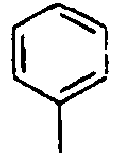
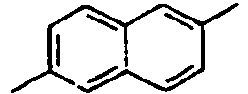
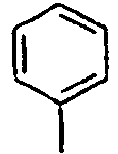
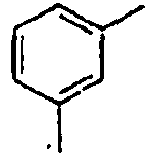
- Ar 1 is a group selected from the group consisting of:, and these groups may be substituted with at least one group selected from the group consisting of a C 1 -C 20 alkyl group, a C 2 -C 20 alkenyl group, a C 2 -C 20 alkynyl group, a C 3 -C 20 cycloalkyl group, a C 3 -C 20 heterocycloalkyl group, a C 6 -C 20 aryl group, a C 5 -C 20 heteroaryl group and an arylamine group.
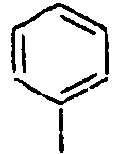
- Ar 2 is a phenyl group, a biphenyl group, or a naphthalene group.
- L is preferably a direct bond, or is selected from the group consisting of arylene groups such as a phenylene group, a biphenylene group and a naphthalene group, or from the group consisting of heteroarylene groups such as a pyridylene group, a bipyridylene group, a carbazolene group, a thiophenylene group, a quinolylene group and an isoquinolylene group.
- arylene groups such as a phenylene group, a biphenylene group and a naphthalene group
- heteroarylene groups such as a pyridylene group, a bipyridylene group, a carbazolene group, a thiophenylene group, a quinolylene group and an isoquinolylene group.
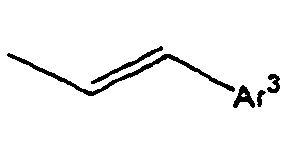
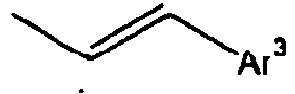
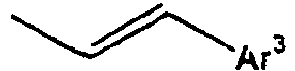
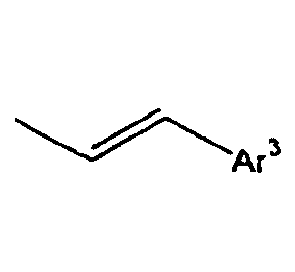
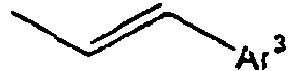
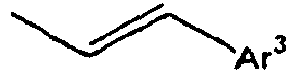
- Ar 3 is preferably selected from the group consisting of aryl groups such as a phenyl group, a biphenyl group, a naphthyl group, an anthryl group, a pyrenyl group and a perylenyl group, or from the group consisting of heteroaryl groups such as a pyridyl group, a bipyridyl group, a carbazol group, a thiophenyl group, a quinolinyl group and an isoquinolinyl group.
- aryl groups such as a phenyl group, a biphenyl group, a naphthyl group, an anthryl group, a pyrenyl group and a perylenyl group
- heteroaryl groups such as a pyridyl group, a bipyridyl group, a carbazol group, a thiophenyl group, a quinolinyl group and an isoquinolinyl
- Z is preferably selected from the group consisting of a hydrogen atom, , aryl groups such as a phenyl group, a biphenyl group, a naphthyl group, an anthryl group, a pyrenyl group, and a perylenyl group, or from the group consisting of heteroaryl groups such as a pyridyl group, a bipyridyl group, a carbazol group, a thiophenyl group, a quinolinyl group and an isoquinolinyl group.
- aryl groups such as a phenyl group, a biphenyl group, a naphthyl group, an anthryl group, a pyrenyl group, and a perylenyl group
- heteroaryl groups such as a pyridyl group, a bipyridyl group, a carbazol group, a thiophenyl group, a quinolinyl group
- the alkyl group preferably has 1 to 20 carbon atoms. Specific examples thereof include a methyl group, an ethyl group, a propyl group, an isopropyl group, a butyl group, a t-butyl group, a pentyl group, a hexyl group and a heptyl group, but are not limited thereto.
- the alkenyl group preferably has 2 to 20 carbon atoms. Specific examples thereof include a methenyl group, an ethenyl group and a propylenyl group, but are not limited thereto.
- the cycloalkyl group preferably has 3 to 20 carbon atoms, and does not give steric hindrance. Specific examples thereof more preferably include a cyclopentyl group or a cyclohexyl group, but are not limited thereto.
- the aryl group includes those selected from the group consisting of a phenyl group, a naphthyl group, an anthracenyl group, a biphenyl group, a pyrenyl group and a perylene group, but is not limited thereto.
- the heteroaryl group includes those selected from the group consisting of a pyridyl group, a bipyridyl group, an acridyl group, a thiophene group, an imidazole group, an oxazole group, a thiazole group and a quinolinyl group, but is not limited thereto.
- the arylamine group is preferably an amine group which is substituted with a C 6 -C 20 aryl group, and the aryl group may be substituted with an arylalkenyl group, but is not limited thereto.
- the compound of the formula 1 can be a compound represented by the following formula 2. wherein Ar 1 , Ar 2 , L, R 1 , R 2 , n and m have the same meanings as defined in the formula 1.
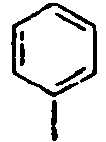
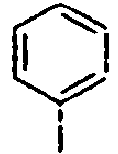
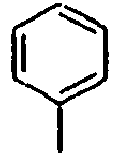
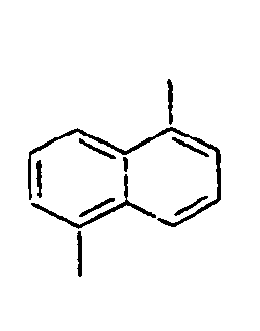
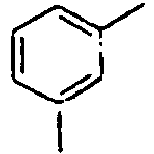
- Table 3 presents specific examples of the compound having a symmetric structure, wherein in the formula 2, n+m is equal to 1.
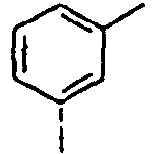
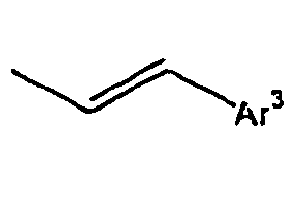
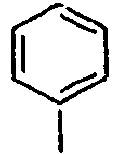
- Ar 1 L Ar 2 R 1 or R 2 Ar 3 89* Direct bond 90* Direct bond 91* Direct bond 92* Direct bond 93* Direct bond 94* Direct bond 95* 96* 97* 98* 99* 100* 101* 102* 103* 104* 105* 106* 107* 108* 109* * Compound provided for comparative purposes only.
- the compounds of the formula 1 according to the present invention have such the characteristic structures that at least two fluorophores, that is, the substituted Ar1 and the substituted Ar2 are twisted at a large angle from each other, relative to L, and thus the conjugations are not connected or weakened. Further, if the light emitting wavelength gets too long, there is caused a problem that the energy transfer from a host material to a dopant material gets harder. However, for the compounds of the formula 1 according to the present invention, double bonds or triple bonds are at the positions where the light emitting wavelengths are not made longer, that is, ortho or meta positions, rather than para positions.
- introduction of a monomerized styryl group, not of a dimerized styryl group gives structural flexibility of the styryl group, which can improve the stability of the film.
- the formation of a layer which is contact with a hole transporting layer or an electron transporting layer improves the interfacial characteristics, and thus gives a structure playing an advantageous role in the life time of the device. Accordingly, if the compound of the formula 1 with a structure having a suitable energy level is used as a light emitting material such as a host and a dopant in an organic light emitting diode, the energy transfer from the host to the dopant can be efficiently performed, thus greatly improving the efficiency of the device.
- the (2,5-styrenyl)-1-phenyl part and the 9-(2-naphthyl)anthracene part are twisted from each other at about 90 degrees, and they are chemically bonded to each other, but do not give great effect on the conjugation from each other, which can show light emitting spectrum at wavelength bands, which are each independently similar or the same to each other.
- Ar1 for example, a substituent which is bonded to anthracene is characterized in that it not only gives an effect simply on the thermal stability and the film morphology, but also indirectly or directly on the energy transfer with an anthracene core to a dopant. Accordingly, the present invention is intended to use such the structure of the compound in an organic light emitting diode, thereby improving the efficiency and the life time of the device.
- the compound of the formula 1 according to the present invention can be prepared by subjecting an alkenyl group- or an alkynyl group-substituted bromobenzene, or an alkenyl group- or an alkynyl group-substituted iodobenzene, and anthracene boronic acid, as starting materials, to an aryl-aryl Suzuki coupling method for introduction of a substituent, in the presence of a palladium [II] catalyst and a base (for example, inorganic bases such as potassium acetate). Specific methods for preparing the compound of the formula 1 according to the present invention are illustrated in Examples.
- an organic light emitting diode comprising a first electrode, a second electrode, and at least one organic material layer disposed between the first electrode and the second electrode, wherein at least one layer of the organic material layer(s) comprises the compound of the formula 1.
- the above-described compounds of the present invention can not only serve as a light emitting material alone, but also serve as a light emitting host in combination with a proper light emitting dopant, or a light emitting dopant in combination with a proper light emitting host, particularly in an organic light emitting diode.
- the organic light emitting diode of the present invention can be prepared by using common methods and materials for preparing an organic light emitting diode as will be described later, except that the above-described compound according to the present invention is used to form an organic material layer, in particular, light emitting layer, of an organic light emitting diode.
- the organic light emitting diode can be configured to comprise a first electrode, a second electrode, and organic material layer(s) disposed therebetween, and the organic light emitting diode can be prepared by using common methods and materials for preparing an organic light emitting diode, except that the above-described compound according to the present invention is used in at least one layer of the organic material layer(s) of the organic light emitting diode.
- the structure of the organic light emitting diode according to the present invention is illustrated in Fig. 1 .
- the organic light emitting diode according to the present invention can be prepared by depositing a metal, or a metal oxide having conductivity on a substrate using a PVD (physical vapor deposition) process such as sputtering and e-beam evaporation to form an anode; forming organic material layer(s) comprising a hole injecting layer, a hole transporting layer, a light emitting layer and an electron transporting layer on the anode; and depositing a material, which can be used as a cathode, thereon.
- a cathode material can be prepared by depositing a cathode material, an organic material layer, and an anode material in this order on a substrate (see PCT Patent Application Publication WO 2003/012890 ).
- the organic material layer may be of a multilayer structure containing a hole injecting layer, a hole transporting layer, a light emitting layer, an electron transporting layer, and the like, but are not limited thereto, and may be of a monolayer structure. Further, the organic material layer can be produced to have a fewer number of layers, by using a variety of polymeric materials, by means of a solvent process other than a deposit process, such as spin coating, dip coating, doctor blading, screen printing, ink jet printing, and heat transfer process.
- the anode material is preferably a material having a large work function to facilitate hole injection usually to an organic material layer.
- Specific examples of the anode material which can be used in the present invention include metals such as vanadium, chromium, copper, zinc and gold, or an alloy thereof; metal oxides such as zinc oxide, indium oxide, indium-tin oxide (ITO), and indium zinc oxide (IZO); a combination of a metal and an oxide such as ZnO:Al and SnO2:Sb; conductive polymers such as poly(3-methylthiophene), poly[3,4-(ethylene-1,2-dioxy)thiophene] (PEDT), polypyrrole and polyaniline, but are not limited thereto.
- the cathode material is preferably a material having a small work function to facilitate electron injection usually to an organic material layer.
- Specific examples of the cathode material include metals such as magnesium, calcium, sodium, potassium, titanium, indium, yttrium, lithium, gadolinium, aluminum, silver, tin and lead, or an alloy thereof; multilayer structure materials such as LiF/Al and LiO2/Al, but are not limited thereto.
- the hole injecting material is a material facilitating hole injection from an anode at low voltage.
- the HOMO (highest occupied molecular orbital) level of the hole injecting material is preferably located between the work function of the anode materials and the HOMO level of its neighboring organic material layer.
- Specific examples of the hole injecting material include organic materials of metal porphyrin, oligothiophene and arylamine series, organic materials of hexanitrile hexaazatriphenylene and quinacridone series, organic materials of perylene series, and conductive polymers of anthraquinone, polyaniline, and polythiophene series, but are not limited thereto.
- the hole transporting material is a material having high hole mobility, which can transfer holes from the anode or the hole injecting layer toward the light emitting layer.
- Specific examples thereof include organic materials of arylamine series, conductive polymers and block copolymers having both conjugated portions and non-conjugated portions, but are not limited thereto.
- the light emitting material are a material capable of emitting visible light by accepting and recombining holes from the hole transporting layer and electrons from the electron transporting layer, preferably a material having high quantum efficiency for fluorescence and phosphorescence.
- Specific examples thereof include 8-hydroxyquinoline aluminum complex (Alq3); compounds of carbazole series; dimerized styryl compounds; BAlq; 10-hydroxybenzoquinoline-metal compounds; compounds of benzoxazole, benzthiazole and benzimidazole series; polymers of poly(p-phenylenevinylene) (PPV) series; spiro compounds; and compounds of polyfluorene and rubrene series, but are not limited thereto.
- Alq3 8-hydroxyquinoline aluminum complex
- PV poly(p-phenylenevinylene)
- the electron transporting material is suitably a material having high electron mobility, which can transfer electrons from the cathode to the light emitting layer.
- a material having high electron mobility which can transfer electrons from the cathode to the light emitting layer.
- Specific examples thereof include 8-hydroxyquinoline aluminum complex (Alq 3 ); complexes including Alq 3 ; organic radical compounds; and hydroxyflavone-metal complexes, but are not limited thereto.
- the organic light emitting diode according to the invention may be of a front-side, back-side or double-sided light emission according to the materials used.
- the compound according to the invention can function in an organic electronic device including an organic solar cell, an organic photoconductor and an organic transistor, according to a principle similar to that applied to the organic light emitting diode.
- Benzylphosphoric acid diethyl ether (1.2 mL, 5.8 mmol), sodium hydride (0.29 g, 7.2 mmol), 18-crown-6 (0.1 g, 0.48 mmol) were added to THF (100 mL), and the compound 6b (2.3 g, 4.8 mmol) as prepared in the process of 6-B was added to the mixture at 0°C, under N 2 .
- a compound 7b (3 g, 60%) was obtained in the same manner as in the process of 4-D of Example 4, except that the compound 7a as prepared in the process of 7-A was used instead of 10-(2-naphthyl)anthracene-9-boronic acid in the process of 4-D of Example 4.
- MS [M] 534
- a compound 8d (2.9 g, 90%) was obtained in the same manner as in the process of 6-B of Example 6, except that the compound 8c as prepared in the process of 8-C was used instead of the compound 6a in the process of 6-B of Example 6.
- MS [M+H] 535
- a compound 25 (2 g, 60%) was obtained in the same manner as in the process of 6-C of Example 6, except that the compound 8d as prepared in the process of 8-D was used instead of the compound 6b in the process of 6-C of Example 6.
- MS [M+H] 609
- a compound 9c (3 g, 60%) was obtained in the same manner as in the process of 4-D of Example 4, except that the compound 9b as prepared in the process of 9-B was used instead of 10-(2-naphthyl)anthracene-9-boronic acid in the process of 4-D of Example 4.
- MS [M+H] 490
- LAH Lithium aluminum hydride, 0.86 g, 22.7 mmol
- anhydrous THF 10 mL
- the compound 18a 2.3 g, 8.67 mmol as prepared in the process of 18-A was dissolved in 30 mL of anhydrous THF, and the solution was slowly put to a reaction flask, and subject to reaction at ambient temperature for 12 hours.
- the compound 19a (17.2 g, 53.1 mmol) as prepared in the process of 19-A was dissolved in dried THF (100 mL), and t-butyl lithium (46.8 mL, 1.7 M pentane solution) was slowly added to the solution at -78°C, under nitrogen atmosphere. The mixture was stirred at the same temperature for 1 hour, and then the compound 17a (6.36 g, 22.0 mmol) as prepared in the process of 17-A was added thereto. The cooling vessel was removed out, and the mixture was stirred at ambient temperature for 3 hours. An aqueous ammonium chloride solution was added to the reaction mixture, and the mixture was extracted from methylene chloride.
- a compound 19d (11 g, 82%) was obtained in the same manner as in the process of 17-D of Example 17, except that the compound 19c as prepared in the process of 19-C was used instead of the compound 17c in the process of 17-D of Example 17.
- MS [M+H]+ 768
- a compound 133 (3.4 g, 85%) was obtained in the same manner as in the process of 17-E of Example 17, except that the compound 19d as prepared in the process of 19-D was used instead of the compound 17d in the process of 17-E of Example 17.
- MS [M+H]+ 842
- the compound 20a (5 g, 31.3 mmol) as prepared in the process of 20-A was dissolved in anhydrous THF (200 mL), and cooled to a temperature of -10°C, and n-butyl lithium (15 mL, 37.5 mmol) was slowly added dropwise to the solution. The mixture was stirred for 1 hour, and then cooled to -78°C again. Then, boronic acid trimethylester (10.5 mL, 93.75 mmol) was slowly added thereto, and the mixture was stirred for 12 hours. The mixture was cooled to 0°C, and then an aqueous 10wt% sulfuric acid solution (16 mL) was added thereto to obtain a white precipitate.
- the organic phase was extracted from THF, dried over magnesium sulfate, and then filtered under reduced pressure. This filtrate was concentrated to remove the solvent, and the residue was dissolved in THF. An excessive amount of the aqueous solution was added thereto, and the organic phase was separated with dimethylchloromethane. To the separated aqueous solution layer, an aqueous hydrochloric acid solution was added to produce a precipitate, and the precipitate was filtered to obtain a compound 20b (2.7 g, 42%).
- the compound 20c (16.7 g, 53.1 mmol) as prepared in the process of 20-C was dissolved in dried THF (100 mL), and t-butyl lithium (46.8 mL, 1.7 M pentane solution) was slowly added to the solution at -78°C, under nitrogen atmosphere. The mixture was stirred at the same temperature for 1 hour, and then the compound 17a (6.36 g, 22.0 mmol) as prepared in the process of 17-A was added thereto. The cooling vessel was removed out, and the mixture was stirred at ambient temperature for 3 hours. An aqueous ammonium chloride solution was added to the reaction mixture, and the mixture was extracted from methylene chloride.
- a compound 20f (8 g, 81%) was obtained in the same manner as in the process of 17-D of Example 17, except that the compound 20e as prepared in the process of 20-E was used instead of the compound 17c in the process of 17-D of Example 17.
- MS [M+H]+ 750
- a compound 136 (3.0 g, 82%) was obtained in the same manner as in the process of 17-E of Example 17, except that the compound 20f as prepared in the process of 20-F was used instead of the compound 17d in the process of 17-E of Example 17.
- MS [M+H]+ 824
- 2,6-diaminoanthraquinone (23.8 g, 100 mmol) was dispersed in an aqueous 48% hydrogen bromide solution, and sodium nitrite (14.1 g, 204 mmol) was slowly added to the dispersion at -20°C. After completion of gas generation, a solution obtained by dissolving copper bromide (29.5 g, 206 mmol) in the aqueous 48% hydrogen bromide solution (63 mL) was added to the dispersion, together with a small amount of ethanol (50 mL), and the reaction solution was warmed to ambient temperature, and refluxed for 1 hour.
- the compound 19a (17.2 g, 53.1 mmol) as prepared in the process of 19-A was dissolved in dried THF (100 mL), and t-butyl lithium (46.8 mL, 1.7 M pentane solution) was slowly added to the solution at -78°C, under nitrogen atmosphere. The mixture was stirred at the same temperature for 1 hour, and then the compound 21a (8.05 g, 22.0 mmol) as prepared in the process of 21-A was added thereto. The cooling vessel was removed, and the mixture was stirred at ambient temperature for 3 hours. An aqueous ammonium chloride solution was added to the reaction mixture, and the mixture was extracted from methylene chloride.
- the compound 21 c (4 g, 4.86 mmol) as prepared in the process of 21-C was dissolved in THF (150 mL), and a solution obtained by dissolving 3-formyl benzene boronic acid (1.6 g, 10.69 mmol) in EtOH (50 mL) was added thereto, under nitrogen atmosphere. To the mixture, a solution obtained by dissolving K 2 CO 3 (3.3 g, 24.3 mmol) in H 2 O (100 mL), and finally Pd(PPh 3 ) 4 (0.28 g, 0.24 mmol) was added thereto, and the mixture was stirred under reflux for about 12 hours.
- the compound 22a (3.9 g, 13.2 mmol) as prepared in the process of 22-A was dissolved in dried THF (100 mL), and t-butyl lithium (11.7 mL, 1.7 M pentane solution) was slowly added to the solution at -78°C, under nitrogen atmosphere. The mixture was stirred at the same temperature for 1 hour, and then the compound 22b(3 g, 5.5 mmol) as prepared in the process of 22-B was added thereto. The cooling vessel was removed, and the mixture was stirred at ambient temperature for 3 hours. An aqueous ammonium chloride solution was added to the reaction mixture, and the mixture was extracted from methylene chloride. An organic phase was dried over anhydrous magnesium sulfate, and the solvent was removed.
- a compound 24b (8 g, 81%) was obtained in the same manner as in the process of 17-D of Example 17, except that the compound 24a as prepared in the process of 24-A was used instead of the compound 17c in the process of 17-D of Example 17.
- MS [M+H]+ 635
- a compound 143 (3.0 g, 82%) was obtained in the same manner as in the process of 17-E of Example 17, except that the compound 24b as prepared in the process of 24-B was used instead of the compound 17d in the process of 17-E of Example 17.
- MS [M+H]+ 660
- the compound 22a (20.4 mmol, 4.23 g) as prepared in the process of 22-A was dissolved completely in dried THF (100 mL), and n-butyl lithium (8.2 ml, 2.5 M hexane solution) was very slowly added to the solution at -78 °C. After an hour, the compound 25a (8.17 mmol, 2.73 g) as prepared in the process of 25-A was added to the above mixture. After 30 minutes, the cooling vessel was removed out, and the mixture was subject to reaction at ambient temperature for 3 hours. After completion of the reaction, an aqueous NH 4 Cl solution was added thereto and reactant was extracted from ethyl ether. The extracted reactant was dried over MgSO 4 , and then concentrated.
- a glass substrate (Coming 7059 glass) on which a thin film of ITO (indium tin oxide) was coated to a thickness of 1000 ⁇ was immersed in distilled water having a detergent dissolved therein, and the substrate washed with ultrasonic waves.
- the detergent was a product commercially available from Fisher Co. and the distilled water has been filtered previously by using a filter commercially available from Millipore Co.
- ITO washed with ultrasonic waves for 30 minutes, and then such washing was repeated twice for 10 minutes by using distilled water. After the completion of washing with distilled water, washing with ultrasonic waves was carried out by using isopropyl alcohol, acetone and methanol as the solvents in this order. The resultant product was dried.
- lithium fluoride (LiF) and aluminum were sequentially vacuum-deposited to a thickness of 12 ⁇ and 2000 ⁇ , respectively, to form a cathode.
- an organic light emitting diode was produced.
- deposition rate of each organic material was maintained at 0.4 to 0.7 ⁇ /sec and deposition rates of lithium fluoride and aluminum of the cathode were maintained at 0.3 ⁇ /sec and 2 ⁇ /sec, respectively.
- the vacuum degree during deposition was maintained at 2 ⁇ 10 -7 to 5 ⁇ 10 -8 torr.
Landscapes
- Chemical & Material Sciences (AREA)
- Organic Chemistry (AREA)
- Engineering & Computer Science (AREA)
- Materials Engineering (AREA)
- Physics & Mathematics (AREA)
- Spectroscopy & Molecular Physics (AREA)
- Electroluminescent Light Sources (AREA)
- Organic Low-Molecular-Weight Compounds And Preparation Thereof (AREA)
Description
- The present invention relates to a novel structure of a light emitting material and an organic light emitting device using the same.
- This application claims priority benefits from Korean Patent Application No.
10-2005-111004, filed on November 18, 2005 10-2006-0044097, filed on May 17, 2006 - In general, the term "organic light emitting phenomenon" refers to a phenomenon in which electric energy is converted to light energy by means of an organic material. The organic light emitting diode using the organic light emitting phenomenon has a structure usually comprising an anode, a cathode and an organic material layer interposed there between. Herein, the organic material layer may be mostly formed in a multilayer structure comprising layers of different materials, for example, the hole injecting layer, the hole transporting layer, the light emitting layer, the electron transporting layer, the electron injecting layer and the like, in order to improve efficiency and stability of the organic light emitting diode. In the organic light emitting diode having such a structure, when a voltage is applied between two electrodes, holes from the anode and electrons from a cathode are injected into the organic material layer, the holes and the electrons injected are combined together to form excitons. Further, when the excitons drop to a ground state, lights are emitted. Such the organic light emitting diode is known to have characteristics such as self-luminescence, high brightness, high efficiency, low drive voltage, wide viewing angle, high contrast and high-speed response.
- The materials used for the organic material layer of the organic light emitting diode can be classified into a light emitting material and a charge-transporting material, for example, a hole injecting material, a hole transporting material, an electron transporting material and an electron injecting material, according to their functions. Further, the light emitting material can be divided into a high molecular weight type light emitting material or a low molecular weight type light emitting material according to the molecular weights, which ranges from a fluorescent material derived from the electron in the singlet excitation state to a phosphorescent material derived from the in electron in the triplet excitation state according to the light emitting mechanism. Further, the light emitting material can be divided into a blue, green or red light emitting material and a yellow or orange light emitting material required for giving more natural color, according to a light emitting color.
- On the other hand, an efficiency of a device is lowered owing to maximum luminescence wavelength moved to a longer wavelength due to the interaction between the molecules, the deterioration of color purity and the reduction in light emitting efficiency when only one material is used for the light emitting material, and therefore a host/dopant system can be used as the light emitting material for the purpose of enhancing the color purity and the light emitting efficiency through energy transfer. It is based on the principle that if a small amount of a dopant having a smaller energy band gap than a host which forms a light emitting layer, excitons which are generated in the light emitting layer are transported to the dopant, thus emitting a light having a high efficiency. Here, since the wavelength of the host is moved according to the wavelength of the dopant, a light having a desired wavelength can be obtained according the kind of the dopant.
- In order to allow the organic light emitting diode to fully exhibit the above-mentioned excellent characteristics, a material constituting the organic material layer in the device, for example, a hole injecting material, a hole transporting material, a light emitting material, an electron transporting material and an electron injecting material should be essentially composed of a stable and efficient material. However, the development of a stable and efficient organic material layer material for the organic light emitting diode has not yet been fully realized. Accordingly, the development of new materials is continuously desired.
-
JP 2008 333569 A -
JP 2001 131541 A EP 1 317 005 A2 are directed to electroluminescence elements containing specifically structured arylene compounds. -
JP 2002 012861 A - The present inventors have discovered a novel structure of a light emitting material, and have found out that this light emitting material can serve as materials for an organic material layer, and in particular as a light emitting material, in an organic light emitting diode.
- Therefore, it is an object of the present invention to provide a novel structure of a light emitting material and an organic light emitting diode using the same.
- The compound of the present invention is a novel structure of a light emitting material, which can not only serve as a light emitting material alone, but also serve as a light emitting host in combination with a proper light emitting dopant, or a light emitting dopant in combination with a proper light emitting host, particularly in an organic light emitting diode.
-
Fig. 1 is a diagram illustrating a structure of an organic light emitting diode according to one embodiment of the present invention. - The present invention provides a compound represented by the following formula 1:

- In the compound of the formula 1, Ar1 is a group selected from the group consisting of:, and these groups may be substituted with at least one group selected from the group consisting of a C1-C20 alkyl group, a C2-C20 alkenyl group, a C2-C20 alkynyl group, a C3-C20 cycloalkyl group, a C3-C20 heterocycloalkyl group, a C6-C20 aryl group, a C5-C20 heteroaryl group and an arylamine group.
- In the compound of the formula 1, Ar2 is a phenyl group, a biphenyl group, or a naphthalene group.
- In the compound of the formula 1, L is preferably a direct bond, or is selected from the group consisting of arylene groups such as a phenylene group, a biphenylene group and a naphthalene group, or from the group consisting of heteroarylene groups such as a pyridylene group, a bipyridylene group, a carbazolene group, a thiophenylene group, a quinolylene group and an isoquinolylene group.
- In the compound of the formula 1, Ar3 is preferably selected from the group consisting of aryl groups such as a phenyl group, a biphenyl group, a naphthyl group, an anthryl group, a pyrenyl group and a perylenyl group, or from the group consisting of heteroaryl groups such as a pyridyl group, a bipyridyl group, a carbazol group, a thiophenyl group, a quinolinyl group and an isoquinolinyl group.
- In the compound of the formula 1, Z is preferably selected from the group consisting of a hydrogen atom,

- The definition of the substituents as used in the present invention is as follows.
- The alkyl group preferably has 1 to 20 carbon atoms. Specific examples thereof include a methyl group, an ethyl group, a propyl group, an isopropyl group, a butyl group, a t-butyl group, a pentyl group, a hexyl group and a heptyl group, but are not limited thereto.
- The alkenyl group preferably has 2 to 20 carbon atoms. Specific examples thereof include a methenyl group, an ethenyl group and a propylenyl group, but are not limited thereto.
- The cycloalkyl group preferably has 3 to 20 carbon atoms, and does not give steric hindrance. Specific examples thereof more preferably include a cyclopentyl group or a cyclohexyl group, but are not limited thereto.
- The aryl group includes those selected from the group consisting of a phenyl group, a naphthyl group, an anthracenyl group, a biphenyl group, a pyrenyl group and a perylene group, but is not limited thereto.
- The heteroaryl group includes those selected from the group consisting of a pyridyl group, a bipyridyl group, an acridyl group, a thiophene group, an imidazole group, an oxazole group, a thiazole group and a quinolinyl group, but is not limited thereto.
- The arylamine group is preferably an amine group which is substituted with a C6-C20 aryl group, and the aryl group may be substituted with an arylalkenyl group, but is not limited thereto.
- The compound of the formula 1 can be a compound represented by the following formula 2.

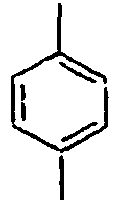
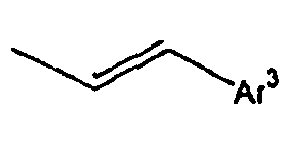
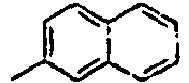
- Specific examples of the compound of the formula 1 are presented in the following Tables 1 to 6, but are not limited thereto.
- The following Table 1 presents specific examples of the compound having an asymmetric structure, wherein in the formula 1, m is equal to 0.
- In Tables 1 to 6 and in the Examples, compounds designated by an "*" are provided for comparative purposes only.
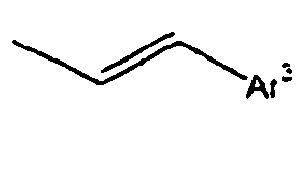
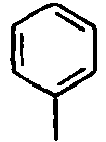
[Table 1] Ar1 L Ar2 R1 Ar3 Z 1* 
Direct bond 


2* 
Direct bond 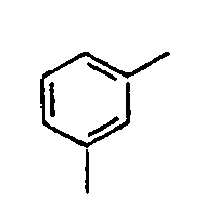


3* 
Direct bond 


4* 
Direct bond 


5* 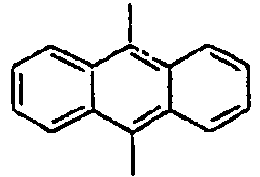
Direct bond 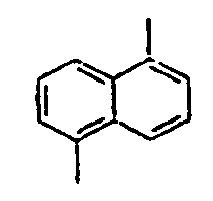


6* 
Direct bond 

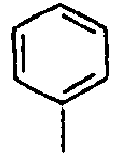

7* 
Direct bond 


8* 
Direct bond 


9* 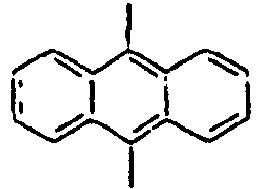
Direct bond 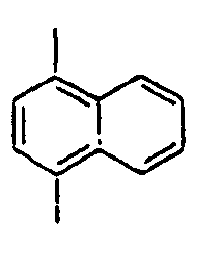


10* 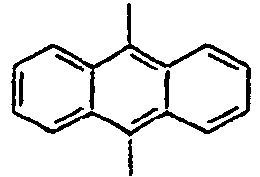
Direct bond 


11* 
Direct bond 


12* 



13* 



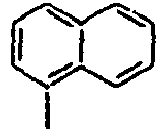
14* 
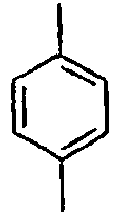


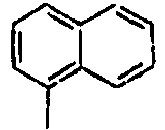
15* 


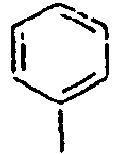

16* 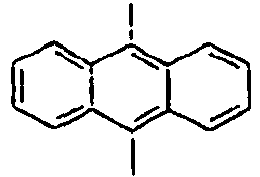


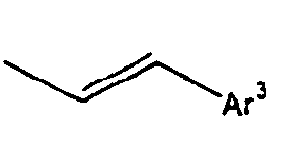


17* 


18* 


19* 

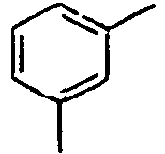


20* 


21* 


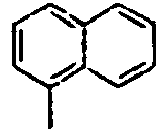
22* 
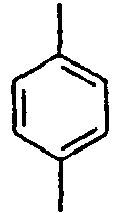


23* 


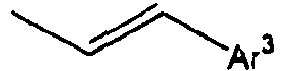
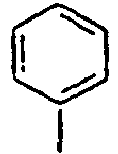

24* 

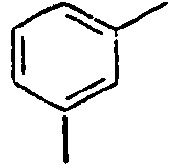
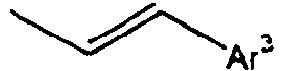
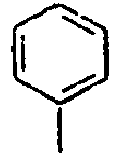

25* 


26* 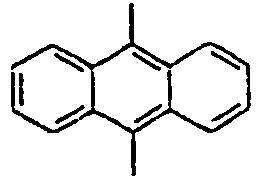
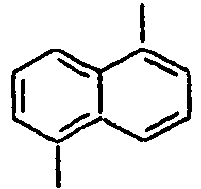
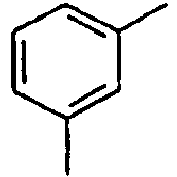
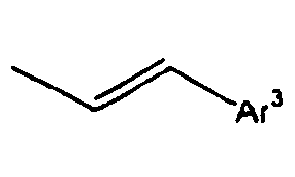


27* 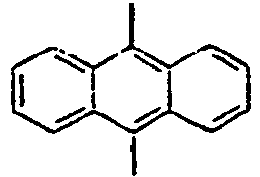

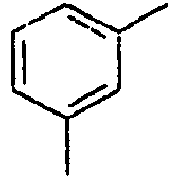
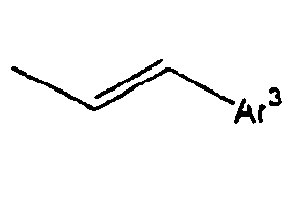


28* 
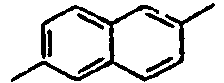


29* 

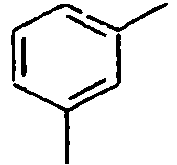


30* 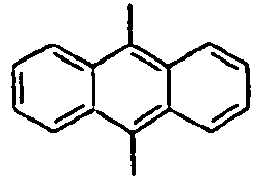


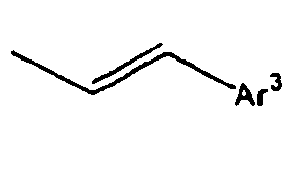


31* 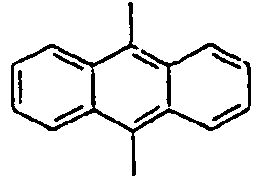


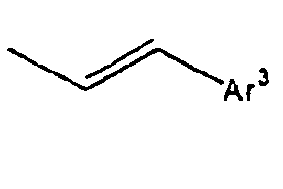


32* 


33* 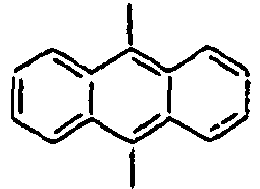
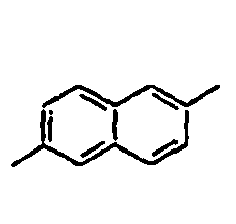
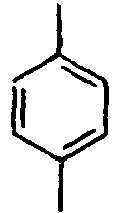


34* 


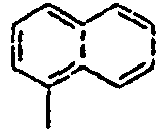
35* 
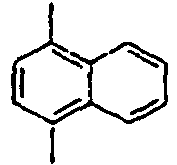


36* 


37* 


38* 

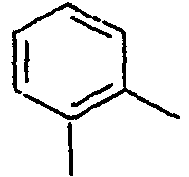


39* 
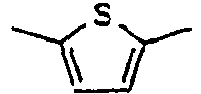

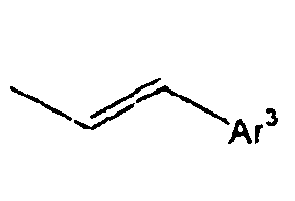

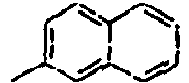
40* 

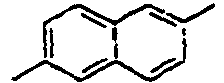


41* 


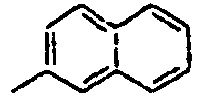
42* 


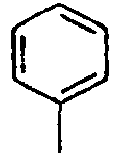

43* 


44* 
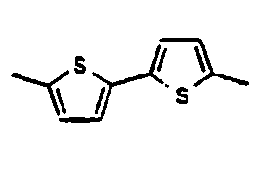


45* 


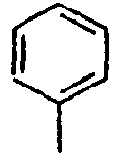
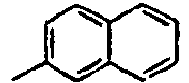
46* 


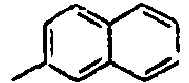
47* 
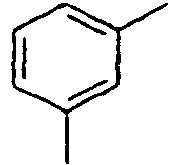
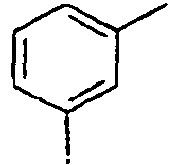

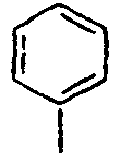

48* 


49* 

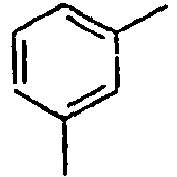


50* 
Direct bond 
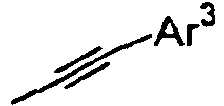


51* 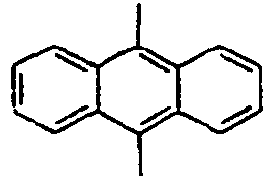
Direct bond 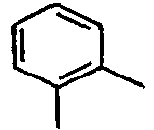


52* 
Direct bond 


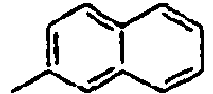
53* 
Direct bond 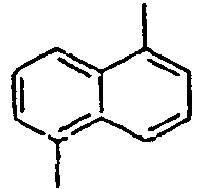


54* 
Direct bond 


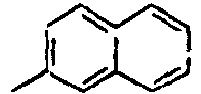
55* 
Direct bond 


56* 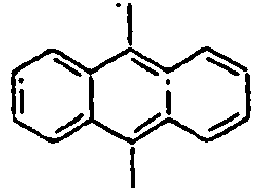

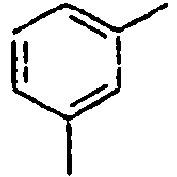

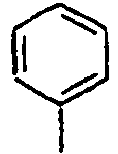

57* 

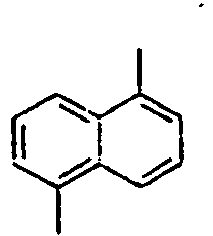

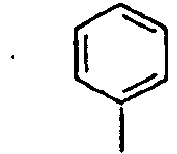

58* 
Direct bond 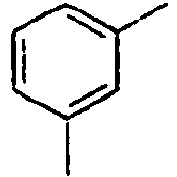
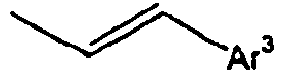


59* 
Direct bond 


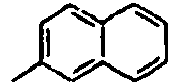
60* 
Direct bond 


* Compound provided for comparative purposes only. - The following Table 2 presents specific examples of the compound having an asymmetric structure, wherein in the formula 1, neither n nor m is not 0.
[Table 2] Ar1 L Ar2 R1 and R2 Ar3 Z 61* 
Direct bond 


62* 
Direct bond 
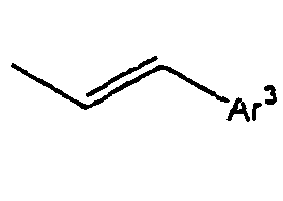
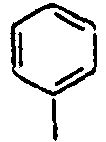

63* 
Direct bond 

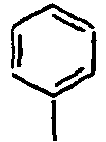
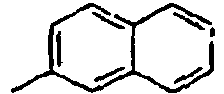
64* 
Direct bond 
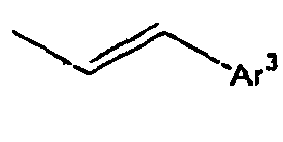


65* 
Direct bond 
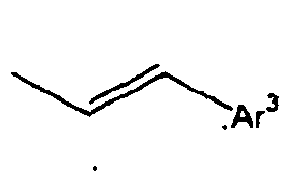


66* 
Direct bond 
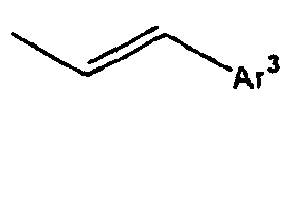


67* 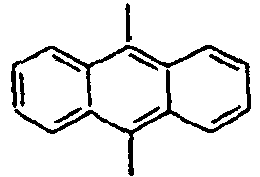
Direct bond 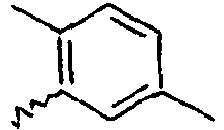


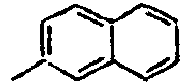
68* 
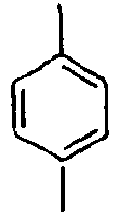


69* 
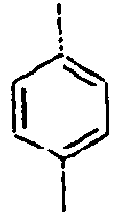


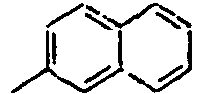
70* 


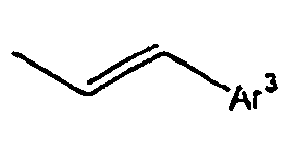


71* 


72* 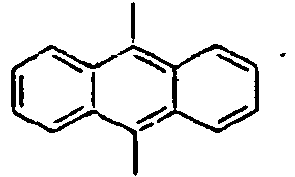


73* 

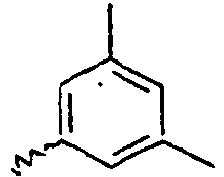
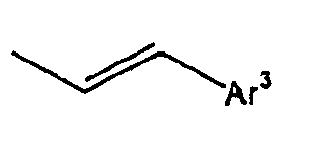

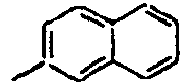
74* 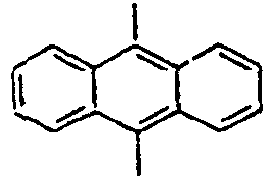


75* 


76* 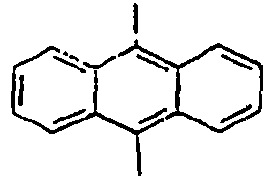


77* 

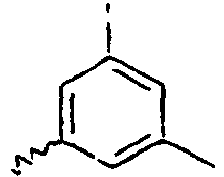
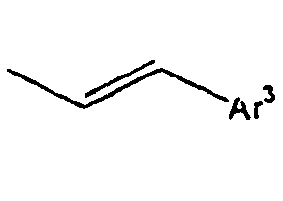


78* 
Direct bond 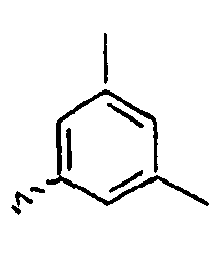
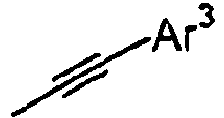


79* 
Direct bond 

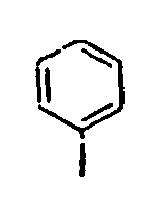

80* 
Direct bond 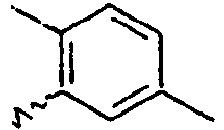


81* 
Direct bond 
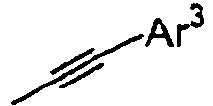


82* 


83* 


84* 


85* 

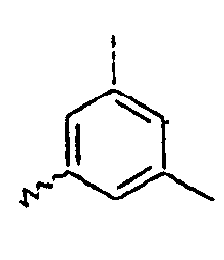

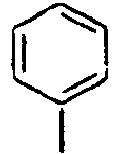

86* 

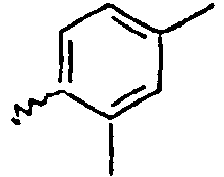
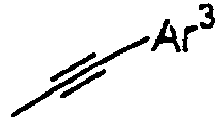

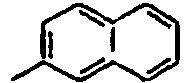
87* 
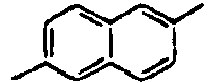


88* 


Wherein 
* Compound provided for comparative purposes only. - The following Table 3 presents specific examples of the compound having a symmetric structure, wherein in the formula 2, n+m is equal to 1.
[Table 3] Ar1 L Ar2 R1 or R2 Ar3 89* 
Direct bond 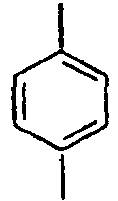


90* 
Direct bond 


91* 
Direct bond 


92* 
Direct bond 
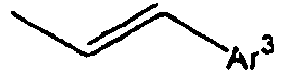
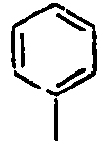
93* 
Direct bond 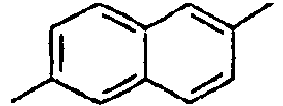


94* 
Direct bond 

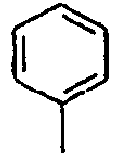
95* 


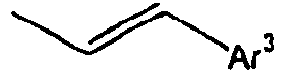

96* 


97* 


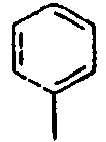
98* 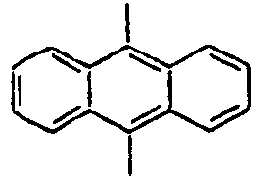
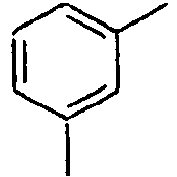

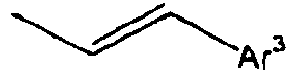
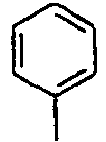
99* 

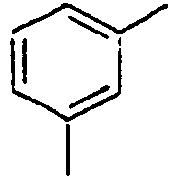


100* 


101* 


102* 


103* 


104* 

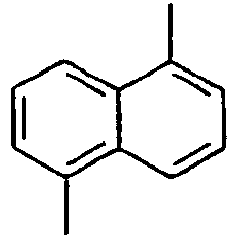


105* 


106* 


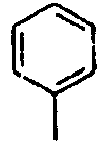
107* 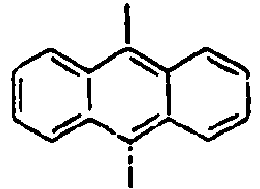


108* 

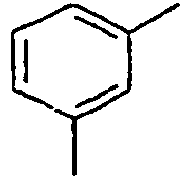


109* 


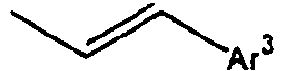
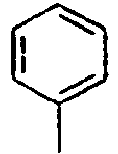
* Compound provided for comparative purposes only. - The following Table 4 presents specific examples of the compound having a symmetric structure, wherein in the formula 2, n is equal to 1 and m is equal to 1.
[Table 4] Ar1 L Ar2 R1 an R2 Ar3 110* 
Direct bond 


111* 
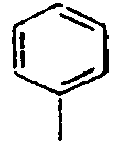
Direct bond 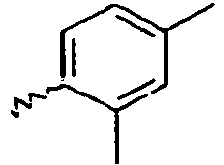

112* 
Direct bond 


113* 


114* 


115* 
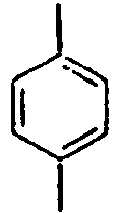


116* 


117* 


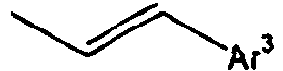
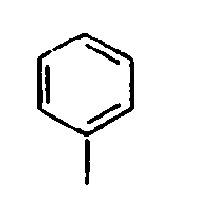
118* 
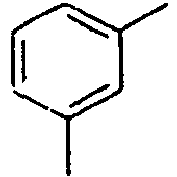


119* 


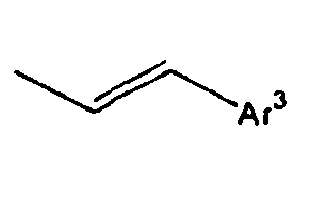

120* 


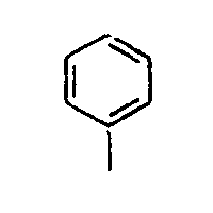
121* 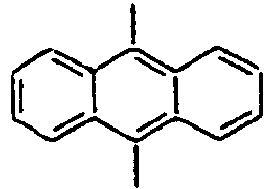


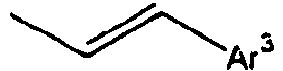

122* 


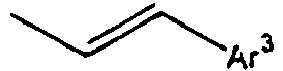
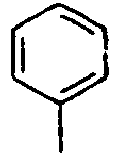
123* 


Wherein 
* Compound provided for comparative purposes only. - The following Table 5 presents specific examples of the compound having an asymmetric structure, wherein in the formula 1, m is equal to 0, and Ar1 has a substituent.
[Table 5] Ar1 L Ar2 R1 Ar3 Z 124* 
Direct bond 
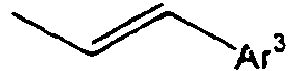

H 125* 
Direct bond 


H 126* 
Direct bond 
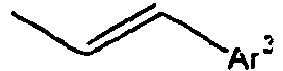

H 127* 
Direct bond 

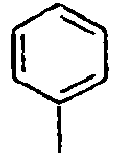
H 128* 
Direct bond 
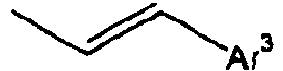

H 129* 
Direct bond 


H 130* 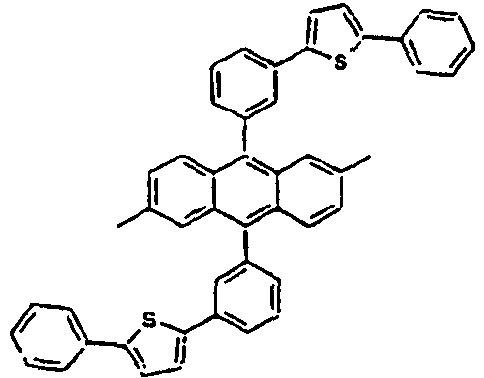
Direct bond 
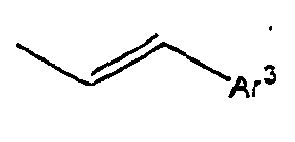

H 131* 
Direct bond 

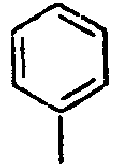
H 132* 
Direct bond 


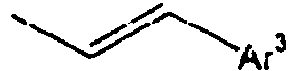
H 133* 
Direct bond 

H 134* 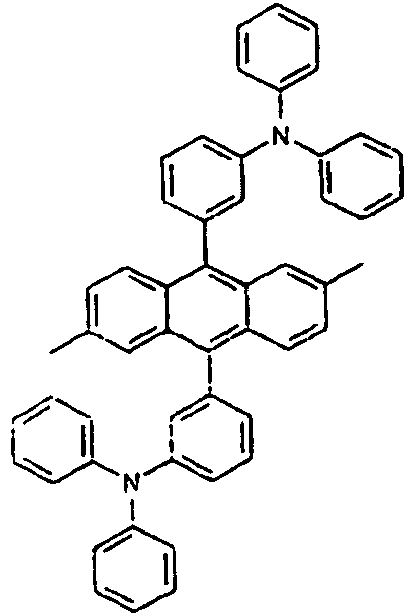
Direct bond 


H 135* 
Direct bond 

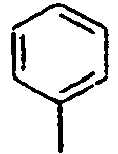
H 136* 
Direct bond 


H 137* 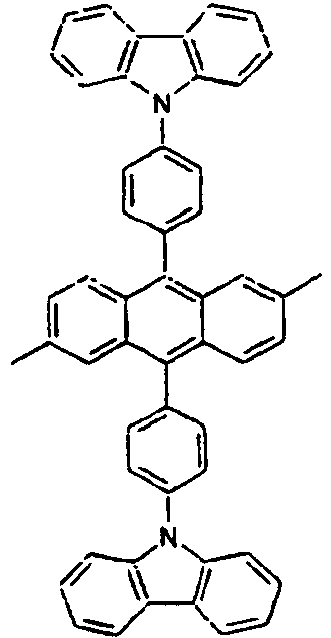
Direct bond 


H 138* 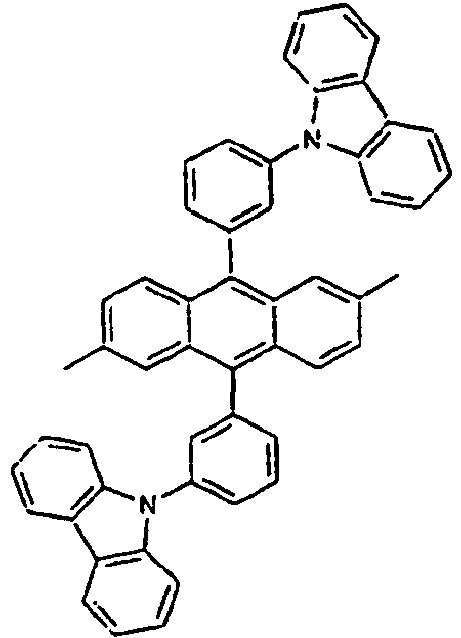
Direct bond 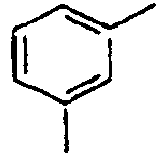

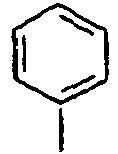
H 139* 
Direct bond 

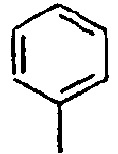
H 140* 
Direct bond 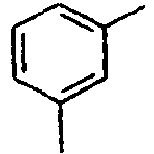


H 141* 

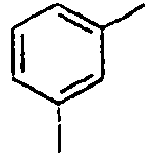


H 142* 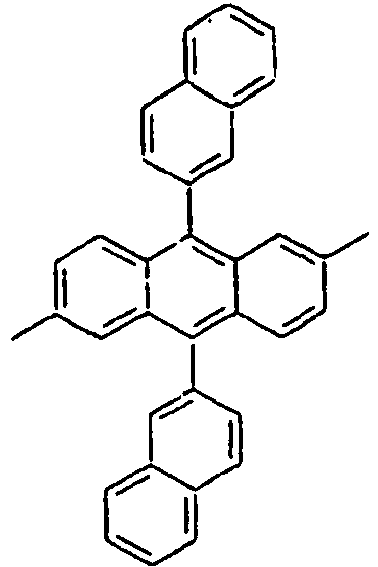



H 143* 


H 144* 



H 145* 


H 146* 


H 147* 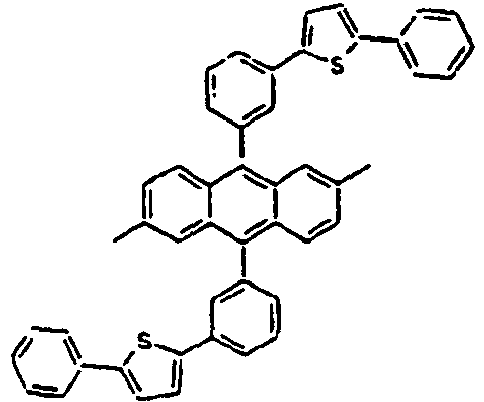


H 148* 


H 149* 
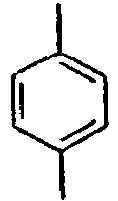
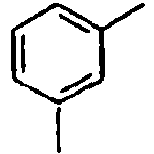
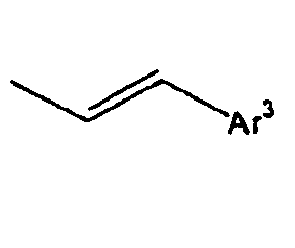

H 150* 
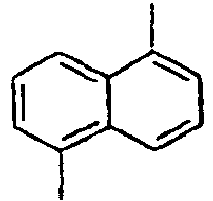


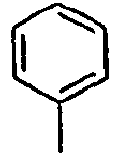
H 151* 

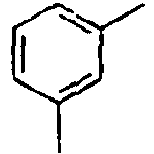
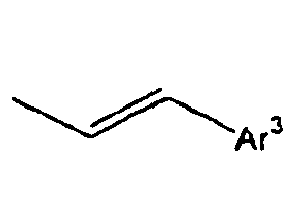

H 152* 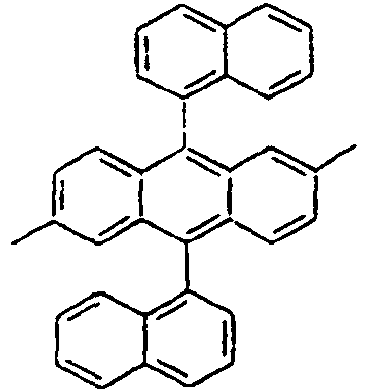

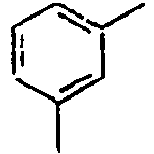


H 153* 

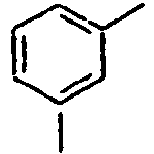


H 154* 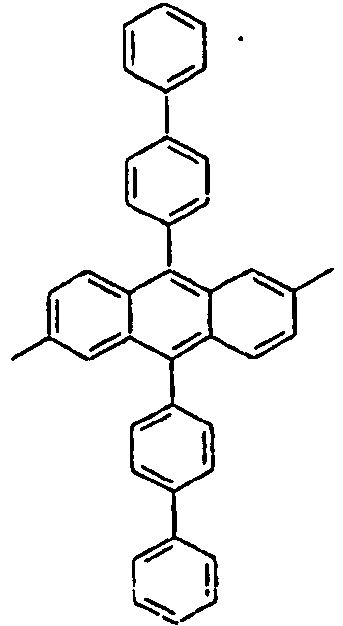

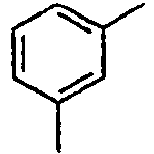

H 155* 


H 156* 


H 157* 



H 158* 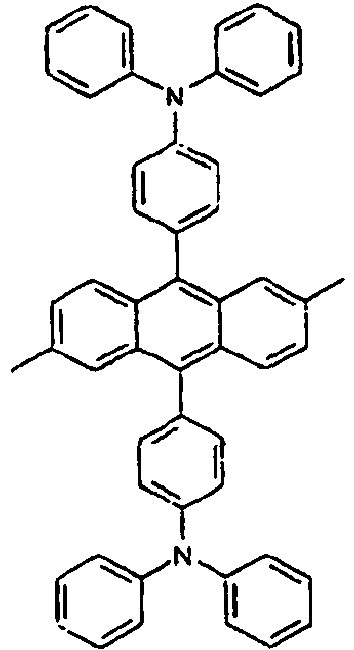

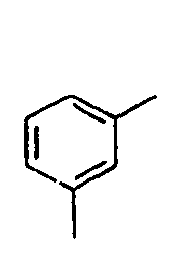

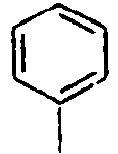
H 159* 


H 160* 

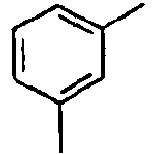


H 161 
Direct bond 


H 162 


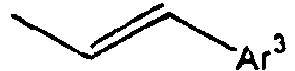
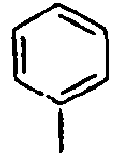
H 163 
Direct bond 
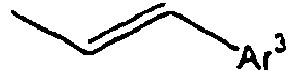

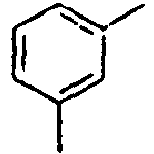
H 164 



H * Compound provided for comparative purposes only. - The following Table 6 presents specific examples of the compound having a symmetric structure, wherein in the formula 2, n+m is equal to 1, and Ar1 has a substituent.
[Table 6] Ar1 L Ar2 R1 or R2 Ar3 165* 
Direct bond 
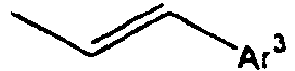

166* 
Direct bond 


167* 
Direct bond 


168* 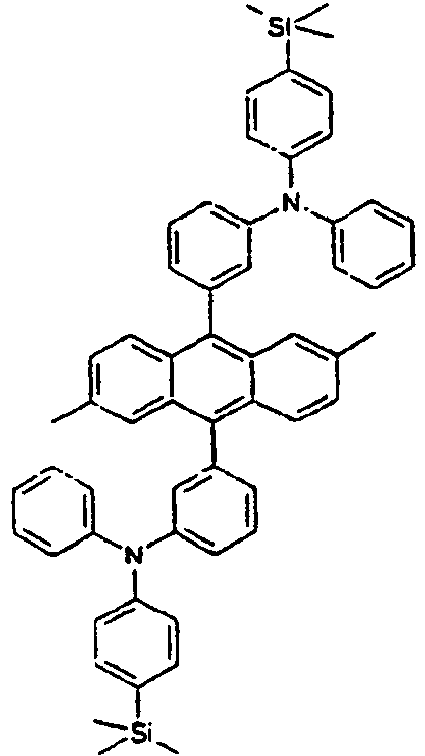
Direct bond 


169* 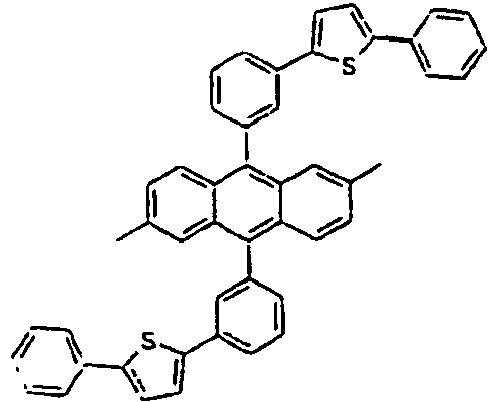
Direct bond 

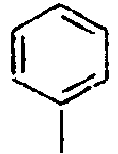
170* 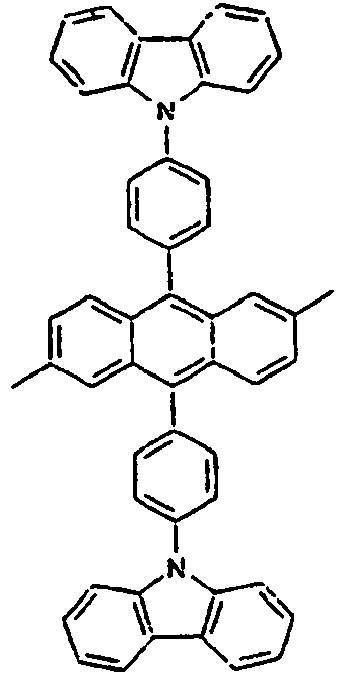
Direct bond 


171* 
Direct bond 


172* 
Direct bond 


173* 
Direct bond 
174* 
Direct bond 

175* 
Direct bond 

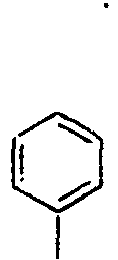
176* 
Direct bond 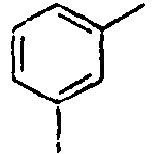
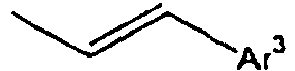

177* 
Direct bond 


178* 
Direct bond 
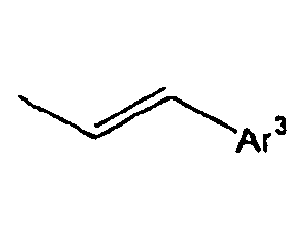

179* 
Direct bond 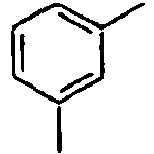

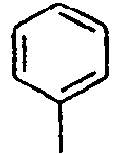
180* 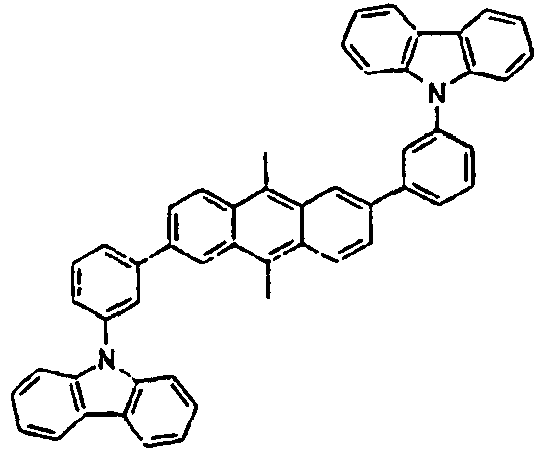
Direct bond 


181* 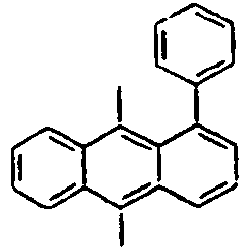
Direct bond 


182* 
Direct bond 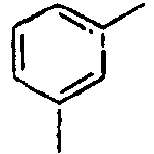

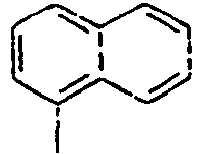
183* 
Direct bond 
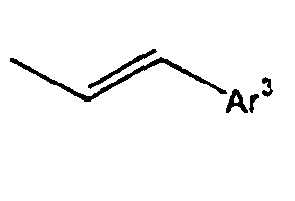

184* 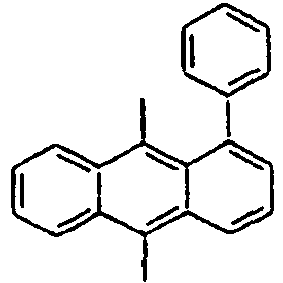
Direct bond 
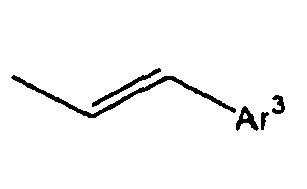

185* 
Direct bond 


186* 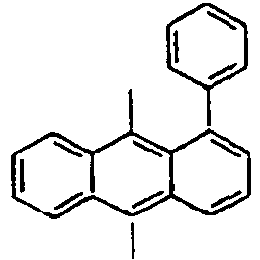
Direct bond 

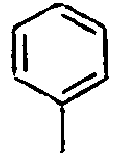
187* 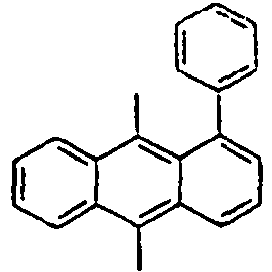
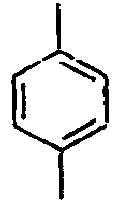


188* 
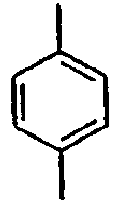

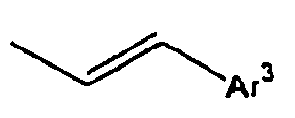

189* 


190* 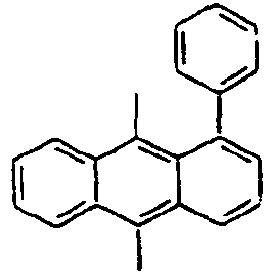


191* 


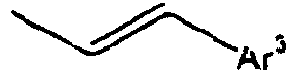

191* 


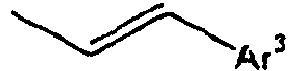

192* 
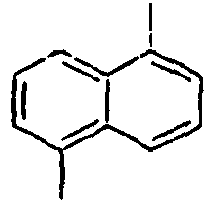


193* 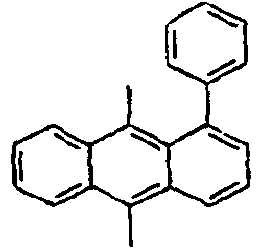
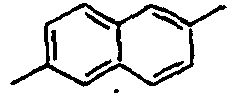

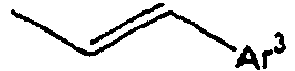
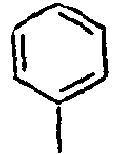
194* 


195* 
Direct bond 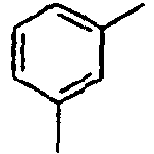


196* 
Direct bond 


197* 
Direct bond 


198* 
Direct bond 


199* 
Direct bond 


200* 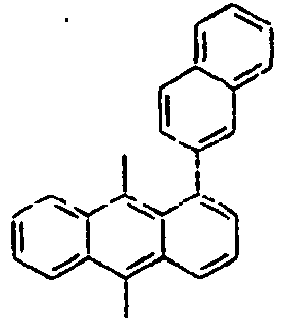
Direct bond 

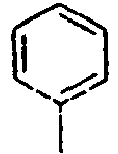
201* 


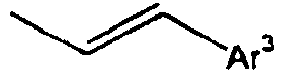

202* 


203* 


204* 


205* 


206* 


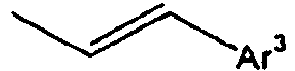

207* 


208* 
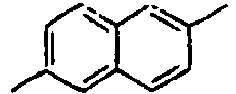


209* 


210* 
Direct bond 


211* 


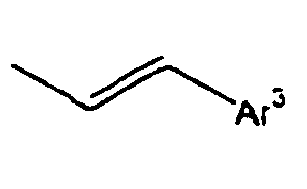

212* 
Direct bond 


213* 
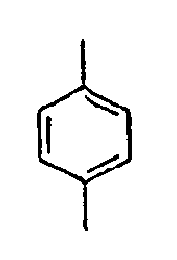


* Compound provided for comparative purposes only. - The compounds of the formula 1 according to the present invention have such the characteristic structures that at least two fluorophores, that is, the substituted Ar1 and the substituted Ar2 are twisted at a large angle from each other, relative to L, and thus the conjugations are not connected or weakened. Further, if the light emitting wavelength gets too long, there is caused a problem that the energy transfer from a host material to a dopant material gets harder. However, for the compounds of the formula 1 according to the present invention, double bonds or triple bonds are at the positions where the light emitting wavelengths are not made longer, that is, ortho or meta positions, rather than para positions. Further, particularly, introduction of a monomerized styryl group, not of a dimerized styryl group gives structural flexibility of the styryl group, which can improve the stability of the film. By these characteristics, the formation of a layer which is contact with a hole transporting layer or an electron transporting layer improves the interfacial characteristics, and thus gives a structure playing an advantageous role in the life time of the device. Accordingly, if the compound of the formula 1 with a structure having a suitable energy level is used as a light emitting material such as a host and a dopant in an organic light emitting diode, the energy transfer from the host to the dopant can be efficiently performed, thus greatly improving the efficiency of the device.
- Specifically, by an example of the structures of the compounds 1 of the formula 1 (see Table 1), the (2,5-styrenyl)-1-phenyl part and the 9-(2-naphthyl)anthracene part are twisted from each other at about 90 degrees, and they are chemically bonded to each other, but do not give great effect on the conjugation from each other, which can show light emitting spectrum at wavelength bands, which are each independently similar or the same to each other. That is, Ar1, for example, a substituent which is bonded to anthracene is characterized in that it not only gives an effect simply on the thermal stability and the film morphology, but also indirectly or directly on the energy transfer with an anthracene core to a dopant. Accordingly, the present invention is intended to use such the structure of the compound in an organic light emitting diode, thereby improving the efficiency and the life time of the device.
- Further, the compound of the formula 1 according to the present invention can be prepared by subjecting an alkenyl group- or an alkynyl group-substituted bromobenzene, or an alkenyl group- or an alkynyl group-substituted iodobenzene, and anthracene boronic acid, as starting materials, to an aryl-aryl Suzuki coupling method for introduction of a substituent, in the presence of a palladium [II] catalyst and a base (for example, inorganic bases such as potassium acetate). Specific methods for preparing the compound of the formula 1 according to the present invention are illustrated in Examples.
- Further, the present invention provides an organic light emitting diode comprising a first electrode, a second electrode, and at least one organic material layer disposed between the first electrode and the second electrode, wherein at least one layer of the organic material layer(s) comprises the compound of the formula 1.
- The above-described compounds of the present invention can not only serve as a light emitting material alone, but also serve as a light emitting host in combination with a proper light emitting dopant, or a light emitting dopant in combination with a proper light emitting host, particularly in an organic light emitting diode.
- The organic light emitting diode of the present invention can be prepared by using common methods and materials for preparing an organic light emitting diode as will be described later, except that the above-described compound according to the present invention is used to form an organic material layer, in particular, light emitting layer, of an organic light emitting diode.
- According to one embodiment of the present invention, the organic light emitting diode can be configured to comprise a first electrode, a second electrode, and organic material layer(s) disposed therebetween, and the organic light emitting diode can be prepared by using common methods and materials for preparing an organic light emitting diode, except that the above-described compound according to the present invention is used in at least one layer of the organic material layer(s) of the organic light emitting diode. The structure of the organic light emitting diode according to the present invention is illustrated in
Fig. 1 . - For example, the organic light emitting diode according to the present invention can be prepared by depositing a metal, or a metal oxide having conductivity on a substrate using a PVD (physical vapor deposition) process such as sputtering and e-beam evaporation to form an anode; forming organic material layer(s) comprising a hole injecting layer, a hole transporting layer, a light emitting layer and an electron transporting layer on the anode; and depositing a material, which can be used as a cathode, thereon. Alternatively, an organic light emitting diode can be prepared by depositing a cathode material, an organic material layer, and an anode material in this order on a substrate (see PCT Patent Application Publication
WO 2003/012890 - The organic material layer may be of a multilayer structure containing a hole injecting layer, a hole transporting layer, a light emitting layer, an electron transporting layer, and the like, but are not limited thereto, and may be of a monolayer structure. Further, the organic material layer can be produced to have a fewer number of layers, by using a variety of polymeric materials, by means of a solvent process other than a deposit process, such as spin coating, dip coating, doctor blading, screen printing, ink jet printing, and heat transfer process.
- The anode material is preferably a material having a large work function to facilitate hole injection usually to an organic material layer. Specific examples of the anode material which can be used in the present invention include metals such as vanadium, chromium, copper, zinc and gold, or an alloy thereof; metal oxides such as zinc oxide, indium oxide, indium-tin oxide (ITO), and indium zinc oxide (IZO); a combination of a metal and an oxide such as ZnO:Al and SnO2:Sb; conductive polymers such as poly(3-methylthiophene), poly[3,4-(ethylene-1,2-dioxy)thiophene] (PEDT), polypyrrole and polyaniline, but are not limited thereto.
- The cathode material is preferably a material having a small work function to facilitate electron injection usually to an organic material layer. Specific examples of the cathode material include metals such as magnesium, calcium, sodium, potassium, titanium, indium, yttrium, lithium, gadolinium, aluminum, silver, tin and lead, or an alloy thereof; multilayer structure materials such as LiF/Al and LiO2/Al, but are not limited thereto.
- The hole injecting material is a material facilitating hole injection from an anode at low voltage. The HOMO (highest occupied molecular orbital) level of the hole injecting material is preferably located between the work function of the anode materials and the HOMO level of its neighboring organic material layer. Specific examples of the hole injecting material include organic materials of metal porphyrin, oligothiophene and arylamine series, organic materials of hexanitrile hexaazatriphenylene and quinacridone series, organic materials of perylene series, and conductive polymers of anthraquinone, polyaniline, and polythiophene series, but are not limited thereto.
- The hole transporting material is a material having high hole mobility, which can transfer holes from the anode or the hole injecting layer toward the light emitting layer. Specific examples thereof include organic materials of arylamine series, conductive polymers and block copolymers having both conjugated portions and non-conjugated portions, but are not limited thereto.
- The light emitting material are a material capable of emitting visible light by accepting and recombining holes from the hole transporting layer and electrons from the electron transporting layer, preferably a material having high quantum efficiency for fluorescence and phosphorescence. Specific examples thereof include 8-hydroxyquinoline aluminum complex (Alq3); compounds of carbazole series; dimerized styryl compounds; BAlq; 10-hydroxybenzoquinoline-metal compounds; compounds of benzoxazole, benzthiazole and benzimidazole series; polymers of poly(p-phenylenevinylene) (PPV) series; spiro compounds; and compounds of polyfluorene and rubrene series, but are not limited thereto.
- The electron transporting material is suitably a material having high electron mobility, which can transfer electrons from the cathode to the light emitting layer. Specific examples thereof include 8-hydroxyquinoline aluminum complex (Alq3); complexes including Alq3; organic radical compounds; and hydroxyflavone-metal complexes, but are not limited thereto.
- The organic light emitting diode according to the invention may be of a front-side, back-side or double-sided light emission according to the materials used.
- The compound according to the invention can function in an organic electronic device including an organic solar cell, an organic photoconductor and an organic transistor, according to a principle similar to that applied to the organic light emitting diode.
- Hereinafter, the present invention will be described in more detail by means of Examples but the scope of the invention is not limited thereto.
- Compound provided for comparative purposes only.

- To a solution obtained by dissolving 9-bromo-10-(2-naphthyl)anthracene (18 g, 46.1 mmol) in THF (150 mL), a solution obtained by dissolving 3-formyl benzene boronic acid (8.4 g, 56.2 mmol) in EtOH (50 mL) was added, under N2. To the mixture, a solution obtained by dissolving K2CO3 (26 g, 187.6 mmol) in H2O (100 mL) and added, finally Pd(PPh3)4 (1.1 g, 0.9 mmol) were added, and the mixture was stirred under reflux for about 17 hours. After completion of reaction, the mixture was cooled to ambient temperature, and the organic phase was separated from the mixed reaction solution, and filtered to obtain a solid. This solid was dissolved in THF again, and purified by column chromatography. Then, the residue was recrystallized from THF and ethanol to obtain a compound 1a (18.6 g, 97%): MS [M] = 408
- Benzylphosphoric acid diethyl ether (1.2 mL, 5.8 mmol), sodium hydride (0.29 g, 7.2 mmol), 18-crown-6 (0.1 g, 0.48 mmol) were added to THF (100 mL), and the compound 1 a (2 g, 4.8 mmol) as prepared in the process of 1-A was added to the mixture at 0°C, under N2. The mixture was stirred at room temperature for about 12 hours. After completion of the reaction, THF and H2O were added to the mixed reaction solution. The organic phase was separated, dried over MgSO4, and then concentrated. The residue was recrystallized from THF/EtOH to obtain a compound 1 (1.5 g, 65%). MS [M+H] = 483
- Compound provided for comparative purposes only.

- To a solution obtained by dissolving 9-bromo-10-(1-naphthyl)anthracene (5 g, 13 mmol) in THF (70 mL), a solution obtained by dissolving 3-formyl benzene boronic acid (2.3 g, 15.6 mmol) in EtOH (40 mL) was added, under N2. To the mixture, a solution obtained by dissolving K2CO3 (7 g, 52 mmol) in H2O (25 mL), and finally Pd(PPh3)4 (0.23 g, 0.3 mmol) were added, and the mixture was stirred under reflux for about 17 hours. After completion of reaction, the mixture was cooled to ambient temperature, and the organic phase was separated from the mixed reaction solution, and filtered to obtain a solid. This solid was dissolved in THF again, and purified by column chromatography. Then, the residue was recrystallized from THF and ethanol to obtain a compound 2a (2.9 g, 55%). MS [M] = 408
- Benzylphosphoric acid diethyl ether (1.2 m, 5.8 mmol), sodium hydride (0.29 g, 7.2 mmol), 18-crown-6 (0.1 g, 0.48 mmol) were added to THF (100mL), and the compound 2a (2 g, 4.8 mmol) as prepared in the process of 2-A was added to the mixture at 0°C, under N2. The mixture was stirred at room temperature for about 12 hours. After completion of the reaction, THF and H2O were added to the mixed reaction solution. The organic phase was separated, dried over MgSO4, and then concentrated. The residue was recrystallized from THF/EtOH to obtain a compound 2 (2.2 g, 96%). MS [M+H] = 483
- Compound provided for comparative purposes only.

- To a solution obtained by dissolving 9-bromo-10-(2-naphthyl)anthracene (5 g, 13 mmol) in THF (70 mL), a solution obtained by dissolving 2-formyl benzene boronic acid (2.3 g, 15.6 mmol) in EtOH (40 mL) was added, under N2. To the mixture, a solution obtained by dissolving K2CO3 (7 g, 52 mmol) in H2O (25 mL), and finally Pd(PPh3)4 (0.23 g, 0.3 mmol) were added, and the mixture was stirred under reflux for about 17 hours. After completion of reaction, the mixture was cooled to ambient temperature, and the organic phase was separated from the mixed reaction solution, and filtered to obtain a solid. This solid was dissolved in THF again, and purified by column chromatography. Then, the residue was recrystallized from THF and ethanol to obtain a compound 3a (2.9 g, 55%). MS [M] = 408
- Benzylphosphoric acid diethyl ether (1.2 mL, 5.8 mmol), sodium hydride (0.29 g, 7.2 mmol), 18-crown-6 (0.1 g, 0.48 mmol) were added to THF (100 mL), and the compound 3a (2 g, 4.8 mmol) as prepared in the process of 3-A was added to the mixture at 0°C, under N2. The mixture was stirred at room temperature for about 12 hours. After completion of the reaction, THF and H2O were added to the mixed reaction solution. The organic phase was separated, dried over MgSO4, and then concentrated. The residue was recrystallized from THF/EtOH to obtain a compound 3 (2.2 g, 96%). MS [M+H] = 483
- Compound provided for comparative purposes only.


- To a mixture obtained by adding 6-bromo-2-naphthoic acid (3 g, 11.95 mmol), iodomethane (MeI, 1.11 mL), and K2CO3 (6.58 g, 47.61 mmol), 30 mL of DMF was added, and the mixture was stirred at ambient temperature for hours. After observation of completion of the reaction by means of TLC, the reaction solution was filtered to remove K2CO3. About 20 mL of DMF was removed from the filtrate under reduced pressure, and water was poured to the residue to precipitate a solid. The obtained solid was filtered, and then the residue washed with ethanol, and dried to obtain a compound 4a (3.06 g, yield 97%). MS [M+H]+ = 264
- A mixture obtained by adding LAH (Lithium aluminum hydride 0.86 g, 22.7 mmol) and anhydrous 10 mL of THF was cooled to a temperature of 0°C. The compound 4a (2.3 g, 8.67 mmol) as prepared in the process of 4-A was dissolved in 30 mL of anhydrous THF, and the solution was slowly added to a reaction flask and allowed for reaction at ambient temperature for 12 hours. 1 mL of water, 1 mL of an aqueous 15% NaOH solution, and 3 mL of water were sequentially added to the solution to complete the reaction, and then THF was removed from the filtrate under reduced pressure, and solid was precipitated with hexane, and refiltered to obtain a compound 4b (2.45 g, yield 91%). MS [M+H]+= 238
- The compound 4b (2.45 g, 10.3 mmol) as prepared in the process of 4-B was dissolved in 50 mL of dichloromethane. PCC (pyridinium chlorochromate, 3.34 g, 15.49 mmol) and 1 g of Celite were added to the solution, and the solution was stirred at room temperature for 2 hours. After completion of the reaction, the reaction solution was passed through Celite, and filtered, and the filtrate was purified by column chromatography to obtain a compound 4c (0.87 g, yield 37%). MS [M+H]+= 234
- 10-(2-Naphthyl)anthracene-9-boronic acid (3.6 g, 10 mmol), and the compound 4c (2 g, 8.5 mmol) as prepared in the process of 4-C were dissolved in THF (80 mL). A 2 M K2CO3 solution (60 mL) was added thereto, finally Pd(PPh3)4 (0.23 g, 0.3 mmol) was added to the mixture, and the mixture was stirred under reflux for about 12 hours. After completion of reaction, the mixture was cooled to ambient temperature, and the organic phase was separated from the mixed reaction solution, and removed. The residue was dissolved in THP and recrystallized from ethanol to obtain a compound 4d (2.4 g, 62)%). MS [M] = 458
- Benzylphosphoric acid diethyl ether (1.2 mL, 5.8. mmol), sodium hydride (0.35 g, 14.1 mmol), 18-crown-6 (0.1 g, 0.47 mmol) were added to THF (80 mL), and the compound 4d (2.2 g, 4.7 mmol) as prepared in the process of 4-D was added to the mixture at 0°C, under N2. The mixture was stirred at room temperature for about 12 hours. After completion of the reaction, THF and H2O were added to the mixed reaction solution. The organic phase was separated, dried over MgSO4, and then concentrated. The residue was recrystallized from THF/EtOH to obtain a compound 5 (2.3 g, 90%). MS [M+H] = 533
- Compound provided for comparative purposes only.

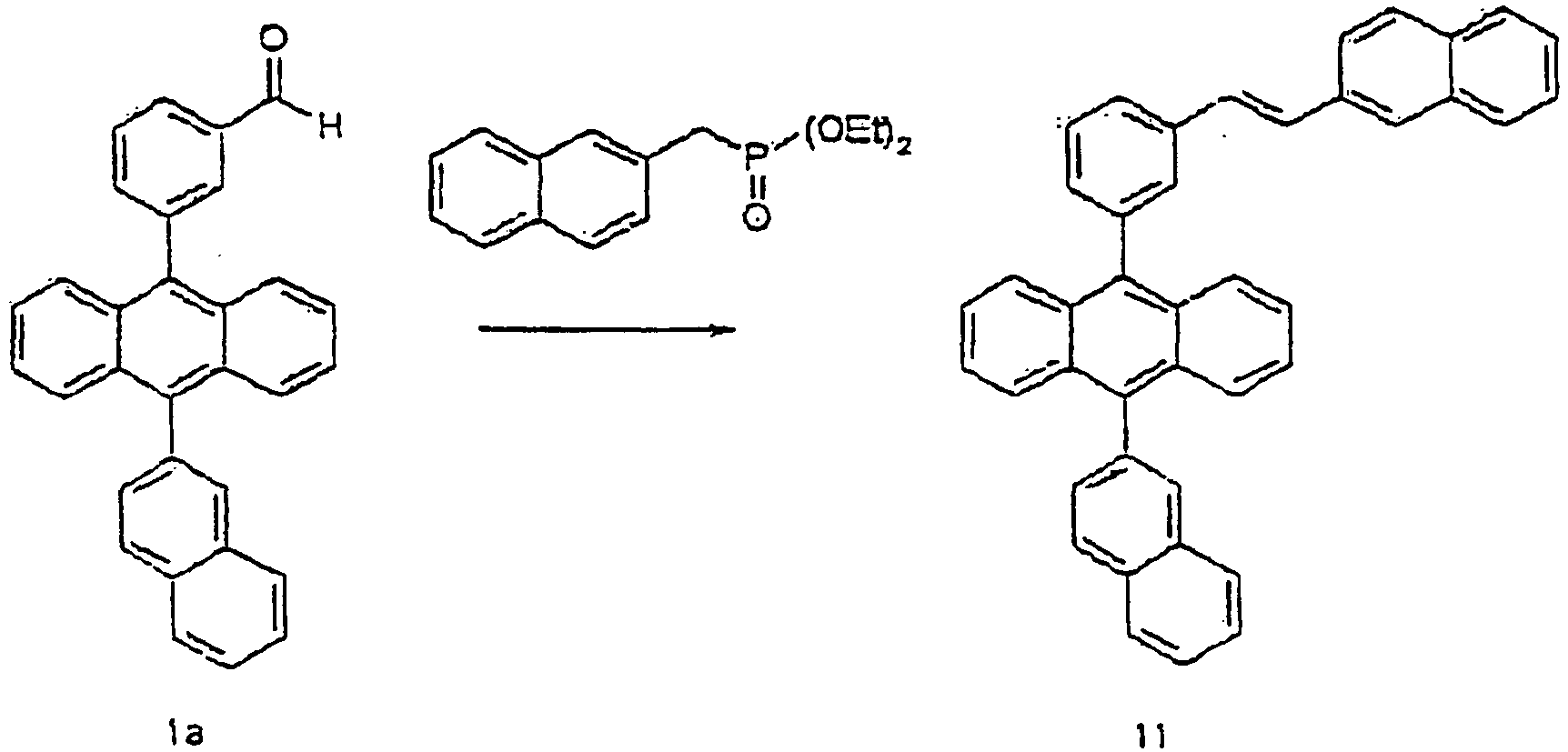
- 2-(Bromomethyl)naphthalene (10 g, 45.2 mmol) was added to triethyl phosphite (30 mL, 180 mmol), and the mixture was stirred under reflux for 18 hours. The mixed reaction solution was slowly cooled, and the remaining triethyl phosphite was concentrated under reduced pressure to obtain a compound 5a (12 g, 96%) in the liquid form. MS [M+H]+ = 279
- Sodium hydride (0.29 g, 12 mmol), 18-crown-6 (0.1 g, 0.48 mmol), and the compound 5a (2 g, 7.2 mmol) as prepared in the process of 5-A were added to THF (100 mL), and the compound 1a (2 g, 4.8 mmol) as prepared in the process of 1-A was added to the mixture at 0°C, under N2. The mixture was stirred at room temperature for about 4 hours. After completion of the reaction, THF and H2O were added to the mixed reaction solution. The organic phase was separated, dried over MgSO4, and then and concentrated. The residue was recrystallized from THF/EtOH to obtain a compound 11 (2.5 g, 98%). MS [M+H] = 533
- Compound provided for comparative purposes only.

- To a solution obtained by dissolving 9-bromo-10-(2-naphthyl)anthracene (10 g, 26 mmol) in THF (200 mL), a solution obtained by dissolving 4-bromophenylboronic acid (6.3 g, 31.2 mmol) in EtOH (50 mL) was added, under N2. To the mixture, a solution obtained by dissolving K2CO3 (14 g, 104 mmol) in H2O (100 mL), and finally Pd(PPh3)4 (0.58 g, 0.5 mmol) were added, and the mixture was stirred under reflux for about 17 hours. After completion of reaction, the mixture was cooled to ambient temperature, and the organic phase was separated from the mixed reaction solution, and filtered to obtain a solid. This solid was dissolved in THF again, and purified by column chromatography. Then, the residue was recrystallized from THF and ethanol to obtain a compound 6a (7 g, 58%). MS [M] = 459
- To a solution obtained by dissolving the compound 6a (5 g, 11 mmol) as prepared in the process of 6-A in THF (70 mL), a solution obtained by dissolving 3-formyl benzene boronic acid (1.9 g, 13 mmol) in EtOH (40 mL) was added, under N2. To the mixture, a solution obtained by dissolving K2CO3 (6 g, 44 mmol) in H2O (25 mL), and finally Pd(PPh3)4 (0.25 g, 0.2 mmol) were added, and the mixture was stirred under reflux for about 17 hours. After completion of reaction, the mixture was cooled to ambient temperature, and the organic phase was separated from the mixed reaction solution, and filtered to obtain a solid. This solid was dissolved in THF again, and purified by column chromatography. Then, the residue was recrystallized from THF and ethanol to obtain a compound 6b (3.2 g, 60%). MS [M] = 484
- Benzylphosphoric acid diethyl ether (1.2 mL, 5.8 mmol), sodium hydride (0.29 g, 7.2 mmol), 18-crown-6 (0.1 g, 0.48 mmol) were added to THF (100 mL), and the compound 6b (2.3 g, 4.8 mmol) as prepared in the process of 6-B was added to the mixture at 0°C, under N2.
- The mixture was stirred at room temperature for about 12 hours. After completion of the reaction, THF and H2O were added to the mixed reaction solution. The organic phase was separated, dried over MgSO4, and then concentrated. The residue was recrysialtized from THF/EtOH to obtain a compound 12 (1.7 g, 65%). MS [M+H] = 559
- Compound provided for comparative purposes only.

- A mixture of the compound 6a (10 g, 22 mmol) as prepared in the same manner as in the process of 6-A, dehydrated ether (100 mL) and dehydrated toluene (100 mL) was cooled to -78°C in a dry ice bath. A 2.5 M butyl lithium/hexane solution (6 mL) was added dropwise thereto for 30 minutes, and the mixture was subject to reaction at -78°C for 2 hours. Boronic acid triisopropyl ester (10 mL) was added dropwise thereto for 30 minutes. After adding dropwise, the mixture was stirred at room temperature for 12 hours. To the mixture, 2N hydrochloric acid (100 mL) was added at 10°C or lower, and then toluene (80 mL) was added thereto. The mixture was subject to phase separation, dried over sodium sulfate, and concentrated under reduced pressure. Hexane was added thereto to precipitate crystals, and the precipitated crystals were separated by filtration. The residue was dissolved in THF (100 mL), and to this solution, concentrated hydrochloric acid (10 mL) and tetrabutylammonium bromide (0.1 g) were added, and the mixture was stirred for 12 hours. The precipitated crystals were dried to obtain a compound 7a (6 g, 66%).
- A compound 7b (3 g, 60%) was obtained in the same manner as in the process of 4-D of Example 4, except that the compound 7a as prepared in the process of 7-A was used instead of 10-(2-naphthyl)anthracene-9-boronic acid in the process of 4-D of Example 4. MS [M] = 534
- A compound 15 (1 g, 65%) was obtained in the same manner as in the process of 4-E of Example 4, except that the compound 7b as prepared in the process of 7-B was used instead of the compound 4d in the process of 4-E of Example 4. MS [M+H] = 609
- Compound provided for comparative purposes only.
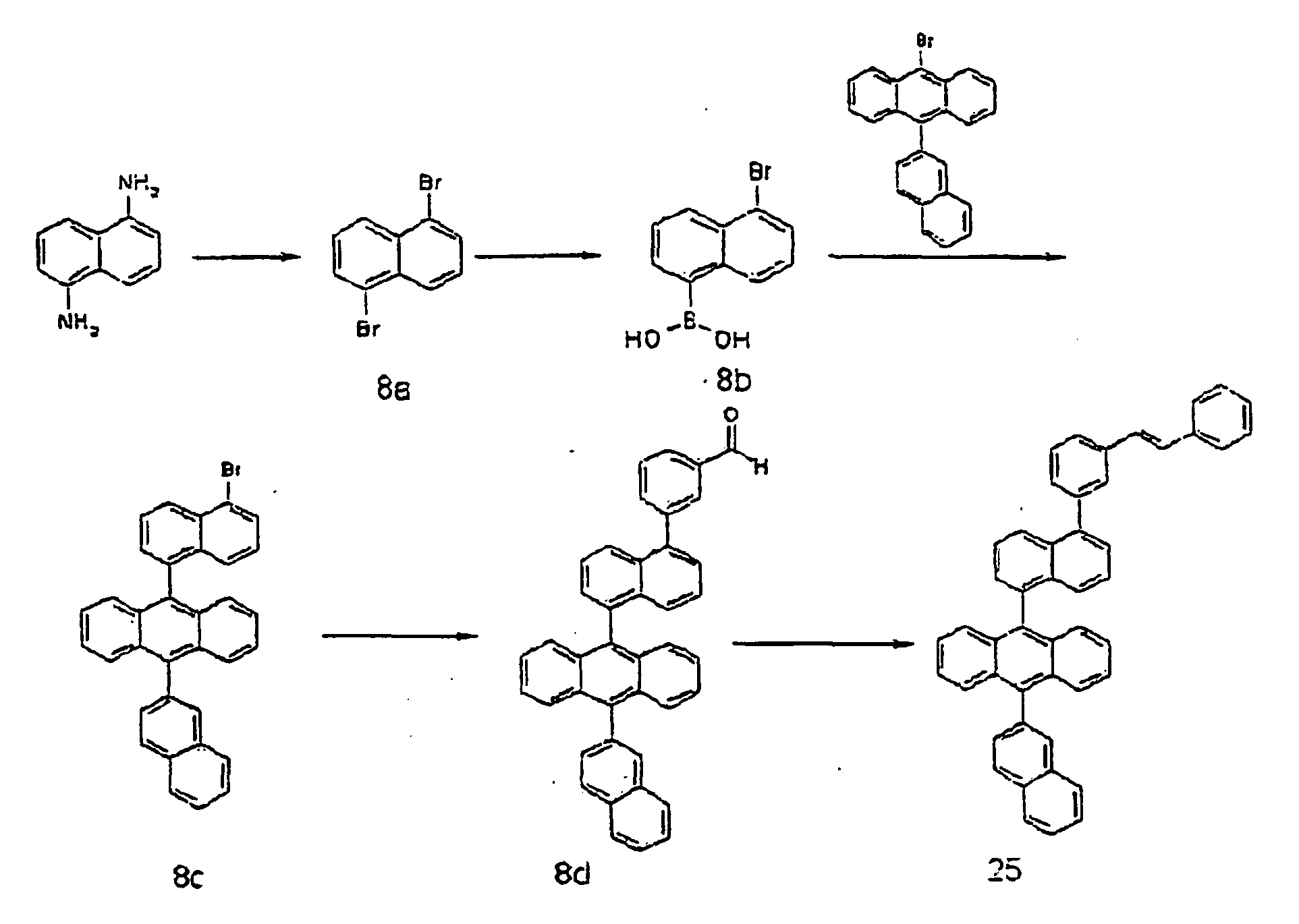
- 1,5-Diaminonaphthalene (6 g, 75.9 mmol) was dissolved in water (150 mL) and concentrated sulfuric acid (10 mL) under ice cooling. A solution obtained by dissolving NaNO2 (5.8 g, 167 mmol) in water (50 mL) was slowly added thereto, and then the mixture was stirred at 0°C for 45 minutes. Thereafter, after filtering the reactants, CuBr2 (15 g, 52.3 mmol) was added to the filtrate, and 48% HBr (225 mL) and water (225 mL) were added to the mixture. Then, the mixture was stirred at 0°C for 1 hour, at room temperature for 2 hours, and then at 70°C for 30 minutes, respectively. Then, the mixed reaction solution was extracted from benzene, and dried over sodium sulfate. Then, the residue was purified by column chromatography to obtain a compound 8a (10 g). MS [M] = 286
- A mixture of the compound 8a (3.0 g, 10.5 mmol) as prepared in the process of 8-A, magnesium (0.26 g, 10.7 mmol), dibromoethene (0.1 mL), and anhydrous tetrahydrofuran (60 mL) was stirred at 50°C for 7 hours, and then maintained at 0 to 5°C. To the reaction mixture, trimethylborate (2.6 mL, 25.2 mmol) was added dropwise, and then the mixture was stirred at ambient temperature for 12 hours. The reactants were maintained at 0 to 5°C, and then diluted sulfuric acid was added thereto. The mixture was stirred at room temperature for 1 hour, extracted from diethyl ether, and dried over anhydrous magnesium sulfate, and then the solvent was distilled off. The formed white solid was purified in hexane to prepare a compound 8b (1.47 g, yield 49%).
- A compound 8c (3 g, 60%) was obtained in the same manner as in the process of 6-A of Example 6, except that the compound 8b as prepared in the process of 8-B was used instead of 4-bromophenylboronic acid in the process of 6-A of Example 6. MS [M+H] = 509
- A compound 8d (2.9 g, 90%) was obtained in the same manner as in the process of 6-B of Example 6, except that the compound 8c as prepared in the process of 8-C was used instead of the compound 6a in the process of 6-B of Example 6. MS [M+H] = 535
- A compound 25 (2 g, 60%) was obtained in the same manner as in the process of 6-C of Example 6, except that the compound 8d as prepared in the process of 8-D was used instead of the compound 6b in the process of 6-C of Example 6. MS [M+H] = 609
- Compound provided for comparative purposes only.

- To a solution obtained by dissolving 9-bromo-14-(2-naphthyl)anthracene (10 g, 26 mmol) in THF (200 mL), a solution obtained by dissolving 2-thiopheneboronic acid (4 g, 31 mmol) in EtOH (50 mL) was added, under N2. To the mixture, a solution obtained by dissolving K2CO3 (14 g, 104 mmol) in H2O (100 mL), and finally Pd(PPh3)4 (0.58 g, 0.5 mmol) were added, and the mixture was stirred under reflux for about 17 hours. After completion of reaction, the mixture was cooled to ambient temperature, and the organic phase was separated from the mixed reaction solution, and filtered to obtain a solid. This solid was dissolved in THF again, and purified by column chromatography. Then, the residue was recrystallized from THF and ethanol to obtain a compound 9a (6 g, 60%). MS [M] = 386
- To a solution obtained by dissolving the compound 9a (6 g, 15.5 mmol) as prepared in the process of 9-A in THF (100 mL), n-butyl lithium (7 mL, 31 mmol, 2.5 M hexane solution) was added dropwise at -78°C over 30 minutes, under N2, and the mixture was subject to reaction at -78°C for 2 hours. Trimethylborate (3.5 mL, 31 mmol) was slowly added to the mixture for 30 minutes. After adding dropwise, the mixture was stirred at room temperature for 12 hours. To the mixture, 2 N hydrochloric acid (100 mL) was added at 10°C or lower, and then toluene (80 mL) was added thereto. The mixture was subject to phase separation, dried over sodium sulfate, and concentrated under reduced pressure. Hexane was added thereto to precipitate crystals, and the precipitated crystals were separated by filtration. The residue was dissolved in THF (100 mL), and to this solution, concentrated sulfuric acid (10 mL) was added thereto, and the mixture, was stirred for 12 hours. The precipitated crystals were dried to obtain a compound 9b (3.2 g, 50%). MS [M] = 386
- A compound 9c (3 g, 60%) was obtained in the same manner as in the process of 4-D of Example 4, except that the compound 9b as prepared in the process of 9-B was used instead of 10-(2-naphthyl)anthracene-9-boronic acid in the process of 4-D of Example 4. MS [M+H] = 490
- A compound 36 (1 g, 65%) was obtained in the same manner as in the process of 4-E of Example 4, except that the compound 9c as prepared in the process of 9-C was used instead of the compound 4d in the process of 4-E of Example 4. MS [M+H] = 565
- Compound provided for comparative purposes only.
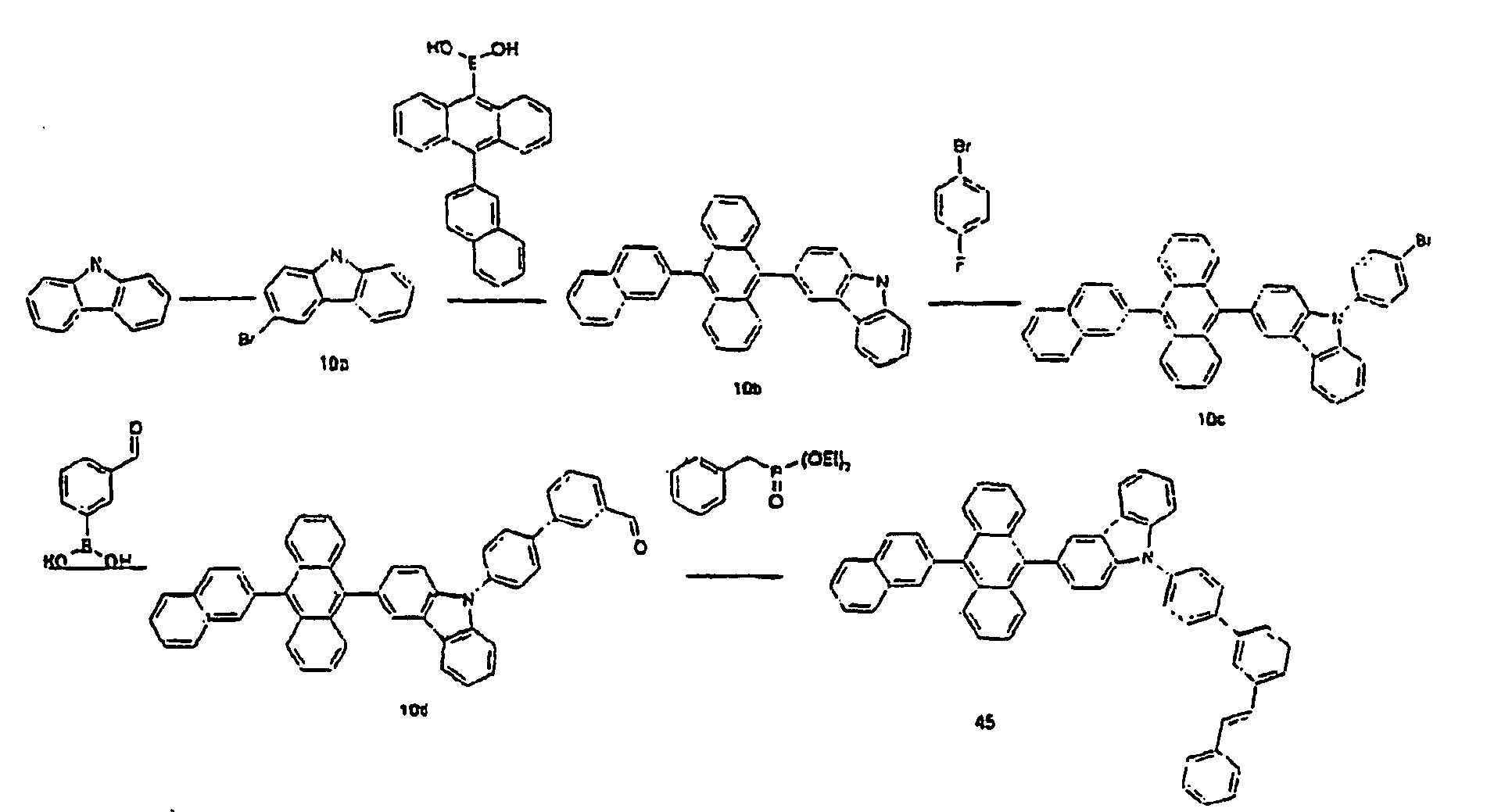
- Carbazole (10 g, 60 mmol), N-bromosuccinimide(5.4 g, 30 mmol), and silica gel (60 g) were dissolved in dichloromethane (200 mL). The solution was stirred at room temperature for 3 hours, then silica gel was removed, and the solution was distilled off under reduced pressure. The residue was recrystallized from dichloromethane/hexane to obtain a compound 10a (3.6 g, 50%). MS [M] = 246
- To a solution obtained by dissolving the compound 10a (3 g, 12 mmol) as prepared in the process of 10-A in THF (70 mL), a solution obtained by dissolving 10-(2-naphthyl)anthracene-9-boronic acid (5.0 g, 14.6 mmol) in EtOH (40 mL) was added, under N2. To the mixture, a solution obtained by dissolving K2CO3 (6.4 g, 48 mmol) in H2O (25 mL), and finally Pd(PPh3)4 (0.5 g, 0.47 mmol) were added, and the mixture was stirred under reflux for about 17 hours. After completion of reaction, the mixture was cooled to ambient temperature, and the organic phase was separated from the mixed reaction solution, and filtered to obtain a solid. This solid was dissolved in THF again, and purified by column chromatography. Then, the residue was recrystallized from THF and ethanol to obtain a compound 10b (4.2 g, 75%). MS [M] = 469
- The compound 10b (4.2 g, 8.9 mmol) as prepared in the process of 10-A, 1-bromo-4-fluorobenzene (1.2 mL, 10.7 mmol), KF-alumina (2.6 g, 17.8 mmol), 18-crown-6 (0.24 g, 0.9 mmol) were dissolved in DMSO (75 mL) under N2, and the solution was stirred at 150°C for 24 hours. Alumina was filtered off at room temperature, the filtrate was subject to phase separation. The obtained organic phase washed with water, and then dried over magnesium sulfate. The residue was recrystallized from methanol, filtered, and then dried to obtain a compound 10c (3.3 g, 60%). MS [M] = 624
- To a solution obtained by dissolving the compound 10c (3 g, 4.8 mmol) as prepared in the process of 10-C in THF (50 mL), a solution obtained by dissolving 3-formyl benzene boronic acid (1.1 g, 5.76 mmol) in EtOH (20 mL) was added, under N2. To the mixture, a solution obtained by dissolving K2CO3 (2 g, 14 mmol) in H2O (25 mL), and finally Pd(PPh3)4 (0.28 g, 0.24 mmol) was added thereto, and the mixture was stirred under reflux for about 17 hours. After completion of reaction, the mixture was cooled to ambient temperature, and the organic phase was separated from the mixed reaction solution, and filtered to obtain a solid. This solid was dissolved in THF again, and purified by column chromatography. Then, the residue was recrystallized from THF and ethanol to obtain a compound 10d (2.2 g, 70%). MS [M] = 649
- Benzylphosphoric acid diethyl ether (0.8 mL, 3.7 mmol), sodium hydride (0.2 g, 9 mmol), and 18-crown-6 (0.08 g, 0.3 mmol) were added to THF (80 mL), and the compound 10d (2 g, 3 mmol) as prepared in the process of 10-D was added to the mixture at 0°C, under N2. The mixture was stirred at room temperature for 12 hours. After completion of the reaction, to the mixed reaction solution, THF and H2O were added. The organic phase was separated from the mixed reaction solution, dried over MgSO4, and concentrated. The residue was recrystallized from THF/EtOH to obtain a compound 45 (1.8 g, 85%). MS [M+H] = 724
- Compound provided for comparative purposes only.

- To a reaction vessel, Pd(PPh3)Cl2 (372 mg, 0.53 mmol) and Cul (67 mg, 0.35 mmol) were put, and a solution obtained by dissolving 1-bromo-3-iodobenzene (5 g, 17.7 mmol) in triethylamine was slowly added thereto, and then a solution obtained by dissolving phenylacetylene (1.8 g, 17.7 mmol) in TEA was also added thereto. The mixture was stirred at ambient temperature for 1 hour, and then washed with an aqueous NH4Cl solution, and the organic phase was extracted from ethyl acetate. The moisture was removed over anhydrous magnesium sulfate, the residue was filtered under reduced pressure, and then concentrated. Then, the solvent was removed therefrom, and the residue was purified by column chromatography to obtain a compound 11a (4.5 g, 99%). MS [M+H] = 258
- The compound 11a (1.23 g, 4.8 mmol) as prepared in the process of 11-A and 10-(2-naphthyl)anthracene-9-boronic acid (2 g, 5.76 mmol) were dissolved in anhydrous THF (30 mL), Pd(PPh3)4 (0.28 g, 0.24 mmol) and an aqueous K2CO3 solution (9.6 mL, 19.2 mmol) were added thereto, and the mixture was refluxed for 3 hours. The mixture washed with brine, and the organic phase was extracted from ethyl acetate. The moisture was removed over anhydrous magnesium sulfate, the residue was filtered under reduced pressure, and then concentrated. Then, the solvent was removed therefrom, and the residue was purified by column chromatography, and then recrystallized from THF and ethanol to obtain a compound 50 (0.9 g, 33%). MS [M+H] = 481
- Compound provided for comparative purposes only.


- 2-Bromo-p-xylene (2.7 g, 14.5 mmol) and NBS (6.2 g, 34.8 mmol) were added to CCl4 (70 mL), and the mixture was stirred under reflux for 17 hours. The mixed reaction solution was slowly cooled, succinimide was filtered off, and the filtrate was concentrated. The residue was recrystallized from 2-propanol to obtain a solid compound 12a (1.5 g, 30%). MS [M]+ = 340 (Brx3)
- The compound 12a (16.1 g, 46.9 mmol) as prepared in the process of 12-A was added to triethyl phosphite (31.5 mL, 187.6 mmol), and the mixture was stirred under reflux for 17 hours. The mixed reaction solution was slowly cooled, and the residual triethyl phosphite as concentrated under reduced pressure to a compound 12b (20 g, 95%) in the liquid form. MS [M+H]+ = 457
- The compound 12b (11 g, 24.1 mmol) as prepared in the process of 12-B, and sodium hydride (5.9 g, 14.8 mmol), 18-crow-6 (1.3 g, 4.9 mmol) were added to THF (100 mL), and benzaldehyde (5 mL, 49.2 mmol) was added to the mixture at 0°C, under N2. The mixture was stirred at room temperature for about 12 hours. To the mixed reaction solution, THF and H2O were added. The organic phase was separated from the mixed reaction solution, dried over MgSO4, and concentrated. The residue was recrystallized from THF/EtOH to obtain a compound 12c (5.2 g, 60%). MS [M+H] = 362
- The compound 12c (1 g, 2.7 mmol) as prepared in the process of 12-C, 10-(2-naphthyl)anthracene-9-boronic acid (2.8 g, 8.1 mmol), and Pd(PPh3)4 (0.3 g, 0.3 mmol) were added to a 2 M aqueous K2CO3 solution (200 m) and THF (200 mL), and the mixture was stirred under reflux for about 24 hours. After completion of reaction, the mixture was cooled to ambient temperature, and the organic phase was separated from the mixed reaction solution, and filtered to obtain a solid. This solid was dissolved in THF again, and purified by column chromatography. Then, the residue was recrystallized from THF and ethanol to obtain a compound 65 (1.1 g, 70%). MS [M+H] = 585
- Compound provided for comparative purposes only.

- The compound 12b (11 g, 24.1 mmol) as Prepared in the process of 12-B of Example 12, sodium hydride (5.9 g, 14.8 mmol), and 18-crown-6(1.3 g, 4.9 mmol) were added to THF (100 mL), and 1-naphthylaldehyde (5 mL, 49.2 mmol) was added thereto at 0°C. The mixture was stirred at room temperature for about 12 hours. To the mixed reaction solution, THF and H2O were added. The organic phase was separated from the mixed reaction solution, dried over MgSO4, and concentrated. The residue was recrystallized from THF/EtOH to obtain a compound 13a (5.2 g, 60%). MS [M+] = 460
- The compound 13a (3 g, 19.5 mmol) as prepared in the process of 13-A, 10-(2-naphthyl)anthracene-9-boronic acid (6.8 g, 19.5 mmol), and Pd(PPh3)4 (0.23 g, 0.2 mmol) were added to a 2 M aqueous K2CO3 solution (200 mL) and THF (100 mL), and the mixture was stirred under reflux for about 24 hours. After completion of reaction, the mixture was cooled to ambient temperature, and the organic phase was separated from the mixed reaction solution, and filtered to obtain a solid. This solid was dissolved in THF again, and purified by column chromatography. Then, the residue was recrystallized from THF and ethanol to obtain a compound 67 (4.7 g, 80%). MS [M+H] = 684
- Compound provided for comparative purposes only.
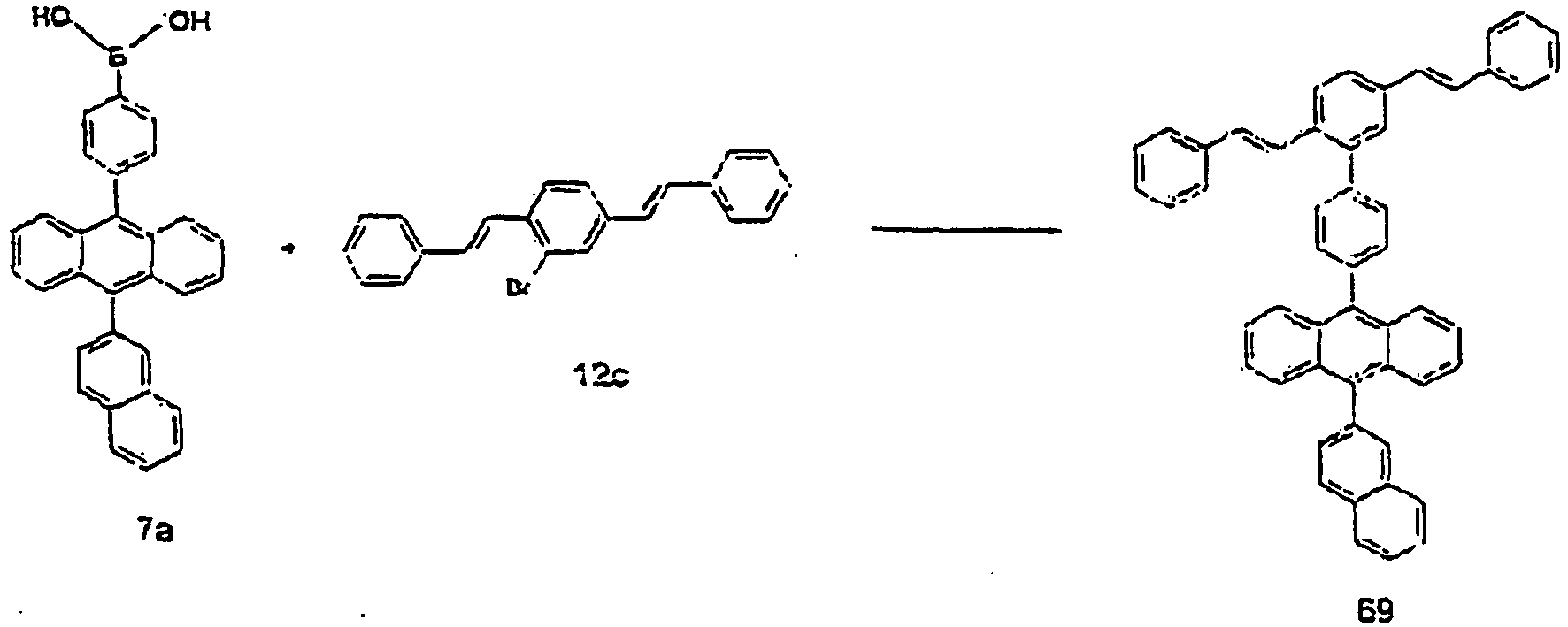
- The compound 7a (1 g, 2.7 mmol) as prepared in the process of 7-A of Example 7, the compound 12c (1.4 g, 3.3 mmol) as prepared in the process of 12-C of Example 12, and Pd(PPh3)4 (0.15 g, 0.14 mmol) were added to a 2 M aqueous K2CO3 solution (100 mL) and THF (100 mL), and the mixture was stirred under reflux for about 24 hours. After completion of reaction, the mixture was cooled to ambient temperature, and the organic phrase was separated from the mixed reaction solution, and filtered to obtain a solid. This solid was dissolved in THF again, and purified by column chromatography. Then, the residue was recrystallized from THF and ethanol to obtain a compound 69 (1.2 g, 70%). MS [M+H] = 661
- Compound provided for comparative purposes only.

- To a solution obtained by dissolving 9,10-dibromoanthracene (5 g, 14.8 mmol) in THF (50 mL), a solution obtained by dissolving 3-formyl benzene boronic acid (5.5 g, 37.0 mmol) in EtOH (20 mL) was added, under N2. To the mixture, a solution obtained by dissolving K2CO3 (8.1 g, 59.2 mmol) in H2O (50 mL), and finally Pd(PPh3)4 (0.3 g, 0.3 mmol) was added thereto, and the mixture was stirred under reflux for about 17 hours. After completion of reaction, the mixture was cooled to ambient temperature, and the organic phase was separated from the mixed reaction solution, and filtered to obtain a solid. This solid was dissolved in THF again, and purified by column chromatography. Then, the residue was recrystallized from THF and ethanol to obtain a compound 15a (5 g, 90%). MS [M] = 386
- Benzylphosphoric acid diethyl ether (3.2 mL, 15.3 mmol), sodium hydride (0.8 g, 20 mmol), and 18-crown-6 (0.1 g, 0.5 mmol) were added to THF (100 mL), and the compound 15a (2 g, 5.1 mmol) as prepared in the process of 15-A was added to the mixture at 0°C, under N2. The mixture was stirred at room temperature for about 24 hours. After completion of the reaction, THF and H2O were added to the mixed reaction solution. The organic phase was separated, dried over MgSO4, and then concentrated. The residue was recrystallized from THF/EtOH to obtain a compound 90 (2.6 g, 95%). MS [M+H] = 334
- Compound provided for comparative purposes only.

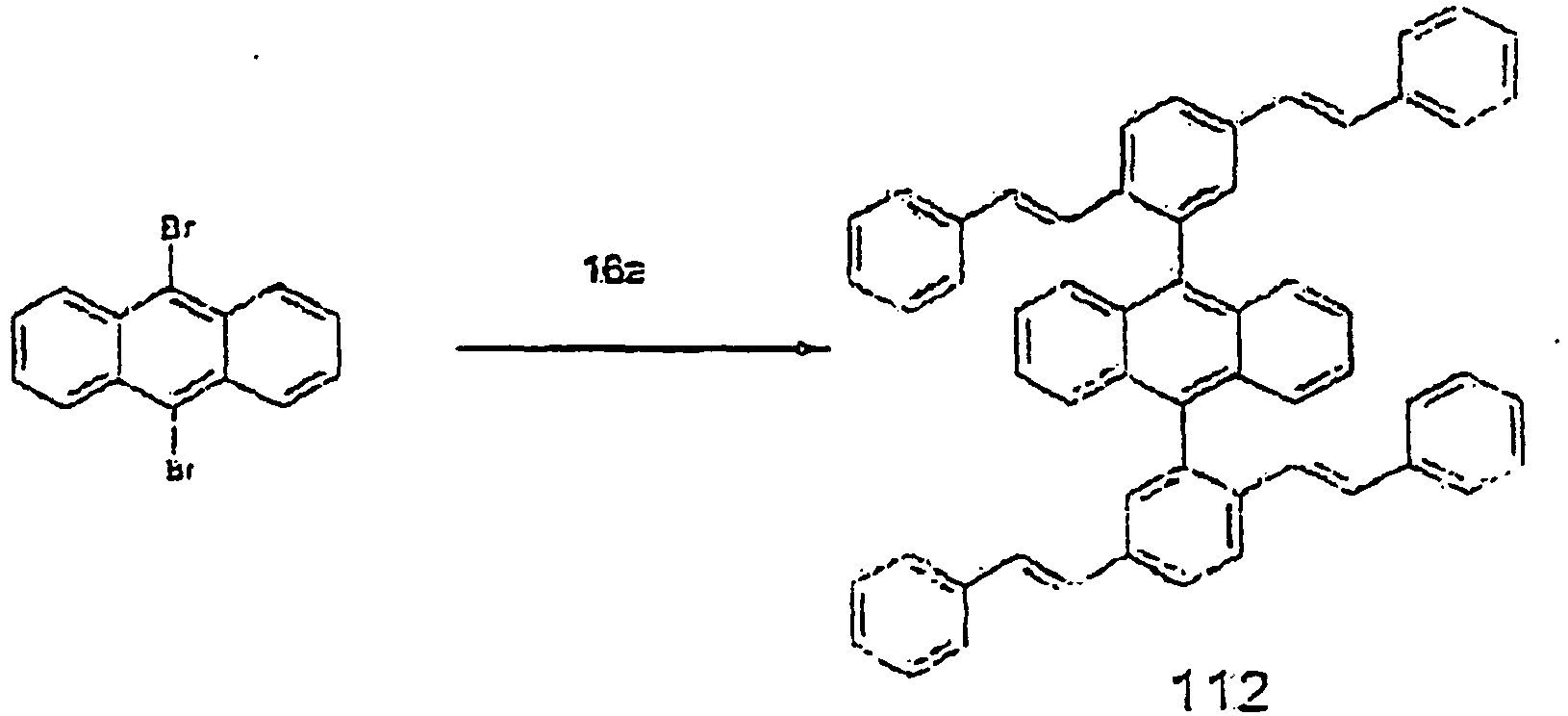
- To the reaction solution, which was added with magnesium (0.7 g, 27.6 mmol), dried in vacuo, and then added with ether (20 mL) which had been dried by dehydration, the compound 12c (5 g, 13.8 mmol) as prepared in the process of 12-C of Example 12 in the solution form added with ether (50 mL) which had been dried by dehydration was added dropwise, under N2. The mixture was stirred at room temperature for 2 hours, and then trimethylborate (2.3 mL, 20.7 mmol) was added thereto for 30 minutes and then stirred again for 12 hours. To the mixture, 2 N hydrochloric acid (100 mL) was added at 10°C or lower, and then toluene(80 mL) was added thereto. The mixture was subject to phase reparation, dried over sodium sulfate, and concentrated under reduced pressure. Hexane was added thereto to precipitate crystals, and the precipitated crystals were separated by filtration and dried to obtain a compound 16a (2 g, 44%).
- 9,10-Dibromoanthracene (1 g, 2.9 mmol), the compound 16a (2.1 g, 6.5 mmol) as prepared in the process of 16-A, and Pd(PPh3)4 (0.15 g, 0.14 mmol) were dissolved in THF (50 mL), and then the solution was added to a 2 M aqueous K2CO3 solution (50 mL). The mixture was stirred under reflux for about 24 hours. After completion of reaction, the mixture was cooled to ambient temperature, and the organic phase was separated from the mixed reaction solution, and filtered to obtain a solid. This solid was dissolved in THF again, and purified by column chromatography. Then, the residue was recrystallized from THF and ethanol to obtain a compound 112 (1.5 g, 70%). MS [M+H] = 739
- Compound provided for comparative purposes only.


- Copper bromide (18 g, 80.0 mmol) and t-butyl nitrite (12 mL, 101 mmol) were dispersed in acetonitrile (250 mL) at 65°C, and the dispersion was stirred, and then 2-aminoanthraquinone (15 g, 67.2 mmol) was slowly added over 5 minutes. After completion of gas generation, the reaction solution was cooled to ambient temperature, and the reaction solution was added to an aqueous 20% hydrochloric acid solution (1 L), and extracted from dichloromethane. Residual moisture was removed from the organic phase over anhydrous magnesium sulfate, and the residue was dried under reduced pressure. The residue was purified by column chromatography to obtain a pale yellow compound 17a (14.5 g, 75%). MS [M] = 287
- 2-Bromonaphthalene (11.0 g, 53.1 mmol) was dissolved in dried THF (100 mL), t-butyl lithium (46.8 mL, 1.7 M pentane solution) was slowly added to the solution at -78°C, under nitrogen atmosphere. The mixture was stirred at the same temperature for 1 hour, and then the compound 17a (6.36 g, 22.0 mmol) as prepared in the process of 17-A was added thereto. The cooling vessel was removed out, and the mixture was stirred at ambient temperature for 3 hours. An aqueous ammonium chloride solution was added to the reaction mixture, and the mixture was extracted from methylene chloride. The organic phase was dried over anhydrous magnesium sulfate, and the solvent was removed. The obtained mixture was dissolved in a small amount of ethyl ether, petroleum ether was added thereto, and the mixture was stirred for several hours to obtain a solid compound. The solid compound is filtered off, the residue was dried in vacuo to obtain a compound 17b (11.2 g, 93%).
- The compound 17b (11.2 g, 20.5 mmol) as prepared in the process of 17-B was dispersed in acetic acid (200 mL), and to the dispersion, potassium iodide (34 g, 210 mmol), and sodium hypophosphite hydrate (37 g, 420 mmol) were added, under nitrogen atmosphere. The mixture was stirred for 3 hours under boiling. The mixture was cooled to ambient temperature, filtered, washed with water and methanol, and dried in vacuo to obtain a pale yellow compound 17c (7.2 g, 64%). MS [M] = 509
- The compound 17c (7 g, 13.74 mmol) as prepared in the process of 17-C was dissolved in THF (150 mL), and a solution obtained by dissolving 3-formyl benzene boronic acid (2.47 g, 16.48 mmol) in EtOH (50 mL) was added thereto, under nitrogen atmosphere. To the mixture, a solution obtained by dissolving K2CO3 (5.7 g, 41.2 mmol) in H2O (100 mL), and finally Pd(PPh3)4 (0.48 g, 0.41 mmol) was added thereto, and the mixture was stirred under reflux for about 12 hours. After completion of reaction, the mixture was cooled to ambient temperature, and the organic phase was separated from the mixed reaction solution, and filtered to obtain a solid. This solid was dissolved in THF again, and purified by column chromatography. Then, the residue was recrystallized from THF and ethanol to obtain a compound 17d (6.3 g, 86%). MS [M] = 534
- Benzylphosphoric acid diethyl ether (1.2 mL, 5.8 mmol), sodium hydride (0.29 g, 7.2 mmol), and 18-crown-6 (0.1 g, 0.48 mmol) were added to THF (100 mL), and the compound 17d (2.57 g, 4.8 mmol) as prepared in the process of 17-D was added to the mixture at 0°C, under nitrogen atmosphere. The mixture was stirred at room temperature for about 12 hours. After completion of the reaction, THF and H2O were added to the mixed reaction solution. The organic phase was separated, dried over MgSO4, and then concentrated. The residue was recrystallized from THF/EtOH to obtain a compound 124 (2.4 g, 82%). MS [M+H] = 608
- Compound provided for comparative purposes only.


- To a mixture of 6-bromo-2-naphthoic acid (3 g, 11.95 mmol), iodomethane (Mel, 1.11 mL), and K2CO3 (6.58 g, 47.61 mmol), 30 mL of DMF was added, and the mixture, was stirred at ambient temperature for 5 hours. After observation of completion of the reaction by means of TLC, the reaction solution was filtered to remove K2CO3. About 20 mL of DMF was removed from the filtrate under reduced pressure, and water was poured to the residue to precipitate a solid. The obtained solid was filtered, and then the residue washed with ethanol, and dried to obtain a compound 18a (3.06 g, yield 97%). MS [M+H]+ = 264
- A mixture of LAH (Lithium aluminum hydride, 0.86 g, 22.7 mmol) and anhydrous THF (10 mL) was cooled to a temperature of 0°C. The compound 18a (2.3 g, 8.67 mmol) as prepared in the process of 18-A was dissolved in 30 mL of anhydrous THF, and the solution was slowly put to a reaction flask, and subject to reaction at ambient temperature for 12 hours. 1 mL of water, 1 mL of an aqueous 15% NaOH solution, and 3 mL of water were sequentially added to the solution to complete the reaction, and then THF was removed from the filtrate under reduced pressure, and solid was precipitated with hexane, and refiltered to obtain a compound 18b (2.45 g, yield 91 %). MS [M+H]+ = 238
- The compound 18b (2.45 g, 10.3 mmol) as prepared in the process of 18-B was dissolved in 50 mL of dichloromethane. PCC (pyridinium chlorochromate, 3.34 g, 15.49 mmol) and 1 g of Celite were added to the solution, and the solution was stirred at room temperature for 2 hours. After completion of the reaction, the reaction solution was passed through Celite, and filtered, and the filtrate was purified by column chromatography to obtain a compound 18c (0.87 g, yield 37%). MS [M+H]+ = 234
- The compound 17c (5 g, 9.81 mmol) as prepared in the process of 17-C, bis(pinacolato)diboron (2.75 g, 10.9 mmol), potassium acetate (2.89 g, 29.4 mmol), palladium(diphenylphosphinoferocene)chloride (0.24 g, 3 mol%) were put to a 250-mL flask, and dioxane (50 mL) was added thereto, under nitrogen atmosphere, and then stirred at 80°C for 6 hours. The reaction solution was cooled to room temperature, and the distilled water (50 mL) was added thereto. The mixture was extracted from methylene chloride (50 mL X 3). Methylene chloride was removed under reduced pressure to obtain a pale yellow solid. This pale yellow solid was washed with ethanol and dried to obtain a compound 18d (5.46 g, 92%).
- The compound 18d (5.6 g, 10 mmol) as prepared in the process of 18-D, and the compound 18c (2 g. 8.5 mmol) as prepared in the process of 18-C were dissolved in THF (120 mL) under nitrogen atmosphere. A 2 M K2CO3 solution (60 mL) was added thereto, finally Pd(PPh3)4 (0.23 g, 0.3 mmol) was added to the mixture, and the mixture was stirred under reflux for about 12 hours. After completion of reaction, the mixture was cooled to ambient temperature, and the organic phase was separated from the mixed reaction solution, and removed. The residue was dissolved in THF and recrystallized from ethanol to obtain a compound 18e (4.1 g, 82%). MS [M+H]+ = 583
- Benzylphosphoric acid diethyl ether (1.2 mL, 5.8 mmol), sodium hydride (0.29 g, 7.2 mmol), 18-crown-6 (0.1 g, 0.48 mmol) were added to THF (100 mL), and the compound 18e (2.8 g, 4.8 mmol) as prepared in the process of 18-E was added to the mixture at 0°C, under nitrogen atmosphere. The mixture was stirred at room temperature for about 12 hours. After completion of the reaction, THF and H2O were added to the mixed reaction solution. The organic phase was separated, dried over MgSO4, and then concentrated. The residue was recrystallized from THF/EtOH to obtain a compound 125 (2.7 g, 85%). MS [M+H] = 659
- Compound provided for comparative purposes only.


- Triphenyl amine (5.0 g, 20.4 mmol) was dissolved in chloroform (25 mL) under nitrogen atmosphere, the mixed reaction solution was cooled to 0°C, and N-bromosuccinimide (3.6 g, 20.4 mmol) was dividedly added thereto. Thereafter, when the mixed reaction solution turned green, the temperature of the solution was raised to 10°C, and stirred at room temperature for 12 hours. After completion of the reaction, water was added thereto, and the organic phase was separated and dried over anhydrous sodium sulfate. Then, the organic solvent was distilled off under reduced pressure, and then the residue was recrystallized from methanol to obtain a compound 19a (4.0 g, 60%). MS [M+H]+ =324
- The compound 19a (17.2 g, 53.1 mmol) as prepared in the process of 19-A was dissolved in dried THF (100 mL), and t-butyl lithium (46.8 mL, 1.7 M pentane solution) was slowly added to the solution at -78°C, under nitrogen atmosphere. The mixture was stirred at the same temperature for 1 hour, and then the compound 17a (6.36 g, 22.0 mmol) as prepared in the process of 17-A was added thereto. The cooling vessel was removed out, and the mixture was stirred at ambient temperature for 3 hours. An aqueous ammonium chloride solution was added to the reaction mixture, and the mixture was extracted from methylene chloride. The organic phase was dried over anhydrous magnesium sulfate, and the solvent was removed. The obtained mixture was dissolved in a small amount of ethyl ether, petroleum ether was added thereto, and the mixture was stirred for several hours to obtain a solid compound. The solid compound is filtered off, the residue was dried in vacuo to obtain a compound 19b (15.9 g, 93%).
- The compound 19b (15.9 g, 20.5 mmol) as prepared in the process of 19-B was dispersed in acetic acid (200 mL), and to the dispersion, potassium iodide (34 g, 210 mmol), and sodium hypophosphite hydrate (37 g, 420 mmol) were added, under nitrogen atmosphere. The mixture was stirred for 3 hours under boiling. The mixture was cooled to ambient temperature, filtered, washed with water and methanol, and dried in vacuo to obtain a pale yellow compound 19c (9.9 g, 65%). MS [M+H]+ = 743
- A compound 19d (11 g, 82%) was obtained in the same manner as in the process of 17-D of Example 17, except that the compound 19c as prepared in the process of 19-C was used instead of the compound 17c in the process of 17-D of Example 17. MS [M+H]+ = 768
- A compound 133 (3.4 g, 85%) was obtained in the same manner as in the process of 17-E of Example 17, except that the compound 19d as prepared in the process of 19-D was used instead of the compound 17d in the process of 17-E of Example 17. MS [M+H]+ = 842
- Compound provided for comparative purposes only.


- The compound of 2-thiophene boronic acid (10 g, 78.1 mmol) and bromobenzene (7.48 mL, 70.3 mmol) were dissolved in anhydrous THF (300 mL), Pd(PPh3)4 (4.51 g, 3.91 mmol) and an aqueous K2CO3 solution (156 mL, 312.4 mmol) were added to the solution, and the mixture was refluxed for 3 hours. The organic phase was extracted from ethyl acetate, and moisture was removed over magnesium sulfate. The organic phase was filtered under reduced pressure, concentrated to remove the solvent, purified by column chromatography, and recrystallized from THF and ethanol to obtain a white solid compound 20a (10 g, 80%). MS [M+H] 161
- The compound 20a (5 g, 31.3 mmol) as prepared in the process of 20-A was dissolved in anhydrous THF (200 mL), and cooled to a temperature of -10°C, and n-butyl lithium (15 mL, 37.5 mmol) was slowly added dropwise to the solution. The mixture was stirred for 1 hour, and then cooled to -78°C again. Then, boronic acid trimethylester (10.5 mL, 93.75 mmol) was slowly added thereto, and the mixture was stirred for 12 hours. The mixture was cooled to 0°C, and then an aqueous 10wt% sulfuric acid solution (16 mL) was added thereto to obtain a white precipitate. The organic phase was extracted from THF, dried over magnesium sulfate, and then filtered under reduced pressure. This filtrate was concentrated to remove the solvent, and the residue was dissolved in THF. An excessive amount of the aqueous solution was added thereto, and the organic phase was separated with dimethylchloromethane. To the separated aqueous solution layer, an aqueous hydrochloric acid solution was added to produce a precipitate, and the precipitate was filtered to obtain a compound 20b (2.7 g, 42%).
- 3-Bromoiodobenzene (3.5 g, 12.3 mmol) and the compound 20b (2.5 g, 12.3 mmol) as prepared in the process of 20-B were dissolved in anhydrous THF (100 mL), Pd(PPh3)4 (0.71 g, 0.61 mmol) was added to the solution, and then a solution obtained by dissolving K2CO3 (3.4 g, 24.6 mmol) in H2O (50 mL) was added thereto. Then, the mixture was stirred under reflux. Three hours later, the mixture washed with brine, and the organic phase was extracted from ethyl acetate. The moisture was removed over anhydrous magnesium sulfate, the residue was filtered under reduced pressure, and then concentrated. Then, the solvent was removed therefrom, and the residue was purified by column chromatography to obtain a compound 20c (2.9 g, 75%). MS [M+H]+=315
- The compound 20c (16.7 g, 53.1 mmol) as prepared in the process of 20-C was dissolved in dried THF (100 mL), and t-butyl lithium (46.8 mL, 1.7 M pentane solution) was slowly added to the solution at -78°C, under nitrogen atmosphere. The mixture was stirred at the same temperature for 1 hour, and then the compound 17a (6.36 g, 22.0 mmol) as prepared in the process of 17-A was added thereto. The cooling vessel was removed out, and the mixture was stirred at ambient temperature for 3 hours. An aqueous ammonium chloride solution was added to the reaction mixture, and the mixture was extracted from methylene chloride. The organic phase was dried over anhydrous magnesium sulfate, and the solvent was removed. The obtained mixture was dissolved in a small amount of ethyl ether, petroleum ether was added thereto, and the mixture was stirred for several hours to obtain a solid compound. The solid compound is filtered off, the residue was dried in vacuo to obtain a compound 20d (15 g, 90%).
- The compound 20d (15.9 g, 20.5 mmol) as prepared in the process of 20-D was dispersed in acetic acid (200 mL), and to the dispersion, potassium iodide (34 g, 210 mmol), and sodium hypophosphite hydrate (37 g, 420 mmol) were added, under nitrogen atmosphere. The mixture was stirred for 3 hours under boiling. The mixture was cooled to ambient temperature, filtered, washed with water and methanol, and dried in vacuo to obtain a pale yellow compound 20e (9.5 g, 64%). MS [M+H]+ = 725
- A compound 20f (8 g, 81%) was obtained in the same manner as in the process of 17-D of Example 17, except that the compound 20e as prepared in the process of 20-E was used instead of the compound 17c in the process of 17-D of Example 17. MS [M+H]+ = 750
- A compound 136 (3.0 g, 82%) was obtained in the same manner as in the process of 17-E of Example 17, except that the compound 20f as prepared in the process of 20-F was used instead of the compound 17d in the process of 17-E of Example 17. MS [M+H]+ = 824
- Compound provided for comparative purposes only.


- 2,6-diaminoanthraquinone (23.8 g, 100 mmol) was dispersed in an aqueous 48% hydrogen bromide solution, and sodium nitrite (14.1 g, 204 mmol) was slowly added to the dispersion at -20°C. After completion of gas generation, a solution obtained by dissolving copper bromide (29.5 g, 206 mmol) in the aqueous 48% hydrogen bromide solution (63 mL) was added to the dispersion, together with a small amount of ethanol (50 mL), and the reaction solution was warmed to ambient temperature, and refluxed for 1 hour. The reaction solution was cooled to ambient temperature, and water was added thereto to generate a precipitate, and the precipitate was filtered, washed with water, and dried in vacuo. The obtained product was purified by column chromatography, and then recrystallized from chloroform to obtain a pale yellow compound 21a (10 g, 27%). MS[M+H]+ = 366
- The compound 19a (17.2 g, 53.1 mmol) as prepared in the process of 19-A was dissolved in dried THF (100 mL), and t-butyl lithium (46.8 mL, 1.7 M pentane solution) was slowly added to the solution at -78°C, under nitrogen atmosphere. The mixture was stirred at the same temperature for 1 hour, and then the compound 21a (8.05 g, 22.0 mmol) as prepared in the process of 21-A was added thereto. The cooling vessel was removed, and the mixture was stirred at ambient temperature for 3 hours. An aqueous ammonium chloride solution was added to the reaction mixture, and the mixture was extracted from methylene chloride. The organic phase was dried over anhydrous magnesium sulfate, and the solvent was removed. The obtained mixture was dissolved in a small amount of ethyl ether, petroleum ether was added thereto, and the mixture was stirred for several hours to obtain a solid compound. The solid compound is filtered off, the residue was dried in vacuo to obtain a compound 21b (17.7 g, 94%). MS[M+H]+ = 856
- The compound 21b (17.5 g, 20.5 mmol) as prepared in the process of 21-B was dispersed in acetic acid (200 mL), and to the dispersion, potassium iodide (34 g, 210 mmol), and sodium hypophosphite hydrate (37 g, 420 mmol) were added, under nitrogen atmosphere. The mixture was stirred for 3 hours under boiling. The mixture was cooled to ambient temperature, filtered, washed with water and methanol, and dried in vacuo to obtain a pale yellow compound 21c (10.8 g, 64%). MS [M+H]+ = 822
- The compound 21 c (4 g, 4.86 mmol) as prepared in the process of 21-C was dissolved in THF (150 mL), and a solution obtained by dissolving 3-formyl benzene boronic acid (1.6 g, 10.69 mmol) in EtOH (50 mL) was added thereto, under nitrogen atmosphere. To the mixture, a solution obtained by dissolving K2CO3 (3.3 g, 24.3 mmol) in H2O (100 mL), and finally Pd(PPh3)4 (0.28 g, 0.24 mmol) was added thereto, and the mixture was stirred under reflux for about 12 hours. After completion of reaction, the mixture was cooled to ambient temperature, and the organic phase was separated from the mixed reaction solution, and filtered to obtain a solid. This solid was dissolved in THF again, and purified by column chromatography. Then, the residue was recrystallized from THF and ethanol to obtain a compound 21d (3.7 g, 89%). MS [M+H]+ = 872
- Benzylphosphoric acid diethyl ether (1.8 mL, 8.8 mmol), sodium hydride (0.38 g, 16 mmol), 18-crown-6 (0.1 g, 0.48 mmol) were added to THF (100 mL), and the compound 21d (3.5 g, 4.0 mmol) as prepared in the process of 21-D was added to the mixture at 0°C, under nitrogen atmosphere. The mixture was stirred at room temperature for about 12 hours. After completion of the reaction, THF and H2O were added to the mixed reaction solution. The organic phase was separated, dried over MgSO4, and then concentrated. The residue was recrystallized from THF/EtOH to obtain a compound 165 (3.3 g, 81%). MS [M+H]+ = 1021
- Compound provided for comparative purposes only.
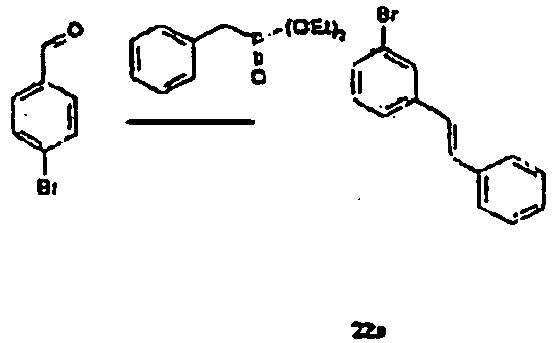

- NaH (3 g, 75 mmol) and 18-crown-6 (1.43 g, 5.4 mmol) were dissolved in THF (100 mL), and benzylphosphoric acid diethyl ether (13.5 mL, 65 mmol) was added to the solution. While maintaining the cooling state (0°C), 4-bromobenzene aldehyde (10 g, 54 mmol) was slowly added thereto, and the mixture was stirred at ambient temperature for 4 hours. Water was added to the reaction solution, and the mixture was extracted from ether, dried over magnesium sulfate, and distilled off under reduced pressure. The residue was recrystallized from ethanol to obtain a compound 22a (10 g, 75%). MS [M] = 295
- The compound 21a (3.1 g, 8.5 mmol), diphenylamine(6.02 g, 20.4 mmol), pd(dba)2 (0.097 g, 0.17 mmol), P(t-Bu)3 (0.05 g, 0.255 mmol), and sodium t-butoxide (2.45 g, 25.5 mmol) were added to toluene (100 mL), and the mixture was refluxed for about 2 hours. After completion of the reaction, the mixture was cooled to ambient temperature, and the mixed reaction solution was added to a mixture of THF and H2O. The organic phase was separated, dried over MgSO4, and then concentrated. The residue was purified by column chromatography to obtain a compound 22b (3.0 g, 65%). MS [M+H]+ = 542
- The compound 22a (3.9 g, 13.2 mmol) as prepared in the process of 22-A was dissolved in dried THF (100 mL), and t-butyl lithium (11.7 mL, 1.7 M pentane solution) was slowly added to the solution at -78°C, under nitrogen atmosphere. The mixture was stirred at the same temperature for 1 hour, and then the compound 22b(3 g, 5.5 mmol) as prepared in the process of 22-B was added thereto. The cooling vessel was removed, and the mixture was stirred at ambient temperature for 3 hours. An aqueous ammonium chloride solution was added to the reaction mixture, and the mixture was extracted from methylene chloride. An organic phase was dried over anhydrous magnesium sulfate, and the solvent was removed. The obtained mixture was dissolved in a small amount of ethyl ether, petroleum ether was added thereto, and the mixture was stirred for several hours to obtain a solid compound. The solid compound is filtered off, the residue was dried in vacuo to obtain a compound 22c(4.2 g, 85%).
- The compound 22c (4.2 g, 5.6 mmol) as prepared in the process of 22-C was dispersed in acetic acid (50 mL), and to the dispersion, potassium iodide (9.4 g, 57.4 mmol), and sodium hypophosphite hydrate (10 g, 115 mmol) were added, under nitrogen atmosphere. The mixture was stirred for 3 hours under boiling. The mixture was cooled to ambient temperature, filtered, washed with water and methanol, and dried in vacuo to obtain a pale yellow compound 174 (3.2 g, 65%). MS [M+H]+ = 868
- Compound provided for comparative purposes only.


- 4-Bromobenzyl bromide(20 g, 76 mmol) was added to triethyl phosphite (50 mL,0.29 mol) under N2, and the mixture was stirred under reflux for 12 hours. The reactant was cooled to ambient temperature, and distilled under reduced pressure obtain a compound 23a (22 g, 98%) in the liquid form.
- Sodium hydride (3 g, 75 mmol), 18-crown-6 (1.43 g, 5.4 mmol) were added to THF (100 mL), and then benzylphosphoric acid diethyl ether (13.5 mL, 64.8 mmol) was added to the mixture, under N2. 4-Bromobenzaldehyde (10 g, 54 mmol) was added to the mixture at 0°C. The mixture was stirred at room temperature for about 12 hours. After completion of the reaction, THF and H2O were added to the mixed reaction solution. The organic phase was separated, dried over MgSO4, and then and concentrated. The residue was recrystallized from THF/EtOH to obtain a compound 23b (10.5 g, 75%). MS [M+H]+ = 259
- The compound 23b (3.68 g, 14 mmol) as prepared in the process of 23-B, aniline (1.5 ml, 16.8 mmol), pd(dba)2 (0.125 g, 0.13 mmol), P(t-Bu)3 (0.04 g, 0.2. mmol), and sodium t-butoxide (1.80 g, 18.7 mmol) were added to toluene (50 mL) under nitrogen atmosphere, and the mixture was refluxed for about 3 hours. After completion of the reaction, the mixture was cooled to ambient temperature, and the mixed reaction solution was added to a mixture of THF and H2O. The organic phase was separated, dried over magnesium sulfate, and then concentrated. The residue was purified by column chromatography to obtain a compound 23c (2.2 g, 58%). MS [M+H]+ = 271
- Sodium hydride (0.78 g, 19.4 mmol), and 18-crown-6 (0.26 g, 0.97 mmol) were added to THF (100 mL), and the compound 23a (6 g, 19.4 mmol) as prepared in the process of 23-A was added to the mixture, under N2. The compound 1a (4 g, 9.7 mmol) as prepared in the process of 1-A was added to the mixture at 0°C. The mixture was stirred at room temperature for about 12 hours. After completion of the reaction, THF and H2O were added to the mixed reaction solution. The organic phase was separated, dried over MgSO4, and then and concentrated. The residue was recrystallized from THF/EtOH to obtain a compound 23d (5.2 g, 96%). MS [M+H]+ = 561
- The compound 23d (2 g, 3.5 mmol) as prepared in the process of 23-D, the compound 23c (1.22 g, 4.5 mmol) as prepared in the process of 23-C, pd(dba)2 (40.6 mg, 0.033 mmol), P(t-Bu)3 (28.8 mg, 0.033 mmol), and Sodium t-butoxide (0.84 g, 8.75 mmol) were added to toluene (120 mL) under nitrogen atmosphere, and the mixture was refluxed for about 12 hours. After completion of the reaction, the mixture was cooled to ambient temperature, and the mixed reaction solution was added to a mixed solution of THF and H2O. The organic phase was separated, dried over magnesium sulfate, and then concentrated. The residue was purified by column chromatography to obtain a compound 59 (2 g, 76%). MS [M+H]+ = 751
- Compound provided for comparative purposes only.

- The compound 18d (4.7 g, 8.5 mmol) as prepared in the process of 18-D and 2,6-dibromo naphthalene (2.4 g, 8.5 mmol) were dissolved in THF (120 mL) under nitrogen atmosphere. To the mixture, a 2M K2CO3 solution (60 mL) was added, finally Pd(PPh3)4 (0.23 g, 0.3 mmol) was added thereto, and the mixture was stirred under reflux for about 12 hours. After completion of the reaction, the mixture was cooled to ambient temperature, the organic phase was separated from the mixed reaction solution, and removed, And the residue was purified by column chromatography to obtain a compound 24a (3.9 g, 45%). MS [M+H]+ = 556
- A compound 24b (8 g, 81%) was obtained in the same manner as in the process of 17-D of Example 17, except that the compound 24a as prepared in the process of 24-A was used instead of the compound 17c in the process of 17-D of Example 17. MS [M+H]+ = 635
- A compound 143 (3.0 g, 82%) was obtained in the same manner as in the process of 17-E of Example 17, except that the compound 24b as prepared in the process of 24-B was used instead of the compound 17d in the process of 17-E of Example 17. MS [M+H]+ = 660
- Compound provided for comparative purposes only.

- 1-chloro anthraquinone (41.2 mmol, 10.0 g) was completely dissolved in THF (200 mL), and 2-naphthalene boronic acid (45.3 mmol, 7.80 g), 2M potassium carbonate solution (50 mL) and tetrakis(triphenylphosphine) palladium(0) (1.24 mmol, 1.43 g) were added thereto, and the mixture was refluxed for 19 hours. After completion of reaction, the mixture cooled to ambient temperature, filtered, and washed several times with water and ethanol to obtain a compound 25a (13.2 g, 96 %). MS [M] = 334
- The compound 22a (20.4 mmol, 4.23 g) as prepared in the process of 22-A was dissolved completely in dried THF (100 mL), and n-butyl lithium (8.2 ml, 2.5 M hexane solution) was very slowly added to the solution at -78 °C. After an hour, the compound 25a (8.17 mmol, 2.73 g) as prepared in the process of 25-A was added to the above mixture. After 30 minutes, the cooling vessel was removed out, and the mixture was subject to reaction at ambient temperature for 3 hours. After completion of the reaction, an aqueous NH4Cl solution was added thereto and reactant was extracted from ethyl ether. The extracted reactant was dried over MgSO4, and then concentrated. To the extracted reactant, a small amount of ethyl ether was added, and the mixture was stirred. And then ethanol was added, the mixture was stirred. Thereafter, after filtering and drying the reactant, a dialcohol compound 25b (4.58g, 95%) was obtained. MS [M] = 676(- H2O form)
- The compound 25b (4.7 g, 6.77 mmol), potassium iodide (1.12 g, 6.77 mmol) and sodium hypophosphite (7.18 g, 67.7 mmol) were added to acetic acid (100 mL), and the mixture was refluxed for 3 hours. The above reactant cooled to ambient temperature, filtered, washed several times with water and ethanol, and then dried to obtain a compound 195 (2.77 g, 62%). MS [M] = 660
-

- 3,9-bromo phenylene (2 g, 4.86 mmol) was dissolved in THF (120 mL), and a solution obtained by dissolving 3-formyl benzene boronic acid (1.6 g, 10.69 mmol) in EtOH (50 mL) was added thereto, under nitrogen atmosphere. To the mixture, a solution obtained by dissolving K2CO3 (3.3 g, 24.3 mmol) in H2O (100 mL), and finally Pd(PPh3)4 (0.28 g, 0.24 mmol) was added thereto, and then the mixture was stirred under reflux for about 12 hours. After completion of reaction, the mixture was cooled to ambient temperature, and the organic phase was separated from the mixed reaction solution, and filtered to obtain a solid. This solid was dissolved in THF again, and purified by column chromatography. Then, the residue was recrystallized from THF and ethanol to obtain a compound 26a (1.9 g, 85%). MS [M+H]+ = 460
- Benzilphosphoric acid diethyl ether (1.8 mL, 8.8 mmol), sodium hydride (0.38 g, 16 mmol) and 18-crown-6 (0.1 g, 0.48 mmol) were added to THF (100 mL), and the compound 26a (1.8 g, 4.0 mmol) as prepared in the process of 26-A was added to the mixture at 0°C, under nitrogen atmosphere. The mixture was stirred at room temperature for about 12 hours. After completion of the reaction, THF and H2O were added to the mixed reaction solution. The organic phase was separated, dried over MgSO4, and then concentrated. The residue was recrystallized from THF/EtOH to obtain a compound 212 (1.97 g, 81 %). MS [M+H]+ = 608
- A glass substrate (Coming 7059 glass) on which a thin film of ITO (indium tin oxide) was coated to a thickness of 1000 Å was immersed in distilled water having a detergent dissolved therein, and the substrate washed with ultrasonic waves. The detergent was a product commercially available from Fisher Co. and the distilled water has been filtered previously by using a filter commercially available from Millipore Co. ITO washed with ultrasonic waves for 30 minutes, and then such washing was repeated twice for 10 minutes by using distilled water. After the completion of washing with distilled water, washing with ultrasonic waves was carried out by using isopropyl alcohol, acetone and methanol as the solvents in this order. The resultant product was dried.
- On the ITO electrode thus prepared, 3,6-bis-2-naphthylphenylamino-N-[4-(2-naphthylphenyl)aminophenyl]carbazole (800 Å), 4,4'-bis[N-(1-naphthyl)-N-phenylamino]biphenyl(NPB) (300 A), host materials as in the following Tables 7 and 8 (300 A), and 9,10-bis-2-naphthyl-2-[4-(N-phenylbenzoimidazoyl)phenyl]anthracene (300 A) were sequentially subject to thermal vacuum deposition, thereby forming a hole injecting layer, a hole transporting layer, a light emitting layer and an electron transporting layer in this order. As the material for the dopant in the light emitting layer, styrylamine compound (D1) and the compound 59 in Table 1 were used.
- On the electron transporting layer, lithium fluoride (LiF) and aluminum were sequentially vacuum-deposited to a thickness of 12 Å and 2000 Å, respectively, to form a cathode. Thus, an organic light emitting diode was produced.
- In the above process, deposition rate of each organic material was maintained at 0.4 to 0.7 Å/sec and deposition rates of lithium fluoride and aluminum of the cathode were maintained at 0.3 Å/sec and 2 Å/sec, respectively.
- The vacuum degree during deposition was maintained at 2 × 10⁻⁷ to 5 × 10⁻⁸ torr.

- As currents were appiied to the above-prepared device, the results in the following Tables 7 and 8 were obtained.
[Table 7] Experimental Ex. Host material Dopant material Doping conc. (wt%) Voltage (V) Current efficiency (cd/A) Luminous efficiency (1m/W) Color Coordinate (x,y) 1-1 Compound 1* D1 8 8.5 5.4 2.0 (0.140, 0.156) 1-2 Compound 1* Compound 59* 8 8.9 3.4 1.2 (0.148, 0.118) 1-3 Compound 1* Compound 59* 10 8.8 3.7 1.3 (0.148, 0.122) 1-4 Compound 1* Compound 50* 4 7.9 18.1 7.2 (0.309, 0.638) 1-5 Compound 2* D1 8 8.9 5.6 2.0 (0.139, 0.149) 1-6 Compound 2* Compound 59* 10 8.8 3.9 1.4 (0.147, 0.118) 1-7 Compound 5* Compound 59* 8 7.8 2.8 1.1 (0.149, 0.120) 1-8 Compound 11* Compound 59* 8 7.9 3.1 1.3 (0.148, 0.124) 1-9 Compound 12* Compound 59* 8 7.8 3.5 1.5 (0.148, 0.120) 1-10 Compound 65* D1 8 8.9 5.3 1.9 (0.149, 0.226) 1-11 Compound 90* Compound 59* 10 8.5 3.8 1.4 (0.147, 0.119) 1-12 Compound 50* Compound 59* 8 7.8 3.2 1.3 (0.150, 0.132) 1-13 Comp. Compound1 Compound 59* 8 8.8 2.5 0.9 (0.150, 0.126) * Compound provided for comparative purposes only. -

- The values shown in the above Table 7 were those as measured at a current density of 100 mA/cm2.
[Table 8] Experimental Ex. Host matenal Dopant material Doping conc. (wt%) Voltage (V) Current efficiency (cd/A) Luminous efficiency (1m/W) Color Coordinate (x,y) Lifetime (T80) @50mA /cm2 1-14 Compound* 124 Compound* 174 4% 7.45 19.6 8.25 (0.316,0.639) 210h 1-15 Compound* 125 Compound* 174 4% 7.55 20.5 8.52 (0.322,0.636) 200h 1-16 Compound* 136 Compopound* 174 4% 7.62 18.5 7.63 (0.311,0.643) 245h 1-17 Comp. compound 2 Compound* 174 4% 7.66 18.3 7.51 (0.321.0.636) 95h * Compound provided for comparative purposes only. -

- The same procedure as in Experimental Example 1 was carried out, except that as the material for a hole injecting layer, hexanitrile hexaazatriphenylene was used instead of 3,6-bis-2-naphthylphenylamino-N-[4-(2-naphthylphenyl)aminophenyl]carbazole, and as the materials for a light emitting host dopant, the materials shown in the following Table 9 were used. The results are shown in the following Table 9.
[Table 9] Experimental Ex. Host material Dopant material Doping conc. (wt%) Voltage (V) Current efficiency (cd/A) Luminous efficiency (1m/W) Color Coordinate (x,y) Lifetime (T80) @50mA/cm2 1-18 Compound* 124 Compound* 174 4% 6.76 18.2 8.45 (0.319,0.639) 520h 1-19 Compound* 125 Compound* 174 4% 6.77 18.3 8.48 (0.320,0.637) 550h 1-20 Compound* 136 Compound 174* 4% 6.84 17.0 7.79 (0.308,0.642) 450h 1-21 Comp. compound 2 Compound 174* 4% 6.91 17.4 7.92 (0.323,0.633) 190h * Compound provided for comparative purposes only.
Claims (9)
- A compound represented by the following formula 1:

Ar2 is selected from the group consisting of a phenyl group, a biphenyl group and a naphthalene group, which contains hydrogen atoms at the positions other than the positions bonded with -(R1)n, -(R2)m and L,
L is a direct bond; a C5-C20 arylene group which is unsubstituted or substituted with at least one group selected from the group consisting of a C1-C20 alkyl group, a C2-C20 alkenyl group, a C2-C20 alkynyl group, a C3-C20 cycloalkyl group, a C3-C20 heterocycloalkyl group, a C6-C20 aryl group and a C5-C20 heteroaryl group; or a C5-C20 heteroarylene group which is unsubstituted or substituted with at least one group selected from the group consisting of a C1-C20 alkyl group, a C2-C20 alkenyl group, a C2-C20 alkynyl group, a C3-C20 cycloalkyl group, a C3-C20 heterocycloalkyl group, a C6-C20 aryl group and a C5-C20 heteroaryl group,
R1 and R2 are each independently
Z is a hydrogen atom,
n and m are each an integer of 0 to 3, provided that n+m≥1. - The compound according to claim 1, wherein in the formula 1, L is a direct bond, or is selected from the group consisting of a phenylene group, a biphenylene group, a naphthalene group, a pyridylene group, a bipyridylene group, a carbazolene group, a thiophenylene group, a quinolylene group, and an isoquinolylene group.
- The compound according to claim 1, wherein in the formula 1, Ar3 is selected from the group consisting of a phenyl group, a biphenyl group, a naphthyl group, an anthryl group, a pyrenyl group, a perylenyl group, a pyridyl group, a bipyridyl group, a carbazol group, a thiophenyl group, a quinolinyl group, and an isoquinolinyl group.
- The compound according to claim 1, wherein in the formula 1, Z is selected from the group consisting of a hydrogen atom,

- The compound according to claim 1, wherein the compound of the formula 1 is the compound of the following formula 2:

- The compound according to claim 1, wherein the compound of the formula 1 is selected from the compounds having an asymmetric structure, as described in the following Table 5, in which m is equal to 0, and Ar1 has a substituent:
[Table 5] Ar1 L Ar2 R1 Ar3 Z 161 
Direct bond 


H 162 


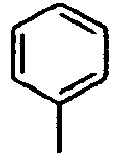
H 163 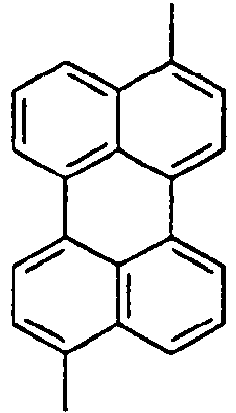
Direct bond 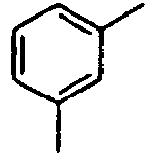

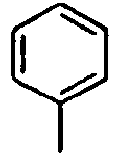
H 164 


H - The compound according to claim 5, wherein the compound of the formula 2 is selected from the compounds having a symmetric structure, as described in the following Table 6, in which in the formula 2, n+m is equal to 1, and Ar1 has a substituent:
[Table 6] Ar1 L Ar2 R1 or R2 Ar3 210 
Direct bond 


211 

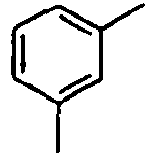
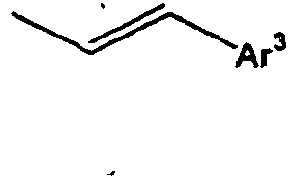

212 
Direct bond 


213 


- An organic light emitting diode comprising a first electrode, a second electrode, and at least one organic material layer disposed between the first electrode and the second electrode, wherein at least one layer of the organic material layer(s) comprises the compound according to any one of claims 1 to 7.
- The organic light emitting diode according to claim 8, wherein the organic material layer comprises a light emitting layer, and the light emitting layer comprises the compound according to any one of claims 1 to 7.
Applications Claiming Priority (3)
| Application Number | Priority Date | Filing Date | Title |
|---|---|---|---|
| KR20050111004 | 2005-11-18 | ||
| KR20060044097 | 2006-05-17 | ||
| EP06812640A EP1948755B1 (en) | 2005-11-18 | 2006-11-17 | Emitting material and organic light emitting diode using the same |
Related Parent Applications (2)
| Application Number | Title | Priority Date | Filing Date |
|---|---|---|---|
| EP06812640.8 Division | 2006-11-17 | ||
| EP06812640A Division EP1948755B1 (en) | 2005-11-18 | 2006-11-17 | Emitting material and organic light emitting diode using the same |
Publications (3)
| Publication Number | Publication Date |
|---|---|
| EP2305769A2 EP2305769A2 (en) | 2011-04-06 |
| EP2305769A3 EP2305769A3 (en) | 2011-04-27 |
| EP2305769B1 true EP2305769B1 (en) | 2012-09-19 |
Family
ID=38048850
Family Applications (2)
| Application Number | Title | Priority Date | Filing Date |
|---|---|---|---|
| EP06812640A Ceased EP1948755B1 (en) | 2005-11-18 | 2006-11-17 | Emitting material and organic light emitting diode using the same |
| EP10196766A Ceased EP2305769B1 (en) | 2005-11-18 | 2006-11-17 | Emitting material and organic light emitting diode using the same |
Family Applications Before (1)
| Application Number | Title | Priority Date | Filing Date |
|---|---|---|---|
| EP06812640A Ceased EP1948755B1 (en) | 2005-11-18 | 2006-11-17 | Emitting material and organic light emitting diode using the same |
Country Status (7)
| Country | Link |
|---|---|
| US (1) | US8197951B2 (en) |
| EP (2) | EP1948755B1 (en) |
| JP (1) | JP4796081B2 (en) |
| KR (1) | KR100827917B1 (en) |
| CN (1) | CN101124292B (en) |
| TW (1) | TWI340759B (en) |
| WO (1) | WO2007058503A1 (en) |
Families Citing this family (19)
| Publication number | Priority date | Publication date | Assignee | Title |
|---|---|---|---|---|
| US7758972B2 (en) * | 2006-09-26 | 2010-07-20 | Semiconductor Energy Laboratory Co., Ltd. | Stilbene derivative, light emitting element, light emitting device, and electronic appliance |
| TWI502049B (en) * | 2006-12-28 | 2015-10-01 | Semiconductor Energy Lab | Organic compound and method for synthesizing organic compound and anthracene derivative |
| US8795855B2 (en) * | 2007-01-30 | 2014-08-05 | Global Oled Technology Llc | OLEDs having high efficiency and excellent lifetime |
| EP2107062A1 (en) | 2008-04-03 | 2009-10-07 | SOLVAY (Société Anonyme) | Naphthyl-substituted anthracene derivatives and their use in organic light-emitting diodes |
| CN103151470B (en) | 2007-12-21 | 2014-11-26 | 株式会社半导体能源研究所 | Anthracene derivative, and light-emitting material, light-emitting element, light-emitting device, and electronic device using the same |
| JP2009209127A (en) * | 2008-02-08 | 2009-09-17 | Toyo Ink Mfg Co Ltd | Compound having carbazolyl group and use thereof |
| WO2009104733A1 (en) * | 2008-02-22 | 2009-08-27 | 東洋インキ製造株式会社 | Organic electroluminescent device material and organic electroluminescent device |
| KR20090105495A (en) * | 2008-04-02 | 2009-10-07 | (주)그라쎌 | Novel organic light emitting compound and organic electroluminescent device employing it as light emitting material |
| WO2010010924A1 (en) * | 2008-07-25 | 2010-01-28 | 出光興産株式会社 | Anthracene derivative, and organic electroluminescence element comprising same |
| JP5325707B2 (en) | 2008-09-01 | 2013-10-23 | 株式会社半導体エネルギー研究所 | Light emitting element |
| JP5329342B2 (en) | 2008-09-01 | 2013-10-30 | 株式会社半導体エネルギー研究所 | Light emitting element |
| US8877356B2 (en) | 2009-07-22 | 2014-11-04 | Global Oled Technology Llc | OLED device with stabilized yellow light-emitting layer |
| EP2433929B1 (en) | 2010-09-27 | 2013-10-23 | Semiconductor Energy Laboratory Co, Ltd. | Organic Compound, Light-Emitting Element, Light-Emitting Device, Electronic Device, and Lighting Device |
| WO2012083301A1 (en) * | 2010-12-17 | 2012-06-21 | E. I. Du Pont De Nemours And Company | Anthracene derivative compounds for electronic applications |
| TW201229003A (en) * | 2010-12-17 | 2012-07-16 | Du Pont | Anthracene derivative compounds for electronic applications |
| CN103450883B (en) * | 2012-05-30 | 2016-03-02 | 京东方科技集团股份有限公司 | Organic electronic material |
| CN108558677A (en) * | 2018-04-13 | 2018-09-21 | 青岛科技大学 | A kind of height convolution cross conjugation organic compound and its synthetic method |
| CN108997101B (en) * | 2018-06-15 | 2021-10-08 | 苏州科技大学 | Reactive luminescent agent 9,10-diphenylanthracene derivative, preparation method thereof, and high-efficiency weak light upconversion system prepared therefrom |
| CN110642842B (en) | 2019-09-30 | 2023-03-24 | 武汉天马微电子有限公司 | Compound, display panel and display device |
Family Cites Families (29)
| Publication number | Priority date | Publication date | Assignee | Title |
|---|---|---|---|---|
| JPH07138561A (en) * | 1993-11-17 | 1995-05-30 | Idemitsu Kosan Co Ltd | Organic electroluminescent device |
| JP3175816B2 (en) * | 1995-04-04 | 2001-06-11 | 出光興産株式会社 | Organic electroluminescence device |
| JP3712760B2 (en) * | 1995-05-17 | 2005-11-02 | Tdk株式会社 | Organic EL device |
| EP0765106B1 (en) * | 1995-09-25 | 2002-11-27 | Toyo Ink Manufacturing Co., Ltd. | Light-emitting material for organic electroluminescence device, and organic electroluminescence device for which the light-emitting material is adapted |
| US5811834A (en) * | 1996-01-29 | 1998-09-22 | Toyo Ink Manufacturing Co., Ltd. | Light-emitting material for organo-electroluminescence device and organo-electroluminescence device for which the light-emitting material is adapted |
| US6465115B2 (en) * | 1998-12-09 | 2002-10-15 | Eastman Kodak Company | Electroluminescent device with anthracene derivatives hole transport layer |
| JP4117093B2 (en) | 1998-12-28 | 2008-07-09 | 出光興産株式会社 | Material for organic electroluminescence device and organic electroluminescence device using the same |
| JP4429438B2 (en) * | 1999-01-19 | 2010-03-10 | 出光興産株式会社 | Amino compound and organic electroluminescence device using the same |
| JP3838816B2 (en) * | 1999-06-03 | 2006-10-25 | Tdk株式会社 | Compound for organic EL device and organic EL device |
| TW463520B (en) * | 1999-07-30 | 2001-11-11 | Sony Corp | Organic electroluminescent device |
| KR100843819B1 (en) | 2000-03-29 | 2008-07-03 | 이데미쓰 고산 가부시키가이샤 | Anthracene Derivatives and Organic Electroluminescent Devices Using the Same |
| JP2001288377A (en) * | 2000-04-06 | 2001-10-16 | Sony Corp | Aminostyrylanthracene compounds, synthetic intermediates thereof, and methods for producing them |
| TW593622B (en) * | 2000-05-19 | 2004-06-21 | Eastman Kodak Co | Method of using predoped materials for making an organic light-emitting device |
| JP2002012861A (en) * | 2000-07-03 | 2002-01-15 | Toyo Ink Mfg Co Ltd | Light emitting material for organic electroluminescent device and organic electroluminescent device using the same |
| JP2002134276A (en) * | 2000-10-30 | 2002-05-10 | Sony Corp | Organic electroluminescent device |
| US7053255B2 (en) * | 2000-11-08 | 2006-05-30 | Idemitsu Kosan Co., Ltd. | Substituted diphenylanthracene compounds for organic electroluminescence devices |
| DE10135513B4 (en) | 2001-07-20 | 2005-02-24 | Novaled Gmbh | Light-emitting component with organic layers |
| KR100478520B1 (en) * | 2001-08-13 | 2005-03-28 | 삼성에스디아이 주식회사 | Blue light-emitting compound and display device adopting light-emitting compound as color-developing substance |
| KR100577179B1 (en) | 2001-10-30 | 2006-05-10 | 엘지전자 주식회사 | Organic electroluminescent element |
| WO2003037836A1 (en) | 2001-10-31 | 2003-05-08 | Idemitsu Kosan Co., Ltd. | Novel soluble compound and organic electroluminescent devices |
| JP4170655B2 (en) * | 2002-04-17 | 2008-10-22 | 出光興産株式会社 | Novel aromatic compound and organic electroluminescence device using the same |
| CN1556803A (en) | 2002-05-07 | 2004-12-22 | LG��ѧ��ʽ���� | New organic compound for electroluminescence and organic electroluminescent device using the compound |
| US7164155B2 (en) * | 2002-05-15 | 2007-01-16 | Semiconductor Energy Laboratory Co., Ltd. | Light emitting device |
| JP2004231563A (en) * | 2003-01-30 | 2004-08-19 | Idemitsu Kosan Co Ltd | Bianthryl derivative, luminescent coating film-forming material and organic electroluminescent device containing the same |
| US7651787B2 (en) * | 2003-02-19 | 2010-01-26 | Lg Display Co., Ltd. | Organic electroluminescent device |
| JP4039985B2 (en) | 2003-06-19 | 2008-01-30 | 三井化学株式会社 | Anthracene compound and organic electroluminescent device containing the anthracene compound |
| JP4035482B2 (en) | 2003-06-27 | 2008-01-23 | キヤノン株式会社 | Substituted anthryl derivative and organic light emitting device using the same |
| US7056601B2 (en) * | 2003-10-24 | 2006-06-06 | Eastman Kodak Company | OLED device with asymmetric host |
| KR101156241B1 (en) * | 2003-12-01 | 2012-06-13 | 이데미쓰 고산 가부시키가이샤 | Asymmetric monoanthracene derivative, material for organic electroluminescent device and organic electroluminescent device utilizing the same |
-
2006
- 2006-11-17 KR KR1020060114089A patent/KR100827917B1/en not_active Expired - Fee Related
- 2006-11-17 WO PCT/KR2006/004863 patent/WO2007058503A1/en not_active Ceased
- 2006-11-17 JP JP2007555037A patent/JP4796081B2/en not_active Expired - Fee Related
- 2006-11-17 EP EP06812640A patent/EP1948755B1/en not_active Ceased
- 2006-11-17 EP EP10196766A patent/EP2305769B1/en not_active Ceased
- 2006-11-17 CN CN200680005392.4A patent/CN101124292B/en not_active Expired - Fee Related
- 2006-11-17 US US11/600,819 patent/US8197951B2/en active Active
- 2006-11-20 TW TW095142879A patent/TWI340759B/en not_active IP Right Cessation
Also Published As
| Publication number | Publication date |
|---|---|
| US8197951B2 (en) | 2012-06-12 |
| WO2007058503A1 (en) | 2007-05-24 |
| TWI340759B (en) | 2011-04-21 |
| EP1948755B1 (en) | 2012-07-18 |
| EP2305769A2 (en) | 2011-04-06 |
| US20070202355A1 (en) | 2007-08-30 |
| KR100827917B1 (en) | 2008-05-07 |
| TW200730604A (en) | 2007-08-16 |
| CN101124292A (en) | 2008-02-13 |
| JP2008530086A (en) | 2008-08-07 |
| EP1948755A1 (en) | 2008-07-30 |
| KR20070053148A (en) | 2007-05-23 |
| JP4796081B2 (en) | 2011-10-19 |
| EP2305769A3 (en) | 2011-04-27 |
| CN101124292B (en) | 2014-04-30 |
| EP1948755A4 (en) | 2010-03-10 |
Similar Documents
| Publication | Publication Date | Title |
|---|---|---|
| EP2305769B1 (en) | Emitting material and organic light emitting diode using the same | |
| EP1902013B1 (en) | Novel anthracene derivatives, process for preparation thereof, and organic electronic light emitting device using the same | |
| TWI413631B (en) | New anthracene derivatives, preparation method thereof and organic light emitting diode using the same | |
| EP1993992B1 (en) | Tetraphenylnaphthalene derivatives and organic light emitting diode using the same | |
| CN101090893B (en) | Imidazole derivative, its preparation method and organic electronic device using the imidazole derivative | |
| KR100961821B1 (en) | Novel anthracene derivatives and organic electronic devices using the same | |
| JP5373769B2 (en) | Novel diamine derivative and organic electronic device using the same | |
| US8173273B2 (en) | Anthracene derivatives, method for preparation thereof, and organic electronic device using the same | |
| CN110078755A (en) | Compound, display panel and display device | |
| EP1937789B1 (en) | Indene derivatives and organic light emitting diode using the same | |
| KR20090090568A (en) | Novel anthracene derivatives and organic electronic devices using them |
Legal Events
| Date | Code | Title | Description |
|---|---|---|---|
| PUAI | Public reference made under article 153(3) epc to a published international application that has entered the european phase |
Free format text: ORIGINAL CODE: 0009012 |
|
| PUAL | Search report despatched |
Free format text: ORIGINAL CODE: 0009013 |
|
| 17P | Request for examination filed |
Effective date: 20101223 |
|
| AC | Divisional application: reference to earlier application |
Ref document number: 1948755 Country of ref document: EP Kind code of ref document: P |
|
| AK | Designated contracting states |
Kind code of ref document: A2 Designated state(s): DE FR GB |
|
| AK | Designated contracting states |
Kind code of ref document: A3 Designated state(s): DE FR GB |
|
| RIN1 | Information on inventor provided before grant (corrected) |
Inventor name: JANG, HYE-YOUNG Inventor name: YEO, SUNG-JIN Inventor name: JEON, SANG-YOUNG Inventor name: KIM, KONG-KYEOM Inventor name: HONG, SUNG-KIL |
|
| GRAP | Despatch of communication of intention to grant a patent |
Free format text: ORIGINAL CODE: EPIDOSNIGR1 |
|
| RIN1 | Information on inventor provided before grant (corrected) |
Inventor name: KIM, KONG-KYEOM Inventor name: JEON, SANG-YOUNG Inventor name: HONG, SUNG-KIL Inventor name: JANG, HYE-YOUNG Inventor name: YEO, SUNG-JIN |
|
| GRAS | Grant fee paid |
Free format text: ORIGINAL CODE: EPIDOSNIGR3 |
|
| GRAA | (expected) grant |
Free format text: ORIGINAL CODE: 0009210 |
|
| AC | Divisional application: reference to earlier application |
Ref document number: 1948755 Country of ref document: EP Kind code of ref document: P |
|
| AK | Designated contracting states |
Kind code of ref document: B1 Designated state(s): DE FR GB |
|
| REG | Reference to a national code |
Ref country code: GB Ref legal event code: FG4D |
|
| REG | Reference to a national code |
Ref country code: DE Ref legal event code: R096 Ref document number: 602006032106 Country of ref document: DE Effective date: 20121115 |
|
| PLBE | No opposition filed within time limit |
Free format text: ORIGINAL CODE: 0009261 |
|
| STAA | Information on the status of an ep patent application or granted ep patent |
Free format text: STATUS: NO OPPOSITION FILED WITHIN TIME LIMIT |
|
| 26N | No opposition filed |
Effective date: 20130620 |
|
| REG | Reference to a national code |
Ref country code: DE Ref legal event code: R097 Ref document number: 602006032106 Country of ref document: DE Effective date: 20130620 |
|
| REG | Reference to a national code |
Ref country code: FR Ref legal event code: PLFP Year of fee payment: 10 |
|
| REG | Reference to a national code |
Ref country code: FR Ref legal event code: PLFP Year of fee payment: 11 |
|
| REG | Reference to a national code |
Ref country code: FR Ref legal event code: PLFP Year of fee payment: 12 |
|
| REG | Reference to a national code |
Ref country code: FR Ref legal event code: PLFP Year of fee payment: 13 |
|
| PGFP | Annual fee paid to national office [announced via postgrant information from national office to epo] |
Ref country code: GB Payment date: 20231023 Year of fee payment: 18 |
|
| PGFP | Annual fee paid to national office [announced via postgrant information from national office to epo] |
Ref country code: FR Payment date: 20231024 Year of fee payment: 18 Ref country code: DE Payment date: 20231023 Year of fee payment: 18 |
|
| REG | Reference to a national code |
Ref country code: DE Ref legal event code: R119 Ref document number: 602006032106 Country of ref document: DE |
|
| GBPC | Gb: european patent ceased through non-payment of renewal fee |
Effective date: 20241117 |
|
| PG25 | Lapsed in a contracting state [announced via postgrant information from national office to epo] |
Ref country code: DE Free format text: LAPSE BECAUSE OF NON-PAYMENT OF DUE FEES Effective date: 20250603 |
|
| PG25 | Lapsed in a contracting state [announced via postgrant information from national office to epo] |
Ref country code: GB Free format text: LAPSE BECAUSE OF NON-PAYMENT OF DUE FEES Effective date: 20241117 |
|
| PG25 | Lapsed in a contracting state [announced via postgrant information from national office to epo] |
Ref country code: FR Free format text: LAPSE BECAUSE OF NON-PAYMENT OF DUE FEES Effective date: 20241130 |