EP2247300B1 - Mntf-peptid-zusammensetzungen und anwendungsverfahren - Google Patents
Mntf-peptid-zusammensetzungen und anwendungsverfahren Download PDFInfo
- Publication number
- EP2247300B1 EP2247300B1 EP09712319.4A EP09712319A EP2247300B1 EP 2247300 B1 EP2247300 B1 EP 2247300B1 EP 09712319 A EP09712319 A EP 09712319A EP 2247300 B1 EP2247300 B1 EP 2247300B1
- Authority
- EP
- European Patent Office
- Prior art keywords
- acid
- mntf
- mntf peptide
- seq
- peptide
- Prior art date
- Legal status (The legal status is an assumption and is not a legal conclusion. Google has not performed a legal analysis and makes no representation as to the accuracy of the status listed.)
- Not-in-force
Links
Images
Classifications
-
- C—CHEMISTRY; METALLURGY
- C07—ORGANIC CHEMISTRY
- C07K—PEPTIDES
- C07K14/00—Peptides having more than 20 amino acids; Gastrins; Somatostatins; Melanotropins; Derivatives thereof
- C07K14/435—Peptides having more than 20 amino acids; Gastrins; Somatostatins; Melanotropins; Derivatives thereof from animals; from humans
- C07K14/475—Growth factors; Growth regulators
-
- A—HUMAN NECESSITIES
- A61—MEDICAL OR VETERINARY SCIENCE; HYGIENE
- A61P—SPECIFIC THERAPEUTIC ACTIVITY OF CHEMICAL COMPOUNDS OR MEDICINAL PREPARATIONS
- A61P25/00—Drugs for disorders of the nervous system
-
- A—HUMAN NECESSITIES
- A61—MEDICAL OR VETERINARY SCIENCE; HYGIENE
- A61K—PREPARATIONS FOR MEDICAL, DENTAL OR TOILETRY PURPOSES
- A61K38/00—Medicinal preparations containing peptides
Definitions
- NTFs neuronotrophic factors
- a variety of neurodegenerative, neuromuscular and neuronal diseases, disorders, or conditions affecting the central and/or peripheral nervous systems may be characterized in whole or in part by acute or progressive loss of functional neural tissues.
- NTFs neuronotrophic factors
- MNTF Motoneuronotrophic Factors
- the present invention provides a MNTF peptide for use in medicine, consisting of between 2 and 5 consecutive amino acids of SEQ ID NO: 1, and which exhibits MNTF activity and comprises at least amino acid residues 17 and 18 of SEQ ID NO: 1.
- the MNTF peptide for use in medicine may be selected from the group consisting of SEQ ID NOs: 3-12.
- the MNTF peptide for use in medecine may consist of between 3 and 5 consecutive amino acids of SEQ ID NO: 1.
- the MNTF peptide may have an amino acid sequence according to SEQ ID NOs: 4, 6 or 12. for use in medicine
- the MNTF peptide for use in medicine may be modified by covalent linkage with a penetration enhancer, thereby improving tissue penetration ability of the composition.
- the MNTF peptide for use in medicine may be N-terminally modified by covalent linkage to a penetration enhancer.
- the penetration enhancer may be covalently attached to the MNTF peptide by N-acyl derivitization of one or more free amino groups.
- the penetration enhancer may be an optionally substituted hydroxylated, unsaturated and/or sulfurated alkyl carboxylic acid of 2 to 22 carbons. Accordingly, in certain embodiments the penetration enhancer may be a fatty acid selected from cabrylic acid, oleic acid, lauric acid, capric acid, caprylic acid, hexanoic acid, myristic acid, palmitic acid, valeric acid, stearic acid, linoleic acid, linolenic acid, arachidonic acid, oleic acid, elaidic acid, erucic acid, and nervonic acid.
- a fatty acid selected from cabrylic acid, oleic acid, lauric acid, capric acid, caprylic acid, hexanoic acid, myristic acid, palmitic acid, valeric acid, stearic acid, linoleic acid, linolenic acid, arachidonic acid, oleic acid,
- the present invention provides a composition comprising an MNTF peptide as described above and a pharmaceutically acceptable carrier, for use in medicine.
- the present invention provides the use of the above composition in a method of promoting the growth or maintenance of neurons, comprising administering the composition to a neuronal cell, and wherein the composition has one or more biological activity selected from promoting the growth of neurons in vivo promoting the maintenance of neurons, promoting neurite outgrowth, promoting axonal regeneration of an axotomized motoneurons, improving motor function, repairing damaged neural pathway, regenerating a neural pathway, and alleviating a neuronal defect.
- the present invention provides the use of the above composition in a method of alleviating a neuronal disorder in an animal afflicted with the disorder, comprising administering to the animal the composition in an amount sufficient to alleviate the disorder.
- a MNTF peptide which consists of the amino sequence of SEQ ID NO: 6 or 12 is also provided.
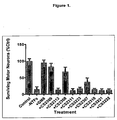
- FIG. 1 Illustrates a survival assay of exemplary MNTF peptides on motor neuron survival.
- Motor neurons were cultured from rat spinal cords and grown in culture for 3 days in the presence of BDNF, GDNF and CNTF. After 3 days, the cells were grown in the absence of the conventional trophic factors but with the indicated MNTF peptides at 10 microgram / ml. After 48 hours the number of live cells was determined.
- MNTF Human Motoneuronotrophic Factor
- MNTF was applied on the nerve graft in a hemi-section spinal cord in rat; MNTF reduced inflammation, limited degeneration and enhanced regeneration of the grafted nerves.
- a number of studies have demonstrated the efficacy of the synthesized MNTF or peptide analogs described therein in rat peripheral nerve model systems for trophic and tropic effects when applied directly on the nerve.
- MNTF has been shown to promote the regeneration and survival of motoneurons.
- Neuronal cell death occurs in the nervous systems of vertebrates during certain periods of growth and development. Thus, addition of soluble neuronal trophic factors from associated target tissues can serve to mitigate this phenomenon of neuronal death.
- aspects and embodiments of the present disclosure provide methods and compositions comprising the MNTF peptide or analog thereof for the treatment of neuronal disorders.
- aspects and embodiments of the disclosure are directed to a functional protein domain associated with the actions of motoneuronotrophic factors, which has been identified and mapped to short overlapping subsequences in the MNTF molecule.
- These protein domains which include the domains in SEQ ID NOS: 2-22, are sufficient to modulate the viability and proliferation of neuronal cells.
- truncated MNTF peptides or analogs encompassing these domains are themselves sufficient to demonstrate stimulatory bioactivity in motoneuron/neuroblastoma cell hybrids.
- a “motoneuronotrophic factor or motoneuron trophic factor” includes those factors involved in the nutrition or maintenance of motor neurons.
- the terms “motoneuronotropic factor”, “MNTF”, “MNTF peptide”, “motoneuronotropic factor analog”, and “MNTF analog” refer to peptides and analogs thereof, respectively, as described herein and having the functional properties defined herein. These may include sequence and functional homologs of the reference MNTF sequence.
- Motoneuronotrophic factors may further the development and differentiation of committed neural progenitor cells, or they may induce or enhance the growth ( e.g . neurite outgrowth) and survival of differentiated neural cells.
- MNTF activity includes one or more of the following activities: promoting the growth of neurons, promoting the maintenance of neurons, promoting neurite outgrowth, promoting axonal regeneration of an axotomized motoneurons, improving motor function, repairing damaged neural pathway, regenerating a neural pathway, or alleviating a neuronal defect.
- the motoneuronotrophic factors of the present disclosure are typically provided in amounts effective to produce a fully-differentiated neural cell of the CNS or PNS (e.g., a motor neuron). Guidance for the amount is provided herein, and may be readily determined by the skilled artisan based upon known procedures and methods disclosed herein.
- MNTF peptides have been reported in Chau, R. M. W., et al., Muscle Neuronotrophic Factors Specific for Anterior Horn Motoneurons of Rat Spinal Cord. In: Recent Advances in Cellular and Molecular Biology, Vol. 5, Peeters Press, Leuven, Belgium, pp. 89-94 (1992 ), as well as those found in for example, US6309877 , US7183373 , US6841531 , US6759389 and US20060052299 .
- exemplars include synthetic and/or purified MNTF peptides or analogs thereof comprising a portion of the domains from SEQ ID NOS: 2-22 and molecules that mimic the structure and/or function thereof, including truncated sequence homologs and analogs, useful for inducing or modulating the viability and growth of a neuronal cell.
- MNTF peptides may also include those described in Chau, R. M. W., et al., The Effect of a 30 kD Protein from Tectal Extract of Rat on Cultured Retinal Neurons, 34 Science in China, Series B, 908 (1991 ); Chau, R. M. W., et al., Muscle-Neuronotrophic Factors Specific for Anterior Horn Motoneurons of Rat Spinal Cord. In: Recent Advances in Cellular and Molecular Biology, Vol. 5, Peeters Press, Leuven, Belgium, pp. 89-94 (1992 ); Chau, R. M.
- a MNTF peptide or analog thereof may include sequences from one of the active sites of the MNTF domain (e.g. an MNTF peptide of two amino acids, such as SEQ ID NO: 3).
- the MNTF peptide consists of a sequence described in SEQ ID NOs: 2-22. In other embodiments, the MNTF peptide include functional derivatives of the MNTF peptides depicted in SEQ ID NOs: 2-22.
- MNTF peptides and analogs thereof described herein include peptides derived from MNTF (i.e., from SEQ ID NO: 1), and functional derivatives thereof. These compounds include peptides having the amino acid sequence of one of SEQ ID NOs: 2-22, and functional derivatives of peptides having the amino acid sequences provided in SEQ ID NOs: 2-22.
- MNTF peptide analogs as used in the present application includes peptides which have been modified but retain MNTF activity (e.g. by truncation, substitution, covalent attachment to another moiety, etc. relative to a 33 mer MNTF, SEQ ID NO: 1).
- MNTF peptide analogs include, for example, esters, amides, prodrugs, and salt forms of MNTF peptides.
- MNTF peptide analogs include MNTF peptides that have been covalently modified by attachment to another moiety, such as for example a MNTF peptide covalently linked to a lipophilic moiety (e.g.
- analogs in accordance with the present disclosure include "conservative" substitutions (e.g. relative to SEQ ID NO:1).
- Conservative amino acid substitutions include amino acids replacements with synonymous amino acids within the same group, which have sufficiently similar physicochemical properties that substitution between members of the group will preserve the biological function of the molecule, Grantham, Science, Vol. 185, pp. 862-864 (1974 ).
- MNTF analogs further encompass MNTF functional derivatives of the peptides or analogs described herein.
- the MNTF analogs may include 20%, 25%, 30%, 35% or up to 40% conservative amino acid substitutions as compared with the sequence depicted in SEQ ID NO:1 or truncated versions thereof, including SEQ ID NOs:2-22.
- мем ⁇ отн ⁇ refers to derivatives which can be prepared from the functional groups present on the lateral chains of the amino acid moieties or on the terminal N- or C-groups according to known methods and are comprised in the disclosure when they are pharmaceutically acceptable i.e. when they do not destroy the protein/peptide activity or do not impart unacceptable toxicity to the pharmaceutical composition containing them.
- Such derivatives may include, for example, aliphatic esters or amides of the carboxyl-groups and N-acyl derivatives of free amino groups, as well as O-acyl derivatives of free hydroxyl-groups and are formed with acyl-groups as for example alcanoyl- or aroyl-groups, prodrugs, salts of functional groups, or having a combination thereof.
- the synonymous amino acid groups include those defined in Tables I, II, and III. TABLE I Broader Groups of Synonymous Amino Acids Amino Acid --- Synonymous Group Ser --- Ser, Thr, Gly, Asn Arg --- Arg, Gln, Lys, Glu, His Leu --- Ile, Phe, Tyr, Met, Val, Leu Pro --- Gly, Ala, Thr, Pro Thr --- Pro, Ser, Ala, Gly, His, Gln, Thr Ala --- Gly, Thr, Pro, Ala Val --- Met, Tyr, Phe, Ile, Leu, Val Gly --- Ala, Thr, Pro, Ser, Gly Ile --- Met, Tyr, Phe, Val, Leu, Ile Phe --- Trp, Met, Tyr, Ile, Val, Leu, Phe Tyr --- Trp, Met, Phe, Ile, Val, Leu, Phe Tyr --- Trp, Met, Phe, Ile, Val, Leu,
- Amino acids used in compounds provided herein can be genetically encoded amino acids, naturally occurring non-genetically encoded amino acids, or synthetic amino acids. Both L-and D-enantiomers of any of the above can be utilized in the compounds.
- alanine (Ala, A); arginine (Arg, R); asparagine (Asn, N); aspartic acid (Asp, D); cysteine (Cys, C); glycine (Gly, G); glutamic acid (Glu, E); glutamine (Gln, Q); histidine (His, H); isoleucine (Ile, I); leucine (Leu, L); lysine (Lys, K); methionine (Met, M); phenylalanine (Phe, F); proline (Pro, P); serine (Ser, S); threonine (Thr, T); tryptophan (Trp, W); tyrosine (Tyr, Y); and valine (Val, V).
- alanine (Ala, A); arginine (Arg, R); asparagine (Asn, N); aspartic acid (Asp, D); cysteine (Cys, C); glycine
- Certain commonly encountered amino acids that are not genetically encoded and that can be present in the compounds described herein include, but are not limited to, ⁇ -alanine (b-Ala) and other omega-amino acids such as 3-aminopropionic acid (Dap), 2,3-diaminopropionic acid (Dpr, Z), 4-aminobutyric acid and so forth; ⁇ -aminoisobutyric acid (Aib); ⁇ -aminohexanoic acid (Aha); ⁇ -aminovaleric acid (Ava); methylglycine (MeGly); ornithine (Orn); citrulline (Cit); t-butylalanine (t-BuA); t-butylglycine (t-BuG); N-methylisoleucine (Melle); phenylglycine (Phg); cyclohexylalanine (Cha); norleucine (Nle, J); 2-naphthylalanine (2
- Additional amino acid analogs contemplated include phosphoserine, phosphothreonine, phosphotyrosine, hydroxyproline, gamma-carboxyglutamate, hippuric acid, octahydroindole-2-carboxylic acid, statine, ⁇ -methyl-alanine, para-benzoyl-phenylalanine, propargylglycine, and sarcosine.
- Peptides described herein can have any of the foregoing amino acids in the L- or D- configuration, or any other amino acid described herein or known in the art, whether currently or in the future.
- amino acids that are substitutable for each other generally reside within similar classes or subclasses. As known to one of skill in the art, amino acids can be placed into different classes depending primarily upon the chemical and physical properties of the amino acid side chain. For example, some amino acids are generally considered to be hydrophilic or polar amino acids and others are considered to be hydrophobic or nonpolar amino acids.
- Polar amino acids include amino acids having acidic, basic or hydrophilic side chains and nonpolar amino acids include amino acids having aromatic or hydrophobic side chains.
- Nonpolar amino acids may be further subdivided to include, among others, aliphatic amino acids.
- the definitions of the classes of amino acids as used herein are as follows:
- Nonpolar Amino Acid refers to an amino acid having a side chain that is uncharged at physiological pH, that is not polar and that is generally repelled by aqueous solution.
- Examples of genetically encoded hydrophobic amino acids include Ala, Ile, Leu, Met, Trp, Tyr and Val.
- Examples of non-genetically encoded nonpolar amino acids include t-BuA, Cha and Nle.
- Aromatic Amino Acid refers to a nonpolar amino acid having a side chain containing at least one ring having a conjugated ⁇ -electron system (aromatic group).
- aromatic group may be further substituted with substituent groups such as alkyl, alkenyl, alkynyl, hydroxyl, sulfonyl, nitro and amino groups, as well as others.
- substituent groups such as alkyl, alkenyl, alkynyl, hydroxyl, sulfonyl, nitro and amino groups, as well as others.
- Examples of genetically encoded aromatic amino acids include phenylalanine, tyrosine and tryptophan.
- aromatic amino acids include phenylglycine, 2-naphthylalanine, ⁇ -2-thienylalanine, 3-benzothiazol-2-yl-alanine, 1,2,3,4-tetrahydroisoquinoline-3-carboxylic acid, 4-chlorophenylalanine, 2-fluorophenylalanine, 3-fluorophenylalanine and 4-fluorophenylalanine.
- Aliphatic Amino Acid refers to a nonpolar amino acid having a saturated or unsaturated straight chain, branched or cyclic hydrocarbon side chain.
- Examples of genetically encoded aliphatic amino acids include Ala, Leu, Val and Ile.
- Examples of non-encoded aliphatic amino acids include Nle.
- Polar Amino Acid refers to a hydrophilic amino acid having a side chain that is charged or uncharged at physiological pH and that has a bond in which the pair of electrons shared in common by two atoms is held more closely by one of the atoms.
- Polar amino acids are generally hydrophilic, meaning that they have an amino acid having a side chain that is attracted by aqueous solution.
- genetically encoded polar amino acids include asparagine, cysteine, glutamine, lysine and serine.
- non-genetically encoded polar amino acids include citrulline, homocysteine, N-acetyl lysine and methionine sulfoxide.
- Acidic Amino Acid refers to a hydrophilic amino acid having a side chain pK value of less than 7. Acidic amino acids typically have negatively charged side chains at physiological pH due to loss of a hydrogen ion. Examples of genetically encoded acidic amino acids include aspartic acid (aspartate) and glutamic acid (glutamate).
- Basic Amino Acid refers to a hydrophilic amino acid having a side chain pK value of greater than 7.
- Basic amino acids typically have positively charged side chains at physiological pH due to association with hydronium ion.
- genetically encoded basic amino acids include arginine, lysine and histidine.
- non-genetically encoded basic amino acids include ornithine, 2,3-diaminopropionic acid, 2,4-diaminobutyric acid and homoarginine.
- Ionizable Amino Acid refers to an amino acid that can be charged at a physiological pH.
- Such ionizable amino acids include acidic and basic amino acids, for example, D-aspartic acid, D-glutamic acid, D-histidine, D-arginine, D-lysine, D-hydroxylysine, D-omithine, L-aspartic acid, L-glutamic acid, L-histidine, L-arginine, L-lysine, L-hydroxylysine or L-omithine.
- tyrosine has both a nonpolar aromatic ring and a polar hydroxyl group.
- tyrosine has several characteristics that could be described as nonpolar, aromatic and polar.
- the nonpolar ring is dominant and so tyrosine is generally considered to be nonpolar.
- cysteine also has nonpolar character.
- cysteine can be used to confer hydrophobicity or nonpolarity to a peptide.
- polar amino acids as contemplated herein may include, for example, arginine, asparagine, aspartic acid, cysteine, glutamic acid, glutamine, histidine, homocysteine, lysine, hydroxylysine, ornithine, serine, threonine, and structurally related amino acids.
- the polar amino is an ionizable amino acid such as arginine, aspartic acid, glutamic acid, histidine, hydroxylysine, lysine, or ornithine.
- polar or nonpolar amino acid residues examples include, for example, alanine, valine, leucine, methionine, isoleucine, phenylalanine, tryptophan, tyrosine and the like.
- salts herein refers to both salts of carboxyl groups and to acid addition salts of amino groups of the peptides described herein or analogs thereof.
- Salts of a carboxyl group may be formed by means known in the art and include inorganic salts, for example, sodium, calcium, ammonium, ferric or zinc salts, and the like, and salts with organic bases as those formed, for example, with amines, such as triethanolamine, arginine or lysine, piperidine, procaine and the like.
- Acid salts include, for example, salts with mineral acids such as, for example, hydrochloric acid or sulphuric acid, and salts with organic acids such as, for example, acetic acid or oxalic acid. Of course, any such salts must retain the activity of the peptides disclosed herein or their analogs.
- the "precursors” are compounds which are converted into the peptides disclosed herein in the human or animal body.
- the peptides of the present disclosure may be prepared by any well known procedure in the art, such as solid phase synthesis or liquid phase synthesis.
- solid phase synthesis for example, the amino acid corresponding to the C-terminus of the peptide to be synthesized is bound to a support which is insoluble in organic solvents, and by alternate repetition of reactions, one wherein amino acids with their ⁇ -amino groups and side chain functional groups protected with appropriate protective groups are condensed one by one in order from the C-terminus to the N-terminus, and one where the amino acids bound to the resin or the protective group of the ⁇ -amino groups of the peptides are released, the peptide chain is thus extended in this manner.
- Solid phase synthesis methods are largely classified by the tBoc method and the Fmoc method, depending on the type of protective group used.
- protective groups include tBoc (t-butoxycarbonyl), Cl-Z (2-chlorobenzyloxycarbonyl), Br-Z (2-bromobenzyloxycarbonyl), Bzl (benzyl), Fmoc (9-fluorenylmethoxycarbonyl), Mbh (4,4'-dimethoxydibenzhydryl), Mtr (4-methoxy-2,3,6-trimethylbenzenesulphonyl), Trt (trityl), Tos (tosyl), Z (benzyloxycarbonyl) and CI2 Bzl (2,6dichlorobenzyl) for the amino groups; NO 2 (nitro) and Pmc (2,2,5,7,8-pentamethylchromane-6-sulphonyl) for the guanidino groups); and tBu (t-butyl) for the hydroxyl groups).
- peptide cutting reactions may be carried out with hydrogen fluoride or trifluoromethane sulfonic acid for the Boc method, and with TFA for the Fmoc method.
- the crude peptide thus obtained is then subjected to purification.
- Purification is carried out by any one of the methods known for this purpose, i.e. any conventional procedure involving extraction, precipitation, chromatography, electrophoresis, or the like.
- HPLC high performance liquid chromatography
- the elution can be carried out using a water-acetonitrile-based solvent commonly employed for protein purification.
- the peptide described herein can be provided in substantially purified form, in order to be suitable for use in pharmaceutical compositions, as active ingredient, in pathologies that require MNTF activity and/or modulation thereby.
- biologically active peptide and “biologically active fragment” refer to a peptide or polypeptide in accordance with the above description of motoneuron differentiation factors (MNDF) and/or motoneuronotrophic factors (MNTF) wherein the MNDF differentiates stem cells into motor neurons and the MNTF wherein MNTF exhibits neural protection, repair and therapeutic functions.
- MNDF motoneuron differentiation factors
- MNTF motoneuronotrophic factors
- the exemplary MNTF peptides and analogs thereof include those demonstrated herein to be sufficient for the differentiation of stem cells into motor neurons.
- preventing means preventing in whole or in part, or ameliorating or controlling.
- treating refers to both therapeutic treatment and prophylactic or preventative measures. Those in need of treatment include those already with the disorder as well as those prone to having the disorder or diagnosed with the disorder or those in which the disorder is to be prevented.
- an "effective amount" in reference to the compounds or compositions described herein refers to the amount sufficient to induce a desired biological, Pharmaceutical, or therapeutic result. That result can be alleviation of the signs, symptoms, or causes of a disease or disorder or condition, or any other desired alteration of a biological system.
- percent (%) identify refers to the percentage of sequence similarity found in a comparison of two or more sequences. Percent identity can be determined electronically using any suitable software. Likewise, “similarity" between two sequences (or one or more portions of either or both of them) is determined by comparing the sequence of one sequence to a second sequence.
- homologues may include peptides containing amino acid sequence homologies to the protein sequence of interest.
- Such peptides typically have at least about 70% homology, and can have at least about 80%, 90%, 95%, 97% or 99% homology with the relevant sequence, for example over a region of at least about 15, 20, 30, 40, 50, 100 more contiguous amino acid/ polypeptide of the homologous sequence. They may further comprise up to about 25%, 30%, 40% or 50% conservative amino acid changes relative to a reference sequence (e.g. SEQ ID NO: 1), depending on the length of the peptide and the reference sequence.
- a reference sequence e.g. SEQ ID NO: 1
- Methods of treating a subject with a neuronal disorder comprising administering to the subject a motoneuronotropic factor (MNTF) peptide or analog thereof is provided.
- MNTF motoneuronotropic factor
- neuronal disorder may include diseases, disorders or conditions associated with or characterized in whole or in part by acute, progressive or gradual loss of functional neural tissue.
- a “neurodegenerative disease” refers to a condition associated with the central or peripheral nervous system characterized by progressive, gradual, loss of functional neural tissue.
- MNTF1 and MNTF2 motoneuronotrophic factors
- the "FSRYAR” domain provides an antigenic epitope that, when used to provoke an immune response, is sufficient to generate an antibody that recognizes MNTF peptides containing the "FSRYAR” sequence, including the MNTF1-F6 33-mer.
- MNTF peptides that include at least two consecutive residues of SEQ ID NO: 1 can be used as described herein, provided that the peptides include at least the phenylalanine and serine residues present at positions 17 and 18, respectively, of SEQ ID NO: 1.
- Motoneuron Trophic Factor peaks in expression during week 9 in human fetus gestation period ( Di, X. et al., Acta Anatomica Sinica 29:86-89, 1998 ). Based on the expression of MNTF in the developing human, we reasoned that MNTF may promote the differentiation and/or survival of motoneurons.
- MNTF1 and/or its peptide analogs promote the survival of mammalian motor neurons in vitro. Accordingly, the technology described herein provides for the use of an MNTF peptide or analog thereof as a growth factor/supplement for neuronal cell cultures, including a method for promoting the survival of stem cell derived neuronal cell lines, by cultivating stem cell derived neuronal cells in vitro with an effective amount of a MNTF peptide or analog thereof.
- MNTF peptides have shown efficacy in differentiation of stem cell as described in US/2009/0117085 , WO/2007/058982 .
- MNTF peptides provided herein have similar biological activities and therefore will modulate the differentiation of pluripotent embryonic stem cells into motoneurons and enhance the survival of ES cell-derived motoneurons.
- the exposure of ES cells to retinoic acid (RA) and MNTF analogs directs these cells to generate motor neurons.
- RA retinoic acid
- MNTF and truncated MNTF molecules include but are not limited to those comprising the MLSAFSRYAR domain, referred to as motor neuron differentiation factors (MDNF), demonstrated in US/2009/0117085 , WO/2007/058982 to induce differentiation of stem cells or partially differentiated neuronal cells into motor neurons.
- MDNF motor neuron differentiation factors
- Such agents provide a novel method for generating and/or isolating a population of motor neurons from stem cell cultures.
- the method comprises contacting an embryonic stem cell with retinoic acid (RA) and a motor neuron differentiation factor (MNDF).
- RA retinoic acid
- MNDF motor neuron differentiation factor
- the embryonic stem cell is contacted with RA concomitantly with the motor neuron differentiation factor.
- the method comprises contacting a partially differentiated neuronal cell with a motor neuron differentiation factor.
- the factors are provided in amounts effective to produce a differentiated neural cell. These amounts may be readily determined by the skilled artisan, based upon known procedures and methods disclosed herein.
- the differentiated motor neurons can be isolated or enriched, e.g. by FACS sorting.
- FACS sorting For example the use of a GFP-based motor neuron marking method permits the characterization of pure populations of ES-cell-derived motor neurons.
- Embryoid bodies are disaggregated to single cells using collagenase and dispase. These single cells are then FACS sorted for GFP, since cells expressing GFP controlled by an HB9 promoter are the true motoneurons in the population.
- another aspect of the technology of the present disclosure is directed to a method for isolating and/or purifying a population of differentiated neural cells by: (a) obtaining or generating a culture of embryonic stem cells that express enhanced green fluorescent protein (eGFP) under the control of a motor neuron specific promoter; (b) contacting the culture of embryonic stem cells with an amount of a RA and MNTF effective to produce differentiated neural cells that express eGFP; (d) detecting expression of eGFP in the differentiated neural cells; and (f) isolating the differentiated neural cells that express eGFP.
- eGFP enhanced green fluorescent protein
- sequences comprising the MNTF active domain and peptide analogs thereof can impart neural protection, repair and therapeutic functions on motorneurons in vitro and in vivo.
- the MNTF factors described herein may be produced synthetically or recombinantly, or isolated from native cells.
- sequence of amino acid residues in a protein or peptide comprising the MNTF peptide or analog thereof of the present disclosure are designated herein either through the use of their commonly employed three-letter designations or by their single-letter designations. A listing of these three-letter and one-letter designations may be found in textbooks such as Biochemistry, Second Edition, Lehninger, A., Worth Publishers, New York, N.Y. (1975 ). When the amino acid sequence is listed horizontally, the amino terminus is intended to be on the left end whereas the carboxy terminus is intended to be at the right end.
- peptides comprising the various MNTF peptide or analog thereof will vary depending upon a number of factors.
- a given polypeptide may be obtained as an acidic or basic salt, or in neutral form, since ionizable carboxyl and amino groups are found in the molecule.
- any form of the peptides comprising the sequences/domains listed in SEQ ID NOS: 2-22, which retains a biological activity of the MNTF peptide is intended to be within the scope of the technology described herein.
- the disclosure includes peptide compositions consisting essentially of the sequences/domains listed in SEQ ID NOS: 2-22, which retains a biological activity of the MNTF peptide.
- the present disclosure includes the use of MNTF peptide analogs that retain the ability of MNTF to exert neuro-protection, promote survival, maintenance and/or repair of motorneurons; or in certain instances, to differentiate stem cells into motor neurons.
- a global alignment of the sequences can be performed using the BLAST programs publicly available through the National Center for Biotechnology Information (on the World Wide Web at ncbi.nlm.nih.gov). Prior to performing a global alignment, SEQ ID NO: 1 can be submitted to GenBank. Default parameters provided by the National Center for Biotechnology Information can be used for a global alignment.
- the technology described herein includes use of peptide analogs in which one or more amino acids can be substituted with other amino acids.
- the motoneuronotrophic factor peptide analog contains one or more conservative amino acid substitutions to a fragment of at least 2 consecutive amino acid residues of SEQ ID NO: 1.
- the 2 consecutive amino acid residues are F-S.
- the rational design of MNTF and other analogous domain mimetics or binding molecules, based on modeled (or experimentally determined) peptide structure, may be carried out by those of skill, using known methods of rational drug design.
- the goal of rational drug design is to produce structural analogs of biologically active polypeptides or target compounds. By creating such analogs, it is possible to fashion drugs, which are more active or stable than the natural molecules, which have different susceptibility to alteration or which may affect the function of various other molecules.
- drugs which are more active or stable than the natural molecules, which have different susceptibility to alteration or which may affect the function of various other molecules.
- the three-dimensional MNTF molecule and related structures disclosed herein can be used in computerized rational drug design (i.e., molecular modeling and molecule-molecule interaction modeling) methods to identify candidate compounds that bind with an active portion of MNTF.
- computerized rational drug design i.e., molecular modeling and molecule-molecule interaction modeling
- a variety of computerized drug design programs capable of modeling the interaction of a candidate compound with, for example, atomic coordinates described herein, are known in the art, and the operation of such programs is within the knowledge of the ordinary artisan in the field of rational drug design.
- a composition comprising an MNTF peptide or analog thereof of the present disclosure may be made by a method that is well known in the art, including but not limited to chemical synthesis by solid phase synthesis and purification away from the other products of the chemical reactions by HPLC, or production by the expression of a nucleic acid sequence (e.g ., a DNA sequence) encoding a peptide or polypeptide comprising an MNTF peptide or analog thereof described herein in an in vitro translation system or in a living cell.
- the MNTF peptide or analog thereof of the composition can be isolated and extensively dialyzed to remove one or more undesired small molecular weight molecules and/or lyophilized for more ready formulation into a desired vehicle.
- additional amino acids, mutations, chemical modification and such like, if any, that are made in a MNTF peptide component should not substantially interfere with receptor recognition of the MNTF docking sequence.
- a peptide or polypeptide corresponding to one or more fragments of MNTF should generally be at least two amino acid residues in length, and may contain 2, 3, 4, or 5 amino acid residues.
- the MNTF peptide analog comprises 6 amino acid residues and a functional derivatization, e.g. a palmitylation.
- a peptide sequence may be synthesized by methods known to those of ordinary skill in the art, such as, for example, peptide synthesis using automated peptide synthesis machines, such as those available from Applied Biosystems (Foster City, CA). The technology described herein includes synthesis and use of cyclic peptides derived from SEQ ID NOs: 1-22.
- Covalent modifications can be introduced into a peptide by reacting targeted amino acid residues with an organic derivatizing agent that is capable of reacting with selected side chains or terminal residues.
- Covalent modification of polypeptides using organic derivatizing agents is well known to those of skill in the art.
- cysteinyl residues can be reacted with ⁇ -haloacetates (and corresponding amines), such as chloroacetic acid or chloroacetamide, to give carboxymethyl or carboxyamidomethyl derivatives.
- Histidyl residues can be derivatized by reaction with diethylpyrocarbonate at pH 5.5-7.0, or with para-bromophenacyl bromide at pH 6 in 1 M sodium cacodylate.
- Lysinyl and amino terminal residues can be reacted with succinic or other carboxylic acid anhydrides.
- Arginyl residues can be modified by reaction with one or several conventional reagents, among them phenylglyoxal, 2,3-butanedione, 1,2-cyclohexanedione, and ninhydrin.
- Spectral labels can be introduced into tyrosyl residues by reaction with aromatic diazonium compounds or tetranitromethane; most commonly, N-acetylimidizol and tetranitromethane are used to form 0-acetyl tyrosyl species and 3-nitro derivatives, respectively.
- Carboxyl side groups (aspartyl or glutamyl) can be selectively modified by reaction with carbodiimides (R'-N-C-N-R') such as 1-cyclohexyl-3-(2-morpholinyl-(4-ethyl) carbodiimide or 1-ethyl-3 (4 azonia 4,4-dimethylpentyl) carbodiimide.
- carbodiimides R'-N-C-N-R'
- aspartyl and glutamyl residues are converted to asparaginyl and glutaminyl residues by reaction with ammonium ions.
- Glutaminyl and asparaginyl residues can be deamidated to the corresponding glutamyl and aspartyl residues.
- MNTF peptides or analogs thereof described herein can be used in assays and kits for assays, either in the free form or linked to a carrier molecule such as a protein or a solid particle, as well as modified peptides linked to a label or tracer e.g. biotin or fluorescein isothiocyanate.
- a carrier molecule such as a protein or a solid particle
- modified peptides linked to a label or tracer e.g. biotin or fluorescein isothiocyanate.
- Crosslinking of an MNTF peptide or analog thereof to a water-insoluble support matrix can be performed with bifunctional agents well known in the art including 1,1 bis(diazoacetyl) 2 phenylethane, glutaraldehyde, N-hydroxysuccinimide esters, for example, esters with 4-azidosalicylic acid, homobifunctional imidoesters, including disuccinimidyl esters such as 3,3'-dithiobis (succinimidylpropionate), and bifunctional maleimides such as bis-N-maleimido-1,8-octane.
- bifunctional agents well known in the art including 1,1 bis(diazoacetyl) 2 phenylethane, glutaraldehyde, N-hydroxysuccinimide esters, for example, esters with 4-azidosalicylic acid, homobifunctional imidoesters, including disuccinimidyl esters such as 3,3'-dithiobi
- Bifunctional agents such as methyl-3-[(p-azidophenyl)dithio] propioimidate yield photoactivatable intermediates that are capable of forming crosslinks in the presence of light.
- reactive water-insoluble matrices such as cyanogen bromide-activated carbohydrates can be employed for protein immobilization.
- Crosslinking of a MNTF peptide or analog thereof to a second protein, including a second MNTF peptide or analog thereof can be performed using the bifunctional reagents described herein.
- a spacer for example a dithiol group or a diamino group or multiples of amino acid residues, e.g. glycine.
- the spacer may also be a homo- or heterobifunctional crosslinker, for example the heterobifunctional crosslinker N-(4-carboxy-cyclohexylmethyl)-maleimide.
- Longer peptides or polypeptides can be produced by standard recombinant DNA techniques.
- a DNA fragment encoding a MNTF1 peptide fragment can be cloned in a commercially available expression vector that already contains a heterologous protein, with the result being MNTF1 peptide fragment fused in-frame to the heterologous protein.
- a nucleic acid encoding an MNTF1 peptide and/or a component described herein may be used, for example, to produce a peptide in vitro or in vivo for the various compositions and methods described herein.
- a nucleic acid encoding an MNTFI peptide is a component of, for example, a vector in a recombinant cell.
- the nucleic acid may be expressed to produce a peptide or polypeptide comprising an MNTF1 peptide sequence.
- the peptide or polypeptide may be secreted from the cell, or as part of or within the cell.
- Compounds identified by the screening procedures described herein can further be distinguished, and the efficacy of the compound can be assessed, based upon their ability to treat neuronal disorders in art accepted animal cell culture disease and disorder model systems.
- high throughput assays are desirable in order to maximize the number of compounds surveyed in a given period of time.
- Assays which are performed in cell-free systems such as may be derived with purified or partially purified proteins, are often used as "primary" screens in that they can be generated to permit rapid development and relatively easy detection of an alteration in a molecular target which is mediated by a test compound.
- test compound effects of cellular toxicity and/or bioavailability of the test compound can be generally ignored in the in vitro system, the assay instead being focused primarily on the effect of the drug on the molecular target as may be manifested in an alteration of binding affinity with receptor proteins.
- a method of identifying a compound useful for promoting the growth or survival of motoneurons comprises the steps of i) preparing a sample comprising a candidate compound, ii) contacting a cell with said sample, iii) determining whether the expression or activity of a compound involved in signal transduction pathways is modulated, and iv) determining whether the sample is capable of promoting the growth or survival of motorneurons.
- the method further comprises determining whether a sample containing a candidate compound is regulated by a MNTF peptide or analog thereof, or alternatively regulated by a MNTF peptide or analog thereof (e.g. activity, expression, etc.).
- the technology described herein includes methods of promoting the growth or survival of a motoneuron or for the treatment of a neuronal disorder by administering a compound identified by the screening procedures described herein.
- the compound of interest is contacted with a mixture including a MNTF binding protein (e.g ., a cell expressing a MNTF peptide receptor) and a MNTF peptide under conditions in which it is ordinarily capable of binding a MNTF peptide.
- a MNTF binding protein e.g ., a cell expressing a MNTF peptide receptor
- MNTF peptide e.g a cell expressing a MNTF peptide receptor
- Complex formation between the MNTF peptide binding protein and a MNTF peptide may be detected by a variety of techniques. For instance, modulation of the formation of complexes can be quantitated using, for example, detectably labeled proteins such as radiolabeled, fluorescently labeled, or enzymatically labeled MNTF peptides, by immunoassay, or by chromatographic detection. For cell-free assays, it will typically be desirable to immobilize either the MNTF peptide or the MNTF peptide binding protein to facilitate separation of receptor/MNTF peptide complexes from uncomplexed forms of one of the proteins, as well as to accommodate automation of the assay.
- detectably labeled proteins such as radiolabeled, fluorescently labeled, or enzymatically labeled MNTF peptides
- immunoassay for cell-free assays, it will typically be desirable to immobilize either the MNTF peptide or the MNTF peptide binding protein
- a fusion protein can be provided which adds a domain that allows the protein to be bound to a matrix.
- glutathione-S-transferase/receptor (GST/receptor) fusion proteins can be adsorbed onto glutathione Sepharose beads (Sigma Chemical, St. Louis; Mo.) or glutathione 35 derivatized microtiter plates, which are then combined with the MNTF peptide, e.g., an S-labeled MNTF peptide, and the test compound and incubated under conditions conducive to complex formation, e.g., at physiological conditions for salt and pH, though slightly more stringent conditions may be desired.
- MNTF peptide e.g., an S-labeled MNTF peptide
- the beads are washed to remove any unbound MNTF peptide, and the matrix bead-bound radiolabel determined directly (e . g ., beads placed in scintillant), or in the supernatant after the complexes are dissociated.
- the complexes can be dissociated from the bead, separated by SDS-PAGE gel, and the level of MNTF peptide found in the bead fraction quantitated from the gel using standard electrophoretic techniques.
- soluble portions of the MNTF peptide protein can be immobilized utilizing conjugation of biotin and streptavidin.
- biotinylated receptor molecules can be prepared from biotin-NHS (N-hydroxy-succinimide) using techniques well known in the art (e.g ., biotinylation kit, Pierce Chemicals, Rockford, III.), and immobilized in the wells of streptavidin-coated 96 well plates (Pierce Chemical).
- antibodies reactive with the MNTF peptide binding protein but which do not interfere with ligand binding can be derivatized to the wells of the plate, and the receptor trapped in the wells by antibody conjugation.
- preparations of a MNTF peptide and a test compound are incubated in the receptor-presenting wells of the plate, and the amount of receptor/hedgehog complex trapped in the well can be quantitated.
- Exemplary methods for detecting such complexes include immunodetection of complexes using antibodies reactive with the MNTF peptide, or which are reactive with the receptor protein and compete for binding with the MNTF peptide; as well as enzyme-linked assays which rely on detecting an enzymatic activity associated with the MNTF peptide.
- the enzyme can be chemically conjugated or provided as a fusion protein with the MNTF peptide.
- the MNTF peptide can be chemically cross-linked or genetically fused with alkaline phosphatase, and the amount of MNTF peptide trapped in the complex can be assessed with a chromogenic substrate of the enzyme, e . g ., paranitrophenylphosphate.
- a fusion protein comprising the MNTF peptide and glutathione-S-transferase can be provided, and complex formation quantitated by detecting the GST activity using 1-chloro-2,4-dinitrobenzene ( Habig et al., JBiol Chem, 249:7130 (1974 )).
- antibodies against the protein such as the anti-MNTF peptide antibodies can be used.
- the protein to be detected in the complex can be "epitope-tagged" in the form of a fusion protein which includes, in addition to the MNTF peptide or MNTF peptide sequence, a second polypeptide for which antibodies are readily available (e . g ., from commercial sources).
- the GST fusion proteins described above can also be used for quantification of binding using antibodies against the GST moiety.
- myc-epitopes e.g ., see Ellison et al., J Biol Chem 266:21150-21157 (1991 )
- pFLAG system International Biotechnologies, Inc.
- pEZZ-protein A system Panramacia, N.J.
- compositions includes one or more of the MNTF peptides or analogs thereof disclosed herein together with a pharmaceutically acceptable diluent and/or carrier.
- Suitable carriers/diluents are well known in the art and include saline or other sterile aqueous media, optionally including additional components such as buffer salts and preservatives, or sugars, starches, salts or mixtures thereof.
- compositions containing MNTF peptides may be provided for use in any suitable form appropriate to the protocol of administration and/or the needs of a patient.
- the technology described herein includes culture media that are useful for establishing and propagating stem cells, neural progenitor cells, differentiated neural cells and stem-cell derived motor neurons.
- the media are particularly suitable for the differentiation of stem cells and longterm culture of stem cell derived motor neurons.
- the cell culture media are desirably supplemented with morphogens and/or growth factors, and optimized according to the individual cell type desired to be cultured. Such supplementation and optimization are within the ordinary skill in the art.
- the cell culture medium may be supplemented with any or all of the following morphogens and/or growth factors at the following approximate levels (or within one significant digit): RA at 0.001-1 ⁇ M, Shh or Shh agonist, at 0.001-1 ⁇ M, and/or one or more MNTF peptides or analogs thereof at 0.01- 250 ⁇ g/ml.
- the pharmaceutical formulations described herein may include, as optional ingredients, pharmaceutically acceptable carriers, diluents, solubilizing or emulsifying agents, and salts of the type that are available in the art.
- pharmaceutically acceptable carriers such as physiologically buffered saline solutions and water.
- diluents such as phosphate buffered saline solutions pH 7.0-8.0.
- Suitable pharmaceutical carriers include, but are not limited to sterile water, salt solutions (such as Ringer's solution), alcohols, polyethylene glycols, gelatin, carbohydrates such as lactose, amylose or starch, magnesium stearate, talc, silicic acid, viscous paraffin, fatty acid esters, hydroxymethylcellulose, polyvinyl pyrolidone, etc.
- the pharmaceutical preparations can be sterilized and desired, mixed with auxiliary agents, e.g., lubricants, preservatives, stabilizers, wetting agents, emulsiers, salts for influencing osmotic pressure, buffers, coloring, and/or aromatic substances and the like which do not deleteriously react with the active compounds. They can also be combined where desired with other active substances, e.g., enzyme inhibitors, to reduce metabolic degradation.
- auxiliary agents e.g., lubricants, preservatives, stabilizers, wetting agents, emulsiers, salts for influencing
- Compounds provided herein may be formulated in a pharmaceutical composition, which may include pharmaceutically acceptable carriers, thickeners, diluents, buffers, preservatives, surface active agents, neutral or cationic lipids, lipid complexes, liposomes, penetration enhancers, carrier compounds and other pharmaceutically acceptable carriers or excipients and the like in addition to the peptide.
- a pharmaceutical composition may include pharmaceutically acceptable carriers, thickeners, diluents, buffers, preservatives, surface active agents, neutral or cationic lipids, lipid complexes, liposomes, penetration enhancers, carrier compounds and other pharmaceutically acceptable carriers or excipients and the like in addition to the peptide.
- compositions are generally formulated for administered for a therapeutic purpose.
- Pharmaceutical compositions may also include one or more active ingredients such as interferons, antimicrobial agents, anti-inflammatory agents, anesthetics, and the like.
- Formulations for parenteral administration may include sterile aqueous solutions which may also contain buffers, liposomes, diluents and other suitable additives.
- Pharmaceutical compositions comprising the peptides provided herein may include penetration enhancers in order to enhance the alimentary delivery of the peptides.
- Penetration enhancers may be classified as belonging to one of five broad categories, i.e., fatty acids, bile salts, chelating agents, surfactants and non-surfactants ( Lee et al., Critical Reviews in Therapeutic Drug Carrier Systems 8, 91-192 (1991 ); Muranishi, Critical Reviews in Therapeutic Drug Carrier Systems 7, 1-33 (1990 )).
- One or more penetration enhancers from one or more of these broad categories may be included.
- fatty acids and their derivatives which act as penetration enhancers include, for example, cabrylic acid, valeric acid, oleic acid, lauric acid, capric acid, myristic acid, palmitic acid, stearic acid, linoleic acid, linolenic acid, dicaprate, tricaprate, recinleate, monoolein (a k.a.
- exemplary MNTF peptide analogues include functional derivatives of an MNTF peptide with a penetration enhancer, for example one or more fatty acids covalently attached to one or more functional groups on the peptide.
- the MNTF peptide analogues include peptides depicted in SEQ ID NOs:1-22 further having an N-terminal modification with a penetration enhancer, for example a fatty acid and/or alkylcarbonyl (Alk-C(O)-) of from 2 to about 22 carbon atoms, and/or functional derivatives of an MNTF peptide with a protecting group selected from the group consisting of benzyloxycarbonyl, tert-butyloxycarbonyl, fluorenyl-methoxycarbonyl and allyloxycarbonyl, and Y is OH or NH 2 .
- the alkylcarbonyl contains 10 to 20, 12 to 18, or 2-22 carbons.
- suitable N-terminal modification on the MNTF peptide analogue is by palmitylation (e . g . palmitic acid).
- bile salt includes any of the naturally occurring components of bile as well as any of their synthetic derivatives.
- bile salts may be used in combination with fatty acids to make complex formulations.
- Chelating agents include, but are not limited to, disodium ethylenediaminetetraacetate (EDTA), citric acid, salicylates (e . g ., sodium salicylate, 5-methoxysalicylate and homovanilate), N-acyl derivatives of collagen, laureth-9 and N-amino acyl derivatives of beta-diketones (enamines) [ Lee et al., Critical Reviews in Therapeutic Drug Carrier Systems page 92 (1991 ); Muranishi, Critical Reviews in Therapeutic Drug Carrier Systems 7, 1-33 (1990 ); Buur et al., J. Control Rel. 14, 43-51 (1990 )). Chelating agents have the added advantage of also serving as DNase inhibitors.
- Surfactants include, for example, sodium lauryl sulfate, polyoxyethylene-9-lauryl ether and polyoxyethylene-20-cetyl ether ( Lee et al., Critical Reviews in Therapeutic Drug Carrier Systems page 92 (1991 )); and perfluorochemical emulsions, such as FC-43 ( Takahashi et al., J. Pharm. Phamacol. 40, 252-257 (1988 )).
- Non-surfactants include, for example, unsaturated cyclic ureas, 1-alkyl- and 1-alkenylazacyclo-alkanone derivatives ( Lee et al., Critical Reviews in Therapeutic Drug Carrier Systems page 92 (1991 )); and non-steroidal anti-inflammatory agents such as diclofenac sodium, indomethacin and phenylbutazone ( Yamashita et al., J. Pharm. Pharmacol. 39, 621-626 (1987 )).
- Typical pharmaceutically acceptable carriers include, but are not limited to, binding agents (e.g ., pregelatinized maize starch, polyvinylpyrrolidone or hydroxypropyl methylcellulose, etc .); fillers (e.g ., lactose and other sugars, microcrystalline cellulose, pectin, gelatin, calcium sulfate, ethyl cellulose, polyacrylates or calcium hydrogen phosphate, etc ); lubricants (e.g., magnesium stearate, talc, silica, colloidal silicon dioxide, stearic acid, metallic stearates, hydrogenated vegetable oils, corn starch, polyethylene glycols, sodium benzoate, sodium acetate, etc .); disintegrates ( e.g., starch, sodium starch glycolate, etc .); or wetting agents (e.g., sodium lauryl sulphate, etc .).
- binding agents e.g ., pregelatinized maize starch, polyvinyl
- compositions disclosed herein may additionally contain other adjunct components conventionally found in pharmaceutical compositions, at their art-established usage levels.
- the compositions may contain additional compatible pharmaceutically-active materials such as, e . g ., antipruritics, astringents, local anesthetics or anti-inflammatory agents, or may contain additional materials useful in physically formulating various dosage forms of the composition described herein, such as dyes, flavoring agents, preservatives, antioxidants, opacifiers, thickening agents and stabilizers.
- additional compatible pharmaceutically-active materials such as, e . g ., antipruritics, astringents, local anesthetics or anti-inflammatory agents
- additional materials useful in physically formulating various dosage forms of the composition described herein such as dyes, flavoring agents, preservatives, antioxidants, opacifiers, thickening agents and stabilizers.
- such materials when added, should not unduly interfere with the biological activities of the components of the compositions provided herein.
- colloidal dispersion systems may be used as delivery vehicles to enhance the in vivo stability of the peptides and/or to target the peptides to a particular organ, tissue or cell type.
- Colloidal dispersion systems include, but are not limited to, macromolecule complexes, nanocapsules, microspheres, beads and lipid-based systems including oil-in-water emulsions, micelles, mixed micelles, liposomes and lipid:peptide complexes of uncharacterized structure.
- An example of a colloidal dispersion system is a plurality of liposomes.
- Liposomes are microscopic spheres having an aqueous core surrounded by one or more outer layers made up of lipids arranged in a bilayer configuration (see, generally, Chonn et al., Current Op. Biotech. 6, 698-708 (1995 )).
- MNTF peptides and MNTF analogs can be incorporated into or used in conjunction with a biodistribution directing moiety, including one or more polymer, to direct the biodistribution of the MNTF peptide or MNTF analog or other compound provided herein to the proximity of a desired target or to allow for continuous release thereof.
- Active agents include, for example, compounds useful for increasing therapeutic efficacy, for optimizing biodistribution and bioavailability, for reducing tissue damage, for promoting healing, or for increasing patient comfort; exemplary active agents include vasoactive agents, anesthetics, therapeutic agents for ischemia, growth factors and cytokines.
- microparticulate or nanoparticulate polymeric bead dosage forms may be used for the compositions provided herein.
- Compounds provided herein may be used in combination with an active agent and encapsulated in a particulate dosage form with a number of ligand or anti-ligand molecules attached thereto.
- MNTF peptides and MNTF analogs, and other compounds provided here, alone or in combination with other active agents, are released at that site over time to provide a sustained therapeutic benefit.
- Sustained release dosage forms are also useful with regard to other active agents useful in the methods described herein, such as growth factors, cytokines, and the like. Release of the active agent from the particulate dosage forms can occur as a result of both diffusion and particulate matrix erosion. Biodegradation rate directly impacts active agent release kinetics.
- controlled release parenteral formulations of MNTF peptides, MNTF analogs, and compounds described herein can be made as implants, oily injections, or as particulate systems.
- Particulate systems include microspheres, microparticles, microcapsules, nanocapsules, nanospheres, and nanoparticles.
- Microcapsules contain the therapeutic protein as a central core. In microspheres the therapeutic is dispersed throughout the particle. Liposomes can be used for controlled release as well as drug targeting of entrapped drug.
- the pharmaceutical composition described herein can be administered locally, topically, nasally, orally, gastrointestinally, intrabronchially, intravesically, intravaginally, into the uterus, sub-cutaneously, intramuscularly, periarticularly, intraarticularly, into the cerebrospinal fluid (ICSF), into the brain tissue (e.g. intracranial administration), into the spinal medulla, into wounds, intraperitoneally or intrapleurally, or systemically, e . g . intravenously, intraarterially, intraportally or into the organ directly.
- ISF cerebrospinal fluid
- a variety of catheters and delivery routes can be used to achieve intracoronary delivery, as is known in the art.
- a variety of general-purpose catheters, as well as modified catheters, suitable for use as described herein are available from commercial suppliers such as Advanced Cardiovascular Systems (ACS), Target Therapeutics and Cordis.
- ACS Advanced Cardiovascular Systems
- Target Therapeutics and Cordis are available from commercial suppliers such as Advanced Cardiovascular Systems (ACS), Target Therapeutics and Cordis.
- ACS Advanced Cardiovascular Systems
- Target Therapeutics and Cordis ACS
- ACS Advanced Cardiovascular Systems
- a number of approaches can be used to introduce a catheter into the coronary artery, as is known in the art.
- a catheter can be conveniently introduced into a femoral artery and threaded retrograde through the iliac artery and abdominal aorta and into a coronary artery.
- a catheter can be first introduced into a brachial or carotid artery and threaded retrograde to a coronary artery.
- Detailed descriptions of these and other techniques can be found in the art (see, e.g ., Topol, E J (ed.), The Textbook of Interventional Cardiology, 2nd Ed. (W.B. Saunders Co. 1994 ); Rutherford, R B, Vascular Surgery, 3rd Ed. (W.B. Saunders Co. 1989 ); Wyngaarden J B et al. (eds.), The Cecil Textbook of Medicine, 19th Ed. (W. B. Saunders, 1992 ); and Sabiston, D, The Textbook of Surgery, 14th Ed. (W.B. Saunders Co. 1991 )).
- the compounds provided herein may be administered parentally. Certain compounds are combined with a pharmaceutically acceptable carrier or diluent to produce a pharmaceutical composition. Suitable carriers and diluents include isotonic saline solutions, for example phosphate-buffered saline.
- the composition may be formulated for parenteral, intramuscular, intracerebral, intravenous, subcutaneous, or transdermal administration.
- the formulation which is administered may contain such agents. Examples of these agents include cationic agents (for example calcium phosphate and DEAE-dextran) and lipofectants (for example lipofectamTM and transfectam TM).
- Formulations for topical administration may include transdermal patches, ointments, lotions, creams, gels, drops, suppositories, sprays, liquids and powders.
- Conventional pharmaceutical carriers, aqueous, powder or oily bases, thickeners and the like may be necessary or desirable.
- Coated gloves, condoms, and the like may also be useful.
- Compositions for oral administration include powders or granules, suspensions or solutions in water or non-aqueous media, capsules, sachets or tablets. Thickeners, flavoring agents, diluents, emulsifiers, dispersing aids or binders may be desirable.
- compositions for parenteral administration may include sterile aqueous solutions which may also contain buffers, diluents and other suitable additives. In some cases it may be more effective to treat a patient with a peptide in conjunction with other traditional therapeutic modalities in order to increase the efficacy of a treatment regimen.
- treatment regimen is meant to encompass therapeutic, palliative and prophylactic modalities.
- Dosing can be dependent on a number of factors, including severity and responsiveness of the disease state to be treated, and with the course of treatment lasting from several days to several months, or until a cure is effected or a diminution of the disease state is achieved.
- Toxicity and therapeutic efficacy of compounds provided herein can be determined by standard pharmaceutical procedures in cell cultures or experimental animals. For example, by determining the LD 50 (the dose lethal to 50% of the population) and the ED 50 (the dose therapeutically effective in 50% of the population).
- the dose ratio between toxic and therapeutic effects is the therapeutic index and it can be expressed as the ratio LD 50 /ED 50 .
- Compounds which exhibit large therapeutic indices are useful. While compounds that exhibit toxic side effects may be used, care should be taken to design a delivery system that targets such compounds to the site of affected tissues in order to minimize potential damage to uninfected cells and, thereby, reduce side effects.
- the data obtained from the cell culture assays and animal studies can be used in formulating a range of dosage for use in humans.
- the dosage of such compounds should be within a range of circulating concentrations that include the ED 50 with little or no toxicity.
- the dosage may vary within this range depending upon the dosage form employed and the route of administration utilized.
- the therapeutically effective dose can be estimated initially from cell culture assays.
- a dose may be formulated in animal models to achieve a circulating plasma concentration range that includes the IC 50 (i.e ., the concentration of the test compound which achieves a half-maximal inhibition of symptoms) as determined in cell culture. Such information can be used to more accurately determine useful doses in humans.
- Levels in plasma may be measured, for example, by high performance liquid chromatography. Dosing schedules can be calculated from measurements of drug accumulation in the body of the patient. Dosages may vary depending on the relative potency of individual compounds, including MNTF peptides and MNTF analogs, and can generally be estimated based on EC50 s found to be effective in vitro and in in vivo animal models. One of skill in the art will recognize that dosages will vary depending on how and where an MNTF peptide or analog is administered ( e.g. in vitro, in vivo, topically, systemically, etc .).
- MNTF peptides and MNTF analogs may be administered to achieve from about 0.01 micrograms per ml ( ⁇ g/mL) to about 1 mg per ml, from about 0.1 ⁇ g/mL to about 50 ⁇ g/mL, from about 0.1 ⁇ g/mL to about 150 ⁇ g/mL, from about 1 ⁇ g/mL to about 200 ⁇ g/mL, and from about 0.1 ⁇ g/mL to about 500 ⁇ g/mL, including any range within these ranges, final concentrations at a target site (e.g. in a cell culture of ES stem cells).
- a target site e.g. in a cell culture of ES stem cells
- Alternative suitable dosage amounts may, for example, vary from about 0.1 ug up to a total dose of about 1 gram, depending upon the route of administration.
- Guidance as to particular dosages and methods of delivery is provided in the literature and generally available to practitioners in the art. Those skilled in the art will employ different formulations for nucleotides than for proteins or their inhibitors. Similarly, delivery of polynucleotides, polypeptides, and compounds provided herein will be specific to particular cells, conditions, and locations.
- dosage generally ranges from 0.01 mg/kg to 1000 mg per kg of body weight, and more typically, for example, from 0.1 mg/kg to 300 mg per kg of body weight, and may be given once or more daily, weekly, monthly or yearly, or even once or more during a time span of 2 to 20 years.
- the dosage may be given from immediately post surgery to 24 hours, in another embodiment; the dosage is given from 2 hours and up to 24 hours.
- Long-acting compositions may be administered every 3 to 4 days, every week, or biweekly depending on the half-life and clearance rate of the particular formulation. Persons of ordinary skill in the art can easily estimate repetition rates for dosing based on measured residence times and concentrations of the drug in bodily fluids or tissues.
- an appropriate dosage level will generally be about 0.001 to 100 mg per kg patient body weight per day which can be administered in single or multiple doses.
- a suitable dosage level can be about 1 to about 40 mg/kg per day.
- compounds provided herein, including MNTF peptides and analogs thereof are administered in an amount to achieve in vivo concentrations from about 1 micromolar to about 1 millimolar, from about 10 micromolar to about 500 micromolar, or from about 30 micromolar to about 300 micromolar, and from about 25 micromolar to about 300 micromolar final concentration over the damaged site, and including, about 25 micromolar, or about 220 micromolar, or about 300 micromolar final concentration over the damaged site, and still more typically between about 1 micromolar to about 100 micromolar.
- dosage of 1,5, 10, 20, 50, 100, 150, or 200 mg/kg may be administered.
- Compounds described herein can be used in diagnostics, therapeutics, prophylaxis, and as research reagents and in kits. Provision of means for detecting compounds of interest (e . g . MNTF peptides and MNTF analogs) can routinely be accomplished. Such provision may include enzyme conjugation, radiolabelling or any other suitable detection systems. Kits for detecting the presence or absence of compounds of interest may also be prepared.
- spinal cord injuries may include injuries resulting from a tumor, mechanical trauma, and chemical trauma.
- compositions and therapeutic treatment methods comprising administering to a subject a therapeutically effective amount of a MNTF peptide or analog thereof as defined herein, upon injury to a neural pathway, or in anticipation of such injury, for a time and at a concentration sufficient to maintain the neural pathway, including repairing damaged pathways, or inhibiting additional damage thereto, are provided.
- compositions for use in therapeutic treatment methods for maintaining neural pathways include administering to the subject, upon injury to a neural pathway or in anticipation of such injury, a compound that stimulates a therapeutically effective concentration of an endogenous MNTF.
- aspects and embodiments described herein provide methods for protecting neurons from the tissue destructive effects associated with the body's immune and inflammatory response to nerve injury.
- compositions and devices for stimulating cellular repair of damaged neurons and neural pathways including regenerating damaged dendrites or axons, are provided.
- the MNTF peptides and analogs thereof described herein are useful in repairing damaged neural pathways of the peripheral nervous system.
- MNTFs are useful for repairing damaged neural pathways, including transected or otherwise damaged nerve fibers.
- the MNTFs described herein are capable of stimulating complete axonal nerve regeneration, including vascularization and reformation of the myelin sheath.
- the MNTF can be provided to the site of injury in a biocompatible, bioresorbable carrier capable of maintaining the MNTF at the site and, where necessary, means for directing axonal growth from the proximal to the distal ends of a severed neuron.
- means for directing axonal growth may be required where nerve regeneration is to be induced over an extended distance, such as greater than 10 mm.
- useful carriers include substantially insoluble materials or viscous solutions prepared as disclosed herein comprising laminin, hyaluronic acid or collagen, or other suitable synthetic, biocompatible polymeric materials such as polylactic, polyglycolic or polybutyric acids and/or copolymers thereof.
- a MNTF peptide or analog thereof is disposed in a nerve guidance channel which spans the distance of the damaged pathway.
- the channel acts both as a protective covering and a physical means for guiding growth of a neurite.
- Useful channels comprise a biocompatible membrane, which may be tubular in structure, having a dimension sufficient to span the gap in the nerve to be repaired, and having openings adapted to receive severed nerve ends.
- the membrane may be made of any biocompatible, nonirritating material, such as silicone or a biocompatible polymer, such as polyethylene or polyethylene vinyl acetate.
- the casing also may be composed of biocompatible, bioresorbable polymers, including, for example, collagen, hyaluronic acid, polylactic, polybutyric, and polyglycolic acids.
- the outer surface of the channel is substantially impermeable.
- MNTF peptides and analogs thereof described herein are useful to protect against damage associated with the body's immune/inflammatory response to an initial injury to nerve tissue.
- a response may follow trauma to nerve tissue, caused, for example, by an autoimmune dysfunction, neoplastic lesion, infection, chemical or mechanical trauma, disease, by interruption of blood flow to the neurons or glial cells, or by other trauma to the nerve or surrounding material.
- the primary damage resulting from hypoxia or ischemia-reperfusion following occlusion of a neural blood supply, as in an embolic stroke is believed to be immunologically associated.
- at least part of the damage associated with a number of primary brain tumors also appears to be immunologically related.
- Application of a MNTF peptide or analog thereof either directly or systemically can alleviate and/or inhibit the immunologically related response to a neural injury.
- the technology described herein encompasses use of biologically active species (phylogenetic) variants of any of the MNTF factor recited herein, including conservative amino acid sequence variants, proteins encoded by degenerate nucleotide sequence variants, and MNTF factors sharing the conserved MNTF domains and encoded by a DNA competent to hybridize under standard stringency conditions to a DNA encoding a MNTF factor disclosed herein.
- biologically active species phylogenetic variants of any of the MNTF factor recited herein, including conservative amino acid sequence variants, proteins encoded by degenerate nucleotide sequence variants, and MNTF factors sharing the conserved MNTF domains and encoded by a DNA competent to hybridize under standard stringency conditions to a DNA encoding a MNTF factor disclosed herein.
- the compounds described herein may also be used for research purposes.
- the specific hybridization exhibited by the peptides may be used for assays, purifications, cellular product preparations and in other methodologies which may be appreciated by persons of ordinary skill in the art.
- the efficacy of the MNTF peptides and sequence and/or functional analogs thereof may be determined by substantially similar and/or identical protocols as described in the following examples.
- the efficacy of any of the MNTF peptides as set forth in SEQ ID NOs: 1-22, and analogs thereof may be determined according to the experimental conditions as set forth herein.
- Example 1 illustrates the ability of the 6 amino acid analog (GM6) and various shorter peptide analogs of Motoneuronotrophic factor (MNTF) to attenuate cell death in an in vitro rat motor neuron cell survival model.
- the analogs showed a unique pattern of trophic effects with the analogs containing the terminal phenylalanine the most efficacious.
- GM6 and 6-mer mean exemplary 6 amino acid peptide analog of MNTF
- I.V means intravenous.
- NTS Neurological Testing Service
- GM6 is a synthesized 6 amino acid peptide. GM6 was provided as a solid and formulation was prepared by NTS (solution stored at 4°C). GM6 analogs include sequence homologs of the GM6 peptides.
- PD means Parkinson's disease
- BDNF Brain derived neurotrophic factor
- GDNF means Glial derived neurotrophic factor
- CNTF means Ciliary neurotrophic factor
- Genevon means Genervon Biopharmaceuticals, LLC
- GB means Genervon Biopharmaceuticals, LLC
- the tissue was transferred to a solution containing L-15 medium (Gibco) supplemented with 2% horse serum (Gibco), insulin (5 ⁇ g/ml); putrescine (1 ⁇ 10-4 M), conalbumin (100 ⁇ g/ml), sodium selenite (3 ⁇ 10-8 M), progesterone (2 ⁇ 10-8 M), glucose (3.6 mg/ml), penicillin (100 IU/ml), streptomycin (100 ⁇ g/ml), DNAse (100 ⁇ g/ml) and bovine serum albumin (BSA; 0.4%).
- the tissue was then triturated using a 1-ml pipetman and the suspension was layered over a cushion of 10.4% Optiprep (Nycomed Pharma) in L-15 in a 15-ml Falcon tube.
- the layered suspension was centrifuged at 830xg for 15 min.
- the cells at the interface were suspended in PBS containing 0.5% BSA and separated by immunoaffinity using the IgG-192 p75-specific antibody followed by cell sorting using magnetic microbeads (Miltenyi Biotec) to purify the motor neurons.
- the motor neurons medium consists of neurobasal medium (Gibco) supplemented with B27 supplement (Gibco), glutamate (25 ⁇ M), 2-mercaptoethanol (25 ⁇ M) and 2% horse serum.
- the motor neurons were plated onto laminin-coated coverslips at a density of 3000 cells/coverslip unless otherwise stated.
- a cocktail of neurotrophic factors (NTFs: 1 ng/ml BDNF, 100 pg/ml GDNF, 10 ng/ml CNTF) was added at the time of cell seeding. After 24 h in culture, motor neurons were treated by addition of the different analogs diluted in motor neurons medium lacking NTFs.
- the number of surviving motor neurons for each treatment was expressed as a percentage of the number of motor neurons surviving in the presence of NTFs alone (control). Five dishes were used for each condition. Differences between treatments were analyzed for their statistical significance by one-way ANOVA with post hoc Tukey's testing.
- the sets of 3,4,5 mers were produced by solid phase synthesis to represent the metabolites of the 6mer resulting from degradation of the 6mer sequence Phe-Ser-Arg-Tyr-Ala-Arg that takes place starting from N terminal and the C terminal.
- Amount of peptide in the final product is usually ⁇ 80%, water content and acetate ion usually account for ⁇ 20%.
- GM6 SEQ ID NO:2
- analogs containing an N-terminal phenylalanine at 10 ⁇ g/ml dose demonstrated protection from neuronal cell loss in culture medium lacking the conventional NTFs. This indicate that GM6 and analogs thereof are effective in sustaining cell survival in the rat motor neuron cell culture and may be beneficial for treating motor neuron related diseases.
Landscapes
- Health & Medical Sciences (AREA)
- Chemical & Material Sciences (AREA)
- Life Sciences & Earth Sciences (AREA)
- Organic Chemistry (AREA)
- Medicinal Chemistry (AREA)
- General Health & Medical Sciences (AREA)
- Biochemistry (AREA)
- Biophysics (AREA)
- Gastroenterology & Hepatology (AREA)
- Genetics & Genomics (AREA)
- Zoology (AREA)
- Molecular Biology (AREA)
- Proteomics, Peptides & Aminoacids (AREA)
- Toxicology (AREA)
- Engineering & Computer Science (AREA)
- Nuclear Medicine, Radiotherapy & Molecular Imaging (AREA)
- Biomedical Technology (AREA)
- Neurology (AREA)
- Neurosurgery (AREA)
- Chemical Kinetics & Catalysis (AREA)
- General Chemical & Material Sciences (AREA)
- Bioinformatics & Cheminformatics (AREA)
- Pharmacology & Pharmacy (AREA)
- Animal Behavior & Ethology (AREA)
- Public Health (AREA)
- Veterinary Medicine (AREA)
- Peptides Or Proteins (AREA)
- Medicines That Contain Protein Lipid Enzymes And Other Medicines (AREA)
- Medicinal Preparation (AREA)
Claims (13)
- MNTF-Peptid, bestehend aus zwischen 2 und 5 aufeinanderfolgenden Aminosäuren von Seq.-ID Nr. 1, worin das MNTF-Peptid eine MNTF-Aktivität aufweist und worin das MNTF-Peptid zumindest Aminosäurereste 17 und 18 von Seq.-ID Nr. 1 umfasst und worin das MNTF-Peptid zur Verwendung in der Medizin vorliegt.
- MNTF-Peptid nach Anspruch 1, ausgewählt aus der Gruppe bestehend aus Seq.-ID Nr. 3 - Seq.-ID Nr. 12, zur Verwendung in der Medizin.
- MNTF-Peptid nach Anspruch 1, bestehend aus zwischen 3 und 5 aufeinanderfolgenden Aminosäuren von Seq.-ID Nr. 1, zur Verwendung in der Medizin.
- MNTF-Peptid nach Anspruch 3, das eine Aminosäuresequenz gemäß Seq.-ID Nr. 4, 6 oder 12 aufweist, zur Verwendung in der Medizin.
- MNTF-Peptid nach einem der Ansprüche 1 bis 4 zur Verwendung in der Medizin, worin das MNTF-Peptid durch eine kovalente Bindung an einen Penetrationsverbesserer modifiziert ist, wobei die Fähigkeit zur Gewebepenetration der Zusammensetzung verbessert wird.
- MNTF-Peptid nach Anspruch 5 zur Verwendung in der Medizin, worin das MNTF-Peptid durch eine kovalente Bindung an den Penetrationsverbesserer am N-Terminus modifiziert ist.
- MNTF-Peptid nach Anspruch 6 zur Verwendung in der Medizin, worin der Penetrationsverbesserer durch eine N-Acyl-Derivatisierung von einer oder mehreren freien Aminogruppen kovalent an das MNTF-Peptid gebunden ist.
- MNTF-Peptid nach Anspruch 5 zur Verwendung in der Medizin, worin der Penetrationsverbesserer eine gegebenenfalls substituierte Alkylcarbonsäure mit 2 bis 22 Kohlenstoffatomen ist, worin die Alkylcarbonsäure gegebenenfalls hydroxyliert, ungesättigt und/oder sulfuriert ist.
- MNTF-Peptid nach Anspruch 8 zur Verwendung in der Medizin, worin der Penetrationsverbesserer eine Fettsäure ausgewählt aus Cabrylsäure, Oleinsäure, Laurinsäure, Caprinsäure, Caprylsäure, Capronsäure, Myristinsäure, Palmitinsäure, Valeriansäure, Stearinsäure, Linolsäure, Linolensäure, Arachidonsäure, Oleinsäure, Elaidinsäure, Erucasäure und Nervonsäure ist.
- Zusammensetzung, umfassend ein MNTF-Peptid nach einem der Ansprüche 1 bis 9 und einen pharmazeutisch annehmbaren Träger, zur Verwendung in der Medizin.
- Zusammensetzung nach Anspruch 10 zur Verwendung in einem Verfahren zur Förderung des Wachstums oder der Erhaltung von Neuronen in vivo, wobei das Verfahren die Verabreichung der Zusammensetzung an eine neuronale Zelle umfasst, worin die Zusammensetzung eine oder mehrere biologische Aktivitäten ausgewählt aus der Gruppe bestehend aus Wachstumsförderung von Neuronen, Erhaltungsförderung von Neuronen, Förderung des Neuriten-Auswuchses, Förderung der Axon-Regeneration von axotomisierten Motoneuronen, Verbesserung der Motorik, Reparieren von beschädigten Neuralwegen, Regenerieren eines Neuralwegs oder Linderung eines neuronalen Defekts aufweist.
- Zusammensetzung nach Anspruch 10 zur Verwendung in einem Verfahren zur Linderung einer neuronalen Störung in einem Tier, das an dieser Störung leidet, wobei das Verfahren die Verabreichung der Zusammensetzung an das Tier in einer ausreichenden Menge, um die Störung zu lindern, umfasst.
- MNTF-Peptid, das aus der Aminosäuresequenz von Seq.-ID Nr. 6 oder 12 besteht.
Applications Claiming Priority (2)
| Application Number | Priority Date | Filing Date | Title |
|---|---|---|---|
| US6666908P | 2008-02-21 | 2008-02-21 | |
| PCT/US2009/034923 WO2009105780A2 (en) | 2008-02-21 | 2009-02-23 | Mntf peptide compositions and methods of use |
Publications (2)
| Publication Number | Publication Date |
|---|---|
| EP2247300A2 EP2247300A2 (de) | 2010-11-10 |
| EP2247300B1 true EP2247300B1 (de) | 2016-04-13 |
Family
ID=40792684
Family Applications (1)
| Application Number | Title | Priority Date | Filing Date |
|---|---|---|---|
| EP09712319.4A Not-in-force EP2247300B1 (de) | 2008-02-21 | 2009-02-23 | Mntf-peptid-zusammensetzungen und anwendungsverfahren |
Country Status (9)
| Country | Link |
|---|---|
| US (1) | US8846615B2 (de) |
| EP (1) | EP2247300B1 (de) |
| JP (1) | JP5718649B2 (de) |
| CN (1) | CN101951942B (de) |
| AU (1) | AU2009217266B2 (de) |
| CA (1) | CA2716392C (de) |
| DK (1) | DK2247300T3 (de) |
| ES (1) | ES2569552T3 (de) |
| WO (1) | WO2009105780A2 (de) |
Families Citing this family (4)
| Publication number | Priority date | Publication date | Assignee | Title |
|---|---|---|---|---|
| AU2009217266B2 (en) | 2008-02-21 | 2014-10-16 | Genervon Biopharmaceuticals Llc | MNTF peptide compositions and methods of use |
| TWI565712B (zh) * | 2014-10-20 | 2017-01-11 | 福又達生物科技股份有限公司 | 增進神經元生長的胜肽及其應用 |
| WO2016210123A1 (en) | 2015-06-26 | 2016-12-29 | Genervon Biopharmaceuticals, LLC | Methods of using gm604 in modulating als disease biomarkers leading to prognosis and therapeutic treatment for als disease |
| CN111925411B (zh) * | 2017-06-29 | 2022-04-08 | 安徽省农业科学院农产品加工研究所 | 一种含有Cys-Ser的高锌螯合活性锌螯合肽及其应用 |
Family Cites Families (9)
| Publication number | Priority date | Publication date | Assignee | Title |
|---|---|---|---|---|
| US6841531B2 (en) * | 1996-09-27 | 2005-01-11 | Genervon Biopharmaceuticals Llc | Methods and use of motoneuronotrophic factors |
| US6309877B1 (en) * | 1996-09-27 | 2001-10-30 | Km Biotech, Inc. | Polynucleotides encoding motoneuronotrophic factors |
| DE69740051D1 (de) * | 1996-09-27 | 2010-12-23 | Genervon Biopharmaceuticals Llc | Isolierung und verwendung motoneuronotrophischer faktoren |
| DK1587526T3 (da) * | 2003-01-21 | 2012-02-06 | Genervon Biopharmaceuticals Llc | MNTF-peptider og sammensætninger og anvendelsesmåder |
| JP5270362B2 (ja) * | 2005-11-10 | 2013-08-21 | ジェナボン バイオファーマシューティカルズ エルエルシー | 幹細胞のmntf分化および成長 |
| WO2007141030A2 (en) * | 2006-06-09 | 2007-12-13 | Bio Pur Ag | A method for the detection of enzymatic reactions |
| JP5336384B2 (ja) * | 2006-11-10 | 2013-11-06 | ジェナボン バイオファーマシューティカルズ エルエルシー | Mntfペプチドおよびその類似体を用いて神経細胞障害を治療する方法 |
| CA2716255C (en) * | 2008-02-21 | 2016-11-29 | Dermacare Neuroscience Institute | Cosmetic and dermatological formulations of mntf peptides |
| AU2009217266B2 (en) | 2008-02-21 | 2014-10-16 | Genervon Biopharmaceuticals Llc | MNTF peptide compositions and methods of use |
-
2009
- 2009-02-23 AU AU2009217266A patent/AU2009217266B2/en not_active Ceased
- 2009-02-23 CN CN200980105892.9A patent/CN101951942B/zh not_active Expired - Fee Related
- 2009-02-23 DK DK09712319.4T patent/DK2247300T3/en active
- 2009-02-23 US US12/391,234 patent/US8846615B2/en active Active
- 2009-02-23 EP EP09712319.4A patent/EP2247300B1/de not_active Not-in-force
- 2009-02-23 JP JP2010547846A patent/JP5718649B2/ja not_active Expired - Fee Related
- 2009-02-23 ES ES09712319.4T patent/ES2569552T3/es active Active
- 2009-02-23 CA CA2716392A patent/CA2716392C/en active Active
- 2009-02-23 WO PCT/US2009/034923 patent/WO2009105780A2/en not_active Ceased
Non-Patent Citations (1)
| Title |
|---|
| GOSALINA DHAVAL N ET AL: "Functional phenotyping of human plasma using a 361-fluorogenic substrate biosensing microarray", BIOTECHNOLOGY AND BIOENGINEERING, WILEY & SONS, HOBOKEN, NJ, US, vol. 94, no. 6, 1 August 2006 (2006-08-01), pages 1099 - 1110, XP002450743, ISSN: 0006-3592 * |
Also Published As
| Publication number | Publication date |
|---|---|
| JP2011513239A (ja) | 2011-04-28 |
| WO2009105780A3 (en) | 2009-11-05 |
| CN101951942A (zh) | 2011-01-19 |
| US20090286747A1 (en) | 2009-11-19 |
| ES2569552T3 (es) | 2016-05-11 |
| US8846615B2 (en) | 2014-09-30 |
| EP2247300A2 (de) | 2010-11-10 |
| CN101951942B (zh) | 2014-09-03 |
| HK1151242A1 (en) | 2012-01-27 |
| DK2247300T3 (en) | 2016-05-09 |
| JP5718649B2 (ja) | 2015-05-13 |
| AU2009217266A1 (en) | 2009-08-27 |
| WO2009105780A2 (en) | 2009-08-27 |
| AU2009217266B2 (en) | 2014-10-16 |
| CA2716392A1 (en) | 2009-08-27 |
| CA2716392C (en) | 2019-05-21 |
Similar Documents
| Publication | Publication Date | Title |
|---|---|---|
| US7795215B2 (en) | MNTF peptides and compositions and methods of use | |
| EP2247300B1 (de) | Mntf-peptid-zusammensetzungen und anwendungsverfahren | |
| CA2669658C (en) | Methods of treating neuronal disorders using mntf peptides and analogs thereof | |
| CN113260373B (zh) | 用于诱导神经可塑性的方法和组合物 | |
| US10160791B2 (en) | Protamine in treatment of neuronal injuries | |
| CA2376729A1 (en) | Small cyclic mimics of brain-derived neurotrophic factor (bdnf) | |
| HK1151242B (en) | Mntf peptide compositions and methods of use | |
| AU4901600A (en) | Small cyclic mimics of brain-derived neurotrophic factor (BDNF) |
Legal Events
| Date | Code | Title | Description |
|---|---|---|---|
| PUAI | Public reference made under article 153(3) epc to a published international application that has entered the european phase |
Free format text: ORIGINAL CODE: 0009012 |
|
| 17P | Request for examination filed |
Effective date: 20100909 |
|
| AK | Designated contracting states |
Kind code of ref document: A2 Designated state(s): AT BE BG CH CY CZ DE DK EE ES FI FR GB GR HR HU IE IS IT LI LT LU LV MC MK MT NL NO PL PT RO SE SI SK TR |
|
| AX | Request for extension of the european patent |
Extension state: AL BA RS |
|
| DAX | Request for extension of the european patent (deleted) | ||
| 17Q | First examination report despatched |
Effective date: 20121217 |
|
| GRAP | Despatch of communication of intention to grant a patent |
Free format text: ORIGINAL CODE: EPIDOSNIGR1 |
|
| INTG | Intention to grant announced |
Effective date: 20130917 |
|
| TPAC | Observations filed by third parties |
Free format text: ORIGINAL CODE: EPIDOSNTIPA |
|
| GRAJ | Information related to disapproval of communication of intention to grant by the applicant or resumption of examination proceedings by the epo deleted |
Free format text: ORIGINAL CODE: EPIDOSDIGR1 |
|
| INTC | Intention to grant announced (deleted) | ||
| GRAP | Despatch of communication of intention to grant a patent |
Free format text: ORIGINAL CODE: EPIDOSNIGR1 |
|
| INTG | Intention to grant announced |
Effective date: 20150826 |
|
| GRAS | Grant fee paid |
Free format text: ORIGINAL CODE: EPIDOSNIGR3 |
|
| RAP1 | Party data changed (applicant data changed or rights of an application transferred) |
Owner name: GENERVON BIOPHARMACEUTICALS LLC |
|
| GRAA | (expected) grant |
Free format text: ORIGINAL CODE: 0009210 |
|
| AK | Designated contracting states |
Kind code of ref document: B1 Designated state(s): AT BE BG CH CY CZ DE DK EE ES FI FR GB GR HR HU IE IS IT LI LT LU LV MC MK MT NL NO PL PT RO SE SI SK TR |
|
| REG | Reference to a national code |
Ref country code: GB Ref legal event code: FG4D |
|
| REG | Reference to a national code |
Ref country code: AT Ref legal event code: REF Ref document number: 789378 Country of ref document: AT Kind code of ref document: T Effective date: 20160415 Ref country code: CH Ref legal event code: EP |
|
| REG | Reference to a national code |
Ref country code: CH Ref legal event code: NV Representative=s name: MICHELI AND CIE SA, CH |
|
| REG | Reference to a national code |
Ref country code: IE Ref legal event code: FG4D Ref country code: NL Ref legal event code: FP |
|
| REG | Reference to a national code |
Ref country code: DK Ref legal event code: T3 Effective date: 20160504 |
|
| REG | Reference to a national code |
Ref country code: ES Ref legal event code: FG2A Ref document number: 2569552 Country of ref document: ES Kind code of ref document: T3 Effective date: 20160511 |
|
| REG | Reference to a national code |
Ref country code: DE Ref legal event code: R096 Ref document number: 602009037741 Country of ref document: DE |
|
| REG | Reference to a national code |
Ref country code: SE Ref legal event code: TRGR |
|
| REG | Reference to a national code |
Ref country code: LT Ref legal event code: MG4D |
|
| PG25 | Lapsed in a contracting state [announced via postgrant information from national office to epo] |
Ref country code: NO Free format text: LAPSE BECAUSE OF FAILURE TO SUBMIT A TRANSLATION OF THE DESCRIPTION OR TO PAY THE FEE WITHIN THE PRESCRIBED TIME-LIMIT Effective date: 20160713 Ref country code: LT Free format text: LAPSE BECAUSE OF FAILURE TO SUBMIT A TRANSLATION OF THE DESCRIPTION OR TO PAY THE FEE WITHIN THE PRESCRIBED TIME-LIMIT Effective date: 20160413 Ref country code: PL Free format text: LAPSE BECAUSE OF FAILURE TO SUBMIT A TRANSLATION OF THE DESCRIPTION OR TO PAY THE FEE WITHIN THE PRESCRIBED TIME-LIMIT Effective date: 20160413 |
|
| PG25 | Lapsed in a contracting state [announced via postgrant information from national office to epo] |
Ref country code: LV Free format text: LAPSE BECAUSE OF FAILURE TO SUBMIT A TRANSLATION OF THE DESCRIPTION OR TO PAY THE FEE WITHIN THE PRESCRIBED TIME-LIMIT Effective date: 20160413 Ref country code: GR Free format text: LAPSE BECAUSE OF FAILURE TO SUBMIT A TRANSLATION OF THE DESCRIPTION OR TO PAY THE FEE WITHIN THE PRESCRIBED TIME-LIMIT Effective date: 20160714 Ref country code: HR Free format text: LAPSE BECAUSE OF FAILURE TO SUBMIT A TRANSLATION OF THE DESCRIPTION OR TO PAY THE FEE WITHIN THE PRESCRIBED TIME-LIMIT Effective date: 20160413 Ref country code: PT Free format text: LAPSE BECAUSE OF FAILURE TO SUBMIT A TRANSLATION OF THE DESCRIPTION OR TO PAY THE FEE WITHIN THE PRESCRIBED TIME-LIMIT Effective date: 20160816 |
|
| REG | Reference to a national code |
Ref country code: DE Ref legal event code: R097 Ref document number: 602009037741 Country of ref document: DE |
|
| PG25 | Lapsed in a contracting state [announced via postgrant information from national office to epo] |
Ref country code: EE Free format text: LAPSE BECAUSE OF FAILURE TO SUBMIT A TRANSLATION OF THE DESCRIPTION OR TO PAY THE FEE WITHIN THE PRESCRIBED TIME-LIMIT Effective date: 20160413 Ref country code: CZ Free format text: LAPSE BECAUSE OF FAILURE TO SUBMIT A TRANSLATION OF THE DESCRIPTION OR TO PAY THE FEE WITHIN THE PRESCRIBED TIME-LIMIT Effective date: 20160413 Ref country code: RO Free format text: LAPSE BECAUSE OF FAILURE TO SUBMIT A TRANSLATION OF THE DESCRIPTION OR TO PAY THE FEE WITHIN THE PRESCRIBED TIME-LIMIT Effective date: 20160413 Ref country code: SK Free format text: LAPSE BECAUSE OF FAILURE TO SUBMIT A TRANSLATION OF THE DESCRIPTION OR TO PAY THE FEE WITHIN THE PRESCRIBED TIME-LIMIT Effective date: 20160413 |
|
| REG | Reference to a national code |
Ref country code: FR Ref legal event code: PLFP Year of fee payment: 9 |
|
| PLBE | No opposition filed within time limit |
Free format text: ORIGINAL CODE: 0009261 |
|
| STAA | Information on the status of an ep patent application or granted ep patent |
Free format text: STATUS: NO OPPOSITION FILED WITHIN TIME LIMIT |
|
| 26N | No opposition filed |
Effective date: 20170116 |
|
| PG25 | Lapsed in a contracting state [announced via postgrant information from national office to epo] |
Ref country code: SI Free format text: LAPSE BECAUSE OF FAILURE TO SUBMIT A TRANSLATION OF THE DESCRIPTION OR TO PAY THE FEE WITHIN THE PRESCRIBED TIME-LIMIT Effective date: 20160413 |
|
| PG25 | Lapsed in a contracting state [announced via postgrant information from national office to epo] |
Ref country code: MC Free format text: LAPSE BECAUSE OF FAILURE TO SUBMIT A TRANSLATION OF THE DESCRIPTION OR TO PAY THE FEE WITHIN THE PRESCRIBED TIME-LIMIT Effective date: 20160413 |
|
| PG25 | Lapsed in a contracting state [announced via postgrant information from national office to epo] |
Ref country code: LU Free format text: LAPSE BECAUSE OF NON-PAYMENT OF DUE FEES Effective date: 20170223 |
|
| REG | Reference to a national code |
Ref country code: FR Ref legal event code: PLFP Year of fee payment: 10 |
|
| PGFP | Annual fee paid to national office [announced via postgrant information from national office to epo] |
Ref country code: NL Payment date: 20180223 Year of fee payment: 10 |
|
| PGFP | Annual fee paid to national office [announced via postgrant information from national office to epo] |
Ref country code: ES Payment date: 20180302 Year of fee payment: 10 Ref country code: FI Payment date: 20180223 Year of fee payment: 10 Ref country code: DK Payment date: 20180223 Year of fee payment: 10 |
|
| PGFP | Annual fee paid to national office [announced via postgrant information from national office to epo] |
Ref country code: AT Payment date: 20180223 Year of fee payment: 10 Ref country code: SE Payment date: 20180223 Year of fee payment: 10 Ref country code: IT Payment date: 20180223 Year of fee payment: 10 Ref country code: BE Payment date: 20180223 Year of fee payment: 10 |
|
| PG25 | Lapsed in a contracting state [announced via postgrant information from national office to epo] |
Ref country code: MT Free format text: LAPSE BECAUSE OF NON-PAYMENT OF DUE FEES Effective date: 20170223 |
|
| REG | Reference to a national code |
Ref country code: AT Ref legal event code: UEP Ref document number: 789378 Country of ref document: AT Kind code of ref document: T Effective date: 20160413 |
|
| PG25 | Lapsed in a contracting state [announced via postgrant information from national office to epo] |
Ref country code: HU Free format text: LAPSE BECAUSE OF FAILURE TO SUBMIT A TRANSLATION OF THE DESCRIPTION OR TO PAY THE FEE WITHIN THE PRESCRIBED TIME-LIMIT; INVALID AB INITIO Effective date: 20090223 |
|
| PG25 | Lapsed in a contracting state [announced via postgrant information from national office to epo] |
Ref country code: BG Free format text: LAPSE BECAUSE OF FAILURE TO SUBMIT A TRANSLATION OF THE DESCRIPTION OR TO PAY THE FEE WITHIN THE PRESCRIBED TIME-LIMIT Effective date: 20160413 |
|
| REG | Reference to a national code |
Ref country code: DK Ref legal event code: EBP Effective date: 20190228 |
|
| REG | Reference to a national code |
Ref country code: CH Ref legal event code: PL |
|
| REG | Reference to a national code |
Ref country code: SE Ref legal event code: EUG |
|
| REG | Reference to a national code |
Ref country code: NL Ref legal event code: MM Effective date: 20190301 |
|
| REG | Reference to a national code |
Ref country code: CH Ref legal event code: AECN Free format text: DAS PATENT WURDE AUFGRUND DES WEITERBEHANDLUNGSANTRAGS VOM 10.10.2019 REAKTIVIERT. Ref country code: AT Ref legal event code: MM01 Ref document number: 789378 Country of ref document: AT Kind code of ref document: T Effective date: 20190223 |
|
| PG25 | Lapsed in a contracting state [announced via postgrant information from national office to epo] |
Ref country code: SE Free format text: LAPSE BECAUSE OF NON-PAYMENT OF DUE FEES Effective date: 20190224 Ref country code: FI Free format text: LAPSE BECAUSE OF NON-PAYMENT OF DUE FEES Effective date: 20190223 Ref country code: CY Free format text: LAPSE BECAUSE OF NON-PAYMENT OF DUE FEES Effective date: 20160413 |
|
| REG | Reference to a national code |
Ref country code: BE Ref legal event code: MM Effective date: 20190228 |
|
| PG25 | Lapsed in a contracting state [announced via postgrant information from national office to epo] |
Ref country code: MK Free format text: LAPSE BECAUSE OF FAILURE TO SUBMIT A TRANSLATION OF THE DESCRIPTION OR TO PAY THE FEE WITHIN THE PRESCRIBED TIME-LIMIT Effective date: 20160413 |
|
| PG25 | Lapsed in a contracting state [announced via postgrant information from national office to epo] |
Ref country code: LI Free format text: LAPSE BECAUSE OF NON-PAYMENT OF DUE FEES Effective date: 20190228 Ref country code: CH Free format text: LAPSE BECAUSE OF NON-PAYMENT OF DUE FEES Effective date: 20190228 Ref country code: AT Free format text: LAPSE BECAUSE OF NON-PAYMENT OF DUE FEES Effective date: 20190223 |
|
| PG25 | Lapsed in a contracting state [announced via postgrant information from national office to epo] |
Ref country code: CH Free format text: LAPSE BECAUSE OF NON-PAYMENT OF DUE FEES Effective date: 20190228 Ref country code: NL Free format text: LAPSE BECAUSE OF NON-PAYMENT OF DUE FEES Effective date: 20190301 Ref country code: LI Free format text: LAPSE BECAUSE OF NON-PAYMENT OF DUE FEES Effective date: 20190228 Ref country code: DK Free format text: LAPSE BECAUSE OF NON-PAYMENT OF DUE FEES Effective date: 20190228 |
|
| PGRI | Patent reinstated in contracting state [announced from national office to epo] |
Ref country code: CH Effective date: 20191010 Ref country code: LI Effective date: 20191010 |
|
| PG25 | Lapsed in a contracting state [announced via postgrant information from national office to epo] |
Ref country code: BE Free format text: LAPSE BECAUSE OF NON-PAYMENT OF DUE FEES Effective date: 20190228 Ref country code: IT Free format text: LAPSE BECAUSE OF NON-PAYMENT OF DUE FEES Effective date: 20190223 |
|
| PG25 | Lapsed in a contracting state [announced via postgrant information from national office to epo] |
Ref country code: TR Free format text: LAPSE BECAUSE OF FAILURE TO SUBMIT A TRANSLATION OF THE DESCRIPTION OR TO PAY THE FEE WITHIN THE PRESCRIBED TIME-LIMIT Effective date: 20160413 |
|
| REG | Reference to a national code |
Ref country code: ES Ref legal event code: FD2A Effective date: 20200331 |
|
| PG25 | Lapsed in a contracting state [announced via postgrant information from national office to epo] |
Ref country code: ES Free format text: LAPSE BECAUSE OF NON-PAYMENT OF DUE FEES Effective date: 20190224 |
|
| PGFP | Annual fee paid to national office [announced via postgrant information from national office to epo] |
Ref country code: IE Payment date: 20200227 Year of fee payment: 12 |
|
| PGFP | Annual fee paid to national office [announced via postgrant information from national office to epo] |
Ref country code: CH Payment date: 20200312 Year of fee payment: 12 |
|
| PG25 | Lapsed in a contracting state [announced via postgrant information from national office to epo] |
Ref country code: IS Free format text: LAPSE BECAUSE OF FAILURE TO SUBMIT A TRANSLATION OF THE DESCRIPTION OR TO PAY THE FEE WITHIN THE PRESCRIBED TIME-LIMIT Effective date: 20160813 |
|
| PGFP | Annual fee paid to national office [announced via postgrant information from national office to epo] |
Ref country code: FR Payment date: 20210225 Year of fee payment: 13 |
|
| PGFP | Annual fee paid to national office [announced via postgrant information from national office to epo] |
Ref country code: GB Payment date: 20210301 Year of fee payment: 13 |
|
| PG25 | Lapsed in a contracting state [announced via postgrant information from national office to epo] |
Ref country code: LI Free format text: LAPSE BECAUSE OF NON-PAYMENT OF DUE FEES Effective date: 20210228 Ref country code: CH Free format text: LAPSE BECAUSE OF NON-PAYMENT OF DUE FEES Effective date: 20210228 |
|
| PGFP | Annual fee paid to national office [announced via postgrant information from national office to epo] |
Ref country code: DE Payment date: 20210820 Year of fee payment: 13 |
|
| PG25 | Lapsed in a contracting state [announced via postgrant information from national office to epo] |
Ref country code: IE Free format text: LAPSE BECAUSE OF NON-PAYMENT OF DUE FEES Effective date: 20210223 |
|
| REG | Reference to a national code |
Ref country code: DE Ref legal event code: R119 Ref document number: 602009037741 Country of ref document: DE |
|
| GBPC | Gb: european patent ceased through non-payment of renewal fee |
Effective date: 20220223 |
|
| PG25 | Lapsed in a contracting state [announced via postgrant information from national office to epo] |
Ref country code: FR Free format text: LAPSE BECAUSE OF NON-PAYMENT OF DUE FEES Effective date: 20220228 |
|
| PG25 | Lapsed in a contracting state [announced via postgrant information from national office to epo] |
Ref country code: GB Free format text: LAPSE BECAUSE OF NON-PAYMENT OF DUE FEES Effective date: 20220223 Ref country code: DE Free format text: LAPSE BECAUSE OF NON-PAYMENT OF DUE FEES Effective date: 20220901 |