EP2200646B1 - Rna-vakzine - Google Patents
Rna-vakzine Download PDFInfo
- Publication number
- EP2200646B1 EP2200646B1 EP08804887.1A EP08804887A EP2200646B1 EP 2200646 B1 EP2200646 B1 EP 2200646B1 EP 08804887 A EP08804887 A EP 08804887A EP 2200646 B1 EP2200646 B1 EP 2200646B1
- Authority
- EP
- European Patent Office
- Prior art keywords
- allergen
- rna
- hev
- der
- group
- Prior art date
- Legal status (The legal status is an assumption and is not a legal conclusion. Google has not performed a legal analysis and makes no representation as to the accuracy of the status listed.)
- Active
Links
Images











Classifications
-
- A—HUMAN NECESSITIES
- A61—MEDICAL OR VETERINARY SCIENCE; HYGIENE
- A61K—PREPARATIONS FOR MEDICAL, DENTAL OR TOILETRY PURPOSES
- A61K39/00—Medicinal preparations containing antigens or antibodies
- A61K39/35—Allergens
- A61K39/36—Allergens from pollen
-
- A—HUMAN NECESSITIES
- A61—MEDICAL OR VETERINARY SCIENCE; HYGIENE
- A61K—PREPARATIONS FOR MEDICAL, DENTAL OR TOILETRY PURPOSES
- A61K38/00—Medicinal preparations containing peptides
- A61K38/16—Peptides having more than 20 amino acids; Gastrins; Somatostatins; Melanotropins; Derivatives thereof
- A61K38/17—Peptides having more than 20 amino acids; Gastrins; Somatostatins; Melanotropins; Derivatives thereof from animals; from humans
- A61K38/19—Cytokines; Lymphokines; Interferons
- A61K38/20—Interleukins [IL]
- A61K38/208—IL-12
-
- A—HUMAN NECESSITIES
- A61—MEDICAL OR VETERINARY SCIENCE; HYGIENE
- A61K—PREPARATIONS FOR MEDICAL, DENTAL OR TOILETRY PURPOSES
- A61K38/00—Medicinal preparations containing peptides
- A61K38/16—Peptides having more than 20 amino acids; Gastrins; Somatostatins; Melanotropins; Derivatives thereof
- A61K38/17—Peptides having more than 20 amino acids; Gastrins; Somatostatins; Melanotropins; Derivatives thereof from animals; from humans
- A61K38/19—Cytokines; Lymphokines; Interferons
- A61K38/20—Interleukins [IL]
- A61K38/2086—IL-13 to IL-16
-
- A—HUMAN NECESSITIES
- A61—MEDICAL OR VETERINARY SCIENCE; HYGIENE
- A61K—PREPARATIONS FOR MEDICAL, DENTAL OR TOILETRY PURPOSES
- A61K39/00—Medicinal preparations containing antigens or antibodies
- A61K39/35—Allergens
-
- A—HUMAN NECESSITIES
- A61—MEDICAL OR VETERINARY SCIENCE; HYGIENE
- A61P—SPECIFIC THERAPEUTIC ACTIVITY OF CHEMICAL COMPOUNDS OR MEDICINAL PREPARATIONS
- A61P37/00—Drugs for immunological or allergic disorders
- A61P37/02—Immunomodulators
- A61P37/04—Immunostimulants
-
- A—HUMAN NECESSITIES
- A61—MEDICAL OR VETERINARY SCIENCE; HYGIENE
- A61P—SPECIFIC THERAPEUTIC ACTIVITY OF CHEMICAL COMPOUNDS OR MEDICINAL PREPARATIONS
- A61P37/00—Drugs for immunological or allergic disorders
- A61P37/08—Antiallergic agents
-
- C—CHEMISTRY; METALLURGY
- C12—BIOCHEMISTRY; BEER; SPIRITS; WINE; VINEGAR; MICROBIOLOGY; ENZYMOLOGY; MUTATION OR GENETIC ENGINEERING
- C12N—MICROORGANISMS OR ENZYMES; COMPOSITIONS THEREOF; PROPAGATING, PRESERVING, OR MAINTAINING MICROORGANISMS; MUTATION OR GENETIC ENGINEERING; CULTURE MEDIA
- C12N7/00—Viruses; Bacteriophages; Compositions thereof; Preparation or purification thereof
-
- A—HUMAN NECESSITIES
- A61—MEDICAL OR VETERINARY SCIENCE; HYGIENE
- A61K—PREPARATIONS FOR MEDICAL, DENTAL OR TOILETRY PURPOSES
- A61K39/00—Medicinal preparations containing antigens or antibodies
- A61K2039/51—Medicinal preparations containing antigens or antibodies comprising whole cells, viruses or DNA/RNA
- A61K2039/53—DNA (RNA) vaccination
-
- A—HUMAN NECESSITIES
- A61—MEDICAL OR VETERINARY SCIENCE; HYGIENE
- A61K—PREPARATIONS FOR MEDICAL, DENTAL OR TOILETRY PURPOSES
- A61K39/00—Medicinal preparations containing antigens or antibodies
- A61K2039/555—Medicinal preparations containing antigens or antibodies characterised by a specific combination antigen/adjuvant
- A61K2039/55511—Organic adjuvants
- A61K2039/55522—Cytokines; Lymphokines; Interferons
-
- A—HUMAN NECESSITIES
- A61—MEDICAL OR VETERINARY SCIENCE; HYGIENE
- A61K—PREPARATIONS FOR MEDICAL, DENTAL OR TOILETRY PURPOSES
- A61K39/00—Medicinal preparations containing antigens or antibodies
- A61K2039/555—Medicinal preparations containing antigens or antibodies characterised by a specific combination antigen/adjuvant
- A61K2039/55511—Organic adjuvants
- A61K2039/55561—CpG containing adjuvants; Oligonucleotide containing adjuvants
-
- A—HUMAN NECESSITIES
- A61—MEDICAL OR VETERINARY SCIENCE; HYGIENE
- A61K—PREPARATIONS FOR MEDICAL, DENTAL OR TOILETRY PURPOSES
- A61K39/00—Medicinal preparations containing antigens or antibodies
- A61K2039/57—Medicinal preparations containing antigens or antibodies characterised by the type of response, e.g. Th1, Th2
-
- A—HUMAN NECESSITIES
- A61—MEDICAL OR VETERINARY SCIENCE; HYGIENE
- A61K—PREPARATIONS FOR MEDICAL, DENTAL OR TOILETRY PURPOSES
- A61K39/00—Medicinal preparations containing antigens or antibodies
- A61K2039/57—Medicinal preparations containing antigens or antibodies characterised by the type of response, e.g. Th1, Th2
- A61K2039/575—Medicinal preparations containing antigens or antibodies characterised by the type of response, e.g. Th1, Th2 humoral response
-
- C—CHEMISTRY; METALLURGY
- C12—BIOCHEMISTRY; BEER; SPIRITS; WINE; VINEGAR; MICROBIOLOGY; ENZYMOLOGY; MUTATION OR GENETIC ENGINEERING
- C12N—MICROORGANISMS OR ENZYMES; COMPOSITIONS THEREOF; PROPAGATING, PRESERVING, OR MAINTAINING MICROORGANISMS; MUTATION OR GENETIC ENGINEERING; CULTURE MEDIA
- C12N2770/00—MICROORGANISMS OR ENZYMES; COMPOSITIONS THEREOF; PROPAGATING, PRESERVING, OR MAINTAINING MICROORGANISMS; MUTATION OR GENETIC ENGINEERING; CULTURE MEDIA ssRNA viruses positive-sense
- C12N2770/00011—Details
- C12N2770/36011—Togaviridae
- C12N2770/36111—Alphavirus, e.g. Sindbis virus, VEE, EEE, WEE, Semliki
- C12N2770/36141—Use of virus, viral particle or viral elements as a vector
- C12N2770/36143—Use of virus, viral particle or viral elements as a vector viral genome or elements thereof as genetic vector
Definitions
- the present invention relates to RNA vaccines.
- type I allergic diseases have emerged as a major public health problem in Western industrialised countries with about 25% of the population being affected by now.
- RNA vaccines In Ying et al. (Nature Med (1999) 5:823-827 ) self- replicating RNA vaccines are disclosed whose RNA encodes for [beta]-galactosidase, which is often used as a model molecule for studying immunological processes. In Ying et al. the anti-tumour reaction was studied and the induction of CD8 positive cells was observed. However, CD4 positive cells which were not investigated in Ying et al. mediate in contrast to CD8 positive cells immunological protection against allergies and prevent a class switch towards IgE in B-cells.
- DNA vaccines which comprise nucleic acid molecules encoding Phl p 5.
- RNA molecules obtainable by in vitro methods can be used as vaccines in order to provoke an immune response toward the antigen encoded by said RNA molecules.
- nucleic acid based vaccines have become a promising approach to bias immune mechanisms underlying allergic diseases. It has been shown in numerous animal studies, that DNA vaccines can prevent from the induction of type I allergic responses and even reverse an already established allergic TH2 immune status ( Weiss, R. et al. (2006) Int Arch Allergy Immunol 139:332-345 ).
- RNA vaccine comprising at least one RNA molecule encoding for at least one allergen or derivative thereof, wherein said allergen is an allergen of Alnus glutinosa, Alternaria alternata, Ambrosia artemisiifolia, Apium graveolens, Arachis hypogaea, Betula verrucosa, Carpinus betulus, Castanea sativa, Cladosporium herbarum, Corylus avellana, Cryptomeria japonica, Cyprinus carpio, Daucus carota, Dermatophagoides pteronyssinus, Fagus sylvatica, Felis domesticus, Hevea brasiliensis, Juniperus ashei, Malus domestica, Quercus alba and Phleum pratense.
- allergen is an allergen of Alnus glutinosa, Alternaria alternata, Ambrosia artemisiifolia, Apium graveolens
- RNA molecules encoding an allergen or derivative thereof may also be used efficiently as RNA vaccines.
- RNA vaccines exhibit the features attributed to DNA vaccines for the treatment of allergic diseases: They provide the allergen in its purest form, i.e. its genetic information, and, similar to DNA vaccines, they induce TH1-biased immune reactions. Furthermore, similar methods as developed for DNA vaccines to create hypoallergenic gene products, can be implemented with RNA vaccines, as well.
- RNA vaccines offer striking advantages over DNA vaccines: (i) The vaccine contains the pure genetic information of the allergen but no additional foreign sequences, such as viral promoters, antibiotic resistance genes, or viral/bacterial regulatory sequences that are usually present in the backbone of plasmids used for DNA vaccines. (ii) RNA cannot integrate into the host genome thus abolishing the risk of malignancies. (iii) RNA is translated in the cytoplasm of the cell, hence the transcription machinery of the cell nucleus is not required, rendering RNA vaccines independent of transport into and out of the nucleus as well as of nuclear stages. (iv) Due to the rapid degradation of RNA, expression of the foreign transgene is short-lived, avoiding uncontrollable long term expression of the antigen.
- the RNA vaccine of the present invention may comprise more than one RNA molecule encoding an allergen, preferably two, three, five, ten, etc. However, one RNA molecule may also encode for at least one allergen, which means that one RNA molecule comprises a nucleotide sequence encoding for at least one, two, three, five, ten, etc. different or identical allergens.
- the allergens to be encoded by one or more RNA molecules may be selected from the list below in any combination.
- RNA vaccine refers to a vaccine comprising an RNA molecule as defined herein.
- Said vaccine may comprise, however, of course other substances and molecules which are required or which are advantageous when said vaccine is administered to an individual (e.g. pharmaceutical excipients).
- allergen of is used interchangeable with the terms “allergen derived from” and “allergen obtained from”. This means that the allergen is naturally expressed in said organisms and the DNA/RNA encoding said allergens is isolated in order to produce the RNA molecules of the present invention.
- RNA molecules encoding an allergen can induce the formation of allergen-specific antibodies when administered to a mammal or human being.
- RNA molecules encoding for Artemisia vulgaris allergen Art v 1 and Olea europea allergen Ole e 1, for instance, are not able to induce Th 1 memory and to suppress the allergen specific IgE response.
- RNA molecules encoding the allergen of the above mentioned sources are capable to do so.
- the allergen of Alnus glutinosa is Aln g 1
- the allergen of Alternaria alternata is selected from the group consisting of Alt a 1, Alt a 3, Alt a 4, Alt a 5, Alt a 6, Alt a 7, Alt a 8, Alt a 10, Alt a 12 and Alt a 13
- the allergen of Ambrosia artemisiifolia is selected from the group consisting of Amb a 1, Amb a 2, Amb a 3, Amb a 5, Amb a 6, Amb a 7, Amb a 8, Amb a 9 and Amb a 10
- the allergen of Apium graveolens is selected from the group consisting of Api g 1, Api g 4 and Api g 5
- the allergen of Arachis hypogaea is selected from the group consisting of Ara h 1, Ara h 2, Ara h 3, Ara h 4, Ara h 5, Ara h 6, Ara h 7 and Ara h 8, the allergen of
- RNA vaccine of the present invention Especially preferred allergens to be used in an RNA vaccine of the present invention are selected from the group consisting of Aln g 1, Alt a 1, Amb a 1, Api g 1, Ara h 2, Bet v 1, beta-casein, Car b 1, Cas s 1, Cla h 8, Cor a 1, Cry j 1, Cyp c 1, Dau c 1, Der p 2, Fag s 1, Fel d 1, Hev b 6, Jun a 1, Mal d 1, ovalbumin (OVA), Phl p 1, Phl p 2, Phl p 5, Phl p 6 and Phl p 7.
- OVA ovalbumin
- RNA vaccines are particularly suited to be used in RNA vaccines.
- other allergens such as Amb a 1, Amb a 2, Amb a 3, Amb a 5, Amb a 6, Amb a 7, Amb a 8, Amb a 9, Amb a 10, Amb t 5, Hel a 1, Hel a 2, Hel a 3, Mer a 1, Che a 1, Che a 2, Che a 3, Sal k 1, Cat r 1, Pla 1 1, Hum j 1, Par j 1, Par j 2, Par j 3, Par o 1, Cyn d 1, Cyn d 7, Cyn d 12, Cyn d 15, Cyn d 22w, Cyn d 23, Cyn d 24, Dac g 1, Dac g 2, Dac g 3, Dac g 5, Fes p 4w, Hol 1 1, Lol p 1, Lol p 2, Lol p 3, Lol p 5, Lol p 11, Pha a 1, Phl
- the allergen derivative is hypoallergenic.
- the allergen or derivative thereof exhibits hypoallergenic properties, i.e. the hypoallergenic molecule shows no or significantly reduced IgE reactivity.
- hypoallergenic refers to the ability of a peptide, polypeptide or protein derived from an allergen with allergenic properties to induce the induction of T cells specific for said allergen and exhibiting reduced or no allergic reactions when administered to an individual.
- the reduced or missing ability of "hypoallergenic" derivatives of an allergen to induce an allergic reaction in an individual is obtained by removing or destroying the IgE binding epitopes from said allergens, however, by conserving the T cell epitopes present on said allergens.
- Another method for producing "hypoallergenic" molecules from allergens involves C- and/or N-terminal deletions of the wild-type allergen (see e.g. EP 1 224 215 ).
- hypoallergenic molecules by introducing specific mutations affecting one or more amino acid residues of the wild-type allergen, whereby said modifications result in a loss of the three-dimensional structure.
- RNA vaccines are rendered hypoallergenic by targeting the resulting protein into the ubiquitination pathway of the cell, where the respective protein is degraded into hypoallergenic peptides. This is achieved by fusing the sequence encoding ubiquitin to the 5' end of the allergen encoding RNA.
- Ubiquitination efficacy can be enhanced by mutating amino acid residue 76 from glycine to alanine (G76->A76).
- Ubiquitination efficacy can be further enhanced by mutating the first amino acid of the allergen (methionine) to a destabilizing amino acid (Arginine) (M77->R77).
- ubiquitination of the resulting gene product can be achieved by adding a carboxyterminal destabilizing sequence known as PEST sequence.
- hypoallergenic allergen derivative encoded by the RNA in the vaccine exhibits an IgE reactivity which is at least 10%, preferably at least 20%, more preferably at least 30%, in particular at least 50%, lower than the IgE reactivity of the wild-type allergen.
- RNA vaccines can be routinely tested by translating the RNA in vitro in a rabbit reticulocyte lysate system.
- the resulting gene product will be analyzed by IgE western blots using pools of appropriate patients' sera. Reduction of IgE binding capacity of the respective hypoallergen will be assessed compared to the IgE binding capacity of the wild-type molecule, translated in said reticulocyte lysate system.
- the RNA molecule of the invention may encode for more than one, preferably more than two, more preferably more than three, even more preferably more than four, allergens or derivatives thereof.
- the RNA molecule may encode for Phl p 1, Phl p 2, Phl p 5 and Phl p6, or for Aln g 1, Cor a 1, Que a 1, Car b 1 and Bet v 1.
- RNA molecule encoding the allergen or derivative thereof is fused to at least one further peptide, polypeptide or protein.
- the allergen encoding RNA sequence can by fused to RNA sequences encoding peptides, polypeptides, or proteins. These peptides can be signal peptides that target the allergen into the endoplasmic reticulum and thereby enhance protein secretion from the cell, for example the human tissue plasminogen activator signal peptide (hTPA). Said peptide or protein can be the lysosome-associated membrane protein (LAMP) or the 20-amino acid C-terminal tail of the lysosomal integral membrane protein-II (LIMP-II).
- LAMP lysosome-associated membrane protein
- LIMP-II 20-amino acid C-terminal tail of the lysosomal integral membrane protein-II
- the LAMP/LIMP-II sequences are used to direct the antigen protein to the major histocompatibility class II (MHC II) vesicular compartment of transfected professional antigen-presenting cells (APCs) thereby enhancing activation of T helper cells which increases vaccine efficacy.
- MHC II major histocompatibility class II
- APCs transfected professional antigen-presenting cells
- Said proteins or polypeptides can also be proteins that enhance the TH1 bias of the vaccine, e.g. the heat shock protein 70 (HSP70), or bacterial toxins like cholera toxin (CT) or related toxins such as heat labile enterotoxin (LT) of Escherichia coli.
- HSP70 heat shock protein 70
- CT cholera toxin
- LT heat labile enterotoxin
- the RNA molecule comprises at least one further element selected from the group consisting of replicase, ß-globin leader sequence, cap0, cap1 and poly A tail.
- the RNA vaccine consists of the RNA sequence encoding the respective allergen.
- This RNA sequence can be the wild-type sequence of the allergen or can be adapted with respect to its codon usage. Adaption of codon usage can increase translation efficacy and half-life of the RNA.
- a poly A tail consisting of at least 30 adenosine residues is attached to the 3' end of the RNA to increase the half-life of the RNA.
- the 5' end of the RNA is capped with a modified ribonucleotide with the structure m7G(5')ppp(5')N (cap 0 structure) or a derivative thereof which can be incorporated during RNA synthesis or can be enzymatically engineered after RNA transcription by using Vaccinia Virus Capping Enzyme (VCE, consisting of mRNA triphosphatase, guanylyl-transferase and guanine-7-methytransferase), which catalyzes the construction of N7-monomethylated cap 0 structures.
- VCE Vaccinia Virus Capping Enzyme
- Cap 0 structure plays a crucial role in maintaining the stability and translational efficacy of the RNA vaccine.
- the 5' cap of the RNA vaccine can be further modified by a 2'-O-Methyltransferase which results in the generation of a cap 1 structure (m7Gppp[m2'-O]N), which further increases translation efficacy.
- RNA vaccines can be further optimised by converting them into self-replicating vaccines.
- Such vectors include replication elements derived from alphaviruses and the substitution of the structural virus proteins with the gene of interest.
- Replicase-based RNA vaccines have been demonstrated to induce antibody as well as cytotoxic responses at extremely low doses due to immune activation mediated by virus-derived danger signals ( Ying, H. et al. (1999) Nat Med 5:823-827 ).
- the RNA vaccine can also be a self-replicating RNA vaccine.
- Self-replicating RNA vaccines consisting of a replicase RNA molecule derived from semliki forest virus (SFV), Sindbis virus (SIN), venezuelan equine encephalitis virus (VEE), Ross-River virus (RRV), or other viruses belonging to the alphavirus family.
- Downstream of the replicase lies a subgenomic promoter that controls replication of the allergen RNA followed by an artificial poly A tail consisting of at least 30 adenosine residues.
- the vaccine comprises further CpG-DNA and cytokines, preferably interleukin (IL)-12 and IL-15.
- cytokines preferably interleukin (IL)-12 and IL-15.
- the vaccine or vaccine formulation according to the present invention can further include an adjuvant.
- adjuvant refers to a compound or mixture that enhances the immune response to an antigen.
- An adjuvant may also serve as a tissue depot that slowly releases the antigen.
- Adjuvants include among others complete Freund's adjuvant, incomplete Freund's adjuvant, saponin, mineral gels such as aluminum hydroxide, surface active substances such as lysolecithin, pluronic polyols, polyanions, peptides, Levamisol, CpG-DNA, oil or hydrocarbon emulsions, and potentially useful adjuvants such as BCG (bacille Calmette-Guerin) and Corynebacterium parvum.
- BCG Bacille Calmette-Guerin
- immunostimulatory proteins can be provided as an adjuvant or to increase the immune response to a vaccine.
- Vaccination effectiveness may be enhanced by co-administration of an immunostimulatory molecule ( Salgaller and Lodge, J. Surg. Oncol. (1988) 68:122 ), such as an immunostimulatory, immunopotentiating or pro-inflammatory cytokine, lymphokine, or chemokine with the vaccine, particularly with a vector vaccine.
- cytokines or cytokine genes such as IL-2, IL-3, IL-12, IL-15, IL-18, IFN-gamma, IL-10, TGF-beta, granulocyte-macrophage (GM)-colony stimulating factor (CSF) and other colony stimulating factors, macrophage inflammatory factor, Flt3 ligand ( Lyman, Curr. Opin. Hematol., 1998, 5:192 ), CD40 ligand, as well as some key costimulatory molecules or their genes (e.g., B7.1, B7.2) can be used.
- immunostimulatory molecules can be delivered systemically or locally as proteins or be encoded by the RNA molecule or a further RNA molecule in the RNA vaccine of the present invention.
- immunostimulatory molecules also polycationic peptides such as polyarginine may be employed.
- the vaccine is adapted for intramuscular, intradermal, intravenous, transdermal, topical, or biolistic administration.
- RNA vaccine of the present invention may be administered in various ways.
- One way, for instance, is to transfer in vivo the RNA vaccine directly into a body (e.g. intramuscular, intradermal, intravenous, intranasal etc.).
- RNA e.g. epidermal cells
- epidermal cells e.g. epidermal cells
- the cells can be transfected by exogenous or heterologous RNA when such RNA has been introduced inside the cell.
- the RNA can be introduced into the cells by pulsing, i.e. incubating the cells with the RNA molecules of the invention.
- the RNA can be introduced in vivo by lipofection, as naked RNA, or with other transfection facilitating agents (peptides, polymers, etc.).
- Synthetic cationic lipids can be used to prepare liposomes for in vivo transfection.
- Useful lipid compounds and compositions for transfer of nucleic acids are, e.g. DODC, DOPE, CHOL, DMEDA, DDAB, DODAC, DOTAP and DOTMA.
- Other molecules are also useful for facilitating transfection of a nucleic acid in vivo, such as cationic oligopeptides (e.g. WO 95/21931 ), peptides derived from DNA binding proteins (e.g.
- RNA molecules can be introduced into the desired host cells by methods known in the art, e.g. electroporation, microinjection, cell fusion, DEAE dextran, calcium phosphate precipitation, or use of a gene gun (biolistic transfection, see e.g. Tang et al., Nature (1992) 356: 152-154 ).
- Another aspect of the present invention relates to the use of at least one RNA molecule as defined herein for the manufacture of a vaccine for treating or preventing allergy.
- a further aspect of the present invention relates to the use of at least one RNA molecule as defined herein for the manufacture of a vaccine for hyposensitising an individual to an allergen.
- the vaccine is adapted for intramuscular, intradermal, intravenous, transdermal, topical or biolistic administration.
- Fig. 1 shows in vitro transfection of BHK-21 cells with RNA ( ⁇ Gal-RNA) or self-replicating RNA (BGal-repRNA) transcripts encoding ⁇ -galactosidase.
- RNA transcripts with (cap) or without (no cap) addition of a m7G (5') ppp (5') G cap structure were tested.
- Untransfected cells served as background control (untransfected). Data are shown as means ⁇ SEM of three independent transfection experiments.
- Fig. 7 shows the induction of Th 1 memory and suppression of IgE responses by RNA pTNT-Bet v 1.
- Fig. 8 shows the induction of Th 1 memory and suppression of IgE responses by RNA pTNT-Car b 1.
- Fig. 9 shows the induction of Th 1 memory and suppression of IgE responses by RNA pTNT-Cas s 1.
- Fig. 10 shows the induction of Th 1 memory by RNA pTNT-Phl p 1.
- Fig. 11 shows the induction of Th 1 memory and suppression of IgE responses by RNA pTNT-Phl p 6.
- Fig. 12 shows the induction of Th 1 memory by RNA pTNT-Cor a 1.
- Fig. 13 shows the induction of Th 1 memory by RNA pTNT-Aln g 1.
- Fig. 14 shows the induction of Th 1 memory and suppression of IgE responses by RNA pTNT-Fag s 1.
- Fig. 15 shows the induction of Th 1 memory and suppression of IgE responses by RNA pTNT-Phl p 2.
- Fig. 16 shows the induction of Th 1 memory and suppression of IgE responses by RNA pTNT-Phl p 7.
- Fig. 17 shows the induction of Th 1 memory and suppression of IgE responses by RNA pTNT-hybrid(Phl p 1-2-5-6).
- Fig. 18 shows the induction of Th 1 memory by RNA pTNT-Cry j 1.
- Fig. 19 shows the induction of Th 1 memory by RNA pTNT-Jun a 1.
- Fig. 20 shows the induction of Th 1 memory by RNA pTNT-Amb a 1.
- Fig. 21 shows the induction of Th 1 memory and suppression of IgE responses by RNA pTNT-Api g 1.
- Fig. 22 shows the induction of Th 1 memory by RNA pTNT-Dau c 1.
- Fig. 23 shows the induction of Th 1 memory and suppression of IgE responses by RNA pTNT-Mal d 1.
- Fig. 24 shows the induction of Th 1 memory and suppression of IgE responses by RNA pTNT-Ova.
- Fig. 25 shows the induction of Th 1 memory and suppression of IgE responses by RNA pTNT-Beta-Casein.
- Fig. 26 shows the induction of Th 1 memory responses by RNA pTNT-Cyp c 1.
- Fig. 27 shows the induction of Th 1 memory responses by RNA pTNT-Fel d 1.
- Fig. 28 shows the induction of Th 1 memory and suppression of IgE responses by RNA pTNT-Der p 2.
- Fig. 29 shows the induction of Th 1 memory and suppression of IgE responses by RNA pTNT-Alt a 1.
- Fig. 30 shows the induction of Th 1 memory and suppression of IgE responses by RNA pTNT-Cla h 8.
- Fig. 31 shows the induction of Th 1 memory by RNA pTNT-Hev b 6.
- Fig. 32 shows the induction of Th 1 memory by RNA pTNT-hybrid(allergen).
- Fig. 33 shows the induction of Th 1 memory and suppression of IgE responses by RNA pTNT-Ara h 2.
- Fig. 34 shows the induction of Th 1 memory by RNA pTNT-Que a 1.
- Fig. 35 shows no induction of Th 1 memory by RNA pTNT-Art v 1.
- Fig. 36 shows no induction of Th 1 memory or suppression of IgE responses by RNA pTNT-Ole e 1.
- RNA as well as replicase-based RNA vaccines encoding the clinically relevant timothy grass pollen allergen Phl p 5 can effectively prevent from allergic responses.
- Vector pTNT was purchased from Promega (Mannheim, Germany) and includes some special features providing advantages over other vectors.
- Two promoters, one for the SP6 and the other for the T7 polymerase, are present to allow SP6- as well as T7-based in vitro transcription. They lie in tandem adjacent to the multiple cloning site (MCS).
- MCS multiple cloning site
- a 5' ß-globin leader sequence helps to increase the translation of several genes for a more rapid initiation of translation.
- Another feature to enhance gene expression is its synthetic poly(A)30 tail.
- Vector pSin-Rep5 (Invitrogen, Austria) is derived from Sindbis alphavirus, which is an enveloped, positive-stranded RNA virus.
- Alphavirus based replicon vectors lack viral structural proteins, but maintain the replication elements (replicase) necessary for cytoplasmic RNA self-amplification and expression of the inserted genes via an alphaviral promoter.
- Phl p 5 gene was excised from vector pCMV-Phlp5 via NheI/XbaI ( Gabler et al. (2006), J Allergy Clin Immunol 118:734-741 ) and ligated into the XbaI restriction site of pTNT and pSin-Rep5 resulting in pTNT-P5 and pSin-Rep5-P5 respectively.
- Plasmids pTNT-P5 and pSin-Rep5-P5 were linearised with the corresponding restriction enzymes; templates were purified via Phenol-Chloroform-Isoamylalcohol extraction, followed by a single Chloroform-Isoamylalcohol extraction. After addition of 1/10 volume of 3M Na-acetate pH 5.2 plasmids were precipitated with 2 volumes of 100% EtOH and washed 3 times with 70% EtOH.
- RNA synthesis a 5' 7-methyl guanosine nucleotide (m7G(5')ppp(5')G) or cap analog (EPICENTRE, USA) was incorporated during RNA synthesis.
- the rNTP mix was prepared as a 25:25:25:22.5:2.5mM mix of rATP, rCTP, rUTP, rGTP and m7G(5')ppp(5')G.
- BHK-21 cells were transfected in vitro with two different RNA transcripts encoding ß-galactosidase, either as conventional RNA vaccine transcribed from vector pTNT-ßGal (ßGal-RNA) or as self-replicating RNA transcribed from vector pRep5-ßGal (ßGal-repRNA).
- ßGal-RNA conventional RNA vaccine transcribed from vector pTNT-ßGal
- ßGal-repRNA self-replicating RNA transcribed from vector pRep5-ßGal
- RNA transcripts were tested with or without addition of a m7G(5')ppp(5')G cap structure.
- Fig. 1 shows that transfection with equal amounts of self replicating RNA induces a 7.5-fold higher expression of the transgene compared to conventional RNA. Additionally, stabilising RNA with a cap structure is essential for in vitro transfection/translation of RNA.
- RNA-based vaccines encoding the allergen Phlp 5 are immunogenic and prevent from IgE induction
- RNA-based vaccines to prevent from induction of allergy
- female BALB/c mice were immunised with either conventional RNA endcoding Phl p 5 or self-replicating RNA encoding Phl p 5.
- corresponding groups were immunised with the same doses of a conventional DNA vaccine (pCMV-P5) and a self-replicating DNA vaccine (pSin-P5) encoding Phl p 5.
- mice were immunised three times in weekly intervals and two weeks later sensitised via two injections of recombinant Phl p 5 complexed with alum, a protocol known to induce an allergic phenotype, characterised by high levels of IgE and a TH2 biased cytokine profile of T cells.
- Figure 2A shows, that both RNA vaccines induce similar humoral immune responses compared to the self-replicating DNA vaccine pSin-P5.
- the humoral immune response induced by the conventional DNA vaccine pCMV-P5 was approximately one order of magnitude higher compared to the other vaccines.
- All vaccine types displayed a clearly TH1 biased serological profile characterised by low IgG1/IgG2a ratios and no induction of functional IgE as measured by RBL release assay ( Fig 3 , grey bars).
- RNA vaccines induced similar or better suppression of IgE induction compared to control animals as their DNA counterparts ( Fig 3 , black bars).
- pre-vaccination with both types of RNA vaccines resulted in a 93% suppression of IgE induction upon allergic sensitisation.
- RNA-based vaccines induce a TH1 biased T cell memory
- splenocytes were re-stimulated in vitro with recombinant Phl p 5 protein to assess their TH1/TH2 profile. Therefore, the number of IFN- ⁇ , IL-4, and IL-5 secreting cells was determined via ELISPOT.
- RNA vaccines could establish a TH1 biased antigen specific memory, that could be reactivated upon subsequent allergen exposure.
- RNA-based vaccines alleviate allergen induced lung inflammation
- RNA-vaccination was induced by two daily i.n. applications of 1 ⁇ g recombinant Phl p 5.
- This protocol induced strong infiltration of leukocytes into the broncho alveolar lavage fluid (BALF) of sensitised mice ( FIG. 5A , control).
- BALF broncho alveolar lavage fluid
- Fig. 5A control
- Approximately 80% of the infiltrating leukocytes were eosinophils
- pre-vaccinated mice showed significantly reduced numbers of total leukocyte infiltrate, and an even greater reduction with respect to eosinophils.
- the reduction of inflammatory infiltrate was also reflected by a strong suppression of IL-5 in the BALF ( Fig. 6A ).
- the suppression of IL-5 was inversely correlated with an induction of IFN- ⁇ Fig. 6B ).
- DNA vaccines hold great promise for prevention and treatment of allergic diseases.
- hypothetical risks associated with DNA vaccines question the use of this novel type of vaccine for clinical use in healthy adults or even children.
- RNA vaccination with a clinically relevant allergen can prevent from induction of allergy to the same extent as a comparable DNA vaccine applied at the same dosage.
- RNA was compared to self-replicating RNA derived from a Sindbis virus replicon.
- In vitro transfection with both types of RNA demonstrated that antigen expression depends among other factors on the addition of a m7G(5')ppp(5')G cap analogon.
- the majority of eukaryotic mRNAs is known to possess such a m7G(5')ppp(5')G cap structure at the 5'-end, which is important for binding translation initiation factors and contributes to mRNA stability. Additionally, it could be shown, that similar amounts of self-replicating RNA translate into 7-fold higher levels of proteins ( Fig.
- RNA vaccines which can easily be attributed to the self-amplification of subgenomic RNA encoding the respective antigen.
- This is in contrast to self-replicating DNA vaccines, where protein expression is low compared to conventional DNA vaccines, an effect that has been attributed to the induction of apoptosis in transfected cells.
- the expression of RNA vaccines is only transient and therefore comparable to cells that undergo apoptosis shortly after transfection with self-replicating vaccines.
- self-replicating RNA vaccines induce similar humoral immune responses compared to self-replicating DNA vaccines ( Fig.2A ), whereas the conventional DNA vaccine - with its continuous expression of antigen - displays the highest humoral immune response.
- RNA vaccines were applied at a five-fold reduced dose compared to conventional RNA/DNA vaccines, a similar induction of TH1 memory - indicated by a boost of IgG2a after subsequent sensitisation with recombinant allergen in alum ( Fig. 2B ) and a TH1 cytokine profile of re-stimulated splenocytes - as well as a high protective capability ( Fig. 3 ) - were observed.
- both RNA vaccines, and the self-replicating DNA vaccine show an even higher protective capacity than the conventional DNA vaccine, albeit the latter induces higher levels of intact antigen and higher humoral immune responses. This indicates that a vaccine induced long lasting secretion of the allergen may be counterproductive compared to short-term vaccine expression as seen with RNA and self-replicating vaccines.
- RNA vaccination also resulted in a similar reduction of lung infiltration after i.n. provocation with allergen compared to DNA vaccines ( Fig. 5A ), which was mainly due to a drastic decrease in the amount of eosinophils in BALF ( Fig. 5B ).
- Fig. 5A DNA vaccines
- Fig. 5B DNA vaccines
- This correlated with a reduction of IL-5 ( Fig. 6A ) and induction of moderate levels of IFN- ⁇ ( Fig. 2B ) in the lung, indicating that the vaccine-induced generation of TH1 cells also affects the TH1/TH2 cytokine balance in the lung.
- IFN- ⁇ in the lung can have detrimental effects on asthma and lung pathology, this seems to be an indirect effect as IFN- ⁇ can activate lung epithelial cells to recruit more TH2 cells into the tissue. Indeed, in allergy models, it could be shown, that redirecting TH2 immunity towards a more balanced TH1 milieu has a beneficial effect on lung inflammation and airway hyperreactivity, mainly by counterregulating IL-5 and IL-13 ( Ford, J. G. et al. (2001) J Immunol 167:1769-1777 ).
- RNA-based vaccines can induce significant protection from allergic sensitisation, and that by using self-replicating RNA-vaccines, this effect can be achieved at low doses. Given the excellent safety profile of RNA vaccines, this opens the door to clinical application of RNA vaccines not only in a therapeutic setting but also in healthy individuals with a high risk for development of allergic disorders.
- RNA transcripts were prepared as described and capped using a ScriptCap kit (Ambion) according to the manufacturer's protocol.
- RNAse free DNAse Promega
- RNA was precipitated by adding 1 volume of 5M ammonium acetate to the reaction tube and incubating the mixture for 10-15 minutes on ice. After a centrifugation period of 15 minutes (13000rpm) at 4°C or room temperature, the pellet was washed with 70% ethanol and re-suspended in nuclease free H 2 O.
- mice were immunized with RNA pTNT-Bet v 1 three times in weekly intervals and were sensitized one week later via two weekly injections of 1 ⁇ g recombinant Bet v 1 complexed with alum to induce an allergic phenotype. Control animals were only sensitized and did not receive pre-vaccination with the RNA vaccine.
- allergen specific serum IgG2a and IgE were measured by ELISA and RBL as described for experiment 1.
- splenocytes were re-stimulated in vitro with recombinant Bet v 1 for 72h and cell culture supernatants were analyzed for IFN- ⁇ as an indicator of allergen-specific Th 1 cell activation
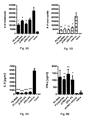
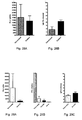
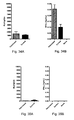
- RNA pTNT-Bet v 1 resultsed in recruitment of allergen-specific Th1 cells as indicated by the increased induction of IgG2a ( Fig. 7A ) and secretion of IFN- ⁇ ( Fig. 7B ) in contrast to sensitization controls (black bars) or naive mice (white bars).
- This Th 1 priming was able to suppress the induction of allergen specific IgE responses ( Fig. 7C )
- RNA transcripts were prepared as described and capped using a ScriptCap kit (Ambion) according to the manufacturer's protocol.
- RNAse free DNAse Promega
- RNA was precipitated by adding 1 volume of 5M ammonium acetate to the reaction tube and incubating the mixture for 10-15 minutes on ice. After a centrifugation period of 15 minutes (13000rpm) at 4°C or room temperature, the pellet was washed with 70% ethanol and re-suspended in nuclease free H 2 O.
- mice were immunized with RNA pTNT-Car b 1 three times in weekly intervals and were sensitized one week later via two weekly injections of 1 ⁇ g recombinant Car b 1 complexed with alum to induce an allergic phenotype. Control animals were only sensitized and did not receive pre-vaccination with the RNA vaccine.
- allergen specific serum IgG2a and IgE were measured by ELISA and RBL as described for experiment 1.
- splenocytes were re-stimulated in vitro with recombinant Car b 1 for 72h and cell culture supernatants were analyzed for IFN- ⁇ as an indicator of allergen-specific Th 1 cell activation
- RNA pTNT-Car b 1 (hatched bars) resulted in recruitment of allergen-specific Th1 cells as indicated by the increased induction of IgG2a ( Fig. 8A ) and secretion of IFN- ⁇ ( Fig. 8B ) in contrast to sensitization controls (black bars) or naive mice (white bars).
- This Th 1 priming was able to suppress the induction of allergen specific IgE responses ( Fig. 8C )
- RNA transcripts were prepared as described and capped using a ScriptCap kit (Ambion) according to the manufacturer's protocol.
- RNAse free DNAse Promega
- RNA was precipitated by adding 1 volume of 5M ammonium acetate to the reaction tube and incubating the mixture for 10-15 minutes on ice. After a centrifugation period of 15 minutes (13000rpm) at 4°C or room temperature, the pellet was washed with 70% ethanol and re-suspended in nuclease free H 2 O.
- mice were immunized with RNA pTNT-Cas s 1 three times in weekly intervals and were sensitized one week later via two weekly injections of 1 ⁇ g recombinant Cas s 1 complexed with alum to induce an allergic phenotype. Control animals were only sensitized and did not receive pre-vaccination with the RNA vaccine.
- allergen specific serum IgG2a and IgE were measured by ELISA and RBL as described for experiment 1.
- splenocytes were re-stimulated in vitro with recombinant Cas s 1 for 72h and cell culture supernatants were analyzed for IFN- ⁇ as an indicator of allergen-specific Th 1 cell activation.
- RNA pTNT-Cas s 1 (hatched bars) resulted in recruitment of allergen-specific Th 1 cells as indicated by the increased induction of IgG2a ( Fig. 9A ) and secretion of IFN- ⁇ ( Fig. 9B ) in contrast to sensitization controls (black bars) or naive mice (white bars).
- This Th 1 priming was able to suppress the induction of allergen specific IgE responses ( Fig. 9C )
- RNA transcripts were prepared as described and capped using a ScriptCap kit (Ambion) according to the manufacturer's protocol.
- RNAse free DNAse Promega
- RNA was precipitated by adding 1 volume of 5M ammonium acetate to the reaction tube and incubating the mixture for 10-15 minutes on ice. After a centrifugation period of 15 minutes (13000rpm) at 4°C or room temperature, the pellet was washed with 70% ethanol and re-suspended in nuclease free H 2 O.
- mice were immunized with RNA pTNT-Phl p 1 three times in weekly intervals and were sensitized one week later via two weekly injections of 1 ⁇ g recombinant Phl p 1 complexed with alum to induce an allergic phenotype. Control animals were only sensitized and did not receive pre-vaccination with the RNA vaccine.
- allergen specific serum IgG2a was measured by ELISA as described for experiment 1.
- splenocytes were re-stimulated in vitro with recombinant Phl p 1 for 72h and cell culture supernatants were analyzed for IFN- ⁇ as an indicator of allergen-specific Th 1 cell activation.
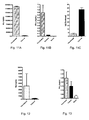
- RNA pTNT-Phl p 1 (hatched bars) resulted in recruitment of allergen-specific Th 1 cells as indicated by the increased induction of IgG2a ( Fig. 10A ) and secretion of IFN- ⁇ ( Fig. 10B ) in contrast to sensitization controls (black bars) or naive mice (white bars).
- RNA transcripts were prepared as described and capped using a ScriptCap kit (Ambion) according to the manufacturer's protocol.
- RNAse free DNAse Promega
- RNA was precipitated by adding 1 volume of 5M ammonium acetate to the reaction tube and incubating the mixture for 10-15 minutes on ice. After a centrifugation period of 15 minutes (13000rpm) at 4°C or room temperature, the pellet was washed with 70% ethanol and re-suspended in nuclease free H 2 O.
- mice were immunized with RNA pTNT-Phl p 6 three times in weekly intervals and were sensitized one week later via two weekly injections of 1 ⁇ g recombinant Phl p 6 complexed with alum to induce an allergic phenotype. Control animals were only sensitized and did not receive pre-vaccination with the RNA vaccine.
- allergen specific serum IgG2a and IgE were measured by ELISA and RBL as described for experiment 1.
- splenocytes were re-stimulated in vitro with recombinant Phl p 6 for 72h and cell culture supernatants were analyzed for IFN- ⁇ as an indicator of allergen-specific Th 1 cell activation.
- RNA pTNT-Phl p 6 hatchched bars
- IgG2a IgG2a
- Fig. 11B secretion of IFN- ⁇
- This Th 1 priming was able to suppress the induction of allergen specific IgE responses ( Fig. 11C ).
- RNA transcripts were prepared as described and capped using a ScriptCap kit (Ambion) according to the manufacturer's protocol.
- RNAse free DNAse Promega
- RNA was precipitated by adding 1 volume of 5M ammonium acetate to the reaction tube and incubating the mixture for 10-15 minutes on ice. After a centrifugation period of 15 minutes (13000rpm) at 4°C or room temperature, the pellet was washed with 70% ethanol and re-suspended in nuclease free H 2 O.
- mice were immunized with RNA pTNT-Cor a 1 three times in weekly intervals and were sensitized one week later via two weekly injections of 1 ⁇ g recombinant Cor a 1 complexed with alum to induce an allergic phenotype. Control animals were only sensitized and did not receive pre-vaccination with the RNA vaccine.
- allergen specific serum IgG2a was measured by ELISA.
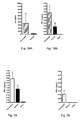
- RNA pTNT-Cor a 1 (hatched bars) resulted in recruitment of allergen-specific Th 1 cells as indicated by the increased induction of IgG2a ( Fig. 12 ) in contrast to sensitization controls (black bars).
- RNA transcripts were prepared as described and capped using a ScriptCap kit (Ambion) according to the manufacturer's protocol.
- RNAse free DNAse Promega
- RNA was precipitated by adding 1 volume of 5M ammonium acetate to the reaction tube and incubating the mixture for 10-15 minutes on ice. After a centrifugation period of 15 minutes (13000rpm) at 4°C or room temperature, the pellet was washed with 70- ethanol and re-suspended in nuclease free H 2 O.
- mice were immunized with RNA pTNT-Aln g 1 three times in weekly intervals and were sensitized one week later via two weekly injections of 1 ⁇ g recombinant Aln g 1 complexed with alum to induce an allergic phenotype. Control animals were only sensitized and did not receive pre-vaccination with the RNA vaccine.
- splenocytes were re-stimulated in vitro with recombinant Aln g 1 for 72h and cell culture supernatants were analyzed for IFN- ⁇ as an indicator of allergen-specific Th 1 cell activation.
- RNA pTNT-Aln g 1 resultsed in recruitment of allergen-specific Th 1 cells as indicated by the increased secretion of IFN- ⁇ ( Fig. 13 ) in contrast to sensitization controls (black bars) or naive mice (white bars).
- RNA transcripts were prepared as described and capped using a ScriptCap kit (Ambion) according to the manufacturer's protocol.
- RNAse free DNAse Promega
- RNA was precipitated by adding 1 volume of 5M ammonium acetate to the reaction tube and incubating the mixture for 10-15 minutes on ice. After a centrifugation period of 15 minutes (13000rpm) at 4°C or room temperature, the pellet was washed with 70% ethanol and re-suspended in nuclease free H 2 O.
- mice were immunized with RNA pTNT-Fag s 1 three times in weekly intervals and were sensitized one week later via two weekly injections of 1 ⁇ g recombinant Fag s 1 complexed with alum to induce an allergic phenotype. Control animals were only sensitized and did not receive pre-vaccination with the RNA vaccine.
- allergen specific serum IgG2a and IgE were measured by ELISA and RBL as described for experiment 1.
- splenocytes were re-stimulated in vitro with recombinant Fag s 1 for 72h and cell culture supernatants were analyzed for IFN- ⁇ as an indicator of allergen-specific Th 1 cell activation.
- RNA pTNT-Fag s 1 (hatched bars) resulted in recruitment of allergen-specific Th 1 cells as indicated by the increased induction of IgG2a ( Fig. 14A ) and secretion of IFN- ⁇ ( Fig. 14B ) in contrast to sensitization controls (black bars) or naive mice (white bars).
- This Th 1 priming was able to suppress the induction of allergen specific IgE responses ( Fig. 14C ).
- RNA transcripts were prepared as described and capped using a ScriptCap kit (Ambion) according to the manufacturer's protocol.
- RNAse free DNAse Promega
- RNA was precipitated by adding 1 volume of 5M ammonium acetate to the reaction tube and incubating the mixture for 10-15 minutes on ice. After a centrifugation period of 15 minutes (13000rpm) at 4°C or room temperature, the pellet was washed with 70% ethanol and re-suspended in nuclease free H 2 O.
- mice were immunized with RNA pTNT-Phl p 2 three times in weekly intervals and were sensitized one week later via two weekly injections of 1 ⁇ g recombinant Phl p 2 complexed with alum to induce an allergic phenotype. Control animals were only sensitized and did not receive pre-vaccination with the RNA vaccine.
- allergen specific serum IgE was measured by RBL as described for experiment 1.
- splenocytes were re-stimulated in vitro with recombinant Phl p 2 for 72h and cell culture supernatants were analyzed for IFN- ⁇ as an indicator of allergen-specific Th 1 cell activation
- RNA pTNT-Phl p 2 (hatched bars) resulted in recruitment of allergen-specific Th 1 cells as indicated by the increased secretion of IFN- ⁇ ( Fig. 15A ) in contrast to sensitization controls (black bars) or naive mice (white bars). This Th1 priming was able to suppress the induction of allergen specific IgE responses ( Fig. 15B ).
- RNA transcripts were prepared as described and capped using a ScriptCap kit (Ambion) according to the manufacturer's protocol.
- RNAse free DNAse Promega
- RNA was precipitated by adding 1 volume of 5M ammonium acetate to the reaction tube and incubating the mixture for 10-15 minutes on ice. After a centrifugation period of 15 minutes (13000rpm) at 4°C or room temperature, the pellet was washed with 70% ethanol and re-suspended in nuclease free H 2 O.
- mice were immunized with RNA pTNT-Phl p 7 three times in weekly intervals and were sensitized one week later via two weekly injections of 1 ⁇ g recombinant Phl p 7 complexed with alum to induce an allergic phenotype. Control animals were only sensitized and did not receive pre-vaccination with the RNA vaccine.
- allergen specific serum IgE was measured by RBL as described for experiment 1.
- RNA pTNT-Phl p 7 (hatched bars) resulted in recruitment of allergen-specific Th 1 cells as indicated by the increased induction of IFN- ⁇ ( Fig. 16A ) in contrast to sensitization controls (black bars) or naive mice (white bars). This Th 1 priming was able to suppress the induction of allergen specific IgE responses ( Fig. 16B ).
- RNA transcripts were prepared as described and capped using a ScriptCap kit (Ambion) according to the manufacturer's protocol.
- RNAse free DNAse Promega
- RNA was precipitated by adding 1 volume of 5M ammonium acetate to the reaction tube and incubating the mixture for 10-15 minutes on ice. After a centrifugation period of 15 minutes (13000rpm) at 4°C or room temperature, the pellet was washed with 70% ethanol and re-suspended in nuclease free H 2 O.
- mice were immunized with RNA pTNT-hybrid(Phl p 1-2-5-6) three times in weekly intervals and were sensitized one week later via two weekly injections of 1 ⁇ g recombinant Phl p 1, Phl p 2, Phl p 5, and Phl p 6 complexed with alum to induce an allergic phenotype. Control animals were only sensitized and did not receive pre-vaccination with the RNA vaccine.
- allergen specific serum IgG2a and IgE were measured by ELISA and RBL as described for experiment 1.
- splenocytes were re-stimulated in vitro with recombinant allergens for 72h and cell culture supernatants were analyzed for IFN- ⁇ as an indicator of allergen-specific Th 1 cell activation.
- RNA pTNT-hybrid(Phl p 1-2-5-6) hatchched bars
- IgG2a IgG2a
- Fig. 17B secretion of IFN- ⁇
- This Th1 priming was able to suppress the induction of allergen specific IgE responses ( Fig. 17C ).
- RNA transcripts were prepared as described and capped using a ScriptCap kit (Ambion) according to the manufacturer's protocol.
- RNAse free DNAse Promega
- RNA was precipitated by adding 1 volume of 5M ammonium acetate to the reaction tube and incubating the mixture for 10-15 minutes on ice. After a centrifugation period of 15 minutes (13000rpm) at 4°C or room temperature, the pellet was washed with 70% ethanol and re-suspended in nuclease free H 2 O.
- mice were immunized with RNA pTNT-Cry j 1 three times in weekly intervals and were sensitized one week later via two weekly injections of 1 ⁇ g recombinant Cry j 1 complexed with alum to induce an allergic phenotype. Control animals were only sensitized and did not receive pre-vaccination with the RNA vaccine.
- allergen specific serum IgG2a were measured by ELISA as described for experiment 1.
- splenocytes were re-stimulated in vitro with recombinant Cry j 1 for 72h and cell culture supernatants were analyzed for IFN- ⁇ as an indicator of allergen-specific Th 1 cell activation.
- RNA pTNT-Cry j 1 (hatched bars) resulted in recruitment of allergen-specific Th1 cells as indicated by the increased induction of IgG2a ( Fig. 18A ) and secretion of IFN- ⁇ ( Fig. 18B ) in contrast to sensitization controls (black bars) or naive mice (white bars).
- RNA transcripts were prepared as described and capped using a ScriptCap kit (Ambion) according to the manufacturer's protocol.
- RNAse free DNAse Promega
- RNA was precipitated by adding 1 volume of 5M ammonium acetate to the reaction tube and incubating the mixture for 10-15 minutes on ice. After a centrifugation period of 15 minutes (13000rpm) at 4°C or room temperature, the pellet was washed with 70% ethanol and re-suspended in nuclease free H 2 O.
- mice were immunized with RNA pTNT-Jun a 1 three times in weekly intervals and were sensitized one week later via two weekly injections of 1 ⁇ g recombinant Jun a 1 complexed with alum to induce an allergic phenotype. Control animals were only sensitized and did not receive pre-vaccination with the RNA vaccine.
- splenocytes were re-stimulated in vitro with recombinant Jun a 1 for 72h and cell culture supernatants were analyzed for IFN- ⁇ as an indicator of allergen-specific Th 1 cell activation
- RNA pTNT-Jun a 1 (hatched bars) resulted in recruitment of allergen-specific Th1 cells as indicated by the increased induction of IFN- ⁇ ( Fig. 19 ) in contrast to sensitization controls (black bars) or naive mice (white bars).
- RNA transcripts were prepared as described and capped using a ScriptCap kit (Ambion) according to the manufacturer's protocol.
- RNAse free DNAse Promega
- RNA was precipitated by adding 1 volume of 5M ammonium acetate to the reaction tube and incubating the mixture for 10-15 minutes on ice. After a centrifugation period of 15 minutes (13000rpm) at 4°C or room temperature, the pellet was washed with 70% ethanol and re-suspended in nuclease free H 2 O.
- mice were immunized with RNA pTNT-Amb a 1 three times in weekly intervals and were sensitized one week later via two weekly injections of 1 ⁇ g purified Amb a 1 complexed with alum to induce an allergic phenotype. Control animals were only sensitized and did not receive pre-vaccination with the RNA vaccine.
- splenocytes were re-stimulated in vitro with purified Amb a 1 for 72h and cell culture supernatants were analyzed for IFN- ⁇ as an indicator of allergen-specific Th 1 cell activation.
- RNA pTNT-Amb a 1 (hatched bars) resulted in recruitment of allergen-specific Th1 cells as indicated by the increased secretion of IFN- ⁇ ( Fig. 20 ) in contrast to sensitization controls (black bars) or naive mice (white bars).
- RNA transcripts were prepared as described and capped using a ScriptCap kit (Ambion) according to the manufacturer's protocol.
- RNAse free DNAse Promega
- RNA was precipitated by adding 1 volume of 5M ammonium acetate to the reaction tube and incubating the mixture for 10-15 minutes on ice. After a centrifugation period of 15 minutes (13000rpm) at 4°C or room temperature, the pellet was washed with 70- ethanol and re-suspended in nuclease free H 2 O.
- mice were immunized with RNA pTNT-Api g 1 three times in weekly intervals and were sensitized one week later via two weekly injections of 1 ⁇ g recombinant Api g 1 complexed with alum to induce an allergic phenotype. Control animals were only sensitized and did not receive pre-vaccination with the RNA vaccine.
- allergen specific serum IgG2a and IgE were measured by ELISA and RBL as described for experiment 1.
- splenocytes were re-stimulated in vitro with recombinant Api g 1 for 72h and cell culture supernatants were analyzed for IFN- ⁇ as an indicator of allergen-specific Th 1 cell activation.
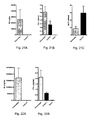
- RNA pTNT-Api g 1 resultsed in recruitment of allergen-specific Th 1 cells as indicated by the increased induction of IgG2a ( Fig. 21A ) and secretion of IFN- ⁇ ( Fig. 21B ) in contrast to sensitization controls (black bars) or naive mice (white bars).
- This Th 1 priming was able to suppress the induction of allergen specific IgE responses ( Fig. 21C )
- RNA transcripts were prepared as described and capped using a ScriptCap kit (Ambion) according to the manufacturer's protocol.
- RNAse free DNAse Promega
- RNA was precipitated by adding 1 volume of 5M ammonium acetate to the reaction tube and incubating the mixture for 10-15 minutes on ice. After a centrifugation period of 15 minutes (13000rpm) at 4°C or room temperature, the pellet was washed with 70% ethanol and re-suspended in nuclease free H 2 O.
- mice were immunized with RNA pTNT-Dau c 1 three times in weekly intervals and were sensitized one week later via two weekly injections of 1 ⁇ g recombinant Dau c 1 complexed with alum to induce an allergic phenotype. Control animals were only sensitized and did not receive pre-vaccination with the RNA vaccine.
- allergen specific serum IgG2a was measured by ELISA as described for experiment 1.
- splenocytes were re-stimulated in vitro with recombinant Dau c 1 for 72h and cell culture supernatants were analyzed for IFN- ⁇ as an indicator of allergen-specific Th 1 cell activation.
- RNA pTNT-Dau c 1 resultsed in recruitment of allergen-specific Th 1 cells as indicated by the increased induction of IgG2a ( Fig. 22A ) and secretion of IFN- ⁇ ( Fig. 22B ) in contrast to sensitization controls (black bars) or naive mice (white bars).
- RNA transcripts were prepared as described and capped using a ScriptCap kit (Ambion) according to the manufacturer's protocol.
- RNAse free DNAse Promega
- RNA was precipitated by adding 1 volume of 5M ammonium acetate to the reaction tube and incubating the mixture for 10-15 minutes on ice. After a centrifugation period of 15 minutes (13000rpm) at 4°C or room temperature, the pellet was washed with 70% ethanol and re-suspended in nuclease free H 2 O.
- mice were immunized with RNA pTNT-Mal d 1 three times in weekly intervals and were sensitized one week later via two weekly injections of 1 ⁇ g recombinant Mal d 1 complexed with alum to induce an allergic phenotype. Control animals were only sensitized and did not receive pre-vaccination with the RNA vaccine.
- allergen specific serum IgG2a and IgE were measured by ELISA and RBL as described for experiment 1.
- splenocytes were re-stimulated in vitro with recombinant Mal d 1 for 72h and cell culture supernatants were analyzed for IFN- ⁇ as an indicator of allergen-specific Th 1 cell activation.
- RNA pTNT-Mal d 1 resultsed in recruitment of allergen-specific Th 1 cells as indicated by the increased induction of IgG2a ( Fig. 23A ) and secretion of IFN- ⁇ ( Fig. 23B ) in contrast to sensitization controls (black bars) or naive mice (white bars).
- This Th1 priming was able to suppress the induction of allergen specific IgE responses ( Fig. 23C ).
- RNA transcripts were prepared as described and capped using a ScriptCap kit (Ambion) according to the manufacturer's protocol.
- RNAse free DNAse Promega
- RNA was precipitated by adding 1 volume of 5M ammonium acetate to the reaction tube and incubating the mixture for 10-15 minutes on ice. After a centrifugation period of 15 minutes (13000rpm) at 4°C or room temperature, the pellet was washed with 70% ethanol and re-suspended in nuclease free H 2 O.
- mice were immunized with RNA pTNT-Ova three times in weekly intervals and were sensitized one week later via two weekly injections of 1 ⁇ g recombinant Ova complexed with alum to induce an allergic phenotype. Control animals were only sensitized and did not receive pre-vaccination with the RNA vaccine.
- allergen specific serum IgG2a and IgE were measured by ELISA and RBL as described for experiment 1.
- splenocytes were re-stimulated in vitro with recombinant Ova for 72h and cell culture supernatants were analyzed for IFN- ⁇ as an indicator of allergen-specific Th 1 cell activation.
- RNA pTNT-Ova pre-vaccination with RNA pTNT-Ova (hatched bars) resulted in recruitment of allergen-specific Th1 cells as indicated by the increased induction of IgG2a ( Fig. 24A ) and secretion of IFN- ⁇ ( Fig. 24B ) in contrast to sensitization controls (black bars) or naive mice (white bars).
- This Th 1 priming was able to suppress the induction of allergen specific IgE responses ( Fig. 24C ).
- RNA transcripts were prepared as described and capped using a ScriptCap kit (Ambion) according to the manufacturer's protocol.
- RNAse free DNAse Promega
- RNA was precipitated by adding 1 volume of 5M ammonium acetate to the reaction tube and incubating the mixture for 10-15 minutes on ice. After a centrifugation period of 15 minutes (13000rpm) at 4°C or room temperature, the pellet was washed with 70% ethanol and re-suspended in nuclease free H 2 O.
- mice were immunized with RNA pTNT-Beta-Casein three times in weekly intervals and were sensitized one week later via two weekly injections of 1 ⁇ g recombinant Beta-Casein complexed with alum to induce an allergic phenotype. Control animals were only sensitized and did not receive pre-vaccination with the RNA vaccine.
- allergen specific serum IgE was measured by RBL as described for experiment 1.
- splenocytes were re-stimulated in vitro with recombinant Beta-Casein for 72h and cell culture supernatants were analyzed for IFN- ⁇ as an indicator of allergen-specific Th 1 cell activation
- RNA transcripts were prepared as described and capped using a ScriptCap kit (Ambion) according to the manufacturer's protocol.
- RNAse free DNAse Promega
- RNA was precipitated by adding 1 volume of 5M ammonium acetate to the reaction tube and incubating the mixture for 10-15 minutes on ice. After a centrifugation period of 15 minutes (13000rpm) at 4°C or room temperature, the pellet was washed with 70% ethanol and re-suspended in nuclease free H 2 O.
- mice were immunized with RNA pTNT-Cyp c 1 three times in weekly intervals and were sensitized one week later via two weekly injections of 1 ⁇ g recombinant Cyp c 1 complexed with alum to induce an allergic phenotype. Control animals were only sensitized and did not receive pre-vaccination with the RNA vaccine.
- allergen specific serum IgG2a was measured by ELISA as described for experiment 1.
- RNA pTNT-Cyp c 1 (hatched bars) resulted in recruitment of allergen-specific Th 1 cells as indicated by the increased induction of IgG2a ( Fig. 26 ).
- RNA transcripts were prepared as described and capped using a ScriptCap kit (Ambion) according to the manufacturer's protocol.
- RNAse free DNAse Promega
- RNA was precipitated by adding 1 volume of 5M ammonium acetate to the reaction tube and incubating the mixture for 10-15 minutes on ice. After a centrifugation period of 15 minutes (13000rpm) at 4°C or room temperature, the pellet was washed with 70% ethanol and re-suspended in nuclease free H 2 O.
- mice were immunized with RNA pTNT-Fel d 1 three times in weekly intervals and were sensitized one week later via two weekly injections of 1 ⁇ g recombinant Fel d 1 complexed with alum to induce an allergic phenotype. Control animals were only sensitized and did not receive pre-vaccination with the RNA vaccine.
- allergen specific serum IgG2a was measured by ELISA as described for experiment 1.
- splenocytes were re-stimulated in vitro with recombinant Fel d 1 for 72h and cell culture supernatants were analyzed for IFN- ⁇ as an indicator of allergen-specific Th 1 cell activation.
- RNA pTNT-Fel d 1 resultsed in recruitment of allergen-specific Th 1 cells as indicated by the increased induction of IgG2a ( Fig. 27A ) and secretion of IFN- ⁇ ( Fig. 27B ) in contrast to sensitization controls (black bars) or naive mice (white bars).
- RNA transcripts were prepared as described and capped using a ScriptCap kit (Ambion) according to the manufacturer's protocol.
- RNAse free DNAse Promega
- RNA was precipitated by adding 1 volume of 5M ammonium acetate to the reaction tube and incubating the mixture for 10-15 minutes on ice. After a centrifugation period of 15 minutes (13000rpm) at 4°C or room temperature, the pellet was washed with 70% ethanol and re-suspended in nuclease free H 2 O.
- mice were immunized with RNA pTNT-Der p 2 three times in weekly intervals and were sensitized one week later via two weekly injections of 1 ⁇ g recombinant Der p 2 complexed with alum to induce an allergic phenotype. Control animals were only sensitized and did not receive pre-vaccination with the RNA vaccine.
- allergen specific serum IgG2a and IgE were measured by ELISA and RBL as described for experiment 1.
- RNA pTNT-Der p 2 (hatched bars) resulted in recruitment of allergen-specific Th 1 cells as indicated by the increased induction of IgG2a ( Fig. 28A ). This Th 1 priming was able to suppress the induction of allergen specific IgE responses ( Fig. 28B ).
- RNA transcripts were prepared as described and capped using a ScriptCap kit (Ambion) according to the manufacturer's protocol.
- RNAse free DNAse Promega
- RNA was precipitated by adding 1 volume of 5M ammonium acetate to the reaction tube and incubating the mixture for 10-15 minutes on ice. After a centrifugation period of 15 minutes (13000rpm) at 4°C or room temperature, the pellet was washed with 70- ethanol and re-suspended in nuclease free H 2 O.
- mice were immunized with RNA pTNT-Alt a 1 three times in weekly intervals and were sensitized one week later via two weekly injections of 1 ⁇ g recombinant Alt a 1 complexed with alum to induce an allergic phenotype. Control animals were only sensitized and did not receive pre-vaccination with the RNA vaccine.
- allergen specific serum IgG2a and IgE were measured by ELISA and RBL as described for experiment 1.
- splenocytes were re-stimulated in vitro with recombinant Alt a 1 for 72h and cell culture supernatants were analyzed for IFN- ⁇ as an indicator of allergen-specific Th 1 cell activation.
- RNA pTNT-Alt a 1 resultsed in recruitment of allergen-specific Th 1 cells as indicated by the increased induction of IgG2a ( Fig. 29A ) and secretion of IFN- ⁇ ( Fig. 29B ) in contrast to sensitization controls (black bars) or naive mice (white bars).
- This Th 1 priming was able to suppress the induction of allergen specific IgE responses ( Fig. 29C ).
- RNA transcripts were prepared as described and capped using a ScriptCap kit (Ambion) according to the manufacturer's protocol.
- RNAse free DNAse Promega
- RNA was precipitated by adding 1 volume of 5M ammonium acetate to the reaction tube and incubating the mixture for 10-15 minutes on ice. After a centrifugation period of 15 minutes (13000rpm) at 4°C or room temperature, the pellet was washed with 70% ethanol and re-suspended in nuclease free H 2 O.
- mice were immunized with RNA pTNT-Cla h 8 three times in weekly intervals and were sensitized one week later via two weekly injections of 1 ⁇ g recombinant Cla h 8 complexed with alum to induce an allergic phenotype. Control animals were only sensitized and did not receive pre-vaccination with the RNA vaccine.
- allergen specific serum IgE was measured RBL as described for experiment 1.
- splenocytes were re-stimulated in vitro with recombinant Cla h 8 for 72h and cell culture supernatants were analyzed for IFN- ⁇ as an indicator of allergen-specific Th 1 cell activation.
- RNA transcripts were prepared as described and capped using a ScriptCap kit (Ambion) according to the manufacturer's protocol.
- RNAse free DNAse Promega
- RNA was precipitated by adding 1 volume of 5M ammonium acetate to the reaction tube and incubating the mixture for 10-15 minutes on ice. After a centrifugation period of 15 minutes (13000rpm) at 4°C or room temperature, the pellet was washed with 70% ethanol and re-suspended in nuclease free H 2 O.
- mice were immunized with RNA pTNT-Hev b 6 three times in weekly intervals and were sensitized one week later via two weekly injections of 1 ⁇ g recombinant Hev b 6 complexed with alum to induce an allergic phenotype. Control animals were only sensitized and did not receive pre-vaccination with the RNA vaccine.
- allergen specific serum IgG2a was measured by ELISA as described for experiment 1.
- splenocytes were re-stimulated in vitro with recombinant Hev b 6 for 72h and cell culture supernatants were analyzed for IFN- ⁇ as an indicator of allergen-specific Th 1 cell activation
- RNA pTNT-Hev b 6 (hatched bars) resulted in recruitment of allergen-specific Th 1 cells as indicated by the increased induction of IgG2a ( Fig. 31A ) and secretion of IFN- ⁇ ( Fig. 31B ) in contrast to sensitization controls (black bars) or naive mice (white bars).
- RNA transcripts were prepared as described and capped using a ScriptCap kit (Ambion) according to the manufacturer's protocol.
- RNAse free DNAse Promega
- RNA was precipitated by adding 1 volume of 5M ammonium acetate to the reaction tube and incubating the mixture for 10-15 minutes on ice. After a centrifugation period of 15 minutes (13000rpm) at 4°C or room temperature, the pellet was washed with 70% ethanol and re-suspended in nuclease free H 2 O.
- mice were immunized with RNA pTNT-hybrid(Aln-Cor-Que-Car-Bet) three times in weekly intervals and were sensitized one week later via two weekly injections of 1 ⁇ g recombinant whole allergens complexed with alum to induce an allergic phenotype. Control animals were only sensitized and did not receive pre-vaccination with the RNA vaccine.
- allergen specific serum IgG2a was measured by ELISA as described for experiment 1.
- RNA pTNT-hybrid(allergen) (hatched bars) resulted in recruitment of allergen-specific Th 1 cells as indicated by the increased induction of IgG2a ( Fig. 32 ).
- RNA transcripts were prepared as described and capped using a ScriptCap kit (Ambion) according to the manufacturer's protocol.
- RNAse free DNAse Promega
- RNA was precipitated by adding 1 volume of 5M ammonium acetate to the reaction tube and incubating the mixture for 10-15 minutes on ice. After a centrifugation period of 15 minutes (13000rpm) at 4°C or room temperature, the pellet was washed with 70% ethanol and re-suspended in nuclease free H 2 O.
- mice were immunized with RNA pTNT-Ara h 2 three times in weekly intervals and were sensitized one week later via two weekly injections of 1 ⁇ g recombinant Ara h 2 complexed with alum to induce an allergic phenotype. Control animals were only sensitized and did not receive pre-vaccination with the RNA vaccine.
- allergen specific serum IgE was measured by ELISA and RBL as described for experiment 1.
- splenocytes were re-stimulated in vitro with recombinant Ara h 2 for 72h and cell culture supernatants were analyzed for IFN- ⁇ as an indicator of allergen-specific Th 1 cell activation.
- RNA pTNT-Ara h 2 (hatched bars) resulted in recruitment of allergen-specific Th 1 cells as indicated by the secretion of IFN- ⁇ ( Fig. 33A ). This Th 1 priming was able to suppress the induction of allergen specific IgE responses ( Fig. 33B ).
- RNA transcripts were prepared as described and capped using a ScriptCap kit (Ambion) according to the manufacturer's protocol.
- RNAse free DNAse Promega
- RNA was precipitated by adding 1 volume of 5M ammonium acetate to the reaction tube and incubating the mixture for 10-15 minutes on ice. After a centrifugation period of 15 minutes (13000rpm) at 4°C or room temperature, the pellet was washed with 70% ethanol and re-suspended in nuclease free H 2 O.
- mice were immunized with RNA pTNT- Que a 1three times in weekly intervals and were sensitized one week later via two weekly injections of 1 ⁇ g recombinant Que a 1 complexed with alum to induce an allergic phenotype. Control animals were only sensitized and did not receive pre-vaccination with the RNA vaccine.
- allergen specific serum IgG2a was measured by ELISA as described for experiment 1.
- splenocytes were re-stimulated in vitro with recombinant Que a 1for 72h and cell culture supernatants were analyzed for IFN- ⁇ as an indicator of allergen-specific Th 1 cell activation
- RNA pTNT- Que a 1 resultsed in recruitment of allergen-specific Th 1 cells as indicated by the increased induction of IgG2a ( Fig. 34A ) and secretion of IFN- ⁇ ( Fig. 34B ) in contrast to sensitization controls (black bars) or naive mice (white bars).
- RNA transcripts were prepared as described and capped using a ScriptCap kit (Ambion) according to the manufacturer's protocol.
- RNAse free DNAse Promega
- RNA was precipitated by adding 1 volume of 5M ammonium acetate to the reaction tube and incubating the mixture for 10-15 minutes on ice. After a centrifugation period of 15 minutes (13000rpm) at 4°C or room temperature, the pellet was washed with 70% ethanol and re-suspended in nuclease free H 2 O.
- mice were immunized with RNA pTNT-Art v 1 three times in weekly intervals and were sensitized one week later via two weekly injections of 1 ⁇ g recombinant Art v 1 complexed with alum to induce an allergic phenotype. Control animals were only sensitized and did not receive pre-vaccination with the RNA vaccine.
- allergen specific serum IgG2a was measured by ELISA and RBL as described for experiment 1.
- splenocytes were re-stimulated in vitro with recombinant Art v 1 for 72h and cell culture supernatants were analyzed for IFN- ⁇ as an indicator of allergen-specific Th 1 cell activation
- RNA pTNT-Art v 1 (hatched bars) resulted in no recruitment of allergen-specific Th 1 cells as indicated by no increased induction of IgG2a ( Fig. 35A ) or secretion of IFN- ⁇ ( Fig. 35B ).
- RNA transcripts were prepared as described and capped using a ScriptCap kit (Ambion) according to the manufacturer's protocol.
- RNAse free DNAse Promega
- RNA was precipitated by adding 1 volume of 5M ammonium acetate to the reaction tube and incubating the mixture for 10-15 minutes on ice. After a centrifugation period of 15 minutes (13000rpm) at 4°C or room temperature, the pellet was washed with 70% ethanol and re-suspended in nuclease free H 2 O.
- mice were immunized with RNA pTNT-Ole e 1 three times in weekly intervals and were sensitized one week later via two weekly injections of 1 ⁇ g recombinant Ole e 1 complexed with alum to induce an allergic phenotype. Control animals were only sensitized and did not receive pre-vaccination with the RNA vaccine.
- allergen specific serum IgG2a and IgE were measured by ELISA and RBL as described for example 1.
- RNA pTNT-Ole e 1 (hatched bars) resulted in no recruitment of allergen-specific Th 1 cells as indicated by no increased induction of IgG2a ( Fig. 36A ). Furthermore, no suppression of the induction of allergen specific IgE responses could be measured ( Fig. 36B ).
Landscapes
- Health & Medical Sciences (AREA)
- Life Sciences & Earth Sciences (AREA)
- Chemical & Material Sciences (AREA)
- Immunology (AREA)
- Medicinal Chemistry (AREA)
- General Health & Medical Sciences (AREA)
- Animal Behavior & Ethology (AREA)
- Public Health (AREA)
- Veterinary Medicine (AREA)
- Pharmacology & Pharmacy (AREA)
- Engineering & Computer Science (AREA)
- Bioinformatics & Cheminformatics (AREA)
- Epidemiology (AREA)
- Zoology (AREA)
- Microbiology (AREA)
- Gastroenterology & Hepatology (AREA)
- Organic Chemistry (AREA)
- Proteomics, Peptides & Aminoacids (AREA)
- Mycology (AREA)
- Wood Science & Technology (AREA)
- Genetics & Genomics (AREA)
- Nuclear Medicine, Radiotherapy & Molecular Imaging (AREA)
- General Chemical & Material Sciences (AREA)
- Chemical Kinetics & Catalysis (AREA)
- Biomedical Technology (AREA)
- Biotechnology (AREA)
- Virology (AREA)
- Biochemistry (AREA)
- General Engineering & Computer Science (AREA)
- Pulmonology (AREA)
- Medicines Containing Antibodies Or Antigens For Use As Internal Diagnostic Agents (AREA)
- Medicines That Contain Protein Lipid Enzymes And Other Medicines (AREA)
Claims (14)
- RNA-Impfstoff, enthaltend mindestens ein RNA-Molekül, das mindestens ein Allergen oder Derivat davon kodiert, wobei es sich bei dem Allergen um ein Allergen von Alnus glutinosa, Alternaria alternata, Ambrosia artemisiifolia, Apium graveolens, Arachis hypogaea, Betula verrucosa, Carpinus betulus, Castanea sativa, Cladosporium herbarum, Corylus avellana, Cryptomeria japonica, Cyprinus carpio, Daucus carota, Dermatophagoides pteronyssinus, Fagus sylvatica, Felis domesticus, Hevea brasiliensis, Juniperus ashei, Malus domestica, Quercus alba und Phleum pratense handelt.
- Impfstoff nach Anspruch 1, dadurch gekennzeichnet, dass es sich bei dem Allergen von Alnus glutinosa um AIn g 1, dass das Allergen von Alternaria alternata aus der Gruppe ausgewählt ist, die aus Alt a 1, Alt a 3, Alt a 4, Alt a 5, Alt a 6, Alt a 7, Alt a 8, Alt a 10, Alt a 12 und Alt a 13 besteht, dass das Allergen von Ambrosia artemisiifolia aus der Gruppe ausgewählt ist, die aus Amb a 1, Amb a 2, Amb a 3, Amb a 5, Amb a 6, Amb a 7, Amb a 8, Amb a 9 und Amb a 10 besteht, dass das Allergen von Apium graveolens aus der Gruppe ausgewählt ist, die aus Api g 1, Api g 4 und Api g 5, dass das Allergen von Arachis hypogaea aus der Gruppe ausgewählt ist, die aus Ara h 1, Ara h 2, Ara h 3, Ara h 4, Ara h 5, Ara h 6, Ara h 7 und Ara h 8 besteht, dass das Allergen von Betula verrucosa aus der Gruppe ausgewählt ist, die aus Bet v 1, Bet v 2, Bet v 3, Bet v 4, Bet v 6 und Bet v 7 besteht, dass es sich bei dem Allergen von Carpinus betulus um Car b 1 handelt, dass das Allergen von Castanea sativa aus der Gruppe ausgewählt ist, die aus Cas s 1, Cas s 5 und Cas s 8 besteht, dass das Allergen von Cladosporium herbarum aus der Gruppe ausgewählt ist, die aus CIa h 2, CIa h 5, CIa h 6, CIa h 7, CIa h 8, CIa h 9, CIa h 10 und CIa h 12 besteht, dass das Allergen von Corylus avellana aus der Gruppe ausgewählt ist, die aus Cor a 1, Cor a 2, Cor a 8, Cor a 9, Cor a 10 und Cor a 11 besteht, dass das Allergen von Cryptomeria japonica aus der Gruppe ausgewählt ist, die aus Cry j 1 und Cry j 2 besteht, dass es sich bei dem Allergen von Cyprinus carpio um Cyp c 1 handelt, dass das Allergen von Daucus carota aus der Gruppe ausgewählt ist, die aus Dau c 1 und Dau c 4 besteht, dass das Allergen von Dermatophagoides pteronyssinus aus der Gruppe ausgewählt ist, die aus Der p 1, Der p 2, Der p 3, Der p 4, Der p 5, Der p 6, Der p 7, Der p 8, Der p 9, Der p 10, Der p 11, Der p 14, Der p 20, Der p 21 und Klon-30-Allergen besteht, dass es sich bei dem Allergen von Fagus sylvatica um Fag s 1 handelt, dass das Allergen von Felis domesticus aus der Gruppe ausgewählt ist, die aus FeI d 1, FeI d 2, FeI d 3, FeI d 4, FeI d 5w, FeI d 6w und FeI d 7w besteht, dass das Allergen von Hevea brasiliensis aus der Gruppe ausgewählt ist, die aus Hev b 1, Hev b 2, Hev b 3, Hev b 4, Hev b 5, Hev b 6.01, Hev b 6.02, Hev b 6.03, Hev b 7.01, Hev b 7.02, Hev b 8, Hev b 9, Hev b 10, Hev b 11, Hev b 12 und Hev b 13 besteht, dass das Allergen von Juniperus ashei aus der Gruppe ausgewählt ist, die aus Jun a 1, Jun a 2 und Jun a 3 besteht, dass das Allergen von Malus domestica aus der Gruppe ausgewählt ist, die aus MaI d 1, MaI d 2, MaI d 3 und MaI d 4 besteht, dass es sich bei dem Allergen von Quercus alba um Que a 1 handelt und das Allergen von Phleum pratense aus der Gruppe ausgewählt ist, die aus PhI p 1, PhI p 2, PhI p 4, PhI p 5, PhI p 6, PhI p 7, PhI p 11, PhI p 12 und PhI p 13 besteht.
- Impfstoff nach Anspruch 1 oder 2, dadurch gekennzeichnet, dass das Allergen aus der Gruppe ausgewählt ist, die aus AIn g1, Alt a1, Amb a1, Api g1, Ara h 2, Bet v1, β-Casein, Car b 1, Cas s 1, CIa h 8, Cor a 1, Cry j 1, Cyp c 1, Dau c 1, Der p 2, Fag s1, FeI d 1, Hev b 6, Jun a1, MaI d 1, PhI p1, PhI p2, PhI p5, PhI p6 und PhI p 7 besteht.
- Impfstoff nach Anspruch 1 oder 2, dadurch gekennzeichnet, dass das RNA-Molekül PhI p 1, PhI p2, PhI p5 und PhI p6 oder AIn g 1, Cor a 1, Que a1, Car b1 und Bet v1 kodiert.
- Impfstoff nach einem der Ansprüche 1 bis 4, dadurch gekennzeichnet, dass das Allergenderivat hypoallergen ist.
- Impfstoff nach Anspruch 5, dadurch gekennzeichnet, dass das hypoallergene Allergenderivat eine IgE-Reaktivität aufweist, die mindestens 10 %, vorzugsweise mindestens 20 %, insbesondere mindestens 30 %, insbesondere mindestens 50 % niedriger ist als die IgE-Reaktivität des Wildtyp-Allergens.
- Impfstoff nach einem der Ansprüche 1 bis 6, dadurch gekennzeichnet, dass das RNA-Molekül, welches das Allergen oder dessen Derivat kodiert, mit mindestens einem weiteren Molekül fusioniert ist, das ein Peptid, Polypeptid oder Protein kodiert.
- Impfstoff nach einem der Ansprüche 1 bis 7, dadurch gekennzeichnet, dass das RNA-Molekül mindestens ein weiteres Element umfasst, das aus der Gruppe ausgewählt ist, die aus Replicase, β-Globin-Leadersequenz, cap0, cap1 und polyA-Schwanz besteht.
- Impfstoff nach einem der Ansprüche 1 bis 8, dadurch gekennzeichnet, dass der Impfstoff ferner ein Adjuvans enthält, das vorzugsweise aus der Gruppe ausgewählt ist, die aus CpG-DNA und Zytokinen, vorzugsweise IL-12 und IL-15, besteht.
- Impfstoff nach einem der Ansprüche 1 bis 9, dadurch gekennzeichnet, dass der Impfstoff für die intramuskuläre, intradermale, intravenöse, transdermale, topische oder biolistische Verabreichung adaptiert ist.
- Verwendung mindestens eines RNA-Moleküls, wie in einem der Ansprüche 1 bis 8 definiert, für die Herstellung eines Impfstoffs zum Behandeln oder Verhindern von Allergie.
- Verwendung mindestens eines RNA-Moleküls, wie in einem der Ansprüche 1 bis 8 definiert, für die Herstellung eines schützenden und therapeutischen Impfstoffes zum Hyposensibilisieren eines Individuums gegen ein Allergen.
- Verwendung nach Anspruch 11 oder 12, dadurch gekennzeichnet, dass der Impfstoff ferner ein Adjuvans enthält, das vorzugsweise aus der Gruppe ausgewählt ist, die aus CpG-DNA und Zytokinen, vorzugsweise IL-12 und IL-15, besteht.
- Verwendung nach einem der Ansprüche 11 bis 13, dadurch gekennzeichnet, dass der Impfstoff für die intramuskuläre, intradermale, intravenöse, transdermale, topische oder biolistische Verabreichung adaptiert ist.
Priority Applications (2)
| Application Number | Priority Date | Filing Date | Title |
|---|---|---|---|
| EP08804887.1A EP2200646B1 (de) | 2007-09-28 | 2008-09-29 | Rna-vakzine |
| PL08804887T PL2200646T3 (pl) | 2007-09-28 | 2008-09-29 | Szczepionki RNA |
Applications Claiming Priority (3)
| Application Number | Priority Date | Filing Date | Title |
|---|---|---|---|
| EP07450169A EP2042193A1 (de) | 2007-09-28 | 2007-09-28 | RNA-Impfstoffe |
| EP08804887.1A EP2200646B1 (de) | 2007-09-28 | 2008-09-29 | Rna-vakzine |
| PCT/EP2008/063035 WO2009040443A1 (en) | 2007-09-28 | 2008-09-29 | Rna vaccines |
Publications (2)
| Publication Number | Publication Date |
|---|---|
| EP2200646A1 EP2200646A1 (de) | 2010-06-30 |
| EP2200646B1 true EP2200646B1 (de) | 2013-08-07 |
Family
ID=38847002
Family Applications (2)
| Application Number | Title | Priority Date | Filing Date |
|---|---|---|---|
| EP07450169A Withdrawn EP2042193A1 (de) | 2007-09-28 | 2007-09-28 | RNA-Impfstoffe |
| EP08804887.1A Active EP2200646B1 (de) | 2007-09-28 | 2008-09-29 | Rna-vakzine |
Family Applications Before (1)
| Application Number | Title | Priority Date | Filing Date |
|---|---|---|---|
| EP07450169A Withdrawn EP2042193A1 (de) | 2007-09-28 | 2007-09-28 | RNA-Impfstoffe |
Country Status (11)
| Country | Link |
|---|---|
| US (3) | US20110033416A1 (de) |
| EP (2) | EP2042193A1 (de) |
| JP (1) | JP5535920B2 (de) |
| CN (1) | CN101827606B (de) |
| AU (1) | AU2008303483B2 (de) |
| BR (1) | BRPI0817265A2 (de) |
| CA (1) | CA2700604C (de) |
| DK (1) | DK2200646T3 (de) |
| ES (1) | ES2434221T3 (de) |
| PL (1) | PL2200646T3 (de) |
| WO (1) | WO2009040443A1 (de) |
Families Citing this family (34)
| Publication number | Priority date | Publication date | Assignee | Title |
|---|---|---|---|---|
| EP2042193A1 (de) | 2007-09-28 | 2009-04-01 | Biomay AG | RNA-Impfstoffe |
| EP2331124A1 (de) | 2008-08-15 | 2011-06-15 | Circassia Limited | T-zell-antigen-peptid aus einem allergen zur stimulierung der il-10-produktion |
| ES2532759T3 (es) | 2009-02-05 | 2015-03-31 | Circassia Limited | Péptidos de plantas herbáceas para vacunas |
| SI2591114T1 (sl) * | 2010-07-06 | 2016-10-28 | Glaxosmithkline Biologicals S.A. | Imunizacija velikih sesalcev z majhnimi odmerki RNA |
| ES2646669T3 (es) | 2010-07-06 | 2017-12-14 | Glaxosmithkline Biologicals Sa | Procedimientos de aumento de una respuesta inmunitaria mediante el suministro de ARN |
| AU2011276234B2 (en) | 2010-07-06 | 2016-02-25 | Glaxosmithkline Biologicals S.A. | Liposomes with lipids having an advantageous pKa- value for RNA delivery |
| CA2807552A1 (en) | 2010-08-06 | 2012-02-09 | Moderna Therapeutics, Inc. | Engineered nucleic acids and methods of use thereof |
| WO2012031043A1 (en) | 2010-08-31 | 2012-03-08 | Novartis Ag | Pegylated liposomes for delivery of immunogen-encoding rna |
| ES3005233T3 (en) | 2010-10-01 | 2025-03-14 | Modernatx Inc | Modified nucleosides, nucleotides, and nucleic acids, and uses thereof |
| EP3520813B1 (de) | 2010-10-11 | 2023-04-19 | GlaxoSmithKline Biologicals S.A. | Antigenfreisetzungsplattformen |
| JP2014511687A (ja) | 2011-03-31 | 2014-05-19 | モデルナ セラピューティクス インコーポレイテッド | 工学操作された核酸の送達および製剤 |
| EP3854413A1 (de) | 2011-07-06 | 2021-07-28 | GlaxoSmithKline Biologicals SA | Immunogene kombinationszusammensetzungen und ihre verwendung |
| US9464124B2 (en) | 2011-09-12 | 2016-10-11 | Moderna Therapeutics, Inc. | Engineered nucleic acids and methods of use thereof |
| EP2763701B1 (de) | 2011-10-03 | 2018-12-19 | Moderna Therapeutics, Inc. | Modifizierte nukleoside, nukleotide und nukleinsäuren und verwendungen davon |
| JP2015501844A (ja) | 2011-12-16 | 2015-01-19 | モデルナ セラピューティクス インコーポレイテッドModerna Therapeutics,Inc. | 修飾ヌクレオシド、ヌクレオチドおよび核酸組成物 |
| US9283287B2 (en) | 2012-04-02 | 2016-03-15 | Moderna Therapeutics, Inc. | Modified polynucleotides for the production of nuclear proteins |
| WO2013151663A1 (en) | 2012-04-02 | 2013-10-10 | modeRNA Therapeutics | Modified polynucleotides for the production of membrane proteins |
| US9572897B2 (en) | 2012-04-02 | 2017-02-21 | Modernatx, Inc. | Modified polynucleotides for the production of cytoplasmic and cytoskeletal proteins |
| US9254311B2 (en) | 2012-04-02 | 2016-02-09 | Moderna Therapeutics, Inc. | Modified polynucleotides for the production of proteins |
| PL2861240T3 (pl) * | 2012-06-15 | 2021-07-05 | Immunomic Therapeutics, Inc. | Kwasy nukleinowe do leczenia alergii |
| ES2921623T3 (es) | 2012-11-26 | 2022-08-30 | Modernatx Inc | ARN modificado terminalmente |
| US8980864B2 (en) | 2013-03-15 | 2015-03-17 | Moderna Therapeutics, Inc. | Compositions and methods of altering cholesterol levels |
| WO2015048744A2 (en) | 2013-09-30 | 2015-04-02 | Moderna Therapeutics, Inc. | Polynucleotides encoding immune modulating polypeptides |
| KR20160067219A (ko) | 2013-10-03 | 2016-06-13 | 모더나 세라퓨틱스, 인코포레이티드 | 저밀도 지단백질 수용체를 암호화하는 폴리뉴클레오타이드 |
| DK3134131T3 (en) | 2014-04-23 | 2022-02-07 | Modernatx Inc | Nucleic acid vaccines |
| JP6088584B2 (ja) * | 2015-06-15 | 2017-03-01 | イミュノミック セラピューティックス, インコーポレイテッドImmunomic Therapeutics, Inc. | アレルギー治療のための核酸 |
| EP3564375A4 (de) * | 2016-12-27 | 2020-12-16 | The University Of Tokyo | Verfahren zur funktionalisierung von mrna |
| US20210163957A1 (en) | 2018-05-11 | 2021-06-03 | Astellas Pharma Inc. | Nucleic acid for treating mite allergy |
| EP4134674A1 (de) | 2021-08-13 | 2023-02-15 | Euroimmun Medizinische Labordiagnostika AG | Verfahren und reagenzien zum detektieren eines antikörpers gegen ein ses ipr-10-allergen |
| CN114262378B (zh) * | 2021-12-20 | 2023-03-24 | 南京诺唯赞生物科技股份有限公司 | 一种omt的单克隆抗体及其制备方法 |
| CN116603061A (zh) * | 2022-02-09 | 2023-08-18 | 中国食品药品检定研究院 | 屋尘螨变应原免疫治疗组合物 |
| WO2023161350A1 (en) | 2022-02-24 | 2023-08-31 | Io Biotech Aps | Nucleotide delivery of cancer therapy |
| EP4520345A1 (de) | 2023-09-06 | 2025-03-12 | Myneo Nv | Produkt |
| WO2025220620A1 (ja) * | 2024-04-15 | 2025-10-23 | 国立大学法人東京科学大学 | 経皮投与用のワクチン組成物および当該ワクチン組成物の投与方法 |
Family Cites Families (13)
| Publication number | Priority date | Publication date | Assignee | Title |
|---|---|---|---|---|
| US5703055A (en) * | 1989-03-21 | 1997-12-30 | Wisconsin Alumni Research Foundation | Generation of antibodies through lipid mediated DNA delivery |
| US5830463A (en) * | 1993-07-07 | 1998-11-03 | University Technology Corporation | Yeast-based delivery vehicles |
| FR2715847B1 (fr) | 1994-02-08 | 1996-04-12 | Rhone Poulenc Rorer Sa | Composition contenant des acides nucléiques, préparation et utilisations. |
| FR2730637B1 (fr) | 1995-02-17 | 1997-03-28 | Rhone Poulenc Rorer Sa | Composition pharmaceutique contenant des acides nucleiques, et ses utilisations |
| US20030202980A1 (en) * | 1995-12-29 | 2003-10-30 | Caplan Michael J. | Methods and reagents for decreasing clinical reaction to allergy |
| SE9903950D0 (sv) | 1999-10-29 | 1999-10-29 | Pharmacia & Upjohn Diag Ab | Non-anaphylactic forms of grass pollen allergen and their use |
| US20050154189A1 (en) * | 2000-06-23 | 2005-07-14 | Maxygen Inc | Novel co-stimulatory molecules |
| CU22983A1 (es) * | 2002-05-08 | 2004-09-09 | Inst Finlay | Composición vacunal contra las alergias y método para su obtención y empleo en el tratamiento de las mismas |
| CA2486118A1 (en) * | 2002-06-07 | 2003-12-18 | Large Scale Biology Corporation | Flexible vaccine assembly and vaccine delivery platform |
| ATE307141T1 (de) | 2003-01-21 | 2005-11-15 | Biomay Prod & Handel | Verfahren zur vorbereitung von hypoallergenen mosaikproteine |
| DE102004042546A1 (de) * | 2004-09-02 | 2006-03-09 | Curevac Gmbh | Kombinationstherapie zur Immunstimulation |
| PL1868642T3 (pl) * | 2005-03-18 | 2013-10-31 | Cytos Biotechnology Ag | Białka fuzyjne alergenów kocich i ich zastosowania |
| EP2042193A1 (de) | 2007-09-28 | 2009-04-01 | Biomay AG | RNA-Impfstoffe |
-
2007
- 2007-09-28 EP EP07450169A patent/EP2042193A1/de not_active Withdrawn
-
2008
- 2008-09-29 JP JP2010526322A patent/JP5535920B2/ja not_active Expired - Fee Related
- 2008-09-29 AU AU2008303483A patent/AU2008303483B2/en not_active Ceased
- 2008-09-29 ES ES08804887T patent/ES2434221T3/es active Active
- 2008-09-29 WO PCT/EP2008/063035 patent/WO2009040443A1/en not_active Ceased
- 2008-09-29 DK DK08804887.1T patent/DK2200646T3/da active
- 2008-09-29 PL PL08804887T patent/PL2200646T3/pl unknown
- 2008-09-29 CA CA2700604A patent/CA2700604C/en active Active
- 2008-09-29 EP EP08804887.1A patent/EP2200646B1/de active Active
- 2008-09-29 BR BRPI0817265-0A patent/BRPI0817265A2/pt not_active Application Discontinuation
- 2008-09-29 US US12/680,354 patent/US20110033416A1/en not_active Abandoned
- 2008-09-29 CN CN200880109057.8A patent/CN101827606B/zh active Active
-
2013
- 2013-09-13 US US14/026,436 patent/US20140134129A1/en not_active Abandoned
-
2017
- 2017-01-20 US US15/410,807 patent/US11020477B2/en active Active
Non-Patent Citations (2)
| Title |
|---|
| BERGER, A: "Science commentary: TH1 and TH2 responses: what are they?", BMJ, vol. 321, 12 August 2000 (2000-08-12), pages 424 * |
| CARRALOT ET AL.: "Polarization of immunity induced by direct injection of naked sequence-stabilized mRNA vaccines", CMLS, vol. 61, 2004, pages 2418 - 2424 * |
Also Published As
| Publication number | Publication date |
|---|---|
| CA2700604A1 (en) | 2009-04-02 |
| US20110033416A1 (en) | 2011-02-10 |
| PL2200646T3 (pl) | 2014-01-31 |
| US20140134129A1 (en) | 2014-05-15 |
| EP2042193A1 (de) | 2009-04-01 |
| ES2434221T3 (es) | 2013-12-16 |
| BRPI0817265A2 (pt) | 2015-06-16 |
| CA2700604C (en) | 2016-04-26 |
| CN101827606B (zh) | 2017-08-22 |
| JP2010540500A (ja) | 2010-12-24 |
| US20170136121A1 (en) | 2017-05-18 |
| US11020477B2 (en) | 2021-06-01 |
| DK2200646T3 (da) | 2013-10-21 |
| AU2008303483A1 (en) | 2009-04-02 |
| JP5535920B2 (ja) | 2014-07-02 |
| EP2200646A1 (de) | 2010-06-30 |
| WO2009040443A1 (en) | 2009-04-02 |
| CN101827606A (zh) | 2010-09-08 |
| AU2008303483B2 (en) | 2013-10-31 |
Similar Documents
| Publication | Publication Date | Title |
|---|---|---|
| US11020477B2 (en) | RNA vaccines | |
| US20240084288A1 (en) | Method for reducing immunogenicity of rna | |
| ES2896927T3 (es) | ARN transreplicante | |
| CA3143117A1 (en) | Rna construct | |
| US20080025944A1 (en) | Combination Therapy for Immunostimulation | |
| US20250051798A1 (en) | Rna construct | |
| CA2556229A1 (en) | System immune activation method using non cpg nucleic acids | |
| AU2023291809A1 (en) | Allergy vaccines based on consensus allergens | |
| HK40059264A (en) | Trans-replicating rna | |
| HK40003013B (en) | Trans-replicating rna |
Legal Events
| Date | Code | Title | Description |
|---|---|---|---|
| PUAI | Public reference made under article 153(3) epc to a published international application that has entered the european phase |
Free format text: ORIGINAL CODE: 0009012 |
|
| 17P | Request for examination filed |
Effective date: 20100422 |
|
| AK | Designated contracting states |
Kind code of ref document: A1 Designated state(s): AT BE BG CH CY CZ DE DK EE ES FI FR GB GR HR HU IE IS IT LI LT LU LV MC MT NL NO PL PT RO SE SI SK TR |
|
| AX | Request for extension of the european patent |
Extension state: AL BA MK RS |
|
| RIN1 | Information on inventor provided before grant (corrected) |
Inventor name: FRUEHWIRTH, ANGELIKA Inventor name: SCHEIBLHOFER, SANDRA Inventor name: ROESLER, ELISABETH Inventor name: WEISS, RICHARD Inventor name: THALHAMER, JOSEF |
|
| RAX | Requested extension states of the european patent have changed |
Extension state: RS Payment date: 20100422 |
|
| 17Q | First examination report despatched |
Effective date: 20120724 |
|
| GRAP | Despatch of communication of intention to grant a patent |
Free format text: ORIGINAL CODE: EPIDOSNIGR1 |
|
| GRAS | Grant fee paid |
Free format text: ORIGINAL CODE: EPIDOSNIGR3 |
|
| GRAA | (expected) grant |
Free format text: ORIGINAL CODE: 0009210 |
|
| AK | Designated contracting states |
Kind code of ref document: B1 Designated state(s): AT BE BG CH CY CZ DE DK EE ES FI FR GB GR HR HU IE IS IT LI LT LU LV MC MT NL NO PL PT RO SE SI SK TR |
|
| AX | Request for extension of the european patent |
Extension state: RS |
|
| REG | Reference to a national code |
Ref country code: GB Ref legal event code: FG4D |
|
| REG | Reference to a national code |
Ref country code: CH Ref legal event code: EP Ref country code: AT Ref legal event code: REF Ref document number: 625445 Country of ref document: AT Kind code of ref document: T Effective date: 20130815 |
|
| REG | Reference to a national code |
Ref country code: IE Ref legal event code: FG4D |
|
| REG | Reference to a national code |
Ref country code: DE Ref legal event code: R096 Ref document number: 602008026638 Country of ref document: DE Effective date: 20131002 |
|
| REG | Reference to a national code |
Ref country code: DK Ref legal event code: T3 Effective date: 20131015 Ref country code: DK Ref legal event code: T3 |
|
| REG | Reference to a national code |
Ref country code: NL Ref legal event code: T3 |
|
| REG | Reference to a national code |
Ref country code: CH Ref legal event code: NV Representative=s name: KELLER AND PARTNER PATENTANWAELTE AG, CH |
|
| REG | Reference to a national code |
Ref country code: ES Ref legal event code: FG2A Ref document number: 2434221 Country of ref document: ES Kind code of ref document: T3 Effective date: 20131216 |
|
| REG | Reference to a national code |
Ref country code: LT Ref legal event code: MG4D |
|
| PG25 | Lapsed in a contracting state [announced via postgrant information from national office to epo] |
Ref country code: IS Free format text: LAPSE BECAUSE OF FAILURE TO SUBMIT A TRANSLATION OF THE DESCRIPTION OR TO PAY THE FEE WITHIN THE PRESCRIBED TIME-LIMIT Effective date: 20131207 Ref country code: CY Free format text: LAPSE BECAUSE OF FAILURE TO SUBMIT A TRANSLATION OF THE DESCRIPTION OR TO PAY THE FEE WITHIN THE PRESCRIBED TIME-LIMIT Effective date: 20130828 Ref country code: HR Free format text: LAPSE BECAUSE OF FAILURE TO SUBMIT A TRANSLATION OF THE DESCRIPTION OR TO PAY THE FEE WITHIN THE PRESCRIBED TIME-LIMIT Effective date: 20130807 Ref country code: NO Free format text: LAPSE BECAUSE OF FAILURE TO SUBMIT A TRANSLATION OF THE DESCRIPTION OR TO PAY THE FEE WITHIN THE PRESCRIBED TIME-LIMIT Effective date: 20131107 Ref country code: LT Free format text: LAPSE BECAUSE OF FAILURE TO SUBMIT A TRANSLATION OF THE DESCRIPTION OR TO PAY THE FEE WITHIN THE PRESCRIBED TIME-LIMIT Effective date: 20130807 Ref country code: PT Free format text: LAPSE BECAUSE OF FAILURE TO SUBMIT A TRANSLATION OF THE DESCRIPTION OR TO PAY THE FEE WITHIN THE PRESCRIBED TIME-LIMIT Effective date: 20131209 Ref country code: SE Free format text: LAPSE BECAUSE OF FAILURE TO SUBMIT A TRANSLATION OF THE DESCRIPTION OR TO PAY THE FEE WITHIN THE PRESCRIBED TIME-LIMIT Effective date: 20130807 |
|
| REG | Reference to a national code |
Ref country code: PL Ref legal event code: T3 |
|
| PG25 | Lapsed in a contracting state [announced via postgrant information from national office to epo] |
Ref country code: FI Free format text: LAPSE BECAUSE OF FAILURE TO SUBMIT A TRANSLATION OF THE DESCRIPTION OR TO PAY THE FEE WITHIN THE PRESCRIBED TIME-LIMIT Effective date: 20130807 Ref country code: BE Free format text: LAPSE BECAUSE OF FAILURE TO SUBMIT A TRANSLATION OF THE DESCRIPTION OR TO PAY THE FEE WITHIN THE PRESCRIBED TIME-LIMIT Effective date: 20130807 Ref country code: LV Free format text: LAPSE BECAUSE OF FAILURE TO SUBMIT A TRANSLATION OF THE DESCRIPTION OR TO PAY THE FEE WITHIN THE PRESCRIBED TIME-LIMIT Effective date: 20130807 Ref country code: SI Free format text: LAPSE BECAUSE OF FAILURE TO SUBMIT A TRANSLATION OF THE DESCRIPTION OR TO PAY THE FEE WITHIN THE PRESCRIBED TIME-LIMIT Effective date: 20130807 Ref country code: GR Free format text: LAPSE BECAUSE OF FAILURE TO SUBMIT A TRANSLATION OF THE DESCRIPTION OR TO PAY THE FEE WITHIN THE PRESCRIBED TIME-LIMIT Effective date: 20131108 |
|
| PG25 | Lapsed in a contracting state [announced via postgrant information from national office to epo] |
Ref country code: CY Free format text: LAPSE BECAUSE OF FAILURE TO SUBMIT A TRANSLATION OF THE DESCRIPTION OR TO PAY THE FEE WITHIN THE PRESCRIBED TIME-LIMIT Effective date: 20130807 |
|
| PG25 | Lapsed in a contracting state [announced via postgrant information from national office to epo] |
Ref country code: CZ Free format text: LAPSE BECAUSE OF FAILURE TO SUBMIT A TRANSLATION OF THE DESCRIPTION OR TO PAY THE FEE WITHIN THE PRESCRIBED TIME-LIMIT Effective date: 20130807 Ref country code: EE Free format text: LAPSE BECAUSE OF FAILURE TO SUBMIT A TRANSLATION OF THE DESCRIPTION OR TO PAY THE FEE WITHIN THE PRESCRIBED TIME-LIMIT Effective date: 20130807 Ref country code: SK Free format text: LAPSE BECAUSE OF FAILURE TO SUBMIT A TRANSLATION OF THE DESCRIPTION OR TO PAY THE FEE WITHIN THE PRESCRIBED TIME-LIMIT Effective date: 20130807 Ref country code: RO Free format text: LAPSE BECAUSE OF FAILURE TO SUBMIT A TRANSLATION OF THE DESCRIPTION OR TO PAY THE FEE WITHIN THE PRESCRIBED TIME-LIMIT Effective date: 20130807 |
|
| PG25 | Lapsed in a contracting state [announced via postgrant information from national office to epo] |
Ref country code: MC Free format text: LAPSE BECAUSE OF FAILURE TO SUBMIT A TRANSLATION OF THE DESCRIPTION OR TO PAY THE FEE WITHIN THE PRESCRIBED TIME-LIMIT Effective date: 20130807 |
|
| PLBE | No opposition filed within time limit |
Free format text: ORIGINAL CODE: 0009261 |
|
| STAA | Information on the status of an ep patent application or granted ep patent |
Free format text: STATUS: NO OPPOSITION FILED WITHIN TIME LIMIT |
|
| REG | Reference to a national code |
Ref country code: IE Ref legal event code: MM4A |
|
| 26N | No opposition filed |
Effective date: 20140508 |
|
| PG25 | Lapsed in a contracting state [announced via postgrant information from national office to epo] |
Ref country code: IE Free format text: LAPSE BECAUSE OF NON-PAYMENT OF DUE FEES Effective date: 20130929 |
|
| REG | Reference to a national code |
Ref country code: DE Ref legal event code: R097 Ref document number: 602008026638 Country of ref document: DE Effective date: 20140508 |
|
| REG | Reference to a national code |
Ref country code: CH Ref legal event code: PCAR Free format text: NEW ADDRESS: EIGERSTRASSE 2 POSTFACH, 3000 BERN 14 (CH) |
|
| PG25 | Lapsed in a contracting state [announced via postgrant information from national office to epo] |
Ref country code: MT Free format text: LAPSE BECAUSE OF FAILURE TO SUBMIT A TRANSLATION OF THE DESCRIPTION OR TO PAY THE FEE WITHIN THE PRESCRIBED TIME-LIMIT Effective date: 20130807 Ref country code: TR Free format text: LAPSE BECAUSE OF FAILURE TO SUBMIT A TRANSLATION OF THE DESCRIPTION OR TO PAY THE FEE WITHIN THE PRESCRIBED TIME-LIMIT Effective date: 20130807 |
|
| PG25 | Lapsed in a contracting state [announced via postgrant information from national office to epo] |
Ref country code: BG Free format text: LAPSE BECAUSE OF FAILURE TO SUBMIT A TRANSLATION OF THE DESCRIPTION OR TO PAY THE FEE WITHIN THE PRESCRIBED TIME-LIMIT Effective date: 20130807 Ref country code: HU Free format text: LAPSE BECAUSE OF FAILURE TO SUBMIT A TRANSLATION OF THE DESCRIPTION OR TO PAY THE FEE WITHIN THE PRESCRIBED TIME-LIMIT; INVALID AB INITIO Effective date: 20080929 Ref country code: LU Free format text: LAPSE BECAUSE OF NON-PAYMENT OF DUE FEES Effective date: 20130929 |
|
| REG | Reference to a national code |
Ref country code: FR Ref legal event code: PLFP Year of fee payment: 8 |
|
| REG | Reference to a national code |
Ref country code: DE Ref legal event code: R081 Ref document number: 602008026638 Country of ref document: DE Owner name: BIONTECH RNA PHARMACEUTICALS GMBH, DE Free format text: FORMER OWNER: BIOMAY AG, WIEN, AT |
|
| REG | Reference to a national code |
Ref country code: CH Ref legal event code: PUE Owner name: BIONTECH RNA PHARMACEUTICALS GMBH, DE Free format text: FORMER OWNER: BIOMAY AG, AT |
|
| REG | Reference to a national code |
Ref country code: ES Ref legal event code: PC2A Owner name: BIONTECH RNA PHARMACEUTICALS GMBH Effective date: 20151126 |
|
| REG | Reference to a national code |
Ref country code: GB Ref legal event code: 732E Free format text: REGISTERED BETWEEN 20151217 AND 20151223 |
|
| REG | Reference to a national code |
Ref country code: FR Ref legal event code: TP Owner name: BIOTECH RNA PHARMACEUTICALS GMBH, DE Effective date: 20151222 |
|
| REG | Reference to a national code |
Ref country code: NL Ref legal event code: PD Owner name: BIONTECH RNA PHARMACEUTICALS GMBH; DE Free format text: DETAILS ASSIGNMENT: VERANDERING VAN EIGENAAR(S), OVERDRACHT; FORMER OWNER NAME: BIOMAY AG Effective date: 20151015 |
|
| REG | Reference to a national code |
Ref country code: AT Ref legal event code: PC Ref document number: 625445 Country of ref document: AT Kind code of ref document: T Owner name: BIONTECH RNA PHARMACEUTICALS GMBH, DE Effective date: 20160323 |
|
| REG | Reference to a national code |
Ref country code: FR Ref legal event code: PLFP Year of fee payment: 9 |
|
| REG | Reference to a national code |
Ref country code: FR Ref legal event code: PLFP Year of fee payment: 10 |
|
| REG | Reference to a national code |
Ref country code: FR Ref legal event code: PLFP Year of fee payment: 11 |
|
| REG | Reference to a national code |
Ref country code: DE Ref legal event code: R082 Ref document number: 602008026638 Country of ref document: DE Representative=s name: ZWICKER SCHNAPPAUF & PARTNER PATENTANWAELTE PA, DE |
|
| REG | Reference to a national code |
Ref country code: CH Ref legal event code: PFA Owner name: BIONTECH RNA PHARMACEUTICALS GMBH, DE Free format text: FORMER OWNER: BIONTECH RNA PHARMACEUTICALS GMBH, DE |
|
| REG | Reference to a national code |
Ref country code: DE Ref legal event code: R081 Ref document number: 602008026638 Country of ref document: DE Owner name: BIONTECH SE, DE Free format text: FORMER OWNER: BIONTECH RNA PHARMACEUTICALS GMBH, 55131 MAINZ, DE |
|
| REG | Reference to a national code |
Ref country code: NL Ref legal event code: PD Owner name: BIONTECH SE; DE Free format text: DETAILS ASSIGNMENT: CHANGE OF OWNER(S), MERGE; FORMER OWNER NAME: BIONTECH RNA PHARMACEUTICALS GMBH Effective date: 20211216 |
|
| REG | Reference to a national code |
Ref country code: AT Ref legal event code: PC Ref document number: 625445 Country of ref document: AT Kind code of ref document: T Owner name: BIONTECH SE, DE Effective date: 20220118 |
|
| REG | Reference to a national code |
Ref country code: GB Ref legal event code: 732E Free format text: REGISTERED BETWEEN 20220901 AND 20220907 |
|
| REG | Reference to a national code |
Ref country code: ES Ref legal event code: PC2A Owner name: BIONTECH SE Effective date: 20230223 |
|
| P01 | Opt-out of the competence of the unified patent court (upc) registered |
Effective date: 20230525 |
|
| PGFP | Annual fee paid to national office [announced via postgrant information from national office to epo] |
Ref country code: NL Payment date: 20240820 Year of fee payment: 17 |
|
| PGFP | Annual fee paid to national office [announced via postgrant information from national office to epo] |
Ref country code: DK Payment date: 20240820 Year of fee payment: 17 |
|
| PGFP | Annual fee paid to national office [announced via postgrant information from national office to epo] |
Ref country code: AT Payment date: 20240821 Year of fee payment: 17 |
|
| PGFP | Annual fee paid to national office [announced via postgrant information from national office to epo] |
Ref country code: PL Payment date: 20240820 Year of fee payment: 17 |
|
| PGFP | Annual fee paid to national office [announced via postgrant information from national office to epo] |
Ref country code: CH Payment date: 20241001 Year of fee payment: 17 |
|
| PGFP | Annual fee paid to national office [announced via postgrant information from national office to epo] |
Ref country code: DE Payment date: 20250820 Year of fee payment: 18 |
|
| PGFP | Annual fee paid to national office [announced via postgrant information from national office to epo] |
Ref country code: IT Payment date: 20250820 Year of fee payment: 18 |
|
| PGFP | Annual fee paid to national office [announced via postgrant information from national office to epo] |
Ref country code: GB Payment date: 20250820 Year of fee payment: 18 |
|
| PGFP | Annual fee paid to national office [announced via postgrant information from national office to epo] |
Ref country code: FR Payment date: 20250820 Year of fee payment: 18 |
|
| PGFP | Annual fee paid to national office [announced via postgrant information from national office to epo] |
Ref country code: ES Payment date: 20251001 Year of fee payment: 18 |
|
| REG | Reference to a national code |
Ref country code: DK Ref legal event code: EBP Effective date: 20250930 |
|
| REG | Reference to a national code |
Ref country code: CH Ref legal event code: H13 Free format text: ST27 STATUS EVENT CODE: U-0-0-H10-H13 (AS PROVIDED BY THE NATIONAL OFFICE) Effective date: 20260504 |
|
| REG | Reference to a national code |
Ref country code: NL Ref legal event code: MM Effective date: 20251001 |