EP2175718B1 - Body fluid expanders comprising n-substituted aminosulfonic acid buffers - Google Patents
Body fluid expanders comprising n-substituted aminosulfonic acid buffers Download PDFInfo
- Publication number
- EP2175718B1 EP2175718B1 EP08775818A EP08775818A EP2175718B1 EP 2175718 B1 EP2175718 B1 EP 2175718B1 EP 08775818 A EP08775818 A EP 08775818A EP 08775818 A EP08775818 A EP 08775818A EP 2175718 B1 EP2175718 B1 EP 2175718B1
- Authority
- EP
- European Patent Office
- Prior art keywords
- mmoles
- ions
- body fluid
- solution
- μmoles
- Prior art date
- Legal status (The legal status is an assumption and is not a legal conclusion. Google has not performed a legal analysis and makes no representation as to the accuracy of the status listed.)
- Active
Links
Images














Classifications
-
- A—HUMAN NECESSITIES
- A61—MEDICAL OR VETERINARY SCIENCE; HYGIENE
- A61K—PREPARATIONS FOR MEDICAL, DENTAL OR TOILETRY PURPOSES
- A61K9/00—Medicinal preparations characterised by special physical form
- A61K9/0012—Galenical forms characterised by the site of application
- A61K9/0019—Injectable compositions; Intramuscular, intravenous, arterial, subcutaneous administration; Compositions to be administered through the skin in an invasive manner
- A61K9/0026—Blood substitute; Oxygen transporting formulations; Plasma extender
-
- A—HUMAN NECESSITIES
- A61—MEDICAL OR VETERINARY SCIENCE; HYGIENE
- A61K—PREPARATIONS FOR MEDICAL, DENTAL OR TOILETRY PURPOSES
- A61K31/00—Medicinal preparations containing organic active ingredients
- A61K31/045—Hydroxy compounds, e.g. alcohols; Salts thereof, e.g. alcoholates
- A61K31/047—Hydroxy compounds, e.g. alcohols; Salts thereof, e.g. alcoholates having two or more hydroxy groups, e.g. sorbitol
-
- A—HUMAN NECESSITIES
- A61—MEDICAL OR VETERINARY SCIENCE; HYGIENE
- A61K—PREPARATIONS FOR MEDICAL, DENTAL OR TOILETRY PURPOSES
- A61K31/00—Medicinal preparations containing organic active ingredients
- A61K31/13—Amines
- A61K31/14—Quaternary ammonium compounds, e.g. edrophonium, choline
-
- A—HUMAN NECESSITIES
- A61—MEDICAL OR VETERINARY SCIENCE; HYGIENE
- A61K—PREPARATIONS FOR MEDICAL, DENTAL OR TOILETRY PURPOSES
- A61K31/00—Medicinal preparations containing organic active ingredients
- A61K31/16—Amides, e.g. hydroxamic acids
- A61K31/165—Amides, e.g. hydroxamic acids having aromatic rings, e.g. colchicine, atenolol, progabide
-
- A—HUMAN NECESSITIES
- A61—MEDICAL OR VETERINARY SCIENCE; HYGIENE
- A61K—PREPARATIONS FOR MEDICAL, DENTAL OR TOILETRY PURPOSES
- A61K31/00—Medicinal preparations containing organic active ingredients
- A61K31/185—Acids; Anhydrides, halides or salts thereof, e.g. sulfur acids, imidic, hydrazonic or hydroximic acids
- A61K31/19—Carboxylic acids, e.g. valproic acid
- A61K31/195—Carboxylic acids, e.g. valproic acid having an amino group
- A61K31/197—Carboxylic acids, e.g. valproic acid having an amino group the amino and the carboxyl groups being attached to the same acyclic carbon chain, e.g. gamma-aminobutyric acid [GABA], beta-alanine, epsilon-aminocaproic acid or pantothenic acid
- A61K31/198—Alpha-amino acids, e.g. alanine or edetic acid [EDTA]
-
- A—HUMAN NECESSITIES
- A61—MEDICAL OR VETERINARY SCIENCE; HYGIENE
- A61K—PREPARATIONS FOR MEDICAL, DENTAL OR TOILETRY PURPOSES
- A61K31/00—Medicinal preparations containing organic active ingredients
- A61K31/185—Acids; Anhydrides, halides or salts thereof, e.g. sulfur acids, imidic, hydrazonic or hydroximic acids
- A61K31/205—Amine addition salts of organic acids; Inner quaternary ammonium salts, e.g. betaine, carnitine
-
- A—HUMAN NECESSITIES
- A61—MEDICAL OR VETERINARY SCIENCE; HYGIENE
- A61K—PREPARATIONS FOR MEDICAL, DENTAL OR TOILETRY PURPOSES
- A61K31/00—Medicinal preparations containing organic active ingredients
- A61K31/33—Heterocyclic compounds
- A61K31/395—Heterocyclic compounds having nitrogen as a ring hetero atom, e.g. guanethidine or rifamycins
- A61K31/495—Heterocyclic compounds having nitrogen as a ring hetero atom, e.g. guanethidine or rifamycins having six-membered rings with two or more nitrogen atoms as the only ring heteroatoms, e.g. piperazine or tetrazines
- A61K31/505—Pyrimidines; Hydrogenated pyrimidines, e.g. trimethoprim
- A61K31/506—Pyrimidines; Hydrogenated pyrimidines, e.g. trimethoprim not condensed and containing further heterocyclic rings
- A61K31/51—Thiamines, e.g. vitamin B1
-
- A—HUMAN NECESSITIES
- A61—MEDICAL OR VETERINARY SCIENCE; HYGIENE
- A61K—PREPARATIONS FOR MEDICAL, DENTAL OR TOILETRY PURPOSES
- A61K31/00—Medicinal preparations containing organic active ingredients
- A61K31/70—Carbohydrates; Sugars; Derivatives thereof
- A61K31/7004—Monosaccharides having only carbon, hydrogen and oxygen atoms
-
- A—HUMAN NECESSITIES
- A61—MEDICAL OR VETERINARY SCIENCE; HYGIENE
- A61K—PREPARATIONS FOR MEDICAL, DENTAL OR TOILETRY PURPOSES
- A61K33/00—Medicinal preparations containing inorganic active ingredients
- A61K33/14—Alkali metal chlorides; Alkaline earth metal chlorides
-
- A—HUMAN NECESSITIES
- A61—MEDICAL OR VETERINARY SCIENCE; HYGIENE
- A61K—PREPARATIONS FOR MEDICAL, DENTAL OR TOILETRY PURPOSES
- A61K38/00—Medicinal preparations containing peptides
- A61K38/16—Peptides having more than 20 amino acids; Gastrins; Somatostatins; Melanotropins; Derivatives thereof
- A61K38/17—Peptides having more than 20 amino acids; Gastrins; Somatostatins; Melanotropins; Derivatives thereof from animals; from humans
- A61K38/22—Hormones
- A61K38/28—Insulins
-
- A—HUMAN NECESSITIES
- A61—MEDICAL OR VETERINARY SCIENCE; HYGIENE
- A61K—PREPARATIONS FOR MEDICAL, DENTAL OR TOILETRY PURPOSES
- A61K47/00—Medicinal preparations characterised by the non-active ingredients used, e.g. carriers or inert additives; Targeting or modifying agents chemically bound to the active ingredient
- A61K47/02—Inorganic compounds
-
- A—HUMAN NECESSITIES
- A61—MEDICAL OR VETERINARY SCIENCE; HYGIENE
- A61K—PREPARATIONS FOR MEDICAL, DENTAL OR TOILETRY PURPOSES
- A61K47/00—Medicinal preparations characterised by the non-active ingredients used, e.g. carriers or inert additives; Targeting or modifying agents chemically bound to the active ingredient
- A61K47/06—Organic compounds, e.g. natural or synthetic hydrocarbons, polyolefins, mineral oil, petrolatum or ozokerite
- A61K47/20—Organic compounds, e.g. natural or synthetic hydrocarbons, polyolefins, mineral oil, petrolatum or ozokerite containing sulfur, e.g. dimethyl sulfoxide [DMSO], docusate, sodium lauryl sulfate or aminosulfonic acids
-
- A—HUMAN NECESSITIES
- A61—MEDICAL OR VETERINARY SCIENCE; HYGIENE
- A61P—SPECIFIC THERAPEUTIC ACTIVITY OF CHEMICAL COMPOUNDS OR MEDICINAL PREPARATIONS
- A61P17/00—Drugs for dermatological disorders
- A61P17/02—Drugs for dermatological disorders for treating wounds, ulcers, burns, scars, keloids, or the like
-
- A—HUMAN NECESSITIES
- A61—MEDICAL OR VETERINARY SCIENCE; HYGIENE
- A61P—SPECIFIC THERAPEUTIC ACTIVITY OF CHEMICAL COMPOUNDS OR MEDICINAL PREPARATIONS
- A61P7/00—Drugs for disorders of the blood or the extracellular fluid
- A61P7/08—Plasma substitutes; Perfusion solutions; Dialytics or haemodialytics; Drugs for electrolytic or acid-base disorders, e.g. hypovolemic shock
Definitions
- the invention relates generally to body fluid expanders.
- the invention relates to physiological liquid media for use in expanding, maintaining or replacing blood or extravascular body fluid volume. It is envisaged that the invention will find use in various medical applications, including in intravenous and extravascular (e.g. peritoneal) infusion procedures.
- Loss of blood volume also known as hypovolemia
- hypovolemia can result, for example, from a number of causes including physical injury, surgery, internal haemorrhaging or burns.
- Hypovolemia can also be induced by the intake of drugs such as diuretics and vasodilators.
- hypovolemia A significant loss of blood volume resulting from hypovolemia can be fatal unless treated rapidly. Such blood loss leads to a drop in blood pressure and a reduction in the necessary supply of blood (and with it oxygen) to essential organs and tissues. Consequently hypovolemia can result in ischemia, multiple organ failure, kidney damage, brain damage, and ultimately death.
- Hypovolemia is treated by perfusing the subject with crystalloid or colloidal fluids as a substitute for blood lost following hemorrhagic incidents. These fluid substitutes act to expand blood volume, bring about rehydration and normalise blood pressure.
- Examples of currently known blood substitutes or blood volume expanders include lactated Ringer's solution, Hartmann's solution, HES (hydroxylethyl starch) and isotonic saline (sodium chloride) ( Chiara et al.; Crit Care Med. 2003;31(7):1915-22 ; Rhee et al.; J.Trauma. 1998;. 44(2): 313-319 ; Jernigan et al.; Am Surg. 2004;70(12):1094-8 ; Via et al.; J.Trauma. 2001;50:1076-82 ).
- reperfusion injury a severe and often fatal condition known as reperfusion injury. This phenomenon is observed in subjects who have suffered from severe hypovolemia and manifests itself in the form of damage to essential organs (such as lungs, kidneys, liver, etc). The deleterious effects of reperfusion injury are usually observed between 1 to 3 days following perfusion with blood volume expanders.
- the present invention provides, as specified by claim 1, a buffered body fluid expander solution comprising
- This fluid which bathes and surrounds cells, is essential to maintaining the homeostasis of tissues and organs, and functions, inter alia, as a means of delivering materials to cells, removing metabolic waste, and facilitating effective intercellular communication.
- the present invention also addresses the significant and important problem of replacement fluid treatments resulting in oedematous conditions within body organs, thereby simply augmenting the incidences of reperfusion injury.
- a physiological balanced fluid is provided that complies with the composition of the interstitial fluid in all aspects, but most importantly in terms of tonicity and osmolality, and would facilitate a more natural dynamic fluid exchange between the extravascular space and interstitial phase in conjunction with the lymphatic system, thereby preventing the occurrence of oedema in surrounding tissues.
- the invention provides a non-inorganic-phosphate-buffered body fluid expander solution, that is to say a buffered body fluid expander solution in which the buffer is a physiologically acceptable buffer that is not an inorganic phosphate buffer, comprising calcium ions and magnesium ions at a concentration ratio of 5:1 1 to 1:1.
- a body fluid expander solution comprising a non-phosphate buffer which is selected from the group consisting of physiologically acceptable N-substituted aminosulfonic acid buffers, especially those having a pK a value in aqueous solution of from 7.1 to 7.5 at 20°C, and most preferably from the group consisting ofN-tris(hydroxymethyl) methyl-2-aminoethanesulfonic acid (TES), 3-(N-morpholino) propanesulfonic acid (MOPS), N,N-bis (2-hydroxyethyl)-2-aminoethanesulfonic acid (BES) and combinations thereof.
- TES N-tris(hydroxymethyl) methyl-2-aminoethanesulfonic acid
- MOPS 3-(N-morpholino) propanesulfonic acid
- BES N,N-bis (2-hydroxyethyl)-2-aminoethanesulfonic acid
- the invention provides a body fluid expander solution for use as specified by the claims, comprising calcium ions and magnesium ions at a concentration ratio of 5:1 to 1:1, and further comprising BES.
- the non-phosphate buffer is present at a concentration of from 1 to 12 mmoles/L, preferably about 5 mmoles/L
- the body fluid expander solutions for use according to the invention preferably comprise calcium ions and magnesium ions at a concentration ratio of from 4:1 1 to 2:1, more preferably about 3:1.
- the body fluid expander solutions of the invention comprise from 0.1 to 2.5 mmoles/L calcium ions
- Higher concentrations of magnesium ions, towards 25 mmoles/L, are useful for modifications of the solution for cardioplegic purposes, but for regular use as a body fluid expander solution the concentrations noted below are recommended.
- the body fluid expander solutions for use according to the invention can comprise calcium ions at a concentration of from 1.0 to 2.5 mmoles/L, preferably from 1.1 to 1.4 mmoles/L, more preferably from 1.2 to 1.3 mmoles/L, even more preferably about 1.25 mmoles/L.
- the body fluid expander solutions for use according to the invention preferably comprise magnesium ions at a concentration of from 0.2 to 0.6 mmoles/L, more preferably from 0.3 to 0.5 mmoles/L, even more preferably about 0.45 mmoles/L magnesium ions.
- calcium and magnesium ions are present at a concentration of about 1.25 mmoles/L and about 0.45 mmoles/L respectively.
- the body fluid expander solutions for use according to the invention are blood substitutes for expanding and/or replacing blood volume.
- the body fluid expanders are extravascular fluid substitutes, e.g., interstitial fluid substitutes.
- the invention as specified by the claims also encompasses concentrated forms of the solutions defined herein.
- 1 to 50X preferably 5 to 20X concentrates are encompassed.
- concentration 5X, 10X, 20X and 50X concentrates require, respectively, 4, 9, 19 and 49 volumes of water to be added to one volume of concentrate, plus the equivalent of 2.1 g of sodium hydrogen carbonate per litre of the diluted 1X solution.
- the invention provides solutions as defined herein for use in treating hypovolemia and/or bums, and for use in preventing and/or ameliorating reperfusion injury.
- the present specification also describes solutions as defined herein for use in: (a) fluid replacement therapy, (b) perfusing a body cavity (e.g. the abdominal or thoracic cavity) of a subject undergoing a surgical procedure, and/or (c) intravascular or extravascular delivery of therapeutic, test and/or synergistic agents to a subject.
- a body cavity e.g. the abdominal or thoracic cavity
- c intravascular or extravascular delivery of therapeutic, test and/or synergistic agents to a subject.
- the present specification also describes the use of a solution as defined herein for the manufacture of a medicament for (a) treating the loss of interstitial fluid in a subject suffering with bums, (b) treating respiratory and/or metabolic acidosis in a subject, (c) perfusion of the abdominal cavity during peritoneal dialysis of a subject with acute renal failure or an acute toxicity condition, or (c) preventing and/or ameliorating reperfusion injury.
- the present specification also describes uses of solutions disclosed herein for delivering a therapeutic, test and/or synergistic agent to a subject, for example a biological agent, such as at least one stem cell, peptide or genomic derived protein.
- a biological agent such as at least one stem cell, peptide or genomic derived protein.
- the delivery is effected by administration via an intravascular, intraperitoneal, intradermal, oral, intramuscular or topical route.
- the delivery is effected by administration to the lymphatic system of a subject.
- the present specification also describes methods of treating hypovolemia and/or bums, and methods of preventing and/or ameliorating reperfusion injury, these methods comprising administering to a subject in need thereof an effective amount of a solution as defined herein.
- hypovolemia results from dehydration and/or bums and/or bleeding.
- hypovolemia is drug induced.
- the present specification also describes a method of maintaining physiological homeostasis of a tissue and/or organ in situ during a surgical procedure carried out on a subject, the method comprising perfusing said tissue and/or organ with a solution as defined herein.
- the solution is maintained at a temperature of between 4 and 20°C such that said tissue and/or organ, when perfused with said solution, is maintained in a state of hypothermia.
- the surgical procedure is carried out to retrieve said tissue and/or organ from a donor subject, for subsequent transplantation to a recipient subject.
- the present specification encompasses methods for delivering a therapeutic, test and/or synergistic agent to a subject using the solutions described herein.
- the agent can be a biological agent, such as at least one stem cell, peptide or genomic derived protein.
- the delivery can be effected by administration via an intravascular, intraperitoneal, intradermal, oral, intramuscular or topical route.
- the delivery is effected by administration to the lymphatic system of a subject.
- a substantially inorganic-phosphate-free buffered solution for use as a medicament is described, especially one that is also substantially free of at least one of citrate and lactate buffer
- body fluid expander or “body fluid expander solution” or “body fluid substitute” as used herein mean a physiological liquid solution which is intended for use in replacing or expanding body fluid, and/or maintaining a sufficient volume of body fluid.
- body fluids for which the solutions for use according to the invention are intended to expand, replace or maintain include intravascular fluids (e.g. blood components such as plasma), or alternatively, extravascular fluids (e.g. interstitial fluid).
- body fluid expander and “body fluid expander solutions” also encompass physiological liquid media which are intended for use as a vehicle for the delivery of therapeutic, test and/or synergistic agents into the body of a subject in need of said agents, or in circumstances where the agents are to be tested, for example on non-human subjects.
- subject or “subjects” encompasses, where appropriate, human subjects and non-human animal subjects, for example mammalian subjects such as rodents, pigs, monkeys, dogs and the like as appropriate in experimental research and cattle, horses and the like as occurs in veterinary practice.
- non-phosphate buffer and “substantially phosphate free” are intended to encompass fluid embodiments which substantially lack inorganic phosphate ions.
- blood volume expander or "blood volume expander solution” or “blood substitute” as used herein mean a physiological liquid solution which is intended for use in replacing, expanding or maintaining blood volume. These solutions therefore find use in substituting for a loss of blood volume resulting from hypovolemia.
- hypovolemia means a state of decreased blood volume, or more specifically, a state of decreased blood plasma volume.
- Common causes of hypovolemia include dehydration, bums, bleeding (e.g. haemorrhaging) or the intake of certain drugs such as diuretics and vasodilators.
- reperfusion injury means the injury caused to essential organs of the body following hypovolemia and subsequent perfusion with conventional blood volume expanders.
- the present invention emerges from a realisation of the inventor that conventional blood volume expanders are detrimental to the maintenance of cell, tissue and organ survival and viability, and can hence contribute to the development of reperfusion injury.
- the present invention stems from an appreciation that the composition of blood volume expanders (and physiological media in general) should be based on a specific knowledge of the activity coefficients of ionic species within the interstitial gel phase surrounding each cell. These activity coefficients have been calculated and the solutions of the present invention have been designed in accordance with these calculations.
- the solutions for use according to the invention make use of non-phosphate buffers, based on the realization that excess phosphate ions can be deleterious to the viability and functional integrity of perfused cells, tissues and organs.
- Phosphate ions inhibit glycolysis, oxidative phosphorylation ( Berman & Sanders; Circul.Res., 1955;3, 559-563 ), creatine kinase activity ( Hall & DeLuca; Adv.Exp.Med.Biol. 1986; 194, 71-82 ) and the enzymes involved in oxygen free radical scavenging ( De Frietas & Valentine; Biochemistry 1984;23:2079 ). These enzymes are important in inducing apoptotic changes at the cellular level, ultimately leading to the necrosis (i.e. death) of damaged or abnormal cells, tissues and organ systems.
- non-phosphate buffered solutions avoids the inefficiency of conventional phosphate buffered solutions in terms of instability above pH 7.2.
- inorganic phosphate ions in conventional solutions are, over time, precipitated in the form of insoluble calcium phosphate ( Pedersen, MD Thesis, University ofArhus, Denmark. Publ. S A Moller Christensen A/S. 1973; 41-51 ). This problem is accentuated by variations in the temperature range at which the solutions are used and therefore such conventional buffered solutions are of limited clinical utility.
- non-phosphate buffer agents e.g., citrates, certain amino acid combinations, and lactated solutions
- citrates e.g., certain amino acid combinations, and lactated solutions
- the solution for use according to the invention when in use as a body fluid expander, has enhanced performance because it is capable of utilising the natural buffer system found in all mammals, namely, a pCO 2 /hydrogen carbonate system.
- body fluid expander solutions which, by virtue of their composition, are able to compensate either for loss of blood in hypovolemic subjects, or loss of interstitial and extracellular fluid associated with severe bums.
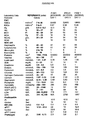
- the body fluid expander solutions of the invention provide physiological liquid media which mimic the ionic, substrate and biophysical environment of interstitial fluid (see, for example, Table II below). As such, it is envisaged that these solutions will find use as universal perfusion and preservation media.
- concentrations of ion species acknowledge the activity coefficients of each ionic species within the interstitial gel phase around mammalian cells. This is in contrast to many conventional media which base their concentrations on total serum concentrations.
- the body fluid expander solutions for use according to the present invention are preferably free of serum and/or serum components.
- the solutions are hence free of animal derived serum proteins and other contaminants, such that there are no undefined, extraneous serum proteins present.
- the absence of serum has the advantage that the solutions are "chemically" better defined than conventional serum based solutions.
- the absence of serum and serum derived components avoids concerns over the possible transmission of infectious diseases (e.g. Human immunodeficiency virus (HIV) and Creutzfeldt-Jakob disease (CJD) associated with the use of this material in vivo.
- infectious diseases e.g. Human immunodeficiency virus (HIV) and Creutzfeldt-Jakob disease (CJD) associated with the use of this material in vivo.
- the body fluid expander solutions for use according to the present invention are also preferably free of foreign or animal derived antigens, pyrogens, proteins and the like.
- susceptible patients may require the presence of specific peptide or protein derived components as a compensatory measure for the reported loss of proteins during renal or peritoneal dialysis.
- the solutions described herein may provide effective vehicles for use in delivering such components to patients.
- the interrelated dissociation constant [pK a ] afforded by the imidazole/histidine moieties of hemoglobin appears to be simulated by BES buffer which, because of its useful pK a (7.15) and - ⁇ pK/ °C (0.016) at 20°C, automatically maintains the pH of RS-I solution between 7.18 - 7.45 over a temperature range of 10 - 37°C and therefore becomes particularly suitable as a buffer agent in the solution for use according to the invention for use with mammalian species under both hypothermic and normothermic physiological conditions.
- the body fluid expanders for use according to the present invention adopt and take advantage of a natural physiological buffering system.
- This buffering system takes the form of NaHCO 3 /pCO 2 (sodium hydrogen carbonate/dissolved CO 2 ) in combination with the zwitterionic Good's buffer, BES (N, N-bis [2-Hydroxyethyl]-2-amino-ethanesulphonic acid ( Good et al.; Biochemistry 1966;5:467-477 )), which acts by virtue of its ideal pK a over a temperature range of 10 to 37°C, to provide a stable pH, an essential requisite for cellular preservation.
- BES zwitterionic Good's buffer
- BES has been shown to be non-toxic to cultured mammalian cells in long term studies and exhibits negligible binding of calcium or magnesium ions, so removing the potential hazard of precipitation of divalent ions which occurs when using conventional hydrogen carbonate/phosphate or double phosphate buffer solutions.
- 10X concentrates of solutions for use according to the invention have been experimentally shown to have a shelf life (stored at 3 to 8°C) in excess of 14 months.
- a combination of BES and morpholinopropane sulphonic acid (MOPS) and/or N-tris-(hydroxymethyl) methyl-2-amino ethane-sulphonic acid (TES) could be used.
- N-substituted aminosulfonic acid buffers and their pK a values in aqueous solution at 20°C.
- ADA N-(2-acetamido) iminodiacetic acid 6.62 0.011
- ACES N-2-(acetamido)-2-aminoethanesulfonic acid 6.88 0.02
- BICINE N,N-bis (2-hydroxyethyl) glycine 8.35 0.018
- BES N,N-bis (2-hydroxyethyl)-2-aminoethanesulfonic acid 7.15 0.016
- HEPES N-(2-hydroxyethyl) piperazine-N'-(2-ethanesulfonic acid) 7.55 0.0
- the non-phosphate buffer BES is present at a concentration of from 1 to 12 mmoles/L, preferably from 3 to 7 mmoles/L, more preferably from 4 to 6 mmoles/L, even more preferably about 5 mmoles/L.
- hydrogen carbonate ions are present at a concentration of from 21 to 35 mmoles/L, preferably from 23 to 26 mmoles/L, more preferably about 25 mmoles/L.
- the non-phosphate buffer systems used allow, because of their unique pK a range, the ability to automatically adjust the pH of the solutions for use according to the invention from 7.05 to 7.5 over a temperature range of from 4°C to 38°C.
- This feature of the invention unlike that found with conventional buffering systems, does not require any further intervention in adjusting the pH to give values ranging from 7.13 to 7.5 ⁇ 0.5 over a temperature range of 10 to 38°C.
- the solutions for use according to the invention have a pH of about 7.46 at a temperature of about 37.4°C. It is preferred that the above pH values are maintained in vivo following administration of the solutions to a subject in need thereof.
- the solutions for use according to the invention may be used for both intra- and extravascular infusion procedures.
- the solutions may also be used to perfuse isolated animal and human organs under normothermic conditions.
- carbogen gas 95% oxygen/5% carbon dioxide.
- the body fluid expander solutions for use according to the present invention may also comprise in any combination falling within the scope of the claims, one or more, two or more, three or more, four or more, five or more, six or more, seven or more, eight or more, nine or more, ten or more, eleven or more, twelve or more, thirteen or more, fourteen or more, or all of the following components: from 100 to 150 (preferably about 135) mmoles/L sodium ions, from 2.5 to 6.2 (preferably about 5) mmoles/L potassium ions, from 0.1 to 2.5 (preferably about 1.25) mmoles/L calcium ions, magnesium ions (preferably about 0.45 mmoles/L), from 96 to 126 (preferably about 118) mmoles/L chloride ions, 2 to 11 mmoles/L (preferably about 10) glucose (preferably D-glucose), from 50 to 150 (preferably about 110) ⁇ moles/L glycerol, from 7 to 15 (preferably about 10) ⁇ moles/L choline
- Chloride ions are preferably provided as sodium, potassium, calcium and magnesium salts.
- choline is provided as a chloride salt.
- Solutions for use as encompassed by the present invention comprise a number of substrates which retain metabolic homeostasis of tissues and organs.
- Glucose and glycerol have been shown to be satisfactory in meeting the energy demands of isolated tissues and organs, even when they are not the preferred substrate for the organ in question (e.g. the heart) by the inclusion of physiological levels of insulin.
- glycerol and glucose Apart from their ability to be metabolized, glycerol and glucose also have free radical scavenging and membrane stabilizing properties, which have been shown to be extremely important in maintaining the physiological viability of tissues and organs.
- aspartate and glutamate can also be included in the solutions for use according to the invention, to enhance oxidative metabolism by replenishing tricarboxylic acid (TCA) cycle intermediates, thereby maintaining high energy phosphate levels even during ischemic insult.
- TCA tricarboxylic acid
- glutamate is involved in maintaining intracellular oxidation-reduction potentials. It is envisaged that by optimizing the aspartate-malate and glycerol phosphate shuttles, cells will maintain an optimal NAD/NADH (nicotinamide adenine dinucleotide/reduced nicotinamide adenine dinucleotide) balance and thereby sustain adenine nucleotide levels.
- NAD/NADH nicotinamide adenine dinucleotide/reduced nicotinamide adenine dinucleotide
- glutamate and glutamine can act as intermediary metabolites to form pyroglutamate and thereafter participate in the gamma-glutamyl cycle to synthesise glutathione, a beneficial agent in preventing the generation of toxic oxygen radicals associated with the incidence of reperfusion injury in mammalian tissues and organs during storage of donor organs prior to transplantation and following blood volume replacement therapies.
- Thiamine plays an important role in the oxidation of ⁇ -keto acids (by the action of thiamine cocarboxylase) and prevents the accumulation of pyruvate and toxic pyruvate aldehyde, thereby minimizing cellular apoptosis and accompanying necrosis of tissues and associated organs.
- thiamine pyrophosphate which is included in preferred solutions for use according to the invention, is a co-factor in the metabolism of a-ketoglutaric acid to form succinyl-coenzyme A, by oxidative decarboxylation, or to form glutamate, by reductive amination.
- TPP is involved in numerous interrelated biochemical pathways, especially those of the Pentose Phosphate and Glycolytic pathways.
- the thiamine may be employed as thiamine pyrophosphate, thiamine diphosphate or thiamine diamide.
- the solutions for use according to the invention comprise thiamine as thiamine pyrophosphate chloride.
- thiamine pyrophosphate in the formulation of the solutions of the invention would also appear to be of necessity to peritoneal dialysis patients in order to prevent phosphate ion depletion and calcification as it is readily dialyzable across hemodialysis membranes (MW - 175 Dalton) and has been previously administered either intravenously or via the hemodialysis or peritoneal dialysis solution to replenish plasma phosphate and/or pyrophosphate levels.
- the vitaminoid camitine has been reported to have multiple effects in improving cardiac function other than by simply optimizing oxidative metabolism, such as, by promoting the utilization of alternative substrates and may additionally improve coronary blood flow.
- L-camitine is preferred to the D- or DL isomers because it causes no inhibition of acetyl co-enzyme A/free fatty acid metabolism.
- the vitaminoid component comprises 50 ⁇ moles/L of [-]- ⁇ -hydroxy-y-trimethylamino-butyrate hydrochloride (L-camitine).
- the preferred inclusion of the L-isomer of camitine is intended to optimise the transport of long chain fatty acids from the cytosol into the mitochondrial matrix to the site of ⁇ -oxidation and thereby to buffer the intramitochondrial acetyl CoA/CoA ratio (where CoA is Coenzyme A) by stimulating the synthesis of acetyl camitine from camitine acetyl transferase.
- This reduction in the ratio of acetyl CoA/CoA will result in an efflux of acetyl camitine from the mitochondria with an associated stimulation of pyruvate dehydrogenase and reversal of fatty acid inhibition of glucose oxidation.
- solutions for use according to the invention may also comprise insulin.
- human recombinant insulin e.g. expressed in E.coli or S. cerevisiae
- insulin molecules may be optimized to retain the many associated functions of insulin in cellular processes.
- the biological effects of insulin do not simply relate to its ability to regulate carbohydrate metabolism and facilitated transport of circulating glucose into cells but also in its ability to bring about (i) the enhancement of intracellular glucokinase activity and amino-acid incorporation into protein, (ii) stimulation of DNA (deoxyribose nucleic acid) translation into proteins, (iii) increased lipid synthesis and (iv) stimulation of sodium, potassium and inorganic phosphate transport across cell membranes.
- normal, human serum levels of insulin have been utilized.
- conventional known perfusate formulations have, when incorporating insulin, made use of unnatural levels of this hormone (e.g. 10 to 50 x 10 6 mIU/L; about a million times more concentrated that the insulin found in certain solutions for use according to the invention).
- the reason for this relates to the fact that only a small amount of the insulin exists as single molecules in such concentrations.
- the rest of the insulin exists in the form of large aggregates, which are ineffective at stimulating insulin receptors and are hence biologically inactive.
- Certain solutions for use according to the invention achieve normal, human serum levels of insulin by acidifying the insulin during formulation to prevent aggregate formation, so allowing individual active, molecular species of insulin to exist in solution at pH 7.3 ⁇ 0.2.
- the concentrations of ionic species in solutions for use according to the invention acknowledge the activity coefficients of each ionic species and not simply their total serum concentrations.
- serum binding of calcium and magnesium ions must be distinguished from the actual free, ionized levels of these ions.
- Magnesium ions are important in a number of critical cellular reactions and their extracellular presence is reported to stimulate mitochondrial respiratory activity and modulate the effects of rapid calcium influx and potassium efflux. Equally, an adequate concentration of calcium ions is important to maintain the free levels of this ion present in the circulation.
- the ionic conductivity of the solutions for use according to the invention is preferably comparable to that of human serum, namely 12.0 ⁇ 0.3 mS cm -1 and as such maintains the ionized status of the cell membrane and activities of enzymic moieties.
- the solutions for use according to the present invention are isosmotic to human serum (ca. 290 mOsmoles/L) and do not appear to necessitate the inclusion of plasma expanders, as demonstrated by the fact that only minor changes (ca. 8%) in hydration occur during long term (i.e. 4 to 52 hr) hypothermic perfusion of the isolated rat heart and visceral nerve-muscle preparations. This may be explained by the fact that the cell membrane lies in continuity with a 99% gel interstitial phase so providing natural colloidal buffering to excess Donnan ionic equilibrium exchange across the cell membrane. The majority of the osmotic pressure is provided by sodium ions and their accompanying anions, and only a small component (ca.
- colloidal expanders are essentially non-toxic, their use is contraindicated in terms of, for example, (1) raised viscosity increases the thickness of the 'unstirred' layer around cells so hindering diffusion of metabolites, (2) alteration of the surface membrane bioelectric potential so disrupting cellular metabolism and receptor activities, (3) antigenicity of proteinaceous expanders, (4) agglutination and haemolysis of red blood cells (RBC's) and (5) blockage of microvasculature and ischemia.
- RBC's red blood cells
- the solutions for use according to the invention will find general use as base compositions to which additional components can be added, depending upon the specific medical purpose.
- the solutions for use according to the invention could be supplemented with, for example, red blood cells (RBC's), plasma and/or platelets for the generation of artificial blood.
- RBC's red blood cells
- plasma plasma and/or platelets for the generation of artificial blood.
- blood components may be either natural or artificial.
- additional chemicals can be added to the base composition as and where required.
- the solutions for use according to the invention are for use in treating hypovolemia or the loss of interstitial and extracellular fluid brought about in subjects suffering from severe bums.
- the solutions for use according to the invention are for use in preventing and/or ameliorating reperfusion injury.
- the solutions described herein therefore find use as medicaments.
- the patient will be placed securely in a recumbent position and clinically prepared for the intravenal administration of the specific medicament adopting conventional, clinical procedures. Delivery of the said medicament to the patient will be executed under controlled, supervised conditions until completion of the treatment is achieved.
- the solutions described herein will also find other uses which include the following; for maintaining, preserving and irrigating tissues and organs in situ during surgical procedures, for perfusing the abdominal cavity of a subject suffering with an acute renal failure or an acute toxicity condition, and for preserving donor tissues and organs in situ during surgical procedures for their removal from the donor patient.
- the solutions may also be administered by other routes, for example, using intraperitoneal, intradermal, intramuscular, topical or oral routes.
- the patient will be prepared under anesthesia for surgical intervention whereby cannulae will be inserted into the peritoneal cavity, secured in position to ensure the continuous irrigation with the solution under normothermic temperatures. Removal of the peritoneal cannulae will be performed under surgical conditions once normalcy has been achieved in the patient's blood chemistry analysis.
- dehydration brought about as a result of severe bums can be treated through systemic administration of the solutions.
- the patient will be placed securely in a recumbent position and clinically prepared for the intravenal administration of the specific medicament adopting conventional, clinical procedures.
- the solutions for use according to the invention are for use in treating human and non-human mammalian subjects, e.g., humans.
- one application of the solutions defined herein is for preserving donor organs in situ before, during and after surgical procedures for their removal from the donor subject.
- Use of the solutions described herein in this regard could involve, for example, whole body infusion (Extra Corporeal Membrane Oxygenation [ECMO] procedure) with donor kidneys, heart, liver, etc being harvested from a donor cadaver followed by normothermic reperfusion of the isolated organ.
- ECMO Extra Corporeal Membrane Oxygenation
- RS-I as defined herein (see Examples) has the ability to re-animate hypothermically preserved cadaver human organs allowing such organs to be used in preclinical drug bioassay trials, thereby addressing the problem of Adverse Drug Reactions (ADR) reported to occur using in vitro and in vivo drug assessment in animal models.
- ADR Adverse Drug Reactions
- the solutions described herein will find use as media for the effective delivery of agents to a subject in need thereof, or in circumstances where the agents are to be tested, for example on non-human subjects.
- the solutions described herein may find use as diluents for the delivery of pharmaceutical, test or synergistic agents or, alternatively, for the delivery of stem cells, peptide or genomic derived protein to a subject in need thereof.
- the delivery of stem cells could, for example, be brought about by suspending the stem cells in media as defined herein, and delivering the resulting suspension directly to the tissue or organ where required.
- stem cell types e.g., cardiomyocytes, hepatocytes
- Further proliferation of the stem cell type will be conducted using current culture media techniques whereafter the cells will be re-suspended in the solution and transported to the patient's bedside under hypothermic or mild hypothermic conditions prior to execution of the therapy.
- Patients will undergo local or general anesthesia dependant upon the route of administration of the stem cell-derived therapy, e.g., local anesthesia for intramyocardium administration of cardiomyocytes, and the administration of the therapy conducted at normothermic temperatures under good clinical practice.
- delivery may be effected by administration of the suspension to the lymphatic system.
- endotoxin-free Milli-Q purified water (Millipore Corp, Milford, MA) or equivalent ASTM Type I water [resistivity no more than 18.0 M ⁇ -cm at 25 °C] was used throughout, both in the initial stirring, and in the final dilution.
- ASTM Type I water resistivity no more than 18.0 M ⁇ -cm at 25 °C
- the term'purified water' is used hereinafter to denote water of this quality.
- Thiamine pyrophosphate (cocarboxylase), Sigma C4655 was prepared as a 0.4 mg/mL stock solution in purified water and stored frozen in dark glass vials.
- Choline chloride (Sigma C7527) was prepared as a 17.5 mg/mL stock solution in purified water and stored frozen in glass vials.
- Human recombinant insulin (Sigma 10259/12643) was prepared as a 0.5 I.U./mL stock solution in purified water acidified to pH 2.4 with 0.12N hydrochloric acid and stored frozen in glass vials.
- the 10X RS-I solution was sterile filtered through a Sartobran PH 2 O cartridge/0.2 micrometer filter (Sartorius Corp. USA) into 100 mL sterile sealed glass bottles.
- This RS-I solution is a 10 times concentrate of the solution intended for use, but with sodium hydrogen carbonate withheld. When needed, the 10X RS-I solution can be diluted with the appropriate quantity of purified water, and sodium hydrogen carbonate added.
- concentrate RS-I solution For preparation of the 1X RS-I solution, 100 ml of the above 10 times concentrate RS-I solution may be diluted with 900 mL of purified water to 1 litre with the addition of 2.1 g of endotoxin-free sodium hydrogen carbonate (Sigma S4019) and stored at 8-10 °C prior to use.
- Sodium hydrogen carbonate is preferably not added to the concentrate solutions before they are stored, since extended storage of the concentrate containing hydrogen carbonate ions may cause precipitations of calcium carbonate.
- Stock 1X solutions for short-term storage may contain sodium hydrogen carbonate.
- each litre of the solution may contain 100 mg/L of chloramphenicol (Sigma C3175) or other conventional antibiotics or antifungal agents to prevent the risk of bacterial infection.
- chloramphenicol Sigma C3175
- other conventional antibiotics or antifungal agents to prevent the risk of bacterial infection.
- RS-I represents a preferred form of the body fluid expander solution for use in accordance with the invention.
- EXAMPLE 3 A comparison of the chemical constituents of RS-I, human serum and human interstitial fluid
- the procedures consisted of a lower midline laparotomy under sterile conditions after induction of full anesthesia using an intramuscular (IM) injection of 0.1 cc Xylocaine + 0.2 cc ketamine for every 100 gram body weight. Following this, the aorta of the rat is dissected and cannulated under direct vision using a 24 Gauge angiocath. This allows for direct access for large amounts of blood withdrawal as well as administration of solutions. As a maintenance dose, 0.2cc IM injections of ketamine are given every 25 minutes to all rats. Animals are allowed to breathe spontaneously throughout the experiment and their respiratory rate is continuously monitored. A warmer is used to keep the rats at normal body temperature during experimentation.
- IM intramuscular
- the bowels become exposed to unveil the abdominal vessels.
- the bowels are wrapped with wet gauze (soaked in saline) to minimize water loss.
- the rat is either sacrificed while under anesthesia or the aortic perforation at the site of the catheter is repaired using 6-0 Prolene figure of 8 sutures and closure of the laparotomy incision using 2-0 Vicryl suture in 2 layers.
- the rats chosen for the survival part of the study are given intramuscular antibiotics and allowed ad lib feeding post-operatively. This procedure takes 25 to 30 minutes to complete per rat.
- the rats were subjected to serial withdrawals of blood in 2cc increments (simulating controlled hemorrhage) every 30 minutes. At the end of each withdrawal a 0.1 ml of heparinized solution (1000 units in 20 ml of normal saline) was injected into a heparin lock to avoid blood clotting. The rats were randomly allocated to one of 3 arms as defined above.
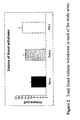
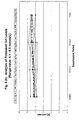
- Blood volume withdrawn The total volume of blood withdrawn for each of the study arms is set out in Figure 2 . Both groups of fluid resuscitated rats showed a significant difference in the volume of blood withdrawn compared to the control arm of 'no' resuscitation (RS-I to 'no' resuscitation 5.73 ⁇ 0.62 ml and saline to 'no' resuscitation 3.64 ⁇ 0.70 ml, with p ⁇ 0.01 for both). The mean difference in volume of blood withdrawn from RS-I resuscitated rats in comparison to saline resuscitated rats was found to be statistically significant (p ⁇ 0.01) at 2.82 ⁇ 0.45 ml.
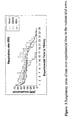
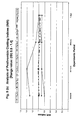
- Figure 3 illustrates the respiratory rates of rats over time in the various study arms.
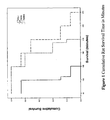
- RS-I resuscitated rats survived the greatest time and showed a slower decline in the respiratory rate overall, though initially (first 100 minutes) a more rapid descent in respiratory rate was noted.
- the overall respiratory rate for saline resuscitated rats declined at a rate faster than that of RS-I infused rats and this decline was even faster still for the rats that received no fluid infusion.
- RS-I appears to be a more effective plasma substitute than physiological saline with respect to survival time and volume blood loss in a rat model of controlled hemorrhagic shock.
- EXAMPLE 5 A study to investigate the safety of administering RS-I as an intravenous (IV) fluid
- This study was designed as a pilot study to evaluate the safety of RS-I when administered as an intravenous (IV) infusional agent in a large animal model (swine).
- IV intravenous
- pigs were used in this study arm, of both genders, ranging in weight from 27 to 35 kg.
- the pigs were housed in the animal care facility and were kept NPO (nothing by mouth) overnight on the night prior to the study.
- NPO nothing by mouth
- Each pig was housed in a separate cage.
- each pig was initially sedated using an intramuscular injection of ketamine (15 to 20 mg/kg) followed by induction of anesthesia and endometrial intubation. Anesthesia was maintained with halothane to achieve absence of response to surgical stimulation without depression of heart rate. Each pig received pre-operative antibiotic prophylaxis by intramuscular injection of gentamycin 10% (1cc/10kg).
- a central venous catheter was surgically placed via direct countdown, under strict aseptic conditions, into the left internal jugular vein of each pig.
- the central line was extensively tunneled in the subcutaneous tissues of the pig to an exit site on the lateral and dorsal aspect of the pig neck and secured in place. This was done for two purposes; to prevent accidental catheter dislodgement and to minimize the risk of line related infections.
- the animals were then allowed to return to their cages to recover from the anesthetics.
- each pig was sedated using intramuscular injection of ketamine (35 mg/kg) and xylazine (7 mg/kg).
- Baseline blood samples were drawn from the central line under aseptic technique and immediately sent to the lab for analysis.
- the blood profile drawn was tested for complete blood counts, serum chemistry determination: electrolytes, osmolality, pH, glucose, lactate, creatinine, blood urea nitrogen (BUN), serum enzymes (aspartate aminotransferase [SGOT/AST], alanine aminotransferase [SGPT/ALT], total creatine kinase [CK] and lactate dehydrogenase [LDH]), coagulation factors and fibrinogen levels.
- blood was taken for measurement of pro-inflammatory activity, e.g., neutrophil activation, interleukin-6 (IL-6) and tumor necrosis factor-alpha (TNF- ⁇ ), and the samples centrifuged and stored at -80 °C for later evaluation.
- pro-inflammatory activity e.g., neutrophil activation, interleukin-6 (IL-6) and tumor necrosis factor-alpha (TNF- ⁇ )
- IL-6 interleukin-6
- TNF- ⁇ tumor necrosis factor-alpha
- each pig had 1.0 L of RS-I (at room temp) infused slowly over 1-2 hours via the central line.
- the pig was directly monitored during the infusion for any signs of ill health or unusual behaviour/manifestations.
- the pigs were then allowed to return to their normal living quarters and were monitored by the animal house veterinarian for any signs of ill health or unusual behavior/manifestations.
- a post-mortem examination was performed on every pig, and organs (brain, lungs, liver and kidneys) were harvested and either stored in formaldehyde or frozen at -80 °C for histological examination and apoptotic testing at a later date.
- Each normovolemic pig had an estimated total blood volume of 1.8 - 2.3L (67mL/kg) and each pig received a total volume of 3L of RS-I over a period of 72 hours.
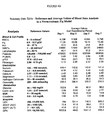
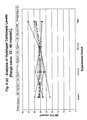
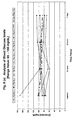
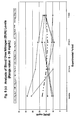
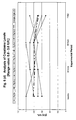
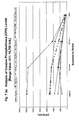
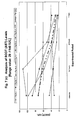
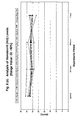
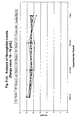
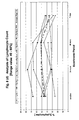
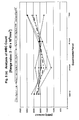
- No hemodilution of RBC count was observed with hematocrit (Hct) values and hemoglobin (Hg) levels remaining with normal ranges up to Day 7 ( Fig.8 a,b,c).
- Hct hematocrit
- Hg hemoglobin
- volume replacement therapies are susceptible to the incidence of inflammatory, anaphylactic, hypercoagulability episodes, seemingly related to the antigenicity and/or toxicity of the various excipients used in the formulation of the blood replacement fluids administered. This does not appear to be the case in the intravenous administration of RS-I solution from the analysis of the blood cell profile data obtained.
- LDH Lactate Dehydrogenase
- EXAMPLE 6 A study of isolated kidney function following preservation using RS-I
- Non-heart beating donor (NHBD) pig kidneys were preserved for 2 hours under 'cold' (0°C to 4°C) static (CS) conditions in either RS-I or the commercial hypothermic preservation solutions, Soltran or UW (University of Wisconsin) or for 2 hours under 'warm' (31 °C) static (WS) conditions.
- the kidneys were subsequently reperfused with a 50:50 autologous blood/Lactated Ringer's perfusate mixture under normothermic conditions for periods of 6 to 8 hours.
- RS-I significantly outperformed other preservation solutions in maintaining renal function as assessed following kidney re-animation in autologous blood.
- Analyses of the data obtained over the reperfusion periods revealed that kidneys preserved in RS-I at 4°C exhibited (1) increased oxygen consumption, (2) increased creatine clearance rates, (3) increased renal blood flow [RBF], (4) increased urine output, (5) decreased renal vascular resistance [RVR], (6) deceased weight gain (i.e. less oedema), (7) stable blood pH and retention of acid-based balance [bicarbonate ion levels], and (8) negligible loss of intracellular K + .
- EXAMPLE 7 Assessing the capability of RS-I to maintain isolated mammalian organ and tissue preparation viability over various time periods of preservation.
- Functional viability of mammalian tissue and organ preparations was assessed following storage/perfusion of the tissues/organs for various periods in RS-I solution. Viability was assessed using a variety of functional indicators, e.g., maintenance of cell membrane potentials, neurotransmitter output, myogenicity, membrane receptor sensitivity, enzyme functions, histological changes, etc.
- Table IV below reveals the ability of RS-I solution to maintain functional viability of various mammalian animal and human tissues and organs preparations over preservation periods of varying length (between 0.3 to 10 days).
- TABLE IV Species Tissue/Organ Preparations Max m Days Stored Preservation Conditions Stored °C Experimental °C rat jejunum 9.0 8-12 35 jejunum 1.5 - 35 ileum 8.0 8-12 35 ileum 1.3 - 20-35 colon 5.0 - 20-35 uterus 3.0 - 35 uterus 10.0 8-12 35 detrusor muscle 2.0 - 20-35 diaphragm muscle 0.6 - 35-37 diaphragm muscle 2.0 - 20-35 soleus muscle 1.1 - 20-35 heart 0.8 - 35-37 heart 2.1 - 20-25 heart-lung 1.2 - 20-35 RBC's 4.0 No haemolysis at 4°C kidney 1.0 - 20-35 liver 0.3 - 35 rabbit intestine (jejunum) 5.0 8-12
- EXAMPLE 8 A preclinical study to compare the efficacy of RS-I fluid with autologous blood and saline solution when administered intravenously in a Hemorrhagic Pig model
- the resuscitation fluids were given in a dynamic manner, incrementally, over a 2-hour period to maintain the MAP at 60 +/- 2 mm Hg. All hemodynamic parameters were measured at baseline; at initiation of the 45- minute shock period, at 30 minutes of shock; at 45 minutes (completion) of shock; and at 30, 60, 90, and 120 minutes of resuscitation.
- serum enzymes aspartate aminotransferase [SGOT/AST], alanine aminotransferase [SGPT/ALT], total creatine kinase [CK] and lactate dehydrogenase [LDH]
- the animals After resuscitation, the animals had their cannulae removed leaving the neck venous catheter for daily blood withdrawals. During the 7 post operative days the animals were observed for any behavioral changes and underwent blood withdrawals on post-operative days 1, 2 and 7. The animals were subsequently humanely sacrificed on post-operative day 7 to examine for any pathological evidence of reperfusion injury in the brain, kidney, lung and liver.
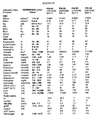
- Serum electrolyte concentrations by post-operative day 7 had been restored to within normal levels for all experimental groups except for elevation of the sodium ion concentration in the LR group pigs. Anion gap and Strong ion difference was within normal limits in all groups of pigs by post-operative day 7.
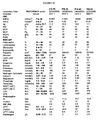
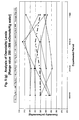
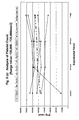
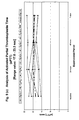
- Enzyme levels were elevated during post-operative days 1 and 2 but returned to baseline levels by post-operative day 7. No significant change in blood clotting parameters was observed during the seven day experimental period (see, Fig. 13 ).
Landscapes
- Health & Medical Sciences (AREA)
- Life Sciences & Earth Sciences (AREA)
- Chemical & Material Sciences (AREA)
- Veterinary Medicine (AREA)
- Pharmacology & Pharmacy (AREA)
- Public Health (AREA)
- General Health & Medical Sciences (AREA)
- Animal Behavior & Ethology (AREA)
- Medicinal Chemistry (AREA)
- Epidemiology (AREA)
- Engineering & Computer Science (AREA)
- Bioinformatics & Cheminformatics (AREA)
- General Chemical & Material Sciences (AREA)
- Chemical Kinetics & Catalysis (AREA)
- Inorganic Chemistry (AREA)
- Dermatology (AREA)
- Diabetes (AREA)
- Hematology (AREA)
- Proteomics, Peptides & Aminoacids (AREA)
- Endocrinology (AREA)
- Molecular Biology (AREA)
- Oil, Petroleum & Natural Gas (AREA)
- Zoology (AREA)
- Gastroenterology & Hepatology (AREA)
- Immunology (AREA)
- Organic Chemistry (AREA)
- Nuclear Medicine, Radiotherapy & Molecular Imaging (AREA)
- Medicinal Preparation (AREA)
- Medicines That Contain Protein Lipid Enzymes And Other Medicines (AREA)
- Pharmaceuticals Containing Other Organic And Inorganic Compounds (AREA)
- Medicines Containing Material From Animals Or Micro-Organisms (AREA)
- Acyclic And Carbocyclic Compounds In Medicinal Compositions (AREA)
Applications Claiming Priority (2)
| Application Number | Priority Date | Filing Date | Title |
|---|---|---|---|
| GBGB0712833.3A GB0712833D0 (en) | 2007-07-03 | 2007-07-03 | Body Fluid Expander |
| PCT/GB2008/002268 WO2009004331A1 (en) | 2007-07-03 | 2008-07-03 | Body fluid expanders comprising n-substituted aminosulfonic acid buffers |
Publications (2)
| Publication Number | Publication Date |
|---|---|
| EP2175718A1 EP2175718A1 (en) | 2010-04-21 |
| EP2175718B1 true EP2175718B1 (en) | 2013-02-20 |
Family
ID=38421091
Family Applications (1)
| Application Number | Title | Priority Date | Filing Date |
|---|---|---|---|
| EP08775818A Active EP2175718B1 (en) | 2007-07-03 | 2008-07-03 | Body fluid expanders comprising n-substituted aminosulfonic acid buffers |
Country Status (8)
| Country | Link |
|---|---|
| US (3) | US20100183747A1 (enExample) |
| EP (1) | EP2175718B1 (enExample) |
| JP (1) | JP5624462B2 (enExample) |
| CN (1) | CN101795558B (enExample) |
| ES (1) | ES2407838T3 (enExample) |
| GB (1) | GB0712833D0 (enExample) |
| WO (1) | WO2009004331A1 (enExample) |
| ZA (1) | ZA201000728B (enExample) |
Cited By (1)
| Publication number | Priority date | Publication date | Assignee | Title |
|---|---|---|---|---|
| US12058997B2 (en) | 2018-07-30 | 2024-08-13 | Acorn Biolabs, Inc. | Compositions for transportation and/or cryopreservation of cells and/or tissues |
Families Citing this family (3)
| Publication number | Priority date | Publication date | Assignee | Title |
|---|---|---|---|---|
| RU2416413C1 (ru) * | 2009-10-21 | 2011-04-20 | Борис Иванович Блескин | Средство для лечения кровопотери ("спаскровь") |
| US20230279146A1 (en) * | 2020-07-13 | 2023-09-07 | Merck Patent Gmbh | Viscosity reducing excipients and combinations thereof for highly concentrated protein formulations |
| US12419850B1 (en) | 2024-03-21 | 2025-09-23 | GanD, Inc. | Bioactive fluid compositions |
Family Cites Families (12)
| Publication number | Priority date | Publication date | Assignee | Title |
|---|---|---|---|---|
| LU65921A1 (enExample) * | 1972-08-18 | 1974-02-21 | ||
| US5130230A (en) * | 1988-05-02 | 1992-07-14 | Cryomedical Sciences, Inc. | Blood substitute |
| WO1989010746A2 (en) * | 1988-05-02 | 1989-11-16 | Cryomedical Sciences Inc. | Blood substitute |
| US5460972A (en) * | 1991-04-08 | 1995-10-24 | Research Foundation Of The State University Of New York | Ionized magnesium2+ concentrations in biological samples |
| CA2066374C (en) * | 1991-04-19 | 2002-01-29 | Paul E. Segall | Solution for perfusing primates |
| AU681675B2 (en) * | 1993-06-04 | 1997-09-04 | Biotime, Inc. | Plasma-like solution |
| US5405742A (en) * | 1993-07-16 | 1995-04-11 | Cyromedical Sciences, Inc. | Solutions for tissue preservation and bloodless surgery and methods using same |
| NZ264638A (en) * | 1994-10-07 | 1997-01-29 | Maxine Helen Simmons | Aqueous buffered solution; comprises a solution with a ph from 6.8 to 7.8, containing one or more carbon sources, one or more biologically compatible salts and a zwilterionic buffer |
| FR2793651B1 (fr) * | 1999-05-18 | 2003-05-16 | Cair L G L | Solution aqueuse de conservation de tissus et d'organes |
| GB0001172D0 (en) | 2000-01-20 | 2000-03-08 | Res Del International Limited | Physiological medium for perfusing, preserving and storing isolated cell tissue and organ samples |
| WO2003026419A1 (en) * | 2001-09-28 | 2003-04-03 | Hull Harry F | A simple, fully transportable device for maintaining an excised heart in optimum condition for transplantation |
| US7786084B2 (en) * | 2001-12-21 | 2010-08-31 | Biotempt B.V. | Treatment of burns |
-
2007
- 2007-07-03 GB GBGB0712833.3A patent/GB0712833D0/en not_active Ceased
-
2008
- 2008-07-03 WO PCT/GB2008/002268 patent/WO2009004331A1/en not_active Ceased
- 2008-07-03 EP EP08775818A patent/EP2175718B1/en active Active
- 2008-07-03 US US12/667,309 patent/US20100183747A1/en not_active Abandoned
- 2008-07-03 JP JP2010514119A patent/JP5624462B2/ja active Active
- 2008-07-03 CN CN200880105723.0A patent/CN101795558B/zh active Active
- 2008-07-03 ES ES08775818T patent/ES2407838T3/es active Active
-
2010
- 2010-02-01 ZA ZA2010/00728A patent/ZA201000728B/en unknown
-
2014
- 2014-11-13 US US14/540,597 patent/US11013684B2/en active Active - Reinstated
-
2021
- 2021-07-29 US US17/235,634 patent/US20210393517A1/en active Pending
Cited By (1)
| Publication number | Priority date | Publication date | Assignee | Title |
|---|---|---|---|---|
| US12058997B2 (en) | 2018-07-30 | 2024-08-13 | Acorn Biolabs, Inc. | Compositions for transportation and/or cryopreservation of cells and/or tissues |
Also Published As
| Publication number | Publication date |
|---|---|
| US20210393517A1 (en) | 2021-12-23 |
| CN101795558A (zh) | 2010-08-04 |
| JP5624462B2 (ja) | 2014-11-12 |
| ES2407838T3 (es) | 2013-06-14 |
| CN101795558B (zh) | 2014-07-16 |
| US11013684B2 (en) | 2021-05-25 |
| US20100183747A1 (en) | 2010-07-22 |
| WO2009004331A1 (en) | 2009-01-08 |
| ZA201000728B (en) | 2010-11-24 |
| US20150139964A1 (en) | 2015-05-21 |
| JP2010531866A (ja) | 2010-09-30 |
| GB0712833D0 (en) | 2007-08-08 |
| EP2175718A1 (en) | 2010-04-21 |
Similar Documents
| Publication | Publication Date | Title |
|---|---|---|
| US20210393517A1 (en) | Body fluid expanders comprising n-substituted aminosulfonic acid buffers | |
| CA2587831C (en) | Composition for cold preservation and perfusion of organs | |
| AU680928B2 (en) | Solutions for tissue preservation and bloodless surgery and methods using same | |
| JP5180912B2 (ja) | 灌流の応用における使用のための方法および組成物 | |
| US10300029B2 (en) | Organ protection solutions and method of use | |
| US5407428A (en) | Solutions for use as plasma expanders and substitutes | |
| DE60100170T2 (de) | Physiologisches medium für perfusion, konservierung und lagerung von isolierten zellen-, gewebe- und organproben | |
| JP2013536804A (ja) | 灌流組成物 | |
| US20040082022A1 (en) | Solutions for use as plasma expanders and substitutes | |
| Nakao et al. | Modified del Nido cardioplegia and its evaluation in a piglet model | |
| EP4152927B1 (en) | Use of acetylated serum albumin in an organ preservation and/or perfusion solution | |
| US7754247B2 (en) | Resuscitation fluid | |
| US11690813B2 (en) | Aminothiol reduction of ischemia-reperfusion-induced cell death | |
| JPH03188001A (ja) | 臓器保存用溶液 | |
| CN1196489C (zh) | 眼科手术用灌流液制剂 | |
| US11213026B2 (en) | Solution for preserving and/or rinsing an organ to be transplanted | |
| KR20010002227A (ko) | 이식용 장기 및 혈액세포 보존제의 조성물 | |
| EP2367530A2 (en) | Solutions for volume therapy | |
| US20110086920A1 (en) | Gamma Glutamylcysteine Treatment or Prevention of Oxidative Injury |
Legal Events
| Date | Code | Title | Description |
|---|---|---|---|
| PUAI | Public reference made under article 153(3) epc to a published international application that has entered the european phase |
Free format text: ORIGINAL CODE: 0009012 |
|
| 17P | Request for examination filed |
Effective date: 20100203 |
|
| AK | Designated contracting states |
Kind code of ref document: A1 Designated state(s): AT BE BG CH CY CZ DE DK EE ES FI FR GB GR HR HU IE IS IT LI LT LU LV MC MT NL NO PL PT RO SE SI SK TR |
|
| AX | Request for extension of the european patent |
Extension state: AL BA MK RS |
|
| DAX | Request for extension of the european patent (deleted) | ||
| 17Q | First examination report despatched |
Effective date: 20101004 |
|
| REG | Reference to a national code |
Ref country code: DE Ref legal event code: R079 Ref document number: 602008022315 Country of ref document: DE Free format text: PREVIOUS MAIN CLASS: A01N0001020000 Ipc: A61K0047020000 |
|
| GRAP | Despatch of communication of intention to grant a patent |
Free format text: ORIGINAL CODE: EPIDOSNIGR1 |
|
| RIC1 | Information provided on ipc code assigned before grant |
Ipc: A61K 47/18 20060101ALI20121026BHEP Ipc: A61K 9/00 20060101ALI20121026BHEP Ipc: A61K 47/02 20060101AFI20121026BHEP |
|
| GRAS | Grant fee paid |
Free format text: ORIGINAL CODE: EPIDOSNIGR3 |
|
| GRAA | (expected) grant |
Free format text: ORIGINAL CODE: 0009210 |
|
| RIN1 | Information on inventor provided before grant (corrected) |
Inventor name: REES, DOUGLAS |
|
| RAP1 | Party data changed (applicant data changed or rights of an application transferred) |
Owner name: AQIX LTD |
|
| AK | Designated contracting states |
Kind code of ref document: B1 Designated state(s): AT BE BG CH CY CZ DE DK EE ES FI FR GB GR HR HU IE IS IT LI LT LU LV MC MT NL NO PL PT RO SE SI SK TR |
|
| REG | Reference to a national code |
Ref country code: GB Ref legal event code: FG4D |
|
| REG | Reference to a national code |
Ref country code: CH Ref legal event code: EP |
|
| REG | Reference to a national code |
Ref country code: AT Ref legal event code: REF Ref document number: 597238 Country of ref document: AT Kind code of ref document: T Effective date: 20130315 |
|
| REG | Reference to a national code |
Ref country code: IE Ref legal event code: FG4D |
|
| REG | Reference to a national code |
Ref country code: DE Ref legal event code: R096 Ref document number: 602008022315 Country of ref document: DE Effective date: 20130418 |
|
| REG | Reference to a national code |
Ref country code: CH Ref legal event code: NV Representative=s name: E. BLUM AND CO. AG PATENT- UND MARKENANWAELTE , CH |
|
| REG | Reference to a national code |
Ref country code: ES Ref legal event code: FG2A Ref document number: 2407838 Country of ref document: ES Kind code of ref document: T3 Effective date: 20130614 |
|
| REG | Reference to a national code |
Ref country code: AT Ref legal event code: MK05 Ref document number: 597238 Country of ref document: AT Kind code of ref document: T Effective date: 20130220 |
|
| REG | Reference to a national code |
Ref country code: NL Ref legal event code: VDEP Effective date: 20130220 |
|
| REG | Reference to a national code |
Ref country code: LT Ref legal event code: MG4D |
|
| PG25 | Lapsed in a contracting state [announced via postgrant information from national office to epo] |
Ref country code: IS Free format text: LAPSE BECAUSE OF FAILURE TO SUBMIT A TRANSLATION OF THE DESCRIPTION OR TO PAY THE FEE WITHIN THE PRESCRIBED TIME-LIMIT Effective date: 20130620 Ref country code: SE Free format text: LAPSE BECAUSE OF FAILURE TO SUBMIT A TRANSLATION OF THE DESCRIPTION OR TO PAY THE FEE WITHIN THE PRESCRIBED TIME-LIMIT Effective date: 20130220 Ref country code: NO Free format text: LAPSE BECAUSE OF FAILURE TO SUBMIT A TRANSLATION OF THE DESCRIPTION OR TO PAY THE FEE WITHIN THE PRESCRIBED TIME-LIMIT Effective date: 20130520 Ref country code: LT Free format text: LAPSE BECAUSE OF FAILURE TO SUBMIT A TRANSLATION OF THE DESCRIPTION OR TO PAY THE FEE WITHIN THE PRESCRIBED TIME-LIMIT Effective date: 20130220 Ref country code: AT Free format text: LAPSE BECAUSE OF FAILURE TO SUBMIT A TRANSLATION OF THE DESCRIPTION OR TO PAY THE FEE WITHIN THE PRESCRIBED TIME-LIMIT Effective date: 20130220 Ref country code: BG Free format text: LAPSE BECAUSE OF FAILURE TO SUBMIT A TRANSLATION OF THE DESCRIPTION OR TO PAY THE FEE WITHIN THE PRESCRIBED TIME-LIMIT Effective date: 20130520 |
|
| PG25 | Lapsed in a contracting state [announced via postgrant information from national office to epo] |
Ref country code: PL Free format text: LAPSE BECAUSE OF FAILURE TO SUBMIT A TRANSLATION OF THE DESCRIPTION OR TO PAY THE FEE WITHIN THE PRESCRIBED TIME-LIMIT Effective date: 20130220 Ref country code: GR Free format text: LAPSE BECAUSE OF FAILURE TO SUBMIT A TRANSLATION OF THE DESCRIPTION OR TO PAY THE FEE WITHIN THE PRESCRIBED TIME-LIMIT Effective date: 20130521 Ref country code: FI Free format text: LAPSE BECAUSE OF FAILURE TO SUBMIT A TRANSLATION OF THE DESCRIPTION OR TO PAY THE FEE WITHIN THE PRESCRIBED TIME-LIMIT Effective date: 20130220 Ref country code: PT Free format text: LAPSE BECAUSE OF FAILURE TO SUBMIT A TRANSLATION OF THE DESCRIPTION OR TO PAY THE FEE WITHIN THE PRESCRIBED TIME-LIMIT Effective date: 20130620 Ref country code: BE Free format text: LAPSE BECAUSE OF FAILURE TO SUBMIT A TRANSLATION OF THE DESCRIPTION OR TO PAY THE FEE WITHIN THE PRESCRIBED TIME-LIMIT Effective date: 20130220 Ref country code: LV Free format text: LAPSE BECAUSE OF FAILURE TO SUBMIT A TRANSLATION OF THE DESCRIPTION OR TO PAY THE FEE WITHIN THE PRESCRIBED TIME-LIMIT Effective date: 20130220 Ref country code: SI Free format text: LAPSE BECAUSE OF FAILURE TO SUBMIT A TRANSLATION OF THE DESCRIPTION OR TO PAY THE FEE WITHIN THE PRESCRIBED TIME-LIMIT Effective date: 20130220 |
|
| PG25 | Lapsed in a contracting state [announced via postgrant information from national office to epo] |
Ref country code: HR Free format text: LAPSE BECAUSE OF FAILURE TO SUBMIT A TRANSLATION OF THE DESCRIPTION OR TO PAY THE FEE WITHIN THE PRESCRIBED TIME-LIMIT Effective date: 20130220 |
|
| PG25 | Lapsed in a contracting state [announced via postgrant information from national office to epo] |
Ref country code: CZ Free format text: LAPSE BECAUSE OF FAILURE TO SUBMIT A TRANSLATION OF THE DESCRIPTION OR TO PAY THE FEE WITHIN THE PRESCRIBED TIME-LIMIT Effective date: 20130220 Ref country code: NL Free format text: LAPSE BECAUSE OF FAILURE TO SUBMIT A TRANSLATION OF THE DESCRIPTION OR TO PAY THE FEE WITHIN THE PRESCRIBED TIME-LIMIT Effective date: 20130220 Ref country code: SK Free format text: LAPSE BECAUSE OF FAILURE TO SUBMIT A TRANSLATION OF THE DESCRIPTION OR TO PAY THE FEE WITHIN THE PRESCRIBED TIME-LIMIT Effective date: 20130220 Ref country code: RO Free format text: LAPSE BECAUSE OF FAILURE TO SUBMIT A TRANSLATION OF THE DESCRIPTION OR TO PAY THE FEE WITHIN THE PRESCRIBED TIME-LIMIT Effective date: 20130220 Ref country code: EE Free format text: LAPSE BECAUSE OF FAILURE TO SUBMIT A TRANSLATION OF THE DESCRIPTION OR TO PAY THE FEE WITHIN THE PRESCRIBED TIME-LIMIT Effective date: 20130220 Ref country code: DK Free format text: LAPSE BECAUSE OF FAILURE TO SUBMIT A TRANSLATION OF THE DESCRIPTION OR TO PAY THE FEE WITHIN THE PRESCRIBED TIME-LIMIT Effective date: 20130220 |
|
| PG25 | Lapsed in a contracting state [announced via postgrant information from national office to epo] |
Ref country code: CY Free format text: LAPSE BECAUSE OF FAILURE TO SUBMIT A TRANSLATION OF THE DESCRIPTION OR TO PAY THE FEE WITHIN THE PRESCRIBED TIME-LIMIT Effective date: 20130220 |
|
| PLBE | No opposition filed within time limit |
Free format text: ORIGINAL CODE: 0009261 |
|
| STAA | Information on the status of an ep patent application or granted ep patent |
Free format text: STATUS: NO OPPOSITION FILED WITHIN TIME LIMIT |
|
| 26N | No opposition filed |
Effective date: 20131121 |
|
| PG25 | Lapsed in a contracting state [announced via postgrant information from national office to epo] |
Ref country code: MC Free format text: LAPSE BECAUSE OF FAILURE TO SUBMIT A TRANSLATION OF THE DESCRIPTION OR TO PAY THE FEE WITHIN THE PRESCRIBED TIME-LIMIT Effective date: 20130220 |
|
| REG | Reference to a national code |
Ref country code: DE Ref legal event code: R097 Ref document number: 602008022315 Country of ref document: DE Effective date: 20131121 |
|
| REG | Reference to a national code |
Ref country code: IE Ref legal event code: MM4A |
|
| PG25 | Lapsed in a contracting state [announced via postgrant information from national office to epo] |
Ref country code: IE Free format text: LAPSE BECAUSE OF NON-PAYMENT OF DUE FEES Effective date: 20130703 |
|
| PG25 | Lapsed in a contracting state [announced via postgrant information from national office to epo] |
Ref country code: MT Free format text: LAPSE BECAUSE OF FAILURE TO SUBMIT A TRANSLATION OF THE DESCRIPTION OR TO PAY THE FEE WITHIN THE PRESCRIBED TIME-LIMIT Effective date: 20130220 |
|
| PG25 | Lapsed in a contracting state [announced via postgrant information from national office to epo] |
Ref country code: LU Free format text: LAPSE BECAUSE OF NON-PAYMENT OF DUE FEES Effective date: 20130703 Ref country code: HU Free format text: LAPSE BECAUSE OF FAILURE TO SUBMIT A TRANSLATION OF THE DESCRIPTION OR TO PAY THE FEE WITHIN THE PRESCRIBED TIME-LIMIT; INVALID AB INITIO Effective date: 20080703 |
|
| REG | Reference to a national code |
Ref country code: FR Ref legal event code: PLFP Year of fee payment: 9 |
|
| REG | Reference to a national code |
Ref country code: FR Ref legal event code: PLFP Year of fee payment: 10 |
|
| PGFP | Annual fee paid to national office [announced via postgrant information from national office to epo] |
Ref country code: TR Payment date: 20170712 Year of fee payment: 10 |
|
| REG | Reference to a national code |
Ref country code: FR Ref legal event code: PLFP Year of fee payment: 11 |
|
| PG25 | Lapsed in a contracting state [announced via postgrant information from national office to epo] |
Ref country code: TR Free format text: LAPSE BECAUSE OF NON-PAYMENT OF DUE FEES Effective date: 20180703 |
|
| REG | Reference to a national code |
Ref country code: DE Ref legal event code: R082 Ref document number: 602008022315 Country of ref document: DE Representative=s name: MEISSNER BOLTE PATENTANWAELTE RECHTSANWAELTE P, DE |
|
| PGFP | Annual fee paid to national office [announced via postgrant information from national office to epo] |
Ref country code: ES Payment date: 20250826 Year of fee payment: 18 |
|
| PGFP | Annual fee paid to national office [announced via postgrant information from national office to epo] |
Ref country code: DE Payment date: 20250730 Year of fee payment: 18 |
|
| PGFP | Annual fee paid to national office [announced via postgrant information from national office to epo] |
Ref country code: IT Payment date: 20250730 Year of fee payment: 18 |
|
| PGFP | Annual fee paid to national office [announced via postgrant information from national office to epo] |
Ref country code: GB Payment date: 20250729 Year of fee payment: 18 |
|
| PGFP | Annual fee paid to national office [announced via postgrant information from national office to epo] |
Ref country code: FR Payment date: 20250730 Year of fee payment: 18 |
|
| PGFP | Annual fee paid to national office [announced via postgrant information from national office to epo] |
Ref country code: CH Payment date: 20250813 Year of fee payment: 18 |