EP2115653B1 - Dateienkonvertierung in einem eingeschränkten verfahren - Google Patents
Dateienkonvertierung in einem eingeschränkten verfahren Download PDFInfo
- Publication number
- EP2115653B1 EP2115653B1 EP08729333.8A EP08729333A EP2115653B1 EP 2115653 B1 EP2115653 B1 EP 2115653B1 EP 08729333 A EP08729333 A EP 08729333A EP 2115653 B1 EP2115653 B1 EP 2115653B1
- Authority
- EP
- European Patent Office
- Prior art keywords
- file
- format
- converter
- converted
- malicious code
- Prior art date
- Legal status (The legal status is an assumption and is not a legal conclusion. Google has not performed a legal analysis and makes no representation as to the accuracy of the status listed.)
- Not-in-force
Links
Images


Classifications
-
- G—PHYSICS
- G06—COMPUTING OR CALCULATING; COUNTING
- G06F—ELECTRIC DIGITAL DATA PROCESSING
- G06F21/00—Security arrangements for protecting computers, components thereof, programs or data against unauthorised activity
-
- G—PHYSICS
- G06—COMPUTING OR CALCULATING; COUNTING
- G06F—ELECTRIC DIGITAL DATA PROCESSING
- G06F21/00—Security arrangements for protecting computers, components thereof, programs or data against unauthorised activity
- G06F21/50—Monitoring users, programs or devices to maintain the integrity of platforms, e.g. of processors, firmware or operating systems
- G06F21/52—Monitoring users, programs or devices to maintain the integrity of platforms, e.g. of processors, firmware or operating systems during program execution, e.g. stack integrity ; Preventing unwanted data erasure; Buffer overflow
- G06F21/53—Monitoring users, programs or devices to maintain the integrity of platforms, e.g. of processors, firmware or operating systems during program execution, e.g. stack integrity ; Preventing unwanted data erasure; Buffer overflow by executing in a restricted environment, e.g. sandbox or secure virtual machine
-
- G—PHYSICS
- G06—COMPUTING OR CALCULATING; COUNTING
- G06F—ELECTRIC DIGITAL DATA PROCESSING
- G06F11/00—Error detection; Error correction; Monitoring
- G06F11/36—Prevention of errors by analysis, debugging or testing of software
-
- G—PHYSICS
- G06—COMPUTING OR CALCULATING; COUNTING
- G06F—ELECTRIC DIGITAL DATA PROCESSING
- G06F21/00—Security arrangements for protecting computers, components thereof, programs or data against unauthorised activity
- G06F21/50—Monitoring users, programs or devices to maintain the integrity of platforms, e.g. of processors, firmware or operating systems
- G06F21/55—Detecting local intrusion or implementing counter-measures
- G06F21/56—Computer malware detection or handling, e.g. anti-virus arrangements
- G06F21/566—Dynamic detection, i.e. detection performed at run-time, e.g. emulation, suspicious activities
-
- G—PHYSICS
- G06—COMPUTING OR CALCULATING; COUNTING
- G06F—ELECTRIC DIGITAL DATA PROCESSING
- G06F21/00—Security arrangements for protecting computers, components thereof, programs or data against unauthorised activity
- G06F21/50—Monitoring users, programs or devices to maintain the integrity of platforms, e.g. of processors, firmware or operating systems
- G06F21/55—Detecting local intrusion or implementing counter-measures
- G06F21/56—Computer malware detection or handling, e.g. anti-virus arrangements
- G06F21/568—Computer malware detection or handling, e.g. anti-virus arrangements eliminating virus, restoring damaged files
-
- G—PHYSICS
- G06—COMPUTING OR CALCULATING; COUNTING
- G06F—ELECTRIC DIGITAL DATA PROCESSING
- G06F9/00—Arrangements for program control, e.g. control units
- G06F9/06—Arrangements for program control, e.g. control units using stored programs, i.e. using an internal store of processing equipment to receive or retain programs
-
- G—PHYSICS
- G06—COMPUTING OR CALCULATING; COUNTING
- G06F—ELECTRIC DIGITAL DATA PROCESSING
- G06F2221/00—Indexing scheme relating to security arrangements for protecting computers, components thereof, programs or data against unauthorised activity
- G06F2221/21—Indexing scheme relating to G06F21/00 and subgroups addressing additional information or applications relating to security arrangements for protecting computers, components thereof, programs or data against unauthorised activity
- G06F2221/2141—Access rights, e.g. capability lists, access control lists, access tables, access matrices
-
- G—PHYSICS
- G06—COMPUTING OR CALCULATING; COUNTING
- G06F—ELECTRIC DIGITAL DATA PROCESSING
- G06F2221/00—Indexing scheme relating to security arrangements for protecting computers, components thereof, programs or data against unauthorised activity
- G06F2221/21—Indexing scheme relating to G06F21/00 and subgroups addressing additional information or applications relating to security arrangements for protecting computers, components thereof, programs or data against unauthorised activity
- G06F2221/2149—Restricted operating environment
Definitions
- US 6 067 410 A discloses an emulation repair system (ERS) comprising an emulation module, a foundation module, an overlay module, and a virus definition file.
- the emulation module includes a control program that creates a virtual machine comprising a virtual processor and a virtual memory.
- the control program loads various modules into the virtual machine.
- the virtual machine allows ERS to step through selected instructions while isolating the computer system from the effects of these instructions.
- the virus definition file comprises an entry for each known virus, which is used by the emulation module to control decryption of those viruses that are encrypted.
- Each overlay module is written for a specific virus and includes information for locating the host bytes and, if necessary, the virus repair routine in the virus.
- the overlay module uses this information in conjunction with some combination of overlay, foundation, and virus repair routines, to restore the host bytes to their proper locations in the host file and truncate the viral code from the host file. It is the object of the present invention to provide an improved method and system that effectively deals in particular with zero day exploits, where the vulnerability will not be known, and hackers have created new code that will not be identified as malicious. This object is solved by the subject matter of the independent claims. Embodiments are defined by the dependent claims.
- Embodiments are described for removing or making ineffective malicious code from a file in a first file format by converting the file into a converted file in a second file format.
- malicious code that is contained within the file is removed or made ineffective during the conversion of the file into the converted file.
- the conversion is performed by a converter, which is loaded within a restricted computer process.
- the computer process has restricted privileges that limit its access to the underlying operating system and computer system. Accordingly, even if malicious code embedded within the file manages to execute during the conversion, it is limited in the damage that it can cause, because it is loaded within the restricted process.
- Embodiments may be implemented as a computer process, a computing system or as an article of manufacture such as a computer program product or computer readable media.
- the computer program product may be a computer storage media readable by a computer system and encoding a computer program of instructions for executing a computer process.
- the computer program product may also be a propagated signal on a carrier readable by a computing system and encoding a computer program of instructions for executing a computer process.
- the logical operations of the various embodiments are implemented (1) as a sequence of computer implemented steps running on a computing system and/or (2) as interconnected machine modules within the computing system.
- the implementation is a matter of choice dependent on the performance requirements of the computing system implementing the embodiment. Accordingly, the logical operations making up the embodiments described herein are referred to alternatively as operations, steps or modules.
- embodiments are directed to removing or making ineffective malicious code from a file in a first file format by converting the file into a second file format.
- the malicious code is removed or rendered ineffective without any prior knowledge of the code, or the vulnerability being used to carry the code.
- the conversion is performed by a converter, which is loaded within a restricted computer process.
- the computer process has restricted privileges that limit its access to the underlying operating system and computer system. Accordingly, even if malicious code embedded within the file manages to execute during the conversion, it is limited in the damage that it can create, because of the restricted access.
- the term "malicious code” is intended to be broad and include software that is included in a file or application for an unauthorized purpose. Examples of malicious code include viruses, worms, trojan horses, and other unwanted software.
- FIG. 1 illustrates a system 100 that is used to safely open a file that may contain malicious code, according to an embodiment.
- system 100 includes operating system 102 with a registry 112, application 104, converter 106, and a file 110.
- File 110 includes data 110A and a file extension 110B (e.g., as part of the file name).
- application 104 includes a block policy 114.
- the block policy 114 in some embodiments indicates which types of files (i.e., file formats) are blocked from being opened by application 104.
- the block policy 114 can also indicate which file types are blocked from being saved. Block policies and their use in blocking the opening and/or saving of a file are discussed in detail in U.S. Patent Application Serial No. 11/679048 entitled "FILE BLOCKING MITIGATION", which is co-owned and filed on the same date as the present application and is hereby incorporated by reference in its entirety.
- Converter 106 is used to convert files from a first file format into a second file format. Converting files from the first file format into the second file format removes, or renders ineffective malicious code that may be embedded within the files. Converter 106 can communicate with operating system 102 for purposes such as accessing operating system functions. In the embodiment shown in FIG. 1 , converter 106 is loaded into a restricted process 120, so that the conversion of files from a first file format into the second file format is performed within restricted process 120. Restricted process 120 has limited access privileges to operating system 102, and the underlying computer system on which operating system 102 is executing. In other words, process 120 has limited privileges to request operating system functions.
- application 104 it can communicate with operating system 102 for purposes such as accessing operating system functions.
- application 104 is not within a restricted process like converter 106, and therefore has greater privileges to request operating system functions.
- application 104 can open, edit, save, and/or create files.
- application 104 is interacting with file 110.
- application 104 may be a word processing application.
- a user can launch application 104 and then open a file (e.g., file 110) with application 104, which loads file 110 into memory and provides access to the file.
- the user can then add and edit data (i.e., data 110A) in file 110.
- Application 104 are not limited to a specific type of application, but may be any kind of application, such as word processing, spreadsheet, graphic presentation etc.
- File extension 110B is part of the file name of file 110 assigned to the file when the file is "saved" or "saved-as.”
- a word processing application can cause a file (e.g., a text document) to have a file extension of ".doc" to indicate that the file is of a binary file format.
- File extensions such as 110B are sometimes used by administrators for detecting or blocking potentially malicious files (i.e., files with a known vulnerability that can be exploited to introduce malicious code) before they are received by a network.
- an email server can be configured to detect and block all email with files having a particular file extension, while allowing email with files having other file extensions to enter the email client network.
- file extensions can be easily manipulated by simply renaming a file with a different extension, the use of file extensions is not a trustworthy mechanism for identifying files with malicious code from being introduced into a network.
- blocking a file before it enters a network prevents a user, who is expecting the file, from knowing that the file was blocked and/or that there is a security issue with the file.
- application 104 includes type inspector module 124.
- Type inspector module 124 examines file data (e.g., 110A) and determines a true file format of a file.
- file data e.g., 110A
- true file format is used in this application to describe the actual format of a file.
- a word processing document may have a file format of *.doc; *.dot; or *.wiz.
- the true file format of a file is not determined by inspecting a file extension such as extension 110B. Rather, type inspector module 114 examines a portion of file data e.g., 110A, and based on the examination determines the true file format of a file.
- type inspector module 124 reads the first few bytes of data from a file (i.e., sniffs the file), and based on such features as header information and data structures within the examined data, the type inspector module 124 can determine a file's true file format.
- a true file format is described in the present application using a file extension. For example, a file format may be described as *.doc; *.dot; and/or *.wiz. However, describing a true file format as a file extension should not be confused with determining a true file format, which does not involve examining the file extension.
- system 100 first launches an application, such as application 104.
- the launching of application 104 may occur by a user requesting the launch of application 104, for example by double-clicking on an icon representing application 104.
- a user may request that file 110, be opened by for example double-clicking on an icon of the file 110.
- operating system 102 may associate file extension 110B with application 104 and initiate the launch of application 104.
- Application 104 loads configuration information when launched.
- the configuration information is stored in a registry 112 of operating system 102.
- block policy 114 is stored as configuration information within the registry of operating system 102; for example in the form of registry keys. Accordingly, when application 104 launches, it will retrieve block policy 114 from registry 112.
- access to block policy 114 is limited to those users with the privilege to write/modify registry 112, for example users with administrative privileges. Therefore, an administrator can effectively control the file formats that are blocked from being opened or saved using application 104.
- application 104 can be used to open, edit, and save files.
- type inspector module 124 first examines a portion of data 110A to determine a true file format of file 110. As described above, in an embodiment type inspector module 124 determines the true file format by examining the first few bytes of data 110A. Type inspector module 124 may use header information or data structures within data 110A to make the determination as to the true file format of file 110. Once the true file format of file 110 has been determined, application 104 compares the true file format to block policy 114. If the true file format of file 110 is not identified by block policy 114 as blocked from being opened, application 104 will open file 110 by loading the file into memory and providing file access to a user to add, edit, and save data in file 110.
- application 104 will block the open of file 110.
- application 104 displays a message to a user indicating that the file is of a file format that is blocked from being opened.
- converter 106 in response to a determination that file 110 is blocked from being opened, converter 106 may be launched to convert the file from its true file type to a second file type that is not blocked from being opened.
- converter 106 is loaded into restricted process 120 and is used to convert file 110 into a second file that is not blocked from opening by application 104.
- an administrator may set converter 106 as the default handler for a file of a specific file format.
- an administrator can mitigate possible damage to a computer system or network by setting the converter 106 as the default handler for files of the vulnerable format. This reduces the likelihood of damage during the zero day exploit, because any time a user attempts to open a file stored in the vulnerable file format, converter 106 will be launched to convert the file into another format. As described above, the conversion will eliminate malicious code from being transferred/stored in the converted file. Moreover, because converter 106 is loaded into restricted process 120, any malicious code that does execute will have limited impact on a computer system or network.
- an administrator can take additional precautions during a zero day exploit by setting a block policy for application 104 to block files of the vulnerable format. Accordingly, in combination with setting converter 106 as the default handler, a computer system or network has robust protection against damage that may be caused by malicious code included in a file of the vulnerable format.
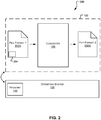
- FIG. 2 illustrates a system 200 with a more detailed depiction of converter 106.
- System 200 includes file 202A, which is in a first file format (file format 1), converter 106, converted file 202B, which is in a second file format (file format 2), and operating system 102 with registry 112.
- file format 1 file format 1
- second file format file format 2
- operating system 102 with registry 112.
- converter 106 is loaded into a restricted process 120, so that a conversion from file format 1 into file format 2 is performed within restricted process 120.
- Restricted process 120 has limited access privileges to operating system 102, and the underlying computer system on which operating system 102 is executed. This ensures that even if malicious code, such as malicious code 204 executes, it is limited in the damage that it can do to operating system 102 and the underlying computer system.
- FIG. 2 shows the details of an embodiment of converter 106, which converts a file 202A of a first file format into a converted file 202B of a second
- system 200 first launches converter 106.
- the launching of converter 106 may occur by a user requesting the launch of converter 106, for example by double-clicking on an icon representing converter 106.
- a user may request that file 202A be opened by for example double-clicking on an icon of file 202A.
- operating system 102 may associate file 202A (or its file extension) with converter 106 and initiate the launch of converter 106.
- Converter 106 loads into restricted process 120 when launched. When launched, converter 106 may load configuration information from registry 112.
- the configuration information may include information that indicates the specific mechanism by which process 120 is restricted.
- Process 120 has limited access privileges to operating system 102, and the underlying computer system on which operating system 102 is executing. As those of skill in the art will appreciate, the specific restrictions placed on process 120, and the mechanism by which process 120 is restricted, will vary depending on the specific operating system 102, and by other design considerations such as the level of risk attributed to file 202A.
- process 120 is denied permission to perform particular operations and/or or make calls to specific functions of operating system 102. For example, process 120 is denied permission to read or write information to the registry 112 of operating system 102 because registry 112 stores sensitive configuration information for various applications. However, process 120 is allowed to read and write data to other storage locations. In other embodiments, process 120 is restricted to performing only those functions that are necessary for converting a file from file format 1 to file format 2. For example, process 120 is allowed only to read data from the file that is being converted (e.g., file 202A), and to write data to the converted file (e.g., file 202B) with the converted information in file format 2.
- operating system 102 is a version of the "WINDOWS" operating system which provides a number of ways to limit the access privileges of a process.
- every process has an associated access token, which describes a security context of the process including a list of the system-wide privileges for the process.
- An access token that typically describes a restricted security context is called a restricted token.
- a restricted token describes a limited set of system-wide privileges.
- process 120 is restricted by being associated with a restricted token that describes a limited set of system-wide privileges.
- process 120 may be restricted by being associated with a job object.
- a job object allows groups of processes to be managed as a unit. Job objects control attributes of the processes associated with them.
- a job object can be used to enforce limits on an associated process, such as working set size, process priority, and end-of-job time limit.
- process 120 is restricted by being associated with a job object that enforces predefined limits for process 120.
- process 120 may be restricted using a desktop container or window station.
- Versions of the "WINDOWS" operating system provide desktop containers to allow a number of users to log onto a window station.
- a desktop container is a secured container object that is contained within a window station.
- a desktop container is a logical collection of user interface elements, which is in turn contained by a window station, as implemented by versions of the "WINDOWS" operating system.
- Certain aspects of communication between processes running within versions of the "WINDOWS" operating system are regulated on the basis of whether the processes are assigned to the same desktop, and in some cases, communication is regulated by whether the processes share the same window station.
- the inter-process communications may have security implications, and for this reason, in some embodiments the restricted process 120 runs in a separate window station (which implies a separate desktop, since all desktops have only one window station as a container).
- process 120 is restricted using a combination of restricted tokens, job objects, and window stations/desktop containers.
- the use of two or more of these mechanisms provides robust security that limits the damage that may be caused by malicious code executing in process 120 during the conversion of file 202A from file format 1 into converted file 202B in file format 2.
- process 120 is restricted using all three of a restricted token, a job object, and a desktop container.
- converter 106 converts file 202A from file format 1 into converted file 202B in file format 2. As described above, the converter does not have any knowledge of malicious code 204 that may be within file 202A, nor does it have knowledge of the vulnerability. In embodiments, converter 106 converts file 202A using a parser and an engine. The parser parses the file to extract data, which is expressed by the engine in the different file format, namely file format 2. The newly expressed data is stored in converted file 202B.
- the parser identifies features within file 202A, such as header information and data structures of file 202A, which it uses to determine what data it will transfer into converted file 202B.
- Malicious code 204 does not include the features used by converter 106 to determine the data to store in converted file 202B, and therefore is not included in converted file 202B.
- the parser of converter 106 parses malicious code 104, it will not recognize the necessary features to transfer the data into file 202B. Accordingly, the malicious code 204 will be eliminated from the file data transferred into converted file 202B. Converted file 202B can then be safely opened and accessed outside of restricted process 120.
- the malicious code 204 may be passed through to converted file 202B.
- Applications typically use a parser to scan a file prior to opening the file.
- malicious code such as malicious code 204 targets parsers designed to open files of a specific file format. That is, malicious code 204 may target parsers used to open files in file format 1.
- parsers designed to open files in file format 1 it will not pose much of a security threat, because converted file 202B will be opened by parsers designed to open files of file format 2.
- simply converting file 202A in file format 1 to converted file 202B in file format 2 eliminates the threat of malicious code 204 even if the code is included in converted file 202B.
- malicious code 204 may attack converter 106 when converter 106 attempts to convert file 202A.
- converter 106 runs in restricted process 120, which has restricted privileges. Accordingly, even if malicious code 204 manages to execute successfully during conversion of file 202A, it will be limited in the damage that it may cause.
- the conversion performed by converter 106 provides advantages over software applications which are designed specifically to remove malicious code from files.
- those applications that are designed to remove malicious code must have some knowledge, such as features to look for to identify the malicious code or structures to examine that may be vulnerable to storing malicious payloads.
- converter 106 does not have any knowledge of malicious code 204, rather the mere fact that the malicious code 204 does not contain the characteristics necessary for converting the data from file format 1 into file format 2 will remove the malicious code 204 from the data transferred into converted file 202B.
- the new file format e.g., file format 2
- converter 106 is a two-way converter which means that it can convert file format 1 into file format 2 and also convert file format 2 back to file format 1.
- converter 106 after converter 106 has generated converted file 202B and removed malicious code 204 from being transferred into converted file 202B, it converts file 202B back to file format 1.
- file 202A may be in a binary file format (file format 1) that has been identified as having a security vulnerability.
- file 202A is converted by converter 106 into converted file 202B in an XML file format (file format 2), which removes or renders ineffective malicious code 204.
- file format 1 may be converted by converter 106 into converted file 202B in an XML file format (file format 2), which removes or renders ineffective malicious code 204.
- file 202B is then converted back to the binary file format (file format 1) in order to allow a user to open and access the file data.
- FIGS. 3-5 illustrate operational flows 300, 400, and 500, according to embodiments.
- Operational flows 300, 400, and 500 may be performed in any suitable computing environment.
- the operational flows may be executed by a system such as systems 100 and 200 ( FIG. 1 and FIG. 2 ) to remove malicious code from a file and securely open the file. Therefore, the description of operational flows 300, 400, and 500, may refer to at least one of the components of FIG. 1 and FIG. 2 .
- any such reference to components of FIG. 1 and FIG. 2 is for descriptive purposes only, and it is to be understood that the implementations of FIG. 1 and FIG. 2 are a non-limiting environment for operational flows 300, 400, and 500.
- FIG. 3 illustrates an operational flow 300 for removing malicious code from a file, according to one embodiment.
- a converter which is capable of converting a file from a first format to a second format, is loaded into a restricted process.
- the converter is converter 106 ( FIG. 1 and FIG. 2 ), which is loaded into restricted process 120 ( FIG. 1 and FIG. 2 ).
- Restricted process 120 has limited privileges to access an operating system, such as for example operating system 102. The restrictions placed on the process limit the possibility of damage created by malicious code that is executed during conversion of a file by the converter.
- Operation 302 may be initiated as a result of a user requesting the launch of a converter, for example by double-clicking on an icon representing the converter.
- a user may request a specific file be opened by for example double-clicking on an icon of the file, and in response operation 302 will initiate the launch of the converter by loading the converter into a restricted process.
- Operation 304 is performed within the restricted process.
- the conversion is performed by the converter 106 in restricted process 120.
- converter 106 will parse a file in a first file format and identify features within the file that are used to extract data from the file. The extracted data is then stored in a converted file that is in a second file format. The converted file is free of any malicious code that may have been embedded in the first file. The converted file can then be safely opened in a process with less restrictions than the restricted process used in converting the file.
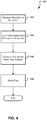
- FIG. 4 illustrates an operational flow 400 for securely opening a file to access the data in the file, according to one embodiment.
- a request to open a file is received.
- the request is received by a converter such as converter 106 ( FIG. 1 and FIG. 2 ).
- a user may attempt to open a file by launching a converter and then selecting the file through the converter.
- the request is received by an application such as application 104 ( FIG. 1 ).
- a user may attempt to open a file by launching the application and then selecting the file.
- the request is received when a user selects a file, such as by double-clicking on an icon of the file.
- Operational flow then passes to operation 404, where a converter which is capable of converting a file from a first format to a second format, is loaded into a restricted process.
- the converter is converter 106 ( FIG. 1 and FIG. 2 ), which is loaded into restricted process 120 ( FIG. 1 and FIG. 2 ).
- the restricted process has limited privileges to request functions from an operating system, and to access resources in an underlying computer system. This mitigates the damage that may be caused by malicious code executing within process 120.
- the converter converts a file from the first file format to generate a second file that is in a second file format.
- the process of converting the file eliminates any malicious code that may have been embedded within the file from being stored in the second file. The elimination of malicious code occurs without any knowledge of the malicious code, or any knowledge of a vulnerability being exploited by the malicious code. In other embodiments, any malicious code within the file may be rendered ineffective by simply converting the file from the first file format to the second file format.
- the converter is converter 106 ( FIG. 1 and FIG. 2 ) which parses the file to extract data from the file and store in the second file.
- operation 408 involves launching an application that is capable of opening and providing access to the converted file which is in the second file format.
- operation 408 may involve a number of additional operations, such as converting the converted file a second time.
- the converter used in operation 406 may be a two way converter which can convert files from the first file format into the second file format, and also convert files in the second file format into the first file format.
- operation 408 involves converting the file in the second file format back to the original first file format, using the converter. This operation can then be followed by the launch of an application capable of opening the file in the first file format.
- another converter may be used to convert a file from the second file format into a third file format.
- operation 408 may involve launching a second converter which converts the file in the second file format into a third file format. This operation can then be followed by the launch of an application capable of opening and providing access to the file in the third file format.
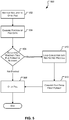
- FIG. 5 illustrates an operational flow 500 for securely opening a file, according to one embodiment.
- a request to open a file is received.
- the request is received by an application such as application 104 ( FIG. 1 ).
- an application such as application 104 ( FIG. 1 ).
- a user may launch an application and then select the file.
- a user selects a file, which may automatically launch an appropriate application to open the file (or prompt the user to select an application to open the file).
- file data from the file is examined to determine a true file format.
- an application having a type inspector module such as type inspector module 124 ( FIG. 1 ) is used to inspect file data before the file is loaded into memory.
- the file data inspected by the type inspector module is only a small fraction of the data within the file. By identifying features within the data such as header information and data structures, the type inspector module can make a determination as to the true file format without the need to examine all of, or a large part of, the data within the file.
- a block policy such as block policy 114A ( FIG. 1 )
- an application such as application 104, performs operation 508 by loading the file into memory and providing access to a user through the application, to allow the user to edit, add, and save data in the file.
- a converter which is capable of converting a file from a first format to a second format, is loaded into a restricted process.
- the converter is converter 106 ( FIG. 1 and FIG. 2 ), which is loaded into restricted process 120 ( FIG. 1 and FIG. 2 ).
- the restricted process has limited privileges to request functions from an operating system and to access resources in an underlying computer system. The limited privileges mitigate the damage that may be caused by malicious code executing within process 120.
- the converter loaded into the restricted process converts a file from the first file format to generate a second file that is in a second file format.
- the process of converting the file eliminates any malicious code that may be embedded within the first file from being included in the second file. The elimination of malicious code occurs without any knowledge of the malicious code, or any knowledge of a vulnerability being exploited by the malicious code.
- simply converting the file from the first file format to the second file format eliminates the risk from malicious code that targets parsers used to open files in the first file format.
- converter is converter 106 ( FIG. 1 and FIG. 2 ) which parses the file in a first file format and identifies features within the file that are used to extract data from the file. The extracted data is then stored in the second file that is in a second file format. The second file is free of any malicious code that may have been embedded in the first file.
- operation 508 involves launching an application that is capable of opening and providing access to the converted file which is in the second file format. In other embodiments, operation 508 may involve a number of additional operations, such as converting the converted file a second time.
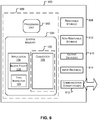
- FIG. 6 illustrates a general computer environment 600, which can be used to implement the embodiments described herein.
- the computer environment 600 is only one example of a computing environment and is not intended to suggest any limitation as to the scope of use or functionality of the computer and network architectures. Neither should the computer environment 600 be interpreted as having any dependency or requirement relating to any one or combination of components illustrated in the example computer environment 600.
- system 600 typically includes at least one processing unit 602 and memory 604.
- memory 604 may be volatile (such as RAM), non-volatile (such as ROM, flash memory, etc.) or some combination of the two.
- This most basic configuration is illustrated in FIG. 6 by dashed line 606.
- applications such as application 104 ( FIG. 1 ) including block policy 114 and type inspector module 124 may be loaded into system memory 604 for use by a user of system 600.
- FIG. 6 also shows the restricted process 120 into which converter 106 is loaded to convert a file from a first format to a converted file in a second format to remove malicious code that may be embedded within the file.
- system 600 may also have additional features/functionality.
- system 600 may also include additional storage (removable and/or non-removable) including, but not limited to, magnetic or optical disks or tape.
- additional storage is illustrated in FIG. 6 by removable storage 608 and non-removable storage 610.
- Computer storage media includes volatile and nonvolatile, removable and non-removable media implemented in any method or technology for storage of information such as computer readable instructions, data structures, program modules or other data.
- Memory 604, removable storage 608 and non-removable storage 610 are all examples of computer storage media.
- Computer storage media includes, but is not limited to, RAM, ROM, EEPROM, flash memory or other memory technology, CD-ROM, digital versatile disks (DVD) or other optical storage, magnetic cassettes, magnetic tape, magnetic disk storage or other magnetic storage devices, or any other medium which can be used to store the desired information and which can accessed by system 600. Any such computer storage media may be part of system 600.
- System 600 may also contain communications connection(s) 612 that allow the system to communicate with other devices.
- Communications connection(s) 612 is an example of communication media.
- Communication media typically embodies computer readable instructions, data structures, program modules or other data in a modulated data signal such as a carrier wave or other transport mechanism and includes any information delivery media.
- modulated data signal means a signal that has one or more of its characteristics set or changed in such a manner as to encode information in the signal.
- communication media includes wired media such as a wired network or direct-wired connection, and wireless media such as acoustic, RF, infrared and other wireless media.
- the term computer readable media as used herein includes both storage media and communication media.
- System 600 may also have input device(s) 614 such as keyboard, mouse, pen, voice input device, touch input device, etc.
- Output device(s) 616 such as a display, speakers, printer, etc. may also be included. All these devices are well know in the art and need not be discussed at length here.
Landscapes
- Engineering & Computer Science (AREA)
- Computer Security & Cryptography (AREA)
- Theoretical Computer Science (AREA)
- Software Systems (AREA)
- General Engineering & Computer Science (AREA)
- Computer Hardware Design (AREA)
- General Physics & Mathematics (AREA)
- Physics & Mathematics (AREA)
- Health & Medical Sciences (AREA)
- Virology (AREA)
- General Health & Medical Sciences (AREA)
- Quality & Reliability (AREA)
- Storage Device Security (AREA)
Claims (15)
- Verfahren zum Entfernen von bösartigem Code aus einer Datei eines ersten Dateiformats, wobei das Verfahren umfasst:Laden (302), in einen eingeschränkten Prozess (120), eines Konverters (106), der dazu in der Lage ist, die Datei aus dem ersten Dateiformat in ein zweites Dateiformat zu konvertieren; undEntfernen (304) des bösartigen Codes (204), der in der Datei (202A) vorhanden ist, unter Verwendung des Konverters (106), umfassend das Konvertieren (512) der Datei (202A) aus dem ersten Dateiformat in eine konvertierte Datei (202B) in dem zweiten Dateiformat unter Verwendung des Konverters (106), der in dem eingeschränkten Prozess (120) geladen ist,wobei das Konvertieren den bösartigen Code (204), der in der Datei (202A) vorhanden ist, aus der konvertierten Datei (202B) eliminiert,wobei der Konverter (106) die Datei (202A) unter Verwendung eines Parsers konvertiert, wobei der Parser Merkmale in der Datei (202A) identifiziert und Dateidaten extrahiert,wobei der Parser die identifizierten Merkmale zum Bestimmen verwendet, welche Dateidaten er in die konvertierte Datei (202B) übertragen wird, undwobei der bösartige Code (204) die von dem Parser verwendeten Merkmale nicht enthält, so dass der bösartige Code (204) aus den Dateidaten, die in die konvertierte Datei (202B) übertragen werden, eliminiert wird.
- Verfahren nach Anspruch 1, wobei der Konverter als der Handler für alle Dateien des ersten Dateiformats designiert ist.
- Verfahren nach Anspruch 2, wobei das Laden in Reaktion auf das Empfangen einer Anforderung zum Öffnen der Datei durchgeführt wird.
- Verfahren nach Anspruch 1, wobei der eingeschränkte Prozess eingeschränkte Rechte zum Anfordern von Funktionen von einem Betriebssystem aufweist.
- Verfahren nach Anspruch 4, wobei der eingeschränkte Prozess darauf beschränkt ist, Daten aus der Datei zu lesen und Daten in die konvertierte Datei zu schreiben.
- Verfahren nach Anspruch 4, wobei der eingeschränkte Prozess eingeschränkte Rechte basierend auf einem aus der Gruppe aufweist, die aus einem eingeschränkten Token, einem Auftragsobjekt, einem Desktop-Container und einer Kombination daraus besteht.
- Verfahren nach Anspruch 1, des Weiteren umfassend, nach dem Entfernen, das Konvertieren der konvertierten Datei in ein drittes Dateiformat.
- Verfahren nach Anspruch 7, wobei das Konvertieren der konvertierten Datei von dem Konverter durchgeführt wird und das dritte Dateiformat dasselbe wie das erste Dateiformat ist.
- Computerlesbares Medium, das computerausführbare Befehle zum Durchführen eines Verfahrens zum Öffnen einer Datei speichert, wobei das Verfahren umfasst:Empfangen (402) eine Anforderung zum Öffnen einer Datei eines ersten Dateiformats (202A);Laden (404), in einen eingeschränkten Prozess (120), eines Konverters (106), der dazu in der Lage ist, die Datei aus dem ersten Dateiformat in ein zweites Dateiformat zu konvertieren; undKonvertieren (406) der Datei aus dem ersten Dateiformat in eine konvertierte Datei in dem zweiten Dateiformat unter Verwendung des Konverters (106), der in dem eingeschränkten Prozess (120) geladen ist, undwobei das Konvertieren jeden bösartigen Code (204), der in der Datei (202A) vorhanden ist, aus der konvertierten Datei (202B) eliminiert,wobei der Konverter (106) die Datei (202A) unter Verwendung eines Parsers konvertiert, wobei der Parser Merkmale in der Datei (202A) identifiziert und Dateidaten extrahiert,wobei der Parser die identifizierten Merkmale zum Bestimmen verwendet, welche Dateidaten er in die konvertierte Datei (202B) übertragen wird,wobei der bösartige Code (204) die von dem Parser verwendeten Merkmale nicht enthält, so dass der bösartige Code (204) aus den Dateidaten, die in die konvertierte Datei (202B) übertragen werden, eliminiert wird; undnach dem Konvertieren, Öffnen (408) der konvertierten Datei (202B).
- Computerlesbares Medium nach Anspruch 9, wobei der Konverter als der Handler für alle Dateien des ersten Dateiformats designiert ist.
- Computerlesbares Medium nach Anspruch 9, wobei der eingeschränkte Prozess eingeschränkte Rechte zum Anfordern von Funktionen von einem Betriebssystem aufweist, und/oder
wobei der eingeschränkte Prozess darauf beschränkt ist, Daten aus der Datei zu lesen und Daten in die konvertierte Datei zu schreiben. - Computerlesbares Medium nach Anspruch 11, wobei der eingeschränkte Prozess eingeschränkte Rechte basierend auf einem aus der Gruppe aufweist, die aus einem eingeschränkten Token, einem Auftragsobjekt, einem Desktop-Container und einer Kombination daraus besteht.
- Computerlesbares Medium nach Anspruch 9, wobei das Öffnen des Weiteren das Starten eine Anwendung umfasst, die zum Öffnen der konvertierten Datei in dem zweiten Dateiformat in der Lage ist, und/oder
wobei das Öffnen des Weiteren das Konvertieren der konvertierten Datei in ein drittes Dateiformat umfasst. - Verfahren zum Öffnen einer Datei, wobei das Verfahren umfasst:Empfangen (502) eine Anforderung zum Öffnen einer Datei;Untersuchen (504) eines Teiles der Daten der Datei, um ein richtiges Dateiformat für die Datei zu bestimmen;Bestimmen (506), ob das richtige Dateiformat ein Format ist, welches daran gehindert wird, geöffnet zu werden;in Reaktion auf die Bestimmung, dass das Dateiformat kein Format ist, welches blockiert wird, Öffnen (508) der Datei; undin Reaktion auf die Bestimmung, dass das Dateiformat ein Format ist, welches blockiert wird:Laden (510), in einen eingeschränkten Prozess (120), eines Konverters (106), der dazu in der Lage ist, die Datei aus dem ersten Dateiformat in ein zweites Dateiformat zu konvertieren; undKonvertieren (512) der Datei (202A) aus dem ersten Dateiformat in eine konvertierte Datei (200B) in dem zweiten Dateiformat unter Verwendung des Konverters (106), der in dem eingeschränkten Prozess (120) geladen ist, undwobei das Konvertieren den bösartigen Code (204), der in der Datei (202A) vorhanden ist, aus der konvertierten Datei (202B) eliminiert,wobei der Konverter (106) die Datei (202A) unter Verwendung eines Parsers konvertiert, wobei der Parser Merkmale in der Datei (202A) identifiziert und Dateidaten extrahiert,wobei der Parser die identifizierten Merkmale zum Bestimmen verwendet, welche Dateidaten er in die konvertierte Datei (202B) übertragen wird,wobei der bösartige Code (204) die von dem Parser verwendeten Merkmale nicht enthält, so dass der bösartige Code (204) aus den Dateidaten, die in die konvertierte Datei (202B) übertragen werden, eliminiert wird; undnach dem Konvertieren, Öffnen (508) der konvertierten Datei (202B).
- Verfahren nach Anspruch 14, wobei das Bestimmen das Zugreifen auf eine Öffnungs-Blockrichtlinie umfasst, die das Format anzeigt, welches daran gehindert wird, geöffnet zu werden, und/oder
wobei die Öffnungs-Blockrichtlinie in einem Verzeichnis eines Betriebssystems gespeichert ist, und/oder
wobei der eingeschränkte Prozess eingeschränkte Rechte zum Anfordern von Funktionen von dem Betriebssystem aufweist, und/oder
wobei der eingeschränkte Prozess darauf beschränkt ist, Daten aus der Datei zu lesen und Daten in die konvertierte Datei zu schreiben.
Applications Claiming Priority (2)
| Application Number | Priority Date | Filing Date | Title |
|---|---|---|---|
| US11/679,068 US7797743B2 (en) | 2007-02-26 | 2007-02-26 | File conversion in restricted process |
| PCT/US2008/053360 WO2008106289A1 (en) | 2007-02-26 | 2008-02-07 | File conversion in restricted process |
Publications (3)
| Publication Number | Publication Date |
|---|---|
| EP2115653A1 EP2115653A1 (de) | 2009-11-11 |
| EP2115653A4 EP2115653A4 (de) | 2016-05-18 |
| EP2115653B1 true EP2115653B1 (de) | 2018-04-11 |
Family
ID=39717485
Family Applications (1)
| Application Number | Title | Priority Date | Filing Date |
|---|---|---|---|
| EP08729333.8A Not-in-force EP2115653B1 (de) | 2007-02-26 | 2008-02-07 | Dateienkonvertierung in einem eingeschränkten verfahren |
Country Status (9)
| Country | Link |
|---|---|
| US (1) | US7797743B2 (de) |
| EP (1) | EP2115653B1 (de) |
| JP (1) | JP4629796B2 (de) |
| KR (1) | KR101467595B1 (de) |
| CN (1) | CN101622624B (de) |
| BR (1) | BRPI0807461A2 (de) |
| RU (1) | RU2468426C2 (de) |
| TW (1) | TWI395113B (de) |
| WO (1) | WO2008106289A1 (de) |
Families Citing this family (40)
| Publication number | Priority date | Publication date | Assignee | Title |
|---|---|---|---|---|
| US8359647B1 (en) * | 2007-07-19 | 2013-01-22 | Salesforce.Com, Inc. | System, method and computer program product for rendering data of an on-demand database service safe |
| KR100974886B1 (ko) * | 2007-12-10 | 2010-08-11 | 한국전자통신연구원 | 파일에 삽입된 악성 코드 제거 장치 및 방법 |
| JP2009271780A (ja) * | 2008-05-08 | 2009-11-19 | Canon Inc | 電子文書変換装置および電子文書変換方法 |
| US8281398B2 (en) * | 2009-01-06 | 2012-10-02 | Microsoft Corporation | Reordering document content to avoid exploits |
| FR2946211B1 (fr) * | 2009-05-28 | 2011-05-27 | Sagem Comm | Procede de traitement de document par un ordinateur distant, systeme et dispositif amovible connectable a chaud pour la mise en oeuvre de ce procede |
| TW201128383A (en) * | 2009-07-29 | 2011-08-16 | Reversinglabs Corp | Portable executable file analysis |
| US8566943B2 (en) * | 2009-10-01 | 2013-10-22 | Kaspersky Lab, Zao | Asynchronous processing of events for malware detection |
| US8581941B2 (en) * | 2009-10-02 | 2013-11-12 | Panasonic Corporation | Backlight device and display apparatus |
| US8140735B2 (en) | 2010-02-17 | 2012-03-20 | Novell, Inc. | Techniques for dynamic disk personalization |
| US9245114B2 (en) * | 2010-08-26 | 2016-01-26 | Verisign, Inc. | Method and system for automatic detection and analysis of malware |
| KR101156227B1 (ko) * | 2010-11-22 | 2012-06-18 | 주식회사 파수닷컴 | 전처리가 수행된 파일을 실행하기 위한 파일 처리장치 및 그 방법을 컴퓨터에서 실행시키기 위한 기록매체 |
| CN102855432B (zh) * | 2011-06-27 | 2015-11-25 | 北京奇虎科技有限公司 | 一种文件、文件夹解锁和删除方法及系统 |
| US9118686B2 (en) | 2011-09-06 | 2015-08-25 | Microsoft Technology Licensing, Llc | Per process networking capabilities |
| US8990561B2 (en) | 2011-09-09 | 2015-03-24 | Microsoft Technology Licensing, Llc | Pervasive package identifiers |
| US9773102B2 (en) | 2011-09-09 | 2017-09-26 | Microsoft Technology Licensing, Llc | Selective file access for applications |
| US9800688B2 (en) | 2011-09-12 | 2017-10-24 | Microsoft Technology Licensing, Llc | Platform-enabled proximity service |
| WO2013101169A1 (en) * | 2011-12-30 | 2013-07-04 | Intel Corporation | Sharing data amoung smart devices and a cloud network |
| US9349008B1 (en) | 2012-03-13 | 2016-05-24 | Bromium, Inc. | Safe printing |
| US8667594B1 (en) | 2012-03-13 | 2014-03-04 | Bromium, Inc. | Securing file trust with file format conversions |
| US8719933B1 (en) | 2012-03-13 | 2014-05-06 | Bromium, Inc. | Safe printing |
| US9047293B2 (en) * | 2012-07-25 | 2015-06-02 | Aviv Grafi | Computer file format conversion for neutralization of attacks |
| US10356204B2 (en) | 2012-12-13 | 2019-07-16 | Microsoft Technology Licensing, Llc | Application based hardware identifiers |
| US9858247B2 (en) | 2013-05-20 | 2018-01-02 | Microsoft Technology Licensing, Llc | Runtime resolution of content references |
| US9686304B1 (en) * | 2013-06-25 | 2017-06-20 | Symantec Corporation | Systems and methods for healing infected document files |
| US9805195B1 (en) * | 2013-09-17 | 2017-10-31 | The Boeing Company | System and method for transferring files between computer systems using information invariant data transformation |
| JP2016533574A (ja) * | 2013-10-17 | 2016-10-27 | ソフトキャンプ カンパニー,リミテッド | ファイル形式変換を通じたデータ防疫処理システムと方法 |
| US9582665B2 (en) | 2014-01-21 | 2017-02-28 | Operation and Data integrity Ltd. | Technologies for protecting systems and data to prevent cyber-attacks |
| US20160006754A1 (en) * | 2014-07-01 | 2016-01-07 | Mcafee, Inc. | Secure enclave-rendered contents |
| US11275861B2 (en) * | 2014-07-25 | 2022-03-15 | Fisher-Rosemount Systems, Inc. | Process control software security architecture based on least privileges |
| US10021128B2 (en) * | 2015-03-12 | 2018-07-10 | Forcepoint Llc | Systems and methods for malware nullification |
| US10984192B2 (en) * | 2016-06-02 | 2021-04-20 | Samsung Electronics Co., Ltd. | Application list providing method and device therefor |
| US10607004B2 (en) * | 2016-09-29 | 2020-03-31 | Intel Corporation | Methods and apparatus to improve feature engineering efficiency with metadata unit operations |
| US9858424B1 (en) | 2017-01-05 | 2018-01-02 | Votiro Cybersec Ltd. | System and method for protecting systems from active content |
| US10331889B2 (en) | 2017-01-05 | 2019-06-25 | Votiro Cybersec Ltd. | Providing a fastlane for disarming malicious content in received input content |
| US10331890B2 (en) | 2017-03-20 | 2019-06-25 | Votiro Cybersec Ltd. | Disarming malware in protected content |
| US10013557B1 (en) | 2017-01-05 | 2018-07-03 | Votiro Cybersec Ltd. | System and method for disarming malicious code |
| JP6841703B2 (ja) * | 2017-03-29 | 2021-03-10 | アドソル日進株式会社 | コンピュータ装置 |
| TWI723664B (zh) | 2019-12-05 | 2021-04-01 | 中華電信股份有限公司 | 惡意圖像檔案淨化方法及系統 |
| US11822699B1 (en) | 2021-10-21 | 2023-11-21 | Secure Computing, Llc | Preventing surreptitious access to file data by malware |
| US11983288B1 (en) | 2021-11-05 | 2024-05-14 | Secure Computing, Llc | Operating system enhancements to prevent surreptitious access to user data files |
Family Cites Families (38)
| Publication number | Priority date | Publication date | Assignee | Title |
|---|---|---|---|---|
| US5058000A (en) | 1987-06-30 | 1991-10-15 | Prime Computer, Inc. | System for accessing remote heterogeneous database including formatting retrieved data into applications program format |
| US5191525A (en) | 1990-01-16 | 1993-03-02 | Digital Image Systems, Corporation | System and method for extraction of data from documents for subsequent processing |
| US5278978A (en) | 1990-03-26 | 1994-01-11 | International Business Machines Corporation | Method and system for describing and exchanging data between heterogeneous database systems with data converted by the receiving database system |
| US5493671A (en) | 1993-06-04 | 1996-02-20 | Marcam Corporation | Method and apparatus for conversion of database data into a different format on a field by field basis using a table of conversion procedures |
| US5793498A (en) | 1995-03-10 | 1998-08-11 | Telogy Networks, Inc. | System for transferring facsimile data without dedicated G3 hardware |
| US5696822A (en) * | 1995-09-28 | 1997-12-09 | Symantec Corporation | Polymorphic virus detection module |
| US6067410A (en) * | 1996-02-09 | 2000-05-23 | Symantec Corporation | Emulation repair system |
| JP2977476B2 (ja) | 1995-11-29 | 1999-11-15 | 株式会社日立製作所 | 機密保護方法 |
| AU714679B2 (en) * | 1995-12-29 | 2000-01-06 | Tixi.Com Gmbh Telecommunication Systems | Process and microcomputer system for automatic, secure and direct data transfer |
| US5812398A (en) | 1996-06-10 | 1998-09-22 | Sun Microsystems, Inc. | Method and system for escrowed backup of hotelled world wide web sites |
| JPH11184692A (ja) * | 1997-12-22 | 1999-07-09 | Canon Inc | 通信装置 |
| US6505300B2 (en) * | 1998-06-12 | 2003-01-07 | Microsoft Corporation | Method and system for secure running of untrusted content |
| US6336124B1 (en) | 1998-10-01 | 2002-01-01 | Bcl Computers, Inc. | Conversion data representing a document to other formats for manipulation and display |
| US6523172B1 (en) | 1998-12-17 | 2003-02-18 | Evolutionary Technologies International, Inc. | Parser translator system and method |
| JP2001067216A (ja) * | 1999-08-30 | 2001-03-16 | Hiroshi Yoshida | コンピュータ・ウイルス防衛除去の為の論理方式及び同システム |
| US7017187B1 (en) | 2000-06-20 | 2006-03-21 | Citigroup Global Markets, Inc. | Method and system for file blocking in an electronic messaging system |
| US6901519B1 (en) | 2000-06-22 | 2005-05-31 | Infobahn, Inc. | E-mail virus protection system and method |
| US6675373B1 (en) | 2000-09-07 | 2004-01-06 | Universal Conversion Technologies | Automatic generation of balancing logic for data conversion |
| WO2002093334A2 (en) | 2001-04-06 | 2002-11-21 | Symantec Corporation | Temporal access control for computer virus outbreaks |
| US7043634B2 (en) | 2001-05-15 | 2006-05-09 | Mcafee, Inc. | Detecting malicious alteration of stored computer files |
| US6792543B2 (en) * | 2001-08-01 | 2004-09-14 | Networks Associates Technology, Inc. | Virus scanning on thin client devices using programmable assembly language |
| JP2003186632A (ja) * | 2001-12-20 | 2003-07-04 | Oki Electric Ind Co Ltd | 遠隔端末接続システム |
| JP2003223521A (ja) * | 2002-01-29 | 2003-08-08 | Mitsubishi Electric Corp | 設備管理システム及び設備管理方法 |
| JP2003259066A (ja) * | 2002-03-04 | 2003-09-12 | Ricoh Co Ltd | ネットワークファクシミリ装置 |
| US7369279B2 (en) | 2003-03-13 | 2008-05-06 | Sharp Laboratories Of America, Inc. | System and method to restrict copying, scanning and transmittal of documents or parts of documents |
| US7552473B2 (en) | 2003-08-12 | 2009-06-23 | Symantec Corporation | Detecting and blocking drive sharing worms |
| US7516442B2 (en) * | 2003-10-23 | 2009-04-07 | Microsoft Corporation | Resource manifest |
| JP3869409B2 (ja) * | 2003-11-21 | 2007-01-17 | 株式会社大和総研 | ウィルス感染防止システム、メール閲覧用プログラム、および添付ファイル閲覧用プログラム |
| JP2005157898A (ja) | 2003-11-27 | 2005-06-16 | Mitsubishi Electric Corp | Xml/データベース連携装置 |
| US20040172551A1 (en) | 2003-12-09 | 2004-09-02 | Michael Connor | First response computer virus blocking. |
| US7620990B2 (en) * | 2004-01-30 | 2009-11-17 | Microsoft Corporation | System and method for unpacking packed executables for malware evaluation |
| US7757287B2 (en) | 2004-04-19 | 2010-07-13 | Computer Associates Think, Inc. | Systems and methods for computer security |
| US7596809B2 (en) * | 2004-06-14 | 2009-09-29 | Lionic Corporation | System security approaches using multiple processing units |
| US20060010495A1 (en) | 2004-07-06 | 2006-01-12 | Oded Cohen | Method for protecting a computer from suspicious objects |
| CA2581304A1 (en) | 2004-09-30 | 2006-04-13 | Citrix Systems, Inc. | A method and apparatus for assigning access control levels in providing access to networked content files |
| KR20060050768A (ko) * | 2004-10-01 | 2006-05-19 | 마이크로소프트 코포레이션 | 액세스 인가 api |
| ITRM20040517A1 (it) | 2004-10-20 | 2005-01-20 | Diego Angelo Tomaselli | Metodo e sistema antivirus. |
| US20060106889A1 (en) * | 2004-11-12 | 2006-05-18 | Mannby Claes-Fredrik U | Method, system, and program for managing revisions to a file |
-
2007
- 2007-02-26 US US11/679,068 patent/US7797743B2/en not_active Expired - Fee Related
-
2008
- 2008-02-07 WO PCT/US2008/053360 patent/WO2008106289A1/en not_active Ceased
- 2008-02-07 RU RU2009132088/08A patent/RU2468426C2/ru not_active IP Right Cessation
- 2008-02-07 JP JP2009552004A patent/JP4629796B2/ja not_active Expired - Fee Related
- 2008-02-07 CN CN2008800059722A patent/CN101622624B/zh not_active Expired - Fee Related
- 2008-02-07 EP EP08729333.8A patent/EP2115653B1/de not_active Not-in-force
- 2008-02-07 KR KR1020097017649A patent/KR101467595B1/ko not_active Expired - Fee Related
- 2008-02-07 BR BRPI0807461-5A patent/BRPI0807461A2/pt not_active IP Right Cessation
- 2008-02-25 TW TW097106499A patent/TWI395113B/zh not_active IP Right Cessation
Non-Patent Citations (1)
| Title |
|---|
| None * |
Also Published As
| Publication number | Publication date |
|---|---|
| CN101622624A (zh) | 2010-01-06 |
| JP2010519662A (ja) | 2010-06-03 |
| KR101467595B1 (ko) | 2014-12-01 |
| RU2468426C2 (ru) | 2012-11-27 |
| EP2115653A4 (de) | 2016-05-18 |
| KR20090125068A (ko) | 2009-12-03 |
| JP4629796B2 (ja) | 2011-02-09 |
| BRPI0807461A2 (pt) | 2014-06-03 |
| US7797743B2 (en) | 2010-09-14 |
| TWI395113B (zh) | 2013-05-01 |
| CN101622624B (zh) | 2012-07-04 |
| US20080209551A1 (en) | 2008-08-28 |
| TW200844789A (en) | 2008-11-16 |
| WO2008106289A1 (en) | 2008-09-04 |
| RU2009132088A (ru) | 2011-02-27 |
| EP2115653A1 (de) | 2009-11-11 |
Similar Documents
| Publication | Publication Date | Title |
|---|---|---|
| EP2115653B1 (de) | Dateienkonvertierung in einem eingeschränkten verfahren | |
| US7930738B1 (en) | Method and apparatus for secure execution of code | |
| US9336390B2 (en) | Selective assessment of maliciousness of software code executed in the address space of a trusted process | |
| US11244051B2 (en) | System and methods for detection of cryptoware | |
| US10181026B2 (en) | Methods, media, and systems for detecting attack on a digital processing device | |
| US7797742B2 (en) | File blocking mitigation | |
| US8281410B1 (en) | Methods and systems for providing resource-access information | |
| US7836504B2 (en) | On-access scan of memory for malware | |
| US8079085B1 (en) | Reducing false positives during behavior monitoring | |
| US9317679B1 (en) | Systems and methods for detecting malicious documents based on component-object reuse | |
| US7251735B2 (en) | Buffer overflow protection and prevention | |
| US20090113550A1 (en) | Automatic Filter Generation and Generalization | |
| US20100122313A1 (en) | Method and system for restricting file access in a computer system | |
| US8256000B1 (en) | Method and system for identifying icons | |
| US9246933B1 (en) | Systems and methods for detecting malicious email attachments | |
| EP4455915B1 (de) | Verfahren und vorrichtung zur erkennung der erweiterung bösartiger dateien | |
| Daubner et al. | Data loss prevention solution for linux endpoint devices | |
| Parida et al. | PageDumper: a mechanism to collect page table manipulation information at run-time | |
| US7774843B1 (en) | System, method and computer program product for preventing the execution of unwanted code | |
| Singh | A physiological decomposition of virus and worm programs | |
| Hili et al. | The BIOS and Rootkits | |
| Tokhtabayev et al. | Malware analysis and detection via activity trees in user-dependent environment | |
| Meng et al. | A Lightweight Defense Scheme Against Usermode Helper Privilege Escalation Using Linux Capability | |
| WO2023003565A1 (en) | Kill chain identifications | |
| CA3165536A1 (en) | Feature equivalence and document abnormality threshold determination |
Legal Events
| Date | Code | Title | Description |
|---|---|---|---|
| PUAI | Public reference made under article 153(3) epc to a published international application that has entered the european phase |
Free format text: ORIGINAL CODE: 0009012 |
|
| 17P | Request for examination filed |
Effective date: 20090911 |
|
| AK | Designated contracting states |
Kind code of ref document: A1 Designated state(s): AT BE BG CH CY CZ DE DK EE ES FI FR GB GR HR HU IE IS IT LI LT LU LV MC MT NL NO PL PT RO SE SI SK TR |
|
| DAX | Request for extension of the european patent (deleted) | ||
| RAP1 | Party data changed (applicant data changed or rights of an application transferred) |
Owner name: MICROSOFT TECHNOLOGY LICENSING, LLC |
|
| RA4 | Supplementary search report drawn up and despatched (corrected) |
Effective date: 20160419 |
|
| RIC1 | Information provided on ipc code assigned before grant |
Ipc: G06F 21/56 20130101ALI20160413BHEP Ipc: G06F 11/36 20060101ALI20160413BHEP Ipc: G06F 21/53 20130101ALI20160413BHEP Ipc: G06F 21/00 20130101AFI20160413BHEP |
|
| STAA | Information on the status of an ep patent application or granted ep patent |
Free format text: STATUS: EXAMINATION IS IN PROGRESS |
|
| 17Q | First examination report despatched |
Effective date: 20161027 |
|
| GRAP | Despatch of communication of intention to grant a patent |
Free format text: ORIGINAL CODE: EPIDOSNIGR1 |
|
| STAA | Information on the status of an ep patent application or granted ep patent |
Free format text: STATUS: GRANT OF PATENT IS INTENDED |
|
| INTG | Intention to grant announced |
Effective date: 20171106 |
|
| GRAS | Grant fee paid |
Free format text: ORIGINAL CODE: EPIDOSNIGR3 |
|
| GRAA | (expected) grant |
Free format text: ORIGINAL CODE: 0009210 |
|
| STAA | Information on the status of an ep patent application or granted ep patent |
Free format text: STATUS: THE PATENT HAS BEEN GRANTED |
|
| AK | Designated contracting states |
Kind code of ref document: B1 Designated state(s): AT BE BG CH CY CZ DE DK EE ES FI FR GB GR HR HU IE IS IT LI LT LU LV MC MT NL NO PL PT RO SE SI SK TR |
|
| REG | Reference to a national code |
Ref country code: GB Ref legal event code: FG4D |
|
| REG | Reference to a national code |
Ref country code: CH Ref legal event code: EP |
|
| REG | Reference to a national code |
Ref country code: AT Ref legal event code: REF Ref document number: 988762 Country of ref document: AT Kind code of ref document: T Effective date: 20180415 |
|
| REG | Reference to a national code |
Ref country code: IE Ref legal event code: FG4D |
|
| REG | Reference to a national code |
Ref country code: DE Ref legal event code: R096 Ref document number: 602008054775 Country of ref document: DE |
|
| REG | Reference to a national code |
Ref country code: NL Ref legal event code: FP |
|
| REG | Reference to a national code |
Ref country code: LT Ref legal event code: MG4D |
|
| PG25 | Lapsed in a contracting state [announced via postgrant information from national office to epo] |
Ref country code: SE Free format text: LAPSE BECAUSE OF FAILURE TO SUBMIT A TRANSLATION OF THE DESCRIPTION OR TO PAY THE FEE WITHIN THE PRESCRIBED TIME-LIMIT Effective date: 20180411 Ref country code: NO Free format text: LAPSE BECAUSE OF FAILURE TO SUBMIT A TRANSLATION OF THE DESCRIPTION OR TO PAY THE FEE WITHIN THE PRESCRIBED TIME-LIMIT Effective date: 20180711 Ref country code: ES Free format text: LAPSE BECAUSE OF FAILURE TO SUBMIT A TRANSLATION OF THE DESCRIPTION OR TO PAY THE FEE WITHIN THE PRESCRIBED TIME-LIMIT Effective date: 20180411 Ref country code: LT Free format text: LAPSE BECAUSE OF FAILURE TO SUBMIT A TRANSLATION OF THE DESCRIPTION OR TO PAY THE FEE WITHIN THE PRESCRIBED TIME-LIMIT Effective date: 20180411 Ref country code: PL Free format text: LAPSE BECAUSE OF FAILURE TO SUBMIT A TRANSLATION OF THE DESCRIPTION OR TO PAY THE FEE WITHIN THE PRESCRIBED TIME-LIMIT Effective date: 20180411 Ref country code: FI Free format text: LAPSE BECAUSE OF FAILURE TO SUBMIT A TRANSLATION OF THE DESCRIPTION OR TO PAY THE FEE WITHIN THE PRESCRIBED TIME-LIMIT Effective date: 20180411 Ref country code: BG Free format text: LAPSE BECAUSE OF FAILURE TO SUBMIT A TRANSLATION OF THE DESCRIPTION OR TO PAY THE FEE WITHIN THE PRESCRIBED TIME-LIMIT Effective date: 20180711 |
|
| PG25 | Lapsed in a contracting state [announced via postgrant information from national office to epo] |
Ref country code: LV Free format text: LAPSE BECAUSE OF FAILURE TO SUBMIT A TRANSLATION OF THE DESCRIPTION OR TO PAY THE FEE WITHIN THE PRESCRIBED TIME-LIMIT Effective date: 20180411 Ref country code: GR Free format text: LAPSE BECAUSE OF FAILURE TO SUBMIT A TRANSLATION OF THE DESCRIPTION OR TO PAY THE FEE WITHIN THE PRESCRIBED TIME-LIMIT Effective date: 20180712 Ref country code: HR Free format text: LAPSE BECAUSE OF FAILURE TO SUBMIT A TRANSLATION OF THE DESCRIPTION OR TO PAY THE FEE WITHIN THE PRESCRIBED TIME-LIMIT Effective date: 20180411 |
|
| REG | Reference to a national code |
Ref country code: AT Ref legal event code: MK05 Ref document number: 988762 Country of ref document: AT Kind code of ref document: T Effective date: 20180411 |
|
| PG25 | Lapsed in a contracting state [announced via postgrant information from national office to epo] |
Ref country code: PT Free format text: LAPSE BECAUSE OF FAILURE TO SUBMIT A TRANSLATION OF THE DESCRIPTION OR TO PAY THE FEE WITHIN THE PRESCRIBED TIME-LIMIT Effective date: 20180813 |
|
| REG | Reference to a national code |
Ref country code: DE Ref legal event code: R097 Ref document number: 602008054775 Country of ref document: DE |
|
| PG25 | Lapsed in a contracting state [announced via postgrant information from national office to epo] |
Ref country code: DK Free format text: LAPSE BECAUSE OF FAILURE TO SUBMIT A TRANSLATION OF THE DESCRIPTION OR TO PAY THE FEE WITHIN THE PRESCRIBED TIME-LIMIT Effective date: 20180411 Ref country code: AT Free format text: LAPSE BECAUSE OF FAILURE TO SUBMIT A TRANSLATION OF THE DESCRIPTION OR TO PAY THE FEE WITHIN THE PRESCRIBED TIME-LIMIT Effective date: 20180411 Ref country code: SK Free format text: LAPSE BECAUSE OF FAILURE TO SUBMIT A TRANSLATION OF THE DESCRIPTION OR TO PAY THE FEE WITHIN THE PRESCRIBED TIME-LIMIT Effective date: 20180411 Ref country code: EE Free format text: LAPSE BECAUSE OF FAILURE TO SUBMIT A TRANSLATION OF THE DESCRIPTION OR TO PAY THE FEE WITHIN THE PRESCRIBED TIME-LIMIT Effective date: 20180411 Ref country code: CZ Free format text: LAPSE BECAUSE OF FAILURE TO SUBMIT A TRANSLATION OF THE DESCRIPTION OR TO PAY THE FEE WITHIN THE PRESCRIBED TIME-LIMIT Effective date: 20180411 Ref country code: RO Free format text: LAPSE BECAUSE OF FAILURE TO SUBMIT A TRANSLATION OF THE DESCRIPTION OR TO PAY THE FEE WITHIN THE PRESCRIBED TIME-LIMIT Effective date: 20180411 |
|
| PLBE | No opposition filed within time limit |
Free format text: ORIGINAL CODE: 0009261 |
|
| STAA | Information on the status of an ep patent application or granted ep patent |
Free format text: STATUS: NO OPPOSITION FILED WITHIN TIME LIMIT |
|
| PG25 | Lapsed in a contracting state [announced via postgrant information from national office to epo] |
Ref country code: IT Free format text: LAPSE BECAUSE OF FAILURE TO SUBMIT A TRANSLATION OF THE DESCRIPTION OR TO PAY THE FEE WITHIN THE PRESCRIBED TIME-LIMIT Effective date: 20180411 |
|
| 26N | No opposition filed |
Effective date: 20190114 |
|
| PG25 | Lapsed in a contracting state [announced via postgrant information from national office to epo] |
Ref country code: SI Free format text: LAPSE BECAUSE OF FAILURE TO SUBMIT A TRANSLATION OF THE DESCRIPTION OR TO PAY THE FEE WITHIN THE PRESCRIBED TIME-LIMIT Effective date: 20180411 |
|
| REG | Reference to a national code |
Ref country code: DE Ref legal event code: R119 Ref document number: 602008054775 Country of ref document: DE |
|
| REG | Reference to a national code |
Ref country code: CH Ref legal event code: PL |
|
| REG | Reference to a national code |
Ref country code: NL Ref legal event code: MM Effective date: 20190301 |
|
| GBPC | Gb: european patent ceased through non-payment of renewal fee |
Effective date: 20190207 |
|
| PG25 | Lapsed in a contracting state [announced via postgrant information from national office to epo] |
Ref country code: LU Free format text: LAPSE BECAUSE OF NON-PAYMENT OF DUE FEES Effective date: 20190207 Ref country code: MC Free format text: LAPSE BECAUSE OF FAILURE TO SUBMIT A TRANSLATION OF THE DESCRIPTION OR TO PAY THE FEE WITHIN THE PRESCRIBED TIME-LIMIT Effective date: 20180411 |
|
| REG | Reference to a national code |
Ref country code: BE Ref legal event code: MM Effective date: 20190228 |
|
| REG | Reference to a national code |
Ref country code: IE Ref legal event code: MM4A |
|
| PG25 | Lapsed in a contracting state [announced via postgrant information from national office to epo] |
Ref country code: CH Free format text: LAPSE BECAUSE OF NON-PAYMENT OF DUE FEES Effective date: 20190228 Ref country code: LI Free format text: LAPSE BECAUSE OF NON-PAYMENT OF DUE FEES Effective date: 20190228 |
|
| PG25 | Lapsed in a contracting state [announced via postgrant information from national office to epo] |
Ref country code: GB Free format text: LAPSE BECAUSE OF NON-PAYMENT OF DUE FEES Effective date: 20190207 Ref country code: NL Free format text: LAPSE BECAUSE OF NON-PAYMENT OF DUE FEES Effective date: 20190301 Ref country code: IE Free format text: LAPSE BECAUSE OF NON-PAYMENT OF DUE FEES Effective date: 20190207 Ref country code: DE Free format text: LAPSE BECAUSE OF NON-PAYMENT OF DUE FEES Effective date: 20190903 |
|
| PG25 | Lapsed in a contracting state [announced via postgrant information from national office to epo] |
Ref country code: FR Free format text: LAPSE BECAUSE OF NON-PAYMENT OF DUE FEES Effective date: 20190228 Ref country code: BE Free format text: LAPSE BECAUSE OF NON-PAYMENT OF DUE FEES Effective date: 20190228 |
|
| PG25 | Lapsed in a contracting state [announced via postgrant information from national office to epo] |
Ref country code: TR Free format text: LAPSE BECAUSE OF FAILURE TO SUBMIT A TRANSLATION OF THE DESCRIPTION OR TO PAY THE FEE WITHIN THE PRESCRIBED TIME-LIMIT Effective date: 20180411 |
|
| PG25 | Lapsed in a contracting state [announced via postgrant information from national office to epo] |
Ref country code: MT Free format text: LAPSE BECAUSE OF NON-PAYMENT OF DUE FEES Effective date: 20190207 |
|
| PG25 | Lapsed in a contracting state [announced via postgrant information from national office to epo] |
Ref country code: CY Free format text: LAPSE BECAUSE OF FAILURE TO SUBMIT A TRANSLATION OF THE DESCRIPTION OR TO PAY THE FEE WITHIN THE PRESCRIBED TIME-LIMIT Effective date: 20180411 |
|
| PG25 | Lapsed in a contracting state [announced via postgrant information from national office to epo] |
Ref country code: IS Free format text: LAPSE BECAUSE OF FAILURE TO SUBMIT A TRANSLATION OF THE DESCRIPTION OR TO PAY THE FEE WITHIN THE PRESCRIBED TIME-LIMIT Effective date: 20180811 |
|
| PG25 | Lapsed in a contracting state [announced via postgrant information from national office to epo] |
Ref country code: HU Free format text: LAPSE BECAUSE OF FAILURE TO SUBMIT A TRANSLATION OF THE DESCRIPTION OR TO PAY THE FEE WITHIN THE PRESCRIBED TIME-LIMIT; INVALID AB INITIO Effective date: 20080207 |