EP2043377B1 - Sektorbasisstation - Google Patents
Sektorbasisstation Download PDFInfo
- Publication number
- EP2043377B1 EP2043377B1 EP08748581A EP08748581A EP2043377B1 EP 2043377 B1 EP2043377 B1 EP 2043377B1 EP 08748581 A EP08748581 A EP 08748581A EP 08748581 A EP08748581 A EP 08748581A EP 2043377 B1 EP2043377 B1 EP 2043377B1
- Authority
- EP
- European Patent Office
- Prior art keywords
- unit
- shared
- feedback
- base station
- signal
- Prior art date
- Legal status (The legal status is an assumption and is not a legal conclusion. Google has not performed a legal analysis and makes no representation as to the accuracy of the status listed.)
- Active
Links
Images

Classifications
-
- G—PHYSICS
- G06—COMPUTING OR CALCULATING; COUNTING
- G06F—ELECTRIC DIGITAL DATA PROCESSING
- G06F11/00—Error detection; Error correction; Monitoring
- G06F11/07—Responding to the occurrence of a fault, e.g. fault tolerance
- G06F11/16—Error detection or correction of the data by redundancy in hardware
- G06F11/20—Error detection or correction of the data by redundancy in hardware using active fault-masking, e.g. by switching out faulty elements or by switching in spare elements
- G06F11/2002—Error detection or correction of the data by redundancy in hardware using active fault-masking, e.g. by switching out faulty elements or by switching in spare elements where interconnections or communication control functionality are redundant
- G06F11/2005—Error detection or correction of the data by redundancy in hardware using active fault-masking, e.g. by switching out faulty elements or by switching in spare elements where interconnections or communication control functionality are redundant using redundant communication controllers
-
- G—PHYSICS
- G06—COMPUTING OR CALCULATING; COUNTING
- G06F—ELECTRIC DIGITAL DATA PROCESSING
- G06F11/00—Error detection; Error correction; Monitoring
- G06F11/07—Responding to the occurrence of a fault, e.g. fault tolerance
- G06F11/16—Error detection or correction of the data by redundancy in hardware
- G06F11/20—Error detection or correction of the data by redundancy in hardware using active fault-masking, e.g. by switching out faulty elements or by switching in spare elements
- G06F11/2002—Error detection or correction of the data by redundancy in hardware using active fault-masking, e.g. by switching out faulty elements or by switching in spare elements where interconnections or communication control functionality are redundant
- G06F11/2007—Error detection or correction of the data by redundancy in hardware using active fault-masking, e.g. by switching out faulty elements or by switching in spare elements where interconnections or communication control functionality are redundant using redundant communication media
-
- G—PHYSICS
- G06—COMPUTING OR CALCULATING; COUNTING
- G06F—ELECTRIC DIGITAL DATA PROCESSING
- G06F21/00—Security arrangements for protecting computers, components thereof, programs or data against unauthorised activity
- G06F21/60—Protecting data
- G06F21/62—Protecting access to data via a platform, e.g. using keys or access control rules
- G06F21/6218—Protecting access to data via a platform, e.g. using keys or access control rules to a system of files or objects, e.g. local or distributed file system or database
-
- G—PHYSICS
- G06—COMPUTING OR CALCULATING; COUNTING
- G06F—ELECTRIC DIGITAL DATA PROCESSING
- G06F21/00—Security arrangements for protecting computers, components thereof, programs or data against unauthorised activity
- G06F21/60—Protecting data
- G06F21/62—Protecting access to data via a platform, e.g. using keys or access control rules
- G06F21/6218—Protecting access to data via a platform, e.g. using keys or access control rules to a system of files or objects, e.g. local or distributed file system or database
- G06F21/6245—Protecting personal data, e.g. for financial or medical purposes
-
- G—PHYSICS
- G06—COMPUTING OR CALCULATING; COUNTING
- G06Q—INFORMATION AND COMMUNICATION TECHNOLOGY [ICT] SPECIALLY ADAPTED FOR ADMINISTRATIVE, COMMERCIAL, FINANCIAL, MANAGERIAL OR SUPERVISORY PURPOSES; SYSTEMS OR METHODS SPECIALLY ADAPTED FOR ADMINISTRATIVE, COMMERCIAL, FINANCIAL, MANAGERIAL OR SUPERVISORY PURPOSES, NOT OTHERWISE PROVIDED FOR
- G06Q20/00—Payment architectures, schemes or protocols
- G06Q20/08—Payment architectures
- G06Q20/10—Payment architectures specially adapted for electronic funds transfer [EFT] systems; specially adapted for home banking systems
-
- G—PHYSICS
- G06—COMPUTING OR CALCULATING; COUNTING
- G06Q—INFORMATION AND COMMUNICATION TECHNOLOGY [ICT] SPECIALLY ADAPTED FOR ADMINISTRATIVE, COMMERCIAL, FINANCIAL, MANAGERIAL OR SUPERVISORY PURPOSES; SYSTEMS OR METHODS SPECIALLY ADAPTED FOR ADMINISTRATIVE, COMMERCIAL, FINANCIAL, MANAGERIAL OR SUPERVISORY PURPOSES, NOT OTHERWISE PROVIDED FOR
- G06Q20/00—Payment architectures, schemes or protocols
- G06Q20/08—Payment architectures
- G06Q20/12—Payment architectures specially adapted for electronic shopping systems
- G06Q20/123—Shopping for digital content
- G06Q20/1235—Shopping for digital content with control of digital rights management [DRM]
-
- G—PHYSICS
- G06—COMPUTING OR CALCULATING; COUNTING
- G06Q—INFORMATION AND COMMUNICATION TECHNOLOGY [ICT] SPECIALLY ADAPTED FOR ADMINISTRATIVE, COMMERCIAL, FINANCIAL, MANAGERIAL OR SUPERVISORY PURPOSES; SYSTEMS OR METHODS SPECIALLY ADAPTED FOR ADMINISTRATIVE, COMMERCIAL, FINANCIAL, MANAGERIAL OR SUPERVISORY PURPOSES, NOT OTHERWISE PROVIDED FOR
- G06Q20/00—Payment architectures, schemes or protocols
- G06Q20/38—Payment protocols; Details thereof
- G06Q20/385—Payment protocols; Details thereof using an alias or single-use codes
-
- G—PHYSICS
- G06—COMPUTING OR CALCULATING; COUNTING
- G06Q—INFORMATION AND COMMUNICATION TECHNOLOGY [ICT] SPECIALLY ADAPTED FOR ADMINISTRATIVE, COMMERCIAL, FINANCIAL, MANAGERIAL OR SUPERVISORY PURPOSES; SYSTEMS OR METHODS SPECIALLY ADAPTED FOR ADMINISTRATIVE, COMMERCIAL, FINANCIAL, MANAGERIAL OR SUPERVISORY PURPOSES, NOT OTHERWISE PROVIDED FOR
- G06Q20/00—Payment architectures, schemes or protocols
- G06Q20/38—Payment protocols; Details thereof
- G06Q20/42—Confirmation, e.g. check or permission by the legal debtor of payment
- G06Q20/425—Confirmation, e.g. check or permission by the legal debtor of payment using two different networks, one for transaction and one for security confirmation
-
- G—PHYSICS
- G06—COMPUTING OR CALCULATING; COUNTING
- G06Q—INFORMATION AND COMMUNICATION TECHNOLOGY [ICT] SPECIALLY ADAPTED FOR ADMINISTRATIVE, COMMERCIAL, FINANCIAL, MANAGERIAL OR SUPERVISORY PURPOSES; SYSTEMS OR METHODS SPECIALLY ADAPTED FOR ADMINISTRATIVE, COMMERCIAL, FINANCIAL, MANAGERIAL OR SUPERVISORY PURPOSES, NOT OTHERWISE PROVIDED FOR
- G06Q30/00—Commerce
- G06Q30/02—Marketing; Price estimation or determination; Fundraising
- G06Q30/0241—Advertisements
- G06Q30/0277—Online advertisement
-
- G—PHYSICS
- G06—COMPUTING OR CALCULATING; COUNTING
- G06Q—INFORMATION AND COMMUNICATION TECHNOLOGY [ICT] SPECIALLY ADAPTED FOR ADMINISTRATIVE, COMMERCIAL, FINANCIAL, MANAGERIAL OR SUPERVISORY PURPOSES; SYSTEMS OR METHODS SPECIALLY ADAPTED FOR ADMINISTRATIVE, COMMERCIAL, FINANCIAL, MANAGERIAL OR SUPERVISORY PURPOSES, NOT OTHERWISE PROVIDED FOR
- G06Q30/00—Commerce
- G06Q30/06—Buying, selling or leasing transactions
- G06Q30/0601—Electronic shopping [e-shopping]
- G06Q30/0609—Qualifying participants for shopping transactions
-
- G—PHYSICS
- G06—COMPUTING OR CALCULATING; COUNTING
- G06Q—INFORMATION AND COMMUNICATION TECHNOLOGY [ICT] SPECIALLY ADAPTED FOR ADMINISTRATIVE, COMMERCIAL, FINANCIAL, MANAGERIAL OR SUPERVISORY PURPOSES; SYSTEMS OR METHODS SPECIALLY ADAPTED FOR ADMINISTRATIVE, COMMERCIAL, FINANCIAL, MANAGERIAL OR SUPERVISORY PURPOSES, NOT OTHERWISE PROVIDED FOR
- G06Q50/00—Information and communication technology [ICT] specially adapted for implementation of business processes of specific business sectors, e.g. utilities or tourism
- G06Q50/10—Services
- G06Q50/18—Legal services
- G06Q50/188—Electronic negotiation
-
- G—PHYSICS
- G07—CHECKING-DEVICES
- G07F—COIN-FREED OR LIKE APPARATUS
- G07F17/00—Coin-freed apparatus for hiring articles; Coin-freed facilities or services
- G07F17/16—Coin-freed apparatus for hiring articles; Coin-freed facilities or services for devices exhibiting advertisements, announcements, pictures or the like
-
- H—ELECTRICITY
- H04—ELECTRIC COMMUNICATION TECHNIQUE
- H04B—TRANSMISSION
- H04B1/00—Details of transmission systems, not covered by a single one of groups H04B3/00 - H04B13/00; Details of transmission systems not characterised by the medium used for transmission
- H04B1/02—Transmitters
- H04B1/04—Circuits
- H04B1/0483—Transmitters with multiple parallel paths
-
- H—ELECTRICITY
- H04—ELECTRIC COMMUNICATION TECHNIQUE
- H04B—TRANSMISSION
- H04B1/00—Details of transmission systems, not covered by a single one of groups H04B3/00 - H04B13/00; Details of transmission systems not characterised by the medium used for transmission
- H04B1/38—Transceivers, i.e. devices in which transmitter and receiver form a structural unit and in which at least one part is used for functions of transmitting and receiving
- H04B1/40—Circuits
-
- H—ELECTRICITY
- H04—ELECTRIC COMMUNICATION TECHNIQUE
- H04B—TRANSMISSION
- H04B7/00—Radio transmission systems, i.e. using radiation field
- H04B7/02—Diversity systems; Multi-antenna system, i.e. transmission or reception using multiple antennas
- H04B7/04—Diversity systems; Multi-antenna system, i.e. transmission or reception using multiple antennas using two or more spaced independent antennas
- H04B7/0491—Diversity systems; Multi-antenna system, i.e. transmission or reception using multiple antennas using two or more spaced independent antennas using two or more sectors, i.e. sector diversity
-
- H—ELECTRICITY
- H04—ELECTRIC COMMUNICATION TECHNIQUE
- H04B—TRANSMISSION
- H04B7/00—Radio transmission systems, i.e. using radiation field
- H04B7/02—Diversity systems; Multi-antenna system, i.e. transmission or reception using multiple antennas
- H04B7/04—Diversity systems; Multi-antenna system, i.e. transmission or reception using multiple antennas using two or more spaced independent antennas
- H04B7/06—Diversity systems; Multi-antenna system, i.e. transmission or reception using multiple antennas using two or more spaced independent antennas at the transmitting station
- H04B7/0602—Diversity systems; Multi-antenna system, i.e. transmission or reception using multiple antennas using two or more spaced independent antennas at the transmitting station using antenna switching
- H04B7/0604—Diversity systems; Multi-antenna system, i.e. transmission or reception using multiple antennas using two or more spaced independent antennas at the transmitting station using antenna switching with predefined switching scheme
-
- H—ELECTRICITY
- H04—ELECTRIC COMMUNICATION TECHNIQUE
- H04B—TRANSMISSION
- H04B7/00—Radio transmission systems, i.e. using radiation field
- H04B7/02—Diversity systems; Multi-antenna system, i.e. transmission or reception using multiple antennas
- H04B7/04—Diversity systems; Multi-antenna system, i.e. transmission or reception using multiple antennas using two or more spaced independent antennas
- H04B7/08—Diversity systems; Multi-antenna system, i.e. transmission or reception using multiple antennas using two or more spaced independent antennas at the receiving station
- H04B7/0837—Diversity systems; Multi-antenna system, i.e. transmission or reception using multiple antennas using two or more spaced independent antennas at the receiving station using pre-detection combining
- H04B7/084—Equal gain combining, only phase adjustments
-
- H—ELECTRICITY
- H04—ELECTRIC COMMUNICATION TECHNIQUE
- H04B—TRANSMISSION
- H04B7/00—Radio transmission systems, i.e. using radiation field
- H04B7/14—Relay systems
- H04B7/15—Active relay systems
- H04B7/155—Ground-based stations
- H04B7/15528—Control of operation parameters of a relay station to exploit the physical medium
- H04B7/15535—Control of relay amplifier gain
-
- H—ELECTRICITY
- H04—ELECTRIC COMMUNICATION TECHNIQUE
- H04J—MULTIPLEX COMMUNICATION
- H04J13/00—Code division multiplex systems
- H04J13/10—Code generation
- H04J13/12—Generation of orthogonal codes
-
- H—ELECTRICITY
- H04—ELECTRIC COMMUNICATION TECHNIQUE
- H04L—TRANSMISSION OF DIGITAL INFORMATION, e.g. TELEGRAPHIC COMMUNICATION
- H04L1/00—Arrangements for detecting or preventing errors in the information received
- H04L1/004—Arrangements for detecting or preventing errors in the information received by using forward error control
- H04L1/0041—Arrangements at the transmitter end
-
- H—ELECTRICITY
- H04—ELECTRIC COMMUNICATION TECHNIQUE
- H04L—TRANSMISSION OF DIGITAL INFORMATION, e.g. TELEGRAPHIC COMMUNICATION
- H04L1/00—Arrangements for detecting or preventing errors in the information received
- H04L1/004—Arrangements for detecting or preventing errors in the information received by using forward error control
- H04L1/0045—Arrangements at the receiver end
-
- H—ELECTRICITY
- H04—ELECTRIC COMMUNICATION TECHNIQUE
- H04L—TRANSMISSION OF DIGITAL INFORMATION, e.g. TELEGRAPHIC COMMUNICATION
- H04L1/00—Arrangements for detecting or preventing errors in the information received
- H04L1/004—Arrangements for detecting or preventing errors in the information received by using forward error control
- H04L1/0056—Systems characterized by the type of code used
- H04L1/0064—Concatenated codes
- H04L1/0066—Parallel concatenated codes
-
- H—ELECTRICITY
- H04—ELECTRIC COMMUNICATION TECHNIQUE
- H04L—TRANSMISSION OF DIGITAL INFORMATION, e.g. TELEGRAPHIC COMMUNICATION
- H04L1/00—Arrangements for detecting or preventing errors in the information received
- H04L1/004—Arrangements for detecting or preventing errors in the information received by using forward error control
- H04L1/0056—Systems characterized by the type of code used
- H04L1/0067—Rate matching
- H04L1/0068—Rate matching by puncturing
- H04L1/0069—Puncturing patterns
-
- H—ELECTRICITY
- H04—ELECTRIC COMMUNICATION TECHNIQUE
- H04L—TRANSMISSION OF DIGITAL INFORMATION, e.g. TELEGRAPHIC COMMUNICATION
- H04L1/00—Arrangements for detecting or preventing errors in the information received
- H04L1/004—Arrangements for detecting or preventing errors in the information received by using forward error control
- H04L1/0056—Systems characterized by the type of code used
- H04L1/0071—Use of interleaving
-
- H—ELECTRICITY
- H04—ELECTRIC COMMUNICATION TECHNIQUE
- H04L—TRANSMISSION OF DIGITAL INFORMATION, e.g. TELEGRAPHIC COMMUNICATION
- H04L1/00—Arrangements for detecting or preventing errors in the information received
- H04L1/02—Arrangements for detecting or preventing errors in the information received by diversity reception
- H04L1/06—Arrangements for detecting or preventing errors in the information received by diversity reception using space diversity
-
- H—ELECTRICITY
- H04—ELECTRIC COMMUNICATION TECHNIQUE
- H04L—TRANSMISSION OF DIGITAL INFORMATION, e.g. TELEGRAPHIC COMMUNICATION
- H04L1/00—Arrangements for detecting or preventing errors in the information received
- H04L1/08—Arrangements for detecting or preventing errors in the information received by repeating transmission, e.g. Verdan system
-
- H—ELECTRICITY
- H04—ELECTRIC COMMUNICATION TECHNIQUE
- H04L—TRANSMISSION OF DIGITAL INFORMATION, e.g. TELEGRAPHIC COMMUNICATION
- H04L1/00—Arrangements for detecting or preventing errors in the information received
- H04L1/12—Arrangements for detecting or preventing errors in the information received by using return channel
- H04L1/16—Arrangements for detecting or preventing errors in the information received by using return channel in which the return channel carries supervisory signals, e.g. repetition request signals
- H04L1/18—Automatic repetition systems, e.g. Van Duuren systems
- H04L1/1812—Hybrid protocols; Hybrid automatic repeat request [HARQ]
- H04L1/1819—Hybrid protocols; Hybrid automatic repeat request [HARQ] with retransmission of additional or different redundancy
-
- H—ELECTRICITY
- H04—ELECTRIC COMMUNICATION TECHNIQUE
- H04L—TRANSMISSION OF DIGITAL INFORMATION, e.g. TELEGRAPHIC COMMUNICATION
- H04L1/00—Arrangements for detecting or preventing errors in the information received
- H04L1/12—Arrangements for detecting or preventing errors in the information received by using return channel
- H04L1/16—Arrangements for detecting or preventing errors in the information received by using return channel in which the return channel carries supervisory signals, e.g. repetition request signals
- H04L1/18—Automatic repetition systems, e.g. Van Duuren systems
- H04L1/1829—Arrangements specially adapted for the receiver end
- H04L1/1835—Buffer management
- H04L1/1841—Resequencing
-
- H—ELECTRICITY
- H04—ELECTRIC COMMUNICATION TECHNIQUE
- H04L—TRANSMISSION OF DIGITAL INFORMATION, e.g. TELEGRAPHIC COMMUNICATION
- H04L1/00—Arrangements for detecting or preventing errors in the information received
- H04L1/12—Arrangements for detecting or preventing errors in the information received by using return channel
- H04L1/16—Arrangements for detecting or preventing errors in the information received by using return channel in which the return channel carries supervisory signals, e.g. repetition request signals
- H04L1/18—Automatic repetition systems, e.g. Van Duuren systems
- H04L1/1829—Arrangements specially adapted for the receiver end
- H04L1/1848—Time-out mechanisms
-
- H—ELECTRICITY
- H04—ELECTRIC COMMUNICATION TECHNIQUE
- H04L—TRANSMISSION OF DIGITAL INFORMATION, e.g. TELEGRAPHIC COMMUNICATION
- H04L12/00—Data switching networks
- H04L12/02—Details
- H04L12/12—Arrangements for remote connection or disconnection of substations or of equipment thereof
-
- H—ELECTRICITY
- H04—ELECTRIC COMMUNICATION TECHNIQUE
- H04L—TRANSMISSION OF DIGITAL INFORMATION, e.g. TELEGRAPHIC COMMUNICATION
- H04L12/00—Data switching networks
- H04L12/28—Data switching networks characterised by path configuration, e.g. LAN [Local Area Networks] or WAN [Wide Area Networks]
- H04L12/2854—Wide area networks, e.g. public data networks
- H04L12/2856—Access arrangements, e.g. Internet access
-
- H—ELECTRICITY
- H04—ELECTRIC COMMUNICATION TECHNIQUE
- H04L—TRANSMISSION OF DIGITAL INFORMATION, e.g. TELEGRAPHIC COMMUNICATION
- H04L12/00—Data switching networks
- H04L12/28—Data switching networks characterised by path configuration, e.g. LAN [Local Area Networks] or WAN [Wide Area Networks]
- H04L12/2854—Wide area networks, e.g. public data networks
- H04L12/2856—Access arrangements, e.g. Internet access
- H04L12/2869—Operational details of access network equipments
- H04L12/287—Remote access server, e.g. BRAS
- H04L12/2874—Processing of data for distribution to the subscribers
-
- H—ELECTRICITY
- H04—ELECTRIC COMMUNICATION TECHNIQUE
- H04L—TRANSMISSION OF DIGITAL INFORMATION, e.g. TELEGRAPHIC COMMUNICATION
- H04L12/00—Data switching networks
- H04L12/28—Data switching networks characterised by path configuration, e.g. LAN [Local Area Networks] or WAN [Wide Area Networks]
- H04L12/40—Bus networks
- H04L12/40052—High-speed IEEE 1394 serial bus
- H04L12/40078—Bus configuration
-
- H—ELECTRICITY
- H04—ELECTRIC COMMUNICATION TECHNIQUE
- H04L—TRANSMISSION OF DIGITAL INFORMATION, e.g. TELEGRAPHIC COMMUNICATION
- H04L12/00—Data switching networks
- H04L12/28—Data switching networks characterised by path configuration, e.g. LAN [Local Area Networks] or WAN [Wide Area Networks]
- H04L12/40—Bus networks
- H04L12/40169—Flexible bus arrangements
- H04L12/40176—Flexible bus arrangements involving redundancy
- H04L12/40195—Flexible bus arrangements involving redundancy by using a plurality of nodes
-
- H—ELECTRICITY
- H04—ELECTRIC COMMUNICATION TECHNIQUE
- H04L—TRANSMISSION OF DIGITAL INFORMATION, e.g. TELEGRAPHIC COMMUNICATION
- H04L12/00—Data switching networks
- H04L12/28—Data switching networks characterised by path configuration, e.g. LAN [Local Area Networks] or WAN [Wide Area Networks]
- H04L12/44—Star or tree networks
-
- H—ELECTRICITY
- H04—ELECTRIC COMMUNICATION TECHNIQUE
- H04L—TRANSMISSION OF DIGITAL INFORMATION, e.g. TELEGRAPHIC COMMUNICATION
- H04L12/00—Data switching networks
- H04L12/64—Hybrid switching systems
- H04L12/6418—Hybrid transport
-
- H—ELECTRICITY
- H04—ELECTRIC COMMUNICATION TECHNIQUE
- H04L—TRANSMISSION OF DIGITAL INFORMATION, e.g. TELEGRAPHIC COMMUNICATION
- H04L47/00—Traffic control in data switching networks
- H04L47/10—Flow control; Congestion control
- H04L47/22—Traffic shaping
-
- H—ELECTRICITY
- H04—ELECTRIC COMMUNICATION TECHNIQUE
- H04L—TRANSMISSION OF DIGITAL INFORMATION, e.g. TELEGRAPHIC COMMUNICATION
- H04L47/00—Traffic control in data switching networks
- H04L47/10—Flow control; Congestion control
- H04L47/24—Traffic characterised by specific attributes, e.g. priority or QoS
- H04L47/2441—Traffic characterised by specific attributes, e.g. priority or QoS relying on flow classification, e.g. using integrated services [IntServ]
-
- H—ELECTRICITY
- H04—ELECTRIC COMMUNICATION TECHNIQUE
- H04L—TRANSMISSION OF DIGITAL INFORMATION, e.g. TELEGRAPHIC COMMUNICATION
- H04L47/00—Traffic control in data switching networks
- H04L47/10—Flow control; Congestion control
- H04L47/28—Flow control; Congestion control in relation to timing considerations
-
- H—ELECTRICITY
- H04—ELECTRIC COMMUNICATION TECHNIQUE
- H04L—TRANSMISSION OF DIGITAL INFORMATION, e.g. TELEGRAPHIC COMMUNICATION
- H04L47/00—Traffic control in data switching networks
- H04L47/10—Flow control; Congestion control
- H04L47/34—Flow control; Congestion control ensuring sequence integrity, e.g. using sequence numbers
-
- H—ELECTRICITY
- H04—ELECTRIC COMMUNICATION TECHNIQUE
- H04L—TRANSMISSION OF DIGITAL INFORMATION, e.g. TELEGRAPHIC COMMUNICATION
- H04L47/00—Traffic control in data switching networks
- H04L47/50—Queue scheduling
-
- H—ELECTRICITY
- H04—ELECTRIC COMMUNICATION TECHNIQUE
- H04L—TRANSMISSION OF DIGITAL INFORMATION, e.g. TELEGRAPHIC COMMUNICATION
- H04L47/00—Traffic control in data switching networks
- H04L47/50—Queue scheduling
- H04L47/62—Queue scheduling characterised by scheduling criteria
- H04L47/621—Individual queue per connection or flow, e.g. per VC
-
- H—ELECTRICITY
- H04—ELECTRIC COMMUNICATION TECHNIQUE
- H04L—TRANSMISSION OF DIGITAL INFORMATION, e.g. TELEGRAPHIC COMMUNICATION
- H04L5/00—Arrangements affording multiple use of the transmission path
- H04L5/0001—Arrangements for dividing the transmission path
- H04L5/0014—Three-dimensional division
- H04L5/0023—Time-frequency-space
-
- H—ELECTRICITY
- H04—ELECTRIC COMMUNICATION TECHNIQUE
- H04L—TRANSMISSION OF DIGITAL INFORMATION, e.g. TELEGRAPHIC COMMUNICATION
- H04L5/00—Arrangements affording multiple use of the transmission path
- H04L5/003—Arrangements for allocating sub-channels of the transmission path
- H04L5/0042—Intra-user or intra-terminal allocation
-
- H—ELECTRICITY
- H04—ELECTRIC COMMUNICATION TECHNIQUE
- H04L—TRANSMISSION OF DIGITAL INFORMATION, e.g. TELEGRAPHIC COMMUNICATION
- H04L5/00—Arrangements affording multiple use of the transmission path
- H04L5/003—Arrangements for allocating sub-channels of the transmission path
- H04L5/0044—Allocation of payload; Allocation of data channels, e.g. PDSCH or PUSCH
-
- H—ELECTRICITY
- H04—ELECTRIC COMMUNICATION TECHNIQUE
- H04L—TRANSMISSION OF DIGITAL INFORMATION, e.g. TELEGRAPHIC COMMUNICATION
- H04L5/00—Arrangements affording multiple use of the transmission path
- H04L5/003—Arrangements for allocating sub-channels of the transmission path
- H04L5/0078—Timing of allocation
- H04L5/0082—Timing of allocation at predetermined intervals
- H04L5/0083—Timing of allocation at predetermined intervals symbol-by-symbol
-
- H—ELECTRICITY
- H04—ELECTRIC COMMUNICATION TECHNIQUE
- H04L—TRANSMISSION OF DIGITAL INFORMATION, e.g. TELEGRAPHIC COMMUNICATION
- H04L63/00—Network architectures or network communication protocols for network security
- H04L63/04—Network architectures or network communication protocols for network security for providing a confidential data exchange among entities communicating through data packet networks
- H04L63/0428—Network architectures or network communication protocols for network security for providing a confidential data exchange among entities communicating through data packet networks wherein the data content is protected, e.g. by encrypting or encapsulating the payload
-
- H—ELECTRICITY
- H04—ELECTRIC COMMUNICATION TECHNIQUE
- H04L—TRANSMISSION OF DIGITAL INFORMATION, e.g. TELEGRAPHIC COMMUNICATION
- H04L63/00—Network architectures or network communication protocols for network security
- H04L63/06—Network architectures or network communication protocols for network security for supporting key management in a packet data network
- H04L63/065—Network architectures or network communication protocols for network security for supporting key management in a packet data network for group communications
-
- H—ELECTRICITY
- H04—ELECTRIC COMMUNICATION TECHNIQUE
- H04L—TRANSMISSION OF DIGITAL INFORMATION, e.g. TELEGRAPHIC COMMUNICATION
- H04L63/00—Network architectures or network communication protocols for network security
- H04L63/08—Network architectures or network communication protocols for network security for authentication of entities
-
- H—ELECTRICITY
- H04—ELECTRIC COMMUNICATION TECHNIQUE
- H04L—TRANSMISSION OF DIGITAL INFORMATION, e.g. TELEGRAPHIC COMMUNICATION
- H04L63/00—Network architectures or network communication protocols for network security
- H04L63/08—Network architectures or network communication protocols for network security for authentication of entities
- H04L63/0807—Network architectures or network communication protocols for network security for authentication of entities using tickets, e.g. Kerberos
-
- H—ELECTRICITY
- H04—ELECTRIC COMMUNICATION TECHNIQUE
- H04L—TRANSMISSION OF DIGITAL INFORMATION, e.g. TELEGRAPHIC COMMUNICATION
- H04L63/00—Network architectures or network communication protocols for network security
- H04L63/10—Network architectures or network communication protocols for network security for controlling access to devices or network resources
- H04L63/102—Entity profiles
-
- H—ELECTRICITY
- H04—ELECTRIC COMMUNICATION TECHNIQUE
- H04L—TRANSMISSION OF DIGITAL INFORMATION, e.g. TELEGRAPHIC COMMUNICATION
- H04L63/00—Network architectures or network communication protocols for network security
- H04L63/14—Network architectures or network communication protocols for network security for detecting or protecting against malicious traffic
- H04L63/1441—Countermeasures against malicious traffic
-
- H—ELECTRICITY
- H04—ELECTRIC COMMUNICATION TECHNIQUE
- H04L—TRANSMISSION OF DIGITAL INFORMATION, e.g. TELEGRAPHIC COMMUNICATION
- H04L67/00—Network arrangements or protocols for supporting network services or applications
- H04L67/14—Session management
-
- H—ELECTRICITY
- H04—ELECTRIC COMMUNICATION TECHNIQUE
- H04L—TRANSMISSION OF DIGITAL INFORMATION, e.g. TELEGRAPHIC COMMUNICATION
- H04L67/00—Network arrangements or protocols for supporting network services or applications
- H04L67/2866—Architectures; Arrangements
- H04L67/30—Profiles
- H04L67/306—User profiles
-
- H—ELECTRICITY
- H04—ELECTRIC COMMUNICATION TECHNIQUE
- H04L—TRANSMISSION OF DIGITAL INFORMATION, e.g. TELEGRAPHIC COMMUNICATION
- H04L67/00—Network arrangements or protocols for supporting network services or applications
- H04L67/50—Network services
- H04L67/51—Discovery or management thereof, e.g. service location protocol [SLP] or web services
-
- H—ELECTRICITY
- H04—ELECTRIC COMMUNICATION TECHNIQUE
- H04L—TRANSMISSION OF DIGITAL INFORMATION, e.g. TELEGRAPHIC COMMUNICATION
- H04L69/00—Network arrangements, protocols or services independent of the application payload and not provided for in the other groups of this subclass
- H04L69/16—Implementation or adaptation of Internet protocol [IP], of transmission control protocol [TCP] or of user datagram protocol [UDP]
-
- H—ELECTRICITY
- H04—ELECTRIC COMMUNICATION TECHNIQUE
- H04L—TRANSMISSION OF DIGITAL INFORMATION, e.g. TELEGRAPHIC COMMUNICATION
- H04L69/00—Network arrangements, protocols or services independent of the application payload and not provided for in the other groups of this subclass
- H04L69/16—Implementation or adaptation of Internet protocol [IP], of transmission control protocol [TCP] or of user datagram protocol [UDP]
- H04L69/168—Implementation or adaptation of Internet protocol [IP], of transmission control protocol [TCP] or of user datagram protocol [UDP] specially adapted for link layer protocols, e.g. asynchronous transfer mode [ATM], synchronous optical network [SONET] or point-to-point protocol [PPP]
-
- H—ELECTRICITY
- H04—ELECTRIC COMMUNICATION TECHNIQUE
- H04L—TRANSMISSION OF DIGITAL INFORMATION, e.g. TELEGRAPHIC COMMUNICATION
- H04L9/00—Cryptographic mechanisms or cryptographic arrangements for secret or secure communications; Network security protocols
- H04L9/32—Cryptographic mechanisms or cryptographic arrangements for secret or secure communications; Network security protocols including means for verifying the identity or authority of a user of the system or for message authentication, e.g. authorization, entity authentication, data integrity or data verification, non-repudiation, key authentication or verification of credentials
-
- H—ELECTRICITY
- H04—ELECTRIC COMMUNICATION TECHNIQUE
- H04M—TELEPHONIC COMMUNICATION
- H04M1/00—Substation equipment, e.g. for use by subscribers
- H04M1/253—Telephone sets using digital voice transmission
- H04M1/2535—Telephone sets using digital voice transmission adapted for voice communication over an Internet Protocol [IP] network
-
- H—ELECTRICITY
- H04—ELECTRIC COMMUNICATION TECHNIQUE
- H04M—TELEPHONIC COMMUNICATION
- H04M7/00—Arrangements for interconnection between switching centres
- H04M7/0024—Services and arrangements where telephone services are combined with data services
- H04M7/0057—Services where the data services network provides a telephone service in addition or as an alternative, e.g. for backup purposes, to the telephone service provided by the telephone services network
-
- H—ELECTRICITY
- H04—ELECTRIC COMMUNICATION TECHNIQUE
- H04M—TELEPHONIC COMMUNICATION
- H04M7/00—Arrangements for interconnection between switching centres
- H04M7/006—Networks other than PSTN/ISDN providing telephone service, e.g. Voice over Internet Protocol (VoIP), including next generation networks with a packet-switched transport layer
- H04M7/0066—Details of access arrangements to the networks
- H04M7/0069—Details of access arrangements to the networks comprising a residential gateway, e.g. those which provide an adapter for POTS or ISDN terminals
-
- H—ELECTRICITY
- H04—ELECTRIC COMMUNICATION TECHNIQUE
- H04N—PICTORIAL COMMUNICATION, e.g. TELEVISION
- H04N21/00—Selective content distribution, e.g. interactive television or video on demand [VOD]
- H04N21/60—Network structure or processes for video distribution between server and client or between remote clients; Control signalling between clients, server and network components; Transmission of management data between server and client, e.g. sending from server to client commands for recording incoming content stream; Communication details between server and client
- H04N21/61—Network physical structure; Signal processing
- H04N21/6106—Network physical structure; Signal processing specially adapted to the downstream path of the transmission network
- H04N21/6125—Network physical structure; Signal processing specially adapted to the downstream path of the transmission network involving transmission via Internet
-
- H—ELECTRICITY
- H04—ELECTRIC COMMUNICATION TECHNIQUE
- H04N—PICTORIAL COMMUNICATION, e.g. TELEVISION
- H04N21/00—Selective content distribution, e.g. interactive television or video on demand [VOD]
- H04N21/60—Network structure or processes for video distribution between server and client or between remote clients; Control signalling between clients, server and network components; Transmission of management data between server and client, e.g. sending from server to client commands for recording incoming content stream; Communication details between server and client
- H04N21/63—Control signaling related to video distribution between client, server and network components; Network processes for video distribution between server and clients or between remote clients, e.g. transmitting basic layer and enhancement layers over different transmission paths, setting up a peer-to-peer communication via Internet between remote STB's; Communication protocols; Addressing
- H04N21/647—Control signaling between network components and server or clients; Network processes for video distribution between server and clients, e.g. controlling the quality of the video stream, by dropping packets, protecting content from unauthorised alteration within the network, monitoring of network load, bridging between two different networks, e.g. between IP and wireless
- H04N21/64723—Monitoring of network processes or resources, e.g. monitoring of network load
- H04N21/64738—Monitoring network characteristics, e.g. bandwidth, congestion level
-
- H—ELECTRICITY
- H04—ELECTRIC COMMUNICATION TECHNIQUE
- H04N—PICTORIAL COMMUNICATION, e.g. TELEVISION
- H04N21/00—Selective content distribution, e.g. interactive television or video on demand [VOD]
- H04N21/60—Network structure or processes for video distribution between server and client or between remote clients; Control signalling between clients, server and network components; Transmission of management data between server and client, e.g. sending from server to client commands for recording incoming content stream; Communication details between server and client
- H04N21/63—Control signaling related to video distribution between client, server and network components; Network processes for video distribution between server and clients or between remote clients, e.g. transmitting basic layer and enhancement layers over different transmission paths, setting up a peer-to-peer communication via Internet between remote STB's; Communication protocols; Addressing
- H04N21/647—Control signaling between network components and server or clients; Network processes for video distribution between server and clients, e.g. controlling the quality of the video stream, by dropping packets, protecting content from unauthorised alteration within the network, monitoring of network load, bridging between two different networks, e.g. between IP and wireless
- H04N21/64784—Data processing by the network
-
- H—ELECTRICITY
- H04—ELECTRIC COMMUNICATION TECHNIQUE
- H04W—WIRELESS COMMUNICATION NETWORKS
- H04W28/00—Network traffic management; Network resource management
- H04W28/02—Traffic management, e.g. flow control or congestion control
- H04W28/10—Flow control between communication endpoints
- H04W28/14—Flow control between communication endpoints using intermediate storage
-
- H—ELECTRICITY
- H04—ELECTRIC COMMUNICATION TECHNIQUE
- H04W—WIRELESS COMMUNICATION NETWORKS
- H04W52/00—Power management, e.g. Transmission Power Control [TPC] or power classes
- H04W52/04—Transmission power control [TPC]
- H04W52/06—TPC algorithms
- H04W52/14—Separate analysis of uplink or downlink
- H04W52/143—Downlink power control
-
- H—ELECTRICITY
- H04—ELECTRIC COMMUNICATION TECHNIQUE
- H04W—WIRELESS COMMUNICATION NETWORKS
- H04W52/00—Power management, e.g. Transmission Power Control [TPC] or power classes
- H04W52/04—Transmission power control [TPC]
- H04W52/18—TPC being performed according to specific parameters
- H04W52/24—TPC being performed according to specific parameters using SIR [Signal to Interference Ratio] or other wireless path parameters
-
- H—ELECTRICITY
- H04—ELECTRIC COMMUNICATION TECHNIQUE
- H04W—WIRELESS COMMUNICATION NETWORKS
- H04W52/00—Power management, e.g. Transmission Power Control [TPC] or power classes
- H04W52/04—Transmission power control [TPC]
- H04W52/18—TPC being performed according to specific parameters
- H04W52/24—TPC being performed according to specific parameters using SIR [Signal to Interference Ratio] or other wireless path parameters
- H04W52/245—TPC being performed according to specific parameters using SIR [Signal to Interference Ratio] or other wireless path parameters taking into account received signal strength
-
- H—ELECTRICITY
- H04—ELECTRIC COMMUNICATION TECHNIQUE
- H04W—WIRELESS COMMUNICATION NETWORKS
- H04W52/00—Power management, e.g. Transmission Power Control [TPC] or power classes
- H04W52/04—Transmission power control [TPC]
- H04W52/38—TPC being performed in particular situations
- H04W52/46—TPC being performed in particular situations in multi-hop networks, e.g. wireless relay networks
-
- H—ELECTRICITY
- H04—ELECTRIC COMMUNICATION TECHNIQUE
- H04W—WIRELESS COMMUNICATION NETWORKS
- H04W52/00—Power management, e.g. Transmission Power Control [TPC] or power classes
- H04W52/04—Transmission power control [TPC]
- H04W52/38—TPC being performed in particular situations
- H04W52/48—TPC being performed in particular situations during retransmission after error or non-acknowledgment
-
- H—ELECTRICITY
- H04—ELECTRIC COMMUNICATION TECHNIQUE
- H04W—WIRELESS COMMUNICATION NETWORKS
- H04W74/00—Wireless channel access
- H04W74/02—Hybrid access
-
- H—ELECTRICITY
- H04—ELECTRIC COMMUNICATION TECHNIQUE
- H04W—WIRELESS COMMUNICATION NETWORKS
- H04W8/00—Network data management
- H04W8/02—Processing of mobility data, e.g. registration information at HLR [Home Location Register] or VLR [Visitor Location Register]; Transfer of mobility data, e.g. between HLR, VLR or external networks
- H04W8/04—Registration at HLR or HSS [Home Subscriber Server]
-
- H—ELECTRICITY
- H04—ELECTRIC COMMUNICATION TECHNIQUE
- H04W—WIRELESS COMMUNICATION NETWORKS
- H04W88/00—Devices specially adapted for wireless communication networks, e.g. terminals, base stations or access point devices
- H04W88/08—Access point devices
-
- G—PHYSICS
- G06—COMPUTING OR CALCULATING; COUNTING
- G06F—ELECTRIC DIGITAL DATA PROCESSING
- G06F11/00—Error detection; Error correction; Monitoring
- G06F11/07—Responding to the occurrence of a fault, e.g. fault tolerance
- G06F11/16—Error detection or correction of the data by redundancy in hardware
- G06F11/1608—Error detection by comparing the output signals of redundant hardware
- G06F11/1625—Error detection by comparing the output signals of redundant hardware in communications, e.g. transmission, interfaces
-
- G—PHYSICS
- G06—COMPUTING OR CALCULATING; COUNTING
- G06F—ELECTRIC DIGITAL DATA PROCESSING
- G06F2221/00—Indexing scheme relating to security arrangements for protecting computers, components thereof, programs or data against unauthorised activity
- G06F2221/21—Indexing scheme relating to G06F21/00 and subgroups addressing additional information or applications relating to security arrangements for protecting computers, components thereof, programs or data against unauthorised activity
- G06F2221/2101—Auditing as a secondary aspect
-
- G—PHYSICS
- G06—COMPUTING OR CALCULATING; COUNTING
- G06F—ELECTRIC DIGITAL DATA PROCESSING
- G06F2221/00—Indexing scheme relating to security arrangements for protecting computers, components thereof, programs or data against unauthorised activity
- G06F2221/21—Indexing scheme relating to G06F21/00 and subgroups addressing additional information or applications relating to security arrangements for protecting computers, components thereof, programs or data against unauthorised activity
- G06F2221/2141—Access rights, e.g. capability lists, access control lists, access tables, access matrices
-
- G—PHYSICS
- G06—COMPUTING OR CALCULATING; COUNTING
- G06F—ELECTRIC DIGITAL DATA PROCESSING
- G06F2221/00—Indexing scheme relating to security arrangements for protecting computers, components thereof, programs or data against unauthorised activity
- G06F2221/21—Indexing scheme relating to G06F21/00 and subgroups addressing additional information or applications relating to security arrangements for protecting computers, components thereof, programs or data against unauthorised activity
- G06F2221/2149—Restricted operating environment
-
- H—ELECTRICITY
- H04—ELECTRIC COMMUNICATION TECHNIQUE
- H04B—TRANSMISSION
- H04B7/00—Radio transmission systems, i.e. using radiation field
- H04B7/02—Diversity systems; Multi-antenna system, i.e. transmission or reception using multiple antennas
- H04B7/04—Diversity systems; Multi-antenna system, i.e. transmission or reception using multiple antennas using two or more spaced independent antennas
- H04B7/08—Diversity systems; Multi-antenna system, i.e. transmission or reception using multiple antennas using two or more spaced independent antennas at the receiving station
- H04B7/0891—Space-time diversity
- H04B7/0894—Space-time diversity using different delays between antennas
-
- H—ELECTRICITY
- H04—ELECTRIC COMMUNICATION TECHNIQUE
- H04B—TRANSMISSION
- H04B7/00—Radio transmission systems, i.e. using radiation field
- H04B7/14—Relay systems
- H04B7/15—Active relay systems
- H04B7/155—Ground-based stations
- H04B7/15507—Relay station based processing for cell extension or control of coverage area
-
- H—ELECTRICITY
- H04—ELECTRIC COMMUNICATION TECHNIQUE
- H04L—TRANSMISSION OF DIGITAL INFORMATION, e.g. TELEGRAPHIC COMMUNICATION
- H04L1/00—Arrangements for detecting or preventing errors in the information received
- H04L1/12—Arrangements for detecting or preventing errors in the information received by using return channel
- H04L1/16—Arrangements for detecting or preventing errors in the information received by using return channel in which the return channel carries supervisory signals, e.g. repetition request signals
- H04L1/18—Automatic repetition systems, e.g. Van Duuren systems
- H04L1/1829—Arrangements specially adapted for the receiver end
- H04L1/1835—Buffer management
- H04L1/1845—Combining techniques, e.g. code combining
-
- H—ELECTRICITY
- H04—ELECTRIC COMMUNICATION TECHNIQUE
- H04L—TRANSMISSION OF DIGITAL INFORMATION, e.g. TELEGRAPHIC COMMUNICATION
- H04L1/00—Arrangements for detecting or preventing errors in the information received
- H04L2001/0092—Error control systems characterised by the topology of the transmission link
- H04L2001/0096—Channel splitting in point-to-point links
-
- H—ELECTRICITY
- H04—ELECTRIC COMMUNICATION TECHNIQUE
- H04L—TRANSMISSION OF DIGITAL INFORMATION, e.g. TELEGRAPHIC COMMUNICATION
- H04L12/00—Data switching networks
- H04L12/28—Data switching networks characterised by path configuration, e.g. LAN [Local Area Networks] or WAN [Wide Area Networks]
- H04L12/40—Bus networks
- H04L2012/40208—Bus networks characterized by the use of a particular bus standard
- H04L2012/40241—Flexray
-
- H—ELECTRICITY
- H04—ELECTRIC COMMUNICATION TECHNIQUE
- H04L—TRANSMISSION OF DIGITAL INFORMATION, e.g. TELEGRAPHIC COMMUNICATION
- H04L12/00—Data switching networks
- H04L12/28—Data switching networks characterised by path configuration, e.g. LAN [Local Area Networks] or WAN [Wide Area Networks]
- H04L12/40—Bus networks
- H04L2012/40267—Bus for use in transportation systems
- H04L2012/40273—Bus for use in transportation systems the transportation system being a vehicle
-
- H—ELECTRICITY
- H04—ELECTRIC COMMUNICATION TECHNIQUE
- H04L—TRANSMISSION OF DIGITAL INFORMATION, e.g. TELEGRAPHIC COMMUNICATION
- H04L12/00—Data switching networks
- H04L12/64—Hybrid switching systems
- H04L12/6418—Hybrid transport
- H04L2012/6445—Admission control
- H04L2012/6462—Movable boundaries in packets or frames
-
- H—ELECTRICITY
- H04—ELECTRIC COMMUNICATION TECHNIQUE
- H04L—TRANSMISSION OF DIGITAL INFORMATION, e.g. TELEGRAPHIC COMMUNICATION
- H04L2209/00—Additional information or applications relating to cryptographic mechanisms or cryptographic arrangements for secret or secure communication H04L9/00
- H04L2209/12—Details relating to cryptographic hardware or logic circuitry
- H04L2209/127—Trusted platform modules [TPM]
-
- H—ELECTRICITY
- H04—ELECTRIC COMMUNICATION TECHNIQUE
- H04L—TRANSMISSION OF DIGITAL INFORMATION, e.g. TELEGRAPHIC COMMUNICATION
- H04L69/00—Network arrangements, protocols or services independent of the application payload and not provided for in the other groups of this subclass
- H04L69/30—Definitions, standards or architectural aspects of layered protocol stacks
- H04L69/32—Architecture of open systems interconnection [OSI] 7-layer type protocol stacks, e.g. the interfaces between the data link level and the physical level
- H04L69/322—Intralayer communication protocols among peer entities or protocol data unit [PDU] definitions
- H04L69/324—Intralayer communication protocols among peer entities or protocol data unit [PDU] definitions in the data link layer [OSI layer 2], e.g. HDLC
-
- H—ELECTRICITY
- H04—ELECTRIC COMMUNICATION TECHNIQUE
- H04W—WIRELESS COMMUNICATION NETWORKS
- H04W48/00—Access restriction; Network selection; Access point selection
- H04W48/16—Discovering, processing access restriction or access information
-
- H—ELECTRICITY
- H04—ELECTRIC COMMUNICATION TECHNIQUE
- H04W—WIRELESS COMMUNICATION NETWORKS
- H04W52/00—Power management, e.g. Transmission Power Control [TPC] or power classes
- H04W52/04—Transmission power control [TPC]
- H04W52/18—TPC being performed according to specific parameters
- H04W52/22—TPC being performed according to specific parameters taking into account previous information or commands
- H04W52/225—Calculation of statistics, e.g. average or variance
-
- H—ELECTRICITY
- H04—ELECTRIC COMMUNICATION TECHNIQUE
- H04W—WIRELESS COMMUNICATION NETWORKS
- H04W52/00—Power management, e.g. Transmission Power Control [TPC] or power classes
- H04W52/04—Transmission power control [TPC]
- H04W52/18—TPC being performed according to specific parameters
- H04W52/24—TPC being performed according to specific parameters using SIR [Signal to Interference Ratio] or other wireless path parameters
- H04W52/241—TPC being performed according to specific parameters using SIR [Signal to Interference Ratio] or other wireless path parameters taking into account channel quality metrics, e.g. SIR, SNR, CIR or Eb/lo
-
- H—ELECTRICITY
- H04—ELECTRIC COMMUNICATION TECHNIQUE
- H04W—WIRELESS COMMUNICATION NETWORKS
- H04W52/00—Power management, e.g. Transmission Power Control [TPC] or power classes
- H04W52/04—Transmission power control [TPC]
- H04W52/18—TPC being performed according to specific parameters
- H04W52/24—TPC being performed according to specific parameters using SIR [Signal to Interference Ratio] or other wireless path parameters
- H04W52/242—TPC being performed according to specific parameters using SIR [Signal to Interference Ratio] or other wireless path parameters taking into account path loss
-
- H—ELECTRICITY
- H04—ELECTRIC COMMUNICATION TECHNIQUE
- H04W—WIRELESS COMMUNICATION NETWORKS
- H04W76/00—Connection management
- H04W76/10—Connection setup
-
- H—ELECTRICITY
- H04—ELECTRIC COMMUNICATION TECHNIQUE
- H04W—WIRELESS COMMUNICATION NETWORKS
- H04W8/00—Network data management
- H04W8/005—Discovery of network devices, e.g. terminals
-
- H—ELECTRICITY
- H04—ELECTRIC COMMUNICATION TECHNIQUE
- H04W—WIRELESS COMMUNICATION NETWORKS
- H04W84/00—Network topologies
- H04W84/02—Hierarchically pre-organised networks, e.g. paging networks, cellular networks, WLAN [Wireless Local Area Network] or WLL [Wireless Local Loop]
- H04W84/10—Small scale networks; Flat hierarchical networks
- H04W84/12—WLAN [Wireless Local Area Networks]
-
- Y—GENERAL TAGGING OF NEW TECHNOLOGICAL DEVELOPMENTS; GENERAL TAGGING OF CROSS-SECTIONAL TECHNOLOGIES SPANNING OVER SEVERAL SECTIONS OF THE IPC; TECHNICAL SUBJECTS COVERED BY FORMER USPC CROSS-REFERENCE ART COLLECTIONS [XRACs] AND DIGESTS
- Y10—TECHNICAL SUBJECTS COVERED BY FORMER USPC
- Y10S—TECHNICAL SUBJECTS COVERED BY FORMER USPC CROSS-REFERENCE ART COLLECTIONS [XRACs] AND DIGESTS
- Y10S707/00—Data processing: database and file management or data structures
- Y10S707/99931—Database or file accessing
- Y10S707/99933—Query processing, i.e. searching
-
- Y—GENERAL TAGGING OF NEW TECHNOLOGICAL DEVELOPMENTS; GENERAL TAGGING OF CROSS-SECTIONAL TECHNOLOGIES SPANNING OVER SEVERAL SECTIONS OF THE IPC; TECHNICAL SUBJECTS COVERED BY FORMER USPC CROSS-REFERENCE ART COLLECTIONS [XRACs] AND DIGESTS
- Y10—TECHNICAL SUBJECTS COVERED BY FORMER USPC
- Y10S—TECHNICAL SUBJECTS COVERED BY FORMER USPC CROSS-REFERENCE ART COLLECTIONS [XRACs] AND DIGESTS
- Y10S707/00—Data processing: database and file management or data structures
- Y10S707/99931—Database or file accessing
- Y10S707/99933—Query processing, i.e. searching
- Y10S707/99936—Pattern matching access
-
- Y—GENERAL TAGGING OF NEW TECHNOLOGICAL DEVELOPMENTS; GENERAL TAGGING OF CROSS-SECTIONAL TECHNOLOGIES SPANNING OVER SEVERAL SECTIONS OF THE IPC; TECHNICAL SUBJECTS COVERED BY FORMER USPC CROSS-REFERENCE ART COLLECTIONS [XRACs] AND DIGESTS
- Y10—TECHNICAL SUBJECTS COVERED BY FORMER USPC
- Y10S—TECHNICAL SUBJECTS COVERED BY FORMER USPC CROSS-REFERENCE ART COLLECTIONS [XRACs] AND DIGESTS
- Y10S707/00—Data processing: database and file management or data structures
- Y10S707/99931—Database or file accessing
- Y10S707/99939—Privileged access
Definitions
- the present invention relates to the field of electronic communication technology, and more particularly to a sector-based base station.
- Mobile communication is defined as a kind of communication in which the information is transmitted while at least one or both parties in communication are in a mobile state.
- the two parties in a mobile communication are a base station and a terminal.
- Base station is a radio transceiver station for transmitting information with mobile phone terminals through a mobile switching center in a particular radio coverage area.
- a base station is mainly constituted by a transceiver, a clock unit, and a baseband processing unit.
- the transceiver includes an intermediate radio frequency (RF) unit adapted to perform conversion between a baseband signal and an RF signal. After receiving an RF signal from a terminal, the base station converts the received RF signal into a baseband signal through the RF unit of the transceiver, and converts a baseband signal to be sent into an RF signal and sends the RF signal.
- RF radio frequency
- the networking modes of different base stations may employ different solutions about the intermediate RF units, and generally the following two solutions are adopted.
- an omni-directional base station is implemented by a concentric circle mode. That is, the electric wave coverage of a single sector (i.e., one circle) is achieved through a single base station.
- the whole base station only has one set of intermediate RF unit, so the communication capacity of the base station is rather small.
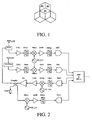
- a multi-sector base station is implemented by a cellular networking mode. That is, one base station covers multiple sectors (as shown in FIG. 1 , one base station covers 3 sectors marked with F1). Generally, several sets of antennas pointing to different directions are adapted to form several mobile communication sectors. Each sector is corresponding to a different intermediate RF unit, and the intermediate RF units are independent from each other.
- FIG 2 is a structural block diagram of an intermediate RF unit in an omni-directional base station, which aims at illustrating the processing of receiving signals and transmitting signals by the intermediate RF unit in the base station.
- the intermediate RF unit is in a typical form with two inputs and one output (i.e., two receiving units plus one transmitting unit).
- the specific implementation modes of the intermediate RF unit also include one input and one output (i.e., one receiving unit plus one transmitting unit) and multiple-input multiple-output (MIMO) (i.e., multiple receiving units plus multiple transmitting units).
- MIMO multiple-input multiple-output
- each unit is similar to that in the typical two-input one-output form of FIG 2 , so that the signal processing carried out by the intermediate RF unit in the typical two-input one-output form will be illustrated in detail below.
- the intermediate RF unit processes a receiving master signal from a transmitting/receiving antenna through an RF signal receiving unit built therein.
- the detailed process includes the following steps. First, the receiving master signal from the transmitting/receiving antenna is isolated and filtered from a transmitting signal by a filter unit (for example, a duplexer filter (DUP) in FIG 2 ).
- a filter unit for example, a duplexer filter (DUP) in FIG 2 ).
- the signal is amplified by an amplifier unit (for example, a low noise amplifier (LNA) in FIG 2 ) and filtered by a filter unit (for example, an RF filter in FIG 2 ) and processed by a mixer unit (for example, a mixer in FIG 2 ) to obtain a lower frequency, and then the signal is further amplified by an amplifier unit (for example, an amplifier (AMP) in FIG. 2 ), and filtered by a filter unit (for example, an intermediate frequency filter in FIG 2 ).
- an analog-to-digital conversion is performed on the signal by an analog-to-digital converter unit (for example, an analog-to-digital converter (ADC) in FIG. 2 ), and then a digital signal processing is performed on the signal in a digital signal processing unit including a digital signal processor (DSP) & field-programmable gate array (FPGA).
- DSP digital signal processor
- FPGA field-programmable gate array
- the intermediate RF unit processes a receiving diversity signal obtained from a diversity antenna through the RF signal receiving unit built therein.
- the detailed process includes the following steps. First, the receiving diversity signal is processed by a filter unit (for example, a receiving filter (RX Filter) in FIG. 2 ), and then the subsequent processing is similar to that of the receiving master signal.
- a filter unit for example, a receiving filter (RX Filter) in FIG. 2
- RX Filter receiving filter
- the intermediate RF unit processes a transmitting baseband signal through an RF signal transmitting unit built therein.
- the detailed process includes the following steps. First, the transmitting baseband signal is processed by a digital signal processing unit including a DSP & FPGA, and then sent to a digital-to-analog converter unit (for example, a digital-to-analog converter (DAC) in FIG 2 ) to finish a digital-to-analog conversion. Afterwards, the signal is modulated by a modulation unit (for example, a modulator (MOD) in FIG. 2 ) to an RF frequency.
- a modulation unit for example, a modulator (MOD) in FIG. 2
- the signal is amplified by an amplifier unit (for example, the AMP in FIG 2 ), and then, the power of the signal is amplified by a power amplifier unit (for example, a power amplifier (PA) in FIG 2 ). Finally, the signal is transmitted to a filter unit (for example, the DUP in FIG 2 ), and sent out by an antenna (ANT).
- an amplifier unit for example, the AMP in FIG 2
- a power amplifier unit for example, a power amplifier (PA) in FIG 2
- PA power amplifier
- the signal is transmitted to a filter unit (for example, the DUP in FIG 2 ), and sent out by an antenna (ANT).
- ANT antenna
- the intermediate RF unit processes a transmitting feedback signal through a transmission feedback unit built therein.
- the detailed process includes the following steps. First, a part of the power of the transmitting signal is coupled by a coupler and down-converted into a lower frequency by a mixer unit (for example, the mixer in FIG 2 ). Then, the signal is processed by an amplifier unit (for example, the AMP in FIG 2 ) and a filter unit (for example, the filter in FIG 2 ) and then sent to an analog-to-digital converter unit. Finally, the signal is sent to a digital signal processing unit including a DSP & FPGA to be processed, so as to serve as a feedback input of a power-amplification digital predistortion signal.
- the power-amplification digital predistortion technology is a way of improving the power amplification linearity.
- the base station In a multi-sector base station implemented in a cellular networking mode, the base station generally covers two or more than two sectors, each sector employs an independent intermediate RF unit, and each intermediate RF unit is designed in a different module.
- the intermediate RF unit in each sector includes all the parts of the intermediate RF unit in the omni-directional base station of FIG 2 .
- the intermediate RF unit of each sector works independently.
- each sector has an intermediate RF unit, and the intermediate RF unit of each sector is independent from each other.
- the circuit design is rather complicated.
- the circuit unit has a poor adaptability, the cost is rather high.
- US 2004/157644 relates to a communication system transmitter or receiver module having integrated radio frequency circuitry directly coupled to antenna element. In this patent, only a shared RX/TX LO and a baseband circuitry have been depicted.
- the present invention is directed to a sector-based base station, which is capable of sharing an intermediate radio frequency (RF) unit among different sectors.
- RF radio frequency
- a sector-based base station including at least two sets of RF signal transmitting units when the base station covers at least two sectors and RF signal receiving units.
- Each of the RF signal transmitting units is provided with a modulation unit or a mixer unit and a digital-to-analog converter unit.
- Each of the RF signal receiving units is provided with a mixer unit and an analog-to-digital converter unit.
- the base station includes at least one of a shared transmission RF local oscillator TX_LO, a shared receiving RF local oscillator RX_LO, a shared digital signal processing unit and a shared transmission feedback unit.
- the shared TX_LO is connected to the modulation unit or the mixer unit in each of the RF signal transmitting units, and serves as a transmission RF local oscillator for all sectors in the base station;
- the shared RX_LO is connected to the mixer unit in each of the RF signal receiving units, and serves as a receiving RF local oscillator for all the sectors in the base station;
- the shared digital signal processing unit is connected to the digital-to-analog converter unit and/or the analog-to-digital converter unit, and adapted to process digital signals of all the sectors in the base station;
- the shared transmission feedback unit is completely or partially connected to the RF signal transmitting unit that requires a transmission feedback in each sector, and adapted to perform a feedback processing on transmitting signals of all the sectors in the base station.
- the technical solution of sharing the intermediate RF unit circuit in the sector-based base station is adopted to reduce the number of elements used in the circuit while ensuring the communication capacity of the base station.
- the reliability index of a single board is improved, and the system reliability is also enhanced.
- the material cost and the time required for debugging are both reduced, thus lowering the cost of the
- FIG 1 is a schematic view of a cellular networking sector coverage in the prior art
- FIG 2 is a structural block diagram of an intermediate RF unit of an omni-directional base station in the prior art
- FIG 3 is a structural view of an intermediate RF unit according to an embodiment of the present invention.
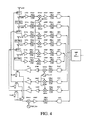
- FIG 4 is a structural view of an intermediate RF unit in a 3-sector base station according to an embodiment of the present invention.
- an intermediate RF circuit for a multi-sector base station is configured in one module, so as to achieve a large communication capacity with a low cost.
- the intermediate RF unit includes N sets of RF signal transmitting units and RF signal receiving units.
- Each of the RF signal transmitting units is provided with a modulation unit or a mixer unit and a digital-to-analog converter unit.
- Each of the RF signal receiving units is provided with a mixer unit and an analog-to-digital converter unit.
- the design of sharing an intermediate RF unit includes at least one of the following circumstances: completely or partially sharing the transmission feedback unit of each sector, sharing the transmission RF local oscillator of each sector, sharing the receiving RF local oscillator of each sector, and sharing the digital signal processing unit (for example, DSP & FPGA, or other digital signal processing elements) of each sector.
- the following four sharing circumstances are included.
- Circumstance 1 sharing the transmission feedback unit, the transmission RF local oscillator, the receiving RF local oscillator, and the digital signal processing unit of each sector;
- Circumstance 2 sharing one unit selected from the transmission feedback unit, the transmission RF local oscillator, the receiving RF local oscillator, and the digital signal processing unit of each sector;
- Circumstance 3 sharing any two units selected from the transmission feedback unit, the transmission RF local oscillator, the receiving RF local oscillator, and the digital signal processing unit of each sector;
- Circumstance 4 sharing any three units selected from the transmission feedback unit, the transmission RF local oscillator, the receiving RF local oscillator, and the digital signal processing unit of each sector.
- the above units after being shared may respectively serve as a shared transmission feedback unit, a shared transmission RF local oscillator, a shared receiving RF local oscillator, and a shared digital signal processing unit.
- Circumstance 1 sharing the mixer unit, a feedback RF local oscillator, an amplifier unit, a filter unit, and an analog-to-digital converter unit in the transmission feedback unit of each sector;
- Circumstance 2 sharing one unit selected from the mixer unit, the feedback RF local oscillator, the amplifier unit, the filter unit, and the analog-to-digital converter unit in the transmission feedback unit of each sector;
- Circumstance 3 sharing any two units selected from the mixer unit, the feedback RF local oscillator, the amplifier unit, the filter unit, and the analog-to-digital converter unit in the transmission feedback unit of each sector;
- Circumstance 4 sharing any three units selected from the mixer unit, the feedback RF local oscillator, the amplifier unit, the filter unit, and the analog-to-digital converter unit in the transmission feedback unit of each sector; and
- Circumstance 5 sharing any four units selected from the mixer unit, the feedback RF local oscillator, the amplifier unit, the filter unit, and the analog-to-digital converter unit in the transmission feedback unit of each sector.
- the circumstances 2 to 5 illustrate the situations of partially sharing the transmission feedback unit. It is understandable that, when the mixer unit is shared, the feedback RF local oscillator is also shared. However, when the feedback RF local oscillator shared is shared, the mixer unit may be shared or may not be shared. Moreover, when any of the mixer unit, the feedback RF local oscillator, the amplifier unit, the filter unit, and the analog-to-digital converter unit in the transmission feedback unit is shared, the above units may be completely or partially shared.
- the amplifier units may be completely shared, i.e., the transmission feedback unit only has one shared amplifier unit without any amplifier unit, or the amplifier units may be partially shared, i.e., the transmission feedback unit has n shared amplifier units and m amplifier units, i.e., 1 ⁇ (n+m) ⁇ (N-1).
- the above units after being shared may respectively serve as a shared mixer unit, a shared feedback RF local oscillator, a shared amplifier unit, a shared filter unit, and a shared analog-to-digital converter unit.
- FIG 3 is a structural view of an intermediate RF unit according to a first embodiment of the present invention.
- the intermediate RF unit includes at least one of a shared transmission RF local oscillator TX_LO, a shared receiving RF local oscillator RX_LO, a shared digital signal processing unit, and a shared transmission feedback unit. That is, in this embodiment of the present invention, the intermediate RF unit may include the shared transmission RF local oscillator TX_LO, the shared receiving RF local oscillator RX_LO, the shared digital signal processing unit, and the shared transmission feedback unit; or one unit selected from the shared transmission RF local oscillator TX_LO, the shared receiving RF local oscillator RX_LO, the shared digital signal processing unit, and the shared transmission feedback unit; or any two units selected from the shared transmission RF local oscillator TX_LO, the shared receiving RF local oscillator RX_LO, the shared digital signal processing unit, and the shared transmission feedback unit; or any three units selected from the shared transmission RF local oscillator TX_LO, the shared receiving RF local oscillator RX_LO, the shared digital signal processing unit, and the
- the shared TX_LO is connected to the modulation unit in each RF signal transmitting unit (for example, the RF signal transmitting units 1 to N in FIG 3 ), and serves as a transmission RF local oscillator for all the sectors in the base station.
- the modulation unit is adapted to perform a quadrature modulation on signals. If the quadrature modulation portion of the modulation unit is disposed in the shared digital signal processing unit, the modulation unit is substituted by the mixer unit in each RF signal transmitting unit.
- the shared TX_LO is connected to the mixer unit in each RF signal transmitting unit, and serves as a transmission RF local oscillator for all the sectors in the base station.
- the shared RX_LO is connected to the mixer unit in each RF signal receiving unit (for example, the RF signal receiving units 1 to N in FIG 3 ), and serves as a receiving RF local oscillator for all the sectors in the base station.
- the shared digital signal processing unit is connected to the digital-to-analog converter unit and/or the analog-to-digital converter unit, and is adapted to process digital signals of all the sectors in the base station.
- the shared transmission feedback unit is connected to the RF signal transmitting unit that requires a transmission feedback in each sector, so as to perform a feedback processing on the transmitting signals of all the sectors in the base station, in which the connection process may be implemented through, for example, a coupling manner.
- the base station further includes a switch.
- the switch is connected to the shared transmission feedback unit and the RF signal transmitting unit that requires a transmission feedback, and may be a single-pole multi-throw switch or other switches with selective functions.
- the shared transmission feedback unit specifically includes at least one of a shared mixer unit, a shared feedback RF local oscillator TXF_LO, a shared amplifier unit, a shared filter unit, and a shared analog-to-digital converter unit.
- the shared transmission feedback unit may include the shared mixer unit, the shared feedback RF local oscillator TXF_LO, the shared amplifier unit, the shared filter unit, and the shared analog-to-digital converter unit; or one unit selected from the shared mixer unit, the shared feedback RF local oscillator TXF_LO, the shared amplifier unit, the shared filter unit, and the shared analog-to-digital converter unit; or any two units selected from the shared mixer unit, the shared feedback RF local oscillator TXF_LO, the shared amplifier unit, the shared filter unit, and the shared analog-to-digital converter unit; or any three units selected from the shared mixer unit, the shared feedback RF local oscillator TXF_LO, the shared amplifier unit, the shared filter unit, and the shared analog-to-digital converter unit; or any four units selected from the shared mixer unit, the shared feedback RF local oscillator TXF_LO, the shared amplifier unit, the shared filter unit, and the shared analog-to-digital converter unit.
- the shared mixer unit is connected to the amplifier unit and/or the shared amplifier unit in the shared transmission feedback unit, and is adapted to perform a mixing processing on all feedback signals during a feedback processing on the transmitting signals of all the sectors in the base station.
- the shared TXF_LO is connected to the mixer unit and/or the shared mixer unit in the shared transmission feedback unit, and serves as a feedback RF local oscillator for all the feedback signals during the feedback processing on the transmitting signals of all the sectors in the base station.
- the shared amplifier unit is connected to the mixer unit and/or the shared mixer unit in the shared transmission feedback unit and the filter unit or the shared filter unit in the shared transmission feedback unit, and is adapted to perform an amplification processing on all the feedback signals during the feedback processing on the transmitting signals of all the sectors in the base station.
- the shared filter unit is connected to the amplifier unit and/or the shared amplifier unit in the shared transmission feedback unit and the analog-to-digital converter unit or the shared analog-to-digital converter unit in the shared transmission feedback unit, and is adapted to perform a filter processing on all the feedback signals during the feedback processing on the transmitting signals of all the sectors in the base station.
- the shared analog-to-digital converter unit is connected to the filter unit and/or the shared filter unit in the shared transmission feedback unit and the shared digital signal processing unit and/or the DSP, and is adapted to perform an analog-to-digital conversion processing on all the feedback signals during the feedback processing on the transmitting signals of all the sectors in the base station.
- the switch When the shared transmission feedback unit is completely shared, the switch is located between the RF signal transmitting unit and the shared transmission feedback unit. When the shared transmission feedback unit is partially shared, the switch is used to connect the RF signal transmitting unit to the shared units in the shared transmission feedback unit. That is, depending upon different circumstances of the shared units, one or more switches are required (for example, if only the shared amplifier unit exists, two sets of switches are required, one is used to connect the RF signal transmitting unit to the shared amplifier unit, and the other is disposed between the shared amplifier unit and the filter unit, so as to connect the shared amplifier unit to the filter unit in the shared transmission feedback unit).
- a 3-sector base station is taken as a second embodiment below to demonstrate the specific implementation of the device of the present invention.
- FIG 4 is a structural view of an intermediate RF unit in a 3-sector base station according to an embodiment of the present invention.
- the structural view of FIG 4 includes the following circumstances of sharing the transmission feedback unit of each sector, sharing the RF local oscillator of each sector, and sharing the DSP & FPGA in the intermediate frequency signal processing portion of each sector.
- the shared intermediate RF unit includes a transmission feedback unit, two RF local oscillators, a DSP & FPGA processing portion, three receiving master channels, three receiving diversity channels, and three transmitting channels.
- the transmission feedback unit is adapted to realize a function of sharing the transmission feedback unit of each sector.
- the function of transmission feedback unit is to provide a feedback input of digital predistortion, and the total power of transmitting signals of each sector is relatively stable.
- the intermediate frequency signal processing portion still maintains an original state. Therefore, a single-pole three-throw switch can be adopted to take turns to select a power-amplification feedback signal of each sector at different time divisions.
- the three transmission feedback units in the 3-sector base station can be integrated into one unit to share the whole transmission feedback unit among multiple sectors, so that the number of the RF local oscillators TXF_LO in the feedback unit is reduced to one.
- the two RF local oscillators include a shared TX_LO adapted to serve as the transmission RF local oscillator of each sector and a shared RX_LO adapted to serve as the receiving RF local oscillator of each sector. That is, the RF signal receiving units and the RF signal transmitting units respectively adopt one local oscillator. Therefore, as for a base station covering N sectors, the number of the receiving/transmission RF local oscillators can be reduced by 2(N-1).
- the DSP & FPGA processing portion is adapted to share the DSP & FPGA in the digital signal processing portion of each sector, so as to form the DSP & FPGA in the intermediate frequency signal processing portion into a resource pool for sharing.
- the three receiving master channels are adapted to receive master signals.
- the three receiving diversity channels are adapted to receive diversity signals.
- the three transmitting channels are adapted to transmit baseband signals.
- the third embodiment of the present invention is an improvement on the basis of the second embodiment of the present invention. That is, the sharing of a transmission feedback channel of each sector is set as the partial sharing of the transmission feedback channel of each sector, while the sharing of the RF local oscillators of each sector and the sharing of the DSP & FPGA in the intermediate frequency signal processing portion of each sector remain unchanged.
- the partial sharing of the transmission feedback channel of each sector is implemented as follows.
- the single-pole three-throw switch in the feedback channel of the second embodiment of the present invention is moved backwards. Thus, only the part of the circuit behind the switch can be shared, and the part in front of the switch cannot be shared. In this case, three groups of circuits are still needed before the switch. For example, if the single-pole three-throw switch is disposed between the AMP and Filter, three groups of the Mixer, TXF_LO, and AMP circuits and one group of the Filter and ADC circuits are required.
- the receiving and transmission of RF signals and baseband signals implemented by the intermediate RF unit in the sector-based base station are described below.
- the intermediate RF unit processes a receiving master signal from the transmitting/receiving antenna in the following manner.
- the receiving master signal from the transmitting/receiving antenna is isolated from a transmitting signal by a DUP, and then amplified by an LNA, filtered by a Filter, and processed by a Mixer to obtain a lower frequency.
- the signal is again amplified by an AMP, filtered by a Filter, and processed through an analog-to-digital conversion by an ADC.
- the signal finishes the digital signal processing in a DSP & FPGA, and then sent out for a baseband signal processing.
- the three receiving master signals share the same RX_LO when being processed by the Mixer to obtain a lower frequency respectively, and share the same DSP & FPGA during the DSP & FPGA processing.
- the intermediate RF unit processes a receiving diversity signal from the diversity antenna in the following manner.
- the receiving diversity signal first passes through an RX Filter, and the subsequent processing thereof is similar to that of the receiving master signal.
- the three receiving diversity signals share the same RX_LO when being processed by the Mixer to obtain a lower frequency, and share the same DSP & FPGA during the DSP & FPGA processing.
- the intermediate RF unit processes a transmitting baseband signal in the following manner.
- the transmitting baseband signal is processed by the DSP & FPGA, then sent to a DAC for digital-to-analog conversion, and then modulated by a MOD into an RF frequency.
- the signal is amplified by an AMP, and the power thereof is amplified by a PA.
- the signal is sent to a DUP and transmitted by an ANT.
- the three baseband signals share the same DSP & FPGA during the digital signal processing, and share the same TX_LO when being modulated by the MOD respectively.
- the intermediate RF unit processes a transmitting feedback signal in the following manner. First, a part of the power of the transmitting signal is coupled by a Coupler and down-converted into a lower frequency by a Mixer. Then, the signal is processed by the AMP and Filter and then sent to an analog-to-digital converter unit, and is finally sent to a DSP & FPGA to be processed, so as to serve as a feedback input of a power-amplification digital predistortion signal.
- the power-amplification digital predistortion technology is a way of improving the power amplification linearity.
- the single-pole three-throw switch is set at the current position to achieve the feedback of the transmitting channel 1, and similarly, the single-pole three-throw switch can be moved leftwards by one or two channels to achieve the feedback of the transmitting channel 2 or 3 respectively.
- the embodiment of the present invention can be adopted to achieve the sharing of the intermediate RF unit in the base station. That is, as for the base station covering N sectors, in a desired circumstance, (N-1) feedback channels, (N-1) DSP & FPGA processing portions, and 2(N-1) receiving/transmission RF local oscillators can be saved.
- the intermediate RF units in different base stations have different structures, which may result in variations of the processing of transmitting and receiving signals by the intermediate RF units.
- the method of sharing at least one selected from the RX_LO, the TX_LO, the digital signal processing unit, and the transmission feedback unit in the embodiment of the present invention still can be adopted to process the signals.
- the shared transmission feedback unit can be partially shared.
Landscapes
- Engineering & Computer Science (AREA)
- Signal Processing (AREA)
- Computer Networks & Wireless Communication (AREA)
- Business, Economics & Management (AREA)
- Theoretical Computer Science (AREA)
- Computer Security & Cryptography (AREA)
- Accounting & Taxation (AREA)
- General Physics & Mathematics (AREA)
- Physics & Mathematics (AREA)
- Finance (AREA)
- General Engineering & Computer Science (AREA)
- Strategic Management (AREA)
- General Business, Economics & Management (AREA)
- Computer Hardware Design (AREA)
- Development Economics (AREA)
- Economics (AREA)
- Health & Medical Sciences (AREA)
- General Health & Medical Sciences (AREA)
- Computing Systems (AREA)
- Multimedia (AREA)
- Marketing (AREA)
- Bioethics (AREA)
- Databases & Information Systems (AREA)
- Quality & Reliability (AREA)
- Software Systems (AREA)
- Tourism & Hospitality (AREA)
- Entrepreneurship & Innovation (AREA)
- Medical Informatics (AREA)
- Technology Law (AREA)
- Human Resources & Organizations (AREA)
- Primary Health Care (AREA)
- Game Theory and Decision Science (AREA)
- Mobile Radio Communication Systems (AREA)
- Transceivers (AREA)
- Transmitters (AREA)
Claims (3)
- Auf Sektoren basierende Basisstation mit mindestens zwei Mengen von Hochfrequenz- bzw. HF-Signalsendeeinheiten und HF-Signalempfangseinheiten, wenn die Basisstation mindestens zwei Sektoren abdeckt, wobei jede der HF-Signalsendeeinheiten mit einer Modulationseinheit oder einer Mischereinheit und einer Digital-Analog-Umsetzereinheit ausgestattet ist, jede der HF-Signalempfangseinheiten mit einer Mischereinheit und einer Analog-Digital-Umsetzereinheit ausgestattet ist und die Basisstation mindestens eine der folgenden Alternativen umfasst: einen gemeinsam benutzten Sende-HF-Lokaloszillator TX_LO, einen gemeinsam benutzten Empfangs-HF-Lokaloszillator RX_LO, eine gemeinsam benutzte Digitalsignalverarbeitungseinheit und eine gemeinsam benutzte Senderückkopplungseinheit, wobei
der gemeinsam benutzte TX_LO mit der Modulationseinheit oder der Mischereinheit in jeder der HF-Signalsendeeinheiten verbunden ist und als ein Sende-HF-Lokaloszillator für alle Sektoren in der Basisstation dient;
der gemeinsam benutzte RX_LO mit der Mischereinheit in jeder der HF-Signalempfangseinheiten verbunden ist und als Empfangs-HF-Lokaloszillator für alle Sektoren in der Basisstation dient;
die gemeinsam benutzte Digitalsignalverarbeitungseinheit mit der Digital-Analog-Umsetzereinheit und/oder der Analog-Digital-Umsetzereinheit verbunden und dafür ausgelegt ist, Digitalsignale aller Sektoren in der Basisstation zu verarbeiten; und
die Basisstation dadurch gekennzeichnet ist, dass die gemeinsam benutzte Senderückkopplungseinheit vollständig oder teilweise mit der HF-Signalsendeeinheit, die eine Senderückkopplung in jedem Sektor erfordert, verbunden oder dafür ausgelegt ist, eine Rückkopplungsverarbeitung an Sendesignalen aller Sektoren in der Basisstation auszuführen. - Auf Sektoren basierende Basisstation nach Anspruch 1, ferner umfassend:einen mit der gemeinsam benutzten Senderückkopplungseinheit und der HF-Signalsendeeinheit, die eine Senderückkopplung erfordert, verbundenen Schalter.
- Auf Sektoren basierende Basisstation nach Anspruch 1 oder 2, wobei die gemeinsam benutzte Senderückkopplungseinheit ferner mindestens eine der folgenden Alternativen umfasst: eine gemeinsam benutzte Mischereinheit, einen gemeinsam benutzten Rückkopplungs-HF-Lokaloszillator TXF_LO, eine gemeinsam benutzte Verstärkereinheit, eine gemeinsam benutzte Filtereinheit und eine gemeinsam benutzte Analog-Digital-Umsetzereinheit,
die gemeinsam benutzte Mischereinheit mit einer Verstärkereinheit und/oder der gemeinsam benutzten Verstärkereinheit in der gemeinsam benutzten Senderückkopplungseinheit verbunden und dafür ausgelegt ist, während der Rückkopplungsverarbeitung an den Sendesignalen aller Sektoren in der Basisstation eine mischende Verarbeitung an allen Rückkopplungssignalen auszuführen;
der gemeinsam benutzte TXF_LO mit einer Mischereinheit und/oder der gemeinsam benutzten Mischereinheit in der gemeinsam benutzten Senderückkopplungseinheit verbunden ist und während der Rückkopplungsverarbeitung an den Sendesignalen aller Sektoren in der Basisstation als ein Rückkopplungs-HF-Lokaloszillator für alle Rückkopplungssignale dient;
die gemeinsam benutzte Verstärkereinheit mit der Mischereinheit und/oder der gemeinsam benutzten Mischereinheit in der gemeinsam benutzten Senderückkopplungseinheit und einer Filtereinheit oder der gemeinsam benutzten Filtereinheit in der gemeinsam benutzten Senderückkopplungseinheit verbunden und dafür ausgelegt ist, während der Rückkopplungsverarbeitung an den Sendesignalen aller Sektoren in der Basisstation eine Verstärkungsverarbeitung an allen Rückkopplungssignalen auszuführen;
die gemeinsam benutzte Filtereinheit mit der Verstärkereinheit und/oder der gemeinsam benutzten Verstärkereinheit in der gemeinsam benutzten Senderückkopplungseinheit und einer Analog-Digital-Umsetzereinheit oder der gemeinsam benutzten Analog-Digital-Umsetzereinheit in der gemeinsam benutzten Senderückkopplungseinheit verbunden und dafür ausgelegt ist, während der Rückkopplungsverarbeitung an den Sendesignalen aller Sektoren in der Basisstation eine Filterverarbeitung an allen Rückkopplungssignalen auszuführen; und
die gemeinsam benutzte Analog-Digital-Umsetzereinheit mit der Filtereinheit und/oder der gemeinsam benutzten Filtereinheit in der gemeinsam benutzten Senderückkopplungseinheit und der gemeinsam benutzten Digitalsignalverarbeitungseinheit und/oder einem Digitalsignalprozessor (DSP) verbunden und dafür ausgelegt ist, während der Rückkopplungsverarbeitung an den Sendesignalen aller Sektoren in der Basisstation eine Analog-Digital-Umsetzungsverarbeitung an allen Rückkopplungssignalen auszuführen.
Applications Claiming Priority (2)
| Application Number | Priority Date | Filing Date | Title |
|---|---|---|---|
| CNB2007100993989A CN100466774C (zh) | 2007-05-18 | 2007-05-18 | 一种扇区化基站 |
| PCT/CN2008/070975 WO2008141571A1 (fr) | 2007-05-18 | 2008-05-15 | Station de base de secteur |
Publications (3)
| Publication Number | Publication Date |
|---|---|
| EP2043377A1 EP2043377A1 (de) | 2009-04-01 |
| EP2043377A4 EP2043377A4 (de) | 2009-08-05 |
| EP2043377B1 true EP2043377B1 (de) | 2010-05-19 |
Family
ID=38783331
Family Applications (1)
| Application Number | Title | Priority Date | Filing Date |
|---|---|---|---|
| EP08748581A Active EP2043377B1 (de) | 2007-05-18 | 2008-05-15 | Sektorbasisstation |
Country Status (6)
| Country | Link |
|---|---|
| US (2) | US20090122910A1 (de) |
| EP (1) | EP2043377B1 (de) |
| CN (1) | CN100466774C (de) |
| AT (1) | ATE468727T1 (de) |
| DE (1) | DE602008001292D1 (de) |
| WO (1) | WO2008141571A1 (de) |
Families Citing this family (8)
| Publication number | Priority date | Publication date | Assignee | Title |
|---|---|---|---|---|
| CN100466774C (zh) * | 2007-05-18 | 2009-03-04 | 华为技术有限公司 | 一种扇区化基站 |
| WO2010097650A1 (en) * | 2009-02-27 | 2010-09-02 | Nokia Siemens Networks Oy | Improved mimo communication system |
| US8219056B2 (en) * | 2009-09-03 | 2012-07-10 | Telefonaktiebolaget L M Ericsson (Publ) | Radio environment scanner |
| KR101703863B1 (ko) * | 2010-03-17 | 2017-02-07 | 엘지전자 주식회사 | 반송파 집성을 위한 릴레이 rf의 구조 및 방법 |
| US8837620B2 (en) * | 2011-05-03 | 2014-09-16 | Optis Cellular Technology, Llc | Adaptive multi-channel transmitter linearization system using a shared feedback receiver |
| US20140134961A1 (en) * | 2012-11-09 | 2014-05-15 | Nokia Siemens Networks Oy | Common Local Oscillator For Multiple Transceivers |
| CN103297990B (zh) * | 2013-06-29 | 2016-02-03 | 张波 | 4g数字飞地系统 |
| CN114124113A (zh) * | 2020-08-28 | 2022-03-01 | 华为技术有限公司 | 射频芯片、基带芯片及wlan设备 |
Family Cites Families (28)
| Publication number | Priority date | Publication date | Assignee | Title |
|---|---|---|---|---|
| GB2229874B (en) * | 1989-02-04 | 1992-09-16 | Plessey Co Plc | Improvements relating to communication systems |
| JP2576388B2 (ja) * | 1993-11-08 | 1997-01-29 | 日本電気株式会社 | 基地局送受信装置 |
| CA2238358C (en) * | 1996-09-25 | 2001-12-04 | Matsushita Electric Industrial Co., Ltd. | Base station apparatus for mobile communication |
| US5864543A (en) * | 1997-02-24 | 1999-01-26 | At&T Wireless Services, Inc. | Transmit/receive compensation in a time division duplex system |
| US5887267A (en) * | 1997-04-04 | 1999-03-23 | Ericsson Inc. | Bus arbitrators for common local oscillators in cellular radiotelephone base stations |
| JPH10336087A (ja) * | 1997-05-30 | 1998-12-18 | Kyocera Corp | 最大比合成送信ダイバーシティ装置 |
| US6041222A (en) * | 1997-09-08 | 2000-03-21 | Ericsson Inc. | Systems and methods for sharing reference frequency signals within a wireless mobile terminal between a wireless transceiver and a global positioning system receiver |
| BR9812816A (pt) * | 1997-09-15 | 2000-08-08 | Adaptive Telecom Inc | Processos para comunicação sem fio, e para eficientemente determinar na estação base um canal espacial da unidade móvel em um sistema de comunicação sem fio, e, estação base de cdma |
| US6282184B1 (en) * | 1997-12-22 | 2001-08-28 | Nortel Networks Limited | Common digitizing rate for multiple air interfaces for generic cell sites in cellular radio |
| CN1102012C (zh) * | 1999-08-21 | 2003-02-19 | 深圳市中兴通讯股份有限公司 | Gsm基站单载频分集接收机 |
| JP2001168778A (ja) * | 1999-12-06 | 2001-06-22 | Matsushita Electric Ind Co Ltd | 無線通信基地局 |
| CN1107358C (zh) * | 2000-02-24 | 2003-04-30 | 信息产业部电信科学技术研究院 | 分布式智能天线系统 |
| JP2001358605A (ja) * | 2000-06-13 | 2001-12-26 | Matsushita Electric Ind Co Ltd | 無線通信装置及び無線通信方法 |
| CN1330051C (zh) * | 2000-08-25 | 2007-08-01 | 三洋电机株式会社 | 自适应阵列装置、自适应阵列方法 |
| US6721571B2 (en) * | 2000-12-15 | 2004-04-13 | Nortel Networks Ltd. | Wireless network infrastructure in that digital processing resources are shared |
| KR100510434B1 (ko) * | 2001-04-09 | 2005-08-26 | 니폰덴신뎅와 가부시키가이샤 | Ofdm신호전달 시스템, ofdm신호 송신장치 및ofdm신호 수신장치 |
| US7043270B2 (en) * | 2001-08-13 | 2006-05-09 | Andrew Corporation | Shared tower system for accomodating multiple service providers |
| WO2003073659A2 (en) * | 2002-02-21 | 2003-09-04 | Analog Devices, Inc. | 3g radio |
| US6985704B2 (en) * | 2002-05-01 | 2006-01-10 | Dali Yang | System and method for digital memorized predistortion for wireless communication |
| US6993333B2 (en) * | 2003-10-16 | 2006-01-31 | Flarion Technologies, Inc. | Methods and apparatus of improving inter-sector and/or inter-cell handoffs in a multi-carrier wireless communications system |
| US7079869B2 (en) * | 2003-02-12 | 2006-07-18 | Lucent Technologies Inc. | Communication system transmitter or receiver module having integrated radio frequency circuitry directly coupled to antenna element |
| JP2005136790A (ja) * | 2003-10-31 | 2005-05-26 | Sanyo Electric Co Ltd | アナログ/デジタル共用フロントエンドモジュール |
| CN100555887C (zh) * | 2004-12-24 | 2009-10-28 | 中兴通讯股份有限公司 | 一种基于信道共享的多载波收发系统及其实现方法 |
| JP2006261714A (ja) * | 2005-03-15 | 2006-09-28 | Renesas Technology Corp | 通信用半導体集積回路および携帯通信端末 |
| CN1874553B (zh) * | 2005-06-02 | 2010-10-27 | 上海华为技术有限公司 | 蜂窝移动通信网络 |
| FI20055354A0 (fi) * | 2005-06-29 | 2005-06-29 | Nokia Corp | Datankäsittelymenetelmä, lähetin, laite, verkkoelementti ja tukiasema |
| US7532908B2 (en) * | 2006-03-02 | 2009-05-12 | Broadcom Corporation | Transceiver and method for combining RFID amplitude-modulated data with wireless phase-modulated data |
| CN100466774C (zh) * | 2007-05-18 | 2009-03-04 | 华为技术有限公司 | 一种扇区化基站 |
-
2007
- 2007-05-18 CN CNB2007100993989A patent/CN100466774C/zh active Active
-
2008
- 2008-05-15 WO PCT/CN2008/070975 patent/WO2008141571A1/zh not_active Ceased
- 2008-05-15 AT AT08748581T patent/ATE468727T1/de not_active IP Right Cessation
- 2008-05-15 EP EP08748581A patent/EP2043377B1/de active Active
- 2008-05-15 DE DE602008001292T patent/DE602008001292D1/de active Active
-
2009
- 2009-01-13 US US12/352,766 patent/US20090122910A1/en not_active Abandoned
-
2014
- 2014-02-04 US US14/172,690 patent/US20140153493A1/en not_active Abandoned
Also Published As
| Publication number | Publication date |
|---|---|
| EP2043377A4 (de) | 2009-08-05 |
| CN100466774C (zh) | 2009-03-04 |
| CN101052170A (zh) | 2007-10-10 |
| WO2008141571A1 (fr) | 2008-11-27 |
| US20090122910A1 (en) | 2009-05-14 |
| WO2008141571A8 (fr) | 2009-02-05 |
| US20140153493A1 (en) | 2014-06-05 |
| EP2043377A1 (de) | 2009-04-01 |
| DE602008001292D1 (de) | 2010-07-01 |
| ATE468727T1 (de) | 2010-06-15 |
Similar Documents
| Publication | Publication Date | Title |
|---|---|---|
| US20140153493A1 (en) | Sector-based base station | |
| EP2612535B1 (de) | Vorrichtung und verfahren für einen in einem drahtlosen netzwerk betriebenen multibandfunk | |
| CN111277278B (zh) | 射频系统及电子设备 | |
| US7231189B2 (en) | Transmit and/or receive channel communication system with switchably coupled multiple filtering components | |
| US20120021697A1 (en) | Radio frequency signal processing circuit and quadrature power amplifier | |
| CN105007107A (zh) | 用于多频带射频信号路由的设备和方法 | |
| CN100417036C (zh) | 时分双工无线通信系统收发信机 | |
| CN115664451A (zh) | 射频前端电路、设备终端及芯片 | |
| US6922554B2 (en) | Method for implementing a transceiver and a transceiver | |
| EP3811520B1 (de) | Funkeinheit für nichtsynchronisierten tdd-multiband-betrieb | |
| CN115733509A (zh) | 射频前端模组电路、天线相控阵收发系统及信号处理方法 | |
| CN105871410B (zh) | 一种载波聚合ca射频电路和移动终端 | |
| CN117459003B (zh) | 多模式电感电路、控制方法、低噪声放大器及电子设备 | |
| WO2025087316A1 (zh) | 射频架构及电子设备 | |
| CN213213464U (zh) | 射频结构和电子设备 | |
| US9130634B2 (en) | Digital antenna switching | |
| CN223182140U (zh) | 通讯模块的射频前端组件以及通讯模块 | |
| CN219420761U (zh) | 一种射频前端、装置及终端设备 | |
| CN118449548B (zh) | 射频开关、射频前端模块、射频前端芯片及终端设备 | |
| US20090289872A1 (en) | High Power Ultra-Linear TDD Switch | |
| CN101299840A (zh) | 射频处理装置和配置射频处理装置的方法 | |
| WO2025102799A1 (zh) | 射频前端模块、射频前端芯片及电子设备 | |
| CN117856813A (zh) | 多频段通信方法及电子设备 | |
| CN115811326A (zh) | 射频前端电路、电子设备及芯片 | |
| CN121012524A (zh) | 一种射频发射机及电子设备 |
Legal Events
| Date | Code | Title | Description |
|---|---|---|---|
| PUAI | Public reference made under article 153(3) epc to a published international application that has entered the european phase |
Free format text: ORIGINAL CODE: 0009012 |
|
| 17P | Request for examination filed |
Effective date: 20081211 |
|
| AK | Designated contracting states |
Kind code of ref document: A1 Designated state(s): AT BE BG CH CY CZ DE DK EE ES FI FR GB GR HR HU IE IS IT LI LT LU LV MC MT NL NO PL PT RO SE SI SK TR |
|
| AX | Request for extension of the european patent |
Extension state: AL BA MK RS |
|
| RIC1 | Information provided on ipc code assigned before grant |
Ipc: H04W 16/00 20090101ALI20090227BHEP Ipc: H04W 88/08 20090101AFI20090227BHEP Ipc: H04B 1/40 20060101ALI20090227BHEP |
|
| A4 | Supplementary search report drawn up and despatched |
Effective date: 20090702 |
|
| 17Q | First examination report despatched |
Effective date: 20090812 |
|
| R17C | First examination report despatched (corrected) |
Effective date: 20090902 |
|
| GRAP | Despatch of communication of intention to grant a patent |
Free format text: ORIGINAL CODE: EPIDOSNIGR1 |
|
| DAX | Request for extension of the european patent (deleted) | ||
| GRAS | Grant fee paid |
Free format text: ORIGINAL CODE: EPIDOSNIGR3 |
|
| GRAA | (expected) grant |
Free format text: ORIGINAL CODE: 0009210 |
|
| AK | Designated contracting states |
Kind code of ref document: B1 Designated state(s): AT BE BG CH CY CZ DE DK EE ES FI FR GB GR HR HU IE IS IT LI LT LU LV MC MT NL NO PL PT RO SE SI SK TR |
|
| REG | Reference to a national code |
Ref country code: GB Ref legal event code: FG4D |
|
| REG | Reference to a national code |
Ref country code: CH Ref legal event code: EP |
|
| REG | Reference to a national code |
Ref country code: IE Ref legal event code: FG4D |
|
| REF | Corresponds to: |
Ref document number: 602008001292 Country of ref document: DE Date of ref document: 20100701 Kind code of ref document: P |
|
| REG | Reference to a national code |
Ref country code: NL Ref legal event code: T3 |
|
| LTIE | Lt: invalidation of european patent or patent extension |
Effective date: 20100519 |
|
| PG25 | Lapsed in a contracting state [announced via postgrant information from national office to epo] |
Ref country code: SE Free format text: LAPSE BECAUSE OF FAILURE TO SUBMIT A TRANSLATION OF THE DESCRIPTION OR TO PAY THE FEE WITHIN THE PRESCRIBED TIME-LIMIT Effective date: 20100519 Ref country code: ES Free format text: LAPSE BECAUSE OF FAILURE TO SUBMIT A TRANSLATION OF THE DESCRIPTION OR TO PAY THE FEE WITHIN THE PRESCRIBED TIME-LIMIT Effective date: 20100830 Ref country code: LT Free format text: LAPSE BECAUSE OF FAILURE TO SUBMIT A TRANSLATION OF THE DESCRIPTION OR TO PAY THE FEE WITHIN THE PRESCRIBED TIME-LIMIT Effective date: 20100519 Ref country code: NO Free format text: LAPSE BECAUSE OF FAILURE TO SUBMIT A TRANSLATION OF THE DESCRIPTION OR TO PAY THE FEE WITHIN THE PRESCRIBED TIME-LIMIT Effective date: 20100819 |
|
| PG25 | Lapsed in a contracting state [announced via postgrant information from national office to epo] |
Ref country code: HR Free format text: LAPSE BECAUSE OF FAILURE TO SUBMIT A TRANSLATION OF THE DESCRIPTION OR TO PAY THE FEE WITHIN THE PRESCRIBED TIME-LIMIT Effective date: 20100519 Ref country code: SI Free format text: LAPSE BECAUSE OF FAILURE TO SUBMIT A TRANSLATION OF THE DESCRIPTION OR TO PAY THE FEE WITHIN THE PRESCRIBED TIME-LIMIT Effective date: 20100519 Ref country code: LV Free format text: LAPSE BECAUSE OF FAILURE TO SUBMIT A TRANSLATION OF THE DESCRIPTION OR TO PAY THE FEE WITHIN THE PRESCRIBED TIME-LIMIT Effective date: 20100519 Ref country code: IS Free format text: LAPSE BECAUSE OF FAILURE TO SUBMIT A TRANSLATION OF THE DESCRIPTION OR TO PAY THE FEE WITHIN THE PRESCRIBED TIME-LIMIT Effective date: 20100919 Ref country code: FI Free format text: LAPSE BECAUSE OF FAILURE TO SUBMIT A TRANSLATION OF THE DESCRIPTION OR TO PAY THE FEE WITHIN THE PRESCRIBED TIME-LIMIT Effective date: 20100519 Ref country code: AT Free format text: LAPSE BECAUSE OF FAILURE TO SUBMIT A TRANSLATION OF THE DESCRIPTION OR TO PAY THE FEE WITHIN THE PRESCRIBED TIME-LIMIT Effective date: 20100519 |
|
| PG25 | Lapsed in a contracting state [announced via postgrant information from national office to epo] |
Ref country code: PL Free format text: LAPSE BECAUSE OF FAILURE TO SUBMIT A TRANSLATION OF THE DESCRIPTION OR TO PAY THE FEE WITHIN THE PRESCRIBED TIME-LIMIT Effective date: 20100519 Ref country code: CY Free format text: LAPSE BECAUSE OF FAILURE TO SUBMIT A TRANSLATION OF THE DESCRIPTION OR TO PAY THE FEE WITHIN THE PRESCRIBED TIME-LIMIT Effective date: 20100609 |
|
| PG25 | Lapsed in a contracting state [announced via postgrant information from national office to epo] |
Ref country code: DK Free format text: LAPSE BECAUSE OF FAILURE TO SUBMIT A TRANSLATION OF THE DESCRIPTION OR TO PAY THE FEE WITHIN THE PRESCRIBED TIME-LIMIT Effective date: 20100519 Ref country code: EE Free format text: LAPSE BECAUSE OF FAILURE TO SUBMIT A TRANSLATION OF THE DESCRIPTION OR TO PAY THE FEE WITHIN THE PRESCRIBED TIME-LIMIT Effective date: 20100519 |
|
| PG25 | Lapsed in a contracting state [announced via postgrant information from national office to epo] |
Ref country code: BE Free format text: LAPSE BECAUSE OF FAILURE TO SUBMIT A TRANSLATION OF THE DESCRIPTION OR TO PAY THE FEE WITHIN THE PRESCRIBED TIME-LIMIT Effective date: 20100519 Ref country code: RO Free format text: LAPSE BECAUSE OF FAILURE TO SUBMIT A TRANSLATION OF THE DESCRIPTION OR TO PAY THE FEE WITHIN THE PRESCRIBED TIME-LIMIT Effective date: 20100519 Ref country code: SK Free format text: LAPSE BECAUSE OF FAILURE TO SUBMIT A TRANSLATION OF THE DESCRIPTION OR TO PAY THE FEE WITHIN THE PRESCRIBED TIME-LIMIT Effective date: 20100519 Ref country code: CZ Free format text: LAPSE BECAUSE OF FAILURE TO SUBMIT A TRANSLATION OF THE DESCRIPTION OR TO PAY THE FEE WITHIN THE PRESCRIBED TIME-LIMIT Effective date: 20100519 |
|
| PLBE | No opposition filed within time limit |
Free format text: ORIGINAL CODE: 0009261 |
|
| STAA | Information on the status of an ep patent application or granted ep patent |
Free format text: STATUS: NO OPPOSITION FILED WITHIN TIME LIMIT |
|
| PG25 | Lapsed in a contracting state [announced via postgrant information from national office to epo] |
Ref country code: IT Free format text: LAPSE BECAUSE OF FAILURE TO SUBMIT A TRANSLATION OF THE DESCRIPTION OR TO PAY THE FEE WITHIN THE PRESCRIBED TIME-LIMIT Effective date: 20100519 |
|
| 26N | No opposition filed |
Effective date: 20110222 |
|
| PG25 | Lapsed in a contracting state [announced via postgrant information from national office to epo] |
Ref country code: GR Free format text: LAPSE BECAUSE OF FAILURE TO SUBMIT A TRANSLATION OF THE DESCRIPTION OR TO PAY THE FEE WITHIN THE PRESCRIBED TIME-LIMIT Effective date: 20100820 |
|
| REG | Reference to a national code |
Ref country code: DE Ref legal event code: R097 Ref document number: 602008001292 Country of ref document: DE Effective date: 20110221 |
|
| PG25 | Lapsed in a contracting state [announced via postgrant information from national office to epo] |
Ref country code: MT Free format text: LAPSE BECAUSE OF FAILURE TO SUBMIT A TRANSLATION OF THE DESCRIPTION OR TO PAY THE FEE WITHIN THE PRESCRIBED TIME-LIMIT Effective date: 20100519 Ref country code: MC Free format text: LAPSE BECAUSE OF NON-PAYMENT OF DUE FEES Effective date: 20110531 |
|
| REG | Reference to a national code |
Ref country code: FR Ref legal event code: ST Effective date: 20120131 |
|
| REG | Reference to a national code |
Ref country code: IE Ref legal event code: MM4A |
|
| PG25 | Lapsed in a contracting state [announced via postgrant information from national office to epo] |
Ref country code: FR Free format text: LAPSE BECAUSE OF NON-PAYMENT OF DUE FEES Effective date: 20110531 Ref country code: IE Free format text: LAPSE BECAUSE OF NON-PAYMENT OF DUE FEES Effective date: 20110515 |
|
| REG | Reference to a national code |
Ref country code: CH Ref legal event code: PL |
|
| GBPC | Gb: european patent ceased through non-payment of renewal fee |
Effective date: 20120515 |
|
| PG25 | Lapsed in a contracting state [announced via postgrant information from national office to epo] |
Ref country code: LI Free format text: LAPSE BECAUSE OF NON-PAYMENT OF DUE FEES Effective date: 20120531 Ref country code: CH Free format text: LAPSE BECAUSE OF NON-PAYMENT OF DUE FEES Effective date: 20120531 |
|
| PG25 | Lapsed in a contracting state [announced via postgrant information from national office to epo] |
Ref country code: GB Free format text: LAPSE BECAUSE OF NON-PAYMENT OF DUE FEES Effective date: 20120515 |
|
| PG25 | Lapsed in a contracting state [announced via postgrant information from national office to epo] |
Ref country code: LU Free format text: LAPSE BECAUSE OF NON-PAYMENT OF DUE FEES Effective date: 20110515 |
|
| PG25 | Lapsed in a contracting state [announced via postgrant information from national office to epo] |
Ref country code: PT Free format text: LAPSE BECAUSE OF NON-PAYMENT OF DUE FEES Effective date: 20100519 |
|
| PG25 | Lapsed in a contracting state [announced via postgrant information from national office to epo] |
Ref country code: TR Free format text: LAPSE BECAUSE OF FAILURE TO SUBMIT A TRANSLATION OF THE DESCRIPTION OR TO PAY THE FEE WITHIN THE PRESCRIBED TIME-LIMIT Effective date: 20100519 Ref country code: BG Free format text: LAPSE BECAUSE OF FAILURE TO SUBMIT A TRANSLATION OF THE DESCRIPTION OR TO PAY THE FEE WITHIN THE PRESCRIBED TIME-LIMIT Effective date: 20100819 |
|
| PG25 | Lapsed in a contracting state [announced via postgrant information from national office to epo] |
Ref country code: HU Free format text: LAPSE BECAUSE OF FAILURE TO SUBMIT A TRANSLATION OF THE DESCRIPTION OR TO PAY THE FEE WITHIN THE PRESCRIBED TIME-LIMIT Effective date: 20100519 |
|
| P01 | Opt-out of the competence of the unified patent court (upc) registered |
Effective date: 20230524 |
|
| PGFP | Annual fee paid to national office [announced via postgrant information from national office to epo] |
Ref country code: NL Payment date: 20250409 Year of fee payment: 18 |
|
| PGFP | Annual fee paid to national office [announced via postgrant information from national office to epo] |
Ref country code: DE Payment date: 20250402 Year of fee payment: 18 |