EP2042869A2 - TCR-Proteine mit hoher Affinität und Verfahren - Google Patents
TCR-Proteine mit hoher Affinität und Verfahren Download PDFInfo
- Publication number
- EP2042869A2 EP2042869A2 EP08075788A EP08075788A EP2042869A2 EP 2042869 A2 EP2042869 A2 EP 2042869A2 EP 08075788 A EP08075788 A EP 08075788A EP 08075788 A EP08075788 A EP 08075788A EP 2042869 A2 EP2042869 A2 EP 2042869A2
- Authority
- EP
- European Patent Office
- Prior art keywords
- tcr
- high affinity
- cells
- peptide
- tcrs
- Prior art date
- Legal status (The legal status is an assumption and is not a legal conclusion. Google has not performed a legal analysis and makes no representation as to the accuracy of the status listed.)
- Granted
Links
Images




Classifications
-
- G—PHYSICS
- G01—MEASURING; TESTING
- G01N—INVESTIGATING OR ANALYSING MATERIALS BY DETERMINING THEIR CHEMICAL OR PHYSICAL PROPERTIES
- G01N33/00—Investigating or analysing materials by specific methods not covered by groups G01N1/00 - G01N31/00
- G01N33/48—Biological material, e.g. blood, urine; Haemocytometers
- G01N33/50—Chemical analysis of biological material, e.g. blood, urine; Testing involving biospecific ligand binding methods; Immunological testing
- G01N33/68—Chemical analysis of biological material, e.g. blood, urine; Testing involving biospecific ligand binding methods; Immunological testing involving proteins, peptides or amino acids
- G01N33/6803—General methods of protein analysis not limited to specific proteins or families of proteins
- G01N33/6842—Proteomic analysis of subsets of protein mixtures with reduced complexity, e.g. membrane proteins, phosphoproteins, organelle proteins
-
- A—HUMAN NECESSITIES
- A61—MEDICAL OR VETERINARY SCIENCE; HYGIENE
- A61P—SPECIFIC THERAPEUTIC ACTIVITY OF CHEMICAL COMPOUNDS OR MEDICINAL PREPARATIONS
- A61P1/00—Drugs for disorders of the alimentary tract or the digestive system
- A61P1/04—Drugs for disorders of the alimentary tract or the digestive system for ulcers, gastritis or reflux esophagitis, e.g. antacids, inhibitors of acid secretion, mucosal protectants
-
- A—HUMAN NECESSITIES
- A61—MEDICAL OR VETERINARY SCIENCE; HYGIENE
- A61P—SPECIFIC THERAPEUTIC ACTIVITY OF CHEMICAL COMPOUNDS OR MEDICINAL PREPARATIONS
- A61P19/00—Drugs for skeletal disorders
- A61P19/02—Drugs for skeletal disorders for joint disorders, e.g. arthritis, arthrosis
-
- A—HUMAN NECESSITIES
- A61—MEDICAL OR VETERINARY SCIENCE; HYGIENE
- A61P—SPECIFIC THERAPEUTIC ACTIVITY OF CHEMICAL COMPOUNDS OR MEDICINAL PREPARATIONS
- A61P25/00—Drugs for disorders of the nervous system
-
- A—HUMAN NECESSITIES
- A61—MEDICAL OR VETERINARY SCIENCE; HYGIENE
- A61P—SPECIFIC THERAPEUTIC ACTIVITY OF CHEMICAL COMPOUNDS OR MEDICINAL PREPARATIONS
- A61P29/00—Non-central analgesic, antipyretic or antiinflammatory agents, e.g. antirheumatic agents; Non-steroidal antiinflammatory drugs [NSAID]
-
- A—HUMAN NECESSITIES
- A61—MEDICAL OR VETERINARY SCIENCE; HYGIENE
- A61P—SPECIFIC THERAPEUTIC ACTIVITY OF CHEMICAL COMPOUNDS OR MEDICINAL PREPARATIONS
- A61P3/00—Drugs for disorders of the metabolism
- A61P3/08—Drugs for disorders of the metabolism for glucose homeostasis
- A61P3/10—Drugs for disorders of the metabolism for glucose homeostasis for hyperglycaemia, e.g. antidiabetics
-
- A—HUMAN NECESSITIES
- A61—MEDICAL OR VETERINARY SCIENCE; HYGIENE
- A61P—SPECIFIC THERAPEUTIC ACTIVITY OF CHEMICAL COMPOUNDS OR MEDICINAL PREPARATIONS
- A61P31/00—Antiinfectives, i.e. antibiotics, antiseptics, chemotherapeutics
-
- A—HUMAN NECESSITIES
- A61—MEDICAL OR VETERINARY SCIENCE; HYGIENE
- A61P—SPECIFIC THERAPEUTIC ACTIVITY OF CHEMICAL COMPOUNDS OR MEDICINAL PREPARATIONS
- A61P31/00—Antiinfectives, i.e. antibiotics, antiseptics, chemotherapeutics
- A61P31/04—Antibacterial agents
-
- A—HUMAN NECESSITIES
- A61—MEDICAL OR VETERINARY SCIENCE; HYGIENE
- A61P—SPECIFIC THERAPEUTIC ACTIVITY OF CHEMICAL COMPOUNDS OR MEDICINAL PREPARATIONS
- A61P31/00—Antiinfectives, i.e. antibiotics, antiseptics, chemotherapeutics
- A61P31/12—Antivirals
-
- A—HUMAN NECESSITIES
- A61—MEDICAL OR VETERINARY SCIENCE; HYGIENE
- A61P—SPECIFIC THERAPEUTIC ACTIVITY OF CHEMICAL COMPOUNDS OR MEDICINAL PREPARATIONS
- A61P33/00—Antiparasitic agents
-
- A—HUMAN NECESSITIES
- A61—MEDICAL OR VETERINARY SCIENCE; HYGIENE
- A61P—SPECIFIC THERAPEUTIC ACTIVITY OF CHEMICAL COMPOUNDS OR MEDICINAL PREPARATIONS
- A61P33/00—Antiparasitic agents
- A61P33/02—Antiprotozoals, e.g. for leishmaniasis, trichomoniasis, toxoplasmosis
-
- A—HUMAN NECESSITIES
- A61—MEDICAL OR VETERINARY SCIENCE; HYGIENE
- A61P—SPECIFIC THERAPEUTIC ACTIVITY OF CHEMICAL COMPOUNDS OR MEDICINAL PREPARATIONS
- A61P35/00—Antineoplastic agents
-
- A—HUMAN NECESSITIES
- A61—MEDICAL OR VETERINARY SCIENCE; HYGIENE
- A61P—SPECIFIC THERAPEUTIC ACTIVITY OF CHEMICAL COMPOUNDS OR MEDICINAL PREPARATIONS
- A61P37/00—Drugs for immunological or allergic disorders
- A61P37/02—Immunomodulators
-
- A—HUMAN NECESSITIES
- A61—MEDICAL OR VETERINARY SCIENCE; HYGIENE
- A61P—SPECIFIC THERAPEUTIC ACTIVITY OF CHEMICAL COMPOUNDS OR MEDICINAL PREPARATIONS
- A61P37/00—Drugs for immunological or allergic disorders
- A61P37/02—Immunomodulators
- A61P37/06—Immunosuppressants, e.g. drugs for graft rejection
-
- A—HUMAN NECESSITIES
- A61—MEDICAL OR VETERINARY SCIENCE; HYGIENE
- A61P—SPECIFIC THERAPEUTIC ACTIVITY OF CHEMICAL COMPOUNDS OR MEDICINAL PREPARATIONS
- A61P43/00—Drugs for specific purposes, not provided for in groups A61P1/00-A61P41/00
-
- C—CHEMISTRY; METALLURGY
- C07—ORGANIC CHEMISTRY
- C07K—PEPTIDES
- C07K14/00—Peptides having more than 20 amino acids; Gastrins; Somatostatins; Melanotropins; Derivatives thereof
- C07K14/435—Peptides having more than 20 amino acids; Gastrins; Somatostatins; Melanotropins; Derivatives thereof from animals; from humans
- C07K14/705—Receptors; Cell surface antigens; Cell surface determinants
- C07K14/70503—Immunoglobulin superfamily
- C07K14/7051—T-cell receptor (TcR)-CD3 complex
Definitions
- T cell receptors and antibodies have evolved to recognize different classes of ligands.
- Antibodies function as membrane-bound and soluble proteins that bind to soluble antigens, whereas in nature, TCRs function only as membrane-bound molecules that bind to cell-associated peptide/MHC antigens. All of the energy of the antibody:antigen interaction focuses on the foreign antigen, whereas a substantial fraction of the energy of the TCR:peptide/MHC interaction seems to be directed at the self-MHC molecule [ Manning et al. (1998) Immunity 8:413:425 ].
- antibodies can have ligand-binding affinities that are orders of magnitude higher than those of TCRs, largely because of the processes of somatic mutation and affinity maturation.
- TCRs do not undergo somatic mutation, and the processes of thymic selection seem to operate by maintaining a narrow window of affinities [ Alam et al. (1996) Nature 381:616-620 ].
- the association of TCRs at the cell surface with the accessory molecules CD4 or CD8 also may influence the functional affinity of TCRs [ Garcia et al. (1996) Nature 384:577-581 ].
- the three-dimensional structures of the two proteins are remarkably similar, with the hypervariable regions forming loops on a single face of the molecule that contacts the antigen.
- the TCR from the mouse T cell clone 2C has now been expressed as an sc V ⁇ V ⁇ (scTCR) in Escherichia coli [Soo Hoo et al. (1992) Proc. Natl. Acad. Sci. USA 89:4759-4763 ], as a lipid-linked V ⁇ C ⁇ V ⁇ C ⁇ dimer from myeloma cells [ Slanetz and Bothwell (1991) Eur. J. Immunol. 21:179-183 ], and as a secreted V ⁇ C ⁇ V ⁇ C ⁇ dimer from insect cells [ Garcia et al. (1996) Science 274:209-219 ].
- the 2C scTCR had relatively low solubility compared with most scFv, although its solubility is increased about 10-fold by fusion at the amino terminus to thioredoxin [ Schodin et al. (1996) Molec. Immunol. 33:819-829 ].
- the difficulty in generating soluble, properly folded V ⁇ V ⁇ domains has extended to other TCRs [Udaka et al. (1993) supra; Sykulev et al. (1994) supra; Manning et al. (1998) supra].
- the molecular explanation for the apparent differences between TCR and Fv in either solubility or surface-display capability has not been explored adequately.
- the 2C scTCR can be expressed in a yeast surface-display system after the selection, from a random library, of specific single-site mutations at the V ⁇ /V ⁇ interface or in a region of the V ⁇ framework suspected to interact with the CD3 ⁇ signal-transduction sub-unit.
- These mutations several of which are found naturally in antibody V regions, reflect the significance of these positions in the TCR and provide a basis for further engineering of TCR-binding properties.
- the invention provides a combinatorial library of immune T cell receptor polypeptides displayed on the surfaces of recombinant host cells, for example, yeast cells, desirably Saccharomyces cerevisiae. From such a library can be isolated high affinity TCR polypeptides (those that exhibit higher affinity than wild type for the cognate ligand: a complex of peptide bound to a protein of the major histocompatibility complex, pMHC). Desirably, the affinity of the TCR peptide for the pMHC is reflected in a dissociation constant of from about 10 7 to about 10 10 , e.g., as measured by methods known to the art.
- a DNA library comprising nucleic acids encoding soluble high affinity TCRs, wherein said TCRs are made by the method of mutagenizing a TCR to create mutant TCR coding sequences; transforming DNA comprising the mutant TCR coding sequences for mutant TCRs into yeast cells; inducing expression of the mutant TCR coding sequences such that the mutant TCRs are displayed on the surface of yeast cells; contacting the yeast cells with a fluorescent label which binds to the peptide/MHC ligand to produce selected yeast cells; and isolating the yeast cells showing the highest fluorescence is provided.
- the present invention further provides TCR proteins (in cell-bound or in soluble form) that exhibit high affinity binding for the cognate ligand.
- the ligand bound by the TCR protein can be a peptide/MHC complex or because of the selection process, desirably an iterated selection process, it can be a ligand which does not include an MHC component, such as a superantigen.
- This ligand can be a peptide, a protein, a carbohydrate moiety, or a lipid moiety, among others.
- These soluble high affinity TCRs may be made by the method comprising: mutagenizing a TCR to create mutant TCR coding sequences; transforming DNA comprising the mutant TCR coding sequences for mutant TCRs into yeast cells; inducing expression of the mutant TCR coding sequences such that the mutant TCRs are displayed on the surface of yeast cells; contacting the yeast cells with a fluorescent label which binds to the peptide/MHC ligand to produce selected yeast cells; and isolating the yeast cells showing the highest fluorescence.
- the soluble high affinity TCRs are preferably isolated by yeast display.
- the present invention further provides methods for detecting the cognate ligand of a high affinity TCR protein, said methods comprising the step of binding the high affinity TCR protein with the cognate ligand, where the high affinity TCR protein is detectably labeled or where there is a secondary detectable protein added, such as an antibody specific for the TCR in a region other than the region which binds the cognate ligand.
- a preferred method for using high affinity TCRs to identify ligands comprises: labeling high affinity TCRs with a detectable label; contacting said labeled TCRs with ligands; identifying the ligand with which the labeled TCR is bound.
- the ligands are those peptide/MHC ligands to which the TCR binds with higher affinity than the wild type TCR.
- Methods of identifying the ligand are known to one of ordinary skill in the art.
- Suitable labels allowing for detection of the TCR protein, directly or indirectly, include but are not limited to fluorescent compounds, chemiluminescent compounds, radioisotopes, chromophores, and others.
- the high affinity TCR protein can be used in the laboratory as a tool for qualitative and quantitative measurements of a target ligand, in medical, veterinary or plant diagnostic setting or for tissue or plant material identification.
- the high affinity TCRs of the present invention can be used as reagents for detecting and/or quantitating a target material or ligand.
- a method of using high affinity TCRs to bind to a selected peptide/MHC ligand comprising: labeling said high affinity TCRs with a label that binds to the selected peptide/MHC ligand; contacting said labeled high affinity TCRs with cells containing MHC molecules.
- the high affinity protein of the present invention where it specifically binds to a tumor cell antigen with high affinity and specificity can be used in diagnostic tests for the particular type of cancer or it can be used in an organism in imaging tests to locate and/or estimate size and number of tumors in an organism, preferably a mammal, and also preferably a human.
- Methods provided for using high affinity TCRs that bind to pMHCs for diagnostic tests comprise: labeling the high affinity TCR with a detectable label; contacting said high affinity TCR with cells containing the ligand to which the high affinity TCR has high affinity for; and detecting the label.
- the label may be chosen to bind to specific peptide/MHC ligands, whereby cells that express specific peptide/MHC ligands are targeted.
- Preferred methods for using high affinity TCRs as diagnostic probes for specific peptide/MHC molecules on surfaces of cells comprise: labeling high affinity TCRs with a detectable label that binds to specific peptide/MHC ligands; contacting said TCRs with cells; and detecting said label.
- the detectable label chosen for use depends on the particular use, and the choice of a suitable label is well within the ordinary skill of one in the relevant art.
- the TCR proteins selected for high affinity binding to a ligand of interest can be used in methods in which antibodies specific for the ligand can be used, with procedural modifications made for the TCR vs. antibody protein, such modifications being known in the art.
- the high affinity TCR desirably a soluble single chain (sc) TCR
- sc soluble single chain
- Preferred methods for blocking autoimmune destruction of cells comprise contacting TCRs with high affinity for the site recognized by the T lymphocytes on the surface of a target cell with cells, whereby the autoimmune destruction of cells is blocked.
- a soluble, high affinity scTCR can be coupled to a therapeutic compound (e.g., an anticancer compound, a therapeutic radionuclide or a cytoxic protein) where the cognate ligand of the sc TCR is a neoplastic cell surface marker.
- a therapeutic compound e.g., an anticancer compound, a therapeutic radionuclide or a cytoxic protein
- the binding specificity of the high affinity soluble sc TCR can be a pathogen infected target cell (such as virus-, bacteria- or protozoan-infected) and a toxic molecule can be coupled so that the target cell can be eliminated without further replication of the infective agent.
- Provided methods of using high affinity TCRs to inactivate pathogens comprise: binding a molecule which is toxic to the pathogen to the high affinity TCR; and contacting said TCR with cells that express said pathogen.
- “Toxic” means that the pathogen prevents or inhibits replication of the pathogen.
- Also provided are methods for using high affinity TCRs to treat disease comprising: coupling a TCR having a high affinity for a neoplastic cell surface marker with a therapeutic compound; and contacting said TCR with cells.
- Any therapeutic compound that is useful in slowing the progress of the disease that can be coupled with the TCR may be used.
- Methods of coupling the therapeutic compound with the TCR are known in the art.
- Also provided is a method for cloning the gene for a high affinity TCR mutant into a system that allows expression of the mutant on the surface of T cells comprising: mutating TCRs to create high affinity TCR mutants; cloning said TCR mutants into a vector; transfecting the vector into T cells; expressing the high affinity TCR mutant on the surface of T cells.
- This method may further comprise: selecting those T cells that are activated to a greater extent than other T cells by a peptide/MHC ligand.
- the transfected/infected T cells may be used for recognition of selected peptide-bearing MHC cells.
- transfected/infected T cells are useful in treating disease in patients where T cells from a patient are removed and transformed with the vector that expresses the high affinity TCR mutants and returned to the patient where they are activated to a greater extent by a peptide/MHC ligand than the patient's wild type T cells.
- a soluble, high affinity TCR molecule can be used in place of an antibody or single chain antibody for most applications, as will be readily apparent to one of skill in the relevant arts.
- a coding sequence is the part of a gene or cDNA which codes for the amino acid sequence of a protein, or for a functional RNA such as a tRNA or rRNA.
- Complement or complementary sequence means a sequence of nucleotides which forms a hydrogen-bonded duplex with another sequence of nucleotides according to Watson-Crick base-pairing rules.
- the complementary base sequence for 5'-AAGGCT-3' is 3'-TTCCGA-5'.
- Downstream means on the 3' side of any site in DNA or RNA.
- Expression refers to the transcription of a gene into structural RNA (rRNA, tRNA) or messenger RNA (mRNA) and subsequent translation of a mRNA into a protein.
- an amino acid sequence that is functionally equivalent to a specifically exemplified TCR sequence is an amino acid sequence that has been modified by single or multiple amino acid substitutions, by addition and/or deletion of amino acids, or where one or more amino acids have been chemically modified, but which nevertheless retains the binding specificity and high affinity binding activity of a cell-bound or a soluble TCR protein of the present invention.
- Functionally equivalent nucleotide sequences are those that encode polypeptides having substantially the same biological activity as a specifically exemplified cell-bound or soluble TCR protein.
- a soluble TCR protein lacks the portions of a native cell-bound TCR and is stable in solution (i.e., it does not generally aggregate in solution when handled as described herein and under standard conditions for protein solutions).
- Two nucleic acid sequences are heterologous to one another if the sequences are derived from separate organisms, whether or not such organisms are of different species, as long as the sequences do not naturally occur together in the same arrangement in the same organism.
- Homology refers to the extent of identity between two nucleotide or amino acid sequences.
- Isolated means altered by the hand of man from the natural state. If an "isolated" composition or substance occurs in nature, it has been changed or removed from its original environment, or both.
- a polynucleotide or a polypeptide naturally present in a living animal is not isolated, but the same polynucleotide or polypeptide separated from the coexisting materials of its natural state is isolated, as the term is employed herein.
- a linker region is an amino acid sequence that operably links two functional or structural domains of a protein.
- a nucleic acid construct is a nucleic acid molecule which is isolated from a naturally occurring gene or which has been modified to contain segments of nucleic acid which are combined and juxtaposed in a manner which would not otherwise exist in nature.
- Nucleic acid molecule means a single- or double-stranded linear polynucleotide containing either deoxyribonucleotides or ribonucleotides that are linked by 3'-5'-phosphodiester bonds.
- Two DNA sequences are operably linked if the nature of the linkage does not interfere with the ability of the sequences to effect their normal functions relative to each other.
- a promoter region would be operably linked to a coding sequence if the promoter were capable of effecting transcription of that coding sequence.
- a polypeptide is a linear polymer of amino acids that are linked by peptide bonds.
- Promoter means a cis-acting DNA sequence, generally 80-120 base pairs long and located upstream of the initiation site of a gene, to which RNA polymerase may bind and initiate correct transcription. There can be associated additional transcription regulatory sequences which provide on/off regulation of transcription and/or which enhance (increase) expression of the downstream coding sequence.
- a recombinant nucleic acid molecule for instance a recombinant DNA molecule, is a novel nucleic acid sequence formed in vitro through the ligation of two or more nonhomologous DNA molecules (for example a recombinant plasmid containing one or more inserts of foreign DNA cloned into at least one cloning site).
- Upstream means on the 5' side of any site in DNA or RNA.
- High affinity T cell receptor means an engineered TCR with stronger binding to a target ligand than the wild type TCR.
- T cells recognize a foreign peptide bound to the MHC product through the ⁇ heterodimeric T cell receptor (TCR).
- TCR T cell receptor
- the TCR repertoire has extensive diversity created by the same gene rearrangement mechanisms used in antibody heavy and light chain genes [ Tonegawa, S. (1988) Biosci. Rep. 8:3-26 ]. Most of the diversity is generated at the junctions of variable (V) and joining (J) (or diversity, D) regions that encode the complementarity determining region 3 (CDR3) of the ⁇ and ⁇ chains [ Davis and Bjorkman (1988) Nature 334:395-402 ]. However, TCRs do not undergo somatic point mutations as do antibodies and, perhaps not coincidentally. TCRs also do not undergo the same extent of affinity maturation as antibodies.
- TCRs as they occur in nature appear to have affinities that range from 10 5 to 10 6 M -1 whereas antibodies typically have affinities that range from 10 5 to 10 9 M -1 [ Davis et al. (1998) Annu. Rev. Immunol. 16:523-544 ; Eisen et al. (1996) Adv. Protein Chem. 49:1-56 ]. While the absence of somatic mutation in TCRs may be associated with lower affinities, it has also been argued that there is not a selective advantage for a TCR to have higher affinity. In fact, the serial-triggering [ Valitutti et al. (1995) Nature 375:148-151 ] and kinetic proofreading [ Rabinowitz et al. (1996) Proc. Natl. Acad Sci.
- TCR variants were generated in the absence of in vivo selection pressures by using yeast display combinatorial technology and TCR mutants (e.g., V ⁇ and V ⁇ CDR3 mutants).
- Mutants selected for relatively strong binding to the target ligand can have greater than 100-fold higher affinity, i.e., a K d of about 10 nM for the p/MHC, and these mutants retained a high degree of peptide specificity.
- a strong preference for TCR proteins with conserved CDR3 motifs that were rich in proline or glycine were also evident.
- a library of 10 5 independent TCR-CDR3 ⁇ yeast mutants was subjected to selection by flow cytometry with a fluorescently-labeled QL9/L d ligand [ Dal Porto et al. (1993) Proc. Natl. Acad. Sci. USA 90:6671-6675 ]. After four rounds of sorting and growth, fifteen different yeast colonies were examined for their ability to bind the ligand, in comparison to the scTCR variant T7, which bears the wt CRD3 ⁇ sequence ( Figure 1 ).
- the anti-V ⁇ 8.2 antibody F23.2 which recognizes residues in the CDR1 and CDR2 regions of the protein was used as a control to show that wt scTCR-T7 and scTCR mutants (qL2 and qL7 in Figure 1 and others) each had approximately equivalent surface levels of the scTCR ( Figure 1 ).
- the soluble QL9/L d ligand bound very well to each mutant yeast clone but not to wt scTCR-T7.
- the MCMV (SEQ ID NO:1)/L d complex which is not recognized by CTL clone 2C, did not bind to the scTCR mutants or to the wt scTCR-T7, indicating that the scTCR mutants retained peptide specificity.
- the relative affinities of the mutant TCR also appeared to vary among clones, based on differences in signals observed with the QL9/L d ligand at constant concentrations.
- the CDR3 ⁇ sequences of the fifteen mutants all differed from the starting 2C TCR sequence (Table 1). Comparison by a BLAST alignment algorithm aligned the sequences into two motifs. One motif contained glycine in the middle of the 5 residue stretch whereas the other motif contained three tandem prolines. Evidence that all three prolines are important in generating the highest affinity site is suggested by results with mutant q3r. Mutant q3r contained only two of the three prolines and exhibited reduced binding compared to the triple-proline mutants. The glycine-containing mutants appeared to have preferences for positive-charged residues among the two residues to the carboxy side (7/9) and aromatic and/or positive-charged residues among the two residues to the amino side (4/9 and 5/9).
- the native TCR on 2C is capable of binding QL9 variants that contain either tyrosine or histidine at position 5 but not those containing glutamic acid.
- Each of the higher affinity TCR mutants retained the ability to recognize the conservative tyrosine-substituted peptide, and they were likewise incapable of recognizing the glutamic acid-substituted peptide.
- several of the TCR mutants (qL2, qL5, and qL7) bound to the histidine-substituted peptide (albeit to different extents) whereas other mutants (qL1, qL3, and qL8) did not bind this peptide (within the detection limits of this assay).
- the CDR3 ⁇ loop can influence the peptide fine specificity of recognition, but it is not the only region of the TCR involved.
- the effect on peptide specificity could be through direct interaction of CDR3 ⁇ residues with the variant peptide, as suggested from earlier studies involving CDR3-directed selections [ Sant'Angelo et al. (1996) Immunity 4:367-376 ; Jorgensen et al. (1992) Nature 355:224-230 ].
- binding energy may be directed at peptide-induced changes in the L d molecule itself.
- the wild type T7 scTCR and the qL2 scTCR were expressed as soluble forms in a yeast secretion system.
- Purified scTCR preparations were compared for their ability to block the binding of a 125 I-labeled anti-L d Fab fragments to QL9 or MCMV (SEQ ID NO:1) loaded onto L d on the surface of T2-L d cells [Manning (1998) supra, Sykulev et al. (1994) Immunity 1:15-22 ].
- T7 nor qL2 scTCR were capable of inhibiting the binding of 125 I-Fab fragments to T2-L d cells upregulated with the MCMV (SEQ ID NO:1) peptide.
- both T7 and qL2 were capable of inhibiting the binding of anti-L d Fab fragments to QL9/L d ( Figure 3 ).
- the qL2 scTCR variant was as effective as unlabeled Fab fragments in inhibiting binding, whereas the T7 scTCR was 160-fold less effective (average of 140-fold difference among four independent titrations).
- the K D values of the scTCR for the QL9/L d were calculated from the inhibition curves to be 1.5 ⁇ M for T7 and 9.0 nM for qL2.
- the value for T7 is in close agreement with the 3.2 ⁇ M K D previously reported for the 2C scTCR [ Manning et al. (1999) J. Exp. Med. 189:461-470 ].
- the soluble scTCR has a high affinity for its pMHC ligand, then it is useful, like antibodies, as a specific probe for cell-surface bound antigen.
- the soluble T7 and qL2 scTCR were biotinylated, and the labeled-scTCR molecules were incubated with T2-L d cells loaded with QL9, p2Ca, or MCMV (SEQ ID NO:1).
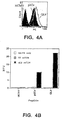
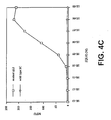
- the qL2 scTCR, but not the T7 scTCR yielded easily detectable staining of the T2 cells that had been incubated with QL9 or p2Ca ( Figures 4A-4B ).
- p2Ca-upregulated cells were also readily detected by qL2 scTCR, as p2Ca is the naturally processed form of the peptide recognized by the alloreactive clone 2C and it has an even lower affinity than the QL9/L d complex for the 2C TCR [Sykulev et al. (1994) supra].
- T cell receptors which represent a class of proteins as diverse as antibodies, can be engineered like antibodies to yield high affinity, antigen-specific probes. Furthermore, a soluble version of the high affinity receptor can directly detect specific peptide/MHC complexes on cells. Thus, these engineered proteins are useful as diagnostics, for tumor cells, for example. Soluble derivatives of the high affinity TCRs are useful or can be further engineered as high affinity, antigen-specific probes.
- the soluble TCR derivatives when appropriately labeled (or bound by a detectable ligand for that soluble TCR) can serve as a probe for specific peptide/MCHC complexes on cells, for example, derived surfaces of tumor cells or other neoplastic cells, or antigens diagnostic of virus-infected cells or other diseased cells.
- Other applications for high affinity TCR cell bound proteins or soluble derivatives include use in diagnosis or study of certain autoimmune diseases. Where a characteristic peptide/MHC or other marker surface antigen is known or can be identified, a high affinity, soluble TCR can be isolated for specific binding to that cell surface moiety and used in diagnosis or in therapy.
- the high affinity TCR proteins can be used bound to cytotoxic agents as therapeutics in cancer treatment or other disorders where cells to be desirably destroyed have a characteristic and specific cell surface moiety which is recognized by a high affinity TCR (desirably a soluble TCR protein).
- a soluble high affinity TCR as described herein can be coupled to an imaging agent and used to identify sites within the body where tumor cells reside where the TCR specifically binds a tumor cell marker with high affinity and specificity.
- a high affinity TCR bound to the surface of a cell or tissue which has been inappropriately targeted for autoimmune destruction can reduce autoimmune tissue destruction by cytotoxic lymphocytes by competing with those cytotoxic lymphocytes for binding to the cell surface of the targeted cells or tissue.
- mutagenesis techniques include, without limitation, oligonucleotide-directed mutagenesis, region-specific mutagenesis, linker-scanning mutagenesis, and site-directed mutagenesis by PCR [see e.g. Sambrook et al. (1989) and Ausubel et al. (1999)].
- TCR-derived proteins may be modified by certain amino acid substitutions, additions, deletions, and post-translational modifications, without loss or reduction of biological activity.
- conservative amino acid substitutions that is, substitution of one amino acid for another amino acid of similar size, charge, polarity and conformation, are unlikely to significantly alter protein function.
- the 20 standard amino acids that are the constituents of proteins can be broadly categorized into four groups of conservative amino acids as follows: the nonpolar (hydrophobic) group includes alanine, isoleucine, leucine, methionine, phenylalanine, proline, tryptophan and valine; the polar (uncharged, neutral) group includes asparagine, cysteine, glutamine, glycine, serine, threonine and tyrosine; the positively charged (basic) group contains arginine, histidine and lysine; and the negatively charged (acidic) group contains aspartic acid and glutamic acid. Substitution in a protein of one amino acid for another within the same group is unlikely to have an adverse effect on the biological activity of the protein.
- Homology between nucleotide sequences can be determined by DNA hybridization analysis, wherein the stability of the double-stranded DNA hybrid is dependent on the extent of base pairing that occurs. Conditions of high temperature and/or low salt content reduce the stability of the hybrid, and can be varied to prevent annealing of sequences having less than a selected degree of homology.
- hybridization and wash conditions of 40 - 50°C, 6 X SSC (sodium chloride/sodium citrate buffer) and 0.1 % SDS (sodium dodecyl sulfate) indicate about 60 - 70% homology
- hybridization and wash conditions of 50 - 65°C, 1 X SSC and 0.1% SDS indicate about 82 - 97% homology
- hybridization and wash conditions of 52°C, 0.1 X SSC and 0.1% SDS indicate about 99 - 100% homology.
- Industrial strains of microorganisms e.g., Aspergillus niger, Aspergillus ficuum, Aspergillus awamori, Aspergillus oryzae, Trichoderma reesei, Mucor miehei, Kluyveromyces lactis, Pichia pastoris, Saccharomyces cerevisiae, Escherichia coli, Bacillus subtilis or Bacillus licheniformis
- plant species e.g., canola, soybean, corn, potato, barley, rye, wheat
- canola soybean, corn, potato, barley, rye, wheat
- an expression construct is assembled to include the TCR or soluble TCR coding sequence and control sequences such as promoters, enhancers and terminators. Other sequences such as signal sequences and selectable markers may also be included.
- the expression construct may include a secretory signal sequence. The signal sequence is not included on the expression construct if cytoplasmic expression is desired.
- the promoter and signal sequence are functional in the host cell and provide for expression and secretion of the TCR or soluble TCR protein. Transcriptional terminators are included to ensure efficient transcription.
- Ancillary sequences enhancing expression or protein purification may also be included in the expression construct
- promoters transcriptional initiation regulatory region
- the selection of the appropriate promoter is dependent upon the proposed expression host. Promoters from heterologous sources may be used as long as they are functional in the chosen host.
- Promoter selection is also dependent upon the desired efficiency and level of peptide or protein production.
- Inducible promoters such as tac are often employed in order to dramatically increase the level of protein expression in E. coli. Overexpression of proteins may be harmful to the host cells. Consequently, host cell growth may be limited.
- the use of inducible promoter systems allows the host cells to be cultivated to acceptable densities prior to induction of gene expression, thereby facilitating higher product yields.
- signal sequences may be used according to the invention.
- a signal sequence which is homologous to the TCR coding sequence may be used.
- a signal sequence which has been selected or designed for efficient secretion and processing in the expression host may also be used.
- suitable signal sequence/host cell pairs include the B. subtilis sacB signal sequence for secretion in B. subtilis, and the Saccharomyces cerevisiae ⁇ -mating factor or P. pastoris acid phosphatase phoI signal sequences for P. pastoris secretion.
- the signal sequence may be joined directly through the sequence encoding the signal peptidase cleavage site to the protein coding sequence, or through a short nucleotide bridge consisting of usually fewer than ten codons, where the bridge ensures correct reading frame of the downstream TCR sequence.
- Elements for enhancing transcription and translation have been identified for eukaryotic protein expression systems. For example, positioning the cauliflower mosaic virus (CaMV) promoter 1000 bp on either side of a heterologous promoter may elevate transcriptional levels by 10- to 400-fold in plant cells.
- the expression construct should also include the appropriate translational initiation sequences. Modification of the expression construct to include a Kozak consensus sequence for proper translational initiation may increase the level of translation by 10 fold.
- a selective marker is often employed, which may be part of the expression construct or separate from it (e.g., carried by the expression vector), so that the marker may integrate at a site different from the gene of interest.
- markers that confer resistance to antibiotics (e.g., bla confers resistance to ampicillin for E. coli host cells, nptII confers kanamycin resistance to a wide variety of prokaryotic and eukaryotic cells) or that permit the host to grow on minimal medium (e.g., HIS4 enables P. pastoris or His S. cerevisiae to grow in the absence of histidine).
- the selectable marker has its own transcriptional and translational initiation and termination regulatory regions to allow for independent expression of the marker. If antibiotic resistance is employed as a marker, the concentration of the antibiotic for selection will vary depending upon the antibiotic, generally ranging from 10 to 600 ⁇ g of the antibiotic/mL of medium.
- the expression construct is assembled by employing known recombinant DNA techniques (Sambrook et al., 1989; Ausubel et al., 1999). Restriction enzyme digestion and ligation are the basic steps employed to join two fragments of DNA. The ends of the DNA fragment may require modification prior to ligation, and this may be accomplished by filling in overhangs, deleting terminal portions of the fragment(s) with nucleases (e.g., Exo III), site directed mutagenesis, or by adding new base pairs by PCR. Polylinkers and adaptors may be employed to facilitate joining of selected fragments.
- the expression construct is typically assembled in stages employing rounds of restriction, ligation, and transformation of E. coli.
- cloning vectors suitable for construction of the expression construct are known in the art ( ⁇ ZAP and pBLUESCRIPT SK-1, Stratagene, LaJolla, CA; pET, Novagen Inc., Madison, WI - cited in Ausubel et al., 1999) and the particular choice is not critical to the invention.
- the selection of cloning vector will be influenced by the gene transfer system selected for introduction of the expression construct into the host cell. At the end of each stage, the resulting construct may be analyzed by restriction, DNA sequence, hybridization and PCR analyses.
- the expression construct may be transformed into the host as the cloning vector construct, either linear or circular, or may be removed from the cloning vector and used as is or introduced onto a delivery vector.
- the delivery vector facilitates the introduction and maintenance of the expression construct in the selected host cell type.
- the expression construct is introduced into the host cells by any of a number of known gene transfer systems (e.g., natural competence, chemically mediated transformation, protoplast transformation, electroporation, biolistic transformation, transfection, or conjugation) (Ausubel et al., 1999; Sambrook et al., 1989). The gene transfer system selected depends upon the host cells and vector systems used.
- the expression construct can be introduced into S. cerevisiae cells by protoplast transformation or electroporation. Electroporation of S. cerevisiae is readily accomplished, and yields transformation efficiencies comparable to spheroplast transformation.
- Monoclonal or polyclonal antibodies preferably monoclonal, specifically reacting with a TCR protein at a site other than the ligand binding site may be made by methods known in the art. See, e.g., Harlow and Lane (1988) Antibodies: A Laboratory Manual, Cold Spring Harbor Laboratories ; Goding (1986) Monoclonal Antibodies: Principles and Practice, 2d ed., Academic Press, New York ; and Ausubel et al. (1999) Current Protocols in Molecular Biology, John Wiley & Sons, Inc., New York .
- High affinity TCR proteins in cell-bound or soluble form which are specific for a particular pMHC are useful, for example, as diagnostic probes for screening biological samples (such as cells, tissue samples, biopsy material, bodily fluids and the like) or for detecting the presence of the cognate pMHC in a test sample.
- the high affinity TCR proteins are labeled by joining, either covalently or noncovalently, a substance which provides a detectable signal. Suitable labels include but are not limited to radionuclides, enzymes, substrates, cofactors, inhibitors, fluorescent agents, chemiluminescent agents, magnetic particles and the like.
- the TCR protein can be coupled to a ligand for a second binding molecules: for example, the TCR protein can be biotinylated. Detection of the TCR bound to a target cell or molecule can then be effected by binding of a detectable streptavidin (a streptavidin to which a fluorescent, radioactive, chemiluminescent, or other detectable molecule is attached or to which an enzyme for which there is a chromophoric substrate available).
- a detectable streptavidin a streptavidin to which a fluorescent, radioactive, chemiluminescent, or other detectable molecule is attached or to which an enzyme for which there is a chromophoric substrate available.
- Labeled TCR proteins can be detected using a monitoring device or method appropriate to the label used.
- Fluorescence microscopy or fluorescence activated cell sorting can be used where the label is a fluorescent moiety, and where the label is a radionuclide, gamma counting, autoradiography or liquid scintillation counting, for example, can be used with the proviso that the method is appropriate to the sample being analyzed and the radionuclide used.
- the art knows useful compounds for diagnostic imaging in situ; see, e.g., U.S. Patent No.
- methotrexate cisplatin, mitomycin, anthrocyclines such as daunomycin, daunorubicin or adriamycin, and cytotoxic proteins such as ribosome inactivating proteins (e.g., diphtheria toxin, pokeweed antiviral protein, abrin, ricin, pseudomonas exotoxin A or their recombinant derivatives.
- ribosome inactivating proteins e.g., diphtheria toxin, pokeweed antiviral protein, abrin, ricin, pseudomonas exotoxin A or their recombinant derivatives. See, generally, e.g., Olsnes and Pihl (1982) Pharmac. Ther. 25:355-381 and Monoclonal Antibodies for Cancer Detection and Therapy, Eds. Baldwin and Byers, pp. 159-179, Academic Press, 1985 .
- High affinity TCR proteins specific for a particular pMHC ligand are useful in diagnosing animals, including humans believed to be suffering from a disease associated with the particular pMHC.
- the sc TCR molecules of the present invention are useful for detecting essentially any antigen, including but not limited to, those associated with a neoplastic condition, an abnormal protein, or an infection or infestation with a bacterium, a fungus, a virus, a protozoan, a yeast, a nematode or other parasite.
- the high affinity sc TCR proteins can also be used in the diagnosis of certain genetic disorders in which there is an abnormal protein produced. Exemplary applications for these high affinity proteins is in the treatment of autoimmune diseases in which there is a known pMHC.
- Type I diabetes is relatively well characterized with respect to the autoantigens which attract immune destruction.
- Multiple sclerosis, celiac disease, inflammatory bowel disease, Crohn's disease and rheumatoid arthritis are additional candidate diseases for such application.
- High affinity TCR (soluble) proteins with binding specificity for the p/MHC complex on the surface of cells or tissues which are improperly targeted for autoimmune destruction can serve as antagonists of the autoimmune destruction by competing for binding to the target cells by cytotoxic lymphocytes.
- high affinity TCR proteins desirably soluble single chain TCR proteins, which specifically bind to an antigen or to a p/MHC on the surface of a cell for which destruction is beneficial, can be coupled to toxic compounds (e.g., toxins or radionuclides) so that binding to the target cell results in subsequent binding and destruction by cytotoxic lymphocytes.
- the cell targeted for destruction can be a neoplastic cell (such as a tumor cell), a cell infected with a virus, bacterium or protozoan or other disease-causing agent or parasite, or it can be a bacterium, yeast, fungus, protozoan or other undesirable cell.
- Such high affinity sc TCR proteins can be obtained by the methods described herein and subsequently used for screening for a particular ligand of interest.
- the high affinity TCR compositions can be formulated by any of the means known in the art. They can be typically prepared as injectables, especially for intravenous, intraperitoneal or synovial administration (with the route determined by the particular disease) or as formulations for intranasal or oral administration, either as liquid solutions or suspensions. Solid forms suitable for solution in, or suspension in, liquid prior to injection or other administration may also be prepared. The preparation may also, for example, be emulsified, or the protein(s)/peptide(s) encapsulated in liposomes.
- the active ingredients are often mixed with excipients or carriers which are pharmaceutically acceptable and compatible with the active ingredient.
- Suitable excipients include but are not limited to water, saline, dextrose, glycerol, ethanol, or the like and combinations thereof.
- concentration of the high affinity TCR protein in injectable, aerosol or nasal formulations is usually in the range of 0.05 to 5 mg/ml. The selection of the particular effective dosages is known and performed without undue experimentation by one of ordinary skill in the art. Similar dosages can be administered to other mucosal surfaces.
- vaccines may contain minor amounts of auxiliary substances such as wetting or emulsifying agents, pH buffering agents, and/or adjuvants which enhance the effectiveness of the vaccine.
- adjuvants which may be effective include but are not limited to: aluminum hydroxide; N-acetyl-muramyl-L-threonyl-D-isoglutamine (thr-MDP); N-acetyl-nor-muramyl-L-alanyl-D-isoglutamine (CGP 11637, referred to as nor-MDP); N-acetylmuramyl-L-alanyl-D-isoglutaminyl-L-alanine-2-(1'-2'-dipalmitoyl-sn-glycero-3hydroxyphosphoryloxy)-ethylamine (CGP 19835A, referred to as MTP-PE); and RIBI, which contains three components extracted from bacteria: monophosphoryl lipid A, trehalose
- the high affinity TCR proteins of the present invention and/or pMHC-binding fragments having primary structure similar (more than 90% identity) to the high affinity TCR proteins and which maintain the high affinity for the cognate ligand may be formulated into vaccines as neutral or salt forms.
- Pharmaceutically acceptable salts include but are not limited to the acid addition salts (formed with free amino groups of the peptide) which are formed with inorganic acids, e.g., hydrochloric acid or phosphoric acids; and organic acids, e.g., acetic, oxalic, tartaric, or maleic acid.
- Salts formed with the free carboxyl groups may also be derived from inorganic bases, e.g., sodium, potassium, ammonium, calcium, or ferric hydroxides, and organic bases, e.g., isopropylamine, trimethylamine, 2-ethylamino-ethanol, histidine, and procaine.
- inorganic bases e.g., sodium, potassium, ammonium, calcium, or ferric hydroxides
- organic bases e.g., isopropylamine, trimethylamine, 2-ethylamino-ethanol, histidine, and procaine.
- High affinity TCR proteins for therapeutic use e.g., those conjugated to cytotoxic compounds are administered in a manner compatible with the dosage formulation, and in such amount and manner as are prophylactically and/or therapeutically effective, according to what is known to the art.
- the quantity to be administered which is generally in the range of about 100 to 20,000 ⁇ g of protein per dose, more generally in the range of about 1000 to 10,000 ⁇ g of protein per dose.
- Similar compositions can be administered in similar ways using labeled high affinity TCR proteins for use in imaging, for example, to detect tissue under autoimmune attack and containing the cognate pMHCs or to detect cancer cells bearing a cognate pMHC on their surfaces.
- Precise amounts of the active ingredient required to be administered may depend on the judgment of the physician or veterinarian and may be peculiar to each individual, but such a determination is within the skill of such a practitioner.
- the vaccine or other immunogenic composition may be given in a single dose; two dose schedule, for example two to eight weeks apart; or a multiple dose schedule.
- a multiple dose schedule is one in which a primary course of vaccination may include 1 to 10 or more separate doses, followed by other doses administered at subsequent time intervals as required to maintain and/or reinforce the immune response, e.g., at 1 to 4 months for a second dose, and if needed, a subsequent dose(s) after several months.
- Humans (or other animals) immunized with the retrovirus-like particles of the present invention are protected from infection by the cognate retrovirus.
- Standard techniques for cloning, DNA isolation, amplification and purification, for enzymatic reactions involving DNA ligase, DNA polymerase, restriction endonucleases and the like, and various separation techniques are those known and commonly employed by those skilled in the art.
- a number of standard techniques are described in Sambrook et al. (1989) Molecular Cloning, Second Edition, Cold Spring Harbor Laboratory, Plainview, New York ; Maniatis et al. (1982) Molecular Cloning, Cold Spring Harbor Laboratory, Plainview, New York ; Wu (ed.) (1993) Meth. Enzymol. 218, Part I ; Wu (ed.) (1979) Meth Enzymol. 68 ; Wu et al.
- the 2C scTCR used as the scaffold for directed evolution contained six mutations ( ⁇ G17E, ⁇ G42E ⁇ L81S, ⁇ L43P, ⁇ W82R, and aI118N) that have been shown to increase the stability of the TCR but still allow pMHC binding [see, e.g., Shusta, E.V. et al. (1999) J. Mol. Biol. 292, 949-956 ].
- Mutagenic PCR of the T7 scTCR V ⁇ CDR3 was performed using an AGA2-specific upstream primer (GGCAGCCCCATAAACACACAGTAT (SEQ ID NO:3)) and a degenerate downstream primer CTTTTGT Underlined bases indicate the positions of silent mutations introducing unique BamHI and EagI restriction sites.
- the purified PCR product was digested with NdeI and BamHI and ligated to NdeI-BamHI digested T7/pCT302 [Boder and Wittrup (1997) supra; Kieke et al. (1999) supra; Shusta et al. (1999) supra].
- the ligation mixture was transformed into DH10B electro-competent E.
- Cells exhibiting the highest fluorescence were isolated by FACS sorting with a Coulter 753 bench. After isolation, sorted cells were expanded in SD-CAA and induced in SG-CAA for subsequent rounds of selection. A total of four sequential sorts were performed. The concentrations of QL9/L d /IgG dimers used for staining were 50 ⁇ g/ml for sorts 1-3 and 0.5 ⁇ g/ml for the final sort. The percentages of total cells isolated from each sort were 5.55, 2.68, 2.56, and 0.58%, respectively. Aliquots of sorts 3 and 4 were plated on SD-CAA to isolate individual clones which were analyzed by flow cytometry using a Coulter Epics XL instrument.
- the T7 and qL2 open reading frames were excised from pCT302 NheI-XhoI and ligated into NheI-XhoI digested pRSGALT, a yeast expression plasmid [Shusta et al. (1999) supra].
- Ligated plasmids were transformed into DH10B electro-competent E. coli (Gibco BRL). Plasmid DNA was isolated from bacterial cultures and transformed into Saccharomyces cerevisiae BJ5464 ( ⁇ ur ⁇ 3-52 trp1 leu2 1 his3 200 pep4 ::HIS3 prb1 1.6R can1 GAL) [Shusta et al. (1999) supra].
- Yeast clones were grown in one liter SD-CAA/Trp (20 mg/L tryptophan) for 48 hr at 30°C.
- cells were pelleted by centrifugation at 4000xg, resuspended in one liter SG-CAA/Trp supplemented with 1 mg/ml BSA, and incubated for 72 hr at 20°C.
- Culture supernatants were harvested by centrifugation at 4000xg, concentrated to about 50 ml, and dialyzed against PBS, pH 8.0.
- the 6His-tagged scTCRs were purified by native nickel affinity chromatography (Ni-NTA Superflow, Qiagen, Valencia, CA; 5mM and 20mM imidazole, pH 8.0 wash; 250 mM imidazole elution) [Shusta et al. (1999) supra ].
- Dissociation constants were calculated using the formula of Cheng and Pursoff [ Cheng (1973) Biochem. Pharm. 22:3099-3108 ].
- peptide-upregulated T2-L d cells (5 x 10 5 /tube) were incubated for 40 min on ice with biotinylated soluble scTCRs followed by staining for 30 min with streptavidin-phycoerythrin (PharMingen, San Diego, CA). Cellular fluorescence was detected by flow cytometry.
- Example 5 Identification of high affinity TCRs that are specific for a different peptide and a different MHC molecule (K b ).
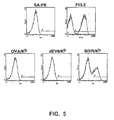
- the mutant 3SQ2 was stained with various agents, including the secondary reagent alone (SA:PE), the anti-V ⁇ antibody F23.2, and three peptide/K b complexes (OVA/K b , dEV8/K b , and SIYR/K b ).
- SA:PE secondary reagent alone
- OVA/K b three peptide/K b complexes
- dEV8/K b three peptide/K b complexes
- SIYR/K b three peptide/K b complexes
- the mutant TCR 3SQ2 was also expressed as a soluble protein in the yeast secretion system and tested after biotinylation for its ability to bind directly to pMHC on the surface of tumor cells. As shown in Figure 6 , the labeled 3SQ2 bound very well to tumor cells that expressed only the appropriate peptide SIYR. The staining was nearly as strong as the high affinity anti-K b monoclonal antibody B8.24.3, that binds to any K b molecule ( Figure 6 ), regardless of the peptide present.
- Example 7 Identification of high affinity TCRs by creating a random TCR library in a different region of the TCR (complementarity-determining region 3 of the ⁇ chain).
- Wild Type TCR V ⁇ CDR3 2C 93 SGFASAL 104 (SEQ ID NO:7) Mutant TCR V ⁇ CDR3 Mutant TCR V ⁇ CDR3 Mutant TCR V ⁇ CDR3 Mutant TCR V ⁇ CDR3 Mutant TCR V ⁇ CDR3 q2r SSYGNYL (SEQ ID NO:8) q1r SL PPP LL (SEQ ID NO:17) q4r SRRGHAL (SEQ ID NO:9) q3r SIPT P SL (SEQ ID NO:18) q5r SSRGTAL (SEQ ID NO:10) qL6 SN PPP LL (SEQ ID NO:19) q6r SHFGTRL (SEQ ID NO:11) qL7 SD PPP LL (SEQ ID NO:20) qL1 SMFGTRL (SEQ ID NO:12) qL8 SS PPP RL (SEQ ID NO:21) qL2 SHQGRYL (
- SIYR/K b Binders (3SQ2, 3SQ5): CDR3 ⁇ Sequences •3SQ5 SGTHPFL (SEQ ID NO:23) SK7 SGHLPFL (SEQ ID NO:24) K5r SDSKPFL (SEQ ID NO:25) K4r SSDRPYL (SEQ ID NO:26) SK8 SLERPYL (SEQ ID NO:27) SK2 SREAPYL (SEQ ID NO:28) K3r SLHRPAL*(SEQ ID NO:29) 3SQ2 SLHRPAL*(SEQ ID NO:30) SK10 SSNRPAL (SEQ ID NO:31) K1r STDRPSL (SEQ ID NO:32) K2r SGSRPTL (SEQ ID NO:33) •SK3 SLVTPAL (SEQ ID NO:34) SK1 SATSPAL (SEQ ID NO:35) SK9 SSINPAL (SEQ ID NO:36) SK4 SASYPSL (SEQ ID NO
Landscapes
- Health & Medical Sciences (AREA)
- Life Sciences & Earth Sciences (AREA)
- Chemical & Material Sciences (AREA)
- Organic Chemistry (AREA)
- Veterinary Medicine (AREA)
- General Health & Medical Sciences (AREA)
- Medicinal Chemistry (AREA)
- Nuclear Medicine, Radiotherapy & Molecular Imaging (AREA)
- Pharmacology & Pharmacy (AREA)
- General Chemical & Material Sciences (AREA)
- Animal Behavior & Ethology (AREA)
- Chemical Kinetics & Catalysis (AREA)
- Public Health (AREA)
- Engineering & Computer Science (AREA)
- Immunology (AREA)
- Bioinformatics & Cheminformatics (AREA)
- Molecular Biology (AREA)
- Hematology (AREA)
- Biophysics (AREA)
- Diabetes (AREA)
- Oncology (AREA)
- Physics & Mathematics (AREA)
- Communicable Diseases (AREA)
- Biomedical Technology (AREA)
- Proteomics, Peptides & Aminoacids (AREA)
- Biochemistry (AREA)
- Bioinformatics & Computational Biology (AREA)
- Tropical Medicine & Parasitology (AREA)
- Urology & Nephrology (AREA)
- Cell Biology (AREA)
- Rheumatology (AREA)
- Pain & Pain Management (AREA)
- Pathology (AREA)
- Orthopedic Medicine & Surgery (AREA)
- Virology (AREA)
- Neurosurgery (AREA)
- Neurology (AREA)
- Transplantation (AREA)
- Biotechnology (AREA)
- Obesity (AREA)
Priority Applications (2)
| Application Number | Priority Date | Filing Date | Title |
|---|---|---|---|
| EP10184889A EP2287185A3 (de) | 1999-12-06 | 2000-12-06 | Hochaffine TCR-Proteine und Verfahren |
| EP10183227A EP2336775A3 (de) | 1999-12-06 | 2000-12-06 | Hochaffine TCR-Proteine und Verfahren |
Applications Claiming Priority (2)
| Application Number | Priority Date | Filing Date | Title |
|---|---|---|---|
| US16917999P | 1999-12-06 | 1999-12-06 | |
| EP00993099A EP1247095B1 (de) | 1999-12-06 | 2000-12-06 | Hochaffine t-zellrezeptorproteine und verfahren |
Related Parent Applications (1)
| Application Number | Title | Priority Date | Filing Date |
|---|---|---|---|
| EP00993099A Division EP1247095B1 (de) | 1999-12-06 | 2000-12-06 | Hochaffine t-zellrezeptorproteine und verfahren |
Related Child Applications (2)
| Application Number | Title | Priority Date | Filing Date |
|---|---|---|---|
| EP10183227A Division-Into EP2336775A3 (de) | 1999-12-06 | 2000-12-06 | Hochaffine TCR-Proteine und Verfahren |
| EP10184889A Division-Into EP2287185A3 (de) | 1999-12-06 | 2000-12-06 | Hochaffine TCR-Proteine und Verfahren |
Publications (3)
| Publication Number | Publication Date |
|---|---|
| EP2042869A2 true EP2042869A2 (de) | 2009-04-01 |
| EP2042869A3 EP2042869A3 (de) | 2009-06-17 |
| EP2042869B1 EP2042869B1 (de) | 2017-10-04 |
Family
ID=22614526
Family Applications (4)
| Application Number | Title | Priority Date | Filing Date |
|---|---|---|---|
| EP08075788.3A Expired - Lifetime EP2042869B1 (de) | 1999-12-06 | 2000-12-06 | Tcr-proteine mit hoher affinität und verfahren |
| EP10184889A Withdrawn EP2287185A3 (de) | 1999-12-06 | 2000-12-06 | Hochaffine TCR-Proteine und Verfahren |
| EP10183227A Withdrawn EP2336775A3 (de) | 1999-12-06 | 2000-12-06 | Hochaffine TCR-Proteine und Verfahren |
| EP00993099A Expired - Lifetime EP1247095B1 (de) | 1999-12-06 | 2000-12-06 | Hochaffine t-zellrezeptorproteine und verfahren |
Family Applications After (3)
| Application Number | Title | Priority Date | Filing Date |
|---|---|---|---|
| EP10184889A Withdrawn EP2287185A3 (de) | 1999-12-06 | 2000-12-06 | Hochaffine TCR-Proteine und Verfahren |
| EP10183227A Withdrawn EP2336775A3 (de) | 1999-12-06 | 2000-12-06 | Hochaffine TCR-Proteine und Verfahren |
| EP00993099A Expired - Lifetime EP1247095B1 (de) | 1999-12-06 | 2000-12-06 | Hochaffine t-zellrezeptorproteine und verfahren |
Country Status (9)
| Country | Link |
|---|---|
| EP (4) | EP2042869B1 (de) |
| JP (4) | JP4972264B2 (de) |
| AT (1) | ATE411522T1 (de) |
| AU (1) | AU5076301A (de) |
| CA (1) | CA2406668C (de) |
| DE (1) | DE60040556D1 (de) |
| DK (1) | DK1247095T3 (de) |
| MX (2) | MX340559B (de) |
| WO (1) | WO2001048145A2 (de) |
Families Citing this family (48)
| Publication number | Priority date | Publication date | Assignee | Title |
|---|---|---|---|---|
| US6696251B1 (en) | 1996-05-31 | 2004-02-24 | Board Of Trustees Of The University Of Illinois | Yeast cell surface display of proteins and uses thereof |
| US6759243B2 (en) | 1998-01-20 | 2004-07-06 | Board Of Trustees Of The University Of Illinois | High affinity TCR proteins and methods |
| WO2002046400A2 (en) * | 2000-12-08 | 2002-06-13 | The Board Of Trustees Of The University Of Illinois | Mutated class ii major histocompatibility proteins |
| US20050069549A1 (en) | 2002-01-14 | 2005-03-31 | William Herman | Targeted ligands |
| WO2005009948A2 (en) * | 2002-08-29 | 2005-02-03 | Baylor College Of Medicine | Peptide inhibitors of beta-lactamases |
| AU2004289316B2 (en) | 2003-11-10 | 2011-03-31 | Altor Bioscience Corporation | Soluble TCR molecules and methods of use |
| AU2006204459B2 (en) | 2005-01-05 | 2012-11-01 | F-Star Therapeutics Limited | Synthetic immunoglobulin domains with binding properties engineered in regions of the molecule different from the complementarity determining regions |
| US7534762B2 (en) | 2005-03-18 | 2009-05-19 | Novozymes A/S | Polypeptides having antimicrobial activity and polynucleotides encoding same |
| RU2403260C2 (ru) * | 2005-03-18 | 2010-11-10 | Новозимс Эдениум Байотек А/С | Полипептиды, обладающие противомикробным действием, и кодирующие их полинуклеотиды |
| CA2601525A1 (en) * | 2005-03-18 | 2006-09-21 | Novozymes A/S | Polypeptides having antimicrobial activity and polynucleotides encoding same |
| AT503861B1 (de) | 2006-07-05 | 2008-06-15 | F Star Biotech Forsch & Entw | Verfahren zur manipulation von t-zell-rezeptoren |
| AT503889B1 (de) | 2006-07-05 | 2011-12-15 | Star Biotechnologische Forschungs Und Entwicklungsges M B H F | Multivalente immunglobuline |
| CN101802006B (zh) | 2007-06-26 | 2013-08-14 | F-星生物技术研究与开发有限公司 | 展示结合剂 |
| EP2113255A1 (de) | 2008-05-02 | 2009-11-04 | f-star Biotechnologische Forschungs- und Entwicklungsges.m.b.H. | Zytotoxisches Immunglobulin |
| US12467058B2 (en) | 2013-03-28 | 2025-11-11 | Aramis Biotechnologies Inc. | Influenza virus-like particle production in plants |
| IL241692B2 (en) | 2013-03-28 | 2023-12-01 | Medicago Inc | Influenza virus-like particle production in plants |
| AU2015205805B2 (en) | 2014-01-10 | 2020-11-12 | Aramis Biotechnologies Inc. | CPMV enhancer elements |
| ES2740930T3 (es) | 2014-03-14 | 2020-02-07 | Immunocore Ltd | Bibliotecas de TCR |
| AU2015234595B2 (en) | 2014-03-27 | 2021-03-25 | Medicago Inc. | Modified CPMV enhancer elements |
| GB201516275D0 (en) | 2015-09-15 | 2015-10-28 | Adaptimmune Ltd And Immunocore Ltd | TCR Libraries |
| GB201516272D0 (en) | 2015-09-15 | 2015-10-28 | Adaptimmune Ltd And Immunocore Ltd | TCR Libraries |
| GB201516277D0 (en) | 2015-09-15 | 2015-10-28 | Adaptimmune Ltd And Immunocore Ltd | TCR libraries |
| GB201516265D0 (en) | 2015-09-15 | 2015-10-28 | Adaptimmune Ltd And Immunocore Ltd | TCR Libraries |
| GB201516269D0 (en) | 2015-09-15 | 2015-10-28 | Adaptimmune Ltd And Immunocore Ltd | TCR Libraries |
| GB201604458D0 (en) | 2016-03-16 | 2016-04-27 | Immatics Biotechnologies Gmbh | Peptides and combination of peptides for use in immunotherapy against cancers |
| GB201604953D0 (en) | 2016-03-23 | 2016-05-04 | Immunocore Ltd | T cell receptors |
| UA129144C2 (uk) | 2016-04-08 | 2025-01-29 | Іммунокор Лімітед | T-клітинний рецептор |
| GB201709866D0 (en) | 2017-06-20 | 2017-08-02 | Immunocore Ltd | T cell receptors |
| CN109777778B (zh) * | 2017-11-14 | 2023-07-18 | 中国科学院广州生物医药与健康研究院 | 一种基因改造的γδT细胞 |
| US20210041435A1 (en) * | 2018-01-31 | 2021-02-11 | Tohoku University | Method for regulating antigen-specific mhc expression |
| US20220275043A1 (en) | 2018-07-17 | 2022-09-01 | Massachusetts Institute Of Technology | Soluble multimeric immunoglobulin-scaffold based fusion proteins and uses thereof |
| GB201904328D0 (en) | 2019-03-28 | 2019-05-15 | Immunocore Ltd | Specific binding molecules |
| DE102019121007A1 (de) | 2019-08-02 | 2021-02-04 | Immatics Biotechnologies Gmbh | Antigenbindende Proteine, die spezifisch an MAGE-A binden |
| US20210032370A1 (en) | 2019-08-02 | 2021-02-04 | Immatics Biotechnologies Gmbh | Recruiting agent further binding an mhc molecule |
| US12480958B2 (en) * | 2019-08-13 | 2025-11-25 | Immatics Biotechnologies Gmbh | Method for the characterization of peptide:MHC binding polypeptides |
| GB201915282D0 (en) | 2019-10-22 | 2019-12-04 | Immunocore Ltd | Specific binding molecules |
| US20230132241A1 (en) | 2020-01-15 | 2023-04-27 | Immatics Biotechnologies Gmbh | Antigen binding proteins specifically binding prame |
| GB202006629D0 (en) | 2020-05-05 | 2020-06-17 | Immunocore Ltd | Specific binding molecules |
| GB202010329D0 (en) | 2020-07-06 | 2020-08-19 | Immunocore Ltd | Specific binding molecules |
| WO2022184805A1 (en) | 2021-03-03 | 2022-09-09 | Immatics Biotechnologies Gmbh | Antigen binding proteins specifically binding sars-cov-2 antigenic peptides in complex with a major histocompatibility complex protein |
| BR112023022765A2 (pt) | 2021-05-05 | 2024-01-02 | Immatics Biotechnologies Gmbh | Proteínas de ligação ao antígeno que ligam especificamente o prame |
| WO2023006828A1 (en) | 2021-07-27 | 2023-02-02 | Immatics Biotechnologies Gmbh | Antigen binding proteins specifically binding ct45 |
| CA3250782A1 (en) | 2022-02-20 | 2023-08-24 | Immunocore Limited | HIV-SPECIFIC BINDING MOLECULES AND TCR |
| AR130241A1 (es) | 2022-08-18 | 2024-11-20 | Immunocore Ltd | Receptores de linfocitos t y proteínas de fusión de estos |
| AU2024206754A1 (en) | 2023-01-06 | 2025-07-10 | Immunocore Limited | Binding molecules against a prame peptide-hla complex |
| JP2026501720A (ja) | 2023-01-06 | 2026-01-16 | イムノコア リミテッド | Piwil1ペプチド-hla複合体に対する結合分子 |
| GB202306345D0 (en) | 2023-04-28 | 2023-06-14 | Immunocore Ltd | Binding molecules |
| WO2026032326A1 (zh) * | 2024-08-06 | 2026-02-12 | 上海绾塍生物科技有限公司 | 一种目标细胞以及细胞表面受体的筛选方法 |
Citations (19)
| Publication number | Priority date | Publication date | Assignee | Title |
|---|---|---|---|---|
| US3817837A (en) | 1971-05-14 | 1974-06-18 | Syva Corp | Enzyme amplification assay |
| US3850752A (en) | 1970-11-10 | 1974-11-26 | Akzona Inc | Process for the demonstration and determination of low molecular compounds and of proteins capable of binding these compounds specifically |
| US3927193A (en) | 1973-05-18 | 1975-12-16 | Hoffmann La Roche | Localization of tumors by radiolabelled antibodies |
| US3939350A (en) | 1974-04-29 | 1976-02-17 | Board Of Trustees Of The Leland Stanford Junior University | Fluorescent immunoassay employing total reflection for activation |
| US3996345A (en) | 1974-08-12 | 1976-12-07 | Syva Company | Fluorescence quenching with immunological pairs in immunoassays |
| US4275149A (en) | 1978-11-24 | 1981-06-23 | Syva Company | Macromolecular environment control in specific receptor assays |
| US4277437A (en) | 1978-04-05 | 1981-07-07 | Syva Company | Kit for carrying out chemically induced fluorescence immunoassay |
| US4331647A (en) | 1980-03-03 | 1982-05-25 | Goldenberg Milton David | Tumor localization and therapy with labeled antibody fragments specific to tumor-associated markers |
| US4348376A (en) | 1980-03-03 | 1982-09-07 | Goldenberg Milton David | Tumor localization and therapy with labeled anti-CEA antibody |
| US4361544A (en) | 1980-03-03 | 1982-11-30 | Goldenberg Milton David | Tumor localization and therapy with labeled antibodies specific to intracellular tumor-associated markers |
| US4366241A (en) | 1980-08-07 | 1982-12-28 | Syva Company | Concentrating zone method in heterogeneous immunoassays |
| US4444744A (en) | 1980-03-03 | 1984-04-24 | Goldenberg Milton David | Tumor localization and therapy with labeled antibodies to cell surface antigens |
| US4468457A (en) | 1981-06-01 | 1984-08-28 | David M. Goldenberg | Method for producing a CSAp tryptic peptide and anti-CSAp antibodies |
| US4640561A (en) | 1985-11-15 | 1987-02-03 | Ford Motor Company | Flexible printed circuit connector |
| US5059413A (en) | 1988-04-18 | 1991-10-22 | Xoma Corporation | Scintigraphic monitoring of immunotoxins using radionuclides and heterobifunctional chelators |
| US5101827A (en) | 1985-07-05 | 1992-04-07 | Immunomedics, Inc. | Lymphographic and organ imaging method and kit |
| US5299253A (en) | 1992-04-10 | 1994-03-29 | Akzo N.V. | Alignment system to overlay abdominal computer aided tomography and magnetic resonance anatomy with single photon emission tomography |
| USRE35500E (en) | 1989-08-09 | 1997-05-06 | Aberlyn Capital Management Limited Partnership | Direct radiolabeling of antibodies and other proteins with technetium or rhenium |
| WO1999036569A1 (en) | 1998-01-20 | 1999-07-22 | The Board Of Trustees Of The University Of Illinois | Yeast cell surface display of proteins and uses thereof |
Family Cites Families (2)
| Publication number | Priority date | Publication date | Assignee | Title |
|---|---|---|---|---|
| US5861156A (en) * | 1993-01-08 | 1999-01-19 | Creative Biomolecules | Methods of delivering agents to target cells |
| WO1998039482A1 (en) * | 1997-03-07 | 1998-09-11 | Sunol Molecular Corporation | Fusion proteins comprising bacteriophage coat protein and a single-chain t cell receptor |
-
2000
- 2000-12-06 AU AU50763/01A patent/AU5076301A/en not_active Abandoned
- 2000-12-06 DK DK00993099T patent/DK1247095T3/da active
- 2000-12-06 EP EP08075788.3A patent/EP2042869B1/de not_active Expired - Lifetime
- 2000-12-06 EP EP10184889A patent/EP2287185A3/de not_active Withdrawn
- 2000-12-06 JP JP2001548658A patent/JP4972264B2/ja not_active Expired - Lifetime
- 2000-12-06 MX MX2012000116A patent/MX340559B/es unknown
- 2000-12-06 WO PCT/US2000/042622 patent/WO2001048145A2/en not_active Ceased
- 2000-12-06 MX MXPA02005559A patent/MXPA02005559A/es active IP Right Grant
- 2000-12-06 EP EP10183227A patent/EP2336775A3/de not_active Withdrawn
- 2000-12-06 DE DE60040556T patent/DE60040556D1/de not_active Expired - Lifetime
- 2000-12-06 AT AT00993099T patent/ATE411522T1/de not_active IP Right Cessation
- 2000-12-06 EP EP00993099A patent/EP1247095B1/de not_active Expired - Lifetime
- 2000-12-06 CA CA2406668A patent/CA2406668C/en not_active Expired - Lifetime
-
2010
- 2010-12-17 JP JP2010282453A patent/JP2011101649A/ja not_active Withdrawn
-
2011
- 2011-12-29 JP JP2011290233A patent/JP2012065672A/ja active Pending
-
2014
- 2014-01-17 JP JP2014006599A patent/JP2014095722A/ja not_active Withdrawn
Patent Citations (20)
| Publication number | Priority date | Publication date | Assignee | Title |
|---|---|---|---|---|
| US3850752A (en) | 1970-11-10 | 1974-11-26 | Akzona Inc | Process for the demonstration and determination of low molecular compounds and of proteins capable of binding these compounds specifically |
| US3817837A (en) | 1971-05-14 | 1974-06-18 | Syva Corp | Enzyme amplification assay |
| US3927193A (en) | 1973-05-18 | 1975-12-16 | Hoffmann La Roche | Localization of tumors by radiolabelled antibodies |
| US3939350A (en) | 1974-04-29 | 1976-02-17 | Board Of Trustees Of The Leland Stanford Junior University | Fluorescent immunoassay employing total reflection for activation |
| US3996345A (en) | 1974-08-12 | 1976-12-07 | Syva Company | Fluorescence quenching with immunological pairs in immunoassays |
| US4277437A (en) | 1978-04-05 | 1981-07-07 | Syva Company | Kit for carrying out chemically induced fluorescence immunoassay |
| US4275149A (en) | 1978-11-24 | 1981-06-23 | Syva Company | Macromolecular environment control in specific receptor assays |
| US4444744A (en) | 1980-03-03 | 1984-04-24 | Goldenberg Milton David | Tumor localization and therapy with labeled antibodies to cell surface antigens |
| US4331647A (en) | 1980-03-03 | 1982-05-25 | Goldenberg Milton David | Tumor localization and therapy with labeled antibody fragments specific to tumor-associated markers |
| US4348376A (en) | 1980-03-03 | 1982-09-07 | Goldenberg Milton David | Tumor localization and therapy with labeled anti-CEA antibody |
| US4361544A (en) | 1980-03-03 | 1982-11-30 | Goldenberg Milton David | Tumor localization and therapy with labeled antibodies specific to intracellular tumor-associated markers |
| US4366241A (en) | 1980-08-07 | 1982-12-28 | Syva Company | Concentrating zone method in heterogeneous immunoassays |
| US4366241B1 (de) | 1980-08-07 | 1988-10-18 | ||
| US4468457A (en) | 1981-06-01 | 1984-08-28 | David M. Goldenberg | Method for producing a CSAp tryptic peptide and anti-CSAp antibodies |
| US5101827A (en) | 1985-07-05 | 1992-04-07 | Immunomedics, Inc. | Lymphographic and organ imaging method and kit |
| US4640561A (en) | 1985-11-15 | 1987-02-03 | Ford Motor Company | Flexible printed circuit connector |
| US5059413A (en) | 1988-04-18 | 1991-10-22 | Xoma Corporation | Scintigraphic monitoring of immunotoxins using radionuclides and heterobifunctional chelators |
| USRE35500E (en) | 1989-08-09 | 1997-05-06 | Aberlyn Capital Management Limited Partnership | Direct radiolabeling of antibodies and other proteins with technetium or rhenium |
| US5299253A (en) | 1992-04-10 | 1994-03-29 | Akzo N.V. | Alignment system to overlay abdominal computer aided tomography and magnetic resonance anatomy with single photon emission tomography |
| WO1999036569A1 (en) | 1998-01-20 | 1999-07-22 | The Board Of Trustees Of The University Of Illinois | Yeast cell surface display of proteins and uses thereof |
Non-Patent Citations (67)
| Title |
|---|
| "DNA Cloning", vol. I,II, 1985, IRL PRESS |
| "Experiments in Molecular Genetics", 1972, COLD SPRING HARBOR LABORATORY |
| "Meth Enzymol.", 1979, pages: 68 |
| "Meth. Enzymol.", 1983, pages: 100 |
| "Meth. Enzymol.", pages: 65 |
| "Meth. Enzymol.", vol. 218, 1993 |
| "Monoclonal Antibodies for Cancer Detection and Therapy", 1985, ACADEMIC PRESS, pages: 159 - 179 |
| "Nucleic Acid Hybridization", 1985, IRL PRESS |
| ALAM ET AL., NATURE, vol. 381, 1996, pages 616 - 620 |
| AUSUBEL ET AL.: "Current Protocols in Molecular Biology", 1999, JOHN WILEY & SONS, INC. |
| BENTLEY; MARIUZZA, ANN. REV. IMMUNOL., vol. 14, 1996, pages 563 - 590 |
| BEVAN, M.J., IMMUNITY, vol. 7, 1997, pages 175 - 178 |
| BJORKMAN, P.J., CELL, vol. 89, 1997, pages 167 - 170 |
| BODER; WITTRUP, NAT. BIOTECH, vol. 15, 1997, pages 553 - 557 |
| BODER; WITTRUP, NAT. BIOTECHNOL., vol. 15, 1997, pages 553 - 557 |
| BONIFACE ET AL., PROC. NATL. ACAD. SCI. USA, vol. 96, 1999, pages 11446 - 11451 |
| CHENG, BIOCHEM. PHARM., vol. 22, 1973, pages 3099 - 3108 |
| CLACKSON ET AL., NATURE, vol. 352, 1991, pages 624 - 628 |
| CORR M. ET AL: "T CELL RECEPTOR-MHC CLASS I PEPTIDE INTERACTIONS: AFFINITY, KINETICS, AND SPECIFICITY", SCIENCE, vol. 265, 12 August 1994 (1994-08-12), pages 946 - 949, XP001179595 |
| DAL PORTO ET AL., PROC. NATL. ACAD SCI. USA, vol. 90, 1993, pages 6671 - 6675 |
| DAVIS ET AL., ANN. REV. IMMUNOL., vol. 16, 1998, pages 523 - 544 |
| DAVIS ET AL., ANNU. REV. IMMUNOL., vol. 16, 1998, pages 523 - 544 |
| DAVIS; BJORKMAN, NATURE, vol. 334, 1988, pages 395 - 402 |
| EISEN ET AL., ADV. PROTEIN CHEM., vol. 49, 1996, pages 1 - 56 |
| FURUKAWA ET AL., IMMUNITY, vol. 11, 1999, pages 329 - 338 |
| GARCIA ET AL., NATURE, vol. 384, 1996, pages 577 - 581 |
| GARCIA ET AL., SCIENCE, vol. 274, 1996, pages 209 - 219 |
| GARCIA, K.C. ET AL., PROC NATL ACAD SCI USA, vol. 94, no. 25, 1997, pages 13838 - 13843 |
| GARCIA, SCIENCE, vol. 279, 1998, pages 1166 - 1172 |
| GEITZ ET AL., YEAST, vol. 11, 1995, pages 355 - 360 |
| GODING: "Monoclonal Antibodies: Principles and Practice", 1986, ACADEMIC PRESS |
| GREGOIRE C.ET AL: "COVALENT ASSEMBLY OF A SOLUBLE T CELL RECEPTOR-PEPTIDE-MAJOR HISTOCOMPATIBILITY CLASS I COMPLEX", PROCEEDINGS OF THE NATIONAL ACADEMY OF SCIENCES, vol. 93, no. 14, 9 July 1996 (1996-07-09), pages 7184 - 7189, XP055190896 |
| HARE ET AL., NAT. STRUCT. BIOL., vol. 6, 1999, pages 574 - 581 |
| HARLOW; LANE: "Antibodies: A Laboratory Manual", 1988, COLD SPRING HARBOR LABORATORIES |
| JORGENSEN ET AL., NATURE, vol. 355, 1992, pages 224 - 230 |
| KIEKE ET AL., PROC. NATL. ACAD SCI. USA, vol. 96, 1999, pages 5651 - 5656 |
| KIEKE ET AL., PROC. NATL. ACAD. SCI. USA, vol. 96, 1999, pages 5651 - 5656 |
| KIEKE ET AL., PROT. ENG., vol. 10, 1997, pages 1303 - 1310 |
| KIEKE ET AL., PROTEIN ENGINEERING, vol. 10, 1997, pages 1303 - 1310 |
| LETOURNEUR, F.; B. MALISSEN, EUR J IMMUNOL, vol. 19, no. 12, 1989, pages 2269 - 74 |
| MANIATIS ET AL.: "Molecular Cloning", 1982, COLD SPRING HARBOR LABORATORY |
| MANNING ET AL., J. EXP. MED., vol. 189, 1999, pages 461 - 470 |
| OLD; PRIMROSE: "Principles of Gene Manipulation", 1981, UNIVERSITY OF CALIFORNIA PRESS |
| OLSNES; PIHL, PHARRNAE. THER., vol. 25, 1982, pages 355 - 381 |
| RABINOWITZ ET AL., PROC. NATL. ACAD SCI. USA, vol. 93, 1996, pages 1401 - 1405 |
| RABINOWITZ ET AL., PROC. NATL. ACAD. SCI. USA, vol. 93, 1996, pages 1401 - 1405 |
| SAMBROOK ET AL.: "Molecular Cloning", 1989, COLD SPRING HARBOR LABORATORY |
| SANT'ANGELO ET AL., IMMUNITY, vol. 4, 1996, pages 367 - 376 |
| SCHLEIF; WENSINK, PRACTICAL METHODS IN MOLECULAR BIOLOGY, 1982 |
| SCHLUETER, J IMMUNOL., vol. 157, 1996, pages 4478 - 4485 |
| SCHODIN ET AL., MOLEC. IMMUNOL., vol. 33, 1996, pages 819 - 829 |
| SETLOW; HOLLAENDER: "Genetic Engineering: Principles and Methods", vol. 1-4, 1979, PLENUM PRESS |
| SHUSTA ET AL., CURR. OPIN. BIOTECHNOL., vol. 10, 1999, pages 117 - 122 |
| SHUSTA ET AL., J MOL. BIOL., vol. 292, 1999, pages 949 - 956 |
| SHUSTA, E.V. ET AL., J. MOL. BIOL., vol. 292, 1999, pages 949 - 956 |
| SLANETZ; BOTHWELL, EUR. J IMMUNOL., vol. 21, 1991, pages 179 - 183 |
| SOO HOO ET AL., PROC. NATL. ACAD SCI. USA, vol. 89, 1992, pages 4759 - 4763 |
| SPEIR ET AL., IMMUNITY, vol. 8, 1998, pages 553 - 562 |
| SYKULEV ET AL., IMMUNITY, vol. 1, 1945, pages 15 - 22 |
| SYKULEV ET AL., PROC. NATL. ACAD SCI. USA, vol. 91, 1994, pages 11487 - 11491 |
| SYKULEV ET AL., PROC. NATL. ACAD SCI. USA, vol. 92, 1995, pages 11990 - 11992 |
| TONEGAWA, S., BIOSCI. REP., vol. 8, 1988, pages 3 - 26 |
| UDAKA ET AL., PROC. NATL. ACAD SCI. USA, vol. 90, 1993, pages 11272 - 11276 |
| VALITUTTI ET AL., NATURE, vol. 375, 1995, pages 148 - 151 |
| WEDEMAYER ET AL., SCIENCE, vol. 276, 1997, pages 1665 - 1669 |
| WILLCOX B.E. ET AL: "TCR BINDING TO PEPTIDE-MHC STABILIZES A FLEXIBLE RECOGNITION INTERFACE", IMMUNITY, vol. 10, no. 3, 1 March 1999 (1999-03-01), pages 357 - 365, XP000979767 |
| WILLCOX ET AL., IMMUNITY, vol. 10, 1999, pages 357 - 365 |
Also Published As
| Publication number | Publication date |
|---|---|
| DK1247095T3 (da) | 2008-12-08 |
| EP1247095B1 (de) | 2008-10-15 |
| EP2042869B1 (de) | 2017-10-04 |
| JP4972264B2 (ja) | 2012-07-11 |
| MX340559B (es) | 2016-07-14 |
| CA2406668C (en) | 2015-11-24 |
| JP2003518377A (ja) | 2003-06-10 |
| ATE411522T1 (de) | 2008-10-15 |
| EP2336775A3 (de) | 2013-03-20 |
| DE60040556D1 (de) | 2008-11-27 |
| EP2287185A3 (de) | 2012-10-10 |
| EP2336775A2 (de) | 2011-06-22 |
| JP2014095722A (ja) | 2014-05-22 |
| AU5076301A (en) | 2001-07-09 |
| MXPA02005559A (es) | 2004-09-10 |
| WO2001048145A2 (en) | 2001-07-05 |
| EP1247095A2 (de) | 2002-10-09 |
| EP2287185A2 (de) | 2011-02-23 |
| JP2012065672A (ja) | 2012-04-05 |
| CA2406668A1 (en) | 2001-07-05 |
| EP1247095A4 (de) | 2003-04-02 |
| WO2001048145A3 (en) | 2002-01-10 |
| JP2011101649A (ja) | 2011-05-26 |
| EP2042869A3 (de) | 2009-06-17 |
Similar Documents
| Publication | Publication Date | Title |
|---|---|---|
| EP2042869B1 (de) | Tcr-proteine mit hoher affinität und verfahren | |
| US7569357B2 (en) | High affinity TCR proteins and methods | |
| JP2003518377A5 (de) | ||
| KR102250696B1 (ko) | T 세포 수용체 조작 | |
| KR102415259B1 (ko) | 조작된 고-친화도의 인간 t 세포 수용체 | |
| US10464987B2 (en) | Human single-chain T cell receptors | |
| JP2006166922A (ja) | タンパク質の酵母細胞表面ディスプレイおよびその使用 | |
| WO2002080963A1 (en) | Methods of mhc class ii epitope mapping, detection of autoimmune t cells and antigens, and autoimmune treatment | |
| JP2017537642A (ja) | キメラ抗原受容体及びその使用方法 | |
| US20020165149A1 (en) | Mutated class II major histocompatibility proteins | |
| EP3532612B1 (de) | Kollektion von tags und verfahren zur detektion von proteinen, bevorzugt bei massenspektrometrie | |
| US20110245153A1 (en) | Neutralizing Agents for Bacterial Toxins | |
| US20030036506A1 (en) | Mutated class I major histocompatibility proteins and complexes | |
| HK1131206A (en) | High affinity tcr proteins and methods | |
| HK1154602A (en) | High affinity tcr proteins and methods | |
| HK1159240A (en) | High affinity tcr proteins and methods | |
| HK40085650A (en) | Protein screening and detection method | |
| CN119220425A (zh) | 发现mhc新抗原肽表位的工程化细胞 |
Legal Events
| Date | Code | Title | Description |
|---|---|---|---|
| PUAI | Public reference made under article 153(3) epc to a published international application that has entered the european phase |
Free format text: ORIGINAL CODE: 0009012 |
|
| AC | Divisional application: reference to earlier application |
Ref document number: 1247095 Country of ref document: EP Kind code of ref document: P |
|
| AK | Designated contracting states |
Kind code of ref document: A2 Designated state(s): AT BE CH CY DE DK ES FI FR GB GR IE IT LI LU MC NL PT SE TR |
|
| PUAL | Search report despatched |
Free format text: ORIGINAL CODE: 0009013 |
|
| AK | Designated contracting states |
Kind code of ref document: A3 Designated state(s): AT BE CH CY DE DK ES FI FR GB GR IE IT LI LU MC NL PT SE TR |
|
| 17P | Request for examination filed |
Effective date: 20091127 |
|
| REG | Reference to a national code |
Ref country code: HK Ref legal event code: DE Ref document number: 1131206 Country of ref document: HK |
|
| 17Q | First examination report despatched |
Effective date: 20100105 |
|
| AKX | Designation fees paid |
Designated state(s): AT BE CH CY DE DK ES FI FR GB GR IE IT LI LU MC NL PT SE TR |
|
| TPAC | Observations filed by third parties |
Free format text: ORIGINAL CODE: EPIDOSNTIPA |
|
| TPAC | Observations filed by third parties |
Free format text: ORIGINAL CODE: EPIDOSNTIPA |
|
| GRAP | Despatch of communication of intention to grant a patent |
Free format text: ORIGINAL CODE: EPIDOSNIGR1 |
|
| INTG | Intention to grant announced |
Effective date: 20170515 |
|
| RIN1 | Information on inventor provided before grant (corrected) |
Inventor name: KRANZ, DAVID M. Inventor name: HOLLER, PHILLIP D. Inventor name: WITTRUP, K. DANE |
|
| GRAA | (expected) grant |
Free format text: ORIGINAL CODE: 0009210 |
|
| GRAS | Grant fee paid |
Free format text: ORIGINAL CODE: EPIDOSNIGR3 |
|
| AC | Divisional application: reference to earlier application |
Ref document number: 1247095 Country of ref document: EP Kind code of ref document: P |
|
| AK | Designated contracting states |
Kind code of ref document: B1 Designated state(s): AT BE CH CY DE DK ES FI FR GB GR IE IT LI LU MC NL PT SE TR |
|
| REG | Reference to a national code |
Ref country code: GB Ref legal event code: FG4D |
|
| REG | Reference to a national code |
Ref country code: CH Ref legal event code: EP |
|
| REG | Reference to a national code |
Ref country code: AT Ref legal event code: REF Ref document number: 934515 Country of ref document: AT Kind code of ref document: T Effective date: 20171015 |
|
| REG | Reference to a national code |
Ref country code: IE Ref legal event code: FG4D |
|
| REG | Reference to a national code |
Ref country code: DE Ref legal event code: R096 Ref document number: 60049717 Country of ref document: DE |
|
| REG | Reference to a national code |
Ref country code: FR Ref legal event code: PLFP Year of fee payment: 18 |
|
| REG | Reference to a national code |
Ref country code: NL Ref legal event code: MP Effective date: 20171004 |
|
| REG | Reference to a national code |
Ref country code: AT Ref legal event code: MK05 Ref document number: 934515 Country of ref document: AT Kind code of ref document: T Effective date: 20171004 |
|
| PG25 | Lapsed in a contracting state [announced via postgrant information from national office to epo] |
Ref country code: NL Free format text: LAPSE BECAUSE OF FAILURE TO SUBMIT A TRANSLATION OF THE DESCRIPTION OR TO PAY THE FEE WITHIN THE PRESCRIBED TIME-LIMIT Effective date: 20171004 |
|
| PG25 | Lapsed in a contracting state [announced via postgrant information from national office to epo] |
Ref country code: ES Free format text: LAPSE BECAUSE OF FAILURE TO SUBMIT A TRANSLATION OF THE DESCRIPTION OR TO PAY THE FEE WITHIN THE PRESCRIBED TIME-LIMIT Effective date: 20171004 Ref country code: FI Free format text: LAPSE BECAUSE OF FAILURE TO SUBMIT A TRANSLATION OF THE DESCRIPTION OR TO PAY THE FEE WITHIN THE PRESCRIBED TIME-LIMIT Effective date: 20171004 Ref country code: SE Free format text: LAPSE BECAUSE OF FAILURE TO SUBMIT A TRANSLATION OF THE DESCRIPTION OR TO PAY THE FEE WITHIN THE PRESCRIBED TIME-LIMIT Effective date: 20171004 |
|
| PG25 | Lapsed in a contracting state [announced via postgrant information from national office to epo] |
Ref country code: GR Free format text: LAPSE BECAUSE OF FAILURE TO SUBMIT A TRANSLATION OF THE DESCRIPTION OR TO PAY THE FEE WITHIN THE PRESCRIBED TIME-LIMIT Effective date: 20180105 Ref country code: AT Free format text: LAPSE BECAUSE OF FAILURE TO SUBMIT A TRANSLATION OF THE DESCRIPTION OR TO PAY THE FEE WITHIN THE PRESCRIBED TIME-LIMIT Effective date: 20171004 |
|
| REG | Reference to a national code |
Ref country code: HK Ref legal event code: WD Ref document number: 1131206 Country of ref document: HK |
|
| REG | Reference to a national code |
Ref country code: DE Ref legal event code: R097 Ref document number: 60049717 Country of ref document: DE |
|
| PG25 | Lapsed in a contracting state [announced via postgrant information from national office to epo] |
Ref country code: DK Free format text: LAPSE BECAUSE OF FAILURE TO SUBMIT A TRANSLATION OF THE DESCRIPTION OR TO PAY THE FEE WITHIN THE PRESCRIBED TIME-LIMIT Effective date: 20171004 |
|
| REG | Reference to a national code |
Ref country code: CH Ref legal event code: PL |
|
| PLBE | No opposition filed within time limit |
Free format text: ORIGINAL CODE: 0009261 |
|
| STAA | Information on the status of an ep patent application or granted ep patent |
Free format text: STATUS: NO OPPOSITION FILED WITHIN TIME LIMIT |
|
| PG25 | Lapsed in a contracting state [announced via postgrant information from national office to epo] |
Ref country code: IT Free format text: LAPSE BECAUSE OF FAILURE TO SUBMIT A TRANSLATION OF THE DESCRIPTION OR TO PAY THE FEE WITHIN THE PRESCRIBED TIME-LIMIT Effective date: 20171004 |
|
| 26N | No opposition filed |
Effective date: 20180705 |
|
| REG | Reference to a national code |
Ref country code: IE Ref legal event code: MM4A |
|
| PG25 | Lapsed in a contracting state [announced via postgrant information from national office to epo] |
Ref country code: LU Free format text: LAPSE BECAUSE OF NON-PAYMENT OF DUE FEES Effective date: 20171206 |
|
| REG | Reference to a national code |
Ref country code: BE Ref legal event code: MM Effective date: 20171231 |
|
| PG25 | Lapsed in a contracting state [announced via postgrant information from national office to epo] |
Ref country code: IE Free format text: LAPSE BECAUSE OF NON-PAYMENT OF DUE FEES Effective date: 20171206 |
|
| PG25 | Lapsed in a contracting state [announced via postgrant information from national office to epo] |
Ref country code: CH Free format text: LAPSE BECAUSE OF NON-PAYMENT OF DUE FEES Effective date: 20171231 Ref country code: BE Free format text: LAPSE BECAUSE OF NON-PAYMENT OF DUE FEES Effective date: 20171231 Ref country code: LI Free format text: LAPSE BECAUSE OF NON-PAYMENT OF DUE FEES Effective date: 20171231 |
|
| PG25 | Lapsed in a contracting state [announced via postgrant information from national office to epo] |
Ref country code: MC Free format text: LAPSE BECAUSE OF FAILURE TO SUBMIT A TRANSLATION OF THE DESCRIPTION OR TO PAY THE FEE WITHIN THE PRESCRIBED TIME-LIMIT Effective date: 20171004 |
|
| PG25 | Lapsed in a contracting state [announced via postgrant information from national office to epo] |
Ref country code: CY Free format text: LAPSE BECAUSE OF NON-PAYMENT OF DUE FEES Effective date: 20171004 |
|
| PGFP | Annual fee paid to national office [announced via postgrant information from national office to epo] |
Ref country code: FR Payment date: 20191226 Year of fee payment: 20 |
|
| PG25 | Lapsed in a contracting state [announced via postgrant information from national office to epo] |
Ref country code: TR Free format text: LAPSE BECAUSE OF FAILURE TO SUBMIT A TRANSLATION OF THE DESCRIPTION OR TO PAY THE FEE WITHIN THE PRESCRIBED TIME-LIMIT Effective date: 20171004 |
|
| PGFP | Annual fee paid to national office [announced via postgrant information from national office to epo] |
Ref country code: DE Payment date: 20191231 Year of fee payment: 20 Ref country code: GB Payment date: 20200102 Year of fee payment: 20 |
|
| PG25 | Lapsed in a contracting state [announced via postgrant information from national office to epo] |
Ref country code: PT Free format text: LAPSE BECAUSE OF FAILURE TO SUBMIT A TRANSLATION OF THE DESCRIPTION OR TO PAY THE FEE WITHIN THE PRESCRIBED TIME-LIMIT Effective date: 20171004 |
|
| REG | Reference to a national code |
Ref country code: DE Ref legal event code: R071 Ref document number: 60049717 Country of ref document: DE |
|
| REG | Reference to a national code |
Ref country code: GB Ref legal event code: PE20 Expiry date: 20201205 |
|
| PG25 | Lapsed in a contracting state [announced via postgrant information from national office to epo] |
Ref country code: GB Free format text: LAPSE BECAUSE OF EXPIRATION OF PROTECTION Effective date: 20201205 |