EP1982970A1 - Dérivés diamondoïdes possédant une activité thérapeutique pour le traitement de troubles neurologiques - Google Patents
Dérivés diamondoïdes possédant une activité thérapeutique pour le traitement de troubles neurologiques Download PDFInfo
- Publication number
- EP1982970A1 EP1982970A1 EP08251149A EP08251149A EP1982970A1 EP 1982970 A1 EP1982970 A1 EP 1982970A1 EP 08251149 A EP08251149 A EP 08251149A EP 08251149 A EP08251149 A EP 08251149A EP 1982970 A1 EP1982970 A1 EP 1982970A1
- Authority
- EP
- European Patent Office
- Prior art keywords
- compound
- lower alkyl
- dimethyl
- amino
- diamantane
- Prior art date
- Legal status (The legal status is an assumption and is not a legal conclusion. Google has not performed a legal analysis and makes no representation as to the accuracy of the status listed.)
- Withdrawn
Links
- 238000011282 treatment Methods 0.000 title claims abstract description 41
- 208000012902 Nervous system disease Diseases 0.000 title claims abstract description 37
- 230000001225 therapeutic effect Effects 0.000 title abstract description 21
- 238000000034 method Methods 0.000 claims abstract description 65
- 150000001875 compounds Chemical class 0.000 claims description 307
- 125000000217 alkyl group Chemical group 0.000 claims description 127
- -1 aminocarbonyloxy Chemical group 0.000 claims description 116
- 239000001257 hydrogen Substances 0.000 claims description 87
- 229910052739 hydrogen Inorganic materials 0.000 claims description 87
- 125000002496 methyl group Chemical group [H]C([H])([H])* 0.000 claims description 73
- UFHFLCQGNIYNRP-UHFFFAOYSA-N Hydrogen Chemical compound [H][H] UFHFLCQGNIYNRP-UHFFFAOYSA-N 0.000 claims description 71
- 125000002924 primary amino group Chemical group [H]N([H])* 0.000 claims description 58
- 125000000266 alpha-aminoacyl group Chemical group 0.000 claims description 48
- 125000000018 nitroso group Chemical group N(=O)* 0.000 claims description 39
- 125000000449 nitro group Chemical group [O-][N+](*)=O 0.000 claims description 36
- 150000003839 salts Chemical class 0.000 claims description 29
- 239000002253 acid Substances 0.000 claims description 28
- 125000003342 alkenyl group Chemical group 0.000 claims description 24
- 208000024827 Alzheimer disease Diseases 0.000 claims description 20
- 208000002193 Pain Diseases 0.000 claims description 19
- 125000003178 carboxy group Chemical group [H]OC(*)=O 0.000 claims description 19
- 208000006011 Stroke Diseases 0.000 claims description 18
- IRZSXXANDDTGDD-UHFFFAOYSA-N 4-aminodiamantane Chemical compound C1C2C3CC(N)(C4)CC2C2C4C3CC1C2 IRZSXXANDDTGDD-UHFFFAOYSA-N 0.000 claims description 16
- 125000000753 cycloalkyl group Chemical group 0.000 claims description 16
- 125000002252 acyl group Chemical group 0.000 claims description 15
- 125000004423 acyloxy group Chemical group 0.000 claims description 15
- 230000036407 pain Effects 0.000 claims description 14
- 208000030886 Traumatic Brain injury Diseases 0.000 claims description 13
- 239000008194 pharmaceutical composition Substances 0.000 claims description 13
- 230000009529 traumatic brain injury Effects 0.000 claims description 13
- 239000000546 pharmaceutical excipient Substances 0.000 claims description 12
- 241000124008 Mammalia Species 0.000 claims description 11
- 125000003545 alkoxy group Chemical group 0.000 claims description 10
- 150000002431 hydrogen Chemical class 0.000 claims description 10
- 239000011734 sodium Substances 0.000 claims description 10
- 208000018737 Parkinson disease Diseases 0.000 claims description 9
- 229910052708 sodium Inorganic materials 0.000 claims description 9
- 208000011117 substance-related disease Diseases 0.000 claims description 9
- ISRINZIWHMWKBM-UHFFFAOYSA-N 1-aminodiamantane Chemical compound C1C(CC23)CC4C2CC2CC4C1(N)C3C2 ISRINZIWHMWKBM-UHFFFAOYSA-N 0.000 claims description 7
- 208000023105 Huntington disease Diseases 0.000 claims description 7
- DGAQECJNVWCQMB-PUAWFVPOSA-M Ilexoside XXIX Chemical compound C[C@@H]1CC[C@@]2(CC[C@@]3(C(=CC[C@H]4[C@]3(CC[C@@H]5[C@@]4(CC[C@@H](C5(C)C)OS(=O)(=O)[O-])C)C)[C@@H]2[C@]1(C)O)C)C(=O)O[C@H]6[C@@H]([C@H]([C@@H]([C@H](O6)CO)O)O)O.[Na+] DGAQECJNVWCQMB-PUAWFVPOSA-M 0.000 claims description 7
- 239000003937 drug carrier Substances 0.000 claims description 7
- 201000003631 narcolepsy Diseases 0.000 claims description 7
- 201000009032 substance abuse Diseases 0.000 claims description 7
- 231100000736 substance abuse Toxicity 0.000 claims description 7
- 206010015037 epilepsy Diseases 0.000 claims description 6
- 208000004296 neuralgia Diseases 0.000 claims description 6
- 208000021722 neuropathic pain Diseases 0.000 claims description 6
- WMBTVDOFORJFEB-UHFFFAOYSA-N 1,6-diaminodiamantane Chemical compound C1C(CC2(N)C3C4)CC3C3(N)C1C2CC4C3 WMBTVDOFORJFEB-UHFFFAOYSA-N 0.000 claims description 4
- 206010065040 AIDS dementia complex Diseases 0.000 claims description 4
- 230000000626 neurodegenerative effect Effects 0.000 claims description 4
- ZMEIRVUKJIFURD-UHFFFAOYSA-N 1,6-diamantanedicarboxylic acid Chemical compound C1C(CC2(C3C4)C(O)=O)CC3C3(C(=O)O)C1C2CC4C3 ZMEIRVUKJIFURD-UHFFFAOYSA-N 0.000 claims description 3
- XADNPTMHMQGTJZ-UHFFFAOYSA-N 1-acetaminodiamantane Chemical compound C1C(CC23)CC4C2CC2CC4C1(NC(=O)C)C3C2 XADNPTMHMQGTJZ-UHFFFAOYSA-N 0.000 claims description 3
- NITPEEZLMYVWDQ-UHFFFAOYSA-N 4,9-diamantanedicarboxylic acid Chemical compound C1C2C3CC(C(=O)O)(C4)CC2C2C4C3CC1(C(O)=O)C2 NITPEEZLMYVWDQ-UHFFFAOYSA-N 0.000 claims description 3
- OQFGCBHYTPVGEY-UHFFFAOYSA-N 4,9-diaminodiamantane Chemical compound C1C2C3CC(N)(C4)CC2C2C4C3CC1(N)C2 OQFGCBHYTPVGEY-UHFFFAOYSA-N 0.000 claims description 3
- GXAHVKOYBPXTKV-UHFFFAOYSA-N 4,9-dihydroxydiamantane Chemical compound C1C2C3CC(O)(C4)CC2C2C4C3CC1(O)C2 GXAHVKOYBPXTKV-UHFFFAOYSA-N 0.000 claims description 3
- 208000007848 Alcoholism Diseases 0.000 claims description 3
- GTNGEJJDNICZHE-UHFFFAOYSA-N heptacyclo[7.7.1.13,15.01,12.02,7.04,13.06,11]octadecane-9,15-diol Chemical compound C12C3CC(C4)(O)CC5C3CC3C2CC2(O)CC3C5C14C2 GTNGEJJDNICZHE-UHFFFAOYSA-N 0.000 claims description 3
- 206010013654 Drug abuse Diseases 0.000 claims description 2
- 206010001584 alcohol abuse Diseases 0.000 claims description 2
- 208000025746 alcohol use disease Diseases 0.000 claims description 2
- LMBFAGIMSUYTBN-MPZNNTNKSA-N teixobactin Chemical compound C([C@H](C(=O)N[C@@H]([C@@H](C)CC)C(=O)N[C@@H](CO)C(=O)N[C@H](CCC(N)=O)C(=O)N[C@H]([C@@H](C)CC)C(=O)N[C@@H]([C@@H](C)CC)C(=O)N[C@@H](CO)C(=O)N[C@H]1C(N[C@@H](C)C(=O)N[C@@H](C[C@@H]2NC(=N)NC2)C(=O)N[C@H](C(=O)O[C@H]1C)[C@@H](C)CC)=O)NC)C1=CC=CC=C1 LMBFAGIMSUYTBN-MPZNNTNKSA-N 0.000 claims description 2
- 125000001475 halogen functional group Chemical group 0.000 claims 6
- 125000004356 hydroxy functional group Chemical group O* 0.000 claims 4
- 230000005764 inhibitory process Effects 0.000 abstract description 33
- 230000002265 prevention Effects 0.000 abstract description 7
- YMWUJEATGCHHMB-UHFFFAOYSA-N Dichloromethane Chemical compound ClCCl YMWUJEATGCHHMB-UHFFFAOYSA-N 0.000 description 251
- 239000000203 mixture Substances 0.000 description 242
- HEDRZPFGACZZDS-MICDWDOJSA-N Trichloro(2H)methane Chemical compound [2H]C(Cl)(Cl)Cl HEDRZPFGACZZDS-MICDWDOJSA-N 0.000 description 137
- 239000000243 solution Substances 0.000 description 122
- RTZKZFJDLAIYFH-UHFFFAOYSA-N Diethyl ether Chemical compound CCOCC RTZKZFJDLAIYFH-UHFFFAOYSA-N 0.000 description 96
- 230000015572 biosynthetic process Effects 0.000 description 91
- 238000003786 synthesis reaction Methods 0.000 description 90
- HOKKHZGPKSLGJE-GSVOUGTGSA-N N-Methyl-D-aspartic acid Chemical compound CN[C@@H](C(O)=O)CC(O)=O HOKKHZGPKSLGJE-GSVOUGTGSA-N 0.000 description 89
- 238000006243 chemical reaction Methods 0.000 description 89
- ZICQBHNGXDOVJF-UHFFFAOYSA-N diamantane Chemical compound C1C2C3CC(C4)CC2C2C4C3CC1C2 ZICQBHNGXDOVJF-UHFFFAOYSA-N 0.000 description 87
- 238000002290 gas chromatography-mass spectrometry Methods 0.000 description 85
- BUGYDGFZZOZRHP-UHFFFAOYSA-N memantine Chemical compound C1C(C2)CC3(C)CC1(C)CC2(N)C3 BUGYDGFZZOZRHP-UHFFFAOYSA-N 0.000 description 76
- 229960004640 memantine Drugs 0.000 description 72
- XLYOFNOQVPJJNP-UHFFFAOYSA-N water Substances O XLYOFNOQVPJJNP-UHFFFAOYSA-N 0.000 description 71
- OKKJLVBELUTLKV-UHFFFAOYSA-N Methanol Chemical compound OC OKKJLVBELUTLKV-UHFFFAOYSA-N 0.000 description 58
- AMFOXYRZVYMNIR-UHFFFAOYSA-N ctk0i0750 Chemical compound C12CC(C3)CC(C45)C1CC1C4CC4CC1C2C53C4 AMFOXYRZVYMNIR-UHFFFAOYSA-N 0.000 description 55
- 239000007787 solid Substances 0.000 description 54
- 239000011541 reaction mixture Substances 0.000 description 52
- 239000000047 product Substances 0.000 description 51
- 101150036453 sur-2 gene Proteins 0.000 description 49
- 238000001644 13C nuclear magnetic resonance spectroscopy Methods 0.000 description 48
- 102000004868 N-Methyl-D-Aspartate Receptors Human genes 0.000 description 48
- 108090001041 N-Methyl-D-Aspartate Receptors Proteins 0.000 description 48
- 239000003814 drug Substances 0.000 description 46
- 229910001868 water Inorganic materials 0.000 description 46
- 238000005160 1H NMR spectroscopy Methods 0.000 description 45
- QCQCHGYLTSGIGX-GHXANHINSA-N 4-[[(3ar,5ar,5br,7ar,9s,11ar,11br,13as)-5a,5b,8,8,11a-pentamethyl-3a-[(5-methylpyridine-3-carbonyl)amino]-2-oxo-1-propan-2-yl-4,5,6,7,7a,9,10,11,11b,12,13,13a-dodecahydro-3h-cyclopenta[a]chrysen-9-yl]oxy]-2,2-dimethyl-4-oxobutanoic acid Chemical compound N([C@@]12CC[C@@]3(C)[C@]4(C)CC[C@H]5C(C)(C)[C@@H](OC(=O)CC(C)(C)C(O)=O)CC[C@]5(C)[C@H]4CC[C@@H]3C1=C(C(C2)=O)C(C)C)C(=O)C1=CN=CC(C)=C1 QCQCHGYLTSGIGX-GHXANHINSA-N 0.000 description 45
- 238000004128 high performance liquid chromatography Methods 0.000 description 42
- 230000000694 effects Effects 0.000 description 39
- VYPSYNLAJGMNEJ-UHFFFAOYSA-N Silicium dioxide Chemical compound O=[Si]=O VYPSYNLAJGMNEJ-UHFFFAOYSA-N 0.000 description 37
- UIIMBOGNXHQVGW-UHFFFAOYSA-M Sodium bicarbonate Chemical compound [Na+].OC([O-])=O UIIMBOGNXHQVGW-UHFFFAOYSA-M 0.000 description 37
- 239000002904 solvent Substances 0.000 description 37
- 208000037265 diseases, disorders, signs and symptoms Diseases 0.000 description 36
- DHMQDGOQFOQNFH-UHFFFAOYSA-N Glycine Chemical compound NCC(O)=O DHMQDGOQFOQNFH-UHFFFAOYSA-N 0.000 description 34
- 229940079593 drug Drugs 0.000 description 34
- 210000002569 neuron Anatomy 0.000 description 31
- HEDRZPFGACZZDS-UHFFFAOYSA-N Chloroform Chemical compound ClC(Cl)Cl HEDRZPFGACZZDS-UHFFFAOYSA-N 0.000 description 30
- VEXZGXHMUGYJMC-UHFFFAOYSA-N Hydrochloric acid Chemical compound Cl VEXZGXHMUGYJMC-UHFFFAOYSA-N 0.000 description 30
- FAPWRFPIFSIZLT-UHFFFAOYSA-M Sodium chloride Chemical compound [Na+].[Cl-] FAPWRFPIFSIZLT-UHFFFAOYSA-M 0.000 description 30
- QTBSBXVTEAMEQO-UHFFFAOYSA-N Acetic acid Chemical compound CC(O)=O QTBSBXVTEAMEQO-UHFFFAOYSA-N 0.000 description 29
- ORILYTVJVMAKLC-UHFFFAOYSA-N adamantane Chemical compound C1C(C2)CC3CC1CC2C3 ORILYTVJVMAKLC-UHFFFAOYSA-N 0.000 description 29
- 210000004556 brain Anatomy 0.000 description 29
- WHUUTDBJXJRKMK-VKHMYHEASA-N L-glutamic acid Chemical compound OC(=O)[C@@H](N)CCC(O)=O WHUUTDBJXJRKMK-VKHMYHEASA-N 0.000 description 28
- 229930195712 glutamate Natural products 0.000 description 28
- UHOVQNZJYSORNB-UHFFFAOYSA-N Benzene Chemical compound C1=CC=CC=C1 UHOVQNZJYSORNB-UHFFFAOYSA-N 0.000 description 27
- LFQSCWFLJHTTHZ-UHFFFAOYSA-N Ethanol Chemical compound CCO LFQSCWFLJHTTHZ-UHFFFAOYSA-N 0.000 description 27
- 239000004480 active ingredient Substances 0.000 description 27
- 210000004027 cell Anatomy 0.000 description 27
- 201000010099 disease Diseases 0.000 description 27
- 238000012360 testing method Methods 0.000 description 27
- 102000003855 L-lactate dehydrogenase Human genes 0.000 description 26
- 108700023483 L-lactate dehydrogenases Proteins 0.000 description 26
- 150000001412 amines Chemical class 0.000 description 26
- 238000002474 experimental method Methods 0.000 description 25
- IAZDPXIOMUYVGZ-UHFFFAOYSA-N Dimethylsulphoxide Chemical compound CS(C)=O IAZDPXIOMUYVGZ-UHFFFAOYSA-N 0.000 description 24
- PMZURENOXWZQFD-UHFFFAOYSA-L Sodium Sulfate Chemical compound [Na+].[Na+].[O-]S([O-])(=O)=O PMZURENOXWZQFD-UHFFFAOYSA-L 0.000 description 24
- 238000004458 analytical method Methods 0.000 description 24
- 238000009472 formulation Methods 0.000 description 24
- 238000002360 preparation method Methods 0.000 description 24
- 229910052938 sodium sulfate Inorganic materials 0.000 description 24
- 238000005481 NMR spectroscopy Methods 0.000 description 23
- 239000007832 Na2SO4 Substances 0.000 description 23
- 239000012043 crude product Substances 0.000 description 23
- QLTXKCWMEZIHBJ-PJGJYSAQSA-N dizocilpine maleate Chemical compound OC(=O)\C=C/C(O)=O.C12=CC=CC=C2[C@]2(C)C3=CC=CC=C3C[C@H]1N2 QLTXKCWMEZIHBJ-PJGJYSAQSA-N 0.000 description 23
- QEHKBHWEUPXBCW-UHFFFAOYSA-N nitrogen trichloride Chemical compound ClN(Cl)Cl QEHKBHWEUPXBCW-UHFFFAOYSA-N 0.000 description 23
- 101100290562 Caenorhabditis elegans mdt-30 gene Proteins 0.000 description 22
- 206010010904 Convulsion Diseases 0.000 description 22
- 238000000746 purification Methods 0.000 description 22
- CSCPPACGZOOCGX-UHFFFAOYSA-N Acetone Chemical compound CC(C)=O CSCPPACGZOOCGX-UHFFFAOYSA-N 0.000 description 21
- KDLHZDBZIXYQEI-UHFFFAOYSA-N Palladium Chemical compound [Pd] KDLHZDBZIXYQEI-UHFFFAOYSA-N 0.000 description 21
- 231100000517 death Toxicity 0.000 description 21
- 230000000763 evoking effect Effects 0.000 description 21
- 238000000926 separation method Methods 0.000 description 21
- 239000011780 sodium chloride Substances 0.000 description 21
- WYURNTSHIVDZCO-UHFFFAOYSA-N Tetrahydrofuran Chemical compound C1CCOC1 WYURNTSHIVDZCO-UHFFFAOYSA-N 0.000 description 20
- 238000004440 column chromatography Methods 0.000 description 20
- 230000034994 death Effects 0.000 description 20
- 238000006073 displacement reaction Methods 0.000 description 20
- VLKZOEOYAKHREP-UHFFFAOYSA-N n-Hexane Chemical compound CCCCCC VLKZOEOYAKHREP-UHFFFAOYSA-N 0.000 description 20
- 239000012044 organic layer Substances 0.000 description 20
- FVQAVHZIOXJOLU-UHFFFAOYSA-N 1,6-dibromodiamantane Chemical compound C1C(CC2(Br)C3C4)CC3C3(Br)C1C2CC4C3 FVQAVHZIOXJOLU-UHFFFAOYSA-N 0.000 description 19
- 108091006146 Channels Proteins 0.000 description 19
- VEXZGXHMUGYJMC-UHFFFAOYSA-M Chloride anion Chemical compound [Cl-] VEXZGXHMUGYJMC-UHFFFAOYSA-M 0.000 description 19
- 229910020080 NCl3 Inorganic materials 0.000 description 19
- HEMHJVSKTPXQMS-UHFFFAOYSA-M Sodium hydroxide Chemical compound [OH-].[Na+] HEMHJVSKTPXQMS-UHFFFAOYSA-M 0.000 description 19
- 230000027455 binding Effects 0.000 description 19
- IXCSERBJSXMMFS-UHFFFAOYSA-N hydrogen chloride Substances Cl.Cl IXCSERBJSXMMFS-UHFFFAOYSA-N 0.000 description 19
- 229910000041 hydrogen chloride Inorganic materials 0.000 description 19
- 239000010410 layer Substances 0.000 description 19
- XEKOWRVHYACXOJ-UHFFFAOYSA-N Ethyl acetate Chemical compound CCOC(C)=O XEKOWRVHYACXOJ-UHFFFAOYSA-N 0.000 description 18
- 241000699670 Mus sp. Species 0.000 description 18
- 238000002347 injection Methods 0.000 description 18
- 239000007924 injection Substances 0.000 description 18
- 238000001819 mass spectrum Methods 0.000 description 18
- 239000003208 petroleum Substances 0.000 description 18
- 102000018899 Glutamate Receptors Human genes 0.000 description 17
- 108010027915 Glutamate Receptors Proteins 0.000 description 17
- 239000004471 Glycine Substances 0.000 description 17
- 239000007864 aqueous solution Substances 0.000 description 17
- 239000003153 chemical reaction reagent Substances 0.000 description 17
- 102000005962 receptors Human genes 0.000 description 17
- 108020003175 receptors Proteins 0.000 description 17
- 230000002829 reductive effect Effects 0.000 description 17
- 229910000030 sodium bicarbonate Inorganic materials 0.000 description 17
- 238000001228 spectrum Methods 0.000 description 17
- IJGRMHOSHXDMSA-UHFFFAOYSA-N Atomic nitrogen Chemical compound N#N IJGRMHOSHXDMSA-UHFFFAOYSA-N 0.000 description 16
- WKBOTKDWSSQWDR-UHFFFAOYSA-N Bromine atom Chemical compound [Br] WKBOTKDWSSQWDR-UHFFFAOYSA-N 0.000 description 16
- 206010012289 Dementia Diseases 0.000 description 16
- 239000005557 antagonist Substances 0.000 description 16
- GDTBXPJZTBHREO-UHFFFAOYSA-N bromine Substances BrBr GDTBXPJZTBHREO-UHFFFAOYSA-N 0.000 description 16
- 229910052794 bromium Inorganic materials 0.000 description 16
- 239000004615 ingredient Substances 0.000 description 16
- HQKMJHAJHXVSDF-UHFFFAOYSA-L magnesium stearate Chemical compound [Mg+2].CCCCCCCCCCCCCCCCCC([O-])=O.CCCCCCCCCCCCCCCCCC([O-])=O HQKMJHAJHXVSDF-UHFFFAOYSA-L 0.000 description 16
- 239000000463 material Substances 0.000 description 16
- 238000003756 stirring Methods 0.000 description 16
- NLXLAEXVIDQMFP-UHFFFAOYSA-N Ammonia chloride Chemical compound [NH4+].[Cl-] NLXLAEXVIDQMFP-UHFFFAOYSA-N 0.000 description 15
- 238000001460 carbon-13 nuclear magnetic resonance spectrum Methods 0.000 description 15
- 238000010828 elution Methods 0.000 description 15
- 238000001704 evaporation Methods 0.000 description 15
- 238000001914 filtration Methods 0.000 description 15
- 239000005457 ice water Substances 0.000 description 15
- 150000002500 ions Chemical class 0.000 description 15
- VSCWAEJMTAWNJL-UHFFFAOYSA-K aluminium trichloride Chemical compound Cl[Al](Cl)Cl VSCWAEJMTAWNJL-UHFFFAOYSA-K 0.000 description 14
- 239000013078 crystal Substances 0.000 description 14
- 230000008020 evaporation Effects 0.000 description 14
- 241000700159 Rattus Species 0.000 description 13
- 238000005893 bromination reaction Methods 0.000 description 13
- 239000000284 extract Substances 0.000 description 13
- DKAGJZJALZXOOV-UHFFFAOYSA-N hydrate;hydrochloride Chemical compound O.Cl DKAGJZJALZXOOV-UHFFFAOYSA-N 0.000 description 13
- 239000002609 medium Substances 0.000 description 13
- 230000008569 process Effects 0.000 description 13
- FVAUCKIRQBBSSJ-UHFFFAOYSA-M sodium iodide Chemical compound [Na+].[I-] FVAUCKIRQBBSSJ-UHFFFAOYSA-M 0.000 description 13
- ZMANZCXQSJIPKH-UHFFFAOYSA-N Triethylamine Chemical compound CCN(CC)CC ZMANZCXQSJIPKH-UHFFFAOYSA-N 0.000 description 12
- 238000003556 assay Methods 0.000 description 12
- 125000004429 atom Chemical group 0.000 description 12
- 210000003169 central nervous system Anatomy 0.000 description 12
- 239000003795 chemical substances by application Substances 0.000 description 12
- LBOJYSIDWZQNJS-CVEARBPZSA-N dizocilpine Chemical compound C12=CC=CC=C2[C@]2(C)C3=CC=CC=C3C[C@H]1N2 LBOJYSIDWZQNJS-CVEARBPZSA-N 0.000 description 12
- 230000006870 function Effects 0.000 description 12
- 239000007788 liquid Substances 0.000 description 12
- 239000000843 powder Substances 0.000 description 12
- 238000000425 proton nuclear magnetic resonance spectrum Methods 0.000 description 12
- 239000000741 silica gel Substances 0.000 description 12
- 229910002027 silica gel Inorganic materials 0.000 description 12
- 229960001866 silicon dioxide Drugs 0.000 description 12
- 241001465754 Metazoa Species 0.000 description 11
- CTQNGGLPUBDAKN-UHFFFAOYSA-N O-Xylene Chemical compound CC1=CC=CC=C1C CTQNGGLPUBDAKN-UHFFFAOYSA-N 0.000 description 11
- CWRVKFFCRWGWCS-UHFFFAOYSA-N Pentrazole Chemical compound C1CCCCC2=NN=NN21 CWRVKFFCRWGWCS-UHFFFAOYSA-N 0.000 description 11
- 229910021627 Tin(IV) chloride Inorganic materials 0.000 description 11
- 239000012298 atmosphere Substances 0.000 description 11
- 230000037361 pathway Effects 0.000 description 11
- HPGGPRDJHPYFRM-UHFFFAOYSA-J tin(iv) chloride Chemical compound Cl[Sn](Cl)(Cl)Cl HPGGPRDJHPYFRM-UHFFFAOYSA-J 0.000 description 11
- UXVMQQNJUSDDNG-UHFFFAOYSA-L Calcium chloride Chemical compound [Cl-].[Cl-].[Ca+2] UXVMQQNJUSDDNG-UHFFFAOYSA-L 0.000 description 10
- CURLTUGMZLYLDI-UHFFFAOYSA-N Carbon dioxide Chemical compound O=C=O CURLTUGMZLYLDI-UHFFFAOYSA-N 0.000 description 10
- TWRXJAOTZQYOKJ-UHFFFAOYSA-L Magnesium chloride Chemical compound [Mg+2].[Cl-].[Cl-] TWRXJAOTZQYOKJ-UHFFFAOYSA-L 0.000 description 10
- 229920002472 Starch Polymers 0.000 description 10
- 229960000583 acetic acid Drugs 0.000 description 10
- DKNWSYNQZKUICI-UHFFFAOYSA-N amantadine Chemical compound C1C(C2)CC3CC2CC1(N)C3 DKNWSYNQZKUICI-UHFFFAOYSA-N 0.000 description 10
- 239000001110 calcium chloride Substances 0.000 description 10
- 229910001628 calcium chloride Inorganic materials 0.000 description 10
- 125000005843 halogen group Chemical group 0.000 description 10
- 239000000543 intermediate Substances 0.000 description 10
- 230000004112 neuroprotection Effects 0.000 description 10
- 239000002244 precipitate Substances 0.000 description 10
- 239000000377 silicon dioxide Substances 0.000 description 10
- AKHNMLFCWUSKQB-UHFFFAOYSA-L sodium thiosulfate Chemical compound [Na+].[Na+].[O-]S([O-])(=O)=S AKHNMLFCWUSKQB-UHFFFAOYSA-L 0.000 description 10
- 235000019698 starch Nutrition 0.000 description 10
- 208000024891 symptom Diseases 0.000 description 10
- 239000003826 tablet Substances 0.000 description 10
- FYSNRJHAOHDILO-UHFFFAOYSA-N thionyl chloride Chemical compound ClS(Cl)=O FYSNRJHAOHDILO-UHFFFAOYSA-N 0.000 description 10
- BHPQYMZQTOCNFJ-UHFFFAOYSA-N Calcium cation Chemical compound [Ca+2] BHPQYMZQTOCNFJ-UHFFFAOYSA-N 0.000 description 9
- MKXZASYAUGDDCJ-SZMVWBNQSA-N LSM-2525 Chemical compound C1CCC[C@H]2[C@@]3([H])N(C)CC[C@]21C1=CC(OC)=CC=C1C3 MKXZASYAUGDDCJ-SZMVWBNQSA-N 0.000 description 9
- ZMXDDKWLCZADIW-UHFFFAOYSA-N N,N-Dimethylformamide Chemical compound CN(C)C=O ZMXDDKWLCZADIW-UHFFFAOYSA-N 0.000 description 9
- 230000004913 activation Effects 0.000 description 9
- 230000037396 body weight Effects 0.000 description 9
- 229960001985 dextromethorphan Drugs 0.000 description 9
- 208000035475 disorder Diseases 0.000 description 9
- 239000000706 filtrate Substances 0.000 description 9
- 239000001963 growth medium Substances 0.000 description 9
- 125000002887 hydroxy group Chemical group [H]O* 0.000 description 9
- 101150093814 let-49 gene Proteins 0.000 description 9
- 101150023408 mdt-21 gene Proteins 0.000 description 9
- 229910052757 nitrogen Inorganic materials 0.000 description 9
- 239000012074 organic phase Substances 0.000 description 9
- 239000011148 porous material Substances 0.000 description 9
- 238000010926 purge Methods 0.000 description 9
- 238000010992 reflux Methods 0.000 description 9
- 235000017557 sodium bicarbonate Nutrition 0.000 description 9
- 239000008107 starch Substances 0.000 description 9
- 125000001424 substituent group Chemical group 0.000 description 9
- 238000006467 substitution reaction Methods 0.000 description 9
- SEDZOYHHAIAQIW-UHFFFAOYSA-N trimethylsilyl azide Chemical compound C[Si](C)(C)N=[N+]=[N-] SEDZOYHHAIAQIW-UHFFFAOYSA-N 0.000 description 9
- JSPLKZUTYZBBKA-UHFFFAOYSA-N trioxidane Chemical class OOO JSPLKZUTYZBBKA-UHFFFAOYSA-N 0.000 description 9
- 239000003981 vehicle Substances 0.000 description 9
- NOMKXIVITNLMHM-BWTMTSNTSA-N 1-methyldiamantane Chemical compound C1([C@@H]2CC(C[C@H]11)C3)CC4C[C@@H]1C3(C)[C@@H]2C4 NOMKXIVITNLMHM-BWTMTSNTSA-N 0.000 description 8
- OKKJLVBELUTLKV-MZCSYVLQSA-N Deuterated methanol Chemical compound [2H]OC([2H])([2H])[2H] OKKJLVBELUTLKV-MZCSYVLQSA-N 0.000 description 8
- CSNNHWWHGAXBCP-UHFFFAOYSA-L Magnesium sulfate Chemical compound [Mg+2].[O-][S+2]([O-])([O-])[O-] CSNNHWWHGAXBCP-UHFFFAOYSA-L 0.000 description 8
- BZLVMXJERCGZMT-UHFFFAOYSA-N Methyl tert-butyl ether Chemical compound COC(C)(C)C BZLVMXJERCGZMT-UHFFFAOYSA-N 0.000 description 8
- 206010029350 Neurotoxicity Diseases 0.000 description 8
- 206010044221 Toxic encephalopathy Diseases 0.000 description 8
- 125000001246 bromo group Chemical group Br* 0.000 description 8
- 239000011575 calcium Substances 0.000 description 8
- 239000002775 capsule Substances 0.000 description 8
- 239000003054 catalyst Substances 0.000 description 8
- 150000001793 charged compounds Chemical class 0.000 description 8
- 230000001419 dependent effect Effects 0.000 description 8
- 229960004132 diethyl ether Drugs 0.000 description 8
- 230000003492 excitotoxic effect Effects 0.000 description 8
- 239000007789 gas Substances 0.000 description 8
- 230000001965 increasing effect Effects 0.000 description 8
- 238000011534 incubation Methods 0.000 description 8
- 229910052740 iodine Inorganic materials 0.000 description 8
- 235000019359 magnesium stearate Nutrition 0.000 description 8
- 238000003760 magnetic stirring Methods 0.000 description 8
- 230000001537 neural effect Effects 0.000 description 8
- 230000000324 neuroprotective effect Effects 0.000 description 8
- 231100000228 neurotoxicity Toxicity 0.000 description 8
- 230000007135 neurotoxicity Effects 0.000 description 8
- 239000012071 phase Substances 0.000 description 8
- 238000010825 rotarod performance test Methods 0.000 description 8
- 239000011550 stock solution Substances 0.000 description 8
- 239000000126 substance Substances 0.000 description 8
- 239000000725 suspension Substances 0.000 description 8
- 230000009466 transformation Effects 0.000 description 8
- 241000700199 Cavia porcellus Species 0.000 description 7
- 102000004310 Ion Channels Human genes 0.000 description 7
- 108090000862 Ion Channels Proteins 0.000 description 7
- 230000009471 action Effects 0.000 description 7
- 230000001154 acute effect Effects 0.000 description 7
- PQLAYKMGZDUDLQ-UHFFFAOYSA-K aluminium bromide Chemical compound Br[Al](Br)Br PQLAYKMGZDUDLQ-UHFFFAOYSA-K 0.000 description 7
- 229960003805 amantadine Drugs 0.000 description 7
- 125000003277 amino group Chemical group 0.000 description 7
- 230000000903 blocking effect Effects 0.000 description 7
- 229910001424 calcium ion Inorganic materials 0.000 description 7
- 231100000063 excitotoxicity Toxicity 0.000 description 7
- 150000003840 hydrochlorides Chemical class 0.000 description 7
- 238000001990 intravenous administration Methods 0.000 description 7
- 208000015122 neurodegenerative disease Diseases 0.000 description 7
- 239000003921 oil Substances 0.000 description 7
- 235000019198 oils Nutrition 0.000 description 7
- 230000009467 reduction Effects 0.000 description 7
- 210000003994 retinal ganglion cell Anatomy 0.000 description 7
- 235000019345 sodium thiosulphate Nutrition 0.000 description 7
- 238000000844 transformation Methods 0.000 description 7
- 230000036967 uncompetitive effect Effects 0.000 description 7
- WSLDOOZREJYCGB-UHFFFAOYSA-N 1,2-Dichloroethane Chemical compound ClCCCl WSLDOOZREJYCGB-UHFFFAOYSA-N 0.000 description 6
- VHUUQVKOLVNVRT-UHFFFAOYSA-N Ammonium hydroxide Chemical compound [NH4+].[OH-] VHUUQVKOLVNVRT-UHFFFAOYSA-N 0.000 description 6
- YQEZLKZALYSWHR-UHFFFAOYSA-N Ketamine Chemical compound C=1C=CC=C(Cl)C=1C1(NC)CCCCC1=O YQEZLKZALYSWHR-UHFFFAOYSA-N 0.000 description 6
- 229940127523 NMDA Receptor Antagonists Drugs 0.000 description 6
- 108010039918 Polylysine Proteins 0.000 description 6
- KWYUFKZDYYNOTN-UHFFFAOYSA-M Potassium hydroxide Chemical compound [OH-].[K+] KWYUFKZDYYNOTN-UHFFFAOYSA-M 0.000 description 6
- CDBYLPFSWZWCQE-UHFFFAOYSA-L Sodium Carbonate Chemical compound [Na+].[Na+].[O-]C([O-])=O CDBYLPFSWZWCQE-UHFFFAOYSA-L 0.000 description 6
- YXFVVABEGXRONW-UHFFFAOYSA-N Toluene Chemical compound CC1=CC=CC=C1 YXFVVABEGXRONW-UHFFFAOYSA-N 0.000 description 6
- 238000013459 approach Methods 0.000 description 6
- 239000012300 argon atmosphere Substances 0.000 description 6
- 210000001130 astrocyte Anatomy 0.000 description 6
- 239000002585 base Substances 0.000 description 6
- 230000031709 bromination Effects 0.000 description 6
- 235000011089 carbon dioxide Nutrition 0.000 description 6
- 230000001684 chronic effect Effects 0.000 description 6
- 239000002552 dosage form Substances 0.000 description 6
- 239000012535 impurity Substances 0.000 description 6
- 239000003112 inhibitor Substances 0.000 description 6
- 230000001404 mediated effect Effects 0.000 description 6
- 239000012528 membrane Substances 0.000 description 6
- UKVIEHSSVKSQBA-UHFFFAOYSA-N methane;palladium Chemical compound C.[Pd] UKVIEHSSVKSQBA-UHFFFAOYSA-N 0.000 description 6
- 108060005714 orexin Proteins 0.000 description 6
- 229920000656 polylysine Polymers 0.000 description 6
- 108090000623 proteins and genes Proteins 0.000 description 6
- 238000012552 review Methods 0.000 description 6
- 229920006395 saturated elastomer Polymers 0.000 description 6
- 238000010898 silica gel chromatography Methods 0.000 description 6
- 230000003595 spectral effect Effects 0.000 description 6
- 101100344817 Caenorhabditis elegans mdt-28 gene Proteins 0.000 description 5
- 101100244177 Caenorhabditis elegans plin-1 gene Proteins 0.000 description 5
- WQZGKKKJIJFFOK-GASJEMHNSA-N Glucose Natural products OC[C@H]1OC(O)[C@H](O)[C@@H](O)[C@@H]1O WQZGKKKJIJFFOK-GASJEMHNSA-N 0.000 description 5
- 239000007818 Grignard reagent Substances 0.000 description 5
- 241000699666 Mus <mouse, genus> Species 0.000 description 5
- 229930006000 Sucrose Natural products 0.000 description 5
- CZMRCDWAGMRECN-UGDNZRGBSA-N Sucrose Chemical compound O[C@H]1[C@H](O)[C@@H](CO)O[C@@]1(CO)O[C@@H]1[C@H](O)[C@@H](O)[C@H](O)[C@@H](CO)O1 CZMRCDWAGMRECN-UGDNZRGBSA-N 0.000 description 5
- 230000029936 alkylation Effects 0.000 description 5
- 238000005804 alkylation reaction Methods 0.000 description 5
- 235000011114 ammonium hydroxide Nutrition 0.000 description 5
- 125000003118 aryl group Chemical group 0.000 description 5
- WQZGKKKJIJFFOK-VFUOTHLCSA-N beta-D-glucose Chemical compound OC[C@H]1O[C@@H](O)[C@H](O)[C@@H](O)[C@@H]1O WQZGKKKJIJFFOK-VFUOTHLCSA-N 0.000 description 5
- 230000033228 biological regulation Effects 0.000 description 5
- 238000004113 cell culture Methods 0.000 description 5
- 230000030833 cell death Effects 0.000 description 5
- 235000010980 cellulose Nutrition 0.000 description 5
- 229920002678 cellulose Polymers 0.000 description 5
- 239000001913 cellulose Substances 0.000 description 5
- 238000012512 characterization method Methods 0.000 description 5
- 230000006378 damage Effects 0.000 description 5
- 230000007423 decrease Effects 0.000 description 5
- 238000001212 derivatisation Methods 0.000 description 5
- 125000000118 dimethyl group Chemical group [H]C([H])([H])* 0.000 description 5
- 238000004821 distillation Methods 0.000 description 5
- 238000000605 extraction Methods 0.000 description 5
- 238000003818 flash chromatography Methods 0.000 description 5
- 239000012458 free base Substances 0.000 description 5
- DKFAAPPUYWQKKF-GOEBONIOSA-N gacyclidine Chemical compound C[C@H]1CCCC[C@@]1(C=1SC=CC=1)N1CCCCC1 DKFAAPPUYWQKKF-GOEBONIOSA-N 0.000 description 5
- 239000007903 gelatin capsule Substances 0.000 description 5
- 150000004795 grignard reagents Chemical class 0.000 description 5
- 229930195733 hydrocarbon Natural products 0.000 description 5
- 238000005805 hydroxylation reaction Methods 0.000 description 5
- 230000006872 improvement Effects 0.000 description 5
- 230000004941 influx Effects 0.000 description 5
- 230000003993 interaction Effects 0.000 description 5
- 229960003299 ketamine Drugs 0.000 description 5
- 239000011777 magnesium Substances 0.000 description 5
- 229910001629 magnesium chloride Inorganic materials 0.000 description 5
- 238000005259 measurement Methods 0.000 description 5
- 230000010534 mechanism of action Effects 0.000 description 5
- 230000015654 memory Effects 0.000 description 5
- 229940078552 o-xylene Drugs 0.000 description 5
- 229910052760 oxygen Inorganic materials 0.000 description 5
- 230000001575 pathological effect Effects 0.000 description 5
- 238000003359 percent control normalization Methods 0.000 description 5
- 239000002243 precursor Substances 0.000 description 5
- 125000006239 protecting group Chemical group 0.000 description 5
- 208000020016 psychiatric disease Diseases 0.000 description 5
- 239000007858 starting material Substances 0.000 description 5
- 239000005720 sucrose Substances 0.000 description 5
- QAOWNCQODCNURD-UHFFFAOYSA-N sulfuric acid Substances OS(O)(=O)=O QAOWNCQODCNURD-UHFFFAOYSA-N 0.000 description 5
- 239000012730 sustained-release form Substances 0.000 description 5
- 210000001519 tissue Anatomy 0.000 description 5
- CFMZSMGAMPBRBE-UHFFFAOYSA-N 2-hydroxyisoindole-1,3-dione Chemical compound C1=CC=C2C(=O)N(O)C(=O)C2=C1 CFMZSMGAMPBRBE-UHFFFAOYSA-N 0.000 description 4
- WEVYAHXRMPXWCK-UHFFFAOYSA-N Acetonitrile Chemical compound CC#N WEVYAHXRMPXWCK-UHFFFAOYSA-N 0.000 description 4
- QGZKDVFQNNGYKY-UHFFFAOYSA-N Ammonia Chemical compound N QGZKDVFQNNGYKY-UHFFFAOYSA-N 0.000 description 4
- 239000012583 B-27 Supplement Substances 0.000 description 4
- 208000000094 Chronic Pain Diseases 0.000 description 4
- ZHNUHDYFZUAESO-UHFFFAOYSA-N Formamide Chemical compound NC=O ZHNUHDYFZUAESO-UHFFFAOYSA-N 0.000 description 4
- 101000738322 Homo sapiens Prothymosin alpha Proteins 0.000 description 4
- 238000007066 Koch-Haaf carboxylation reaction Methods 0.000 description 4
- 229920000168 Microcrystalline cellulose Polymers 0.000 description 4
- 102000002512 Orexin Human genes 0.000 description 4
- JUJWROOIHBZHMG-UHFFFAOYSA-N Pyridine Chemical compound C1=CC=NC=C1 JUJWROOIHBZHMG-UHFFFAOYSA-N 0.000 description 4
- 229910006124 SOCl2 Inorganic materials 0.000 description 4
- DWAQJAXMDSEUJJ-UHFFFAOYSA-M Sodium bisulfite Chemical compound [Na+].OS([O-])=O DWAQJAXMDSEUJJ-UHFFFAOYSA-M 0.000 description 4
- 102100033632 Tropomyosin alpha-1 chain Human genes 0.000 description 4
- 239000000556 agonist Substances 0.000 description 4
- 238000010171 animal model Methods 0.000 description 4
- QVGXLLKOCUKJST-UHFFFAOYSA-N atomic oxygen Chemical compound [O] QVGXLLKOCUKJST-UHFFFAOYSA-N 0.000 description 4
- IVRMZWNICZWHMI-UHFFFAOYSA-N azide group Chemical group [N-]=[N+]=[N-] IVRMZWNICZWHMI-UHFFFAOYSA-N 0.000 description 4
- 230000008499 blood brain barrier function Effects 0.000 description 4
- 210000001218 blood-brain barrier Anatomy 0.000 description 4
- 125000004432 carbon atom Chemical group C* 0.000 description 4
- 238000006555 catalytic reaction Methods 0.000 description 4
- WOLSPKYGHOUIFM-UHFFFAOYSA-N diamantanone Chemical compound C1C2C3CC(C4)C(=O)C2C2C4C3CC1C2 WOLSPKYGHOUIFM-UHFFFAOYSA-N 0.000 description 4
- 231100000673 dose–response relationship Toxicity 0.000 description 4
- 239000000975 dye Substances 0.000 description 4
- 229950003638 gacyclidine Drugs 0.000 description 4
- 238000004817 gas chromatography Methods 0.000 description 4
- UQEAIHBTYFGYIE-UHFFFAOYSA-N hexamethyldisiloxane Chemical class C[Si](C)(C)O[Si](C)(C)C UQEAIHBTYFGYIE-UHFFFAOYSA-N 0.000 description 4
- 230000007062 hydrolysis Effects 0.000 description 4
- 238000006460 hydrolysis reaction Methods 0.000 description 4
- 230000033444 hydroxylation Effects 0.000 description 4
- 210000003016 hypothalamus Anatomy 0.000 description 4
- 229960003444 immunosuppressant agent Drugs 0.000 description 4
- 230000001861 immunosuppressant effect Effects 0.000 description 4
- 239000003018 immunosuppressive agent Substances 0.000 description 4
- 239000007943 implant Substances 0.000 description 4
- 238000000338 in vitro Methods 0.000 description 4
- 230000013016 learning Effects 0.000 description 4
- 239000012280 lithium aluminium hydride Substances 0.000 description 4
- 229910052943 magnesium sulfate Inorganic materials 0.000 description 4
- 101150062136 mdt-6 gene Proteins 0.000 description 4
- KBOPZPXVLCULAV-UHFFFAOYSA-N mesalamine Chemical compound NC1=CC=C(O)C(C(O)=O)=C1 KBOPZPXVLCULAV-UHFFFAOYSA-N 0.000 description 4
- 229960004963 mesalazine Drugs 0.000 description 4
- BDAGIHXWWSANSR-UHFFFAOYSA-N methanoic acid Natural products OC=O BDAGIHXWWSANSR-UHFFFAOYSA-N 0.000 description 4
- OKKJLVBELUTLKV-VMNATFBRSA-N methanol-d1 Chemical compound [2H]OC OKKJLVBELUTLKV-VMNATFBRSA-N 0.000 description 4
- 235000019813 microcrystalline cellulose Nutrition 0.000 description 4
- 239000008108 microcrystalline cellulose Substances 0.000 description 4
- 229940016286 microcrystalline cellulose Drugs 0.000 description 4
- LBOJYSIDWZQNJS-UHFFFAOYSA-N neurogard Chemical compound C12=CC=CC=C2C2(C)C3=CC=CC=C3CC1N2 LBOJYSIDWZQNJS-UHFFFAOYSA-N 0.000 description 4
- 239000002858 neurotransmitter agent Substances 0.000 description 4
- 230000036963 noncompetitive effect Effects 0.000 description 4
- 239000001301 oxygen Substances 0.000 description 4
- 230000010412 perfusion Effects 0.000 description 4
- 230000000144 pharmacologic effect Effects 0.000 description 4
- 239000006187 pill Substances 0.000 description 4
- 230000003389 potentiating effect Effects 0.000 description 4
- 239000002287 radioligand Substances 0.000 description 4
- 230000002441 reversible effect Effects 0.000 description 4
- 210000002966 serum Anatomy 0.000 description 4
- 235000009518 sodium iodide Nutrition 0.000 description 4
- 159000000000 sodium salts Chemical class 0.000 description 4
- 150000003431 steroids Chemical class 0.000 description 4
- 239000006228 supernatant Substances 0.000 description 4
- 239000000829 suppository Substances 0.000 description 4
- VZGDMQKNWNREIO-UHFFFAOYSA-N tetrachloromethane Chemical compound ClC(Cl)(Cl)Cl VZGDMQKNWNREIO-UHFFFAOYSA-N 0.000 description 4
- 238000002560 therapeutic procedure Methods 0.000 description 4
- 238000004448 titration Methods 0.000 description 4
- CWMFRHBXRUITQE-UHFFFAOYSA-N trimethylsilylacetylene Chemical compound C[Si](C)(C)C#C CWMFRHBXRUITQE-UHFFFAOYSA-N 0.000 description 4
- 238000005406 washing Methods 0.000 description 4
- ZKNNIEXTBFVTAM-UHFFFAOYSA-N 1-bromodiamantane Chemical compound C1C(CC23)CC4C2CC2CC4C1(Br)C3C2 ZKNNIEXTBFVTAM-UHFFFAOYSA-N 0.000 description 3
- DURPTKYDGMDSBL-UHFFFAOYSA-N 1-butoxybutane Chemical compound CCCCOCCCC DURPTKYDGMDSBL-UHFFFAOYSA-N 0.000 description 3
- QKNYBSVHEMOAJP-UHFFFAOYSA-N 2-amino-2-(hydroxymethyl)propane-1,3-diol;hydron;chloride Chemical compound Cl.OCC(N)(CO)CO QKNYBSVHEMOAJP-UHFFFAOYSA-N 0.000 description 3
- YSGASDXSLKIKOD-UHFFFAOYSA-N 2-amino-N-(1,2-diphenylpropan-2-yl)acetamide Chemical compound C=1C=CC=CC=1C(C)(NC(=O)CN)CC1=CC=CC=C1 YSGASDXSLKIKOD-UHFFFAOYSA-N 0.000 description 3
- FAPJFURKAYGFNX-UHFFFAOYSA-N 4,9-dimethyl-diamantane Chemical compound C1C2C3CC(C)(C4)CC2C2C4C3CC1(C)C2 FAPJFURKAYGFNX-UHFFFAOYSA-N 0.000 description 3
- HBAQYPYDRFILMT-UHFFFAOYSA-N 8-[3-(1-cyclopropylpyrazol-4-yl)-1H-pyrazolo[4,3-d]pyrimidin-5-yl]-3-methyl-3,8-diazabicyclo[3.2.1]octan-2-one Chemical class C1(CC1)N1N=CC(=C1)C1=NNC2=C1N=C(N=C2)N1C2C(N(CC1CC2)C)=O HBAQYPYDRFILMT-UHFFFAOYSA-N 0.000 description 3
- WFDIJRYMOXRFFG-UHFFFAOYSA-N Acetic anhydride Chemical compound CC(=O)OC(C)=O WFDIJRYMOXRFFG-UHFFFAOYSA-N 0.000 description 3
- GUBGYTABKSRVRQ-XLOQQCSPSA-N Alpha-Lactose Chemical compound O[C@@H]1[C@@H](O)[C@@H](O)[C@@H](CO)O[C@H]1O[C@@H]1[C@@H](CO)O[C@H](O)[C@H](O)[C@H]1O GUBGYTABKSRVRQ-XLOQQCSPSA-N 0.000 description 3
- 208000014644 Brain disease Diseases 0.000 description 3
- CPELXLSAUQHCOX-UHFFFAOYSA-M Bromide Chemical compound [Br-] CPELXLSAUQHCOX-UHFFFAOYSA-M 0.000 description 3
- DCERHCFNWRGHLK-UHFFFAOYSA-N C[Si](C)C Chemical compound C[Si](C)C DCERHCFNWRGHLK-UHFFFAOYSA-N 0.000 description 3
- OYPRJOBELJOOCE-UHFFFAOYSA-N Calcium Chemical compound [Ca] OYPRJOBELJOOCE-UHFFFAOYSA-N 0.000 description 3
- 239000004215 Carbon black (E152) Substances 0.000 description 3
- XDTMQSROBMDMFD-UHFFFAOYSA-N Cyclohexane Chemical compound C1CCCCC1 XDTMQSROBMDMFD-UHFFFAOYSA-N 0.000 description 3
- LYCAIKOWRPUZTN-UHFFFAOYSA-N Ethylene glycol Chemical compound OCCO LYCAIKOWRPUZTN-UHFFFAOYSA-N 0.000 description 3
- 241000282412 Homo Species 0.000 description 3
- 241000725303 Human immunodeficiency virus Species 0.000 description 3
- 206010020772 Hypertension Diseases 0.000 description 3
- 238000004566 IR spectroscopy Methods 0.000 description 3
- 102000006541 Ionotropic Glutamate Receptors Human genes 0.000 description 3
- 108010008812 Ionotropic Glutamate Receptors Proteins 0.000 description 3
- GUBGYTABKSRVRQ-QKKXKWKRSA-N Lactose Natural products OC[C@H]1O[C@@H](O[C@H]2[C@H](O)[C@@H](O)C(O)O[C@@H]2CO)[C@H](O)[C@@H](O)[C@H]1O GUBGYTABKSRVRQ-QKKXKWKRSA-N 0.000 description 3
- 102000004086 Ligand-Gated Ion Channels Human genes 0.000 description 3
- 108090000543 Ligand-Gated Ion Channels Proteins 0.000 description 3
- 208000025966 Neurological disease Diseases 0.000 description 3
- JCXJVPUVTGWSNB-UHFFFAOYSA-N Nitrogen dioxide Chemical compound O=[N]=O JCXJVPUVTGWSNB-UHFFFAOYSA-N 0.000 description 3
- 102100037757 Orexin Human genes 0.000 description 3
- DNIAPMSPPWPWGF-UHFFFAOYSA-N Propylene glycol Chemical compound CC(O)CO DNIAPMSPPWPWGF-UHFFFAOYSA-N 0.000 description 3
- 238000006434 Ritter amidation reaction Methods 0.000 description 3
- 208000027418 Wounds and injury Diseases 0.000 description 3
- 238000009825 accumulation Methods 0.000 description 3
- 208000005298 acute pain Diseases 0.000 description 3
- 239000000443 aerosol Substances 0.000 description 3
- 229940024606 amino acid Drugs 0.000 description 3
- 235000019270 ammonium chloride Nutrition 0.000 description 3
- 239000000908 ammonium hydroxide Substances 0.000 description 3
- 230000036592 analgesia Effects 0.000 description 3
- 230000006399 behavior Effects 0.000 description 3
- 150000001649 bromium compounds Chemical class 0.000 description 3
- 239000000872 buffer Substances 0.000 description 3
- 229910052791 calcium Inorganic materials 0.000 description 3
- 239000006285 cell suspension Substances 0.000 description 3
- 230000002490 cerebral effect Effects 0.000 description 3
- 125000001309 chloro group Chemical group Cl* 0.000 description 3
- 238000004587 chromatography analysis Methods 0.000 description 3
- 238000000576 coating method Methods 0.000 description 3
- BKFAZDGHFACXKY-UHFFFAOYSA-N cobalt(II) bis(acetylacetonate) Chemical compound [Co+2].CC(=O)[CH-]C(C)=O.CC(=O)[CH-]C(C)=O BKFAZDGHFACXKY-UHFFFAOYSA-N 0.000 description 3
- 230000003920 cognitive function Effects 0.000 description 3
- 229940126214 compound 3 Drugs 0.000 description 3
- 238000007796 conventional method Methods 0.000 description 3
- 238000001816 cooling Methods 0.000 description 3
- 229920001577 copolymer Polymers 0.000 description 3
- 210000003618 cortical neuron Anatomy 0.000 description 3
- CPELXLSAUQHCOX-DYCDLGHISA-N deuterium bromide Chemical compound [2H]Br CPELXLSAUQHCOX-DYCDLGHISA-N 0.000 description 3
- SSQJFGMEZBFMNV-PMACEKPBSA-N dexanabinol Chemical compound C1C(CO)=CC[C@@H]2C(C)(C)OC3=CC(C(C)(C)CCCCCC)=CC(O)=C3[C@H]21 SSQJFGMEZBFMNV-PMACEKPBSA-N 0.000 description 3
- 229910003460 diamond Inorganic materials 0.000 description 3
- 239000010432 diamond Substances 0.000 description 3
- MTHSVFCYNBDYFN-UHFFFAOYSA-N diethylene glycol Chemical compound OCCOCCO MTHSVFCYNBDYFN-UHFFFAOYSA-N 0.000 description 3
- 150000002009 diols Chemical class 0.000 description 3
- 108010048367 enhanced green fluorescent protein Proteins 0.000 description 3
- 125000001495 ethyl group Chemical group [H]C([H])([H])C([H])([H])* 0.000 description 3
- 230000002461 excitatory amino acid Effects 0.000 description 3
- 239000003257 excitatory amino acid Substances 0.000 description 3
- 239000000796 flavoring agent Substances 0.000 description 3
- GNBHRKFJIUUOQI-UHFFFAOYSA-N fluorescein Chemical compound O1C(=O)C2=CC=CC=C2C21C1=CC=C(O)C=C1OC1=CC(O)=CC=C21 GNBHRKFJIUUOQI-UHFFFAOYSA-N 0.000 description 3
- 239000006260 foam Substances 0.000 description 3
- 235000019253 formic acid Nutrition 0.000 description 3
- 239000011521 glass Substances 0.000 description 3
- 239000008103 glucose Substances 0.000 description 3
- 239000003825 glutamate receptor antagonist Substances 0.000 description 3
- 238000001802 infusion Methods 0.000 description 3
- 208000014674 injury Diseases 0.000 description 3
- INQOMBQAUSQDDS-UHFFFAOYSA-N iodomethane Chemical compound IC INQOMBQAUSQDDS-UHFFFAOYSA-N 0.000 description 3
- 230000001057 ionotropic effect Effects 0.000 description 3
- 238000002843 lactate dehydrogenase assay Methods 0.000 description 3
- 239000008101 lactose Substances 0.000 description 3
- 239000003446 ligand Substances 0.000 description 3
- 238000011068 loading method Methods 0.000 description 3
- 238000004949 mass spectrometry Methods 0.000 description 3
- 230000007246 mechanism Effects 0.000 description 3
- 238000002844 melting Methods 0.000 description 3
- 230000008018 melting Effects 0.000 description 3
- 210000003205 muscle Anatomy 0.000 description 3
- 239000003703 n methyl dextro aspartic acid receptor blocking agent Substances 0.000 description 3
- 229940033872 namenda Drugs 0.000 description 3
- 230000004770 neurodegeneration Effects 0.000 description 3
- 230000016273 neuron death Effects 0.000 description 3
- 230000003955 neuronal function Effects 0.000 description 3
- 239000004090 neuroprotective agent Substances 0.000 description 3
- 150000002825 nitriles Chemical class 0.000 description 3
- 238000000655 nuclear magnetic resonance spectrum Methods 0.000 description 3
- 239000002245 particle Substances 0.000 description 3
- 239000001267 polyvinylpyrrolidone Substances 0.000 description 3
- 235000013855 polyvinylpyrrolidone Nutrition 0.000 description 3
- 238000002953 preparative HPLC Methods 0.000 description 3
- 230000002035 prolonged effect Effects 0.000 description 3
- 230000004224 protection Effects 0.000 description 3
- 102000004169 proteins and genes Human genes 0.000 description 3
- 238000010791 quenching Methods 0.000 description 3
- 230000000171 quenching effect Effects 0.000 description 3
- 239000002464 receptor antagonist Substances 0.000 description 3
- 229940044551 receptor antagonist Drugs 0.000 description 3
- 238000001953 recrystallisation Methods 0.000 description 3
- 230000000306 recurrent effect Effects 0.000 description 3
- 229950000659 remacemide Drugs 0.000 description 3
- 230000004044 response Effects 0.000 description 3
- 230000000717 retained effect Effects 0.000 description 3
- 210000001525 retina Anatomy 0.000 description 3
- 229910000029 sodium carbonate Inorganic materials 0.000 description 3
- AJPJDKMHJJGVTQ-UHFFFAOYSA-M sodium dihydrogen phosphate Chemical compound [Na+].OP(O)([O-])=O AJPJDKMHJJGVTQ-UHFFFAOYSA-M 0.000 description 3
- 229910000162 sodium phosphate Inorganic materials 0.000 description 3
- GEHJYWRUCIMESM-UHFFFAOYSA-L sodium sulfite Chemical compound [Na+].[Na+].[O-]S([O-])=O GEHJYWRUCIMESM-UHFFFAOYSA-L 0.000 description 3
- 239000003930 superacid Substances 0.000 description 3
- 238000013268 sustained release Methods 0.000 description 3
- 239000006188 syrup Substances 0.000 description 3
- 235000020357 syrup Nutrition 0.000 description 3
- 239000000454 talc Substances 0.000 description 3
- 229910052623 talc Inorganic materials 0.000 description 3
- 235000012222 talc Nutrition 0.000 description 3
- CFMYXEVWODSLAX-QOZOJKKESA-N tetrodotoxin Chemical compound O([C@@]([C@H]1O)(O)O[C@H]2[C@@]3(O)CO)[C@H]3[C@@H](O)[C@]11[C@H]2[C@@H](O)N=C(N)N1 CFMYXEVWODSLAX-QOZOJKKESA-N 0.000 description 3
- 229950010357 tetrodotoxin Drugs 0.000 description 3
- CFMYXEVWODSLAX-UHFFFAOYSA-N tetrodotoxin Natural products C12C(O)NC(=N)NC2(C2O)C(O)C3C(CO)(O)C1OC2(O)O3 CFMYXEVWODSLAX-UHFFFAOYSA-N 0.000 description 3
- 239000003643 water by type Substances 0.000 description 3
- CHADEQDQBURGHL-UHFFFAOYSA-N (6'-acetyloxy-3-oxospiro[2-benzofuran-1,9'-xanthene]-3'-yl) acetate Chemical compound O1C(=O)C2=CC=CC=C2C21C1=CC=C(OC(C)=O)C=C1OC1=CC(OC(=O)C)=CC=C21 CHADEQDQBURGHL-UHFFFAOYSA-N 0.000 description 2
- UUDAMDVQRQNNHZ-UHFFFAOYSA-N (S)-AMPA Chemical compound CC=1ONC(=O)C=1CC(N)C(O)=O UUDAMDVQRQNNHZ-UHFFFAOYSA-N 0.000 description 2
- CKAKVKWRMCAYJD-UHFFFAOYSA-N 1-(3-ethylphenyl)-1-methyl-2-naphthalen-1-ylguanidine;hydrochloride Chemical compound Cl.CCC1=CC=CC(N(C)C(N)=NC=2C3=CC=CC=C3C=CC=2)=C1 CKAKVKWRMCAYJD-UHFFFAOYSA-N 0.000 description 2
- NGNBDVOYPDDBFK-UHFFFAOYSA-N 2-[2,4-di(pentan-2-yl)phenoxy]acetyl chloride Chemical compound CCCC(C)C1=CC=C(OCC(Cl)=O)C(C(C)CCC)=C1 NGNBDVOYPDDBFK-UHFFFAOYSA-N 0.000 description 2
- JKMHFZQWWAIEOD-UHFFFAOYSA-N 2-[4-(2-hydroxyethyl)piperazin-1-yl]ethanesulfonic acid Chemical compound OCC[NH+]1CCN(CCS([O-])(=O)=O)CC1 JKMHFZQWWAIEOD-UHFFFAOYSA-N 0.000 description 2
- ALVZYHNBPIMLFM-UHFFFAOYSA-N 2-[4-[2-(4-carbamimidoylphenoxy)ethoxy]phenyl]-1h-indole-6-carboximidamide;dihydrochloride Chemical compound Cl.Cl.C1=CC(C(=N)N)=CC=C1OCCOC1=CC=C(C=2NC3=CC(=CC=C3C=2)C(N)=N)C=C1 ALVZYHNBPIMLFM-UHFFFAOYSA-N 0.000 description 2
- BWGRDBSNKQABCB-UHFFFAOYSA-N 4,4-difluoro-N-[3-[3-(3-methyl-5-propan-2-yl-1,2,4-triazol-4-yl)-8-azabicyclo[3.2.1]octan-8-yl]-1-thiophen-2-ylpropyl]cyclohexane-1-carboxamide Chemical compound CC(C)C1=NN=C(C)N1C1CC2CCC(C1)N2CCC(NC(=O)C1CCC(F)(F)CC1)C1=CC=CS1 BWGRDBSNKQABCB-UHFFFAOYSA-N 0.000 description 2
- MKLFRKIAQFAEGD-UHFFFAOYSA-N 4-bromodiamantane Chemical compound C1C2C3CC(Br)(C4)CC2C2C4C3CC1C2 MKLFRKIAQFAEGD-UHFFFAOYSA-N 0.000 description 2
- 208000030507 AIDS Diseases 0.000 description 2
- 102000003678 AMPA Receptors Human genes 0.000 description 2
- 108090000078 AMPA Receptors Proteins 0.000 description 2
- 208000000044 Amnesia Diseases 0.000 description 2
- 208000031091 Amnestic disease Diseases 0.000 description 2
- 241001535291 Analges Species 0.000 description 2
- PAYRUJLWNCNPSJ-UHFFFAOYSA-N Aniline Chemical compound NC1=CC=CC=C1 PAYRUJLWNCNPSJ-UHFFFAOYSA-N 0.000 description 2
- 229910021630 Antimony pentafluoride Inorganic materials 0.000 description 2
- 201000006474 Brain Ischemia Diseases 0.000 description 2
- 101100512737 Caenorhabditis elegans mdt-17 gene Proteins 0.000 description 2
- 101100022775 Caenorhabditis elegans mdt-19 gene Proteins 0.000 description 2
- 101100344915 Caenorhabditis elegans rgr-1 gene Proteins 0.000 description 2
- ZKQDCIXGCQPQNV-UHFFFAOYSA-N Calcium hypochlorite Chemical compound [Ca+2].Cl[O-].Cl[O-] ZKQDCIXGCQPQNV-UHFFFAOYSA-N 0.000 description 2
- OKTJSMMVPCPJKN-UHFFFAOYSA-N Carbon Chemical compound [C] OKTJSMMVPCPJKN-UHFFFAOYSA-N 0.000 description 2
- 206010010071 Coma Diseases 0.000 description 2
- MTCFGRXMJLQNBG-UWTATZPHSA-N D-Serine Chemical compound OC[C@@H](N)C(O)=O MTCFGRXMJLQNBG-UWTATZPHSA-N 0.000 description 2
- 229930195711 D-Serine Natural products 0.000 description 2
- 208000032274 Encephalopathy Diseases 0.000 description 2
- 238000005727 Friedel-Crafts reaction Methods 0.000 description 2
- 208000003098 Ganglion Cysts Diseases 0.000 description 2
- 108010010803 Gelatin Proteins 0.000 description 2
- 239000007995 HEPES buffer Substances 0.000 description 2
- CPELXLSAUQHCOX-UHFFFAOYSA-N Hydrogen bromide Chemical compound Br CPELXLSAUQHCOX-UHFFFAOYSA-N 0.000 description 2
- MHAJPDPJQMAIIY-UHFFFAOYSA-N Hydrogen peroxide Chemical compound OO MHAJPDPJQMAIIY-UHFFFAOYSA-N 0.000 description 2
- 231100000416 LDH assay Toxicity 0.000 description 2
- 108010000817 Leuprolide Proteins 0.000 description 2
- 229910010084 LiAlH4 Inorganic materials 0.000 description 2
- FYYHWMGAXLPEAU-UHFFFAOYSA-N Magnesium Chemical compound [Mg] FYYHWMGAXLPEAU-UHFFFAOYSA-N 0.000 description 2
- XCOBLONWWXQEBS-KPKJPENVSA-N N,O-bis(trimethylsilyl)trifluoroacetamide Chemical compound C[Si](C)(C)O\C(C(F)(F)F)=N\[Si](C)(C)C XCOBLONWWXQEBS-KPKJPENVSA-N 0.000 description 2
- GRYLNZFGIOXLOG-UHFFFAOYSA-N Nitric acid Chemical compound O[N+]([O-])=O GRYLNZFGIOXLOG-UHFFFAOYSA-N 0.000 description 2
- KFSLWBXXFJQRDL-UHFFFAOYSA-N Peracetic acid Chemical compound CC(=O)OO KFSLWBXXFJQRDL-UHFFFAOYSA-N 0.000 description 2
- ISWSIDIOOBJBQZ-UHFFFAOYSA-N Phenol Chemical compound OC1=CC=CC=C1 ISWSIDIOOBJBQZ-UHFFFAOYSA-N 0.000 description 2
- YGYAWVDWMABLBF-UHFFFAOYSA-N Phosgene Chemical compound ClC(Cl)=O YGYAWVDWMABLBF-UHFFFAOYSA-N 0.000 description 2
- 208000004550 Postoperative Pain Diseases 0.000 description 2
- OZBDFBJXRJWNAV-UHFFFAOYSA-N Rimantadine hydrochloride Chemical compound Cl.C1C(C2)CC3CC2CC1(C(N)C)C3 OZBDFBJXRJWNAV-UHFFFAOYSA-N 0.000 description 2
- 241000283984 Rodentia Species 0.000 description 2
- PXIPVTKHYLBLMZ-UHFFFAOYSA-N Sodium azide Chemical compound [Na+].[N-]=[N+]=[N-] PXIPVTKHYLBLMZ-UHFFFAOYSA-N 0.000 description 2
- 208000027520 Somatoform disease Diseases 0.000 description 2
- 208000005400 Synovial Cyst Diseases 0.000 description 2
- 241000011102 Thera Species 0.000 description 2
- 208000005428 Thiamine Deficiency Diseases 0.000 description 2
- 206010047700 Vomiting Diseases 0.000 description 2
- UKTDQTGMXUHPIF-UHFFFAOYSA-N [Na].S(O)(O)=O Chemical compound [Na].S(O)(O)=O UKTDQTGMXUHPIF-UHFFFAOYSA-N 0.000 description 2
- 238000010521 absorption reaction Methods 0.000 description 2
- DPXJVFZANSGRMM-UHFFFAOYSA-N acetic acid;2,3,4,5,6-pentahydroxyhexanal;sodium Chemical compound [Na].CC(O)=O.OCC(O)C(O)C(O)C(O)C=O DPXJVFZANSGRMM-UHFFFAOYSA-N 0.000 description 2
- 230000002378 acidificating effect Effects 0.000 description 2
- 150000007513 acids Chemical class 0.000 description 2
- IFLVGRRVGPXYON-UHFFFAOYSA-N adci Chemical compound C12=CC=CC=C2C2(C(=O)N)C3=CC=CC=C3CC1N2 IFLVGRRVGPXYON-UHFFFAOYSA-N 0.000 description 2
- 230000003281 allosteric effect Effects 0.000 description 2
- 150000001408 amides Chemical class 0.000 description 2
- 150000001413 amino acids Chemical class 0.000 description 2
- 230000006986 amnesia Effects 0.000 description 2
- 206010002026 amyotrophic lateral sclerosis Diseases 0.000 description 2
- 230000000202 analgesic effect Effects 0.000 description 2
- 230000001773 anti-convulsant effect Effects 0.000 description 2
- 230000000840 anti-viral effect Effects 0.000 description 2
- 239000001961 anticonvulsive agent Substances 0.000 description 2
- 229960003965 antiepileptics Drugs 0.000 description 2
- 150000001540 azides Chemical class 0.000 description 2
- 125000000852 azido group Chemical group *N=[N+]=[N-] 0.000 description 2
- 208000002894 beriberi Diseases 0.000 description 2
- 239000002981 blocking agent Substances 0.000 description 2
- 210000004369 blood Anatomy 0.000 description 2
- 239000008280 blood Substances 0.000 description 2
- 210000004958 brain cell Anatomy 0.000 description 2
- QIHLUZAFSSMXHQ-UHFFFAOYSA-N budipine Chemical compound C1CN(C(C)(C)C)CCC1(C=1C=CC=CC=1)C1=CC=CC=C1 QIHLUZAFSSMXHQ-UHFFFAOYSA-N 0.000 description 2
- 229960002452 budipine Drugs 0.000 description 2
- 239000001768 carboxy methyl cellulose Substances 0.000 description 2
- 150000001732 carboxylic acid derivatives Chemical class 0.000 description 2
- 239000012159 carrier gas Substances 0.000 description 2
- 210000001638 cerebellum Anatomy 0.000 description 2
- 230000008859 change Effects 0.000 description 2
- 239000007795 chemical reaction product Substances 0.000 description 2
- 239000003638 chemical reducing agent Substances 0.000 description 2
- 239000011248 coating agent Substances 0.000 description 2
- 230000019771 cognition Effects 0.000 description 2
- 230000001149 cognitive effect Effects 0.000 description 2
- 229940125904 compound 1 Drugs 0.000 description 2
- 229940125898 compound 5 Drugs 0.000 description 2
- 238000006482 condensation reaction Methods 0.000 description 2
- 230000003750 conditioning effect Effects 0.000 description 2
- 238000007596 consolidation process Methods 0.000 description 2
- 230000001054 cortical effect Effects 0.000 description 2
- 230000003247 decreasing effect Effects 0.000 description 2
- 230000003111 delayed effect Effects 0.000 description 2
- 230000005595 deprotonation Effects 0.000 description 2
- 238000010537 deprotonation reaction Methods 0.000 description 2
- 238000000586 desensitisation Methods 0.000 description 2
- 238000011161 development Methods 0.000 description 2
- 230000018109 developmental process Effects 0.000 description 2
- 230000008034 disappearance Effects 0.000 description 2
- ADEBPBSSDYVVLD-UHFFFAOYSA-N donepezil Chemical compound O=C1C=2C=C(OC)C(OC)=CC=2CC1CC(CC1)CCN1CC1=CC=CC=C1 ADEBPBSSDYVVLD-UHFFFAOYSA-N 0.000 description 2
- 229940052761 dopaminergic adamantane derivative Drugs 0.000 description 2
- 238000012377 drug delivery Methods 0.000 description 2
- 239000003480 eluent Substances 0.000 description 2
- 239000008387 emulsifying waxe Substances 0.000 description 2
- 239000012055 enteric layer Substances 0.000 description 2
- 230000002964 excitative effect Effects 0.000 description 2
- 230000002349 favourable effect Effects 0.000 description 2
- 230000001605 fetal effect Effects 0.000 description 2
- 235000019634 flavors Nutrition 0.000 description 2
- 239000007850 fluorescent dye Substances 0.000 description 2
- 238000010575 fractional recrystallization Methods 0.000 description 2
- 239000012634 fragment Substances 0.000 description 2
- 125000000524 functional group Chemical group 0.000 description 2
- 239000008273 gelatin Substances 0.000 description 2
- 229920000159 gelatin Polymers 0.000 description 2
- 229940014259 gelatin Drugs 0.000 description 2
- 235000019322 gelatine Nutrition 0.000 description 2
- 235000011852 gelatine desserts Nutrition 0.000 description 2
- 239000012362 glacial acetic acid Substances 0.000 description 2
- 230000000285 glutaminergic effect Effects 0.000 description 2
- 239000008187 granular material Substances 0.000 description 2
- 230000005484 gravity Effects 0.000 description 2
- 239000005337 ground glass Substances 0.000 description 2
- 230000036541 health Effects 0.000 description 2
- 238000010438 heat treatment Methods 0.000 description 2
- 238000003929 heteronuclear multiple quantum coherence Methods 0.000 description 2
- BXWNKGSJHAJOGX-UHFFFAOYSA-N hexadecan-1-ol Chemical compound CCCCCCCCCCCCCCCCO BXWNKGSJHAJOGX-UHFFFAOYSA-N 0.000 description 2
- 230000000971 hippocampal effect Effects 0.000 description 2
- 150000002430 hydrocarbons Chemical class 0.000 description 2
- 125000004435 hydrogen atom Chemical group [H]* 0.000 description 2
- 238000005984 hydrogenation reaction Methods 0.000 description 2
- FUKUFMFMCZIRNT-UHFFFAOYSA-N hydron;methanol;chloride Chemical compound Cl.OC FUKUFMFMCZIRNT-UHFFFAOYSA-N 0.000 description 2
- 230000002209 hydrophobic effect Effects 0.000 description 2
- 230000007954 hypoxia Effects 0.000 description 2
- 150000002466 imines Chemical class 0.000 description 2
- 238000001727 in vivo Methods 0.000 description 2
- 238000002329 infrared spectrum Methods 0.000 description 2
- 230000003871 intestinal function Effects 0.000 description 2
- 238000001361 intraarterial administration Methods 0.000 description 2
- 230000003834 intracellular effect Effects 0.000 description 2
- 238000007912 intraperitoneal administration Methods 0.000 description 2
- 125000002346 iodo group Chemical group I* 0.000 description 2
- 238000002955 isolation Methods 0.000 description 2
- 150000002576 ketones Chemical class 0.000 description 2
- JVTAAEKCZFNVCJ-UHFFFAOYSA-N lactic acid Chemical compound CC(O)C(O)=O JVTAAEKCZFNVCJ-UHFFFAOYSA-N 0.000 description 2
- FWUQWDCOOWEXRY-ZDUSSCGKSA-N lanicemine Chemical compound C([C@H](N)C=1C=CC=CC=1)C1=CC=CC=N1 FWUQWDCOOWEXRY-ZDUSSCGKSA-N 0.000 description 2
- 101150051409 let-19 gene Proteins 0.000 description 2
- RGLRXNKKBLIBQS-XNHQSDQCSA-N leuprolide acetate Chemical compound CC(O)=O.CCNC(=O)[C@@H]1CCCN1C(=O)[C@H](CCCNC(N)=N)NC(=O)[C@H](CC(C)C)NC(=O)[C@@H](CC(C)C)NC(=O)[C@@H](NC(=O)[C@H](CO)NC(=O)[C@H](CC=1C2=CC=CC=C2NC=1)NC(=O)[C@H](CC=1N=CNC=1)NC(=O)[C@H]1NC(=O)CC1)CC1=CC=C(O)C=C1 RGLRXNKKBLIBQS-XNHQSDQCSA-N 0.000 description 2
- 150000002632 lipids Chemical class 0.000 description 2
- 239000002502 liposome Substances 0.000 description 2
- 229940057995 liquid paraffin Drugs 0.000 description 2
- 229910052749 magnesium Inorganic materials 0.000 description 2
- VXWPONVCMVLXBW-UHFFFAOYSA-M magnesium;carbanide;iodide Chemical compound [CH3-].[Mg+2].[I-] VXWPONVCMVLXBW-UHFFFAOYSA-M 0.000 description 2
- BMQVDVJKPMGHDO-UHFFFAOYSA-K magnesium;potassium;chloride;sulfate;trihydrate Chemical compound O.O.O.[Mg+2].[Cl-].[K+].[O-]S([O-])(=O)=O BMQVDVJKPMGHDO-UHFFFAOYSA-K 0.000 description 2
- 238000004519 manufacturing process Methods 0.000 description 2
- 101150055732 mdt-10 gene Proteins 0.000 description 2
- 101150117967 mdt-11 gene Proteins 0.000 description 2
- 101150010275 mdt-15 gene Proteins 0.000 description 2
- 101150080485 mdt-20 gene Proteins 0.000 description 2
- 101150046484 mdt-29 gene Proteins 0.000 description 2
- 101150063818 mdt-4 gene Proteins 0.000 description 2
- GLVAUDGFNGKCSF-UHFFFAOYSA-N mercaptopurine Chemical compound S=C1NC=NC2=C1NC=N2 GLVAUDGFNGKCSF-UHFFFAOYSA-N 0.000 description 2
- 229920000609 methyl cellulose Polymers 0.000 description 2
- 230000011987 methylation Effects 0.000 description 2
- 238000007069 methylation reaction Methods 0.000 description 2
- 239000001923 methylcellulose Substances 0.000 description 2
- 235000010981 methylcellulose Nutrition 0.000 description 2
- 238000000386 microscopy Methods 0.000 description 2
- 239000004005 microsphere Substances 0.000 description 2
- 230000004048 modification Effects 0.000 description 2
- 238000012986 modification Methods 0.000 description 2
- 230000035772 mutation Effects 0.000 description 2
- 230000001423 neocortical effect Effects 0.000 description 2
- 210000005036 nerve Anatomy 0.000 description 2
- 230000003961 neuronal insult Effects 0.000 description 2
- 230000007935 neutral effect Effects 0.000 description 2
- 229910017604 nitric acid Inorganic materials 0.000 description 2
- 239000012299 nitrogen atmosphere Substances 0.000 description 2
- 239000012038 nucleophile Substances 0.000 description 2
- 230000000269 nucleophilic effect Effects 0.000 description 2
- 238000010534 nucleophilic substitution reaction Methods 0.000 description 2
- 238000012856 packing Methods 0.000 description 2
- 208000027753 pain disease Diseases 0.000 description 2
- 239000012188 paraffin wax Substances 0.000 description 2
- 238000007911 parenteral administration Methods 0.000 description 2
- 230000002085 persistent effect Effects 0.000 description 2
- 239000008177 pharmaceutical agent Substances 0.000 description 2
- 229940124531 pharmaceutical excipient Drugs 0.000 description 2
- JTJMJGYZQZDUJJ-UHFFFAOYSA-N phencyclidine Chemical class C1CCCCN1C1(C=2C=CC=CC=2)CCCCC1 JTJMJGYZQZDUJJ-UHFFFAOYSA-N 0.000 description 2
- 239000002504 physiological saline solution Substances 0.000 description 2
- 229920000768 polyamine Polymers 0.000 description 2
- 229920000642 polymer Polymers 0.000 description 2
- 229920000036 polyvinylpyrrolidone Polymers 0.000 description 2
- BWHMMNNQKKPAPP-UHFFFAOYSA-L potassium carbonate Chemical compound [K+].[K+].[O-]C([O-])=O BWHMMNNQKKPAPP-UHFFFAOYSA-L 0.000 description 2
- 150000003141 primary amines Chemical class 0.000 description 2
- 230000000750 progressive effect Effects 0.000 description 2
- 238000000159 protein binding assay Methods 0.000 description 2
- UMJSCPRVCHMLSP-UHFFFAOYSA-N pyridine Natural products COC1=CC=CN=C1 UMJSCPRVCHMLSP-UHFFFAOYSA-N 0.000 description 2
- LOUPRKONTZGTKE-LHHVKLHASA-N quinidine Chemical compound C([C@H]([C@H](C1)C=C)C2)C[N@@]1[C@H]2[C@@H](O)C1=CC=NC2=CC=C(OC)C=C21 LOUPRKONTZGTKE-LHHVKLHASA-N 0.000 description 2
- 238000007348 radical reaction Methods 0.000 description 2
- 150000003254 radicals Chemical class 0.000 description 2
- 238000011084 recovery Methods 0.000 description 2
- 230000001105 regulatory effect Effects 0.000 description 2
- 230000003252 repetitive effect Effects 0.000 description 2
- 238000011160 research Methods 0.000 description 2
- 230000000284 resting effect Effects 0.000 description 2
- 230000002207 retinal effect Effects 0.000 description 2
- 150000003335 secondary amines Chemical class 0.000 description 2
- WXMKPNITSTVMEF-UHFFFAOYSA-M sodium benzoate Chemical compound [Na+].[O-]C(=O)C1=CC=CC=C1 WXMKPNITSTVMEF-UHFFFAOYSA-M 0.000 description 2
- 235000010234 sodium benzoate Nutrition 0.000 description 2
- 239000004299 sodium benzoate Substances 0.000 description 2
- 239000012279 sodium borohydride Substances 0.000 description 2
- 229910000033 sodium borohydride Inorganic materials 0.000 description 2
- 235000019812 sodium carboxymethyl cellulose Nutrition 0.000 description 2
- 229920001027 sodium carboxymethylcellulose Polymers 0.000 description 2
- 239000008247 solid mixture Substances 0.000 description 2
- PFNFFQXMRSDOHW-UHFFFAOYSA-N spermine Chemical compound NCCCNCCCCNCCCN PFNFFQXMRSDOHW-UHFFFAOYSA-N 0.000 description 2
- 230000005062 synaptic transmission Effects 0.000 description 2
- 230000009897 systematic effect Effects 0.000 description 2
- PUGUQINMNYINPK-UHFFFAOYSA-N tert-butyl 4-(2-chloroacetyl)piperazine-1-carboxylate Chemical compound CC(C)(C)OC(=O)N1CCN(C(=O)CCl)CC1 PUGUQINMNYINPK-UHFFFAOYSA-N 0.000 description 2
- 125000000999 tert-butyl group Chemical group [H]C([H])([H])C(*)(C([H])([H])[H])C([H])([H])[H] 0.000 description 2
- 150000003512 tertiary amines Chemical class 0.000 description 2
- ZWZVWGITAAIFPS-UHFFFAOYSA-N thiophosgene Chemical compound ClC(Cl)=S ZWZVWGITAAIFPS-UHFFFAOYSA-N 0.000 description 2
- 208000037816 tissue injury Diseases 0.000 description 2
- VXUYXOFXAQZZMF-UHFFFAOYSA-N titanium(IV) isopropoxide Chemical compound CC(C)O[Ti](OC(C)C)(OC(C)C)OC(C)C VXUYXOFXAQZZMF-UHFFFAOYSA-N 0.000 description 2
- 238000012546 transfer Methods 0.000 description 2
- 125000000026 trimethylsilyl group Chemical group [H]C([H])([H])[Si]([*])(C([H])([H])[H])C([H])([H])[H] 0.000 description 2
- 150000004072 triols Chemical class 0.000 description 2
- 238000011870 unpaired t-test Methods 0.000 description 2
- 230000035899 viability Effects 0.000 description 2
- 230000031836 visual learning Effects 0.000 description 2
- 230000008673 vomiting Effects 0.000 description 2
- 238000005303 weighing Methods 0.000 description 2
- 239000000230 xanthan gum Substances 0.000 description 2
- 235000010493 xanthan gum Nutrition 0.000 description 2
- 229920001285 xanthan gum Polymers 0.000 description 2
- 229940082509 xanthan gum Drugs 0.000 description 2
- UOGZWWISWPADQM-SDVXZCCESA-N (1r,2r,3r,4s,6s)-2,3,6-trichloro-4,7-bis(dichloromethyl)-7-methylbicyclo[2.2.1]heptane Chemical compound Cl[C@H]1C[C@@]2(C(Cl)Cl)[C@@H](Cl)[C@H](Cl)[C@@H]1C2(C(Cl)Cl)C UOGZWWISWPADQM-SDVXZCCESA-N 0.000 description 1
- KHJHFYAGQZYCLC-GXKRWWSZSA-N (1s)-1-phenyl-2-pyridin-2-ylethanamine;dihydrochloride Chemical compound Cl.Cl.C([C@H](N)C=1C=CC=CC=1)C1=CC=CC=N1 KHJHFYAGQZYCLC-GXKRWWSZSA-N 0.000 description 1
- KSQZVAWGIAAZHJ-CQSZACIVSA-N (2r)-1-methyl-2-pentyl-3,4-dihydro-2h-quinoline Chemical compound C1=CC=C2N(C)[C@H](CCCCC)CCC2=C1 KSQZVAWGIAAZHJ-CQSZACIVSA-N 0.000 description 1
- MEXAGTSTSPYCEP-NUBCRITNSA-N (2r)-2,6-diaminohexanoic acid;hydrobromide Chemical compound Br.NCCCC[C@@H](N)C(O)=O MEXAGTSTSPYCEP-NUBCRITNSA-N 0.000 description 1
- XMQUEQJCYRFIQS-YFKPBYRVSA-N (2s)-2-amino-5-ethoxy-5-oxopentanoic acid Chemical compound CCOC(=O)CC[C@H](N)C(O)=O XMQUEQJCYRFIQS-YFKPBYRVSA-N 0.000 description 1
- YQSHYGCCYVPRDI-UHFFFAOYSA-N (4-propan-2-ylphenyl)methanamine Chemical compound CC(C)C1=CC=C(CN)C=C1 YQSHYGCCYVPRDI-UHFFFAOYSA-N 0.000 description 1
- QNRATNLHPGXHMA-XZHTYLCXSA-N (r)-(6-ethoxyquinolin-4-yl)-[(2s,4s,5r)-5-ethyl-1-azabicyclo[2.2.2]octan-2-yl]methanol;hydrochloride Chemical compound Cl.C([C@H]([C@H](C1)CC)C2)CN1[C@@H]2[C@H](O)C1=CC=NC2=CC=C(OCC)C=C21 QNRATNLHPGXHMA-XZHTYLCXSA-N 0.000 description 1
- 150000000190 1,4-diols Chemical class 0.000 description 1
- UBCHPRBFMUDMNC-UHFFFAOYSA-N 1-(1-adamantyl)ethanamine Chemical compound C1C(C2)CC3CC2CC1(C(N)C)C3 UBCHPRBFMUDMNC-UHFFFAOYSA-N 0.000 description 1
- 238000001026 1H--1H correlation spectroscopy Methods 0.000 description 1
- 125000004974 2-butenyl group Chemical group C(C=CC)* 0.000 description 1
- AUVALWUPUHHNQV-UHFFFAOYSA-N 2-hydroxy-3-propylbenzoic acid Chemical class CCCC1=CC=CC(C(O)=O)=C1O AUVALWUPUHHNQV-UHFFFAOYSA-N 0.000 description 1
- 125000003903 2-propenyl group Chemical group [H]C([*])([H])C([H])=C([H])[H] 0.000 description 1
- BMYNFMYTOJXKLE-UHFFFAOYSA-N 3-azaniumyl-2-hydroxypropanoate Chemical compound NCC(O)C(O)=O BMYNFMYTOJXKLE-UHFFFAOYSA-N 0.000 description 1
- NHQDETIJWKXCTC-UHFFFAOYSA-N 3-chloroperbenzoic acid Chemical compound OOC(=O)C1=CC=CC(Cl)=C1 NHQDETIJWKXCTC-UHFFFAOYSA-N 0.000 description 1
- WDBQJSCPCGTAFG-QHCPKHFHSA-N 4,4-difluoro-N-[(1S)-3-[4-(3-methyl-5-propan-2-yl-1,2,4-triazol-4-yl)piperidin-1-yl]-1-pyridin-3-ylpropyl]cyclohexane-1-carboxamide Chemical compound FC1(CCC(CC1)C(=O)N[C@@H](CCN1CCC(CC1)N1C(=NN=C1C)C(C)C)C=1C=NC=CC=1)F WDBQJSCPCGTAFG-QHCPKHFHSA-N 0.000 description 1
- OSWFIVFLDKOXQC-UHFFFAOYSA-N 4-(3-methoxyphenyl)aniline Chemical compound COC1=CC=CC(C=2C=CC(N)=CC=2)=C1 OSWFIVFLDKOXQC-UHFFFAOYSA-N 0.000 description 1
- ZZLCFHIKESPLTH-UHFFFAOYSA-N 4-Methylbiphenyl Chemical compound C1=CC(C)=CC=C1C1=CC=CC=C1 ZZLCFHIKESPLTH-UHFFFAOYSA-N 0.000 description 1
- 125000004203 4-hydroxyphenyl group Chemical group [H]OC1=C([H])C([H])=C(*)C([H])=C1[H] 0.000 description 1
- ZCYVEMRRCGMTRW-UHFFFAOYSA-N 7553-56-2 Chemical compound [I] ZCYVEMRRCGMTRW-UHFFFAOYSA-N 0.000 description 1
- 244000215068 Acacia senegal Species 0.000 description 1
- 235000006491 Acacia senegal Nutrition 0.000 description 1
- QTBSBXVTEAMEQO-UHFFFAOYSA-M Acetate Chemical compound CC([O-])=O QTBSBXVTEAMEQO-UHFFFAOYSA-M 0.000 description 1
- QGZKDVFQNNGYKY-UHFFFAOYSA-O Ammonium Chemical compound [NH4+] QGZKDVFQNNGYKY-UHFFFAOYSA-O 0.000 description 1
- 208000037259 Amyloid Plaque Diseases 0.000 description 1
- 208000019901 Anxiety disease Diseases 0.000 description 1
- 101100393868 Arabidopsis thaliana GT11 gene Proteins 0.000 description 1
- 206010003210 Arteriosclerosis Diseases 0.000 description 1
- 244000186140 Asperula odorata Species 0.000 description 1
- 241000416162 Astragalus gummifer Species 0.000 description 1
- 201000001320 Atherosclerosis Diseases 0.000 description 1
- 108091003079 Bovine Serum Albumin Proteins 0.000 description 1
- 208000002381 Brain Hypoxia Diseases 0.000 description 1
- UGFAIRIUMAVXCW-UHFFFAOYSA-N Carbon monoxide Chemical compound [O+]#[C-] UGFAIRIUMAVXCW-UHFFFAOYSA-N 0.000 description 1
- OKTJSMMVPCPJKN-OUBTZVSYSA-N Carbon-13 Chemical compound [13C] OKTJSMMVPCPJKN-OUBTZVSYSA-N 0.000 description 1
- 208000020446 Cardiac disease Diseases 0.000 description 1
- PTHCMJGKKRQCBF-UHFFFAOYSA-N Cellulose, microcrystalline Chemical compound OC1C(O)C(OC)OC(CO)C1OC1C(O)C(O)C(OC)C(CO)O1 PTHCMJGKKRQCBF-UHFFFAOYSA-N 0.000 description 1
- 206010008120 Cerebral ischaemia Diseases 0.000 description 1
- VGCXGMAHQTYDJK-UHFFFAOYSA-N Chloroacetyl chloride Chemical compound ClCC(Cl)=O VGCXGMAHQTYDJK-UHFFFAOYSA-N 0.000 description 1
- 206010008874 Chronic Fatigue Syndrome Diseases 0.000 description 1
- UHDGCWIWMRVCDJ-CCXZUQQUSA-N Cytarabine Chemical compound O=C1N=C(N)C=CN1[C@H]1[C@@H](O)[C@H](O)[C@@H](CO)O1 UHDGCWIWMRVCDJ-CCXZUQQUSA-N 0.000 description 1
- 108010001237 Cytochrome P-450 CYP2D6 Proteins 0.000 description 1
- 102100021704 Cytochrome P450 2D6 Human genes 0.000 description 1
- FBPFZTCFMRRESA-FSIIMWSLSA-N D-Glucitol Natural products OC[C@H](O)[C@H](O)[C@@H](O)[C@H](O)CO FBPFZTCFMRRESA-FSIIMWSLSA-N 0.000 description 1
- FBPFZTCFMRRESA-KVTDHHQDSA-N D-Mannitol Chemical compound OC[C@@H](O)[C@@H](O)[C@H](O)[C@H](O)CO FBPFZTCFMRRESA-KVTDHHQDSA-N 0.000 description 1
- FBPFZTCFMRRESA-JGWLITMVSA-N D-glucitol Chemical compound OC[C@H](O)[C@@H](O)[C@H](O)[C@H](O)CO FBPFZTCFMRRESA-JGWLITMVSA-N 0.000 description 1
- 206010012218 Delirium Diseases 0.000 description 1
- FEWJPZIEWOKRBE-JCYAYHJZSA-N Dextrotartaric acid Chemical compound OC(=O)[C@H](O)[C@@H](O)C(O)=O FEWJPZIEWOKRBE-JCYAYHJZSA-N 0.000 description 1
- 239000006145 Eagle's minimal essential medium Substances 0.000 description 1
- 241000283073 Equus caballus Species 0.000 description 1
- VGGSQFUCUMXWEO-UHFFFAOYSA-N Ethene Chemical compound C=C VGGSQFUCUMXWEO-UHFFFAOYSA-N 0.000 description 1
- 239000005977 Ethylene Substances 0.000 description 1
- 238000003547 Friedel-Crafts alkylation reaction Methods 0.000 description 1
- 108091006027 G proteins Proteins 0.000 description 1
- 230000005526 G1 to G0 transition Effects 0.000 description 1
- 102000030782 GTP binding Human genes 0.000 description 1
- 108091000058 GTP-Binding Proteins 0.000 description 1
- 235000008526 Galium odoratum Nutrition 0.000 description 1
- CEAZRRDELHUEMR-URQXQFDESA-N Gentamicin Chemical compound O1[C@H](C(C)NC)CC[C@@H](N)[C@H]1O[C@H]1[C@H](O)[C@@H](O[C@@H]2[C@@H]([C@@H](NC)[C@@](C)(O)CO2)O)[C@H](N)C[C@@H]1N CEAZRRDELHUEMR-URQXQFDESA-N 0.000 description 1
- 229930182566 Gentamicin Natural products 0.000 description 1
- 102100029458 Glutamate receptor ionotropic, NMDA 2A Human genes 0.000 description 1
- 102100038942 Glutamate receptor ionotropic, NMDA 3A Human genes 0.000 description 1
- 102100038958 Glutamate receptor ionotropic, NMDA 3B Human genes 0.000 description 1
- 101710195174 Glutamate receptor ionotropic, NMDA 3B Proteins 0.000 description 1
- AEMRFAOFKBGASW-UHFFFAOYSA-N Glycolic acid Chemical group OCC(O)=O AEMRFAOFKBGASW-UHFFFAOYSA-N 0.000 description 1
- 229920000084 Gum arabic Polymers 0.000 description 1
- 208000031886 HIV Infections Diseases 0.000 description 1
- 208000004547 Hallucinations Diseases 0.000 description 1
- 206010019196 Head injury Diseases 0.000 description 1
- 101000598921 Homo sapiens Orexin Proteins 0.000 description 1
- 241000713772 Human immunodeficiency virus 1 Species 0.000 description 1
- 206010021143 Hypoxia Diseases 0.000 description 1
- 206010061218 Inflammation Diseases 0.000 description 1
- 208000032382 Ischaemic stroke Diseases 0.000 description 1
- PIWKPBJCKXDKJR-UHFFFAOYSA-N Isoflurane Chemical compound FC(F)OC(Cl)C(F)(F)F PIWKPBJCKXDKJR-UHFFFAOYSA-N 0.000 description 1
- 102000000079 Kainic Acid Receptors Human genes 0.000 description 1
- 108010069902 Kainic Acid Receptors Proteins 0.000 description 1
- FBOZXECLQNJBKD-ZDUSSCGKSA-N L-methotrexate Chemical compound C=1N=C2N=C(N)N=C(N)C2=NC=1CN(C)C1=CC=C(C(=O)N[C@@H](CCC(O)=O)C(O)=O)C=C1 FBOZXECLQNJBKD-ZDUSSCGKSA-N 0.000 description 1
- 239000002841 Lewis acid Substances 0.000 description 1
- NNJVILVZKWQKPM-UHFFFAOYSA-N Lidocaine Chemical compound CCN(CC)CC(=O)NC1=C(C)C=CC=C1C NNJVILVZKWQKPM-UHFFFAOYSA-N 0.000 description 1
- 208000002720 Malnutrition Diseases 0.000 description 1
- OFOBLEOULBTSOW-UHFFFAOYSA-N Malonic acid Chemical compound OC(=O)CC(O)=O OFOBLEOULBTSOW-UHFFFAOYSA-N 0.000 description 1
- 229930195725 Mannitol Natural products 0.000 description 1
- 102000016193 Metabotropic glutamate receptors Human genes 0.000 description 1
- 108010010914 Metabotropic glutamate receptors Proteins 0.000 description 1
- AFVFQIVMOAPDHO-UHFFFAOYSA-N Methanesulfonic acid Chemical compound CS(O)(=O)=O AFVFQIVMOAPDHO-UHFFFAOYSA-N 0.000 description 1
- 241001529936 Murinae Species 0.000 description 1
- 101000598924 Mus musculus Orexin Proteins 0.000 description 1
- 235000009421 Myristica fragrans Nutrition 0.000 description 1
- 125000003047 N-acetyl group Chemical group 0.000 description 1
- 108020002076 NR2 subfamily Proteins 0.000 description 1
- 206010028813 Nausea Diseases 0.000 description 1
- 206010028851 Necrosis Diseases 0.000 description 1
- 102000004108 Neurotransmitter Receptors Human genes 0.000 description 1
- 108090000590 Neurotransmitter Receptors Proteins 0.000 description 1
- MUBZPKHOEPUJKR-UHFFFAOYSA-N Oxalic acid Chemical compound OC(=O)C(O)=O MUBZPKHOEPUJKR-UHFFFAOYSA-N 0.000 description 1
- CBENFWSGALASAD-UHFFFAOYSA-N Ozone Chemical compound [O-][O+]=O CBENFWSGALASAD-UHFFFAOYSA-N 0.000 description 1
- 229910019142 PO4 Inorganic materials 0.000 description 1
- 108090000526 Papain Proteins 0.000 description 1
- 235000019483 Peanut oil Nutrition 0.000 description 1
- 208000028361 Penetrating Head injury Diseases 0.000 description 1
- 240000004760 Pimpinella anisum Species 0.000 description 1
- 206010036376 Postherpetic Neuralgia Diseases 0.000 description 1
- ZLMJMSJWJFRBEC-UHFFFAOYSA-N Potassium Chemical compound [K] ZLMJMSJWJFRBEC-UHFFFAOYSA-N 0.000 description 1
- 241001085205 Prenanthella exigua Species 0.000 description 1
- YZCKVEUIGOORGS-IGMARMGPSA-N Protium Chemical compound [1H] YZCKVEUIGOORGS-IGMARMGPSA-N 0.000 description 1
- 208000028017 Psychotic disease Diseases 0.000 description 1
- 229920001800 Shellac Polymers 0.000 description 1
- UIIMBOGNXHQVGW-DEQYMQKBSA-M Sodium bicarbonate-14C Chemical class [Na+].O[14C]([O-])=O UIIMBOGNXHQVGW-DEQYMQKBSA-M 0.000 description 1
- 208000010112 Spinocerebellar Degenerations Diseases 0.000 description 1
- 235000021355 Stearic acid Nutrition 0.000 description 1
- 238000000692 Student's t-test Methods 0.000 description 1
- QAOWNCQODCNURD-UHFFFAOYSA-L Sulfate Chemical compound [O-]S([O-])(=O)=O QAOWNCQODCNURD-UHFFFAOYSA-L 0.000 description 1
- 239000000150 Sympathomimetic Substances 0.000 description 1
- 239000004809 Teflon Substances 0.000 description 1
- 229920006362 Teflon® Polymers 0.000 description 1
- 229920001615 Tragacanth Polymers 0.000 description 1
- DTQVDTLACAAQTR-UHFFFAOYSA-N Trifluoroacetic acid Chemical compound OC(=O)C(F)(F)F DTQVDTLACAAQTR-UHFFFAOYSA-N 0.000 description 1
- 102000004142 Trypsin Human genes 0.000 description 1
- 108090000631 Trypsin Proteins 0.000 description 1
- 229940127351 Uncompetitive NMDA Receptor Antagonists Drugs 0.000 description 1
- 208000003443 Unconsciousness Diseases 0.000 description 1
- 201000004810 Vascular dementia Diseases 0.000 description 1
- 206010047115 Vasculitis Diseases 0.000 description 1
- 238000002441 X-ray diffraction Methods 0.000 description 1
- 235000010489 acacia gum Nutrition 0.000 description 1
- 230000021736 acetylation Effects 0.000 description 1
- 238000006640 acetylation reaction Methods 0.000 description 1
- 229940081735 acetylcellulose Drugs 0.000 description 1
- 239000003377 acid catalyst Substances 0.000 description 1
- 230000003213 activating effect Effects 0.000 description 1
- 239000011149 active material Substances 0.000 description 1
- 239000013543 active substance Substances 0.000 description 1
- FVMNWHMVTYBYGW-UHFFFAOYSA-N adamantane-1,3-dicarboxamide Chemical class C1C(C2)CC3CC1(C(=O)N)CC2(C(N)=O)C3 FVMNWHMVTYBYGW-UHFFFAOYSA-N 0.000 description 1
- 230000001464 adherent effect Effects 0.000 description 1
- 230000002411 adverse Effects 0.000 description 1
- 201000007930 alcohol dependence Diseases 0.000 description 1
- 150000001298 alcohols Chemical class 0.000 description 1
- 150000001299 aldehydes Chemical class 0.000 description 1
- 235000010443 alginic acid Nutrition 0.000 description 1
- 229920000615 alginic acid Polymers 0.000 description 1
- 238000005904 alkaline hydrolysis reaction Methods 0.000 description 1
- 150000001336 alkenes Chemical class 0.000 description 1
- 150000001350 alkyl halides Chemical class 0.000 description 1
- PNEYBMLMFCGWSK-UHFFFAOYSA-N aluminium oxide Inorganic materials [O-2].[O-2].[O-2].[Al+3].[Al+3] PNEYBMLMFCGWSK-UHFFFAOYSA-N 0.000 description 1
- WOLHOYHSEKDWQH-UHFFFAOYSA-N amantadine hydrochloride Chemical compound [Cl-].C1C(C2)CC3CC2CC1([NH3+])C3 WOLHOYHSEKDWQH-UHFFFAOYSA-N 0.000 description 1
- 238000010640 amide synthesis reaction Methods 0.000 description 1
- 125000000539 amino acid group Chemical group 0.000 description 1
- 125000004202 aminomethyl group Chemical group [H]N([H])C([H])([H])* 0.000 description 1
- 229910021529 ammonia Inorganic materials 0.000 description 1
- 210000003484 anatomy Anatomy 0.000 description 1
- 230000008485 antagonism Effects 0.000 description 1
- 239000000730 antalgic agent Substances 0.000 description 1
- 230000001098 anti-algal effect Effects 0.000 description 1
- 230000000844 anti-bacterial effect Effects 0.000 description 1
- 230000003466 anti-cipated effect Effects 0.000 description 1
- 230000000843 anti-fungal effect Effects 0.000 description 1
- 230000003276 anti-hypertensive effect Effects 0.000 description 1
- 229940121363 anti-inflammatory agent Drugs 0.000 description 1
- 239000002260 anti-inflammatory agent Substances 0.000 description 1
- 230000003110 anti-inflammatory effect Effects 0.000 description 1
- 230000000648 anti-parkinson Effects 0.000 description 1
- 230000000842 anti-protozoal effect Effects 0.000 description 1
- 230000002785 anti-thrombosis Effects 0.000 description 1
- 239000003146 anticoagulant agent Substances 0.000 description 1
- 229940127219 anticoagulant drug Drugs 0.000 description 1
- 229940121375 antifungal agent Drugs 0.000 description 1
- 239000000939 antiparkinson agent Substances 0.000 description 1
- 229940127218 antiplatelet drug Drugs 0.000 description 1
- 239000003904 antiprotozoal agent Substances 0.000 description 1
- 229960004676 antithrombotic agent Drugs 0.000 description 1
- 230000036506 anxiety Effects 0.000 description 1
- 230000000949 anxiolytic effect Effects 0.000 description 1
- 239000000010 aprotic solvent Substances 0.000 description 1
- BFNCJMURTMZBTE-UHFFFAOYSA-N aptiganel Chemical compound CCC1=CC=CC(N(C)C(N)=NC=2C3=CC=CC=C3C=CC=2)=C1 BFNCJMURTMZBTE-UHFFFAOYSA-N 0.000 description 1
- 229950001180 aptiganel Drugs 0.000 description 1
- 239000008365 aqueous carrier Substances 0.000 description 1
- 239000006286 aqueous extract Substances 0.000 description 1
- 239000008346 aqueous phase Substances 0.000 description 1
- 239000003125 aqueous solvent Substances 0.000 description 1
- 239000007900 aqueous suspension Substances 0.000 description 1
- 208000011775 arteriosclerosis disease Diseases 0.000 description 1
- 238000006254 arylation reaction Methods 0.000 description 1
- 210000003050 axon Anatomy 0.000 description 1
- 229960002170 azathioprine Drugs 0.000 description 1
- LMEKQMALGUDUQG-UHFFFAOYSA-N azathioprine Chemical compound CN1C=NC([N+]([O-])=O)=C1SC1=NC=NC2=C1NC=N2 LMEKQMALGUDUQG-UHFFFAOYSA-N 0.000 description 1
- 210000004227 basal ganglia Anatomy 0.000 description 1
- 238000003287 bathing Methods 0.000 description 1
- 239000011324 bead Substances 0.000 description 1
- 230000009286 beneficial effect Effects 0.000 description 1
- 230000008901 benefit Effects 0.000 description 1
- 230000003115 biocidal effect Effects 0.000 description 1
- 229920002988 biodegradable polymer Polymers 0.000 description 1
- 239000004621 biodegradable polymer Substances 0.000 description 1
- 230000008033 biological extinction Effects 0.000 description 1
- 239000003181 biological factor Substances 0.000 description 1
- 230000005540 biological transmission Effects 0.000 description 1
- 229920001222 biopolymer Polymers 0.000 description 1
- 230000002051 biphasic effect Effects 0.000 description 1
- 230000000740 bleeding effect Effects 0.000 description 1
- 230000036765 blood level Effects 0.000 description 1
- 230000036770 blood supply Effects 0.000 description 1
- 210000004204 blood vessel Anatomy 0.000 description 1
- ILAHWRKJUDSMFH-UHFFFAOYSA-N boron tribromide Chemical compound BrB(Br)Br ILAHWRKJUDSMFH-UHFFFAOYSA-N 0.000 description 1
- 208000029028 brain injury Diseases 0.000 description 1
- 239000012267 brine Substances 0.000 description 1
- INLLPKCGLOXCIV-UHFFFAOYSA-N bromoethene Chemical compound BrC=C INLLPKCGLOXCIV-UHFFFAOYSA-N 0.000 description 1
- GZUXJHMPEANEGY-UHFFFAOYSA-N bromomethane Chemical class BrC GZUXJHMPEANEGY-UHFFFAOYSA-N 0.000 description 1
- 230000005587 bubbling Effects 0.000 description 1
- DQXBYHZEEUGOBF-UHFFFAOYSA-N but-3-enoic acid;ethene Chemical compound C=C.OC(=O)CC=C DQXBYHZEEUGOBF-UHFFFAOYSA-N 0.000 description 1
- AXCZMVOFGPJBDE-UHFFFAOYSA-L calcium dihydroxide Chemical compound [OH-].[OH-].[Ca+2] AXCZMVOFGPJBDE-UHFFFAOYSA-L 0.000 description 1
- 239000000920 calcium hydroxide Substances 0.000 description 1
- 229910001861 calcium hydroxide Inorganic materials 0.000 description 1
- 230000009460 calcium influx Effects 0.000 description 1
- 230000001964 calcium overload Effects 0.000 description 1
- 239000001506 calcium phosphate Substances 0.000 description 1
- 229910000389 calcium phosphate Inorganic materials 0.000 description 1
- 235000011010 calcium phosphates Nutrition 0.000 description 1
- 239000000378 calcium silicate Substances 0.000 description 1
- 229910052918 calcium silicate Inorganic materials 0.000 description 1
- 229960003340 calcium silicate Drugs 0.000 description 1
- 235000012241 calcium silicate Nutrition 0.000 description 1
- OYACROKNLOSFPA-UHFFFAOYSA-N calcium;dioxido(oxo)silane Chemical compound [Ca+2].[O-][Si]([O-])=O OYACROKNLOSFPA-UHFFFAOYSA-N 0.000 description 1
- 150000004657 carbamic acid derivatives Chemical class 0.000 description 1
- 150000001722 carbon compounds Chemical class 0.000 description 1
- 229910002091 carbon monoxide Inorganic materials 0.000 description 1
- 125000002915 carbonyl group Chemical group [*:2]C([*:1])=O 0.000 description 1
- 150000003857 carboxamides Chemical class 0.000 description 1
- 230000021523 carboxylation Effects 0.000 description 1
- 238000006473 carboxylation reaction Methods 0.000 description 1
- 239000000969 carrier Substances 0.000 description 1
- 239000006143 cell culture medium Substances 0.000 description 1
- 230000003915 cell function Effects 0.000 description 1
- 210000000170 cell membrane Anatomy 0.000 description 1
- 230000004663 cell proliferation Effects 0.000 description 1
- 229920002301 cellulose acetate Polymers 0.000 description 1
- 208000015114 central nervous system disease Diseases 0.000 description 1
- 208000025434 cerebellar degeneration Diseases 0.000 description 1
- 210000003710 cerebral cortex Anatomy 0.000 description 1
- 206010008118 cerebral infarction Diseases 0.000 description 1
- 210000004289 cerebral ventricle Anatomy 0.000 description 1
- 210000001175 cerebrospinal fluid Anatomy 0.000 description 1
- 229960000541 cetyl alcohol Drugs 0.000 description 1
- 239000003610 charcoal Substances 0.000 description 1
- 150000005829 chemical entities Chemical class 0.000 description 1
- 238000002192 cholecystectomy Methods 0.000 description 1
- 239000000544 cholinesterase inhibitor Substances 0.000 description 1
- LOUPRKONTZGTKE-UHFFFAOYSA-N cinchonine Natural products C1C(C(C2)C=C)CCN2C1C(O)C1=CC=NC2=CC=C(OC)C=C21 LOUPRKONTZGTKE-UHFFFAOYSA-N 0.000 description 1
- 238000003776 cleavage reaction Methods 0.000 description 1
- 208000035850 clinical syndrome Diseases 0.000 description 1
- 230000006690 co-activation Effects 0.000 description 1
- 239000003426 co-catalyst Substances 0.000 description 1
- 229940126523 co-drug Drugs 0.000 description 1
- FCEOGYWNOSBEPV-FDGPNNRMSA-N cobalt;(z)-4-hydroxypent-3-en-2-one Chemical compound [Co].C\C(O)=C\C(C)=O.C\C(O)=C\C(C)=O FCEOGYWNOSBEPV-FDGPNNRMSA-N 0.000 description 1
- 239000003240 coconut oil Substances 0.000 description 1
- 235000019864 coconut oil Nutrition 0.000 description 1
- 238000004939 coking Methods 0.000 description 1
- 229940075614 colloidal silicon dioxide Drugs 0.000 description 1
- 239000000084 colloidal system Substances 0.000 description 1
- 230000000112 colonic effect Effects 0.000 description 1
- 230000002301 combined effect Effects 0.000 description 1
- 230000000052 comparative effect Effects 0.000 description 1
- 230000002860 competitive effect Effects 0.000 description 1
- 235000008504 concentrate Nutrition 0.000 description 1
- 239000012141 concentrate Substances 0.000 description 1
- 238000009833 condensation Methods 0.000 description 1
- 230000005494 condensation Effects 0.000 description 1
- 238000010276 construction Methods 0.000 description 1
- 239000002285 corn oil Substances 0.000 description 1
- 235000005687 corn oil Nutrition 0.000 description 1
- 210000005257 cortical tissue Anatomy 0.000 description 1
- 235000012343 cottonseed oil Nutrition 0.000 description 1
- 239000002385 cottonseed oil Substances 0.000 description 1
- 238000005859 coupling reaction Methods 0.000 description 1
- 238000005336 cracking Methods 0.000 description 1
- 238000002425 crystallisation Methods 0.000 description 1
- 230000008025 crystallization Effects 0.000 description 1
- 125000006165 cyclic alkyl group Chemical group 0.000 description 1
- 125000004122 cyclic group Chemical group 0.000 description 1
- 125000001995 cyclobutyl group Chemical group [H]C1([H])C([H])([H])C([H])(*)C1([H])[H] 0.000 description 1
- JHIVVAPYMSGYDF-UHFFFAOYSA-N cyclohexanone Chemical compound O=C1CCCCC1 JHIVVAPYMSGYDF-UHFFFAOYSA-N 0.000 description 1
- UKJLNMAFNRKWGR-UHFFFAOYSA-N cyclohexatrienamine Chemical group NC1=CC=C=C[CH]1 UKJLNMAFNRKWGR-UHFFFAOYSA-N 0.000 description 1
- 125000000113 cyclohexyl group Chemical group [H]C1([H])C([H])([H])C([H])([H])C([H])(*)C([H])([H])C1([H])[H] 0.000 description 1
- 125000001511 cyclopentyl group Chemical group [H]C1([H])C([H])([H])C([H])([H])C([H])(*)C1([H])[H] 0.000 description 1
- 125000001559 cyclopropyl group Chemical group [H]C1([H])C([H])([H])C1([H])* 0.000 description 1
- 231100000135 cytotoxicity Toxicity 0.000 description 1
- 230000003013 cytotoxicity Effects 0.000 description 1
- 238000007405 data analysis Methods 0.000 description 1
- 238000004042 decolorization Methods 0.000 description 1
- 230000007812 deficiency Effects 0.000 description 1
- 230000007850 degeneration Effects 0.000 description 1
- 239000008367 deionised water Substances 0.000 description 1
- 229910021641 deionized water Inorganic materials 0.000 description 1
- 239000003405 delayed action preparation Substances 0.000 description 1
- 239000002274 desiccant Substances 0.000 description 1
- 238000013461 design Methods 0.000 description 1
- 238000001514 detection method Methods 0.000 description 1
- 229910052805 deuterium Inorganic materials 0.000 description 1
- HRLIOXLXPOHXTA-NSHDSACASA-N dexmedetomidine Chemical compound C1([C@@H](C)C=2C(=C(C)C=CC=2)C)=CN=C[N]1 HRLIOXLXPOHXTA-NSHDSACASA-N 0.000 description 1
- 229960004253 dexmedetomidine Drugs 0.000 description 1
- 229940037876 dextromethorphan / quinidine Drugs 0.000 description 1
- 229960003782 dextromethorphan hydrobromide Drugs 0.000 description 1
- 239000008121 dextrose Substances 0.000 description 1
- 150000004985 diamines Chemical class 0.000 description 1
- 239000002027 dichloromethane extract Substances 0.000 description 1
- 230000009699 differential effect Effects 0.000 description 1
- 230000004069 differentiation Effects 0.000 description 1
- KPVWDKBJLIDKEP-UHFFFAOYSA-L dihydroxy(dioxo)chromium;sulfuric acid Chemical compound OS(O)(=O)=O.O[Cr](O)(=O)=O KPVWDKBJLIDKEP-UHFFFAOYSA-L 0.000 description 1
- 239000003085 diluting agent Substances 0.000 description 1
- OMBRFUXPXNIUCZ-UHFFFAOYSA-N dioxidonitrogen(1+) Chemical class O=[N+]=O OMBRFUXPXNIUCZ-UHFFFAOYSA-N 0.000 description 1
- 238000002224 dissection Methods 0.000 description 1
- PXJJSXABGXMUSU-UHFFFAOYSA-N disulfur dichloride Chemical compound ClSSCl PXJJSXABGXMUSU-UHFFFAOYSA-N 0.000 description 1
- 208000002173 dizziness Diseases 0.000 description 1
- 229960003530 donepezil Drugs 0.000 description 1
- 239000012154 double-distilled water Substances 0.000 description 1
- 101150028817 dpy-22 gene Proteins 0.000 description 1
- 238000007876 drug discovery Methods 0.000 description 1
- 229940112141 dry powder inhaler Drugs 0.000 description 1
- 238000001035 drying Methods 0.000 description 1
- 210000001198 duodenum Anatomy 0.000 description 1
- 230000008482 dysregulation Effects 0.000 description 1
- 239000008157 edible vegetable oil Substances 0.000 description 1
- 230000002526 effect on cardiovascular system Effects 0.000 description 1
- 239000012636 effector Substances 0.000 description 1
- 239000012039 electrophile Substances 0.000 description 1
- 230000008030 elimination Effects 0.000 description 1
- 238000003379 elimination reaction Methods 0.000 description 1
- 210000002257 embryonic structure Anatomy 0.000 description 1
- 230000008451 emotion Effects 0.000 description 1
- 239000003995 emulsifying agent Substances 0.000 description 1
- 230000001804 emulsifying effect Effects 0.000 description 1
- 239000000839 emulsion Substances 0.000 description 1
- 206010014599 encephalitis Diseases 0.000 description 1
- 239000006274 endogenous ligand Substances 0.000 description 1
- 239000002702 enteric coating Substances 0.000 description 1
- 238000002692 epidural anesthesia Methods 0.000 description 1
- 150000002118 epoxides Chemical class 0.000 description 1
- 150000002148 esters Chemical class 0.000 description 1
- DUYAAUVXQSMXQP-UHFFFAOYSA-N ethanethioic S-acid Chemical class CC(S)=O DUYAAUVXQSMXQP-UHFFFAOYSA-N 0.000 description 1
- 150000002170 ethers Chemical class 0.000 description 1
- 229940052303 ethers for general anesthesia Drugs 0.000 description 1
- DEFVIWRASFVYLL-UHFFFAOYSA-N ethylene glycol bis(2-aminoethyl)tetraacetic acid Chemical compound OC(=O)CN(CC(O)=O)CCOCCOCCN(CC(O)=O)CC(O)=O DEFVIWRASFVYLL-UHFFFAOYSA-N 0.000 description 1
- 239000005038 ethylene vinyl acetate Substances 0.000 description 1
- 239000012091 fetal bovine serum Substances 0.000 description 1
- 239000012054 flavored emulsion Substances 0.000 description 1
- 235000020375 flavoured syrup Nutrition 0.000 description 1
- 239000012530 fluid Substances 0.000 description 1
- 229940028864 flumadine Drugs 0.000 description 1
- 238000003682 fluorination reaction Methods 0.000 description 1
- 125000001153 fluoro group Chemical group F* 0.000 description 1
- 235000013305 food Nutrition 0.000 description 1
- 235000013355 food flavoring agent Nutrition 0.000 description 1
- 235000003599 food sweetener Nutrition 0.000 description 1
- 238000002825 functional assay Methods 0.000 description 1
- 238000007306 functionalization reaction Methods 0.000 description 1
- YFHXZQPUBCBNIP-UHFFFAOYSA-N fura-2 Chemical compound CC1=CC=C(N(CC(O)=O)CC(O)=O)C(OCCOC=2C(=CC=3OC(=CC=3C=2)C=2OC(=CN=2)C(O)=O)N(CC(O)=O)CC(O)=O)=C1 YFHXZQPUBCBNIP-UHFFFAOYSA-N 0.000 description 1
- 229960003692 gamma aminobutyric acid Drugs 0.000 description 1
- BTCSSZJGUNDROE-UHFFFAOYSA-N gamma-aminobutyric acid Chemical compound NCCCC(O)=O BTCSSZJGUNDROE-UHFFFAOYSA-N 0.000 description 1
- 238000002695 general anesthesia Methods 0.000 description 1
- 229960002518 gentamicin Drugs 0.000 description 1
- 239000003365 glass fiber Substances 0.000 description 1
- 230000000848 glutamatergic effect Effects 0.000 description 1
- 239000004220 glutamic acid Substances 0.000 description 1
- ZDXPYRJPNDTMRX-UHFFFAOYSA-N glutamine Natural products OC(=O)C(N)CCC(N)=O ZDXPYRJPNDTMRX-UHFFFAOYSA-N 0.000 description 1
- 230000026030 halogenation Effects 0.000 description 1
- 238000005658 halogenation reaction Methods 0.000 description 1
- 238000011597 hartley guinea pig Methods 0.000 description 1
- 210000003128 head Anatomy 0.000 description 1
- 208000019622 heart disease Diseases 0.000 description 1
- 230000004217 heart function Effects 0.000 description 1
- 239000001307 helium Substances 0.000 description 1
- 229910052734 helium Inorganic materials 0.000 description 1
- SWQJXJOGLNCZEY-UHFFFAOYSA-N helium atom Chemical compound [He] SWQJXJOGLNCZEY-UHFFFAOYSA-N 0.000 description 1
- 108091008634 hepatocyte nuclear factors 4 Proteins 0.000 description 1
- 238000004896 high resolution mass spectrometry Methods 0.000 description 1
- 210000004295 hippocampal neuron Anatomy 0.000 description 1
- 239000008240 homogeneous mixture Substances 0.000 description 1
- 239000010903 husk Substances 0.000 description 1
- 229940042795 hydrazides for tuberculosis treatment Drugs 0.000 description 1
- 239000000017 hydrogel Substances 0.000 description 1
- XMBWDFGMSWQBCA-UHFFFAOYSA-N hydrogen iodide Chemical compound I XMBWDFGMSWQBCA-UHFFFAOYSA-N 0.000 description 1
- 230000003301 hydrolyzing effect Effects 0.000 description 1
- 229920001600 hydrophobic polymer Polymers 0.000 description 1
- 125000004029 hydroxymethyl group Chemical group [H]OC([H])([H])* 0.000 description 1
- 208000013403 hyperactivity Diseases 0.000 description 1
- 239000000819 hypertonic solution Substances 0.000 description 1
- 229940021223 hypertonic solution Drugs 0.000 description 1
- 230000002267 hypothalamic effect Effects 0.000 description 1
- 208000003532 hypothyroidism Diseases 0.000 description 1
- 230000002989 hypothyroidism Effects 0.000 description 1
- 238000005286 illumination Methods 0.000 description 1
- 238000003384 imaging method Methods 0.000 description 1
- 230000001771 impaired effect Effects 0.000 description 1
- 238000010874 in vitro model Methods 0.000 description 1
- 230000006698 induction Effects 0.000 description 1
- 239000011261 inert gas Substances 0.000 description 1
- 208000015181 infectious disease Diseases 0.000 description 1
- 230000004054 inflammatory process Effects 0.000 description 1
- 229960000598 infliximab Drugs 0.000 description 1
- 206010022000 influenza Diseases 0.000 description 1
- 230000002401 inhibitory effect Effects 0.000 description 1
- 210000001153 interneuron Anatomy 0.000 description 1
- 238000007918 intramuscular administration Methods 0.000 description 1
- 238000007913 intrathecal administration Methods 0.000 description 1
- 230000026045 iodination Effects 0.000 description 1
- 238000006192 iodination reaction Methods 0.000 description 1
- 239000011630 iodine Substances 0.000 description 1
- 208000028867 ischemia Diseases 0.000 description 1
- 125000000959 isobutyl group Chemical group [H]C([H])([H])C([H])(C([H])([H])[H])C([H])([H])* 0.000 description 1
- 229960002725 isoflurane Drugs 0.000 description 1
- QRXWMOHMRWLFEY-UHFFFAOYSA-N isoniazide Chemical compound NNC(=O)C1=CC=NC=C1 QRXWMOHMRWLFEY-UHFFFAOYSA-N 0.000 description 1
- 125000001449 isopropyl group Chemical group [H]C([H])([H])C([H])(*)C([H])([H])[H] 0.000 description 1
- 230000009191 jumping Effects 0.000 description 1
- 229940039412 ketalar Drugs 0.000 description 1
- 239000004310 lactic acid Substances 0.000 description 1
- 235000014655 lactic acid Nutrition 0.000 description 1
- 231100000518 lethal Toxicity 0.000 description 1
- 230000001665 lethal effect Effects 0.000 description 1
- 229960004338 leuprorelin Drugs 0.000 description 1
- 150000007517 lewis acids Chemical class 0.000 description 1
- 229960004194 lidocaine Drugs 0.000 description 1
- 230000000670 limiting effect Effects 0.000 description 1
- 239000011344 liquid material Substances 0.000 description 1
- 208000019423 liver disease Diseases 0.000 description 1
- 244000144972 livestock Species 0.000 description 1
- 239000003589 local anesthetic agent Substances 0.000 description 1
- 229960005015 local anesthetics Drugs 0.000 description 1
- 230000033001 locomotion Effects 0.000 description 1
- 238000011670 long-evans rat Methods 0.000 description 1
- 208000018883 loss of balance Diseases 0.000 description 1
- 229940127021 low-dose drug Drugs 0.000 description 1
- 239000007937 lozenge Substances 0.000 description 1
- 239000000314 lubricant Substances 0.000 description 1
- 229940087857 lupron Drugs 0.000 description 1
- 239000006166 lysate Substances 0.000 description 1
- 239000001115 mace Substances 0.000 description 1
- NXPHGHWWQRMDIA-UHFFFAOYSA-M magnesium;carbanide;bromide Chemical compound [CH3-].[Mg+2].[Br-] NXPHGHWWQRMDIA-UHFFFAOYSA-M 0.000 description 1
- 238000012423 maintenance Methods 0.000 description 1
- VZCYOOQTPOCHFL-UPHRSURJSA-N maleic acid Chemical compound OC(=O)\C=C/C(O)=O VZCYOOQTPOCHFL-UPHRSURJSA-N 0.000 description 1
- 210000004962 mammalian cell Anatomy 0.000 description 1
- 238000007726 management method Methods 0.000 description 1
- 239000000594 mannitol Substances 0.000 description 1
- 235000010355 mannitol Nutrition 0.000 description 1
- 239000003550 marker Substances 0.000 description 1
- 239000011159 matrix material Substances 0.000 description 1
- 101150085774 mdt-22 gene Proteins 0.000 description 1
- 101150048619 mdt-31 gene Proteins 0.000 description 1
- 238000002483 medication Methods 0.000 description 1
- 230000003340 mental effect Effects 0.000 description 1
- 229960001428 mercaptopurine Drugs 0.000 description 1
- 238000010197 meta-analysis Methods 0.000 description 1
- 208000030159 metabolic disease Diseases 0.000 description 1
- 230000004060 metabolic process Effects 0.000 description 1
- QMYTXCUSWCFXLY-UHFFFAOYSA-N methanol;triethylazanium;hydroxide Chemical compound [OH-].OC.CC[NH+](CC)CC QMYTXCUSWCFXLY-UHFFFAOYSA-N 0.000 description 1
- 229960000485 methotrexate Drugs 0.000 description 1
- NQMRYBIKMRVZLB-UHFFFAOYSA-N methylamine hydrochloride Chemical compound [Cl-].[NH3+]C NQMRYBIKMRVZLB-UHFFFAOYSA-N 0.000 description 1
- 150000003956 methylamines Chemical class 0.000 description 1
- HPNSFSBZBAHARI-UHFFFAOYSA-N micophenolic acid Natural products OC1=C(CC=C(C)CCC(O)=O)C(OC)=C(C)C2=C1C(=O)OC2 HPNSFSBZBAHARI-UHFFFAOYSA-N 0.000 description 1
- 239000003094 microcapsule Substances 0.000 description 1
- 238000003801 milling Methods 0.000 description 1
- 239000002480 mineral oil Substances 0.000 description 1
- 235000010446 mineral oil Nutrition 0.000 description 1
- 150000007522 mineralic acids Chemical class 0.000 description 1
- 239000007758 minimum essential medium Substances 0.000 description 1
- 239000011259 mixed solution Substances 0.000 description 1
- 238000002156 mixing Methods 0.000 description 1
- 229960004715 morphine sulfate Drugs 0.000 description 1
- GRVOTVYEFDAHCL-RTSZDRIGSA-N morphine sulfate pentahydrate Chemical compound O.O.O.O.O.OS(O)(=O)=O.O([C@H]1[C@H](C=C[C@H]23)O)C4=C5[C@@]12CCN(C)[C@@H]3CC5=CC=C4O.O([C@H]1[C@H](C=C[C@H]23)O)C4=C5[C@@]12CCN(C)[C@@H]3CC5=CC=C4O GRVOTVYEFDAHCL-RTSZDRIGSA-N 0.000 description 1
- 230000037023 motor activity Effects 0.000 description 1
- 230000007659 motor function Effects 0.000 description 1
- 229940014456 mycophenolate Drugs 0.000 description 1
- HPNSFSBZBAHARI-RUDMXATFSA-N mycophenolic acid Chemical compound OC1=C(C\C=C(/C)CCC(O)=O)C(OC)=C(C)C2=C1C(=O)OC2 HPNSFSBZBAHARI-RUDMXATFSA-N 0.000 description 1
- WSVFANOWQHGVOH-UHFFFAOYSA-N n-benzyl-1,2,5-trimethylpiperidin-4-amine Chemical compound CC1CN(C)C(C)CC1NCC1=CC=CC=C1 WSVFANOWQHGVOH-UHFFFAOYSA-N 0.000 description 1
- 125000004108 n-butyl group Chemical group [H]C([H])([H])C([H])([H])C([H])([H])C([H])([H])* 0.000 description 1
- 125000000740 n-pentyl group Chemical group [H]C([H])([H])C([H])([H])C([H])([H])C([H])([H])C([H])([H])* 0.000 description 1
- 125000004123 n-propyl group Chemical group [H]C([H])([H])C([H])([H])C([H])([H])* 0.000 description 1
- 239000003498 natural gas condensate Substances 0.000 description 1
- 230000008693 nausea Effects 0.000 description 1
- 230000017074 necrotic cell death Effects 0.000 description 1
- OGZQTTHDGQBLBT-UHFFFAOYSA-N neramexane Chemical compound CC1(C)CC(C)(C)CC(C)(N)C1 OGZQTTHDGQBLBT-UHFFFAOYSA-N 0.000 description 1
- 229950004543 neramexane Drugs 0.000 description 1
- 210000000118 neural pathway Anatomy 0.000 description 1
- 230000010004 neural pathway Effects 0.000 description 1
- 210000004498 neuroglial cell Anatomy 0.000 description 1
- 230000005015 neuronal process Effects 0.000 description 1
- 230000001962 neuropharmacologic effect Effects 0.000 description 1
- 238000006396 nitration reaction Methods 0.000 description 1
- 150000002828 nitro derivatives Chemical class 0.000 description 1
- 230000009871 nonspecific binding Effects 0.000 description 1
- 231100000252 nontoxic Toxicity 0.000 description 1
- 230000003000 nontoxic effect Effects 0.000 description 1
- 231100000956 nontoxicity Toxicity 0.000 description 1
- 108091008589 nuclear estrogen receptors Proteins 0.000 description 1
- MRUNQKQTAMUPRF-PUTLROBFSA-N nuedexta Chemical compound Br.OS(O)(=O)=O.C([C@@H]12)CCC[C@]11CCN(C)[C@H]2CC2=CC=C(OC)C=C21.C1C([C@H](C2)C=C)CCN2[C@H]1[C@@H](O)C1=CC=NC2=CC=C(OC)C=C21.C1C([C@H](C2)C=C)CCN2[C@H]1[C@@H](O)C1=CC=NC2=CC=C(OC)C=C21 MRUNQKQTAMUPRF-PUTLROBFSA-N 0.000 description 1
- 231100000862 numbness Toxicity 0.000 description 1
- 235000018343 nutrient deficiency Nutrition 0.000 description 1
- 235000015097 nutrients Nutrition 0.000 description 1
- 206010029864 nystagmus Diseases 0.000 description 1
- QIQXTHQIDYTFRH-UHFFFAOYSA-N octadecanoic acid Chemical compound CCCCCCCCCCCCCCCCCC(O)=O QIQXTHQIDYTFRH-UHFFFAOYSA-N 0.000 description 1
- OQCDKBAXFALNLD-UHFFFAOYSA-N octadecanoic acid Natural products CCCCCCCC(C)CCCCCCCCC(O)=O OQCDKBAXFALNLD-UHFFFAOYSA-N 0.000 description 1
- 239000012053 oil suspension Substances 0.000 description 1
- 239000002674 ointment Substances 0.000 description 1
- 208000031237 olivopontocerebellar atrophy Diseases 0.000 description 1
- 229940005483 opioid analgesics Drugs 0.000 description 1
- 238000005457 optimization Methods 0.000 description 1
- 150000007524 organic acids Chemical class 0.000 description 1
- 238000006053 organic reaction Methods 0.000 description 1
- 239000003960 organic solvent Substances 0.000 description 1
- 230000003204 osmotic effect Effects 0.000 description 1
- 230000001151 other effect Effects 0.000 description 1
- 238000007248 oxidative elimination reaction Methods 0.000 description 1
- 238000006213 oxygenation reaction Methods 0.000 description 1
- 238000005949 ozonolysis reaction Methods 0.000 description 1
- 238000007427 paired t-test Methods 0.000 description 1
- 230000001314 paroxysmal effect Effects 0.000 description 1
- 230000036961 partial effect Effects 0.000 description 1
- 239000000312 peanut oil Substances 0.000 description 1
- 239000008188 pellet Substances 0.000 description 1
- 230000008447 perception Effects 0.000 description 1
- 230000035699 permeability Effects 0.000 description 1
- 230000000505 pernicious effect Effects 0.000 description 1
- 239000002831 pharmacologic agent Substances 0.000 description 1
- 229950010883 phencyclidine Drugs 0.000 description 1
- 125000001997 phenyl group Chemical group [H]C1=C([H])C([H])=C(*)C([H])=C1[H] 0.000 description 1
- 238000007539 photo-oxidation reaction Methods 0.000 description 1
- 230000001766 physiological effect Effects 0.000 description 1
- QUUYRYYUKNNNNS-UHFFFAOYSA-N piperidine-1-carboximidamide Chemical compound NC(=N)N1CCCCC1 QUUYRYYUKNNNNS-UHFFFAOYSA-N 0.000 description 1
- 230000036470 plasma concentration Effects 0.000 description 1
- 239000000106 platelet aggregation inhibitor Substances 0.000 description 1
- 229920000729 poly(L-lysine) polymer Polymers 0.000 description 1
- 229920001200 poly(ethylene-vinyl acetate) Polymers 0.000 description 1
- 229920000747 poly(lactic acid) Polymers 0.000 description 1
- 229920000728 polyester Polymers 0.000 description 1
- 229920002338 polyhydroxyethylmethacrylate Polymers 0.000 description 1
- 229920002451 polyvinyl alcohol Polymers 0.000 description 1
- 239000011591 potassium Substances 0.000 description 1
- 229910052700 potassium Inorganic materials 0.000 description 1
- 229910000027 potassium carbonate Inorganic materials 0.000 description 1
- LPNYRYFBWFDTMA-UHFFFAOYSA-N potassium tert-butoxide Chemical compound [K+].CC(C)(C)[O-] LPNYRYFBWFDTMA-UHFFFAOYSA-N 0.000 description 1
- 230000035935 pregnancy Effects 0.000 description 1
- 238000003822 preparative gas chromatography Methods 0.000 description 1
- 239000003755 preservative agent Substances 0.000 description 1
- 238000002203 pretreatment Methods 0.000 description 1
- 210000002243 primary neuron Anatomy 0.000 description 1
- 238000011321 prophylaxis Methods 0.000 description 1
- 230000002685 pulmonary effect Effects 0.000 description 1
- 230000000541 pulsatile effect Effects 0.000 description 1
- 238000005086 pumping Methods 0.000 description 1
- 239000008213 purified water Substances 0.000 description 1
- KOUKXHPPRFNWPP-UHFFFAOYSA-N pyrazine-2,5-dicarboxylic acid;hydrate Chemical compound O.OC(=O)C1=CN=C(C(O)=O)C=N1 KOUKXHPPRFNWPP-UHFFFAOYSA-N 0.000 description 1
- KFUSANSHCADHNJ-UHFFFAOYSA-N pyridine-3-carbohydrazide Chemical compound NNC(=O)C1=CC=CN=C1 KFUSANSHCADHNJ-UHFFFAOYSA-N 0.000 description 1
- 238000005956 quaternization reaction Methods 0.000 description 1
- 229960001404 quinidine Drugs 0.000 description 1
- 230000008707 rearrangement Effects 0.000 description 1
- 238000012958 reprocessing Methods 0.000 description 1
- 230000000241 respiratory effect Effects 0.000 description 1
- 230000029058 respiratory gaseous exchange Effects 0.000 description 1
- 238000004007 reversed phase HPLC Methods 0.000 description 1
- 230000006965 reversible inhibition Effects 0.000 description 1
- 229960000888 rimantadine Drugs 0.000 description 1
- 201000000980 schizophrenia Diseases 0.000 description 1
- 230000007017 scission Effects 0.000 description 1
- 125000002914 sec-butyl group Chemical group [H]C([H])([H])C([H])([H])C([H])(*)C([H])([H])[H] 0.000 description 1
- 239000012056 semi-solid material Substances 0.000 description 1
- 230000035807 sensation Effects 0.000 description 1
- 235000019615 sensations Nutrition 0.000 description 1
- 230000001953 sensory effect Effects 0.000 description 1
- 239000008159 sesame oil Substances 0.000 description 1
- 235000011803 sesame oil Nutrition 0.000 description 1
- 208000018316 severe headache Diseases 0.000 description 1
- 239000004208 shellac Substances 0.000 description 1
- ZLGIYFNHBLSMPS-ATJNOEHPSA-N shellac Chemical compound OCCCCCC(O)C(O)CCCCCCCC(O)=O.C1C23[C@H](C(O)=O)CCC2[C@](C)(CO)[C@@H]1C(C(O)=O)=C[C@@H]3O ZLGIYFNHBLSMPS-ATJNOEHPSA-N 0.000 description 1
- 229940113147 shellac Drugs 0.000 description 1
- 235000013874 shellac Nutrition 0.000 description 1
- 230000035939 shock Effects 0.000 description 1
- 229910001544 silver hexafluoroantimonate(V) Inorganic materials 0.000 description 1
- 230000007958 sleep Effects 0.000 description 1
- 208000019116 sleep disease Diseases 0.000 description 1
- 230000011273 social behavior Effects 0.000 description 1
- WBHQBSYUUJJSRZ-UHFFFAOYSA-M sodium bisulfate Chemical compound [Na+].OS([O-])(=O)=O WBHQBSYUUJJSRZ-UHFFFAOYSA-M 0.000 description 1
- SRRKNRDXURUMPP-UHFFFAOYSA-N sodium disulfide Chemical compound [Na+].[Na+].[S-][S-] SRRKNRDXURUMPP-UHFFFAOYSA-N 0.000 description 1
- HYHCSLBZRBJJCH-UHFFFAOYSA-M sodium hydrosulfide Chemical compound [Na+].[SH-] HYHCSLBZRBJJCH-UHFFFAOYSA-M 0.000 description 1
- 235000011152 sodium sulphate Nutrition 0.000 description 1
- 235000010265 sodium sulphite Nutrition 0.000 description 1
- PODWXQQNRWNDGD-UHFFFAOYSA-L sodium thiosulfate pentahydrate Chemical compound O.O.O.O.O.[Na+].[Na+].[O-]S([S-])(=O)=O PODWXQQNRWNDGD-UHFFFAOYSA-L 0.000 description 1
- HPALAKNZSZLMCH-UHFFFAOYSA-M sodium;chloride;hydrate Chemical compound O.[Na+].[Cl-] HPALAKNZSZLMCH-UHFFFAOYSA-M 0.000 description 1
- 239000011343 solid material Substances 0.000 description 1
- 239000012265 solid product Substances 0.000 description 1
- 238000000638 solvent extraction Methods 0.000 description 1
- 239000011877 solvent mixture Substances 0.000 description 1
- 239000000600 sorbitol Substances 0.000 description 1
- 235000010356 sorbitol Nutrition 0.000 description 1
- 241000894007 species Species 0.000 description 1
- 238000010183 spectrum analysis Methods 0.000 description 1
- 229940063675 spermine Drugs 0.000 description 1
- 210000000278 spinal cord Anatomy 0.000 description 1
- 210000001032 spinal nerve Anatomy 0.000 description 1
- VKWMMJPVHAYUFQ-UHFFFAOYSA-N spiro[1,3-oxazolidine-5,2'-adamantane] Chemical class O1CNCC21C(C1)CC3CC1CC2C3 VKWMMJPVHAYUFQ-UHFFFAOYSA-N 0.000 description 1
- 238000012453 sprague-dawley rat model Methods 0.000 description 1
- 239000003381 stabilizer Substances 0.000 description 1
- 238000010561 standard procedure Methods 0.000 description 1
- 239000008117 stearic acid Substances 0.000 description 1
- 239000012058 sterile packaged powder Substances 0.000 description 1
- 239000008223 sterile water Substances 0.000 description 1
- 230000001954 sterilising effect Effects 0.000 description 1
- 238000004659 sterilization and disinfection Methods 0.000 description 1
- 230000000638 stimulation Effects 0.000 description 1
- 238000012619 stoichiometric conversion Methods 0.000 description 1
- 210000002784 stomach Anatomy 0.000 description 1
- 238000007920 subcutaneous administration Methods 0.000 description 1
- 229910052717 sulfur Inorganic materials 0.000 description 1
- QHMQWEPBXSHHLH-UHFFFAOYSA-N sulfur tetrafluoride Chemical compound FS(F)(F)F QHMQWEPBXSHHLH-UHFFFAOYSA-N 0.000 description 1
- 210000003863 superior colliculi Anatomy 0.000 description 1
- 230000000153 supplemental effect Effects 0.000 description 1
- 238000001356 surgical procedure Methods 0.000 description 1
- 230000004083 survival effect Effects 0.000 description 1
- 239000000375 suspending agent Substances 0.000 description 1
- 230000002459 sustained effect Effects 0.000 description 1
- 239000003765 sweetening agent Substances 0.000 description 1
- 230000001975 sympathomimetic effect Effects 0.000 description 1
- 210000000225 synapse Anatomy 0.000 description 1
- 230000000946 synaptic effect Effects 0.000 description 1
- 230000003977 synaptic function Effects 0.000 description 1
- 208000011580 syndromic disease Diseases 0.000 description 1
- 230000002194 synthesizing effect Effects 0.000 description 1
- 208000006379 syphilis Diseases 0.000 description 1
- 230000009885 systemic effect Effects 0.000 description 1
- 239000007916 tablet composition Substances 0.000 description 1
- 229940095064 tartrate Drugs 0.000 description 1
- 125000005207 tetraalkylammonium group Chemical group 0.000 description 1
- YLQBMQCUIZJEEH-UHFFFAOYSA-N tetrahydrofuran Natural products C=1C=COC=1 YLQBMQCUIZJEEH-UHFFFAOYSA-N 0.000 description 1
- 125000003698 tetramethyl group Chemical group [H]C([H])([H])* 0.000 description 1
- 125000003831 tetrazolyl group Chemical group 0.000 description 1
- 231100001274 therapeutic index Toxicity 0.000 description 1
- 210000000115 thoracic cavity Anatomy 0.000 description 1
- 229960000103 thrombolytic agent Drugs 0.000 description 1
- 230000002537 thrombolytic effect Effects 0.000 description 1
- 230000000699 topical effect Effects 0.000 description 1
- 239000012049 topical pharmaceutical composition Substances 0.000 description 1
- 231100000331 toxic Toxicity 0.000 description 1
- 230000002588 toxic effect Effects 0.000 description 1
- 230000001988 toxicity Effects 0.000 description 1
- 231100000419 toxicity Toxicity 0.000 description 1
- 231100000027 toxicology Toxicity 0.000 description 1
- 235000010487 tragacanth Nutrition 0.000 description 1
- 239000000196 tragacanth Substances 0.000 description 1
- 229940116362 tragacanth Drugs 0.000 description 1
- VZCYOOQTPOCHFL-UHFFFAOYSA-N trans-butenedioic acid Natural products OC(=O)C=CC(O)=O VZCYOOQTPOCHFL-UHFFFAOYSA-N 0.000 description 1
- 230000037317 transdermal delivery Effects 0.000 description 1
- 108091005703 transmembrane proteins Proteins 0.000 description 1
- 102000035160 transmembrane proteins Human genes 0.000 description 1
- QORWJWZARLRLPR-UHFFFAOYSA-H tricalcium bis(phosphate) Chemical compound [Ca+2].[Ca+2].[Ca+2].[O-]P([O-])([O-])=O.[O-]P([O-])([O-])=O QORWJWZARLRLPR-UHFFFAOYSA-H 0.000 description 1
- ITMCEJHCFYSIIV-UHFFFAOYSA-N triflic acid Chemical compound OS(=O)(=O)C(F)(F)F ITMCEJHCFYSIIV-UHFFFAOYSA-N 0.000 description 1
- 239000012588 trypsin Substances 0.000 description 1
- 238000009827 uniform distribution Methods 0.000 description 1
- 230000002792 vascular Effects 0.000 description 1
- 125000000391 vinyl group Chemical group [H]C([*])=C([H])[H] 0.000 description 1
- 229920002554 vinyl polymer Polymers 0.000 description 1
- 230000003612 virological effect Effects 0.000 description 1
- 230000000007 visual effect Effects 0.000 description 1
- 239000000080 wetting agent Substances 0.000 description 1
- 238000010626 work up procedure Methods 0.000 description 1
- 230000003936 working memory Effects 0.000 description 1
- 229910009112 xH2O Inorganic materials 0.000 description 1
- 239000008096 xylene Substances 0.000 description 1
- UZBODILCSLUHQR-JLMRSGIVSA-N zenvia Chemical compound C([C@@H]12)CCC[C@]11CCN(C)[C@H]2CC2=CC=C(OC)C=C21.C1C([C@H](C2)C=C)CCN2[C@H]1[C@@H](O)C1=CC=NC2=CC=C(OC)C=C21 UZBODILCSLUHQR-JLMRSGIVSA-N 0.000 description 1
Images


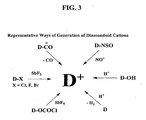


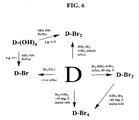

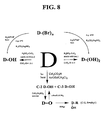

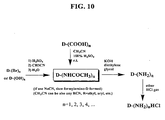
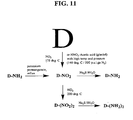
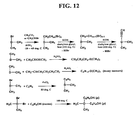
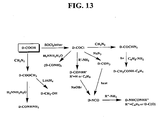

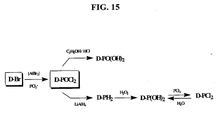

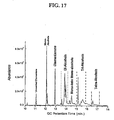

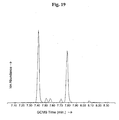

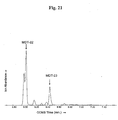

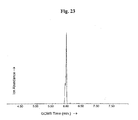


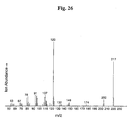
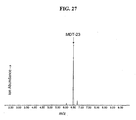
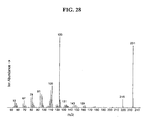
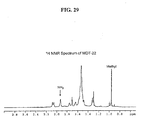

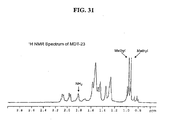
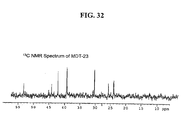
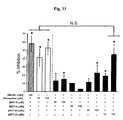
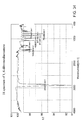
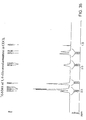
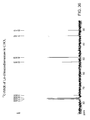
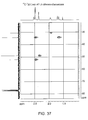


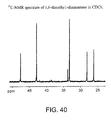

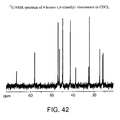
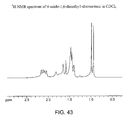
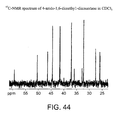
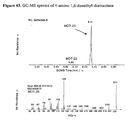
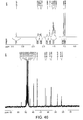


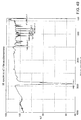

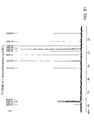

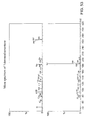
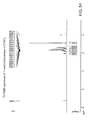
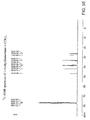

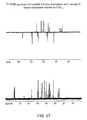
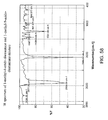
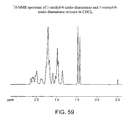

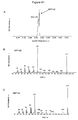
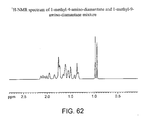


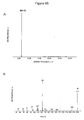
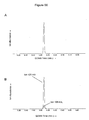

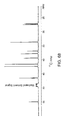
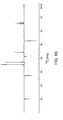


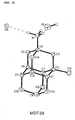

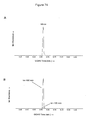
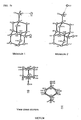
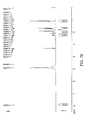
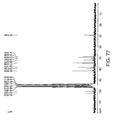
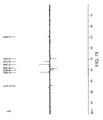

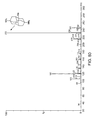
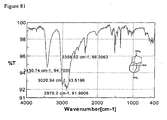
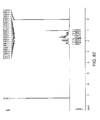
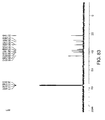

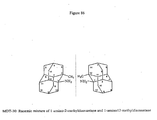
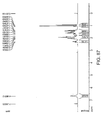

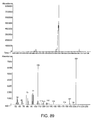
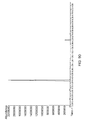


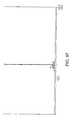
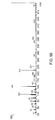


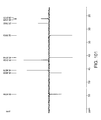
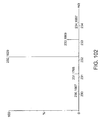
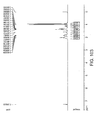
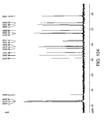

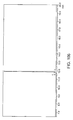

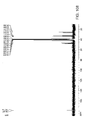
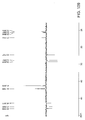

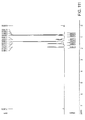


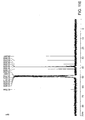


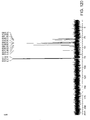
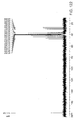

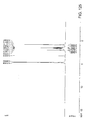
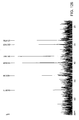


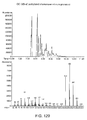
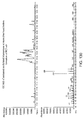

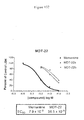
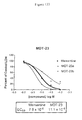
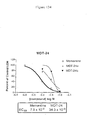


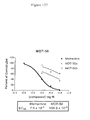
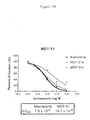
Classifications
-
- C—CHEMISTRY; METALLURGY
- C07—ORGANIC CHEMISTRY
- C07C—ACYCLIC OR CARBOCYCLIC COMPOUNDS
- C07C211/00—Compounds containing amino groups bound to a carbon skeleton
- C07C211/33—Compounds containing amino groups bound to a carbon skeleton having amino groups bound to carbon atoms of rings other than six-membered aromatic rings
- C07C211/39—Compounds containing amino groups bound to a carbon skeleton having amino groups bound to carbon atoms of rings other than six-membered aromatic rings of an unsaturated carbon skeleton
- C07C211/41—Compounds containing amino groups bound to a carbon skeleton having amino groups bound to carbon atoms of rings other than six-membered aromatic rings of an unsaturated carbon skeleton containing condensed ring systems
-
- A—HUMAN NECESSITIES
- A61—MEDICAL OR VETERINARY SCIENCE; HYGIENE
- A61P—SPECIFIC THERAPEUTIC ACTIVITY OF CHEMICAL COMPOUNDS OR MEDICINAL PREPARATIONS
- A61P25/00—Drugs for disorders of the nervous system
- A61P25/08—Antiepileptics; Anticonvulsants
-
- A—HUMAN NECESSITIES
- A61—MEDICAL OR VETERINARY SCIENCE; HYGIENE
- A61P—SPECIFIC THERAPEUTIC ACTIVITY OF CHEMICAL COMPOUNDS OR MEDICINAL PREPARATIONS
- A61P25/00—Drugs for disorders of the nervous system
- A61P25/14—Drugs for disorders of the nervous system for treating abnormal movements, e.g. chorea, dyskinesia
- A61P25/16—Anti-Parkinson drugs
-
- A—HUMAN NECESSITIES
- A61—MEDICAL OR VETERINARY SCIENCE; HYGIENE
- A61P—SPECIFIC THERAPEUTIC ACTIVITY OF CHEMICAL COMPOUNDS OR MEDICINAL PREPARATIONS
- A61P25/00—Drugs for disorders of the nervous system
- A61P25/28—Drugs for disorders of the nervous system for treating neurodegenerative disorders of the central nervous system, e.g. nootropic agents, cognition enhancers, drugs for treating Alzheimer's disease or other forms of dementia
-
- A—HUMAN NECESSITIES
- A61—MEDICAL OR VETERINARY SCIENCE; HYGIENE
- A61P—SPECIFIC THERAPEUTIC ACTIVITY OF CHEMICAL COMPOUNDS OR MEDICINAL PREPARATIONS
- A61P25/00—Drugs for disorders of the nervous system
- A61P25/30—Drugs for disorders of the nervous system for treating abuse or dependence
-
- C—CHEMISTRY; METALLURGY
- C07—ORGANIC CHEMISTRY
- C07C—ACYCLIC OR CARBOCYCLIC COMPOUNDS
- C07C17/00—Preparation of halogenated hydrocarbons
- C07C17/093—Preparation of halogenated hydrocarbons by replacement by halogens
- C07C17/10—Preparation of halogenated hydrocarbons by replacement by halogens of hydrogen atoms
-
- C—CHEMISTRY; METALLURGY
- C07—ORGANIC CHEMISTRY
- C07C—ACYCLIC OR CARBOCYCLIC COMPOUNDS
- C07C17/00—Preparation of halogenated hydrocarbons
- C07C17/26—Preparation of halogenated hydrocarbons by reactions involving an increase in the number of carbon atoms in the skeleton
- C07C17/263—Preparation of halogenated hydrocarbons by reactions involving an increase in the number of carbon atoms in the skeleton by condensation reactions
- C07C17/2632—Preparation of halogenated hydrocarbons by reactions involving an increase in the number of carbon atoms in the skeleton by condensation reactions involving an organo-magnesium compound, e.g. Grignard synthesis
-
- C—CHEMISTRY; METALLURGY
- C07—ORGANIC CHEMISTRY
- C07C—ACYCLIC OR CARBOCYCLIC COMPOUNDS
- C07C203/00—Esters of nitric or nitrous acid
-
- C—CHEMISTRY; METALLURGY
- C07—ORGANIC CHEMISTRY
- C07C—ACYCLIC OR CARBOCYCLIC COMPOUNDS
- C07C211/00—Compounds containing amino groups bound to a carbon skeleton
- C07C211/33—Compounds containing amino groups bound to a carbon skeleton having amino groups bound to carbon atoms of rings other than six-membered aromatic rings
- C07C211/34—Compounds containing amino groups bound to a carbon skeleton having amino groups bound to carbon atoms of rings other than six-membered aromatic rings of a saturated carbon skeleton
- C07C211/38—Compounds containing amino groups bound to a carbon skeleton having amino groups bound to carbon atoms of rings other than six-membered aromatic rings of a saturated carbon skeleton containing condensed ring systems
-
- C—CHEMISTRY; METALLURGY
- C07—ORGANIC CHEMISTRY
- C07C—ACYCLIC OR CARBOCYCLIC COMPOUNDS
- C07C233/00—Carboxylic acid amides
- C07C233/01—Carboxylic acid amides having carbon atoms of carboxamide groups bound to hydrogen atoms or to acyclic carbon atoms
- C07C233/02—Carboxylic acid amides having carbon atoms of carboxamide groups bound to hydrogen atoms or to acyclic carbon atoms having nitrogen atoms of carboxamide groups bound to hydrogen atoms or to carbon atoms of unsubstituted hydrocarbon radicals
- C07C233/04—Carboxylic acid amides having carbon atoms of carboxamide groups bound to hydrogen atoms or to acyclic carbon atoms having nitrogen atoms of carboxamide groups bound to hydrogen atoms or to carbon atoms of unsubstituted hydrocarbon radicals with carbon atoms of carboxamide groups bound to acyclic carbon atoms of an acyclic saturated carbon skeleton
- C07C233/06—Carboxylic acid amides having carbon atoms of carboxamide groups bound to hydrogen atoms or to acyclic carbon atoms having nitrogen atoms of carboxamide groups bound to hydrogen atoms or to carbon atoms of unsubstituted hydrocarbon radicals with carbon atoms of carboxamide groups bound to acyclic carbon atoms of an acyclic saturated carbon skeleton having the nitrogen atom of at least one of the carboxamide groups bound to a carbon atom of a ring other than a six-membered aromatic ring
-
- C—CHEMISTRY; METALLURGY
- C07—ORGANIC CHEMISTRY
- C07C—ACYCLIC OR CARBOCYCLIC COMPOUNDS
- C07C233/00—Carboxylic acid amides
- C07C233/01—Carboxylic acid amides having carbon atoms of carboxamide groups bound to hydrogen atoms or to acyclic carbon atoms
- C07C233/34—Carboxylic acid amides having carbon atoms of carboxamide groups bound to hydrogen atoms or to acyclic carbon atoms having the nitrogen atom of at least one of the carboxamide groups bound to a carbon atom of a hydrocarbon radical substituted by amino groups
- C07C233/41—Carboxylic acid amides having carbon atoms of carboxamide groups bound to hydrogen atoms or to acyclic carbon atoms having the nitrogen atom of at least one of the carboxamide groups bound to a carbon atom of a hydrocarbon radical substituted by amino groups with the substituted hydrocarbon radical bound to the nitrogen atom of the carboxamide group by a carbon atom of a ring other than a six-membered aromatic ring
-
- C—CHEMISTRY; METALLURGY
- C07—ORGANIC CHEMISTRY
- C07C—ACYCLIC OR CARBOCYCLIC COMPOUNDS
- C07C35/00—Compounds having at least one hydroxy or O-metal group bound to a carbon atom of a ring other than a six-membered aromatic ring
- C07C35/22—Compounds having at least one hydroxy or O-metal group bound to a carbon atom of a ring other than a six-membered aromatic ring polycyclic, at least one hydroxy group bound to a condensed ring system
- C07C35/44—Compounds having at least one hydroxy or O-metal group bound to a carbon atom of a ring other than a six-membered aromatic ring polycyclic, at least one hydroxy group bound to a condensed ring system with a hydroxy group on a condensed ring system having more than three rings
-
- C—CHEMISTRY; METALLURGY
- C07—ORGANIC CHEMISTRY
- C07C—ACYCLIC OR CARBOCYCLIC COMPOUNDS
- C07C49/00—Ketones; Ketenes; Dimeric ketenes; Ketonic chelates
- C07C49/29—Saturated compounds containing keto groups bound to rings
- C07C49/313—Saturated compounds containing keto groups bound to rings polycyclic
- C07C49/323—Saturated compounds containing keto groups bound to rings polycyclic having keto groups bound to condensed ring systems
-
- C—CHEMISTRY; METALLURGY
- C07—ORGANIC CHEMISTRY
- C07C—ACYCLIC OR CARBOCYCLIC COMPOUNDS
- C07C49/00—Ketones; Ketenes; Dimeric ketenes; Ketonic chelates
- C07C49/385—Saturated compounds containing a keto group being part of a ring
- C07C49/417—Saturated compounds containing a keto group being part of a ring polycyclic
- C07C49/423—Saturated compounds containing a keto group being part of a ring polycyclic a keto group being part of a condensed ring system
-
- C—CHEMISTRY; METALLURGY
- C07—ORGANIC CHEMISTRY
- C07C—ACYCLIC OR CARBOCYCLIC COMPOUNDS
- C07C49/00—Ketones; Ketenes; Dimeric ketenes; Ketonic chelates
- C07C49/385—Saturated compounds containing a keto group being part of a ring
- C07C49/487—Saturated compounds containing a keto group being part of a ring containing hydroxy groups
- C07C49/507—Saturated compounds containing a keto group being part of a ring containing hydroxy groups polycyclic
- C07C49/513—Saturated compounds containing a keto group being part of a ring containing hydroxy groups polycyclic a keto group being part of a condensed ring system
-
- C—CHEMISTRY; METALLURGY
- C07—ORGANIC CHEMISTRY
- C07C—ACYCLIC OR CARBOCYCLIC COMPOUNDS
- C07C61/00—Compounds having carboxyl groups bound to carbon atoms of rings other than six-membered aromatic rings
- C07C61/12—Saturated polycyclic compounds
- C07C61/125—Saturated polycyclic compounds having a carboxyl group bound to a condensed ring system
-
- C—CHEMISTRY; METALLURGY
- C07—ORGANIC CHEMISTRY
- C07C—ACYCLIC OR CARBOCYCLIC COMPOUNDS
- C07C2603/00—Systems containing at least three condensed rings
- C07C2603/56—Ring systems containing bridged rings
- C07C2603/90—Ring systems containing bridged rings containing more than four rings
Definitions
- This invention relates to diamondoid derivatives which exhibit therapeutic activity. Specifically, the diamondoid derivatives herein exhibit therapeutic effects in the treatment of neurologic disorders. Also provided are methods of treatment, prevention and inhibition of neurologic disorders in a subject in need.
- Neurologic disorders are among the most common in clinical medicine. Neurologic disorders can affect perception, memory, cognitive function, interaction with others, cause disturbances in language, and cause symptoms affecting the brain, spinal cord, nerves, and muscles. More serious neurologic disorders cause seizure, coma, loss of mobility, chronic pain, and even death. For example, in Western countries, stroke is the third most common cause of death and the second most common cause of neurologic disability after Alzheimer's disease. Neurologic disease remains the leading cause of institutional placement for loss of independence among adults. HARRISON'S PRINCIPLES OF INTERNAL MEDICINE, Isselbacher ed. 13th Ed. (1994) New York: McGraw-Hill, Inc.: 2203-2204 .
- Diamondoids are cage-shaped hydrocarbon molecules possessing rigid structures, resembling tiny fragments of a diamond crystal lattice. See Fort, Jr., et al., Adamantane: Consequences of the Diamondoid Structure, Chem. Rev., 64:277-300 (1964 ). Adamantane is the smallest member of the diamondoid series and consists of one diamond crystal subunit. Diamantane contains two diamond subunits, triamantane contain three, and so on.
- Adamantane which is currently commercially available, has been studied extensively with regard to thermodynamic stability and functionalization, as well as to properties of adamantane containing materials. It has been found that derivatives containing adamantane have certain pharmaceutical uses, including anti-viral properties and uses as blocking agents and protecting groups in biochemical syntheses. For example, alpha -methyl-1-adamantanemethylamine hydrochloride (Flumadine® (remantidine) Forest Pharmaceuticals, Inc.) and 1-aminoadamantane hydrochloride (Symmetrel® (amantadine) Endo Laboratories, Inc.) may be used to treat influenza. Adamantanes are also useful in the treatment of Parkinson diseases.
- U.S. Patent No. 5,576,355 discloses the preparation of adamantane and diamantane alcohol, ketone, ketone derivatives, adamantyl amino acid, quaternary salt or combinations thereof which have antiviral properties.
- U.S. Patent No. 4,600,782 describes the preparation of substituted spiro[oxazolidine-5,2'-adamantane] compounds useful as antiinflammatory agent.
- 3,657,273 discloses the preparation of antibiotic adamantane-1,3-dicarboxamides having antibacterial, antifungal, antialgal, antiprotozoal, and antiinflammatory properties, as well as having analgesic and antihypertensive properties.
- neurotransmitter glutamate is a key mediator involved in both normal functions of the brain (e.g., movement, learning and memory) and in pathological damage (e.g., chronic and acute neurotoxicity, such as cell death following Alzheimer's dementia and stroke, respectively).
- pathological damage e.g., chronic and acute neurotoxicity, such as cell death following Alzheimer's dementia and stroke, respectively.
- Low affinity, uncompetitive inhibitors blocking the ion channel pore of glutaminergic NMDA receptors such as the adamantane derivative memantine, have shown efficacy in treating a variety of neurological disorders.
- the therapeutic window between inhibition of pathological excess glutamate receptor activity and interference with normal glutaminergic function is narrow. New agents, compositions and methods for using these agents and compositions that inhibit and treat neurologic disorders are needed, which can be used alone or in combination with other agents.
- glutamate has secured a place as the primary excitatory neurotransmitter.
- Studies on the structure, function and pharmacology of glutamate receptors have shown that they are large multi-subunit transmembrane proteins that are subject to multiple, interacting types of regulation. They can be divided into two major families: ionotrophic and metabotrophic.
- the ionotrophic family is composed of three major pharmacologically and genetically defined sub-families of ligand-gated ion channels known as AMPA receptors (4 genes: GluR1-4), kainate receptors (5 genes: GluR5-7, KA1 and KA2) and NMDA receptors (7 genes: NR1, NR2A-D, NR3A and NR3B).
- AMPA receptors 4 genes: GluR1-4
- kainate receptors (5 genes: GluR5-7, KA1 and KA2)
- NMDA receptors 7 genes: NR1, NR2A-D, NR3A and NR3B.
- the NMDA receptors (NRs) are unique in requiring two obligatory co-agonists, glutamate (binds NR2) and glycine (binds NR1), in order to open the ion channel and permit an influx of Ca++ ions.
- the channel opening, or gating, is affected by binding of a number allosteric modulators: high affinity inhibition by Zn++ (NR2A), current enhancement by low concentrations of polyamines such as spermine (NR1). Both of these effects are pH dependent (H+ ion effect) [reviewed in Mayer, M. L. and N. Armstrong (2004). "Structure and function of glutamate receptor ion channels.” Annu Rev Physiol 66: 161-81 .; Herin, G. A. and E. Aizenman (2004). "Amino terminal domain regulation of NMDA receptor function.” Eur J Pharmacol 500(1-3): 101-11 .; Mayer, M. L. (2005).
- Evidence now suggests that the original concept of ligand binding leading to channel opening and ion passage is too simplistic. Rather the combined effect of multiple ligands and effectors produces a variety of partially to fully activated receptors with different conformations resulting in different Ca++ channel characteristics, all of which are kinetically interconvertable.
- Evidence includes a combination of binding and functional assays that combine pharmacologic agents and recombinant receptors with either specific protein mutations in the agonist sites (glycine and glutamate) [ Kalbaugh, T. L., H. M. VanDongen, et al. (2004). "Ligand-binding residues integrate affinity and efficacy in the NMDA receptor.” Mol Pharmacol 66(2): 209-19 .; Chen, P. E.
- the NR sub-family of glutamate receptors in the brain is crucial in maintaining normal cognitive functions. These include a) declarative memory (conscious recollection of autobiographical events or facts), including consolidation of memory from visual recognition or spatial learning; b) associative conditioning (such as spatial learning in a water-maze escape task), including acquisition (encoding / consolidation) of appetitive and aversive conditioning or extinction (when the reinforcer, e.g. food or shock, associated with learning a particular task or response is withdrawn), but not maintenance of already established performance, and; c) executive functions, such as retrieval (working memory) and discriminative learning [Robbins & Murphy 2006].
- declarative memory conscious recollection of autobiographical events or facts
- associative conditioning such as spatial learning in a water-maze escape task
- acquisition encoding / consolidation
- aversive conditioning or extinction when the reinforcer, e.g. food or shock, associated with learning a particular task or response is withdrawn
- executive functions such as retriev
- Psychiatric Substance Abuse MRZ 2/579 (Neramexane) Forest / Merz Pain Neuropathic Pain Ketamine (Ketalar) Parke-Davis Dextropmethorphan many Memantine (Namenda) Forest Pharmaceuticals, Inc. CNS 5101 Cambridge Neuroscience Epilepsy ADCI NIH,
- the present invention provides diamondoid derivatives which exhibit pharmaceutical activity in the treatment, inhibition, and prevention of neurologic disorders.
- the present invention relates to derivatives of diamantane and triamantane, which may be used in the treatment, inhibition, and prevention of neurologic disorders.
- diamantane derivatives within the scope of the present invention include compounds of Formula I and II and triamantane derivatives within the scope of the present invention include compounds of Formula III.
- this invention is directed to a compound of Formula I: wherein:
- this invention is directed to a compound of Formula I wherein:
- R 1 , R 2 , R 5 , R 8 , R 9 , R 12 , R 15 , and R 16 are not hydrogen. In another embodiment of the compounds of Formula I, at least four of R 1 , R 2 , R 5 , R 8 , R 9 , R 12 , R 15 , and R 16 are not hydrogen. In yet another embodiment of the compounds of Formula I, five of R 1 , R 2 , R 5 , R 8 , R 9 , R 12 , R 15 , and R 16 are not hydrogen.
- R 1 and R 5 are aminoacyl and R 2 , R 8 , R 9 , R 12 , R 15 , and R 16 are hydrogen or lower alkyl.
- R 5 is amino and two of R 1 , R 2 , R 8 and R 15 are lower alkyl, preferably methyl.
- R 5 is amino and two of R 1 , R 2 , R 8 and R 15 are lower alkyl.
- R 1 and R 8 are methyl and in another preferred embodiment R 1 and R 15 are methyl.
- R 9 or R 15 is amino and R 1 is methyl.
- R 2 or R 16 is amino and R 1 and R 8 are methyl.
- At least one of R 1 , R 2 , R 5 , R 8 , R 9 , R 12 , R 15 , and R 16 is independently selected from the group consisting of amino, nitroso, nitro, and aminoacyl and at least one of the remaining of R 1 , R 2 , R 5 , R 8 , R 9 , R 12 , R 15 , and R 16 are lower alkyl. In a preferred embodiment, at least two of the remaining of R 1 , R 2 , R 5 , R 8 , R 9 , R 12 , R 15 , and R 16 are lower alkyl. In another preferred embodiment, three of the remaining of R 1 , R 2 , R 5 , R 8 , R 9 , R 12 , R 15 , and R 16 are lower alkyl.
- At least one of R 5 and R 12 is independently selected from the group consisting of amino, nitroso, nitro, and aminoacyl and at least one of R 1 , R 2 , R 8 , R 9 , R 15 , and R 16 is lower alkyl. In a preferred embodiment, at least two of R 1 , R 2 , R 8 , R 9 , R 15 , and R 16 are lower alkyl. In another preferred embodiment, three of R 1 , R 2 , R 8 , R 9 , R 15 , and R 16 are lower alkyl.
- R 1 , R 2 , R 5 , R 8 , R 9 , R 12 , R 15 , and R 16 is substituted lower alkyl.
- two of R 1 , R 2 , R 5 , R 8 , R 9 , R 12 , R 15 , and R 16 are substituted lower alkyl.
- R 1 , R 2 , R 5 , R 8 , R 9 , R 12 , R 15 , and R 16 is substituted lower alkyl and at least one of the remaining of R 1 , R 2 , R 5 , R 8 , R 9 , R 12 , R 15 , and R 16 are independently selected from the group consisting of amino, nitroso, nitro, and aminoacyl.
- this invention is directed to a compound of Formula II: wherein:
- the substituted lower alkyl group is substituted with one substitutent selected from the group consisting of amino, hydroxy, halo, nitroso, nitro, carboxy, acyloxy, acyl, aminoacyl, and aminocarbonyloxy.
- the substituted lower alkyl group is substituted with one substitutent selected from the group consisting of amino, nitroso, nitro, and aminoacyl.
- R 25 is substituted lower alkyl and R 21 , R 22 , R 28 , R 29 , R 32 , R 35 , and R 36 are hydrogen.
- R 25 and R 32 are substituted lower alkyl.
- R 21 is substituted lower alkyl and R 22 , R 25 , R 28 , R 29 , R 32 , R 35 , and R 36 are hydrogen.
- R 25 and R 21 are substituted lower alkyl.
- R 32 and R 21 are substituted lower alkyl.
- this invention is directed to a compound having the structure: or wherein R is independently hydroxy, carboxy, amino, nitroso, nitro or aminoacyl.
- R is hydroxy or carboxy.
- R is independently amino, nitroso, nitro or aminoacyl.
- R is amino or aminoacyl.
- this invention is directed to a compound of Formula III: wherein:
- R 41 , R 42 , R 43 , R 46 , R 47 , R 50 , R 53 , R 54 , R 55 , and R 58 are not hydrogen.
- at least three of R 41 , R 42 , R 43 , R 46 , R 47 , R 50 , R 53 , R 54 , R 55 , and R 58 are not hydrogen.
- R 50 is selected from the group consisting of amino, nitroso, nitro, and aminoacyl and at least one of R 41 , R 42 , R 43 , R 46 , R 47 , R 50 , R 53 , R 54 , R 55 , and R 58 is lower alkyl. In a preferred embodiment, at least two of R 41 , R 42 , R 43 , R 46 , R 47 , R 50 , R 53 , R 54 , R 55 , and R 58 are lower alkyl.
- this invention provides for a method for treating a neurologic disorder in a subject in need thereof, comprising administering a therapeutically effective amount of a compound of Formula Ia: wherein:
- R 1 , R 2 , R 5 , R 8 , R 9 , R 12 , R 15 , and R 16 are not hydrogen.
- at least three of R 1 , R 2 , R 5 , R 8 , R 9 , R 12 , R 15 , and R 16 are not hydrogen.
- at least four of R 1 , R 2 , R 5 , R 8 , R 9 , R 12 , R 15 , and R 16 are not hydrogen.
- five of R 1 , R 2 , R 5 , R 8 , R 9 , R 12 , R 15 , and R 16 are not hydrogen.
- R 1 and R 5 are aminoacyl and R 2 , R 8 , R 9 , R 12 , R 15 , and R 16 are hydrogen or lower alkyl.
- R 5 is amino and two of R 1 , R 2 , R 8 and R 15 are lower alkyl, preferably methyl.
- R 5 is amino and two of R 1 , R 2 , R 8 and R 15 are lower alkyl.
- R 9 or R 15 is amino and R 1 is methyl.
- R 2 is amino, R 1 is methyl, and R 8 or R 15 is methyl.
- At least one of R 1 , R 2 , R 5 , R 8 , R 9 , R 12 , R 15 , and R 16 is independently selected from the group consisting of amino, nitroso, nitro, and aminoacyl and at least one of the remaining of R 1 , R 2 , R 5 , R 8 , R 9 , R 12 , R 15 , and R 16 are lower alkyl. In a preferred embodiment, at least two of the remaining of R 1 , R 2 , R 5 , R 8 , R 9 , R 12 , R 15 , and R 16 are lower alkyl. In another preferred embodiment, three of the remaining of R 1 , R 2 , R 5 , R 8 , R 9 , R 12 , R 15 , and R 16 are lower alkyl.
- At least one of R 5 and R 12 is independently selected from the group consisting of amino, nitroso, nitro, and aminoacyl and at least one of R 1 , R 2 , R 8 , R 9 , R 15 , and R 16 is lower alkyl. In a preferred embodiment, at least two of R 1 , R 2 , R 8 , R 9 , R 15 , and R 16 are lower alkyl. In another preferred embodiment, three of R 1 , R 2 , R 8 , R 9 , R 15 , and R 16 are lower alkyl.
- R 1 , R 2 , R 5 , R 8 , R 9 , R 12 , R 15 , and R 16 is substituted lower alkyl.
- two of R 1 , R 2 , R 5 , R 8 , R 9 , R 12 , R 15 , and R 16 are substituted lower alkyl.
- R 5 is substituted lower alkyl and R 1 , R 2 , R 8 , R 9 , R 12 , R 15 , and R 16 are hydrogen.
- R 5 and R 12 are substituted lower alkyl.
- R 1 is substituted lower alkyl and R 2 , R 5 , R 8 , R 9 , R 12 , R 15 , and R 16 are hydrogen. In yet another preferred embodiment, R 5 and R 1 are substituted lower alkyl. In another embodiment, R 12 and R 1 are substituted lower alkyl.
- R 1 , R 2 , R 5 , R 8 , R 9 , R 12 , R 15 , and R 16 is substituted lower alkyl and at least one of the remaining of R 1 , R 2 , R 5 , R 8 , R 9 , R 12 , R 15 , and R 16 are independently selected from the group consisting of amino, nitroso, nitro, and aminoacyl.
- the substituted lower alkyl group is substituted with one substitutent selected from the group consisting of amino, hydroxy, halo, nitroso, nitro, carboxy, acyloxy, acyl, aminoacyl, and aminocarbonyloxy.
- the substituted lower alkyl group is substituted with one substitutent selected from the group consisting of amino, nitroso, nitro, and aminoacyl.
- this invention provides for a method for treating a neurologic disorder in a subject in need thereof, comprising administering a therapeutically effective amount of a compound of Formula III as defined above.
- the neurologic disorder is epilepsy, narcolepsy, neurodegnerative disorders, pain, and psychiatric disorders.
- the neurodegenerative disorder may include Alzheimer's Disease, Parkinson's Disease, stroke, AIDS related dementia, traumatic brain injury (TBI), and Huntington's Disease.
- the psychiatric disorder is substance abuse.
- this invention provides pharmaceutical compositions comprising a pharmaceutically acceptable carrier and a therapeutically effective amount of the compounds defined herein.
- the present invention provides processes for preparing compounds of Formula I, Ia, II, and III.
- this invention relates to diamondoid derivatives which exhibit pharmaceutical activity, useful for the treatment, inhibition, and/or prevention of neurologic conditions.
- this invention prior to describing this invention in further detail, the following terms will first be defined.
- cycloalkyl refers to cyclic alkyl groups of from 3 to 6 carbon atoms having a single cyclic ring including, by way of example, cyclopropyl, cyclobutyl, cyclopentyl and cyclohexyl.
- a “therapeutically effective amount” means the amount of a compound that, when administered to a mammal for treating a disease, is sufficient to effect such treatment for the disease.
- the “therapeutically effective amount” will vary depending on the compound, the disease and its severity and the age, weight, etc., of the mammal to be treated.
- “Pharmaceutically acceptable salt” refers to pharmaceutically acceptable salts of a compound of Formula I which salts are derived from a variety of organic and inorganic counter ions well known in the art and include, by way of example only, sodium, potassium, calcium, magnesium, ammonium, tetraalkylammonium, and the like; and when the molecule contains a basic functionality, salts of organic or inorganic acids, such as hydrochloride, hydrobromide, tartrate, mesylate, acetate, maleate, oxalate and the like.
- the pharmaceutically acceptable salts are of inorganic acid salts, such as hydrochloride.
- aryl group optionally mono- or di- substituted with an alkyl group means that the alkyl may but need not be present, and the description includes situations where the aryl group is mono- or disubstituted with an alkyl group and situations where the aryl group is not substituted with the alkyl group.
- mamal refers to all mammals including humans, livestock, and companion animals.
- the compounds of the present invention are generally named according to the IUPAC or CAS nomenclature system. Abbreviations which are well known to one of ordinary skill in the art may be used (e. g. , "Ph” for phenyl, “Me” for methyl, “Et” for ethyl, “h” for hour or hours and “rt” for room temperature).
- the numbering scheme used for the diamantane ring system (C 14 H 20 ) is as follows: Positions 1, 2, 4, 6, 7, 9, 11, and 12 are bridgehead positions and the substituents at these positions are as defined for the compounds of Formula I, Ia, and II. It is to be understood that in naming the compounds based upon the above positions, the compounds may be racemic mixtures of enantiomers (e.g., the enantiomers 1,6-dimethyl-2-amino diamantane and 1,6-dimethyl-12-amino diamantane and the enantiomers 1-methyl-7-amino diamantane and 1-methyl-11-amino diamantane).
- enantiomers e.g., the enantiomers 1,6-dimethyl-2-amino diamantane and 1,6-dimethyl-12-amino diamantane and the enantiomers 1-methyl-7-amino diamantane and 1-methyl-11-amino diamantane.
- the numbering scheme used for the triamantane ring system (C 18 H 24 ) is as follows: Positions 1, 2, 3, 4, 6, 7, 9, 11, 12, 13, and 15 are bridgehead positions and the substituents at these positions are as defined for the compounds of Formula III.
- Diamantane derivatives within the scope of this invention include those set forth in Table I as follows.
- the substituents at positions 1, 2, 4, 6, 7, 9, 11, and 12 are defined in the Table.
- the substituents at positions 3, 5, 8, 10, 13, and 14 are all hydrogen.
- Diamantane derivatives within the scope of this invention also include the following: wherein R is independently hydroxy, carboxy, amino, when amino preferably -NH 2 , nitroso, nitro, or aminoacyl, when aminoacyl preferably acetamino.
- R is hydroxy, carboxy, amino or aminoacyl.
- Specific compounds within the scope of this invention include, for example, the following compounds: 1-aminodiamantane; 4-aminodiamantane; 1,6-diaminodiamantane; 4,9-diaminodiamantane; 1-methyl-2-aminodiamantane; 1-methyl-4-aminodiamantane; 1-methyl-6-aminodiamantane; 1-methyl-7-aminodiamantane; 1-methyl-9-aminodiamantane; 1-methyl-11-aminodiamantane; 1-methyl-2,4-diaminodiamantane; 1-methyl-4,6-diaminodiamantane; 1-methyl-4,9-diaminodiamantane; 1-amino-2-methyldiamantane; 1-amino-4-methyldiamantane; 2-amino-4-methyldiamantane; 4-methyl-9-aminodiamantane; 1,6-dimethyl-2-aminodiamantane; 1,6-
- Triamantane derivatives within the scope of this invention include those as illustrated below.
- the substituents at positions 5, 8, 10, 14, 16, 17, and 18 are all hydrogen.
- R is independently amino, when amino preferably -NH 2 , nitroso, nitro, or aminoacyl, when aminoacyl preferably acetamino.
- Specific compounds within the scope of this invention include, for example, the following compounds: 2-hydroxytriamantane; 3-hydroxytriamantane; 9-hydroxytriamantane; 9,15-dihydroxytriamantane; 2-aminotriamantane; 3-aminotriamantane; 9-aminotriamantane; 9,15-diaminotriamantane; and pharmaceutically acceptable salts thereof.
- Preferred pharmaceutically acceptable salts thereof include hydrochloride salts.
- Unsubstituted diamantane and triamantane may be synthesized by methods well known to those of skill in the art.
- diamantane may be synthesized as described in Organic Syntheses, Vol 53, 30-34 (1973 ); Tetrahedron Letters, No. 44, 3877-3880 (1970 ); and Journal of the American Chemical Society, 87:4, 917-918 (1965 ).
- Triamantane may be synthesized as described in Journal of the American Chemical Society, 88:16, 3862-3863 (1966 ).
- unsubstituted or alkylated diamantane and triamantane can be recovered from readily available feedstocks using methods and procedures well known to those of skill in the art.
- unsubstituted or alkylated diamantane and triamantane can be isolated from suitable feedstock compositions by methods as described in U.S. Patent No. 5,414,189 , herein incorporated by reference in its entirety.
- unsubstituted or alkylated diamantane and triamantane can be isolated from suitable feedstock compositions by methods as described for higher diamondoids in U.S. Patent No. 6,861,569 , herein incorporated by reference in its entirety.
- Suitable feedstocks are selected such that the feedstock comprises recoverable amounts of unsubstituted diamondoids selected from the group consisting of diamantane, triamanate, and mixtures thereof.
- Preferred feedstocks include, for example, natural gas condensates and refinery streams, including hydrocarbonaceous streams recoverable from cracking processes, distillations, coking, and the like.
- Preferred feedstocks include condensate fractions recovered from the Norphlet Formation in the Gulf of Mexico and from the LeDuc Formation in Canada.
- Diamantane isolated as described above, may be derivatized to provide a compound of Formula I, Ia, or II according to the present invention by synthetic pathways as illustrated in FIG. 1 and as described in further detail in the following examples.
- Representative examples of derivatized diamantane and triamantane compounds may be prepared from diamantane and triamantane, isolated as described above, by synthetic pathways as illustrated in FIGs. 2-16 , wherein D represents diamantane, triamantane, and their alkylated analogs.
- the reagents used in preparing the compounds of Formula I, Ia, II, and III are either available from commercial suppliers such as Toronto Research Chemicals (North York, ON Canada), Aldrich Chemical Co. (Milwaukee, Wisconsin, USA), Bachem (Torrance, California, USA), Emka-Chemie, or Sigma (St.
- protecting groups may be necessary to prevent certain functional groups from undergoing undesired reactions.
- Suitable protecting groups for various functional groups, as well as suitable conditions for protecting and deprotecting particular function groups are well known in the art. For example, numerous protecting groups are described in T.W. Greene and G.M. Wuts, Protecting Groups in Organic Synthesis, Second Edition, Wiley, New York, 1991 , and references cited therein.
- the starting materials and the intermediates of the reaction may be isolated and purified if desired using conventional techniques, including but not limited to filtration, distillation, crystallization, chromatography, and the like. Such materials may be characterized using conventional means, including physical constants and spectral data.
- FIG. 2 shows some representative primary derivatives of diamondoids and the corresponding reactions.
- S N 1-type nucleophilic
- S E 2-type electrophilic
- free radical reaction tails for such reactions and their use with adamantane are shown, for instance in, " Recent developments in the adamantane and related polycyclic hydrocarbons " by R. C. Bingham and P. v. R. Schleyer as a chapter of the book entitled “Chemistry of Adamantanes", Springer-Verlag, Berlin Heidelberg New York, 1971 and in; “ Reactions of adamantanes in electrophilic media” by I. K.
- S N 1 reactions involve the generation of diamondoids carbocations (there are several different ways to generate the diamondoid carbocations, for instance, the carbocation is generated from a parent diamantane or triamantane, a hydroxylated diamantane or triamantane or a halogenated diamantane or triamantane, shown in FIG. 3 ), which subsequently react with various nucleophiles. Some representative examples are shown in FIG. 4 .
- Such nucleophiles include, for instance, the following: water (providing hydroxylated diamantane or triamantane); halide ions (providing halogenated diamantane or triamantane); ammonia (providing aminated diamantane or triamantane); azide (providing azidylated diamantane or triamantane); nitriles (the Ritter reaction, providing aminated diamantane or triamantane after hydrolysis); carbon monoxide (the Koch-Haaf reaction, providing carboxylated diamantane or triamantane after hydrolysis); olefins (providing alkenylated diamantane or triamantane after deprotonation); and aromatic reagents (providing arylated diamantane or triamantane after deprotonation).
- water providing hydroxylated diamantane or triamantane
- halide ions providing halogenated diamantane
- reaction occurs similarly to those of open chain alkyl systems, such as t-butyl, t-cumyl and cycloalkyl systems. Since tertiary (bridgehead) carbons of diamondoids are considerably more reactive than secondary carbons under S N 1 reaction conditions, substitution at the tertiary carbons is favored.
- S E 2-type reactions include, for instance, the following reactions: hydrogen-deuterium exchange upon treatment with deuterated superacids (e.g., DF-SbF 5 or DSO 3 F-SbF 5 ); nitration upon treatment with nitronium salts, such as NO 2 + BF 4 - or NO 2 + PF 6 - in the presence of superacids (e.g., CF 3 SO 3 H); halogenation upon, for instance, reaction with Cl 2 +AgSbF 6 ; alkylation of the bridgehead carbons under the Friedel-Crafts conditions (i.e., S E 2-type ⁇ alkylation ); carboxylation under the Koch reaction conditions; and, oxygenation under S E 2-type ⁇ hydroxylation conditions (e.g., hydrogen peroxide or ozone using superacid catalysis involving H 3 O 2 + or HO 3 +
- deuterated superacids e.g., DF-SbF 5 or DSO 3 F-Sb
- S N 1-type reactions are the most frequently used for the derivatization of diamondoids.
- such reactions produce the derivatives mainly substituted at the tertiary carbons.
- Substitution at the secondary carbons of diamondoids is not easy in carbonium ion processes since secondary carbons are considerably less reactive than the bridgehead positions (tertiary carbons) in ionic processes.
- Free radical reactions provide a method for the preparation of a greater number of the possible isomers of a given diamondoids than might be available by ionic processes. The complex product mixtures and/or isomers which result, however, are generally difficult to separate.
- FIG. 6 shows some representative pathways for the preparation of brominated diamantane or triamantane derivatives.
- Mono- and multi-brominated diamondoids are some of the most versatile intermediates in the derivative chemistry of diamondoids. These intermediates are used in, for example, the Koch-Haaf, the Ritter, and the Friedel-Crafts alkylation/arylation reactions.
- Brominated diamondoids are prepared by two different general routes. One involves direct bromination of diamantane or triamantane with elemental bromine in the presence or absence of a Lewis acid (e.g., BBr 3 -AlBr 3 ) catalyst. The other involves the substitution reaction of hydroxylated diamantane or triamantane with hydrobromic acid.
- a Lewis acid e.g., BBr 3 -AlBr 3
- Direct bromination of diamantane or triamantane is highly selective resulting in substitution at the bridgehead (tertiary) carbons.
- one, two, three, four, or more bromines can be introduced sequentially into the molecule, all at bridgehead positions.
- the mono-bromo derivative is the major product with minor amounts of higher bromination products being formed.
- suitable catalysts di-, tri-, and tetra-, penta-, and higher bromide derivatives are isolated as major products in the bromination (e.g., adding catalyst mixture of boron bromide and aluminum bromide with different molar ratios into the bromine reaction mixture).
- tetrabromo or higher bromo derivatives are synthesized at higher temperatures in a sealed tube.
- Bromination reactions of diamondoids are usually worked up by pouring the reaction mixture onto ice or ice water and adding a suitable amount of chloroform or ethyl ether or carbon tetrachloride to the ice mixture. Excess bromine is removed by distillation under vacuum and addition of solid sodium disulfide or sodium hydrogen sulfide. The organic layer is separated and the aqueous layer is extracted by chloroform or ethyl ether or carbon tetrachloride for an additional 2-3 times. The organic layers are then combined and washed with aqueous sodium hydrogen carbonate and water, and finally dried.
- the solvent is removed under vacuum.
- the reaction mixture is purified by subjecting it to column chromatography on either alumina or silica gel using standard elution conditions (e.g., eluting with light petroleum ether, n-hexane, or cyclohexane or their mixtures with ethyl ether). Separation by preparative gas chromatography (GC) or high performance liquid chromatography (HPLC) is used where normal column chromatography is difficult and/or the reaction is performed on extremely small quantities of material.
- GC gas chromatography
- HPLC high performance liquid chromatography
- FIG. 7 shows some representative pathways for the synthesis of chlorinated diamondoid derivatives.
- FIG. 8 shows some representative pathways for the synthesis of hydroxylated diamantane or triamantane.
- Direct hydroxylation is also effected on diamantane or triamantane upon treatment with N -hydroxyphthalimide and a binary co-catalyst in acetic acid.
- Hydroxylation is a very important way of activating the diamondoid nuclei for further derivatizations, such as the generation of diamondoid carbocations under acidic conditions, which undergo the S N 1 reaction to provide a variety of diamondoid derivatives.
- hydroxylated derivatives are very important nucleophilic agents, by which a variety of diamondoid derivatives are produced. For instance, the hydroxylated derivatives are esterified under standard conditions such as reaction with an activated acid derivative. Alkylation to prepare ethers is performed on the hydroxylated derivatives through nucleophilic substitution on appropriate alkyl halides.
- the above described three core derivatives (hydroxylated diamondoids and halogenated, especially brominated and chlorinated, diamondoids), in addition to the parent diamondoids or substituted diamondoids directly separated from the feedstocks as described above, are most frequently used for further derivatizations of diamantane or triamantane, such as hydroxylated and halogenated derivatives at the tertiary carbons are very important precursors for the generation of diamondiod carbocations, which undergo the S N 1 reaction to provide a variety of diamondoid derivatives thanks to the tertiary nature of the bromide or chloride or alcohol and the absence of skeletal rearrangements in the subsequent reactions. Examples are given below.
- FIG. 9 shows some representative pathways for the synthesis of carboxylated diamondoids, such as the Koch-Haaf reaction, starting from hydroxylated or brominated diamantane or triamantane. It should be mentioned that for most cases, using hydroxylated precursors get better yields than using brominated diamantane or triamantane.
- carboxylated derivatives are obtained from the reaction of hydroxylated derivatives with formic acid after hydrolysis. The carboxylated derivatives are further esterified through activation ( e.g ., conversion to acid chloride) and subsequent exposure to an appropriate alcohol.
- esters are reduced to provide the corresponding hydroxymethyl diamantanes or triamantanes (diamantane or triamantane substituted methyl alcohols, D-CH 2 OH).
- Amide formation is also performed through activation of the carboxylated derivative and reaction with a suitable amine.
- Reduction of the diamondoid carboxamide with reducing agents e.g., lithium aluminum hydride
- provides the corresponding aminomethyl diamondoids diamantane or triamantane substituted methylamines, D-CH 2 NH 2 ).
- FIG. 10 shows some representative pathways for the synthesis of acylaminated diamondoids, such as the Ritter reaction starting from hydroxylated or brominated diamondoids. Similarly to the Koch-Haaf reaction, using hydroxylated precursors get better yields than using brominated diamondoids in most cases.
- Acylaminated diamondoids are converted to amino derivatives after alkaline hydrolysis. Amino diamondoids are further converted to, without purification in most cases, amino diamondoid hydrochloride by introducing hydrochloride gas into the aminated derivatives solution. Amino diamondoids are some of very important precursors. They are also prepared from the reduction of nitrated compounds.
- FIG. 11 shows some representative pathways for the synthesis of nitro diamondoid derivatives.
- Diamondoids are nitrated by concentrated nitric acid in the presence of glacial acetic acid under high temperature and pressure. The nitrated diamondoids are reduced to provide the corresponding amino derivatives. In turn, for some cases, amino diamondoids are oxidized to the corresponding nitro derivatives if necessary. The amino derivatives are also synthesized from the brominated derivatives by heating them in the presence of formamide and subsequently hydrolyzing the resultant amide.
- amino diamondoids are acylated or alkylated.
- reaction of an amino diamondoid with an activated acid derivative produces the corresponding amide.
- Alkylation is typically performed by reacting the amine with a suitable carbonyl containing compound in the presence of a reducing agent (e.g., lithium aluminum hydride).
- the amino diamondoids undergo condensation reactions with carbamates such as appropriately substituted ethyl N -arylsulfonylcarbamates in hot toluene to provide, for instance, N -arylsulfonyl- N '- diamondoidylureas.
- FIG. 12 presents some representative pathways for the synthesis of alkylated, alkenylated, alkynylated and arylated diamondoids, such as the Friedel-Crafts reaction.
- Ethenylated diamondoid derivatives are synthesized by reacting a brominated diamondoid with ethylene in the presence of AlBr 3 followed by dehydrogen bromide with potassium hydroxide (or the like). The ethenylated compound is transformed into the corresponding epoxide under standard reaction conditions (e.g., 3-chloroperbenzoic acid). Oxidative cleavage (e.g., ozonolysis) of the ethenylated diamondoid affords the related aldehyde.
- the ethynylated diamondoid derivatives are obtained by treating a brominated diamondoid with vinyl bromide in the presence of AlBr 3 .
- the resultant product is dehydrogen bromide using KOH or potassium t-butoxide to provide the desired compound.
- More reactions are illustrative of methods which can be used to functionalize diamondoids.
- fluorination of a diamondoid is carried out by reacting the diamondoid with a mixture of poly(hydrogen fluoride) and pyridine (30% Py, 70% HF) in the presence of nitronium tetrafluoroborate.
- Sulfur tetrafluoride reacts with a diamondoid in the presence of sulfur monochloride to afford a mixture of mono-, di-, tri- and even higher fluorinated diamondoids.
- Iodo diamondoids are obtained by a substitutive iodination of chloro, bromo or hydroxyl diamondoids.
- Brominated diamondoids e.g., D-Br
- hydroxyalkylamine e.g ., HO-CH 2 CH 2 -NH 2
- a base e.g., triethylamine
- diamondoidyloxyalkylamine e.g ., D-O-CH 2 CH 2 -NH 2
- acetylation of the amines with acetic anhydride and pyridine a variety of N-acetyl derivatives are obtained.
- Direct substitution reaction of brominated diamondoids, e.g ., D-Br with sodium azide in dipolar aprotic solvents, e.g. , DMF, to afford the azido diamondoids, e.g ., D-N 3 .
- Diamondoid carboxylic acid hydrazides are prepared by conversion of diamondoid carboxylic acid into a chloroanhydride by thionyl chloride and condensation with isonicotinic or nicotinic acid hydrazide ( FIG. 13 ).
- Diamondoidones or "diamondoid oxides" are synthesized by photooxidation of diamondoids in the presence of peracetic acid followed by treatment with a mixture of chromic acid-sulfuric acid. Diamondoidones are reduced by, for instance, LiAlH 4 , to diamondoidols hydroxylated at the secondary carbons. Diamondoidones also undergo acid-catalyzed (HCl-catalyzed) condensation reaction with, for example, excess phenol or aniline in the presence of hydrogen chloride to form 2,2-bis(4-hydroxyphenyl) diamondoids or 2,2-bis(4-aminophenyl) diamondoids.
- HCl-catalyzed acid-catalyzed
- Diamondoidones react with a suitable primary amine in an appropriate solvent to form the corresponding imines. Hydrogenation of the imines in ethanol using Pd/C as the catalyst at about 50°C to afford the corresponding secondary amines. Methylation of the secondary amines following general procedures (see, for instance, H. W. Geluk and V. G. Keiser, Organic Synthesis, 53:8 (1973 )) to give the corresponding tertiary amines. Quaternization of the tertiary amines by, for instance, slowly dropping CH 3 I (excess) into an ethanol solution of the amine at around 35°C to form the corresponding quaternary amines.
- Diamondoid dicarboxamides are prepared by the reaction of diamondoid dicarbonyl chloride or diamondoid diacetyl chloride with aminoalkylamines. For instance, D-(COCl) 2 [from SOCl 2 and the corresponding dicarboxylic acid D-(COOH) 2 ] are treated with (CH 3 ) 2 NCH 2 CH 2 CH 2 NH 2 in C 5 H 5 N-C 6 H 6 to give N,N'-bis(dimethylaminopropyl) diamondoid dicarboxamide.
- Hydroxylated diamondoids e.g ., D-OH
- COCl 2 or CSCl 2 react with COCl 2 or CSCl 2 to afford the diamondoidyloxycarbonyl derivatives, e.g ., D-O-C(O)Cl or D-O-C(S)Cl the former being an important blocking group in biochemical syntheses.
- FIG. 14 shows representative reactions starting from D-NH 2 and D-CONH 2 and the corresponding derivatives.
- FIG. 15 shows representative reactions starting from D-POCl 2 and the corresponding derivatives.
- FIG. 16 shows representative reactions starting from D-SH or D-SOCl and the corresponding derivatives.
- the derivatives of diamantane and triamantane of the subject invention exhibit pharmaceutical activity, useful in the treatment, inhibition and/or prevention of neurologic disorders.
- the diamantane and triamantane analogs of the present invention exhibit activity against neurologic disorders. Because diamantane and traimanatane are larger than adamantane, the diffusivity of diamantane, triamantane and their derivatives will be lower than that of adamantane and its corresponding derivatives. This will lead to a slower release of the blocking agent from the ion channel.
- Glutamate is the main neurotransmitter in the brain. Glutamatergic overstimulation results in neuronal damage and a condition termed excitotoxicity. The excitotoxicity leads to neuronal calcium overload and has been implicated in neurodegenerative disorders such as Alzheimer's disease. Glutamate stimulates a number of receptors, including the N-methyl-D-aspartate (NMDA) receptor. NMDA receptors are activated by concentrations of glutamate. In order to prevent excessive influx, the ion channel is blocked by a Mg++ under resting conditions.
- NMDA N-methyl-D-aspartate
- Overexcitation of NMDA receptors by glutamate may play a role in Alzheimer's disease, as glutamate plays an integral role in the neural pathways associated with learning and memory, and is likely implicated or is affected by many neurologic disorders.
- the excitotoxicity produced by excessive amounts of glutamate is thought to contribute to neuronal cell death observed in Alzheimer's disease.
- the compounds of the subject invention are useful in selectively blocking the excitotoxic effects associated with excessive transmission of glutamate, while still allowing enough glutamate activation to preserve normal cell functioning.
- 1-amino-3,5-dimethyladamantane (Namenda TM (memantine) Forest Pharmaceuticals, Inc.) was effective at treating moderate to severe Alzheimer's disease.
- Numerous studies have demonstrated the effectiveness of memantine therapy including significant improvement in patients with vascular dementia and significant improvement in motor functions, cognition and social behaviors.
- adamantanes such as amantadine and rimantadine have not shown great efficacy as NMDA channel blockers
- the present diamantane and triamantane derivatives show improvement in this regard, especially as to regulating the Ca++ influx.
- Memantine is a prototypical comparator in pre-clinical studies seeking new chemical entities which share a similar low affinity, uncompetitive mode of inhibition. Memantine was synthesized in the 1960s, although it's primary mode of action was not recognized as an NR inhibitor until the late 1980s. During this time an extensive clinical history has shown memantine to have some efficacy with minimal side effects [ Rogawski, M. A. (2000). "Low affinity channel blocking (uncompetitive) NMDA receptor antagonists as therapeutic agents-toward an understanding of their favorable tolerability.” Amino Acids 19(1): 133-49 .; Lipton, S. A. (2006).
- the compounds of the present invention may be used to treat, manage, and prevent neurologic disorders, including those associated with excessive activity of the NMDA receptor. If the NMDA receptor is activated by glutamate continuously, the influx of calcium increases which produces enhanced noise. This noise greatly reduces the chance of the receptor recognizing the relevant signal once it arrives, and cognitive and neuronal function decreases.
- the following neurologic diseases and conditions relate to the overexcitation of the NMDA receptor, and thus may be treated by the present compounds.
- neurologic disorder embraces a collection of diseases and conditions, with each type consisting of numerous subsets.
- Preferred neurologic disorders to be treated, inhibited, and/or prevented with the triamantane and diamantane derivatives set forth herein, include but are not limited to, epilepsy, narcolepsy, neurodegenerative disorders, pain, and psychiatric disorders.
- Pain includes both acute pain and chronic pain. Acute pain is pain that lasts or is anticipated to last a short time, typically less than one month. Chronic pain is pain persisting greater than one month beyond the resolution of an acute tissue injury, pain persisting or recurring for more than three months, or pain associated with tissue injury that is expected to continue. Pain may include neuropathic pain, including acute pain where the present compounds may also be used as an adjunct to other analgesic agents as well as administered alone.
- Neurodegenerative disorders may include Alzheimer's Disease, Parkinson's Disease, stroke, AIDS related dementia, traumatic brain injury (TBI), and Huntington's Disease.
- a stroke occurs when the blood supply to part of the brain is suddenly interrupted or when a blood vessel in the brain bursts, spilling blood into the spaces surrounding brain cells. Brain cells die when they no longer receive oxygen and nutrients from the blood or there is sudden bleeding into or around the brain.
- the symptoms of a stroke include sudden numbness or weakness, sudden confusion or trouble speaking or understanding speech; sudden trouble seeing in one or both eyes; sudden trouble with walking, dizziness, or loss of balance or coordination; or sudden severe headache with no known cause.
- prevention including therapy immediately after the stroke, and post-stroke rehabilitation.
- the most popular classes of drugs used to prevent or treat stroke are antithrombotics (antiplatelet agents and anticoagulants) and thrombolytics. Recurrent stroke is frequent; about 25 percent of people who recover from their first stroke will have another stroke within five years.
- TBI is characterized by is caused by a blow or jolt to the head or a penetrating head injury that disrupts the normal function of the brain.
- the severity of a TBI may be mild, resulting in only a brief change in mental status or consciousness to severe, with extended results including amnesia and unconsciousness or amnesia after the injury.
- Severe neural degeneration may occur following a brain injury, and is believed to evolve in a biphasic manner consisting of the primary mechanical insult and then a progressive secondary necrosis.
- Symptoms of a traumatic brain injury include functional changes affecting thinking, sensation, language, and/or emotions.
- Psychiatric disorders may include substance abuse.
- the substance abuse may include drug abuse and/or alcohol abuse.
- Epilepsy is a recurrent, paroxysmal disorder of cerebral function characterized by sudden, brief attacks of altered consciousness, motor activity, sensory phenomena, or inappropriate behavior caused by excessive discharge of the cerebral neurons.
- Narcolepsy is a recurrent disorder characterized by an pathologic increase in absolute sleep hours, usually by greater than 25 percent. See, for example, Xie et al., GABAB receptor-mediated modulation of hypocretin/orexin neurones in mouse hypothalamus. J Physiol, 2006, which as showing that NMDA responsive cells are implicated in narcolepsy. Narcolepsy is not definitively diagnosed in most patients until 10 to 15 years after the first symptoms appear. There is no cure for narcolepsy.
- Alzheimer's disease Huntington's disease
- Parkinson-dementia diseases that are divisible into two groups. In one group, the process inevitably produces dementia if it progresses through its full course; these are the conditions thought to affect the brain primarily or exclusively, such as Alzheimer's disease, Huntington's disease, and Parkinson-dementia complex. Other diseases may or may not produce dementia, depending upon whether or how the brain is affected. Examples are liver disease with portacaval encephalopathy, metabolic disorders such as hypothyroidism, or infectious disorders such as syphilis or acquired immune deficiency syndrome. Dementia, a clinical syndrome, can be produced by numerous pathological states that affect the brain. These pathological states can be divided into those that appearto be primary in the brain, such as Alzheimer's disease, and those which are outside the brain and affect it secondarily.
- Thiamine deficiency produces Wernicke-Korsakoffs encephalopathy, which may cause Korsakoff dementia.
- Thiamine deficiency is a preventable nutritional deficiency seen in the context of alcoholism, pernicious vomiting of pregnancy, depression, or any other condition in which this deficiency occurs.
- Alzheimer's Disease is the most common of all the dementing diseases.
- Other dementing diseases include those of the basal ganglia, (such as Parkinson's Disease and Huntington's Disease), of the cerebellum (cerebellar and spinocerebellar degenerations, olivopontocerebellar degeneration), and of the motor neurone (amyotrophic lateral sclerosis).
- the compounds of the subject invention will be administered in a therapeutically effective amount by any of the accepted modes of administration for these compounds.
- the compounds can be administered by a variety of routes, including, but not limited to, oral, parenteral (e.g., subcutaneous, subdural, intravenous, intramuscular, intrathecal, intraperitoneal, intracerebral, intraarterial, or intralesional routes of administration), topical, intranasal, localized (e.g., surgical application or surgical suppository), rectal, and pulmonary (e.g., aerosols, inhalation, or powder).
- these compounds are effective as both injectable and oral compositions.
- the compounds are administered by oral route.
- the compounds are administered by parenteral routes.
- the compounds can be administered continuously by infusion or by bolus injection. More preferably, the compounds are administered by intravenous routes.
- Such compositions are prepared in a manner well known in the pharmaceutical art.
- the actual amount of the compound of the subject invention i.e., the active ingredient, will depend on a number of factors, such as the severity of the disease, i.e., the condition or disease to be treated, the age and relative health of the subject, the potency of the compound used, the route and form of administration, and other factors.
- Toxicity and therapeutic efficacy of such compounds can be determined by standard pharmaceutical procedures in cell cultures or experimental animals, e.g., for determining the LD50 (the dose lethal to 50% of the population) and the ED50 (the dose therapeutically effective in 50% of the population).
- the dose ratio between toxic and therapeutic effects is the therapeutic index and it can be expressed as the ratio LD50/ED50.
- Compounds that exhibit large therapeutic indices are preferred.
- the data obtained from cell culture assays and animal studies can be used in formulating a range of dosage for use in humans and other animal patients.
- the dosage of such compounds lies preferably within a range of circulating concentrations that include the ED 50 with little or no toxicity.
- the dosage may vary within this range depending upon the dosage form employed and the route of administration utilized.
- the therapeutically effective dose can be estimated initially from cell culture assays.
- a dose may be formulated in animal models to achieve a circulating plasma concentration range which includes the IC 50 (i.e., the concentration of the test compound which achieves a half-maximal inhibition of symptoms) as determined in cell culture.
- IC 50 i.e., the concentration of the test compound which achieves a half-maximal inhibition of symptoms
- levels in plasma may be measured, for example, by high performance liquid chromatography.
- the effective blood level of the compounds of the subject invention is preferably greater than or equal to 40 ng/ml.
- compositions are administered to a patient already suffering from a disease in an amount sufficient to cure or at least partially arrest the symptoms of the disease and its complications.
- An amount adequate to accomplish this is defined as "therapeutically effective dose.” Amounts effective for this use will depend on the disease condition being treated as well as by the judgment of the attending clinician depending upon factors such as the severity of the inflammation, the age, weight and general condition of the patient, and the like.
- compositions administered to a patient are in the form of pharmaceutical compositions described supra. These compositions may be sterilized by conventional sterilization techniques, or may be sterile filtered. The resulting aqueous solutions may be packaged for use as is, or lyophilized, the lyophilized preparation being combined with a sterile aqueous carrier prior to administration.
- the pH of the compound preparations typically will be between 3 and 11, more preferably from 5 to 9 and most preferably from 7 to 8. It will be understood that use of certain of the foregoing excipients, carriers, or stabilizers will result in the formation of pharmaceutical salts.
- the active compound is effective over a wide dosage range and is generally administered in a pharmaceutically or therapeutically effective amount.
- the therapeutic dosage of the compounds of the present invention will vary according to, for example, the particular use for which the treatment is made, the manner of administration of the compound, the health and condition of the patient, and the judgment of the prescribing physician.
- the dose will typicallu be in the range of about 5 mg to about 300 mg per day, preferably about 100 mg to about 200 mg per day.
- the dose will typically be in the range of about 0.5 mg to about 50 mg per kilogram body weight, preferably about 2 mg to about 20 mg per kilogram body weight.
- Effective doses can be extrapolated from dose-response curves derived from in vitro or animal model test systems. Typically, the clinician will administer the compound until a dosage is reached that achieves the desired effect.
- the compounds of the subject invention are usually administered in the form of pharmaceutical compositions.
- This invention also includes pharmaceutical compositions, which contain as the active ingredient, one or more of the compounds of the subject invention above, associated with one or more pharmaceutically acceptable carriers or excipients.
- the excipient employed is typically one suitable for administration to human subjects or other mammals.
- the active ingredient is usually mixed with an excipient, diluted by an excipient or enclosed within a carrier which can be in the form of a capsule, sachet, paper or other container.
- the excipient serves as a diluent, it can be a solid, semi-solid, or liquid material, which acts as a vehicle, carrier or medium for the active ingredient.
- compositions can be in the form of tablets, pills, powders, lozenges, sachets, cachets, elixirs, suspensions, emulsions, solutions, syrups, aerosols (as a solid or in a liquid medium), ointments containing, for example, up to 10% by weight of the active compound, soft and hard gelatin capsules, suppositories, sterile injectable solutions, and sterile packaged powders.
- the active compound In preparing a formulation, it may be necessary to mill the active compound to provide the appropriate particle size prior to combining with the other ingredients. If the active compound is substantially insoluble, it ordinarily is milled to a particle size of less than 200 mesh. If the active compound is substantially water soluble, the particle size is normally adjusted by milling to provide a substantially uniform distribution in the formulation, e.g., about 40 mesh.
- excipients include lactose, dextrose, sucrose, sorbitol, mannitol, starches, gum acacia, calcium phosphate, alginates, tragacanth, gelatin, calcium silicate, microcrystalline cellulose, polyvinylpyrrolidone, cellulose, sterile water, syrup, and methyl cellulose.
- the formulations can additionally include: lubricating agents such as talc, magnesium stearate, and mineral oil; wetting agents; emulsifying and suspending agents; preserving agents such as methyl- and propylhydroxy-benzoates; sweetening agents; and flavoring agents.
- the compositions of the invention can be formulated so as to provide quick, sustained or delayed release of the active ingredient after administration to the patient by employing procedures known in the art.
- the quantity of active compound in the pharmaceutical composition and unit dosage form thereof may be varied or adjusted widely depending upon the particular application, the manner or introduction, the potency of the particular compound, and the desired concentration.
- unit dosage forms refers to physically discrete units suitable as unitary dosages for human subjects and other mammals, each unit containing a predetermined quantity of active material calculated to produce the desired therapeutic effect, in association with a suitable pharmaceutical excipient.
- concentration of therapeutically active compound may vary from about 0.5 mg/ml to 500 g/ml.
- the compound can be formulated for parenteral administration in a suitable inert carrier, such as a sterile physiological saline solution.
- a suitable inert carrier such as a sterile physiological saline solution.
- concentration of compound in the carrier solution is typically between about 1-100 mg/ml.
- the dose administered will be determined by route of administration. Preferred routes of administration include parenteral or intravenous administration.
- a therapeutically effective dose is a dose effective to produce a significant steroid tapering.
- the amount is sufficient to produce a statistically significant amount of steroid tapering in a subject.
- the principal active ingredient is mixed with a pharmaceutical excipient to form a solid preformulation composition containing a homogeneous mixture of a compound of the present invention.
- a solid preformulation composition containing a homogeneous mixture of a compound of the present invention.
- the active ingredient is dispersed evenly throughout the composition so that the composition may be readily subdivided into equally effective unit dosage forms such as tablets, pills and capsules.
- This solid preformulation is then subdivided into unit dosage forms of the type described above containing from, for example, 0.1 to about 500 mg of the active ingredient of the present invention.
- the tablets or pills of the present invention may be coated or otherwise compounded to provide a dosage form affording the advantage of prolonged action.
- the tablet or pill can comprise an inner dosage and an outer dosage component, the latter being in the form of an envelope over the former.
- the two components can be separated by an enteric layer, which serves to resist disintegration in the stomach and permit the inner component to pass intact into the duodenum or to be delayed in release.
- enteric layers or coatings such materials including a number of polymeric acids and mixtures of polymeric acids with such materials as shellac, cetyl alcohol, and cellulose acetate.
- liquid forms in which the novel compositions of the present invention may be incorporated for administration orally or by injection include aqueous solutions, suitably flavored syrups, aqueous or oil suspensions, and flavored emulsions with edible oils such as corn oil, cottonseed oil, sesame oil, coconut oil, or peanut oil, as well as elixirs and similar pharmaceutical vehicles. Syrups are preferred.
- compositions for inhalation or insufflation include solutions and suspensions in pharmaceutically acceptable, aqueous or organic solvents, or mixtures thereof, and powders.
- the liquid or solid compositions may contain suitable pharmaceutically acceptable excipients as described supra.
- the compositions may be administered by the oral or nasal respiratory route for local or systemic effect.
- Compositions in preferably pharmaceutically acceptable solvents may be nebulized by use of inert gases. Nebulized solutions may be inhaled directly from the nebulizing device or the nebulizing device may be attached to a face mask tent, or intermittent positive pressure breathing machine.
- Solution, suspension, or powder compositions may be administered, preferably orally or nasally, from devices which deliver the formulation in an appropriate manner.
- sustained-release preparations include semipermeable matrices of solid hydrophobic polymers containing the protein, which matrices are in the form of shaped articles, e.g., films, or microcapsules.
- sustained-release matrices include polyesters, hydrogels (e.g., poly(2-hydroxyethyl-methacrylate) as described by Langer et al., J. Biomed. Mater. Res. 15: 167-277 (1981 ) and Langer, Chem. Tech. 12: 98-105 (1982 ) or poly(vinyl alcohol)), polylactides ( U.S. Patent No.
- the compounds of this invention can be administered in a sustained release form, for example a depot injection, implant preparation, or osmotic pump, which can be formulated in such a manner as to permit a sustained release of the active ingredient.
- Implants for sustained release formulations are well-known in the art. Implants may be formulated as, including but not limited to, microspheres, slabs, with biodegradable or non-biodegradable polymers. For example, polymers of lactic acid and/or glycolic acid form an erodible polymer that is well-tolerated by the host.
- the implant is placed in proximity to the site of protein deposits (e.g., the site of formation of amyloid deposits associated with neurodegenerative disorders), so that the local concentration of active agent is increased at that site relative to the rest of the body.
- Hard gelatin capsules containing the following ingredients are prepared: Ingredient Quantity (mg/capsule) Active Ingredient 30.0 Starch 305.0 Magnesium stearate 5.0
- the above ingredients are mixed and filled into hard gelatin capsules in 340 mg quantities.
- a tablet formula is prepared using the ingredients below: Ingredient Quantity (mg/capsule) Active Ingredient 25.0 Cellulose, microcrystalline 200.0 Colloidal silicon dioxide 10.0 Stearic acid 5.0
- the components are blended and compressed to form tablets, each weighing 240 mg.
- a dry powder inhaler formulation is prepared containing the following components: Ingredient Weight % Active Ingredient 5 Lactose 95
- the active mixture is mixed with the lactose and the mixture is added to a dry powder inhaling appliance.
- Tablets each containing 30 mg of active ingredient, are prepared as follows: Ingredient Quantity (mg/capsule) Active Ingredient 30.0 mg Starch 45.0 mg Microcrystalline cellulose 35.0 mg Polyvinylpyrrolidone (as 10% solution in water) 4.0 mg Sodium carboxymethyl starch 4.5 mg Magnesium stearate 0.5 mg Talc 1.0 mg Total 120 mg
- the active ingredient, starch and cellulose are passed through a No. 20 mesh U.S. sieve and mixed thoroughly.
- the solution of polyvinyl-pyrrolidone is mixed with the resultant powders, which are then passed through a 16 mesh U.S. sieve.
- the granules so produced are dried at 50° to 60°C and passed through a 16 mesh U.S. sieve.
- the sodium carboxymethyl starch, magnesium stearate, and talc previously passed through a No. 30 mesh U.S. sieve, are then added to the granules, which after mixing, are compressed on a tablet machine to yield tablets each weighing 150 mg.
- Capsules each containing 40 mg of medicament are made as follows: Ingredient Quantity (mg/capsule) Active Ingredient 40.0 mg Starch 109.0 mg Magnesium stearate 1.0 mg Total 150.0 mg
- the active ingredient, cellulose, starch, an magnesium stearate are blended, passed through a No. 20 mesh U.S. sieve, and filled into hard gelatin capsules in 150 mg quantities.
- Suppositories each containing 25 mg of active ingredient are made as follows: Ingredient Amount Active Ingredient 25 mg Saturated fatty acid glycerides to 2,000 mg
- the active ingredient is passed through a No. 60 mesh U.S. sieve and suspended in the saturated fatty acid glycerides previously melted using the minimum heat necessary. The mixture is then poured into a suppository mold of nominal 2.0 g capacity and allowed to cool.
- Suspensions each containing 50 mg of medicament per 5.0 ml dose are made as follows: Ingredient Amount Active Ingredient 50.0 mg Xanthan gum 4.0 mg Sodium carboxymethyl cellulose (11%) Microcrystalline cellulose (89%) 50.0 mg Sucrose 1.75 g Sodium benzoate 10.0 mg Flavor and Color q.v. Purified water to 5.0 ml
- the medicament, sucrose and xanthan gum are blended, passed through a No. 10 mesh U.S. sieve, and then mixed with a previously made solution of the microcrystalline cellulose and sodium carboxymethyl cellulose in water.
- the sodium benzoate, flavor, and color are diluted with some of the water and added with stirring. Sufficient water is then added to produce the required volume.
- Hard gelatin tablets each containing 15 mg of active ingredient are made as follows: Ingredient Quantity (mg/capsule) Active Ingredient 15.0 mg Starch 407.0 mg Magnesium stearate 3.0 mg Total 425.0 mg
- the active ingredient, cellulose, starch, and magnesium stearate are blended, passed through a No. 20 mesh U.S. sieve, and filled into hard gelatin capsules in 560 mg quantities.
- An intravenous formulation may be prepared as follows: Ingredient Quantity Active Ingredient 250.0 mg Isotonic saline 1000 ml
- Therapeutic compound compositions generally are placed into a container having a sterile access port, for example, an intravenous solution bag or vial having a stopper pierceable by a hypodermic injection needle or similar sharp instrument.
- a topical formulation may be prepared as follows: Ingredient Quantity Active Ingredient 1-10 g Emulsifying Wax 30 g Liquid Paraffin 20 g White Soft Paraffin to 100 g
- the white soft paraffin is heated until molten.
- the liquid paraffin and emulsifying wax are incorporated and stirred until dissolved.
- the active ingredient is added and stirring is continued until dispersed.
- the mixture is then cooled until solid.
- An aerosol formulation may be prepared as follows:
- a solution of the candidate compound in 0.5% sodium bicarbonate/saline (w/v) at a concentration of 30.0 mg/mL is prepared using the following procedure:
- transdermal delivery devices Such transdermal patches may be used to provide continuous or discontinuous infusion of the compounds of the present invention in controlled amounts.
- the construction and use of transdermal patches for the delivery of pharmaceutical agents is well known in the art. See, e.g., U.S. Patent No. 5,023,252, issued June 11, 1991 , herein incorporated by reference in its entirety for or all purposes.
- patches may be constructed for continuous, pulsatile, or on demand delivery of pharmaceutical agents.
- Direct or indirect placement techniques may be used when it is desirable or necessary to introduce the pharmaceutical composition to the brain.
- Direct techniques usually involve placement of a drug delivery catheter into the host's ventricular system to bypass the blood-brain barrier.
- a drug delivery catheter into the host's ventricular system to bypass the blood-brain barrier.
- One such implantable delivery system used for the transport of biological factors to specific anatomical regions of the body is described in U.S. Patent No. 5,011,472 , which is herein incorporated by reference in its entirety for all purposes.
- Indirect techniques usually involve formulating the compositions to provide for drug latentiation by the conversion of hydrophilic drugs into lipid-soluble drugs.
- Latentiation is generally achieved through blocking of the hydroxy, carbonyl, sulfate, and primary amine groups present on the drug to render the drug more lipid soluble and amenable to transportation across the blood-brain barrier.
- the delivery of hydrophilic drugs may be enhanced by intra-arterial infusion of hypertonic solutions which can transiently open the blood-brain barrier.
- the compound may be administered alone, as a combination of compounds, or in combination with anti-alpha-4-antibodies.
- the compounds of the present invention may also be administered in combination with an immunosuppressant, wherein the immunosuppressant is not a steroid, an anti-TNF composition, a 5-ASA composition, and combinations thereof, wherein the immunosuppressant, anti-TNF composition, and 5-ASA composition are typically used to treat the condition or disease for which the compound of the present invention is being administed.
- the immunosuppressant may be azathioprine, 6-mercaptopurine, methotrexate, or mycophenolate.
- the anti-TNF composition may be infliximab.
- the 5-ASA agent may be mesalazine or osalazine.
- the small compounds When administered in combination, the small compounds may be administered in the same formulation as these other compounds or compositions, or in a separate formulation.
- the steroid sparing agents When administered in combinations, the steroid sparing agents may be administered prior to, following, or concurrently with the other compounds and compositions.
- compositions of the invention are suitable for use in a variety of drug delivery systems. Suitable formulations for use in the present invention are found in REMINGTON'S PHARMACEUTICAL SCIENCES, Mace Publishing Company, Philadelphia, PA, 17th ed. (1985).
- the compounds may be encapsulated, introduced into the lumen of liposomes, prepared as a colloid, or other conventional techniques may be employed which provide an extended serum half-life of the compounds.
- a variety of methods are available for preparing liposomes, as described in, e.g., Szoka et al., U.S. Patent Nos. 4,235,871 , 4,501,728 and 4,837,028 each of which is incorporated herein by reference in its entirety for all purposes.
- Diamondoids and most of their derivatives can be conveniently detected and analyzed by gas chromatography-mass spectrometry (GC-MS) to confirm the presence of a diamondoid compound as well as its purity.
- GC-MS systems include HP 5890 Series II Chromatography connected to an HP 5973 Series MSD (mass selective detector).
- Injector temp. 320°C; injection volume: 0.2 ⁇ L; splitless or split
- EI mode full scan with mass range of 50 to 550. SIM was not used.
- the mixture was stirred for about 23 hours at 75-100°C in a bubbling oxygen atmosphere until all the diamantane was dissolved and resulted in a clear red solution without any visible solid in the flask.
- an additional portion (duplicate to triplicate) ofNHPI and Co(acac) 2 were added as before.
- GCMS analysis of the reaction mixture showed significant proportion of diamantane mono-alcohols, dialcohols (diols), and tri-alcohols (triols) in the mixture and the reaction was continued as GCMS indicated increased yields of the alcohols until the desired yields were achieved or until GCMS analysis indicated no increase in the proportion of desired products was being achieved. Then the reaction was stopped and let the reaction mixture cool to room temperature. GCMS analysis of the resulting reaction mixture showed the total ion chromatogram (TIC) of the resulting reaction mixture confirming the presence of diamantane hydroxys in the mixture, shown in FIG. 17 .
- TIC total ion chromatogram
- aqueous extract was concentrated with rotovap to afford a thick red oil. This material was then dissolved in ethanol and decolorizing charcoal added, stirring for 4 hours at room temperature. The mixture was filtered through celite and stripped to dryness to give a colorless oily liquid. This material was then dissolved in DCM/THF (2:1) and placed on the top of a large dry column of silica. The column was eluted with the same solvent mixture to remove a little less polar components and then eluted with THF/ethanol (4:1) to collect the triols. GC/MS: 218, 200, 236 (M + ).
- a portion of the above crude oily mixture from DCM extract was dissolved into DCM and adsorbed onto double the mass of silica before placing on top of a large silica gel dry column (in this case: 200g crude mixed with 400g silica and the column has 1.2Kg of silica).
- the column was flushed first with DCM (2 L) and then eluted with 5-15% THF in DCM which resulted in the less polar components containing diamantanone, mono-alcohols, and mono-keto alcohols, amongst some other unidentified products, being quickly eluted off together. Elution of the di-alcohols was then achieved using 20-50% THF.
- the 1,7-dialcohol eluted first followed by the 1,4-/2,4- di-alcohol mixture.
- 1,7-dialcohol Further purification of the 1,7-dialcohol was carried out as following: a 6g sample of less pure 1,7-dialcohol was adsorbed onto silica and purified through a silica gel column, eluting first with DCM (1 L) then running a gradient of 1-5% MeOH in DCM. Impurities of higher and lower R f spots were removed and the fractions containing predominantly the pure product spots were combined and evaporated to dryness.
- the next identifiable sample to be collected from the crude mixture was the monoalcohol with substitution at the 1 position, i.e., diamantane-1-ol.
- a silica column purification of the crude residences containing the 1-ol from other attempted purifications of the crude mixture was carried out using 1-20% MTBE (methyl tertiary-butyl ether) in hexane gradient elution. The desired compound eluted between 10-15% MTBE. Any pure fractions were evaporated to afford the 1-ol as a white solid.
- the next identifiable sample to be collected from the crude mixture was the monoalcohol with substitution at the 4 position, i.e., diamantane-4-ol.
- Several batches containing the crude 4-ol from previous columns (6.5g) were combined and adsorbed onto silica (15g) and placed on a silica gel column. Higher R f material was flushed off using a gradient of 2-10% MTBE in hexane. Fractions containing the desired 4-ol were then collected and evaporated to dryness. GC-MS and NMR analyses of the sample indicated that there were still significant levels of impurity present that were not visible by TLC. A further silica column purification was carried out using 0-1% MeOH in DCM gradient elution.
- the 4-amino derivative of diamantane was prepared by the method of Cahill (1) in which an aluminum chloride - NCl 3 adduct directs attack to the 4 position of diamantane.
- This method uses the trichloramine reagent developed by Kovacic (2, 3), which has been previously used to prepare 1-aminoadiamantane (3, 4) as well as 4-aminodiamantane (1).
- Step B3 in Scheme 1 an unexpected problem was encountered.
- 4-azidodiamantane reacted the neat bromine, the azide group was eliminated during the bromination reaction under conditions thought to be best suitable.
- Route A synthesis via Route A was undertaken.
- the target product was successfully synthesized through the five-step Route A, the separation and purification of the intermediate 1,6-dimethyldiamantane of Route A is difficult due to competing of the coupling reaction (methylation) with the elimination of the two bromines of 1,6-dibromodiamantane. More details are set forth below.
- bromine (25.0 ml) was added dropwise to diamantane (10.0 g, 0.053 mole) in a 100 ml three-necked flask equipped with a thermometer and a gas outlet leading to a Na 2 CO 3 solution and cooled in an ice-bath.
- the ice-bath was removed after the addition was completed in about 30 min.
- the reaction mixture was stirred for another 6 h at about 20 °C.
- the mixture was then heated and refluxed for 24 h. After being cooled to room temperature, the mixture was poured onto frozen aqueous sodium hydrogen bisulfite solution.
- CHCl 3 (40.0 ml) was added and the organic layer was separated.
- the aqueous solution was extracted with CHCl 3 (3 ⁇ 20ml).
- Reagent Amount M.W. moles e.q. 1,6-dibromodiamantane 10 g 346.3 0.029 1 CH 3 MgI (freshly prepared) 33 g 165.9 0.2 6.9 Ethyl ether 200 ml CH 2 Cl 2 100 ml Mg 10 g 24 0.4 CH 3 I 13 ml 146.9 0.2
- Grignard reagent was freshly prepared by a common method. Mg (10 g, 0.4 mol) and CH 3 I (13 ml, 0.2 mol) were stirred in ethyl ether (200 ml). The ethyl ether was then removed by evaporation under reduced pressure.
- 1,6-dimethyldiamantane was successfully synthesized by reacting the 1,6-dibromodiamantane with the Grignard reagent.
- 1 H-NMR showed that methyl groups (0.91ppm, s, 6H) were successfully bonded to the diamantane cage.
- the mixture should contain 1,6-dimethyldiamantane, 1-methyldiamantane, 1-methyl-6-bromodiamantane, and diamantane because, in principal, when the 1,6-dibromodiamantane reacted with the Grignard reagent, there should be at least four possible products (see below).
- Reagent Amount M.W. moles e.q. 1,6-dimethyldiamantane mixture 5 g 216.3 0.023 1.0 t -BuBr 4 g 137 0.03 1.30 AlBr 3 0.2 g 263 0.0008 0.03 Anhydrous cyclohexane 50 ml 84
- the mother liquid was further concentrated by rota evaporation under reduced pressure.
- the concentrated mother liquid was subjected to flash column chromatography (silica gel; solvent: petroleum ether), resulting in a mixture (2.0 g) of 1,6-dimethyl-2-bromodiamantane and 1,6-dimethyl-4-bromodiamantane with other mono-methylated diamantane bromides, which are difficult to separate by column chromatography. Therefore, the methyl diamantane bromides mixture was not further purified and was directly used for next reaction step in order to produce a variety of compounds with the hope of separating each of the methyl azidodiamantanes.
- Reagent Amount M.W. moles e.q. 1,6-dimethyl-2,4-dibromodiamantane 1 g 372 0.003 1.0 TMSA 1.8 g 115 0.015 5.0 Anhydrous SnCl 4 1 ml
- 1,6-dimethyl-2,4-dibromodiamantane (1.0 g, 0.003 mol) was dissolved in 20 ml anhydrous CH 2 Cl 2 , TMSA (1.8 g, 0.015 mol) and anhydrous SnCl 4 (1 ml) were then added to the solution. Under argon atmosphere, the reaction solution was heated to reflux for about 5 hours. Iit was quenched by pouring the reaction mixture into ice-water, and then extracted with CH 2 Cl 2 (3 ⁇ 50 ml). The combined CH 2 Cl 2 extracts were concentrated by rota evaporation under reduced pressure to collect the 1,6-dimethyl-2,4-diazido- diamantane. IR (KBr; cm -1 ): 2923 (m), 2971 (m), 2095 (s, -N 3 ). Strong absorption at 2095 cm -1 indicates the presence of the azide group. It was directly reduced to the diamine without purification.
- the mixture from the bromination of 1,6-dimethyldiamantane mixture after removing the 1,6-dimethyl-2,4-dibromodiamantane mainly contained 1,6-dimethyl-4-bromodiamantane, 1,6-dimethyl-2-bromodiamantane and their mono-methyl bromides. It was directly reacted with TMSA without further purification. After reacting with TMSA, four compounds from the reaction mixture were separated by column chromatography on silica gel and all of them were characterized to have the azide group by IR analysis, which showed a strong characteristic absorption of the azide group at around 2095 cm -1 .
- the above azidodiamantane mixture designated 1,6- or 1,7-dimethyl-mono-azidodiamantane was reduced by Pd/C in H 2 environment to produce the corresponding amino compound mixture as described in Step 5.
- Mass spectra showed a m / z at 231.
- TLC showed only one clear spot, but the 13 C-NMR spectra were so complex that it is believed the product is still a mixture.
- the methyldiamantane mixtures may contain 1,7-dimethyldiamantane derivatives even though the starting precursor was 1,6-dibromodiamantane.
- GC-MS Gas Chromatographic Mass Spectral analysis was performed on an Agilent model 6890 gas chromatograph equipped with an Agilent model 7683 autosampler and an Agilent model 5973 Network Mass Selective Detector.
- the GC was run in the splitless mode in an Agilent HP-MS5 column (30m by 0.25 mm I.D., 0.25 ⁇ phase thickness) with helium carrier gas at a flow rate of 1.2 mL/min (constant flow mode) and inlet pressure of 16 psi.
- the GC oven had a 1.0 min initial hold time at 150°C, followed by oven programming at 10°C/min to 320°C with a final hold time of 15 min.
- TMS Trimethylsilyl
- HPLC High Performance Liquid Chromatography
- the HPLC system consisted of a Waters Prep LC 4000 solvent pumping system (Waters Corporation, Milford, Massachusetts) in line with a Rheodyne Model 7125 sample injection valve (Rheodyne LLC, Cotati, California) fitted with a 50 microliter injection loop, used to inject samples into an in-line Hypercarb 10 mm I.D. by 250 mm long HPLC column (ThermoElectron Corporation, Bellefonte, Pennsylvania) containing 5- micron particle-size Hypercarb packing.
- the HPLC detector was a Waters Model 2410 Differential Refractometer, and HPLC chromatograms were collected using a Hewlett-Packard Chemstation Data system (Chemstation Rev.
- the Carbon-13 ( 13 C) and Hydrogen-1 ( 1 H) nuclear magnetic resonance (NMR) spectra were recorded for MDT-22 and MDT-23.
- the NMR spectra were recorded at room temperature on a Bruker AVANCE 500 spectrometer operating at 125.7537 MHz for 13 C nuclei and 500.115 MHz for 1 H nuclei. Both spectra were obtained using deuterated chloroform (CDCl 3 ) as the solvent and TMS as the reference.
- the final crude synthesis product from step 10 of Example 3 was a mixture of diamantane compounds believed to include a dimethyl mono-aminodiamantane and a mono-methyl-mono-aminodiamantane, among other compounds. This product is also designated herein as MDT-7. MDT-7 was subjected to further purification to provide fractions designated as MDT-21 (an intermediate purity MDT-22), MDT-22 and MDT-23, the details of which are provided below.
- FIG. 22 shows the HPLC chromatogram of the crude product (i.e., MDT-7).
- 301 indicates the HPLC peak corresponding to the elution time of MDT-22 and 307 indicates the HPLC peak corresponding to the elution time of MDT-23.
- a second HPLC fraction corresponding to cut 303 in Figure 22 from the series of preparative runs was collected and combined to give a total of 21 mg of a product enriched in MDT-22.
- This product was further purified using the same HPLC system, but at a lower sample loading ( ⁇ 3.5 mg per run) giving improved separations. Tight fractions were taken at the elution time corresponding to peak 301 in Figure 22 .
- Five separate HPLC runs were carried-out. The early-eluting fractions rich in MDT-22 were combined to provide a single sample of MDT-22 (later-eluting fractions were retained for use in the preparation of a sample of MDT-23). This sample of MDT-22 was converted into the hydrochloride salt and submitted for biological testing.
- Figures 25 and 26 show the GC-MS TIC trace and mass spectrum, respectively, of MDT-22.
- the peak corresponding to MDT-22 is indicated in the Figure 25 TIC.
- Figure 26 shows the mass spectrum of MDT-22 with a molecular ion at m/z 217 and base peak at m/z 120.
- High-resolution mass spectral analyses showed the molecular ion of MDT-22 to have a mass of 217.1900 (calculated 217.1830 for C 15 H 23 N).
- a sample of MDT-22 was derivatized to form the trimethylsilyl (TMS) ether.
- TMS trimethylsilyl
- the mass spectrum of the major TMS ether product showed a molecular ion of m/z 289, increased over the free amine by 72 mass units by the TMS moiety, further demonstrating the presence of the amine group in MDT-22.
- the 1 H- and 13 C-NMR spectra of MDT-22 are shown in Figures 29 and 30 , respectively.
- the GCMS TIC of MDT-23 is shown in Figure 27 with the corresponding mass spectrum shown in Figure 28 .
- the peak corresponding to MDT-23 is indicated in the Figure 27 TIC.
- Figure 28 shows the mass spectrum of MDT-23 with a molecular ion at m/z 231 and base peak at m/z 120.
- High-resolution mass spectral analyses showed the molecular ion of MDT-23 to have a mass of 231.2036 (calculated 231.1987 for C 16 H 25 N).
- a sample of MDT-23 was derivatized to form the trimethylsilyl (TMS) ether.
- GC-MS analysis of the TMS product showed comparable purity as the GC-MS TIC of the MDT-23 free amine shown in Figure 27 .
- the mass spectrum of the major product showed a molecular ion of m/z 303, increased by 72 mass units by the TMS moiety, demonstrating the presence of the amine group in MDT-23.
- Figures 31 and 32 show the 1 H- and 13 C-NMRs, respectively, of MDT-23.
- MDT-21, MDT-22 and MDT-23 were further converted into the watersoluble hydrochloride salt.
- the free amine was dissolved in dry diethyl ether, capped and place in an ice bath to cool.
- 1M HCl in diethyl ether was also capped and cooled in the ice bath.
- the molar-equivalent of 1M HCl in diethyl ether was added to the solution of the free amine, and a white precipitate formed at varying rates depending on the composition of the amine and its concentration in the ether.
- the solution containing the precipitate can be poured into a Millipore filter (0.5micron Teflon).
- the filtered precipitate is then washed with excess dry diethyl ether, dried on the filter and transferred to a tightly capped vial. For amounts smaller than ⁇ 10 mg, it can be difficult to retrieve the precipitate from the Millipore filter. In those cases, the precipitate was not filtered, but allowed to coagulate and settle to the bottom of the capped tube in which it was formed. The HCl-containing ether was then carefully decanted, and the precipitate resuspended in dry ether. This process was repeated until no acid could be detected (using pH paper) in the vapor emitted when the ether solution was slowly evaporated in a stream of dry nitrogen. When acid could no longer be detected, then the remaining ether was removed by evaporation in a gentle stream of dry nitrogen at ambient temperature, yielding a bright white, powdery solid.
- 1,6-Dibromo-diamantane was synthesized according to the procedure set forth in Step 1 of Examiple 3.
- the IR and 1 H-, 13 C- and 13 C- 1 H Cosy NMR spectra of 1,6-dibromo-diamantane are shown in Figures 34 , 35 , 36 and 37 , respectively.
- 1,6-Dimethyl-diamantane (4.0 g, 18.5 mmol) was dissolved in dry chloroform (100 mL) in a flask accommodated in a cooling bath at -10°C.
- Anhydrous AlBr 3 (49 mg, 0.185 mmol) and a solution of bromine (1.14 mL, 22.2 mmol) in anhydrous DCM (20 mL) were added and the mixture was stirred for about 30 min.
- the reaction mixture was poured into an ice-NaHSO 3 mixture. The organic layer was separated and the aqueous layer was extracted 2 times with DCM.
- the anisotropic displacement factor exponent takes the form: -2 ⁇ 2 [h 2 a* 2 U 11 +...+2hka*b*U 12 ] U 11 U 22 U 33 U 23 U 13 U 12 C1(1) 20(1) 18(1) 16(1) -2(1) 4(1) 0(1) N(1) 21(1) 14(1) 15(1) 1(1) 7(1) 2(1) C(1) 13(1) 14(1) 12(1) -1(1) 4(1) 1(1) C(2) 12(1) 16(1) 13(1) 0(1) 5(1) 1(1) C(3) 15(1) 16(1) 13(1) 0(1) 7(1) -1(1) C(4) 14(1) 12(1) 12(1) 0(1) 5(1) 0(1) C(5) 17(1) 15(1) 12(1) -2(1) 5(1) -2(1) C(6) 13(1) 17(1) 10(1) 0(1) 3(1) -1(1) C(7) 11(1) 19(1) 14(1) 0(1) 3(1) 0(1) C(8) 14(1) 23(1) 18(1) 3(1) 3(1) 4(1) C(9) 19(1) 16(1) 18(1) 3(1) 5(1) 4(1) C(10) 20(1) 17(1) 16(1) 4(1) 6(1) 1(1) C(11) 14(1) 15(1) 12(1) 1(1) 5(1) -1(1)
- Example 3 The final crude synthesis product from step 10 of Example 3 was a mixture of diamantane compounds which was further purified in Example 4 to provide, inter alia, a fraction designated as MDT-22, as well as a component designated below as MDT-24.
- An alternate synthesis for making MDT-22 and MDT-24 was developed which resulted in the production of MDT-22 and MDT-24 of greater purity. The details of this alternate synthetic route are set forth below.
- Bromine (46.0 ml) was added dropwise to diamantane (14.05 g, 0.075 mol) in a three-necked flask (150 ml) with a thermometer and a gas outlet leading to a Na 2 CO 3 solution under vigorous stirring and cooled in an ice-bath in a period of about 40 min. The ice-bath was removed after the addition of bromine was completed. The reaction mixture was stirred for another 6 h at about 20 °C and then poured onto frozen aqueous sodium hydrogen bisulfite solution. CH 2 Cl 2 (40.00 ml) was added and the organic layer was separated. The aqueous solution was extracted with CH 2 Cl 2 (3 ⁇ 20 ml).
- Step III Synthesis of 1-methyl-4-bromo-diamantane and 1-methyl-9-bromo-diamantane mixture
- Step IV Synthesis of 1-methyl-4-azido-diamantane and 1-methyl-9-azido-diamantane mixture
- Tin tetrachloride (0.35 mL) was added under nitrogen atmosphere at ice-bath temperature to a solution of the mixture of 1-methyl-4-bromo-diamantane and 1-methyl-9-bromo-diamantane (1.88 g, 6.71 mmol) and azido trimethylsilylate (2.65 mL, 20.15 mmol) in dry dichloromethane (DCM) (160 mL).
- DCM dry dichloromethane
- the reaction mixture was stirred overnight at room temperature.
- the reaction mixture was quenched by saturated aqueous solution of ammonium chloride.
- the mixture was then extracted with DCM (2 ⁇ 50 mL). The combined organic layers were dried with sodium sulfite and filtered.
- Step V Synthesis of synthesis of 1-methyl-4-amino-diamantane and 1-methyl-9-amino-diamantane mixture
- Figures 61 , 62 and 63 The GC-MS, 1 H- and 13 C-NMR spectra of the mixture of 1-methyl-4-aminodiamantane (MDT-24) and 1-methyl-9-aminodiamantane (MDT-22) are shown in Figures 61 , 62 and 63 , respectively.
- Figure 61A shows the TIC of the synthetic product, with MDT-24 eluting first, followed by MDT-22.
- Figure 61B shows the mass spectrum of MDT-22, with molecular ion at m/z 217, and base peak at mz 120.
- Figure 61C shows the mass spectrum of MDT-24, with molecular ion at m/z 217, and large fragment ion at mz 106.
- the mixture of 1-methyl-4-aminodiamantane (MDT-24) and 1-methyl-9-aminodiamantane (MDT-22) was subjected to HPLC in order to separate the two compounds.
- Preparative HPLC was performed on a Hypercarb (7 ⁇ ) 30 mm I.D. by 250 mm long column (with 30 mm I.D. by 50 mm long guard column).
- the mobile phase was methanol-water-triethylamine (95/5/1, by volume) at 13.5 mL/min and approximately 840 psi.
- a sample of 35 mg of the MDT-22 and MDT-24 mixture in a 2.00 mL mobile phase was applied to the column.
- MDT-24 (Fractions 22-50) had less than 95% purity. Therefore, MDT-24 was subjected to one additional HPLC run using the same method in order to obtain material that had 95+% purity. This purified MDT-24 was used for additional GC-MS and NMR analysis and then converted to the hydrochloride salt for use in biological testing.
- Figures 65 and 66 show the GC-MS analysis of purified MDT-22.
- Figure 65A is the TIC of the purified MDT-22, showing only a single component peak (MDT-22). The mass spectrum of this component is Figure 65B , showing ions characteristic of MDT-22.
- Figure 66A shows an expansion of the TIC between 5.0 to 7.0 minutes, showing only a single, symmetrical TIC peak indicative of pure MDT-22.
- Figure 66B is a selected ion chromatogram for m/z 120 (characteristic of MDT-22, and m/z 106 (characteristic of MDT-24), illustrating that the purified MDT-22 contained no detectable MDT-24.
- Figures 67 , 68 , 69 , 70 and 71 show 1 H-, 13 C-, 13 C DEPT-135, 1 H- 1 H COSY and 1 H- 13 C HMQC NMR, respectively, for the purified MDT-22.
- the crystal structure of MDT-22 with atom numbering is shown in Figure 72 .
- MDT-22 has the structure 1-methyl-9-amino-diamantane, although Figure 72 shows the atom numbering for 2-methyl-4-amino-diamantane.
- 1-Methyl-9-amino-diamantane and 2-methyl-4-amino-diamantane are alternative names for the same structure; however naming of the structure as 1-methyl-9-amino-diamantane is the preferred nomenclature.
- Table 11 Atomic coordinates (x 10 4 ) and equivalent isotropic displacement parameters ( ⁇ 2 x 10 3 ) for 2-methyl-4-amino-diamantane.
- U(eq) is defined as one third of the trace of the orthogonalized U ij tensor.
- the anisotropic displacement factor exponent takes the form: -2 ⁇ 2 [h 2 a* 2 U 11 + ... + 2 h k a* b* U 12 ] U 11 U 22 U 33 U 23 U 13 U 12 C1(1) 25(1) 22(1) 18(1) 1(1) 1(1) 3(1) O(1) 37(1) 22(1) 29(1) 5(1) -6(1) -9(1) N(1) 22(1) 18(1) 16(1) -1(1) 3(1) -2(1) C(1) 18(1) 14(1) 18(1) -3(1) 2(1) -1(1) C(2) 14(1) 15(1) 18(1) 2(1) 1(1) 1(1) C(3) 17(1) 16(1) 17(1) 3(1) -1(1) -1(1) C(4) 17(1) 13(1) 13(1) -1(1) 2(1) -2(1) C(5) 22(1) 12(1) 16(1) -2(1) 0(1) -2(1) C(6) 21(1) 12(1) 15(1) 1(1) -1(1) -2(1) C(7) 16(1) 17(1) 17(1) 1(1) -1(1) -5(1) C(8) 21(1) 23(1) 22(1) 2(1) 4(1) -3(1) C(9) 26(1) 26(1) 16(1) -1(1) 5(1) -3(1) C(10) 27(1) 26
- Figures 73 and 74 show GC-MS analyses of the purified MDT-24.
- Figure 73A is the TIC of the purified MDT-24, showing only a single major component peak (MDT-24). The mass spectrum of this component is Figure 73B , showing ions characteristic of MDT-24.
- Figure 74A shows an expansion of the TIC between 5.0 to 7.0 minutes, showing only a single, nearly symmetrical TIC peak indicative of high-purity MDT-24.
- Figure 74B is a selected ion chromatogram for m/z 120 (characteristic of MDT-22, and m/z 106 (characteristic of MDT-24), illustrating that the purified MDT-24 contained only a small amount of MDT-22.
- MDT-24 has the structure 1-methyl-4-amino-diamantane.
- Table 16 Atomic coordinates (x 10 4 ) and equivalent isotropic displacement parameters ( ⁇ 2 x 10 3 ) for 1-methyl-4-amino-diamantane.
- U(eq) is defined as one third of the trace of the orthogonalized U ij tensor.
- the anisotropic displacement factor exponent takes the form: -2 ⁇ 2 [h 2 a* 2 U 11 + ... + 2 h k a* b* U 12 ] U 11 U 22 U 33 U 23 U 13 U 12 C1(1) 12(1) 23(1) 27(1) 0 0 0(1) C1(2) 14(1) 21(1) 18(1) -1(1) 0 0 N(1) 13(1) 17(1) 24(1) 0 0 1(1) C(1) 12(1) 16(1) 16(1) 0 0 2(1) C(2) 14(1) 19(1) 14(1) 1(1) 0(1) 2(1) C(3) 15(1) 18(1) 15(1) -2(1) -2(1) 2(1) C(4) 10(1) 15(1) 18(1) 0 0 1(1) C(5) 11(1) 18(1) 21(1) 0 0 4(1) C(6) 10(1) 19(1) 25(1) 0 0 1(1) C(9) 17(1) 19(1) 36(1) 0 0 -2(1) C(10) 18(1) 22(1) 34(1) -5(1) -7(1) 0(1) C(11) 15(1) 21(1) 20(1) -1(1) -5(1) 2(1) C(13) 18(1) 17(1) 23(1)
- MDT-28 (1-methyl-4,9-diaminodiamantane) was synthesized via the synthetic route depicted in Scheme 8.
- Azidotrimethyl silane (0.32 ml) was added to a solution of 4,9-dibromo-1-methyldiamantane (0.40 g) in 50 ml of dichloromethane (dried by refluxing with calcium hydroxide for 12 h). The solution was stirred at ice-bath temperature in an argon atmosphere for 10 min, then 0.4 ml of tin tetrachloride was injected into the above mixed solution. The reaction was continued for an additional 5 min. TLC indicated the reaction was completed. The reaction was quenched with 20 g crushed ice. The reaction mixture was extracted with 3 ⁇ 20ml dichloromethane.
- MDT-30 racemic mixture of 1-amino-2-methyldiamantane and 1-amino-12-methyldiamantane
- MDT-31 mixture of 1-methyl-2-aminodiamantane and 1-methyl-6-aminodamantane
- the bromination of 1 resulted in a mixture of three mono-brominated diamantanes 2.
- the mixture 2 was treated with TMSN 3 to yield a major product 3 (tentatively assigned structure) and a mixture of two mono-azido-substituted diamantanes 4.
- Hydrogenation of 3 and 4 provided the diamantine mono-amines 5 (MDT-30) and 6 (MDT-31), respectively.
- MDT-30 is actually a racemic mixture of 1-amino-2-methyldiamantane and 1-amino-12-methyldiamantane ( Figure 86 ), although Figure 85 only depicts the structure for 1-amino-2-methyldiamantane.
- Table 21 Atomic coordinates (x 10 4 ) and equivalent isotropic displacement parameters ( ⁇ 2 x 10 3 ) for 1-amino-2-methyldiamantane hydrochloride monohydrate.
- U(eq) is defined as one third of the trace of the orthogonalized U ij tensor.
- the anisotropic displacement factor exponent takes the form: -2 ⁇ 2 [h 2 a* 2 U 11 +...+2hka*b*U 12 ].
- U 11 U 22 U 33 U 23 U 13 U 12 C1(1) 16(1) 16(1) 19(1) 0(1) 1(1) -1(1) O(1) 25(1) 17(1) 33(1) 5(1) -11(1) -3(1) N(1) 16(1) 13(1) 16(1) 1(1) -1(1) 0(1) C(1) 14(1) 14(1) 16(1) 0(1) -2(1) 0(1) C(2) 15(1) 13(1) 17(1) 2(1) 0(1) 1(1) C(3) 18(1) 16(1) 22(1) 4(1) -1(1) -2(1) C(4) 17(1) 23(1) 20(1) 4(1) 4(1) 2(1) C(5) 24(1) 25(2) 19(1) 1(1) 4(1) 3(1) C(6) 22(1) 21(1) 16(1) -1(1) -2(1) 0(1) C(7) 19(1) 14(1) 19(1) 3(1) -3(1) 1(1) C(8) 15(1) 22(1) 22(1) 0(1) -2(1) 0(1) C(9) 14(1) 21(1) 23(1) 3(1) -1(1) -5(1) C(10) 26(2) 14(1) 25(1)
- MDT-32 mixture of 1-amino-4-methyldiamantane and 2-amino-4-methyldiamantane
- 4-Methyldiamantane was separated and purified by high resolution distillation and recrystallization from acetone several times.
- the 4-methyldiamantane was brominated in neat bromine at room temperature for about 7 hours.
- the mixture of 4-methyl-1-bromo-diamantane and 4-methyl-2-bromo-diamantane was converted to a mixture of 4-methyl-1-azido-diamantane and 4-methyl-2-azido-diamantane under SnCl 4 /TMSN 3 conditions as described in this application.
- MDT-33 (1,6-dimethyl-4-aminodiamantane) was synthesized via the synthetic route depicted in Scheme 11.
- NCl 3 In order to standardize the concentration of NCl 3 , a 1 ml aliquot of the NCl 3 solution was added to 2 g of NaI in 50 ml of 80% acetic acid. This solution will be violet after all the I 2 has been liberated from the reaction. 5.0 ml of this solution was titrated with 0.1 N Na 2 S 2 O 3 (sodium thiosulfate) solution to reduce the I 2 to I - . Typically, two titrations were performed. The final concentration of the NCl 3 was determined to be about 5 M. Synthesis of apical amine from NCl 3 -AlCl 3 catalytic reaction
- 1,6-Dimethyl-diamantane (2.16 g; 10 mmol) was dissolved in 150 ml dry 1,2-dichloroethane and charged into a three-neck 250 ml round-bottom flask equipped with condenser, pre-cooled addition funnel, N 2 purge line/thermometer adapter and magnetic stirring bar. All were placed inside a round-bottom Dewar cold bath containing o-xylene/dry ice (-29 °C) inside a hood.
- the reaction was quenched with 150 ml 18% HCl water solution with fast N 2 purge to remove the Cl 2 generated in the quenching process.
- a white solution formed and was allowed to stand for 20 min at room temperature.
- the aqueous layer was collected and washed with 150 ml CH 2 Cl 2 and 150 ml ether once. At this stage, foam formed during separation. Generally, the solution must stand for a longer time until good separation occurs.
- the aqueous solution was treated with ammonium hydroxide to pH 14, then extracted with 100 ml CH 2 Cl 2 three times. All the organic phases were combined and dried with Na 2 SO 4 for 0.5 hr. The solvent was removed under rotavap, and a clear oil was obtained. Yield: 0.8 g, 34.6%.
- GC-MS The GC-MS spectrum of MDT-33 is shown in Figure 90 .
- MDT-34 mixture of 4-methyl-9-aminodiamantane and 4-aminodiamantane were synthesized via the synthetic route depicted in Scheme 12.
- NCl 3 In order to standardize the concentration of NCl 3 , a 1 ml aliquot of the NCl 3 solution was added to 2 g of NaI in 50 ml of 80% acetic acid. This solution will be violet after all the I 2 has been liberated from the reaction. 5.0 ml of this solution was titrated with 0.1 N Na 2 S 2 O 3 (sodium thiosulfate) solution to reduce the I 2 to I - . Typically, two titrations were performed. The final concentration of the NCl 3 was determined to be about 5 M.
- the reaction was quenched with 150 ml 18% HCl water solution with fast N 2 purge to remove the Cl 2 generated in the quenching process.
- a white solution formed and was allowed to stand for 20 min at room temperature.
- the aqueous layer was collected and washed with 150 ml CH 2 Cl 2 and 150 ml ether once. At this stage, foam formed during separation. Generally, the solution must stand for a longer time until good separation occurs.
- GC-MS The GC-MS spectrum of MDT-34 is shown in Figure 91 , and the MS spectra of 4-aminodiamantane and 4-methyl-9-aminodiamantane are shown in Figures 92 and 93 , respectively.
- the ratio of the 4-methyl-9-amino diamantane: 4-amino-diamantane 75:25.
- MDT-43 (1,6-dimethyl-2-aminodiamantane hydrochloride salt) was synthesized via the synthetic route depicted in Scheme 13.
- 1,6-Dimethyldiamantane 1 (2 g; 9.26 mmol) was dissolved in 50 ml of dichloromethane, to which was added dropwise a solution of 1 ml of bromine in 10 ml of dichloromethane at ice-bath temperature. After stirring at room temperature overnight, the reaction was quenched with saturated sodium hydrogen sulfite/ice-water. The mixture was extracted with dichloromethane (3 ⁇ 30ml), and washed with saturated sodium bicarbonate solution (2 ⁇ 20ml), and then saturated sodium chloride solution. Concentration of the organic layer and evaporation of the solvents in vacuo gave the crude product 2 (1.73 g, yield 60%). This material was used in the azide formation directly without further purification.
- MDT-44 (1,6-dimethyl-2-hydroxydiamantane
- MDT-45 (1,6-dimethyl-4-hydroxydiamantane
- MDT-46 (1,6-dimethyl-4-diamantanecarboxylic acid)
- 1,6-Dimethyldiamantane 1 (2.00 g, 9.26 mmol), CH 2 Cl 2 (16.04 ml) and 98% HN0 3 (2.206 ml, 44.12 mmol) were mixed at 0°C and stirred for 6 hrs at 0 °C .
- the reaction was kept at room temperature for another 10 hrs.
- the solution was then diluted with water (10 ml), CH 2 Cl 2 was removed, and the reaction mixture was refluxed for 6 hrs. After the solution was cooled to room temperature, ice-water was added to the solution.
- the solution was extracted with CH 2 Cl 2 (3 ⁇ 50mL), dried with CaCl 2 and concentrated.
- 1,6-Dimethyl-4-hydroxydiamantane 2 (350 mg, 1.5 mmol) was mixed with HCOOH (2 g, 45.2 mmol) and the solution was stirred for 10 min. Then at 10 °C, 98% H 2 SO 4 (11.04 g, 6 ml) was added slowly to the reaction mixture. The reaction mixture was stirred at room temperature overnight and was quenched by pouring into 50 ml ice-water. After filtration, the crude cake was dissolved into aqueous NaOH solution. The filtrate was treated with HCl until the pH was 2 ⁇ 3. The resulting precipitate was filtered, washed with water, then dried in vacuum to give 1,6-dimethyl-4-diamantanecarboxylic acid 4 (MDT-46) (260 mg, 66%) as a white solid.
- MDT-46 1,6-dimethyl-4-diamantanecarboxylic acid 4
- MDT-47 (4,9-dimethyl-1-hydroxydiamantane) was synthesized via the synthetic route depicted in Scheme 15.
- MDT-5047 (2-aminotriamantane hydrochloride salt) was synthesized via the synthetic route depicted in Scheme 16.
- Azidotrimethyl silane (0.35 ml, 3.0 mmol) was added to a solution of 2 (230 mg, 0.72 mmol) in dichloromethane (20ml). After it was cooled to 0 °C with ice-bath, tin tetrachloride (0.1 ml, 0.85 mmol) was then added to the reaction mixture slowly. After the disappearance of the starting material, the reaction system was quenched with ice. Dichloromethane (10ml) was added, then the organic layer was separated, washed with saturated sodium chloride, dried over anhydrous NaSO 4 and concentrated in vacuo. The residue was purified with chromatography (PE) to yield 3 as white solid (140 mg, 69%).
- PE chromatography
- MDT-51 (4,9-dimethyl-1-aminodiamantane hydrochloride salt) was synthesized via the synthetic route depicted in Scheme 17.
- 4,9-Dimethyldiamantane 1 (3.0 g, 13.9 mmol) was dissolved in dry chloroform (80 ml) in a flask accommodated in an ice-bath. Bromine (7.15 ml, 139.0 mmol) was added and the mixture was stirred for 55 hrs. The reaction mixture was poured into an ice-NaHSO 3 mixture. The organic layer was separated and the aqueous layer was extracted with methylene chloride for 2 x ml. The combined extracts were washed with saturated aqueous NaHCO 3 and NaCl, and then dried over anhydrous Na 2 SO 4 . The solvent was evaporated to give the crude product.
- MDT-52 (4,9-dimethyl-1-diamantanecarboxylic acid) was synthesized via the synthetic route depicted in Scheme 18.
- MDT-53 (4,9-dimethyl-1,6-diaminodiamantane dihydrochloride salt) was synthesized via the synthetic route depicted in Scheme 19.
- 4,9-Dimethyldiamantane 1 (3.0 g, 13.9 mmol) was dissolved in dry chloroform (80 ml) in a flask accommodated in an ice-bath. Bromine (7.15 ml, 139.0 mmol) was added and the mixture was refluxed for 12 h. The reaction mixture was cooled to room temperature and poured into an ice-NaHSO 3 mixture. The organic layer was separated and the aqueous layer was extracted with methylene chloride for 2 times. The combined extracts were washed with saturated aqueous NaHCO 3 and NaCl, and then dried over anhydrous Na 2 SO 4 . The solvent was then evaporated to give the crude product.
- 1,6-Dibromo-4,9-dimethyldiamantane 2 (150 mg, 0.4 mmol) was dissolved into dried dichloromethane (50 ml) in a well-dried two-necked flask fitted with Ar 2 balloon. Trimethylsilyl azide (0.45 ml, 3.39 mmol) was injected slowly into the reaction mixture. After stirring for 10 minutes, 0.15 ml (1.28 mmol) of SnCl 4 was added. Three hours later, the reaction mixture was poured into crushed ice and was extracted with dichloromethane twice.
- Step 3 Synthesis of 1,6-diamino-4,9-dimethyldiamantane dihydrochloride 4 (MDT-53)
- Diamantane rimantadine analogs can be synthesized according to the synthetic routes depicted in Scheme 20.
- a 100 ml round-bottom flask is equipped with a stir bar and charged with 0.01 mol 2 and 36 ml SOCl 2 (0.5 mol).
- a condenser and N 2 bubbler are attached and the mixture is heated to 80 °C for 1 h.
- the reaction is cooled to room temperature and filtered on a medium porosity glass frit. Removal of excess SOCl 2 (room temperature, 10 torr) and extraction of the residual with benzene gives the acid chloride, which may be used directly for the next reaction step without further purification.
- a 100 ml round-bottom flask is equipped with a stir bar and a condenser, and is charged with N 2 , Mg powder (2.4 g; 0.1 mol), I 2 (1.2 g), anhydrous ethanol (1 ml), and benzene (11 ml).
- the mixture is stirred and slowly heated during dropwise addition of a mixture of benzene (30 ml), CH 2 (COOCH 2 CH 3 ) 2 (24 g, 0.015 mol) and anhydrous ethanol (8 ml) for about 30 minutes until the mixture solution becomes clear.
- the clear solution is cooled and then solution of 3 in benzene is added dropwise. After addition, the mixture is heated to reflux for about 2 h, then poured onto ice water.
- a round-bottom flask is charged with 0.04 mol of 5 and HCONH 2 (40 g, 0.9 mol). The mixture is heated to 160-180 °C for about 3 h. After cooling, the mixture is poured onto water (2x vol.) and allowed to stand for a while. The organic layer is separated and the aqueous layer is extracted with benzene (4x50 ml). The organic phases are combined. After evaporation of the solvent (benzene), to the residual is added concentrated HCl (50 ml) followed by heating to 105 °C to reflux for about 3 h. After cooling to room temperature, a white solid is precipitated out. The white solid is collected by filtration and purified by recrystallization in ethyl acetate.
- the combined organic washings and extracts are next extracted with hydrochloric acid (1 M, 2x10 ml) to separate the neutral materials.
- the acidic aqueous solution is made alkaline (pH 10) by slow addition of aqueous NaOH (10% w/v) and extracted with dichloromethane (2x50 ml).
- the combined extracts are dried (K 2 CO 3 ) and concentrated under reduced pressure to give pure 4-diamantylethylamines.
- Compound 1 was prepared by high resolution distillation, followed by hydroprocessing, purification by different solvent extraction, and finally decolorization with activated carbon and silica gel column chromatography.
- the GC-MS spectrum of the methylated triamantane mixture is shown in Figure 129 .
- NCl 3 In order to standardize the concentration of NCl 3 , a 1 ml aliquot of the NCl 3 solution was added to 2 g ofNaI in 50 ml of 80% acetic acid. This solution will be violet after all the I 2 has been liberated from the reaction. 5.0 ml of this solution was titrated with 0.1 N Na 2 S 2 O 3 (sodium thiosulfate) solution to reduce the I 2 to I - . Typically, two titrations were performed. The final concentration of the NCl 3 was determined to be about 2 M.
- Step 3 Synthesis of apical amines from NCl 3 -AlCl 3 catalytic reaction
- the precursor-methylated triamantane mixture was Rotavaped before reaction under vacuum at 60°C for 10hrs in order to get rid of moisture.
- Methylated triamantane mixture (3 g; 11 mmol) was dissolved in 50 ml of dry 1,2-dichloroethane and charged into a three-neck 250 ml round-bottom flask equipped with condenser, pre-cooled addition funnel, N 2 purge line/thermometer adapter and magnetic stirring bar. All were placed inside a round-bottom Dewar cold bath containing o-xylene/dry ice (-29 °C) inside a hood.
- the reaction was quenched with 150 ml 18% HCl water solution with fast N 2 purge to remove the Cl 2 generated in the quenching process. A white solution formed and was allowed to stand for 40 min at room temperature. The aqueous layer was collected and washed with 150 ml CH 2 Cl 2 and 150 ml ether once. At this stage, foam formed during separation. Generally, the solution must stand for a longer time until good separation occurs.
- NMDA receptors NNDARS
- NMDARs are one of three subtypes of glutamate receptors, along with kainite and quisqulate receptors.
- the NMDAR appears to be unique in that activation is dependent upon simultaneous activation with glutamate and glycine, or perhaps D-serine (Dingledine et al., 1990, Mothet et al., 2000).
- These receptors are ligand-gated ion channels that have an important role in the regulation of synaptic function in the CNS. This regulatory role originates from their high permeability to Ca 2+ ions upon receptor activation.
- Dysregulation of NMDAR-mediated calcium ion influx is implicated in many brain disorders, such as stroke, epilepsy, Huntington disease, Alzheimer disease and AIDS related dementia.
- NMDAR antagonists could therefore be of therapeutic use in several neurological disorders. Only those compounds that block the excessive activation of the NMDAR while leaving the normal function intact are useful in the clinic, as they will not cause unwanted side effects. For this reason, a non-competitive open-channel blocker would be an effective approach to maintain the normal physiological activity of the brain even in a diseased state.
- a high affinity, selective PCP analog [ 3 H]MK-801 binds to an allosteric site on the NMDA receptor (Lodge and Anis 1982). Because of its high affinity, MK-801 has been widely used for binding studies in search for additional NMDAR antagonists.
- Hartley guinea pigs were sacrificed, and their brains were quickly removed and weighed. The brains then were homogenized in 50 mM Tris HCl buffer, pH 7.7, using a Polytron homogenizer. The homogenate was centrifuged at 40,000 x g for 15 min, rehomogenized, and centrifuged again. The final pellet was resuspended in Tris-HCl, pH 7.7, at a final concentration of 6.67 mg original wet weight of tissue/ml. The radioligand used for the binding assay was [ 3 H]MK-801 (1 nM).
- the guinea pig brain membrane suspension (0.8 ml) was incubated in 5 mM Tris-HCl, pH 7.7, for 1 h at 25°C with 100 ⁇ l of radioligand and 100 ⁇ l of test compound at concentrations ranging from 10 -3 to 10 -8 M.
- Nonspecific binding was determined by incubation in the presence of 1 ⁇ M of the "cold" unlabeled MK-801.
- the samples were then filtered through glass fiber filters on a Tomtec cell harvester. The filters were washed 3 times with 3 ml of cold buffer. Filters were dried overnight and counted next day on a Wallac Betaplate Reader.
- test compounds were tested for binding affinities.
- concentrations selected for the experiments were chosen according to what was found for memantine in our assay.
- the first task was to dissolve the compounds and make up the 10 mM stock solution for further experiments. Those compounds that were made into salt format were easy to dissolve in deionized water, but the other compounds were difficult to bring into solution.
- Several "assay friendly" solvents have been tried, such as molecusol, acetic acid and propylene glycol followed by putting the vial into hot water. Most compounds went into solution using this approach. Others, however, (i.e., MDT-17, MDT-19, and MDT-20) did not go into solution, or came out with time and the binding data are not reported.
- Table 28 sets forth the various diamondoid compounds tested, and Table 29 lists the results of the binding experiments.
- Table 28 Identifier Compound Form MDT-1 1-aminodiamantane hydrochloride salt MDT-2 1-aminodiamantane hydrochloride salt MDT-3 4-aminodiamantane hydrochloride salt MDT-4 1,6-diaminodiamantane hydrochloride salt MDT-5 4,9-diaminodiamantane hydrochloride salt MDT-6 1,6-dimethyl-2-aminodiamantane mixture free amine MDT-7 1,6-dimethyl-4-aminodiamantane mixture hydrochloride salt MDT-9 Mixture of 1-methyl-2,4- diaminodiamantane and 1,6-dimethyl-2,4-diaminodiamantane hydrochloride salt MDT-10 1-hydroxydiamantane not ionizable MDT-11 4-hydroxydiamantane not ionizable MDT-12 1,6-d
- MDT-67 had the highest affinity, 1.1 ⁇ M, which is very close to that of the clinically useful drug memantine, 0.73 ⁇ M.
- Seven other MDT compounds had a binding affinity ⁇ 5 ⁇ M (MDT-23, MDT-30, MDT-43, MDT-51, MDT-57, MDT-63 and MDT-68) and another six had K i values in the range of 5 to 10 ⁇ M (MDT-1, MDT-22, MDT-56, MDT-61, MDT-62 and MDT-65).
- Cognitive disability characterizes the most common neurodegenerative diseases, i.e., Alzheimer's (AD), Huntington's, and Parkinson's [1-5], and also is a prominent component of neuropsychiatric disorders such as schizophrenia, depression, anxiety, and chronic sleep disorders. Current medications are relatively ineffective in improving cognition [1, 6]. Moreover, most therapeutics are not disease modifying. Neuroprotective drugs tested in clinical trials, particularly those that block N-methyl-D-aspartate-sensitive glutamate receptors (NMDARs), have failed at least in part due to intolerable side effects.
- NMDARs N-methyl-D-aspartate-sensitive glutamate receptors
- memantine was recently approved by the European Union and the US FDA for the treatment of dementia following the discovery of its clinically tolerated mechanism of action. The mechanism of action of memantine has been shown to preferentially block excessive NMDA receptor activity without disrupting normal activity [7].
- the chemical structure of memantine is a low molecule of diamondoids.
- the present application describes additional diamondoid compounds for treatment of neurological disorders. At least some of these molecules are capable of modulating NMDA receptor-induced currents and could be potentially neuroprotective through the modulation of NMDA receptor-mediated activity.
- the experiments below describe standard whole-cell-voltage-clamp recordings from mouse hypocretin (Hcrt) neurons, cells that are lost likely via excitotoxicity in narcoleptics, found in hypothalamic brain slices to investigate the effects of diamondoid compounds and compare with MK-801 and memantine.
- mice Male and female Hcrt/EGFP mice, in which the human prepro-orexin promoter drives expression of EGFP were used for experiments. In brief, mice were anesthetized with isoflurane before decapitation.
- a block of tissue containing the hypothalamus was dissected and then sliced in the coronal plane (250 ⁇ m) using a vibratome (VT-1000S, Leica Instruments) in ice-cold sucrose solution (containing in mM: 220 sucrose, 2.5 KCl, 1.25 NaH 2 PO 4 , 6 MgCl 2 , 1 CaCl 2 , and 26 NaHCO 3 ).
- Slices were transferred to a holding chamber containing artificial cerebrospinal fluid (aCSF, in mM: 126NaCl, 2.5 KCl, 1.2 NaH 2 PO 4 , 1.2 MgCl 2 , 2.4 CaCl 2 , 21.4 NaHCO 3 and 11.1 glucose) and allowed to recover at room temperature for at least 1 h.
- the slices were then individually transferred to the recording chamber and perfused at a rate of 2 ml/min with MgCl 2 -free recording solution (containing in mM: 126 NaCI, 2.5 KCl, 2.4 CaCl 2 , 1.2 NaH 2 PO 4 , 21.4 NaHCO 3 , and 11 glucose).
- the MgCl 2 -free solution also contained 10 ⁇ M glycine and 500 nM TTX (tetrodotoxin). All solutions had an osmolarity of 290-300 mOsm and were bubbled with 95% O 2 / 5% CO 2 .
- NMDA evoked currents were elicited using an eight-channel local perfusion system (BPS-8, ALA-Scientific). The local perfusion needle was placed just above the tissue near the cell being recorded. Discrete currents were evoked by 80-180 ms application of 300 ⁇ M NMDA, immediately followed by a 540 ms application of MgCl 2 -free recording solution. NMDA evoked currents were elicited every 20-30 seconds.
- the NMDA containing solution was made up from a 10 mM stock solution that was diluted to 300 ⁇ M in MgCl 2 -free recording solution. As mentioned above, the MgCl 2 -free solution also contained 10 ⁇ M glycine and 500 nM TTX.
- All of the antagonists tested including MK-801, memantine, MDT-9, MDT-3, MDT-23 and MDT-22 were prepared as 10 mM stock solutions in ddH 2 O. The stock solutions were then diluted to their final concentrations in MgCl 2 -free recording solution. Following the establishment of a stable baseline (at least five consistent consecutive NMDA-evoked currents) the antagonists were applied to the slices via the bath using a 4-barrel gravity perfusion system (ALA-Scientific) at a rate of 2-3 ml/min.
- ALA-Scientific 4-barrel gravity perfusion system
- NMDA evoked currents were filtered at 1-2 kHz, digitized at 10 kHz and stored using pClamp 9.0 software (Molecular Devices). Peak amplitude values were determined using pClampfit software 9.0 (Molecular Devices). The percent inhibition produced by the antagonists was calculated as the change in NMDA-evoked current peak amplitude from baseline. All values are expressed as mean ⁇ SEM. Statistical significance was assessed using one-tailed Student's t -tests.
- MK-801 being the most potent.
- MDT-3, MDT-9, MDT-22 and MDT-23 were then tested to determine if they could inhibit the NMDA evoked currents.
- the effect of two concentrations (10 and 100 ⁇ M) of each compound on the peak amplitude of NMDA currents was examined.
- MDT-22 produced substantial and significant inhibition of NMDA evoked currents in hypocretin neurons.
- the modulation of these currents was specific to the application of MDT-22 since it was reversible upon washout of the compound.
- the inhibition of NMDA evoked currents induced by MDT-22 was concentration dependent.
- the percent inhibition produced by the 100 ⁇ M concentration of this compound was similar to the percent inhibition produced by the control antagonists MK-801 and memantine.
- MDT-22 is capable of modulating NMDA receptor-induced currents and could be potentially neuroprotective through the modulation of NMDA receptor-mediated activity.
- MDT-23 and MDT-9 also inhibited NMDA evoked current and, thus, are also potentially useful in this regard.
- Glutamate receptors are essential for the normal functioning of the central nervous system (CNS). Excessive activation of these receptors by excitatory amino acids such as glutamate itself can lead to neuronal damage, contributing to various neurodegenerative conditions such as Alzheimer's disease, Parkinson's disease, Huntington's disease and amyotrophic lateral sclerosis. Glutamate receptors are functionally classified as ligand-gated ion channels or "ionotropic" receptors, and G-protein coupled "metabotropic" receptors.
- ionotropic receptors are further classified as AMPA ( ⁇ -amino-3-hydroxy-5-methyl-4-isoxazole propionic acid), kainite and NMDA (N-methyl-D aspartate) receptors.
- AMPA ⁇ -amino-3-hydroxy-5-methyl-4-isoxazole propionic acid
- NMDA N-methyl-D aspartate
- MK-801 a non-competitive NMDA antagonist which has potent anti-convulsant, central sympathomimetic and anxiolytic effects was found to be neuroprotective (Wong et al., 1986, Woodruff et al, 1987). Memantine, discovered 10 years later and also a non-competitive NMDA antagonist, was recently approved for use in the treatment of Alzheimer's disease (Reisberg et al, 2003). We have used MK-801 and memantine in the neuroprotection assays described below, to antagonize the effects of NMDA-mediated LDH release by cortical neurons.
- the neuroprotective properties of drugs have been studied in vitro, using neurons cultured from cortex, cerebellum or retina.
- Neurotoxicity is determined in this assay by measuring lactate dehydrogenase (LDH), a method which is simple, accurate and reproducible.
- LDH lactate dehydrogenase
- NMDA 300-500 ⁇ M
- glycine 10-50 ⁇ M
- memantine 10-100 ⁇ M
- Fetal rat neocortical cells were cultured on a mouse astroglial feeder layer.
- cortices were harvested from 1-day old Swiss Webster mice (Charles River, Hollister, CA) according to the procedure described by Rose et al (1993). After dissecting cortices in ice-cold dissecting medium, they were minced and incubated in 0.09% trypsin in media stock for 1 hr, followed by resuspension in growth medium containing 10% equine serum and 10% fetal bovine serum.
- a single-cell suspension was obtained by triturating through fire-bored glass pipettes, and the resulting cell suspension was plated at a density of 0.5-0.75 hemispheres/24-well plate/9.6 ml, with 0.4 ml/well. Plates were incubated in a humidified incubator at 37°C, 5% CO 2 . Astroglial cells become confluent in about 2-3 weeks, at which time these cultures are ready to be used as feeder layers upon which neuronal cultures can be plated. Neuronal cells were obtained from gestational Sprague-Dawley rats E16-E18, using a similar dissection procedure.
- Rat embryos were dissected to obtain cortical tissue, which was plated as a single-cell suspension at a density of 1.4 hemispheres/24-well plate/9.6ml, with 0.4 ml/well. These cells were plated on the existing astroglial feeder layer, and were incubated at 37°C, 5% CO 2 . After 5 days in culture, cytosine arabinoside (10 ⁇ M) was added to the wells to inhibit glial cell proliferation, and after 24 hours, the medium was replaced with fresh growth medium. Cells were fed with fresh growth medium every 2 days, until the experiments were performed.
- LDH activity was measured by the reduction of NAD, which was utilized in the stoichiometric conversion of a tetrazolium dye using a kit (Sigma TOX-7). Supernatants were removed from the wells and centrifuged before LDH measurements. The adherent cells were lysed to obtain total LDH. Percent LDH was calculated as follows: 100 x [LDH from the supernatant (secreted) / (total + secreted LDH)]. Incubation times after NMDA exposure were varied in the pilot experiments, to determine the optimum length of time after which LDH measurements should be made (24 hours - 40 hours). Tables 30-34 show the results for the pilot experiments and Figures 132-138 show the results from the main study experiments.
- Percent LDH was calculated as follows: 100 x [LDH from the supernatant (secreted) / (total + secreted LDH)]. The average value for the control wells (wash alone, no treatment or NMDA exposure) was designated as a baseline of 100%. From this, we calculated the value for NMDA exposure (which was usually the highest), as well as the values for the standard compounds memantine and MK801, and the test MDT compounds (all of which fall between the baseline and maximum). The graphs have percent of control LDH as the ordinate, and concentration of the MDT drugs as the abscissa, and were prepared using Graphpad Prism (San Diego, CA). Each graph provides data from two separate experiments for each MDT compound, and the memantine data is plotted to provide a comparison. The graphs provide EC 50 values for memantine and the MDT drug.
- astrocyte-coated plates which were fed using the mixed medium (see methods above) showed the highest difference between control (100%) and NMDA treatment.
- control 100% and NMDA treatment.
- the neuronal layer appeared healthier with more neuronal processes when the cells were grown on an astroglial layer as compared to poly-lysine.
- the neuronal cells looked much healthier when grown in the presence of neurobasal medium with B27 supplement, as compared to growth medium alone.
- we varied the time cells were incubated after NMDA exposure, measuring LDH 24-40 hours later. Based on the results from the pilot studies, we used astrocyte-coated plates and a mix of growth medium with neurobasal medium + B27 supplement for the main study. After NMDA exposure, cells were incubated for 24 hours before LDH assay, based on results from the pilot experiments.
- MDT compounds 30 and 51 demonstrated EC 50 values close to that of memantine.
- MDT compounds 23, 43, 24, 22 and 50 have decreasing order of potency compared to memantine.
- the average EC 50 values ( ⁇ SD) for two experiments are 4.6 ⁇ 1.4 ⁇ M for MDT-30; 11.1 ⁇ 9.3 ⁇ M for MDT-23; 15.7 ⁇ 9.1 ⁇ M for MDT-51; 28.4 ⁇ 12.8 ⁇ M for MDT-43; 34.3 ⁇ 11.3 ⁇ M for MDT-24; 56.5 ⁇ 14.6 ⁇ M for MDT-22; and 106.9 ⁇ 88.3 ⁇ M for MDT-50.
- the anticonvulsant MK-801 is a potent N-methyl-D-aspartate antagonist. Proc Natl Acad Sci U S A 1986 Sep;83(18):7104-8 .
- MDT-22, MDT-23 and MDT-30 were assessed in the maximum electric shock (MES)-induced seizure/death model and in the pentylenetetrazol (PTZ)-induced seizure/death model.
- MES maximum electric shock
- PTZ pentylenetetrazol
- mice C57/BL6 male mice, 8-10 weeks old
- mice were first subjected to a rotarod test on the balance and coordination of the mice.
- Administration of the MDT compounds and vehicles was by an i.p. injection, and behavior was monitored for 20 minutes.
- a second rotarod was conducted to access the effect of drug/vehicle followed by the seizure induction.
- One set of animals was given an i.p injection of PTZ to induce seizure/death and were monitored for up to 30 minutes.
- Another set of animals was subjected to electric shock through ear electrodes at a consistent current of 40 mA, 0.3 seconds, maximal 750V and maximal 75W (Rodent Shocker, Type 221; Hugo Sachs, Freiburg, Germany).
- Vehicles used were either saline at pH 5.2 or 2% DMSO in hydroxyl propyl cellulose (HPC). Because there were no significant differences between Vehicle I (Saline, pH 5.2) and Vehicle II (2% DMSO in HPC, pH 5.4) in this and the other tests, we combined the two vehicle groups in data analysis as Control. Memantine was dissolved in saline at either a low dose of 2 mg/ml for 10 mg/kg injection at 5 ⁇ l/g body weight, or a high dose of 6 mg/ml for 30 mg/kg injection at 5 ⁇ l/g body weight.
- HPC hydroxyl propyl cellulose
- MK801 was dissolved in saline at either a low dose of 0.1 mg/ml for 0.5 mg/kg injection at 5 ⁇ l/g body weight, or a high dose of 0.2 mg/ml for 1 mg/kg injection at 5 ⁇ l/g body weight.
- MDT-22, MDT-23 and MDT-30 were prepared in 2% DMSO in HPC at either a low dose of 2 mg/ml for 10 mg/kg injection at 5 ⁇ l/g body weight, or a high dose of 6 mg/ml for 30 mg/kg injection at 5 ⁇ l/g body weight.
- PTZ was prepared at 20 mg/ml in saline for a single injection of 100 mg/kg at 5 ⁇ l/g body weight.
- the results of maximum electric shock studies are summarized in the Table 35.
- the MDT compounds showed a dose dependent reduction in MES-induced death with the efficacy order being MDT-30 > MDT-23 > MDT-22.
- Memantine at the low dose (10 mg/kg) protected all mice from death, while MK801 at test dose (0.5mg/kg) caused little effect compared to control.
- Table 35 Maximum electric shock (MES)-induced seizure/death model Control MDT- 22 MDT- 22 MDT- 23 MDT- 23 MDT- 30 MDT- 30 MK801 Memantine Dose (mg/kg) NA 30 10 30 10 0.5 10 Number of mice 12 6 6 6 6 6 6 6 6 6 6 # of extensions 12 5 6 6 6 2 6 3 4 # of deaths 7 2 3 1 4 0 0 3 0 Extension rate 1.00 0.83 1.00 1.00 1.00 0.33 1.00 0.50 0.67 Mortality rate 0.58 0.33 0.50 0.17 0.67 0 0 0.50 0
- the MDT compounds showed a certain reduction in PTZ-induced death with the efficacy order being MDT-30 > MDT-23 > MDT-22.
- Memantine produced a dose-dependent reduction in death, with full protection seen at the high dose, as also found for MK801 at test dose (1 mg/kg) (Table 36).
- the MDT compound (30mg/kg) treated groups show a certain degree of improvement compared to control. No data from MK801 or memantine were included because the seizures occurring under these treatments are totally different from the control or MDT injected groups due to side effects ("high jumping").
- the side effects of the compounds was primarily evaluated using the rotarod test, which mainly assesses the balancing and coordination of mice.
- the comparisons were made on fall time of the mice between the first measure (pre-treatment) and second measure taken 20 min after the drug/vehicle injection in the same group (paired t-test). These results showed an improvement in performance (longer fall time) for control animals and low doses of all MDT compounds (p ⁇ 0.05 or better). High doses of MDT-23 and Memantine showed a loss of performance that was statistically significant only for the MDT compound (P ⁇ 0.02). Comparisons of the rotatod fall times after drug/vehicle dosing were made between drug treatment and control groups (unpaired t-test).
- Table 37 Rotarod test n Fall Time (min) p (paired) p (vs. control) Saline 24 before 39.26 ⁇ 3.75 after 48.80 ⁇ 3.50 0.0101 0.9967 2% DMSO in HPC 20 before 39.24 ⁇ 3.88 after 49.63 ⁇ 4.64 0.0048 0.8851 MDT-22 30 mg/kg 12 before 45.03 ⁇ 6.02 after 44.93 ⁇ 5.45 0.9912 0.5258 MDT-22 10 mg/kg 12 before 33.56 ⁇ 3.91 after 44.58 ⁇ 4.58 0.0044 0.4747 MDT-23 30 mg/kg 15 before 39.77 ⁇ 6.14 after 31.37 ⁇ 3.83 0.0229 0.0067 MDT-23 10 mg/kg 12 before 28.63 ⁇ 3.10 after 42.98 ⁇ 2.82 0.0023 0.3074 MDT-30 30 mg/kg 11 before 37.55 ⁇ 4.98 after 24.14 ⁇ 3.94 0.0150 0.00017 MDT-30 10 mg/kg 12 before 35.44
- neuronal cell death may be assayed as follows.
- the fluorescent dye granular blue (Mackromolecular Chemin, Umstadt, FRG) may be injected as approximately a 2% (w/v) suspension in saline into the superior colliculus of 4- to 6-day-old Long-Evans rats (Charles River Laboratory, Wilmington, Mass.). Two to six days later, the animals may be sacrificed by decapitation and enucleated, and the retinas quickly removed.
- the retinas may be dissociated by mild treatment with the enzyme papain and cultured in Eagle's minimum essential medium (MEM, catalog #1090, Gibco, Grand Island, N.Y.) supplemented with 0.7% (w/v) methylcellulose, 0.3% (w/v) glucose, 2 mM glutamine, 1 .mu.g/ml gentamicin, and 5% (v/v) rat serum, as described in Lipton et al., J Physiol. 385:361, 1987 .
- the cells are plated onto 75 mm.sup.2 glass coverslips coated with poly-L-lysine in 35 mm tissue culture dishes.
- the candidate diamondoid derivative is added (e.g., in a series of concentrations ranging from 1 nM-1 mM) in the presence or absence of compounds which activate the NMDA receptor-operated channel complex, and in high calcium, low magnesium medium (10 mM CaCl 2 , 50 .mu.M MgCl 2 ) to enhance NMDA-receptor neurotoxicity in this preparation ( Hahn et al., Proc. Natl. Acad. Sci. USA 85:6556, 1988 ; Levy et al., Neurology 40:852, 1990 ; Levy et al., Neurosci. Lett. 110:291, 1990 ).
- the degree of survival (under these ionic conditions or with added exogenous NMDA (200 ⁇ M)) is compared to that in normal medium (1.8 mM CaCl 2 , 0.8 mM MgCl 2 ), which minimizes NMDA receptor-mediated injury in this preparation (Hahn et al., cited above). Incubations last 16-24 h at 37 degrees Celsius in an atmosphere of 5% CO 2 /95% air. The ability of retinal ganglion cells to take up and cleave fluorescein diacetate to fluorescein is used as an index of their viability as described in detail in Hahn et al., (Proc. Natl. Acad. Sci. USA 85:6556, 1988 ). Dye uptake and cleavage generally correlate well with normal electrophysiological properties assayed with patch electrodes.
- the cell-culture medium may be exchanged for physiological saline containing 0.0005% fluorescein diacetate for 15-45 seconds, and then cells may be rinsed in saline.
- Retinal ganglion cell neurons that do not contain the fluorescein dye (and thus are not living) often remain visible under both phase-contrast and UV fluorescence optics, the latter because of the continued presence of the marker dye granular blue; other dead retinal ganglion cells disintegrate, leaving only cell debris.
- the viable retinal ganglion cells display not only a blue color in the UV light but also a yellow-green fluorescence with filters appropriate for fluorescein.
- the use of two exchangeable fluorescence filter sets permits the rapid determination of viable ganglion cells in the cultures.
- the ganglion cells are often found as solitary neurons as well as neurons lying among other cells in small clusters.
- a diamondoid diamantane, or triamantane derivative may be tested for utility in the method of the invention using any type of neuronal cell from the central nervous system, as long as the cell can be isolated intact by conventional techniques.
- hippocampal and cortical neurons may be used though any neuron may be used that possesses NMDA receptors (e.g., neurons from other regions of the brain). Such neurons may be prenatal or postnatal, and they may be from a human, rodent or other mammals.
- retinal cultures may be produced from postnatal mammals, as they are well-characterized and contain a central neuron (the retinal ganglion cell) that can be unequivocally identified with fluorescent labels.
- a substantial portion of retinal ganglion cells in culture display both functional synaptic activity and bear many, if not all, of the neurotransmitter receptors found in the intact central nervous system.
- the concentration of intracellular free Ca 2+ ([Ca 2+ ]i) may be measured in neonatal cortical neurons by digital imaging microscopy with the Ca 2+ sensitive fluorescent dye fura 2, as follows. The same cortical neuronal cultures as described above are used.
- the fluid bathing the neurons consists of Hanks' balanced salts: 137.6 mM NaCl, 1 mM NaHCO 3 , 0.34 mM Na 2 HPO 4 , 0.44 mM KH 2 PO 4 , 5.36 mM KCl, 1.25 mM CaCl 2 , 0.5 mM MgSO 4 , 0.5 mM MgCl 2 , 5 mM Hepes NaOH, 22.2 mM glucose, and sometimes with phenol red indicator (0.001 % v/v); pH 7.2.
- NMDA in the absence Mg ++
- glutamate and other substances may be applied to the neurons by pressure ejection after dilution in this bath solution.
- Neuronal [Ca 2+ ]i is analyzed with fura 2-acetoxymethyl ester (AM) as described [ Grynkiewicz, et al., J. Biol. Chem. 260:3440 (1985 ); Williams et al., Nature 318:558 (1985 ); Connor et al., J. Neurosci. 7:1384 (1987 ); Connor et al., Science 240:649 (1988 ); Cohan et al., J. Neurosci.
- the cultures After adding Eagle's minimum essential medium containing 10 ⁇ M fura 2-AM to the neurons, the cultures are incubated at 37 degrees Celsius in a 5% CO 2 /95% air humidified chamber and then rinsed. The dye is loaded, trapped, and deesterified within 1 hour, as determined by stable fluorescence ratios and the effect of the Ca 2+ ionophore ionomycin on [Ca 2+ ]i is measured. During Ca 2+ imaging, the cells may be incubated in a solution of Hepes-buffered saline with Hanks' balanced salts.
- the [Ca 2+ ]i may be calculated from ratio images that are obtained by measuring the fluorescence at 500 nm that is excited by 350 and 380 nm light with a DAGE MTI 66 SIT or QUANTEX QX-100 Intensified CCD camera mounted on a Zeiss Axiovert 35 microscope. Exposure time for each picture is 500 milliseconds. Analysis may be performed with a Quantex (Sunnyvale, Calif.) QX7-210 image-processing system. As cells are exposed to ultraviolet light only during data collection (generally less than a total of 20 seconds per cell), bleaching of fura 2 is minimal. Delayed NMDA-receptor mediated neurotoxicity has been shown to be associated with an early increase in intracellular Ca 2+ concentration.
- Both carotid arteries are occluded in rats for 10 minutes.
- the blood pressure is reduced to 60-80 mg Hg by withdrawal of blood ( Smith et al., 1984, Acta Neurol. Scand. 69: 385, 401 ).
- the ischemia is terminated by opening the carotids and reinfusion of the withdrawn blood.
- the brains of the test animals are histologically examined for cellular changes in the CA1-CA4 region of the hippocampus, and the percentage of destroyed neurons is determined.
- the action of the candidate diamondoid derivative is determined after a single administration of 5 mg/kg and 20 mg/kg one (1) hour prior to the ischemia.
- the patient of this example is an 80 year old female patient, presenting with Alzheimer's Disease. Upon evaluation, she is administered tablets of a diamantane derivative at a dosage of 100 mg twice a day. After about two weeks of administration, her memory improves and she is able to accomplish household functions without assistanc Example 28:
- the patients of this example is a 50 year old male patient presenting at the hospital with symptoms indicating a stroke, including numbness and weakness on the left side of his body, trouble seeing and severe headache. He is parenterally administered a triamantane derivative. After two days, the symptoms of the stroke are abating and the patient exhibits greater recovery and freedom of movement than if he had not been given the triamantane derivative.
Landscapes
- Chemical & Material Sciences (AREA)
- Organic Chemistry (AREA)
- Health & Medical Sciences (AREA)
- Neurosurgery (AREA)
- Chemical Kinetics & Catalysis (AREA)
- Engineering & Computer Science (AREA)
- Bioinformatics & Cheminformatics (AREA)
- Biomedical Technology (AREA)
- Neurology (AREA)
- Medicinal Chemistry (AREA)
- Animal Behavior & Ethology (AREA)
- General Chemical & Material Sciences (AREA)
- Veterinary Medicine (AREA)
- Nuclear Medicine, Radiotherapy & Molecular Imaging (AREA)
- Pharmacology & Pharmacy (AREA)
- Life Sciences & Earth Sciences (AREA)
- Public Health (AREA)
- General Health & Medical Sciences (AREA)
- Psychiatry (AREA)
- Addiction (AREA)
- Hospice & Palliative Care (AREA)
- Psychology (AREA)
- Pain & Pain Management (AREA)
- Pharmaceuticals Containing Other Organic And Inorganic Compounds (AREA)
Applications Claiming Priority (1)
| Application Number | Priority Date | Filing Date | Title |
|---|---|---|---|
| US11/787,695 US20080009546A1 (en) | 2005-05-06 | 2007-04-17 | Diamondoid derivatives possessing therapeutic activity in the treatment of neurologic disorders |
Publications (1)
| Publication Number | Publication Date |
|---|---|
| EP1982970A1 true EP1982970A1 (fr) | 2008-10-22 |
Family
ID=39619016
Family Applications (1)
| Application Number | Title | Priority Date | Filing Date |
|---|---|---|---|
| EP08251149A Withdrawn EP1982970A1 (fr) | 2007-04-17 | 2008-03-28 | Dérivés diamondoïdes possédant une activité thérapeutique pour le traitement de troubles neurologiques |
Country Status (3)
| Country | Link |
|---|---|
| US (1) | US20080009546A1 (fr) |
| EP (1) | EP1982970A1 (fr) |
| WO (1) | WO2008130550A1 (fr) |
Families Citing this family (2)
| Publication number | Priority date | Publication date | Assignee | Title |
|---|---|---|---|---|
| KR100998525B1 (ko) * | 2008-03-28 | 2010-12-07 | 나노다이아몬드 주식회사 | 아밀로이드 올리고머 독성 억제제로서의 아다만탄 유도체 |
| CN102241678B (zh) | 2011-04-26 | 2014-10-29 | 辽宁利锋科技开发有限公司 | 含有脂环结构化合物的抗肿瘤作用与应用 |
Citations (14)
| Publication number | Priority date | Publication date | Assignee | Title |
|---|---|---|---|---|
| US3657273A (en) | 1970-05-01 | 1972-04-18 | Searle & Co | Adamantane-1 3-dicarboxamides |
| US3773919A (en) | 1969-10-23 | 1973-11-20 | Du Pont | Polylactide-drug mixtures |
| US4235871A (en) | 1978-02-24 | 1980-11-25 | Papahadjopoulos Demetrios P | Method of encapsulating biologically active materials in lipid vesicles |
| US4501728A (en) | 1983-01-06 | 1985-02-26 | Technology Unlimited, Inc. | Masking of liposomes from RES recognition |
| EP0133988A2 (fr) | 1983-08-02 | 1985-03-13 | Hoechst Aktiengesellschaft | Préparations pharmaceutiques contenant des peptides régulateurs à libération retardée et procédé pour leur préparation |
| US4600782A (en) | 1984-06-15 | 1986-07-15 | Pennwalt Corporation | Substituted spiro[oxazolidine-5,2'-adamantane] compounds |
| US4837028A (en) | 1986-12-24 | 1989-06-06 | Liposome Technology, Inc. | Liposomes with enhanced circulation time |
| US5011472A (en) | 1988-09-06 | 1991-04-30 | Brown University Research Foundation | Implantable delivery system for biological factors |
| US5023252A (en) | 1985-12-04 | 1991-06-11 | Conrex Pharmaceutical Corporation | Transdermal and trans-membrane delivery of drugs |
| US5414189A (en) | 1992-08-24 | 1995-05-09 | Mobil Oil Corporation | Isolation of high purity diamondoid fractions and components |
| US5576355A (en) | 1993-06-04 | 1996-11-19 | Mobil Oil Corp. | Diamondoid derivatives for pharmaceutical use |
| US6861569B2 (en) | 2001-01-19 | 2005-03-01 | Chevron U.S.A. Inc. | Processes for the purification of higher diamondoids and compositions comprising such diamondoids |
| WO2006122054A1 (fr) * | 2005-05-06 | 2006-11-16 | Chevron U.S.A. Inc. | Derives de diamandoides possedant une activite therapeutique |
| EP1760057A1 (fr) * | 2004-06-23 | 2007-03-07 | Tokuyama Corporation | Procede pour produire un diamantane polyhalogene et un derive de celui-ci |
Family Cites Families (12)
| Publication number | Priority date | Publication date | Assignee | Title |
|---|---|---|---|---|
| US5334618A (en) * | 1991-04-04 | 1994-08-02 | The Children's Medical Center Corporation | Method of preventing NMDA receptor-mediated neuronal damage |
| US5019660A (en) * | 1990-01-30 | 1991-05-28 | Mobil Oil Corporation | Diamondoid polymeric compositions |
| US5614560A (en) * | 1991-04-04 | 1997-03-25 | Children's Medical Center Corporation | Method of preventing NMDA receptor-mediated neuronal damage |
| US5922773A (en) * | 1992-12-04 | 1999-07-13 | The Children's Medical Center Corp. | Glaucoma treatment |
| US5400427A (en) * | 1993-10-18 | 1995-03-21 | Mobil Oil Corporation | Fiber optic cable and viscous filler material |
| US6444702B1 (en) * | 2000-02-22 | 2002-09-03 | Neuromolecular, Inc. | Aminoadamantane derivatives as therapeutic agents |
| US6754470B2 (en) * | 2000-09-01 | 2004-06-22 | Telephia, Inc. | System and method for measuring wireless device and network usage and performance metrics |
| US20040122090A1 (en) * | 2001-12-07 | 2004-06-24 | Lipton Stuart A. | Methods for treating neuropsychiatric disorders with nmda receptor antagonists |
| EP1389181A4 (fr) * | 2001-04-02 | 2005-10-19 | Panorama Res Inc | Nitroxydes et nitrones antioxydants comme agents therapeutiques |
| US20050065219A1 (en) * | 2003-03-27 | 2005-03-24 | Lipton Stuart A. | Treatment of demyelinating conditions |
| US20050124701A1 (en) * | 2003-06-11 | 2005-06-09 | Went Gregory T. | Method of targeting a therapeutic agent |
| CA2560323C (fr) * | 2004-03-22 | 2014-01-07 | Bodymedia, Inc. | Dispositif non invasif de surveillance de la temperature |
-
2007
- 2007-04-17 US US11/787,695 patent/US20080009546A1/en not_active Abandoned
-
2008
- 2008-03-28 EP EP08251149A patent/EP1982970A1/fr not_active Withdrawn
- 2008-04-15 WO PCT/US2008/004860 patent/WO2008130550A1/fr not_active Ceased
Patent Citations (14)
| Publication number | Priority date | Publication date | Assignee | Title |
|---|---|---|---|---|
| US3773919A (en) | 1969-10-23 | 1973-11-20 | Du Pont | Polylactide-drug mixtures |
| US3657273A (en) | 1970-05-01 | 1972-04-18 | Searle & Co | Adamantane-1 3-dicarboxamides |
| US4235871A (en) | 1978-02-24 | 1980-11-25 | Papahadjopoulos Demetrios P | Method of encapsulating biologically active materials in lipid vesicles |
| US4501728A (en) | 1983-01-06 | 1985-02-26 | Technology Unlimited, Inc. | Masking of liposomes from RES recognition |
| EP0133988A2 (fr) | 1983-08-02 | 1985-03-13 | Hoechst Aktiengesellschaft | Préparations pharmaceutiques contenant des peptides régulateurs à libération retardée et procédé pour leur préparation |
| US4600782A (en) | 1984-06-15 | 1986-07-15 | Pennwalt Corporation | Substituted spiro[oxazolidine-5,2'-adamantane] compounds |
| US5023252A (en) | 1985-12-04 | 1991-06-11 | Conrex Pharmaceutical Corporation | Transdermal and trans-membrane delivery of drugs |
| US4837028A (en) | 1986-12-24 | 1989-06-06 | Liposome Technology, Inc. | Liposomes with enhanced circulation time |
| US5011472A (en) | 1988-09-06 | 1991-04-30 | Brown University Research Foundation | Implantable delivery system for biological factors |
| US5414189A (en) | 1992-08-24 | 1995-05-09 | Mobil Oil Corporation | Isolation of high purity diamondoid fractions and components |
| US5576355A (en) | 1993-06-04 | 1996-11-19 | Mobil Oil Corp. | Diamondoid derivatives for pharmaceutical use |
| US6861569B2 (en) | 2001-01-19 | 2005-03-01 | Chevron U.S.A. Inc. | Processes for the purification of higher diamondoids and compositions comprising such diamondoids |
| EP1760057A1 (fr) * | 2004-06-23 | 2007-03-07 | Tokuyama Corporation | Procede pour produire un diamantane polyhalogene et un derive de celui-ci |
| WO2006122054A1 (fr) * | 2005-05-06 | 2006-11-16 | Chevron U.S.A. Inc. | Derives de diamandoides possedant une activite therapeutique |
Non-Patent Citations (109)
| Title |
|---|
| "Dextromethorphan/quinidine: AVP 923, dextromethorphan/cytochrome P450-2D6 inhibitor, quinidine/dextromethorphan", DRUGS R D, vol. 6, no. 3, pages 174 - 7 |
| "HARRISON'S PRINCIPLES OF INTERNAL MEDICINE", 1994, MCGRAW-HILL, INC., pages: 2203 - 2204 |
| "Larock's Comprehensive Organic Transformations", 1989, VCH PUBLISHERS INC. |
| "March's Advanced Organic Chemistry", JOHN WILEY AND SONS |
| "Organic Reactions", vol. 1-40, 1991, JOHN WILEY AND SONS |
| "Rodd's Chemistry of Carbon Compounds", vol. 1-5, 1989, ELSEVIER SCIENCE PUBLISHERS |
| ALISKY, J. M.: "Could cholinesterase inhibitors and memantine alleviate HIV dementia?", J ACQUIR IMMUNE DEFIC SVNDR, vol. 38, no. 1, 2005, pages 113 - 4 |
| ANDERSON ER: "Memantine protects hippocampal neuronal function in muringe human immunodeficiency virus type I encephalitis", J NEUROSCI, vol. 24, 2004, pages 7194 |
| BLANEY F ET AL: "HYDROXYLATION OF DIAMANTAN-1-OL AND DIAMANTAN-4-OL WITH THE FUNGUS RHIZOPUS-NIGRICANS", JOURNAL OF THE CHEMICAL SOCIETY CHEMICAL COMMUNICATIONS, no. 8, 1974, pages 297 - 298, XP002489885, ISSN: 0022-4936 * |
| BLEICH S: "Glutamate and the glutamate receptor system: a target for drug action", INT J GERIATR PSYCHIATRY, vol. 18, 2003, pages S33 |
| BLEICH, S., K.; ROMER ET AL.: "Glutamate and the glutamate receptor system: a target for drug action", INT J GERIATR PSYCHIATRY, vol. 18, no. 1, 2003, pages 33 - 40 |
| BOLSHAKOV KV: "Design of antagonists for NMDA and AMPA receptors", NEUROPHARMACOL, vol. 42, 2005, pages 144 |
| CALABRESI, P.; D. CENTONZE ET AL.: "Ionotropic glutamate receptors: still a target for neuroprotection in brain ischemia? Insights from in vitro studies", NEUROBIOL DIS, vol. 12, no. 1, 2003, pages 82 - 8 |
| CHEN H-S; LIPTON SA: "Pharmacological implications of two distinct mechanism of interaction of memantine with N-methyl-d-aspartate-gated channels", J PHARMACOL EXP THERA, vol. 314, 2005, pages 961 |
| CHEN N: "Site within N-methyl-D-aspartate receptor pore modulates channel gating", MOL PHARMACOL, vol. 65, 2004, pages 157 |
| CHEN, P. E.; D. J. WYLLIE: "Pharmacological insights obtained from structure-function studies of ionotropic glutamate receptors", BR J PHARMACOL., vol. 147, 2006, pages 839 |
| COHAN ET AL., J. NEUROSCI., vol. 7, 1987, pages 3588 |
| CONNOR ET AL., J NEUROSCI., vol. 7, 1987, pages 1384 |
| CONNOR ET AL., SCIENCE, vol. 240, 1988, pages 649 |
| CROSBY N; DEANE KH; CLARKE CE., AMANTADINE IN PARKINSON'S DISEASE COCHRANE DATABASE SYST REV, vol. 1, 2003, pages CD003468 |
| DANYSZ W; PARSONS CG, NEUROPROTECTIVE POTENTIAL OF IONOTROPHIC GLUTAMATE RECEPTOR ANTAGONISTS NEUROTOX RES, vol. 4, 2002, pages 119 |
| DANYSZ W; PARSONS CG: "Neuroprotective potential of ionotrophic glutamate receptor antagonists", NEUROTOX RES, vol. 4, 2002, pages 119 |
| DANYSZ, W.; C. G. PARSONS ET AL.: "Aminoadamantanes as NMDA receptor antagonists and antiparkinsonian agents--preclinical studies", NEUROSCI BIOBEHAV REV, vol. 21, no. 4, 1997, pages 455 - 68 |
| DANYSZ, W.; C. G. PARSONS ET AL.: "Amino-alkyl-cyclohexanes as a novel class of uncompetitive NMDA receptor antagonists", CURR PHARM DES, vol. 8, no. 10, 2002, pages 835 - 43, XP008030349, DOI: doi:10.2174/1381612024607117 |
| DINGLEDINE, R.; N. W. KLECKNER; C. J. MCBAIN.: "The glycine coagonist site of the NMDA receptor", ADV. EXP. MED. BIOL., vol. 268, 1990, pages 17 - 26, XP001156604 |
| DOWNES, J.J. ET AL.: "Impaired extra-dimensional shift performance in medicated and unmedicated Parkinson's disease: evidence for a specific attentional dysfunction", NEUROPSYCHOLOGIA, vol. 27, no. 11-12, 1989, pages 1329 - 43 |
| DUEDAHL, T H: "A qualitative systematic review of perioperative dextromethorphan in post-operative pain", ACTA ANAESTHESIOL SCAND, vol. 50, 2006, pages 1 - 13 |
| EVANS, J.G.; G. WILCOCK; J. BIRKS: "Evidence-based pharmacotherapy of Alzheimer's disease", INT J NEUROPSYCHOPHARMACOL, vol. 7, no. 3, 2004, pages 351 - 69, XP009075924, DOI: doi:10.1017/S1461145704004444 |
| FARLOW, M.R.: "NMDA receptor antagonists. A new therapeutic approach for Alzheimer's disease", GERIATRICS, vol. 59, no. 6, 2004, pages 22 - 7 |
| FIESER; FIESER'S REAGENTS: "Organic Synthesis", vol. 1-15, 1991, JOHN WILEY AND SONS |
| FILBERT J, MED CHEM BIOL RADIOL DEF ONLINE AT, 2005, Retrieved from the Internet <URL:http://jmedhchemdef.org> |
| FORT, JR. ET AL.: "Chem. Rev.", vol. 64, 1964, article "Adamantane: Consequences of the Diamondoid Structure", pages: 277 - 300 |
| FOSTER, A. C.; J. A. KEMP: "Glutamate- and GABA-based CNS therapeutics", CURR OPIN PHARMACOL, vol. 6, no. 1, 2006, pages 7 - 17 |
| GAIER BS: "MorphiDex (morphine sulfate/dextromethorphan hydrobromide combination) in the treatment of chronic pain: three multicenter, randomized, double-blind, controlled clinical trials fail to demonstrate enhanced opioid analgesia or reduction in tolerance", PAIN, vol. 115, 2005, pages 284 - 95 |
| GEORGE A. OLAH: "Cage hydrocarbons", 1990, JOHN WILEY & SON, INC. |
| GIBB, A. J.: "NMDA receptor subunit gating--uncovered", TRENDS NEUROSCI, vol. 27, no. 1, 2004, pages 7 - 10, XP004481970, DOI: doi:10.1016/j.tins.2003.10.007 |
| GRYNKIEWICZ ET AL., J. BIOL. CHEM., vol. 260, 1985, pages 3440 |
| GUND T M ET AL: "The ionic bromination of diamantane", TETRAHEDRON LETTERS, ELSEVIER, AMSTERDAM, no. 19, 1 January 1971 (1971-01-01), pages 1583 - 1586, XP002467814, ISSN: 0040-4039 * |
| HAHN ET AL., PROC. NATL. ACAD. SCI. USA, vol. 85, 1988, pages 6556 |
| HEMPENSTALL K: "Analgesic therapy in postherpetic neuralgia: a quantitative systematic review", PLOS MED, vol. 2, 2005 |
| HENRY, J.D.; J.R. CRAWFORD: "Verbal fluency deficits in Parkinson's disease: a meta- analysis", J INT NEUROPSYCHOL SOC, vol. 10, no. 4, 2004, pages 608 - 22 |
| HERIN, G. A.; E. AIZENMAN: "Amino terminal domain regulation of NMDA receptor function", EUR J PHARMACOL, vol. 500, no. 1-3, 2004, pages 101 - 11, XP005480407, DOI: doi:10.1016/j.ejphar.2004.07.015 |
| HOYTE, L.; P. A. BARBER ET AL.: "The rise and fall of NMDA antagonists for ischemic stroke", CURR MOL MED, vol. 4, no. 2, 2004, pages 131 - 6, XP008076654, DOI: doi:10.2174/1566524043479248 |
| I. K. MOISEEV; N. V. MAKAROVA; M. N. ZEMTSOVA: "Reactions of adamantanes in electrophilic media", RUSSIAN CHEMICAL REVIEW, vol. 68, no. 12, 1999, pages 1001 - 1020 |
| JOHNSON JW: "Mechanism of action of memantine", CUR OPIN PHARMACOL, vol. 6, pages 61, XP028058423, DOI: doi:10.1016/j.coph.2005.09.007 |
| JOHNSON, J. W.; S. E. KOTERMANSKI: "Mechanism of action of memantine", CURR OPIN PHARMACOL, vol. 6, no. 1, 2006, pages 61 - 7, XP028058423, DOI: doi:10.1016/j.coph.2005.09.007 |
| JOURNAL OF THE AMERICAN CHEMICAL SOCIETY, vol. 87, no. 4, 1965, pages 917 - 918 |
| JOURNAL OF THE AMERICAN CHEMICAL SOCIETY, vol. 88, no. 16, 1966, pages 3862 - 3863 |
| KALBAUGH, T. L.; H. M. VANDONGEN ET AL.: "Ligand-binding residues integrate affmity and efficacy in the NMDA receptor", MOL PHARMACOL, vol. 66, no. 2, 2004, pages 209 - 19 |
| KASHIWAGI K: "Channel blockers acting at N-methyl-D-aspartate receptors: Differential effects of mutation in the vestibule and ion channel pore", MOL PHARMACOL, vol. 61, 2002, pages 533 |
| KAUL, M.; J. ZHENG ET AL.: "HIV-1 infection and AIDS: consequences for the central nervous system", CELL DEATH DIFFER, vol. 12, no. 1, 2005, pages 878 - 92 |
| KEW, J. N.; J. A. KEMP: "Ionotropic and metabotropic glutamate receptor structure and pharmacology", PSYCHOPHARMACOLOGY, vol. 179, no. 1, 2005, pages 4 - 29, XP019326370, DOI: doi:10.1007/s00213-005-2200-z |
| LANGER ET AL., J BIOMED. MATER. RES., vol. 15, 1981, pages 167 - 277 |
| LANGER, CHEM. TECH., vol. 12, 1982, pages 98 - 105 |
| LAWRENCE, A.D. ET AL.: "Visual object and visuospatial cognition in Huntington's disease: implications for information processing in corticostriatal circuits", BRAIN, vol. 123, no. 7, 2000, pages 1349 - 64 |
| LEGGE J: "The potential role of ketamine in hospice analgesia: a literature review", CONSULT PHARM, vol. 21, 2006, pages 51 - 7 |
| LEPEINTRE JF: "Neuroprotective effect of gacyclidine. A multicenter double-blind pilot trial in patients with acute traumatic brain injury", NEUROCHIRURGIE, vol. 50, 2005, pages 83 |
| LEVY ET AL., NEUROLOGY, vol. 40, 1990, pages 852 |
| LEVY ET AL., NEUROSCI. LETT., vol. 110, 1990, pages 291 |
| LIPTON ET AL., J PHYSIOL., vol. 385, 1987, pages 361 |
| LIPTON SA.: "Paradigm shift in neuroprotection by NMDA receptor blockade: memantine and beyond", NAT REV DRUG DISCOV, vol. 5, no. 2, February 2006 (2006-02-01), pages 160 - 70, XP009078618, DOI: doi:10.1038/nrd1958 |
| LIPTON SA: "Failures and successes ofNMDA receptor antagonists", NEURORX, vol. 1, 2004, pages 101 |
| LIPTON SA: "Paradigm shift in neuroprotection by NMDA receptor blockade: Memantine and beyond", NAT REV DRUG DISC, vol. 5, 2006, pages 160, XP009078618, DOI: doi:10.1038/nrd1958 |
| LIPTON, S. A.: "Failures and successes of NMDA receptor antagonists: molecular basis for the use of open-channel blockers like memantine in the treatment of acute and chronic neurologic insults", NEURORX, vol. 1, no. 1, 2004, pages 101 - 10, XP005871791, DOI: doi:10.1602/neurorx.1.1.101 |
| LIPTON, S. A.: "Paradigm shift in neuroprotection by NMDA receptor blockade: memantine and beyond", NAT REV DRUG DISCOV, vol. 5, no. 2, 2006, pages 160 - 70, XP009078618, DOI: doi:10.1038/nrd1958 |
| LIPTON, S. A.: "The molecular basis of memantine action in Alzheimer's disease and other neurologic disorders: low-affmity, uncompetitive antagonism", CURR ALZHEIMER RES, vol. 2, no. 2, 2005, pages 155 - 65, XP008049420, DOI: doi:10.2174/1567205053585846 |
| LODGE D.; N.A. ANIS.: "Effects of phencyclidine on excitatory amino acid activation of spinal interneurones in the cat", EUR. J. PHARMACOL., vol. 77, 1982, pages 203 - 204, XP023742254, DOI: doi:10.1016/0014-2999(82)90022-X |
| LOSI G ET AL.: "Functional in vitro characterization of CR 3394: A novel voltage dependent N-methyl-D-aspartate (NMDA) receptor antagonist", NEUROPHARMACOLOGY, vol. 50, 2006, pages 277 - 285, XP028079616, DOI: doi:10.1016/j.neuropharm.2005.09.002 |
| LOSI G: "Functional in vitro characterization of CR 3394: A novel voltage dependent N-methyl-D-aspartate (NMDA) receptor antagonist", NEUROPHARMACOL, no. 50, 2006, pages 277 |
| MAGLEBY, K. L.: "Modal gating of NMDA receptors", TRENDS NEUROSCI, vol. 27, no. 5, 2004, pages 231 - 3, XP004504379, DOI: doi:10.1016/j.tins.2004.03.001 |
| MAHANT, N. ET AL.: "Huntington's disease: clinical correlates of disability and progression", NEUROLOGY, vol. 61, no. 8, 2003, pages 1085 - 92 |
| MAYER, M. L.: "Glutamate receptor ion channels", CURR OPIN NEUROBIOL, vol. 15, no. 3, 2005, pages 282 - 8 |
| MAYER, M. L.; N. ARMSTRONG: "Structure and function of glutamate receptor ion channels", ANNU REV PHYSIOL, vol. 66, 2004, pages 161 - 81 |
| MELDRUM B.; GARTHWAITE J: "Excitatory amino acid neurotoxicity and neurodegenerative disease", TRENDS PHARM SCI, vol. 11, 1990, pages 379 - 387, XP025818316, DOI: doi:10.1016/0165-6147(90)90184-A |
| MOTHET, J. P. ET AL.: "D-serine is an endogenous ligand for the glycine site of the N-methyl-D-aspartate receptor", PROC. NATL. ACAD. SCI. USA, vol. 97, 2000, pages 4926 - 4931, XP002500562, DOI: doi:10.1073/pnas.97.9.4926 |
| MUIR KW: "Glutamate-based therapeutic approaches: clinical trials with NMDA antagonists", CURR OPIN PHARMACOL, vol. 6, 2006, pages 53, XP028058422, DOI: doi:10.1016/j.coph.2005.12.002 |
| MUIR, K. W.: "Glutamate-based therapeutic approaches: clinical trials with NMDA antagonists", CURR OPIN PHARMACOL, vol. 6, no. 1, 2006, pages 53 - 60, XP028058422, DOI: doi:10.1016/j.coph.2005.12.002 |
| ORGANIC SYNTHESES, vol. 53, 1973, pages 30 - 34 |
| P. A. CAHILL, TETRA. LETT., vol. 31, no. 38, 1990, pages 5417 - 5420 |
| P. KOVACIC ET AL., J. AMER. CHEM. SOC., vol. 87, no. 6, 1965, pages 1262 - 1266 |
| P. KOVACIC; P. D. ROSKOS, J. AMER. CHEM. SOC., vol. 91, no. 23, 1969, pages 6457 - 6460 |
| P. KOVACIC; P. D. ROSKOS, TETRA. LETT., vol. 56, 1968, pages 5833 - 5835 |
| PARSONS, C. G.: "NMDA receptors as targets for drug action in neuropathic pain", EUR J PHARMACOL, vol. 429, no. 1-3, 2001, pages 71 - 8, XP001076802, DOI: doi:10.1016/S0014-2999(01)01307-3 |
| PARSONS: "NMDA receptors as targets for drug action in neuropathic pain", EUR J PHARMACOL, vol. 429, 2001, pages 71, XP001076802, DOI: doi:10.1016/S0014-2999(01)01307-3 |
| PETER R. SCHREINER ET AL., J. ORG. CHEM., vol. 71, no. 18, 2006, pages 6709 - 6720 |
| PLANELLS-CASES R: "A novel N-methyl-D-aspartate receptor open channel blocker with in vivo neuroprotectant activity", J PHARMACOL EXP THERA, vol. 302, 2002, pages 163, XP002295382, DOI: doi:10.1124/jpet.302.1.163 |
| R. C. BINGHAM; P. V. R. SCHLEYER: "Chemistry of Adamantanes", 1971, SPRINGER-VERLAG, article "Recent developments in the adamantane and related polycyclic hydrocarbons" |
| REISBERG B. ET AL.: "Memantine in moderate-to-severe Alzheimer's disease", NEW ENG JOUR MEDICINE, vol. 348, 2003, pages 1333 - 1341 |
| ROGAWSKI, M. A.: "Low affinity channel blocking (uncompetitive) NMDA receptor antagonists as therapeutic agents--toward an understanding of their favorable tolerability", AMINO ACIDS, vol. 19, no. 1, 2000, pages 133 - 49, XP055087359, DOI: doi:10.1007/s007260070042 |
| ROGAWSKI, M. A.: "Low affmity channel blocking (uncompetitive) NMDA receptor antagonists as therapeutic agents--toward an understanding of their favorable tolerability", AMINO ACIDS, vol. 19, no. 1, 2000, pages 133 - 49, XP055087359, DOI: doi:10.1007/s007260070042 |
| ROGAWSKI, M. A.; G. L. WENK: "The neuropharmacological basis for the use of memantine in the treatment of Alzheimer's disease", CNS DRUG REV, vol. 9, no. 3, 2003, pages 275 - 308 |
| ROSE K; GOLDBERG MP; CHOI DW: "Methods in Toxicology", 1993, ACADEMIC PRESS, article "Cytotoxicity in Murine Neocortical Cell Culture", pages: 46 - 60 |
| SIDMAN ET AL., BIOPOLYMERS, vol. 22, 1983, pages 547 - 556 |
| SMITH ET AL., ACTA NEUROL. SCAND., vol. 69, no. 385, 1984, pages 401 |
| SOBOLEVSKY A; KOSHELEV: "Two blocking sites of amino-adamantane derivatives in open N-methyl-d-aspartate channels", BIOPHYSICAL J, vol. 74, 1998, pages 1305 |
| T.W. GREENE; G.M. WUTS: "Protecting Groups in Organic Synthesis", 1991, WILEY |
| TARIOT PN; FARLOW MR: "Memantine treatment in patients with moderate to severe Alzheimer disease already receiving donepezil: a randomized controlled trial", JAMA, vol. 291, no. 3, 21 January 2004 (2004-01-21), pages 317 - 24, XP009075923, DOI: doi:10.1001/jama.291.3.317 |
| TETRAHEDRON LETTERS, vol. 44, 1970, pages 3877 - 3880 |
| THOMAS CG ET AL.: "Probing N-methyl-D-aspartate receptor desensitization with the substituted-cysteine accessibility methud", MOL PHARMACOL., vol. 69, no. 4, 2006, pages 1296 - 303 |
| VODICKA K ET AL: "Synthesis of diamantanedicarboxylic acids with the carboxy groups bonded at tertiary carbon atoms", COLLECTION OF CZECHOSLOVAK CHEMICAL COMMUNICATIONS, INSTITUTE OF ORGANIC CHEMISTRY & BIOCHEMISTRY, PRAGUE, vol. 48, no. 4, 1 January 1983 (1983-01-01), pages 1162 - 1172, XP009086796, ISSN: 0010-0765 * |
| WATKINS, J. C.; D. E. JANE: "The glutamate story", BR J PHARMACOL, vol. 147, no. 1, 2006, pages S100 - 8 |
| WEINBROUM AA; BEN-ABRAHAM R: "Dextromethorphan and dexmedetomidine: new agents for the control of perioperative pain", EUR J SURG., vol. 167, 2001, pages 563 - 9 |
| WILLIAMS ET AL., NATURE, vol. 318, 1985, pages 558 |
| WONG EH ET AL.: "The anticonvulsant MK-801 is a potent N-methyl-D-aspartate antagonist", PROC NATL ACAD SCI U S A, vol. 83, no. 18, September 1986 (1986-09-01), pages 7104 - 8, XP002585977, DOI: doi:10.1073/pnas.83.18.7104 |
| WOODRUFF GN ET AL.: "The interaction between MK-801 and receptors for N-methyl-D-aspartate: functional consequences. Neuropharmacologv", 1987 JUL, vol. 26, no. 7B, pages 903 - 9 |
| WU CT: "The interaction effect of perioperative cotreatment with dextromethorphan and intravenous lidocaine on pain relief and recovery of bowel function after laparoscopic cholecystectomy", ANESTH ANALG, vol. 100, 2005, pages 448 - 53 |
| XIE, X. ET AL.: "GABAB receptor-mediated modulation of hypocretin/orexin neurones in mouse hypothalamus", J PHYSIOL, 2006, pages 108266 |
| YEH CC: "Preincisional dextromethorphan combined with thoracic epidural anesthesia and analgesia improves postoperative pain and bowel function in patients undergoing colonic surgery", ANESTH ANALG, vol. 100, 2005, pages 1384 - 9 |
| YUAN H: "Conserved structural and functional control of N-methyl-d-aspartate receptor gating by transmembrane domain M3", J BIOL CHEM, vol. 280, 2005, pages 29708 |
Also Published As
| Publication number | Publication date |
|---|---|
| WO2008130550A1 (fr) | 2008-10-30 |
| US20080009546A1 (en) | 2008-01-10 |
Similar Documents
| Publication | Publication Date | Title |
|---|---|---|
| DE3788650T2 (de) | Sigma-gehirn-rezeptor-liganden und deren verwendung. | |
| SA05260001B1 (ar) | عملية جديدة لتركيب الاجوميلاتين وللشكل البلوري الجديد له والتركيبات الصيدلانية التي تحتوي عليه | |
| AU2021215274B2 (en) | Targeted drug rescue with novel compositions, combinations, and methods thereof | |
| CA2436311A1 (fr) | Methodes de traitement de troubles neuropsychiatriques avec des antagonistes des recepteurs de nmda | |
| EP1749522A2 (fr) | Composés agissant au niveau d'un nouveau site sur des canaux calciques actives par des récepteurs, et utilises dans le traitement de troubles et de maladies neurologiques | |
| US20110282100A1 (en) | Process for preparing memantine | |
| US20040186320A1 (en) | Antioxidant nitroxides and nitrones as therapeutic agents | |
| WO2018170214A1 (fr) | Analogues de deutétrabénazine, leur préparation et leur utilisation | |
| DE69713067T2 (de) | Aminotetralinderivate, deren zusammensetzungen sowie deren verwendung | |
| US20080009546A1 (en) | Diamondoid derivatives possessing therapeutic activity in the treatment of neurologic disorders | |
| US20060258748A1 (en) | Diamondoid derivatives possessing therapeutic activity in the treatment of neurologic disorders | |
| CN108218844B (zh) | 一种美金刚帕罗西汀共晶盐及其制备方法、药物组合物、应用 | |
| DE69803445T2 (de) | 5-hydroxymethyl-2-aminotetraline als cardiovasculäre mittel | |
| EA002031B1 (ru) | Бензамиды для лечения нейродегенеративных заболеваний | |
| EP2346804B1 (fr) | Compositions comprenant des agonistes du recepteur cb et leurs utilisations | |
| CN101208293A (zh) | 具有治疗活性的金刚石形衍生物 | |
| JP5898768B2 (ja) | 炎症性腸疾患の治療に使用するためのインデン誘導体 | |
| EP1994927A1 (fr) | Dérivés diamondoïdes possédant une activité thérapeutique pour le traitement de troubles viraux | |
| CA1337424C (fr) | Composes anitumeur extraits d'une eponge marine du genre dercitus | |
| TW200826925A (en) | Isolated hydroxy and N-oxide metabolites and derivatives of O-desmethylvenlafaxine and methods of treatment | |
| EP1100767A1 (fr) | Nouveaux derives phenylethylamines, leurs procedes de preparation et leur utilisation comme medicament | |
| AU2007203426B2 (en) | Methods for treating neuropsychiatric disorders with NMDA receptor antagonists | |
| CN107586269B (zh) | 一类用于治疗神经系统疾病的新化合物 | |
| NZ286602A (en) | [alpha-(alkylaminomethyl)-3,4-dichlorobenzylthio]acetamide and treatment of dopamine-related disorders | |
| Waskitha et al. | Synthesis, Molecular Docking, and Evaluation of Some New Curcumin Analogs as Antimalarial Agents Endang Astuti1, Tri Joko Raharjo1, Putra Makmur Boangmanalu1, Ilham Satria Raditya Putra1 |
Legal Events
| Date | Code | Title | Description |
|---|---|---|---|
| PUAI | Public reference made under article 153(3) epc to a published international application that has entered the european phase |
Free format text: ORIGINAL CODE: 0009012 |
|
| AK | Designated contracting states |
Kind code of ref document: A1 Designated state(s): AT BE BG CH CY CZ DE DK EE ES FI FR GB GR HR HU IE IS IT LI LT LU LV MC MT NL NO PL PT RO SE SI SK TR |
|
| AX | Request for extension of the european patent |
Extension state: AL BA MK RS |
|
| AKX | Designation fees paid | ||
| REG | Reference to a national code |
Ref country code: DE Ref legal event code: 8566 |
|
| STAA | Information on the status of an ep patent application or granted ep patent |
Free format text: STATUS: THE APPLICATION IS DEEMED TO BE WITHDRAWN |
|
| 18D | Application deemed to be withdrawn |
Effective date: 20090423 |