EP1977851A1 - Brazing formulation and method of making the same - Google Patents
Brazing formulation and method of making the same Download PDFInfo
- Publication number
- EP1977851A1 EP1977851A1 EP08153466A EP08153466A EP1977851A1 EP 1977851 A1 EP1977851 A1 EP 1977851A1 EP 08153466 A EP08153466 A EP 08153466A EP 08153466 A EP08153466 A EP 08153466A EP 1977851 A1 EP1977851 A1 EP 1977851A1
- Authority
- EP
- European Patent Office
- Prior art keywords
- promoter
- braze
- potassium
- formulation
- substrate
- Prior art date
- Legal status (The legal status is an assumption and is not a legal conclusion. Google has not performed a legal analysis and makes no representation as to the accuracy of the status listed.)
- Withdrawn
Links
- 239000000203 mixture Substances 0.000 title claims abstract description 70
- 238000009472 formulation Methods 0.000 title claims abstract description 47
- 238000005219 brazing Methods 0.000 title description 11
- 238000004519 manufacturing process Methods 0.000 title 1
- 239000000758 substrate Substances 0.000 claims abstract description 34
- 229910052751 metal Inorganic materials 0.000 claims abstract description 33
- 239000002184 metal Substances 0.000 claims abstract description 33
- 239000000945 filler Substances 0.000 claims abstract description 28
- -1 potassium tetrafluoroborate Chemical compound 0.000 claims abstract description 20
- SKFYTVYMYJCRET-UHFFFAOYSA-J potassium;tetrafluoroalumanuide Chemical compound [F-].[F-].[F-].[F-].[Al+3].[K+] SKFYTVYMYJCRET-UHFFFAOYSA-J 0.000 claims abstract description 18
- PXHVJJICTQNCMI-UHFFFAOYSA-N Nickel Chemical compound [Ni] PXHVJJICTQNCMI-UHFFFAOYSA-N 0.000 claims description 42
- 229910000601 superalloy Inorganic materials 0.000 claims description 24
- 229910052759 nickel Inorganic materials 0.000 claims description 21
- XEEYBQQBJWHFJM-UHFFFAOYSA-N Iron Chemical compound [Fe] XEEYBQQBJWHFJM-UHFFFAOYSA-N 0.000 claims description 20
- 229910017052 cobalt Inorganic materials 0.000 claims description 12
- 239000010941 cobalt Substances 0.000 claims description 12
- GUTLYIVDDKVIGB-UHFFFAOYSA-N cobalt atom Chemical compound [Co] GUTLYIVDDKVIGB-UHFFFAOYSA-N 0.000 claims description 12
- 238000000034 method Methods 0.000 claims description 12
- 229910052742 iron Inorganic materials 0.000 claims description 10
- 229910052782 aluminium Inorganic materials 0.000 claims description 9
- XAGFODPZIPBFFR-UHFFFAOYSA-N aluminium Chemical compound [Al] XAGFODPZIPBFFR-UHFFFAOYSA-N 0.000 claims description 9
- VYZAMTAEIAYCRO-UHFFFAOYSA-N Chromium Chemical compound [Cr] VYZAMTAEIAYCRO-UHFFFAOYSA-N 0.000 claims description 8
- RTAQQCXQSZGOHL-UHFFFAOYSA-N Titanium Chemical compound [Ti] RTAQQCXQSZGOHL-UHFFFAOYSA-N 0.000 claims description 8
- 229910052804 chromium Inorganic materials 0.000 claims description 8
- 239000011651 chromium Substances 0.000 claims description 8
- 239000010936 titanium Substances 0.000 claims description 8
- 229910052719 titanium Inorganic materials 0.000 claims description 8
- ZLMJMSJWJFRBEC-UHFFFAOYSA-N Potassium Chemical compound [K] ZLMJMSJWJFRBEC-UHFFFAOYSA-N 0.000 claims description 6
- 229910052700 potassium Inorganic materials 0.000 claims description 6
- 239000011591 potassium Substances 0.000 claims description 6
- 238000002156 mixing Methods 0.000 claims description 4
- 229910001092 metal group alloy Inorganic materials 0.000 claims description 3
- 150000002739 metals Chemical class 0.000 claims description 2
- 230000008439 repair process Effects 0.000 abstract description 4
- 230000035515 penetration Effects 0.000 abstract description 2
- 239000000463 material Substances 0.000 description 27
- 239000011230 binding agent Substances 0.000 description 14
- 239000000155 melt Substances 0.000 description 10
- 239000000843 powder Substances 0.000 description 10
- 238000004140 cleaning Methods 0.000 description 8
- 238000010438 heat treatment Methods 0.000 description 8
- 239000007769 metal material Substances 0.000 description 7
- 229910020239 KAlF4 Inorganic materials 0.000 description 6
- 229910020261 KBF4 Inorganic materials 0.000 description 6
- 239000006072 paste Substances 0.000 description 6
- 239000002904 solvent Substances 0.000 description 6
- 230000008569 process Effects 0.000 description 5
- WFKWXMTUELFFGS-UHFFFAOYSA-N tungsten Chemical compound [W] WFKWXMTUELFFGS-UHFFFAOYSA-N 0.000 description 5
- 229910052721 tungsten Inorganic materials 0.000 description 5
- 239000010937 tungsten Substances 0.000 description 5
- ZOKXTWBITQBERF-UHFFFAOYSA-N Molybdenum Chemical compound [Mo] ZOKXTWBITQBERF-UHFFFAOYSA-N 0.000 description 4
- 239000007789 gas Substances 0.000 description 4
- PQXKHYXIUOZZFA-UHFFFAOYSA-M lithium fluoride Chemical compound [Li+].[F-] PQXKHYXIUOZZFA-UHFFFAOYSA-M 0.000 description 4
- 229910052750 molybdenum Inorganic materials 0.000 description 4
- 239000011733 molybdenum Substances 0.000 description 4
- XLYOFNOQVPJJNP-UHFFFAOYSA-N water Substances O XLYOFNOQVPJJNP-UHFFFAOYSA-N 0.000 description 3
- IJGRMHOSHXDMSA-UHFFFAOYSA-N Atomic nitrogen Chemical compound N#N IJGRMHOSHXDMSA-UHFFFAOYSA-N 0.000 description 2
- KRHYYFGTRYWZRS-UHFFFAOYSA-N Fluorane Chemical compound F KRHYYFGTRYWZRS-UHFFFAOYSA-N 0.000 description 2
- VEXZGXHMUGYJMC-UHFFFAOYSA-N Hydrochloric acid Chemical compound Cl VEXZGXHMUGYJMC-UHFFFAOYSA-N 0.000 description 2
- NBIIXXVUZAFLBC-UHFFFAOYSA-N Phosphoric acid Chemical compound OP(O)(O)=O NBIIXXVUZAFLBC-UHFFFAOYSA-N 0.000 description 2
- 229910001347 Stellite Inorganic materials 0.000 description 2
- 241001463139 Vitta Species 0.000 description 2
- 238000013019 agitation Methods 0.000 description 2
- 230000015572 biosynthetic process Effects 0.000 description 2
- AHICWQREWHDHHF-UHFFFAOYSA-N chromium;cobalt;iron;manganese;methane;molybdenum;nickel;silicon;tungsten Chemical compound C.[Si].[Cr].[Mn].[Fe].[Co].[Ni].[Mo].[W] AHICWQREWHDHHF-UHFFFAOYSA-N 0.000 description 2
- 238000007796 conventional method Methods 0.000 description 2
- 239000013078 crystal Substances 0.000 description 2
- 230000004907 flux Effects 0.000 description 2
- 229910000040 hydrogen fluoride Inorganic materials 0.000 description 2
- 229910001026 inconel Inorganic materials 0.000 description 2
- 229910001235 nimonic Inorganic materials 0.000 description 2
- 239000003973 paint Substances 0.000 description 2
- 238000010791 quenching Methods 0.000 description 2
- 230000000171 quenching effect Effects 0.000 description 2
- 239000010935 stainless steel Substances 0.000 description 2
- 229910001220 stainless steel Inorganic materials 0.000 description 2
- LFQSCWFLJHTTHZ-UHFFFAOYSA-N Ethanol Chemical compound CCO LFQSCWFLJHTTHZ-UHFFFAOYSA-N 0.000 description 1
- KRHYYFGTRYWZRS-UHFFFAOYSA-M Fluoride anion Chemical compound [F-] KRHYYFGTRYWZRS-UHFFFAOYSA-M 0.000 description 1
- UFHFLCQGNIYNRP-UHFFFAOYSA-N Hydrogen Chemical compound [H][H] UFHFLCQGNIYNRP-UHFFFAOYSA-N 0.000 description 1
- 238000009825 accumulation Methods 0.000 description 1
- 239000002253 acid Substances 0.000 description 1
- 230000006978 adaptation Effects 0.000 description 1
- 239000005456 alcohol based solvent Substances 0.000 description 1
- PNEYBMLMFCGWSK-UHFFFAOYSA-N aluminium oxide Inorganic materials [O-2].[O-2].[O-2].[Al+3].[Al+3] PNEYBMLMFCGWSK-UHFFFAOYSA-N 0.000 description 1
- 229910000147 aluminium phosphate Inorganic materials 0.000 description 1
- 230000001680 brushing effect Effects 0.000 description 1
- 239000011248 coating agent Substances 0.000 description 1
- 238000000576 coating method Methods 0.000 description 1
- 238000001816 cooling Methods 0.000 description 1
- 229910052593 corundum Inorganic materials 0.000 description 1
- 239000008367 deionised water Substances 0.000 description 1
- 229910021641 deionized water Inorganic materials 0.000 description 1
- 238000009792 diffusion process Methods 0.000 description 1
- 238000007598 dipping method Methods 0.000 description 1
- 238000005516 engineering process Methods 0.000 description 1
- 231100001261 hazardous Toxicity 0.000 description 1
- 230000035876 healing Effects 0.000 description 1
- 230000036541 health Effects 0.000 description 1
- 239000001257 hydrogen Substances 0.000 description 1
- 229910052739 hydrogen Inorganic materials 0.000 description 1
- 238000005259 measurement Methods 0.000 description 1
- 238000002844 melting Methods 0.000 description 1
- 230000008018 melting Effects 0.000 description 1
- 238000012986 modification Methods 0.000 description 1
- 230000004048 modification Effects 0.000 description 1
- 239000003607 modifier Substances 0.000 description 1
- 239000010955 niobium Substances 0.000 description 1
- GUCVJGMIXFAOAE-UHFFFAOYSA-N niobium atom Chemical compound [Nb] GUCVJGMIXFAOAE-UHFFFAOYSA-N 0.000 description 1
- 229910052757 nitrogen Inorganic materials 0.000 description 1
- 230000001590 oxidative effect Effects 0.000 description 1
- 239000002245 particle Substances 0.000 description 1
- 239000002002 slurry Substances 0.000 description 1
- 239000007921 spray Substances 0.000 description 1
- 238000005507 spraying Methods 0.000 description 1
- 239000000725 suspension Substances 0.000 description 1
- 229910052715 tantalum Inorganic materials 0.000 description 1
- GUVRBAGPIYLISA-UHFFFAOYSA-N tantalum atom Chemical compound [Ta] GUVRBAGPIYLISA-UHFFFAOYSA-N 0.000 description 1
- 238000007669 thermal treatment Methods 0.000 description 1
- 239000011800 void material Substances 0.000 description 1
- 229910001845 yogo sapphire Inorganic materials 0.000 description 1
Images
Classifications
-
- B—PERFORMING OPERATIONS; TRANSPORTING
- B23—MACHINE TOOLS; METAL-WORKING NOT OTHERWISE PROVIDED FOR
- B23K—SOLDERING OR UNSOLDERING; WELDING; CLADDING OR PLATING BY SOLDERING OR WELDING; CUTTING BY APPLYING HEAT LOCALLY, e.g. FLAME CUTTING; WORKING BY LASER BEAM
- B23K35/00—Rods, electrodes, materials, or media, for use in soldering, welding, or cutting
- B23K35/22—Rods, electrodes, materials, or media, for use in soldering, welding, or cutting characterised by the composition or nature of the material
- B23K35/36—Selection of non-metallic compositions, e.g. coatings, fluxes; Selection of soldering or welding materials, conjoint with selection of non-metallic compositions, both selections being of interest
- B23K35/3601—Selection of non-metallic compositions, e.g. coatings, fluxes; Selection of soldering or welding materials, conjoint with selection of non-metallic compositions, both selections being of interest with inorganic compounds as principal constituents
- B23K35/3603—Halide salts
- B23K35/3605—Fluorides
-
- B—PERFORMING OPERATIONS; TRANSPORTING
- B23—MACHINE TOOLS; METAL-WORKING NOT OTHERWISE PROVIDED FOR
- B23K—SOLDERING OR UNSOLDERING; WELDING; CLADDING OR PLATING BY SOLDERING OR WELDING; CUTTING BY APPLYING HEAT LOCALLY, e.g. FLAME CUTTING; WORKING BY LASER BEAM
- B23K35/00—Rods, electrodes, materials, or media, for use in soldering, welding, or cutting
- B23K35/22—Rods, electrodes, materials, or media, for use in soldering, welding, or cutting characterised by the composition or nature of the material
- B23K35/24—Selection of soldering or welding materials proper
-
- B—PERFORMING OPERATIONS; TRANSPORTING
- B23—MACHINE TOOLS; METAL-WORKING NOT OTHERWISE PROVIDED FOR
- B23K—SOLDERING OR UNSOLDERING; WELDING; CLADDING OR PLATING BY SOLDERING OR WELDING; CUTTING BY APPLYING HEAT LOCALLY, e.g. FLAME CUTTING; WORKING BY LASER BEAM
- B23K1/00—Soldering, e.g. brazing, or unsoldering
- B23K1/008—Soldering within a furnace
-
- B—PERFORMING OPERATIONS; TRANSPORTING
- B23—MACHINE TOOLS; METAL-WORKING NOT OTHERWISE PROVIDED FOR
- B23K—SOLDERING OR UNSOLDERING; WELDING; CLADDING OR PLATING BY SOLDERING OR WELDING; CUTTING BY APPLYING HEAT LOCALLY, e.g. FLAME CUTTING; WORKING BY LASER BEAM
- B23K35/00—Rods, electrodes, materials, or media, for use in soldering, welding, or cutting
- B23K35/02—Rods, electrodes, materials, or media, for use in soldering, welding, or cutting characterised by mechanical features, e.g. shape
- B23K35/0222—Rods, electrodes, materials, or media, for use in soldering, welding, or cutting characterised by mechanical features, e.g. shape for use in soldering, brazing
- B23K35/0244—Powders, particles or spheres; Preforms made therefrom
-
- B—PERFORMING OPERATIONS; TRANSPORTING
- B23—MACHINE TOOLS; METAL-WORKING NOT OTHERWISE PROVIDED FOR
- B23K—SOLDERING OR UNSOLDERING; WELDING; CLADDING OR PLATING BY SOLDERING OR WELDING; CUTTING BY APPLYING HEAT LOCALLY, e.g. FLAME CUTTING; WORKING BY LASER BEAM
- B23K35/00—Rods, electrodes, materials, or media, for use in soldering, welding, or cutting
- B23K35/22—Rods, electrodes, materials, or media, for use in soldering, welding, or cutting characterised by the composition or nature of the material
- B23K35/24—Selection of soldering or welding materials proper
- B23K35/30—Selection of soldering or welding materials proper with the principal constituent melting at less than 1550 degrees C
- B23K35/3033—Ni as the principal constituent
-
- B—PERFORMING OPERATIONS; TRANSPORTING
- B23—MACHINE TOOLS; METAL-WORKING NOT OTHERWISE PROVIDED FOR
- B23K—SOLDERING OR UNSOLDERING; WELDING; CLADDING OR PLATING BY SOLDERING OR WELDING; CUTTING BY APPLYING HEAT LOCALLY, e.g. FLAME CUTTING; WORKING BY LASER BEAM
- B23K35/00—Rods, electrodes, materials, or media, for use in soldering, welding, or cutting
- B23K35/22—Rods, electrodes, materials, or media, for use in soldering, welding, or cutting characterised by the composition or nature of the material
- B23K35/36—Selection of non-metallic compositions, e.g. coatings, fluxes; Selection of soldering or welding materials, conjoint with selection of non-metallic compositions, both selections being of interest
-
- C—CHEMISTRY; METALLURGY
- C22—METALLURGY; FERROUS OR NON-FERROUS ALLOYS; TREATMENT OF ALLOYS OR NON-FERROUS METALS
- C22C—ALLOYS
- C22C19/00—Alloys based on nickel or cobalt
-
- C—CHEMISTRY; METALLURGY
- C22—METALLURGY; FERROUS OR NON-FERROUS ALLOYS; TREATMENT OF ALLOYS OR NON-FERROUS METALS
- C22C—ALLOYS
- C22C35/00—Master alloys for iron or steel
- C22C35/005—Master alloys for iron or steel based on iron, e.g. ferro-alloys
-
- B—PERFORMING OPERATIONS; TRANSPORTING
- B23—MACHINE TOOLS; METAL-WORKING NOT OTHERWISE PROVIDED FOR
- B23K—SOLDERING OR UNSOLDERING; WELDING; CLADDING OR PLATING BY SOLDERING OR WELDING; CUTTING BY APPLYING HEAT LOCALLY, e.g. FLAME CUTTING; WORKING BY LASER BEAM
- B23K2103/00—Materials to be soldered, welded or cut
- B23K2103/02—Iron or ferrous alloys
- B23K2103/04—Steel or steel alloys
- B23K2103/05—Stainless steel
Definitions
- This invention relates to brazing formulations and more particularly, to brazing formulations for repairing cracks in substrates.
- Airfoil components in gas turbines that are in the hot gas path can develop cracks during service.
- One method for repairing cracks is to use brazing technology or activated diffusion healing (ADH).
- ADH activated diffusion healing
- the cracks must first be treated to remove oxides from the surfaces of the cracks or the braze will not wet and penetrate the metal surface.
- the oxides are produced by the high temperatures in the environment.
- the conventional method for treating the cracks is the use of fluoride ion cleaning or FIC.
- FIC utilizes gaseous hydrogen and hydrogen fluoride at high temperatures.
- FIC treats the entire part in a retort at high temperature.
- FIC requires a high capital cost for reactors and controls for hazardous gases, causes intragranular attack in regions of parts that do not have cracks and raises health and safety issues related to the handling of hydrogen fluoride.
- U.S. Patent No. 4,670,067 discloses a brazing flux composed of potassium and cesium fluoro-aluminum complexes and having a melt starting point within the range of 440°C to 580°C. The flux reacts with and removes Al 2 O 3 on the surface of an aluminum material.
- U.S. Patent No. 6,367,686 discloses a braze paste comprising lithium fluoride in an amount up to about 20% by volume.
- the lithium fluoride reacts with and removes the oxide and is volatized during the thermal cycle, which requires a temperature of at least 1950°F.
- a braze formulation comprises a promoter comprising a blend of potassium tetrafluoroaluminate and potassium tetrafluoroborate and a metal filler.
- a promoter for a braze formulation comprises a blend of potassium tetrafluoroaluminate and potassium tetrafluoroborate.
- a method of preparing a braze formulation comprises mixing a promoter comprising a blend of potassium tetrafluoroaluminate and potassium tetrafluoroborate with a metal filler.
- a method for repairing a substrate comprises applying a braze formulation to a surface of the substrate to be repaired and heat treating the braze formulation, wherein the braze formulation comprises a promoter comprising a blend of potassium tetrafluoroaluminate and potassium tetrafluoroborate.
- the various embodiments provide an improved and robust braze for repairing cracks in a substrate.
- the braze has a low melt point, removes oxides from within cracks, has improved penetration into cracks for repair and volatizes the oxide removal at low temperatures.
- a braze formulation comprises a promoter comprising a blend of potassium tetrafluoroaluminate (KAlF 4 ) and potassium tetrafluoroborate (KBF 4 ) and a metal filler.
- a promoter comprising a blend of potassium tetrafluoroaluminate (KAlF 4 ) and potassium tetrafluoroborate (KBF 4 ) and a metal filler.
- the promoter comprises a blend of potassium tetrafluoroaluminate and potassium tetrafluoroborate.
- the weight ratio of potassium tetrafluoroaluminate to potassium tetrafluoroborate is from about 10:90 to about 90:10. In another embodiment, the weight ratio is from about 25:75 to about 75:25. In another embodiment, the weight ratio is from about 40:60 to about 60:40. In another embodiment, the weight ratio is about 50:50.
- the promoter has a melting point in the range of about 300°C to about 455°C.
- the low melt point of the promoter allows the braze to penetrate deeply into the cracks and to volatize at lower temperatures.
- the low melt point of the promoter also allows a broader selection of metal filler material, as the metal filler material should have a higher melt temperature than the promoter.
- the metal filler may be any type of metallic materials comprising metals or metal alloys.
- the metal comprises at least one element selected from the group consisting of iron, cobalt, nickel, aluminum, chromium, titanium and mixtures of the foregoing.
- the substrate may be stainless steel.
- the metallic material may be a superalloy.
- the superalloy is nickel-based, cobalt-based or iron-based.
- a nickel-based superalloy includes at least about 40 percent by weight nickel and at least one component selected from the group consisting of cobalt, chromium, aluminum, tungsten, molybdenum, titanium and iron. Examples of nickel-based superalloys are designated by the trade names Inconel®, Nimonic® and René® and include equiaxed, directionally solidified and single crystal superalloys.
- a cobalt-based superalloy includes at least about 30 percent by weight cobalt and at least one component selected from the group consisting of nickel, chromium, aluminum, tungsten, molybdenum, titanium and iron.
- cobalt-base superalloys are designated by the trade names Haynes®, Nozzaloy®, Stellite® and Udimet®.
- the metal filler and the promoter may be in powder form.
- each of the powders has a particle size in the range of from about -60 mesh to about -325 mesh.
- the promoter is present in the brazing formulation from about 0.25 to about 5 percent by weight based on the total weight of the braze formulation. In one embodiment, the promoter is present in the brazing formulation from about 0.50 percent by weight to about 2 percent by weight based on the total weight of the braze formulation. In another embodiment, the promoter is present in an amount of about 0.50 percent by weight based on the total weight of the braze formulation.
- the metal filler is present in the brazing formulation from about 95 percent by weight to about 99.75 percent by weight based on the total weight of the braze formulation. In one embodiment, the metal filler is present in an amount of from about 98 percent by weight to about 99.50 percent by weight based on the total weight of the braze formulation. In another embodiment, the metal filler is present in an amount of about 99.50 percent by weight based on the total weight of the braze formulation.
- the braze formulation may optionally comprise a gel binder to facilitate formation of the braze material into a paste.
- the gel binder may be any suitable gel binder known in the art, such as Braz-Binder gel sold by the Vitta Corporation.
- the gel binder is present in an amount up to about 15 percent by volume. In another embodiment, the gel binder is present in an amount from about 5 percent by volume to about 15 percent by volume.
- the braze formulation may optionally comprise a flexible binder to facilitate formation of the braze material into a tape.
- the flexible binder may be any conventional flexible binder, such as Braz-Tapes sold by the Vitta Corporation.
- the flexible binder is present in an amount up to about 15 percent by volume. In another embodiment, the flexible binder is present in an amount from about 5 percent by volume to about 8 percent by volume.
- a promoter for a braze formulation comprises a blend of potassium tetrafluoroaluminate and potassium tetrafluoroborate.
- the promoter has a low melt point in the range of about 300°C to about 455°C.
- the low melt point of the promoter allows the braze to penetrate deeply into the cracks and to volatize at lower temperatures.
- the low melt point of the promoter also allows a broader selection of metal filler material, as the metal filler material should have a higher melt temperature than the promoter.
- a method of preparing a braze formulation comprises mixing a promoter comprising a blend of potassium tetrafluoroaluminate and potassium tetrafluoroborate with a metal filler.
- the components may be blended in any conventional manner.
- the promoter and the metal filler are mixed together with a gel binder.
- the mixture with the gel binder is stirred gently to form the paste.
- a solvent is added to a mixture of the promoter and metal filler.
- the solvent may comprise any suitable solvent known in the art including but not limited to, water-based solvents, alcohol-based solvents and mixtures thereof. Depending upon the consistency that is required, the solvent may be present in an amount up to about 50 percent by volume.
- the promoter and the metal filler are mixed together with a flexible binder.
- a method for repairing a substrate requires applying a braze formulation to a surface of the substrate to be repaired and heat treating the braze formulation, wherein the braze formulation comprises a promoter comprising a blend of potassium tetrafluoroaluminate and potassium tetrafluoroborate.
- the substrate may be any metallic material.
- a metallic substrate may be primarily formed of metal or metal alloys, but may also include non-metallic components.
- Nonlimiting examples of metallic materials are those which comprise at least one element selected from the group consisting of iron, cobalt, nickel, aluminum, chromium, titanium and mixtures which include any of the foregoing.
- the metallic substrate may be stainless steel.
- the metallic material is a superalloy, which has a base element as the single greatest element in the superalloy.
- base elements are nickel, cobalt or iron.
- a nickel-based superalloy comprises at least 40 percent by weight of the nickel and at least one component selected from the group consisting of cobalt, chromium, aluminum, tungsten, molybdenum, titanium and iron. Examples of nickel-based superalloys are designated by the trade names Inconel®, Nimonic® and René® and include equiaxed, directionally solidified and single crystal superalloys.
- a superalloy comprises at least about 30 percent by weight cobalt, and at least one component selected from the group consisting of nickel, chromium, aluminum, tungsten, molybdenum, titanium and iron.
- cobalt-base superalloys are designated by the trade names Haynes®, Nozzaloy®, Stellite® and Udimet®.
- the braze formulation is applied to the surface of the substrate to be repaired by conventional methods.
- the surface of the substrate to be repaired may be a crack, void or other anomaly.
- the powder is dispersed in a solvent, such as water or alcohol, to prepare a paste, slurry or suspension, which is applied to the appropriate portion of the substrate by brushing, spraying, dipping or taping.
- a solvent such as water or alcohol
- the braze material of the present invention may be applied to the part to be repaired using a brush or spray gun.
- a syringe may be used to apply the braze material.
- the braze material is heat treated by any conventional manner.
- the braze material may be heat treated by a torch or furnace. If a furnace is used, it may be filled with a non-oxidizing atmosphere, such as nitrogen; although a furnace filled with air can also be employed.
- the braze material and substrate being repaired are subjected to a thermal treatment cycle wherein the braze material and the substrate are heated to a temperature within the range of from about a temperature where the promoter melts and through a range where the oxide removal volatizes and the metal filler melts and solidifies.
- the heat treatment comprises heating the brazing formulation to the melt temperature of the promoter in a range from about 300°C to about 455°C.
- there are several heat treatment steps where the promoter melts and infiltrates the cracks, the promoter volatizes and the metal filler melts.
- the heat treatment is heated to a heat treatment step in a range from about 300°C to about 455°C and to subsequent heat treatment steps in a range from about 1000°C to about 1500°C.
- the brazed material may then be cooled to solidify the filler metal.
- the promoter first melts and reacts with any oxide on the surface of the substrate to remove it. The promoter does not react with the substrate. As the temperature increases, the promoter volatizes leaving a clean surface, the filler metal melts and the molten metallic material flows smoothly on the surface of the substrate from which the oxides have been removed and the surface of the substrate to be brazed is filled with the molten metallic material.
- the promoter is applied to the substrate to be repaired prior to the addition of the filler metal. In one embodiment, the promoter is applied to the substrate to clean away oxide material and is volatized and then the metal filler is applied to repair the substrate.
- the cleaning process may be any suitable cleaning process, such as FIC or an advanced coating removal cleaning process as disclosed in copending United States Patent Application serial number 10/749,486 filed on December 31, 2003 and published as US2005-0139236 and incorporated herein by reference.
- Application of the braze formulation after the oxide cleaning provides further oxide material removal.
- the braze formulation penetrates deeper into the cracks on the substrate and removes oxide material that could not be removed or was missed by the cleaning process.
- a precleaning step is used to remove oxide material, it may not be necessary to use a full or complete cleaning process.
- a shortened cleaning step may be used before the brazing formulation is applied.
- a nickel-based superalloy powder, -325 mesh was prepared by blending 50% by weight of a nickel-based superalloy powder (Rene 80) and 50% by weight of nickel-based superalloy powder (173, D15 powder).
- the superalloy powder was mixed with 0.25% by weight KAlF 4 and 0.25% by weight KBF 4 .
- This mixture was applied to a crack on a substrate composed of GTD222 (GTD222 is a superalloy having 22.5 wt. % chromium, 14.0 wt. % cobalt, 2.3 wt. % titanium, 1.2 wt. % aluminum, 2.0 wt. % tungsten, 0.8 wt. % columbium, 1.0 wt.
- KAlF 4 and KBF 4 was applied to the substrate.
- the substrate was heat treated in a furnace by 1) ramping up at 25°F/min to 840°F +/-25°F; 2) holding at 840°F for 30 min; 3) ramping up at 25°F/min to 190°F +/-25°F 4) holding at 1900°F for 30 min; 5) ramping up at 25°F/min to 2210°F +/-25°F; 6) holding at 2210°F for 30 min 7) cooling to 2125°F +/-25°F; 8) holding at 2125°F for 4 hrs and 9) gas fan quenching to room temp.
- the heat treatment at 840°F melts the KAlF 4 and KBF4 material allowing the KAlF 4 and KBF 4 to flow deep into the crack to be repaired and remove any oxide materials.
- the heat treatment at 1900°F volatizes the KAlF 4 and KBF 4 leaving a prepared surface for the nickel-based superalloy.
- the nickel-based superalloy melts at 2210°F, wets the prepared surface of the substrate and fills the crack. During the quenching, the nickel-based superalloy solidifies and repairs the crack.
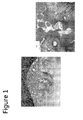
- Figure 1 shows the repaired substrate.
Landscapes
- Engineering & Computer Science (AREA)
- Mechanical Engineering (AREA)
- Chemical & Material Sciences (AREA)
- Materials Engineering (AREA)
- Metallurgy (AREA)
- Organic Chemistry (AREA)
- Inorganic Chemistry (AREA)
- Other Surface Treatments For Metallic Materials (AREA)
- Powder Metallurgy (AREA)
Applications Claiming Priority (1)
| Application Number | Priority Date | Filing Date | Title |
|---|---|---|---|
| US11/696,307 US20080245845A1 (en) | 2007-04-04 | 2007-04-04 | Brazing formulation and method of making the same |
Publications (1)
| Publication Number | Publication Date |
|---|---|
| EP1977851A1 true EP1977851A1 (en) | 2008-10-08 |
Family
ID=39580435
Family Applications (1)
| Application Number | Title | Priority Date | Filing Date |
|---|---|---|---|
| EP08153466A Withdrawn EP1977851A1 (en) | 2007-04-04 | 2008-03-27 | Brazing formulation and method of making the same |
Country Status (5)
| Country | Link |
|---|---|
| US (2) | US20080245845A1 (enExample) |
| EP (1) | EP1977851A1 (enExample) |
| JP (1) | JP2008254071A (enExample) |
| KR (1) | KR20080090310A (enExample) |
| CN (1) | CN101279408A (enExample) |
Cited By (1)
| Publication number | Priority date | Publication date | Assignee | Title |
|---|---|---|---|---|
| CN101947702A (zh) * | 2010-09-21 | 2011-01-19 | 北京工业大学 | 一种新型含钎剂铝合金焊丝及其制备方法 |
Families Citing this family (11)
| Publication number | Priority date | Publication date | Assignee | Title |
|---|---|---|---|---|
| US20090139607A1 (en) * | 2007-10-28 | 2009-06-04 | General Electric Company | Braze compositions and methods of use |
| CN101434014B (zh) * | 2008-12-26 | 2010-12-01 | 哈尔滨工业大学 | 一种适用于铝合金/不锈钢异种金属电弧熔-钎焊的钎剂 |
| CN102441747B (zh) * | 2011-06-28 | 2012-12-26 | 力创(台山)电子科技有限公司 | 一种用于焊接铝及铝合金药芯焊丝的钎剂 |
| US8960215B2 (en) | 2012-08-02 | 2015-02-24 | General Electric Company | Leak plugging in components with fluid flow passages |
| CN102935562B (zh) * | 2012-12-10 | 2015-03-04 | 郑州机械研究所 | 金属颗粒增强药芯铝焊丝 |
| CN106637267A (zh) | 2015-10-28 | 2017-05-10 | 通用电气公司 | 用于从金属基材去除氧化物的方法和装置 |
| US20190039189A1 (en) * | 2017-08-03 | 2019-02-07 | Honeywell International Inc. | Free flowing potassium aluminum fluoride flux agent |
| CN107414238B (zh) * | 2017-09-04 | 2019-11-26 | 中国航发南方工业有限公司 | 钎焊混合料的填加方法 |
| CN108098095B (zh) * | 2017-12-27 | 2019-12-17 | 安徽应流航源动力科技有限公司 | 一种避免高压涡轮叶片工艺通道产生钎焊裂纹的工艺方法 |
| FR3087794B1 (fr) * | 2018-10-26 | 2020-10-30 | Safran Aircraft Engines | Procede chimique de matification |
| CN109369208B (zh) * | 2018-10-31 | 2021-07-09 | 广东工业大学 | 一种碳化硅连接用钎料及其制备方法和应用 |
Citations (6)
| Publication number | Priority date | Publication date | Assignee | Title |
|---|---|---|---|---|
| JPS6087993A (ja) * | 1983-10-19 | 1985-05-17 | Sumitomo Light Metal Ind Ltd | アルミニウム及びアルミニウム合金材のろう付け用フラツクス |
| US4670067A (en) | 1985-04-09 | 1987-06-02 | Kabushiki Kaisha Toyota Chuo Kenkyusho | Brazing flux |
| EP1184129A2 (en) * | 2000-08-31 | 2002-03-06 | United Technologies Corporation | Self cleaning braze material |
| CN1522820A (zh) * | 2003-09-04 | 2004-08-25 | 广州有色金属研究院 | 一种铜、铝、不锈钢复合钎焊的方法 |
| US20050139236A1 (en) | 2003-12-31 | 2005-06-30 | Kool Lawrence B. | Method for removing oxide from cracks in turbine components |
| US20060027625A1 (en) * | 2001-11-21 | 2006-02-09 | Dana Canada Corporation | Products for use in low temperature fluxless brazing |
Family Cites Families (24)
| Publication number | Priority date | Publication date | Assignee | Title |
|---|---|---|---|---|
| US4328044A (en) * | 1978-02-02 | 1982-05-04 | University Of Dayton | Method for cleaning metal parts |
| US4324594A (en) * | 1978-02-02 | 1982-04-13 | University Of Dayton | Method for cleaning metal parts |
| JPS6087994A (ja) * | 1983-10-19 | 1985-05-17 | Sumitomo Light Metal Ind Ltd | アルミニウム及びアルミニウム合金材のろう付け用フラツクス |
| US4566939A (en) * | 1985-01-25 | 1986-01-28 | Avco Corporation | Surface preparation of nickel base alloys for brazing |
| EP0209307B1 (en) * | 1985-07-15 | 1988-09-07 | The Secretary of State for Defence in Her Britannic Majesty's Government of the United Kingdom of Great Britain and | Cleaning of metal articles |
| JPH0318496A (ja) * | 1989-06-15 | 1991-01-28 | Furukawa Alum Co Ltd | Al又はAl合金の気相ろう付法 |
| GB9013043D0 (en) * | 1990-06-12 | 1990-08-01 | Laporte Industries Ltd | Fluxes for aluminium brazing or welding |
| US5156326A (en) * | 1990-12-12 | 1992-10-20 | Park Metallurgical Corporation | Brazing flux and method of using the same |
| US5100048A (en) * | 1991-01-25 | 1992-03-31 | Alcan International Limited | Method of brazing aluminum |
| US5232788A (en) * | 1992-02-12 | 1993-08-03 | Alcan International Limited | Aluminum brazing sheet |
| US5226974A (en) * | 1992-07-09 | 1993-07-13 | The S. A. Day Mfg. Co., Inc. | High quality brazing paste for an aluminum material |
| US5437737A (en) * | 1994-02-07 | 1995-08-01 | United Technologies Corporation | Repair coating for superalloy articles, such as gas turbine engine components |
| US5450666A (en) * | 1994-02-28 | 1995-09-19 | S.A. Day Mfg. Co., Inc. | Flux composition for aluminum brazing |
| CZ291829B6 (cs) * | 1995-01-24 | 2003-06-18 | Solvay Fluor Und Derivate Gmbh | Způsob tvrdého pájení kovových materiálů, tavidlo k pájení kovových materiálů a způsob jeho přípravy |
| DE19636897A1 (de) * | 1996-09-11 | 1998-03-12 | Solvay Fluor & Derivate | Lotfreies Aluminiumlöten |
| DE19643026A1 (de) * | 1996-10-18 | 1998-04-23 | Solvay Fluor & Derivate | Niedrigschmelzendes Kaliumfluoraluminat |
| CA2325455C (en) * | 1998-03-25 | 2011-05-17 | Solvay Fluor Und Derivate Gmbh | New fluxing agents |
| US6395223B1 (en) * | 1999-06-25 | 2002-05-28 | Omn. Technologies Corporation | Method of making a flux, a brazing wire, and a brazing paste |
| EP1210204B1 (en) * | 1999-06-25 | 2006-02-15 | Jerry L. Schuster | Silver brazing flux and method of making |
| DE10065406A1 (de) * | 2000-12-27 | 2002-07-04 | Alstom Switzerland Ltd | Verfahren zum Reparieren von Schadstellen an einem Metallbauteil |
| WO2002087814A1 (en) * | 2001-05-02 | 2002-11-07 | Norsk Hydro Asa | A process of making a shaped product |
| US6815086B2 (en) * | 2001-11-21 | 2004-11-09 | Dana Canada Corporation | Methods for fluxless brazing |
| US7146990B1 (en) * | 2005-07-26 | 2006-12-12 | Chromalloy Gas Turbine Corporation | Process for repairing sulfidation damaged turbine components |
| US20070187462A1 (en) * | 2006-01-11 | 2007-08-16 | Aleris Aluminum Koblenz Gmbh | Method of manufacturing a brazed assembly |
-
2007
- 2007-04-04 US US11/696,307 patent/US20080245845A1/en not_active Abandoned
-
2008
- 2008-03-27 EP EP08153466A patent/EP1977851A1/en not_active Withdrawn
- 2008-03-31 JP JP2008089016A patent/JP2008254071A/ja active Pending
- 2008-04-02 KR KR1020080030658A patent/KR20080090310A/ko not_active Ceased
- 2008-04-04 CN CNA2008100881992A patent/CN101279408A/zh active Pending
-
2011
- 2011-11-23 US US13/303,424 patent/US20120067939A1/en not_active Abandoned
Patent Citations (7)
| Publication number | Priority date | Publication date | Assignee | Title |
|---|---|---|---|---|
| JPS6087993A (ja) * | 1983-10-19 | 1985-05-17 | Sumitomo Light Metal Ind Ltd | アルミニウム及びアルミニウム合金材のろう付け用フラツクス |
| US4670067A (en) | 1985-04-09 | 1987-06-02 | Kabushiki Kaisha Toyota Chuo Kenkyusho | Brazing flux |
| EP1184129A2 (en) * | 2000-08-31 | 2002-03-06 | United Technologies Corporation | Self cleaning braze material |
| US6367686B1 (en) | 2000-08-31 | 2002-04-09 | United Technologies Corporation | Self cleaning braze material |
| US20060027625A1 (en) * | 2001-11-21 | 2006-02-09 | Dana Canada Corporation | Products for use in low temperature fluxless brazing |
| CN1522820A (zh) * | 2003-09-04 | 2004-08-25 | 广州有色金属研究院 | 一种铜、铝、不锈钢复合钎焊的方法 |
| US20050139236A1 (en) | 2003-12-31 | 2005-06-30 | Kool Lawrence B. | Method for removing oxide from cracks in turbine components |
Cited By (2)
| Publication number | Priority date | Publication date | Assignee | Title |
|---|---|---|---|---|
| CN101947702A (zh) * | 2010-09-21 | 2011-01-19 | 北京工业大学 | 一种新型含钎剂铝合金焊丝及其制备方法 |
| CN101947702B (zh) * | 2010-09-21 | 2013-04-17 | 北京工业大学 | 一种含钎剂铝合金焊丝及其制备方法 |
Also Published As
| Publication number | Publication date |
|---|---|
| US20080245845A1 (en) | 2008-10-09 |
| JP2008254071A (ja) | 2008-10-23 |
| KR20080090310A (ko) | 2008-10-08 |
| CN101279408A (zh) | 2008-10-08 |
| US20120067939A1 (en) | 2012-03-22 |
Similar Documents
| Publication | Publication Date | Title |
|---|---|---|
| EP1977851A1 (en) | Brazing formulation and method of making the same | |
| EP2055424B1 (en) | Braze formulations and process for making and using | |
| US5735448A (en) | Method of repairing surface and near surface defects in superalloy articles such as gas turbine engine components | |
| EP0813930B1 (en) | Method for repairing a nickel base superalloy article | |
| EP1226896B1 (en) | Nickel-base braze material and braze repair method | |
| EP1972408B1 (en) | Process for repairing wide cracks | |
| JP4264490B2 (ja) | ニッケル基ろう付材 | |
| EP1835041B1 (en) | Nickel alloy welding wire | |
| EP0340300B1 (en) | High temperature metal alloy mixtures for filling holes and repairing damages in superalloy bodies | |
| CN104428100A (zh) | 复合焊丝及其制造方法 | |
| SE447488B (sv) | Forfarande for reparering av tranga fordjupningar i ytan av ett foremal av ni-baserad varmhallfast legering | |
| JPS5882631A (ja) | 超合金製品の亀裂充填法 | |
| WO2004004953A2 (en) | Diffusion bond mixture for healing single crystal alloys | |
| EP3693105A1 (en) | A manufactured article and method | |
| CN106170368A (zh) | 用于超级合金材料的结构钎焊 | |
| JP3780124B2 (ja) | 超合金部品の蝋付け拡散方法 | |
| RU2572948C2 (ru) | Композитный порошок для соединения или наплавки путем диффузионной пайки деталей из суперсплавов | |
| US20070272332A1 (en) | Nickel alloy for repairs | |
| US7125457B2 (en) | Method for removing oxide from cracks in turbine components | |
| US20090286102A1 (en) | Induced capillary action brazing using metallic foam matrix | |
| EP0340296B1 (en) | Method of repairing damages in superalloys | |
| JP7608066B2 (ja) | 相凝集を使用して超合金構成要素を修復する方法 | |
| DE102017204507A1 (de) | Verfahren zum Verschließen von einer Öffnung einer Turbinenschaufel | |
| WO2013119767A1 (en) | Brazing alloy and processes for making and using |
Legal Events
| Date | Code | Title | Description |
|---|---|---|---|
| PUAI | Public reference made under article 153(3) epc to a published international application that has entered the european phase |
Free format text: ORIGINAL CODE: 0009012 |
|
| AK | Designated contracting states |
Kind code of ref document: A1 Designated state(s): AT BE BG CH CY CZ DE DK EE ES FI FR GB GR HR HU IE IS IT LI LT LU LV MC MT NL NO PL PT RO SE SI SK TR |
|
| AX | Request for extension of the european patent |
Extension state: AL BA MK RS |
|
| 17P | Request for examination filed |
Effective date: 20090408 |
|
| AKX | Designation fees paid |
Designated state(s): CH DE FR GB LI |
|
| 17Q | First examination report despatched |
Effective date: 20090630 |
|
| R17C | First examination report despatched (corrected) |
Effective date: 20100126 |
|
| STAA | Information on the status of an ep patent application or granted ep patent |
Free format text: STATUS: THE APPLICATION IS DEEMED TO BE WITHDRAWN |
|
| 18D | Application deemed to be withdrawn |
Effective date: 20151001 |