EP1901567B1 - Verfahren und Server zur Adressverwaltung im Paketnetzwerk - Google Patents
Verfahren und Server zur Adressverwaltung im Paketnetzwerk Download PDFInfo
- Publication number
- EP1901567B1 EP1901567B1 EP06753068.3A EP06753068A EP1901567B1 EP 1901567 B1 EP1901567 B1 EP 1901567B1 EP 06753068 A EP06753068 A EP 06753068A EP 1901567 B1 EP1901567 B1 EP 1901567B1
- Authority
- EP
- European Patent Office
- Prior art keywords
- user
- address
- information
- server
- region
- Prior art date
- Legal status (The legal status is an assumption and is not a legal conclusion. Google has not performed a legal analysis and makes no representation as to the accuracy of the status listed.)
- Active
Links
Images

Classifications
-
- H—ELECTRICITY
- H04—ELECTRIC COMMUNICATION TECHNIQUE
- H04L—TRANSMISSION OF DIGITAL INFORMATION, e.g. TELEGRAPHIC COMMUNICATION
- H04L67/00—Network arrangements or protocols for supporting network services or applications
- H04L67/50—Network services
- H04L67/52—Network services specially adapted for the location of the user terminal
-
- H—ELECTRICITY
- H04—ELECTRIC COMMUNICATION TECHNIQUE
- H04L—TRANSMISSION OF DIGITAL INFORMATION, e.g. TELEGRAPHIC COMMUNICATION
- H04L61/00—Network arrangements, protocols or services for addressing or naming
- H04L61/45—Network directories; Name-to-address mapping
- H04L61/4588—Network directories; Name-to-address mapping containing mobile subscriber information, e.g. home subscriber server [HSS]
-
- H—ELECTRICITY
- H04—ELECTRIC COMMUNICATION TECHNIQUE
- H04L—TRANSMISSION OF DIGITAL INFORMATION, e.g. TELEGRAPHIC COMMUNICATION
- H04L12/00—Data switching networks
- H04L12/28—Data switching networks characterised by path configuration, e.g. LAN [Local Area Networks] or WAN [Wide Area Networks]
- H04L12/2803—Home automation networks
- H04L12/283—Processing of data at an internetworking point of a home automation network
- H04L12/2834—Switching of information between an external network and a home network
-
- H—ELECTRICITY
- H04—ELECTRIC COMMUNICATION TECHNIQUE
- H04L—TRANSMISSION OF DIGITAL INFORMATION, e.g. TELEGRAPHIC COMMUNICATION
- H04L61/00—Network arrangements, protocols or services for addressing or naming
- H04L61/50—Address allocation
- H04L61/5076—Update or notification mechanisms, e.g. DynDNS
-
- H—ELECTRICITY
- H04—ELECTRIC COMMUNICATION TECHNIQUE
- H04L—TRANSMISSION OF DIGITAL INFORMATION, e.g. TELEGRAPHIC COMMUNICATION
- H04L61/00—Network arrangements, protocols or services for addressing or naming
- H04L61/50—Address allocation
- H04L61/5084—Providing for device mobility
-
- H—ELECTRICITY
- H04—ELECTRIC COMMUNICATION TECHNIQUE
- H04L—TRANSMISSION OF DIGITAL INFORMATION, e.g. TELEGRAPHIC COMMUNICATION
- H04L61/00—Network arrangements, protocols or services for addressing or naming
- H04L61/09—Mapping addresses
- H04L61/10—Mapping addresses of different types
- H04L61/106—Mapping addresses of different types across networks, e.g. mapping telephone numbers to data network addresses
-
- H—ELECTRICITY
- H04—ELECTRIC COMMUNICATION TECHNIQUE
- H04L—TRANSMISSION OF DIGITAL INFORMATION, e.g. TELEGRAPHIC COMMUNICATION
- H04L61/00—Network arrangements, protocols or services for addressing or naming
- H04L61/45—Network directories; Name-to-address mapping
- H04L61/4535—Network directories; Name-to-address mapping using an address exchange platform which sets up a session between two nodes, e.g. rendezvous servers, session initiation protocols [SIP] registrars or H.323 gatekeepers
Definitions
- the present invention relates to the communication field and in particular to a user locating system, method and server in a Packet-based network.
- a communication node In the next generation of networks, there is a need for a communication node to move frequently, and when the communication node moves, its address is typically changed.
- the communication node During communication with a mobile communication node, the communication node has to be located.
- an identifier of the communication node such as a Fully Qualified Domain Name (FQDN) or an identification address, has to be converted into a network address which is accessible through communication by the present communication node.
- FQDN Fully Qualified Domain Name
- IP Internet Protocol
- the method proposes technologies supporting communication node mobility in an IPv6 network.
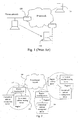
- Figure 1 illustrates a schematic diagram of a principle of the method.
- a mobile node 110 moves from a home network to a foreign network. The following operations will be performed during its moving.
- the mobile node 110 obtains in the foreign network a mobile address through an address configuration mechanism.
- the mobile node 110 sends an address binding message to a home agent 120, registering the newly obtained mobile address (a primary Care-of Address) with the home agent 120 of a home link.
- the home agent 120 makes the mobile address newly obtained by the mobile node 110 to be corresponded to a local address of the mobile node 110 and stores the correspondence, thereby accomplishing a binding registration function for the node, and then returns in response a "Binding Acknowledgement" message to the mobile node 110.
- the node 130 sends a data packet, which is to be sent to the mobile node 110, to the home agent 120.
- the home agent 120 forwards the data packet to the mobile node 110 through an extended routing head of the data packet.
- the mobile node 110 sends to the node 130 the address binding message informing the node 130 of its new address.
- the node 130 If the node 130 supports the mechanism of the method, it creates a binding buffer dependent upon the received new address of the mobile node 110, and conducts subsequent communication directly with the mobile node 110 by use of information of this buffer. Otherwise, it keeps on sending a subsequent packet to the home address of the mobile node 110, and the home agent 120 over the home link of the mobile node 110 relays the data to the current primary Care-of Address of the mobile node 110.
- a node in communication with a mobile node is referred to as a communication node of the mobile node, which may be a fixed node or a mobile node.
- the mobile node can provide its communication node with information of its current location.
- the first mode is a bidirectional tunnel mode.
- This mode is available when the mobile node has not registered current binding information with the communication node.
- a data packet sent from the communication node to the mobile node is routed to a home agent of the mobile node, and then reaches the mobile node through a tunnel.
- Data packet sent from the mobile node to the communication node is passed to the home agent through the tunnel, and the home agent routes the data packet to the communication node in a normal way.
- the home agent intercepts any data packet sent to a home address of the mobile node in an agent neighbor way. Each intercepted data packet is tunneled to a primary Care-of Address of the mobile node.
- the bidirectional tunnel in this mode is implemented with IPv6 encapsulation.
- the second mode is an optimized routing mode.
- This mode requires the mobile node to register its current binding information with the communication node.
- data packet sent from the communication node to the mobile node is routed directly to the primary Care-of Address of the mobile node.
- the communication node is to send any data packet to an IPv6 destination, a binding buffered entry of the destination of the data packet will be detected. If the binding buffered entry of the destination is found, the communication node adds a new IPv6 routing head type, sets a destination address in an IP head as the primary Care-of Address of the mobile node designated in the binding buffered entry, and routes the data packet to the mobile node through the shortest path.
- This mode reduces congestion of the home agent and the home link of the mobile node, and also reduces an influence of a possible transmission failure on the home agent or the home link.
- a key of the locating method of the mobile IPv6 lies in that the home agent makes the primary Care-of Address be bound with the home address of the mobile node and stores the bonding upon reception of a binding update message, including the primary Care-of Address, sent by the mobile node from a new network.
- a change of an address of the mobile node is transparent to the communication node.
- the mobile node sends the binding update message to the communication node, and makes the home address of the mobile node to be corresponded to the current primary Care-of Address by use of a destination binding buffer in the communication node.
- the above locating method of the mobile IPv6 is disadvantageous in that the method requires participation of the home agent, and a problem of triangular routing occurs when adopting the bidirectional tunnel mode.
- the home agent not only enables the locating of the communication node, but also participates in the forwarding of the data.
- the requirements on network devices are relatively strict.
- a home agent is required to be deployed over each link, and all mobile terminals are required to implement mobile IP technologies, the requirements of which to the terminals are relatively strict.
- SIP Session Initiation Protocol
- the SIP protocol is firstly required to be implemented in both a communication node and a mobile node.
- the communication node registers with an SIP server in a new network of the mobile node, and this SIP registration server can find a home domain of the mobile node through an SIP Universal Resource Identifier (SIP URI) of a user, and informs the SIP server of the home domain of the communication node about network parameters of the mobile node. Therefore, the communication node finds the network parameters of the mobile node through inquiring about the SIP server of its user home domain, and determines current location of the mobile node dependent upon the acquired network address parameters.
- SIP URI SIP Universal Resource Identifier
- the SIP protocol is a high level protocol developed for transmission of a media stream in a Packet-based network.
- the use of the SIP protocol can implement locating of the user, it is required that relevant network elements with architecture of the SIP protocol must be deployed in the network.
- the SIP protocol is required to be implemented in all network nodes, which may be unreasonable for many terminals which do not rely on the SIP protocol for communication. This method leads to both a high cost of network deployment and strict requirements on the communication nodes.
- US 2003/176188 A1 describes a way to extend Mobile IP Authentication Authorization and Accounting (AAA) signaling to enable a node to request from a network operator combinations of home and local service capabilities (when roaming) in an efficient and scalable manner. It also enables the home and foreign service providers to constrain and account for actual services provided based on a combination of the foreign and home operator policy.
- AAA Mobile IP Authentication Authorization and Accounting
- US 2004/141477 A1 discloses a method of electing a local mobility agent (LMA) from several LMAs in a visited Domain, to serve as a local home agent, for registration with a home agent in a home domain of a mobile host.
- the method includes determining a mobility pattern of the mobile host within the visited domain in a given time interval and selecting a LMA from the several LMAs at the end of the time interval depending on the mobility pattern of the mobile host.
- the selected LMA is registered with the home agent if the selected LMA is different from a LMA currently registered with the home agent.
- a system, subsystem and a mobile host that perfom the above-described method are also disclosed.
- EP-A-1 376 972 discloses a system and method of managing the location and/or movement of mobile IP terminals (MN) using the dual approach of minimized paging and registration.
- the system includes a home agent (HA) having a main server for performing reciprocal communications with a mobile node, and a foreign agent which relays reciprocal communications between the mobile and home agents.
- the foreign agent is included within at least one regional area and is constructed with at least one controlling foreign agent which communicates with the home agent reciprocally and at least one paging foreign agent which communicates reciprocally with the controlling foreign agent.
- SIP Session Initiation Protocol
- SIP Session Initiation Protocol
- SIP network elements such as proxy servers and redirect servers which are responsible for receiving a request, determining where to send it based on knowledge of the location of the user, and then sending it there.
- SIP network elements consult an abstract service known as a location service, which provides address bindings for a particular domain.
- a proxy will consult a location service that maps a received URI to the user agent(s) at which the desired recipient is currently residing.
- a region locating server of claim 1, an address management server of claim 3, a user locating system and method in a Packet-based network of claims 9 and 11, respectively, are provided, so that a user locating mechanism independent of service and application can be provided for the Packet-based network, and a mobile user can be located in the entire Packet-based network. Further embodiments are defined in the dependent claims.
- the invention provides a user locating mechanism independent of service and application in the packet network, and implements a user locating sub-system in the entire packet network, thus solving the problem of uniform locating of a communication terminal in the packet network.
- the invention can also implement collection of corresponding information on a user identifier and an IP address over an IPv6 link with stateless address automatic configuration.
- the invention provides a user locating system and method in a Packet-based network.
- An essence of the invention is in that a centralized address management server, a user defined address locating server and a region locating server are provided in a management region of a Packet-based network, and the provided servers collect and maintain information of binding of a user identifier and a communication address of a user.
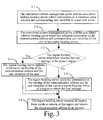
- Figure 2 illustrates a schematic diagram of an implementation framework of a system according to embodiments of the present invention.
- the implementation framework primarily includes three types of server, a region locating sever 210, a centralized address management server 220 and a user defined address locating server 230, and three types of interface, an interface a, an interface b and an interface c.
- a user identifier can be a globally unique identifier including but not limited to an IP address or FQDN of a user. Further, the user identifier may be required to be authenticated at an authentication server, and therefore can also refer to an index value by which the globally unique identifier of the user can be indexed uniquely on the region locating server.
- a communication address refers to a code which can identify a network terminal in a network and by which a communication contact can be established with this network terminal.
- the communication address includes an IP address of the network terminal in an IP network, a telephone number of the user, etc.
- the region locating server 210 is adapted to:
- a location inquiry from a Packet-based network i.e. an inquiry for locating a mobile node belonging to the present region from a communication node outside the present region. For instance, an identifier and relevant source verification information of a user is introduced from the Packet-based network, and the region locating server 210 returns a current available communication address and relevant parameters of the user.
- the region locating server 210 verifies the received information, and binds and stores information of the user identifier and the current available communication address.
- the centralized address management server 220 is adapted to:
- the centralized address management server 220 can be implemented through an extension of a Dynamic Host Configuration Protocol (DHCP) server.
- DHCP Dynamic Host Configuration Protocol
- This extension requires a user to carry his identifier when applying for an address, and the server binds the identifier and the address of the user.
- the user defined address locating server 230 is adapted to collect a user address and a user identifier over a link with a user self-defined network address and to report collected information of binding of the user address and the user identifier to the region locating server 210.
- the user self-definition of an address refers to an address allocation method in which no centralized address allocation unit allocates centrally addresses and instead a user self-defines an address so as to ensure no confliction of addresses between users.
- a typical application of this address allocation method includes an IPv6 link implementing stateless address automatic configuration.
- the user defined address locating server 230 can also obtain information of a user identifier through a specific protocol or through an extension of an existing protocol. Then, the server binds the obtained address information and identifier information of the user, thereby forming information of the binding for the user, and stores and sends the information of the binding to the region locating server 210.
- the user defined address locating server 230 can be implemented with a router over a link, and can also be implemented with dedicated provision of a server over a link.
- the interface a
- the interface a is an interface between the centralized address management server 220 and the region locating server 210.
- Information transported from the centralized address management server 220 to the region locating server 210 via the interface a includes a communication address allocated to a user, a user identifier and other assistant information.
- Information transported from the region locating server 210 to the centralized address management server 220 primarily includes some network parameters, such as, as an example in an IP network, a Domain Name System (DNS) server address, etc.
- DNS Domain Name System
- the interface b
- the interface b is an interface between the user defined address locating server 230 and the region locating server 210.
- Information transported from the user defined address locating server 230 to the region locating server 210 via the interface b includes a user configured address and a user identifier.
- Information transported from the region locating server 210 to the user defined address locating server 230 primarily includes some network parameters. When implementing address autonomic configuration, a user can also acquire these network parameters from the centralized address management server 220, and therefore the information transported from the region locating server 210 to the user defined address locating server 230 is optional.
- the interface c is an interface between a Packet-based network 300 and the region locating server 210, and primarily implements the following functions.
- the Packet-based network 300 sends information of a user identifier and relevant verification to the region locating server 210, and the region locating server 210 returns a corresponding user address to the Packet-based network 300.
- the Packet-based network 300 sends to the region locating server 210 information of a user identifier and its corresponding current communication address of a user belonging to the present region, and the region locating server 210 binds and stores the information.
- the region locating server 210 passes to a home domain of a user via the interface c information of a user identifier and its corresponding current communication address of the user found in the present region not belonging to the present region.
- the invention proposes a user locating method in a Packet-based network including the following blocks.
- Block 3-1 The centralized address management server and the user defined address locating server collect information of a communication address and corresponding user identifier of a user over a link.
- one or more centralized address management servers or user defined address locating servers or both can be included.
- Each centralized address management server allocates centrally communication address to all users over its management link, and also records information of a user identifier reported by a user when applying for an address.
- the centralized address management server stores information of the communication address allocated to the user and the corresponding user identifier.
- Each user defined address locating server collects information of a communication address available to a user and corresponding identifier of the user over its management link.
- a collection method can be a method of passive perception by the user defined address locating server, and can also be a method of collection in its own initiative. For instance, a collection method for an IPv6 link with stateless address automatic configuration will be described below.
- the user defined address locating server stores the collected information of the communication address and corresponding user identifier of the user.
- Block 3-2 The centralized address management server and the user defined address locating server report the collected information of the communication address and corresponding user identifier of the user to a region locating server.
- the centralized address management server and the user defined address locating server report the collected information of the communication address and corresponding user identifier of the user to the region locating server.
- Block 3-3 The region locating server determines whether the user belongs to the present region.
- the region locating server After receiving the information of the communication address and the corresponding user identifier of the user reported from the centralized address management server and the user defined address locating server, the region locating server determines whether the user belongs to the present region, and if yes, the flow goes to Block 3-4; otherwise, the flow goes to Block 3-5.
- Block 3-4 The region locating server updates information of binding of the communication address and the user identifier of the user.
- the region locating server updates the information of the binding of the communication address and the user identifier of the user dependent upon the received information.
- Block 3-5 The region locating server sends the information of the binding of the communication address and the user identifier of the user to a region locating server of a region to which the user belongs.
- the region locating server sends the received information of the binding of the communication address and the user identifier of the user to a region locating server of a region to which the user belongs, and the region locating server of the region to which the user belongs updates the information of the binding of the communication address and the user identifier of the user dependent upon the received information.
- the region locating server receives an inquiry from inside or outside of the region, and returns a communication address to an inquirer.
- the region locating server can receive a request for inquiry about a communication address of a user from inside or outside of the present management region.
- An inquirer can send to the region locating server a message carrying information of a user identifier, and dependent upon the information of the user identifier, the region locating server searches in the locally stored information of the binding of the communication address and the user identifier of the user for a current communication address of the user, and returns the communication address to the inquirer, thereby accomplishing locating of a mobile or nomadic user.
- the invention also proposes a method for collecting corresponding information of a user identifier and a communication address of a user over an IPv6 link with stateless address automatic configuration, including the following blocks.
- Block 4-1 A terminal over an IPv6 link sends a neighbor request message carrying a user identifier.
- a terminal over an IPv6 link sends a neighbor request message carrying a user identifier to perform Duplicated Address Detection (DAD). Dependent upon the neighbor request message, it can be detected whether any other node on the link has used this test address.
- DAD Duplicated Address Detection
- Block 4-2 The user defined address locating server over the link snoops into a DAD detection message, and extracts and records a destination address and its corresponding user identifier in the message.
- the user defined address locating server over the link joins a requested node multicast group.
- this server receives all data packets with a prefix of ff02::1:ff00:0/104 to snoop into a DAD detection message from the data packets.
- the user defined address locating server also joins a full node multicast group ff02::1.
- the user defined address locating server After snooping into a DAD detection message, the user defined address locating server extracts information of a destination address and the carried user identifier from this DAD detection message, and records and stores the extracted information.
- Block 4-3 The user defined address locating server initiates a timer.
- the user defined address locating server initiates a timer after recording and storing the extracted information, and a timing duration of the timer is the longest DAD detection expiration duration for the link.
- Block 4-4 The extracted record is deleted if the user defined address locating server receives from another node a neighbor notification message reporting an address confliction before the timer expires.
- That node may respond by sending a neighbor notification message reporting an address confliction.
- the source IP address of that message is a uni-cast address of that node, and the destination address of that message is the full node address ff02::1 over the link.
- the node implementing the DAD detection terminates the operation of automatic configuration. In this case, the host is required to be configured manually.
- the extracted record is deleted.
- Block 4-5 The extracted record is bound if the user defined address locating server does not receive from another node a message reporting an address confliction after the timer expires.
- the extracted destination address is determined as the communication address of the user, and binding of this communication address and the corresponding user identifier is performed.
- the user defined address locating server of the link may acquire the information of the binding of the user identifier and the communication address of the user over the IPv6 link.
- a particular locating processing procedure of a system according to embodiments of the present invention will be described below by way of an example. It is assumed that in the Packet-based network shown in Figure 2 , a user 1 (not shown) moves from a region 1 to a region 2. This user has an access to an IPv6 link with stateless address automatic configuration in the region 1, and has an access to a wireless access link with DHCP address centralized configuration in the region 2. During moving of the user from the region 1 to the region 2, a flow chart of the particular locating processing procedure of a system according to embodiments of the present invention is as illustrated in Figure 5 , including the following blocks.
- Block 5-1 A user defined address locating server in the region I acquires a user identifier and a communication address of the user.
- the user identifier of the user 1 is user1@domain1 belonging to the region 1, and this user has an access to an IPv6 link with stateless address automatic configuration through a fixed terminal in the region 1.
- the user defined address locating server of the region 1 acquires a communication address IP1 and the user identifier configured automatically by the user over the link.
- Block 5-2 The user defined address locating server of the region 1 sends information of binding of the user identifier and the communication address of the user to a region locating server of the region 1.
- the user defined address locating server of the region 1 After acquiring the user identifier and the communication address of the user 1 over the IPv6 link, the user defined address locating server of the region 1 binds the user identifier and the communication address, and sends information of binding (user1@domain1, IP1) to a region locating server of the region 1 via the interface b.
- Block 5-3 A centralized address management server of the region 2 acquires a new communication address and the user identifier of the user when the user 1 moves to the region 2.
- the user When the user 1 moves from the region 1 to the region 2, the user has an access to the link through a mobile terminal in a wireless access way in the region 2, and a router over the link informs in an RA message the user that the address configuration is to be performed with DHCP. Therefore, the user inputs his user identifier into the mobile terminal, and the mobile terminal sends the user identifier user1@domain1 of the user to a DHCP server of the region 2 whiling applying the DHCP server of the region 2 for an IP address.
- the DHCP server of the region 2 assigns the user with a new IP address IP2, i.e. a new communication address of the user 1.
- Block 5-4 The centralized address management server of the region 2 sends the information of the binding of the user identifier and the new communication address of the user to a region locating server of the region 2.
- the DHCP server After assigning the user 1 with the new communication address IP2, the DHCP server binds the new communication address and the user identifier of the user, and sends information of the binding (user1@domain1, IP2) to the region locating server of the region 2.
- Block 5-5 The region locating server of the region 2 sends the information of the binding of the user identifier and the new communication address of the user to the region locating server of the region 1.
- the region locating server of the region 2 After receiving the information of the binding (user1@domain1, IP2), the region locating server of the region 2 discovers that the domain to which the user corresponding to the user identifier user1@domain1 belongs is in the region 1, and therefore finds the region locating server of the region 1 in a certain way, and sends the information of the binding (user1@domain1, IP2) to the region locating server of the region 1.
- Block 5-6 The region locating server of the region 1 updates the stored information, of the binding of the user identifier and the communication address of the user 1.
- the region locating server of the region 1 After receiving the information of the binding (user1@domain1, IP2), the region locating server of the region 1 finds in its own records that the record of the user corresponding to the user identifier user1@domain1 is (user1@domain1, IP1), and then updates the record to be (user1@domain1, IP2).
- the current communication address IP2 of the user can be obtained as long as the region locating server of the region 1 to which the user belongs is found. This address is used for communication with the user1.
- the units of the user self-defined address server can be independent upon of each other, and can also be integrated and combined in various ways, descriptions of which will not be detailed here.
- the units of the region locating server can be independent upon of each other, and can also be integrated and combined various ways, descriptions of which will not be detailed here.
- the units of the centralized address management server can be independent of each other, and can also be integrated and combined in various manners, description of which is not detailed here.
Landscapes
- Engineering & Computer Science (AREA)
- Computer Networks & Wireless Communication (AREA)
- Signal Processing (AREA)
- Automation & Control Theory (AREA)
- Computing Systems (AREA)
- Mobile Radio Communication Systems (AREA)
- Data Exchanges In Wide-Area Networks (AREA)
Claims (13)
- Regionenlokalisierungsserver (210) in einem auf Paketen basierenden Netzwerk (300), umfassend:eine Informationsspeicher- und -Aktualisierungseinheit, ausgelegt zum Speichern und Aktualisieren von Informationen des Bindens von Benutzerkennungen und aktuellen verfügbaren Kommunikationsadressen aller Netzwerkbenutzer, die zu einer Verwaltungsregion gehören; gekennzeichnet durcheine Informationsanfrageeinheit, ausgelegt zum Senden von entsprechenden Informationen des Bindens zu einem eine Anfrage einleitenden Netzwerkbenutzer beim Empfang einer Anfrageanforderung.
- Regionenlokalisierungsserver (210) in einem auf Paketen basierenden Netzwerk (300) nach Anspruch 1, ferner umfassend:eine Informationssendeeinheit, ausgelegt zum Senden von Informationen des Bindens einer Benutzerkennung und einer aktuellen verfügbaren Kommunikationsadresse, die gefunden wird und nicht zu der derzeitigen Verwaltungsregion gehört, zu einer Heimatverwaltungsregion des Netzwerkbenutzers.
- Adressenverwaltungsserver (220, 230) in einem auf Paketen basierenden Netzwerk (300), das eine Vielzahl von Verwaltungsregionen umfasst, wobei einer oder mehrere der Adressenverwaltungsserver (220, 230) in jeder der Verwaltungsregionen enthalten ist, wobei der Server dadurch gekennzeichnet ist, dass er Folgendes umfasst:einen zentralisierten Adressenverwaltungsserver (220), ausgelegt zum Vergeben von zentral aktuellen verfügbaren Kommunikationsadressen an alle Netzwerkbenutzer in der derzeitigen Verwaltungsregion, zum Binden einer Benutzerkennung und der aktuellen verfügbaren Kommunikationsadresse des Benutzers und zum Speichern und Senden von Informationen des Bindens zu einem Regionenlokalisierungsserver (210) in der derzeitigen Verwaltungsregion,und/odereinen Lokalisierungsserver (230) benutzerdefinierter Adressen, ausgelegt zum Sammeln einer Benutzerkennung und einer aktuellen verfügbaren Kommunikationsadresse eines Netzwerkbenutzers in der derzeitigen Verwaltungsregion über eine Verbindung mit einer Benutzer-selbstdefinierten Netzwerkadresse, zum Binden der Benutzerkennung und der aktuellen verfügbaren Kommunikationsadresse und zum Speichern und Senden von Informationen des Bindens zu einem Regionenlokalisierungsserver (210) in der derzeitigen Verwaltungsregion.
- Adressenverwaltungsserver (220, 230) in einem auf Paketen basierenden Netzwerk (300) nach Anspruch 3, wobei der Server (230) Benutzer-selbstdefinierter Adressen Folgendes umfasst:eine Snooping-Einheit, ausgelegt zum Sammeln einer Nachbaranforderungsnachricht, die eine Benutzerkennung eines Benutzers führt und einer Nachbarbenachrichtigungsnachricht über eine Verbindung, zum Extrahieren der Benutzerkennung und einer Testadresse in der Nachbaranforderungsnachricht, zum Snoopen in die Nachbarbenachrichtigungsnachricht, die eine Antinomie der Testadresse meldet, und zum Senden der extrahierten Informationen zu einer Lokalisierungs-informations-Verwaltungseinheit und Anfordern des Aktualisierens aufgezeichneter Informationen;eine Lokalisierungsinformations-Verwaltungseinheit, ausgelegt zum Empfangen einer Anforderung von der Snooping-Einheit, zum Unterhalten von Informationen über die Benutzerkennung und die Testadresse und zum Binden und Senden der erhaltenen Benutzerkennung und Adresse zu einer Kommunikationseinheit;eine Timing-Einheit, ausgelegt zum Einleiten von Timing mit einer vorbestimmten Dauer; undeine Kommunikationseinheit, ausgelegt zum Senden der von der Lokalisierungs-informations-Verwaltungseinheit gesendeten Benutzerkennung und Adresse nach außen zu einem Regionenlokalisierungsserver (210), wobeidie Lokalisierungsinformations-Verwaltungseinheit einen Status der Benutzerkennung und der Testadresse aktualisiert, um eine erhaltene Bindung anzugeben, und Informationen über die Bindung durch die Kommunikationseinheit zu dem Regionenlokalisierungsserver (210) sendet, wenn die Snooping-Einheit die von einem anderen Benutzer gesendete Nachbarbenachrichtigungsnachricht, die eine Antinomie der Testadresse meldet, nicht empfängt, nachdem das Timing mit der vorbestimmten Dauer abläuft.
- Adressenverwaltungsserver (220, 230) in einem auf Paketen basierenden Netzwerk (300) nach Anspruch 4, wobei die Lokalisierungsinformations-Verwaltungseinheit das Paar aus der Benutzerkennung und der Testadresse aus einer unterhaltenen Informationstabelle löscht, wenn die Snooping-Einheit die von einem anderen Benutzer gesendete Nachbarbenachrichtigungsnachricht, die eine Antinomie der Testadresse meldet, empfängt, bevor das Timing mit der vorbestimmten Dauer abläuft.
- Adressenverwaltungsserver (220, 230) in einem auf Paketen basierenden Netzwerk (300) nach Anspruch 3, wobei der Server (230) Benutzer-selbstdefinierter Adressen Folgendes umfasst:eine Anforderungsnachrichten-Snooping-Einheit, ausgelegt zum Sammeln einer Nachbaranforderungsnachricht, die eine Benutzerkennung eines Benutzers führt, über eine Verbindung;eine Informationsextraktionseinheit, ausgelegt zum Extrahieren und Aufzeichnen der Benutzerkennung und einer Testadresse in der Nachbaranforderungsnachricht;eine Timing-Einheit, ausgelegt zum Einleiten von Timing mit einer vorbestimmten Dauer;eine Nachbarbenachrichtigungsnachrichten-Snooping-Einheit, ausgelegt zum Sammeln einer durch einen anderen Benutzer über die Verbindung gesendeten Nachbarbenachrichtigungsnachricht, die eine Antinomie der Testadresse meldet; undeine Informationsbindeeinheit, ausgelegt zum Binden der aufgezeichneten Benutzerkennung und Testadresse des Benutzers, wenn keine von einem anderen Benutzer gesendete Nachbarbenachrichtigungsnachricht, die eine Antinomie der Testadresse meldet, empfangen wird, nachdem das Timing mit der vorbestimmten Dauer abläuft, um dadurch entsprechende Informationen der Benutzerkennung und der Kommunikationsadresse des Benutzers zu erhalten.
- Adressenverwaltungsserver (220, 230) in einem auf Paketen basierenden Netzwerk (300) nach Anspruch 6, wobei der Server (230) Benutzer-selbstdefinierter Adressen ferner Folgendes umfasst:eine Aufzeichnungslöscheinheit, ausgelegt zum Löschen der extrahierten Aufzeichnung, wenn die Nachbarbenachrichtigungsnachrichten-Snooping-Einheit die von einem anderen Benutzer gesendete Nachbarbenachrichtigungsnachricht, die eine Antinomie der Testadresse meldet, empfängt, bevor das Timing mit der vorbestimmten Dauer abläuft.
- Adressenverwaltungsserver (220, 230) in einem auf Paketen basierenden Netzwerk (300) nach Anspruch 3, wobei der zentralisierte Adressenverwaltungsserver (220) Folgendes umfasst:eine Kommunikationsadressen-Vergabeeinheit, ausgelegt zum Vergeben zentral aktueller verfügbarer Kommunikationsadressen an alle Netzwerkbenutzer über ihre Verwaltungsverbindung und zum Aufzeichnen von durch einen Netzwerkbenutzer gemeldeten Informationen einer Benutzerkennung beim Ersuchen um eine Adresse;eine Informationsspeichereinheit, ausgelegt zum Binden und Speichern von Informationen der an den Netzwerkbenutzer vergebenen aktuellen verfügbaren Kommunikationsadresse und der aufgezeichneten entsprechenden Benutzerkennung; undeine Informationsweiterleitungseinheit, ausgelegt zum Leiten der Informationen des Bindens zu einem Regionenlokalisierungsserver (210) in dem Netzwerk.
- Benutzerlokalisierungssystem in einem auf Paketen basierenden Netzwerk (300), das eine Vielzahl von Verwaltungsregionen umfasst, dadurch gekennzeichnet, dass jede der Verwaltungsregionen den Adressenverwaltungsserver (220, 230) nach einem der Ansprüche 3-8 und den Regionenlokalisierungsserver (210) nach Anspruch 1 oder 2 umfasst.
- Benutzerlokalisierungssystem in einem auf Paketen basierenden Netzwerk (300) nach Anspruch 9, ferner umfassend:eine Schnittstelle (c) zwischen dem auf Paketen basierenden Netzwerk (300) und dem Regionenlokalisierungsserver (210), wodurch das auf Paketen basierende Netzwerk (300) eine Benutzerkennung zu dem Regionenlokalisierungsserver (210) sendet und wodurch der Regionenlokalisierungsserver (210) eine entsprechende Benutzeradresse an das auf Paketen basierende Netzwerk (300) zurückgibt; wodurch das auf Paketen basierende Netzwerk (300) Informationen einer Benutzerkennung und die entsprechende aktuelle Kommunikationsadresse eines Benutzers, der zu der derzeitigen Region gehört, zu dem Regionenlokalisierungsserver sendet; undwodurch der Regionenlokalisierungsserver (210) Informationen einer Benutzerkennung und die entsprechende aktuelle Kommunikationsadresse eines Benutzers, der in der derzeitigen Region gefunden wird, der nicht zu der derzeitigen Region gehört, zu einer Heimatdomäne des Benutzers sendet; undeine Schnittstelle (a) zwischen dem zentralisierten Adressenverwaltungsserver (220) und dem Regionenlokalisierungsserver (210), wodurch der zentralisierte Adressenverwaltungsserver (220) eine an einen Benutzer vergebene aktuelle verfügbare Kommunikationsadresse und eine Benutzerkennung zu dem Regionenlokalisierungs-server (210) sendet; und wodurch der Regionenlokalisierungsserver (210) Netzwerkparameter zu dem zentralisierten Adressenverwaltungsserver (220) sendet;und/odereine Schnittstelle (b) zwischen dem Lokalisierungsserver (230) benutzerdefinierter Adressen und dem Regionenlokalisierungsserver (210), wodurch der Lokalisierungsserver (230) benutzerdefinierter Adressen Informationen einer benutzerkonfigurierten Adresse und Benutzerkennung zu dem Regionenlokalisierungsserver (210) sendet und wodurch der Regionenlokalisierungsserver (210) Netzwerkparameter zu dem Lokalisierungsserver (230) benutzerdefinierter Adressen sendet.
- Benutzerlokalisierungsverfahren in einem auf Paketen basierenden Netzwerk (300), das eine Vielzahl von Verwaltungsregionen umfasst, wobei das Verfahren dadurch gekennzeichnet ist, dass es Folgendes umfasst:Sammeln von Informationen einer aktuellen verfügbaren Kommunikationsadresse und entsprechenden Benutzerkennung eines Netzwerkbenutzers über eine Verwaltungsverbindung und Leiten der gesammelten Informationen zu einem Regionenlokalisierungsserver (210);Speichern der empfangenen Informationen durch den Regionenlokalisierungsserver (210), Unterhalten der gespeicherten Informationen und Lokalisieren des Netzwerkbenutzers abhängig von den Informationen;wobei in jeder Verwaltungsregion ein oder mehrere zentralisierte Adressenverwaltungsserver oder Lokalisierungsserver benutzerdefinierter Adressen oder beides enthalten sind;wobei das Sammeln von Informationen einer aktuellen verfügbaren Kommunikationsadresse und entsprechenden Benutzerkennung eines Netzwerkbenutzers über eine Verwaltungsverbindung Folgendes umfasst:zentrales Vergeben von aktuellen verfügbaren Kommunikationsadressen durch jeden zentralisierten Adressenverwaltungsserver (220) an alle Netzwerkbenutzer über seine Verwaltungsverbindung und Aufzeichnen von durch den Netzwerkbenutzer beim Ersuchen um eine Adresse gemeldeten Informationen der Benutzerkennung;Speichern von Informationen der an den Netzwerkbenutzer vergebenen aktuellen verfügbaren Kommunikationsadresse und der aufgezeichneten entsprechenden Benutzerkennung durch den zentralisierten Adressenverwaltungsserver (220);und/oderSammeln von Informationen der dem Netzwerkbenutzer verfügbaren Kommunikationsadresse durch jeden Lokalisierungsserver (230) benutzerdefinierter Adressen über seine Verwaltungsverbindung und die entsprechende Benutzerkennung;Speichern der gesammelten Informationen der Kommunikationsadresse und der entsprechenden Benutzerkennung des Netzwerkbenutzers durch den Lokalisierungsserver (230) benutzerdefinierter Adressen.
- Benutzerlokalisierungsverfahren in einem auf Paketen basierenden Netzwerk (300) nach Anspruch 11, wobei das Unterhalten der gespeicherten Informationen durch den Regionenlokalisierungsserver (210) und das Lokalisieren des Netzwerkbenutzers abhängig von den Informationen Folgendes umfasst:nach dem Empfangen der Informationen der aktuellen verfügbaren Kommunikationsadresse und der entsprechenden Benutzerkennung des Netzwerkbenutzers durch den Regionenlokalisierungsserver (210): Unterhalten von Informationen des Bindens der aktuellen verfügbaren Kommunikationsadresse und der Benutzerkennung des Netzwerkbenutzers; undEmpfangen einer Anforderung zum Anfragen über eine Kommunikationsadresse eines Benutzers durch den Regionenlokalisierungsserver (210) von innerhalb oder außerhalb der derzeitigen Verwaltungsregion aus, Bestimmen der aktuellen Kommunikationsadresse des Benutzers aus seinen gespeicherten Informationen abhängig von Informationen der Benutzerkennung in der Anforderung und Zurückgeben der Kommunikationsadresse an einen Anfrager.
- Benutzerlokalisierungsverfahren in einem auf Paketen basierenden Netzwerk (300) nach Anspruch 12, wobei das Unterhalten von Informationen des Bindens der aktuellen verfügbaren Kommunikationsadresse und der Benutzerkennung des Netzwerkbenutzers Folgendes umfasst:Bestimmen durch den Regionenlokalisierungsserver (210), ob der Benutzer zu der derzeitigen Verwaltungsregion gehört, abhängig von den empfangenen Informationen der Benutzerkennung, und wenn ja, Aktualisieren der Informationen des Bindens der aktuellen verfügbaren Kommunikationsadresse und der Benutzerkennung des Benutzers abhängig von den empfangenen Informationen; andernfallsSenden der Informationen des Bindens der aktuellen verfügbaren Kommunikationsadresse und der Benutzerkennung des Benutzers durch den Regionenlokalisierungsserver (210) zu einem Regionenlokalisierungsserver (210) einer Verwaltungsregion, zu der der Benutzer gehört; unddas Verfahren ferner Folgendes umfasst: Aktualisieren der Informationen des Bindens der aktuellen verfügbaren Kommunikationsadresse und der Benutzerkennung des Benutzers durch den Regionenlokalisierungsserver (210) der Verwaltungsregion, zu der der Benutzer gehört, abhängig von den empfangenen Informationen.
Applications Claiming Priority (2)
| Application Number | Priority Date | Filing Date | Title |
|---|---|---|---|
| CN2005100803237A CN1870658B (zh) | 2005-07-01 | 2005-07-01 | 分组网络中的用户定位系统及方法 |
| PCT/CN2006/001503 WO2007003120A1 (en) | 2005-07-01 | 2006-06-29 | Locating system, method and servers for user in packet network |
Publications (4)
| Publication Number | Publication Date |
|---|---|
| EP1901567A1 EP1901567A1 (de) | 2008-03-19 |
| EP1901567A4 EP1901567A4 (de) | 2008-09-10 |
| EP1901567B1 true EP1901567B1 (de) | 2013-10-02 |
| EP1901567B2 EP1901567B2 (de) | 2017-09-13 |
Family
ID=37444204
Family Applications (1)
| Application Number | Title | Priority Date | Filing Date |
|---|---|---|---|
| EP06753068.3A Active EP1901567B2 (de) | 2005-07-01 | 2006-06-29 | Verfahren und Server zur Adressverwaltung im Paketnetzwerk |
Country Status (4)
| Country | Link |
|---|---|
| US (1) | US8667182B2 (de) |
| EP (1) | EP1901567B2 (de) |
| CN (1) | CN1870658B (de) |
| WO (1) | WO2007003120A1 (de) |
Families Citing this family (21)
| Publication number | Priority date | Publication date | Assignee | Title |
|---|---|---|---|---|
| CN1870658B (zh) | 2005-07-01 | 2010-07-07 | 华为技术有限公司 | 分组网络中的用户定位系统及方法 |
| CN101400121B (zh) * | 2008-11-18 | 2011-11-23 | 华为技术有限公司 | 一种集中注册的方法、系统和区域位置服务器 |
| US8411691B2 (en) * | 2009-01-12 | 2013-04-02 | Juniper Networks, Inc. | Transfer of mobile subscriber context in cellular networks using extended routing protocol |
| US8385332B2 (en) * | 2009-01-12 | 2013-02-26 | Juniper Networks, Inc. | Network-based macro mobility in cellular networks using an extended routing protocol |
| CN102012871B (zh) * | 2009-09-08 | 2012-09-05 | 英业达股份有限公司 | 重映射存储器的方法 |
| US8688396B2 (en) * | 2010-02-02 | 2014-04-01 | Microsoft Corporation | Targeted data collection for positioning systems |
| WO2011097814A1 (zh) * | 2010-02-11 | 2011-08-18 | 华为技术有限公司 | 消息路由的方法、服务网关和通信系统 |
| US8832238B2 (en) * | 2011-09-12 | 2014-09-09 | Microsoft Corporation | Recording stateless IP addresses |
| CN103457758B (zh) * | 2013-03-06 | 2017-06-16 | 深圳先进技术研究院 | 一种基于室内定位技术的网络设备定位及管理系统 |
| US9197994B2 (en) * | 2014-01-29 | 2015-11-24 | Kaseya Limited | Identifying mobile device location and corresponding support center locations to provide support services over a network |
| WO2015123347A1 (en) | 2014-02-11 | 2015-08-20 | Yaana Technologies, LLC | Mathod and system for metadata analysis and collection with privacy |
| US9693263B2 (en) | 2014-02-21 | 2017-06-27 | Yaana Technologies, LLC | Method and system for data flow management of user equipment in a tunneling packet data network |
| US10447503B2 (en) | 2014-02-21 | 2019-10-15 | Yaana Technologies, LLC | Method and system for data flow management of user equipment in a tunneling packet data network |
| US10334037B2 (en) | 2014-03-31 | 2019-06-25 | Yaana Technologies, Inc. | Peer-to-peer rendezvous system for minimizing third party visibility and method thereof |
| US10285038B2 (en) * | 2014-10-10 | 2019-05-07 | Yaana Technologies, Inc. | Method and system for discovering user equipment in a network |
| US10542426B2 (en) | 2014-11-21 | 2020-01-21 | Yaana Technologies, LLC | System and method for transmitting a secure message over a signaling network |
| US9572037B2 (en) | 2015-03-16 | 2017-02-14 | Yaana Technologies, LLC | Method and system for defending a mobile network from a fraud |
| WO2016176661A1 (en) | 2015-04-29 | 2016-11-03 | Yaana Technologies, Inc. | Scalable and iterative deep packet inspection for communications networks |
| US10135930B2 (en) | 2015-11-13 | 2018-11-20 | Yaana Technologies Llc | System and method for discovering internet protocol (IP) network address and port translation bindings |
| CN113050549B (zh) | 2019-12-26 | 2022-06-10 | 炬星科技(深圳)有限公司 | 可自由组网的机器人执行任务的方法、设备及存储介质 |
| CN111698339B (zh) * | 2020-04-14 | 2021-08-10 | 北京迅达云成科技有限公司 | 一种ipv6网络定位方法及装置 |
Family Cites Families (22)
| Publication number | Priority date | Publication date | Assignee | Title |
|---|---|---|---|---|
| US6427170B1 (en) * | 1998-12-08 | 2002-07-30 | Cisco Technology, Inc. | Integrated IP address management |
| US6636498B1 (en) * | 1999-01-08 | 2003-10-21 | Cisco Technology, Inc. | Mobile IP mobile router |
| FI108834B (fi) * | 1999-03-29 | 2002-03-28 | Nokia Corp | IP-liikkuvuudenhallinta matkaviestinjärjestelmässä |
| US7184418B1 (en) * | 1999-10-22 | 2007-02-27 | Telcordia Technologies, Inc. | Method and system for host mobility management protocol |
| EP1126678A1 (de) * | 2000-02-16 | 2001-08-22 | Lucent Technologies Inc. | Geheimhaltung für ein Mobilendgerät im Fernmeldenetz |
| KR20010088233A (ko) * | 2000-03-11 | 2001-09-26 | 강상훈 | 서로 다른 버젼의 프로토콜을 사용하는 통신망의 응용기반 연동 시스템 및 방법 |
| US7024195B2 (en) * | 2001-10-24 | 2006-04-04 | Motorola, Inc. | Location based grouping for wireless network coverage area |
| AU2003217301A1 (en) * | 2002-02-04 | 2003-09-02 | Flarion Technologies, Inc. | A method for extending mobile ip and aaa to enable integrated support for local access and roaming access connectivity |
| KR100459183B1 (ko) * | 2002-06-29 | 2004-12-03 | 엘지전자 주식회사 | 조합 모바일 ip 시스템 및 그를 이용한 모빌리티 관리방법 |
| US20040141477A1 (en) * | 2003-01-22 | 2004-07-22 | Institute For Infocomm Research | Method, system and mobile host for mobility pattern based selection of a local mobility agent |
| US7031328B2 (en) * | 2003-03-10 | 2006-04-18 | Cisco Technology, Inc. | Arrangement for traversing an IPv4 network by IPv6 mobile routers |
| WO2004098143A1 (de) * | 2003-04-28 | 2004-11-11 | Chantry Networks Inc. | Wireless communication network system and method |
| US20050207382A1 (en) * | 2003-05-19 | 2005-09-22 | Akira Hirashima | Home agent, mobile communications system, and load dispersing method |
| CN1315302C (zh) * | 2003-06-17 | 2007-05-09 | 华为技术有限公司 | 无线局域网和移动网互通情况下查询路由的方法 |
| WO2005008996A1 (en) * | 2003-07-03 | 2005-01-27 | Sinett Corporation | Method of supporting mobility and session persistence across subnets in wired and wireless lans |
| JP3933183B2 (ja) * | 2003-11-07 | 2007-06-20 | 松下電器産業株式会社 | 通信システム、情報処理装置、サーバ、および通信方法 |
| US7120136B2 (en) * | 2004-04-26 | 2006-10-10 | Motorola, Inc. | Mobile station mobility in a wireless LAN |
| JP4438510B2 (ja) * | 2004-05-25 | 2010-03-24 | 株式会社日立製作所 | 通信システム及び通信制御装置 |
| JP2006033541A (ja) * | 2004-07-20 | 2006-02-02 | Hitachi Communication Technologies Ltd | 移動端末装置、サーバ、および通信システム |
| JP4401913B2 (ja) * | 2004-09-17 | 2010-01-20 | 株式会社日立コミュニケーションテクノロジー | パケット転送装置およびアクセスネットワークシステム |
| JP4703238B2 (ja) * | 2004-12-15 | 2011-06-15 | パナソニック株式会社 | 無線網制御装置、無線lan中継装置、無線通信システム及び無線通信システムの通信方法 |
| CN1870658B (zh) | 2005-07-01 | 2010-07-07 | 华为技术有限公司 | 分组网络中的用户定位系统及方法 |
-
2005
- 2005-07-01 CN CN2005100803237A patent/CN1870658B/zh not_active Expired - Lifetime
-
2006
- 2006-06-29 WO PCT/CN2006/001503 patent/WO2007003120A1/zh not_active Ceased
- 2006-06-29 EP EP06753068.3A patent/EP1901567B2/de active Active
-
2007
- 2007-12-21 US US12/003,309 patent/US8667182B2/en active Active
Non-Patent Citations (1)
| Title |
|---|
| ROSENBERG J ET AL: "SIP: Session Initiation Protocol", 20020601; 20020600, 1 June 2002 (2002-06-01), pages 1, 56-66 * |
Also Published As
| Publication number | Publication date |
|---|---|
| CN1870658B (zh) | 2010-07-07 |
| EP1901567A4 (de) | 2008-09-10 |
| EP1901567A1 (de) | 2008-03-19 |
| CN1870658A (zh) | 2006-11-29 |
| EP1901567B2 (de) | 2017-09-13 |
| US8667182B2 (en) | 2014-03-04 |
| US20080107096A1 (en) | 2008-05-08 |
| WO2007003120A1 (en) | 2007-01-11 |
Similar Documents
| Publication | Publication Date | Title |
|---|---|---|
| US8667182B2 (en) | User locating system, method and server in packet-based network | |
| US7313631B1 (en) | DNS updating in communication network | |
| US7929556B2 (en) | Method of private addressing in proxy mobile IP networks | |
| EP2012489B1 (de) | Verfahren, Vorrichtung und System zur Mobilitätsverwaltung und leistungsfähigen Informationsauffindung in einem Kommunikationsnetz | |
| US8787390B2 (en) | Reachability maintenance of a moving network based on temporary name identifiers | |
| US8363598B2 (en) | Method and apparatus for obtaining server information in a wireless network | |
| CA2520513A1 (en) | Arrangement for retrieving routing information for establishing a bidirectional tunnel between a mobile router and a correspondent router | |
| CN101123536A (zh) | 实现一体化网络位置管理的方法 | |
| KR101520317B1 (ko) | 모바일 노드를 네트워크에 접속하는 방법 | |
| CN101754168B (zh) | 移动节点多接口间的切换方法、装置及系统 | |
| CN1980252A (zh) | 地址冲突检测的实现方法及其地址冲突检测代理装置 | |
| CN101754173B (zh) | 分配家乡地址、利用该家乡地址传输报文的方法和系统 | |
| EP2314050B1 (de) | Verfahren zur kommunikationsherstellung in einem mobilen kommunikationssystem und mobiles kommunikationssystem | |
| Kafle et al. | Mobility management in HIMALIS architecture | |
| WO2013178138A1 (zh) | 一种获取终端的接入标识的方法及身份信息服务器 | |
| CN102612169A (zh) | 一种基于网络移动性管理和非路由优化的分布式移动IPv6的方法 | |
| CN101383756B (zh) | 路由优化方法、系统和代理移动ip客户端 | |
| CN102647708A (zh) | 一种基于网络移动性管理和路由优化的分布式移动IPv6的方法 | |
| KR20090054147A (ko) | 도메인 네임 시스템 기반 모바일 IPv6 핸드오버 시스템및 방법 | |
| Bernardos et al. | RFC 8885: Proxy Mobile IPv6 Extensions for Distributed Mobility Management | |
| CN103108307A (zh) | 位置更新方法接入服务路由器及身份位置映射寄存器 | |
| Yunjing et al. | A novel mobility management mechanism based on destination address overwritten and id/locator separation | |
| WO2013044694A1 (zh) | 一种在pmip域间漫游时的节点通信方法及通信系统 | |
| CN101374337A (zh) | 实现移动性服务的方法、系统、接入网关和终端 |
Legal Events
| Date | Code | Title | Description |
|---|---|---|---|
| PUAI | Public reference made under article 153(3) epc to a published international application that has entered the european phase |
Free format text: ORIGINAL CODE: 0009012 |
|
| 17P | Request for examination filed |
Effective date: 20080103 |
|
| AK | Designated contracting states |
Kind code of ref document: A1 Designated state(s): AT BE BG CH CY CZ DE DK EE ES FI FR GB GR HU IE IS IT LI LT LU LV MC NL PL PT RO SE SI SK TR |
|
| DAX | Request for extension of the european patent (deleted) | ||
| A4 | Supplementary search report drawn up and despatched |
Effective date: 20080808 |
|
| DAX | Request for extension of the european patent (deleted) | ||
| 17Q | First examination report despatched |
Effective date: 20120601 |
|
| REG | Reference to a national code |
Ref country code: DE Ref legal event code: R079 Ref document number: 602006038674 Country of ref document: DE Free format text: PREVIOUS MAIN CLASS: H04Q0007220000 Ipc: H04L0029120000 |
|
| GRAP | Despatch of communication of intention to grant a patent |
Free format text: ORIGINAL CODE: EPIDOSNIGR1 |
|
| RIC1 | Information provided on ipc code assigned before grant |
Ipc: H04L 29/12 20060101AFI20130415BHEP |
|
| INTG | Intention to grant announced |
Effective date: 20130506 |
|
| RIN1 | Information on inventor provided before grant (corrected) |
Inventor name: HUANG, YONG |
|
| GRAS | Grant fee paid |
Free format text: ORIGINAL CODE: EPIDOSNIGR3 |
|
| GRAA | (expected) grant |
Free format text: ORIGINAL CODE: 0009210 |
|
| AK | Designated contracting states |
Kind code of ref document: B1 Designated state(s): AT BE BG CH CY CZ DE DK EE ES FI FR GB GR HU IE IS IT LI LT LU LV MC NL PL PT RO SE SI SK TR |
|
| REG | Reference to a national code |
Ref country code: GB Ref legal event code: FG4D |
|
| REG | Reference to a national code |
Ref country code: CH Ref legal event code: EP Ref country code: AT Ref legal event code: REF Ref document number: 635101 Country of ref document: AT Kind code of ref document: T Effective date: 20131015 |
|
| REG | Reference to a national code |
Ref country code: IE Ref legal event code: FG4D |
|
| REG | Reference to a national code |
Ref country code: DE Ref legal event code: R096 Ref document number: 602006038674 Country of ref document: DE Effective date: 20131128 |
|
| REG | Reference to a national code |
Ref country code: NL Ref legal event code: T3 |
|
| REG | Reference to a national code |
Ref country code: AT Ref legal event code: MK05 Ref document number: 635101 Country of ref document: AT Kind code of ref document: T Effective date: 20131002 |
|
| PG25 | Lapsed in a contracting state [announced via postgrant information from national office to epo] |
Ref country code: SI Free format text: LAPSE BECAUSE OF FAILURE TO SUBMIT A TRANSLATION OF THE DESCRIPTION OR TO PAY THE FEE WITHIN THE PRESCRIBED TIME-LIMIT Effective date: 20131002 |
|
| REG | Reference to a national code |
Ref country code: LT Ref legal event code: MG4D |
|
| PG25 | Lapsed in a contracting state [announced via postgrant information from national office to epo] |
Ref country code: SE Free format text: LAPSE BECAUSE OF FAILURE TO SUBMIT A TRANSLATION OF THE DESCRIPTION OR TO PAY THE FEE WITHIN THE PRESCRIBED TIME-LIMIT Effective date: 20131002 Ref country code: BE Free format text: LAPSE BECAUSE OF FAILURE TO SUBMIT A TRANSLATION OF THE DESCRIPTION OR TO PAY THE FEE WITHIN THE PRESCRIBED TIME-LIMIT Effective date: 20131002 Ref country code: FI Free format text: LAPSE BECAUSE OF FAILURE TO SUBMIT A TRANSLATION OF THE DESCRIPTION OR TO PAY THE FEE WITHIN THE PRESCRIBED TIME-LIMIT Effective date: 20131002 Ref country code: CZ Free format text: LAPSE BECAUSE OF FAILURE TO SUBMIT A TRANSLATION OF THE DESCRIPTION OR TO PAY THE FEE WITHIN THE PRESCRIBED TIME-LIMIT Effective date: 20131002 Ref country code: LT Free format text: LAPSE BECAUSE OF FAILURE TO SUBMIT A TRANSLATION OF THE DESCRIPTION OR TO PAY THE FEE WITHIN THE PRESCRIBED TIME-LIMIT Effective date: 20131002 Ref country code: IS Free format text: LAPSE BECAUSE OF FAILURE TO SUBMIT A TRANSLATION OF THE DESCRIPTION OR TO PAY THE FEE WITHIN THE PRESCRIBED TIME-LIMIT Effective date: 20140202 |
|
| PG25 | Lapsed in a contracting state [announced via postgrant information from national office to epo] |
Ref country code: PL Free format text: LAPSE BECAUSE OF FAILURE TO SUBMIT A TRANSLATION OF THE DESCRIPTION OR TO PAY THE FEE WITHIN THE PRESCRIBED TIME-LIMIT Effective date: 20131002 Ref country code: CY Free format text: LAPSE BECAUSE OF FAILURE TO SUBMIT A TRANSLATION OF THE DESCRIPTION OR TO PAY THE FEE WITHIN THE PRESCRIBED TIME-LIMIT Effective date: 20131002 Ref country code: ES Free format text: LAPSE BECAUSE OF FAILURE TO SUBMIT A TRANSLATION OF THE DESCRIPTION OR TO PAY THE FEE WITHIN THE PRESCRIBED TIME-LIMIT Effective date: 20131002 Ref country code: LV Free format text: LAPSE BECAUSE OF FAILURE TO SUBMIT A TRANSLATION OF THE DESCRIPTION OR TO PAY THE FEE WITHIN THE PRESCRIBED TIME-LIMIT Effective date: 20131002 Ref country code: AT Free format text: LAPSE BECAUSE OF FAILURE TO SUBMIT A TRANSLATION OF THE DESCRIPTION OR TO PAY THE FEE WITHIN THE PRESCRIBED TIME-LIMIT Effective date: 20131002 |
|
| PG25 | Lapsed in a contracting state [announced via postgrant information from national office to epo] |
Ref country code: PT Free format text: LAPSE BECAUSE OF FAILURE TO SUBMIT A TRANSLATION OF THE DESCRIPTION OR TO PAY THE FEE WITHIN THE PRESCRIBED TIME-LIMIT Effective date: 20140203 |
|
| REG | Reference to a national code |
Ref country code: DE Ref legal event code: R026 Ref document number: 602006038674 Country of ref document: DE |
|
| PLBI | Opposition filed |
Free format text: ORIGINAL CODE: 0009260 |
|
| PG25 | Lapsed in a contracting state [announced via postgrant information from national office to epo] |
Ref country code: EE Free format text: LAPSE BECAUSE OF FAILURE TO SUBMIT A TRANSLATION OF THE DESCRIPTION OR TO PAY THE FEE WITHIN THE PRESCRIBED TIME-LIMIT Effective date: 20131002 |
|
| PLAX | Notice of opposition and request to file observation + time limit sent |
Free format text: ORIGINAL CODE: EPIDOSNOBS2 |
|
| 26 | Opposition filed |
Opponent name: JAMES POOLE LIMITED Effective date: 20140701 |
|
| PG25 | Lapsed in a contracting state [announced via postgrant information from national office to epo] |
Ref country code: IT Free format text: LAPSE BECAUSE OF FAILURE TO SUBMIT A TRANSLATION OF THE DESCRIPTION OR TO PAY THE FEE WITHIN THE PRESCRIBED TIME-LIMIT Effective date: 20131002 Ref country code: SK Free format text: LAPSE BECAUSE OF FAILURE TO SUBMIT A TRANSLATION OF THE DESCRIPTION OR TO PAY THE FEE WITHIN THE PRESCRIBED TIME-LIMIT Effective date: 20131002 Ref country code: RO Free format text: LAPSE BECAUSE OF FAILURE TO SUBMIT A TRANSLATION OF THE DESCRIPTION OR TO PAY THE FEE WITHIN THE PRESCRIBED TIME-LIMIT Effective date: 20131002 |
|
| REG | Reference to a national code |
Ref country code: DE Ref legal event code: R026 Ref document number: 602006038674 Country of ref document: DE Effective date: 20140701 |
|
| PLAF | Information modified related to communication of a notice of opposition and request to file observations + time limit |
Free format text: ORIGINAL CODE: EPIDOSCOBS2 |
|
| PG25 | Lapsed in a contracting state [announced via postgrant information from national office to epo] |
Ref country code: DK Free format text: LAPSE BECAUSE OF FAILURE TO SUBMIT A TRANSLATION OF THE DESCRIPTION OR TO PAY THE FEE WITHIN THE PRESCRIBED TIME-LIMIT Effective date: 20131002 |
|
| PG25 | Lapsed in a contracting state [announced via postgrant information from national office to epo] |
Ref country code: MC Free format text: LAPSE BECAUSE OF FAILURE TO SUBMIT A TRANSLATION OF THE DESCRIPTION OR TO PAY THE FEE WITHIN THE PRESCRIBED TIME-LIMIT Effective date: 20131002 Ref country code: LU Free format text: LAPSE BECAUSE OF FAILURE TO SUBMIT A TRANSLATION OF THE DESCRIPTION OR TO PAY THE FEE WITHIN THE PRESCRIBED TIME-LIMIT Effective date: 20140629 |
|
| REG | Reference to a national code |
Ref country code: CH Ref legal event code: PL |
|
| PLBB | Reply of patent proprietor to notice(s) of opposition received |
Free format text: ORIGINAL CODE: EPIDOSNOBS3 |
|
| REG | Reference to a national code |
Ref country code: IE Ref legal event code: MM4A |
|
| PG25 | Lapsed in a contracting state [announced via postgrant information from national office to epo] |
Ref country code: LI Free format text: LAPSE BECAUSE OF NON-PAYMENT OF DUE FEES Effective date: 20140630 Ref country code: IE Free format text: LAPSE BECAUSE OF NON-PAYMENT OF DUE FEES Effective date: 20140629 Ref country code: CH Free format text: LAPSE BECAUSE OF NON-PAYMENT OF DUE FEES Effective date: 20140630 |
|
| REG | Reference to a national code |
Ref country code: FR Ref legal event code: PLFP Year of fee payment: 11 |
|
| PG25 | Lapsed in a contracting state [announced via postgrant information from national office to epo] |
Ref country code: BG Free format text: LAPSE BECAUSE OF FAILURE TO SUBMIT A TRANSLATION OF THE DESCRIPTION OR TO PAY THE FEE WITHIN THE PRESCRIBED TIME-LIMIT Effective date: 20131002 |
|
| PG25 | Lapsed in a contracting state [announced via postgrant information from national office to epo] |
Ref country code: GR Free format text: LAPSE BECAUSE OF FAILURE TO SUBMIT A TRANSLATION OF THE DESCRIPTION OR TO PAY THE FEE WITHIN THE PRESCRIBED TIME-LIMIT Effective date: 20140103 |
|
| PG25 | Lapsed in a contracting state [announced via postgrant information from national office to epo] |
Ref country code: TR Free format text: LAPSE BECAUSE OF FAILURE TO SUBMIT A TRANSLATION OF THE DESCRIPTION OR TO PAY THE FEE WITHIN THE PRESCRIBED TIME-LIMIT Effective date: 20131002 Ref country code: HU Free format text: LAPSE BECAUSE OF FAILURE TO SUBMIT A TRANSLATION OF THE DESCRIPTION OR TO PAY THE FEE WITHIN THE PRESCRIBED TIME-LIMIT; INVALID AB INITIO Effective date: 20060629 |
|
| REG | Reference to a national code |
Ref country code: FR Ref legal event code: PLFP Year of fee payment: 12 |
|
| PUAH | Patent maintained in amended form |
Free format text: ORIGINAL CODE: 0009272 |
|
| STAA | Information on the status of an ep patent application or granted ep patent |
Free format text: STATUS: PATENT MAINTAINED AS AMENDED |
|
| 27A | Patent maintained in amended form |
Effective date: 20170913 |
|
| AK | Designated contracting states |
Kind code of ref document: B2 Designated state(s): AT BE BG CH CY CZ DE DK EE ES FI FR GB GR HU IE IS IT LI LT LU LV MC NL PL PT RO SE SI SK TR |
|
| REG | Reference to a national code |
Ref country code: DE Ref legal event code: R102 Ref document number: 602006038674 Country of ref document: DE |
|
| REG | Reference to a national code |
Ref country code: NL Ref legal event code: FP |
|
| REG | Reference to a national code |
Ref country code: FR Ref legal event code: PLFP Year of fee payment: 13 |
|
| REG | Reference to a national code |
Ref country code: DE Ref legal event code: R079 Ref document number: 602006038674 Country of ref document: DE Free format text: PREVIOUS MAIN CLASS: H04L0029120000 Ipc: H04L0067286900 |
|
| PGFP | Annual fee paid to national office [announced via postgrant information from national office to epo] |
Ref country code: NL Payment date: 20250516 Year of fee payment: 20 |
|
| PGFP | Annual fee paid to national office [announced via postgrant information from national office to epo] |
Ref country code: DE Payment date: 20250507 Year of fee payment: 20 |
|
| PGFP | Annual fee paid to national office [announced via postgrant information from national office to epo] |
Ref country code: GB Payment date: 20250508 Year of fee payment: 20 |
|
| PGFP | Annual fee paid to national office [announced via postgrant information from national office to epo] |
Ref country code: FR Payment date: 20250508 Year of fee payment: 20 |