EP1732005B1 - Zugangsregelverfahren, zugangsregelsystem, metadatensteuerung und übertragungssystem-einrichtung - Google Patents
Zugangsregelverfahren, zugangsregelsystem, metadatensteuerung und übertragungssystem-einrichtung Download PDFInfo
- Publication number
- EP1732005B1 EP1732005B1 EP05720546.0A EP05720546A EP1732005B1 EP 1732005 B1 EP1732005 B1 EP 1732005B1 EP 05720546 A EP05720546 A EP 05720546A EP 1732005 B1 EP1732005 B1 EP 1732005B1
- Authority
- EP
- European Patent Office
- Prior art keywords
- metadata
- content
- producer
- access control
- access
- Prior art date
- Legal status (The legal status is an assumption and is not a legal conclusion. Google has not performed a legal analysis and makes no representation as to the accuracy of the status listed.)
- Expired - Lifetime
Links
Images




Classifications
-
- H—ELECTRICITY
- H04—ELECTRIC COMMUNICATION TECHNIQUE
- H04H—BROADCAST COMMUNICATION
- H04H60/00—Arrangements for broadcast applications with a direct linking to broadcast information or broadcast space-time; Broadcast-related systems
- H04H60/68—Systems specially adapted for using specific information, e.g. geographical or meteorological information
- H04H60/73—Systems specially adapted for using specific information, e.g. geographical or meteorological information using meta-information
-
- G—PHYSICS
- G11—INFORMATION STORAGE
- G11B—INFORMATION STORAGE BASED ON RELATIVE MOVEMENT BETWEEN RECORD CARRIER AND TRANSDUCER
- G11B27/00—Editing; Indexing; Addressing; Timing or synchronising; Monitoring; Measuring tape travel
- G11B27/10—Indexing; Addressing; Timing or synchronising; Measuring tape travel
- G11B27/102—Programmed access in sequence to addressed parts of tracks of operating record carriers
- G11B27/105—Programmed access in sequence to addressed parts of tracks of operating record carriers of operating discs
-
- G—PHYSICS
- G11—INFORMATION STORAGE
- G11B—INFORMATION STORAGE BASED ON RELATIVE MOVEMENT BETWEEN RECORD CARRIER AND TRANSDUCER
- G11B27/00—Editing; Indexing; Addressing; Timing or synchronising; Monitoring; Measuring tape travel
- G11B27/10—Indexing; Addressing; Timing or synchronising; Measuring tape travel
- G11B27/19—Indexing; Addressing; Timing or synchronising; Measuring tape travel by using information detectable on the record carrier
- G11B27/28—Indexing; Addressing; Timing or synchronising; Measuring tape travel by using information detectable on the record carrier by using information signals recorded by the same method as the main recording
-
- H—ELECTRICITY
- H04—ELECTRIC COMMUNICATION TECHNIQUE
- H04H—BROADCAST COMMUNICATION
- H04H60/00—Arrangements for broadcast applications with a direct linking to broadcast information or broadcast space-time; Broadcast-related systems
- H04H60/09—Arrangements for device control with a direct linkage to broadcast information or to broadcast space-time; Arrangements for control of broadcast-related services
- H04H60/14—Arrangements for conditional access to broadcast information or to broadcast-related services
- H04H60/16—Arrangements for conditional access to broadcast information or to broadcast-related services on playing information
-
- H—ELECTRICITY
- H04—ELECTRIC COMMUNICATION TECHNIQUE
- H04L—TRANSMISSION OF DIGITAL INFORMATION, e.g. TELEGRAPHIC COMMUNICATION
- H04L9/00—Cryptographic mechanisms or cryptographic arrangements for secret or secure communications; Network security protocols
- H04L9/006—Cryptographic mechanisms or cryptographic arrangements for secret or secure communications; Network security protocols involving public key infrastructure [PKI] trust models
-
- H—ELECTRICITY
- H04—ELECTRIC COMMUNICATION TECHNIQUE
- H04L—TRANSMISSION OF DIGITAL INFORMATION, e.g. TELEGRAPHIC COMMUNICATION
- H04L9/00—Cryptographic mechanisms or cryptographic arrangements for secret or secure communications; Network security protocols
- H04L9/32—Cryptographic mechanisms or cryptographic arrangements for secret or secure communications; Network security protocols including means for verifying the identity or authority of a user of the system or for message authentication, e.g. authorization, entity authentication, data integrity or data verification, non-repudiation, key authentication or verification of credentials
- H04L9/3247—Cryptographic mechanisms or cryptographic arrangements for secret or secure communications; Network security protocols including means for verifying the identity or authority of a user of the system or for message authentication, e.g. authorization, entity authentication, data integrity or data verification, non-repudiation, key authentication or verification of credentials involving digital signatures
-
- H—ELECTRICITY
- H04—ELECTRIC COMMUNICATION TECHNIQUE
- H04N—PICTORIAL COMMUNICATION, e.g. TELEVISION
- H04N21/00—Selective content distribution, e.g. interactive television or video on demand [VOD]
- H04N21/20—Servers specifically adapted for the distribution of content, e.g. VOD servers; Operations thereof
- H04N21/25—Management operations performed by the server for facilitating the content distribution or administrating data related to end-users or client devices, e.g. end-user or client device authentication, learning user preferences for recommending movies
- H04N21/254—Management at additional data server, e.g. shopping server, rights management server
- H04N21/2541—Rights Management
-
- H—ELECTRICITY
- H04—ELECTRIC COMMUNICATION TECHNIQUE
- H04N—PICTORIAL COMMUNICATION, e.g. TELEVISION
- H04N21/00—Selective content distribution, e.g. interactive television or video on demand [VOD]
- H04N21/40—Client devices specifically adapted for the reception of or interaction with content, e.g. set-top-box [STB]; Operations thereof
- H04N21/45—Management operations performed by the client for facilitating the reception of or the interaction with the content or administrating data related to the end-user or to the client device itself, e.g. learning user preferences for recommending movies, resolving scheduling conflicts
- H04N21/462—Content or additional data management, e.g. creating a master electronic program guide from data received from the Internet and a Head-end, controlling the complexity of a video stream by scaling the resolution or bit-rate based on the client capabilities
- H04N21/4627—Rights management associated to the content
-
- H—ELECTRICITY
- H04—ELECTRIC COMMUNICATION TECHNIQUE
- H04N—PICTORIAL COMMUNICATION, e.g. TELEVISION
- H04N21/00—Selective content distribution, e.g. interactive television or video on demand [VOD]
- H04N21/80—Generation or processing of content or additional data by content creator independently of the distribution process; Content per se
- H04N21/83—Generation or processing of protective or descriptive data associated with content; Content structuring
- H04N21/835—Generation of protective data, e.g. certificates
-
- H—ELECTRICITY
- H04—ELECTRIC COMMUNICATION TECHNIQUE
- H04N—PICTORIAL COMMUNICATION, e.g. TELEVISION
- H04N21/00—Selective content distribution, e.g. interactive television or video on demand [VOD]
- H04N21/80—Generation or processing of content or additional data by content creator independently of the distribution process; Content per se
- H04N21/83—Generation or processing of protective or descriptive data associated with content; Content structuring
- H04N21/835—Generation of protective data, e.g. certificates
- H04N21/8355—Generation of protective data, e.g. certificates involving usage data, e.g. number of copies or viewings allowed
-
- H—ELECTRICITY
- H04—ELECTRIC COMMUNICATION TECHNIQUE
- H04N—PICTORIAL COMMUNICATION, e.g. TELEVISION
- H04N21/00—Selective content distribution, e.g. interactive television or video on demand [VOD]
- H04N21/80—Generation or processing of content or additional data by content creator independently of the distribution process; Content per se
- H04N21/83—Generation or processing of protective or descriptive data associated with content; Content structuring
- H04N21/835—Generation of protective data, e.g. certificates
- H04N21/8358—Generation of protective data, e.g. certificates involving watermark
-
- H—ELECTRICITY
- H04—ELECTRIC COMMUNICATION TECHNIQUE
- H04N—PICTORIAL COMMUNICATION, e.g. TELEVISION
- H04N21/00—Selective content distribution, e.g. interactive television or video on demand [VOD]
- H04N21/80—Generation or processing of content or additional data by content creator independently of the distribution process; Content per se
- H04N21/83—Generation or processing of protective or descriptive data associated with content; Content structuring
- H04N21/84—Generation or processing of descriptive data, e.g. content descriptors
-
- H—ELECTRICITY
- H04—ELECTRIC COMMUNICATION TECHNIQUE
- H04N—PICTORIAL COMMUNICATION, e.g. TELEVISION
- H04N7/00—Television systems
- H04N7/16—Analogue secrecy systems; Analogue subscription systems
- H04N7/162—Authorising the user terminal, e.g. by paying; Registering the use of a subscription channel, e.g. billing
-
- H—ELECTRICITY
- H04—ELECTRIC COMMUNICATION TECHNIQUE
- H04H—BROADCAST COMMUNICATION
- H04H20/00—Arrangements for broadcast or for distribution combined with broadcast
- H04H20/28—Arrangements for simultaneous broadcast of plural pieces of information
- H04H20/30—Arrangements for simultaneous broadcast of plural pieces of information by a single channel
- H04H20/31—Arrangements for simultaneous broadcast of plural pieces of information by a single channel using in-band signals, e.g. subsonic or cue signal
-
- H—ELECTRICITY
- H04—ELECTRIC COMMUNICATION TECHNIQUE
- H04L—TRANSMISSION OF DIGITAL INFORMATION, e.g. TELEGRAPHIC COMMUNICATION
- H04L2209/00—Additional information or applications relating to cryptographic mechanisms or cryptographic arrangements for secret or secure communication H04L9/00
- H04L2209/60—Digital content management, e.g. content distribution
-
- H—ELECTRICITY
- H04—ELECTRIC COMMUNICATION TECHNIQUE
- H04L—TRANSMISSION OF DIGITAL INFORMATION, e.g. TELEGRAPHIC COMMUNICATION
- H04L2209/00—Additional information or applications relating to cryptographic mechanisms or cryptographic arrangements for secret or secure communication H04L9/00
- H04L2209/68—Special signature format, e.g. XML format
Definitions
- the present invention relates to a method of controlling access to content from metadata in digital broadcasting.
- Broadcasting systems based on home servers achieves program viewing that is not restricted by airtime, with a provision of a program storage device and a communication connecting function in a receiving device.
- a content provider provides program-related information, called metadata, to achieve various broadcast services such as highlight program viewing.
- broadcast services include a service to allow a viewer to see only hitting scenes of a hitter as a digest of a baseball broadcast program, This service is achieved by a content provider who produces metadata including a program name indicative of a baseball broadcast program and information indicative of starting time points of all hitting scenes of the hitter and provides the metadata to a viewer.
- metadata are produced not only by a content provider, but also by a network provider, a third party, or a user.
- falsification of metadata or production of unauthorized metadata may cause program use against content provider's intention, such as allowing a program to be viewed without any commercials or connecting scenes in a plurality of programs so as to generate another program. Accordingly, in order to prevent rampancy of unauthorized metadata, falsification of metadata should be prevented, and a content provider should be able to specify metadata permitted to be used for each program.
- a reference discloses an outline of the standard of ARIB (Association of Radio Industries and Businesses) STD-B38 (Coding, Transmission and Storage Specification for Broadcasting Systems Based on Home Servers) and particularly illustrates a concept of broadcasting systems based on home servers (Reference: Standard outline (broadcasting field), Number of Standard: ARIB STD-B38, Name of Standard: Coding, Transmission and Storage Specification for Broadcasting Systems Based on Home Servers, [online], Association of Radio Industries and Businesses, [searched on January 29, 2004], the Internet ⁇ URL: http://www.arib.or.jp/tyosakenkyu/kikaku_hoso/hoso_std-b038.html>).
- the standard of ARIB STD-B38 defines a description method of metadata for a program in an XML (Extensible Markup Language) format.
- the standard of ARIB STD-B38 formulates the definitions not only for describing additional information on content in metadata and displaying the additional information on a playback terminal, but also for describing information for playback control such as a partial playback of content based on a description in metadata.
- the content can partially be played back, or a digest of the content can be defined and played back without editing the content.
- Metadata are described by XML, anyone can readily generate metadata. Thus, anyone can readily generate a digest of content if the content is accessible. Accordingly, it has been necessary to provide an access control to content, for example, so that access is permitted from metadata produced by an author A but is not permitted from metadata produced by an author B.
- EP-A-1 309 198 discloses a system for authenticating or verifying the reliability of metadata related to contents (e.g. broadcast program) received by a client. These metadata may edit or modify the contents.
- contents e.g. broadcast program
- WO 01/52178 A discloses a method for authenticating the originator of the external metadata related to the content of a media signal by using the signature of the originator.
- An object of the present invention is to provide an access control method of controlling acceptance or rejection of access to content according to a producer of metadata in broadcasting systems based on home servers in which metadata and content are distributed so as to achieve a function of a playback control of the content by the metadata.
- Another object of the present invention is to provide an access control system for performing the above access control method.
- Still another object of the present invention is to provide a metadata controlling device for controlling propriety of access to content according to a producer of metadata.
- Still another object of the present invention is to provide a transmitting apparatus for allowing a receiving apparatus to control propriety of access to content according to a producer of metadata,
- an access control method characterized by comprising:
- an access control system characterized by comprising:
- a metadata controlling device used in a content receiving part having a function of receiving and playing back content and a function of receiving an identifier which indicates which metadata are accessible to the content and is embedded in license information required to play back the content, characterized by comprising:
- a transmitting apparatus having a content transmitting device for transmitting content to a receiving apparatus and a metadata transmitting device for transmitting metadata produced for the content to the receiving apparatus, characterized in that:
- the present invention it is possible to determine access propriety to content from metadata by comparing producer information (signature value) indicating a producer of the metadata with an identifier (metadata access control descriptor) embedded in license information required to play back the content.
- producer information which is embedded in metadata and indicates a producer who has produced the metadata is a digital signature of the producer.
- the producer information is not limited to a digital signature and may be other information indicating a producer who has produced the metadata.
- a producer who has produced metadata is a generator who has generated an instance (entity) itself of the metadata in the metadata or a producer who has added and edited the metadata.
- a digital signature (XML signature) of a generator who has generated an instance (entity) itself of metadata, which is defined by ARIB STD-B38, in the metadata (or a producer who has added and edited the metadata) is embedded as producer information in the metadata to identify the generator who has generated the metadata (or the producer who has added and edited the metadata).
- an identifier for determining which metadata is accessible to content is embedded in the content. Propriety of access to the content from the produced metadata is controlled by comparing the digital signature (XML signature) and the identifier with each other.
- FlG. 1 shows an access control system according to a first embodiment of the present invention. This access control system serves to control access to content from metadata.
- This access control system has a metadata generating device 2 used for generating metadata 3A for content 6A, which has already been generated. That is, a metadata producer 1 having a metadata generating device 2 generates metadata 3A for content 6A, which has already been generated, with the metadata generating device 2.
- a metadata access control descriptor 7A indicating which metadata are permitted to access the content 6A is embedded in the content 6A.
- the metadata access control descriptor 7A indicates a producer of metadata that are permitted to access the content 6A. This is one of the features of the present invention.
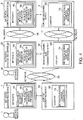
- FIG. 2 shows metadata (pre-signature metadata) generated by the metadata producer 1
- pre-signature metadata for example, information indicating start time points of all hitting scenes of a hitter in the aforementioned baseball broadcast program is inserted as an instance of the metadata into one of product portions 13 of the producer.
- the metadata producer 1 has a public key certificate to verify the producer and a secret key corresponding to the public key certificate.
- the metadata producer 1 adds an XML signature 4A defined by XML-Signature and a public key certificate 5A used in the signature into the metadata 3A with the metadata generating device 2 so as to generate metadata with a producer signature.
- FIG. 3 shows the aforementioned metadata 3A with the producer signature.
- the public key certificate 5A of the signer is embedded in the signature 4A of the producer 1, which is in an XML format, in a form in which binary data are base64-encoded.
- the content 6A is distributed to a user via a broadcasting network 11, which serves as a communication means for broadcasting.
- the metadata 3A are distributed to the user via a network (telecommunication network such as the Internet) 10.
- the user has a metadata controlling device 8 connected to the network 10 for obtaining the metadata 3A distributed from the metadata generating device 2 as metadata 3B and a content receiving device 9 for obtaining the content 6A from the broadcasting network 11 as content 6B.
- the content receiving device 9 also has a content playback function.
- the user accesses the distributed metadata 3B (equivalent to 3A) with use of the metadata controlling device 8. If the metadata 3B is accessible to the content 6B (equivalent to 6A), the user can view an image digest of the content 6B or the like based on the metadata 3B.
- the above example shows a method of distributing the content 6A via the broadcasting network 11 and distributing the metadata 3A via the network 10 to the user.
- the content 6A may be distributed via the network
- the metadata 3A may be distributed via the broadcasting network.
- both of the content 6A and the metadata 3A may be distributed via the broadcasting network.
- both of the content 6A and the metadata 3A may be distributed via the network.
- the metadata controlling device 8 when the metadata controlling device 8 is to gain access to the content 6B from the metadata 3B, it verifies the signature 4A of the metadata producer, which has been provided to the metadata 6B, to confirm that the metadata 3B have not been falsified. Next, the metadata controlling device 8 obtains a value of a subject area at which information on an owner of a public key certificate is described in the public key certificate 5A of the metadata producer, and identifies the producer of the metadata 3A. Subsequently, the metadata controlling device 8 accesses the content receiving device 9 to obtain the metadata access control descriptor 7A in the content 6B. The metadata controlling device 8 compares the metadata access control descriptor 7A with the information on the owner of the public key certificate (the subject of the public key certificate defined by RFC3280) to determine whether the metadata is accessible to the content.
- the metadata controlling device 8 is permitted to access the content 6B from the metadata 3B, so that an image digest of the content 6B or the like can be viewed based on the metadata 3B.
- the metadata access control descriptor 7A describes that any metadata producer is accessible to the content
- all metadata producers can view an image digest of the content 6B based on his/her metadata without restriction.
- the metadata controlling device 8 is also permitted to access the content 6B from the metadata 3B, so that an image digest of the content 6B or the like can be viewed based on the metadata 3B.
- Any digital signature may be employed as long as it can specify a signer as a producer based on public key infrastructure (PKI) technology.
- PKI public key infrastructure
- FIG. 4 shows an access control system according to a second embodiment of the present invention.
- This access control system further includes a content generating device 22 for generating the aforementioned content 6A ( FIG. 1 ), and a metadata controlling device 29 and a content receiving and transmitting device 30, which are connected between a metadata generating device 2 ( FIG. 1 ) and a metadata controlling device 8 ( FIG. 1 ) and between the content generating device 22 and a content receiving device 9 ( FIG. 1 ).
- the metadata controlling device 29 and the content receiving and transmitting device 30 are connected to the metadata generating device 2 and the content generating device 22 via a network 25, and connected to the metadata controlling device 8 and the content receiving device 9 via a network 10 and a broadcasting network 11.
- the same network as the network 10 may be used as the network 25.
- the network 10 and the broadcasting network 11 may be used for connections between the metadata generating device 2 and the metadata controlling device 29 and between the content generating device 22 and the content receiving and transmitting device 30 instead of the network 25,
- the content receiving and transmitting device 30 has a function of the content receiving device 9 shown in FIG. 1 , which obtains the content 6A from the network 25 as content 6A' (and also has a content playback function), and a function of a transmitting device to send the content 6A' via the broadcasting network 11.
- the content receiving device 9 obtains the content 6A' from the broadcasting network 11 as content 6B.
- the metadata controlling device 29 obtains metadata 3A from the network 25 as metadata 3A'.
- the metadata controlling device 29 obtains metadata 3A from the network 25 as metadata 3A'.
- the metadata controlling device 29 is permitted to access the content 6A' from the metadata 3A'.
- a user (metadata producer 34) of the metadata controlling device 29 and the content receiving and transmitting device 30 can view an image digest of the content 6A' or the like based on the metadata 3A'.
- the metadata controlling device 29 also has a function of sending the metadata 3A' via the network 10.
- the metadata controlling device 8 obtains the metadata 3A' from the network 10 as metadata 3B.
- the metadata producer 1 is described or identified (or specified) in the metadata access control descriptor 7A of the content 6B as a producer of metadata that are permitted to access the content
- a user of the metadata controlling device 8 and the content receiving device 9 is also permitted to access the content 6B from the metadata 3B, so that the user can view an image digest of the content 6B or the like based on the metadata 3B.
- the metadata producer 1 generates the metadata 3A for the content 6A with the metadata generating device 2, and that the metadata producer 34 additionally edits the metadata 3A into the metadata 3A' with the metadata controlling device 29.
- FIG. 5 shows signed metadata 3A' in an XML format in a case where the metadata producer 34 additionally edits the metadata 3A with the metadata controlling device 29.
- product portions 13 ( FIG. 2 ) of the metadata producer 1 and product portions 37 of the metadata producer 34 are mixed in the signed metadata 3A' in an XML format, which are produced by two of the metadata producer 1 and the metadata producer 34.
- the XML signatures of the metadata producer 1 and the metadata producer 34 are embedded in the metadata 3A' as a signature 4A ( FIG. 2 ) of the metadata producer 1 and a signature 39 of the metadata producer 34,
- the metadata producer 34 adds metadata in the product portions 37 for access to the content 6A', which has been received by the content receiving and transmitting device 30, with the metadata controlling device 29, it is possible to achieve an access control to content from metadata such that the metadata is inactivated unless authorization was provided when the metadata access control descriptor 7A was generated by the content generating device 22.
- a receiving apparatus is formed by a combination of the metadata controlling device 29 and the content receiving and transmitting device 30 or by a combination of the metadata controlling device 8 and the content receiving device 9.
- a transmitting apparatus has a content transmitting device (content generating device 22) for sending content to the receiving apparatus and a metadata transmitting device (metadata generating device 2) for sending metadata produced for the content to the receiving apparatus.
- the metadata transmitting device (metadata generating device 2) has a function of sending the produced metadata to the receiving apparatus in a state such that a digital signature of a producer who has produced the metadata is embedded in the produced metadata.
- the content transmitting device (content generating device 22) has a function of sending license information required to play back the content to the receiving apparatus in a state such that an identifier indicating which metadata are permitted to access the content is embedded in the license information.
- the transmitting apparatus is configured so that the receiving apparatus can control propriety of access to the content from the produced metadata by comparison of the digital signature received from the metadata transmitting device (metadata generating device 2) and the identifier received from the content transmitting device (content generating device 22).
- the metadata generating device 2 is formed of an information processing unit such as a personal computer to which an IC (Integrated Circuit) card reader/writer 45 is connected.
- the metadata generating device 2 is formed by a metadata generating part 41 and a metadata sending part 42, which are provided by software, for example.
- the metadata generating device 40 has a function of generating metadata 3A ( FIG. 4 ) corresponding to content 6A ( FIG. 4 ), a function of providing a digital signature to the generated metadata 3A, and a function to access an IC card 46, in which a public key certificate and a secret key used for a digital signature are stored.
- the IC card reader/writer 45 is connected to the metadata generating device.
- the metadata generating part 41 has a function of generating metadata 3A corresponding to the content 6A, and is configured by software having a signature generating part 43 as a function of adding a digital signature to the generated content 6A. Further, the metadata generating part 41 has a content playback controlling part 44 for playing back the content 6A with use of the generated metadata 3A.
- the metadata sending part 42 has a function of transferring the metadata 3A generated by the metadata generating part 41 to the metadata controlling device 29 ( FIG. 4 ) via the telecommunication network 25 ( FIG. 4 ) such as the Internet.
- the signature generating part 43 has a function of providing a digital signature to the generated metadata 3A and executes a signature by generating a signature document in an XML-Signature format, which is a standard of W3C, from a document to be signed, generating a hash value for signature, generating a signature value with the IC card 46 via the IC card reader/writer 45, and embedding the generated signature value in the XML signature document. Further, the signature generating part 43 also has a function of embedding a public key certificate of a signer, which is stored in the IC card 46, in the document to be signed.
- XML-Signature format which is a standard of W3C
- the IC card 46 can store a secret key and a public key certificate therein and has a function of making an encryption calculation therein,
- a hash value of a document to be signed is received via the IC card reader/writer 45
- the hash value is encrypted to generate a signature value, which is returned to the signature generating part 43 via the IC card reader/writer 45.
- the IC card reader/writer 45 has a function of reading information in the IC card 46 in response to a command from an information processing unit such as a personal computer and a function of commanding the IC card 46 to make an encryption calculation for a digital signature using a key stored in the IC card 46.
- the content playback controlling part 44 has a function of commanding the content generating device 22 ( FIG. 4 ) to partially play back content according to the metadata 3A.
- the metadata controlling device 47 is formed of an information processing unit such as a personal computer to which an IC card reader/writer 52 is connected.
- the metadata controlling device 47 is formed by a metadata editing part 48 including a signature generation and verification function part 49 and a content playback controlling part 50, and a metadata receiving and transmitting part 51, which are provided by a software program,
- the IC card reader/writer 52 and an IC card 53 are the same as those connected to the metadata generating device 40.
- the metadata editing part 48 has a function of editing metadata 3A' (or 3B), a function of providing a digital signature to the edited portion with use of the signature generation and verification function part 49, the IC card reader/writer 52, and the IC card 53, a function of verifying a signature and a certificate provided to the metadata 3A' (or 3B), and a content playback controlling part 50 for controlling playback of the content 6A' (or 6B).
- the signature generation and verification function part 49 has a function of generating a signature as with the metadata generating device 2, a function of verifying a signature value of the provided metadata, and a function of verifying a certificate.
- the content playback controlling part 50 has a function of commanding the content receiving and transmitting device 30 (or the content receiving device 9) to partially play back the content 6A' (or 6B) according to the metadata 3A' (or 3B). Further, the content playback controlling part 50 has a function of obtaining a metadata access control descriptor 7A, which is utilized to determine whether the metadata 3A' (or 3B) is accessible to the content 6A' (or 6B) at the time of playback, from the content 6A' (or 6B). The content playback controlling part 50 has a function of obtaining a public key certificate of a metadata producer from a metadata producer signature embedded in the metadata 3A' (or 3B) and identifying a signer from an owner of the public key certificate. The content playback controlling part 50 has a function of comparing the identified signer with the obtained metadata access control descriptor 7A to determine propriety of access to the content 6A' (or 6B),
- the transmitting device in the content generating device 22 is formed by a content generating means 57 having a content storage unit 54 for storing content therein, an encoding part 55, and a scrambling part 56, a key generating means 58 having a content key generating part 59 for generating a content key Kc, a metadata access control information generating part 60, and a Kc transmission ECM/EMM generating part 61 for generating license information (Kc transmission ECM (Entitlement Control Message)/EMM (Entitlement Management Control Message)) required to play back content, and a multiplexing means 63 for multiplexing encrypted content generated by the content generating means 57 and a key generated by the key generating means 58.
- a content generating means 57 having a content storage unit 54 for storing content therein, an encoding part 55, and a scrambling part 56
- a key generating means 58 having a content key generating part 59 for generating a content key Kc, a
- the content storage unit 54 is formed by a storage device such as a hard disk for storing the content 6A of images, sounds, or data.
- the encoding part 55 is formed by an encoding device for encoding images, sounds, or data in MPEG (Motion Picture Experts Group)-2 TS (Transport Stream).
- MPEG Motion Picture Experts Group
- TS Transmission Stream
- the content key generating part 59 generates an encryption key (content key Kc) for encrypting content with a common key cryptography for each content, assigns a content identification for identifying the content, and manages the content key for each content identification,
- the scrambling part 56 encrypts encoded content with the content key generated by the content key generating part 59 and generates encrypted content.
- the metadata access control information generating part 60 generates a metadata access control descriptor 7A for permitting use of content 6A to metadata.
- the metadata access control descriptor 7A is formed by a metadata producer type indicative of a metadata producer identification, which is an identification code of a metadata producer, and an attribute of a metadata producer (such as a metadata producer who is also a content provider, a professional metadata producer, or a user),
- the Kc transmission ECM/EMM generating part 61 generates a Kc transmission ECM or a Kc transmission EMM in a section format defined by ARIB-STDB25, "Access Control System for Digital Broadcasting," which includes a content key Kc, metadata access control information (metadata access control descriptor 7A), and a work key or a master key 62.
- license information required for the metadata access control information (metadata access control descriptor 7A) to play back content is embedded in a Kc transmission ECM or a Kc transmission EMM.
- the Kc transmission ECM performs an encryption with a work key 62
- the Kc transmission EMM performs an encryption with a master key 62
- the master key 62 is an encryption key which is provided for each receiving device with a common key cryptography.
- the work key 62 is an encryption key which is provided for each unit such as a carrier with a common key cryptography, is also an encryption key common to receiving devices which are to receive a Kc transmission ECM, and is an encryption key to group respective receiving devices. That is, the Kc transmission ECM is used when Kc is broadcasted to receiving devices having a common work key.
- the Kc transmission EMM is used when Kc is distributed individually to respective receiving devices.
- a multiplexing part 64 of the multiplexing means 63 multiplexes and modulates the encrypted content of the content generating means 57 and the Kc transmission ECM/EMM encrypted with a work key, and sends them as broadcasting.
- Kc is distributed individually to respective receiving devices
- a Kc transmission EMM (license information) is individually distributed via a telecommunication network using TCP/IP (Transmission Control Protocol/Internet Protocol),
- the transmitting device in the content receiving and transmitting device 30 also has the same arrangement as the transmitting device in the content generating device 22 shown in FIG. 8 .
- the content storage unit 54 in the content generating means 57 stores content (images, sounds, or data) received from the content generating device 22 by the receiving device in the content receiving and transmitting device 30.
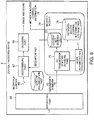
- the content receiving device 9 is formed by a content decoding means having a descrambling part 67 and a decoding part 69, a security module 74 having a Kc transmission ECM/EMM decoding part 70, a content key storage unit 72, and a metadata access control information storage unit 73, and a separating means for separating encrypted content 66 and key information from each other,
- the security module 74 is a tamper-proof module which prevents information from being falsely fetched from an exterior of the module and is formed by an IC card or the like.
- the security module 74 is strictly issued and managed by a trusted third party.
- a separating part 65 demodulates the received broadcasting and separates it into encrypted content 66 and Kc transmission ECM/EMM 76 at an MPEG-2 TS level.
- the Kc transmission ECM/EMM decoding part 70 decrypts and decodes the received Kc transmission ECM with a work key 71 and the received Kc transmission EMM with a master key 71, fetches a content key (Kc) 68 and metadata access control information (metadata access control descriptor 7A) 75, and stores them in the content key storage unit 72 and the metadata access control information storage unit 73.
- the content key (Kc) 68 and the metadata access control information (metadata access control descriptor 7A) 75 are stored safety in the security module 74.
- the content key storage unit 72 stores the content key 68 for each content identification.
- the metadata access control information storage unit 73 stores the metadata access control information (metadata access control descriptor 7A) 75 for each content identification.
- the descrambling part 67 decrypts and decodes the encrypted content with the content key 68 obtained from the security module 74.
- the decoding part 69 decodes the received content encoded in MPEG-2 TS and fetches audiovisual information or digital data as the content 6B.
- the receiving device in the content receiving and transmitting device 30 also has the same arrangement as the content receiving device shown in FIG. 9 and receives content (images, sounds, or data) as content 6A' from the content generating device 22.
- the network 25 and the network 10 transmit metadata via a telecommunication network such as the Internet.
- the broadcasting network 11 distributes content between image playback devices via an existing broadcasting network.
- FIG. 4 content itself is produced in advance and stored in the content generating device 22.
- FIG. 8 is a detailed block diagram of the content generating device 22 shown in FIG. 4 .
- content 6A ( FIG. 4 ) is stored in the content storage unit 54.
- the content generating device 22 encrypts content, generates an encryption key (content key Kc) for each content in order to transmit it to the content receiving device 9 (or the content transmitting and receiving device 30), assigns a content identification in order to identify the content, and manages a content key for each content identification.
- the content is read from the content storage unit 54 and encoded in MPEG-2 TS (Transport Stream) by the encoding part 55.
- MPEG-2 TS Transport Stream
- the encoded content is encrypted by the scrambling part 56 to generate encrypted content.
- the metadata access control information generating part 60 generates a metadata access control descriptor 7A as an access control parameter.
- the metadata access control descriptor 7A is formed by a metadata producer identification, which is an identification code of a metadata producer, and a metadata producer type indicating an attribute of the metadata producer (a metadata producer who is also a content provider, a professional metadata producer, a user, or the like).
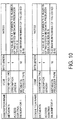
- Data structure of the metadata access control descriptor 1 describing a metadata producer type is shown in an upper table of FIG. 10 .
- Metadata structure of the metadata access control descriptor 1 describing a metadata producer identification is shown in a lower table of FIG. 10 .
- the Kc transmission ECM/EMM generating part 61 encrypts the generated content identification, the content key, and the metadata access control information into a Kc transmission ECM or a Kc transmission EMM with a work key or master key 62 in a section format defined by ARIB-STDB25, "Access Control System for Digital Broadcasting."
- the master key 62 is an encryption key provided for each receiving device with a common key cryptography
- the work key 62 is an encryption key provided for each unit such as a carrier with a common key cryptography.
- FIG. 6 is a detailed block diagram of the metadata generating device 1.
- the metadata producer 1 generates metadata 3A for content 6A with the metadata generating part 41 of the metadata generating device 2.
- the generated metadata are a document in an XML format in accordance with the definition of ARIB STD-B38 as shown in FIG. 2 .
- the metadata producer 1 After the metadata producer 1 generates the metadata in an XML format as shown in FIG. 2 , the metadata producer 1 provides a metadata producer signature 4A (in accordance with an XML-Signature) for the generated metadata as shown in FIG. 3 .
- a metadata producer public key certificate 5A of the producer is included in the metadata producer signature 4A.
- the metadata after signature becomes signed metadata 3A in an XML format.
- the signed XML document is embedded as a signature 4A of the producer in the metadata in a format according to XML-Signature Syntax and Processing.
- a public key certificate of a signer is embedded as a public key certificate 5A of the signer in the signature 4A of the producer according to the standard of the XML-Signature for certificates.
- the metadata 3A and the content 6A produced by a first producer 1 is transferred via the network 25 to a second producer (referred to as a metadata producer 34), who is a content provider.
- the second producer 34 When the second producer 34 receives the metadata as 3A' from the first producer 1, the second producer 34 adds product portions 37 of the metadata producer 34 to the metadata 3A' as shown in FIG. 5 .
- signature processing is conducted on portions generated by the metadata producer 34 after the addition, and a signature 39 of the metadata producer 34 is provided to the metadata.
- the signature 39 of the metadata producer 34 contains a metadata producer public key certificate, which is a public key certificate of the second producer 34. In this manner, the signature 39 of the metadata producer 34 is embedded in the metadata.
- content 6A' (equivalent to 6A) and metadata 3A' produced by the metadata producer 34 are distributed via the network 10 and the broadcasting network 11 so that the metadata 3A' is distributed as metadata 3B to the metadata controlling device 8, which is a user's terminal, and that the content 6A' is distributed as the content 6B to the content receiving device 9.
- the user verifies the signature 4A of the metadata producer, which is a signature of the metadata producer 1, and the signature 39 of the metadata producer, which is a signature of the metadata producer 34 ( FIG. 5 ), each of which has been added to the distributed metadata 3B, and confirms that the metadata 3B have not been falsified.
- the user can generate a metadata addition in product portions of the user in the metadata 3B, as with the product portions 37 in FIG. 5 , and can add his/her signature as with the signature 39 in FIG. 5 in the product portions of the user in the metadata 3B.
- the user plays back a digest of the content 6B using the metadata 3B including his/her metadata addition.
- fragments of the content 6B to be played back are described in the metadata 3B between tags ⁇ SegmentInformation...> and ⁇ /SegmentInformation> according to ARIB STD-B38.
- the content receiving device 9 is commanded to play back a digest of the content 6B according to the fragment information. Playback is performed after checking access control information to the content 6B from the metadata 3B, which is one of the most important features of the present invention. Acceptance or rejection of access to the content 6B from the metadata 3B is determined in the following procedures.
- Procedure 1 A first signature (a signature 4A of the metadata producer 1), a second signature (a signature 39 of the metadata producer 34), and a third signature (a signature of a user using the metadata controlling device 8 and the content receiving device 9), which are included in the metadata 3B, are verified. Simultaneously, certificates required for the verification of the signatures are also verified.
- Procedure 2 A person who has generated a portion in the metadata to be used is identified from a signature added in that portion. At that time, owner's name and owner's organization are specified from an owner of a public key certificate of a metadata producer that is contained in the first to third signatures (signature document in an XML signature format). Owner's attributes of a public key certificate are represented in a format called DN (Distinguished Name). Owner's name is registered in a value cn, and owner's organization is registered in a value ou. The same naming convention as the metadata access control identification of FIG. 10 is applied to the value cn, and the same naming convention as the metadata access control type of FIG. 10 is applied to the value ou.
- DN Different Name
- Procedure 3 Meanwhile, access control information according to the two tables of FIG. 10 , which was generated in the metadata access control information generating part 60 ( FIG. 8 ) of the content generating device 22 at the time of generation of the content, is distributed as a metadata access control identifier 7A to the content receiving device (playback device) 9 together with the content 6A.
- the metadata controlling device 8 makes an inquiry to the content receiving device (playback device) 9 to obtain the metadata access control identifier 7A.
- Procedure 4 At that time, in response to a request from the metadata controlling device 8, the content receiving device (playback device) 9 of FIG. 9 fetches metadata access control information 75 (metadata access control identifier 7A) from the metadata access control information storage unit 73 and returns it to the metadata controlling device 8,
- Procedure 5 A metadata access control identification and a metadata access control type of the metadata access control descriptor 7A returned from the content receiving device (playback device) 9 are compared with owner attributes cn and ou of certificates of three producers who produced the metadata to be used. An access control is performed by determining whether the owner attributes cn and ou of the certificates of the three producers match the metadata access control identification and the metadata access control type of the metadata access control descriptor 7A.
- the content receiving device (playback device) 9 is commanded to perform a partial playback of the content 6B or to display other information according to the information of the permitted metadata 3B.
- the content receiving device (playback device) 9 performs a partial playback of the content 6B according to the instructions.
- the embodiment of the present invention has features in that, with regard to separately distributed metadata and contents in a format defined by ARIB STD-B38, propriety of access to content from metadata is controlled by comparing information of an owner of a public key certificate of a signer of the metadata with a metadata access control descriptor embedded in the content.
- a proper hierarchical structure is provided to information of an owner of a certificate, and a metadata access control descriptor corresponding to the hierarchical structure (the metadata access control descriptor 1 or 2 in FIG. 10 ) is defined. Therefore, it is possible to achieve an access control to content from metadata according to an organization attribute of a producer of the metadata.
- content and license information including an identifier (metadata access control descriptor) are multiplexed and transmitted by the multiplexing means 63.
- the content and the license information are not necessarily required to be transmitted together.
- license information Kc transmission ECM/EMM in which an identifier (metadata access control descriptor) is embedded may be transmitted after only content is transmitted,
Landscapes
- Engineering & Computer Science (AREA)
- Signal Processing (AREA)
- Computer Security & Cryptography (AREA)
- Multimedia (AREA)
- Databases & Information Systems (AREA)
- Computer Networks & Wireless Communication (AREA)
- Storage Device Security (AREA)
- Two-Way Televisions, Distribution Of Moving Picture Or The Like (AREA)
Claims (16)
- Zugriffssteuerverfahren gekennzeichnet durch:einen Erzeugerinformations-Einbettungsschritt zum Einbetten von Identifikationsinformationen (4A, 5A), die einen Erzeuger (1) von Metadaten (3A) für Inhalt (6A) in den Metadaten (3A) angeben, wobei der Erzeugerinformations-Einbettungsschritt ferner dazu dient, Identifikationsinformationen, die einen anderen Erzeuger angeben, in die Metadaten (3A') einzubetten, wenn die Metadaten (3A) zusätzlich durch den anderen Erzeuger (34) bearbeitet werden,einen Schritt zum Einbetten eines Metadaten-Zugriffssteuerdeskriptors (7A), der einen autorisierten Erzeuger (1) der Metadaten (3A), der auf den Inhalt (6A) zugreifen darf, angibt, und eines Metadaten- Zugriffssteuerdeskriptors (7A), der einen autorisierten anderen Erzeuger (34) der Metadaten (3A'), der die Metadaten (3A) zusätzlich bearbeiten darf, angibt, in den Inhalt (6A) als für die Wiedergabe des Inhalts benötigte Lizenzinformationen undeinen Zugriffskorrektheits-Kontrollschritt zum Vergleichen der Identifikationsinformationen (4A, 5A) der Metadaten (3B) mit den Metadaten-Zugriffssteuerdeskriptoren (7A) des Inhalts (6B) zur Kontrolle der Korrektheit des Zugriffs auf den Inhalt (6B) anhand der erzeugten Metadaten (3B), indem festgestellt wird, ob alle Identifikationsinformationen (4A, 5A) der Metadaten (3B) in den Metadaten-Zugriffssteuerdeskriptoren (7B) des Inhalts (6B) enthalten sind.
- Zugriffssteuerverfahren nach Anspruch 1,
dadurch gekennzeichnet, dass der Erzeugerinformations-Einbettungsschritt einen Digitale-Signatur-Einbettungsschritt zum Einbetten einer digitalen Signatur (4A), die den Erzeuger (1) der Metadaten (3A) angibt, als Identifikationsinformationen in die Metadaten (3A) aufweist, wobei der Digitale-Signatur-Einbettungsschritt ferner dazu dient, eine digitale Signatur (4A), die den anderen Erzeuger (34) angibt, als Identifikationsinformationen in die Metadaten (3A') einzubetten, wenn die Metadaten (3A') zusätzlich durch den anderen Erzeuger (34) bearbeitet werden, und
der Zugriffskorrektheits-Kontrollschritt einen Schritt aufweist zum Vergleichen der digitalen Signaturen (4A) der Metadaten (3B) mit den Metadaten-Zugriffssteuerdeskriptoren (7A) des Inhalts (6B) zur Kontrolle der Korrektheit des Zugriffs auf den Inhalt (6B) anhand der erzeugten Metadaten (3B), indem festgestellt wird, ob alle digitalen Signaturen (4A) der Metadaten (3B) in den Metadaten-Zugriffssteuerdeskriptoren (7A) des Inhalts (6B) enthalten sind. - Zugriffssteuerverfahren nach Anspruch 2, dadurch gekennzeichnet, dass die digitalen Signaturen (4A) Signierer auf der Grundlage der Öffentlicher-Schlüssel-Infrastruktur(PKI)-Technologie als Erzeuger (1) und als anderen Erzeuger (34) spezifizieren können.
- Zugriffssteuerverfahren nach Anspruch 2, dadurch gekennzeichnet, dass die digitalen Signaturen (4A) der Metadaten (3B) Informationen über öffentliche Schlüsselzertifikate von Signierern als Erzeuger (1) und anderer Erzeuger (34) aufweisen, und
beim Zugriffskorrektheits-Kontrollschritt der Zugriff auf den Inhalt (6B) anhand der Metadaten (3B) gestattet wird und erlaubt wird, dass ein Bild des Inhalts (6B) auf der Grundlage der Metadaten (3B) betrachtet wird, wenn die Informationen über die öffentlichen Schlüsselzertifikate der Signierer als Erzeuger (1) und anderer Erzeuger (34) als autorisierter Erzeuger (1) und autorisierter anderer Erzeuger (34), wie durch die Metadaten-Zugriffssteuerdeskriptoren (7A) angegeben, identifiziert werden. - Zugriffssteuersystem gekennzeichnet durch:ein Erzeugerinformations-Einbettungsmittel (2, 29) zum Einbetten von Identifikationsinformationen (4A, 5A), die einen Erzeuger (1) von Metadaten (3A) für Inhalt (6A) in den Metadaten (3A) angeben, wobei das Erzeugerinformations-Einbettungsmittel (2, 29) ferner dazu dient, Identifikationsinformationen, die einen anderen Erzeuger (34) angeben, in die Metadaten (3A') einzubetten, wenn die Metadaten (3A) zusätzlich durch den anderen Erzeuger (34) bearbeitet werden,ein Identifikationsinformations-Einbettungsmittel (22, 30) zum Einbetten eines Metadaten-Zugriffssteuerdeskriptors (7A), der einen autorisierten Erzeuger (1) der Metadaten (3A), der auf den Inhalt (6A) zugreifen darf, angibt, und eines Metadaten-Zugriffssteuerdeskriptors (7A), der einen autorisierten anderen Erzeuger (34) der Metadaten (3A'), der die Metadaten (3A) zusätzlich bearbeiten darf, angibt, in den Inhalt (6A) als für die Wiedergabe des Inhalts benötigte Lizenzinformationen undein Zugriffskorrektheits-Kontrollmittel (8) zum Vergleichen der Identifikationsinformationen (4A, 5A) der Metadaten (3B) mit den Metadaten-Zugriffssteuerdeskriptoren (7A) des Inhalts (6B) zur Kontrolle der Korrektheit des Zugriffs auf den Inhalt (6B) anhand der erzeugten Metadaten (3B), indem festgestellt wird, ob alle Identifikationsinformationen (4A, 5A) der Metadaten (3B) in den Metadaten-Zugriffssteuerdeskriptoren (7B) des Inhalts (6B) enthalten sind.
- Zugriffssteuersystem nach Anspruch 5, dadurch gekennzeichnet, dass das Erzeugerinformations-Einbettungsmittel (2; 29) ein Digitale-Signatur-Einbettungsmittel (43; 49) zum Einbetten einer digitalen Signatur (4A), die den Erzeuger (1) der Metadaten (3A) angibt, als Identifikationsinformationen in die Metadaten (3A) aufweist, wobei das Digitale-Signatur-Einbettungsmittel (43; 49) ferner dazu dient, eine digitale Signatur (4A), die den anderen Erzeuger (34) angibt, als Identifikationsinformationen in die Metadaten (3A') einzubetten, wenn die Metadaten (3A') zusätzlich durch den anderen Erzeuger (34) bearbeitet werden, und
das Zugriffskorrektheits-Kontrollmittel (8) aufweist: Mittel (49) zum Vergleichen der digitalen Signaturen (4A) der Metadaten (3B) mit den Metadaten-Zugriffssteuerdeskriptoren (7A) des Inhalts (6B) zur Kontrolle der Korrektheit des Zugriffs auf den Inhalt (6B) anhand der erzeugten Metadaten (3B), indem festgestellt wird, ob alle digitalen Signaturen (4A) der Metadaten (3B) in den Metadaten-Zugriffssteuerdeskriptoren (7A) des Inhalts (6B) enthalten sind. - Zugriffssteuersystem nach Anspruch 6, dadurch gekennzeichnet, dass die digitalen Signaturen (4A) Signierer auf der Grundlage der Öffentlicher-Schlüssel-Infrastruktur(PKI)-Technologie als Erzeuger (1) und als anderen Erzeuger (34) spezifizieren können.
- Zugriffssteuersystem nach Anspruch 6 oder 7, dadurch gekennzeichnet, dass die digitalen Signaturen (4A) der Metadaten (3B) Informationen über öffentliche Schlüsselzertifikate von Signierern als Erzeuger (1) und anderer Erzeuger (34) aufweisen, und
das Zugriffkorrektheits-Kontrollmittel (8) den Zugriff auf den Inhalt (6B) anhand der Metadaten (3B) gestattet und erlaubt, dass ein Bild des Inhalts (6B) auf der Grundlage der erzeugten Metadaten (3B) betrachtet wird, wenn die Informationen über die öffentlichen Schlüsselzertifikate der Signierer als Erzeuger (1) und anderer Erzeuger (34) als autorisierter Erzeuger und autorisierter anderer Erzeuger, wie durch die Metadaten-Zugriffssteuerdeskriptoren (7A) angegeben, identifiziert werden. - Metadaten-Steuervorrichtung (8) zur Verwendung in Kombination mit einem Inhaltsempfangsteil (9) mit einer Funktion zum Empfangen und Wiedergeben von Inhalt (6A) und einer Funktion zum Empfangen von in den Inhalt (6A) eingebetteten Metadaten-Zugriffssteuerdeskriptoren (7A) als Lizenzinformationen, die für die Wiedergabe des Inhalts (6A) benötigt werden, wobei die Metadaten-Zugriffssteuerdeskriptoren (7A) des Inhalts (6A) einen Metadaten-Zugriffssteuerdeskriptor, der einen autorisierten Erzeuger (1) von Metadaten (3A) angibt, der auf den Inhalt (6B) zugreifen darf, und einen Metadaten-Zugriffssteuerdeskriptor, der einen autorisierten anderen Erzeuger (34) von Metadaten (3A') angibt, der die Metadaten (3A) zusätzlich bearbeiten darf, umfassen,
wobei die Metadaten-Steuervorrichtung (8) Folgendes aufweist:ein Mittel (51) zum Empfangen der für den Inhalt (6A) erzeugten Metadaten (3A'), von Identifikationsinformationen, die einen Erzeuger (1) der Metadaten (3A) angeben und in die Metadaten (3A) eingebettet sind, und von Identifikationsinformationen, die einen anderen Erzeuger (34) angeben und in die Metadaten (3A) eingebettet sind, wenn die Metadaten (3A') zusätzlich durch den anderen Erzeuger (34) bearbeitet werden, wobei die Metadaten (3B) ferner eine zusätzliche Beschreibung des Inhalts (6B) aufweisen, undein Zugriffskorrektheits-Kontrollmittel (49) zum Erhalten der Metadaten-Zugriffssteuerdeskriptoren (7A) des Inhalts (6B) vom Inhaltsempfangsteil (9) und zum Vergleichen der Identifikationsinformationen (4A, 5A) der Metadaten (3B) mit den Metadaten-Zugriffssteuerdeskriptoren (7A) des Inhalts (6B), um die Korrektheit des Zugriffs auf den Inhalt (6B) im Inhaltsempfangsteil (9) anhand der Metadaten (3B) zu kontrollieren, indem festgestellt wird, ob alle Identifikationsinformationen der Metadaten (3B) in den Metadaten-Zugriffssteuerdeskriptoren (7A) des Inhalts (6B) enthalten sind. - Metadaten-Steuervorrichtung nach Anspruch 9, dadurch gekennzeichnet, dass die Identifikationsinformationen der Metadaten (3B) eine digitale Signatur (4A), die den Erzeuger (1) der Metadaten (3A) angibt, und eine digitale Signatur (4A), die den anderen Erzeuger (34) angibt, aufweisen.
- Metadaten-Steuervorrichtung nach Anspruch 10, dadurch gekennzeichnet, dass die digitalen Signaturen auf der Grundlage der Öffentlicher-Schlüssel-Infrastruktur(PKI)-Technologie Signierer als Erzeuger (1) und anderen Erzeuger (34) spezifizieren können.
- Metadaten-Steuervorrichtung nach Anspruch 10 oder 11, dadurch gekennzeichnet, dass die digitalen Signaturen (4A) der Metadaten (3B) Informationen über öffentliche Schlüsselzertifikate von Signierern als Erzeuger (1) und anderer Erzeuger (34) aufweisen und
die Metadaten-Steuervorrichtung (8) in der Lage ist, den Zugriff auf den Inhalt (6B) im Inhaltsempfangsteil (9) anhand der Metadaten (3B) zu gestatten und zu erlauben, dass ein Bild des Inhalts (6B) auf der Grundlage der erzeugten Metadaten (3B) betrachtet wird, wenn die Informationen über die öffentlichen Schlüsselzertifikate der Signierer als Erzeuger (1) und anderer Erzeuger (34) als autorisierter Erzeuger und autorisierter anderer Erzeuger, wie durch die Metadaten-Zugriffssteuerdeskriptoren (7A) angegeben, identifiziert werden. - Sendevorrichtung (2, 22) mit:einer Metadaten-Sendevorrichtung (2) zum Senden für Inhalt (6A) erzeugter Metadaten (3A) zu einer Empfangsvorrichtung (29 und 30), wobei die Metadaten-Sendevorrichtung eine Funktion zum Senden der Metadaten (3A) zur Empfangsvorrichtung in einem Zustand, in dem diese Identifikationsinformationen, die einen Erzeuger (1) der Metadaten (3A) angeben, in die erzeugten Metadaten eingebettet sind, aufweist, undeiner Inhaltssendevorrichtung (22) zum Senden des Inhalts zur Empfangsvorrichtung, wobei die Inhaltssendevorrichtung eine Funktion zum Senden von Lizenzinformationen, die für die Wiedergabe des Inhalts benötigt werden, zur Empfangsvorrichtung in einem Zustand, in dem ein Metadaten-Zugriffssteuerdeskriptor, der einen autorisierten Erzeuger (1) der Metadaten (3A) angibt, der auf den Inhalt zugreifen darf, als Lizenzinformationen in den Inhalt eingebettet ist, und in dem ein Metadaten-Zugriffssteuerdeskriptor, der einen autorisierten anderen Erzeuger (34) der Metadaten (3A') angibt, der die Metadaten (3A) zusätzlich bearbeiten darf, als Lizenzinformationen in den Inhalt eingebettet ist, aufweist,wobei die Sendevorrichtung dafür ausgelegt ist, es der Empfangsvorrichtung zu erlauben, die Korrektheit des Zugriffs auf den Inhalt (6A') anhand der Metadaten (3A') zu kontrollieren, indem sie die Identifikationsinformationen, die den Erzeuger (1) der von der Metadaten-Sendevorrichtung empfangenen Metadaten (3A) angeben, und Identifikationsinformationen, die einen anderen Erzeuger (34) angeben und in die Metadaten (3A') eingebettet sind, wenn die Metadaten (3A') zusätzlich in der Empfangsvorrichtung durch den anderen Erzeuger (34) bearbeitet werden, mit den Metadaten-Zugriffssteuerdeskriptoren des von der Inhaltssendevorrichtung empfangenen Inhalts vergleicht, um festzustellen, ob alle Identifikationsinformationen der Metadaten in den Metadaten-Zugriffssteuerdeskriptoren (7A) des Inhalts (6A') enthalten sind.
- Sendevorrichtung nach Anspruch 13, dadurch gekennzeichnet, dass die Identifikationsinformationen, die den Erzeuger (1) der Metadaten (3A) angeben, eine digitale Signatur aufweisen, welche den Erzeuger (1) der Metadaten (3A) angibt, und dass die Identifikationsinformationen, die den anderen Erzeuger (34) angeben, eine digitale Signatur aufweisen, welche den anderen Erzeuger (34) angibt.
- Sendevorrichtung nach Anspruch 14, dadurch gekennzeichnet, dass die digitalen Signaturen Signierer auf der Grundlage der Öffentlicher-Schlüssel-Infrastruktur(PKI)-Technologie als Erzeuger (1) und anderen Erzeuger (34) spezifizieren können.
- Sendevorrichtung nach Anspruch 14 oder 15, dadurch gekennzeichnet, dass die digitalen Signaturen der Metadaten Informationen über öffentliche Schlüsselzertifikate von Signierern als Erzeuger (1) und anderer Erzeuger (34) aufweisen und
die Sendevorrichtung in der Lage ist, den Zugriff auf den Inhalt (6A') anhand der Metadaten (3A') in der Empfangsvorrichtung zu gestatten und auf der Grundlage der Metadaten (3A') zu erlauben, dass die Empfangsvorrichtung ein Bild des Inhalts (6A') betrachtet, wenn die Informationen über die öffentlichen Schlüsselzertifikate der Signierer als Erzeuger (1) und anderer Erzeuger (34) als autorisierter Erzeuger (1) und autorisierter anderer Erzeuger (34), wie durch die Metadaten-Zugriffssteuerdeskriptoren (7A) in der Empfangsvorrichtung angegeben, identifiziert werden.
Applications Claiming Priority (3)
| Application Number | Priority Date | Filing Date | Title |
|---|---|---|---|
| JP2004060085 | 2004-03-04 | ||
| JP2004358517A JP4009634B2 (ja) | 2004-03-04 | 2004-12-10 | アクセス制御方法、アクセス制御システム、メタデータ制御機、及び送信系装置 |
| PCT/JP2005/004275 WO2005086006A1 (ja) | 2004-03-04 | 2005-03-04 | アクセス制御方法、アクセス制御システム、メタデータ制御機、及び送信系装置 |
Publications (3)
| Publication Number | Publication Date |
|---|---|
| EP1732005A1 EP1732005A1 (de) | 2006-12-13 |
| EP1732005A4 EP1732005A4 (de) | 2009-12-16 |
| EP1732005B1 true EP1732005B1 (de) | 2018-06-06 |
Family
ID=34921671
Family Applications (1)
| Application Number | Title | Priority Date | Filing Date |
|---|---|---|---|
| EP05720546.0A Expired - Lifetime EP1732005B1 (de) | 2004-03-04 | 2005-03-04 | Zugangsregelverfahren, zugangsregelsystem, metadatensteuerung und übertragungssystem-einrichtung |
Country Status (4)
| Country | Link |
|---|---|
| US (1) | US7937407B2 (de) |
| EP (1) | EP1732005B1 (de) |
| JP (1) | JP4009634B2 (de) |
| WO (1) | WO2005086006A1 (de) |
Families Citing this family (36)
| Publication number | Priority date | Publication date | Assignee | Title |
|---|---|---|---|---|
| US8301884B2 (en) * | 2002-09-16 | 2012-10-30 | Samsung Electronics Co., Ltd. | Method of managing metadata |
| EP1552420A4 (de) * | 2002-10-15 | 2009-01-21 | Samsung Electronics Co Ltd | Verfahren zum verwalten von metadaten |
| US7721308B2 (en) * | 2005-07-01 | 2010-05-18 | Microsoft Corproation | Synchronization aspects of interactive multimedia presentation management |
| US8020084B2 (en) * | 2005-07-01 | 2011-09-13 | Microsoft Corporation | Synchronization aspects of interactive multimedia presentation management |
| US8305398B2 (en) * | 2005-07-01 | 2012-11-06 | Microsoft Corporation | Rendering and compositing multiple applications in an interactive media environment |
| US7941522B2 (en) * | 2005-07-01 | 2011-05-10 | Microsoft Corporation | Application security in an interactive media environment |
| US8799757B2 (en) | 2005-07-01 | 2014-08-05 | Microsoft Corporation | Synchronization aspects of interactive multimedia presentation management |
| US8656268B2 (en) | 2005-07-01 | 2014-02-18 | Microsoft Corporation | Queueing events in an interactive media environment |
| US8108787B2 (en) | 2005-07-01 | 2012-01-31 | Microsoft Corporation | Distributing input events to multiple applications in an interactive media environment |
| US8560853B2 (en) * | 2005-09-09 | 2013-10-15 | Microsoft Corporation | Digital signing policy |
| US8266702B2 (en) * | 2006-10-31 | 2012-09-11 | Microsoft Corporation | Analyzing access control configurations |
| US8296389B2 (en) * | 2007-04-05 | 2012-10-23 | Sony Computer Entertainment Inc. | Content reproduction apparatus, content delivery apparatus, content delivery system, and method for generating metadata |
| JP4483906B2 (ja) * | 2007-08-08 | 2010-06-16 | ソニー株式会社 | 情報提供システム、映像再生装置、情報提供装置、情報提供方法およびプログラム |
| JP5061797B2 (ja) * | 2007-08-31 | 2012-10-31 | ソニー株式会社 | 伝送システムおよび方法、伝送装置および方法、受信装置および方法、プログラム、並びに記録媒体 |
| JP2011507416A (ja) | 2007-12-20 | 2011-03-03 | エーティーアイ・テクノロジーズ・ユーエルシー | ビデオ処理を記述するための方法、装置および機械可読記録媒体 |
| US8819066B2 (en) | 2007-12-21 | 2014-08-26 | International Business Machines Corporation | Employing organizational context within a collaborative tagging system |
| US8819843B2 (en) * | 2008-02-15 | 2014-08-26 | Qualcomm Incorporated | Methods and apparatus for conditional access of non real-time content in a distribution system |
| JP5076130B2 (ja) * | 2008-04-09 | 2012-11-21 | 株式会社メガチップス | 半導体メモリ装置 |
| JP5055490B2 (ja) * | 2008-04-14 | 2012-10-24 | 株式会社メガチップス | 半導体メモリ装置 |
| US20090271319A1 (en) * | 2008-04-29 | 2009-10-29 | Microsoft Corporation | Embedded Licenses for Content |
| US20090326980A1 (en) * | 2008-06-27 | 2009-12-31 | Microsoft Corporation | Flagging to control access to health information |
| US8681144B2 (en) | 2008-12-19 | 2014-03-25 | International Business Machines Corporation | Prioritized rendering of objects in a virtual universe |
| US8856949B2 (en) * | 2008-12-30 | 2014-10-07 | Cyberlink Corporation | Systems and methods for detecting authorized players |
| US9805492B2 (en) | 2008-12-31 | 2017-10-31 | International Business Machines Corporation | Pre-fetching virtual content in a virtual universe |
| US8990306B2 (en) | 2009-05-28 | 2015-03-24 | International Business Machines Corporation | Pre-fetching items in a virtual universe based on avatar communications |
| EP2441259B1 (de) * | 2009-06-08 | 2017-09-27 | NDS Limited | Sichere assoziation von metadaten mit inhalt |
| US20100312810A1 (en) * | 2009-06-09 | 2010-12-09 | Christopher Horton | Secure identification of music files |
| US9256896B2 (en) * | 2009-08-27 | 2016-02-09 | International Business Machines Corporation | Virtual universe rendering based on prioritized metadata terms |
| CN104090897B (zh) * | 2013-12-19 | 2016-05-04 | 深圳市腾讯计算机系统有限公司 | 访问元数据的方法、服务器及系统 |
| US10491398B2 (en) * | 2014-09-12 | 2019-11-26 | Salesforce.Com, Inc. | Facilitating dynamic end-to-end integrity for data repositories in an on-demand services environment |
| US20160286266A1 (en) * | 2015-03-25 | 2016-09-29 | Cisco Technology, Inc. | Labeling video content |
| CN105138929B (zh) * | 2015-10-09 | 2019-05-07 | 天津国芯科技有限公司 | 一种具有防误写操作的寄存器保护方法及装置 |
| WO2017117357A1 (en) * | 2015-12-30 | 2017-07-06 | Xiaolin Zhang | System and method for data security |
| US11526612B2 (en) | 2020-09-22 | 2022-12-13 | International Business Machines Corporation | Computer file metadata segmentation security system |
| KR102427890B1 (ko) * | 2020-11-25 | 2022-08-01 | 네이버 주식회사 | 콘텐츠 배열을 위한 객체를 제공하는 방법 및 시스템 |
| USD1089633S1 (en) | 2021-12-17 | 2025-08-19 | Nicole Frenzel | Glow in the dark oxygen tubing |
Family Cites Families (14)
| Publication number | Priority date | Publication date | Assignee | Title |
|---|---|---|---|---|
| EP1249002B1 (de) * | 2000-01-13 | 2011-03-16 | Digimarc Corporation | Authentifizierende metadaten und einbettung von metadaten in wasserzeichen von mediensignalen |
| JP2002057662A (ja) * | 2000-08-07 | 2002-02-22 | Sony Corp | 情報処理装置、情報処理方法、並びに記録媒体 |
| JP4296698B2 (ja) * | 2000-08-17 | 2009-07-15 | ソニー株式会社 | 情報処理装置、情報処理方法、並びに記録媒体 |
| US8032542B2 (en) * | 2000-10-26 | 2011-10-04 | Reynolds Mark L | Creating, verifying, managing, and using original digital files |
| JP2003051816A (ja) * | 2001-08-07 | 2003-02-21 | Sony Corp | コンテンツ配信システム、コンテンツ配信方法、およびデータ処理装置、データ処理方法、並びにコンピュータ・プログラム |
| US7310821B2 (en) * | 2001-08-27 | 2007-12-18 | Dphi Acquisitions, Inc. | Host certification method and system |
| US20030079133A1 (en) * | 2001-10-18 | 2003-04-24 | International Business Machines Corporation | Method and system for digital rights management in content distribution application |
| JP4136534B2 (ja) * | 2001-11-02 | 2008-08-20 | キヤノン株式会社 | デジタルコンテンツ処理装置、デジタルコンテンツ処理方法、コンピュータプログラム及び記録媒体 |
| US20040039916A1 (en) * | 2002-05-10 | 2004-02-26 | David Aldis | System and method for multi-tiered license management and distribution using networked clearinghouses |
| JP4213501B2 (ja) * | 2003-04-11 | 2009-01-21 | 株式会社エヌ・ティ・ティ・ドコモ | データ通信システム、及びデータ通信方法 |
| JP4566683B2 (ja) * | 2003-10-09 | 2010-10-20 | パナソニック株式会社 | メタデータアクセス制御システム及びその方法、並びに受信装置、送信装置 |
| JP4565955B2 (ja) * | 2003-11-11 | 2010-10-20 | パナソニック株式会社 | 情報利用可否判定方法、端末装置、送信装置、コンテンツ配信システム、およびプログラム |
| US9075851B2 (en) * | 2003-12-09 | 2015-07-07 | Emc Corporation | Method and apparatus for data retention in a storage system |
| WO2005112334A2 (en) * | 2004-05-07 | 2005-11-24 | Home Box Office, Inc. | Method and system for secure distribution of content over a communications network |
-
2004
- 2004-12-10 JP JP2004358517A patent/JP4009634B2/ja not_active Expired - Fee Related
-
2005
- 2005-03-04 WO PCT/JP2005/004275 patent/WO2005086006A1/ja not_active Ceased
- 2005-03-04 US US10/591,619 patent/US7937407B2/en not_active Expired - Lifetime
- 2005-03-04 EP EP05720546.0A patent/EP1732005B1/de not_active Expired - Lifetime
Non-Patent Citations (1)
| Title |
|---|
| None * |
Also Published As
| Publication number | Publication date |
|---|---|
| US7937407B2 (en) | 2011-05-03 |
| US20070277245A1 (en) | 2007-11-29 |
| EP1732005A1 (de) | 2006-12-13 |
| EP1732005A4 (de) | 2009-12-16 |
| WO2005086006A1 (ja) | 2005-09-15 |
| JP2005285089A (ja) | 2005-10-13 |
| JP4009634B2 (ja) | 2007-11-21 |
Similar Documents
| Publication | Publication Date | Title |
|---|---|---|
| EP1732005B1 (de) | Zugangsregelverfahren, zugangsregelsystem, metadatensteuerung und übertragungssystem-einrichtung | |
| KR101511805B1 (ko) | 보안 서명 방법, 보안 인증 방법 및 iptv 시스템 | |
| US7694149B2 (en) | Method for judging use permission of information and content distribution system using the method | |
| JP4311899B2 (ja) | コンテンツの配信および保護を行なう方法および装置 | |
| US8869298B2 (en) | Enhanced content resolution method | |
| US20070288715A1 (en) | Media Player | |
| JP3695992B2 (ja) | 放送受信装置及びコンテンツ利用制御方法 | |
| US20040111749A1 (en) | Demanding a video program by using demand short message | |
| KR100920279B1 (ko) | 정보 제공 시스템, 및 정보 처리 장치 및 방법 | |
| JP2009135941A (ja) | 拡張されたコンテント解決方法 | |
| JP4257269B2 (ja) | メタデータ送信装置及びメタデータ受信装置 | |
| JP4136534B2 (ja) | デジタルコンテンツ処理装置、デジタルコンテンツ処理方法、コンピュータプログラム及び記録媒体 | |
| JP4566683B2 (ja) | メタデータアクセス制御システム及びその方法、並びに受信装置、送信装置 | |
| EP1679896A1 (de) | Metadaten-zugriffsregelsystem, verfahren dafür, empfangseinrichtung und sendeeinrichtung | |
| JP5022169B2 (ja) | アプリケーション送信装置、コンテンツ送信装置及びコンテンツ受信装置、並びに、アプリケーション送信プログラム、コンテンツ送信プログラム及びコンテンツ受信プログラム | |
| JP5350021B2 (ja) | ファイル生成装置、ファイル再生装置およびコンピュータプログラム | |
| KR100497336B1 (ko) | 공개키 기반 구조의 제한 수신 시스템에서의 자격관리메시지 변환 방법 | |
| CN100539683C (zh) | 元数据存取控制系统及其方法以及接收装置、发送装置 | |
| JP2007135058A (ja) | コンテンツ提示制御装置及びそのプログラム、並びに、放送用コンテンツ配信装置 | |
| JP2004153752A (ja) | デジタル放送送受信方法、デジタル放送送受信システム、その送信局、受信装置、および、通信マルチメディアコンテンツサーバ | |
| JP2007221324A (ja) | コンテンツ再生装置、コンテンツ再生システム、およびプログラム | |
| EP1771004A2 (de) | Verfahren zur Auflösung von erweitertem Inhalt | |
| JP2005269412A (ja) | コンテンツ配信システムおよび視聴者端末装置 | |
| WO2004068351A1 (ja) | コンテンツ配信システム | |
| JP2006324990A (ja) | メタデータ受信装置及び方法 |
Legal Events
| Date | Code | Title | Description |
|---|---|---|---|
| PUAI | Public reference made under article 153(3) epc to a published international application that has entered the european phase |
Free format text: ORIGINAL CODE: 0009012 |
|
| 17P | Request for examination filed |
Effective date: 20061004 |
|
| AK | Designated contracting states |
Kind code of ref document: A1 Designated state(s): DE FR GB |
|
| DAX | Request for extension of the european patent (deleted) | ||
| RBV | Designated contracting states (corrected) |
Designated state(s): DE FR GB |
|
| A4 | Supplementary search report drawn up and despatched |
Effective date: 20091116 |
|
| 17Q | First examination report despatched |
Effective date: 20100309 |
|
| REG | Reference to a national code |
Ref country code: DE Ref legal event code: R079 Ref document number: 602005054081 Country of ref document: DE Free format text: PREVIOUS MAIN CLASS: G06F0012140000 Ipc: H04N0021254000 |
|
| GRAP | Despatch of communication of intention to grant a patent |
Free format text: ORIGINAL CODE: EPIDOSNIGR1 |
|
| RIC1 | Information provided on ipc code assigned before grant |
Ipc: H04N 21/4627 20110101ALI20171212BHEP Ipc: G11B 27/28 20060101ALI20171212BHEP Ipc: H04N 21/254 20110101AFI20171212BHEP Ipc: H04H 60/16 20080101ALI20171212BHEP Ipc: H04N 21/835 20110101ALI20171212BHEP Ipc: H04L 9/32 20060101ALI20171212BHEP |
|
| INTG | Intention to grant announced |
Effective date: 20180104 |
|
| GRAS | Grant fee paid |
Free format text: ORIGINAL CODE: EPIDOSNIGR3 |
|
| GRAA | (expected) grant |
Free format text: ORIGINAL CODE: 0009210 |
|
| RIN1 | Information on inventor provided before grant (corrected) |
Inventor name: KURIOKA, TATSUYA Inventor name: GOTO, JUN Inventor name: NISHIMOTO, YUSEI Inventor name: ISHIKAWA, KIYOHIKO Inventor name: NAKAMURA, HARUYUKI Inventor name: BABA, AKITSUGU |
|
| AK | Designated contracting states |
Kind code of ref document: B1 Designated state(s): DE FR GB |
|
| REG | Reference to a national code |
Ref country code: GB Ref legal event code: FG4D |
|
| REG | Reference to a national code |
Ref country code: DE Ref legal event code: R096 Ref document number: 602005054081 Country of ref document: DE |
|
| RIC2 | Information provided on ipc code assigned after grant |
Ipc: G11B 27/28 20060101ALI20171212BHEP Ipc: H04H 60/16 20080101ALI20171212BHEP Ipc: H04N 21/835 20110101ALI20171212BHEP Ipc: H04L 9/32 20060101ALI20171212BHEP Ipc: H04N 21/254 20110101AFI20171212BHEP Ipc: H04N 21/4627 20110101ALI20171212BHEP |
|
| REG | Reference to a national code |
Ref country code: DE Ref legal event code: R097 Ref document number: 602005054081 Country of ref document: DE |
|
| PLBE | No opposition filed within time limit |
Free format text: ORIGINAL CODE: 0009261 |
|
| STAA | Information on the status of an ep patent application or granted ep patent |
Free format text: STATUS: NO OPPOSITION FILED WITHIN TIME LIMIT |
|
| 26N | No opposition filed |
Effective date: 20190307 |
|
| PGFP | Annual fee paid to national office [announced via postgrant information from national office to epo] |
Ref country code: DE Payment date: 20240320 Year of fee payment: 20 Ref country code: GB Payment date: 20240320 Year of fee payment: 20 |
|
| PGFP | Annual fee paid to national office [announced via postgrant information from national office to epo] |
Ref country code: FR Payment date: 20240321 Year of fee payment: 20 |
|
| REG | Reference to a national code |
Ref country code: DE Ref legal event code: R071 Ref document number: 602005054081 Country of ref document: DE |
|
| REG | Reference to a national code |
Ref country code: GB Ref legal event code: PE20 Expiry date: 20250303 |
|
| PG25 | Lapsed in a contracting state [announced via postgrant information from national office to epo] |
Ref country code: GB Free format text: LAPSE BECAUSE OF EXPIRATION OF PROTECTION Effective date: 20250303 |