EP1725656B1 - Serumfreies suspensionskultursystem fürmesenchym-vorläuferzellen - Google Patents
Serumfreies suspensionskultursystem fürmesenchym-vorläuferzellen Download PDFInfo
- Publication number
- EP1725656B1 EP1725656B1 EP05714574.0A EP05714574A EP1725656B1 EP 1725656 B1 EP1725656 B1 EP 1725656B1 EP 05714574 A EP05714574 A EP 05714574A EP 1725656 B1 EP1725656 B1 EP 1725656B1
- Authority
- EP
- European Patent Office
- Prior art keywords
- cells
- cfu
- cell
- serum
- suspension
- Prior art date
- Legal status (The legal status is an assumption and is not a legal conclusion. Google has not performed a legal analysis and makes no representation as to the accuracy of the status listed.)
- Expired - Lifetime
Links
Images
Classifications
-
- C—CHEMISTRY; METALLURGY
- C12—BIOCHEMISTRY; BEER; SPIRITS; WINE; VINEGAR; MICROBIOLOGY; ENZYMOLOGY; MUTATION OR GENETIC ENGINEERING
- C12N—MICROORGANISMS OR ENZYMES; COMPOSITIONS THEREOF; PROPAGATING, PRESERVING, OR MAINTAINING MICROORGANISMS; MUTATION OR GENETIC ENGINEERING; CULTURE MEDIA
- C12N5/00—Undifferentiated human, animal or plant cells, e.g. cell lines; Tissues; Cultivation or maintenance thereof; Culture media therefor
- C12N5/06—Animal cells or tissues; Human cells or tissues
- C12N5/0602—Vertebrate cells
- C12N5/0652—Cells of skeletal and connective tissues; Mesenchyme
- C12N5/0662—Stem cells
- C12N5/0663—Bone marrow mesenchymal stem cells (BM-MSC)
-
- C—CHEMISTRY; METALLURGY
- C12—BIOCHEMISTRY; BEER; SPIRITS; WINE; VINEGAR; MICROBIOLOGY; ENZYMOLOGY; MUTATION OR GENETIC ENGINEERING
- C12N—MICROORGANISMS OR ENZYMES; COMPOSITIONS THEREOF; PROPAGATING, PRESERVING, OR MAINTAINING MICROORGANISMS; MUTATION OR GENETIC ENGINEERING; CULTURE MEDIA
- C12N2500/00—Specific components of cell culture medium
- C12N2500/90—Serum-free medium, which may still contain naturally-sourced components
-
- C—CHEMISTRY; METALLURGY
- C12—BIOCHEMISTRY; BEER; SPIRITS; WINE; VINEGAR; MICROBIOLOGY; ENZYMOLOGY; MUTATION OR GENETIC ENGINEERING
- C12N—MICROORGANISMS OR ENZYMES; COMPOSITIONS THEREOF; PROPAGATING, PRESERVING, OR MAINTAINING MICROORGANISMS; MUTATION OR GENETIC ENGINEERING; CULTURE MEDIA
- C12N2501/00—Active agents used in cell culture processes, e.g. differentation
- C12N2501/10—Growth factors
- C12N2501/125—Stem cell factor [SCF], c-kit ligand [KL]
-
- C—CHEMISTRY; METALLURGY
- C12—BIOCHEMISTRY; BEER; SPIRITS; WINE; VINEGAR; MICROBIOLOGY; ENZYMOLOGY; MUTATION OR GENETIC ENGINEERING
- C12N—MICROORGANISMS OR ENZYMES; COMPOSITIONS THEREOF; PROPAGATING, PRESERVING, OR MAINTAINING MICROORGANISMS; MUTATION OR GENETIC ENGINEERING; CULTURE MEDIA
- C12N2501/00—Active agents used in cell culture processes, e.g. differentation
- C12N2501/10—Growth factors
- C12N2501/135—Platelet-derived growth factor [PDGF]
-
- C—CHEMISTRY; METALLURGY
- C12—BIOCHEMISTRY; BEER; SPIRITS; WINE; VINEGAR; MICROBIOLOGY; ENZYMOLOGY; MUTATION OR GENETIC ENGINEERING
- C12N—MICROORGANISMS OR ENZYMES; COMPOSITIONS THEREOF; PROPAGATING, PRESERVING, OR MAINTAINING MICROORGANISMS; MUTATION OR GENETIC ENGINEERING; CULTURE MEDIA
- C12N2501/00—Active agents used in cell culture processes, e.g. differentation
- C12N2501/20—Cytokines; Chemokines
- C12N2501/23—Interleukins [IL]
- C12N2501/2303—Interleukin-3 (IL-3)
Definitions
- This invention is in the field of cell biology. More particularly, the invention relates to the culturing of mesenchymal progenitor cells, which upon differentiation give rise to various connective tissues including bone and cartilage.
- WO02/086104 published October 31, 2002 teaches that mammalian, and particularly human, mesenchymal progenitor cells (MPCs) capable of colony forming unit - fibroblast (CFU-F) and osteoblast (CFU-O) development can successfully be cultured and expanded at relatively large scale under non-static and non-contact suspension culture conditions where the cells are present as non-adherent individual cells, and not as either large clumps or as confluent layers.
- the survival and expansion of such cells can be improved by supplementing the culturing medium with various growth factors and agents, such as interleukin-3 (IL-3) and stem cell factor (SCF).
- IL-3 interleukin-3
- SCF stem cell factor
- the technique of non-static, non-adherent, suspension culturing is established as a valuable method by which relatively large populations of MPCs can be generated either for further research or for medical purposes such as cell-based therapies including tissue engineering.
- This technique also yields subpopulations of cells having a unique phenotype that is not revealed during adherence-based culturing of mesenchymal cell populations.
- progenitor cells can be cultured, i.e., maintained and expanded, by non-static and non-contact suspension culture conditions where the cells are present as non-adherent individual cells, in culturing medium that is serum-deprived.
- a process for culturing a progenitor cell population comprising the step of culturing an input population of progenitor cells by non-contact, non-adherent, stirred suspension in serum-deprived medium.
- the cultured progenitor cell population comprises, and is optionally enriched for, non-hematopoietic progenitor cells.
- the cultured progenitor cell population comprises, and is optionally enriched for, progenitor cells having a CD45- phenotype.
- the input progenitor cell population comprises, and is optionally enriched for, mesenchymal progenitor cells.
- the serum-deprived medium is supplemented with one or more agents, including growth factors and/or hematopoietic progenitor cells, to foster and/or enhance the survival and/or expansion of the cultured progenitor cells.
- a method for producing a population of non-hematopoietic cells comprising the step of obtaining progenitor cells cultured in accordance the culturing method of present invention, and then growing the cultured progenitor cells under conditions conducive to the differentiation thereof into mesenchymal cells and/or tissue.
- mesenchymal tissues as bone and cartilage.
- the present invention provides a progenitor cell population enriched for cells having a CD45 - CD123 + phenotype.
- the present disclosure describes the use of such a cell population in the production of mesenchymal tissues.
- input cell populations comprising non-hematopoietic progenitor/stem cells, including CD45- progenitor cells and particularly including mesenchymal progenitor cells, are cultured by non-static, non-adherent, suspension culturing in a culturing medium that is not supplemented with serum.
- the non-static, non-adherent, suspension culturing technique is designed most generally to culture cells under conditions that essentially prevent the cultured cells from adhering to the surface of the culturing vessel, and also prevent the cultured cells from growing for any significant time period in direct contact with each other as agglomerated cell masses, as cell masses nucleated on a synthetic scaffold, or as confluent cell layers.
- a given input cell population can be cultured under conditions that impart movement within the liquid culturing medium, for instance using agitation such as by shaking or stirring, or using fluidizing techniques such as percolation, aspiration, and the like, using equipment and conditions established for this purpose.
- the bioreactor suitably is treated, e.g., siliconized, to inhibit cell adherence to the internal surfaces of the bioreactor.
- conditions of non-static, non-adherent culturing are designed to maintain cultured cells in suspension as individual cells during their culturing.
- the agitation source is typically a mechanical agitation means that either introduces movement either directly within the culturing medium or externally through the surface on which the culturing vessel is placed.
- the non-static, non-adherent, conditions can be introduced by stirring means, which can include a magnetized stirring paddle that is placed in the bioreactor and is induced by external magnetizing means.
- the agitation can be introduced by other means that include fluidized culturing beds, which introduce agitation through the movement of appropriate culturing atmosphere through the cell population.
- the magnitude of the agitation will be that which is sufficient to maintain the cells in suspension substantially as individual, expandable cells with desired circulation of culturing nutrients, but insufficient to introduce shear forces that will result in cell lysis.
- a stirring speed of about 40 rpm is suitable.
- the culture system can be configured such that i) the impeller is placed in the middle of the bioreactor at a 90° angle to the solution surface to maintain axial flow, ii) a constant mixing speed of 40 rpm is used to maintain the cells in suspension and iii) the agitator is positioned three quarters of the way down the vessel to ensure uniform mixing.
- the present method introduces a three-dimensional environment for cell expansion, and raises exponentially the volume of the environment within which progenitor cells can be expanded, thereby offering increases not only in the number of cells that can be expanded at any given time but also accelerating the rate at which the cells can be expanded over time.
- suitable culturing volumes can range from the milliliters to many litres, for instance from about 0.1 L to more than 200L, e.g., 0.5L to 100L, such as 1L to 10L.
- the input population of progenitor or stem cells is cultured in a liquid nutrient medium that is essentially free of serum as a supplement, such as fetal bovine serum, horse serum and human serum, and otherwise comprises the components essential for survival and expansion particularly of mesenchymal progenitor cells.
- a liquid nutrient medium that is essentially free of serum as a supplement, such as fetal bovine serum, horse serum and human serum, and otherwise comprises the components essential for survival and expansion particularly of mesenchymal progenitor cells.
- the culturing medium used in the present invention is one that lacks the serum component responsible in other systems for introducing unknown and occasionally infectious agents.
- liquid nutrient media such as basal nutrient media
- the progenitor cells can be cultured under non-static, non-adherent, conditions in the presence of chemically defined media available commercially for the culturing of progenitor cells, including the StemSpanTM Serum-Free Expansion medium available commercially from StemCell Technologies in Vancouver, British Columbia.
- the culturing medium can be Dulbecco's Modified Eagle's Medium (DMEM), Iscove's Modified Dulbecco's Medium, McCoy's Modified SA Medium, Minimum Essential Medium Eagle, RPMI 1640 Medium, Ham's F12 and mixtures thereof, for instance as described in US 6,617,161 issued September 9, 2003 .
- DMEM Dulbecco's Modified Eagle's Medium
- Iscove's Modified Dulbecco's Medium Iscove's Modified Dulbecco's Medium
- McCoy's Modified SA Medium Minimum Essential Medium Eagle
- RPMI 1640 Medium Minimum Essential Medium Eagle
- Ham's F12 and mixtures thereof for instance as described in US 6,617,161 issued September 9, 2003 .
- the suitability of a particular medium or media mixture can be determined readily by culturing the input population of mesenchymal progenitor cells in the presence of the chosen medium under non-static, non-adherent, conditions as
- the media in which the cells are cultured is supplemented with one or more growth factors, or cellular sources thereof, which enhance survival and expansion of the mesenchymal progenitors.
- the culturing media supplemented with interleukin-3 (IL-3) or IL-3 and SCF.
- IL-3 interleukin-3
- SCF interleukin-3
- the mesenchymal progenitor cell culturing media is supplement with both SCF and IL-3.
- Other growth factors can also be added, including fibroblast growth factor (FGF). As noted in the examples herein, the addition of FGF was found not to enhance expansion of the mesenchymal progenitors to a statistically significant extent.
- the mesenchymal progenitor cell culturing medium can be devoid of PDGF supplement, and can be optionally further devoid of FGF supplement.
- the culturing media can be supplemented with PDGF in an amount effective to support their growth and expansion.
- the present disclosure contemplates the culturing progenitor cells in the presence of such agents, including growth factors and cytokines, as are established for purposes of providing the general survival and proliferative signals to the target progenitor cell type.
- agents including growth factors and cytokines, as are established for purposes of providing the general survival and proliferative signals to the target progenitor cell type.
- agents are readily identified, under the present non-static, non-adherent, serum-free culturing conditions using the smaller scale conditions described in the examples.
- the present method of an input population comprising mesenchymal progenitor cells by non-static, non-adherent, suspension culturing comprises culturing the cells in the presence of nutrient medium that is essentially free from serum supplement and comprises an amount of IL-3 or a combination of IL-3 and SCF effective to enhance survival and/or expansion thereof.
- SCF and IL-3 are present at concentrations desirably of about 20ng/mL e.g., about 1-100ng/mL for IL-3 and about 100ng/mL e.g., 10-1,000ng/mL for SCF, or a variation thereof that yields improvement in expansion of the mesenchymal progenitors.
- Culturing of the input population can be conducted under conditions otherwise established for this purpose. Temperatures suitably lie within the physiological range.
- the culturing atmosphere is desirably the appropriate blend of O 2 and CO 2 , e.g., humidified 5% CO 2 in air.
- Culturing time periods that are suitable are reflected in the examples herein, will depend to some extent on the scale of the culture and culturing conditions, and will general entail periods e.g., about one week or more such as two or three weeks or more, by which an expansion of mesenchymal progenitors should be evident.
- the present culturing method most desirably is applied to an input progenitor cell population that is obtained without any prior step of selection based on cell adherence or anchorage dependence, which is more common in the art, and which in itself is believe to impart certain phenotypic traits to other progenitor cell populations that have been cultured in accordance with prior art methods.
- the cells cultured in accordance with the present method comprise, and may be enriched for, non-hematopoietic (NHP) progenitor and stem cells.
- the NHP cells include the mesenchymal progenitor cells (MPCs) and progenitor cells that give rise to other non-blood cell types, and thus as a class, give rise to a wide variety of cell types and tissues of therapeutic interest, including nerve tissue, connective tissue, muscle, tendon/ligament, bone, cartilage, adipose tissue and vascular endothelium.
- MPCs mesenchymal progenitor cells
- progenitor cells that give rise to other non-blood cell types, and thus as a class, give rise to a wide variety of cell types and tissues of therapeutic interest, including nerve tissue, connective tissue, muscle, tendon/ligament, bone, cartilage, adipose tissue and vascular endothelium.
- the present culturing method is applied to expand progenitor cells having a CD45- phenotype.
- the present culturing method is applied to expand mesenchymal progenitor cells within the input progenitor cell population.
- This input population is characterized by the ability to give rise, under conditions conducive to such differentiation, to cell types and tissues that include osteocytes, chondrocytes, adipocytes and other mesenchymal cell types, which give rise to such tissues as bone, cartilage, muscle including cardiac tissue, tendon and adipose.
- the mesenchymal progenitors typically are CD45-.
- Suitable sources of input cell populations include bone marrow stroma, umbilical cord including Wharton's jelly, umbilical cord blood and placental blood, placenta, peripheral blood, skin, adipose tissue and muscle.
- the non-hematopoietic progenitor cells available from these sources can be extracted using techniques well established in the art.
- the input cell population can be enriched for non-hematopoietic progenitor cells before culturing. This can be achieved as established, for instance using enrichment media such as Rosette-SepTM (StemCell Technologies) and a Ficoll spin, or more concertedly by the FACS-based sorting procedure in combination with antibodies to markers on the cell types to be subtracted. Such antibodies, and procedures and devices for performing such subtractions are commercially available. It is possible for instance to subtract from the extracted cells those that are phenotypically CD45+, and which thus are of the hematopoietic progenitor cell type.
- enrichment media such as Rosette-SepTM (StemCell Technologies) and a Ficoll spin, or more concertedly by the FACS-based sorting procedure in combination with antibodies to markers on the cell types to be subtracted.
- Such antibodies, and procedures and devices for performing such subtractions are commercially available. It is possible for instance to subtract from the extracted cells those that are phenotypically CD45
- the input population of mesenchymal progenitor cells further comprises cells of the CD45+ phenotype, e.g., cells of the hematopoietic lineage.
- the extracted progenitor cells are first sorted to enrich for the CD45- mesenchymal progenitors.
- the extracted progenitor cell population can be subjected as a whole to non-static, non-adherent, culturing under serum-deprived conditions. It has been found that non-mesenchymal CD45+ progenitors in the mixed input population can contribute factors useful in the survival and expansion of the mesenchymal progenitors.
- the present method is particularly useful to enrich for progenitor cells having a CD45-/CD123+ phenotype.
- the present disclosure thus further describes an isolated population of mesenchymal progenitor cells that is enriched for, and desirably consists essentially of, cells having a CD45-/CD123+ phenotype.
- isolated cell populations can be obtained by selection of the desired cell phenotype from the cultured, expanded population such as by FACS-based cell sorting.
- the cell populations generated from the input progenitor cell populations are useful medically in various therapies designed, for instance, to repair or regenerate tissue of any type into which these populations can differentiate.
- Cells cultured in accordance with the present method are particularly useful for this purpose, because they are relative small in size (about 6 microns) and therefore generally smaller than for instance red blood cells which because of their larger size are unable to penetrate endogenous sites to which their delivery might be desired.
- the cells cultured by the present invention have the demonstrated ability to survive and expand as, and thus are more likely to be deliverable as, individual cells, and not as clumps or aggregations that tend to form when using cells cultured in contact with tissue culture plastic.
- the expanded mesenchymal progenitor cell population can be formulated for delivery to the site at which differentiation is desired, using any delivery vehicle that is physiologically tolerable to both the recipient and to the viability of the cells formulated therein.
- delivery vehicle that is physiologically tolerable to both the recipient and to the viability of the cells formulated therein.
- suitable delivery vehicles are known in the art, and will be apparent from the nature of the intended therapy.
- the formulation further contains agents, such as growth factors and cytokines, which enhance the viability and/or the differentiation of the administered cells.
- the present disclosure also describes a method of using specifically differentiated cells for therapy comprising administering the specifically differentiated cells to a patient in need thereof. It further describes for the use of genetically engineered multipotent stem cells to selectively express an endogenous gene or a transgene, and for the use of the progenitor cells either per se or in expanded form in vivo for transplantation/administration into an animal to treat a disease.
- the cells can be used to engraft a cell into a mammal comprising administering autologous, allogeneic or xenogenic cells, to restore or correct tissue specific structural or other function to the mammal.
- the cells can be used to engraft a cell into a mammal, causing the differentiation in vivo of cell types, and for administering the progenitor or differentiated cells into the mammal.
- the cells, or their in vitro or in vivo differentiated progeny can be used to correct a genetic disease, degenerative disease, neural, or cancer disease process. They can be used to produce gingiva-like material for treatment of periodontal disease. They could be used to enhance muscle such as in the heart.
- a genetically engineered progenitor cell, or its differentiated progeny can be used to treat a disease with CNS deficits or damage.
- progenitor cells can be used to treat a disease with neural deficits or degeneration including among but not limited to stroke, Alzheimer's, Parkinson's disease, Huntington's disease, AIDS associated dementia, spinal cord injury, metabolic diseases effecting the brain or other nerves.
- a disease with neural deficits or degeneration including among but not limited to stroke, Alzheimer's, Parkinson's disease, Huntington's disease, AIDS associated dementia, spinal cord injury, metabolic diseases effecting the brain or other nerves.
- the progenitor cells, or cartilage differentiated progeny can be used to treat a disease of the joints or cartilage such as cartilage tears, cartilage thinning, and osteoarthritis.
- the cells or their osteoblast differentiated progeny can be used to treat bone disorders and conditions, such as bone fractures, osteoarthritis, bone voids caused by surgery or tumors for tissue regeneration in osteoporosis, Paget's disease, and osteomyelitis.
- progenitor cells and their expanded equivalents, to differentiate is achieved using techniques established in the art, which vary according to the differentiated cell type desired.
- progenitors can be cultured for about 14-21 days in culturing medium comprising supplements such as dexamethasone, ⁇ -glycerophosphate and ascorbic acid, and optionally including various bone growth factors.
- the presence of osteoblasts can be confirmed by Von Kossa staining, or antibodies against a bone cell marker such as bone sialoprotein, osteonectin, osteopontin and osteocalcin.
- the progenitors can be grown in serum-free DMEM supplemented with TGF- ⁇ in suspension pellet culture, for about 14 days or more.
- Adipocyte differentiation can be detected by examination with light microscopy, staining with oil-red, or detection of lipoprotein lipase (LPL), adipocyte lipid-binding protein ( ⁇ P2), or peroxisome proliferator-activated receptor gamma (PPAR).
- LPL lipoprotein lipase
- ⁇ P2 adipocyte lipid-binding protein
- PPAR peroxisome proliferator-activated receptor gamma
- Adipocytes can be used for the treatment of Type II diabetes, and in reconstructive or cosmetic surgery, e.g., for breast reconstruction after mastectomy, or for reshaping tissue lost as a result of other surgery.
- progenitor cells can be treated with 5-azacytidine in expansion medium for a period, and then transferred to LTC medium. Differentiation can be confirmed by detecting sequential activation of Myf-5, Myo-D, Myf-6, myogenin, desmin, skeletal actin and skeletal myosin, either by immunohistochemistry or Western blot analysis. Smooth muscle cells can also be induced by culturing progenitors in serum-free medium, without growth factors, supplemented with high concentrations of platelet-derived growth factor (PDGF). Terminally differentiated smooth muscle cells can be identified by detecting expression of desmin, smooth muscle specific actin, and smooth muscle specific myosin by standard methods. Cardiac muscle differentiation can be accomplished by adding basic fibroblast growth factor (bFGF) to the standard serum-free culture media without growth factors.
- bFGF basic fibroblast growth factor
- progenitor cells of the present disclosure can be used in cell replacement therapy and/or gene therapy to treat a variety of conditions.
- tissue layers from cultured cells are known to those of skill in the art (see, for example, Vacanti, et al., U. S. Patent No. 5,855,610 ). These methods can be especially effective when used in combination with cells of the present invention, which have a broad range of differentiation.
- the cells can be provided as frozen stocks, alone or in combination with prepackaged medium and supplements for their culture, and can be additionally provided in combination with separately packaged effective concentrations of appropriate factors to induce differentiation to specific cell types.
- the cells can be provided as frozen stocks containing cells induced to differentiate by the methods described herein above.
- the expanded progenitor cells and particularly the expanded mesenchymal progenitors can be utilized in bone therapy.
- the cells can be delivered as such or together with a suitable matrix, such as a scaffold, liquid or gelatinous material, by injection or applied as a paste to a site at which bone formation is desired.
- a suitable matrix such as a scaffold, liquid or gelatinous material
- the cells can be placed ex vivo in a differentiation environment, exemplified by the CFU-O conditions described herein, and then transplanted to the intended site when their differentiation to bone tissue has reached an appropriately mature stage.
- FGF fibroblast growth factor
- PDGF platelet-derived growth factor
- SCF stem cell factor
- IL3 interleukin-3
- FGF and PDGF were chosen for these studies as they have been shown to stimulate both the recruitment and growth of mesenchymal cells (detected as CFU-F) in both serum and serum-free conditions (Bianchi et al., 2003;Tsutsumi et al., 2001;Kuznetsov et al., 1997a;Gronthos and Simmons, 1995b;Hock and Canalis, 1994;Hirata et al., 1985b).
- IL3 and SCF although not typically used to stimulate the growth of mesenchymal cells, were investigated here based on previous results demonstrating that the combination of SCF and IL3 (albeit in the presence of serum) resulted in a significant expansion of CFU-F and CFU-O following suspension culture.
- the bone marrow aspirates were fractionated on a Ficoll-PaqueTM gradient (Sigma, St. Louis, MO) as previously reported.
- the recovered cells were counted and plated at 1x10 6 cells per 4 ml StemSpanTM (serum-free) medium (StemCell Technologies, Vancouver, BC, CA) per well of a 6-well plate.
- CFU-F potential of suspension-derived cells (and input cells) was determined by plating aliquots (1,000 cells/cm 2 ) of test cells in MesenCultTM medium (StemCell Technologies) in 24-well or 35 mm polystyrene tissue culture plates at 37°C with 5% humidified CO 2 . The medium was exchanged every 3-4 days. After 14 days of incubation, the cultures were terminated and stained for ⁇ -napthyl acetate esterase activity (Sigma, Oakville, ON, CA). Following, cultures were stained with Giemsa modified solution (Sigma) to visualize cell nuclei and cytoplasm.
- Colonies of fibroblasts containing >50 ⁇ -napthyl acetate esterase-negative cells were then enumerated.
- CFU-F assays very rarely contained cells or colonies that were ⁇ -napthyl acetate esterase positive.
- CFU-O potential was determined by plating aliquots (1,000 cells/cm 2 ) of test cells from days 0, 7, 14 and 21 onto 24-well or 35 mm polystyrene tissue culture plates and incubating at 37°C with 5% humidified CO 2 .
- Osteogenic medium comprised ⁇ -MEM (Medium Preparation Services, University of Toronto, CA), 15% fetal bovine serum (StemCell Technologies) and 10% antibiotics/antifungal solution (167 units/mL penicillin G, 50 ⁇ g/mL gentamicin, 0.3 ⁇ g/mL amphotericin B) supplemented with 50 ⁇ g/mL L-ascorbic acid (Sigma) and 3.5mM sodium ⁇ -glycerophosphate (Sigma).
- a two-level factorial design matrix (Box et al., 1978) was constructed (Table 4.1) to evaluate the effects of FGF, PDGF, SCF and IL3 and their respective 2 4 possible combinations on total cell, CFU-F and CFU-O expansion.
- optimal (high) or a zero dose levels for PDGF and FGF was chosen based on previous studies (Gronthos and Simmons, 1995b;Wang et al., 1990), which reported that PDGF and FGF at a concentration of 20-100 ng/mL stimulated the expansion of human mesenchymal stem/progenitor cells as assayed by their capacity to form CFU-F.
- a dose level of 20 ng/ml was chosen for SCF and IL3 in these studies.
- IL3 and SCF support total cell, CFU-F and CFU-O expansion in serum-free conditions
- FGF, PDGF, SCF and IL3 were screened for their capacity to support the survival and expansion of total cells, CFU-F and CFU-O in suspension.
- CFU-F and CFU-O were screened for their capacity to support the survival and expansion of total cells, CFU-F and CFU-O in suspension.
- the total number of cells were calculated and CFU-F and CFU-O assays were initiated with cells derived from each condition.
- the greatest expansion in the outcomes studied i.e., total cell, CFU-F and CFU-O expansion
- the results obtained in the serum-free system were comparable to those described in the serum-containing cultures.
- the example above demonstrates that cells capable of forming CFU-F and CFU-O can be propagated in non-contact serum-free conditions.
- the development of a serum-free suspension culture system promotes examination of the effects of specific endogenous and exogenous factors on the growth of MPCs. Therefore, in the present study, the specific role of IL3 on MPC expansion in suspension was examined.
- One possible mechanism of IL3 action is through direct binding to CD123 receptors (IL3 ⁇ receptor) present on MPCs themselves.
- IL3 could also impact MPC total cell, CFU-F and CFU-O expansion by acting indirectly through binding and acting on hematopoietic cells (CD45 + cells), whose surface expression of the CD 123 receptor is well documented.
- CD45 - cells in the absence of CD45 + cells, were cultured in suspension in the presence of 100 ng/ml SCF and 20 ng/ml IL3.
- Flow cytometric analysis of the sorted CD45 - cell population revealed the emergence of significant numbers of CD45 - CD123 + cells after 21 days of suspension culture (relative to Day 0 values).
- hematopoietic cells may secrete factor(s) that affect the growth of MPCs, potentially in response to the addition of exogenous cytokines, such as IL3 and SCF. Therefore, we can conclude that MPC expansion in suspension is modulated by hematopoietic cells (via their endogenous secretion of factors) and by the exogenous supplementation of IL3 to the culture medium.
- MSCs adherent-derived mesenchymal stem cells
- CFU-F adherent-derived mesenchymal stem cells
- PDGF-BB, EGF and bFGF have been shown to have the greatest capacity to support colony growth under serum-deprived conditions (Bianchi et al., 2003;Kuznetsov et al., 1997a;Gronthos and Simmons, 1995b;Hirata et al., 1985b).
- PDGF and FGF had no significant impact on the growth of MPCs in suspension, while IL3 had the most potent affect on the growth of CFU-F and CFU-O.
- IL3 stimulates cell cycle progression and differentiation, while inhibiting apoptosis of hematopoietic cells.
- IL3 plays an important role in the growth and differentiation of CD34 + progenitor cells into basophils and mast cells, myeloid-derived dendritic cells DCs and nonmyeloid-derived DCs [reviewed in (Martinez-Moczygemba and Huston, 2003)].
- Cells responsive to the action of IL3 express CD123 (IL3 ⁇ receptor) and are typically of the hematopoietic lineage (i.e., expressing CD45) (Munoz et al., 2001;Huang et al., 1999;de Groot et al., 1998).
- CD123 In normal human bone marrow, CD123 has been shown to be expressed in 0.27% of the total nucleated cells. However, CD123 displays differential expression levels in various cell compartments of bone marrow (Munoz et al., 2001). For example, ⁇ 53% of the precursor compartment (CD34 + cells), ⁇ 63% of the myeloid compartment (CD34 + CD33 + C19 - cells) and 0% of the lymphoid compartment (CD34 + CD33 - CD19 + CD10 + ) express CD123 in normal human bone marrow (Munoz et al., 2001). To date, no evidence exists that suggests bone marrow contains non-hematopoietic cells with mesenchymal developmental potential that express CD123.
- CD45 + cells hematopoietic cells
- CA Beckman-Coulter EPICS Cell Sorter
- CD45 - cells were initiated in stirred suspension cultures in the presence of 100 ng/ml SCF and 20 ng/ml IL3 in serum-free conditions. At each time point (including Day 0), the expression of CD45 was tracked using flow cytometry in suspension cultures initiated with CD45 - cells to ensure that the cell population maintained a relatively homogenous CD45 - phenotype. Flow cytometric analysis revealed that the suspension cultures initiated with CD45 - cells maintained a >97% CD45 - phenotype throughout the 21-day culture period (Day 0: 99% CD45 - cells). On average, ⁇ 1% of the cells expressed the CD45 antigen.
- CD45 + cells The presence of CD45 + cells and their endogenously secreted factors influence CFU-F and CFU-O expansion in suspension
- test cells were removed from stirred suspension cultures, which were initiated with unsorted, CD45 + and CD45 - bone marrow-derived cells grown under serum-free culture conditions supplemented with 100 ng/ml SCF and 20 ng/ml IL3. The total number of viable cells was calculated and the CFU-F and CFU-O developmental potentials from these populations were assayed. Cells isolated from suspension cultures initiated with unsorted and CD45 - sorted cells gave rise to discrete colonies of CFU-F and CFU-O. No significant difference in the CFU-F colony sizes from these cell fractions (unsorted vs. CD45 - sorted cells) was observed at any time points studied.
- IL3 promotes for the growth of CD45 - CD123 + cells
- CD45 - CD123 + cells increased from 3.5 ⁇ 1.3% (Day 7) to 8.9 ⁇ 2.3% by Day 21 (4.7 ⁇ 1.2% of the CD45 - Day 0 input cells expressed CD123).
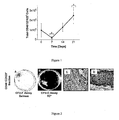
- Flow cytometry was used to calculate the total number of CD45 - CD123 + cells that were generated throughout suspension culture ( Fig. 1 ). A decrease in the number of CD45 - CD123 + cells was observed from Day 0 to Day 7, which may be attributed to apoptosis in those cells not supported under these culture conditions. However, after Day 7, CD45 - CD123 + cells a significant (p ⁇ 0.05) increase in number and an ⁇ 12-fold increase in total CD45 - CD123 + cells was observed by Day 21, relative to Day 7 values.
- CD45 - cells were also evaluated for their expression of CD 117 (SCF receptor). Flow cytometric analysis revealed that ⁇ 1% of the total CD45 - population was CD117 + . Furthermore, CD45 - CD117 + cells, isolated on Day 7 of suspension culture, failed to give rise to CFU-F and CFU-O. Additionally, the existence of a CD45 - CD123 + CD117 + and/or CD45 - CD123 + CD117 - cell population was not detected in these studies. These results suggest that SCF does not directly interact with suspension-cultured MPCs isolated in the CD45 - cell fraction.
- CD45 - CD123 + cells isolated from CD45 - suspension cell cultures
- CFU-F and CFU-O assays on Day 7, 14 and 21.
- the frequency of CFU-F and CFU-O in the CD45 - CD123 + cell population was determined from these assays after 7, 14 and 21 days of suspension culture.
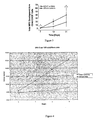
- ⁇ 1 in 10 4 CD45 - CD123 + cells had the capacity to form CFU-F and CFU-O ( Fig 2 ).
- CD45 - cell fraction comprised a small percentage of CD123 + cells (range: ⁇ 4.0% to ⁇ 11% at 7 and 21 days, respectively) that demonstrated the capacity to form CFU-F and CFU-O after 7, 14 and 21 days of suspension culture.
Landscapes
- Health & Medical Sciences (AREA)
- Life Sciences & Earth Sciences (AREA)
- Engineering & Computer Science (AREA)
- Biomedical Technology (AREA)
- Chemical & Material Sciences (AREA)
- Wood Science & Technology (AREA)
- Organic Chemistry (AREA)
- Developmental Biology & Embryology (AREA)
- Biotechnology (AREA)
- Zoology (AREA)
- Bioinformatics & Cheminformatics (AREA)
- Genetics & Genomics (AREA)
- Cell Biology (AREA)
- Microbiology (AREA)
- Rheumatology (AREA)
- Hematology (AREA)
- Biochemistry (AREA)
- General Engineering & Computer Science (AREA)
- General Health & Medical Sciences (AREA)
- Immunology (AREA)
- Micro-Organisms Or Cultivation Processes Thereof (AREA)
- Materials For Medical Uses (AREA)
Claims (7)
- Verfahren zur Kultivierung einer Vorläuferzellpopulation, welche den Schritt der Kultivierung einer Eingangspopulation aus nicht-hämatopoetischen Vorläuferzellen durch eine nicht statische, nicht anhaftende Suspension in serumfreiem Nährmedium umfasst,
dadurch gekennzeichnet, dass
das serumfreie Nährmedium mit einem Faktor angereichert ist, der wahlweise aus Interleukin-3 oder einer Kombination von Interleukin-3 und Stammzellfaktor besteht, und wobei der gewählte Faktor ein Regler der Expansion der Vorläuferzellen ist. - Verfahren nach Anspruch 1, wobei der Stammzellfaktor in einer Konzentration zwischen 100 ng/ml und 1000 ng/ml vorliegt.
- Verfahren nach Anspruch 1 oder 2, wobei Interleukin-3 in einer Konzentration zwischen 1 ng/ml und 100 ng/ml vorliegt.
- Verfahren nach einem der vorangegangenen Ansprüche, wobei die Eingangspopulation mesenchymale Vorläuferzellen vom Phänotyp CD45- umfasst.
- Verfahren nach einem der vorangegangenen Ansprüche, wobei die Eingangspopulation weiter eine Population von CD45+ Vorläuferzellen umfasst.
- Verfahren nach einem der vorangegangenen Ansprüche, wobei die Eingangszellpopulation für ausreichend lange Zeit kultiviert wird, um die enthaltene Vorläuferzellpopulation zu expandieren.
- Eine Suspensionskultur, die eine isolierte Population aus mesenchymalen Vorläuferzellen mit dem Phänotyp CD45-/CD123+ und ein serumfreies Kulturmedium umfasst, wobei das serumfreie Kulturmedium mit einem Faktor angereichert ist, der wahlweise aus Interleukin-3 oder einer Kombination von Interleukin-3 und Stammzellfaktor besteht, und wobei der gewählte Faktor ein Regler der Expansion der Vorläuferzellen ist.
Applications Claiming Priority (2)
| Application Number | Priority Date | Filing Date | Title |
|---|---|---|---|
| US54991004P | 2004-03-05 | 2004-03-05 | |
| PCT/CA2005/000332 WO2005085428A1 (en) | 2004-03-05 | 2005-03-04 | Serum-free suspension culture system for mesenchymal progenitor cells |
Publications (3)
| Publication Number | Publication Date |
|---|---|
| EP1725656A1 EP1725656A1 (de) | 2006-11-29 |
| EP1725656A4 EP1725656A4 (de) | 2007-10-03 |
| EP1725656B1 true EP1725656B1 (de) | 2013-10-02 |
Family
ID=34919556
Family Applications (1)
| Application Number | Title | Priority Date | Filing Date |
|---|---|---|---|
| EP05714574.0A Expired - Lifetime EP1725656B1 (de) | 2004-03-05 | 2005-03-04 | Serumfreies suspensionskultursystem fürmesenchym-vorläuferzellen |
Country Status (6)
| Country | Link |
|---|---|
| US (1) | US20080113434A1 (de) |
| EP (1) | EP1725656B1 (de) |
| JP (1) | JP2007525979A (de) |
| CA (1) | CA2558520C (de) |
| DK (1) | DK1725656T3 (de) |
| WO (1) | WO2005085428A1 (de) |
Families Citing this family (11)
| Publication number | Priority date | Publication date | Assignee | Title |
|---|---|---|---|---|
| US7015037B1 (en) | 1999-08-05 | 2006-03-21 | Regents Of The University Of Minnesota | Multiponent adult stem cells and methods for isolation |
| EP2277992A3 (de) | 2003-02-11 | 2011-03-02 | John E. Davies | Vorläuferzellen aus der Wharton-Sulze der menschlichen Nabelschnur |
| EP1976980B1 (de) | 2005-12-22 | 2019-03-06 | Jane Ennis | Lebensfähige zellen aus gefrorenem nabelschnurgewebe |
| JP2007175008A (ja) * | 2005-12-28 | 2007-07-12 | Hiroshima Univ | 幹細胞の培養方法 |
| CA2649874C (en) | 2006-05-05 | 2015-01-27 | John E. Davies | Immune privileged and modulatory progenitor cells |
| EP2288359B1 (de) | 2008-04-21 | 2019-10-02 | Tissue Regeneration Therapeutics Inc. | Genetisch modifizierte perivaskuläre zellen aus menschlicher nabelschnur zur prophylaxe vor oder behandlung von biologischen oder chemischen mitteln |
| EP2297305A4 (de) * | 2008-05-15 | 2013-03-13 | Univ Miami | Isolierung von stammzellenvorläufern und expansion unter nichtanhaftungsbedingungen |
| KR101175175B1 (ko) * | 2008-07-28 | 2012-08-20 | 서울대학교병원 | 인간 줄기세포에서 고활성 줄기세포를 분리하는 방법 및상기 방법에 의해 분리된 고활성 줄기 세포 |
| CA2798895A1 (en) | 2010-05-12 | 2011-11-17 | Abt Holding Company | Modulation of splenocytes in cell therapy |
| ES2827250T3 (es) | 2013-04-12 | 2021-05-20 | Houston Methodist Hospital | Mejora de órganos para trasplante |
| EP3405566B1 (de) | 2016-01-21 | 2023-10-18 | ABT Holding Company | Stammzellen für heilung von hautgeschwüren |
Family Cites Families (3)
| Publication number | Priority date | Publication date | Assignee | Title |
|---|---|---|---|---|
| US6617159B1 (en) * | 1998-11-09 | 2003-09-09 | Consorzio Per La Gestione Del Centro Di Biotechnologie Avanzate | Serum free medium for chondrocyte cells |
| ATE433484T1 (de) | 2001-04-24 | 2009-06-15 | Dolores Baksh | Vorläuferzellpopulationen, deren expansion und die entstehung von nicht-hämatopoetischen zelltypen daraus |
| KR100534215B1 (ko) * | 2003-11-11 | 2005-12-08 | (주)히스토스템 | 냉동 보관된 제대혈로부터 중간엽 줄기세포의 분리 및 배양 방법 |
-
2005
- 2005-03-04 WO PCT/CA2005/000332 patent/WO2005085428A1/en not_active Ceased
- 2005-03-04 JP JP2007501080A patent/JP2007525979A/ja active Pending
- 2005-03-04 EP EP05714574.0A patent/EP1725656B1/de not_active Expired - Lifetime
- 2005-03-04 CA CA2558520A patent/CA2558520C/en not_active Expired - Lifetime
- 2005-03-04 US US10/598,597 patent/US20080113434A1/en not_active Abandoned
- 2005-03-04 DK DK05714574.0T patent/DK1725656T3/da active
Non-Patent Citations (4)
| Title |
|---|
| BOURDON M A ET AL: "TENASCIN MEDIATES CELL ATTACHMENT THROUGH AND RGD-DEPENDENT RECEPTOR", JOURNAL OF CELL BIOLOGY, vol. 108, no. 3, 1989, pages 1149 - 1156, ISSN: 0021-9525 * |
| PEREIRA RUTH F ET AL: "Marrow stromal cells as a source of progenitor cells for nonhematopoietic tissues in transgenic mice with a phenotype of osteogenesis imperfecta", PROCEEDINGS OF THE NATIONAL ACADEMY OF SCIENCES OF THE UNITED STATES OF AMERICA, vol. 95, no. 3, 3 February 1998 (1998-02-03), pages 1142 - 1147, ISSN: 0027-8424 * |
| RUOSLAHTI E ET AL: "NEW PERSPECTIVES IN CELL ADHESION RGD AND INTEGRINS", SCIENCE (WASHINGTON D C), vol. 238, no. 4826, 1987, pages 491 - 497, ISSN: 0036-8075 * |
| RUOSLAHTI E: "RGD AND OTHER RECOGNITION SEQUENCES FOR INTEGRINS", ANNUAL REVIEW OF CELL AND DEVELOPMENTAL BIOLOGY, ANNUAL REVIEWS, US, vol. 12, 1 January 1996 (1996-01-01), pages 697 - 715, XP000944583, ISSN: 1081-0706, ISBN: 978-0-8243-3113-9, DOI: 10.1146/ANNUREV.CELLBIO.12.1.697 * |
Also Published As
| Publication number | Publication date |
|---|---|
| DK1725656T3 (da) | 2014-01-13 |
| US20080113434A1 (en) | 2008-05-15 |
| CA2558520C (en) | 2015-02-24 |
| EP1725656A1 (de) | 2006-11-29 |
| CA2558520A1 (en) | 2005-09-15 |
| EP1725656A4 (de) | 2007-10-03 |
| WO2005085428A1 (en) | 2005-09-15 |
| JP2007525979A (ja) | 2007-09-13 |
Similar Documents
| Publication | Publication Date | Title |
|---|---|---|
| US9644182B2 (en) | Progenitor cell populations, expansion thereof, and growth of non-hematopoietic cell types and tissues therefrom | |
| JP7410899B2 (ja) | 間葉系幹細胞の細胞培養法 | |
| Salgado et al. | Adult stem cells in bone and cartilage tissue engineering | |
| US20080152630A1 (en) | Method of generation and expansion of tissue-progenitor cells and mature tissue cells from intact bone marrow or intact umbilical cord tissue | |
| CN113692282B (zh) | 一种生物活性物质组合物、包含所述组合物的无血清培养基及其用途 | |
| US10472605B2 (en) | Serum-free medium | |
| US7592176B2 (en) | Method of forming mesenchymal stem cells from embryonic stem cells | |
| EP1725656B1 (de) | Serumfreies suspensionskultursystem fürmesenchym-vorläuferzellen | |
| Xiao et al. | Adipogenic and osteogenic differentiation of Lin− CD271+ Sca-1+ adipose-derived stem cells | |
| CN115997005A (zh) | 间充质谱系前体或干细胞的3d培养 | |
| JP2020516241A (ja) | 筋肉由来の前駆細胞分化した細胞を取得する方法 | |
| Mahboudi et al. | Comparison between high cell-density culture systems for chondrogenic differentiation and articular cartilage reconstruction of human mesenchymal stem cells: a literature review | |
| KR102847805B1 (ko) | 전환성장인자 베타1를 유효성분으로 포함하는 줄기세포 오르가노이드의 골분화 촉진용 조성물 | |
| HK40074091A (en) | Cell culture method for mesenchymal stem cells | |
| AU2002250754A1 (en) | Progenitor cell populations, expansion thereof, and growth of non-hematopietic cell types and tissues therefrom | |
| Lindroos | Characterization and optimization of in vitro culture conditions of adult stem cells for clinical cell therapy | |
| Rosocha et al. | Mesenchymal Stem Cells: Potential for Tissue Regeneration | |
| HK1240971B (en) | Cell culture method for mesenchymal stem cells |
Legal Events
| Date | Code | Title | Description |
|---|---|---|---|
| PUAI | Public reference made under article 153(3) epc to a published international application that has entered the european phase |
Free format text: ORIGINAL CODE: 0009012 |
|
| 17P | Request for examination filed |
Effective date: 20061005 |
|
| AK | Designated contracting states |
Kind code of ref document: A1 Designated state(s): AT BE BG CH CY CZ DE DK EE ES FI FR GB GR HU IE IS IT LI LT LU MC NL PL PT RO SE SI SK TR |
|
| DAX | Request for extension of the european patent (deleted) | ||
| RIC1 | Information provided on ipc code assigned before grant |
Ipc: C12N 5/06 20060101ALI20070726BHEP Ipc: C12N 5/02 20060101ALI20070726BHEP Ipc: C12N 5/08 20060101AFI20050921BHEP |
|
| A4 | Supplementary search report drawn up and despatched |
Effective date: 20070904 |
|
| 17Q | First examination report despatched |
Effective date: 20071219 |
|
| REG | Reference to a national code |
Ref country code: DE Ref legal event code: R079 Ref document number: 602005041375 Country of ref document: DE Free format text: PREVIOUS MAIN CLASS: C12N0005080000 Ipc: C12N0005077500 |
|
| RIC1 | Information provided on ipc code assigned before grant |
Ipc: C12N 5/0775 20100101AFI20130225BHEP |
|
| GRAP | Despatch of communication of intention to grant a patent |
Free format text: ORIGINAL CODE: EPIDOSNIGR1 |
|
| INTG | Intention to grant announced |
Effective date: 20130429 |
|
| GRAS | Grant fee paid |
Free format text: ORIGINAL CODE: EPIDOSNIGR3 |
|
| GRAA | (expected) grant |
Free format text: ORIGINAL CODE: 0009210 |
|
| AK | Designated contracting states |
Kind code of ref document: B1 Designated state(s): AT BE BG CH CY CZ DE DK EE ES FI FR GB GR HU IE IS IT LI LT LU MC NL PL PT RO SE SI SK TR |
|
| REG | Reference to a national code |
Ref country code: GB Ref legal event code: FG4D |
|
| REG | Reference to a national code |
Ref country code: CH Ref legal event code: EP Ref country code: AT Ref legal event code: REF Ref document number: 634645 Country of ref document: AT Kind code of ref document: T Effective date: 20131015 |
|
| REG | Reference to a national code |
Ref country code: IE Ref legal event code: FG4D |
|
| REG | Reference to a national code |
Ref country code: DE Ref legal event code: R096 Ref document number: 602005041375 Country of ref document: DE Effective date: 20131128 |
|
| REG | Reference to a national code |
Ref country code: SE Ref legal event code: TRGR |
|
| REG | Reference to a national code |
Ref country code: DK Ref legal event code: T3 Effective date: 20140108 |
|
| REG | Reference to a national code |
Ref country code: NL Ref legal event code: T3 |
|
| REG | Reference to a national code |
Ref country code: AT Ref legal event code: MK05 Ref document number: 634645 Country of ref document: AT Kind code of ref document: T Effective date: 20131002 |
|
| PG25 | Lapsed in a contracting state [announced via postgrant information from national office to epo] |
Ref country code: SI Free format text: LAPSE BECAUSE OF FAILURE TO SUBMIT A TRANSLATION OF THE DESCRIPTION OR TO PAY THE FEE WITHIN THE PRESCRIBED TIME-LIMIT Effective date: 20131002 |
|
| REG | Reference to a national code |
Ref country code: LT Ref legal event code: MG4D |
|
| PG25 | Lapsed in a contracting state [announced via postgrant information from national office to epo] |
Ref country code: LT Free format text: LAPSE BECAUSE OF FAILURE TO SUBMIT A TRANSLATION OF THE DESCRIPTION OR TO PAY THE FEE WITHIN THE PRESCRIBED TIME-LIMIT Effective date: 20131002 Ref country code: IS Free format text: LAPSE BECAUSE OF FAILURE TO SUBMIT A TRANSLATION OF THE DESCRIPTION OR TO PAY THE FEE WITHIN THE PRESCRIBED TIME-LIMIT Effective date: 20140202 Ref country code: FI Free format text: LAPSE BECAUSE OF FAILURE TO SUBMIT A TRANSLATION OF THE DESCRIPTION OR TO PAY THE FEE WITHIN THE PRESCRIBED TIME-LIMIT Effective date: 20131002 Ref country code: CZ Free format text: LAPSE BECAUSE OF FAILURE TO SUBMIT A TRANSLATION OF THE DESCRIPTION OR TO PAY THE FEE WITHIN THE PRESCRIBED TIME-LIMIT Effective date: 20131002 |
|
| PG25 | Lapsed in a contracting state [announced via postgrant information from national office to epo] |
Ref country code: ES Free format text: LAPSE BECAUSE OF FAILURE TO SUBMIT A TRANSLATION OF THE DESCRIPTION OR TO PAY THE FEE WITHIN THE PRESCRIBED TIME-LIMIT Effective date: 20131002 Ref country code: CY Free format text: LAPSE BECAUSE OF FAILURE TO SUBMIT A TRANSLATION OF THE DESCRIPTION OR TO PAY THE FEE WITHIN THE PRESCRIBED TIME-LIMIT Effective date: 20131002 Ref country code: PL Free format text: LAPSE BECAUSE OF FAILURE TO SUBMIT A TRANSLATION OF THE DESCRIPTION OR TO PAY THE FEE WITHIN THE PRESCRIBED TIME-LIMIT Effective date: 20131002 Ref country code: AT Free format text: LAPSE BECAUSE OF FAILURE TO SUBMIT A TRANSLATION OF THE DESCRIPTION OR TO PAY THE FEE WITHIN THE PRESCRIBED TIME-LIMIT Effective date: 20131002 |
|
| PG25 | Lapsed in a contracting state [announced via postgrant information from national office to epo] |
Ref country code: PT Free format text: LAPSE BECAUSE OF FAILURE TO SUBMIT A TRANSLATION OF THE DESCRIPTION OR TO PAY THE FEE WITHIN THE PRESCRIBED TIME-LIMIT Effective date: 20140203 |
|
| REG | Reference to a national code |
Ref country code: DE Ref legal event code: R097 Ref document number: 602005041375 Country of ref document: DE |
|
| PG25 | Lapsed in a contracting state [announced via postgrant information from national office to epo] |
Ref country code: EE Free format text: LAPSE BECAUSE OF FAILURE TO SUBMIT A TRANSLATION OF THE DESCRIPTION OR TO PAY THE FEE WITHIN THE PRESCRIBED TIME-LIMIT Effective date: 20131002 |
|
| PLBE | No opposition filed within time limit |
Free format text: ORIGINAL CODE: 0009261 |
|
| STAA | Information on the status of an ep patent application or granted ep patent |
Free format text: STATUS: NO OPPOSITION FILED WITHIN TIME LIMIT |
|
| PG25 | Lapsed in a contracting state [announced via postgrant information from national office to epo] |
Ref country code: SK Free format text: LAPSE BECAUSE OF FAILURE TO SUBMIT A TRANSLATION OF THE DESCRIPTION OR TO PAY THE FEE WITHIN THE PRESCRIBED TIME-LIMIT Effective date: 20131002 Ref country code: IT Free format text: LAPSE BECAUSE OF FAILURE TO SUBMIT A TRANSLATION OF THE DESCRIPTION OR TO PAY THE FEE WITHIN THE PRESCRIBED TIME-LIMIT Effective date: 20131002 Ref country code: RO Free format text: LAPSE BECAUSE OF FAILURE TO SUBMIT A TRANSLATION OF THE DESCRIPTION OR TO PAY THE FEE WITHIN THE PRESCRIBED TIME-LIMIT Effective date: 20131002 |
|
| 26N | No opposition filed |
Effective date: 20140703 |
|
| REG | Reference to a national code |
Ref country code: DE Ref legal event code: R097 Ref document number: 602005041375 Country of ref document: DE Effective date: 20140703 |
|
| PG25 | Lapsed in a contracting state [announced via postgrant information from national office to epo] |
Ref country code: LU Free format text: LAPSE BECAUSE OF FAILURE TO SUBMIT A TRANSLATION OF THE DESCRIPTION OR TO PAY THE FEE WITHIN THE PRESCRIBED TIME-LIMIT Effective date: 20140304 |
|
| REG | Reference to a national code |
Ref country code: IE Ref legal event code: MM4A |
|
| PG25 | Lapsed in a contracting state [announced via postgrant information from national office to epo] |
Ref country code: IE Free format text: LAPSE BECAUSE OF NON-PAYMENT OF DUE FEES Effective date: 20140304 |
|
| REG | Reference to a national code |
Ref country code: FR Ref legal event code: PLFP Year of fee payment: 12 |
|
| PG25 | Lapsed in a contracting state [announced via postgrant information from national office to epo] |
Ref country code: MC Free format text: LAPSE BECAUSE OF FAILURE TO SUBMIT A TRANSLATION OF THE DESCRIPTION OR TO PAY THE FEE WITHIN THE PRESCRIBED TIME-LIMIT Effective date: 20131002 Ref country code: BG Free format text: LAPSE BECAUSE OF FAILURE TO SUBMIT A TRANSLATION OF THE DESCRIPTION OR TO PAY THE FEE WITHIN THE PRESCRIBED TIME-LIMIT Effective date: 20131002 |
|
| PG25 | Lapsed in a contracting state [announced via postgrant information from national office to epo] |
Ref country code: GR Free format text: LAPSE BECAUSE OF FAILURE TO SUBMIT A TRANSLATION OF THE DESCRIPTION OR TO PAY THE FEE WITHIN THE PRESCRIBED TIME-LIMIT Effective date: 20140103 |
|
| PG25 | Lapsed in a contracting state [announced via postgrant information from national office to epo] |
Ref country code: TR Free format text: LAPSE BECAUSE OF FAILURE TO SUBMIT A TRANSLATION OF THE DESCRIPTION OR TO PAY THE FEE WITHIN THE PRESCRIBED TIME-LIMIT Effective date: 20131002 Ref country code: HU Free format text: LAPSE BECAUSE OF FAILURE TO SUBMIT A TRANSLATION OF THE DESCRIPTION OR TO PAY THE FEE WITHIN THE PRESCRIBED TIME-LIMIT; INVALID AB INITIO Effective date: 20050304 |
|
| REG | Reference to a national code |
Ref country code: FR Ref legal event code: PLFP Year of fee payment: 13 |
|
| REG | Reference to a national code |
Ref country code: FR Ref legal event code: PLFP Year of fee payment: 14 |
|
| REG | Reference to a national code |
Ref country code: DE Ref legal event code: R082 Ref document number: 602005041375 Country of ref document: DE Representative=s name: JENSENS IP LIMITED, IE |
|
| PGFP | Annual fee paid to national office [announced via postgrant information from national office to epo] |
Ref country code: GB Payment date: 20220328 Year of fee payment: 18 Ref country code: DK Payment date: 20220329 Year of fee payment: 18 Ref country code: DE Payment date: 20220329 Year of fee payment: 18 |
|
| PGFP | Annual fee paid to national office [announced via postgrant information from national office to epo] |
Ref country code: SE Payment date: 20220327 Year of fee payment: 18 Ref country code: FR Payment date: 20220325 Year of fee payment: 18 Ref country code: BE Payment date: 20220328 Year of fee payment: 18 |
|
| PGFP | Annual fee paid to national office [announced via postgrant information from national office to epo] |
Ref country code: NL Payment date: 20220326 Year of fee payment: 18 |
|
| PGFP | Annual fee paid to national office [announced via postgrant information from national office to epo] |
Ref country code: CH Payment date: 20220404 Year of fee payment: 18 |
|
| REG | Reference to a national code |
Ref country code: DE Ref legal event code: R119 Ref document number: 602005041375 Country of ref document: DE |
|
| REG | Reference to a national code |
Ref country code: SE Ref legal event code: EUG Ref country code: CH Ref legal event code: PL |
|
| REG | Reference to a national code |
Ref country code: DK Ref legal event code: EBP Effective date: 20230331 |
|
| REG | Reference to a national code |
Ref country code: NL Ref legal event code: MM Effective date: 20230401 |
|
| GBPC | Gb: european patent ceased through non-payment of renewal fee |
Effective date: 20230304 |
|
| REG | Reference to a national code |
Ref country code: BE Ref legal event code: MM Effective date: 20230331 |
|
| PG25 | Lapsed in a contracting state [announced via postgrant information from national office to epo] |
Ref country code: NL Free format text: LAPSE BECAUSE OF NON-PAYMENT OF DUE FEES Effective date: 20230401 |
|
| PG25 | Lapsed in a contracting state [announced via postgrant information from national office to epo] |
Ref country code: GB Free format text: LAPSE BECAUSE OF NON-PAYMENT OF DUE FEES Effective date: 20230304 |
|
| PG25 | Lapsed in a contracting state [announced via postgrant information from national office to epo] |
Ref country code: SE Free format text: LAPSE BECAUSE OF NON-PAYMENT OF DUE FEES Effective date: 20230305 Ref country code: LI Free format text: LAPSE BECAUSE OF NON-PAYMENT OF DUE FEES Effective date: 20230331 Ref country code: GB Free format text: LAPSE BECAUSE OF NON-PAYMENT OF DUE FEES Effective date: 20230304 Ref country code: FR Free format text: LAPSE BECAUSE OF NON-PAYMENT OF DUE FEES Effective date: 20230331 Ref country code: DE Free format text: LAPSE BECAUSE OF NON-PAYMENT OF DUE FEES Effective date: 20231003 Ref country code: CH Free format text: LAPSE BECAUSE OF NON-PAYMENT OF DUE FEES Effective date: 20230331 |
|
| PG25 | Lapsed in a contracting state [announced via postgrant information from national office to epo] |
Ref country code: BE Free format text: LAPSE BECAUSE OF NON-PAYMENT OF DUE FEES Effective date: 20230331 |
|
| PG25 | Lapsed in a contracting state [announced via postgrant information from national office to epo] |
Ref country code: DK Free format text: LAPSE BECAUSE OF NON-PAYMENT OF DUE FEES Effective date: 20230331 |