EP1672503B1 - Method and computer-readable medium for loading the contents of a data file - Google Patents
Method and computer-readable medium for loading the contents of a data file Download PDFInfo
- Publication number
- EP1672503B1 EP1672503B1 EP05111513A EP05111513A EP1672503B1 EP 1672503 B1 EP1672503 B1 EP 1672503B1 EP 05111513 A EP05111513 A EP 05111513A EP 05111513 A EP05111513 A EP 05111513A EP 1672503 B1 EP1672503 B1 EP 1672503B1
- Authority
- EP
- European Patent Office
- Prior art keywords
- loading
- data file
- computer
- unloadable
- data
- Prior art date
- Legal status (The legal status is an assumption and is not a legal conclusion. Google has not performed a legal analysis and makes no representation as to the accuracy of the status listed.)
- Expired - Lifetime
Links
Images


Classifications
-
- G—PHYSICS
- G06—COMPUTING OR CALCULATING; COUNTING
- G06Q—INFORMATION AND COMMUNICATION TECHNOLOGY [ICT] SPECIALLY ADAPTED FOR ADMINISTRATIVE, COMMERCIAL, FINANCIAL, MANAGERIAL OR SUPERVISORY PURPOSES; SYSTEMS OR METHODS SPECIALLY ADAPTED FOR ADMINISTRATIVE, COMMERCIAL, FINANCIAL, MANAGERIAL OR SUPERVISORY PURPOSES, NOT OTHERWISE PROVIDED FOR
- G06Q50/00—Information and communication technology [ICT] specially adapted for implementation of business processes of specific business sectors, e.g. utilities or tourism
- G06Q50/10—Services
-
- G—PHYSICS
- G06—COMPUTING OR CALCULATING; COUNTING
- G06F—ELECTRIC DIGITAL DATA PROCESSING
- G06F11/00—Error detection; Error correction; Monitoring
- G06F11/07—Responding to the occurrence of a fault, e.g. fault tolerance
- G06F11/0703—Error or fault processing not based on redundancy, i.e. by taking additional measures to deal with the error or fault not making use of redundancy in operation, in hardware, or in data representation
- G06F11/0706—Error or fault processing not based on redundancy, i.e. by taking additional measures to deal with the error or fault not making use of redundancy in operation, in hardware, or in data representation the processing taking place on a specific hardware platform or in a specific software environment
- G06F11/0727—Error or fault processing not based on redundancy, i.e. by taking additional measures to deal with the error or fault not making use of redundancy in operation, in hardware, or in data representation the processing taking place on a specific hardware platform or in a specific software environment in a storage system, e.g. in a DASD or network based storage system
-
- G—PHYSICS
- G06—COMPUTING OR CALCULATING; COUNTING
- G06F—ELECTRIC DIGITAL DATA PROCESSING
- G06F11/00—Error detection; Error correction; Monitoring
- G06F11/07—Responding to the occurrence of a fault, e.g. fault tolerance
- G06F11/0703—Error or fault processing not based on redundancy, i.e. by taking additional measures to deal with the error or fault not making use of redundancy in operation, in hardware, or in data representation
- G06F11/0793—Remedial or corrective actions
-
- G—PHYSICS
- G06—COMPUTING OR CALCULATING; COUNTING
- G06F—ELECTRIC DIGITAL DATA PROCESSING
- G06F11/00—Error detection; Error correction; Monitoring
- G06F11/07—Responding to the occurrence of a fault, e.g. fault tolerance
- G06F11/14—Error detection or correction of the data by redundancy in operation
- G06F11/1402—Saving, restoring, recovering or retrying
-
- Y—GENERAL TAGGING OF NEW TECHNOLOGICAL DEVELOPMENTS; GENERAL TAGGING OF CROSS-SECTIONAL TECHNOLOGIES SPANNING OVER SEVERAL SECTIONS OF THE IPC; TECHNICAL SUBJECTS COVERED BY FORMER USPC CROSS-REFERENCE ART COLLECTIONS [XRACs] AND DIGESTS
- Y10—TECHNICAL SUBJECTS COVERED BY FORMER USPC
- Y10S—TECHNICAL SUBJECTS COVERED BY FORMER USPC CROSS-REFERENCE ART COLLECTIONS [XRACs] AND DIGESTS
- Y10S707/00—Data processing: database and file management or data structures
- Y10S707/99941—Database schema or data structure
- Y10S707/99943—Generating database or data structure, e.g. via user interface
-
- Y—GENERAL TAGGING OF NEW TECHNOLOGICAL DEVELOPMENTS; GENERAL TAGGING OF CROSS-SECTIONAL TECHNOLOGIES SPANNING OVER SEVERAL SECTIONS OF THE IPC; TECHNICAL SUBJECTS COVERED BY FORMER USPC CROSS-REFERENCE ART COLLECTIONS [XRACs] AND DIGESTS
- Y10—TECHNICAL SUBJECTS COVERED BY FORMER USPC
- Y10S—TECHNICAL SUBJECTS COVERED BY FORMER USPC CROSS-REFERENCE ART COLLECTIONS [XRACs] AND DIGESTS
- Y10S707/00—Data processing: database and file management or data structures
- Y10S707/99951—File or database maintenance
- Y10S707/99952—Coherency, e.g. same view to multiple users
- Y10S707/99953—Recoverability
Definitions
- Computers are utilized pervasively in today's society to perform a wide variety of tasks and for entertainment purposes. For instance, computers today are utilized for gaming, communications, research, and a virtually endless variety of other applications.
- computers today are utilized for gaming, communications, research, and a virtually endless variety of other applications.
- Computer application programs exist for creating all kinds of electronic documents, including spreadsheets, presentations, word processing documents, graphical documents such as diagrams and digital images, computer-aided design documents, and many other types of electronic documents.
- Electronic documents often include content that is very important. Moreover, the content of an electronic document in many cases would be difficult or impossible to recreate if lost. For instance, highly complicated legal, business, marketing, and technical documents are often created that could not easily be recreated if the data file storing the document were corrupted or destroyed. Even in cases where the contents of a document could be easily be recreated, it can be very frustrating for a user to lose even a small portion of their data. Accordingly, it is very important that the data contained in electronic documents be protected against destruction and corruption.
- Modem computer systems include error checking and other mechanisms to protect against the inadvertent destruction or corruption of data files.
- error checking and other mechanisms to protect against the inadvertent destruction or corruption of data files.
- Data files may also become corrupted during network transmission or by the occurrence of many other types of events. Because the loss of any amount of data can be frustrating to a user and because the time and effort necessary to recreate a corrupted document is often very high, it is important that as much data as possible be recovered from a corrupted data file.
- WO 02/19075 A2 is directed to a system and method for client document certification and validation by remote host.
- a system providing a publicly-accessible, independent, and secure host internet site that provides a downloadable agent program to any anonymous client PC, with the agent program generating within the client PC a registration checksum based upon the document to be registered. The checksum is then uploaded to and and archived by the host as a verifiable record, without transmission of the document to be registered.
- a method and computer-readable medium for loading the contents of an electronic data file.
- corrupted portions, or records of the file are identified and an attempt is made to repair these portions. If the corrupted portions cannot be repaired, the loading of these portions is skipped. The uncorrupted and repaired portions of the data file are then loaded into memory. If portions of the data file cannot be repaired or skipped, an attempt can also be made to load only the user data contained in the data file. In this manner, the user data contained in the data file may be loaded even in cases of severe corruption to the remainder of the data file.
- a method for loading a data file that includes one or more portions.
- a number of load modes are provided.
- the normal load mode includes minimal integrity checking on each of the portions of the data file so that the file can be loaded quickly. If a portion of the data file is encountered that is missing or corrupt while in the normal mode, a second mode, called the "safe" load mode, is utilized to attempt to load the portions of the data file.
- a portion of the data file may be considered corrupt and therefore unloadable if it causes an error in or crash of the application program attempting to load it, if the portion includes an unexpected data value, if the portion is missing data, if the portion includes invalid records or invalid extensible markup language (“XML”), and for other causes.
- XML extensible markup language
- the safe load mode In the safe load mode extensive integrity checking is performed on each portion of the data file. In the safe load mode an attempt may also be made to repair the corrupted portions of the data file. Any portions that can be repaired are then loaded. If a portion of the data file is encountered in the safe load mode that is missing or corrupt and which is also unrepairable, the loading of the unrepairable portion is skipped. If portions of the data file are encountered that are not repairable and for which loading cannot be skipped, a third load mode, called the "recovery" load mode, is utilized to attempt to load the portions of the data file.
- the "recovery" load mode is utilized to attempt to load the portions of the data file.
- the recovery load mode only the portions of the data file that include user data are loaded.
- user data may comprise text data or numerical data that was entered by a user.
- the data file contains a spreadsheet
- an attempt is made in the recovery load mode to load only the data contained in the cells of the spreadsheet.
- No attempt is made in the recovery mode to load other types of data that may be contained in the data file, such as pivot tables, list objects, named ranges, auto filters, styles, formatting, and application or user preferences.
- a computer-readable medium is also provided on which is stored computer-executable instructions.
- the computer-executable instructions When executed by a computer, they cause the computer to provide a first loading mode for loading a data file that has one or more portions. In the first loading mode minimal integrity checking is performed on the portions of the data file as they are loaded.
- the computer-executable instructions also cause the computer to provide a second loading mode for loading the data file in which more extensive integrity checking is performed on the portions of the data file than in the first loading mode. In the second loading mode an attempt may also be made to repair portions that are unloadable. Moreover, in the second loading mode the loading of any unloadable portions is skipped.
- the computer-executable instructions also cause the computer to begin loading a data file in the first loading mode. If a portion of the data file is determined to be unloadable in the first loading mode, the computer switches to the second loading mode and attempts to load the data file in this loading mode. If, in the second loading mode, an unloadable portion is encountered that may be repaired, the unloadable portion is repaired and loaded. If the unloadable portion cannot be repaired, loading of the unloadable portion is skipped.
- the computer-executable instructions also cause the computer to provide a third loading mode wherein only the portions of the data file that include user data are loaded. If, in the second loading mode, it is determined that a portion of the data file is unloadable and that the unloadable portion cannot be repaired or skipped, an attempt is made to load the contents of the data file in the third loading mode.
- the invention may be implemented as a computer process, a computing system, or as an article of manufacture such as a computer program product or computer readable media.
- the computer program product may be a computer storage media readable by a computer system and encoding a computer program of instructions for executing a computer process.
- the computer program product may also be a propagated signal on a carrier readable by a computing system and encoding a computer program of instructions for executing a computer process.
- FIGURE 1 and the corresponding discussion are intended to provide a brief, general description of a suitable computing environment in which embodiments of the invention may be implemented. While the invention will be described in the general context of program modules that execute on an operating system on a personal computer, those skilled in the art will recognize that the invention may also be implemented in combination with other types of computer systems and program modules.
- program modules include routines, programs, components, data structures, and other types of structures that perform particular tasks or implement particular abstract data types.
- program modules may be located in both local and remote memory storage devices.
- FIGURE 1 an illustrative computer architecture for a computer 2 utilized in the various embodiments of the invention will be described.
- the computer architecture shown in FIGURE 1 illustrates a conventional desktop or laptop computer, including a central processing unit 5 ("CPU"), a system memory 7, including a random access memory 9 (“RAM”) and a read-only memory (“ROM”) 11, and a system bus 12 that couples the memory to the CPU 5.
- CPU central processing unit
- RAM random access memory
- ROM read-only memory
- the computer 2 further includes a mass storage device 14 for storing an operating system 16, application programs, and other program modules, which will be described in greater detail below.
- the mass storage device 14 is connected to the CPU 5 through a mass storage controller (not shown) connected to the bus 12.
- the mass storage device 14 and its associated computer-readable media provide non-volatile storage for the computer 2.
- computer-readable media can be any available media that can be accessed by the computer 2.
- Computer-readable media may comprise computer storage media and communication media.
- Computer storage media includes volatile and non-volatile, removable and non-removable media implemented in any method or technology for storage of information such as computer-readable instructions, data structures, program modules or other data.
- Computer storage media includes, but is not limited to, RAM, ROM, EPROM, EEPROM, flash memory or other solid state memory technology, CD-ROM, digital versatile disks (“DVD”), or other optical storage, magnetic cassettes, magnetic tape, magnetic disk storage or other magnetic storage devices, or any other medium which can be used to store the desired information and which can be accessed by the computer 2.
- the computer 2 may operate in a networked environment using logical connections to remote computers through a network 18, such as the Internet.
- the computer 2 may connect to the network 18 through a network interface unit 20 connected to the bus 12.
- the network interface unit 20 may also be utilized to connect to other types of networks and remote computer systems.
- the computer 2 may also include an input/output controller 22 for receiving and processing input from a number of other devices, including a keyboard, mouse, or electronic stylus (not shown in FIGURE 1 ).
- an input/output controller 22 may provide output to a display screen, a printer, or other type of output device.
- a number of program modules and data files may be stored in the mass storage device 14 and RAM 9 of the computer 2, including an operating system 16 suitable for controlling the operation of a networked personal computer, such as the WINDOWS XP operating system from MICROSOFT CORPORATION of Redmond, Washington.
- the mass storage device 14 and RAM 9 may also store one or more program modules.
- the mass storage device 14 and the RAM 9 may store a spreadsheet application program 10.
- the spreadsheet application program 10 is operative to provide functionality for creating and editing electronic spreadsheets.
- the spreadsheet application program 10 comprises the EXCEL spreadsheet application program from MICROSOFT CORPORATION. It should be appreciated, however, that other spreadsheet application programs from other manufacturers may be utilized to embody the various aspects of the present invention. It should also be appreciated that although the embodiments of the invention described herein are presented in the context of a spreadsheet application program, the invention may be utilized with any other type of application program that loads data from a data file. For instance, the embodiments of the invention described herein may be utilized within a word processing application program, a presentation application program, a drawing or computer-aided design application program, or a database application program.
- the spreadsheet application program 10 provides functionality for saving the spreadsheet document in a data file 24 on the mass storage device 14.
- the data file 24 contains data representing the various aspects of a spreadsheet document, such as user data including the contents of the spreadsheet cells, application preferences, formatting information, and other data corresponding to the various features provided by the spreadsheet application program 10. Additional details regarding the structure of the data file 24 will be provided below with respect to FIGURE 2 .
- the spreadsheet application program 10 provides functionality for restoring the contents of a spreadsheet document by loading the data file 24 from the mass storage device 14 into the random access memory 9 of the computer 2.
- a method for loading the data file 24 is utilized by the spreadsheet application program 10 that accounts for the possibility of corruption in the data file 24 and that attempts to maximize the amount of data that is loaded from the data file 24 even if the data file 24 becomes corrupted.
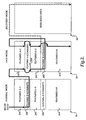
- the data file 24 is subdivided into a number of portions 26A-26N.
- Each of the portions 26A-26N is utilized to store information relating to one or more features supported by the spreadsheet application program 10.
- the information for different but related features may be stored in a single one of the portions 26A-26N.
- the data for features A-C are stored in the portion 26A.
- the data for feature D is stored in portion 26B.
- the data for features E-G are stored in the portion 26C, and so on.
- User data may be stored in any of the portions 26A-26N.
- the data contained within the portions 26A-26N may be corrupted. Corruption may occur while the data file is being saved to mass storage or may occur as a result of a faulty storage device or controller hardware. Data files may also become corrupted during network transmission or by the occurrence of many other types of events. The data for a particular portion may also be determined to be missing. A portion of the data file may be considered corrupt and therefore unloadable if it causes an error in or crash of the application program attempting to load it, if the portion includes an unexpected data value, if the portion is missing data, if the portion includes invalid records or invalid extensible markup language ("XML"), and for other causes. In the illustrative data file 24 shown in FIGURE 2 , the portions 26B and 26D have become corrupted.
- portions of the data file 24 are loadable by the spreadsheet application program 10 despite the corruption of the portions 26B and 26D.
- FIGURE 2 also illustrates this loading process utilizing the illustrative data file 24.
- the spreadsheet application program 10 begins loading the data file 24 in a normal loading mode. In the normal loading mode, minimal integrity checking is performed on the portions 26A-26N of the data file. If a corrupted portion of the data file 24 is encountered while loading in the normal mode, the spreadsheet application program 10 switches to a safe loading mode and begins loading the data file 24 from the beginning. For instance, as shown in FIGURE 2 , when the corrupted portion 26B is encountered in the normal loading mode, the loading mode is changed to the safe loading mode and loading begins again at the beginning of the data file 24.
- the safe loading mode additional integrity checking is performed on the portions 26A-26N of the data file 24 as compared to the normal loading mode. Additionally, if a corrupted portion is encountered while loading in the safe mode, an attempt is made to repair the corrupted portion. If the corrupted portion can be repaired, that portion is loaded. If the corrupted portion cannot be repaired, then the loading of the corrupted portion is skipped. For example, as shown in FIGURE 2 the portion 26B is corrupted and cannot be repaired. Therefore, the loading of the portion 26B is skipped and the portion 26C is loaded.
- the loading of the data file 24 may return to the beginning of the data file 24 after an unloadable portion has been encountered and determined to be unrepairable. This is illustrated in FIGURE 2 . Returning to the beginning of the data file 24 in this manner allows the loading of other portions of the data file 24 that are related to an unloadable portion to be skipped even though the related portions may not be corrupt.
- the spreadsheet application program 10 may switch to a third loading mode, called the recovery loading mode.
- the recovery loading mode an attempt is made to load only the user data from the data file.
- a text document an attempt is made to load only the text of the document.
- a spreadsheet document an attempt is made to load the contents of the spreadsheet cells, including data input by a user, formulas, and formula generated data. In this manner, even if portions of the data file are corrupt, some or all of the user data may be recovered and loaded.
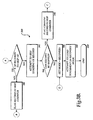
- routine 300 will be described illustrating a process performed by the spreadsheet application program 10 for loading the contents of a data file 24.
- routines presented herein, it should be appreciated that the logical operations of various embodiments of the present invention are implemented (1) as a sequence of computer implemented acts or program modules running on a computing system and/or (2) as interconnected machine logic circuits or circuit modules within the computing system. The implementation is a matter of choice dependent on the performance requirements of the computing system implementing the invention. Accordingly, the logical operations illustrated in FIGURES 3A-3B , and making up the embodiments of the present invention described herein are referred to variously as operations, structural devices, acts or modules.
- routine 300 utilizes several variables in its operation.
- the "mode” variable keeps track of the current loading mode. This variable may be set to either “safe,” “normal,” or “recovery.”
- the "skip counter” variable is a data structure used to identify individually each of the portions that should be skipped during loading.
- a “number of records to skip” variable describes the current number of sections that should be skipped on the current load attempt.
- a "current record” variable identifies the current section within the data file being processed. It should be appreciated that more or fewer variables may be utilized to perform the same task.
- routine 300 illustrated in FIGURE 3 represents but one possible implementation of the invention and that many other implementations will be apparent to those skilled in the art.
- the routine 300 begins at either operation 302, 304, or 306.
- a user interface may be provided that allows a user to select whether a data file is loaded normally (operation 304), is loaded in the safe loading mode (operation 302), or is loaded in the recovery loading mode (306). This user interface may be presented to a user when the user requests that a file be loaded. Based on the user's selection within the user interface, the routine 300 begins its operation at either operation 302, 304, or 306.
- the routine 300 begins at operation 302, where the mode variable is set to "safe.” The routine 300 then continues to operation 308. If loading is to begin in the normal loading mode, the routine 300 begins at operation 304, where the mode variable is set to "normal.” The routine 300 then continues from operation 304 to operation 308. If loading is to begin in the recovery loading mode, the routine begins at operation 306, where the mode variable is set to "recovery.” From operation 306, the routine 300 continues to operation 348, described below.
- the skip counter variable is initialized to indicate that no records should be skipped.
- the routine 300 then continues to operation 310 where the current record is set to the first record in the data file.
- the number of records to skip variable is initialized as well. On the first pass, this sets the number of records to skip equal to zero. From operation 310, the routine 300 continues to operation 312.
- an attempt is made to load the current record in the current mode. For instance, if the mode variable is equal to "normal,” minimal integrity checking is performed on the section being loaded. If the mode variable is equal to "safe,” additional integrity checking is performed. From operation 312, the routine 300 continues to operation 314, where a determination is made as to whether the current record is unloadable (i.e. either corrupt or missing). If the current record is loadable, the routine 300 branches to operation 316 where a determination is made as to whether more records remain to be loaded. If more records exist, the routine 300 branches from operation 316 to operation 318 where the current record variable is set to the next record in the data file. The routine 300 then continues to operation 321, where the next record is loaded. If, at operation 316, it is determined that no additional records remain to be loaded, the routine 300 branches to operation 320 where it ends. In this manner, all records are loaded in the current mode if no corrupt or missing records exist.
- some integrity checks may be performed at the feature level as opposed to the record level. To perform such feature level integrity checking, all of the records for a particular feature are loaded. Then, a determination is made as to whether the data for the feature is valid. If the data is invalid, the skip data structure is updated with the records for the feature to be skipped and the file is reloaded. File-level consistency checks may also be made in a similar manner.
- routine 314 continues to operation 322 where a determination is made as to whether the current mode is the normal mode. If the current mode is the normal mode, the routine 300 branches to operation 324, where the record is flagged in the skip counter variable indicating that a portion of the data file has been identified that may need to be skipped. The routine 300 then continues to operation 326, where the mode variable is set to "safe.” In this manner, the loading mode is switched from normal to safe upon encountering an unloadable portion of the data file. The routine 300 then returns back to operation 310, where the processing the of the data file returns to the beginning.
- routine 300 continues to operation 328 where a determination is made as to whether the current loading mode is the safe mode. Because only the normal or safe loading modes should be possible values in this portion of the routine 300, the routine branches to operation 330 where an error is returned if the current loading mode is not the safe mode. The routine 300 then continues from operation 330 to operation 320, where it ends. If, however, at operation 328 it is determined that the current mode is the safe mode, the routine 300 continues to operation 332.
- an attempt is made to repair the current record.
- a determination is made as to whether the current record was repairable. If the record was repairable, the routine 300 branches to operation 336, where the current record is loaded. At operation 336, the skip counter variable is also updated to indicate that loading of the current record should not be skipped because the record was repairable. From operation 336, the routine 300 branches back to operation 316, where the remainder of the records of the data file are processed in the manner described above.
- routine 300 branches to operation 338.
- operation 338 a determination is made as to whether the number of records to skip is equal to zero. This would be the case where loading was started in the normal mode and where the first corrupt record was encountered and the record is unrepairable.
- the routine 300 branches to operation 340, where the skip counter variable is updated to indicate that the record should be skipped.
- the routine 300 then returns to operation 310, where processing of the data file returns to the beginning in the manner described above.
- routine 300 continues to operation 342, where an attempt is made to skip the loading of the current record.
- operation 342 a determination is made as to whether the loading of the current record may be skipped. If loading of the current record can be skipped, the routine 300 branches to operation 346 where the record is flagged in the skip record variable. The routine then continues to operation 316, described above.
- routine 300 continues to operation 306 where the mode variable is set to "recovery.”
- routine 300 then continues to operation 348, where an attempt is made to load the data file in the recovery mode. As described above, only user data is loaded in the recovery mode. Moreover, an attempt is made to load as much of the user data as possible if the user data also is corrupted. The routine 300 then continues to operation 320, where it ends.
Landscapes
- Engineering & Computer Science (AREA)
- Theoretical Computer Science (AREA)
- Physics & Mathematics (AREA)
- General Physics & Mathematics (AREA)
- Quality & Reliability (AREA)
- General Engineering & Computer Science (AREA)
- Business, Economics & Management (AREA)
- Tourism & Hospitality (AREA)
- Health & Medical Sciences (AREA)
- Economics (AREA)
- General Health & Medical Sciences (AREA)
- Human Resources & Organizations (AREA)
- Marketing (AREA)
- Primary Health Care (AREA)
- Strategic Management (AREA)
- General Business, Economics & Management (AREA)
- Information Retrieval, Db Structures And Fs Structures Therefor (AREA)
- Stored Programmes (AREA)
- Document Processing Apparatus (AREA)
Applications Claiming Priority (1)
| Application Number | Priority Date | Filing Date | Title |
|---|---|---|---|
| US11/018,914 US7464104B2 (en) | 2004-12-20 | 2004-12-20 | Method and computer-readable medium for loading the contents of a data file |
Publications (2)
| Publication Number | Publication Date |
|---|---|
| EP1672503A1 EP1672503A1 (en) | 2006-06-21 |
| EP1672503B1 true EP1672503B1 (en) | 2008-10-01 |
Family
ID=35711554
Family Applications (1)
| Application Number | Title | Priority Date | Filing Date |
|---|---|---|---|
| EP05111513A Expired - Lifetime EP1672503B1 (en) | 2004-12-20 | 2005-11-30 | Method and computer-readable medium for loading the contents of a data file |
Country Status (12)
| Country | Link |
|---|---|
| US (1) | US7464104B2 (enExample) |
| EP (1) | EP1672503B1 (enExample) |
| JP (1) | JP4833653B2 (enExample) |
| KR (1) | KR101143241B1 (enExample) |
| CN (1) | CN100489799C (enExample) |
| AT (1) | ATE409906T1 (enExample) |
| AU (1) | AU2005225113B2 (enExample) |
| BR (1) | BRPI0505271A (enExample) |
| CA (1) | CA2525731C (enExample) |
| DE (1) | DE602005010036D1 (enExample) |
| MX (1) | MXPA05012557A (enExample) |
| RU (1) | RU2388042C2 (enExample) |
Families Citing this family (3)
| Publication number | Priority date | Publication date | Assignee | Title |
|---|---|---|---|---|
| US7337358B2 (en) * | 2004-12-20 | 2008-02-26 | Microsoft Corporation | Method and computer-readable medium for verifying and saving an electronic document |
| CN105183791A (zh) * | 2015-08-21 | 2015-12-23 | 中国人民解放军装备学院 | 一种基于事务的数据整合方法 |
| US20240143435A1 (en) * | 2022-10-28 | 2024-05-02 | Dell Products L.P. | Remediation Interface for Self Heal Field Faults |
Family Cites Families (21)
| Publication number | Priority date | Publication date | Assignee | Title |
|---|---|---|---|---|
| US5491808A (en) * | 1992-09-30 | 1996-02-13 | Conner Peripherals, Inc. | Method for tracking memory allocation in network file server |
| US5813009A (en) * | 1995-07-28 | 1998-09-22 | Univirtual Corp. | Computer based records management system method |
| JPH09213059A (ja) * | 1996-02-06 | 1997-08-15 | Alpine Electron Inc | ディスク欠陥位置保存方法 |
| RU2124236C1 (ru) * | 1997-01-22 | 1998-12-27 | Тульский государственный университет | Способ воспроизведения информации |
| JP2000003310A (ja) * | 1998-06-16 | 2000-01-07 | Toshiba Corp | データ再生装置、同装置を用いたコンピュータシステム及びデータ再生方法 |
| US6243831B1 (en) * | 1998-10-31 | 2001-06-05 | Compaq Computer Corporation | Computer system with power loss protection mechanism |
| JP2001075949A (ja) | 1999-09-02 | 2001-03-23 | Mitsubishi Materials Corp | 情報共有装置、方法、及び、その記録媒体 |
| JP2001273730A (ja) * | 2000-03-28 | 2001-10-05 | Matsushita Electric Ind Co Ltd | 情報記録媒体の再生装置 |
| JP3391392B2 (ja) * | 2000-05-17 | 2003-03-31 | 日本ビクター株式会社 | 情報記録媒体記録装置 |
| US6567826B1 (en) * | 2000-06-23 | 2003-05-20 | Microsoft Corporation | Method and system for repairing corrupt files and recovering data |
| US6816984B1 (en) * | 2000-06-23 | 2004-11-09 | Microsoft Corporation | Method and system for verifying and storing documents during a program failure |
| WO2002019075A2 (en) | 2000-08-30 | 2002-03-07 | Spectros Corporation | System and method for client document certification and validation by remote host |
| EP1331639A4 (en) * | 2000-10-31 | 2006-07-12 | Matsushita Electric Industrial Co Ltd | RECORDING / PLAYING DEVICE, RECORDING / PLAYING PROCESS, MEDIA AND PROGRAM |
| US6606694B2 (en) * | 2000-12-22 | 2003-08-12 | Bull Hn Information Systems Inc. | Write logging in mirrored disk subsystems |
| JP2002230773A (ja) * | 2001-02-02 | 2002-08-16 | Funai Electric Co Ltd | ディスク記録装置 |
| US7117229B2 (en) * | 2001-05-31 | 2006-10-03 | Computer Associates Think, Inc. | Method and system for online reorganization of databases |
| US20030058762A1 (en) * | 2001-09-26 | 2003-03-27 | Schultz Mark Alan | Defect detection of recordable storage media |
| US6832287B2 (en) * | 2001-10-01 | 2004-12-14 | International Business Machines Corporation | System for fast tape file positioning |
| JP4092907B2 (ja) * | 2001-12-05 | 2008-05-28 | ソニー株式会社 | データ再生装置及びデータ再生方法、並びにデジタルカメラ |
| KR20040104736A (ko) * | 2002-05-17 | 2004-12-10 | 코닌클리케 필립스 일렉트로닉스 엔.브이. | 특징점 정보제어에 의한 정보기록장치 및 방법 |
| US7337358B2 (en) | 2004-12-20 | 2008-02-26 | Microsoft Corporation | Method and computer-readable medium for verifying and saving an electronic document |
-
2004
- 2004-12-20 US US11/018,914 patent/US7464104B2/en not_active Expired - Fee Related
-
2005
- 2005-10-21 AU AU2005225113A patent/AU2005225113B2/en not_active Ceased
- 2005-10-31 KR KR1020050102989A patent/KR101143241B1/ko not_active Expired - Fee Related
- 2005-11-07 CA CA2525731A patent/CA2525731C/en not_active Expired - Fee Related
- 2005-11-16 BR BRPI0505271-8A patent/BRPI0505271A/pt not_active IP Right Cessation
- 2005-11-18 RU RU2005135957/09A patent/RU2388042C2/ru not_active IP Right Cessation
- 2005-11-18 CN CNB2005101267881A patent/CN100489799C/zh not_active Expired - Fee Related
- 2005-11-21 MX MXPA05012557A patent/MXPA05012557A/es active IP Right Grant
- 2005-11-30 DE DE602005010036T patent/DE602005010036D1/de not_active Expired - Lifetime
- 2005-11-30 EP EP05111513A patent/EP1672503B1/en not_active Expired - Lifetime
- 2005-11-30 AT AT05111513T patent/ATE409906T1/de not_active IP Right Cessation
- 2005-12-08 JP JP2005355256A patent/JP4833653B2/ja not_active Expired - Fee Related
Also Published As
| Publication number | Publication date |
|---|---|
| JP4833653B2 (ja) | 2011-12-07 |
| KR20060070413A (ko) | 2006-06-23 |
| CN100489799C (zh) | 2009-05-20 |
| ATE409906T1 (de) | 2008-10-15 |
| JP2006178954A (ja) | 2006-07-06 |
| RU2388042C2 (ru) | 2010-04-27 |
| CN1794192A (zh) | 2006-06-28 |
| AU2005225113A1 (en) | 2006-07-06 |
| CA2525731C (en) | 2014-04-22 |
| AU2005225113B2 (en) | 2010-08-26 |
| BRPI0505271A (pt) | 2006-09-12 |
| DE602005010036D1 (de) | 2008-11-13 |
| US20060136476A1 (en) | 2006-06-22 |
| EP1672503A1 (en) | 2006-06-21 |
| US7464104B2 (en) | 2008-12-09 |
| RU2005135957A (ru) | 2007-05-27 |
| MXPA05012557A (es) | 2006-06-19 |
| KR101143241B1 (ko) | 2012-05-18 |
| CA2525731A1 (en) | 2006-06-20 |
Similar Documents
| Publication | Publication Date | Title |
|---|---|---|
| US7890801B2 (en) | Method and computer-readable medium for verifying and saving an electronic document | |
| US7689861B1 (en) | Data processing recovery system and method spanning multiple operating system | |
| US6167494A (en) | Method and system for recovering from operating system failure | |
| US7487385B2 (en) | Apparatus and method for recovering destroyed data volumes | |
| US7640490B2 (en) | Method, system, and computer-readable medium for controlling the calculation of volatile functions in a spreadsheet | |
| EP1672503B1 (en) | Method and computer-readable medium for loading the contents of a data file | |
| US20110246870A1 (en) | Validating markup language schemas and semantic constraints | |
| US8452823B2 (en) | Method for coordinating relationships between multiple physical entities | |
| Pack | Greater than the sum of their parts: CD-ROM/online hybrids | |
| Doe | Administering Informix Dynamic Server on Windows NT | |
| Zeil | Reliability growth modeling from fault failure rates | |
| Seger et al. | Discrete Conservative Approximation of Hybrid Systems | |
| Smith | Quality assurance through direct implementation of analysis and design constructs | |
| Meyer | Abstract of recent articles and literature: Bugs in the web | |
| Johnson et al. | Reliable to a fault | |
| Sullivan et al. | Improving Software Fault Tolerance in |
Legal Events
| Date | Code | Title | Description |
|---|---|---|---|
| PUAI | Public reference made under article 153(3) epc to a published international application that has entered the european phase |
Free format text: ORIGINAL CODE: 0009012 |
|
| AK | Designated contracting states |
Kind code of ref document: A1 Designated state(s): AT BE BG CH CY CZ DE DK EE ES FI FR GB GR HU IE IS IT LI LT LU LV MC NL PL PT RO SE SI SK TR |
|
| AX | Request for extension of the european patent |
Extension state: AL BA HR MK YU |
|
| 17P | Request for examination filed |
Effective date: 20061219 |
|
| 17Q | First examination report despatched |
Effective date: 20070125 |
|
| AKX | Designation fees paid |
Designated state(s): AT BE BG CH CY CZ DE DK EE ES FI FR GB GR HU IE IS IT LI LT LU LV MC NL PL PT RO SE SI SK TR |
|
| GRAP | Despatch of communication of intention to grant a patent |
Free format text: ORIGINAL CODE: EPIDOSNIGR1 |
|
| RIN1 | Information on inventor provided before grant (corrected) |
Inventor name: JONES, BRIAN M. Inventor name: ROTHSCHILLER, CHAD B. Inventor name: WU, SU-PIAO BILL Inventor name: MCCAUGHEY, ROBERT R. Inventor name: VILLARON, SHAWN A. Inventor name: LIU, CAROL L. |
|
| GRAS | Grant fee paid |
Free format text: ORIGINAL CODE: EPIDOSNIGR3 |
|
| GRAA | (expected) grant |
Free format text: ORIGINAL CODE: 0009210 |
|
| AK | Designated contracting states |
Kind code of ref document: B1 Designated state(s): AT BE BG CH CY CZ DE DK EE ES FI FR GB GR HU IE IS IT LI LT LU LV MC NL PL PT RO SE SI SK TR |
|
| REG | Reference to a national code |
Ref country code: GB Ref legal event code: FG4D |
|
| REG | Reference to a national code |
Ref country code: CH Ref legal event code: EP |
|
| REG | Reference to a national code |
Ref country code: IE Ref legal event code: FG4D |
|
| REF | Corresponds to: |
Ref document number: 602005010036 Country of ref document: DE Date of ref document: 20081113 Kind code of ref document: P |
|
| PG25 | Lapsed in a contracting state [announced via postgrant information from national office to epo] |
Ref country code: SI Free format text: LAPSE BECAUSE OF FAILURE TO SUBMIT A TRANSLATION OF THE DESCRIPTION OR TO PAY THE FEE WITHIN THE PRESCRIBED TIME-LIMIT Effective date: 20081001 |
|
| NLV1 | Nl: lapsed or annulled due to failure to fulfill the requirements of art. 29p and 29m of the patents act | ||
| PG25 | Lapsed in a contracting state [announced via postgrant information from national office to epo] |
Ref country code: AT Free format text: LAPSE BECAUSE OF FAILURE TO SUBMIT A TRANSLATION OF THE DESCRIPTION OR TO PAY THE FEE WITHIN THE PRESCRIBED TIME-LIMIT Effective date: 20081001 Ref country code: ES Free format text: LAPSE BECAUSE OF FAILURE TO SUBMIT A TRANSLATION OF THE DESCRIPTION OR TO PAY THE FEE WITHIN THE PRESCRIBED TIME-LIMIT Effective date: 20090112 Ref country code: BG Free format text: LAPSE BECAUSE OF FAILURE TO SUBMIT A TRANSLATION OF THE DESCRIPTION OR TO PAY THE FEE WITHIN THE PRESCRIBED TIME-LIMIT Effective date: 20090101 Ref country code: LT Free format text: LAPSE BECAUSE OF FAILURE TO SUBMIT A TRANSLATION OF THE DESCRIPTION OR TO PAY THE FEE WITHIN THE PRESCRIBED TIME-LIMIT Effective date: 20081001 |
|
| PG25 | Lapsed in a contracting state [announced via postgrant information from national office to epo] |
Ref country code: NL Free format text: LAPSE BECAUSE OF FAILURE TO SUBMIT A TRANSLATION OF THE DESCRIPTION OR TO PAY THE FEE WITHIN THE PRESCRIBED TIME-LIMIT Effective date: 20081001 Ref country code: FI Free format text: LAPSE BECAUSE OF FAILURE TO SUBMIT A TRANSLATION OF THE DESCRIPTION OR TO PAY THE FEE WITHIN THE PRESCRIBED TIME-LIMIT Effective date: 20081001 Ref country code: LV Free format text: LAPSE BECAUSE OF FAILURE TO SUBMIT A TRANSLATION OF THE DESCRIPTION OR TO PAY THE FEE WITHIN THE PRESCRIBED TIME-LIMIT Effective date: 20081001 Ref country code: PT Free format text: LAPSE BECAUSE OF FAILURE TO SUBMIT A TRANSLATION OF THE DESCRIPTION OR TO PAY THE FEE WITHIN THE PRESCRIBED TIME-LIMIT Effective date: 20090302 Ref country code: PL Free format text: LAPSE BECAUSE OF FAILURE TO SUBMIT A TRANSLATION OF THE DESCRIPTION OR TO PAY THE FEE WITHIN THE PRESCRIBED TIME-LIMIT Effective date: 20081001 Ref country code: IS Free format text: LAPSE BECAUSE OF FAILURE TO SUBMIT A TRANSLATION OF THE DESCRIPTION OR TO PAY THE FEE WITHIN THE PRESCRIBED TIME-LIMIT Effective date: 20090201 |
|
| PG25 | Lapsed in a contracting state [announced via postgrant information from national office to epo] |
Ref country code: MC Free format text: LAPSE BECAUSE OF NON-PAYMENT OF DUE FEES Effective date: 20081130 |
|
| PG25 | Lapsed in a contracting state [announced via postgrant information from national office to epo] |
Ref country code: EE Free format text: LAPSE BECAUSE OF FAILURE TO SUBMIT A TRANSLATION OF THE DESCRIPTION OR TO PAY THE FEE WITHIN THE PRESCRIBED TIME-LIMIT Effective date: 20081001 Ref country code: RO Free format text: LAPSE BECAUSE OF FAILURE TO SUBMIT A TRANSLATION OF THE DESCRIPTION OR TO PAY THE FEE WITHIN THE PRESCRIBED TIME-LIMIT Effective date: 20081001 Ref country code: DK Free format text: LAPSE BECAUSE OF FAILURE TO SUBMIT A TRANSLATION OF THE DESCRIPTION OR TO PAY THE FEE WITHIN THE PRESCRIBED TIME-LIMIT Effective date: 20081001 Ref country code: BE Free format text: LAPSE BECAUSE OF FAILURE TO SUBMIT A TRANSLATION OF THE DESCRIPTION OR TO PAY THE FEE WITHIN THE PRESCRIBED TIME-LIMIT Effective date: 20081001 |
|
| PLBE | No opposition filed within time limit |
Free format text: ORIGINAL CODE: 0009261 |
|
| STAA | Information on the status of an ep patent application or granted ep patent |
Free format text: STATUS: NO OPPOSITION FILED WITHIN TIME LIMIT |
|
| PG25 | Lapsed in a contracting state [announced via postgrant information from national office to epo] |
Ref country code: CZ Free format text: LAPSE BECAUSE OF FAILURE TO SUBMIT A TRANSLATION OF THE DESCRIPTION OR TO PAY THE FEE WITHIN THE PRESCRIBED TIME-LIMIT Effective date: 20081001 Ref country code: SE Free format text: LAPSE BECAUSE OF FAILURE TO SUBMIT A TRANSLATION OF THE DESCRIPTION OR TO PAY THE FEE WITHIN THE PRESCRIBED TIME-LIMIT Effective date: 20090101 |
|
| 26N | No opposition filed |
Effective date: 20090702 |
|
| PG25 | Lapsed in a contracting state [announced via postgrant information from national office to epo] |
Ref country code: SK Free format text: LAPSE BECAUSE OF FAILURE TO SUBMIT A TRANSLATION OF THE DESCRIPTION OR TO PAY THE FEE WITHIN THE PRESCRIBED TIME-LIMIT Effective date: 20081001 |
|
| PG25 | Lapsed in a contracting state [announced via postgrant information from national office to epo] |
Ref country code: IE Free format text: LAPSE BECAUSE OF NON-PAYMENT OF DUE FEES Effective date: 20081130 |
|
| REG | Reference to a national code |
Ref country code: CH Ref legal event code: PL |
|
| PG25 | Lapsed in a contracting state [announced via postgrant information from national office to epo] |
Ref country code: HU Free format text: LAPSE BECAUSE OF FAILURE TO SUBMIT A TRANSLATION OF THE DESCRIPTION OR TO PAY THE FEE WITHIN THE PRESCRIBED TIME-LIMIT Effective date: 20090402 Ref country code: CY Free format text: LAPSE BECAUSE OF FAILURE TO SUBMIT A TRANSLATION OF THE DESCRIPTION OR TO PAY THE FEE WITHIN THE PRESCRIBED TIME-LIMIT Effective date: 20081001 Ref country code: LU Free format text: LAPSE BECAUSE OF NON-PAYMENT OF DUE FEES Effective date: 20081130 |
|
| PG25 | Lapsed in a contracting state [announced via postgrant information from national office to epo] |
Ref country code: TR Free format text: LAPSE BECAUSE OF FAILURE TO SUBMIT A TRANSLATION OF THE DESCRIPTION OR TO PAY THE FEE WITHIN THE PRESCRIBED TIME-LIMIT Effective date: 20081001 |
|
| PG25 | Lapsed in a contracting state [announced via postgrant information from national office to epo] |
Ref country code: CH Free format text: LAPSE BECAUSE OF NON-PAYMENT OF DUE FEES Effective date: 20091130 Ref country code: LI Free format text: LAPSE BECAUSE OF NON-PAYMENT OF DUE FEES Effective date: 20091130 Ref country code: GR Free format text: LAPSE BECAUSE OF FAILURE TO SUBMIT A TRANSLATION OF THE DESCRIPTION OR TO PAY THE FEE WITHIN THE PRESCRIBED TIME-LIMIT Effective date: 20090102 |
|
| PGFP | Annual fee paid to national office [announced via postgrant information from national office to epo] |
Ref country code: IT Payment date: 20101120 Year of fee payment: 6 |
|
| PG25 | Lapsed in a contracting state [announced via postgrant information from national office to epo] |
Ref country code: IT Free format text: LAPSE BECAUSE OF NON-PAYMENT OF DUE FEES Effective date: 20121130 |
|
| REG | Reference to a national code |
Ref country code: DE Ref legal event code: R082 Ref document number: 602005010036 Country of ref document: DE Representative=s name: GRUENECKER, KINKELDEY, STOCKMAIR & SCHWANHAEUS, DE |
|
| REG | Reference to a national code |
Ref country code: GB Ref legal event code: 732E Free format text: REGISTERED BETWEEN 20150115 AND 20150121 |
|
| REG | Reference to a national code |
Ref country code: DE Ref legal event code: R082 Ref document number: 602005010036 Country of ref document: DE Representative=s name: GRUENECKER PATENT- UND RECHTSANWAELTE PARTG MB, DE Effective date: 20150126 Ref country code: DE Ref legal event code: R081 Ref document number: 602005010036 Country of ref document: DE Owner name: MICROSOFT TECHNOLOGY LICENSING, LLC, REDMOND, US Free format text: FORMER OWNER: MICROSOFT CORP., REDMOND, WASH., US Effective date: 20150126 |
|
| REG | Reference to a national code |
Ref country code: FR Ref legal event code: TP Owner name: MICROSOFT TECHNOLOGY LICENSING, LLC, US Effective date: 20150724 |
|
| REG | Reference to a national code |
Ref country code: FR Ref legal event code: PLFP Year of fee payment: 11 |
|
| REG | Reference to a national code |
Ref country code: FR Ref legal event code: PLFP Year of fee payment: 12 |
|
| REG | Reference to a national code |
Ref country code: FR Ref legal event code: PLFP Year of fee payment: 13 |
|
| REG | Reference to a national code |
Ref country code: FR Ref legal event code: PLFP Year of fee payment: 14 |
|
| PGFP | Annual fee paid to national office [announced via postgrant information from national office to epo] |
Ref country code: DE Payment date: 20191119 Year of fee payment: 15 |
|
| PGFP | Annual fee paid to national office [announced via postgrant information from national office to epo] |
Ref country code: GB Payment date: 20191129 Year of fee payment: 15 |
|
| PGFP | Annual fee paid to national office [announced via postgrant information from national office to epo] |
Ref country code: FR Payment date: 20201013 Year of fee payment: 16 |
|
| REG | Reference to a national code |
Ref country code: DE Ref legal event code: R119 Ref document number: 602005010036 Country of ref document: DE |
|
| GBPC | Gb: european patent ceased through non-payment of renewal fee |
Effective date: 20201130 |
|
| PG25 | Lapsed in a contracting state [announced via postgrant information from national office to epo] |
Ref country code: DE Free format text: LAPSE BECAUSE OF NON-PAYMENT OF DUE FEES Effective date: 20210601 Ref country code: GB Free format text: LAPSE BECAUSE OF NON-PAYMENT OF DUE FEES Effective date: 20201130 |
|
| PG25 | Lapsed in a contracting state [announced via postgrant information from national office to epo] |
Ref country code: FR Free format text: LAPSE BECAUSE OF NON-PAYMENT OF DUE FEES Effective date: 20211130 |