EP1667714B1 - Consensus/ancestral immunogens - Google Patents
Consensus/ancestral immunogens Download PDFInfo
- Publication number
- EP1667714B1 EP1667714B1 EP04784298.4A EP04784298A EP1667714B1 EP 1667714 B1 EP1667714 B1 EP 1667714B1 EP 04784298 A EP04784298 A EP 04784298A EP 1667714 B1 EP1667714 B1 EP 1667714B1
- Authority
- EP
- European Patent Office
- Prior art keywords
- con
- env
- subtype
- opt
- consensus
- Prior art date
- Legal status (The legal status is an assumption and is not a legal conclusion. Google has not performed a legal analysis and makes no representation as to the accuracy of the status listed.)
- Expired - Lifetime
Links
Images































































Classifications
-
- A—HUMAN NECESSITIES
- A61—MEDICAL OR VETERINARY SCIENCE; HYGIENE
- A61K—PREPARATIONS FOR MEDICAL, DENTAL OR TOILETRY PURPOSES
- A61K39/00—Medicinal preparations containing antigens or antibodies
- A61K39/12—Viral antigens
- A61K39/21—Retroviridae, e.g. equine infectious anemia virus
-
- C—CHEMISTRY; METALLURGY
- C07—ORGANIC CHEMISTRY
- C07H—SUGARS; DERIVATIVES THEREOF; NUCLEOSIDES; NUCLEOTIDES; NUCLEIC ACIDS
- C07H21/00—Compounds containing two or more mononucleotide units having separate phosphate or polyphosphate groups linked by saccharide radicals of nucleoside groups, e.g. nucleic acids
-
- A—HUMAN NECESSITIES
- A61—MEDICAL OR VETERINARY SCIENCE; HYGIENE
- A61K—PREPARATIONS FOR MEDICAL, DENTAL OR TOILETRY PURPOSES
- A61K39/00—Medicinal preparations containing antigens or antibodies
- A61K39/12—Viral antigens
-
- A—HUMAN NECESSITIES
- A61—MEDICAL OR VETERINARY SCIENCE; HYGIENE
- A61P—SPECIFIC THERAPEUTIC ACTIVITY OF CHEMICAL COMPOUNDS OR MEDICINAL PREPARATIONS
- A61P31/00—Antiinfectives, i.e. antibiotics, antiseptics, chemotherapeutics
- A61P31/12—Antivirals
- A61P31/14—Antivirals for RNA viruses
- A61P31/18—Antivirals for RNA viruses for HIV
-
- A—HUMAN NECESSITIES
- A61—MEDICAL OR VETERINARY SCIENCE; HYGIENE
- A61P—SPECIFIC THERAPEUTIC ACTIVITY OF CHEMICAL COMPOUNDS OR MEDICINAL PREPARATIONS
- A61P37/00—Drugs for immunological or allergic disorders
- A61P37/02—Immunomodulators
- A61P37/04—Immunostimulants
-
- C—CHEMISTRY; METALLURGY
- C07—ORGANIC CHEMISTRY
- C07H—SUGARS; DERIVATIVES THEREOF; NUCLEOSIDES; NUCLEOTIDES; NUCLEIC ACIDS
- C07H21/00—Compounds containing two or more mononucleotide units having separate phosphate or polyphosphate groups linked by saccharide radicals of nucleoside groups, e.g. nucleic acids
- C07H21/04—Compounds containing two or more mononucleotide units having separate phosphate or polyphosphate groups linked by saccharide radicals of nucleoside groups, e.g. nucleic acids with deoxyribosyl as saccharide radical
-
- C—CHEMISTRY; METALLURGY
- C07—ORGANIC CHEMISTRY
- C07K—PEPTIDES
- C07K14/00—Peptides having more than 20 amino acids; Gastrins; Somatostatins; Melanotropins; Derivatives thereof
- C07K14/005—Peptides having more than 20 amino acids; Gastrins; Somatostatins; Melanotropins; Derivatives thereof from viruses
-
- C—CHEMISTRY; METALLURGY
- C07—ORGANIC CHEMISTRY
- C07K—PEPTIDES
- C07K16/00—Immunoglobulins [IG], e.g. monoclonal or polyclonal antibodies
- C07K16/42—Immunoglobulins [IG], e.g. monoclonal or polyclonal antibodies against immunoglobulins
- C07K16/4208—Immunoglobulins [IG], e.g. monoclonal or polyclonal antibodies against immunoglobulins against an idiotypic determinant on Ig
- C07K16/4216—Immunoglobulins [IG], e.g. monoclonal or polyclonal antibodies against immunoglobulins against an idiotypic determinant on Ig against anti-viral Ig
- C07K16/4225—Immunoglobulins [IG], e.g. monoclonal or polyclonal antibodies against immunoglobulins against an idiotypic determinant on Ig against anti-viral Ig against anti-HIV Ig
-
- A—HUMAN NECESSITIES
- A61—MEDICAL OR VETERINARY SCIENCE; HYGIENE
- A61K—PREPARATIONS FOR MEDICAL, DENTAL OR TOILETRY PURPOSES
- A61K39/00—Medicinal preparations containing antigens or antibodies
- A61K2039/51—Medicinal preparations containing antigens or antibodies comprising whole cells, viruses or DNA/RNA
- A61K2039/53—DNA (RNA) vaccination
-
- A—HUMAN NECESSITIES
- A61—MEDICAL OR VETERINARY SCIENCE; HYGIENE
- A61K—PREPARATIONS FOR MEDICAL, DENTAL OR TOILETRY PURPOSES
- A61K39/00—Medicinal preparations containing antigens or antibodies
- A61K2039/57—Medicinal preparations containing antigens or antibodies characterised by the type of response, e.g. Th1, Th2
-
- C—CHEMISTRY; METALLURGY
- C12—BIOCHEMISTRY; BEER; SPIRITS; WINE; VINEGAR; MICROBIOLOGY; ENZYMOLOGY; MUTATION OR GENETIC ENGINEERING
- C12N—MICROORGANISMS OR ENZYMES; COMPOSITIONS THEREOF; PROPAGATING, PRESERVING, OR MAINTAINING MICROORGANISMS; MUTATION OR GENETIC ENGINEERING; CULTURE MEDIA
- C12N2740/00—Reverse transcribing RNA viruses
- C12N2740/00011—Details
- C12N2740/10011—Retroviridae
- C12N2740/15011—Lentivirus, not HIV, e.g. FIV, SIV
- C12N2740/15022—New viral proteins or individual genes, new structural or functional aspects of known viral proteins or genes
-
- C—CHEMISTRY; METALLURGY
- C12—BIOCHEMISTRY; BEER; SPIRITS; WINE; VINEGAR; MICROBIOLOGY; ENZYMOLOGY; MUTATION OR GENETIC ENGINEERING
- C12N—MICROORGANISMS OR ENZYMES; COMPOSITIONS THEREOF; PROPAGATING, PRESERVING, OR MAINTAINING MICROORGANISMS; MUTATION OR GENETIC ENGINEERING; CULTURE MEDIA
- C12N2740/00—Reverse transcribing RNA viruses
- C12N2740/00011—Details
- C12N2740/10011—Retroviridae
- C12N2740/15011—Lentivirus, not HIV, e.g. FIV, SIV
- C12N2740/15034—Use of virus or viral component as vaccine, e.g. live-attenuated or inactivated virus, VLP, viral protein
-
- C—CHEMISTRY; METALLURGY
- C12—BIOCHEMISTRY; BEER; SPIRITS; WINE; VINEGAR; MICROBIOLOGY; ENZYMOLOGY; MUTATION OR GENETIC ENGINEERING
- C12N—MICROORGANISMS OR ENZYMES; COMPOSITIONS THEREOF; PROPAGATING, PRESERVING, OR MAINTAINING MICROORGANISMS; MUTATION OR GENETIC ENGINEERING; CULTURE MEDIA
- C12N2740/00—Reverse transcribing RNA viruses
- C12N2740/00011—Details
- C12N2740/10011—Retroviridae
- C12N2740/16011—Human Immunodeficiency Virus, HIV
- C12N2740/16034—Use of virus or viral component as vaccine, e.g. live-attenuated or inactivated virus, VLP, viral protein
-
- C—CHEMISTRY; METALLURGY
- C12—BIOCHEMISTRY; BEER; SPIRITS; WINE; VINEGAR; MICROBIOLOGY; ENZYMOLOGY; MUTATION OR GENETIC ENGINEERING
- C12N—MICROORGANISMS OR ENZYMES; COMPOSITIONS THEREOF; PROPAGATING, PRESERVING, OR MAINTAINING MICROORGANISMS; MUTATION OR GENETIC ENGINEERING; CULTURE MEDIA
- C12N2740/00—Reverse transcribing RNA viruses
- C12N2740/00011—Details
- C12N2740/10011—Retroviridae
- C12N2740/16011—Human Immunodeficiency Virus, HIV
- C12N2740/16111—Human Immunodeficiency Virus, HIV concerning HIV env
- C12N2740/16122—New viral proteins or individual genes, new structural or functional aspects of known viral proteins or genes
-
- C—CHEMISTRY; METALLURGY
- C12—BIOCHEMISTRY; BEER; SPIRITS; WINE; VINEGAR; MICROBIOLOGY; ENZYMOLOGY; MUTATION OR GENETIC ENGINEERING
- C12N—MICROORGANISMS OR ENZYMES; COMPOSITIONS THEREOF; PROPAGATING, PRESERVING, OR MAINTAINING MICROORGANISMS; MUTATION OR GENETIC ENGINEERING; CULTURE MEDIA
- C12N2740/00—Reverse transcribing RNA viruses
- C12N2740/00011—Details
- C12N2740/10011—Retroviridae
- C12N2740/16011—Human Immunodeficiency Virus, HIV
- C12N2740/16111—Human Immunodeficiency Virus, HIV concerning HIV env
- C12N2740/16134—Use of virus or viral component as vaccine, e.g. live-attenuated or inactivated virus, VLP, viral protein
-
- C—CHEMISTRY; METALLURGY
- C12—BIOCHEMISTRY; BEER; SPIRITS; WINE; VINEGAR; MICROBIOLOGY; ENZYMOLOGY; MUTATION OR GENETIC ENGINEERING
- C12N—MICROORGANISMS OR ENZYMES; COMPOSITIONS THEREOF; PROPAGATING, PRESERVING, OR MAINTAINING MICROORGANISMS; MUTATION OR GENETIC ENGINEERING; CULTURE MEDIA
- C12N2740/00—Reverse transcribing RNA viruses
- C12N2740/00011—Details
- C12N2740/10011—Retroviridae
- C12N2740/16011—Human Immunodeficiency Virus, HIV
- C12N2740/16211—Human Immunodeficiency Virus, HIV concerning HIV gagpol
- C12N2740/16222—New viral proteins or individual genes, new structural or functional aspects of known viral proteins or genes
-
- C—CHEMISTRY; METALLURGY
- C12—BIOCHEMISTRY; BEER; SPIRITS; WINE; VINEGAR; MICROBIOLOGY; ENZYMOLOGY; MUTATION OR GENETIC ENGINEERING
- C12N—MICROORGANISMS OR ENZYMES; COMPOSITIONS THEREOF; PROPAGATING, PRESERVING, OR MAINTAINING MICROORGANISMS; MUTATION OR GENETIC ENGINEERING; CULTURE MEDIA
- C12N2740/00—Reverse transcribing RNA viruses
- C12N2740/00011—Details
- C12N2740/10011—Retroviridae
- C12N2740/16011—Human Immunodeficiency Virus, HIV
- C12N2740/16311—Human Immunodeficiency Virus, HIV concerning HIV regulatory proteins
- C12N2740/16322—New viral proteins or individual genes, new structural or functional aspects of known viral proteins or genes
Definitions
- the present invention relates to an immunogen and to an immunogen for inducing antibodies that neutralize a wide spectrum of HIV primary isolates and/or to an immunogen that induces a T cell immune response.
- the invention also relates to a method of inducing anti-HIV antibodies, and/or to a method of inducing a T cell immune response, using such an immunogen.
- the invention further relates to nucleic acid sequences encoding the present immunogens.
- HIV-1 The high level of genetic variability of HIV-1 has presented a major hurdle for AIDS vaccine development. Genetic differences among HIV-1 groups M, N, and O are extensive, ranging from 30% to 50% in gag and env genes, respectively ( Gurtler et al, J. Virol. 68:1581-1585 (1994 ), Vanden Haesevelde et al, J. Virol. 68:1586-1596 (1994 ), Simon et al, Nat. Med. 4:1032-1037 (1998 ), Kuiken et al, Human retroviruses and AIDS 2000: a compilation and analysis of nucleic acid and amino acid sequences (Theoretical Biology and Biophysics Group, Los Alamos National Laboratory, Los Alamos, New Mexico )).
- Viruses within group M are further classified into nine genetically distinct subtypes (A-D, F-H, J and K) ( Kuiken et al, Human retroviruses and AIDS 2000: a compilation and analysis of nucleic acid and amino acid sequences (Theoretical Biology and Biophysics Group, Los Alamos National Laboratory, Los Alamos, New Mexico , Robertson et al, Science 288:55-56 (2000 ), Robertson et al, Human retroviruses and AIDS 1999: a compilation and analysis of nucleic acid and amino acid sequences, eds. Kuiken et al (Theoretical Biology and Biophysics Group, Los Alamos National Laboratory, Los Alamos, New Mexico), pp.
- HIV-1 also frequently recombines among different subtypes to create circulating recombinant forms (CRFs) ( Robertson et al, Science 288:55-56 (2000 ), Robertson et al, Human retroviruses and AIDS 1999: a compilation and analysis of nucleic acid and amino acid sequences, eds. Kuiken et al (Theoretical Biology and Biophysics Group, Los Alamos National Laboratory, Los Alamos, New Mexico), pp.
- the present invention results, at least in part, from the results of studies designed to determine if centralized immunogens can induce both T and B cell immune responses in animals. These studies involved the generation of an artificial group M consensus env gene (CON6), and construction of DNA plasmids and recombinant vaccinia viruses to express CON6 envelopes as soluble gp120 and gp140CF proteins.
- CON6 Env proteins are biologically functional, possess linear, conformational and glycan-dependent epitopes of wild-type HIV-1, and induce cytokine-producing T cells that recognize T cell epitopes of both HIV subtypes B and C.
- CON6 gp120 and gp140CF proteins induce antibodies that neutralize subsets of subtype B and C HIV-1 primary isolates.
- the iterative nature of study of the centralized HIV-1 gene approach is derived from the rapidly expanding evolution of HIV-1 sequences, and the fact that sequences collected in the HIV sequence database (that is, the Los Alamos National Database) are continually being updated with new sequences each year.
- the CON6 gp120 envelope gene derives from Year 1999 Los Alamos National Database sequences
- Con-S derives from Year 2000 Los Alamos National Database sequences.
- CON6 has Chinese subtype C V1, V2, V4, and V5 Env sequences, while Con-S has all group M consensus Env constant and variable regions, that have been shortened to minimal-length variable loops.
- Codon-optimized genes for a series of Year 2003 group M and subtype consensus sequences have been designed, as have a corresponding series of wild-type HIV-1 Env genes for comparison, for use in inducing broadly reactive T and B cell responses to HIV-1 primary isolates.
- the present invention relates to an immunogen for inducing antibodies that neutralize a wide spectrum of HIV primary isolates and/or to an immunogen that induces a T cell immune response, and to nucleic acid sequences encoding same.
- the invention also relates to a method of inducing anti-HIV antibodies, and/or to a method of inducing a T cell immune response, using such an immunogen.
- the present invention relates to an immunogen that induces antibodies that neutralize a wide spectrum of human immunodeficiency virus (HIV) primary isolates and/or that induces a T cell response.
- the immunogen comprises at least one consensus or ancestral immunogen (e.g., Env, Gag, Nef or Pol), or portion or variant thereof.
- the invention also relates to nucleic acid sequences encoding the consensus or ancestral immunogen, or portion or variant thereof.
- the invention further relates to methods of using both the immunogen and the encoding sequences.
- a consensus env gene can be constructed by generating consensus sequences of env genes for each subtype of a particular HIV-1 group (group M being classified into subtypes A-D, F-H, J an K), for example, from sequences in the Los Alamos HIV Sequence Database (using, for example, MASE (Multiple Aligned Sequence Editor)).
- a consensus sequence of all subtype consensuses can then be generated to avoid heavily sequenced subtypes ( Gaschen et al, Science 296:2354-2360 (2002 ), Korber et al, Science 288:1789-1796 (2000 )).
- Example 1 In the case of the group M consensus env gene described in Example 1 (designated CON6), five highly variable regions from a CRF08_BC recombinant strain (98CN006) (V1, V2, V4, V5 and a region in cytoplasmic domain of gp41) are used to fill in the missing regions in the sequence (see, however, corresponding regions for Con-S).
- the codons of consensus or ancestral genes can be optimized based on codon usage for highly expressed human genes ( Haas et al, Curr. Biol. 6:315-324 (2000 ), Andre et al, J. Virol. 72:1497-1503 (1998 )).
- CON6 With the Year 1999 consensus group M env gene, CON6, it has been possible to demonstrate induction of superior T cell responses by CON6 versus wild-type B and C env by the number of ELISPOT ⁇ -interferon spleen spot forming cells and the number of epitopes recognized in two strains of mice (Tables 1 and 2 show the data in BALB/c mice).
- the ability of CON6 Env protein to induce neutralizing antibodies to HIV-1 primary isolates has been compared to that of several subtype B Env.
- the target of neutralizing antibodies induced by CON6 includes several non-B HIV-1 strains. Table 1.
- CON6 JRFL B
- 96ZM651 C
- KNSSEYYRLINCNTS + + CD4 EYYRLINCNTSAITQ 53
- SFEPIPIHYCAPAGF CD4
- NVSTVQCTHGIKPVV + CD4 ETITLPCRIKQIINM 105 LPCRIKQIINMWQGV + CD8 130
- GIVQQQSNLLRAIEA 131 VQQSNLLRAIEAQQHL + CD4 134 AQQHLLQLTVWGIKQLQ + CD4 135 LQLTVWGIKQLQARVL
- MN 6223 AKAYDTEVHNVWATQ + CD4 6224 DTEVH
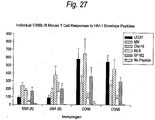
- Con-S For the Year 2000 consensus group M env gene, Con-S, the Con-S envelope has been shown to be as immunogenic as the CON6 envelope gene in T cell ⁇ interferon ELISPOT assays in two strains of mice (the data for C57BL/6 are shown in Fig. 27 ). Furthermore, in comparing CON6 and Con-S gp140 Envs as protein immunogens for antibody in guinea pigs (Table 3), both gp140 Envs were found to induce antibodies that neutralized subtype B primary isolates. However, Con-S gp140 also induced robust neutralization of the subtype C isolates TV-1 and DU 123 as well as one subtype A HIV-1 primary isolate, while CON6 did not.
- Gp140 CFI refers to an HIV-1 envelope design in which the cleavage-site is deleted (c), the fusion-site is deleted (F) and the gp41 immunodominant region is deleted (I), in addition to the deletion of transmembrane and cytoplasmic domains.
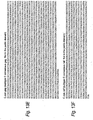
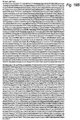
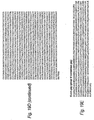
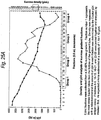
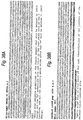
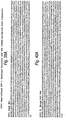
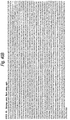
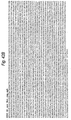
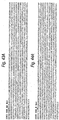
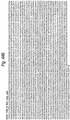
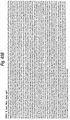
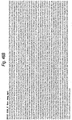
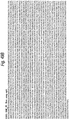
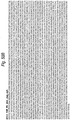
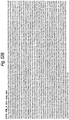
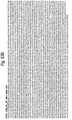
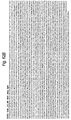
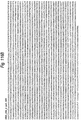
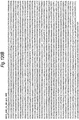
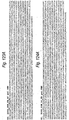
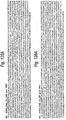
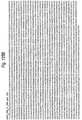
- the codon-optimized Year 2000 Con-S 140 CFI sequence is shown in Fig. 26B .
- HIV-1 immunogens As the next iteration of consensus immunogens, and in recognition of the fact that a practical HIV-1 immunogen can be a polyvalent mixture of either several subtype consensus genes, a mixture of subtype and consensus genes, or a mixture of centralized genes and wild type genes, a series of 11 subtype consensus, and wild type genes have been designed from subtypes A, B, C, CRF AE01, and G as well as a group M consensus gene from Year 2003 Los Alamos National Database sequences.
- the wild type sequences were chosen either because they were known to come from early transmitted HIV-1 strains (those strains most likely to be necessary to be protected against by a vaccine) or because they were the most recently submitted strains in the database of that subtype.
- CON6 gp140 which does not neutralize non-clade B HIV strains
- Con-S gp140 which does induce antibodies that neutralize non-clade B HIV strains
- peptides of the V3 region can induce neutralizing antibodies ( Haynes et al, J. Immunol. 151:1646-1653 (1993 )).
- construction of Th-V1, Th-V2, Th-V4, Th-V5 peptides can be expected to give rise to the desired broadly reactive anti-non-clade B neutralizing antibodies.
- Th-V peptides set forth in Table 4 are contemplated for use as a peptide immunogen(s) derived from Con-S gp140.
- the gag Th determinant (GTH, Table 4) or any homologous GTH sequence in other HIV strains, can be used to promote immunogenicity and the C4 region of HIV gp120 can be used as well (KQIINMWQWGKAMYA) or any homologous C4 sequence from other HIV strains ( Haynes et al, J. Immunol. 151:1646-1653 (1993 )).
- Con-S V1, V2, V4, V5 peptides with an N-terminal helper determinant can be used singly or together, when formulated in a suitable adjuvant such as Corixa's RC529 ( Baldridge et al, J. Endotoxin Res. 8:453-458 (2002 )), to induce broadly cross reactive neutralizing antibodies to non-clade B isolates.
- a suitable adjuvant such as Corixa's RC529 ( Baldridge et al, J. Endotoxin Res. 8:453-458 (2002 )
- forms of codon optimized consensus encoding sequences can be constructed as gp140CF, gpl40 CFI, gp120 or gp160 forms with either gp120/41 cleaved or uncleaved.
- the invention encompasses envelope sequences devoid of V3.
- V3 sequences can be selected from preferred sequences, for example, those described in WO 03/039470 and U.S. Provisional Application No. 60/471,327 .
- an optimal immunogen for breadth of response can include mixtures of group M consensus gag, pol, nef and env encoding sequences, and as well as consist of mixtures of subtype consensus or ancestral encoding sequences for gag, pol, nef and env HIV genes.
- an efficacious mixture can include mixtures of consensus/ancestral and wild type encoding sequences.
- a consensus or ancestral envelope of the invention can be been "activated” to expose intermediate conformations of neutralization epitopes that normally are only transiently or less well exposed on the surface of the HIV virion.
- the immunogen can be a "frozen” triggered form of a consensus or ancestral envelope that makes available specific epitopes for presentation to B lymphocytes. The result of this epitope presentation is the production of antibodies that broadly neutralize HIV. (Attention is directed to WO 02/024149 and to the activated/triggered envelopes described therein.)
- the immunogen of one aspect of the invention comprises a consensus or ancestral envelope either in soluble form or anchored, for example, in cell vesicles or in liposomes containing translipid bilayer envelope.
- gp140 or gp160 consensus or ancestral sequences can be configured in lipid bilayers for native trimeric envelope formation.
- triggered gp160 in aldrithio 1-2 inactivated HIV-1 virions can be used as an immunogen.
- the gp160 can also exist as a recombinant protein either as gp160 or gp140 (gp140 is gp160 with the transmembrane region and possibly other gp41 regions deleted).
- Bound to gp160 or gpl40 can be recombinant CCR5 or CXCR4 co-receptor proteins (or their extracellular domain peptide or protein fragments) or antibodies or other ligands that bind to the CXCR4 or CCR5 binding site on gp120, and/or soluble CD4, or antibodies or other ligands that mimic the binding actions of CD4.
- vesicles or liposomes containing CD4, CCR5 (or CXCR4), or soluble CD4 and peptides reflective of CCR5 or CXCR4 gp120 binding sites.
- an optimal CCR5 peptide ligand can be a peptide from the N-terminus of CCR5 wherein specific tyrosines are sulfated ( Bormier et al, Proc. Natl. Acad. Sci. USA 97:5762 (2001 )).
- the triggered immunogen may not need to be bound to a membrane but may exist and be triggered in solution.
- soluble CD4 sCD4 can be replaced by an envelope (gp140 or gp160) triggered by CD4 peptide mimetopes ( Vitra et al, Proc. Natl. Acad. Sci. USA 96:1301 (1999 )).
- HIV co-receptor molecules that "trigger" the gp160 or gpl40 to undergo changes associated with a structure of gp160 that induces cell fusion can also be used.
- the disclosure relates to an immunogen that has the characteristics of a receptor (CD4)-ligated consensus or ancestral envelope with CCR5 binding region exposed but unlike CD4-ligated proteins that have the CD4 binding site blocked, this immunogen has the CD4 binding site exposed (open). Moreover, this immunogen can be devoid of host CD4, which avoids the production of potentially harmful anti-CD4 antibodies upon administration to a host.
- CD4 receptor-ligated consensus or ancestral envelope with CCR5 binding region exposed but unlike CD4-ligated proteins that have the CD4 binding site blocked, this immunogen has the CD4 binding site exposed (open).
- this immunogen can be devoid of host CD4, which avoids the production of potentially harmful anti-CD4 antibodies upon administration to a host.
- the immunogen can comprise consensus or ancestral envelope ligated with a ligand that binds to a site on gp120 recognized by an A32 monoclonal antibodies (mab) ( Wyatt et al, J. Virol. 69:5723 (1995 ), Boots et al, AIDS Res. Hum. Retro. 13:1549 (1997 ), Moore et al, J. Virol. 68:8350 (1994 ), Sullivan et al, J. Virol. 72:4694 (1998 ), Fouts et al, J. Virol. 71:2779 (1997 ), Ye et al, J. Virol. 74:11955 (2000 )).
- mib A32 monoclonal antibodies
- A32 mab has been shown to mimic CD4 and when bound to gp120, upregulates (exposes) the CCR5 binding site ( Wyatt et al, J. Virol. 69:5723 (1995 )).
- Ligation of gp120 with such a ligand also upregulates the CD4 binding site and does not block CD4 binding to gp120.
- such ligands also upregulate the HR-2 binding site of gp41 bound to cleaved gp120, uncleaved gp140 and cleaved gp41, thereby further exposing HR-2 binding sites on these proteins - each of which are potential targets for anti-HIV neutralizing antibodies.
- the immunogen comprises soluble HIV consensus or ancestral gp120 envelope ligated with either an intact A32 mab, a Fab2 fragment of an A32 mab, or a Fab fragment of an A32 mab, with the result that the CD4 binding site, the CCR5 binding site and the HR-2 binding site on the consensus or ancestral envelope are exposed/upregulated.
- the immunogen can comprise consensus or ancestral envelope with an A32 mab (or fragment thereof) bound or can comprise consensus or ancestral envelope with an A32 mab (or fragment thereof) bound and cross-linked with a cross-linker such as .3% formaldehyde or a heterobifunctional cross-linker such as DTSSP (Pierce Chemical Company).
- the immunogen can also comprise uncleaved consensus or ancestral gp140 or a mixture of uncleaved gp140, cleaved gp41 and cleaved gp120.
- An A32 mab (or fragment thereof) bound to consensus or ancestral gpl40 and/or gp120 or to gp120 non-covalently bound to gp41 results in upregulation (exposure) of HR-2 binding sites in gp41, gp120 and uncleaved gp140. Binding of an A32 mab (or fragment thereof) to gp120 or gp140 also results in upregulation of the CD4 binding site and the CCR5 binding site.
- complexes comprising uncleaved gp140 and an A32 mab (or fragment thereof) can be used as an immunogen uncross-linked or cross-linked with cross-linker such as .3% formaldehyde or DTSSP.
- cross-linker such as .3% formaldehyde or DTSSP.
- the disclosure relates to an immunogen comprising soluble uncleaved consensus or ancestral gp140 bound and cross linked to a Fab fragment or whole A32 mab, optionally bound and cross-linked to an HR-2 binding protein.
- the consensus or ancestral envelope protein triggered with a ligand that binds to the A32 mab binding site on gp120 can be administered in combination with at least a second immunogen comprising a second envelope, triggered by a ligand that binds to a site distinct from the A32 mab binding site, such as the CCR5 binding site recognized by mab 17b.
- the 17b mab Kwong et al, Nature 393:648 (1998 ) available from the AIDS Reference Repository, NIAID, NIH) augments sCD4 binding to gp120.
- This second immunogen (which can also be used alone or in combination with triggered immunogens other than that described above) can, for example, comprise soluble HIV consensus or ancestral envelope ligated with either the whole 17b mab, a Fab2 fragment of the 17b mab, or a Fab fragment of the 17b mab. It will be appreciated that other CCR5 ligands, including other antibodies (or fragments thereof), that result in the CD4 binding site being exposed can be used in lieu of the 17b mab.
- This further immunogen can comprise gp120 with the 17b mab, or fragment thereof, (or other CCR5 ligand as indicated above) bound or can comprise gp120 with the 17b mab, or fragment thereof, (or other CCR5 ligand as indicated above) bound and cross-linked with an agent such as .3% formaldehyde or a heterobifunctional cross-linker, such as DTSSP (Pierce Chemical Company).
- this further immunogen can comprise uncleaved gp140 present alone or in a mixture of cleaved gp41 and cleaved gp120.
- Mab 17b, or fragment thereof (or other CCR5 ligand as indicated above) bound to gp140 and/or gp120 in such a mixture results in exposure of the CD4 binding region.
- the 17b mab, or fragment thereof, (or other CCR5 ligand as indicated above) gp140 complexes can be present uncross-linked or cross-linked with an agent such as .3% formaldehyde or DTSSP.
- Soluble HR-2 peptides such as T649Q26L and DP178, can be added to the above-described complexes to stabilize epitopes on consensus gp120 and gp41 as well as uncleaved consensus gp140 molecules, and can be administered either cross-linked or uncross-linked with the complex.
- a series of monoclonal antibodies have been made that neutralize many HIV primary isolates, including, in addition to the 17b mab described above, mab IgG1b12 that binds to the CD4 binding site on gp120( Roben et al, J. Virol. 68:482 (1994 ), Mo et al, J. Virol. 71:6869 (1997 )), mab 2G12 that binds to a conformational determinant on gp120 ( Trkola et al, J. Virol. 70:1100 (1996 )), and mab 2F5 that binds to a membrane proximal region of gp41 ( Muster et al, J. Virol. 68:4031 (1994 )).
- “freezing” can be effected by addition of the DP-178 or T-649Q26L peptides that represent portions of the coiled coil region, and that when added to CD4-triggered consensus or ancestral envelope, result in prevention of fusion ( Rimsky et al, J. Virol. 72:986-993 (1998 )).
- HR-2 peptide bound consensus or ancestral gp120, gp140, gp41 or gp160 can be used as an immunogen or crosslinked by a reagent such as DTSSP or DSP (Pierce Co.), formaldehyde or other crosslinking agent that has a similar effect.
- Freezing can also be effected by the addition of 0.1% to 3% formaldehyde or paraformaldehyde, both protein cross-linking agents, to the complex, to stabilize the CD4, CCR5 or CXCR4, HR-2 peptide gp160 complex, or to stabilize the "triggered" gp41 molecule, or both ( LaCasse et al, Science 283:357-362 (1999 )).
- "freezing" of consensus or ancestral gp41 or gp120 fusion intermediates can be effected by addition of heterobifunctional agents such as DSP (dithiobis[succimidylproprionate]) (Pierce Co. Rockford, ILL., No. 22585ZZ) or the water soluble DTSSP (Pierce Co.) that use two NHS esters that are reactive with amino groups to cross link and stabilize the CD4, CCR5 or CXCR4, HR-2 peptide gp160 complex, or to stabilize the "triggered" gp41 molecule, or both.
- DSP dithiobis[succimidylproprionate]
- Pierce Co. Rockford, ILL., No. 22585ZZ the water soluble DTSSP
- HR-2 peptide gp160 complex or to stabilize the "triggered" gp41 molecule, or both.
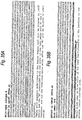
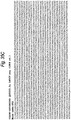
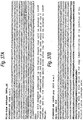
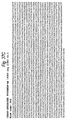
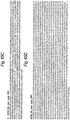
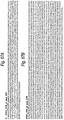
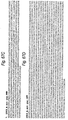
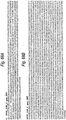
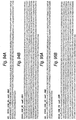
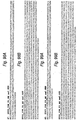
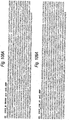
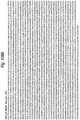
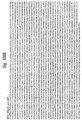
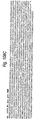
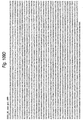
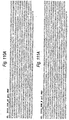
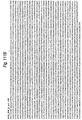
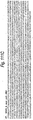
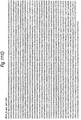
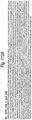
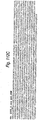
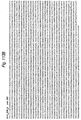
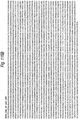
- the disclosure includes a repertoire of consensus or ancestral immunogens that can induce both humoral and cellular immune responses. Subunits of consensus or ancestral sequences can be used as T or B cell immunogens. (See Examples 6 and 7, and Figures referenced therein, and Figures 63-127 .
- the immunogen of the invention can be formulated with a pharmaceutically acceptable carrier and/or adjuvant (such as alum) using techniques well known in the art.
- Suitable routes of administration of the present immunogen include systemic (e.g. intramuscular or subcutaneous).
- Alternative routes can be used when an immune response is sought in a mucosal immune system (e.g., intranasal).
- the immunogens of the invention can be chemically synthesized and purified using methods which are well known to the ordinarily skilled artisan.
- the immunogens can also be synthesized by well-known recombinant DNA techniques.
- Nucleic acids encoding the immunogens of the invention can be used as components of, for example, a DNA vaccine wherein the encoding sequence is administered as naked DNA or, for example, a minigene encoding the immunogen can be present in a viral vector.
- the encoding sequence can be present, for example, in a replicating or non-replicating adenoviral vector, an adeno-associated virus vector, an attenuated mycobacterium tuberculosis vector, a Bacillus Calmette Guerin (BCG) vector, a vaccinia or Modified Vaccinia Ankara (MVA) vector, another pox virus vector, recombinant polio and other enteric virus vector, Salmonella species bacterial vector, Shigella species bacterial vector, decielean Equine Encephalitis Virus (VEE) vector, a Semliki Forest Virus vector, or a Tobacco Mosaic Virus vector.
- a replicating or non-replicating adenoviral vector an adeno-associated virus vector, an attenuated mycobacterium tuberculosis vector, a Bacillus Calmette Guerin (BCG) vector, a vaccinia or Modified Vaccinia Ankara (MVA) vector
- the encoding sequence can also be expressed as a DNA plasmid with, for example, an active promoter such as a CMV promoter.
- an active promoter such as a CMV promoter.
- Other live vectors can also be used to express the sequences of the invention.
- Expression of the immunogen of the invention can be induced in a patient's own cells, by introduction into those cells of nucleic acids that encode the immunogen, preferably using codons and promoters that optimize expression in human cells. Examples of methods of making and using DNA vaccines are disclosed in U.S. Pat. Nos. 5,580,859 , 5,589,466 , and 5,703,055 .
- composition of the invention comprises an immunologically effective amount of the immunogen of this invention, or nucleic acid sequence encoding same, in a pharmaceutically acceptable delivery system.
- the compositions can be used for prevention and/or treatment of immunodeficiency virus infection.
- the compositions of the invention can be formulated using adjuvants, emulsifiers, pharmaceutically-acceptable carriers or other ingredients routinely provided in vaccine compositions.
- Optimum formulations can be readily designed by one of ordinary skill in the art and can include formulations for immediate release and/or for sustained release, and for induction of systemic immunity and/or induction of localized mucosal immunity (e.g, the formulation can be designed for intranasal administration).
- compositions can be administered by any convenient route including subcutaneous, intranasal, oral, intramuscular, or other parenteral or enteral route.
- the immunogens can be administered as a single dose or multiple doses.
- Optimum immunization schedules can be readily determined by the ordinarily skilled artisan and can vary with the patient, the composition and the effect sought.
- the invention contemplates the direct use of both the immunogen of the invention and/or nucleic acids encoding same and/or the immunogen expressed as minigenes in the vectors indicated above.
- a minigene encoding the immunogen can be used as a prime and/or boost.
- the invention includes any and all amino acid sequences disclosed herein and, where applicable, CF and CFI forms thereof, as well as nucleic acid sequences encoding same (and nucleic acids complementary to such encoding sequences).
- CON6 gp120 and gp140 proteins in recombinant vaccinia viruses (VV).
- VV recombinant vaccinia viruses
- CON6 gp120 and gp140CF plasmids were constructed by introducing stop codons after the gp120 cleavage site (REKR) and before the transmembrane domain (YIKIFIMIVGGLIGLRIVFAVLSIVN), respectively.
- the gp120/gp41 cleavage site and fusion domain of gp41 were deleted in the gp140CF protein.
- CON6 gp120 and gp140CF DNA constructs were cloned into the pSC65 vector (from Bernard Moss, NIH, Bethesda, MD) at SalI and KpnI restriction enzyme sites.
- This vector contains the lacZ gene that is controlled by the p7.5 promoter.
- a back-to-back P E/L promoter was used to express CON6 env genes.
- BSC-1 cells were seeded at 2 x 10 5 in each well in a 6-well plate, infected with wild-type vaccinia virus (WR) at a MOI of 0.1 pfu/cell, and 2 hr after infection, pSC65-derived plasmids containing CON6 env genes were transfected into the W-infected cells and recombinant (r) VV selected as described ( Moss and Earl, Current Protocols in Molecular Biology, eds, Ausubel et al (John Wiley & Sons, Inc. Indianapolis, IN) pp. 16.15.1-16.19.9 (1998 )). Recombinant VV that contained the CON6 env genes were confirmed by PCR and sequencing analysis.
- CON6 envelope proteins were confirmed by SDS-PAGE and Western blot assay.
- Recombinant CON6 gp120 and gp140CF were purified with agarose galanthus Nivalis lectin beads (Vector Labs, Burlingame, CA), and stored at -70°C until use.
- Recombinant VV expressing JRFL (vCB-28) or 96ZM651 (vT241R) gp160 were obtained from the NIH AIDS Research and Reference Reagent Program (Bethesda, MD) .
- T8 is a murine mab that maps to the gp120 C1 region (a gift from P. Earl, NIH, Bethesda, MD).
- BaL subtype B
- 96ZM651 subtype C
- 93TH975 subtype E
- gp120s were provided by QBI, Inc. and the Division of AIDS, NIH.
- CHO cell lines that express 92U037 (subtype A) and 93BR029 (subtype F) gp140 (secreted and uncleaved) were obtained from NICBS, England.
- SPR biosensor measurements were determined on a BIAcore 3000 instrument (BIAcore Inc., Uppsala, Sweden) instrument and data analysis was performed using BIAevaluation 3.0 software (BIAcore Inc, Upsaala, Sweden).
- Anti-gp120 mabs (T8, A32, 17b, 2G12) or sCD4 in 10mM Na-acetate buffer, pH 4.5 were directly immobilized to a CM5 sensor chip using a standard amine coupling protocol for protein immobilization.
- FPLC purified CON6 gp120 monomer or gp140CF oligomer recombinant proteins were flowed over CM5 sensor chips at concentrations of 100 and 300 ⁇ g/ml, respectively.
- a blank in-line reference surface (activated and deactivated for amine coupling) or non-bonding mab controls were used to subtract non-specific or bulk responses.
- Soluble 89.6 gp120 and irrelevant IgG was used as a positive and negative control respectively and to ensure activity of each mab surface prior to injecting the CON6 Env proteins.
- CON6 envelope proteins Binding of CON6 envelope proteins was monitored in real-time at 25°C with a continuous flow of PBS (150 mM NaCl, 0.005% surfactant P20), pH 7.4 at 10-30 ⁇ l/min. Bound proteins were removed and the sensor surfaces were regenerated following each cycle of binding by single or duplicate 5-10 ⁇ l pulses of regeneration solution (10 mM glycine-HCl, pH 2.9). ELISA was performed to determine the reactivity of various mabs to CON6 gp120 and gp140CF proteins as described ( Haynes et al, AIDS Res. Hum. Retroviruses 11:211-221 (1995 )).
- end-point titers were defined as the highest titer of mab (beginning at 20 ⁇ g/ml) at which the mab bound CON6 gp120 and gp140CF Env proteins ⁇ 3 fold over background control (non-binding human mab).
- HIV-1/SG3 ⁇ env and CON6 or control env plasmids were cotransfected into human 293T cells. Pseudotyped viruses were harvested, filtered and p24 concentration was quantitated (DuPont/NEN Life Sciences, Boston, MA). Equal amounts of p24 (5 ng) for each pseudovirion were used to infect JC53-BL cells to determine the infectivity ( Derdeyn e al, J. Virol. 74:8358-8367 (2000 ), Wei et al, Antimicrob Agents Chemother. 46:1896-1905 (2002 )).
- JC53-BL cells express CD4, CCR5 and CXCR4 receptors and contain a ⁇ -galactosidase ( ⁇ -gal) gene stably integrated under the transcriptional control of an HIV-1 long terminal repeat (LTR). These cells can be used to quantify the infectious titers of pseudovirion stocks by staining for ⁇ -gal expression and counting the number of blue cells (infectious units) per microgram of p24 of pseudovirons (IU/ ⁇ g p24) ( Derdeyn e al, J. Virol. 74:8358-8367 (2000 ), Wei et al, Antimicrob Agents Chemother. 46:1896-1905 (2002 )).
- JC53BL cells were treated with 1.2 ⁇ M AMD3100 and 4 ⁇ M TAK-799 for 1 hr at 37°C then infected with equal amounts of p24 (5 ng) of each Env pseudotyped virus.
- the blockage efficiency was expressed as the percentage of the infectious units from blockage experiments compared to that from control culture without blocking agents.
- the infectivity from control group was arbitrarily set as 100%.
- mice For induction of anti-envelope T cell responses, 6-8 wk old female BALB/c mice (Frederick Cancer Research and Developmental Center, NCI, Frederick, MD) were immunized i.m. in the quadriceps with 50 ⁇ g plasmid DNA three times at a 3-week interval. Three weeks after the last DNA immunization, mice were boosted with 10 7 PFU of rVV expressing Env proteins. Two weeks after the boost, all mice were euthanized and spleens were removed for isolation of splenocytes.
- Neutralization assays were performed using either a MT-2 assay as described in Bures et al, AIDS Res. Hum. Retroviruses 16:2019-2035 (2000 ), a luciferase-based multiple replication cycle HIV-1 infectivity assay in 5.25.GFP.Luc.M7 cells using a panel of HIV-1 primary isolates ( Bures et al, AIDS Res. Hum. Retroviruses 16:2019-2035 (2000 ), Bures et al, J. Virol. 76:2233-2244 (2002 )), or a syncytium (fusion from without) inhibition assay using inactivated HIV-1 virions ( Rossio et al, J. Virol.
- the 5.25.EGFP.Luc.M7 cells were suspended at a density of 5 x 10 5 /ml in media containing DEAE dextran (10 ⁇ g/ml). Cells (100 ⁇ l) were added and until 10% of cells in control wells (no test serum sample) were positive for GFP expression by fluorescence microscopy. At this time the cells were concentrated 2-fold by removing one-half volume of media. A 50 ⁇ l suspension of cells was transferred to 96-well white solid plates (Costar, Cambridge, MA) for measurement of luciferase activity using Bright-GloTM substrate (Promega, Madison, WI) on a Wallac 1420 Multilabel Counter (PerkinElmer Life Sciences, Boston, MA).
- Neutralization titers in the MT-2 and luciferase assays were those where ⁇ 50% virus infection was inhibited. Only values that titered beyond 1:20 (i.e. >1:30) were considered significantly positive.
- the syncytium inhibition "fusion from without” assay utilized HIV-1 aldrithiol-2 (AT-2) inactivated virions from HIV-1 subtype B strains ADA and AD8 (the gift of Larry Arthur and Jeffrey Lifson, Frederick Research Cancer Facility, Frederick, MD) added to SupT1 cells, with syncytium inhibition titers determined as those titers where ⁇ 90% of syncytia were inhibited compared to prebleed sera.
- Enzyme linked immune spot (ELISPOT) assay Single-cell suspensions of splenocytes from individual immunized mice were prepared by mincing and forcing through a 70 ⁇ m Nylon cell strainer (BD Labware, Franklin Lakes, NJ). Overlapping Env peptides of CON6 gp140 (159 peptides, 15mers overlapping by 11) were purchased from Boston Bioscence, Inc (Royal Oak, MI).
- Env peptides of MN gp140 (subtype B; 170 peptides, 15mers overlapping by 11) and Chn19 gp140 (subtype C; 69 peptides, 20mers overlapping by 10) were obtained from the NIH AIDS Research and Reference Reagent Program (Bethesda, MD). Splenocytes (5 mice/group) from each mouse were stimulated in vitro with overlapping Env peptides pools from CON6, subtype B and subtype C Env proteins. 96-well PVDF plates (MultiScreen-IP, Millipore, Billerica, MA) were coated with anti-IFN- ⁇ mab (5 ⁇ g/ml, AN18; Mabtech, Sweden).
- the plates were incubated with 100 ⁇ l of a 1:1000 dilution of streptavidin alkaline phosphatase (Mabtech, Sweden), and purple spots developed using 100 ⁇ l of BCIP/NBT (Plus) Alkaline Phosphatase Substrate (Moss, Pasadena, MD). Spot forming cells (SFC) were measured using an Immunospot counting system (CTL Analyzers, Cleveland, OH). Total responses for each envelope peptide pool are expressed as SFCs per 10 6 splenocytes.
- CTL Analyzers Immunospot counting system
- CON6 Envelope Gene Design, Construction and Expression An artificial group M consensus env gene (CON6) was constructed by generating consensus sequences of env genes for each HIV-1 subtype from sequences in the Los Alamos HIV Sequence Database, and then generating a consensus sequence of all subtype consensuses to avoid heavily sequenced subtypes ( Gaschen et al, Science 296:2354-2360 (2002 ), Korber et al, Science 288:1789-1796 (2000 )).
- Five highly variable regions from a CRF08_BC recombinant strain (98CN006) (V1, V2, V4, V5 and a region in cytoplasmic domain of gp41) were then used to fill in the missing regions in CON6 sequence.
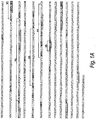
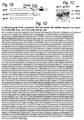
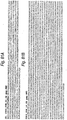
- the CON6 V3 region is group M consensus ( Figure 1A ).
- the codons of CON6 env gene were optimized based on codon usage for highly expressed human genes ( Haas et al, Curr. Biol. 6:315-324 (2000 ), Andre et al, J. Virol. 72:1497-1503 (1998 )).
- the codon optimized CON6 env gene was constructed and subcloned into pcDNA3.1 DNA at EcoR I and BamH I sites ( Gao et al, AIDS Res. Hum. Retroviruses, 19:817-823 (2003 )). High levels of protein expression were confirmed with Western-blot assays after transfection into 293T cells.
- rVV was generated to express secreted gp120 and uncleaved gp140CF ( Figure 1B ). Purity for each protein was ⁇ 90% as determined by Coomassie blue gels under reducing conditions ( Figure 1C ).
- CON6 Binding Domain and Other Wild-type HIV-1 Epitopes are Preserved on CON6 Proteins.
- CON6 proteins can bind to CD4 and express other wild-type HIV-1 epitopes, the ability of CON6 gp120 and gp140CF to bind soluble(s) CD4, to bind several well-characterized anti-gp120 mabs, and to undergo CD4-induced conformational changes was assayed.
- BIAcore CM5 sensor chips were coated with either sCD4 or mabs to monitor their binding activity to CON6 Env proteins.
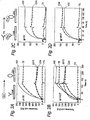
- sCD4, A32 and T8 were coated on sensor chips, then CON6 gp120 or gp140CF captured, and mab 17b binding activity monitored. After binding sCD4 or mab A32, both CON6 gp120 and gp140CF were triggered to undergo conformational changes and bound mab 17b ( Figures 2C and 2D ). In contrast, after binding mab T8, the 17b epitope was not exposed ( Figures 2C and 2D ).
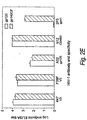
- ELISA was next used to determine the reactivity of a panel of human mabs against the gp120 V3 loop (447, F39F), the CD4 binding site (b12), and the gp41 neutralizing determinant (2F5) to CON6 gp120 and gp140CF ( Figure 2E ).
- Both CON6 rgp120 and rgp140CF proteins bound well to neutralizing V3 mabs 447 and F39F and to the potent neutralizing CD4 binding site mab b12.
- Mab 2F5 that neutralizes HIV-1 primary isolates by binding to a C-terminal gp41 epitope, also bound well to CON6 gp140CF ( Figure 2E ).
- CON6 env Gene is Biologically Functional and Uses CCR5 as its Coreceptor. To determine whether CON6 envelope gene is biologically functional, it was co-transfected with the env-defective SG3 proviral clone into 293T cells. The pseudotyped viruses were harvested and JC53BL cells infected. Blue cells were detected in JC53-BL cells infected with the CON6 Env pseudovirions, suggesting that CON6 Env protein is biologically functional ( Figure 3A ). However, the infectious titers were 1-2 logs lower than that of pseudovirions with either YU2 or NL4-3 wild-type HIV-1 envelopes.
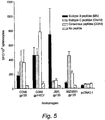
- mice were immunized with subtype B or subtype C DNAs and with corresponding rVV expressing subtype B or C envelope proteins. Mice immunized with subtype B (JRFL) or subtype C (96ZM651) Env immunogen had primarily subtype-specific T cell immune responses ( Figure 5 ).
- IFN- ⁇ SFCs from mice immunized with JRFL (subtype B) immunogen were detected after stimulation with subtype B (MN) peptide pools, but not with either subtype C (Chn19) or CON6 peptide pools.
- IFN- ⁇ SFCs from mice immunized with 96ZM651 (subtype C) immunogen were detected after the stimulation with both subtype C (Chn19) and CON6 peptide pools, but not with subtype B (MN) peptide pools.
- IFN- ⁇ SFCs were identified from mice immunized with CON6 Env immunogens when stimulated with either CON6 peptide pools as well as by subtype B or C peptide pools ( Figure 5 ).
- CON6 gp140 The T cell immune responses induced by CON6 gp140 appeared more robust than those induced by CON6 gp120. Taken together, these data demonstrated that CON6 gp120 and gp140CF immunogens were capable of inducing T cell responses that recognized T cell epitopes of wild-type subtype B and C envelopes.
- CON6 gp120 and gp140CF Envelopes that Neutralize HIV-1 Subtype B and C Primary Isolates.
- CON6 envelope immunogens can induce antibodies that neutralize HIV-1 primary isolates
- guinea pigs were immunized with either CON6 gp120 or gp140CF protein.
- Sera collected after 4 or 5 immunizations were used for neutralization assays and compared to the corresponding prebleed sera.
- Two AT-2 inactivated HIV-1 isolates (ADA and AD8) were tested in syncytium inhibition assays (Table 5A).
- HIV-1 isolates QH0692, SS1196, SF162, 6101, BX08, BG1168, BAL were assayed with post-injection 5 serum; other HIV-1 isolates were assayed with post-injection 4 serum.
- ND not done. HIV+ sera was either HIV-1+ human serum (LEH3) or an anti-gp120 guinea pig serum (#) with known neutralizing activity for HIV-1 isolate SS1196.
- GMT geometric mean titer of four animals per group. Neutralizing titers reported are after subtraction of any background neutralization in prebleed sera.
- TriMab 2 a mixture of human mabs 2F5, b12, 2G12.
- the above-described study tests a new strategy for HIV-1 immunogen design by generating a group M consensus env gene (CON6) with decreased genetic distance between this candidate immunogen and wild-type field virus strains.
- CON6 env gene was generated for all subtypes by choosing the most common amino acids at most positions ( Gaschen et al, Science 296:2354-2360 (2002 ), Korber et al, Science 288:1789-1796 (2000 )). Since only the most common amino acids were used, the majority of antibody and T cell epitopes were well preserved.
- the genetic distances between the group M consensus env sequence and any subtype env sequences was about 15%, which is only half of that between wild-type subtypes (30%) ( Gaschen et al, Science 296:2354-2360 (2002 )). This distance is approximately the same as that among viruses within the same subtype.
- the group M consensus env gene was also about 15% divergent from any recombinant viral env gene, as well, since CRFs do not increase the overall genetic divergence among subtypes.
- CON6-Env pseudovirions Infectivity of CON6-Env pseudovirions was confirmed using a single-round infection system, although the infectivity was compromised, indicating the artificial envelope was not in an "optimal" functional conformation, but yet was able to mediate virus entry. That the CON6 envelope used CCR5 (R5) as its coreceptor is important, since majority of HIV-1 infected patients are initially infected with R5 viruses.
- CON6 gp120 and gp140CF bound sCD4 and a number of mabs that bind to wild-type HIV-1 Env proteins.
- the expression of the CON6 gp120 and 140CF proteins that are similar antigenically to wild-type HIV-1 envelopes is an important step in HIV-1 immunogen development.
- many wild-type envelope proteins express the epitopes to which potent neutralizing human mabs bind, yet when used as immunogens themselves, do not induce broadly neutralizing anti-HIV-1 antibodies of the specificity of the neutralizing human mabs.
- HIV neutralizing antibody immunogen can be a combination of Con-S gp140CFI, or subunit thereof, with immunogens that neutralize most subtype B isolates.
- oligomeric gp140 protein The structure of an oligomeric gp140 protein is critical when evaluating protein immunogenicity.
- study of purified CON6 gp140CF proteins by fast performance liquid chromatography (FPLC) and analytical ultracentrifiguration has demonstrated that the purified gp140 peak consists predominantly of trimers with a small component of dimers.
- centralized envelopes such as CON6, Con-S or 2003 group M or subtype consensus or ancestral encoding sequences described herein, are attractive candidates for preparation of various potentially “enhanced" envelope immunogens including CD4-Env complexes, constrained envelope structures, and trimeric oligomeric forms.
- CON6-induced T and B cell responses to protect against HIV-1 infection and/or disease in SHIV challenge models will be studied in non-human primates.
- CON6 and Con-S env encoding sequence prime and boosted splenocyte T cells recognized HIV-1 subtype B and C T cell epitopes is an important step in demonstration that CON6 (and Con-S) can induce T cell responses that might be clinically useful.
- Consensus and COT represent the sequences or epitopes in sampled current wild-type viruses and are less affected by outliers HIV-1 sequences, while ancestor represents ancestral sequences that can be significantly affected by outlier sequences.
- centralized sequence can serve as the best immunogen to elicit broad immune responses against diverse HIV-1 strains, and studies are in progress to test these different strategies.
- HIV-1 artificial CON6 and Con-S envelope can induce T cell responses to wild-type HIV-1 epitopes, and can induce antibodies that neutralize HIV-1 primary isolates, thus demonstrating the feasibility and promise of using artificial centralized HIV-1 sequences in HIV-1 vaccine design.
- HIV-1 Subtype C Ancestral and Consensus Envelope Glycoproteins
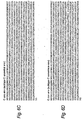
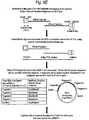
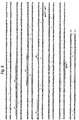
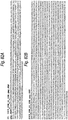
- HIV-1 subtype C ancestral and consensus env genes were obtained from the Los Alamos HIV Molecular Immunology Database (http://hiv-web.lanl.gov/immunology), codon-usage optimized for mammalian cell expression, and synthesized ( Fig. 6 ). To ensure optimal expression, a Kozak sequence (GCCGCCGCC) was inserted immediately upstream of the initiation codon. In addition to the full-length genes, two truncated env genes were generated by introducing stop codons immediately after the gp41 membrane-spanning domain (IVNR) and the gp120/gp41 cleavage site (REKR), generating gp140 and gp120 form of the glycoproteins, respectively ( Fig. 8 ).
- IVNR gp41 membrane-spanning domain
- REKR gp120/gp41 cleavage site
- Codon-optimized subtype C ancestral and consensus envelope genes express high levels of env glycoprotein in mammalian cells ( Fig. 9 ).
- Codon-optimized subtype C gp160 and gp140 glycoproteins are efficiently incorporated into virus particles.
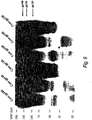
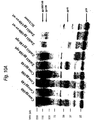
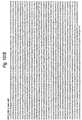
- Western Blot analysis of sucrose-purified pseudovirions reveals ten-fold higher levels of virion incorporation of the codon-optimized envelopes compared to that of a rev-dependent contemporary envelope controls ( Fig. 10A ).
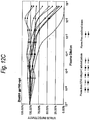
- Virions pseudotyped with either the subtype C consensus gp160 or gp140 envelope were more infectious than pseudovirions containing the corresponding gp160 and gp140 ancestral envelopes. Additionally, gp160 envelopes were consistently more infectious than their respective gp140 counterparts ( Fig. 10B ).
- subtype C ancestral and consensus gp160 containing pseudovirions were neutralized by plasma from subtype C infected patients. This suggests that these artificial envelopes possess a structure that is similar to that of native HIV-1 env glycoproteins and that common neutralization epitopes are conserved. No significant differences in neutralization potential were noted between subtype C ancestral and consensus env glycoproteins (gp160) ( Fig. 12 ).
- HIV-1 subtype C viruses are among the most prevalent circulating isolates, representing approximately fifty percent of new infections worldwide. Genetic diversity among globally circulating HIV-1 strains poses a challenge for vaccine design. Although HIV-1 Env protein is highly variable, it can induce both humoral and cellular immune responses in the infected host. By analyzing 70 HIV-1 complete subtype C env sequences, consensus and ancestral subtype C env genes have been generated. Both sequences are roughly equidistant from contemporary subtype C strains and thus expected to induce better cross-protective immunity. A reconstructed ancestral or consensus sequence derived-immunogen minimizes the extent of genetic differences between the vaccine candidate and contemporary isolates. However, consensus and ancestral subtype C env genes differ by 5% amino acid sequences.
- Codon-optimized subtype C ancestral and consensus envelope genes have been constructed and the in vitro biological properties of the expressed glycoproteins determined.
- Synthetic subtype C consensus and ancestral env genes express glycoproteins that are similar in their structure, function and antigenicity to contemporary subtype C wild-type envelope glycoproteins.
- Subtype C viruses have become the most prevalent viruses among all subtypes of Group M viruses in the world. More than 50% of HIV-1 infected people are currently carrying HIV-1 subtype C viruses. In addition, there is considerable intra-subtype C variability: different subtype C viruses can differ by as much as 10%, 6%, 17% and 16% of their Gag, Pol, Env and Nef proteins, respectively. Most importantly, the subtype C viruses from one country can vary as much as the viruses isolated from other parts of the world. The only exceptions are HIV-1 strains from India/China, Brazil and Ethiopia/Djibouti where subtype C appears to have been introduced more recently. Due to the high genetic variability of subtype C viruses even within a single country, an immunogen based on a single virus isolate may not elicit protective immunity against other isolates circulating in the same area.
- gag and nef gene sequences of subtype C viruses were gathered to generate consensus sequences for both genes by using a 50% consensus threshold. To avoid a potential bias toward founder viruses, only one sequence was used from India/China, Brazil and Ethiopia/Djibouti, respectively, to generate the subtype C consensus sequences (C.con.gag and C.con.nef).
- the codons of both C.con.gag and C.con.nef genes were optimized based on the codon usage of highly expressed human genes.
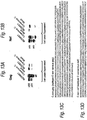
- the protein expression following transfection into 293T cells is shown in Figure 13 . As can be seen, both consensus subtype C Gag and Nef proteins were expressed efficiently and recognized by Gag- and Nef-specific antibodies.
- the protein expression levels of both C.con.gag and C.con.nef genes are comparible to that of native subtype env gene (96ZM651) .
- Paired oligonucleotides which overlap by 20 bp at their 3' ends and contain invariant sequences at their 5' and 3' ends, including the restriction enzyme sites EcoRI and BbsI as well as BsmBI and BamHI, respectively, were designed.
- BbsI and BamHI are Type II restriction enzymes that cleave outside of their recognition sequences. They have been positioned in the oligomers in such a way that they cleave the first four resides adjacent to the 18 bp invariant region, leaving 4 base 5' overhangs at the end of each fragment for the following ligation step. 26 paired oligomers were linked individually using PCR and primers complimentary to the 18 bp invariant sequences.
- pGEM-T Promega
- T/A cloning method was then digested, run on a 1% agarose gel, and gel purified (Qiagen).
- Four individual 108-mers were ligated into pcDNA3.1 (Invitrogen) in a multi-fragment ligation reaction. The four-way ligations occurred among groups of fragments in a stepwise manner from the 5' to the 3' end of the gene. This process was repeated until the entire gene was reconstructed in the pcDNA3.1 vector.
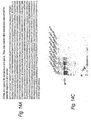
- Con-S gene was constructed by ligating the codon usage optimized oligo pairs together. To confirm its open reading frame, an in vitro transcription and translation assay was performed. Protein products were labeled by S 35 -methionine during the translation step, separated on a 10% SDS-PAGE, and detected by radioautography. Expected size of the expressed Con-S gp160 was identified in 4 out of 7 clones ( Fig. 14C ).
- CONs Env protein expression in the mammalian cells after transfected into 293T cells using a Western blot assay ( Figure 15 ).
- the expression level of Con-S Env protein is very similar to what was observed from the previous CON6 env clone that contains the consensus conservative regions and variable loops from 98CN006 virus isolate.
- the Env-pseudovirons was produced by cotransfecting Con-S env clone and env-deficient SG3 proviral clone into 293T cells. Two days after transfection, the pseudovirions were harvested and infected into JC53BL-13 cells. The infectious units (IU) were determined by counting the blue cells after staining with X-gal in three independent experiments. When compared with CON6 env clone, Con-S env clones produce similar number of IU in JC53BL-13 cells ( Figure 16 ). The IU titers for both are about 3 log higher than the SG3 backbone clone control (No Env).
- the titers are also about 2 log lower than the positive control (the native HIV-1 env gene, NL4-3 or YU2). These data suggest that both consensus group M env clones are biologically functional. Their functionality, however, has been compromised. The functional consensus env genes indicate that these Env proteins fold correctly, preserve the basic conformation of the native Env proteins, and are able to be developed as universal Env immunogens.
- Subtype A viruses are the second most prevalent HIV-1 in the African continent where over 70% of HIV-1 infections have been documented.
- Consensus gag, env and nef genes for subtype C viruses that are the most prevalent viruses in Africa and in the world were previously generated. Since genetic distances between subtype A and C viruses are as high as 30% in the env gene, the cross reactivity or protection between both subtypes will not be optimal.
- Two group M consensus env genes for all subtypes were also generated. However, to target any particular subtype viruses, the subtype specific consensus genes will be more effective since the genetic distances between subtype consensus genes and field viruses from the same subtype will be smaller than that between group M consensus genes and these same viruses. Therefore, consensus genes need to be generated for development of subtype A specific immunogens.
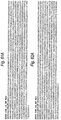
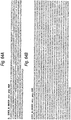
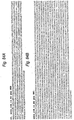
- the codons of the A.con.env gene were optimized based on the codon usage of highly expressed human genes. (See Figs. 18A and 18B for amino acid and nucleic acid sequences, respectively.)
- Each pair of the oligos has been amplified, cloned, ligated and sequenced.
- the A.con env gene was transfected into the 293T cells and the protein expression and specificity confirmed with the Western blot assay ( Figure 18 ). It was then determined whether A.con envelope is biologically functional. It was co-transfected with the env-defective SG3 proviral clone into 293T cells. The pseudotyped viruses were harvested and used to infect JC53BL cells.
- env genes For the group M consensus genes, two different env genes were constructed, one with virus specific variable regions (CON6) and one with consensus variable regions (Con-S). However, analysis of T cell immune responses in immunized or vaccinated animals and humans shows that the env gene normally is not a main target for T cell immune response although it is the only gene that will induce neutralizing antibody. Instead, HIV-1 Gag, Pol and Nef proteins are found to be important for inducing potent T cell immune responses. To generate a repertoire of immunogens that can induce both broader humoral and cellular immune responses for all subtypes, it may be necessary to construct other group M consensus genes other than env gene alone.
- Consensus of the consensus gag, pol and nef genes (M.con.gag., M.con.pol and M.con.nef) have been designed.
- the subtype C consensus pol gene (C.con.pol) was also designed.
- the codons of the M.con.gag., M.con.pol, M.con.nef and C.con.pol. genes were optimized based on the codon usage of highly expressed human genes. (See Fig. 19 for nucleic acid and amino acid sequences.)
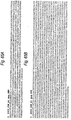
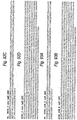
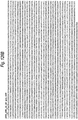
- Subtype B consensus gag and env sequences were derived from 37 and 137 contemporary HIV-1 strains, respectively, codon-usage optimized for mammalian cell expression, and synthesized ( Figs. 20A and 20B ). To ensure optimal expression, a Kozak sequence (GCCGCCGCC) was inserted immediately upstream of the initiation codon. In addition to the full-length env gene, a truncated env gene was generated by introducing a stop codon immediately after the gp41 membrane-spanning domain (IVNR) to create a gp145 gene. Genes were tested for integrity in an in vitro transcription/translation system and expressed in mammalian cells. (Subtype B consensus Gag and Env sequences are set forth in Figs. 20C and 20D , respectively.)
- JC53-BL cells are a derivative of HeLa cells that express high levels of CD4 and the HIV-1 coreceptors CCR5 and CXCR4. They also contain the reporter cassettes of luciferase and ⁇ -galactosidase that are each expressed from an HIV-1 LTR. Expression of the reporter genes is dependent on production of HIV-1 Tat.
- cells are seeded into 24-well plates, incubated at 37°C for 24 hours and treated with DEAE-Dextran at 37°C for 30min.
- Virus is serially diluted in 1% DMEM, added to the cells incubating in DEAE-dextran, and allowed to incubate for 3 hours at 37°C after which an additional 500 ⁇ L of cell media is added to each well.
- cells are fixed, stained using X-Gal, and overlaid with PBS for microscopic counting of blue foci.
- Counts for mock-infected wells, used to determine background, are subtracted from counts for the sample wells. Co-receptor usage and envelope neutralization sensitivity were also determined with slight modifications of the JC53-BL assay.
- VLPs virus-like particles
- 293T cells were co-transfected with subtype B consensus gag and env genes.
- cell supernatants containing VLPs were collected, clarified in a tabletop centrifuge, filtered through a 0.2mM filter, and pellet through a 20% sucrose cushion.
- the VLP pellet was resuspended in PBS and transferred onto a 20-60% continuous sucrose gradient. Following overnight centrifugation at 100,000 x g, 0.5 ml fractions were collected and assayed for p24 content. The refractive index of each fraction was also measured.
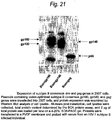
- VLP-containing pellets were re-suspended in PBS and loaded on a 4-20% SDS-PAGE gel. Proteins were transferred to a PVDF membrane and probed with serum from a subtype B HIV-1 infected individual.
- Subtype B gp160 and gp145 glycoproteins are efficiently incorporated into virus particles.
- Western Blot analysis of sucrose-purified pseudovirions suggests at least five-fold higher levels of consensus B envelope incorporation compared to incorporation of a rev-dependent contemporary envelope ( Fig.23A ).
- Virions pseudotyped with either the subtype B consensus gp160 or gp145 envelope are more infectious than pseudovirions containing a rev-dependent contemporary envelope ( Fig. 23 B) .
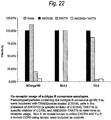
- Subtype B consensus envelopes utilize CCR5 as the co-receptor to gain entry into CD4 bearing target cells ( Fig. 22 ).
- Fig. 24C The infectivity of pseudovirions containing the subtype B consensus gp160 envelope was neutralized by plasma from HIV-1 subtype B infected patients ( Fig. 24C ) and neutralizing monoclonal antibodies ( Fig. 24A ). This suggests that the subtype B synthetic consensus B envelopes is similar to native HIV-1 Env glycoproteins in its overall structure and that common neutralization epitopes remain intact.
- Figs. 24B and 24D show neutralization profiles of a subtype B control envelope (NL4.3 Env).
- Subtype B consensus Gag proteins are able to bud from the cell membrane and form virus-like particles ( Fig. 25A ).
- Co-transfection of the codon-optimized subtype B consensus gag and gp160 genes produces VLPs with incorporated envelope ( Fig. 25B ).
- the synthetic subtype B consensus env and gag genes express viral proteins that are similar in their structure, function and antigenicity to contemporary subtype B Env and Gag proteins. It is contemplated that immunogens based on subtype B consensus genes will elicit CTL and neutralizing immune responses that are protective against a broad set of HIV-1 isolates.
Landscapes
- Health & Medical Sciences (AREA)
- Life Sciences & Earth Sciences (AREA)
- Chemical & Material Sciences (AREA)
- Virology (AREA)
- Organic Chemistry (AREA)
- General Health & Medical Sciences (AREA)
- Immunology (AREA)
- Medicinal Chemistry (AREA)
- Molecular Biology (AREA)
- Biochemistry (AREA)
- Animal Behavior & Ethology (AREA)
- Veterinary Medicine (AREA)
- Public Health (AREA)
- Pharmacology & Pharmacy (AREA)
- Genetics & Genomics (AREA)
- Epidemiology (AREA)
- Microbiology (AREA)
- Mycology (AREA)
- Proteomics, Peptides & Aminoacids (AREA)
- Biophysics (AREA)
- Communicable Diseases (AREA)
- Hematology (AREA)
- AIDS & HIV (AREA)
- Engineering & Computer Science (AREA)
- Gastroenterology & Hepatology (AREA)
- Nuclear Medicine, Radiotherapy & Molecular Imaging (AREA)
- General Chemical & Material Sciences (AREA)
- Chemical Kinetics & Catalysis (AREA)
- Biotechnology (AREA)
- Bioinformatics & Cheminformatics (AREA)
- Tropical Medicine & Parasitology (AREA)
- Oncology (AREA)
- Peptides Or Proteins (AREA)
- Medicines Containing Antibodies Or Antigens For Use As Internal Diagnostic Agents (AREA)
- Medicines That Contain Protein Lipid Enzymes And Other Medicines (AREA)
- Pharmaceuticals Containing Other Organic And Inorganic Compounds (AREA)
- Micro-Organisms Or Cultivation Processes Thereof (AREA)
- Preparation Of Compounds By Using Micro-Organisms (AREA)
Priority Applications (1)
| Application Number | Priority Date | Filing Date | Title |
|---|---|---|---|
| EP11001145A EP2371387A3 (en) | 2003-09-17 | 2004-09-17 | HIV consensus sequence antigens and their use in vaccina |
Applications Claiming Priority (3)
| Application Number | Priority Date | Filing Date | Title |
|---|---|---|---|
| US50346003P | 2003-09-17 | 2003-09-17 | |
| US60472204P | 2004-08-27 | 2004-08-27 | |
| PCT/US2004/030397 WO2005028625A2 (en) | 2003-09-17 | 2004-09-17 | Consensus/ancestral immunogens |
Related Child Applications (3)
| Application Number | Title | Priority Date | Filing Date |
|---|---|---|---|
| EP11001145A Division-Into EP2371387A3 (en) | 2003-09-17 | 2004-09-17 | HIV consensus sequence antigens and their use in vaccina |
| EP13157691.0 Division-Into | 2013-03-04 | ||
| EP13157669.6 Division-Into | 2013-03-04 |
Publications (3)
| Publication Number | Publication Date |
|---|---|
| EP1667714A2 EP1667714A2 (en) | 2006-06-14 |
| EP1667714A4 EP1667714A4 (en) | 2008-09-24 |
| EP1667714B1 true EP1667714B1 (en) | 2018-01-03 |
Family
ID=34381074
Family Applications (2)
| Application Number | Title | Priority Date | Filing Date |
|---|---|---|---|
| EP04784298.4A Expired - Lifetime EP1667714B1 (en) | 2003-09-17 | 2004-09-17 | Consensus/ancestral immunogens |
| EP11001145A Withdrawn EP2371387A3 (en) | 2003-09-17 | 2004-09-17 | HIV consensus sequence antigens and their use in vaccina |
Family Applications After (1)
| Application Number | Title | Priority Date | Filing Date |
|---|---|---|---|
| EP11001145A Withdrawn EP2371387A3 (en) | 2003-09-17 | 2004-09-17 | HIV consensus sequence antigens and their use in vaccina |
Country Status (10)
| Country | Link |
|---|---|
| US (3) | US8071107B2 (enExample) |
| EP (2) | EP1667714B1 (enExample) |
| JP (3) | JP4773352B2 (enExample) |
| KR (2) | KR20070028291A (enExample) |
| CN (2) | CN102010463A (enExample) |
| AU (1) | AU2004274937B9 (enExample) |
| BR (1) | BRPI0414443A (enExample) |
| CA (2) | CA2539325C (enExample) |
| IL (3) | IL174380A0 (enExample) |
| WO (1) | WO2005028625A2 (enExample) |
Families Citing this family (43)
| Publication number | Priority date | Publication date | Assignee | Title |
|---|---|---|---|---|
| CN1635876A (zh) | 2000-02-04 | 2005-07-06 | 杜克大学 | 人免疫缺陷病毒疫苗 |
| US7033593B2 (en) | 2000-09-22 | 2006-04-25 | Duke University | Immunogen comprising an HIV envelope protein, a ligand and H2 peptide |
| EP1331942A4 (en) | 2000-09-22 | 2005-03-16 | Univ Duke | Immunogenic with ligand-bound HIV envelope protein |
| US8048431B2 (en) * | 2003-09-17 | 2011-11-01 | Duke University | Modified HIV-1 clade C envelope glycoprotein immunogens comprising deletions in the gp120/gp41 cleavage site and gp41 fusion domain |
| CA2539325C (en) | 2003-09-17 | 2016-03-22 | Duke University | Consensus/ancestral immunogens |
| EP2295973A1 (en) | 2004-09-08 | 2011-03-16 | THE GOVERNMENT OF THE UNITED STATES OF AMERICA, as represented by the Secretary, Department of Health and Human Services | Compositions and methods for the detection of HIV-1/HIV-2 infection. |
| US8119140B2 (en) | 2005-08-23 | 2012-02-21 | Los Alamos Security, LLC | Immunogenic compositions comprising human immunodeficiency virus (HIV) mosaic Nef proteins |
| US7951377B2 (en) * | 2005-08-23 | 2011-05-31 | Los Alamos National Security, Llc | Mosaic clade M human immunodeficiency virus type 1 (HIV-1) envelope immunogens |
| SG170092A1 (en) * | 2006-03-10 | 2011-04-29 | Peptcell Ltd | Peptides of regulatory or accessory proteins of hiv, compositions and the utilization thereof |
| CA2648086C (en) | 2006-03-29 | 2014-05-13 | Dana Farber Cancer Institute, Inc. | Methods and compositions for inducing an immune response to hiv and models for testing |
| AU2007256717B2 (en) * | 2006-06-02 | 2013-06-20 | International Aids Vaccine Initiative | HIV-1 Clade A consensus sequences, antigens, and transgenes |
| AU2015234338C1 (en) * | 2006-07-28 | 2017-07-20 | The Trustees Of The University Of Pennsylvania | Improved vaccines and methods for using the same |
| KR102511874B1 (ko) * | 2006-07-28 | 2023-03-20 | 더 트러스티스 오브 더 유니버시티 오브 펜실바니아 | 개선된 백신 및 이의 사용 방법 |
| JP2010530356A (ja) * | 2007-03-27 | 2010-09-09 | ザ リージェンツ オブ ザ ユニバーシティ オブ カリフォルニア | 急性伝染hivエンベロープ・サイン |
| PL2358757T3 (pl) | 2008-11-18 | 2019-02-28 | Beth Israel Deaconess Medical Center | Szczepionki antywirusowe o ulepszonej immunogenności komórkowej |
| JP2013520498A (ja) * | 2010-02-25 | 2013-06-06 | デューク ユニバーシティー | 防御的抗hiv−1抗体の産生を誘導する方法 |
| US20130177583A1 (en) * | 2010-03-03 | 2013-07-11 | Duke University | Molecular clone of hiv-1 |
| WO2012047267A2 (en) * | 2010-09-28 | 2012-04-12 | Duke University | Polyvalent immunogen |
| EP2492279A1 (en) * | 2011-02-25 | 2012-08-29 | Laboratorios Del. Dr. Esteve, S.A. | Rapid immunogen selection method using lentiviral display |
| US10040826B2 (en) | 2011-07-05 | 2018-08-07 | Duke University | Human immunodeficiency virus type 1 (HIV-1) N-terminal deleted GP120 immunogens |
| EP2763699A4 (en) * | 2011-10-03 | 2015-05-20 | Univ Duke | VACCINE |
| EP2620446A1 (en) | 2012-01-27 | 2013-07-31 | Laboratorios Del Dr. Esteve, S.A. | Immunogens for HIV vaccination |
| EP2820035B1 (en) | 2012-03-02 | 2019-01-09 | The Government of the United States of America as represented by The Secretary of the Department of Health and Human Services | Method of altering the immundominance hierarchy of hiv gag by dna vaccine expressing conserved regions |
| US20150265695A1 (en) * | 2012-07-24 | 2015-09-24 | Sanofi Pasteur | Vaccine compositions for prevention against dengue virus infection |
| KR101826536B1 (ko) | 2012-08-07 | 2018-02-07 | 현대자동차 주식회사 | 차량의 아이들 스톱 제어 방법 및 장치 |
| WO2014151687A2 (en) | 2013-03-15 | 2014-09-25 | University Of Massachusetts | Compositions and methods to treat aids |
| EP3058065B1 (en) * | 2013-10-16 | 2018-05-02 | New England Biolabs, Inc. | Reverse transcriptase with enhanced properties |
| MA40783A (fr) | 2014-10-03 | 2017-08-08 | Los Alamos Nat Security Llc | Vaccins contre le vih comprenant un ou plusieurs antigènes episensus de population |
| WO2017007646A1 (en) * | 2015-07-07 | 2017-01-12 | International Aids Vaccine Initiative | Hiv-1 clade c envelope glycoproteins |
| US11318197B2 (en) | 2016-03-03 | 2022-05-03 | Duke University | Compositions and methods for inducing HIV-1 antibodies |
| CA3016352A1 (en) | 2016-03-03 | 2017-09-08 | Duke University | Compositions and methods for inducing hiv-1 antibodies |
| JP7178344B2 (ja) * | 2016-09-15 | 2022-11-25 | ヤンセン ファッシンズ アンド プリベンション ベーフェー | 三量体安定化hivエンベロープタンパク質変異 |
| US10828363B1 (en) * | 2016-09-16 | 2020-11-10 | The Trustees Of The University Of Pennsylvania | Extreme polyvalency induces potent cross-clade cellular and humoral responses in rabbits and non-human primates |
| EP3519428A4 (en) | 2016-10-03 | 2020-07-08 | Duke University | METHODS OF IDENTIFYING IMMUNOGENS BY TARGETING IMPROBABLE MUTATIONS |
| EP3526236B1 (en) | 2016-10-17 | 2025-12-10 | Beth Israel Deaconess Medical Center, Inc. | Signature-based human immunodeficiency virus (hiv) envelope (env) trimer vaccines and methods of using the same |
| US12138304B2 (en) | 2018-10-01 | 2024-11-12 | Duke University | HIV-1 envelope stabilizing mutations |
| GB201816873D0 (en) * | 2018-10-17 | 2018-11-28 | Imperial Innovations Ltd | Fusion protein |
| CN113924114A (zh) | 2019-05-22 | 2022-01-11 | 吉利德科学公司 | Tlr7调节化合物和hiv疫苗的组合 |
| AU2020315598B2 (en) | 2019-07-16 | 2024-12-12 | Gilead Sciences, Inc. | HIV vaccines and methods of making and using |
| AU2020384323A1 (en) | 2019-11-14 | 2022-06-02 | Aelix Therapeutics, S.L. | Dosage regimens for vaccines |
| CA3202466A1 (en) | 2021-01-14 | 2022-07-21 | Jiani LI | Hiv vaccines and methods of using |
| CA3246969A1 (en) * | 2022-03-31 | 2023-10-05 | The Henry M. Jackson Foundation For The Advancement Of Military Medicine, Inc. | IMMUNOGENS AND HIV VACCINE COMPOSITIONS |
| WO2025072797A2 (en) * | 2023-09-27 | 2025-04-03 | The Henry M. Jackson Foundation For The Advancement Of Military Medicine, Inc. | Immunogens and vaccine compositions against hiv |
Family Cites Families (10)
| Publication number | Priority date | Publication date | Assignee | Title |
|---|---|---|---|---|
| US5703055A (en) | 1989-03-21 | 1997-12-30 | Wisconsin Alumni Research Foundation | Generation of antibodies through lipid mediated DNA delivery |
| US20030096778A1 (en) * | 2002-06-13 | 2003-05-22 | Shiver John W | Polynucleotide vaccines expressing codon optimized hiv-1 nef and modified hiv-1 nef |
| CA2402440A1 (en) | 2000-02-18 | 2001-08-23 | University Of Washington | Aids ancestral viruses and vaccines |
| US7655774B2 (en) | 2000-02-18 | 2010-02-02 | University Of Washington | Ancestral and COT viral sequences, proteins and immunogenic compositions |
| US6733993B2 (en) * | 2000-09-15 | 2004-05-11 | Merck & Co., Inc. | Enhanced first generation adenovirus vaccines expressing codon optimized HIV1-gag, pol, nef and modifications |
| EP1331942A4 (en) | 2000-09-22 | 2005-03-16 | Univ Duke | Immunogenic with ligand-bound HIV envelope protein |
| US7172761B2 (en) | 2001-11-07 | 2007-02-06 | Duke University | Polyvalent immunogen |
| US8048431B2 (en) | 2003-09-17 | 2011-11-01 | Duke University | Modified HIV-1 clade C envelope glycoprotein immunogens comprising deletions in the gp120/gp41 cleavage site and gp41 fusion domain |
| CA2539325C (en) | 2003-09-17 | 2016-03-22 | Duke University | Consensus/ancestral immunogens |
| HRP20040589B1 (en) | 2004-06-28 | 2011-07-31 | Biljan Marijan | The stand for garment hangers with a built-in counter |
-
2004
- 2004-09-17 CA CA2539325A patent/CA2539325C/en not_active Expired - Fee Related
- 2004-09-17 US US10/572,638 patent/US8071107B2/en not_active Expired - Fee Related
- 2004-09-17 BR BRPI0414443-0A patent/BRPI0414443A/pt not_active IP Right Cessation
- 2004-09-17 AU AU2004274937A patent/AU2004274937B9/en not_active Ceased
- 2004-09-17 CA CA2918585A patent/CA2918585C/en not_active Expired - Fee Related
- 2004-09-17 CN CN2010102878421A patent/CN102010463A/zh active Pending
- 2004-09-17 CN CN2004800266584A patent/CN1852734B/zh not_active Expired - Fee Related
- 2004-09-17 KR KR1020067007686A patent/KR20070028291A/ko not_active Ceased
- 2004-09-17 EP EP04784298.4A patent/EP1667714B1/en not_active Expired - Lifetime
- 2004-09-17 WO PCT/US2004/030397 patent/WO2005028625A2/en not_active Ceased
- 2004-09-17 EP EP11001145A patent/EP2371387A3/en not_active Withdrawn
- 2004-09-17 JP JP2006527030A patent/JP4773352B2/ja not_active Expired - Fee Related
- 2004-09-17 KR KR1020127018893A patent/KR20120086379A/ko not_active Ceased
-
2006
- 2006-03-16 IL IL174380A patent/IL174380A0/en unknown
-
2009
- 2009-11-19 IL IL202249A patent/IL202249A/en active IP Right Grant
-
2011
- 2011-01-04 JP JP2011000275A patent/JP2011136997A/ja not_active Withdrawn
- 2011-08-23 US US13/137,517 patent/US9844589B2/en not_active Expired - Fee Related
-
2013
- 2013-12-06 JP JP2013253689A patent/JP6165612B2/ja not_active Expired - Fee Related
- 2013-12-17 IL IL230011A patent/IL230011A0/en unknown
-
2017
- 2017-11-15 US US15/813,992 patent/US10946090B2/en not_active Expired - Fee Related
Non-Patent Citations (1)
| Title |
|---|
| LIAO HUA-XIN ET AL: "Antigenicity and Immunogenicity of Transmitted/Founder, Consensus, and Chronic Envelope Glycoproteins of Human Immunodeficiency Virus Type 1", JOURNAL OF VIROLOGY, vol. 87, no. 8, April 2013 (2013-04-01), pages 4185 - 4201, ISSN: 0022-538X(print) * |
Also Published As
Similar Documents
| Publication | Publication Date | Title |
|---|---|---|
| US10946090B2 (en) | Consensus/ancestral immunogens | |
| US8048431B2 (en) | Modified HIV-1 clade C envelope glycoprotein immunogens comprising deletions in the gp120/gp41 cleavage site and gp41 fusion domain | |
| US7666427B2 (en) | HIV vaccines based on Env of multiple clades of HIV | |
| AU2018283811B2 (en) | Poxvirus vectors encoding HIV antigens, and methods of use thereof | |
| Rovinski et al. | Expression and characterization of genetically engineered human immunodeficiency virus-like particles containing modified envelope glycoproteins: implications for development of a cross-protective AIDS vaccine | |
| DK2020444T3 (en) | DEFECTIVE NON-INTEGRATIVE LENTIVIRAL TRANSMISSION VECTORS FOR VACCINES | |
| AU2009295255A1 (en) | Viral polypeptides and methods | |
| AU2017200429B2 (en) | Consensus/Ancestral Immunogens | |
| CN104169295B (zh) | 突变的慢病毒env蛋白及其用作药物的用途 | |
| MXPA06003076A (en) | Consensus/ancestral immunogens | |
| HK1097446B (en) | Consensus/ancestral immunogens | |
| HK1155758A (en) | Consensus/ancestral immunogens | |
| US20050112138A1 (en) | Aids vaccines | |
| Davis | Analysis of HIV-1 variable loop 3-specific neutralizing antibody responses by HIV-2/HIV-1 envelope chimeras |
Legal Events
| Date | Code | Title | Description |
|---|---|---|---|
| PUAI | Public reference made under article 153(3) epc to a published international application that has entered the european phase |
Free format text: ORIGINAL CODE: 0009012 |
|
| 17P | Request for examination filed |
Effective date: 20060331 |
|
| AK | Designated contracting states |
Kind code of ref document: A2 Designated state(s): AT BE BG CH CY CZ DE DK EE ES FI FR GB GR HU IE IT LI LU MC NL PL PT RO SE SI SK TR |
|
| DAX | Request for extension of the european patent (deleted) | ||
| A4 | Supplementary search report drawn up and despatched |
Effective date: 20080827 |
|
| 17Q | First examination report despatched |
Effective date: 20090210 |
|
| GRAP | Despatch of communication of intention to grant a patent |
Free format text: ORIGINAL CODE: EPIDOSNIGR1 |
|
| INTG | Intention to grant announced |
Effective date: 20170208 |
|
| RAP1 | Party data changed (applicant data changed or rights of an application transferred) |
Owner name: DUKE UNIVERSITY Owner name: THE UNIVERSITY OF ALABAMA AT BIRMINGHAM RESEARCH F Owner name: THE REGENTS OF THE UNIVERSITY OF CALIFORNIA |
|
| GRAJ | Information related to disapproval of communication of intention to grant by the applicant or resumption of examination proceedings by the epo deleted |
Free format text: ORIGINAL CODE: EPIDOSDIGR1 |
|
| GRAP | Despatch of communication of intention to grant a patent |
Free format text: ORIGINAL CODE: EPIDOSNIGR1 |
|
| INTC | Intention to grant announced (deleted) | ||
| INTG | Intention to grant announced |
Effective date: 20170719 |
|
| GRAS | Grant fee paid |
Free format text: ORIGINAL CODE: EPIDOSNIGR3 |
|
| GRAA | (expected) grant |
Free format text: ORIGINAL CODE: 0009210 |
|
| AK | Designated contracting states |
Kind code of ref document: B1 Designated state(s): AT BE BG CH CY CZ DE DK EE ES FI FR GB GR HU IE IT LI LU MC NL PL PT RO SE SI SK TR |
|
| REG | Reference to a national code |
Ref country code: GB Ref legal event code: FG4D |
|
| REG | Reference to a national code |
Ref country code: CH Ref legal event code: EP Ref country code: AT Ref legal event code: REF Ref document number: 959631 Country of ref document: AT Kind code of ref document: T Effective date: 20180115 |
|
| REG | Reference to a national code |
Ref country code: IE Ref legal event code: FG4D |
|
| REG | Reference to a national code |
Ref country code: DE Ref legal event code: R096 Ref document number: 602004052251 Country of ref document: DE |
|
| REG | Reference to a national code |
Ref country code: NL Ref legal event code: MP Effective date: 20180103 |
|
| REG | Reference to a national code |
Ref country code: AT Ref legal event code: MK05 Ref document number: 959631 Country of ref document: AT Kind code of ref document: T Effective date: 20180103 |
|
| PG25 | Lapsed in a contracting state [announced via postgrant information from national office to epo] |
Ref country code: NL Free format text: LAPSE BECAUSE OF FAILURE TO SUBMIT A TRANSLATION OF THE DESCRIPTION OR TO PAY THE FEE WITHIN THE PRESCRIBED TIME-LIMIT Effective date: 20180103 |
|
| PG25 | Lapsed in a contracting state [announced via postgrant information from national office to epo] |
Ref country code: CY Free format text: LAPSE BECAUSE OF FAILURE TO SUBMIT A TRANSLATION OF THE DESCRIPTION OR TO PAY THE FEE WITHIN THE PRESCRIBED TIME-LIMIT Effective date: 20180103 Ref country code: FI Free format text: LAPSE BECAUSE OF FAILURE TO SUBMIT A TRANSLATION OF THE DESCRIPTION OR TO PAY THE FEE WITHIN THE PRESCRIBED TIME-LIMIT Effective date: 20180103 Ref country code: ES Free format text: LAPSE BECAUSE OF FAILURE TO SUBMIT A TRANSLATION OF THE DESCRIPTION OR TO PAY THE FEE WITHIN THE PRESCRIBED TIME-LIMIT Effective date: 20180103 |
|
| PG25 | Lapsed in a contracting state [announced via postgrant information from national office to epo] |
Ref country code: AT Free format text: LAPSE BECAUSE OF FAILURE TO SUBMIT A TRANSLATION OF THE DESCRIPTION OR TO PAY THE FEE WITHIN THE PRESCRIBED TIME-LIMIT Effective date: 20180103 Ref country code: SE Free format text: LAPSE BECAUSE OF FAILURE TO SUBMIT A TRANSLATION OF THE DESCRIPTION OR TO PAY THE FEE WITHIN THE PRESCRIBED TIME-LIMIT Effective date: 20180103 Ref country code: BG Free format text: LAPSE BECAUSE OF FAILURE TO SUBMIT A TRANSLATION OF THE DESCRIPTION OR TO PAY THE FEE WITHIN THE PRESCRIBED TIME-LIMIT Effective date: 20180403 Ref country code: GR Free format text: LAPSE BECAUSE OF FAILURE TO SUBMIT A TRANSLATION OF THE DESCRIPTION OR TO PAY THE FEE WITHIN THE PRESCRIBED TIME-LIMIT Effective date: 20180404 Ref country code: PL Free format text: LAPSE BECAUSE OF FAILURE TO SUBMIT A TRANSLATION OF THE DESCRIPTION OR TO PAY THE FEE WITHIN THE PRESCRIBED TIME-LIMIT Effective date: 20180103 |
|
| REG | Reference to a national code |
Ref country code: FR Ref legal event code: PLFP Year of fee payment: 15 |
|
| REG | Reference to a national code |
Ref country code: DE Ref legal event code: R097 Ref document number: 602004052251 Country of ref document: DE |
|
| PG25 | Lapsed in a contracting state [announced via postgrant information from national office to epo] |
Ref country code: EE Free format text: LAPSE BECAUSE OF FAILURE TO SUBMIT A TRANSLATION OF THE DESCRIPTION OR TO PAY THE FEE WITHIN THE PRESCRIBED TIME-LIMIT Effective date: 20180103 Ref country code: RO Free format text: LAPSE BECAUSE OF FAILURE TO SUBMIT A TRANSLATION OF THE DESCRIPTION OR TO PAY THE FEE WITHIN THE PRESCRIBED TIME-LIMIT Effective date: 20180103 Ref country code: IT Free format text: LAPSE BECAUSE OF FAILURE TO SUBMIT A TRANSLATION OF THE DESCRIPTION OR TO PAY THE FEE WITHIN THE PRESCRIBED TIME-LIMIT Effective date: 20180103 |
|
| PLBE | No opposition filed within time limit |
Free format text: ORIGINAL CODE: 0009261 |
|
| STAA | Information on the status of an ep patent application or granted ep patent |
Free format text: STATUS: NO OPPOSITION FILED WITHIN TIME LIMIT |
|
| PG25 | Lapsed in a contracting state [announced via postgrant information from national office to epo] |
Ref country code: SK Free format text: LAPSE BECAUSE OF FAILURE TO SUBMIT A TRANSLATION OF THE DESCRIPTION OR TO PAY THE FEE WITHIN THE PRESCRIBED TIME-LIMIT Effective date: 20180103 Ref country code: DK Free format text: LAPSE BECAUSE OF FAILURE TO SUBMIT A TRANSLATION OF THE DESCRIPTION OR TO PAY THE FEE WITHIN THE PRESCRIBED TIME-LIMIT Effective date: 20180103 Ref country code: CZ Free format text: LAPSE BECAUSE OF FAILURE TO SUBMIT A TRANSLATION OF THE DESCRIPTION OR TO PAY THE FEE WITHIN THE PRESCRIBED TIME-LIMIT Effective date: 20180103 |
|
| 26N | No opposition filed |
Effective date: 20181005 |
|
| PG25 | Lapsed in a contracting state [announced via postgrant information from national office to epo] |
Ref country code: SI Free format text: LAPSE BECAUSE OF FAILURE TO SUBMIT A TRANSLATION OF THE DESCRIPTION OR TO PAY THE FEE WITHIN THE PRESCRIBED TIME-LIMIT Effective date: 20180103 |
|
| PG25 | Lapsed in a contracting state [announced via postgrant information from national office to epo] |
Ref country code: MC Free format text: LAPSE BECAUSE OF FAILURE TO SUBMIT A TRANSLATION OF THE DESCRIPTION OR TO PAY THE FEE WITHIN THE PRESCRIBED TIME-LIMIT Effective date: 20180103 |
|
| REG | Reference to a national code |
Ref country code: CH Ref legal event code: PL |
|
| REG | Reference to a national code |
Ref country code: BE Ref legal event code: MM Effective date: 20180930 |
|
| REG | Reference to a national code |
Ref country code: IE Ref legal event code: MM4A |
|
| PG25 | Lapsed in a contracting state [announced via postgrant information from national office to epo] |
Ref country code: LU Free format text: LAPSE BECAUSE OF NON-PAYMENT OF DUE FEES Effective date: 20180917 |
|
| PG25 | Lapsed in a contracting state [announced via postgrant information from national office to epo] |
Ref country code: IE Free format text: LAPSE BECAUSE OF NON-PAYMENT OF DUE FEES Effective date: 20180917 |
|
| PG25 | Lapsed in a contracting state [announced via postgrant information from national office to epo] |
Ref country code: BE Free format text: LAPSE BECAUSE OF NON-PAYMENT OF DUE FEES Effective date: 20180930 Ref country code: LI Free format text: LAPSE BECAUSE OF NON-PAYMENT OF DUE FEES Effective date: 20180930 Ref country code: CH Free format text: LAPSE BECAUSE OF NON-PAYMENT OF DUE FEES Effective date: 20180930 |
|
| PG25 | Lapsed in a contracting state [announced via postgrant information from national office to epo] |
Ref country code: TR Free format text: LAPSE BECAUSE OF FAILURE TO SUBMIT A TRANSLATION OF THE DESCRIPTION OR TO PAY THE FEE WITHIN THE PRESCRIBED TIME-LIMIT Effective date: 20180103 |
|
| PG25 | Lapsed in a contracting state [announced via postgrant information from national office to epo] |
Ref country code: HU Free format text: LAPSE BECAUSE OF FAILURE TO SUBMIT A TRANSLATION OF THE DESCRIPTION OR TO PAY THE FEE WITHIN THE PRESCRIBED TIME-LIMIT; INVALID AB INITIO Effective date: 20040917 Ref country code: PT Free format text: LAPSE BECAUSE OF FAILURE TO SUBMIT A TRANSLATION OF THE DESCRIPTION OR TO PAY THE FEE WITHIN THE PRESCRIBED TIME-LIMIT Effective date: 20180103 |
|
| PGFP | Annual fee paid to national office [announced via postgrant information from national office to epo] |
Ref country code: FR Payment date: 20210927 Year of fee payment: 18 |
|
| PGFP | Annual fee paid to national office [announced via postgrant information from national office to epo] |
Ref country code: GB Payment date: 20210927 Year of fee payment: 18 Ref country code: DE Payment date: 20210929 Year of fee payment: 18 |
|
| REG | Reference to a national code |
Ref country code: DE Ref legal event code: R119 Ref document number: 602004052251 Country of ref document: DE |
|
| GBPC | Gb: european patent ceased through non-payment of renewal fee |
Effective date: 20220917 |
|
| PG25 | Lapsed in a contracting state [announced via postgrant information from national office to epo] |
Ref country code: FR Free format text: LAPSE BECAUSE OF NON-PAYMENT OF DUE FEES Effective date: 20220930 Ref country code: DE Free format text: LAPSE BECAUSE OF NON-PAYMENT OF DUE FEES Effective date: 20230401 |
|
| PG25 | Lapsed in a contracting state [announced via postgrant information from national office to epo] |
Ref country code: GB Free format text: LAPSE BECAUSE OF NON-PAYMENT OF DUE FEES Effective date: 20220917 |