EP1613984B1 - Lichtleitendes material und dessen verwendung - Google Patents
Lichtleitendes material und dessen verwendung Download PDFInfo
- Publication number
- EP1613984B1 EP1613984B1 EP04722157A EP04722157A EP1613984B1 EP 1613984 B1 EP1613984 B1 EP 1613984B1 EP 04722157 A EP04722157 A EP 04722157A EP 04722157 A EP04722157 A EP 04722157A EP 1613984 B1 EP1613984 B1 EP 1613984B1
- Authority
- EP
- European Patent Office
- Prior art keywords
- optic material
- fibre optic
- material according
- aromatic ring
- ring system
- Prior art date
- Legal status (The legal status is an assumption and is not a legal conclusion. Google has not performed a legal analysis and makes no representation as to the accuracy of the status listed.)
- Expired - Lifetime
Links
Classifications
-
- G—PHYSICS
- G02—OPTICS
- G02B—OPTICAL ELEMENTS, SYSTEMS OR APPARATUS
- G02B1/00—Optical elements characterised by the material of which they are made; Optical coatings for optical elements
- G02B1/04—Optical elements characterised by the material of which they are made; Optical coatings for optical elements made of organic materials, e.g. plastics
- G02B1/045—Light guides
- G02B1/046—Light guides characterised by the core material
Definitions
- the invention relates to the use of a photoconductive material containing a polymer and at least one organic compound incorporated therein for adjusting the optical refractive index of a core of an optical waveguide.
- An optical waveguide essentially consists of a core made of a light-conducting material and a jacket surrounding it. In this case, as a result of the total reflection at the boundary layer between the core and cladding light is passed through the optical waveguide. Total reflection occurs as long as the refractive index of the core is greater than that of the cladding.
- light is coupled into the light-conducting material located therein on one side of the optical waveguide; on the other hand, the light transmitted through the photoconductive material is coupled out of the optical waveguide.
- optical waveguides consist of quartz glass or of plastic (polymer) whose refractive indices have values of 1.46 and 1.50, respectively.
- Optical fibers can be made by a variety of known methods. For example, is from the DE 41 24 176 A1 and M. Jöhnck, polyacrylates and polylactones for applications in single-mode, integrated optical, passive waveguides, dissertation, University of Dortmund, 2000, known that polymer optical waveguides can be produced from acrylate-based polymers, wherein the refractive index of the optical waveguide from the chemical synthesis results and is thus fixed for a particular material. To vary the refractive index, a new polymer must be used, the synthesis of which is generally very expensive.
- the properties of the optical waveguide deteriorate significantly.
- the viscosity of the reaction resin increases such that further processing, such as filling a trench-like structure on a substrate, becomes very difficult or completely impossible.
- the optical transmission through the optical waveguide decreases sharply, ie the attenuation strongly, which considerably limits the scope for such optical waveguides.
- transparent organic fillers may be incorporated into the liquid polymer.
- the DE 37 10 889 A1 discloses polymers, including polymethylmethacrylate (PMMA), which are useful as nonlinear optical materials upon incorporation of components with the structural element of a pyrrolo [1,2-b] azine. From the EP 0 615 141 A1 are polymers such.
- PMMA known as photoconductive material, in the non-polymerizing components such as phthalic acid ester or benzoic acid ester to achieve higher transparency and to vary the Refractive index were introduced.
- a disadvantage of this is a lowering of the glass point in the polymer and thus a slightly lower temperature resistance.
- the mechanical load capacity is also slightly lower.
- the US 5 606 638 A discloses an optical fiber having a scintillating core.
- the core consists of a polymer matrix and a polycyclic aromatic compound such as phenanthrene, triphenylene, naphthalene or fluoranthene.
- the WO 2003/012500 A1 describes an optical fiber having a core of a polymer matrix such as PMMA and an optically active amplifier consisting of a rare earth atom as a central atom and a condensed heterocyclic aromatic compound such as phenanthroline.
- an attenuator for an optical fiber which consists of a polymer matrix and an additive dispersed therein such as, for example, anthracene, pyrene or phenanthrene.
- a proposed for use according to the invention photoconductive material is based on a transparent organic solid containing at least one polymer or a mixture of polymers and monomers.
- polymers such as polymethyl methacrylate (PMMA) or polyester or monomers such as methyl methacrylate (MMA) use.
- the advantageous properties of the light-conducting material intended for use according to the invention are achieved by introducing electron-rich organic compounds into the initially unfilled organic solid (polymer).
- the fill levels generally range from 0-30 percent, but can also be up to 50% and above.
- Suitable organic compounds for this purpose are fused aromatic ring systems, which is understood to mean isocyclic systems composed of more than one carbon ring whose individual carbon rings have common carbon atoms. These include z. Phenanthrene, fluorene, benz [a] anthracene, triphenylene, anthracene, 2,3-benzanthracene or 11H-benzo [b] fluorene.
- carbon atoms which belong only to a single carbon ring are replaced by heteroatoms.
- heteroatoms examples of these are benzo [h] quinoline, phenanthrolines or phenanthridine in which the heteroatom is a nitrogen atom.
- condensed aromatic ring systems which have three rings, for example phenanthrene, fluorene, benzo [h] quinoline, phenantroline or phenanthridine. Also suitable are four ring fused aromatic ring systems such as benzanthracene, 11H-benzo [b] fluorene or triphenylene.
- Ring systems in which the rings are arranged angularly are particularly preferred.
- the definition of angular results from the difference between anthracene and phenanthrene: Whereas in anthracene the three carbon rings are in a line, the connecting lines of the centers of the rings form an angle in the isomeric phenanthrene.
- Particularly preferred compounds with angularly arranged carbon rings are the isocyclic phenanthrene, Fluorene and benz [a] anthracene.
- the reason for the particular suitability of this class of substance may lie in the formation of a non-zero dipole moment due to the arrangement of the carbon or heteroatoms. The result is a particularly significant increase in the refractive index in the photoconductive material.
- heterocyclic fused aromatic ring systems are used in which each heteroatom is uniquely assigned to a ring.
- heteroatoms include, in particular, benzo [h] quinoline, 1,10-phenanthroline, phenanthridine and 1,7-phenanthroline.
- the compounds have a non-zero dipole moment, and there is a significant increase in the refractive index in the photoconductive material.
- condensed aromatic ring systems which consist of two rings and which have nitrogen and / or oxygen atoms as heteroatoms.
- examples include 1,2-benzioxazole and benzofuran, which also have a non-zero dipole moment and increase the refractive index in the photoconductive material.
- the described material is used according to the invention as a core of optical waveguides.
- the cores of the optical waveguides are for this purpose on a substrate in the form of a filled trench structure with a cover layer applied thereto.
- the material serves to adjust the optical refractive index of the core of an optical waveguide for a wavelength in the range from 200 nm to 2000 nm, in particular from 300 nm to 1900 nm.
- the photoconductive material provided for use according to the invention is prepared by first providing a curable organic material in which one or more of said organic compounds is dissolved. Finally, the curable organic material is combined with the one or more dissolved therein Hardened organic compounds to a transparent organic solid.
- the curable organic material it is preferable to use a mixture of a monomer and a polymer which may additionally contain a photoinitiator for accelerating photo-induced curing (polymerization) and a release agent.
- the organic compound is preferably stirred into the curable organic material by means of a high-performance stirring unit and then preferably subjected to ultrasound.
- the present clear liquid is cured under light induction in a few minutes or filled directly into prefabricated trenches.
- optical microcomponents such as micro-optical benches, Mach-Zehnder interferometers or optical components such as directional coupler, Y-coupler and others are molded.
- so-called two-component injection molding of the polymer waveguide filled with the organic substances can be produced in one operation.
- Curing takes place either by means of light which has a wavelength in the range from 200 nm to 1000 nm, particularly preferably from 300 nm to 800 nm, or via the supply of heat.
- the organic compounds intended for use according to the invention dissolve preferentially in low-viscosity reaction resins up to a concentration of 30% and in some cases significantly change the refractive index of the cured reaction resin, while the optical transmission thereof remains virtually unaffected.
- Table 1 the maximum degree of filling of the organic compound used in said polymer, the transmission without scattered light at 1550 nm and, if determined, the achieved refractive index at 633 nm of the photoconductive material can be removed as the core of an optical waveguide.
Landscapes
- Physics & Mathematics (AREA)
- General Physics & Mathematics (AREA)
- Optics & Photonics (AREA)
- Compositions Of Macromolecular Compounds (AREA)
- Optical Integrated Circuits (AREA)
- Polyoxymethylene Polymers And Polymers With Carbon-To-Carbon Bonds (AREA)
- Addition Polymer Or Copolymer, Post-Treatments, Or Chemical Modifications (AREA)
- Polymerisation Methods In General (AREA)
Description
- Die Erfindung betrifft die Verwendung eines lichtleitenden Materials, das ein Polymer und mindestens eine hierin eingebrachte organische Verbindung enthält, zur Einstellung des optischen Brechungsindex eines Kerns eines Lichtwellenleiters.
- Ein Lichtwellenleiter besteht im Wesentlichen aus einem Kern aus einem lichtleitenden Material und einen ihn umgebenden Mantel. Dabei wird als Folge der Totalreflexion an der Grenzschicht zwischen Kern und Mantel Licht durch den Lichtwellenleiter geleitet. Totalreflexion tritt auf, solange der Brechungsindex des Kerns größer als der des Mantels ist. Zum Betrieb des Lichtwellenleiters wird auf der einen Seite des Lichtwellenleiters Licht in das darin befindliche lichtleitende Material eingekoppelt; auf der anderen Seite wird das durch das lichtleitende Material transmittierte Licht aus dem Lichtwellenleiter ausgekoppelt.
- Herkömmliche Lichtwellenleiter bestehen aus Quarzglas oder aus Kunststoff (Polymer), deren Brechungsindizes Werte von 1,46 bzw. 1,50 aufweisen. Der Vorteil von Lichtwellenleitern aus Polymeren gegenüber solchen aus Glasfasern liegt neben den geringeren Herstellungskosten vor allem in der Biegefähigkeit der Polymer-Lichtwellenleiters.
- Lichtwellenleiter können mit einer Reihe von bekannten Verfahren hergestellt werden. Beispielsweise ist aus der
DE 41 24 176 A1 sowie aus M. Jöhnck, Polyacrylate und Polylactone für Anwendungen in einmodigen, integriert optischen, passiven Wellenleitern, Dissertation, Universität Dortmund, 2000, bekannt, dass sich Polymer-Lichtwellenleiter aus acrylatbasierten Polymeren herstellen lassen, wobei sich der Brechungsindex des Lichtwellenleiters aus der chemischen Synthese ergibt und damit für ein bestimmtes Material festliegt. Um den Brechungsindex zu variieren, muss ein neues Polymer verwendet werden, dessen Synthese im Allgemeinen sehr aufwändig ist. - Generell ist es wünschenswert, den Brechungsindex des Kerns durch Zugabe eines geeigneten Materials zu erhöhen, um Totalreflexion über einen weiten Bereich zu erreichen. Vor allem in der Mikrooptik werden Polymere mit möglichst hohem Brechungsindex benötigt, um die Verluste (Fresnel-Verluste) beim Einkoppeln des Lichts in den Lichtwellenleiter zu verringern.
- In W. Pfleging, J. Böhm, E. Gaganidze, Th. Hanemann, R. Heidinger, K. Litfin, Direct laser-assisted processing of polymers for microfluidic and micro-optical applications, Proc. SPIE Vol. 4977: Photon Processing in Microelectronics and Photonics II in Laser Applications in Microelectronics and Optoelectronic Manufacturing VIII, Photonics West Conference, 2003, wird hierzu vorgeschlagen, den Brechungsindex im Kern des Lichtwellenleiters dadurch zu erhöhen, dass nanoskalige anorganische keramische Füllstoffe in das flüssige Polymer eingebracht werden. Durch Optimierung der Dispersion dieser Füllstoffe lässt sich der Brechungsindex des Kerns leicht erhöhen bzw. absenken. Mit dem Dispergieren der Füllstoffe in das Reaktionsharz verschlechtern sich allerdings die Eigenschaften des Lichtwellenleiters signifikant: Mit steigendem Keramikanteil erhöht sich die Viskosität des Reaktionsharzes derart, dass die weitere Verarbeitung wie das Befüllen einer grabenartigen Struktur auf einem Substrat stark erschwert oder völlig unmöglich wird. Zusätzlich nimmt die optische Transmission durch den Lichtwellenleiter stark ab, d.h. die Dämpfung stark zu, was den Anwendungsbereich für derartige Lichtwellenleiter erheblich einschränkt.
- Alternativ können transparente organische Füllstoffe in das flüssige Polymer eingebracht werden. Die
DE 37 10 889 A1 offenbart Polymere, darunter Polymethylmethacrylat (PMMA), die nach Einlagerung von Komponenten mit dem Strukturelement eines Pyrrolo[1.2-b]azins als nichtlineare optische Materialien geeignet sind. Aus derEP 0 615 141 A1 sind Polymere wie z. B. PMMA als lichtleitendes Material bekannt, in die nicht-polymerisierende Komponenten wie Phthalsäureester oder Benzoesäureester zur Erzielung höherer Transparenz und zur Variation des Brechungsindex eingebracht wurden. Nachteilig hieran ist eine Absenkung des Glaspunkts im Polymer und somit eine etwas geringere Temperaturbeständigkeit. Die mechanische Belastbarkeit wird ebenfalls etwas geringer. - Die
US 5 606 638 A offenbart eine optische Faser mit einem szintillierenden Kern. Der Kern besteht aus einer Polymermatrix und einer polyzyklischen aromatischen Verbindung wie z.B. Phenanthren, Triphenylen, Naphthalin oder Fluoranthen. - Die
WO 2003/012500 A1 beschreibt eine optische Faser mit einem Kern aus einer Polymermatix wie z.B. PMMA und einem optisch aktiven Verstärker, bestehend aus einem Selten-Erd-Atom als Zentralatom und einer kondensierten heterozyklischen aromatischen Verbindung wie z.B. Phenanthrolin. - Aus der
JP 59090805 A - Davon ausgehend ist es die Aufgabe der Erfindung, die Verwendung eines lichtleitenden Materials, das ein Polymer und mindestens eine hierin eingebrachte organische Verbindung enthält, zur Einstellung des optischen Brechungsindex eines Kerns eines Lichtwellenleiters, anzugeben, das die genannten Nachteile und Einschränkungen nicht aufweist und insbesondere bei unverringerter Transmission und Viskosität einen einfach festzulegenden Brechungsindex besitzt.
- Diese Aufgabe wird durch die Merkmale des Anspruchs 1 gelöst. Die Unteransprüche beschreiben vorteilhafte Ausgestaltungen der Erfindung.
- Ein zur erfindungsgemäßen Verwendung vorgesehenes lichtleitendes Material basiert auf einem transparenten organischen Feststoff, der mindestens ein Polymer oder auch eine Mischung aus Polymeren und Monomeren enthält. Bevorzugt lassen sich hierfür Polymere wie Polymethylmethacrylat (PMMA) oder Polyester bzw. Monomere wie Methylmethacrylat (MMA) einsetzen.
- Die vorteilhaften Eigenschaften des zur erfindungsgemäßen Verwendung vorgesehenen lichtleitenden Materials werden dadurch erzielt, dass elektronenreiche organische Verbindungen in den zunächst ungefüllten organischen Feststoff (Polymer) eingebracht werden. Die Füllgrade reichen hierbei im Allgemeinen von 0-30 Prozent, können aber auch Werte bis zu 50% und darüber. Hierfür geeignete organische Verbindungen sind kondensierte aromatische Ringsysteme, worunter isozyklische Systeme aus mehr als einem Kohlenstoffring, deren einzelne Kohlenstoffringe gemeinsame Kohlenstoffatome aufweisen, verstanden werden. Hierzu gehören z. B. Phenanthren, Fluoren, Benz[a]anthrazen, Triphenylen, Anthrazen, 2,3-Benzanthrazen oder 11H-Benzo[b]fluoren.
- In einer alternativen Ausgestaltung werden in den kondensierten aromatischen Ringsystemen Kohlenstoffatome, die nur zu einem einzigen Kohlenstoffring gehören, durch Heteroatome ersetzt. Beispiele hierfür sind Benzo[h]chinolin, Phenantroline oder Phenanthridin, in denen das Heteroatom ein Stickstoff-Atom ist.
- In einer bevorzugten Ausgestaltung werden kondensierte aromatische Ringsysteme eingesetzt, die drei Ringe aufweisen wie zum Beispiel Phenanthren, Fluoren, Benzo[h]chinolin, Phenantroline oder Phenanthridin. Ebenfalls geeignet sind kondensierte aromatische Ringsysteme mit vier Ringen wie zum Beispiel Benzanthrazene, 11H-Benzo[b]fluoren oder Triphenylen.
- Besonders bevorzugt sind hierbei Ringsysteme, in denen die Ringe angular angeordnet sind. Die Definition von angular ergibt sich aus dem Unterschied zwischen Anthrazen und Phenanthren: Während in Anthrazen die drei Kohlenstoffringe in einer Linie liegen, bilden die Verbindungslinien der Mittelpunkte der Ringe im hierzu isomeren Phenanthren einen Winkel. Besonders bevorzugte Verbindungen mit angular angeordneten Kohlenstoffringen sind die isozyklischen Phenanthren, Fluoren und Benz[a]anthrazen. Der Grund für die besondere Eignung dieser Substanzklasse dürfte in der Ausbildung eines von Null verschiedenen Dipolmoments aufgrund der Anordnung der Kohlenstoff- bzw. Heteroatome liegen. Als Resultat zeigt sich eine besonders deutliche Erhöhung des Brechungsindex im lichtleitenden Material.
- In einer alternativen Ausgestaltung werden heterozyklische kondensierte aromatische Ringsysteme eingesetzt, in denen jedes Heteroatom eindeutig einem Ring zugeordnet ist. Hierzu gehören insbesondere Benzo[h]chinolin, 1,10-Phenanthrolin, Phenanthridin und 1,7-Phenantrolin. Auch in dieser Substanzklasse weisen die Verbindungen ein von Null verschiedenes Dipolmoment auf, und es liegt eine deutliche Erhöhung des Brechungsindex im lichtleitenden Material vor.
- In einer weiteren Ausgestaltung werden kondensierte aromatische Ringsysteme eingesetzt, die aus zwei Ringen bestehen und die Stickstoff- und/oder Sauerstoff-Atome als Heteroatome aufweisen. Beispiele hierfür sind 1,2-Benzioxazol und Benzofuran, die ebenfalls ein von Null verschiedenes Dipolmoment aufweisen und den Brechungsindex im lichtleitenden Material erhöhen.
- Das beschriebene Material findet erfindungsgemäß Verwendung als Kern von Lichtwellenleitern. In einer bevorzugten Ausführung liegen hierzu die Kerne der Lichtwellenleiter auf einem Substrat in Form einer gefüllten Grabenstruktur mit einer hierauf aufgebrachten Deckschicht vor. Erfindungsgemäß dient das Material zur Einstellung des optischen Brechungsindex des Kerns eines Lichtwellenleiter für eine Wellenlänge im Bereich von 200 nm bis 2000 nm, insbesondere von 300 nm bis 1900 nm.
- Das zur erfindungsgemäßen Verwendung vorgesehene lichtleitende Material wird hergestellt, indem zunächst ein aushärtbares organisches Material bereitgestellt wird, in dem eine oder mehrere der genannten organischen Verbindungen gelöst werden. Abschließend wird das aushärtbare organische Material zusammen mit der oder den hierin gelösten organischen Verbindungen zu einem transparenten organischen Festkörper ausgehärtet. Als aushärtbares organisches Material wird bevorzugt eine Mischung aus einem Monomer und einem Polymer gewählt, die zusätzlich einen Photostarter zur Beschleunigung des lichtinduzierten Aushärtens (Polymerisation) sowie ein Trennmittel enthalten kann.
- Die organische Verbindung wird vorzugsweise mittels einer Hochleistungsrühreinheit in das aushärtbare organische Material eingerührt und anschließend bevorzugt mit Ultraschall beaufschlagt.
- Hierzu wird die vorliegende klare Flüssigkeit unter Lichtinduktion in einigen Minuten ausgehärtet oder direkt in vorgefertigte Gräben gefüllt. In einer alternativen Ausgestaltung werden zum Beispiel mittels einer Spritzgießanlage optische Mikrobauteile wie mikrooptische Bänke, Mach-Zehnder-Interferometer oder optische Komponenten wie Richtkoppler, Y-Koppler und andere abgeformt. In einer weiteren Ausgestaltung kann über das so genannte 2-Komponenten-Spritzgiessen der mit den organischen Substanzen gefüllte polymere Wellenleiter in einem Arbeitsgang hergestellt werden.
- Das Aushärten erfolgt entweder mittels Licht, das eine Wellenlänge im Bereich von 200 nm bis 1000 nm, besonders bevorzugt von 300 nm bis 800 nm, besitzt, bzw. über die Zufuhr von Wärme.
- Die zur erfindungsgemäßen Verwendung vorgesehenen organischen Verbindungen lösen sich bevorzugt in niedrig viskosen Reaktionsharzen bis zu einer Konzentration von 30% und verändern den Brechungsindex des ausgehärteten Reaktionsharzes zum Teil signifikant, während dessen optische Transmission nahezu unbeeinflusst bleibt.
- Mit der vorliegenden Erfindung wird eine neue Klasse von gefüllten Polymer-Lichtwellenleitern vorgeschlagen. Diese weist insbesondere die folgenden Vorteile auf:
- Der Brechungsindex von Kernen von Lichtwellenleitern lässt sich einfach variieren, insbesondere erhöhen.
- Die optischen Eigenschaften des ungefüllten Polymers, vor allem dessen Transmission und Viskosität, bleiben erhalten.
- Die Viskosität kann gegenüber unbehandelten Systemen sogar noch abgesenkt werden, was die Verarbeitbarkeit positiv beeinflusst.
- Bessere Ankopplung an andere lichtführende Bauteile mit hohem Brechungsindex.
- Einfache und kostengünstige Herstellung.
- Die Erfindung wird im Folgenden anhand von Ausführungsbeispielen näher erläutert.
- Gemäß Tabelle 1 wird jeweils in einen flüssigen Ansatz, der ein Polymer, gegebenenfalls ein Monomer, ein Trennmittel und einen Photostarter enthält, eine zur erfindungsgemäßen Verwendung vorgesehene organische Verbindung gegeben. Das Volumen des Ansatzes beträgt zwischen 10 ml und 250 ml. Mit einer Hochleistungsrühreinheit wird dieser Ansatz für 1 bis 5 Minuten bei einer Drehzahl von 10000 bis 25000 U/min gerührt und dann für weitere 5 Minuten in ein Ultraschallbad gestellt. Die anschließend vorliegende klare Flüssigkeit wird dann als Plättchen 2 cm x 6 cm mit einer Dicke von 1 mm unter Lichtinduktion in einigen Minuten ausgehärtet oder direkt in vorgefertigte Gräben gefüllt.
- Weiterhin kann Tabelle 1 der maximale Füllgrad der eingesetzten organischen Verbindung im genannten Polymer, die Transmission ohne Streulicht bei 1550 nm und, soweit bestimmt, der erzielte Brechungsindex bei 633 nm des lichtleitenden Materials als Kern eines Lichtwellenleiters entnommen werden.
Tabelle 1 Nr. Flüssiger Ansatz Organische Struktur Maximaler Transmission Brechungsindex Verbindung Füllgrad (1550nm) (633nm) 1 PMMA, MMA, Trennmittel, Photostarter im Gewichtsverhältnis 78:20:1:1 Phenanthren 
30% 85%-90% 1,537 1a Polyester, Trennmittel, Photostarter im Gewichtsverhältnis 98:1:1 Phenanthren 
20% 85%-90% 1,591 2 PMMA, MMA, Trennmittel, Photostarter im Gewichtsverhältnis 78:20:1:1 Fluoren 
20% 85%-90% 1,518 2a Polyester, Trennmittel, Photostarter im Gewichtsverhältnis 98:1:1 Fluoren 
20% 85%-90% 1,587 3 PMMA, MMA, Trennmittel, Photostarter im Gewichtsverhältnis 78:20:1:1 genzo[h]chinolin 
30% 85%-90% 1,547 4 PMMA, MMA, Trennmittel, Photostarter im Gewichtsverhältnis 78:20:1:1 1,10-Phenanthrolin 
10% 85%-90% 1,507 5 PMMA, MMA, Trennmittel, Photostarter im Gewichtsverhältnis 78:20:1:1 Phenanthridin 
10% 85%-90% 1,506 6 PMMA, MMA, Trennmittel, Photostarter im Gewichtsverhältnis 78:20:1:1 1,7-Phenanthrolin 
5% 85%-90% 1,503 7 PMMA, MMA, Trennmittel, Photostarter im Gewichtsverhältnis 78:20:1:1 genz[a]anthrazen 
5% 70% 1,502 8 PMMA, MMA, Trennmittel, Photostarter im Gewichtsverhältnis 78:20:1:1 1,2-Benzioxazol 
10% <70% 1,504 9 PMMA, MMA, Trennmittel, Photostarter im Gewichtsverhältnis 78:20:1:1 Benzofuran 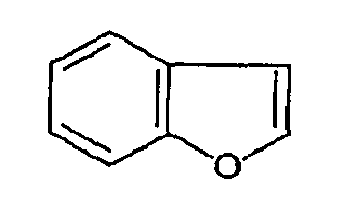
10% <60% 1,500 10 PMMA, MMA, Trennmittel, Photostarter im Gewichtsverhältnis 78:20:1:1 Triphenylen 
2,50% <50% 1,499 11 PMMA, MMA, Trennmittel, Photostarter im Gewichtsverhältnis 78:20:1:1 Anthrazen 
2% <50% 1,493 12 PMMA, MMA, Trennmittel, Photostarter im Gewichtsverhältnis 78:20:1:1 2,3-Benzanthrazen 
5% <30% / 13 PMMA, MMA, Trennmittel, im Photostarter im Gewichtsverhältnis 78:20:1:1 11H-Benzo[b]fluoren 
5% <30% / 14 PMMA, MMA, Trennmittel, Photostarter im Gewichtsverhältnis 78:20:1:1 Phenazin 
1% <10% / 15 PMMA, MMA, Trennmittel, Photostarter im Gewichtsverhältnis 78:20:1:1 Benzanthron 
2% <10% / 16 PMMA, MMA, Trennmittel, Photostarter im Gewichtsverhältnis 78:20:1:1 2,4,6-Tri-(2-Pyridyl)-1,3,5-triazin 
5% <10% 1,491 17 PMMA, MMA, Trennmittel, Photostarter im Gewichtsverhältnis 78:20:1:1 2,4,6-Triphenyl-1,3,5-Triazin 
5% <10% / 18 PMMA, MMA, Trennmittel, Photostarter im Gewichtsverhältnis 78:20:1:1 Triptyzen 
10% <10% / 19 PMMA, MMA, Trennmittel, Photostarter im Gewichtsverhältnis 78:20:1:1 2,1-Benzisoxazol (Anthranil) 
1% <10% /
Claims (10)
- Verwendung eines lichtleitenden Materials, das ein Polymer und mindestens eine hierin eingebrachte organische Verbindung enthält, wobei die organische Verbindung ein kondensiertes aromatisches Ringsystem darstellt, das zwei oder mehr aromatische Ringe aufweist, die isozyklisch oder heterozyklisch sind, wobei im Falle eines heterozyklischen Ringes jedes Heteroatom genau einem Ring zugeordnet ist, zur Einstellung des optischen Brechungsindex eines Kerns eines Lichtwellenleiters für eine Wellenlänge im Bereich von 200 nm bis 2000 nm.
- Verwendung des lichtleitenden Materials nach Anspruch 1, dadurch gekennzeichnet, dass das kondensierte aromatische Ringsystem drei oder mehr Ringe aufweist.
- Verwendung des lichtleitenden Materials nach Anspruch 2, dadurch gekennzeichnet, dass die Ringe des kondensierten aromatischen Ringsystems angular angeordnet sind.
- Verwendung des lichtleitenden Materials nach einem der Ansprüche 1 bis 3, dadurch gekennzeichnet, dass mindestens ein Heteroatom Stickstoff ist.
- Verwendung des lichtleitenden Materials nach einem der Ansprüche 1 bis 3, dadurch gekennzeichnet, dass das kondensierte aromatische Ringsystem Phenanthren, Fluoren, Benz[a]anthrazen oder Triphenylen ist.
- Verwendung des lichtleitenden Materials nach einem der Ansprüche 1 bis 4, dadurch gekennzeichnet, dass das kondensierte aromatische Ringsystem Benzo[h]chinolin, 1,10-Phenanthrolin, Phenanthridin oder 1,7-Phenantrolin ist.
- Verwendung des lichtleitenden Materials nach Anspruch 1, dadurch gekennzeichnet, dass das kondensierte aromatische Ringsystem 1,2-Benzioxazol oder Benzofuran ist.
- Verwendung des lichtleitenden Materials nach einem der Ansprüche 1 bis 2, dadurch gekennzeichnet, dass das kondensierte aromatische Ringsystem Anthrazen, 2,3-Benzanthrazen oder 11H-Benzo[b]fluoren ist.
- Verwendung des lichtleitenden Materials gemäß einem der Ansprüche 1 bis 8, dadurch gekennzeichnet, dass der Kern des Lichtwellenleiters auf einem Substrat in Form einer gefüllten Grabenstruktur mit einer hierauf aufgebrachten Deckschicht vorliegt.
- Verwendung des lichtleitenden Materials gemäß einem der Ansprüche 1 bis 9 zur Einstellung des optischen Brechungsindex des Kerns eines Lichtwellenleiters für eine Wellenlänge im Bereich von 300 nm bis 1900 nm.
Applications Claiming Priority (2)
| Application Number | Priority Date | Filing Date | Title |
|---|---|---|---|
| DE10316414 | 2003-04-10 | ||
| PCT/EP2004/002949 WO2004090583A1 (de) | 2003-04-10 | 2004-03-20 | Lichtleitendes material und dessen verwendung |
Publications (2)
| Publication Number | Publication Date |
|---|---|
| EP1613984A1 EP1613984A1 (de) | 2006-01-11 |
| EP1613984B1 true EP1613984B1 (de) | 2008-05-14 |
Family
ID=33154145
Family Applications (1)
| Application Number | Title | Priority Date | Filing Date |
|---|---|---|---|
| EP04722157A Expired - Lifetime EP1613984B1 (de) | 2003-04-10 | 2004-03-20 | Lichtleitendes material und dessen verwendung |
Country Status (7)
| Country | Link |
|---|---|
| US (1) | US7499625B2 (de) |
| EP (1) | EP1613984B1 (de) |
| JP (1) | JP2006522350A (de) |
| AT (1) | ATE395620T1 (de) |
| DE (2) | DE102004013525B4 (de) |
| ES (1) | ES2304158T3 (de) |
| WO (1) | WO2004090583A1 (de) |
Families Citing this family (2)
| Publication number | Priority date | Publication date | Assignee | Title |
|---|---|---|---|---|
| US20100033295A1 (en) * | 2008-08-05 | 2010-02-11 | Therm-O-Disc, Incorporated | High temperature thermal cutoff device |
| CN103515041B (zh) | 2012-06-15 | 2018-11-27 | 热敏碟公司 | 用于热截止装置的高热稳定性丸粒组合物及其制备方法和用途 |
Family Cites Families (11)
| Publication number | Priority date | Publication date | Assignee | Title |
|---|---|---|---|---|
| JPS5990805A (ja) | 1982-11-16 | 1984-05-25 | Nippon Sheet Glass Co Ltd | 光フアイバ可変減衰器 |
| DE3710889A1 (de) * | 1987-04-01 | 1988-10-20 | Merck Patent Gmbh | Pyrrolo(1.2-b)azine |
| US5064264A (en) * | 1990-10-26 | 1991-11-12 | International Business Machines Corporation | Photorefractive materials |
| US5308986A (en) * | 1992-12-17 | 1994-05-03 | Nanoptics Incorporated | High efficiency, high resolution, real-time radiographic imaging system |
| JPH0792313A (ja) * | 1993-09-20 | 1995-04-07 | Toshiba Corp | 光ファイバー型回折格子 |
| US5606638A (en) * | 1995-12-26 | 1997-02-25 | Nanoptics Incorporated | Organic scintillator systems and optical fibers containing polycyclic aromatic compounds |
| JP2000143946A (ja) * | 1998-11-11 | 2000-05-26 | Nippon Zeon Co Ltd | ノルボルネン系重合体樹脂組成物 |
| JP3808684B2 (ja) * | 2000-03-15 | 2006-08-16 | 株式会社東芝 | 非線形光学材料、その製造方法、およびそれを用いた非線形光学デバイス |
| US20030085387A1 (en) * | 2000-05-31 | 2003-05-08 | Takahiro Fujiyama | Optical materials and optical part each containing aromatic sulfide compound and aromatic sulfide compound |
| US6864347B2 (en) * | 2001-06-28 | 2005-03-08 | Kvh Industries, Inc. | Nonlinear optical chiral compounds and devices incorporating same |
| AUPR667701A0 (en) * | 2001-07-27 | 2001-08-23 | Redfern Polymer Optics Pty Ltd | Materials for polymer optical fibers |
-
2004
- 2004-03-19 DE DE102004013525A patent/DE102004013525B4/de not_active Expired - Fee Related
- 2004-03-20 ES ES04722157T patent/ES2304158T3/es not_active Expired - Lifetime
- 2004-03-20 WO PCT/EP2004/002949 patent/WO2004090583A1/de not_active Ceased
- 2004-03-20 EP EP04722157A patent/EP1613984B1/de not_active Expired - Lifetime
- 2004-03-20 DE DE502004007136T patent/DE502004007136D1/de not_active Expired - Lifetime
- 2004-03-20 JP JP2006500068A patent/JP2006522350A/ja active Pending
- 2004-03-20 AT AT04722157T patent/ATE395620T1/de active
- 2004-03-20 US US10/551,471 patent/US7499625B2/en not_active Expired - Fee Related
Also Published As
| Publication number | Publication date |
|---|---|
| DE502004007136D1 (de) | 2008-06-26 |
| WO2004090583A1 (de) | 2004-10-21 |
| US7499625B2 (en) | 2009-03-03 |
| US20060204202A1 (en) | 2006-09-14 |
| EP1613984A1 (de) | 2006-01-11 |
| ATE395620T1 (de) | 2008-05-15 |
| JP2006522350A (ja) | 2006-09-28 |
| ES2304158T3 (es) | 2008-09-16 |
| DE102004013525A1 (de) | 2004-12-30 |
| DE102004013525B4 (de) | 2006-02-02 |
Similar Documents
| Publication | Publication Date | Title |
|---|---|---|
| DE69524861T2 (de) | Nichtdoppelbrechendes optisches harzmaterial, verfahren zur herstellung und gegenstand mit optischem harzmaterial enthaltendem flüssigkristallelement | |
| DE69216840T2 (de) | Ummantelte optsiche fasern mit niedrigem verlust und mit einer hohen numerischen apertur | |
| DE69425831T2 (de) | Organische optische komponenten und herstellung davon | |
| DE3605512C2 (de) | ||
| Yin et al. | Long period fiber gratings inscribed by periodically tapering a fiber | |
| DE69015571T2 (de) | Strahlungshärtbare Beschichtungszusammensetzung. | |
| DE19623147B4 (de) | Folie, Verfahren zur Herstellung derselben und seine Verwendung in einem Flüssigkristalldisplay | |
| DE2542618C2 (de) | Optischer Polarisator, Verfahren zu dessen Herstellung und dessen Verwendung in optischen Isolatoren, Mischern und Detektoren | |
| EP0155051A1 (de) | Optische Glasfaser mit einer Kunststoffbedeckung und Verfahren zur Herstellung derselben | |
| DE3103771A1 (de) | Glaswerkstoff fuer infrarotstrahlen-durchlaessige optische fasern und verfahren zum herstellen von glasfasern aus einem infrarotstrahlen-durchlaessigen glasfaserwerkstoff | |
| DE69907575T2 (de) | Optischer Wellenleiter | |
| DE3743607A1 (de) | Als optisches material geeignete polymerenmischung | |
| DE102004013525B4 (de) | Lichtleitendes Material und Lichtwellenleiter | |
| DE19854486B4 (de) | Verfahren zur Herstellung eines Verbundwerkstoffes aus organischen und anorganischen Verbindungen | |
| DE1946443A1 (de) | Lichtleiterkoerper und Verfahren zu dessen Herstellung | |
| EP0703470B1 (de) | Thermostabile Polarisatoren | |
| EP0467933B1 (de) | Verwendung von transparenten thermoplastischen formmassen zur herstellung von lichtwellenleitern | |
| EP0467935A1 (de) | Transparente thermoplastische formmasse aus 2,3-difluoracrylsäureestern. | |
| DE60318046T2 (de) | Optisches kunststoffprodukt, optische kunststofffaser, vorrichtung zur herstellung eines optischen kunststoffteils und verfahren zur herstellung eines optischen kunststoffteils und eines optischen kunststoffprodukts | |
| EP0501424A1 (de) | Transparente thermoplastische Formmasse, Verfahren zu ihrer Herstellung und ihre Verwendung | |
| EP0024593A2 (de) | Verfahren zur Herstellung eines zugfesten Lichtwellenleiters | |
| DE60036389T2 (de) | Faseroptische kabelkomponenten mit verbesserter kompatibilität gegenüber wasserblockierenden substanzen | |
| WO1989001952A1 (fr) | Materiau polymere transparent et incolore | |
| US20080004370A1 (en) | Fabricating Polymers for Optical Devices | |
| Kawasaki et al. | Low-loss optical interconnection technology based on single-mode self-written optical waveguides fabricated via core-selective polymerization using near-infrared light |
Legal Events
| Date | Code | Title | Description |
|---|---|---|---|
| PUAI | Public reference made under article 153(3) epc to a published international application that has entered the european phase |
Free format text: ORIGINAL CODE: 0009012 |
|
| 17P | Request for examination filed |
Effective date: 20050715 |
|
| AK | Designated contracting states |
Kind code of ref document: A1 Designated state(s): AT BE BG CH CY CZ DE DK EE ES FI FR GB GR HU IE IT LI LU MC NL PL PT RO SE SI SK TR |
|
| AX | Request for extension of the european patent |
Extension state: AL LT LV MK |
|
| DAX | Request for extension of the european patent (deleted) | ||
| 17Q | First examination report despatched |
Effective date: 20060621 |
|
| 17Q | First examination report despatched |
Effective date: 20060621 |
|
| GRAP | Despatch of communication of intention to grant a patent |
Free format text: ORIGINAL CODE: EPIDOSNIGR1 |
|
| GRAS | Grant fee paid |
Free format text: ORIGINAL CODE: EPIDOSNIGR3 |
|
| GRAA | (expected) grant |
Free format text: ORIGINAL CODE: 0009210 |
|
| AK | Designated contracting states |
Kind code of ref document: B1 Designated state(s): AT BE BG CH CY CZ DE DK EE ES FI FR GB GR HU IE IT LI LU MC NL PL PT RO SE SI SK TR |
|
| REG | Reference to a national code |
Ref country code: GB Ref legal event code: FG4D Free format text: NOT ENGLISH |
|
| REG | Reference to a national code |
Ref country code: CH Ref legal event code: NV Representative=s name: ROTTMANN, ZIMMERMANN + PARTNER AG Ref country code: CH Ref legal event code: EP |
|
| REG | Reference to a national code |
Ref country code: IE Ref legal event code: FG4D Free format text: LANGUAGE OF EP DOCUMENT: GERMAN |
|
| REF | Corresponds to: |
Ref document number: 502004007136 Country of ref document: DE Date of ref document: 20080626 Kind code of ref document: P |
|
| REG | Reference to a national code |
Ref country code: ES Ref legal event code: FG2A Ref document number: 2304158 Country of ref document: ES Kind code of ref document: T3 |
|
| PG25 | Lapsed in a contracting state [announced via postgrant information from national office to epo] |
Ref country code: SI Free format text: LAPSE BECAUSE OF FAILURE TO SUBMIT A TRANSLATION OF THE DESCRIPTION OR TO PAY THE FEE WITHIN THE PRESCRIBED TIME-LIMIT Effective date: 20080514 |
|
| PG25 | Lapsed in a contracting state [announced via postgrant information from national office to epo] |
Ref country code: PL Free format text: LAPSE BECAUSE OF FAILURE TO SUBMIT A TRANSLATION OF THE DESCRIPTION OR TO PAY THE FEE WITHIN THE PRESCRIBED TIME-LIMIT Effective date: 20080514 |
|
| REG | Reference to a national code |
Ref country code: IE Ref legal event code: FD4D |
|
| PG25 | Lapsed in a contracting state [announced via postgrant information from national office to epo] |
Ref country code: IE Free format text: LAPSE BECAUSE OF FAILURE TO SUBMIT A TRANSLATION OF THE DESCRIPTION OR TO PAY THE FEE WITHIN THE PRESCRIBED TIME-LIMIT Effective date: 20080514 Ref country code: CZ Free format text: LAPSE BECAUSE OF FAILURE TO SUBMIT A TRANSLATION OF THE DESCRIPTION OR TO PAY THE FEE WITHIN THE PRESCRIBED TIME-LIMIT Effective date: 20080514 Ref country code: SE Free format text: LAPSE BECAUSE OF FAILURE TO SUBMIT A TRANSLATION OF THE DESCRIPTION OR TO PAY THE FEE WITHIN THE PRESCRIBED TIME-LIMIT Effective date: 20080814 Ref country code: PT Free format text: LAPSE BECAUSE OF FAILURE TO SUBMIT A TRANSLATION OF THE DESCRIPTION OR TO PAY THE FEE WITHIN THE PRESCRIBED TIME-LIMIT Effective date: 20081014 Ref country code: DK Free format text: LAPSE BECAUSE OF FAILURE TO SUBMIT A TRANSLATION OF THE DESCRIPTION OR TO PAY THE FEE WITHIN THE PRESCRIBED TIME-LIMIT Effective date: 20080514 |
|
| PG25 | Lapsed in a contracting state [announced via postgrant information from national office to epo] |
Ref country code: SK Free format text: LAPSE BECAUSE OF FAILURE TO SUBMIT A TRANSLATION OF THE DESCRIPTION OR TO PAY THE FEE WITHIN THE PRESCRIBED TIME-LIMIT Effective date: 20080514 Ref country code: RO Free format text: LAPSE BECAUSE OF FAILURE TO SUBMIT A TRANSLATION OF THE DESCRIPTION OR TO PAY THE FEE WITHIN THE PRESCRIBED TIME-LIMIT Effective date: 20080514 |
|
| PLBE | No opposition filed within time limit |
Free format text: ORIGINAL CODE: 0009261 |
|
| STAA | Information on the status of an ep patent application or granted ep patent |
Free format text: STATUS: NO OPPOSITION FILED WITHIN TIME LIMIT |
|
| 26N | No opposition filed |
Effective date: 20090217 |
|
| PG25 | Lapsed in a contracting state [announced via postgrant information from national office to epo] |
Ref country code: EE Free format text: LAPSE BECAUSE OF FAILURE TO SUBMIT A TRANSLATION OF THE DESCRIPTION OR TO PAY THE FEE WITHIN THE PRESCRIBED TIME-LIMIT Effective date: 20080514 Ref country code: BG Free format text: LAPSE BECAUSE OF FAILURE TO SUBMIT A TRANSLATION OF THE DESCRIPTION OR TO PAY THE FEE WITHIN THE PRESCRIBED TIME-LIMIT Effective date: 20080814 |
|
| PG25 | Lapsed in a contracting state [announced via postgrant information from national office to epo] |
Ref country code: MC Free format text: LAPSE BECAUSE OF NON-PAYMENT OF DUE FEES Effective date: 20090331 |
|
| PG25 | Lapsed in a contracting state [announced via postgrant information from national office to epo] |
Ref country code: GR Free format text: LAPSE BECAUSE OF FAILURE TO SUBMIT A TRANSLATION OF THE DESCRIPTION OR TO PAY THE FEE WITHIN THE PRESCRIBED TIME-LIMIT Effective date: 20080815 |
|
| PG25 | Lapsed in a contracting state [announced via postgrant information from national office to epo] |
Ref country code: LU Free format text: LAPSE BECAUSE OF NON-PAYMENT OF DUE FEES Effective date: 20090320 |
|
| PG25 | Lapsed in a contracting state [announced via postgrant information from national office to epo] |
Ref country code: HU Free format text: LAPSE BECAUSE OF FAILURE TO SUBMIT A TRANSLATION OF THE DESCRIPTION OR TO PAY THE FEE WITHIN THE PRESCRIBED TIME-LIMIT Effective date: 20081115 |
|
| PG25 | Lapsed in a contracting state [announced via postgrant information from national office to epo] |
Ref country code: TR Free format text: LAPSE BECAUSE OF FAILURE TO SUBMIT A TRANSLATION OF THE DESCRIPTION OR TO PAY THE FEE WITHIN THE PRESCRIBED TIME-LIMIT Effective date: 20080514 |
|
| REG | Reference to a national code |
Ref country code: CH Ref legal event code: PFA Owner name: FORSCHUNGSZENTRUM KARLSRUHE GMBH Free format text: FORSCHUNGSZENTRUM KARLSRUHE GMBH#WEBERSTRASSE 5#76133 KARLSRUHE (DE) -TRANSFER TO- FORSCHUNGSZENTRUM KARLSRUHE GMBH#WEBERSTRASSE 5#76133 KARLSRUHE (DE) |
|
| PG25 | Lapsed in a contracting state [announced via postgrant information from national office to epo] |
Ref country code: CY Free format text: LAPSE BECAUSE OF FAILURE TO SUBMIT A TRANSLATION OF THE DESCRIPTION OR TO PAY THE FEE WITHIN THE PRESCRIBED TIME-LIMIT Effective date: 20080514 |
|
| PGFP | Annual fee paid to national office [announced via postgrant information from national office to epo] |
Ref country code: FR Payment date: 20120403 Year of fee payment: 9 Ref country code: CH Payment date: 20120323 Year of fee payment: 9 |
|
| PGFP | Annual fee paid to national office [announced via postgrant information from national office to epo] |
Ref country code: FI Payment date: 20120321 Year of fee payment: 9 Ref country code: IT Payment date: 20120327 Year of fee payment: 9 Ref country code: BE Payment date: 20120323 Year of fee payment: 9 Ref country code: GB Payment date: 20120322 Year of fee payment: 9 |
|
| PGFP | Annual fee paid to national office [announced via postgrant information from national office to epo] |
Ref country code: DE Payment date: 20120522 Year of fee payment: 9 Ref country code: NL Payment date: 20120327 Year of fee payment: 9 |
|
| PGFP | Annual fee paid to national office [announced via postgrant information from national office to epo] |
Ref country code: AT Payment date: 20120321 Year of fee payment: 9 |
|
| PGFP | Annual fee paid to national office [announced via postgrant information from national office to epo] |
Ref country code: ES Payment date: 20120326 Year of fee payment: 9 |
|
| BERE | Be: lapsed |
Owner name: FORSCHUNGSZENTRUM KARLSRUHE G.M.B.H. Effective date: 20130331 |
|
| REG | Reference to a national code |
Ref country code: NL Ref legal event code: V1 Effective date: 20131001 |
|
| PG25 | Lapsed in a contracting state [announced via postgrant information from national office to epo] |
Ref country code: FI Free format text: LAPSE BECAUSE OF NON-PAYMENT OF DUE FEES Effective date: 20130320 |
|
| REG | Reference to a national code |
Ref country code: CH Ref legal event code: PL |
|
| REG | Reference to a national code |
Ref country code: AT Ref legal event code: MM01 Ref document number: 395620 Country of ref document: AT Kind code of ref document: T Effective date: 20130320 |
|
| GBPC | Gb: european patent ceased through non-payment of renewal fee |
Effective date: 20130320 |
|
| REG | Reference to a national code |
Ref country code: FR Ref legal event code: ST Effective date: 20131129 |
|
| REG | Reference to a national code |
Ref country code: DE Ref legal event code: R119 Ref document number: 502004007136 Country of ref document: DE Effective date: 20131001 |
|
| PG25 | Lapsed in a contracting state [announced via postgrant information from national office to epo] |
Ref country code: LI Free format text: LAPSE BECAUSE OF NON-PAYMENT OF DUE FEES Effective date: 20130331 Ref country code: BE Free format text: LAPSE BECAUSE OF NON-PAYMENT OF DUE FEES Effective date: 20130331 Ref country code: AT Free format text: LAPSE BECAUSE OF NON-PAYMENT OF DUE FEES Effective date: 20130320 Ref country code: DE Free format text: LAPSE BECAUSE OF NON-PAYMENT OF DUE FEES Effective date: 20131001 Ref country code: CH Free format text: LAPSE BECAUSE OF NON-PAYMENT OF DUE FEES Effective date: 20130331 Ref country code: FR Free format text: LAPSE BECAUSE OF NON-PAYMENT OF DUE FEES Effective date: 20130402 Ref country code: GB Free format text: LAPSE BECAUSE OF NON-PAYMENT OF DUE FEES Effective date: 20130320 |
|
| PG25 | Lapsed in a contracting state [announced via postgrant information from national office to epo] |
Ref country code: IT Free format text: LAPSE BECAUSE OF NON-PAYMENT OF DUE FEES Effective date: 20130320 Ref country code: NL Free format text: LAPSE BECAUSE OF NON-PAYMENT OF DUE FEES Effective date: 20131001 |
|
| REG | Reference to a national code |
Ref country code: ES Ref legal event code: FD2A Effective date: 20140606 |
|
| PG25 | Lapsed in a contracting state [announced via postgrant information from national office to epo] |
Ref country code: ES Free format text: LAPSE BECAUSE OF NON-PAYMENT OF DUE FEES Effective date: 20130321 |