EP1586642A2 - Tumorsupressorgene, durch sie kodierte Proteine und die Verwendung besagter Gene und Proteine - Google Patents
Tumorsupressorgene, durch sie kodierte Proteine und die Verwendung besagter Gene und Proteine Download PDFInfo
- Publication number
- EP1586642A2 EP1586642A2 EP05005471A EP05005471A EP1586642A2 EP 1586642 A2 EP1586642 A2 EP 1586642A2 EP 05005471 A EP05005471 A EP 05005471A EP 05005471 A EP05005471 A EP 05005471A EP 1586642 A2 EP1586642 A2 EP 1586642A2
- Authority
- EP
- European Patent Office
- Prior art keywords
- dna
- sequence
- protein
- dap
- cell death
- Prior art date
- Legal status (The legal status is an assumption and is not a legal conclusion. Google has not performed a legal analysis and makes no representation as to the accuracy of the status listed.)
- Withdrawn
Links
Images







Classifications
-
- C—CHEMISTRY; METALLURGY
- C07—ORGANIC CHEMISTRY
- C07K—PEPTIDES
- C07K14/00—Peptides having more than 20 amino acids; Gastrins; Somatostatins; Melanotropins; Derivatives thereof
- C07K14/435—Peptides having more than 20 amino acids; Gastrins; Somatostatins; Melanotropins; Derivatives thereof from animals; from humans
- C07K14/46—Peptides having more than 20 amino acids; Gastrins; Somatostatins; Melanotropins; Derivatives thereof from animals; from humans from vertebrates
- C07K14/47—Peptides having more than 20 amino acids; Gastrins; Somatostatins; Melanotropins; Derivatives thereof from animals; from humans from vertebrates from mammals
-
- A—HUMAN NECESSITIES
- A61—MEDICAL OR VETERINARY SCIENCE; HYGIENE
- A61P—SPECIFIC THERAPEUTIC ACTIVITY OF CHEMICAL COMPOUNDS OR MEDICINAL PREPARATIONS
- A61P25/00—Drugs for disorders of the nervous system
-
- A—HUMAN NECESSITIES
- A61—MEDICAL OR VETERINARY SCIENCE; HYGIENE
- A61P—SPECIFIC THERAPEUTIC ACTIVITY OF CHEMICAL COMPOUNDS OR MEDICINAL PREPARATIONS
- A61P25/00—Drugs for disorders of the nervous system
- A61P25/28—Drugs for disorders of the nervous system for treating neurodegenerative disorders of the central nervous system, e.g. nootropic agents, cognition enhancers, drugs for treating Alzheimer's disease or other forms of dementia
-
- A—HUMAN NECESSITIES
- A61—MEDICAL OR VETERINARY SCIENCE; HYGIENE
- A61P—SPECIFIC THERAPEUTIC ACTIVITY OF CHEMICAL COMPOUNDS OR MEDICINAL PREPARATIONS
- A61P35/00—Antineoplastic agents
-
- A—HUMAN NECESSITIES
- A61—MEDICAL OR VETERINARY SCIENCE; HYGIENE
- A61P—SPECIFIC THERAPEUTIC ACTIVITY OF CHEMICAL COMPOUNDS OR MEDICINAL PREPARATIONS
- A61P37/00—Drugs for immunological or allergic disorders
- A61P37/02—Immunomodulators
- A61P37/06—Immunosuppressants, e.g. drugs for graft rejection
-
- C—CHEMISTRY; METALLURGY
- C07—ORGANIC CHEMISTRY
- C07K—PEPTIDES
- C07K14/00—Peptides having more than 20 amino acids; Gastrins; Somatostatins; Melanotropins; Derivatives thereof
- C07K14/435—Peptides having more than 20 amino acids; Gastrins; Somatostatins; Melanotropins; Derivatives thereof from animals; from humans
- C07K14/46—Peptides having more than 20 amino acids; Gastrins; Somatostatins; Melanotropins; Derivatives thereof from animals; from humans from vertebrates
- C07K14/47—Peptides having more than 20 amino acids; Gastrins; Somatostatins; Melanotropins; Derivatives thereof from animals; from humans from vertebrates from mammals
- C07K14/4701—Peptides having more than 20 amino acids; Gastrins; Somatostatins; Melanotropins; Derivatives thereof from animals; from humans from vertebrates from mammals not used
- C07K14/4747—Apoptosis related proteins
-
- C—CHEMISTRY; METALLURGY
- C07—ORGANIC CHEMISTRY
- C07K—PEPTIDES
- C07K16/00—Immunoglobulins [IG], e.g. monoclonal or polyclonal antibodies
- C07K16/18—Immunoglobulins [IG], e.g. monoclonal or polyclonal antibodies against material from animals or humans
-
- C—CHEMISTRY; METALLURGY
- C12—BIOCHEMISTRY; BEER; SPIRITS; WINE; VINEGAR; MICROBIOLOGY; ENZYMOLOGY; MUTATION OR GENETIC ENGINEERING
- C12N—MICROORGANISMS OR ENZYMES; COMPOSITIONS THEREOF; PROPAGATING, PRESERVING, OR MAINTAINING MICROORGANISMS; MUTATION OR GENETIC ENGINEERING; CULTURE MEDIA
- C12N9/00—Enzymes; Proenzymes; Compositions thereof; Processes for preparing, activating, inhibiting, separating or purifying enzymes
- C12N9/10—Transferases (2.)
- C12N9/12—Transferases (2.) transferring phosphorus containing groups, e.g. kinases (2.7)
-
- C—CHEMISTRY; METALLURGY
- C12—BIOCHEMISTRY; BEER; SPIRITS; WINE; VINEGAR; MICROBIOLOGY; ENZYMOLOGY; MUTATION OR GENETIC ENGINEERING
- C12N—MICROORGANISMS OR ENZYMES; COMPOSITIONS THEREOF; PROPAGATING, PRESERVING, OR MAINTAINING MICROORGANISMS; MUTATION OR GENETIC ENGINEERING; CULTURE MEDIA
- C12N9/00—Enzymes; Proenzymes; Compositions thereof; Processes for preparing, activating, inhibiting, separating or purifying enzymes
- C12N9/14—Hydrolases (3)
- C12N9/48—Hydrolases (3) acting on peptide bonds (3.4)
- C12N9/50—Proteinases, e.g. Endopeptidases (3.4.21-3.4.25)
- C12N9/64—Proteinases, e.g. Endopeptidases (3.4.21-3.4.25) derived from animal tissue
- C12N9/6421—Proteinases, e.g. Endopeptidases (3.4.21-3.4.25) derived from animal tissue from mammals
- C12N9/6478—Aspartic endopeptidases (3.4.23)
-
- C—CHEMISTRY; METALLURGY
- C12—BIOCHEMISTRY; BEER; SPIRITS; WINE; VINEGAR; MICROBIOLOGY; ENZYMOLOGY; MUTATION OR GENETIC ENGINEERING
- C12Q—MEASURING OR TESTING PROCESSES INVOLVING ENZYMES, NUCLEIC ACIDS OR MICROORGANISMS; COMPOSITIONS OR TEST PAPERS THEREFOR; PROCESSES OF PREPARING SUCH COMPOSITIONS; CONDITION-RESPONSIVE CONTROL IN MICROBIOLOGICAL OR ENZYMOLOGICAL PROCESSES
- C12Q1/00—Measuring or testing processes involving enzymes, nucleic acids or microorganisms; Compositions therefor; Processes of preparing such compositions
- C12Q1/68—Measuring or testing processes involving enzymes, nucleic acids or microorganisms; Compositions therefor; Processes of preparing such compositions involving nucleic acids
- C12Q1/6876—Nucleic acid products used in the analysis of nucleic acids, e.g. primers or probes
- C12Q1/6883—Nucleic acid products used in the analysis of nucleic acids, e.g. primers or probes for diseases caused by alterations of genetic material
- C12Q1/6886—Nucleic acid products used in the analysis of nucleic acids, e.g. primers or probes for diseases caused by alterations of genetic material for cancer
-
- C—CHEMISTRY; METALLURGY
- C12—BIOCHEMISTRY; BEER; SPIRITS; WINE; VINEGAR; MICROBIOLOGY; ENZYMOLOGY; MUTATION OR GENETIC ENGINEERING
- C12Y—ENZYMES
- C12Y304/00—Hydrolases acting on peptide bonds, i.e. peptidases (3.4)
- C12Y304/23—Aspartic endopeptidases (3.4.23)
- C12Y304/23005—Cathepsin D (3.4.23.5)
-
- A—HUMAN NECESSITIES
- A61—MEDICAL OR VETERINARY SCIENCE; HYGIENE
- A61K—PREPARATIONS FOR MEDICAL, DENTAL OR TOILETRY PURPOSES
- A61K38/00—Medicinal preparations containing peptides
-
- A—HUMAN NECESSITIES
- A61—MEDICAL OR VETERINARY SCIENCE; HYGIENE
- A61K—PREPARATIONS FOR MEDICAL, DENTAL OR TOILETRY PURPOSES
- A61K48/00—Medicinal preparations containing genetic material which is inserted into cells of the living body to treat genetic diseases; Gene therapy
-
- C—CHEMISTRY; METALLURGY
- C12—BIOCHEMISTRY; BEER; SPIRITS; WINE; VINEGAR; MICROBIOLOGY; ENZYMOLOGY; MUTATION OR GENETIC ENGINEERING
- C12Q—MEASURING OR TESTING PROCESSES INVOLVING ENZYMES, NUCLEIC ACIDS OR MICROORGANISMS; COMPOSITIONS OR TEST PAPERS THEREFOR; PROCESSES OF PREPARING SUCH COMPOSITIONS; CONDITION-RESPONSIVE CONTROL IN MICROBIOLOGICAL OR ENZYMOLOGICAL PROCESSES
- C12Q2600/00—Oligonucleotides characterized by their use
- C12Q2600/156—Polymorphic or mutational markers
-
- C—CHEMISTRY; METALLURGY
- C12—BIOCHEMISTRY; BEER; SPIRITS; WINE; VINEGAR; MICROBIOLOGY; ENZYMOLOGY; MUTATION OR GENETIC ENGINEERING
- C12Q—MEASURING OR TESTING PROCESSES INVOLVING ENZYMES, NUCLEIC ACIDS OR MICROORGANISMS; COMPOSITIONS OR TEST PAPERS THEREFOR; PROCESSES OF PREPARING SUCH COMPOSITIONS; CONDITION-RESPONSIVE CONTROL IN MICROBIOLOGICAL OR ENZYMOLOGICAL PROCESSES
- C12Q2600/00—Oligonucleotides characterized by their use
- C12Q2600/158—Expression markers
Definitions
- the present invention relates to the field of tumor-suppressor genes in general, and cytokine-induced cell death in particular.
- One of the factors which determines the proliferation state of cells is the balance between the growth-promoting effects of proto-oncogenes, and the growth-constraining effects of tumor-suppressor genes.
- tumor-suppressor genes exert their growth-constraining effect is by inducing the cell to undergo a physiological type of death.
- a controlled cell death is evident in a multitude of physiological conditions including metamorphosis, synaptogenesis of neurons, death of lymphocytes during receptor repertoire selection, controlled homeostasis in the bone-marrow and other proliferative tissues, and others.
- Such cell death is regulated by the interaction of the cell with other cells or with cell products, for example through the activity of suitable cytokines.
- retinoblastoma Rb
- p53 p53
- DCC retinoblastoma
- NM23 WT-1 NM23 WT-1
- NF-1 NF-1
- APC ras suppressor genes
- cytokines have a double effect on the target cell. They can either inhibit the proliferation of the cell, and/or give rise to cell death. To date, blockage or activation of expression of known tumor-suppressor genes was shown to counteract or enhance, respectively, cytokines' inhibition of cells' growth (reviewed by A. Kimchi, 1992, J. Cell Biochem ., 50 :1-9) but did not have any effect on the death promoting action of cytokines.
- the growth inhibitory response to cytokines such as TGF- ⁇ was markedly reduced by the inactivation of the Rb gene, or the response to IL-6 was enhanced by introducing activated p53 genes (Pietenpol et al ., 1990, Cell, 61 :777-785; Levy et al ., 1993, Mol. Cell. Biol ., 13:7942-7952).
- Thioredoxin a small hydrogen carrier protein, has previously been implicated in the IFN- ⁇ -mediated growth arrest of HeLa cells (Deiss, L.P. and Kimchi, A. (1991) Science 234:117-120).
- programmed cell death will be used to denote a physiological type of cell death which results from activation of some cellular mechanisms, i.e. death which is controlled by the cell's machinery.
- Programmed cell death may, for example, be the result of activation of the cell machinery by an external trigger, e.g. a cytokine, which leads to cell death.
- the present invention is based on the pioneering finding that inhibition of expression of certain genes counteracts the cytokine-induced cell death. Namely, as long as these genes function normally, cytokine induces cell death; once the expression of said genes is inhibited, the cytokine-induced cell death is inhibited. It follows therefrom that the normal expression product of these genes is involved in programmed cell death, especially in cytokine-induced cell death. In HeLa cells, IFN- ⁇ induces a biphasic process, which comprises an initial cytostatic phase and a subsequent cytotoxic phase (programmed cell death). The novel genes discovered in accordance with the present invention were found to affect only the later, cytotoxic phase.
- DAP death-associated protein
- the death-promoting aspect the above DAP DNA molecules, expression vectors comprising them, or DAP products are used for promoting death of normal or tumor cells.
- a particular application of the death-promoting aspect is in therapy of diseases or disorders associated with uncontrolled, pathological cell growth, e.g. cancer, psoriasis, and others.
- the use of DAP DNA molecules in gene therapy or DAP products if produced extracellularly, in accordance with the death-promoting aspect of the invention, may be in conjunction with cytokines, e.g. IFN- ⁇ .
- the death-preventing aspect agents which prevent the expression of said DAP DNA molecules, or agents which antagonize, inhibit or neutralize the DAP products, are used for protecting cells from programmed cell death.
- the death preventing aspect of the invention are in prevention of cell death in various degenerative neurological diseases, such as Alzheimer's disease or Parkinson's disease, which are associated with premature death of particular subsets of neurons; prevention of death of T-cells in AIDS patients, which death resembles programmed cell death; prevention of rejection-associated cell death in transplants which is believed to result, at least in part, from programmed cell death; protection of normal cells from the cytotoxic effects of certain anti-cancer therapies; etc.
- DAP DNA molecules are used in order to screen individuals for predisposition to cancer.
- the screening is carried out by comparing the sequence of each of the DAP DNA molecules to each of the respective DAP genes in the individual.
- the absence of a DAP gene, a partial deletion or any other difference in the sequence that indicates a mutation in an essential region, may result in a loss of function and as a consequence a predisposition for cancer.
- a battery of different DAP genes may be used.
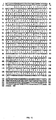
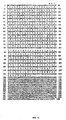
- the DAP genes seem to play an important role in programmed cell death and the inhibition of their expression or neutralization of their expression products protects the cell from eytokine-promoted cell death. Examples of such genes are those whose sequences are depicted in Figs. 6, 8 and 12, or whose partial sequences are depicted in Figs. 13 and 14.
- the gene for the known protease cathepsin D whose sequence is depicted in Fig. 15, is also revealed here for the first time as functioning as a DAP gene.
- DAP DNA molecules useful in the death-promoting aspect of the invention may have the nucleic acid sequence of the DAP gene or other sequences which encode a product having a similar biological activity to that of the DAP product.
- DAP molecules include DNA molecules having a sequence other than that of the DAP gene but which, owing to the degenerative nature of the genetic code, encode the same protein or polypeptide as that encoded by the DAP gene.
- a DAP DNA molecule useful in the death promoting aspect of the invention may also have a modified sequence encoding such a modified protein.
- the modified sequence has a sequence derived from that of the DAP gene or from that of the above degenerative sequence, in which one or more nucleic acid triplets (in the open reading frame of the sequence), has been added, deleted or replaced, with the protein product encoded thereby retaining the essential biological properties of the DAP product.
- fragments of proteins retain the essential biological properties of the parent, unfragmented protein, and accordingly, a DAP DNA molecule useful in the death promoting aspect of the invention may also have a sequence encoding such fragments.
- a DNA molecule useful in the death-preventing aspect of the invention may have a sequence which is an antisense sequence to that of the DAP gene, or an antisense sequence to part.of the DAP gene, blocking of which is sufficient to inhibit expression of the DAP gene.
- the part of the gene can be either the coding or the non-coding part of the DAP gene.
- the mRNA transcripts of the antisense sequences hybridize to the mRNA transcripts of the DAP gene and interfere with the final protein expression.
- Another DNA molecule useful in the death preventing aspect of the invention is a DNA molecule coding for a modified DAP product which is capable of inhibiting the activities of the unmodified DAP product in a dominant negative manner, such as catalytically inactive kinase (DAP-kinase) or any other modified protein whose presence in the cell interferes with the normal activity of the native protein, for example by producing faulty hetero dimers comprised of modified and unmodified proteins which are inactive and the like.
- DAP-kinase catalytically inactive kinase
- any other modified protein whose presence in the cell interferes with the normal activity of the native protein, for example by producing faulty hetero dimers comprised of modified and unmodified proteins which are inactive and the like.
- DNA molecules useful in the screening aspect of the invention comprise the sequence of a DAP gene or a sequence of a fragment thereof. Additionally, also the above antisense DNA sequences may be used in the screening aspect of the invention.
- the present invention thus provides a DNA molecule comprising a sequence selected from the group consisting of:
- the present invention provides a DNA molecule comprising a nucleic acid sequence selected from the group consisting of:
- the preferred antisense sequences as defined in (j) above are those to the sequences beginning at position 1000 and ending at position 1320 of the DAP-1 gene in Fig. 6, 3781-4148 of the DAP-2 gene in Fig. 8, 74-1270 of the DAP-3 gene in Fig. 12, and 1203-1573 of the cathepsin D gene in Fig. 15.
- the present invention also provides a vector comprising any of the above DNA molecules, the vector comprising also sequences required for maintaining and replicating it in a host cell.
- Vectors in accordance with the present invention may be transfer vectors for propagating and replicating the DNA sequences in a host cell or may be expression vectors comprising also sequences required for translation of said DNA sequences into an mRNA.
- expression vectors are plasmids, e.g. episomes or viruses. Examples of episomes are those constructed by using the vehicles pTKO1, pTKO2 and pTKO3 (Deiss and Kimchi, supra ).
- the present invention also provides a DAP product which is a protein or polypeptide encoded by a DNA molecule of the invention, with the exception of the DNA molecules having an antisense sequence, or such a protein or polypeptide which has been chemically modified, for example, by methylation, glycosylation, etc.
- a DAP product is that having the amino acid sequence depicted in Figs. 6, 8 and 12.
- the DAP product is useful in the death-promoting aspect of the present invention.
- the protein may be administered to patients, in particular, to cancer patients, which administration may cause death of the transformed cells.
- the present invention further provides agents which inhibit, antagonize or neutralize the DAP product, which are useful in the death-preventing aspect of the invention.
- agents are for example, antibodies directed against the DAP product; inhibitors or antagonists of the DAP product which are able to counteract their effect and prevent the death-promoting activity of the DAP product.
- the present invention further provides a pharmaceutical composition
- a pharmaceutical composition comprising a pharmaceutically acceptable carrier and an active agent being selected from the group consisting of: (i) an expression vector comprising a DNA molecule of the invention or a DNA molecule coding for cathepsin D; (ii) a DAP product of the invention or cathepsin D, and (iii) an antibody, inhibitor or antagonist to the DAP product.
- the pharmaceutical composition of the present invention may also comprise means for targeting said active agent to the desired cell or tissue.
- the composition is useful either in accordance with the death-promoting or the death-preventing aspect of the invention.
- the pharmaceutical composition may also comprise a cytokine, e.g. IFN- ⁇ , in combination with a suitable DAP product, or with an expression vector comprising a suitable DAP molecule.
- a method of treatment comprising administering said active agent to an individual.
- the method is practisable in either the death-promoting aspect of the invention or the death-preventing aspect of the invention.
- said active agent may be administered in conjunction with a cytokine, e.g. IFN- ⁇ .
- a method for detecting the absence of the DAP gene, a partial deletion or a mutation (i.e. point mutation, deletion or any other mutation) in the DAP genes of an individual comprising probing genomic DNA or cDNA from the individual with a DNA probe or a multitude of DNA probes having a complete or partial sequence of the DAP genes or having a sequence which is an antisense to the complete or partial sequence of the DAP gene.
- a particular application of the screening aspect of the invention is in the screening for individuals having a predisposition to cancer, an absence of the gene or a detected mutation or deletion indicating that the individual has such predisposition.
- the method in accordance with the screening aspect typically comprises the following steps:
- a specific embodiment of the screening aspect of the invention involves use of a complete or partial sequence of that shown in Figs. 6, 8, 12-14 or 15, or an antisense of the complete or partial sequence in Figs. 6, 8, 12-14 or 15.
- the mutation in the DAP gene indicating a possible predisposition to cancer can also be detected by the aid of appropriate antibodies which are able to distinguish between a mutated and non-functional and a normal functional DAP gene product.
- a cDNA library (100 ⁇ g DNA) was generated from a mixture of mRNA's harvested before and at 1, 2, 4, 12, 24 and 48 hours after treatment of HeLa cells with IFN- ⁇ (200 U/ml). It was cloned in antisense orientation into the EBV-based pTKO1 expression vector, as previously described in detail (Deiss and Kimchi, supra ). The resulting expression library of about 10 5 independent clones was introduced into 8X10 6 HeLa cells (10 6 cells per 9 cm plate) by the calcium phosphate transfection technique. In order to determine the efficacy of transfection, a fraction of the transfectants was selected with hygromycin B (200 ⁇ g/ml, Calbiochem). The resulted efficacy was around 5%.
- the majority of the transfected cells were plated at a cell density of 1500 cells per cm 2 and were selected with both hygromycin B (200 ⁇ g/ml) and IFN- ⁇ (750 U/ml). Selective media was changed every 3-4 days. After 28 days the cells that survived and/or grew in the presence of IFN- ⁇ were expanded for 2 weeks and pooled.
- the extrachromosal DNA was obtained according to the method of Hirt (Hirt, B. (1967) J. Mol. Biol ., 26 :365), cleaved with the restriction enzyme Dpnl and introduced into Escherichia coli HB101 host cells. The cleavage with DpnI ensured that only episomal DNA that have replicated in HeLa cells was transfected into bacteria.
- Plasmid DNAs were prepared from 10 individual bacterial clones. PCR amplified cDNA inserts were generated from each plasmid using specific primers that correspond to the immediate flanking sequence of the cDNA insertion sites in the pTKO1 vector. The size of the cDNA inserts ranged between 300 to 800 bp. The PCR fragments were used as labeled probes to search on Southern blots for possible cross hybridization between some of the rescued antisense cDNA clones.
- Inserts 230, 254, 255, 264 and 258 of group 1 seemed to be completely identical to one another.
- the PCR fragments were sequenced and the results were compared with sequences present in the EMBA nucleic acid database. All inserts of groups 1 through 5 were found to be novel.
- the DNA fragments thus obtained were used to detect and determine the expression level in HeLa cells of mRNA which hybridized to these fragments.
- 20 ⁇ g of total RNA from the parental HeLa cells were fractionated on gels, blotted and reacted with the different probes.
- Each probe recognized a single mRNA transcript of a different size (Table 1). Expression levels of mRNA's reactive with group 2 were low while those reactive with group 1 were relatively high.
- subconfluent monolayers of HeLa cells were transfected with 40 ⁇ g DNA of the individual rescued pTKO1 plasmids (in duplicates) and subjected to the single selection of hygromycin B. Pools of approximately 10 4 hygromycin resistant clones were generated from each transfection and were kept as 6 duplicates of stable polyclonal populations. The sensitivities of the above clones to an application of IFN- ⁇ was then determined.
- the vector pTKO1-DHFR (Deiss and Kimchi, supra ) which carried a non-relevant construct served as control.
- the control vector was introduced in parallel into HeLa cells and produced two independent polyclonal population of stable transfectants designated DHFR-t1 and t2.
- the double stranded cDNA fragments from construct 230 and 256 were used as probes in Northern blot analysis in order to detect mRNA transcripts both in non-transfected and transfected HeLa cells. These two specific cDNA inserts were labelled by commonly used commercial labelling kits. They were subcloned into BluescriptTM vectors (Stratagene, USA) to facilitate both the preparation of the cDNA inserts and the production of single stranded RNA probes therefrom. (B) Results
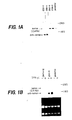
- Fig. 1A the cDNA insert in this construct hybridized to a single endogenous 2.4 Kb mRNA transcript, both in non-transfected and transfected HeLA cells.
- an additional composite antisense transcript was detected by this 230 probe. It consisted of 320 bases of the original cDNA insert and 800 additional bases of sequences derived from the expression cassette (SV40 early promoter together with sequences till the polyadenylation signal).
- RNA labeled strands produced by the BluescriptTM vector hybridized exclusively to the endogenous 2.4 Kb mRNA while the complementary strand hybridized only to the 1.1 Kb RNA confirming that the latter is indeed an antisense mRNA (data not shown).
- the level of antisense expression was further elevated due to the presence of IFN- ⁇ -stimulated response element (ISRE) in the pTKO1 vector (Deiss and Kimchi, supra ), thus leading to 15 fold excess of antisense over sense transcripts (Fig. 1B).
- ISRE IFN- ⁇ -stimulated response element
- the construct of the 256 clone (367 bp in size) hybridized on Northern blots to a single endogenous 6.3 Kb mRNA transcript which was expressed in all tested cells at relatively low levels.
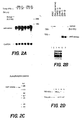
- the 256-t1 and t2 transfected cells it also hybridized to a composite 1.2 Kb RNA that consisted of 367 bases of the cDNA insert and 800 bases of sequences derived from the expression cassette in the vector (Fig. 2).
- the antisense orientation of fragment #256 in the pTKO1 vector was confirmed upon sequencing of the sense cDNA clone (Fig. 7).
- the amount of the antisense RNA expressed from pTKO-1 plasmid #256 in non-treated HeLa cells exceeded the sense mRNA levels by more than 100 fold. Moreover, due to the presence of IFN-stimulated response element (ISRE) in the pTKO1 vector, the levels of antisense mRNA expression were further elevated after IFN- ⁇ treatment (Fig. 3).
- ISRE IFN-stimulated response element
- the HeLa polyclonal population transfected with the individual antisense cDNAs were cultured in the presence of both hygromycin B and IFN- ⁇ (750 U/ml). Growth and viability parameters were examined: (1) under the light microscope, (2) by electron microscopy, and (3) by DAPI staining (0.5 ⁇ g/ml; Sigma). For more detailed quantitation, a neutral red uptake assay was performed: the different polyclonal HeLa cell populations were cultivated in 96-well microtiter plates at subconfluent cell densities and then treated with IFN- ⁇ (750 U/ml) or left untreated. All the cells were continuously maintained in a hygromycin B-containing medium to select for transfected cells.
- the two DHFR-transfected HeLa cell populations (t1, t2), prepared as described above, served as control cultures that display the typical growth sensitivity curves to IFN- ⁇ .
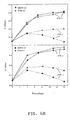
- the examined antisense cDNA transfected cells were the 230-t1, 255-t1 (group 1) and 256-t1, 256-t2 (group 2). Viable cells were stained with neutral-red and the dye uptake was quantified by measuring O.D. at 540 nm in quadruplicates during the 14 days of the experiment.
- the microscopic examination of parental and control DHFR-transfected HeLa cells revealed that IFN- ⁇ triggered a biphasic pattern of responses.
- the cells stopped proliferating during the first four days of IFN- ⁇ treatment but still remained viable (in trypan-blue exclusion tests) and displayed a flattened morphology characteristic of the cystostatic responses to IFN- ⁇ (Fig. 3A, b).
- the reduction in the proliferation rate during this period was also measured by a sharp decline (by more than 90%) in the thymidine uptake into DNA (not shown).
- This type of IFN- ⁇ -induced proliferation arrest was then followed by massive cell death that occurred in a non-synchronous fashion over a period of an additional 10 days.
- a neutral-red uptake assay was then performed to determine more accurately, on a quantitative basis, both the typical biphasic responses of control cultures to IFN- ⁇ and the reduced susceptibility of the antisense expressing cultures to the IFN- ⁇ -induced cell death.
- the two DHFR-transfected HeLa cell populations served as the control cultures in this assay and the antisense cDNA transfected cells examined were the 230-t1, 255-t1 (group 1) (Fig. 4A) and 256-t1, 256-t2 (group 2) (Fig. 4B).
- group 1 Fig. 4A
- 256-t1, 256-t2 group 2
- IFN- ⁇ has similarly reduced the proliferation rate of all the transfected cultures and they all displayed the same extent of reduction in the neutral-red dye uptake during the first 4 days (before cell death starts to be microscopically evident). After 4 days of treatment the picture changed drastically. While almost all control cells died during the subsequent days of IFN- ⁇ treatment leading to minimal values of the neutral-red dye uptake on day 14, a significant fraction of cells that expressed antisense RNA survived in the presence of IFN- ⁇ , as reflected by the sustained values of the dye uptake.
- HL-60 cDNA library constructed in ⁇ gt10 vector was screened with the cDNA insert of pTKO1-230. Two independent clones, ⁇ 1 and ⁇ 2, almost completely overlapping and carrying cDNA inserts of about 23 Kb were analysed.
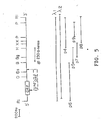
- ⁇ 1 cDNA clone encompasses the 5'-untranslated region, short coding region(s) and a relatively long 3'-untranslated region that constitutes more than 60% of the cDNA clone (Fig. 5).
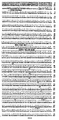
- the nucleotide sequence of the cDNA carried by ⁇ 1 and its predicted amino acid pattern are presented in Fig. 6.
- This cDNA is 2232 bp long and contains a potential polyadenylation signal ATTAAA at its 3' end.
- the open reading frame (ORF) is very short, starting from the initiation codon at nucleotide positions 160-162 and ending at termination codon TGA at positions 466-468.
- This ORF is preceded by an extremely GC-rich 5'-untranslated region and potentially codes for a protein consisting of 102 amino acids with calculated MW of 11.2 kDa.
- the high proline content may cause some anomalies in the protein's migration on gels.
- Search for motifs (“Motifs" program; GCG Software Package) indicated that the protein contains two potential sites for casein kinase II phosphorylation at positions 3 and 36, a single potential protein kinase C phosphorylation site at the C-terminus (position 91) and a consensus phosphorylation site of the cdks at position 51.
- the protein contains the consensus sequence RGD at position 65-67, a tripeptide that in some proteins plays a role in cell adhesion, and a potential SH3 binding motif, SPSPP, at position 49-53 (Gowburn (1994) Struc. Biol. 1, 489-491). No indications for the presence of signal peptide or transmembranal domain have been found (SAPS prediction; Brendel et al., (1992) PNAS USA, 89:2002-2006). The amino acid sequence showed no significant homology to known proteins.
- Fragment #230 was used as a probe on Southern blots containing human genomic DNA, digested with various restriction enzymes that do not cut it. A single band was visualized upon hybridization with DNA cleaved with EcoRI, BamHI, PstI and XbaI, suggesting the existence of a single copy gene (not shown). This new gene was termed DAP-1 (Death Associated Protein-1).
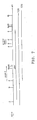
- the resulting composite sequence of both cDNAs consists of 5886 nucleotides and contains a poly A tail that starts at position 5872 and is preceded by two polyadenylation signals AATAAA (Fig. 8).
- the 3'-untranslated region also contains two ATTTA instability motifs found in the 3'-noncoding portions of short-lived mRNAs (G. Shaw and R. Kamen, Cell 46, 659 (1986)).
- the mRNA contains a single long open reading frame that starts at position 337, ends at position 4605 and potentially codes for a protein of 1423 amino acids (Fig. 8).
- the calculated molecular weight of the protein product is about 160 kDa.
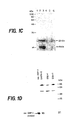
- Affinity purified polyclonal antibodies were raised against the N-terminal 20 amino acid peptide of the protein. These antibodies recognized on immunoblots a 160kDa recombinant protein that was produced in COS-1 cells after transfection with a vector that expressed the entire coding region of the cDNA (Fig. 2D). These antibodies reacted in HeLa cells with an endogenous protein of the same size. In the antisense RNA expressing cells, 256-t1 and 256-t2, the steady state levels of the 160kDa protein were 10 and 5 fold lower than in the DHFR control cells while a non relevant protein, vinculin, displayed similar expression levels in all HeLa cell transfectants (Fig. 2D). Thus, expression of anti-sense RNA from pTKO-1 plasmid #256 in HeLa cells resulted in a significant reduction in the amount of the corresponding protein.
- the kinase domain falls into a family of that of calmodulin-dependent kinases.
- the typical sequences of the cell cycle dependent kinases (PSTAIRE, PSSALRE, PCRAIRE, KKIALRE) are located in subdomain III; and 3)
- Subdomain VII is extremely short and consists of only 7 amino acids.
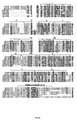
- an ankyrin repeats domain Downstream of the calmodulin-recognition domain, an ankyrin repeats domain was identified spanning 265 amino acids from position 365 to 629. It is composed of 8 repeats of 33 amino acids each, not separated by spacets except for a single proline residue that separates three N-terminal repeats from five C-terminal ones (Figs. 8 and 9C).
- Ankyrin repeats are involved in protein-protein interactions in a variety of proteins (P. Michaely and V. Bennett, Trends in Cell Biology 2, 127 (1992)), but were not described before in the context of serine/threonine kinases.
- One tyrosine kinase carrying ankyrin repeats has been recently identified in Hydra vulgaris (T.A.
- the 8 ankyrin repeats may mediate the interaction with a putative effector or a regulatory molecule, or influence the substrate selectivity and/or stability of the kinase-substrate interactions.
- DAP-kinase also carries multiple potential sites for post-translational modifications, and has neither transmembranal domain nor signal peptide.
- the Prosite bank search using the program Motifs (GCG Software Package) revealed that the DAP-kinase protein contains a consensus sequence for the C-terminal amidation site at position 1376 (this suggests that 47 C-terminal amino acids can be cleaved from the protein body ). It also contains consensus sequences for six N-glycosylation sites, and potential phosphorylation sites for cAMP-dependent kinase (six), casein kinase II (twenty eight) and protein kinase C (twenty).
- the deduced amino acid sequence of the DAP-kinase suggests that a very unique type of calmodutin-regulated serine/threonine kinase has been rescued.
- the combination of serine/threonine kinase domain, ankyrin repeats and additional possible ATP/GTP binding sites outside the kinase domain in one protein has not been previously described.
- a size of 160 kDa is rare among serine/threonine kinases and DAP-kinase is actually the largest calmodulin-dependent kinase known to date.
- COS cells were transiently transfected with an expression vector (PECE-FLAG) that carries a fragment of the 129 cDNA that encompasses the entire coding region (from the abovementioned start ATG to the first EcoRI site at the 3' end).
- PCE-FLAG an expression vector that carries a fragment of the 129 cDNA that encompasses the entire coding region (from the abovementioned start ATG to the first EcoRI site at the 3' end).
- Cell lysates were immunoprecipitated by anti-FLAG monoclonal antibodies and washed immunoprecipitates were assayed for in-vitro autophosphorylation in the presence of calmodulin and Ca 2+ .
- a single phosphorylated band of 160 kDa appeared upon fractionation of the in-vitro reaction products on polyacrylamide gels.
- Fig. 10 shows the Northern blot analysis of RNA from different hematopoietic cells probed with the DAP-1 cDNA.
- the 2.4 Kb mRNA transcript of this gene was detected in granulocytes (HL-60) B lymphoid (Daudi) and macrophage (U937) cells.
- the expression levels in the hematopoietic cells was lower than in HeLa cells.
- Fig. 11 shows results of examination of the mRNA expression in human embryonic tissues: brain, spleen (predominantly B cells) and liver (predominantly erythrocytes). Again the single 2.4 Kb mRNA transcript was detected in these tissues by the DAP-1 cDNA probe.
- the DAP-2 cDNA probe 2 recognized the 6.3 Kb mRNA encoded by this gene in these different tissues (Fig. 11).
- the embryonal liver and spleen tissues from Down syndrome seemed in this blot to express higher levels of the DAP-2 gene (compared to the GAPDH levels) while the brain tissue from Down syndrome contained higher levels of DAP-1 mRNA than the corresponding normal brain.
- Clones 253 (DAP-4) and 260 (DAP-5) were partially sequenced as described above for DAP-1 and DAP-2, and the results are shown in Figs. 13 and 14, respectively.
- the cDNA carried by plasmid pTKO1- 229 was identified upon sequencing as a BamHI-HindIII fragment of human cathepsin D cDNA, which was present in the expression vector in the antisense orientation.
- the steady state levels of cathepsin D sense mRNA were not affected by the IFN- ⁇ treatment.
- the DNA probe also hybridized to the composite antisense RNA.
- the levels of antisense cathepsin D RNA were stimulated 5-fold in response to IFN- ⁇ due to the presence of an ISRE enhancer element in the pTKO1 expression vector (not shown).
- the cathepsin D protein was identified on immunoblots using commercially available polyclonal antibodies (Oncogene Science). It was found that in the control clones. IFN- ⁇ prevented the appearence of the mature 34kDa chain while the 48kDa active single chain precursor was retained at abnormal high levels in these cells. It appears that this single chain precursor is the specific cathepsin form that functions during cell death.
- Cathepsin D is an aspartic protease that is found normally in lysosomes where it functions in protein catabolism. Yet, in some pathological situations it has been suggested that this protease can function in the cytosol, and its activity was associated with degenerative brain changes, muscular dystrophy and connective tissue disease pathology (Matus and Green (1987); Biochemistry, 26, 8083-8036). The present invention shows for the first time that the expression of this protease is indispensable for the execution of programmed cell death that is induced by IFN- ⁇ . Thus, cathepsin D joins the growing list of proteases that play a key role in different scenarios of programmed cell death.
Landscapes
- Health & Medical Sciences (AREA)
- Chemical & Material Sciences (AREA)
- Life Sciences & Earth Sciences (AREA)
- Organic Chemistry (AREA)
- Engineering & Computer Science (AREA)
- Bioinformatics & Cheminformatics (AREA)
- General Health & Medical Sciences (AREA)
- Genetics & Genomics (AREA)
- Medicinal Chemistry (AREA)
- Zoology (AREA)
- Biochemistry (AREA)
- Wood Science & Technology (AREA)
- Proteomics, Peptides & Aminoacids (AREA)
- Biomedical Technology (AREA)
- Molecular Biology (AREA)
- Immunology (AREA)
- Pharmacology & Pharmacy (AREA)
- Veterinary Medicine (AREA)
- Biophysics (AREA)
- Public Health (AREA)
- Animal Behavior & Ethology (AREA)
- Nuclear Medicine, Radiotherapy & Molecular Imaging (AREA)
- General Chemical & Material Sciences (AREA)
- General Engineering & Computer Science (AREA)
- Chemical Kinetics & Catalysis (AREA)
- Neurology (AREA)
- Neurosurgery (AREA)
- Microbiology (AREA)
- Biotechnology (AREA)
- Pathology (AREA)
- Gastroenterology & Hepatology (AREA)
- Analytical Chemistry (AREA)
- Toxicology (AREA)
- Hospice & Palliative Care (AREA)
- Physics & Mathematics (AREA)
- Psychiatry (AREA)
- Transplantation (AREA)
- Oncology (AREA)
- Medicines That Contain Protein Lipid Enzymes And Other Medicines (AREA)
- Peptides Or Proteins (AREA)
Applications Claiming Priority (3)
| Application Number | Priority Date | Filing Date | Title |
|---|---|---|---|
| IL10725093 | 1993-10-12 | ||
| IL10725093A IL107250A (en) | 1993-10-12 | 1993-10-12 | Dna molecules involved in programmed cell death, proteins encoded thereby and methods and compositions using said dna molecules and proteins |
| EP95900994A EP0804613B1 (de) | 1993-10-12 | 1994-10-12 | Dap-2 tumorsupressorgen, durch sie kodierte protein und verwendung besagter gen und protein |
Related Parent Applications (1)
| Application Number | Title | Priority Date | Filing Date |
|---|---|---|---|
| EP95900994A Division EP0804613B1 (de) | 1993-10-12 | 1994-10-12 | Dap-2 tumorsupressorgen, durch sie kodierte protein und verwendung besagter gen und protein |
Publications (1)
| Publication Number | Publication Date |
|---|---|
| EP1586642A2 true EP1586642A2 (de) | 2005-10-19 |
Family
ID=11065332
Family Applications (2)
| Application Number | Title | Priority Date | Filing Date |
|---|---|---|---|
| EP95900994A Expired - Lifetime EP0804613B1 (de) | 1993-10-12 | 1994-10-12 | Dap-2 tumorsupressorgen, durch sie kodierte protein und verwendung besagter gen und protein |
| EP05005471A Withdrawn EP1586642A2 (de) | 1993-10-12 | 1994-10-12 | Tumorsupressorgene, durch sie kodierte Proteine und die Verwendung besagter Gene und Proteine |
Family Applications Before (1)
| Application Number | Title | Priority Date | Filing Date |
|---|---|---|---|
| EP95900994A Expired - Lifetime EP0804613B1 (de) | 1993-10-12 | 1994-10-12 | Dap-2 tumorsupressorgen, durch sie kodierte protein und verwendung besagter gen und protein |
Country Status (8)
| Country | Link |
|---|---|
| EP (2) | EP0804613B1 (de) |
| JP (1) | JP3791927B2 (de) |
| AT (1) | ATE291619T1 (de) |
| CA (1) | CA2174136A1 (de) |
| DE (1) | DE69434315T2 (de) |
| ES (1) | ES2240971T3 (de) |
| IL (1) | IL107250A (de) |
| WO (1) | WO1995010630A1 (de) |
Families Citing this family (16)
| Publication number | Priority date | Publication date | Assignee | Title |
|---|---|---|---|---|
| US6160106A (en) * | 1993-10-12 | 2000-12-12 | Yeda Research & Development Co., Ltd. | Tumor suppressor genes, proteins encoded thereby and use of said genes and proteins |
| US6472170B1 (en) * | 1996-08-02 | 2002-10-29 | Dana-Farber Cancer Institute | BCL-Xy, a novel BCL-X isoform, and uses related thereto |
| US5776759A (en) * | 1996-09-26 | 1998-07-07 | Incyte Pharmaceuticals, Inc. | Two novel human cathepsin proteins |
| WO1998022597A2 (en) * | 1996-11-20 | 1998-05-28 | Oklahoma Medical Research Foundation | Cloning and characterization of napsin, an aspartic protease |
| GB9701684D0 (en) | 1997-01-28 | 1997-03-19 | Smithkline Beecham Plc | Novel compounds |
| CN1292032A (zh) | 1998-02-27 | 2001-04-18 | 贝林格尔·英格海姆药物公司 | 通过基因治疗自行调控炎性细胞的凋亡 |
| JP2002506651A (ja) * | 1998-03-16 | 2002-03-05 | イントロジェン・セラピューティクス,インコーポレイテッド | 多重遺伝子ベクター |
| US7026148B1 (en) | 1998-06-15 | 2006-04-11 | Yeda Research And Development Co., Ltd. | DAP-kinase related protein |
| WO1999066030A1 (en) * | 1998-06-15 | 1999-12-23 | Yeda Research And Development Company Ltd. | Dap-kinase related protein |
| US6255293B1 (en) | 1998-07-24 | 2001-07-03 | Yeda Research And Development Co., Ltd. | Prevention of metastasis with 5-aza-2′-deoxycytidine |
| AU1082701A (en) * | 1999-10-13 | 2001-04-23 | Yeda Research And Development Co. Ltd. | Short segments of dap-kinase |
| WO2002040680A2 (en) * | 2000-11-17 | 2002-05-23 | The Burnham Institute | Death domain proteins |
| US6965023B2 (en) | 2000-11-17 | 2005-11-15 | The Burnham Institute | Death domain proteins |
| WO2003083101A1 (fr) * | 2002-03-29 | 2003-10-09 | Mitsubishi Pharma Corporation | Cristaux de dap-kinase, procede de criblage d'une dap-kinase candidate ciblant un medicament au moyen de ces cristaux et medicament ainsi obtenu |
| US20130005651A1 (en) | 2010-03-11 | 2013-01-03 | Yeda Research And Development Co. Ltd. | Death associated protein 1 variants and use thereof for modulating autophagy |
| US9149523B2 (en) | 2010-12-15 | 2015-10-06 | Yeda Research And Development Co. Ltd. | Compositions and methods for treating cancer and neurodegenerative diseases |
Family Cites Families (5)
| Publication number | Priority date | Publication date | Assignee | Title |
|---|---|---|---|---|
| US4542096A (en) * | 1983-02-25 | 1985-09-17 | President And Fellows Of Harvard College | Detecting rearranged human c-myc DNA fragments associated with oncogenes |
| US4798787A (en) * | 1984-09-19 | 1989-01-17 | Cetus Corporation | Peptide antibodies and their use in detecting oncogene products |
| US5015570A (en) * | 1988-05-13 | 1991-05-14 | Molecular Therapeutics, Inc. | Molecular diagnosis of Alzheimer Disease |
| NO312681B1 (no) * | 1990-08-24 | 2002-06-17 | Univ California | Fremgangsmåte for fremstilling av en farmasöytisk blanding med suppresiv virkning/aktivitet |
| GB9122051D0 (en) * | 1991-10-17 | 1991-11-27 | Univ Nottingham | Medicines |
-
1993
- 1993-10-12 IL IL10725093A patent/IL107250A/en not_active IP Right Cessation
-
1994
- 1994-10-12 AT AT95900994T patent/ATE291619T1/de not_active IP Right Cessation
- 1994-10-12 JP JP51203495A patent/JP3791927B2/ja not_active Expired - Fee Related
- 1994-10-12 EP EP95900994A patent/EP0804613B1/de not_active Expired - Lifetime
- 1994-10-12 CA CA002174136A patent/CA2174136A1/en not_active Abandoned
- 1994-10-12 ES ES95900994T patent/ES2240971T3/es not_active Expired - Lifetime
- 1994-10-12 DE DE69434315T patent/DE69434315T2/de not_active Expired - Lifetime
- 1994-10-12 WO PCT/US1994/011598 patent/WO1995010630A1/en not_active Ceased
- 1994-10-12 EP EP05005471A patent/EP1586642A2/de not_active Withdrawn
Also Published As
| Publication number | Publication date |
|---|---|
| CA2174136A1 (en) | 1995-04-20 |
| ATE291619T1 (de) | 2005-04-15 |
| JP3791927B2 (ja) | 2006-06-28 |
| DE69434315T2 (de) | 2006-03-30 |
| EP0804613A1 (de) | 1997-11-05 |
| EP0804613B1 (de) | 2005-03-23 |
| IL107250A (en) | 2001-08-08 |
| DE69434315D1 (de) | 2005-04-28 |
| EP0804613A4 (de) | 1999-07-14 |
| ES2240971T3 (es) | 2005-10-16 |
| JPH09505992A (ja) | 1997-06-17 |
| IL107250A0 (en) | 1994-01-25 |
| WO1995010630A1 (en) | 1995-04-20 |
Similar Documents
| Publication | Publication Date | Title |
|---|---|---|
| EP0804613B1 (de) | Dap-2 tumorsupressorgen, durch sie kodierte protein und verwendung besagter gen und protein | |
| Li et al. | Pfmrk, a MO15‐related protein kinase from Plasmodium falciparum: gene cloning, sequence, stage‐specific expression and chromosome localization | |
| US7759476B2 (en) | Double-stranded RNAS directed to IKK-2 | |
| US6255472B1 (en) | Isolated nucleic acid molecule encoding a human skeletal muscle-specific receptor | |
| Wright et al. | Association of human fas (CD95) with a ubiquitin-conjugating enzyme (UBC-FAP) | |
| JP2008301815A (ja) | 刺激誘導性I(κ)Bキナーゼ[IKK]シグナルソーム | |
| WO1997006245A1 (en) | Map kinase phosphatase gene and uses thereof | |
| WO1998037228A1 (en) | IλB KINASE, SUBUNITS THEREOF, AND METHODS OF USING SAME | |
| EP1060260A2 (de) | Verlängerungsfaktor -2 kinase (ef-2 kinase) und deren verwendungsverfahren | |
| EP0981610B1 (de) | Zusammensetzung für die behandlung von erkrankungen, die mit apoptose einhergehen | |
| CA2230795A1 (en) | Cyclin e variants and use thereof | |
| Kottickal et al. | Preferential expression of HMGI-C isoforms lacking the acidic carboxy terminal in human leukemia | |
| Fiucci et al. | Genomic organization and expression of mouse Tpt1 gene☆ | |
| AU2003205615B2 (en) | A novel splice variant of MyD88 and uses thereof | |
| KR100399982B1 (ko) | Ask1과 결합하는 cad의 선택적인 저해제로서아폽토시스를 억제하는 신규한 마우스 cia 단백질,cia 유전자 및 그의 용도 | |
| WO2003035678A2 (en) | Sperm factor sequences | |
| US5968816A (en) | Tumor suppressor genes, proteins encoded thereby and use of said genes and proteins | |
| Ying et al. | Cloning and characterization of F-LANa, upregulated in human liver cancer | |
| US6297366B1 (en) | ING-encoded p33ING1 protein as a mediator of p53 signaling pathway in mammalian cells | |
| CA2227508A1 (en) | Paip, a novel human protein which bridges the 3' and 5' end of mrna, and use thereof as a target for translational modulation to treat human disease | |
| AU2002334204B2 (en) | Sperm factor sequences | |
| AU697340B2 (en) | Method and product for regulating cell responsiveness to external signals | |
| JPWO2003070947A1 (ja) | Cgi−94と相互作用するアポトーシス促進物質および抑制物質ならびにそれらのスクリーニング法 | |
| JPWO2001032869A1 (ja) | ヒトチロシンキナーゼHckに結合するヒトタンパク質及びそれをコードする遺伝子 | |
| AU2002334204A1 (en) | Sperm factor sequences |
Legal Events
| Date | Code | Title | Description |
|---|---|---|---|
| PUAI | Public reference made under article 153(3) epc to a published international application that has entered the european phase |
Free format text: ORIGINAL CODE: 0009012 |
|
| AC | Divisional application: reference to earlier application |
Ref document number: 0804613 Country of ref document: EP Kind code of ref document: P |
|
| AK | Designated contracting states |
Kind code of ref document: A2 Designated state(s): AT BE CH DE DK ES FR GB GR IE IT LI LU MC NL PT SE |
|
| RIN1 | Information on inventor provided before grant (corrected) |
Inventor name: KIMCHI, ADI, THE WEIZMANN INSTITUTE OF SCIENCE |
|
| STAA | Information on the status of an ep patent application or granted ep patent |
Free format text: STATUS: THE APPLICATION IS DEEMED TO BE WITHDRAWN |
|
| RAP1 | Party data changed (applicant data changed or rights of an application transferred) |
Owner name: YEDA RESEARCH AND DEVELOPMEMT CO., LTD. |
|
| RAP1 | Party data changed (applicant data changed or rights of an application transferred) |
Owner name: YEDA RESEARCH AND DEVELOPMENT CO., LTD. |
|
| 18D | Application deemed to be withdrawn |
Effective date: 20070503 |