EP1564306B1 - Verfahren zur Fragmentierung und Markierung von DNS - Google Patents
Verfahren zur Fragmentierung und Markierung von DNS Download PDFInfo
- Publication number
- EP1564306B1 EP1564306B1 EP05250915.5A EP05250915A EP1564306B1 EP 1564306 B1 EP1564306 B1 EP 1564306B1 EP 05250915 A EP05250915 A EP 05250915A EP 1564306 B1 EP1564306 B1 EP 1564306B1
- Authority
- EP
- European Patent Office
- Prior art keywords
- dna
- temperature
- labeling
- buffer
- reaction
- Prior art date
- Legal status (The legal status is an assumption and is not a legal conclusion. Google has not performed a legal analysis and makes no representation as to the accuracy of the status listed.)
- Expired - Lifetime
Links
- 238000000034 method Methods 0.000 title claims description 96
- 238000002372 labelling Methods 0.000 title claims description 77
- 239000012634 fragment Substances 0.000 claims description 82
- ATHHXGZTWNVVOU-UHFFFAOYSA-N N-methylformamide Chemical compound CNC=O ATHHXGZTWNVVOU-UHFFFAOYSA-N 0.000 claims description 68
- 102100033215 DNA nucleotidylexotransferase Human genes 0.000 claims description 58
- 108010008286 DNA nucleotidylexotransferase Proteins 0.000 claims description 57
- 239000000872 buffer Substances 0.000 claims description 52
- 102000039446 nucleic acids Human genes 0.000 claims description 52
- 108020004707 nucleic acids Proteins 0.000 claims description 52
- 150000007523 nucleic acids Chemical class 0.000 claims description 52
- 238000006243 chemical reaction Methods 0.000 claims description 48
- 208000035657 Abasia Diseases 0.000 claims description 35
- 239000007983 Tris buffer Substances 0.000 claims description 26
- 238000011534 incubation Methods 0.000 claims description 25
- 239000000126 substance Substances 0.000 claims description 25
- 101100452003 Caenorhabditis elegans ape-1 gene Proteins 0.000 claims description 22
- RAXXELZNTBOGNW-UHFFFAOYSA-N imidazole Natural products C1=CNC=N1 RAXXELZNTBOGNW-UHFFFAOYSA-N 0.000 claims description 22
- 230000007017 scission Effects 0.000 claims description 22
- LENZDBCJOHFCAS-UHFFFAOYSA-N tris Chemical compound OCC(N)(CO)CO LENZDBCJOHFCAS-UHFFFAOYSA-N 0.000 claims description 22
- YBJHBAHKTGYVGT-ZKWXMUAHSA-N (+)-Biotin Chemical compound N1C(=O)N[C@@H]2[C@H](CCCCC(=O)O)SC[C@@H]21 YBJHBAHKTGYVGT-ZKWXMUAHSA-N 0.000 claims description 20
- 238000003776 cleavage reaction Methods 0.000 claims description 20
- 238000012986 modification Methods 0.000 claims description 19
- KCXVZYZYPLLWCC-UHFFFAOYSA-N EDTA Chemical compound OC(=O)CN(CC(O)=O)CCN(CC(O)=O)CC(O)=O KCXVZYZYPLLWCC-UHFFFAOYSA-N 0.000 claims description 17
- 230000004048 modification Effects 0.000 claims description 15
- 102000010719 DNA-(Apurinic or Apyrimidinic Site) Lyase Human genes 0.000 claims description 14
- 108010063362 DNA-(Apurinic or Apyrimidinic Site) Lyase Proteins 0.000 claims description 14
- QKNYBSVHEMOAJP-UHFFFAOYSA-N 2-amino-2-(hydroxymethyl)propane-1,3-diol;hydron;chloride Chemical compound Cl.OCC(N)(CO)CO QKNYBSVHEMOAJP-UHFFFAOYSA-N 0.000 claims description 12
- 229960002685 biotin Drugs 0.000 claims description 12
- 239000011616 biotin Substances 0.000 claims description 12
- 235000020958 biotin Nutrition 0.000 claims description 11
- HZAXFHJVJLSVMW-UHFFFAOYSA-N 2-Aminoethan-1-ol Chemical compound NCCO HZAXFHJVJLSVMW-UHFFFAOYSA-N 0.000 claims description 10
- 230000000694 effects Effects 0.000 claims description 8
- 101710163270 Nuclease Proteins 0.000 claims description 7
- 125000002467 phosphate group Chemical group [H]OP(=O)(O[H])O[*] 0.000 claims description 7
- 102100031780 Endonuclease Human genes 0.000 claims description 6
- 108010042407 Endonucleases Proteins 0.000 claims description 6
- 239000007853 buffer solution Substances 0.000 claims description 6
- 125000002887 hydroxy group Chemical group [H]O* 0.000 claims description 6
- 102000004160 Phosphoric Monoester Hydrolases Human genes 0.000 claims description 5
- 108090000608 Phosphoric Monoester Hydrolases Proteins 0.000 claims description 5
- 238000010348 incorporation Methods 0.000 claims description 5
- 238000002156 mixing Methods 0.000 claims description 2
- QTBSBXVTEAMEQO-UHFFFAOYSA-M Acetate Chemical compound CC([O-])=O QTBSBXVTEAMEQO-UHFFFAOYSA-M 0.000 claims 1
- KRKNYBCHXYNGOX-UHFFFAOYSA-K Citrate Chemical compound [O-]C(=O)CC(O)(CC([O-])=O)C([O-])=O KRKNYBCHXYNGOX-UHFFFAOYSA-K 0.000 claims 1
- 102000053602 DNA Human genes 0.000 description 91
- 108020004414 DNA Proteins 0.000 description 91
- 238000006062 fragmentation reaction Methods 0.000 description 91
- 238000013467 fragmentation Methods 0.000 description 78
- 239000002299 complementary DNA Substances 0.000 description 47
- 239000000523 sample Substances 0.000 description 44
- 238000009396 hybridization Methods 0.000 description 34
- 239000002585 base Substances 0.000 description 24
- 238000003491 array Methods 0.000 description 19
- 239000003153 chemical reaction reagent Substances 0.000 description 19
- 239000000203 mixture Substances 0.000 description 18
- 238000011282 treatment Methods 0.000 description 18
- 230000003321 amplification Effects 0.000 description 17
- 230000027832 depurination Effects 0.000 description 17
- 238000003199 nucleic acid amplification method Methods 0.000 description 17
- 108020004999 messenger RNA Proteins 0.000 description 16
- 108090000623 proteins and genes Proteins 0.000 description 16
- 229920002477 rna polymer Polymers 0.000 description 16
- YXGZTNUNHBXFAX-UHFFFAOYSA-N copper;1,10-phenanthroline Chemical compound [Cu+2].C1=CN=C2C3=NC=CC=C3C=CC2=C1.C1=CN=C2C3=NC=CC=C3C=CC2=C1 YXGZTNUNHBXFAX-UHFFFAOYSA-N 0.000 description 15
- MHAJPDPJQMAIIY-UHFFFAOYSA-N Hydrogen peroxide Chemical compound OO MHAJPDPJQMAIIY-UHFFFAOYSA-N 0.000 description 14
- 230000015572 biosynthetic process Effects 0.000 description 14
- -1 for instance Chemical class 0.000 description 13
- 238000003786 synthesis reaction Methods 0.000 description 13
- 239000002773 nucleotide Substances 0.000 description 12
- 125000003729 nucleotide group Chemical group 0.000 description 12
- 108010008532 Deoxyribonuclease I Proteins 0.000 description 11
- 102000007260 Deoxyribonuclease I Human genes 0.000 description 11
- 102000004190 Enzymes Human genes 0.000 description 11
- 108090000790 Enzymes Proteins 0.000 description 11
- 239000002253 acid Substances 0.000 description 11
- 102000040430 polynucleotide Human genes 0.000 description 11
- 108091033319 polynucleotide Proteins 0.000 description 11
- 239000002157 polynucleotide Substances 0.000 description 11
- 230000000295 complement effect Effects 0.000 description 10
- 239000011541 reaction mixture Substances 0.000 description 10
- 239000000758 substrate Substances 0.000 description 10
- 108091034117 Oligonucleotide Proteins 0.000 description 9
- 230000007246 mechanism Effects 0.000 description 9
- 230000001590 oxidative effect Effects 0.000 description 9
- 108010036364 Deoxyribonuclease IV (Phage T4-Induced) Proteins 0.000 description 8
- 229910019142 PO4 Inorganic materials 0.000 description 8
- 230000002378 acidificating effect Effects 0.000 description 8
- 150000001875 compounds Chemical class 0.000 description 8
- 230000014509 gene expression Effects 0.000 description 8
- 235000021317 phosphate Nutrition 0.000 description 8
- 229910021580 Cobalt(II) chloride Inorganic materials 0.000 description 7
- 238000004458 analytical method Methods 0.000 description 7
- 239000010949 copper Substances 0.000 description 7
- 230000022811 deglycosylation Effects 0.000 description 7
- 238000001514 detection method Methods 0.000 description 7
- 239000011159 matrix material Substances 0.000 description 7
- 230000007935 neutral effect Effects 0.000 description 7
- 229920000642 polymer Polymers 0.000 description 7
- 102000004169 proteins and genes Human genes 0.000 description 7
- CIWBSHSKHKDKBQ-JLAZNSOCSA-N Ascorbic acid Chemical compound OC[C@H](O)[C@H]1OC(=O)C(O)=C1O CIWBSHSKHKDKBQ-JLAZNSOCSA-N 0.000 description 6
- IAZDPXIOMUYVGZ-UHFFFAOYSA-N Dimethylsulphoxide Chemical compound CS(C)=O IAZDPXIOMUYVGZ-UHFFFAOYSA-N 0.000 description 6
- 241000588724 Escherichia coli Species 0.000 description 6
- 108020004682 Single-Stranded DNA Proteins 0.000 description 6
- 108010090804 Streptavidin Proteins 0.000 description 6
- 238000003556 assay Methods 0.000 description 6
- 238000007068 beta-elimination reaction Methods 0.000 description 6
- 238000003205 genotyping method Methods 0.000 description 6
- 239000000463 material Substances 0.000 description 6
- 239000007787 solid Substances 0.000 description 6
- 210000004027 cell Anatomy 0.000 description 5
- 238000009826 distribution Methods 0.000 description 5
- 238000010438 heat treatment Methods 0.000 description 5
- 230000003301 hydrolyzing effect Effects 0.000 description 5
- 238000012544 monitoring process Methods 0.000 description 5
- 238000003499 nucleic acid array Methods 0.000 description 5
- NBIIXXVUZAFLBC-UHFFFAOYSA-K phosphate Chemical compound [O-]P([O-])([O-])=O NBIIXXVUZAFLBC-UHFFFAOYSA-K 0.000 description 5
- 239000010452 phosphate Substances 0.000 description 5
- 239000008363 phosphate buffer Substances 0.000 description 5
- 238000012545 processing Methods 0.000 description 5
- 235000000346 sugar Nutrition 0.000 description 5
- XLYOFNOQVPJJNP-UHFFFAOYSA-N water Substances O XLYOFNOQVPJJNP-UHFFFAOYSA-N 0.000 description 5
- 101710081048 Endonuclease III Proteins 0.000 description 4
- NQRYJNQNLNOLGT-UHFFFAOYSA-N Piperidine Chemical compound C1CCNCC1 NQRYJNQNLNOLGT-UHFFFAOYSA-N 0.000 description 4
- JLCPHMBAVCMARE-UHFFFAOYSA-N [3-[[3-[[3-[[3-[[3-[[3-[[3-[[3-[[3-[[3-[[3-[[5-(2-amino-6-oxo-1H-purin-9-yl)-3-[[3-[[3-[[3-[[3-[[3-[[5-(2-amino-6-oxo-1H-purin-9-yl)-3-[[5-(2-amino-6-oxo-1H-purin-9-yl)-3-hydroxyoxolan-2-yl]methoxy-hydroxyphosphoryl]oxyoxolan-2-yl]methoxy-hydroxyphosphoryl]oxy-5-(5-methyl-2,4-dioxopyrimidin-1-yl)oxolan-2-yl]methoxy-hydroxyphosphoryl]oxy-5-(6-aminopurin-9-yl)oxolan-2-yl]methoxy-hydroxyphosphoryl]oxy-5-(6-aminopurin-9-yl)oxolan-2-yl]methoxy-hydroxyphosphoryl]oxy-5-(6-aminopurin-9-yl)oxolan-2-yl]methoxy-hydroxyphosphoryl]oxy-5-(6-aminopurin-9-yl)oxolan-2-yl]methoxy-hydroxyphosphoryl]oxyoxolan-2-yl]methoxy-hydroxyphosphoryl]oxy-5-(5-methyl-2,4-dioxopyrimidin-1-yl)oxolan-2-yl]methoxy-hydroxyphosphoryl]oxy-5-(4-amino-2-oxopyrimidin-1-yl)oxolan-2-yl]methoxy-hydroxyphosphoryl]oxy-5-(5-methyl-2,4-dioxopyrimidin-1-yl)oxolan-2-yl]methoxy-hydroxyphosphoryl]oxy-5-(5-methyl-2,4-dioxopyrimidin-1-yl)oxolan-2-yl]methoxy-hydroxyphosphoryl]oxy-5-(6-aminopurin-9-yl)oxolan-2-yl]methoxy-hydroxyphosphoryl]oxy-5-(6-aminopurin-9-yl)oxolan-2-yl]methoxy-hydroxyphosphoryl]oxy-5-(4-amino-2-oxopyrimidin-1-yl)oxolan-2-yl]methoxy-hydroxyphosphoryl]oxy-5-(4-amino-2-oxopyrimidin-1-yl)oxolan-2-yl]methoxy-hydroxyphosphoryl]oxy-5-(4-amino-2-oxopyrimidin-1-yl)oxolan-2-yl]methoxy-hydroxyphosphoryl]oxy-5-(6-aminopurin-9-yl)oxolan-2-yl]methoxy-hydroxyphosphoryl]oxy-5-(4-amino-2-oxopyrimidin-1-yl)oxolan-2-yl]methyl [5-(6-aminopurin-9-yl)-2-(hydroxymethyl)oxolan-3-yl] hydrogen phosphate Polymers Cc1cn(C2CC(OP(O)(=O)OCC3OC(CC3OP(O)(=O)OCC3OC(CC3O)n3cnc4c3nc(N)[nH]c4=O)n3cnc4c3nc(N)[nH]c4=O)C(COP(O)(=O)OC3CC(OC3COP(O)(=O)OC3CC(OC3COP(O)(=O)OC3CC(OC3COP(O)(=O)OC3CC(OC3COP(O)(=O)OC3CC(OC3COP(O)(=O)OC3CC(OC3COP(O)(=O)OC3CC(OC3COP(O)(=O)OC3CC(OC3COP(O)(=O)OC3CC(OC3COP(O)(=O)OC3CC(OC3COP(O)(=O)OC3CC(OC3COP(O)(=O)OC3CC(OC3COP(O)(=O)OC3CC(OC3COP(O)(=O)OC3CC(OC3COP(O)(=O)OC3CC(OC3COP(O)(=O)OC3CC(OC3COP(O)(=O)OC3CC(OC3CO)n3cnc4c(N)ncnc34)n3ccc(N)nc3=O)n3cnc4c(N)ncnc34)n3ccc(N)nc3=O)n3ccc(N)nc3=O)n3ccc(N)nc3=O)n3cnc4c(N)ncnc34)n3cnc4c(N)ncnc34)n3cc(C)c(=O)[nH]c3=O)n3cc(C)c(=O)[nH]c3=O)n3ccc(N)nc3=O)n3cc(C)c(=O)[nH]c3=O)n3cnc4c3nc(N)[nH]c4=O)n3cnc4c(N)ncnc34)n3cnc4c(N)ncnc34)n3cnc4c(N)ncnc34)n3cnc4c(N)ncnc34)O2)c(=O)[nH]c1=O JLCPHMBAVCMARE-UHFFFAOYSA-N 0.000 description 4
- 150000007513 acids Chemical class 0.000 description 4
- 239000003795 chemical substances by application Substances 0.000 description 4
- 230000007062 hydrolysis Effects 0.000 description 4
- 238000006460 hydrolysis reaction Methods 0.000 description 4
- 229910021645 metal ion Inorganic materials 0.000 description 4
- 238000010369 molecular cloning Methods 0.000 description 4
- UEZVMMHDMIWARA-UHFFFAOYSA-M phosphonate Chemical compound [O-]P(=O)=O UEZVMMHDMIWARA-UHFFFAOYSA-M 0.000 description 4
- 238000011160 research Methods 0.000 description 4
- 238000010839 reverse transcription Methods 0.000 description 4
- 239000000243 solution Substances 0.000 description 4
- 239000001226 triphosphate Substances 0.000 description 4
- 235000011178 triphosphate Nutrition 0.000 description 4
- ASJSAQIRZKANQN-CRCLSJGQSA-N 2-deoxy-D-ribose Chemical compound OC[C@@H](O)[C@@H](O)CC=O ASJSAQIRZKANQN-CRCLSJGQSA-N 0.000 description 3
- RYGMFSIKBFXOCR-UHFFFAOYSA-N Copper Chemical compound [Cu] RYGMFSIKBFXOCR-UHFFFAOYSA-N 0.000 description 3
- JPVYNHNXODAKFH-UHFFFAOYSA-N Cu2+ Chemical compound [Cu+2] JPVYNHNXODAKFH-UHFFFAOYSA-N 0.000 description 3
- 101000877447 Enterobacteria phage T4 Endonuclease V Proteins 0.000 description 3
- 235000016496 Panda oleosa Nutrition 0.000 description 3
- 240000000220 Panda oleosa Species 0.000 description 3
- 108091093037 Peptide nucleic acid Proteins 0.000 description 3
- HEMHJVSKTPXQMS-UHFFFAOYSA-M Sodium hydroxide Chemical compound [OH-].[Na+] HEMHJVSKTPXQMS-UHFFFAOYSA-M 0.000 description 3
- 229940072107 ascorbate Drugs 0.000 description 3
- 235000010323 ascorbic acid Nutrition 0.000 description 3
- 239000011668 ascorbic acid Substances 0.000 description 3
- 230000027455 binding Effects 0.000 description 3
- 238000010804 cDNA synthesis Methods 0.000 description 3
- 230000003750 conditioning effect Effects 0.000 description 3
- 238000007796 conventional method Methods 0.000 description 3
- 229910052802 copper Inorganic materials 0.000 description 3
- 108091062164 depurinated DNA Proteins 0.000 description 3
- 229940079593 drug Drugs 0.000 description 3
- 239000003814 drug Substances 0.000 description 3
- 230000002255 enzymatic effect Effects 0.000 description 3
- 238000009472 formulation Methods 0.000 description 3
- 238000002493 microarray Methods 0.000 description 3
- 150000003013 phosphoric acid derivatives Chemical class 0.000 description 3
- 239000013612 plasmid Substances 0.000 description 3
- 238000002360 preparation method Methods 0.000 description 3
- 238000000746 purification Methods 0.000 description 3
- 239000000376 reactant Substances 0.000 description 3
- 238000005464 sample preparation method Methods 0.000 description 3
- 238000012360 testing method Methods 0.000 description 3
- 238000013518 transcription Methods 0.000 description 3
- 230000035897 transcription Effects 0.000 description 3
- 125000002264 triphosphate group Chemical class [H]OP(=O)(O[H])OP(=O)(O[H])OP(=O)(O[H])O* 0.000 description 3
- JVXHQHGWBAHSSF-UHFFFAOYSA-L 2-[2-[bis(carboxylatomethyl)amino]ethyl-(carboxylatomethyl)amino]acetate;hydron;iron(2+) Chemical class [H+].[H+].[Fe+2].[O-]C(=O)CN(CC([O-])=O)CCN(CC([O-])=O)CC([O-])=O JVXHQHGWBAHSSF-UHFFFAOYSA-L 0.000 description 2
- SBYYWHZCJYBZCT-FXQIFTODSA-N 5-[(3aS,4S,6aR)-2-oxo-1,3,3a,4,6,6a-hexahydrothieno[3,4-d]imidazol-4-yl]-2-diazopentanoic acid Chemical compound OC(=O)C(CCC[C@@H]1SC[C@@H]2NC(=O)N[C@H]12)=[N+]=[N-] SBYYWHZCJYBZCT-FXQIFTODSA-N 0.000 description 2
- IJJWOSAXNHWBPR-HUBLWGQQSA-N 5-[(3as,4s,6ar)-2-oxo-1,3,3a,4,6,6a-hexahydrothieno[3,4-d]imidazol-4-yl]-n-(6-hydrazinyl-6-oxohexyl)pentanamide Chemical compound N1C(=O)N[C@@H]2[C@H](CCCCC(=O)NCCCCCC(=O)NN)SC[C@@H]21 IJJWOSAXNHWBPR-HUBLWGQQSA-N 0.000 description 2
- RPQXOPVMKAOTOY-UFLZEWODSA-N 5-[(3as,4s,6ar)-2-oxo-1,3,3a,4,6,6a-hexahydrothieno[3,4-d]imidazol-4-yl]pentanoic acid;platinum Chemical compound [Pt].N1C(=O)N[C@@H]2[C@H](CCCCC(=O)O)SC[C@@H]21 RPQXOPVMKAOTOY-UFLZEWODSA-N 0.000 description 2
- KDCGOANMDULRCW-UHFFFAOYSA-N 7H-purine Chemical compound N1=CNC2=NC=NC2=C1 KDCGOANMDULRCW-UHFFFAOYSA-N 0.000 description 2
- OKTJSMMVPCPJKN-UHFFFAOYSA-N Carbon Chemical compound [C] OKTJSMMVPCPJKN-UHFFFAOYSA-N 0.000 description 2
- 230000007018 DNA scission Effects 0.000 description 2
- 102000004163 DNA-directed RNA polymerases Human genes 0.000 description 2
- 108090000626 DNA-directed RNA polymerases Proteins 0.000 description 2
- ZHNUHDYFZUAESO-UHFFFAOYSA-N Formamide Chemical compound NC=O ZHNUHDYFZUAESO-UHFFFAOYSA-N 0.000 description 2
- UFHFLCQGNIYNRP-UHFFFAOYSA-N Hydrogen Chemical compound [H][H] UFHFLCQGNIYNRP-UHFFFAOYSA-N 0.000 description 2
- 108090001090 Lectins Proteins 0.000 description 2
- 102000004856 Lectins Human genes 0.000 description 2
- 108020004711 Nucleic Acid Probes Proteins 0.000 description 2
- 108091028664 Ribonucleotide Proteins 0.000 description 2
- VYPSYNLAJGMNEJ-UHFFFAOYSA-N Silicium dioxide Chemical compound O=[Si]=O VYPSYNLAJGMNEJ-UHFFFAOYSA-N 0.000 description 2
- FAPWRFPIFSIZLT-UHFFFAOYSA-M Sodium chloride Chemical compound [Na+].[Cl-] FAPWRFPIFSIZLT-UHFFFAOYSA-M 0.000 description 2
- ISAKRJDGNUQOIC-UHFFFAOYSA-N Uracil Chemical compound O=C1C=CNC(=O)N1 ISAKRJDGNUQOIC-UHFFFAOYSA-N 0.000 description 2
- DGEZNRSVGBDHLK-UHFFFAOYSA-N [1,10]phenanthroline Chemical compound C1=CN=C2C3=NC=CC=C3C=CC2=C1 DGEZNRSVGBDHLK-UHFFFAOYSA-N 0.000 description 2
- 229940126575 aminoglycoside Drugs 0.000 description 2
- 239000012491 analyte Substances 0.000 description 2
- 238000013459 approach Methods 0.000 description 2
- 239000007864 aqueous solution Substances 0.000 description 2
- 239000011324 bead Substances 0.000 description 2
- 230000000903 blocking effect Effects 0.000 description 2
- 238000010504 bond cleavage reaction Methods 0.000 description 2
- 229910052799 carbon Inorganic materials 0.000 description 2
- 125000002915 carbonyl group Chemical group [*:2]C([*:1])=O 0.000 description 2
- 239000003054 catalyst Substances 0.000 description 2
- 210000000170 cell membrane Anatomy 0.000 description 2
- 239000003638 chemical reducing agent Substances 0.000 description 2
- 210000000349 chromosome Anatomy 0.000 description 2
- BPLKXBNWXRMHRE-UHFFFAOYSA-N copper;1,10-phenanthroline Chemical compound [Cu].C1=CN=C2C3=NC=CC=C3C=CC2=C1 BPLKXBNWXRMHRE-UHFFFAOYSA-N 0.000 description 2
- OPTASPLRGRRNAP-UHFFFAOYSA-N cytosine Chemical compound NC=1C=CNC(=O)N=1 OPTASPLRGRRNAP-UHFFFAOYSA-N 0.000 description 2
- 238000013461 design Methods 0.000 description 2
- 108010052305 exodeoxyribonuclease III Proteins 0.000 description 2
- 239000000499 gel Substances 0.000 description 2
- 230000002068 genetic effect Effects 0.000 description 2
- UYTPUPDQBNUYGX-UHFFFAOYSA-N guanine Chemical compound O=C1NC(N)=NC2=C1N=CN2 UYTPUPDQBNUYGX-UHFFFAOYSA-N 0.000 description 2
- 229910052739 hydrogen Inorganic materials 0.000 description 2
- 239000001257 hydrogen Substances 0.000 description 2
- TUJKJAMUKRIRHC-UHFFFAOYSA-N hydroxyl Chemical compound [OH] TUJKJAMUKRIRHC-UHFFFAOYSA-N 0.000 description 2
- 238000000338 in vitro Methods 0.000 description 2
- 239000002523 lectin Substances 0.000 description 2
- 238000007834 ligase chain reaction Methods 0.000 description 2
- 239000007788 liquid Substances 0.000 description 2
- 230000000873 masking effect Effects 0.000 description 2
- 102000006240 membrane receptors Human genes 0.000 description 2
- 108020004084 membrane receptors Proteins 0.000 description 2
- 229910052751 metal Inorganic materials 0.000 description 2
- 239000002184 metal Substances 0.000 description 2
- BDAGIHXWWSANSR-UHFFFAOYSA-N methanoic acid Natural products OC=O BDAGIHXWWSANSR-UHFFFAOYSA-N 0.000 description 2
- 239000003068 molecular probe Substances 0.000 description 2
- ATHHXGZTWNVVOU-VQEHIDDOSA-N n-methylformamide Chemical group CN[13CH]=O ATHHXGZTWNVVOU-VQEHIDDOSA-N 0.000 description 2
- SYJXFKPQNSDJLI-HKEUSBCWSA-N neamine Chemical compound N[C@@H]1[C@@H](O)[C@H](O)[C@@H](CN)O[C@@H]1O[C@H]1[C@H](O)[C@@H](O)[C@H](N)C[C@@H]1N SYJXFKPQNSDJLI-HKEUSBCWSA-N 0.000 description 2
- 239000002853 nucleic acid probe Substances 0.000 description 2
- 238000002966 oligonucleotide array Methods 0.000 description 2
- 230000003647 oxidation Effects 0.000 description 2
- 238000007254 oxidation reaction Methods 0.000 description 2
- 230000004962 physiological condition Effects 0.000 description 2
- 238000003752 polymerase chain reaction Methods 0.000 description 2
- 230000008569 process Effects 0.000 description 2
- 102000004196 processed proteins & peptides Human genes 0.000 description 2
- 108090000765 processed proteins & peptides Proteins 0.000 description 2
- 230000002285 radioactive effect Effects 0.000 description 2
- 238000006268 reductive amination reaction Methods 0.000 description 2
- 239000002336 ribonucleotide Substances 0.000 description 2
- 125000002652 ribonucleotide group Chemical group 0.000 description 2
- 150000003839 salts Chemical class 0.000 description 2
- 238000005070 sampling Methods 0.000 description 2
- 238000012163 sequencing technique Methods 0.000 description 2
- 235000010378 sodium ascorbate Nutrition 0.000 description 2
- PPASLZSBLFJQEF-RKJRWTFHSA-M sodium ascorbate Substances [Na+].OC[C@@H](O)[C@H]1OC(=O)C(O)=C1[O-] PPASLZSBLFJQEF-RKJRWTFHSA-M 0.000 description 2
- 229960005055 sodium ascorbate Drugs 0.000 description 2
- PPASLZSBLFJQEF-RXSVEWSESA-M sodium-L-ascorbate Chemical compound [Na+].OC[C@H](O)[C@H]1OC(=O)C(O)=C1[O-] PPASLZSBLFJQEF-RXSVEWSESA-M 0.000 description 2
- 150000008163 sugars Chemical class 0.000 description 2
- RWQNBRDOKXIBIV-UHFFFAOYSA-N thymine Chemical compound CC1=CNC(=O)NC1=O RWQNBRDOKXIBIV-UHFFFAOYSA-N 0.000 description 2
- 0 *CC(C(C1)O)OC1C(C(N1)=O)=CN(C=CC(NCCNC(CCCCCNC(CCCC(C2N3)SCC2NC3=O)=O)=O)=O)C1=O Chemical compound *CC(C(C1)O)OC1C(C(N1)=O)=CN(C=CC(NCCNC(CCCCCNC(CCCC(C2N3)SCC2NC3=O)=O)=O)=O)C1=O 0.000 description 1
- JDIIGWSSTNUWGK-UHFFFAOYSA-N 1h-imidazol-3-ium;chloride Chemical compound [Cl-].[NH2+]1C=CN=C1 JDIIGWSSTNUWGK-UHFFFAOYSA-N 0.000 description 1
- LMSDCGXQALIMLM-UHFFFAOYSA-N 2-[2-[bis(carboxymethyl)amino]ethyl-(carboxymethyl)amino]acetic acid;iron Chemical compound [Fe].OC(=O)CN(CC(O)=O)CCN(CC(O)=O)CC(O)=O LMSDCGXQALIMLM-UHFFFAOYSA-N 0.000 description 1
- YIXDEYPPAGPYDP-IUYQGCFVSA-N 2-deoxy-D-ribono-1,4-lactone Chemical compound OC[C@H]1OC(=O)C[C@@H]1O YIXDEYPPAGPYDP-IUYQGCFVSA-N 0.000 description 1
- ASCFNMCAHFUBCO-UHFFFAOYSA-N 2-phosphoglycolic acid Chemical compound OC(=O)COP(O)(O)=O ASCFNMCAHFUBCO-UHFFFAOYSA-N 0.000 description 1
- DKIDEFUBRARXTE-UHFFFAOYSA-N 3-mercaptopropanoic acid Chemical compound OC(=O)CCS DKIDEFUBRARXTE-UHFFFAOYSA-N 0.000 description 1
- DHDHJYNTEFLIHY-UHFFFAOYSA-N 4,7-diphenyl-1,10-phenanthroline Chemical compound C1=CC=CC=C1C1=CC=NC2=C1C=CC1=C(C=3C=CC=CC=3)C=CN=C21 DHDHJYNTEFLIHY-UHFFFAOYSA-N 0.000 description 1
- OSWFIVFLDKOXQC-UHFFFAOYSA-N 4-(3-methoxyphenyl)aniline Chemical compound COC1=CC=CC(C=2C=CC(N)=CC=2)=C1 OSWFIVFLDKOXQC-UHFFFAOYSA-N 0.000 description 1
- PCYZZYAEGNVNMH-UHFFFAOYSA-N 4-hydroxypentan-2-one Chemical compound CC(O)CC(C)=O PCYZZYAEGNVNMH-UHFFFAOYSA-N 0.000 description 1
- KYHUBFIOWQTECH-LAEOZQHASA-N 5-[(3as,4s,6ar)-2-oxo-1,3,3a,4,6,6a-hexahydrothieno[3,4-d]imidazol-4-yl]-n'-(2-aminooxyacetyl)pentanehydrazide Chemical compound N1C(=O)N[C@@H]2[C@H](CCCCC(=O)NNC(=O)CON)SC[C@@H]21 KYHUBFIOWQTECH-LAEOZQHASA-N 0.000 description 1
- KOZWHQPRAOJMBN-ZKWXMUAHSA-N 5-[(3as,4s,6ar)-2-oxo-1,3,3a,4,6,6a-hexahydrothieno[3,4-d]imidazol-4-yl]pentanehydrazide Chemical class N1C(=O)N[C@@H]2[C@H](CCCCC(=O)NN)SC[C@@H]21 KOZWHQPRAOJMBN-ZKWXMUAHSA-N 0.000 description 1
- GFFGJBXGBJISGV-UHFFFAOYSA-N Adenine Chemical compound NC1=NC=NC2=C1N=CN2 GFFGJBXGBJISGV-UHFFFAOYSA-N 0.000 description 1
- 229930024421 Adenine Natural products 0.000 description 1
- 102000002260 Alkaline Phosphatase Human genes 0.000 description 1
- 108020004774 Alkaline Phosphatase Proteins 0.000 description 1
- 108700028369 Alleles Proteins 0.000 description 1
- 241000143060 Americamysis bahia Species 0.000 description 1
- 241000894006 Bacteria Species 0.000 description 1
- 101100037762 Caenorhabditis elegans rnh-2 gene Proteins 0.000 description 1
- 108091035707 Consensus sequence Proteins 0.000 description 1
- 230000004544 DNA amplification Effects 0.000 description 1
- 230000006820 DNA synthesis Effects 0.000 description 1
- 241000196324 Embryophyta Species 0.000 description 1
- 101710094010 Endonuclease II Proteins 0.000 description 1
- 102000004533 Endonucleases Human genes 0.000 description 1
- 108700039691 Genetic Promoter Regions Proteins 0.000 description 1
- 108091027305 Heteroduplex Proteins 0.000 description 1
- AVXURJPOCDRRFD-UHFFFAOYSA-N Hydroxylamine Chemical compound ON AVXURJPOCDRRFD-UHFFFAOYSA-N 0.000 description 1
- FYYHWMGAXLPEAU-UHFFFAOYSA-N Magnesium Chemical compound [Mg] FYYHWMGAXLPEAU-UHFFFAOYSA-N 0.000 description 1
- 241000124008 Mammalia Species 0.000 description 1
- 229910021380 Manganese Chloride Inorganic materials 0.000 description 1
- GLFNIEUTAYBVOC-UHFFFAOYSA-L Manganese chloride Chemical compound Cl[Mn]Cl GLFNIEUTAYBVOC-UHFFFAOYSA-L 0.000 description 1
- 108091027974 Mature messenger RNA Proteins 0.000 description 1
- BAVYZALUXZFZLV-UHFFFAOYSA-N Methylamine Chemical compound NC BAVYZALUXZFZLV-UHFFFAOYSA-N 0.000 description 1
- FMZQGXGLVRLPKX-UHFFFAOYSA-N NC(C1)OC(CO[O]=O)C1O Chemical compound NC(C1)OC(CO[O]=O)C1O FMZQGXGLVRLPKX-UHFFFAOYSA-N 0.000 description 1
- 102000001490 Opioid Peptides Human genes 0.000 description 1
- 108010093625 Opioid Peptides Proteins 0.000 description 1
- 238000012408 PCR amplification Methods 0.000 description 1
- YNPNZTXNASCQKK-UHFFFAOYSA-N Phenanthrene Natural products C1=CC=C2C3=CC=CC=C3C=CC2=C1 YNPNZTXNASCQKK-UHFFFAOYSA-N 0.000 description 1
- 108010004729 Phycoerythrin Proteins 0.000 description 1
- CZPWVGJYEJSRLH-UHFFFAOYSA-N Pyrimidine Chemical compound C1=CN=CN=C1 CZPWVGJYEJSRLH-UHFFFAOYSA-N 0.000 description 1
- 108010092799 RNA-directed DNA polymerase Proteins 0.000 description 1
- 108020004511 Recombinant DNA Proteins 0.000 description 1
- 208000037065 Subacute sclerosing leukoencephalitis Diseases 0.000 description 1
- 206010042297 Subacute sclerosing panencephalitis Diseases 0.000 description 1
- COQLPRJCUIATTQ-UHFFFAOYSA-N Uranyl acetate Chemical compound O.O.O=[U]=O.CC(O)=O.CC(O)=O COQLPRJCUIATTQ-UHFFFAOYSA-N 0.000 description 1
- 241000700605 Viruses Species 0.000 description 1
- 230000003213 activating effect Effects 0.000 description 1
- 229960000643 adenine Drugs 0.000 description 1
- 239000000556 agonist Substances 0.000 description 1
- 125000003172 aldehyde group Chemical group 0.000 description 1
- 239000003513 alkali Substances 0.000 description 1
- 230000029936 alkylation Effects 0.000 description 1
- 238000005804 alkylation reaction Methods 0.000 description 1
- 150000001412 amines Chemical class 0.000 description 1
- 150000001413 amino acids Chemical class 0.000 description 1
- 239000005557 antagonist Substances 0.000 description 1
- 230000000890 antigenic effect Effects 0.000 description 1
- 238000000149 argon plasma sintering Methods 0.000 description 1
- QVGXLLKOCUKJST-UHFFFAOYSA-N atomic oxygen Chemical compound [O] QVGXLLKOCUKJST-UHFFFAOYSA-N 0.000 description 1
- 230000004888 barrier function Effects 0.000 description 1
- 239000012472 biological sample Substances 0.000 description 1
- 229920001222 biopolymer Polymers 0.000 description 1
- 150000001615 biotins Chemical class 0.000 description 1
- 230000015556 catabolic process Effects 0.000 description 1
- 230000001413 cellular effect Effects 0.000 description 1
- 230000008859 change Effects 0.000 description 1
- 238000007385 chemical modification Methods 0.000 description 1
- 229910017052 cobalt Inorganic materials 0.000 description 1
- 239000010941 cobalt Substances 0.000 description 1
- GUTLYIVDDKVIGB-UHFFFAOYSA-N cobalt atom Chemical compound [Co] GUTLYIVDDKVIGB-UHFFFAOYSA-N 0.000 description 1
- 238000000205 computational method Methods 0.000 description 1
- 238000004590 computer program Methods 0.000 description 1
- 238000001816 cooling Methods 0.000 description 1
- 150000004696 coordination complex Chemical class 0.000 description 1
- 150000001879 copper Chemical class 0.000 description 1
- 229940104302 cytosine Drugs 0.000 description 1
- HAAZLUGHYHWQIW-KVQBGUIXSA-N dGTP Chemical compound C1=NC=2C(=O)NC(N)=NC=2N1[C@H]1C[C@H](O)[C@@H](COP(O)(=O)OP(O)(=O)OP(O)(O)=O)O1 HAAZLUGHYHWQIW-KVQBGUIXSA-N 0.000 description 1
- 238000006731 degradation reaction Methods 0.000 description 1
- 238000012217 deletion Methods 0.000 description 1
- 230000037430 deletion Effects 0.000 description 1
- 239000005547 deoxyribonucleotide Substances 0.000 description 1
- 125000002637 deoxyribonucleotide group Chemical group 0.000 description 1
- 238000011033 desalting Methods 0.000 description 1
- BFMYDTVEBKDAKJ-UHFFFAOYSA-L disodium;(2',7'-dibromo-3',6'-dioxido-3-oxospiro[2-benzofuran-1,9'-xanthene]-4'-yl)mercury;hydrate Chemical compound O.[Na+].[Na+].O1C(=O)C2=CC=CC=C2C21C1=CC(Br)=C([O-])C([Hg])=C1OC1=C2C=C(Br)C([O-])=C1 BFMYDTVEBKDAKJ-UHFFFAOYSA-L 0.000 description 1
- 238000006073 displacement reaction Methods 0.000 description 1
- 238000007323 disproportionation reaction Methods 0.000 description 1
- 230000008030 elimination Effects 0.000 description 1
- 238000003379 elimination reaction Methods 0.000 description 1
- 238000006911 enzymatic reaction Methods 0.000 description 1
- 238000010195 expression analysis Methods 0.000 description 1
- GNBHRKFJIUUOQI-UHFFFAOYSA-N fluorescein Chemical compound O1C(=O)C2=CC=CC=C2C21C1=CC=C(O)C=C1OC1=CC(O)=CC=C21 GNBHRKFJIUUOQI-UHFFFAOYSA-N 0.000 description 1
- 239000007850 fluorescent dye Substances 0.000 description 1
- 235000019253 formic acid Nutrition 0.000 description 1
- 230000005021 gait Effects 0.000 description 1
- 238000013412 genome amplification Methods 0.000 description 1
- 150000004676 glycans Chemical class 0.000 description 1
- 230000003029 glycosylic effect Effects 0.000 description 1
- 229920001519 homopolymer Polymers 0.000 description 1
- 239000005556 hormone Substances 0.000 description 1
- 229940088597 hormone Drugs 0.000 description 1
- 229940042795 hydrazides for tuberculosis treatment Drugs 0.000 description 1
- 150000002466 imines Chemical class 0.000 description 1
- 239000003112 inhibitor Substances 0.000 description 1
- 230000000977 initiatory effect Effects 0.000 description 1
- 238000003780 insertion Methods 0.000 description 1
- 230000037431 insertion Effects 0.000 description 1
- 239000000543 intermediate Substances 0.000 description 1
- 150000002500 ions Chemical class 0.000 description 1
- 229930027917 kanamycin Natural products 0.000 description 1
- SBUJHOSQTJFQJX-NOAMYHISSA-N kanamycin Chemical compound O[C@@H]1[C@@H](O)[C@H](O)[C@@H](CN)O[C@@H]1O[C@H]1[C@H](O)[C@@H](O[C@@H]2[C@@H]([C@@H](N)[C@H](O)[C@@H](CO)O2)O)[C@H](N)C[C@@H]1N SBUJHOSQTJFQJX-NOAMYHISSA-N 0.000 description 1
- 229960000318 kanamycin Drugs 0.000 description 1
- 229930182823 kanamycin A Natural products 0.000 description 1
- 229910052747 lanthanoid Inorganic materials 0.000 description 1
- 150000002602 lanthanoids Chemical class 0.000 description 1
- 239000003446 ligand Substances 0.000 description 1
- 229920002521 macromolecule Polymers 0.000 description 1
- 239000011777 magnesium Substances 0.000 description 1
- 229910052749 magnesium Inorganic materials 0.000 description 1
- 239000011565 manganese chloride Substances 0.000 description 1
- 238000013507 mapping Methods 0.000 description 1
- 238000005259 measurement Methods 0.000 description 1
- 239000012528 membrane Substances 0.000 description 1
- 238000012775 microarray technology Methods 0.000 description 1
- 239000004005 microsphere Substances 0.000 description 1
- 239000002777 nucleoside Substances 0.000 description 1
- 238000002515 oligonucleotide synthesis Methods 0.000 description 1
- 229920001542 oligosaccharide Polymers 0.000 description 1
- 150000002482 oligosaccharides Chemical class 0.000 description 1
- 239000003399 opiate peptide Substances 0.000 description 1
- 210000003463 organelle Anatomy 0.000 description 1
- 239000007800 oxidant agent Substances 0.000 description 1
- 238000007248 oxidative elimination reaction Methods 0.000 description 1
- 229910052760 oxygen Inorganic materials 0.000 description 1
- 239000001301 oxygen Substances 0.000 description 1
- 108010011903 peptide receptors Proteins 0.000 description 1
- 102000014187 peptide receptors Human genes 0.000 description 1
- 150000002978 peroxides Chemical class 0.000 description 1
- 150000004713 phosphodiesters Chemical class 0.000 description 1
- 229910052698 phosphorus Inorganic materials 0.000 description 1
- 108060006184 phycobiliprotein Proteins 0.000 description 1
- 238000006116 polymerization reaction Methods 0.000 description 1
- 229920001184 polypeptide Polymers 0.000 description 1
- 229920001282 polysaccharide Polymers 0.000 description 1
- 239000005017 polysaccharide Substances 0.000 description 1
- 125000006239 protecting group Chemical group 0.000 description 1
- 150000003212 purines Chemical class 0.000 description 1
- 150000003230 pyrimidines Chemical class 0.000 description 1
- 238000010791 quenching Methods 0.000 description 1
- 150000003254 radicals Chemical class 0.000 description 1
- 239000011535 reaction buffer Substances 0.000 description 1
- 239000003642 reactive oxygen metabolite Substances 0.000 description 1
- 238000010188 recombinant method Methods 0.000 description 1
- 230000008439 repair process Effects 0.000 description 1
- 230000010076 replication Effects 0.000 description 1
- 239000011347 resin Substances 0.000 description 1
- 229920005989 resin Polymers 0.000 description 1
- 239000012508 resin bead Substances 0.000 description 1
- 230000004044 response Effects 0.000 description 1
- 108091008146 restriction endonucleases Proteins 0.000 description 1
- PYWVYCXTNDRMGF-UHFFFAOYSA-N rhodamine B Chemical compound [Cl-].C=12C=CC(=[N+](CC)CC)C=C2OC2=CC(N(CC)CC)=CC=C2C=1C1=CC=CC=C1C(O)=O PYWVYCXTNDRMGF-UHFFFAOYSA-N 0.000 description 1
- 108020004418 ribosomal RNA Proteins 0.000 description 1
- 238000012216 screening Methods 0.000 description 1
- 230000035945 sensitivity Effects 0.000 description 1
- 239000000377 silicon dioxide Substances 0.000 description 1
- 230000005783 single-strand break Effects 0.000 description 1
- 239000011734 sodium Substances 0.000 description 1
- 239000012279 sodium borohydride Substances 0.000 description 1
- 229910000033 sodium borohydride Inorganic materials 0.000 description 1
- 239000011780 sodium chloride Substances 0.000 description 1
- 241000894007 species Species 0.000 description 1
- 230000009870 specific binding Effects 0.000 description 1
- 108010068698 spleen exonuclease Proteins 0.000 description 1
- 239000007858 starting material Substances 0.000 description 1
- 150000003431 steroids Chemical class 0.000 description 1
- 230000002194 synthesizing effect Effects 0.000 description 1
- 238000007669 thermal treatment Methods 0.000 description 1
- 229940113082 thymine Drugs 0.000 description 1
- 239000003053 toxin Substances 0.000 description 1
- 231100000765 toxin Toxicity 0.000 description 1
- 108700012359 toxins Proteins 0.000 description 1
- 229910052723 transition metal Inorganic materials 0.000 description 1
- 150000003624 transition metals Chemical class 0.000 description 1
- 238000013519 translation Methods 0.000 description 1
- 238000011144 upstream manufacturing Methods 0.000 description 1
- 229940035893 uracil Drugs 0.000 description 1
- 231100000611 venom Toxicity 0.000 description 1
- 239000002435 venom Substances 0.000 description 1
- 210000001048 venom Anatomy 0.000 description 1
- 230000003612 virological effect Effects 0.000 description 1
Images




Classifications
-
- C—CHEMISTRY; METALLURGY
- C12—BIOCHEMISTRY; BEER; SPIRITS; WINE; VINEGAR; MICROBIOLOGY; ENZYMOLOGY; MUTATION OR GENETIC ENGINEERING
- C12Q—MEASURING OR TESTING PROCESSES INVOLVING ENZYMES, NUCLEIC ACIDS OR MICROORGANISMS; COMPOSITIONS OR TEST PAPERS THEREFOR; PROCESSES OF PREPARING SUCH COMPOSITIONS; CONDITION-RESPONSIVE CONTROL IN MICROBIOLOGICAL OR ENZYMOLOGICAL PROCESSES
- C12Q1/00—Measuring or testing processes involving enzymes, nucleic acids or microorganisms; Compositions therefor; Processes of preparing such compositions
- C12Q1/68—Measuring or testing processes involving enzymes, nucleic acids or microorganisms; Compositions therefor; Processes of preparing such compositions involving nucleic acids
- C12Q1/6806—Preparing nucleic acids for analysis, e.g. for polymerase chain reaction [PCR] assay
-
- C—CHEMISTRY; METALLURGY
- C12—BIOCHEMISTRY; BEER; SPIRITS; WINE; VINEGAR; MICROBIOLOGY; ENZYMOLOGY; MUTATION OR GENETIC ENGINEERING
- C12Q—MEASURING OR TESTING PROCESSES INVOLVING ENZYMES, NUCLEIC ACIDS OR MICROORGANISMS; COMPOSITIONS OR TEST PAPERS THEREFOR; PROCESSES OF PREPARING SUCH COMPOSITIONS; CONDITION-RESPONSIVE CONTROL IN MICROBIOLOGICAL OR ENZYMOLOGICAL PROCESSES
- C12Q2600/00—Oligonucleotides characterized by their use
- C12Q2600/156—Polymorphic or mutational markers
-
- C—CHEMISTRY; METALLURGY
- C12—BIOCHEMISTRY; BEER; SPIRITS; WINE; VINEGAR; MICROBIOLOGY; ENZYMOLOGY; MUTATION OR GENETIC ENGINEERING
- C12Q—MEASURING OR TESTING PROCESSES INVOLVING ENZYMES, NUCLEIC ACIDS OR MICROORGANISMS; COMPOSITIONS OR TEST PAPERS THEREFOR; PROCESSES OF PREPARING SUCH COMPOSITIONS; CONDITION-RESPONSIVE CONTROL IN MICROBIOLOGICAL OR ENZYMOLOGICAL PROCESSES
- C12Q2600/00—Oligonucleotides characterized by their use
- C12Q2600/158—Expression markers
Definitions
- Methods for fragmenting DNA using a chemical nuclease are disclosed. Methods for labelling the fragmented samples are also disclosed. Methods for detection of nucleic acids on a nucleic acid array are also disclosed.
- Nucleic acid sample preparation methods have greatly transformed laboratory research that utilize molecular biology and recombinant DNA techniques and have also impacted the fields of diagnostics, forensics, nucleic acid analysis and gene expression monitoring, to name a few. There remains a need in the art for methods for reproducibly and efficiently fragmenting nucleic acids used for hybridization to oligonucleotide arrays.
- the invention provides a method for fragmenting and labeling DNA comprising: mixing the DNA in a reaction comprising a buffer that has a pH between 6 and 9 at a first temperature, wherein said first temperature is between 16 and 37°C and less than 6 at a second temperature, wherein said second temperature is between 65 and 105°C, wherein the reaction is mixed at said first temperature; incubating the reaction at the second temperature to generate a plurality of abasic sites in the DNA; incubating the reaction under conditions that promote cleavage of abasic sites and optionally with a nuclease that has 3' phosphatase activity, wherein the condition that promotes cleavage of abasic sites comprises incubation with an apurinic/apyrimidinic (AP) endonuclease; and, labeling the fragments in a reaction comprising TdT; wherein the buffer comprises a buffer selected from the group consisting of Tris,
- the invention provides a method for fragmenting and labeling a nucleic acid sample comprising DNA comprising: generating a plurality of abasic sites in the DNA by a chemical method; cleaving the phosphate backbone at a plurality of the abasic sites; optionally removing modifications at the 3' ends of the fragments, wherein said modifications are moieties other than a 3' hydroxyl group; and labeling the fragments with a detectable label; wherein the nucleic acid sample is in a buffer solution comprising a buffer selected from the group consisting of Tris, imidazole and colamine and wherein said buffer solution has a pH between 6 and 9 at a temperature between 20 and 30°C and a pH less than 6 at a temperature greater than 85°C and wherein said chemical method comprises incubating the sample at a temperature greater than 85°C for at least 15 minutes.
- the methods and compositions are used to fragment DNA samples for labeling and hybridization to oligonucleotide arrays
- the DNA that is to be fragmented is an amplification product.
- the DNA is cDNA that is an amplification product of a sample containing RNA transcripts.
- RNA transcript samples may be used as templates for reverse transcription to synthesize single stranded cDNA or double stranded cDNA. Methods for cDNA synthesis are well known in the art.
- the resulting cDNA may be used as template for in vitro transcription to synthesize cRNA and the cRNA may then be used as template for additional cDNA synthesis as described in U.S. Patent Application No. 10/917,643 .
- the resulting cDNA may be single or double stranded.
- the DNA sample to be fragmented is in an aqueous solution containing a buffer that is neutral (pH greater than or equal to 6.0) at a temperature between 20 and 37°C but becomes acidic (pH less than 6.0) at a temperature between 80 and 105°C.
- the buffer is a Tris (Tris(hydroyxmethyl)aminomethane) buffer solution, an imidazole buffer solution or a colamine buffer solution.
- the heating results in acidic conditions that generate abasic sites in the DNA by acid catalyzed depurination.
- the abasic sites can subsequently be cleaved thermally, by base treatment or by the use of an endonuclease that recognizes and cleaves abasic sites, for example Endo IV or Ape 1.
- the fragments may be end labeled by terminal transferase to incorporate a detectable label into the 3' end of the fragments.
- the abasic fragments are cleaved thermally or chemically and the 3' ends may be blocked from enzymatic labeling and the fragments may be treated with an AP endonuclease to remove blocking modifications prior to TdT labeling.
- the detectable label may include, for example, one or more biotins.
- the depurinated DNA is fragmented by chemical or thermal treatment and the fragments are chemically labeled.
- Chemical labeling may be by reaction with RNH 2 where R is the detectable label.
- R is biotin.
- an agent includes a plurality of agents, including mixtures thereof.
- An individual is not limited to a human being but may also be other organisms including but not limited to mammals, plants, bacteria, or cells derived from any of the above.
- the practice of the present invention may employ, unless otherwise indicated, conventional techniques and descriptions of organic chemistry, polymer technology, molecular biology (including recombinant techniques), cell biology, biochemistry, and immunology, which are within the skill of the art.
- Such conventional techniques include polymer array synthesis, hybridization, ligation, and detection of hybridization using a label. Specific illustrations of suitable techniques can be had by reference to the example herein below. However, other equivalent conventional procedures can, of course, also be used.
- Such conventional techniques and descriptions can be found in standard laboratory manuals such as Genome Analysis: A Laboratory Manual Series (Vols.
- the present invention can employ solid substrates, including arrays in some preferred embodiments.
- Methods and techniques applicable to polymer (including protein) array synthesis have been described in United States Serial No. 09/536,841 , WO 00/58516 , United States Patent Nos.
- Patents that describe synthesis techniques in specific embodiments include United States Patent Nos. 5,412,087 , 6,147,205 , 6,262,216 , 6,310,189 , 5,889,165 , and 5,959,098 .
- Nucleic acid arrays are described in many of the above patents, but the same techniques are applied to polypeptide arrays.
- Nucleic acid arrays that are useful in the present invention include those that are commercially available from Affymetrix (Santa Clara, CA) under the brand name GeneChip®. Example arrays are shown on the website at affymetrix.com.
- the present invention also contemplates many uses for polymers attached to solid substrates. These uses include gene expression monitoring, profiling, library screening, genotyping and diagnostics. Gene expression monitoring and profiling methods can be shown in United States Patents Nos. 5,800,992 , 6,013,449 , 6,020,135 , 6,033,860 , 6,040,138 , 6,177,248 and 6,309,822 . Genotyping and uses therefore are shown in USSN 60/319,253 , 10/013,598 , and United States Patent Nos. 5,856,092 , 6,300,063 , 5,858,659 , 6,284,460 , 6,361,947 , 6,368,799 and 6,333,179 . Other uses are embodied in United States Patents Nos. 5,871,928 , 5,902,723 , 6,045,996 , 5,541,061 , and 6,197,506 .
- the present invention also contemplates sample preparation methods in certain preferred embodiments.
- the genomic sample Prior to or concurrent with genotyping, the genomic sample may be amplified by a variety of mechanisms, some of which may employ PCR. See, e.g., PCR Technology: Principles and Applications for DNA Amplification (Ed. H.A. Erlich, Freeman Press, NY, NY, 1992 ); PCR Protocols: A Guide to Methods and Applications (Eds. Innis, et al., Academic Press, San Diego, CA, 1990 ); Mattila et al., Nucleic Acids Res. 19, 4967 (1991 ); Eckert et al., PCR Methods and Applications 1, 17 (1991 ); PCR (Eds.
- LCR ligase chain reaction
- LCR ligase chain reaction
- Landegren et al. Science 241, 1077 (1988 ) and Barringer et al. Gene 89:117 (1990 )
- transcription amplification Kwoh et al., Proc. Natl. Acad. Sci. USA 86, 1173 (1989 ) and WO88/10315
- self-sustained sequence replication Guatelli et al., Proc. Nat. Acad. Sci. USA, 87, 1874 (1990 ) and WO90/06995
- selective amplification of target polynucleotide sequences United States Patent No.
- Hybridization assay procedures and conditions will vary depending on the application and are selected in accordance with the general binding methods known including those referred to in: Maniatis et al. Molecular Cloning: A Laboratory Manual (2nd Ed. Cold Spring Harbor, N.Y, 1989 ); Berger and Kimmel Methods in Enzymology, Vol. 152, Guide to Molecular Cloning Techniques (Academic Press, Inc., San Diego, CA, 1987 ); Young and Davis, P.N.A.S, 80: 1194 (1983 ). Methods and apparatus for carrying out repeated and controlled hybridization reactions have been described in US patent 5,871,928 , 5,874,219 , 6,045,996 and 6,386,749 , 6,391,623 .
- the present invention also contemplates signal detection of hybridization between ligands in certain preferred embodiments. See United States Patent Nos. 5,143,854 , 5,578,832 ; 5,631,734 ; 5,834,758 ; 5,936,324 ; 5,981,956 ; 6,025,601 ; 6,141,096 ; 6,185,030 ; 6,201,639 ; 6,218,803 ; and 6,225,625 , in United States Patent Application 60/364,731 and in PCT Application PCT/US99/06097 (published as WO99/47964 ).
- Computer software products of the invention typically include computer readable medium having computer-executable instructions for performing the logic steps of the method of the invention.
- Suitable computer readable medium include floppy disk, CD-ROM/DVD/DVD-ROM, hard-disk drive, flash memory, ROM/RAM, magnetic tapes and etc.
- the computer executable instructions may be written in a suitable computer language or combination of several languages. Basic computational biology methods are described in, e.g.
- the present invention may also make use of various computer program products and software for a variety of purposes, such as probe design, management of data, analysis, and instrument operation. See, United States Patent Nos. 5,593,839 , 5,795,716 , 5,733,729 , 5,974,164 , 6,066,454 , 6,090,555 , 6,185,561 , 6,188,783 , 6,223,127 , 6,229,911 and 6,308,170 .
- the present invention may also make use of the several embodiments of the array or arrays and the processing described in United States Patent Nos. 5,545,531 and 5,874,219 .
- the present invention may have preferred embodiments that include methods for providing genetic information over networks such as the Internet as shown in United States Patent applications 10/063,559 , 60/349,546 , 60/376,003 , 60/394,574 , 60/403,381 .
- array refers to an intentionally created collection of molecules which can be prepared either synthetically or biosynthetically.
- the molecules in the array can be identical or different from each other.
- the array can assume a variety of formats, for example, libraries of soluble molecules; libraries of compounds tethered to resin beads, silica chips, or other solid supports.
- array plate refers to a body having a plurality of arrays in which each microarray is separated by a physical barrier resistant to the passage of liquids and forming an area or space, referred to as a well, capable of containing liquids in contact with the probe array.
- combinatorial synthesis strategy refers to a combinatorial synthesis strategy is an ordered strategy for parallel synthesis of diverse polymer sequences by sequential addition of reagents which may be represented by a reactant matrix and a switch matrix, the product of which is a product matrix.
- a reactant matrix is a 1 column by m row matrix of the building blocks to be added.
- the switch matrix is all or a subset of the binary numbers, preferably ordered, between 1 and m arranged in columns.
- a "binary strategy" is one in which at least two successive steps illuminate a portion, often half, of a region of interest on the substrate. In a binary synthesis strategy, all possible compounds which can be formed from an ordered set of reactants are formed.
- binary synthesis refers to a synthesis strategy which also factors a previous addition step. For example, a strategy in which a switch matrix for a masking strategy halves regions that were previously illuminated, illuminating about half of the previously illuminated region and protecting the remaining half (while also protecting about half of previously protected regions and illuminating about half of previously protected regions). It will be recognized that binary rounds may be interspersed with non-binary rounds and that only a portion of a substrate may be subjected to a binary scheme.
- a combinatorial "masking" strategy is a synthesis which uses light or other spatially selective deprotecting or activating agents to remove protecting groups from materials for addition of other materials such as amino acids.
- complementary refers to the hybridization or base pairing between nucleotides or nucleic acids, such as, for instance, between the two strands of a double stranded DNA molecule or between an oligonucleotide primer and a primer binding site on a single stranded nucleic acid to be sequenced or amplified.
- Complementary nucleotides are, generally, A and T (or A and U), or C and G.
- Two single stranded RNA or DNA molecules are said to be complementary when the nucleotides of one strand, optimally aligned and compared and with appropriate nucleotide insertions or deletions, pair with at least about 80% of the nucleotides of the other strand, usually at least about 90% to 95%, and more preferably from about 98 to 100%.
- complementarity exists when an RNA or DNA strand will hybridize under selective hybridization conditions to its complement.
- selective hybridization will occur when there is at least about 65% complementary over a stretch of at least 14 to 25 nucleotides, preferably at least about 75%, more preferably at least about 90% complementary. See, M. Kanehisa Nucleic Acids Res. 12:203 (1984 ).
- genomic is all the genetic material in the chromosomes of an organism.
- DNA derived from the genetic material in the chromosomes of a particular organism is genomic DNA.
- a genomic library is a collection of clones made from a set of randomly generated overlapping DNA fragments representing the entire genome of an organism.
- hybridization refers to the process in which two single-stranded polynucleotides bind non-covalently to form a stable double-stranded polynucleotide; triple-stranded hybridization is also theoretically possible.
- the resulting (usually) double-stranded polynucleotide is a "hybrid.”
- the proportion of the population of polynucleotides that forms stable hybrids is referred to herein as the "degree of hybridization”.
- Hybridizations are usually performed under stringent conditions, for example, at a salt concentration of no more than 1 M and a temperature of at least 25°C.
- conditions of 5X SSPE 750 mM NaCl, 50 mM NaPhosphate, 5 mM EDTA, pH 7.4 and a temperature of 25-30°C are suitable for allele-specific probe hybridizations.
- stringent conditions see, for example, Sambrook, Fritsche and Maniatis. "Molecular Cloning A laboratory Manual” 2nd Ed. Cold Spring Harbor Press (1989 ).
- label refers to a luminescent label, a light scattering label or a radioactive label.
- Fluorescent labels include, inter alia, the commercially available fluorescein phosphoramidites such as Fluoreprime (Pharmacia), Fluoredite (Millipore) and FAM (ABI). See United States Patent 6,287,778 .
- microtiter plates refers to arrays of discrete wells that come in standard formats (96, 384 and 1536 wells) which are used for examination of the physical, chemical or biological characteristics of a quantity of samples in parallel.
- a complex population of nucleic acids may to total genomic DNA, total genomic RNA or a combination thereof.
- a complex population of nucleic acids may have been enriched for a given population but include other undesirable populations.
- a complex population of nucleic acids may be a sample which has been enriched for desired messenger RNA (mRNA) sequences but still includes some undesired ribosomal RNA sequences (rRNA).
- mRNA messenger RNA
- rRNA ribosomal RNA sequences
- mRNA or sometimes refer by "mRNA transcripts" as used herein, include, but not limited to pre-mRNA transcript(s), transcript processing intermediates, mature mRNA(s) ready for translation and transcripts of the gene or genes, or nucleic acids derived from the mRNA transcript(s). Transcript processing may include splicing, editing and degradation.
- a nucleic acid derived from an mRNA transcript refers to a nucleic acid for whose synthesis the mRNA transcript or a subsequence thereof has ultimately served as a template.
- a cDNA reverse transcribed from an mRNA, an RNA transcribed from that cDNA, a DNA amplified from the cDNA, an RNA transcribed from the amplified DNA, etc . are all derived from the mRNA transcript and detection of such derived products is indicative of the presence and/or abundance of the original transcript in a sample.
- mRNA derived samples include, but are not limited to, mRNA transcripts of the gene or genes, cDNA reverse transcribed from the mRNA, cRNA transcribed from the cDNA, DNA amplified from the genes, RNA transcribed from amplified DNA, and the like.
- nucleic acids may include any polymer or oligomer of pyrimidine and purine bases, preferably cytosine, thymine, and uracil, and adenine and guanine, respectively. See Albert L. Lehninger, PRINCIPLES OF BIOCHEMISTRY, at 793-800 (Worth Pub. 1982 ). Indeed, the present invention contemplates any deoxyribonucleotide, ribonucleotide or peptide nucleic acid component, and any chemical variants thereof, such as methylated, hydroxymethylated or glucosylated forms of these bases, and the like.
- the polymers or oligomers may be heterogeneous or homogeneous in composition, and may be isolated from naturally-occurring sources or may be artificially or synthetically produced.
- the nucleic acids may be DNA or RNA, or a mixture thereof, and may exist permanently or transitionally in single-stranded or double-stranded form, including homoduplex, heteroduplex, and hybrid states.
- oligonucleotide or sometimes refer by "polynucleotide” as used herein refers to a nucleic acid ranging from at least 2, preferable at least 8, and more preferably at least 20 nucleotides in length or a compound that specifically hybridizes to a polynucleotide.
- Polynucleotides of the present invention include sequences of deoxyribonucleic acid (DNA) or ribonucleic acid (RNA) which may be isolated from natural sources, recombinantly produced or artificially synthesized and mimetics thereof.
- a further example of a polynucleotide of the present invention may be peptide nucleic acid (PNA).
- the invention also encompasses situations in which there is a nontraditional base pairing such as Hoogsteen base pairing which has been identified in certain tRNA molecules and postulated to exist in a triple helix.
- Nontraditional base pairing such as Hoogsteen base pairing which has been identified in certain tRNA molecules and postulated to exist in a triple helix.
- Polynucleotide and oligonucleotide are used interchangeably in this application.
- primer refers to a single-stranded oligonucleotide capable of acting as a point of initiation for template-directed DNA synthesis under suitable conditions for example, buffer and temperature, in the presence of four different nucleoside triphosphates and an agent for polymerization, such as, for example, DNA or RNA polymerase or reverse transcriptase.
- the length of the primer in any given case, depends on, for example, the intended use of the primer, and generally ranges from 15 to 30 nucleotides. Short primer molecules generally require cooler temperatures to form sufficiently stable hybrid complexes with the template.
- a primer need not reflect the exact sequence of the template but must be sufficiently complementary to hybridize with such template.
- the primer site is the area of the template to which a primer hybridizes.
- the primer pair is a set of primers including a 5' upstream primer that hybridizes with the 5' end of the sequence to be amplified and a 3' downstream primer that hybridizes with the complement of the 3' end of the sequence to be amplified.
- probe refers to a surface-immobilized molecule that can be recognized by a particular target. See U.S. Patent No. 6,582,908 for an example of arrays having all possible combinations of probes with 10, 12, and more bases.
- probes that can be investigated by this invention include, but are not restricted to, agonists and antagonists for cell membrane receptors, toxins and venoms, viral epitopes, hormones (for example, opioid peptides, steroids, etc.), hormone receptors, peptides, enzymes, enzyme substrates, cofactors, drugs, lectins, sugars, oligonucleotides, nucleic acids, oligosaccharides, proteins, and monoclonal antibodies.
- solid support refers to a material or group of materials having a rigid or semi-rigid surface or surfaces.
- at least one surface of the solid support will be substantially flat, although in some embodiments it may be desirable to physically separate synthesis regions for different compounds with, for example, wells, raised regions, pins, etched trenches, or the like.
- the solid support(s) will take the form of beads, resins, gels, microspheres, or other geometric configurations. See U.S. Patent No. 5,744,305 for exemplary substrates.
- Target refers to a molecule that has an affinity for a given probe.
- Targets may be naturally-occurring or man-made molecules. Also, they can be employed in their unaltered state or as aggregates with other species. Targets may be attached, covalently or noncovalently, to a binding member, either directly or via a specific binding substance.
- targets which can be employed by this invention include, but are not restricted to, antibodies, cell membrane receptors, monoclonal antibodies and antisera reactive with specific antigenic determinants (such as on viruses, cells or other materials), drugs, oligonucleotides, nucleic acids, peptides, cofactors, lectins, sugars, polysaccharides, cells, cellular membranes, and organelles.
- Targets are sometimes referred to in the art as anti-probes.
- a "Probe Target Pair" is formed when two macromolecules have combined through molecular recognition to form a complex.
- An abasic site or AP site in DNA or RNA results from loss of the base, frequently resulting from hydrolytic cleavage of the N-glycosylic bond.
- AP sites may also be oxidized, for example at the C-1', C-2', C-4' or C-5', resulting in modification of the deoxyribose moiety. The process is increased by any factor or chemical modification that develops a positive charge on the nucleic base and labilizes the glycosylic bond.
- Abasic sites are recognized by a set of endonucleases which recognize the AP site and cleave the DNA either at the 5' side of the AP site, E.coli exonuclease III and endonuclease IV, or at the 3' side of the AP site, for example, E.coli endonuclease III and bacteriophage T4 endonuclease V. may be cleaved by AP endonucleases.
- Abasic sites are also alkali-labile and can lead to strand breakage through ⁇ - and ⁇ - elimination.
- AP endonucleases recognize "regular" AP sites but may vary in their ability to recognize different oxidized AP sites, Povirk and Steighner Mutat. Res. 214:13-22 (1989 ) and Haring et al., Nuc. Acids Res. 22:2010-2015 (1994 ).
- AP endonucleases include, for example, FPG protein, endonuclease III, T4 endonuclease V, endonuclease IV and exonuclease III.
- E.coli Endonuclease IV specifically catalyzes the formation of single strand breaks at apurinic and apyriminic sites in DNA. It also removes 3'-blocking groups (e.g. 3'-phosphoglycolate and 3'-phosphate) from damaged ends of DNA.
- Endonuclease IV is a class II AP (apurinic/apyrimidic) endonuclease with an associated 3'-diesterase activity and no associated N-glycosylase activity.
- Endonuclease IV can remove phosphoglycoaldhyde, deoxyribose-5-phospate, 4-hydroxy-2-pentanal, and phosphate groups from the 3' ends of DNA.
- Endonuclease IV does not contain 3' exonuclease activity.
- the enzyme has no magnesium requirement and is fully active in EDTA.
- the enzyme is further described in the following references: Ljungquist, S., et al., J. Biol. Chem., 252, 2808-2814 (1977 ), Levin, J.D., J. Biol. Chem., 263, 8066-8071 (1988 ), Demple, B. and Harrison, L., Annu. Rev. Biochem., 63: 915-948 (1994 ), and Levin, J.D. and Demple, B., Nucleic Acids Res., 24:885-889 (1996 ).
- APE 1 is described, for example, in Demple et al. P.N.A.S. 88:11450-11454 (1991 ).
- Microarray technology provides rapid, high-throughput, massively parallel methods for analysis of genetic information, including, for example, gene expression and genotype.
- a sample containing nucleic acids to be analyzed is obtained and nucleic acids in the sample are amplified.
- Methods for amplification include, for example, (1) amplification of the population of mRNA by reverse transcription using a primer that includes a polyT region and a promoter region for an RNA polymerase, such as T7, T3 or SP6, followed by in vitro transcription of many copies of the mRNAs from the starting material: (2) amplification of a representation of a genome by fragmenting the sample, ligating adaptors to the fragments and amplifying a subset of the fragments by PCR using a primer complementary to the adaptor sequence (whole genome sampling assay-WGSA) for additional description of WGSA see Matsuzaki et al., Gen. Res. 14:414-425 (2004 ); (3) other whole genome amplification methods such as multiple displacement amplification (MDA) and (4) the Whole Transcript Assays (WTA) which is described in greater detail below.
- MDA multiple displacement amplification
- WTA Whole Transcript Assays
- fragmentation and labeling nucleic acids for hybridization to nucleic acid arrays are disclosed.
- the fragmentation method used is an alternative to methods that use DNaseI, such as those described in Wodicka et al., Nat. Biotech. 15: 1359-1367 (1997 ) and Matsuzaki et al., Gen. Res. 14:414-425 (2004 ).
- DNA or RNA is amplified to generate an amplified DNA sample and the amplified sample is subjected to random fragmentation and labeling of fragments with a detectable label, such as biotin.
- the labeled fragments are hybridized to an array and the hybridization pattern may be detected and analyzed.
- amplified samples are fragmented in preparation for labeling and hybridization to nucleic acid probe arrays.
- the methods include a fragmentation step and a labeling step that may occur sequentially or simultaneously.
- the fragmentation step includes at least one chemical step, and the chemical step includes a treatment that generates abasic sites in the nucleic acid that may be cleaved to generate a strand break.
- an AP endonuclease is used to cleave at abasic sites.
- the fragmentation generates ends that are compatible with known methods of labeling nucleic acids, but in other aspects the fragments are subsequently treated to generate ends compatible with labeling.
- Some fragmentation methods may generate a mixture of ends and the mixture may be subsequently treated to generate ends compatible with labeling.
- the fragmentation and subsequent processing steps result in fragments that have a 3' OH and the fragments are substrates for end-labeling with terminal deoxynucleotidyl transferase (TdT).
- TdT terminal deoxynucleotidyl transferase
- fragmentation of nucleic acids comprises breaking nucleic acid molecules into smaller fragments. Fragmentation of nucleic acid may be desirable to optimize the size of nucleic acid molecules for subsequent analysis and minimize three dimensional structure. For example, fragmented nucleic acids allow more efficient hybridization of target DNA to nucleic acid probes than non-fragmented DNA and fragmented DNA that is to be end labeled allows for the incorporation of additional labels. According to a preferred embodiment, before hybridization to a microarray, target nucleic acid is fragmented to sizes ranging from about 40 to about 200 bases long, and more preferably from about 50 to about 150 bases long, to improve target specificity and sensitivity.
- the average size of fragments obtained is at least 10, 20, 30, 40, 50, 60, 70, 80, 100 or 200 bases. If the fragments are double stranded this length refers to base pairs and if single stranded this length refers to bases. Conditions of the fragmentation reaction may be optimized to select for fragments of a desired size range.
- a nucleic acid sample when fragmented will result in a distribution of fragment sizes, preferably the distribution is centered about a selected length, for example, the center of the distribution of fragment sizes may be about 20, 40, 50, 60, 70, 80 or 100 bases or base pairs.
- the methods reproducibly generate fragments that have approximately the same size distribution.
- Chemical fragmentation methods that may be used include, for example, hydrolysis catalyzed by metal ion complexes, such as Cu +2 and Ce +2 complexes; oxidative cleavage by metal ion complexes, such as Fe +2 and Cu +2 complexes, photochemical cleavage, and acid-catalzyed depurination.
- the methods may also be used in conjunction with chemical DNA labeling methods, such as, biotin-amine, biotin-hydrazides, diazo-biotin, biotin-platinum, biotin-psoralen, and biotin-aryl azide methods.
- hydrolysis methods generate 5' phosphates and 3' hydroxyl ends which are compatible with labeling methods such as end labeling with terminal transferases and oxidative methods generate 5' and 3' carbonyl residues.
- Carbonyls may be chemically labeled, for example, with biotin-amines and -hydrazides.
- the phosphate backbone may be labeled, for example, with diazo-biotin and specific bases can be labeled, for example, with biotin-platinum, -psoralen and -aryl azide.
- the methods may be used, for example, for fragmenting nucleic acid sample prior to labeling and hybridization to an array of probes.
- Preferred arrays of probes included high density arrays of oligonucleotides such as those made by Affymetrix, Inc. (Santa Clara, CA), for example, the 10K and 100K Mapping Arrays, tiling arrays, and expression arrays such as the Human Genome U133 Plus 2.0 array.
- the array may have probes for about 10, 20, 30, 40, 50, 75 or 100% of a selective genome.
- the probes may be complementary to transcribed regions or to a combination of transcribed and non-transcribed regions.
- the array may include probes to detect each known or predicted exon in a plurality of genes, for example, more than 1,000, 2,000, 5,000, 10,000 or 30,000 genes.
- the nucleic acids to be fragmented by the disclosed methods are an amplification product.
- a biological sample containing RNA transcripts is amplified.
- the RNA may be used as template for a reverse transcription reaction to synthesize cDNA.
- Methods for synthesizing cDNA are well known in the art. Sample preparation for Whole Transcript Assays are described for example in U.S. Patent application Serial number 10/917,643 . Enzymatic methods of fragmentation are also disclosed in U.S. Patent Application No. 10/951,983 .
- the fragments are an amplification product resulting from Whole Genome Sampling Assay (WGSA) which is described, for example, in US patent publication Nos. 20040146890 and 20040067493 .
- genomic DNA is fragmented with one or more restriction enzymes, adaptors are ligated to the fragments and the adaptor ligated fragments are subjected to PCR amplification using a primer to the adaptor sequence.
- the PCR preferentially amplifies fragments that are less than about 2kb and greater than about 200 base pairs so a representative subset of the genome is amplified.
- the disclosed chemical fragmentation methods may be used to fragment the resulting WGSA amplification product prior to end labeling and hybridization to an array, for example, a genotyping array.
- Both single-stranded and double-stranded DNA targets may be fragmented.
- the methods of the invention are particularly suitable for use with tiling array such as those described in U.S. Patent application Serial Number 10/815,333 . While the methods of the invention have broad applications and are not limited to any particular detection methods, they are particularly suitable for detecting a large number of different target nucleic acids, such as more than 1000, 5000, 10,000, 50,000 different transcript features.
- the fragments are end labeled using a terminal transferase enzyme (TdT).
- Terminal transferase catalyzes the template independent addition of deoxy- and dideoxynucleoside triphosphates to the 3'OH ends of double- and single-stranded DNA fragments and oligonucleotides.
- TdT can also add homopolymers of ribonucleotides to the 3' end of DNA.
- the preferred substrate for TdT is a protruding 3' end but the enzyme will also add nucleotides to blunt and 3'-recessed ends of DNA fragments.
- the enzyme uses cobalt as a cofactor.
- Terminal transferase may be used to incorporate, for example, digoxigenin-, biotin-, and fluorochrome-labeled deoxy- and dideoxynucleoside triphosphates as well as radioactive labeled deoxy- and dideoxynucleoside triphosphates.
- a biotinylated compound is added by TdT to the 3' end of the DNA.
- fragments are labeled with biotinylated compounds such as those disclosed in US Patent Publication No. 20030180757 .
- the biotin may be detected by contacting it with streptavidin with a fluorescent conjugate, such as Streptavidin-Phycoerythrin (Molecular Probes).
- Conjugates include fluorescent dyes such as fluorescein and rhodamine and phycobiliproteins such as phycoerythrin. Biotinylated antibodies to streptavidin may be used to amplify signal.
- fluorescent dyes such as fluorescein and rhodamine
- phycobiliproteins such as phycoerythrin.
- Biotinylated antibodies to streptavidin may be used to amplify signal.
- U.S. Patent Nos. 4,520,110 and 5,055,556 See also, U.S. Patent Application Nos. 10/452,519 , which discloses labeling compounds and 10/617,992 , which discloses labeling methods.
- fragments that are modified may be labeled using a 3' end repair system, tailing with dGTP/GTP and labeling with DLR using TdT. This is described in WO 03/050242 .
- fragments may be labeled disproportionation and exchange of a labeled nucleotide to the 3' end by TdT in the presence of metal ions Co 2+, Mn 2+ or Mg 2+, Co 2+ being preferredl, as described in Anderson et al., Nuc. Acids Res. 27:3190-3196 (1999 ).
- Optimal concentration of the metal ion is 1-2 mM.
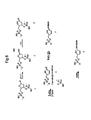
- amplified DNA is incubated under conditions that result in acid catalyzed depurination as shown in Figure 3 .
- the reaction can generate a mixture of products.
- an abasic site is generated.
- the depurination does not break the phosphate backbone but depurinated positions are reactive and can result in strand breakage as shown, generating a variety of 5' and 3' ends for the resulting fragments.
- the abasic product can undergo beta elimination resulting in fragmentation and generating a 3' phosphoglycoaldehyde and a 5' phosphate product as shown.
- a second beta elimination can also take place generating a 3' phosphate end.
- the second beta elimination occurs slowly but can be facilitated by addition of base, for example NaOH.
- the 3'-phosphoglycoaldehyde can be labeled chemically, for example, by biotin-ARP.
- the DNA may be single stranded or double stranded and may be cDNA derived from mRNA or amplified products from a sample containing genomic DNA.
- the DNA is in a solution that includes a buffer that is neutral (pH 6 to 9) at a temperature of about 22-30°C but acidic (pH less than 6.0) at higher temperatures, for example between 80 and 100°C.
- the DNA is in a solution that includes about 10 mM Tris-HCl, pH ⁇ 7.2-7.5 at 25°C.
- Tris buffer changes at a rate of-0.028 pH units per degree so if the pH is ⁇ 7.2-7.5 at about 25°C it will be ⁇ 5.2-5.5 at about 95°C, resulting in an acidic environment at high temperature and facilitating depurination of the DNA and generates abasic sites in the DNA at the site of depurination.
- Tris buffers see Bates and Bower, Analyt. Chem. 28:1322 (1956 ) and Bates and Hetzer, Analyt. Chem. 33:1285 (1960 ).
- Abasic sites can be treated by a variety of methods to generate strand breaks thus generating free 3' and 5' ends that can be labeled.
- the depurination reaction is incubated for about 10 to 30 or about 30 to 60 minutes.
- the fragments produced may be treated with Endonuclease IV or other 3'-end conditioning enzymes (like APE 1) to facilitate removal of 3'-modifications, such as 3' phosphates, facilitating efficient labeling with TdT.
- the mechanism of fragmentation is acid catalyzed depurination followed by thermal fragmentation or fragmentation by an AP endonuclease or a combination of treatments.
- acid depurination with thermal fragmentation generally results in incomplete fragmentation and generates fragments with 3' modifications, like those previously described by Proudnikov; et al., Nucleic Acids Research 1996, 24, 4535-4532 , that may be compatible with chemical labeling methods, for example, labeling with biotin-amine, but are generally not compatible with TdT labeling
- the sample is treated with an AP endonuclease to cleave at unfragmented abasic sites and to remove 3' modifications, leaving 3'-hydroxyl groups that are compatible with TdT labeling.
- E.coli Endo IV or the human Endo IV homolog, APE 1 is used after acid depurination, with or without heat treatment, to generate strand breaks at residual abasic sites and to remove 3' end blocking groups, leaving free 3'-hydroxyls that can be efficiently end-labeled by TdT.
- DNA is mixed with a buffer that is neutral or basic in a first temperature range and acidic in a second temperature range.
- the DNA is mixed with the buffer at a temperature within the first temperature range and then incubated at a temperature in the second temperature range.
- the buffer is acidic in the second temperature range and the DNA is fragmented or apurinic sites are generated that may be subsequently fragmented by chemical or enzymatic means. Depurination and fragmentation may be stopped by returning the reaction to a temperature in the first temperature range, where the pH of the buffer is neutral.
- the sample may be treated with a nuclease such as Endo IV or APE1 prior to labeling. Fragmentation reactions that result in generation of 3' phosphates may be followed by treatment with a phosphatase to remove the phosphate and generate 3' hydroxyl for labeling, Endo IV also has a 3' phosphatase activity.
- buffers are available that are neutral or basic at a first temperature range and acidic at a second temperature range.
- the buffer is Tris-HCl (other counter ions may also be used).
- Other buffers that change from a neutral pH at about 20 to 30°C to an acidic pH at about 85-100°C may also be used.
- Other buffers that may be used include, for example, TE, imidazole and colamine (2-aminoethanol/ethanolamine/2-hydroxyelylamine).
- Fragmentation can be stopped by changing the incubation temperature back to a temperature that results in a neutral or basic pH. This is particularly useful for high throughput sample preparation methods because the reaction can be stopped by changing the temperature so it can be done rapidly and without the need to add reagents.
- Incubation at the higher temperature may be for 10-30 min, 25-30 min, 30-40 min, 40-50 min, 50-60 min or 60-120 min or longer. In a preferred embodiment the incubation is for about 10, 20, 30, 40, 45 or 60 minutes.
- the fragmentation reaction may then be incubated in TdT buffer with 70 units Endo IV for 37°C for about 2 hours then at 70°C for 15 minutes.
- End labeling may be with TdT and Affymetrix biotinylated DNA Labeling Reagent (DLR). See also, U.S. Patent Application Nos. 60/545,417 , 60/542,933 , 60/512,569 , 10/452,519 and 10/617,992 .
- 3 ⁇ g single stranded cDNA in 10 mM TE, pH 7.4 is incubated at 95°C for 30, 40, 45 or 60 minutes.
- TdT buffer and 70 units Endo IV is added and incubated at 37°C for 2 hours then at 70°C for 15 minutes.
- the reaction is then end labeled with Affymetrix biotinylated DNA Labeling Reagent, DLR (Affymetrix, Santa Clara, CA, USA) using TdT and hybridized to an array under standard conditions. Fragment sizes were about 80 base pairs after a 45 min incubation and about 50 base pairs after a 60 minute incubation. These fragment sizes are similar to what is observed with DNase I treatment and hybridization results were also similar.
- fragmentation was with 1X TE pH 7.4 for 30 or 40 min at 95°C and 100 U of APE 1 or 70 U of Endo IV were used.
- 10 mM Tris-HCl buffer, pH 7.2 is used for fragmentation. Fragmentation rates for double stranded cDNA may be slower than single stranded cDNA.
- the resulting fragments range in size from about 50 to about 200 base pairs, and more preferably from about 50 to about 100.
- the multiple copies of cDNA generated by the disclosed methods are analyzed by hybridization to an array of probes.
- the nucleic acids generated by the methods may be analyzed by hybridization to nucleic acid arrays.
- Array based methods for monitoring gene expression are disclosed and discussed in detail in U.S. Pat. Nos. 5,800,992 , 5,871,928 , 5,925,525 , 6,040,138 and PCT Application WO92/10588 (published on Jun. 25, 1992 ).
- Suitable arrays are available, for example, from Affymetrix, Inc. (Santa Clara, CA). Bead based array systems may also be used.
- N-methylformamide is included in the fragmentation reaction.
- the Maxam-Gilbert type fragmentation chemistry uses a concentrated aqueous solution ( ⁇ 80%) of formamide which reacts with purines and pyrimidines at high temperature (>100°C) resulting in deglycosylation, see Raffaele Saladino; et al., J. Amer. Chem. Soc. 1996, 118, 5615-5619 .
- Subsequent heating and base treatment for example with piperidine, may be used to facilitate the ⁇ -elimination and fragmentation reactions to produce 5' and 3'-phosphate modified DNA fragments.
- methods for fragmenting in the presence of NMF are disclosed.
- the methods preferably generate fragments with 3' hydroxyl groups that are substrates for labeling by TdT.
- NMF is added to the fragmentation reaction to increase the rate of fragmentation.
- a reagent formulation of between 5 and 10% NMF in tris or phosphate buffer at about pH 7 to 8.5 at 95°C is used.
- the fragmentation proceeds for 30 to 60 minutes.
- the single stranded DNA may be fragmented for less time than double stranded, for example, about 30 min for ssDNA and about 60 min for dsDNA. Double and single-stranded DNA may be fragmented by the disclosed methods and may be desalted prior to fragmentation.
- Endo IV treatment may be by addition of TdT buffer, CoCl2 and Endo IV followed by incubation at 37°C for about 1, 2 or 3 hours and then at 65°C for 5-30 min, preferably about 15 min.
- NEB buffer and APE1 may be added to the fragmentation reaction and incubation may be for 1-3 hours at about 37°C, followed by incubation at 95°C for about 5 min.
- the fragments may then be end labeled with a detectable label, for example, by TdT end labeling.
- End labeling of the Endo IV reaction mixture may be by addition of DNA labeling reagent (DLR) and TdT followed by incubation at 37°C for about 1 hour followed by addition of EDTA.
- DLR DNA labeling reagent
- EDTA EDTA
- APE1 treated sample labeling may be by the addition of TdT buffer, CoCl 2 , DLR and TdT, followed by incubation at 37°C for about 1 hour.
- the reaction may be stopped by addition of EDTA.
- the labeled fragments may then be hybridized to an array of nucleic acids, for example oligonucleotide or cDNA arrays. The resulting hybridization pattern may be analyzed to measure the presence or absence of targets and to approximate the amount of individual targets in the starting sample.
- DNA may also be fragmented using metal complexes as catalysts for oxidative fragmentation of DNA.
- metal complexes as catalysts for oxidative fragmentation of DNA.
- metallo-based oxidative methods for DNA cleavage use a metal complex in the presence of an oxidant like oxygen or hydrogen peroxide and may use a reductant which at elevated temperature results in oxidation of the sugar backbone.
- Subsequent heating or base treatment for example, treatment with piperidine, may be used to facilitate the beta-elimination and fragmentation reactions to generate 5' and 3' phosphate modified DNA fragments.
- the fragments may be treated with an AP endonuclease, such as Endonuclease IV or another 3' end conditioning enzyme, such as APE 1 to facilitate deglycosylation and removal of 3' modifications to facilitate efficient end labeling, for example, with TdT.
- an AP endonuclease such as Endonuclease IV
- another 3' end conditioning enzyme such as APE 1 to facilitate deglycosylation and removal of 3' modifications to facilitate efficient end labeling, for example, with TdT.
- Known chemical nucleases that nick nucleases under physiological conditions include the 1,10-phenanthroline-copper complex, derivatives of ferrous-EDTA, various metalloporphoryins and octahedral complexes of 4,7-diphenyl-1,10-phenanthroline.
- Bis (1,10-phenanthroline)copper (II) (abbreviated Cu(OP) 2 ) degrades DNA in the presence of coreactants, such as hydrogen peroxide and ascorbate.
- coreactants such as hydrogen peroxide and ascorbate.
- Metal complexes such as Cu(OP) 2 and Fe +2 (EDTA) in the presence of hydrogen peroxide can be used to fragment cDNA efficiently and reproducibly.
- Treatment of DNA or RNA results in abstraction of a hydrogen from the sugar moiety, producing a carbon-based radical that can rearrange to generate a reactive abasic site as a result of deglycosylation.
- the abasic site can be subsequently cleaved to generate a strand break.
- Cleavage at the abasic site may be by a variety of mechanisms that may be chemical or enzymatic. In a preferred aspect, for example, by an AP endonuclease.
- the fragments can be labeled with DLR by TdT with an efficiency greater than or equal to 95%.
- the fragments can be hybridized to probe arrays.
- the DNA may be incubated with a concentration of Cu(OP) 2 between about 0.75 mM to about 1.5 mM.
- the DNA may be incubated at 95°C to further fragment abasic sites.
- Endo IV or APE1 may be used to give 3'-OH ends.
- a protocol and reagent formulation containing a copper-phenanthroline complex (Cu(OP) 2 ) and a reductant are enclosed.
- a reagent formulation of about 5 ⁇ M Cu(OP) 2 with about 1 mM sodium ascorbate (C 6 H 7 O 6 Na) or 10 mM mercaptopropionic acid (HSCH 2 CH 2 COOH) in a tris or phosphate buffer pH 7-8.5 at 65°C may be used to fragment single and double stranded DNA.
- the fragmentation reaction may proceed for about 10 to 30, or about 30 to 60 minutes at about 65°C.
- Iron-EDTA complex Fe +2 (EDTA)
- Fenton-Udenfriend reaction Fe(EDTA) 2- is oxidized by hydrogen peroxide generating highly reactive hydroxyl radicals.
- the Fenton-generated hydroxyl radical is diffusible and can cleave nucleic acids without specificity for a particular nucleotide.
- the hydroxyl radical is able to abstract hydrogen from each deoxyribose carbon but the 5' and 4' positions are preferred.
- Copper derivatives of aminoglycosides have been shown to be highly efficient catalysts for cleavage of DNA under physiological conditions. See Sreedhara et al., J.Am.Chem.Soc., 122: 8814-8824, (2000 ), and Sreedhara et al., Chem. Commun., 1147 (1999 ).
- Strand cleavage at the abasic sites may be by heating the reaction mixture, for example at 85°C for about 20 min or by an AP endonuclease, for example, Endo IV and APE 1.
- the copper aminoglycoside, copper neamine may also result in nucleic acid cleavage in the presence of peroxide or ascorbate. See, Patwardhan and Cowan, Chem. Commun., 1490-1491 (2001 ).
- a copper kanamycin Complex (Cu(kanA) or Cu(kanA) 2 ) may be used for hydrolytic cleavage of DNA.
- Chemical fragmentation of nucleic acid may be by way of a hydrolytic mechanism resulting in phosphodiester hydrolysis.
- reagents that may be used to catalyze hydrolysis include transition metals and lanthanides, such as Cu(kanA), Ce(EDTA) and Ce 2 (HXTA). Generally these reagents fragment by a hydrolytic mechanisms that is generally slower than DNase-1 and generates 5' phosphate and 3' hydroxyl end that are compatible with TdT labeling and chemical labeling.
- Ce 2 (HXTA) may be used for cleavage of nucleic acid.
- Ce(2)(HXTA) has been shown to hydrolyze DNA at pH 8 and 37°C. See, Branum et al. J. Am. Chem. Soc. 123:1898-904 (2001 ). A large percentage of the fragments, more than 90%, have 3'-OH ends, ready for end labeling, for example, by TdT.
- reagents that cleave via an oxidative sugar fragmentation include, for example, fenton-type reagents such as Fe(EDTA)/H 2 O 2 , Cu(phen)/H 2 O 2 and metalloporphyrin complexes and photochemical reagents such as Rh +3 complexes and uranyl acetate.
- fenton-type reagents such as Fe(EDTA)/H 2 O 2 , Cu(phen)/H 2 O 2 and metalloporphyrin complexes
- photochemical reagents such as Rh +3 complexes and uranyl acetate.
- the mechanism of cleavage is oxidative, the rate of cleavage is comparable to DNase-1 and results in fragments that have 3'-modifications.
- Acids, such as formic acid can be used to fragment via a depurination method. The rate of cleavage is comparable to DNase I, and fragments with 3' modifications are generated.
- DNA may be cleaved by a first step involving acid catalyzed depurination followed by cleavage with a beta-lyase.
- ⁇ -lyases examples include, E. coli endonuclease III, T4 endonuclease V and E. coli FPG protein.
- Many ⁇ -lyases generate a strand break at the 3' side of the AP site by a ⁇ -elimination mechanism, see Mazumder et al., Biochemistry 30:1119 (1991 ).
- An exemplary schematic is shown in Fig. 6 .
- the DNA (1) is depurinated.
- Depurination may be, for example, by incubation in a buffer that has a pH of about 5 at 95°C, for example Tris.
- the depurinated DNA is then cleaved using a beta-lyase, for example, Endo III.
- a thermostable beta-lyase that is functional at pH below 6 may be used so that depurination and cleavage can occur in the same reaction, simultaneously.
- a thermostable endonuclease II homolog is available, see Yang et al., Nuc. Acids Res. 29:604-613 (2001 ). The cleavage generates 5' phosphate ends and 3' phosphoglycoaldehyde ends, as shown (4).
- the fragments can be end labeled with a biotin amine reagent, for example, biotin-ARP (biotin aldehyde-reactive probe) (Molecular Probes), resulting in imine (5). Labeling may also be performed using reductive amination with RNH 2 , for example incubation with Biotin-NH 2 and NaBH 4 or NaCNBH 3 , may be used to generate a stable amine (6), see Kelly et al., Analytical Biochem. 311:103-118 (2002 ) and Fig 6 .
- the biotin-ARP (or ARP-biotin) is a biotinylated hydroxylamine that reacts with aldehyde groups formed when reactive oxygen species depurinate DNA. The reaction forms a covalent bond linking the DNA to biotin. The biotin can then be deteced using a fluorophore- or enzyme-linked streptavidin.
- a labeled nucleotide such as the one shown in Fig. 7 may be incorporated into the first strand cDNA during reverse transcription.
- the strand with the incorporated label can be fragmented using DNase I, Cu(OP) 2 or the Tris methods described above. Incorporation of a label during synthesis eliminates the need to label the fragments after fragmentation by, for example, TdT labeling or chemical labeling of the fragments.
- Example 1 Fragmentation of single-stranded DNA in Tris Buffer at high temperature.
- Fragmentation Reaction Mix Mix 3 ⁇ l 10 X Tris Buffer, pH 7.24 at room temp, 20-25 ⁇ l ss cDNA (final concentration is 3 ⁇ g), and nuclease free water to a total volume of 30 ⁇ l. Incubate the reaction at 95°C for 60 minutes. The fragmented cDNA is applied directly to Endo IV treatment and the terminal labeling reaction. Alternatively, the material can be stored at -20°C for later use.
- Endo IV treatment Mix14 ⁇ l 5 X TdT Reaction Buffer (final concentration is 1X), 14 ⁇ l 25 mM CoCl 2 (final concentration is 5mM), 3.5 ⁇ l Endo IV (20 U/ ⁇ l) (final concentration is 70U/3 ⁇ g cDNA), 30 ⁇ l cDNA template (1.5-5 ⁇ g) and Nuclease-free H 2 O for a final volume of 70 ⁇ l. Higher concentrations of Endo IV have been observed to result in more efficient labeling. Incubate the reaction at 37°C for 120 minutes. Inactive Endo IV at 65°C for 15 minutes.
- Terminal Label Reaction Mix 70 ⁇ l cDNA template (1.5-5 ⁇ g), 4.375 ⁇ l rTDT (400 U/ul) for final concentration of 5.8 U/pmol, and ⁇ l 5 mM DLR for final concentration of 0.07 mM. The final reaction volume is about 75.4 ⁇ l. Incubate the reaction at 37°C for 60 minutes. Stop the reaction by adding 2 ⁇ L of 0.5 M EDTA (PH 8.0). The target is ready to be hybridized onto probe arrays. Alternatively, it may be stored at -20°C for later use.
- Example 2 Fragmentation of ds cDNA with Tris Buffer at high temperature.
- Fragmentation mixtures containing 10 ⁇ g ds cDNA, 10 mM Tris-HCl, pH 7.2 at room temperature were incubated at 95°C for 75, 90, 105 and 120 minutes.
- the reactions were then treated by either: (A) incubation with 100 unites APE 1, in NEB buffer 4 for 1 hour at 37°C and then 95°C for 50 min or (B) incubation with 70 units Endo IV in TdT buffer for 2 hours at 37°C and 15 min at 65°C. Both were then end labeled with DLR and TdT and hybridized to arrays using standard conditions.
- the average size of fragments was approximately 200, 150, 90 or 60 bp after 75, 90, 105 or 120 min of incubation, respectively.
- the average size of fragments was approximately 160, 110, 80 or 50 bp after 75, 90, 105 or 120 min of incubation, respectively.
- Percent present calls were 60.2, 58.9, 60.7, and 63.4 for Endo IV treated samples at 75, 90, 105 and 120 min respectively and 42.7, 45.0, 38.1, and 32.1 for APE 1 treated samples at 75, 90, 105 and 120 min respectively.
- Results are shown in Fig. 8 as percent present (%P) and average fragment size compared to a DNase I control. Scaled intensity data is shown in Fig. 9 .
- Example 3 NMF fragmentation with 10 or 20% NMF.
- Tubes 1-6 were incubated at 100°C for 90 min and tubes 7-12, w1 and w2 were incubated at 100°C for 40 min. Reactions were as indicated in Table 1. Table 1.
- Reaction Water ( ⁇ l) cDNA Buffer CoCl Enzyme SAP Total volume NMF 1 23 15 ⁇ l 14 ⁇ l 5x 14 ⁇ l 6 ⁇ l EndoIV -- 72 ⁇ l 10% 2 23 15 ⁇ l 14 ⁇ l 5x 14 ⁇ l 6 ⁇ l EndoIV -- 72 ⁇ l 10% 3 17 15 ⁇ l 14 ⁇ l 5x 14 ⁇ l -- 12 ⁇ l 72 ⁇ l 10% 4 17 15 ⁇ l 14 ⁇ l 5x 14 ⁇ l -- 12 ⁇ l 72 ⁇ l 10% 5 20 15 ⁇ l 5 ⁇ l 10x NEB -- 10 ⁇ l APE -- 50 ⁇ l 10% 6 20 15 ⁇ l 5 ⁇ l 10x NEB -- 10 ⁇ l APE -- 50 ⁇ l 10% 7 23 15 ⁇ l 14 ⁇ l 5x 14 ⁇ l 6 ⁇ l -- 72 ⁇ l 20% 8 23 15 ⁇ l 14 ⁇ l 5x 14 ⁇ l 6 ⁇ l EndoIV --
- Example 4 Fragmentation in a reaction including 5% NMF.
- 1.5 ⁇ l of 50% aqueous NMF is added to 10 ⁇ l of ⁇ 3 ⁇ g DNA in 1mM Tris or phosphate buffer, followed by 3.5 ⁇ l of H 2 O to a final reaction volume of 15 ⁇ l.
- the fragmentation mixture is incubated at 95°C about 30 min for ss-DNA and about 60 min. for ds-DNA.
- Endo IV treatment 14 ⁇ l of 5xTdT buffer, 14 ⁇ l of 25mM CoCl 2 and 6 ⁇ l of Endo IV (2U/ ⁇ l) is added to the 15 ⁇ l of fragmentation mixture. (Higher concentrations of Endo IV may be used, for example, instead of 12 units about 70 units or more may be used.) Add water to make the final reaction volume 70 ⁇ l. Incubate at 37°C for 2 hours and at 65°C for 15 min.
- Endo IV reaction mixture 1 ⁇ l of DNA labeling reagent and 4.4 ⁇ l of TdT (400U/ ⁇ l) is added to 70 ⁇ l of reaction mixture and incubated at 37°C for 1 hour, followed by the addition of 2 ⁇ l of 0.5M EDTA, pH 8.
- APE 1 may be used instead of EndoIV as follows: 5 ⁇ l 10x NEB buffer and 10 ⁇ l of APE 1 (10U/ ⁇ l) is added to 15 ⁇ l of fragmentation mixture. Add water to a final reaction volume of 50 ⁇ l. Incubate at 37°C for 2 hours and at 95°C for 5 min.
- APE 1 add 14 ⁇ l of 5xTdT buffer, 14 ⁇ l of 25mM CoCl 2 , 1 ⁇ l of DNA labeling reagent and 4.4 ⁇ l of TdT (400U/ ⁇ l) to 50 ⁇ l of reaction mixture. Incubate at 37°C for 1 hour followed by the addition of 2 ⁇ l of 0.5M EDTA, pH 8. Hybridize labeled fragments to an array according to standard protocols.
- Results for Tris fragmentation in the presence of 5% NMF are shown in Fig. 10 .
- the percent present observed is comparable to DNase I.
- the observed rate of fragmentation in the presence of 5% NMF was about two-fold faster than in the absence of NMF. This was observed for both single and double-stranded cDNA.
- the observed scaled signal intensities were 26.7 at 30 min, 27.8 at 35 min, 26.9 at 40 min and 28.5 at 45 min, compared to 47.9 and 41.9 for DNase I at 1/100 bp and 1/60 bp respectively.
- Desalted plasmid DNA was fragmented in 5 or 10mM Tris-HCL buffer, pH7.2 with 0, 5 or 10% NMF and desalted double stranded cDNA was fragmented in 5 mM Tris-HCl buffer with or without 5% NMF. Fragmentation was tested at 30, 60 or 90 minutes at 95°C.
- the 10mM Tris fragmentation of Cre plasmid ds-cDNA resulted in average fragment size of 190 bp at 30 min and 42 bp at 60 min with 0% NMF, with 5% NMF fragments were average size of 60 bp after 30 min and with 10% NMF fragments were 40 bp after 30 min.
- the Cre plasmid fragments were 170bp after 30 min and 40 bp after 60 min without NMF. Fragments were 30 bp after 30 min in 5% NMF and 23 bp after 30 min in 10% NMF.
- the ds cDNA (desalted and stored in 5 mM Tris-HCL ph 7.2 buffer) fragmentation in 5 mM Tris-HCL buffer without NMF gave average fragment sizes of 165, 75 and 40 bp after 30, 45 and 60 min of incubation at 65°C, respectively. With 5% NMF the fragment sizes were 320, 40 and 20 bp after 15, 30 or 45 min of incubation at 95°C, respectively.
- the ds cDNA fragmentation after desalting and exchanging buffer to 5 mM Tris-HCl, pH 7.2 took 30 to 45 min at 95°C, this improved rate of fragmentation may be the result of the removal of inhibitors to fragmentation that are present in the ds cDNA synthesis.
- 3 ⁇ l of 100mM phosphate buffer, pH ⁇ 7.0, 3 ⁇ l 10mM sodium ascorbate buffer and 3 ⁇ l 50 ⁇ M Cu(OP) 2 solution were added to 3 ⁇ g DNA in 1 mM tris or phosphate buffer. Water was added to a final reaction volume of 30 ⁇ l. The fragmentation reaction was incubated at 65°C for 10 min. The resulting fragments were cleaned up using a Biospin column according to the manufacturer's instructions.
- Deglycosylation and removal of 3' modifications was done by incubating about 33 ⁇ l of the cleaned up fragmentation reaction with 14 ⁇ l of 5x TdT buffer, 14 ⁇ l of 25mM CoCl 2 and 6 ⁇ l of Endo IV (2U/ ⁇ l) and incubating at 37°C for 2 hours and at 65°C for 15 min.
- 3' end labeling with TdT and DLR was done by adding 1 ⁇ l of DLR and 4.4 ⁇ l of TdT (400U/ ⁇ l) to the ⁇ 70 ⁇ l reaction mixture and incubating at 37°C for 1 hour, followed by the addition of 2 ⁇ l of 0.5M EDTA, pH 8.
- the labeled fragments were hybridized to an array using standard protocols.
- Example 7 Cu(OP) 2 and Endo IV fragmentation of cDNA with Phosphatase.
- Example 8 Cu(OP) 2 and Endo IV fragmentation of single-stranded cDNA.
- 3 ug ss-cDNA was mixed in a solution of 10 mM phosphate pH ⁇ 7, 5 ⁇ M Cu(OP) 2 , and 1 mM ascorbate and incubated at 65°C for10 or 15 min.
- EDTA was added to 0.5 mM and the products were either subjected to bio-spin purification or not. This was followed by an incubation at 95°C for 10 min. 12 units of Endo-IV was added and incubated at 37°C for 2 hours, followed by incubation at 65°C for 15 min to inactivate the Endo-IV.
- the products were subjected to a standard TdT/DLR labeling reaction and the labeled fragments were hybridized to a test array and a hybridization pattern was analyzed using standard conditions.
- the percent present calls for samples treated with the bio-spin column (bio-spin) or untreated (crude), compared to a DNase I treated sample, are shown in Fig. 12 .
- the results are comparable to DNase I treatment, with the bio-spin percent present call being higher than crude and the 10 min fragmentation being higher than the 15 min fragmentation.
- ss-cDNA was incubated with 2.5 mM Fe-EDTA, and 53 mM H 2 O 2 at 95°C for 30 min.
- the reaction was purified using a bio-spin column (Bio-Rad Laboratories). To label the fragments 2 ⁇ l of 5 mM Biotin-LC-hydrazide in DMSO was added and the reaction was incubated at 25°C for 70 min. The reaction was purified with a bio-spin column and analyzed by hybridization to a test array. Fragmentation was efficient and rapid and biotin incorporation was efficient.
- Example 10 Fragmentation of cDNA in Imidazole Buffer at High Temperature.
- the reaction mixture was then loaded on a Microcon YM-3 column.
- the column was centrifuged at 10,000g for 20 minutes. The flow through was discarded at 100 ⁇ l of 10mM tris-HCl buffer was added. The buffer exchange was repeated 4 times.
- the results were analysed by PAGE using streptavidin to quantitate the amount of biotin incorporation. Endo III efficiently fragmented the abasic sites generated by imidazole (pH ⁇ 6.4 at 25°C) after incubation for 15 min. at 37°C and 45°C. Biotin-ARP reacted with the fragmented cDNA efficiently (> 95%) as judged by streptavidin gel shift assay.
Landscapes
- Chemical & Material Sciences (AREA)
- Organic Chemistry (AREA)
- Life Sciences & Earth Sciences (AREA)
- Analytical Chemistry (AREA)
- Zoology (AREA)
- Wood Science & Technology (AREA)
- Proteomics, Peptides & Aminoacids (AREA)
- Health & Medical Sciences (AREA)
- Engineering & Computer Science (AREA)
- Biophysics (AREA)
- Immunology (AREA)
- Microbiology (AREA)
- Molecular Biology (AREA)
- Biotechnology (AREA)
- Physics & Mathematics (AREA)
- Chemical Kinetics & Catalysis (AREA)
- Biochemistry (AREA)
- Bioinformatics & Cheminformatics (AREA)
- General Engineering & Computer Science (AREA)
- General Health & Medical Sciences (AREA)
- Genetics & Genomics (AREA)
- Measuring Or Testing Involving Enzymes Or Micro-Organisms (AREA)
Claims (14)
- Ein Verfahren zum Fragmentieren und Markieren von DNA, umfassend:das Mischen der DNA in einer Reaktion, welche einen Puffer umfasst, der bei einer ersten Temperatur, wobei die erste Temperatur zwischen 16 und 37°C liegt, einen pH zwischen 6 und 9 und bei einer zweiten Temperatur, wobei die zweite Temperatur zwischen 65 und 105°C liegt, von weniger als 6 aufweist, wobei die Reaktion bei der ersten Temperatur gemischt wird;das Inkubieren der Reaktion bei der zweiten Temperatur, um eine Mehrzahl abasischer Stellen in der DNA zu erzeugen;das Inkubieren der Reaktion unter Bedingungen, welche eine Spaltung von abasischen Stellen fördern, und gegebenenfalls mit einer Nuklease, die 3'-Phosphataseaktivität aufweist, wobei die Bedingung, welche eine Spaltung von abasischen Stellen fördert, die Inkubation mit einer apurinischen/apyrimidinischen (AP) Endonuklease umfasst; unddas Markieren der Fragmente in einer Reaktion, die TdT umfasst;wobei der Puffer einen Puffer umfasst, der ausgewählt ist aus der Gruppe, bestehend aus Tris, Imidazol und Colamin.
- Das Verfahren nach Anspruch 1, wobei die erste Temperatur zwischen 20 und 30°C liegt und die zweite Temperatur zwischen 85 und 100°C liegt.
- Das Verfahren nach Anspruch 1, wobei die zweite Temperatur ca. 95°C beträgt und die Reaktion bei der zweiten Temperatur für ca. 30 bis ca. 120 Minuten inkubiert wird.
- Das Verfahren nach Anspruch 1, wobei der Puffer EDTA umfasst.
- Das Verfahren nach Anspruch 1, wobei der Puffer Acetat oder Citrat umfasst.
- Das Verfahren nach Anspruch 1, wobei die AP-Endonuklease Endo IV oder APE1 ist.
- Das Verfahren nach Anspruch 1 oder 3, wobei die Reaktion weiterhin ca. 5 bis 10% N-Methylformamid umfasst.
- Ein Verfahren zum Fragmentieren und Markieren einer Nukleinsäureprobe, die DNA umfasst, umfassend:das Erzeugen einer Mehrzahl von abasischen Stellen in der DNA durch ein chemisches Verfahren;das Spalten des Phosphatrückgrats an einer Mehrzahl der abasischen Stellen;das fakultative Entfernen von Modifikationen an den 3'-Enden der Fragmente, wobei die Modifikationen Anteile sind, die von einer 3'-Hydroxylgruppe verschieden sind; unddas Markieren der Fragmente mit einer nachweisbaren Markierung;wobei die Nukleinsäureprobe in einer Pufferlösung vorliegt, die einen Puffer umfasst, der ausgewählt ist aus der Gruppe, bestehend aus Tris, Imidazol und Colamin, und wobei die Pufferlösung einen pH zwischen 6 und 9 bei einer Temperatur zwischen 20 und 30°C und einen pH von weniger als 6 bei einer Temperatur von mehr als 85°C aufweist und wobei das chemische Verfahren das Inkubieren der Probe bei einer Temperatur von mehr als 85°C für wenigstens 15 Minuten umfasst.
- Das Verfahren nach Anspruch 1 oder 8, wobei der Puffer 10 mM Tris-HCl einschließt und so ausgewählt ist, dass dieser bei 25°C einen pH zwischen 7,2 und 7,5 aufweist.
- Das Verfahren nach Anspruch 8, wobei der Schritt des Spaltens des Phosphatrückgrats die Inkubation mit einer AP-Endonuklease umfasst.
- Das Verfahren nach Anspruch 10, wobei die AP-Endonuklease Endo IV ist.
- Das Verfahren nach Anspruch 8, wobei der Schritt des Spaltens des Phosphatrückgrats durch Wärme und gegebenenfalls durch Zugabe einer Base stattfindet.
- Das Verfahren nach Anspruch 8, wobei der Schritt des Entfernens von Modifikationen von dem 3'-Ende die Inkubation mit einer AP-Endonuklease umfasst.
- Das Verfahren nach Anspruch 8, wobei der Schritt des Markierens mit einer nachweisbaren Markierung den Einbau von Biotin an dem 3'-Ende durch Zugabe einer terminalen Transferase umfasst.
Applications Claiming Priority (8)
| Application Number | Priority Date | Filing Date | Title |
|---|---|---|---|
| US54541704P | 2004-02-17 | 2004-02-17 | |
| US545417P | 2004-02-17 | ||
| US58964804P | 2004-07-20 | 2004-07-20 | |
| US589648P | 2004-07-20 | ||
| US61665204P | 2004-10-06 | 2004-10-06 | |
| US616652P | 2004-10-06 | ||
| US63919304P | 2004-12-22 | 2004-12-22 | |
| US639193P | 2004-12-22 |
Publications (3)
| Publication Number | Publication Date |
|---|---|
| EP1564306A2 EP1564306A2 (de) | 2005-08-17 |
| EP1564306A3 EP1564306A3 (de) | 2005-11-16 |
| EP1564306B1 true EP1564306B1 (de) | 2013-08-07 |
Family
ID=34705306
Family Applications (1)
| Application Number | Title | Priority Date | Filing Date |
|---|---|---|---|
| EP05250915.5A Expired - Lifetime EP1564306B1 (de) | 2004-02-17 | 2005-02-17 | Verfahren zur Fragmentierung und Markierung von DNS |
Country Status (3)
| Country | Link |
|---|---|
| US (1) | US20050191682A1 (de) |
| EP (1) | EP1564306B1 (de) |
| CA (1) | CA2497324A1 (de) |
Cited By (10)
| Publication number | Priority date | Publication date | Assignee | Title |
|---|---|---|---|---|
| US8615367B2 (en) | 2003-09-18 | 2013-12-24 | Bioarray Solutions, Ltd. | Number coding for identification of subtypes of coded types of solid phase carriers |
| US8691754B2 (en) | 2003-09-22 | 2014-04-08 | Bioarray Solutions, Ltd. | Microparticles with enhanced covalent binding capacity and their uses |
| US8691594B2 (en) | 1996-04-25 | 2014-04-08 | Bioarray Solutions, Ltd. | Method of making a microbead array with attached biomolecules |
| US8712123B2 (en) | 2002-11-15 | 2014-04-29 | Bioarray Solutions, Ltd. | Analysis, secure access to, and transmission of array images |
| US8795960B2 (en) | 2003-10-28 | 2014-08-05 | Bioarray Solutions, Ltd. | Optimization of gene expression analysis using immobilized capture probes |
| US9147037B2 (en) | 2004-08-02 | 2015-09-29 | Bioarray Solutions, Ltd. | Automated analysis of multiplexed probe-target interaction patterns: pattern matching and allele identification |
| US9309502B2 (en) | 2002-02-21 | 2016-04-12 | Alere San Diego Inc. | Recombinase polymerase amplification |
| US9340825B2 (en) | 2002-02-21 | 2016-05-17 | Alere San Diego, Inc. | Compositions for recombinase polymerase amplification |
| US9436088B2 (en) | 2001-06-21 | 2016-09-06 | Bioarray Solutions, Ltd. | Un-supported polymeric film with embedded microbeads |
| US9469867B2 (en) | 2009-05-20 | 2016-10-18 | Alere San Diego, Inc. | DNA glycosylase/lyase and AP endonuclease substrates |
Families Citing this family (59)
| Publication number | Priority date | Publication date | Assignee | Title |
|---|---|---|---|---|
| DE60117556T2 (de) | 2000-06-21 | 2006-11-02 | Bioarray Solutions Ltd. | Multianalytische molekularanalyse durch verwendung anwendungsspezifischer zufallspartikelarrays |
| US9709559B2 (en) | 2000-06-21 | 2017-07-18 | Bioarray Solutions, Ltd. | Multianalyte molecular analysis using application-specific random particle arrays |
| CA2497740C (en) | 2001-10-15 | 2011-06-21 | Bioarray Solutions, Ltd. | Multiplexed analysis of polymorphic loci by probe elongation-mediated detection |
| US7399590B2 (en) | 2002-02-21 | 2008-07-15 | Asm Scientific, Inc. | Recombinase polymerase amplification |
| AU2003279697A1 (en) * | 2002-05-17 | 2004-02-16 | Nugen Technologies, Inc. | Methods for fragmentation, labeling and immobilizaton of nucleic acids |
| CA2544202C (en) | 2003-10-29 | 2012-07-24 | Bioarray Solutions Ltd. | Multiplexed nucleic acid analysis by fragmentation of double-stranded dna |
| WO2005065321A2 (en) | 2003-12-29 | 2005-07-21 | Nugen Technologies, Inc. | Methods for analysis of nucleic acid methylation status and methods for fragmentation, labeling and immobilization of nucleic acids |
| US8486629B2 (en) | 2005-06-01 | 2013-07-16 | Bioarray Solutions, Ltd. | Creation of functionalized microparticle libraries by oligonucleotide ligation or elongation |
| WO2007002567A2 (en) * | 2005-06-23 | 2007-01-04 | Nanosphere, Inc. | Selective isolation and concentration of nucleic acids from complex samples |
| WO2007096702A2 (en) | 2005-07-25 | 2007-08-30 | Asm Scientific, Inc. | Methods for multiplexing recombinase polymerase amplification |
| US20080057499A1 (en) * | 2006-02-06 | 2008-03-06 | Affymetrix, Inc. | Methods for high specificity whole genome amplification and hybridization |
| US8071308B2 (en) | 2006-05-04 | 2011-12-06 | Alere San Diego, Inc. | Recombinase polymerase amplification |
| US20090275486A1 (en) * | 2006-05-16 | 2009-11-05 | Nurith Kurn | Nucleic acid separation and purification method based on reversible charge interactions |
| US20100022403A1 (en) * | 2006-06-30 | 2010-01-28 | Nurith Kurn | Methods for fragmentation and labeling of nucleic acids |
| FR2914317B1 (fr) * | 2007-03-30 | 2012-12-28 | Biomerieux Sa | Methode de decontamination d'une solution des acides nucleiques indesirables |
| KR101072900B1 (ko) * | 2007-12-04 | 2011-10-17 | 주식회사 파나진 | 고정화된 펩티드핵산 프로브를 사용한 표적핵산의 선택적 표지 및 검출 방법 |
| US20100173304A1 (en) * | 2008-12-23 | 2010-07-08 | Advanced Analytical Technologies, Inc. | Method of dna sequencing |
| WO2010091060A1 (en) * | 2009-02-03 | 2010-08-12 | New England Biolabs, Inc. | Generation of random double strand breaks in dna using enzymes |
| US12129514B2 (en) | 2009-04-30 | 2024-10-29 | Molecular Loop Biosolutions, Llc | Methods and compositions for evaluating genetic markers |
| EP2425240A4 (de) | 2009-04-30 | 2012-12-12 | Good Start Genetics Inc | Verfahren und zusammensetzung zur bewertung genetischer marker |
| EP2438196B1 (de) | 2009-06-05 | 2016-12-21 | Alere San Diego, Inc. | Kits und reagenzien für rekombinase-polymerase-amplifikationen |
| US9163281B2 (en) | 2010-12-23 | 2015-10-20 | Good Start Genetics, Inc. | Methods for maintaining the integrity and identification of a nucleic acid template in a multiplex sequencing reaction |
| MX352460B (es) | 2011-01-11 | 2017-11-24 | Seegene Inc | Detección de secuencias de ácido nucleico objetivo mediante ensayo de escisión y extensión del pto. |
| JP5852222B2 (ja) | 2011-03-29 | 2016-02-03 | シージーン アイエヌシー | Pto切断及び延長−依存的切断によるターゲット核酸配列の検出 |
| EP2694666B1 (de) | 2011-04-07 | 2018-05-23 | Alere San Diego, Inc. | Überwachung von rekombinase-polymerase-verstärkungsmischungen |
| MX342067B (es) * | 2011-05-04 | 2016-09-09 | Seegene Inc | Detección de secuencias de ácido nucleico objetivo por desdoblamiento e hibridización de oligonucleótido de sonda. |
| CA2852665A1 (en) | 2011-10-17 | 2013-04-25 | Good Start Genetics, Inc. | Analysis methods |
| WO2013059746A1 (en) | 2011-10-19 | 2013-04-25 | Nugen Technologies, Inc. | Compositions and methods for directional nucleic acid amplification and sequencing |
| WO2013085918A1 (en) * | 2011-12-05 | 2013-06-13 | The Regents Of The University Of California | Methods and compostions for generating polynucleic acid fragments |
| EP2807292B1 (de) | 2012-01-26 | 2019-05-22 | Tecan Genomics, Inc. | Zusammensetzungen und verfahren zur gezielten nukleinsäuresequenzanreicherung und erzeugung einer hocheffizienten bibliothek |
| KR20130101952A (ko) | 2012-02-02 | 2013-09-16 | 주식회사 씨젠 | Pto 절단과 연장-의존적 혼성화를 이용한 타겟 핵산서열의 검출 |
| EP2823061B1 (de) | 2012-03-05 | 2018-02-14 | Seegene, Inc. | Detektion einer nucleotidvariation einer nucleinsäurezielsequenz durch pto-spaltung und extensionstest |
| US8209130B1 (en) | 2012-04-04 | 2012-06-26 | Good Start Genetics, Inc. | Sequence assembly |
| US8812422B2 (en) | 2012-04-09 | 2014-08-19 | Good Start Genetics, Inc. | Variant database |
| US10227635B2 (en) | 2012-04-16 | 2019-03-12 | Molecular Loop Biosolutions, Llc | Capture reactions |
| CA2877094A1 (en) | 2012-06-18 | 2013-12-27 | Nugen Technologies, Inc. | Compositions and methods for negative selection of non-desired nucleic acid sequences |
| US20150011396A1 (en) | 2012-07-09 | 2015-01-08 | Benjamin G. Schroeder | Methods for creating directional bisulfite-converted nucleic acid libraries for next generation sequencing |
| EP2971159B1 (de) | 2013-03-14 | 2019-05-08 | Molecular Loop Biosolutions, LLC | Verfahren zur analyse von nukleinsäuren |
| US9822408B2 (en) | 2013-03-15 | 2017-11-21 | Nugen Technologies, Inc. | Sequential sequencing |
| WO2014197377A2 (en) | 2013-06-03 | 2014-12-11 | Good Start Genetics, Inc. | Methods and systems for storing sequence read data |
| EP3058096A1 (de) | 2013-10-18 | 2016-08-24 | Good Start Genetics, Inc. | Verfahren zur beurteilung eines genomischen bereichs einer person |
| US10851414B2 (en) | 2013-10-18 | 2020-12-01 | Good Start Genetics, Inc. | Methods for determining carrier status |
| WO2015073711A1 (en) | 2013-11-13 | 2015-05-21 | Nugen Technologies, Inc. | Compositions and methods for identification of a duplicate sequencing read |
| US9745614B2 (en) | 2014-02-28 | 2017-08-29 | Nugen Technologies, Inc. | Reduced representation bisulfite sequencing with diversity adaptors |
| US11053548B2 (en) | 2014-05-12 | 2021-07-06 | Good Start Genetics, Inc. | Methods for detecting aneuploidy |
| WO2016025818A1 (en) | 2014-08-15 | 2016-02-18 | Good Start Genetics, Inc. | Systems and methods for genetic analysis |
| WO2016040446A1 (en) | 2014-09-10 | 2016-03-17 | Good Start Genetics, Inc. | Methods for selectively suppressing non-target sequences |
| JP2017536087A (ja) | 2014-09-24 | 2017-12-07 | グッド スタート ジェネティクス, インコーポレイテッド | 遺伝子アッセイのロバストネスを増大させるためのプロセス制御 |
| WO2016112073A1 (en) | 2015-01-06 | 2016-07-14 | Good Start Genetics, Inc. | Screening for structural variants |
| US10254298B1 (en) | 2015-03-25 | 2019-04-09 | National Technology & Engineering Solutions Of Sandia, Llc | Detection of metabolites for controlled substances |
| EP3332024B1 (de) | 2015-08-06 | 2020-10-28 | F.Hoffmann-La Roche Ag | Zielanreicherung durch einzelsondenprimerverlängerung |
| US10981174B1 (en) | 2016-08-04 | 2021-04-20 | National Technology & Engineering Solutions Of Sandia, Llc | Protein and nucleic acid detection for microfluidic devices |
| US12492430B2 (en) | 2017-04-11 | 2025-12-09 | Tecan Genomics, Inc. | Library quantitation and qualification |
| WO2019023937A1 (zh) * | 2017-08-01 | 2019-02-07 | 深圳华大智造科技有限公司 | 一种高效的内切酶缓冲液体系 |
| KR102345601B1 (ko) | 2017-09-29 | 2021-12-30 | 주식회사 씨젠 | Pto 절단 및 연장-의존적 연장 분석에 의한 타겟 핵산 서열의 검출 |
| US11099202B2 (en) | 2017-10-20 | 2021-08-24 | Tecan Genomics, Inc. | Reagent delivery system |
| CN109576342B (zh) * | 2018-11-21 | 2022-03-29 | 暨南大学 | 一种用于检测碱性磷酸酶的荧光化学方法与应用 |
| EP3851542A1 (de) | 2020-01-20 | 2021-07-21 | Tecan Genomics, Inc. | Verarmung von reichlich uninformativen sequenzen |
| US12059674B2 (en) | 2020-02-03 | 2024-08-13 | Tecan Genomics, Inc. | Reagent storage system |
Family Cites Families (98)
| Publication number | Priority date | Publication date | Assignee | Title |
|---|---|---|---|---|
| US1359801A (en) | 1920-03-03 | 1920-11-23 | Goldner Joe | Combination mattress and pillow |
| US4437975A (en) | 1977-07-20 | 1984-03-20 | Mobil Oil Corporation | Manufacture of lube base stock oil |
| US4520110A (en) | 1981-10-06 | 1985-05-28 | The Board Of Trustees Of The Leland Stanford Junior University | Fluorescent immunoassay employing a phycobiliprotein labeled ligand or receptor |
| US5055556A (en) | 1981-10-06 | 1991-10-08 | The Board Of Trustees Of The Leland Stanford Jr. Univ. | Fluorescent conjugates for analysis of molecules and cells |
| US5241060A (en) * | 1982-06-23 | 1993-08-31 | Enzo Diagnostics, Inc. | Base moiety-labeled detectable nucleatide |
| US5242794A (en) | 1984-12-13 | 1993-09-07 | Applied Biosystems, Inc. | Detection of specific sequences in nucleic acids |
| US4683195A (en) | 1986-01-30 | 1987-07-28 | Cetus Corporation | Process for amplifying, detecting, and/or-cloning nucleic acid sequences |
| US4965188A (en) | 1986-08-22 | 1990-10-23 | Cetus Corporation | Process for amplifying, detecting, and/or cloning nucleic acid sequences using a thermostable enzyme |
| US4683202A (en) | 1985-03-28 | 1987-07-28 | Cetus Corporation | Process for amplifying nucleic acid sequences |
| US5333675C1 (en) | 1986-02-25 | 2001-05-01 | Perkin Elmer Corp | Apparatus and method for performing automated amplification of nucleic acid sequences and assays using heating and cooling steps |
| US4800159A (en) | 1986-02-07 | 1989-01-24 | Cetus Corporation | Process for amplifying, detecting, and/or cloning nucleic acid sequences |
| US5310652A (en) * | 1986-08-22 | 1994-05-10 | Hoffman-La Roche Inc. | Reverse transcription with thermostable DNA polymerase-high temperature reverse transcription |
| US5418149A (en) * | 1990-07-24 | 1995-05-23 | Hoffmann-La Roche Inc. | Reduction of non-specific amplification glycosylase using DUTP and DNA uracil |
| IL86724A (en) | 1987-06-19 | 1995-01-24 | Siska Diagnostics Inc | Methods and kits for amplification and testing of nucleic acid sequences |
| WO1989001050A1 (en) | 1987-07-31 | 1989-02-09 | The Board Of Trustees Of The Leland Stanford Junior University | Selective amplification of target polynucleotide sequences |
| JP2650159B2 (ja) | 1988-02-24 | 1997-09-03 | アクゾ・ノベル・エヌ・ベー | 核酸増幅方法 |
| CA1340807C (en) | 1988-02-24 | 1999-11-02 | Lawrence T. Malek | Nucleic acid amplification process |
| US4988617A (en) | 1988-03-25 | 1991-01-29 | California Institute Of Technology | Method of detecting a nucleotide change in nucleic acids |
| CA2005589C (en) | 1988-12-16 | 2001-02-06 | Akzo Nobel Nv | Self-sustained, sequence replication system |
| US5856092A (en) | 1989-02-13 | 1999-01-05 | Geneco Pty Ltd | Detection of a nucleic acid sequence or a change therein |
| US5683896A (en) * | 1989-06-01 | 1997-11-04 | Life Technologies, Inc. | Process for controlling contamination of nucleic acid amplification reactions |
| US5800992A (en) | 1989-06-07 | 1998-09-01 | Fodor; Stephen P.A. | Method of detecting nucleic acids |
| US5242974A (en) | 1991-11-22 | 1993-09-07 | Affymax Technologies N.V. | Polymer reversal on solid surfaces |
| US6346413B1 (en) | 1989-06-07 | 2002-02-12 | Affymetrix, Inc. | Polymer arrays |
| US5547839A (en) | 1989-06-07 | 1996-08-20 | Affymax Technologies N.V. | Sequencing of surface immobilized polymers utilizing microflourescence detection |
| US6040138A (en) | 1995-09-15 | 2000-03-21 | Affymetrix, Inc. | Expression monitoring by hybridization to high density oligonucleotide arrays |
| US5871928A (en) | 1989-06-07 | 1999-02-16 | Fodor; Stephen P. A. | Methods for nucleic acid analysis |
| US5143854A (en) | 1989-06-07 | 1992-09-01 | Affymax Technologies N.V. | Large scale photolithographic solid phase synthesis of polypeptides and receptor binding screening thereof |
| US5744101A (en) | 1989-06-07 | 1998-04-28 | Affymax Technologies N.V. | Photolabile nucleoside protecting groups |
| US6309822B1 (en) | 1989-06-07 | 2001-10-30 | Affymetrix, Inc. | Method for comparing copy number of nucleic acid sequences |
| US5424186A (en) | 1989-06-07 | 1995-06-13 | Affymax Technologies N.V. | Very large scale immobilized polymer synthesis |
| US5527681A (en) | 1989-06-07 | 1996-06-18 | Affymax Technologies N.V. | Immobilized molecular synthesis of systematically substituted compounds |
| US5252743A (en) | 1989-11-13 | 1993-10-12 | Affymax Technologies N.V. | Spatially-addressable immobilization of anti-ligands on surfaces |
| US5494810A (en) | 1990-05-03 | 1996-02-27 | Cornell Research Foundation, Inc. | Thermostable ligase-mediated DNA amplifications system for the detection of genetic disease |
| JPH06500471A (ja) | 1990-08-24 | 1994-01-20 | ザ・ユニバーシティ・オブ・テネシー・リサーチ・コーポレーション | Dna増幅フィンガープリント法 |
| WO1992007095A1 (en) | 1990-10-15 | 1992-04-30 | Stratagene | Arbitrarily primed polymerase chain reaction method for fingerprinting genomes |
| CA2124087C (en) | 1991-11-22 | 2002-10-01 | James L. Winkler | Combinatorial strategies for polymer synthesis |
| US5412087A (en) | 1992-04-24 | 1995-05-02 | Affymax Technologies N.V. | Spatially-addressable immobilization of oligonucleotides and other biological polymers on surfaces |
| US5384261A (en) | 1991-11-22 | 1995-01-24 | Affymax Technologies N.V. | Very large scale immobilized polymer synthesis using mechanically directed flow paths |
| US5550215A (en) | 1991-11-22 | 1996-08-27 | Holmes; Christopher P. | Polymer reversal on solid surfaces |
| US5324633A (en) | 1991-11-22 | 1994-06-28 | Affymax Technologies N.V. | Method and apparatus for measuring binding affinity |
| US5541061A (en) | 1992-04-29 | 1996-07-30 | Affymax Technologies N.V. | Methods for screening factorial chemical libraries |
| US5491074A (en) | 1993-04-01 | 1996-02-13 | Affymax Technologies Nv | Association peptides |
| US5858659A (en) | 1995-11-29 | 1999-01-12 | Affymetrix, Inc. | Polymorphism detection |
| DE69431719T2 (de) | 1993-06-25 | 2003-09-18 | Affymetrix, Inc. (N.D.Ges.D.Staates Delaware) | Hybridisierung und sequenzierung von nukleinsäuren |
| US5837832A (en) | 1993-06-25 | 1998-11-17 | Affymetrix, Inc. | Arrays of nucleic acid probes on biological chips |
| US6045996A (en) | 1993-10-26 | 2000-04-04 | Affymetrix, Inc. | Hybridization assays on oligonucleotide arrays |
| US5631734A (en) | 1994-02-10 | 1997-05-20 | Affymetrix, Inc. | Method and apparatus for detection of fluorescently labeled materials |
| US5578832A (en) | 1994-09-02 | 1996-11-26 | Affymetrix, Inc. | Method and apparatus for imaging a sample on a device |
| US6090555A (en) | 1997-12-11 | 2000-07-18 | Affymetrix, Inc. | Scanned image alignment systems and methods |
| EP0758403B1 (de) | 1994-05-05 | 1998-06-24 | Beckman Instruments, Inc. | Repetitive oligonukleotide matrix |
| US5571639A (en) | 1994-05-24 | 1996-11-05 | Affymax Technologies N.V. | Computer-aided engineering system for design of sequence arrays and lithographic masks |
| US5795716A (en) | 1994-10-21 | 1998-08-18 | Chee; Mark S. | Computer-aided visualization and analysis system for sequence evaluation |
| US5959098A (en) | 1996-04-17 | 1999-09-28 | Affymetrix, Inc. | Substrate preparation process |
| US5599695A (en) | 1995-02-27 | 1997-02-04 | Affymetrix, Inc. | Printing molecular library arrays using deprotection agents solely in the vapor phase |
| US5624711A (en) | 1995-04-27 | 1997-04-29 | Affymax Technologies, N.V. | Derivatization of solid supports and methods for oligomer synthesis |
| US5545531A (en) | 1995-06-07 | 1996-08-13 | Affymax Technologies N.V. | Methods for making a device for concurrently processing multiple biological chip assays |
| US5968740A (en) | 1995-07-24 | 1999-10-19 | Affymetrix, Inc. | Method of Identifying a Base in a Nucleic Acid |
| US5733729A (en) | 1995-09-14 | 1998-03-31 | Affymetrix, Inc. | Computer-aided probability base calling for arrays of nucleic acid probes on chips |
| US6300063B1 (en) | 1995-11-29 | 2001-10-09 | Affymetrix, Inc. | Polymorphism detection |
| US6147205A (en) | 1995-12-15 | 2000-11-14 | Affymetrix, Inc. | Photocleavable protecting groups and methods for their use |
| EP0880598A4 (de) * | 1996-01-23 | 2005-02-23 | Affymetrix Inc | Verfahren zur analyse von nukleinsäure |
| US6864059B2 (en) | 1996-01-23 | 2005-03-08 | Affymetrix, Inc. | Biotin containing C-glycoside nucleic acid labeling compounds |
| US6114122A (en) | 1996-03-26 | 2000-09-05 | Affymetrix, Inc. | Fluidics station with a mounting system and method of using |
| EP0902885A4 (de) | 1996-05-16 | 2006-09-27 | Affymetrix Inc | System und verfahren zur erkennung markierter materialien |
| JP3402972B2 (ja) | 1996-11-14 | 2003-05-06 | 東京エレクトロン株式会社 | 半導体装置の製造方法 |
| DE69833758T2 (de) | 1997-06-13 | 2006-08-31 | Affymetrix, Inc. (n.d.Ges.d.Staates Delaware), Santa Clara | Verfahren zur erkennung von genpolymorphismen und allelexpression unter verwendung von sondenchips |
| US6333179B1 (en) | 1997-06-20 | 2001-12-25 | Affymetrix, Inc. | Methods and compositions for multiplex amplification of nucleic acids |
| US6420108B2 (en) | 1998-02-09 | 2002-07-16 | Affymetrix, Inc. | Computer-aided display for comparative gene expression |
| US6188783B1 (en) | 1997-07-25 | 2001-02-13 | Affymetrix, Inc. | Method and system for providing a probe array chip design database |
| US6223127B1 (en) | 1997-08-15 | 2001-04-24 | Affymetrix, Inc. | Polymorphism detection utilizing clustering analysis |
| DE69829402T2 (de) | 1997-10-31 | 2006-04-13 | Affymetrix, Inc. (a Delaware Corp.), Santa Clara | Expressionsprofile in adulten und fötalen organen |
| US6013449A (en) | 1997-11-26 | 2000-01-11 | The United States Of America As Represented By The Department Of Health And Human Services | Probe-based analysis of heterozygous mutations using two-color labelling |
| US6269846B1 (en) | 1998-01-13 | 2001-08-07 | Genetic Microsystems, Inc. | Depositing fluid specimens on substrates, resulting ordered arrays, techniques for deposition of arrays |
| US6428752B1 (en) | 1998-05-14 | 2002-08-06 | Affymetrix, Inc. | Cleaning deposit devices that form microarrays and the like |
| US6201639B1 (en) | 1998-03-20 | 2001-03-13 | James W. Overbeck | Wide field of view and high speed scanning microscopy |
| US6185030B1 (en) | 1998-03-20 | 2001-02-06 | James W. Overbeck | Wide field of view and high speed scanning microscopy |
| US6020135A (en) | 1998-03-27 | 2000-02-01 | Affymetrix, Inc. | P53-regulated genes |
| US5936324A (en) | 1998-03-30 | 1999-08-10 | Genetic Microsystems Inc. | Moving magnet scanner |
| US6185561B1 (en) | 1998-09-17 | 2001-02-06 | Affymetrix, Inc. | Method and apparatus for providing and expression data mining database |
| US6262216B1 (en) | 1998-10-13 | 2001-07-17 | Affymetrix, Inc. | Functionalized silicon compounds and methods for their synthesis and use |
| CA2345441A1 (en) | 1998-10-27 | 2000-05-04 | Affymetrix, Inc. | Complexity management and analysis of genomic dna |
| US6177248B1 (en) | 1999-02-24 | 2001-01-23 | Affymetrix, Inc. | Downstream genes of tumor suppressor WT1 |
| JP2002539849A (ja) | 1999-03-26 | 2002-11-26 | ホワイトヘッド インスチチュート フォアー バイオメディカル リサーチ | ユニバーサルアレイ |
| US6300070B1 (en) | 1999-06-04 | 2001-10-09 | Mosaic Technologies, Inc. | Solid phase methods for amplifying multiple nucleic acids |
| US6218803B1 (en) | 1999-06-04 | 2001-04-17 | Genetic Microsystems, Inc. | Position sensing with variable capacitance transducers |
| US6287778B1 (en) | 1999-10-19 | 2001-09-11 | Affymetrix, Inc. | Allele detection using primer extension with sequence-coded identity tags |
| US6386749B1 (en) | 2000-06-26 | 2002-05-14 | Affymetrix, Inc. | Systems and methods for heating and mixing fluids |
| US6391592B1 (en) | 2000-12-14 | 2002-05-21 | Affymetrix, Inc. | Blocker-aided target amplification of nucleic acids |
| FR2824335A1 (fr) * | 2001-05-04 | 2002-11-08 | Bio Merieux | Procede de marquage et de fragmentation d'adn |
| US7297778B2 (en) | 2001-07-25 | 2007-11-20 | Affymetrix, Inc. | Complexity management of genomic DNA |
| JP2005535283A (ja) * | 2001-11-13 | 2005-11-24 | ルビコン ゲノミクス インコーポレイテッド | ランダムフラグメント化により生成されたdna分子を用いたdna増幅および配列決定 |
| AU2003279697A1 (en) * | 2002-05-17 | 2004-02-16 | Nugen Technologies, Inc. | Methods for fragmentation, labeling and immobilizaton of nucleic acids |
| US20040086914A1 (en) * | 2002-07-12 | 2004-05-06 | Affymetrix, Inc. | Nucleic acid labeling methods |
| US7504215B2 (en) * | 2002-07-12 | 2009-03-17 | Affymetrix, Inc. | Nucleic acid labeling methods |
| US7300788B2 (en) | 2002-10-08 | 2007-11-27 | Affymetrix, Inc. | Method for genotyping polymorphisms in humans |
| US20050123956A1 (en) * | 2003-09-25 | 2005-06-09 | Affymetrix, Inc. | Methods for modifying DNA for microarray analysis |
| CA2544202C (en) * | 2003-10-29 | 2012-07-24 | Bioarray Solutions Ltd. | Multiplexed nucleic acid analysis by fragmentation of double-stranded dna |
-
2005
- 2005-02-17 CA CA002497324A patent/CA2497324A1/en not_active Abandoned
- 2005-02-17 EP EP05250915.5A patent/EP1564306B1/de not_active Expired - Lifetime
- 2005-02-17 US US11/061,954 patent/US20050191682A1/en not_active Abandoned
Cited By (12)
| Publication number | Priority date | Publication date | Assignee | Title |
|---|---|---|---|---|
| US8691594B2 (en) | 1996-04-25 | 2014-04-08 | Bioarray Solutions, Ltd. | Method of making a microbead array with attached biomolecules |
| US9400259B2 (en) | 1996-04-25 | 2016-07-26 | Bioarray Solutions, Ltd. | Method of making a microbead array with attached biomolecules |
| US9436088B2 (en) | 2001-06-21 | 2016-09-06 | Bioarray Solutions, Ltd. | Un-supported polymeric film with embedded microbeads |
| US9309502B2 (en) | 2002-02-21 | 2016-04-12 | Alere San Diego Inc. | Recombinase polymerase amplification |
| US9340825B2 (en) | 2002-02-21 | 2016-05-17 | Alere San Diego, Inc. | Compositions for recombinase polymerase amplification |
| US8712123B2 (en) | 2002-11-15 | 2014-04-29 | Bioarray Solutions, Ltd. | Analysis, secure access to, and transmission of array images |
| US9251583B2 (en) | 2002-11-15 | 2016-02-02 | Bioarray Solutions, Ltd. | Analysis, secure access to, and transmission of array images |
| US8615367B2 (en) | 2003-09-18 | 2013-12-24 | Bioarray Solutions, Ltd. | Number coding for identification of subtypes of coded types of solid phase carriers |
| US8691754B2 (en) | 2003-09-22 | 2014-04-08 | Bioarray Solutions, Ltd. | Microparticles with enhanced covalent binding capacity and their uses |
| US8795960B2 (en) | 2003-10-28 | 2014-08-05 | Bioarray Solutions, Ltd. | Optimization of gene expression analysis using immobilized capture probes |
| US9147037B2 (en) | 2004-08-02 | 2015-09-29 | Bioarray Solutions, Ltd. | Automated analysis of multiplexed probe-target interaction patterns: pattern matching and allele identification |
| US9469867B2 (en) | 2009-05-20 | 2016-10-18 | Alere San Diego, Inc. | DNA glycosylase/lyase and AP endonuclease substrates |
Also Published As
| Publication number | Publication date |
|---|---|
| CA2497324A1 (en) | 2005-08-17 |
| EP1564306A2 (de) | 2005-08-17 |
| US20050191682A1 (en) | 2005-09-01 |
| EP1564306A3 (de) | 2005-11-16 |
Similar Documents
| Publication | Publication Date | Title |
|---|---|---|
| EP1564306B1 (de) | Verfahren zur Fragmentierung und Markierung von DNS | |
| EP2038429B1 (de) | Verfahren zur fragmentierung und etikettierung von nukleinsäuren | |
| EP1727911B1 (de) | Basenspezifische spaltung methylierungsspezifischer amplifikationsprodukte in kombination mit massenanalyse | |
| US20210285040A1 (en) | Methods for creating directional bisulfite-converted nucleic acid libraries for next generation sequencing | |
| JP4551216B2 (ja) | 核酸の断片化、標識および固定化の方法 | |
| US8143001B2 (en) | Methods for analysis of nucleic acid methylation status and methods for fragmentation, labeling and immobilization of nucleic acids | |
| RU2284357C2 (ru) | Способ амплификации матричной нуклеиновой кислоты | |
| US8728767B2 (en) | Method of oligonucleotide synthesis | |
| US20080293589A1 (en) | Multiplex locus specific amplification | |
| US20050123956A1 (en) | Methods for modifying DNA for microarray analysis | |
| EP3485034B1 (de) | System und verfahren zur transposase-vermittelten amplicon-sequenzierung | |
| WO2022271954A1 (en) | Methods and compositions for combinatorial indexing of bead-based nucleic acids | |
| US20060240431A1 (en) | Oligonucletide guided analysis of gene expression | |
| WO2001066802A1 (en) | SYSTEMS AND METHODS TO QUANTIFY AND AMPLIFY BOTH SIGNALING AND PROBES FOR cDNA CHIPS AND GENES EXPRESSION MICROARRAYS | |
| US20060141498A1 (en) | Methods for fragmenting nucleic acid | |
| HK1098792B (en) | Base specific cleavage of methylation-specific amplification products in combination with mass analysis |
Legal Events
| Date | Code | Title | Description |
|---|---|---|---|
| PUAI | Public reference made under article 153(3) epc to a published international application that has entered the european phase |
Free format text: ORIGINAL CODE: 0009012 |
|
| AK | Designated contracting states |
Kind code of ref document: A2 Designated state(s): AT BE BG CH CY CZ DE DK EE ES FI FR GB GR HU IE IS IT LI LT LU MC NL PL PT RO SE SI SK TR |
|
| AX | Request for extension of the european patent |
Extension state: AL BA HR LV MK YU |
|
| PUAL | Search report despatched |
Free format text: ORIGINAL CODE: 0009013 |
|
| AK | Designated contracting states |
Kind code of ref document: A3 Designated state(s): AT BE BG CH CY CZ DE DK EE ES FI FR GB GR HU IE IS IT LI LT LU MC NL PL PT RO SE SI SK TR |
|
| AX | Request for extension of the european patent |
Extension state: AL BA HR LV MK YU |
|
| AKX | Designation fees paid |
Designated state(s): AT BE BG CH CY CZ DE DK EE ES FI FR GB GR HU IE IS IT LI LT LU MC NL PL PT RO SE SI SK TR |
|
| 17P | Request for examination filed |
Effective date: 20060504 |
|
| 17Q | First examination report despatched |
Effective date: 20110221 |
|
| GRAP | Despatch of communication of intention to grant a patent |
Free format text: ORIGINAL CODE: EPIDOSNIGR1 |
|
| INTG | Intention to grant announced |
Effective date: 20130522 |
|
| GRAS | Grant fee paid |
Free format text: ORIGINAL CODE: EPIDOSNIGR3 |
|
| GRAA | (expected) grant |
Free format text: ORIGINAL CODE: 0009210 |
|
| AK | Designated contracting states |
Kind code of ref document: B1 Designated state(s): AT BE BG CH CY CZ DE DK EE ES FI FR GB GR HU IE IS IT LI LT LU MC NL PL PT RO SE SI SK TR |
|
| REG | Reference to a national code |
Ref country code: GB Ref legal event code: FG4D |
|
| REG | Reference to a national code |
Ref country code: CH Ref legal event code: EP Ref country code: AT Ref legal event code: REF Ref document number: 625797 Country of ref document: AT Kind code of ref document: T Effective date: 20130815 |
|
| REG | Reference to a national code |
Ref country code: IE Ref legal event code: FG4D |
|
| RAP2 | Party data changed (patent owner data changed or rights of a patent transferred) |
Owner name: AFFYMETRIX, INC. |
|
| REG | Reference to a national code |
Ref country code: DE Ref legal event code: R096 Ref document number: 602005040717 Country of ref document: DE Effective date: 20131002 |
|
| REG | Reference to a national code |
Ref country code: AT Ref legal event code: MK05 Ref document number: 625797 Country of ref document: AT Kind code of ref document: T Effective date: 20130807 |
|
| REG | Reference to a national code |
Ref country code: NL Ref legal event code: VDEP Effective date: 20130807 |
|
| REG | Reference to a national code |
Ref country code: LT Ref legal event code: MG4D |
|
| PG25 | Lapsed in a contracting state [announced via postgrant information from national office to epo] |
Ref country code: AT Free format text: LAPSE BECAUSE OF FAILURE TO SUBMIT A TRANSLATION OF THE DESCRIPTION OR TO PAY THE FEE WITHIN THE PRESCRIBED TIME-LIMIT Effective date: 20130807 Ref country code: PT Free format text: LAPSE BECAUSE OF FAILURE TO SUBMIT A TRANSLATION OF THE DESCRIPTION OR TO PAY THE FEE WITHIN THE PRESCRIBED TIME-LIMIT Effective date: 20131209 Ref country code: CY Free format text: LAPSE BECAUSE OF FAILURE TO SUBMIT A TRANSLATION OF THE DESCRIPTION OR TO PAY THE FEE WITHIN THE PRESCRIBED TIME-LIMIT Effective date: 20130703 Ref country code: IS Free format text: LAPSE BECAUSE OF FAILURE TO SUBMIT A TRANSLATION OF THE DESCRIPTION OR TO PAY THE FEE WITHIN THE PRESCRIBED TIME-LIMIT Effective date: 20131207 Ref country code: LT Free format text: LAPSE BECAUSE OF FAILURE TO SUBMIT A TRANSLATION OF THE DESCRIPTION OR TO PAY THE FEE WITHIN THE PRESCRIBED TIME-LIMIT Effective date: 20130807 Ref country code: SE Free format text: LAPSE BECAUSE OF FAILURE TO SUBMIT A TRANSLATION OF THE DESCRIPTION OR TO PAY THE FEE WITHIN THE PRESCRIBED TIME-LIMIT Effective date: 20130807 |
|
| PG25 | Lapsed in a contracting state [announced via postgrant information from national office to epo] |
Ref country code: FI Free format text: LAPSE BECAUSE OF FAILURE TO SUBMIT A TRANSLATION OF THE DESCRIPTION OR TO PAY THE FEE WITHIN THE PRESCRIBED TIME-LIMIT Effective date: 20130807 Ref country code: BE Free format text: LAPSE BECAUSE OF FAILURE TO SUBMIT A TRANSLATION OF THE DESCRIPTION OR TO PAY THE FEE WITHIN THE PRESCRIBED TIME-LIMIT Effective date: 20130807 Ref country code: NL Free format text: LAPSE BECAUSE OF FAILURE TO SUBMIT A TRANSLATION OF THE DESCRIPTION OR TO PAY THE FEE WITHIN THE PRESCRIBED TIME-LIMIT Effective date: 20130807 Ref country code: SI Free format text: LAPSE BECAUSE OF FAILURE TO SUBMIT A TRANSLATION OF THE DESCRIPTION OR TO PAY THE FEE WITHIN THE PRESCRIBED TIME-LIMIT Effective date: 20130807 Ref country code: GR Free format text: LAPSE BECAUSE OF FAILURE TO SUBMIT A TRANSLATION OF THE DESCRIPTION OR TO PAY THE FEE WITHIN THE PRESCRIBED TIME-LIMIT Effective date: 20131108 Ref country code: PL Free format text: LAPSE BECAUSE OF FAILURE TO SUBMIT A TRANSLATION OF THE DESCRIPTION OR TO PAY THE FEE WITHIN THE PRESCRIBED TIME-LIMIT Effective date: 20130807 |
|
| PG25 | Lapsed in a contracting state [announced via postgrant information from national office to epo] |
Ref country code: CY Free format text: LAPSE BECAUSE OF FAILURE TO SUBMIT A TRANSLATION OF THE DESCRIPTION OR TO PAY THE FEE WITHIN THE PRESCRIBED TIME-LIMIT Effective date: 20130807 |
|
| PG25 | Lapsed in a contracting state [announced via postgrant information from national office to epo] |
Ref country code: CZ Free format text: LAPSE BECAUSE OF FAILURE TO SUBMIT A TRANSLATION OF THE DESCRIPTION OR TO PAY THE FEE WITHIN THE PRESCRIBED TIME-LIMIT Effective date: 20130807 Ref country code: EE Free format text: LAPSE BECAUSE OF FAILURE TO SUBMIT A TRANSLATION OF THE DESCRIPTION OR TO PAY THE FEE WITHIN THE PRESCRIBED TIME-LIMIT Effective date: 20130807 Ref country code: RO Free format text: LAPSE BECAUSE OF FAILURE TO SUBMIT A TRANSLATION OF THE DESCRIPTION OR TO PAY THE FEE WITHIN THE PRESCRIBED TIME-LIMIT Effective date: 20130807 Ref country code: DK Free format text: LAPSE BECAUSE OF FAILURE TO SUBMIT A TRANSLATION OF THE DESCRIPTION OR TO PAY THE FEE WITHIN THE PRESCRIBED TIME-LIMIT Effective date: 20130807 Ref country code: SK Free format text: LAPSE BECAUSE OF FAILURE TO SUBMIT A TRANSLATION OF THE DESCRIPTION OR TO PAY THE FEE WITHIN THE PRESCRIBED TIME-LIMIT Effective date: 20130807 |
|
| PG25 | Lapsed in a contracting state [announced via postgrant information from national office to epo] |
Ref country code: IT Free format text: LAPSE BECAUSE OF FAILURE TO SUBMIT A TRANSLATION OF THE DESCRIPTION OR TO PAY THE FEE WITHIN THE PRESCRIBED TIME-LIMIT Effective date: 20130807 Ref country code: ES Free format text: LAPSE BECAUSE OF FAILURE TO SUBMIT A TRANSLATION OF THE DESCRIPTION OR TO PAY THE FEE WITHIN THE PRESCRIBED TIME-LIMIT Effective date: 20130807 |
|
| PLBE | No opposition filed within time limit |
Free format text: ORIGINAL CODE: 0009261 |
|
| STAA | Information on the status of an ep patent application or granted ep patent |
Free format text: STATUS: NO OPPOSITION FILED WITHIN TIME LIMIT |
|
| 26N | No opposition filed |
Effective date: 20140508 |
|
| REG | Reference to a national code |
Ref country code: DE Ref legal event code: R097 Ref document number: 602005040717 Country of ref document: DE Effective date: 20140508 |
|
| PG25 | Lapsed in a contracting state [announced via postgrant information from national office to epo] |
Ref country code: MC Free format text: LAPSE BECAUSE OF FAILURE TO SUBMIT A TRANSLATION OF THE DESCRIPTION OR TO PAY THE FEE WITHIN THE PRESCRIBED TIME-LIMIT Effective date: 20130807 Ref country code: LU Free format text: LAPSE BECAUSE OF FAILURE TO SUBMIT A TRANSLATION OF THE DESCRIPTION OR TO PAY THE FEE WITHIN THE PRESCRIBED TIME-LIMIT Effective date: 20140217 |
|
| REG | Reference to a national code |
Ref country code: CH Ref legal event code: PL |
|
| PG25 | Lapsed in a contracting state [announced via postgrant information from national office to epo] |
Ref country code: LI Free format text: LAPSE BECAUSE OF NON-PAYMENT OF DUE FEES Effective date: 20140228 Ref country code: CH Free format text: LAPSE BECAUSE OF NON-PAYMENT OF DUE FEES Effective date: 20140228 |
|
| REG | Reference to a national code |
Ref country code: IE Ref legal event code: MM4A |
|
| PG25 | Lapsed in a contracting state [announced via postgrant information from national office to epo] |
Ref country code: IE Free format text: LAPSE BECAUSE OF NON-PAYMENT OF DUE FEES Effective date: 20140217 |
|
| REG | Reference to a national code |
Ref country code: FR Ref legal event code: PLFP Year of fee payment: 12 |
|
| PG25 | Lapsed in a contracting state [announced via postgrant information from national office to epo] |
Ref country code: BG Free format text: LAPSE BECAUSE OF FAILURE TO SUBMIT A TRANSLATION OF THE DESCRIPTION OR TO PAY THE FEE WITHIN THE PRESCRIBED TIME-LIMIT Effective date: 20130807 |
|
| PG25 | Lapsed in a contracting state [announced via postgrant information from national office to epo] |
Ref country code: HU Free format text: LAPSE BECAUSE OF FAILURE TO SUBMIT A TRANSLATION OF THE DESCRIPTION OR TO PAY THE FEE WITHIN THE PRESCRIBED TIME-LIMIT; INVALID AB INITIO Effective date: 20050217 Ref country code: TR Free format text: LAPSE BECAUSE OF FAILURE TO SUBMIT A TRANSLATION OF THE DESCRIPTION OR TO PAY THE FEE WITHIN THE PRESCRIBED TIME-LIMIT Effective date: 20130807 |
|
| REG | Reference to a national code |
Ref country code: FR Ref legal event code: PLFP Year of fee payment: 13 |
|
| REG | Reference to a national code |
Ref country code: FR Ref legal event code: PLFP Year of fee payment: 14 |
|
| PGFP | Annual fee paid to national office [announced via postgrant information from national office to epo] |
Ref country code: FR Payment date: 20230228 Year of fee payment: 19 |
|
| PGFP | Annual fee paid to national office [announced via postgrant information from national office to epo] |
Ref country code: GB Payment date: 20230227 Year of fee payment: 19 Ref country code: DE Payment date: 20230213 Year of fee payment: 19 |
|
| REG | Reference to a national code |
Ref country code: DE Ref legal event code: R119 Ref document number: 602005040717 Country of ref document: DE |
|
| GBPC | Gb: european patent ceased through non-payment of renewal fee |
Effective date: 20240217 |
|
| PG25 | Lapsed in a contracting state [announced via postgrant information from national office to epo] |
Ref country code: DE Free format text: LAPSE BECAUSE OF NON-PAYMENT OF DUE FEES Effective date: 20240903 |
|
| PG25 | Lapsed in a contracting state [announced via postgrant information from national office to epo] |
Ref country code: GB Free format text: LAPSE BECAUSE OF NON-PAYMENT OF DUE FEES Effective date: 20240217 |
|
| PG25 | Lapsed in a contracting state [announced via postgrant information from national office to epo] |
Ref country code: FR Free format text: LAPSE BECAUSE OF NON-PAYMENT OF DUE FEES Effective date: 20240229 |
|
| PG25 | Lapsed in a contracting state [announced via postgrant information from national office to epo] |
Ref country code: GB Free format text: LAPSE BECAUSE OF NON-PAYMENT OF DUE FEES Effective date: 20240217 Ref country code: FR Free format text: LAPSE BECAUSE OF NON-PAYMENT OF DUE FEES Effective date: 20240229 Ref country code: DE Free format text: LAPSE BECAUSE OF NON-PAYMENT OF DUE FEES Effective date: 20240903 |