EP1559203B1 - Verarbeitung von dateneinheiten für den transfer über den selben kanal - Google Patents
Verarbeitung von dateneinheiten für den transfer über den selben kanal Download PDFInfo
- Publication number
- EP1559203B1 EP1559203B1 EP03810699A EP03810699A EP1559203B1 EP 1559203 B1 EP1559203 B1 EP 1559203B1 EP 03810699 A EP03810699 A EP 03810699A EP 03810699 A EP03810699 A EP 03810699A EP 1559203 B1 EP1559203 B1 EP 1559203B1
- Authority
- EP
- European Patent Office
- Prior art keywords
- mac
- layer
- data units
- channel
- service data
- Prior art date
- Legal status (The legal status is an assumption and is not a legal conclusion. Google has not performed a legal analysis and makes no representation as to the accuracy of the status listed.)
- Expired - Lifetime
Links
- 238000012545 processing Methods 0.000 title claims description 11
- 238000012546 transfer Methods 0.000 title description 8
- 230000005540 biological transmission Effects 0.000 claims abstract description 31
- 238000004891 communication Methods 0.000 claims abstract description 15
- 238000000034 method Methods 0.000 claims description 36
- 108700026140 MAC combination Proteins 0.000 claims description 15
- 238000013507 mapping Methods 0.000 claims description 4
- 239000002699 waste material Substances 0.000 abstract description 4
- 230000006870 function Effects 0.000 description 14
- 238000010295 mobile communication Methods 0.000 description 8
- 238000005516 engineering process Methods 0.000 description 5
- 238000011161 development Methods 0.000 description 3
- 230000018109 developmental process Effects 0.000 description 3
- 230000008569 process Effects 0.000 description 2
- 238000010420 art technique Methods 0.000 description 1
- 230000006835 compression Effects 0.000 description 1
- 238000007906 compression Methods 0.000 description 1
- 238000012423 maintenance Methods 0.000 description 1
- 238000012986 modification Methods 0.000 description 1
- 230000004048 modification Effects 0.000 description 1
- 230000008450 motivation Effects 0.000 description 1
- 230000009467 reduction Effects 0.000 description 1
- 230000003252 repetitive effect Effects 0.000 description 1
- 230000011218 segmentation Effects 0.000 description 1
- 230000005477 standard model Effects 0.000 description 1
Images






Classifications
-
- H—ELECTRICITY
- H04—ELECTRIC COMMUNICATION TECHNIQUE
- H04W—WIRELESS COMMUNICATION NETWORKS
- H04W28/00—Network traffic management; Network resource management
- H04W28/02—Traffic management, e.g. flow control or congestion control
- H04W28/06—Optimizing the usage of the radio link, e.g. header compression, information sizing, discarding information
-
- H—ELECTRICITY
- H04—ELECTRIC COMMUNICATION TECHNIQUE
- H04L—TRANSMISSION OF DIGITAL INFORMATION, e.g. TELEGRAPHIC COMMUNICATION
- H04L69/00—Network arrangements, protocols or services independent of the application payload and not provided for in the other groups of this subclass
- H04L69/22—Parsing or analysis of headers
-
- H—ELECTRICITY
- H04—ELECTRIC COMMUNICATION TECHNIQUE
- H04L—TRANSMISSION OF DIGITAL INFORMATION, e.g. TELEGRAPHIC COMMUNICATION
- H04L69/00—Network arrangements, protocols or services independent of the application payload and not provided for in the other groups of this subclass
- H04L69/26—Special purpose or proprietary protocols or architectures
Definitions
- the present invention relates to data transmissions in a radio (wireless) communication system and, more particularly, to processing data units for transfer over the same channel in a radio communication system.
- a universal mobile telecommunication system which is a European-type IMT-2000 system, is a third generation mobile communication system that has evolved from a European standard known as Global System for Mobile communications (GSM) that aims to provide an improved mobile communication service based upon a GSM core network and wideband code division multiple access (W-CDMA) wireless connection technology.
- GSM Global System for Mobile communications
- W-CDMA wideband code division multiple access
- TSG technical specification groups
- TSG-RAN radio access network
- UTRAN UMTS terrestrial radio access network
- Figure 1 illustrates an exemplary basic structure of a general UMTS network. As shown in Figure 1 , the UMTS is roughly divided into a terminal (or user equipment: UE), a UTRAN 100, and a core network (CN) 200.
- UE user equipment
- UTRAN UT Radio Access
- CN core network
- the UTRAN 100 includes one or more radio network sub-systems (RNS) 110, 120.
- RNS 110, 120 includes a radio network controller (RNC) 111, and a plurality of Node-Bs 112, 113 managed by the RNC 111.
- the RNC 111 handles the assigning and managing of radio resources, and operates as an access point with respect to the core network 200.
- the Node-Bs 112, 113 receive information sent by the physical layer of the terminal through an uplink, and transmit data to the terminal through a downlink.
- the Node-Bs 112, 113 thus, operate as access points of the UTRAN 100 for the terminal.
- a primary function of the UTRAN 100 is forming and maintaining a radio access bearer (RAB) to allow communication between the terminal and the core network 200.
- the core network 200 applies end-to-end quality of service (QoS) requirements to the RAB, and the RAB supports the QoS requirements set by the core network 200.
- QoS quality of service
- the RAB service can be further divided into an lu bearer service and a radio bearer service.
- the lu bearer service supports a reliable transmission of user data between boundary nodes of the UTRAN 100 and the core network 200.
- the core network 200 includes a mobile switching center (MSC) 210 and a gateway mobile switching center (GMSC) 220 connected together for supporting a circuit switched (CS) service, and a serving GPRS support node (SGSN) 230 and a gateway GPRS support node 240 connected together for supporting a packet switched (PS) service.
- MSC mobile switching center
- GMSC gateway mobile switching center
- SGSN serving GPRS support node
- PS packet switched
- the services provided to a specific terminal are roughly divided into the circuit switched (CS) services and the packet switched (PS) services.
- CS circuit switched
- PS packet switched
- a general voice conversation service is a circuit switched service
- a Web browsing service via an Internet connection is classified as a packet switched (PS) service.
- the RNCs 111 are connected to the MSC 210 of the core network 200, and the MSC 210 is connected to the GMSC 220 that manages the connection with other networks.
- the RNCs 111 are connected to the SGSN 230 and the GGSN 240 of the core network 200.
- the SGSN 230 supports the packet communications going toward the RNCs 111, and the GGSN 240 manages the connection with other packet switched networks, such as the Internet.
- An interface between the RNC 111 and the core network 200 is defined as an lu interface.
- the lu interface between the RNCs 111 and the core network 200 for packet switched systems is defined as "lu-PS”
- the lu interface between the RNCs 111 and the core network 200 for circuit switched systems is defined as "lu-CS.”
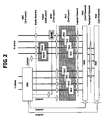
- Figure 2 illustrates a structure of a radio interface protocol between the terminal and the UTRAN 100 according to the 3GPP radio access network standards.
- the radio interface protocol has horizontal layers comprising a physical layer, a data link layer, and a network layer, and has vertical planes comprising a user plane (U-plane) for transmitting user data and a control plane (C-plane) for transmitting control information.
- U-plane user plane
- C-plane control plane
- the user plane is a region that handles traffic information of the user, such as voice or Internet protocol (IP) packets
- the control plane is a region that handles control information for an interface of a network, maintenance and management of a call, and the like.
- the protocol layers in Figure 2 can be divided into a first layer (L1), a second layer (L2), and a third layer (L3) based on the three lower layers of an open system interconnection (OSI) standard model.
- L1 first layer
- L2 second layer
- L3 third layer
- OSI open system interconnection
- the first layer (L1) namely, the physical layer, provides an information transfer service to an upper layer by using various radio transmission techniques.
- the physical layer is connected to an upper layer called a medium access control (MAC) layer, via a transport channel.
- MAC medium access control
- the MAC layer and the physical layer send and receive data with one another via the transport channel.
- the second layer (L2) includes a MAC layer, a radio link control (RLC) layer, a broadcast/multicast control (BMC) layer, and a packet data convergence protocol (PDCP) layer.
- RLC radio link control
- BMC broadcast/multicast control
- PDCP packet data convergence protocol
- the MAC layer provides an allocation service of the MAC parameters for allocation and re-allocation of radio resources.
- the MAC layer is connected to an upper layer called the radio link control (RLC) layer, via a logical channel.
- RLC radio link control
- Various logical channels are provided according to the kind of transmitted information.
- a control channel is used.
- a traffic channel is used.
- the MAC layer can be divided into a MAC-b sub-layer, a MAC-d sub-layer, a MAC-c/sh sub-layer, and a MAC-hs sub-layer according to the type of transport channel to be managed.
- the MAC-b sub-layer manages a BCH (Broadcast Channel), which is a transport channel handling the broadcasting of system information.
- BCH Broadcast Channel
- the MAC-d sub-layer manages a dedicated channel (DCH), which is a dedicated transport channel for a specific terminal. Accordingly, the MAC-d sub-layer of the UTRAN is located in a serving radio network controller (SRNC) that manages a corresponding terminal, and one MAC-d sub-layer also exists within each terminal (UE).
- DCH dedicated channel
- SRNC serving radio network controller
- the MAC-c/sh sub-layer manages a common transport channel, such as a forward access channel (FACH) or a downlink shared channel (DSCH); which is shared by a plurality of terminals.
- FACH forward access channel
- DSCH downlink shared channel
- the MAC-c/sh sub-layer is located in a controlling radio network controller (CRNC).
- CRNC radio network controller
- the MAC-hs sub-layer manages a HS-DSCH (High Speed Downlink Shared Channel), which is a downlink transport channel for high-speed data transmissions.
- HS-DSCH High Speed Downlink Shared Channel
- one MAC-hs sub-layer is located at a Node-B in each cell region, and one MAC-hs sub-layer also exists in each terminal (UE).
- the RLC layer supports reliable data transmissions, and performs a segmentation and concatenation function on a plurality of RLC service data units (RLC SDUs) delivered from an upper layer.
- RLC SDUs RLC service data units
- the RLC layer adjusts the size of each RLC SDU in an appropriate manner upon considering processing capacity, and then creates certain data units with header information added thereto.
- the created data units are called protocol data units (PDUs), which are then transferred to the MAC layer via a logical channel.
- the RLC layer includes a RLC buffer for storing the RLC SDUs and/or the RLC PDUs.
- the BMC layer schedules a cell broadcast message (referred to as a ⁇ CB message', hereinafter) received from the core network, and broadcasts the CB messages to terminals located in a specific cell(s).
- the BMC layer of the UTRAN generates a broadcast / multicast control (BMC) message by adding information, such as a message ID (identification), a serial number, and a coding scheme to the CB message received from the upper layer, and transfers the BMC message to the RLC layer.
- the BMC messages are transferred from the RLC layer to the MAC layer through a logical channel, i.e., the CTCH (Common Traffic Channel).
- the CTCH is mapped to a transport channel, i.e., a FACH, which is mapped to a physical channel, i.e., a S-CCPCH (Secondary Common Control Physical Channel).
- the PDCP (Packet Data Convergence Protocol) layer allows the data transmitted through a network protocol (such as an IPv4 or IPv6) to be effectively transmitted on a radio interface with a relatively small bandwidth.
- a network protocol such as an IPv4 or IPv6
- the PDCP layer performs the function of reducing unnecessary control information used for a wired network, and this type of function is called, header compression.
- the RRC layer is defined only in the control plane, and handles the controlling of logical channels, transport channels, and physical channels with respect to setting, resetting, and releasing of radio bearers.
- the radio bearer service refers to a service that the second layer (L2) provides for data transmission between the terminal and the UTRAN, and in general, setting the radio bearer refers to defining the protocol layers and the channel characteristics of the channels required for providing a specific service, as well as respectively setting substantial parameters and operation methods.
- the RLC layer can belong to the user plane or to the control plane depending upon the type of layer connected at the upper layer of the RLC layer. That is, if the RLC layer receives data from the RRC layer, the RLC layer belongs to the control plane. Otherwise, the RLC layer belongs to the user plane.
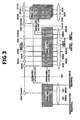
- Figure 3 shows a structure of a MAC layer for the UTRAN.
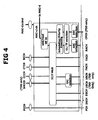
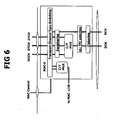
- Figures 4 to 7 show structures of the MAC-d and MAC-c/sh sub-layer of the UTRAN, in which the square blocks show each function of the MAC layer. The primary functions thereof will now be described.
- a protocol entity can receive data packets in the form of service data units (SDUs), and can send data packets in the form of protocol data units (PDUs).
- SDUs service data units
- PDUs protocol data units
- an RLC layer sends data packets (RLC PDUs) to the MAC layer via a logical channel.
- the RLC PDUs sent by the RLC layer is received by the MAC layer in the form of MAC SDUs.
- the MAC layer further processes these MAC SDUs into MAC PDUs, which are then sent to the physical layer via a transport channel.
- TBS Transport Block Set
- a TBS may consist of one or several Transport Blocks (i.e., Data Blocks), each containing one MAC PDU.
- the Transport Blocks can be transmitted in the order as delivered from the RLC layer.
- the MAC layer performs multiplexing of RLC PDUs from different logical channels
- the order of all Transport Blocks originating from the same logical channel can be the same as the order of the sequence delivered from the RLC layer.
- the order of the different logical channels in a TBS is set by the MAC protocol.
- the MAC layer performs the function of identifying the UEs and the logical channels. There are two main reasons for identification: first, the UEs need to be distinguished from one another because many UEs share a common transport channel; and second, the logical channels must be distinguished from one another because logical channel multiplexing is performed. In case of uplink, without any identification, the receiving end (i.e., the UTRAN) cannot determine which UE sent the data units and cannot determine which logical channel was used in sending the data units.
- the MAC layer adds one or more of the following parameters; a TCTF (target channel type field), a UE-ID type, a UE-ID, and/or a C/T(Control/Traffic) field, to form a header of the MAC PDU.
- a MAC header is added to each MAC SDU (Service Data Unit) within a MAC PDU. That is, even those MAC SDUs that are transmitted during the same TTI have different MAC headers added thereto.
- Figure 8 shows a format of the MAC PDU.
- Identification of the UE is necessary when a dedicated logical channel (such as DCCH or DTCH) is mapped to a common transport channel (such as the RACH, FACH, CPCH, DSCH or USCH).
- a radio network temporary identity (RNTI) (which is a type of identification information for a UE) to the UE-ID field of the header.
- RNTI radio network temporary identity
- a UE-ID type field that indicates the type of RNTI used is also transmitted as part of the header.
- the TCTF is required for the transport channel where a dedicated logical channel (such as a DCCH and DTCH) can be mapped together with other logical channels. That is, for FDD (frequency division duplex), a TCTF is required only for the RACH and the FACH, while for TDD (time division duplex), a TCTF is also required for the USCH and the DSCH.
- FDD frequency division duplex
- TDD time division duplex
- the TCTF for the FACH identifies that the mapped logical channel is a BCCH, a CCCH, or a CTCH, or is a dedicated logical channel (DCCH or DTCH), while the TCTF for the RACH identifies that the mapped logical channel is a CCCH or a dedicated logical channel.
- the TCTF does not identify the particular type of dedicated logical channel that was used.
- the identification of the dedicated logical channel is provided by the C/T field.
- the reason for this is that, first, unlike other logical channels, several dedicated logical channels can be mapped to one transport channel, and, second, the dedicated logical channel is handled by the MAC-d of the SRNC, while other logical channels are handled by the MAC-c/sh of the CRNC.
- Each of the dedicated logical channels mapped to one transport channel has a logical channel identifier, which is used as the C/T field value. However, if only one dedicated logical channel is mapped to one transport channel, the C/T field is not necessary.
- Table 1 below shows the different identifiers of a MAC header that are used according to the mapping relationship between logical channels and transport channels for FDD.
- a C/T field exists when several dedicated logical channels (DCCH or DTCH) are mapped.
- N indicates that there is no header
- - indicates that there is no mapping relationship
- UE-ID indicates that both a UE-ID field and a UE-ID type field exist.
- a UE-ID field always exists together with a UE-ID type field.
- both a UE-ID and a UE-ID type are added by the MAC layer to the header of every MAC SDU.
- the related art technique redundantly attaches a MAC header to every MAC SDU during one TTI.
- the terminal identifier (UE-ID) field of 16 or 32 bits and the UE-ID type field of 2 bits are redundantly added to every MAC SDU.
- the present inventors realized that the related art is disadvantageous because the adding of the same UE-ID and UE-ID type to each header of each MAC SDU is repetitive and unnecessary. Accordingly, due to the redundancy in transmitting protocol data units, the related art is quite ineffective and wastes much radio resources.
- WO 01/69952 A1 describes a method wherein a radio link control stage processes separately first data units containing information items of a specific type and second data units not containing information items of said type.
- a control stage for access to the media delivers the first data units through a first dedicated transport channel and the second data units through a second dedicated transport channel.
- the data units delivered through said dedicated transport channels are supplied to an encoding and multiplexing stage to form at least a train of symbols relative to a dedicated physical channel and supplied to a radio transmission stage.
- EP 1 176 780 A1 describes a method for transmitting data packets is described. The method includes determining from the first header part of first data packets the original first destination address, storing the original first destination address of the first data packet in storing means, discarding the first header part, storing in storing means the first body part of the first data packet. Thereafter, a concatenated or second data packet is made that includes in the body part a data part including the first body parts and a content information part including information about the number and position of the first body parts. After this, the concatenated or second data packet is transmitted to the second destination address.
- an object of the present invention is to provide a data transmission method of a mobile communication system capable of concatenating two or more service data units to be transferred over the same channel into one protocol data unit having a single header in order to avoid redundancy of header information.
- a mobile communication system comprising: a protocol layer for generating a protocol data unit (PDU) comprising a payload formed by concatenating one or more service data units and having a header added thereto, and transferring the PDU to a lower layer a transmission time interval (TTI).
- PDU protocol data unit
- TTI transmission time interval
- the service data units are received from an upper layer of the protocol layer.
- the service data units have the same destination address.
- the service data units are transferred over the same transport channel.
- the protocol layer is a medium access control (MAC) sub-layer located below a MAC sub-layer managing a dedicated resource.
- MAC medium access control
- the protocol layer is a medium access control (MAC) sub-layer managing a common resource.
- MAC medium access control
- the header includes information regarding an identifier (UE-ID) of a terminal.
- UE-ID an identifier
- the header further includes information regarding the type of terminal identifier.
- the header includes information regarding a logical channel.
- a mobile communication system including a protocol layer for receiving one protocol data unit (PDU) from a lower layer at a transmission time interval (TTI), detecting a header from the received PDU, and disassembling a payload comprising one or more service data unit (SDUs).
- PDU protocol data unit
- TTI transmission time interval
- SDUs service data unit
- the protocol data units are received over the same transport channel.
- the protocol layer is a medium access control (MAC) sub-layer located below a MAC sub-layer managing a dedicated resource.
- MAC medium access control
- the protocol layer is a medium access control (MAC) sub-layer managing a common resource.
- MAC medium access control
- the protocol layer checks whether the terminal identifier is identical to an identifier of a terminal to which the protocol layer itself belongs to, and if the two terminal identifiers are identical, the protocol layer transmits the disassembled SDUs to an upper layer entity that the header information indicates. If however, the two terminal identifiers are not identical, the protocol layer discards the received PDU.
- a protocol data transmission method including: concatenating one or more service data units (SDUs) received from an upper layer to constitute a payload; adding a header to the payload to generate a PDU; transferring the generated PDU to a lower layer for a transmission time interval (TTI); and transmitting the generated PDU to a receiving end through a physical layer service.
- SDUs service data units
- TTI transmission time interval
- a protocol data receiving method including: receiving one protocol data unit (PDU) from a lower layer at a transmission time interval (TTI); separating a header and a payload from the received PDU; disassembling the payload into one or more service data units (SDUs); and transferring the disassembled SDUs to an upper layer.
- PDU protocol data unit
- TTI transmission time interval
- SDUs service data units
- the features of the present invention will be described herebelow with respect to a MAC-c/sh, a particular type of MAC layer entity.
- teachings and suggestions of the present invention can also be applied to other appropriate types of MAC layer entities, in particular those MAC entities that are currently under development for handling high-speed data packet transmissions.
- teachings and suggestions of the present invention would be applicable to various enhancements of uplink dedicated channel techniques.
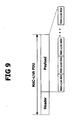
- FIG. 9 illustrates a format of a MAC-c/sh header in accordance with one embodiment of the present invention.
- one PDU of the MAC-c/sh is transmitted through a transport channel at a TTI.
- Each PDU comprises one MAC-c/sh header and one or more of MAC-c/sh SDUs. That is, a payload of the MAC-c/sh PDU includes one or more of MAC-c/sh SDUs.
- the MAC-c/sh PDU can be considered to be the same as a MAC PDU.
- One MAC PDU is transmitted to the transport channel during one TTI. All the MAC-c/sh SDUs included in the MAC PDU should be related to one terminal.
- radio (wireless) resources can be saved.
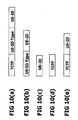
- FIGS 10A to 10E illustrate formats of a MAC-c/sh header in accordance with one embodiment of the present invention, showing types of MAC-c/sh header formats for implementing the present invention.
- a TCTF is a field indicating a type of a logical channel. Specifically, the TCTF is an indicator indicating whether a logical channel that has transferred a corresponding MAC-c/sh SDU is a CCCH, a CTCH or a DCCH/DTCH.
- a UE-ID type is a field indicating a type of an UE-ID included in a header. Specifically, the UE-ID type identifies a C-RNTI, a U-RNTI, a DSCH-RNTI, a terminal group indicator or a broadcast and multicast service indicator.
- a UE-ID is a field including information for identifying a terminal (UE) that transmits a corresponding MAC-c/sh SDU, information for identifying a specific terminal group or information for identifying a specific service related to a corresponding UE.
- the format of the MAC-c/sh header as shown in Figure 10A can be used when a logical channel used in transmitting the MAC-c/sh SDU is a dedicated logical channel, and a common transport channel uses various types of UE-IDs and mapped to several types of logical channels.
- the format of the MAC-c/sh header as shown in Figure 10B can be used when a logical channel used in transmitting the MAC-c/sh SDU is a dedicated logical channel, and a common transport channel uses various types of UE-IDs.
- the format of the MAC-c/sh header as shown in Figure 10C can be used when a logical channel used in transmitting the MAC-c/sh SDU is a dedicated logical channel, and a common transport channel uses one type of UE-ID.
- the format of the MAC-c/sh header as shown in Figure 10D can be used when a common transport channel used in transmitting the MAC-c/sh SDU is mapped to various types of logical channels.
- the format of the MAC-c/sh header as shown in Figure 10E can be used when a logical channel used in transmitting the MAC-c/sh SDU is a dedicated logical channel, and a common transport channel uses one type of UE-ID and is mapped to various types of logical channels.
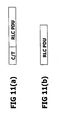
- FIGS 11A and 11B illustrate formats of the MAC-c/sh SDU in accordance with one embodiment of the present invention, showing various types of MAC-c/sh SDU formats for implementing the present invention.
- a format of the MAC-c/sh SDU as shown in Figure 11A comprises only an RLC PDU and can be used when a logical channel used in transmitting the MAC-c/sh SDU is a dedicated logical channel and only one such dedicated logical channel exists. That is, one dedicated logical channel is mapped to one transport channel.
- the RLC PDU is equivalent to the MAC-c/sh SDU.
- a format of the MAC-c/sh SDU as shown in Figure 11B is used when a logical channel used in transmitting the MAC-c/sh SDU is a common logical channel.
- the MAC-c/sh SDU is the same as the RLC PDU.
- the MAC-c/sh SDU is the same as the MAC-d PDU.
- Figure 12 illustrates a structure of the MAC-c/sh sub-layer in accordance with one embodiment of the present invention
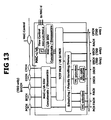
- Figure 13 illustrates a structure of the MAC-c/sh sub-layer of the UTRAN in accordance with one embodiment of the present invention.
- a function of concatenating (and disassembling) of the MAC-c/sh SDU is added to the related art MAC-c/sh sub-layer in the UTRAN and terminal (UE), respectively.
- the MAC-c/sh of the UTRAN performs a function of concatenating the MAC-c/sh SDU
- the MAC-c/sh of the terminal performs a function of disassembling the MAC-c/sh SDU.
- the MAC-c/sh of the terminal performs a function of concatenating the MAC-c/sh SDU and the MAC-c/sh of the UTRAN performs a function of disassembling the MAC-c/sh SDU.
- Figure 14 illustrates a transmission process of the MAC-c/sh in accordance with one embodiment of the present invention.
- an upper layer refers to a layer positioned at an upper portion of the MAC-c/sh. Namely, the upper layer is the MAC-d if a dedicated logical channel is used, while the upper layer is the RLC if a common logical channel is used.
- the MAC-c/sh 320 concatenates a plurality of MAC-c/sh SDUs to be transmitted during one TTI to form a payload, and adds a MAC-c/sh header to the payload to generate one MAC-c/sh PDU (step S20).
- the MAC-c/sh 320 of the sending end transfers one MAC-c/sh PDU to a MAC-c/sh 330 of the receiving end through a physical layer service at every TTI (step S30).
- the MAC-c/sh 330 removes the MAC-c/sh header from the received MAC-c/sh PDU, and disassembles the concatenated MAC-c/sh SDUs (step S40). And then, the MAC-c/sh 330 transfers the disassembled MAC-c/sh SDUs to an upper layer 340 (step S50).
- the MAC-c/sh 330 checks whether the terminal identifier (UE-ID) included in the header is identical to an identifier (UE-ID) of a terminal to which the MAC-c/sh 330 itself belongs to. If the two terminal identifiers are identical, the MAC-c/sh 330 transfers the disassembled upper layer PDUs to an upper layer entity that the header information indicates. Thereafter, the MAC-c/sh 330 transfers the MAC-c/sh SDUs to the upper layer via a logical channel that the header information indicates. If, however, the two terminal identifiers are not identical, the MAC-c/sh 330 discards the received MAC-c/sh PDU.
- UE-ID terminal identifier
- One embodiment of the present invention pertains to a method of processing protocol data by a terminal comprising concatenating two or more data units received from an upper layer for one transmission time interval (TTI); and adding a single header to the concatenated data units.
- TTI transmission time interval
- Another embodiment of the present invention pertains to a method of processing data blocks by user equipment in radio communications, the method comprising detecting two or more data blocks sent from a higher layer entity; performing concatenation on the detected data blocks to form a concatenated data block; adding a single header to the concatenated data block; and sending the header-added concatenated data block to a lower layer entity.
- Another embodiment of the present invention pertains to a method of processing data units comprising receiving one or more service data units from an upper layer; concatenating the service data units to form a single medium access control payload (MAC payload); adding a single header to the medium access control payload (MAC payload) to form a medium access control protocol data unit (MAC PDU); and sending the medium access control protocol data unit (MAC PDU) to a lower layer.
- MAC payload medium access control payload
- MAC PDU medium access control protocol data unit
- MAC PDU medium access control protocol data unit
- MAC medium access control
- TTI transmission time interval
- TTI transmission time interval
- second entity to concatenate two or more service data units into a medium access control payload, to add a single header to the medium access control payload to form a medium access control protocol data unit, and to send the medium access control protocol data unit to a lower layer.
- the present invention newly defines the structure of protocol data unit transmitted via a transport channel, and a transmission method is provided in order to avoid redundant attachment of a terminal identifier (UE-ID) and a UE-ID type information.
- UE-ID terminal identifier
- the present invention being implemented in a terminal (UE) results in significant reductions in the amount of radio resources that need to be used on the uplink.
- the present invention advantageously provides more efficient uplink data transmissions.
Landscapes
- Engineering & Computer Science (AREA)
- Computer Networks & Wireless Communication (AREA)
- Signal Processing (AREA)
- Computer Security & Cryptography (AREA)
- Computing Systems (AREA)
- Mobile Radio Communication Systems (AREA)
- Communication Control (AREA)
- Time-Division Multiplex Systems (AREA)
- Small-Scale Networks (AREA)
Claims (32)
- Verfahren für die Aufwärtsstreckenverarbeitung in einem drahtlosen Kommunikationssystem, wobei das Verfahren umfasst:Empfangen (S 10) mehrerer MAC-Dienstdateneinheiten (Mediumzugriffsteuerungs-Dienstdateneinheiten) der gleichen Größe durch eine MAC-Schicht, die eine erste MAC-Unterschicht und eine zweite MAC-Unterschicht (320) besitzt;Verketten (S20) der mehreren MAC-Dienstdateneinheiten der gleichen Größe;Hinzufügen (S20) eines MAC-Kopfs zu den mehreren verketteten MAC-Dienstdateneinheiten, um eine MAC-Protokolldateneinheit zu erzeugen, wobei der MAC-Kopf einen Kanalidentifizierer umfasst; undÜbertragen der MAC-Protokolldateneinheit durch einen Transportkanal zu einer niedrigeren Schicht,wobei der Kanalidentifizierer einen logischen Kanal identifiziert, der sich zwischen einer RLC-Schicht (Funkverbindungssteuerungs-Schicht) und der MAC-Schicht befindet, wobei sich der Transportkanal zwischen der MAC-Schicht und der niedrigeren Schicht befindet,wobei die zweite MAC-Unterschicht die mehreren MAC-Dienstdateneinheiten verkettet,wobei die erste MAC-Unterschicht eine MAC-d-Unterschicht für einen dedizierten Kanal ist, undwobei sich die zweite MAC-Unterschicht unter der MAC-d-Unterschicht befmdet.
- Verfahren nach Anspruch 1, bei dem die mehreren MAC-Dienstdateneinheiten von wenigstens einem gemeinsamen logischen Kanal empfangen werden.
- Verfahren nach Anspruch 1, bei dem die mehreren MAC-Dienstdateneinheiten von wenigstens einem dedizierten logischen Kanal empfangen werden.
- Verfahren nach Anspruch 1, bei dem der Kanalidentifizierer bestimmt, ob die MAC-Dienstdateneinheiten von einem gemeinsamen logischen Kanal oder die MAC-Dienstdateneinheiten von einem dedizierten logischen Kanal gesendet werden.
- Verfahren nach Anspruch 1, bei dem der Kanalidentifizierer einen Typ des logischen Kanals bestimmt.
- Verfahren nach Anspruch 1, bei dem der MAC-Kopf ferner einen Datenidentifizierer umfasst, der ein Endgerät, das die MAC-Dienstdateneinheiten überträgt, eine Endgerätegruppe, die die MAC-Dienstdateneinheiten überträgt, oder einen mit den MAC-Dienstdateneinheiten in Beziehung stehenden Dienst bestimmt.
- Verfahren nach Anspruch 6, bei dem der MAC-Kopf einen Typidentifizierer enthält, um einen Typ des Datenidentifizierers, der übertragen wird, zu bestimmen.
- Verfahren nach Anspruch 1, bei dem die MAC-Protokolldateneinheit auf dem Transportkanal übertragen wird, der ein Direktzugriffskanal oder ein dedizierter Kanal ist.
- Endgerät für die Aufwärtsstreckenverarbeitung in einem drahtlosen Kommunikationssystem, wobei das Endgerät umfasst:ein Empfangsmodul zum Empfangenen mehrerer MAC-Dienstdateneinheiten (Mediumzugriffsteuerungs-Dienstdateneinheiten) der gleichen Größe;ein Kombiniermodul zum Bilden mehrerer verketteter MAC-Dienstdateneinheiten aus den mehreren empfangenen MAC-Dienstdateneinheiten;ein Kopfmodul zum Hinzufügen eines MAC-Kopfs zu den mehreren verketteten MAC-Dienstdateneinheiten, um eine MAC-Protokolldateneinheit zu erzeugen, wobei der MAC-Kopf einen Kanalidentifizierer umfasst; undein Übertragungsmodul zum Übertragen der MAC-Protokolldateneinheit durch einen Transportkanal zu einer niedrigeren Entität,bei dem die mehreren MAC-Dienstdateneinheiten durch das Empfangsmodul in einer MAC-Entität, die eine erste MAC-Unterentität und eine zweite MAC-Unterentität besitzt, empfangen werden,wobei der Kanalidentifizierer einen logischen Kanal identifiziert, der sich zwischen einer RLC-Entität (Funkverbindungssteuerungs-Entität) und der MAC-Entität befindet, wobei sich der Transportkanal zwischen der MAC-Entität und der niedrigeren Entität befindet,wobei die mehreren verketteten MAC-Dienstdateneinheiten durch die zweite MAC-Unterentität gebildet werden,wobei die erste MAC-Unterentität eine MAC-d-Unterentität für einen dedizierten Kanal ist, undwobei sich die zweite MAC-Unterentität unter der MAC-d-Unterentität befindet.
- Endgerät nach Anspruch 9, bei dem die mehreren MAC-Dienstdateneinheiten von wenigstens einem gemeinsamen logischen Kanal empfangen werden.
- Endgerät nach Anspruch 9, bei dem die mehreren MAC-Dienstdateneinheiten von wenigstens einem dedizierten logischen Kanal empfangen werden.
- Endgerät nach Anspruch 9, bei dem der Kanalidentifizierer bestimmt, ob die MAC-Dienstdateneinheiten von einem gemeinsamen logischen Kanal oder die MAC-Dienstdateneinheiten von einem dedizierten logischen Kanal gesendet werden.
- Endgerät nach Anspruch 9, bei dem der Kanalidentifizierer einen Typ des logischen Kanals bestimmt.
- Endgerät nach Anspruch 9, bei dem der MAC-Kopf ferner einen Datenidentifizierer umfasst, der ein Endgerät, das die MAC-Dienstdateneinheiten überträgt, eine Endgerätegruppe, die die MAC-Dienstdateneinheiten überträgt, oder einen mit den MAC-Dienstdateneinheiten in Beziehung stehenden Dienst bestimmt.
- Endgerät nach Anspruch 14, bei dem das Kopfmodul konfiguriert ist, um einen Typidentifizierer in den MAC-Kopf aufzunehmen, wobei der Typidentifizierer einen Typ des Datenidentifizierers, der übertragen wird, angibt.
- Verfahren für die Aufwärtsstreckenverarbeitung in einem drahtlosen Kommunikationssystem, wobei das Verfahren umfasst:Empfangen einer MAC-Protokolldateneinheit (Mediumzugriffsteuerungs-Protokolldateneinheit) über einen Transportkanal von einer niedrigeren Schicht durch eine MAC-Schicht, die eine erste MAC-Unterschicht und eine zweite MAC-Unterschicht besitzt, wobei die MAC-Protokolldateneinheit einen MAC-Kopf und mehrere verkettete MAC-Dienstdateneinheiten enthält, wobei die mehreren verketteten MAC-Dienstdateneinheiten die gleiche Größe besitzen;Extrahieren des MAC-Kopfs aus der empfangenen MAC-Protokolldateneinheit, wobei der MAC-Kopf einen Kanalidentifizierer umfasst, wobei der Kanalidentifizierer einen logischen Kanal identifiziert, der sich zwischen einer RLC-Schicht (Funkverbindungssteuerungs-Schicht) und der MAC-Schicht befindet, wobei sich der Transportkanal zwischen der MAC-Schicht und der niedrigeren Schicht befindet; undZerlegen der mehreren verketteten MAC-Dienstdateneinheiten und Übertragen der einzelnen MAC-Dienstdateneinheiten zu einer RLC-Schicht (Funkverbindungssteuerungs-Schicht),wobei die zweite MAC-Unterschicht die mehreren verketteten MAC-Dienstdateneinheiten zerlegt,wobei die erste MAC-Unterschicht eine MAC-d-Unterschicht für einen dedizierten Kanal ist, undwobei sich die zweite MAC-Unterschicht unter der MAC-d-Unterschicht befindet.
- Verfahren nach Anspruch 16, bei dem der MAC-Kopf ferner einen Datenidentifizierer umfasst, der ein Endgerät, das die MAC-Dienstdateneinheiten überträgt, eine Endgerätegruppe, die die MAC-Dienstdateneinheiten überträgt, oder einen mit den MAC-Dienstdateneinheiten in Beziehung stehenden Dienst bestimmt.
- Verfahren nach Anspruch 16, das ferner umfasst:Untersuchen des Kanalidentifizierers in dem MAC-Kopf, um zu identifizieren, ob dedizierte Daten gesendet werden; undAbbilden der dedizierten Daten auf wenigstens einen dedizierten logischen Kanal.
- Verfahren nach Anspruch 16, das ferner umfasst:Untersuchen des Kanalidentifizierers in dem MAC-Kopf, um zu identifizieren, ob gemeinsame Daten gesendet werden; undAbbilden der gemeinsamen Daten auf wenigstens einen gemeinsamen logischen Kanal.
- Verfahren nach Anspruch 17, bei dem der MAC-Kopf einen Typidentifizierer enthält, um einen Typ des Datenidentifizierers, der übertragen wird, zu bestimmen.
- Verfahren nach Anspruch 16, bei dem die MAC-Protokolldateneinheit auf dem Transportkanal empfangen wird, der ein Direktzugriffskanal oder ein dedizierter Kanal ist.
- Netzvorrichtung für die Aufwärtsstreckenverarbeitung in einem drahtlosen Kommunikationssystem, wobei die Netzvorrichtung umfasst:ein Empfangsmodul zum Empfangen einer MAC-Protokolldateneinheit (Mediumzugriffsteuerungs-Protokolldateneinheit) über einen Transportkanal von einer niedrigeren Schicht, wobei die MAC-Protokolldateneinheit einen MAC-Kopf und mehrere verkettete MAC-Dienstdateneinheiten enthält, wobei die mehreren verketteten MAC-Dienstdateneinheiten die gleiche Größe besitzen;ein Detektionsmodul zum Extrahieren des MAC-Kopfs aus der empfangenen MAC-Protokolldateneinheit, wobei der MAC-Kopf einen Kanalidentifizierer umfasst; undeine Demultiplexiermodul zum Zerlegen der mehreren verketteten MAC-Dienstdateneinheiten und zum Übertragen der einzelnen MAC-Dienstdateneinheiten zu einer RLC-Schicht (Funkverbindungssteuerungs-Schicht),wobei die MAC-Protokolldateneinheit durch das Empfangsmodul in einer MAC-Schicht des Netzes, die eine erste MAC-Unterschicht und eine zweite MAC-Unterschicht besitzt, empfangen wird,wobei der Kanalidentifizierer einen logischen Kanal identifiziert, der sich zwischen der RLC-Schicht und der MAC-Schicht befindet, wobei sich der Transportkanal zwischen der niedrigeren Schicht und der MAC-Schicht befindet, undwobei die zweite MAC-Unterschicht die mehreren verketteten MAC-Dienstdateneinheiten zerlegt,wobei die erste MAC-Unterschicht eine MAC-d-Unterschicht für einen dedizierten Kanal ist, undwobei sich die zweite MAC-Unterschicht unter der MAC-d-Unterschicht befindet.
- Netzvorrichtung nach Anspruch 22, bei der der MAC-Kopf ferner einen Datenidentifizierer umfasst, der ein Endgerät, das die MAC-Dienstdateneinheiten überträgt, eine Endgerätegruppe, die die MAC-Dienstdateneinheiten überträgt, oder einen mit den MAC-Dienstdateneinheiten in Beziehung stehenden Dienst bestimmt.
- Netzvorrichtung nach Anspruch 22, bei der das Demultiplexiermodul dazu ausgelegt ist, um den Kanalidentifizierer in dem MAC-Kopf zu untersuchen, um zu identifizieren, ob die MAC-Dienstdateneinheiten von wenigstens einem dedizierten logischen Kanal gesendet werden, und um die MAC-Dienstdateneinheiten auf wenigstens einen dedizierten logischen Kanal abzubilden.
- Netzvorrichtung nach Anspruch 22, bei der das Demultiplexiermodul dazu ausgelegt ist, um den Kanalidentifizierer in dem MAC-Kopf zu untersuchen, um zu identifizieren, ob die MAC-Dienstdateneinheiten von wenigstens einem gemeinsamen logischen Kanal gesendet werden, und um die MAC-Dienstdateneinheiten auf wenigstens einen gemeinsamen logischen Kanal abzubilden.
- Netzvorrichtung nach Anspruch 23, bei der der MAC-Kopf einen Typidentifizierer enthält, um einen Typ des Datenidentifizierers, der übertragen wird, zu bestimmen.
- Verfahren nach Anspruch 1 oder 16, bei dem die zweite MAC-Unterschicht für einen gemeinsamen Kanal ist.
- Verfahren nach Anspruch 1 oder 16, bei dem die MAC-Protokolldateneinheit in einem TTI (Übertragungszeitintervall) übertragen wird.
- Endgerät nach Anspruch 9, bei dem die zweite MAC-Unterentität für einen gemeinsamen Kanal ist.
- Endgerät nach Anspruch 9, bei dem die MAC-Protokolldateneinheit in einem TTI (Übertragungszeitintervall) übertragen wird.
- Netzvorrichtung nach Anspruch 22, bei dem die zweite MAC-Unterschicht für einen gemeinsamen Kanal ist.
- Netzvorrichtung nach Anspruch 22, bei dem die MAC-Protokolldateneinheit in einem TTI (Übertragungszeitintervall) empfangen wird.
Priority Applications (2)
| Application Number | Priority Date | Filing Date | Title |
|---|---|---|---|
| EP10196328A EP2293620B9 (de) | 2002-11-05 | 2003-11-05 | Bearbeitung von Dateneinheiten zur Übertragung über den gleichen Kanal |
| EP10196343A EP2299752B1 (de) | 2002-11-05 | 2003-11-05 | Bearbeitung von Dateneinheiten zur Übertragung über den gleichen Kanal |
Applications Claiming Priority (3)
| Application Number | Priority Date | Filing Date | Title |
|---|---|---|---|
| KR2002068202 | 2002-11-05 | ||
| KR1020020068202A KR100926707B1 (ko) | 2002-11-05 | 2002-11-05 | 이동통신 시스템의 데이터 통신방법 |
| PCT/KR2003/002352 WO2004042952A1 (en) | 2002-11-05 | 2003-11-05 | Processing data units for transfer over the same channel |
Related Child Applications (2)
| Application Number | Title | Priority Date | Filing Date |
|---|---|---|---|
| EP10196343.7 Division-Into | 2010-12-21 | ||
| EP10196328.8 Division-Into | 2010-12-21 |
Publications (3)
| Publication Number | Publication Date |
|---|---|
| EP1559203A1 EP1559203A1 (de) | 2005-08-03 |
| EP1559203A4 EP1559203A4 (de) | 2009-07-29 |
| EP1559203B1 true EP1559203B1 (de) | 2011-05-04 |
Family
ID=32310818
Family Applications (3)
| Application Number | Title | Priority Date | Filing Date |
|---|---|---|---|
| EP10196328A Expired - Lifetime EP2293620B9 (de) | 2002-11-05 | 2003-11-05 | Bearbeitung von Dateneinheiten zur Übertragung über den gleichen Kanal |
| EP10196343A Expired - Lifetime EP2299752B1 (de) | 2002-11-05 | 2003-11-05 | Bearbeitung von Dateneinheiten zur Übertragung über den gleichen Kanal |
| EP03810699A Expired - Lifetime EP1559203B1 (de) | 2002-11-05 | 2003-11-05 | Verarbeitung von dateneinheiten für den transfer über den selben kanal |
Family Applications Before (2)
| Application Number | Title | Priority Date | Filing Date |
|---|---|---|---|
| EP10196328A Expired - Lifetime EP2293620B9 (de) | 2002-11-05 | 2003-11-05 | Bearbeitung von Dateneinheiten zur Übertragung über den gleichen Kanal |
| EP10196343A Expired - Lifetime EP2299752B1 (de) | 2002-11-05 | 2003-11-05 | Bearbeitung von Dateneinheiten zur Übertragung über den gleichen Kanal |
Country Status (11)
| Country | Link |
|---|---|
| US (4) | US20040146067A1 (de) |
| EP (3) | EP2293620B9 (de) |
| JP (1) | JP4205058B2 (de) |
| KR (1) | KR100926707B1 (de) |
| CN (4) | CN101699900B (de) |
| AT (3) | ATE508601T1 (de) |
| AU (1) | AU2003276740B2 (de) |
| DE (1) | DE60337023D1 (de) |
| MX (1) | MXPA04007596A (de) |
| RU (1) | RU2280327C2 (de) |
| WO (1) | WO2004042952A1 (de) |
Families Citing this family (109)
| Publication number | Priority date | Publication date | Assignee | Title |
|---|---|---|---|---|
| US7468976B2 (en) * | 2002-06-25 | 2008-12-23 | Xocyst Transfer Ag L.L.C. | Efficiency improvement for shared communications networks |
| SE0302685D0 (sv) * | 2003-10-07 | 2003-10-07 | Ericsson Telefon Ab L M | Method and arrangement in a telecommunication system |
| JP2007523504A (ja) * | 2004-02-04 | 2007-08-16 | 松下電器産業株式会社 | データ伝送用のパケット・フレームの生成方法及び装置 |
| WO2005120117A1 (en) * | 2004-06-04 | 2005-12-15 | Nortel Networks Limited | Switching in a distributed access network |
| KR100889866B1 (ko) * | 2004-06-14 | 2009-03-24 | 엘지전자 주식회사 | 무선 프로토콜 계층의 데이터 송수신 시스템에서 전송데이터 유닛 처리 방법 |
| KR100631271B1 (ko) * | 2004-08-07 | 2006-10-02 | 삼성전자주식회사 | 패킷 응집 전송 방법 |
| KR100725773B1 (ko) * | 2004-08-20 | 2007-06-08 | 삼성전자주식회사 | 시분할 듀플렉스 방식의 이동통신 시스템에서 단말기의상태에 따라 상향링크 전력제어방식을 적응적으로변경하기 위한 장치 및 방법 |
| WO2006098538A1 (en) * | 2005-03-12 | 2006-09-21 | Lg Electronics Inc. | A method for transmitting information in a multiple antenna system |
| KR101208520B1 (ko) * | 2005-03-12 | 2012-12-05 | 엘지전자 주식회사 | 피드백 정보 통신 방법 |
| TWI382773B (zh) | 2005-03-29 | 2013-01-11 | Lg Electronics Inc | 在無線行動通訊系統中產生低層資料方塊的方法 |
| DE602005010252D1 (de) * | 2005-09-20 | 2008-11-20 | Matsushita Electric Industrial Co Ltd | Vefahren und Vorrichtung zur Packetsegmentierung und Verknüpfungssignalisierung in einem Kommunikationssystem |
| KR100996087B1 (ko) * | 2005-11-24 | 2010-11-22 | 삼성전자주식회사 | 이동통신 시스템에서 공용 채널을 이용하기 위한 통신의 초기화 방법 및 장치 |
| KR100842586B1 (ko) * | 2006-01-03 | 2008-07-01 | 삼성전자주식회사 | 무선 근거리 네트워크 시스템에서 응집된 매체 액세스 제어프로토콜 데이터 유닛들의 전송 방법 및 그 시스템 |
| KR20070080552A (ko) | 2006-02-07 | 2007-08-10 | 엘지전자 주식회사 | 이동 통신 시스템에서의 응답 정보 전송 방법 |
| KR100912784B1 (ko) | 2006-01-05 | 2009-08-18 | 엘지전자 주식회사 | 데이터 송신 방법 및 데이터 재전송 방법 |
| KR101333918B1 (ko) | 2006-01-05 | 2013-11-27 | 엘지전자 주식회사 | 이동 통신 시스템의 점-대-다 서비스 통신 |
| KR101319870B1 (ko) | 2006-01-05 | 2013-10-18 | 엘지전자 주식회사 | 이동 통신 시스템에서의 핸드오버 방법 |
| JP4806030B2 (ja) | 2006-01-05 | 2011-11-02 | エルジー エレクトロニクス インコーポレイティド | 移動通信システムで信号を転送する方法 |
| US9456455B2 (en) | 2006-01-05 | 2016-09-27 | Lg Electronics Inc. | Method of transmitting feedback information in a wireless communication system |
| AU2007203852B2 (en) | 2006-01-05 | 2010-08-26 | Lg Electronics Inc. | Transmitting data in a mobile communication system |
| KR101211807B1 (ko) | 2006-01-05 | 2012-12-12 | 엘지전자 주식회사 | 이동통신 시스템에서 무선단말의 동기상태 관리방법 |
| KR101203841B1 (ko) | 2006-01-05 | 2012-11-21 | 엘지전자 주식회사 | 무선 통신 시스템에서의 페이징 메시지 전송 및 수신 방법 |
| KR101268200B1 (ko) | 2006-01-05 | 2013-05-27 | 엘지전자 주식회사 | 이동통신 시스템에서의 무선자원 할당방법 |
| WO2007078165A1 (en) | 2006-01-05 | 2007-07-12 | Lg Electronics Inc. | Transmitting information in mobile communications system |
| KR101265628B1 (ko) | 2006-01-05 | 2013-05-22 | 엘지전자 주식회사 | 이동 통신 시스템에서의 무선 자원 스케줄링 방법 |
| GB0600870D0 (en) * | 2006-01-17 | 2006-02-22 | Siemens Ag | A Method Of Scheduling Groups Of Mobile Users |
| US8493854B2 (en) | 2006-02-07 | 2013-07-23 | Lg Electronics Inc. | Method for avoiding collision using identifier in mobile network |
| KR101216751B1 (ko) | 2006-02-07 | 2012-12-28 | 엘지전자 주식회사 | 이동 통신 시스템에서 식별자를 이용한 충돌 회피 방법 |
| KR101358469B1 (ko) | 2006-02-07 | 2014-02-06 | 엘지전자 주식회사 | 무선 네트워크(network) 안에서 상향(uplink)및 하향(downlink) 대역폭(bandwidth)의선택 및 신호 방법 |
| KR101387475B1 (ko) | 2006-03-22 | 2014-04-22 | 엘지전자 주식회사 | 복수의 네트워크 엔터티를 포함하는 이동 통신시스템에서의 데이터 처리 방법 |
| BRPI0711134A2 (pt) * | 2006-05-01 | 2011-08-30 | Ntt Docomo Inc | estação base, estação móvel e método de comunicação |
| KR20070121513A (ko) | 2006-06-21 | 2007-12-27 | 엘지전자 주식회사 | 이동통신 시스템의 상향 접속 방법 |
| KR101369135B1 (ko) | 2006-06-21 | 2014-03-05 | 엘지전자 주식회사 | 이동통신 시스템에서의 멀티미디어 및 방송서비스의 품질보장 방법 및 그 단말 |
| EP2030359B1 (de) | 2006-06-21 | 2017-12-20 | LG Electronics Inc. -1- | Verfahren zur unterstützung von datenneuübertragung in einem mobilkommunikationssystem |
| KR20070121505A (ko) | 2006-06-21 | 2007-12-27 | 엘지전자 주식회사 | 무선링크 재설정 방법 |
| CN101473565B (zh) | 2006-06-21 | 2012-11-07 | Lg电子株式会社 | 在无线移动通信系统中使用消息分离发送和接收无线电接入信息的方法 |
| CN101022405B (zh) * | 2006-06-23 | 2010-08-25 | 华为技术有限公司 | 一种通用成帧规程封装方法 |
| KR101387500B1 (ko) | 2006-08-22 | 2014-04-21 | 엘지전자 주식회사 | 무선 통신 시스템에서의 제어정보 전송 및 수신 방법 |
| KR100938754B1 (ko) | 2006-10-30 | 2010-01-26 | 엘지전자 주식회사 | 비연속 수신을 이용한 데이터 수신 및 전송 방법 |
| JP4523072B2 (ja) | 2006-10-30 | 2010-08-11 | エルジー エレクトロニクス インコーポレイティド | 上り接続のリディレクション方法 |
| US8442017B2 (en) | 2006-10-30 | 2013-05-14 | Lg Electronics Inc. | Method for transmitting random access channel message and response message, and mobile communication terminal |
| TW201507421A (zh) * | 2006-12-12 | 2015-02-16 | Interdigital Tech Corp | 經膏速下鏈封包存取傳送及接收封包方法及裝置 |
| KR20090096490A (ko) * | 2006-12-28 | 2009-09-10 | 가부시키가이샤 엔티티 도코모 | 송신기, 수신기, 이동국, 무선기지국, 이동통신시스템 및 이동통신방법 |
| US8265000B2 (en) | 2007-01-08 | 2012-09-11 | Lg Electronics Inc. | Method for receiving common channel in wireless communication and terminal thereof |
| WO2008084953A1 (en) | 2007-01-09 | 2008-07-17 | Lg Electronics Inc. | Method for reporting channel quality through uplink common channel in wireless communication |
| US8194559B2 (en) | 2007-01-09 | 2012-06-05 | Lg Electronics Inc. | Method of controlling data retransmission in a wireless communication system |
| US8155069B2 (en) | 2007-01-09 | 2012-04-10 | Lg Electronics Inc. | Method of transmitting and receiving scheduling information in a wireless communication system |
| CN101578783A (zh) * | 2007-01-10 | 2009-11-11 | Lg电子株式会社 | 用于在移动通信中构造数据格式的方法及其终端 |
| KR101101510B1 (ko) | 2007-01-10 | 2012-01-03 | 엘지전자 주식회사 | 무선 통신을 위한 데이터 구성 및 데이터 수신 방법 및 그 단말 |
| KR101211758B1 (ko) * | 2007-01-10 | 2012-12-12 | 엘지전자 주식회사 | 무선 통신 시스템의 블록 데이터 생성 방법 |
| KR101461938B1 (ko) | 2007-01-31 | 2014-11-14 | 엘지전자 주식회사 | 시스템 정보의 전송 및 수신 방법 |
| KR101455991B1 (ko) | 2007-01-31 | 2014-11-03 | 엘지전자 주식회사 | 멀티미디어 브로드캐스트/멀티캐스트 서비스에서의 시스템정보 수신 방법 |
| KR101426958B1 (ko) * | 2007-02-06 | 2014-08-06 | 엘지전자 주식회사 | 무선통신 시스템에서 데이터 송수신 방법 |
| JP2008278473A (ja) * | 2007-03-21 | 2008-11-13 | Asustek Computer Inc | 無線通信システムにおいてランダムアクセスプロセスを処理する方法及び装置 |
| KR101023388B1 (ko) * | 2007-04-11 | 2011-03-18 | 삼성전자주식회사 | 이동통신 시스템에서 패킷 데이터 유닛의 송수신 방법 및 장치 |
| US8040806B2 (en) | 2007-04-30 | 2011-10-18 | Lg Electronics Inc. | Methods of generating data block in mobile communication system |
| WO2008133478A2 (en) | 2007-04-30 | 2008-11-06 | Lg Electronics Inc. | Method of transmitting data in a wireless communication system |
| US8543089B2 (en) | 2007-04-30 | 2013-09-24 | Lg Electronics Inc. | Method for performing an authentication of entities during establishment of wireless call connection |
| KR101455999B1 (ko) | 2007-04-30 | 2014-11-03 | 엘지전자 주식회사 | 무선 통신 시스템에서의 데이터 블록 생성 방법 |
| KR101386812B1 (ko) | 2007-04-30 | 2014-04-29 | 엘지전자 주식회사 | 헤더 필드 존재 지시자를 이용한 효율적인 데이터 블록송수신방법 |
| KR100917205B1 (ko) | 2007-05-02 | 2009-09-15 | 엘지전자 주식회사 | 무선 통신 시스템에서의 데이터 블록 구성 방법 |
| WO2008136598A1 (en) * | 2007-05-03 | 2008-11-13 | Lg Electronics Inc. | Method of data processing in a wireless communication system |
| TR201900908T4 (tr) * | 2007-05-31 | 2019-02-21 | Innovative Sonic Ltd | Bir kablosuz iletişim sisteminde paylaşımlı indirme kanal iletiminin iyileştirilmesi için yöntem ve cihaz. |
| KR101470638B1 (ko) | 2007-06-18 | 2014-12-08 | 엘지전자 주식회사 | 이동통신 시스템에서의 무선자원 향상 방법, 상태정보 보고방법 및 수신장치 |
| KR101486352B1 (ko) | 2007-06-18 | 2015-01-26 | 엘지전자 주식회사 | 무선 통신 시스템의 단말에서의 상향링크 동기 상태 제어방법 |
| KR101476194B1 (ko) | 2007-06-18 | 2014-12-24 | 엘지전자 주식회사 | 방송 또는 멀티캐스트 서비스 수신을 위한 제어채널 수신방식 |
| EP2627146B1 (de) | 2007-06-18 | 2017-09-20 | LG Electronics Inc. | Verfahren und Benutzergerät zur Durchführung von Aufwärtsstreckensynchronisation in einem drahtlosen Kommunikationssystem |
| EP2168263B1 (de) | 2007-06-18 | 2018-04-18 | Lg Electronics Inc. | Verfahren zur übertragung von paging-informationen für effektiven rufaufbau |
| KR101341515B1 (ko) | 2007-06-18 | 2013-12-16 | 엘지전자 주식회사 | 무선 통신 시스템에서의 반복 전송 정보 갱신 방법 |
| WO2008156314A2 (en) | 2007-06-20 | 2008-12-24 | Lg Electronics Inc. | Effective system information reception method |
| CN107071830A (zh) * | 2007-06-25 | 2017-08-18 | 诺基亚通信公司 | 用于无线接入网络中的带内信令消息的消息传送 |
| KR101467789B1 (ko) * | 2007-08-10 | 2014-12-03 | 엘지전자 주식회사 | 휴지 단말의 상향 접속 제어 방법 |
| KR101490253B1 (ko) | 2007-08-10 | 2015-02-05 | 엘지전자 주식회사 | 무선 통신 시스템에서의 제어정보 전송 및 수신 방법 |
| KR20090016431A (ko) | 2007-08-10 | 2009-02-13 | 엘지전자 주식회사 | 무선 통신 시스템에서 채널품질 보고 수행 방법 |
| KR101495913B1 (ko) | 2007-08-10 | 2015-02-25 | 엘지전자 주식회사 | 이동통신 시스템에서 pdcp 계층의 제어 데이터 전송방법, 수신 방법, 그 송신장치 및 수신장치 |
| US9008006B2 (en) | 2007-08-10 | 2015-04-14 | Lg Electronics Inc. | Random access method for multimedia broadcast multicast service(MBMS) |
| US8315243B2 (en) * | 2007-08-14 | 2012-11-20 | Qualcomm Incorporated | Transport of PDCP control PDUs within MAC frames |
| JP5091319B2 (ja) * | 2007-08-21 | 2012-12-05 | テレフオンアクチーボラゲット エル エム エリクソン(パブル) | 無線ネットワークにおけるスケジューリング |
| CN103327536B (zh) | 2007-09-13 | 2016-07-06 | Lg电子株式会社 | 在无线通信系统中发送缓冲器状态报告的方法 |
| KR101591824B1 (ko) | 2007-09-18 | 2016-02-04 | 엘지전자 주식회사 | 무선 통신 시스템에서의 폴링 과정 수행 방법 |
| KR101513033B1 (ko) | 2007-09-18 | 2015-04-17 | 엘지전자 주식회사 | 다중 계층 구조에서 QoS를 보장하기 위한 방법 |
| KR101435844B1 (ko) * | 2007-09-18 | 2014-08-29 | 엘지전자 주식회사 | 무선 통신 시스템에서의 데이터 블록 전송 방법 |
| US8400982B2 (en) | 2007-09-20 | 2013-03-19 | Lg Electronics Inc. | Method for handling correctly received but header compression failed packets |
| WO2009038377A2 (en) | 2007-09-20 | 2009-03-26 | Lg Electronics Inc. | Method of effectively transmitting radio resource allocation request in mobile communication system |
| US9215731B2 (en) * | 2007-12-19 | 2015-12-15 | Qualcomm Incorporated | Method and apparatus for transfer of a message on a common control channel for random access in a wireless communication network |
| ES2373240T3 (es) | 2007-12-20 | 2012-02-01 | Panasonic Corporation | Señalización de canal de control usando un campo de señalización común para el formato de transporte y la versión de redundancia. |
| WO2009079854A1 (fr) * | 2007-12-24 | 2009-07-02 | Alcatel Shanghai Bell Co., Ltd. | Procédé et dispositif pour identifier des tailles et sources de plusieurs rlc pdu |
| RU2465737C2 (ru) * | 2008-01-04 | 2012-10-27 | Нокиа Корпорейшн | Фиктивный дополняющий подзаголовок в блоках данных протокола уровня доступа к среде |
| US20090190544A1 (en) * | 2008-01-25 | 2009-07-30 | Qualcomm Incorporated | Method and apparatus for channel identification in a wireless communication system |
| KR101594359B1 (ko) | 2008-01-31 | 2016-02-16 | 엘지전자 주식회사 | 랜덤 접속에서 백오프 정보를 시그널링하는 방법 |
| EP3410623B1 (de) | 2008-01-31 | 2021-07-28 | LG Electronics Inc. | Verfahren zum senden von statusinformationen in einem mobiltelekommunikationssystem und empfänger von mobiltelekommunikationen |
| US8027356B2 (en) | 2008-01-31 | 2011-09-27 | Lg Electronics Inc. | Method for signaling back-off information in random access |
| EP2243271A1 (de) * | 2008-02-04 | 2010-10-27 | Telefonaktiebolaget L M Ericsson (publ) | Kommunikation mit komprimierten kopfteilen |
| KR101163275B1 (ko) | 2008-03-17 | 2012-07-05 | 엘지전자 주식회사 | Pdcp 상태 보고 전송 방법 |
| US8498313B2 (en) * | 2008-10-23 | 2013-07-30 | Qualcomm Incorporated | Fast uplink data transmission using E-DCH enhanced random access without a UE specific E-RNTI |
| US20100135326A1 (en) * | 2008-11-21 | 2010-06-03 | Qualcomm Incorporated | Technique for bundle creation |
| CN104184567B (zh) | 2009-01-24 | 2019-11-22 | 华为技术有限公司 | Ack/nack信道资源分配及确认信息处理的方法及装置 |
| WO2010095882A2 (en) | 2009-02-20 | 2010-08-26 | Samsung Electronics Co., Ltd. | Method and system for managing connection payload information in medium access control protocol data unit |
| CN102123487B (zh) * | 2010-01-07 | 2014-08-06 | 中国移动通信集团公司 | 一种载波激活方法、装置和系统 |
| US9936419B2 (en) * | 2012-05-18 | 2018-04-03 | Nokia Solutions And Networks Oy | Network nodes and methods for transmitting low-latency data in a radio communications system |
| EP2846495B1 (de) * | 2012-05-30 | 2017-07-12 | Huawei Technologies Co., Ltd. | Verfahren und vorrichtung zur zeitplanung von multi-flow-übertragungen |
| EP3021574A4 (de) * | 2013-07-11 | 2017-03-15 | LG Electronics Inc. | Verfahren zum übertragen von rundfunksignalen, verfahren zum empfangen von rundfunksignalen, vorrichtung zum übertragen von rundfunksignalen und vorrichtung zum empfangen von rundfunksignalen |
| CN104796919B (zh) * | 2015-03-13 | 2018-10-09 | 中国工程物理研究院电子工程研究所 | 一种双频结合的太赫兹无线局域网协议构架 |
| US10535296B2 (en) * | 2015-06-10 | 2020-01-14 | Apple Inc. | Display panel redundancy schemes |
| WO2017049647A1 (zh) * | 2015-09-25 | 2017-03-30 | 华为技术有限公司 | 一种数据发送方法、数据接收方法和相关设备 |
| US10855409B2 (en) * | 2016-10-11 | 2020-12-01 | Qualcomm Incorporated | Media access control header and transport block formats |
| CN110099448B (zh) * | 2018-01-31 | 2023-01-13 | 华为技术有限公司 | 通信的方法和装置 |
| CN109362102B (zh) * | 2018-11-01 | 2022-05-06 | 京信网络系统股份有限公司 | Mac层的数据处理方法和装置 |
| CN115955514B (zh) * | 2021-08-12 | 2025-06-27 | 普天信息技术有限公司 | 一种可拓展的mac pdu复用方法及装置 |
Family Cites Families (31)
| Publication number | Priority date | Publication date | Assignee | Title |
|---|---|---|---|---|
| JPH0683258B2 (ja) * | 1988-03-11 | 1994-10-19 | 日本電気株式会社 | パケット伝送方式 |
| SU1683027A1 (ru) * | 1989-10-16 | 1991-10-07 | Институт Радиотехники И Электроники Ан Ссср | Устройство межмашинной св зи |
| US5917820A (en) * | 1996-06-10 | 1999-06-29 | Cisco Technology, Inc. | Efficient packet forwarding arrangement for routing packets in an internetwork |
| JPH10210067A (ja) * | 1997-01-28 | 1998-08-07 | Nec Corp | 複数ホストへの同一データ配信における電文量削減方法 |
| US6400695B1 (en) * | 1998-05-22 | 2002-06-04 | Lucent Technologies Inc. | Methods and apparatus for retransmission based access priority in a communications system |
| KR100619598B1 (ko) * | 1998-10-01 | 2006-12-01 | 엘지전자 주식회사 | 이동통신시스템에서의 신호 포맷방법 |
| CA2285168A1 (en) * | 1998-10-09 | 2000-04-09 | Chris Frank Howard | Channel allocation method and apparatus |
| US6590897B1 (en) * | 1999-03-08 | 2003-07-08 | Efficient Networks, Inc. | System and method for bridging universal serial bus and asynchronous transfer mode communication links |
| AU3411299A (en) * | 1999-03-08 | 2000-09-28 | Nokia Networks Oy | Method for establishing a communication between a user equipment and a radio network |
| KR100382470B1 (ko) * | 1999-04-08 | 2003-05-01 | 엘지전자 주식회사 | Imt-2000 이동 통신 시스템의 무선 프로토콜 |
| EP1059754A1 (de) * | 1999-06-09 | 2000-12-13 | Lucent Technologies Inc. | Kodierung eines gemeinsamen Kopfes für Packetvermittlungsnetzwerke |
| KR100579139B1 (ko) * | 1999-12-24 | 2006-05-12 | 한국전자통신연구원 | 비동기전송모드 기반의 스위칭 시스템을 위한 고속 인터넷프로토콜 패킷 포워딩 장치 및 그 방법과 그를 이용한 라우팅 시스템 |
| JP3478218B2 (ja) * | 1999-12-27 | 2003-12-15 | 日本電気株式会社 | エッジノード交換機と交換機 |
| FR2806576B1 (fr) * | 2000-03-15 | 2004-04-23 | Nortel Matra Cellular | Procede d'emission de signaux radio, reseau d'acces et terminal de radiocommunication appliquant le procede |
| FR2809576B1 (fr) * | 2000-05-23 | 2002-11-15 | Nortel Matra Cellular | Procede de controle d'un canal entre un terminal radio et une infrastructure de radiocommunication cellulaire, et reseau d'acces mettant en oeuvre un tel procede |
| KR100640921B1 (ko) * | 2000-06-29 | 2006-11-02 | 엘지전자 주식회사 | 프로토콜 데이터 유닛의 생성 및 전송 방법 |
| EP1176780A1 (de) * | 2000-07-24 | 2002-01-30 | Lucent Technologies Inc. | Vefrahren, Vorrichtung und Netz zur Verminderung der Datenpaketkopfgrösse |
| US7149216B1 (en) * | 2000-09-05 | 2006-12-12 | Cisco Technology, Inc. | M-trie based packet processing |
| KR100344980B1 (ko) * | 2000-10-07 | 2002-07-20 | 엘지전자주식회사 | 래디오 링크 콘트롤(rlc)의 비인식 모드(um)에서데이터 송수신 처리방법 |
| KR100662286B1 (ko) * | 2000-11-30 | 2007-01-02 | 엘지전자 주식회사 | 무선 링크 제어 계층에서의 프로토콜 데이터 유닛 송신 방법 및 무선 링크 제어 계층을 갖는 무선 통신 시스템 |
| KR100365183B1 (ko) * | 2000-12-07 | 2002-12-16 | 에스케이 텔레콤주식회사 | 비동기 이동 통신 시스템의 물리 계층에서의 적응 코딩을이용한 데이터 전송 방법 및 기지국 장치 |
| US7088723B2 (en) * | 2001-02-23 | 2006-08-08 | Samsung Electronics Co., Ltd. | System and method for enhancing a voice channel in voice over internet protocol |
| US7212505B2 (en) * | 2001-03-19 | 2007-05-01 | Intel Corporation | Roaming in a communication network |
| US7170893B2 (en) * | 2001-06-15 | 2007-01-30 | Lucent Technologies Inc. | Technique for selecting the number of packets to be concatenated |
| RU2242092C2 (ru) * | 2001-07-06 | 2004-12-10 | Самсунг Электроникс Ко., Лтд. | Способ установки в исходное состояние объекта уровня управления доступом к среде в системе связи с широкополосным множественным доступом с кодовым разделением каналов, использующей высокоскоростной пакетный доступ к нисходящей линии связи |
| KR100790131B1 (ko) * | 2001-08-24 | 2008-01-02 | 삼성전자주식회사 | 패킷 통신시스템에서 매체 접속 제어 계층 엔터티들 간의 시그널링 방법 |
| US20030091048A1 (en) * | 2001-11-13 | 2003-05-15 | Jiang Sam Shiaw-Shiang | Detection of ciphering parameter unsynchronization in a RLC entity |
| US6901063B2 (en) * | 2002-05-13 | 2005-05-31 | Qualcomm, Incorporated | Data delivery in conjunction with a hybrid automatic retransmission mechanism in CDMA communication systems |
| US7254144B2 (en) * | 2002-06-21 | 2007-08-07 | Innovative Sonic Limited | Method for synchronizing a start value for security in a wireless communications network |
| US6967940B2 (en) * | 2002-07-19 | 2005-11-22 | Interdigital Technology Corporation | Dynamic forward error correction in UTRA systems |
| US7215929B2 (en) * | 2002-10-08 | 2007-05-08 | Nokia Corporation | Method and apparatus for maintaining desired link quality when no data is transmitted on transport channels having quality targets |
-
2002
- 2002-11-05 KR KR1020020068202A patent/KR100926707B1/ko not_active Expired - Lifetime
-
2003
- 2003-11-04 US US10/701,971 patent/US20040146067A1/en not_active Abandoned
- 2003-11-05 EP EP10196328A patent/EP2293620B9/de not_active Expired - Lifetime
- 2003-11-05 EP EP10196343A patent/EP2299752B1/de not_active Expired - Lifetime
- 2003-11-05 CN CN2009102250142A patent/CN101699900B/zh not_active Expired - Lifetime
- 2003-11-05 AT AT03810699T patent/ATE508601T1/de not_active IP Right Cessation
- 2003-11-05 DE DE60337023T patent/DE60337023D1/de not_active Expired - Lifetime
- 2003-11-05 CN CN2009102250157A patent/CN101715212B/zh not_active Expired - Lifetime
- 2003-11-05 CN CN2009102250138A patent/CN101697632B/zh not_active Expired - Lifetime
- 2003-11-05 JP JP2004549687A patent/JP4205058B2/ja not_active Expired - Lifetime
- 2003-11-05 AT AT10196343T patent/ATE552712T1/de active
- 2003-11-05 RU RU2004125647/09A patent/RU2280327C2/ru active
- 2003-11-05 EP EP03810699A patent/EP1559203B1/de not_active Expired - Lifetime
- 2003-11-05 MX MXPA04007596A patent/MXPA04007596A/es active IP Right Grant
- 2003-11-05 AU AU2003276740A patent/AU2003276740B2/en not_active Ceased
- 2003-11-05 CN CN2003801005549A patent/CN1692567B/zh not_active Expired - Lifetime
- 2003-11-05 WO PCT/KR2003/002352 patent/WO2004042952A1/en not_active Ceased
- 2003-11-05 AT AT10196328T patent/ATE542381T1/de active
-
2009
- 2009-10-05 US US12/588,120 patent/US20100020785A1/en not_active Abandoned
- 2009-10-06 US US12/588,163 patent/US20100027477A1/en not_active Abandoned
- 2009-10-07 US US12/588,213 patent/US20100039994A1/en not_active Abandoned
Also Published As
Similar Documents
| Publication | Publication Date | Title |
|---|---|---|
| EP1559203B1 (de) | Verarbeitung von dateneinheiten für den transfer über den selben kanal | |
| EP1559214B1 (de) | Verfahren zum multiplexen logischer kanäle in einem mobilkommunikationssystem und vorrichtung dafür | |
| US7394778B2 (en) | Mapping of point of multipoint service identifications | |
| US7369857B2 (en) | Processing transport format information to prevent MAC header redundancy | |
| AU2005330412B2 (en) | Mapping of MBMS service identifications |
Legal Events
| Date | Code | Title | Description |
|---|---|---|---|
| PUAI | Public reference made under article 153(3) epc to a published international application that has entered the european phase |
Free format text: ORIGINAL CODE: 0009012 |
|
| 17P | Request for examination filed |
Effective date: 20041122 |
|
| AK | Designated contracting states |
Kind code of ref document: A1 Designated state(s): AT BE BG CH CY CZ DE DK EE ES FI FR GB GR HU IE IT LI LU MC NL PT RO SE SI SK TR |
|
| AX | Request for extension of the european patent |
Extension state: AL LT LV MK |
|
| DAX | Request for extension of the european patent (deleted) | ||
| A4 | Supplementary search report drawn up and despatched |
Effective date: 20090625 |
|
| 17Q | First examination report despatched |
Effective date: 20091029 |
|
| GRAP | Despatch of communication of intention to grant a patent |
Free format text: ORIGINAL CODE: EPIDOSNIGR1 |
|
| RIC1 | Information provided on ipc code assigned before grant |
Ipc: H04W 28/06 20090101AFI20100924BHEP |
|
| GRAS | Grant fee paid |
Free format text: ORIGINAL CODE: EPIDOSNIGR3 |
|
| GRAA | (expected) grant |
Free format text: ORIGINAL CODE: 0009210 |
|
| RAP1 | Party data changed (applicant data changed or rights of an application transferred) |
Owner name: LG ELECTRONICS INC. |
|
| AK | Designated contracting states |
Kind code of ref document: B1 Designated state(s): AT BE BG CH CY CZ DE DK EE ES FI FR GB GR HU IE IT LI LU MC NL PT RO SE SI SK TR |
|
| REG | Reference to a national code |
Ref country code: GB Ref legal event code: FG4D |
|
| REG | Reference to a national code |
Ref country code: CH Ref legal event code: EP |
|
| REG | Reference to a national code |
Ref country code: NL Ref legal event code: T3 Ref country code: IE Ref legal event code: FG4D |
|
| REF | Corresponds to: |
Ref document number: 60337023 Country of ref document: DE Date of ref document: 20110616 Kind code of ref document: P |
|
| REG | Reference to a national code |
Ref country code: DE Ref legal event code: R096 Ref document number: 60337023 Country of ref document: DE Effective date: 20110616 |
|
| PG25 | Lapsed in a contracting state [announced via postgrant information from national office to epo] |
Ref country code: SE Free format text: LAPSE BECAUSE OF FAILURE TO SUBMIT A TRANSLATION OF THE DESCRIPTION OR TO PAY THE FEE WITHIN THE PRESCRIBED TIME-LIMIT Effective date: 20110504 Ref country code: PT Free format text: LAPSE BECAUSE OF FAILURE TO SUBMIT A TRANSLATION OF THE DESCRIPTION OR TO PAY THE FEE WITHIN THE PRESCRIBED TIME-LIMIT Effective date: 20110905 |
|
| PG25 | Lapsed in a contracting state [announced via postgrant information from national office to epo] |
Ref country code: FI Free format text: LAPSE BECAUSE OF FAILURE TO SUBMIT A TRANSLATION OF THE DESCRIPTION OR TO PAY THE FEE WITHIN THE PRESCRIBED TIME-LIMIT Effective date: 20110504 Ref country code: GR Free format text: LAPSE BECAUSE OF FAILURE TO SUBMIT A TRANSLATION OF THE DESCRIPTION OR TO PAY THE FEE WITHIN THE PRESCRIBED TIME-LIMIT Effective date: 20110805 Ref country code: BE Free format text: LAPSE BECAUSE OF FAILURE TO SUBMIT A TRANSLATION OF THE DESCRIPTION OR TO PAY THE FEE WITHIN THE PRESCRIBED TIME-LIMIT Effective date: 20110504 Ref country code: AT Free format text: LAPSE BECAUSE OF FAILURE TO SUBMIT A TRANSLATION OF THE DESCRIPTION OR TO PAY THE FEE WITHIN THE PRESCRIBED TIME-LIMIT Effective date: 20110504 Ref country code: CY Free format text: LAPSE BECAUSE OF FAILURE TO SUBMIT A TRANSLATION OF THE DESCRIPTION OR TO PAY THE FEE WITHIN THE PRESCRIBED TIME-LIMIT Effective date: 20110504 Ref country code: SI Free format text: LAPSE BECAUSE OF FAILURE TO SUBMIT A TRANSLATION OF THE DESCRIPTION OR TO PAY THE FEE WITHIN THE PRESCRIBED TIME-LIMIT Effective date: 20110504 Ref country code: ES Free format text: LAPSE BECAUSE OF FAILURE TO SUBMIT A TRANSLATION OF THE DESCRIPTION OR TO PAY THE FEE WITHIN THE PRESCRIBED TIME-LIMIT Effective date: 20110815 |
|
| PG25 | Lapsed in a contracting state [announced via postgrant information from national office to epo] |
Ref country code: EE Free format text: LAPSE BECAUSE OF FAILURE TO SUBMIT A TRANSLATION OF THE DESCRIPTION OR TO PAY THE FEE WITHIN THE PRESCRIBED TIME-LIMIT Effective date: 20110504 Ref country code: CZ Free format text: LAPSE BECAUSE OF FAILURE TO SUBMIT A TRANSLATION OF THE DESCRIPTION OR TO PAY THE FEE WITHIN THE PRESCRIBED TIME-LIMIT Effective date: 20110504 |
|
| PG25 | Lapsed in a contracting state [announced via postgrant information from national office to epo] |
Ref country code: RO Free format text: LAPSE BECAUSE OF FAILURE TO SUBMIT A TRANSLATION OF THE DESCRIPTION OR TO PAY THE FEE WITHIN THE PRESCRIBED TIME-LIMIT Effective date: 20110504 Ref country code: DK Free format text: LAPSE BECAUSE OF FAILURE TO SUBMIT A TRANSLATION OF THE DESCRIPTION OR TO PAY THE FEE WITHIN THE PRESCRIBED TIME-LIMIT Effective date: 20110504 Ref country code: SK Free format text: LAPSE BECAUSE OF FAILURE TO SUBMIT A TRANSLATION OF THE DESCRIPTION OR TO PAY THE FEE WITHIN THE PRESCRIBED TIME-LIMIT Effective date: 20110504 |
|
| PLBE | No opposition filed within time limit |
Free format text: ORIGINAL CODE: 0009261 |
|
| STAA | Information on the status of an ep patent application or granted ep patent |
Free format text: STATUS: NO OPPOSITION FILED WITHIN TIME LIMIT |
|
| 26N | No opposition filed |
Effective date: 20120207 |
|
| PG25 | Lapsed in a contracting state [announced via postgrant information from national office to epo] |
Ref country code: IT Free format text: LAPSE BECAUSE OF FAILURE TO SUBMIT A TRANSLATION OF THE DESCRIPTION OR TO PAY THE FEE WITHIN THE PRESCRIBED TIME-LIMIT Effective date: 20110504 |
|
| REG | Reference to a national code |
Ref country code: DE Ref legal event code: R097 Ref document number: 60337023 Country of ref document: DE Effective date: 20120207 |
|
| PG25 | Lapsed in a contracting state [announced via postgrant information from national office to epo] |
Ref country code: MC Free format text: LAPSE BECAUSE OF NON-PAYMENT OF DUE FEES Effective date: 20111130 |
|
| REG | Reference to a national code |
Ref country code: CH Ref legal event code: PL |
|
| PG25 | Lapsed in a contracting state [announced via postgrant information from national office to epo] |
Ref country code: LI Free format text: LAPSE BECAUSE OF NON-PAYMENT OF DUE FEES Effective date: 20111130 Ref country code: CH Free format text: LAPSE BECAUSE OF NON-PAYMENT OF DUE FEES Effective date: 20111130 |
|
| REG | Reference to a national code |
Ref country code: IE Ref legal event code: MM4A |
|
| PG25 | Lapsed in a contracting state [announced via postgrant information from national office to epo] |
Ref country code: IE Free format text: LAPSE BECAUSE OF NON-PAYMENT OF DUE FEES Effective date: 20111105 |
|
| PG25 | Lapsed in a contracting state [announced via postgrant information from national office to epo] |
Ref country code: LU Free format text: LAPSE BECAUSE OF NON-PAYMENT OF DUE FEES Effective date: 20111105 |
|
| PG25 | Lapsed in a contracting state [announced via postgrant information from national office to epo] |
Ref country code: BG Free format text: LAPSE BECAUSE OF FAILURE TO SUBMIT A TRANSLATION OF THE DESCRIPTION OR TO PAY THE FEE WITHIN THE PRESCRIBED TIME-LIMIT Effective date: 20110804 |
|
| PG25 | Lapsed in a contracting state [announced via postgrant information from national office to epo] |
Ref country code: TR Free format text: LAPSE BECAUSE OF FAILURE TO SUBMIT A TRANSLATION OF THE DESCRIPTION OR TO PAY THE FEE WITHIN THE PRESCRIBED TIME-LIMIT Effective date: 20110504 |
|
| PG25 | Lapsed in a contracting state [announced via postgrant information from national office to epo] |
Ref country code: HU Free format text: LAPSE BECAUSE OF FAILURE TO SUBMIT A TRANSLATION OF THE DESCRIPTION OR TO PAY THE FEE WITHIN THE PRESCRIBED TIME-LIMIT Effective date: 20110504 |
|
| REG | Reference to a national code |
Ref country code: FR Ref legal event code: PLFP Year of fee payment: 13 |
|
| REG | Reference to a national code |
Ref country code: FR Ref legal event code: PLFP Year of fee payment: 14 |
|
| REG | Reference to a national code |
Ref country code: FR Ref legal event code: PLFP Year of fee payment: 15 |
|
| REG | Reference to a national code |
Ref country code: FR Ref legal event code: PLFP Year of fee payment: 16 |
|
| PGFP | Annual fee paid to national office [announced via postgrant information from national office to epo] |
Ref country code: NL Payment date: 20221005 Year of fee payment: 20 Ref country code: FR Payment date: 20221005 Year of fee payment: 20 |
|
| PGFP | Annual fee paid to national office [announced via postgrant information from national office to epo] |
Ref country code: GB Payment date: 20221005 Year of fee payment: 20 Ref country code: DE Payment date: 20220615 Year of fee payment: 20 |
|
| P01 | Opt-out of the competence of the unified patent court (upc) registered |
Effective date: 20230523 |
|
| REG | Reference to a national code |
Ref country code: DE Ref legal event code: R071 Ref document number: 60337023 Country of ref document: DE |
|
| REG | Reference to a national code |
Ref country code: NL Ref legal event code: MK Effective date: 20231104 |
|
| REG | Reference to a national code |
Ref country code: GB Ref legal event code: PE20 Expiry date: 20231104 |
|
| PG25 | Lapsed in a contracting state [announced via postgrant information from national office to epo] |
Ref country code: GB Free format text: LAPSE BECAUSE OF EXPIRATION OF PROTECTION Effective date: 20231104 |
|
| PG25 | Lapsed in a contracting state [announced via postgrant information from national office to epo] |
Ref country code: GB Free format text: LAPSE BECAUSE OF EXPIRATION OF PROTECTION Effective date: 20231104 |