EP1550672B1 - Antagoniste chimerique anth1 - Google Patents
Antagoniste chimerique anth1 Download PDFInfo
- Publication number
- EP1550672B1 EP1550672B1 EP03720120A EP03720120A EP1550672B1 EP 1550672 B1 EP1550672 B1 EP 1550672B1 EP 03720120 A EP03720120 A EP 03720120A EP 03720120 A EP03720120 A EP 03720120A EP 1550672 B1 EP1550672 B1 EP 1550672B1
- Authority
- EP
- European Patent Office
- Prior art keywords
- cells
- ifnγ
- anth1
- chimeric protein
- receptor
- Prior art date
- Legal status (The legal status is an assumption and is not a legal conclusion. Google has not performed a legal analysis and makes no representation as to the accuracy of the status listed.)
- Expired - Lifetime
Links
Images




Classifications
-
- C—CHEMISTRY; METALLURGY
- C07—ORGANIC CHEMISTRY
- C07K—PEPTIDES
- C07K14/00—Peptides having more than 20 amino acids; Gastrins; Somatostatins; Melanotropins; Derivatives thereof
- C07K14/435—Peptides having more than 20 amino acids; Gastrins; Somatostatins; Melanotropins; Derivatives thereof from animals; from humans
- C07K14/52—Cytokines; Lymphokines; Interferons
- C07K14/54—Interleukins [IL]
- C07K14/55—IL-2
-
- C—CHEMISTRY; METALLURGY
- C07—ORGANIC CHEMISTRY
- C07K—PEPTIDES
- C07K19/00—Hybrid peptides, i.e. peptides covalently bound to nucleic acids, or non-covalently bound protein-protein complexes
-
- A—HUMAN NECESSITIES
- A61—MEDICAL OR VETERINARY SCIENCE; HYGIENE
- A61K—PREPARATIONS FOR MEDICAL, DENTAL OR TOILETRY PURPOSES
- A61K38/00—Medicinal preparations containing peptides
- A61K38/16—Peptides having more than 20 amino acids; Gastrins; Somatostatins; Melanotropins; Derivatives thereof
- A61K38/17—Peptides having more than 20 amino acids; Gastrins; Somatostatins; Melanotropins; Derivatives thereof from animals; from humans
- A61K38/19—Cytokines; Lymphokines; Interferons
- A61K38/20—Interleukins [IL]
-
- A—HUMAN NECESSITIES
- A61—MEDICAL OR VETERINARY SCIENCE; HYGIENE
- A61P—SPECIFIC THERAPEUTIC ACTIVITY OF CHEMICAL COMPOUNDS OR MEDICINAL PREPARATIONS
- A61P1/00—Drugs for disorders of the alimentary tract or the digestive system
- A61P1/04—Drugs for disorders of the alimentary tract or the digestive system for ulcers, gastritis or reflux esophagitis, e.g. antacids, inhibitors of acid secretion, mucosal protectants
-
- A—HUMAN NECESSITIES
- A61—MEDICAL OR VETERINARY SCIENCE; HYGIENE
- A61P—SPECIFIC THERAPEUTIC ACTIVITY OF CHEMICAL COMPOUNDS OR MEDICINAL PREPARATIONS
- A61P17/00—Drugs for dermatological disorders
- A61P17/06—Antipsoriatics
-
- A—HUMAN NECESSITIES
- A61—MEDICAL OR VETERINARY SCIENCE; HYGIENE
- A61P—SPECIFIC THERAPEUTIC ACTIVITY OF CHEMICAL COMPOUNDS OR MEDICINAL PREPARATIONS
- A61P19/00—Drugs for skeletal disorders
- A61P19/02—Drugs for skeletal disorders for joint disorders, e.g. arthritis, arthrosis
-
- A—HUMAN NECESSITIES
- A61—MEDICAL OR VETERINARY SCIENCE; HYGIENE
- A61P—SPECIFIC THERAPEUTIC ACTIVITY OF CHEMICAL COMPOUNDS OR MEDICINAL PREPARATIONS
- A61P21/00—Drugs for disorders of the muscular or neuromuscular system
- A61P21/04—Drugs for disorders of the muscular or neuromuscular system for myasthenia gravis
-
- A—HUMAN NECESSITIES
- A61—MEDICAL OR VETERINARY SCIENCE; HYGIENE
- A61P—SPECIFIC THERAPEUTIC ACTIVITY OF CHEMICAL COMPOUNDS OR MEDICINAL PREPARATIONS
- A61P25/00—Drugs for disorders of the nervous system
-
- A—HUMAN NECESSITIES
- A61—MEDICAL OR VETERINARY SCIENCE; HYGIENE
- A61P—SPECIFIC THERAPEUTIC ACTIVITY OF CHEMICAL COMPOUNDS OR MEDICINAL PREPARATIONS
- A61P29/00—Non-central analgesic, antipyretic or antiinflammatory agents, e.g. antirheumatic agents; Non-steroidal antiinflammatory drugs [NSAID]
-
- A—HUMAN NECESSITIES
- A61—MEDICAL OR VETERINARY SCIENCE; HYGIENE
- A61P—SPECIFIC THERAPEUTIC ACTIVITY OF CHEMICAL COMPOUNDS OR MEDICINAL PREPARATIONS
- A61P3/00—Drugs for disorders of the metabolism
- A61P3/08—Drugs for disorders of the metabolism for glucose homeostasis
- A61P3/10—Drugs for disorders of the metabolism for glucose homeostasis for hyperglycaemia, e.g. antidiabetics
-
- A—HUMAN NECESSITIES
- A61—MEDICAL OR VETERINARY SCIENCE; HYGIENE
- A61P—SPECIFIC THERAPEUTIC ACTIVITY OF CHEMICAL COMPOUNDS OR MEDICINAL PREPARATIONS
- A61P31/00—Antiinfectives, i.e. antibiotics, antiseptics, chemotherapeutics
-
- A—HUMAN NECESSITIES
- A61—MEDICAL OR VETERINARY SCIENCE; HYGIENE
- A61P—SPECIFIC THERAPEUTIC ACTIVITY OF CHEMICAL COMPOUNDS OR MEDICINAL PREPARATIONS
- A61P37/00—Drugs for immunological or allergic disorders
-
- A—HUMAN NECESSITIES
- A61—MEDICAL OR VETERINARY SCIENCE; HYGIENE
- A61P—SPECIFIC THERAPEUTIC ACTIVITY OF CHEMICAL COMPOUNDS OR MEDICINAL PREPARATIONS
- A61P37/00—Drugs for immunological or allergic disorders
- A61P37/02—Immunomodulators
-
- A—HUMAN NECESSITIES
- A61—MEDICAL OR VETERINARY SCIENCE; HYGIENE
- A61P—SPECIFIC THERAPEUTIC ACTIVITY OF CHEMICAL COMPOUNDS OR MEDICINAL PREPARATIONS
- A61P37/00—Drugs for immunological or allergic disorders
- A61P37/02—Immunomodulators
- A61P37/04—Immunostimulants
-
- A—HUMAN NECESSITIES
- A61—MEDICAL OR VETERINARY SCIENCE; HYGIENE
- A61P—SPECIFIC THERAPEUTIC ACTIVITY OF CHEMICAL COMPOUNDS OR MEDICINAL PREPARATIONS
- A61P37/00—Drugs for immunological or allergic disorders
- A61P37/02—Immunomodulators
- A61P37/06—Immunosuppressants, e.g. drugs for graft rejection
-
- A—HUMAN NECESSITIES
- A61—MEDICAL OR VETERINARY SCIENCE; HYGIENE
- A61P—SPECIFIC THERAPEUTIC ACTIVITY OF CHEMICAL COMPOUNDS OR MEDICINAL PREPARATIONS
- A61P43/00—Drugs for specific purposes, not provided for in groups A61P1/00-A61P41/00
-
- A—HUMAN NECESSITIES
- A61—MEDICAL OR VETERINARY SCIENCE; HYGIENE
- A61P—SPECIFIC THERAPEUTIC ACTIVITY OF CHEMICAL COMPOUNDS OR MEDICINAL PREPARATIONS
- A61P7/00—Drugs for disorders of the blood or the extracellular fluid
-
- A—HUMAN NECESSITIES
- A61—MEDICAL OR VETERINARY SCIENCE; HYGIENE
- A61P—SPECIFIC THERAPEUTIC ACTIVITY OF CHEMICAL COMPOUNDS OR MEDICINAL PREPARATIONS
- A61P9/00—Drugs for disorders of the cardiovascular system
- A61P9/10—Drugs for disorders of the cardiovascular system for treating ischaemic or atherosclerotic diseases, e.g. antianginal drugs, coronary vasodilators, drugs for myocardial infarction, retinopathy, cerebrovascula insufficiency, renal arteriosclerosis
-
- C—CHEMISTRY; METALLURGY
- C07—ORGANIC CHEMISTRY
- C07K—PEPTIDES
- C07K14/00—Peptides having more than 20 amino acids; Gastrins; Somatostatins; Melanotropins; Derivatives thereof
- C07K14/435—Peptides having more than 20 amino acids; Gastrins; Somatostatins; Melanotropins; Derivatives thereof from animals; from humans
- C07K14/52—Cytokines; Lymphokines; Interferons
-
- C—CHEMISTRY; METALLURGY
- C07—ORGANIC CHEMISTRY
- C07K—PEPTIDES
- C07K14/00—Peptides having more than 20 amino acids; Gastrins; Somatostatins; Melanotropins; Derivatives thereof
- C07K14/435—Peptides having more than 20 amino acids; Gastrins; Somatostatins; Melanotropins; Derivatives thereof from animals; from humans
- C07K14/705—Receptors; Cell surface antigens; Cell surface determinants
- C07K14/715—Receptors; Cell surface antigens; Cell surface determinants for cytokines; for lymphokines; for interferons
- C07K14/7156—Receptors; Cell surface antigens; Cell surface determinants for cytokines; for lymphokines; for interferons for interferons [IFN]
-
- C—CHEMISTRY; METALLURGY
- C12—BIOCHEMISTRY; BEER; SPIRITS; WINE; VINEGAR; MICROBIOLOGY; ENZYMOLOGY; MUTATION OR GENETIC ENGINEERING
- C12N—MICROORGANISMS OR ENZYMES; COMPOSITIONS THEREOF; PROPAGATING, PRESERVING, OR MAINTAINING MICROORGANISMS; MUTATION OR GENETIC ENGINEERING; CULTURE MEDIA
- C12N15/00—Mutation or genetic engineering; DNA or RNA concerning genetic engineering, vectors, e.g. plasmids, or their isolation, preparation or purification; Use of hosts therefor
- C12N15/09—Recombinant DNA-technology
- C12N15/11—DNA or RNA fragments; Modified forms thereof; Non-coding nucleic acids having a biological activity
- C12N15/62—DNA sequences coding for fusion proteins
-
- A—HUMAN NECESSITIES
- A61—MEDICAL OR VETERINARY SCIENCE; HYGIENE
- A61K—PREPARATIONS FOR MEDICAL, DENTAL OR TOILETRY PURPOSES
- A61K38/00—Medicinal preparations containing peptides
-
- C—CHEMISTRY; METALLURGY
- C07—ORGANIC CHEMISTRY
- C07K—PEPTIDES
- C07K2319/00—Fusion polypeptide
Definitions
- the present invention is related to biological science, biotechnology and medical science, in particular with a drug that may inhibit the biological activities of interleukin-2, (IL-2) and gamma Interferon (IFN ⁇ ), two cytokines that act in the regulation of several functions of the body, that show increased amounts when found in a pathological state. This in turn avoids the inactivation of the immune system that endangers the lives of patients.
- IL-2 interleukin-2
- IFN ⁇ gamma Interferon
- Th1 and Th2 The production of cytokines by T helper lymphocytes (CD4+) and by cytotoxic T lymphocytes (CD8+) generate a pattern of cytokine production that have been identified as Th1 and Th2.
- the Th1 pattern is characterised by the production of IL-2, a tumor necrosis alpha (TNF ⁇ ) and IFN ⁇ , while Th2 pattern responds to the production of IL-4, IL-5, IL-6 and others. This type of response plays an important role in the body protection, as well as being the promoters of different immunopathological reactions.
- Multiple sclerosis is a degenerative demyelenating autoimmune disease.
- the role of IFN ⁇ is very clear for this autoimmune disorder.
- this treatment produces the exarcebation of the disease ( Panitch HS. el al. Exacerbations of multiple sclerosis in patients treated with interferon gamma.. Lancet 1, 893-5, 1987 .).
- the levels of messenger RNA, as well as the protein corresponding to IL-2 and IFN ⁇ are found to be high in patients suffering from this disease ( Lin J. et al.
- IL-2, IFN-gamma, and TNF-alpha mRNA expression in peripheral blood mononuclear cells in patients with multiple sclerosis Chung Kuo I Hsueh Ko Hsueh Yuan Hsueh Page19, 24-8, 1997 ).
- the production of these two cytokines by patient's cells has suggested their use as markers of the relapse of multiple sclerosis ( Philippe J. et al. In vitro TNF-alpha, IL-2 and IFN-gamma production as markers of relapses in multiple sclerosis. Clin Neurol Neurosurg 98, 286-90, 1996 ).
- Lupus erythematosus is another systemic autoimmune disease where the presence of high levels of IL-2 and IFN ⁇ have been associated to exacerbations of this disease ( Viallard JF. et al. Th1 (IL-2, interferon-gamma (IFN-gamma)) and Th2 (IL-10, IL-4) cytokine production by peripheral blood mononuclear cells (PBMC) from patients with systemic lupus erythematosus (SLE). Clin Exp Immunol 115, 189-95, 1999 ). On the other hand, the absence of the receptor for IFN ⁇ decreases the production of autoantibodies in lupus animal models ( Haas C. et al.
- IFN-gamma receptor deletion prevents autoantibody production and glomerulonephritis in lupus-prone (NZB x NZW)F1 mice. J Immunol 160, 3713-18, 1998 ) and the presence of the soluble receptor for IFN ⁇ inhibits the presence of the disease ( Ozmen L. et al. Experimental therapy of systemic lupus erythematosus: the treatment of NZB/W mice with mouse soluble interferon (receptor inhibits the onset of glomerunephritis. Eur J Immunol. 25, 6-12, 1995 ).
- Myastenia gravis is considered an organ-specific autoimmune disease mediated by anti-acetyl coline receptor autoantibodies and dependent on T cells, characterized by muscular weakness and fatigue. It was recently demonstrated that the IFN ⁇ favors the formation of autoantibodies against the acetyl coline receptor; while the absence of the IFN ⁇ receptor decreases the susceptibility to the disease in animal models ( Zhang GX. et al. Mice with IFN-gamma receptor deficiency are less susceptible to experimental autoimmune myasthenia gravis. J Immunol 162, 3775-81, 1999 ). The IL-2 and other cytokines contribute, together with the IFN ⁇ to the development of the disease ( Zhang GX. et al. Cytokines and the pathogenesis of myasthenia gravis. Muscle Nerve. 20, 543-51, 1997 ) .
- Type 1 Diabetes insulin dependent
- Diabetes mellitus the beta cells of the pancreas are destroyed by an autoimmune mechanism.
- IFN ⁇ may be toxic for the beta cells of the pancreas ( Sternesjo J. et al. . Effects of prolonged exposure in vitro to interferon gamma and tumor necrosis factor-alpha on nitric oxide and insulin production of rat pancreatic islets.
- Autoimmunity 20, 185-90, 1995 Dunger A. et al.
- Tumor necrosis factor alpha and interferon-gamma inhibit insulin secretion and cause DNA damage in unweaned-rat islets.
- Extent of nitric oxide involvement Extent of nitric oxide involvement.
- the rejection to grafts is a complex process in which the cell mediated immunity and the circulating antibodies play an important role.
- the standard anti-rejection therapies use combinations of drugs such as cyclosporin, rapamycin, azatioprin, steroids and others.
- drugs such as cyclosporin, rapamycin, azatioprin, steroids and others.
- the graft disease against the host is the main cause of death among patients grafted with bone marrow. In these reactions that prevent grafts and compromises the lives of the grafted patients it has been demonstrated that both the IL-2 and the IFN ⁇ contribute to their development ( Hu HZ. et al.
- Reumatoide arthritis is a chronic systemic disorder of unknown ethiology, characterized by inflammation, sinovial hyperplasia and the destruction of the affected joints.
- IL-2 is generally considered a pro-inflammatory citokine that exacerbates the state of type Th1 diseases such as autoimmune arthritis.
- Recent studies have shown that the IL-2 messenger RNA is increasing during the acute phase of the arthritis induced by a collagen in an animal model ( Thornton S. et al. Heterogeneous effects of IL-2 on collagen-induced arthritis. J Immunol 165, 1557-63, 2000 ) .
- the exacerbation of the disease has been found in animal models to be associated to IFN ⁇ increase ( Tellander AC. et al.
- the inflammatory disease of the intestine consists of two gastrointestinal disorders: Crohn disease and ulcerative colitis. These diseases are characterized by the chronic inflammation of the intestine. Crohn disease is an inflammatory disorder that is extended around the internal line of the intestinal wall and penetrates in its deepest layers. This inflammation can be found in any part of the digestive system (esophagus, stomach, small intestine, large intestine or the anus).
- Crohn disease is an inflammatory disorder that is extended around the internal line of the intestinal wall and penetrates in its deepest layers. This inflammation can be found in any part of the digestive system (esophagus, stomach, small intestine, large intestine or the anus).
- the Protein Desig Labs company has announced the start of phase I/II clinical trials in patients with moderate to severe crohn disease using an anti IFN ⁇ antibody (SMART Anti-Gamma Interferon Antibody) ( Fremont, CA.
- Septic shock is the result of the dissemination of microorganisms of revere infections through the bloodstream. This is more frequently produced by Gram-negative bacilli acquired at the hospitals and it is more common in immunocompromised patients and those having chronic diseases. In 1/3 of the patients it is produced by Gram-positive germs and by Candida albicans. Both in the septic shock produced by the gram negative and the Gram positive bacteria, the IFN ⁇ and the IL-2 contribute to the lethality of the inflammatory reactions in which they participate.
- the IFN ⁇ is a lethal mediator in animal models with septic shock ( Heremans H. et al. Interferon gamma, a mediator of lethal lipopolysaccharide-induced Shwartzman-like shock reactions in mice.
- Vulgar psoriasis is a complex and multigenic skin disease that is potentially mediated by pro-inflammatory cytokines produced by damaged T cells. An unappropriate chronic expression of these cytokines leads to the immune activation of cells and to tissue damage. This is characterised by an excessive production of skin cells and the generation of blood vessels that are probably responsible for the redness and plate formation that are part of this disease.
- the pathological role of IFN ⁇ and IL-2 has been evidenced for psoriasis. Most of the epidermal cells in vulgar psoriasis produce IL-2, IFN ⁇ and TNF ⁇ that are defined as T cytotoxic cells. High levels of IFN ⁇ and IL-2 and not of IL-4 have been detected in psoriasis patients.
- T cells involved in psoriasis vulgaris belong to the Th1 subset. J Invest Dermatol 102, 145-9, 1994 , Austin LM, et al.
- the majority of epidermal T cells in Psoriasis vulgaris lesions can produce type 1 cytokines, interferon-gamma, interleukin-2, and tumor necrosis factor-alpha, defining Tc1 (cytotoxic T lymphocyte) and TH1 effector populations: a type 1 differentiation bias is also measured in circulating blood T cells in psoriatic patients.
- Atherosclerosis and ischemia/reperfusion are characterized by the expansion of the arterial intima as a result of the infiltration of mononuclear leukocytes, the proliferation of vascular smooth muscle cells and the accumulation of extracellular matrix, as well as the presence of IFN ⁇ ( Ross R. Atherosclerosis--an inflamatory disease. N. Engl. J. Med. 340, 115-26, 1999 , Hansson GK et al. Immune mechanisms in atherosclerosis.
- IFN ⁇ potentiates atherosclerosis in ApoE knock-out mice. J. Clin. Invest. 99, 2752-61, 1997 , Nagano H et al. Interferon ⁇ deficiency prevents coronary arteriosclerosis but not myocardial rejection in transplanted mouse hearts. J. Clin. Invest. 100, 550-57, 1997 , Räisänen-Sokolowski, A. et al. Reduced transplant arteriosclerosis in murine cardiac allografts placed in interferon ⁇ knockout recipients. Am. J. Pathol. 152, 359-65, 1998 ). More recently it was proven that the IFN ⁇ promoted atherosclerosis action in the absence of leukocytes ( Tellides G et al.
- Interferon ⁇ elicits arteriosclerosis in the absence of leukocytes. Nature 403, 207-11, 2000 ) .
- Ischemia and reperfusion are characterized by the interruption of blood flow in an area, with the consequent elimination of oxygen and nutrient supply and the reperfusion and total or partial restoration of blood flow to the tissue that was ischemic, which is clinically frequent. It can be observed during hypovolemic and septic shock, myocardium infarct, embolism, associational syndrome, freezing, organ graft, etc.
- Tissue hypoxia in any case, produces an alteration of the cell metabolism from which constantly better-known complex biochemical and molecular modifications are derived.
- IFN ⁇ and IL-2 have been reported to be mediators of the damage produced on the organs through ischemia and reperfusion ( Serrick C et al. The early release of interleukin-2, tumor necrosis factor-alpha and interferon-gamma after ischemia reperfusion injury in the lung allograft. Transplantation 58, 1158-62, 1994 , Marck ARC et al. Ischemia/Reperfusion-Induced IFN- gamma Up-Regulation: Involvement of IL-12 and IL-18. The Journal of Immunology 162, 5506-10, 1999 ) .
- mice consist of chimeric proteins formed by the extracellular region of the receptor in mice for IFN ⁇ and constant domains of immunoglobuline molecules. These constructions neutralize the antiviral activity of the mouse IFN ⁇ and have a prolonged mean life in the blood ( Cornelia K. et al. Construction, purification, and characterization of new interferon gamma (IFN ⁇ ) inhibitor protein. J. Biol. Chemestry. 267, 9354-60, 1992 and European patent EP 0 614 981 A1 ).
- IFN ⁇ interferon gamma
- mice In mice, the use of neutralizintg anti-IFN ⁇ antibodies decreases the expressions of the graft disease against the host ( Mowat A. et al. Antibodies to IFN gamma prevent immunologically mediated intestinal damage in murine graft-versus-host reaction. Immunology 68, 18-23, 1989 ).
- anti-IFN ⁇ antibodies inhibited the rejection only if the graft was incompatible with the MHC class II antigens. This would suggest that the IFN ⁇ constributes to the rejection of the allograft through the induction of MHC class II antigens ( Rosenberg A. et al.
- Cyclosporin A, FK506 and rapamycin are potent suppresors of the immune system, especially of T cells, that are used to prevent graft rejection.
- the first two inhibit the signal transduction started by the antigen receptor to T cells that lead to the transcription of the early activation genes. This includes the transcription of the gene that codifies for the IL-2 needed for the transition of the state of rest G0 to phase G1 of the cell cycle.
- Rapamycin has no effect of the early synthesis of the cytokines by the T cells, but it inhibits the response of these cells to the IL-2 required for the transition from phase G1 to S of the cell cycle ( Waldmann T. A. et al. The IL-2/IL-2 receptor system: a target for rational immune intervention.
- Rapamycin allows the specific activation of T cells but avoids their clonal expansion through the interference with signaling by means of the beta strand of the IL-2 receptor (R ⁇ IL-2) ( Woerly G. et al. Effect of rapamycin on the expression of the IL-2 receptor (CD25). Clin Exp Immunol 103, 322-7, 1996 ). Cyclosporin A, has significantly increased the survival of renal allografts, while it also decreases autoimmune diseases. The use of these immunosuppressors has been limited, because of their toxic effects that include gastrointestinal complications, gum hypertrophia and especially dose dependent nephrotoxicity, and hypertension. ( Hortelano S. et al.
- Monoclonal antibodies that block the interaction of IL-2 with its receptor have been used in animal models to inhibit the graft-versus-host disease and the rejection of allografts. These antibodies were also used in rodents to suppress autoimmune disorders. In clinical trials, the antibodies against the alpha strand of the IL-2 receptor (R ⁇ IL-2) improved the graft disease against the host that was resistent to steroid treatment. However, these efforts are limited because of the antigenicity of these antibodies. Single strand antibodies of variable region have been found to inhibit the union of the IL-2 to the ⁇ subunit of the IL-2 receptor and interfere with the biological activity of the IL-2 tested in the murine cell line CTLL-2 as described in the European patent EP 0 621 338 A2 .
- Anti IL-2 antibodies are being developed for the treatment of RA ( Simon LS. et al. New and future drug therapies for rheumatoid arthritis. Rheumatology (Oxford) 39 Suppl 1:36-42, 2000 ) .
- Antibodies targeted against the R ⁇ IL-2 are being used to avoid the rejection of kidney grafts ( Olyaei AJ et al. Use of basiliximab and daclizumab in kidney transplantation. Prog Transplant 11, 33-7, 2001 ). The limits of the use of antibodies in prolonged therapies have been described above.
- Recombinant human interleukin-1 receptor antagonist in the treatment of patients with sepsis syndrome results from randomized, double-blind, placebo-controlled trial. JAMA 271, 1836-43, 1994
- TNF ⁇ a recombinant chimeric protein: soluble receptor TNF/Fc
- FDA has approved two antagonists against TNF ⁇ ( Lipsky PE. et al.
- One of these is an antibody against a subunit of the receptor for TNF ⁇ (Infliximab).
- the neutralization of the TNF ⁇ beyond certain levels may bring about a disactivation of the immune system as has been demonstrated in a model with rats having RA ( Colagiovanni DB. et al. TNF-alpha blockade by a dimeric TNF type I receptor molecule selectively inhibits adaptive immune responses. Immunopharmacol Immunotoxicol 22, 627-51, 2000 ).
- Etanercept is a chimeric protein that is bound to the soluble receptor for TNF ⁇ and the Fc portion of the IgG1 ( Moreland LW et al, Etanercept therapy in rheumatoid arthritis. A randomized, controlled trial. Ann Intern Med 130, 478-86, 1999 ) . Suspending the treatment produces a relapse of the patient; therefore, this drug does not cure the disease. This implies that the patient should be treated for long periods. Although in short term studies there have been no important adverse effects, a prolonged therapy might generate the presence of antibodies against the molecule ( Russell E. et al. Patients receiving etanercept may develop antibodies that interfere with monoclonal antibody laboratory assays.
- cytokine antagonists to prevent, decrease or eliminate inflammatory and autoimmune reactions harming the body due to their temporal alteration or their chronicity, have been explored for many cytokines. Many of them have been uneffective. In some cases the antagonist is limited to a cytokine molecule and its scope of action and potency are limited, since the doses cannot be increased because of their toxicity. In those that have been able to neutralize the cytokine, this effect has been extreme and has produced a disactivation of important functions for the body (immune system).
- the IL-2 interacts with its R ⁇ IL-2.
- This subunit is able to internalize the IL-2, which has been demonstrated for T and B lymphocytes and is probably recycled to the surface, while the other chains of this receptor are degraded after they are internalized ( Hemar A. et al. Endocytosis of interleukin 2 receptors in human T lymphocytes: distinct intracellular localization and fate of the receptor alpha, beta, and gamma chains. J Cell Biol 129, 55-64, 1995 ) .
- the IFN ⁇ is internalized and degraded, while its receptor is recycled ( Celada A. et al. Internalization and degradation of receptor-bound interferon-gamma by murine macrophages. Demonstration of receptor recycling.
- WO 94/21282 discloses a method of enhancing the biological activity of exogenous interleukin-4 (IL-4) by binding it to a soluble IL-4 receptor (sIL-4R).
- IL-4 exogenous interleukin-4
- sIL-4R soluble IL-4 receptor
- a problem with this type of peptides is that they can be rigid and non-flexible. As a result of this the protein cannot move to adopt the precise conformation allowing it to carry out its biological activity properly. It is therefor also necessary to design and find peptides that may bind two molecules and at the same time allow each one of them to adopt the proper conformation, producing a biologically active molecule. Taking the latter into account safer, more effective and more specific immuno-suppressors and antiinflammatory drugs are needed. It is therefore important to conceive a molecules with more functional versatility, that inhibits all the pathological activities or functions of the target drugs but that, at the same time, may allow the important functions for the body to take place, enabling its prolonged use without endangering the life of patients. An antagonist that may interfere with the simultaneous action of two cytokines and that may avoid immuno-paralization has not yet been deigned.
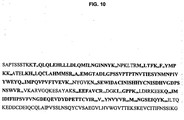
- the essence of this invention is that of a recombinant chimeric protein called AnTH1 that is formed by a 60 amino acid fragment of the N-terminal region of the human IL-2 fused through a 4 amino acid peptide to the N-terminal extracellular region of the alpha subunit of the receptor for IFN ⁇ containing 228 amino acids.
- This protein has a growth stimulating activity of T cells, it inhibits the growth stimulating activity of T cell induced by IL-2, it inhibits the induction of HLA-II by IFN ⁇ and it inhibits the antiproliferative activity of IFN ⁇ .
- the DNA sequence corresponding to the first 60 amino acids of the N-terminal of human IL-2 and the binding peptide (SEQUENCE #5) and the sequence of the binding peptide and the DNA coding for the 228 amino acids of the extracellular region of the R ⁇ IFN ⁇ (SEQUENCE #7) were obtained by reverse transcription of the RNA poly A from Jurkat and Raji cells respectively and amplified with specific primers through PCR (see example 1, SEQUENCE #1 and SEQUENCE #2, SEQUENCE #3, SEQUENCE #4).
- SEQUENCE #6 was designed for that purpose and added to the primers used to amplify the region of the soluble receptor for R ⁇ IFN ⁇ .
- the present invention also describes the vector used for production in E. coli of the recombinant protein AnTH1, called pHu (AnTH1), which was deposited in the Belgian Coordinated Collections of Microoganism (BCCM), with the access number LMBP 4535 on May 6 2002.
- This vector was prepared using recombinant DNA technology ( Sambrook et al. Molecular Cloning- A laboratory Manual, 2nd ed. Cold Spring Harbor, New York, 1989 ). The latter vector was modified and finally contains a marker of choice, the tryptophane promoter, and the sequence that codifies for the 60 amino acids of human IL-2, the binding peptide and the 228 amino acids of the extracellular region of the R ⁇ IFN ⁇ (SEQUENCE #8).
- the final construction of the vector obtained is called pHu (AnTH1), (see example 2, Figure. 1 ).
- the present invention also describes the transformed E. coli strain with the pHu vector (AnTH1).
- the pHu vector (AnTH1) was used to transform the E. coli W3110P3 strain.
- the E. coli W3110P3 strain containing the pHu vector (AnTH1) was grown and induced for the expression of the recombinant chimeric protein AnTH1.
- the strain achieves a high degree of expression of the protein (see example 4).
- This protein may be expressed in other host cells (insect cells, mammal cells and plant cells using the proper vectors).
- the present invention also describes the production of a recombinant chimeric protein with an adequate degree of purity for the evaluation of its biological activity through a process by which a preparation with 80-90% purity of the biologically active protein is obtained.
- the cellular pellet obtained through strain culture after induction was processed for the extraction of the recombinant protein.
- Successive washed pellet procedures were carried out using solubilizing agents (denaturalizing) that allow the extraction of the protein of interest with a minimum amount of contaminant proteins from E . coli .
- solubilizing agents denaturalizing
- the preparation containing the AnTH1 protein was refolded. This procedure consists of slowly eliminating the denaturalizing agents. The process is illustrated in example 5.
- the invention describes the biological activity of the recombinant protein AnTH1.
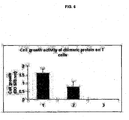
- This protein has a T cell growth stimulating activity (example 7). It is able to interfere with the stimulation of the proliferation of the T cells produced by the human IL-2 in the mouse cell line CTLL-2 (example 8). It is able to inhibit the antiproliferative activity of the human IFN ⁇ in the cell line Hep-2 (example 9) and it also inhibits the stimulation by IFN ⁇ of the HLA-II expression in COLO 205 cell line (example 10).
- the human IL-2 in contrast to IFN ⁇ , can also act on murine cells.
- This recombinant protein may be used in the preparation of a useful pharmaceutical composition for diseases where both IL-2 and IFN ⁇ have a pathological role.
- diseases may be of autoimmune type, such as multiple sclerosis, istic lupus erythematosus, miastenia gravis, insulin dependent diabetes mellitus, active chronic hepatitis and fulminant hepatitis; of the autoimmune/inflammatory type, such as reumatoide arthritis and psoriasis, as well as in the rejection of organs, the graft-versus-host disease and in inflammatory diseases such as septic shock and also for atherosclerosis.
- a new method is created with this invention, to prevent, interfere, and/or eliminate the actions of two cytokines that have pathogenic functions in different diseases. Hence, the targest are increased in a more specific form.
- the use of a chimeric protein that may neutralize or interfere with two cytokine signalizing systems dealing with the same pathological situations will allow to amplify the scope of ways for their interference, and therefore for their efficacy. On having a certain T cell growth stimulating activity, this would avoid an undesirable inactivation of the immune system, allowing a more prolonged use in patients and entities requiring it. Therefore, the drug would be safer and more efficient.
- the aim of the present invention is to create a hetero-bivalent antagonist that may interfere with the functions of the human IL-2 and the IFN ⁇ , amplifying the therapeutic possibilities of the molecule and avoiding adverse reactions.
- the pHu (AnTH1) plasmid was deposited under the Treaty of Budapest for the Protection of Microorganisms in the Belgian Coordinated Collections of Microoganism (BCCM), with the access number LMBP 4535 on May 6 2002.
- Raji Burkitt lymphoma, ATCC:CCL-86
- Jurkat human acute T cell leukemia, ATCC: TIB-152
- the extraction of total RNA from Jurkat and Raji cells was made through the Chomczyski method ( Chomczyski P. et al. Single-step method of RNA isolation by acid guanidium thiocyanate-phenol-chloroform extraction. Anal. Biochem. 162, 156-9, 1987 ) .
- RNA-poly A was extracted using a commercial messanger RNA isolation system (Isolation System Life Technologies Messagemakerr cat. #10551-018).
- the complementary DNA coding for the first 60 amino acids of the human IL-2 and the 288 amino acids of the extracellular amino terminal portion of the human R ⁇ IFN ⁇ s were isolated by reverse transcription and amplified by PCR of the poly A RNA from the Jurkat and Raji cells respectively. Approximately 1-2 ⁇ g of poly A RNA was processed using random hexameres.
- sequences of the oligonucleotides (primers) used to amplify the complementary strand of the DNA for the first 60 amino acids of the human IL-2 are described in SEQUENCE #1 (primer 1) and SEQUENCE #2 (reverse primer 1).
- sequences of the primers used to amplify the complementary strand DNA for the 228 amino acids of the amino terminal portion of the human R ⁇ IFN ⁇ s are described in SEQUENCE #3 (primer 2) and SEQUENCE # 4 (reverse primer 2).
- the amplified DNA coding for the first 60 amino acids of the human IL-2 and the binding peptide were digested with the restriction enzyme Nco I (underlined in the sequence of primer 1, SEQUENCE # 1). Then the extraction with phenol-chloroform was carried out to eliminate the enzyme and the buffer. It was precipitated and resuspended in the appropriate buffer and stored at -70°C. See sequence of the binding peptide (SEQUENCE #6).
- the amplified DNA coding for the binding peptide and the 231 amino acids of the R ⁇ IFN ⁇ was filled at the cohesive ends with Klenow polimerase and purified as previously described. Then it was digested with the restriction enzyme BamH I (underlined in the sequence of the reverse 2 primer), and purified as described above. See sequence of the binding peptide (SEQUENCE #6).
- the amplified bands (SEQUENCES #5 and #7) were mixed in the calculated proportions and in the appropriate buffer to obtain the amplification of a new band containing the DNA sequence corresponding to the first 60 amino acids of the human IL-2 bound to the corresponding sequence for the 231 amino acids of the extracellular region of the human R ⁇ IFN ⁇ and by the sequence corresponding to the binding peptide (SEQUENCE #6).
- the new band was amplified by PCR.
- the amplified DNA (SEQUENCE #8) was purified as previously described.
- the purified DNA was digested with the restriction enzyme Bam HI and processed to eliminate the enzyme and the buffer, as described. Later, the DNA was again digested with the Ncol enzyme and purified as described.
- the expression vector contains the strong tryptophane promoter.
- the vector was digested with the BamH I enzyme. Then the extraction was carried out with phenol-chloroform to eliminate the enzyme and the buffer and it was precipitated and resuspended in an appropriate buffer. Afterwards, it was digested with the Nco I enzyme. The vector was finally separated in a gel as previously described.
- the vector contains the promoter for the tryptophane, a free cohesive site Nco I, a free cohesive site BamH I, the terminator T4 and gene for the resistance to ampicillin.
- the DNA corresponding to SEQUENCE #8 was ligated to the vector using the ligase T4 enzyme.
- the E.coli cells were transformed with the genetic construction.
- the transformants containing the complementary DNA fragment for the first amino acids of the human IL-2 were identified, as well as the binding peptide and the 231 amino acids of the human R ⁇ IFN ⁇ s in the same direction as the tryptophane promoter by carrying out restriction analysis with enzymes Nco I and Eco RI.
- the resulting plasmid was called pHu (AnTH1) (see Figure. 1 ).
- the final genetic construction was sequenced.
- the sequencing was used in the protocol based on the procedure of Sanger ( Sanger F et al. DNA sequencing with chain-terminating inhibitors. Proc. Natl. Acad. Sci. USA 74, 5463-67, 1977 ) . It was proven that the construction has a part of the genes coding for the IL-2 (60 amino acids starting from the amino end group) under control, and later, the sequence of nucleotides coding for the union peptide (SEQUENCE #6) bound to the region that codifies for the 228 amino acids of the amino end of the R ⁇ IFN ⁇ s. See SEQUENCE #8.
- the host strain was Escherichia coli W3110 P3 (prototroph F-) and the plasmid pHu (AnTh1).
- the plasmid was inoculated in 5 mL of the LB medium with ampicillin (50 ⁇ g/mL) and L-triptophan (100 ⁇ g/mL), and incubated at 37°C for 6 hours while shaking. This culture was added to 50 mL of the LB medium and placed in a shaker at 100 r.p.m. for 6 hours at 37°C.
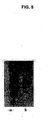
- This culture was added to 500 mL of the M9 medium (33 mM Na 2 HPO 4 , 2 mM KH 2 PO 4 , 8.5 mM NaCl, 18 mM NH 4 CL, 0.1 mM CaCl 2 , 1 mM MgSO 4 ), enriched with 0.2% hydrolized casein, 0.4%glucose, 50 ⁇ g/mL ampicillin, in such a way that the initial optic density of the culture (620 nm) was of 0.3. It is then incubated for 8 hours under the same conditions described above and finally; the cell sediment is collected through centrifugation (see Figure. 2 ).
- the cells are homogenized with polytron at a concentration of 0.1 g of the damp biomass per mL of the TE buffer (10 mM Tris HCl, 1 mM EDTA pH 7.2). This suspension is submitted to an enzymatic rupture process with lysozime. The pellet obtained in the previous step is submitted to cell washing with different molarities of urea, from 1 M to 8M, in 50 mM of Tris pH 7.2, 1 mM of EDTA. The homogenization is carried out with polytron. Initially it is homogenized for 1 minute, left to rest for 3 minutes and then again homogenized another minute. The whole process is carried out at 4°C.
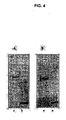
- the proteins that are solubilized with urea were applied on a flow of 3 mL/minute on a K9/60 column (Pharmacia, Sweden), containing Sephadex G-100 resin that was previously equilibrated with 3 volumes of 50 mM of Tris HCL pH 9, 4M urea. The elution was carried out in the same buffer. The fractions containing the proteins were combined and dialyzed against 0.1 M of Tris HCl pH 9. Afterwards, the dialysis continued against the phosphate buffer saline (PBS) pH 7.4. (see Figure. 3 y 4)
- PBS phosphate buffer saline
- the biological activity of the recombinant chimeric protein AnTH1 was tested using the cell line of murine T lymphocytes dependent on IL-2.
- the cells were grown on the medium RPMI-1640 containing 1 mM pyruvate, 2 mM L-glutamine, 40 mM HEPES, 100 U/mL of penicillin, 50 ⁇ g/mL streptomycin, 50 ⁇ M 2-mercaptoethanol and 10% bovine fetal serum supplemented with 8 IU/mL of human recombinant interleukin-2 with a specific activity of 1.2 x 10 7 IU/mg.
- the cells Before using the cells are washed 3 times, resuspended in the complete culture medium without IL-2 and incubated for 1 hour at 37°C in a damp CO 2 atmosphere. Then the cells were washed, resuspended at a density of 4 x 10 5 cells/mL and distributed in plates of 96 wells (100 ⁇ l per well) containing 100 ⁇ l of serial dilutions 1:2 of rhIL-2 or samples (the recombinant chimeric protein AnTH1), in a complete medium.
- the international standard used in this trial was IL-2010397.
- the biological activity for IL-2 was tested using the cell line of murine lymphocyte T dependent on IL-2.
- the cells were grown in a similar form as the previous experiment. Before they were used the cells were washed 3 times, resuspended in the complete culture medium without IL-2 and incubated for 1 hour at 37°C in a humid CO 2 atmosphere.
- the cells were washed, resuspended at a density of 4 x 10 5 cells/mL and distributed in 96 well plates (100 ⁇ l per well) containing ⁇ l of the serial dilutions 1:2 of rhIL-2 or samples (rhIL-2 + the recombinant chimeric protein AnTH1 or the recombinant chimeric protein AnTH1 alone), in a complete medium.
- the international standard used in this trial was IL-2010397. After 36 hours of incubation at 37°C, 20 ⁇ l of 5 mg/mL of MTT (C 18 H 16 N 5 SBr) were added to each well and the plates were incubated for 4 hours under the same conditions.
- the cells grown in the culture medium were added in the presence of the recombinant chimeric protein and of ⁇ IFN in a volume of 0.1 mL and then incubated for 1 hour at 37°C. After incubation, the medium was removed and the wells were washed 3 times with the culture medium. Afterwards, aliquots of 1.2 mL of the medium were added to the wells and the plates were incubated for 48 hours at 37°C to allow for the induction of the HLA-DR antigens. The wells were washed with PBS and the cells were fixed with pure ethanol for 2 minutes.
- the transparent band was additionally cut in small cubes of 1 mm 3 approximately, and dehydrated in a 90 % acetonitrile aqueous solution with no TFA and completely dried in speed-vac.
- the gels pieces were rehydrated in 20-30 ⁇ L of a 50 mM NH 4 HCO 3 solution containing 12.5 ng of a modified trypsin, sequencing grade from Promega (MA, USA).
- the in-gel digestion was incubated overnight at 37°C in a termomixer (Eppendorf, USA).
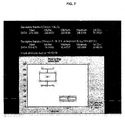
- the low-energy MS/MS spectra were acquired using a hybrid quadrupole orthogonal acceleration tandem mass spectrometer QTOF from Micromass (Manchester, UK) fitted with a Z-spray nanoflow electrospray ion source.
- the mass spectrometer was operated with a source at 80°C and a drying gas flow of 50 L/h. Peptides were dissolved to reach an approximate concentration of 5 pmole/ ⁇ L. Two microliters of the tryptic peptides were loaded onto the borosilicate nanoflow tip and 900 V and 35 V potential were applied to the nanoflow tip and entrance cone, respectively.
- To acquire the MS/MS spectra was used the method described by González, L. y cols.
- the invention combines in one molecule the ability to intervene in two signaliation systems affecting immuno-regulating and inflammatory mechanisms.
- the design of the chimeric protein consists of the fusion of a ligand IL-2 60 ) through a 4 amino acid peptide with an extra-cellular receptor a (R ⁇ IFN ⁇ ). This combination allows the binding of the recombinant chimeric protein with the cells containing on their surface the R ⁇ IL-2.
- This subunit is mainly present in non-activated T cells and in the high affinity IL-2 receptor (R ⁇ IL-2) in the activated T cells ( Smith, K. A. The interleukin-2 receptor. Annu. Rev. Cell. Biol. 5, 397-403, 1989 and Strom, T. B. et al. Interleukin-2 receptor-directed therapies: antibody- or cytokine-based targeting molecules. Annu. Rev. Med. 44, 343-50, 1993 ).
- AnTH1 protein binds to the R ⁇ IL-2 in the cells at rest, it can internalize the protein, leaving R ⁇ IFN ⁇ s in the cytoplasm under the conditions of being recycled outwards and interfering with the ⁇ IFN that will be produced on activating the cells.
- the invention offers a hetero-bivalent chimeric protein that may interfere with the biological activity of the IL-2 and the ⁇ IFN. Considering that the recombinant chimeric protein AnTH1 also has a T cell growth stimulating activity, a less profound inactivation of the immune system may be expected, which will provoke antagonist anticytokines that were already clinically proven.
Landscapes
- Health & Medical Sciences (AREA)
- Chemical & Material Sciences (AREA)
- Life Sciences & Earth Sciences (AREA)
- Organic Chemistry (AREA)
- General Health & Medical Sciences (AREA)
- Medicinal Chemistry (AREA)
- Engineering & Computer Science (AREA)
- Bioinformatics & Cheminformatics (AREA)
- Veterinary Medicine (AREA)
- Pharmacology & Pharmacy (AREA)
- Animal Behavior & Ethology (AREA)
- Public Health (AREA)
- Nuclear Medicine, Radiotherapy & Molecular Imaging (AREA)
- General Chemical & Material Sciences (AREA)
- Chemical Kinetics & Catalysis (AREA)
- Immunology (AREA)
- Genetics & Genomics (AREA)
- Zoology (AREA)
- Molecular Biology (AREA)
- Biochemistry (AREA)
- Biophysics (AREA)
- Proteomics, Peptides & Aminoacids (AREA)
- Gastroenterology & Hepatology (AREA)
- Toxicology (AREA)
- Diabetes (AREA)
- Biomedical Technology (AREA)
- Rheumatology (AREA)
- Biotechnology (AREA)
- Neurology (AREA)
- Hematology (AREA)
- Cell Biology (AREA)
- General Engineering & Computer Science (AREA)
- Wood Science & Technology (AREA)
- Orthopedic Medicine & Surgery (AREA)
- Physical Education & Sports Medicine (AREA)
- Oncology (AREA)
- Dermatology (AREA)
- Endocrinology (AREA)
- Emergency Medicine (AREA)
- Heart & Thoracic Surgery (AREA)
Claims (6)
- Protéine chimère recombinante ayant la séquence d'acides aminés :

- Protéine chimère recombinante selon la revendication 1, pour une utilisation dans l'inhibition de l'activité biologique de l'interleukine-2, de l'interféron γ, ou des deux cytokines conjointement.
- Protéine chimère recombinante selon la revendication 1, pour une utilisation dans la stimulation de la croissance des lymphocytes T, pour l'inhibition de l'activité de stimulation de la croissance de l'IL-2, pour l'inhibition de l'activité anti-proliférative de l'interféron γ et/ou pour l'inhibition de l'induction de l'HLA-II par l'interféron γ.
- Protéine chimère recombinante selon la revendication 1, pour le traitement de maladies qui sont médiées par l'action de l'interleukine-2, de l'interféron γ ou par l'action conjointe des deux cytokines.
- Protéine chimère recombinante selon la revendication 1, pour le traitement de maladies auto-immunes, de troubles inflammatoires, de rejet de greffe ou d'infections par des micro-organismes.
- Protéine chimère recombinante selon la revendication 1, pour le traitement de la sclérose en plaques, du lupus érythémateux disséminé, de la myasthénie gravis, du diabète sucré, de la polyarthrite rhumatoïde, des maladies inflammatoires de l'intestin, de la sepsie, du psoriasis, de l'athérosclérose ou de troubles produits par la reperfusion ischémique.
Applications Claiming Priority (3)
| Application Number | Priority Date | Filing Date | Title |
|---|---|---|---|
| CU20020095A CU23229A1 (es) | 2002-05-10 | 2002-05-10 | ANTAGONISTA QUIMéRICO ANTH1 |
| CU9502 | 2002-05-10 | ||
| PCT/CU2003/000006 WO2003095488A1 (fr) | 2002-05-10 | 2003-05-08 | Antagoniste chimerique anth1 |
Publications (2)
| Publication Number | Publication Date |
|---|---|
| EP1550672A1 EP1550672A1 (fr) | 2005-07-06 |
| EP1550672B1 true EP1550672B1 (fr) | 2009-08-12 |
Family
ID=40091620
Family Applications (1)
| Application Number | Title | Priority Date | Filing Date |
|---|---|---|---|
| EP03720120A Expired - Lifetime EP1550672B1 (fr) | 2002-05-10 | 2003-05-08 | Antagoniste chimerique anth1 |
Country Status (17)
| Country | Link |
|---|---|
| US (2) | US7429384B2 (fr) |
| EP (1) | EP1550672B1 (fr) |
| JP (1) | JP4275065B2 (fr) |
| KR (1) | KR20040108786A (fr) |
| CN (1) | CN100384873C (fr) |
| AR (1) | AR039973A1 (fr) |
| AT (1) | ATE439379T1 (fr) |
| AU (1) | AU2003223832B2 (fr) |
| BR (1) | BR0304827A (fr) |
| CA (1) | CA2485439A1 (fr) |
| CU (1) | CU23229A1 (fr) |
| DE (1) | DE60328807D1 (fr) |
| MX (1) | MXPA04011143A (fr) |
| RU (1) | RU2322455C2 (fr) |
| UA (1) | UA81908C2 (fr) |
| WO (1) | WO2003095488A1 (fr) |
| ZA (1) | ZA200409073B (fr) |
Families Citing this family (6)
| Publication number | Priority date | Publication date | Assignee | Title |
|---|---|---|---|---|
| CN105754918A (zh) * | 2008-04-09 | 2016-07-13 | 康奈尔大学 | 在哺乳动物宿主内作为信号介质的共生菌 |
| JP6033780B2 (ja) | 2010-10-15 | 2016-11-30 | コーネル・ユニバーシティーCornell University | 内分泌障害、胃腸障害または自己免疫障害を処置するための組成物および方法 |
| EP2994146B8 (fr) * | 2013-05-08 | 2021-05-19 | Clene Nanomedicine, Inc. | Méthodes et traitement pour certains troubles de la démyélinisation et de la dysmyélinisation et/ou pour favoriser la remyélinisation |
| CN107266586A (zh) * | 2017-08-09 | 2017-10-20 | 安徽九川生物科技有限公司 | 一种重组猪长效干扰素γ及制备此长效干扰素γ的融合蛋白及其制备方法 |
| PL3715367T3 (pl) | 2018-09-17 | 2024-09-02 | Gi Innovation, Inc. | Białko fuzyjne zawierające białko il-2 i białko cd80 oraz jego zastosowanie |
| JP7683932B2 (ja) | 2019-01-24 | 2025-05-27 | ユニバーシティ オブ セントラル フロリダ リサーチ ファウンデーション,インコーポレイテッド | ナチュラルキラー細胞を刺激するための組成物及び方法 |
Family Cites Families (5)
| Publication number | Priority date | Publication date | Assignee | Title |
|---|---|---|---|---|
| DK0393502T3 (da) | 1989-04-19 | 1996-03-04 | Hoffmann La Roche | Opløselige interferon-gamma-receptorer og fremgangsmåder til fremstilling heraf |
| US5073627A (en) * | 1989-08-22 | 1991-12-17 | Immunex Corporation | Fusion proteins comprising GM-CSF and IL-3 |
| CA2114168A1 (fr) * | 1993-03-05 | 1994-09-06 | Zlatko Dembic | Polypeptides humains chimeriques derives du recepteur de l'interferon gamma et d'immunoglobulines |
| WO1994021282A1 (fr) | 1993-03-19 | 1994-09-29 | Immunex Corporation | Compositions pharmaceutiques comprenant un ligand mis en complexe avec un recepteur soluble |
| EP0621338A3 (fr) | 1993-04-21 | 1997-10-29 | Ajinomoto Kk | Protéine immunosuppressive capable de blocker la réponse à l'interleukin-2. |
-
2002
- 2002-05-10 CU CU20020095A patent/CU23229A1/es unknown
-
2003
- 2003-05-07 AR ARP030101604A patent/AR039973A1/es active IP Right Grant
- 2003-05-08 JP JP2004503502A patent/JP4275065B2/ja not_active Expired - Fee Related
- 2003-05-08 CA CA002485439A patent/CA2485439A1/fr not_active Abandoned
- 2003-05-08 US US10/513,931 patent/US7429384B2/en not_active Expired - Fee Related
- 2003-05-08 RU RU2004136170/13A patent/RU2322455C2/ru active
- 2003-05-08 WO PCT/CU2003/000006 patent/WO2003095488A1/fr not_active Ceased
- 2003-05-08 MX MXPA04011143A patent/MXPA04011143A/es active IP Right Grant
- 2003-05-08 AT AT03720120T patent/ATE439379T1/de not_active IP Right Cessation
- 2003-05-08 CN CNB038141264A patent/CN100384873C/zh not_active Expired - Fee Related
- 2003-05-08 KR KR10-2004-7017991A patent/KR20040108786A/ko not_active Ceased
- 2003-05-08 EP EP03720120A patent/EP1550672B1/fr not_active Expired - Lifetime
- 2003-05-08 BR BR0304827-6A patent/BR0304827A/pt not_active IP Right Cessation
- 2003-05-08 AU AU2003223832A patent/AU2003223832B2/en not_active Ceased
- 2003-05-08 DE DE60328807T patent/DE60328807D1/de not_active Expired - Fee Related
- 2003-08-05 UA UA20041210147A patent/UA81908C2/uk unknown
-
2004
- 2004-11-09 ZA ZA200409073A patent/ZA200409073B/en unknown
-
2007
- 2007-01-22 US US11/656,301 patent/US20070160575A1/en not_active Abandoned
Non-Patent Citations (1)
| Title |
|---|
| IRALDO BELLO-RIVER ET AL.: "Construction, purification, and characterization of a chimeric THI antagonist", BMC BIOTECHNOLOGY, vol. 6, no. 25, 22 May 2006 (2006-05-22), pages 1 - 13, XP007902842 * |
Also Published As
| Publication number | Publication date |
|---|---|
| EP1550672A1 (fr) | 2005-07-06 |
| RU2322455C2 (ru) | 2008-04-20 |
| JP4275065B2 (ja) | 2009-06-10 |
| KR20040108786A (ko) | 2004-12-24 |
| CU23229A1 (es) | 2007-09-26 |
| US20070160575A1 (en) | 2007-07-12 |
| MXPA04011143A (es) | 2005-01-25 |
| JP2006506958A (ja) | 2006-03-02 |
| CN1662555A (zh) | 2005-08-31 |
| UA81908C2 (uk) | 2008-02-25 |
| CN100384873C (zh) | 2008-04-30 |
| CA2485439A1 (fr) | 2003-11-20 |
| AU2003223832A1 (en) | 2003-11-11 |
| ZA200409073B (en) | 2005-05-09 |
| ATE439379T1 (de) | 2009-08-15 |
| BR0304827A (pt) | 2004-08-17 |
| DE60328807D1 (de) | 2009-09-24 |
| AR039973A1 (es) | 2005-03-09 |
| RU2004136170A (ru) | 2005-05-27 |
| US7429384B2 (en) | 2008-09-30 |
| AU2003223832B2 (en) | 2009-02-19 |
| WO2003095488A1 (fr) | 2003-11-20 |
| US20060073115A1 (en) | 2006-04-06 |
Similar Documents
| Publication | Publication Date | Title |
|---|---|---|
| KR102609197B1 (ko) | 인터류킨 15 단백질 복합체 및 그의 용도 | |
| US6451308B1 (en) | Antagonists of interleukin-15 | |
| JP2024105721A (ja) | 炎症性疾患および自己免疫疾患の処置の組成物および方法 | |
| AU2001261585C1 (en) | Compositions and methods for achieving immune suppression | |
| EP0927254B1 (fr) | Antagonistes de l'interleukine-15 | |
| CA3082904A1 (fr) | Agonistes partiels de l'interleukine-2 | |
| AU2001261585A1 (en) | Compositions and methods for achieving immune suppression | |
| JP2004525076A (ja) | Il−2およびil−15媒介t細胞応答の調節 | |
| JPH0767651A (ja) | タイプiiインターロイキン−1受容体 | |
| KR20130091346A (ko) | 암 및 만성 감염 치료를 위한, 효능제 활성을 갖는 인터루킨 2로부터 유도된 폴리펩티드 | |
| US20070160575A1 (en) | Anth1 chimeric antagonist | |
| US12286463B1 (en) | Interleukin 18 (IL-18) variants and fusion proteins comprising same | |
| EP1627918A1 (fr) | Antagonistes de l'interleukine-15 | |
| AU2006246489A1 (en) | Compositions and methods for achieving immune suppression |
Legal Events
| Date | Code | Title | Description |
|---|---|---|---|
| PUAI | Public reference made under article 153(3) epc to a published international application that has entered the european phase |
Free format text: ORIGINAL CODE: 0009012 |
|
| 17P | Request for examination filed |
Effective date: 20041206 |
|
| AK | Designated contracting states |
Kind code of ref document: A1 Designated state(s): AT BE BG CH CY CZ DE DK EE ES FI FR GB GR HU IE IT LI LU MC NL PT RO SE SI SK TR |
|
| AX | Request for extension of the european patent |
Extension state: AL LT LV MK |
|
| DAX | Request for extension of the european patent (deleted) | ||
| 17Q | First examination report despatched |
Effective date: 20071112 |
|
| GRAP | Despatch of communication of intention to grant a patent |
Free format text: ORIGINAL CODE: EPIDOSNIGR1 |
|
| GRAS | Grant fee paid |
Free format text: ORIGINAL CODE: EPIDOSNIGR3 |
|
| GRAA | (expected) grant |
Free format text: ORIGINAL CODE: 0009210 |
|
| AK | Designated contracting states |
Kind code of ref document: B1 Designated state(s): AT BE BG CH CY CZ DE DK EE ES FI FR GB GR HU IE IT LI LU MC NL PT RO SE SI SK TR |
|
| REG | Reference to a national code |
Ref country code: GB Ref legal event code: FG4D |
|
| REG | Reference to a national code |
Ref country code: CH Ref legal event code: EP |
|
| REG | Reference to a national code |
Ref country code: IE Ref legal event code: FG4D |
|
| REF | Corresponds to: |
Ref document number: 60328807 Country of ref document: DE Date of ref document: 20090924 Kind code of ref document: P |
|
| PG25 | Lapsed in a contracting state [announced via postgrant information from national office to epo] |
Ref country code: SE Free format text: LAPSE BECAUSE OF FAILURE TO SUBMIT A TRANSLATION OF THE DESCRIPTION OR TO PAY THE FEE WITHIN THE PRESCRIBED TIME-LIMIT Effective date: 20090812 Ref country code: FI Free format text: LAPSE BECAUSE OF FAILURE TO SUBMIT A TRANSLATION OF THE DESCRIPTION OR TO PAY THE FEE WITHIN THE PRESCRIBED TIME-LIMIT Effective date: 20090812 Ref country code: ES Free format text: LAPSE BECAUSE OF FAILURE TO SUBMIT A TRANSLATION OF THE DESCRIPTION OR TO PAY THE FEE WITHIN THE PRESCRIBED TIME-LIMIT Effective date: 20091123 Ref country code: AT Free format text: LAPSE BECAUSE OF FAILURE TO SUBMIT A TRANSLATION OF THE DESCRIPTION OR TO PAY THE FEE WITHIN THE PRESCRIBED TIME-LIMIT Effective date: 20090812 |
|
| NLV1 | Nl: lapsed or annulled due to failure to fulfill the requirements of art. 29p and 29m of the patents act | ||
| PG25 | Lapsed in a contracting state [announced via postgrant information from national office to epo] |
Ref country code: NL Free format text: LAPSE BECAUSE OF FAILURE TO SUBMIT A TRANSLATION OF THE DESCRIPTION OR TO PAY THE FEE WITHIN THE PRESCRIBED TIME-LIMIT Effective date: 20090812 Ref country code: SI Free format text: LAPSE BECAUSE OF FAILURE TO SUBMIT A TRANSLATION OF THE DESCRIPTION OR TO PAY THE FEE WITHIN THE PRESCRIBED TIME-LIMIT Effective date: 20090812 |
|
| PG25 | Lapsed in a contracting state [announced via postgrant information from national office to epo] |
Ref country code: BG Free format text: LAPSE BECAUSE OF FAILURE TO SUBMIT A TRANSLATION OF THE DESCRIPTION OR TO PAY THE FEE WITHIN THE PRESCRIBED TIME-LIMIT Effective date: 20091112 Ref country code: PT Free format text: LAPSE BECAUSE OF FAILURE TO SUBMIT A TRANSLATION OF THE DESCRIPTION OR TO PAY THE FEE WITHIN THE PRESCRIBED TIME-LIMIT Effective date: 20091212 |
|
| PG25 | Lapsed in a contracting state [announced via postgrant information from national office to epo] |
Ref country code: RO Free format text: LAPSE BECAUSE OF FAILURE TO SUBMIT A TRANSLATION OF THE DESCRIPTION OR TO PAY THE FEE WITHIN THE PRESCRIBED TIME-LIMIT Effective date: 20090812 Ref country code: CZ Free format text: LAPSE BECAUSE OF FAILURE TO SUBMIT A TRANSLATION OF THE DESCRIPTION OR TO PAY THE FEE WITHIN THE PRESCRIBED TIME-LIMIT Effective date: 20090812 Ref country code: DK Free format text: LAPSE BECAUSE OF FAILURE TO SUBMIT A TRANSLATION OF THE DESCRIPTION OR TO PAY THE FEE WITHIN THE PRESCRIBED TIME-LIMIT Effective date: 20090812 Ref country code: EE Free format text: LAPSE BECAUSE OF FAILURE TO SUBMIT A TRANSLATION OF THE DESCRIPTION OR TO PAY THE FEE WITHIN THE PRESCRIBED TIME-LIMIT Effective date: 20090812 |
|
| PG25 | Lapsed in a contracting state [announced via postgrant information from national office to epo] |
Ref country code: SK Free format text: LAPSE BECAUSE OF FAILURE TO SUBMIT A TRANSLATION OF THE DESCRIPTION OR TO PAY THE FEE WITHIN THE PRESCRIBED TIME-LIMIT Effective date: 20090812 |
|
| PLBE | No opposition filed within time limit |
Free format text: ORIGINAL CODE: 0009261 |
|
| STAA | Information on the status of an ep patent application or granted ep patent |
Free format text: STATUS: NO OPPOSITION FILED WITHIN TIME LIMIT |
|
| PG25 | Lapsed in a contracting state [announced via postgrant information from national office to epo] |
Ref country code: BE Free format text: LAPSE BECAUSE OF FAILURE TO SUBMIT A TRANSLATION OF THE DESCRIPTION OR TO PAY THE FEE WITHIN THE PRESCRIBED TIME-LIMIT Effective date: 20090812 |
|
| 26N | No opposition filed |
Effective date: 20100517 |
|
| PG25 | Lapsed in a contracting state [announced via postgrant information from national office to epo] |
Ref country code: GR Free format text: LAPSE BECAUSE OF FAILURE TO SUBMIT A TRANSLATION OF THE DESCRIPTION OR TO PAY THE FEE WITHIN THE PRESCRIBED TIME-LIMIT Effective date: 20091113 |
|
| PG25 | Lapsed in a contracting state [announced via postgrant information from national office to epo] |
Ref country code: MC Free format text: LAPSE BECAUSE OF NON-PAYMENT OF DUE FEES Effective date: 20100531 |
|
| REG | Reference to a national code |
Ref country code: CH Ref legal event code: PL |
|
| GBPC | Gb: european patent ceased through non-payment of renewal fee |
Effective date: 20100508 |
|
| REG | Reference to a national code |
Ref country code: FR Ref legal event code: ST Effective date: 20110131 |
|
| PG25 | Lapsed in a contracting state [announced via postgrant information from national office to epo] |
Ref country code: LI Free format text: LAPSE BECAUSE OF NON-PAYMENT OF DUE FEES Effective date: 20100531 Ref country code: CH Free format text: LAPSE BECAUSE OF NON-PAYMENT OF DUE FEES Effective date: 20100531 |
|
| PG25 | Lapsed in a contracting state [announced via postgrant information from national office to epo] |
Ref country code: IT Free format text: LAPSE BECAUSE OF FAILURE TO SUBMIT A TRANSLATION OF THE DESCRIPTION OR TO PAY THE FEE WITHIN THE PRESCRIBED TIME-LIMIT Effective date: 20090812 |
|
| PG25 | Lapsed in a contracting state [announced via postgrant information from national office to epo] |
Ref country code: IE Free format text: LAPSE BECAUSE OF NON-PAYMENT OF DUE FEES Effective date: 20100508 Ref country code: DE Free format text: LAPSE BECAUSE OF NON-PAYMENT OF DUE FEES Effective date: 20101201 |
|
| PG25 | Lapsed in a contracting state [announced via postgrant information from national office to epo] |
Ref country code: FR Free format text: LAPSE BECAUSE OF NON-PAYMENT OF DUE FEES Effective date: 20100531 |
|
| PG25 | Lapsed in a contracting state [announced via postgrant information from national office to epo] |
Ref country code: GB Free format text: LAPSE BECAUSE OF NON-PAYMENT OF DUE FEES Effective date: 20100508 |
|
| PG25 | Lapsed in a contracting state [announced via postgrant information from national office to epo] |
Ref country code: CY Free format text: LAPSE BECAUSE OF FAILURE TO SUBMIT A TRANSLATION OF THE DESCRIPTION OR TO PAY THE FEE WITHIN THE PRESCRIBED TIME-LIMIT Effective date: 20090812 |
|
| PG25 | Lapsed in a contracting state [announced via postgrant information from national office to epo] |
Ref country code: LU Free format text: LAPSE BECAUSE OF NON-PAYMENT OF DUE FEES Effective date: 20100508 Ref country code: HU Free format text: LAPSE BECAUSE OF FAILURE TO SUBMIT A TRANSLATION OF THE DESCRIPTION OR TO PAY THE FEE WITHIN THE PRESCRIBED TIME-LIMIT Effective date: 20100213 |
|
| PG25 | Lapsed in a contracting state [announced via postgrant information from national office to epo] |
Ref country code: TR Free format text: LAPSE BECAUSE OF FAILURE TO SUBMIT A TRANSLATION OF THE DESCRIPTION OR TO PAY THE FEE WITHIN THE PRESCRIBED TIME-LIMIT Effective date: 20090812 |