EP1537227B1 - Verfahren zur wirksamen rna-interferenz in säugerzellen - Google Patents
Verfahren zur wirksamen rna-interferenz in säugerzellen Download PDFInfo
- Publication number
- EP1537227B1 EP1537227B1 EP03756319A EP03756319A EP1537227B1 EP 1537227 B1 EP1537227 B1 EP 1537227B1 EP 03756319 A EP03756319 A EP 03756319A EP 03756319 A EP03756319 A EP 03756319A EP 1537227 B1 EP1537227 B1 EP 1537227B1
- Authority
- EP
- European Patent Office
- Prior art keywords
- sirna
- gene
- rna
- cells
- esirna
- Prior art date
- Legal status (The legal status is an assumption and is not a legal conclusion. Google has not performed a legal analysis and makes no representation as to the accuracy of the status listed.)
- Expired - Lifetime
Links
Images


Classifications
-
- C—CHEMISTRY; METALLURGY
- C12—BIOCHEMISTRY; BEER; SPIRITS; WINE; VINEGAR; MICROBIOLOGY; ENZYMOLOGY; MUTATION OR GENETIC ENGINEERING
- C12N—MICROORGANISMS OR ENZYMES; COMPOSITIONS THEREOF; PROPAGATING, PRESERVING, OR MAINTAINING MICROORGANISMS; MUTATION OR GENETIC ENGINEERING; CULTURE MEDIA
- C12N15/00—Mutation or genetic engineering; DNA or RNA concerning genetic engineering, vectors, e.g. plasmids, or their isolation, preparation or purification; Use of hosts therefor
- C12N15/09—Recombinant DNA-technology
- C12N15/11—DNA or RNA fragments; Modified forms thereof; Non-coding nucleic acids having a biological activity
- C12N15/111—General methods applicable to biologically active non-coding nucleic acids
-
- C—CHEMISTRY; METALLURGY
- C12—BIOCHEMISTRY; BEER; SPIRITS; WINE; VINEGAR; MICROBIOLOGY; ENZYMOLOGY; MUTATION OR GENETIC ENGINEERING
- C12Y—ENZYMES
- C12Y301/00—Hydrolases acting on ester bonds (3.1)
- C12Y301/26—Endoribonucleases producing 5'-phosphomonoesters (3.1.26)
- C12Y301/26003—Ribonuclease III (3.1.26.3)
-
- C—CHEMISTRY; METALLURGY
- C12—BIOCHEMISTRY; BEER; SPIRITS; WINE; VINEGAR; MICROBIOLOGY; ENZYMOLOGY; MUTATION OR GENETIC ENGINEERING
- C12N—MICROORGANISMS OR ENZYMES; COMPOSITIONS THEREOF; PROPAGATING, PRESERVING, OR MAINTAINING MICROORGANISMS; MUTATION OR GENETIC ENGINEERING; CULTURE MEDIA
- C12N2310/00—Structure or type of the nucleic acid
- C12N2310/10—Type of nucleic acid
- C12N2310/14—Type of nucleic acid interfering nucleic acids [NA]
-
- C—CHEMISTRY; METALLURGY
- C12—BIOCHEMISTRY; BEER; SPIRITS; WINE; VINEGAR; MICROBIOLOGY; ENZYMOLOGY; MUTATION OR GENETIC ENGINEERING
- C12N—MICROORGANISMS OR ENZYMES; COMPOSITIONS THEREOF; PROPAGATING, PRESERVING, OR MAINTAINING MICROORGANISMS; MUTATION OR GENETIC ENGINEERING; CULTURE MEDIA
- C12N2320/00—Applications; Uses
- C12N2320/10—Applications; Uses in screening processes
- C12N2320/12—Applications; Uses in screening processes in functional genomics, i.e. for the determination of gene function
-
- C—CHEMISTRY; METALLURGY
- C12—BIOCHEMISTRY; BEER; SPIRITS; WINE; VINEGAR; MICROBIOLOGY; ENZYMOLOGY; MUTATION OR GENETIC ENGINEERING
- C12N—MICROORGANISMS OR ENZYMES; COMPOSITIONS THEREOF; PROPAGATING, PRESERVING, OR MAINTAINING MICROORGANISMS; MUTATION OR GENETIC ENGINEERING; CULTURE MEDIA
- C12N2330/00—Production
- C12N2330/30—Production chemically synthesised
Definitions
- RNAi Posttranscriptional gene silencing or RNA interference
- small (20-25, e.g., 20, 21, 22 nucleotide) fragments of double stranded RNA which are reported to be synthesized from an RNA template ( Hamilton & Baulcombe, Science 286:950-952 (1999 )). These fragments are called small interfering RNAs (siRNAs).
- siRNA is an important component leading to gene silencing ( Fire et al., Nature 391:806-811 (1998 ); Timmons & Fire, Nature 395:854 (1998 ); WO99/32619 ; Kennerdell & Carthew, Cell 95:1017-1026 (1998 ); Ngo et al., Proc. Nat'l Acad. Sci. USA 95:14687-14692 (1998 ); Waterhouse et al., Proc. Nat'l Acad. Sci.
- PCT Application WO01/68836 discloses that bacterial RNAse III, particularly Dicer and Argonaute, digests dsRNA to produce RNA of 11-17 nucleotides in length.
- Amarasinghe et al Methodhods in Enzymology, 2001, Vol. 342 (2001, pp 143-158 ) describe the affinity purification of hexatisdine tagged E. coli ribonuclease III.
- Elbashir et al (Nature, Vol. 411, no. 6836, 2001-05024, pp494-498 ) describes the ability of exogenous siRNA to mediate gene silencing in mammalian cells.
- Sijen et al (Cell, 16 Nov. 2001, vol. 107, pp465-476 ) describes the role of RNA amplification in dsRNA triggered gene silencing.
- Conrad and Rauhet Int. Journal, of Biochem. And Cell Biol, vol. 34, no. 2, Feb. 2002, pgs 116-129 ) compares prokaryotic and eukaryotic RNase III enzymes and their roles.
- Timmons et al (Gene, vol. 263, no. 12, 24 Jan. 2001, pages 103-112 ) describes ingestion of bacterially expressed dsRNA to produce genetic interference in C . elegans.
- siRNA Small interfering RNA
- E. coli RNase III is used to cleave double-stranded RNA into esiRNA ( endoribonuclease-prepared siRNA ) that can target multiple sites within an mRNA.
- esiRNA endoribonuclease-prepared siRNA
- the invention therefore provides an RNA duplex pool that can recognize multiple sites in any particular RNA to silence gene expression.
- esiRNA mediates effective RNA interference without apparent non-specific effect in cultured mammalian cells.
- esiRNA Sequence-specific interference by esiRNA and the non-specific interferon response activated by long dsRNA are independent pathways in mammalian cells. EsiRNA works by eliciting the destruction of its cognate mRNA. Because of its simplicity and potency, this approach is useful for analysis of mammalian gene functions. In addition, this approach is useful for functional genomic screens to identify genes associated with a selected phenotype, such as a disease phenotype, in order to identify genes that can be used as targets for drug discovery and diagnostic applications.
- a method of inhibiting expression of a mammalian gene comprising:
- RNAi Double-stranded RNA interference, or RNAi, has became a powerful genetic tool to selectively silence gene expression in many eukaryotes (1-2).
- the cellular RNase III enzyme Dicer cleaves the dsRNA silencing trigger into 21-25 nucleotide RNA called siRNA (small interfering RNA) (3-4).
- siRNA small interfering RNA
- dsRNA double-strand RNA
- dsRNAs longer than 30 base pairs can activate the dsRNA-dependent kinase PKR and 2'-5'-oligoadenylate synthetase, normally induced by interferon (9).
- synthetic siRNA avoids activation of the interferon response.
- the activated PKR inhibits general translation by phosphorylation of the translation factor eukaryotic initiation factor 2 ⁇ (eIF2 ⁇ ) , while 2'-5'-oligoadenylate synthetase causes nonspecific mRNA degradation via activation of RNase L (9).
- siRNA can mediate selective gene silencing in the mammalian system (10-11). Hairpin RNA with a short loop and 19 to 27 base pairs in the stem also selectively silences expression of genes that are homologous to the sequence in the double-stranded stem (12-13). Mammalian cells can convert short hairpin RNA into siRNA to mediate selective gene silencing (12-13). Although many mammalian cells can also convert long dsRNA into siRNA, long dsRNA is incapable of triggering RNAi in these cells (7). The inability of long dsRNA to elicit RNAi in the vertebrate system has been generally attributed to non-specific activation of the interferon response (7-8). However, the relationship between the interferon signaling pathway and RNA interference has not been definitely addressed.
- siRNA provides a promising tool to assess the consequences of suppressing gene expression in cultured mammalian cells
- RNAi with synthetic siRNA is limited because siRNAs to different sequences within a gene have dramatically varied inhibitory ability (14-15). Therefore, each mRNA must be screened for an efficient siRNA, a laborious and costly process.
- processing of long dsRNAs should generate a great variety of siRNAs capable of interacting with multiple sites on target mRNAs, increasing the chance that at least one siRNA will pair with its target sequence.
- the power of siRNA as a genetic tool in the mammalian system could be greatly enhanced by using siRNA processed from dsRNA.
- Dicer is involved in the dsRNA cleavage in vivo
- using Dicer to prepare siRNA in vitro may be problematic because dsRNA cleavage by Dicer is very inefficient, particularly for short dsRNAs (3,16).
- E . coli RNase III RNase III, EC3.1.24
- E . coli RNase III can digest dsRNA very efficiently into short pieces with the same end structures as siRNA, 5' phosphate/3' hydroxyl termini and 2- to 3-nucleotide 3' overhangs (17).
- These end structures of siRNA are reported to be important for RNAi activity (18).
- large amounts of soluble recombinant E . coli RNase III protein can be obtained (17).
- siRNA Exhaustive cleavage of dsRNA by E . coli RNase III leads to duplex products averaging 12 -15 bp in length (17). These short dsRNA are unable to trigger an RNAi response in mammalian cells (6).
- These siRNAs recapitulated the potent and sequence-specific gene silencing by long dsRNA in Drosphila S2 cells. More importantly, they also mediated effective RNAi without non-specific effects in mammalian cells.
- SiRNA produced by the method successfully inhibited various endogenous genes in different mammalian cell lines. Because it is relatively quick and simple, this method is useful in utilizing siRNA for analysis of gene functions in cultured mammalian cells.
- a “target gene” refers to any gene suitable for regulation of expression, including both endogenous chromosomal genes and transgenes, as well as episomal or extrachromosomal genes, mitochondrial genes, chloroplastic genes, viral genes, bacterial genes, animal genes, plant genes, protozoal genes and fungal genes.
- siRNA refers to a nucleic acid that forms a double stranded RNA, which double stranded RNA has the ability to reduce or inhibit expression of a gene or target gene when the siRNA expressed in the same cell as the gene or target gene.
- siRNA thus refers to the double stranded RNA formed by the complementary strands.
- the complementary portions of the siRNA that hybridize to form the double stranded molecule typically have substantial or complete identity.
- an siRNA refers to a nucleic acid that has substantial or complete identity to a target gene and forms a double stranded siRNA.
- the sequence of the siRNA can correspond to the full length target gene, or a subsequence thereof.
- the siRNA is at least about 15-50 nucleotides in length (e.g., each complementary sequence of the double stranded siRNA is 15-50 nucleotides in length, and the double stranded siRNA is about 15-50 base pairs in length, preferable about preferably about 20-30 base nucleotides, preferably about 20-25 nucleotides in length, e.g., 20, 21, 22, 23, 24, 25, 26, 27, 28, 29, or 30 nucleotides in length.
- Inverted repeat refers to a nucleic acid sequence comprising a sense and an antisense element positioned so that they are able to form a double stranded siRNA when the repeat is transcribed.
- the inverted repeat may optionally include a linker or a heterologous sequence such as a self-cleaving ribozyme between the two elements of the repeat.
- the elements of the inverted repeat have a length sufficient to form a double stranded RNA.
- each element of the inverted repeat is about 15 to about 100 nucleotides in length, preferably about 20-30 base nucleotides, preferably about 20-25 nucleotides in length, e.g., 20, 21, 22, 23, 24, 25, 26, 27, 28, 29, or 30 nucleotides in length.
- Substantial identity refers to a sequence that hybridizes to a reference sequence under stringent conditions, or to a sequence that has a specified percent identity over a specified region of a reference sequence.
- stringent hybridization conditions refers to conditions under which a probe will hybridize to its target subsequence, typically in a complex mixture of nucleic acids, but to no other sequences. Stringent conditions are sequence-dependent and will be different in different circumstances. Longer sequences hybridize specifically at higher temperatures. An extensive guide to the hybridization of nucleic acids is found in Tijssen, Techniques in Biochemistry and Molecular Biology--Hybridization with Nucleic Probes, "Overview of principles of hybridization and the strategy of nucleic acid assays” (1993 ). Generally, stringent conditions are selected to be about 5-10°C lower than the thermal melting point (T m ) for the specific sequence at a defined ionic strength pH.
- T m thermal melting point
- the T m is the temperature (under defined ionic strength, pH, and nucleic concentration) at which 50% of the probes complementary to the target hybridize to the target sequence at equilibrium (as the target sequences are present in excess, at T m , 50% of the probes are occupied at equilibrium).
- Stringent conditions may also be achieved with the addition of destabilizing agents such as formamide.
- a positive signal is at least two times background, preferably 10 times background hybridization.
- Exemplary stringent hybridization conditions can be as following: 50% formamide, 5x SSC, and 1% SDS, incubating at 42°C, or, 5x SSC, 1% SDS, incubating at 65°C, with wash in 0.2x SSC, and 0.1% SDS at 65°C.
- a temperature of about 36°C is typical for low stringency amplification, although annealing temperatures may vary between about 32°C and 48°C depending on primer length.
- a temperature of about 62°C is typical, although high stringency annealing temperatures can range from about 50°C to about 65°C, depending on the primer length and specificity.
- Typical cycle conditions for both high and low stringency amplifications include a denaturation phase of 90°C - 95°C for 30 sec - 2 min., an annealing phase lasting 30 sec. - 2 min., and an extension phase of about 72°C for 1 - 2 min. Protocols and guidelines for low and high stringency amplification reactions are provided, e.g., in Innis et al. (1990) PCR Protocols, A Guide to Methods and Applications, Academic Press, Inc. N.Y .).
- Nucleic acids that do not hybridize to each other under stringent conditions are still substantially identical if the polypeptides which they encode are substantially identical. This occurs, for example, when a copy of a nucleic acid is created using the maximum codon degeneracy permitted by the genetic code. In such cases, the nucleic acids typically hybridize under moderately stringent hybridization conditions.
- Exemplary "moderately stringent hybridization conditions” include a hybridization in a buffer of 40% formamide, 1 M NaCl, 1% SDS at 37°C, and a wash in 1X SSC at 45°C. A positive hybridization is at least twice background.
- Those of ordinary skill will readily recognize that alternative hybridization and wash conditions can be utilized to provide conditions of similar stringency. Additional guidelines for determining hybridization parameters are provided in numerous reference, e.g., and Current Protocols in Molecular Biology, ed. Ausubel , et al.
- substantially identical or “substantial identity,” in the context of two or more nucleic acids or polypeptide sequences, refer to two or more sequences or subsequences that are the same or have a specified percentage of amino acid residues or nucleotides that are the same (i.e., at least about 60%, preferably 65%, 70%, 75%, preferably 80%, 85%, 90%, or 95% identity over a specified region), when compared and aligned for maximum correspondence over a comparison window, or designated region as measured using one of the following sequence comparison algorithms or by manual alignment and visual inspection.
- This definition when the context indicates, also refers analogously to the complement of a sequence.
- the substantial identity exists over a region that is at least about 6-7 amino acids or 25 nucleotides in length, or more preferably over a region that is 50-100 amino acids or nucleotides in length.
- sequence comparison typically one sequence acts as a reference sequence, to which test sequences are compared.
- test and reference sequences are entered into a computer, subsequence coordinates are designated, if necessary, and sequence algorithm program parameters are designated. Default program parameters can be used, or alternative parameters can be designated.
- sequence comparison algorithm then calculates the percent sequence identities for the test sequences relative to the reference sequence, based on the program parameters.
- a “comparison window”, as used herein, includes reference to a segment of any one of the number of contiguous positions selected from the group consisting of from 20 to 600, usually about 50 to about 200, more usually about 100 to about 150 in which a sequence may be compared to a reference sequence of the same number of contiguous positions after the two sequences are optimally aligned.
- Methods of alignment of sequences for comparison are well-known in the art. Optimal alignment of sequences for comparison can be conducted, e.g., by the local homology algorithm of Smith & Waterman, Adv. Appl. Math. 2:482 (1981 ), by the homology alignment algorithm of Needleman & Wunsch, J. Mol. Biol.
- BLAST and BLAST 2.0 are used, with the parameters described herein, to determine percent sequence identity for the nucleic acids and proteins of the invention.
- Software for performing BLAST analyses is publicly available through the National Center for Biotechnology Information (http://www.ncbi.nlm.nih.gov/).
- This algorithm involves first identifying high scoring sequence pairs (HSPs) by identifying short words of length W in the query sequence, which either match or satisfy some positive-valued threshold score T when aligned with a word of the same length in a database sequence.
- T is referred to as the neighborhood word score threshold (Altschul et al., supra ) .
- HSPs high scoring sequence pairs
- a scoring matrix is used to calculate the cumulative score. Extension of the word hits in each direction are halted when: the cumulative alignment score falls off by the quantity X from its maximum achieved value; the cumulative score goes to zero or below, due to the accumulation of one or more negative-scoring residue alignments; or the end of either sequence is reached.
- the BLAST algorithm parameters W, T, and X determine the sensitivity and speed of the alignment.
- the BLAST algorithm also performs a statistical analysis of the similarity between two sequences (see, e.g., Karlin & Altschul, Proc. Nat'l. Acad. Sci. USA 90:5873-5787 (1993 )).
- One measure of similarity provided by the BLAST algorithm is the smallest sum probability (P(N)), which provides an indication of the probability by which a match between two nucleotide or amino acid sequences would occur by chance.
- P(N) the smallest sum probability
- a nucleic acid is considered similar to a reference sequence if the smallest sum probability in a comparison of the test nucleic acid to the reference nucleic acid is less than about 0.2, more preferably less than about 0.01, and most preferably less than about 0.001.
- inhibitor expression of a target gene refers to the ability of a siRNA of the invention to initiate gene silencing of the target gene.
- samples or assays of the organism of interest or cells in culture expressing a particular construct are compared to control samples lacking expression of the construct.
- Control samples (lacking construct expression) are assigned a relative value of 100%. Inhibition of expression of a target gene is achieved when the test value relative to the control is about 90%, preferably 50%, more preferably 25-0%.
- Suitable assays include, e.g., examination of protein or RNA levels using techniques known to those of skill in the art such as dot blots, northern blots, in situ hybridization, ELISA, immunoprecipitation, enzyme function, as well as phenotypic assays known to those of skill in the art.
- a “label” or a “detectable moiety” is a composition detectable by spectroscopic, photochemical, biochemical, immunochemical, chemical, or other physical means.
- useful labels include 32 P, fluorescent dyes, electron-dense reagents, enzymes (e.g., as commonly used in an ELISA), digoxigenin, biotin, luciferase, CAT, beta galactosidase, GFP, or haptens and proteins which can be made detectable, e.g., by incorporating a radiolabel into the peptide or used to detect antibodies specifically reactive with the peptide.
- Bio sample includes tissue; cultured cells, e.g., primary cultures, explants, and transformed cells; cellular extracts, e.g., from cultured cells or tissue, cytoplasmic extracts, nuclear extracts; blood, etc.
- Biological samples include sections of tissues such as biopsy and autopsy samples, and frozen sections taken for histologic purposes.
- a biological sample, including cultured cells is typically obtained from a eukaryotic organism, most preferably a mammal such as a primate, e.g., chimpanzee or human; cow; dog; cat; a rodent, e.g., guinea pig, rat, mouse; rabbit; or a bird; reptile; or fish.
- Nucleic acid refers to deoxyribonucleotides or ribonucleotides and polymers thereof in single- or double-stranded form.
- the term encompasses nucleic acids containing known nucleotide analogs or modified backbone residues or linkages, which are synthetic, naturally occurring, and non-naturally occurring, which have similar binding properties as the reference nucleic acid, and which are metabolized in a manner similar to the reference nucleotides. Examples of such analogs include, without limitation, phosphorothioates, phosphoramidates, methyl phosphonates, chiral-methyl phosphonates, 2-O-methyl ribonucleotides, peptide-nucleic acids (PNAs).
- PNAs peptide-nucleic acids
- nucleic acid sequence also implicitly encompasses conservatively modified variants thereof (e.g., degenerate codon substitutions) and complementary sequences, as well as the sequence explicitly indicated.
- degenerate codon substitutions may be achieved by generating sequences in which the third position of one or more selected (or all) codons is substituted with mixed-base and/or deoxyinosine residues ( Batzer et al., Nucleic Acid Res. 19:5081 (1991 ); Ohtsuka et al., J. Biol. Chem. 260:2605-2608 (1985 ); Rossolini et al., Mol. Cell. Probes 8:91-98 (1994 )).
- nucleic acid is used interchangeably with gene, cDNA, mRNA, oligonucleotide, and polynucleotide.
- a particular nucleic acid sequence also implicitly encompasses "splice variants.”
- a particular protein encoded by a nucleic acid implicitly encompasses any protein encoded by a splice variant of that nucleic acid.
- "Splice variants,” as the name suggests, are products of alternative splicing of a gene. After transcription, an initial nucleic acid transcript may be spliced such that different (alternate) nucleic acid splice products encode different polypeptides.
- Mechanisms for the production of splice variants vary, but include alternate splicing of exons. Alternate polypeptides derived from the same nucleic acid by read-through transcription are also encompassed by this definition. Any products of a splicing reaction, including recombinant forms of the splice products, are included in this definition.
- amino acid refers to naturally occurring and synthetic amino acids, as well as amino acid analogs and amino acid mimetics that function in a manner similar to the naturally occurring amino acids.
- Naturally occurring amino acids are those encoded by the genetic code, as well as those amino acids that are later modified, e.g., hydroxyproline, ⁇ -carboxyglutamate, and O-phosphoserine.
- Amino acid analogs refers to compounds that have the same basic chemical structure as a naturally occurring amino acid, i.e., an ⁇ carbon that is bound to a hydrogen, a carboxyl group, an amino group, and an R group, e.g., homoserine, norleucine, methionine sulfoxide, methionine methyl sulfonium. Such analogs have modified R groups (e.g., norleucine) or modified peptide backbones, but retain the same basic chemical structure as a naturally occurring amino acid.
- Amino acid mimetics refers to chemical compounds that have a structure that is different from the general chemical structure of an amino acid, but that functions in a manner similar to a naturally occurring amino acid.
- Amino acids may be referred to herein by either their commonly known three letter symbols or by the one-letter symbols recommended by the IUPAC-ICTB Biochemical Nomenclature Commission. Nucleotides, likewise, may be referred to by their commonly accepted single-letter codes.
- Constantly modified variants applies to both amino acid and nucleic acid sequences. With respect to particular nucleic acid sequences, conservatively modified variants refers to those nucleic acids which encode identical or essentially identical amino acid sequences, or where the nucleic acid does not encode an amino acid sequence, to essentially identical sequences. Because of the degeneracy of the genetic code, a large number of functionally identical nucleic acids encode any given protein. For instance, the codons GCA, GCC, GCG and GCU all encode the amino acid alanine. Thus, at every position where an alanine is specified by a codon, the codon can be altered to any of the corresponding codons described without altering the encoded polypeptide.
- nucleic acid variations are "silent variations," which are one species of conservatively modified variations. Every nucleic acid sequence herein which encodes a polypeptide also describes every possible silent variation of the nucleic acid.
- each codon in a nucleic acid except AUG, which is ordinarily the only codon for methionine, and TGG, which is ordinarily the only codon for tryptophan
- TGG which is ordinarily the only codon for tryptophan
- amino acid sequences one of skill will recognize that individual substitutions, deletions or additions to a nucleic acid, peptide, polypeptide, or protein sequence which alters, adds or deletes a single amino acid or a small percentage of amino acids in the encoded sequence is a "conservatively modified variant" where the alteration results in the substitution of an amino acid with a chemically similar amino acid. Conservative substitution tables providing functionally similar amino acids are well known in the art. Such conservatively modified variants are in addition to and do not exclude polymorphic variants, interspecies homologs, and alleles of the invention.
- the following eight groups each contain amino acids that are conservative substitutions for one another: 1) Alanine (A), Glycine (G); 2) Aspartic acid (D), Glutamic acid (E); 3) Asparagine (N), Glutamine (Q); 4) Arginine (R), Lysine (K); 5) Isoleucine (I), Leucine (L), Methionine (M), Valine (V); 6) Phenylalanine (F), Tyrosine (Y), Tryptophan (W); 7) Serine (S), Threonine (T); and 8) Cysteine (C), Methionine (M) (see, e.g., Creighton, Proteins (1984 )).
- recombinant when used with reference, e.g., to a cell, or nucleic acid, protein, or vector, indicates that the cell, nucleic acid, protein or vector, has been modified by the introduction of a heterologous nucleic acid or protein or the alteration of a native nucleic acid or protein, or that the cell is derived from a cell so modified.
- recombinant cells express genes that are not found within the native (non-recombinant) form of the cell or express native genes that are otherwise abnormally expressed, under expressed or not expressed at all.
- heterologous when used with reference to portions of a nucleic acid indicates that the nucleic acid comprises two or more subsequences that are not found in the same relationship to each other in nature.
- the nucleic acid is typically recombinantly produced, having two or more sequences from unrelated genes arranged to make a new functional nucleic acid, e.g., a promoter from one source and a coding region from another source.
- a heterologous protein indicates that the protein comprises two or more subsequences that are not found in the same relationship to each other in nature (e.g., a fusion protein).
- RNA population can be used to provide long precursor RNAs, or long precursor RNAs that have substantial or complete identity to a selected target sequence can be used to make the esiRNA of the invention.
- the RNAs can be isolated from cells or tissue, synthesized, and/or cloned according to methods well known to those of skill in the art.
- the RNA can be a mixed population (obtained from cells or tissue, transcribed from cDNA, subtrated, selected etc.), or can represent a single target sequence.
- RNA can be naturally occurring, e.g., isolated from tissue or cell samples, or synthesized in vitro, e.g., using T7 or SP6 polymerase and PCR products or a cloned cDNA. Both selected target RNAs and RNA populations can be synthesized in vitro.
- the complement is also transcribed in vitro and hybridized to form a ds RNA.
- the RNA complements are also provided (to form dsRNA for digestion by E . coli RNAse III), e.g., by transcribing cDNAs corresponding to the RNA population, or by using RNA polymerases.
- the precursor RNAs are then hybridized to form double stranded RNAs for RNAse II digestion.
- the ds RNAs are then digested in vitro with E. coli RNAse III (either recombinant or naturally occurring) to the methods described herein.
- RNA, synthesizing RNA, hybridizing nucleic acids, making and screening cDNA libraries, and performing pCR are well known in the art (see, e.g., Gubler & Hoffman, Gene 25:263-269 (1983 ); Sambrook et al., supra; Ausubel et al., supra), as are PCR methods (see U.S. Patents 4,683,195 and 4,683,202 ; PCR Protocols: A Guide to Methods and Applications (Innis et al., eds, 1990 )).
- Expression libraries are also well known to those of skill in the art.
- Transformation of eukaryotic and prokaryotic cells are performed according to standard techniques (see, e.g., Morrison, J. Bact. 132:349-351 (1977 ); Clark-Curtiss & Curtiss, Methods in Enzymology 101:347-362 (Wu et al., eds, 1983 ). Any of the well-known procedures for introducing foreign nucleotide sequences into host cells may be used.
- nucleic acids include the use of naked nucleic acids, viral transduction, calcium phosphate transfection, polybrene, protoplast fusion, electroporation, biolistics, liposomes, microinjection, plasma vectors, viral vectors and any of the other well known methods for introducing cloned genomic DNA, cDNA, synthetic DNA, RNA (either naturally occurring or synthetic) or other foreign genetic material into a host cell (see, e.g., Sambrook et al., supra). It is only necessary that the particular genetic engineering procedure used be capable of successfully introducing an esiRNA into the host cell.
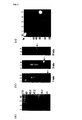
- E . coli RNase III To prepare a heterogeneous siRNA population that could potentially target multiple sites per mRNA molecule for inhibition, we used E . coli RNase III to digest long dsRNAs representing the mRNA targets. We overexpressed E . coli RNase III as a GST fusion protein in E . coli and purified it to homogeneity ( Fig.1a ). To make a 592 bp dsRNA (dsF-592) corresponding to the firefly luciferase (F-luc) and a 457 bp dsRNA (dsR-457) of Renilla luciferase (R-luc), we performed in vitro transcription from PCR products that had appended phage promoters at each ends ( Fig.
- RNAs corresponding to approximately 21-23, 24-26, and 27-30 bp Fig.1c .
- siRNA prepared by RNase III digestion as esiRNA (e ndoribonuclease-prepared siRNA).
- RNAi activity of long dsRNA with its esiRNA was consistent with the presumption that siRNA is the bone fide mediator of the RNAi reaction.
- esiRNA is a specific gene silencer in mammalian cells.
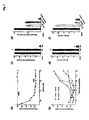
- 21-23 bp esiRNA of R-luc caused 85-90% inhibition of relative R-luc expression in both Hela and C33A cells ( Fig. 2c ).
- esiRNAs of F-luc inhibited 90-95% of relative F-luc expression ( Fig. 2d ). This reciprocal effect indicates that the short RNA duplexes acted in a sequence-specific manner without affecting expression from the non-complementary templates.
- siRNAs and short hairpin RNAs for F-luc only three showed reasonable RNAi activity ( Fig. 2f ).
- the synthetic siRNAs or hairpin RNAs recognized only one sequence element, whereas esiRNAs covered comprehensive sequence elements of the target mRNA. Thus, esiRNA likely increases the chance that at least one siRNA can pair with and lead to destruction of its target.
- siRNAs are more potent inhibitors than antisense RNAs ( Fig. 2f , 3a ).
- hTERT-RPE1 cells We observed 50% to 65% inhibition of F-luc activity at 8 hours after transfection, suggesting that silencing was established rapidly. Silencing reached the maximum 5 to 6 days after transfection and then declined ( Fig. 3b ).
- plasmid DNA was used to express targets for inhibition in Hela cells, we observed that the inhibition could last 2 weeks if high esiRNA doses were used. Low doses of esiRNA caused less potent inhibition that was sustained for several days ( Fig. 3b ).
- the longevity of esiRNA-mediated inhibition was at least partially dependent on esiRNA dose with either episomal or chromatin templates. The rapidity and longevity of esiRNA-mediated inhibition suggests that esiRNAs could be used to inactivate genes whose protein products are relatively stable.
- RNAi in C . elegance and Drosophila A key feature of RNAi in C . elegance and Drosophila is that it exerts its effect by eliciting the destruction of targeted mRNA (1).
- siRNAs also act post-transcriptionally in the mammalian system, we asked if esiRNA could directly inhibit expression from its cognate mRNA.
- esiRNA could directly inhibit expression from its cognate mRNA.
- Non-specific gene silencing by long dsRNA and sequence-specific interference by siRNA are independent pathways
- RNAi activity of siRNA in the presence of a non-specific interferon response activated by long dsRNA in Hela cells.
- dsF-592 caused 10- to 20-fold inhibition of both F-luc and R-luc expression, suggesting activation of the non-specific interferon response ( Fig. 3e, f ).
- F-luc esiRNA selectively inhibited F-luc expression as observed before.
- esiRNA and dsF-592 were cotransfected, we observed additive inhibition of F-luc expression ( Fig. 3e ).
- esiRNA inhibited relative F-luc activity equally with or without cotransfected dsF-592, suggesting that activation of non-specific interferon response has no effect on the potency of specific RNAi inhibition ( Fig. 3f ).
- siRNA-mediated RNAi could be detected (data not shown).
- sequence-specific RNA interference mediated by siRNA is independent of dsRNA-triggered non-specific gene silencing.
- EsiRNA selectively silences the expression of endogenous genes
- LCa clathrin light chain a
- esiRNA could be used to inhibit genes whose mRNA and protein products are low in abundance and relatively unstable.
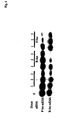
- the level of c-myc protein was reduced by about 70% ( Fig. 5b ).
- Inhibition was sequence-specific because actin expression was not affected and unrelated R-luc esiRNA failed to reduce c-myc expression.
- Cdk1 and Cdk2 in response to treatment with their corresponding esiRNA.
- the RNase III/ esiRNA protocol was also used to specifically reduce expression of chaperon p23).
- RNAi with esiRNA could be easily adapted for analysis of gene functions at the genome scale in cultured mammalian cells.
- a reverse genetics approach with esiRNA could be particularly useful to identify genes essential for viability because it is difficult to make stable mutants for those genes.
- Cancer cells are genetically different from their normal cell counterparts, often having undergone at least a half-dozen mutations (24).
- EsiRNA could be used to search genes whose downregulation specifically kills tumor cells with primary defect, a synthetic lethal approach that simultaneously identifies and validates appropriate new drug targets.
- the E. coli RNase III coding sequence was amplified with PCR from the bacterial strain DH5 ⁇ genomic DNA with the upstream primer cgc gga tcc aac ccc atc gta att aat cgg ctt ca and downstream primer gac gtc cga cga tgg caa t, and cloned into Bam HI and Sma I of pGEX-2T (Pharmacia).
- the bacterial strain BL21 (DE3) carrying the expression vector was grown at 37°C to an OD 600 of 0.5 and induced with 1 mM IPTG for 2 hours.
- GST-RNase III was purified with glutathione-agarose beads according to the manufacture's instruction (Pharmacia), dialyzed against 20 mM TrisHCL, 0.5 mM EDTA, 5 mM MgCL2, 1 mM DTT, 140 mM NaCL, 2.7 mM KCL, 30% glycerol, pH 7.9 over night, and kept at -20 °C. Approximately 1 mg of RNase III was purified from 1 liter of culture. There was no significant loss of enzyme activity after 6 month of storage.
- siRNAs CS1 and CS2 were synthesized chemically (Dharmacon).
- SiRNAs, T1 to T6, and short RNA hairpins, H1 to H6, were synthesized using the MEGAshortscriptTM kit (Ambion) from oligo DNA templates carrying a phage T7 promoter at one end. All siRNAs were 21 nucleotide long and had 2-nucleotide 3' overhangs. All short hairpin RNAs had a 24 bp stem with a UCU loop and an extra GGGA at 5' end for efficient transcription in vitro. Other RNA strands were individually synthesized using the MEGAscriptTM kit (Ambion) from PCR-derived linear templates carrying a phage T7 promoter at both ends. dsRNA was formed by annealing as described previously (16).
- the ends of the dsR-457 RNAs corresponded to 1200-1656 in pRL-CMV (Promega).
- the F-luc RNAs corresponded to the following position in pEGFPLuc (Clontech): dsF-592,1455-2046; CS1,1520-1538; CS2,1900-1918; T1, 603-621; T2, 624-642; T3, 2448-2466; T4, 2994-3012; T5, 3013-3031; T6, 3049-3067; H1, 989-1012; H2,1520-1543; H3, 2529-2552; H4, 2601-2624; H5, 2906-2929; H6, 2947-2970.
- Templates for LCa and Cdk1 dsRNA represented the full coding sequences of their genes.
- Templates for the 681 bp c-myc dsRNA were amplified with forward primer gactcaacgttagcttcaccaaca and reverse primer ggactccgtcgaggagagcaga. All these primers had appended 18 base phage promoters.
- RNA duplexes short RNAs of appropriate sizes were eluted from gel slices by soaking in 1 M (NH 4 ) 2 AC at 37 °C over night and recovered by ethanol precipitation.
- RNA from 15 to 25 base paires was precipitated by ethanol and dissolved in TE buffer.
- concentration of esiRNA was determined by UV 260 .
- hTERT-RPE1 cell line (Clontech Laboratories, Inc) is a human retinal pigment epithelial (RPE) cell line that stably expresses the human telomerase reverse transcriptase subunit (hTERT).
- hTERT-RPE1 cells were permanently transfected with a F-luc expression construct to express firefly luciferase from chromatin templates and were grown in DEME/F12 medium.
- Drosophiln S2 cells were grown in Schneider medium. All medium was from Life Technology and supplemented with 10 % FBS (vol/vol). Mammalian cells were cultured at 37 °C, S2 cells at room temperature.
- plasmid DNA and siRNAs were cotranfected using Superfect (Qiagen). Cells were transfected at 50-70% confluence in 24-well plates for 2.5 hours and then changed to fresh medium. Unless otherwise described, transfections utilized one ⁇ g of DNA per well in 0.5 ml transfection medium (0.5 ⁇ g pEGFPLuc, 0.1 ⁇ g pRL-SV40, and 0.4 ⁇ g pUC19, and 47 nM esiRNA). Data were expressed as mean ratio of relative Luc activities (F-luc/R-luc or R-luc/F-luc) and normalized to that in cells transfected with DNA only. Error bars equal +/- one standard deviation.
- esiRNA was transfected into each well of a 6-well plate using lipofectamine 2000 for 3 hours and then changed to the fresh medium. Luciferase activity was measured as described previously (16). Protein concentrations were measured by Bradford assays (Biorad). To silence endogenous gene expression, cells were cotransfected with 1 ⁇ g esiRNA using lipofectamine 2000.
- RNAi For in vitro RNAi,10 ⁇ l of extracts were incubated for indicated times at 37 C with 100 nM esiRNA in a 20 ⁇ l of reaction containing 20 mM Hepes pH 7.0, 1 mM MgOAC,100 mM K 2 (OAC), 5 mM DTT, 500 uM NTP and 2 units of RNasin (Promega).
- cells extracts were prepared as described previously (21, 25).
- c-myc, Cdk1 and Cdk2 transfected cells grown in 6-well plates were harvested in PBS buffer containing 1 % NP-40 and mixed with an equal volume of SDS sample buffer. Equal amounts of total protein were separated on 12.5% polyacrylamide gels and transferred to nitrocellulose. Standard immunostaining was carried out using ECL (Amersham Pharmacia). Rabbit serum which recognizes both LCa and LCb, and monoclonal TD.1 against clathrin heavy chain were described previously (21,25).
- Anti-c-Myc antibody, N262, and antibodies for Cyclin A and Cdk2 are from Santa Cruz biotechnology, anti-actin antibody from Sigma.
Landscapes
- Engineering & Computer Science (AREA)
- Health & Medical Sciences (AREA)
- Genetics & Genomics (AREA)
- Life Sciences & Earth Sciences (AREA)
- Chemical & Material Sciences (AREA)
- Biomedical Technology (AREA)
- Organic Chemistry (AREA)
- General Engineering & Computer Science (AREA)
- Zoology (AREA)
- Bioinformatics & Cheminformatics (AREA)
- Wood Science & Technology (AREA)
- Biotechnology (AREA)
- Biochemistry (AREA)
- Molecular Biology (AREA)
- General Health & Medical Sciences (AREA)
- Physics & Mathematics (AREA)
- Biophysics (AREA)
- Plant Pathology (AREA)
- Microbiology (AREA)
- Measuring Or Testing Involving Enzymes Or Micro-Organisms (AREA)
- Micro-Organisms Or Cultivation Processes Thereof (AREA)
- Medicines That Contain Protein Lipid Enzymes And Other Medicines (AREA)
- Enzymes And Modification Thereof (AREA)
- Pharmaceuticals Containing Other Organic And Inorganic Compounds (AREA)
Claims (13)
- Verfahren zur Inhibierung der Expression eines Säuger-Gens, umfassend:(i) Verdau von doppelsträngiger RNS mit E. coli RNAse III, um siRNA zu bilden, die in der Lage ist, mehrere Stellen in einer RNS des Gens zu erkennen und die mehrere siRNS-Moleküle in einer Länge von 20 bis 30 Basenpaaren umfasst, die mindestens 95% Identität mit dem Säuger-Gen oder einer Teilsequenz davon haben; und(ii) Transfizieren von Säugerzellen mit der siRNS, wodurch die Expression des Säuger-Gens inhibiert wird, worin das Verfahren nicht am menschlichen oder tierischen Körper ausgeführt wird.
- Verfahren nach Anspruch 1, worin die mehreren siRNS-Moleküle jeweils eine vollständige Sequenzidentität mit einer Sequenz des Säuger-Gens haben.
- Verfahren nach Anspruch 1 oder Anspruch 2, worin die siRNS eine Länge von 21 bis 23 Basenpaaren hat.
- Verfahren nach irgendeinem der vorangehenden Ansprüche, worin die doppelsträngige RNS synthetisch ist.
- Verfahren nach irgendeinem der vorangehenden Ansprüche, worin die siRNS synthetisch ist und die siRNS-Moleküle jeweils eine Sequenz haben, die identisch ist zu einem gewählten Säuger-Ziel-Gen oder einer Teilsequenz davon.
- Verfahren nach einem der Ansprüche 1 bis 3, weiter umfassend die Verwendung von einzelsträngiger RNS, die aus einer natürlich vorkommenden RNS-Population isoliert wurde, um doppelsträngige RNS zu bilden.
- Verfahren nach einem der Ansprüche 1 bis 3, weiter umfassend die Verwendung von einzelsträngiger RNS, die einer natürlich vorkommenden RNS-Population entspricht, um doppelsträngige RNS zu bilden.
- Verfahren nach Anspruch 7 oder Anspruch 8, worin die siRNS Säuger-RNS ist.
- Verfahren nach irgendeinem der vorangehenden Ansprüche, worin die doppelsträngige RNS bereitgestellt wird durch die Synthese einer RNS und ihres Gegenstücks und durch Hybridisierung der RNS mit ihrem Gegenstück, um doppelsträngige RNS zu bilden.
- Verfahren nach irgendeinem der vorangehenden Ansprüche, worin die Säugerzellen kultivierte Säugerzellen sind.
- Verfahren nach irgendeinem der vorangehenden Ansprüche, das zur Identifikation eines Genes oder von Genen dient, die mit einem gewählten Phänotyp assoziiert sind, weiter umfassend;(iii) Absuchen der Zellen nach einem gewählten Phänotyp mittels eines Assays; und(iv) Identifizierung des Gens oder der Gene, deren Expression durch die siRNS moduliert wird in Zellen, die den gewählten Phänotyp aufweisen, worin das so identifizierte Gen mit dem gewählten Phänotyp assoziiert ist, wobei das Verfahren nicht an einem menschlichen oder tierischen Körper durchgeführt wird.
- Verfahren nach Anspruch 11, worin der Phänotyp gewählt ist aus der Gruppe, bestehend aus Lymphocytenaktivierung, Angiogenese, Apoptose, zelluläre Proliferation, Mastzellen-Degranulation, virale Replikation und virale Translation.
- Verfahren nach irgendeinem der vorangehenden Ansprüche, worin die E. Coli RNAse III ein GST-Fusionsprotein ist.
Applications Claiming Priority (3)
| Application Number | Priority Date | Filing Date | Title |
|---|---|---|---|
| US38501102P | 2002-05-31 | 2002-05-31 | |
| US385011P | 2002-05-31 | ||
| PCT/US2003/017178 WO2003102214A2 (en) | 2002-05-31 | 2003-05-29 | Method for efficient rna interference in mammalian cells |
Publications (3)
| Publication Number | Publication Date |
|---|---|
| EP1537227A2 EP1537227A2 (de) | 2005-06-08 |
| EP1537227A4 EP1537227A4 (de) | 2007-09-26 |
| EP1537227B1 true EP1537227B1 (de) | 2010-02-17 |
Family
ID=29712121
Family Applications (1)
| Application Number | Title | Priority Date | Filing Date |
|---|---|---|---|
| EP03756319A Expired - Lifetime EP1537227B1 (de) | 2002-05-31 | 2003-05-29 | Verfahren zur wirksamen rna-interferenz in säugerzellen |
Country Status (8)
| Country | Link |
|---|---|
| US (1) | US8119610B2 (de) |
| EP (1) | EP1537227B1 (de) |
| JP (1) | JP2005536195A (de) |
| AT (1) | ATE458064T1 (de) |
| AU (1) | AU2003253618B2 (de) |
| CA (1) | CA2486658C (de) |
| DE (1) | DE60331321D1 (de) |
| WO (1) | WO2003102214A2 (de) |
Cited By (3)
| Publication number | Priority date | Publication date | Assignee | Title |
|---|---|---|---|---|
| US8524680B2 (en) | 2002-02-01 | 2013-09-03 | Applied Biosystems, Llc | High potency siRNAS for reducing the expression of target genes |
| US8815821B2 (en) | 2002-02-01 | 2014-08-26 | Life Technologies Corporation | Double-stranded oligonucleotides |
| US10036025B2 (en) | 2002-02-01 | 2018-07-31 | Life Technologies Corporation | Oligonucleotide compositions with enhanced efficiency |
Families Citing this family (36)
| Publication number | Priority date | Publication date | Assignee | Title |
|---|---|---|---|---|
| AU2003228301A1 (en) * | 2002-03-06 | 2003-09-22 | Rigel Pharmaceuticals, Inc. | Novel method for delivery and intracellular synthesis of sirna molecules |
| WO2003106630A2 (en) * | 2002-06-12 | 2003-12-24 | Ambion, Inc. | Methods and compositions relating to polypeptides with rnase iii domains that mediate rna interference |
| US20040248094A1 (en) * | 2002-06-12 | 2004-12-09 | Ford Lance P. | Methods and compositions relating to labeled RNA molecules that reduce gene expression |
| US20100075423A1 (en) * | 2002-06-12 | 2010-03-25 | Life Technologies Corporation | Methods and compositions relating to polypeptides with rnase iii domains that mediate rna interference |
| CN1685063B (zh) * | 2002-08-12 | 2011-12-21 | 新英格兰生物实验室公司 | 与基因沉默相关的方法和组合物 |
| EP1713938A2 (de) | 2004-02-09 | 2006-10-25 | Thomas Jefferson University | Diagnose und behandlung von krebserkrankungen mit oder nahe mit krebs in zusammenhang stehenden chromosomalen merkmalen lokalisierter microrna |
| CA2559955C (en) * | 2004-03-15 | 2016-02-16 | City Of Hope | Methods and compositions for the specific inhibition of gene expression by double-stranded rna |
| EP2540734B1 (de) | 2004-04-05 | 2016-03-30 | Alnylam Pharmaceuticals, Inc. | Prozess und Reagenzien für Oligonukleotidsynthese und -reinigung |
| AU2005325262B2 (en) | 2004-04-27 | 2011-08-11 | Alnylam Pharmaceuticals, Inc. | Single-stranded and double-stranded oligonucleotides comprising a 2-arylpropyl moiety |
| AU2005323437B2 (en) * | 2004-04-30 | 2011-10-06 | Alnylam Pharmaceuticals, Inc. | Oligonucleotides comprising a C5-modified pyrimidine |
| JP2008504840A (ja) * | 2004-06-30 | 2008-02-21 | アルニラム ファーマスーティカルズ インコーポレイテッド | 非リン酸骨格結合を含むオリゴヌクレオチド |
| AU2005328382C1 (en) | 2004-07-21 | 2013-01-24 | Alnylam Pharmaceuticals, Inc. | Oligonucleotides comprising a modified or non-natural nucleobase |
| EP1913011B1 (de) | 2004-08-04 | 2016-11-02 | Alnylam Pharmaceuticals Inc. | Oligonukleotide mit einem an einer modifizierten oder nicht-natürlichen nukleobase angebundenen liganden |
| EP2551282A3 (de) | 2005-03-23 | 2013-02-13 | Genmab A/S | Antikörper gegen CD38 zur Behandling von multiplem Myelom |
| EP2484782B1 (de) | 2006-01-05 | 2015-11-18 | The Ohio State University Research Foundation | Verfahren und Zusammensetzungen auf Mikro-RNA-Basis zur Diagnose und Behandlung von soliden Krebs |
| WO2007081680A2 (en) | 2006-01-05 | 2007-07-19 | The Ohio State University Research Foundation | Microrna expression abnormalities in pancreatic endocrine and acinar tumors |
| AU2007205234B2 (en) | 2006-01-05 | 2012-07-12 | The Ohio State University Research Foundation | MicroRNA-based methods and compositions for the diagnosis, prognosis and treatment of lung cancer |
| EP2522748A1 (de) | 2006-03-02 | 2012-11-14 | The Ohio State University | Mikro-RNA-Expressionsprofil im Zusammenhang mit Bauchspeicheldrüsenkrebs |
| ES2446362T3 (es) | 2006-03-20 | 2014-03-07 | The Ohio State University Research Foundation | Huellas de microARN durante megacariocipoyesis humana |
| ES2425387T3 (es) | 2006-07-13 | 2013-10-15 | The Ohio State University Research Foundation | Mir-106a para diagnosticar adenocarcinoma de colon de pronóstico de supervivencia pobre |
| US8841436B2 (en) * | 2007-03-15 | 2014-09-23 | University Hospitals Cleveland Medical Center | Screening, diagnosing, treating and prognosis of pathophysiologic status by RNA regulation |
| WO2009012263A2 (en) * | 2007-07-18 | 2009-01-22 | The Trustees Of Columbia University In The City Of New York | Tissue-specific micrornas and compositions and uses thereof |
| EP2173911B1 (de) | 2007-07-31 | 2014-06-18 | The Ohio State University Research Foundation | Verfahren zur methylierungsreversion mittels abzielen auf dnmt3a und dnmt3b |
| EP2653561B1 (de) | 2007-08-03 | 2016-03-02 | The Ohio State University Research Foundation | Ultrakonservierte Bereiche zur Codierung von ncRNA |
| EP3028708A1 (de) | 2007-08-22 | 2016-06-08 | The Ohio State University Research Foundation | Verfahren und zusammensetzungen zur induzierung von epha7-deregulierung und erk-phosphorlylierung bei humaner akuter leukämie |
| EP3138926A3 (de) | 2007-09-06 | 2017-04-05 | The Ohio State University Research Foundation | Mirna-signaturen in menschlichem ovarialkarzinom |
| EP2212440A4 (de) | 2007-10-11 | 2011-04-06 | Univ Ohio State Res Found | Verfahren und zusammensetzungen zur diagnose und behandlung von adenokarzinomen der speiseröhre |
| EP2714906A1 (de) | 2011-06-01 | 2014-04-09 | INSERM (Institut National de la Santé et de la Recherche Médicale) | Verfahren zur einstellung der expression von mitochondrialem genom durch microrna |
| CA2852066A1 (en) | 2011-10-14 | 2013-04-18 | The Ohio State University | Methods and materials related to ovarian cancer |
| EP2771482A1 (de) | 2011-10-27 | 2014-09-03 | Institut National de la Sante et de la Recherche Medicale (INSERM) | Verfahren zur behandlung und diagnose von arteriosklerose |
| US9193971B2 (en) | 2012-04-10 | 2015-11-24 | Institut National De La Sante Et De La Recherche Medicale (Inserm) | Methods for the treatment of nonalcoholic steatohepatitis |
| WO2013153139A1 (en) | 2012-04-11 | 2013-10-17 | INSERM (Institut National de la Santé et de la Recherche Médicale) | Methods for the treatment and diagnosis of acute leukemia |
| EP3079727A1 (de) | 2013-12-12 | 2016-10-19 | INSERM - Institut National de la Santé et de la Recherche Médicale | Verfahren zur vorbeugung und behandlung von diabetischer kardiomyopathie mithilfe von mir-424/322 |
| JP2022529917A (ja) | 2019-04-18 | 2022-06-27 | アンスティチュ ナショナル ドゥ ラ サンテ エ ドゥ ラ ルシェルシュ メディカル | ガンの処置及び予後のための方法 |
| WO2024189064A1 (en) | 2023-03-14 | 2024-09-19 | Institut National de la Santé et de la Recherche Médicale | The circular rna circltbp2 as a biomarker and biotarget in intrahepatic cholangiocarcinomas |
| EP4780958A1 (de) | 2023-09-20 | 2026-07-29 | Institut National de la Santé et de la Recherche Médicale | Verwendung eines mirna-inhibitors zur behandlung von osteogenese imperfecta |
Family Cites Families (8)
| Publication number | Priority date | Publication date | Assignee | Title |
|---|---|---|---|---|
| US6737512B2 (en) * | 1996-06-06 | 2004-05-18 | Isis Pharmaceuticals, Inc. | Human RNase III and compositions and uses thereof |
| JP2003526367A (ja) * | 2000-03-16 | 2003-09-09 | ジェネティカ インコーポレイテッド | Rna干渉の方法とrna干渉組成物 |
| US20030114410A1 (en) | 2000-08-08 | 2003-06-19 | Technion Research And Development Foundation Ltd. | Pharmaceutical compositions and methods useful for modulating angiogenesis and inhibiting metastasis and tumor fibrosis |
| US6329203B1 (en) * | 2000-09-08 | 2001-12-11 | Isis Pharmaceuticals, Inc. | Antisense modulation of glioma-associated oncogene-1 expression |
| US7067322B2 (en) * | 2001-07-10 | 2006-06-27 | Wisconsin Alumni Research Foundation | Fusion protein arrays on metal substrates for surface plasmon resonance imaging |
| WO2003106630A2 (en) | 2002-06-12 | 2003-12-24 | Ambion, Inc. | Methods and compositions relating to polypeptides with rnase iii domains that mediate rna interference |
| CN1685063B (zh) | 2002-08-12 | 2011-12-21 | 新英格兰生物实验室公司 | 与基因沉默相关的方法和组合物 |
| WO2005072272A2 (en) | 2004-01-23 | 2005-08-11 | New England Biolabs, Inc. | Compositions and methods for generating short double-stranded rna using mutated rnase iii |
-
2003
- 2003-05-29 JP JP2004510450A patent/JP2005536195A/ja active Pending
- 2003-05-29 EP EP03756319A patent/EP1537227B1/de not_active Expired - Lifetime
- 2003-05-29 DE DE60331321T patent/DE60331321D1/de not_active Expired - Lifetime
- 2003-05-29 AT AT03756319T patent/ATE458064T1/de not_active IP Right Cessation
- 2003-05-29 CA CA2486658A patent/CA2486658C/en not_active Expired - Lifetime
- 2003-05-29 US US10/448,612 patent/US8119610B2/en not_active Expired - Lifetime
- 2003-05-29 WO PCT/US2003/017178 patent/WO2003102214A2/en not_active Ceased
- 2003-05-29 AU AU2003253618A patent/AU2003253618B2/en not_active Expired
Non-Patent Citations (3)
| Title |
|---|
| BLASZCZYK ET AL, STRUCTURE, vol. 9, 2001, pages 1225 - 1236 * |
| ZAMORE ET AL, MOLECULAR CELL, vol. 8, no. 6, 2001, pages 1158 - 1160 * |
| ZHANG ET AL, CELL, vol. 118, 2004, pages 57 - 68 * |
Cited By (6)
| Publication number | Priority date | Publication date | Assignee | Title |
|---|---|---|---|---|
| US8524680B2 (en) | 2002-02-01 | 2013-09-03 | Applied Biosystems, Llc | High potency siRNAS for reducing the expression of target genes |
| US8815821B2 (en) | 2002-02-01 | 2014-08-26 | Life Technologies Corporation | Double-stranded oligonucleotides |
| US9592250B2 (en) | 2002-02-01 | 2017-03-14 | Life Technologies Corporation | Double-stranded oligonucleotides |
| US10036025B2 (en) | 2002-02-01 | 2018-07-31 | Life Technologies Corporation | Oligonucleotide compositions with enhanced efficiency |
| US10106793B2 (en) | 2002-02-01 | 2018-10-23 | Life Technologies Corporation | Double-stranded oligonucleotides |
| US10196640B1 (en) | 2002-02-01 | 2019-02-05 | Life Technologies Corporation | Oligonucleotide compositions with enhanced efficiency |
Also Published As
| Publication number | Publication date |
|---|---|
| DE60331321D1 (de) | 2010-04-01 |
| AU2003253618A1 (en) | 2003-12-19 |
| ATE458064T1 (de) | 2010-03-15 |
| CA2486658C (en) | 2014-07-29 |
| CA2486658A1 (en) | 2003-12-11 |
| WO2003102214A3 (en) | 2005-02-17 |
| US8119610B2 (en) | 2012-02-21 |
| AU2003253618B2 (en) | 2007-11-15 |
| US20040014113A1 (en) | 2004-01-22 |
| WO2003102214A2 (en) | 2003-12-11 |
| EP1537227A4 (de) | 2007-09-26 |
| JP2005536195A (ja) | 2005-12-02 |
| EP1537227A2 (de) | 2005-06-08 |
Similar Documents
| Publication | Publication Date | Title |
|---|---|---|
| US8119610B2 (en) | Method for efficient RNA interference in mammalian cells | |
| Pandey et al. | The mammalian cap-specific m6Am RNA methyltransferase PCIF1 regulates transcript levels in mouse tissues | |
| CN1685063B (zh) | 与基因沉默相关的方法和组合物 | |
| Durdevic et al. | The RNA methyltransferase Dnmt2 is required for efficient Dicer-2-dependent siRNA pathway activity in Drosophila | |
| US8409796B2 (en) | Method of regulating gene expression | |
| Gan et al. | Specific interference with gene expression and gene function mediated by long dsRNA in neural cells | |
| WO2004046320A2 (en) | METHODS AND COMPOSITIONS FOR REDUCING TARGET GENE EXPRESSION USING COCKTAILS OF siRNAS OR CONSTRUCTS EXPRESSING siRNAS | |
| Kühn et al. | The nuclear poly (A) binding protein of mammals, but not of fission yeast, participates in mRNA polyadenylation | |
| IL161100A (en) | Nucleic acid molecules as regulators of developmental timing, recombinant expression vectors containing them and preparations containing them | |
| EP1483281B2 (de) | Verfahren zur herstellung interferierender rna-moleküle in säugetierzellen und therapeutische anwendungen solcher moleküle | |
| Perreault et al. | Regulation of the nuclear poly (A)-binding protein by arginine methylation in fission yeast | |
| WO2003106630A2 (en) | Methods and compositions relating to polypeptides with rnase iii domains that mediate rna interference | |
| WO2003091433A1 (en) | EXPRESSION SYSTEMS FOR STEM LOOP RNA MOLECULE HAVING RNAi EFFECT | |
| Seyhan et al. | Complete, gene-specific siRNA libraries: production and expression in mammalian cells | |
| Lee et al. | Roles for Drosophila cap1 2′-O-ribose methyltransferase in the small RNA silencing pathway associated with Argonaute 2 | |
| EP2841577B1 (de) | Sirna-pools von hoher komplexität | |
| US7695964B2 (en) | Compositions and methods for generating short double-stranded RNA using mutated RNAse III | |
| US20050089902A1 (en) | Methods and compositions for siRNA expression | |
| US20230210960A1 (en) | New use of cmtr1 having sirna production and function enhancing activity | |
| US20050233994A1 (en) | Methods and vectors for expressing siRNA | |
| KR101480523B1 (ko) | 세포 내 rpS3 발현 억제를 위한 siRNA | |
| CN115491377B (zh) | 一种诱导rna干扰和降低并清除细胞中病毒污染的核苷酸序列及应用 | |
| WO2006130976A1 (en) | Interfering rnas, methods for their production, and use | |
| Lamarcq et al. | Large-scale, high-throughput validation of short hairpin RNA sequences for RNA interference | |
| Tseng et al. | LARP3, LARP7, and MePCE are Involved in the Early Stage of Human Telomerase RNA Biogenesis |
Legal Events
| Date | Code | Title | Description |
|---|---|---|---|
| PUAI | Public reference made under article 153(3) epc to a published international application that has entered the european phase |
Free format text: ORIGINAL CODE: 0009012 |
|
| 17P | Request for examination filed |
Effective date: 20041230 |
|
| AK | Designated contracting states |
Kind code of ref document: A2 Designated state(s): AT BE BG CH CY CZ DE DK EE ES FI FR GB GR HU IE IT LI LU MC NL PT RO SE SI SK TR |
|
| AX | Request for extension of the european patent |
Extension state: AL LT LV MK |
|
| RIC1 | Information provided on ipc code assigned before grant |
Ipc: A61K 48/00 20060101ALN20070816BHEP Ipc: C12N 15/11 20060101ALI20070816BHEP Ipc: C12Q 1/68 20060101ALI20070816BHEP Ipc: C12P 19/34 20060101AFI20050223BHEP |
|
| A4 | Supplementary search report drawn up and despatched |
Effective date: 20070824 |
|
| 17Q | First examination report despatched |
Effective date: 20071213 |
|
| GRAP | Despatch of communication of intention to grant a patent |
Free format text: ORIGINAL CODE: EPIDOSNIGR1 |
|
| GRAS | Grant fee paid |
Free format text: ORIGINAL CODE: EPIDOSNIGR3 |
|
| GRAA | (expected) grant |
Free format text: ORIGINAL CODE: 0009210 |
|
| AK | Designated contracting states |
Kind code of ref document: B1 Designated state(s): AT BE BG CH CY CZ DE DK EE ES FI FR GB GR HU IE IT LI LU MC NL PT RO SE SI SK TR |
|
| AX | Request for extension of the european patent |
Extension state: AL LT LV MK |
|
| REG | Reference to a national code |
Ref country code: GB Ref legal event code: FG4D |
|
| REG | Reference to a national code |
Ref country code: CH Ref legal event code: EP |
|
| REG | Reference to a national code |
Ref country code: IE Ref legal event code: FG4D |
|
| REF | Corresponds to: |
Ref document number: 60331321 Country of ref document: DE Date of ref document: 20100401 Kind code of ref document: P |
|
| REG | Reference to a national code |
Ref country code: NL Ref legal event code: VDEP Effective date: 20100217 |
|
| LTIE | Lt: invalidation of european patent or patent extension |
Effective date: 20100217 |
|
| PG25 | Lapsed in a contracting state [announced via postgrant information from national office to epo] |
Ref country code: ES Free format text: LAPSE BECAUSE OF FAILURE TO SUBMIT A TRANSLATION OF THE DESCRIPTION OR TO PAY THE FEE WITHIN THE PRESCRIBED TIME-LIMIT Effective date: 20100528 Ref country code: PT Free format text: LAPSE BECAUSE OF FAILURE TO SUBMIT A TRANSLATION OF THE DESCRIPTION OR TO PAY THE FEE WITHIN THE PRESCRIBED TIME-LIMIT Effective date: 20100617 |
|
| PG25 | Lapsed in a contracting state [announced via postgrant information from national office to epo] |
Ref country code: SI Free format text: LAPSE BECAUSE OF FAILURE TO SUBMIT A TRANSLATION OF THE DESCRIPTION OR TO PAY THE FEE WITHIN THE PRESCRIBED TIME-LIMIT Effective date: 20100217 Ref country code: FI Free format text: LAPSE BECAUSE OF FAILURE TO SUBMIT A TRANSLATION OF THE DESCRIPTION OR TO PAY THE FEE WITHIN THE PRESCRIBED TIME-LIMIT Effective date: 20100217 Ref country code: AT Free format text: LAPSE BECAUSE OF FAILURE TO SUBMIT A TRANSLATION OF THE DESCRIPTION OR TO PAY THE FEE WITHIN THE PRESCRIBED TIME-LIMIT Effective date: 20100217 |
|
| PG25 | Lapsed in a contracting state [announced via postgrant information from national office to epo] |
Ref country code: SE Free format text: LAPSE BECAUSE OF FAILURE TO SUBMIT A TRANSLATION OF THE DESCRIPTION OR TO PAY THE FEE WITHIN THE PRESCRIBED TIME-LIMIT Effective date: 20100217 Ref country code: RO Free format text: LAPSE BECAUSE OF FAILURE TO SUBMIT A TRANSLATION OF THE DESCRIPTION OR TO PAY THE FEE WITHIN THE PRESCRIBED TIME-LIMIT Effective date: 20100217 Ref country code: NL Free format text: LAPSE BECAUSE OF FAILURE TO SUBMIT A TRANSLATION OF THE DESCRIPTION OR TO PAY THE FEE WITHIN THE PRESCRIBED TIME-LIMIT Effective date: 20100217 Ref country code: GR Free format text: LAPSE BECAUSE OF FAILURE TO SUBMIT A TRANSLATION OF THE DESCRIPTION OR TO PAY THE FEE WITHIN THE PRESCRIBED TIME-LIMIT Effective date: 20100518 Ref country code: EE Free format text: LAPSE BECAUSE OF FAILURE TO SUBMIT A TRANSLATION OF THE DESCRIPTION OR TO PAY THE FEE WITHIN THE PRESCRIBED TIME-LIMIT Effective date: 20100217 Ref country code: CY Free format text: LAPSE BECAUSE OF FAILURE TO SUBMIT A TRANSLATION OF THE DESCRIPTION OR TO PAY THE FEE WITHIN THE PRESCRIBED TIME-LIMIT Effective date: 20100217 Ref country code: BE Free format text: LAPSE BECAUSE OF FAILURE TO SUBMIT A TRANSLATION OF THE DESCRIPTION OR TO PAY THE FEE WITHIN THE PRESCRIBED TIME-LIMIT Effective date: 20100217 |
|
| PG25 | Lapsed in a contracting state [announced via postgrant information from national office to epo] |
Ref country code: CZ Free format text: LAPSE BECAUSE OF FAILURE TO SUBMIT A TRANSLATION OF THE DESCRIPTION OR TO PAY THE FEE WITHIN THE PRESCRIBED TIME-LIMIT Effective date: 20100217 Ref country code: SK Free format text: LAPSE BECAUSE OF FAILURE TO SUBMIT A TRANSLATION OF THE DESCRIPTION OR TO PAY THE FEE WITHIN THE PRESCRIBED TIME-LIMIT Effective date: 20100217 Ref country code: BG Free format text: LAPSE BECAUSE OF FAILURE TO SUBMIT A TRANSLATION OF THE DESCRIPTION OR TO PAY THE FEE WITHIN THE PRESCRIBED TIME-LIMIT Effective date: 20100517 |
|
| PLBE | No opposition filed within time limit |
Free format text: ORIGINAL CODE: 0009261 |
|
| STAA | Information on the status of an ep patent application or granted ep patent |
Free format text: STATUS: NO OPPOSITION FILED WITHIN TIME LIMIT |
|
| PG25 | Lapsed in a contracting state [announced via postgrant information from national office to epo] |
Ref country code: MC Free format text: LAPSE BECAUSE OF NON-PAYMENT OF DUE FEES Effective date: 20100531 |
|
| REG | Reference to a national code |
Ref country code: CH Ref legal event code: PL |
|
| 26N | No opposition filed |
Effective date: 20101118 |
|
| PG25 | Lapsed in a contracting state [announced via postgrant information from national office to epo] |
Ref country code: DK Free format text: LAPSE BECAUSE OF FAILURE TO SUBMIT A TRANSLATION OF THE DESCRIPTION OR TO PAY THE FEE WITHIN THE PRESCRIBED TIME-LIMIT Effective date: 20100217 |
|
| PG25 | Lapsed in a contracting state [announced via postgrant information from national office to epo] |
Ref country code: CH Free format text: LAPSE BECAUSE OF NON-PAYMENT OF DUE FEES Effective date: 20100531 Ref country code: LI Free format text: LAPSE BECAUSE OF NON-PAYMENT OF DUE FEES Effective date: 20100531 |
|
| PG25 | Lapsed in a contracting state [announced via postgrant information from national office to epo] |
Ref country code: IT Free format text: LAPSE BECAUSE OF FAILURE TO SUBMIT A TRANSLATION OF THE DESCRIPTION OR TO PAY THE FEE WITHIN THE PRESCRIBED TIME-LIMIT Effective date: 20100217 |
|
| PG25 | Lapsed in a contracting state [announced via postgrant information from national office to epo] |
Ref country code: IE Free format text: LAPSE BECAUSE OF NON-PAYMENT OF DUE FEES Effective date: 20100529 |
|
| PG25 | Lapsed in a contracting state [announced via postgrant information from national office to epo] |
Ref country code: HU Free format text: LAPSE BECAUSE OF FAILURE TO SUBMIT A TRANSLATION OF THE DESCRIPTION OR TO PAY THE FEE WITHIN THE PRESCRIBED TIME-LIMIT Effective date: 20100818 Ref country code: LU Free format text: LAPSE BECAUSE OF NON-PAYMENT OF DUE FEES Effective date: 20100529 |
|
| PG25 | Lapsed in a contracting state [announced via postgrant information from national office to epo] |
Ref country code: TR Free format text: LAPSE BECAUSE OF FAILURE TO SUBMIT A TRANSLATION OF THE DESCRIPTION OR TO PAY THE FEE WITHIN THE PRESCRIBED TIME-LIMIT Effective date: 20100217 |
|
| REG | Reference to a national code |
Ref country code: DE Ref legal event code: R082 Ref document number: 60331321 Country of ref document: DE Representative=s name: SSM SANDMAIR PATENTANWAELTE RECHTSANWALT PARTN, DE Ref country code: DE Ref legal event code: R082 Ref document number: 60331321 Country of ref document: DE Representative=s name: SCHWABE SANDMAIR MARX PATENTANWAELTE RECHTSANW, DE Ref country code: FR Ref legal event code: PLFP Year of fee payment: 14 |
|
| REG | Reference to a national code |
Ref country code: FR Ref legal event code: PLFP Year of fee payment: 15 |
|
| REG | Reference to a national code |
Ref country code: FR Ref legal event code: PLFP Year of fee payment: 16 |
|
| PGFP | Annual fee paid to national office [announced via postgrant information from national office to epo] |
Ref country code: GB Payment date: 20220527 Year of fee payment: 20 Ref country code: FR Payment date: 20220525 Year of fee payment: 20 Ref country code: DE Payment date: 20220527 Year of fee payment: 20 |
|
| REG | Reference to a national code |
Ref country code: DE Ref legal event code: R071 Ref document number: 60331321 Country of ref document: DE |
|
| REG | Reference to a national code |
Ref country code: GB Ref legal event code: PE20 Expiry date: 20230528 |
|
| PG25 | Lapsed in a contracting state [announced via postgrant information from national office to epo] |
Ref country code: GB Free format text: LAPSE BECAUSE OF EXPIRATION OF PROTECTION Effective date: 20230528 |