EP1379871B1 - Verfahren und mittel zur fitness-bestimmung in pflanzen - Google Patents
Verfahren und mittel zur fitness-bestimmung in pflanzen Download PDFInfo
- Publication number
- EP1379871B1 EP1379871B1 EP02701298A EP02701298A EP1379871B1 EP 1379871 B1 EP1379871 B1 EP 1379871B1 EP 02701298 A EP02701298 A EP 02701298A EP 02701298 A EP02701298 A EP 02701298A EP 1379871 B1 EP1379871 B1 EP 1379871B1
- Authority
- EP
- European Patent Office
- Prior art keywords
- explants
- lines
- plant
- line
- population
- Prior art date
- Legal status (The legal status is an assumption and is not a legal conclusion. Google has not performed a legal analysis and makes no representation as to the accuracy of the status listed.)
- Expired - Lifetime
Links
Images







Classifications
-
- G—PHYSICS
- G01—MEASURING; TESTING
- G01N—INVESTIGATING OR ANALYSING MATERIALS BY DETERMINING THEIR CHEMICAL OR PHYSICAL PROPERTIES
- G01N31/00—Investigating or analysing non-biological materials by the use of the chemical methods specified in the subgroup; Apparatus specially adapted for such methods
- G01N31/005—Investigating or analysing non-biological materials by the use of the chemical methods specified in the subgroup; Apparatus specially adapted for such methods investigating the presence of an element by oxidation
-
- A—HUMAN NECESSITIES
- A01—AGRICULTURE; FORESTRY; ANIMAL HUSBANDRY; HUNTING; TRAPPING; FISHING
- A01H—NEW PLANTS OR NON-TRANSGENIC PROCESSES FOR OBTAINING THEM; PLANT REPRODUCTION BY TISSUE CULTURE TECHNIQUES
- A01H1/00—Processes for modifying genotypes ; Plants characterised by associated natural traits
- A01H1/04—Processes of selection involving genotypic or phenotypic markers; Methods of using phenotypic markers for selection
Definitions
- the present invention provides methods and means for determining parent inbred plant lines with good combining ability, for determining good combinations of parent inbred plant lines capable of yielding hybrid lines with high heterosis, and further for determining the agronomical performance of different plant lines, which can be performed in vitro.
- a plant line can be called vigorous when this line grows vitally, healthy, is tolerant to various biotic and abiotic stresses and most importantly has a high yield.
- the currently used method to classify plant lines according to their growth and yield vigour consists in performing field trials at different locations.
- a disadvantage of field trials is that, at best, only two experiments can be done each year. Even when field trials are planned very well and deliver the appropriate data, this time constraint interferes with the continuity of the projects and slows down the progress.
- Chlorophyll fluorescence and fluorescence imaging may also be used to study the influences of stress conditions on whole plants (Lichtenthaler, 1996; Lichtentaler and Mieké, 1997). Although these assays provide some data on the tolerance of the plant lines to certain stresses, they cannot be used to measure growth and yield vigour.
- Yet another object of the invention is to provide a method for producing a hybrid plant line, comprising the steps of:
- the invention is based on the surprising finding that heterosis in plants behaves as a dominant quantitative trait. Indeed, the inventors have found a correlation between the amount of electron flow in the mitochondrial transport chain under control conditions in the parent lines and the general fitness or vigour of the hybrid lines resulting from crosses between those parent lines, as determined by the different parameters scored during field trials. These findings allow to discard combinations of parent lines which will not yield hybrid lines with high heterosis and to proceed only with those parent lines which may yield hybrid lines with high heterosis effect.
- an improved vigour assay based on the change in the electron flow in the mitochondrial respiration chain under stress conditions imposed by incubation in the presence of salicylic acid or derivates, compared to the electron flow in the mitochondrial electron transport chain under controlled conditions allows a better discrimination of the resulting plant lines according to their agronomical performance.
- a method for determining good parental plant lines, preferably inbred lines which upon crossing with other parent plant lines, preferably inbred plant lines is capable of yielding a hybrid plant line with high heterosis comprises the steps of :
- heterosis effect or “hybrid vigour” is used to refer to the superiority of heterozygous genotypes with respect to one or more characters, particularly with regard to a character of interest such as yield, in comparison with the corresponding homozygotes.
- the explants are hypocotyl explants, but other explants such as callus, shoots, leaf disks or whole leaves may be used to the same effect. It is further preferred that the explants should be derived from sterile in vitro grown material that has a high respiration rate or an active metabolism. This may be achieved by culturing or incubating the explants first on a medium comprising a suitable carbohydrate, such as sucrose, to enhance the respiration rate or metabolism. More preferably, explants are cultured on a callus inducing medium for a time sufficient to activate the metabolism, particularly for about 0 to 10 days, preferably for about 4 to 6 days, particularly for about 5 days. Preferably, the callus-inducing medium comprises sucrose, particularly about 2% to 3% w/w. Preferred temperature ranges for culturing the explants are about 24 to 25° C.
- the electron flow in the mitochondrial electron transport chain is determined by measuring the capacity of the explant to reduce 2,3,5 triphenyltetrazolium chloride (TTC).
- TTC 2,3,5 triphenyltetrazolium chloride
- MTT 3-(4,5-dimethylthiazol-2-yl)-2,5 diphenyl-2H-tetrazolium
- an improved method for determining the vigour of a plant i.e . for determining in vitro the agronomical fitness of a plant line
- determining the vigour of a plant i.e . for determining in vitro the agronomical fitness of a plant line
- Explants from vigourous plants have a lower electron flow in the mitochondrial electron transport chain when assayed under conditions comprising the stress with the salicylic acid derivative then when assayed under control conditions without such imposed stress.
- the larger the reduction in electron flow under stress conditions the more vigourous the plant or plant line from which the explants were derived.
- the electron flow is measured by TTC reducing capacity, and the difference) is expressed by subtracting the data obtained from the second part of explants (under stress conditions) from the data obtained from the first part of explants, vigourous plants should exhibit a negative score. The more negative the score, the more vigourous the plant.
- the A TTC reducing capacity may also be expressed as a percentage of the TTC reducing capacitity under control conditions (mean TTC reducing capacity under stressed conditions - mean TTC reducing capacity under control conditions/ mean TTC reducing capacity under control conditions).
- the thus obtained figure should preferably be at least about -10% but may be as much as about -50%.
- This method may be applied for selecting a plant line having the highest growth and yield vigour from a collection of plant lines from the same species, preferably from the same variety. It may also be used for the identification of physiological conditions that affect the fitness of the plants (increase or decrease) or to discriminate mutant plants, cells or cell lines from wild-types.
- the buffer is a K-phosphate buffer in a concentration of about 25 mM, but concentrations of about 5 mM to about 40 mM may be used to similar effect, as well as other buffers.
- the carbon source is sucrose in a concentration of about 2 to about 3% w/v but concentration ranges of about 1 to 4% may be used to the same end, as well as other carbon sources which can be used by the plants or explants as energy sources.
- the salicylic acid derivative capable of generating oxidative stress in plant cells is acetylsalicylic acide, particularly in a 25 mg/L concentration range, but concentrations as low as about 5 mg/L or as high as about 50, particularly ranging from about 20 to about 40 mg/L may also be used.
- explants from a number of reference plants or plant lines with a known yield as determined in vivo are subjected to the above described assays using a number of concentrations of a salicylic acid derivative capable of generating oxidative stress in a plant cell, preferably within the range of 5 to 50 mg/L, particularly within the range of 20 to 40 mg/L.
- the optimum concentration of salicylic acid for any given plant may be determined as the concentration where the largest difference in TTC reducing capacity is obtained.
- the known yield of plant lines should be correlated with the ⁇ TTC reducing capacity (as defined above).
- the ranges of buffer concentrations, temperature and incubation time may be optimized to obtain the highest metabolic activation, as reflected by the highest TTC reducing capacity.
- seeds to obtain the plants for the assay may be primed before sowing. This may be achieved e.g. by shaking seeds for about 20 hours in sterile tap water containing 500mg/l ticarcillin disodium and selecting only those seeds that start to germinate.
- parent lines with good combining ability may be predicted based on the following method which can be performed in vitro .
- a method for producing a hybrid plant line comprising the steps of:
- both assay methods as described may be combined, and the parent line or lines should have a good score in both tests.
- the invention thus also provides a method for producing a hybrid plant line, comprising the steps of:
- both parent lines, particularly parent inbred lines have been selected as performing good in both assays.
- the methods of the invention are particularly suited for Brassicaceae plants, particularly oilseed rape, but may be used to similar ends in other plants such as lettuce, tobacco, cotton, corn, rice, wheat, vegetable plants, carrot, cucumber, leek, pea, melon, potato, tomato, sorghum, rye, oat, sugarcane, peanut, flax, bean, sugarbeets, soya, sunflower, ornamental plants.
- Sowing medium (medium 201): half-concentrated Murashige and Skoog salts (Murashige and Skoog, 1962), 2% sucrose, pH 5.8, 0.6% agar, 250mg/l ticarcillin disodium (Duchefa, Netherlands).
- Callus inducing medium A2S3 Murashige and Skoog medium (Murashige and Skoog, 1962), 0.5g/l Mes (pH 5.8), 3% sucrose, 40mg/l adenine-SO4, 0.5% agarose, 1mg/l 2,4-D, 0.25mo/l NAA, 1mg/l BAP, 250mg/l ticarcillin disodium (Duchefa, Netherlands).
- Incubation medium 25mM K-phosphate buffer pH5.8, 2% sucrose, 1 drop Tween20 for 25ml medium.
- the phosphate buffer and sucrose were autoclaved separately.
- acetylsalicylic acid was added, a stock solution of 10mg/ml at a pH5.8 was used.
- TTC 2,3,5-triphenyltetrazoliumchloride
- the majority of the dissolved oxygen was removed until a final oxygen concentration of the reaction buffer was about 2 mg/l.
- 1mM KCN and/or 10mM salicylhydroxamic acid (SHAM) were added.
- Seeds were soaked in 70% ethanol for 2 min, then surface-sterilized for 15 min in a sodium hypochlorite (with about 6% active chlorine) containing 0.1% Tween20. Finally, the seeds were rinsed with 1l of sterile distilled water. Seeds were put in 1l vessel (Weck, Germany) containing about 75ml of sowing medium (10 seeds/vessel). Alternatively, the seeds were put in "in vitro vent containers" (Duchefa, The Netherlands" containing 125 ml of sowing medium (12 seeds/container). The seeds were germinated at 24°C and 20 ⁇ Einstein/s -1 m -2 with a day length of 16h.
- the line N90-740 was included as standard. Priming of the seeds: If the seed quality of the tested lines was different, then the seeds were primed. This was done by shaking the sterilized seeds for about 20 hours in sterile tap water containing 500mg/l ticarcillin disodium (Duchefa, Netherlands). Only the seeds that started to germinate (radicle protruded) were sown. Preculture of the hypocotyl explants: 12 days after sowing, the hypocotyls were cut in about 7mm segments (about 5 explants/seedling).
- hypocotyl explants 25 hypocotyl explants /Optilux Petridish, Falcon S1005, Denmark
- medium A2S3 at 25°C (at 20 ⁇ Einstein/s -1 m -2 ).
- 150 hypocotyl explants/line/condition were used. An extra 150 hypocotyl explants were cut, these were used as blank in the TTC-reaction (see later).
- Incubation step After these 4-5 days, 150 hypocotyl explants/line/condition were transferred to an Optilux Petridish (Falcon S1005, Denmark) containing 25ml of incubation medium, including an extra plate with the 150 hypocotyl explants that were cut at the start of the experiment (see above).
- TTC-assay The batches of 150 hypocotyl explants were transferred to 50ml Falcon tubes and washed with reaction buffer without TTC (2,3,5-triphenyltetrazolium chloride). 25ml-30ml of reaction buffer (containing 10mM TTC) was added per tube. For the blank no TTC was added (for measuring the background absorption). For this the extra 150 hypocotyl explants were used (see above). The explants were submerged, but no vacuum infiltration was done. The tubes were incubated upside down for one hour in the dark at 25°C (no end reaction!).
- the quantification of ATP was mainly done as described by Rawyler et al. (1999). Material: hypocotyl explants cultured for 5 days on A2S3 medium. ATP extraction: The hypocotyl explants were frozen with liquid nitrogen (in batches of 50 explants). Frozen hypocotyls were grinded with a mortar and pistil in 6ml of 6% perchloric acid. The extract was centrifuged at 24,000g (Sorvall, SS34 rotor at 14,000rpm) for 10min. at 4°C. The supernatant was neutralize with 5M K 2 CO 3 (350 ⁇ l of 5M K 2 CO 3 to 3ml of supernatant). The KClO 4 was removed by spinning as described before. Quantitative bioluminescent determination of ATP: The ATP bioluminescent assay kit from Sigma was used (FL-AA). The luminescence was measured with the TD-20/20 luminometer of Turner Designs (Sunnyvale, USA).
- the formation of superoxides by the explants was quantified by measuring the reduction of XTT (sodium,3'- ⁇ 1-[phenylamino-carbonyl]-3,4-tetrazolium ⁇ bis(4-methoxy-6-nitro) benzene-sulfonic acid hydrate) as described (Sutherland and Learmonth, 1997; Able et al., 1998).
- XTT sodium,3'- ⁇ 1-[phenylamino-carbonyl]-3,4-tetrazolium ⁇ bis(4-methoxy-6-nitro) benzene-sulfonic acid hydrate
- reaction buffer containing 1 mM XTT instead of TTC (20ml reaction buffer for 150 hypocotyl explants).
- the formation of XTT formazan was followed by measuring the absorbance of the medium at 470nm.
- Example 1 Optimizing vigour assay variables for a given plant species
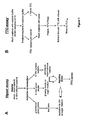
- the vigour assay is generally outlined in Fig. 1 . It is preferred to start from sterile in vitro grown material that has a high respiration rate. E.g. leaf explants from greenhouse-grown plants should not be used directly but first be incubated with sucrose to enhance the respiration.
- the different components of the system which are of importance for the reliability of the assay, were analysed using two lines derived from the spring variety N90-740 of Brassica napus. One of the lines had a seed yield comparable to the original N90-740 line and is indicated as the control line.
- the second line had been determined by field trials as having a lower seed yield (about 90% of the control line) and is indicated in Fig. 2 as less vigorous' (lower seed yield, 90%, and less vigorous growth). Except for the specific variables that were studied, the vigour assay was done as described above (see also Fig. 1 B) .
- Freshly isolated hypocotyl explants have a low metabolic activity and respiration rate: very low malate dehydrogenase activity and almost no TTC-reducing capacity.
- the explants were cultured for 0 to 10 days on callus inducing medium.
- the TTC-reducing capacity was determined before incubation and after respectively 2, 4, 6, and 10 days of culture. The results are shown in Fig. 2A .
- the clearest relative difference between the control and less vigorous line was measured after 4 to 6 days of culture. Often the differences disappear after 10 days of culture.
- a period of five days on callus inducing medium was chosen as the standard activation time.
- the duration of the culture period may influence the assay, but also the culture conditions in general will determine how and at which degree the metabolism will be activated.
- the culture conditions in general will determine how and at which degree the metabolism will be activated.
- several variables in the culture conditions such as carbon source, carbon concentration, and temperature were evaluated. Sucrose (2-3%) was the best carbon source, while a culture temperature of 24 - 25°C was found to be better than lower temperatures ( Fig. 2B ).
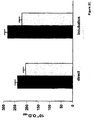
- the explants are incubated for about 18 hours in K-phosphate buffer containing 2-3% sucrose.
- the difference in TTC-reducing capacity between the two lines with different vigour was more pronounced when the hypocotyl explants were incubated for about 18 hours in K-phosphate buffer.
- the difference was less clear.
- the incubation step allows addition of compounds such as stress inducers and enzyme inhibitors to the buffer.
- Fig. 2D the TTC-reducing capacity of the control and less vigorous line in relation to the K-phosphate concentration of the incubation medium is depicted.
- Incubation in 25mM K-phosphate resulted in the highest values and the largest differences between the two lines.
- the K-phosphate buffer and sucrose should be autoclaved separately. For reasons that are not understood, autoclaving both together may have an adverse effect on the vigour assay.
- TTC mitochondrial dehydrogenases
- Complex I mitochondrial dehydrogenases
- the efficiency of the formazan formation depends on the activity of cytochrome oxidase which determines the aerobic state (Rich et al., 2001).
- cytochrome oxidase which determines the aerobic state
- an alternative respiratory pathway exists in plants.
- the hypocotyl explants were put after the incubation step in reaction buffer containing 1mM KCN and/or 10mM SHAM.
- KCN inhibits the cytochromal pathway at complex IV (cytochrome oxidase)
- SHAM inhibits the alternative respiratory pathway (alternative oxidase).
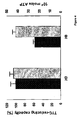
- the vigour of a plant line is not related to the ATP content
- the amount of TTC that is reduced in a certain time period reflects the intensity of the mitochondrial electron transport system. Therefore, it could be that the vigour of a plant line could be measured by directly quantifying the ATP content of the shoots or explants. Such an assay would be convenient and quantitative.
- Example 3 Influence of the quality of the seedlot on the vigour assay for Brassica napus and neutralization of the seed quality factor by seed priming.
- Plants from the same genotype and grown at identical conditions but derived from different seed batches can vary a lot in vigour. This variation in vigour is largely determined by the quality of the seedlot from which the plants originated (Larsen et al., 1998; Strydom and Van de Venter, 1998). This phenomenon is well known by seed companies, who test the seedlots for their quality (read percent germination and the growth rate of the seedlings at optimal and suboptimal conditions) before these are introduced into the market.
- Seedlots of a different quality (about same germination rate but giving rise to seedlings with a different vigour as reflected in growth rate) from two commercial varieties (line A and line B) were used as starting material.
- the vigour assay was done on seedlings derived from non-treated and primed seeds. The priming was done as described in 'Materials and Methods'.
- Example 4 The integration of the various vigour assay methods in Brassica napus breeding.
- the TTC-reducing capacity of the parental lines influences the vigour of their hybrids
- the vigour assay can be used to identify weaker lines within a variety. This is of interest for biotechnology and breeding e.g. to test in an early phase whether the expression of a certain transgene in a particular line could have an adverse effect on the overall vigour of the plant.
- the vigour assay would have a high added value if it would allow to identify lines with an increased vigour, and to compare lines with a very different genetic background.
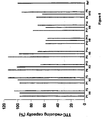
- each variety has its own intrinsic TTC-reducing capacity in the vigour assay (see e.g. Fig. 6 ). It is expected that within a variety, lines could be compared, but the more the varieties are genetically diverse the less the comparison of the total TTC-reducing capacities reflects their vigour.
- vigour assay could be used in breeding programs to evaluate lines with a different genetic background.
- the variety N90-740 was used as reference line and was set at 100% for TTC reducing capacity.
- Fig. 6 represents an example of the results obtained from such analyses. The following information can be obtained from these data.
- the lines P3 and P6 have the highest TTC-reducing capacity and were scored by the breeders as the best parental lines.
- Well performing hybrids (with a seed yield higher than 105%) were obtained when at least one of the parental lines had a high TTC-reducing capacity.
- line H3 had the best field score
- the best performing hybrid lines can be identified by adding acetylsalicylic acid during the incubation period
- Heterosis is a phenomenon that is not well understood. Probably, various molecular, biochemical, and physiological factors contribute to the hybrid vigour phenotype (Griffing, 1990; Romangnoli et al., 1990; Titok et al., 1995; Tsaftaris, 1995; Zhang et al., 1996; Milborrow, 1998; Tsaftaris and Kafka, 1998; Xiong et al., 1998; Sun et al., 1999). Tolerance to stress could be one of these factors (Cassman, 1999). In fact, stress tolerance is the plant's ability to cope with suboptimal conditions, resulting in a relatively better growth and higher yield.
- the tolerance of lines to stress could be used as an extra criterium to classify lines by vigour.
- the vigour assay was adapted by adding 0 and 25mg/l acetylsalicylic acid to the incubation medium, imposing in this way oxidative stress on the explants (Chen et al., 1993; Dempsey and Klessig, 1994; Conrath et al., 1995; Xie and Chen, 1999).
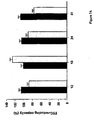
- An example of the results obtained in these experiments is represented in Fig. 7A for four hybrid lines with different yield vigour (i.e.
- the decrease in TTC-reducing capacity after treatment with 25mg/l acetylsalicylic acid is more pronounced in hybrids with a high seed yield, while hybrid lines with a poor seed yield show at the same conditions from a minor decrease to a pronounced increase.
- TTC is reduced by reactive oxygen species
- many tetrazolium dyes are reduced by superoxides (Raap, 1983; Seidler, 1991; Sutherland and Learmonth, 1997; Able et al., 1998).
- salicylic acid generates reactive oxygen species (Chen et al., 1993; Dempsey and Klessig, 1994; Conrath et al., 1995; Rao and Davis, 1999; Xie and Chen, 1999) that could possibly reduce TTC.
- the formation of superoxides was quantified within hours after the application of salicylic acid.
- the vigour assay can be used to predict the combining ability of parental lines
- the vigour assay allows to identify the best hybrids, it would be even more interesting for the breeder to identify the best parental combinations.
- the experiments described previously allow to predict which parental combinations will not result in heterotic hybrids: at least one of the parents needs to have a high TTC-reducing capacity at control conditions.
- the vigour assay was performed with and without acetylsalicylic acid treatment on parental lines with a known 'combining ability'.
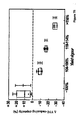
- Fig. 8 the relative TTC-reducing capacity under control conditions and after acetylsalicylic acid treatment, as well as the absolute TTC-reducing capacity under control conditions are represented.
- the parental lines A and B with an excellent combining ability and that are used by the breeders as general combiners have a decreased TTC-reducing capacity after acetylsalicylic acid treatment.
- the parental line DH7 with a poor combining ability shows a high increase in TTC-reducing capacity after the acetylsalicylic acid treatment.
- the parental lines DH4, DH5 and DH10 with a moderate to good combining ability have no or only a small increase in TTC-reducing capacity after acetylsalicylic acid treatment. The reason that DH4 does not combine as well as DH10 with line A may be due to the lower total TTC-reducing capacity of line DH4.
Landscapes
- Life Sciences & Earth Sciences (AREA)
- Health & Medical Sciences (AREA)
- General Health & Medical Sciences (AREA)
- Genetics & Genomics (AREA)
- Pathology (AREA)
- Molecular Biology (AREA)
- Biochemistry (AREA)
- Chemical & Material Sciences (AREA)
- General Physics & Mathematics (AREA)
- Immunology (AREA)
- Physics & Mathematics (AREA)
- Analytical Chemistry (AREA)
- Botany (AREA)
- Developmental Biology & Embryology (AREA)
- Environmental Sciences (AREA)
- Breeding Of Plants And Reproduction By Means Of Culturing (AREA)
- Measuring Or Testing Involving Enzymes Or Micro-Organisms (AREA)
- Investigating Or Analysing Materials By Optical Means (AREA)
- Micro-Organisms Or Cultivation Processes Thereof (AREA)
- Compounds Of Unknown Constitution (AREA)
Claims (14)
- Verfahren zur In-vitro-Bestimmung der agronomischen Fitneß einer Pflanzenlinie, umfassend die folgenden Schritte:a) Kultivieren einer Population von Explantaten dieser Pflanzenlinie unter Bedingungen, die den Metabolismus in den Explantaten aktivieren;b) Inkubieren eines ersten Teils dieser Population von kultivierten Explantaten in einer Pufferlösung;c) Inkubieren eines zweiten Teils dieser Population von kultivierten Explantaten in der Pufferlösung, die weiterhin ein Salicylsäurederivat umfaßt, das fähig ist, in Pflanzenzellen, die in einer Lösung dieses Salicylsäurederivats inkubiert werden, Oxidationsstreß zu erzeugen;d) Messen des Elektronenflusses in der Mitochondrien-Elektronentransportkette durch Messen der Fähigkeit dieser Explantate, 2,3,5-Triphenyltetrazoliumchlorid oder 3-(4,5-Dimethylthiazol-2-yl)-2,3-diphenyl-2H-tetrazolium in dem ersten und zweiten Teil der Population zu reduzieren;wobei die Pflanzen mit agronomischer Fitneß einen größeren Elektronenfluß in dem ersten Teil der kultivierten Explantate als in dem zweiten Teil der kultivierten Explantate aufweisen.
- Verfahren nach Anspruch 1, wobei die Teile der Population von kultivierten Explantaten in der Pufferlösung ungefähr 18 Stunden lang inkubiert werden.
- Verfahren nach Anspruch 1 oder 2, wobei die Pufferlösung ungefähr 25 mM Kaliumphosphat und ungefähr 2 bis 3% Saccharose umfaßt.
- Verfahren nach einem der Ansprüche 1 bis 3, wobei es sich bei dem Salicylsäurederivat um Acetylsalicylsäure handelt.
- Verfahren nach Anspruch 4, wobei die Acetylsalicylsäure in der Pufferlösung in einer Konzentration von etwa 25 mg/l vorliegt.
- Verfahren nach einem der Ansprüche 1 bis 5, wobei das Verfahren auf eine Population von Explantaten von jeder Pflanzenlinie einer Sammlung von Pflanzenlinien angewandt wird, um eine Pflanzenlinie mit hoher Wüchsigkeit und hoher Ertragsfähigkeit aus einer Sammlung von Pflanzenlinien zu selektieren.
- Verfahren nach einem der Ansprüche 1 bis 6, wobei es sich bei der Pflanzenlinie um eine Brassicacee handelt.
- Verfahren nach Anspruch 7, wobei es sich bei der Pflanzenlinie um Raps handelt.
- Verfahren zur Erzeugung einer Hybridpflanzenlinie, umfassend die folgenden Schritte:a) Testen einer Sammlung von interessierenden Inzuchtlinien durchi) Kultivieren einer Population von Explantaten von jeder dieser Elterninzuchtpflanzenlinien dieser Sammlung (vorzugsweise ein Hypokotyl) unter Bedingungen die den Metabolismus in dem Explantat aktivieren;ii) Messen des Elektronenflusses in der Mitochondrien-Elektronentransportkette in der Population von Explantaten im Vergleich zum Elektronenfluß in der Mitochondrien-Elektronentransportkette in einer Population von Explantaten von einer Bezugspflanzenlinie derselben Art, vorzugsweise derselben Sorte, durch Messen der Fähigkeit dieser Explantate, 2,3,5-Triphenyltetrazoliumchlorid oder 3-(4,5-Dimethylthiazol-2-yl)-2,3-diphenyl-2H-tetrazolium zu reduzieren;b) Testen der Sammlung von interessierenden Inzuchtlinien durchi) Kultivieren einer Population von Explantaten von jeder dieser Elterninzuchtpflanzenlinien dieser Sammlung unter Bedingungen, die den Metabolismus in den Explantaten aktivieren;ii) Inkubieren eines ersten Teils dieser Populationen von kultivierten Explantaten in einer Pufferlösung;iii) Inkubieren eines zweiten Teils dieser Populationen von kultivierten Explantaten in der Pufferlösung, die weiterhin ein Salicylsäurederivat umfaßt, das fähig ist, in Pflanzenzellen, die in einer Lösung dieses Salicylsäurederivats inkubiert werden, Oxidationsstreß zu erzeugen;iv) Messen des Elektronenflusses in der Mitochondrien-Elektronentransportkette durch Messen der Fähigkeit dieser Explantate, 2,3,5-Triphenyltetrazoliumchlorid oder 3-(4,5-Dimethylthiazol-2-yl)-2,3-diphenyl-2H-tetrazolium in dem ersten und zweiten Teil der Populationen zu reduzieren;c) Selektieren einer Elterninzuchtlinie mit einem relativ hohen Elektronenfluß in der Mitochondrien-Elektronentransportkette im Vergleich zu anderen Inzuchtlinien aus der Sammlung und mit einer großen negativen Differenz zwischen dem gemessenen Elektronenfluß in der Mitochondrien-Elektronentransportkette zwischen dem ersten und dem zweiten Teil;d) Kreuzen der selektierten Inzuchtlinie mit einer zweiten Inzuchtlinie;e) Gewinnen von Samen von der gekreuzten selektierten Inzuchtlinie.
- Verfahren nach Anspruch 9, wobei die zweite Inzuchtlinie einen relativ hohen Elektronenfluß in der Mitochondrien-Elektronentransportkette im Vergleich zu anderen Inzuchtlinien aus der Sammlung und eine große negative Differenz zwischen dem gemessenen Elektronenfluß in der Mitochondrien-Elektronentransportkette zwischen dem ersten und dem zweiten Teil aufweist.
- Verfahren nach einem der Ansprüche 9 oder 10, wobei die Teile der Population von kultivierten Explantaten ungefähr 18 Stunden lang in der Pufferlösung inkubiert werden.
- Verfahren nach einem der Ansprüche 9 bis 11, wobei die Pufferlösung ungefähr 25 mM Kaliumphosphat und ungefähr 2 bis 3% Saccharose umfaßt.
- Verfahren nach einem der Ansprüche 9 bis 12, wobei es sich bei dem Salicylsäurederivat um Acetylsalicylsäure handelt.
- Verfahren nach Anspruch 13, wobei die Acetylsalicylsäure in der Pufferlösung in einer Konzentration von etwa 25 mg/l vorliegt.
Priority Applications (1)
| Application Number | Priority Date | Filing Date | Title |
|---|---|---|---|
| EP02701298A EP1379871B1 (de) | 2001-02-19 | 2002-02-19 | Verfahren und mittel zur fitness-bestimmung in pflanzen |
Applications Claiming Priority (4)
| Application Number | Priority Date | Filing Date | Title |
|---|---|---|---|
| EP01200576 | 2001-02-19 | ||
| EP01200576 | 2001-02-19 | ||
| PCT/EP2002/001991 WO2002066972A2 (en) | 2001-02-19 | 2002-02-19 | Methods and means for determining fitness in plants |
| EP02701298A EP1379871B1 (de) | 2001-02-19 | 2002-02-19 | Verfahren und mittel zur fitness-bestimmung in pflanzen |
Publications (2)
| Publication Number | Publication Date |
|---|---|
| EP1379871A2 EP1379871A2 (de) | 2004-01-14 |
| EP1379871B1 true EP1379871B1 (de) | 2010-04-14 |
Family
ID=8179902
Family Applications (1)
| Application Number | Title | Priority Date | Filing Date |
|---|---|---|---|
| EP02701298A Expired - Lifetime EP1379871B1 (de) | 2001-02-19 | 2002-02-19 | Verfahren und mittel zur fitness-bestimmung in pflanzen |
Country Status (7)
| Country | Link |
|---|---|
| US (2) | US7084320B2 (de) |
| EP (1) | EP1379871B1 (de) |
| AT (1) | ATE464561T1 (de) |
| AU (1) | AU2002234650A1 (de) |
| CA (1) | CA2438633C (de) |
| DE (1) | DE60235973D1 (de) |
| WO (1) | WO2002066972A2 (de) |
Cited By (1)
| Publication number | Priority date | Publication date | Assignee | Title |
|---|---|---|---|---|
| CN103039360A (zh) * | 2012-12-19 | 2013-04-17 | 山西农业大学 | 韭菜组织培养快繁的方法 |
Families Citing this family (19)
| Publication number | Priority date | Publication date | Assignee | Title |
|---|---|---|---|---|
| AU2005298784B2 (en) | 2004-10-29 | 2011-06-09 | Bayer Cropscience Nv. | Stress tolerant cotton plants |
| EP1731037A1 (de) | 2005-06-04 | 2006-12-13 | Bayer CropScience AG | Erhöhung der Stresstoleranz durch Anwendung von Nikotinoiden auf Planzen, die genmodifiziert worden sind, um stresstolerant zu werden |
| WO2010041190A1 (en) | 2008-10-06 | 2010-04-15 | Yissum Research Development Company Of The Hebrew University Of Jerusalem Ltd. | Induced heterosis related mutations |
| EA024985B1 (ru) | 2009-06-29 | 2016-11-30 | Байер Кропсайенс Н.В. | Повышение урожайности культурных растений через отбор эпигенетически модифицированных популяций |
| US8822756B2 (en) * | 2009-08-12 | 2014-09-02 | Acaabco Holdings, Llc | Methods for enhancing the production and consumer traits of plants |
| US8796504B2 (en) | 2009-08-12 | 2014-08-05 | Acaabco Holdings, Llc | Methods for enhancing the production and consumer traits of plants |
| NZ597802A (en) | 2009-08-12 | 2014-09-26 | Acaabco Holdings Llc | Methods for enhancing the production and consumer traits of plants |
| WO2011157453A1 (en) | 2010-06-17 | 2011-12-22 | Bayer Bioscience N.V. | Methods for determining fitness in plants |
| AU2014267331B2 (en) | 2013-05-17 | 2019-09-12 | Basf Se | Methods and means for determining plant characteristics |
| CN103329798B (zh) * | 2013-06-09 | 2016-01-20 | 华南农业大学 | 一种水稻空间诱变后代的育种方法 |
| CN105580731A (zh) * | 2014-10-21 | 2016-05-18 | 吉林师范大学 | 一种玉米成熟胚组织培养中的种子消毒方法 |
| CN104789632A (zh) * | 2015-03-23 | 2015-07-22 | 中国农业科学院作物科学研究所 | 一种植物茎尖细胞活力的测定方法 |
| CN110383976A (zh) * | 2018-04-23 | 2019-10-29 | 江苏润扬种业股份有限公司 | 一种小麦种子活力测试方法 |
| CN108834479A (zh) * | 2018-08-15 | 2018-11-20 | 青岛啤酒股份有限公司 | 定量测定大麦种子活力的方法 |
| CN111374044A (zh) * | 2020-03-31 | 2020-07-07 | 福建金品农业科技股份有限公司 | 一种小白菜亲本配合力测定方法及其应用 |
| CN113692796B (zh) * | 2021-09-30 | 2022-04-01 | 深圳市万卉园景观工程有限公司 | 一种用于海岸盐碱地修复治理的排盐结构 |
| CN114223536A (zh) * | 2021-12-16 | 2022-03-25 | 青岛农业大学 | 一种快速检测玉米自交系配合力的方法 |
| CN114271066A (zh) * | 2021-12-20 | 2022-04-05 | 生态环境部南京环境科学研究所 | 一种快速检测野生大豆种子活力的方法 |
| CN120787681B (zh) * | 2025-08-05 | 2026-03-20 | 山东航空学院 | 一种用于盐碱地的盐生植物幼苗培育箱 |
Citations (1)
| Publication number | Priority date | Publication date | Assignee | Title |
|---|---|---|---|---|
| WO1997006267A2 (en) * | 1995-08-04 | 1997-02-20 | Plant Genetic Systems, N.V. | Genetic transformation using a parp inhibitor |
Family Cites Families (3)
| Publication number | Priority date | Publication date | Assignee | Title |
|---|---|---|---|---|
| US5746023A (en) * | 1992-07-07 | 1998-05-05 | E. I. Du Pont De Nemours And Company | Method to identify genetic markers that are linked to agronomically important genes |
| US6340784B1 (en) | 1998-04-09 | 2002-01-22 | Plant Bioscience Limited | Method for selective increase of the anticarcinogenic glucosinolates in Brassica sp. |
| SG77264A1 (en) * | 1998-08-10 | 2000-12-19 | Mitsubishi Chem Corp | Process for producing an alkylene glycol |
-
2002
- 2002-02-19 EP EP02701298A patent/EP1379871B1/de not_active Expired - Lifetime
- 2002-02-19 AU AU2002234650A patent/AU2002234650A1/en not_active Abandoned
- 2002-02-19 US US10/468,218 patent/US7084320B2/en not_active Expired - Lifetime
- 2002-02-19 AT AT02701298T patent/ATE464561T1/de not_active IP Right Cessation
- 2002-02-19 CA CA2438633A patent/CA2438633C/en not_active Expired - Fee Related
- 2002-02-19 DE DE60235973T patent/DE60235973D1/de not_active Expired - Lifetime
- 2002-02-19 WO PCT/EP2002/001991 patent/WO2002066972A2/en not_active Ceased
-
2006
- 2006-06-13 US US11/451,325 patent/US7951990B2/en not_active Expired - Fee Related
Patent Citations (1)
| Publication number | Priority date | Publication date | Assignee | Title |
|---|---|---|---|---|
| WO1997006267A2 (en) * | 1995-08-04 | 1997-02-20 | Plant Genetic Systems, N.V. | Genetic transformation using a parp inhibitor |
Non-Patent Citations (1)
| Title |
|---|
| ZHIXIN XIE AND ZHIXIANG CHEN: "Salicyl acid induces rapid inhibition of mitochondrial electron transport and oxidative phosphorylation in tobacco cells.", PLANT PHYSIOLOGY, vol. 120, pages 217 - 225 * |
Cited By (2)
| Publication number | Priority date | Publication date | Assignee | Title |
|---|---|---|---|---|
| CN103039360A (zh) * | 2012-12-19 | 2013-04-17 | 山西农业大学 | 韭菜组织培养快繁的方法 |
| CN103039360B (zh) * | 2012-12-19 | 2014-05-21 | 山西农业大学 | 韭菜组织培养快繁的方法 |
Also Published As
| Publication number | Publication date |
|---|---|
| EP1379871A2 (de) | 2004-01-14 |
| WO2002066972A3 (en) | 2003-11-13 |
| US20040093631A1 (en) | 2004-05-13 |
| WO2002066972A2 (en) | 2002-08-29 |
| US20060230469A1 (en) | 2006-10-12 |
| AU2002234650A1 (en) | 2002-09-04 |
| US7084320B2 (en) | 2006-08-01 |
| CA2438633C (en) | 2014-05-13 |
| DE60235973D1 (de) | 2010-05-27 |
| CA2438633A1 (en) | 2002-08-29 |
| ATE464561T1 (de) | 2010-04-15 |
| US7951990B2 (en) | 2011-05-31 |
Similar Documents
| Publication | Publication Date | Title |
|---|---|---|
| CA2438633C (en) | Method and means for determining fitness in plants | |
| Funck et al. | Differential contribution of P5CS isoforms to stress tolerance in Arabidopsis | |
| Zhang et al. | Heat stress induces spikelet sterility in rice at anthesis through inhibition of pollen tube elongation interfering with auxin homeostasis in pollinated pistils | |
| Hdider et al. | Effects of sucrose on photosynthesis and phosphoenolpyruvate carboxylase activity of in vitro cultured strawberry plantlets | |
| Koch et al. | An in vitro mutagenesis protocol for the production of sugarcane tolerant to the herbicide imazapyr | |
| Zhang et al. | Physiological properties and chlorophyll biosynthesis in a Pak-choi (Brassica rapa L. ssp. chinensis) yellow leaf mutant, pylm | |
| Liu et al. | Increased oxygen bioavailability improved vigor and germination of aged vegetable seeds | |
| Yin et al. | The effects of waterlogging stress on plant morphology, leaf physiology and fruit yield in six tomato genotypes at anthesis stage | |
| Shtereva et al. | Effect of salt stress on some sweet corn (Zea mays L. var. saccharata) genotypes. | |
| Baker et al. | Metabolomic, photoprotective, and photosynthetic acclimatory responses to post‐flowering drought in sorghum | |
| Wang et al. | Developing a high-throughput phenotyping method for oxidative stress tolerance in barley roots | |
| EP3111755A1 (de) | Erhöhter ertrag bei nutzpflanzen durch auswahl von epigenetisch modifizierten populationen | |
| Fixen et al. | Blue light inhibition of tuberization in a day-neutral potato | |
| Kolesnikov et al. | Effect of water deficit on maize seeds (Zea mays L.) during germination | |
| Gil-Monreal et al. | Induction of the PDH bypass and upregulation of the ALDH7B4 in plants treated with herbicides inhibiting amino acid biosynthesis | |
| Vidyasagar et al. | Effects of short-term hypergravity exposure on germination, growth and photosynthesis of Triticum aestivum L. | |
| Sharma et al. | Strategies for improving tolerance to the combined effect of drought and salinity stress in crops | |
| Breccia et al. | Rapid test for detection of imidazolinone resistance in sunflower (Helianthus annuus L.) | |
| Goggin et al. | Initial characterisation of low and high seed dormancy populations of Lolium rigidum produced by repeated selection | |
| EP2996463B1 (de) | Verfahren und mittel zur bestimmung von pflanzeneigenschaften | |
| Mariotti et al. | Characterization of lingering hope, a new brachytic mutant in sunflower (Helianthus annuus L.) with altered salicylic acid metabolism | |
| Chandra et al. | Soybean improvement for waterlogging tolerance | |
| De Block et al. | A simple and robust in vitro assay to quantify the vigour of oilseed rape lines and hybrids | |
| Gozdur et al. | Photosynthetic and antioxidant activity in the sex-related heat stress response of the dioecious species Rumex thyrsiflorus Fingerh. | |
| Taregyan et al. | Selection for resistance to the herbicide imazethapyr in somaclones of soyabean |
Legal Events
| Date | Code | Title | Description |
|---|---|---|---|
| PUAI | Public reference made under article 153(3) epc to a published international application that has entered the european phase |
Free format text: ORIGINAL CODE: 0009012 |
|
| AK | Designated contracting states |
Kind code of ref document: A2 Designated state(s): AT BE CH CY DE DK ES FI FR GB GR IE IT LI LU MC NL PT SE TR |
|
| AX | Request for extension of the european patent |
Extension state: AL LT LV MK RO SI |
|
| 17P | Request for examination filed |
Effective date: 20040513 |
|
| RAP1 | Party data changed (applicant data changed or rights of an application transferred) |
Owner name: BAYER BIOSCIENCE N.V. |
|
| 17Q | First examination report despatched |
Effective date: 20080303 |
|
| GRAP | Despatch of communication of intention to grant a patent |
Free format text: ORIGINAL CODE: EPIDOSNIGR1 |
|
| GRAS | Grant fee paid |
Free format text: ORIGINAL CODE: EPIDOSNIGR3 |
|
| GRAA | (expected) grant |
Free format text: ORIGINAL CODE: 0009210 |
|
| AK | Designated contracting states |
Kind code of ref document: B1 Designated state(s): AT BE CH CY DE DK ES FI FR GB GR IE IT LI LU MC NL PT SE TR |
|
| REG | Reference to a national code |
Ref country code: GB Ref legal event code: FG4D |
|
| REG | Reference to a national code |
Ref country code: CH Ref legal event code: EP |
|
| REG | Reference to a national code |
Ref country code: IE Ref legal event code: FG4D |
|
| REF | Corresponds to: |
Ref document number: 60235973 Country of ref document: DE Date of ref document: 20100527 Kind code of ref document: P |
|
| REG | Reference to a national code |
Ref country code: NL Ref legal event code: T3 |
|
| PG25 | Lapsed in a contracting state [announced via postgrant information from national office to epo] |
Ref country code: SE Free format text: LAPSE BECAUSE OF FAILURE TO SUBMIT A TRANSLATION OF THE DESCRIPTION OR TO PAY THE FEE WITHIN THE PRESCRIBED TIME-LIMIT Effective date: 20100414 Ref country code: ES Free format text: LAPSE BECAUSE OF FAILURE TO SUBMIT A TRANSLATION OF THE DESCRIPTION OR TO PAY THE FEE WITHIN THE PRESCRIBED TIME-LIMIT Effective date: 20100725 |
|
| PG25 | Lapsed in a contracting state [announced via postgrant information from national office to epo] |
Ref country code: FI Free format text: LAPSE BECAUSE OF FAILURE TO SUBMIT A TRANSLATION OF THE DESCRIPTION OR TO PAY THE FEE WITHIN THE PRESCRIBED TIME-LIMIT Effective date: 20100414 Ref country code: AT Free format text: LAPSE BECAUSE OF FAILURE TO SUBMIT A TRANSLATION OF THE DESCRIPTION OR TO PAY THE FEE WITHIN THE PRESCRIBED TIME-LIMIT Effective date: 20100414 |
|
| PG25 | Lapsed in a contracting state [announced via postgrant information from national office to epo] |
Ref country code: CY Free format text: LAPSE BECAUSE OF FAILURE TO SUBMIT A TRANSLATION OF THE DESCRIPTION OR TO PAY THE FEE WITHIN THE PRESCRIBED TIME-LIMIT Effective date: 20100414 Ref country code: GR Free format text: LAPSE BECAUSE OF FAILURE TO SUBMIT A TRANSLATION OF THE DESCRIPTION OR TO PAY THE FEE WITHIN THE PRESCRIBED TIME-LIMIT Effective date: 20100715 |
|
| PG25 | Lapsed in a contracting state [announced via postgrant information from national office to epo] |
Ref country code: DK Free format text: LAPSE BECAUSE OF FAILURE TO SUBMIT A TRANSLATION OF THE DESCRIPTION OR TO PAY THE FEE WITHIN THE PRESCRIBED TIME-LIMIT Effective date: 20100414 Ref country code: PT Free format text: LAPSE BECAUSE OF FAILURE TO SUBMIT A TRANSLATION OF THE DESCRIPTION OR TO PAY THE FEE WITHIN THE PRESCRIBED TIME-LIMIT Effective date: 20100816 |
|
| PLBE | No opposition filed within time limit |
Free format text: ORIGINAL CODE: 0009261 |
|
| STAA | Information on the status of an ep patent application or granted ep patent |
Free format text: STATUS: NO OPPOSITION FILED WITHIN TIME LIMIT |
|
| PG25 | Lapsed in a contracting state [announced via postgrant information from national office to epo] |
Ref country code: BE Free format text: LAPSE BECAUSE OF FAILURE TO SUBMIT A TRANSLATION OF THE DESCRIPTION OR TO PAY THE FEE WITHIN THE PRESCRIBED TIME-LIMIT Effective date: 20100414 |
|
| 26N | No opposition filed |
Effective date: 20110117 |
|
| PG25 | Lapsed in a contracting state [announced via postgrant information from national office to epo] |
Ref country code: IT Free format text: LAPSE BECAUSE OF FAILURE TO SUBMIT A TRANSLATION OF THE DESCRIPTION OR TO PAY THE FEE WITHIN THE PRESCRIBED TIME-LIMIT Effective date: 20100414 |
|
| PG25 | Lapsed in a contracting state [announced via postgrant information from national office to epo] |
Ref country code: MC Free format text: LAPSE BECAUSE OF NON-PAYMENT OF DUE FEES Effective date: 20110228 |
|
| REG | Reference to a national code |
Ref country code: CH Ref legal event code: PL |
|
| PG25 | Lapsed in a contracting state [announced via postgrant information from national office to epo] |
Ref country code: CH Free format text: LAPSE BECAUSE OF NON-PAYMENT OF DUE FEES Effective date: 20110228 Ref country code: LI Free format text: LAPSE BECAUSE OF NON-PAYMENT OF DUE FEES Effective date: 20110228 |
|
| REG | Reference to a national code |
Ref country code: IE Ref legal event code: MM4A |
|
| PG25 | Lapsed in a contracting state [announced via postgrant information from national office to epo] |
Ref country code: IE Free format text: LAPSE BECAUSE OF NON-PAYMENT OF DUE FEES Effective date: 20110219 |
|
| REG | Reference to a national code |
Ref country code: DE Ref legal event code: R082 Ref document number: 60235973 Country of ref document: DE Representative=s name: HOFFMANN - EITLE, DE |
|
| REG | Reference to a national code |
Ref country code: GB Ref legal event code: 732E Free format text: REGISTERED BETWEEN 20120628 AND 20120704 |
|
| REG | Reference to a national code |
Ref country code: NL Ref legal event code: SD Effective date: 20120726 |
|
| REG | Reference to a national code |
Ref country code: DE Ref legal event code: R082 Ref document number: 60235973 Country of ref document: DE Representative=s name: HOFFMANN - EITLE PATENT- UND RECHTSANWAELTE PA, DE Effective date: 20120717 Ref country code: DE Ref legal event code: R081 Ref document number: 60235973 Country of ref document: DE Owner name: BAYER CROPSCIENCE NV, BE Free format text: FORMER OWNER: BAYER BIOSCIENCE N.V., GENT, BE Effective date: 20120717 Ref country code: DE Ref legal event code: R082 Ref document number: 60235973 Country of ref document: DE Representative=s name: HOFFMANN - EITLE, DE Effective date: 20120717 |
|
| PG25 | Lapsed in a contracting state [announced via postgrant information from national office to epo] |
Ref country code: LU Free format text: LAPSE BECAUSE OF NON-PAYMENT OF DUE FEES Effective date: 20110219 |
|
| PG25 | Lapsed in a contracting state [announced via postgrant information from national office to epo] |
Ref country code: TR Free format text: LAPSE BECAUSE OF FAILURE TO SUBMIT A TRANSLATION OF THE DESCRIPTION OR TO PAY THE FEE WITHIN THE PRESCRIBED TIME-LIMIT Effective date: 20100414 |
|
| REG | Reference to a national code |
Ref country code: FR Ref legal event code: PLFP Year of fee payment: 14 |
|
| PGFP | Annual fee paid to national office [announced via postgrant information from national office to epo] |
Ref country code: NL Payment date: 20150125 Year of fee payment: 14 |
|
| PGFP | Annual fee paid to national office [announced via postgrant information from national office to epo] |
Ref country code: DE Payment date: 20150210 Year of fee payment: 14 |
|
| PGFP | Annual fee paid to national office [announced via postgrant information from national office to epo] |
Ref country code: GB Payment date: 20150218 Year of fee payment: 14 Ref country code: FR Payment date: 20150210 Year of fee payment: 14 |
|
| REG | Reference to a national code |
Ref country code: DE Ref legal event code: R119 Ref document number: 60235973 Country of ref document: DE |
|
| GBPC | Gb: european patent ceased through non-payment of renewal fee |
Effective date: 20160219 |
|
| REG | Reference to a national code |
Ref country code: NL Ref legal event code: MM Effective date: 20160301 |
|
| REG | Reference to a national code |
Ref country code: FR Ref legal event code: ST Effective date: 20161028 |
|
| PG25 | Lapsed in a contracting state [announced via postgrant information from national office to epo] |
Ref country code: FR Free format text: LAPSE BECAUSE OF NON-PAYMENT OF DUE FEES Effective date: 20160229 Ref country code: DE Free format text: LAPSE BECAUSE OF NON-PAYMENT OF DUE FEES Effective date: 20160901 Ref country code: GB Free format text: LAPSE BECAUSE OF NON-PAYMENT OF DUE FEES Effective date: 20160219 Ref country code: NL Free format text: LAPSE BECAUSE OF NON-PAYMENT OF DUE FEES Effective date: 20160301 |