EP1358332B1 - A serpin in bifidobacteria - Google Patents
A serpin in bifidobacteria Download PDFInfo
- Publication number
- EP1358332B1 EP1358332B1 EP02718062A EP02718062A EP1358332B1 EP 1358332 B1 EP1358332 B1 EP 1358332B1 EP 02718062 A EP02718062 A EP 02718062A EP 02718062 A EP02718062 A EP 02718062A EP 1358332 B1 EP1358332 B1 EP 1358332B1
- Authority
- EP
- European Patent Office
- Prior art keywords
- polypeptide
- polynucleotide
- serpin
- seq
- activity
- Prior art date
- Legal status (The legal status is an assumption and is not a legal conclusion. Google has not performed a legal analysis and makes no representation as to the accuracy of the status listed.)
- Expired - Lifetime
Links
Classifications
-
- C—CHEMISTRY; METALLURGY
- C07—ORGANIC CHEMISTRY
- C07H—SUGARS; DERIVATIVES THEREOF; NUCLEOSIDES; NUCLEOTIDES; NUCLEIC ACIDS
- C07H21/00—Compounds containing two or more mononucleotide units having separate phosphate or polyphosphate groups linked by saccharide radicals of nucleoside groups, e.g. nucleic acids
- C07H21/04—Compounds containing two or more mononucleotide units having separate phosphate or polyphosphate groups linked by saccharide radicals of nucleoside groups, e.g. nucleic acids with deoxyribosyl as saccharide radical
-
- A—HUMAN NECESSITIES
- A23—FOODS OR FOODSTUFFS; TREATMENT THEREOF, NOT COVERED BY OTHER CLASSES
- A23C—DAIRY PRODUCTS, e.g. MILK, BUTTER OR CHEESE; MILK OR CHEESE SUBSTITUTES; PREPARATION THEREOF
- A23C9/00—Milk preparations; Milk powder or milk powder preparations
- A23C9/12—Fermented milk preparations; Treatment using microorganisms or enzymes
- A23C9/123—Fermented milk preparations; Treatment using microorganisms or enzymes using only microorganisms of the genus lactobacteriaceae; Yoghurt
- A23C9/1234—Fermented milk preparations; Treatment using microorganisms or enzymes using only microorganisms of the genus lactobacteriaceae; Yoghurt characterised by using a Lactobacillus sp. other than Lactobacillus Bulgaricus, including Bificlobacterium sp.
-
- A—HUMAN NECESSITIES
- A61—MEDICAL OR VETERINARY SCIENCE; HYGIENE
- A61P—SPECIFIC THERAPEUTIC ACTIVITY OF CHEMICAL COMPOUNDS OR MEDICINAL PREPARATIONS
- A61P1/00—Drugs for disorders of the alimentary tract or the digestive system
-
- A—HUMAN NECESSITIES
- A61—MEDICAL OR VETERINARY SCIENCE; HYGIENE
- A61P—SPECIFIC THERAPEUTIC ACTIVITY OF CHEMICAL COMPOUNDS OR MEDICINAL PREPARATIONS
- A61P1/00—Drugs for disorders of the alimentary tract or the digestive system
- A61P1/04—Drugs for disorders of the alimentary tract or the digestive system for ulcers, gastritis or reflux esophagitis, e.g. antacids, inhibitors of acid secretion, mucosal protectants
-
- A—HUMAN NECESSITIES
- A61—MEDICAL OR VETERINARY SCIENCE; HYGIENE
- A61P—SPECIFIC THERAPEUTIC ACTIVITY OF CHEMICAL COMPOUNDS OR MEDICINAL PREPARATIONS
- A61P1/00—Drugs for disorders of the alimentary tract or the digestive system
- A61P1/12—Antidiarrhoeals
-
- A—HUMAN NECESSITIES
- A61—MEDICAL OR VETERINARY SCIENCE; HYGIENE
- A61P—SPECIFIC THERAPEUTIC ACTIVITY OF CHEMICAL COMPOUNDS OR MEDICINAL PREPARATIONS
- A61P1/00—Drugs for disorders of the alimentary tract or the digestive system
- A61P1/14—Prodigestives, e.g. acids, enzymes, appetite stimulants, antidyspeptics, tonics, antiflatulents
-
- A—HUMAN NECESSITIES
- A61—MEDICAL OR VETERINARY SCIENCE; HYGIENE
- A61P—SPECIFIC THERAPEUTIC ACTIVITY OF CHEMICAL COMPOUNDS OR MEDICINAL PREPARATIONS
- A61P29/00—Non-central analgesic, antipyretic or antiinflammatory agents, e.g. antirheumatic agents; Non-steroidal antiinflammatory drugs [NSAID]
-
- A—HUMAN NECESSITIES
- A61—MEDICAL OR VETERINARY SCIENCE; HYGIENE
- A61P—SPECIFIC THERAPEUTIC ACTIVITY OF CHEMICAL COMPOUNDS OR MEDICINAL PREPARATIONS
- A61P35/00—Antineoplastic agents
- A61P35/04—Antineoplastic agents specific for metastasis
-
- A—HUMAN NECESSITIES
- A61—MEDICAL OR VETERINARY SCIENCE; HYGIENE
- A61P—SPECIFIC THERAPEUTIC ACTIVITY OF CHEMICAL COMPOUNDS OR MEDICINAL PREPARATIONS
- A61P37/00—Drugs for immunological or allergic disorders
- A61P37/02—Immunomodulators
-
- A—HUMAN NECESSITIES
- A61—MEDICAL OR VETERINARY SCIENCE; HYGIENE
- A61P—SPECIFIC THERAPEUTIC ACTIVITY OF CHEMICAL COMPOUNDS OR MEDICINAL PREPARATIONS
- A61P43/00—Drugs for specific purposes, not provided for in groups A61P1/00-A61P41/00
-
- A—HUMAN NECESSITIES
- A61—MEDICAL OR VETERINARY SCIENCE; HYGIENE
- A61P—SPECIFIC THERAPEUTIC ACTIVITY OF CHEMICAL COMPOUNDS OR MEDICINAL PREPARATIONS
- A61P7/00—Drugs for disorders of the blood or the extracellular fluid
- A61P7/02—Antithrombotic agents; Anticoagulants; Platelet aggregation inhibitors
-
- C—CHEMISTRY; METALLURGY
- C07—ORGANIC CHEMISTRY
- C07K—PEPTIDES
- C07K14/00—Peptides having more than 20 amino acids; Gastrins; Somatostatins; Melanotropins; Derivatives thereof
- C07K14/195—Peptides having more than 20 amino acids; Gastrins; Somatostatins; Melanotropins; Derivatives thereof from bacteria
-
- C—CHEMISTRY; METALLURGY
- C07—ORGANIC CHEMISTRY
- C07K—PEPTIDES
- C07K14/00—Peptides having more than 20 amino acids; Gastrins; Somatostatins; Melanotropins; Derivatives thereof
- C07K14/81—Protease inhibitors
- C07K14/8107—Endopeptidase (E.C. 3.4.21-99) inhibitors
- C07K14/811—Serine protease (E.C. 3.4.21) inhibitors
- C07K14/8121—Serpins
-
- C—CHEMISTRY; METALLURGY
- C12—BIOCHEMISTRY; BEER; SPIRITS; WINE; VINEGAR; MICROBIOLOGY; ENZYMOLOGY; MUTATION OR GENETIC ENGINEERING
- C12N—MICROORGANISMS OR ENZYMES; COMPOSITIONS THEREOF; PROPAGATING, PRESERVING, OR MAINTAINING MICROORGANISMS; MUTATION OR GENETIC ENGINEERING; CULTURE MEDIA
- C12N1/00—Microorganisms; Compositions thereof; Processes of propagating, maintaining or preserving microorganisms or compositions thereof; Processes of preparing or isolating a composition containing a microorganism; Culture media therefor
- C12N1/20—Bacteria; Culture media therefor
- C12N1/205—Bacterial isolates
-
- C—CHEMISTRY; METALLURGY
- C12—BIOCHEMISTRY; BEER; SPIRITS; WINE; VINEGAR; MICROBIOLOGY; ENZYMOLOGY; MUTATION OR GENETIC ENGINEERING
- C12Q—MEASURING OR TESTING PROCESSES INVOLVING ENZYMES, NUCLEIC ACIDS OR MICROORGANISMS; COMPOSITIONS OR TEST PAPERS THEREFOR; PROCESSES OF PREPARING SUCH COMPOSITIONS; CONDITION-RESPONSIVE CONTROL IN MICROBIOLOGICAL OR ENZYMOLOGICAL PROCESSES
- C12Q1/00—Measuring or testing processes involving enzymes, nucleic acids or microorganisms; Compositions therefor; Processes of preparing such compositions
- C12Q1/34—Measuring or testing processes involving enzymes, nucleic acids or microorganisms; Compositions therefor; Processes of preparing such compositions involving hydrolase
- C12Q1/37—Measuring or testing processes involving enzymes, nucleic acids or microorganisms; Compositions therefor; Processes of preparing such compositions involving hydrolase involving peptidase or proteinase
-
- A—HUMAN NECESSITIES
- A23—FOODS OR FOODSTUFFS; TREATMENT THEREOF, NOT COVERED BY OTHER CLASSES
- A23C—DAIRY PRODUCTS, e.g. MILK, BUTTER OR CHEESE; MILK OR CHEESE SUBSTITUTES; PREPARATION THEREOF
- A23C2220/00—Biochemical treatment
- A23C2220/20—Treatment with microorganisms
- A23C2220/202—Genetic engineering of microorganisms used in dairy technology
-
- A—HUMAN NECESSITIES
- A23—FOODS OR FOODSTUFFS; TREATMENT THEREOF, NOT COVERED BY OTHER CLASSES
- A23V—INDEXING SCHEME RELATING TO FOODS, FOODSTUFFS OR NON-ALCOHOLIC BEVERAGES AND LACTIC OR PROPIONIC ACID BACTERIA USED IN FOODSTUFFS OR FOOD PREPARATION
- A23V2400/00—Lactic or propionic acid bacteria
- A23V2400/51—Bifidobacterium
-
- A—HUMAN NECESSITIES
- A61—MEDICAL OR VETERINARY SCIENCE; HYGIENE
- A61K—PREPARATIONS FOR MEDICAL, DENTAL OR TOILETRY PURPOSES
- A61K38/00—Medicinal preparations containing peptides
-
- A—HUMAN NECESSITIES
- A61—MEDICAL OR VETERINARY SCIENCE; HYGIENE
- A61K—PREPARATIONS FOR MEDICAL, DENTAL OR TOILETRY PURPOSES
- A61K39/00—Medicinal preparations containing antigens or antibodies
-
- C—CHEMISTRY; METALLURGY
- C12—BIOCHEMISTRY; BEER; SPIRITS; WINE; VINEGAR; MICROBIOLOGY; ENZYMOLOGY; MUTATION OR GENETIC ENGINEERING
- C12R—INDEXING SCHEME ASSOCIATED WITH SUBCLASSES C12C - C12Q, RELATING TO MICROORGANISMS
- C12R2001/00—Microorganisms ; Processes using microorganisms
- C12R2001/01—Bacteria or Actinomycetales ; using bacteria or Actinomycetales
-
- G—PHYSICS
- G01—MEASURING; TESTING
- G01N—INVESTIGATING OR ANALYSING MATERIALS BY DETERMINING THEIR CHEMICAL OR PHYSICAL PROPERTIES
- G01N2333/00—Assays involving biological materials from specific organisms or of a specific nature
- G01N2333/81—Protease inhibitors
- G01N2333/8107—Endopeptidase (E.C. 3.4.21-99) inhibitors
- G01N2333/811—Serine protease (E.C. 3.4.21) inhibitors
- G01N2333/8121—Serpins
-
- G—PHYSICS
- G01—MEASURING; TESTING
- G01N—INVESTIGATING OR ANALYSING MATERIALS BY DETERMINING THEIR CHEMICAL OR PHYSICAL PROPERTIES
- G01N2500/00—Screening for compounds of potential therapeutic value
Definitions
- the present invention pertains to a novel gene of Bifidobacteria and to the polypeptides encoded thereby.
- the present invention pertains to a gene belonging to the Serpin superfamily and its use in the production of bacterial Serpins.
- vectors, host cells, and methods for producing bacterial Serpin polynucleotides and/or polypeptides are also provided.
- Lactic acid bacteria have been utilized for the preservation and preparation of food material for long time taking benefit of the low pH and the action of products generated during the fermentative activity thereof.
- Lactic acid bacteria are involved in the production of a variety of different food products, such as cheese or yogurt.
- lactic acid bacteria in particular Lacto-ba-cilli and Bifido-bacteria, have attracted a great deal of attention in that some strains have been found to exhibit valuable properties to man and animals upon ingestion.
- These strains which are generically designated probiotics, have been found to be capable to survive the severe environmental conditions prevailing in the gastric tract and be able to at least transiently colonize the intestinal mucosa, where they bring about positive effects for the living beings having incorporated them.
- EP 0 577 903 reference is made to the use of a lactic acid bacteria having the ability of replacing Heliobacter pylori, the acknowledged cause for the development of ulcer.
- Lactobacillus GG ATCC 53103
- the microorganism may be employed for preventing or treating food induced hypersensitivity reactions.
- these probiotic strains may provide, there is a desire for obtaining more detailed information about the biology of these strains, especially about the interaction with the hosts, the phenomena of surviving different environmental conditions in the gut as well as about the capability to adhere to the intestine's mucosa. In particular the involvement thereof in the enhancement of the immune system and defense against pathogens is of high interest.
- a problem of the present invention is to provide data about bacterial strains that exhibit properties beneficial for man and/or animals and occasionally elucidate.
- the present invention provides for a polynucleotide as identified by SEQ ID. NO. 1 or parts or variants thereof coding for a functional polypeptide, which variants have a homology to the SEQ ID. No. 1 of about 75 %, preferably 80 %, more preferably 85 %, even more preferably 90 % even more preferred 95 %.
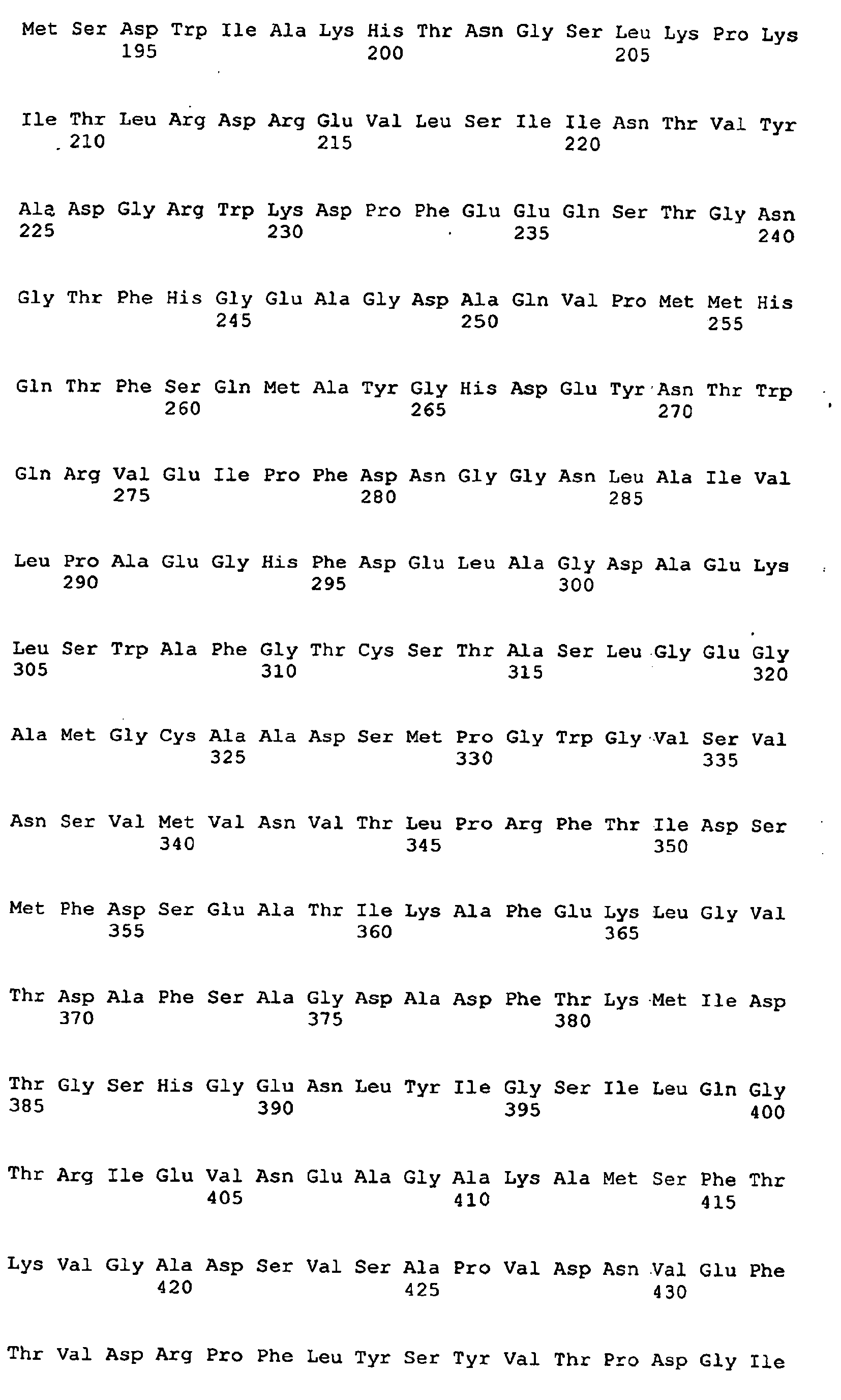
- the present invention also pertains to a polypeptide as identified by SEQ ID. NO. 2 or functional parts or variants thereof, which variants have a degree of homology to the said SEQ. ID. No. 2 of about 75 %, preferably 80 %, more preferably 85 %, even more preferably 90 % even more preferred 95 %.
- Serine proteinase inhibitors comprise a diverse group of proteins that form a superfamily including more than 100 members. The majority of Serpins act as protease inhibitors and are involved in the regulation of several proteinase-activated physiological processes, important for the individual, such as blood clotting, complement mediated lysis, the immune response, glomerulonephritis, pain sensing, inflammation, pancreatitis, cancer, regulating fertilization, bacterial infection and viral maturation. Though the primary function of Serpins appears to be neutralizing serine proteinase activity, these polypeptides have also been found to play a role in extracellular matrix remodelling and cell migration.
- Serpins examples include, al-antitrypsin, antithrombin III, plasminogen activator inhibitor 1 (PAI-1) or plasminogen activator inhibitor 2.
- the Serpins known so far have been the subject of intensive Research and they all seem to have a common characteristic loop, termed the reactive site loop (RSL), extending from the surface of the molecule containing the recognition sequence for the active site of the cognate serine protease.
- RSL reactive site loop
- the specificity of each inhibitor is considered to be determined primarily by the identity of the amino acid that is immediately ammo-terminal to the site of potential cleavage of the inhibitor by the serine protease.
- This amino acid known as the Pi site residue, is considered to form an acyl bond with the serine in the active site of the serine protease.
- Serpins seem to act as "suicide inhibitors" forming a 1 : 1 stochiometric complex with the target proteinase, thus blocking their activity. According to recent data it has been indicated that the inhibitor is cleaved in the reactive center and that the complex is most likely trapped as a covalent acyl-enzyme complex.
- Serpins are involved in sophisticated biological processes such as modulating the immune system or inflammatory reactions or even remodelling the extracellular matrix of a higher living being their presence in procaryotes has not been expected. In fact, no Serpin has so far been reported to be derived from procaryotic cells.
- the present inventors are therefore the first to have found that also some bacterial cells may contain Serpins. Without wishing to be bound by any theory it is presently assumed that the probiotic properties, such as modulation of the immune system or the known property of the Bifidobacterial strain, from which it has been derived, may at least in part be due to the presence of the present Serpin.
- nucleic acid sequence shall designate a poly-nucleotide as identified by SEQ. ID. NO 1 or parts or variants thereof, that yield a functional polypeptide.
- the polynucleotide shown in SEQ ID NO. 1 may be truncated at its ends to an extent, at which the resulting polypeptide still yields the biological function.
- the polynucleotide may also be modified by deleting, adding or replacing one or more nucleotides, with the proviso that the resulting polypeptide still exerts its biological function.
- polypeptide according to the present invention shall designate a polypeptide as identified by SEQ. ID. NO. 2 or parts or variants thereof, that are functional. Therefore, the polypeptide of SEQ. ID. NO.2 may be truncated at its ends to an extent, at which the polypeptide still yields the biological function. Likewise, the polypeptide may also be modified by having one or more amino acids being deleted, added or replaced, with the proviso that the resulting polypeptide still exerts its biological function.
- the above mentioned polynucleotide inserted in a suitable host cell and expressed therein.
- a polynucleotide according to the present inven-tion may be inserted in a suitable vector, which allows propagation and/or expression in the desired host cell and inserted therein.
- the vector will contain a marker gene to enable a stable propagation.
- polynucleotide according to the present invention may also be included into the genome of the host, using the phenomenon of homologous recombination or other techniques, allowing insertion of a nucleic acid only into the host's chromosome.
- a technique is e.g. described in EP 93 105 303.7, the contents thereof is incorporated herein by way of reference.
- the polynucleotide according to the present invention may be put under the control of an endogeneous or exogeneous regulon, e.g. a promoter, depending on whether the gene product shall be over-expressed, i.e. for collecting and purifying the polypeptide, or expressed to a certain extent to be delivered to an individual via a carrier system, such as a micro-organism.
- the regulon e.g. the promoter
- the regulon is preferably regulatable and/or inducible and will be operably linked with the coding molecule via any of the well-recognized and easily-practised metho-do-lo-gies for so doing.
- recombinant constructs are then introduced for expression into suitable host cells such as, e.g., E. coli, Lactobacilli, Streptococci or Bifidobacteria as a prokaryotic host cell or Saccharomyces cerevisiae, insect cells, CHO or COS cells as eukaryotic host cells and the transformed or transduced host cells are cultured under conditions which allow expression of the heterologous gene.
- suitable host cells such as, e.g., E. coli, Lactobacilli, Streptococci or Bifidobacteria as a prokaryotic host cell or Saccharomyces cerevisiae
- insect cells CHO or COS cells as eukaryotic host cells
- the transformed or transduced host cells are cultured under conditions which allow expression of the heterologous gene.
- the gene product of the present polynucleotide will be subject to glycosylation upon expression in an eucaryotic expression system.
- the present invention also comprises recombinant micro-organisms containing at least a copy of the polynucleotide according to the present invention.
- the polynucleotide may be included in a micro-organism, that is used to deliver the target-substance to the individual.
- probiotic bacteria are suitable, since they are able to pass the gastric tract of an individual and get at least transiently implanted into the mucosa of a host. At this location it will exert its biological function as is seen in the present probiotic strain BL29, from which it was derived.
- any bacterial strain already including a polynucleotide according to the present invention may be used as a host cell, into which additional copies of the target polynucleotide may be included.
- the host cell will express the gene product of a polynucleotide according to the present invention. Therefore, the host cells may be utilized for the synthesis of a polypeptide according to the present invention on large scale.
- a "host cell" according to the present invention may be obtained by recombinant means, in that a polynucleotide according to the present invention is inserted in a suitable cell.
- the Bifidobacteria itself may be subjected to common techniques of mutation of selection such that a strain having an increased amount of the corresponding gene product is obtained.
- the isolation of the protein can be carried out according to known methods from the host cell or from the culture supernatant of the host cell. Such methods are described for example by Ausubel I., Frederick M., Current Protocols in Mol. Biol. (1992), John Wiley and Sons, New York.
- the polypeptide can be purified after recombinant production by affinity chromatography using known protein purification techniques, including immuno-pre-ci-pi-ta-tion, gel filtration, ion exchange chromatography, chromatofocussing, isoelectric focussing, selective precipitation, electrophoresis, or the like.
- the invention further comprises a method for detecting a polynucleotide or a polypeptide according to the present invention, comprising incubating a sample, e.g. cell lysates or a reverse transcript of an RNA sample, with either a polynucleotide according to the invention and determining hybridization under stringent conditions of said nucleic acid molecule to a target nucleic acid molecule for determination of presence of a nucleic acid molecule, or using antibodies, preferably monoclonal antibodies raised against the polypeptide according to the present invention.
- a quantitative detection of the gene may be performed by PCR techniques, preferably by the use of quantitative RT-PCR using, e.g., the LightCycler TM of Roche Diagnostics GmbH, DE.
- the present polynucleotide may likewise be utilized for searching for additional strains exhibiting probiotic activities.
- the approximate amount of hybridization of the polynucleotide with the target nucleic acid or nucleic acids of the bacterial strain is determined.
- the approximate amount of hybridization may easily be determined qualitatively by e.g. visual inspection upon detecting hybridization For example, if a gel is used to resolve labelled nucleic acid which hybridizes to target nucleic acid in the sample, the resulting band can be inspected visually. Likewise, as with the use of antibodies FACS may be utilized for a quantitative measurement.
- the polynucleotide or a polypeptide according to the present invention may be utilized for the identification, characterization and/or purification of molecules affecting biological process associated with the activity of serine proteases.
- exemplary biological processes, in which serine proteases are involved comprise blood coagulation, fibrinolysis, immune reactions, complement activation, inflammatory responses extra-cellular matrix turnover, cell migration and prohormone activation, cancer metastasis.
- the polynucleotide according to the present invention may in general be utilized for the synthesis of the polypeptide for large scale production thereof, by expressing a nucleic acid sequence according to the present invention or a vector containing such a nucleic acid sequence in a suitable host under conditions suitable for the expression of the polypeptide and collecting and purifying the polypeptide.
- Protein and/or nucleic acid sequence homologies have be evaluated using the following algorithms:
- the polynucleotide encoding the putative Bifidobacterial Serpin deleted from its signal peptide was cloned into the E. coli expression vector pDEST 17 (Invitrogen Life Technologies) and the corresponding protein was produced as a 6-His tagged fusion protein in E. coli (Janknecht R et al. (1991) : Proc. Natl. Acad. Sci. USA:88(20) pp 8972-8976) according to common techniques.
- the 6-His tagged protein was purified to homogeneity by metal affinity chromatography on a nickel-nittilotriacetic acid matrix (Ni-NTA from Quiagen) according to the instructions described in the QIA-Expressionist Handbook from Quiagen, and used for production of functional studies as well as for production of polyclonal antibodies in rabbits.
- Ni-NTA nickel-nittilotriacetic acid matrix
- polypeptide as isolated in example 2 has been used in a haemolytic assay in vitro in order to determine its activity as a Serpin.
- Bifidobacterium Serpin activity was compared to human serpin al-aatitrypsin (5 mg/well). Distilled water was used as positive control to obtain 100% erythrocyte lysis and human inactivated AB serum as negative control (no lysis due to complement inactivanon).
Landscapes
- Health & Medical Sciences (AREA)
- Chemical & Material Sciences (AREA)
- Life Sciences & Earth Sciences (AREA)
- Organic Chemistry (AREA)
- Engineering & Computer Science (AREA)
- General Health & Medical Sciences (AREA)
- Medicinal Chemistry (AREA)
- Bioinformatics & Cheminformatics (AREA)
- Genetics & Genomics (AREA)
- Biochemistry (AREA)
- Molecular Biology (AREA)
- Animal Behavior & Ethology (AREA)
- Pharmacology & Pharmacy (AREA)
- General Chemical & Material Sciences (AREA)
- Nuclear Medicine, Radiotherapy & Molecular Imaging (AREA)
- Public Health (AREA)
- Veterinary Medicine (AREA)
- Chemical Kinetics & Catalysis (AREA)
- Zoology (AREA)
- Wood Science & Technology (AREA)
- Proteomics, Peptides & Aminoacids (AREA)
- Biotechnology (AREA)
- Microbiology (AREA)
- Biophysics (AREA)
- General Engineering & Computer Science (AREA)
- Immunology (AREA)
- Gastroenterology & Hepatology (AREA)
- Biomedical Technology (AREA)
- Food Science & Technology (AREA)
- Physics & Mathematics (AREA)
- Analytical Chemistry (AREA)
- Virology (AREA)
- Tropical Medicine & Parasitology (AREA)
- Polymers & Plastics (AREA)
- Pain & Pain Management (AREA)
- Nutrition Science (AREA)
- Rheumatology (AREA)
- Diabetes (AREA)
- Hematology (AREA)
- Oncology (AREA)
Abstract
Description
- The present invention pertains to a novel gene of Bifidobacteria and to the polypeptides encoded thereby. In particular, the present invention pertains to a gene belonging to the Serpin superfamily and its use in the production of bacterial Serpins. Also provided are vectors, host cells, and methods for producing bacterial Serpin polynucleotides and/or polypeptides.
- Lactic acid bacteria have been utilized for the preservation and preparation of food material for long time taking benefit of the low pH and the action of products generated during the fermentative activity thereof. In addition, Lactic acid bacteria are involved in the production of a variety of different food products, such as cheese or yogurt.
- Quite recently lactic acid bacteria, in particular Lacto-ba-cilli and Bifido-bacteria, have attracted a great deal of attention in that some strains have been found to exhibit valuable properties to man and animals upon ingestion. These strains, which are generically designated probiotics, have been found to be capable to survive the severe environmental conditions prevailing in the gastric tract and be able to at least transiently colonize the intestinal mucosa, where they bring about positive effects for the living beings having incorporated them.
- In EP 0 768 375 such a probiotic strain of the genus Bifidobacterium is disclosed, which is capable to become implanted in the intestinal flora. This Bifidobacterium is reported to assist in the immune-modulation of the host, being able to competitively exclude adhesion of pathogenic bacteria to intestinal cells, thus supporting the maintenance of the individual's health.
- Further, in EP 0 577 903 reference is made to the use of a lactic acid bacteria having the ability of replacing Heliobacter pylori, the acknowledged cause for the development of ulcer.
- Also, in WO 97/00078 a specific lactobacillus strain, termed Lactobacillus GG (ATCC 53103), is disclosed as such a probiotic. The microorganism may be employed for preventing or treating food induced hypersensitivity reactions.
- In view of the valuable properties these probiotic strains may provide, there is a desire for obtaining more detailed information about the biology of these strains, especially about the interaction with the hosts, the phenomena of surviving different environmental conditions in the gut as well as about the capability to adhere to the intestine's mucosa. In particular the involvement thereof in the enhancement of the immune system and defense against pathogens is of high interest.
- Consequently, a problem of the present invention is to provide data about bacterial strains that exhibit properties beneficial for man and/or animals and occasionally elucidate.
- In the line of investigating the genome of the probiotic Bifidobacterium strain BL29 the present inventors have surprisingly found a gene that shows a moderate homology to genes belonging to the Serpin superfamily (SERine Protease Inhibitors). Genes for such type of genes have so far only been found in cells of higher organisms, such as humans and plants, but not in bacterial cells.
- In consequence, the present invention provides for a polynucleotide as identified by SEQ ID. NO. 1 or parts or variants thereof coding for a functional polypeptide, which variants have a homology to the SEQ ID. No. 1 of about 75 %, preferably 80 %, more preferably 85 %, even more preferably 90 % even more preferred 95 %.
- According to an alternative embodiment the present invention also pertains to a polypeptide as identified by SEQ ID. NO. 2 or functional parts or variants thereof, which variants have a degree of homology to the said SEQ. ID. No. 2 of about 75 %, preferably 80 %, more preferably 85 %, even more preferably 90 % even more preferred 95 %.
- Serine proteinase inhibitors (Serpins) comprise a diverse group of proteins that form a superfamily including more than 100 members. The majority of Serpins act as protease inhibitors and are involved in the regulation of several proteinase-activated physiological processes, important for the individual, such as blood clotting, complement mediated lysis, the immune response, glomerulonephritis, pain sensing, inflammation, pancreatitis, cancer, regulating fertilization, bacterial infection and viral maturation. Though the primary function of Serpins appears to be neutralizing serine proteinase activity, these polypeptides have also been found to play a role in extracellular matrix remodelling and cell migration.
- Examples for Serpins include, al-antitrypsin, antithrombin III, plasminogen activator inhibitor 1 (PAI-1) or plasminogen activator inhibitor 2.
- The Serpins known so far have been the subject of intensive Research and they all seem to have a common characteristic loop, termed the reactive site loop (RSL), extending from the surface of the molecule containing the recognition sequence for the active site of the cognate serine protease. The specificity of each inhibitor is considered to be determined primarily by the identity of the amino acid that is immediately ammo-terminal to the site of potential cleavage of the inhibitor by the serine protease. This amino acid, known as the Pi site residue, is considered to form an acyl bond with the serine in the active site of the serine protease.
- The Serpins seem to act as "suicide inhibitors" forming a 1 : 1 stochiometric complex with the target proteinase, thus blocking their activity. According to recent data it has been indicated that the inhibitor is cleaved in the reactive center and that the complex is most likely trapped as a covalent acyl-enzyme complex.
- Since Serpins are involved in sophisticated biological processes such as modulating the immune system or inflammatory reactions or even remodelling the extracellular matrix of a higher living being their presence in procaryotes has not been expected. In fact, no Serpin has so far been reported to be derived from procaryotic cells.
- The present inventors are therefore the first to have found that also some bacterial cells may contain Serpins. Without wishing to be bound by any theory it is presently assumed that the probiotic properties, such as modulation of the immune system or the known property of the Bifidobacterial strain, from which it has been derived, may at least in part be due to the presence of the present Serpin.
- In the context of this application a nucleic acid sequence shall designate a poly-nucleotide as identified by SEQ. ID. NO 1 or parts or variants thereof, that yield a functional polypeptide. To this end, the polynucleotide shown in SEQ ID NO. 1 may be truncated at its ends to an extent, at which the resulting polypeptide still yields the biological function. Likewise, the polynucleotide may also be modified by deleting, adding or replacing one or more nucleotides, with the proviso that the resulting polypeptide still exerts its biological function.
- Similarly, the same applies to the polypeptide described herein. The term polypeptide according to the present invention shall designate a polypeptide as identified by SEQ. ID. NO. 2 or parts or variants thereof, that are functional. Therefore, the polypeptide of SEQ. ID. NO.2 may be truncated at its ends to an extent, at which the polypeptide still yields the biological function. Likewise, the polypeptide may also be modified by having one or more amino acids being deleted, added or replaced, with the proviso that the resulting polypeptide still exerts its biological function.
- According to an embodiment, the above mentioned polynucleotide inserted in a suitable host cell and expressed therein. For this purpose, a polynucleotide according to the present inven-tion may be inserted in a suitable vector, which allows propagation and/or expression in the desired host cell and inserted therein. The vector will contain a marker gene to enable a stable propagation.
- Likewise, the polynucleotide according to the present invention may also be included into the genome of the host, using the phenomenon of homologous recombination or other techniques, allowing insertion of a nucleic acid only into the host's chromosome. Such a technique is e.g. described in EP 93 105 303.7, the contents thereof is incorporated herein by way of reference.
- The polynucleotide according to the present invention may be put under the control of an endogeneous or exogeneous regulon, e.g. a promoter, depending on whether the gene product shall be over-expressed, i.e. for collecting and purifying the polypeptide, or expressed to a certain extent to be delivered to an individual via a carrier system, such as a micro-organism. The regulon, e.g. the promoter, is preferably regulatable and/or inducible and will be operably linked with the coding molecule via any of the well-recognized and easily-practised metho-do-lo-gies for so doing.
- These recombinant constructs are then introduced for expression into suitable host cells such as, e.g., E. coli, Lactobacilli, Streptococci or Bifidobacteria as a prokaryotic host cell or Saccharomyces cerevisiae, insect cells, CHO or COS cells as eukaryotic host cells and the transformed or transduced host cells are cultured under conditions which allow expression of the heterologous gene. It will be appreciated that the gene product of the present polynucleotide will be subject to glycosylation upon expression in an eucaryotic expression system.
- According to another aspect the present invention also comprises recombinant micro-organisms containing at least a copy of the polynucleotide according to the present invention. The polynucleotide may be included in a micro-organism, that is used to deliver the target-substance to the individual. In this respect probiotic bacteria are suitable, since they are able to pass the gastric tract of an individual and get at least transiently implanted into the mucosa of a host. At this location it will exert its biological function as is seen in the present probiotic strain BL29, from which it was derived. Without wishing to be bound by any theory it is presently thought that the gene product of the present polynucleotide is involved in the anti-inflammatory activity displayed by the Bifidobacterial strain BL29. Likewise, any bacterial strain, already including a polynucleotide according to the present invention may be used as a host cell, into which additional copies of the target polynucleotide may be included.
- The host cell will express the gene product of a polynucleotide according to the present invention. Therefore, the host cells may be utilized for the synthesis of a polypeptide according to the present invention on large scale.
- A "host cell" according to the present invention may be obtained by recombinant means, in that a polynucleotide according to the present invention is inserted in a suitable cell. However, in order to increase the amount of Bifido-Serpin in the Bifidobacteria containing such sort of polypeptides, the Bifidobacteria itself may be subjected to common techniques of mutation of selection such that a strain having an increased amount of the corresponding gene product is obtained.
- The isolation of the protein can be carried out according to known methods from the host cell or from the culture supernatant of the host cell. Such methods are described for example by Ausubel I., Frederick M., Current Protocols in Mol. Biol. (1992), John Wiley and Sons, New York. The polypeptide can be purified after recombinant production by affinity chromatography using known protein purification techniques, including immuno-pre-ci-pi-ta-tion, gel filtration, ion exchange chromatography, chromatofocussing, isoelectric focussing, selective precipitation, electrophoresis, or the like.
- The invention further comprises a method for detecting a polynucleotide or a polypeptide according to the present invention, comprising incubating a sample, e.g. cell lysates or a reverse transcript of an RNA sample, with either a polynucleotide according to the invention and determining hybridization under stringent conditions of said nucleic acid molecule to a target nucleic acid molecule for determination of presence of a nucleic acid molecule, or using antibodies, preferably monoclonal antibodies raised against the polypeptide according to the present invention. Also a quantitative detection of the gene may be performed by PCR techniques, preferably by the use of quantitative RT-PCR using, e.g., the LightCycler TM of Roche Diagnostics GmbH, DE.
- Since the Serpin gene seems to be associated with probiotic activity of bacterial strains, the present polynucleotide may likewise be utilized for searching for additional strains exhibiting probiotic activities.
- To determine, whether a given bacterial strain may be apt, the approximate amount of hybridization of the polynucleotide with the target nucleic acid or nucleic acids of the bacterial strain is determined. The approximate amount of hybridization may easily be determined qualitatively by e.g. visual inspection upon detecting hybridization For example, if a gel is used to resolve labelled nucleic acid which hybridizes to target nucleic acid in the sample, the resulting band can be inspected visually. Likewise, as with the use of antibodies FACS may be utilized for a quantitative measurement.
- The polynucleotide or a polypeptide according to the present invention may be utilized for the identification, characterization and/or purification of molecules affecting biological process associated with the activity of serine proteases. Exemplary biological processes, in which serine proteases are involved comprise blood coagulation, fibrinolysis, immune reactions, complement activation, inflammatory responses extra-cellular matrix turnover, cell migration and prohormone activation, cancer metastasis.
- Likewise, the polynucleotide or polypeptide according to the present invention may also be used for the development of molecules eventually suitable in the treatment and/or diagnosis of disease states, which involve the activity of serine proteases. Once the interaction of the present Serpin with the target proteases has been understood, agonists or antagonists to the proteases, but likewise agonists or antagonists to Serpins may be devised. As mentioned above, non-limiting examples for disease states considered by the present invention are improper blood coagulation, improper fibrinolysis, immune reactions, complement activation, inflammatory responses extra-cellular matrix turnover, cell migration and prohormone activation, cancer metastasis.
- The use of various model systems or structural studies will enable the development of specific agonists and antagonists useful in regulating the function of the present Serpin and the proteases to which it binds. It may be envisaged that these can be peptides, mutated ligands, antibodies or other molecules able to interact with the present Serpin.
- The polynucleotide according to the present invention may in general be utilized for the synthesis of the polypeptide for large scale production thereof, by expressing a nucleic acid sequence according to the present invention or a vector containing such a nucleic acid sequence in a suitable host under conditions suitable for the expression of the polypeptide and collecting and purifying the polypeptide.
- The following examples illustrate the invention without limiting it thereto.
- In the line of sequencing the genome of the Bifidobacterium longum strain BLZ9 by the method of directed sequencing after fluorescent automated so-quen-cing of the inserts of clones and assembling of these sequences of nucleotide fragments (inserts) by means of software programmes, an open reading frame has been found. To achieve that, fragments of the genome were created, ligated into suitable vectors for amplification and propagation and the corresponding fragments have been sequenced. Overlaps and the final arrangement of the fragments, the nucleotide sequence thereof, were assessed by the aid of appropriate soft-wares.
- Protein and/or nucleic acid sequence homologies have be evaluated using the following algorithms:
- (1) BLASTP: Compares an amino acid query sequence against a protein sequence database
- (2) BLASTN: Compares a nucleotide query sequence against a nucleotide sequence database
- (3) BLASTX: Compares a nucleotide query sequence translated in all reading frames against a protein sequence database
- (4) TBLASTN: Compares a protein query sequence against a nucleotide sequence database dynamically translated in aU reading frames
- A modest overall homology to the known murine Serpin a-2-antiplasmin of about 43 % has been noted. Yet the present polypeptide shows a homology of about 63 % with the reactive site loop (RSL) thereof.
- The polynucleotide encoding the putative Bifidobacterial Serpin deleted from its signal peptide, was cloned into the E. coli expression vector pDEST 17 (Invitrogen Life Technologies) and the corresponding protein was produced as a 6-His tagged fusion protein in E. coli (Janknecht R et al. (1991) : Proc. Natl. Acad. Sci. USA:88(20) pp 8972-8976) according to common techniques.
- The 6-His tagged protein was purified to homogeneity by metal affinity chromatography on a nickel-nittilotriacetic acid matrix (Ni-NTA from Quiagen) according to the instructions described in the QIA-Expressionist Handbook from Quiagen, and used for production of functional studies as well as for production of polyclonal antibodies in rabbits.
- The polypeptide as isolated in example 2 has been used in a haemolytic assay in vitro in order to determine its activity as a Serpin.
- To this end, 50 ml of successive doubling dilution of human AB serum (Sigma) were mixed in a 96 microtiter well plate with 50 ml of a 1.7 % sheep antibody-activated sheep erythrocyte suspension. To assess ann-haemolytic activity of the recombinant Serpin, 1 mg of the recombinant protein was added to each well and the mixture was incubated for 1 hr at 37°C. The plate was then centrifuged to pellet intact cells and cell debris and the supernatant was transferred to a new plate. Haemolytic activity was estimated by measuring haemoglobin release as absorbance at 450 nm.
- Bifidobacterium Serpin activity was compared to human serpin al-aatitrypsin (5 mg/well). Distilled water was used as positive control to obtain 100% erythrocyte lysis and human inactivated AB serum as negative control (no lysis due to complement inactivanon).
- The results clearly indicate that recombinant Serpin from Bifidobacteria inhibited human red blood cell lysis to a similar extent as human a1-antitrypsin, a known serine-protease in-hi-bi-tor.


-
- <110> Société des Produits Nestlé S.A.
- <120> A serpin in Bifidobacteria
- <130> 80388/WO
- <140> PCT/EP02/00956
<141> 2002-01-30 - <150> EP 01 102 050.0
<151> 2001-01-30 - <160> 2
- <170> PatentIn version 3.1
- <210> 1
<211> 1395
<212> DNA
<213> Bifidobacterium longum - <400> 1


- <210> 2
<211> 465
<212> PRT
<213> Bifidobacterium longum - <400> 2


Claims (14)
- A polynucleotide as identified by SEQ ID. NO. 1 or parts or variants thereof coding for a functional polypeptide, which variants have a homology to the SEQ ID. No. 1 of 75 %, preferably 80 %, more preferably 85 %, even more preferably 90 % even more preferred 95 %.
- A polypeptide as identified by SEQ ID. NO. 2 or functional parts or variants thereof, that have a degree of homology to the said SEQ. ID. No. 2 of 75 %, preferably 80 %, more preferably 85 %, even more preferably 90 % even more preferred 95 %.
- A vector containing a polynucleotide according to claim 1.
- A host cell containing one or more copies of a polynucleotide according to claim 1 or a vector according to claim 3.
- A host cell according to claim 4, wherein a polypeptide according to claim 2 is expressed.
- Use of a polynucleotide or a polypeptide according to any of the claims 1 or 2 for the identification, characterization and/or purification of molecules affecting a biological process associated with the activity of serine proteases.
- Use of a polynucleotide or a polypeptide according to any of the claims 1 or 2 for the development of molecules for the treatment and diagnosis of disease states, involving the activity of serine proteases.
- Use of a polynucleotide according to claim 1 or a polypeptide according to claim 2, for the preparation of a carrier for the treatment and/or prevention of disease states involving the activity of serine proteases.
- The use according to claim 8, wherein the carrier is a medicament, a food product or a food supplement.
- The use according to any of the claims 6 to 9, wherein the biological process or the disease states are selected from the group consisting of blood coagulation, fibrinolysis, immune reactions, complement activation, inflammatory responses extra-cellular matrix turnover, cell migration and prohormone activation, cancer metastasis.
- A method of producing a polypeptide according to claim 2, which comprises expressing a polynucleotide according to claim 1 or a vector according to claim 3 in a suitable host and purifying the polypeptide obtained.
- A method for detecting probiotic strains, which comprises screening micro-organisms with a polynucleotide according to claim 1 or an antibody directed to a polypeptide according to claim 2, for the presence of the said nucleic acid or the said polypeptide and determining the presence of a Serpin in the micro-organisms.
- A method for producing a micro-organism expressing or over-expressing the Serpin encoded by a polynucleotide according to claim 1, which comprises, transforming a micro-organism with a polynucleotide according to claim 1 and expressing the gene encoding the Serpin polypeptide.
- A food or pharmaceutical product, containing a polynucleotide according to claim 1, a polypeptide according to claim 2, a vector according to claim 3 or a host cell according to any of the claims 4 or 5.
Priority Applications (1)
| Application Number | Priority Date | Filing Date | Title |
|---|---|---|---|
| EP02718062A EP1358332B1 (en) | 2001-01-30 | 2002-01-30 | A serpin in bifidobacteria |
Applications Claiming Priority (4)
| Application Number | Priority Date | Filing Date | Title |
|---|---|---|---|
| EP01102050 | 2001-01-30 | ||
| EP01102050A EP1227152A1 (en) | 2001-01-30 | 2001-01-30 | Bacterial strain and genome of bifidobacterium |
| PCT/EP2002/000956 WO2002060932A2 (en) | 2001-01-30 | 2002-01-30 | A serpin in bifidobacteria |
| EP02718062A EP1358332B1 (en) | 2001-01-30 | 2002-01-30 | A serpin in bifidobacteria |
Publications (2)
| Publication Number | Publication Date |
|---|---|
| EP1358332A2 EP1358332A2 (en) | 2003-11-05 |
| EP1358332B1 true EP1358332B1 (en) | 2006-10-18 |
Family
ID=8176339
Family Applications (3)
| Application Number | Title | Priority Date | Filing Date |
|---|---|---|---|
| EP01102050A Withdrawn EP1227152A1 (en) | 2001-01-30 | 2001-01-30 | Bacterial strain and genome of bifidobacterium |
| EP02729925.4A Expired - Lifetime EP1360299B1 (en) | 2001-01-30 | 2002-01-30 | Genome of bifidobacterium cncm i-2618 |
| EP02718062A Expired - Lifetime EP1358332B1 (en) | 2001-01-30 | 2002-01-30 | A serpin in bifidobacteria |
Family Applications Before (2)
| Application Number | Title | Priority Date | Filing Date |
|---|---|---|---|
| EP01102050A Withdrawn EP1227152A1 (en) | 2001-01-30 | 2001-01-30 | Bacterial strain and genome of bifidobacterium |
| EP02729925.4A Expired - Lifetime EP1360299B1 (en) | 2001-01-30 | 2002-01-30 | Genome of bifidobacterium cncm i-2618 |
Country Status (12)
| Country | Link |
|---|---|
| US (2) | US7183101B2 (en) |
| EP (3) | EP1227152A1 (en) |
| JP (2) | JP4249483B2 (en) |
| CN (3) | CN100516220C (en) |
| AT (1) | ATE342986T1 (en) |
| AU (3) | AU2002302360A1 (en) |
| CA (2) | CA2435664C (en) |
| DE (1) | DE60215461T2 (en) |
| DK (1) | DK1358332T3 (en) |
| ES (2) | ES2420907T3 (en) |
| PT (2) | PT1358332E (en) |
| WO (3) | WO2002060931A2 (en) |
Families Citing this family (125)
| Publication number | Priority date | Publication date | Assignee | Title |
|---|---|---|---|---|
| WO2001066797A2 (en) | 2000-03-03 | 2001-09-13 | The Government Of The United States Of America As Represented By The Secretary Of The Department Of Health And Human Services | Multiplex hybridization system for identification of pathogenic mycobacterium and method of use |
| EP1227152A1 (en) * | 2001-01-30 | 2002-07-31 | Société des Produits Nestlé S.A. | Bacterial strain and genome of bifidobacterium |
| EP1264893A1 (en) * | 2001-06-08 | 2002-12-11 | Teagasc Dairy Products Research Centre | CLA biosynthesis by bifidobacteria |
| DE60231333D1 (en) | 2001-12-03 | 2009-04-09 | Kyowa Hakko Kogyo Kk | MUTATED 6-PHOSPHOGLUCONATE DEHYDROGENASE |
| KR20050058494A (en) | 2002-08-23 | 2005-06-16 | 이 아이 듀폰 디 네모아 앤드 캄파니 | Utilization of starch products for biological production by fermentation |
| EP2228379A1 (en) | 2003-04-25 | 2010-09-15 | North Carolina State University | Lactobacillus acidophilus nucleic acid sequences encoding cell surface protein homologues and uses therefore |
| WO2005001057A2 (en) | 2003-06-23 | 2005-01-06 | North Carolina State University | Lactobacillus acidophilus nucleic acids encoding fructo-oligosaccharide utilization compounds and uses thereof |
| WO2005000882A2 (en) * | 2003-06-27 | 2005-01-06 | University College Cork - National University Of Ireland, Cork | Dna fragments and proteins encoded by said dna isolated from bifidobacteria |
| PL1644482T5 (en) | 2003-06-30 | 2015-05-29 | Clasado Inc | Novel galactooligosaccharide composition and the preparation thereof |
| KR100492455B1 (en) * | 2003-09-26 | 2005-05-30 | 주식회사 비피도 | Bifidobacterium longum AR81 enabling inhibition of rotavirus and active protein separated therefrom |
| JP2007508233A (en) * | 2003-10-08 | 2007-04-05 | 雅美 森山 | Antiviral agent |
| US20050158294A1 (en) | 2003-12-19 | 2005-07-21 | The Procter & Gamble Company | Canine probiotic Bifidobacteria pseudolongum |
| US8877178B2 (en) | 2003-12-19 | 2014-11-04 | The Iams Company | Methods of use of probiotic bifidobacteria for companion animals |
| US7455992B2 (en) | 2004-02-23 | 2008-11-25 | North Carolina State University | Lactobacillus acidophilus nucleic acid sequences encoding protease homologues and uses therefore |
| WO2005085478A2 (en) * | 2004-02-27 | 2005-09-15 | The Government Of The United States Of America As Represented By The Secretary, Department Of Health And Human Services | Detection and identification of mycobacterium and nocardia using primers and probes directed to the seca1 gene |
| US7459289B2 (en) | 2004-03-08 | 2008-12-02 | North Carolina State University | Lactobacillus acidophilus nucleic acid sequences encoding carbohydrate utilization-related proteins and uses therefor |
| US7608700B2 (en) | 2004-03-08 | 2009-10-27 | North Carolina State University | Lactobacillus acidophilus nucleic acid sequences encoding stress-related proteins and uses therefor |
| US7550576B2 (en) | 2004-08-09 | 2009-06-23 | North Carolina State University | Nucleic acid sequences encoding two-component sensing and regulatory proteins, antimicrobial proteins and uses therefor |
| JP4784224B2 (en) * | 2004-09-24 | 2011-10-05 | 味の素株式会社 | Glycosyl transfer method and glycosyltransferase |
| WO2006047680A2 (en) | 2004-10-27 | 2006-05-04 | North Carolina State University | Lactobacillus acidophilus nucleic acids and uses thereof |
| US7495092B2 (en) | 2005-01-14 | 2009-02-24 | North Carolina State University | Compositions comprising promoter sequences and methods of use |
| EP1856148B8 (en) | 2005-03-07 | 2013-04-10 | Barbara Kofler | Neuropeptides |
| DE602006006997D1 (en) * | 2005-05-16 | 2009-07-09 | Univ Liege | PROBIOTIC BIFIDOBACTERIUM SPECIES |
| JP4938006B2 (en) | 2005-05-31 | 2012-05-23 | ザ・アイムス・カンパニー | Feline probiotic bifidobacteria |
| EP2261323A1 (en) | 2005-05-31 | 2010-12-15 | The Iams Company | Feline probiotic lactobacilli |
| GB0525857D0 (en) | 2005-12-20 | 2006-02-01 | Product and process | |
| GB0601901D0 (en) | 2006-01-31 | 2006-03-08 | Product and Process | |
| GB0606112D0 (en) | 2006-03-28 | 2006-05-03 | Product and process | |
| CN100389125C (en) * | 2006-05-30 | 2008-05-21 | 中国科学院昆明动物研究所 | Protamine, Genes and Variants |
| WO2008093303A2 (en) | 2007-02-01 | 2008-08-07 | The Iams Company | Method for decreasing inflammation and stress in a mammal using glucose antimetaboltes, avocado or avocado extracts |
| CN101273738B (en) * | 2007-03-28 | 2011-06-01 | 哈尔滨正方科技有限公司 | Method for preparing recombined sour milk drinks having higher viable bacteria at normal temperature |
| ES2523575T3 (en) * | 2007-06-27 | 2014-11-27 | Laboratorios Ordesa, S.L. | A new strain of bifidobacterium and acitvos peptides against rotavirus infections |
| EP2053122A1 (en) * | 2007-10-23 | 2009-04-29 | Nestec S.A. | Stress tolerant bifidobacteria |
| US9730968B2 (en) | 2008-04-17 | 2017-08-15 | Anaeropharma Science, Inc. | Therapeutic agent for ischemic diseases |
| CN101570755B (en) * | 2008-04-29 | 2011-09-28 | 中国农业科学院植物保护研究所 | Novel gene of virus original protease inhibitor as well as expression and application thereof |
| US9771199B2 (en) * | 2008-07-07 | 2017-09-26 | Mars, Incorporated | Probiotic supplement, process for making, and packaging |
| US9232813B2 (en) * | 2008-07-07 | 2016-01-12 | The Iams Company | Probiotic supplement, process for making, and packaging |
| AU2009315298A1 (en) | 2008-11-11 | 2010-05-20 | Alimentary Health Limited | Bifidobacterium longum |
| US8784798B2 (en) * | 2009-05-11 | 2014-07-22 | Nestec S.A. | Bifidobacterium longum NCC2705 (CNCM I-2618) and immune disorders |
| CA2763384C (en) | 2009-05-27 | 2014-07-08 | Clasado Inc | Use of a composition of a mixture of galactooligosaccharides for preventing diarrhoea |
| EP2270134A1 (en) * | 2009-07-03 | 2011-01-05 | Nestec S.A. | Oxidative stress resistant Bifidobacteria |
| US10104903B2 (en) | 2009-07-31 | 2018-10-23 | Mars, Incorporated | Animal food and its appearance |
| MY163002A (en) | 2009-08-18 | 2017-07-31 | Nestec Sa | A nutritional composition comprising bifidobacterium longum strains and reducing food allergy symptoms, especially in infants and children |
| WO2011027875A1 (en) * | 2009-09-03 | 2011-03-10 | 独立行政法人理化学研究所 | Agent for improving intestinal tract barrier function |
| RU2557310C2 (en) * | 2009-11-11 | 2015-07-20 | Алиментари Хелс Лимитед | Bifidobacterium longum STRAIN, SUITABLE FOR APPLICATION IN IMMUNOMODULATION, INDUCTION OF CYTOKINS PRODUCTION, TREATMENT OF AUTOIMMUNE DISEASE, CONTROL OF IL - 10:IL - 12 RATIO, AND APPLICATION THEREOF |
| KR101667982B1 (en) * | 2010-01-14 | 2016-10-20 | 인쎄름 (엥스띠뛰 나씨오날 드 라 쌍떼 에 드 라 흐쉐르슈 메디깔) | Recombinant probiotic bacteria for the prevention and treatment of inflammatory bowel disease(ibd) and irritable bowel syndrome(ibs) |
| SG10201500719VA (en) | 2010-01-29 | 2015-03-30 | Anaeropharma Science Inc | Transformation plasmid |
| US8755425B2 (en) * | 2010-06-30 | 2014-06-17 | Comtech Ef Data Corp. | Method and system for transmission of identification via metadata for repeating relays using spread-spectrum technology |
| CN101880668B (en) * | 2010-05-07 | 2012-05-23 | 广西大学 | Gene for coding serpin and application thereof |
| EP2397145A1 (en) * | 2010-06-18 | 2011-12-21 | Nestec S.A. | L. johnsonii La1, B. longum NCC2705 and immune disorders |
| CN101884782B (en) * | 2010-06-29 | 2015-09-16 | 南昌大学 | The application of bifidobacterium longum adhesion inhibition protein A ip in control diarrhoea |
| EP3533908B1 (en) | 2010-07-02 | 2026-07-01 | The Procter & Gamble Company | NON-WOVEN FABRIC CONTAINING ONE OR MORE ACTIVE INGREDIENTS |
| JP5859526B2 (en) | 2010-07-02 | 2016-02-10 | ザ プロクター アンド ギャンブルカンパニー | Filaments containing an activator nonwoven web and methods for making the same |
| MX382405B (en) | 2010-07-02 | 2025-03-13 | Procter & Gamble | METHOD FOR DELIVERY OF AN ACTIVE AGENT. |
| US20180163325A1 (en) | 2016-12-09 | 2018-06-14 | Robert Wayne Glenn, Jr. | Dissolvable fibrous web structure article comprising active agents |
| EP2449891A1 (en) * | 2010-11-05 | 2012-05-09 | Nestec S.A. | Drinking yoghurt preparations containing non-replicating probiotic micro-organisms |
| GB201021399D0 (en) | 2010-12-16 | 2011-01-26 | Genetic Analysis As | Oligonucleotide probe set and methods of microbiota profiling |
| TWI487530B (en) * | 2011-01-10 | 2015-06-11 | Produce high cell immunity reaction from isolated bifidobacterium longum subsp. longum | |
| EP3483279A1 (en) * | 2011-04-05 | 2019-05-15 | Lallemand Hungary Liquidity Management LLC | Methods for the improvement of product yield and production in a microorganism through the addition of alternate electron acceptors |
| EP2733207A4 (en) * | 2011-07-13 | 2014-12-10 | Anaeropharma Science Inc | Ischemic disease therapeutic agent |
| GB201112091D0 (en) | 2011-07-14 | 2011-08-31 | Gt Biolog Ltd | Bacterial strains isolated from pigs |
| GB201117313D0 (en) | 2011-10-07 | 2011-11-16 | Gt Biolog Ltd | Bacterium for use in medicine |
| RU2527069C2 (en) * | 2011-11-08 | 2014-08-27 | Автономная Некоммерческая Организация "Научно-исследовательский центр биотехнологи антибиотиков и других биологически активных веществ "БИОАН" | METHOD OF SPECIES AND STRAIN IDENTIFICATION OF BIFIDOBACTERIA OF PHYLOTYPE Bifidobacterium longum |
| IN2014DN07752A (en) | 2012-02-29 | 2015-05-15 | Ethicon Endo Surgery Inc | |
| US8686114B2 (en) | 2012-03-05 | 2014-04-01 | E I Du Pont De Nemours And Company | Variant sucrose transporter polypeptides |
| US9161957B2 (en) | 2012-08-03 | 2015-10-20 | Life Well Lived, Llc | Compositions and methods for reducing blood alcohol content |
| BR112015008621A2 (en) * | 2012-10-17 | 2018-08-28 | Enterome | METHODS AND DIAGNOSTIC AND / OR PROGNOSTIC KIT IN VITRO NUCLEIC ACID MICRO-ASSEMBLY. |
| FR2999933B1 (en) * | 2012-12-21 | 2020-01-31 | Société des Produits Nestlé S.A. | USE OF PROBIOTIC MICROORGANISMS AS A MELANIN SYNTHESIS AGENT |
| GB201306536D0 (en) | 2013-04-10 | 2013-05-22 | Gt Biolog Ltd | Polypeptide and immune modulation |
| EP3033351A4 (en) * | 2013-08-12 | 2017-03-22 | Mansel Griffiths | Antiviral methods and compositions comprising probiotic bacterial molecules |
| KR20170002403A (en) * | 2014-05-01 | 2017-01-06 | 가부시키가이샤 아네로파마·사이엔스 | Heterogeneous polypeptide expression cassette |
| JP6573398B2 (en) | 2014-05-02 | 2019-09-11 | 国立大学法人信州大学 | Antibody gene expression and secretion system |
| EP4529950A3 (en) | 2014-10-31 | 2025-08-20 | Pendulum Therapeutics, Inc. | Methods and compositions relating to microbial treatment |
| ES2884948T3 (en) * | 2014-12-03 | 2021-12-13 | Azusapharma Sciences Inc | Co-expression plasmid |
| PE20171138A1 (en) | 2014-12-23 | 2017-08-09 | 4D Pharma Res Ltd | IMMUNE MODULATION |
| DK3193901T3 (en) | 2014-12-23 | 2018-05-28 | 4D Pharma Res Ltd | PIRIN POLYPEPTIDE AND IMMUNMODULATION |
| US20180267037A1 (en) * | 2014-12-23 | 2018-09-20 | Evolve Biosystems Inc. | Method for the noninvasive detection of activated bifidobacteria |
| GB201508860D0 (en) | 2015-05-22 | 2015-07-01 | Nat Univ Ireland | Diagnostic method |
| MA41010B1 (en) | 2015-06-15 | 2020-01-31 | 4D Pharma Res Ltd | Compositions comprising bacterial strains |
| MA41060B1 (en) | 2015-06-15 | 2019-11-29 | 4D Pharma Res Ltd | Compositions comprising bacterial strains |
| EP3662917A1 (en) | 2015-06-15 | 2020-06-10 | 4D Pharma Research Limited | Compositions comprising bacterial strains |
| PE20180243A1 (en) | 2015-06-15 | 2018-01-31 | 4D Pharma Res Ltd | COMPOSITIONS INCLUDING BACTERIAL STRAINS |
| LT3360559T (en) | 2015-06-15 | 2019-12-27 | 4D Pharma Research Limited | Compositions comprising bacterial strains |
| GB201520497D0 (en) | 2015-11-20 | 2016-01-06 | 4D Pharma Res Ltd | Compositions comprising bacterial strains |
| MA41013A (en) | 2015-11-20 | 2017-08-30 | 4D Pharma Res Ltd | COMPOSITIONS CONTAINING BACTERIAL STRAINS |
| GB201520631D0 (en) | 2015-11-23 | 2016-01-06 | 4D Pharma Res Ltd | Compositions comprising bacterial strains |
| GB201520638D0 (en) | 2015-11-23 | 2016-01-06 | 4D Pharma Res Ltd | Compositions comprising bacterial strains |
| MX373290B (en) | 2016-03-04 | 2020-06-18 | 4D Pharma Plc | COMPOSITIONS INCLUDING BACTERIAL STRAINS. |
| GB201612191D0 (en) | 2016-07-13 | 2016-08-24 | 4D Pharma Plc | Compositions comprising bacterial strains |
| CN105694892A (en) * | 2016-03-16 | 2016-06-22 | 山东大学 | Preparation method of CdSe quantum dot with surface carrying positive charges |
| TWI802545B (en) | 2016-07-13 | 2023-05-21 | 英商4D製藥有限公司 | Compositions comprising bacterial strains |
| US10738338B2 (en) | 2016-10-18 | 2020-08-11 | The Research Foundation for the State University | Method and composition for biocatalytic protein-oligonucleotide conjugation and protein-oligonucleotide conjugate |
| CN106478812B (en) * | 2016-10-21 | 2020-11-20 | 沈阳药科大学 | Serine protease inhibitor-3 and its function, preparation method and application |
| GB201621123D0 (en) | 2016-12-12 | 2017-01-25 | 4D Pharma Plc | Compositions comprising bacterial strains |
| CN110191700A (en) | 2017-01-27 | 2019-08-30 | 宝洁公司 | The composition of soluble solids structure type |
| CN110167639B (en) | 2017-01-27 | 2022-10-14 | 宝洁公司 | Composition in the form of a soluble solid structure comprising effervescent agglomerated granules |
| AU2018251967B2 (en) | 2017-04-11 | 2022-04-14 | Kerry Group Services International Ltd | Lactase enzymes with improved properties |
| WO2018189242A1 (en) | 2017-04-11 | 2018-10-18 | Chr. Hansen A/S | Lactase enzymes with improved activity at low temperatures |
| AR111462A1 (en) | 2017-04-11 | 2019-07-17 | Chr Hansen As | ENZYMES LACTASE WITH IMPROVED ACTIVITY AT LOW TEMPERATURES |
| US12435326B2 (en) | 2017-04-11 | 2025-10-07 | Kerry Group Services International Ltd | Lactase enzymes with improved properties |
| JP6923673B2 (en) | 2017-05-16 | 2021-08-25 | ザ プロクター アンド ギャンブル カンパニーThe Procter & Gamble Company | Conditioning hair care compositions in the form of soluble solid structures |
| MA48940A (en) | 2017-05-22 | 2020-04-08 | 4D Pharma Res Ltd | COMPOSITIONS CONTAINING BACTERIAL STRAINS |
| MA41708A (en) | 2017-05-24 | 2020-04-08 | 4D Pharma Res Ltd | COMPOSITIONS CONTAINING BACTERIAL STRAINS |
| PL3638271T3 (en) | 2017-06-14 | 2021-03-22 | 4D Pharma Research Limited | Compositions comprising bacterial strains |
| JP2020523326A (en) | 2017-06-14 | 2020-08-06 | フォーディー ファーマ リサーチ リミテッド4D Pharma Research Limited | Composition comprising a bacterial strain |
| TWI767013B (en) | 2017-06-14 | 2022-06-11 | 英商4D製藥研究有限公司 | Compositions comprising bacterial strains |
| WO2019046646A1 (en) | 2017-08-30 | 2019-03-07 | Whole Biome Inc. | Methods and compositions for treatment of microbiome-associated disorders |
| EP3676362A1 (en) * | 2017-09-18 | 2020-07-08 | DuPont Nutrition Biosciences ApS | Riboflavinase enzymes and their use to prevent off flavor in brewing |
| CN113164526A (en) | 2018-07-19 | 2021-07-23 | 潘德勒姆治疗公司 | Methods and compositions for microbial implantation |
| US11666514B2 (en) | 2018-09-21 | 2023-06-06 | The Procter & Gamble Company | Fibrous structures containing polymer matrix particles with perfume ingredients |
| US12630811B2 (en) | 2018-10-17 | 2026-05-19 | Chr. Hansen A/S | Lactase enzymes with improved properties at acidic PH |
| CN110343672B (en) * | 2018-12-27 | 2021-07-06 | 华东理工大学 | A carbamoyl phosphate synthase mutant resistant to uridylic acid feedback inhibition and its application |
| JP2021083433A (en) * | 2019-11-29 | 2021-06-03 | 地方独立行政法人神奈川県立産業技術総合研究所 | Antigen-binding molecule, nucleic acid composition, vector composition and method for purifying cells and bifidobacterium longum |
| WO2022027067A1 (en) | 2020-07-31 | 2022-02-03 | The Procter & Gamble Company | Water-soluble fibrous pouch containing prills for hair care |
| CN112458015B (en) * | 2020-11-27 | 2021-11-19 | 石家庄君乐宝乳业有限公司 | Bifidobacterium longum subspecies longum i772, and separation and purification method and application thereof |
| KR102277031B1 (en) * | 2021-01-29 | 2021-07-13 | 씨제이제일제당 (주) | Novel type II citrate synthase variant and a method for producing L-lysine using the same |
| EP4395730A1 (en) | 2021-08-30 | 2024-07-10 | The Procter & Gamble Company | Dissolvable solid structure comprising first and second polymeric structurants |
| CN113957073B (en) * | 2021-10-19 | 2023-09-01 | 山东寿光巨能金玉米开发有限公司 | Tkt gene promoter mutant and application thereof in L-lysine production |
| US12576013B2 (en) | 2021-12-17 | 2026-03-17 | The Procter & Gamble Company | Dissolvable solid fibrous shampoo articles containing salts |
| US12540238B2 (en) | 2022-03-10 | 2026-02-03 | The Procter & Gamble Company | Dissolvable solid structure having first and second layers |
| CN114774335B (en) * | 2022-06-22 | 2022-09-02 | 广东省科学院微生物研究所(广东省微生物分析检测中心) | Bifidobacterium longum 070103 with effects of targeting glucokinase and remarkably reducing blood sugar and blood fat and application thereof |
| CN116334263B (en) * | 2023-04-21 | 2025-03-25 | 四川农业大学 | A dual PCR primer, kit and detection method for detecting pathogenic bacteria of fish gill nodule disease |
| CN116814822B (en) * | 2023-08-25 | 2023-11-24 | 中国食品发酵工业研究院有限公司 | Identification method and application of bifidobacterium longum subspecies infancy CICC 6069 strain |
| CN117551799B (en) * | 2024-01-11 | 2024-03-19 | 广东海洋大学 | Primer combination for nocardia seriolae strain typing, multiplex PCR identification method and application |
| CN118086539B (en) * | 2024-03-05 | 2024-10-01 | 中国食品发酵工业研究院有限公司 | PMA-qPCR Quantitative Detection Method for Live Bacteria of Bifidobacterium longum Subspecies Infantis |
Family Cites Families (8)
| Publication number | Priority date | Publication date | Assignee | Title |
|---|---|---|---|---|
| JPS62195823U (en) * | 1986-06-02 | 1987-12-12 | ||
| JPH0687732B2 (en) * | 1987-02-25 | 1994-11-09 | カルピス食品工業株式会社 | Method for producing fermented milk containing bifidobacteria |
| ES2124060T5 (en) * | 1992-07-06 | 2002-12-16 | Nestle Sa | LACTICAL BACTERIA. |
| US6737248B2 (en) * | 1996-01-05 | 2004-05-18 | Human Genome Sciences, Inc. | Staphylococcus aureus polynucleotides and sequences |
| ATE348887T1 (en) * | 1996-10-31 | 2007-01-15 | Human Genome Sciences Inc | STREPTOCOCCUS PNEUMONIAE ANTIGENS AND VACCINES |
| AU745787B2 (en) * | 1997-05-06 | 2002-03-28 | Human Genome Sciences, Inc. | Enterococcus faecalis polynucleotides and polypeptides |
| JP4046389B2 (en) * | 1997-09-04 | 2008-02-13 | 株式会社ヤクルト本社 | Bifidobacterium breve and fermented soymilk using the same |
| EP1227152A1 (en) * | 2001-01-30 | 2002-07-31 | Société des Produits Nestlé S.A. | Bacterial strain and genome of bifidobacterium |
-
2001
- 2001-01-30 EP EP01102050A patent/EP1227152A1/en not_active Withdrawn
-
2002
- 2002-01-30 AU AU2002302360A patent/AU2002302360A1/en not_active Abandoned
- 2002-01-30 AT AT02718062T patent/ATE342986T1/en active
- 2002-01-30 CN CNB028043189A patent/CN100516220C/en not_active Expired - Fee Related
- 2002-01-30 WO PCT/EP2002/000955 patent/WO2002060931A2/en not_active Ceased
- 2002-01-30 CN CN2009101747374A patent/CN101671640B/en not_active Expired - Lifetime
- 2002-01-30 AU AU2002249151A patent/AU2002249151A1/en not_active Abandoned
- 2002-01-30 DE DE60215461T patent/DE60215461T2/en not_active Expired - Lifetime
- 2002-01-30 WO PCT/EP2002/000956 patent/WO2002060932A2/en not_active Ceased
- 2002-01-30 WO PCT/EP2002/000958 patent/WO2002074798A2/en not_active Ceased
- 2002-01-30 CA CA2435664A patent/CA2435664C/en not_active Expired - Fee Related
- 2002-01-30 JP JP2002561500A patent/JP4249483B2/en not_active Expired - Fee Related
- 2002-01-30 ES ES02729925T patent/ES2420907T3/en not_active Expired - Lifetime
- 2002-01-30 EP EP02729925.4A patent/EP1360299B1/en not_active Expired - Lifetime
- 2002-01-30 CN CNB028072871A patent/CN100558896C/en not_active Expired - Fee Related
- 2002-01-30 EP EP02718062A patent/EP1358332B1/en not_active Expired - Lifetime
- 2002-01-30 AU AU2002247668A patent/AU2002247668A1/en not_active Abandoned
- 2002-01-30 US US10/470,565 patent/US7183101B2/en not_active Expired - Lifetime
- 2002-01-30 JP JP2002573806A patent/JP4570329B2/en not_active Expired - Fee Related
- 2002-01-30 CA CA2436049A patent/CA2436049C/en not_active Expired - Lifetime
- 2002-01-30 US US10/470,559 patent/US7700315B2/en not_active Expired - Lifetime
- 2002-01-30 ES ES02718062T patent/ES2274019T3/en not_active Expired - Lifetime
- 2002-01-30 PT PT02718062T patent/PT1358332E/en unknown
- 2002-01-30 DK DK02718062T patent/DK1358332T3/en active
- 2002-01-30 PT PT2729925T patent/PT1360299E/en unknown
Also Published As
Similar Documents
| Publication | Publication Date | Title |
|---|---|---|
| US7700315B2 (en) | Serpin in bifidobacteria | |
| AU2024201593B2 (en) | A genetically modified Lactobacillus and uses thereof | |
| CA2750576C (en) | Novel pilus polypeptides | |
| TW201139677A (en) | Protease screening methods and proteases identified thereby | |
| CA2269636A1 (en) | C3 binding protein of streptococcus pneumoniae | |
| Chavagnat et al. | Purification, characterization, gene cloning, sequencing, and overexpression of aminopeptidase N from Streptococcus thermophilus A | |
| Dieckelmann et al. | The diversity of lipases from psychrotrophic strains of Pseudomonas: a novel lipase from a highly lipolytic strain of Pseudomonas fluorescens | |
| US20100196524A1 (en) | Novel peptides and methods for producing them | |
| EP1227153A2 (en) | Serpin from Bifidobacteria | |
| Gunne et al. | Efficient secretion of attacin from insect fat‐body cells requires proper processing of the prosequence | |
| JPH06505144A (en) | A novel bacteriocin from Lactococcus lactis subspice cremoris | |
| JP2007530034A (en) | Novel mannose-specific adhesins and their use | |
| Ali | The Influence of Streptococcus pneumoniae Serine Proteases on Pneumococcal Pathogenesis | |
| Kainulainen | Moonlighting proteins of Lactobacillus crispatus: extracellular localization, cell wall anchoring and interactions with the host | |
| JP2002017357A (en) | Anchor peptide, fusion protein, and protein immobilization method | |
| WO2024237315A1 (en) | Blood coagulation test reagent, method for producing blood coagulation test reagent, method for producing recombinant tissue factor, and recombinant tissue factor | |
| JP2004097153A (en) | Recombinant Bacillus megaterium | |
| Berry | A STUDY OF THE INSECTICIDAL TOXIN GENES OF BACILLUS SPHAERICUS, STRAINS 1593, 2362 AND 2297. | |
| Kalaiselvi et al. | Sumedha Bobade, 2018 | |
| CN103012585A (en) | Polyclonal antibody of integral membrane protein and preparation method thereof | |
| Westerlund-Wikström et al. | Characterization of the Collagen-Binding | |
| Bigorra | l LES DERNIERS BREVETS DlkPOS&: MORCEAUX CHOiSlS. | |
| Kirn | Expression of Lymphocyte ADP-rfbosyltransferase in Rat Marnrnary Aden0Carcinoma Cells | |
| JP2004166688A (en) | Rapid method for measuring mutations in gene function |
Legal Events
| Date | Code | Title | Description |
|---|---|---|---|
| PUAI | Public reference made under article 153(3) epc to a published international application that has entered the european phase |
Free format text: ORIGINAL CODE: 0009012 |
|
| AK | Designated contracting states |
Kind code of ref document: A2 Designated state(s): AT BE CH CY DE DK ES FI FR GB GR IE IT LI LU MC NL PT SE TR |
|
| AX | Request for extension of the european patent |
Extension state: AL LT LV MK RO SI |
|
| REG | Reference to a national code |
Ref country code: SE Ref legal event code: TRGR |
|
| 17P | Request for examination filed |
Effective date: 20031205 |
|
| 17Q | First examination report despatched |
Effective date: 20040524 |
|
| GRAP | Despatch of communication of intention to grant a patent |
Free format text: ORIGINAL CODE: EPIDOSNIGR1 |
|
| GRAS | Grant fee paid |
Free format text: ORIGINAL CODE: EPIDOSNIGR3 |
|
| GRAA | (expected) grant |
Free format text: ORIGINAL CODE: 0009210 |
|
| AK | Designated contracting states |
Kind code of ref document: B1 Designated state(s): AT BE CH CY DE DK ES FI FR GB GR IE IT LI LU MC NL PT SE TR |
|
| PG25 | Lapsed in a contracting state [announced via postgrant information from national office to epo] |
Ref country code: NL Free format text: LAPSE BECAUSE OF FAILURE TO SUBMIT A TRANSLATION OF THE DESCRIPTION OR TO PAY THE FEE WITHIN THE PRESCRIBED TIME-LIMIT Effective date: 20061018 Ref country code: IT Free format text: LAPSE BECAUSE OF FAILURE TO SUBMIT A TRANSLATION OF THE DESCRIPTION OR TO PAY THE FEE WITHIN THE PRESCRIBED TIME-LIMIT;WARNING: LAPSES OF ITALIAN PATENTS WITH EFFECTIVE DATE BEFORE 2007 MAY HAVE OCCURRED AT ANY TIME BEFORE 2007. THE CORRECT EFFECTIVE DATE MAY BE DIFFERENT FROM THE ONE RECORDED. Effective date: 20061018 Ref country code: FI Free format text: LAPSE BECAUSE OF FAILURE TO SUBMIT A TRANSLATION OF THE DESCRIPTION OR TO PAY THE FEE WITHIN THE PRESCRIBED TIME-LIMIT Effective date: 20061018 |
|
| REG | Reference to a national code |
Ref country code: GB Ref legal event code: FG4D |
|
| REG | Reference to a national code |
Ref country code: IE Ref legal event code: FG4D Ref country code: CH Ref legal event code: EP |
|
| REF | Corresponds to: |
Ref document number: 60215461 Country of ref document: DE Date of ref document: 20061130 Kind code of ref document: P |
|
| REG | Reference to a national code |
Ref country code: GR Ref legal event code: EP Ref document number: 20060404177 Country of ref document: GR |
|
| REG | Reference to a national code |
Ref country code: DK Ref legal event code: T3 |
|
| PG25 | Lapsed in a contracting state [announced via postgrant information from national office to epo] |
Ref country code: MC Free format text: LAPSE BECAUSE OF NON-PAYMENT OF DUE FEES Effective date: 20070131 |
|
| REG | Reference to a national code |
Ref country code: PT Ref legal event code: SC4A Free format text: AVAILABILITY OF NATIONAL TRANSLATION Effective date: 20061227 |
|
| NLV1 | Nl: lapsed or annulled due to failure to fulfill the requirements of art. 29p and 29m of the patents act | ||
| REG | Reference to a national code |
Ref country code: ES Ref legal event code: FG2A Ref document number: 2274019 Country of ref document: ES Kind code of ref document: T3 |
|
| ET | Fr: translation filed | ||
| PLBE | No opposition filed within time limit |
Free format text: ORIGINAL CODE: 0009261 |
|
| STAA | Information on the status of an ep patent application or granted ep patent |
Free format text: STATUS: NO OPPOSITION FILED WITHIN TIME LIMIT |
|
| 26N | No opposition filed |
Effective date: 20070719 |
|
| PG25 | Lapsed in a contracting state [announced via postgrant information from national office to epo] |
Ref country code: IE Free format text: LAPSE BECAUSE OF NON-PAYMENT OF DUE FEES Effective date: 20070130 |
|
| PG25 | Lapsed in a contracting state [announced via postgrant information from national office to epo] |
Ref country code: LU Free format text: LAPSE BECAUSE OF NON-PAYMENT OF DUE FEES Effective date: 20070130 Ref country code: CY Free format text: LAPSE BECAUSE OF FAILURE TO SUBMIT A TRANSLATION OF THE DESCRIPTION OR TO PAY THE FEE WITHIN THE PRESCRIBED TIME-LIMIT Effective date: 20061018 |
|
| PGFP | Annual fee paid to national office [announced via postgrant information from national office to epo] |
Ref country code: TR Payment date: 20120119 Year of fee payment: 11 |
|
| PG25 | Lapsed in a contracting state [announced via postgrant information from national office to epo] |
Ref country code: TR Free format text: LAPSE BECAUSE OF NON-PAYMENT OF DUE FEES Effective date: 20130130 |
|
| PGFP | Annual fee paid to national office [announced via postgrant information from national office to epo] |
Ref country code: GR Payment date: 20131216 Year of fee payment: 13 |
|
| PGFP | Annual fee paid to national office [announced via postgrant information from national office to epo] |
Ref country code: BE Payment date: 20140114 Year of fee payment: 13 |
|
| PGFP | Annual fee paid to national office [announced via postgrant information from national office to epo] |
Ref country code: PT Payment date: 20140122 Year of fee payment: 13 |
|
| PG25 | Lapsed in a contracting state [announced via postgrant information from national office to epo] |
Ref country code: BE Free format text: LAPSE BECAUSE OF NON-PAYMENT OF DUE FEES Effective date: 20150131 |
|
| REG | Reference to a national code |
Ref country code: PT Ref legal event code: MM4A Free format text: LAPSE DUE TO NON-PAYMENT OF FEES Effective date: 20150730 |
|
| REG | Reference to a national code |
Ref country code: GR Ref legal event code: ML Ref document number: 20060404177 Country of ref document: GR Effective date: 20150805 |
|
| PG25 | Lapsed in a contracting state [announced via postgrant information from national office to epo] |
Ref country code: PT Free format text: LAPSE BECAUSE OF NON-PAYMENT OF DUE FEES Effective date: 20150730 |
|
| PG25 | Lapsed in a contracting state [announced via postgrant information from national office to epo] |
Ref country code: GR Free format text: LAPSE BECAUSE OF NON-PAYMENT OF DUE FEES Effective date: 20150805 |
|
| REG | Reference to a national code |
Ref country code: FR Ref legal event code: PLFP Year of fee payment: 15 |
|
| REG | Reference to a national code |
Ref country code: FR Ref legal event code: PLFP Year of fee payment: 16 |
|
| REG | Reference to a national code |
Ref country code: FR Ref legal event code: PLFP Year of fee payment: 17 |
|
| PGFP | Annual fee paid to national office [announced via postgrant information from national office to epo] |
Ref country code: DK Payment date: 20200110 Year of fee payment: 19 Ref country code: IT Payment date: 20200114 Year of fee payment: 19 Ref country code: AT Payment date: 20191227 Year of fee payment: 19 Ref country code: SE Payment date: 20200110 Year of fee payment: 19 |
|
| PGFP | Annual fee paid to national office [announced via postgrant information from national office to epo] |
Ref country code: CH Payment date: 20200116 Year of fee payment: 19 |
|
| PGFP | Annual fee paid to national office [announced via postgrant information from national office to epo] |
Ref country code: FR Payment date: 20201210 Year of fee payment: 20 |
|
| PGFP | Annual fee paid to national office [announced via postgrant information from national office to epo] |
Ref country code: GB Payment date: 20210120 Year of fee payment: 20 Ref country code: ES Payment date: 20210208 Year of fee payment: 20 Ref country code: DE Payment date: 20210119 Year of fee payment: 20 |
|
| REG | Reference to a national code |
Ref country code: DK Ref legal event code: EBP Effective date: 20210131 |
|
| REG | Reference to a national code |
Ref country code: CH Ref legal event code: PL Ref country code: SE Ref legal event code: EUG |
|
| REG | Reference to a national code |
Ref country code: AT Ref legal event code: MM01 Ref document number: 342986 Country of ref document: AT Kind code of ref document: T Effective date: 20210130 |
|
| PG25 | Lapsed in a contracting state [announced via postgrant information from national office to epo] |
Ref country code: AT Free format text: LAPSE BECAUSE OF NON-PAYMENT OF DUE FEES Effective date: 20210130 |
|
| PG25 | Lapsed in a contracting state [announced via postgrant information from national office to epo] |
Ref country code: LI Free format text: LAPSE BECAUSE OF NON-PAYMENT OF DUE FEES Effective date: 20210131 Ref country code: SE Free format text: LAPSE BECAUSE OF NON-PAYMENT OF DUE FEES Effective date: 20210131 Ref country code: CH Free format text: LAPSE BECAUSE OF NON-PAYMENT OF DUE FEES Effective date: 20210131 |
|
| REG | Reference to a national code |
Ref country code: DE Ref legal event code: R071 Ref document number: 60215461 Country of ref document: DE |
|
| PG25 | Lapsed in a contracting state [announced via postgrant information from national office to epo] |
Ref country code: DK Free format text: LAPSE BECAUSE OF NON-PAYMENT OF DUE FEES Effective date: 20210131 |
|
| REG | Reference to a national code |
Ref country code: GB Ref legal event code: PE20 Expiry date: 20220129 |
|
| PG25 | Lapsed in a contracting state [announced via postgrant information from national office to epo] |
Ref country code: IT Free format text: LAPSE BECAUSE OF NON-PAYMENT OF DUE FEES Effective date: 20210130 Ref country code: GB Free format text: LAPSE BECAUSE OF EXPIRATION OF PROTECTION Effective date: 20220129 |
|
| REG | Reference to a national code |
Ref country code: ES Ref legal event code: FD2A Effective date: 20220509 |
|
| PG25 | Lapsed in a contracting state [announced via postgrant information from national office to epo] |
Ref country code: ES Free format text: LAPSE BECAUSE OF EXPIRATION OF PROTECTION Effective date: 20220131 |