EP1349558B1 - Composition comprising melissa leaf extract for anti-angiogenic and matrix metalloproteinase inhibitory activity - Google Patents
Composition comprising melissa leaf extract for anti-angiogenic and matrix metalloproteinase inhibitory activity Download PDFInfo
- Publication number
- EP1349558B1 EP1349558B1 EP01270341A EP01270341A EP1349558B1 EP 1349558 B1 EP1349558 B1 EP 1349558B1 EP 01270341 A EP01270341 A EP 01270341A EP 01270341 A EP01270341 A EP 01270341A EP 1349558 B1 EP1349558 B1 EP 1349558B1
- Authority
- EP
- European Patent Office
- Prior art keywords
- leaf extract
- composition
- melissa leaf
- mmp
- angiogenesis
- Prior art date
- Legal status (The legal status is an assumption and is not a legal conclusion. Google has not performed a legal analysis and makes no representation as to the accuracy of the status listed.)
- Expired - Lifetime
Links
- 239000000284 extract Substances 0.000 title claims abstract description 84
- 102000002274 Matrix Metalloproteinases Human genes 0.000 title claims abstract description 41
- 108010000684 Matrix Metalloproteinases Proteins 0.000 title claims abstract description 41
- 239000000203 mixture Substances 0.000 title claims abstract description 41
- 230000001772 anti-angiogenic effect Effects 0.000 title abstract description 11
- 230000002401 inhibitory effect Effects 0.000 title description 8
- 230000033115 angiogenesis Effects 0.000 claims abstract description 37
- 230000000694 effects Effects 0.000 claims abstract description 31
- 208000037265 diseases, disorders, signs and symptoms Diseases 0.000 claims abstract description 22
- 201000010099 disease Diseases 0.000 claims abstract description 21
- 244000062730 Melissa officinalis Species 0.000 claims description 84
- 238000011282 treatment Methods 0.000 claims description 22
- 239000009429 Ginkgo biloba extract Substances 0.000 claims description 8
- 206010038923 Retinopathy Diseases 0.000 claims description 8
- 229940068052 ginkgo biloba extract Drugs 0.000 claims description 8
- 235000020686 ginkgo biloba extract Nutrition 0.000 claims description 8
- 208000017442 Retinal disease Diseases 0.000 claims description 7
- 208000021386 Sjogren Syndrome Diseases 0.000 claims description 7
- 239000005528 B01AC05 - Ticlopidine Substances 0.000 claims description 6
- PHWBOXQYWZNQIN-UHFFFAOYSA-N ticlopidine Chemical compound ClC1=CC=CC=C1CN1CC(C=CS2)=C2CC1 PHWBOXQYWZNQIN-UHFFFAOYSA-N 0.000 claims description 6
- 229960005001 ticlopidine Drugs 0.000 claims description 6
- 206010012689 Diabetic retinopathy Diseases 0.000 claims description 5
- 210000004087 cornea Anatomy 0.000 claims description 5
- 241000132011 Atractylodes lancea Species 0.000 claims description 4
- 244000163122 Curcuma domestica Species 0.000 claims description 4
- 241000253121 Inula britannica Species 0.000 claims description 4
- 240000007164 Salvia officinalis Species 0.000 claims description 4
- 235000013305 food Nutrition 0.000 claims description 4
- 238000002513 implantation Methods 0.000 claims description 4
- 208000001491 myopia Diseases 0.000 claims description 4
- 230000004379 myopia Effects 0.000 claims description 4
- MSWZFWKMSRAUBD-IVMDWMLBSA-N 2-amino-2-deoxy-D-glucopyranose Chemical compound N[C@H]1C(O)O[C@H](CO)[C@@H](O)[C@@H]1O MSWZFWKMSRAUBD-IVMDWMLBSA-N 0.000 claims description 3
- 241000092668 Artemisia capillaris Species 0.000 claims description 3
- 235000008658 Artemisia capillaris Nutrition 0.000 claims description 3
- FBMORZZOJSDNRQ-GLQYFDAESA-N Atractylenolide III Chemical compound C=C([C@@H]1C2)CCC[C@]1(C)C[C@@]1(O)C2=C(C)C(=O)O1 FBMORZZOJSDNRQ-GLQYFDAESA-N 0.000 claims description 3
- 244000037364 Cinnamomum aromaticum Species 0.000 claims description 3
- 235000014489 Cinnamomum aromaticum Nutrition 0.000 claims description 3
- 206010010741 Conjunctivitis Diseases 0.000 claims description 3
- 206010015943 Eye inflammation Diseases 0.000 claims description 3
- 208000010412 Glaucoma Diseases 0.000 claims description 3
- 240000000691 Houttuynia cordata Species 0.000 claims description 3
- 235000013719 Houttuynia cordata Nutrition 0.000 claims description 3
- 201000002287 Keratoconus Diseases 0.000 claims description 3
- 240000000249 Morus alba Species 0.000 claims description 3
- 235000008708 Morus alba Nutrition 0.000 claims description 3
- 241000124501 Paeonia obovata var. japonica Species 0.000 claims description 3
- 201000002154 Pterygium Diseases 0.000 claims description 3
- 201000007737 Retinal degeneration Diseases 0.000 claims description 3
- 206010038933 Retinopathy of prematurity Diseases 0.000 claims description 3
- 206010064996 Ulcerative keratitis Diseases 0.000 claims description 3
- 206010064930 age-related macular degeneration Diseases 0.000 claims description 3
- MSWZFWKMSRAUBD-UHFFFAOYSA-N beta-D-galactosamine Natural products NC1C(O)OC(CO)C(O)C1O MSWZFWKMSRAUBD-UHFFFAOYSA-N 0.000 claims description 3
- 208000021921 corneal disease Diseases 0.000 claims description 3
- 201000007717 corneal ulcer Diseases 0.000 claims description 3
- 229960002442 glucosamine Drugs 0.000 claims description 3
- 235000020721 horse chestnut extract Nutrition 0.000 claims description 3
- 208000002780 macular degeneration Diseases 0.000 claims description 3
- 201000003142 neovascular glaucoma Diseases 0.000 claims description 3
- 230000004258 retinal degeneration Effects 0.000 claims description 3
- 210000004127 vitreous body Anatomy 0.000 claims description 3
- 240000001548 Camellia japonica Species 0.000 claims description 2
- 235000006467 Camellia japonica Nutrition 0.000 claims description 2
- 235000003392 Curcuma domestica Nutrition 0.000 claims description 2
- 244000303040 Glycyrrhiza glabra Species 0.000 claims description 2
- 235000006200 Glycyrrhiza glabra Nutrition 0.000 claims description 2
- 241001532026 Liriope muscari Species 0.000 claims description 2
- 244000167230 Lonicera japonica Species 0.000 claims description 2
- 235000017617 Lonicera japonica Nutrition 0.000 claims description 2
- 206010025421 Macule Diseases 0.000 claims description 2
- 244000236658 Paeonia lactiflora Species 0.000 claims description 2
- 235000008598 Paeonia lactiflora Nutrition 0.000 claims description 2
- 241000124449 Paeonia obovata Species 0.000 claims description 2
- 241001092459 Rubus Species 0.000 claims description 2
- 235000017276 Salvia Nutrition 0.000 claims description 2
- 235000002912 Salvia officinalis Nutrition 0.000 claims description 2
- 241000534017 Saururus chinensis Species 0.000 claims description 2
- 244000046101 Sophora japonica Species 0.000 claims description 2
- 235000010586 Sophora japonica Nutrition 0.000 claims description 2
- 241001106462 Ulmus Species 0.000 claims description 2
- 241001300088 Ulmus macrocarpa Species 0.000 claims description 2
- 240000006365 Vitis vinifera Species 0.000 claims description 2
- 235000014787 Vitis vinifera Nutrition 0.000 claims description 2
- 244000273928 Zingiber officinale Species 0.000 claims description 2
- 235000003373 curcuma longa Nutrition 0.000 claims description 2
- 235000002532 grape seed extract Nutrition 0.000 claims description 2
- 230000002028 premature Effects 0.000 claims description 2
- 235000002020 sage Nutrition 0.000 claims description 2
- 235000021511 Cinnamomum cassia Nutrition 0.000 claims 1
- 241000736767 Vaccinium Species 0.000 claims 1
- 235000012511 Vaccinium Nutrition 0.000 claims 1
- 239000004615 ingredient Substances 0.000 claims 1
- 230000003110 anti-inflammatory effect Effects 0.000 abstract description 3
- 239000002537 cosmetic Substances 0.000 abstract description 3
- 235000005911 diet Nutrition 0.000 abstract description 3
- 230000000378 dietary effect Effects 0.000 abstract description 3
- 230000003712 anti-aging effect Effects 0.000 abstract description 2
- 230000001093 anti-cancer Effects 0.000 abstract description 2
- WEMFUFMJQFVTSW-UHFFFAOYSA-N compositin Natural products CC=C(C)C(=O)OC1CC(O)C2(C)COC3C2C1(C)C1CCC2(C)C(CC=C2C1(C)C3OC(=O)C(C)=CC)c1ccoc1 WEMFUFMJQFVTSW-UHFFFAOYSA-N 0.000 abstract 1
- 108010082117 matrigel Proteins 0.000 description 23
- 230000005764 inhibitory process Effects 0.000 description 16
- 108010015302 Matrix metalloproteinase-9 Proteins 0.000 description 15
- 102100026802 72 kDa type IV collagenase Human genes 0.000 description 14
- 102000000380 Matrix Metalloproteinase 1 Human genes 0.000 description 14
- 108010016113 Matrix Metalloproteinase 1 Proteins 0.000 description 14
- 102100030412 Matrix metalloproteinase-9 Human genes 0.000 description 14
- 210000004027 cell Anatomy 0.000 description 14
- 101710151806 72 kDa type IV collagenase Proteins 0.000 description 13
- 102000001554 Hemoglobins Human genes 0.000 description 11
- 108010054147 Hemoglobins Proteins 0.000 description 11
- 238000003556 assay Methods 0.000 description 11
- 241000699666 Mus <mouse, genus> Species 0.000 description 10
- 102000004190 Enzymes Human genes 0.000 description 9
- 108090000790 Enzymes Proteins 0.000 description 9
- 206010028980 Neoplasm Diseases 0.000 description 9
- 230000015572 biosynthetic process Effects 0.000 description 9
- 229940088598 enzyme Drugs 0.000 description 9
- 239000003814 drug Substances 0.000 description 8
- 201000011510 cancer Diseases 0.000 description 7
- 235000013601 eggs Nutrition 0.000 description 7
- LFQSCWFLJHTTHZ-UHFFFAOYSA-N Ethanol Chemical compound CCO LFQSCWFLJHTTHZ-UHFFFAOYSA-N 0.000 description 6
- 102000003974 Fibroblast growth factor 2 Human genes 0.000 description 6
- 108090000379 Fibroblast growth factor 2 Proteins 0.000 description 6
- 206010027476 Metastases Diseases 0.000 description 6
- 241000699670 Mus sp. Species 0.000 description 6
- 239000004480 active ingredient Substances 0.000 description 6
- 239000004037 angiogenesis inhibitor Substances 0.000 description 6
- 210000003711 chorioallantoic membrane Anatomy 0.000 description 6
- 210000002889 endothelial cell Anatomy 0.000 description 6
- 230000009401 metastasis Effects 0.000 description 6
- 238000000034 method Methods 0.000 description 6
- 238000012360 testing method Methods 0.000 description 6
- 108010037362 Extracellular Matrix Proteins Proteins 0.000 description 5
- 102000010834 Extracellular Matrix Proteins Human genes 0.000 description 5
- 229940121369 angiogenesis inhibitor Drugs 0.000 description 5
- 239000003795 chemical substances by application Substances 0.000 description 5
- 230000001419 dependent effect Effects 0.000 description 5
- 238000011161 development Methods 0.000 description 5
- 230000018109 developmental process Effects 0.000 description 5
- 229940079593 drug Drugs 0.000 description 5
- 210000002744 extracellular matrix Anatomy 0.000 description 5
- 238000002360 preparation method Methods 0.000 description 5
- 239000000758 substrate Substances 0.000 description 5
- 235000011201 Ginkgo Nutrition 0.000 description 4
- 244000194101 Ginkgo biloba Species 0.000 description 4
- 235000008100 Ginkgo biloba Nutrition 0.000 description 4
- 206010061218 Inflammation Diseases 0.000 description 4
- 235000010654 Melissa officinalis Nutrition 0.000 description 4
- FAPWRFPIFSIZLT-UHFFFAOYSA-M Sodium chloride Chemical compound [Na+].[Cl-] FAPWRFPIFSIZLT-UHFFFAOYSA-M 0.000 description 4
- 206010003246 arthritis Diseases 0.000 description 4
- 230000015556 catabolic process Effects 0.000 description 4
- 238000002474 experimental method Methods 0.000 description 4
- WTEVQBCEXWBHNA-JXMROGBWSA-N geranial Chemical compound CC(C)=CCC\C(C)=C\C=O WTEVQBCEXWBHNA-JXMROGBWSA-N 0.000 description 4
- 230000001965 increasing effect Effects 0.000 description 4
- 230000004054 inflammatory process Effects 0.000 description 4
- 239000003112 inhibitor Substances 0.000 description 4
- 230000014399 negative regulation of angiogenesis Effects 0.000 description 4
- 230000035755 proliferation Effects 0.000 description 4
- 108091007196 stromelysin Proteins 0.000 description 4
- 102000029816 Collagenase Human genes 0.000 description 3
- 108060005980 Collagenase Proteins 0.000 description 3
- 108090000695 Cytokines Proteins 0.000 description 3
- 102000004127 Cytokines Human genes 0.000 description 3
- 208000003556 Dry Eye Syndromes Diseases 0.000 description 3
- 241000196324 Embryophyta Species 0.000 description 3
- XEKOWRVHYACXOJ-UHFFFAOYSA-N Ethyl acetate Chemical compound CCOC(C)=O XEKOWRVHYACXOJ-UHFFFAOYSA-N 0.000 description 3
- 102000013382 Gelatinases Human genes 0.000 description 3
- 108010026132 Gelatinases Proteins 0.000 description 3
- PEDCQBHIVMGVHV-UHFFFAOYSA-N Glycerine Chemical compound OCC(O)CO PEDCQBHIVMGVHV-UHFFFAOYSA-N 0.000 description 3
- HTTJABKRGRZYRN-UHFFFAOYSA-N Heparin Chemical compound OC1C(NC(=O)C)C(O)OC(COS(O)(=O)=O)C1OC1C(OS(O)(=O)=O)C(O)C(OC2C(C(OS(O)(=O)=O)C(OC3C(C(O)C(O)C(O3)C(O)=O)OS(O)(=O)=O)C(CO)O2)NS(O)(=O)=O)C(C(O)=O)O1 HTTJABKRGRZYRN-UHFFFAOYSA-N 0.000 description 3
- 208000009319 Keratoconjunctivitis Sicca Diseases 0.000 description 3
- OKKJLVBELUTLKV-UHFFFAOYSA-N Methanol Chemical compound OC OKKJLVBELUTLKV-UHFFFAOYSA-N 0.000 description 3
- 206010029113 Neovascularisation Diseases 0.000 description 3
- 201000004681 Psoriasis Diseases 0.000 description 3
- 229920002684 Sepharose Polymers 0.000 description 3
- 230000004913 activation Effects 0.000 description 3
- 210000000845 cartilage Anatomy 0.000 description 3
- 238000006731 degradation reaction Methods 0.000 description 3
- 239000003085 diluting agent Substances 0.000 description 3
- -1 febrifuge Substances 0.000 description 3
- 229960002897 heparin Drugs 0.000 description 3
- 229920000669 heparin Polymers 0.000 description 3
- 210000004072 lung Anatomy 0.000 description 3
- 210000004088 microvessel Anatomy 0.000 description 3
- 230000008569 process Effects 0.000 description 3
- 210000003491 skin Anatomy 0.000 description 3
- 239000011780 sodium chloride Substances 0.000 description 3
- 238000010254 subcutaneous injection Methods 0.000 description 3
- 239000007929 subcutaneous injection Substances 0.000 description 3
- 230000002792 vascular Effects 0.000 description 3
- 230000007998 vessel formation Effects 0.000 description 3
- XLYOFNOQVPJJNP-UHFFFAOYSA-N water Substances O XLYOFNOQVPJJNP-UHFFFAOYSA-N 0.000 description 3
- VEEGZPWAAPPXRB-BJMVGYQFSA-N (3e)-3-(1h-imidazol-5-ylmethylidene)-1h-indol-2-one Chemical compound O=C1NC2=CC=CC=C2\C1=C/C1=CN=CN1 VEEGZPWAAPPXRB-BJMVGYQFSA-N 0.000 description 2
- IHPKGUQCSIINRJ-CSKARUKUSA-N (E)-beta-ocimene Chemical compound CC(C)=CC\C=C(/C)C=C IHPKGUQCSIINRJ-CSKARUKUSA-N 0.000 description 2
- DOUMFZQKYFQNTF-WUTVXBCWSA-N (R)-rosmarinic acid Chemical compound C([C@H](C(=O)O)OC(=O)\C=C\C=1C=C(O)C(O)=CC=1)C1=CC=C(O)C(O)=C1 DOUMFZQKYFQNTF-WUTVXBCWSA-N 0.000 description 2
- VKUYLANQOAKALN-UHFFFAOYSA-N 2-[benzyl-(4-methoxyphenyl)sulfonylamino]-n-hydroxy-4-methylpentanamide Chemical compound C1=CC(OC)=CC=C1S(=O)(=O)N(C(CC(C)C)C(=O)NO)CC1=CC=CC=C1 VKUYLANQOAKALN-UHFFFAOYSA-N 0.000 description 2
- CSCPPACGZOOCGX-UHFFFAOYSA-N Acetone Chemical compound CC(C)=O CSCPPACGZOOCGX-UHFFFAOYSA-N 0.000 description 2
- 208000024827 Alzheimer disease Diseases 0.000 description 2
- 201000001320 Atherosclerosis Diseases 0.000 description 2
- 208000023275 Autoimmune disease Diseases 0.000 description 2
- 238000011740 C57BL/6 mouse Methods 0.000 description 2
- HEDRZPFGACZZDS-UHFFFAOYSA-N Chloroform Chemical compound ClC(Cl)Cl HEDRZPFGACZZDS-UHFFFAOYSA-N 0.000 description 2
- WTEVQBCEXWBHNA-UHFFFAOYSA-N Citral Natural products CC(C)=CCCC(C)=CC=O WTEVQBCEXWBHNA-UHFFFAOYSA-N 0.000 description 2
- 206010013774 Dry eye Diseases 0.000 description 2
- GLZPCOQZEFWAFX-UHFFFAOYSA-N Geraniol Chemical compound CC(C)=CCCC(C)=CCO GLZPCOQZEFWAFX-UHFFFAOYSA-N 0.000 description 2
- 241000238631 Hexapoda Species 0.000 description 2
- 108010002352 Interleukin-1 Proteins 0.000 description 2
- 102000000589 Interleukin-1 Human genes 0.000 description 2
- ZFLPOPCZMXGUOJ-UHFFFAOYSA-N Methyl citronellate Chemical compound COC(=O)CC(C)CCC=C(C)C ZFLPOPCZMXGUOJ-UHFFFAOYSA-N 0.000 description 2
- LRHPLDYGYMQRHN-UHFFFAOYSA-N N-Butanol Chemical compound CCCCO LRHPLDYGYMQRHN-UHFFFAOYSA-N 0.000 description 2
- SEQKRHFRPICQDD-UHFFFAOYSA-N N-tris(hydroxymethyl)methylglycine Chemical compound OCC(CO)(CO)[NH2+]CC([O-])=O SEQKRHFRPICQDD-UHFFFAOYSA-N 0.000 description 2
- 241000219061 Rheum Species 0.000 description 2
- 206010039705 Scleritis Diseases 0.000 description 2
- 102100030416 Stromelysin-1 Human genes 0.000 description 2
- 101710108790 Stromelysin-1 Proteins 0.000 description 2
- 238000011122 anti-angiogenic therapy Methods 0.000 description 2
- 210000001742 aqueous humor Anatomy 0.000 description 2
- 210000004369 blood Anatomy 0.000 description 2
- 239000008280 blood Substances 0.000 description 2
- 210000004204 blood vessel Anatomy 0.000 description 2
- NEHNMFOYXAPHSD-UHFFFAOYSA-N citronellal Chemical compound O=CCC(C)CCC=C(C)C NEHNMFOYXAPHSD-UHFFFAOYSA-N 0.000 description 2
- RRAFCDWBNXTKKO-UHFFFAOYSA-N eugenol Chemical compound COC1=CC(CC=C)=CC=C1O RRAFCDWBNXTKKO-UHFFFAOYSA-N 0.000 description 2
- 238000000605 extraction Methods 0.000 description 2
- 239000012530 fluid Substances 0.000 description 2
- 238000009472 formulation Methods 0.000 description 2
- 230000012010 growth Effects 0.000 description 2
- 238000000338 in vitro Methods 0.000 description 2
- 230000001939 inductive effect Effects 0.000 description 2
- 208000027866 inflammatory disease Diseases 0.000 description 2
- 230000002757 inflammatory effect Effects 0.000 description 2
- CDOSHBSSFJOMGT-UHFFFAOYSA-N linalool Chemical compound CC(C)=CCCC(C)(O)C=C CDOSHBSSFJOMGT-UHFFFAOYSA-N 0.000 description 2
- 239000011159 matrix material Substances 0.000 description 2
- 210000005036 nerve Anatomy 0.000 description 2
- 230000001575 pathological effect Effects 0.000 description 2
- 239000002243 precursor Substances 0.000 description 2
- 230000002265 prevention Effects 0.000 description 2
- 108090000623 proteins and genes Proteins 0.000 description 2
- 239000011535 reaction buffer Substances 0.000 description 2
- 238000011084 recovery Methods 0.000 description 2
- 230000002829 reductive effect Effects 0.000 description 2
- 230000001105 regulatory effect Effects 0.000 description 2
- 238000007634 remodeling Methods 0.000 description 2
- 239000000243 solution Substances 0.000 description 2
- 208000024891 symptom Diseases 0.000 description 2
- 238000002560 therapeutic procedure Methods 0.000 description 2
- 230000000699 topical effect Effects 0.000 description 2
- QAIPRVGONGVQAS-DUXPYHPUSA-N trans-caffeic acid Chemical class OC(=O)\C=C\C1=CC=C(O)C(O)=C1 QAIPRVGONGVQAS-DUXPYHPUSA-N 0.000 description 2
- 210000003606 umbilical vein Anatomy 0.000 description 2
- 239000000341 volatile oil Substances 0.000 description 2
- 230000037303 wrinkles Effects 0.000 description 2
- 239000001490 (3R)-3,7-dimethylocta-1,6-dien-3-ol Substances 0.000 description 1
- CDOSHBSSFJOMGT-JTQLQIEISA-N (R)-linalool Natural products CC(C)=CCC[C@@](C)(O)C=C CDOSHBSSFJOMGT-JTQLQIEISA-N 0.000 description 1
- 208000004998 Abdominal Pain Diseases 0.000 description 1
- 208000002874 Acne Vulgaris Diseases 0.000 description 1
- 241000251468 Actinopterygii Species 0.000 description 1
- 108010088751 Albumins Proteins 0.000 description 1
- 102000009027 Albumins Human genes 0.000 description 1
- 208000003120 Angiofibroma Diseases 0.000 description 1
- 201000004569 Blindness Diseases 0.000 description 1
- 108091003079 Bovine Serum Albumin Proteins 0.000 description 1
- UXVMQQNJUSDDNG-UHFFFAOYSA-L Calcium chloride Chemical compound [Cl-].[Cl-].[Ca+2] UXVMQQNJUSDDNG-UHFFFAOYSA-L 0.000 description 1
- 208000024172 Cardiovascular disease Diseases 0.000 description 1
- NPBVQXIMTZKSBA-UHFFFAOYSA-N Chavibetol Natural products COC1=CC=C(CC=C)C=C1O NPBVQXIMTZKSBA-UHFFFAOYSA-N 0.000 description 1
- 208000002881 Colic Diseases 0.000 description 1
- 108010035532 Collagen Proteins 0.000 description 1
- 102000008186 Collagen Human genes 0.000 description 1
- 206010013935 Dysmenorrhoea Diseases 0.000 description 1
- 102000005593 Endopeptidases Human genes 0.000 description 1
- 108010059378 Endopeptidases Proteins 0.000 description 1
- 239000005770 Eugenol Substances 0.000 description 1
- 241000287828 Gallus gallus Species 0.000 description 1
- 108010010803 Gelatin Proteins 0.000 description 1
- 241000134874 Geraniales Species 0.000 description 1
- 239000005792 Geraniol Substances 0.000 description 1
- GLZPCOQZEFWAFX-YFHOEESVSA-N Geraniol Natural products CC(C)=CCC\C(C)=C/CO GLZPCOQZEFWAFX-YFHOEESVSA-N 0.000 description 1
- UHDKBUSKUVYWQE-UHFFFAOYSA-N Germacren Natural products CC1=C/C2C(CCC=CCC1)C2(C)C UHDKBUSKUVYWQE-UHFFFAOYSA-N 0.000 description 1
- WQZGKKKJIJFFOK-GASJEMHNSA-N Glucose Natural products OC[C@H]1OC(O)[C@H](O)[C@@H](O)[C@@H]1O WQZGKKKJIJFFOK-GASJEMHNSA-N 0.000 description 1
- 206010019233 Headaches Diseases 0.000 description 1
- 206010020850 Hyperthyroidism Diseases 0.000 description 1
- 208000022559 Inflammatory bowel disease Diseases 0.000 description 1
- 208000006877 Insect Bites and Stings Diseases 0.000 description 1
- 240000008415 Lactuca sativa Species 0.000 description 1
- 241000207923 Lamiaceae Species 0.000 description 1
- 241001131629 Lancea Species 0.000 description 1
- 229940124761 MMP inhibitor Drugs 0.000 description 1
- 239000005913 Maltodextrin Substances 0.000 description 1
- 229920002774 Maltodextrin Polymers 0.000 description 1
- 108010016165 Matrix Metalloproteinase 2 Proteins 0.000 description 1
- 102000000422 Matrix Metalloproteinase 3 Human genes 0.000 description 1
- 102000001776 Matrix metalloproteinase-9 Human genes 0.000 description 1
- 240000000366 Melilotus officinalis Species 0.000 description 1
- 235000017822 Melilotus officinalis Nutrition 0.000 description 1
- 241001465754 Metazoa Species 0.000 description 1
- 102000036436 Metzincins Human genes 0.000 description 1
- 108091007161 Metzincins Proteins 0.000 description 1
- 208000022873 Ocular disease Diseases 0.000 description 1
- 206010030113 Oedema Diseases 0.000 description 1
- 208000034038 Pathologic Neovascularization Diseases 0.000 description 1
- 102000035195 Peptidases Human genes 0.000 description 1
- 108091005804 Peptidases Proteins 0.000 description 1
- 206010051246 Photodermatosis Diseases 0.000 description 1
- 208000012641 Pigmentation disease Diseases 0.000 description 1
- 206010063493 Premature ageing Diseases 0.000 description 1
- 208000032038 Premature aging Diseases 0.000 description 1
- 239000004365 Protease Substances 0.000 description 1
- 108010067787 Proteoglycans Proteins 0.000 description 1
- UVMRYBDEERADNV-UHFFFAOYSA-N Pseudoeugenol Natural products COC1=CC(C(C)=C)=CC=C1O UVMRYBDEERADNV-UHFFFAOYSA-N 0.000 description 1
- 206010037649 Pyogenic granuloma Diseases 0.000 description 1
- 206010037660 Pyrexia Diseases 0.000 description 1
- ZZAFFYPNLYCDEP-HNNXBMFYSA-N Rosmarinsaeure Natural products OC(=O)[C@H](Cc1cccc(O)c1O)OC(=O)C=Cc2ccc(O)c(O)c2 ZZAFFYPNLYCDEP-HNNXBMFYSA-N 0.000 description 1
- 208000034189 Sclerosis Diseases 0.000 description 1
- 206010039793 Seborrhoeic dermatitis Diseases 0.000 description 1
- 206010040954 Skin wrinkling Diseases 0.000 description 1
- 208000013738 Sleep Initiation and Maintenance disease Diseases 0.000 description 1
- UZMAPBJVXOGOFT-UHFFFAOYSA-N Syringetin Natural products COC1=C(O)C(OC)=CC(C2=C(C(=O)C3=C(O)C=C(O)C=C3O2)O)=C1 UZMAPBJVXOGOFT-UHFFFAOYSA-N 0.000 description 1
- 206010043189 Telangiectasia Diseases 0.000 description 1
- 102000005354 Tissue Inhibitor of Metalloproteinase-2 Human genes 0.000 description 1
- 108010031372 Tissue Inhibitor of Metalloproteinase-2 Proteins 0.000 description 1
- 239000007997 Tricine buffer Substances 0.000 description 1
- 206010046851 Uveitis Diseases 0.000 description 1
- 235000017537 Vaccinium myrtillus Nutrition 0.000 description 1
- 244000078534 Vaccinium myrtillus Species 0.000 description 1
- 241000700605 Viruses Species 0.000 description 1
- 206010052428 Wound Diseases 0.000 description 1
- 208000027418 Wounds and injury Diseases 0.000 description 1
- 208000002223 abdominal aortic aneurysm Diseases 0.000 description 1
- 206010000059 abdominal discomfort Diseases 0.000 description 1
- 206010000496 acne Diseases 0.000 description 1
- 230000009471 action Effects 0.000 description 1
- 239000012190 activator Substances 0.000 description 1
- 239000002390 adhesive tape Substances 0.000 description 1
- 230000002411 adverse Effects 0.000 description 1
- 238000001042 affinity chromatography Methods 0.000 description 1
- 230000002491 angiogenic effect Effects 0.000 description 1
- 238000010171 animal model Methods 0.000 description 1
- 230000000844 anti-bacterial effect Effects 0.000 description 1
- 230000002001 anti-metastasis Effects 0.000 description 1
- 230000002921 anti-spasmodic effect Effects 0.000 description 1
- 230000000840 anti-viral effect Effects 0.000 description 1
- 230000001153 anti-wrinkle effect Effects 0.000 description 1
- 239000002257 antimetastatic agent Substances 0.000 description 1
- 239000002246 antineoplastic agent Substances 0.000 description 1
- 208000007474 aortic aneurysm Diseases 0.000 description 1
- 238000000222 aromatherapy Methods 0.000 description 1
- QVGXLLKOCUKJST-UHFFFAOYSA-N atomic oxygen Chemical compound [O] QVGXLLKOCUKJST-UHFFFAOYSA-N 0.000 description 1
- 230000009286 beneficial effect Effects 0.000 description 1
- 235000013361 beverage Nutrition 0.000 description 1
- 230000004071 biological effect Effects 0.000 description 1
- 210000000601 blood cell Anatomy 0.000 description 1
- 230000017531 blood circulation Effects 0.000 description 1
- 230000036770 blood supply Effects 0.000 description 1
- 230000037396 body weight Effects 0.000 description 1
- 239000007975 buffered saline Substances 0.000 description 1
- 239000001110 calcium chloride Substances 0.000 description 1
- 229910001628 calcium chloride Inorganic materials 0.000 description 1
- 230000001914 calming effect Effects 0.000 description 1
- 230000005907 cancer growth Effects 0.000 description 1
- 239000002775 capsule Substances 0.000 description 1
- 230000002026 carminative effect Effects 0.000 description 1
- 150000001765 catechin Chemical class 0.000 description 1
- ADRVNXBAWSRFAJ-UHFFFAOYSA-N catechin Natural products OC1Cc2cc(O)cc(O)c2OC1c3ccc(O)c(O)c3 ADRVNXBAWSRFAJ-UHFFFAOYSA-N 0.000 description 1
- 235000005487 catechin Nutrition 0.000 description 1
- 239000006285 cell suspension Substances 0.000 description 1
- 239000003153 chemical reaction reagent Substances 0.000 description 1
- 238000002512 chemotherapy Methods 0.000 description 1
- 239000000812 cholinergic antagonist Substances 0.000 description 1
- 208000037976 chronic inflammation Diseases 0.000 description 1
- 208000037893 chronic inflammatory disorder Diseases 0.000 description 1
- 230000004087 circulation Effects 0.000 description 1
- 208000019425 cirrhosis of liver Diseases 0.000 description 1
- WTEVQBCEXWBHNA-YFHOEESVSA-N citral B Natural products CC(C)=CCC\C(C)=C/C=O WTEVQBCEXWBHNA-YFHOEESVSA-N 0.000 description 1
- 229930003633 citronellal Natural products 0.000 description 1
- 235000000983 citronellal Nutrition 0.000 description 1
- 238000011278 co-treatment Methods 0.000 description 1
- 229920001436 collagen Polymers 0.000 description 1
- 229960002424 collagenase Drugs 0.000 description 1
- 239000002299 complementary DNA Substances 0.000 description 1
- 239000000470 constituent Substances 0.000 description 1
- 230000001276 controlling effect Effects 0.000 description 1
- 238000007796 conventional method Methods 0.000 description 1
- 210000004246 corpus luteum Anatomy 0.000 description 1
- 229940127089 cytotoxic agent Drugs 0.000 description 1
- 230000007812 deficiency Effects 0.000 description 1
- 230000001066 destructive effect Effects 0.000 description 1
- 239000008121 dextrose Substances 0.000 description 1
- 238000010586 diagram Methods 0.000 description 1
- 230000004069 differentiation Effects 0.000 description 1
- 230000001079 digestive effect Effects 0.000 description 1
- KCFYHBSOLOXZIF-UHFFFAOYSA-N dihydrochrysin Natural products COC1=C(O)C(OC)=CC(C2OC3=CC(O)=CC(O)=C3C(=O)C2)=C1 KCFYHBSOLOXZIF-UHFFFAOYSA-N 0.000 description 1
- 208000035475 disorder Diseases 0.000 description 1
- 239000000890 drug combination Substances 0.000 description 1
- 230000000408 embryogenic effect Effects 0.000 description 1
- 210000002257 embryonic structure Anatomy 0.000 description 1
- 239000000839 emulsion Substances 0.000 description 1
- 210000000981 epithelium Anatomy 0.000 description 1
- 229960002217 eugenol Drugs 0.000 description 1
- 230000005284 excitation Effects 0.000 description 1
- 210000003499 exocrine gland Anatomy 0.000 description 1
- 230000004438 eyesight Effects 0.000 description 1
- 229960000301 factor viii Drugs 0.000 description 1
- 239000012091 fetal bovine serum Substances 0.000 description 1
- 210000002950 fibroblast Anatomy 0.000 description 1
- 229930003935 flavonoid Natural products 0.000 description 1
- 235000017173 flavonoids Nutrition 0.000 description 1
- 150000002215 flavonoids Chemical class 0.000 description 1
- 229920000159 gelatin Polymers 0.000 description 1
- 239000008273 gelatin Substances 0.000 description 1
- 235000019322 gelatine Nutrition 0.000 description 1
- 235000011852 gelatine desserts Nutrition 0.000 description 1
- HIGQPQRQIQDZMP-UHFFFAOYSA-N geranil acetate Natural products CC(C)=CCCC(C)=CCOC(C)=O HIGQPQRQIQDZMP-UHFFFAOYSA-N 0.000 description 1
- 229940113087 geraniol Drugs 0.000 description 1
- HIGQPQRQIQDZMP-DHZHZOJOSA-N geranyl acetate Chemical compound CC(C)=CCC\C(C)=C\COC(C)=O HIGQPQRQIQDZMP-DHZHZOJOSA-N 0.000 description 1
- 229930193877 germacren Natural products 0.000 description 1
- 125000002042 germacrene group Chemical group 0.000 description 1
- 210000004195 gingiva Anatomy 0.000 description 1
- 208000007565 gingivitis Diseases 0.000 description 1
- 239000008187 granular material Substances 0.000 description 1
- 231100000869 headache Toxicity 0.000 description 1
- 210000002865 immune cell Anatomy 0.000 description 1
- 238000012760 immunocytochemical staining Methods 0.000 description 1
- 238000009169 immunotherapy Methods 0.000 description 1
- 230000001976 improved effect Effects 0.000 description 1
- 238000001727 in vivo Methods 0.000 description 1
- 238000005462 in vivo assay Methods 0.000 description 1
- 238000011534 incubation Methods 0.000 description 1
- 230000004353 induced myopia Effects 0.000 description 1
- 230000008595 infiltration Effects 0.000 description 1
- 238000001764 infiltration Methods 0.000 description 1
- 210000004969 inflammatory cell Anatomy 0.000 description 1
- 230000000977 initiatory effect Effects 0.000 description 1
- 238000002347 injection Methods 0.000 description 1
- 239000007924 injection Substances 0.000 description 1
- 206010022437 insomnia Diseases 0.000 description 1
- 238000001361 intraarterial administration Methods 0.000 description 1
- 238000007918 intramuscular administration Methods 0.000 description 1
- 238000007912 intraperitoneal administration Methods 0.000 description 1
- 238000001990 intravenous administration Methods 0.000 description 1
- 210000002510 keratinocyte Anatomy 0.000 description 1
- 150000002576 ketones Chemical class 0.000 description 1
- 230000000670 limiting effect Effects 0.000 description 1
- 229930007744 linalool Natural products 0.000 description 1
- 239000000865 liniment Substances 0.000 description 1
- 239000002960 lipid emulsion Substances 0.000 description 1
- 150000002632 lipids Chemical class 0.000 description 1
- 229940035034 maltodextrin Drugs 0.000 description 1
- 210000001161 mammalian embryo Anatomy 0.000 description 1
- 201000001441 melanoma Diseases 0.000 description 1
- 210000004379 membrane Anatomy 0.000 description 1
- 239000012528 membrane Substances 0.000 description 1
- 239000002266 menstruation inducing agent Substances 0.000 description 1
- 108020004999 messenger RNA Proteins 0.000 description 1
- 238000013508 migration Methods 0.000 description 1
- 230000005012 migration Effects 0.000 description 1
- GUAQVFRUPZBRJQ-UHFFFAOYSA-N n-(3-aminopropyl)-2-methylprop-2-enamide Chemical compound CC(=C)C(=O)NCCCN GUAQVFRUPZBRJQ-UHFFFAOYSA-N 0.000 description 1
- 239000002547 new drug Substances 0.000 description 1
- 235000015097 nutrients Nutrition 0.000 description 1
- 239000003921 oil Substances 0.000 description 1
- 239000002674 ointment Substances 0.000 description 1
- 239000006186 oral dosage form Substances 0.000 description 1
- 229910052760 oxygen Inorganic materials 0.000 description 1
- 239000001301 oxygen Substances 0.000 description 1
- 230000007310 pathophysiology Effects 0.000 description 1
- 238000003359 percent control normalization Methods 0.000 description 1
- 239000002304 perfume Substances 0.000 description 1
- 230000000737 periodic effect Effects 0.000 description 1
- 230000003239 periodontal effect Effects 0.000 description 1
- 201000001245 periodontitis Diseases 0.000 description 1
- 210000005259 peripheral blood Anatomy 0.000 description 1
- 239000011886 peripheral blood Substances 0.000 description 1
- 239000008194 pharmaceutical composition Substances 0.000 description 1
- 239000002504 physiological saline solution Substances 0.000 description 1
- 239000006187 pill Substances 0.000 description 1
- 235000015277 pork Nutrition 0.000 description 1
- 230000003389 potentiating effect Effects 0.000 description 1
- 244000144977 poultry Species 0.000 description 1
- 201000001474 proteinuria Diseases 0.000 description 1
- 230000002797 proteolythic effect Effects 0.000 description 1
- 230000005855 radiation Effects 0.000 description 1
- 230000001373 regressive effect Effects 0.000 description 1
- 230000006884 regulation of angiogenesis Effects 0.000 description 1
- 230000002040 relaxant effect Effects 0.000 description 1
- 238000012552 review Methods 0.000 description 1
- DOUMFZQKYFQNTF-MRXNPFEDSA-N rosemarinic acid Natural products C([C@H](C(=O)O)OC(=O)C=CC=1C=C(O)C(O)=CC=1)C1=CC=C(O)C(O)=C1 DOUMFZQKYFQNTF-MRXNPFEDSA-N 0.000 description 1
- TVHVQJFBWRLYOD-UHFFFAOYSA-N rosmarinic acid Natural products OC(=O)C(Cc1ccc(O)c(O)c1)OC(=Cc2ccc(O)c(O)c2)C=O TVHVQJFBWRLYOD-UHFFFAOYSA-N 0.000 description 1
- 235000012045 salad Nutrition 0.000 description 1
- 150000003839 salts Chemical class 0.000 description 1
- 235000015067 sauces Nutrition 0.000 description 1
- 210000003786 sclera Anatomy 0.000 description 1
- 208000008742 seborrheic dermatitis Diseases 0.000 description 1
- 239000000932 sedative agent Substances 0.000 description 1
- 230000001624 sedative effect Effects 0.000 description 1
- 230000009759 skin aging Effects 0.000 description 1
- 210000004927 skin cell Anatomy 0.000 description 1
- 230000037380 skin damage Effects 0.000 description 1
- 239000007901 soft capsule Substances 0.000 description 1
- 239000002904 solvent Substances 0.000 description 1
- 239000007921 spray Substances 0.000 description 1
- 230000004936 stimulating effect Effects 0.000 description 1
- 238000007920 subcutaneous administration Methods 0.000 description 1
- 239000000725 suspension Substances 0.000 description 1
- 230000009897 systematic effect Effects 0.000 description 1
- 239000003826 tablet Substances 0.000 description 1
- 235000018553 tannin Nutrition 0.000 description 1
- 229920001864 tannin Polymers 0.000 description 1
- 239000001648 tannin Substances 0.000 description 1
- 235000013616 tea Nutrition 0.000 description 1
- 208000009056 telangiectasis Diseases 0.000 description 1
- 210000001519 tissue Anatomy 0.000 description 1
- 230000007838 tissue remodeling Effects 0.000 description 1
- 230000001256 tonic effect Effects 0.000 description 1
- 231100000331 toxic Toxicity 0.000 description 1
- 230000002588 toxic effect Effects 0.000 description 1
- XJPBRODHZKDRCB-UHFFFAOYSA-N trans-alpha-ocimene Natural products CC(=C)CCC=C(C)C=C XJPBRODHZKDRCB-UHFFFAOYSA-N 0.000 description 1
- 238000001890 transfection Methods 0.000 description 1
- 238000012546 transfer Methods 0.000 description 1
- 238000002054 transplantation Methods 0.000 description 1
- 150000003648 triterpenes Chemical class 0.000 description 1
- 230000004614 tumor growth Effects 0.000 description 1
- 230000007306 turnover Effects 0.000 description 1
- 241000701447 unidentified baculovirus Species 0.000 description 1
- 210000003556 vascular endothelial cell Anatomy 0.000 description 1
- 210000003462 vein Anatomy 0.000 description 1
- 230000000007 visual effect Effects 0.000 description 1
- 230000029663 wound healing Effects 0.000 description 1
- IHPKGUQCSIINRJ-UHFFFAOYSA-N β-ocimene Natural products CC(C)=CCC=C(C)C=C IHPKGUQCSIINRJ-UHFFFAOYSA-N 0.000 description 1
Images


Classifications
-
- A—HUMAN NECESSITIES
- A61—MEDICAL OR VETERINARY SCIENCE; HYGIENE
- A61K—PREPARATIONS FOR MEDICAL, DENTAL OR TOILETRY PURPOSES
- A61K36/00—Medicinal preparations of undetermined constitution containing material from algae, lichens, fungi or plants, or derivatives thereof, e.g. traditional herbal medicines
- A61K36/18—Magnoliophyta (angiosperms)
- A61K36/185—Magnoliopsida (dicotyledons)
- A61K36/31—Brassicaceae or Cruciferae (Mustard family), e.g. broccoli, cabbage or kohlrabi
-
- A—HUMAN NECESSITIES
- A23—FOODS OR FOODSTUFFS; TREATMENT THEREOF, NOT COVERED BY OTHER CLASSES
- A23L—FOODS, FOODSTUFFS OR NON-ALCOHOLIC BEVERAGES, NOT OTHERWISE PROVIDED FOR; PREPARATION OR TREATMENT THEREOF
- A23L33/00—Modifying nutritive qualities of foods; Dietetic products; Preparation or treatment thereof
- A23L33/10—Modifying nutritive qualities of foods; Dietetic products; Preparation or treatment thereof using additives
- A23L33/105—Plant extracts, their artificial duplicates or their derivatives
-
- A—HUMAN NECESSITIES
- A61—MEDICAL OR VETERINARY SCIENCE; HYGIENE
- A61K—PREPARATIONS FOR MEDICAL, DENTAL OR TOILETRY PURPOSES
- A61K36/00—Medicinal preparations of undetermined constitution containing material from algae, lichens, fungi or plants, or derivatives thereof, e.g. traditional herbal medicines
- A61K36/18—Magnoliophyta (angiosperms)
- A61K36/185—Magnoliopsida (dicotyledons)
- A61K36/53—Lamiaceae or Labiatae (Mint family), e.g. thyme, rosemary or lavender
-
- A—HUMAN NECESSITIES
- A61—MEDICAL OR VETERINARY SCIENCE; HYGIENE
- A61K—PREPARATIONS FOR MEDICAL, DENTAL OR TOILETRY PURPOSES
- A61K45/00—Medicinal preparations containing active ingredients not provided for in groups A61K31/00 - A61K41/00
- A61K45/06—Mixtures of active ingredients without chemical characterisation, e.g. antiphlogistics and cardiaca
-
- A—HUMAN NECESSITIES
- A61—MEDICAL OR VETERINARY SCIENCE; HYGIENE
- A61K—PREPARATIONS FOR MEDICAL, DENTAL OR TOILETRY PURPOSES
- A61K8/00—Cosmetics or similar toiletry preparations
- A61K8/18—Cosmetics or similar toiletry preparations characterised by the composition
- A61K8/96—Cosmetics or similar toiletry preparations characterised by the composition containing materials, or derivatives thereof of undetermined constitution
- A61K8/97—Cosmetics or similar toiletry preparations characterised by the composition containing materials, or derivatives thereof of undetermined constitution from algae, fungi, lichens or plants; from derivatives thereof
- A61K8/9771—Ginkgophyta, e.g. Ginkgoaceae [Ginkgo family]
-
- A—HUMAN NECESSITIES
- A61—MEDICAL OR VETERINARY SCIENCE; HYGIENE
- A61K—PREPARATIONS FOR MEDICAL, DENTAL OR TOILETRY PURPOSES
- A61K8/00—Cosmetics or similar toiletry preparations
- A61K8/18—Cosmetics or similar toiletry preparations characterised by the composition
- A61K8/96—Cosmetics or similar toiletry preparations characterised by the composition containing materials, or derivatives thereof of undetermined constitution
- A61K8/97—Cosmetics or similar toiletry preparations characterised by the composition containing materials, or derivatives thereof of undetermined constitution from algae, fungi, lichens or plants; from derivatives thereof
- A61K8/9783—Angiosperms [Magnoliophyta]
- A61K8/9789—Magnoliopsida [dicotyledons]
-
- A—HUMAN NECESSITIES
- A61—MEDICAL OR VETERINARY SCIENCE; HYGIENE
- A61K—PREPARATIONS FOR MEDICAL, DENTAL OR TOILETRY PURPOSES
- A61K8/00—Cosmetics or similar toiletry preparations
- A61K8/18—Cosmetics or similar toiletry preparations characterised by the composition
- A61K8/96—Cosmetics or similar toiletry preparations characterised by the composition containing materials, or derivatives thereof of undetermined constitution
- A61K8/97—Cosmetics or similar toiletry preparations characterised by the composition containing materials, or derivatives thereof of undetermined constitution from algae, fungi, lichens or plants; from derivatives thereof
- A61K8/9783—Angiosperms [Magnoliophyta]
- A61K8/9794—Liliopsida [monocotyledons]
-
- A—HUMAN NECESSITIES
- A61—MEDICAL OR VETERINARY SCIENCE; HYGIENE
- A61P—SPECIFIC THERAPEUTIC ACTIVITY OF CHEMICAL COMPOUNDS OR MEDICINAL PREPARATIONS
- A61P1/00—Drugs for disorders of the alimentary tract or the digestive system
-
- A—HUMAN NECESSITIES
- A61—MEDICAL OR VETERINARY SCIENCE; HYGIENE
- A61P—SPECIFIC THERAPEUTIC ACTIVITY OF CHEMICAL COMPOUNDS OR MEDICINAL PREPARATIONS
- A61P13/00—Drugs for disorders of the urinary system
-
- A—HUMAN NECESSITIES
- A61—MEDICAL OR VETERINARY SCIENCE; HYGIENE
- A61P—SPECIFIC THERAPEUTIC ACTIVITY OF CHEMICAL COMPOUNDS OR MEDICINAL PREPARATIONS
- A61P13/00—Drugs for disorders of the urinary system
- A61P13/12—Drugs for disorders of the urinary system of the kidneys
-
- A—HUMAN NECESSITIES
- A61—MEDICAL OR VETERINARY SCIENCE; HYGIENE
- A61P—SPECIFIC THERAPEUTIC ACTIVITY OF CHEMICAL COMPOUNDS OR MEDICINAL PREPARATIONS
- A61P15/00—Drugs for genital or sexual disorders; Contraceptives
-
- A—HUMAN NECESSITIES
- A61—MEDICAL OR VETERINARY SCIENCE; HYGIENE
- A61P—SPECIFIC THERAPEUTIC ACTIVITY OF CHEMICAL COMPOUNDS OR MEDICINAL PREPARATIONS
- A61P17/00—Drugs for dermatological disorders
-
- A—HUMAN NECESSITIES
- A61—MEDICAL OR VETERINARY SCIENCE; HYGIENE
- A61P—SPECIFIC THERAPEUTIC ACTIVITY OF CHEMICAL COMPOUNDS OR MEDICINAL PREPARATIONS
- A61P19/00—Drugs for skeletal disorders
-
- A—HUMAN NECESSITIES
- A61—MEDICAL OR VETERINARY SCIENCE; HYGIENE
- A61P—SPECIFIC THERAPEUTIC ACTIVITY OF CHEMICAL COMPOUNDS OR MEDICINAL PREPARATIONS
- A61P19/00—Drugs for skeletal disorders
- A61P19/02—Drugs for skeletal disorders for joint disorders, e.g. arthritis, arthrosis
-
- A—HUMAN NECESSITIES
- A61—MEDICAL OR VETERINARY SCIENCE; HYGIENE
- A61P—SPECIFIC THERAPEUTIC ACTIVITY OF CHEMICAL COMPOUNDS OR MEDICINAL PREPARATIONS
- A61P19/00—Drugs for skeletal disorders
- A61P19/04—Drugs for skeletal disorders for non-specific disorders of the connective tissue
-
- A—HUMAN NECESSITIES
- A61—MEDICAL OR VETERINARY SCIENCE; HYGIENE
- A61P—SPECIFIC THERAPEUTIC ACTIVITY OF CHEMICAL COMPOUNDS OR MEDICINAL PREPARATIONS
- A61P25/00—Drugs for disorders of the nervous system
-
- A—HUMAN NECESSITIES
- A61—MEDICAL OR VETERINARY SCIENCE; HYGIENE
- A61P—SPECIFIC THERAPEUTIC ACTIVITY OF CHEMICAL COMPOUNDS OR MEDICINAL PREPARATIONS
- A61P25/00—Drugs for disorders of the nervous system
- A61P25/28—Drugs for disorders of the nervous system for treating neurodegenerative disorders of the central nervous system, e.g. nootropic agents, cognition enhancers, drugs for treating Alzheimer's disease or other forms of dementia
-
- A—HUMAN NECESSITIES
- A61—MEDICAL OR VETERINARY SCIENCE; HYGIENE
- A61P—SPECIFIC THERAPEUTIC ACTIVITY OF CHEMICAL COMPOUNDS OR MEDICINAL PREPARATIONS
- A61P27/00—Drugs for disorders of the senses
- A61P27/02—Ophthalmic agents
-
- A—HUMAN NECESSITIES
- A61—MEDICAL OR VETERINARY SCIENCE; HYGIENE
- A61P—SPECIFIC THERAPEUTIC ACTIVITY OF CHEMICAL COMPOUNDS OR MEDICINAL PREPARATIONS
- A61P27/00—Drugs for disorders of the senses
- A61P27/02—Ophthalmic agents
- A61P27/06—Antiglaucoma agents or miotics
-
- A—HUMAN NECESSITIES
- A61—MEDICAL OR VETERINARY SCIENCE; HYGIENE
- A61P—SPECIFIC THERAPEUTIC ACTIVITY OF CHEMICAL COMPOUNDS OR MEDICINAL PREPARATIONS
- A61P27/00—Drugs for disorders of the senses
- A61P27/02—Ophthalmic agents
- A61P27/10—Ophthalmic agents for accommodation disorders, e.g. myopia
-
- A—HUMAN NECESSITIES
- A61—MEDICAL OR VETERINARY SCIENCE; HYGIENE
- A61P—SPECIFIC THERAPEUTIC ACTIVITY OF CHEMICAL COMPOUNDS OR MEDICINAL PREPARATIONS
- A61P29/00—Non-central analgesic, antipyretic or antiinflammatory agents, e.g. antirheumatic agents; Non-steroidal antiinflammatory drugs [NSAID]
-
- A—HUMAN NECESSITIES
- A61—MEDICAL OR VETERINARY SCIENCE; HYGIENE
- A61P—SPECIFIC THERAPEUTIC ACTIVITY OF CHEMICAL COMPOUNDS OR MEDICINAL PREPARATIONS
- A61P3/00—Drugs for disorders of the metabolism
- A61P3/08—Drugs for disorders of the metabolism for glucose homeostasis
- A61P3/10—Drugs for disorders of the metabolism for glucose homeostasis for hyperglycaemia, e.g. antidiabetics
-
- A—HUMAN NECESSITIES
- A61—MEDICAL OR VETERINARY SCIENCE; HYGIENE
- A61P—SPECIFIC THERAPEUTIC ACTIVITY OF CHEMICAL COMPOUNDS OR MEDICINAL PREPARATIONS
- A61P31/00—Antiinfectives, i.e. antibiotics, antiseptics, chemotherapeutics
- A61P31/04—Antibacterial agents
-
- A—HUMAN NECESSITIES
- A61—MEDICAL OR VETERINARY SCIENCE; HYGIENE
- A61P—SPECIFIC THERAPEUTIC ACTIVITY OF CHEMICAL COMPOUNDS OR MEDICINAL PREPARATIONS
- A61P35/00—Antineoplastic agents
-
- A—HUMAN NECESSITIES
- A61—MEDICAL OR VETERINARY SCIENCE; HYGIENE
- A61P—SPECIFIC THERAPEUTIC ACTIVITY OF CHEMICAL COMPOUNDS OR MEDICINAL PREPARATIONS
- A61P35/00—Antineoplastic agents
- A61P35/04—Antineoplastic agents specific for metastasis
-
- A—HUMAN NECESSITIES
- A61—MEDICAL OR VETERINARY SCIENCE; HYGIENE
- A61P—SPECIFIC THERAPEUTIC ACTIVITY OF CHEMICAL COMPOUNDS OR MEDICINAL PREPARATIONS
- A61P43/00—Drugs for specific purposes, not provided for in groups A61P1/00-A61P41/00
-
- A—HUMAN NECESSITIES
- A61—MEDICAL OR VETERINARY SCIENCE; HYGIENE
- A61P—SPECIFIC THERAPEUTIC ACTIVITY OF CHEMICAL COMPOUNDS OR MEDICINAL PREPARATIONS
- A61P9/00—Drugs for disorders of the cardiovascular system
-
- A—HUMAN NECESSITIES
- A61—MEDICAL OR VETERINARY SCIENCE; HYGIENE
- A61P—SPECIFIC THERAPEUTIC ACTIVITY OF CHEMICAL COMPOUNDS OR MEDICINAL PREPARATIONS
- A61P9/00—Drugs for disorders of the cardiovascular system
- A61P9/08—Vasodilators for multiple indications
-
- A—HUMAN NECESSITIES
- A61—MEDICAL OR VETERINARY SCIENCE; HYGIENE
- A61P—SPECIFIC THERAPEUTIC ACTIVITY OF CHEMICAL COMPOUNDS OR MEDICINAL PREPARATIONS
- A61P9/00—Drugs for disorders of the cardiovascular system
- A61P9/10—Drugs for disorders of the cardiovascular system for treating ischaemic or atherosclerotic diseases, e.g. antianginal drugs, coronary vasodilators, drugs for myocardial infarction, retinopathy, cerebrovascula insufficiency, renal arteriosclerosis
-
- A—HUMAN NECESSITIES
- A61—MEDICAL OR VETERINARY SCIENCE; HYGIENE
- A61P—SPECIFIC THERAPEUTIC ACTIVITY OF CHEMICAL COMPOUNDS OR MEDICINAL PREPARATIONS
- A61P9/00—Drugs for disorders of the cardiovascular system
- A61P9/14—Vasoprotectives; Antihaemorrhoidals; Drugs for varicose therapy; Capillary stabilisers
-
- A—HUMAN NECESSITIES
- A61—MEDICAL OR VETERINARY SCIENCE; HYGIENE
- A61Q—SPECIFIC USE OF COSMETICS OR SIMILAR TOILETRY PREPARATIONS
- A61Q19/00—Preparations for care of the skin
-
- A—HUMAN NECESSITIES
- A61—MEDICAL OR VETERINARY SCIENCE; HYGIENE
- A61Q—SPECIFIC USE OF COSMETICS OR SIMILAR TOILETRY PREPARATIONS
- A61Q19/00—Preparations for care of the skin
- A61Q19/08—Anti-ageing preparations
-
- A—HUMAN NECESSITIES
- A61—MEDICAL OR VETERINARY SCIENCE; HYGIENE
- A61K—PREPARATIONS FOR MEDICAL, DENTAL OR TOILETRY PURPOSES
- A61K2800/00—Properties of cosmetic compositions or active ingredients thereof or formulation aids used therein and process related aspects
- A61K2800/74—Biological properties of particular ingredients
- A61K2800/78—Enzyme modulators, e.g. Enzyme agonists
- A61K2800/782—Enzyme inhibitors; Enzyme antagonists
Definitions
- the present invention relates to a composition
- a composition comprising Melissa leaf extract having inhibitory activity on angiogenesis and matrix metalloproteinase.
- composition comprising Melissa leaf extract as active ingredient, which can be used as pharmaceuticals, as indicated in claims 1-5.
- Melissa a plant in a Labiatae family, is also called lemon balm, balm, or dropsy plant as common and folk names.
- melissa officinalis Key constituents of the melissa officinalis are volatile oils (geranial, neral, citronellal, linalool, geraniol, geranylacetate, methyl citronellate, trans-beta-ocimene, germacren, eugenol), caffeic acid derivatives, flavonoids, triterpenes, catechins and tannins. Rosmarinic acid, a derivative of caffeic acid, is the most abundant component (about 4.7%) of the Melissa leaf extract, which is known to have anti-inflammatory activity.
- Melissa is edible and medicinal. Fresh leaves can be added to salad and used to make sauces for fish, poultry and pork. Dried or fresh the whole plant is used to make cool refreshing drinks or warm relaxing teas, which is good for fevers, colds, and headache. As an alternative medicine, it is applied for calming nerves, relieving menstrual cramps, insomnia, depression, hyperthyroidism, upset stomach, and colic in babies. It is antibacterial, antispasmodic, antiviral, carminative, diaphoretic, digestive, emmenagogue, febrifuge, sedative, and tonic. Recently, Melissa leaf extract has included in blood circulation activator, which helps dilatation of peripheral blood vessels. Fresh crushed leaves are applied to wounds and insect bites.
- the oil from Melissa is often added to skin preparations and perfumes.
- the essential oil is also used in aromatherapy ( Cohen RA, Kucera LS, Herrmann EC Jr., Proc Soc Exp Biol Med 117, 431-434,1964 ; Kucera LS, Cohen RA and Herrmann EC Jr, Ann. NY Acad Sci 130, 474-82, 1965 ).
- Angiogenesis is the process of generating new capillary blood vessels. This is resulted from activated proliferation of pre-existing endothelial cells. Neovascularization is tightly regulated, and activation occurs only in embryogenic development, tissue remodeling, wound healing and periodic cycles of corpus luteum development ( Folkman and Cotran, Relation of vascular proliferation to tumor growth, Int Rev Exp Pathol 16 207-248, 1976 ).
- the endothelial cells are growing very slowly as compared with other types of cells in the body. However, if the proliferation of these cells is induced by the failure of regulation of angiogenesis, some pathological status is developed ( Timar, J Pathol Oncol Res 6, 85-94, 2001 ). Pathological angiogenesis is involved in many diseases.
- cardiovascular diseases such as angioma, angiofibroma, vascular deformity, atherosclerosis, synechia and edemic sclerosis
- opthalmological diseases such as neovascularization after cornea implantation, neovascular glaucoma, diabetic retinopathy, angiogenic corneal disease, macular degeneration, pterygium, retinal degeneration, retrolental fibroplasias, and granular conjunctivitis are related to angiogenesis.
- Chronic inflammatory diseases such as arthritis
- dermatological disease such as psoriasis, telangiectasis, pyogenic granuloma, seborrheic dermatitis and acne are also angiogenesis-dependent.
- angiogenesis is essential to metastasis and growth of cancer.
- D'Amato RJ and Adamis AP Ophthalmol 102, 1261-1262, 1995 ; Arbiser JL, J Am Acad Derm 34, 486-497, 1996 ; O'Brien K.D. et al. Circulation 93, 672-682, 1996 ; Hanahan D and Folkman J, Cell 86, 353-364, 1996
- New blood vessels provide not only nutrients and oxygen to fast-growing cancer cells, but also ways of entering the blood stream resulting in metastasis ( Polverini P.J., Critical Reviews in Oral Biology, 6, 230-247, 1995 ).
- Currently, a large variety of chemotherapy and immunotherapy are applied in the treatment of cancer, but the efficacy of the therapies is limited and nothing can successfully extend the life of cancer patients, due to the lack of anti-metastasis effects.
- Psoriasis is caused by extremely active proliferation of skin cells. Fast-growing cells requires sufficient blood supply, and angiogenesis is abnormally induced in psoriasis ( Folkman J., J Invest Dermatol 59, 40-48, 1972 ).
- angiogenesis is closely related to initiation and progression of many diseases. Therefore, inhibitors of angiogenesis can be the good candidates for the treatment of those diseases. Many efforts have been made toward the development of angiogenesis inhibitors in order to prevent and/or treat those diseases.
- MMP matrix metalloproteinase
- endopeptidase which degrade or proteolyze the components of the extracellular matrix such as collagen, proteoglycan, and gelatin, and are classified into four groups: collagenase, gelatinase, stromelysin, and membrane-type MMP.
- Many enzymes in the MMP family have substrate specificity. The expression of MMP is induced under various physiological circumstances when remodeling of an extracellular matrix is required.
- MMPs Increased expression or activation of MMPs is observed in many pathological states, such as atherosclerosis, Alzheimer's disease, skin aging, wrinkle, arthritis, corneal ulcer, proteinuria, abdominal aortic aneurysm, regressive cartilage loss, myelinated nerve loss, liver fibrosis, nephrogromerula disease, germinal membrane ruptures, inflammatory bowel disease, gingivitis/ periodontitis, senile macular degeneration, retinopathy, Sjogren syndrome, myopia, rejection of cornea implantation, angiogenesis and cancer metastasis.
- pathological states such as atherosclerosis, Alzheimer's disease, skin aging, wrinkle, arthritis, corneal ulcer, proteinuria, abdominal aortic aneurysm, regressive cartilage loss, myelinated nerve loss, liver fibrosis, nephrogromerula disease, germinal membrane ruptures, inflammatory bowel disease, gingivitis/ periodontitis, senile macular
- stromelysins are known to be the major enzyme for disruption of cartilage ( Murphy, G. et al., Biochem J, 248, 265-268, 1987 ).
- Collagenases, gelatinases and stromelysins are responsible for the degradation of the extracellular matrix in many retinopathies ( Bruns, F.R. et al., Invest Opthalmol and Visual Sci, 32, 1569-1575, 1989 ).
- Collagenases and stromelysins are identified in fibroblast from gingiva in inflammation, and the activity of the enzyme is dependent on the degree of inflammation (Beeley, N.R.A. et al., supra; Overall, C.M. et al., J Periodontal Res, 22, 81-88, 1987 ).
- MMP-1 activity is highly induced in Alzheimer's disease, and MMP-1 and MMP-3 are involved in the pathophysiology of the disease.
- MMP-1 and MMP-3 are involved in the pathophysiology of the disease.
- MMPs are also responsible in solar UV radiation-induced skin damage, affecting skin tone and resiliency leading to premature aging. The symptoms of which include leathery texture, wrinkles, mottled pigmentation, laxity and sallowness. Therefore, MMP inhibitors could be included in cosmetics for anti-photoaging or anti-wrinkle agent ( Hase T, Shinata K, Murase T, Tokimitsu I, Hattori M, Takimoto R, Tsuboi R and Ogawa H, Br J Dermatol 142, 267-273, 2000 ; Fisher GJ, Talwar HS, Lin J, Voorhees JJ, Photochem Photobiol 69, 154-157, 1999 ).
- MMPs play a role in eye inflammation.
- Matrix metalloproteinases in the aqueous humor may participate in normal physiological turnover of extracellular matrix in the eye.
- Levels of MMPs in aqueous humor are elevated during uveal inflammation and in an LPS-induced uveitis animal model ( Di Girolamo N, et al. (1996) Curr. Eye Res., 15 (10): 1060-1068 ).
- Scleritis is a sight-threatening inflammatory disorder of the eye characterized by the degradation of scleral matrix. The results disclosed in Di Girolamo N, et al. (1997) Am. J.
- Pathol., 150 (2) : 653-666 demonstrate the potential involvement of MMPs (including gelatinase B, MMP-9) and their modulation by cytokines produced by infiltrating inflammatory cells in destructive ocular inflammation.
- MMPs including gelatinase B, MMP-9
- cytokines produced by infiltrating inflammatory cells in destructive ocular inflammation.
- the demonstration of MMP expression in diseased scleral tissue suggests that therapies aimed at inhibiting MMP activity may be beneficial in controlling scleritis, a collagen-degrading disorder.
- Sjögren's syndrome SS
- KCS keratoconjunctivitis sicca
- ATD SS aqueous tear deficiency
- IL-1 interleukin-1
- MMP-9 One of the most efficient proteases that activates precursor IL-1 ⁇ is MMP-9, the activity of which was also significantly higher (90-fold) in the tear fluid of SS ATD patients than in normal subjects.
- MMP-9 activates precursor IL-1 ⁇ , increasing its biological activity in stimulating MMP-1 and MMP-3 in cultured human keratinocytes ( Solomon A, et al. (2001) Invest. Ophthalmol. Vis. Sci., 42 (10): 2283-2292 ).
- MMPs specifically, MMP-9 and MMP-2
- MMPs have also been linked to rejection in cornea transplantation in Barro CD ((1998) Curr. Eye Res., 17 (2): 174-182 ).
- MMPs, in particular MMP-2 has been linked to conical cornea in Collier SA ((2001) Clinical & Experimental Opthalmol., 29 (6): 340-44 .
- inhibitors for MMP and angiogenesis can be applied for treatment of many diseases, development of angiogenesis inhibitor as new drugs is expected. Desirable inhibitors should not have toxic or adverse effect with good patient compliance because inhibitors need to be administered for a long time.
- Melissa leaf extract exerts the following action: Inhibition of angiogenesis, inhibition of the proteolytic activity of matrix metalloproteinase
- an anti-angiogenic composition comprising Melissa leaf extract as active ingredient with or without other active ingredients.
- the present disclosure describes an anti-angiogenic composition for pharmaceutical or dietetic use.
- composition of the present invention can be used for the treatment of diseases derived from angiogenesis, in particular, for the treatment of diabetic retinopathy, premature infant's retinopathy, neovascular glaucoma, corneal disease induced by angiogenesis, involutional macula, macular degeneration, pterygium, retinal degeneration, retrolental fibroplasias, and granular conjunctivitis.
- MMP-inhibitory composition comprising Melissa leaf extract as active ingredient with or without other active ingredients.
- the disclosure describes provides an MMP-inhibitory composition for pharmaceutical, dietetic, or cosmetic use.
- composition of the present invention can be used for the treatment of diseases derived from MMP, in particular, for the treatment of corneal ulcer, senile macular degeneration, diabetic retinopathy, proliferate vitreous body retinopathy, immature retinopathy, eye inflammation, conical cornea, Sjögren syndrome, myopia, and rejection in cornea implantation.
- Melissa leaf extract of this invention inhibits angiogenesis not only in tube formation assay, but also in CAM assay and mouse Matrigel model. Melissa leaf extract also inhibits angiogenesis when it is orally administered.
- the tube formation assay is an in vitro experimental method that is closely related to in vivo efficacy, and this assay investigates the effect on the migration and differentiation of human endothelial cell forming microvascular network. While the CAM assay is an in vivo assay using fertilized eggs, angiogenesis can be quantitatively measured in mouse Matrigel model.
- Melissa leaf extract inhibited MMP, a family of essential enzymes for angiogenesis and cancer metastasis.
- MMP-1, MMP-2, and MMP-9 When the effect of Melissa leaf extract on MMPs is investigated with MMP-1, MMP-2, and MMP-9, it drastically inhibits activity of all three enzymes.
- the inhibitory effect of Melissa leaf extract on MMPs is not, however, limited to these three enzymes.
- composition comprising Melissa leaf extract of the present invention is used as an anti-angiogenic agent for the treatment of the angiogenesis-dependent diseases, specified in claim 1.
- composition comprising Melissa leaf extract of the present invention is used as an MMP-inhibitory agent for the treatment of the MMP-related diseases, specified in claim 3 use.
- Melissa leaf extract used in the present invention can be purchased or prepared with conventional methods. Commercially available Melissa leaf extract can also be used.
- the example of the conventional extraction method is as follows.
- aqueous alcohol for example, methanol, ethanol, butanol, etc.
- acetone is added to 1 kg of dried Melissa leaves.
- the mixture is allowed to extract at a temperature ranging from 60 to 80°C, for a period ranging from 30 min to 2 hours.
- the extraction process may be repeated 2 to 3 times with other solvents (chloroform, ethyl acetate, ketone, etc.).
- the resulting extract is concentrated to obtain a Melissa leaf extract.
- Melissa leaf extract of the present invention has inhibitory effects on angiogenesis and MMP activity. While MMPs are enzymes responsible for angiogenesis, anti-angiogenic activity of Melissa leaf extract is not limited to MMP inhibitory activity. That is, though MMPs are one of the factors for inducing angiogenesis, Melissa leaf extract can inhibit other factors of angiogenesis. Furthermore, the inhibitory of activity on MMP of Melissa leaf extract are not limited to inhibition of angiogenesis.
- composition of the present invention comprising Melissa leaf extract may also comprise more than one component of other angiogenesis inhibitors, such as ticlopidine, glucosamine (2-amino-2-deoxy-D-gucopyranose), horse chestnut extract and Ginkgo biloba extract for the prevention and/or treatment of angiogenesis- and MMP-dependent diseases.
- angiogenesis is inhibited by commercially available pharmaceutical composition such as horse chestnut extract ( KR10-2001-66246 ), glucosamine and its salt ( KR-10-2001-18675 ), Ginkgo biloba extract ( KR10-2000-45265 ) and ticlopidine ( KR10-2000-43589 ).
- composition of the present invention comprising Melissa leaf extract may also comprise more than one component of other anti-cancer, anti-inflammatory and anti-aging agents such as Glycyrrhiza glabra, Cinnamonum cassia, Sophora japonica, Atractylodes japonica, Atracylodes lancea, Artemisia capillaris, Morus alba, Houttuynia cordata, Lonicera japonica, Inula japonica, Inula britannica, Paeonia albiflora, Paeonia japonica, Paeonia obovata, Curcuma domestica, Curcuma longa, Saururus chinensis, Vaccinium myrtillus, Rubus spp., Melilotus officinalis, Agelica gigantis, Salvia officinalis, Salvia miltorrhiza, Liriope platyphylla, Zingiber officinalis, Ulmus cavidiana, Ulmus macro
- the anti-angiogenic activity of above component is also confirmed by tube formation of HUVEC as previously mentioned.
- the inhibition of tube formation by 50 ⁇ g/ml of each composition was 30-100% as compared with non-treated control HUVEC.
- percent inhibition was 100% for Cinnamonum cassia, 51.7% for Atractylodes japonica, 53% for Artemisia capillaris, 53% for Morus alba, 40% for Vaccimium myrtillus, 30% for Houttuynia cordata, and 38% for Paeonia japonica.
- a composition comprising Melissa leaf extract can also comprises more than one kind of diluent including dextrose, maltodextrin, saline, buffered saline, water, glycerol, and ethanol, but the diluent is not limited.
- diluents are listed in the written text of Remington's Pharmaceutical Science (Mack Publishing co, Easton PA ).
- Formulations containing Melissa leaf extract may be prepared in any form.
- the formulation can be prepared as injectable preparation (true solution, suspension, or emulsion) and preferably in oral dosage form (tablet, capsule, soft capsule, aqueous medicine, pill, granule) and topical preparation (ointment, patch, spray, solution, and the like).
- composition comprising Melissa leaf extract of the present invention can be administered by various routes.
- the route of administration includes oral, intravenous, intraperitoneal, subcutaneous, intramuscular, intra-arterial, transdermal, rectal, nasal, ocular, and topical application.
- composition comprising Melissa leaf extract of the present invention may be applied differently according to the diseases and route of administration. It should be understood that the amount of active ingredient has to be determined with various factors. These factors include the severity of the patient's symptoms, other co-administered drugs (e.g., chemotherapeutic agents), age, sex, body weight of the individual patient, food, dosing time, the chosen route of administration, and the ratio of the composition.
- other co-administered drugs e.g., chemotherapeutic agents
- age, sex body weight of the individual patient, food, dosing time, the chosen route of administration, and the ratio of the composition.
- a daily dose of Melissa leaf extract is preferable from about 5 mg to 2 g, most preferably 10 to 1000 mg. In general, 0.1 to 200 mg/kg of Melissa leaf extract can be administrated in a single dose or 2-3 divided doses per day.
- Melissa leaf extract was purchased from Emil Flachsmann AG and used in the following examples.
- Melissa leaf extract on angiogenesis was investigated in vitro with human endothelial cells.
- human umbilical vein endothelial cells were isolated from freshly obtained cords after cesarean section. Cells were cultured and identified by immunocytochemical staining with anti-Factor VIII antibody. HUVEC grown with Matrigel (BD Bioscience, Bedford, MA, USA), were treated with 25 ⁇ g/ml of the above Melissa leaf extract (Emil Flachsmann AG) of the EXAMPLE 1, and further incubated at 37°C for 8-16 hrs. As a control, the procedure was repeated without Melissa leaf extract.
- Melissa leaf extract Emil Flachsmann AG
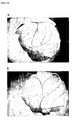
- Fig. 1 shows that a tubular network is formed as a process of neovascularization, when they are grown on Matrigel.
- the microvascular network of HUVEC on Matrigel was disconnected by Melissa leaf extract as shown in Fig. 2 .
- Fig. 2 is the HUVEC grown on Matrigel treated with 25 ⁇ g/ml of Melissa leaf extract, which shows that the microvascular network was disconnected.
- the area of the tube was determined by the image analysis program Image-Pro Plus ® (Media Cybernetics, USA), and summarized in Table 1. Tube formation after treatment of Melissa leaf extract was inhibited by about 66% as compared with the untreated control. (Table 1) Area of tu be % Control 11.56 100 Melissa leaf extract 3.92 34
- the anti-angiogenic activity of Melissa leaf extract was quantitatively investigated in mouse Matrigel model.
- a 0.4 ml portion of Matrigel mixed with each of 50 ng/ml of basic fibroblast growth factor (bFGF) and 50 units/ml of heparin was implanted to C57BL/6 female mice of 6 to 8 week-old by subcutaneous injection. After 3-5 days, Matrigel was removed from excised skin of each mouse, the level of hemoglobin (Hb) in the Matrigel was measured with a Drabkin kit (Sigma Chemical Co., St. Louise, MI, USA, Cat. No. 525), a reagent for determination of total hemoglobin in blood.
- bFGF basic fibroblast growth factor
- a 0.4 ml portion of Matrigel containing 50 ng/ml of basic fibroblast growth factor (bFGF) and 50 units/ml of heparin was implanted by subcutaneous injection, and 0.6 mg of Melissa leaf extract per mouse was orally administered twice a day for 4 days. At day 5, the Matrigel was removed and the amount of hemoglobin in the Matrigel was determined.
- bFGF basic fibroblast growth factor
- the Melissa leaf extract-treated group showed a lower level of hemoglobin in Matrigel, about 71% of that of the control group. Therefore, Melissa leaf extract also showed anti-angiogenic activity when it was administered orally.
- Table 3 Hemoglobin (g/dL) Control 109 ⁇ 198 Melissa leaf extract 32 ⁇ 38
- Fertilized chicken eggs were kept in a humidified incubator at 37°C. After incubation for three days, 2-3 ml of albumin was aspirated from the eggs with a syringe of 26-gauge needle and the egg was sealed with transparent tape. A window of a small hole was drilled at the end of the eggs. Two days later, an aliquot of 50 ⁇ g of Melissa leaf extract dissolved in 15 ⁇ l of saline was applied to sterile Thermanox discs (Miles Scientific) and allowed to air dry. The discs were applied to the chorioallantoic membrane surface through the window and covered with transparent adhesive tape. The embryos were incubated for further three days at 37°C in a humidified incubator.
- a 0.4 ml portion of Matrigel containing 50 ng/ml of basic fibroblast growth factor (bFGF) and 50 units/ml of heparin was implanted by subcutaneous injection, and 1.0 mg of Melissa leaf extract combined with 0.5 mg of Ginkgo biloba extract was orally administered twice per day for 4 days.
- bFGF basic fibroblast growth factor
- the amount of hemoglobin in the Matrigel was determined and the result was compared with the non-treated control group. As summarized in Table 4, the average of total hemoglobin levels in the Matrigel from treated group were about 10-18% of that of the control group. The percent inhibition of angiogenesis by combined treatment was 82-90%, which was greater than the Melissa leaf extract alone. (Table 4) Treatment Hemoglobin (g/dL) Inhibition (%) Control 162 ⁇ 174 0 Melissa (1.0 mg) + Ginkgo (0.5 mg) 29 ⁇ 28 90 Melissa (0.2 mg) + Ginkgo (0.1 mg) 17 ⁇ 19 82
- B16BL6 cells (5x10 4 ) were injected into C57BL/6 male mouse of 6 to 7 weeks old through the tail vein. After that, 0.2 ml of water or drug combinations was daily given to mice by oral administration for 3 weeks. Three weeks after injection, the mice were sacrificed and the number of tumor colonies on the surface of lungs was counted under microscope. The average number of melanoma colonies in lungs from mice of treated group was less than that from control mice. The percent inhibition of metastasis is 37-38% in single drug treated groups, while it was reduced to 50-54% in combined treatment groups (Table 5).
- MMP-1, MMP-2, and MMP-9 were cloned and prepared from insect cells (Sf21 insect cell) using Baculovirus system.
- MMP-2 cDNA (GENEBANK No. XM_048244) was cloned to a pBlueBac4.5 transfer vector (Invitrogen, Cat no. V1995-20), and then transfected to Sf21 cells with Bac-N-Blue Transfection Kit (Invitrogen, Cat no. K855-01). Sf21 cells were incubated with TNM-FH (Sigma, St. Louis, MO, U.S.A) media containing 10% fetal bovine serum at 27°C, then harvested and re-suspended at a concentration of 10 7 cell/ml. The cell suspension was incubated with a virus containing the cloned gene for 1 hr at room temperature. Infected Sf21 cells were grown for 72 hrs and the medium was recovered. MMP-2 was purified with a gelatin-sepharose affinity column from the recovered medium.
- MMP-1 (GENEBANK NO. XM_040735) and MMP-9 (GENEBANK NO. XM_009491) were prepared from corresponding genes as previously described. MMP-1 was purified with SP-sepharose, and MMP-9 was purified by gelatin-sepharose affinity chromatography.
- MMP enzyme activity was assayed by a spectrofluorometric method (Perkin-Elmer LS50B).
- MMP-1, MMP-2, and MMP-9 were used after activation with 1 mM APMA before assay.
- the substrate for MMP-1 and MMP-9 was 2,4-dinitrophenyl-Pro-Leu-Ala-Leu-Trp-Ala-Arg (Sequence No. 1), and Mca-Pro-Leu-Gly-Leu-Dap(Dnp)-Ala-Arg-NH 2 (Sequence No. 2 :BACHEM, Cat. No. M-1895) was used as a substrate for MMP-2.
- reaction buffer 50 mM Tricine (pH 7.5), 10 mM CaCl 2 , 200 mM NaCl
- Fluorescence intensity was measured every 2 min for 20 min at room temperature with a spectrofluorometer under an excitation wavelength of 280 nm and an emission wavelength of 360 nm.
- Melissa leaf extract (25 ⁇ g/ml) dissolved in water and 10 nM MMP-1 was added to a reaction buffer containing a substrate, and fluorescence intensity was measured in the same manner.
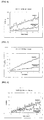
- FIGs 6, 7 and 8 are diagrams of activity of MMP-1, MMP-2, and MMP-9. As shown in Fig. 6 , 57% of MMP-1 activity was inhibited by Melissa leaf extract. The inhibition of MMP-2 and MMP-9 by Melissa leaf extract was 71 % ( Fig. 7 ) and 73% ( Fig. 8 ), respectively.
- Melissa leaf extract of the present invention inhibits angiogenesis and matrix metalloproteinase activity. Based on that, Melissa leaf extract can be used as a new composition for treatment or prevention of angiogenesis- and/or MMP-dependent diseases.
Landscapes
- Health & Medical Sciences (AREA)
- Life Sciences & Earth Sciences (AREA)
- Veterinary Medicine (AREA)
- Public Health (AREA)
- General Health & Medical Sciences (AREA)
- Animal Behavior & Ethology (AREA)
- Engineering & Computer Science (AREA)
- Chemical & Material Sciences (AREA)
- Pharmacology & Pharmacy (AREA)
- Medicinal Chemistry (AREA)
- General Chemical & Material Sciences (AREA)
- Nuclear Medicine, Radiotherapy & Molecular Imaging (AREA)
- Chemical Kinetics & Catalysis (AREA)
- Organic Chemistry (AREA)
- Bioinformatics & Cheminformatics (AREA)
- Natural Medicines & Medicinal Plants (AREA)
- Botany (AREA)
- Epidemiology (AREA)
- Mycology (AREA)
- Microbiology (AREA)
- Biotechnology (AREA)
- Birds (AREA)
- Dermatology (AREA)
- Medical Informatics (AREA)
- Alternative & Traditional Medicine (AREA)
- Ophthalmology & Optometry (AREA)
- Cardiology (AREA)
- Biomedical Technology (AREA)
- Heart & Thoracic Surgery (AREA)
- Urology & Nephrology (AREA)
- Diabetes (AREA)
- Neurology (AREA)
- Neurosurgery (AREA)
- Physical Education & Sports Medicine (AREA)
- Rheumatology (AREA)
- Food Science & Technology (AREA)
- Vascular Medicine (AREA)
- Gerontology & Geriatric Medicine (AREA)
- Oncology (AREA)
- Endocrinology (AREA)
Abstract
Description
- The present invention relates to a composition comprising Melissa leaf extract having inhibitory activity on angiogenesis and matrix metalloproteinase.
- In detail, the present invention relates to composition comprising Melissa leaf extract as active ingredient, which can be used as pharmaceuticals, as indicated in claims 1-5.
- Melissa (Melissa officinalis), a plant in a Labiatae family, is also called lemon balm, balm, or dropsy plant as common and folk names.
- Key constituents of the melissa officinalis are volatile oils (geranial, neral, citronellal, linalool, geraniol, geranylacetate, methyl citronellate, trans-beta-ocimene, germacren, eugenol), caffeic acid derivatives, flavonoids, triterpenes, catechins and tannins. Rosmarinic acid, a derivative of caffeic acid, is the most abundant component (about 4.7%) of the Melissa leaf extract, which is known to have anti-inflammatory activity.
- Melissa is edible and medicinal. Fresh leaves can be added to salad and used to make sauces for fish, poultry and pork. Dried or fresh the whole plant is used to make cool refreshing drinks or warm relaxing teas, which is good for fevers, colds, and headache. As an alternative medicine, it is applied for calming nerves, relieving menstrual cramps, insomnia, depression, hyperthyroidism, upset stomach, and colic in babies. It is antibacterial, antispasmodic, antiviral, carminative, diaphoretic, digestive, emmenagogue, febrifuge, sedative, and tonic. Recently, Melissa leaf extract has included in blood circulation activator, which helps dilatation of peripheral blood vessels. Fresh crushed leaves are applied to wounds and insect bites. The oil from Melissa is often added to skin preparations and perfumes. The essential oil is also used in aromatherapy (Cohen RA, Kucera LS, Herrmann EC Jr., Proc Soc Exp Biol Med 117, 431-434,1964; Kucera LS, Cohen RA and Herrmann EC Jr, Ann. NY Acad Sci 130, 474-82, 1965).
- Angiogenesis is the process of generating new capillary blood vessels. This is resulted from activated proliferation of pre-existing endothelial cells. Neovascularization is tightly regulated, and activation occurs only in embryogenic development, tissue remodeling, wound healing and periodic cycles of corpus luteum development (Folkman and Cotran, Relation of vascular proliferation to tumor growth, Int Rev Exp Pathol 16 207-248, 1976).
- The endothelial cells are growing very slowly as compared with other types of cells in the body. However, if the proliferation of these cells is induced by the failure of regulation of angiogenesis, some pathological status is developed (Timar, J Pathol Oncol Res 6, 85-94, 2001). Pathological angiogenesis is involved in many diseases. For example, cardiovascular diseases such as angioma, angiofibroma, vascular deformity, atherosclerosis, synechia and edemic sclerosis; and opthalmological diseases such as neovascularization after cornea implantation, neovascular glaucoma, diabetic retinopathy, angiogenic corneal disease, macular degeneration, pterygium, retinal degeneration, retrolental fibroplasias, and granular conjunctivitis are related to angiogenesis. Chronic inflammatory diseases such as arthritis; dermatological disease such as psoriasis, telangiectasis, pyogenic granuloma, seborrheic dermatitis and acne are also angiogenesis-dependent.
- In particular, angiogenesis is essential to metastasis and growth of cancer. (D'Amato RJ and Adamis AP, Ophthalmol 102, 1261-1262, 1995; Arbiser JL, J Am Acad Derm 34, 486-497, 1996; O'Brien K.D. et al. Circulation 93, 672-682, 1996; Hanahan D and Folkman J, Cell 86, 353-364, 1996) New blood vessels provide not only nutrients and oxygen to fast-growing cancer cells, but also ways of entering the blood stream resulting in metastasis (Polverini P.J., Critical Reviews in Oral Biology, 6, 230-247, 1995). Currently, a large variety of chemotherapy and immunotherapy are applied in the treatment of cancer, but the efficacy of the therapies is limited and nothing can successfully extend the life of cancer patients, due to the lack of anti-metastasis effects.
- Arthritis, a well-known inflammatory disease, is initiated as an autoimmune disease. However, the growth of vascular endothelial cell in the synovial cavity is activated by the inflammatory cytokines, which finally destroyed cartilage in the articulation. (Kocb AE, Polverini PJ and Lcibovich SJ, Arth Rheum 29, 471-479,1986; Stupack DG, Storgard CM and Cheresh DA, Braz J Med Biol Rcs 32, 578-581, 1999; Koch AE, Arthritis Rheum 41, 951-962, 1998)
- Many people are losing their eyesight all over the world because of various ocular diseases. Many patients became blindness due to the infiltration of the capillary blood cells into the vitreous humor (Jeffrey MI and Takayuki A, J Clin Invest 103, 1231-1236, 1999).
- Psoriasis is caused by extremely active proliferation of skin cells. Fast-growing cells requires sufficient blood supply, and angiogenesis is abnormally induced in psoriasis (Folkman J., J Invest Dermatol 59, 40-48, 1972).
- As mentioned above, angiogenesis is closely related to initiation and progression of many diseases. Therefore, inhibitors of angiogenesis can be the good candidates for the treatment of those diseases. Many efforts have been made toward the development of angiogenesis inhibitors in order to prevent and/or treat those diseases.
- Since the individual cells that make up even a single tumor vessel vary widely, the effectiveness of cancer treatments can be improved with various types of anti-angiogenic therapy. It is desirable to prepare a cocktail of several angiogenesis inhibitors for optimal anti-angiogenic therapy.
- One of the major events for inducing angiogenesis is a breakdown of the extracellular matrix before the formation of the capillary blood vessels. The most important enzyme of matrix degradation is matrix metalloproteinase (MMP), a family of over 20 enzymes. MMPs are endopeptidase, which degrade or proteolyze the components of the extracellular matrix such as collagen, proteoglycan, and gelatin, and are classified into four groups: collagenase, gelatinase, stromelysin, and membrane-type MMP. Many enzymes in the MMP family have substrate specificity. The expression of MMP is induced under various physiological circumstances when remodeling of an extracellular matrix is required. (Curry TE Jr, Osteen KG, Biol Repord 64, 1285-1296, 2001; Damjanovske S, Amano T, Li Q, Ueda S, Shi YB, Ishizuya-Oka A, Ann NY Acad Sci 926, 180-191, 2000; Ravanti L, Kahari VM, Int J Mol Med 6, 391-407 2000)
- Increased expression or activation of MMPs is observed in many pathological states, such as atherosclerosis, Alzheimer's disease, skin aging, wrinkle, arthritis, corneal ulcer, proteinuria, abdominal aortic aneurysm, regressive cartilage loss, myelinated nerve loss, liver fibrosis, nephrogromerula disease, germinal membrane ruptures, inflammatory bowel disease, gingivitis/ periodontitis, senile macular degeneration, retinopathy, Sjogren syndrome, myopia, rejection of cornea implantation, angiogenesis and cancer metastasis. (Woessner Jr., Annals NY Acad Sci, 732, 11-21, 1994; Warner et al., Am J Pathol, 158, 2139-44, 2001; Stetler-Stevenson, Surg Oncol Clin N Am, 10, 383-92, 2001)
- For example, stromelysins are known to be the major enzyme for disruption of cartilage (Murphy, G. et al., Biochem J, 248, 265-268, 1987). Collagenases, gelatinases and stromelysins are responsible for the degradation of the extracellular matrix in many retinopathies (Bruns, F.R. et al., Invest Opthalmol and Visual Sci, 32, 1569-1575, 1989). Collagenases and stromelysins are identified in fibroblast from gingiva in inflammation, and the activity of the enzyme is dependent on the degree of inflammation (Beeley, N.R.A. et al., supra; Overall, C.M. et al., J Periodontal Res, 22, 81-88, 1987).
- Recent reports have also shown that MMP-1 activity is highly induced in Alzheimer's disease, and MMP-1 and MMP-3 are involved in the pathophysiology of the disease. (Leake A, Morris CM, & Whateley, J Neurosci Lett 291, 201-3, 2000; Yoshiyama Y, Asahina M, & Hattori T, Acta Neuropathol (berl), 99, 91-5, 2000)
- MMPs are also responsible in solar UV radiation-induced skin damage, affecting skin tone and resiliency leading to premature aging. The symptoms of which include leathery texture, wrinkles, mottled pigmentation, laxity and sallowness. Therefore, MMP inhibitors could be included in cosmetics for anti-photoaging or anti-wrinkle agent (Hase T, Shinata K, Murase T, Tokimitsu I, Hattori M, Takimoto R, Tsuboi R and Ogawa H, Br J Dermatol 142, 267-273, 2000; Fisher GJ, Talwar HS, Lin J, Voorhees JJ, Photochem Photobiol 69, 154-157, 1999).
- MMPs play a role in eye inflammation. Matrix metalloproteinases in the aqueous humor may participate in normal physiological turnover of extracellular matrix in the eye. Levels of MMPs in aqueous humor are elevated during uveal inflammation and in an LPS-induced uveitis animal model (Di Girolamo N, et al. (1996) Curr. Eye Res., 15 (10): 1060-1068). Scleritis is a sight-threatening inflammatory disorder of the eye characterized by the degradation of scleral matrix. The results disclosed in Di Girolamo N, et al. (1997) Am. J. Pathol., 150 (2) : 653-666 demonstrate the potential involvement of MMPs (including gelatinase B, MMP-9) and their modulation by cytokines produced by infiltrating inflammatory cells in destructive ocular inflammation. The demonstration of MMP expression in diseased scleral tissue suggests that therapies aimed at inhibiting MMP activity may be beneficial in controlling scleritis, a collagen-degrading disorder.
- Sjögren's syndrome (SS), keratoconjunctivitis sicca (KCS) or SS aqueous tear deficiency (ATD) is a systematic autoimmune disease in which immune cells attack and destroy the exocrine glands that produce tears. Expression of a number of inflammatory cytokines, including interleukin-1 (IL-1), is increased in conjunctival epithelium in SS-KCS, and the concentration of IL-1α and mature IL-1β in tear fluid is also increased in comparison to normal subjects. One of the most efficient proteases that activates precursor IL-1β is MMP-9, the activity of which was also significantly higher (90-fold) in the tear fluid of SS ATD patients than in normal subjects. MMP-9 activates precursor IL-1β, increasing its biological activity in stimulating MMP-1 and MMP-3 in cultured human keratinocytes (Solomon A, et al. (2001) Invest. Ophthalmol. Vis. Sci., 42 (10): 2283-2292).
- Rada JA ((1999) Invest. Ophthalmol. Vis. Sci., 40 (13): 3091-3099) reports that during the development of induced myopia in chicks, increases in the steady state levels of gelatinase A (MMP-2) and TIMP-2 mRNA lead to changes in gelatinase activity within the fibrous sclera and mediate, at least in part, the process of visually regulated ocular growth and scleral remodeling (which in turn affect the progression or recovery from myopia). The changes observed were reversed during recovery.
- MMPs, specifically, MMP-9 and MMP-2, have also been linked to rejection in cornea transplantation in Barro CD ((1998) Curr. Eye Res., 17 (2): 174-182). Furthermore, MMPs, in particular MMP-2, has been linked to conical cornea in Collier SA ((2001) Clinical & Experimental Opthalmol., 29 (6): 340-44.
- Since inhibitors for MMP and angiogenesis can be applied for treatment of many diseases, development of angiogenesis inhibitor as new drugs is expected. Desirable inhibitors should not have toxic or adverse effect with good patient compliance because inhibitors need to be administered for a long time.
- The inventors have found that Melissa leaf extract exerts the following action: Inhibition of angiogenesis, inhibition of the proteolytic activity of matrix metalloproteinase
- Accordingly, the present disclosure describes an anti-angiogenic composition comprising Melissa leaf extract as active ingredient with or without other active ingredients.
- More specifically, the present disclosure describes an anti-angiogenic composition for pharmaceutical or dietetic use.
- Thus, the composition of the present invention can be used for the treatment of diseases derived from angiogenesis, in particular, for the treatment of diabetic retinopathy, premature infant's retinopathy, neovascular glaucoma, corneal disease induced by angiogenesis, involutional macula, macular degeneration, pterygium, retinal degeneration, retrolental fibroplasias, and granular conjunctivitis.
- Further, the present disclosure describes an MMP-inhibitory composition comprising Melissa leaf extract as active ingredient with or without other active ingredients.
- More specifically, the disclosure describes provides an MMP-inhibitory composition for pharmaceutical, dietetic, or cosmetic use.
- Thus, the composition of the present invention can be used for the treatment of diseases derived from MMP, in particular, for the treatment of corneal ulcer, senile macular degeneration, diabetic retinopathy, proliferate vitreous body retinopathy, immature retinopathy, eye inflammation, conical cornea, Sjögren syndrome, myopia, and rejection in cornea implantation.
-
-
Figure 1 is a picture showing the formation of tube by human umbilical vein endothelial cells (HUVEC) grown in Matrigel. -
Figure 2 is a picture showing HUVEC treated with 25 µg/ml of Melissa leaf extract. -
Figure 3 is a graph of effect of Melissa leaf extract on angiogenesis in mouse Matrigel model. -
Figure 4 is a graph showing the inhibition of angiogenesis by oral administration of Melissa leaf extract in mouse Matrigel model. -
Figure 5 is a picture showing anti-angiogenic effect of Melissa leaf extract in chorioallantoic membrane assays (a: control, b: treated). -
Figure 6 is a graph showing inhibition of MMP-1 activity by Melissa leaf extract. -
Figure 7 is a graph showing inhibition of MMP-2 activity by Melissa leaf extract. -
Figure 8 is a graph showing inhibition of MMP-9 activity by Melissa leaf extract. - Hereinafter, the present invention will be explained in detail.
- The inventors have found that Melissa leaf extract of this invention inhibits angiogenesis not only in tube formation assay, but also in CAM assay and mouse Matrigel model. Melissa leaf extract also inhibits angiogenesis when it is orally administered.
- The tube formation assay is an in vitro experimental method that is closely related to in vivo efficacy, and this assay investigates the effect on the migration and differentiation of human endothelial cell forming microvascular network. While the CAM assay is an in vivo assay using fertilized eggs, angiogenesis can be quantitatively measured in mouse Matrigel model.
- Further, the inventors have found that Melissa leaf extract inhibited MMP, a family of essential enzymes for angiogenesis and cancer metastasis. When the effect of Melissa leaf extract on MMPs is investigated with MMP-1, MMP-2, and MMP-9, it drastically inhibits activity of all three enzymes. The inhibitory effect of Melissa leaf extract on MMPs is not, however, limited to these three enzymes.
- It is therefore clear that the composition comprising Melissa leaf extract of the present invention is used as an anti-angiogenic agent for the treatment of the angiogenesis-dependent diseases, specified in
claim 1. - It is therefore also clear that the composition comprising Melissa leaf extract of the present invention is used as an MMP-inhibitory agent for the treatment of the MMP-related diseases, specified in
claim 3 use. - Melissa leaf extract used in the present invention can be purchased or prepared with conventional methods. Commercially available Melissa leaf extract can also be used. The example of the conventional extraction method is as follows.
- In brief, 10 to 20 L of an aqueous alcohol (for example, methanol, ethanol, butanol, etc.) or acetone is added to 1 kg of dried Melissa leaves. The mixture is allowed to extract at a temperature ranging from 60 to 80°C, for a period ranging from 30 min to 2 hours. The extraction process may be repeated 2 to 3 times with other solvents (chloroform, ethyl acetate, ketone, etc.). The resulting extract is concentrated to obtain a Melissa leaf extract.
- As mentioned above, Melissa leaf extract of the present invention has inhibitory effects on angiogenesis and MMP activity. While MMPs are enzymes responsible for angiogenesis, anti-angiogenic activity of Melissa leaf extract is not limited to MMP inhibitory activity. That is, though MMPs are one of the factors for inducing angiogenesis, Melissa leaf extract can inhibit other factors of angiogenesis. Furthermore, the inhibitory of activity on MMP of Melissa leaf extract are not limited to inhibition of angiogenesis.
- The composition of the present invention comprising Melissa leaf extract may also comprise more than one component of other angiogenesis inhibitors, such as ticlopidine, glucosamine (2-amino-2-deoxy-D-gucopyranose), horse chestnut extract and Ginkgo biloba extract for the prevention and/or treatment of angiogenesis- and MMP-dependent diseases. We have previously reported that angiogenesis is inhibited by commercially available pharmaceutical composition such as horse chestnut extract (
KR10-2001-66246 KR-10-2001-18675 KR10-2000-45265 KR10-2000-43589 - These commercially available drugs can be co-treated with Melissa leaf extract of present invention to potentate the effect of the composition.
- Specifically, combined treatment of Melissa leaf extract with Ginkgo biloba extract or ticlopidine can be used as metastasis inhibitors.
- The composition of the present invention comprising Melissa leaf extract may also comprise more than one component of other anti-cancer, anti-inflammatory and anti-aging agents such as Glycyrrhiza glabra, Cinnamonum cassia, Sophora japonica, Atractylodes japonica, Atracylodes lancea, Artemisia capillaris, Morus alba, Houttuynia cordata, Lonicera japonica, Inula japonica, Inula britannica, Paeonia albiflora, Paeonia japonica, Paeonia obovata, Curcuma domestica, Curcuma longa, Saururus chinensis, Vaccinium myrtillus, Rubus spp., Melilotus officinalis, Agelica gigantis, Salvia officinalis, Salvia miltorrhiza, Liriope platyphylla, Zingiber officinalis, Ulmus cavidiana, Ulmus macrocarpa, Camellia japonica and Vitis vinifera. Above compositions can be added to drugs, quasi-drugs, foods or beverages used for anti-angiogenic purpose.
- The anti-angiogenic activity of above component is also confirmed by tube formation of HUVEC as previously mentioned. The inhibition of tube formation by 50 µg/ml of each composition was 30-100% as compared with non-treated control HUVEC. For example, percent inhibition was 100% for Cinnamonum cassia, 51.7% for Atractylodes japonica, 53% for Artemisia capillaris, 53% for Morus alba, 40% for Vaccimium myrtillus, 30% for Houttuynia cordata, and 38% for Paeonia japonica.
- A composition comprising Melissa leaf extract can also comprises more than one kind of diluent including dextrose, maltodextrin, saline, buffered saline, water, glycerol, and ethanol, but the diluent is not limited. Appropriate diluents are listed in the written text of Remington's Pharmaceutical Science (Mack Publishing co, Easton PA).
- Formulations containing Melissa leaf extract may be prepared in any form. The formulation can be prepared as injectable preparation (true solution, suspension, or emulsion) and preferably in oral dosage form (tablet, capsule, soft capsule, aqueous medicine, pill, granule) and topical preparation (ointment, patch, spray, solution, and the like).
- The composition comprising Melissa leaf extract of the present invention can be administered by various routes. The route of administration includes oral, intravenous, intraperitoneal, subcutaneous, intramuscular, intra-arterial, transdermal, rectal, nasal, ocular, and topical application.
- The composition comprising Melissa leaf extract of the present invention may be applied differently according to the diseases and route of administration. It should be understood that the amount of active ingredient has to be determined with various factors. These factors include the severity of the patient's symptoms, other co-administered drugs (e.g., chemotherapeutic agents), age, sex, body weight of the individual patient, food, dosing time, the chosen route of administration, and the ratio of the composition.
- A daily dose of Melissa leaf extract is preferable from about 5 mg to 2 g, most preferably 10 to 1000 mg. In general, 0.1 to 200 mg/kg of Melissa leaf extract can be administrated in a single dose or 2-3 divided doses per day.
- The following examples are intended to further illustrate the present inventions. However, these examples are shown only for better understanding the present invention without limiting its scope.
- Melissa leaf extract was purchased from Emil Flachsmann AG and used in the following examples.
- The effect of Melissa leaf extract on angiogenesis was investigated in vitro with human endothelial cells.
- To perform the tube formation assay, human umbilical vein endothelial cells (HUVEC) were isolated from freshly obtained cords after cesarean section. Cells were cultured and identified by immunocytochemical staining with anti-Factor VIII antibody. HUVEC grown with Matrigel (BD Bioscience, Bedford, MA, USA), were treated with 25 µg/ml of the above Melissa leaf extract (Emil Flachsmann AG) of the EXAMPLE 1, and further incubated at 37°C for 8-16 hrs. As a control, the procedure was repeated without Melissa leaf extract.
-
Fig. 1 shows that a tubular network is formed as a process of neovascularization, when they are grown on Matrigel. However, the microvascular network of HUVEC on Matrigel was disconnected by Melissa leaf extract as shown inFig. 2 . -
Fig. 2 is the HUVEC grown on Matrigel treated with 25 µg/ml of Melissa leaf extract, which shows that the microvascular network was disconnected. - The area of the tube was determined by the image analysis program Image-Pro Plus® (Media Cybernetics, USA), and summarized in Table 1. Tube formation after treatment of Melissa leaf extract was inhibited by about 66% as compared with the untreated control.
(Table 1) Area of tu be % Control 11.56 100 Melissa leaf extract 3.92 34 - The anti-angiogenic activity of Melissa leaf extract was quantitatively investigated in mouse Matrigel model.
- A 0.4 ml portion of Matrigel mixed with each of 50 ng/ml of basic fibroblast growth factor (bFGF) and 50 units/ml of heparin was implanted to C57BL/6 female mice of 6 to 8 week-old by subcutaneous injection. After 3-5 days, Matrigel was removed from excised skin of each mouse, the level of hemoglobin (Hb) in the Matrigel was measured with a Drabkin kit (Sigma Chemical Co., St. Louise, MI, USA, Cat. No. 525), a reagent for determination of total hemoglobin in blood.
- The same experiment was done with Matrigel cotaining Melissa leaf extract (0.5 mg) of the EXAMPLE 1, and hemoglobin content of the treated group was compared with that of the control group. As shown in
Fig. 3 and Table 2, the hemoglobin content of the treated group was remarkably reduced as compared with that of the control group. Therefore, angiogenesis was inhibited by about 99%.(Table 2) Hemoglobin (g/dL) Control 453 ± 446 Melissa leaf extract 3 ± 7 - In order to test the activity of orally administered Melissa leaf extract on angiogenesis, the following experiment was undertaken.
- A 0.4 ml portion of Matrigel containing 50 ng/ml of basic fibroblast growth factor (bFGF) and 50 units/ml of heparin was implanted by subcutaneous injection, and 0.6 mg of Melissa leaf extract per mouse was orally administered twice a day for 4 days. At
day 5, the Matrigel was removed and the amount of hemoglobin in the Matrigel was determined. - As shown in
Fig. 4 and Table 3, the Melissa leaf extract-treated group showed a lower level of hemoglobin in Matrigel, about 71% of that of the control group. Therefore, Melissa leaf extract also showed anti-angiogenic activity when it was administered orally.(Table 3) Hemoglobin (g/dL) Control 109 ± 198 Melissa leaf extract 32 ± 38 - Fertilized chicken eggs were kept in a humidified incubator at 37°C. After incubation for three days, 2-3 ml of albumin was aspirated from the eggs with a syringe of 26-gauge needle and the egg was sealed with transparent tape. A window of a small hole was drilled at the end of the eggs. Two days later, an aliquot of 50 µg of Melissa leaf extract dissolved in 15 µl of saline was applied to sterile Thermanox discs (Miles Scientific) and allowed to air dry. The discs were applied to the chorioallantoic membrane surface through the window and covered with transparent adhesive tape. The embryos were incubated for further three days at 37°C in a humidified incubator. An appropriate volume of lipid emulsion was injected into the embryo chorioallantois using a 26-gauge needle so that the vascular network of the chorioallantoic membrane stood out against the white lipid background. As a control, 15 µl of physiological saline was loaded to a disc instead of Melissa leaf extract following the same procedure as mentioned above. The resulting blood vessels were observed and compared with treated eggs.
- In the control group (n=20), capillary vessel formation was not affected in 90% of the embryo (
Fig. 5a ), while the inhibition of vessel formation in the disc (brighter part of the picture) treated with Melissa leaf extract was significant and the inhibition of the blood vessel formation of the chorioallantois was observed in all the treated eggs (n= 15, 100%,Fig. 5b ). - The effect of co-treatment of Melissa leaf extract with other composition on angiogenesis was investigated in mouse Matrigel model.
- A 0.4 ml portion of Matrigel containing 50 ng/ml of basic fibroblast growth factor (bFGF) and 50 units/ml of heparin was implanted by subcutaneous injection, and 1.0 mg of Melissa leaf extract combined with 0.5 mg of Ginkgo biloba extract was orally administered twice per day for 4 days.
- Lower dose of combined composition of Melissa leaf extract with Ginkgo biloba extract were also given to mice in another group, which were taken one fifth of the previous amount of combined composition (0.2 mg of Melissa with 0.1 mg of Ginkgo).
- The amount of hemoglobin in the Matrigel was determined and the result was compared with the non-treated control group. As summarized in Table 4, the average of total hemoglobin levels in the Matrigel from treated group were about 10-18% of that of the control group. The percent inhibition of angiogenesis by combined treatment was 82-90%, which was greater than the Melissa leaf extract alone.
(Table 4) Treatment Hemoglobin (g/dL) Inhibition (%) Control 162±174 0 Melissa (1.0 mg) + Ginkgo (0.5 mg) 29 ± 28 90 Melissa (0.2 mg) + Ginkgo (0.1 mg) 17 ± 19 82 - B16BL6 cells (5x10⁴) were injected into C57BL/6 male mouse of 6 to 7 weeks old through the tail vein. After that, 0.2 ml of water or drug combinations was daily given to mice by oral administration for 3 weeks. Three weeks after injection, the mice were sacrificed and the number of tumor colonies on the surface of lungs was counted under microscope. The average number of melanoma colonies in lungs from mice of treated group was less than that from control mice. The percent inhibition of metastasis is 37-38% in single drug treated groups, while it was reduced to 50-54% in combined treatment groups (Table 5).
- That is, the combined treatment of Melissa leaf extract with other angiogenesis inhibitor is more potent than Melissa leaf alone.
(Table 5) Preparation Colonies in lung Inhibition (%) Control 133 ± 39 0 Melissa leaf extract 84 ± 24 37 Ginkgo biloba extract 82 ± 21 38 Ticlopidine 83 ± 20 38 Melissa + Ginkgo 61 ± 15 54 Melissa + ticlopidine 67 ± 17 50 - MMP-1, MMP-2, and MMP-9 were cloned and prepared from insect cells (Sf21 insect cell) using Baculovirus system.
- MMP-2 cDNA (GENEBANK No. XM_048244) was cloned to a pBlueBac4.5 transfer vector (Invitrogen, Cat no. V1995-20), and then transfected to Sf21 cells with Bac-N-Blue Transfection Kit (Invitrogen, Cat no. K855-01). Sf21 cells were incubated with TNM-FH (Sigma, St. Louis, MO, U.S.A) media containing 10% fetal bovine serum at 27°C, then harvested and re-suspended at a concentration of 107 cell/ml. The cell suspension was incubated with a virus containing the cloned gene for 1 hr at room temperature. Infected Sf21 cells were grown for 72 hrs and the medium was recovered. MMP-2 was purified with a gelatin-sepharose affinity column from the recovered medium.
- MMP-1 (GENEBANK NO. XM_040735) and MMP-9 (GENEBANK NO. XM_009491) were prepared from corresponding genes as previously described. MMP-1 was purified with SP-sepharose, and MMP-9 was purified by gelatin-sepharose affinity chromatography.
- In order to investigate MMP inhibition by Melissa leaf extract, MMP enzyme activity was assayed by a spectrofluorometric method (Perkin-Elmer LS50B).
- Purified MMP-1, MMP-2, and MMP-9 were used after activation with 1 mM APMA before assay.
- The substrate for MMP-1 and MMP-9 was 2,4-dinitrophenyl-Pro-Leu-Ala-Leu-Trp-Ala-Arg (Sequence No. 1), and Mca-Pro-Leu-Gly-Leu-Dap(Dnp)-Ala-Arg-NH2 (Sequence No. 2 :BACHEM, Cat. No. M-1895) was used as a substrate for MMP-2.
- As a control, 10 nM MMP-1 and 1 µM substrate (Sequence No. 1) were mixed in 2 ml of reaction buffer (50 mM Tricine (pH 7.5), 10 mM CaCl2, 200 mM NaCl) in a 2 ml cuvette. Fluorescence intensity was measured every 2 min for 20 min at room temperature with a spectrofluorometer under an excitation wavelength of 280 nm and an emission wavelength of 360 nm.
- Melissa leaf extract (25 µg/ml) dissolved in water and 10 nM MMP-1 was added to a reaction buffer containing a substrate, and fluorescence intensity was measured in the same manner.
- Activity for MMP-2 or MMP-9 was also assayed, and fluorescence intensity was measured as previously mentioned.
-
Figures 6, 7 and 8 are diagrams of activity of MMP-1, MMP-2, and MMP-9. As shown inFig. 6 , 57% of MMP-1 activity was inhibited by Melissa leaf extract. The inhibition of MMP-2 and MMP-9 by Melissa leaf extract was 71 % (Fig. 7 ) and 73% (Fig. 8 ), respectively. - As previously mentioned, Melissa leaf extract of the present invention inhibits angiogenesis and matrix metalloproteinase activity. Based on that, Melissa leaf extract can be used as a new composition for treatment or prevention of angiogenesis- and/or MMP-dependent diseases.
- <110> ANGIOLAB, INC.
- <120> COMPOSITION COMPRISING MELISSA LEAF EXTRACT FOR ANTI-ANGIOGENIC AND MATRIX METALLOPROTEINASE INHIBITORY ACTIVITY
- <130> 01PP101
- <150>
KR 2000-75488
<151> 2000-12-12 - <150>
KR 2001-8470
<151> 2001-02-20 - <150>
KR 2001-77392
<151> 2001-12-07 - <160> 2
- <170> KopatentIn 1.71
- <210> 1
<211> 7
<212> PRT
<213> Artificial Sequence - <220>
<223> No.1 Pro is 2,4-dinitrophenyl Pro. - <400> 1

- <210> 2
<211> 6
<212> PRT
<213> Artificial Sequence - <220>
<223> No.1 Pro is (7-methoxycoumarin-4-yl)acetyl Pro. No.4 Leu is N-3-(2,4-dinitrophenyl)-L-2,3-diaminopropionyl Leu. No.6 Arg is aminated. - <400> 2

Claims (5)
- A composition comprising Melissa leaf extract for use in the treatment of a disease related to angiogenesis, wherein the disease is selected from the group consisting of diabetic retinopathy, premature infant's retinopathy, neovascular glaucoma, corneal disease induced by angiogenesis, involutional macula, macular degeneration, pterygium, retinal degeneration, retrolental fibroplasias, and granular conjunctivitis.
- The composition comprising Melissa leaf extract for use according to claim 1, wherein the composition is a food composition.
- A composition comprising Melissa leaf extract for use in the treatment of a disease related to matrix metalloproteinase activity, wherein the disease is selected form the group consisting of corneal ulcer, senile macular degeneration, diabetic retinopathy, proliferate vitreous body retinopathy, immature retinopathy, eye inflammation, conical cornea, Sjögren syndrome, myopia, and rejection in cornea implantation.
- The composition comprising Melissa leaf extract for use according to claim 3, wherein the composition is a food composition.
- The composition comprising Melissa leaf extract for use according to any one of the preceding claims, wherein the composition additional comprises at least one of the ingredients selected from the group consisting of Ginkgo biloba extract, ticlopidine, glucosamine and horse chestnut extract, Glycyrrhiza glabra, Cinnamomum cassia, Sophora japonica, Atractylodes japonica, Atractylodes lancea, Artemisia capillaris, Morus alba, Houttuynia cordata, Lonicera japonica, Inula japonica, Inula britannica, Paeonia albiflora, Paeonia japonica, Paeonia obovata, Curcuma domestica, Curcuma longa, Saururus chinensis, Vaccinium myrtilus, Rubus spp., Melifotus officinalis, Angelicae gigantis, Salvia officinalis, Salvia miltorrhiza, Liriope platyphylla, Zingiber officinalis, Ulmus cadiviana, Ulmus macrocarpa, Camellia japonica and Vitis vinifera.
Applications Claiming Priority (7)
| Application Number | Priority Date | Filing Date | Title |
|---|---|---|---|
| KR2000075488 | 2000-12-12 | ||
| KR20000075488 | 2000-12-12 | ||
| KR10-2001-0008470A KR100473688B1 (en) | 2001-02-20 | 2001-02-20 | Pharmaceutical composition containing melissa extract for the use of matrix metalloproteinase inhibitor |
| KR2001008470 | 2001-02-20 | ||
| KR10-2001-0077392A KR100500298B1 (en) | 2000-12-12 | 2001-12-07 | Composition containing melissa extract for the use of angiogenesis inhibitor |
| KR2001077392 | 2001-12-07 | ||
| PCT/KR2001/002148 WO2002047701A1 (en) | 2000-12-12 | 2001-12-12 | Composition comprising melissa leaf extract for anti-angiogenic and matrix metalloproteinase inhibitory activity |
Publications (3)
| Publication Number | Publication Date |
|---|---|
| EP1349558A1 EP1349558A1 (en) | 2003-10-08 |
| EP1349558A4 EP1349558A4 (en) | 2004-03-24 |
| EP1349558B1 true EP1349558B1 (en) | 2011-06-15 |
Family
ID=27350370
Family Applications (1)
| Application Number | Title | Priority Date | Filing Date |
|---|---|---|---|
| EP01270341A Expired - Lifetime EP1349558B1 (en) | 2000-12-12 | 2001-12-12 | Composition comprising melissa leaf extract for anti-angiogenic and matrix metalloproteinase inhibitory activity |
Country Status (6)
| Country | Link |
|---|---|
| US (1) | US7485327B2 (en) |
| EP (1) | EP1349558B1 (en) |
| JP (1) | JP4173733B2 (en) |
| CN (1) | CN100336521C (en) |
| AU (1) | AU2002222747A1 (en) |
| WO (1) | WO2002047701A1 (en) |
Families Citing this family (42)
| Publication number | Priority date | Publication date | Assignee | Title |
|---|---|---|---|---|
| KR100645385B1 (en) * | 2005-10-05 | 2006-11-23 | 주식회사 안지오랩 | Obesity Inhibitory Composition |
| GB0223249D0 (en) * | 2002-10-08 | 2002-11-13 | Amersham Plc | Improved imaging agents |
| US20040223942A1 (en) * | 2003-03-06 | 2004-11-11 | Kao Corporation | Skin aging-preventing or improving agent |
| US20050053555A1 (en) * | 2003-07-14 | 2005-03-10 | Crave Busters, Llc. | Appetite control compositions and methods of use |
| KR100566661B1 (en) * | 2003-07-16 | 2006-03-31 | 주식회사 아주의대벤쳐메딕스 | Compositions that improve the symptoms of sweat odor |
| EP1552844A1 (en) * | 2004-01-07 | 2005-07-13 | Leendert Taal | Botanical extract composition |
| ITMI20040696A1 (en) * | 2004-04-08 | 2004-07-08 | Aboca S P A | COMPOSITIONS FOR HERBAL TEA ENRICHED WITH VEGETABLE DRIED EXTRACTS |
| JP4927718B2 (en) * | 2004-06-18 | 2012-05-09 | シムライズ・ゲゼルシヤフト・ミツト・ベシユレンクテル・ハフツング・ウント・コンパニー・コマンジツト・ゲゼルシヤフト | Blackberry extract |
| US20090004302A1 (en) * | 2004-10-15 | 2009-01-01 | Biopharmacopae Design International Inc. | Methods and Therapeutic Compositions Comprising Plant Extracts for the Treatment of Cancer |
| FR2876586B1 (en) * | 2004-10-20 | 2007-10-12 | Persee Medica | COMPOSITION FOR PREVENTING OR TREATING STRESS, INCLUDING CHRONIC AND PERMANENT STRESS BURNS |
| CN1315474C (en) * | 2004-11-11 | 2007-05-16 | 中山大学 | Use of ampelopsin in preparation of angiogenesis inhibitor drug |
| JP2006282562A (en) * | 2005-03-31 | 2006-10-19 | Kobayashi Pharmaceut Co Ltd | Agent for periodontosis compounded with aesculus hippocastanum l. extract component |
| EP1909584A4 (en) * | 2005-07-29 | 2010-07-07 | Bioactives Inc | Prenylflavonoid formulations |
| FR2895260B1 (en) * | 2005-12-23 | 2009-02-20 | Servier Lab | NOVEL PHARMACEUTICAL COMPOSITION BASED ON ESSENTIAL OIL FOR NASAL AND / OR ORAL SPRAY |
| JP2007238602A (en) * | 2006-02-07 | 2007-09-20 | Yakult Honsha Co Ltd | Vascular elasticity improver |
| JP5173838B2 (en) | 2006-02-13 | 2013-04-03 | アレシア・バイオセラピューティクス・インコーポレーテッド | Polynucleotide and polypeptide sequences related to the process of bone remodeling |
| US8168181B2 (en) | 2006-02-13 | 2012-05-01 | Alethia Biotherapeutics, Inc. | Methods of impairing osteoclast differentiation using antibodies that bind siglec-15 |
| US20070243275A1 (en) * | 2006-04-13 | 2007-10-18 | Gilbard Jeffrey P | Methods and compositions for the treatment of infection or infectious colonization of the eyelid, ocular surface, skin or ear |
| US20120040809A1 (en) | 2010-08-11 | 2012-02-16 | Formicola Thomas M | Stretch-Out Roll Up Bar |
| KR20080025900A (en) * | 2006-09-19 | 2008-03-24 | (주) 서울바이오메드 | Composition for treating allergic conjunctivitis comprising glucosamine or glucosamine derivative and method for treating allergic conjunctivitis using the same |
| EP1917960A1 (en) * | 2006-11-06 | 2008-05-07 | Nestec S.A. | Improved biological effects of rosmarinic acid |
| US20080166307A1 (en) * | 2007-01-10 | 2008-07-10 | Jose Eder Fontana | Oral Care Compositions Comprising a Hippophae Extract |
| GB2452696B (en) * | 2007-08-02 | 2009-09-23 | Cambridge Entpr Ltd | 3-(2',2'-dimethylpropanoylamino)-tetrahydropyridin-2-one and its use in pharmaceutical compositions |
| KR100903030B1 (en) * | 2007-08-23 | 2009-06-18 | 주식회사 안지오랩 | Melissa leaf extract fraction and composition comprising the same |
| US20090246152A1 (en) * | 2008-03-28 | 2009-10-01 | Nu Skin International, Inc. | Naractin compositions for the inhibition of reactive oxygen species |
| WO2009123211A1 (en) | 2008-03-31 | 2009-10-08 | 株式会社資生堂 | Agents for maturing, normalizing or stabilizing blood vessels and wrinkle-preventing and improving agents |
| DK2424374T3 (en) | 2009-05-01 | 2018-05-07 | Advanced Vision Res Inc | Detergent compositions and methods for using the same |
| US20110076312A1 (en) * | 2009-09-29 | 2011-03-31 | Ethicon, Inc. | Antimicrobial/antibacterial medical devices coated with traditional chinese medicines |
| EP2509613A1 (en) * | 2009-12-10 | 2012-10-17 | Reiner Rittinghausen | Compound for treating gastrointestinal problems |
| JP6147954B2 (en) * | 2011-05-10 | 2017-06-14 | 丸善製薬株式会社 | Tie2 activator, vascular maturation agent, vascular normalization agent, and vascular stabilization agent |
| CN102552439B (en) * | 2012-02-08 | 2013-07-31 | 高洪波 | Chinese medicine for treating varicose vein of lower limb |
| AU2013293062A1 (en) | 2012-07-19 | 2014-07-24 | Alethia Biotherapeutics Inc. | Anti-Siglec-15 antibodies |
| EP3341002B1 (en) * | 2015-08-25 | 2023-10-04 | Parachur, Vivek Anand | Herbal composition for the treatment of age related macular diseases |
| CN106668670A (en) * | 2017-01-19 | 2017-05-17 | 四川香龙丹医药科技有限公司 | Drug formula for treating psoriasis |
| JP2018177716A (en) * | 2017-04-17 | 2018-11-15 | 株式会社アイビー化粧品 | Matrix metalloproteinase 9 inhibitor and external skin preparation containing it |
| KR102121969B1 (en) | 2019-05-22 | 2020-06-11 | 주식회사 안지오랩 | Pharmaceutical Composition Comprising Fraction of Melissa Leaf Extract |
| WO2021063366A1 (en) * | 2019-09-30 | 2021-04-08 | 中国科学院上海药物研究所 | Drug for treating artery-related diseases, and use thereof |
| KR102873768B1 (en) * | 2021-03-12 | 2025-10-21 | 주식회사 안지오랩 | Fractional Extract of Melissa Leaf and Novel Pharmaceutical Composition Comprising the Same |
| ES3057131T3 (en) * | 2020-04-08 | 2026-02-26 | Angiolab Inc | Fraction extract of melissa officinalis leaves and novel pharmaceutical composition including same |
| KR102229760B1 (en) * | 2020-04-08 | 2021-03-22 | 주식회사 안지오랩 | Fraction of Melissa Leaf Extract and Novel Pharmaceutical Composition Comprising the Same |
| KR102499893B1 (en) * | 2020-06-17 | 2023-02-15 | 파마코바이오 주식회사 | Pharmaceutical composition comprising a fraction of Saururus chinensis and method for preparing the same |
| US20240066085A1 (en) * | 2020-10-28 | 2024-02-29 | National University Corporation Kobe University | Matrix metalloprotease 1 expression inhibitor, skin external agent, and use for inhibition of matrix metalloprotease 1 expression |
Family Cites Families (18)
| Publication number | Priority date | Publication date | Assignee | Title |
|---|---|---|---|---|
| FR2442633A1 (en) * | 1978-11-28 | 1980-06-27 | Kitasato Inst | INTERFERON INDUCERS AND THEIR MANUFACTURING METHOD |
| FR2622110A1 (en) * | 1987-10-26 | 1989-04-28 | Marty Georges | Battery designed to utilise the radioactive power of plants for medical purposes |
| JPH02256621A (en) * | 1988-12-28 | 1990-10-17 | King Jozo Kk | Antimutagenic agent |
| SE461378B (en) * | 1989-01-16 | 1990-02-12 | Fovarosi Tanacs Gyogyszertari | COMPOSITION FOR MEDICAL TREATMENT AND PREVENTION TO PREVENT PARADONTOPATHY |
| JPH04305512A (en) * | 1991-03-29 | 1992-10-28 | Shiseido Co Ltd | External preparation for skin |
| JPH06199647A (en) * | 1992-12-28 | 1994-07-19 | Noevir Co Ltd | Skin beautifying cosmetic |
| JPH07196526A (en) * | 1994-01-11 | 1995-08-01 | Takano Co Ltd | Collagenase inhibitor |
| JPH08301779A (en) * | 1995-05-01 | 1996-11-19 | Sansho Seiyaku Co Ltd | External preparation for atopic dermatitis |
| JPH09241142A (en) * | 1996-03-06 | 1997-09-16 | Noevir Co Ltd | Skin external agent |
| FR2751878B1 (en) * | 1996-07-30 | 1998-09-04 | Oreal | USE IN A COMPOSITION OF AN EXTRACT OF AT LEAST ONE LABIEE |
| KR100257448B1 (en) * | 1997-08-01 | 2000-07-01 | 박홍락 | Rhus verniciflua extract having the activity of anti-cancer, differentiation induction, anti-angiogenesis, anti-oxidation and ethanol intoxification, process for the preparation thereof, and composition containig same |
| CA2302561C (en) * | 1997-09-12 | 2006-02-14 | The Procter & Gamble Company | Cleansing and conditioning article for skin or hair |
| JP3796340B2 (en) * | 1997-11-18 | 2006-07-12 | 株式会社ノエビア | Serine protease inhibitor |
| US20010024664A1 (en) * | 1999-03-19 | 2001-09-27 | Obukowicz Mark G. | Selective COX-2 inhibition from edible plant extracts |
| US6485756B1 (en) * | 1999-04-06 | 2002-11-26 | Collaborative Technologies, Inc. | Stable, homogeneous natural product extracts containing polar and apolar fractions |
| US6261566B1 (en) * | 1999-10-22 | 2001-07-17 | Unilever Home & Personal Care Usa, Division Of Conopco, Inc. | Cosmetic compositions containing mulberry extract and retinoids |
| US6416769B1 (en) * | 2000-03-03 | 2002-07-09 | Australian Importers, Ltd. | Cosmetic compositions comprising exfoliating enzymes and uses thereof |
| JP4589483B2 (en) * | 2000-05-12 | 2010-12-01 | 花王株式会社 | Acne preventive and therapeutic agent |
-
2001
- 2001-12-12 AU AU2002222747A patent/AU2002222747A1/en not_active Abandoned
- 2001-12-12 CN CNB018194885A patent/CN100336521C/en not_active Expired - Fee Related
- 2001-12-12 WO PCT/KR2001/002148 patent/WO2002047701A1/en not_active Ceased
- 2001-12-12 JP JP2002549271A patent/JP4173733B2/en not_active Expired - Fee Related
- 2001-12-12 EP EP01270341A patent/EP1349558B1/en not_active Expired - Lifetime
-
2003
- 2003-06-12 US US10/460,951 patent/US7485327B2/en not_active Expired - Lifetime
Non-Patent Citations (1)
| Title |
|---|
| COLLIER S.A.: "Is the corneal degradation in keratoconus caused by matrix-metalloproteinases?", CLINICAL & EXPERIMENTAL OPHTHALMOLOGY DEC 2001 LNKD- PUBMED:11778801, vol. 29, no. 6, December 2001 (2001-12-01), pages 340 - 344, ISSN: 1442-6404 * |
Also Published As
| Publication number | Publication date |
|---|---|
| US7485327B2 (en) | 2009-02-03 |
| AU2002222747A1 (en) | 2002-06-24 |
| US20040009244A1 (en) | 2004-01-15 |
| WO2002047701A1 (en) | 2002-06-20 |
| JP2004520294A (en) | 2004-07-08 |
| CN100336521C (en) | 2007-09-12 |
| JP4173733B2 (en) | 2008-10-29 |
| EP1349558A4 (en) | 2004-03-24 |
| CN1477967A (en) | 2004-02-25 |
| EP1349558A1 (en) | 2003-10-08 |
Similar Documents
| Publication | Publication Date | Title |
|---|---|---|
| JP4173733B2 (en) | Composition comprising Melissa leaf extract having anti-angiogenesis and matrix metalloproteinase inhibitory activity | |
| US9962331B2 (en) | Composition containing horse chestnut extract | |
| US11224629B2 (en) | Fraction of Melissa leaf extract having angiogenesis and MMP inhibitory activities, and composition comprising the same | |
| ES2230329T3 (en) | COMPOSITION, PARTICULARLY COSMETIC, THAT INCLUDES DHEA AND / OR A CHEMICAL OR BIOLOGICAL PRECURSOR OR DERIVATIVE OF THIS, AND A METALOPROTEINASE INHIBITOR. | |
| KR101550179B1 (en) | a composite for preventing depilation and growing hair | |
| KR102672728B1 (en) | Composition for improving skin conditions comprising bakuchiol and polydeoxyribonucleotide | |
| JP2003531860A (en) | Olive seed plant extract and its use as NO synthase inhibitors | |
| JP3796340B2 (en) | Serine protease inhibitor | |
| WO2025077293A1 (en) | Composition for inhibiting functions of various types of matrix metalloproteinases in skin and use thereof | |
| KR20170133560A (en) | A cosmetic composition for scalp and hair improvement comprising multiple extract of combined medicinal herbs | |
| ES2400284T3 (en) | Mixes with a stimulating action of collagen synthesis | |
| JP2003532644A (en) | Plant extracts of Vitis vinifera species as NO synthase inhibitors and their use | |
| US20090232915A1 (en) | Mixtures with a collagen synthesis boosting action | |
| US20040101578A1 (en) | Compositon containg ginkgo biloba that inhibit angiogenesis and matrix metalloprotinase | |
| KR101084446B1 (en) | Composition for inhibiting cancer metastasis by neovascularization of Angelica jujube and Jujube extract bioconverted by coenzyme solution of Aspergillus sirosami strain | |
| KR102228328B1 (en) | Pharmaceutical Composition for Preventing or Treating a Disease Caused by Overexpression of MMP Comprising Skullcapflavone Ⅱ and Derivatives Thereof as Active Ingredients | |
| KR101830864B1 (en) | Cosmetic composition for inhibiting hair loss and enhanching hair growth | |
| KR20040052213A (en) | Composition containing melissa extract for the use of angiogenesis inhibitor | |
| KR102135989B1 (en) | Vegfc production promoter | |
| CN102438641A (en) | Elastase inhibitors | |
| KR102471051B1 (en) | Composition for preventing and alleviating redness and atopy using natural materials, and cosmetics containing the same | |
| WO2007032561A1 (en) | Novel inhibitor of vascular endothelial growth factor expression | |
| KR101979658B1 (en) | Manufacturing method of composition for hair-loss prevention and hair growth using shungite | |
| KR102257089B1 (en) | Cosmetic composition for moisturizing comprising diphylleia grayi extract | |
| KR102946498B1 (en) | Composition for improving hair scalp comprising Nymphaea Caerulea extract as an active ingredient |
Legal Events
| Date | Code | Title | Description |
|---|---|---|---|
| PUAI | Public reference made under article 153(3) epc to a published international application that has entered the european phase |
Free format text: ORIGINAL CODE: 0009012 |
|
| 17P | Request for examination filed |
Effective date: 20030707 |
|
| AK | Designated contracting states |
Kind code of ref document: A1 Designated state(s): AT BE CH CY DE DK ES FI FR GB GR IE IT LI LU MC NL PT SE TR |
|
| AX | Request for extension of the european patent |
Extension state: AL LT LV MK RO SI |
|
| RIC1 | Information provided on ipc code assigned before grant |
Ipc: 7A 61K 35/78 A Ipc: 7A 61P 25/28 B Ipc: 7A 61P 9/00 B Ipc: 7A 61P 27/02 B Ipc: 7A 61P 1/00 B Ipc: 7A 61P 17/00 B Ipc: 7A 61P 35/00 B Ipc: 7A 61P 19/00 B |
|
| A4 | Supplementary search report drawn up and despatched |
Effective date: 20040210 |
|
| 17Q | First examination report despatched |
Effective date: 20070226 |
|
| RIC1 | Information provided on ipc code assigned before grant |
Ipc: A61P 27/02 20060101AFI20110120BHEP Ipc: A61K 36/53 20060101ALI20110120BHEP |
|
| GRAP | Despatch of communication of intention to grant a patent |
Free format text: ORIGINAL CODE: EPIDOSNIGR1 |
|
| GRAS | Grant fee paid |
Free format text: ORIGINAL CODE: EPIDOSNIGR3 |
|
| GRAA | (expected) grant |
Free format text: ORIGINAL CODE: 0009210 |
|
| AK | Designated contracting states |
Kind code of ref document: B1 Designated state(s): AT BE CH CY DE DK ES FI FR GB GR IE IT LI LU MC NL PT SE TR |
|
| REG | Reference to a national code |
Ref country code: GB Ref legal event code: FG4D Ref country code: CH Ref legal event code: EP |
|
| REG | Reference to a national code |
Ref country code: IE Ref legal event code: FG4D |
|
| REG | Reference to a national code |
Ref country code: DE Ref legal event code: R096 Ref document number: 60144784 Country of ref document: DE Effective date: 20110721 |
|
| REG | Reference to a national code |
Ref country code: NL Ref legal event code: VDEP Effective date: 20110615 |
|
| PG25 | Lapsed in a contracting state [announced via postgrant information from national office to epo] |
Ref country code: SE Free format text: LAPSE BECAUSE OF FAILURE TO SUBMIT A TRANSLATION OF THE DESCRIPTION OR TO PAY THE FEE WITHIN THE PRESCRIBED TIME-LIMIT Effective date: 20110615 |
|
| PG25 | Lapsed in a contracting state [announced via postgrant information from national office to epo] |
Ref country code: CY Free format text: LAPSE BECAUSE OF FAILURE TO SUBMIT A TRANSLATION OF THE DESCRIPTION OR TO PAY THE FEE WITHIN THE PRESCRIBED TIME-LIMIT Effective date: 20110615 Ref country code: FI Free format text: LAPSE BECAUSE OF FAILURE TO SUBMIT A TRANSLATION OF THE DESCRIPTION OR TO PAY THE FEE WITHIN THE PRESCRIBED TIME-LIMIT Effective date: 20110615 Ref country code: AT Free format text: LAPSE BECAUSE OF FAILURE TO SUBMIT A TRANSLATION OF THE DESCRIPTION OR TO PAY THE FEE WITHIN THE PRESCRIBED TIME-LIMIT Effective date: 20110615 Ref country code: GR Free format text: LAPSE BECAUSE OF FAILURE TO SUBMIT A TRANSLATION OF THE DESCRIPTION OR TO PAY THE FEE WITHIN THE PRESCRIBED TIME-LIMIT Effective date: 20110916 |
|
| PG25 | Lapsed in a contracting state [announced via postgrant information from national office to epo] |
Ref country code: BE Free format text: LAPSE BECAUSE OF FAILURE TO SUBMIT A TRANSLATION OF THE DESCRIPTION OR TO PAY THE FEE WITHIN THE PRESCRIBED TIME-LIMIT Effective date: 20110615 Ref country code: NL Free format text: LAPSE BECAUSE OF FAILURE TO SUBMIT A TRANSLATION OF THE DESCRIPTION OR TO PAY THE FEE WITHIN THE PRESCRIBED TIME-LIMIT Effective date: 20110615 |
|
| PG25 | Lapsed in a contracting state [announced via postgrant information from national office to epo] |
Ref country code: PT Free format text: LAPSE BECAUSE OF FAILURE TO SUBMIT A TRANSLATION OF THE DESCRIPTION OR TO PAY THE FEE WITHIN THE PRESCRIBED TIME-LIMIT Effective date: 20111017 |
|
| PLBE | No opposition filed within time limit |
Free format text: ORIGINAL CODE: 0009261 |
|
| STAA | Information on the status of an ep patent application or granted ep patent |
Free format text: STATUS: NO OPPOSITION FILED WITHIN TIME LIMIT |
|
| 26N | No opposition filed |
Effective date: 20120316 |
|
| PG25 | Lapsed in a contracting state [announced via postgrant information from national office to epo] |
Ref country code: IT Free format text: LAPSE BECAUSE OF FAILURE TO SUBMIT A TRANSLATION OF THE DESCRIPTION OR TO PAY THE FEE WITHIN THE PRESCRIBED TIME-LIMIT Effective date: 20110615 |
|
| PG25 | Lapsed in a contracting state [announced via postgrant information from national office to epo] |
Ref country code: DK Free format text: LAPSE BECAUSE OF FAILURE TO SUBMIT A TRANSLATION OF THE DESCRIPTION OR TO PAY THE FEE WITHIN THE PRESCRIBED TIME-LIMIT Effective date: 20110615 |
|
| REG | Reference to a national code |
Ref country code: DE Ref legal event code: R097 Ref document number: 60144784 Country of ref document: DE Effective date: 20120316 |
|
| PG25 | Lapsed in a contracting state [announced via postgrant information from national office to epo] |
Ref country code: MC Free format text: LAPSE BECAUSE OF NON-PAYMENT OF DUE FEES Effective date: 20111231 |
|
| REG | Reference to a national code |
Ref country code: CH Ref legal event code: PL |
|
| REG | Reference to a national code |
Ref country code: IE Ref legal event code: MM4A |
|
| PG25 | Lapsed in a contracting state [announced via postgrant information from national office to epo] |
Ref country code: LI Free format text: LAPSE BECAUSE OF NON-PAYMENT OF DUE FEES Effective date: 20111231 Ref country code: CH Free format text: LAPSE BECAUSE OF NON-PAYMENT OF DUE FEES Effective date: 20111231 Ref country code: IE Free format text: LAPSE BECAUSE OF NON-PAYMENT OF DUE FEES Effective date: 20111212 |
|
| PG25 | Lapsed in a contracting state [announced via postgrant information from national office to epo] |
Ref country code: ES Free format text: LAPSE BECAUSE OF FAILURE TO SUBMIT A TRANSLATION OF THE DESCRIPTION OR TO PAY THE FEE WITHIN THE PRESCRIBED TIME-LIMIT Effective date: 20110926 |
|
| PG25 | Lapsed in a contracting state [announced via postgrant information from national office to epo] |
Ref country code: LU Free format text: LAPSE BECAUSE OF NON-PAYMENT OF DUE FEES Effective date: 20111212 |
|
| PG25 | Lapsed in a contracting state [announced via postgrant information from national office to epo] |
Ref country code: TR Free format text: LAPSE BECAUSE OF FAILURE TO SUBMIT A TRANSLATION OF THE DESCRIPTION OR TO PAY THE FEE WITHIN THE PRESCRIBED TIME-LIMIT Effective date: 20110615 |
|
| REG | Reference to a national code |
Ref country code: FR Ref legal event code: PLFP Year of fee payment: 15 |
|
| REG | Reference to a national code |
Ref country code: FR Ref legal event code: PLFP Year of fee payment: 16 |
|
| REG | Reference to a national code |
Ref country code: FR Ref legal event code: PLFP Year of fee payment: 17 |
|
| PGFP | Annual fee paid to national office [announced via postgrant information from national office to epo] |
Ref country code: DE Payment date: 20191217 Year of fee payment: 19 |
|
| PGFP | Annual fee paid to national office [announced via postgrant information from national office to epo] |
Ref country code: FR Payment date: 20191218 Year of fee payment: 19 |
|
| PGFP | Annual fee paid to national office [announced via postgrant information from national office to epo] |
Ref country code: GB Payment date: 20191220 Year of fee payment: 19 |
|
| REG | Reference to a national code |
Ref country code: DE Ref legal event code: R119 Ref document number: 60144784 Country of ref document: DE |
|
| GBPC | Gb: european patent ceased through non-payment of renewal fee |
Effective date: 20201212 |
|
| PG25 | Lapsed in a contracting state [announced via postgrant information from national office to epo] |
Ref country code: FR Free format text: LAPSE BECAUSE OF NON-PAYMENT OF DUE FEES Effective date: 20201231 |
|
| PG25 | Lapsed in a contracting state [announced via postgrant information from national office to epo] |
Ref country code: DE Free format text: LAPSE BECAUSE OF NON-PAYMENT OF DUE FEES Effective date: 20210701 Ref country code: GB Free format text: LAPSE BECAUSE OF NON-PAYMENT OF DUE FEES Effective date: 20201212 |