EP1325730A1 - Composition de maquillage ou de soin des matières kératiniques comprenant une huile hydrocarbonée non volatile, une phase particulaire et un agent dispersant particulier - Google Patents
Composition de maquillage ou de soin des matières kératiniques comprenant une huile hydrocarbonée non volatile, une phase particulaire et un agent dispersant particulier Download PDFInfo
- Publication number
- EP1325730A1 EP1325730A1 EP02293088A EP02293088A EP1325730A1 EP 1325730 A1 EP1325730 A1 EP 1325730A1 EP 02293088 A EP02293088 A EP 02293088A EP 02293088 A EP02293088 A EP 02293088A EP 1325730 A1 EP1325730 A1 EP 1325730A1
- Authority
- EP
- European Patent Office
- Prior art keywords
- composition according
- polyglycerol
- chosen
- esters
- composition
- Prior art date
- Legal status (The legal status is an assumption and is not a legal conclusion. Google has not performed a legal analysis and makes no representation as to the accuracy of the status listed.)
- Granted
Links
Classifications
-
- A—HUMAN NECESSITIES
- A61—MEDICAL OR VETERINARY SCIENCE; HYGIENE
- A61K—PREPARATIONS FOR MEDICAL, DENTAL OR TOILETRY PURPOSES
- A61K8/00—Cosmetics or similar toiletry preparations
- A61K8/18—Cosmetics or similar toiletry preparations characterised by the composition
- A61K8/30—Cosmetics or similar toiletry preparations characterised by the composition containing organic compounds
- A61K8/31—Hydrocarbons
-
- A—HUMAN NECESSITIES
- A61—MEDICAL OR VETERINARY SCIENCE; HYGIENE
- A61K—PREPARATIONS FOR MEDICAL, DENTAL OR TOILETRY PURPOSES
- A61K8/00—Cosmetics or similar toiletry preparations
- A61K8/18—Cosmetics or similar toiletry preparations characterised by the composition
- A61K8/19—Cosmetics or similar toiletry preparations characterised by the composition containing inorganic ingredients
- A61K8/25—Silicon; Compounds thereof
-
- A—HUMAN NECESSITIES
- A61—MEDICAL OR VETERINARY SCIENCE; HYGIENE
- A61K—PREPARATIONS FOR MEDICAL, DENTAL OR TOILETRY PURPOSES
- A61K8/00—Cosmetics or similar toiletry preparations
- A61K8/18—Cosmetics or similar toiletry preparations characterised by the composition
- A61K8/19—Cosmetics or similar toiletry preparations characterised by the composition containing inorganic ingredients
- A61K8/26—Aluminium; Compounds thereof
-
- A—HUMAN NECESSITIES
- A61—MEDICAL OR VETERINARY SCIENCE; HYGIENE
- A61K—PREPARATIONS FOR MEDICAL, DENTAL OR TOILETRY PURPOSES
- A61K8/00—Cosmetics or similar toiletry preparations
- A61K8/18—Cosmetics or similar toiletry preparations characterised by the composition
- A61K8/19—Cosmetics or similar toiletry preparations characterised by the composition containing inorganic ingredients
- A61K8/29—Titanium; Compounds thereof
-
- A—HUMAN NECESSITIES
- A61—MEDICAL OR VETERINARY SCIENCE; HYGIENE
- A61K—PREPARATIONS FOR MEDICAL, DENTAL OR TOILETRY PURPOSES
- A61K8/00—Cosmetics or similar toiletry preparations
- A61K8/18—Cosmetics or similar toiletry preparations characterised by the composition
- A61K8/30—Cosmetics or similar toiletry preparations characterised by the composition containing organic compounds
- A61K8/33—Cosmetics or similar toiletry preparations characterised by the composition containing organic compounds containing oxygen
- A61K8/37—Esters of carboxylic acids
-
- A—HUMAN NECESSITIES
- A61—MEDICAL OR VETERINARY SCIENCE; HYGIENE
- A61K—PREPARATIONS FOR MEDICAL, DENTAL OR TOILETRY PURPOSES
- A61K8/00—Cosmetics or similar toiletry preparations
- A61K8/18—Cosmetics or similar toiletry preparations characterised by the composition
- A61K8/30—Cosmetics or similar toiletry preparations characterised by the composition containing organic compounds
- A61K8/33—Cosmetics or similar toiletry preparations characterised by the composition containing organic compounds containing oxygen
- A61K8/39—Derivatives containing from 2 to 10 oxyalkylene groups
-
- A—HUMAN NECESSITIES
- A61—MEDICAL OR VETERINARY SCIENCE; HYGIENE
- A61K—PREPARATIONS FOR MEDICAL, DENTAL OR TOILETRY PURPOSES
- A61K8/00—Cosmetics or similar toiletry preparations
- A61K8/18—Cosmetics or similar toiletry preparations characterised by the composition
- A61K8/30—Cosmetics or similar toiletry preparations characterised by the composition containing organic compounds
- A61K8/40—Cosmetics or similar toiletry preparations characterised by the composition containing organic compounds containing nitrogen
- A61K8/44—Aminocarboxylic acids or derivatives thereof, e.g. aminocarboxylic acids containing sulfur; Salts; Esters or N-acylated derivatives thereof
- A61K8/442—Aminocarboxylic acids or derivatives thereof, e.g. aminocarboxylic acids containing sulfur; Salts; Esters or N-acylated derivatives thereof substituted by amido group(s)
-
- A—HUMAN NECESSITIES
- A61—MEDICAL OR VETERINARY SCIENCE; HYGIENE
- A61K—PREPARATIONS FOR MEDICAL, DENTAL OR TOILETRY PURPOSES
- A61K8/00—Cosmetics or similar toiletry preparations
- A61K8/18—Cosmetics or similar toiletry preparations characterised by the composition
- A61K8/72—Cosmetics or similar toiletry preparations characterised by the composition containing organic macromolecular compounds
- A61K8/81—Cosmetics or similar toiletry preparations characterised by the composition containing organic macromolecular compounds obtained by reactions involving only carbon-to-carbon unsaturated bonds
- A61K8/8105—Compositions of homopolymers or copolymers of unsaturated aliphatic hydrocarbons having only one carbon-to-carbon double bond; Compositions of derivatives of such polymers
- A61K8/8111—Homopolymers or copolymers of aliphatic olefines, e.g. polyethylene, polyisobutene; Compositions of derivatives of such polymers
-
- A—HUMAN NECESSITIES
- A61—MEDICAL OR VETERINARY SCIENCE; HYGIENE
- A61K—PREPARATIONS FOR MEDICAL, DENTAL OR TOILETRY PURPOSES
- A61K8/00—Cosmetics or similar toiletry preparations
- A61K8/18—Cosmetics or similar toiletry preparations characterised by the composition
- A61K8/72—Cosmetics or similar toiletry preparations characterised by the composition containing organic macromolecular compounds
- A61K8/81—Cosmetics or similar toiletry preparations characterised by the composition containing organic macromolecular compounds obtained by reactions involving only carbon-to-carbon unsaturated bonds
- A61K8/8141—Compositions of homopolymers or copolymers of compounds having one or more unsaturated aliphatic radicals, each having only one carbon-to-carbon double bond, and at least one being terminated by only one carboxyl radical, or of salts, anhydrides, esters, amides, imides or nitriles thereof; Compositions of derivatives of such polymers
- A61K8/8152—Homopolymers or copolymers of esters, e.g. (meth)acrylic acid esters; Compositions of derivatives of such polymers
-
- A—HUMAN NECESSITIES
- A61—MEDICAL OR VETERINARY SCIENCE; HYGIENE
- A61K—PREPARATIONS FOR MEDICAL, DENTAL OR TOILETRY PURPOSES
- A61K8/00—Cosmetics or similar toiletry preparations
- A61K8/18—Cosmetics or similar toiletry preparations characterised by the composition
- A61K8/72—Cosmetics or similar toiletry preparations characterised by the composition containing organic macromolecular compounds
- A61K8/84—Cosmetics or similar toiletry preparations characterised by the composition containing organic macromolecular compounds obtained by reactions otherwise than those involving only carbon-carbon unsaturated bonds
- A61K8/86—Polyethers
-
- A—HUMAN NECESSITIES
- A61—MEDICAL OR VETERINARY SCIENCE; HYGIENE
- A61K—PREPARATIONS FOR MEDICAL, DENTAL OR TOILETRY PURPOSES
- A61K8/00—Cosmetics or similar toiletry preparations
- A61K8/18—Cosmetics or similar toiletry preparations characterised by the composition
- A61K8/72—Cosmetics or similar toiletry preparations characterised by the composition containing organic macromolecular compounds
- A61K8/84—Cosmetics or similar toiletry preparations characterised by the composition containing organic macromolecular compounds obtained by reactions otherwise than those involving only carbon-carbon unsaturated bonds
- A61K8/89—Polysiloxanes
- A61K8/891—Polysiloxanes saturated, e.g. dimethicone, phenyl trimethicone, C24-C28 methicone or stearyl dimethicone
-
- A—HUMAN NECESSITIES
- A61—MEDICAL OR VETERINARY SCIENCE; HYGIENE
- A61K—PREPARATIONS FOR MEDICAL, DENTAL OR TOILETRY PURPOSES
- A61K8/00—Cosmetics or similar toiletry preparations
- A61K8/18—Cosmetics or similar toiletry preparations characterised by the composition
- A61K8/92—Oils, fats or waxes; Derivatives thereof, e.g. hydrogenation products thereof
-
- A—HUMAN NECESSITIES
- A61—MEDICAL OR VETERINARY SCIENCE; HYGIENE
- A61Q—SPECIFIC USE OF COSMETICS OR SIMILAR TOILETRY PREPARATIONS
- A61Q1/00—Make-up preparations; Body powders; Preparations for removing make-up
- A61Q1/02—Preparations containing skin colorants, e.g. pigments
- A61Q1/04—Preparations containing skin colorants, e.g. pigments for lips
- A61Q1/06—Lipsticks
-
- A—HUMAN NECESSITIES
- A61—MEDICAL OR VETERINARY SCIENCE; HYGIENE
- A61K—PREPARATIONS FOR MEDICAL, DENTAL OR TOILETRY PURPOSES
- A61K2800/00—Properties of cosmetic compositions or active ingredients thereof or formulation aids used therein and process related aspects
- A61K2800/20—Chemical, physico-chemical or functional or structural properties of the composition as a whole
- A61K2800/30—Characterized by the absence of a particular group of ingredients
- A61K2800/31—Anhydrous
Definitions
- the present invention relates to an anhydrous cosmetic composition containing an agent particular dispersant.
- This composition has remarkable cosmetic properties, in particular hold, and gives makeup or care shine properties, comfort and non-migration.
- This composition can be in particular in the form of a product cast in a stick or in cup such as lipsticks or lip balms, poured foundations, concealer products, eyeshadows or blushes, more or less in the form of a paste or cream fluid like fluid foundations or lipsticks, eye liners, mascaras, sun protection, artificial coloring or tanning compositions for the skin or still body makeup or hair.
- a product cast in a stick or in cup such as lipsticks or lip balms, poured foundations, concealer products, eyeshadows or blushes, more or less in the form of a paste or cream fluid like fluid foundations or lipsticks, eye liners, mascaras, sun protection, artificial coloring or tanning compositions for the skin or still body makeup or hair.
- Make-up or care products for the skin or the lips of human beings such as foundations or lipsticks generally contain fatty phases such as waxes and oils, pigments and / or fillers and possibly additives as cosmetic active ingredients. They can also contain so-called "pasty" products, soft consistency, making it possible to obtain pasta, colored or not, to apply with a brush.
- compositions in particular makeup, tend to migrate, that is to say to spread over time inside the folds of wrinkles and fine lines of the skin which in particular surround the lips and the eyes, causing an unsightly effect.
- This migration is often cited by women as a major defect in lipsticks and eyeshadows classic eyeshadow.
- migration is meant an overflow of the composition and particular color, outside of the original makeup line.
- compositions exhibit poor resistance over time and in particular of color.
- This poor behavior is characterized by a change in color (turning, paling) generally due to an interaction with sebum and / or sweat secreted by the skin in the case of foundation and blush or eyeshadow, or of a interaction with saliva in the case of lipsticks.
- this modification of color is often not homogeneous. This forces the user to re-wipe very often, which which can be a waste of time.
- Color fastness issues were previously resolved by introducing a high rate of pigments in the compositions, so that they deposit on the support on which they are applied, a significant amount of pigments.
- compositions containing volatile compounds which, although having improved holding properties, have the disadvantage of leaving on the skin and the lips, after evaporation of the volatile compounds, a film which becomes uncomfortable during time (feeling of dryness and tightness), excluding a certain number of women from this type of lipstick.
- these compositions lead to matt and covering colored films.
- women are now looking for products, in particular lip and eyelid coloring, that are shiny and semi-covering.
- Revlon patent US-A-5,945,092 thus describes the use of silicone surfactants associated with volatile oils and fluorinated dispersing agents.
- these surfactants have the disadvantage of being potentially irritating, in particular for the lip mucosa when their percentage in the composition is high (typically greater than 3%), all the more so when the volatile oil level is high (greater than 30% typically).
- the fluorinated dispersing agents described in the examples of this patent have no not the solubility parameters as defined according to the present invention.
- the Kao company proposed in its application EP-A-0548694 a composition containing a silicone surfactant (modified polyether silicone), oils and pigments, having good comfort in use and improved hold.
- a silicone surfactant modified polyether silicone
- oils and pigments having good comfort in use and improved hold.
- these compositions do not make it possible to obtain makeup having sufficient hold.
- the use of compounds of natural origin is currently favored in the field of cosmetics.
- the silicone and fluorinated surfactants provided for in the compositions of the above documents are of synthetic origin.
- the applicant has surprisingly found that the use of the combination of an oil non-volatile hydrocarbon, an inert particulate phase and a dispersing agent hydrocarbon allowed to obtain a composition of good behavior, in particular in color, bright, comfortable and which migrates little or not, and not irritating.
- a compound is meant one or more compounds.
- anhydrous cosmetic composition is meant a composition comprising a phase continuous (also called external phase) fatty which represents up to 95% by weight of the composition, preferably up to 98% by weight, more preferably up to 99.5% by weight.
- the subject of the invention is also a cosmetic process for imparting to a film of anhydrous cosmetic composition properties of resistance, gloss, comfort and / or non-migration, consisting in introducing into said composition at least one non-volatile hydrocarbon-based oil. , at least one inert particulate phase and at least one hydrocarbon dispersing agent which has the solubility parameters ⁇ d and ⁇ a satisfying the following conditions: 16.2 ⁇ d ⁇ 20 (J / cm 3 ) 1/2 and 9.1 ⁇ ⁇ a ⁇ 20 (J / cm 3 ) 1/2 .
- Another subject of the invention is the use of the combination of at least one non-volatile hydrocarbon-based oil, at least one inert particulate phase and at least one hydrocarbon-based dispersing agent which has the solubility parameters ⁇ d and ⁇ a satisfying the following conditions: 16.2 ⁇ d ⁇ 20 (J / cm 3 ) 1/2 and 9.1 ⁇ a ⁇ 20 (J / cm 3 ) 1/2 , in an anhydrous cosmetic composition with good hold, bright, comfortable and / or non-migrating.
- the invention finally relates to the use of the combination of at least one non-volatile hydrocarbon-based oil, at least one inert particulate phase and at least one hydrocarbon-based dispersing agent which has the solubility parameters ⁇ d and ⁇ a satisfying the following conditions: 16.2 ⁇ d ⁇ 20 (J / cm 3 ) 1/2 and 9.1 ⁇ a ⁇ 20 (J / cm 3 ) 1/2 , in an anhydrous cosmetic composition, as an agent for confer on said composition properties of resistance, shine, comfort and / or non-migration.
- hydrocarbon dispersing agent and the non-volatile hydrocarbon oil of the composition according to the invention are separate compounds.
- keratin materials is meant the skin, the lips and the integuments.
- non-volatile compound is meant a compound capable of remaining on the skin or the lips for several hours.
- a non-volatile compound has in particular a vapor pressure, at ambient temperature and atmospheric pressure, not zero, of less than 0.02 mm of Hg (2.66 Pa).
- volatile compound is meant a compound capable of evaporating from the skin or the lips, in less than an hour.
- a volatile compound is especially chosen from compounds having a vapor pressure, at ambient temperature and atmospheric pressure ranging from 0.02 mm to 300 mm Hg (2.66 Pa to 40,000 Pa) and better still ranging from 0.1 to 90 mm Hg (13 Pa to 12,000 Pa).
- oil any liquid non-aqueous medium which is insoluble in water at room temperature (25 ° C) and atmospheric pressure (760mm Hg or 1.01.10 5 Pa).
- inert particulate phase any solid filler at room temperature and atmospheric pressure, used alone or in combination, does not react chemically with the various ingredients of the composition and which are insoluble in these ingredients, even when these ingredients are brought to a temperature higher than the temperature ambient (melting temperature for example of these ingredients).
- This composition contains ingredients compatible with keratin materials, know the skin, lips, keratin fibers and nails. It can be presented under anhydrous gel form. It can also be presented, in a more or less fluid form, of non-deformable or rigid paste or solid, possibly cast in stick or in a cup. Preferably, it is in fluid or stick form.
- fluid is meant a composition flowing under its own weight, unlike a solid.
- the composition of the invention contains little or no volatile oils and in particular less than 10% relative to the total weight of the composition, preferably less of 5% and better still less than 2% and advantageously is free of volatile oil.
- the hydrocarbon dispersing agent used in the composition according to the invention serves to protect the particles dispersed against their agglomeration or flocculation.
- Hydrocarbon means a compound having carbon and hydrogen atoms and one or more functions chosen from hydroxyl, ester, ether, carboxylic, amide.
- the hydrocarbon dispersing agent of the invention is free of atoms fluorine. This agent carries one or more functionalities with a strong affinity for the surface particles to disperse.
- the hydrocarbon dispersing agent (hereinafter called “dispersant hydrocarbon "), of the composition according to the invention, is fluid at room temperature (25 ° C), and in particular liquid and / or has a refractive index ⁇ 1.45 at 20 ° C (the refraction being measured by the refractometer).
- solubility parameters according to HANSEN is well known to the person skilled in the art. profession, and in particular described in the article by C. M. HANSEN: "The three dimensional solubility parameters "J. Paint Technol. 39, 105 (1967). These parameters are also described in document JP-A-08-109121 by KAO and document by D.W. Van KREVELEN "Properties of polymers” (1990), p. 190 °
- ⁇ d , ⁇ P and ⁇ h are generally expressed in (J / cm 3 ) 1/2 . They are determined at room temperature (25 ° C) and in particular according to the calculation method indicated in the KAO patent document above.
- any fluid, and in particular liquid, hydrocarbon dispersant or mixture of fluid hydrocarbon dispersants satisfying the above relationships can be used.
- the solubility parameters of the mixture are determined from those of the fluid hydrocarbon dispersants taken separately, according to the following relationships: where xi represents the volume fraction of the fluid hydrocarbon dispersant (i) in the mixture.
- the hydrocarbon dispersant has a chemical structure comprising at least one polar group chosen from -COOH; -OH ; ethylene oxide: - (O-CH 2 -CH 2 -); -PO 4 ; NHR; NR 1 R 2 with R 1 , R 2 optionally forming a ring and representing a linear or branched C 1 to C 20 alkyl or alkoxy radical or with R 1 'and R 2 ' which may be equal to H or to a linear or branched C 1 to C 20 alkyl or alkoxy chain.
- ester means a monoester, a diester, a triester and more usually polyester.
- the hydrocarbon dispersant is chosen from monoesters, diesters and esters resulting from partial esterification, i.e. the final ester contains one or more several functions -OH free.
- the hydrocarbon dispersant is chosen from partial esters of polyglycerol and isostearic acid, the partial esters of polyglycerol and oleic acid, the partial esters of sorbitan and oleic acid, and mixtures thereof.
- hydrocarbon dispersant which can be used preferentially in the composition according to the invention, it is possible to choose polyglycerol-2 monoisostearate such as Salacos 41 manufactured or marketed by Nisshin Oil Mills, polyglycerol-3 diisostearate such as the Lameform TGI manufactured or marketed by the company Cognis, the monooleate of 2-polyglycerol such as Rylo PG 29 manufactured or marketed by the company Danisco Ingredients, sorbitan monooleate such as Span 80 manufactured or marketed by Uniqema, and their mixtures.
- polyglycerol-2 monoisostearate such as Salacos 41 manufactured or marketed by Nisshin Oil Mills
- polyglycerol-3 diisostearate such as the Lameform TGI manufactured or marketed by the company Cognis
- the monooleate of 2-polyglycerol such as Rylo PG 29 manufactured or marketed by the company Danisco Ingredients
- the hydrocarbon dispersing agent can represent from 0.5 to 40%, preferably from 3 to 20% and better still from 5 to 15% of the total weight of the composition.
- the non-volatile hydrocarbon oil used in the composition according to the invention has advantageously a molar mass ranging from 200 to 1500 g / mol, preferably from 220 to 500 g / mol, and better from 230 to 430 g / mol.
- esters in monoester, diester and generally polyester form. These esters are preferably chosen from esters resulting from the reaction of a linear or branched carboxylic acid, saturated or unsaturated at C 2 to C 30 , and better still at C 2 to C 18 with a C 2 to C 30 alcohol, and better in C 2 to C 20 or a polyol in C 2 to C 20 and better in C 2 to C 8 , and their mixtures. These esters can be linear or branched, saturated or unsaturated. Preferably, they are in branched and saturated form.
- the non-volatile hydrocarbon oil can also be chosen from alkanes such as isoeicosane (282.55).
- the non-volatile hydrocarbon oil is chosen from acid esters neopentanoic esters of isononanoic acid, and mixtures thereof.
- the non-volatile hydrocarbon oil can represent from 5 to 98%, preferably from 7 to 60%, better from 10 to 50%, and even better still from 10 to 30% of the total weight of the composition.
- composition according to the invention also comprises an inert particulate phase which contains at least one inert absorbent filler or not, that is to say one or more inert fillers, in particular absorbing oils.
- these charges have a apparent diameter ranging from 0.01 to 150 ⁇ m and better still from 0.5 to 150 ⁇ m.
- An apparent diameter corresponds to the diameter of the circle in which the elementary particle fits according to its most small dimension (thickness for slats).
- the inert fillers can be chosen from mineral or organic fillers, lamellar, spherical or oblong.
- the inert filler is chosen from the talc, mica, silica, kaolin, polyamide powders such as Nylon® (Orgasol® from at Atochem), poly- ⁇ -alanine and polyethylene, polytetrafluoroethylene powders (Teflon®), lauroyl-lysine, starch, boron nitride, hollow microspheres polymers such as those of polyvinylidene chloride / acrylonitrile such as Expancel® (Nobel Industrie), acrylic acid copolymers (Polytrap® from Dow Corning) and microbeads of silicone resin (Tospearl® from Toshiba, for example), carbonate of precipitated calcium, dicalcium phosphate, carbonate and magnesium hydro-carbonate, hydroxyapatite, hollow silica microspheres (Maprecos Silica Beads
- the inert particulate phase can represent from 0.1 to 30% of the total weight of the composition and better from 2 to 25% and even better from 3 to 20%.
- the composition of the invention can advantageously comprise at least one coloring material.
- This coloring material contains at least one pulverulent compound and / or one or more liposoluble or water-soluble dyes, for example at a rate of 0 to 70% of the total weight of the composition and in particular from 0.01 to 70%.
- the pulverulent compound (s) can be chosen from pigments, nacres or pearlescent pigments, usually used in cosmetic compositions, and mixtures thereof.
- the coloring matter represents up to 50% of the total weight of the composition, for example from 0.001 to 50% by weight, preferably from 0.01 to 40%, and better still from 0.05 to 30%.
- pigment is meant white or colored, mineral or organic particles, insoluble in fatty substances such as oils, intended to color and / or opacify the composition.
- pearlescent agents or “pearly pigments” is meant iridescent particles, in particular produced by certain molluscs in their shell or else synthesized, insoluble in fatty substances such as oils.
- dye should be understood to mean generally organic compounds which are soluble in fatty substances such as oils or in an aqueous-alcoholic phase.
- the pigments can be white or colored, mineral and / or organic, interference or no. Mention may be made, among the mineral pigments, of titanium dioxide, optionally treated on the surface, the zirconium or cerium oxides, as well as the oxides of zinc, iron or chromium, manganese violet, ultramarine blue, chromium hydrate and ferric blue.
- the organic pigments mention may be made of carbon black, pigments of the D & C type, and lacquers based on cochineal carmine, barium, strontium, calcium, aluminum.
- the nacres or nacreous pigments can be chosen from white nacreous pigments such as as mica coated with titanium or bismuth oxychloride, colored pearlescent pigments such as as titanium mica with iron oxides, titanium mica with especially ferric blue or chromium oxide, titanium mica with an organic pigment of the aforementioned type as well as the pearlescent pigments based on bismuth oxychloride.
- white nacreous pigments such as as mica coated with titanium or bismuth oxychloride
- colored pearlescent pigments such as as titanium mica with iron oxides, titanium mica with especially ferric blue or chromium oxide, titanium mica with an organic pigment of the aforementioned type as well as the pearlescent pigments based on bismuth oxychloride.
- the liposoluble dyes are for example Sudan red, DC Red 17, DC Green 6, ⁇ -carotene, soybean oil, Sudan brown, DC Yellow 11, DC Violet 2, DC orange 5, quinoline yellow, annatto. They can represent from 0 to 20% and in particular 0.01 to 20% of the weight of the composition and better still from 0.1 to 6%.
- the water-soluble dyes are by example beet juice, methylene blue and can represent up to 6% of the total weight of the composition.
- the composition according to the invention comprises a non-silicone compound volatile.
- This compound is preferably chosen from compounds which are liquid at temperature ambient and even more preferably, they have a viscosity comprised within the range from 5 to 100,000 cSt at 25 ° C and better still from 10 to 50,000 cSt, preferably from 10 to 5,000 cSt.
- silicone compounds of polydimethylsiloxanes, phenyltrimethicones, polyalkylmethylsiloxanes, silicone resins such as those described in documents JP-A-62-61911, JP-A-61-65809 and EP-A-602905, silicones fluorinated and their mixtures.
- these silicone compounds are chosen from polydimethylsiloxanes (PDMS) non-volatile; polydimethylsiloxanes containing alkyl, alkoxy or phenyl, during or at the end of the silicone chain, groups having 2 to 24 atoms carbon; phenyl trimethicones, phenyl dimethicones, phenyl trimethylsiloxy diphenylsiloxanes, diphenyl dimethicones, diphenyl methyldiphenyl trisiloxanes, 2-phenylethyl trimethylsiloxysilicates; fluorinated silicones comprising a fluorinated group during or at the end of the silicone chain having from 1 to 12 carbon atoms of which all or part of the hydrogens is substituted by fluorine atoms; silicone resins; and their mixtures.
- PDMS polydimethylsiloxanes
- the silicone compound can represent from 0.5 to 90%, preferably from 5 to 60%, and better still from 10 to 50% of the total weight of the composition.
- composition according to the invention may contain at least one additional non-aqueous compound different from non-volatile hydrocarbon oil, non-volatile silicone compound and agent hydrocarbon dispersant, chosen from oils, fatty pasty substances at temperature ambient, waxes, gums, resins, and mixtures thereof.
- wax within the meaning of this invention means a lipophilic fatty compound, solid at room temperature (25 ° C), reversible solid / liquid state change, having a melting temperature above 30 ° C, and better above 45 ° C, up to 200 ° C, hardness greater than 0.5 MPa, and exhibiting an anisotropic crystal organization in the solid state.
- the size of crystals is such that the crystals diffract and / or scatter light, giving the composition a cloudy appearance, more or less opaque.
- wax which can be used in the invention, mention may be made of those generally used in the cosmetic: they are in particular of natural origin such as beeswax, Carnauba, Candelilla, Ouricoury, Japanese wax, cork fibers or cane sugar, rice, Montan, paraffin, lignite or microcrystalline waxes, ceresin or ozokerite, hydrogenated oils such as jojoba oil or hydrogenated castor oil; synthetic waxes such as polyethylene waxes resulting from polymerization or copolymerization of ethylene and Fischer-Tropsch waxes or acid esters oily like octacosanyl stearate, concrete glycerides at 30 ° C and better at 45 ° C, waxes silicones such as alkyl- or alkoxydimethicones having an alkyl or alkoxy chain of 10 to 45 carbon atoms, poly (di) methylsiloxane esters solid at 30 ° C, the ester chain contains at least 10 carbon atom
- the gums which can be used in the invention are generally in dissolved form in an oil and the resins can be liquid or solid at room temperature.
- the nature and quantity of gums, pasty substances or waxes are a function of the properties mechanical and sought-after textures.
- the composition may contain 0.01 to 50% by weight of waxes, relative to the total weight of the composition, preferably 2 to 40%, and better from 5 to 30%.
- the additional oils of the composition can represent from 0.1% to 90% by weight total of the composition, preferably from 5 to 60% and better still from 10 to 50%.
- composition of the invention may also comprise at least one additive usually used in the field concerned, such as antioxidants, preservatives, neutralizers, lipophilic gelling agents, dispersants, cosmetic active agents, and their mixtures.
- additives can be present in the composition at a rate of 0.0005 to 20% of the total weight of the composition and better still from 0.001 to 10%.
- cosmetic active is meant a lipophilic or hydrophilic compound providing a benefit to keratin materials and more especially to the skin and lips.
- cosmetic active agent which can be used in the invention, mention may be made of vitamins A, E, C, B 3 , F, provitamins such as D-panthenol, soothing active agents such as ⁇ -bisabolol, aloe vera, allantoin, plant extracts or essential oils, protective or restructuring agents such as ceramides, fresh active ingredients such as menthol and its derivatives, emollients (cocoa butter, dimethicone), moisturizers (arginine PCA), anti-wrinkle active ingredients , essential fatty acids, sunscreens, and mixtures thereof.
- provitamins such as D-panthenol
- soothing active agents such as ⁇ -bisabolol, aloe vera, allantoin, plant extracts or essential oils
- protective or restructuring agents such as ceramides
- fresh active ingredients such as menthol and its derivatives
- emollients cocoa butter, dimethicone
- moisturizers arginine PCA
- compositions according to the invention can be prepared in the usual manner by a person skilled in the art. They can be present in the form of a cast product and for example in the form of a stick or stick, or in the compacted form for example in the form of a cup usable by direct contact or in the sponge or in a hot water bottle. In particular, they find application as as poured foundation, poured blush or eyeshadow, lipstick, base or balm lip care, concealer. They can also be in the form of a soft paste or gel, more or less fluid cream. They can then constitute foundations or lipsticks, lip glosses (gloss in English terminology), sunscreen or skin coloring products.
- compositions of the invention can be in particular in the form of an oily gel, oily liquid, paste or stick or in the form of a vesicular dispersion containing ionic and / or nonionic lipids.
- These dosage forms are prepared according to the usual methods of the fields considered.
- composition according to the invention can be in the form of a colored composition or not skin care, in the form of a sun protection composition or makeup removal or in the form of a hygienic composition. If it contains assets cosmetics, it can then be used as a basis for care or treatment not therapeutic for the skin such as the hands or face or for the lips (balms lips, protecting the lips from cold and / or sun and / or wind).
- composition of the invention can also be in the form of a product of colored make-up of the skin, in particular of the face such as a foundation, a blush, a blush or eyeshadow, body makeup like a semi-permanent tattoo product, or lip makeup like a red or a lip gloss, presenting possibly non-therapeutic care or treatment properties, a product of make-up of the integuments like for example a nail polish, a mascara, an eyeliner.
- composition according to the invention is in the form of a lipstick or of lip gloss.
- composition of the invention must be physiologically acceptable (cosmetically acceptable), that is to say non-toxic and capable of being applied to the skin, the integuments or the lips of human beings.
- cosmeticly acceptable is meant pleasant in taste, touch, appearance and / or odor.
- the invention is illustrated in more detail in the following examples.
- the percentages are mass percentages.
- the compositions appearing in table (1) below were produced.
- phase C The pigments (phase C) and the fillers (phase C ') are ground in phase A.
- a silica gel is prepared (phase D) by mixing the silica in the hydrogenated isoparaffin, the phenyltrimethicone and the hydrogenated polyisobutene.
- the ground material (phases A + C + C ') as well as the silica gel (phase D) and the waxes (phase B) are added to a pan and heated at 100 ° C for 2 hours, and homogenized.
- the mother-of-pearl (phase E) is added to the mixture which is poured into a suitable mold at 42 ° C. The mold is then placed at - 20 ° C for half an hour, then the sticks are removed from the mold.
- the instrumental behavior is evaluated on a scale going from 1 to 100: 1 corresponds to a formula which does not hold at all and 100 to a formula which holds very well. The difference between two results is significant if it is greater than or equal to 10.
- the inventors compared the properties of two compositions according to the invention and the prior art.
- the composition of Example 3 according to the invention contains a hydrocarbon dispersing agent which is polyglycerol-2 monoisostearate (manufactured or marketed by the company Nisshin Oils Mills under the reference Salacos 41), a hydrocarbon oil which is isononyl isononanoate with a molar mass equal to 284.4 g / mol (manufactured or marketed by the company Stéarineries Dubois) and an inert particulate phase comprising kaolin and lauroyl lysine.
- a hydrocarbon dispersing agent which is polyglycerol-2 monoisostearate (manufactured or marketed by the company Nisshin Oils Mills under the reference Salacos 41)
- a hydrocarbon oil which isononyl isononanoate with a molar mass equal to 284.4 g / mol
- Example 4 also contains, as a hydrocarbon dispersing agent, polyglycerol-2 monoisostearate but does not contain isononyl isononanoate or kaolin and lauroyl lysine.
- Phase Example 3 (invention) Example 4 (comparative) AT - Tridecyl trimellitate 4.4 9.5 Vinylpyrrolidone / 1-hexadecene copolymer sold or manufactured by the company ISP under the reference Antaron V-216 1.6 4 Vinylpyrrolidone / 1-eicosene copolymer sold or manufactured by the company ISP under the reference Antaron V-220 0.8 2 Bis diglyceryl polyacyladipate-2.
- Example 3 The composition of Example 3 according to the invention was found to be bright, comfortable and has holding and non-migration properties superior to those of the composition of Example 4.
- composition of Example 5 according to the invention contains a hydrocarbon dispersing agent which is polyglycerol-2 monoisostearate (manufactured or marketed by the company Nisshin Oils Mills under the reference Salacos 41) and the composition of Example 6 (comparative ) contains a silicone dispersing agent which is cetyl dimethicone copolyol (manufactured or marketed by the company Goldschmidt under the reference Abil EM 90 Desodorise).
- hydrocarbon dispersing agent which is polyglycerol-2 monoisostearate
- silicone dispersing agent which is cetyl dimethicone copolyol
- Example 6 (comparative) AT - Tridecyl trimellitate 4.4 4.4 Vinylpyrrolidone / 1-hexadecene copolymer sold or manufactured by the company ISP under the reference Antaron V-216 1.6 1.6 Vinylpyrrolidone / 1-eicosene copolymer sold or manufactured by the company ISP under the reference Antaron V-220 0.8 0.8 Bis diglyceryl polyacyladipate-2.
- Example 5 The composition of Example 5 according to the invention was found to be bright, comfortable, not very migrant and has a significantly superior resistance to that of the composition of the example 6 (the strength after the test has been evaluated at 71 for composition 5 according to the invention against 49 for the composition of Example 6).
Landscapes
- Health & Medical Sciences (AREA)
- Life Sciences & Earth Sciences (AREA)
- Public Health (AREA)
- Veterinary Medicine (AREA)
- Animal Behavior & Ethology (AREA)
- General Health & Medical Sciences (AREA)
- Epidemiology (AREA)
- Birds (AREA)
- Chemical & Material Sciences (AREA)
- Inorganic Chemistry (AREA)
- Emergency Medicine (AREA)
- Oil, Petroleum & Natural Gas (AREA)
- Cosmetics (AREA)
Abstract
Description
En outre, ces compositions conduisent à des films colorés mats et couvrants. Or, les femmes sont aujourd'hui à la recherche de produits, notamment de coloration des lèvres ou des paupières, brillants et semi-couvrants.
De plus, on privilégie actuellement, dans le domaine de la cosmétique, l'utilisation de composés d'origine naturelle. Or les tensio actifs siliconés et fluorés prévus dans les compositions des documents ci-dessus sont d'origine synthétique.
- au moins une huile hydrocarbonée non volatile,
- au moins une phase particulaire contenant au moins une charge inerte et
- au moins un agent dispersant hydrocarboné comportant des atomes de carbone et d'hydrogène et une ou plusieurs fonctions choisies parmi les fonctions hydroxyle, ester, éther, carboxylique, amide, ledit agent dispersant présentant les paramètres de solubilité δd et δa satisfaisant aux conditions suivantes : 16,2≤δd≤20 (J/cm3)1/2 et 9,1≤δa≤20 (J/cm3)1/2.
Par « matières kératiniques », on entend la peau, les lèvres et les phanères.
Par composé "volatil", on entend un composé susceptible de s'évaporer de la peau ou des lèvres, en moins d'une heure. Un composé volatil est notamment choisi parmi les composés ayant une pression de vapeur, à température ambiante et pression atmosphérique allant de 0,02 mm à 300mm de Hg (2,66 Pa à 40 000 Pa) et mieux allant de 0,1 à 90 mm de Hg (13 Pa à 12 000 Pa).
- δd caractérise les forces de dispersion de LONDON issues de la formation de dipôles induits lors des chocs moléculaires ;
- δP caractérise les forces d'interactions de DEBYE entre dipôles permanents ;
- δh caractérise les forces d'interactions spécifiques (type liaisons hydrogène, acide/base, donneur/accepteur, etc.) ;



- les alcools gras modifiés éther et en particulier les produits d'addition de l'oxyde d'éthylène et / ou de l'oxyde de propylène avec i) un alcool gras linéaire ou ramifié ou avec ii) un alkylphénol,
- les esters résultant de la réaction d'au moins un acide gras avec au moins un produit d'addition de l'oxyde d'éthylène et du glycérol ou avec au moins un produit d'addition de l'oxyde d'éthylène et du polyglycérol,
- les esters résultant de la réaction du glycérol ou du polyglycérol avec au moins un produit d'addition de l'oxyde d'éthylène et d'un acide gras saturé ou insaturé,
- les esters partiels résultant de la réaction d'au moins un acide gras linéaire ou ramifié, saturé ou insaturé, d'acide ricinoléique ou d'acide 12-hydroxystéarique, avec au moins un polyol tel que le glycérol, le polyglycérol, le pentaérythritol, les alcools saccharidiques tels que le sorbitol, et en particulier les esters de polyglycérol,
- les esters résultant de la réaction du sorbitan avec au moins un acide gras linéaire ou ramifié, saturé ou insaturé,
- les esters de sorbitan modifiés éther, et en particulier les esters résultant iii) de la réaction du sorbitan avec au moins un produit d'addition de l'oxyde d'éthylène et d'un acide gras saturé ou insaturé ou iv) de la réaction d'au moins un acide gras saturé ou insaturé avec au moins un produit d'addition de l'oxyde d'éthylène et du sorbitan,
- les produits d'addition de l'oxyde d'éthylène avec l'huile de ricin et / ou l'huile de ricin hydrogénée,
- les phosphate trialkylés et les mono, di et triphosphate alkylés, et leurs mélanges,
- les produits d'addition de 2 à 30 moles d'oxyde d'éthylène et / ou de 0 à 5 moles d'oxyde de propylène avec i) un alcool gras linéaire ou ramifié en C8 à C40, et mieux en C8 à C22 ou avec ii) un alkylphénol,
- les esters résultant de la réaction d'au moins un acide gras en C8 à C40, et mieux en C8 à C22, avec au moins un produit d'addition de 1 à 30 moles d'oxyde d'éthylène et du glycérol ou avec au moins un produit d'addition de 1 à 30 moles d'oxyde d'éthylène et du polyglycérol,
- les esters résultant de la réaction du glycérol ou du polyglycérol avec au moins un produit d'addition de 2 à 30 moles d'oxyde d'éthylène et d'un acide gras saturé ou insaturé en C8 à C40, et mieux en C8 à C22,
- les esters partiels résultant de la réaction d'au moins un acide gras linéaire ou ramifié, saturé ou insaturé en C8 à C40 et mieux en C8 à C22, d'acide ricinoléique ou d'acide 12-hydroxystéarique, avec le glycérol, le polyglycérol, le pentaérythritol ou le sorbitol,
- les esters résultant de la réaction du sorbitan avec au moins un acide gras linéaire ou ramifié, saturé ou insaturé en C8 à C40 et mieux en C8 à C22,
- les esters résultant iii) de la réaction du sorbitan avec au moins un produit d'addition de 2 à 30 moles d'oxyde d'éthylène et d'un acide gras saturé ou insaturé en C8 à C40 et mieux en C8 à C22 ou iv) de la réaction d'au moins un acide gras saturé ou insaturé en C8 à C40 et mieux en C8 à C22, avec au moins un produit d'addition de 2 à 30 moles d'oxyde d'éthylène et du sorbitan,
- les produits d'addition de 2 à 60 moles d'oxyde d'éthylène avec l'huile de ricin et / ou l'huile de ricin hydrogénée,
- les phosphate trialkylés et les mono, di et triphosphate alkylés,
- et leurs mélanges.
l'alcool de myristyle oxyéthyléné à 15 groupements oxyde d'éthylène (ou DE) (δd = 17,33 (J/cm3)1/2 et δa = 9,28 (J/cm3)1/2), le monoisostéarate de polyglycérol-2 oxyéthyléné à 5 OE (δd = 17,34 (J/cm3)1/2 et δa = 12,22 (J/cm3)1/2), le diisostéarate de polyglycérol-3 (δd = 16,96 (J/cm3)1/2 et δa = 10,4 (J/cm3)1/2), le monoisostéarate de glycérol (δd = 16,32 (J/cm3)1/2 et δa = 11,01 (J/cm3)1/2), le monoisostéarate de polyglycérol-2 (δd = 17,03 (J/cm3)1/2 et δa = 13,25 (J/cm3)1/2), l'isostéarate de polyglycérol-3 (δd = 17,38 (J/cm3)1/2 et δa = 14,48 (J/cm3)1/2), l'isostéarate de polyglycérol-4 (δd = 17,57 (J/cm3)1/2 et δa = 15,37 (J/cm3)1/2), le monoisostéarate de polyglycérol-6 (δd = 17,86 (J/cm3)1/2 et δa = 16,61 (J/cm3)1/2), le monoisostéarate de polyglycérol-10 (δd = 18,22 (J/cm3)1/2 et δa = 18,41 (J/cm3)1/2), le monooléate de polyglycérol-2 (δd = 17,14 (J/cm3)1/2 et δa = 13,39 (J/cm3)1/2), l'isostéarate de sorbitan (δd= 17,33 (J/cm3)1/2 et δa = 13,56 (J/cm3)1/2), le monooléate de sorbitan (δd = 17,32 (J/cm3)1/2 et δa = 13,66 (J/cm3)1/2), le monooléate de sorbitan oxyéthyléné à 5 OE (δd = 17,56 (J/cm3)1/2 et δa= 12,47 (J/cm3)1/2), et leurs mélanges.
Ces esters sont de préférence choisis parmi les esters résultant de la réaction d'un acide carboxylique linéaire ou ramifié, saturé ou insaturé en C2 à C30, et mieux en C2 à C18 avec un alcool en C2 à C30, et mieux en C2 à C20 ou un polyol en C2 à C20 et mieux en C2 à C8, et leurs mélanges.
Ces esters peuvent être linéaires ou ramifiés, saturés ou insaturés. De préférence, ils sont sous forme ramifiée et saturée.
- les esters de l'acide néopentanoïque comme l'isodecyl neopentanoate (242,4), l'isotridecyl neopentanoate (270,44), l'isostearyl neopentanoate (354,62), l'octyldodecyl neopentanoate (382,67) ;
- les esters de l'acide isononanoïque comme l'isononyl isononanoate (284,48), l'octyl isononanoate (270,44), l'isodecyl isononanoate (298,51), l'isotridecyl isononanoate (340,59), l'isostearyl isononanoate (410,73),
- les esters de l'alcool isopropylique, tels que l'isopropyl myristate (270,46), l'isopropyl palmitate (298,51), l'isopropyl stearate ou isostearate (326,56),
- le cetyl octanoate (368,64), le tridecyl octanoate (326,55), le PEG-4diheptanoate (418,51) et l'éthyl 2-hexyl palmitate (368,64), le C12-C15 alkyl benzoate (309,04), le neopentyl glycol diheptanoate (328,49), le propyleneglycol diethyl 2-hexanoate (328,5), l'ethyl hexyle ethylhexanoate (256,43), le glyceryl triheptanoate (428,6),
- et leurs mélanges. Ces esters sont cités en noms CTFA (International Cosmetic Ingredient Dictionary, 5ème édition et suivantes). Les chiffres entre parenthèses correspondent à leur masse molaire exprimée en g/Mol.
Avantageusement, la matière colorante représente jusqu'à 50 % du poids total de la composition, par exemple de 0,001 à 50 % en poids de préférence de 0,01 à 40 %, et mieux de 0,05 à 30%.
Par « nacres » ou « pigments nacrés », on entend des particules irisées, notamment produites par certains mollusques dans leur coquille ou bien synthétisées, insolubles dans les corps gras tels que les huiles.
Par « colorants », il faut comprendre des composés généralement organiques solubles dans les corps gras comme les huiles ou dans une phase hydroalcoolique.
- les huiles hydrocarbonées d'origine animale telles que le perhydrosqualène ;
- les huiles hydrocarbonées d'origine végétale telles que les triglycérides liquides d'acides gras ayant de 4 à 24 atomes de carbone comme les triglycérides des acides heptanoïque ou octanoïque ou encore les huiles de tournesol, de maïs, de soja, de courge, de pépins de raisin, de sésame, de noisette, d'abricot, de macadamia, de ricin, d'avocat, les triglycérides des acides caprylique/caprique comme ceux vendus par la société Stéarineries Dubois ou ceux vendus sous les dénominations Miglyol 810, 812 et 818 par la société Dynamit Nobel, l'huile de jojoba, de beurre de karité, le squalane d'origine synthétique ou végétale;
- les hydrocarbures linéaires ou ramifiés, d'origine minérale ou synthétique tels que les huiles de paraffine et leurs dérivés, la vaseline, les polydécènes, le polyisobutène hydrogéné tel que le Parléam®;
- les esters et les éthers de synthèse notamment d'acides gras comme les huiles de formule R1COOR2 dans laquelle R1 représente le reste d'un acide gras supérieur comportant de 1 à 40 atomes de carbone et R2 représente une chaíne hydrocarbonée contenant de 1 à 40 atomes de carbone avec R1 + R2 ≥ 10 comme par exemple l'huile de Purcellin, l'isononanoate d'isononyle, le myristate d'isopropyle, le palmitate d'éthyl 2-hexyle, le stéarate d'octyl 2-dodécyle, l'érucate d'octyl 2-dodécyle, l'isostéarate d'isostéaryle ; les esters hydroxylés comme l'isostéaryl lactate, l'octyl hydroxy stéarate, l'hydroxy stéarate d'octyl dodécyle, le diisostéaryl malate, le citrate de triisocétyle, des heptanoates, octanoates, décanoates d'alcools gras ; des esters de polyol comme le dioctanoate de propylène glycol, le diheptanoate de néopentyl glycol, le diisononanoate de diéthylène glycol ; et les esters du pentaérythritol comme le tétra-isostéarate de pentaérythrityle ;
- des alcools gras ayant de 12 à 26 atomes de carbone comme l'octyl dodécanol, le 2-butyloctanol, le 2-hexyl décanol, le 2-undécyl pentadécanol, l'alcool oléique ;
- les huiles fluorées éventuellement partiellement hydrocarbonées comme le méthoxynonafluorobutane ;
- leurs mélanges.
Par « cosmétiquement acceptable », on entend agréable de goût, de toucher, d'aspect et/ou d'odeur.
La composition de l'exemple 1 selon l'invention comprend, comme agent dispersant selon l'invention, le monooléate de sorbitan (δd = 17,32 (J/cm3)1/2 et δa = 13,66 (J/cm3)1/2), fabriqué ou commercialisé par la société Uniquema sous la référence Span 80 V.
Dans la composition de l'exemple 2 (comparatif), les 13,4% de monooléate de sorbitan ont été substitués par 10% de triisostéarate de polyglycérol-2 fabriqué ou commercialisé par la société Nisshin Oil Mills sous la référence Salacos 43 (δd = 16,7 (J/cm3)1/2 et δa = 6,69 (J/cm3)1/2).
| Phase | Exemple 1 (invention) | Exemple 2 (comparatif) | |
| A | Triméllitate de tridécyle | 4,4 | 4,4 |
| Copolymère vinylpyrrolidone/1-hexadécène commercialisé ou fabriqué par la société ISP sous la référence Antaron V-216 | 1,6 | 1,6 | |
| Copolymère vinylpyrrolidone/1-eicosène commercialisé ou fabriqué par la société ISP sous la référence Antaron V-220 | 0,8 | 0,8 | |
| Bis diglycéryl polyacyladipate-2 | 1,6 | 1,6 | |
| BHT | 0,04 | 0,04 | |
| Triisostéarate de polyglycérol-2 | - | 13,4 | |
| Monooléate de sorbitan | 13,4 | - | |
| Isononanoate d'isononyle | 10 | 10 | |
| B- | Cire de polyéthylène (MM = 500 g/mol). | 6,6 | 6,6 |
| Stéarate d'octacosanyle | 5,5 | 5,5 | |
| C- | Red 21 | 0,06 | 0,06 |
| Red 7 | 0,2 | 0,2 | |
| Iron oxydes (Cl 77491 et Cl 77499) | 2,2 | 2,2 | |
| C'- | Copolymère di méthacrylate d'éthylène glycol/méthacrylate de lauryle fabriqué ou commercialisé sous la référence Polytrap 603 par la société Advanced Polymer Systems | 1 | 1 |
| N-lauroyl L-lysine | 2,5 | 2,5 | |
| Kaolin | 5 | 5 | |
| D- | Isoparaffine hydrogénée fabriqué ou commercialisé sous la référence Parléam par la société Nippon Oil and Fats | qsp 100 | qsp 100 |
| Polyisobutène hydrogéné fabriqué ou commercialisé sous la référence Panalane H-300E par la société Amoco Chemical | 8,5 | 8,5 | |
| Phényltrimethicone commercialisé ou fabriqué par la société Dow Corning sous la référence DC 556 | 12,7 | 12,7 | |
| Silice pyrogénée | 3 | 3 | |
| E- | Mica oxyde de titane | 1,8 | 1,8 |
Parallèlement, un gel de silice est préparé (phase D) en mélangeant la silice dans l'isoparaffine hydrogénée, la phényltriméthicone et le polyisobutène hydrogéné.
Puis le broyat (phases A + C + C') ainsi que le gel de silice (phase D) et les cires (phase B), sont ajoutés dans un poêlon et chauffés à 100°C pendant 2 heures, et homogénéisé.
Enfin, la nacre (phase E) est ajoutée au mélange que l'on coule dans un moule approprié à 42°C. Le moule est ensuite placé à - 20°C pendant une demi-heure, puis on procède au démoulage des sticks.
L'évaluation de la tenue se déroule de la façon suivante :
- dans un premier temps, une évaluation de la tenue est réalisée une heure après l'application de la formule sur les lèvres.
- dans un second temps, la tenue est évaluée après une série d'épreuves consistant à faire deux « bises » sur un mouchoir en papier, boire une boisson chaude puis une boisson froide et manger 4 bouchées d'un sandwich et une pomme.
- la brillance a été évaluée juste après l'application de la formule puis au bout d'une heure
- la migration et le confort ont été évalués au bout d'une heure. La composition de l'exemple 1 selon l'invention possède de meilleures propriétés de tenue que la composition de l'exemple 2 (la tenue a été évaluée à 71 pour la composition de l'exemple 1 selon l'invention contre une valeur de 59 pour la composition de l'exemple 2), tout en étant de brillance, de confort et de migration équivalentes. De plus, la brillance du film de la composition de l'exemple 1 persiste plus longtemps.
| Phase | Exemple 3 (invention) | Exemple 4 (comparatif) | |
| A - | Triméllitate de tridécyle | 4,4 | 9,5 |
| Copolymère vinylpyrrolidone/1-hexadécène commercialisé ou fabriqué par la société ISP sous la référence Antaron V-216 | 1,6 | 4 | |
| Copolymère vinylpyrrolidone/1-eicosène commercialisé ou fabriqué par la société ISP sous la référence Antaron V-220 | 0,8 | 2 | |
| Bis diglycéryl polyacyladipate-2. | 1,6 | 4 | |
| BHT | 0,02 | 0,05 | |
| Monoisostéarate de polyglycérol-2 | 10 | 10 | |
| Triisostéarate de polyglycérol-2 | 3,4 | 0,7 | |
| Isononyl isononanoate | 10 | ||
| B- | Cire de polyéthylène (MM= 500 g/mol) | 6 | 6 |
| Stéarate d'octa-cosanyle | 5 | 5 | |
| C- | Red 21 | 0,06 | 0,06 |
| Red 7 | 0,2 | 0,2 | |
| Iron oxydes | 2,2 | 2,2 | |
| C'- | Copolymère di méthacrylate d'éthylène glycol/méthacrylate de lauryle fabriqué ou commercialisé sous la référence Polytrap 603 par la société Advanced Polymer Systems | 1 | 1 |
| N-lauroyl L-lysine | 2,5 | - | |
| Kaolin | 5 | - | |
| D- | Isoparaffine hydrogénée fabriqué ou commercialisé sous la référence Parléam par la société Nippon Oil and Fats | qsp 100 | qsp 100 |
| Polybutylène | 10,7 | ||
| Polyisobutène hydrogéné fabriqué ou commercialisé sous la référence Panalane H-300E par la société Amoco Chemical | 8,7 | - | |
| Phényltrimethicone commercialisé ou fabriqué par la société Dow Corning sous la référence DC 556 | 13,1 | 16 | |
| Silice pyrogénée | 3,1 | 3,1 | |
| E- | Mica oxyde de titane | 1,8 | 1,8 |
- La tenue, la migration, la brillance et le confort ont été évalués selon les mêmes méthodes que celles des exemples 1 et 2.
| Phase | Exemple 5 (invention) | Exemple 6 (comparatif) | |
| A - | Triméllitate de tridécyle | 4,4 | 4,4 |
| Copolymère vinylpyrrolidone/1-hexadecene commercialisé ou fabriqué par la société ISP sous la référence Antaron V-216 | 1,6 | 1,6 | |
| Copolymère vinylpyrrolidone/1-eicosène commercialisé ou fabriqué par la société ISP sous la référence Antaron V-220 | 0,8 | 0,8 | |
| Bis diglycéryl polyacyladipate-2. | 1,6 | 1,6 | |
| BHT | 0,04 | 0,04 | |
| Triisostéarate de polyglycéryle-2 | 3,4 | 3,4 | |
| Cétyl diméthicone copolyol | - | 10 | |
| Monoisostéarate de polyglycerol-2 | 10 | - | |
| Isononanoate d'isononyle | 10 | 10 | |
| B- | Cire de polyéthylène (MM= 500 g/mol) | 6,6 | 6,6 |
| Stéarate d'octa-cosanyle | 5,5 | 5,5 | |
| C- | Red 21 | 0,06 | 0,06 |
| Red 7 | 0,2 | 0,2 | |
| Iron oxydes | 2,2 | 2,2 | |
| C'- | Copolymère di méthacrylate d'éthylène glycol/méthacrylate de lauryle fabriqué ou commercialisé sous la référence Polytrap 603 par la société Advanced Polymer Systems | 1 | 1 |
| N-lauroyl L-lysine | 2,5 | 2,5 | |
| Kaolin | 5 | 5 | |
| D- | Isoparaffine hydrogénée fabriqué ou commercialisé sous la référence Parléam par la société Nippon Oil and Fats | qsp 100 | qsp 100 |
| Polyisobutène hydrogéné fabriqué ou commercialisé sous la référence Panalane H-300E par la société Amoco Chemical | 8,5 | 8,5 | |
| Phényltrimethicone commercialisé ou fabriqué par la société Dow Corning sous la référence DC 556 | 12,7 | 12,7 | |
| Silice pyrogénée | 3 | 3 | |
| E- | Mica oxyde de titane | 1,8 | 1,8 |
- La tenue, la migration, la brillance et le confort ont été évalués selon les mêmes méthodes que celles des exemples 1 et 2.
Claims (56)
- Composition anhydre de soin ou de maquillage des matières kératiniques, comprenant un milieu cosmétiquement acceptable contenantau moins une huile hydrocarbonée non volatile,au moins une phase particulaire contenant au moins une charge inerte etau moins un agent dispersant hydrocarboné comportant des atomes de carbone et d'hydrogène et une ou plusieurs fonctions choisies parmi les fonctions hydroxyle, ester, éther, carboxylique, amide, ledit agent dispersant présentant les paramètres de solubilité δd et δa satisfaisant aux conditions suivantes : 16,2≤δd≤20 (J/cm3)1/2 et 9,1≤δa≤20 (J/cm3)1/2.
- Composition selon la revendication 1, caractérisée en ce qu'elle contient moins de 10% d'huile volatile par rapport au poids total de la composition, de préférence moins de 5% et mieux moins de 2%.
- Composition selon la revendication 1, caractérisée en ce que l'agent dispersant hydrocarboné présente les paramètres de solubilité δd et δa satisfaisant aux conditions suivantes : 16,3≤δd≤19 (J/cm3)1/2 et 10≤δa≤18,1 (J/cm3)1/2.
- Composition selon l'une des revendications précédentes, caractérisée en ce que l'agent dispersant hydrocarboné présente les paramètres de solubilité δd et δa satisfaisant aux conditions suivantes : 16,9≤δd≤18 (J/cm3)1/2 et 13≤δa≤14,5 (J/cm3)1/2.
- Composition selon l'une des revendications précédentes, caractérisée en ce que l'agent dispersant hydrocarboné est fluide à température ambiante (25°C) et/ou présente un indice de réfraction ≥ 1,45 à 20°C.
- Composition selon l'une des revendications précédentes, caractérisée en ce que l'agent dispersant hydrocarboné présente une structure chimique comportant au moins un groupement polaire choisi parmi -COOH ; -OH ; oxyde d'éthylène : -(O-CH2-CH2-);-PO4 ; NHR ; NR1R2 avec R1, R2 formant éventuellement un cycle et représentant un radical alkyle ou alkoxy linéaire ou ramifié en C1 à C20 ou
 avec R1' et R2' qui peuvent être égal à H ou à une chaíne alkyle ou alkoxy linéaire ou ramifiée en C1 à C20.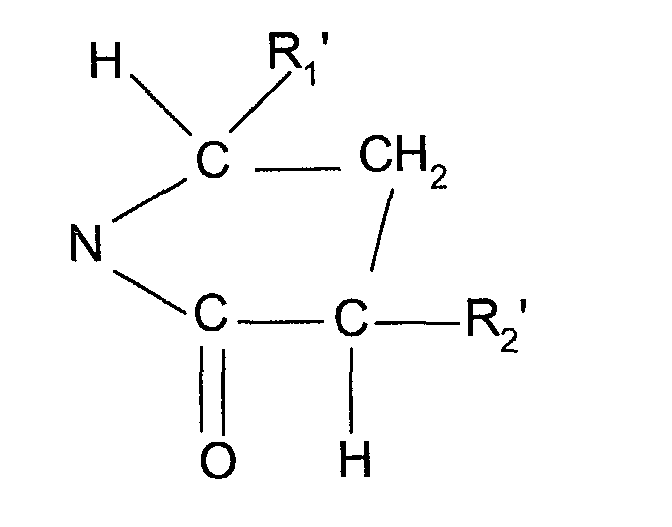
- Composition selon l'une des revendications précédentes, caractérisée en ce que le dispersant hydrocarboné est choisi parmi :les alcools gras modifiés éther et en particulier les produits d'addition de l'oxyde d'éthylène et / ou de l'oxyde de propylène avec i) un alcool gras linéaire ou ramifié ou avec ii) un alkylphénol,les esters résultant de la réaction d'au moins un acide gras avec au moins un produit d'addition de l'oxyde d'éthylène et du glycérol ou avec au moins un produit d'addition de l'oxyde d'éthylène et du polyglycérol,les esters résultant de la réaction du glycérol ou du polyglycérol avec au moins un produit d'addition de l'oxyde d'éthylène et d'un acide gras saturé ou insaturé,les esters partiels résultant de la réaction d'au moins un acide gras linéaire ou ramifié, saturé ou insaturé, d'acide ricinoléique ou d'acide 12-hydroxystéarique, avec au moins un polyol tel que le glycérol, le polyglycérol, le pentaérythritol, les alcools saccharidiques tels que le sorbitol, et en particulier les esters de polyglycérol,les esters résultant de la réaction du sorbitan avec au moins un acide gras linéaire ou ramifié, saturé ou insaturé,les esters de sorbitan modifiés éther, et en particulier les esters résultant iii) de la réaction du sorbitan avec au moins un produit d'addition de l'oxyde d'éthylène et d'un acide gras saturé ou insaturé ou iv) de la réaction d'au moins un acide gras saturé ou insaturé avec au moins un produit d'addition de l'oxyde d'éthylène et du sorbitan,les produits d'addition de l'oxyde d'éthylène avec l'huile de ricin et / ou l'huile de ricin hydrogénée ,les phosphate trialkylés et les mono, di et triphosphate alkylés, et leurs mélanges.
- Composition selon l'une des revendications précédentes, caractérisée en ce que le dispersant hydrocarboné est choisi parmi les monoesters, les diesters et les esters résultant d'une estérification partielle.
- Composition selon l'une des revendications précédentes, caractérisée en ce que le dispersant hydrocarboné est choisi parmi :les produits d'addition de 2 à 30 moles d'oxyde d'éthylène et / ou de 0 à 5 moles d'oxyde de propylène avec i) un alcool gras linéaire ou ramifié en C8 à C40, et mieux en C8 à C22 ou avec ii) un alkylphénol,les esters résultant de la réaction d'au moins un acide gras en C8 à C40, et mieux en C8 à C22, avec au moins un produit d'addition de 1 à 30 moles d'oxyde d'éthylène et du glycérol ou avec au moins un produit d'addition de 1 à 30 moles d'oxyde d'éthylène et du polyglycérol,les esters résultant de la réaction du glycérol ou du polyglycérol avec au moins un produit d'addition de 2 à 30 moles d'oxyde d'éthylène et d'un acide gras saturé ou insaturé en C8 à C40, et mieux en C8 à C22,les esters partiels résultant de la réaction d'au moins un acide gras linéaire ou ramifié, saturé ou insaturé en C8 à C40 et mieux en C8 à C22, d'acide ricinoléique ou d'acide 12-hydroxystéarique, avec le glycérol, le polyglycérol, le pentaérythritol ou le sorbitol,les esters résultant de la réaction du sorbitan avec au moins un acide gras linéaire ou ramifié, saturé ou insaturé en C8 à C40 et mieux en C8 à C22,les esters résultant iii) de la réaction du sorbitan avec au moins un produit d'addition de 2 à 30 moles d'oxyde d'éthylène et d'un acide gras saturé ou insaturé en C8 à C40 et mieux en C8 à C22 ou iv) de la réaction d'au moins un acide gras saturé ou insaturé en C8 à C40 et mieux en C8 à C22, avec au moins un produit d'addition de 2 à 30 moles d'oxyde d'éthylène et du sorbitan,les produits d'addition de 2 à 60 moles d'oxyde d'éthylène avec l'huile de ricin et / ou l'huile de ricin hydrogénée,les phosphate trialkylés et les mono, di et triphosphate alkylés,et leurs mélanges.
- Composition selon l'une des revendications précédentes, caractérisée en ce que le dispersant hydrocarboné est choisi parmi : l'alcool de myristyle oxyéthyléné à 15 OE, le monoisostéarate de polyglycérol-2 oxyéthyléné à 5 OE, le diisostéarate de polyglycérol-3, le monoisostéarate de glycérol, le monoisostéarate de polyglycérol-2, l'isostéarate de polyglycérol-3, l'isostéarate de polyglycérol-4, le monoisostéarate de polyglycérol-6, le monoisostéarate de polyglycérol-10, le monooléate de polyglycérol-2, l'isostéarate de sorbitan, le monooléate de sorbitan, le monooléate de sorbitan oxyéthyléné à 5 OE, et leurs mélanges.
- Composition selon l'une des revendications précédentes, caractérisée en ce que le dispersant hydrocarboné est choisi parmi les esters partiels de polyglycérol et d'acide isostéarique, les esters partiels de polyglycérol et d'acide oléique, les esters partiels de sorbitan et d'acide oléique, et leurs mélanges.
- Composition selon l'une des revendications précédentes, caractérisée en ce que le dispersant hydrocarboné est choisi parmi le diisostéarate de polyglycérol-3, le monoisostéarate de polyglycérol-2, le monooléate de polyglycérol-2, le monooléate de sorbitan, et leurs mélanges.
- Composition selon l'une des revendications précédentes, caractérisée en ce que l'agent dispersant hydrocarboné représente de 0,5 à 40 %, de préférence de 3 à 20% et mieux de 5 à 15% du poids total de la composition.
- Composition selon l'une des revendications précédentes, caractérisée en ce que l'huile hydrocarbonée non volatile a une masse molaire allant de 200 à 1500 g/mol.
- Composition selon l'une des revendications précédentes, caractérisée en ce que l'huile hydrocarbonée non volatile a une masse molaire allant de 220 à 500 g/mol.
- Composition selon l'une des revendications précédentes, caractérisée en ce que l'huile hydrocarbonée non volatile a une masse molaire allant de 230 à 430 g/mol.
- Composition selon l'une des revendications précédentes, caractérisée en ce que l'huile hydrocarbonée non volatile est un alcane.
- Composition selon l'une des revendications précédentes, caractérisée en ce que l'huile hydrocarbonée non volatile est un ester.
- Composition selon l'une des revendications précédentes, caractérisée en ce que l'huile hydrocarbonée non volatile est choisie parmi les esters résultant de la réaction d'un acide carboxylique linéaire ou ramifié, saturé ou insaturé en C2 à C30, et mieux en C2 à C18 avec un alcool en C2 à C30, et mieux en C2 à C20 ou avec un polyol en C2 à C20 et mieux en C2 à C8, et leurs mélanges.
- Composition selon l'une de revendications précédentes, caractérisée en ce que l'huile hydrocarbonée non volatile est un ester ramifié et saturé.
- Composition selon l'une des revendications précédentes, caractérisée en ce que l'huile hydrocarbonée non volatile est choisie parmi les esters de l'acide néopentanoïque, les esters de l'acide isononanoïque et leurs mélanges.
- Composition selon l'une des revendications précédentes, caractérisée en ce que l'huile hydrocarbonée non volatile est choisie parmi l'isodecyl neopentanoate, l'isotridecyl neopentanoate, l'isostearyl neopentanoate, l'octyldodecyl neopentanoate, l'isononyl isononanoate, l'octyl isononanoate, l'isodecyl isononanoate, l'isotridecyl isononanoate, l'isostéaryl isononanoate et leurs mélanges.
- Composition selon l'une des revendications précédentes, caractérisée en ce que l'huile hydrocarbonée non volatile représente de 5 à 98 %, de préférence de 7 à 60 %, mieux de 10 à 50 %, et encore mieux de 10 à 30% du poids total de la composition.
- Composition selon l'une des revendications précédentes, caractérisée en ce que la phase particulaire inerte contient au moins une charge inerte absorbante ou non.
- Composition selon la revendication précédente, caractérisée en ce que la charge inerte est choisie parmi les charges minérales ou organiques, lamellaires, sphériques ou oblongues.
- Composition selon la revendication 24 ou 25, caractérisée en ce que la charge inerte est choisie parmi le talc, le mica, la silice, le kaolin, les poudres de polyamide, de poly-β-alanine et de polyéthylène, les poudres de polytétrafluoroéthylène, la lauroyl-lysine, l'amidon, le nitrure de bore, les microsphères creuses polymériques, les copolymères d'acide acrylique et les microbilles de résine de silicone, le carbonate de calcium précipité, le dicalcium phosphate, le carbonate et l'hydro-carbonate de magnésium, l'hydroxyapatite, les microsphères de silice creuses, les microcapsules de verre ou de céramique, les savons métalliques dérivés d'acides organiques carboxyliques ayant de 8 à 22 atomes de carbone, de préférence de 12 à 18 atomes de carbone, par exemple le stéarate de zinc, de magnésium ou de lithium, le laurate de zinc, le myristate de magnésium, et leurs mélanges.
- Composition selon l'une des revendications précédentes, caractérisée en ce que la phase particulaire inerte représente de 0,1 à 30 % du poids total de la composition, mieux de 2 à 25 % et encore mieux 3 à 20 %.
- Composition selon l'une des revendications précédentes, caractérisée en ce qu'elle contient au moins une matière colorante.
- Composition selon la revendication précédente, caractérisée en ce que la matière colorante comprend au moins un composé pulvérulent choisi parmi les pigments, les nacres, et leurs mélanges.
- Composition selon la revendication 28 ou 29, caractérisée en ce que la matière colorante représente de 0,001 à 50%, de préférence de 0,01 à 40 % et mieux de 0,05 à 30%, par rapport au poids total de la composition.
- Composition selon l'une des revendications précédentes, caractérisée en ce qu'elle comprend un composé siliconé non volatil.
- Composition selon la revendication précédente, caractérisée en ce que le composé siliconé non volatil est choisi parmi les composés liquides à température ambiante.
- Composition selon la revendication 31 ou 32, caractérisée en ce que le composé siliconé non volatil présente une viscosité allant de 5 à 100 000 cSt à 25°C, de préférence allant de 10 à 50 000 cSt et mieux de 10 à 5 000 cSt.
- Composition selon l'une des revendications 31 à 33, caractérisée en ce que le composé siliconé non volatil est choisi parmi les polydiméthylsiloxanes (PDMS) non volatils ; les polydiméthylsiloxanes comportant des groupements alkyle, alcoxy ou phényle, pendant ou en bout de chaíne siliconée, groupements ayant de 2 à 24 atomes de carbone ; les phényl triméthicones, les phényl diméthicones, les phényl triméthylsiloxy diphénylsiloxanes, les diphényl diméthicones, les diphényl méthyldiphényl trisiloxanes, les 2-phényléthyl triméthylsiloxysilicates ; les silicones fluorées comportant un groupement fluoré pendant ou en bout de chaíne siliconée ayant de 1 à 12 atomes de carbone dont tout ou partie des hydrogènes est substitué par des atomes de fluor ; les résines de silicone ; et leurs mélanges.
- Composition selon l'une des revendications 31 à 34, caractérisée en ce que le composé siliconé non volatil représente de 0,5 à 90 %, de préférence de 5 à 60 % et mieux de 10 à 50 % du poids total de la composition.
- Composition selon l'une des revendications précédentes, caractérisée en ce qu'elle contient, en outre, au moins un composé non aqueux additionnel différent de l'huile hydrocarbonée non volatile, du composé siliconé non volatil et de l'agent dispersant hydrocarboné, choisi parmi les huiles, les corps gras pâteux à température ambiante, les cires, les gommes, les résines, et leurs mélanges.
- Composition selon l'une des revendications précédentes, caractérisée en ce qu'elle contient, en outre, au moins une cire.
- Composition selon la revendication précédente, caractérisée en ce que la cire représente de 0,01 à 50 %, de préférence de 2 à 40 %, et mieux de 5 à 30 % du poids total de la composition.
- Composition selon l'une des revendications précédentes, caractérisée en ce qu'elle contient, en outre, au moins un additif choisi parmi les antioxydants, les conservateurs, les neutralisants, les gélifiants lipophiles ou de composés non aqueux liquides, les dispersants, les actifs cosmétiques, et leurs mélanges.
- Composition selon l'une des revendications précédentes, caractérisée en ce qu'elle contient au moins un actif cosmétique choisi parmi les vitamines (A, E, C, B3, F) les provitamines, les actifs apaisants, les extraits de plantes ou les huiles essentielles, les agents protecteurs ou restructurants, les actifs fraícheur, les émollients, les hydratants, les actifs antirides, les acides gras essentiels, et leurs mélanges.
- Composition selon l'une des revendications précédentes, caractérisée en ce qu'elle se présente sous forme d'un produit coulé ou compacté.
- Composition de maquillage en particulier de la peau ou des lèvres, caractérisée en ce qu'elle est conforme à l'une des revendications précédentes.
- Composition selon l'une des revendications précédentes, caractérisée en ce qu'elle se présente sous forme d'un rouge à lèvres ou d'un brillant à lèvres.
- Procédé cosmétique pour conférer à un film de composition cosmétique anhydre des propriétés de tenue, de brillant, de confort et/ou de non-migration, consistant à introduire dans ladite composition au moins huile hydrocarbonée non volatile, au moins une phase particulaire inerte et au moins un agent dispersant hydrocarboné qui présente les paramètres de solubilité δd et δa satisfaisant aux conditions suivantes : 16,2≤δd≤20 (J/cm3)1/2 et 9,1≤δa≤20 (J/cm3)1/2, ledit agent dispersant comportant des atomes de carbone et d'hydrogène et une ou plusieurs fonctions choisies parmi les fonctions hydroxyle, ester, éther, carboxylique, amide.
- Procédé selon la revendication précédente, caractérisé en ce que l'agent dispersant hydrocarboné est choisi parmi :les alcools gras modifiés éther et en particulier les produits d'addition de l'oxyde d'éthylène et / ou de l'oxyde de propylène avec i) un alcool gras linéaire ou ramifié ou avec ii) un alkylphénol,les esters résultant de la réaction d'au moins un acide gras avec au moins un produit d'addition de l'oxyde d'éthylène et du glycérol ou avec au moins un produit d'addition de l'oxyde d'éthylène et du polyglycérol,les esters résultant de la réaction du glycérol ou du polyglycérol avec au moins un produit d'addition de l'oxyde d'éthylène et d'un acide gras saturé ou insaturé,les esters partiels résultant de la réaction d'au moins un acide gras linéaire ou ramifié, saturé ou insaturé, d'acide ricinoléique ou d'acide 12-hydroxystéarique, avec au moins un polyol tel que le glycérol, le polyglycérol, le pentaérythritol, les alcools saccharidiques tels que le sorbitol, et en particulier les esters de polyglycérol,les esters résultant de la réaction du sorbitan avec au moins un acide gras linéaire ou ramifié, saturé ou insaturé,les esters de sorbitan modifiés éther, et en particulier les esters résultant iii) de la réaction du sorbitan avec au moins un produit d'addition de l'oxyde d'éthylène et d'un acide gras saturé ou insaturé ou iv) de la réaction d'au moins un acide gras saturé ou insaturé avec au moins un produit d'addition de l'oxyde d'éthylène et du sorbitan,les produits d'addition de l'oxyde d'éthylène avec l'huile de ricin et / ou l'huile de ricin hydrogénée,les phosphate trialkylés et les mono, di et triphosphate alkylés, et leurs mélanges.
- Procédé selon la revendication 44 ou 45, caractérisé en ce que l'huile hydrocarbonée non volatile a une masse molaire allant de 200 à 1500 g/mol.
- Procédé selon l'une des revendications 44 à 46, caractérisé en ce que l'huile hydrocarbonée non volatile est choisie parmi les esters résultant de la réaction d'un acide carboxylique linéaire ou ramifié, saturé ou insaturé en C2 à C30, et mieux en C2 à C18 avec un alcool en C2 à C30, et mieux en C2 à C20 ou avec un polyol en C2 à C20 et mieux en C2 à C8, et leurs mélanges.
- Procédé selon l'une des revendications 44 à 47, caractérisé en ce que l'huile hydrocarbonée non volatile est choisie parmi les esters de l'acide néopentanoïque, les esters de l'acide isononanoïque et leurs mélanges.
- Procédé selon l'une des revendications 44 à 48, caractérisé en ce que la phase particulaire inerte est choisie parmi le talc, le mica, la silice, le kaolin, les poudres de polyamide, de poly-β-alanine et de polyéthylène, les poudres de polytétrafluoroéthylène, la lauroyl-lysine, l'amidon, le nitrure de bore, les microsphères creuses polymériques, les copolymères d'acide acrylique et les microbilles de résine de silicone, le carbonate de calcium précipité, le dicalcium phosphate, le carbonate et l'hydro-carbonate de magnésium, l'hydroxyapatite, les microsphères de silice creuses, les microcapsules de verre ou de céramique, les savons métalliques dérivés d'acides organiques carboxyliques ayant de 8 à 22 atomes de carbone, de préférence de 12 à 18 atomes de carbone, par exemple le stéarate de zinc, de magnésium ou de lithium, le laurate de zinc, le myristate de magnésium, et leurs mélanges.
- Utilisation de l'association d'au moins une huile hydrocarbonée non volatile, d'au moins une phase particulaire inerte et d'au moins un agent dispersant hydrocarboné comportant des atomes de carbone et d'hydrogène et une ou plusieurs fonctions choisies parmi les fonctions hydroxyle, ester, éther, carboxylique, amide, ledit agent dispersant présentant les paramètres de solubilité δd et δa satisfaisant aux conditions suivantes : 16,2≤δd≤20 (J/cm3)1/2 et 9,1≤δa≤20 (J/cm3)1/2, dans une composition anhydre de bonne tenue, brillante, confortable et /ou non migrante.
- Utilisation de l'association d'au moins une huile hydrocarbonée non volatile, d'au moins une phase particulaire inerte et d'au moins un agent dispersant hydrocarboné comportant des atomes de carbone et d'hydrogène et une ou plusieurs fonctions choisies parmi les fonctions hydroxyle, ester, éther, carboxylique, amide, ledit agent dispersant présentant les paramètres de solubilité δd et δa satisfaisant aux conditions suivantes : 16,2≤δd≤20 (J/cm3)1/2 et 9,1≤δa≤20 (J/cm3)1/2 dans une composition cosmétique anhydre, comme agent pour conférer à ladite composition des propriétés de tenue, de brillant, de confort et/ou de non-migration.
- Utilisation selon la revendication 50 ou 51, caractérisée en ce que l'agent dispersant hydrocarboné est choisi parmi :les alcools gras modifiés éther et en particulier les produits d'addition de l'oxyde d'éthylène et / ou de l'oxyde de propylène avec i) un alcool gras linéaire ou ramifié ou avec ii) un alkylphénol,les esters résultant de la réaction d'au moins un acide gras avec au moins un produit d'addition de l'oxyde d'éthylène et du glycérol ou avec au moins un produit d'addition de l'oxyde d'éthylène et du polyglycérol,les esters résultant de la réaction du glycérol ou du polyglycérol avec au moins un produit d'addition de l'oxyde d'éthylène et d'un acide gras saturé ou insaturé,les esters partiels résultant de la réaction d'au moins un acide gras linéaire ou ramifié, saturé ou insaturé, d'acide ricinoléique ou d'acide 12-hydroxystéarique, avec au moins un polyol tel que le glycérol, le polyglycérol, le pentaérythritol, les alcools saccharidiques tels que le sorbitol, et en particulier les esters de polyglycérol,les esters résultant de la réaction du sorbitan avec au moins un acide gras linéaire ou ramifié, saturé ou insaturé,les esters de sorbitan modifiés éther, et en particulier les esters résultant iii) de la réaction du sorbitan avec au moins un produit d'addition de l'oxyde d'éthylène et d'un acide gras saturé ou insaturé ou iv) de la réaction d'au moins un acide gras saturé ou insaturé avec au moins un produit d'addition dé l'oxyde d'éthylène et du sorbitan,les produits d'addition de l'oxyde d'éthylène avec l'huile de ricin et / ou l'huile de ricin hydrogénée,les phosphate trialkylés et les mono, di et triphosphate aikyiés, et leurs mélanges.
- Utilisation selon l'une des revendications 50 à 52, caractérisé en ce que l'huile hydrocarbonée non volatile a une masse molaire allant de 200 à 1500 g/mol.
- Utilisation selon l'une des revendications 50 à 53, caractérisée en ce que l'huile hydrocarbonée non volatile est choisie parmi les esters résultant de la réaction d'un acide carboxylique linéaire ou ramifié, saturé ou insaturé en C2 à C30, et mieux en C2 à C18 avec un alcool en C2 à C30, et mieux en C2 à C20 ou un avec polyol en C2 à C20 et mieux en C2 à C8, et leurs mélanges.
- Utilisation selon l'une des revendications 50 à 54, caractérisée en ce que l'huile hydrocarbonée non volatile est choisie parmi les esters de l'acide néopentanoïque, les esters de l'acide isononanoïque et leurs mélanges.
- Utilisation selon l'une des revendications 51 à 55, caractérisée en ce que la phase particulaire inerte est choisie parmi le talc, le mica, la silice, le kaolin, les poudres de polyamide, de poly-β-alanine et de polyéthylène, les poudres de polytétrafluoroéthylène, la lauroyl-lysine, l'amidon, le nitrure de bore, les microsphères creuses polymériques, les copolymères d'acide acrylique et les microbilles de résine de silicone, le carbonate de calcium précipité, le dicalcium phosphate, le carbonate et l'hydro-carbonate de magnésium, l'hydroxyapatite, les microsphères de silice creuses, les microcapsules de verre ou de céramique, les savons métalliques dérivés d'acides organiques carboxyliques ayant de 8 à 22 atomes de carbone, de préférence de 12 à 18 atomes de carbone, par exemple le stéarate de zinc, de magnésium ou de lithium, le laurate de zinc, le myristate de magnésium, et leurs mélanges.
Applications Claiming Priority (2)
| Application Number | Priority Date | Filing Date | Title |
|---|---|---|---|
| FR0200161A FR2834453B1 (fr) | 2002-01-08 | 2002-01-08 | Composition de maquillage ou de soin des matieres keratiniques comprenant une huile hydrocarbonee non volatile une phase particulaire et un agent dispersant particulier |
| FR0200161 | 2002-01-08 |
Publications (3)
| Publication Number | Publication Date |
|---|---|
| EP1325730A1 true EP1325730A1 (fr) | 2003-07-09 |
| EP1325730B1 EP1325730B1 (fr) | 2006-10-04 |
| EP1325730B8 EP1325730B8 (fr) | 2006-12-27 |
Family
ID=8871193
Family Applications (1)
| Application Number | Title | Priority Date | Filing Date |
|---|---|---|---|
| EP02293088A Revoked EP1325730B8 (fr) | 2002-01-08 | 2002-12-13 | Composition de maquillage ou de soin des matières kératiniques comprenant une huile hydrocarbonée non volatile, une phase particulaire et un agent dispersant particulier |
Country Status (7)
| Country | Link |
|---|---|
| EP (1) | EP1325730B8 (fr) |
| JP (1) | JP2003212710A (fr) |
| CN (1) | CN1430948A (fr) |
| AT (1) | ATE341304T1 (fr) |
| DE (1) | DE60215110T2 (fr) |
| ES (1) | ES2272653T3 (fr) |
| FR (1) | FR2834453B1 (fr) |
Cited By (9)
| Publication number | Priority date | Publication date | Assignee | Title |
|---|---|---|---|---|
| FR2855409A1 (fr) * | 2003-05-28 | 2004-12-03 | Oreal | Composition cosmetique pour le maquillage et/ou le soin de la peau, notamment du visage. |
| EP1493422A1 (fr) * | 2003-06-30 | 2005-01-05 | L'oreal | Composition cosmétique comprenant au moins un organopolysiloxane hydrophile, au moins une huile hydrocarbonée et au moins un ester hydrocarboné court |
| WO2005097046A1 (fr) * | 2004-04-07 | 2005-10-20 | Schwan-Stabilo Cosmetics Gmbh & Co. Kg. | Composition de rouge a levre anhydre a deux composants |
| US7785574B2 (en) | 2004-04-07 | 2010-08-31 | Schwan-Stabilo Cosmetics Gmbh & Co. Kg | Water-free preparation |
| US10537640B2 (en) | 2010-08-27 | 2020-01-21 | Sienna Biopharmaceuticals, Inc. | Ultrasound delivery of nanoparticles |
| US10688126B2 (en) | 2012-10-11 | 2020-06-23 | Nanocomposix, Inc. | Silver nanoplate compositions and methods |
| CN117084943A (zh) * | 2023-10-08 | 2023-11-21 | 广州星仕达生物科技有限公司 | 一种防水保湿组合物及其制备方法和应用 |
| US11826087B2 (en) | 2010-08-27 | 2023-11-28 | Coronado Aesthetics, Llc | Compositions and methods for thermal skin treatment with metal nanoparticles |
| FR3157107A1 (fr) * | 2023-12-21 | 2025-06-27 | L V M H Recherche | Association huileuse gélifiée à effet flouteur |
Families Citing this family (7)
| Publication number | Priority date | Publication date | Assignee | Title |
|---|---|---|---|---|
| JP5768489B2 (ja) * | 2011-05-16 | 2015-08-26 | 堺化学工業株式会社 | 化粧料用表面処理球状炭酸カルシウム粒子の製造方法 |
| WO2016176659A2 (fr) * | 2015-04-30 | 2016-11-03 | Kobo Products, Inc. | Formules de soins personnels et cosmétiques et procédés |
| JP6983682B2 (ja) * | 2018-01-31 | 2021-12-17 | 第一工業製薬株式会社 | フィラー用分散剤 |
| JP7613837B2 (ja) * | 2020-03-04 | 2025-01-15 | 関西ペイント株式会社 | 塗料組成物及び複層塗膜形成方法 |
| CN113197799A (zh) * | 2020-04-21 | 2021-08-03 | 百欧生命标准有限公司 | 皮肤状态改善用化妆品组合物 |
| JP7535886B2 (ja) * | 2020-07-30 | 2024-08-19 | ヘンケルジャパン株式会社 | 湿潤インジケータ用組成物及び湿潤インジケータ |
| CN116507317B (zh) * | 2020-10-30 | 2025-08-05 | 莱雅公司 | 用于角蛋白材料的护理和/或化妆的无水组合物 |
Citations (7)
| Publication number | Priority date | Publication date | Assignee | Title |
|---|---|---|---|---|
| EP0559320A2 (fr) * | 1992-02-29 | 1993-09-08 | Tioxide Specialties Limited | Emulsions eau-dans-huile |
| WO1993023483A1 (fr) * | 1992-05-16 | 1993-11-25 | The Boots Company Plc | Particules enrobees |
| WO1997016157A1 (fr) * | 1995-11-03 | 1997-05-09 | Revlon Consumer Products Corporation | Compositions de baton cosmetique a resistance au transfert et a fini demi-mat |
| WO2000056280A1 (fr) * | 1999-03-25 | 2000-09-28 | 3M Innovative Properties Company | Composition de protection non piquante |
| US6132750A (en) * | 1998-04-14 | 2000-10-17 | Coletica | Particles of cross-linked proteins and polysaccharides with hydroxamic groups for chelating metals and their uses notably in cosmetics |
| WO2000074640A1 (fr) * | 1999-06-03 | 2000-12-14 | Unilever Plc | Compositions antisudorifiques |
| EP1184028A1 (fr) * | 2000-08-30 | 2002-03-06 | L'oreal | Composition cosmétique sans transfert comprenant un composé non volatil siliconé, une huile hydrocarbonée non volatile et une phase particulaire inerte |
Family Cites Families (8)
| Publication number | Priority date | Publication date | Assignee | Title |
|---|---|---|---|---|
| GB9005384D0 (en) * | 1990-03-09 | 1990-05-02 | Boots Co Plc | Cosmetic formulation |
| FR2681329B1 (fr) * | 1991-09-18 | 1995-06-23 | Oreal | Dispersion fine de pigments melaniques, sa preparation et son utilisation en cosmetique. |
| GB9204387D0 (en) * | 1992-02-29 | 1992-04-15 | Tioxide Specialties Ltd | Oil-in-water emulsions |
| GB9312045D0 (en) * | 1993-06-11 | 1993-07-28 | Tioxide Specialties Ltd | Compositions containing sunscreens |
| US5783173A (en) * | 1996-11-21 | 1998-07-21 | The C. P. Hall Company | Stable sunscreen composition containing dibenzoylmethane derivative, E. G., PARSOL 1789, and C12, C16, C18, branched chain hydroxybenzoate and/or C12, C16, branched chain benzoate stabilizers/solubilizers |
| US5849273A (en) * | 1996-11-21 | 1998-12-15 | The C. P. Hall Company | Skin care and sunscreen composition containing dibenzoylmethane derivative, e.g., parsol® 1789, and C12, C16, C18 branched chain hydroxybenzoate and/or C12, C16 branched chain benzoate stabilizers/solubilizers |
| US5922331A (en) * | 1997-03-26 | 1999-07-13 | Chanel, Inc. | Skin cream composition |
| FR2763851B1 (fr) * | 1997-05-28 | 1999-07-09 | Oreal | Compositions comprenant un derive de dibenzoylmethane et un polymere polyamine |
-
2002
- 2002-01-08 FR FR0200161A patent/FR2834453B1/fr not_active Expired - Fee Related
- 2002-12-13 ES ES02293088T patent/ES2272653T3/es not_active Expired - Lifetime
- 2002-12-13 EP EP02293088A patent/EP1325730B8/fr not_active Revoked
- 2002-12-13 AT AT02293088T patent/ATE341304T1/de not_active IP Right Cessation
- 2002-12-13 DE DE60215110T patent/DE60215110T2/de not_active Revoked
-
2003
- 2003-01-07 CN CN03100928.XA patent/CN1430948A/zh active Pending
- 2003-01-08 JP JP2003002567A patent/JP2003212710A/ja not_active Withdrawn
Patent Citations (7)
| Publication number | Priority date | Publication date | Assignee | Title |
|---|---|---|---|---|
| EP0559320A2 (fr) * | 1992-02-29 | 1993-09-08 | Tioxide Specialties Limited | Emulsions eau-dans-huile |
| WO1993023483A1 (fr) * | 1992-05-16 | 1993-11-25 | The Boots Company Plc | Particules enrobees |
| WO1997016157A1 (fr) * | 1995-11-03 | 1997-05-09 | Revlon Consumer Products Corporation | Compositions de baton cosmetique a resistance au transfert et a fini demi-mat |
| US6132750A (en) * | 1998-04-14 | 2000-10-17 | Coletica | Particles of cross-linked proteins and polysaccharides with hydroxamic groups for chelating metals and their uses notably in cosmetics |
| WO2000056280A1 (fr) * | 1999-03-25 | 2000-09-28 | 3M Innovative Properties Company | Composition de protection non piquante |
| WO2000074640A1 (fr) * | 1999-06-03 | 2000-12-14 | Unilever Plc | Compositions antisudorifiques |
| EP1184028A1 (fr) * | 2000-08-30 | 2002-03-06 | L'oreal | Composition cosmétique sans transfert comprenant un composé non volatil siliconé, une huile hydrocarbonée non volatile et une phase particulaire inerte |
Cited By (10)
| Publication number | Priority date | Publication date | Assignee | Title |
|---|---|---|---|---|
| FR2855409A1 (fr) * | 2003-05-28 | 2004-12-03 | Oreal | Composition cosmetique pour le maquillage et/ou le soin de la peau, notamment du visage. |
| EP1493422A1 (fr) * | 2003-06-30 | 2005-01-05 | L'oreal | Composition cosmétique comprenant au moins un organopolysiloxane hydrophile, au moins une huile hydrocarbonée et au moins un ester hydrocarboné court |
| WO2005097046A1 (fr) * | 2004-04-07 | 2005-10-20 | Schwan-Stabilo Cosmetics Gmbh & Co. Kg. | Composition de rouge a levre anhydre a deux composants |
| US7785574B2 (en) | 2004-04-07 | 2010-08-31 | Schwan-Stabilo Cosmetics Gmbh & Co. Kg | Water-free preparation |
| US10537640B2 (en) | 2010-08-27 | 2020-01-21 | Sienna Biopharmaceuticals, Inc. | Ultrasound delivery of nanoparticles |
| US11419937B2 (en) | 2010-08-27 | 2022-08-23 | Coronado Aesthetics, Llc | Delivery of nanoparticles |
| US11826087B2 (en) | 2010-08-27 | 2023-11-28 | Coronado Aesthetics, Llc | Compositions and methods for thermal skin treatment with metal nanoparticles |
| US10688126B2 (en) | 2012-10-11 | 2020-06-23 | Nanocomposix, Inc. | Silver nanoplate compositions and methods |
| CN117084943A (zh) * | 2023-10-08 | 2023-11-21 | 广州星仕达生物科技有限公司 | 一种防水保湿组合物及其制备方法和应用 |
| FR3157107A1 (fr) * | 2023-12-21 | 2025-06-27 | L V M H Recherche | Association huileuse gélifiée à effet flouteur |
Also Published As
| Publication number | Publication date |
|---|---|
| FR2834453A1 (fr) | 2003-07-11 |
| DE60215110D1 (de) | 2006-11-16 |
| FR2834453B1 (fr) | 2006-01-06 |
| EP1325730B8 (fr) | 2006-12-27 |
| ATE341304T1 (de) | 2006-10-15 |
| DE60215110T2 (de) | 2007-02-22 |
| JP2003212710A (ja) | 2003-07-30 |
| ES2272653T3 (es) | 2007-05-01 |
| CN1430948A (zh) | 2003-07-23 |
| EP1325730B1 (fr) | 2006-10-04 |
Similar Documents
| Publication | Publication Date | Title |
|---|---|---|
| EP1184028B1 (fr) | Composition cosmétique sans transfert comprenant un composé non volatil siliconé, une huile hydrocarbonée non volatile et une phase particulaire inerte | |
| CA2327239C (fr) | Composition cosmetique sans transfert comprenant un compose non volatil silicone et une huile hydrocarbonee non volatile incompatible avec ce compose silicone | |
| EP1068856B1 (fr) | Composition cosmétique sans cire, structurée sous forme rigide par un polymère | |
| EP1447078A1 (fr) | Emulsion solide a phase grasse liquide structuree par un polymere | |
| FR2776509A1 (fr) | Composition topique contenant un ester d'acide ou d'alcool gras ramifie en c24 a c28 | |
| FR2804018A1 (fr) | Composition sans transfert structuree sous forme rigide par un polymere | |
| FR2772602A1 (fr) | Composition cosmetique sans transfert comprenant une dispersion de particules de polymere dans une phase grasse liquide et un polymere liposoluble | |
| EP1325730B1 (fr) | Composition de maquillage ou de soin des matières kératiniques comprenant une huile hydrocarbonée non volatile, une phase particulaire et un agent dispersant particulier | |
| EP1498103B1 (fr) | Composition cosmétique de soin ou de maquillage des matières kératiniques comprenant un polyester | |
| FR2813184A1 (fr) | Composition cosmetique mate comprenant une huile hydrocarbonee non volatile et une phase particulaire inerte | |
| EP1405625B1 (fr) | Composition cosmétique comprenant des huiles, un agent rhéologique et une phase particulaire | |
| FR2796271A1 (fr) | Composition sans cire structuree sous forme rigide par un polymere | |
| FR2796270A1 (fr) | Composition a phase grasse liquide gelifiee par un polyamide a groupements ester terminaux | |
| FR2802806A1 (fr) | Composition longue tenue structuree par un polymere et un corps gras pateux | |
| EP1342464B1 (fr) | Composition de maquillage ou de soin des matières kératiniques comprenant un composé siliconé non volatil, un polymère liposoluble non siliconé et un agent dispersant particulier | |
| EP1457201B1 (fr) | Composition cosmétique contenant un polyester de triglycéride d'acides carboxyliques hydroxyles et une huile de masse molaire allant de 650 à 1000 g/mol. | |
| EP1634581A1 (fr) | Composition cosmétique de soin ou de maquillage des matières Kératiniques comprenant un polyester et utilisation | |
| US20030180338A1 (en) | Care or makeup composition, comprising a non-volatile hydrocarbon oil, a particulate phase and a specific dispersant | |
| FR2838049A1 (fr) | Composition comprenant un milieu physiologiquement acceptable qui contient une phase grasse comprenant un ester particulier | |
| WO2005018584A1 (fr) | Compositiom cosmetique comprenant un ester particulier et ses utilisations | |
| FR2843018A1 (fr) | Composition gelifiee par un ester de dextrine | |
| FR2857589A1 (fr) | Composition cosmetique contenant un ester d'alcool de guerbet et de dimere diacide d'acides gras insatures | |
| FR2840528A1 (fr) | Composition comprenant un polyol et un alkylether de polysaccharide | |
| EP1457193A1 (fr) | Composition cosmétique contenant un polyester de triglycéride d'acides carboxyliques hydroxyles et un composé pâteux | |
| FR2843019A1 (fr) | Composition gelifiee par un melange d'esters de dextrine |
Legal Events
| Date | Code | Title | Description |
|---|---|---|---|
| PUAI | Public reference made under article 153(3) epc to a published international application that has entered the european phase |
Free format text: ORIGINAL CODE: 0009012 |
|
| AK | Designated contracting states |
Designated state(s): AT BE BG CH CY CZ DE DK EE ES FI FR GB GR IE IT LI LU MC NL PT SE SI SK TR |
|
| AX | Request for extension of the european patent |
Extension state: AL LT LV MK RO |
|
| 17P | Request for examination filed |
Effective date: 20040109 |
|
| RAP1 | Party data changed (applicant data changed or rights of an application transferred) |
Owner name: L'OREAL-D.I.P.I. |
|
| AKX | Designation fees paid |
Designated state(s): AT BE BG CH CY CZ DE DK EE ES FI FR GB GR IE IT LI LU MC NL PT SE SI SK TR |
|
| 17Q | First examination report despatched |
Effective date: 20050524 |
|
| GRAP | Despatch of communication of intention to grant a patent |
Free format text: ORIGINAL CODE: EPIDOSNIGR1 |
|
| RIC1 | Information provided on ipc code assigned before grant |
Ipc: A61Q 1/06 20060101ALI20060420BHEP Ipc: A61K 8/37 20060101ALI20060420BHEP Ipc: A61K 8/04 20060101AFI20060420BHEP |
|
| GRAS | Grant fee paid |
Free format text: ORIGINAL CODE: EPIDOSNIGR3 |
|
| GRAA | (expected) grant |
Free format text: ORIGINAL CODE: 0009210 |
|
| AK | Designated contracting states |
Kind code of ref document: B1 Designated state(s): AT BE BG CH CY CZ DE DK EE ES FI FR GB GR IE IT LI LU MC NL PT SE SI SK TR |
|
| PG25 | Lapsed in a contracting state [announced via postgrant information from national office to epo] |
Ref country code: CZ Free format text: LAPSE BECAUSE OF FAILURE TO SUBMIT A TRANSLATION OF THE DESCRIPTION OR TO PAY THE FEE WITHIN THE PRESCRIBED TIME-LIMIT Effective date: 20061004 Ref country code: SK Free format text: LAPSE BECAUSE OF FAILURE TO SUBMIT A TRANSLATION OF THE DESCRIPTION OR TO PAY THE FEE WITHIN THE PRESCRIBED TIME-LIMIT Effective date: 20061004 Ref country code: IE Free format text: LAPSE BECAUSE OF FAILURE TO SUBMIT A TRANSLATION OF THE DESCRIPTION OR TO PAY THE FEE WITHIN THE PRESCRIBED TIME-LIMIT Effective date: 20061004 Ref country code: NL Free format text: LAPSE BECAUSE OF FAILURE TO SUBMIT A TRANSLATION OF THE DESCRIPTION OR TO PAY THE FEE WITHIN THE PRESCRIBED TIME-LIMIT Effective date: 20061004 Ref country code: FI Free format text: LAPSE BECAUSE OF FAILURE TO SUBMIT A TRANSLATION OF THE DESCRIPTION OR TO PAY THE FEE WITHIN THE PRESCRIBED TIME-LIMIT Effective date: 20061004 Ref country code: AT Free format text: LAPSE BECAUSE OF FAILURE TO SUBMIT A TRANSLATION OF THE DESCRIPTION OR TO PAY THE FEE WITHIN THE PRESCRIBED TIME-LIMIT Effective date: 20061004 Ref country code: SI Free format text: LAPSE BECAUSE OF FAILURE TO SUBMIT A TRANSLATION OF THE DESCRIPTION OR TO PAY THE FEE WITHIN THE PRESCRIBED TIME-LIMIT Effective date: 20061004 |
|
| REG | Reference to a national code |
Ref country code: GB Ref legal event code: FG4D Free format text: NOT ENGLISH |
|
| REG | Reference to a national code |
Ref country code: CH Ref legal event code: EP |
|
| RAP2 | Party data changed (patent owner data changed or rights of a patent transferred) |
Owner name: L'OREAL |
|
| REG | Reference to a national code |
Ref country code: IE Ref legal event code: FG4D Free format text: LANGUAGE OF EP DOCUMENT: FRENCH |
|
| REF | Corresponds to: |
Ref document number: 60215110 Country of ref document: DE Date of ref document: 20061116 Kind code of ref document: P |
|
| REG | Reference to a national code |
Ref country code: GB Ref legal event code: ERR Free format text: NOTIFICATION HAS NOW BEEN RECEIVED FROM THE EUROPEAN PATENT OFFICE THAT THE CORRECT NAMES: IS L'OREAL THIS CORRECTION WILL BE PUBLISHED IN THE EUROPEAN PATENT BULLETIN 06/45 DATED 20061108 |
|
| PG25 | Lapsed in a contracting state [announced via postgrant information from national office to epo] |
Ref country code: CH Free format text: LAPSE BECAUSE OF NON-PAYMENT OF DUE FEES Effective date: 20061231 Ref country code: LI Free format text: LAPSE BECAUSE OF NON-PAYMENT OF DUE FEES Effective date: 20061231 Ref country code: BE Free format text: LAPSE BECAUSE OF NON-PAYMENT OF DUE FEES Effective date: 20061231 Ref country code: MC Free format text: LAPSE BECAUSE OF NON-PAYMENT OF DUE FEES Effective date: 20061231 |
|
| NLT2 | Nl: modifications (of names), taken from the european patent patent bulletin |
Owner name: L'OREAL Effective date: 20061108 |
|
| PG25 | Lapsed in a contracting state [announced via postgrant information from national office to epo] |
Ref country code: BG Free format text: LAPSE BECAUSE OF FAILURE TO SUBMIT A TRANSLATION OF THE DESCRIPTION OR TO PAY THE FEE WITHIN THE PRESCRIBED TIME-LIMIT Effective date: 20070104 Ref country code: SE Free format text: LAPSE BECAUSE OF FAILURE TO SUBMIT A TRANSLATION OF THE DESCRIPTION OR TO PAY THE FEE WITHIN THE PRESCRIBED TIME-LIMIT Effective date: 20070104 Ref country code: DK Free format text: LAPSE BECAUSE OF FAILURE TO SUBMIT A TRANSLATION OF THE DESCRIPTION OR TO PAY THE FEE WITHIN THE PRESCRIBED TIME-LIMIT Effective date: 20070104 |
|
| GBT | Gb: translation of ep patent filed (gb section 77(6)(a)/1977) |
Effective date: 20061220 |
|
| PG25 | Lapsed in a contracting state [announced via postgrant information from national office to epo] |
Ref country code: PT Free format text: LAPSE BECAUSE OF FAILURE TO SUBMIT A TRANSLATION OF THE DESCRIPTION OR TO PAY THE FEE WITHIN THE PRESCRIBED TIME-LIMIT Effective date: 20070316 |
|
| NLV1 | Nl: lapsed or annulled due to failure to fulfill the requirements of art. 29p and 29m of the patents act | ||
| REG | Reference to a national code |
Ref country code: ES Ref legal event code: FG2A Ref document number: 2272653 Country of ref document: ES Kind code of ref document: T3 |
|
| REG | Reference to a national code |
Ref country code: IE Ref legal event code: FD4D |
|
| PLBI | Opposition filed |
Free format text: ORIGINAL CODE: 0009260 |
|
| PLAZ | Examination of admissibility of opposition: despatch of communication + time limit |
Free format text: ORIGINAL CODE: EPIDOSNOPE2 |
|
| PLBI | Opposition filed |
Free format text: ORIGINAL CODE: 0009260 |
|
| PLBA | Examination of admissibility of opposition: reply received |
Free format text: ORIGINAL CODE: EPIDOSNOPE4 |
|
| 26 | Opposition filed |
Opponent name: BEIERSDORF AG Effective date: 20070628 |
|
| PLAX | Notice of opposition and request to file observation + time limit sent |
Free format text: ORIGINAL CODE: EPIDOSNOBS2 |
|
| 26 | Opposition filed |
Opponent name: HENKEL KOMMANDITGESELLSCHAFT AUF AKTIEN Effective date: 20070704 Opponent name: BEIERSDORF AG Effective date: 20070628 |
|
| REG | Reference to a national code |
Ref country code: CH Ref legal event code: PL |
|
| PLAF | Information modified related to communication of a notice of opposition and request to file observations + time limit |
Free format text: ORIGINAL CODE: EPIDOSCOBS2 |
|
| BERE | Be: lapsed |
Owner name: L'*OREAL Effective date: 20061231 |
|
| PLAF | Information modified related to communication of a notice of opposition and request to file observations + time limit |
Free format text: ORIGINAL CODE: EPIDOSCOBS2 |
|
| PLAF | Information modified related to communication of a notice of opposition and request to file observations + time limit |
Free format text: ORIGINAL CODE: EPIDOSCOBS2 |
|
| PG25 | Lapsed in a contracting state [announced via postgrant information from national office to epo] |
Ref country code: GR Free format text: LAPSE BECAUSE OF FAILURE TO SUBMIT A TRANSLATION OF THE DESCRIPTION OR TO PAY THE FEE WITHIN THE PRESCRIBED TIME-LIMIT Effective date: 20070105 |
|
| PGFP | Annual fee paid to national office [announced via postgrant information from national office to epo] |
Ref country code: ES Payment date: 20080118 Year of fee payment: 6 |
|
| PLBB | Reply of patent proprietor to notice(s) of opposition received |
Free format text: ORIGINAL CODE: EPIDOSNOBS3 |
|
| PG25 | Lapsed in a contracting state [announced via postgrant information from national office to epo] |
Ref country code: EE Free format text: LAPSE BECAUSE OF FAILURE TO SUBMIT A TRANSLATION OF THE DESCRIPTION OR TO PAY THE FEE WITHIN THE PRESCRIBED TIME-LIMIT Effective date: 20061004 |
|
| PG25 | Lapsed in a contracting state [announced via postgrant information from national office to epo] |
Ref country code: LU Free format text: LAPSE BECAUSE OF NON-PAYMENT OF DUE FEES Effective date: 20061213 Ref country code: TR Free format text: LAPSE BECAUSE OF FAILURE TO SUBMIT A TRANSLATION OF THE DESCRIPTION OR TO PAY THE FEE WITHIN THE PRESCRIBED TIME-LIMIT Effective date: 20061004 |
|
| PG25 | Lapsed in a contracting state [announced via postgrant information from national office to epo] |
Ref country code: CY Free format text: LAPSE BECAUSE OF FAILURE TO SUBMIT A TRANSLATION OF THE DESCRIPTION OR TO PAY THE FEE WITHIN THE PRESCRIBED TIME-LIMIT Effective date: 20061004 |
|
| PLAB | Opposition data, opponent's data or that of the opponent's representative modified |
Free format text: ORIGINAL CODE: 0009299OPPO |
|
| R26 | Opposition filed (corrected) |
Opponent name: HENKEL AG & CO. KGAA Effective date: 20070704 Opponent name: BEIERSDORF AG Effective date: 20070628 |
|
| PGFP | Annual fee paid to national office [announced via postgrant information from national office to epo] |
Ref country code: IT Payment date: 20081222 Year of fee payment: 7 |
|
| PGFP | Annual fee paid to national office [announced via postgrant information from national office to epo] |
Ref country code: FR Payment date: 20081212 Year of fee payment: 7 |
|
| PGFP | Annual fee paid to national office [announced via postgrant information from national office to epo] |
Ref country code: DE Payment date: 20081211 Year of fee payment: 7 |
|
| RDAF | Communication despatched that patent is revoked |
Free format text: ORIGINAL CODE: EPIDOSNREV1 |
|
| PGFP | Annual fee paid to national office [announced via postgrant information from national office to epo] |
Ref country code: GB Payment date: 20081210 Year of fee payment: 7 |
|
| RDAG | Patent revoked |
Free format text: ORIGINAL CODE: 0009271 |
|
| STAA | Information on the status of an ep patent application or granted ep patent |
Free format text: STATUS: PATENT REVOKED |
|
| 27W | Patent revoked |
Effective date: 20090619 |
|
| GBPR | Gb: patent revoked under art. 102 of the ep convention designating the uk as contracting state |
Effective date: 20090619 |
|
| PG25 | Lapsed in a contracting state [announced via postgrant information from national office to epo] |
Ref country code: ES Free format text: LAPSE BECAUSE OF NON-PAYMENT OF DUE FEES Effective date: 20081214 |