EP1241178A1 - Process for producing functional silk fibroin and utilization of the same - Google Patents
Process for producing functional silk fibroin and utilization of the same Download PDFInfo
- Publication number
- EP1241178A1 EP1241178A1 EP00980004A EP00980004A EP1241178A1 EP 1241178 A1 EP1241178 A1 EP 1241178A1 EP 00980004 A EP00980004 A EP 00980004A EP 00980004 A EP00980004 A EP 00980004A EP 1241178 A1 EP1241178 A1 EP 1241178A1
- Authority
- EP
- European Patent Office
- Prior art keywords
- silk
- silk fibroin
- undegraded
- cocoon
- fibroin
- Prior art date
- Legal status (The legal status is an assumption and is not a legal conclusion. Google has not performed a legal analysis and makes no representation as to the accuracy of the status listed.)
- Withdrawn
Links
Images


Classifications
-
- C—CHEMISTRY; METALLURGY
- C07—ORGANIC CHEMISTRY
- C07K—PEPTIDES
- C07K14/00—Peptides having more than 20 amino acids; Gastrins; Somatostatins; Melanotropins; Derivatives thereof
- C07K14/435—Peptides having more than 20 amino acids; Gastrins; Somatostatins; Melanotropins; Derivatives thereof from animals; from humans
-
- A—HUMAN NECESSITIES
- A61—MEDICAL OR VETERINARY SCIENCE; HYGIENE
- A61Q—SPECIFIC USE OF COSMETICS OR SIMILAR TOILETRY PREPARATIONS
- A61Q1/00—Make-up preparations; Body powders; Preparations for removing make-up
- A61Q1/12—Face or body powders for grooming, adorning or absorbing
-
- A—HUMAN NECESSITIES
- A61—MEDICAL OR VETERINARY SCIENCE; HYGIENE
- A61K—PREPARATIONS FOR MEDICAL, DENTAL OR TOILETRY PURPOSES
- A61K8/00—Cosmetics or similar toiletry preparations
- A61K8/18—Cosmetics or similar toiletry preparations characterised by the composition
- A61K8/30—Cosmetics or similar toiletry preparations characterised by the composition containing organic compounds
- A61K8/64—Proteins; Peptides; Derivatives or degradation products thereof
-
- A—HUMAN NECESSITIES
- A61—MEDICAL OR VETERINARY SCIENCE; HYGIENE
- A61K—PREPARATIONS FOR MEDICAL, DENTAL OR TOILETRY PURPOSES
- A61K8/00—Cosmetics or similar toiletry preparations
- A61K8/18—Cosmetics or similar toiletry preparations characterised by the composition
- A61K8/96—Cosmetics or similar toiletry preparations characterised by the composition containing materials, or derivatives thereof of undetermined constitution
- A61K8/98—Cosmetics or similar toiletry preparations characterised by the composition containing materials, or derivatives thereof of undetermined constitution of animal origin
- A61K8/987—Cosmetics or similar toiletry preparations characterised by the composition containing materials, or derivatives thereof of undetermined constitution of animal origin of species other than mammals or birds
-
- A—HUMAN NECESSITIES
- A61—MEDICAL OR VETERINARY SCIENCE; HYGIENE
- A61P—SPECIFIC THERAPEUTIC ACTIVITY OF CHEMICAL COMPOUNDS OR MEDICINAL PREPARATIONS
- A61P17/00—Drugs for dermatological disorders
- A61P17/02—Drugs for dermatological disorders for treating wounds, ulcers, burns, scars, keloids, or the like
-
- A—HUMAN NECESSITIES
- A61—MEDICAL OR VETERINARY SCIENCE; HYGIENE
- A61P—SPECIFIC THERAPEUTIC ACTIVITY OF CHEMICAL COMPOUNDS OR MEDICINAL PREPARATIONS
- A61P43/00—Drugs for specific purposes, not provided for in groups A61P1/00-A61P41/00
-
- A—HUMAN NECESSITIES
- A61—MEDICAL OR VETERINARY SCIENCE; HYGIENE
- A61Q—SPECIFIC USE OF COSMETICS OR SIMILAR TOILETRY PREPARATIONS
- A61Q19/00—Preparations for care of the skin
-
- C—CHEMISTRY; METALLURGY
- C07—ORGANIC CHEMISTRY
- C07K—PEPTIDES
- C07K14/00—Peptides having more than 20 amino acids; Gastrins; Somatostatins; Melanotropins; Derivatives thereof
- C07K14/435—Peptides having more than 20 amino acids; Gastrins; Somatostatins; Melanotropins; Derivatives thereof from animals; from humans
- C07K14/43504—Peptides having more than 20 amino acids; Gastrins; Somatostatins; Melanotropins; Derivatives thereof from animals; from humans from invertebrates
- C07K14/43563—Peptides having more than 20 amino acids; Gastrins; Somatostatins; Melanotropins; Derivatives thereof from animals; from humans from invertebrates from insects
- C07K14/43586—Peptides having more than 20 amino acids; Gastrins; Somatostatins; Melanotropins; Derivatives thereof from animals; from humans from invertebrates from insects from silkworms
-
- C—CHEMISTRY; METALLURGY
- C12—BIOCHEMISTRY; BEER; SPIRITS; WINE; VINEGAR; MICROBIOLOGY; ENZYMOLOGY; MUTATION OR GENETIC ENGINEERING
- C12N—MICROORGANISMS OR ENZYMES; COMPOSITIONS THEREOF; PROPAGATING, PRESERVING, OR MAINTAINING MICROORGANISMS; MUTATION OR GENETIC ENGINEERING; CULTURE MEDIA
- C12N5/00—Undifferentiated human, animal or plant cells, e.g. cell lines; Tissues; Cultivation or maintenance thereof; Culture media therefor
- C12N5/0068—General culture methods using substrates
-
- A—HUMAN NECESSITIES
- A61—MEDICAL OR VETERINARY SCIENCE; HYGIENE
- A61K—PREPARATIONS FOR MEDICAL, DENTAL OR TOILETRY PURPOSES
- A61K38/00—Medicinal preparations containing peptides
-
- C—CHEMISTRY; METALLURGY
- C12—BIOCHEMISTRY; BEER; SPIRITS; WINE; VINEGAR; MICROBIOLOGY; ENZYMOLOGY; MUTATION OR GENETIC ENGINEERING
- C12N—MICROORGANISMS OR ENZYMES; COMPOSITIONS THEREOF; PROPAGATING, PRESERVING, OR MAINTAINING MICROORGANISMS; MUTATION OR GENETIC ENGINEERING; CULTURE MEDIA
- C12N2533/00—Supports or coatings for cell culture, characterised by material
- C12N2533/50—Proteins
Definitions
- the present invention relates to a process for producing undegraded silk fibroin having excellent cell proliferation promoting action; and its application in medical or cosmetic fields.
- Silk fibroin has conventionally been studied as a wound dressing material in the powdery or film form, because it has healing promoting action of the skin tissue lost by an injury, burn or the like (Japanese Patent Laid-Open No. Hei 1-254164, Hei 8-198970, Hei 9-192210, or Hei 11-104228). Such action also permits use of silk fibroin as a cosmetic composition.
- the healing promoting action of a wound dressing material making use of the conventional silk fibroin is however not fully satisfactory and there is a demand for the provision of a more effective wound healing promoter.
- An object of the present invention is therefore to provide a process for acquiring a naturally occurring component excellent in regenerating capacity of lost skin tissue, in other words, excellent in cell proliferation promoting effect and its use.
- the present inventors have therefore carried out various investigations, paying attention to the conventional production process of silk fibroin and found that in the conventional silk yarn producing process, silk fibroin has been degraded and has a reduced molecular weight.
- a process for producing undegraded silk fibroin which comprises dissolving the cocoon layer or cocoon yarn of fresh, dry or cooked cocoons, raw silk, or silk fabrics, or residual yarns thereof in an aqueous solution of a neutral salt, and subjecting the resulting solution to fractional precipitation, thereby separating silk fibroin from silk sericin.
- a process for producing undegraded silk fibroin which comprises degumming the cocoon layer or cocoon yarn of fresh, dry or cooked cocoons, raw silk, or silk fabrics, or residual yarns thereof by subjecting it (them) to the following step a) or b):
- a process for producing undegraded silk fibroin which comprises enzymatically degumming the cocoon layer or cocoon yarn of fresh, dry or cooked cocoons, raw silk, or silk fabrics, or residual yarns thereof.
- a cell proliferation promoter and a wound healing promoter each comprising as an effective ingredient the undegraded silk fibroin available by any one of the above-described processes.
- a cosmetic composition comprising the undegraded silk fibroin available by any one of the above-described processes.
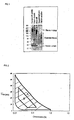
- FIG. 1 is an electrophoretogram illustrating the degraded state of silk fibroin of each material in Example 1;
- FIG. 2 illustrates a remaining range of the undegraded silk fibroin in a boiling aqueous solution of sodium carbonate;
- FIG. 3 is an electrophoretogram illustrating the degraded condition of silk fibroin treated with an aqueous urea solution;
- FIG. 4 is an electrophoretogram illustrating the fractionated state of silk fibroin after treatment with an aqueous solution of a neural salt and fractional precipitation; and
- FIG. 5 illustrates effects of silk fibroin on proliferation of fibroblast.
- Liquid silk is composed of silk fibroin and silk sericin.
- Liquid silk fibroin has a molecular weight of about 370000 (Tasiro Yutaka and Otsuki Eiichi, Journal of Cell Biology, Vol. 46, Pl(1970)).
- Silk fibroin having a molecular weight of about 370000 is divided by reduction into a portion of about 350000 in molecular weight and another portion of about 25000 in molecular weight.
- the silk fibroin having a molecular weight of about 350000 or 370000 is called “undegraded silk fibroin”.
- a silkworm Upon building a cocoon, a silkworm spins liquid silk, and forms a cocoon (made of cocoon yarn and pupa).
- Silk fibroin exists in the central part of cocoon yarn, while silk sericin exists therearound. The ratio is known to be 70 to 80 (fibroin) / 20 to 30 (sericin).
- Raw silk is formed of several or several tens of cocoon yarns collected (reeling).
- a step of removing silk sericin from cocoon yarn, raw silk or raw silk fabric is called “degumming” and fiber after degumming is called “silk yarn” or “silk yarn fibroin”.
- Silk sericin is not always removed completely by degumming.
- sik fibroin embraces “silk fibroin film” "silk fibroin powder” and “silk yarn fibroin” and of these, the term “silk yarn fibroin” means fibers obtained by degumming cocoon yarn, raw silk, or raw silk fabric, or residual yarn thereof.
- the conventional production process of silk yarn is as follows: after obtaining raw silk or raw silk fabric by drying fresh cocoons (fresh cocoons: cocoons free from treatment for storage) which have been produced by silkworm farmers, cooking and then reeling, the resulting raw silk or raw silk fabric is degummed, whereby a silk yarn or silk fabric is obtained.
- the waste yarn from these steps is called "residual yarn”.
- Cocoon drying is carried out by gradually decreasing the temperature from 115 to 120°C to about 80°C over 5 to 6 hours. Upon cocoon cooking, cocoon is treated with steam or hot water of 100 to 105°C for about 10 minutes.
- Examples of the conventional degumming process include boiling in an aqueous solution containing an alkaline sodium salt such as sodium carbonate or sodium bicarbonate or soap (most usual process), degumming by immersing in pressurized hot water (ex. hot water of 120°C), and enzymatic degumming. It was considered that in such a conventional silk yarn production step, silk yarn fibroin had not been degraded. The study by the present inventors, however, has revealed that silk fibroin has been degraded in the conventional silk yarn production process. Described specifically, silk fibroin of a cell culturing bed or wound dressing agent using the conventional silk yarn as a raw material has been degraded and undegraded silk fibroin has not remained.
- an alkaline sodium salt such as sodium carbonate or sodium bicarbonate or soap
- Silk fibroin is also available from liquid silk. Undegraded silk fibroin can be obtained, for example, by taking out the gel-like content (liquid silk) from the middle section and posterior section of the silk gland of a silkworm and removing a small amount of silk sericin adhered to the content by using an aqueous solution or the like. This process however needs extraction of the silk gland from the dissected body of a silkworm and then extraction of silk fibroin from the silk gland lumen. The amount of silk fibroin available from one silkworm is about 0.4 g at the maximum. This process is not suited for industrial production, because silk fibroin thus obtained tends to contain impurities such as silkworm humor and silk gland cells and it takes time and labor for obtaining silk fibroin.
- the industrially advantageous cocoon layer or cocoon yarn of fresh, dry or cooked cocoons, raw silk, or silk fabrics, or residual yarn thereof is used as a material.
- Silk fibroin is apt to be degraded during storage so that use of fresh cocoons as a raw material is most preferred. It is preferred to store fresh cocoons, dry cocoons, raw silk, silk yarn or residual yarn thereof at a temperature not greater than room temperature while shielding it from light. Prior to use, it is necessary to study whether undegraded silk fibroin remains or not.
- the above-described raw material is dissolved in the aqueous solution of a neutral salt, followed by fractional precipitation.
- the neutral salt include lithium thiocyanate, calcium chloride, lithium bromide and sodium thiocyanate.
- concentration of the neutral salt varies depending on the kind of the neutral salt, a saturated aqueous solution or a concentration of 50% saturation or greater is preferred in any neutral salt. Particularly, concentrations of 80% saturation or greater are preferred.
- lithium thiocyanate its saturated aqueous solution has about 80% (weight (g)/volume (mL)) concentration. This will hereinafter be described "%" simply.
- the aqueous solution of the above-described neutral salt has a pH of 5 to 8.
- acetone or alcohol particularly, ethanol is preferably added to crystallize amorphous silk fibroin. Precipitates are preferably collected while adding ethanol successively.
- the mild treatment conditions with an aqueous alkali solution in the step a) are conditions of pH, temperature and time selected so as not to degrade silk fibroin. Treatment is preferably conducted under conditions changed as needed within the following range: in an aqueous alkali solution having a pH 10 to 11.5 at a boiling temperature under atmospheric pressure for a time of from 2 to 60 minutes. At pHs less than 10, degumming is not sufficient, while at pHs exceeding 11.5, the degradation rate of silk fibroin becomes uncontrollably high.
- a preferable pH range of the aqueous solution is from 10.5 to 11.5.
- the aqueous alkali solution usable for this treatment is an aqueous solution of an alkaline sodium salt such as sodium carbonate, sodium bicarbonate, sodium silicate, sodium metasilicate, sodium phosphate or sodium hydroxide.
- an aqueous solution of sodium carbonate is especially preferred because it has a sufficient buffer effect.
- treatment conditions such as pH, temperature and time upon degumming.
- treatment at a temperature ex. 110 or 120°C
- treatment at a temperature not higher than boiling point needs high pH or longer treatment time.
- the conditions are changed as needed.
- immersion of the raw material in an aqueous alkali solution is indispensable and during immersion, stirring may be conducted.
- the mild conditions in an aqueous urea solution in the step b) are conditions of temperature and time selected so as not to cause degradation of silk fibroin. From the viewpoints of prevention of degradation of silk fibroin, reaction efficiency and industrial operability, treatment with a 30% or greater aqueous urea solution at 70 to 90°C for 60 to 180 minutes is preferred. Treatment with a 45% or greater aqueous urea solution at 75 to 85°C for 90 to 150 minutes is more preferred.
- the aqueous urea solution may be added with mercaptoethanol or the like.
- step b temperature, concentration and time upon urea degumming can be combined as needed to set proper treatment conditions.
- immersion of the above-described material in an aqueous urea solution is indispensable and this treatment may be conducted while stirring.
- Enzymatic degumming is a method of applying protease to degumming of raw silk or fresh cocoons. Instead of papain which was employed frequently, Alcalase (Koshindo Kagaku Kogyosho) has recently been employed as an enzyme. Enzymatic degumming by Alcalase needs pre-treatment, more specifically, pre-treatment at pH 9 to 10, preferably pH 9.0 to 9.6, within 10 minutes, preferably 5 minutes at 80°C or within 60 minutes, preferably 10 minutes at 60°C. Then, main treatment is conducted by adding Alcalase and degumming at 50 to 60°C. The degumming is preferably conducted within 60 minutes, especially within 20 minutes. In this case, the cocoon layer is preferably raveled out as finely as possible. During this raveling-out work, stirring may be conducted.
- the fractional precipitate (undegraded silk fibroin) obtained using an aqueous solution of a neutral salt, the undegraded silk fibroin available by the step a) or b), or the undegraded silk fibroin available by treatment with pressurized hot water or by enzymatic degumming is dissolved in a solution containing a solubilizing agent, followed by dialysis for demineralization, whereby an aqueous solution of the undegraded silk fibroin can be obtained.
- the solubilizing agent include lithium thiocyanate, calcium chloride, lithium bromide, sodium thiocyanate, ethanol and so on.
- Degraded silk fibroin hardly exhibits cell proliferation promoting action, while the undegraded silk fibroin thus obtained exhibits excellent cell proliferation promoting action. It is therefore called “functional silk fibroin” and is useful for various additives for cell culture (especially additives for animal cells including human cells), and wound healing promoters and cosmetic compositions (which may be called “preparations for external use”, collectively)
- the undegraded silk fibroin (functional silk fibroin) in the form of a hydrogel, film, powder or the like is preferred as a preparation for external use which can be applied to the wound or skin.
- the undegraded silk fibroin in the film form is available by casting an aqueous solution of the undegraded silk fibroin on a flat plate and then drying.
- That in the powdery form is available by pulverizing the above-described film; air-spraying an aqueous solution of the undegraded silk fibroin; or washing, drying and pulverizing a precipitate obtained by stirring an aqueous solution of the undegraded silk fibroin or by adding an alcohol to an aqueous solution of the undegraded silk fibroin.
- the undegraded silk fibroin can also be used in the form of an ordinary preparation for external use such as ointment, cream, cataplasm and so on.
- ointment, cream or cataplasm is available only by incorporating the undegraded silk fibroin in the ordinarily employed ointment base, cream base or cataplasm base.
- the undegraded silk fibroin is added to such a preparation for external use in an amount of 0.001 to 30%, especially 0.1 to 10%, though depending on the form or base.
- Example 1 (confirmation of degradation of silk fibroin in a silk yarn production step)
- samples employed were the cocoon layer of fresh cocoons within one month after cocoon building, the cocoon layer of dry cocoons, the cocoon layer of cooked cocoons (standard cocoons cooked by a cocoon cooking machine for cocoon test), raw silk and a silk yarn obtained by boiling the raw silk in 50 times the weight (bath ratio: 50 times) of a 0.05% aqueous solution of sodium carbonate for one hour at atmospheric pressure.
- Each of the samples was dissolved in an about 80% aqueous solution of lithium thiocyanate (pH 7).
- the solution was dialyzed against a 30% aqueous urea solution, followed by analysis, by SDS polyacrylamide gel (2-15% gradient gel) electrophoresis, of silk fibroin in the solution added with a 4% 2-mercaptoethanol solution and the solution free of it.
- the dry cocoons, cooked cocoons, raw silk and silk yarn were each prepared in a conventional manner.
- a band of silk fibroin corresponding to about 350000 was recognized clearly.
- a band of silk fibroin corresponding to about 350000 was recognized clearly, but the band was a little pale.
- the cocoon layer of fresh cocoons was thoroughly raveled out, followed by immersion in a boiling 0.05% aqueous solution of sodium carbonate (bath ratio: 50 times) in the atmospheric pressure. After immersion for each of 5, 10, 15, 20, 30, 40 and 60 minutes, the sample was washed with water and dried. After dissolution and dialysis in a similar manner to Example 1, degradation degree of silk fibroin was analyzed by electrophoresis. As a result, the longer the immersion time, the paler the band of silk fibroin corresponding to about 350000 gradually became. By immersion for 40 minutes, the band was slightly confirmed. The band was not confirmed as a result of immersion for 60 minutes.
- the gravimetric measurement before and after immersion of the cocoon layer in an aqueous sodium carbonate solution indicates that immersion for 5 minutes, 10 minutes and 60 minutes caused a weight reduction of 21.5%, 24.5% and 25.1%, respectively and silk sericin was almost removed by immersion for about 10 minutes. Removal of silk sericin depends on the degree of raveling-out of the cocoon layer or bath ratio.
- Example 2 In a similar manner to Example 2 except the concentration of sodium carbonate and immersion time therein were changed, a test was conducted while boiling at atmospheric pressure. The results are shown in FIG. 2. Undegraded silk fibroin remains within a range of A (2 to 60 minutes at a concentration of 0.012 to 1.0%), preferably within a range of B (5 to 40 minutes at a concentration of 0.02 to 0.2%) in FIG. 2.
- Treatment 1 Precipitate formed by the addition of 80 mL of ethanol to 50 mL of the supernatant 2 Precipitate formed by the addition of 20 mL of ethanol to the supernatant of Lane No. 1 3 Precipitate formed by the addition of 20 mL of ethanol to the supernatant of Lane No. 2 4 Precipitate formed by the addition of 20 mL of ethanol to the supernatant of Lane No. 3 5 Precipitate formed by the addition of 60 mL of ethanol to the supernatant of Lane No. 4 6 Precipitate formed by the addition of 20 mL of ethanol to the supernatant of Lane No. 5 7 Precipitate formed by allowing the supernatant of Lane No. 6 to stand overnight
- the cocoon layer of fresh cocoons and raw silk obtained from these fresh cocoons in a conventional manner were enzymatically degummed.
- the cocoon layer was raveled out well.
- the cocoon layer and raw silk were subjected to treatment with "Rahzen Power II" (trade name; product of Koshindo Kagaku Kogyosho) prior to degumming.
- Rahzen Power II trade name; product of Koshindo Kagaku Kogyosho
- the solution was then diluted to 1/2, followed by the addition of 2.5L of Alcalase and "Rahzen Power" in an amount of 1% of the amount of the yarn.
- degumming was conducted at a bath ratio of 25 times.
- the degradation degree of silk fibroin of them was studied by electrophoresis as in Example 1. The results have indicated that a band of undegraded silk fibroin was confirmed in Cocoon layer - 1, but the band was not apparent in another sample.
- the cocoon layer (which had been raveled out sufficiently) of fresh cocoons and raw silk obtained in a conventional manner were degummed with pressurized hot water (100°C or greater). The temperature and time were set at 105°C, 110°C and 120°C and 10 minutes, 30 minutes and 60 minutes, respectively. Whether undegraded silk fibroin remained after degumming or not was studied by electrophoresis and remaining in the raw silk was not recognized. In the cocoon layer treated at 105°C for 10 minutes (degumming loss ratio: 15%) and at 110°C for 10 minutes (degumming loss ratio: 20%), existence of undegraded silk fibroin was confirmed, but from another sample, existence was not confirmed clearly.
- temperature is preferably set at 115°C or less. Degumming is conducted within 20 minutes, preferably within 10 minutes, when the temperature is set at 110°C.
- the dry undegraded silk fibroin obtained in each of Examples 2 to 5 was dissolved in an about 80% aqueous solution of lithium thiocyanate, followed by dialysis against water, whereby an aqueous solution of the undegraded silk fibroin was obtained.
- the resulting solution was cast on a flat plate and dried to obtain a film.
- the film was pulverized into powder.
- another powder was obtained by air-spraying of the aqueous solution of the undegraded silk fibroin.
- This aqueous solution of the undegraded silk fibroin was stirred or added with an alcohol to obtain a precipitate, followed by washing with water, drying and pulverization, whereby undegraded silk fibroin powder was obtained.
- Fibroblast derived from the human skin was seeded in a 24-well plate. After culturing for 24 hours, the culture medium was changed. Three fibroins, that is, liquid silk fibroin from silk gland, the undegraded silk fibroin derived from fresh cocoons obtained by treatment for 2 hours in an aqueous urea solution of 80°C in Example 4 and silk fibroin derived from raw silk were each added to the medium at a concentration of 125 ⁇ g/mL. Forty eight hours later, MTT (oxidation-reduction indicator for measuring respiration of cell) was added and the mixture was incubated for 4 hours. The viable count was compared with the silk fibroin free group. As illustrated in FIG.
- the present invention makes it possible to advantageously produce undegraded silk fibroin (molecular weight: 350000 to 370000) comparable to that available from liquid silk.
- undegraded silk fibroin molecular weight: 350000 to 370000
- excellent additives for cell culture, wound healing promoters and cosmetic compositions are available.
Landscapes
- Health & Medical Sciences (AREA)
- Life Sciences & Earth Sciences (AREA)
- General Health & Medical Sciences (AREA)
- Chemical & Material Sciences (AREA)
- Organic Chemistry (AREA)
- Zoology (AREA)
- Veterinary Medicine (AREA)
- Animal Behavior & Ethology (AREA)
- Public Health (AREA)
- Engineering & Computer Science (AREA)
- Genetics & Genomics (AREA)
- Bioinformatics & Cheminformatics (AREA)
- Biochemistry (AREA)
- Medicinal Chemistry (AREA)
- Biomedical Technology (AREA)
- Wood Science & Technology (AREA)
- Biotechnology (AREA)
- Birds (AREA)
- Epidemiology (AREA)
- Proteomics, Peptides & Aminoacids (AREA)
- Dermatology (AREA)
- Toxicology (AREA)
- Gastroenterology & Hepatology (AREA)
- Molecular Biology (AREA)
- Biophysics (AREA)
- Nuclear Medicine, Radiotherapy & Molecular Imaging (AREA)
- Insects & Arthropods (AREA)
- Pharmacology & Pharmacy (AREA)
- Tropical Medicine & Parasitology (AREA)
- General Chemical & Material Sciences (AREA)
- Cell Biology (AREA)
- Microbiology (AREA)
- Chemical Kinetics & Catalysis (AREA)
- General Engineering & Computer Science (AREA)
- Cosmetics (AREA)
- Peptides Or Proteins (AREA)
- Medicines That Contain Protein Lipid Enzymes And Other Medicines (AREA)
Abstract
Description
| Lane NO. | |
| 1 | Precipitate formed by the addition of 80 mL of ethanol to 50 mL of the |
| 2 | Precipitate formed by the addition of 20 mL of ethanol to the supernatant of Lane No. 1 |
| 3 | Precipitate formed by the addition of 20 mL of ethanol to the supernatant of Lane No. 2 |
| 4 | Precipitate formed by the addition of 20 mL of ethanol to the supernatant of Lane No. 3 |
| 5 | Precipitate formed by the addition of 60 mL of ethanol to the supernatant of Lane No. 4 |
| 6 | Precipitate formed by the addition of 20 mL of ethanol to the supernatant of Lane No. 5 |
| 7 | Precipitate formed by allowing the supernatant of Lane No. 6 to stand overnight |
Claims (7)
- Undegraded silk fibroin obtained by degumming a cocoon layer or cocoon yarn of fresh, dry or cooked cocoons, raw silk, or silk fabrics or residual yarns thereof.
- A process for producing undegraded silk fibroin, which comprises dissolving the cocoon layer or cocoon yarn of fresh, dry or cooked cocoons, raw silk, or silk fabrics or residual yarns thereof in an aqueous solution of a neutral salt, and subjecting the resulting solution to fractional precipitation, thereby separating silk fibroin from silk sericin.
- A process for producing undegraded silk fibroin, which comprises subjecting the cocoon layer or cocoon yarn of fresh, dry or cooked cocoons, raw silk, or silk fabrics or residual yarns thereof to the following step a) or b):a) treatment with an aqueous alkali solution under mild conditions, orb) treatment with an aqueous urea solution under mild conditions, thereby degumming the same.
- A process for producing undegraded silk fibroin, which comprises enzymatically degumming the cocoon layer or cocoon yarn of fresh, dry or cooked cocoons, raw silk, or silk fabrics, or residual yarns thereof.
- A cell proliferation promoter, which comprises, as an effective ingredient, the undegraded silk fibroin obtained by the production process of Claim 2, 3 or 4.
- A wound healing promoter, which comprises the undegraded silk fibroin obtained by the production process of Claim 2, 3 or 4.
- A cosmetic composition, which comprises the undegraded silk fibroin obtained by the production process of Claim 2, 3 or 4.
Applications Claiming Priority (3)
| Application Number | Priority Date | Filing Date | Title |
|---|---|---|---|
| JP34998199A JP2001163899A (en) | 1999-12-09 | 1999-12-09 | Production method of functional silk fibroin and its use |
| JP34998199 | 1999-12-09 | ||
| PCT/JP2000/008697 WO2001042300A1 (en) | 1999-12-09 | 2000-12-08 | Process for producing functional silk fibroin and utilization of the same |
Publications (2)
| Publication Number | Publication Date |
|---|---|
| EP1241178A1 true EP1241178A1 (en) | 2002-09-18 |
| EP1241178A4 EP1241178A4 (en) | 2004-09-08 |
Family
ID=18407430
Family Applications (1)
| Application Number | Title | Priority Date | Filing Date |
|---|---|---|---|
| EP00980004A Withdrawn EP1241178A4 (en) | 1999-12-09 | 2000-12-08 | PROCESS FOR PRODUCING SILK FIBROIN AND CARRYING OUT SAID METHOD |
Country Status (6)
| Country | Link |
|---|---|
| US (1) | US20030165548A1 (en) |
| EP (1) | EP1241178A4 (en) |
| JP (1) | JP2001163899A (en) |
| KR (1) | KR20020065521A (en) |
| CN (1) | CN1190445C (en) |
| WO (1) | WO2001042300A1 (en) |
Cited By (14)
| Publication number | Priority date | Publication date | Assignee | Title |
|---|---|---|---|---|
| WO2003037925A3 (en) * | 2001-10-31 | 2003-09-25 | Fritz Vollrath | Precursor silk feedstock for forming filaments |
| WO2004024176A1 (en) * | 2002-08-30 | 2004-03-25 | Henkel Kommanditgesellschaft Auf Aktien | Synergistic combination of silk proteins |
| EP1459728A4 (en) * | 2001-11-29 | 2005-04-20 | Nat Inst Of Agrobio Sciences | EMULSIFIER AND CORRESPONDING PROCESSING METHOD |
| US6902932B2 (en) | 2001-11-16 | 2005-06-07 | Tissue Regeneration, Inc. | Helically organized silk fibroin fiber bundles for matrices in tissue engineering |
| WO2007082923A3 (en) * | 2006-01-20 | 2007-10-04 | Basf Ag | Use of protein microbeads in cosmetics |
| WO2009077728A1 (en) | 2007-12-14 | 2009-06-25 | Argenta Discovery Limited | Indoles and their therapeutic use |
| US8105633B2 (en) | 2006-03-01 | 2012-01-31 | Spintec Engineering Gmbh | Method and apparatus for extraction of arthropod gland |
| US8287913B2 (en) | 2006-03-01 | 2012-10-16 | Spin'tec Engineering Gmbh | Method and apparatus for extraction of protein material from arthropod glands and a membrane formed therefrom |
| US8746014B2 (en) | 2008-12-15 | 2014-06-10 | Allergan, Inc. | Method for making a knitted mesh |
| US9204953B2 (en) | 2008-12-15 | 2015-12-08 | Allergan, Inc. | Biocompatible surgical scaffold with varying stretch |
| US9204954B2 (en) | 2008-12-15 | 2015-12-08 | Allergan, Inc. | Knitted scaffold with diagonal yarn |
| EP2869857A4 (en) * | 2012-07-09 | 2016-02-24 | Tufts College | SILK FIBROIN OF HIGH MOLECULAR WEIGHT AND USES THEREOF |
| US9308070B2 (en) | 2008-12-15 | 2016-04-12 | Allergan, Inc. | Pliable silk medical device |
| US9326840B2 (en) | 2008-12-15 | 2016-05-03 | Allergan, Inc. | Prosthetic device and method of manufacturing the same |
Families Citing this family (36)
| Publication number | Priority date | Publication date | Assignee | Title |
|---|---|---|---|---|
| WO2002102845A1 (en) * | 2001-06-14 | 2002-12-27 | National Institute Of Agrobiological Sciences | Process for producing silk fibroin-origin functional polypeptide and utilization thereof |
| KR100420824B1 (en) * | 2001-06-21 | 2004-03-02 | 배도규 | Silk peptide and silk fibroin powder materials made by silk and manufacturing method for those materials |
| US20110009960A1 (en) * | 2001-11-16 | 2011-01-13 | Allergan, Inc. | Prosthetic fabric structure |
| WO2005065079A2 (en) * | 2003-11-10 | 2005-07-21 | Angiotech International Ag | Medical implants and fibrosis-inducing agents |
| PT1757276E (en) | 2005-08-01 | 2008-01-02 | Univ Muenchen Tech | Method of producing nano- and microcapsules of spider silk protein |
| JP5229769B2 (en) * | 2007-01-19 | 2013-07-03 | 独立行政法人農業生物資源研究所 | Protein film production method |
| MX2011003618A (en) | 2008-10-09 | 2011-06-16 | Tufts College | Modified silk films containing glycerol. |
| US20110052695A1 (en) * | 2009-04-20 | 2011-03-03 | Allergan, Inc. | Drug delivery platforms comprising silk fibroin hydrogels and uses thereof |
| ES2443045T5 (en) * | 2009-04-20 | 2021-05-10 | Allergan Inc | Silk fibroin hydrogels and their uses |
| US20110189292A1 (en) * | 2009-04-20 | 2011-08-04 | Allergan, Inc. | Dermal fillers comprising silk fibroin hydrogels and uses thereof |
| US20110111031A1 (en) * | 2009-04-20 | 2011-05-12 | Guang-Liang Jiang | Drug Delivery Platforms Comprising Silk Fibroin Hydrogels and Uses Thereof |
| CA2773956A1 (en) * | 2009-09-11 | 2011-03-17 | Allergan, Inc. | Prosthetic device and method of manufacturing the same |
| CN102417597B (en) * | 2010-09-27 | 2013-01-02 | 浙江大学 | Method for dissolving fibroin |
| CN102417599B (en) * | 2010-09-27 | 2013-06-05 | 浙江大学 | Method for dissolving fibroin |
| JP2012171124A (en) * | 2011-02-18 | 2012-09-10 | Sekisui Chem Co Ltd | Pipe making member and method of regenerating existing pipe |
| JP5812256B2 (en) * | 2011-05-20 | 2015-11-11 | 国立研究開発法人農業生物資源研究所 | Method for producing single chain antibody |
| EP2797641B1 (en) | 2011-12-29 | 2019-07-10 | Trustees Of Tufts College | Functionalization of biomaterials to control regeneration and inflammation responses |
| US20150079012A1 (en) * | 2012-04-20 | 2015-03-19 | Trustees Of Tufts College | Silk fibroin-based personal care compositions |
| JP2013245427A (en) * | 2012-05-29 | 2013-12-09 | Toyoda Gosei Co Ltd | Method for producing antibacterial regenerated silk |
| JP6775751B2 (en) * | 2013-09-30 | 2020-10-28 | エボルブド バイ ネイチャー, インコーポレイテッド | Silk protein fragment composition and articles produced from it |
| CN103829029A (en) * | 2014-03-11 | 2014-06-04 | 安徽省农业科学院蚕桑研究所 | Production method of non-denatured pure sericin stock solution |
| JP6742607B2 (en) * | 2014-04-21 | 2020-08-19 | ながすな繭株式会社 | Fibroin porous material, fibroin aqueous solution and fibroin raw material |
| PE20171791A1 (en) | 2014-12-02 | 2017-12-28 | Silk Therapeutics Inc | SILK CLOTHING AND HIGH PERFORMANCE PRODUCTS AND METHODS TO MAKE IT |
| JP6693049B2 (en) * | 2015-05-21 | 2020-05-13 | 日立化成株式会社 | Nano thin film transfer sheet and transfer method |
| US10172407B2 (en) * | 2015-06-10 | 2019-01-08 | New York University | Ecostructural bicycle/activity safety helmet |
| KR101640499B1 (en) * | 2015-08-19 | 2016-07-18 | 한림대학교 산학협력단 | Manufacturing method of fluorescent biomaterials using silk fibroin solution from transgenic silkworm |
| JP6822760B2 (en) * | 2015-10-28 | 2021-01-27 | ながすな繭株式会社 | Hemostatic material |
| JP6019506B1 (en) * | 2015-12-28 | 2016-11-02 | 株式会社松田養蚕場 | Method for producing high molecular weight silk fibroin aqueous solution and method for producing high molecular weight silk fibroin powder |
| CN107722116A (en) * | 2017-11-29 | 2018-02-23 | 苏州大学 | A kind of separation method of the silk peptide of small-molecular-weight |
| CN108745216B (en) * | 2018-01-14 | 2021-05-28 | 浙江工商大学 | Preparation method of silk fibroin powder for making SF-Cd slow-release microspheres |
| CN109200329A (en) * | 2018-10-25 | 2019-01-15 | 浙江大学 | A kind of preparation method and application of cloth-like hemostatic material |
| EP4008822A4 (en) | 2019-09-06 | 2023-08-09 | Central Glass Co., Ltd. | NONWOVEN SILK FIBER MATERIAL, WOUND DRESSING, IPS SCAFFOLDING MATERIAL, BLOOD COMPATIBLE MATERIAL NONWOVEN MATERIAL, BLOOD COMPATIBLE MATERIAL, SILK FIBER NONWOVEN MATERIAL MANUFACTURING METHOD, WOUND DRESSING MANUFACTURING METHOD, IPS SCAFFOLDING MATERIAL MANUFACTURING METHOD, NONWOVEN MATERIAL MANUFACTURING PROCESS FOR B BLOOD-COMPATIBLE MATERIAL AND PRODUCTION PROCESS OF BLOOD-COMPATIBLE MATERIAL |
| CN111875691B (en) * | 2020-08-06 | 2022-05-17 | 苏州大学 | A kind of preparation method of silk fibroin sericin composite solution |
| KR102193102B1 (en) * | 2020-08-12 | 2020-12-18 | (주)메이커스뷰 | Cosmetic composition for skin wound healing and accelerating skin cell regeneration containing silk fibroin and mulberry leaf extracts |
| CN112064133A (en) * | 2020-09-16 | 2020-12-11 | 浙江理工大学 | Preparation method of silk fibroin nanofiber whiskers |
| CN113897687B (en) * | 2021-10-20 | 2023-05-19 | 浙江理工大学 | A high value-added raw silk processing method |
Family Cites Families (10)
| Publication number | Priority date | Publication date | Assignee | Title |
|---|---|---|---|---|
| DE2961023D1 (en) * | 1978-11-13 | 1981-12-24 | Kanebo Ltd | Finely powdered fibroin and process for producing same |
| JPH01254164A (en) * | 1988-04-01 | 1989-10-11 | Terumo Corp | Wound protecting material and production thereof |
| JPH07316011A (en) * | 1994-03-28 | 1995-12-05 | Kanebo Ltd | Cosmetic |
| JPH08268905A (en) * | 1995-03-31 | 1996-10-15 | Takayuki Nagashima | Colloidal silk fibroin and composition containing the same |
| WO1998057676A1 (en) * | 1997-06-18 | 1998-12-23 | Japan As Represented By Director General Of National Institute Of Sericultural And Entomological Science Ministry Of Agriculture, Forestry And Fisheries | Wound covering material containing silk fibroin and silk sericin as the main components and process for producing the same |
| JP3049250B2 (en) * | 1997-09-30 | 2000-06-05 | 農林水産省蚕糸・昆虫農業技術研究所長 | Silk fibroin powder as wound dressing and its production method |
| WO1999025811A1 (en) * | 1997-11-18 | 1999-05-27 | Japan As Represented By Director General Of National Institute Of Sericultural And Entomological Science Ministry Of Agriculture, Forestry And Fisheries | Epidermal cell growth activating material |
| JPH11152206A (en) * | 1997-11-19 | 1999-06-08 | Hakusan Sangyo Kk | Cosmetic |
| JPH11243948A (en) * | 1998-03-02 | 1999-09-14 | Natl Inst Of Sericultural & Entomological Science | Cell culture bed substrate for animal cell propagation and method for preparing the same |
| US6902932B2 (en) * | 2001-11-16 | 2005-06-07 | Tissue Regeneration, Inc. | Helically organized silk fibroin fiber bundles for matrices in tissue engineering |
-
1999
- 1999-12-09 JP JP34998199A patent/JP2001163899A/en active Pending
-
2000
- 2000-12-08 WO PCT/JP2000/008697 patent/WO2001042300A1/en not_active Ceased
- 2000-12-08 US US10/148,199 patent/US20030165548A1/en not_active Abandoned
- 2000-12-08 KR KR1020027006233A patent/KR20020065521A/en not_active Withdrawn
- 2000-12-08 CN CNB008168377A patent/CN1190445C/en not_active Expired - Fee Related
- 2000-12-08 EP EP00980004A patent/EP1241178A4/en not_active Withdrawn
Cited By (22)
| Publication number | Priority date | Publication date | Assignee | Title |
|---|---|---|---|---|
| US7041797B2 (en) | 2001-10-31 | 2006-05-09 | Spin'tec Engineering Gmbh | Precursor silk feedstock for forming filaments |
| WO2003037925A3 (en) * | 2001-10-31 | 2003-09-25 | Fritz Vollrath | Precursor silk feedstock for forming filaments |
| US8633027B2 (en) | 2001-11-16 | 2014-01-21 | Allergan, Inc. | Knitted biodegradable silk fabric comprising yarn promoting ingrowth of cells and methods of making |
| US6902932B2 (en) | 2001-11-16 | 2005-06-07 | Tissue Regeneration, Inc. | Helically organized silk fibroin fiber bundles for matrices in tissue engineering |
| US9089501B2 (en) | 2001-11-16 | 2015-07-28 | Allergan, Inc. | Sericin extracted fabrics |
| US9066884B2 (en) | 2001-11-16 | 2015-06-30 | Allergan, Inc. | Sericin extracted fabrics |
| US8685426B2 (en) | 2001-11-16 | 2014-04-01 | Allergan, Inc. | Methods for making biocompatible, implantable, substantially sericin free silk fabric |
| US8623398B2 (en) | 2001-11-16 | 2014-01-07 | Allergan, Inc. | Method for generating connective tissue by implanting a biodegradable silk fabric |
| US8628791B2 (en) | 2001-11-16 | 2014-01-14 | Allergan, Inc. | Method of forming an implantable knitted fabric comprising silk fibroin fibers |
| EP1459728A4 (en) * | 2001-11-29 | 2005-04-20 | Nat Inst Of Agrobio Sciences | EMULSIFIER AND CORRESPONDING PROCESSING METHOD |
| WO2004024176A1 (en) * | 2002-08-30 | 2004-03-25 | Henkel Kommanditgesellschaft Auf Aktien | Synergistic combination of silk proteins |
| WO2007082923A3 (en) * | 2006-01-20 | 2007-10-04 | Basf Ag | Use of protein microbeads in cosmetics |
| US8287913B2 (en) | 2006-03-01 | 2012-10-16 | Spin'tec Engineering Gmbh | Method and apparatus for extraction of protein material from arthropod glands and a membrane formed therefrom |
| US8105633B2 (en) | 2006-03-01 | 2012-01-31 | Spintec Engineering Gmbh | Method and apparatus for extraction of arthropod gland |
| WO2009077728A1 (en) | 2007-12-14 | 2009-06-25 | Argenta Discovery Limited | Indoles and their therapeutic use |
| US8746014B2 (en) | 2008-12-15 | 2014-06-10 | Allergan, Inc. | Method for making a knitted mesh |
| US9078731B2 (en) | 2008-12-15 | 2015-07-14 | Allergan, Inc. | Method for making a knitted mesh |
| US9204953B2 (en) | 2008-12-15 | 2015-12-08 | Allergan, Inc. | Biocompatible surgical scaffold with varying stretch |
| US9204954B2 (en) | 2008-12-15 | 2015-12-08 | Allergan, Inc. | Knitted scaffold with diagonal yarn |
| US9308070B2 (en) | 2008-12-15 | 2016-04-12 | Allergan, Inc. | Pliable silk medical device |
| US9326840B2 (en) | 2008-12-15 | 2016-05-03 | Allergan, Inc. | Prosthetic device and method of manufacturing the same |
| EP2869857A4 (en) * | 2012-07-09 | 2016-02-24 | Tufts College | SILK FIBROIN OF HIGH MOLECULAR WEIGHT AND USES THEREOF |
Also Published As
| Publication number | Publication date |
|---|---|
| CN1190445C (en) | 2005-02-23 |
| US20030165548A1 (en) | 2003-09-04 |
| JP2001163899A (en) | 2001-06-19 |
| WO2001042300A1 (en) | 2001-06-14 |
| EP1241178A4 (en) | 2004-09-08 |
| CN1407992A (en) | 2003-04-02 |
| KR20020065521A (en) | 2002-08-13 |
Similar Documents
| Publication | Publication Date | Title |
|---|---|---|
| US20030165548A1 (en) | Process for producing functional silk fibroin and utilization of the same | |
| US6815427B2 (en) | Sericin-containing material, process for producing the same method of using the same | |
| US6660280B1 (en) | Collagen product containing collagen of marine origin with a low odor and preferably with improved mechanical properties, and its use in the form of cosmetic or pharmaceutical compositions or products | |
| JP4025897B2 (en) | Preparation of collagen | |
| US4399123A (en) | Fibrous tissue dressing or implant | |
| Gorham et al. | Effect of chemical modifications on the susceptibility of collagen to proteolysis. II. Dehydrothermal crosslinking | |
| US4948540A (en) | Method of preparing collagen dressing sheet material | |
| US8105629B2 (en) | Collagen gel and process of producing the same | |
| ITTO960178A1 (en) | PROCEDURE FOR THE PREPARATION OF BIOLOGICAL MATERIAL FOR PLANT | |
| CN105797212A (en) | Preparing method and application of acellular amniotic membrane used for repairing skin wound difficult to heal | |
| US11369714B2 (en) | Method for producing collagen hydrogels | |
| EP0920875A1 (en) | Wound covering material containing silk fibroin and silk sericin as the main components and process for producing the same | |
| JP4194291B2 (en) | Process for producing undegraded silk fibroin aqueous solution and skin care agent containing the same | |
| CN109364298A (en) | A kind of preparation method of acellular dermal matrix material | |
| CN111084900A (en) | Preparation method and application of acellular fish skin matrix | |
| JPS63127761A (en) | Implanting composition and its production | |
| JPWO2002102845A1 (en) | Method for producing functional polypeptide derived from silk fibroin and its use | |
| KR100605382B1 (en) | Cutaneous protective film and bone formation inducing membrane including bruise or midder-derived cellulose membrane | |
| JP5692770B2 (en) | Cell culture substrate | |
| GB1565340A (en) | Fibrous tussue preparations | |
| EP1766125B1 (en) | New and gentle process for conversion of cystine in keratin-containing materials to lanthionine | |
| EP0039726A4 (en) | Method of enzymatic debridement. | |
| JP3542818B2 (en) | Method for producing type IV collagen gel | |
| CN115572328B (en) | A preparation method of medical grade type III collagen and type III collagen | |
| CN113832208B (en) | Preparation process, product and application of hydrolyzed protein composition |
Legal Events
| Date | Code | Title | Description |
|---|---|---|---|
| PUAI | Public reference made under article 153(3) epc to a published international application that has entered the european phase |
Free format text: ORIGINAL CODE: 0009012 |
|
| 17P | Request for examination filed |
Effective date: 20020515 |
|
| AK | Designated contracting states |
Kind code of ref document: A1 Designated state(s): AT BE CH CY DE DK ES FI FR GB GR IE IT LI LU MC NL PT SE TR |
|
| AX | Request for extension of the european patent |
Free format text: AL;LT;LV;MK;RO;SI |
|
| RIC1 | Information provided on ipc code assigned before grant |
Ipc: 7C 07K 14/78 B Ipc: 7C 07K 14/435 A Ipc: 7A 61P 17/02 B Ipc: 7A 61K 7/00 B Ipc: 7C 07K 1/14 B Ipc: 7C 07K 1/30 B Ipc: 7A 61L 15/00 B Ipc: 7C 12N 5/00 B Ipc: 7A 61K 7/48 B Ipc: 7A 61K 38/17 B Ipc: 7A 61P 43/00 B |
|
| A4 | Supplementary search report drawn up and despatched |
Effective date: 20040722 |
|
| 17Q | First examination report despatched |
Effective date: 20050302 |
|
| STAA | Information on the status of an ep patent application or granted ep patent |
Free format text: STATUS: THE APPLICATION IS DEEMED TO BE WITHDRAWN |
|
| 18D | Application deemed to be withdrawn |
Effective date: 20060701 |