EP1231908B1 - Composition pharmaceutique comprenant un compose donneur de no et son utilisation en therapie - Google Patents
Composition pharmaceutique comprenant un compose donneur de no et son utilisation en therapie Download PDFInfo
- Publication number
- EP1231908B1 EP1231908B1 EP20000951577 EP00951577A EP1231908B1 EP 1231908 B1 EP1231908 B1 EP 1231908B1 EP 20000951577 EP20000951577 EP 20000951577 EP 00951577 A EP00951577 A EP 00951577A EP 1231908 B1 EP1231908 B1 EP 1231908B1
- Authority
- EP
- European Patent Office
- Prior art keywords
- utrophin
- arginine
- dystrophin
- expression
- fetal
- Prior art date
- Legal status (The legal status is an assumption and is not a legal conclusion. Google has not performed a legal analysis and makes no representation as to the accuracy of the status listed.)
- Expired - Lifetime
Links
Images


Classifications
-
- A—HUMAN NECESSITIES
- A61—MEDICAL OR VETERINARY SCIENCE; HYGIENE
- A61K—PREPARATIONS FOR MEDICAL, DENTAL OR TOILETRY PURPOSES
- A61K31/00—Medicinal preparations containing organic active ingredients
- A61K31/04—Nitro compounds
-
- A—HUMAN NECESSITIES
- A61—MEDICAL OR VETERINARY SCIENCE; HYGIENE
- A61K—PREPARATIONS FOR MEDICAL, DENTAL OR TOILETRY PURPOSES
- A61K31/00—Medicinal preparations containing organic active ingredients
- A61K31/185—Acids; Anhydrides, halides or salts thereof, e.g. sulfur acids, imidic, hydrazonic or hydroximic acids
- A61K31/19—Carboxylic acids, e.g. valproic acid
- A61K31/195—Carboxylic acids, e.g. valproic acid having an amino group
- A61K31/197—Carboxylic acids, e.g. valproic acid having an amino group the amino and the carboxyl groups being attached to the same acyclic carbon chain, e.g. gamma-aminobutyric acid [GABA], beta-alanine, epsilon-aminocaproic acid or pantothenic acid
- A61K31/198—Alpha-amino acids, e.g. alanine or edetic acid [EDTA]
-
- A—HUMAN NECESSITIES
- A61—MEDICAL OR VETERINARY SCIENCE; HYGIENE
- A61K—PREPARATIONS FOR MEDICAL, DENTAL OR TOILETRY PURPOSES
- A61K31/00—Medicinal preparations containing organic active ingredients
- A61K31/21—Esters, e.g. nitroglycerine, selenocyanates
- A61K31/26—Cyanate or isocyanate esters; Thiocyanate or isothiocyanate esters
-
- A—HUMAN NECESSITIES
- A61—MEDICAL OR VETERINARY SCIENCE; HYGIENE
- A61K—PREPARATIONS FOR MEDICAL, DENTAL OR TOILETRY PURPOSES
- A61K31/00—Medicinal preparations containing organic active ingredients
- A61K31/33—Heterocyclic compounds
- A61K31/395—Heterocyclic compounds having nitrogen as a ring hetero atom, e.g. guanethidine or rifamycins
- A61K31/535—Heterocyclic compounds having nitrogen as a ring hetero atom, e.g. guanethidine or rifamycins having six-membered rings with at least one nitrogen and one oxygen as the ring hetero atoms, e.g. 1,2-oxazines
- A61K31/5375—1,4-Oxazines, e.g. morpholine
- A61K31/5377—1,4-Oxazines, e.g. morpholine not condensed and containing further heterocyclic rings, e.g. timolol
-
- A—HUMAN NECESSITIES
- A61—MEDICAL OR VETERINARY SCIENCE; HYGIENE
- A61K—PREPARATIONS FOR MEDICAL, DENTAL OR TOILETRY PURPOSES
- A61K33/00—Medicinal preparations containing inorganic active ingredients
- A61K33/24—Heavy metals; Compounds thereof
-
- A—HUMAN NECESSITIES
- A61—MEDICAL OR VETERINARY SCIENCE; HYGIENE
- A61P—SPECIFIC THERAPEUTIC ACTIVITY OF CHEMICAL COMPOUNDS OR MEDICINAL PREPARATIONS
- A61P21/00—Drugs for disorders of the muscular or neuromuscular system
-
- A—HUMAN NECESSITIES
- A61—MEDICAL OR VETERINARY SCIENCE; HYGIENE
- A61P—SPECIFIC THERAPEUTIC ACTIVITY OF CHEMICAL COMPOUNDS OR MEDICINAL PREPARATIONS
- A61P21/00—Drugs for disorders of the muscular or neuromuscular system
- A61P21/04—Drugs for disorders of the muscular or neuromuscular system for myasthenia gravis
-
- A—HUMAN NECESSITIES
- A61—MEDICAL OR VETERINARY SCIENCE; HYGIENE
- A61P—SPECIFIC THERAPEUTIC ACTIVITY OF CHEMICAL COMPOUNDS OR MEDICINAL PREPARATIONS
- A61P25/00—Drugs for disorders of the nervous system
- A61P25/02—Drugs for disorders of the nervous system for peripheral neuropathies
-
- A—HUMAN NECESSITIES
- A61—MEDICAL OR VETERINARY SCIENCE; HYGIENE
- A61P—SPECIFIC THERAPEUTIC ACTIVITY OF CHEMICAL COMPOUNDS OR MEDICINAL PREPARATIONS
- A61P7/00—Drugs for disorders of the blood or the extracellular fluid
-
- A—HUMAN NECESSITIES
- A61—MEDICAL OR VETERINARY SCIENCE; HYGIENE
- A61P—SPECIFIC THERAPEUTIC ACTIVITY OF CHEMICAL COMPOUNDS OR MEDICINAL PREPARATIONS
- A61P7/00—Drugs for disorders of the blood or the extracellular fluid
- A61P7/06—Antianaemics
Definitions
- the subject of the invention is the use at least one compound capable of releasing or inducing the formation of NO in the cells, such as an NO donor or an NO substrate synthase, to re-express a fetal protein including the adult isoform is mutated and / or absent.
- the invention therefore finds its interest in the treatment of diseases where an adult gene is defective or absent.
- utrophin the fetal homologous form of dystrophin can replace the latter in myopathies of Duchenne and Becker.
- fetal hemoglobin can replace adult hemoglogin in thalassemia and sickle cell anemia.
- the present invention is therefore remarkable in that it replaces the methods treatment of these pathologies proposed to date by the NO pathway to activate protein expression Fetal.
- the invention therefore relates very particularly when using an NO donor or a compound capable of releasing or inducing the formation of NO, selected from L-arginine and its derivatives in cells for the preparation of a medicament intended for treatment or prevention of Duchenne muscular dystrophy and Becker.
- Metabolic phenomena associated with expression of fetal genes correspond to a low oxidative metabolism and high glycolysis. So, histochemical analysis of fetal muscle fibers has shown that these are more glycolytic enzymes than the oxidative enzymes that are expressed. In addition, he been shown that the nitrogen secretion pattern in the embryo is more ammonotelic than ureotelic which corresponds to a slow operation of the urea cycle. Under these conditions, L-arginine, which is a substrate essential part of the urea cycle, is diverted to other pathways such as NO-synthase (NOS) or amidinotransferase, thus leading to an increase nitric oxide (NO) and creatine levels in the embryo.
- NOS NO-synthase
- NO amidinotransferase
- Duchenne muscular dystrophy is a genetic disorder linked to the X chromosome in which there is a lack of a protein of the membrane cytoskeleton, dystrophin, leading to a progressive muscle degeneration.
- Three types of DMD treatment are being considered today, a pharmacological treatment with glucocorticoids, myoblast transplantation and gene therapy (10). It has also been proposed to compensate for the loss of dystrophin by reactivating the expression of the utrophin. Indeed, it seems that utrophin is capable of performing the same cellular functions as dystrophin and so can compensate for the absence of dystrophin (3, 7). The urtrin is observed in muscles both in patients with DMD and in controls (24).
- NOS NO synthase
- NOS is not anchored in the sarcolemma but delocalized inside the fibers muscles (5). It has also been shown recently that the localization of the NOS was restored after transfection of the dystrophin gene in the muscles of mdx mice (9). This suggests the participation of this enzyme or its product in the assembly of the protein complex present under the sarcolemma. In view of these observations, the Inventors have highlighted the possibility of using the NO to re-express utrophin, fetal hemoglobin or other fetal proteins. We proposed in art previous use of vasodilators, such as baths hot, but the effect of NO or a NO donor compound on the re-expression of utrophin and hemoglobin fetal has never been described.
- L-arginine and NO donor compounds increase both the level and the localization of the membrane utrophin.
- the localization of utrophin in the muscle fiber membrane appears in mice controls and increases in mdx mice (which have low natural overexpression).
- NO may be able to nitrate the tyrosines of certain transcription factors that are normally phosphorylated, thus promoting the expression of utrophin in myotubes and its addressing to the membrane.
- NO acts via the production of cGMP as suggested by the reduction of its action in the presence of OQD, an inhibitor guanylate cyclase.
- the product of degradation of L-arginine could thus control the complex organization of proteins under the membrane of muscle fiber.
- Utrophin mRNA in muscle has been observed throughout the sarcolemma, with an expression preferential at the neuromuscular junction (14, 40). So far, two molecules expressed at the neuromuscular junction, agrin and hergulin neurals, have been identified as capable of increasing respectively the expression of utrophin in the cytoplasm (15) and the levels of utrophin mRNA (16). But the possibility of using these molecules in the treatment of DMD remains to be demonstrated.
- the object of the present invention is therefore to offer a new disease treatment strategy resulting from the deficiency of an adult gene in restaurant the activity of a fetal gene homologous to said adult gene.
- This goal is achieved through the use a NO donor compound or a compound capable of release, induce or promote the formation of NO in cells for the preparation of a drug for treatment or prevention of a disease resulting from the deficiency of an adult gene in an individual with a fetal gene homologous to said adult gene thanks to re-expression of the homologous fetal gene when it exists.
- the invention aims the use of a NO donor compound or a compound capable of releasing, promoting or inducing formation of NO in cells for the preparation of a drug to reactivate the expression of at least one fetal gene in adult tissues so as to restore the presence and / or location of at least one protein Fetal.
- the use according to the invention allows reactivate the fetal situation by re-expressing the form embryonic protein coded by the defective gene.
- Certain compounds such as hydroxyurea or beta-hydroxybutyrate are toxic or poorly tolerated, too the invention relates more particularly, by way of compound capable of inducing the formation of NO, L-arginine, or its derivatives such as hydroxy-arginine or its borated derivatives, which promote the production of NO or the preservation of the substrate.
- L-arginine is administered to 200 mg / kg for 3 to 4 weeks
- dystrophin is an essential protein for muscle function, the absence or mutation of which leads to muscle degeneration.
- the disease progresses gradually as the muscle degenerates due to the absence of dystrophin.
- the present invention specifically aims to reactivate the embryonic protein that is utrophin to treat or prevent DMD.
- the work carried out within the framework of the present invention has shown that the injection of a pharmaceutical composition comprising at least one NO donor compound or capable of releasing, promoting or inducing the formation of NO in cells, allows to induce the appearance of utrophin in the sarcolemma of dystrophic and normal muscles, in vitro on myotube cultures. Similarly in vivo, it is observed that the injection of such a composition in mice results in a significant expression of utrophin at the level of the sarcolemma.
- the invention relates entirely particularly when using at least one NO donor compound or a compound capable of releasing, promote or induce NO formation in cells for the preparation of a drug to re-express the fetal protein as a spare for adult protein deficient.
- the method of the invention reactivates the expression of utrophin in adult tissues so as to restore the presence and the localization of this protein at the level of the sarcolemma, so that the utrophin replaces the dystrophin when it is absent.
- the invention therefore also relates to a pharmaceutical composition
- a pharmaceutical composition comprising at least one NO donor compound or capable of releasing, promote or induce NO formation in cells, associated in said composition with a vehicle pharmaceutically acceptable, for per administration bone, per cutaneous, intraperitoneal, intravenous or subcutaneous.
- the most common DMD (11) (1 boy in 3500) and the most severe myopathy, is characterized by progressive loss of muscle strength, leading eventually to marked fibrosis and infiltration greasy.
- the DMD gene (25) covers around 2300 kb on the p21 band and most of the DMD mutations are intragenic deletions, leading to the absence of dystrophin, a 427 kD protein, in the muscle of patients (18, 1).
- Dystrophin is a large protein in the cytoskeleton located on the inner surface of the sarcolemma normal muscle.
- Dystrophin is associated with a complex glycoproteins and membrane proteins respectively called DAGs, designating the English term “dystrophin-associated glycoproteins", and DAPs, designating the English term (dystrophin-associated proteins), which are significantly reduced in the muscle of patients with DMD (2, 28).
- DAGs designating the English term "dystrophin-associated glycoproteins”
- DAPs designating the English term (dystrophin-associated proteins)
- One of the proteins, syntrophin is associated with NOS via a PDZ domain (4).
- the dystrophin - glycoprotein complex binds the subsarcolemmal cytoskeleton to the extracellular matrix.
- Dystrophin is involved in the maintenance of morphological and functional structure of the fiber striated muscle and in calcium homeostasis.
- An autosomal 13 kb transcript encoded by a long arm gene from chromosome 6 in humans and chromosome 10 in mice has been identified. It codes a protein with more than 80% homology with dystrophin, called utrophin, 395 kD (23, 36). The homology between dystophine and utrophin extends over their entire length suggesting that they derive from a gene ancestral common. Utrophin, like dystrophin, binds to actin via the N-terminal domain and the C-terminal domain is highly preserved. Utrophin is associated with a complex of identical or at least sarcolemmal proteins antigenically similar to those of dystrophin.
- Utrophin is perhaps one of the molecules of the cytoskeleton which organizes and stabilizes the domain acetylcholine receptor cytoplasm.
- DMD and dystrophy Becker's (a less severe form of DMD) and the mouse mdx, retains some expression of utrophin at level of sarcolemma (35, 20, 21, 24) probably for compensate for the absence of dystrophin.
- Methods to post-regulate the expression of the utrophin gene are beneficial for muscle function. For example, the use of transgenic expression first of truncated utrophin then complete utrophin in mice, allowed demonstrate that utrophin can functionally replace dystrophin (8, 38, 39): overexpression of utrophin leads to the restoration of all components of the DAGs, and muscle performance is increased.
- mice deficient in utrophin have a mild myopathy phenotype, like mdx mice dystrophin deficient, but mice deficient in both dystrophin and utrophin have a severe myopathy of the skeleton and heart muscles (33).
- Expression of a truncated utrophin transgene in the muscle of mice deficient in both dystrophin and utrophin protects from death and development of any clinical phenotype (30).
- utrophin is found on the membrane surface of immature fibers in normal embryos and is gradually replaced by dystrophin, except at the neuromuscular junction where it persists (26). So it is possible to consider utrophin as the fetal counterpart of dystrophin (36).
- Several observations have highlighted the mechanism which governs the transition from the fetal gene to the adult gene.
- the sickle cell or thalassemia patients who have an abnormal adult hemoglobin gene have been treated with butyrate or hydoxy-urea, which has reactivated the fetal hemoglobin gene (32, 29, 27). he is possible to expect a high level of glycolysis (12, 6) with a preferential passage of acetyl-CoA to the anabolic pathways.
- Low phosphorylation oxidative should promote acetyl-CoA pathways to ketone bodies.
- the consequent accumulation of beta-hydroxybutyrate could then induce the expression of fetal genes.
- the weak oxidative phophorylation is correlated with the low production of urea, which can also be induced by hydroxyurea treatment. This could result in high levels of L-arginine, which could then be used as a substrate for NOS and amidinotransferase thus leading to creatine.
- Nitric oxide (NO) would then give the signal to expression of fetal genes, which would then be responsible high creatine levels seen in the urine of DMD patients.
- mice 1) Treatment of mice .
- mice Three normal 18 month old mice (line C57 BL / 6) and three mdx mice received daily an intraperitoneal injection of 200 mg / kg L-arginine for three weeks. Two other groups of three adult mice served as controls and received daily injection of physiological saline.
- mice were sacrificed by anesthesia to ether, biceps femoris and semi-tendon muscles were quickly dissected from the members hindquarters of each animal and frozen in nitrogen liquid.
- Myotubes were obtained from a normal cell line (NXLT) and one cell line mdx as described by Liberona et al. (22) and myotubes C2 as described by Inestrosa et al. (19).
- the myotubes obtained from the NXLT lines, XLT and C2 have been homogenized with a Polytron (Kinematica) in 10 mM Tris-HCl pH 6.8, 1% Triton X-100, 1% SDS, 0.5% sodium deoxycholate on ice.
- the amount of total protein was determined by the protocol of the protein test with bicinchoninic acid (BCA; Pierce). of the equivalent amounts of protein were separated by SDS-Page on a 5% gel, then electrotransferred on a nitrocellulose membrane (Schleicher & Schuell). The membranes were then incubated with the same antibody monoclonal directed against utrophin, used for immunofluorescence techniques (1/250 vol / vol).
- the attached antibodies were detected with an antibody Sanofi goat anti-mouse secondary (1/5000 vol / vol) related to horseradish peroxidase and revealed by reaction of chemieluminescence (ECL, Amersham Pharmacie Biotech).
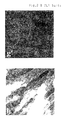
- FIG. 2 also shows that the hydroxyurea used by analogy with the treatment of thalassemia, also remarkably increases the labeling of utrophin. This effect probably results from an action on the expression of the utrophin.
Landscapes
- Health & Medical Sciences (AREA)
- Pharmacology & Pharmacy (AREA)
- Veterinary Medicine (AREA)
- Public Health (AREA)
- General Health & Medical Sciences (AREA)
- Chemical & Material Sciences (AREA)
- Animal Behavior & Ethology (AREA)
- Medicinal Chemistry (AREA)
- Life Sciences & Earth Sciences (AREA)
- Epidemiology (AREA)
- General Chemical & Material Sciences (AREA)
- Nuclear Medicine, Radiotherapy & Molecular Imaging (AREA)
- Chemical Kinetics & Catalysis (AREA)
- Organic Chemistry (AREA)
- Engineering & Computer Science (AREA)
- Bioinformatics & Cheminformatics (AREA)
- Neurology (AREA)
- Emergency Medicine (AREA)
- Diabetes (AREA)
- Orthopedic Medicine & Surgery (AREA)
- Physical Education & Sports Medicine (AREA)
- Hematology (AREA)
- Inorganic Chemistry (AREA)
- Biomedical Technology (AREA)
- Neurosurgery (AREA)
- Medicines That Contain Protein Lipid Enzymes And Other Medicines (AREA)
- Pharmaceuticals Containing Other Organic And Inorganic Compounds (AREA)
- Acyclic And Carbocyclic Compounds In Medicinal Compositions (AREA)
Description
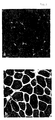
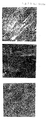
- La figure 1 représente l'apparition de l'utrophine sous le sarcolemme de souris adultes normales et mdx traitées chroniquement avec la L-arginine (grossissement X 300). La figure 1 montre l'immunolocalisation de l'utrophine sur la membrane des muscles des souris normales et mdx traitées à la L-arginine. (a) contrôle correspondant aux souris normales ayant reçu une injection de sérum physiologique ; pas d'utrophine observée au niveau du sarcolemme. (b) souris normales traitées à la L-arginine : on observe l'utrophine sous le sarcolemme. (c) contrôle correspondant au souris mdx ayant reçu une injection de sérum physiologique : de l'utrophine est visible au niveau du sarcolemme. (d) souris mdx ayant reçu de la L-arginine : augmentation des niveaux d'utrophine sous le sarcolemme.
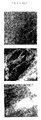
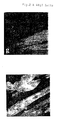
- La figure 2 représente la variation d'utrophine dans les myotubes après traitement impliquant l'oxyde nitrique (NO) (grossissement X 300). A, a-h : lignée cellulaire normale (NXTL). B, a'-h' : lignée cellulaire mdx (XLT). Les cultures cellulaires ont été traitées par exposition des myotubes différenciés aux drogues pendant 48 heures. A, a' : cultures contrôles. B, b' : L-arginine (2.10-3 M). c, c' : SIN-1 (10-3 M). d, d' : SIN-1 (10-3 M) + L-arginine (10-3 M).e, e' : D-arginine (10-3 M).f, f' : L-arginine (10-3 M) + OQD (10-5 M). g, g' : L-NMMA (10-3 M). h, h' : hydroxyurée (10-4 M).
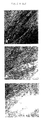
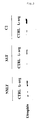
- La figure 3 représente l'augmentation des niveaux d'utrophine dans les myotubes NXLT, XLT et C2 par l'action de la L-arginine. Les analyses en immunoblot de l'utrophine ont été réalisées sous des conditions de contrôle (CTRL) et après 48 heures de traitement avec 2.10-3 M de L-arginine (L-arg).
Claims (3)
- Utilisation d'au moins un donneur de NO ou d'un substrat de la NO synthase sélectionné parmi la L-arginine et ses dérivés dans la préparation d'un médicament pour la réactivation de l'expression de l'utrophine pour le traitement de la myopathie de Duchenne ou de la myopathie de Becker.
- Utilisation selon la revendication 1, caractérisé en ce que ledit donneur de NO ou substrat de la NO synthase est une combinaison de L-arginine et SIN-1.
- Utilisation selon l'une quelconque des revendications 1 et 2, caractérisée en ce qu'elle permet en outre de restaurer la localisation d'utrophine au niveau du sarcolemme.
Applications Claiming Priority (3)
| Application Number | Priority Date | Filing Date | Title |
|---|---|---|---|
| FR9907442A FR2794647A1 (fr) | 1999-06-11 | 1999-06-11 | Compositions pharmaceutique comprenant du no ou au moins un compose capable de liberer ou d'induire la formation de no dans les cellules |
| FR9907442 | 1999-06-11 | ||
| PCT/FR2000/001612 WO2000076451A2 (fr) | 1999-06-11 | 2000-06-09 | Composition pharmaceutique comprenant du no un compose donneur de no, ou inducteur de la formation de no et son utilisation en therapie |
Publications (2)
| Publication Number | Publication Date |
|---|---|
| EP1231908A2 EP1231908A2 (fr) | 2002-08-21 |
| EP1231908B1 true EP1231908B1 (fr) | 2004-02-11 |
Family
ID=9546698
Family Applications (1)
| Application Number | Title | Priority Date | Filing Date |
|---|---|---|---|
| EP20000951577 Expired - Lifetime EP1231908B1 (fr) | 1999-06-11 | 2000-06-09 | Composition pharmaceutique comprenant un compose donneur de no et son utilisation en therapie |
Country Status (12)
| Country | Link |
|---|---|
| US (1) | US6872751B2 (fr) |
| EP (1) | EP1231908B1 (fr) |
| JP (1) | JP2003506320A (fr) |
| AT (1) | ATE259223T1 (fr) |
| AU (1) | AU776692B2 (fr) |
| CA (1) | CA2376302A1 (fr) |
| DE (1) | DE60008293T2 (fr) |
| DK (1) | DK1231908T3 (fr) |
| ES (1) | ES2213032T3 (fr) |
| FR (1) | FR2794647A1 (fr) |
| PT (1) | PT1231908E (fr) |
| WO (1) | WO2000076451A2 (fr) |
Families Citing this family (7)
| Publication number | Priority date | Publication date | Assignee | Title |
|---|---|---|---|---|
| FR2847817B1 (fr) * | 2002-11-28 | 2006-11-10 | Centre Nat Rech Scient | Utilisation d'un inhibiteur d'histone deacetylase pour le traitement des dystrophies musculaires |
| EP1596854A4 (fr) * | 2003-02-14 | 2007-06-06 | Childrens Hosp & Res Ct Oak | Traitement d'etats pathologiques associes a la biodisponibilite reduite de l'oxyde nitrique, y compris des etats pathologiques causes par l'activite elevee de l'arginase |
| CA2561141A1 (fr) * | 2004-03-31 | 2005-11-17 | Nitromed, Inc. | Methodes de traitement des troubles sanguins a l'aide de composes donneurs d'oxyde nitrique |
| WO2007020917A1 (fr) * | 2005-08-18 | 2007-02-22 | The University Of Tokushima | Agent pour augmenter et prolonger la production d’utrophine et aliment transformé qui le contient |
| JP5745210B2 (ja) * | 2006-02-03 | 2015-07-08 | ニコックス サイエンス アイルランド | 筋ジストロフィーの治療用薬剤のニトロオキシ誘導体の使用 |
| US9452117B2 (en) * | 2011-06-01 | 2016-09-27 | The Charlotte-Mecklenburg Hospital Authority | Nitrate esters and their use for the treatment of muscle and muscle related diseases |
| EP2837390A1 (fr) * | 2013-08-15 | 2015-02-18 | Universitäts-Kinderspital beider Basel | Préparation pharmaceutique combinée pour utilisation dans le traitement de troubles neuromusculaires |
Family Cites Families (14)
| Publication number | Priority date | Publication date | Assignee | Title |
|---|---|---|---|---|
| AU704173B2 (en) * | 1993-11-02 | 1999-04-15 | Board Of Supervisors Of Louisiana State University And Agricultural And Mechanical College, The | Use of nitric oxide releasing compounds as protective agents in ischemia reperfusion injury |
| WO1995028377A1 (fr) * | 1994-04-18 | 1995-10-26 | Abbott Laboratories | Composes de guanidine utilises comme regulateurs de la synthase de l'oxyde nitrique |
| US5583101A (en) * | 1994-07-15 | 1996-12-10 | Harvard College | Use of nitrogen oxide species and adducts to inhibit skeletal muscle contraction |
| US6197745B1 (en) * | 1995-09-15 | 2001-03-06 | Duke University | Methods for producing nitrosated hemoglobins and therapeutic uses therefor |
| US6153186A (en) * | 1995-09-15 | 2000-11-28 | Duke University Medical Center | Red blood cells loaded with S-nitrosothiol and uses therefor |
| US5789442A (en) * | 1996-01-18 | 1998-08-04 | Schering Aktiengesellschaft | Treatment of urinary incontinence with nitric oxide synthase substrates and/or nitric oxide donors alone or in combination with estrogen or progesterone and/or other agents |
| WO1997033173A1 (fr) * | 1996-03-08 | 1997-09-12 | The Regents Of The University Of California | Traitement et diagnostic de la dystrophie musculaire, de l'ictus et d'autres maladies neurodegeneratives |
| JP2000510448A (ja) * | 1996-04-05 | 2000-08-15 | ザ ジェネラル ホスピタル コーポレーション | 異常ヘモグロビン症の治療 |
| DE29709820U1 (de) * | 1996-06-10 | 1997-07-31 | NUTREND, s.r.o., Olomouc | Lebensmittel-Spezialzusatz |
| CA2266908C (fr) * | 1996-09-27 | 2010-07-20 | Joseph E. Saavedra | Diazen-1-ium-1,2-diolates 1-substitutes o2-aryles ou o2-glycosyles et 1-[(2-carboxylato)pyrrolidin-1-yl]diazen-1-ium-1,2-diolates o2-subtitutes |
| US6110930A (en) * | 1997-04-10 | 2000-08-29 | Ono Pharmaceutical Co., Ltd. | Condensed piperidine compound |
| EP1000023B1 (fr) * | 1997-07-03 | 2011-02-23 | THE GOVERNMENT OF THE UNITED STATES OF AMERICA, represented by THE DEPARTMENT OF HEALTH & HUMAN SERVICES | Nouveaux diazeniumdiolates derives d'amidine et d'enamine liberant du monoxyde d'azote, compositions les contenant, leurs utilisations et leurs procedes de fabrication |
| WO2000053191A2 (fr) * | 1999-03-11 | 2000-09-14 | The University Of Manitoba | Modulation de l'activation du precurseur du muscle squelettique |
| US6472390B1 (en) * | 2001-11-13 | 2002-10-29 | Duke University | Use of therapeutic dosages for nitric oxide donors which do not significantly lower blood pressure or pulmonary artery pressure |
-
1999
- 1999-06-11 FR FR9907442A patent/FR2794647A1/fr active Pending
-
2000
- 2000-06-09 AU AU64473/00A patent/AU776692B2/en not_active Ceased
- 2000-06-09 WO PCT/FR2000/001612 patent/WO2000076451A2/fr not_active Ceased
- 2000-06-09 DK DK00951577T patent/DK1231908T3/da active
- 2000-06-09 JP JP2001502791A patent/JP2003506320A/ja active Pending
- 2000-06-09 DE DE2000608293 patent/DE60008293T2/de not_active Expired - Fee Related
- 2000-06-09 PT PT00951577T patent/PT1231908E/pt unknown
- 2000-06-09 ES ES00951577T patent/ES2213032T3/es not_active Expired - Lifetime
- 2000-06-09 CA CA002376302A patent/CA2376302A1/fr not_active Abandoned
- 2000-06-09 EP EP20000951577 patent/EP1231908B1/fr not_active Expired - Lifetime
- 2000-06-09 AT AT00951577T patent/ATE259223T1/de not_active IP Right Cessation
-
2002
- 2002-04-29 US US10/133,435 patent/US6872751B2/en not_active Expired - Fee Related
Also Published As
| Publication number | Publication date |
|---|---|
| PT1231908E (pt) | 2004-06-30 |
| AU776692B2 (en) | 2004-09-16 |
| JP2003506320A (ja) | 2003-02-18 |
| FR2794647A1 (fr) | 2000-12-15 |
| ES2213032T3 (es) | 2004-08-16 |
| WO2000076451A3 (fr) | 2002-06-20 |
| DE60008293T2 (de) | 2005-01-13 |
| AU6447300A (en) | 2001-01-02 |
| EP1231908A2 (fr) | 2002-08-21 |
| DK1231908T3 (da) | 2004-06-14 |
| CA2376302A1 (fr) | 2000-12-21 |
| US20020164383A1 (en) | 2002-11-07 |
| DE60008293D1 (de) | 2004-03-18 |
| US6872751B2 (en) | 2005-03-29 |
| WO2000076451A2 (fr) | 2000-12-21 |
| ATE259223T1 (de) | 2004-02-15 |
Similar Documents
| Publication | Publication Date | Title |
|---|---|---|
| Chaubourt et al. | Nitric oxide and l-arginine cause an accumulation of utrophin at the sarcolemma: a possible compensation for dystrophin loss in Duchenne muscular dystrophy | |
| Acuna Castroviejo et al. | Melatonin-mitochondria interplay in health and disease | |
| Aiello | The potential role of PKC β in diabetic retinopathy and macular edema | |
| JP6387010B2 (ja) | 血中グルコースレベルを制御することによる糖尿病及び関連容態の処置のための組成物、方法及び使用 | |
| Cherqui et al. | The renal Fanconi syndrome in cystinosis: pathogenic insights and therapeutic perspectives | |
| US10272066B2 (en) | Compounds for the treatment of diseases linked to mitochondrial reactive oxygen species (ROS) production | |
| JP6720301B2 (ja) | 脳のヘミチャネルを遮断するためのアミトリプチリンの使用及びその効果をin vivoで増強する方法 | |
| EP3065733B1 (fr) | Composes et compositions comprenant de tels composes pour la prévention ou le traitement des dyslipidémies | |
| WO2008036410A2 (fr) | Méthodes et compositions de traitement de la sclérose latérale amyotrophique (sla) | |
| CA2376302A1 (fr) | Composition pharmaceutique comprenant du no ou au moins un compose donneur de no ou encore un compose capable de liberer ou d'induire la formation de no dans les cellules | |
| FR2849598A1 (fr) | Utilisation d'inhibiteurs de la kynurenine-3-hydroxylase pour le traitement du diabete, par augmentation du nombre de cellules des ilots de langerhans | |
| EP3377061B1 (fr) | Mirabégron pour le traitement de maladies rétiniennes | |
| JP2810953B2 (ja) | タラニンを用いた神経系の病気の予防および治療のための医薬組成物 | |
| Chaubourt et al. | The NO way to increase muscular utrophin expression? | |
| US5854287A (en) | D-Propranolol metabolites useful for antioxidant activities | |
| Casper et al. | Effects of alpha-aminoadipate isomers on the morphology of the isolated chick embryo retina. | |
| WO2004050076A1 (fr) | Utilisation d'un inhibiteur d'histone deacetylase pour le traitement des dystrophies musculaires | |
| EP0966276A1 (fr) | Utilisation des agonistes des recepteurs beta-3 adrenergiques pour la preparation de medicaments cicatrisants | |
| WO2011104568A1 (fr) | Traitement de troubles de type stress oxydatif | |
| JP2026500051A (ja) | mTORC1活性のモジュレーターおよびその使用 | |
| KR20230007796A (ko) | 노화 관련 질환의 예방 또는 치료용 약학 조성물 | |
| WO2018162846A1 (fr) | Prévention des effets adverses des especes reactives de l'oxygene d'origine mitochondriale à l'aide d'un inhibiteur specifique de la production de ros d'origine mitochondriale | |
| Mohamed | The role of mitochondrial dynamics in β-cell function and dysfunction |
Legal Events
| Date | Code | Title | Description |
|---|---|---|---|
| PUAI | Public reference made under article 153(3) epc to a published international application that has entered the european phase |
Free format text: ORIGINAL CODE: 0009012 |
|
| 17P | Request for examination filed |
Effective date: 20011213 |
|
| AK | Designated contracting states |
Kind code of ref document: A2 Designated state(s): AT BE CH CY DE DK ES FI FR GB GR IE IT LI LU MC NL PT SE |
|
| AX | Request for extension of the european patent |
Free format text: AL;LT;LV;MK;RO;SI |
|
| 17Q | First examination report despatched |
Effective date: 20020903 |
|
| GRAP | Despatch of communication of intention to grant a patent |
Free format text: ORIGINAL CODE: EPIDOSNIGR1 |
|
| RTI1 | Title (correction) |
Free format text: PHARMACEUTICAL COMPOSITION COMPRISING A NO DONOR COMPOUND AND ITS USE |
|
| GRAS | Grant fee paid |
Free format text: ORIGINAL CODE: EPIDOSNIGR3 |
|
| GRAA | (expected) grant |
Free format text: ORIGINAL CODE: 0009210 |
|
| AK | Designated contracting states |
Kind code of ref document: B1 Designated state(s): AT BE CH CY DE DK ES FI FR GB GR IE IT LI LU MC NL PT SE |
|
| REG | Reference to a national code |
Ref country code: GB Ref legal event code: FG4D Free format text: NOT ENGLISH |
|
| REG | Reference to a national code |
Ref country code: CH Ref legal event code: EP |
|
| REG | Reference to a national code |
Ref country code: SE Ref legal event code: TRGR |
|
| REG | Reference to a national code |
Ref country code: CH Ref legal event code: NV Representative=s name: MICHELI & CIE INGENIEURS-CONSEILS |
|
| REG | Reference to a national code |
Ref country code: IE Ref legal event code: FG4D Free format text: FRENCH |
|
| REF | Corresponds to: |
Ref document number: 60008293 Country of ref document: DE Date of ref document: 20040318 Kind code of ref document: P |
|
| REG | Reference to a national code |
Ref country code: GR Ref legal event code: EP Ref document number: 20040400553 Country of ref document: GR |
|
| GBT | Gb: translation of ep patent filed (gb section 77(6)(a)/1977) |
Effective date: 20040517 |
|
| REG | Reference to a national code |
Ref country code: DK Ref legal event code: T3 |
|
| REG | Reference to a national code |
Ref country code: PT Ref legal event code: SC4A Free format text: AVAILABILITY OF NATIONAL TRANSLATION Effective date: 20040429 |
|
| LTIE | Lt: invalidation of european patent or patent extension |
Effective date: 20040211 |
|
| REG | Reference to a national code |
Ref country code: ES Ref legal event code: FG2A Ref document number: 2213032 Country of ref document: ES Kind code of ref document: T3 |
|
| PLBE | No opposition filed within time limit |
Free format text: ORIGINAL CODE: 0009261 |
|
| STAA | Information on the status of an ep patent application or granted ep patent |
Free format text: STATUS: NO OPPOSITION FILED WITHIN TIME LIMIT |
|
| 26N | No opposition filed |
Effective date: 20041112 |
|
| REG | Reference to a national code |
Ref country code: FR Ref legal event code: CL |
|
| PGFP | Annual fee paid to national office [announced via postgrant information from national office to epo] |
Ref country code: MC Payment date: 20090522 Year of fee payment: 10 Ref country code: ES Payment date: 20090609 Year of fee payment: 10 Ref country code: DK Payment date: 20090527 Year of fee payment: 10 Ref country code: NL Payment date: 20090526 Year of fee payment: 10 Ref country code: IE Payment date: 20090528 Year of fee payment: 10 |
|
| PGFP | Annual fee paid to national office [announced via postgrant information from national office to epo] |
Ref country code: AT Payment date: 20090522 Year of fee payment: 10 Ref country code: IT Payment date: 20090527 Year of fee payment: 10 Ref country code: LU Payment date: 20090526 Year of fee payment: 10 Ref country code: SE Payment date: 20090525 Year of fee payment: 10 Ref country code: PT Payment date: 20090525 Year of fee payment: 10 Ref country code: FI Payment date: 20090521 Year of fee payment: 10 |
|
| PGFP | Annual fee paid to national office [announced via postgrant information from national office to epo] |
Ref country code: BE Payment date: 20090528 Year of fee payment: 10 |
|
| PGFP | Annual fee paid to national office [announced via postgrant information from national office to epo] |
Ref country code: CH Payment date: 20090616 Year of fee payment: 10 Ref country code: FR Payment date: 20090630 Year of fee payment: 10 |
|
| PGFP | Annual fee paid to national office [announced via postgrant information from national office to epo] |
Ref country code: DE Payment date: 20090703 Year of fee payment: 10 Ref country code: GB Payment date: 20090526 Year of fee payment: 10 Ref country code: GR Payment date: 20090529 Year of fee payment: 10 |
|
| PGFP | Annual fee paid to national office [announced via postgrant information from national office to epo] |
Ref country code: CY Payment date: 20090521 Year of fee payment: 10 |
|
| REG | Reference to a national code |
Ref country code: PT Ref legal event code: MM4A Free format text: LAPSE DUE TO NON-PAYMENT OF FEES Effective date: 20101209 |
|
| BERE | Be: lapsed |
Owner name: CENTRE NATIONAL DE LA RECHERCHE SCIENTIFIQUE *CNRS Effective date: 20100630 |
|
| REG | Reference to a national code |
Ref country code: NL Ref legal event code: V1 Effective date: 20110101 |
|
| PG25 | Lapsed in a contracting state [announced via postgrant information from national office to epo] |
Ref country code: MC Free format text: LAPSE BECAUSE OF NON-PAYMENT OF DUE FEES Effective date: 20100630 Ref country code: FI Free format text: LAPSE BECAUSE OF NON-PAYMENT OF DUE FEES Effective date: 20100609 |
|
| REG | Reference to a national code |
Ref country code: DK Ref legal event code: EBP Ref country code: CH Ref legal event code: PL |
|
| EUG | Se: european patent has lapsed | ||
| GBPC | Gb: european patent ceased through non-payment of renewal fee |
Effective date: 20100609 |
|
| PG25 | Lapsed in a contracting state [announced via postgrant information from national office to epo] |
Ref country code: PT Free format text: LAPSE BECAUSE OF NON-PAYMENT OF DUE FEES Effective date: 20101209 Ref country code: CY Free format text: LAPSE BECAUSE OF NON-PAYMENT OF DUE FEES Effective date: 20100609 |
|
| REG | Reference to a national code |
Ref country code: FR Ref legal event code: ST Effective date: 20110228 |
|
| REG | Reference to a national code |
Ref country code: IE Ref legal event code: MM4A |
|
| PG25 | Lapsed in a contracting state [announced via postgrant information from national office to epo] |
Ref country code: IT Free format text: LAPSE BECAUSE OF NON-PAYMENT OF DUE FEES Effective date: 20100609 |
|
| PG25 | Lapsed in a contracting state [announced via postgrant information from national office to epo] |
Ref country code: IE Free format text: LAPSE BECAUSE OF NON-PAYMENT OF DUE FEES Effective date: 20100609 Ref country code: LI Free format text: LAPSE BECAUSE OF NON-PAYMENT OF DUE FEES Effective date: 20100630 Ref country code: DE Free format text: LAPSE BECAUSE OF NON-PAYMENT OF DUE FEES Effective date: 20110101 Ref country code: CH Free format text: LAPSE BECAUSE OF NON-PAYMENT OF DUE FEES Effective date: 20100630 |
|
| PG25 | Lapsed in a contracting state [announced via postgrant information from national office to epo] |
Ref country code: FR Free format text: LAPSE BECAUSE OF NON-PAYMENT OF DUE FEES Effective date: 20100630 Ref country code: NL Free format text: LAPSE BECAUSE OF NON-PAYMENT OF DUE FEES Effective date: 20110101 Ref country code: AT Free format text: LAPSE BECAUSE OF NON-PAYMENT OF DUE FEES Effective date: 20100609 |
|
| PG25 | Lapsed in a contracting state [announced via postgrant information from national office to epo] |
Ref country code: BE Free format text: LAPSE BECAUSE OF NON-PAYMENT OF DUE FEES Effective date: 20100630 Ref country code: GR Free format text: LAPSE BECAUSE OF NON-PAYMENT OF DUE FEES Effective date: 20110104 |
|
| REG | Reference to a national code |
Ref country code: ES Ref legal event code: FD2A Effective date: 20110714 |
|
| PG25 | Lapsed in a contracting state [announced via postgrant information from national office to epo] |
Ref country code: GB Free format text: LAPSE BECAUSE OF NON-PAYMENT OF DUE FEES Effective date: 20100609 Ref country code: ES Free format text: LAPSE BECAUSE OF NON-PAYMENT OF DUE FEES Effective date: 20110704 |
|
| PG25 | Lapsed in a contracting state [announced via postgrant information from national office to epo] |
Ref country code: DK Free format text: LAPSE BECAUSE OF NON-PAYMENT OF DUE FEES Effective date: 20100630 |
|
| PG25 | Lapsed in a contracting state [announced via postgrant information from national office to epo] |
Ref country code: ES Free format text: LAPSE BECAUSE OF NON-PAYMENT OF DUE FEES Effective date: 20100610 |
|
| PG25 | Lapsed in a contracting state [announced via postgrant information from national office to epo] |
Ref country code: LU Free format text: LAPSE BECAUSE OF NON-PAYMENT OF DUE FEES Effective date: 20100609 Ref country code: SE Free format text: LAPSE BECAUSE OF NON-PAYMENT OF DUE FEES Effective date: 20100610 |
|
| REG | Reference to a national code |
Ref country code: GR Ref legal event code: ML Ref document number: 20040400553 Country of ref document: GR Effective date: 20110104 |