EP1151968A2 - Verfahren zur Verwendung von Abwasser durch Wasserreinigung produziert - Google Patents
Verfahren zur Verwendung von Abwasser durch Wasserreinigung produziert Download PDFInfo
- Publication number
- EP1151968A2 EP1151968A2 EP01304021A EP01304021A EP1151968A2 EP 1151968 A2 EP1151968 A2 EP 1151968A2 EP 01304021 A EP01304021 A EP 01304021A EP 01304021 A EP01304021 A EP 01304021A EP 1151968 A2 EP1151968 A2 EP 1151968A2
- Authority
- EP
- European Patent Office
- Prior art keywords
- water
- effluent
- contaminated
- soil
- salts
- Prior art date
- Legal status (The legal status is an assumption and is not a legal conclusion. Google has not performed a legal analysis and makes no representation as to the accuracy of the status listed.)
- Withdrawn
Links
- XLYOFNOQVPJJNP-UHFFFAOYSA-N water Substances O XLYOFNOQVPJJNP-UHFFFAOYSA-N 0.000 title claims abstract description 165
- 239000002351 wastewater Substances 0.000 title claims abstract description 106
- 238000000034 method Methods 0.000 title claims abstract description 79
- 238000012545 processing Methods 0.000 title claims description 29
- 238000000746 purification Methods 0.000 title claims description 17
- 239000002689 soil Substances 0.000 claims abstract description 161
- 229910052708 sodium Inorganic materials 0.000 claims abstract description 90
- 229910052791 calcium Inorganic materials 0.000 claims abstract description 66
- 150000003839 salts Chemical class 0.000 claims abstract description 50
- 229910052749 magnesium Inorganic materials 0.000 claims abstract description 41
- 230000006641 stabilisation Effects 0.000 claims abstract description 19
- 238000011105 stabilization Methods 0.000 claims abstract description 19
- 230000000694 effects Effects 0.000 claims abstract description 12
- 238000001816 cooling Methods 0.000 claims abstract description 8
- 239000011734 sodium Substances 0.000 claims description 92
- DGAQECJNVWCQMB-PUAWFVPOSA-M Ilexoside XXIX Chemical compound C[C@@H]1CC[C@@]2(CC[C@@]3(C(=CC[C@H]4[C@]3(CC[C@@H]5[C@@]4(CC[C@@H](C5(C)C)OS(=O)(=O)[O-])C)C)[C@@H]2[C@]1(C)O)C)C(=O)O[C@H]6[C@@H]([C@H]([C@@H]([C@H](O6)CO)O)O)O.[Na+] DGAQECJNVWCQMB-PUAWFVPOSA-M 0.000 claims description 73
- 239000011575 calcium Substances 0.000 claims description 67
- OYPRJOBELJOOCE-UHFFFAOYSA-N Calcium Chemical compound [Ca] OYPRJOBELJOOCE-UHFFFAOYSA-N 0.000 claims description 49
- 239000011777 magnesium Substances 0.000 claims description 40
- 238000005342 ion exchange Methods 0.000 claims description 25
- 159000000003 magnesium salts Chemical class 0.000 claims description 16
- 239000012528 membrane Substances 0.000 claims description 16
- 230000015572 biosynthetic process Effects 0.000 claims description 14
- 239000007787 solid Substances 0.000 claims description 12
- 238000001704 evaporation Methods 0.000 claims description 11
- 159000000000 sodium salts Chemical class 0.000 claims description 11
- 230000008020 evaporation Effects 0.000 claims description 10
- 238000007789 sealing Methods 0.000 claims description 9
- 238000001556 precipitation Methods 0.000 claims description 8
- 239000008247 solid mixture Substances 0.000 claims description 8
- 238000005868 electrolysis reaction Methods 0.000 claims description 7
- 238000001179 sorption measurement Methods 0.000 claims description 5
- 229910006130 SO4 Inorganic materials 0.000 claims description 2
- 230000009467 reduction Effects 0.000 claims description 2
- 239000011833 salt mixture Substances 0.000 claims 4
- 239000000428 dust Substances 0.000 abstract description 27
- 229910052700 potassium Inorganic materials 0.000 abstract description 12
- 239000000203 mixture Substances 0.000 abstract description 8
- 235000002639 sodium chloride Nutrition 0.000 description 45
- FYYHWMGAXLPEAU-UHFFFAOYSA-N Magnesium Chemical compound [Mg] FYYHWMGAXLPEAU-UHFFFAOYSA-N 0.000 description 23
- 230000008569 process Effects 0.000 description 23
- 239000000243 solution Substances 0.000 description 19
- FAPWRFPIFSIZLT-UHFFFAOYSA-M Sodium chloride Chemical compound [Na+].[Cl-] FAPWRFPIFSIZLT-UHFFFAOYSA-M 0.000 description 16
- 239000003621 irrigation water Substances 0.000 description 15
- XEEYBQQBJWHFJM-UHFFFAOYSA-N iron Substances [Fe] XEEYBQQBJWHFJM-UHFFFAOYSA-N 0.000 description 14
- 150000002500 ions Chemical class 0.000 description 12
- 229910052742 iron Inorganic materials 0.000 description 11
- CURLTUGMZLYLDI-UHFFFAOYSA-N Carbon dioxide Chemical compound O=C=O CURLTUGMZLYLDI-UHFFFAOYSA-N 0.000 description 8
- TWRXJAOTZQYOKJ-UHFFFAOYSA-L Magnesium chloride Chemical class [Mg+2].[Cl-].[Cl-] TWRXJAOTZQYOKJ-UHFFFAOYSA-L 0.000 description 8
- 230000003628 erosive effect Effects 0.000 description 8
- 239000011780 sodium chloride Substances 0.000 description 8
- 239000000126 substance Substances 0.000 description 8
- 235000011148 calcium chloride Nutrition 0.000 description 7
- 235000011147 magnesium chloride Nutrition 0.000 description 7
- UXVMQQNJUSDDNG-UHFFFAOYSA-L Calcium chloride Chemical compound [Cl-].[Cl-].[Ca+2] UXVMQQNJUSDDNG-UHFFFAOYSA-L 0.000 description 6
- 241000196324 Embryophyta Species 0.000 description 6
- 239000012141 concentrate Substances 0.000 description 6
- 239000013078 crystal Substances 0.000 description 6
- 239000000383 hazardous chemical Substances 0.000 description 6
- 239000003643 water by type Substances 0.000 description 6
- 241000233866 Fungi Species 0.000 description 5
- 108091006629 SLC13A2 Proteins 0.000 description 5
- 238000010521 absorption reaction Methods 0.000 description 5
- 239000002245 particle Substances 0.000 description 5
- 239000011347 resin Substances 0.000 description 5
- 229920005989 resin Polymers 0.000 description 5
- VTYYLEPIZMXCLO-UHFFFAOYSA-L Calcium carbonate Chemical compound [Ca+2].[O-]C([O-])=O VTYYLEPIZMXCLO-UHFFFAOYSA-L 0.000 description 4
- JLVVSXFLKOJNIY-UHFFFAOYSA-N Magnesium ion Chemical compound [Mg+2] JLVVSXFLKOJNIY-UHFFFAOYSA-N 0.000 description 4
- QAOWNCQODCNURD-UHFFFAOYSA-L Sulfate Chemical compound [O-]S([O-])(=O)=O QAOWNCQODCNURD-UHFFFAOYSA-L 0.000 description 4
- 239000002253 acid Substances 0.000 description 4
- 239000001110 calcium chloride Substances 0.000 description 4
- 229910001628 calcium chloride Inorganic materials 0.000 description 4
- 229910001424 calcium ion Inorganic materials 0.000 description 4
- 239000001569 carbon dioxide Substances 0.000 description 4
- 229910002092 carbon dioxide Inorganic materials 0.000 description 4
- 239000003651 drinking water Substances 0.000 description 4
- 238000010410 dusting Methods 0.000 description 4
- 230000002262 irrigation Effects 0.000 description 4
- 238000003973 irrigation Methods 0.000 description 4
- 229910001425 magnesium ion Inorganic materials 0.000 description 4
- 239000003921 oil Substances 0.000 description 4
- 238000001223 reverse osmosis Methods 0.000 description 4
- 230000002441 reversible effect Effects 0.000 description 4
- 238000005507 spraying Methods 0.000 description 4
- 150000003467 sulfuric acid derivatives Chemical class 0.000 description 4
- VEXZGXHMUGYJMC-UHFFFAOYSA-M Chloride anion Chemical compound [Cl-] VEXZGXHMUGYJMC-UHFFFAOYSA-M 0.000 description 3
- 235000008733 Citrus aurantifolia Nutrition 0.000 description 3
- VEXZGXHMUGYJMC-UHFFFAOYSA-N Hydrochloric acid Chemical group Cl VEXZGXHMUGYJMC-UHFFFAOYSA-N 0.000 description 3
- ZLMJMSJWJFRBEC-UHFFFAOYSA-N Potassium Chemical compound [K] ZLMJMSJWJFRBEC-UHFFFAOYSA-N 0.000 description 3
- 235000011941 Tilia x europaea Nutrition 0.000 description 3
- 150000001768 cations Chemical class 0.000 description 3
- 150000001875 compounds Chemical class 0.000 description 3
- 238000010276 construction Methods 0.000 description 3
- 238000004821 distillation Methods 0.000 description 3
- 238000000909 electrodialysis Methods 0.000 description 3
- 239000003337 fertilizer Substances 0.000 description 3
- 239000010440 gypsum Substances 0.000 description 3
- 229910052602 gypsum Inorganic materials 0.000 description 3
- 239000012535 impurity Substances 0.000 description 3
- 229910052500 inorganic mineral Inorganic materials 0.000 description 3
- 239000004571 lime Substances 0.000 description 3
- 235000010755 mineral Nutrition 0.000 description 3
- 239000011707 mineral Substances 0.000 description 3
- 239000011591 potassium Substances 0.000 description 3
- 239000012047 saturated solution Substances 0.000 description 3
- 230000000087 stabilizing effect Effects 0.000 description 3
- BVKZGUZCCUSVTD-UHFFFAOYSA-M Bicarbonate Chemical compound OC([O-])=O BVKZGUZCCUSVTD-UHFFFAOYSA-M 0.000 description 2
- BHPQYMZQTOCNFJ-UHFFFAOYSA-N Calcium cation Chemical compound [Ca+2] BHPQYMZQTOCNFJ-UHFFFAOYSA-N 0.000 description 2
- WCUXLLCKKVVCTQ-UHFFFAOYSA-M Potassium chloride Chemical compound [Cl-].[K+] WCUXLLCKKVVCTQ-UHFFFAOYSA-M 0.000 description 2
- PMZURENOXWZQFD-UHFFFAOYSA-L Sodium Sulfate Chemical compound [Na+].[Na+].[O-]S([O-])(=O)=O PMZURENOXWZQFD-UHFFFAOYSA-L 0.000 description 2
- 229920002472 Starch Polymers 0.000 description 2
- QAOWNCQODCNURD-UHFFFAOYSA-N Sulfuric acid Chemical compound OS(O)(=O)=O QAOWNCQODCNURD-UHFFFAOYSA-N 0.000 description 2
- 150000001450 anions Chemical class 0.000 description 2
- 239000007864 aqueous solution Substances 0.000 description 2
- 230000008901 benefit Effects 0.000 description 2
- 235000012206 bottled water Nutrition 0.000 description 2
- 229910000019 calcium carbonate Inorganic materials 0.000 description 2
- 239000003795 chemical substances by application Substances 0.000 description 2
- 230000003247 decreasing effect Effects 0.000 description 2
- 238000011161 development Methods 0.000 description 2
- 230000018109 developmental process Effects 0.000 description 2
- 239000006185 dispersion Substances 0.000 description 2
- 235000020188 drinking water Nutrition 0.000 description 2
- 150000002170 ethers Chemical class 0.000 description 2
- 238000009313 farming Methods 0.000 description 2
- 238000007710 freezing Methods 0.000 description 2
- 230000008014 freezing Effects 0.000 description 2
- 238000000227 grinding Methods 0.000 description 2
- 239000008233 hard water Substances 0.000 description 2
- 230000002401 inhibitory effect Effects 0.000 description 2
- 235000019341 magnesium sulphate Nutrition 0.000 description 2
- 230000035699 permeability Effects 0.000 description 2
- 230000000704 physical effect Effects 0.000 description 2
- 230000008635 plant growth Effects 0.000 description 2
- 230000002829 reductive effect Effects 0.000 description 2
- 230000008929 regeneration Effects 0.000 description 2
- 238000011069 regeneration method Methods 0.000 description 2
- 229910052938 sodium sulfate Inorganic materials 0.000 description 2
- 235000011152 sodium sulphate Nutrition 0.000 description 2
- 239000008107 starch Substances 0.000 description 2
- 235000019698 starch Nutrition 0.000 description 2
- 230000008961 swelling Effects 0.000 description 2
- 238000005406 washing Methods 0.000 description 2
- 239000002699 waste material Substances 0.000 description 2
- NWUYHJFMYQTDRP-UHFFFAOYSA-N 1,2-bis(ethenyl)benzene;1-ethenyl-2-ethylbenzene;styrene Chemical compound C=CC1=CC=CC=C1.CCC1=CC=CC=C1C=C.C=CC1=CC=CC=C1C=C NWUYHJFMYQTDRP-UHFFFAOYSA-N 0.000 description 1
- BVKZGUZCCUSVTD-UHFFFAOYSA-L Carbonate Chemical compound [O-]C([O-])=O BVKZGUZCCUSVTD-UHFFFAOYSA-L 0.000 description 1
- 229920002134 Carboxymethyl cellulose Polymers 0.000 description 1
- 241000207199 Citrus Species 0.000 description 1
- 229920000742 Cotton Polymers 0.000 description 1
- 241000219146 Gossypium Species 0.000 description 1
- YZCKVEUIGOORGS-UHFFFAOYSA-N Hydrogen atom Chemical compound [H] YZCKVEUIGOORGS-UHFFFAOYSA-N 0.000 description 1
- CSNNHWWHGAXBCP-UHFFFAOYSA-L Magnesium sulfate Chemical class [Mg+2].[O-][S+2]([O-])([O-])[O-] CSNNHWWHGAXBCP-UHFFFAOYSA-L 0.000 description 1
- 241000219823 Medicago Species 0.000 description 1
- 235000017587 Medicago sativa ssp. sativa Nutrition 0.000 description 1
- 229920000881 Modified starch Polymers 0.000 description 1
- 239000004372 Polyvinyl alcohol Substances 0.000 description 1
- CDBYLPFSWZWCQE-UHFFFAOYSA-L Sodium Carbonate Chemical compound [Na+].[Na+].[O-]C([O-])=O CDBYLPFSWZWCQE-UHFFFAOYSA-L 0.000 description 1
- 241001111950 Sonora Species 0.000 description 1
- NINIDFKCEFEMDL-UHFFFAOYSA-N Sulfur Chemical compound [S] NINIDFKCEFEMDL-UHFFFAOYSA-N 0.000 description 1
- 230000002378 acidificating effect Effects 0.000 description 1
- 150000007513 acids Chemical class 0.000 description 1
- 239000000654 additive Substances 0.000 description 1
- 230000000996 additive effect Effects 0.000 description 1
- BFNBIHQBYMNNAN-UHFFFAOYSA-N ammonium sulfate Chemical compound N.N.OS(O)(=O)=O BFNBIHQBYMNNAN-UHFFFAOYSA-N 0.000 description 1
- 229910052921 ammonium sulfate Inorganic materials 0.000 description 1
- 235000011130 ammonium sulphate Nutrition 0.000 description 1
- 238000013459 approach Methods 0.000 description 1
- 239000000872 buffer Substances 0.000 description 1
- 235000001465 calcium Nutrition 0.000 description 1
- NKWPZUCBCARRDP-UHFFFAOYSA-L calcium bicarbonate Chemical compound [Ca+2].OC([O-])=O.OC([O-])=O NKWPZUCBCARRDP-UHFFFAOYSA-L 0.000 description 1
- 229910000020 calcium bicarbonate Inorganic materials 0.000 description 1
- 150000004649 carbonic acid derivatives Chemical class 0.000 description 1
- 239000001768 carboxy methyl cellulose Substances 0.000 description 1
- 235000010948 carboxy methyl cellulose Nutrition 0.000 description 1
- 239000008112 carboxymethyl-cellulose Substances 0.000 description 1
- 230000008859 change Effects 0.000 description 1
- 235000020971 citrus fruits Nutrition 0.000 description 1
- 230000003750 conditioning effect Effects 0.000 description 1
- 238000011109 contamination Methods 0.000 description 1
- 238000012272 crop production Methods 0.000 description 1
- 230000009977 dual effect Effects 0.000 description 1
- 230000007613 environmental effect Effects 0.000 description 1
- 239000007789 gas Substances 0.000 description 1
- 230000012010 growth Effects 0.000 description 1
- 230000036541 health Effects 0.000 description 1
- 239000003864 humus Substances 0.000 description 1
- 230000001771 impaired effect Effects 0.000 description 1
- 239000008235 industrial water Substances 0.000 description 1
- 238000001764 infiltration Methods 0.000 description 1
- 230000008595 infiltration Effects 0.000 description 1
- 239000003456 ion exchange resin Substances 0.000 description 1
- 229920003303 ion-exchange polymer Polymers 0.000 description 1
- 150000002605 large molecules Chemical class 0.000 description 1
- 239000010410 layer Substances 0.000 description 1
- 238000002386 leaching Methods 0.000 description 1
- 239000007788 liquid Substances 0.000 description 1
- 229920002521 macromolecule Polymers 0.000 description 1
- 229910001629 magnesium chloride Inorganic materials 0.000 description 1
- 238000004519 manufacturing process Methods 0.000 description 1
- 239000000463 material Substances 0.000 description 1
- 239000001248 monostarch phosphate Substances 0.000 description 1
- 235000013807 monostarch phosphate Nutrition 0.000 description 1
- 235000015097 nutrients Nutrition 0.000 description 1
- 230000003204 osmotic effect Effects 0.000 description 1
- 230000035515 penetration Effects 0.000 description 1
- 238000005325 percolation Methods 0.000 description 1
- 230000000737 periodic effect Effects 0.000 description 1
- 238000005498 polishing Methods 0.000 description 1
- 229920002239 polyacrylonitrile Polymers 0.000 description 1
- 229920000642 polymer Polymers 0.000 description 1
- 229920002689 polyvinyl acetate Polymers 0.000 description 1
- 239000011118 polyvinyl acetate Substances 0.000 description 1
- 229920002451 polyvinyl alcohol Polymers 0.000 description 1
- 239000001103 potassium chloride Substances 0.000 description 1
- 235000011164 potassium chloride Nutrition 0.000 description 1
- OTYBMLCTZGSZBG-UHFFFAOYSA-L potassium sulfate Chemical compound [K+].[K+].[O-]S([O-])(=O)=O OTYBMLCTZGSZBG-UHFFFAOYSA-L 0.000 description 1
- 229910052939 potassium sulfate Inorganic materials 0.000 description 1
- 235000011151 potassium sulphates Nutrition 0.000 description 1
- 238000002407 reforming Methods 0.000 description 1
- 230000001172 regenerating effect Effects 0.000 description 1
- 235000015424 sodium Nutrition 0.000 description 1
- 239000008234 soft water Substances 0.000 description 1
- 239000002364 soil amendment Substances 0.000 description 1
- 239000003583 soil stabilizing agent Substances 0.000 description 1
- 241000894007 species Species 0.000 description 1
- 239000011593 sulfur Substances 0.000 description 1
- 229910052717 sulfur Inorganic materials 0.000 description 1
- 239000002344 surface layer Substances 0.000 description 1
- 239000004094 surface-active agent Substances 0.000 description 1
- 238000012360 testing method Methods 0.000 description 1
- 238000012546 transfer Methods 0.000 description 1
- 230000000007 visual effect Effects 0.000 description 1
Images

Classifications
-
- C—CHEMISTRY; METALLURGY
- C09—DYES; PAINTS; POLISHES; NATURAL RESINS; ADHESIVES; COMPOSITIONS NOT OTHERWISE PROVIDED FOR; APPLICATIONS OF MATERIALS NOT OTHERWISE PROVIDED FOR
- C09K—MATERIALS FOR MISCELLANEOUS APPLICATIONS, NOT PROVIDED FOR ELSEWHERE
- C09K17/00—Soil-conditioning materials or soil-stabilising materials
- C09K17/02—Soil-conditioning materials or soil-stabilising materials containing inorganic compounds only
-
- C—CHEMISTRY; METALLURGY
- C02—TREATMENT OF WATER, WASTE WATER, SEWAGE, OR SLUDGE
- C02F—TREATMENT OF WATER, WASTE WATER, SEWAGE, OR SLUDGE
- C02F5/00—Softening water; Preventing scale; Adding scale preventatives or scale removers to water, e.g. adding sequestering agents
-
- C—CHEMISTRY; METALLURGY
- C09—DYES; PAINTS; POLISHES; NATURAL RESINS; ADHESIVES; COMPOSITIONS NOT OTHERWISE PROVIDED FOR; APPLICATIONS OF MATERIALS NOT OTHERWISE PROVIDED FOR
- C09K—MATERIALS FOR MISCELLANEOUS APPLICATIONS, NOT PROVIDED FOR ELSEWHERE
- C09K17/00—Soil-conditioning materials or soil-stabilising materials
- C09K17/40—Soil-conditioning materials or soil-stabilising materials containing mixtures of inorganic and organic compounds
Definitions
- the present invention relates to methods for economic utilization of waste waters produced from water purification processing.
- Water purification typically produces a first effluent of relatively "clean water” and a second effluent of "waste water” which include unwanted contaminates.
- the softening of hard water by the removal of calcium and magnesium is required for both industrial and household use.
- Known water softening processes proceed either by way of ion-exchange, membrane softening or precipitation.
- the calcium (Ca 2+ ) and magnesium (Mg 2+ ) ions are exchanged for sodium (Na + ) and regeneration of the ion-exchange resin is achieved with a large excess of NaC1.
- This processes creates a regeneration effluent being a relatively concentrated aqueous solution of sodium, calcium and magnesium chlorides which has to be discarded. Consequently, by this method, considerable amounts of sodium, calcium and magnesium salts in solution must be disposed of.
- the precipitation process has traditionally been carried out by the "lime soda” process in which lime is added to hard water to convert water soluble calcium bicarbonate into water insoluble calcium carbonate. This process also results in waste water which is difficult to filter and requires cumbersome treatment.
- waste water has become an expensive problem for society. For example, approximately 1.61 billion gallons of waste water containing approximately 800,000 tons of mixed sodium, calcium, magnesium chlorides and sulfates is produced from water treatment operations and oil fields in the state of California alone. This waste water must be disposed of, costing the state of California millions of dollars each year. Meanwhile, the disposal of waste water has become even more problematic in other parts of the world. As a result, billions of dollars are spent each year toward efforts to dispose of waste waters. Accordingly, it would be highly advantageous to provide improved methods of disposing of salty waste waters. It would even be more advantageous to provide methods of utilizing salty waste waters which provide a benefit to society, instead of simply disposing of the unwanted waste waters.
- Wind erosion of soil is also significant problem throughout the world. Due to small particle size and poor cohesion, finely divided soil is sensitive to the influence of wind. Such finely divided soil is found in agricultural lands, dunes, lake beds, construction sites and roads under construction. Erosion by wind causes the drifting of masses of soil in the form of dust. The erosion by wind causes the inconvenience of dust formation and the loss of valuable matter such as seed, fertilizer and plantlets. Dust storms are a danger to traffic and a health risk to persons located in the vicinity.
- the effects of wind erosion on soil can be enhanced by the influence of the sun and rain.
- the sun causes the evaporization of moisture from soil thereby reducing the cohesion of finely divided soil. Erosion of the soil by rain is caused by rain washing away soil. This is a particular problem when agricultural soil is washed away, damaging plant life and making the soil unusable for agricultural purposes.
- the unprotected slopes of ditches, channels, dunes and roads may collapse or be washed away.
- soil stabilization refers to the treatment of soils with chemicals to offset the tendencies of soils to be sensitive to small changes in the types of ions in the soil moisture as they effect the plasticity of the soil. For example, swelled clays, those with layers of "bound" water molecules, are more susceptible to movement under load. Soil stabilization of swelled clays can be effected by altering the types and/or amounts of ions in the soil mixture.
- the first stage involves the development of a fine filament which branches out throughout the soil and forms a tight web around plant roots. After the filament reaches the soil surface, a white mat forms on the surface, referred to as conidium. When mature, the mycelium develops multicellular bodies called scelerotia which can extend to a depth of up to twelve feet into the soil.
- sodium chloride has been applied where the soil drains readily and the excess chloride and sodium are leached away by rainfall or irrigation.
- sodium sulfate is preferable because 1) the sulfate supplies the nutrient sulfur, 2) the sulfate combines with calcium to form gypsum and gypsum soils typically do not support root rot, 3) gypsum buffers excess sodium assisting its leaching from the soil, and 4) there is no additional chloride residue which can leach into the water table.
- Salinity refers to the total salts within the water, with the significant positive ions (cations) in salinity being calcium, magnesium and sodium and the significant negative ions (anions) being chloride, sulfate and bicarbonate. All irrigation water contains some dissolved salts. When soil has a high content of dissolved salts, or the irrigation waters have sufficient salts to increase the salinity of the soil, the soil has the tendency to hold the water instead of releasing the water for absorption by plant roots by osmotic pressure. Even if the soil contains plenty of moisture, plants will wilt because they cannot absorb necessary water.
- I provide methods for economically and efficiently utilizing the waste waters produced by water purification and particularly those produced from oil and gas wells, and irrigation drainage. To this end, my invention is so successful, the effluents produced from water purification should no longer be referred to as "waste" waters at all.
- the waste waters of the present invention are any waters which are produced as a result of the purification of water, and particularly purified "oil field produced waters" and irrigation drainage, which results in a first effluent of clean water and a second effluent of a waste water, which typically must be disposed of.
- clean water refers to water which has been treated by one or several methods for public or industrial use. For example, in the drinking water industry, clean water is the final delivered water.
- Typical water purification processes and water softening processes of the present invention include reverse osmosis, electro dialysis, distillation, evaporation, ion exchange and lime softening. These processes create waste water having various levels of salt content.
- waste water as water containing about 0.15 % or more by weight of the salts of Na, K, Ca, Mg, Fe, C1, SO 4 , and CO 3 or a combination thereof. Prior to the practice of my invention, the waste water from any of these processes was expensive to dispose of.
- waste waters produced from water purification can also be used to control dust and to irrigate farm land, or as additive to irrigation waters, where the soil has a high sodium content.
- waste waters which have a high sodium content are particularly suitable for soil stabilization, pond sealing and treating root rot. These high sodium waste waters are also suitable for use in cooling towers and laundry applications.
- waste waters can be processed to create both solid and aqueous mixtures which can be applied to roads and highways for deicing and for reducing the tendency of water to form into ice on roads and highways.
- the waste water may be applied to the soil by any means commonly known in the art.
- the waste water may be applied by spraying from the back of a truck or other type of construction or farm equipment.
- the waste water may be applied to the soil by slow moving aircraft.
- Water softening is the removal of the "hardness" from the water which means predominantly removing or altering the calcium and magnesium ions from the water. These calcium and magnesium ions combined with carbonates, sulfates, oils and fat to create bathtub scum, spotted dishes, gray sheets, etc. In addition, unsoftened water has been found to cause scaling of industrial water heaters and commercial boilers causing early substantial energy losses through impaired heat transfer and early shutdown for the removal of scale.
- ion-exchange The best known process for softening water is "ion-exchange”. Ion-exchange entails the exchange of sodium, which is introduced into water, for calcium, magnesium, iron and other divalent mineral ions which are transferred out of the water and into a resin.
- the resin When the resin approaches saturation with these hard ions, the resin is regenerated most often with solutions of sodium chloride leaving an effluent containing 3 to 25 % sodium, calcium and magnesium salts which must be disposed of.
- concentration of the effluent depends on the shop practice and, in particular, on the amount of rinse water included in the effluent, if any. Less often mineral acids like sulfuric acid or hydrochloric acid are used for water softening and these also produce effluents.
- mineral acids like sulfuric acid or hydrochloric acid are used for water softening and these also produce effluents.
- reverse water softening also involves ion exchange in which calcium and magnesium into the water to separate sodium
- Membrane systems have recently become economically feasible. These systems, such as electro dialysis and reverse osmosis, include the use of a membrane which also produces a salty effluent.
- the first product of clean water may be further purified by dual bed or mixed bed ion-exchange treatment. This "polishing treatment” also produces an effluent containing the removed salts.
- the new purified crystals are separated by size from the solution and rinsed, while the fine insoluble impurities which do not grow appreciably, if at all, remain in the now impure solution of sodium, calcium and magnesium chlorides, along with minor impurities from the original waste salt.
- waste waters having increase sodium or potassium have much greater effectiveness in stabilizing soils than the calcium and magnesium salts.
- waste waters high in sodium are also effective to control root rot.
- the calcium and magnesium chlorides in waste waters have much greater effectiveness in controlling dust from wind blown soil than the sodium salts.
- the calcium and magnesium salts do not noticeably interfere with the sodium chloride's ability to stabilize soils, while the sodium salts do not reduce the effectiveness of calcium and magnesium chlorides for dust control.
- the calcium and magnesium salts are effective for irrigating farm land, particularly where the sodium absorption ration needs to be adjusted.
- waste water is defined as any water containing sufficient salts as to have no acceptable use due to costs or contamination levels.
- waste water containing about 0.15% or more by weight of the salts of Na, K, Ca, Mg, Fe, C1, SO 4 , and CO 3 , or combinations thereof are considered as having no acceptable use and must be disposed of.
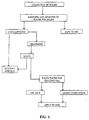
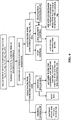
- water is collected which is contaminated with salts including Na, K, Ca, Mg, Fe, Cl, SO 4 and CO 3 .
- the contaminated water is purified by any means known to those skilled in the art, including distillation, reverse osmosis, electrolysis, evaporation, ion exchange, etc.
- the contaminated water is processed to produce a first effluent of relatively clean water which is useful for agricultural purposes, drinking water, industrial purposes, etc.
- the processing also produces a second effluent of waste water.
- the waste water is analyzed for hazardous materials to confirm that the waste water is safe to use.
- the waste water comprising an aqueous solution of salts
- the waste water is analyzed for individual amounts of sodium, calcium, and magnesium and total dissolved solids to determine the best application and the amount of solution to be applied to a particular soil.
- the waste water is then applied to soil by spraying from a truck, aircraft or the like to effectively control dust and/or stabilize the soil. Where the concentration of salts is not enough to meet the required needs in a single application, several applications of the waste water may be employed.
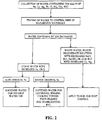
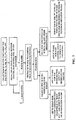
- water is collected which is contaminated with the salts of Na, Ca, Mg, Fe, C1, SO 4 , and CO 3 .
- the water is then tested to confirm that it is free of hazardous materials.
- the contaminated water is then purified by ion exchange. As the name implies, the amount of salts in the effluents does not change. However, the cations are exchanged.
- a first effluent of clean water is produced having an increase in sodium or potassium. Where the contaminated water originally contained a low amount of sodium, it is preferred that this water be used for potable water.
- the clean water effluent be used for laundries, boilers, cooling towers, pond sealing and soil stabilization. These applications are typically more tolerant of waters having high sodium content. as long as the magnesium and calcium content remains low. These uses are listed in order of suitability as the sodium increases.
- the water softening process by ion exchange also produces a waste water having decreased NaC1, KC1, Na(OH) 2 or acid, but having an increase in calcium and magnesium.
- this waste water is then applied to soil by spraying from a truck, aircraft or the like to control dust.
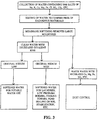
- water is collected which is contaminated with the salts of Na, K, Ca, Mg, Fe, C1, SO 4 , and CO 3 .
- the water is then tested to confirm that it is free of hazardous materials.
- This contaminated water is then purified by a membrane system to remove large molecules.
- a first effluent of clean water having decreased multivalent ions is produced from the membrane softening process. Where the original sodium content of the contaminated water is relatively low, it is preferred that the clean water be used for potable water. Where the original sodium content of the contaminated water is relatively high, it is preferred that the clean water effluent be used for laundries, low pressure boilers, cooling towers, pond sealing and soil stabilization.
- the membrane system also creates a waste water having significant calcium, magnesium, iron, sulfates, etc. For application of the present invention, it is preferred that this waste water be applied to soil by spraying from a truck, aircraft, or the like to effectively control dust.
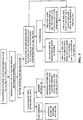
- water contaminated with the salts of Na, K, Ca, Mg, Fe, C1, SO 4 , and CO 3 is collected.
- the contaminated water is desalted to produce a first effluent of relatively clean water, and a second effluent of waste water.
- the second effluent of waste water undergoes further evaporization processing to produce a first product of 90% or more NaC1, and a third effluent solution of substantially saturated CaC1 2 and MgC1 2 .
- the NaCl is then applied to soil to effect soil stabilization. Meanwhile the third effluent solution of mixed CaC1 2 and MgC1 2 is applied to soil to effect dust control.
- waste water is applied in several applications. Waste water is applied and allowed to evaporate. The soil is examined to determine if sufficient waste water has been applied to control dust or stabilize the soil. These steps are repeated until sufficient salts have been applied to control dust or to stabilize the soil.
- waste water applications are increased for a three month period.
- the amount per application is the maximum that the soil will absorb without turning muddy.
- the applications are ceased.
- the road is examined over the next year and found not to exhibit any significant dusting.
- water is collected which is contaminated with the salts of Na, K, Ca, Mg, Fe, C1, SO 4 , and/or CO 3 .
- the contaminated water is then tested to determine that it is free of hazardous chemicals, and if the water is determined to sufficiently free of hazardous chemical, the water is purified by water softening, such as by ion exchange.
- ion exchange produces an first effluent of clean water which typically has a high sodium content.
- the clean water has a low sodium content such as where the original contaminated water had a low sodium content, the water may be used for potable applications.
- the clean water may be used for laundry applications, cooling towers, pond sealing and soil stabilization.
- the clean water having a high sodium content may also be applied to soil to inhibit root rot.
- the added sodium counterbalances any excess calcium in the soil to increase soil permeability and inhibit the buildup of carbon dioxide in the soil. Without the carbon dioxide in the soil, the root rot fungus either dies, or at least its growth is inhibited.
- the waste water produced by ion exchange typically has an increased level of calcium and magnesium. This waste water may be applied to soil to control excess soil dusting. In the alternative, where the soil at issue requires soil stabilization, pond sealing or root rot control, the waste water undergoes evaporation to produce solid NaC1 which can be applied to the soil. Moreover, I have found that the waste water can be processed through evaporation, or in accordance with the methods disclosed in my U.S. Patent No 5,300,123, to produce substantially solid sodium salt which can be applied to roads to lower the freezing point of water on the roads.
- the waste water having an increased level of calcium and magnesium can be applied directly to the soil, or concentrated through evaporation and then applied to soil, for irrigation purposes and for adjusting the soil's sodium absorption ratio (SAR).
- the calcium and magnesium solution is typically aqueous, it can also be applied to roads and highways to inhibit the formation of ice on the roads as calcium and magnesium salts also lower the freezing point of water.
- any water previously on the road will freeze at a lower temperature once mixed with the calcium and magnesium solution which has been produced as a result of evaporating the waste water.
- membrane softening also creates a first effluent of clean water and a second effluent of waste water.
- the clean water is utilized for potable applications where the sodium is low, but used for laundry, low pressure boilers, cooling towers, pond sealing soil stabilization or treating root rot where the sodium is high.
- the waste water from membrane softening typically has significant levels of calcium and magnesium. As discussed above, instead of simply disposing of these waters, it is preferred that these waste waters be used for dust control or for controlling the sodium level in the soil. As shown in Fig. 6, controlling the level of the sodium in the soil can be accomplished in one of two ways.
- the waste water can be applied directly to the soil to adjust the SAR, or the waste waters can be used in cooperation with ion exchange water softening processing to reduce the amount of sodium in irrigation waters.
- These irrigation waters, now lower in sodium, are applied to the soil to maintain the soil's sodium equilibrium level, or to leach out sodium from the soil to place the soil into a proper sodium equilibrium level.
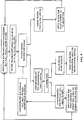
- water that is contaminated with the salts of Na, K, Ca, Mg, Fe, C1, SO 4 , and CO 3 is desalted by distillation, reverse osmosis, electrodialysis or ion exchange to produce a first effluent of clean water and a second effluent of waste water.
- the waste water is preferably tested to ensure that it is free of hazardous materials.
- the water undergoes evaporation to produce a substantially solid mixture and a solution concentrate.
- the substantially solid mixture is comprised primarily of sodium salts and is thus suitable for use as a soil stabilizer or for inhibiting root rot by directly applying the solid mixture to soil, or by adding the mixture to irrigation water.
- the solid mixture of sodium salts is also applied to roads and highways for deicing and for impeding the formation of ice on the roads and highways.
- evaporation concentrates the waste water to produce an aqueous concentrate of calcium and magnesium salts.
- the concentrated solution is applied to soil to reduce soil dusting or is applied to soil to adjust the soil's sodium adsorption rate.
- the concentrate may be applied directly to soil or may be used to reduce the sodium content in the irrigation water through additional ion exchange processing.
- the concentrated solution of calcium and magnesium salts is applied to roads and highways for deicing and for impeding the formation of ice on the roads and highways.
- a substantially closed loop system for adjusting the properties of soil.
- farmers typically irrigate the soil while simultaneously adding to the soil significant levels of potassium chloride, potassium sulfate and ammonium sulfate as fertilizer. Over time, the addition of these fertilizers typically introduces substantial salts to the soil which must be leached out of the soil or drained from the soil such as by using pumps to maintain the soil at optimal conditions for agriculture.
- the water drained from the soil is purified, such as by ion exchange reverse softening.
- a solution of calcium chlorides, magnesium chlorides, and/or magnesium sulfates is prepared to create a regenerative solution, such as can be obtained as shown in Fig. 5.
- the reverse softening process produces a used regenerate solution having increased sodium but with reduced calcium and magnesium.
- the regenerate solution preferably undergoes evaporative processing producing a 90% solid mixture of sodium salts which is preferably used for treating root rot or for soil stabilization, depending on the properties of the soil at issue. Meanwhile, the evaporative process also creates a concentrated solution of calcium and magnesium salts.
- the ion exchange process also creates a "clean" water effluent typically low in sodium salts but high in calcium and magnesium salts.
- this clean water effluent can also be applied to the soil to reduce these problems.
- the aforementioned process thus, provides a substantially closed loop procedure for maintaining soil at desired equilibrium levels, notwithstanding that the soil may suffer from wildly divergent chemical problems.
Landscapes
- Chemical & Material Sciences (AREA)
- Life Sciences & Earth Sciences (AREA)
- Engineering & Computer Science (AREA)
- Organic Chemistry (AREA)
- Soil Sciences (AREA)
- Inorganic Chemistry (AREA)
- General Life Sciences & Earth Sciences (AREA)
- Materials Engineering (AREA)
- Water Supply & Treatment (AREA)
- Environmental & Geological Engineering (AREA)
- Hydrology & Water Resources (AREA)
- Processing Of Solid Wastes (AREA)
- Soil Conditioners And Soil-Stabilizing Materials (AREA)
Applications Claiming Priority (2)
| Application Number | Priority Date | Filing Date | Title |
|---|---|---|---|
| US09/565,735 US6374539B1 (en) | 1998-07-06 | 2000-05-05 | Methods of utilizing waste waters produced by water purification processing |
| US565735 | 2000-05-05 |
Publications (2)
| Publication Number | Publication Date |
|---|---|
| EP1151968A2 true EP1151968A2 (de) | 2001-11-07 |
| EP1151968A3 EP1151968A3 (de) | 2002-01-16 |
Family
ID=24259890
Family Applications (1)
| Application Number | Title | Priority Date | Filing Date |
|---|---|---|---|
| EP01304021A Withdrawn EP1151968A3 (de) | 2000-05-05 | 2001-05-02 | Verfahren zur verwendung von abwasser durch wasserreinigung produziert |
Country Status (2)
| Country | Link |
|---|---|
| US (1) | US6374539B1 (de) |
| EP (1) | EP1151968A3 (de) |
Families Citing this family (6)
| Publication number | Priority date | Publication date | Assignee | Title |
|---|---|---|---|---|
| US7514003B2 (en) * | 1998-07-06 | 2009-04-07 | Grott Gerald J | Methods for producing useful water products with reduced sodium content |
| US8192633B2 (en) * | 1998-07-06 | 2012-06-05 | Grott Gerald J | Methods of energy storage and transfer |
| US7717173B2 (en) * | 1998-07-06 | 2010-05-18 | Ecycling, LLC | Methods of improving oil or gas production with recycled, increased sodium water |
| US6651383B2 (en) * | 1998-07-06 | 2003-11-25 | Gerald J. Grott | Methods of utilizing waste waters produced by water purification processing |
| US20100051556A1 (en) * | 2008-08-29 | 2010-03-04 | Grott Gerald J | Methods of purifiying water using waste brines to regenerate ion-exchange resins |
| US20100147767A1 (en) * | 2008-12-15 | 2010-06-17 | Grott Gerald J | Method for purifying waste saline waters without reagent waste |
Family Cites Families (10)
| Publication number | Priority date | Publication date | Assignee | Title |
|---|---|---|---|---|
| US4267038A (en) * | 1979-11-20 | 1981-05-12 | Thompson Worthington J | Controlled natural purification system for advanced wastewater treatment and protein conversion and recovery |
| US5712224A (en) * | 1983-11-02 | 1998-01-27 | Sotac Corporation | Pesticide comprising soil desalinating agents |
| DD223697A1 (de) * | 1984-05-29 | 1985-06-19 | Inst Kommunalwirtschaft | Einrichtung zur behandlung von waeschereiwasser |
| JPH04114988A (ja) * | 1990-09-03 | 1992-04-15 | Hamada Seisakusho:Kk | 紋羽病の防除に施用する有機質資材 |
| US5121708A (en) * | 1991-02-14 | 1992-06-16 | Nuttle David A | Hydroculture crop production system |
| US5337516A (en) * | 1991-05-08 | 1994-08-16 | Hondulas John L | Treatment of polluted water using wetland plants in a floating habitat |
| US5491157A (en) * | 1993-05-10 | 1996-02-13 | Eastman Kodak Company | Method and composition for the prevention, control and amelioration of soilborne fungi and disease caused thereby |
| US5972689A (en) * | 1996-02-05 | 1999-10-26 | The United States Of America As Represented By The Secretary Of Agriculture | Methods and compositions for the simultaneous control of the root diseases caused by gaeumannomyces graminis, rhizoctonia, and pythium |
| GB2319531B (en) * | 1996-11-21 | 2001-03-07 | Organo Corp | Process for rejuvenation treatment of photoresist development waste |
| US6308457B1 (en) * | 1999-10-12 | 2001-10-30 | C. Neal Howell | Solution and method of treatment for golden pine syndrome |
-
2000
- 2000-05-05 US US09/565,735 patent/US6374539B1/en not_active Expired - Fee Related
-
2001
- 2001-05-02 EP EP01304021A patent/EP1151968A3/de not_active Withdrawn
Also Published As
| Publication number | Publication date |
|---|---|
| EP1151968A3 (de) | 2002-01-16 |
| US6374539B1 (en) | 2002-04-23 |
Similar Documents
| Publication | Publication Date | Title |
|---|---|---|
| US7622044B2 (en) | Methods of sealing ponds and increasing water catchment with purified waste water | |
| US7353634B2 (en) | Methods of utilizing waste waters produced by water purification processing | |
| EP0222882B1 (de) | Verfahren zur entsalzung und rehabilitierung bewässerter böden | |
| US7717173B2 (en) | Methods of improving oil or gas production with recycled, increased sodium water | |
| US7771600B2 (en) | Methods of utilizing waste waters produced by water purification processing | |
| US6071411A (en) | Method of treating soil for controlling dust and for effecting soil stabilization through the application of waste water | |
| Bajwa et al. | Effect of continuous irrigation with sodic and saline-sodic waters on soil properties and crop yields under cotton-wheat rotation in northwestern India | |
| US20070023359A1 (en) | Methods of the purification and use of moderately saline water particularly for use in aquaculture, horticulture and, agriculture | |
| US8210768B2 (en) | Methods for deicing roads | |
| US6374539B1 (en) | Methods of utilizing waste waters produced by water purification processing | |
| WO1994006730A1 (en) | Water and soil treatment method | |
| CA1221849A (en) | Reclamation of sodium-contaminated soils | |
| US8192633B2 (en) | Methods of energy storage and transfer | |
| Ryan et al. | Urea phosphate effects on infiltration and sodium parameters of a calcareous sodic soil | |
| CN101257976A (zh) | 中度咸水的净化方法及其应用 | |
| US5106406A (en) | Method for desalination and rehabilitation of irrigated soil | |
| Makkar et al. | Effect of different water quality parameters on acid requirement to lower the pH of water in drip irrigation | |
| Ibrahimov et al. | UOT: 631.6: 54 WAYS OF FORMATION AND ELIMINATION OF ALKALINITY IN SOILS | |
| Luthra et al. | Innovative Method of Treating soil with Waste Water for Control of Dust and Establishing Soil Stabilization | |
| Valunjkar | Irrigation management in saline soils | |
| Van Alphen | Some notes on the reclamation of sodic soils. |
Legal Events
| Date | Code | Title | Description |
|---|---|---|---|
| PUAI | Public reference made under article 153(3) epc to a published international application that has entered the european phase |
Free format text: ORIGINAL CODE: 0009012 |
|
| AK | Designated contracting states |
Kind code of ref document: A2 Designated state(s): AT BE CH CY DE DK ES FI FR GB GR IE IT LI LU MC NL PT SE TR |
|
| AX | Request for extension of the european patent |
Free format text: AL;LT;LV;MK;RO;SI |
|
| PUAL | Search report despatched |
Free format text: ORIGINAL CODE: 0009013 |
|
| AK | Designated contracting states |
Kind code of ref document: A3 Designated state(s): AT BE CH CY DE DK ES FI FR GB GR IE IT LI LU MC NL PT SE TR |
|
| AX | Request for extension of the european patent |
Free format text: AL;LT;LV;MK;RO;SI |
|
| 17P | Request for examination filed |
Effective date: 20020716 |
|
| AKX | Designation fees paid |
Free format text: AT BE CH CY DE DK ES FI FR GB GR IE IT LI LU MC NL PT SE TR |
|
| 17Q | First examination report despatched |
Effective date: 20040609 |
|
| STAA | Information on the status of an ep patent application or granted ep patent |
Free format text: STATUS: THE APPLICATION IS DEEMED TO BE WITHDRAWN |
|
| 18D | Application deemed to be withdrawn |
Effective date: 20090217 |