EP1004675A2 - Verfahren zum Auspüren von Nukleosidanalogen, die durch die Reverse Transcriptase aus HIV eingebaut werden und falsche Basenpaarung verursachen - Google Patents
Verfahren zum Auspüren von Nukleosidanalogen, die durch die Reverse Transcriptase aus HIV eingebaut werden und falsche Basenpaarung verursachen Download PDFInfo
- Publication number
- EP1004675A2 EP1004675A2 EP00101250A EP00101250A EP1004675A2 EP 1004675 A2 EP1004675 A2 EP 1004675A2 EP 00101250 A EP00101250 A EP 00101250A EP 00101250 A EP00101250 A EP 00101250A EP 1004675 A2 EP1004675 A2 EP 1004675A2
- Authority
- EP
- European Patent Office
- Prior art keywords
- hiv
- analog
- incorporation
- incorporated
- nucleoside
- Prior art date
- Legal status (The legal status is an assumption and is not a legal conclusion. Google has not performed a legal analysis and makes no representation as to the accuracy of the status listed.)
- Withdrawn
Links
Images
Classifications
-
- A—HUMAN NECESSITIES
- A61—MEDICAL OR VETERINARY SCIENCE; HYGIENE
- A61K—PREPARATIONS FOR MEDICAL, DENTAL OR TOILETRY PURPOSES
- A61K31/00—Medicinal preparations containing organic active ingredients
- A61K31/70—Carbohydrates; Sugars; Derivatives thereof
-
- A—HUMAN NECESSITIES
- A61—MEDICAL OR VETERINARY SCIENCE; HYGIENE
- A61K—PREPARATIONS FOR MEDICAL, DENTAL OR TOILETRY PURPOSES
- A61K31/00—Medicinal preparations containing organic active ingredients
- A61K31/70—Carbohydrates; Sugars; Derivatives thereof
- A61K31/7042—Compounds having saccharide radicals and heterocyclic rings
- A61K31/7052—Compounds having saccharide radicals and heterocyclic rings having nitrogen as a ring hetero atom, e.g. nucleosides, nucleotides
- A61K31/706—Compounds having saccharide radicals and heterocyclic rings having nitrogen as a ring hetero atom, e.g. nucleosides, nucleotides containing six-membered rings with nitrogen as a ring hetero atom
- A61K31/7064—Compounds having saccharide radicals and heterocyclic rings having nitrogen as a ring hetero atom, e.g. nucleosides, nucleotides containing six-membered rings with nitrogen as a ring hetero atom containing condensed or non-condensed pyrimidines
-
- A—HUMAN NECESSITIES
- A61—MEDICAL OR VETERINARY SCIENCE; HYGIENE
- A61P—SPECIFIC THERAPEUTIC ACTIVITY OF CHEMICAL COMPOUNDS OR MEDICINAL PREPARATIONS
- A61P31/00—Antiinfectives, i.e. antibiotics, antiseptics, chemotherapeutics
- A61P31/12—Antivirals
- A61P31/14—Antivirals for RNA viruses
- A61P31/18—Antivirals for RNA viruses for HIV
-
- A—HUMAN NECESSITIES
- A61—MEDICAL OR VETERINARY SCIENCE; HYGIENE
- A61P—SPECIFIC THERAPEUTIC ACTIVITY OF CHEMICAL COMPOUNDS OR MEDICINAL PREPARATIONS
- A61P43/00—Drugs for specific purposes, not provided for in groups A61P1/00-A61P41/00
-
- C—CHEMISTRY; METALLURGY
- C07—ORGANIC CHEMISTRY
- C07H—SUGARS; DERIVATIVES THEREOF; NUCLEOSIDES; NUCLEOTIDES; NUCLEIC ACIDS
- C07H19/00—Compounds containing a hetero ring sharing one ring hetero atom with a saccharide radical; Nucleosides; Mononucleotides; Anhydro-derivatives thereof
- C07H19/02—Compounds containing a hetero ring sharing one ring hetero atom with a saccharide radical; Nucleosides; Mononucleotides; Anhydro-derivatives thereof sharing nitrogen
- C07H19/04—Heterocyclic radicals containing only nitrogen atoms as ring hetero atom
- C07H19/06—Pyrimidine radicals
-
- C—CHEMISTRY; METALLURGY
- C12—BIOCHEMISTRY; BEER; SPIRITS; WINE; VINEGAR; MICROBIOLOGY; ENZYMOLOGY; MUTATION OR GENETIC ENGINEERING
- C12Q—MEASURING OR TESTING PROCESSES INVOLVING ENZYMES, NUCLEIC ACIDS OR MICROORGANISMS; COMPOSITIONS OR TEST PAPERS THEREFOR; PROCESSES OF PREPARING SUCH COMPOSITIONS; CONDITION-RESPONSIVE CONTROL IN MICROBIOLOGICAL OR ENZYMOLOGICAL PROCESSES
- C12Q1/00—Measuring or testing processes involving enzymes, nucleic acids or microorganisms; Compositions therefor; Processes of preparing such compositions
- C12Q1/68—Measuring or testing processes involving enzymes, nucleic acids or microorganisms; Compositions therefor; Processes of preparing such compositions involving nucleic acids
- C12Q1/6897—Measuring or testing processes involving enzymes, nucleic acids or microorganisms; Compositions therefor; Processes of preparing such compositions involving nucleic acids involving reporter genes operably linked to promoters
-
- C—CHEMISTRY; METALLURGY
- C12—BIOCHEMISTRY; BEER; SPIRITS; WINE; VINEGAR; MICROBIOLOGY; ENZYMOLOGY; MUTATION OR GENETIC ENGINEERING
- C12Q—MEASURING OR TESTING PROCESSES INVOLVING ENZYMES, NUCLEIC ACIDS OR MICROORGANISMS; COMPOSITIONS OR TEST PAPERS THEREFOR; PROCESSES OF PREPARING SUCH COMPOSITIONS; CONDITION-RESPONSIVE CONTROL IN MICROBIOLOGICAL OR ENZYMOLOGICAL PROCESSES
- C12Q1/00—Measuring or testing processes involving enzymes, nucleic acids or microorganisms; Compositions therefor; Processes of preparing such compositions
- C12Q1/70—Measuring or testing processes involving enzymes, nucleic acids or microorganisms; Compositions therefor; Processes of preparing such compositions involving virus or bacteriophage
- C12Q1/701—Specific hybridization probes
- C12Q1/702—Specific hybridization probes for retroviruses
- C12Q1/703—Viruses associated with AIDS
Definitions
- the present invention is generally directed toward assays for identifying nucleoside analogs for therapy of HIV-infected individuals. This invention is more particularly related to screening candidate nucleoside analogs for the ability to be incorporated and extended by HIV reverse transcriptase and cause incorrect base pairing.
- AIDS Acquired Immune Deficiency Syndrome
- AIDS is caused by an infectious agent that is transmitted by exposure to blood or blood products.
- Groups reported to be at greatest risk of contacting AIDS include homosexual or bisexual males and intravenous drug users. Hemophiliacs who receive blood products pooled from donors and recipients of multiple blood transfusions are also at risk.
- AIDS is a disease that damages the body's immune system, leaving victims susceptible to opportunistic infections, malignancies or other pathological conditions against which a normal immune system would have protected the subject. After patients develop symptoms of AIDS, death generally occurs within 2-3 years of diagnosis. Clinical manifestations of the disease in its final stage include a collapse of a patient's immune defenses (which generally involves a depletion of helper T cells) accompanied by the appearance of a Kaposi sarcoma and/or various opportunistic infections. The pronounced depression of cellular immunity that occurs in patients with AIDS and the quantitative modifications of subpopulations of their T lymphocytes suggests that T cells or a subset of T cells are a central target for the infectious agent.
- HIV human immunodeficiency virus
- body fluids such as semen, vaginal fluids or blood
- AIDS is characterized by a disorder associated with an impaired cell-mediated immunity and lymphopenia, in particular, depletion of those T cells that express the T4 (CD4) glycoprotein. This is due to the fact that HIV preferentially infects the CD4 lymphocyte population (CD4 cells).
- HIV contains two heavily glycosylated external envelope proteins, gp120 and gp41, which mediate attachment of virions to glycosylated cell surface receptor molecules. These glycoproteins are encoded by the env gene and translated as a precursor, gp160, which is subsequently cleaved into gp120 and gp41. Gp120 binds to the CD4 protein present on the surface of helper T lymphocytes, macrophages, and other cells, thus determining the tissue selectivity of viral infection.
- the CD4 protein is a glycoprotein of approximately 60,000 molecular weight and is expressed on the cell membrane of mature, thymus-derived (T) lymphocytes, and to a lesser extent on cells of the monocyte/macrophage lineage.
- CD4 cells appear normally to function by providing an activating signal to B cells, by inducing T lymphocytes bearing the reciprocal CD8 marker to become cytotoxic/suppresser cells, and/or by interacting with targets bearing major histocompatibility complex (MHC) class II molecules.
- MHC major histocompatibility complex
- the CD4 glycoprotein in addition to playing an important role in mediating cellular immunity also serves as the receptor for HIV.
- a variety of proposed therapeutic approaches have been based upon an attempt to disrupt the interaction of HIV gp120 with T cell CD4.
- HIV RT reverse transcriptase
- integrase a virus-encoded enzymes
- host cell-encoded DNA polymerases and RNA polymerase a virus-encoded enzymes
- HIV RT polymerizes deoxyribonucleotides by using viral RNA as a template and also acts as a DNA polymerase by using the newly synthesized minus strand DNA as a template to produce a double-stranded DNA. More specifically, HIV RT copies the viral RNA to yield an RNA-DNA hybrid. The RNA strand of the hybrid is degraded and then the viral polymerase copies the resultant single-stranded DNA to yield a double-stranded DNA. The latter is integrated into the host cell genome.
- the present invention provides a variety of methods related to screening nucleoside analogs for the ability to be incorporated by HIV RT and cause incorrect base pairing, and use of such analogs.
- the present invention provides methods of screening for a nucleoside analog that is incorporated and extended at high efficiency by HIV RT and causes incorrect base pairing.
- the method comprises: (a) determining incorporation and extension by HIV RT of a nucleoside analog, and (b) testing the mutagenic potential of the analog.
- the method comprises: (a) testing a plurality of nucleoside analogs for incorporation by HIV RT, (b) purifying the analogs to yield a plurality of purified analogs, (c) determining incorporation and extension by HIV RT of a purified analog, and (d) testing the mutagenic potential of the purified analog.
- the present invention provides methods of screening for a nucleoside analog that is incorporated and extended at high efficiency by HIV RT and causes incorrect base pairing, wherein the analog is also incorporated preferentially by HIV RT relative to incorporation by mammalian DNA polymerase.
- the method comprises: (a) determining incorporation and extension by HIV RT of a nucleoside analog, (b) testing the mutagenic potential of the analog, (c) determining incorporation by mammalian DNA polymerase of the analog, and (d) comparing the incorporation in steps (a) and (c), therefrom determining whether the analog is incorporated preferentially by HIV RT.
- the method comprises: (a) testing the mutagenic potential of a nucleoside analog, (b) determining extension by HIV RT of the analog, and (c) comparing incorporation by HIV RT of the analog with incorporation by mammalian DNA polymerase, therefrom determining whether the analog is incorporated preferentially by HIV RT.
- the method comprises: (a) testing a plurality of nucleoside analogs for incorporation by HIV RT, (b) purifying the analogs to yield a plurality of purified analogs, (c) determining incorporation and extension by HIV RT of a purified analog, (d) testing the mutagenic potential of the purified analog, (e) determining incorporation by mammalian DNA polymerase of the purified analog, and (f) comparing the incorporation in steps (c) and (e), therefrom determining whether the purified analog is incorporated preferentially by HIV RT.
- the method comprises: (a) testing a plurality of nucleoside analogs for incorporation by HIV RT, (b) purifying the analogs to yield a plurality of purified analogs, (c) testing the mutagenic potential of a purified analog, (d) determining extension by HIV RT of the analog, and (e) comparing incorporation by HIV RT of the purified analog with incorporation by mammalian DNA polymerase, therefrom determining whether the purified analog is incorporated preferentially by HIV RT.
- the present invention provides the nucleoside analog, O 4 -isobutylthymidine.
- a composition comprises this compound in combination with a pharmaceutically acceptable carrier or diluent.
- the present invention provides the isolated nucleoside analog, 5,6-dihydro-5,6-dihydroxydeoxycytidine.
- a composition comprises this compound in combination with a pharmaceutically acceptable carrier or diluent.
- the present invention provides for use of a nucleoside analog with specific properties for the manufacture of a medicament for treating an individual infected with HIV.
- the nucleoside analog used comprises an analog that is incorporated and extended at high efficiency by HIV reverse transcriptase and causing incorrect base pairing.
- the nucleoside analog used comprises an analog that is extended at high efficiency and incorporated preferentially by HIV reverse transcriptase relative to mammalian DNA polymerase and causing incorrect base pairing.
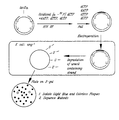
- the Figure pictorially depicts a protocol for testing mixtures containing mutagenic nucleoside analogs.
- the template is a circular M13mp2 DNA containing uracil residues annealed to a linear incomplete complementary strand lacking uracil, so as to create a 361-nt gap spanning part of the lacZ gene.
- Incorporation of oxidized dCTP derivatives was done with HIV-RT.
- the partially double-stranded DNA products were purified, synthesis was completed with the large fragment of E. coli DNA polymerase (Pol I), and the extended product was transferred into E. coli (CSH50). Mutations in lacZ were identified and sequenced.
- the present invention is based upon an unconventional and heretofore unutilized approach that takes advantage of HIV RT's ability to incorporate and extend modified nucleotides with high efficiency.
- the present invention screens for nucleoside analogs that are incorporated and extended at high efficiency by reverse transcriptase of human immunodeficiency virus (hereinafter referred to as "HIV RT"), and cause incorrect base pairing.
- HIV RT reverse transcriptase of human immunodeficiency virus
- Such analogs incorrectly base pair at a high frequency, thereby increasing the mutational rate of HIV. Mutations are induced throughout the viral genome, including at those sites that are essential for viability. Once the mutational threshold for viability is exceeded, the probability for producing viable viral progeny is progressively smaller with each round of viral replication. The end result is non-viable mutant viral genomes. Therefore, the nucleoside analogs, rather than inhibiting HIV RT or incorporating only once and terminating DNA synthesis, are extended by HIV RT but are lethally mutagenic for HIV.
- Nucleoside analogs suitable within the present invention are those that are incorporated and extended at high efficiency by HIV RT and cause incorrect base pairing.
- nucleoside analogs include analogs of nucleosides and the triphosphates thereof.
- Examples of such compounds include 8-hydroxydeoxyguanosine; O 6 -methyldeoxyguanosine; O 6 -ethyldeoxyguanosine; O 6 -isopropyldeoxyguanosine; O 6 -isobutyldeoxyguanosine; 5-hydroxymethyldeoxycytidine; O 4 -methylthymidine; O 4 -ethylthymidine; O 4 -isopropylthymidine; 3,N 4 -ethenodeoxycytidine; 3,N 2 -ethenodeoxyguanosine; 1,N 6 -ethenodeoxyadenosine; 8-aminodeoxyguanosine; 5-hydroxydeoxycytidine: and 5,6-dihydro-5,6-dihydroxydeoxycytidine.
- 8-hydroxydeoxyguanosine is prepared according to a combination of the procedures of Bodepudi et al. ( Chem. Res. Tox. 5: 608-617, 1992) and Lin et al. ( J. Med. Chem. 28 :1194-1198, 1985) using commercially available 2'-deoxyguanosine as the starting material.
- O 6 -Methyldeoxyguanosine, O 6 -ethyldeoxyguanosine and O 6 -isopropyldeoxyguanosine are prepared according to the procedure of Fathi et al. ( Tetrahedron Lett. 3 :319-322, 1990) using commercially available 2'-deoxyguanosine as the starting material.
- 5-Hydroxymethyldeoxycytidine is prepared based upon the procedure of Itahara et al. ( Chem. Lett. 1591-1594, 1991) using commercially available 5-methyl-2'-deoxycytidine as the starting material.
- O 4 -Methylthymidine, O 4 -ethylthymidine and O 4 -isopropylthymidine are prepared according to the procedure of Xu et al. ( Nucleic Acids Res. 18 :4061-4065, 1990) using commercially available thymidine as the starting material.
- 3,N4-Ethenodeoxycytidine is prepared according to the procedure of Eberle et al.
- 5-Hydroxydeoxycytidine is prepared based upon the procedure of Eaton et al. ( Biochim. Biophys. Acta 319 :281-287, 1973) using commercially available 2'-deoxycytidine as the starting material.
- 5,6-Dihydro-5,6-dihydroxydeoxycytidine is prepared based upon the procedure of Basu et al. ( Proc. Natl. Acad. Sci. USA 86: 7677-7681, 1989) using commercially available thymidine as the starting material.
- derivatives possessing the appropriate properties are also suitable within the present invention.
- examples of derivatives include the replacement of a methyl or ethyl group with a butyl group.
- O 4 -isobutylthymidine is an example of such a derivative. This compound is prepared based on the procedure of Xu et al. ( Nucleic Acids Res. 18 :4061-4065, 1990) for O 4 -methylthymidine, except replacing methanol with isobutyl alcohol.
- the phosphorylation of deoxynucleoside analogs to the level of triphosphates is carried out by a combination of enzymatic phosphorylation to the monophosphate level using the phosphoryltransferase reaction and then by chemical conversion of the monophosphates to form the 5'-triphosphates.
- Enzymatic phosphorylation is carried out using the crude wheat shoot extract as a source of phosphotransferase activity (Giziewicz and Shugar, Acta Biochim. Pol. 22 :87-98, 1975; Sugar, In Molecular Aspects of Chemotherapy, Springler-Verlag, 1991, pp. 240-270).
- Tributylammonium pyrophosphate (0.5 mmol) in 5 ml of DMF is added and the precipitated imidazolium pyrophosphate is removed by centrifugation. The supernatant is treated with an equal volume of methanol, evaporated to dryness, chromatographed on DEAE-cellulose, and eluted by a gradient of triethylammonium bicarbonate at pH 7.5. Triethylammonium bicarbonate is removed from the product of the reaction by evaporation with ethanol.
- the present invention provides methods of screening for a nucleoside analog that is incorporated and extended at high efficiency by HIV RT and causes incorrect base pairing.
- incorporation of a nucleoside analog in triphosphate form by HIV RT can be determined using native RNA templates that contain all four bases.
- the reaction mixture contains three of the complementary deoxynucleoside triphosphates, one of which is labeled with an isotope such as tritium or ⁇ - 32 P.
- the deoxynucleotide substrate that is omitted corresponds to the base that is modified in the analog. Any extensive incorporation of the labeled nucleotide depends on incorporation and extension of the analog by HIV RT.
- incorporation and extension at high efficiency by HIV RT means equal to or greater than one percent of that achieved with the natural complementary deoxynucleotide triphosphate.
- the ability of an analog to cause incorrect base pairing may be determined by testing the mutagenic potential of the analog.
- the mutagenic potential of an analog can be tested by examining the frequency and spectrum of mutations produced by the incorporation of an analog into gapped DNA. Briefly, where the gapped DNA consists of a gap that spans part of the lacZ gene in M13mp2 DNA, mutations can be identified by reduced ⁇ -complementation of ⁇ -galactosidase activity. Gapped DNA is prepared by the method of Kunkel ( Proc. Natl. Acad. Sci. USA 81 :1494-1498, 1984) as modified by Feig and Loeb ( Biochem. 32 :4466-4473, 1993).
- the template is M13mp2 containing uracil and the gap is opposite the target sequence of 361 nucleotides spanning the lacZ regulatory region and the 145 5' bases of coding sequence.
- Incorporation is carried out using HIV RT with three complementary deoxynucleoside triphosphates and the designated deoxynucleoside triphosphate analog. If necessary, further extension is carried out with E. coli DNA polymerase I and with the addition of the missing complementary deoxynucleoside triphosphate.
- the double-stranded DNA product is transfected into MC1061 cells.
- the uracil containing strand is rapidly hydrolyzed by uracil glycosylase and apurinic endonucleases and the resultant phage are made in vivo from the template strand that contains the analog.
- Mutant phage plaques are light blue or colorless after incubation with IPTG.
- the types of mutations produced can be determined by isolation of the phage DNA and sequencing the nucleotide segment that corresponds to the gap using a 15-mer oligonucleotide primer complementary to the +179 to +194 segment of the lacZ ⁇ coding sequence by the method of Sanger ( J. Mol. Biol. 125 :225-246, 1978).
- the frequency of misincorporation per nucleotide residue incorporated in the in vitro assay should be three-fold or more greater than that observed using an equal amount of the corresponding complementary deoxynucleoside triphosphate.
- the screening methods of the present invention may be used with a single analog or a mixture containing two or more analogs. Where it is desired to screen a mixture for the presence of analogs possessing the appropriate incorporation/extension and mutagenic properties, the mixture or portion thereof is typically tested for incorporation by HIV RT.
- the purification of analogs in a mixture can be monitored, for example, by measuring incorporation into gapped DNA as described above. Purification techniques are well known to those in the art and include chromatography, such as HPLC using ion exchange resins or reverse-phase columns. Once an analog is purified, it may be desirable to identify the chemical structures. An approach to the determination of a chemical structure is to use a combination of HPLC, UV spectroscopy, and mass spectrometry (e.g.
- a sample can be separated from inorganic salts (e.g. , by reverse-phase HPLC), converted to the triethylammonium salt, hydrolyzed in formic acid, converted to the trimethylsilyl derivative, and analyzed by gas chromatography/mass spectrometry using established methods (e.g., Dizdaroglu, J. Chromatogr. 295 :103-121, 1984; Gajewski et al., Biochem. 29 :7876-7882, 1990).
- the methods of the present invention may be varied to screen for analogs having properties in addition to the ability to be incorporated and extended at high efficiency by HIV RT and to cause incorrect base pairing.
- a host genome has protection from an analog by cellular compartmentalization (i.e., HIV RT transcription occurs in the host cell cytoplasm which is isolated physically from the host DNA in the nucleus and in the mitochondria) and by DNA repair systems of the host, nevertheless, it may be desired to protect additionally by selecting for analogs that are incorporated preferentially by HIV RT versus mammalian DNA polymerase.
- Incorporation of an analog by HIV RT and by mammalian DNA polymerase may be compared directly, or separately and the separate test results compared subsequently.
- a comparison of incorporation of analogs among HIV RT and DNA polymerases can be carried out using a modification of the "minus" sequencing gel assay for nucleotide incorporation.
- a 5'- 32 P-labeled primer is extended in a reaction containing three of the four deoxynucleoside triphosphates and an analog in the triphosphate form.
- the template can be either RNA or DNA. Elongation of the primer past the template nucleotide that is complementary to the nucleotide that is omitted from the reaction will depend and be proportional to the incorporation of the analog.
- the amount of incorporation of the analog is calculated as a function of the percent of oligonucleotide that is extended on the sequencing gel from one position to the next. Incorporation is determined by autoradiography followed by either densitometry or cutting out each of the bands and counting radioactivity by liquid scintillation spectroscopy.
- preferential incorporation of an analog by HIV RT relative to incorporation by mammalian DNA polymerase means greater than two-fold over that achieved with any of the mammalian DNA polymerases using either an RNA or DNA template.
- the present invention in another aspect, provides for use of suitable nucleoside analogs for the manufacture of a medicament for treating an individual infected with HIV.
- a suitable nucleoside analog is one that is incorporated and extended at high efficiency by HIV RT and causes incorrect base pairing.
- the analog may have additional properties, such as preferential incorporation by HIV RT relative to incorporation by mammalian DNA polymerase.
- the nucleoside analogs are preferably in their unphosphorylated rather than their triphosphate forms. Unphosphorylated nucleoside analogs are able to more readily cross the membrane of a cell into its cytoplasm than the corresponding triphosphate forms. Once in the cytoplasm of a cell, an unphosphorylated analog is converted to the triphosphate form by endogenous kinases. The nucleoside analog in triphosphate form is then available for incorporation and extension by HIV RT.
- An analog can be used or formulated alone or in combination with other analogs or other therapeutic agents (e.g. , chemo- or immunotherapeutic agents that work by other mechanisms).
- routes of delivery may be used. Typically, delivery will be by injection, orally or transdermally. Where another analog and/or therapeutic agent is used, delivery can be simultaneous or sequential.
- the precise optimum amount for a particular analog may vary depending upon the analog and the individual. Generally, however, a therapeutically effective amount of an analog will be from about 0.1 mg to about 1 g per kg body weight. It will be evident to those in the art how to determine the optimal effective amount for a particular analog, and that the number and frequency of delivery will be dependent upon the response of the individual.
- An analog is generally formulated in a pharmaceutically acceptable form for delivery, and it will be evident to those in the art that the form may depend on the physical-chemical properties of the analog and its route of adsorption or absorption into the bloodstream.
- Suitable carriers or diluents include physiological saline for injection.
- 8-Hydroxydeoxyguanosine (also known as 7,8-dihydro-8-oxodeoxyguanosine or 8-oxodeoxyguanosine) is synthesized according to a combination of the published procedures of Bodepudi et al. ( Chem. Res. Tox. 5: 608-617, 1992, and Lin et al. ( J. Med. Chem. 28 :1194-1198, 1985). As described by Bodepudi et al., to a cooled (0°C) solution of 2'-deoxyguanosine (5.0 g, 19.0 mmol, available from Sigma Chemical Company, St.
- DMSO dimethyl sulfoxide
- sodium benzoylate made from benzyl alcohol (75 mL) and sodium (2.14 g)
- 8-Bromodeoxyguanosine (10 g, 29 mmol) in DMSO (80 mL) is added to the resulting mixture and the reaction is heated to 65°C for 24 hours.
- the reaction mixture is neutralized with glacial acetic acid and the DMSO is removed by vacuum distillation at 65°C.
- the remaining solution is poured into ether with stirring.
- the oily residue that remains after decanting off the ether is added to acetone and the resulting white precipitate is removed by filtration.
- the slurry is filtered and the collected white solid recrystallized from methanol to give 8-(benzyloxy)-2'-deoxyguanosine.
- O 6 -Methyldeoxyguanosine, O 6 -ethyldeoxyguanosine and O 6 -isopropyldeoxyguanosine are synthesized according to the published procedure of Fathi et al. ( Tetrahedron Lett. 31 :319-322, 1990). Trifluoroacetic anhydride (2.3 mL, 16 mmol) is added to a cooled (0°C) solution of 2'-deoxyguanosine (2 mmol, available from Sigma Chemical Company) in pyridine (10 mL).
- the appropriate alkoxide (4.3 g) in 300 mL of the appropriate alcohol sodium methoxide in methanol for O 6 -methyldeoxyguanosine, sodium ethoxide in ethanol for O 6 -ethyldeoxyguanosine, sodium isopropoxide in isopropyl alcohol for O 6 -isopropyldeoxyguanosine
- the reaction mixture is stirred for 24 hours (or 60 hours for the ethyl derivative and two days for the isopropyl derivative).
- the reaction is quenched with a solution of pyridinium hydrochloride (made from 12 mL pyridine and 4 mL of hydrochloric acid) and the excess acid destroyed with sodium bicarbonate (2 g).
- the mixture is then evaporated to dryness, resuspended in water and purified on a Dynamax (Rainin Instrument Co.) reversed-phase HPLC column using a gradient of 2%-5% acetonitrile in water over 45 minutes to yield O 6 -methyldeoxyguanosine, O 6 -ethyldeoxyguanosine or O 6 -isopropyldeoxyguanosine, depending upon the particular alkoxide used above.
- 5-Hydroxymethyldeoxycytidine is synthesized according to the published procedure of Itahara et al. ( Chem. Lett. 1591-1594, 1991). To 5-methyl-2'-deoxycytidine (0.5 mmol, available from Sigma Chemical Company) in 100 mL of sodium phosphate buffer (pH 7.0) Na 2 S 2 O 8 (0.5 mmol) is added and the reaction mixture stirred at 75°C for 4 hours under argon. The reaction mixture is then concentrated and the crude 5-hydroxymethyldeoxycytidine is purified on a LiChroprep reversed-phase HPLC column by eluting with 0.05 M sodium phosphate (pH 7.0) and evaporation of the appropriate fractions.
- O 4 -Methylthymidine, O 4 -ethylthymidine and O 4 -isopropylthymidine are synthesized according to the published procedure of Xu et al. ( Nucleic Acids Res. 18 :4061-4065, 1990).
- t-Butyldimethylsilyl chloride is added to a solution of thymidine (12.1 g, 50 mmol, purchased from Sigma Chemical Company), imidazole (10.2 g, 150 mmol), and dimethylformamide (100 mL) at room temperature. After 3 hours, the solution is concentrated and the residue is dissolved in ether and washed twice with saturated aqueous sodium chloride. The organic layer is separated, dried (Na 2 SO 4 ) and evaporated to yield 3',5'-O-di-t-butyldimethylsilylthymidine.
- the product is extracted into chloroform, washed with saturated NaCl, dried over Na 2 SO 4 , and filtered. The filtrate is concentrated and the residue treated with tetrabutylammonium fluoride in tetrahydrofuran. The reaction is complete in 1 hr, and the reaction mixture is purified by column chromatography on silica gel, eluting with 2% methanol in chloroform.
- the desired product (O 4 -methylthymidine, O 4 -ethylthymidine or O 4 -isopropylthymidine, depending upon the particular alcohol reacted above) is then recrystallized from 5% methanol in ethylacetate.
- O 4 -Isobutylthymidine is synthesized in a similar manner to the published procedure of Xu et al. ( Nucleic Acids Res. 18 :4061-4065, 1990) starting from 3',5'-O- t -butyldimethylsilyl-4-(1,2,4-triazolo)thymidine as described in section D above.
- the filtrate is concentrated and the residue is treated with tetrabutylammonium fluoride in tetrahydrofuran.
- the reaction is complete in about 1 hour and, after purification by column chromatography on silica gel, yields the desired O 4 -isobutylthymidine.
- 3,N4-Ethenodeoxycytidine is synthesized according to the published procedure of Eberle et al. ( Carcinogenesis 10 :2751-2756, 1989).
- the reaction mixture is then evaporated to dryness and the resulting residue purified by reverse-phase HPLC on a Nucleosil C18 column (Altech) to yield 3,N 4 -ethenodeoxycytidine.
- 3,N 2 -Ethenodeoxyguanosine is synthesized according to the published procedure of Kusmierek et al. ( Chem. Res. Tox. 5 :634-638, 1992). To a suspension of 2'-deoxyguanosine (0.3 g, 1.5 mmol, available from Sigma Chemical Company) and potassium carbonate (0.21 g, 1.5 mmol) in 5 mL of DMF is added 0.25 mL of a 45% aqueous solution of chloroacetaldehyde.
- reaction mixture is diluted with water and purified on a Dowex 1x2 (200/400, in HCO 3 form) ion exchange column, eluting with a 2 liter linear gradient of 0-0.5 M NH 4 HCO 3 in 50% aqueous methanol. Evaporation of the appropriate fractions gives 3,N2-ethenodeoxyguanosine.
- 1,N 6 -Ethenodeoxyadenosine is available from Sigma Chemical Company.
- 8-Aminodeoxyguanosine is synthesized according to the published procedure of Long et al. ( J. Org. Chem. 32 :2751-2756, 1967).
- a saturated solution of bromine-water is added dropwise until the suspension becomes opaque and a yellow color persists.
- the precipitated 8-bromodeoxyguanosine is removed by filtration and washed with cold water followed by acetone. The solid is then recrystallized from methanol-water containing sodium bicarbonate to yield 8-bromodeoxyguanosine.
- 5-Hydroxydeoxycytidine is synthesized in a similar manner to the published procedure of Eaton et al. ( Biochim. Biophys. Acta 319 :281-287, 1973) for 5-hydroxydeoxycytidine-3',5'-diphosphate.
- Bromine is added to a cooled (0°C) solution of 2'-deoxycytidine (available from Sigma Chemical Company) in water until the yellow color persists. The excess bromine is quenched with cyclohexene and 2,4,6-collidine is added. After 2 hours, the reaction mixture is washed with ether and evaporated to dryness under vacuum.
- the crude 5-hydroxydeoxycytidine is then purified by reversed-phase HPLC on an Ultrasphere C18 column (Phenomenex) using a linear gradient of 0%-20% B in A (solvent A: 0.1 M NH 4 OAc, solvent B: 50% CH 3 CN in 0.1 M NH 4 OAc).
- the deoxynucleoside cytidine glycol is synthesized based upon the published procedure of Basu et al. ( Proc. Natl. Acad Sci. 86 :7677-7681, 1989) for the synthesis of thymidine glycol.
- thymidine available from Sigma Chemical Company
- osmium tetroxide pH 8.6
- the purification of oxidized derivatives of dCTP is monitored by measuring incorporation into gapped DNA.
- the gapped DNA consists of a single-stranded circular M13mp2 DNA containing uracil residues annealed to a linear incomplete complementary strand lacking uracil so as to create a 361-nt gap spanning part of the lacZ gene (prepared as described in Feig and Loeb, Biochemistry 32 :4466-73, 1993).
- the reaction mixture (0.02 ml) contains: 200 ng of gapped DNA, 60 mM Tris-HCl (pH 8.0), 10 mM KCl, 7 mM MgCl 2 , 1 mM dithiothreitol, 0.5 mM EDTA, 200 ⁇ M (each) dATP, dGTP and TTP, 1 ⁇ M [ ⁇ - 32 P]dCTP or modified dCTP (692 cpm/pmol), and 1.25 units of recombinant HIV-RT (Preston et al., Science 242 :l168-l171, 1988) (1 unit is the amount of enzyme required to catalyze the incorporation of 1 nmol of dNTP into DNA in 1 h at 37°C).
- the nucleotide bias in this reaction drives the incorporation of modified cytosine only at sites opposite guanosines in the lacZ ⁇ gene.
- Samples are extracted once each with phenol and chloroform/isoamyl alcohol, 24:1, followed by ethanol precipitation in the presence of 400 mM NaCl and 10 ⁇ g of glycogen (as a coprecipitant). Samples are resuspended in H 2 O, and gap-filling synthesis is completed with E.
- coli DNA polymerase I large fragment (pol-1lf) in 20 ⁇ l reactions containing the DNA from a reaction with HIV-RT, 50 mM Tris pH 7.8, 10 mM MgCl 2 , 200 ⁇ M (each) dATP, dCTP, dGTP and TTP, and 5 units of pol-1lf. Reactions are incubated at 37°C for 45 minutes and stopped by the addition of 80 ⁇ l of 25 mM EDTA and incorporation into an acid insoluble precipitate is determined (Feig and Loeb, Biochemistry 32, 4466-73, 1993).
- Oxidation of dCTP is carried out in a 200 pl reaction containing: 5.4 mM [ ⁇ - 32 P]dCTP (692 cpm/pmole dCTP), 10 mM Tris-HCl (pH 7.5), 750 ⁇ M FeSO 4 , 15 mM H 2 O 2 , and 1.5 mM ascorbic acid. Samples are incubated in 1.7 ml tubes at 37° C for 40 min.
- Reactions are stopped by the addition of 5 ⁇ l of 100 mM deferoxamine (chelating agent), and the mixture is immediately loaded onto a Beckman ODS, reverse phase HPLC column (4.6 x 250 mm), equilibrated with 50 mM triethylammonium acetate, pH 7.0. Nucleotides are eluted with 15 ml of triethylammonium acetate followed by a linear 45-ml gradient from 0%-25% acetonitrile at a constant flow rate of 1 ml/min.
- deferoxamine chelating agent
- An isocratic mobile phase of 125 mM KH 2 PO 4 /125 mM KCl pH 4.4 is run at a flow rate of 2 ml/min.
- One hundred fifty, 1-ml fractions are collected and screened for radioactivity and incorporation into gapped DNA.
- the column fractions are used in place of dCTP for DNA synthesis reactions.
- the DNA template is a double-stranded M13mp2 molecule with a 361-nt single-stranded gap spanning part of the lacZ gene for bacterial ⁇ -galactosidase.
- the uracil-containing strand is rapidly hydrolyzed upon transfection in E. coli. resulting in a 104-fold preferential expression of the strand lacking uracil and preventing the repair of altered cytidines incorporated into the strand lacking uracil.
- DNA synthesis is catalyzed by HIV RT in the presence of 200 ⁇ M dATP, dGTP and TTP and 1 ⁇ M of each fraction from the reverse-phase column.
- Partially double-stranded DNA products are purified, and gap filling synthesis is completed using the Klenow fragment of E. coli DNA polymerase I.
- Incorporation of oxidized cytosine derivatives is quantified by scintillation counting and the toxicity of the fractions is assessed by comparing the transfection efficiency of DNA synthesized by using fractions containing the altered nucleotides to that of DNA synthesized with dCTP passed through the same column.
- the mutagenicity of each fraction is measured by scoring forward mutations in the lacZ gene for ⁇ -galactosidase (Kunkel, Proc. Natl. Acad. Sci. USA 81 :1494-1498, 1984).
- Fifty nanograms of the filled-gap DNA product is mixed with 300 ⁇ l of cells and subjected to electroporation using a Bio-Rad Gene Pulser (25 mF, 400 W, 2.0 KV, and time constants between 6.0 and 7.5). Samples are placed on ice and mixed with 1 ml of LB medium.
- Mutagenic potential of ⁇ is assessed by using a forward mutation assay. To reduce the frequency of mutations arising from the incorporation of noncomplementary nucleotides by HIV-RT, this incubation is performed for only 2 min. Under these conditions, HIV-RT incorporates approximately five molecules of ⁇ or nine molecules of undamaged dCTP per molecule of template. The gapped DNA is then completely filled by pol-Ilf (the large fragment of E. coli DNA polymerase I) using the four undamaged nucleotides as substrates. The transfection efficiencies and mutation frequencies are given in Table I.
- the mutation frequency secondary to the incorporation of an average of five molecules of ⁇ per template DNA is 1200 x 10 -4 , an increase of 109-fold.
- the relatively low mutation frequency in the control reaction with only 3 nt indicates that the mutagenesis induced by ⁇ does not result from the lack of dCTP in the mixture.
- HIV-RT Cytosine substrate for HIV-RT Transfection efficiency, plaques per ng Mutation frequency - - 1040 4.6 x 10 -4 (41) + - 183 31 x 10 -4 (91) + dCTP 165 11 x 10 -4 (54) + ⁇ 73 1200 x 10 -4 (196) HIV-RT is used to incorporate dATP, dGTP, and dTTP alone, with dCTP, or with ⁇ , as shown in column 2. Transfection efficiencies and mutation efficiencies are shown in columns 3 and 4. Number of mutants isolated for each class of reactions appear in parentheses. Data is cumulative for several experiments.
- the mutation spectrum resulting from the incorporation of ⁇ into the lacZ target gene is prepared based upon the sequencing of about 200 nt within the gap in each of 92 of the 196 mutants isolated. Of the 181 observed substitutions, 178 (98.3%) occur at cytosines (opposite guanines in the template strand of the gapped DNA). This result indicates that despite the pool bias against dCTP, ⁇ nearly invariably base-pairs with guanine during DNA synthesis by HIV-RT. Of the mutations, 173 (95.6%) were C ⁇ T transitions, showing the strong specificity of mutations caused by ⁇ .
- ⁇ is determined to be 5-hydroxy-2'-deoxycytidine 5'-triphosphate by a combination of HPLC, UV spectroscopy, and mass spectrometry.
- ⁇ is enzymatically dephosphorylated to the deoxynucleoside and analyzed by HPLC. Both the UV spectra (absorbance maximum of 292 nm) and the chromatographic retention time of the deoxynucleoside derived from ⁇ are identical with an authentic sample of 5-hydroxy-2'-deoxycytidine.
- a fraction of ⁇ is then separated from inorganic salts by reverse-phase HPLC, converted to the triethylammonium salt, hydrolyzed in formic acid, converted to the trimethylsilyl (TMS derivative), and analyzed by gas chromatography/MS using established methods (Dizdaroglu, J. Chromatogr. 295 :103-121, 1984; Gajewski et al., Biochemistry 29:7876-7882, 1990). Both the chromatographic retention time and the mass spectrum of the ⁇ derivative are consistent with the TMS derivative of 5-hydroxycytosine.
- the predominant ions in the mass spectrum of the TMS derivative of 5-hydroxycytosine derived from ⁇ are m/z 343 (parent ion), m/z 342 [M-H] + and m/z 328 [M-CH 3 ] + , consistent with published data.
- the UV spectrum of ⁇ clearly shows that the base moiety was 5-hydroxycytosine and not cytosine glycol prior to acid hydrolysis.
- Incorporation of nucleoside triphosphates by HIV RT or any reverse transcriptase is usually determined by measuring the initial rate of incorporation of a labeled deoxyribonucleoside triphosphate into an acid insoluble product with a polyribonucleotide template (Hahn et al., Science 232 L:1548. 1986).
- An example of such as assay is the use of poly rC oligo dG as a template and [ ⁇ - 32 P]dGTP as the radiolabeled substrate.
- RNA templates that contain all four bases are used. Firstly, these templates mimic the template used by the HIV RT in vivo for first strand cDNA synthesis. Secondly, polyribonucleotides that contain only one or two nucleotide species would be inadequate for chain extension assays since HIV RT slips during catalysis extensively with repetitive sequences (Roberts et al., Molec. Cell Biol. 9 :469, 1989). Lastly, with homopolymers, one requires a different homopolymer to test each species of nucleotide analogs.
- the reaction mixture contains three of the complementary deoxynucleoside triphosphates, one of which is labeled with an isotope such as tritium or ⁇ - 32 P.
- the deoxynucleotide substrate that is omitted corresponds to the base that is modified in the analog. Any extensive incorporation of the labeled nucleotide depends on incorporation and extension of the nucleoside analog in triphosphate form by HIV RT.
- the reaction lacks dGTP; with 5-OH-dCTP, the omitted nucleotide is dCTP.
- a typical reaction mixture contains, in a total volume of 50 mL, the following: 60mM Tris-HCl (pH 8.2), 1.0 mM dithiotreitol, 7 mM MgCl 2 , 0.5 mM EDTA, 10 mM KCl, 50 ⁇ M of dCTP, dATP, 5.0 ⁇ M [ ⁇ - 32 P]dTTP (Specific radioactivity, 1000 to 10,000 cpm/pmol), an analog of dGTP, 20 units of HIV RT and 5 ⁇ g of a primed RNA template. Incubation is for 30 minutes at 37°C.
- nucleoside analog in triphosphate form is directly compared to that of the corresponding native deoxynucleoside triphosphate as a function of substrate concentration. Incorporation of the analog is expressed as a percent of incorporation of the complementary deoxynucleotide.
- RNA templates Two different primed RNA templates are used in both the incorporation studies and in the analysis of the product by electrophoresis in polyacrylamide gels.
- the first contains an RNA that is complementary to a portion of the lacZ ⁇ gene.
- the types and the frequencies of the nucleotide substitutions (mutations) that are produced as a result of copying by HIV RT are measured using the principle of alpha complementation (Kunkel, J. Biol. Chem. 260 :5787, 1985).
- the RNA is transcribed by T3 RNA polymerase in vitro using the pBluescript SK+ plasmid (Stratagene) as previously described (Ji and Loeb. Biochem. 31 :954, 1992).
- the transcription reaction in a volume of 50 ⁇ L contains: 40 mM Tris-HCl (pH 7.5), 6 mM MgCl 2 , 2 mM spermidine, 10 mM NaCl, 10 mM dithiothreitol, 500 ⁇ M each of the four rNTPs, 3 ug of linearized pBluescript plasmid DNA, 30 units of T3 RNA polymerase and 2 units of RNasin. After incubation for 60 minutes at 37°C, the reaction product is digested with RNase-free DNAase and incubated for 60 min. The RNA is purified by extraction with phenol/chloroform and precipitated with ethanol.
- the primed RNA template is assembled by annealing a labeled primer consisting of the sequence (TTC GCT ATT ACG CCA GCT) as described (Williams et al., J. Biol. Chem. 265 :18682, 1990).
- RNA template contains the nucleotide sequence complementary to regions 317-533 numbered from the envelope transcriptional initiation site.
- the template is constructed by PCR amplification of a pBluescript KS + -derived plasmid pME235 (Ji and Loeb, Virology 199 :323, 1994) using oligodeoxynucleotides that are complementary to the envelop sequences 317-339 and 513-533 and each of which contains a T7 RNA polymerase binding sequence and the preferred transcription initiation site at the 5' terminus.
- oligonucleotides are as follows: Oligo I (ATT TTA ATA CGA CTC ACT ATA GGG ATA TAA TCA GTT TAT GGG ATC) and Oligo II (AAT TTA ATA CGA CTC ACT ATA GGG ATA TTC TTT CTG CAC CTT ACC).
- Oligo I ATT TTA ATA CGA CTC ACT ATA GGG ATA TAA TCA GTT TAT GGG ATC
- Oligo II AAT TTA ATA CGA CTC ACT ATA GGG ATA TTC TTT CTG CAC CTT ACC.
- the procedure for PCR amplification is well known to those skilled in the art (e.g. , Sambrook et al., Molecular Cloning: A Laboratory Manual, 2 ed., Cold Spring Harbor Laboratory Press, 1989).
- the RNA envelop gene fragment for studies on incorporation of deoxynucleoside triphosphate analogs is synthesized using T7 RNA polymerase as detailed by
- DNA polymerases ⁇ , ⁇ , ⁇ , ⁇ , ⁇ based on their amino acid sequences, intracellular localization and presumed role in cellular DNA metabolism (Fry and Loeb, CRC Press, 1986).
- the ability of a human DNA polymerase to incorporate a deoxynucleoside triphosphates analogs is determined using a DNA template that corresponds to the sequence of the RNA template used to analyze incorporation by HIV RT.
- a direct comparison is made on the incorporation of nucleoside analogs in the triphosphate form using a human DNA polymerase with that of HIV RT.
- RNA-DNA hybrid It may be desirable to analyze DNA repair of nucleoside analogs following their insertion into the DNA strand of an RNA-DNA hybrid.
- This product arises from first strand synthesis by HIV RT.
- This hybrid is in the cytoplasm of infected cells and thus should not be available for repair by cellular glycosylases and nucleases.
- oligonucleotides containing radiolabeled analogs at specified positions are synthesized based upon the protocols described herein.
- An oligoribonucleotide of 30 nucleotides in length is hybridized to a oligodeoxyribonucleotide primer of 15 nucleotides in length that is complementary to the first 15 nucleotides at the 3' template terminus. This leaves a stretch of 15 unpaired nucleotides that can be copied by a DNA polymerase or a viral reverse transcriptase.
- the primer is extended by a single addition step by incorporating a labeled deoxyribonucleoside triphosphate analog that is complementary to the first nucleotide downstream from the 3'-primer terminus (Zakour et al., Nucleic Acid Res. 12 :6615, 1984).
- the extended primer is incubated with RNase and then purified by polyacrylamide gel electrophoresis and separated by salt extraction. Thereafter, the one nucleotide elongated primer is rehybridized to a fresh aliquot of the original oligoribonucleotide template and elongated by synthesis with HIV RT in the presence of all the complementary nucleoside triphosphates.
- the product of the reaction is purified by extraction with phenol/chloroform and precipitated with ethanol.
- RNA-DNA hydrid containing the nucleotide analog
- cytosolic extracts obtained from human peripheral blood lymphocytes that were cultured in the presence of phytohemaglutinin for 3 days.
- the rate of removal of the analog is quantified by the amount of radioactivity rendered acid-soluble as a function of time of incubation.
- Control templates consist of a labeled non-adducted nucleotide at the same position. The same assay can be used for the analysis of removal of the adduct in different types of cells harboring HIV.
- a detailed comparison of incorporation of the nucleotide analogs among purified DNA polymerases and reverse transcriptases is carried out using a modification of the "minus" sequencing gel assay for nucleotide incorporation.
- a two fold molar excess of an oligodeoxyribonucleotide (20 mer) labeled with 32 P at the 3' terminus is hybridized to either an RNA or DNA oligonucleotide that contains the nucleotide sequence of a region of the HIV envelope gene (env-1). The synthesis of these oligonucleotide templates is detailed above.
- the resultant 5'- 32 P-labeled primer is extended in a reaction containing three of the four deoxynucleoside triphosphates and the nucleoside triphosphate analog to be studied.
- the enzymes used for extension include each of the known eukaryotic DNA polymerases, reverse transcriptases from different RNA tumor viruses and HIV RT. HIV RT is purified as previously described (Preston et al., Science 242 :1168, 1988; Ji and Loeb, Biochem. 31 :954, 1992). In this assay, elongation of the primer past the template nucleotide that is complementary to the nucleotide that is omitted from the reaction will depend upon and be proportional to the incorporation of the nucleoside triphosphate analog.
- the oligonucleotide template primer complex is incubated with HIV RT at 30°C for 30 minutes a total volume of 10 ⁇ L containing 20 mM Tris-HCl (pH, 8), 25 mM KCl, 6 mM MgCl 2 , 2 mM dithiothreitol, 0.1 mg/ml BSA, 50 ⁇ M dATP, dGTP, dATP, and 5-OH-dCTP and 1.0 units of HIV RT.
- the product of the reaction is isolated by chromatography of Sephadex G-100 (Pharmacia) and analyzed by electrophoresis through 15% polyacrylamide sequencing gels (Preston et al., J. Biol. Chem.
- the amount of incorporation of the nucleotide analog is calculated as a function of the percent of oligonucleotide that is extended on the sequencing gel from one position to that of the next. Incorporation is determined by autoradiography followed by either densitometry or cutting out each of the bands and counting radioactivity by liquid scintillation spectroscopy. This method provides a direct comparison of both incorporation and extension by different DNA polymerase and reverse transcriptases.
- This invention provides compositions and methods for introducing mutations in HIV to a level that exceeds the capacity of the virus to propagate.
- nucleoside analogs that exhibit antiviral activity by the ability of the analogs to reverse the cytopathic effects of HIV infection (Pau Stamm et al., J. Virol. Methods 20 :309, 1988; Baba et al., Proc. Natl. Acad. Sci. USA 88 :2356, 1991; Busso et al., AIDS Res. Human Retroviruses, 4 :449, 1988).
- This invention treats infected individuals with nucleoside analogs that cause the progressive accumulation of errors in the viral genome.
- the rate of production of infectious virus particles is analyzed as a function of serial passage in infected cells in the presence of the nucleoside analogs.
- the analogs analyzed correspond to the nucleoside triphosphates tested in the analysis of incorporation, chain extension, DNA repair and mutagenicity.
- the rate of replication of viable HIV is determined in cultures of human peripheral blood lymphocytes.
- Human peripheral blood lymphocytes are obtained from normal donors and separated by Ficoll gradient fractionation.
- the purified cells are suspended in RPMI 1640 medium containing 20% fetal calf serum, antibiotics (Loeb et al., Proc. Natl. Acad. Sci. USA 61 :827, 1968) and interleukin 2 (Baba, Proc. Natl. Acad Sci. USA 88 :2356, 1991) and then induced to replication by stimulation with phytohemaglutinin.
- an inoculum of HIV corresponding to 1 ng of p24 is added to 10 6 HPBL in 1.0 ml of culture (Romero et al., Proc. Natl. Acad. Sci. USA 88 :8806, 1991).
- the level of HIV replication is determined after 4 days in culture by analyzing the supernatant using a quantitative ELISA assay (antibody is available from National Institutes of Health, Rockville, MD) of the capsid antigen, p24 (McQuade et al., Science 247 :454, 1990) or by measuring reverse transcriptase activity (Battula et al, J. Biol. Chem.
- Virus yield and infectivity is expressed as a percentage of the control to that obtained by the addition of the nucleoside analog.
- An alternative system is to propagate HIV in MT-4 cells (Harada et al., Science 229 :563, 1985).
- virus production is determined in the supernatant by precipitation of the virus with polyethylene glycol (10%) and NaCl (0.1M) (Lardner et al., Science 243 :1731, 1989).
- the viral pellets are solubilized in buffer containing 0.5% Triton X-100, 0.5 mM KCl, 50 mM Tris-HCl (pH 7.5), 1 mM phenylmethylsulfonyl fluoride and 5 mM ⁇ -mercaptoethanol.
- the amount of virus is quantitated by the amount of HIV RT activity using poly rC ⁇ oligo dG as a template-primer.
- the production of infective virions in the supernatant is monitored by incubation of the supernate with DEAE-dextran-treated target MT-2 for 1 hour at 37°C in 96-well microtiter plates and monitoring each well for the formation of giant syncytia (Busso et al., AIDS Res. & Human Retroviruses 4 :449, 1988).
- nucleoside analogs are chosen for the treatment of HIV infection based on there capacity to induce random mutations throughout the viral genome.
- the rate and types of mutations that are introduced are determined by sequencing portions of the HIV genome. Since the mutations are introduced randomly, it is first necessary to amplify and clone individual HIV RNA molecules prior to sequencing. HIV RNA is isolated from infected cells after serial passages which diminish the production of the virus as a function of the presence of the nucleoside analog. Isolated HIV RNA is then amplified using the polymerase chain reaction. In order to minimize the accumulation of errors by PCR, portions of the viral RNA are copied by murine leukemia virus reverse transcriptase and then the cDNA copy is amplified by T7 DNA polymerase.
- Fresh T7 DNA polymerase is added after each amplification step since the enzyme is not heat stable and is denatured by heating to 95°C in the PCR reaction.
- a minimum of ten clones each containing either a region of the envelope gene or the reverse transcriptase gene are sequenced.
- the frequency of nucleotide substitutions within each of the gene segments is determined as a function of the number of nucleotides sequenced.
- a comparison of the loss of HIV infectivity to the number of accumulated mutations is used to assess the potency of each of the nucleoside analogs.
Landscapes
- Health & Medical Sciences (AREA)
- Life Sciences & Earth Sciences (AREA)
- Chemical & Material Sciences (AREA)
- Organic Chemistry (AREA)
- General Health & Medical Sciences (AREA)
- Molecular Biology (AREA)
- Engineering & Computer Science (AREA)
- Virology (AREA)
- Genetics & Genomics (AREA)
- Zoology (AREA)
- Wood Science & Technology (AREA)
- Proteomics, Peptides & Aminoacids (AREA)
- Veterinary Medicine (AREA)
- Immunology (AREA)
- Biotechnology (AREA)
- Public Health (AREA)
- Animal Behavior & Ethology (AREA)
- Biochemistry (AREA)
- Pharmacology & Pharmacy (AREA)
- Medicinal Chemistry (AREA)
- Bioinformatics & Cheminformatics (AREA)
- General Engineering & Computer Science (AREA)
- Physics & Mathematics (AREA)
- Microbiology (AREA)
- Epidemiology (AREA)
- Analytical Chemistry (AREA)
- Biophysics (AREA)
- AIDS & HIV (AREA)
- Nuclear Medicine, Radiotherapy & Molecular Imaging (AREA)
- General Chemical & Material Sciences (AREA)
- Chemical Kinetics & Catalysis (AREA)
- Tropical Medicine & Parasitology (AREA)
- Communicable Diseases (AREA)
- Oncology (AREA)
- Measuring Or Testing Involving Enzymes Or Micro-Organisms (AREA)
- Pharmaceuticals Containing Other Organic And Inorganic Compounds (AREA)
- Saccharide Compounds (AREA)
- Medicines That Contain Protein Lipid Enzymes And Other Medicines (AREA)
- Investigating Or Analysing Biological Materials (AREA)
Applications Claiming Priority (3)
| Application Number | Priority Date | Filing Date | Title |
|---|---|---|---|
| US268686 | 1994-06-29 | ||
| US08/268,686 US5512431A (en) | 1994-06-29 | 1994-06-29 | Methods of screening for nucleoside analogs that are incorporated by HIV reverse transcriptase and cause incorrect base pairing |
| EP95925292A EP0767842B1 (de) | 1994-06-29 | 1995-06-22 | Verfahren zum aufspüren von nukleosidanalogen, die durch die reverse transcriptase aus hiv eingebaut werden und falsche basenpaarung verursachen |
Related Parent Applications (1)
| Application Number | Title | Priority Date | Filing Date |
|---|---|---|---|
| EP95925292A Division EP0767842B1 (de) | 1994-06-29 | 1995-06-22 | Verfahren zum aufspüren von nukleosidanalogen, die durch die reverse transcriptase aus hiv eingebaut werden und falsche basenpaarung verursachen |
Publications (2)
| Publication Number | Publication Date |
|---|---|
| EP1004675A2 true EP1004675A2 (de) | 2000-05-31 |
| EP1004675A3 EP1004675A3 (de) | 2000-09-20 |
Family
ID=23024043
Family Applications (2)
| Application Number | Title | Priority Date | Filing Date |
|---|---|---|---|
| EP95925292A Expired - Lifetime EP0767842B1 (de) | 1994-06-29 | 1995-06-22 | Verfahren zum aufspüren von nukleosidanalogen, die durch die reverse transcriptase aus hiv eingebaut werden und falsche basenpaarung verursachen |
| EP00101250A Withdrawn EP1004675A3 (de) | 1994-06-29 | 1995-06-22 | Verfahren zum Auspüren von Nukleosidanalogen, die durch die Reverse Transcriptase aus HIV eingebaut werden und falsche Basenpaarung verursachen |
Family Applications Before (1)
| Application Number | Title | Priority Date | Filing Date |
|---|---|---|---|
| EP95925292A Expired - Lifetime EP0767842B1 (de) | 1994-06-29 | 1995-06-22 | Verfahren zum aufspüren von nukleosidanalogen, die durch die reverse transcriptase aus hiv eingebaut werden und falsche basenpaarung verursachen |
Country Status (8)
| Country | Link |
|---|---|
| US (2) | US5512431A (de) |
| EP (2) | EP0767842B1 (de) |
| JP (3) | JP4231550B2 (de) |
| AT (1) | ATE196658T1 (de) |
| AU (1) | AU706223B2 (de) |
| CA (1) | CA2194153C (de) |
| DE (1) | DE69518984T2 (de) |
| WO (1) | WO1996000797A1 (de) |
Families Citing this family (9)
| Publication number | Priority date | Publication date | Assignee | Title |
|---|---|---|---|---|
| CA2269213A1 (en) * | 1996-10-28 | 1998-05-07 | The University Of Washington | Induction of viral mutation by incorporation of miscoding ribonucleoside analogs into viral rna |
| US6887707B2 (en) * | 1996-10-28 | 2005-05-03 | University Of Washington | Induction of viral mutation by incorporation of miscoding ribonucleoside analogs into viral RNA |
| US6712453B2 (en) * | 1997-07-15 | 2004-03-30 | Silverbrook Research Pty Ltd. | Ink jet nozzle rim |
| US6589737B1 (en) * | 1999-05-21 | 2003-07-08 | Invitrogen Corporation | Compositions and methods for labeling of nucleic acid molecules |
| US20020061896A1 (en) * | 1999-12-30 | 2002-05-23 | Arshad Siddiqul | Imidazopyrimidine nucleoside analogues with anti-HIV activity |
| US7601489B2 (en) * | 2002-03-12 | 2009-10-13 | The Johns Hopkins University | Manganese ion regulation of reverse transcriptase activity and methods of modulating same |
| US20070042352A1 (en) * | 2003-08-18 | 2007-02-22 | Dawn Patricia Wooley | Retroviral vector and cell-based assay for measuring the mutations rate of retroviruses employing same |
| WO2014116755A1 (en) * | 2013-01-22 | 2014-07-31 | Massachusetts Institute Of Technology | Uses of dihydro bases |
| US10550419B2 (en) | 2013-03-13 | 2020-02-04 | Heidi Kay | Utilities of stimulated whole blood culture systems |
Family Cites Families (5)
| Publication number | Priority date | Publication date | Assignee | Title |
|---|---|---|---|---|
| US4072574A (en) * | 1976-07-30 | 1978-02-07 | The Institute For Cancer Research | System for in vitro assay for mutagenicity and/or carcinogenicity of chemicals or other exogenous agents |
| US5650510A (en) * | 1986-11-18 | 1997-07-22 | Institute Of Organic Chemistry And Biochemistry Of The Academy Of Sciences Of The Czech Republic | Antiviral phosphonomethoxyalkylene purine and pyrimidine derivatives |
| US5571666A (en) * | 1988-10-28 | 1996-11-05 | Oklahoma Medical Research Foundation | Thiazine dyes used to inactivate HIV in biological fluids |
| US5192764A (en) * | 1991-05-30 | 1993-03-09 | Research Foundation Of State Of N.Y. | Pyrazinone n-oxide nucleosides and analogs thereof |
| US5627160A (en) * | 1993-05-25 | 1997-05-06 | Yale University | L-2',3'-dideoxy nucleoside analogs as anti-hepatitis B (HBV) and anti-HIV agents |
-
1994
- 1994-06-29 US US08/268,686 patent/US5512431A/en not_active Expired - Lifetime
-
1995
- 1995-06-22 EP EP95925292A patent/EP0767842B1/de not_active Expired - Lifetime
- 1995-06-22 AT AT95925292T patent/ATE196658T1/de not_active IP Right Cessation
- 1995-06-22 CA CA002194153A patent/CA2194153C/en not_active Expired - Fee Related
- 1995-06-22 EP EP00101250A patent/EP1004675A3/de not_active Withdrawn
- 1995-06-22 DE DE69518984T patent/DE69518984T2/de not_active Expired - Lifetime
- 1995-06-22 AU AU29475/95A patent/AU706223B2/en not_active Ceased
- 1995-06-22 JP JP50332096A patent/JP4231550B2/ja not_active Expired - Fee Related
- 1995-06-22 WO PCT/US1995/007937 patent/WO1996000797A1/en not_active Ceased
-
1997
- 1997-06-16 US US08/876,715 patent/US6132776A/en not_active Expired - Fee Related
-
2006
- 2006-01-31 JP JP2006023493A patent/JP2006176534A/ja not_active Withdrawn
-
2009
- 2009-12-11 JP JP2009282260A patent/JP2010068809A/ja active Pending
Also Published As
| Publication number | Publication date |
|---|---|
| US5512431A (en) | 1996-04-30 |
| EP1004675A3 (de) | 2000-09-20 |
| DE69518984D1 (de) | 2000-11-02 |
| ATE196658T1 (de) | 2000-10-15 |
| US6132776A (en) | 2000-10-17 |
| CA2194153A1 (en) | 1996-01-11 |
| JP2010068809A (ja) | 2010-04-02 |
| AU706223B2 (en) | 1999-06-10 |
| DE69518984T2 (de) | 2001-03-15 |
| JP4231550B2 (ja) | 2009-03-04 |
| WO1996000797A1 (en) | 1996-01-11 |
| AU2947595A (en) | 1996-01-25 |
| EP0767842B1 (de) | 2000-09-27 |
| JPH10508183A (ja) | 1998-08-18 |
| JP2006176534A (ja) | 2006-07-06 |
| CA2194153C (en) | 2003-03-18 |
| EP0767842A1 (de) | 1997-04-16 |
Similar Documents
| Publication | Publication Date | Title |
|---|---|---|
| JP2010068809A (ja) | Hiv逆転写酵素により取り込まれ、そして不正確な塩基対合を引き起こすヌクレオシドアナログについてスクリーニングする方法 | |
| Gao et al. | In vitro selection of variants of human immunodeficiency virus type 1 resistant to 3'-azido-3'-deoxythymidine and 2', 3'-dideoxyinosine | |
| Balzarini et al. | The anti-HTLV-III (anti-HIV) and cytotoxic activity of 2', 3'-didehydro-2', 3'-dideoxyribonucleosides: a comparison with their parental 2', 3'-dideoxyribonucleosides. | |
| US5550111A (en) | Dual action 2',5'-oligoadenylate antiviral derivatives and uses thereof | |
| EP0196185B1 (de) | Antivirale Nukleoside | |
| US5246924A (en) | Method for treating hepatitis B virus infections using 1-(2'-deoxy-2'-fluoro-beta-D-arabinofuranosyl)-5-ethyluracil | |
| White et al. | A TIBO derivative, R82913, is a potent inhibitor of HIV-1 reverse transcriptase with heteropolymer templates | |
| AU598575B2 (en) | Retrovirus treatments | |
| AU623341B2 (en) | Antiviral therapy for hepatitis b | |
| Nagahata et al. | Effect of oxetanocin G, a novel nucleoside analog, on DNA synthesis by hepatitis B virus virions | |
| EP1159005B1 (de) | Pharmazeutische kombination von antiviralen wirkstoffen | |
| US5759768A (en) | Assays for factors affecting circularization of DNA, assays for factors affecting DNA integration, factors, and uses thereof | |
| JPH03504970A (ja) | 2′,5′―オリゴアデニレート誘導体の治療的使用 | |
| KR970011386B1 (ko) | 1-(2'-데옥시-2'-플루오로-베타-d-아리비노-푸라노실)-5-에틸우라실을 이용한 간염 비루스 감염질환의 치료방법 및 치료용 조성물 | |
| AU664883B2 (en) | Dual action 2',5'-oligoadenylate antiviral derivatives and uses thereof | |
| Meisel et al. | Inhibition of hepatitis B virus DNA polymerase by 3′‐fluorothymidine triphosphate and other modified nucleoside triphosphate analogs | |
| Stein et al. | Sequence analysis of proviral HIV RT amplified directly by a semi‐quantitative technique from AZT treated patients | |
| Bebenek et al. | Effects of 3'-azido-3'-deoxythymidine metabolites on simian virus 40 origin-dependent replication and heteroduplex repair in HeLa cell extracts. | |
| Villalba et al. | Multiple drug resistance genotype causing failure of antiretroviral treatment in an HIV-infected patient heavily exposed to nucleoside analogues | |
| WO1997044492A1 (en) | Treatment of hiv infection by interfering with host topoisomerase interaction with hiv gag and rt | |
| HU197209B (en) | Process for producing pharmaceutical compositions containing 3'-azido-3'-deoxytimidine of antiviral activity againt human retrovirus | |
| IL85096A (en) | Use of 3'-azido-3'- deoxythymidine in the treatment of prophylaxis of human retrovirus infection | |
| IE56505B1 (en) | Antiviral nucleosides | |
| SA93130529B1 (ar) | علاج مضاد لفيروس التهاب الكبد ب Hepatits B virus بمركبات بيورين 3.2 ثنائي دي اكسي نكلوسيدات |
Legal Events
| Date | Code | Title | Description |
|---|---|---|---|
| PUAI | Public reference made under article 153(3) epc to a published international application that has entered the european phase |
Free format text: ORIGINAL CODE: 0009012 |
|
| 17P | Request for examination filed |
Effective date: 20000125 |
|
| AC | Divisional application: reference to earlier application |
Ref document number: 767842 Country of ref document: EP |
|
| AK | Designated contracting states |
Kind code of ref document: A2 Designated state(s): AT BE CH DE DK ES FR GB GR IE IT LI LU MC NL PT SE |
|
| RIN1 | Information on inventor provided before grant (corrected) |
Inventor name: LOEB, LAWRENCE A. Inventor name: ESSIGMANN, JOHN M. |
|
| PUAL | Search report despatched |
Free format text: ORIGINAL CODE: 0009013 |
|
| AK | Designated contracting states |
Kind code of ref document: A3 Designated state(s): AT BE CH DE DK ES FR GB GR IE IT LI LU MC NL PT SE |
|
| AKX | Designation fees paid |
Free format text: AT BE CH DE DK ES FR GB GR IE IT LI LU MC NL PT SE |
|
| 17Q | First examination report despatched |
Effective date: 20040923 |
|
| STAA | Information on the status of an ep patent application or granted ep patent |
Free format text: STATUS: THE APPLICATION IS DEEMED TO BE WITHDRAWN |
|
| 18D | Application deemed to be withdrawn |
Effective date: 20050405 |