EP1001645A2 - Verfahren, Telekommunikationsendgerät und Telekommunikationszentrale zur bidirektionalen Übertragung von Daten auf einer Übertragungsstrecke - Google Patents
Verfahren, Telekommunikationsendgerät und Telekommunikationszentrale zur bidirektionalen Übertragung von Daten auf einer Übertragungsstrecke Download PDFInfo
- Publication number
- EP1001645A2 EP1001645A2 EP99121723A EP99121723A EP1001645A2 EP 1001645 A2 EP1001645 A2 EP 1001645A2 EP 99121723 A EP99121723 A EP 99121723A EP 99121723 A EP99121723 A EP 99121723A EP 1001645 A2 EP1001645 A2 EP 1001645A2
- Authority
- EP
- European Patent Office
- Prior art keywords
- data
- telecommunication
- terminal
- processing system
- data processing
- Prior art date
- Legal status (The legal status is an assumption and is not a legal conclusion. Google has not performed a legal analysis and makes no representation as to the accuracy of the status listed.)
- Ceased
Links
Images

Classifications
-
- H—ELECTRICITY
- H04—ELECTRIC COMMUNICATION TECHNIQUE
- H04Q—SELECTING
- H04Q11/00—Selecting arrangements for multiplex systems
- H04Q11/04—Selecting arrangements for multiplex systems for time-division multiplexing
- H04Q11/0428—Integrated services digital network, i.e. systems for transmission of different types of digitised signals, e.g. speech, data, telecentral, television signals
- H04Q11/0435—Details
- H04Q11/0457—Connection protocols
-
- H—ELECTRICITY
- H04—ELECTRIC COMMUNICATION TECHNIQUE
- H04Q—SELECTING
- H04Q2213/00—Indexing scheme relating to selecting arrangements in general and for multiplex systems
- H04Q2213/13107—Control equipment for a part of the connection, distributed control, co-processing
-
- H—ELECTRICITY
- H04—ELECTRIC COMMUNICATION TECHNIQUE
- H04Q—SELECTING
- H04Q2213/00—Indexing scheme relating to selecting arrangements in general and for multiplex systems
- H04Q2213/13174—Data transmission, file transfer
-
- H—ELECTRICITY
- H04—ELECTRIC COMMUNICATION TECHNIQUE
- H04Q—SELECTING
- H04Q2213/00—Indexing scheme relating to selecting arrangements in general and for multiplex systems
- H04Q2213/13176—Common channel signaling, CCS7
-
- H—ELECTRICITY
- H04—ELECTRIC COMMUNICATION TECHNIQUE
- H04Q—SELECTING
- H04Q2213/00—Indexing scheme relating to selecting arrangements in general and for multiplex systems
- H04Q2213/13204—Protocols
-
- H—ELECTRICITY
- H04—ELECTRIC COMMUNICATION TECHNIQUE
- H04Q—SELECTING
- H04Q2213/00—Indexing scheme relating to selecting arrangements in general and for multiplex systems
- H04Q2213/13209—ISDN
-
- H—ELECTRICITY
- H04—ELECTRIC COMMUNICATION TECHNIQUE
- H04Q—SELECTING
- H04Q2213/00—Indexing scheme relating to selecting arrangements in general and for multiplex systems
- H04Q2213/13407—Detection of data transmission mode
Definitions
- the invention is based on a method for bidirectional transmission, from one Telecommunication terminal and from one Telecommunications center according to the genus of independent claims
- pages 13ff is a Telecommunications system known to build a User channel connection via a B channel ISDN interface (interface according to the integratedservices-digital-network standard) between one Telecommunications terminal and a data processing system allowed. If there is a connection between the Telecommunication terminal and the data processing system the D channel becomes one ISDN connection as signaling channel to Establishing a connection and the B channel for transmission for example, user data between the two devices used.
- B channel ISDN interface interface according to the integratedservices-digital-network standard
- the method according to the invention, the telecommunication terminal according to the invention and the telecommunication center according to the invention with the features of the independent claims have the advantage that a transparent end-to-end connection for data transmission between the telecommunication terminal and the data processing system using only a signaling channel between the telecommunication terminal and the Telecommunications center is made possible, so that the transmission of data between the telecommunications terminal and the data processing system can be operated without occupying a user channel between the telecommunications terminal and the telecommunications center.
- the available user channels are thus freely available for services provided on the telecommunication interface of the telecommunication terminal, in particular voice connections to subscribers in a telecommunication network, and this independently of the data exchange possibly occurring simultaneously between the telecommunication terminal and the data processing system.
- the operation of an application via such a transparent connection between the telecommunication terminal and the data processing system is thus possible without occupying useful channel resources of the telecommunication interface of the telecommunication terminal or the telecommunication interface of the telecommunication center.
- This is for example application-specific data in a memory in the Data processing system can be stored and used or Applications for programming a telecommunication terminal central for several telecommunication terminals feasible.
- the telecommunications center between the telecommunication terminal and the Data processing system exchanged data like this treated that for the direction of transmission from Telecommunication terminal for data processing system and / or for the direction of transmission from Data processing system for telecommunication terminal only a format conversion of the data is carried out is, so that from the telecommunications center none Mediation tasks must be taken over, which a transparent connection for the transmission of data between the telecommunication terminal and the Data processing system for operating an application is made possible.
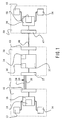
- the first telecommunication terminal 10 comprises at least a first input device 13 and at least a first output device 14, each of which is connected to a first control device 16, the first control device 16 comprising a first memory 18 and being connected to a first telecommunication interface 23.
- the first telecommunication connection 20 between the first telecommunication interface 23 and a second telecommunication interface 27 comprises at least a first signaling channel 24, for example a D channel according to the ISDN standard, and at least a first user channel 26, in particular a B channel according to the ISDN standard.
- the telecommunications center 30 comprises, on the one hand, the second telecommunications interface 27 and a first data interface 43 and, on the other hand, a second control device 32 which is connected to the second telecommunications interface 27 and the first data interface 43.
- the second control device 32 comprises an interface unit 34 and a switching unit 36.
- the first data processing system 50 comprises on the one hand a second data interface 47 and on the other hand a second input device 53 and a second output device 54, each of which is connected to a third control device 56, the third Control device 56 comprises a second memory 58 and is connected to second data interface 47.
- the first data interface 43 is connected to the second data interface 47 via the first data connection 40.
- FIG. 2 shows a block diagram of a telecommunication system which can be operated with a plurality of telecommunication terminals 10, 11, 12 and at least the first data processing system 50.
- further data processing systems for example a second data processing system 51 and a third data processing system 52, can optionally be connected to the telecommunications center 30.
- the second data processing system 51 is connected to the first data interface 43 of the telecommunications center 30 via a second data connection 41 and the third data processing system 52 via a third data connection 42.
- a multiplicity of telecommunication terminals 10, 11, 12 can be connected to the telecommunication center 30 via telecommunication connections 20, 21, 22. As a representative of this, in FIG.
- a second telecommunication terminal 11 is connected to the telecommunication center 30 via a second telecommunication connection 21 and a third telecommunication terminal 12 via a third telecommunication connection 22.
- the second telecommunication connection 21 comprises at least a second signaling channel, in particular a D channel of an ISDN connection, and at least a second user channel, in particular a B channel of an ISDN connection
- the third communication connection 22 comprises at least a third signaling channel, in particular a D. Channel of an ISDN connection, and at least one third user channel, in particular a B channel of an ISDN connection.
- the second telecommunication connection 21 and the third telecommunication connection 22 can connect the second telecommunication terminal 11 and the third communication terminal 12 to the telecommunication center 30 via a telecommunication network, the second telecommunication connection 21 and the third communication connection 22 connecting the intermediary devices of the telecommunication network, in particular switching centers and private branch exchanges , comprise or, on the other hand, be connected directly to the telecommunication center 30 analogously to the first telecommunication connection 20.
- the first telecommunication connection 20 is also connected to the telecommunication center 30 via a telecommunication network, so that in this embodiment of the telecommunication system the telecommunication connections 20, 21, 22 can equally be connected to the telecommunication center 30 both via a telecommunication network .
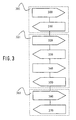
- FIG. 3 shows the course of the communication between the first telecommunication terminal 10 and the first data processing system 50.
- This communication takes place via the first signaling channel 24 in an application layer of the ISDN reference model defined by the ITU (International Telecommunication Union) for open data communication systems and is shown using the example of an application in which a data processing function, in particular for the operation of a central telephone book, is requested at the first data processing system 50.
- ITU International Telecommunication Union
- a first connection is to be set up, communication takes place between the first telecommunication terminal 10 and the first data processing system 50 via the telecommunication center 30 in three steps 301, 321, 361, with only the first being used for data exchange between the first telecommunication terminal 10 and the telecommunication center 30 Signaling channel 24 is used.
- the first connection is set up in a first step 301.
- the first telecommunication terminal 10 sends a first request 300 to establish the connection to the first data processing system 50 via the telecommunication center 30, and the first data processing system 50 then sends a first confirmation 310 to establish the connection to the first telecommunication terminal 10 via the telecommunication center 30.
- the connection is used for data transmission in a second step 321.
- the first telecommunication terminal 10 sends a first request 320, in particular a request to perform a data processing function, for example to search for the first ten of all entries in the central telephone book for a name specified by the user, to the first data processing system 50 and the first data processing system 50 then sends a first result 330 of the first query 320, for example the list of the first ten entries of the name in the central telephone book, to the first telecommunications terminal 10.
- An additional data exchange can then be provided.
- the first telecommunication terminal 10 can send a second request 330, in particular a request to perform a data processing function, for example to search for further entries of the name present in the central telephone book, to the first data processing system 50, and the first data processing system 50 can send a second result 350 the second request 340, for example a list of a further 10 entries of the name in the central telephone book, to the first telecommunications terminal 10.
- the connection is ended in a third step 361.
- the first telecommunication terminal 10 sends a second request 360, for disconnection, via the telecommunication center 30 to the first data processing system 50 and the first data processing system 50 then sends a second confirmation 370, for disconnection, via the telecommunication center 30 to the first telecommunication terminal 10.
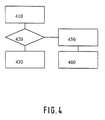
- FIG. 4 shows, by way of example, the way in which the telecommunications center 30 functions when establishing a connection between the first telecommunications terminal 10 and the first data processing system 50 and between the first telecommunications terminal 10 and the second telecommunications terminal 11 in a flowchart.
- the second telecommunication interface 27 of the telecommunication center 30 is stimulated, for example, by the first telecommunication terminal 10, in particular via the first signaling channel 24, the first telecommunication terminal 10 with a first data processing system 50 connected to the telecommunication center 30 or with a second one connected to the telecommunication center 30 To connect telecommunications terminal 11.
- the second control device 32 checks whether there is a connection request, in particular for a voice service connection, to the second telecommunication terminal 21 or whether it is the first request 300 for establishing a transparent end-to-end connection with the first data processing system 50. If it is a connection request, a branch is made to a third program item 430. If it is the first request 300, the program branches to a fourth program point 450.
- the switching unit 36 is activated, which in this example detects the second telecommunication terminal 11 as the called subscriber and establishes a second connection to the second telecommunication terminal 11 via the second telecommunication connection 21, at least one user channel 26 being occupied. The second connection is now active.
- the interface unit 34 is activated, which converts the first request 300 for establishing the first connection into a format compatible with the first data interface 43, so that the first request 300 can be read by the first data processing system 50.
- the interface unit 34 sends the first request 300 via the first data connection 40 to the second data interface 47 of the first data processing system 50.
- the interface unit 34 receives the first confirmation 310 via the first data interface 43 from the first data processing system 50.
- the interface unit 34 recognizes the first confirmation 310 as belonging to the first request 300, sets the first confirmation 310 in for the first Telecommunications terminal 10 readable format and sends the first confirmation 310 exclusively via the first signaling channel 24 to the first telecommunications terminal 10.
- the first connection is thus active.
- the central telephone book is in the second memory 58 and can be changed and updated centrally there.
- at least one data processing function that uses the data in the second memory 58 to generate the results 330, 350 of the requests is stimulated from the first telecommunication terminal 10 in a second step 321 by means of the requests 320, 340 on the first data processing system 50 320, 340 to determine.
- the results 330, 350 are sent from the first data processing system 50 to the first telecommunications terminal 10, where the results 330, 350 are stored in the first memory 18 for further use.
- the data stored in the first memory 18 can remain there permanently and thus constitute a user-specific, local telephone book, so that often requested Information does not have to be transmitted multiple times.
- the request for data from the central telephone book on the first data processing system 50 can optionally be initiated by the user or can be done automatically, for example for the periodic updating of data stored in the local memory 18 of the first telecommunication terminal 10.
- the first telecommunication terminal 10 according to the invention and the telecommunication center 30 according to the invention it is also possible that a data processing function on the first telecommunication terminal 10 can be requested for an application from the first data processing system 50.
- the communication in this case is symmetrical to the communication described between the first telecommunication terminal 10 and the first data processing system 50, with the only difference that their roles as sender and receiver are interchanged.
- the first data processing system 50 therefore requests the first telecommunication terminal 10 by means of the first request 300 to set up the first connection, which is accomplished by sending the first confirmation 310 of the first telecommunication terminal 10.
- the data transmission takes place between the two devices, which can be used in particular for programming, for reprogramming for operating a new software version or also for operating test functions on the first telecommunication terminal 10.
- the third step 361 the first connection between the first data processing system 50 and the first telecommunication terminal 10 is ended.
- the two examples "central telephone book" and "programming a first telecommunication terminal 10" for operating an application show, on the one hand, that the method according to the invention, the first telecommunication terminal 10 according to the invention and the telecommunication center 30 according to the invention enable any telecommunication terminals 10, 11, 12 to stimulate a transparent end-to-end connection corresponding to the first connection to at least one first data processing system 50 via the telecommunication center 30 and to operate an application.
- any telecommunication terminals 10, 11, 12 can be stimulated from a first data processing system 50 or from several data processing systems 50, 51, 52 to set up a transparent end-to-end connection corresponding to the first connection to run an application.
- Such connections, corresponding to the first connection, between any telecommunication terminals 10, 11, 12 and any data processing systems 50, 51, 52 do not occupy user channel resources on the telecommunication connections 20, 21, 22.
- the first control device 16 controls the function of the first telecommunications interface 23, the first Input device 13 and the first output device 14.
- the on the first telecommunications interface 23 incoming data can from the first control device 16 are processed, in particular they can be processed in Program data to control the first Telecommunications terminal 10, for example Activation of functions to be converted.
- Farther can on the first telecommunications interface 23 incoming data on the one hand in the first memory 18 further use, in particular for processing by the first control device 16, stored and on the other hand, directly from the first output device 14 or after prior processing and / or storage be issued.
- the third control device 56 is used to control the Function of the second data interface 47, the second Input device 53 and the second output device 14.
- the second control device 32 activates the interface unit 34 and the switching unit 36 as a function of the data received at the first telecommunication interface 27 or the first data interface 43.
- a second connection is to be set up.
- One of the telecommunication terminals for example the first telecommunication terminal 10, sends a connection request, in particular a connection request for a voice service connection, to the telecommunication center 30, which receives the connection request corresponding to the first program point 410 on the second telecommunication interface 27.
- the second control unit 32 recognizes the connection request in accordance with the second program point 420 and activates the switching unit 36 in accordance with the third program point 430, which in turn establishes the second connection to the second telecommunication terminal 11.
- This second connection now remains established via the telecommunications center 30 and occupies at least one first user channel 26. If an application is requested by the first data processing system 50 during this second connection from the first telecommunications terminal 10, the first telecommunications terminal 10 sends the first request 300 to the first data processing system 50 via the telecommunications center 30, only the first signaling channel 24 being used.
- the first request 300 received at the second telecommunication interface 27 in accordance with the first program point 410 is recognized by the control device 32 of the telecommunication center 30 in accordance with the second program point 420 as a request to establish a connection with the first data processing system 50 and the second control device 32 activates the in accordance with the fourth program point 450 Interface unit 34.
- Interface unit 34 converts first request 300 into a format compatible with first data interface 43 so that first request 300 is readable by first data processing system 50, and sends first request 300 to second via data connection 40 Data interface 47 of the first data processing system 50, which processes the first request 300 and sends a first confirmation 310 back to the interface unit 34 via the first data connection 40.
- the interface unit 34 recognizes the first confirmation 310 as belonging to the first request 300, converts the first confirmation 310 into a format readable for the first telecommunication terminal 10 in accordance with the fifth program item 460 and sends it via the first telecommunication connection 20 to the first telecommunication terminal 10, whereby only the first signaling channel 24 is used.
- a first, transparent end-to-end connection for data transmission via the telecommunication center 30 now exists between the communication partners "first telecommunication terminal 10" and "first data processing system 50", the transmitted data, for example requests 320, 340, results 330, 350 in the telecommunications center 30 is only subjected to a format conversion in the interface unit 34 and is handled analogously to the first request 300 and the first confirmation 310.
- Any type of interface can be provided for the first data interface 43 and the second data interface 47 between the telecommunications center 30 and the first data processing system 50, in particular ISDN interface, V interface or CTI link (CSTA).
Landscapes
- Engineering & Computer Science (AREA)
- Computer Networks & Wireless Communication (AREA)
- Telephonic Communication Services (AREA)
- Bidirectional Digital Transmission (AREA)
Abstract
Description
Der Betrieb einer Anwendung über eine solche transparente Verbindung zwischen dem Telekommunikationsendgerät und der Datenverarbeitungsanlage ist somit ohne eine Belegung von Nutzkanalressourcen der Telekommunikationsschnittstelle des Telekommunikationsendgerätes bzw. der Telekommunikationsschnittstelle der Telekommunikationszentrale möglich.
Das erste Telekommunikationsendgerät 10 umfaßt wenigstens eine erste Eingabeeinrichtung 13 und wenigstens eine erste Ausgabeeinrichtung 14, die jeweils mit einer ersten Steuereinrichtung 16 verbunden sind, wobei die erste Steuereinrichtung 16 einen ersten Speicher 18 umfaßt und mit einer ersten Telekommunikationsschnittstelle 23 verbunden ist. Die erste Telekommunikationsverbindung 20 zwischen der ersten Telekommunikationsschnittstelle 23 und einer zweiten Telekommunikationsschnittstelle 27 umfaßt wenigstens einen ersten Signalisierungskanal 24, beispielsweise einen D-Kanal nach dem ISDN-Standard, und wenigstens einen ersten Nutzkanal 26, insbesondere ein B-Kanal nach dem ISDN-Standard. Die Telekommunikationszentrale 30 umfaßt zum einen die zweite Telekommunikationsschnittstelle 27 und eine erste Datenschnittstelle 43 und zum anderen eine zweite Steuereinrichtung 32, die mit der zweiten Telekommunikationsschnittstelle 27 und der ersten Datenschnittstelle 43 verbunden ist. Die zweite Steuereinrichtung 32 umfaßt eine Schnittstelleneinheit 34 und eine Vermittlungseinheit 36. Die erste Datenverarbeitungsanlage 50 umfaßt zum einen eine zweite Datenschnittstelle 47 und zum anderen eine zweite Eingabeeinrichtung 53 und eine zweite Ausgabeeinrichtung 54, die jeweils mit einer dritten Steuereinrichtung 56 verbunden sind, wobei die dritte Steuereinrichtung 56 einen zweiten Speicher 58 umfaßt und mit der zweiten Datenschnittstelle 47 verbunden ist.
Die erste Datenschnittstelle 43 ist mit der zweiten Datenschnittstelle 47 über die erste Datenverbindung 40 verbunden.
Weiterhin können an die Telekommunikationszentrale 30 eine Vielzahl von Telekommunikationsendgeräten 10, 11, 12 über Telekommunikationsverbindungen 20, 21, 22 angeschlossen werden. Stellvertretend hierfür sind in Figur 2 ein zweites Telekommunikationsendgerät 11 über eine zweite Telekommunikationsverbindung 21 und ein drittes Telekommunikationsendgerät 12 über eine dritte Telekommunikationsverbindung 22 mit der Telekommunikationszentrale 30 verbunden. Die zweite Telekommunikationsverbindung 21 umfaßt wenigstens einen zweiten Signalisierungskanal, insbesondere einen D-Kanal einer ISDN-Verbindung, und wenigstens einen zweiten Nutzkanal, insbesondere einen B-Kanal einer ISDN-Verbindung, und die dritte Kommunikationsverbindung 22 umfaßt wenigstens einen dritten Signalisierungskanal, insbesondere einen D-Kanal einer ISDN-Verbindung, und wenigstens einen dritten Nutzkanal, insbesondere einen B-Kanal einer ISDN-Verbindung. Die zweite Telekommunikationsverbindung 21 und die dritte Telekommunikationsverbindung 22 können das zweite Telekommunikationsendgerät 11 und das dritte Kommunikationsendgerät 12 zum einen über ein Telekommunikationsnetzwerk mit der Telekommunikationszentrale 30 verbinden, wobei die zweite Telekommunikationsverbindung 21 und die dritte Kommunikationsverbindung 22 die zwischengeschalteten Einrichtungen des Telekommunikationsnetzes, insbesondere Vermittlungsstellen und Nebenstellenanlagen, umfassen oder zum anderen analog zu der ersten Telekommunikationsverbindung 20 direkt mit der Telekommunikationszentrale 30 verbunden sein. In einer vorteilhaften Ausführungsform des Telekommunikationssystems ist die erste Telekommunikationsverbindung 20 ebenfalls über ein Telekommunikationsnetzwerk mit der Telekommunikationszentrale 30 verbunden, so daß in dieser Ausführungsform des Telekommunikationssystems die Telekommunikationsverbindungen 20, 21, 22 gleichermaßen sowohl über ein Telekommunikationsnetzwerk als auch direkt mit der Telekommunikationszentrale 30 verbunden sein können.
Wenn eine erste Verbindung aufgebaut werden soll, erfolgt die Kommunikation zwischen dem ersten Telekommunikationsendgerät 10 und der ersten Datenverarbeitungsanlage 50 über die Telekommunikationszentrale 30 in drei Schritten 301, 321, 361, wobei für einen Datenaustausch zwischen dem ersten Telekommunikationsendgerät 10 und der Telekommunikationszentrale 30 ausschließlich der erste Signalisierungskanal 24 benutzt wird.
Die erste Verbindung wird in einem ersten Schritt 301 aufgebaut.
Dazu sendet das erste Telekommunikationsendgerät 10 eine erste Anforderung 300, zum Verbindungsaufbau, an die erste Datenverarbeitungsanlage 50 über die Telekommunikationszentrale 30, und die erste Datenverarbeitungsanlage 50 sendet anschließend eine erste Bestätigung 310, zum Verbindungsaufbau, über die Telekommunikationszentrale 30 an das erste Telekommunikationsendgerät 10.
Die Verbindung wird in einem zweiten Schritt 321 zur Datenübertragung genutzt.
Dazu sendet das erste Telekommunikationsendgerät 10 eine erste Anfrage 320, insbesondere eine Anfrage zur Ausführung einer Datenverarbeitungsfunktion, beispielsweise zur Suche der ersten zehn aller im zentralen Telefonbuch vorhandenen Einträge zu einem vom Benutzer vorgegebenen Namen, an die erste Datenverarbeitungsanlage 50 und die erste Datenverarbeitungsanlage 50 sendet daraufhin ein erstes Ergebnis 330 der ersten Anfrage 320, beispielsweise die Liste der ersten zehn Einträge des Namens im zentralen Telefonbuch, an das erste Telekommunikationsendgerät 10. Es kann anschließend ein zusätzlicher Datenaustausch vorgesehen sein. Beispielsweise kann das erste Telekommunikationsendgerät 10 eine zweite Anfrage 330, insbesondere eine Anfrage zur Ausführung einer Datenverarbeitungsfunktion, beispielsweise zur Suche von weiteren der im zentralen Telefonbuch vorhandenen Einträge des Namens, an die erste Datenverarbeitungsanlage 50 senden, und die erste Datenverarbeitungsanlage 50 kann ein zweites Ergebnis 350 der zweiten Anfrage 340, beispielsweise eine Liste weiterer 10 Einträge des Namens im zentralen Telefonbuch, an das erste Telekommunikationsendgerät 10 senden.
Die Verbindung wird in einem dritten Schritt 361 beendet. Dazu sendet das erste Telekommunikationsendgerät 10 eine zweite Anforderung 360, zum Verbindungsabbau, über die Telekommunikationszentrale 30 an die erste Datenverarbeitungsanlage 50 und die erste Datenverarbeitungsanlage 50 sendet anschließend eine zweite Bestätigung 370, zum Verbindungsabbau, über die Telekommunikationszentrale 30 an das erste Telekommunikationsendgerät 10.
Bei einem ersten Programmpunkt 410 wird die zweite Telekommunikationsschnittstelle 27 der Telekommunikationszentrale 30 beispielsweise vom ersten Telekommunikationsendgerät 10, insbesondere über den ersten Signalisierungskanal 24 angereizt, das erste Telekommunikationsendgerät 10 mit einer an die Telekommunikationszentrale 30 angeschlossenen ersten Datenverarbeitungsanlage 50 oder mit einem an die Telekommunikationszentrale 30 angeschlossenen zweiten Telekommunikationsendgerät 11 zu verbinden. Bei einem zweiten Programmpunkt 420 prüft die zweite Steuereinrichtung 32, ob es sich um einen Verbindungswunsch, insbesondere für eine Sprachdienstverbindung, zum zweiten Telekommunikationsendgerät 21 handelt oder ob es sich um die erste Anforderung 300 zum Aufbau einer transparenten Ende-zu-Ende-Verbindung mit der ersten Datenverarbeitungsanlage 50 handelt.
Handelt es sich um einen Verbindungswunsch, so wird zu einem dritten Programmpunkt 430 verzweigt. Handelt es sich um die erste Anforderung 300, so wird zu einem vierten Programmpunkt 450 verzweigt.
Beim dritten Programmpunkt 430 wird die Vermittlungseinheit 36 aktiviert, die als gerufenen Teilnehmer in diesem Beispiel das zweite Telekommunikationsendgerät 11 detektiert und eine zweite Verbindung zum zweiten Telekommunikationsendgerät 11 über die zweite Telekommunikationsverbindung 21 aufbaut, wobei wenigstens ein Nutzkanal 26 belegt wird. Die zweite Verbindung ist nun aktiv.
Beim vierten Programmpunkt 450 wird die Schnittstelleneinheit 34 aktiviert, die die erste Anforderung 300 zur Herstellung der ersten Verbindung in ein für die erste Datenschnittstelle 43 kompatibles Format umwandelt, so daß die erste Anforderung 300 für die erste Datenverarbeitungsanlage 50 lesbar ist. Die Schnittstelleneinheit 34 sendet die erste Anforderung 300 über die erste Datenverbindung 40 an die zweite Datenschnittstelle 47 der ersten Datenverarbeitungsanlage 50.
In einem fünften Programmpunkt 460 empfängt die Schnittstelleneinheit 34 die erste Bestätigung 310 über die erste Datenschnittstelle 43 von der ersten Datenverarbeitungsanlage 50. Die Schnittstelleneinheit 34 erkennt die erste Bestätigung 310 als zu der ersten Anforderung 300 zugehörig,setzt die erste Bestätigung 310 in ein für das erste Telekommunikationsendgerät 10 lesbares Format um und sendet die erste Bestätigung 310 ausschließlich über den ersten Signalisierungskanal 24 an das erste Telekommunikationsendgerät 10. Die erste Verbindung ist somit aktiv.
Informationen nicht mehrfach übertragen werden müssen. Die Anforderung von Daten aus dem zentralen Telefonbuch auf der ersten Datenverarbeitungsanlage 50 kann wahlweise vom Benutzer aus initiiert werden oder aber automatisch geschehen, beispielsweise zur periodischen Aktualisierung von im lokalen Speicher 18 des ersten Telekommunikationsendgerätes 10 gespeicherten Daten.
Im ersten Schritt 301 der Kommunikation fordert folglich die erste Datenverarbeitungsanlage 50 das erste Telekommunikationsendgerät 10 mittels der ersten Aufforderung 300 auf, die erste Verbindung aufzubauen, was durch Absendung der ersten Bestätigung 310 des ersten Telekommunikationsendgerätes 10 vollzogen wird.
Im zweiten Schritt 321 findet die Datenübertragung zwischen beiden Geräten statt, die insbesondere zur Programmierung, zur Umprogrammierung zum Betrieb einer neuen Softwareversion oder auch zum Betrieb von Testfunktionen am ersten Telekommunikationsendgerät 10 dienen kann.
Im dritten Schritt 361 wird die erste Verbindung zwischen der ersten Datenverarbeitungsanlage 50 und dem ersten Telekommunikationsendgerät 10 beendet.
Aus den beiden Beispielen "zentrales Telefonbuch" und "Programmierung eines ersten Telekommunikationsendgerätes 10" zum Betrieb einer Anwendung geht zum einen hervor, daß das erfindungsgemäße Verfahren, das erfindungsgemäße erste Telekommunikationsendgerät 10 und die erfindungsgemäße Telekommunikationszentrale 30 es beliebigen Telekommunikationsendgeräten 10, 11, 12 ermöglicht, eine der ersten Verbindung entsprechende transparente Ende-zu-Ende-Verbindung zu wenigstens einer ersten Datenverarbeitungsanlage 50 über die Telekommunikationszentrale 30 anzureizen und eine Anwendung zu betreiben. Zum anderen geht aus den genannten Beispielen hervor, daß beliebige Telekommunikationsendgeräte 10, 11, 12 von einer ersten Datenverarbeitungsanlage 50 oder von mehreren Datenverarbeitungsanlagen 50, 51, 52 aus zum Aufbau einer der ersten Verbindung entsprechenden transparenten Ende-zu-Ende-Verbindung angereizt werden können, um eine Anwendung zu betreiben. Solche, der ersten Verbindung entsprechende Verbindungen zwischen beliebigen Telekommunikationsendgeräten 10, 11, 12 und beliebigen Datenverarbeitungsanlagen 50, 51, 52 belegen keine Nutzkanalressourcen auf den Telekommunikationsverbindungen 20, 21, 22. Darüberhinaus sind Verbindungen entsprechend der zweiten Verbidung zwischen verschiedenen Telekommunikationsendgeräten 10, 11, 12 untereinander über die Telekommunikationszentrale 30 möglich, wobei diese Verbindungen unter Belegung von Nutzkanalressourcen nutzbar sind.
Wird während dieser zweiten Verbindung vom ersten Telekommunikationsendgerät 10 eine Anwendung von der ersten Datenverarbeitungsanlage 50 angefordert, so sendet das erste Telekommunikationsendgerät 10 die erste Anforderung 300 an die erste Datenverarbeitungsanlage 50 über die Telekommunikationszentrale 30, wobei lediglich der erste Signalisierungskanal 24 benutzt wird. Die an der zweiten Telekommunikationsschnittstelle 27 entsprechend dem ersten Programmpunkt 410 empfangene erste Anforderung 300 wird von der Steuereinrichtung 32 der Telekommunikationszentrale 30 entsprechend dem zweiten Programmpunkt 420 als Anforderung zum Verbindungsaufbau mit der ersten Datenverarbeitungsanlage 50 erkannt und die zweite Steuereinrichtung 32 aktiviert entsprechend dem vierten Programmpunkt 450 die Schnittstelleneinheit 34. Die Schnittstelleneinheit 34 setzt die erste Anforderung 300 in ein für die erste Datenschnittstelle 43 kompatibles Format um, so daß die erste Anforderung 300 für die erste Datenverarbeitungsanlage 50 lesbar ist, und sendet die erste Anforderung 300 über die erste Datenverbindung 40 an die zweite Datenschnittstelle 47 der ersten Datenverarbeitungsanlage 50, die die erste Anforderung 300 verarbeitet und eine erste Bestätigung 310 über die erste Datenverbindung 40 an die Schnittstelleneinheit 34 zurücksendet. Die Schnittstelleneinheit 34 erkennt die erste Bestätigung 310 als zur ersten Anforderung 300 gehörig, setzt entsprechend des fünften Programmpunktes 460 die erste Bestätigung 310 in ein für das erste Telekommunikationsendgerät 10 lesbares Format um und sendet sie über die erste Telekommunikationsverbindung 20 an das erste Telekommunikationsendgerät 10, wobei ausschließlich der erste Signalisierungskanal 24 benutzt wird.
Zwischen den Kommunikationspartnern "erstes Telekommunikationsendgerät 10" und "erste Datenverarbeitungsanlage 50" besteht nunmehr eine erste, transparente Ende-zu-Ende-Verbindung zur Datenübertragung über die Telekommunikationszentrale 30, wobei die übertragenen Daten, beispielsweise die Anfragen 320, 340, die Ergebnisse 330, 350, in der Telekommunikationszentrale 30 lediglich einer Formatumwandlung in der Schnittstelleneinheit 34 unterzogen und analog zu der ersten Anforderung 300 und der ersten Bestätigung 310 behandelt werden.
Für die erste Datenschnittstelle 43 und die zweite Datenschnittstelle 47 zwischen der Telekommunikationszentrale 30 und der ersten Datenverarbeitungsanlage 50 können beliebige Schnittstellentypen vorgesehen sein, insbesondere ISDN-Schnittstelle, V-Schnittstelle oder CTI-Link (CSTA).
Claims (11)
- Verfahren zur bidirektionalen Übertragung von Daten auf einer Übertragungsstrecke (20, 23, 27, 40, 43, 47) zwischen wenigstens einem Telekommunikationsendgerät (10) und wenigstens einer ersten Datenverarbeitungsanlage (50) über eine Telekommunikationszentrale (30) zum Betrieb von wenigstens einer Anwendung, wobei auf einem Abschnitt (20, 23, 27) der Übertragungsstrecke(20, 23, 27, 40, 43, 47), zwischen dem wenigstens einen ersten Telekommunikationsendgerät (10) und der Telekommunikationszentrale (30), wenigstens ein Signalisierungskanal (24), insbesondere ein D-Kanal einer ISDN-Schnittstelle, betrieben wird, dadurch gekennzeichnet, daß die Daten zum Betrieb der wenigstens einen Anwendung auf dem Abschnitt (20, 23, 27) der Übertragungsstrecke (20, 23, 27, 40, 43, 47) ausschließlich über den wenigstens einen Signalisierungskanal (24) übertragen werden.
- Verfahren nach Patentanspruch 1, dadurch gekennzeichnet, daß die zwischen dem wenigstens einen Telekommunikationsendgerät (10) und der Telekommunikationszentrale (30) übertragbaren Daten in einem ersten, von dem wenigstens einen Telekommunikationsendgerät (10) lesbaren Format übertragen werden und daß die zwischen der Telekommunikationszentrale (30) und der wenigstens einen ersten Datenverarbeitungsanlage (50) übertragbaren Daten in einem zweiten, von der wenigstens einen ersten Datenverarbeitungsanlage (50) lesbaren Format übertragen werden, wobei die Telekommunikationszentrale (30) während der Übertragung der Daten, ausschließlich eine Umwandlung zwischen den beiden Formaten durchführt.
- Verfahren nach einem der Patentansprüche 1 oder 2, dadurch gekennzeichnet, daß mittels der Übertragung der Daten, ausgehend von dem wenigstens einen Telekommunikationsendgerät (10), eine Datenverarbeitungsfunktion der auf der wenigstens einen ersten Datenverarbeitungsanlage (50) betreibbaren Anwendung, insbesondere einer Auskunftsanwendung für ein zentrales Telefonbuch, angefordert wird.
- Verfahren nach einem der vorangehenden Patentansprüche, dadurch gekennzeichnet, daß die von der wenigstens einen ersten Datenverarbeitungsanlage (50) übertragenen Daten am Telekommunikationsendgerät (10) empfangbar sind, daß in Abhängigkeit der empfangenen Daten Programmdaten erzeugbar sind und daß die Programmdaten speicherbar sind, so daß bei einem Aufruf der Programmdaten eine Funktion am Telekommunikationsendgerät (10) aktivierbar ist.
- Telekommunikationsendgerät (10) mit einer ersten Telekommunikationsschnittstelle (23), insbesondere ISDN-Schnittstelle, zum Anschluß an ein Telekommunikationsnetz zum Betrieb von wenigstens einer Anwendung mittels wenigstens einer ersten Datenverarbeitungsanlage (50), wobei die erste Telekommunikationsschnittstelle (23) wenigstens einen Signalisierungskanal (24), insbesondere einen D-Kanal, umfaßt, dadurch gekennzeichnet, daß das Telekommunikationsendgerät (10) Mittel aufweist, Daten zum Betrieb der wenigstens einen Anwendung ausschließlich über den wenigstens einen Signalisierungskanal (24) an die erste Datenverarbeitungsanlage (50), vorzugsweise über eine Telekommunikationszentrale (30), zu übertragen.
- Telekommunikationsendgerät (10) nach Patentanspruch 5, dadurch gekennzeichnet, daß zum Betrieb der wenigstens einen Anwendung wenigstens ein Signal an der ersten Telekommunikationsschnittstelle (23) sendbar und empfangbar ist.
- Telekommunikationsendgerät (10) nach Patentanspruch 5 oder 6, dadurch gekennzeichnet, daß das Telekommunikationsendgerät Mittel aufweist, während der Übertragung der Daten wenigstens eine Datenverarbeitungsfunktion (320, 330, 340, 350) der auf der wenigstens einen ersten Datenverarbeitungsanlage (50) betreibbaren Anwendung, insbesondere einer Auskunftsanwendung für ein zentrales Telefonbuch, anzufordern.
- Telekommunikationsendgerät (10) nach Patentanspruch 5, 6 oder 7, dadurch gekennzeichnet, das Telekommunikationsendgerät (10) Mittel aufweist, am Telekommunikationsendgerät (10) Daten von der wenigstens einen ersten Datenverarbeitungsanlage (50) zu empfangen, in Abhängigkeit der empfangenen Daten Programmdaten zu erzeugen, die Programmdaten abzuspeichern und bei einem Aufruf der Programmdaten eine Funktion am Telekommunikationsendgerät (10) zu aktivieren.
- Telekommunikationszentrale (30), insbesondere Nebenstellenanlage, mit wenigstens einer zweiten Telekommunikationsschnittstelle (28), insbesondere ISDN-Schnittstelle, zum Anschluß wenigstens eines Telekommunikationsendgerätes (10), wobei die wenigstens eine zweite Telekommunikationsschnittstelle (28) wenigstens einen Signalisierungskanal (24), insbesondere einen D-Kanal, umfaßt, wobei die Telekommunikationszentrale (30) eine erste Datenschnittstelle (42) zu wenigstens einer ersten Datenverarbeitungsanlage (50) umfaßt und wobei Daten zum Betrieb von wenigstens einer Anwendung zwischen dem wenigstens einen Telekommunikationsendgerät (10) und der wenigstens einen ersten Datenverarbeitungsanlage (50) über die Telekommunikationszentrale (30) übertragbar sind, dadurch gekennzeichnet, daß die Telekommunikationszentrale (30) Mittel aufweist, die Daten zwischen dem wenigstens einen Telekommunikationsendgerät (10) und der Telekommunikationszentrale (30) zum Betrieb der wenigstens einen Anwendung ausschließlich über den wenigstens einen Signalisierungskanal (24) zu übertragen.
- Telekommunikationszentrale (30) nach Patentanspruch 9, dadurch gekennzeichnet, daß die Telekommunikationszentrale (30) zum einen Mittel aufweist, in Abhängigkeit von an der zweiten Telekommunikationsschnittstelle (28) empfangenen ersten Daten zweite Daten zu erzeugen und die zweiten Daten von der ersten Datenschnittstelle (42) zu der wenigstens einen ersten Datenverarbeitungsanlage (50) zu senden und zum anderen Mittel aufweist, während der Datenübertragung in Abhängigkeit von an der ersten Datenschnittstelle (42) empfangenen dritten Daten vierte Daten zu erzeugen und die vierten Daten von der zweiten Telekommunikationsschnittstelle (28) zu dem wenigstens einen Telekommunikationsendgerät (10) zu senden.
- Telekommunikationszentrale (30) nach Patentanspruch 9 oder 10, dadurch gekennzeichnet, daß die Telekommunikationszentrale (30) eine Steuereinheit (32) umfaßt und daß die Steuereinheit (32) Mittel, insbesondere eine Schnittstelleneinheit (34), aufweist, die die zweiten Daten aus den ersten Daten ausschließlich durch Formatumwandlung erzeugen und/oder die die vierten Daten ausschließlich durch Formatumwandlung aus den dritten Daten zu erzeugen.
Applications Claiming Priority (2)
| Application Number | Priority Date | Filing Date | Title |
|---|---|---|---|
| DE1998152121 DE19852121A1 (de) | 1998-11-12 | 1998-11-12 | Verfahren, Telekommunikationsendgerät und Telekommunikationszentrale zur bidirektionalen Übertragung von Daten auf einer Übertragungsstrecke |
| DE19852121 | 1998-11-12 |
Publications (2)
| Publication Number | Publication Date |
|---|---|
| EP1001645A2 true EP1001645A2 (de) | 2000-05-17 |
| EP1001645A3 EP1001645A3 (de) | 2006-06-28 |
Family
ID=7887508
Family Applications (1)
| Application Number | Title | Priority Date | Filing Date |
|---|---|---|---|
| EP99121723A Ceased EP1001645A3 (de) | 1998-11-12 | 1999-11-03 | Verfahren, Telekommunikationsendgerät und Telekommunikationszentrale zur bidirektionalen Übertragung von Daten auf einer Übertragungsstrecke |
Country Status (2)
| Country | Link |
|---|---|
| EP (1) | EP1001645A3 (de) |
| DE (1) | DE19852121A1 (de) |
Cited By (1)
| Publication number | Priority date | Publication date | Assignee | Title |
|---|---|---|---|---|
| EP2207334A1 (de) * | 2009-01-09 | 2010-07-14 | Deutsche Telekom AG | Verfahren zur Synchronisation von Adressbüchern |
Family Cites Families (2)
| Publication number | Priority date | Publication date | Assignee | Title |
|---|---|---|---|---|
| DE4106183A1 (de) * | 1991-02-27 | 1992-09-03 | Standard Elektrik Lorenz Ag | Einrichtung und verfahren zur d-kanal-paketvermittlung |
| SE518018C2 (sv) * | 1997-05-07 | 2002-08-13 | Ericsson Telefon Ab L M | Metod och apparatur för permanent eller semipermanent uppkoppling mellan en ISDN-terminal och ett datanätverk |
-
1998
- 1998-11-12 DE DE1998152121 patent/DE19852121A1/de not_active Withdrawn
-
1999
- 1999-11-03 EP EP99121723A patent/EP1001645A3/de not_active Ceased
Cited By (1)
| Publication number | Priority date | Publication date | Assignee | Title |
|---|---|---|---|---|
| EP2207334A1 (de) * | 2009-01-09 | 2010-07-14 | Deutsche Telekom AG | Verfahren zur Synchronisation von Adressbüchern |
Also Published As
| Publication number | Publication date |
|---|---|
| DE19852121A1 (de) | 2000-05-25 |
| EP1001645A3 (de) | 2006-06-28 |
Similar Documents
| Publication | Publication Date | Title |
|---|---|---|
| DE69325015T2 (de) | Herstellungsverfahren einer nachrichtenverbindung und system zur realisierung dieses verfahrens | |
| DE69431939T2 (de) | Verteiltes System für Anrufverarbeitung | |
| DE69727202T2 (de) | Multimediakonferenz über parallele Netzwerke | |
| DE69124970T2 (de) | Transparente Signalisierung für entfernte Endgeräte | |
| EP0687402B1 (de) | Schaltungsanordnung zur integration von edv-systemen bei der benutzung von telefonanlagen | |
| EP0766443A2 (de) | Verfahren zur Ermittlung von freien Agenten-Kommunikationsendgeräten in Kommunikationsnetzen mit einer automatischen Anrufverteilung | |
| DE19831169C2 (de) | Verfahren zum Übertragen von an die Leistungsfähigkeit einer Endeinrichtung angepaßten Informationen über ein Kommunikationsnetz | |
| EP1298901A2 (de) | Vermittlungsverfahren zwischen Dialogsystemen | |
| EP0920238B1 (de) | Verfahren zur Übermittlung einer Teilnehmernummer eines gewünschten Teilnehmers, sowie Telefonauskunftseinrichtung und Endgerät hierfür | |
| DE19626131A1 (de) | Verfahren zum Einbringen eines Telekommunikations-Dienstes sowie Dienst-Einheit, Dienstrechner, Endgerät und Kommunikationsnetz | |
| DE69733245T2 (de) | Fernmeldesystemdienst und eine Dienstvorrichtung zur Realisation eines solchen Dienstes | |
| DE19937675C2 (de) | Verfahren und Vorrichtung zur Erhöhung der Ausfallsicherheit von an Vermittlungsstellen angeschlossenen Auskunftsstellen | |
| EP1001645A2 (de) | Verfahren, Telekommunikationsendgerät und Telekommunikationszentrale zur bidirektionalen Übertragung von Daten auf einer Übertragungsstrecke | |
| EP1139644A2 (de) | Rechnergesteuertes Vermittlungssystem | |
| EP1313330A1 (de) | Senden von Information an ein Endgerät eines anrufenden Teilnehmers über die erreichbare einem angerufenen Teilnehmer zugeordnete Endgeräte | |
| DE19953221A1 (de) | Verfahren, Netzwerkeinrichtung und Vermittlungsstelle zur Übermittlung einer individuellen, einen Anrufer identifizierenden Nachricht an einen angerufenen Teilnehmer | |
| EP1001589B1 (de) | Kommunikationsanlage | |
| DE10040444A1 (de) | Verfahren und Anordnung zur Datenumsetzung zwischen einem Eingangs- und einem Ausgangs-Signalisierungsprotokoll | |
| WO1999029119A1 (de) | Verfahren und vorrichtung zum austausch anwendungsspezifischer daten in einem intelligenten netz | |
| DE3028407A1 (de) | Datennetz mit erweiterter durchschaltekapazitaet fuer die durchschaltung von kanaelen mit groesserer bandbreite | |
| EP0888696B1 (de) | Verfahren zum übertragen von informationen von einer informationsquelle zu informationsempfängern | |
| EP0991292B1 (de) | Programmgesteurtes Kommunikationssystem zur Vermittlung von daran angeschlossenen analogen und digitalen Kommunikationsendgeräten | |
| DE19741770C1 (de) | Kommunikationssystem und entsprechendes Verfahren | |
| EP1168789A2 (de) | Direkte Verbindung der Koppelfelder eines CTI-Servers mit einer Telekommunikationsanlage | |
| EP0880263A3 (de) | Vorrichtung und Verfahren zum Zugriff auf Teilnehmerdaten über Telekommunikations-Endgeräte |
Legal Events
| Date | Code | Title | Description |
|---|---|---|---|
| PUAI | Public reference made under article 153(3) epc to a published international application that has entered the european phase |
Free format text: ORIGINAL CODE: 0009012 |
|
| AK | Designated contracting states |
Kind code of ref document: A2 Designated state(s): AT BE CH CY DE DK ES FI FR GB GR IE IT LI LU MC NL PT SE |
|
| AX | Request for extension of the european patent |
Free format text: AL;LT;LV;MK;RO;SI |
|
| RAP1 | Party data changed (applicant data changed or rights of an application transferred) |
Owner name: TENOVIS GMBH & CO. KG |
|
| PUAL | Search report despatched |
Free format text: ORIGINAL CODE: 0009013 |
|
| AK | Designated contracting states |
Kind code of ref document: A3 Designated state(s): AT BE CH CY DE DK ES FI FR GB GR IE IT LI LU MC NL PT SE |
|
| AX | Request for extension of the european patent |
Extension state: AL LT LV MK RO SI |
|
| 17P | Request for examination filed |
Effective date: 20061220 |
|
| AKX | Designation fees paid |
Designated state(s): AT BE CH CY DE DK ES FI FR GB GR IE IT LI LU MC NL PT SE |
|
| 17Q | First examination report despatched |
Effective date: 20070523 |
|
| STAA | Information on the status of an ep patent application or granted ep patent |
Free format text: STATUS: THE APPLICATION HAS BEEN REFUSED |
|
| 18R | Application refused |
Effective date: 20080814 |