EP0960129B1 - Regulatorische regionen des gens für den melatonin 1a rezeptor und deren verwendungen - Google Patents
Regulatorische regionen des gens für den melatonin 1a rezeptor und deren verwendungen Download PDFInfo
- Publication number
- EP0960129B1 EP0960129B1 EP97934202A EP97934202A EP0960129B1 EP 0960129 B1 EP0960129 B1 EP 0960129B1 EP 97934202 A EP97934202 A EP 97934202A EP 97934202 A EP97934202 A EP 97934202A EP 0960129 B1 EP0960129 B1 EP 0960129B1
- Authority
- EP
- European Patent Office
- Prior art keywords
- melatonin
- receptor
- receptor gene
- gene
- nucleotide
- Prior art date
- Legal status (The legal status is an assumption and is not a legal conclusion. Google has not performed a legal analysis and makes no representation as to the accuracy of the status listed.)
- Expired - Lifetime
Links
Images



Classifications
-
- C—CHEMISTRY; METALLURGY
- C12—BIOCHEMISTRY; BEER; SPIRITS; WINE; VINEGAR; MICROBIOLOGY; ENZYMOLOGY; MUTATION OR GENETIC ENGINEERING
- C12N—MICROORGANISMS OR ENZYMES; COMPOSITIONS THEREOF; PROPAGATING, PRESERVING, OR MAINTAINING MICROORGANISMS; MUTATION OR GENETIC ENGINEERING; CULTURE MEDIA
- C12N15/00—Mutation or genetic engineering; DNA or RNA concerning genetic engineering, vectors, e.g. plasmids, or their isolation, preparation or purification; Use of hosts therefor
- C12N15/09—Recombinant DNA-technology
- C12N15/63—Introduction of foreign genetic material using vectors; Vectors; Use of hosts therefor; Regulation of expression
- C12N15/79—Vectors or expression systems specially adapted for eukaryotic hosts
- C12N15/85—Vectors or expression systems specially adapted for eukaryotic hosts for animal cells
-
- C—CHEMISTRY; METALLURGY
- C07—ORGANIC CHEMISTRY
- C07K—PEPTIDES
- C07K14/00—Peptides having more than 20 amino acids; Gastrins; Somatostatins; Melanotropins; Derivatives thereof
- C07K14/435—Peptides having more than 20 amino acids; Gastrins; Somatostatins; Melanotropins; Derivatives thereof from animals; from humans
- C07K14/705—Receptors; Cell surface antigens; Cell surface determinants
- C07K14/72—Receptors; Cell surface antigens; Cell surface determinants for hormones
-
- A—HUMAN NECESSITIES
- A01—AGRICULTURE; FORESTRY; ANIMAL HUSBANDRY; HUNTING; TRAPPING; FISHING
- A01K—ANIMAL HUSBANDRY; AVICULTURE; APICULTURE; PISCICULTURE; FISHING; REARING OR BREEDING ANIMALS, NOT OTHERWISE PROVIDED FOR; NEW BREEDS OF ANIMALS
- A01K2217/00—Genetically modified animals
- A01K2217/05—Animals comprising random inserted nucleic acids (transgenic)
-
- A—HUMAN NECESSITIES
- A61—MEDICAL OR VETERINARY SCIENCE; HYGIENE
- A61K—PREPARATIONS FOR MEDICAL, DENTAL OR TOILETRY PURPOSES
- A61K38/00—Medicinal preparations containing peptides
-
- C—CHEMISTRY; METALLURGY
- C12—BIOCHEMISTRY; BEER; SPIRITS; WINE; VINEGAR; MICROBIOLOGY; ENZYMOLOGY; MUTATION OR GENETIC ENGINEERING
- C12N—MICROORGANISMS OR ENZYMES; COMPOSITIONS THEREOF; PROPAGATING, PRESERVING, OR MAINTAINING MICROORGANISMS; MUTATION OR GENETIC ENGINEERING; CULTURE MEDIA
- C12N2830/00—Vector systems having a special element relevant for transcription
-
- C—CHEMISTRY; METALLURGY
- C12—BIOCHEMISTRY; BEER; SPIRITS; WINE; VINEGAR; MICROBIOLOGY; ENZYMOLOGY; MUTATION OR GENETIC ENGINEERING
- C12N—MICROORGANISMS OR ENZYMES; COMPOSITIONS THEREOF; PROPAGATING, PRESERVING, OR MAINTAINING MICROORGANISMS; MUTATION OR GENETIC ENGINEERING; CULTURE MEDIA
- C12N2830/00—Vector systems having a special element relevant for transcription
- C12N2830/80—Vector systems having a special element relevant for transcription from vertebrates
- C12N2830/85—Vector systems having a special element relevant for transcription from vertebrates mammalian
Definitions
- the invention relates to nucleic acids encoding transcriptional regulatory sequences of a high-affinity melatonin receptor gene.
- the high-affinity melatonin receptor is a membrane protein that is coupled to guanine nucleotide binding proteins (G proteins). G proteins, in turn, communicate ligand-activated receptor signals to the appropriate intracellular effector system(s).
- the hormone, melatonin inhibits adenylyl cyclase causing a decrease in intracellular cyclic AMP (cAMP) concentration.
- Melatonin the principal hormone of the vertebrate pineal gland, elicits potent neurobiological effects. Melatonin influences circadian rhythm and mediates the effects of photoperiod on reproductive function in seasonally breeding mammals. In humans, melatonin administration has been shown to alleviate the symptoms of jet lag after air travel across several time zones. The hormone also has potent sedative effects in humans and may be a useful hypnotic agent.
- High-affinity melatonin 1a (Mel 1a ) receptors are located in discrete regions of the vertebrate central nervous system of several mammalian species, including humans. Binding studies using the ligand 2-[ 125 I]-iodomelatonin ( 125 I-melatonin or [ 125 I]MEL) have identified high-affinity melatonin 1a receptors (K d ⁇ 2x10 -10 M) in sites such as the suprachiasmatic nuclei (SCN), the site of a biological clock that regulates numerous circadian rhythms (Reppert et al ., Science (1988) 242 :78-81). To date, high-affinity melatonin receptors have not been identified in central nervous system tissues other than brain.
- Receptor affinity is sensitive to guanine nucleotides and activation of the receptors consistently leads to the inhibition of adenylyl cyclase through a pertussis toxin-sensitive mechanism (Rivkees, S.A. et al., Proc. Natl. Acad. Sci. USA (1989) 86 :3883-3886; Carlson, L.L. et al ., Endocrinology (1989) 125 :2670-2676; Morgan, P.J. et al ., Neuroendocrinology (1989) 50 :358-362; Morgan, P.J. et al., J. Neuroendocrinol.
- High-affinity melatonin receptors thus appear to belong to the superfamily of G protein-coupled receptors.
- the invention features substantially pure DNA (cDNA or genomic DNA) encoding the 3' and 5' transcriptional regulatory regions and coding region of a high-affinity melatonin 1a receptor in brain.
- the invention includes nucleotide sequences for 5' and 3' transcriptional regulatory regions of a melatonin 1a receptor gene.
- sequences of the invention include a promoter as well as upstream and downstream enhancer elements and/or cis- and transacting factor binding sites functional in the transcriptional regulation of the melatonin 1a receptor gene.
- Sequences functional in the transcription of the melatonin 1a receptor gene may be located more than 1.5 kilobase pairs from the start or termination of the receptor coding sequence.
- the transcriptional regulatory sequences make up a portion of SEQ ID NO:1.
- the portion comprises nucleotide 24 to nucleotide 1192 of SEQ ID NO:1.
- the nucleotide sequence of the coding regions and the amino acid sequence of the melatonin 1a receptor is also included in SEQ ID NO:1 and are disclosed in applicant's U.S. applications Serial No. 08/261,857 filed June 17, 1994, 08/319,887 filed October 7, 1994, and 08/446,103 filed June 6, 1995, which applications are incorporated herein by reference in their entirety.
- the transcriptional regulatory regions are derived from a vertebrate animal, such as a mouse, human, or sheep.
- a nucleic acid construct which includes a melatonin 1a promoter operably linked to a gene of interest, such as a reporter gene.
- a melatonin 1a promoter has a nucleotide sequence substantially identical to a portion of SEQ ID NO:1 that contains transcriptional regulatory sequences of a melatonin 1a receptor gene. The portion comprises nucleotide 24 to nucleotide 1192 of SEQ ID NO:1.
- the melatonin 1a transcriptional regulatory region of the construct hybridizes under stringent hybridization conditions to a nucleic acid molecule having a nucleotide sequence of SEQ ID NO:1.
- the construct of the invention includes a melatonin 1a regulatory region having approximately 95% homology to transcriptional regulatory sequences of SEQ ID NO:1.
- the invention features vectors which contain such isolated DNA and which are preferably capable of directing expression of a gene of interest encoded by the DNA in a vector-containing cell; and cells containing such vectors (preferably eukaryotic cells, e.g ., RT2-2 cells (obtained from C. Mahle, Bristol-Myers Squibb, New Jersey) or CHO cells (ATCC; Cat. No. CCL 61 or COS-7 cells (ATCC; Cat. No. CRL 1651).
- eukaryotic cells e.g ., RT2-2 cells (obtained from C. Mahle, Bristol-Myers Squibb, New Jersey) or CHO cells (ATCC; Cat. No. CCL 61 or COS-7 cells (ATCC; Cat. No. CRL 1651).
- RT2-2 cells obtained from C. Mahle, Bristol-Myers Squibb, New Jersey
- CHO cells ATCC; Cat. No. CCL 61 or COS-7 cells (ATCC; Cat. No. CRL 165
- the invention features a method of screening candidate compounds for their ability to alter transcription from a functional melatonin 1a receptor gene promoter.
- the method involves: a) providing a cell comprising a recombinant mouse melatonin 1a receptor gene promoter operably linked to a reporter gene; b) contacting the cell with a candidate compound; and c) monitoring the expression of the reporter gene in the presence of the candidate compound.
- the method includes a cell comprising a recombinant melatonin 1a receptor gene promoter, which promoter has a nucleotide sequence substantially identical to transcriptional regulatory sequences of SEQ ID NO:1.
- the promoter is capable of hybridizing under stringent hybridization conditions to a nucleic acid molecule having a nucleotide sequence complementary to SEQ ID NO:1, and preferably the portion of SEQ ID NO:1 corresponding to part or all of the 5' untranslated region and/or the 3' untranslated region.
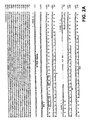
- the promoter includes the nucleotide sequence from approximately nucleotide -1142 to nucleotide +26 of Fig. 2 which corresponds to nucleotide 24 to nucleotide 1192 of SEQ ID NO:1 which sequence contains genetic elements functional in the transcription and translation of operably attached genetic sequences.
- An embodiment of the invention further includes sequences in the region 3' of the coding sequence, preferably from nucleotide +1165 (immediately 3' of the stop codon) to nucleotide +1606 (3' of the poly(A) signal) (Fig. 2), which corresponds to nucleotide 2331 to nucleotide 2722 of SEQ ID NO:1.
- Intronic sequences (Fig. 2) containing functional genetic elements of the melatonin 1a receptor gene are a further embodiment of the instant invention.
- Such functional genetic elements include, but are not limited to, enhancers, response elements, cis and/or trans acting factor binding sites, and the like.
- the gene of interest is stably expressed by a mammalian cell which does not normally express the gene of interest.
- the gene of interest may be any gene expressible in a cell and whose transcription is detected after introduction into a cell.
- Preferred genes of interest are reporter genes which include, but are not limited to, the coding sequence for ⁇ -galactosidase, antibiotic resistance genes, SV40 T antigen, chloramphenicol acetyltransferase (CAT), human growth hormone (hGH), and the like.
- transcriptional regulatory regions or meant nucleic acid sequences upstream and downstream of the coding region of a melatonin 1a receptor gene, which sequences function in the initiation of transcription of the coding region into mRNA and encode sequences functional in translation of the mRNA into the amino acid sequence of the high-affinity melatonin receptor polypeptide.
- the transcriptional regulatory sequences are the minimal sequences sufficient to direct transcription.
- those promoter elements which are sufficient to render promoter-dependent gene expression controllable for cell-type specific, tissue-specific or inducible by external signals or agents; such elements may be located in the 5' or 3' regions of the native gene.
- reporter gene is meant a gene whose expression may be assayed; such genes include, without limitation, luciferase, ⁇ -galactosidase, and chloramphenicol transacetylase (CAT).
- genes include, without limitation, luciferase, ⁇ -galactosidase, and chloramphenicol transacetylase (CAT).
- operably linked is meant that a gene and a regulatory sequence(s) are connected in such a way as to permit gene expression when the appropriate molecules (e.g., transcriptional activator proteins) are bound to the regulatory sequence(s).
- positioned for expression is meant that the DNA molecule is positioned adjacent to a DNA sequence which directs transcription and translation of the sequence (i.e ., facilitates the production of, e.g., a recombinant protein or a RNA molecule).
- high-affinity melatonin receptor polypeptide is meant all or part of a vertebrate cell surface protein which specifically binds melatonin and signals the appropriate melatonin-mediated cascade of biological events (e . g ., a decrease in intracellular cAMP) concentration.
- the polypeptide is characterized as having the ligand binding properties (including the agonist and antagonist binding properties) and tissue distribution described herein.
- polypeptide any chain of amino acids, regardless of length or post-translational modification (e.g. , glycosylation).
- nucleic acid sequence is meant a nucleic acid sequence which differs by less than 10%, preferably less than 5% of nucleic acids of the transcriptional regulatory regions of the melatonin 1a receptor gene.
- a substantially identical nucleic acid sequence of the transcriptional regulatory regions are functional initiating transcription at substantially the same frequency as the regulatory regions of SEQ ID NO:1, preferably at a frequency of at least 50%, more preferably 80% of the frequency initiated by the regulatory regions of SEQ ID NO:1.
- the nucleic acid sequence of SEQ ID NO:1 or a substantially identical sequence may be isolated from a vertebrate animal or may be chemically synthesized by standard techniques.
- derived from is meant encoded by the genome of that organism and present on the surface of a subset of that organism's cells.
- isolated DNA is meant a DNA that is not immediately contiguous with ( i.e. , covalently linked to) both of the coding sequences with which it is immediately contiguous ( i.e. , one at the 5' end and one at the 3' end) in the naturally-occurring genome of the organism from which the DNA of the invention is derived.
- the term therefore includes, for example, a recombinant DNA which is incorporated into a vector; into an autonomously replicating plasmid or virus; or into the genomic DNA of a prokaryote or eukaryote; or which exists as a separate molecule ( e.g.
- a cDNA or a genomic or cDNA fragment produced by PCR or restriction endonuclease digestion independent of other sequences. It also includes a recombinant DNA which is part of a hybrid gene encoding additional polypeptide sequence.
- transformed cell is meant a cell into which (or into an ancestor of which) has been introduced, by means of genetic engineering, a DNA molecule encoding the transcriptional regulatory regions of a high-affinity melatonin receptor (or a fragment or analog, thereof).
- a DNA molecule is "positioned for expression” meaning that the DNA molecule is positioned adjacent to a DNA sequence and directs transcription and translation of the sequence ( i.e. , facilitates the production of genetic transcript and/or protein of interest, or fragment or analog, thereof).
- a "transgenic animal” as used herein denotes an animal (such as a non-human mammal) bearing in some or all of its nucleated cells one or more genes derived from a different species (exogenous); if the cells bearing the exogenous gene include cells of the animal's germline, the gene may be transmissible to the animal's offspring.
- genes derived from a different species of animal are exogenous genes.
- the exogenous genes include nucleotide sequences which effect expression of the gene in its endogenous tissue distribution.
- the melatonin 1a receptor transcriptional regulatory regions of the invention control the expression of melatonin 1a, a receptor likely to be involved in the function of vertebrate circadian rhythm.
- Such transcriptional regulatory regions are therefore useful to develop therapeutics to treat such conditions as jet lag, facilitate reentrainment of some endogenous melatonin rhythms, synchronize the disturbed sleep-wake cycle of blind people, alleviate sleep disorders in shift workers, facilitate the emergence of a diurnal sleep-wake pattern in neonates, regulate ovarian cyclicity in human females, control the initiation and timing of puberty in humans, and alter the mating cycle in seasonally breeding animals, such as sheep.
- Preferred therapeutics include
- the instant invention provides a simple and rapid approach to the identification of useful therapeutics. Such an approach was previously difficult because of the localization of the receptor and its genetic regulatory regions to a few discrete regions in the central nervous system of most mammals. Isolation of the high-affinity melatonin receptor transcriptional regulatory regions allows expression of a gene of interest in a cell type which does not normally express the gene of interest, providing a system for assaying a melatonin 1a receptor transcriptional activator or inhibitor.
- a 466 bp fragment of the mouse Mel 1a melatonin receptor gene was cloned from genomic DNA by PCR. Genomic DNA or first strand cDNA underwent 30-35 cycles of amplification by PCR using two oligonucleotide primers (200 nM final concentration). Each reaction cycle consisted of incubation at 94°C for 45 sec, 45°C for 2 min (for degenerate primers) or 60°C for 2 min (for specific primers), and 72°C for 2 min, with AmpliTaq DNA Polymerase (Perkin-Elmer Cetus, Foster City CA). Amplified DNA was separated on an agarose gel and paper-eluted as previously described (Reppert, S.M. et al .
- PCR was performed using degenerate oligonucleotide primers based on amino acid residues in the third and seventh transmembrane domains conserved among the previously cloned mammalian Mel 1a receptors (see, for example, U.S. application Serial No. 08/466,103, incorporated herein by reference in its entirety).
- Polymerase chain reaction (PCR) of mouse genomic DNA yielded a 466 bp fragment that was 94% identical at the amino acid level to the rat and Djungarian hamster Mel 1a receptor cDNAs.
- the PCR-generated fragment of the mouse Mel 1a receptor was used to probe a mouse genomic library.
- a BALB/c adult mouse liver EMBL3 SP6/T7 genomic library (Clontech, Palo Alto CA) was plated (12 plates; 100,000 pfu/plate) and transferred to Colony Plaque Screen filters (New England Nuclear, Boston MA). The filters were screened under conditions of either high or reduced stringency as previously described (Reppert, S.M. et al . (1994) supra ).
- Probes were cDNA fragments labeled with [alpha- 32 P]dCTP (3000 Ci/mmol) by the method of random priming (Pharmacia, Piscataway NJ). Phage that hybridized to probe were plaque-purified.
- the mouse Mel 1a receptor gene is composed of two exons. Exon 1 encodes the entire 5' untranslated region and the coding region through the first cytoplasmic loop (see Fig. 1). Exon 2 encodes the rest of the coding region and the entire 3'-untranslated region. Based on restriction endonuclease mapping of genomic clones, the intron length is greater than 13 kb. The intron has conserved 5' GT-AG 3' sequence for splicing. Previous studies have shown that the mouse Mel 1a receptor gene ( Mtnr1a ) is a single copy gene and resides on chromosome 8 (Slaugenmaschine, S.A. et al . (1995) Genomics 27 :355-357).
- RT2-2 cells are a cell line of immortalized retinal amacrine cells derived from SV40 T antigen-induced tumors in transgenic mice (Hammang, J.P. et al . (1990) Neuron 4 :775-782; RT2-2 cells were provided by C. Mahle, Bristol-Myers Squibb, New Jersey).
- RNA extraction from RT2-2 cells was performed as follows. RT2-2 cells were grown as a monolayer at 37°C in 5% CO 2 in OPTI-MEM I (GIBCO/BRL, Grand Island NY) with 10% heat-inactivated fetal calf serum. Total RNA was extracted from RT2-2 cells using an acid-phenol method (Chomczynski, P., and Sacchi, N. (1987) Anal . Biochem 162 :156-159). Poly(A) + RNA was prepared as previously described (Reppert, S.M. et al . (1991) Mol. Endocrinol. 5 :1037-1048). Abundant mRNA for the Mel 1a receptor was identified in RT2-2 cells by RNase protection analysis using the PCR-generated receptor fragment.
- the mouse Mel 1a receptor encodes a protein of 353 amino acids and has structural features characteristic of the melatonin receptor family (see applicant's related U.S. application Serial No. 08/466,103). These include an NRY motif just downstream from the third transmembrane domain, a C(C/Y)ICH motif immediately downstream from NRY and an NAXXY motif in transmembrane 7. Overall, the coding region of the mouse receptor is 83% and 85% identical at the amino acid level with the sheep and human Mel 1a receptors, respectively; the sheep and human receptors are the only other members of this subtype in mammals in which the full length coding region has been cloned, sequenced, and expressed (U.S. application Serial No.
- the mouse Mel 1a receptor has 2 consensus sites for N-linked glycosylation in the amino terminus.
- the second cytoplasmic loop contains two consensus sites for protein kinase C phosphorylation that may be involved in receptor regulation.
- the carboxyl tail also has several serine residues that might serve as phosphorylation sites.
- 5'-RACE Transcription start sites for the Mel 1a receptor gene were examined using 5'-RACE.
- 5'-RACE was performed using the 5'-AmpliFINDER RACE Kit (Clontech).
- First strand cDNA was generated by reverse transcription of poly(A) + RNA from RT2-2 cells using a primer corresponding to a nucleotide sequence in transmembrane 1 of the mouse Mel 1a melatonin receptor.
- the AmpliFINDER anchor was ligated to the cDNA ends using T4 RNA ligase.
- the cDNA was then amplified using an anchor primer (complementary to the AmpliFINDER anchor) and a primer nested immediately upstream of the primer used for reverse transcription.
- the amplified cDNA was separated on an agarose gel. Specific bands were paper eluted, subcloned into pCRII, and sequenced.
- Primer 5'-GTACACAGACAGGATGACCAGCAG-3' (SEQ ID NO:3) corresponding to +248 to +271 in transmembrane 1 was used for reverse transcription, while primer 5'-CAGCAGGTTGCCCAGAATGTCCACCAC-3' (SEQ ID NO:4), which nested just upstream at +227 to +253, was used for PCR amplification.
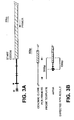
- Sequence analysis of the 5'-RACE clones indicated the presence of multiple potential start sites (Fig. 3A). In the 5'-untranslated region, the cDNA sequence matched the genomic sequence, indicating that introns were not present. Of 15 clones sequenced, 6 ended 103 bp upstream of the translation start codon suggesting that this was the major transcription start site. The two longest cDNAs extended 133 bp upstream of the translation start codon (Fig. 3A).
- RNase protection analysis was performed using a 335 bp fragment generated by PCR using primers derived from the Mel 1a genomic sequence (Fig. 3B).
- One primer (5'-TTCAAGCTTAGCCAGGACGGTCGTGGTCTCCCT-3' (SEQ ID NO:5)) corresponded to +166 to +189 in the amino terminus.
- the other primer (5'-TCAGAATTCGAGTCCAAGTTGCTGGGCAGTGGA-3' (SEQ ID NO:6)) was 125 to 149 nucleotides upstream of the putative transcription start site suggested by 5'-RACE analysis.
- the resulting fragment was subcloned and linearized to generate a cRNA probe.
- RNA or poly(A) + RNA was mixed with approximately 10 5 cpm of each probe in a 20 ml volume of hybridization buffer. Hybridization mixtures were heated to 95°C for 3 min and then incubated at 45°C overnight. Unhybridized RNA was digested by a RNase A/RNase T1 mixture for 1 hr at 37°C. Samples were boiled and separated on 8M urea/5% acrylamide gels. For all RNase protection analyses, control samples were run using yeast RNA, sense probes, and omission of RNase.
- the insert-containing vector or vector without insert was transfected into RT2-2 cells (2 ⁇ g cDNA/35 mm well) using a modified diethylaminoethyl dextran method (Cullen, B.R. (1987) Methods Enzymol. 152 :684-704). Two days after transfection, cell lysates were harvested with Reporter Lysis Buffer (Promega). Luciferase activity in lysates was measured by a Luminoskan luminometer (Labsystems, Helsinki) (deWet, J.R. et al . (1987) Mol. Cell. Biol. 7 :725-737). For each cDNA construct, triplicate 35 mm wells were assayed in duplicate.
- Luciferase activity in RT2-2 cells transfected with the 5' flanking/pGL2 construct was 160 ⁇ 3.4 (mean ⁇ SEM), while luciferase activity was 1.4 ⁇ 0.4 in RT2-2 cells transfected with the pGL2 vector lacking insert (Fig. 4).
- the 1.1 kb flanking region of the mouse receptor gene caused a mean 114-fold induction of luciferase activity over control (vector alone) values. This showed that the 5' flanking region immediately upstream of the transcription start site from approximately nucleotide -1132 to nucleotide +62 relative to the transcription start site (Fig. 2) acts as a functional promoter in RT2-2 cells.
- a TATA box is not present in the mouse receptor gene promoter to position RNA polymerase II for the initiation of transcription. Lack of a TATA sequence is common among genes possessing several transcription start sites, as is the case for the mouse Mel 1a receptor gene. Indeed, many G-protein coupled receptor genes are likewise missing a TATA box in their promoters, including genes for luteinizing hormone (Tsai-Morris, C.H. et al . (1991) J. Biol. Chem. 266 :11355-11359), follicle-stimulating hormone (Heckert, L.L. et al . (1992) Molecular Endocrinology 6 :70-80), thyrotropin (Ikuyama, S.
- a functional promoter was shown to be present in the 1.1 kb 5' flanking region of the mouse Mel 1a receptor gene.
- the 114-fold increase in luciferase activity in RT2-2 cells transfected with vector containing the Mel 1a receptor gene promoter compared to cells transfected with a promoterless reporter vector showed that the promoter was functional in RT2-2 cells.
- the sequence of the 5' flanking region of the mouse Mel 1a receptor gene was analyzed for elements involved in regulation of transcription.
- the GCG (Genetics Computer Group, Madison WI) Wisconsin Package MAP command was utilized with the data file tfsites.dat, defined by the logical name genmoredata.
- the length of the 3' untranslated region was determined by 3'-RACE using two rounds of PCR amplification.
- 3'-RACE was performed using the 3'-RACE System (GIBCO/BRL, Bethesda MD).
- First strand cDNA was generated using an Adapter Primer which is an oligo(dT) primer engineered to contain three restriction endonuclease sites at the 5' end.
- the cDNA was then amplified by PCR using an Anchor Primer complementary to the specific 5' sequence of the Adapter Primer and a primer corresponding to nucleotide sequence in transmembrane 6 of the mouse Mel 1a receptor.
- a second amplification step used the Anchor Primer and a primer nested in transmembrane 7 downstream of the one used in the first amplification.
- the cDNA of the second amplification was separated on an agarose gel. A single band was paper eluted, subcloned into pCRII, and sequenced.
- the first round of amplification used primer 5'-ACTCAACCTCATAGGTCTTATTGT-3'(SEQ ID NO:7) corresponding to +871 to +894 in transmembrane 6, while the second round used primer 5' CCAGAGTGGCTGTTCGTGGCTAGT 3' (SEQ ID NO:8) nested downstream at +929 to +952 in transmembrane 7 (Fig. 2).
- Sequence analysis of 3'-RACE clones consistently revealed a 650 bp cDNA fragment which included 444 bp of the 3' untranslated region ending with a poly(A) tail.
- the fragment contained an ATTTA sequence that may be involved in regulating mRNA stability (Sachs, A.B.
- the 3' untranslated regions of genes are believed to be involved in mRNA stability, and may contain sequences that regulate gene activity (Jackson, R.J. and Standart, N. (1990) Cell 62 :15-24).
- the 3' untranslated region of the mouse Mel 1a receptor gene contains an AU-rich element (ATTTA). This element can induce mRNA instability (Sachs, A.B. (1993) supra ), suggesting that the mouse Mel 1a receptor transcript might be unstable and short-lived. Deletion or alteration of the AU-rich element to alter Mel 1a receptor transcript stability is within the scope of the invention for increasing expression of Mel 1a .
- RNA from RT2-2 cells confirmed the RNase protection analysis result that the Mel 1a receptor was expressed moderately in these cells.
- Hybridization of the blot with the PCR-generated Mel 1a probe from exon 2 revealed two transcripts: an intense hybridization signal at approximately 1.8 kb and a much weaker signal at approximately 7 kb relative to transcript size standards. No hybridization signal was detected in whole mouse brain.
- the Mel 1a melatonin receptor transcript has been identified in PT and SCN (Reppert, S.M. et al . (1994) Neuron, supra). The distribution of Mel 1a receptor mRNA was examined in the mouse SCN and pituitary by in situ hybridization using a cRNA probe complementary to the entire coding region.
- 35 S-labeled antisense cRNA probes were generated by Hin dIII digestion of pCDNA3 containing the entire coding region of the mouse receptor, followed by in vitro transcription with SP6 RNA polymerase (Ambion) in the presence of [ 35 S]alpha-thio-UTP (New England Nuclear; 1100-1200 Ci/mmol) as previously described (Reppert, S.M. (1991) Mol. Endocrinol. 5 :1037-1048).
- sense cRNA probes were generated from each plasmid and processed along with the antisense probes.
- the distribution of high-affinity melatonin binding sites was examined on adjacent sections by in vitro autoradiography using 125 I-Mel.
- the highest level of receptor mRNA was found in mouse PT.
- the SCN of adult mice also displayed a moderate hybridization signal. Intense 125 I-Mel binding was found in both PT and SCN.
- In situ hybridization analysis of the SCN in newborn mice showed an intense hybridization signal in SCN and a diffuse signal in lateral hypothalamus. Examination of emulsion autoradiograms from these animals showed that the hybridization signal was more intense in the ventral SCN. Within this region, only scattered cells displayed silver grains. There was no obvious day-night difference in hybridization intensity in the adult SCN.
- Example 6 Expression of an Exogenous Gene from a Vertebrate Melatonin 1a Receptor Gene Promoter
- An expression cassette, genetic construct, or expression vector containing a gene of interest (such as a reporter gene) operably linked to the transcriptional regulatory regions of a vertebrate Mel 1a receptor gene promoter (such as from a mouse) according to the invention may be expressed by transformation of a suitable host cell.
- any of a wide variety of expression systems may be used to provide the recombinant expression construct.
- the precise host cell used is not critical to the invention provided the host cell expresses DNA operably linked to the mouse Mel 1a receptor gene promoter.
- a host cell useful for the expression from the mouse Mel 1a receptor gene promoter is the RT2-2 cell (Bristol-Myers Squibb, New Jersey).
- the method of transfection and the choice of expression vehicle will depend on the host system selected. Transformation and mammalian cell transfection methods are described, e.g. , in Ausubel et al .
- expression vehicles may be chosen from those provided, e.g. , in Cloning Vectors: A Laboratory Manual (Pouwels, P.H. et al ., (1985), Supp. 1987).
- One particularly preferred expression system is the RT2-2 cell transfected with a pGL2-Basic luciferase vector containing the 1.1 kb 5' flanking sequence from - 1132 to +26 bp upstream of the transcription start site of the mouse Mel 1a receptor gene as described above (see Fig. 2, and the corresponding nucleic acids 34-1192 of SEQ ID NO:1).
- DNA encoding the mouse Mel 1a receptor gene promoter was inserted into the pGL2-Basic luciferase vector in an orientation designed to allow expression of luciferase.
- the expression construct may be used in a screening method of the invention.
- mouse Mel 1a receptor gene promoter:reporter gene construct is expressed by a stably-transfected mammalian cell line.
- cDNA encoding the Mel 1a promoter:reporter gene construct is cloned into an expression vector which includes a promoterless second reporter gene.
- Such a construct allows integration of the plasmid and, therefore, the Mel 1a promoter:reporter gene construct into the host cell chromosome to be selected for, such as by inclusion of a substrate for the second reporter gene (as described in Ausubel et al., supra ). This dominant selection can be accomplished in most cell types.
- a Mel 1a promoter:reporter gene (e.g. , produced by any of the expression systems described herein) may be assayed by immunological procedures, such as Western blot or immunoprecipitation analysis of recombinant cell extracts, or by immunofluorescence of intact recombinant cells (using, e.g, the methods described in Ausubel et al ., supra); by light emission assays (using, e.g. , luciferase as described herein); by colorimetric assay (using, e.g., ⁇ -galactosidase expression), for example.
- immunological procedures such as Western blot or immunoprecipitation analysis of recombinant cell extracts, or by immunofluorescence of intact recombinant cells (using, e.g, the methods described in Ausubel et al ., supra); by light emission assays (using, e.g. , luciferase as described herein); by color
- Example 7 Screening For Melatonin 1a Receptor Gene Promoter Activators and Inhibitors
- one aspect of the invention features screening for compounds that activate transcription from the mouse Mel 1a receptor gene transcriptional regulatory sequences, thereby inducing an increase in the amount of Mel 1a receptor expressed cells of the SCN and PT, and in turn increasing sensitivity to circulating melatonin.
- An element of the screen is recombinant Mel 1a receptor gene promoter:reporter gene transfected into a cell allowing expression of the Mel 1a receptor gene promoter (such as RT2-2 cells).
- the Mel 1a receptor gene promoter is from a vertebrate animal such as a mouse.
- Other elements of the screen include contacting the transfected cell with a candidate compound and monitoring an increase in reporter gene activity as indicative of increased expression from the Mel 1a receptor gene promoter.
- a screen for a compound capable of inhibiting Mel 1a receptor gene promoter function is screened in the same manner as described for transcription activators except that a decrease in reporter gene activity is monitored.
- such screening assays are carried out using a cell line (such as RT2-2) stably transfected with the Mel 1a receptor gene promoter:reporter gene construct.
- a cell line such as RT2-2
- the untransfected cell line expresses substantially no reporter gene.
- Transcriptional activators may be expected to be a useful therapeutic agent for circadian rhythm disorders such as jet lag, day/night cycle disorders in humans or mating cycle alterations in animals such as sheep by increasing the number of melatonin receptors on the surface of cells in the SCN or PT and thereby increasing the sensitivity of the animal to circulating melatonin.
- Transcriptional inhibitors may be expected to be a useful therapeutic agent for disorders treatable by decreasing the number of melatonin receptors on the surface of SCN or PT cells thereby decreasing the sensitivity of the animal to melatonin.
- disorders include, but are not limited to, controlling reproductive cycles in mammals, such as controlling the initiation of timing of puberty in humans.
- Example 8 preparation of a Transgenic Animal containing a Recombinant Melatonin 1a Regulatory Sequence:Reporter Gene Cassette
- transgenic animals there are several means by which transgenic animals can be made.
- a transgenic animal (such as a mammal) may be constructed by one of several techniques, including targeted insertion of an exogenous melatonin receptor gene into the endogenous gene of the animal, or other methods well known to those skilled in the art.
- a transgenic mammal whose germ cells and somatic cells contain an exogenous reporter gene under the control of a melatonin receptor gene transcriptional regulatory region is produced by methods known in the art. See, for example, U. S. Patent No. 4,736,866 describing production of a transgenic mammal, herein incorporated by reference in its entirety.
- the DNA sequence encoding an exogenous melatonin 1a receptor gene promoter operably linked to a reporter gene of interest is introduced into the animal, or an ancestor of the animal, at an embryonic stage (preferably the one-cell, or fertilized oocyte, stage, and generally not later than about the 8-cell stage).
- Tissues of transgenic mammals are analyzed for the presence of exogenous reporter gene product, either by directly analyzing mRNA, or by assaying the tissue for exogenous product.
- Example 9 Using the Transgenic Mammal to Determine Melatonin Receptor Gene Promoter Activation or Inhibition
- the animals described above can be used to determine whether candidate compounds are melatonin promoter activators or inhibitors in vivo.
- One aspect of the invention features screening for compounds that agonize or antagonize melatonin activity in vivo .
- the elements of the screen are a Mel 1a promoter:reporter gene transgenic mammal and a potential melatonin 1a receptor gene promoter activator or inhibitor in a suitable formulation for administration to the mammal. Detection of a change in the phenotype of interest (e.g. , sleep/wake cycle or reproductive cycle) relative to a control transgenic mammal to which no promoter activator or inhibitor has been administered indicates a potentially useful candidate compound.
- Particularly suitable therapeutics for the treatment of circadian rhythm disorders in humans as well as for regulating changes in the reproductive cycle of seasonally breeding animals are the transcriptional activators and inhibitors described above formulated in an appropriate buffer such as physiological saline.
- the therapeutic preparation is administered in accordance with the condition to be treated. Ordinarily, it will be administered intravenously, at a dosage, of a duration, and with the appropriate timing to elicit the desired response. Appropriate timing refers to the time in the natural circadian rhythm at which administration of therapeutic preparation elicits the desired response. Alternatively, it may be convenient to administer the therapeutic orally, nasally, or topically, e.g. , as a liquid or a spray. Again, the dosages are as described above. Treatment may be repeated as necessary for alleviation of disease symptoms.
- Melatonin 1a receptor gene promoter transcriptional activators can be used to reentrain the endogenous melatonin rhythm of humans; alleviate jet lag symptoms in humans; phase shift the sleep/wake cycle of some blind people, reinforce entrainment of endogenous melatonin rhythm using low intensity light/dark cycle; control ovulation in humans; and alter reproductive cycles in seasonally breeding animals.
- Melatonin 1a receptor gene promoter transcriptional inhibitors may be useful in controlling reproductive cycles in mammals, such as controlling the initiation or timing of puberty in humans.
- the methods of the invention may be used to screen therapeutic receptor gene promoter transcriptional activators or inhibitors for their effectiveness in altering expression of a gene of interest in vitro or in vivo by the assays described above.
- a melatonin 1a receptor gene regulatory region is preferably specific for that species.
- Melatonin 1a receptor transcriptional regulatory regions include any melatonin 1a receptor gene promoters (e.g. , regulatory regions as described herein). Such promoters may be derived from any source, but are preferably derived from a vertebrate animal, e.g. , a mouse, a human, a sheep, or a frog.
- promoters may be derived from any source, but are preferably derived from a vertebrate animal, e.g. , a mouse, a human, a sheep, or a frog.
- promoters are used, e.g. , to screen for transcriptional inhibitors which can be used to alter production of melatonin 1a receptor and thereby alter sensitivity to melatonin in cell lines or in whole transgenic animals.
- Specific receptor gene promoter regions of interest include sequences upstream of the transcription start site of the melatonin 1a receptor gene, within the intron, or downstream of the Mel 1a coding sequence, which sequences function in a cell to express a gene of interest operably linked to the receptor gene promoter region of the invention. Nucleotide substitutions, deletions, or insertions located at positions of the nucleotide sequence which do not destroy the promoter's ability to initiate transcription or destroy the ability of the resultant mRNA to be translated are within the scope of the present invention.
Landscapes
- Health & Medical Sciences (AREA)
- Life Sciences & Earth Sciences (AREA)
- Genetics & Genomics (AREA)
- Chemical & Material Sciences (AREA)
- Organic Chemistry (AREA)
- Zoology (AREA)
- Engineering & Computer Science (AREA)
- Biochemistry (AREA)
- Biomedical Technology (AREA)
- Molecular Biology (AREA)
- General Engineering & Computer Science (AREA)
- Bioinformatics & Cheminformatics (AREA)
- General Health & Medical Sciences (AREA)
- Wood Science & Technology (AREA)
- Biotechnology (AREA)
- Biophysics (AREA)
- Cell Biology (AREA)
- Proteomics, Peptides & Aminoacids (AREA)
- Physics & Mathematics (AREA)
- Endocrinology (AREA)
- Plant Pathology (AREA)
- Immunology (AREA)
- Toxicology (AREA)
- Gastroenterology & Hepatology (AREA)
- Medicinal Chemistry (AREA)
- Microbiology (AREA)
- Micro-Organisms Or Cultivation Processes Thereof (AREA)
- Measuring Or Testing Involving Enzymes Or Micro-Organisms (AREA)
- Medicines That Contain Protein Lipid Enzymes And Other Medicines (AREA)
- Pharmaceuticals Containing Other Organic And Inorganic Compounds (AREA)
- Peptides Or Proteins (AREA)
- Investigating Or Analysing Biological Materials (AREA)
- Saccharide Compounds (AREA)
Claims (5)
- Isoliertes Nukleinsäuremolekül, umfassend einen funktionalen Melatonin 1a-Rezeptorgen-Promotor, der operativ mit einem Reportergen verknüpft ist, wobei der Melatonin 1a-Rezeptorgen-Promotor wenigstens 95 % Homologie mit einer die Nukleotide 24 bis 1192 von SEQ ID NO:1 umfassenden Nukleotidsequenz aufweist.
- Nukleinsäuremolekül gemäß Anspruch 1, worin der Melatonin 1a-Rezeptorgen-Promotor die Nukleotide 24 bis 1192 von SEQ ID NO:1 umfasst.
- Nukleinsäuremolekül gemäß Anspruch 2, worin der Melatonin 1a-Rezeptorgen-Promotor aus den Nukleotiden 24 bis 1192 von SEQ ID NO:1 besteht.
- Nukleinsäuremolekül gemäß einem der vorangegangenen Ansprüche, welches weiterhin die Nukleotide 2331 bis 2772 von SEQ ID NO:1 umfasst.
- Verfahren zum Screenen einer Kandidatenverbindung auf die Fähigkeit zur Veränderung der Transkription von einem funktionalen Melatonin 1a-Rezeptorgen-Promotor, wobei man bei diesem Verfahren:a) eine Zelle bereltstellt, welche einem operativ mit einem Reportergen verknüpften rekombinanten Melatonin 1a-Rezeptorgen-Promotor gemäß einem der Ansprüche 1 bis 4 umfasst;b) die Zelle mit der Kandidatenverbindung in Kontakt bringt; undc) die Expression des Reportergens in Gegenwart der Kandidatenverbindung nachweist, wobei eine Steigerung oder Verringerung der Expression in Gegenwart der Kandidatenverbindung, bezogen auf die Expression bei Fehlen der Kandidatenverbindung, ein Anzeichen dafür ist, dass die Kandidatenverbindung die Transkription von dem Promotor verändert.
Applications Claiming Priority (3)
| Application Number | Priority Date | Filing Date | Title |
|---|---|---|---|
| US2218596P | 1996-07-18 | 1996-07-18 | |
| US22185P | 1996-07-18 | ||
| PCT/US1997/012526 WO1998003549A1 (en) | 1996-07-18 | 1997-07-17 | MELATONIN 1a RECEPTOR GENE REGULATORY REGIONS AND USES THEREOF |
Publications (3)
| Publication Number | Publication Date |
|---|---|
| EP0960129A1 EP0960129A1 (de) | 1999-12-01 |
| EP0960129A4 EP0960129A4 (de) | 2001-09-12 |
| EP0960129B1 true EP0960129B1 (de) | 2006-05-10 |
Family
ID=21808259
Family Applications (1)
| Application Number | Title | Priority Date | Filing Date |
|---|---|---|---|
| EP97934202A Expired - Lifetime EP0960129B1 (de) | 1996-07-18 | 1997-07-17 | Regulatorische regionen des gens für den melatonin 1a rezeptor und deren verwendungen |
Country Status (8)
| Country | Link |
|---|---|
| US (2) | US5889177A (de) |
| EP (1) | EP0960129B1 (de) |
| JP (1) | JP2000515018A (de) |
| AT (1) | ATE325816T1 (de) |
| AU (1) | AU729532B2 (de) |
| CA (1) | CA2260763A1 (de) |
| DE (1) | DE69735852D1 (de) |
| WO (1) | WO1998003549A1 (de) |
Families Citing this family (8)
| Publication number | Priority date | Publication date | Assignee | Title |
|---|---|---|---|---|
| FR2795427B1 (fr) * | 1999-06-28 | 2001-09-14 | Agronomique Inst Nat Rech | Methode de typage d'un animal photoperiodique pour une fonction physiologique saisonniere comme son aptitude a la reproduction a contre-saison |
| US7223533B2 (en) * | 1999-09-10 | 2007-05-29 | Cadus Technologies, Inc. | Cell surface proteins and use thereof as indicators of activation of cellular signal transduction pathways |
| WO2001079539A2 (de) * | 2000-04-18 | 2001-10-25 | Ipf Pharmaceuticals Gmbh | Verfahren zur anwendung von transfiziebaren konstruktionen aus luziferase und dem promotor des menschlichen period1-gens zur identifizierung neuer wirkstoffe die den tag/nacht-rhythmus und den schlaf beeinflussen |
| CA2373854A1 (en) * | 2002-02-28 | 2003-08-28 | Alain Moreau | Methods of diagnosing and counteracting adolescent idiopathic scoliosis |
| MXPA06003380A (es) * | 2003-09-26 | 2006-06-08 | Pfizer Prod Inc | Uso de antagonista del receptor npy y5 para el tratamiento de trastornos del ritmo circadiano. |
| WO2005030210A1 (en) * | 2003-09-26 | 2005-04-07 | Pfizer Products Inc. | Treatment of neurological disorders related to rapid eye movement (rem) sleep disturbances with npy y5 receptor antagonists |
| CN114525350B (zh) * | 2022-04-22 | 2022-09-16 | 三亚中国农业大学研究院 | 与湖羊的褪黑素性状相关的snp标记及其应用 |
| CN119708184A (zh) * | 2024-12-26 | 2025-03-28 | 山东省农业科学院 | 一种与植物褪黑素合成酶基因comt1的启动子互作的转录因子gata3及其应用 |
Family Cites Families (2)
| Publication number | Priority date | Publication date | Assignee | Title |
|---|---|---|---|---|
| US5856124A (en) * | 1994-06-17 | 1999-01-05 | The General Hospital Corporation | DNA encoding high-affinity melatonin receptors |
| FR2737220B1 (fr) * | 1995-07-24 | 1997-09-26 | Adir | Sequences nucleiques codant pour des recepteurs de la melatonine et leurs applications |
-
1997
- 1997-07-17 WO PCT/US1997/012526 patent/WO1998003549A1/en not_active Ceased
- 1997-07-17 EP EP97934202A patent/EP0960129B1/de not_active Expired - Lifetime
- 1997-07-17 AU AU37316/97A patent/AU729532B2/en not_active Ceased
- 1997-07-17 AT AT97934202T patent/ATE325816T1/de not_active IP Right Cessation
- 1997-07-17 JP JP10507089A patent/JP2000515018A/ja active Pending
- 1997-07-17 CA CA002260763A patent/CA2260763A1/en not_active Abandoned
- 1997-07-17 US US08/895,701 patent/US5889177A/en not_active Expired - Fee Related
- 1997-07-17 DE DE69735852T patent/DE69735852D1/de not_active Expired - Lifetime
-
1999
- 1999-03-29 US US09/280,420 patent/US6037131A/en not_active Expired - Fee Related
Also Published As
| Publication number | Publication date |
|---|---|
| JP2000515018A (ja) | 2000-11-14 |
| US6037131A (en) | 2000-03-14 |
| ATE325816T1 (de) | 2006-06-15 |
| DE69735852D1 (de) | 2006-06-14 |
| AU729532B2 (en) | 2001-02-01 |
| AU3731697A (en) | 1998-02-10 |
| WO1998003549A1 (en) | 1998-01-29 |
| EP0960129A1 (de) | 1999-12-01 |
| CA2260763A1 (en) | 1998-01-29 |
| US5889177A (en) | 1999-03-30 |
| EP0960129A4 (de) | 2001-09-12 |
Similar Documents
| Publication | Publication Date | Title |
|---|---|---|
| Ducouret et al. | Cloning of a teleost fish glucocorticoid receptor shows that it contains a deoxyribonucleic acid-binding domain different from that of mammals | |
| Chouabe et al. | Properties of KvLQT1 K+ channel mutations in Romano–Ward and Jervell and Lange‐Nielsen inherited cardiac arrhythmias | |
| Murphy et al. | Neuroendocrine regulation of the hypothalamic pituitary adrenal axis by the nurr1/nur77 subfamily of nuclear receptors | |
| Seasholtz et al. | Identification of a cyclic adenosine monophosphate-responsive element in the rat corticotropin-releasing hormone gene | |
| Kolakowski Jr et al. | Molecular characterization and expression of cloned human galanin receptors GALR2 and GALR3 | |
| Morgan et al. | A transcriptionally active human type II gonadotropin-releasing hormone receptor gene homolog overlaps two genes in the antisense orientation on chromosome 1q. 12 | |
| Sakurai et al. | Expression of three forms of thyroid hormone receptor in human tissues | |
| Petersenn et al. | Structure and regulation of the human growth hormone-releasing hormone receptor gene | |
| WO1996029405A9 (en) | MODULATORS OF ob GENE AND SCREENING METHODS THEREFOR | |
| Ito et al. | Mice expressing human but not murine beta3-adrenergic receptors under the control of human gene regulatory elements. | |
| EP0769024B1 (de) | Melatoninrezeptoren mit hoher affinität und ihre verwendungen | |
| US7767881B2 (en) | Utilization of histamine receptor h3 gene participating in body weight or food intake control | |
| US5889177A (en) | Melatonin 1A receptor gene regulatory regions and uses thereof | |
| Govindan et al. | Human glucocorticoid receptor gene promotor—homologous down regulation | |
| Petersenn et al. | Genomic structure and transcriptional regulation of the human somatostatin receptor type 2 | |
| US6528303B1 (en) | Neuropeptide Y-Y5 receptor | |
| Mitchusson et al. | Agonist-mediated destabilization of human β1-adrenergic receptor mRNA: role of the 3′ untranslated translated region | |
| JP2003513645A (ja) | メラノコルチン−3レセプター欠失細胞、非ヒトトランスジェニック動物及び体重を調節する化合物の選択方法 | |
| Dumont et al. | Mouse melanocortin-4 receptor gene 5′-flanking region imparts cell specific expression in vitro | |
| Salin et al. | Structural and functional characterization of the rat neurotrophin-4 gene | |
| US5364772A (en) | DNA molecule encoding the β3 -adrenergic receptor | |
| US5871909A (en) | Human cellular retinoic acid binding protein I and II DNA and methods of use | |
| EP0411323A2 (de) | Retinosäure-Rezeptoren aus Menschen und Mäusen und dafür kodierende Gene | |
| JP2000510001A (ja) | 分断されたnpy y1受容体遺伝子を有するトランスジェニック動物 | |
| Chen et al. | Characterization of two promoters of a rat pregnancy-specific glycoprotein gene |
Legal Events
| Date | Code | Title | Description |
|---|---|---|---|
| PUAI | Public reference made under article 153(3) epc to a published international application that has entered the european phase |
Free format text: ORIGINAL CODE: 0009012 |
|
| 17P | Request for examination filed |
Effective date: 19990218 |
|
| AK | Designated contracting states |
Kind code of ref document: A1 Designated state(s): AT BE CH DE DK ES FI FR GB GR IE IT LI LU MC NL PT SE |
|
| A4 | Supplementary search report drawn up and despatched |
Effective date: 20010726 |
|
| AK | Designated contracting states |
Kind code of ref document: A4 Designated state(s): AT BE CH DE DK ES FI FR GB GR IE IT LI LU MC NL PT SE |
|
| 17Q | First examination report despatched |
Effective date: 20030410 |
|
| GRAP | Despatch of communication of intention to grant a patent |
Free format text: ORIGINAL CODE: EPIDOSNIGR1 |
|
| GRAS | Grant fee paid |
Free format text: ORIGINAL CODE: EPIDOSNIGR3 |
|
| GRAA | (expected) grant |
Free format text: ORIGINAL CODE: 0009210 |
|
| AK | Designated contracting states |
Kind code of ref document: B1 Designated state(s): AT BE CH DE DK ES FI FR GB GR IE IT LI LU MC NL PT SE |
|
| PG25 | Lapsed in a contracting state [announced via postgrant information from national office to epo] |
Ref country code: NL Free format text: LAPSE BECAUSE OF FAILURE TO SUBMIT A TRANSLATION OF THE DESCRIPTION OR TO PAY THE FEE WITHIN THE PRESCRIBED TIME-LIMIT Effective date: 20060510 Ref country code: LI Free format text: LAPSE BECAUSE OF FAILURE TO SUBMIT A TRANSLATION OF THE DESCRIPTION OR TO PAY THE FEE WITHIN THE PRESCRIBED TIME-LIMIT Effective date: 20060510 Ref country code: IT Free format text: LAPSE BECAUSE OF FAILURE TO SUBMIT A TRANSLATION OF THE DESCRIPTION OR TO PAY THE FEE WITHIN THE PRESCRIBED TIME-LIMIT;WARNING: LAPSES OF ITALIAN PATENTS WITH EFFECTIVE DATE BEFORE 2007 MAY HAVE OCCURRED AT ANY TIME BEFORE 2007. THE CORRECT EFFECTIVE DATE MAY BE DIFFERENT FROM THE ONE RECORDED. Effective date: 20060510 Ref country code: FI Free format text: LAPSE BECAUSE OF FAILURE TO SUBMIT A TRANSLATION OF THE DESCRIPTION OR TO PAY THE FEE WITHIN THE PRESCRIBED TIME-LIMIT Effective date: 20060510 Ref country code: CH Free format text: LAPSE BECAUSE OF FAILURE TO SUBMIT A TRANSLATION OF THE DESCRIPTION OR TO PAY THE FEE WITHIN THE PRESCRIBED TIME-LIMIT Effective date: 20060510 Ref country code: BE Free format text: LAPSE BECAUSE OF FAILURE TO SUBMIT A TRANSLATION OF THE DESCRIPTION OR TO PAY THE FEE WITHIN THE PRESCRIBED TIME-LIMIT Effective date: 20060510 Ref country code: AT Free format text: LAPSE BECAUSE OF FAILURE TO SUBMIT A TRANSLATION OF THE DESCRIPTION OR TO PAY THE FEE WITHIN THE PRESCRIBED TIME-LIMIT Effective date: 20060510 |
|
| REG | Reference to a national code |
Ref country code: GB Ref legal event code: FG4D |
|
| REG | Reference to a national code |
Ref country code: CH Ref legal event code: EP |
|
| REF | Corresponds to: |
Ref document number: 69735852 Country of ref document: DE Date of ref document: 20060614 Kind code of ref document: P |
|
| REG | Reference to a national code |
Ref country code: IE Ref legal event code: FG4D |
|
| PG25 | Lapsed in a contracting state [announced via postgrant information from national office to epo] |
Ref country code: IE Free format text: LAPSE BECAUSE OF NON-PAYMENT OF DUE FEES Effective date: 20060717 |
|
| PG25 | Lapsed in a contracting state [announced via postgrant information from national office to epo] |
Ref country code: MC Free format text: LAPSE BECAUSE OF NON-PAYMENT OF DUE FEES Effective date: 20060731 |
|
| PG25 | Lapsed in a contracting state [announced via postgrant information from national office to epo] |
Ref country code: SE Free format text: LAPSE BECAUSE OF FAILURE TO SUBMIT A TRANSLATION OF THE DESCRIPTION OR TO PAY THE FEE WITHIN THE PRESCRIBED TIME-LIMIT Effective date: 20060810 Ref country code: DK Free format text: LAPSE BECAUSE OF FAILURE TO SUBMIT A TRANSLATION OF THE DESCRIPTION OR TO PAY THE FEE WITHIN THE PRESCRIBED TIME-LIMIT Effective date: 20060810 |
|
| PG25 | Lapsed in a contracting state [announced via postgrant information from national office to epo] |
Ref country code: DE Free format text: LAPSE BECAUSE OF FAILURE TO SUBMIT A TRANSLATION OF THE DESCRIPTION OR TO PAY THE FEE WITHIN THE PRESCRIBED TIME-LIMIT Effective date: 20060811 |
|
| PG25 | Lapsed in a contracting state [announced via postgrant information from national office to epo] |
Ref country code: ES Free format text: LAPSE BECAUSE OF FAILURE TO SUBMIT A TRANSLATION OF THE DESCRIPTION OR TO PAY THE FEE WITHIN THE PRESCRIBED TIME-LIMIT Effective date: 20060821 |
|
| PG25 | Lapsed in a contracting state [announced via postgrant information from national office to epo] |
Ref country code: PT Free format text: LAPSE BECAUSE OF FAILURE TO SUBMIT A TRANSLATION OF THE DESCRIPTION OR TO PAY THE FEE WITHIN THE PRESCRIBED TIME-LIMIT Effective date: 20061010 |
|
| NLV1 | Nl: lapsed or annulled due to failure to fulfill the requirements of art. 29p and 29m of the patents act | ||
| REG | Reference to a national code |
Ref country code: CH Ref legal event code: PL |
|
| PLBE | No opposition filed within time limit |
Free format text: ORIGINAL CODE: 0009261 |
|
| STAA | Information on the status of an ep patent application or granted ep patent |
Free format text: STATUS: NO OPPOSITION FILED WITHIN TIME LIMIT |
|
| 26N | No opposition filed |
Effective date: 20070213 |
|
| GBPC | Gb: european patent ceased through non-payment of renewal fee |
Effective date: 20060810 |
|
| EN | Fr: translation not filed | ||
| PG25 | Lapsed in a contracting state [announced via postgrant information from national office to epo] |
Ref country code: GB Free format text: LAPSE BECAUSE OF NON-PAYMENT OF DUE FEES Effective date: 20060810 |
|
| PG25 | Lapsed in a contracting state [announced via postgrant information from national office to epo] |
Ref country code: GR Free format text: LAPSE BECAUSE OF FAILURE TO SUBMIT A TRANSLATION OF THE DESCRIPTION OR TO PAY THE FEE WITHIN THE PRESCRIBED TIME-LIMIT Effective date: 20060811 Ref country code: FR Free format text: LAPSE BECAUSE OF FAILURE TO SUBMIT A TRANSLATION OF THE DESCRIPTION OR TO PAY THE FEE WITHIN THE PRESCRIBED TIME-LIMIT Effective date: 20070309 |
|
| PG25 | Lapsed in a contracting state [announced via postgrant information from national office to epo] |
Ref country code: LU Free format text: LAPSE BECAUSE OF NON-PAYMENT OF DUE FEES Effective date: 20060717 |
|
| PG25 | Lapsed in a contracting state [announced via postgrant information from national office to epo] |
Ref country code: FR Free format text: LAPSE BECAUSE OF FAILURE TO SUBMIT A TRANSLATION OF THE DESCRIPTION OR TO PAY THE FEE WITHIN THE PRESCRIBED TIME-LIMIT Effective date: 20060510 |